Mainz was founded by the Romans in 13 BCE and called it Mogontiacum. It had a large population as it was a military and administrative center, helping to protect Roman front lines to the north through the use of the Rhine River. Roman walls were found when excavating for construction.
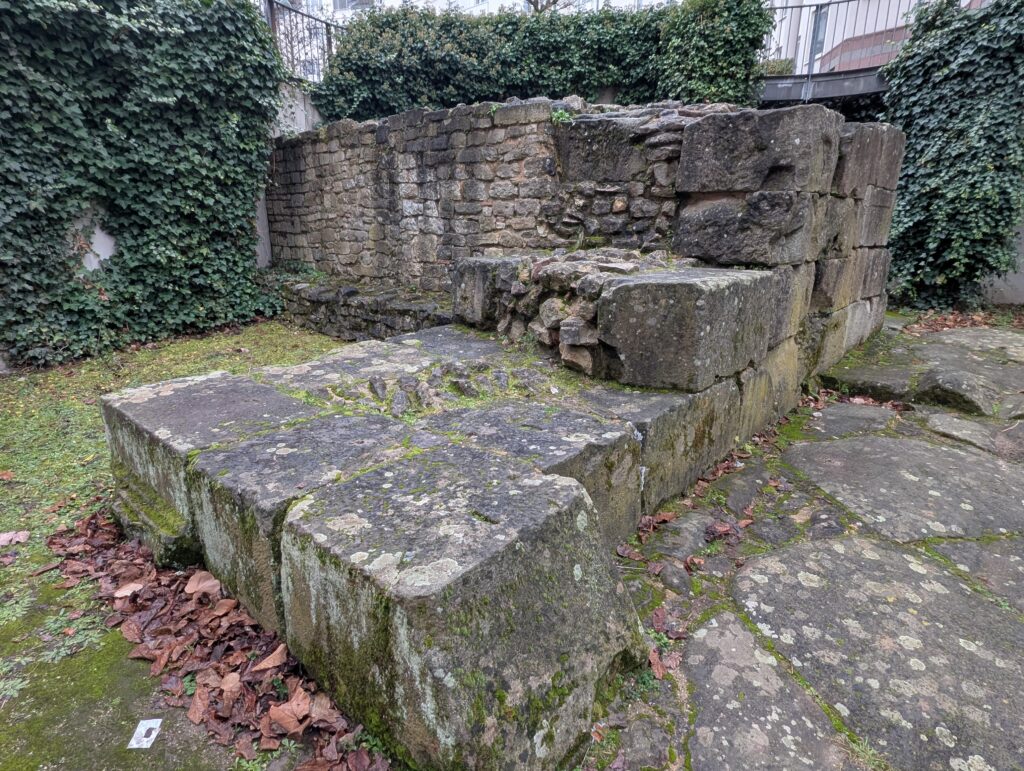
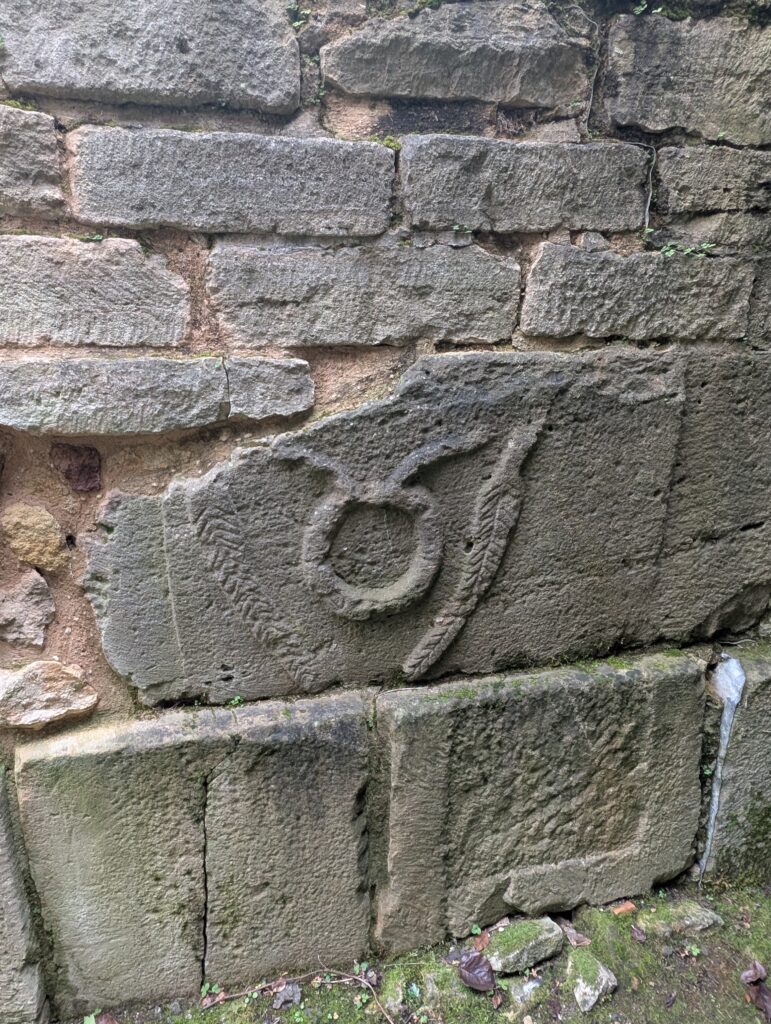
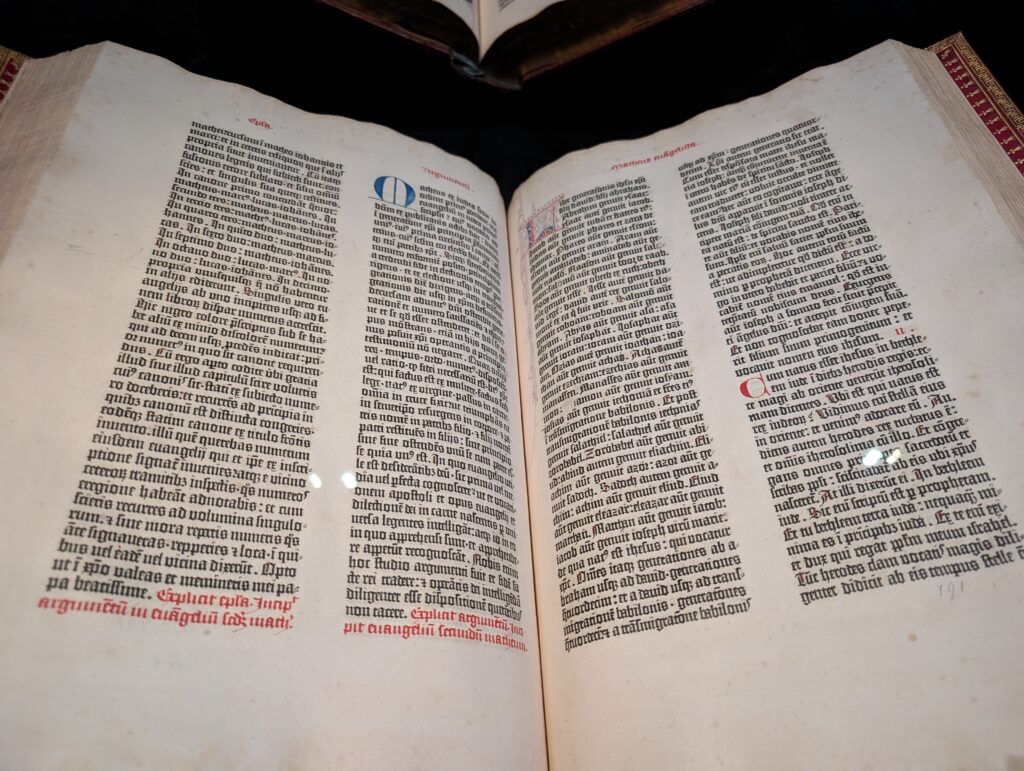
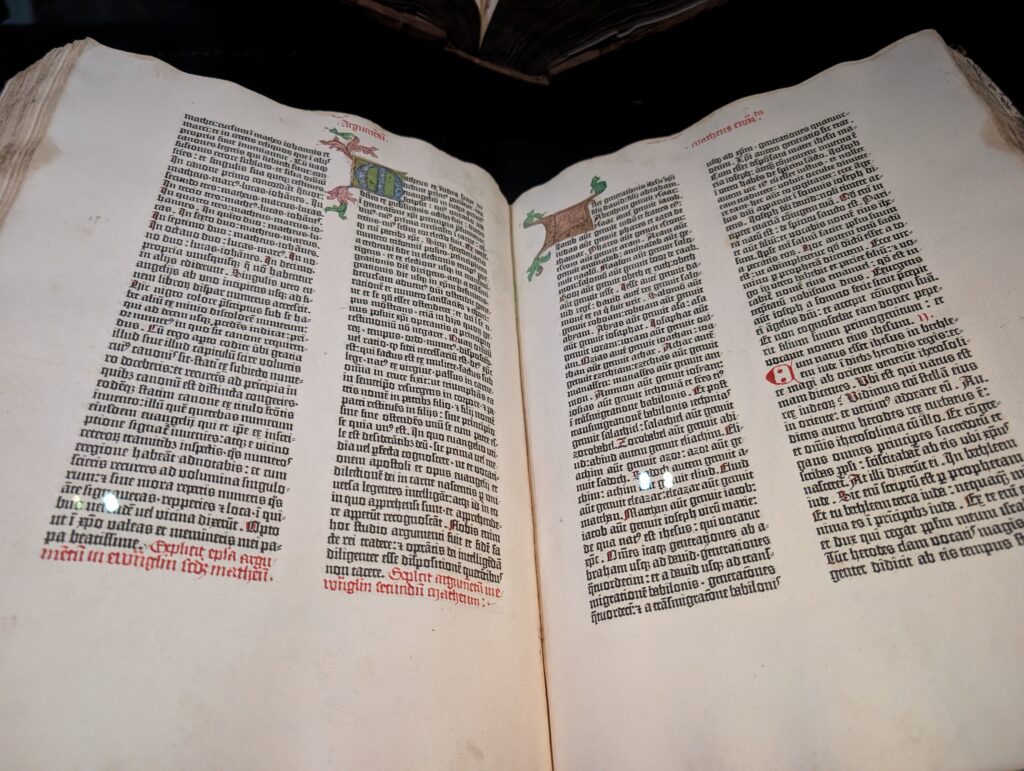
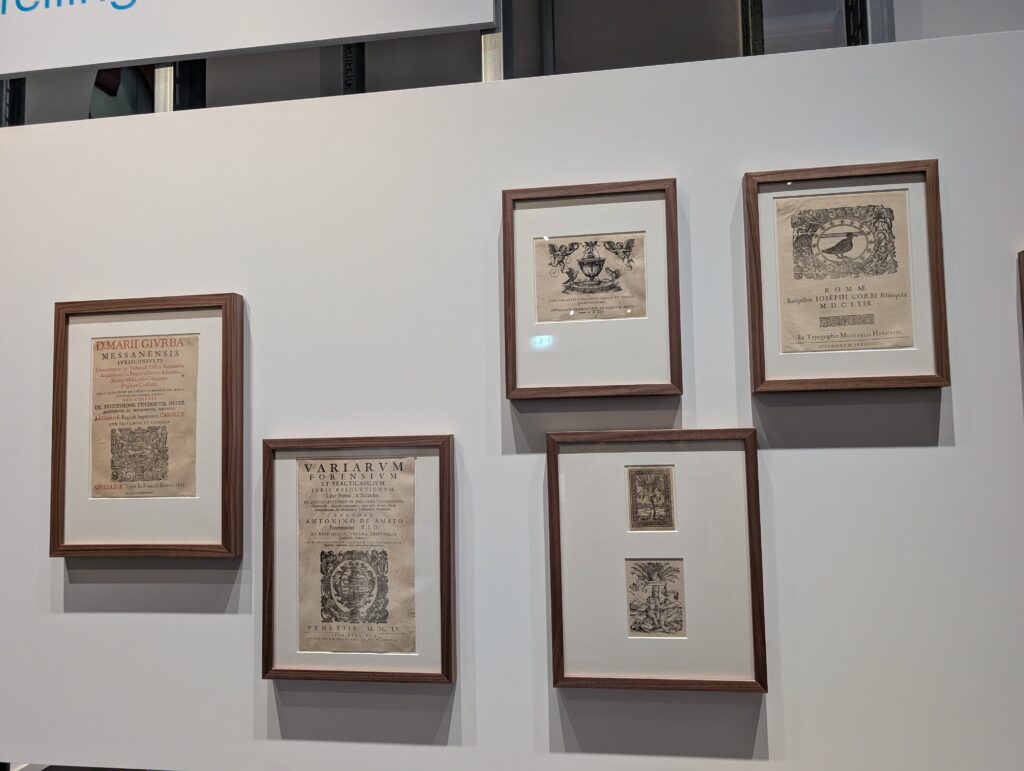
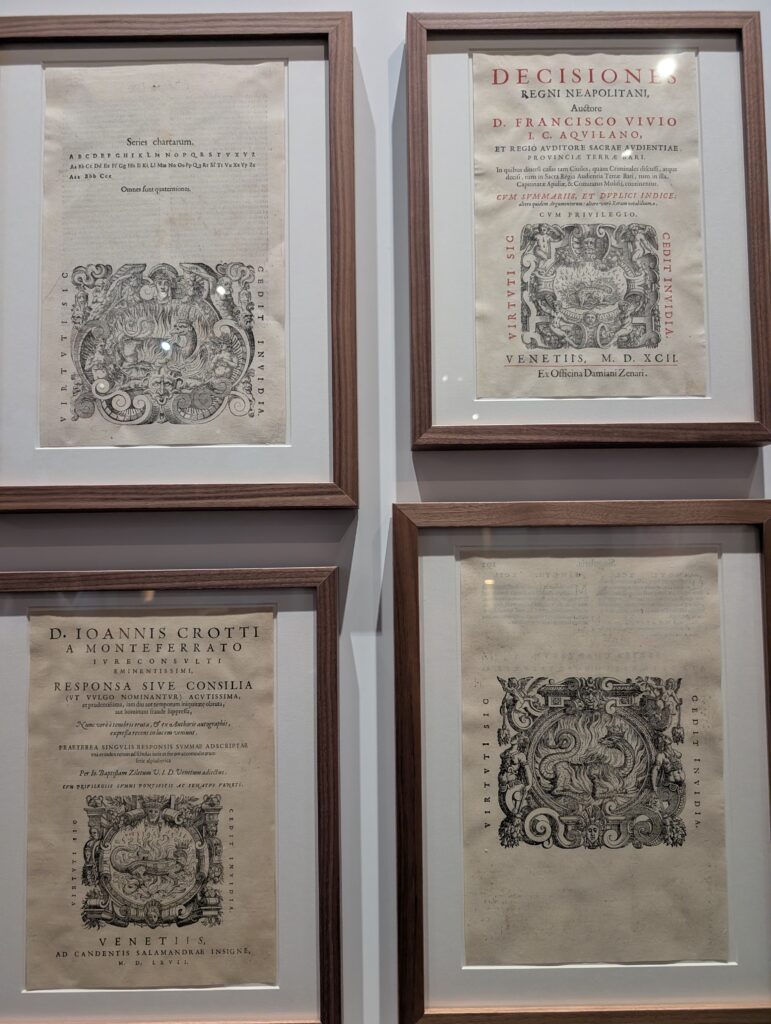
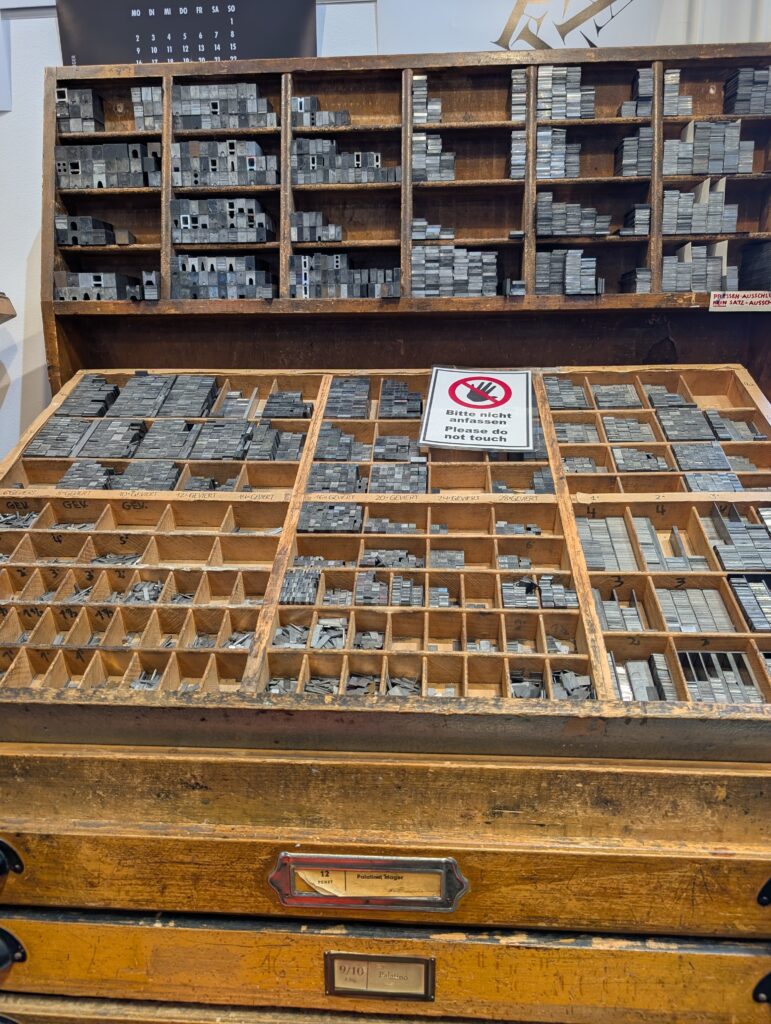
It became an important Christian city in the 8th century. In 1450, Gutenberg revolutionized printing by using moveable type. He was born here and there is a great museum in his name here. It uses many different types of the chnology to explore and explain printing changes through the years and how people’s lives have changed. They have some very old books in their possession including two original Gutenberg bibles. Of the 180 that were printed. Only 49 have survived. Two of them ar hermano in a vault that you can see. Each column has 42 lines of text. These were printed d in 1454.
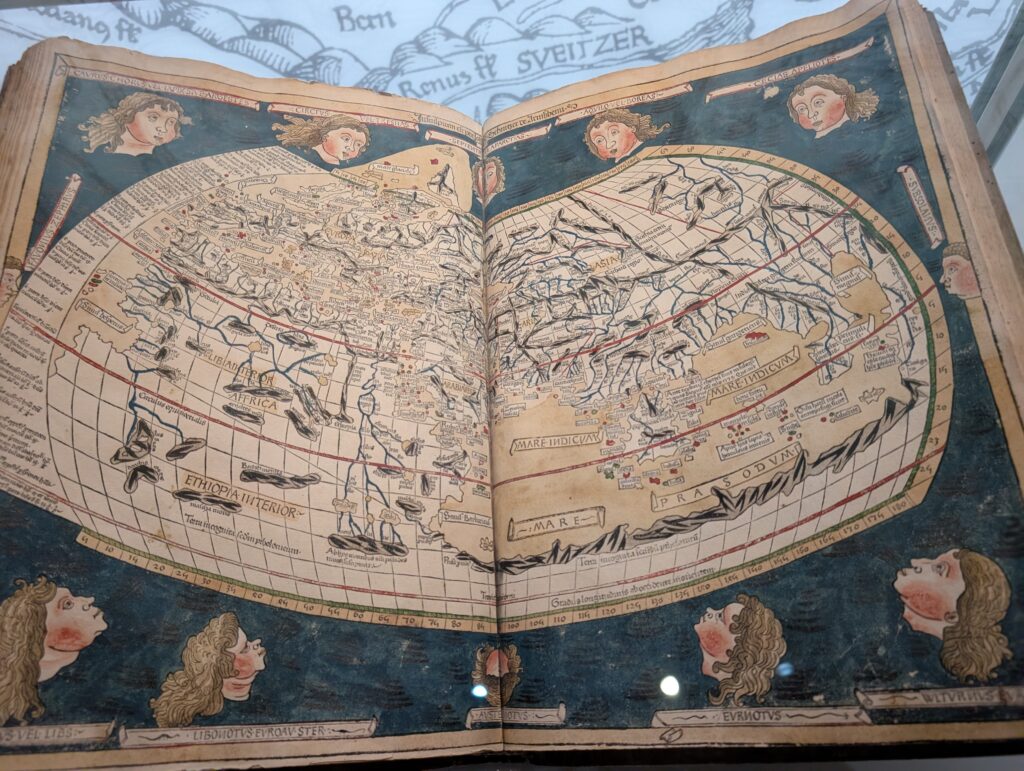
I found the different maps that were on exhibit fascinating. Depending upon the printer, it showed what was known of that day or what that person believed was most important. For example, there is no Americas in this map as it had not been “discovered” yet (1493).
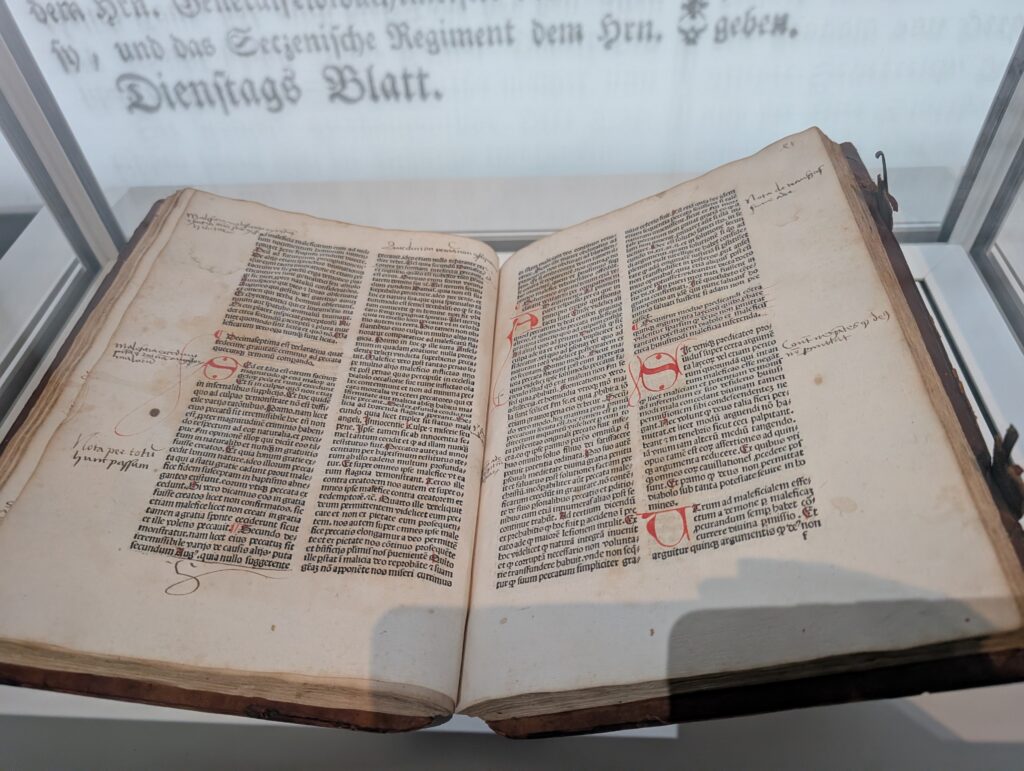
The Hammer of Witches was printed for those to identify and deal with witches. It unfortunately was used heavily after printing in 1486.
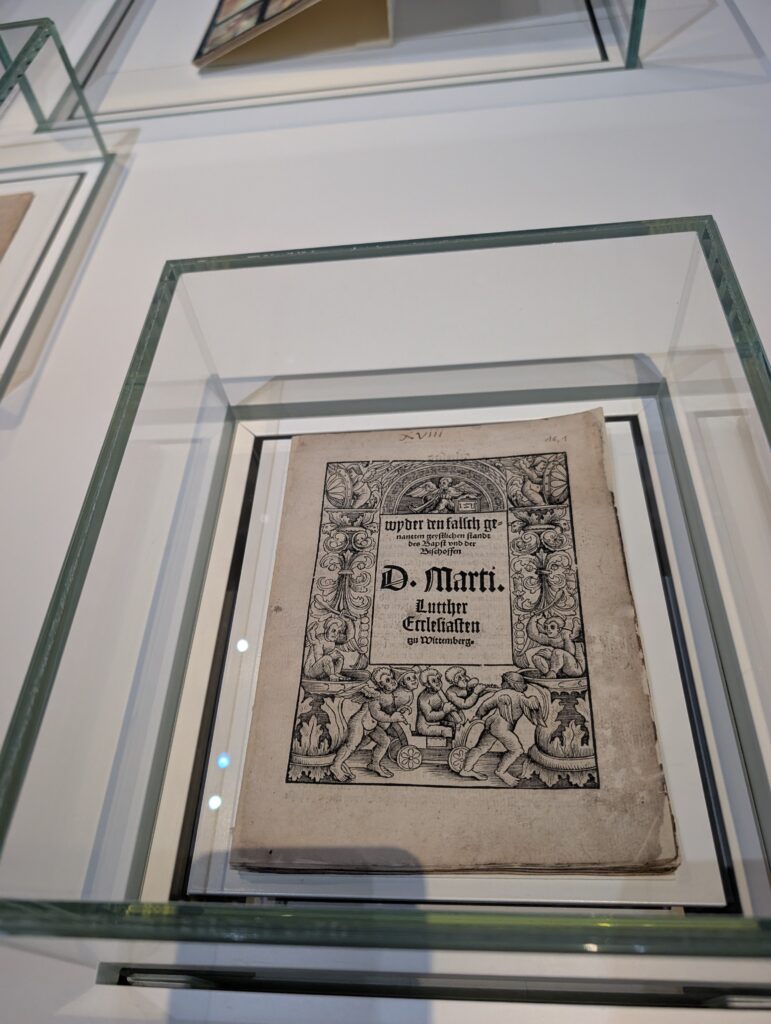
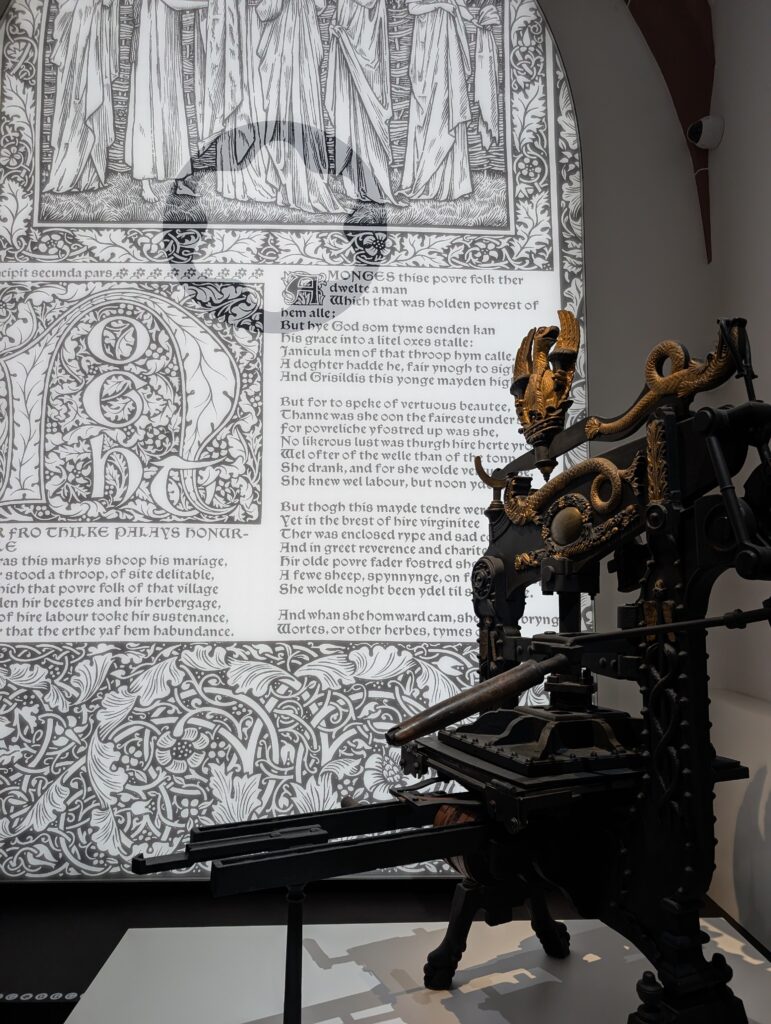
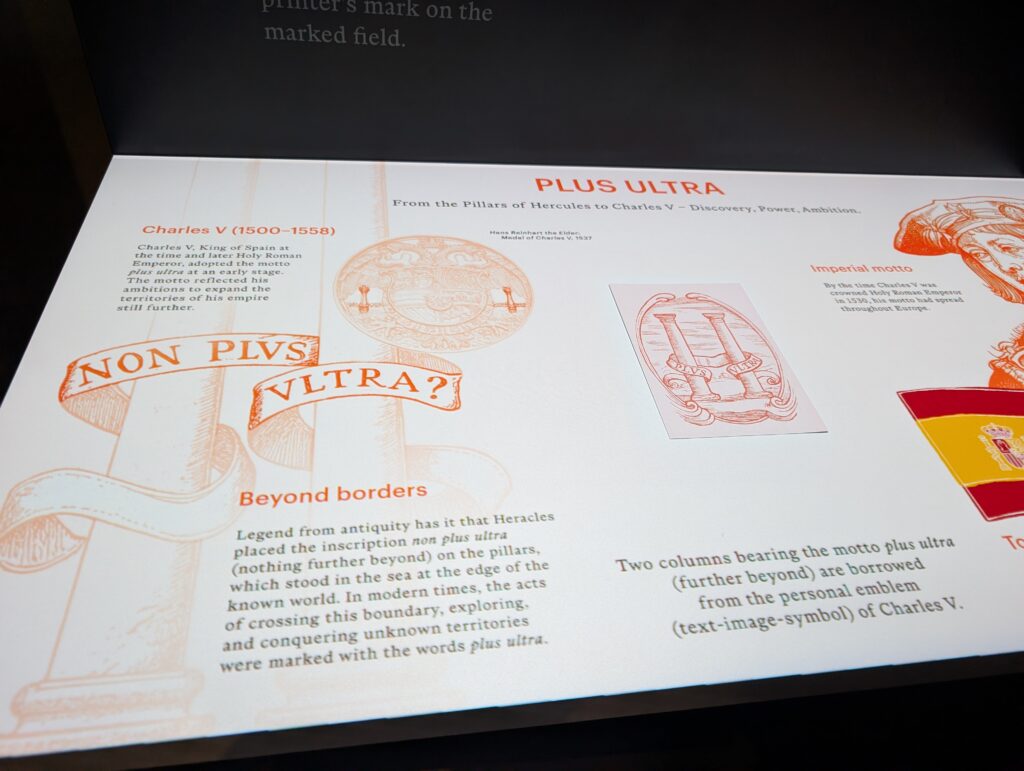
They used a special media card that would display information when placed under the scanner.
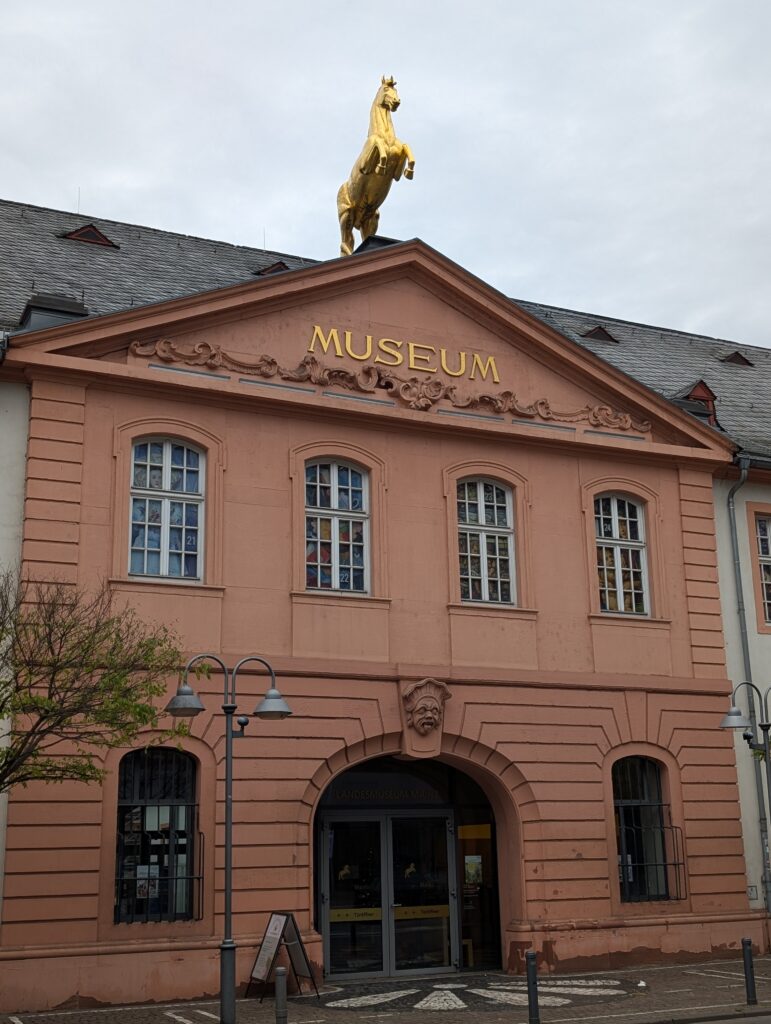
There are other museums in the area. Landed museum Mainz has Roman and medieval history.
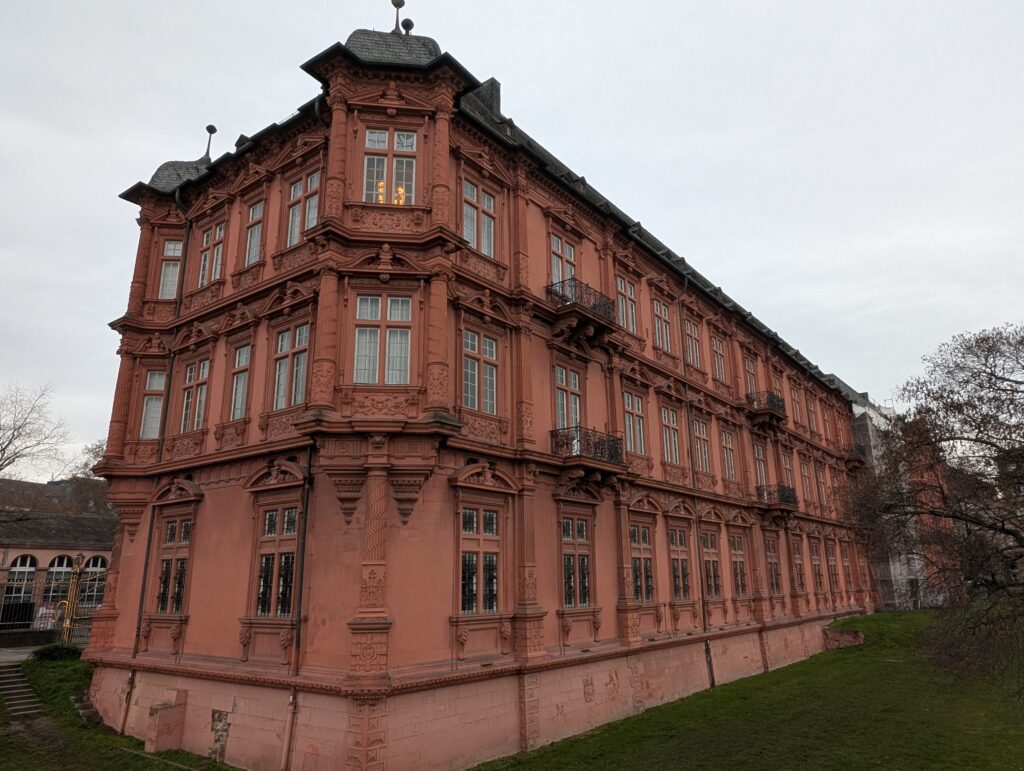
Kurfürstliches Schloss, a 17th century palace.
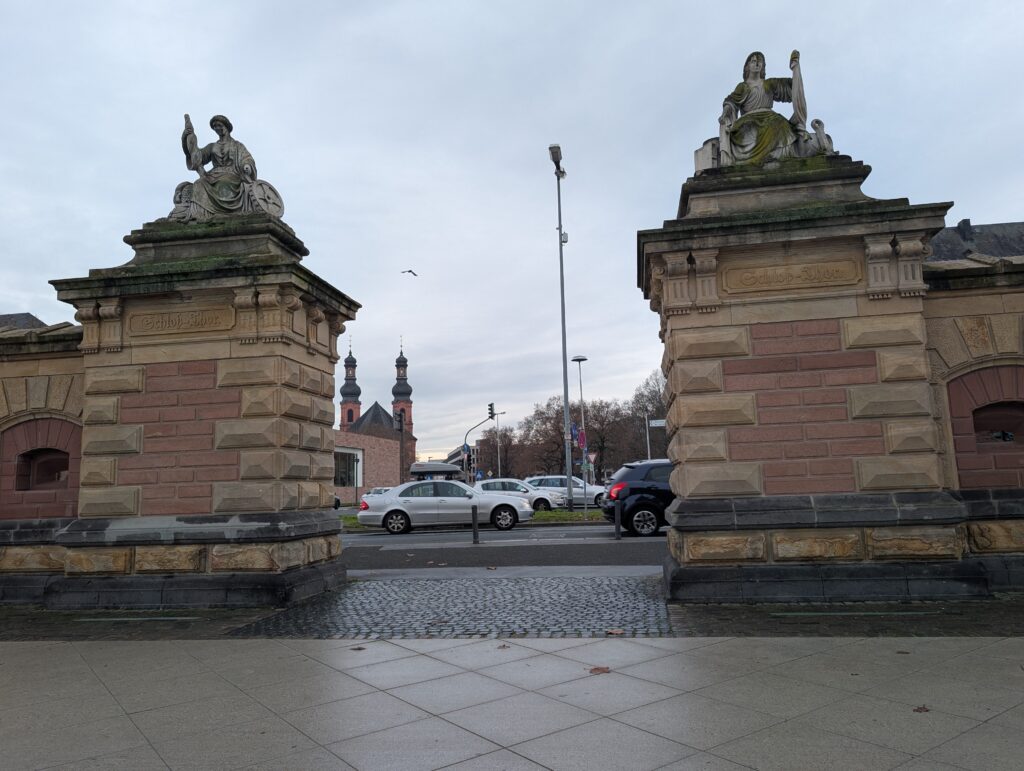
Schlosstor, Castle gate that is beside the Rhine.
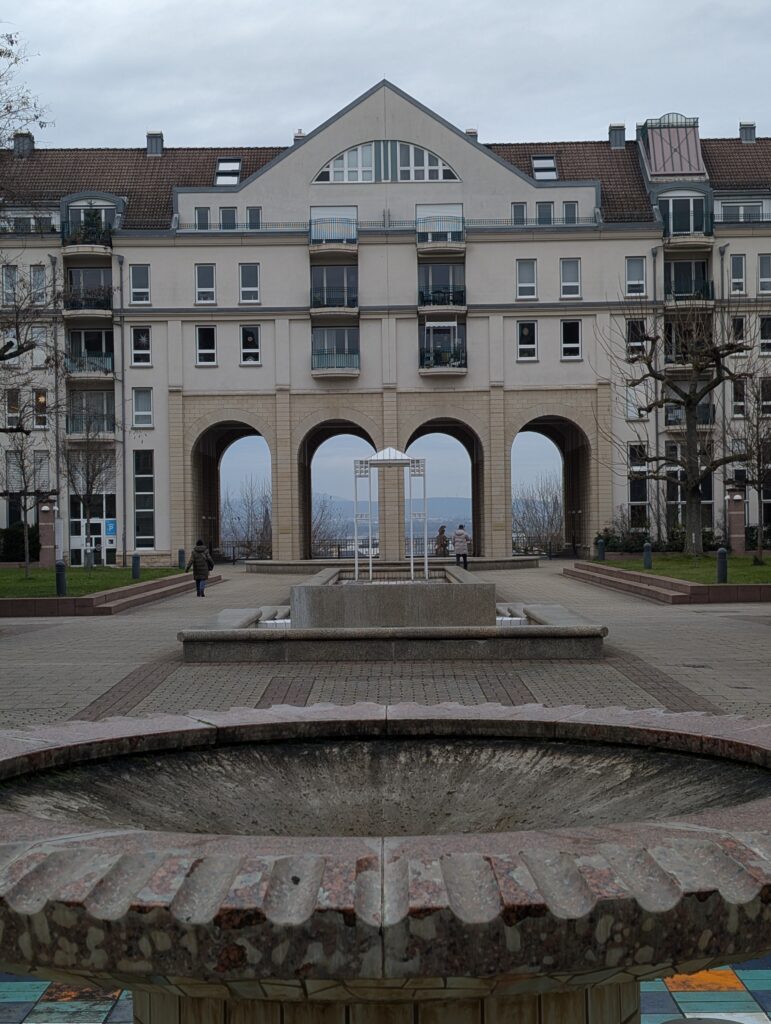
Other sights in Mainz:
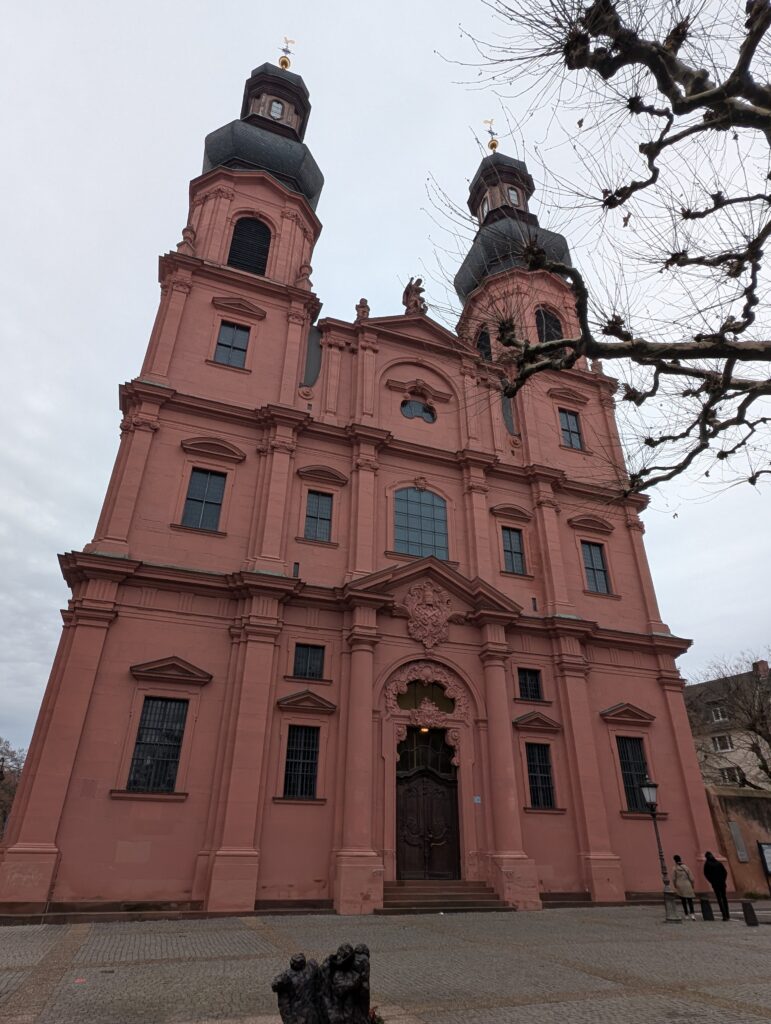
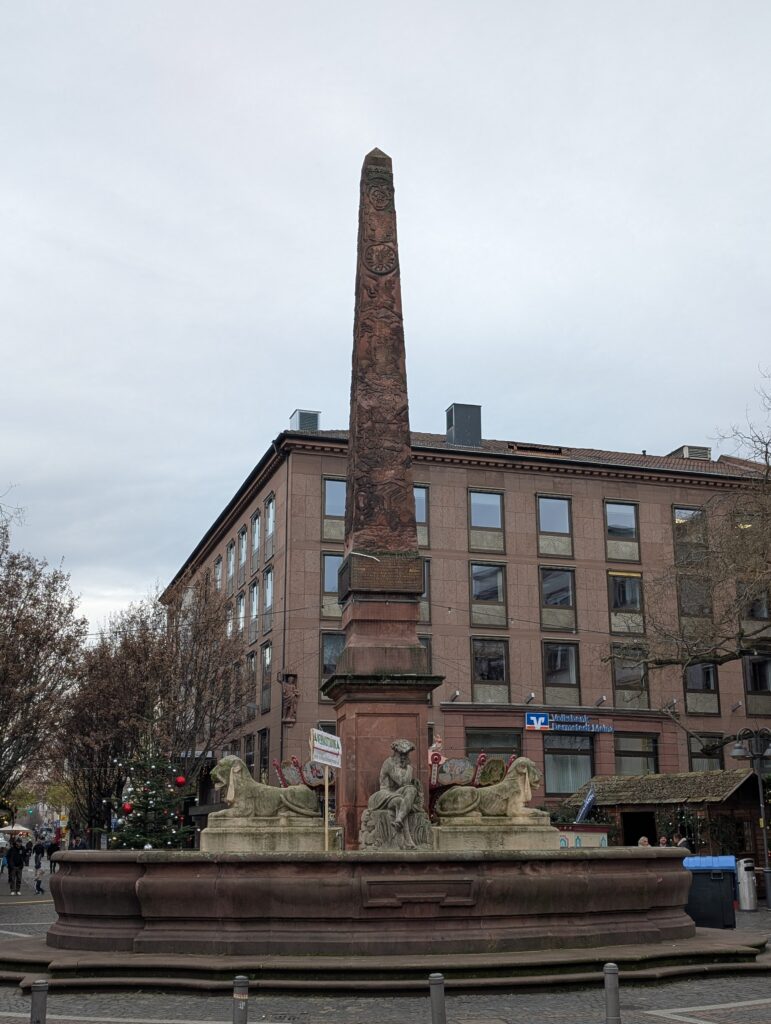
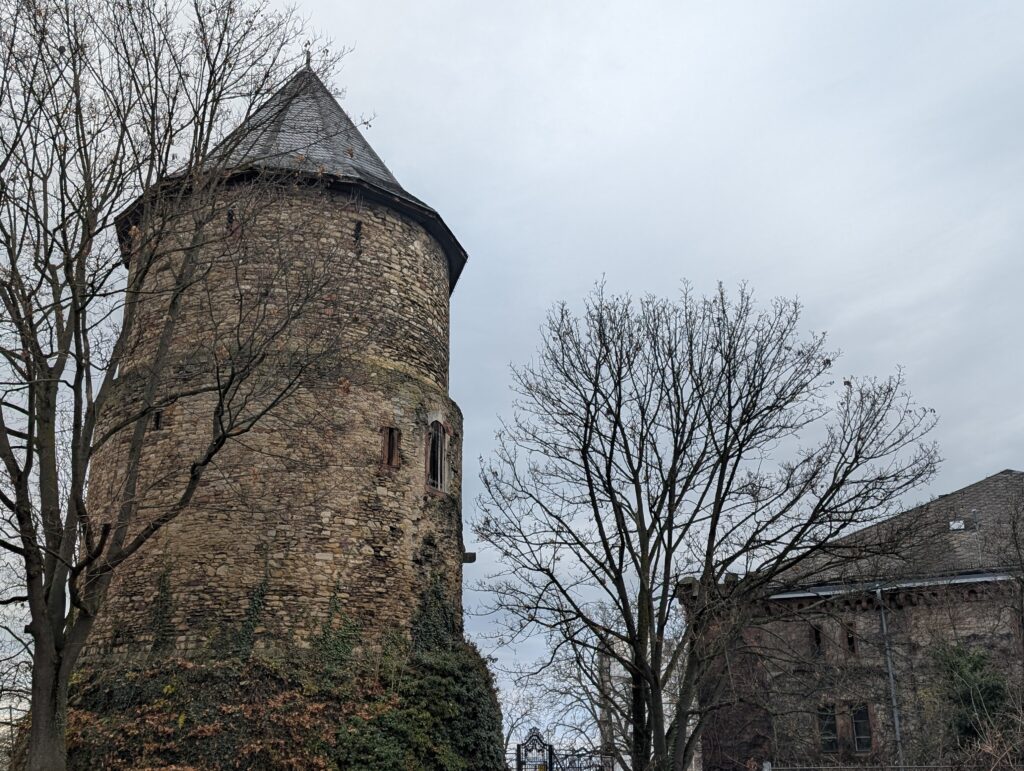
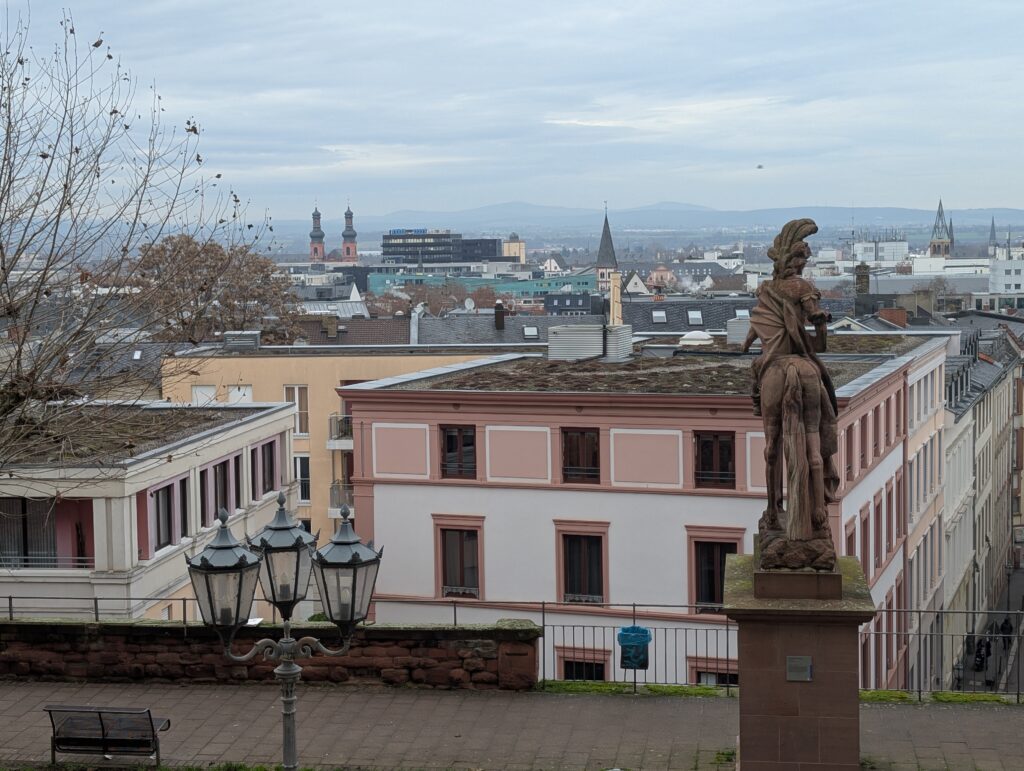
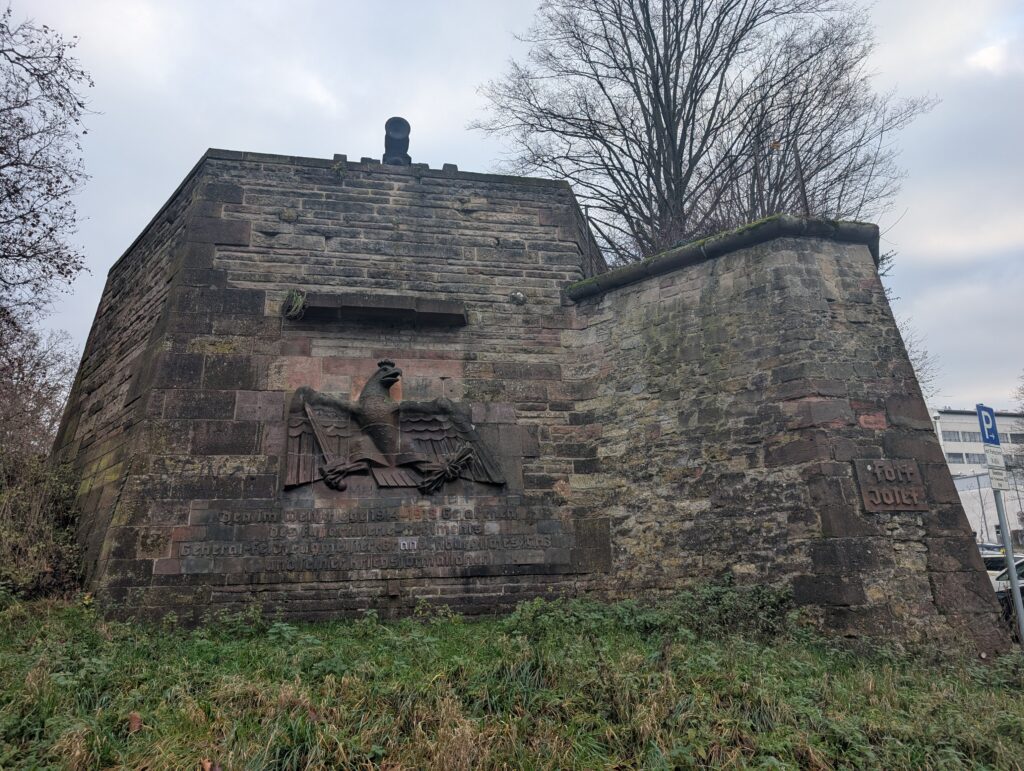
Fort Josef
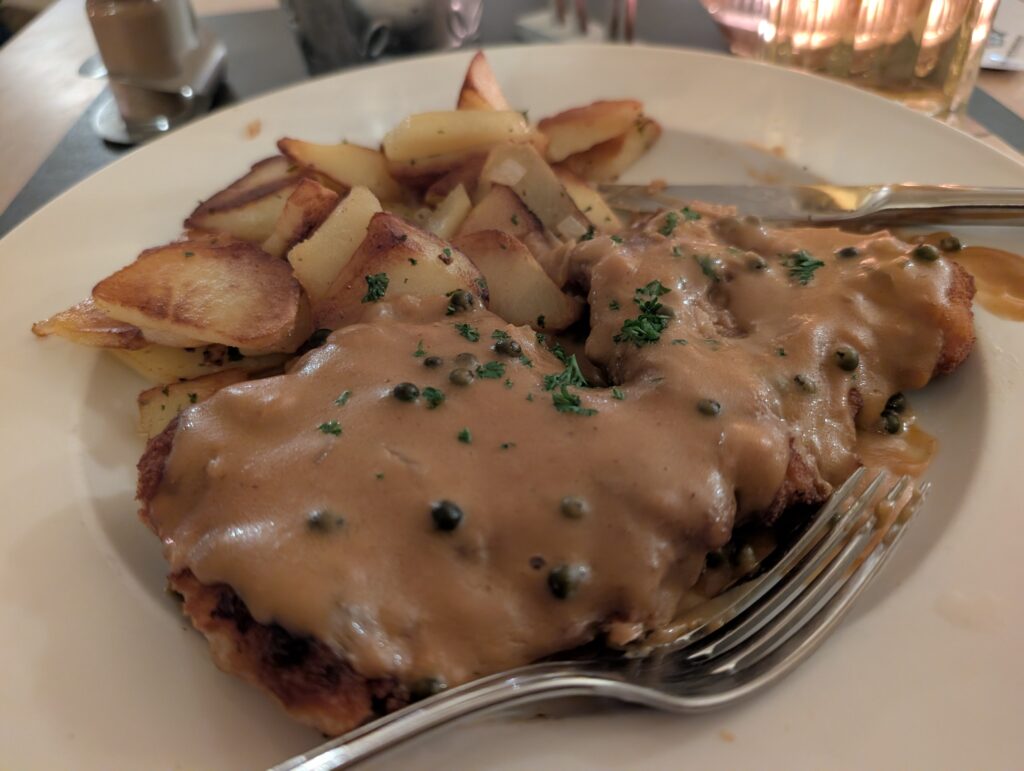
I had not tried wienerschnitzel yet, and I found a restaurant (Stadthaus Schänke) with a peppercorn one. It was delicious.
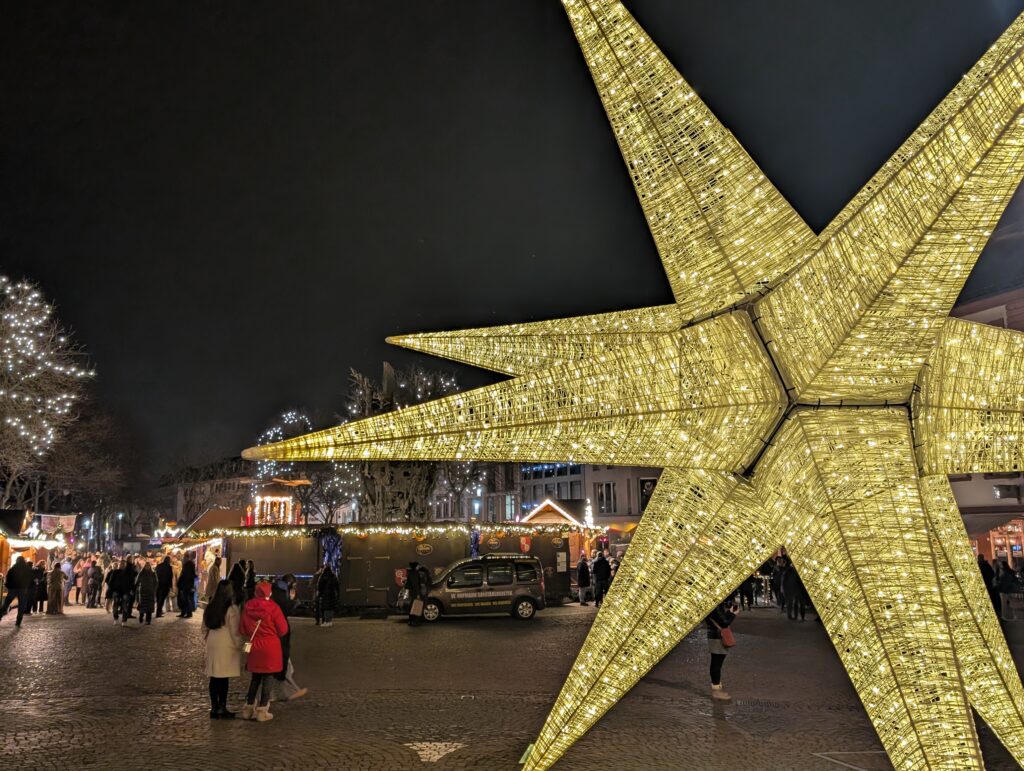
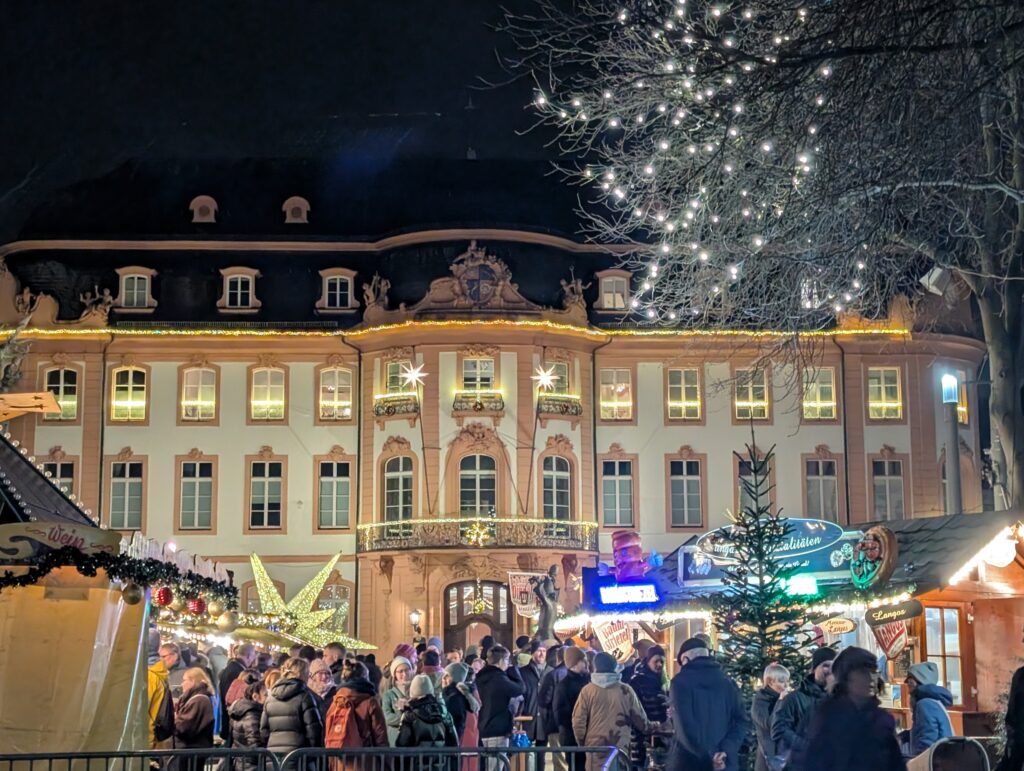
And of course the Christmas markets
Like other areas of West Germany, they were under Napoleanic rule, part of Prussia, and largely destroyed in WWII.