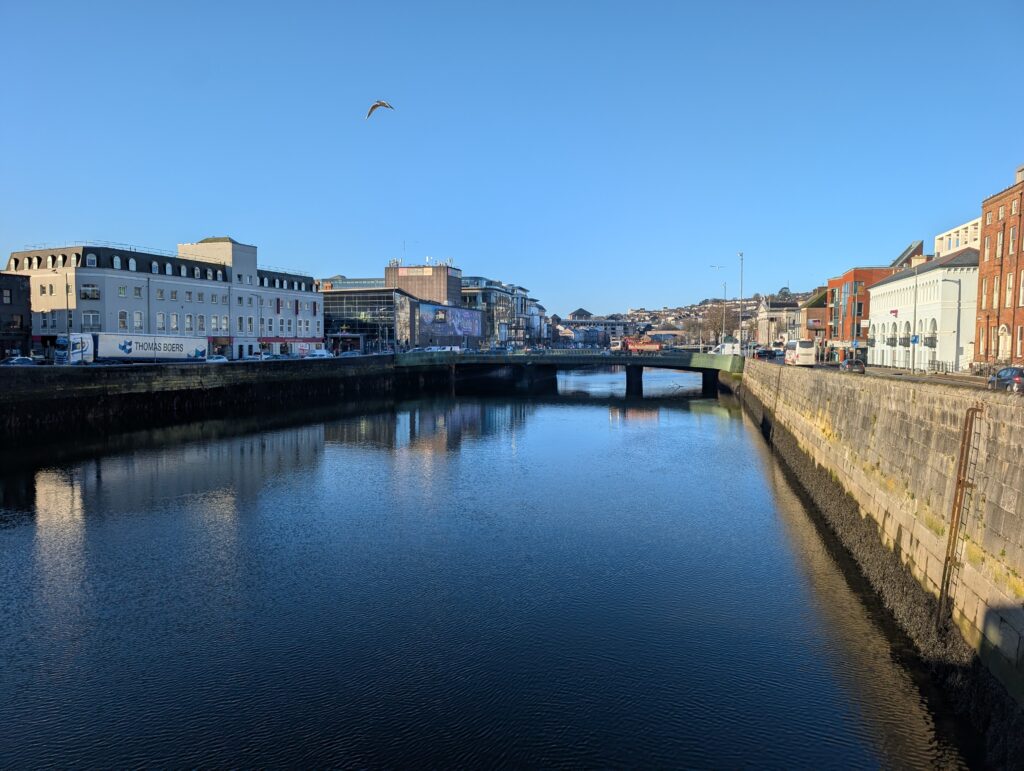
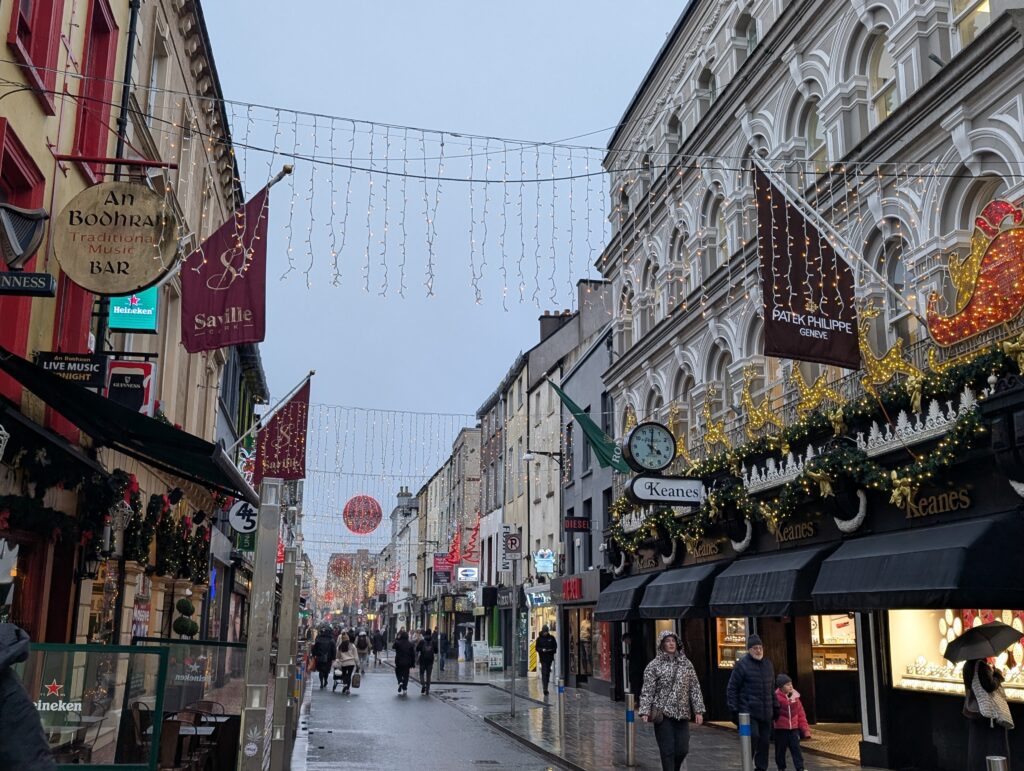
Cork has much of the same history as Cobh and was a frequent target in the Irish rebellion as it was often aligned with the British crown.
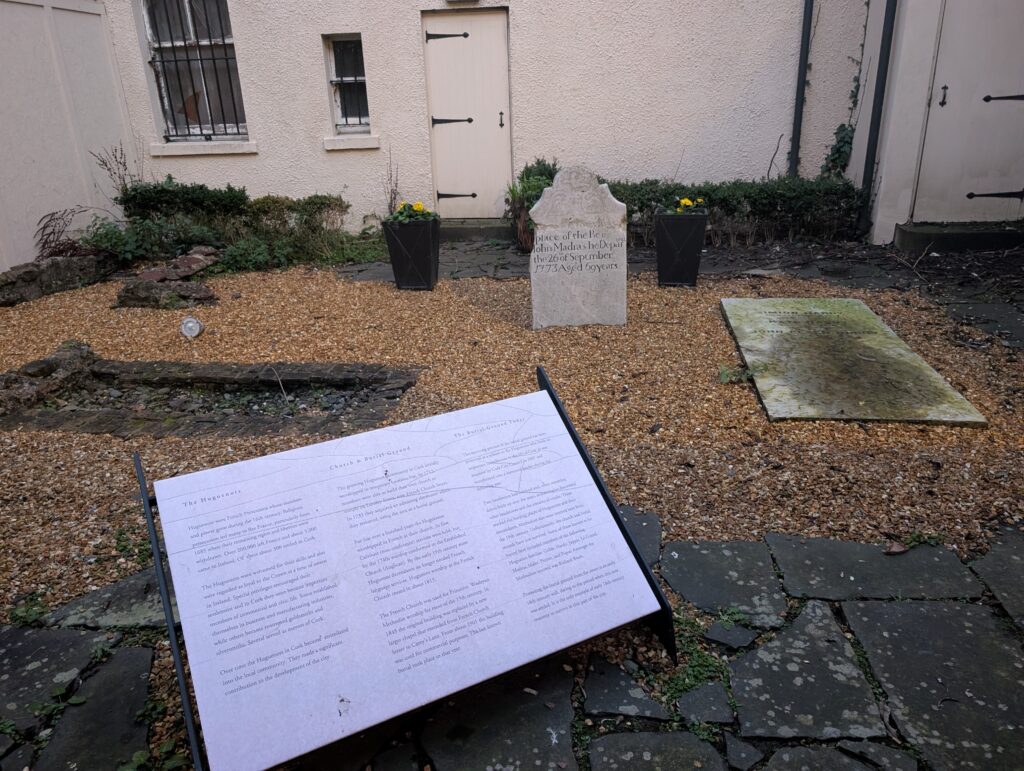
The Huguenot burial ground created in 1733 and preserved by the city to honor the French Protestants and their contributions.
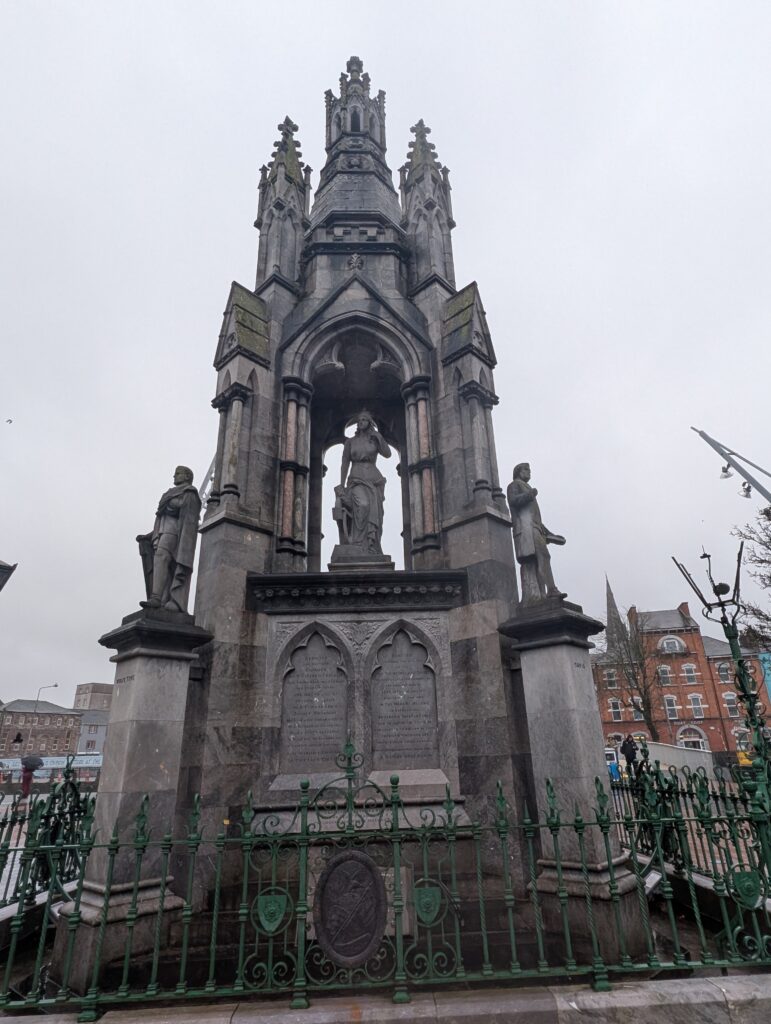
The National monument celebrates those who fought and died in Irish rebellions for Irish Independence.
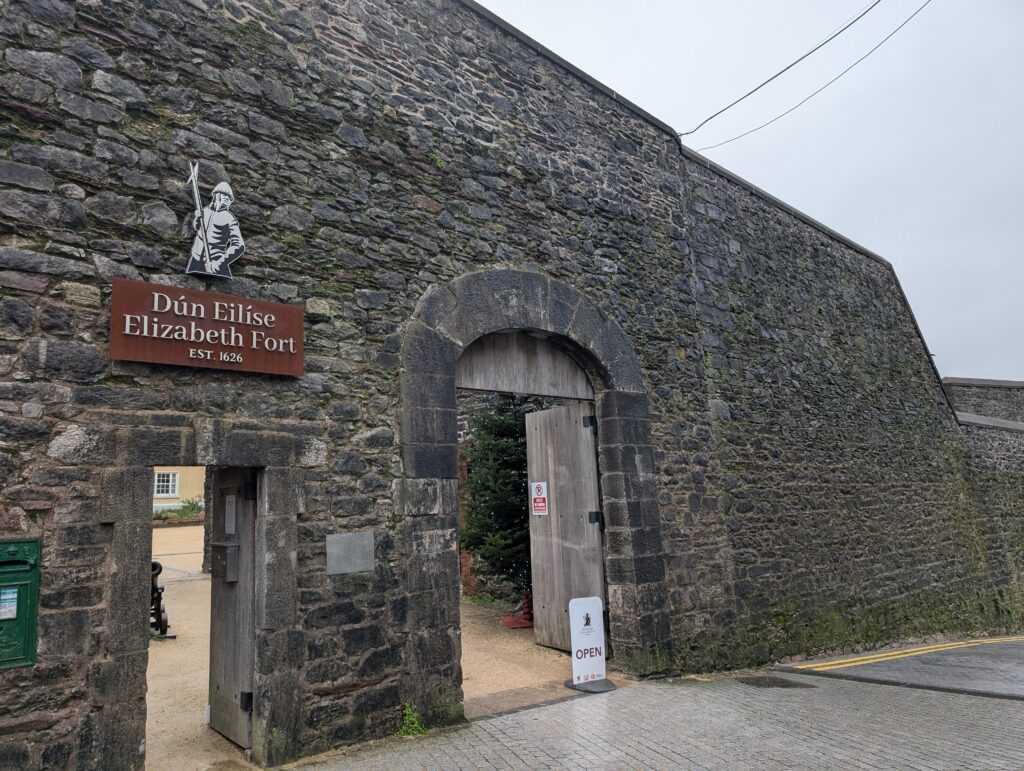
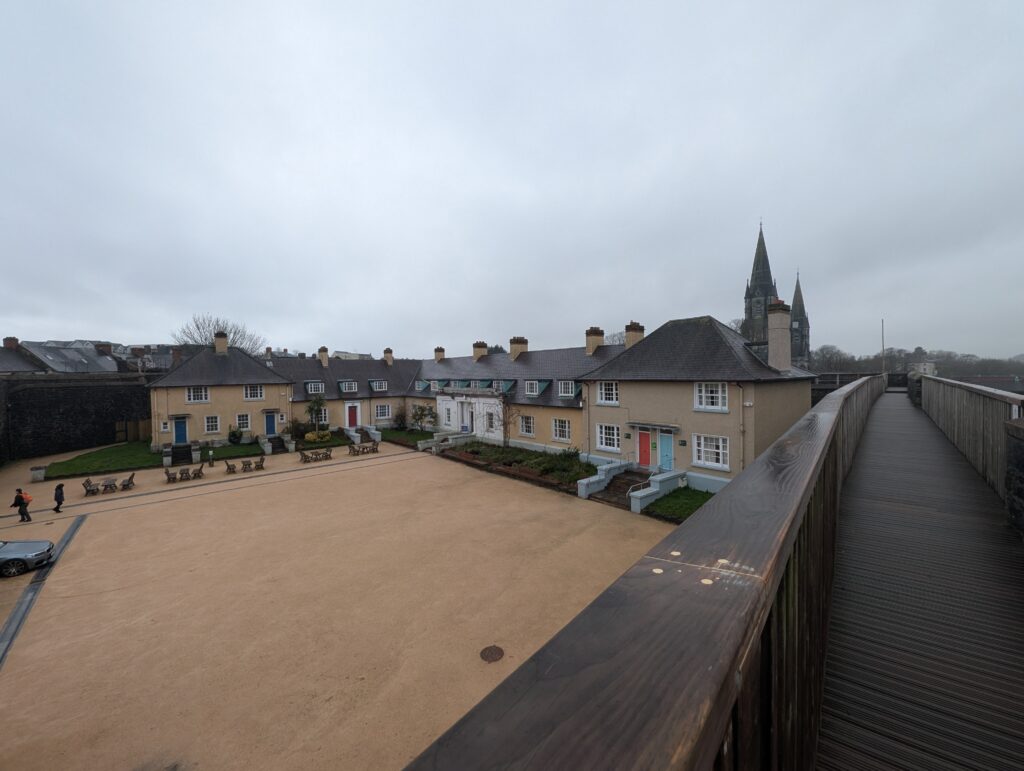
The Elizabeth fort was named after Queen Elizabeth I and built in 1601. it was reinforced by Oliver Cromwell after attacks by Irish citizens. It is a star shaped fortification and was used as a military barracks, convict depot for women (some of which were reported to Tasmania), and police station.
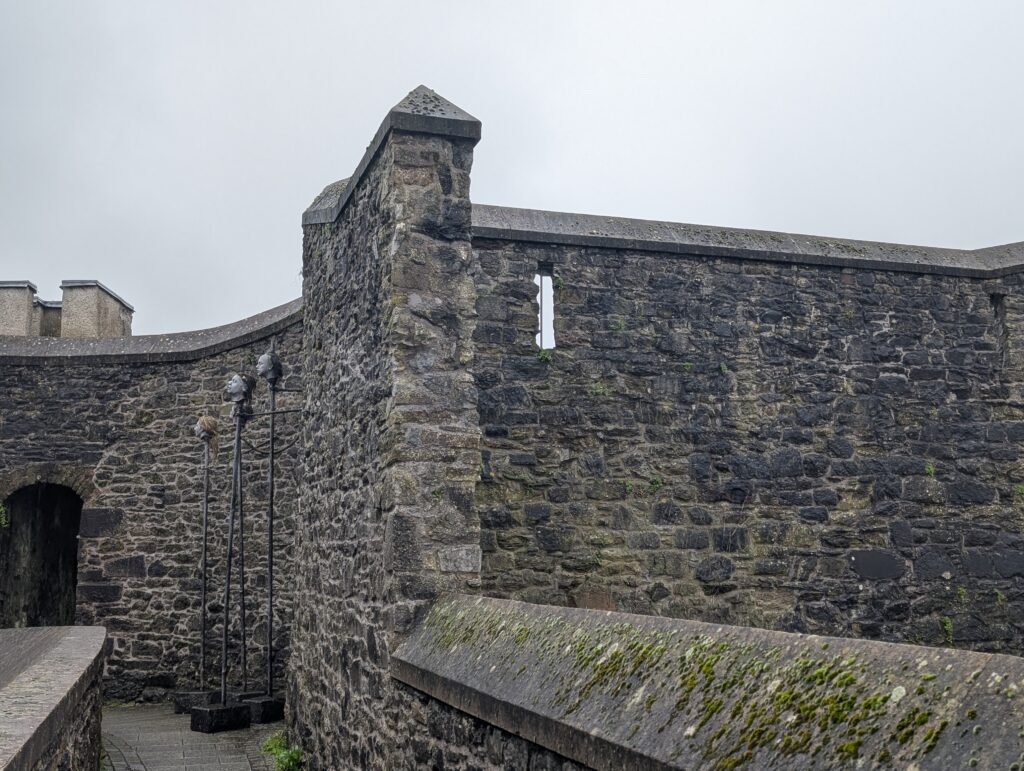
The heads on poles there is a nice touch…
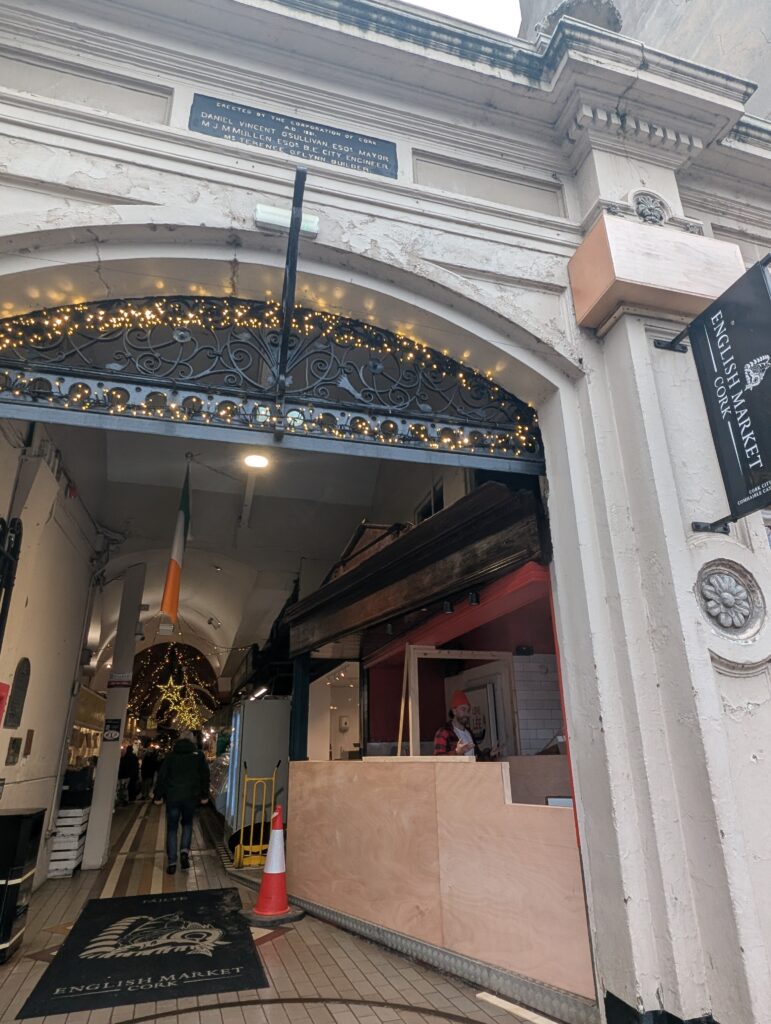
The English market was pretty cool.You could sample some of the things being sold and watch people shopping of buying food to eat.
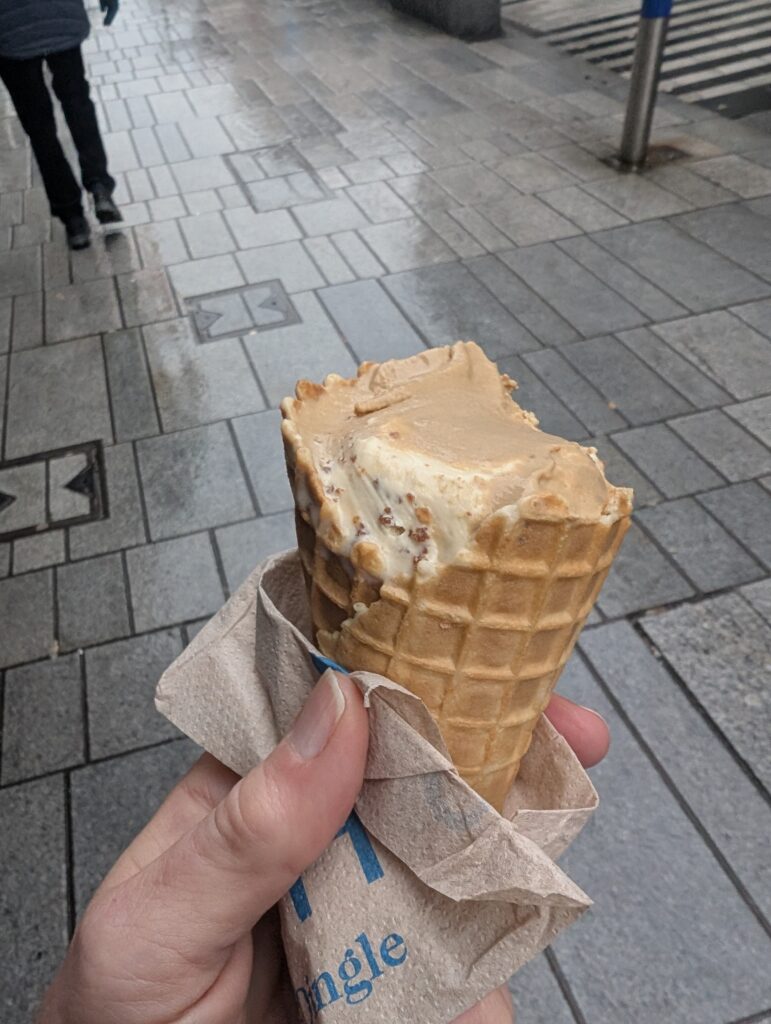
Of course, I had to try the Murphy’s ice cream that was recommended. I tried the espresso martini (on top before I had started eating it) and Brown bread underneath. the brown br ad was toasted so it was crunchy in the ice cream.
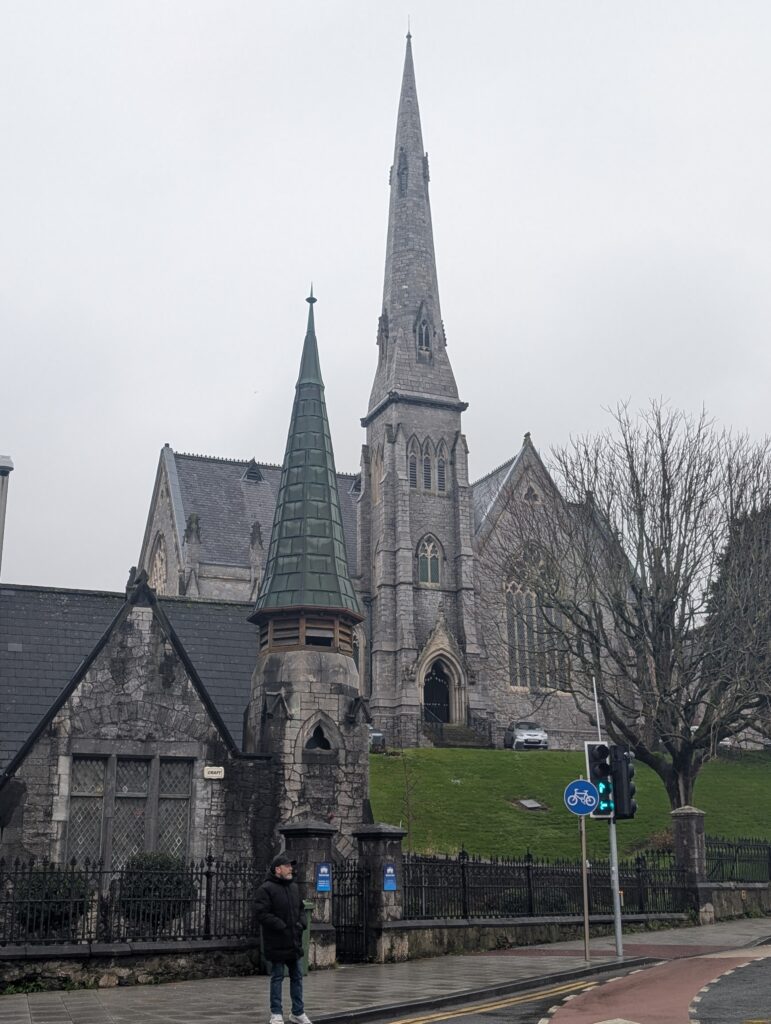
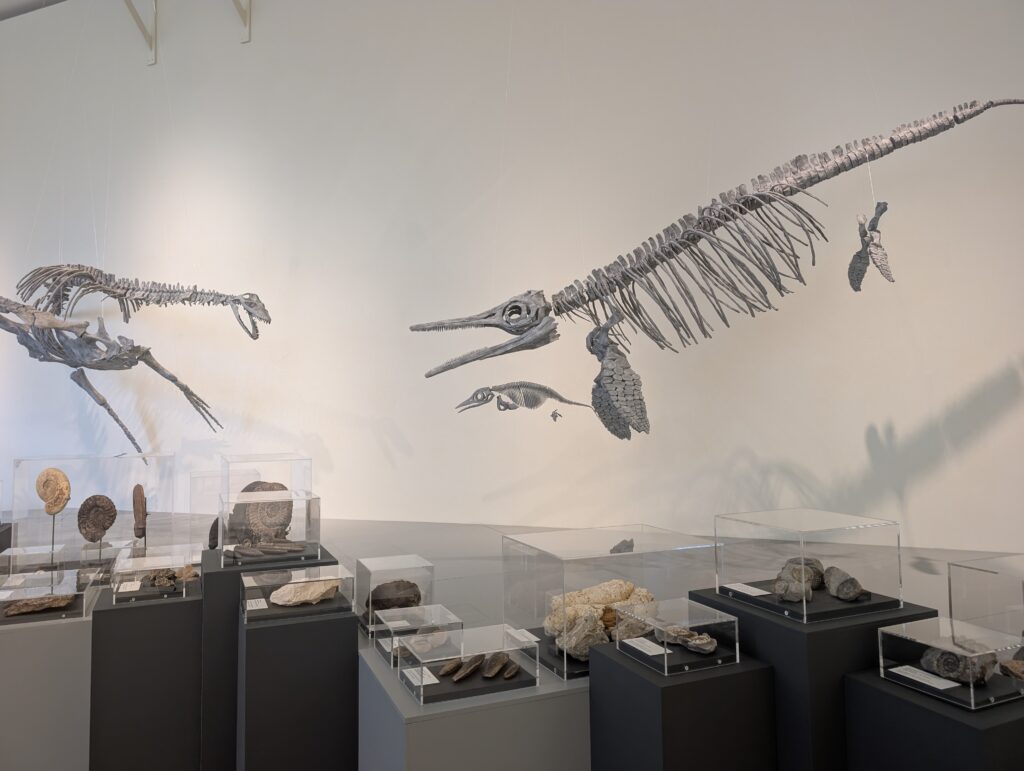
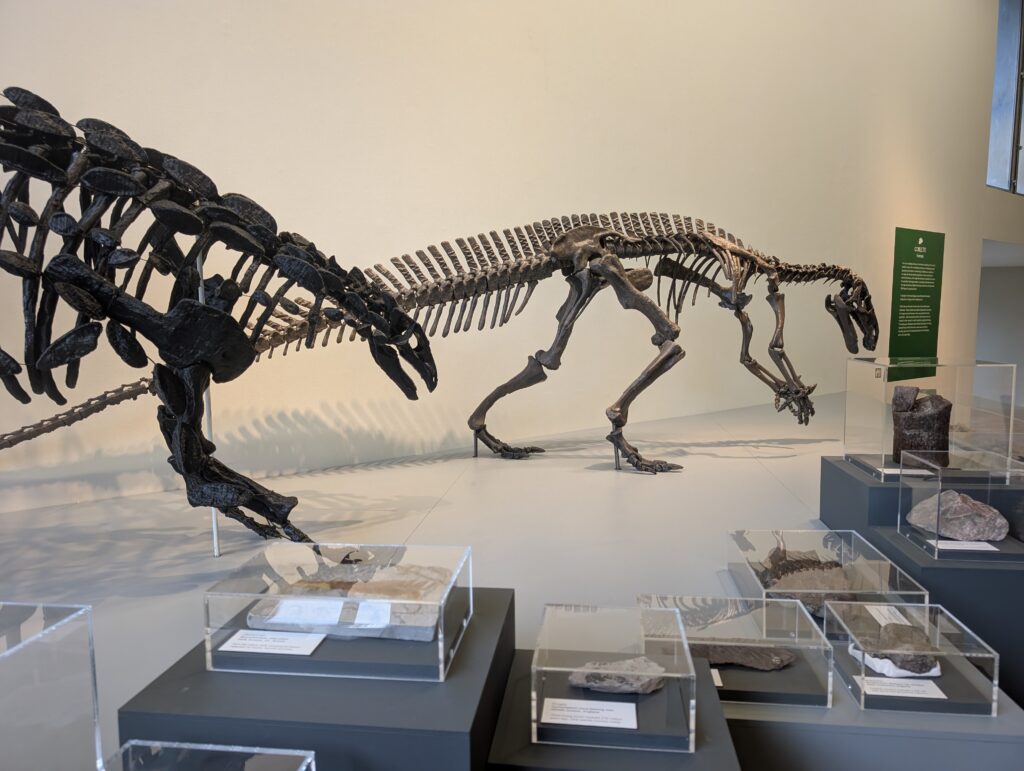
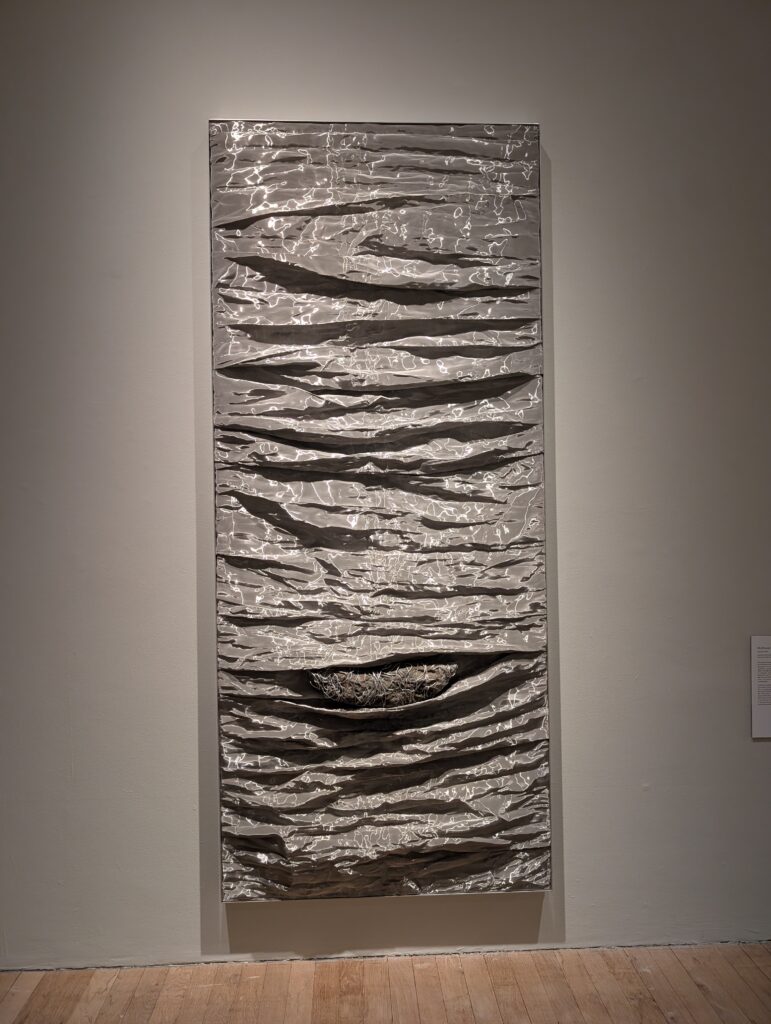
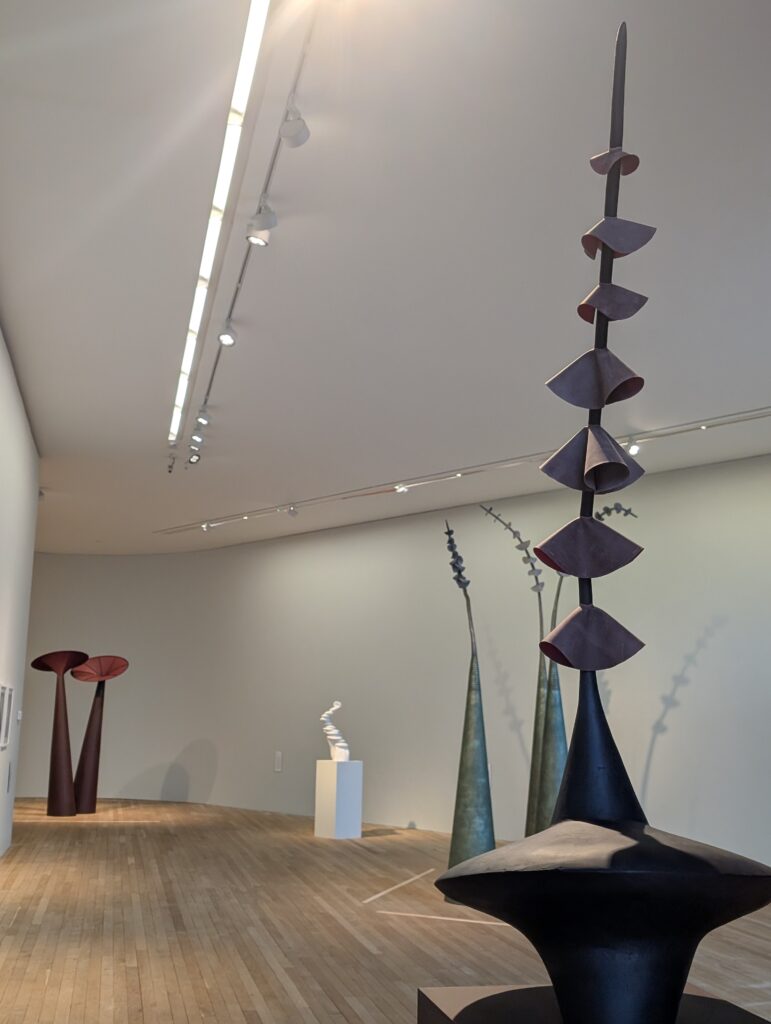
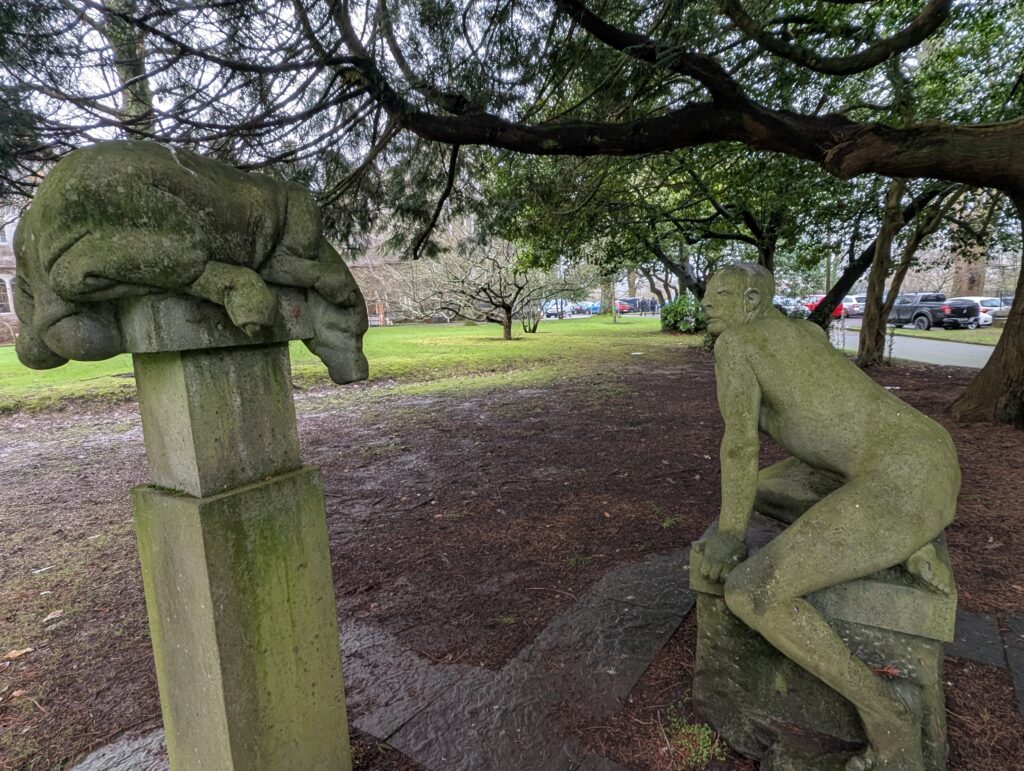
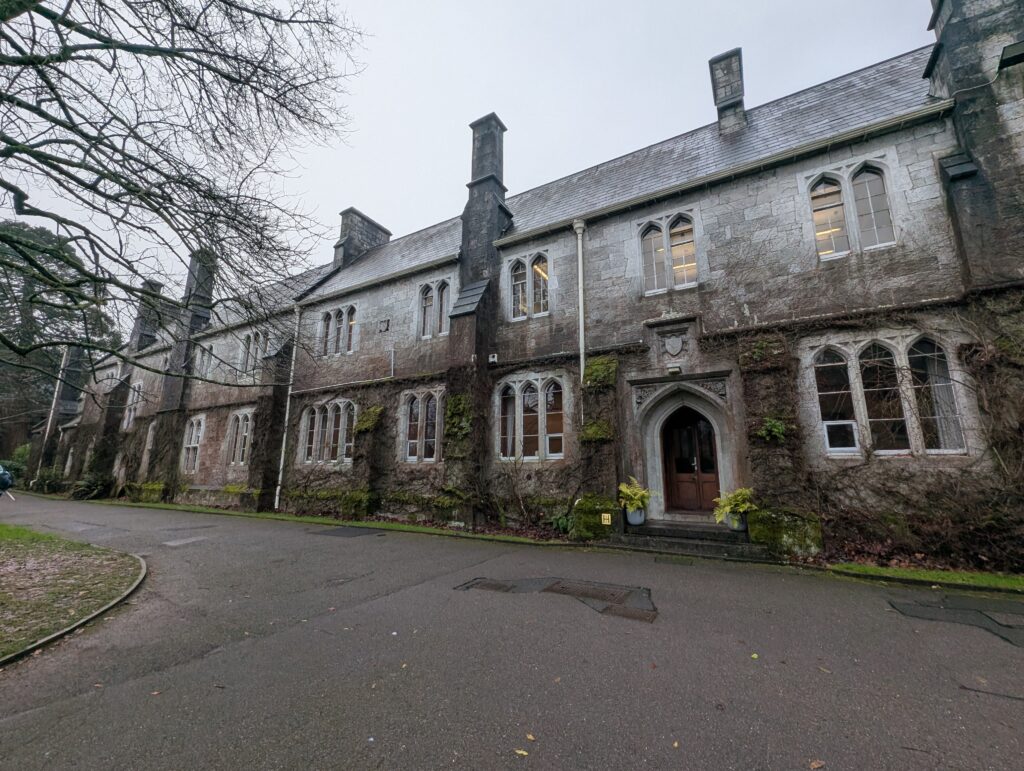
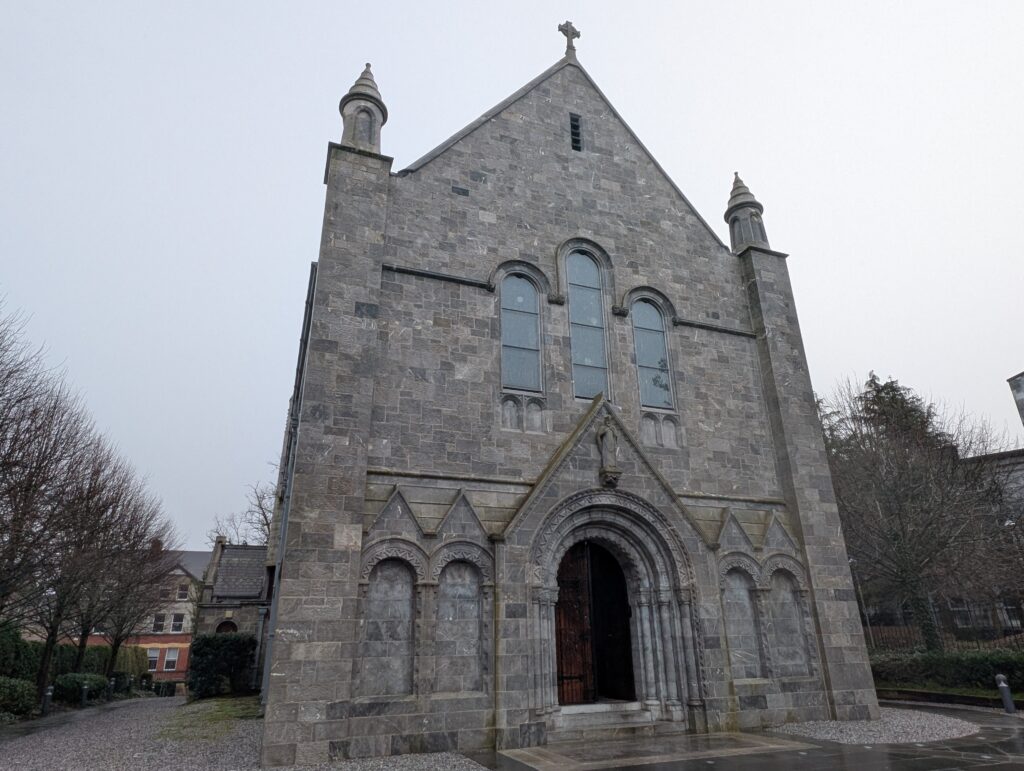
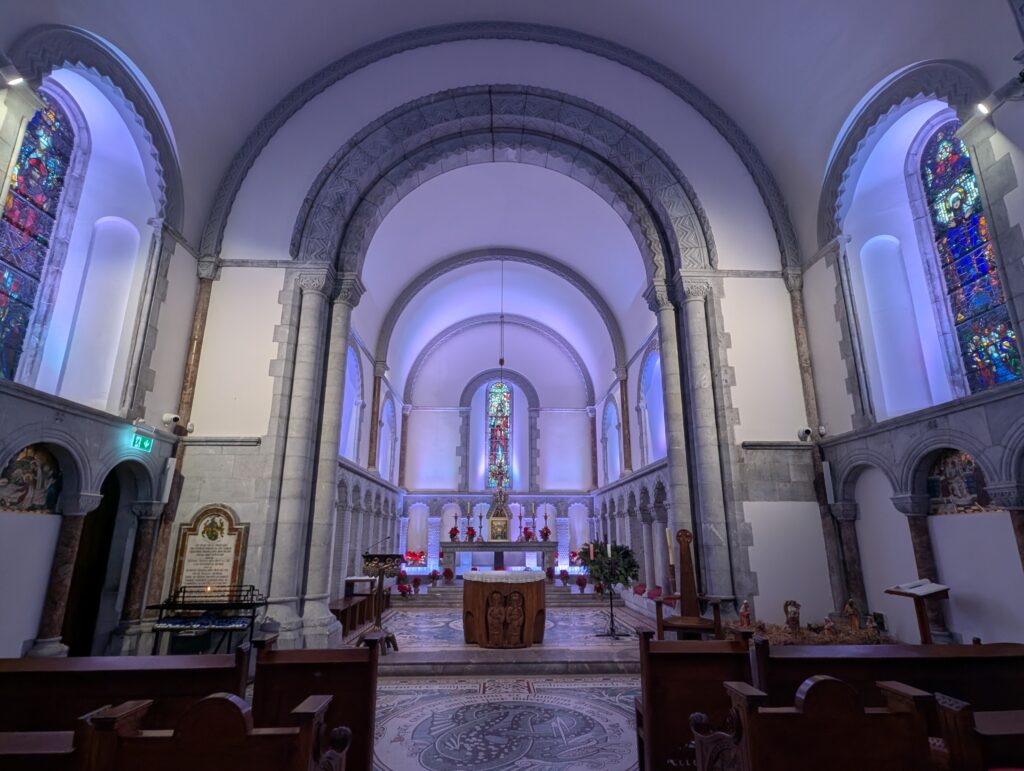
The university of Cork is also beautiful and has a free art gallery. On the first floor is natural history of Ireland. The other floors were displays of a local sculptor.
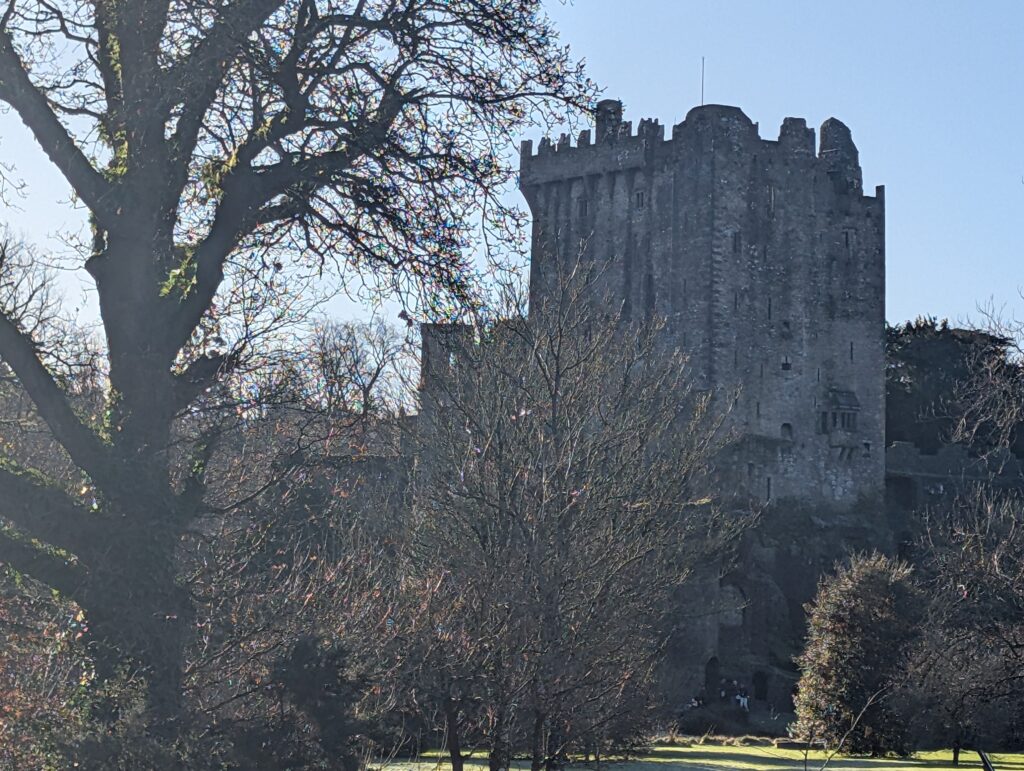
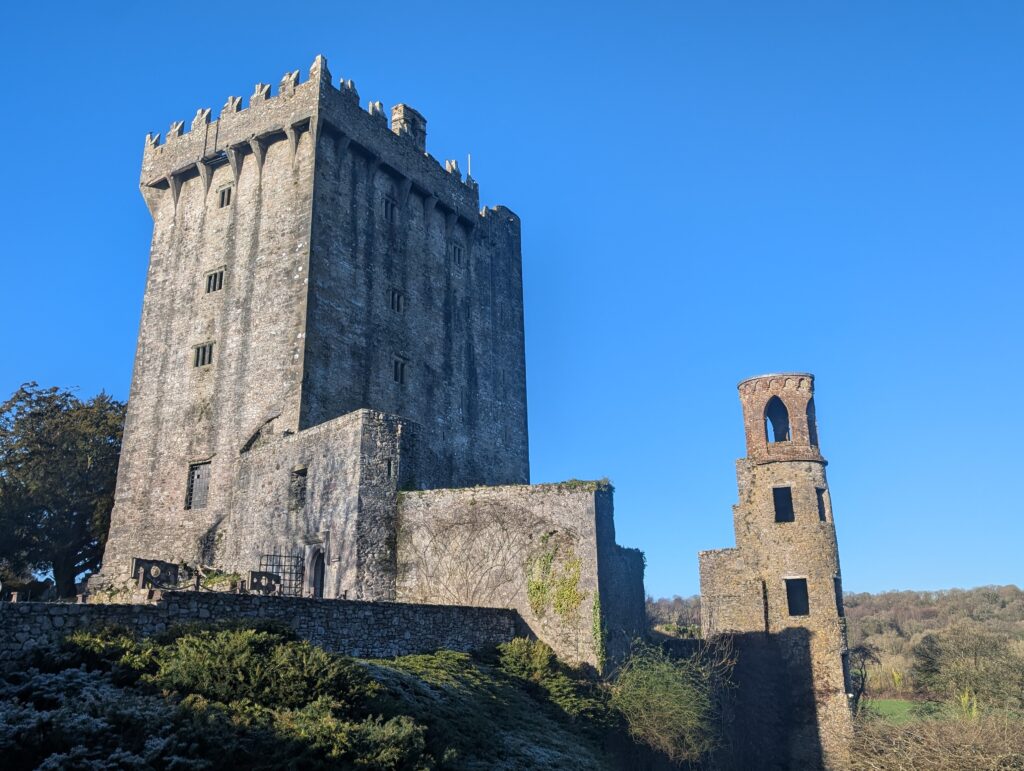
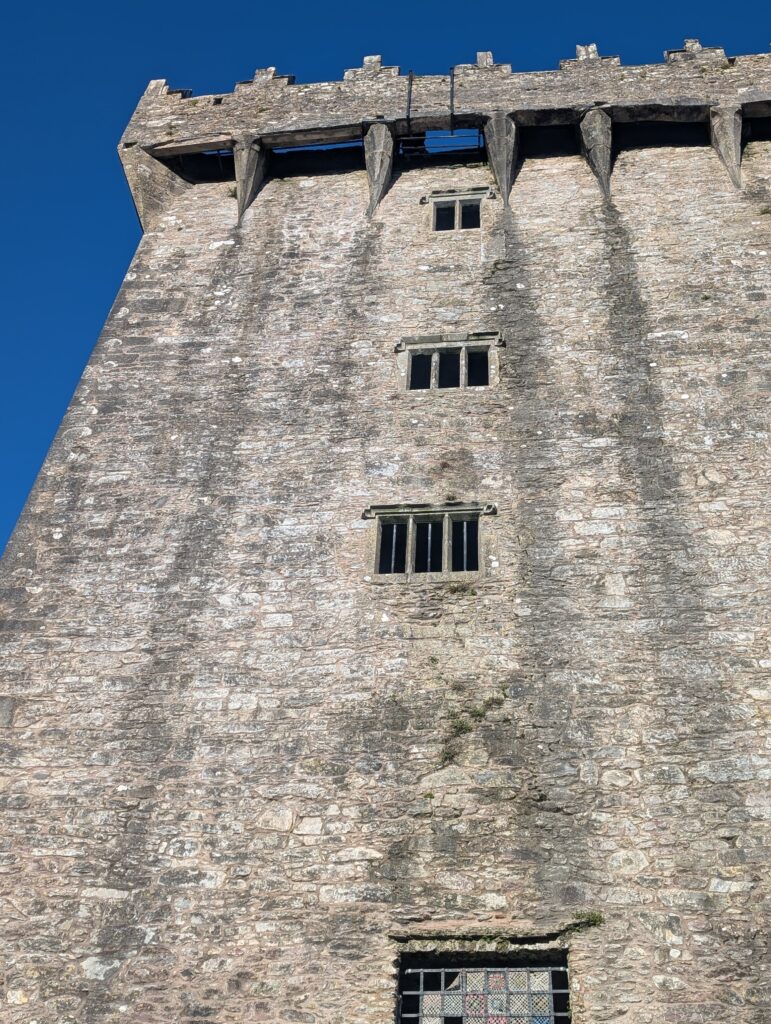
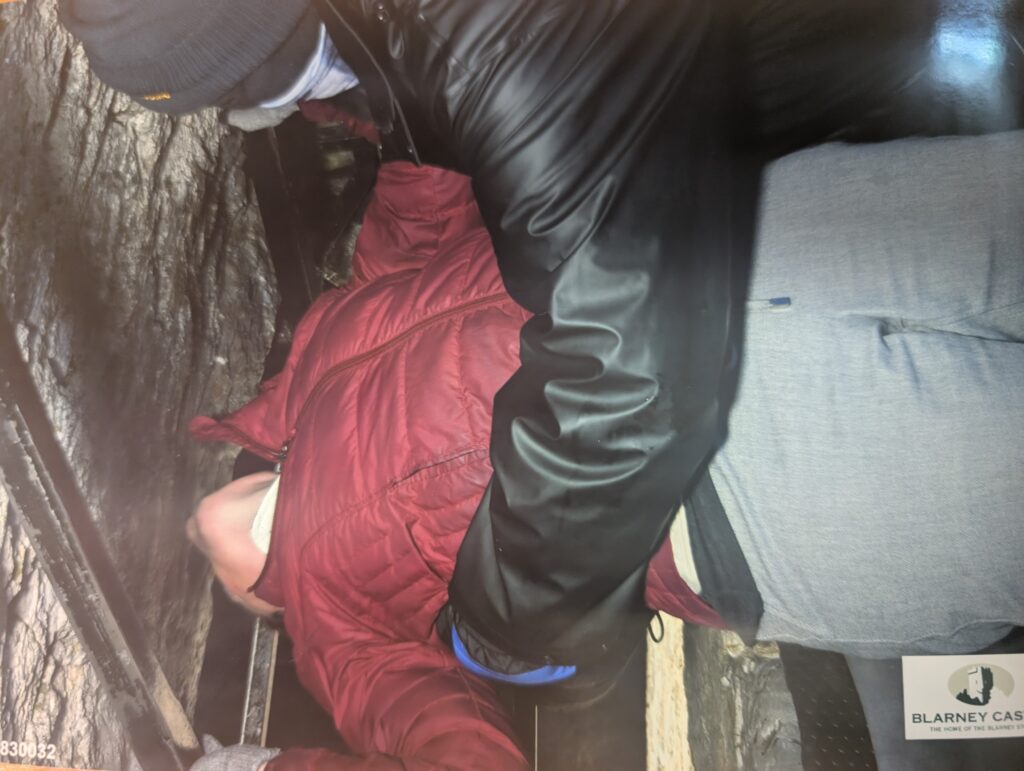
Blarney castle dates back to the 1200’s as a residence and fortification. The current structure was built in 1446 and later added more stories. The blarney stone is said to give the person who kisses it the gift of the gab or more eloquent speaking.
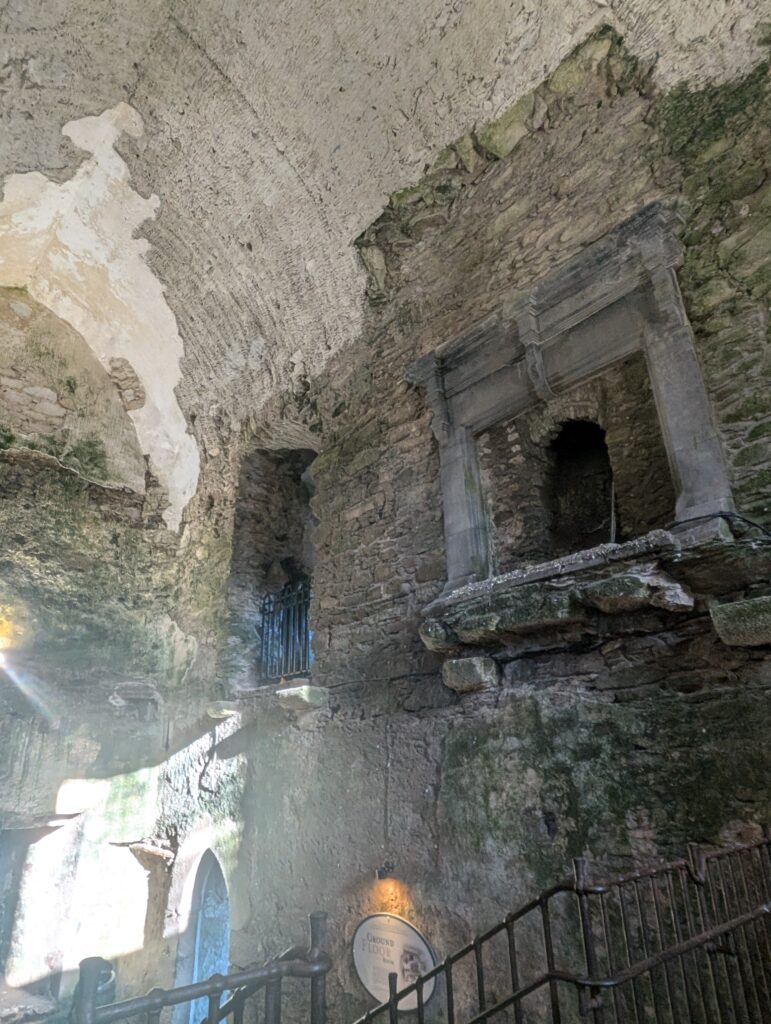
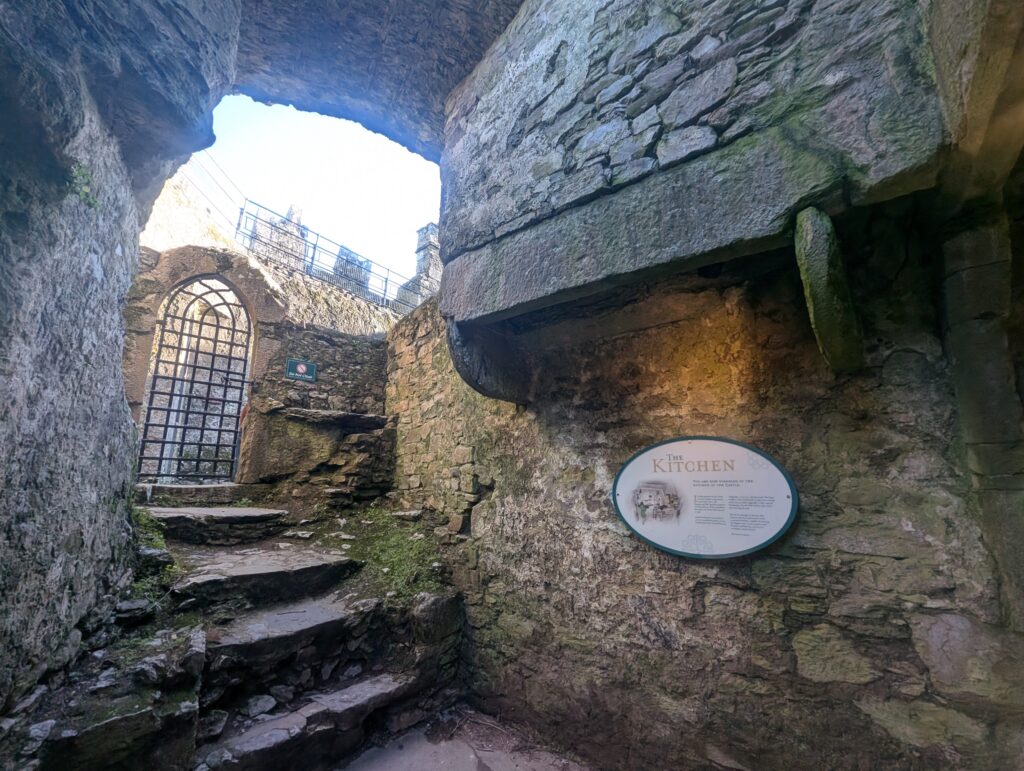
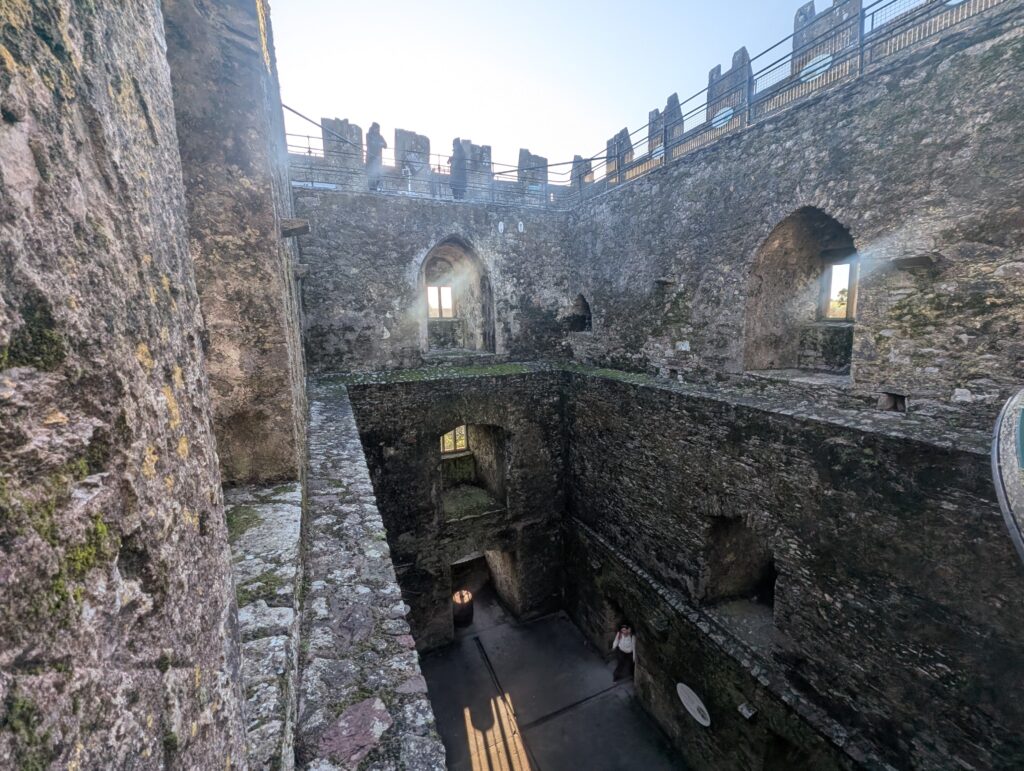
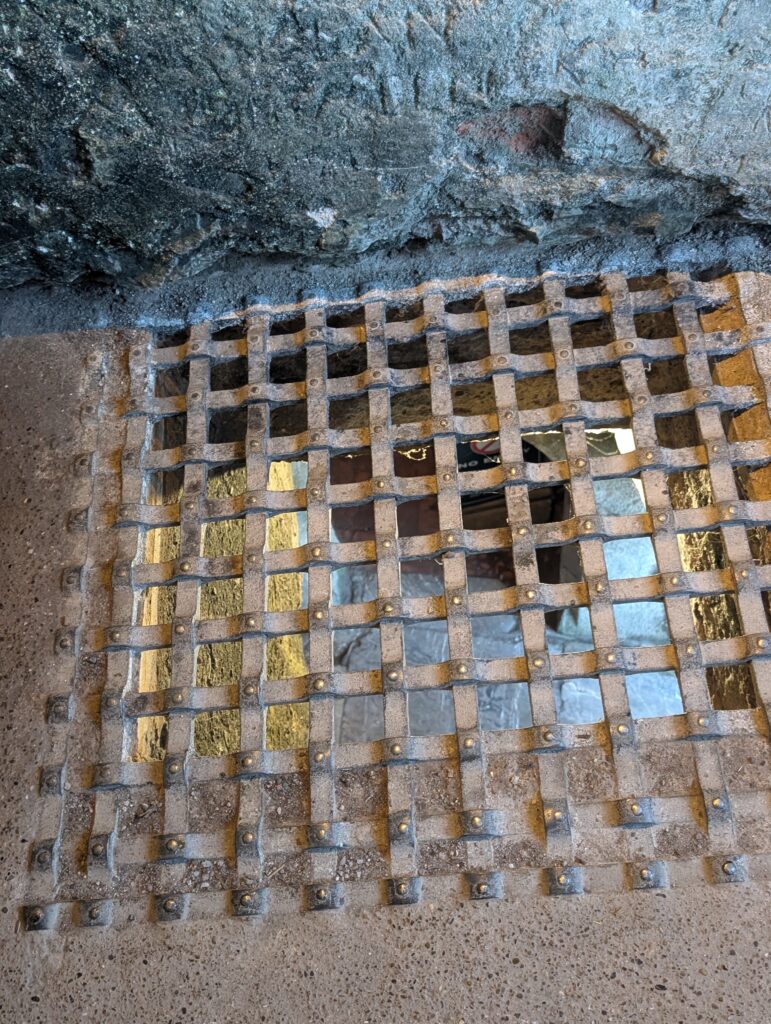
The murder hole was a way for defenders to drop objects like arrows, boiling substances, heavy rocks on invaders entering the castle. It was a defensive point if the entrance had just been breached.
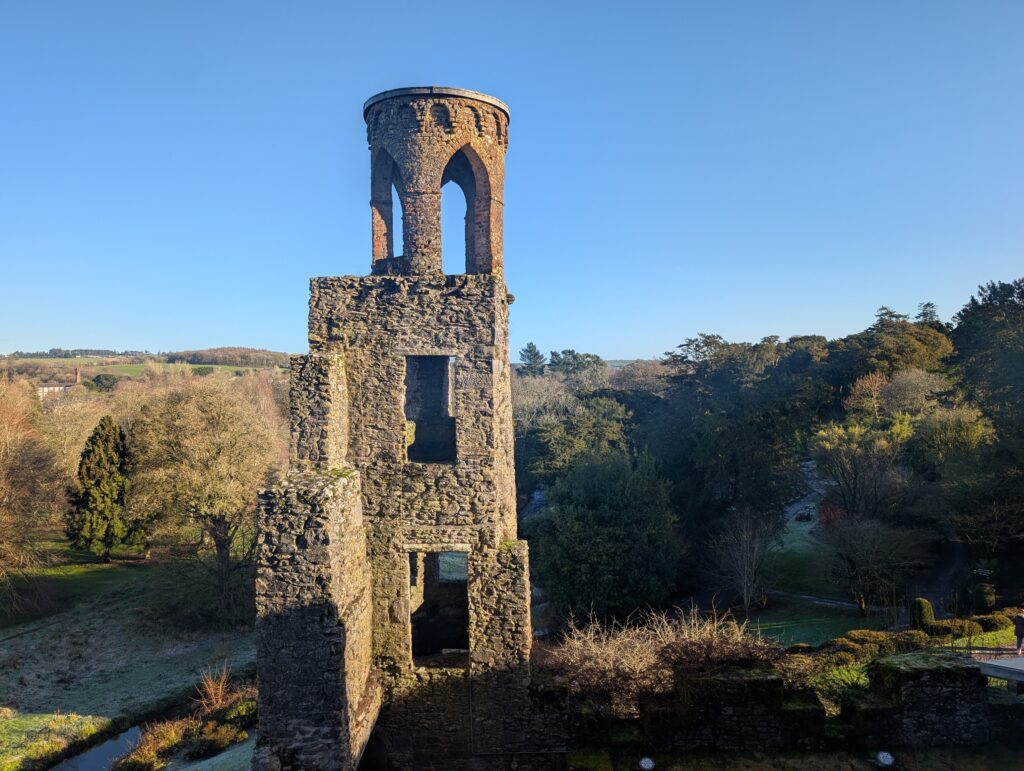
The Blarney stone is above the top window at the bottom of the hole.
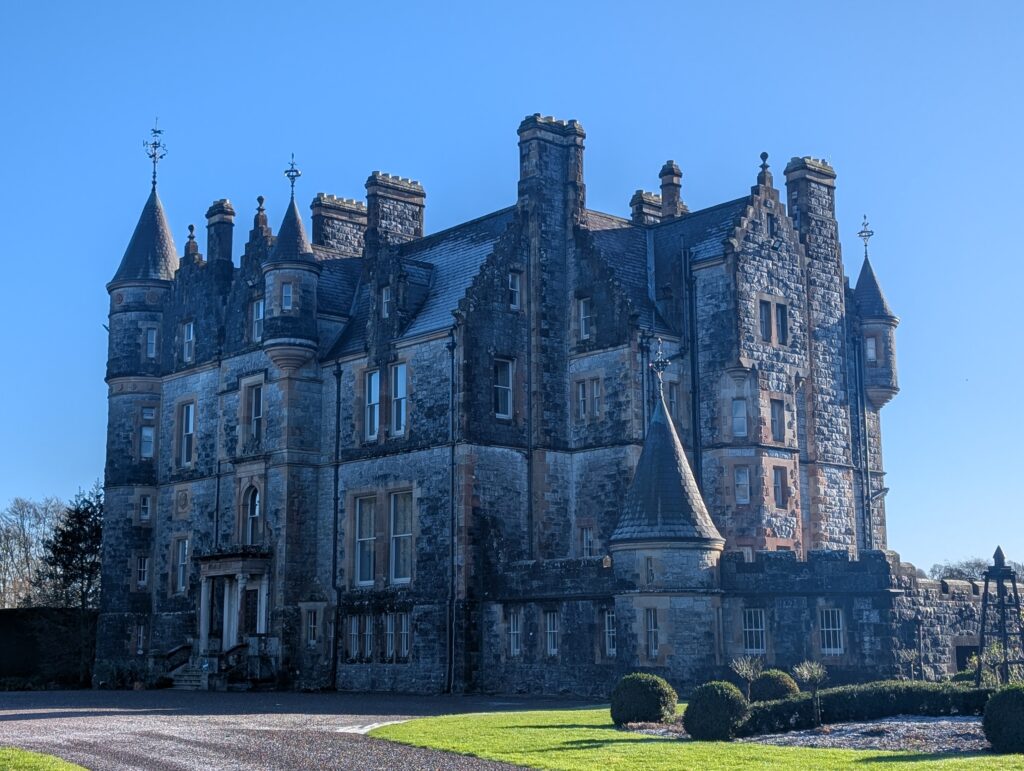
The blarney house was built in the 1870’s by those that acquired the castle and surroundings.
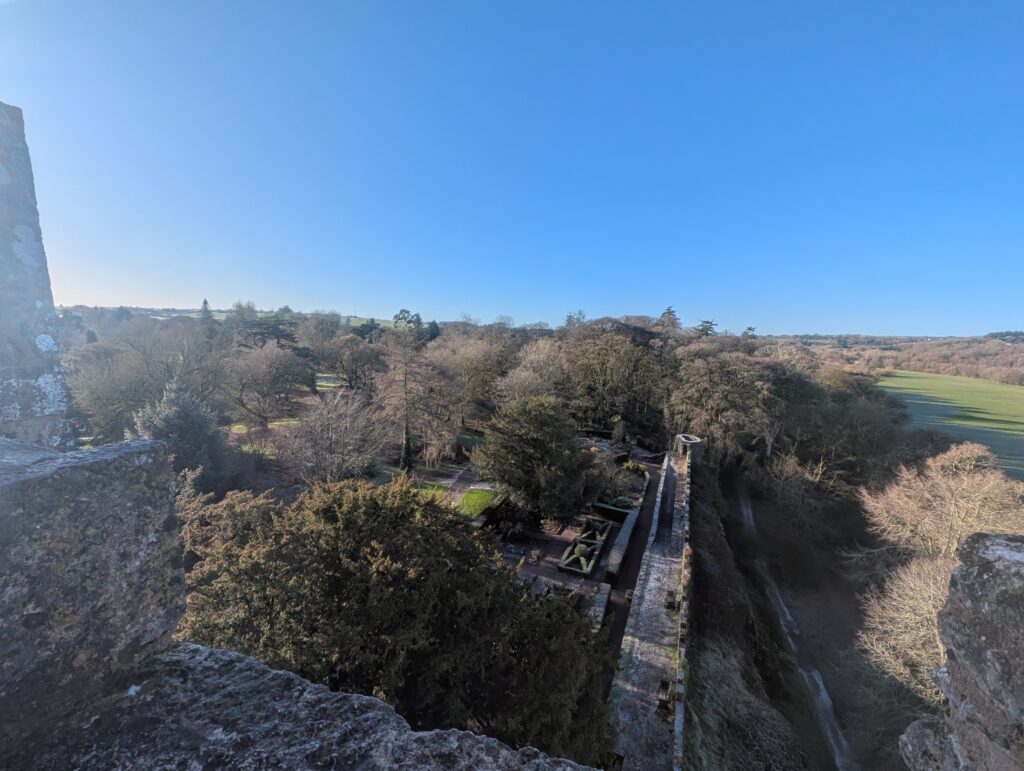
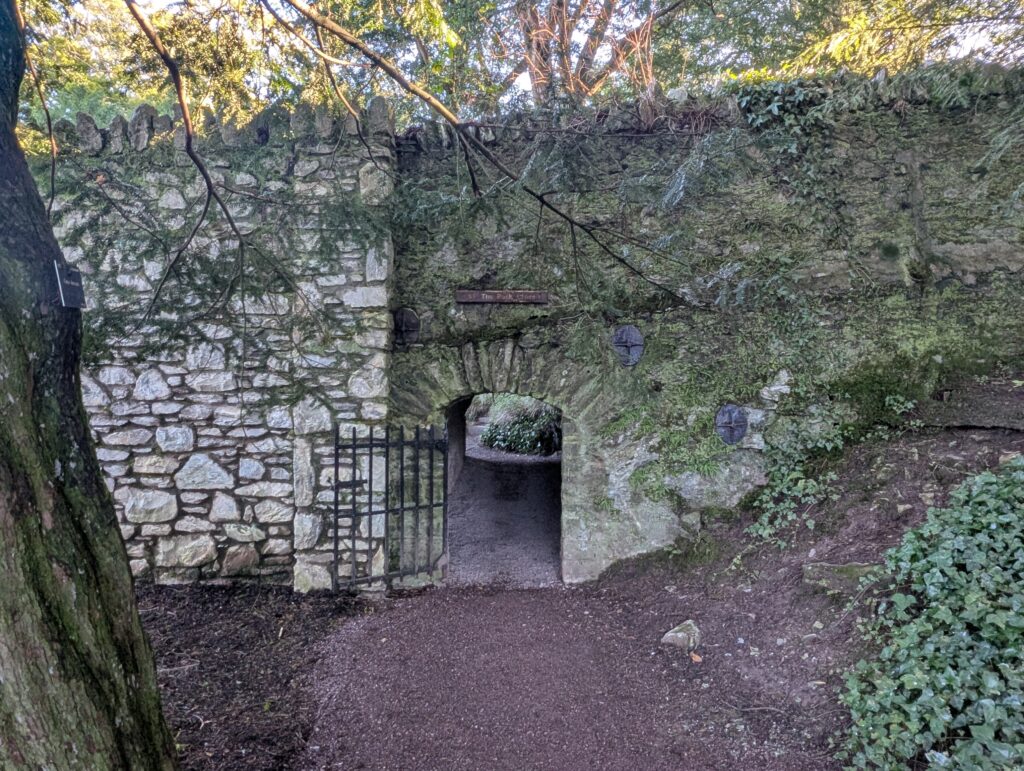
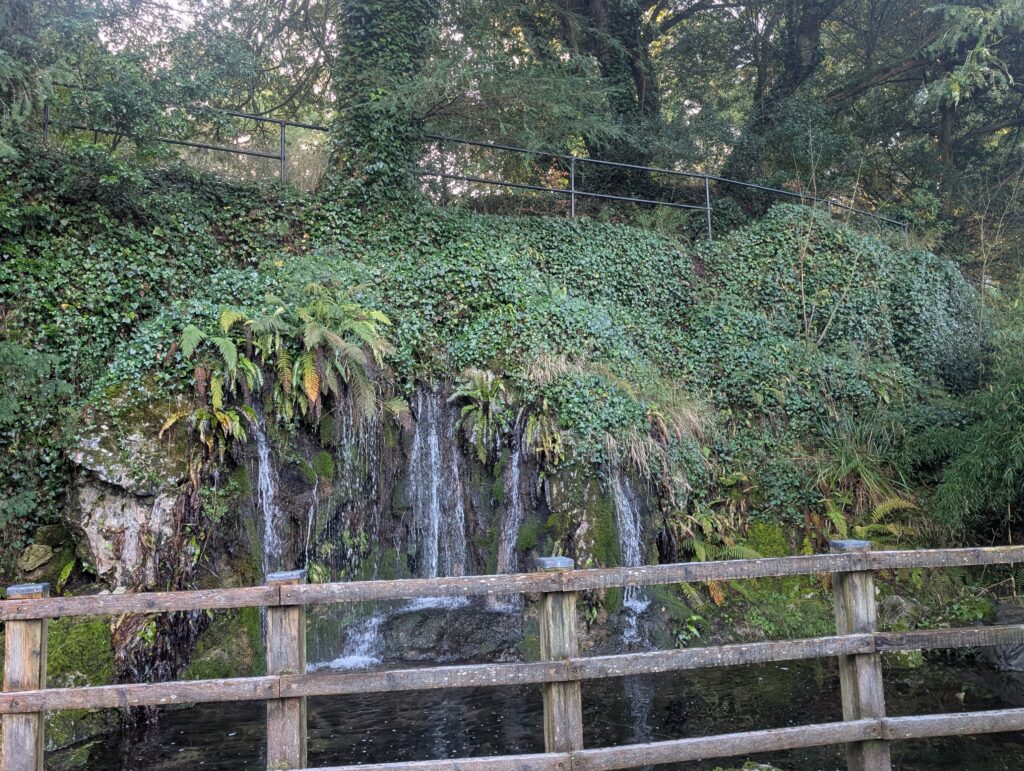
The Blarney gardens.
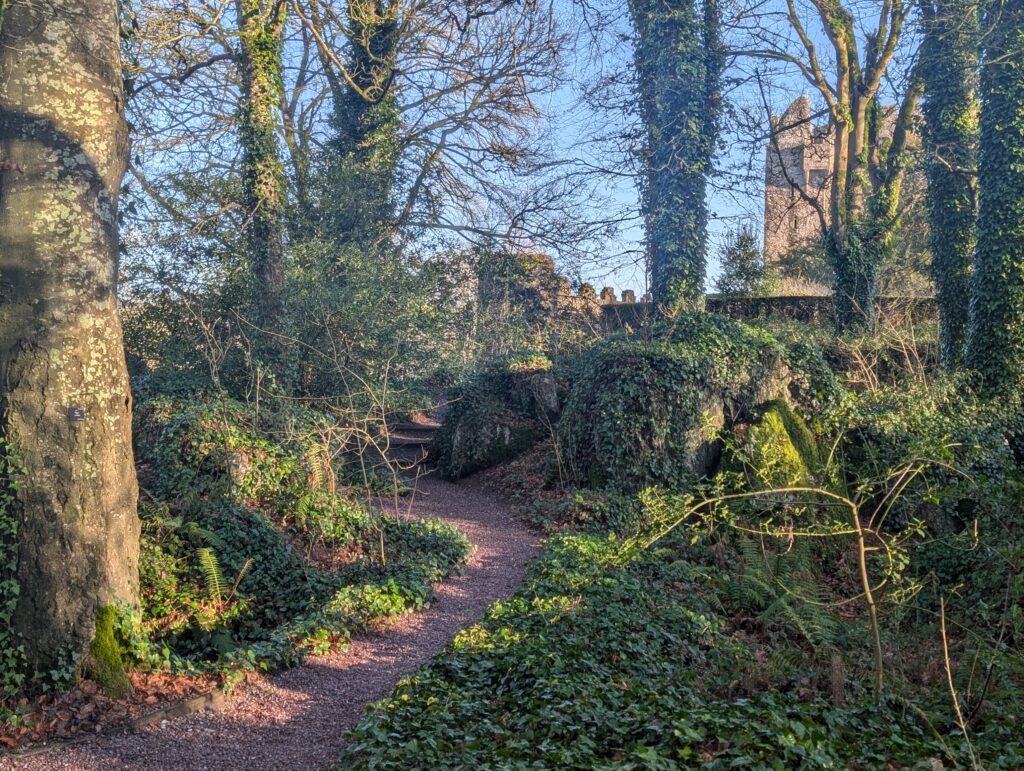
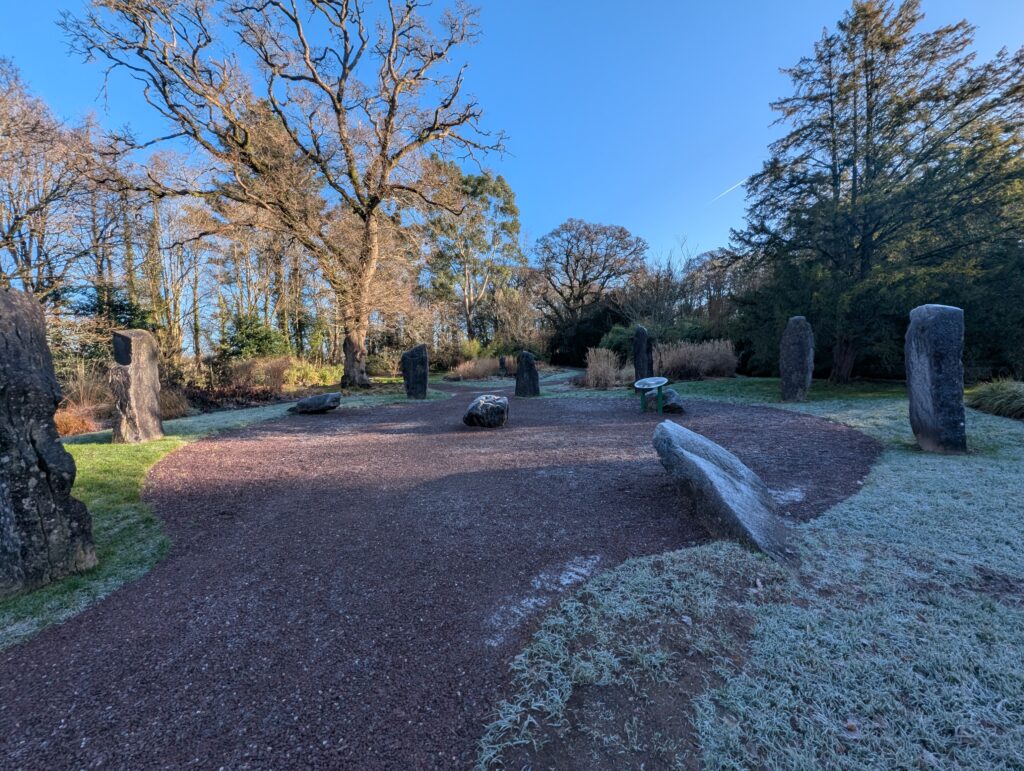
The seven sisters are prehistoric stones that are 3000 years old. There are several stories connected to it. One is that there were seven sisters that conducted rituals and were turned to stone. The one the castle tells is that a king had daughters and sons and these druid stones that had been there representing his offspring. In a battle, the two sons were killed and the king had two of them pushed over to honor his fallen sons.