I was pretty excited about Seville even though it is a much larger city than the others I have visited. I was starting to think a UTI that I had at the end of August had returned. After checking in, I asked the person at the front desk of the hostel about options. I chose a private hospital instead of the public one and once there it was confirmed I did have a UTI. I do have global health insurance with a pretty high deductible. My Spanish is intermediate enough to be able to comunicate and understand.
Needless to say, I tried to take it a little easier here and did not do long day trips that I had been thinking about.
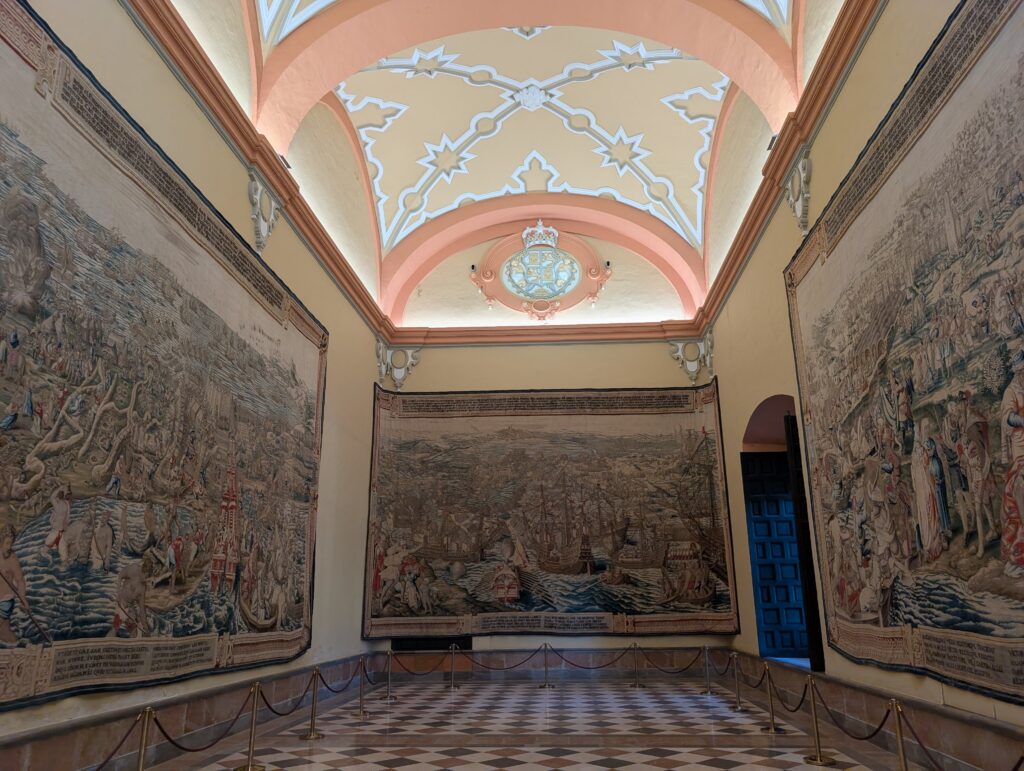
Royal Alcazar of Seville. It originated in the 10th century as an Islamic citadel and was expanded by the Moors and again in 1248 by Christian monarchs. It is the oldest royal palaces in continual use in Europe. Currently the Spanish royal family resides there. It has architecture from all past influences.

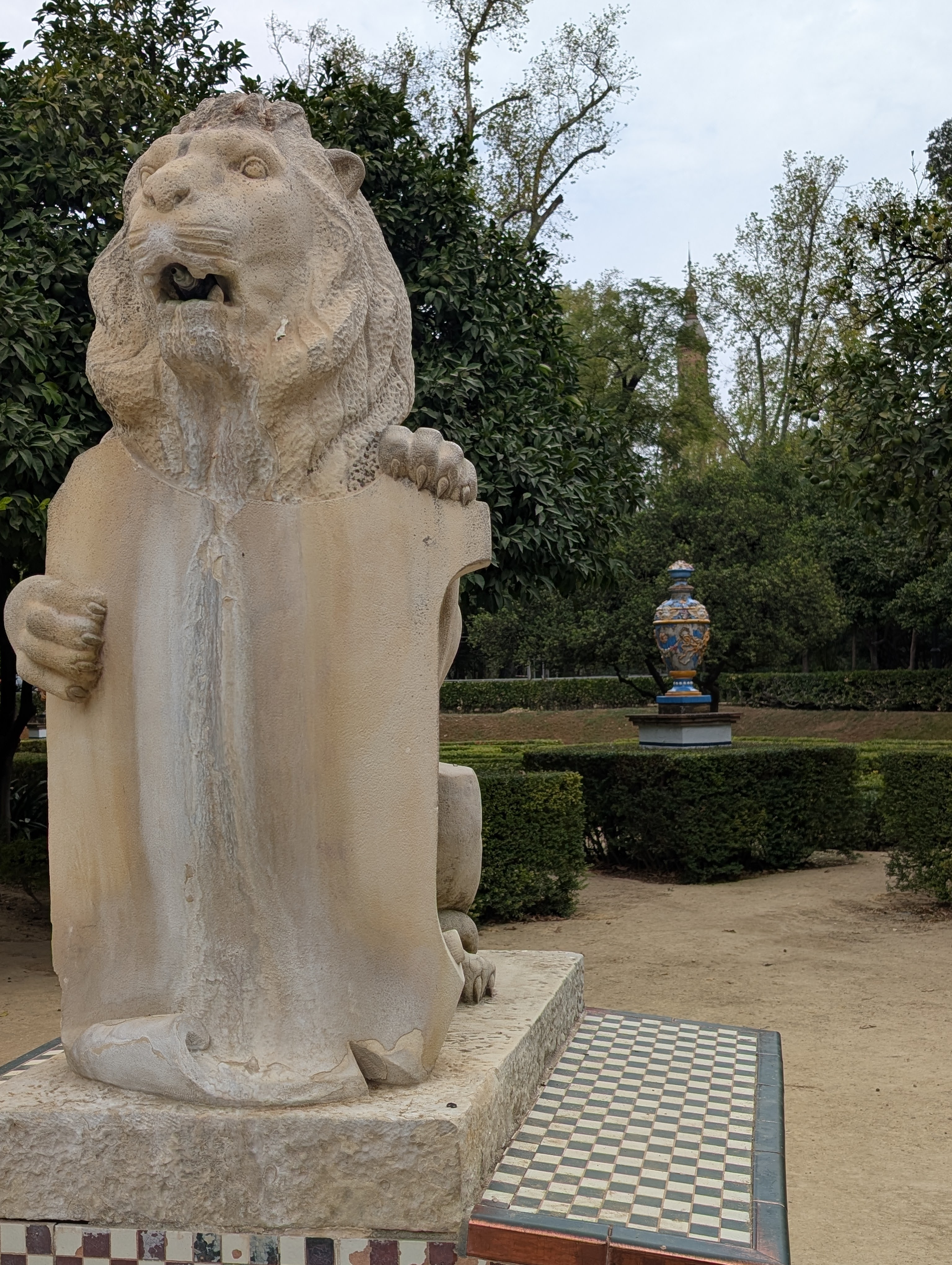
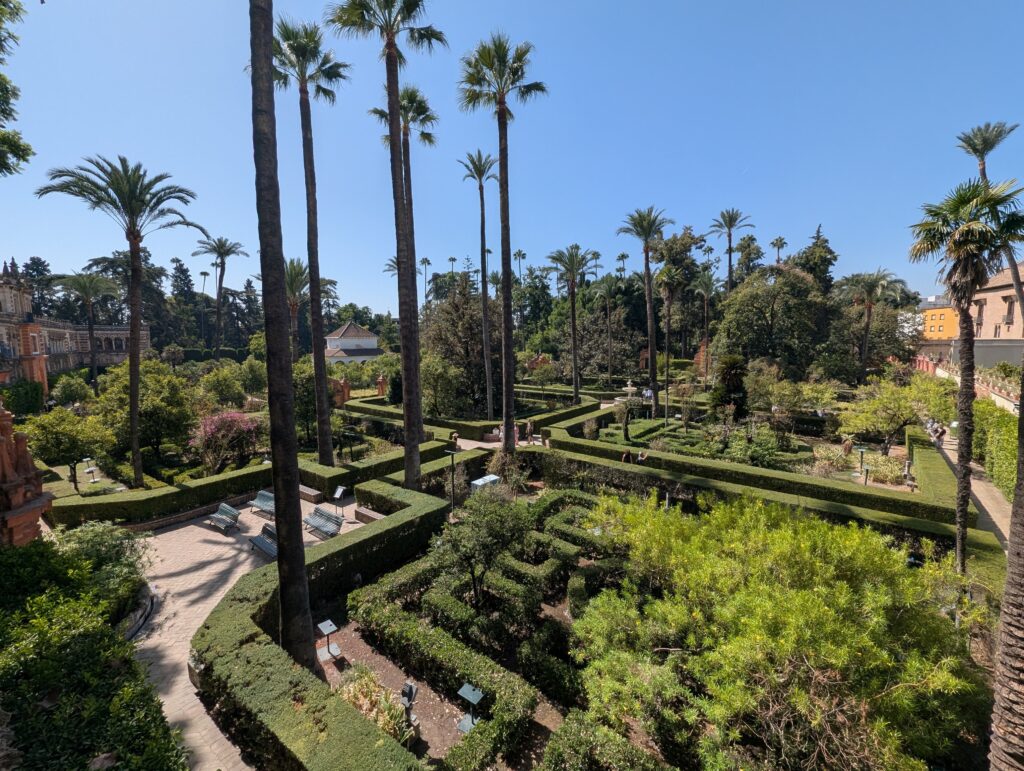
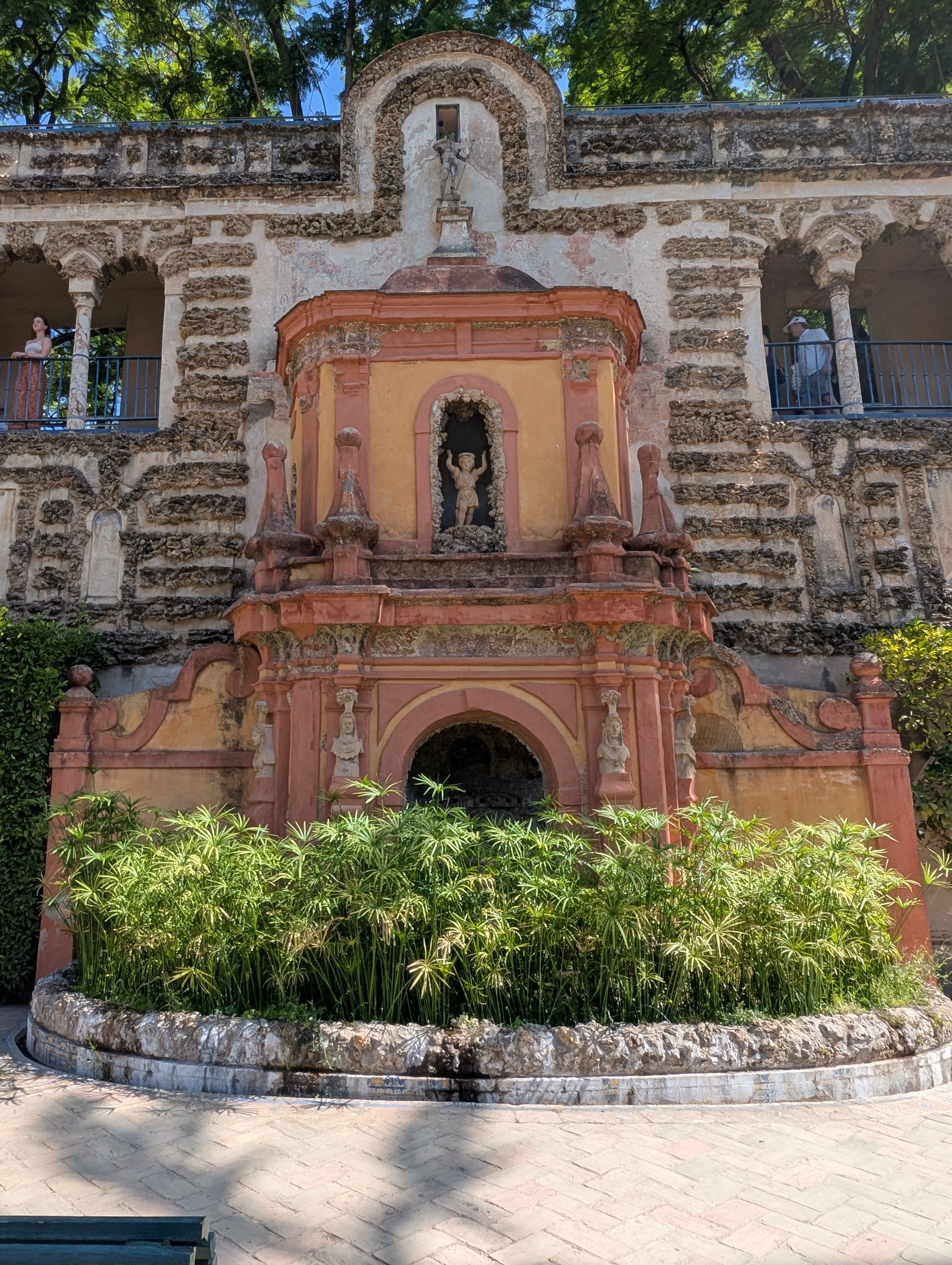
The best part is the gardens which is immense and features fountains, formal gardens, and a wooded section. There is even a water organ, that played tunes as water flowed through.
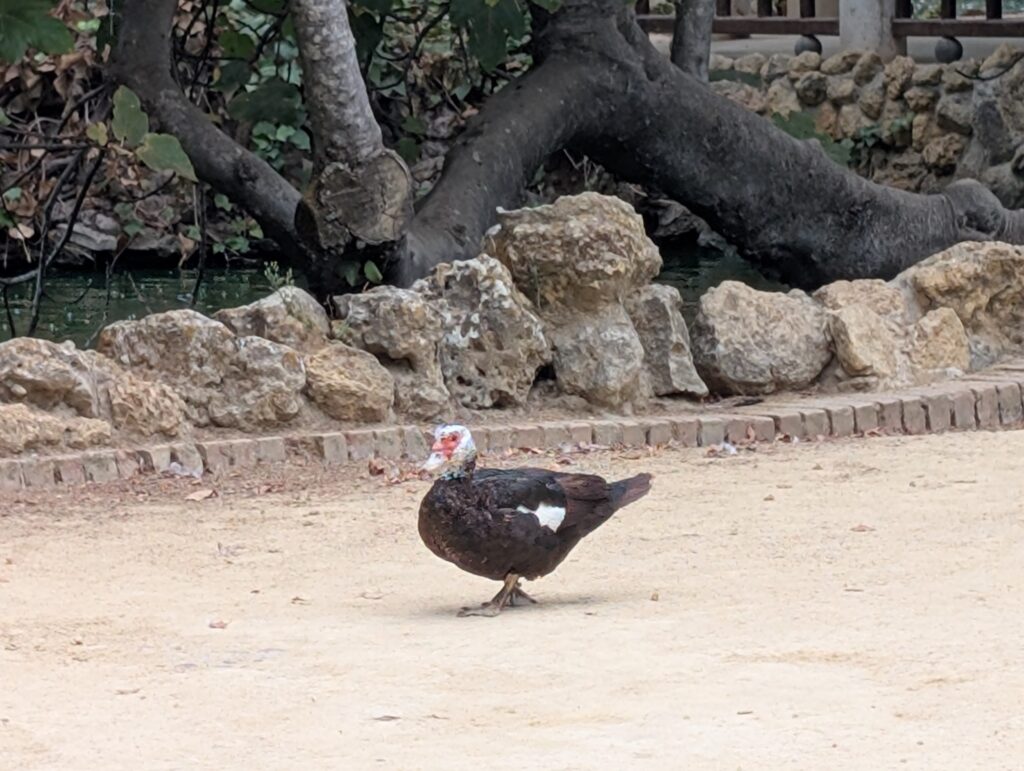
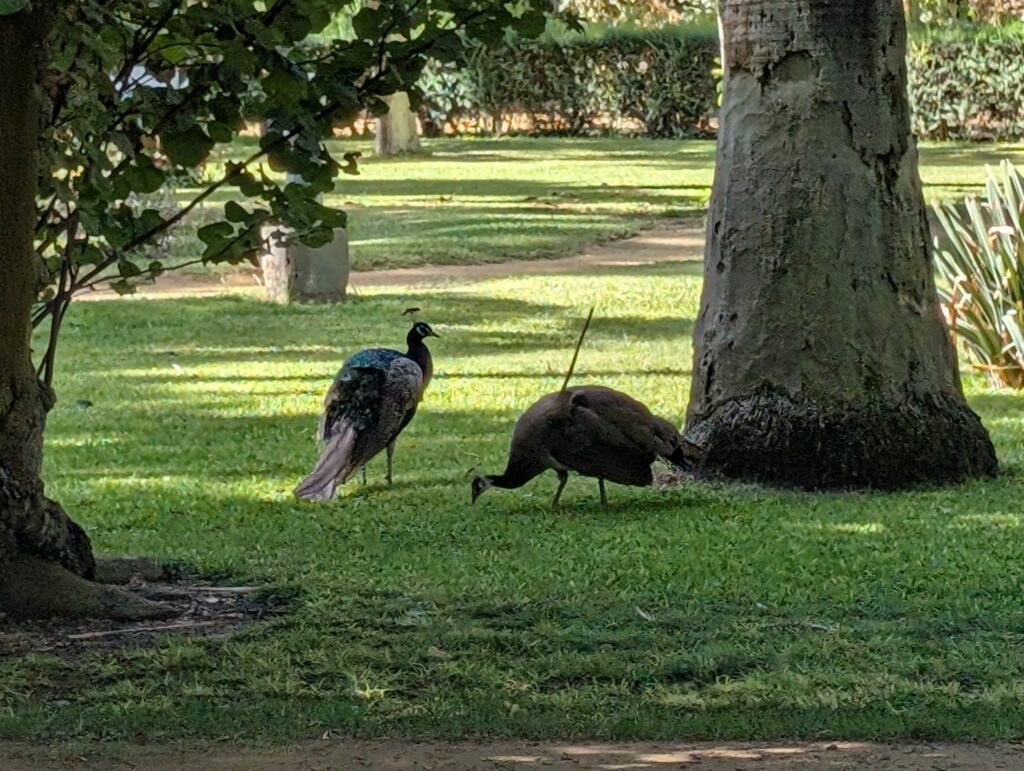
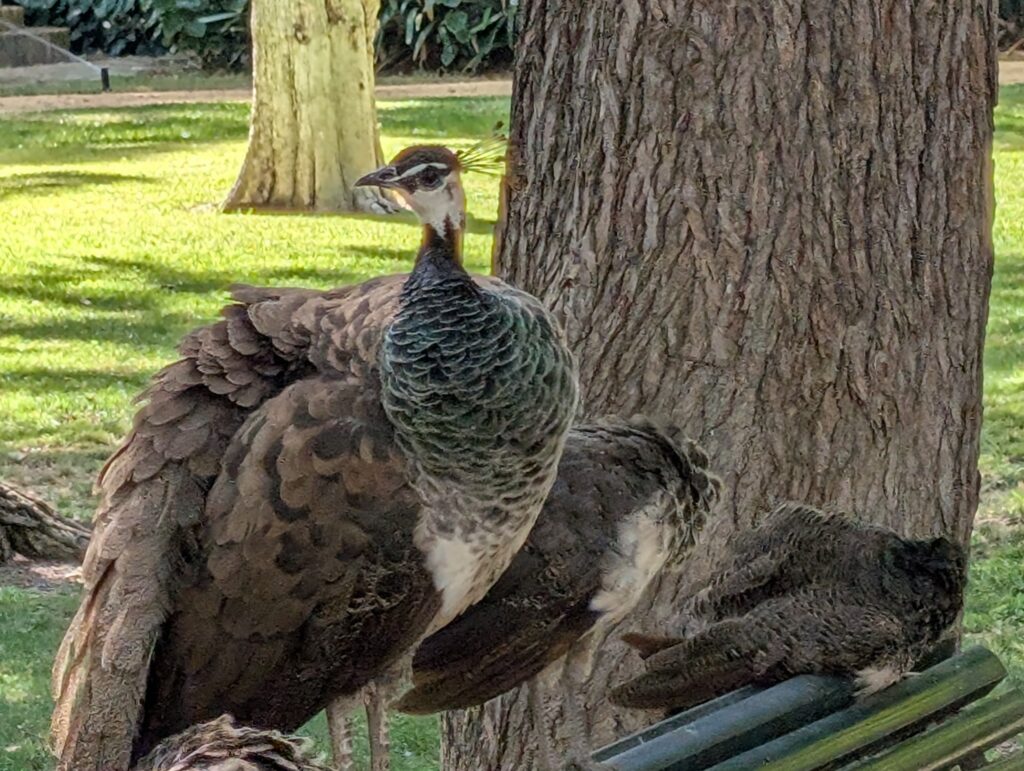
And there were peacocks. Not sure why it looks like a stick is coming out of the back of one of them.
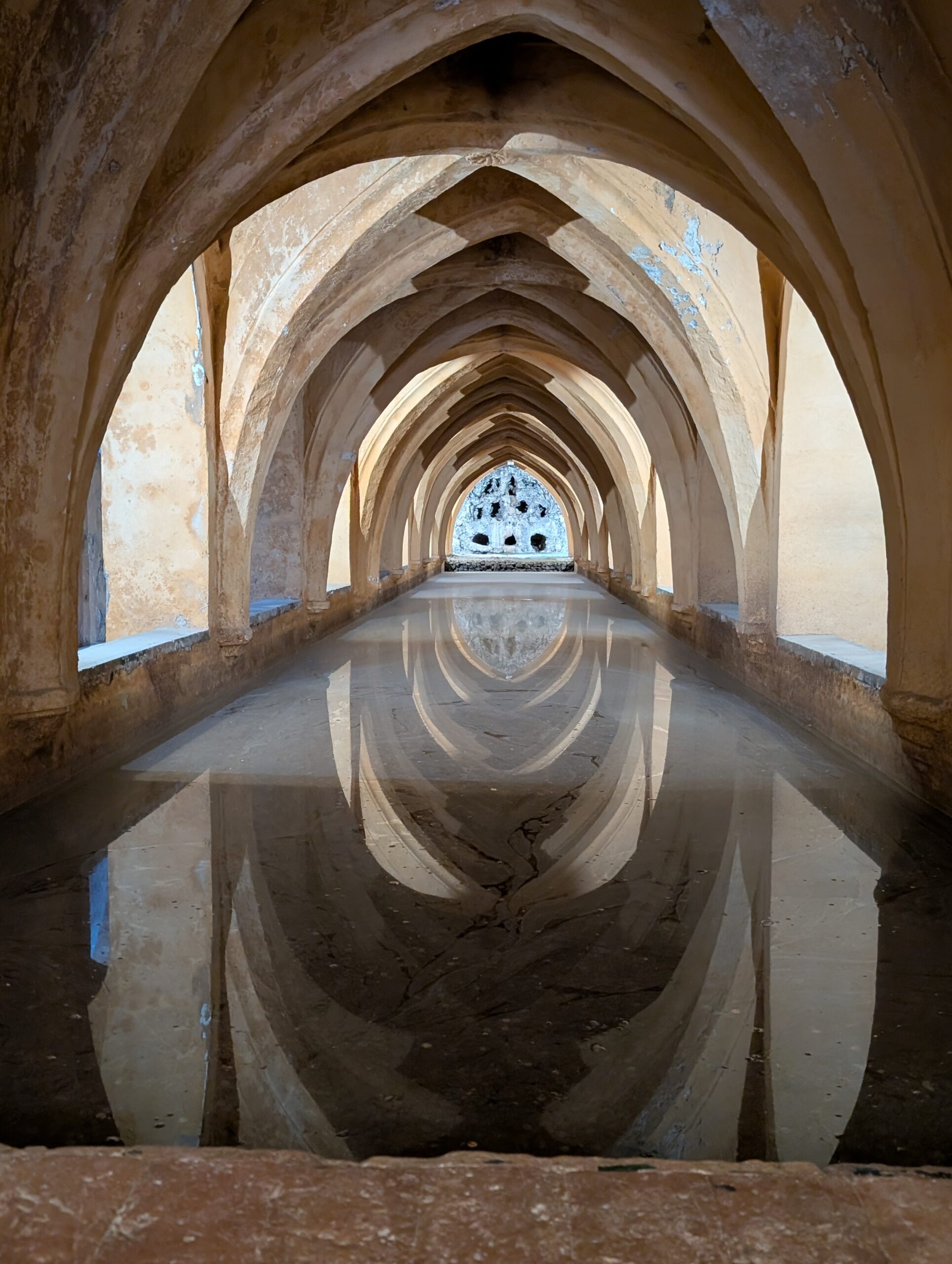
Down in the basement was tunnels that led to the burial catacombs.
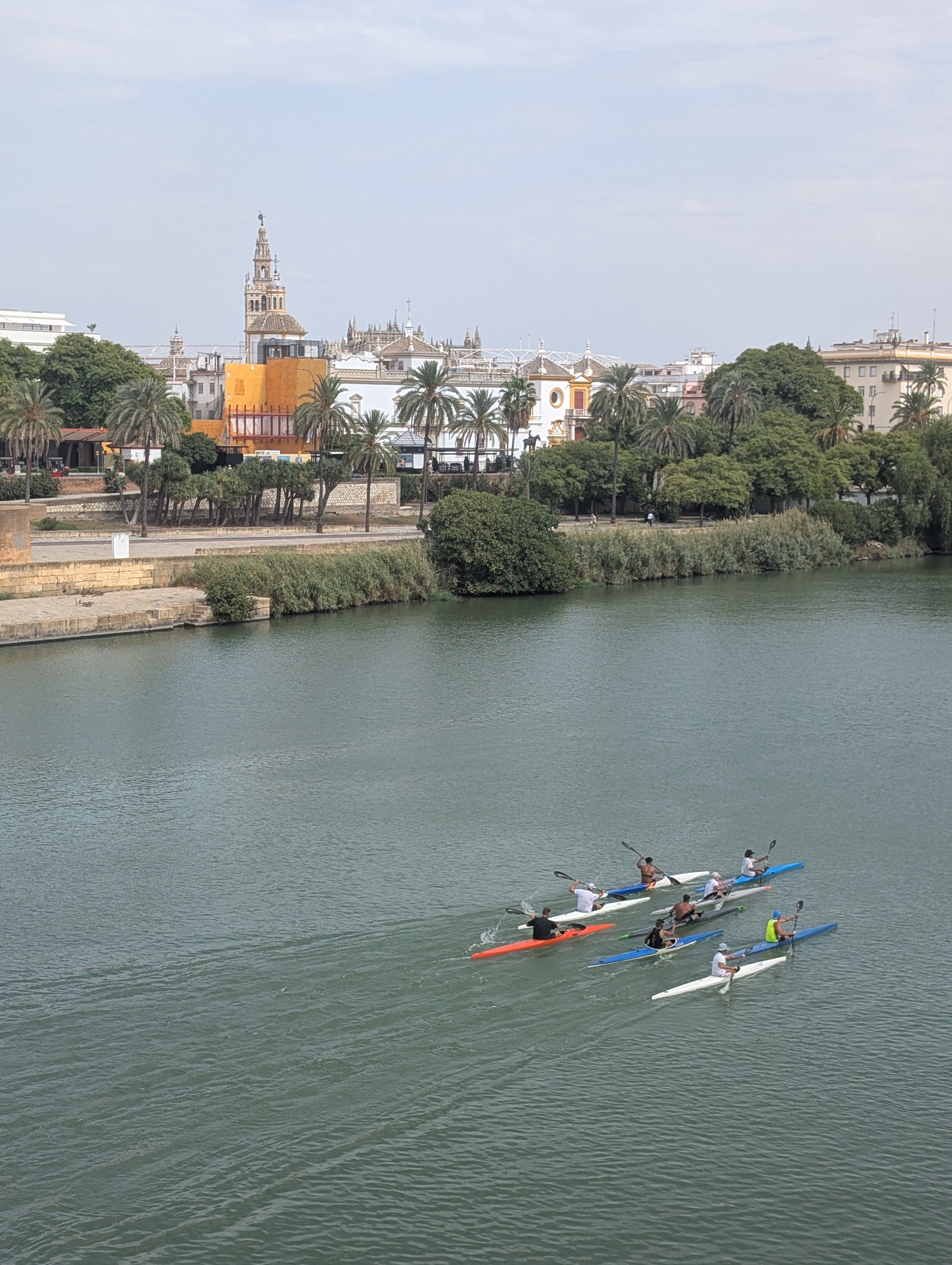
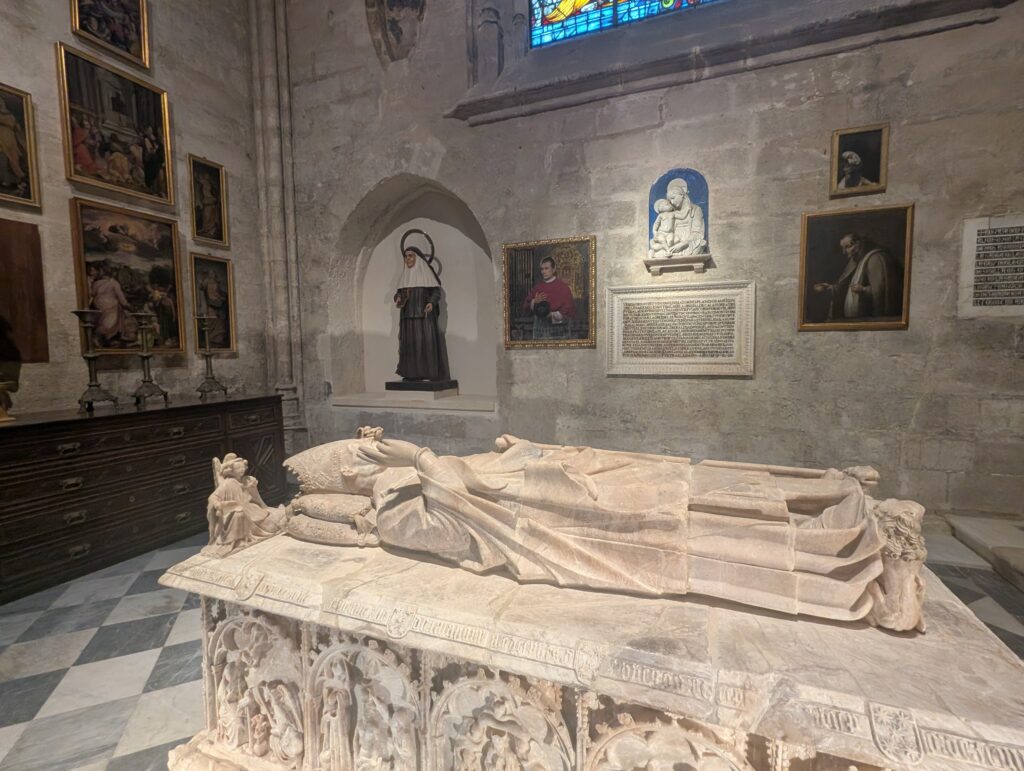
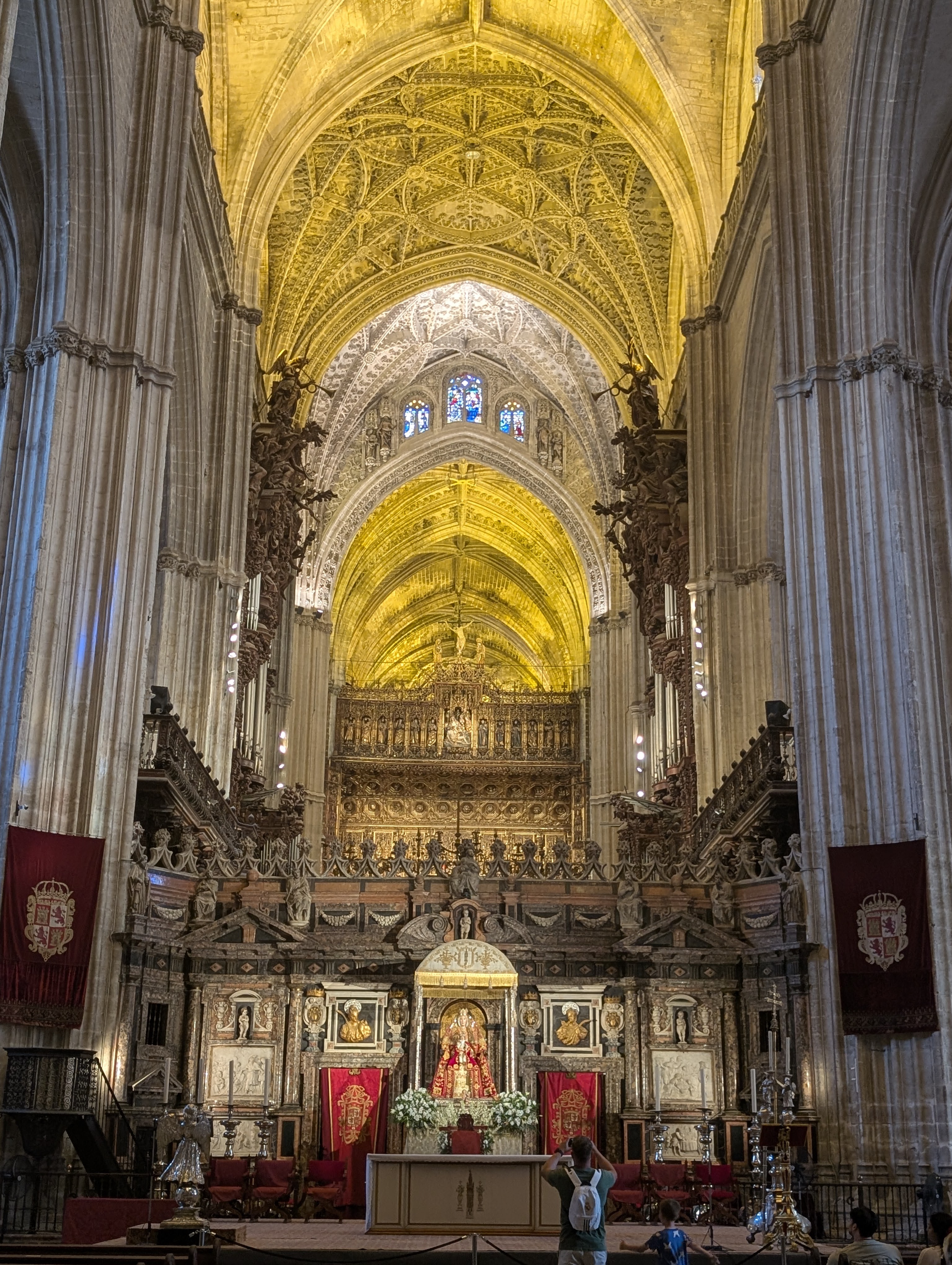
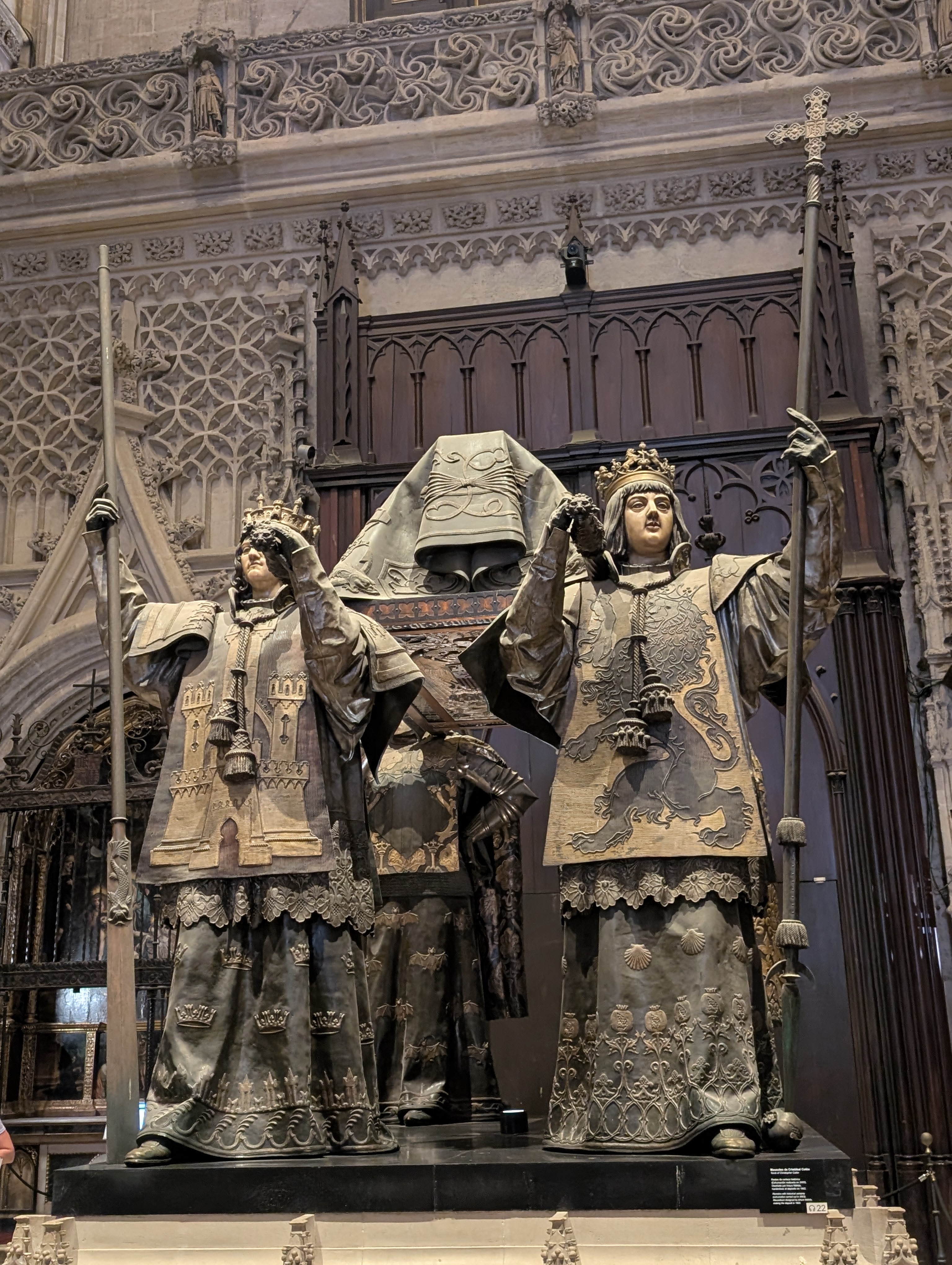
The cathedral was originally built where a mosque used to stand. In fact, La Giralda is a tower that used to be a minarete of the mosque.
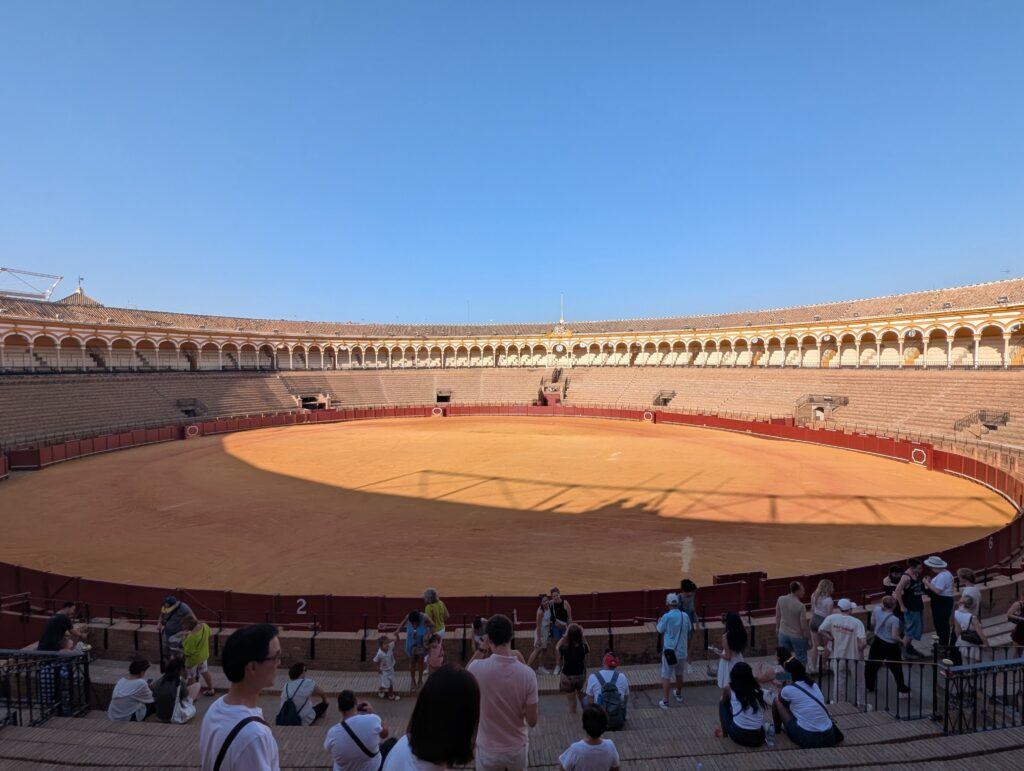
I stayed at the Black Swan Hostel. It was fabulous and they have many free events like family dinners, a flamenco show, and a tour of the bull ring. (I also took a cooking class to make paella).
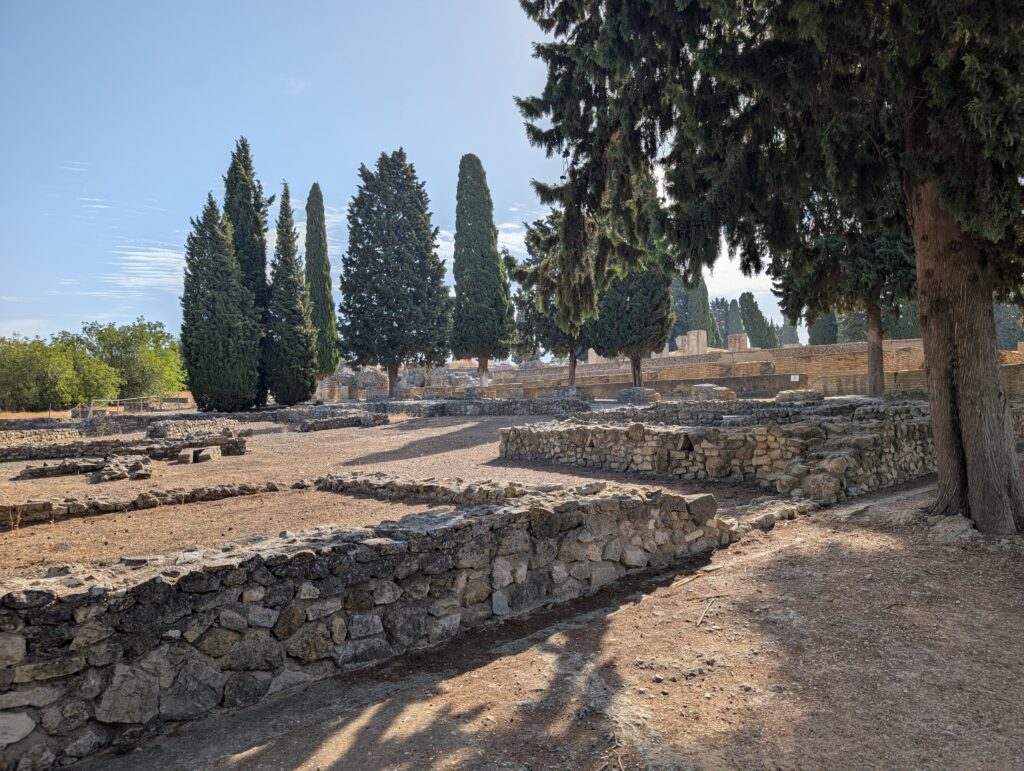
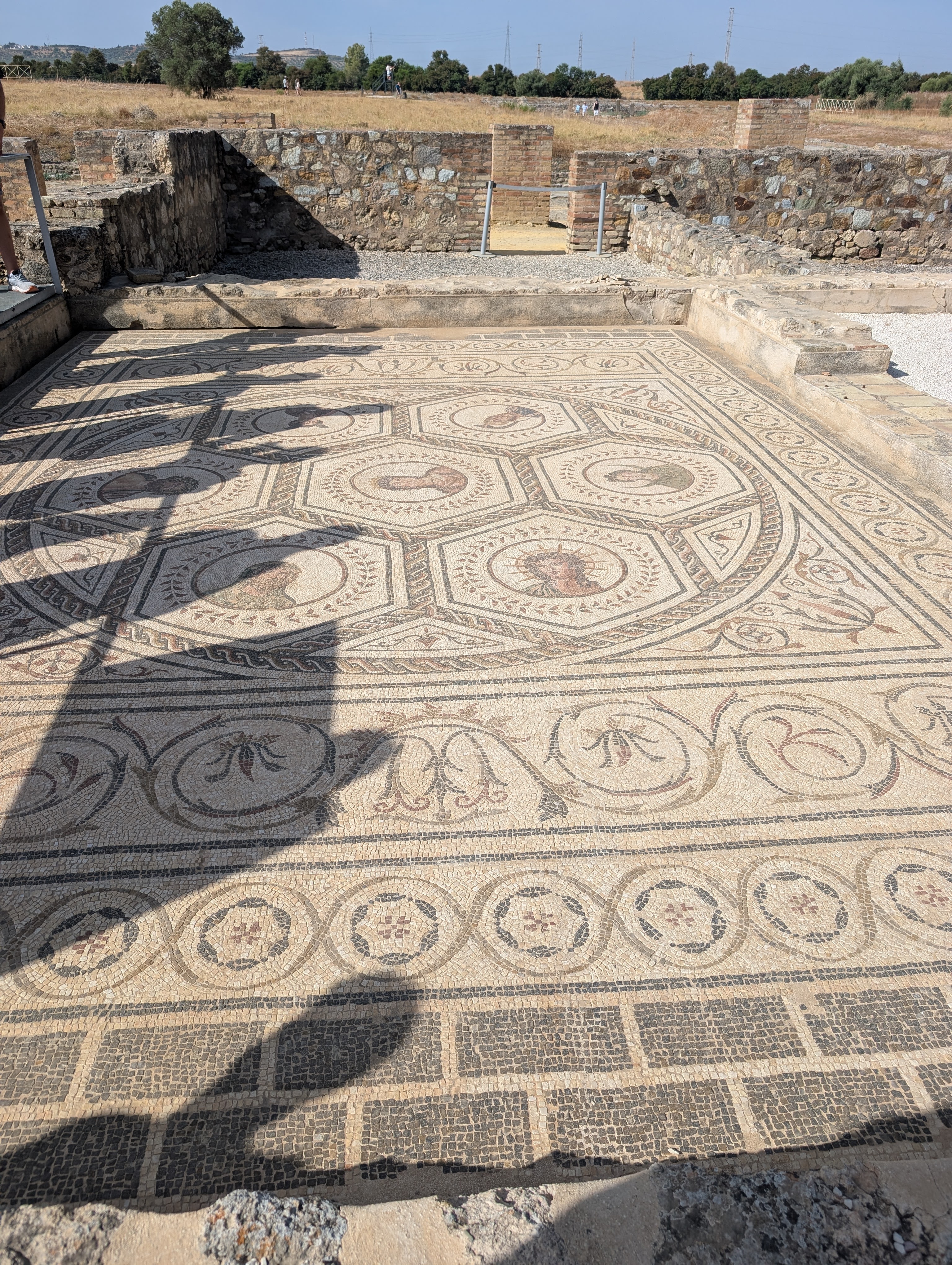
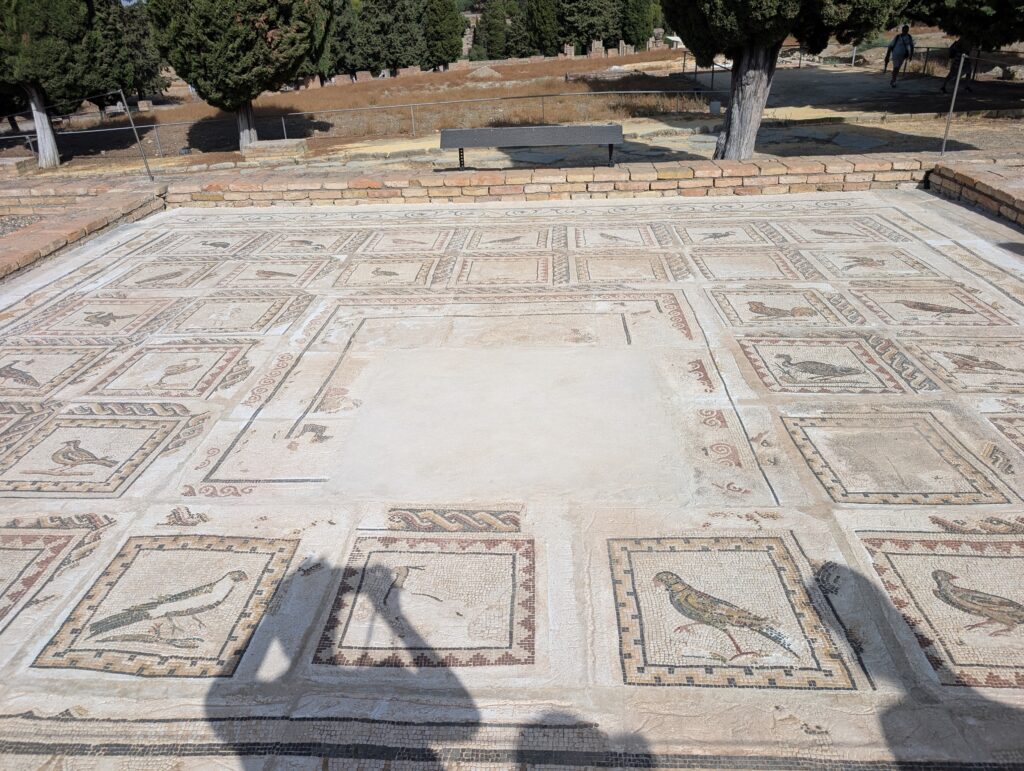
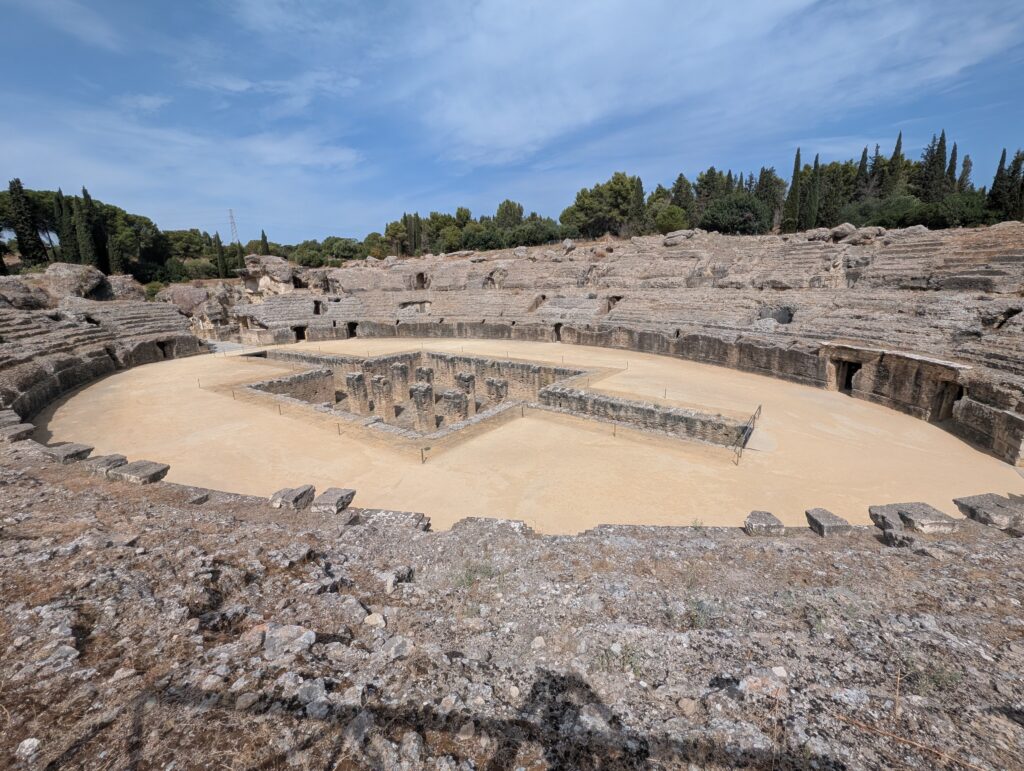
I did a tour of Itálica which is a little further than the city center. This is an archaeological site of a Roman town and an amphitheater. After the town was abandoned for many centuries, much of the rock and structures were used to build Seville. After digging, they found statues, Roman columns, and beautiful mosaic floor work.
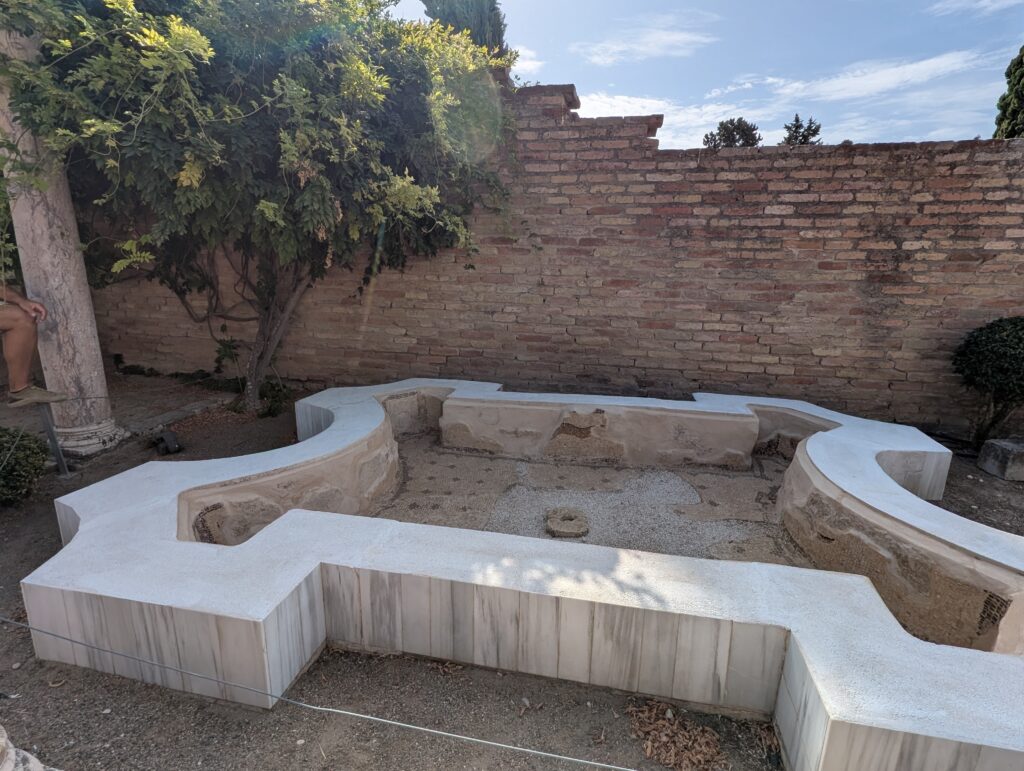
A marble fountain
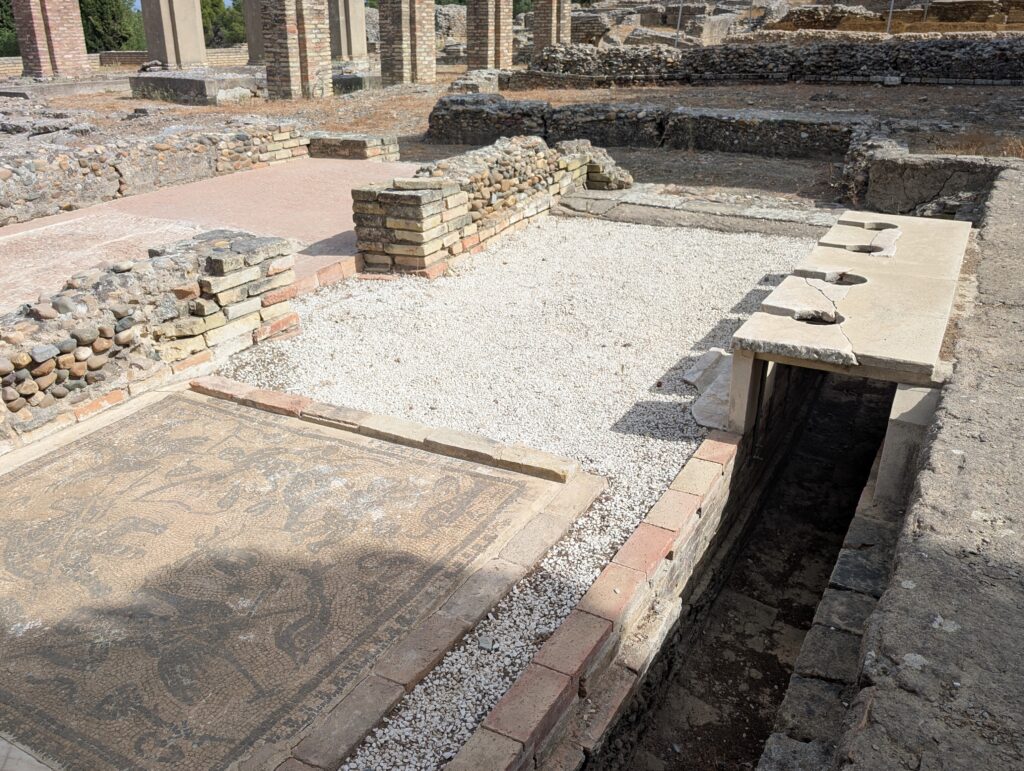
This is part of a school for the rich residents. Note the toilets.
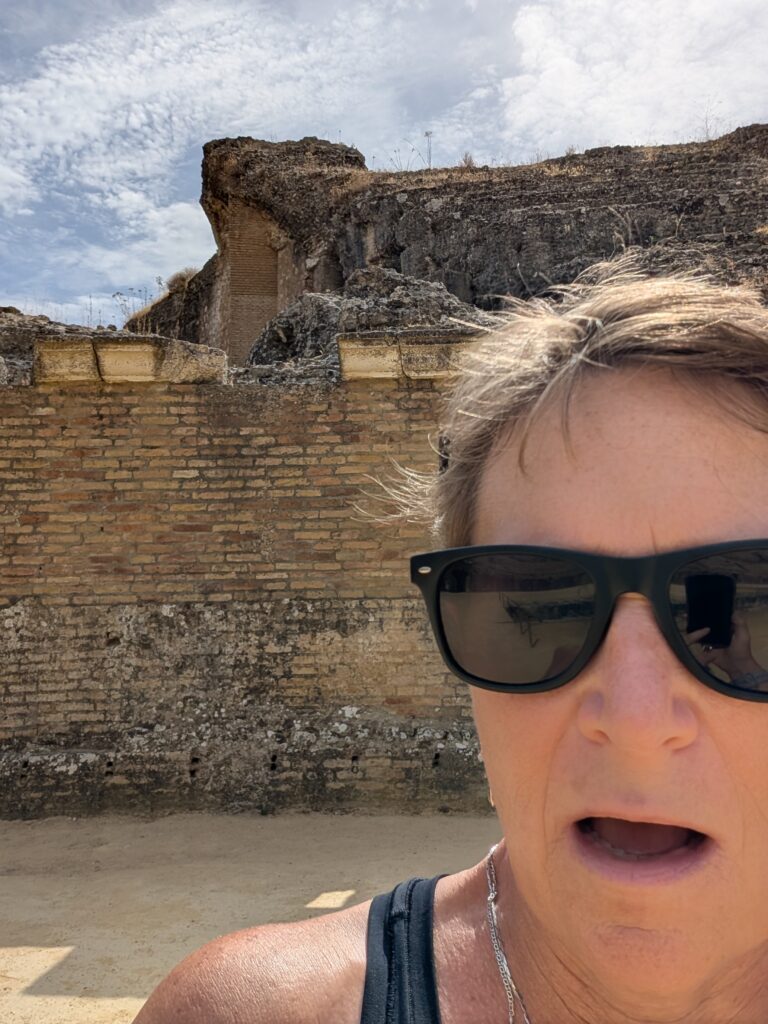
We then visited the amphitheater where several episodes of Game of Thrones was filmed including when Danaerus flew in on her dragon. That is me thinking the CGI dragon landed behind me.
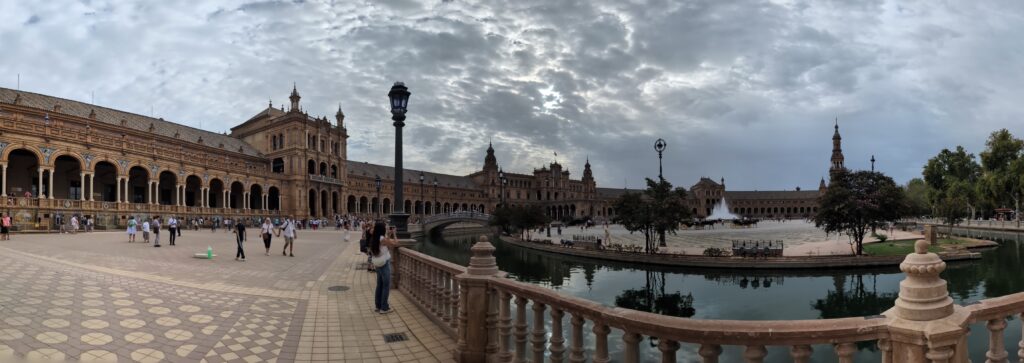
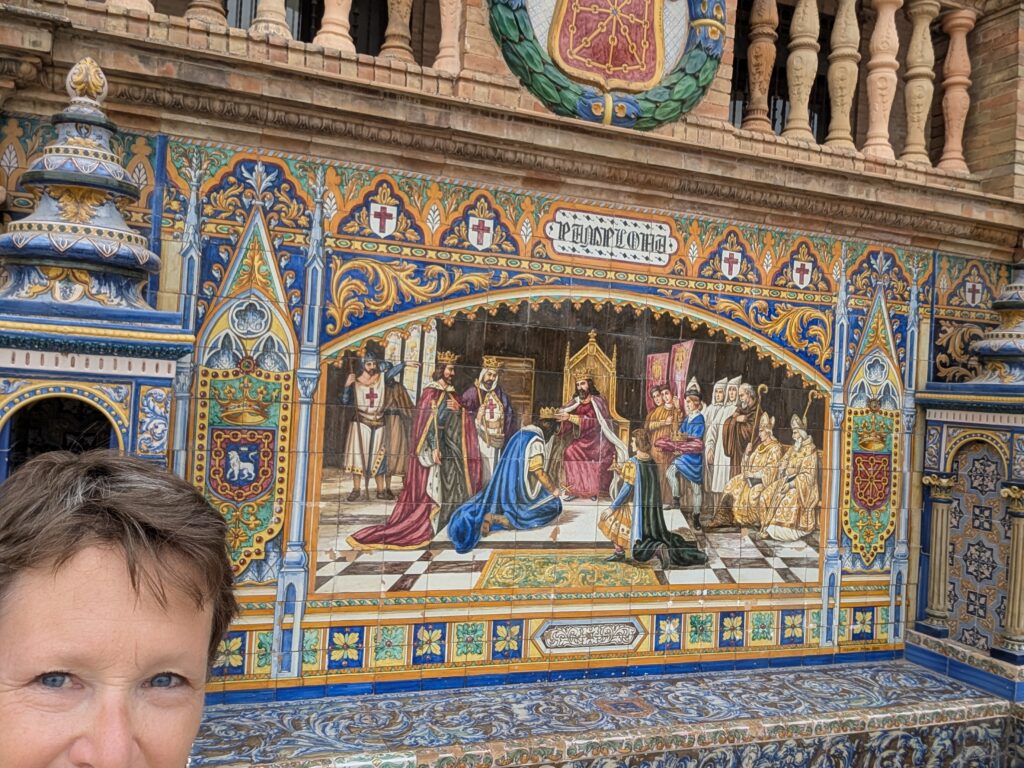
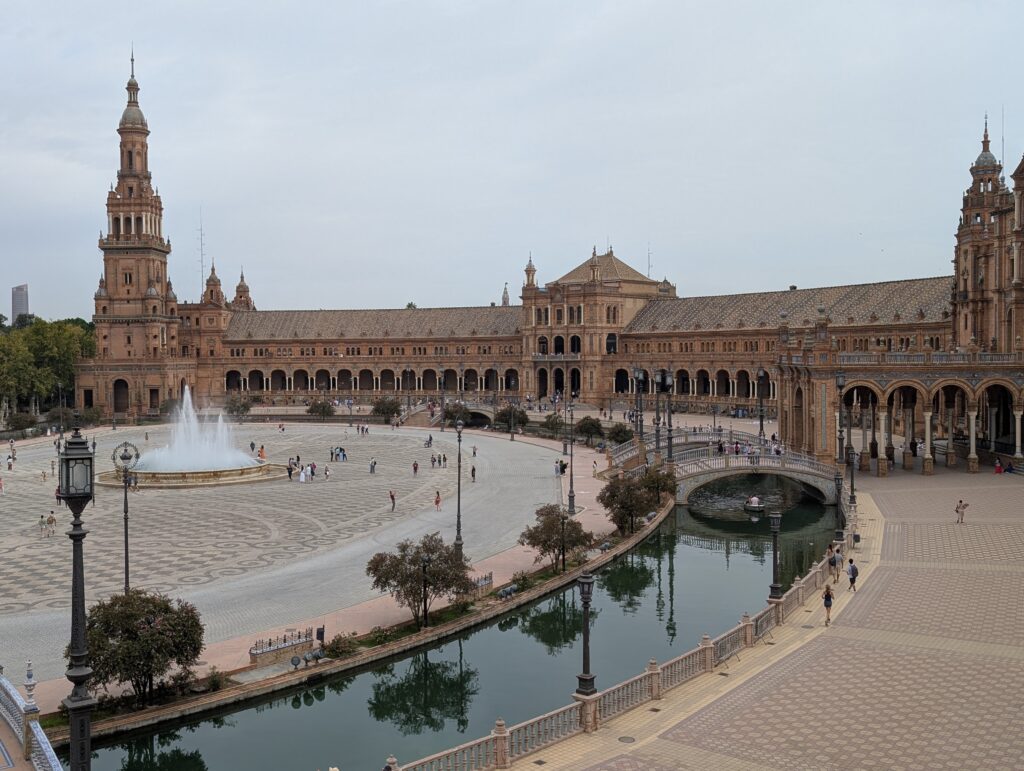
Plaza de España was built for the Ibero-American Exposition of 1929. The was designed to strengthen ties between Spain and Latin America. Along the base of the building are beautifully tiled alcoves representing each of Spain’s provinces. The mosaics are gorgeous. This structure was used in Star Wars episode 2 as the planet Naboo.
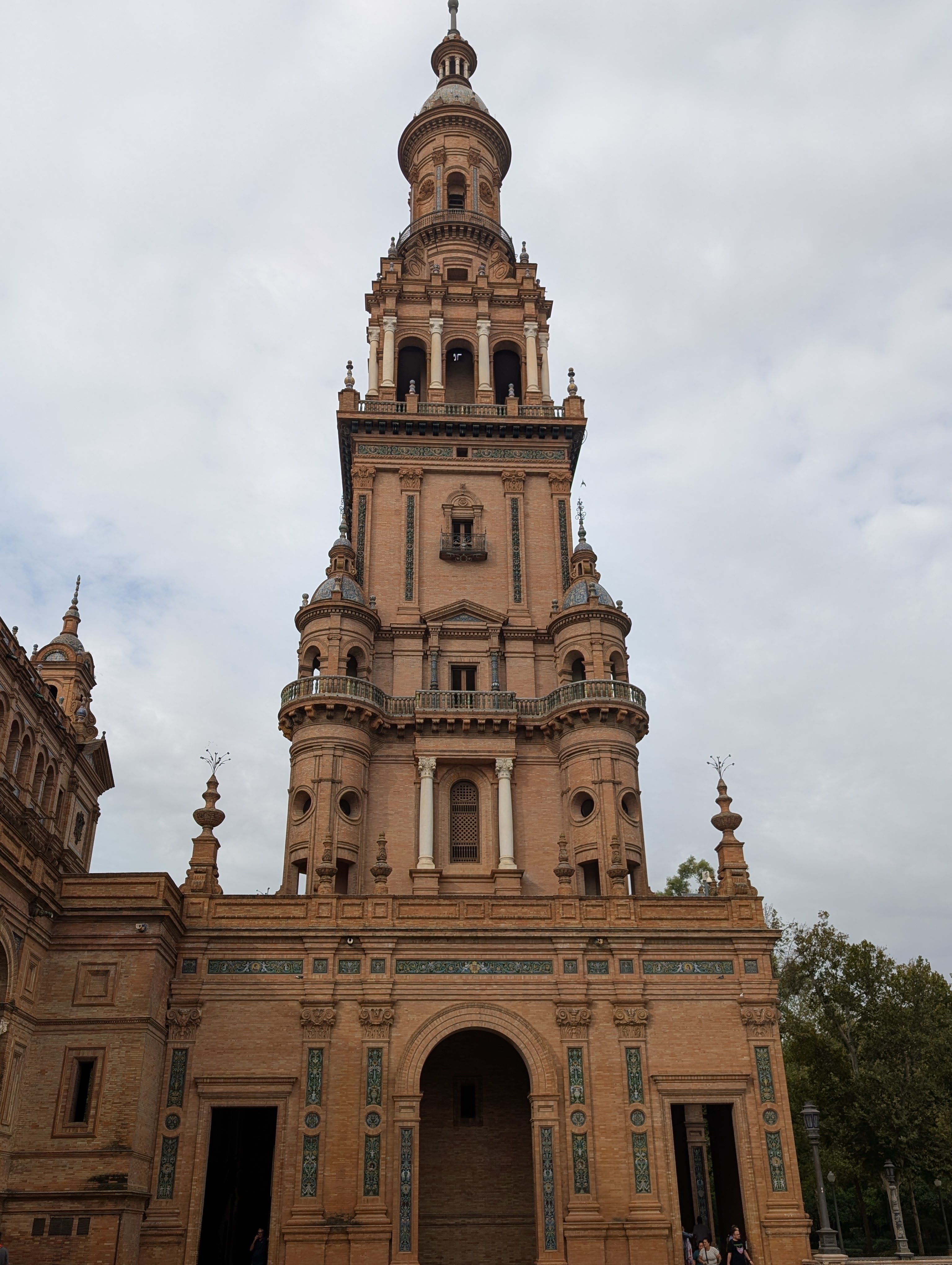
A stroll around the gardens and other parts of Seville.