I took another day trip first to Godesburg. Bad means bath in German. The hill that the castle is built on (just ruins now) is part of a dragon rock legend. The rocks underneath are volcanic and have several possible legends attached to it:
A dragon once lived in the caves of the volcanic cone until banished later by a monk and is not protected OR a pale figure known as the white lady haunts the ruins. She was the daughter of a noble an who could not marry her beloved and befell a tragic death OR a gatekeeper helped opposing forces by bringing in explosives. He was either buried alive or thrown from the tower and his restless soul still walks the grounds OR there is a sleeping army that is in the volcanic cone that will come to life in Germany’s greatest need.
Anyway it was a stronghold of the cardinals of Cologne in 1210 and was actually one of the first fortresses to be blown up by mines.
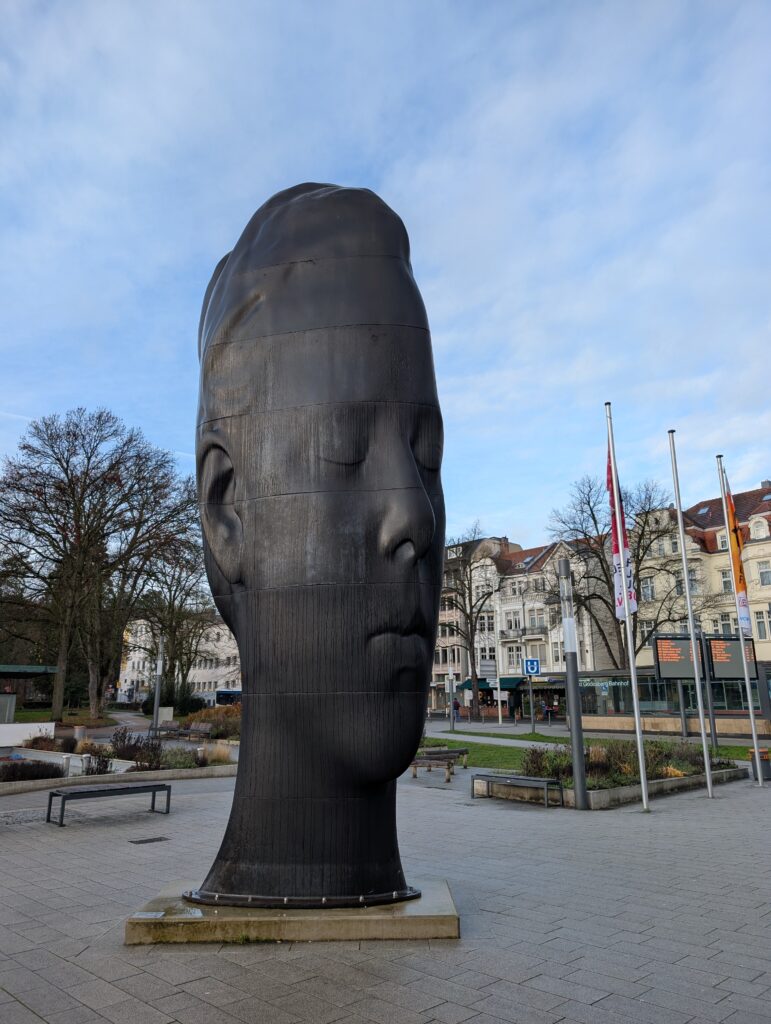
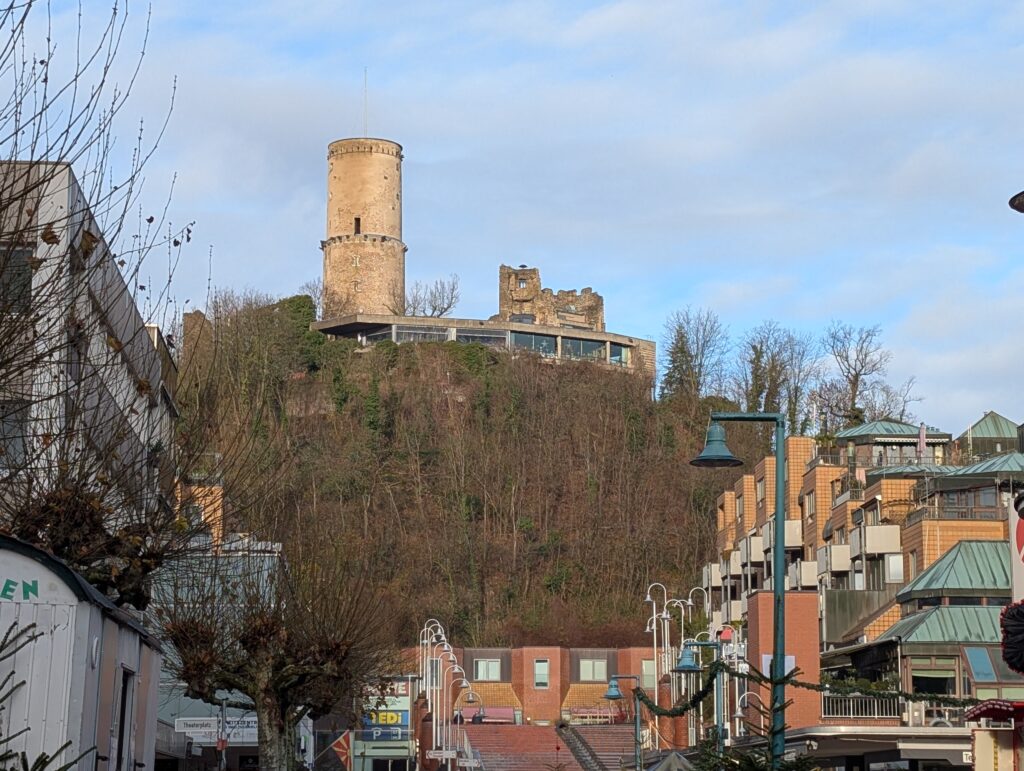
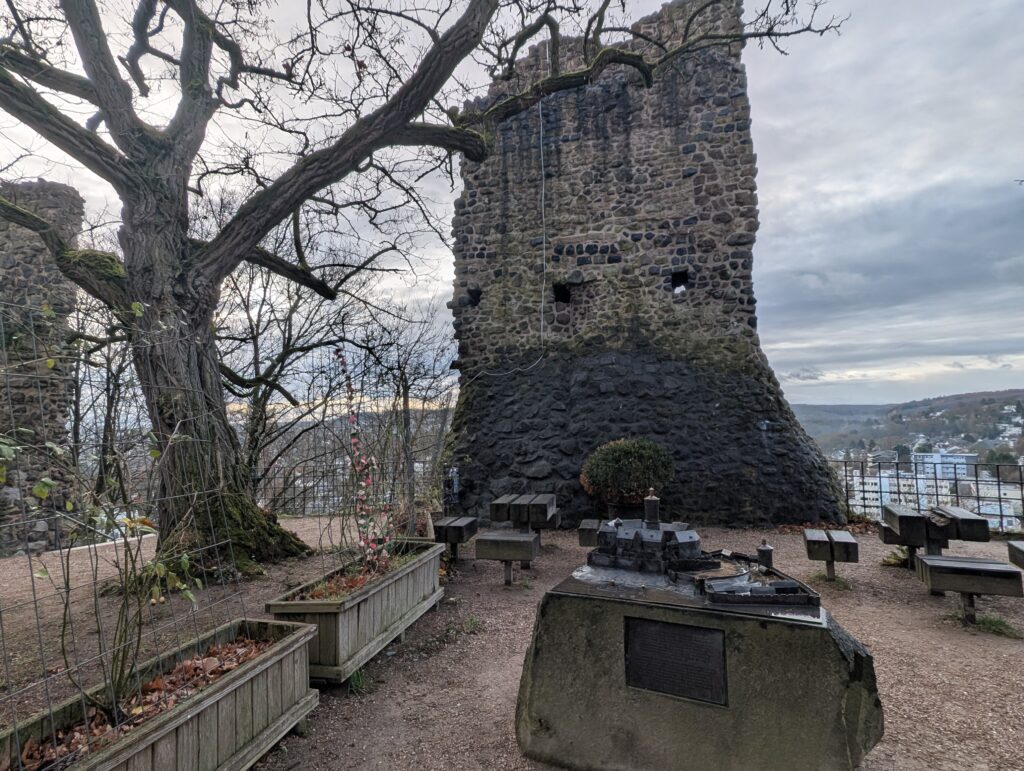
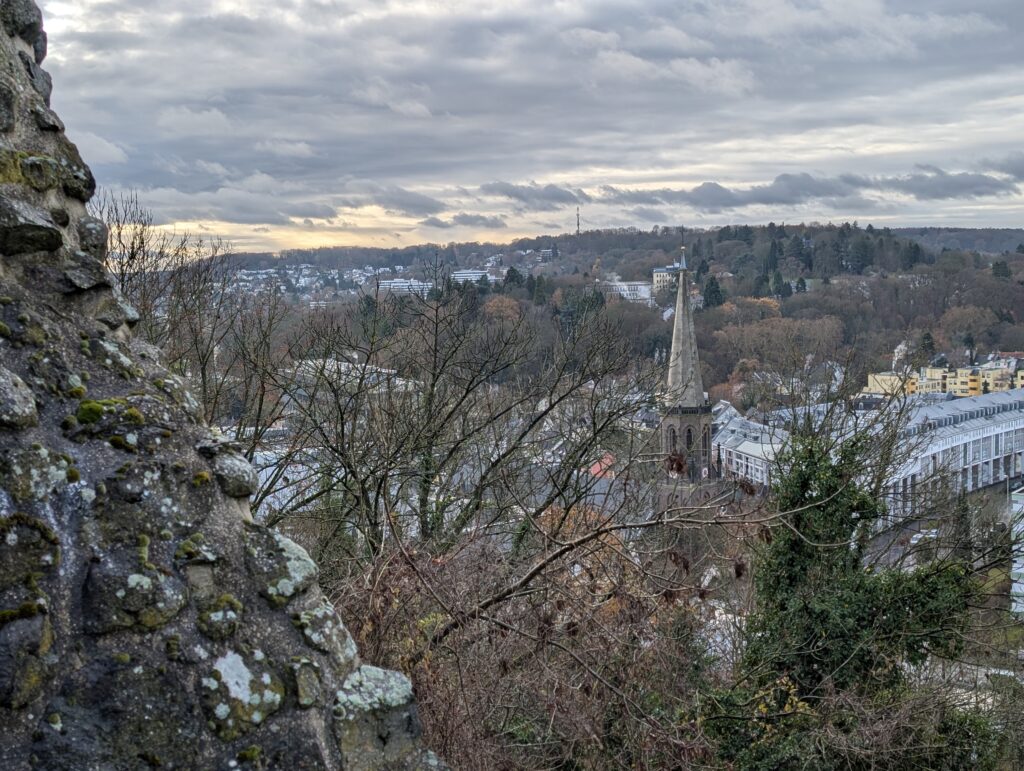
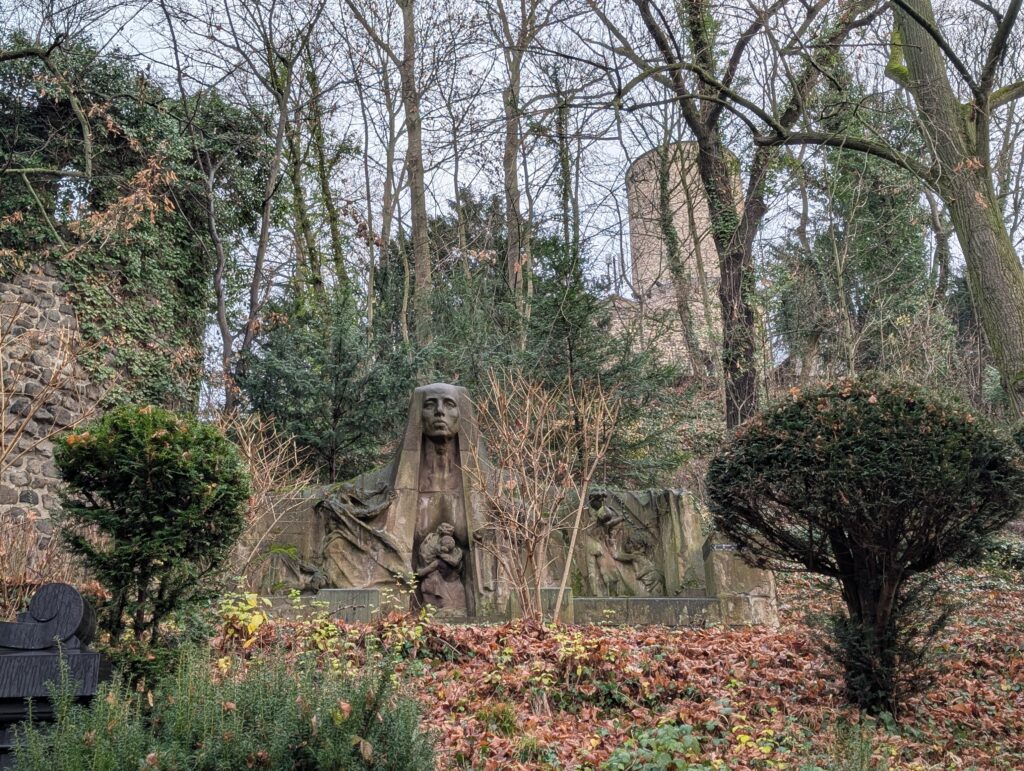
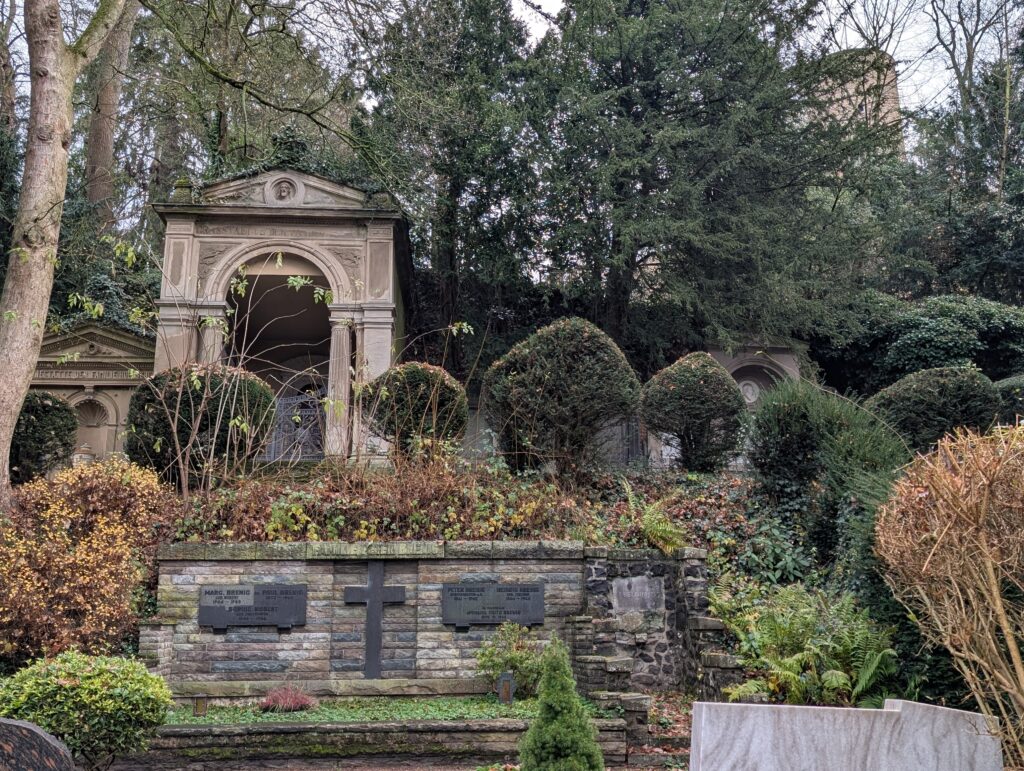
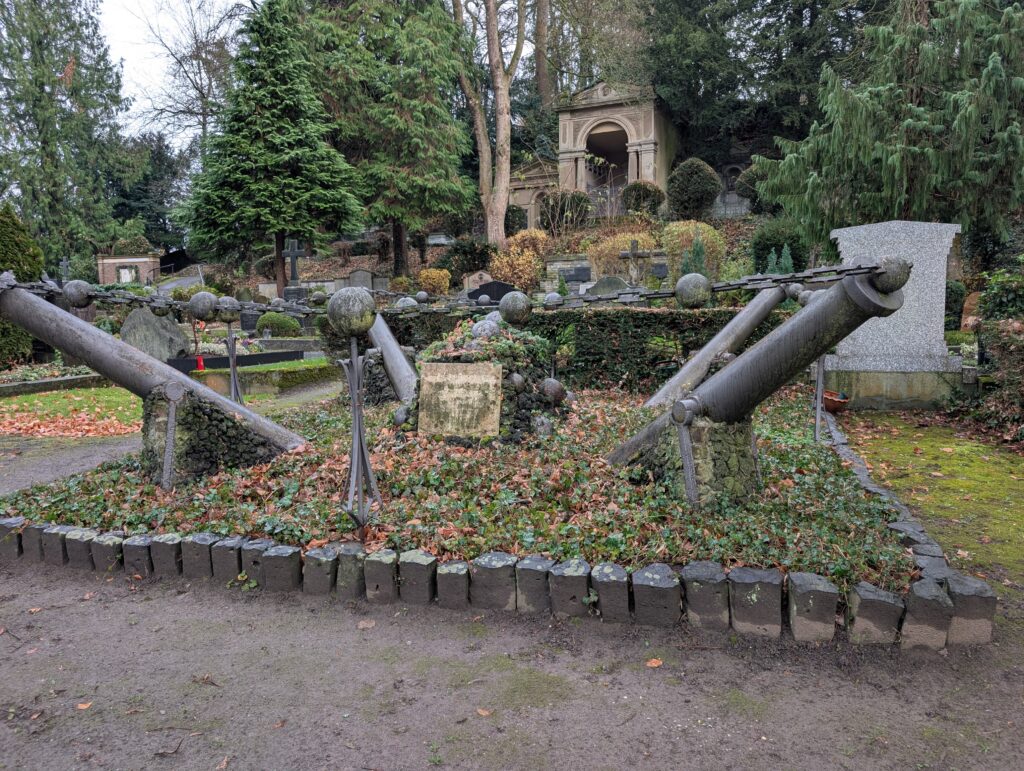
Below the castle is the castle cemetery. It is pretty cool and peaceful. Some important people are buried here including Beethoven’s mother.
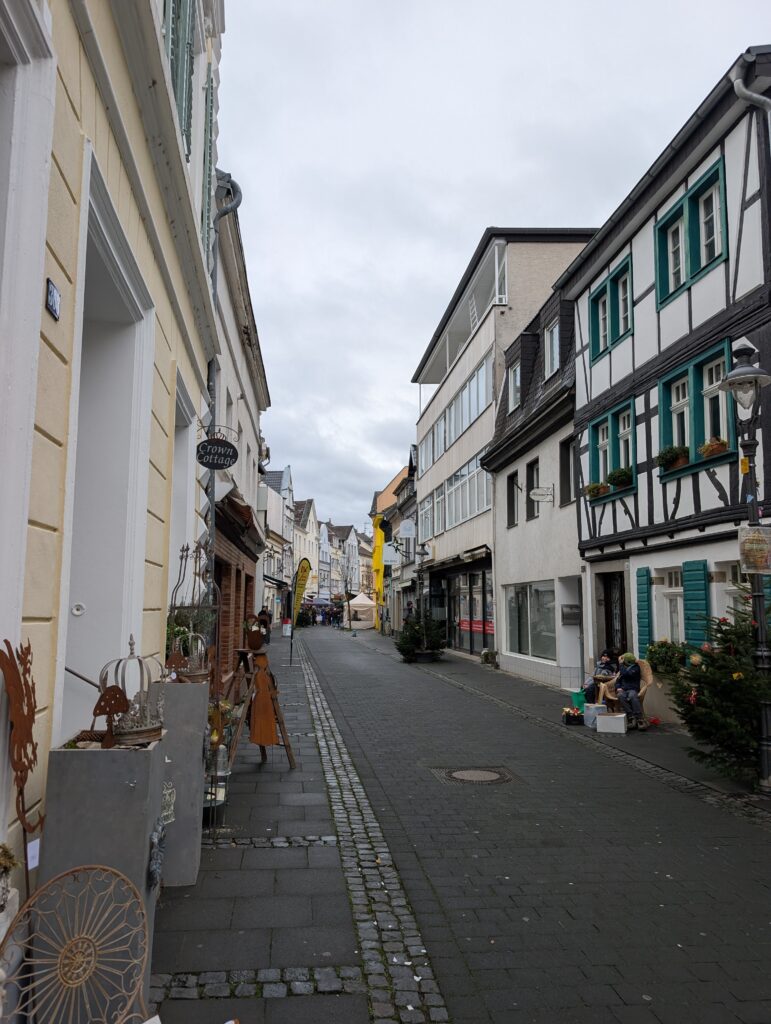
I then traveled to Köningswinter and the Drachenfels. I walked around the town first. It is small but the people are really friendly and there was a large amount of antique stores and many were open in the Sunday I was there. This is a popular tourist area so that would make sense. I enjoyed walking through each one. Lord Byron wrote about the Drachenfels in the 19th century.
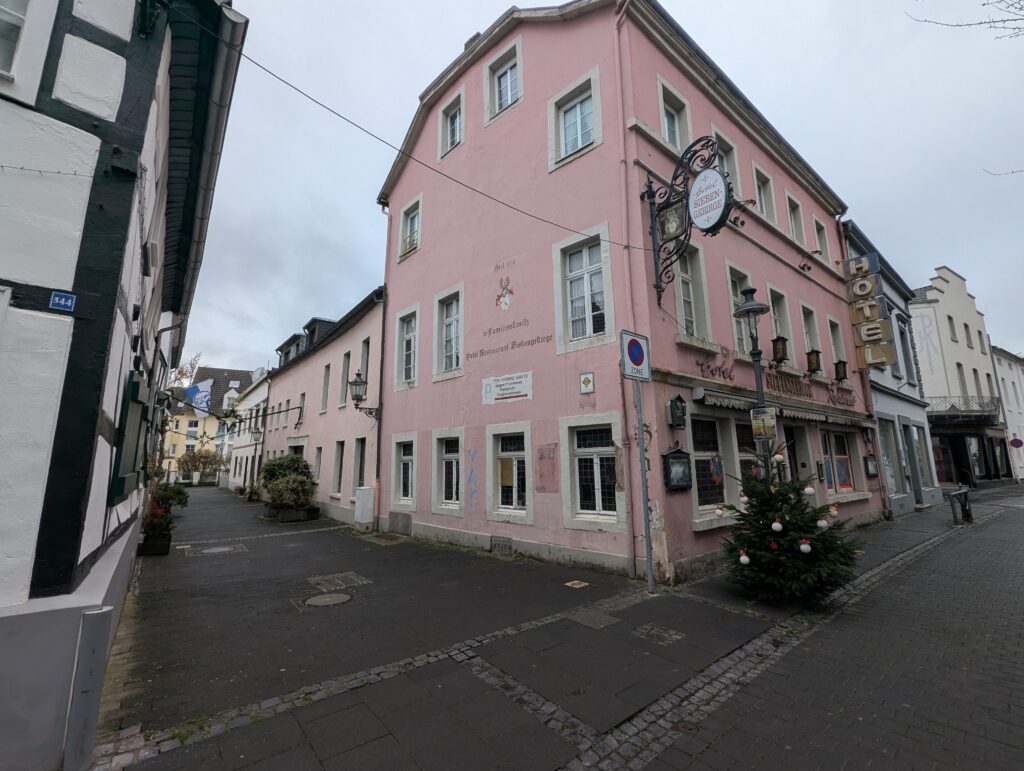
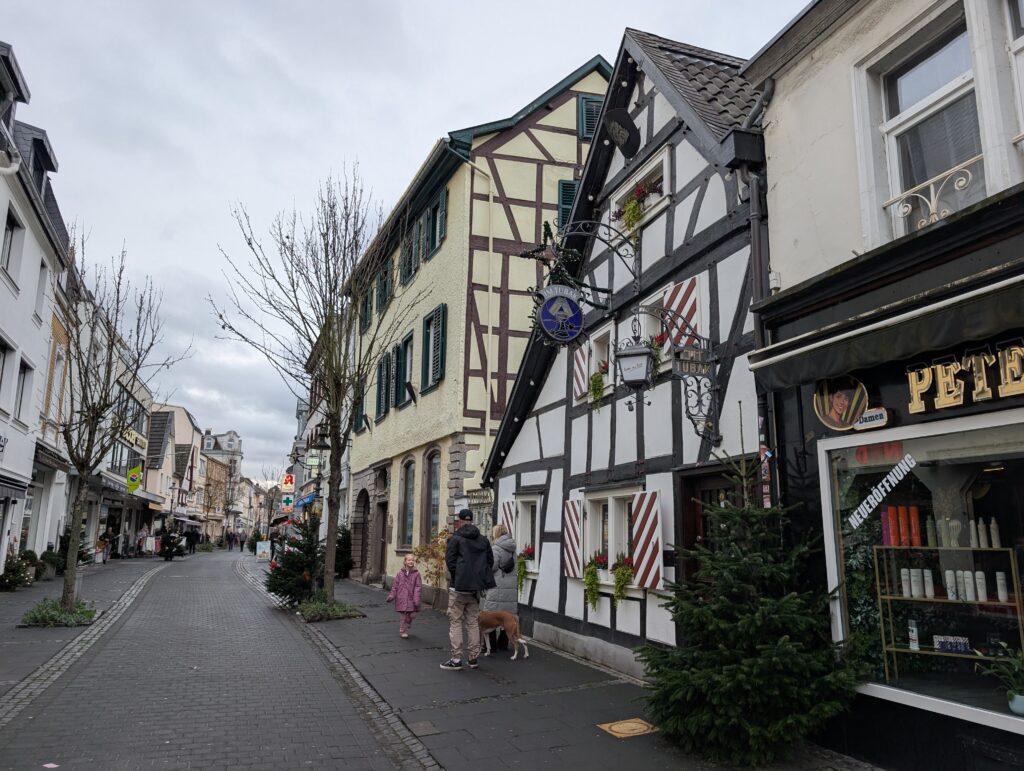
Drachenfels means Dragons rock and refers both to the part of the Siebengeberg range and the Castle ruins at the top
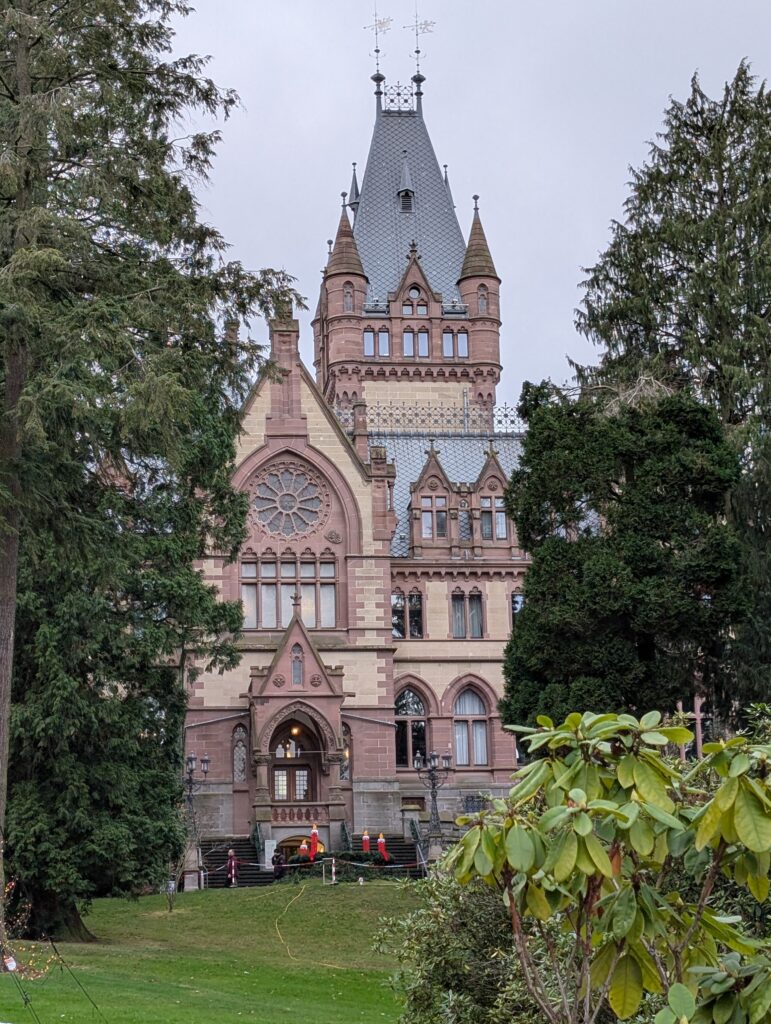
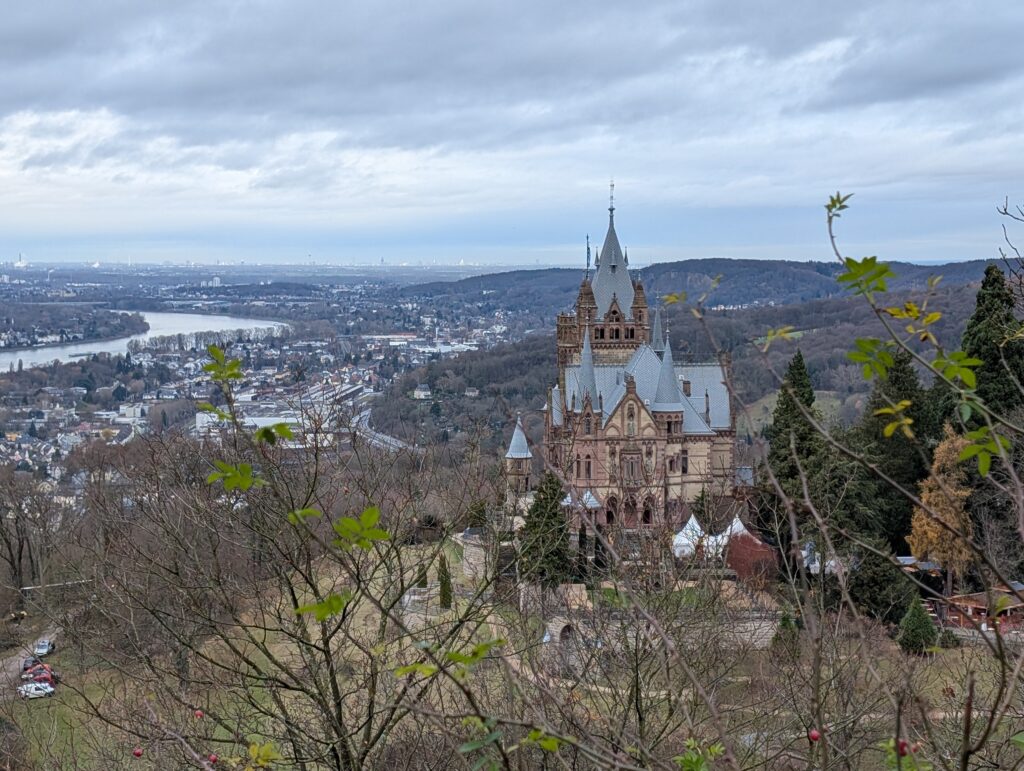
Another building the Schloss Drachenburg is there as well. It is a castle that was made in the 19th century to be more like a villa and also became a hotel. Not a true castle. It was closed for a Christmas event and I did not have the chance to go inside. I took the tram (Drachensfelbahn) where the castle was and walked the rest of the way to the ruins. It is a pretty steep path.
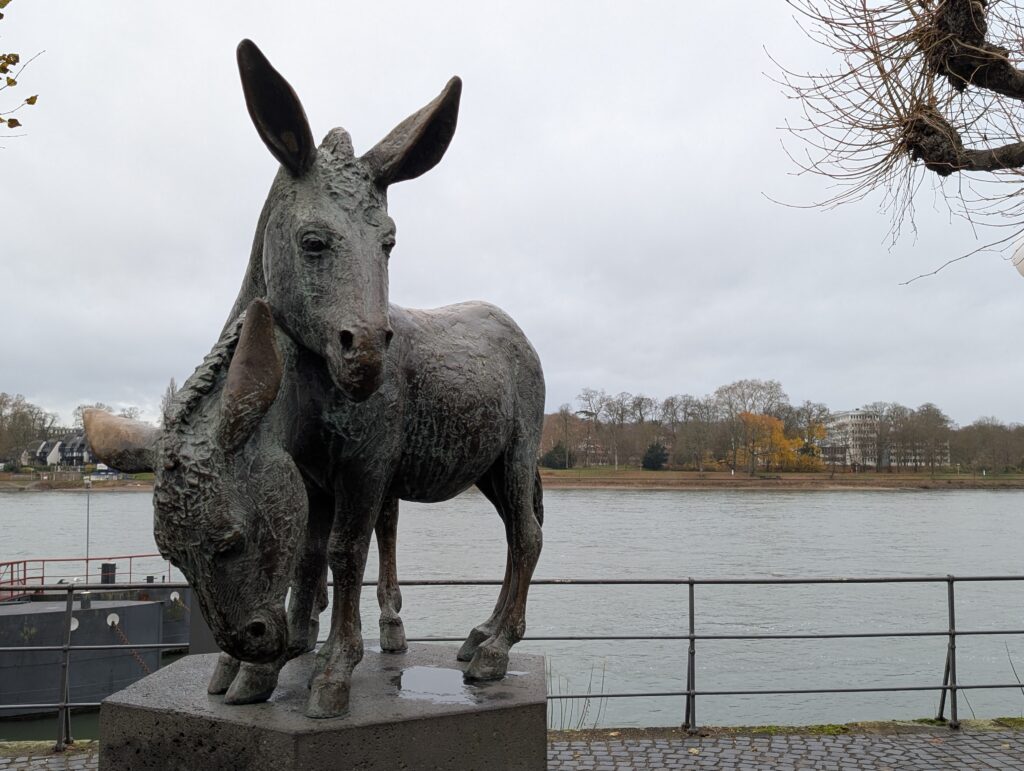
The Drachenfels mountain is a 321 meter tall volcanic mountain in the middle Rhine and is an important landmark. It was a fortress to protect the territory of the archbishop of Cologne and built in 1138 and destroyed in the 30 years war in 1630.Donkeys were used to carry materials up the hill and is the reason you see donkey statues in the town.
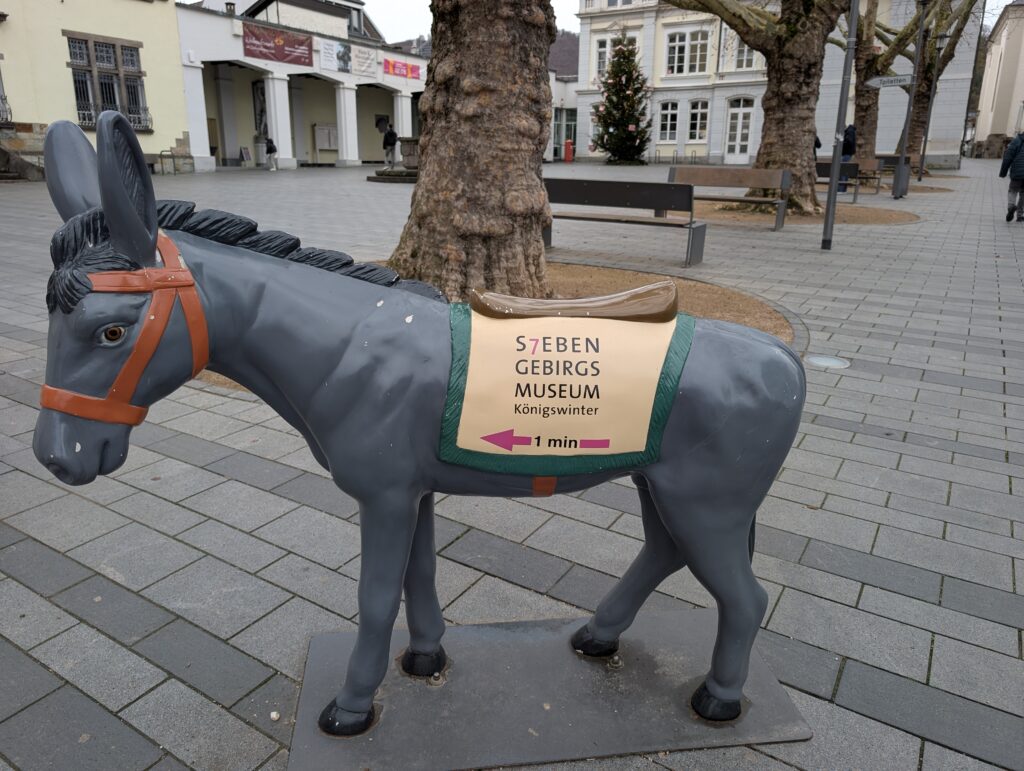
Drachenfels is also known for the Nibelungen legend. In the legend, the hero Siegfried slays a dragon here and bathes in his blood to become invulnerable except for the spot on his back where a linden leaf had fallen. It is a story from the medieval epic Nibenlungenlied and Wagner’s opera.
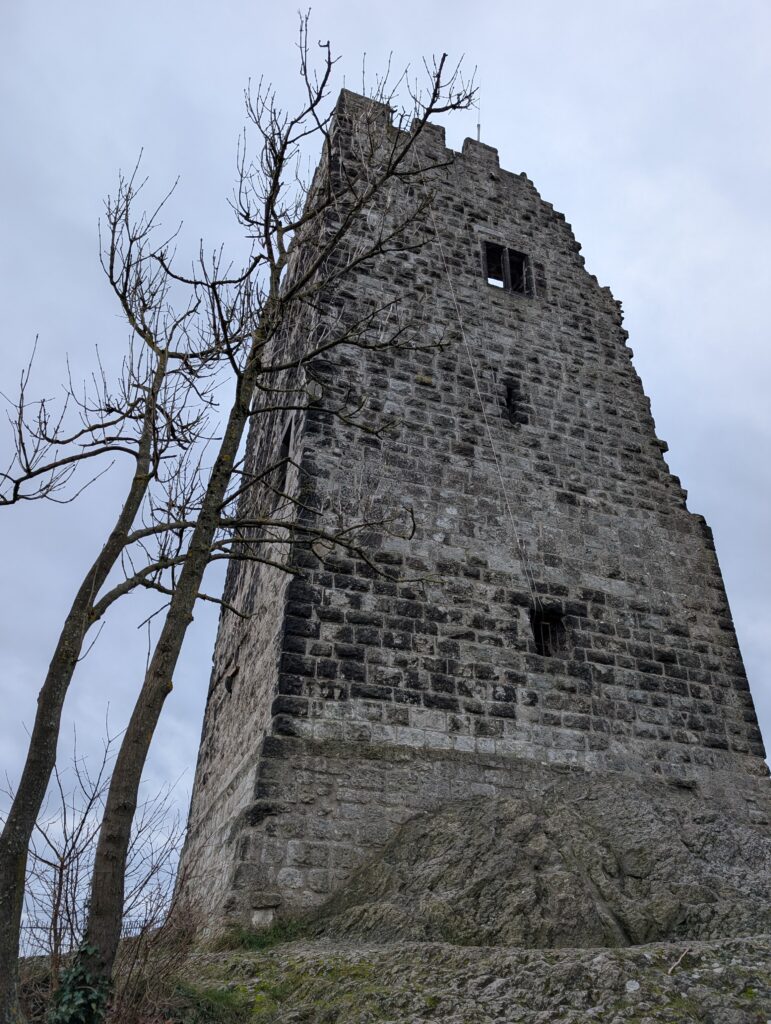
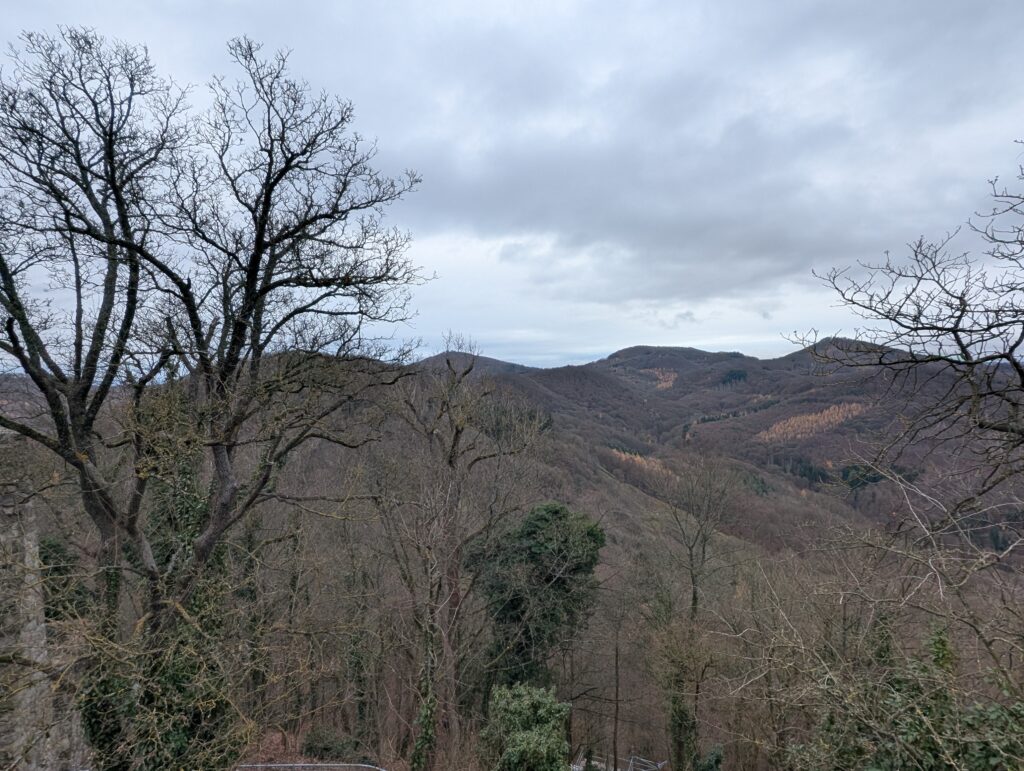
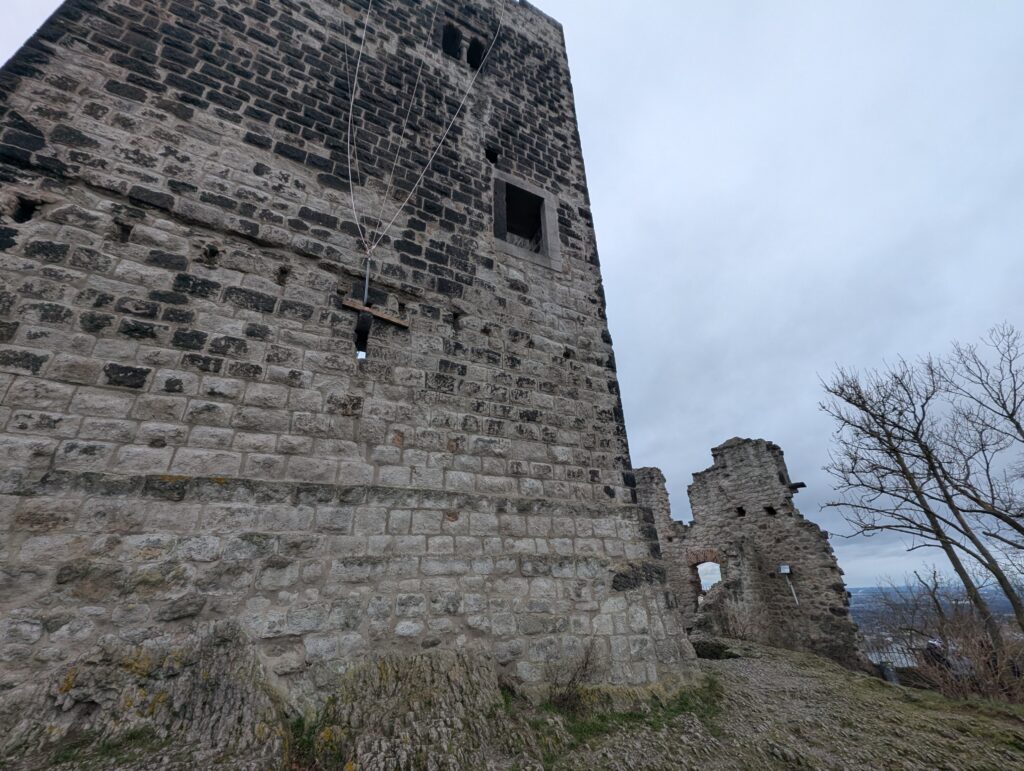
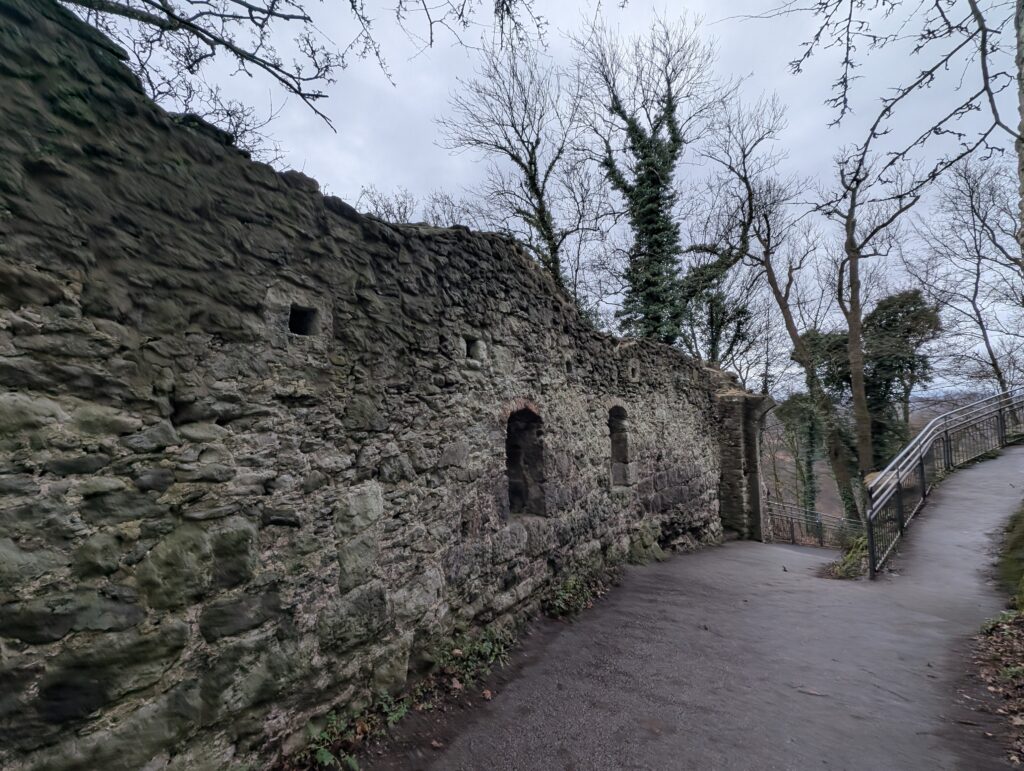
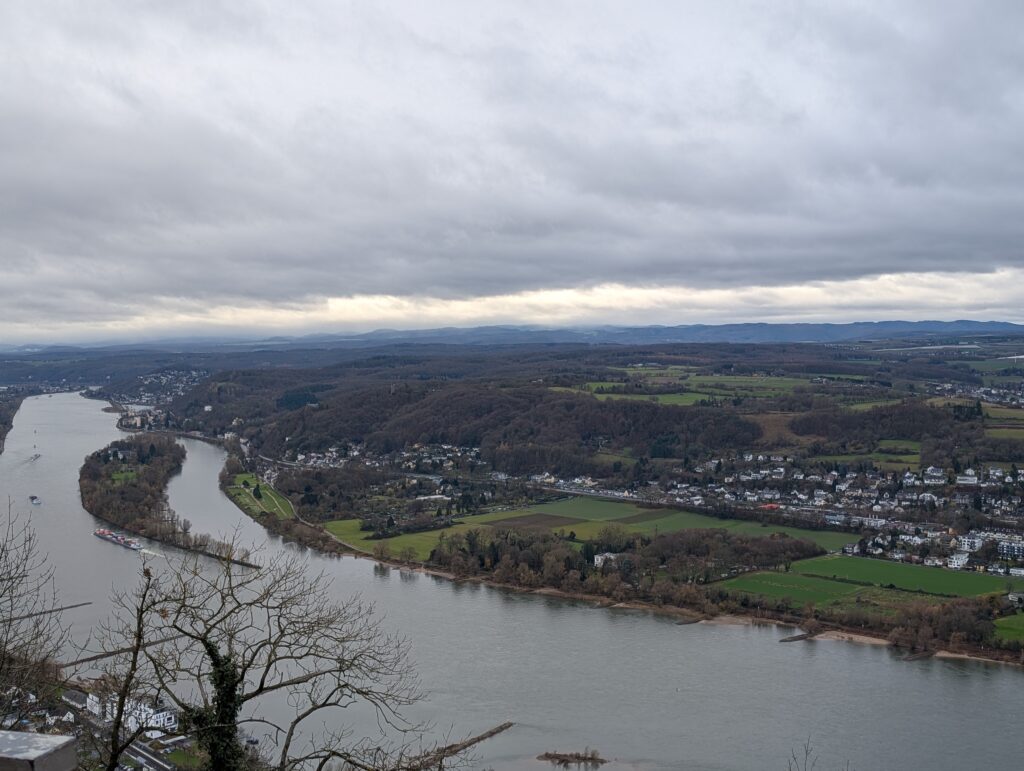
The views from the top was amazing.

This is my last night staying in Bonn. Tomorrow I am going to Cologne and pretty excited to see that town as well.