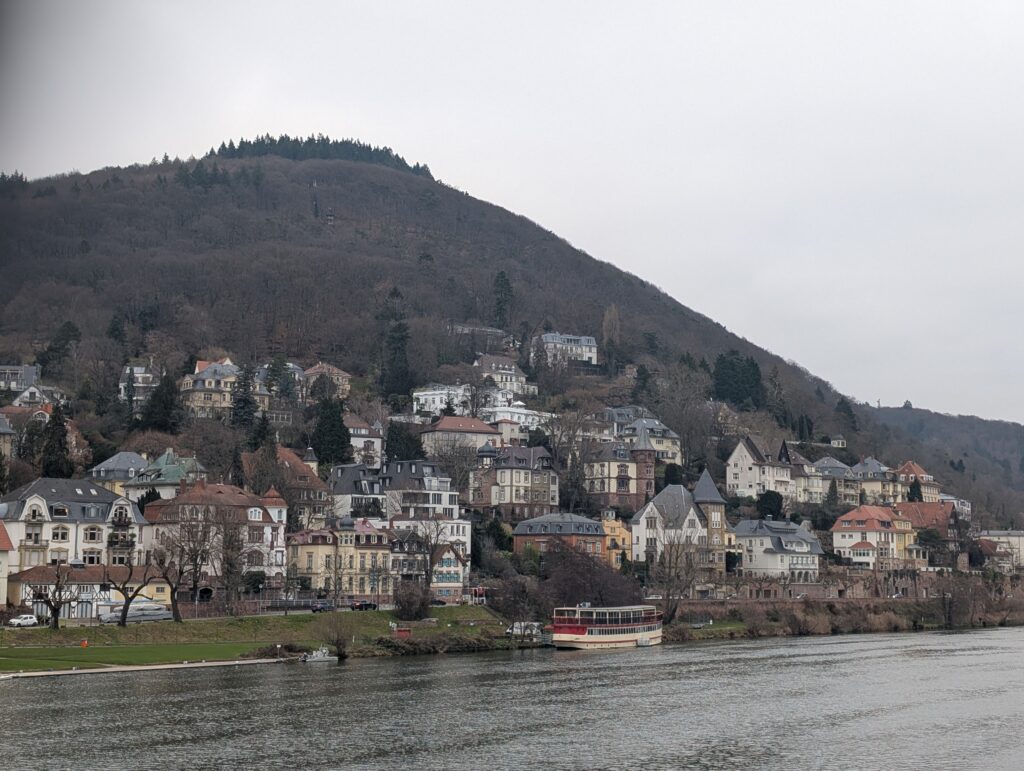
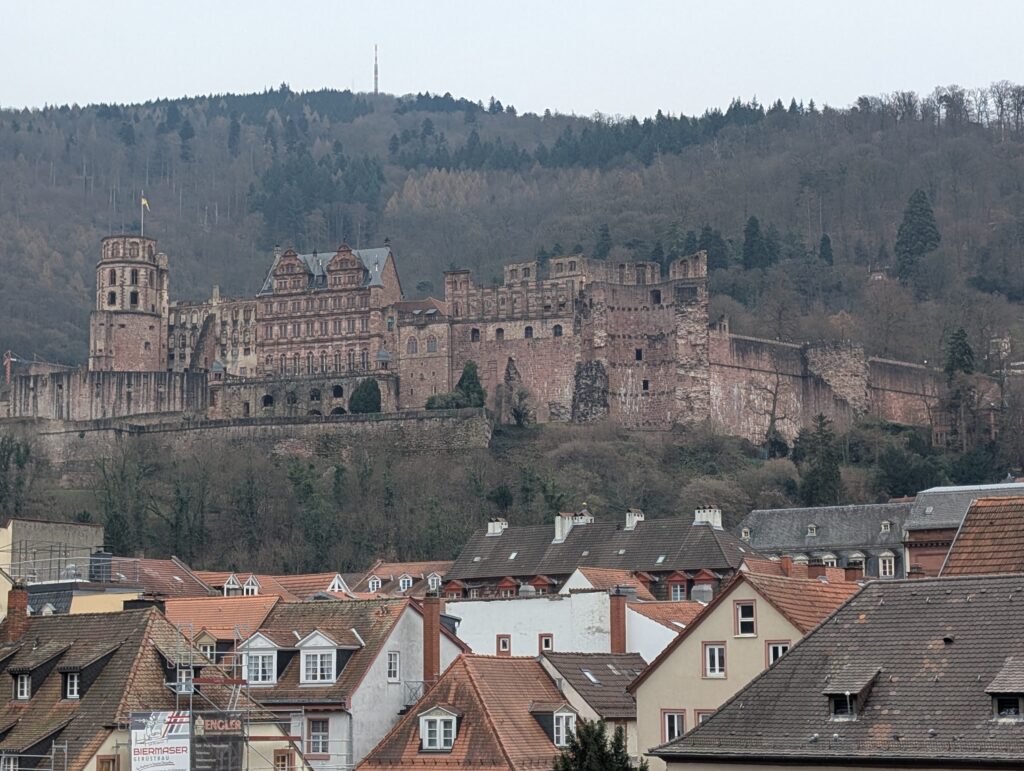
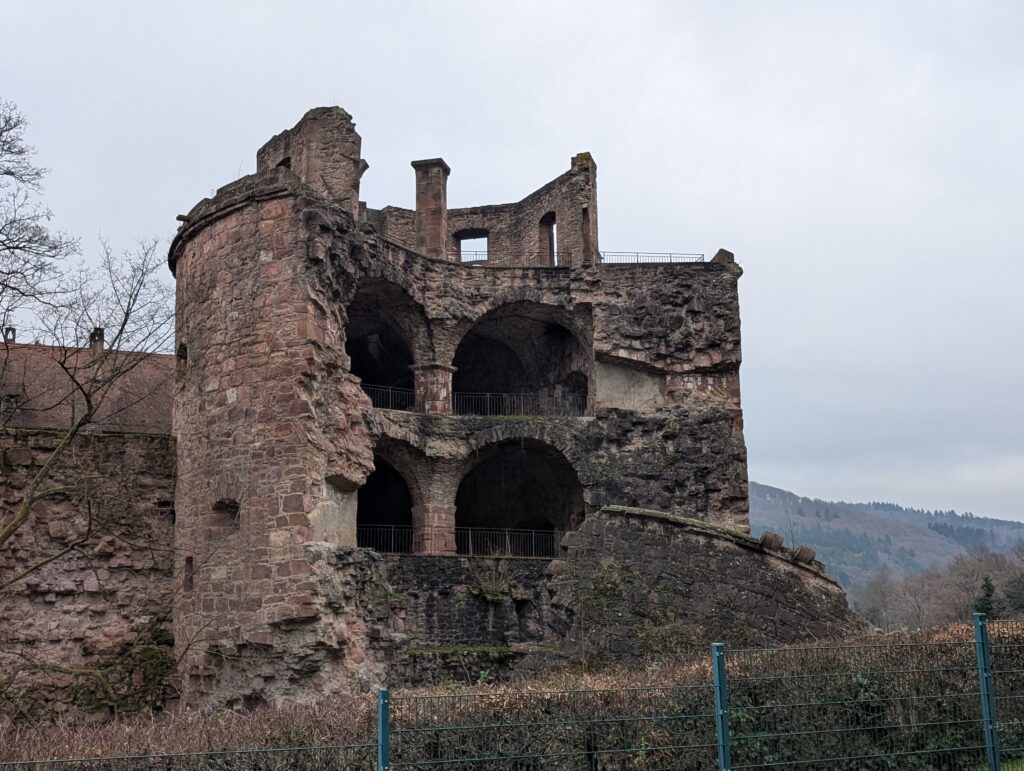
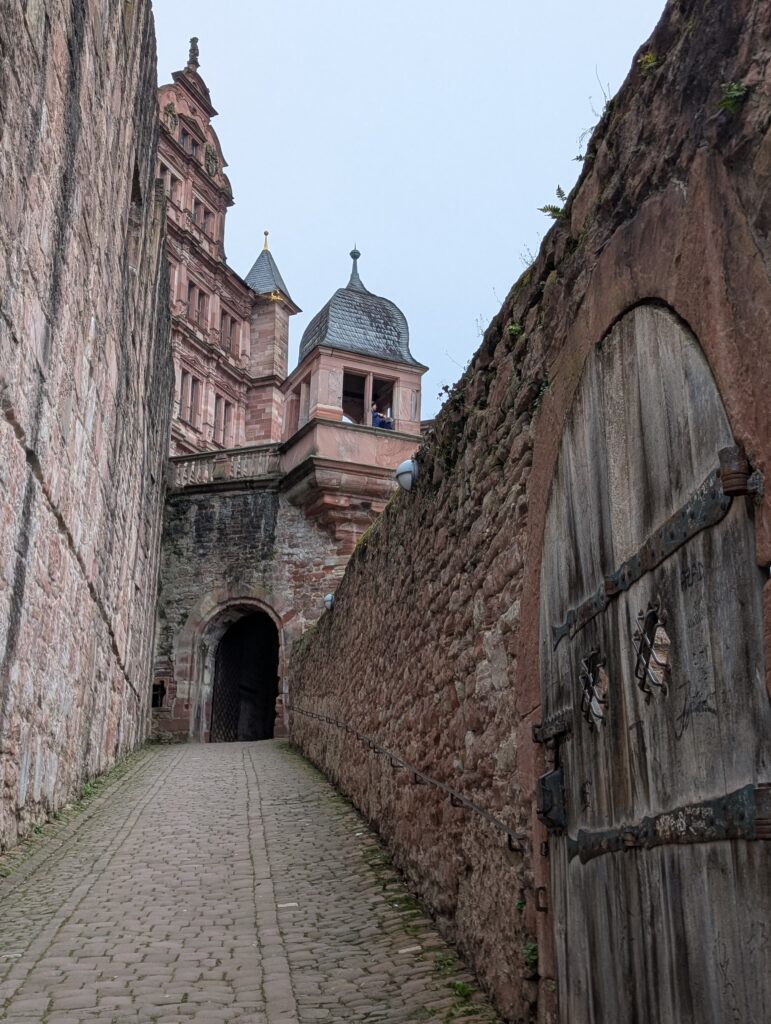
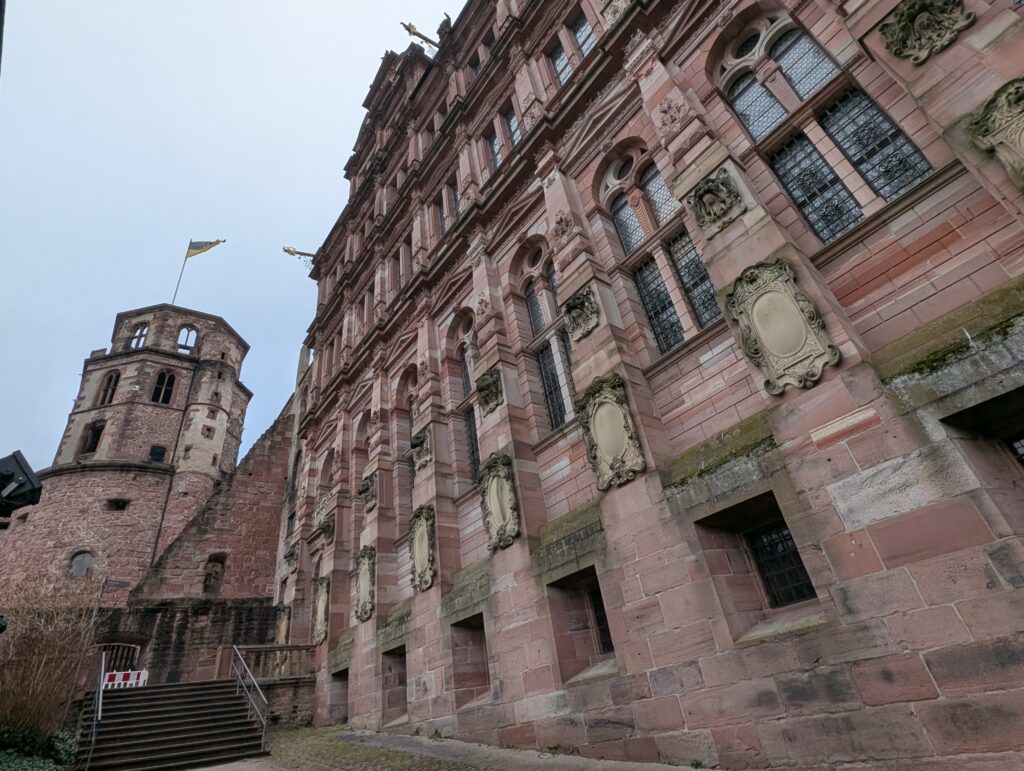
Heidelberg was also settled by the Romans and considered a Roman frontier. The Heidelberg castle was constructed in the 13th century. It became the residence of the powerful rulers (Electors of the Palatinate) of the Holy Roman Empire. In 1386, Heidelberg University was founded and it is the oldest university in Germany. The city was the center of learning, humanism, and the protestant reformation. In the 17th century, Heidelberg sustained heavy damage in the 30 years war and the War of the Palatine Succession when the French troops destroyed much of the city and the Castle. In the 18th and 19th centuries it was no longer a political center but increased fame as a center of Romanticism, and therefore attracted poets, philosophers, and artists. It was spared the destruction that happened to most German cities in WWII.
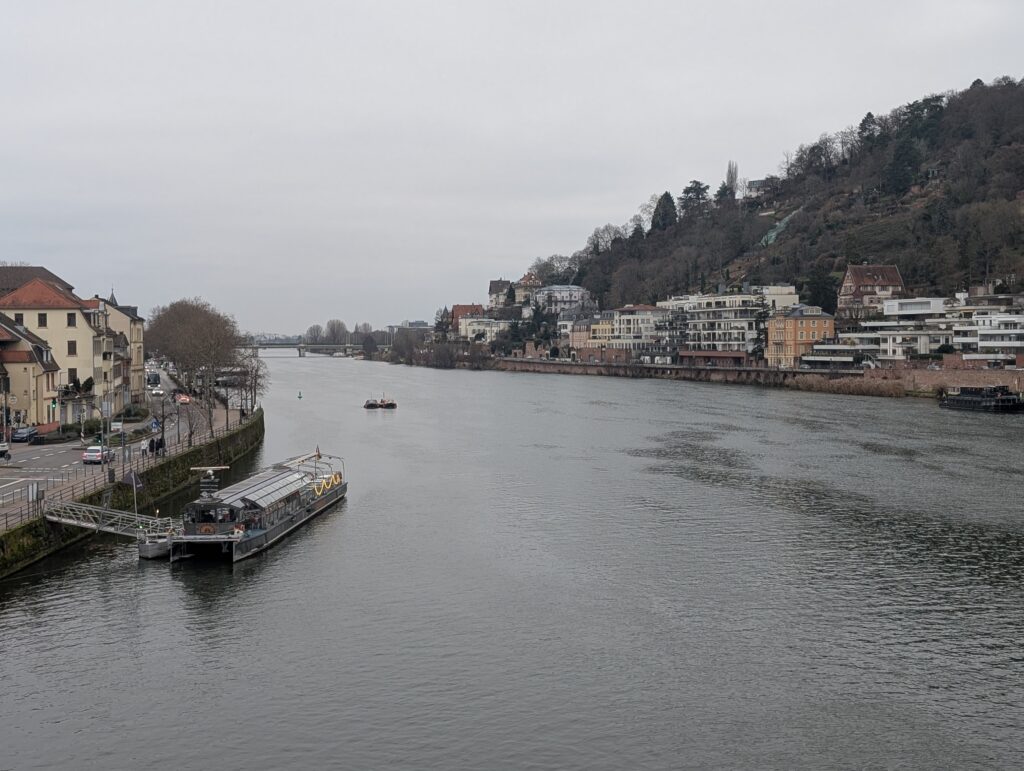
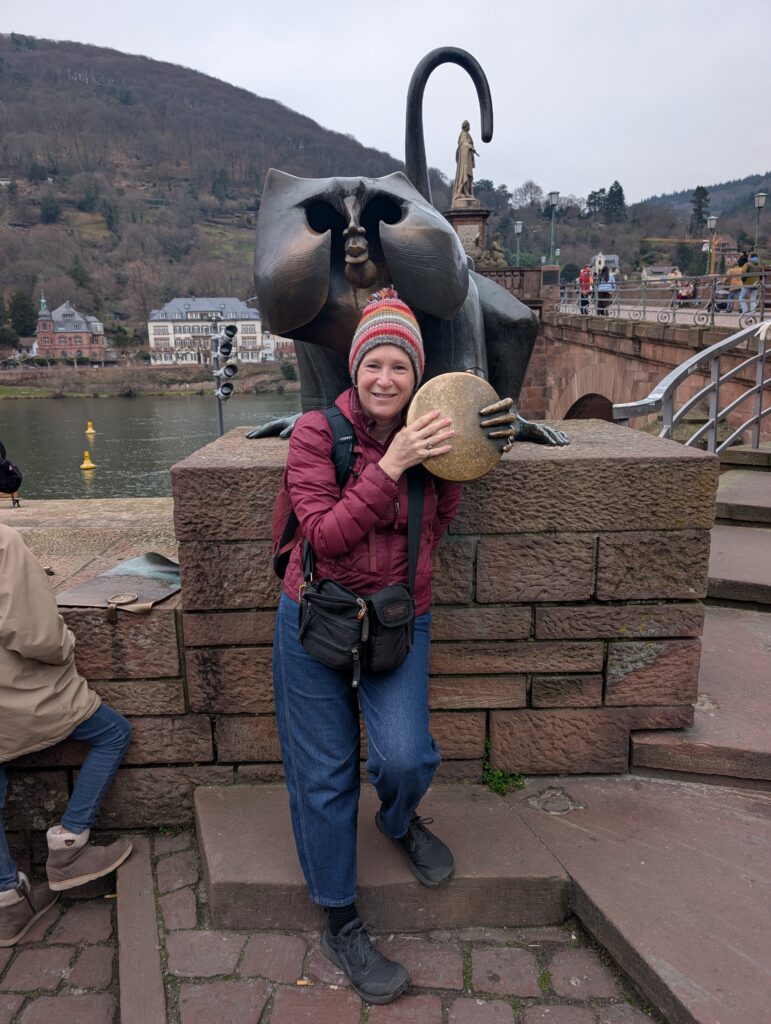
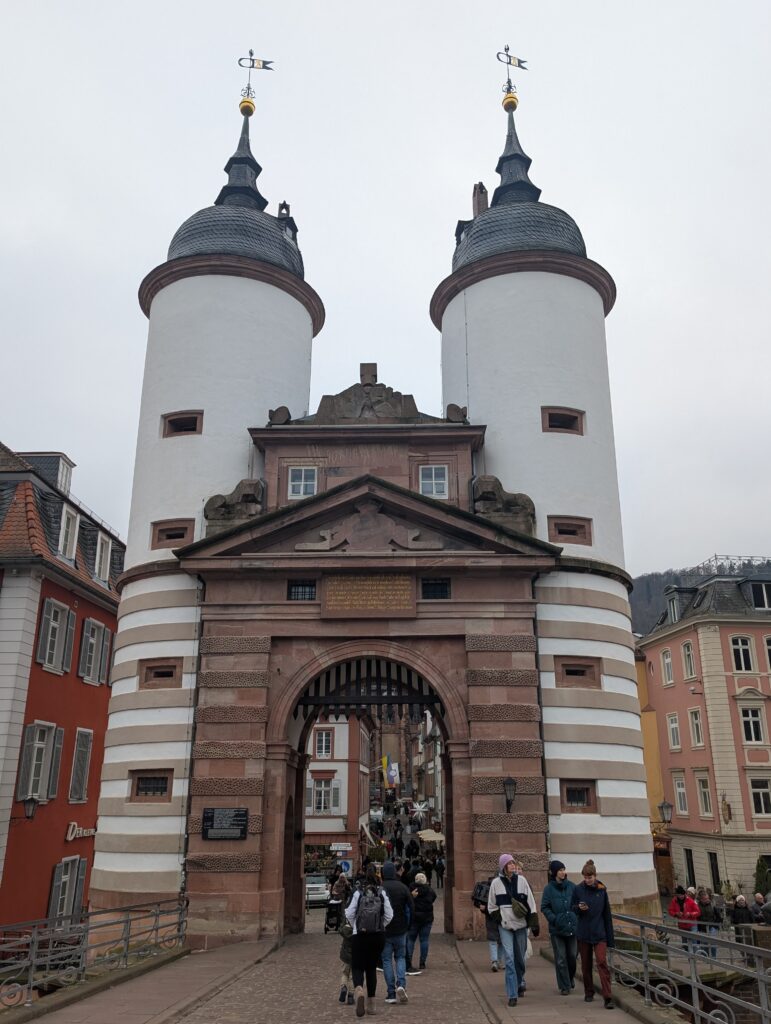
The Old Bridge has some fascinating artifacts. On the bridge are flood water depths and dates of the massive flooding that occurs on the Neckar River. The monkey statue dates back to the 15th century when there used to be a stone statue of the monkey. It was considered a mischievous and provocative creature. It’s bare backside is facing across the River to antagonize and mock the Bishops of Mainz (the rival territory on the other side of the river.) The monkey also holds a mirror, which is meant to reflect the viewers own nature and to encourage self-reflection. In the Palatinate War, France claimed rights to the power in the area. When other countries challenged this, the French used scorched earth tactics and destroyed parts of the city and the castle. During the Palatinate War of Succession, both the bridge and the monkey were destroyed. The monkey was not replaced for three centuries though there was many stories told about it over the years. The current Brückenaffe is popular. Rubbing the mirror is said to bring prosperity.
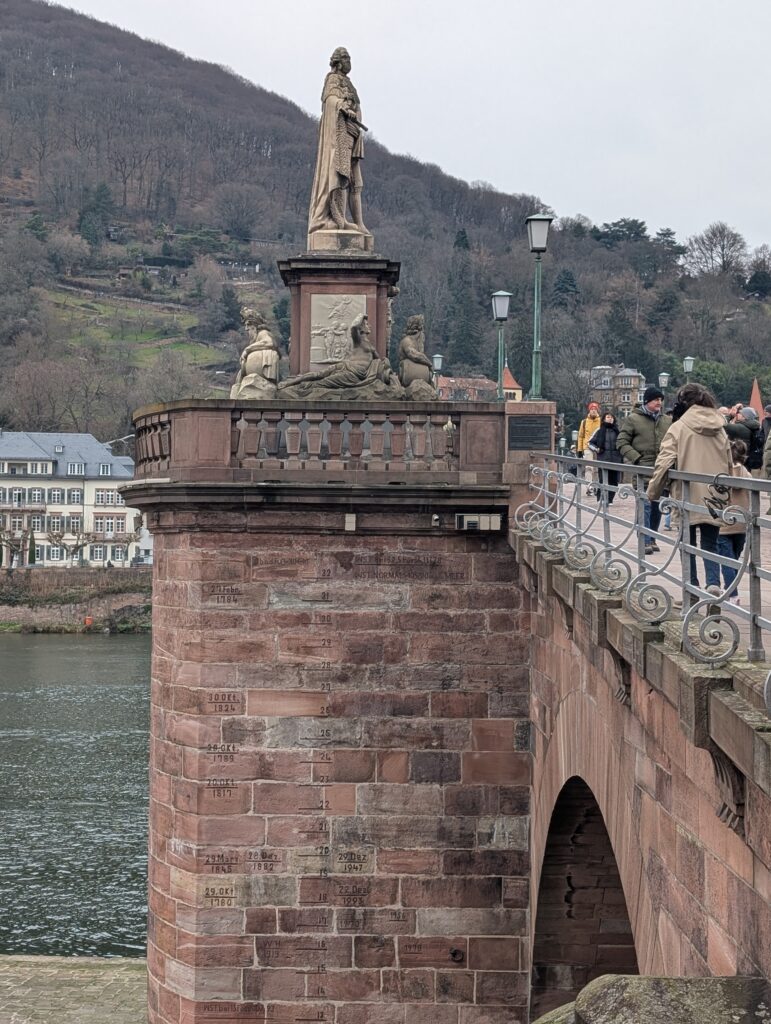
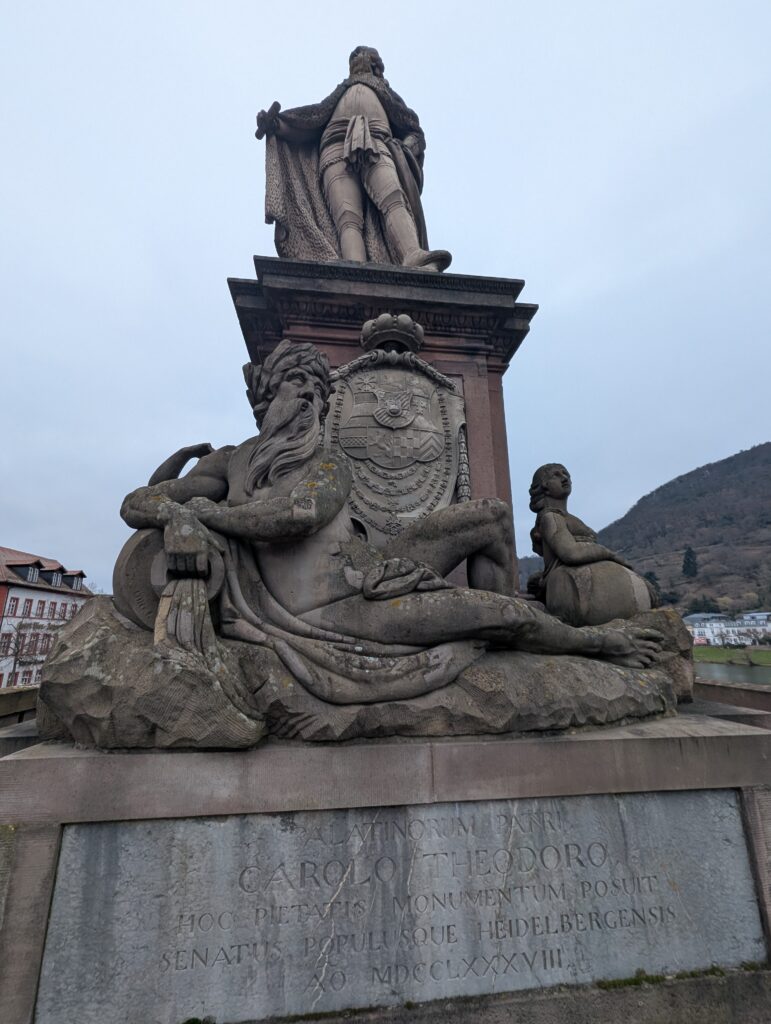
The statue of Prince Karl Theodore with deities. He commissioned the present stone bridge in 1786.
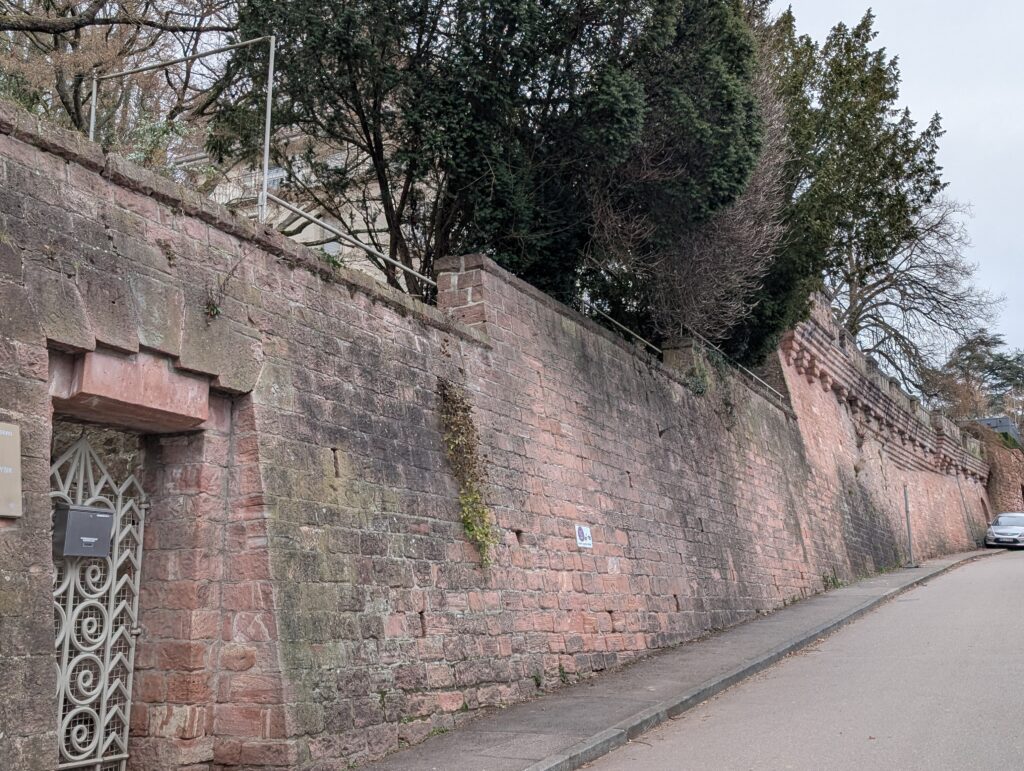
Heidelberg is seen as a place where opposing ideas were debated and led to the shaping of European thought. One of the professors was Hegel who refined and taught his system of philosophy. His way of thinking, the dialectical method, consisted of an initial idea (thesis), a conflicting or opposing idea (antithesis), and some higher understanding that resolves the conflict (synthesis). The terms in parentheses were given later, but the central way of thinking was part of his history of German philosophy. I took a philosophy walk across the bridge and up the hill on the other side then down to another bridge. I think you are meant to ponder and debate as you walk. I did see the city walls.
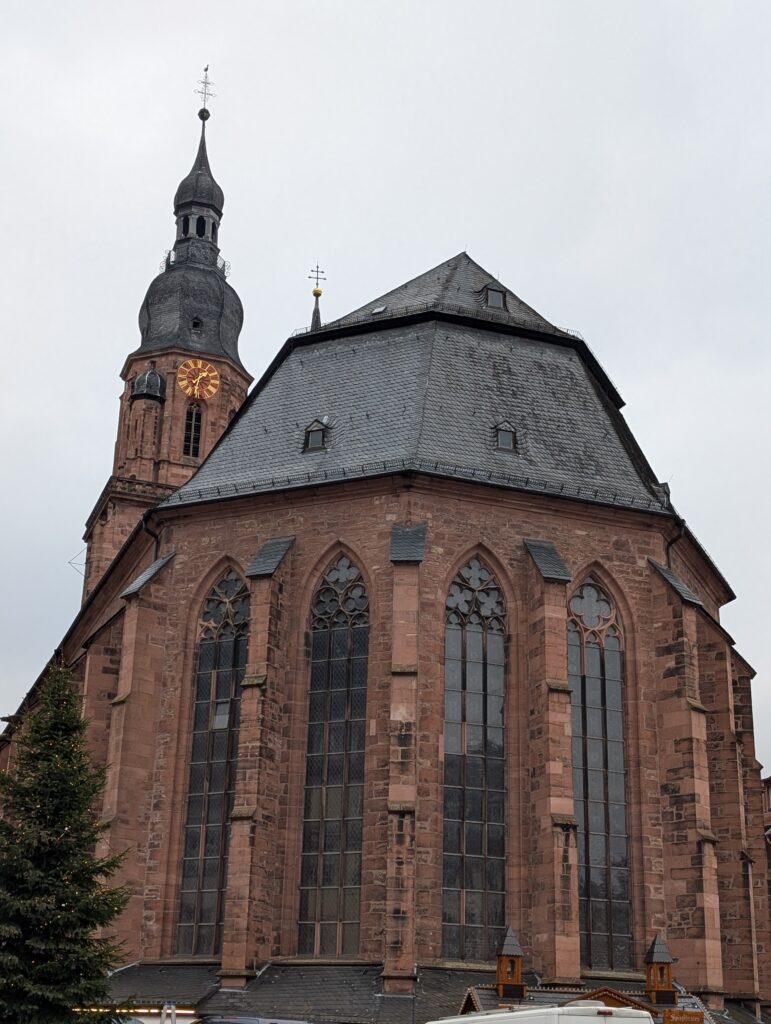
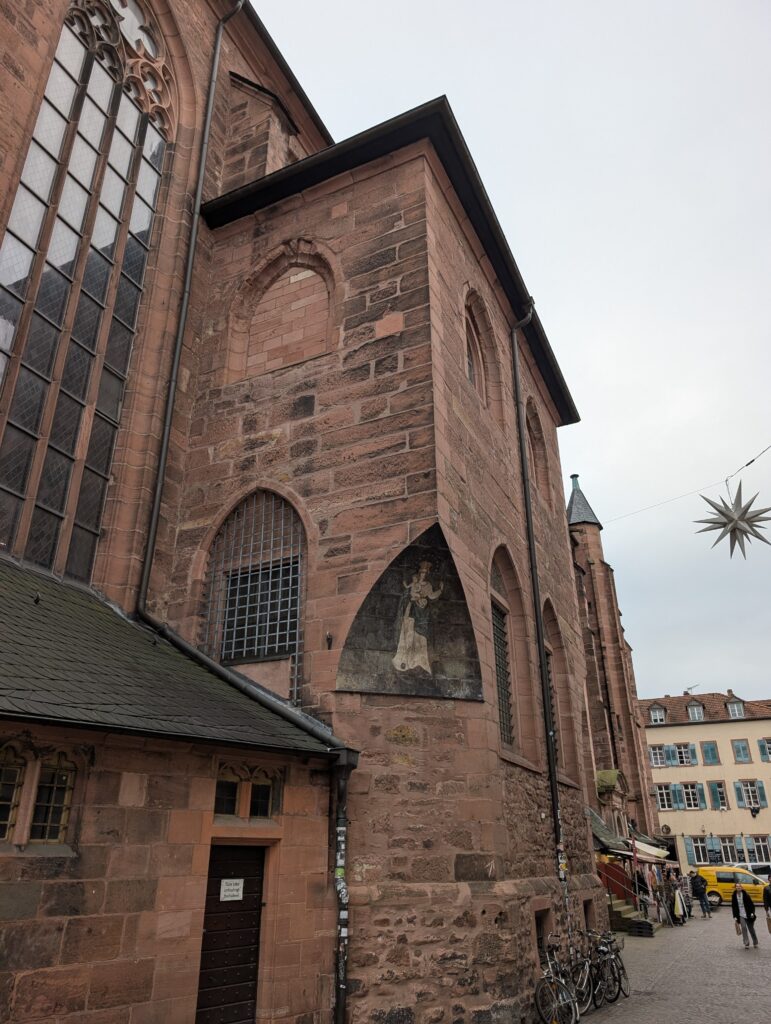
The church of the holy Spirit was built between 1398 and 1515. An older Roman church used to be on this site.
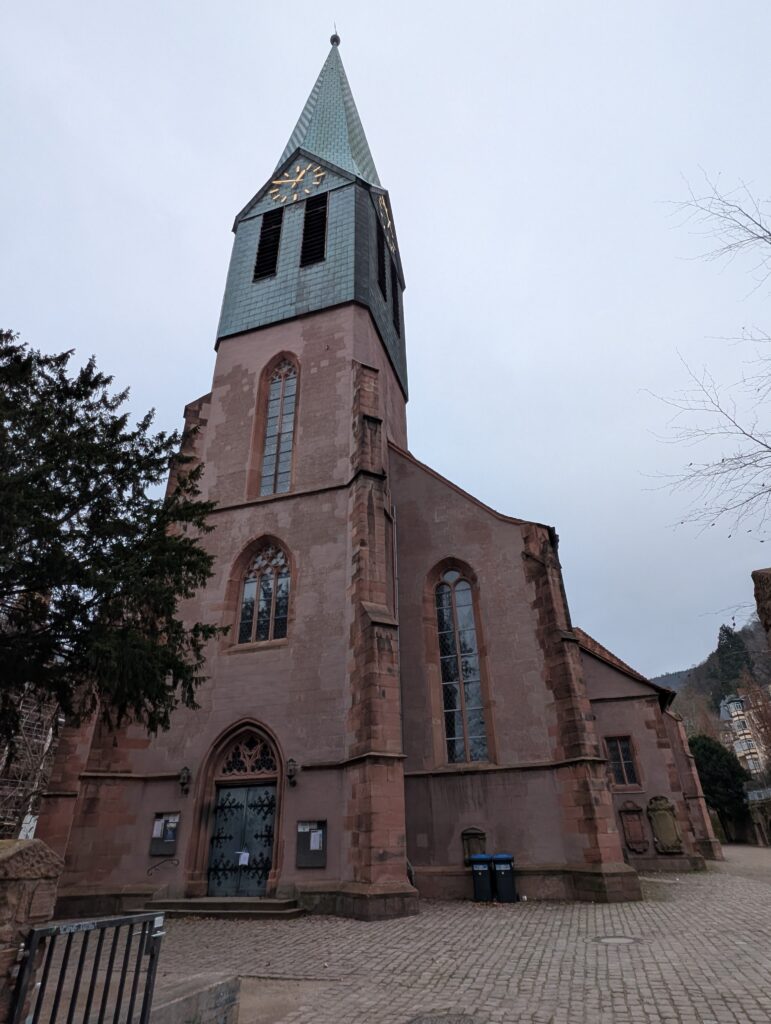
St. Peter’s Church is the oldest surviving church dating back to 1196.
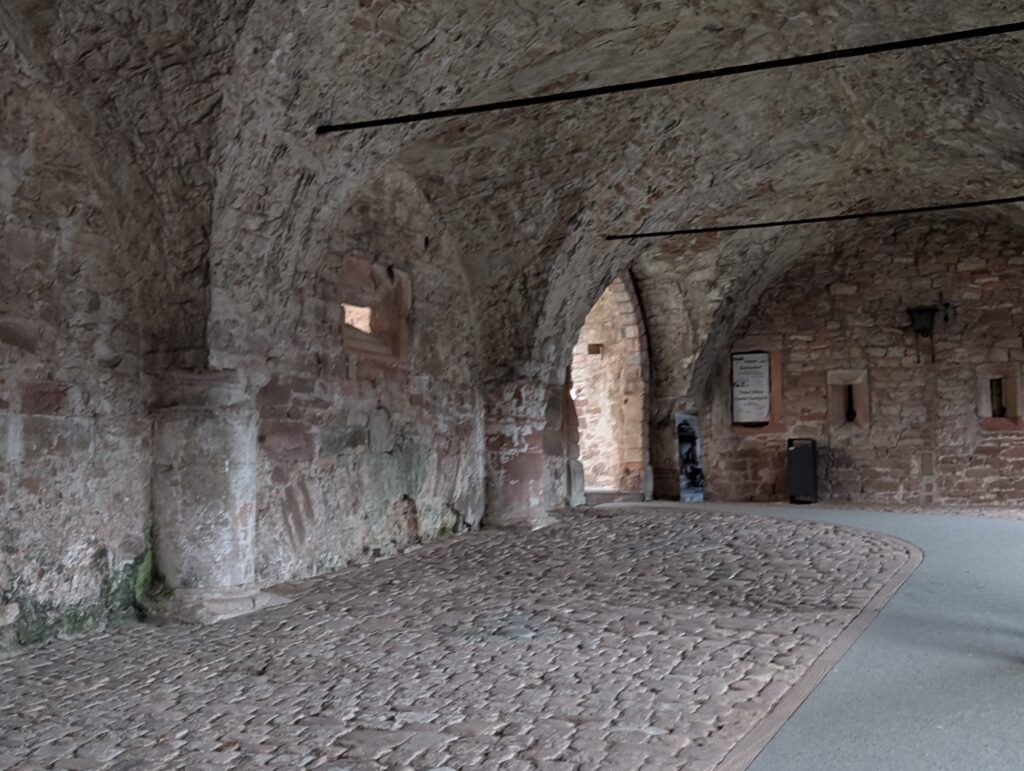
i also toured the castle.
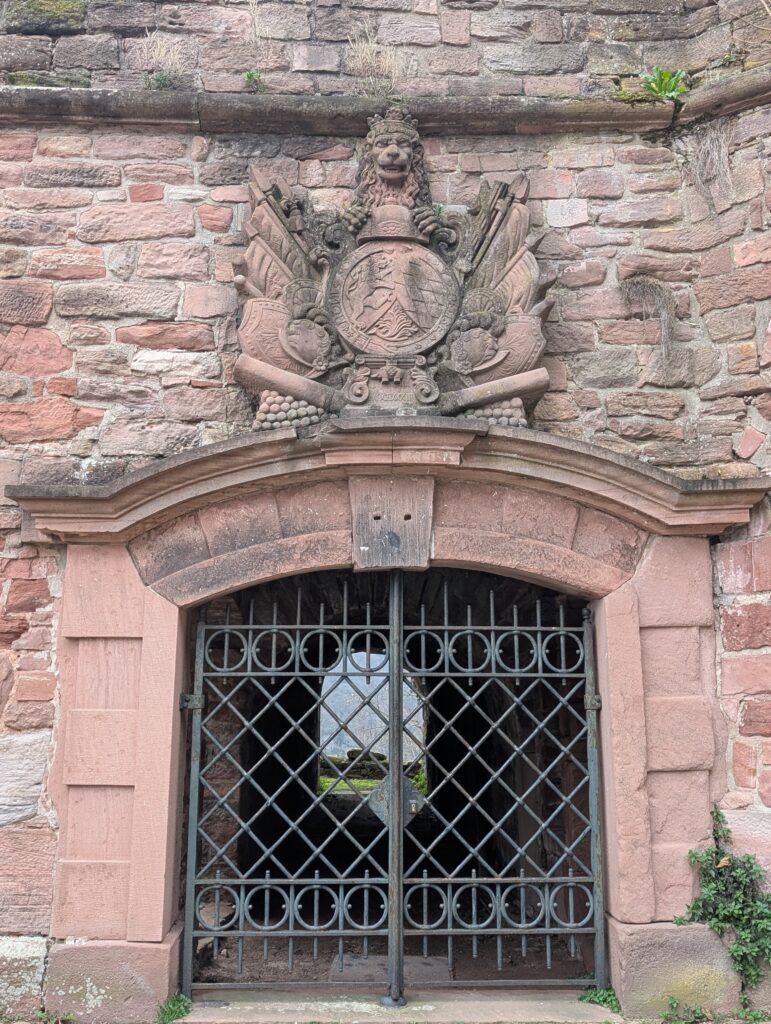
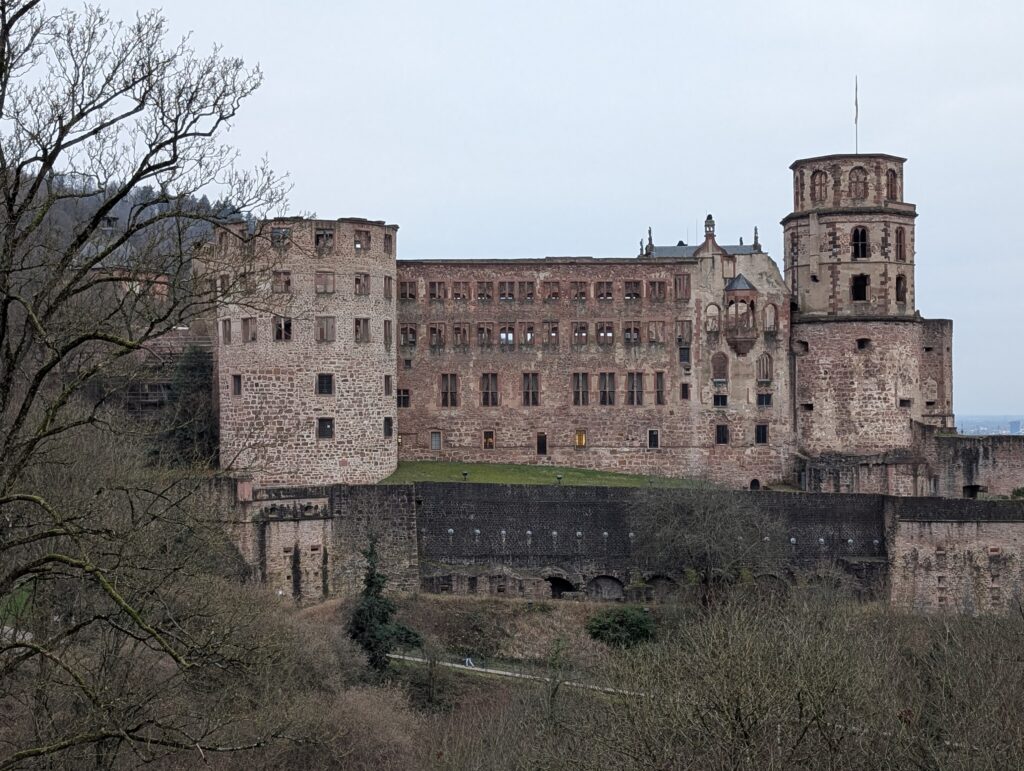
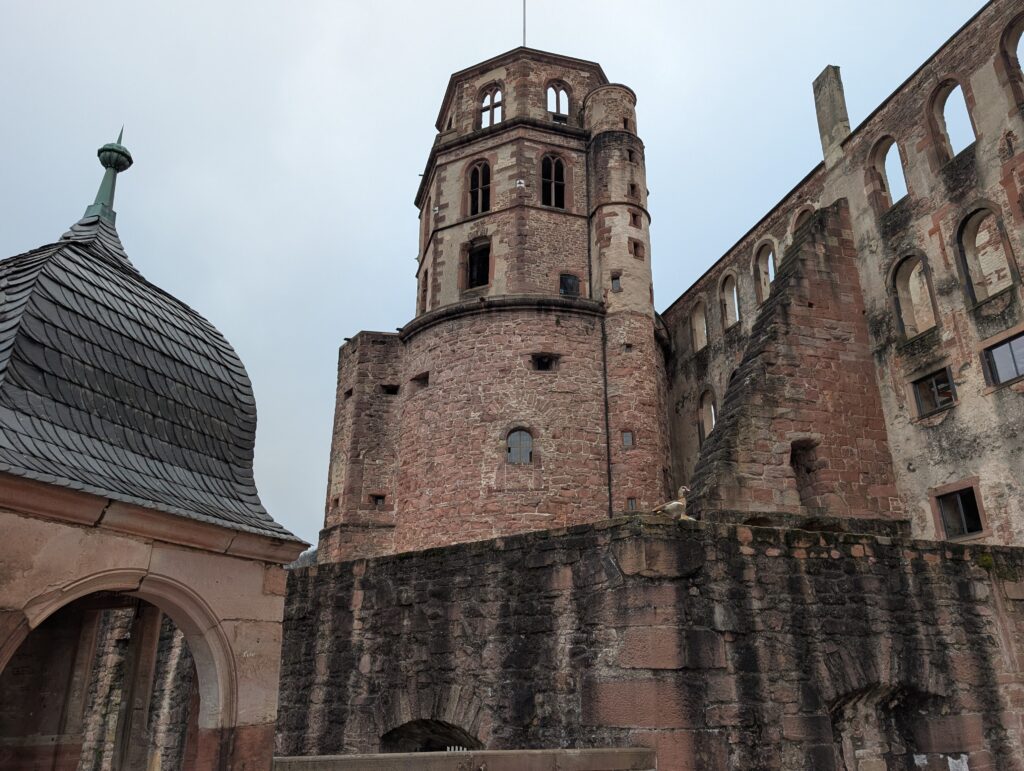

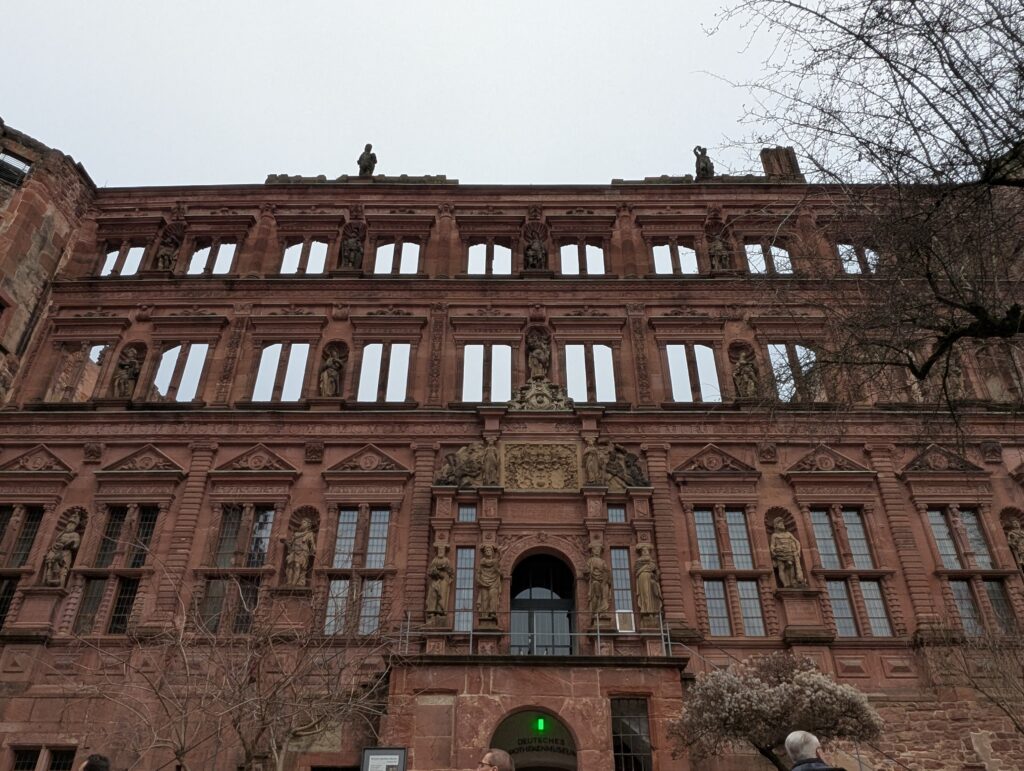
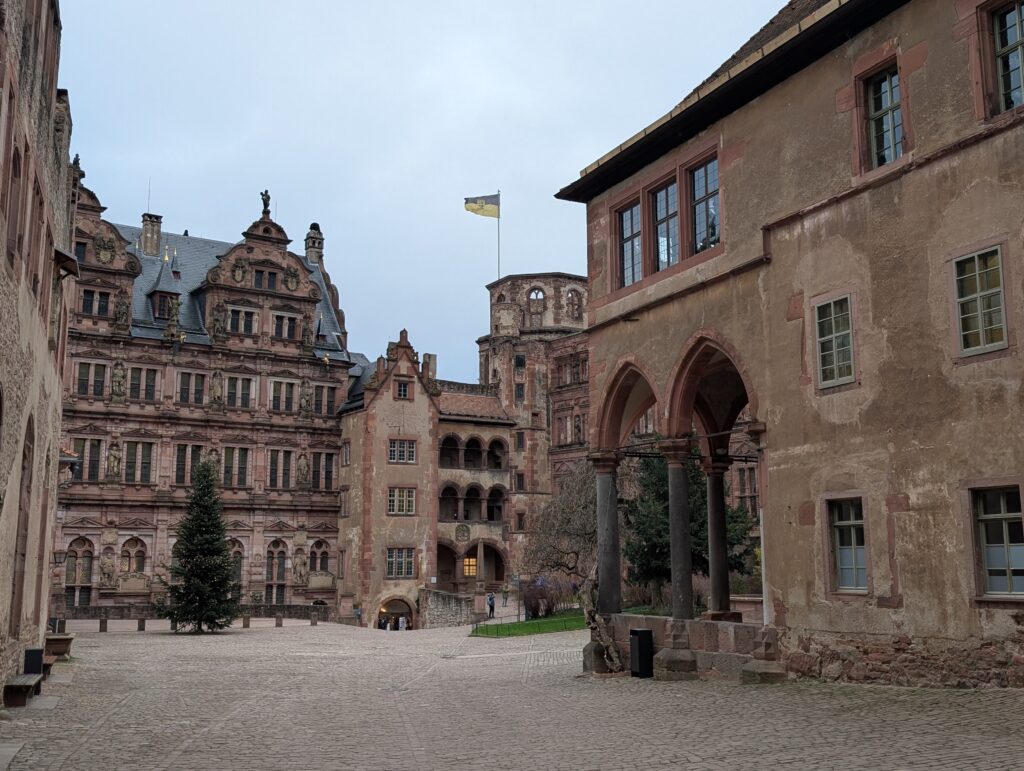
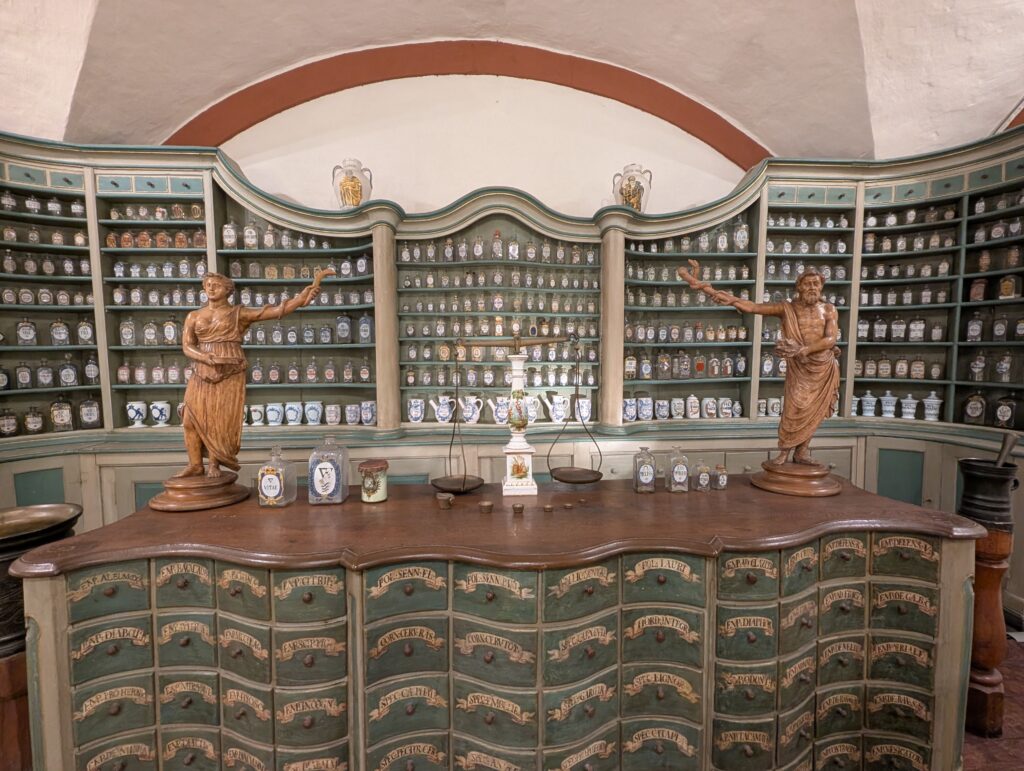
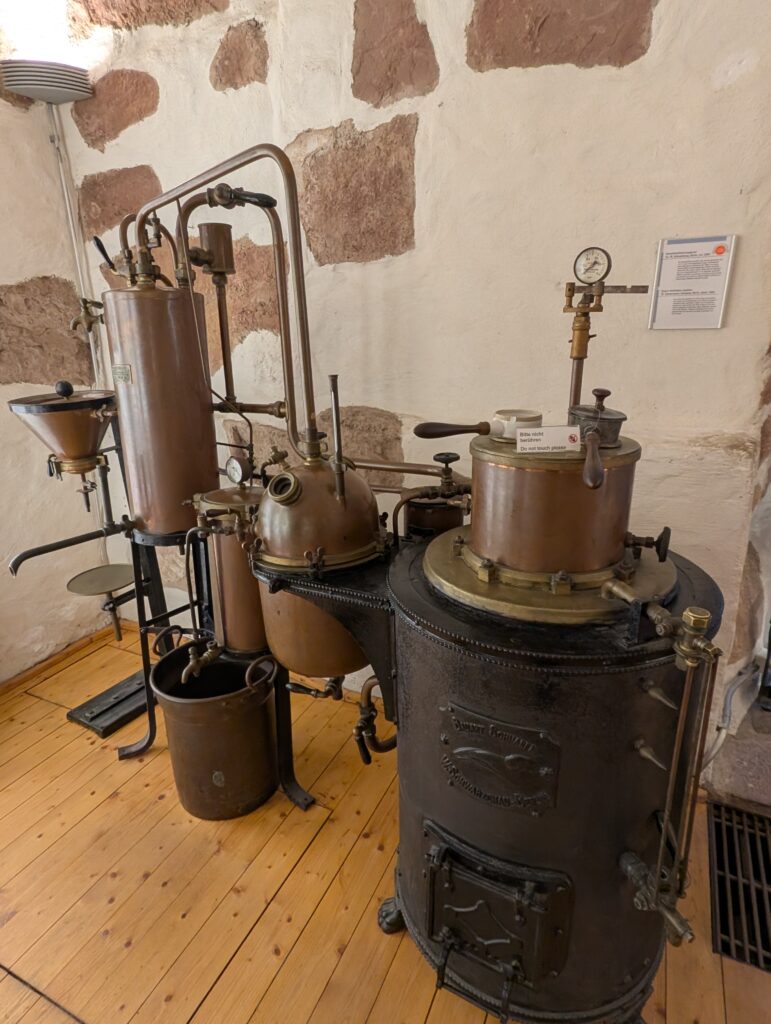
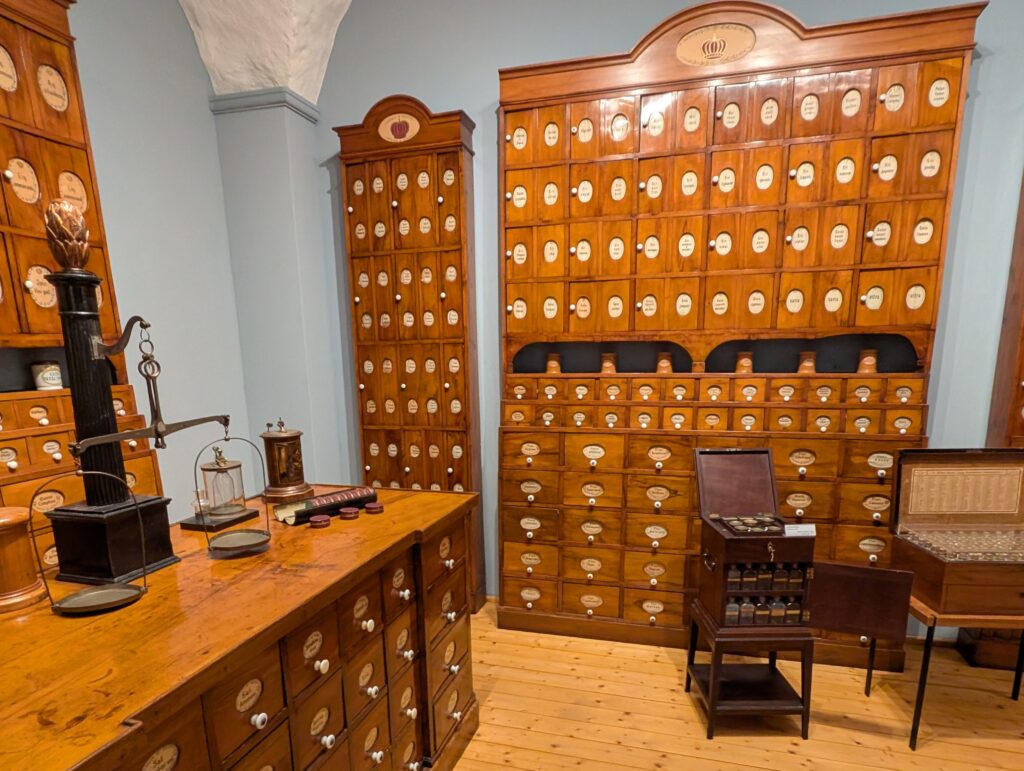
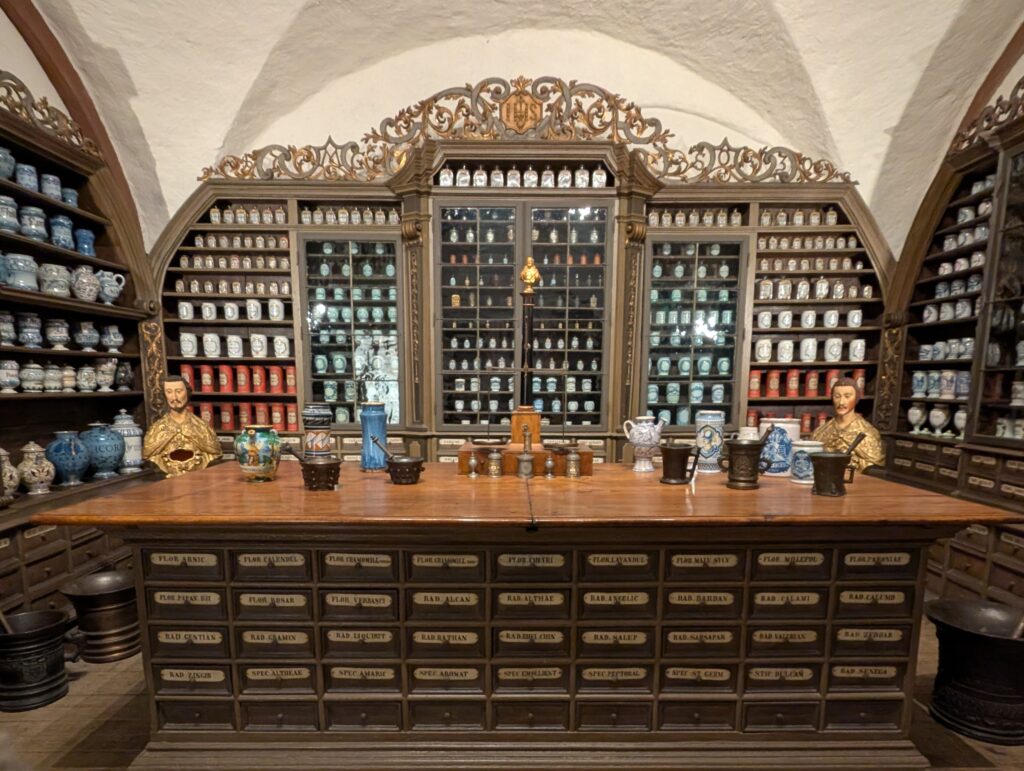
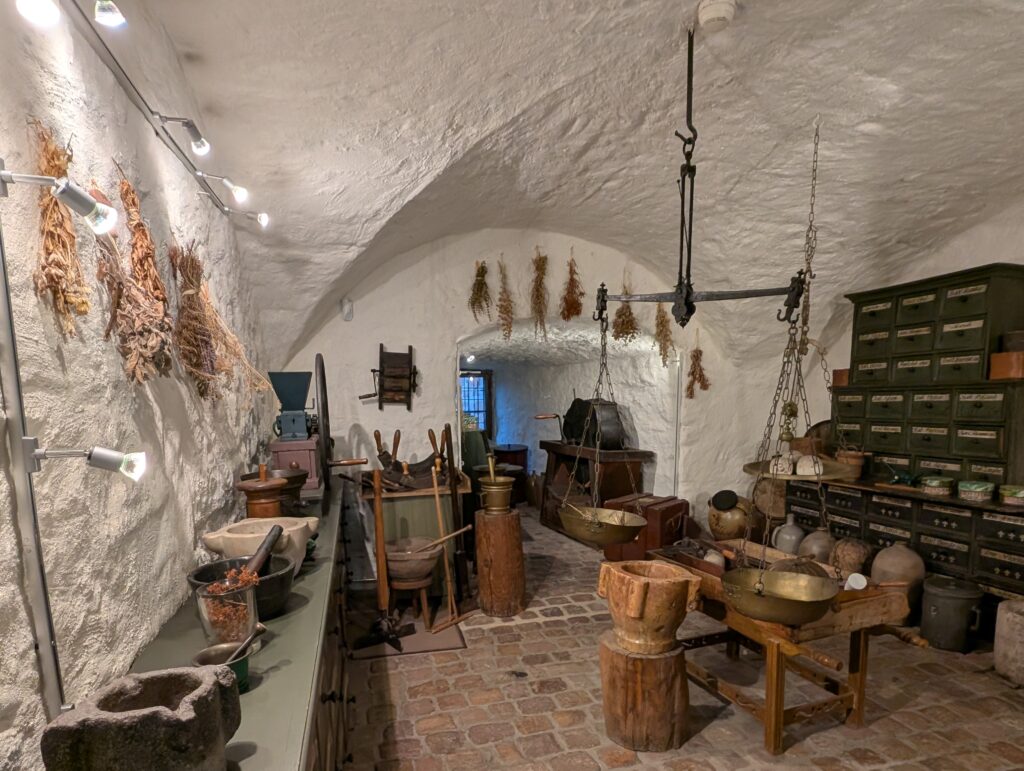
They also have a pharmacy museum in a section of the castle.
In the gift shop they had funny candies for “remedies”.

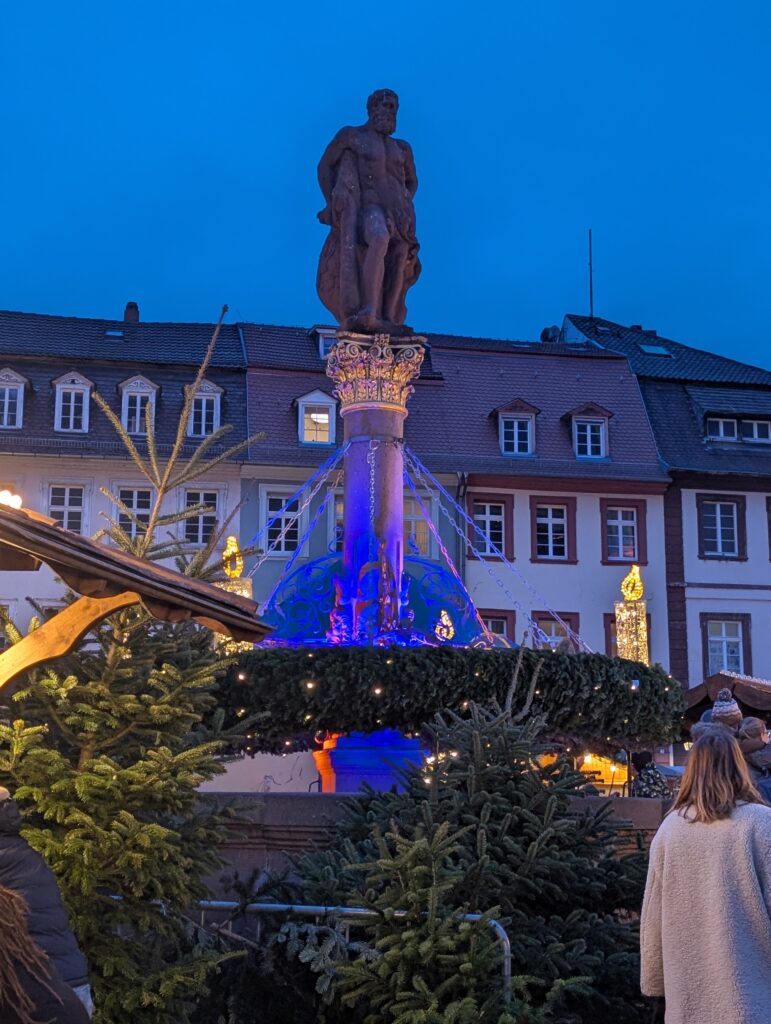
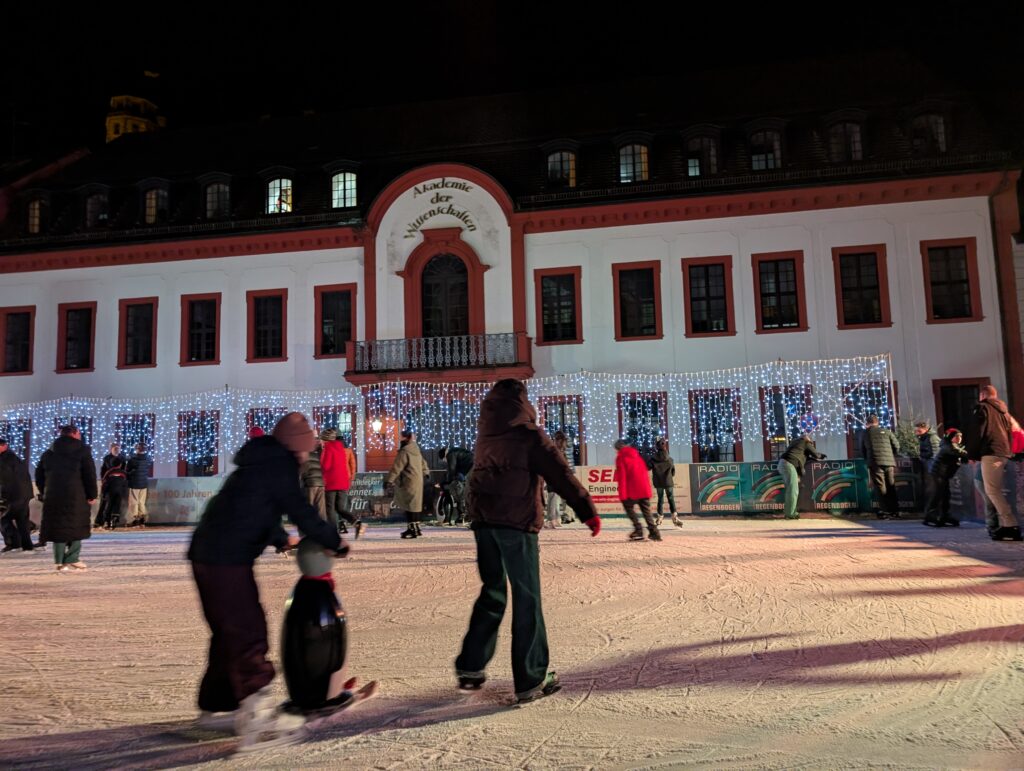
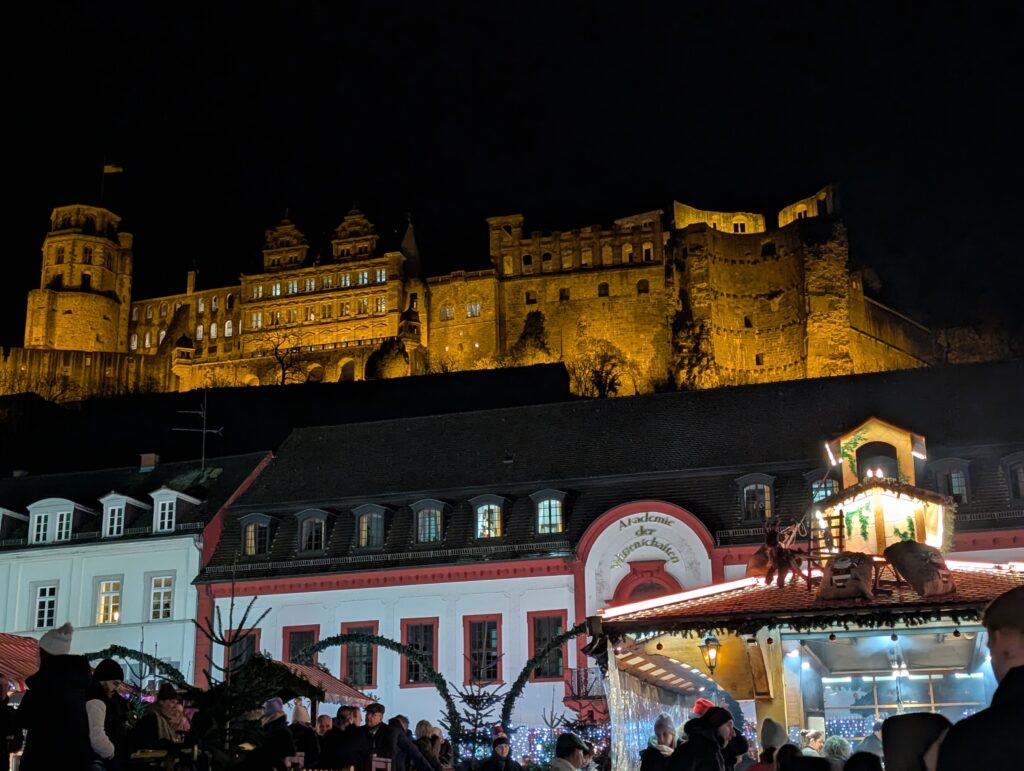
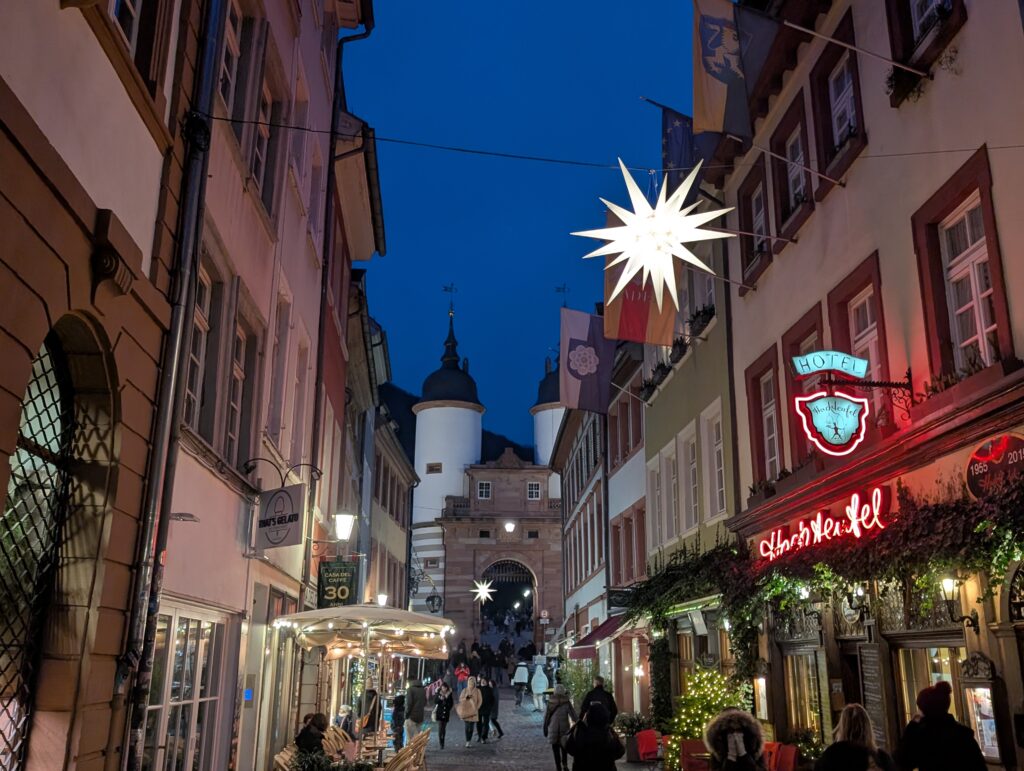
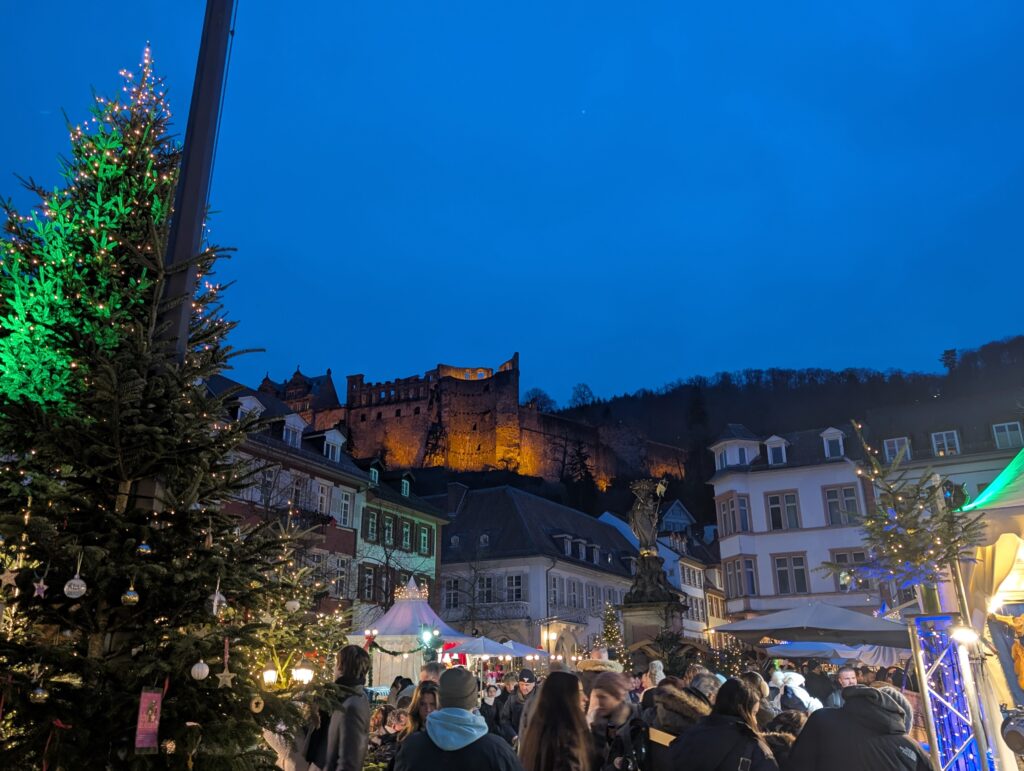
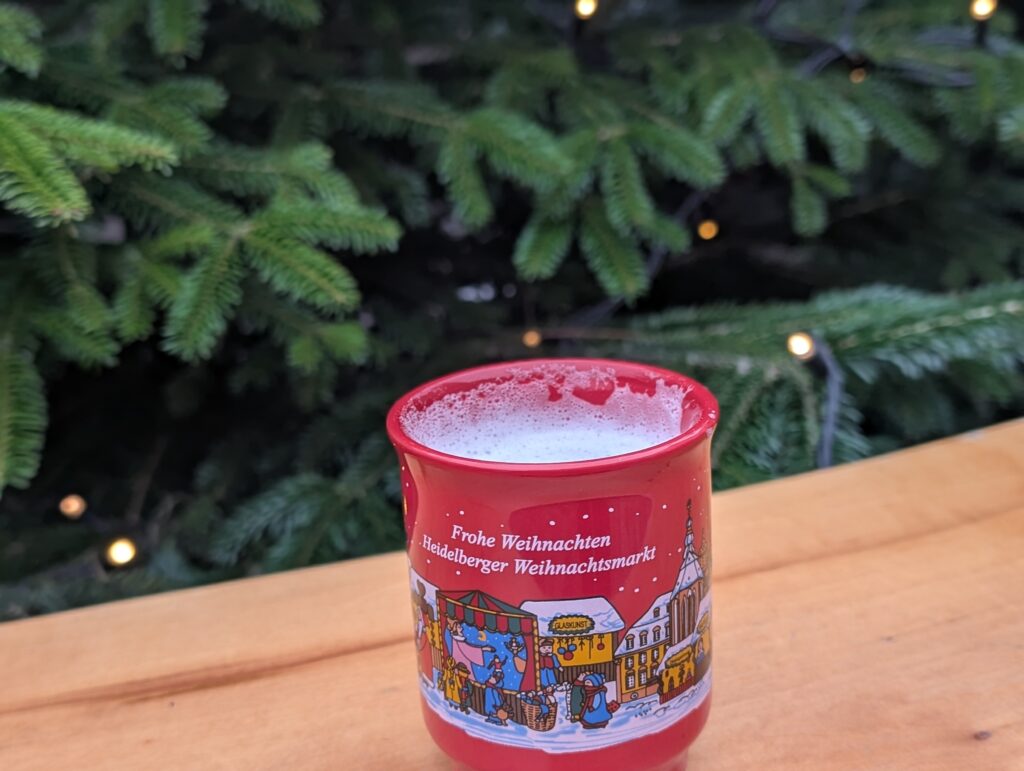
And of course I went to the Christmas market as well.
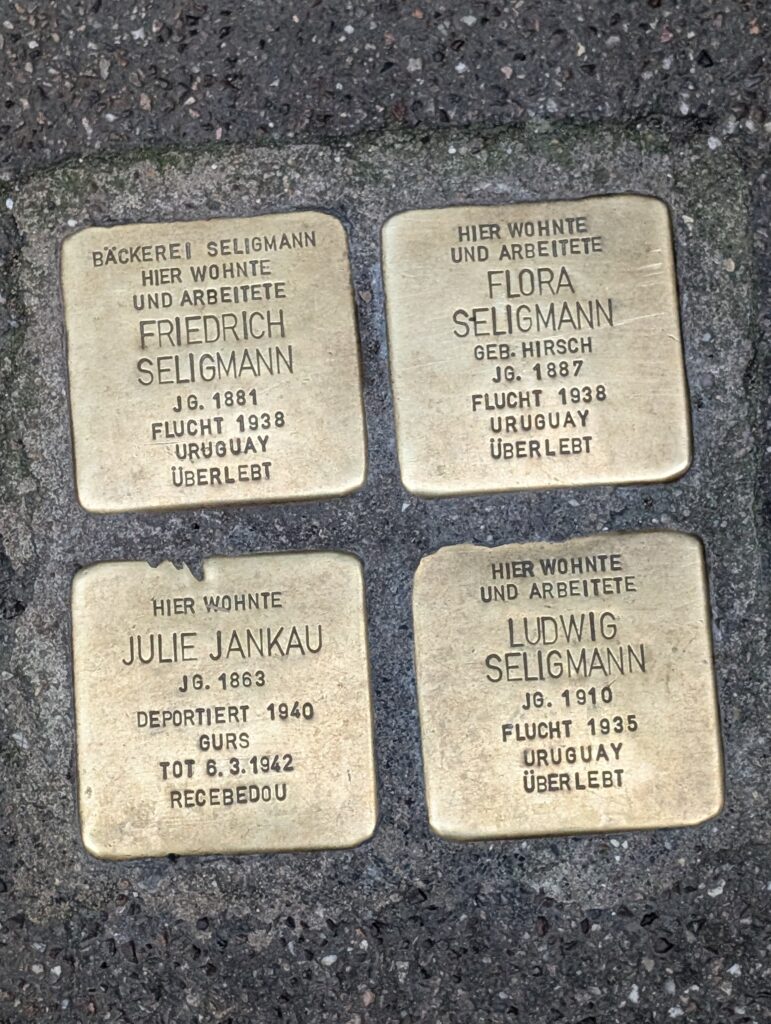
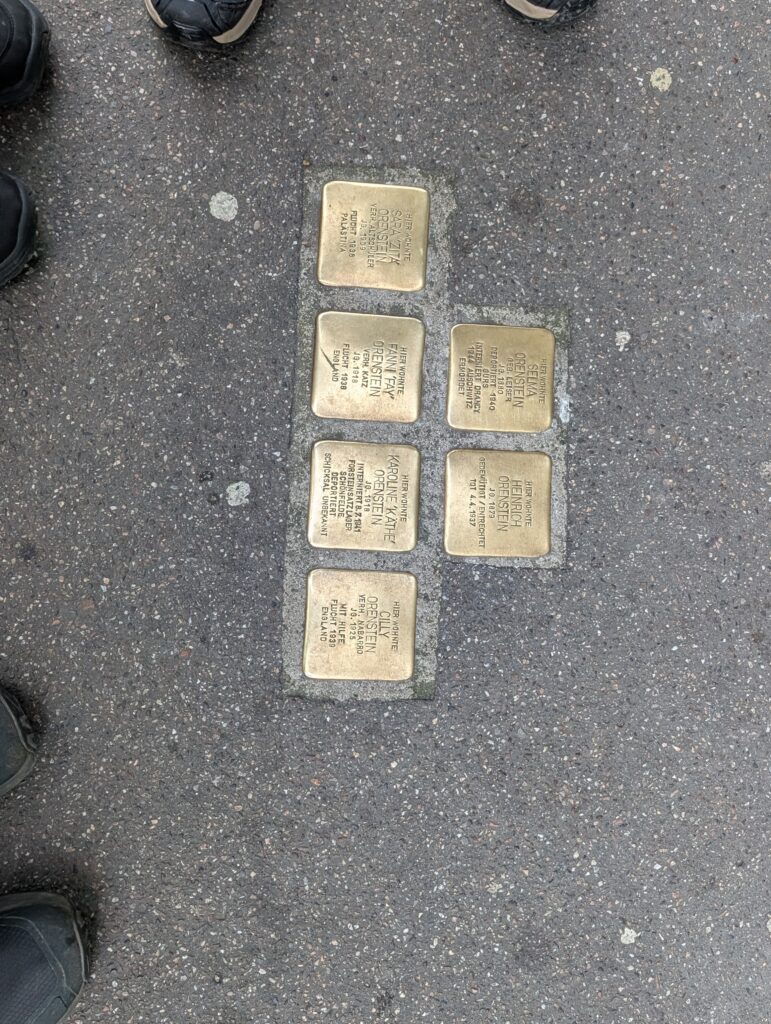
On the way back to the train station, I saw more of the plaques in the sidewalk commemorating Jewish people and what happened to the during WWII.