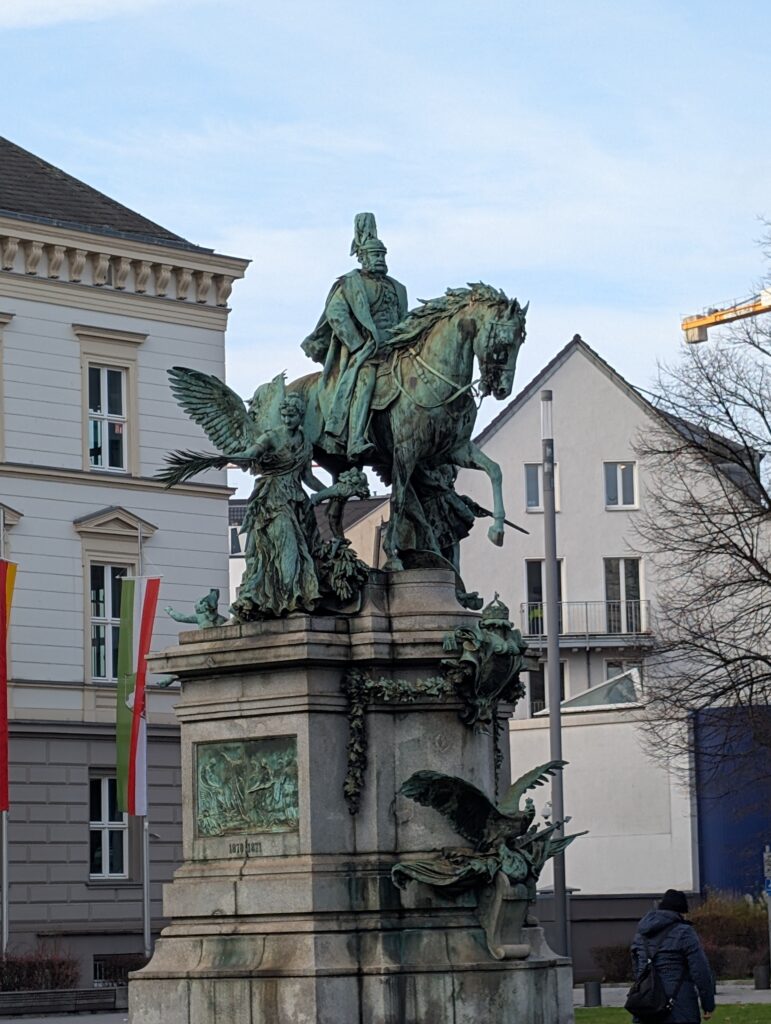
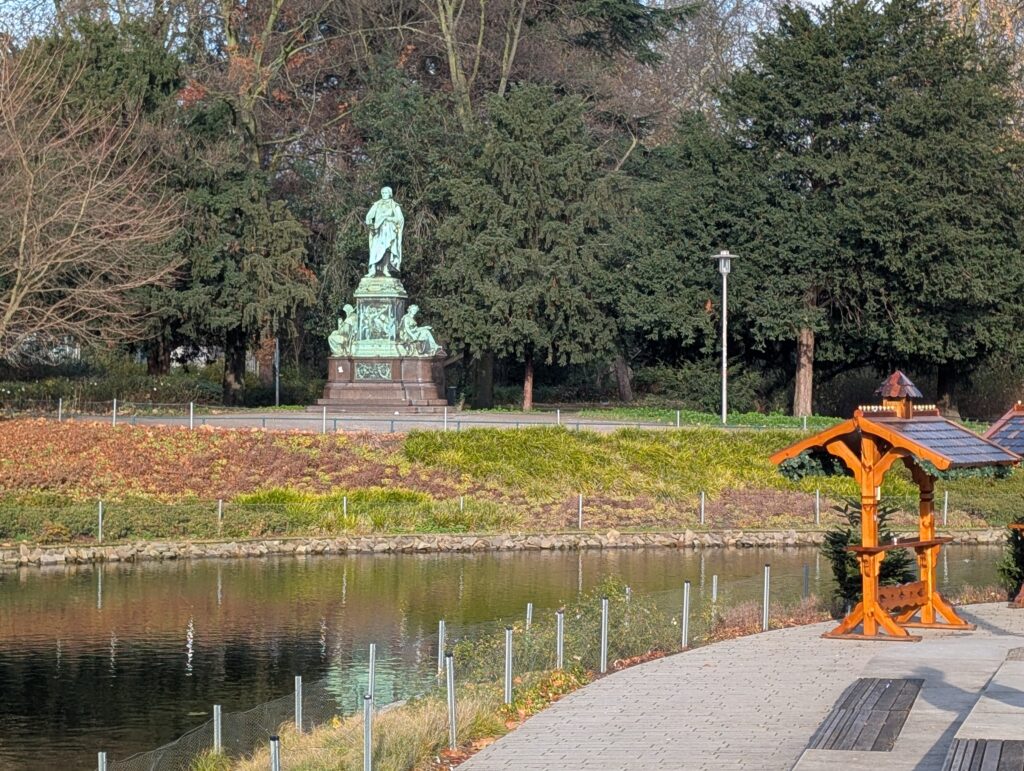
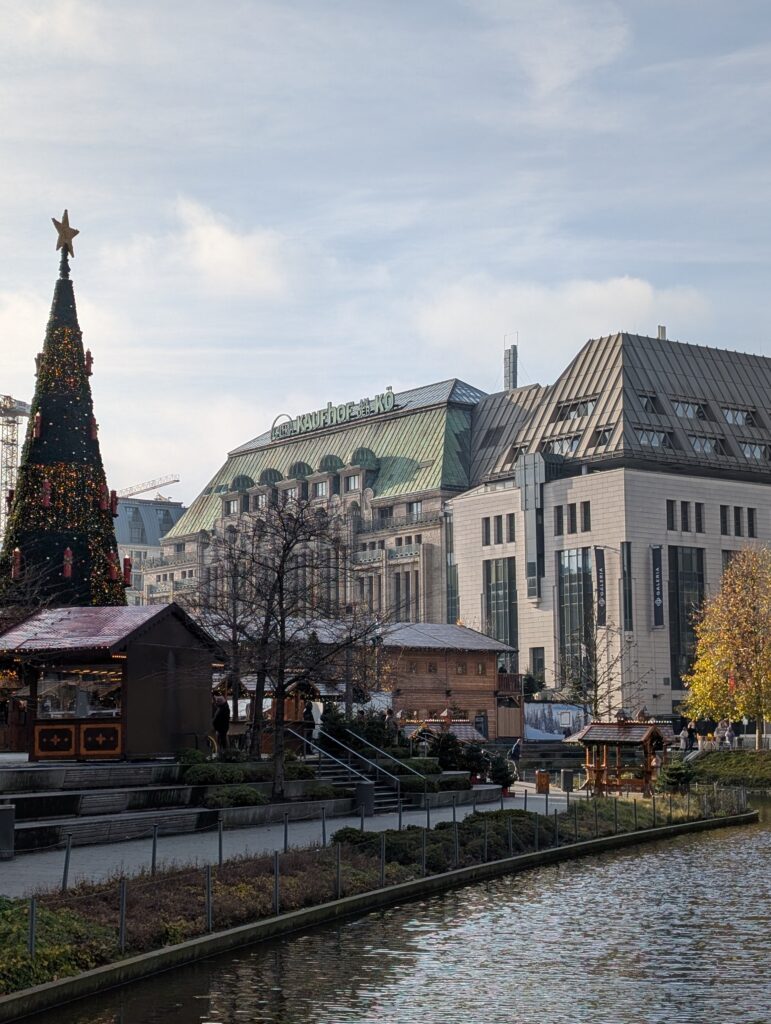
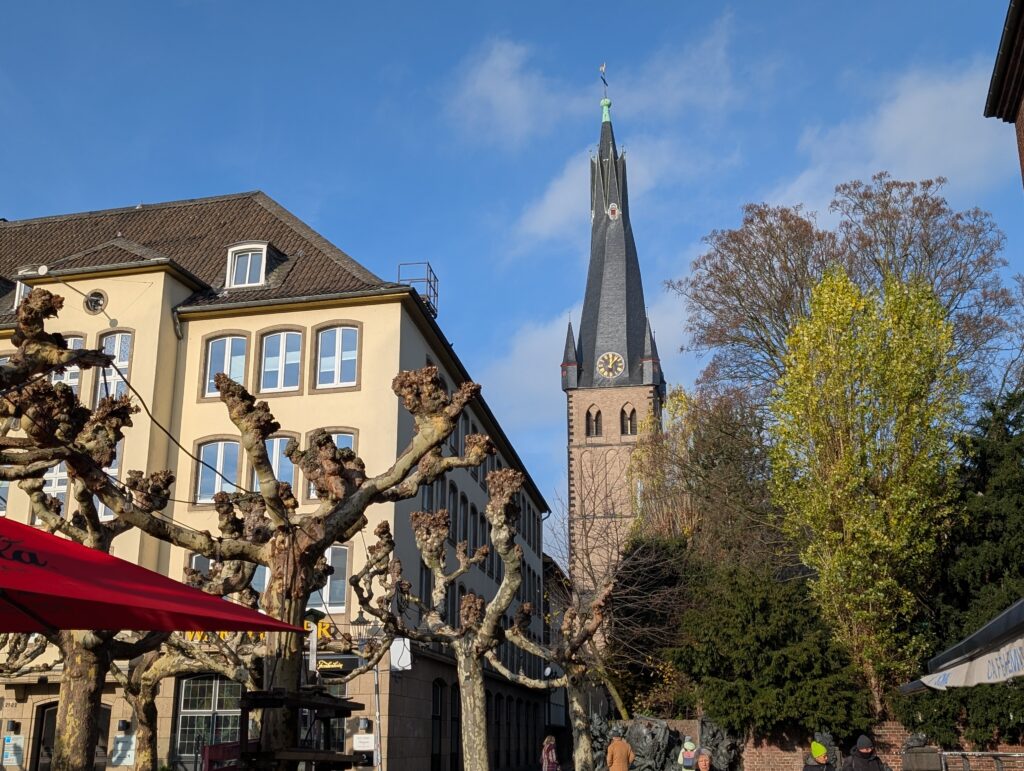
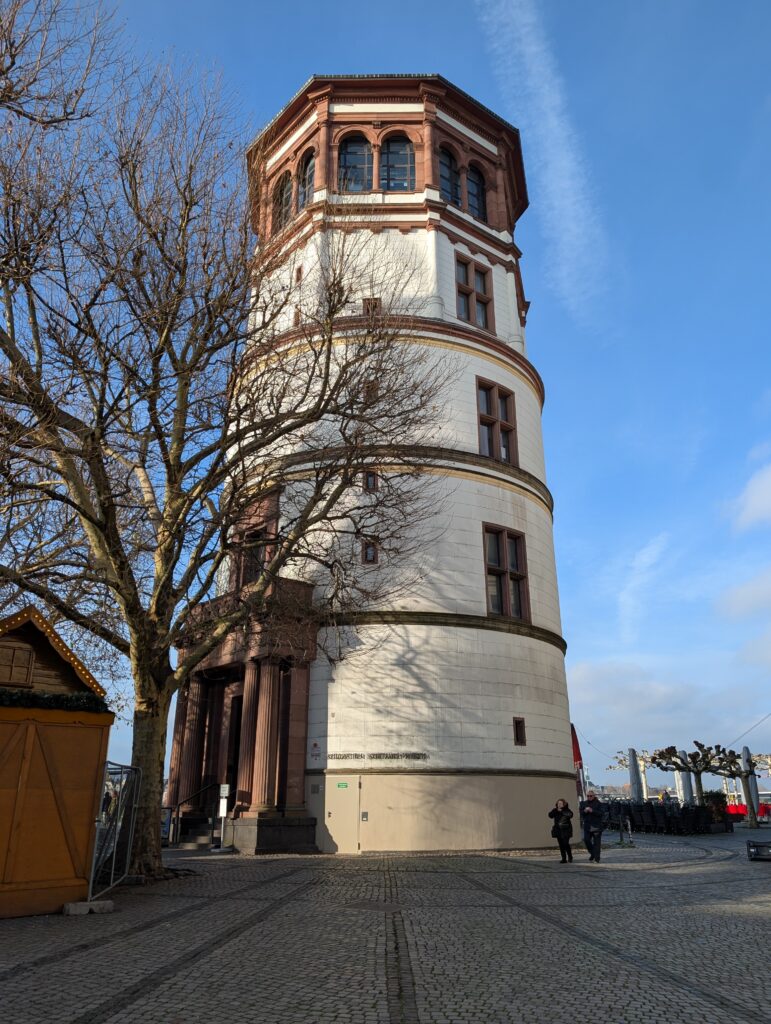
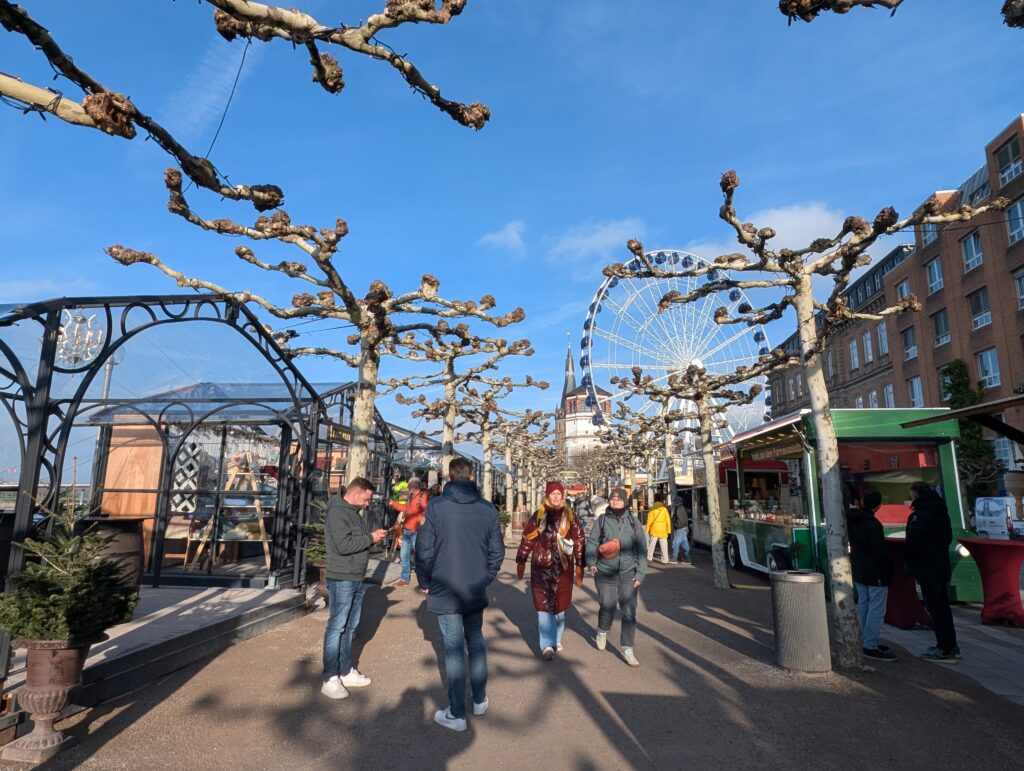
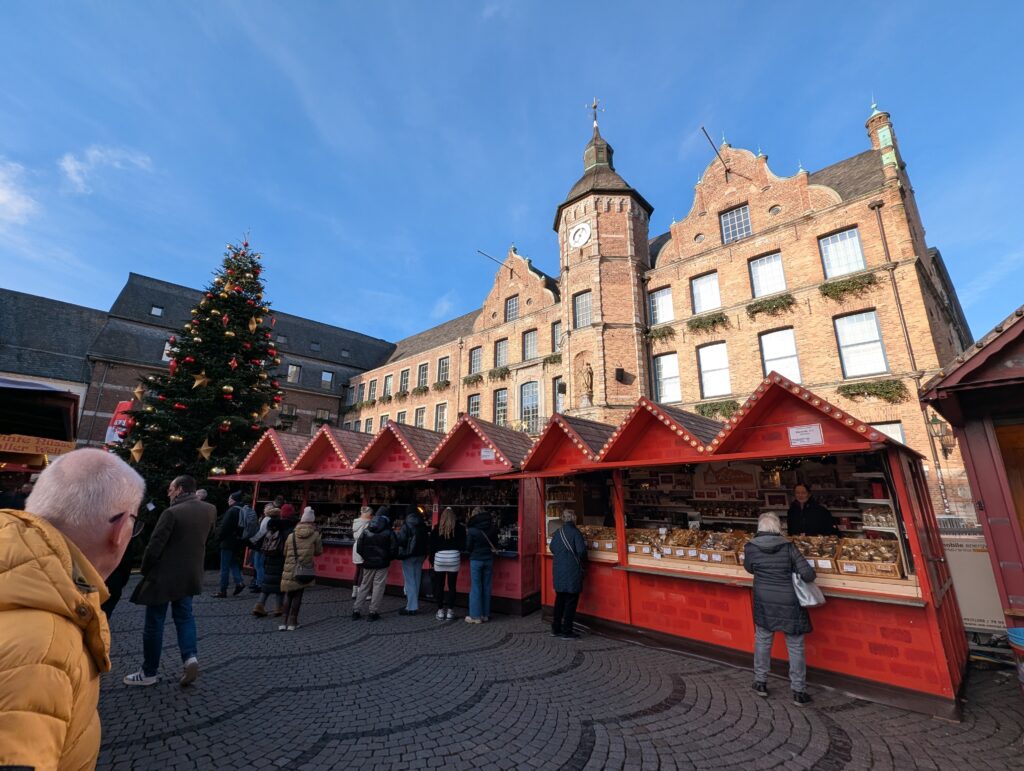
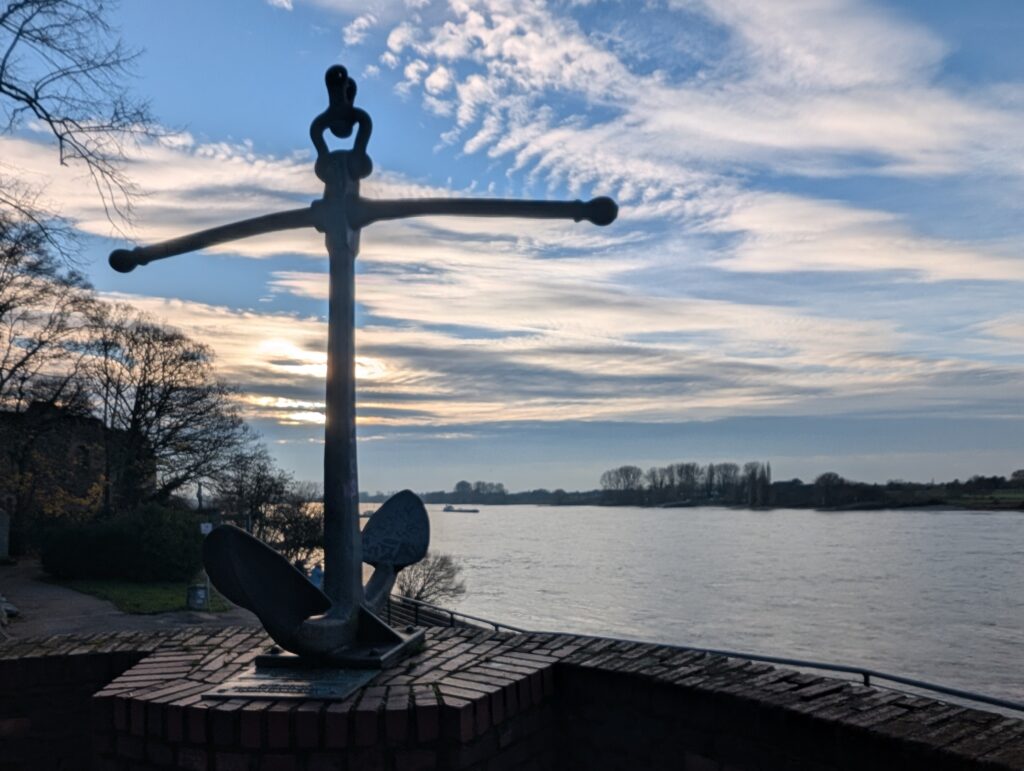
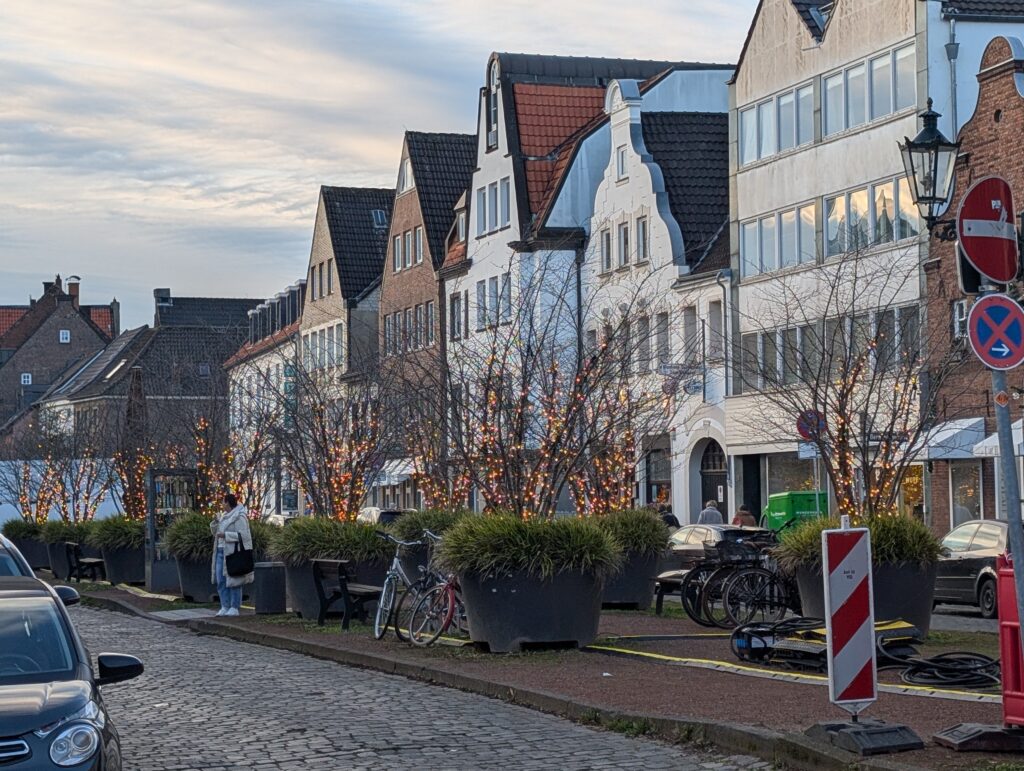
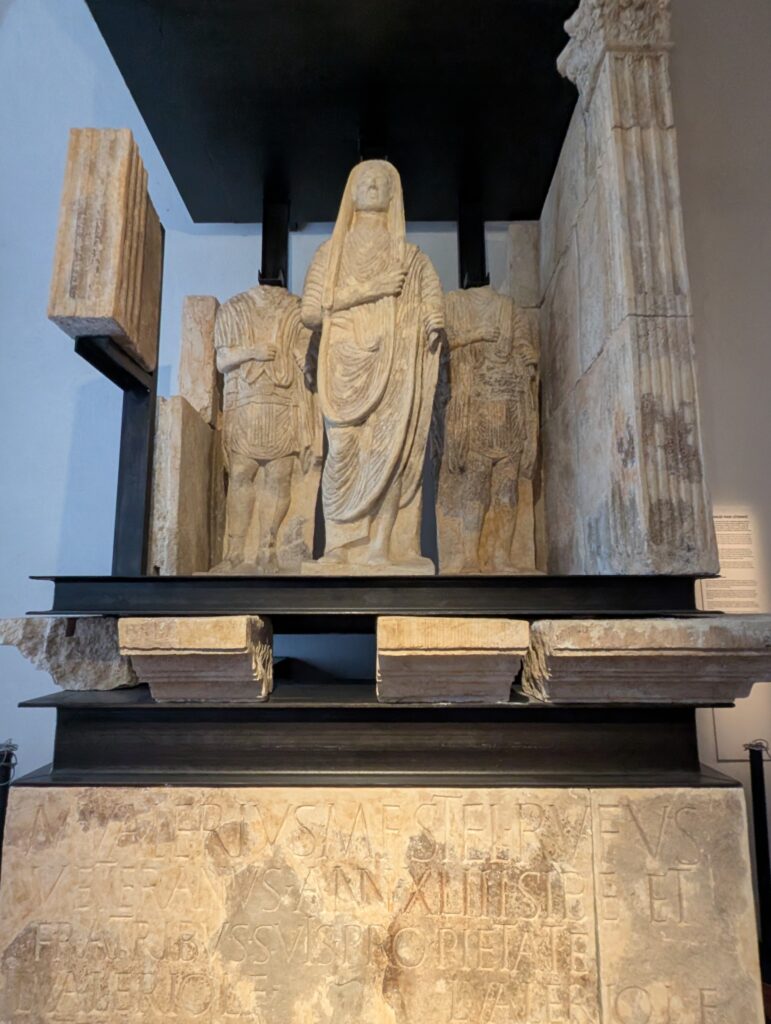
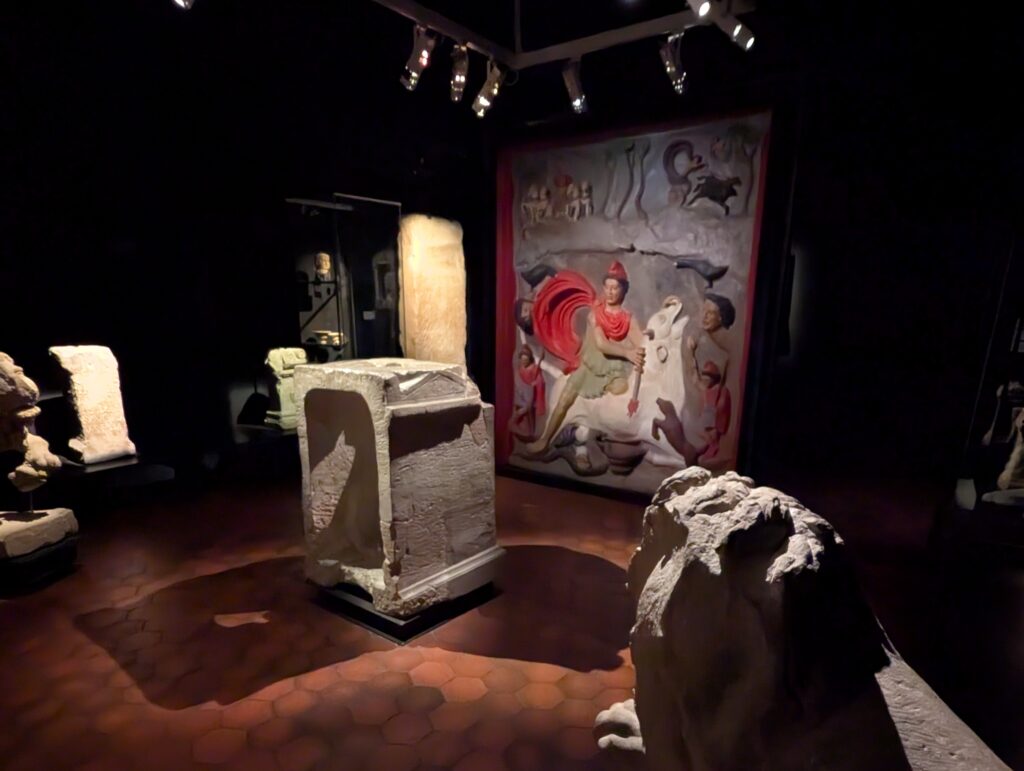
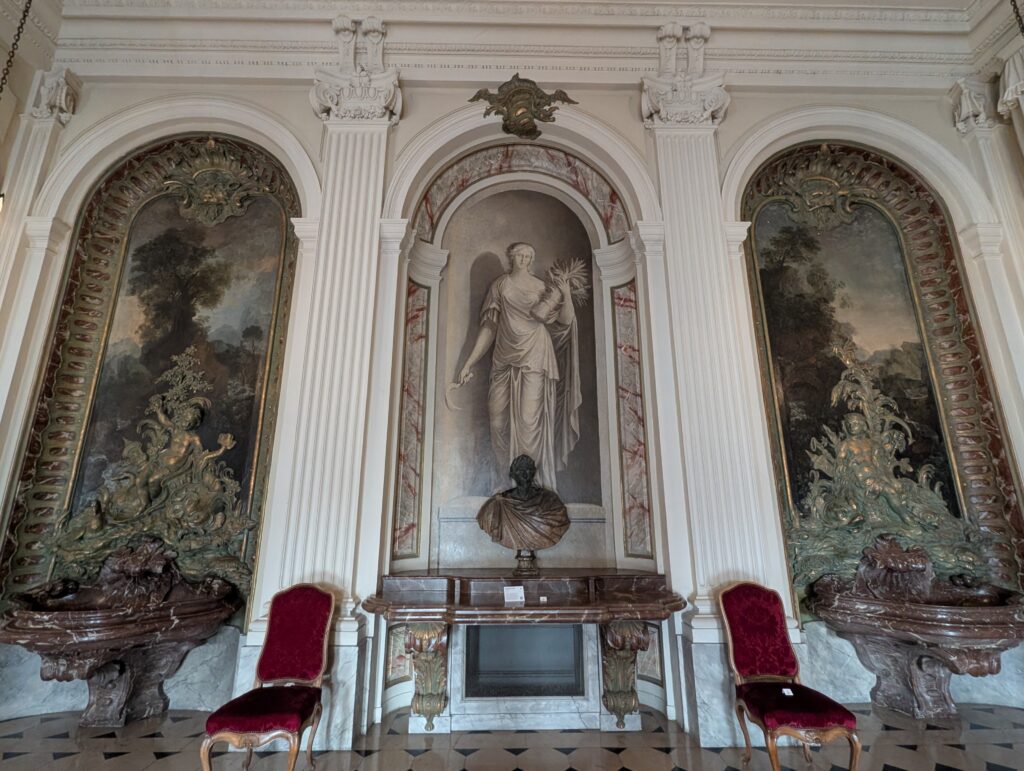
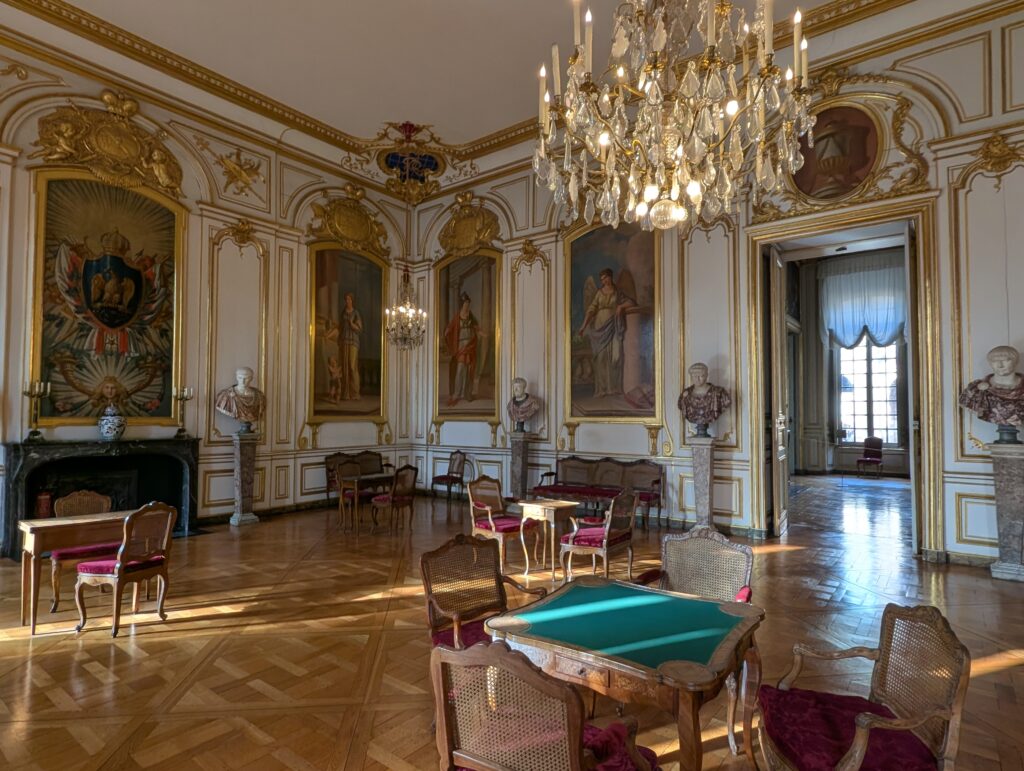
From Bonn, I took a day trip to Düsseldorf. As with many towns in the area, there is evidence of Roman civilization but it was not organized into a town until the 12th century. After rule during the Napoleanic era, it became part of Prussia in 1815 and during that time it was an industrial hub of the area. During WWII, it was heavily damaged and much of the old town was destroyed.
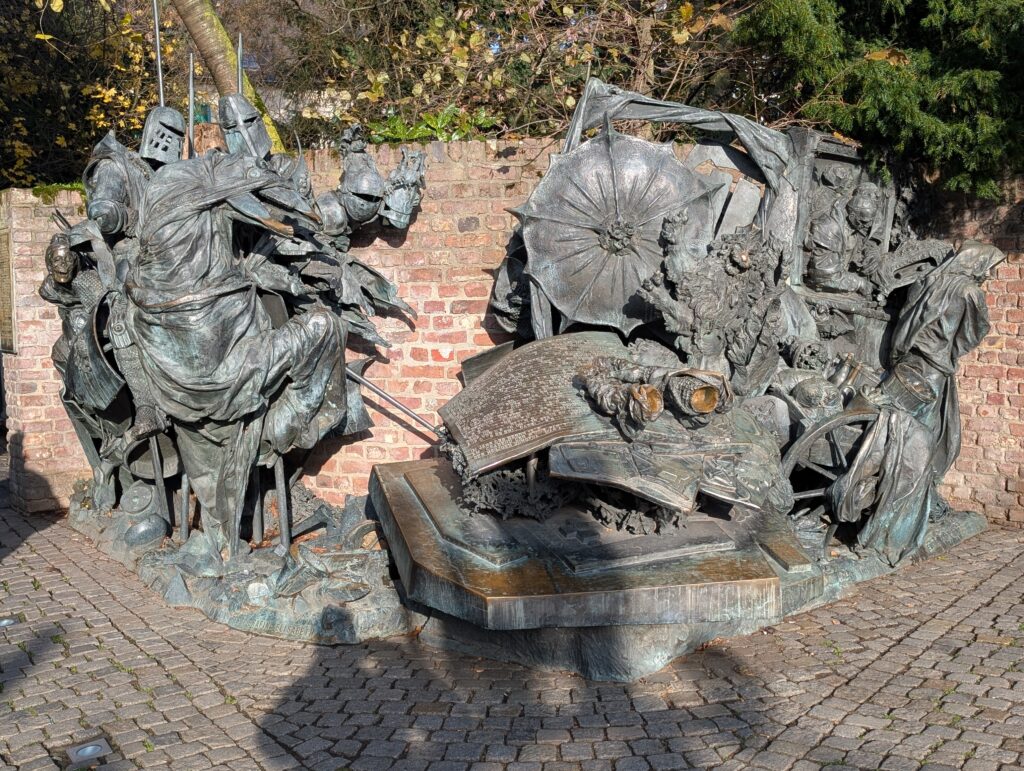
Stadterhebungs monument commemorating city rights to the town.
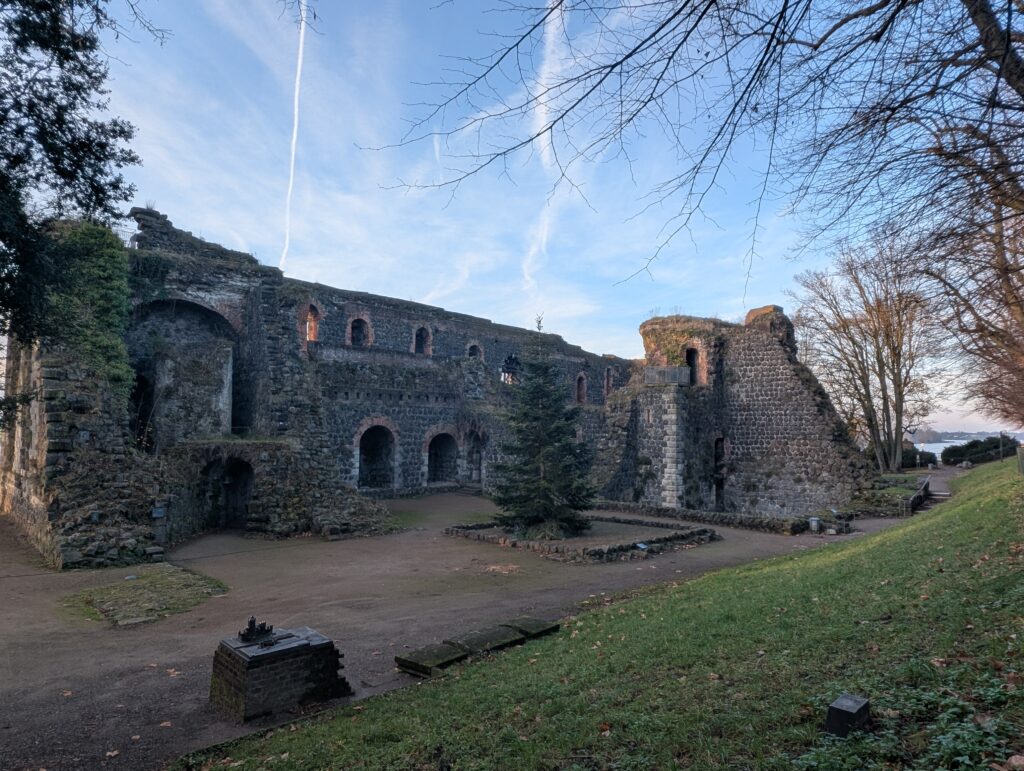
Kaiserpfalz Kaiserswerth is the ruins of a Monastery that dates back to 700. This area is a little bit outside of Düsseldorf and many of the buildings are still intact.
Traveling from Sinzheim to Bonn was interesting. I planned the route in the DB app as I purchased the Deutschland ticket that gives me unlimited regional trains, buses, and trams. Unfortunately, the first train was so delayed (which happens a lot) that I could not make any other connections. I didn’t take the time to look at the different times that the 4 trains would be coming which could take some time in planning. Instead I took one regional train and paid to take two high speed trains instead. Long layovers for those trains but less hassle. Lesson learned. Now I look up each train separately and bookmark in the app two possible choices just in case.
I planned to stay 6 nights here as it is easy to go from some of the cities I wanted to see from Bonn. I also wanted to be able to buy groceries and cook to balance the Christmas market food I have been eating. I am also in search of affordable new footwear, preferably hikers or boots, but they need to be okay to walk distances in.
Also the layovers at the train stations in some cities are pretty interesting. There are so many shops that have every day things people need at normal prices. So many people picking up the things they need while they are waiting. And at this point I need to buy things like face moisturizer, dental floss, and hair styling products. Of course an advent tea box of different teas for each day of December was a good purchase.
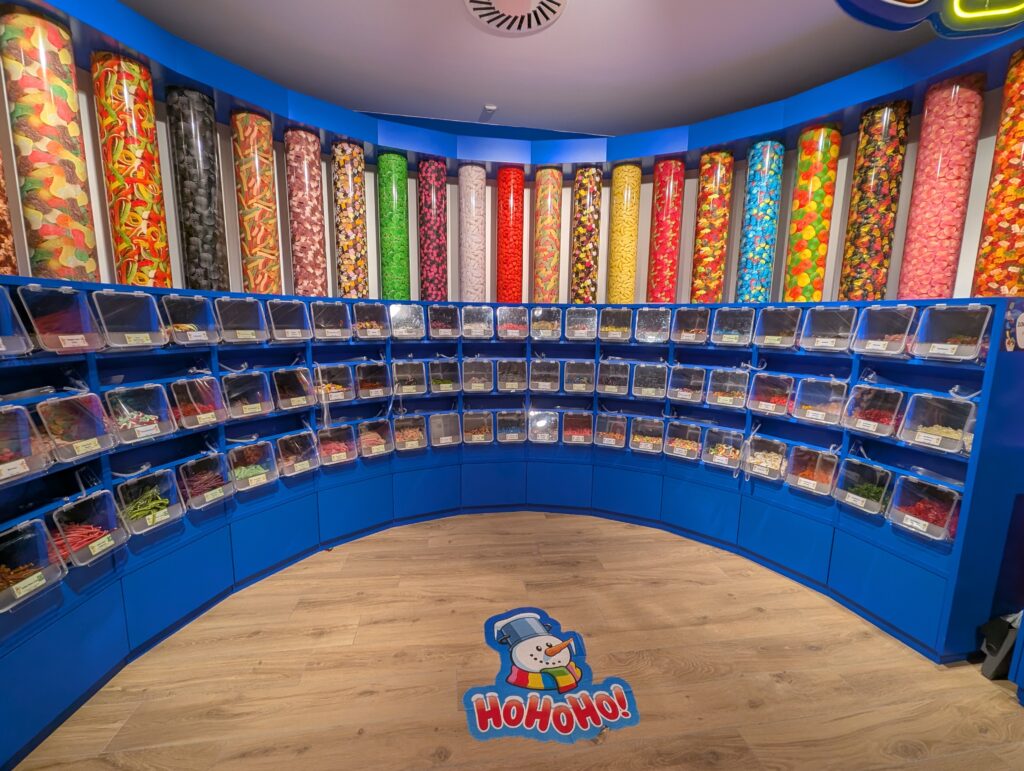
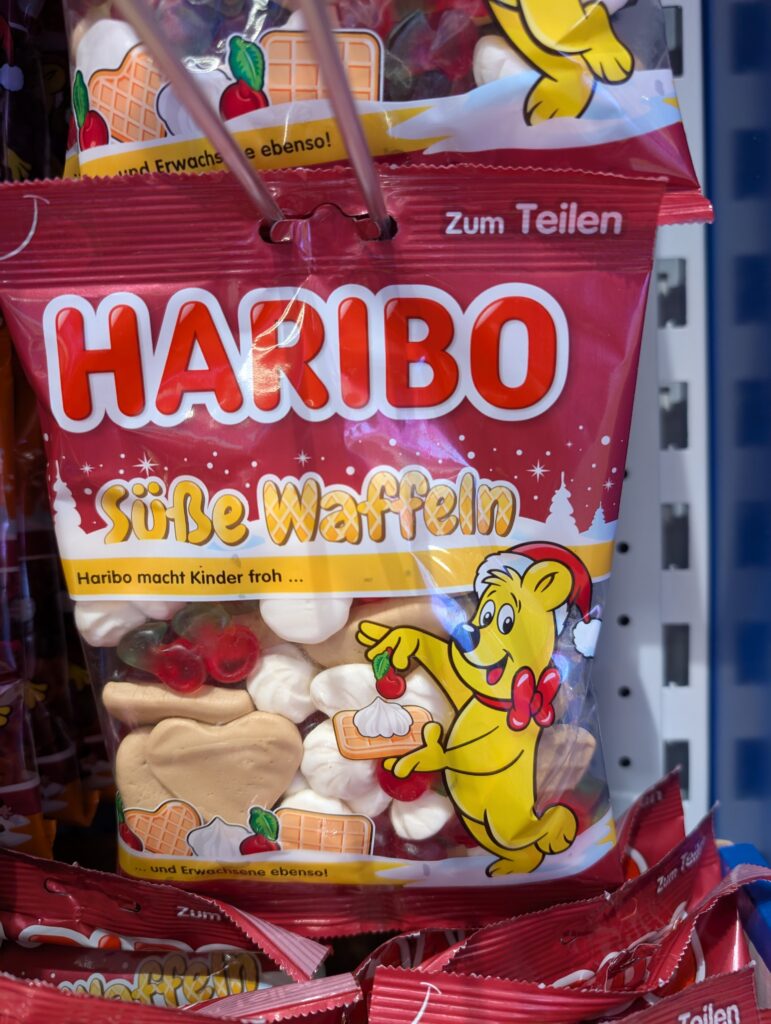
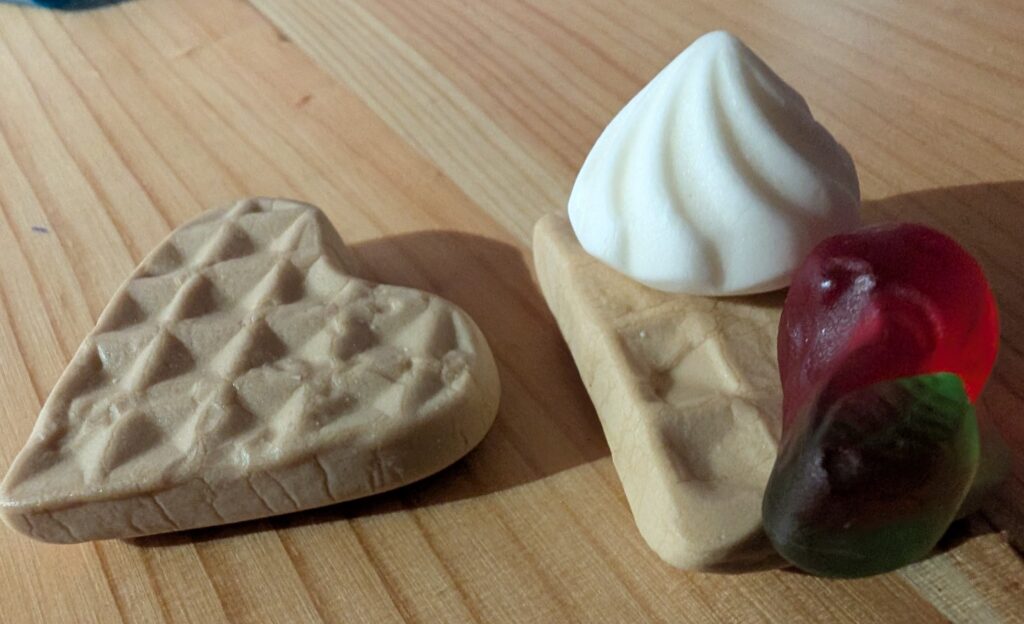
I found a Haribo store. I do love gummy candy and wanted to buy all of it. I had to try the waffle variety. When I opened the bag it did smell like waffles like when you walk into the kitchen for breakfast. It tasted more like vanilla, especially the little cream gummy.
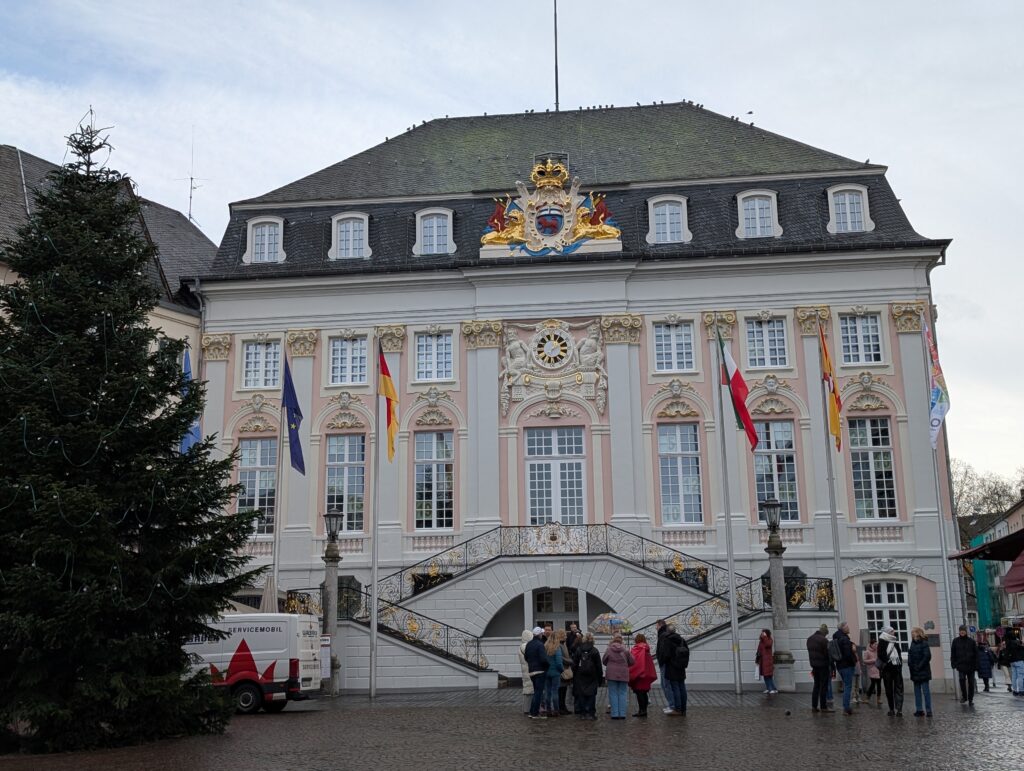
I loved walking around the Bonn alstadt which is the old town in the center.
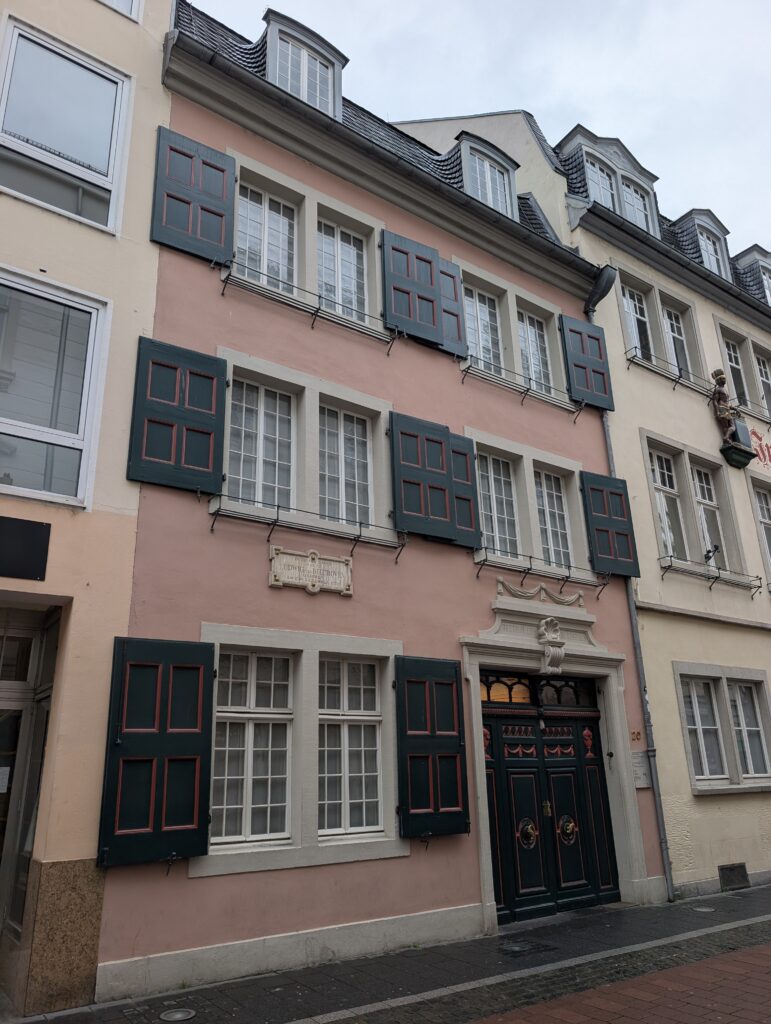
Beethoven’s house.
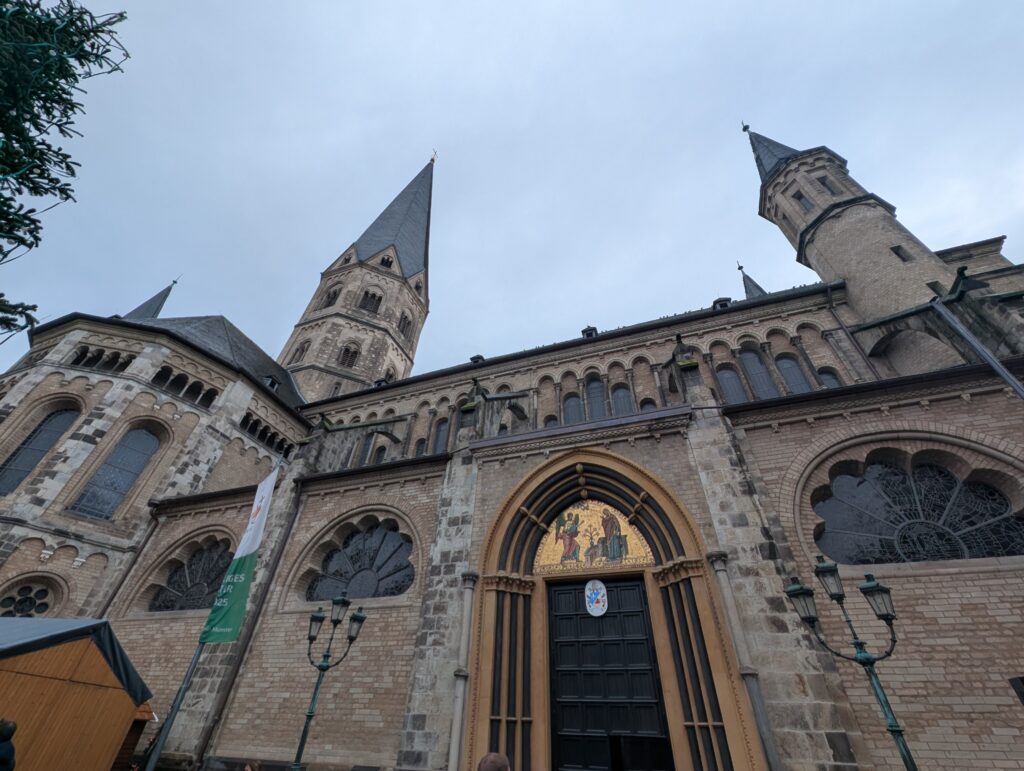
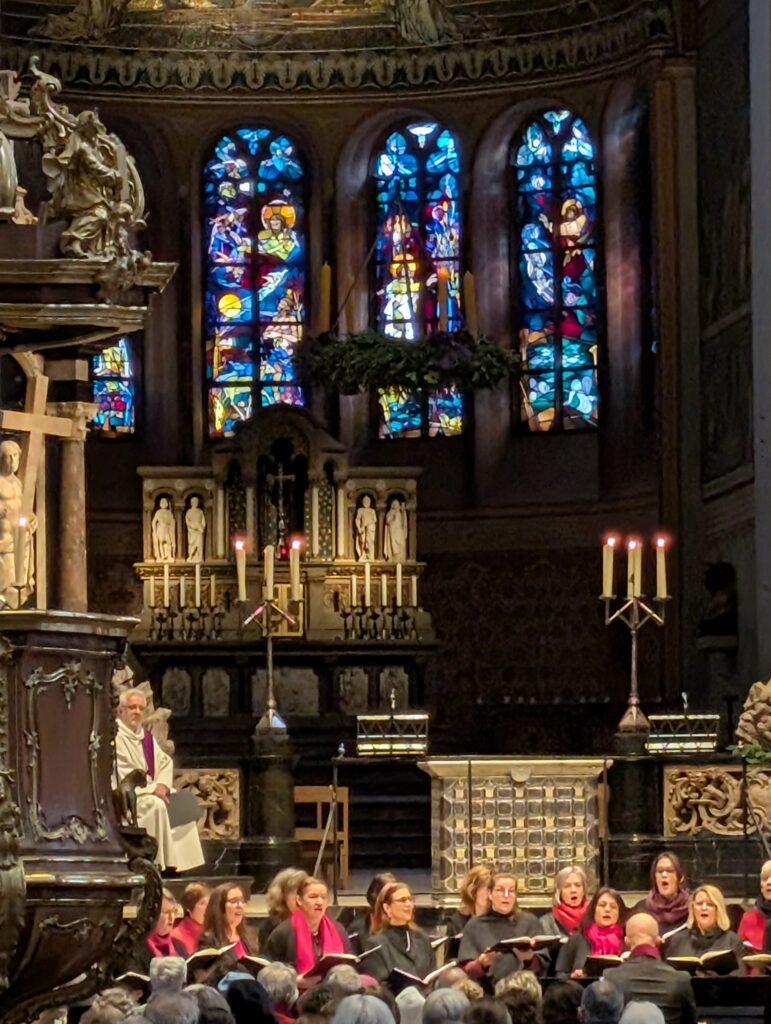
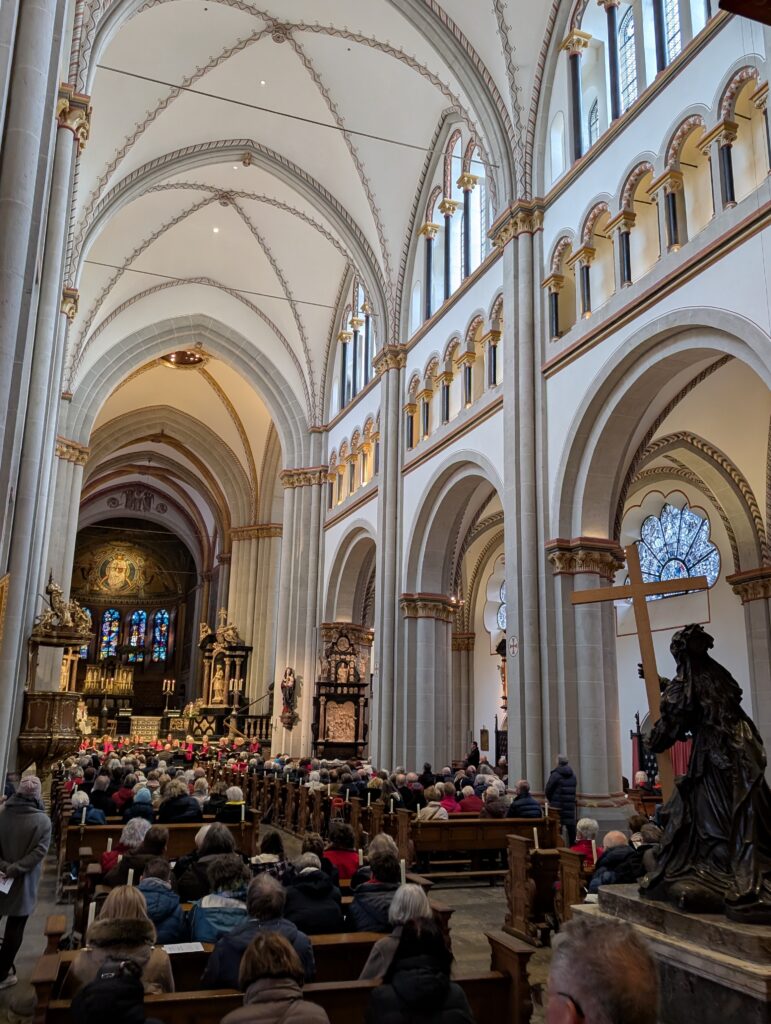
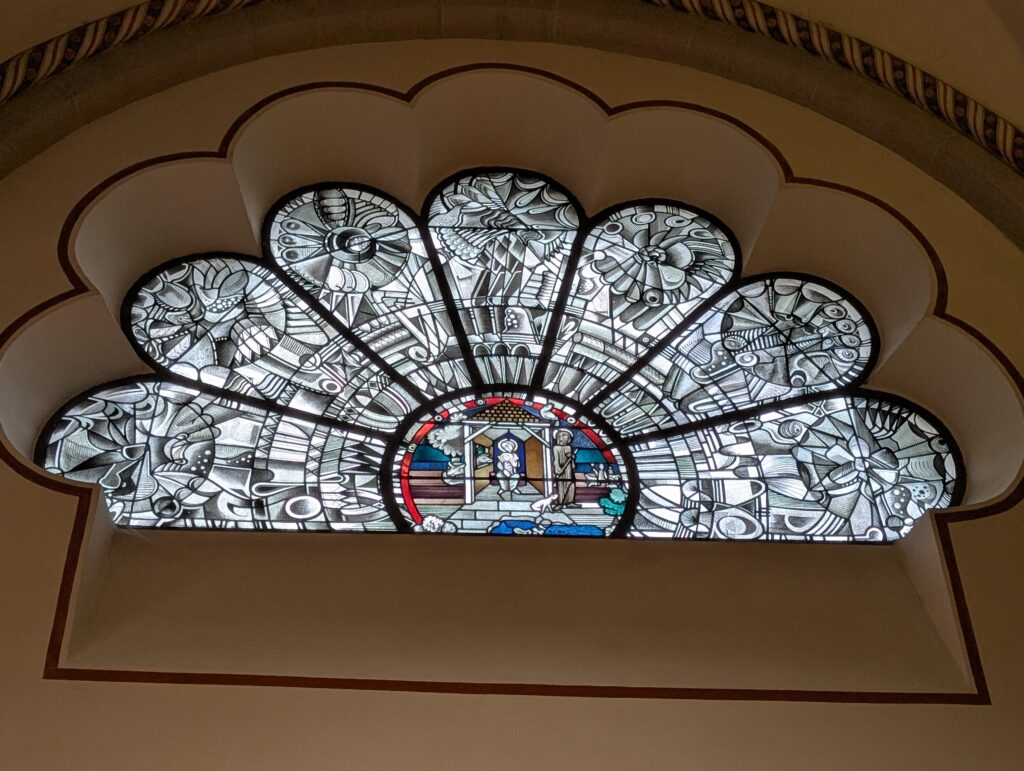
I stopped into the church where a service was being conducted. I stayed for some time to listen to the amazing choir. Bonn minster is one of the oldest church in Germany dating back to the 11th century.
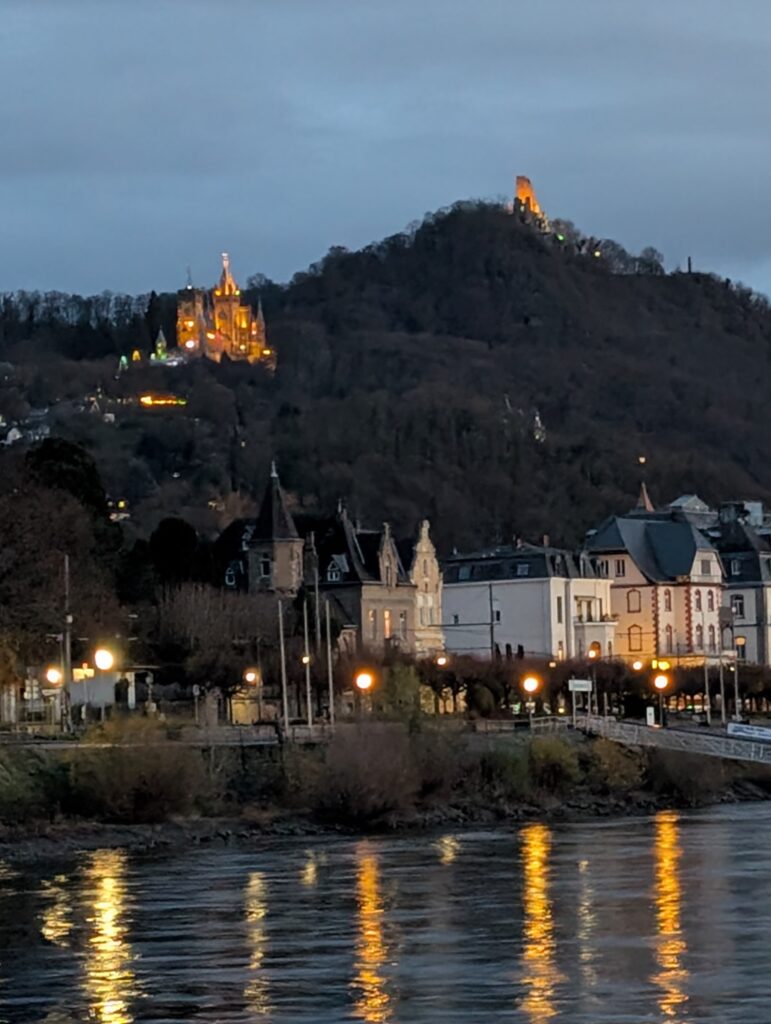
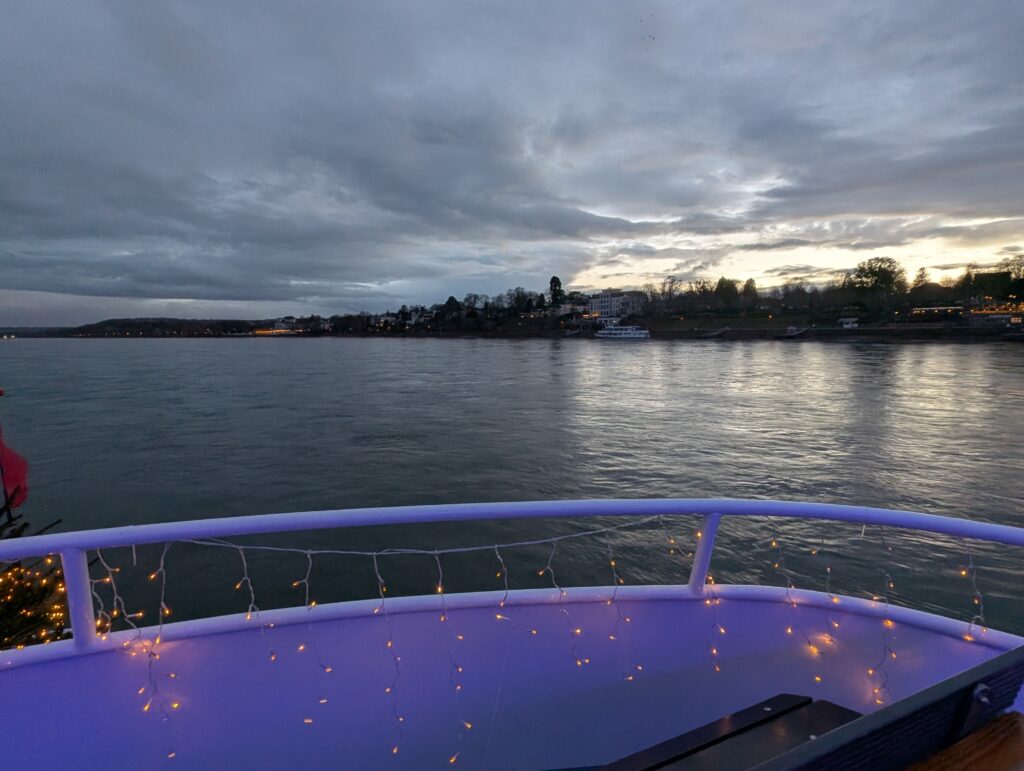
I also took a Rhine river cruise. We sailed down to Köningswinter where we could see the castle at the top of the hill.
I also booked a ticket to see the opera Hansel and Gretel at the Opera house. More pictures to follow.
I decided to take a break and stay in a small town outside Baden Baden. Sinzheim is only a 40 minute bus ride away from Baden Baden. I decided to just walk around this area for two days and relax at the Hotel Haus am See (house by the lake). There is not much around here but I enjoyed the breakfast (and made a sandwich to take with me for lunch later). The restaurant was pretty good as well.
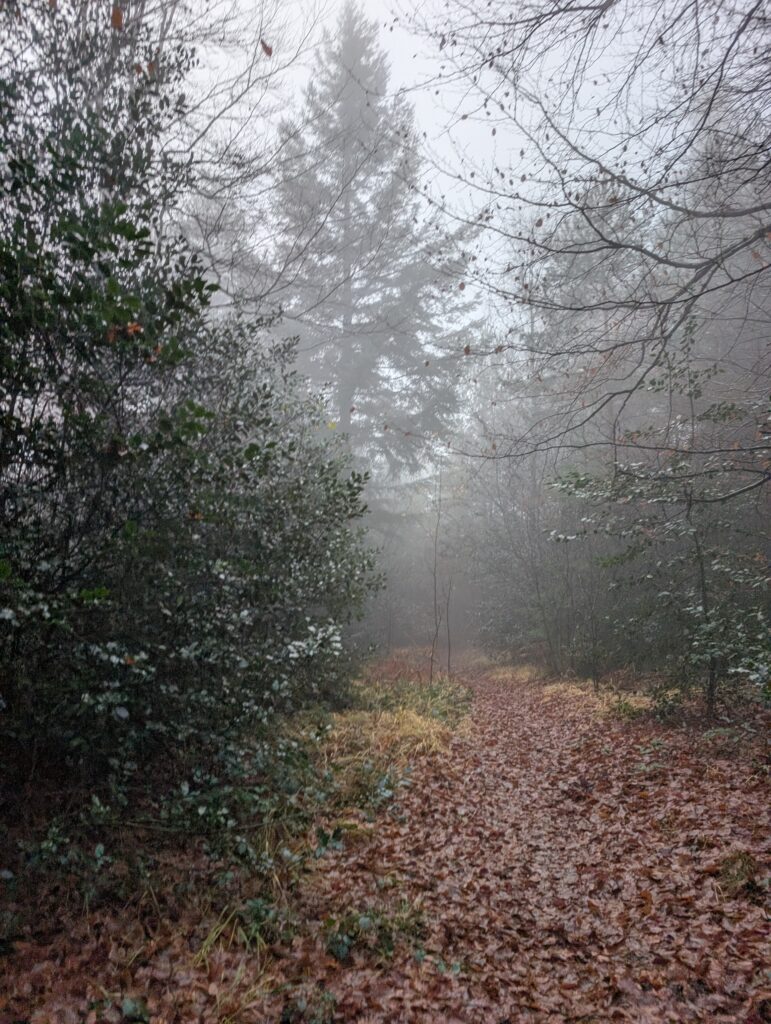
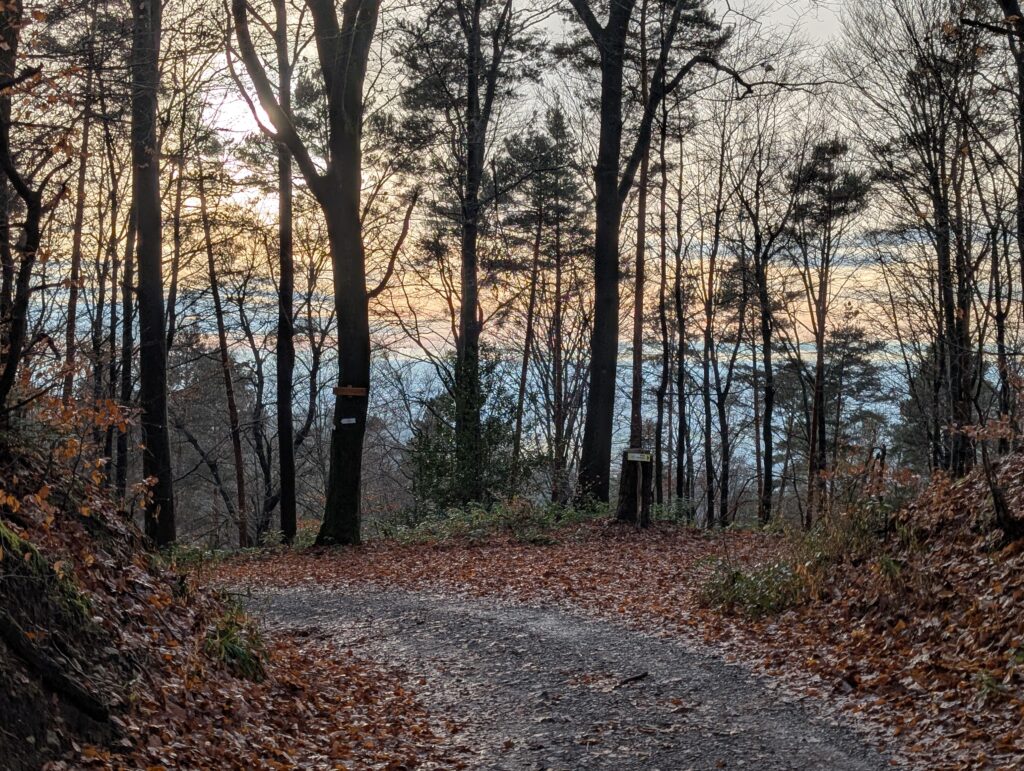
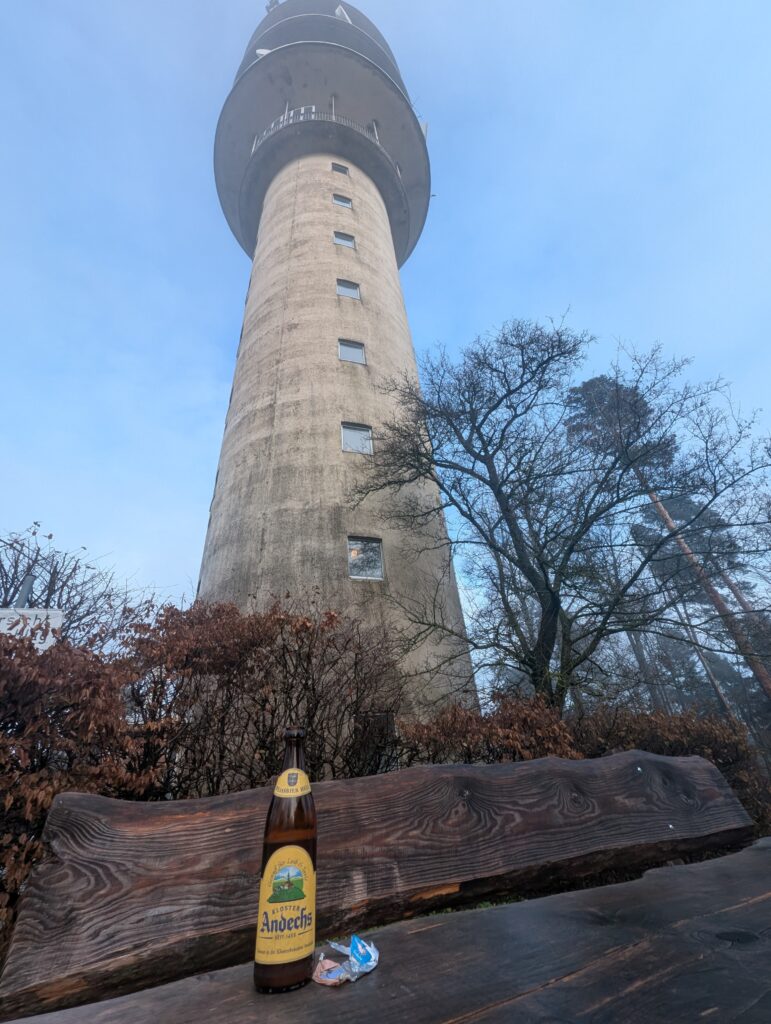
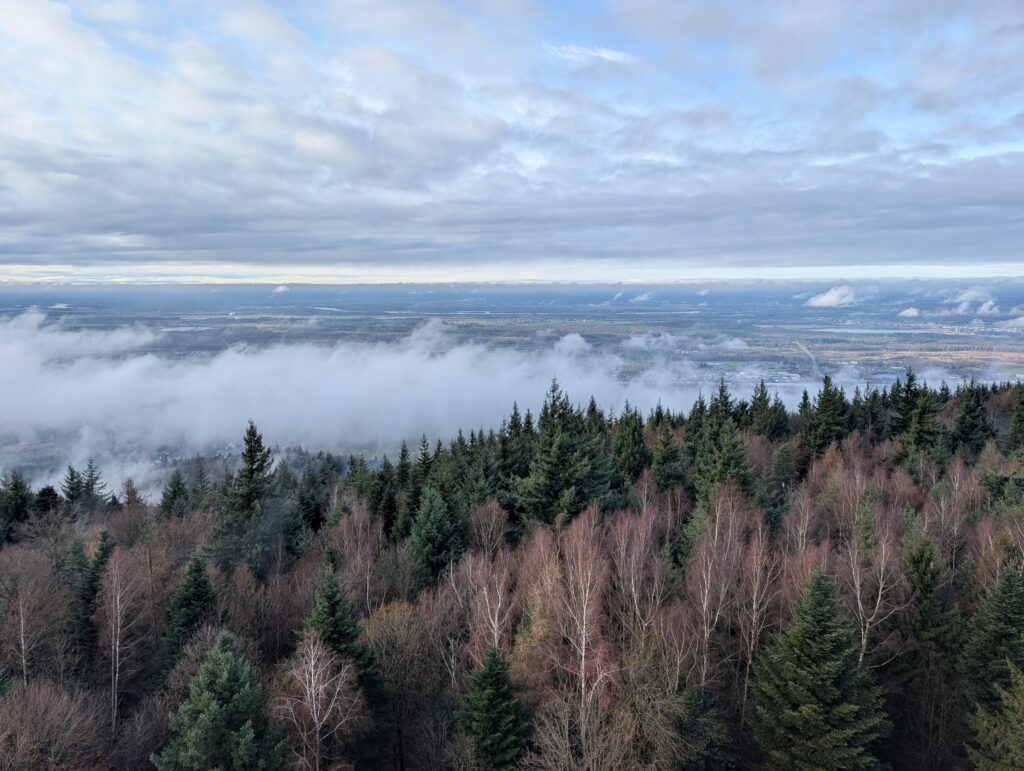
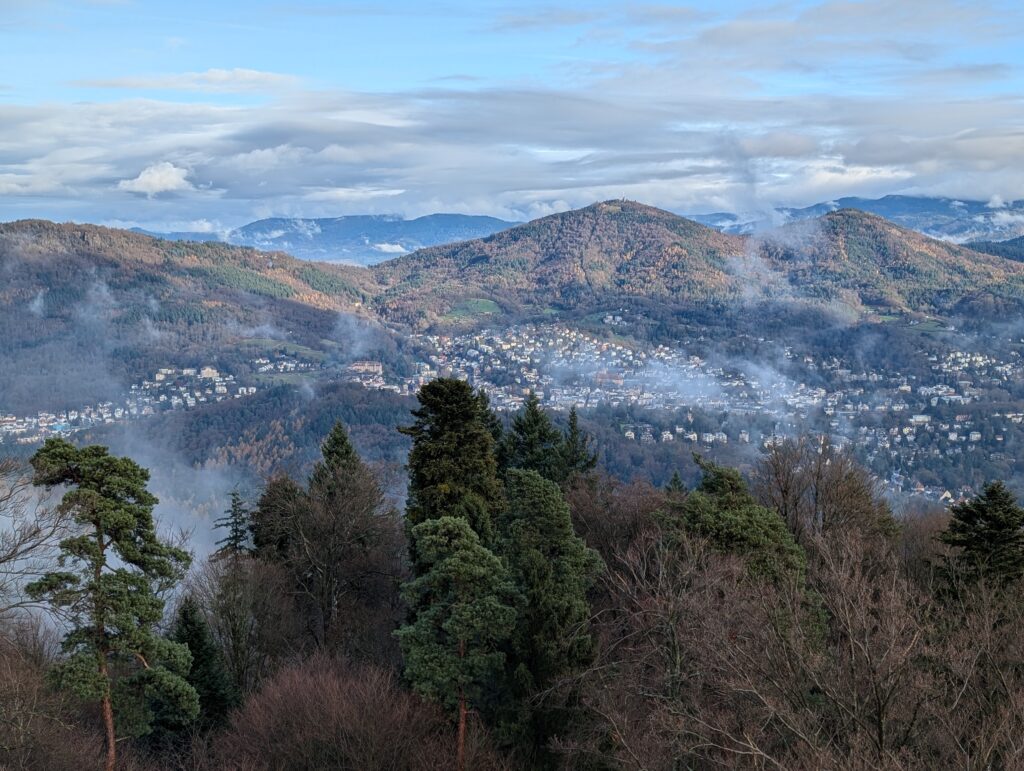
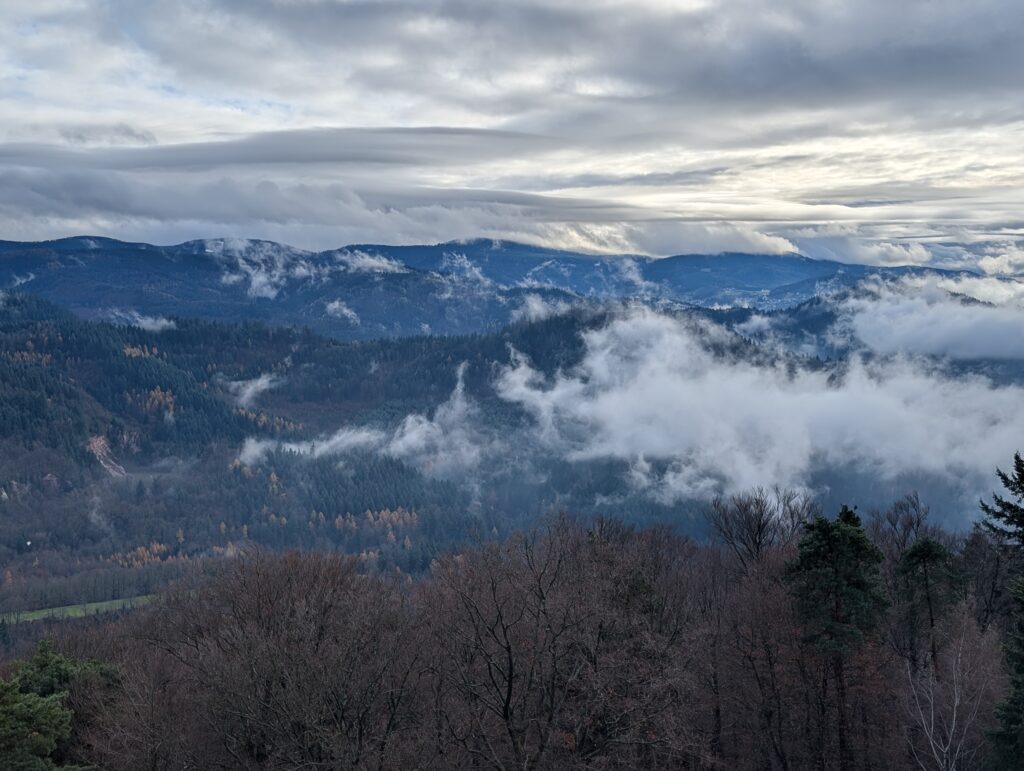
I did walk up the hill near the hotel to get to the Fremersberg Tower overlooking the Black Forest, which is so named due to the dark evergreen forests. Did you know cuckoo clocks originated here and are the background for the stories of the Brother Grimm. As I walked through the woods I noticed the large amount of holly, fir, and pine here. It was a beautiful but exhausting walk up and back down (still working on retaining my fitness after the knee replacement.)
The tower is currently used for telecommunications and tourism, having been rebuilt in the 1960’s to replace the original one from the 19th century that was made of stone.
The view from the top of the tower was amazing.
I still wonder where in this area my ancestors came from. I never thought to ask my grandmother if she knew more specifics of my ancestors.
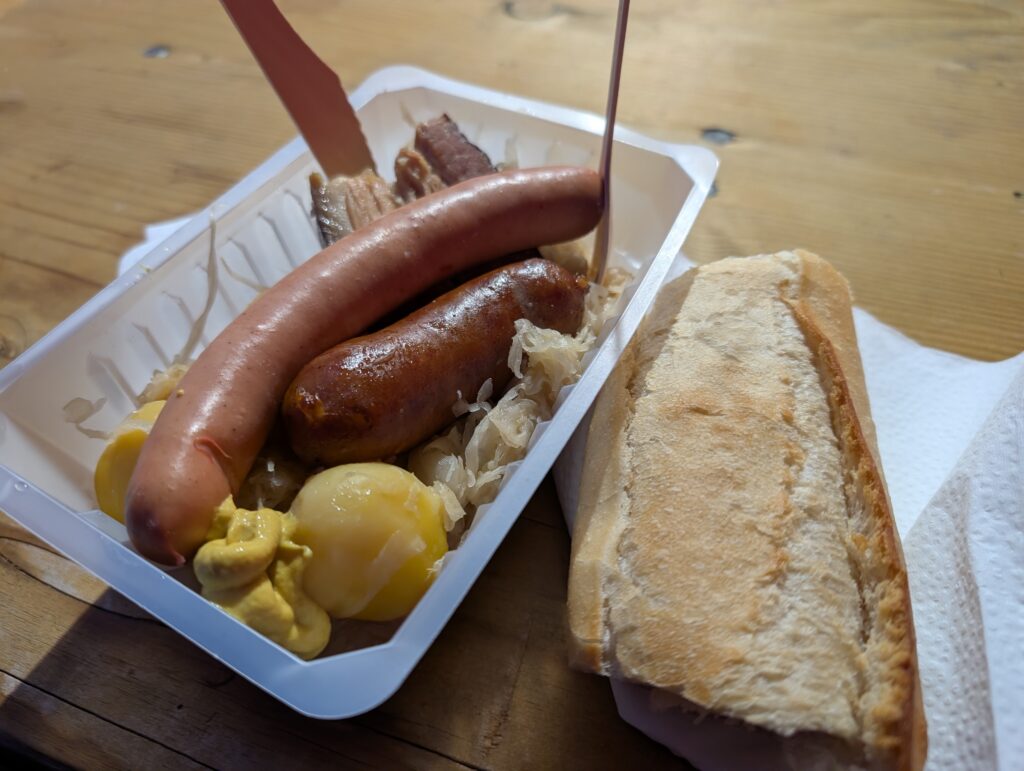
The food was great including the Choucroute garne (sauerkraut with meat) and the gluhwien (spiced hot wine).
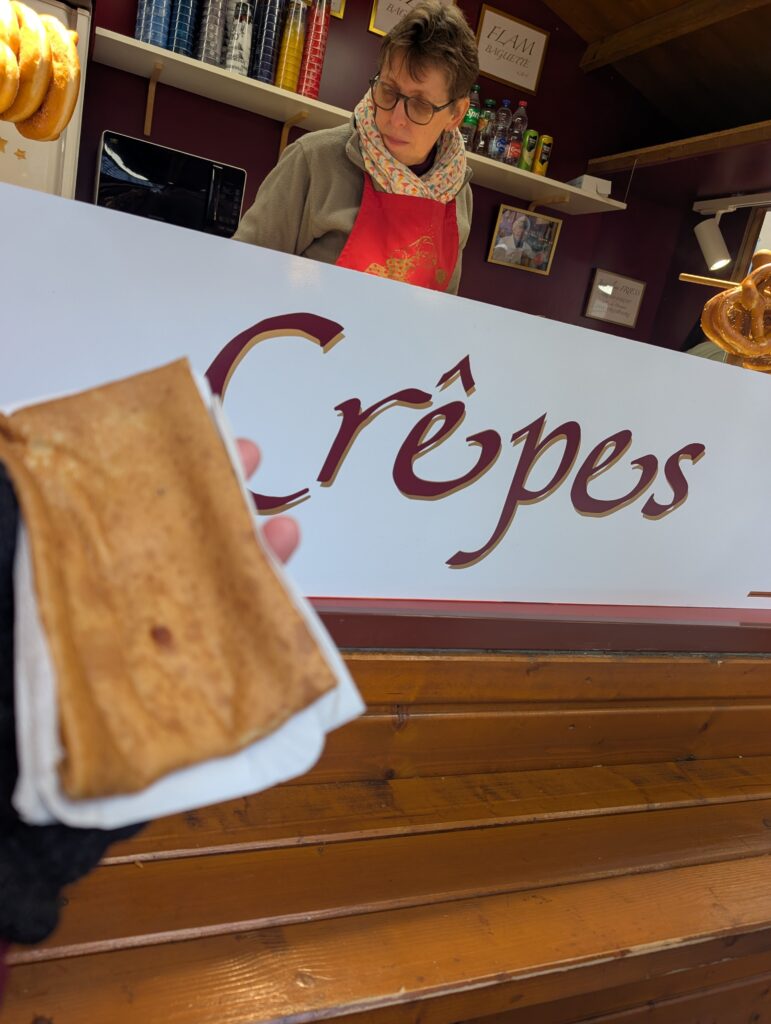
And I needed to get a crepe frommage (cheese crepe) while in France. Delicious!
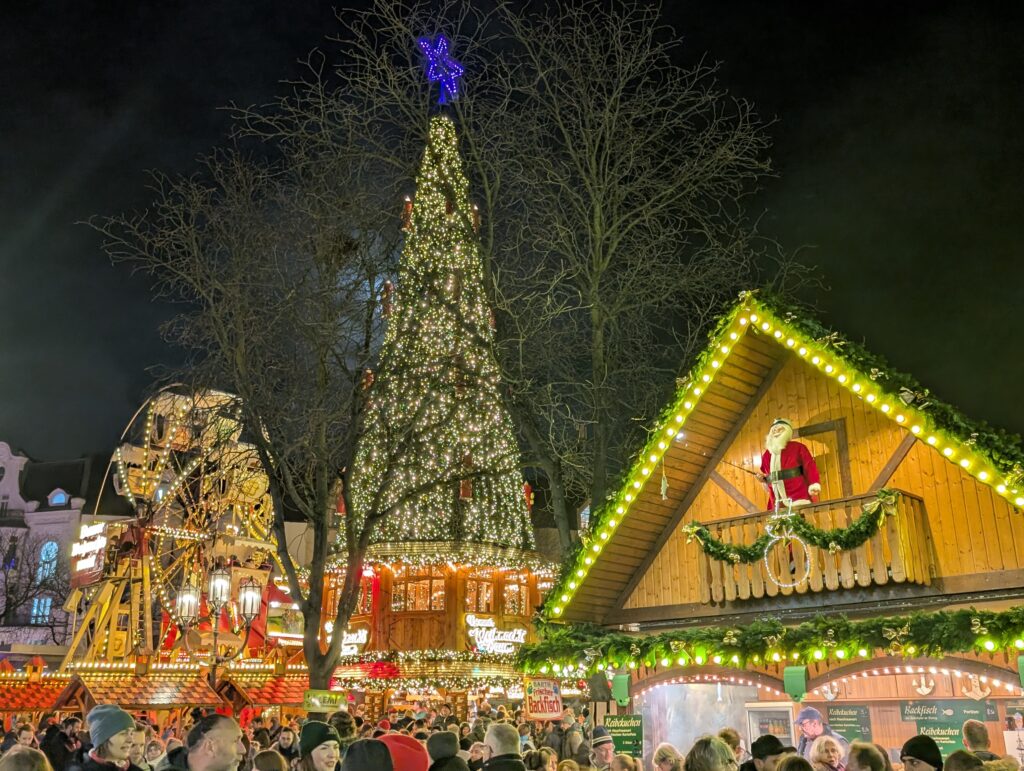
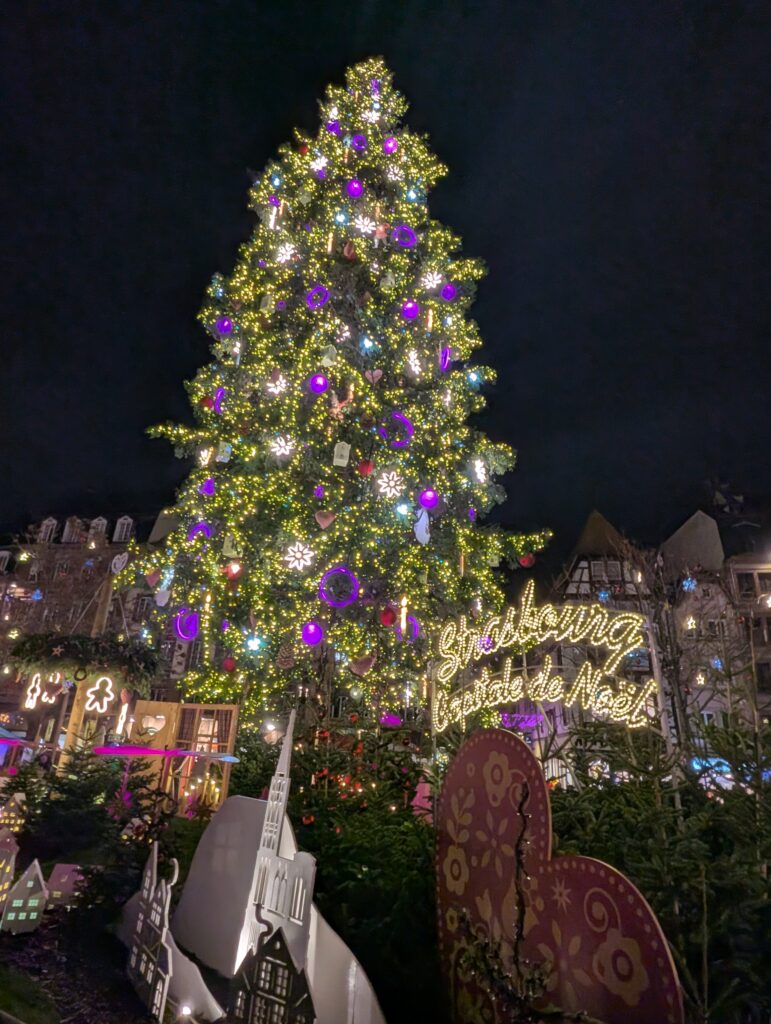
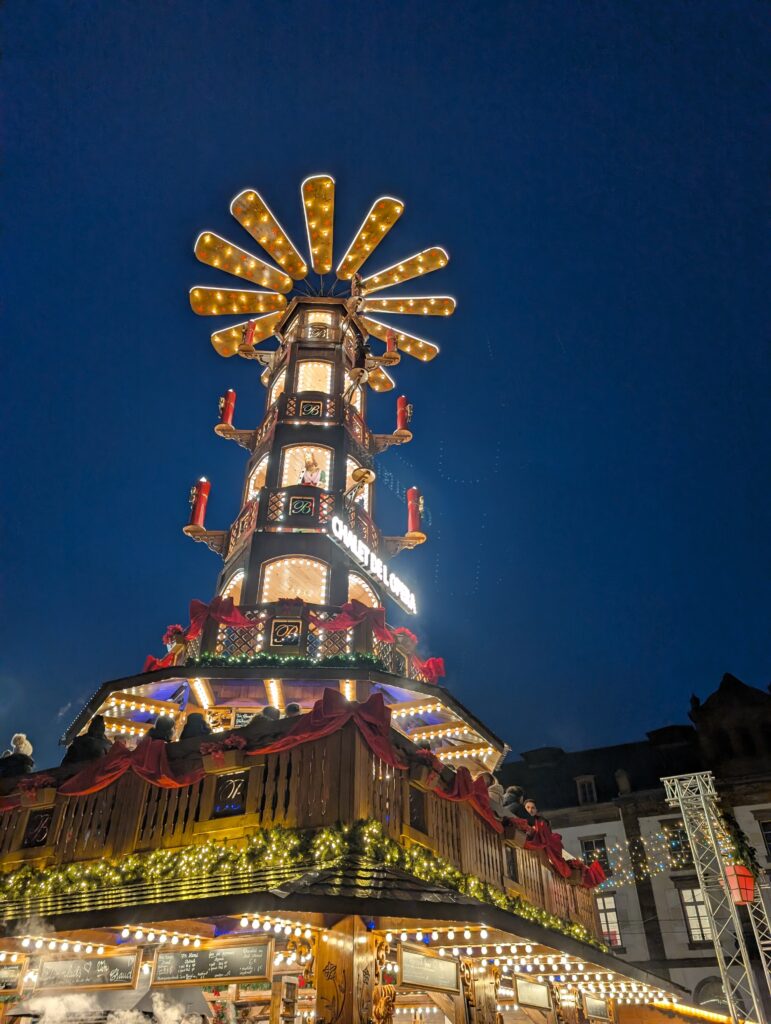
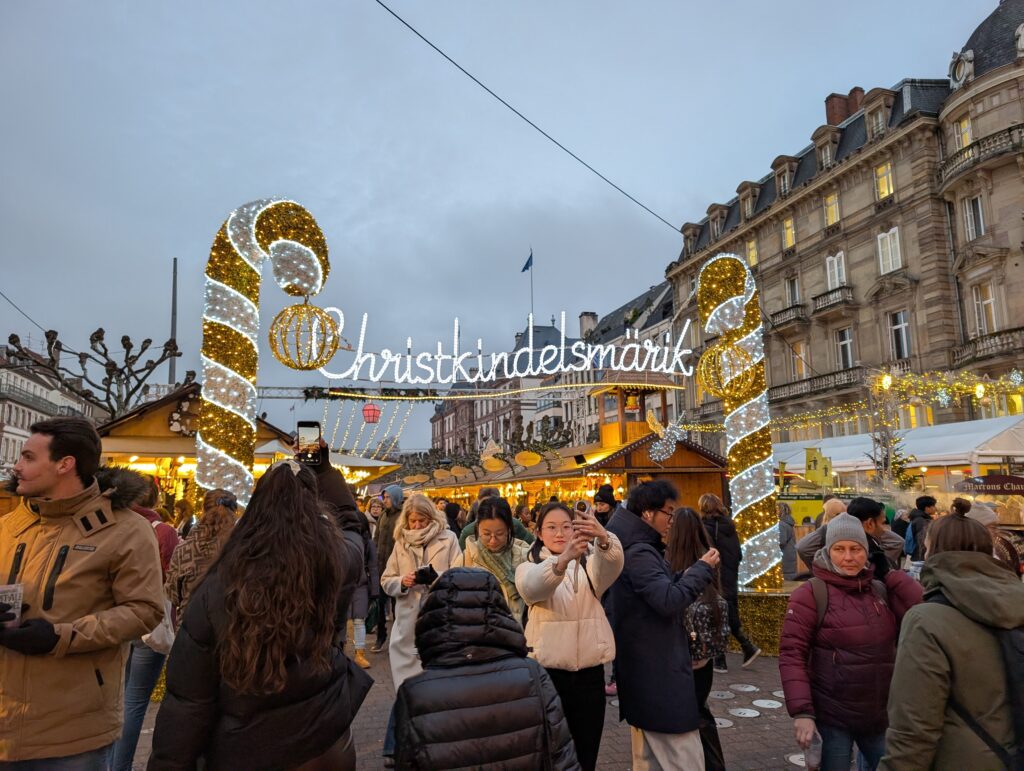
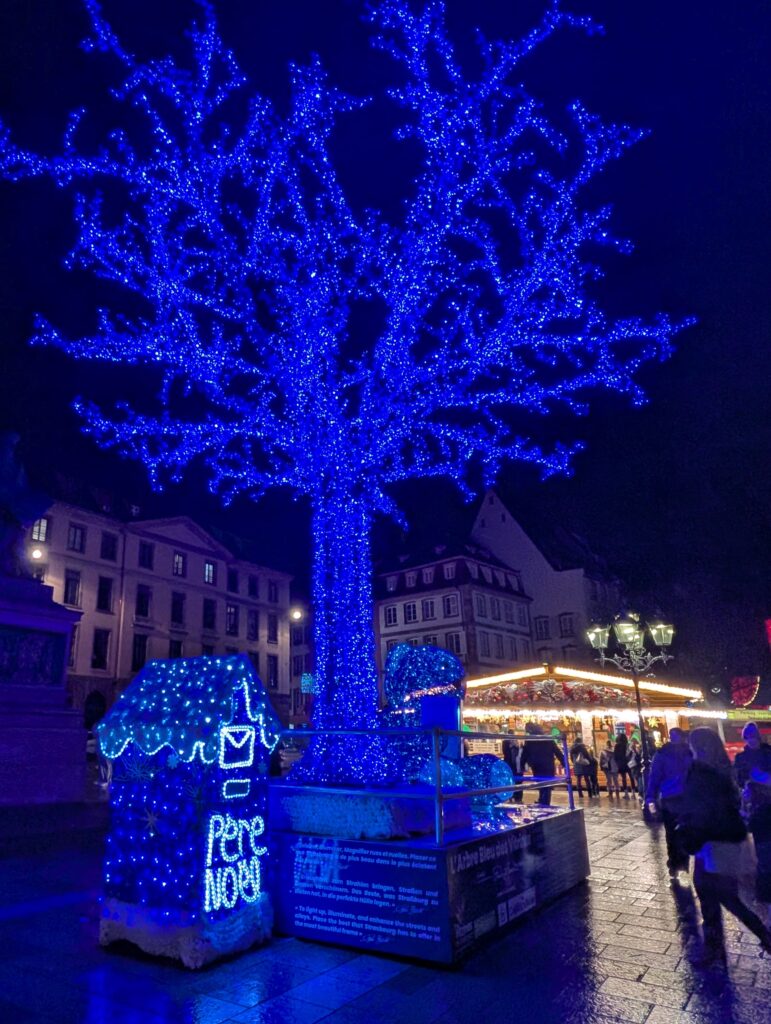
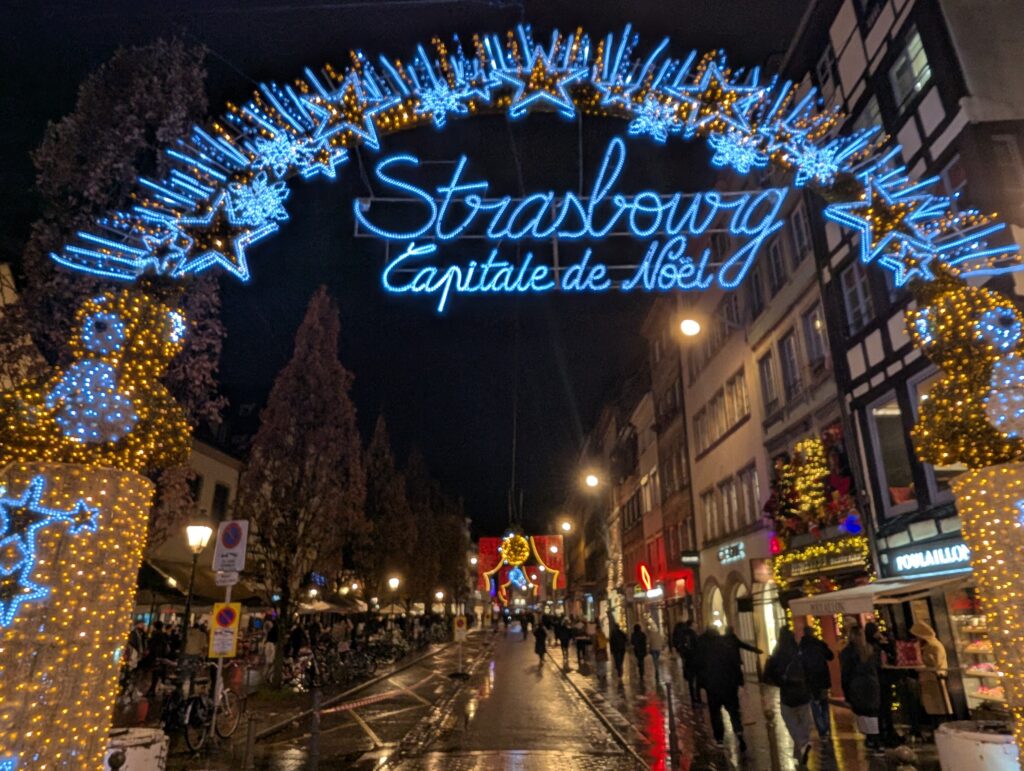
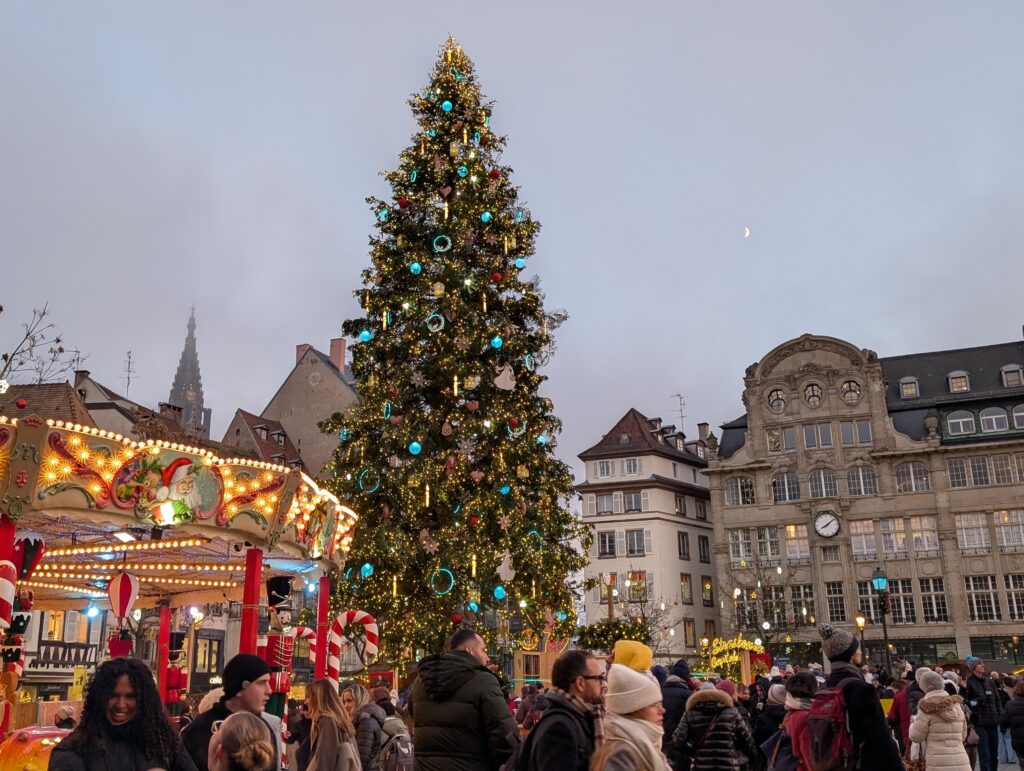
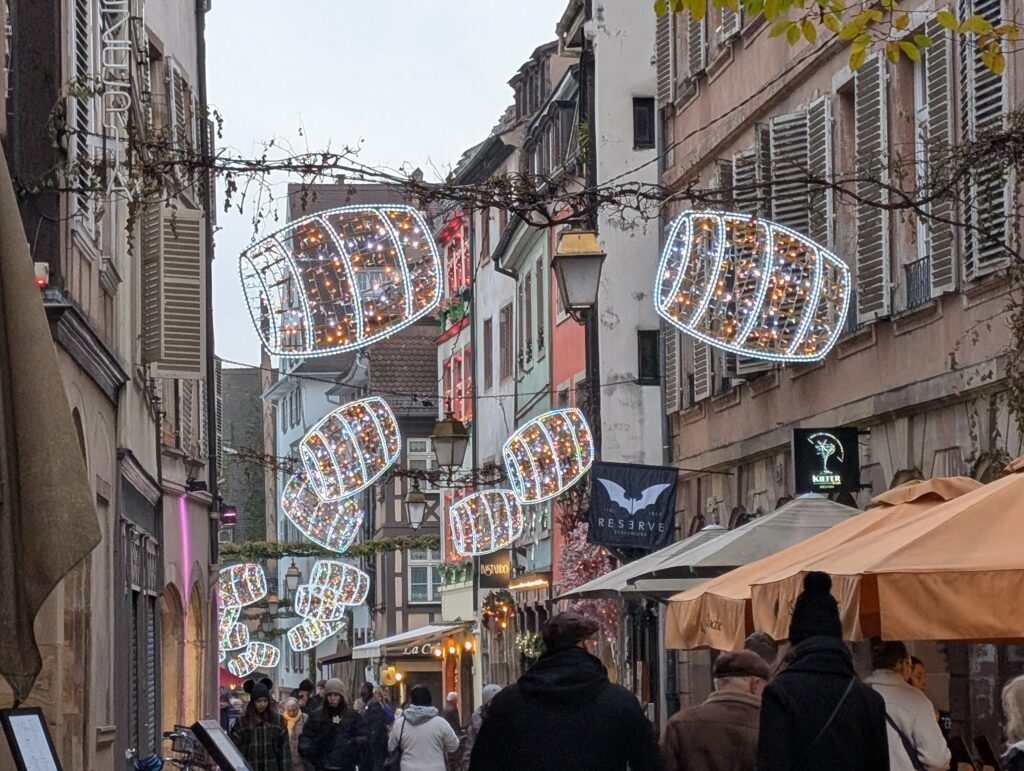
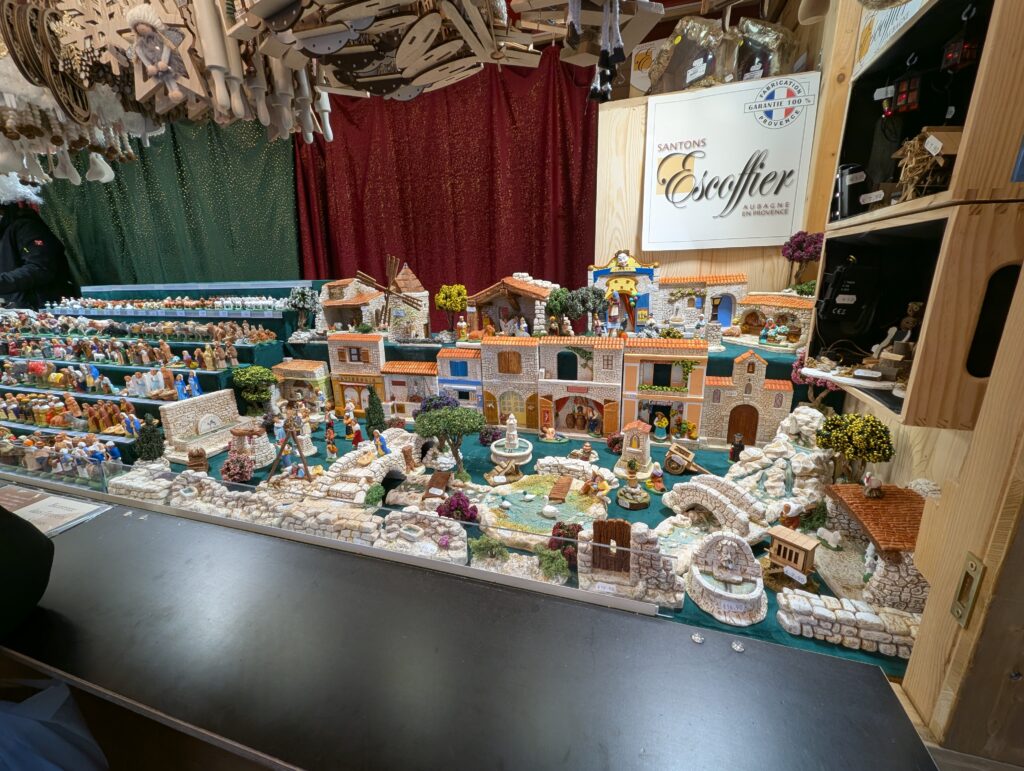
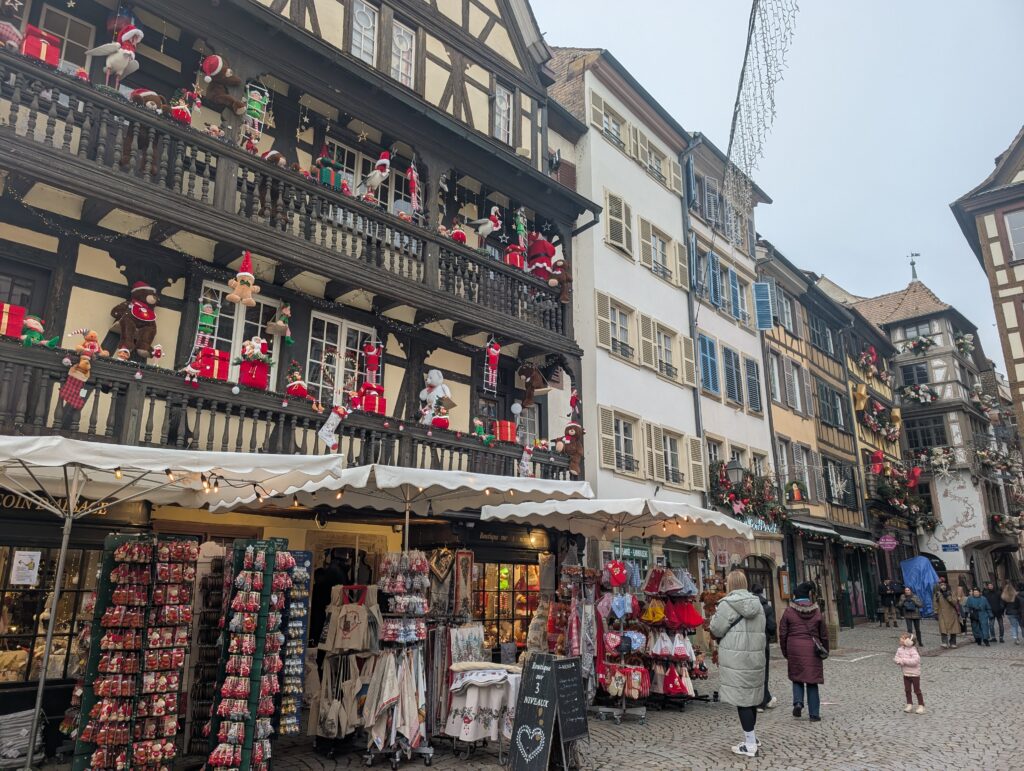
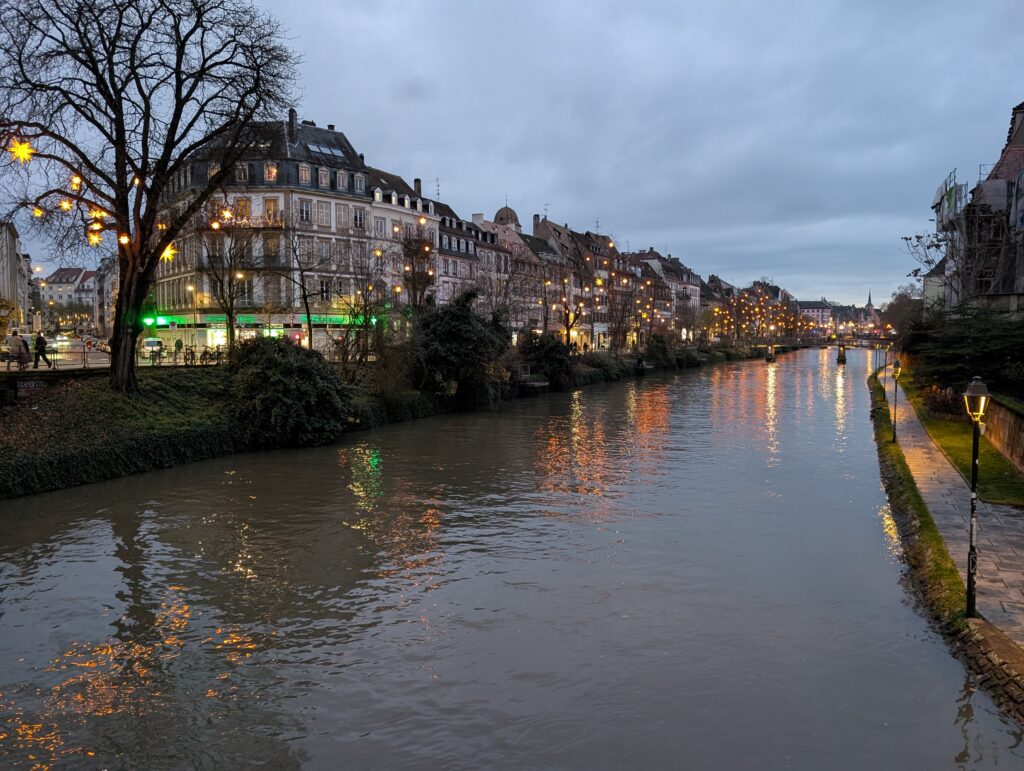
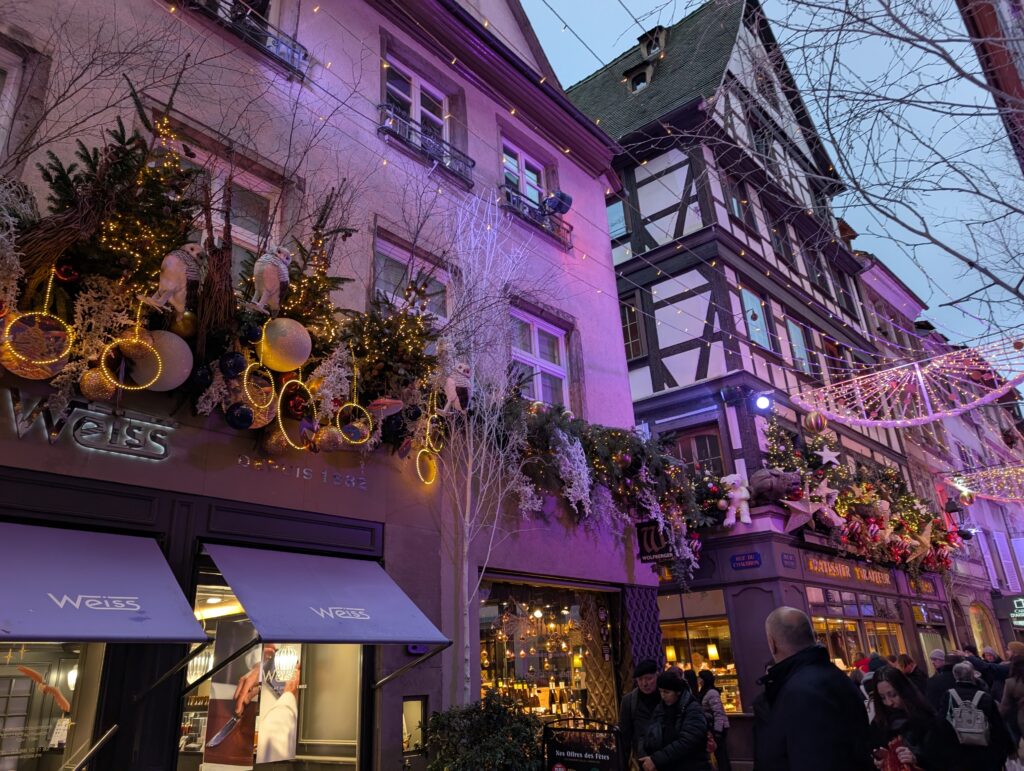
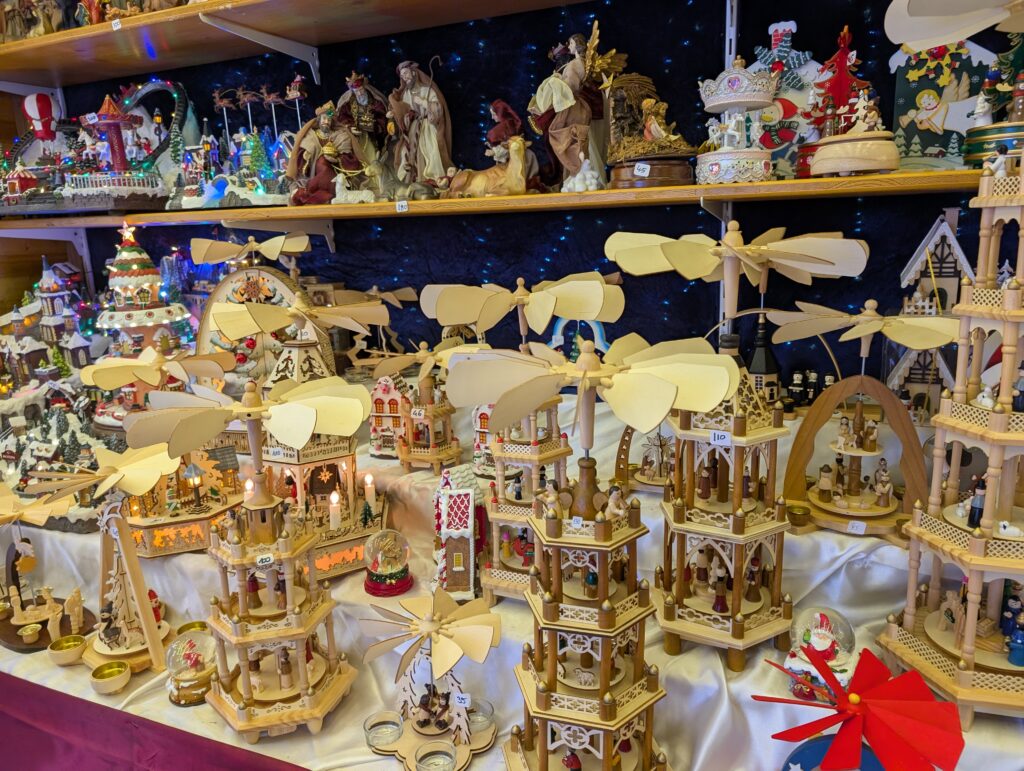
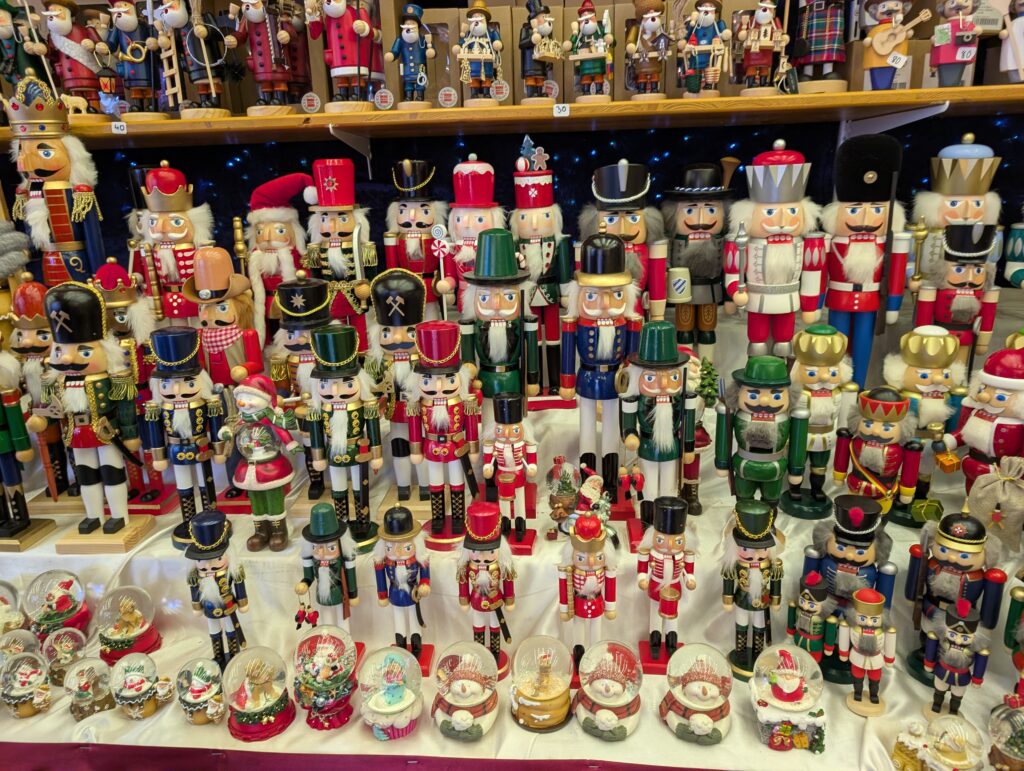
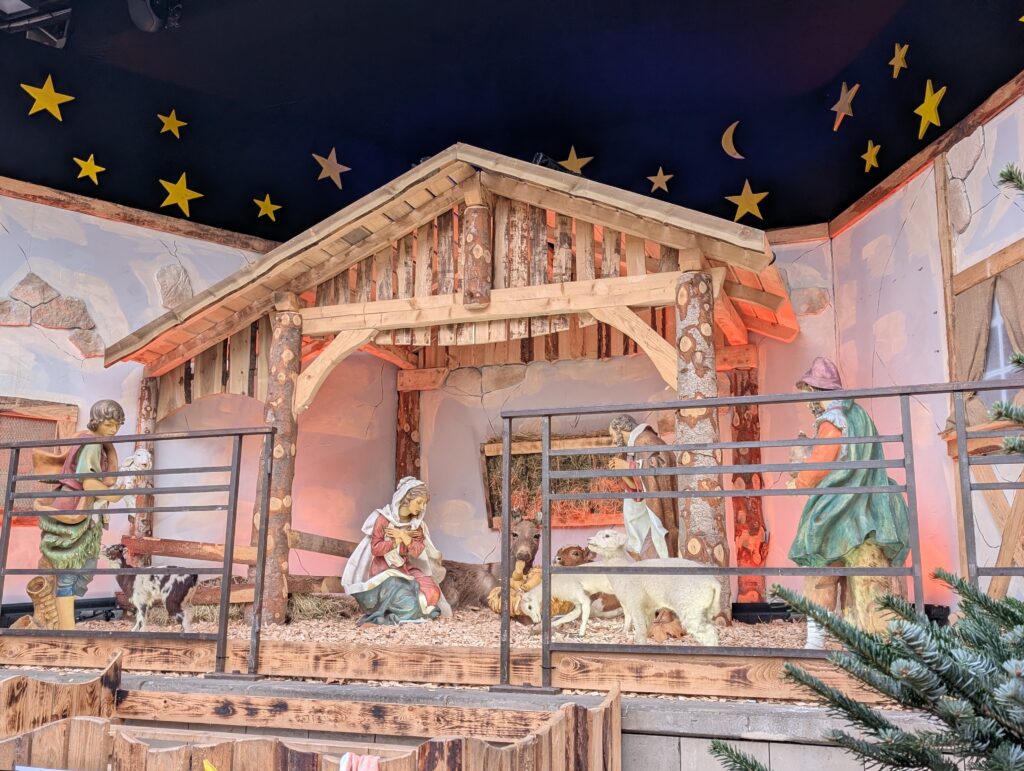
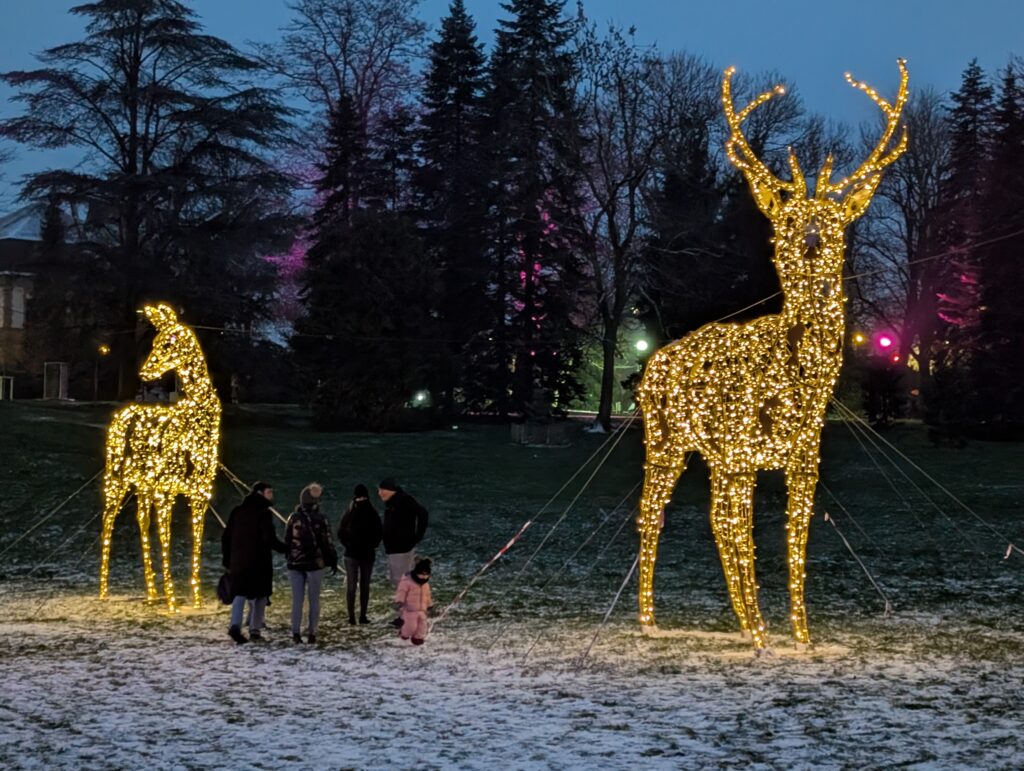
Of course, I always love to see all the Christmas lights and decorations.
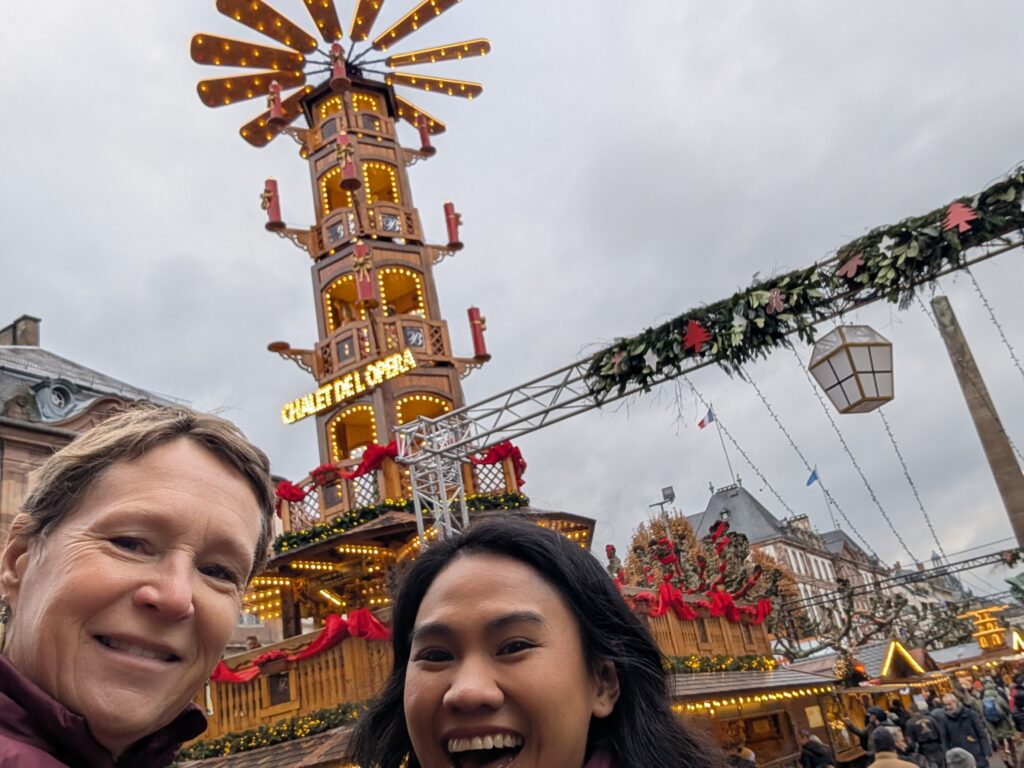
The best part was meeting a new friend when I arrived at the hostel. Recy Ann is from the Philippines and living in Spain. She was so fun to tour the markets together! She also has a better sense of direction than I do and did research before arriving!
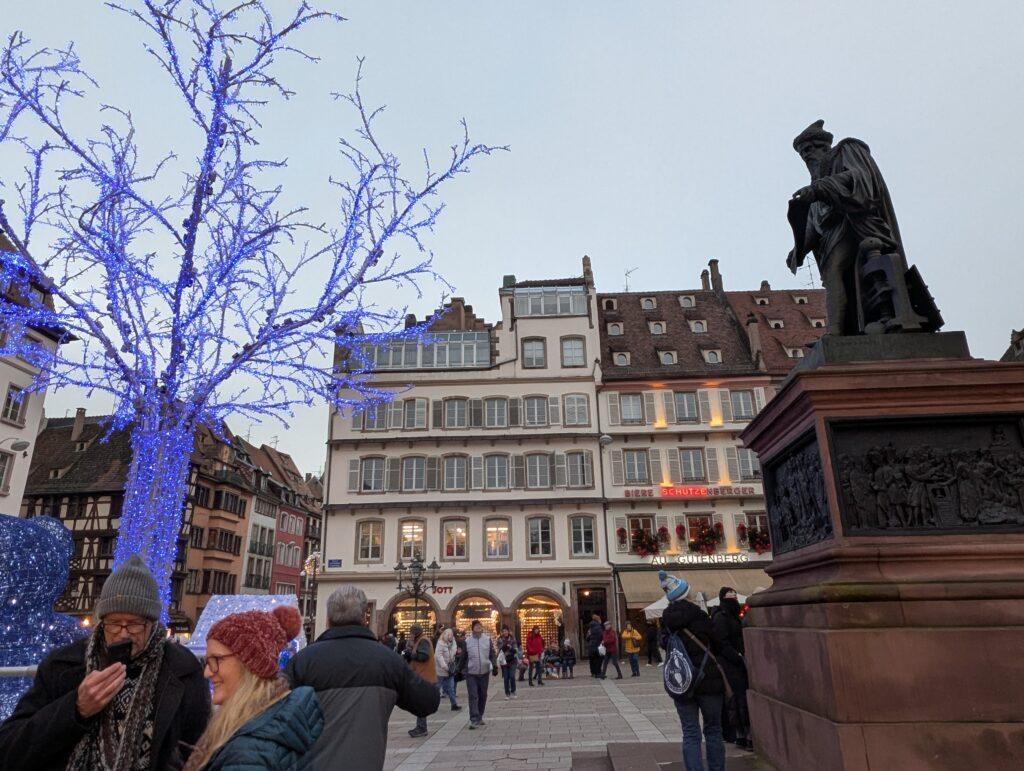
Statue to Gutenberg.
Now off to Baden Baden, the place where my family came from (learned from DNA testing several years back).
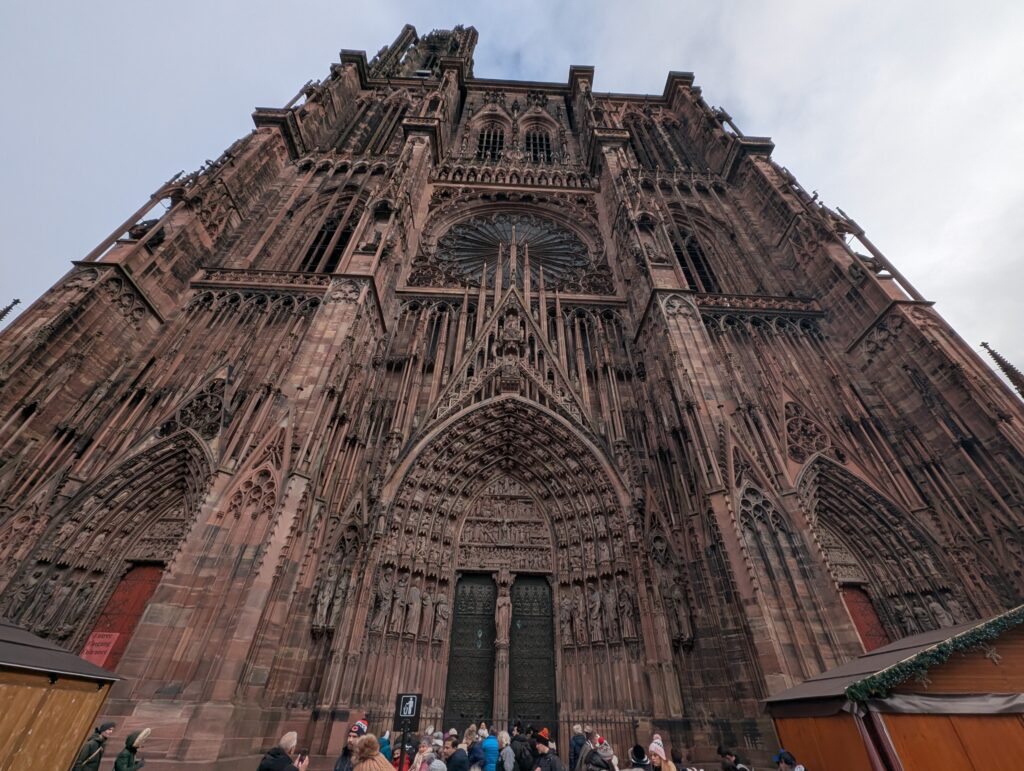
Strasbourg is in the Northeast part of France right near the German border. It is in the Alsace region of France. It is known for its Christmas market, beautiful buildings, and food that is a cross of French and German. Particularly tarte flambee which is a thin crust with cream, onions, and bacon and choucroute garne which is sauerkraut with meats.
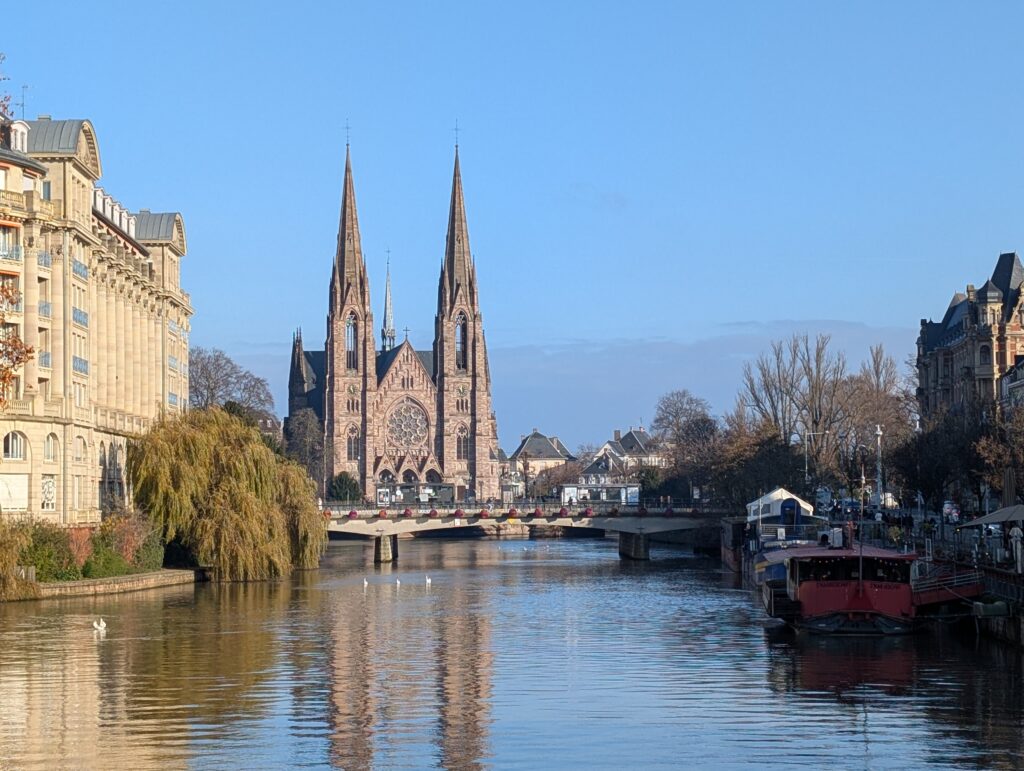
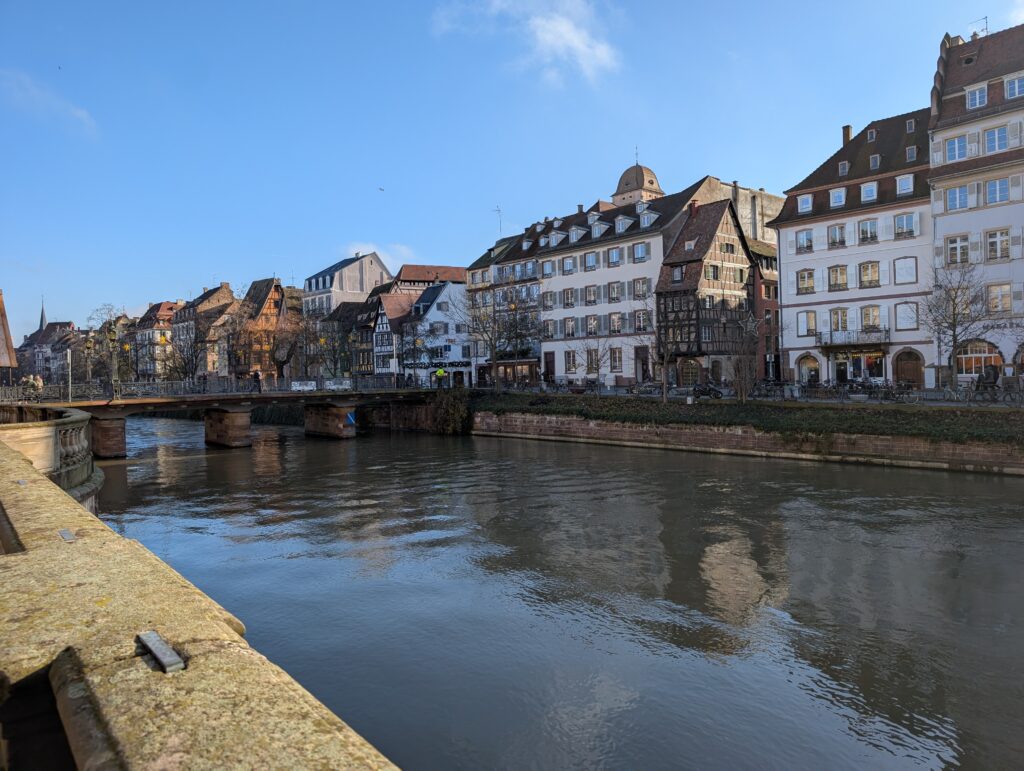
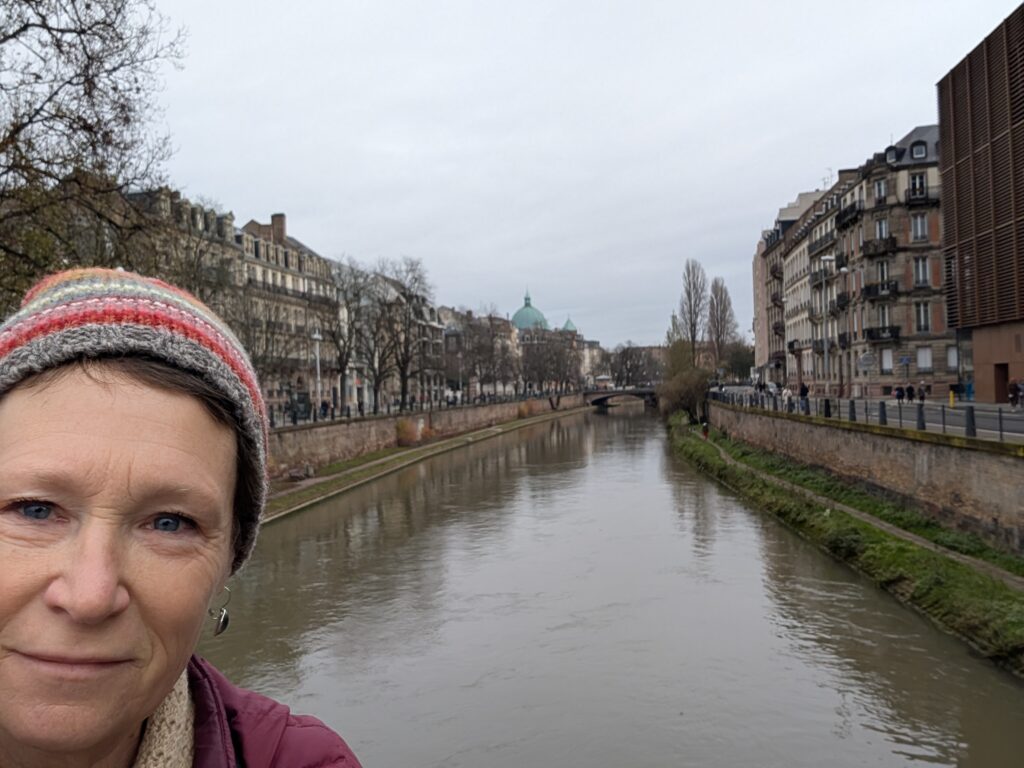
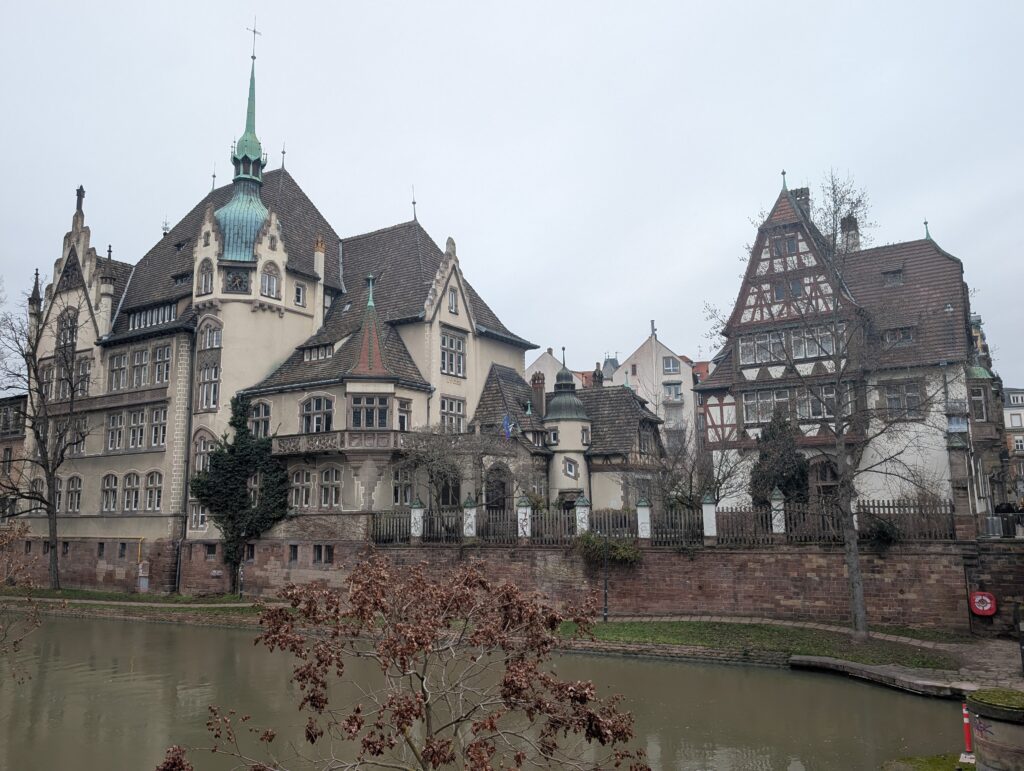
I enjoyed walking around the River Ill and seeing the various buildings while searching for the Christmas markets. I love that a retired person ticket at the Palais Rohan was 8 euros and included 4 different museums there.
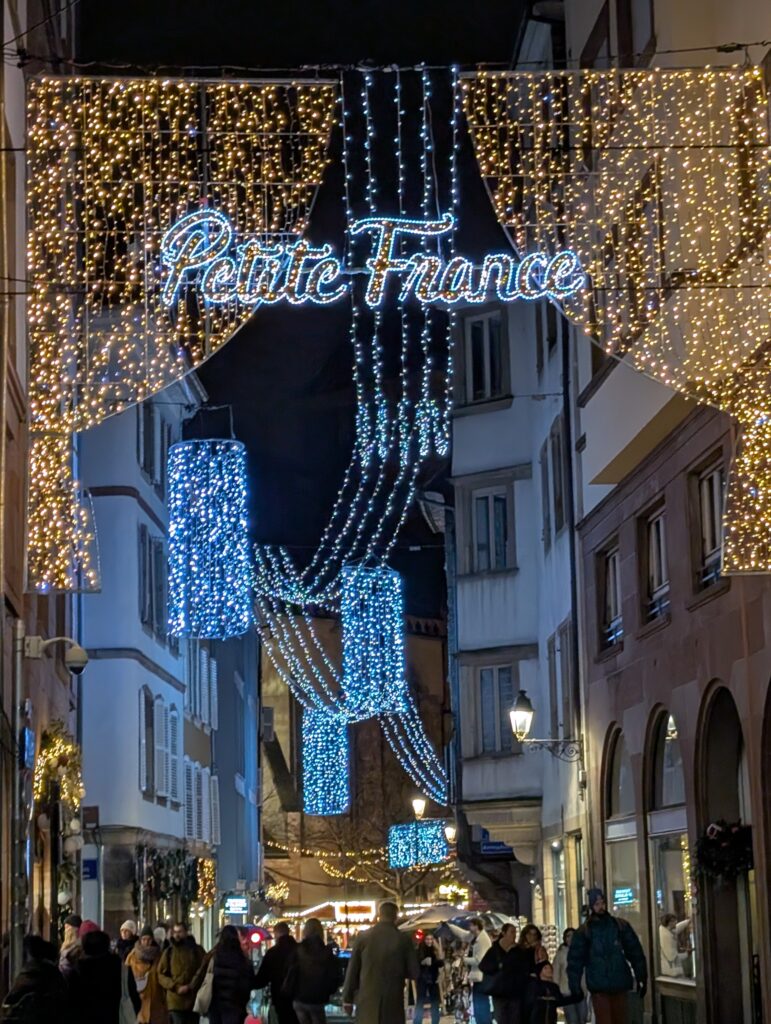
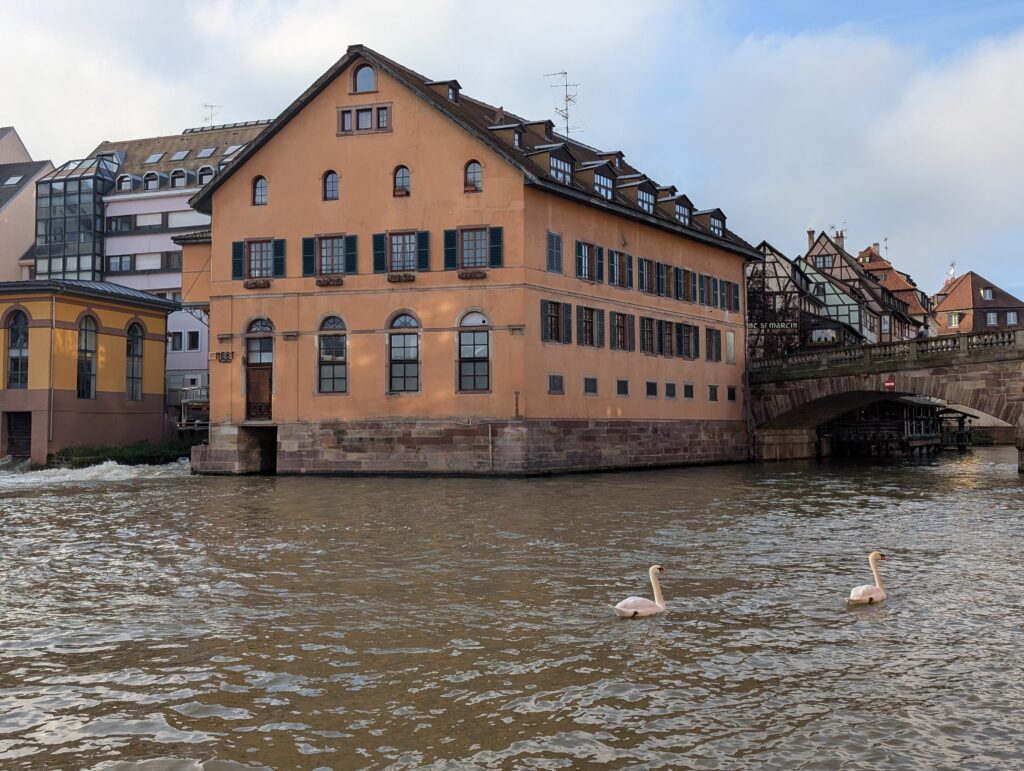
This is the area of La Petit France, a beautifully preserved old historic town.
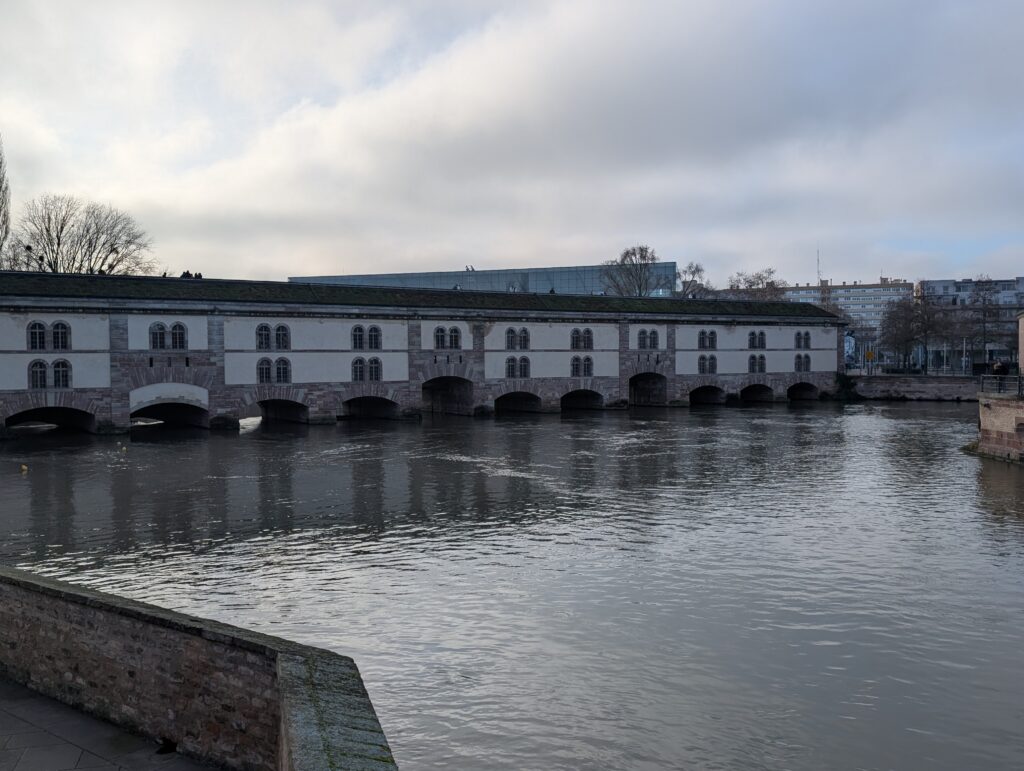
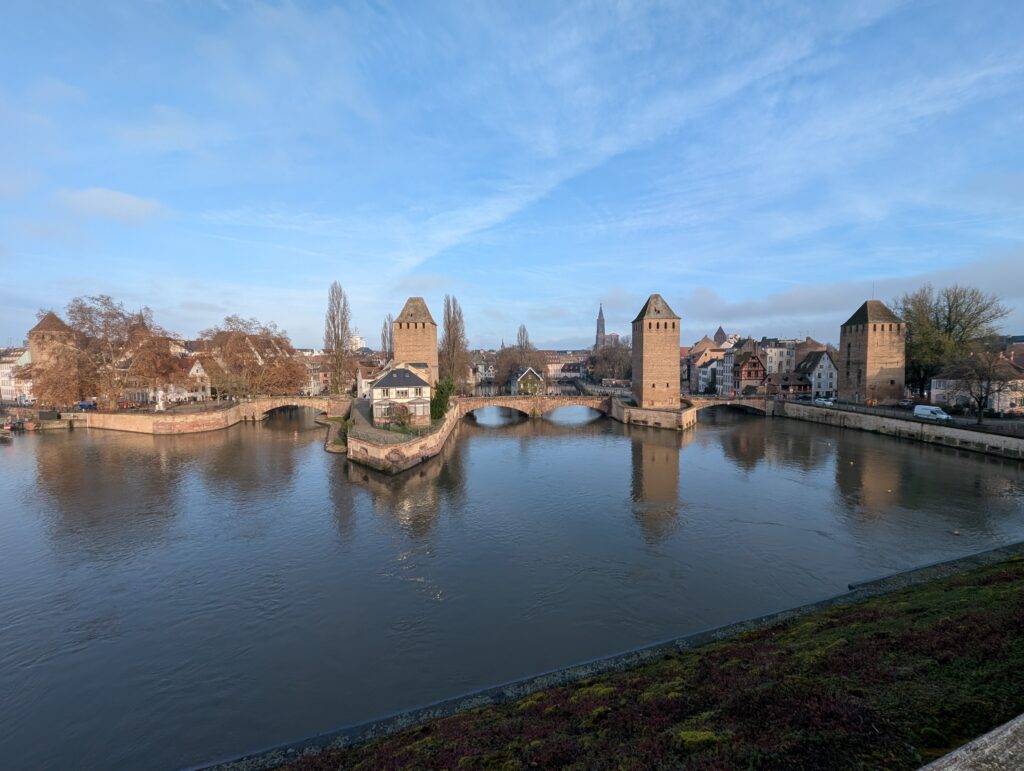
This is Barrage Vaughan, a historic defensive structure in Strasbourg, located on the River Ill at the end of La Petite France. Built in the 1680s by the military engineer Vauban (under Louis XIV), it served as a flood defense: in case of attack, the gates could be closed to intentionally flood the southern entrance to the city, making it harder for enemies to advance. It has a rooftop panoramic terrace with stunning views of the Ponts Couverts (lookout towers with gun and archery slits).
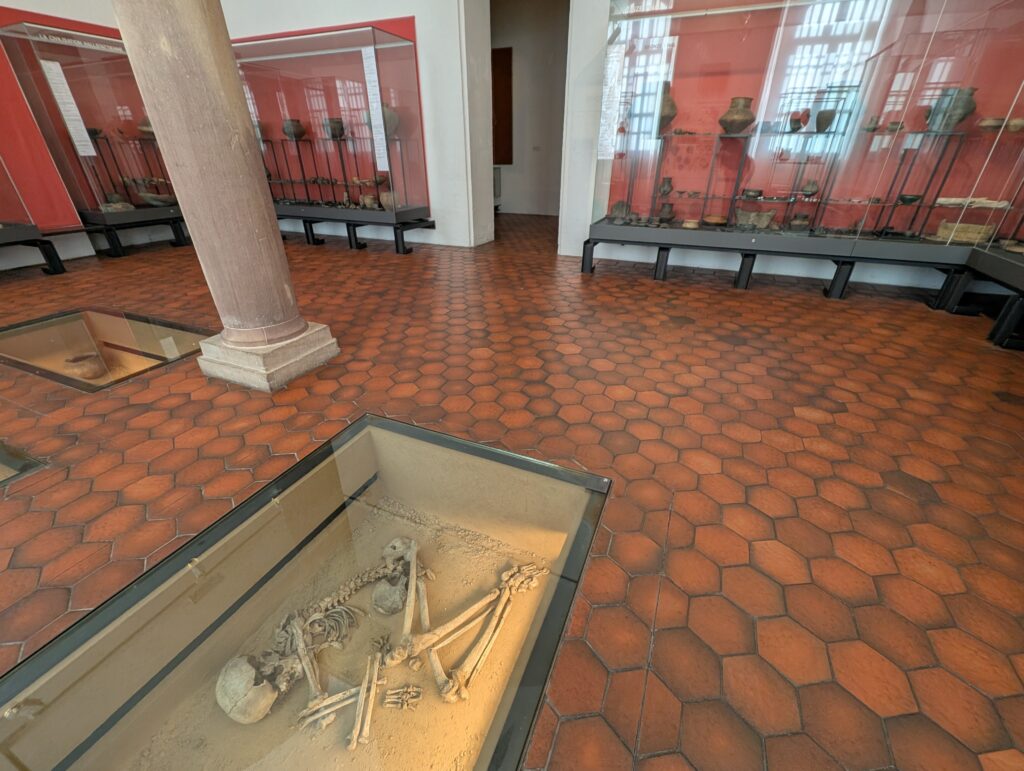
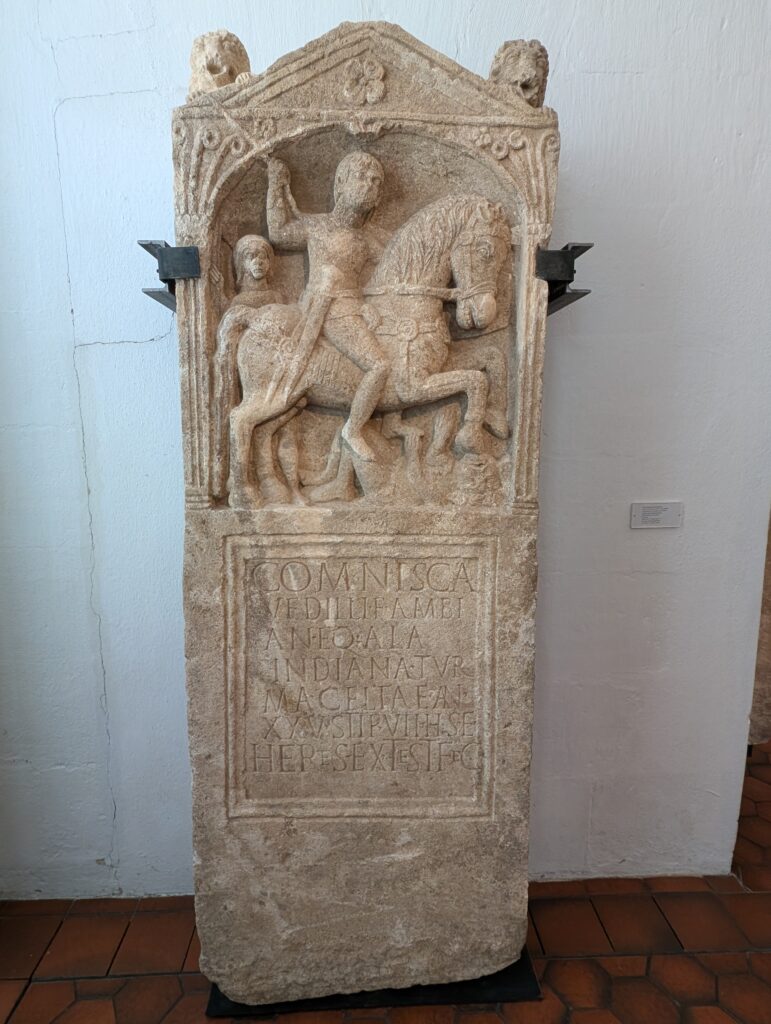
The museum featured Roman and Gallic history of the area even how Neil this burial sites changed with respect to artifacts and even the positioning of the bodies. Early neolithic they are laying on the side in a fetal position. In late neolithic they are laying on the back with arms crossed in front. Interesting.
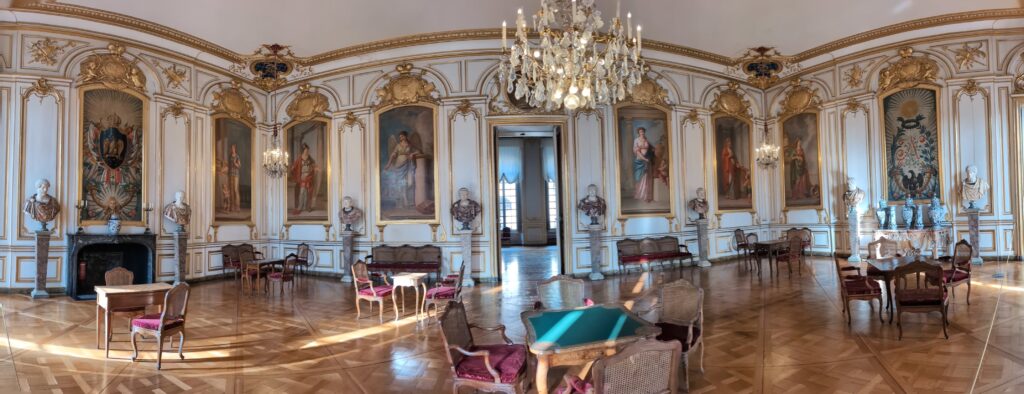
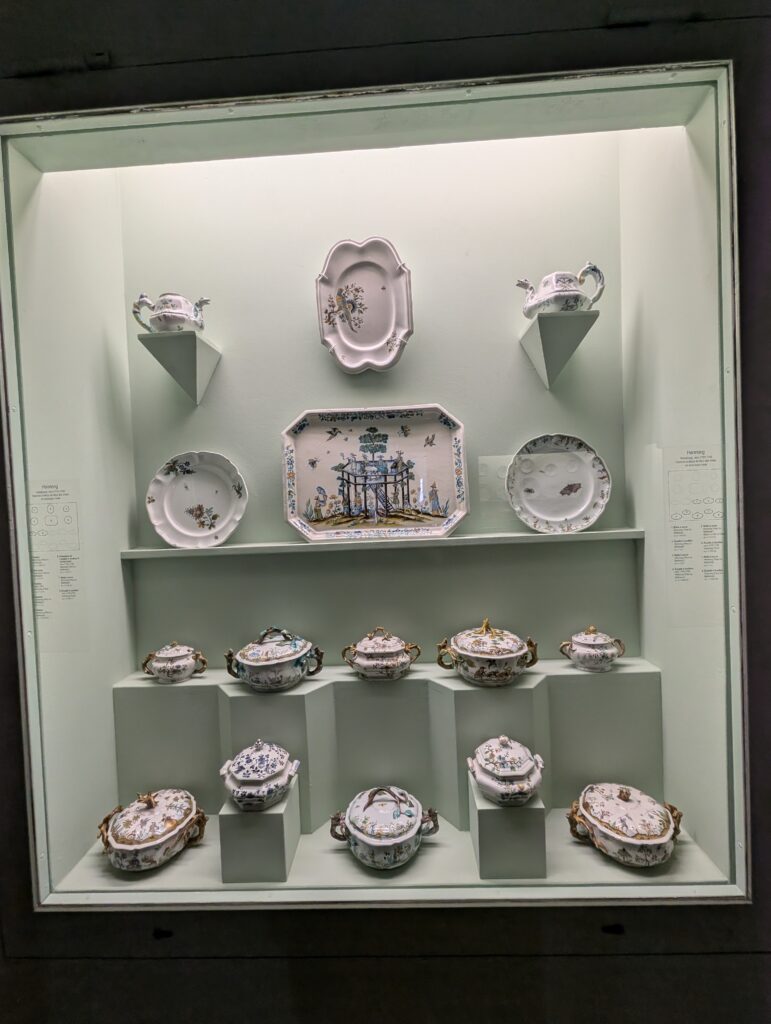
Palais Rohan or the Roman Palace that saw visitors such as Louis XIV, Marie Antoinette, and Emperor Napoleon.
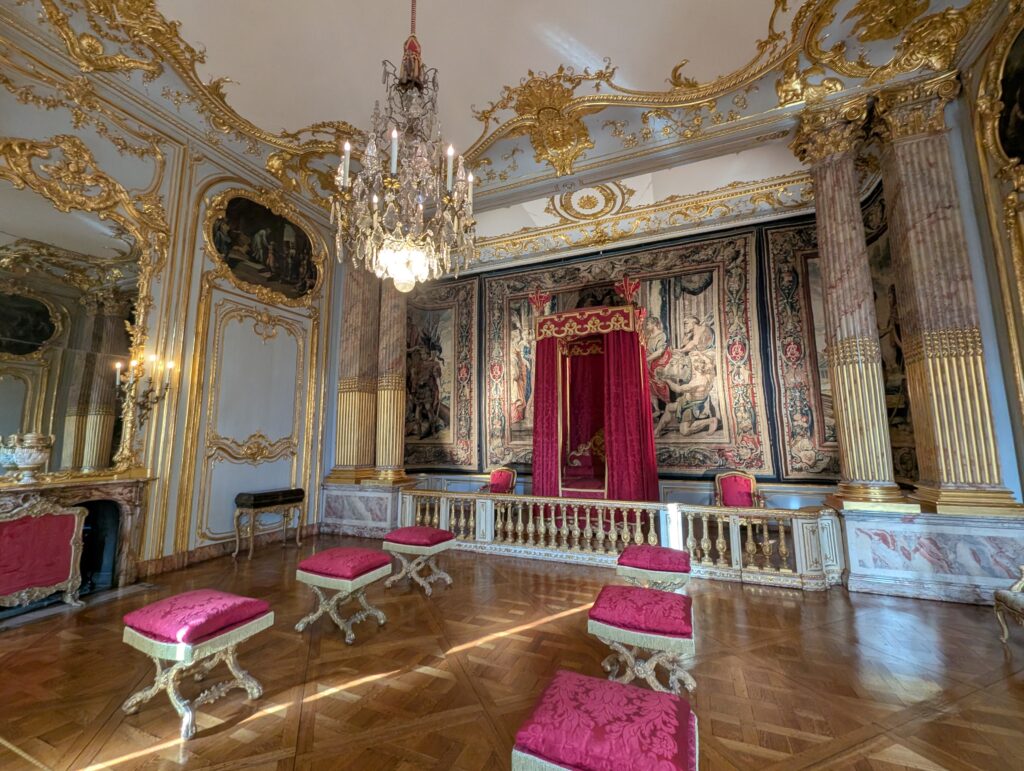
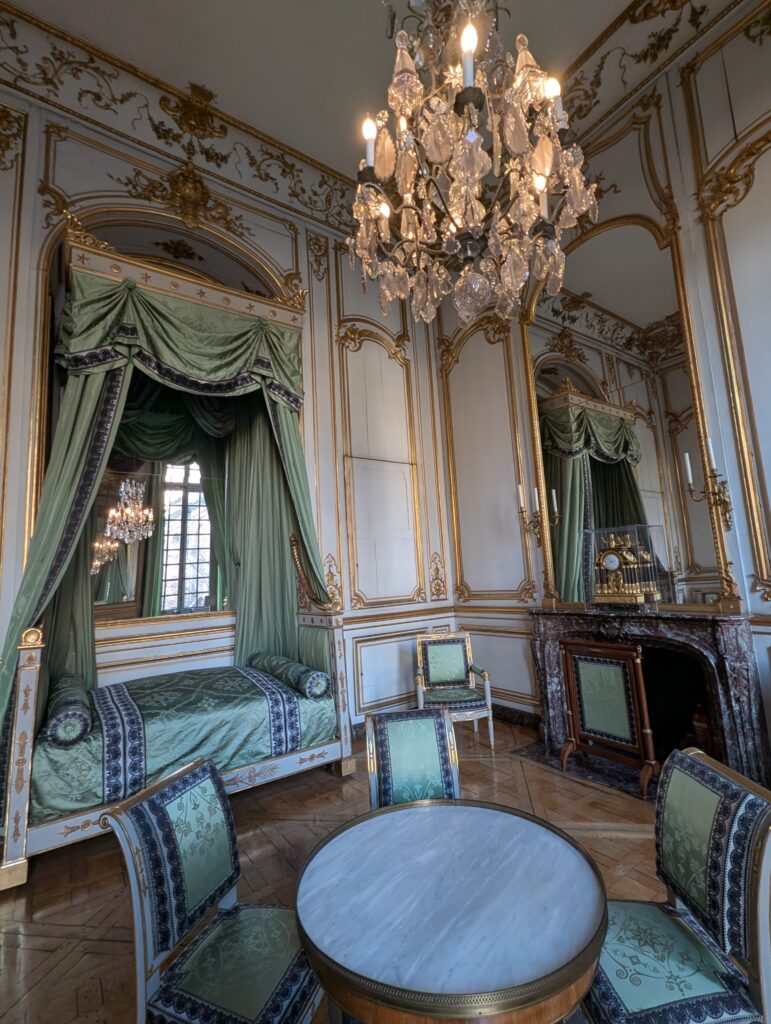
Kings bedchamber.
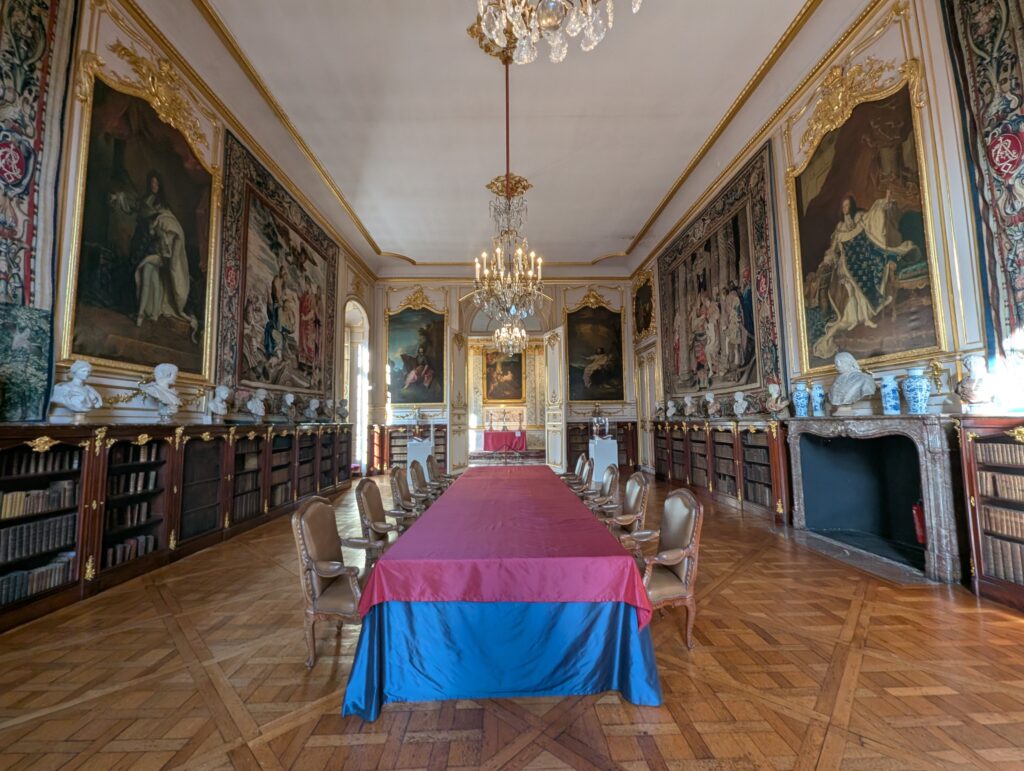
Library. The double doors at the end are mirrored and when opened extend the chapel into the library and acting as a nave.
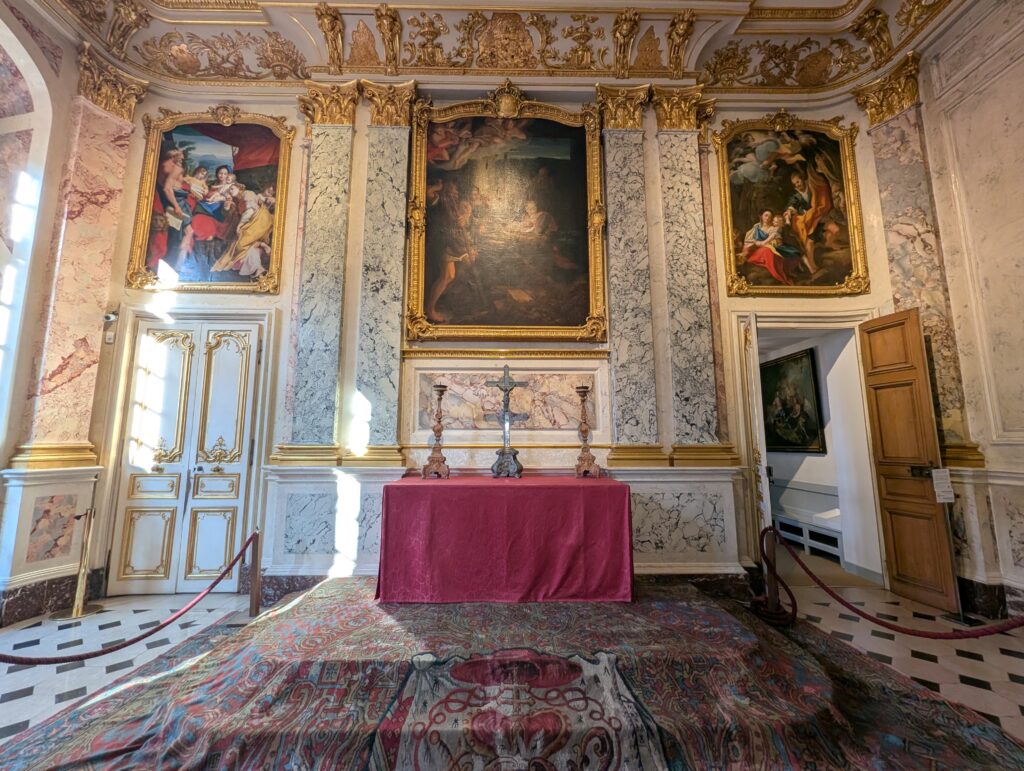
The chapel.
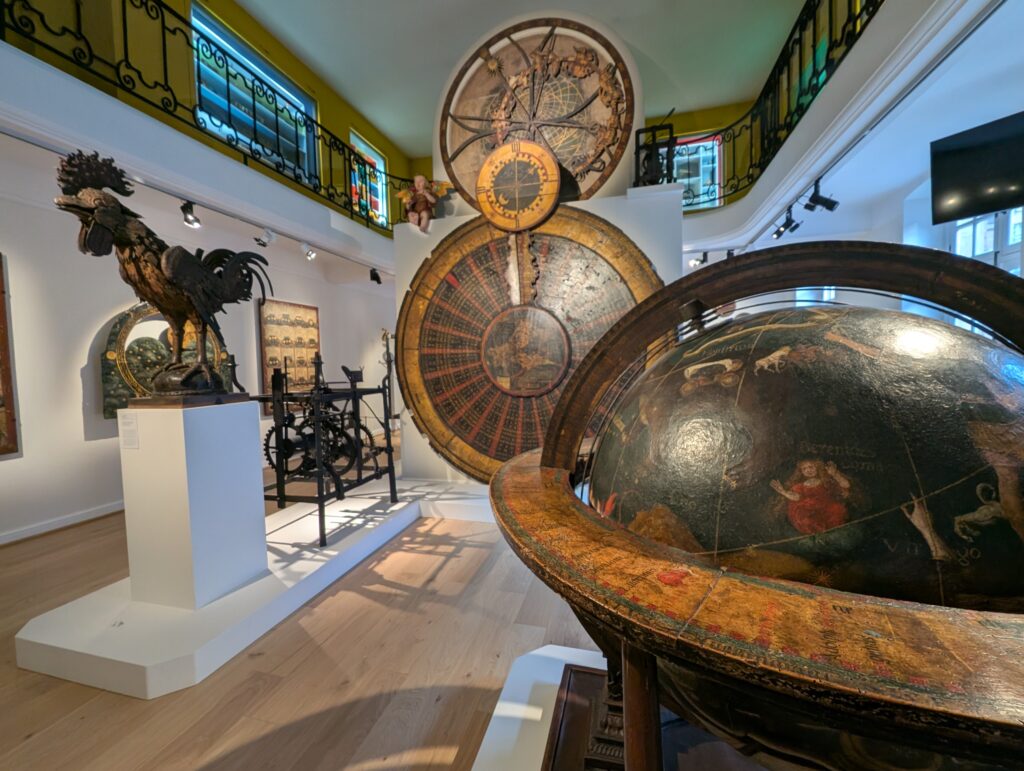
This is an astronomical clock at the back of the picture. It had an impressive amount of workings behind the face.
Bedchamber of Napoleon.
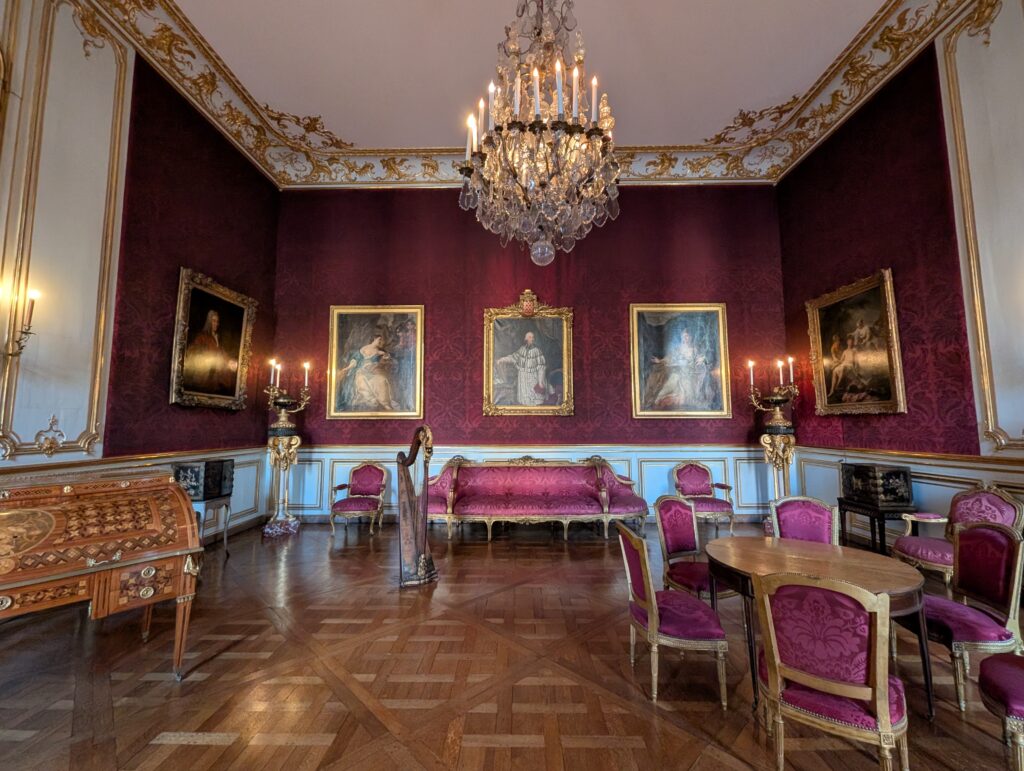
Napolean’s morning room.
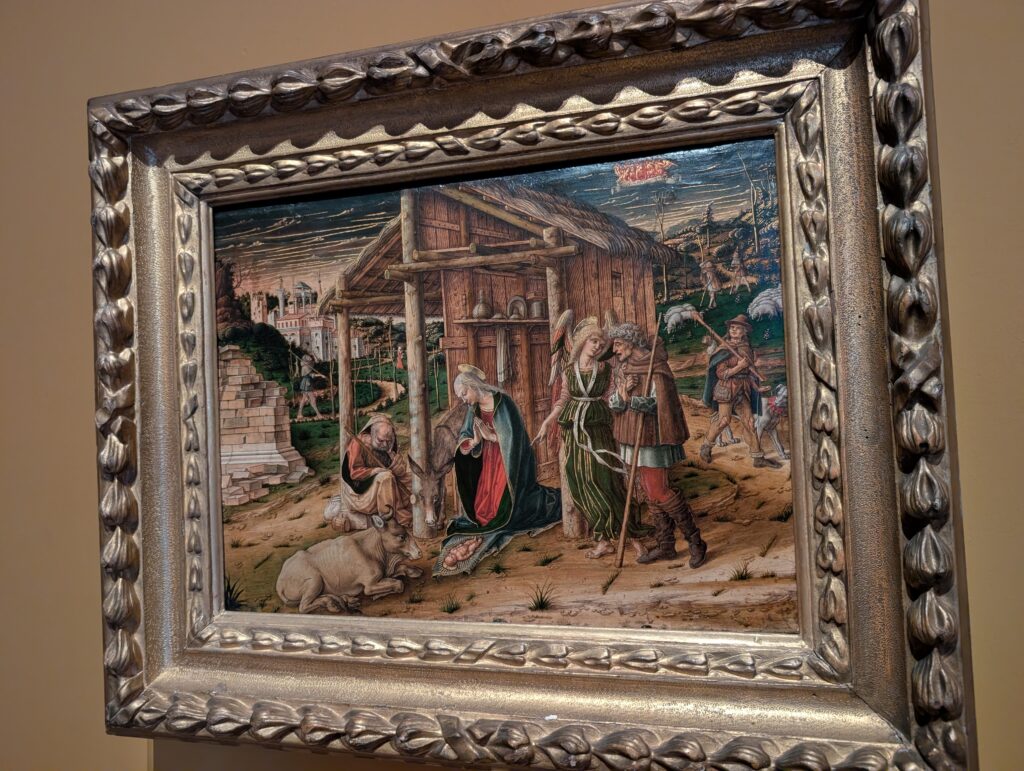
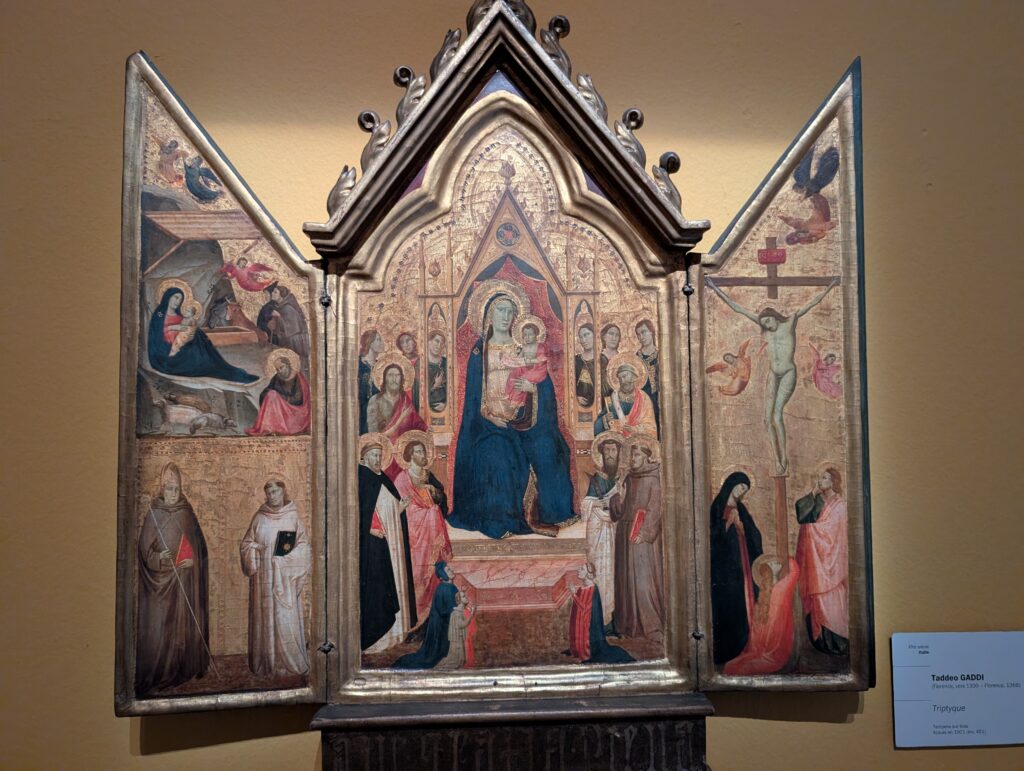
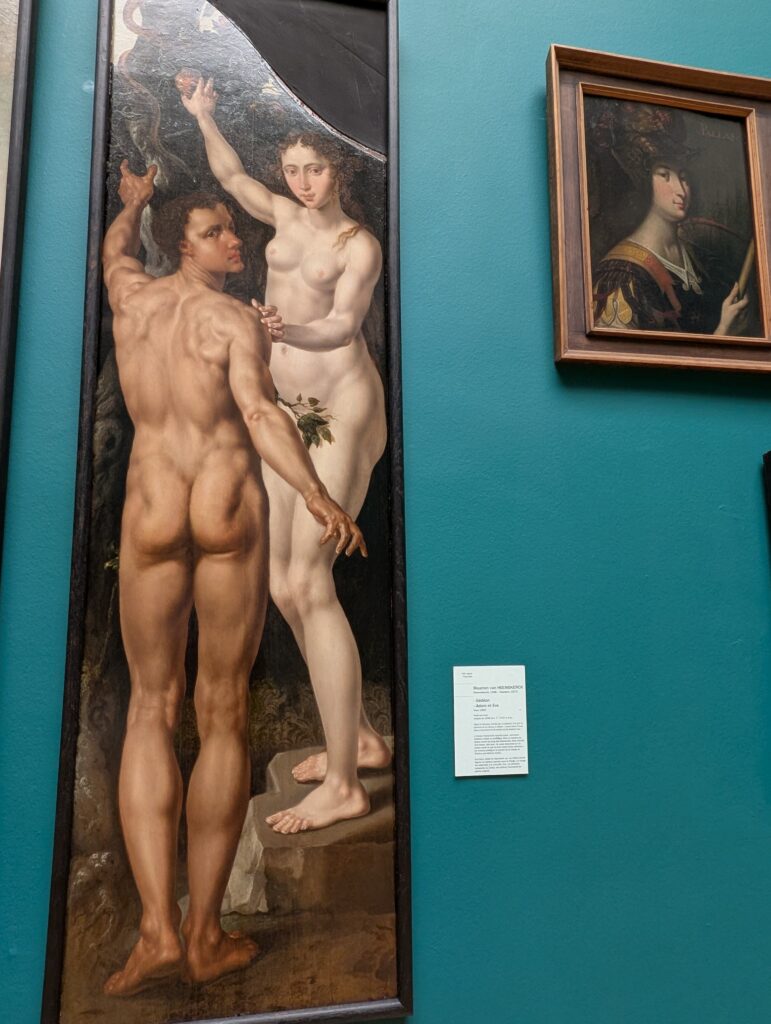
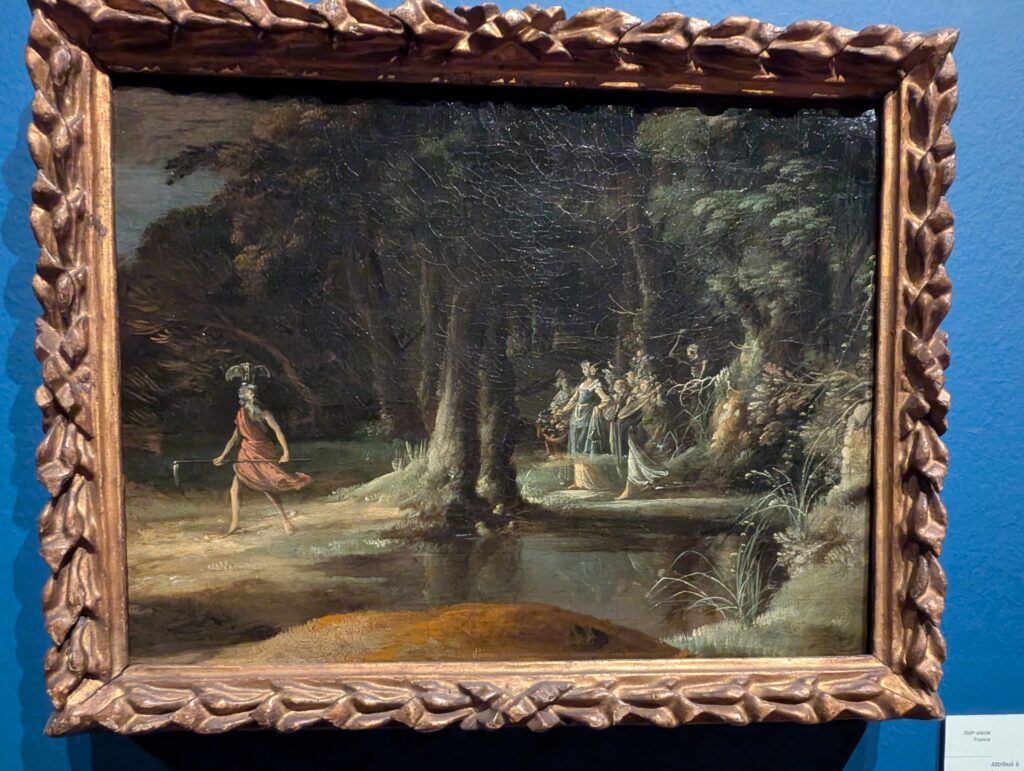
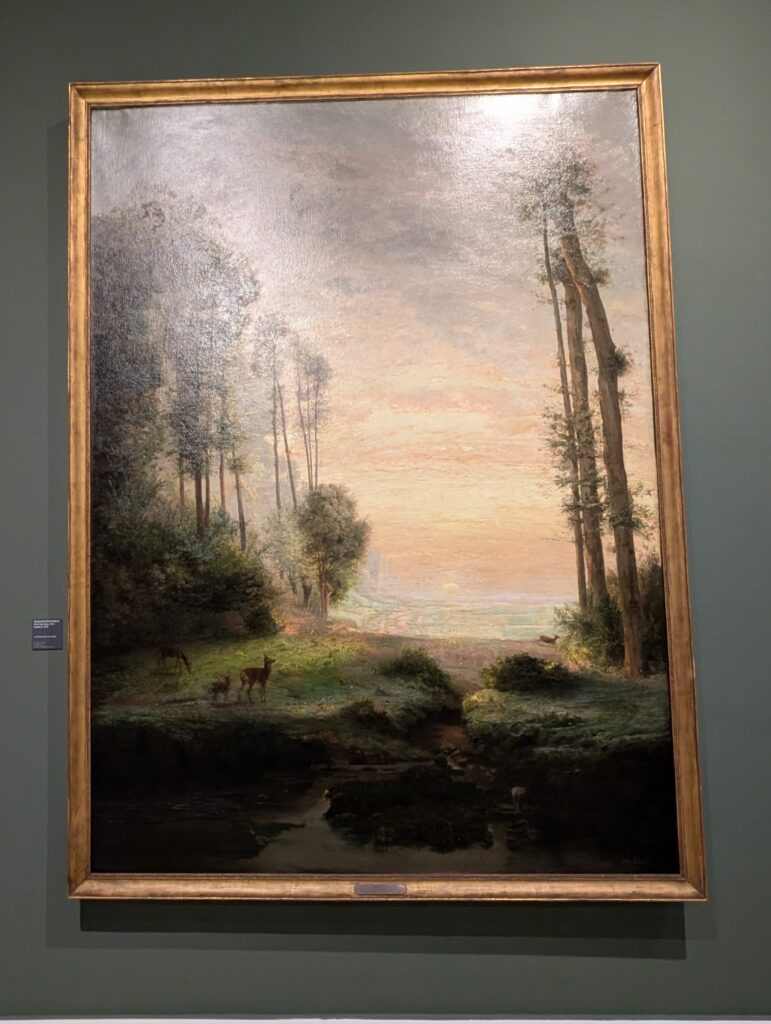
Fine art museum. these paintings date back from the 1300’s to present and covered religious, normal daily activities and portraits, and nature.
I liked this portrait as it shows a scene including death following.
Did you know buses, trains, and trams are free in Luxembourg? So cool but outside of the city finding all the information can be difficult. Some options did not show up but at least looking at the stops of other trains or buses can help you find another way to get there. After all, you don’t need to book in advance.
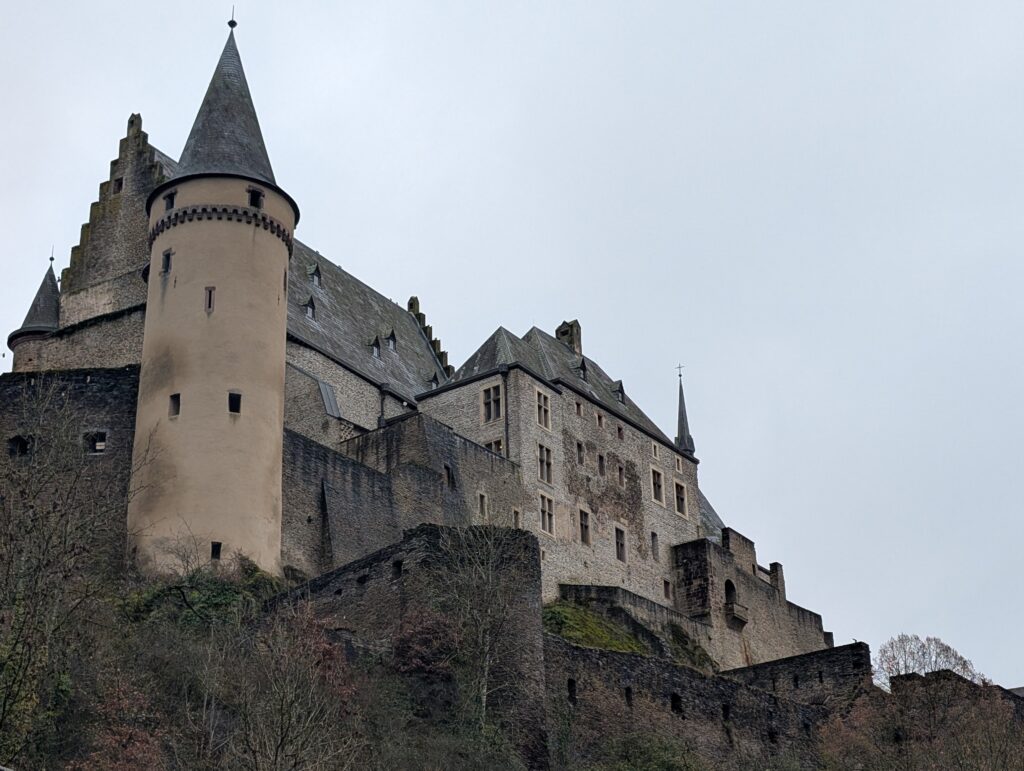
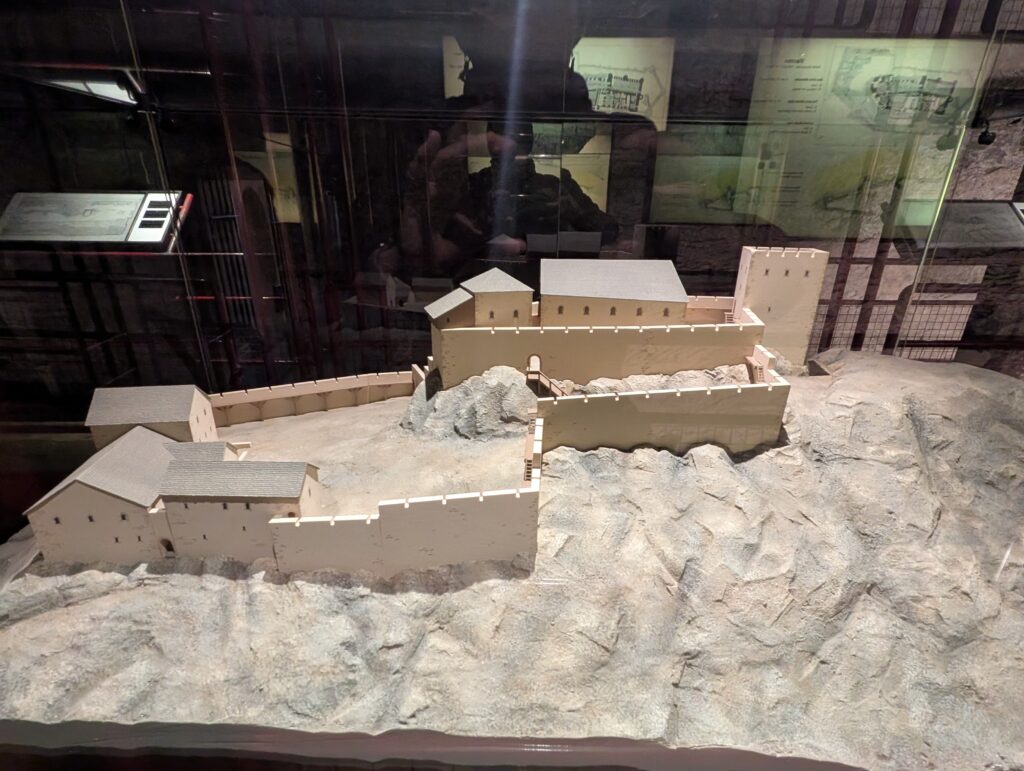
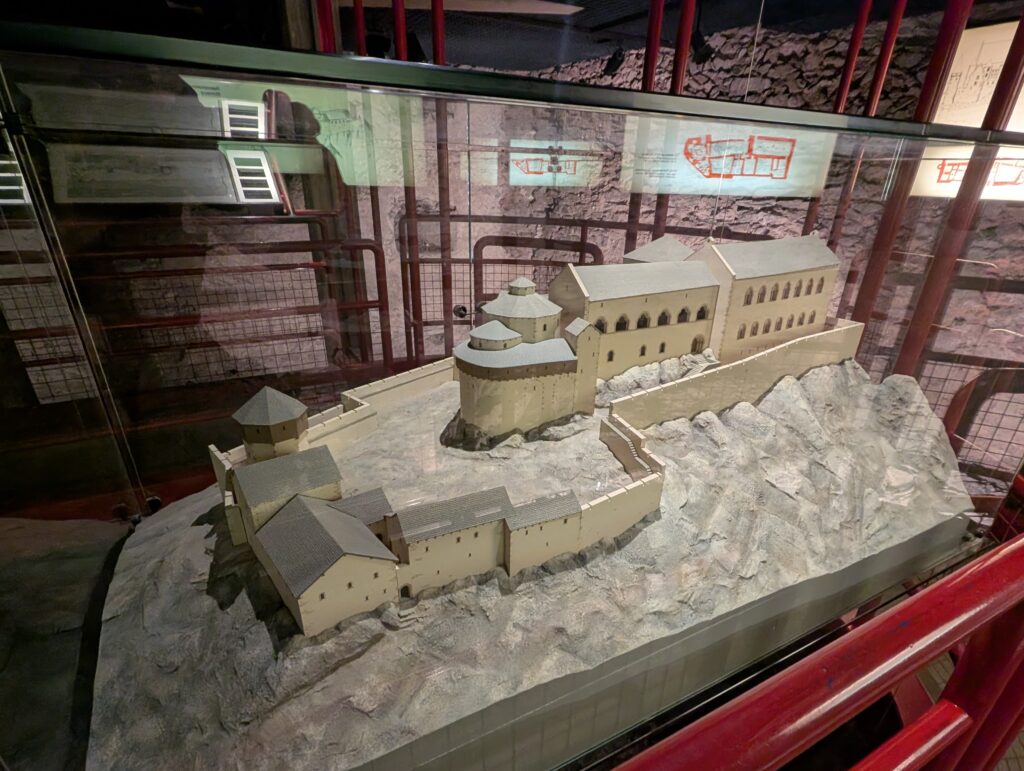
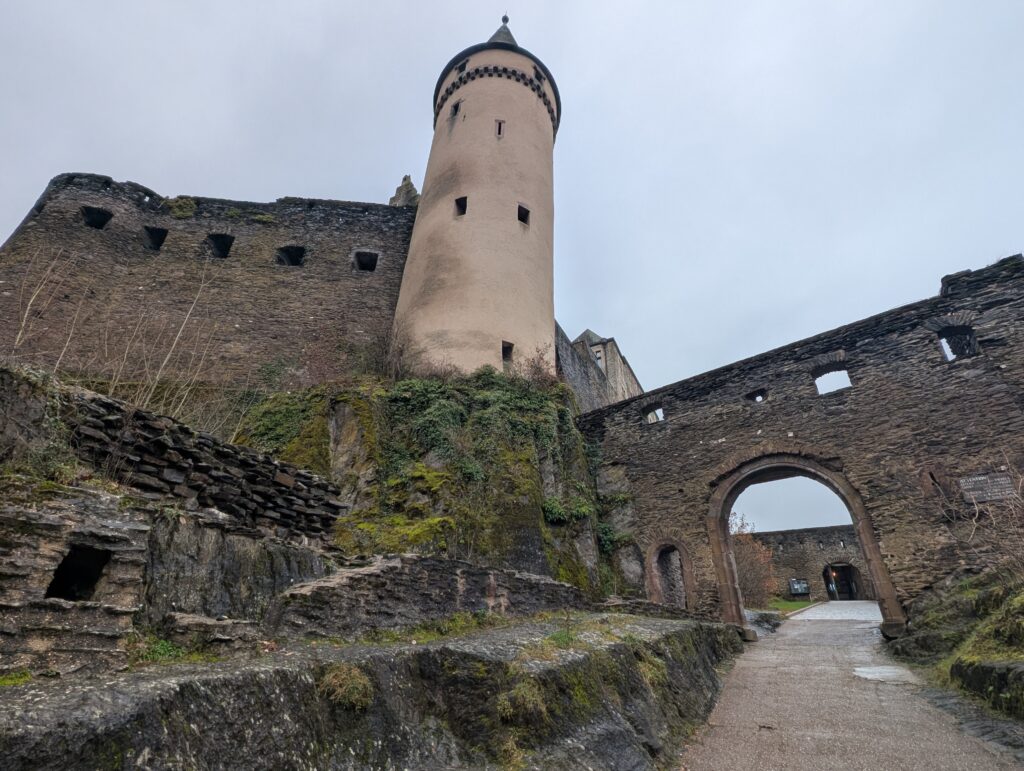
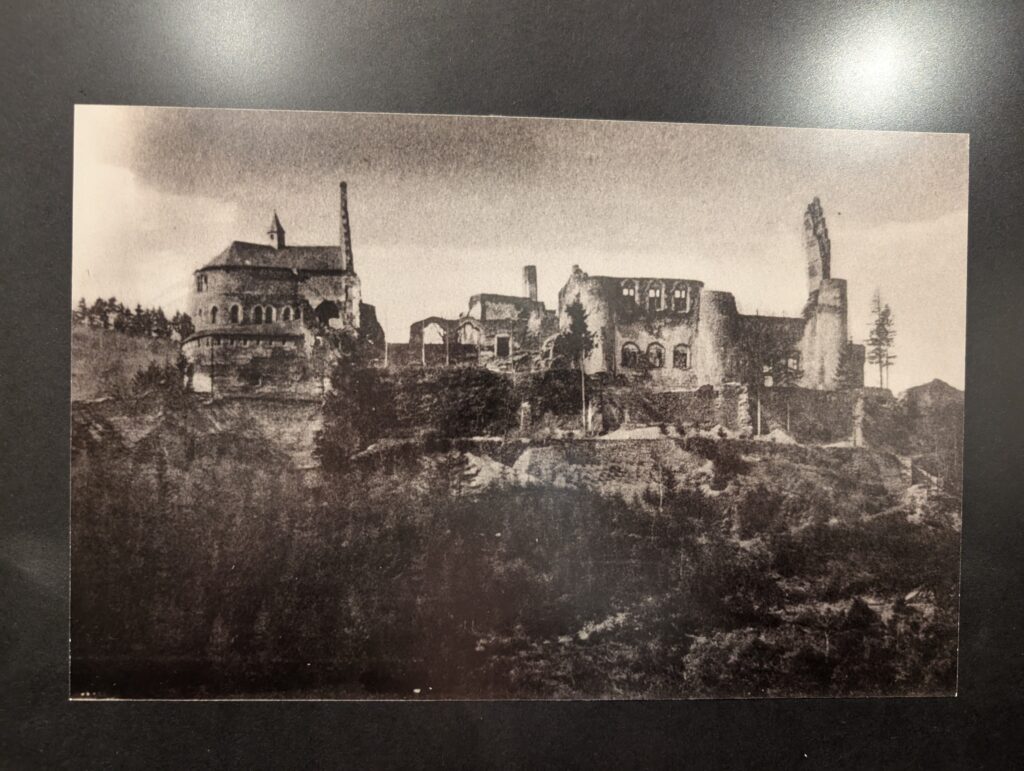
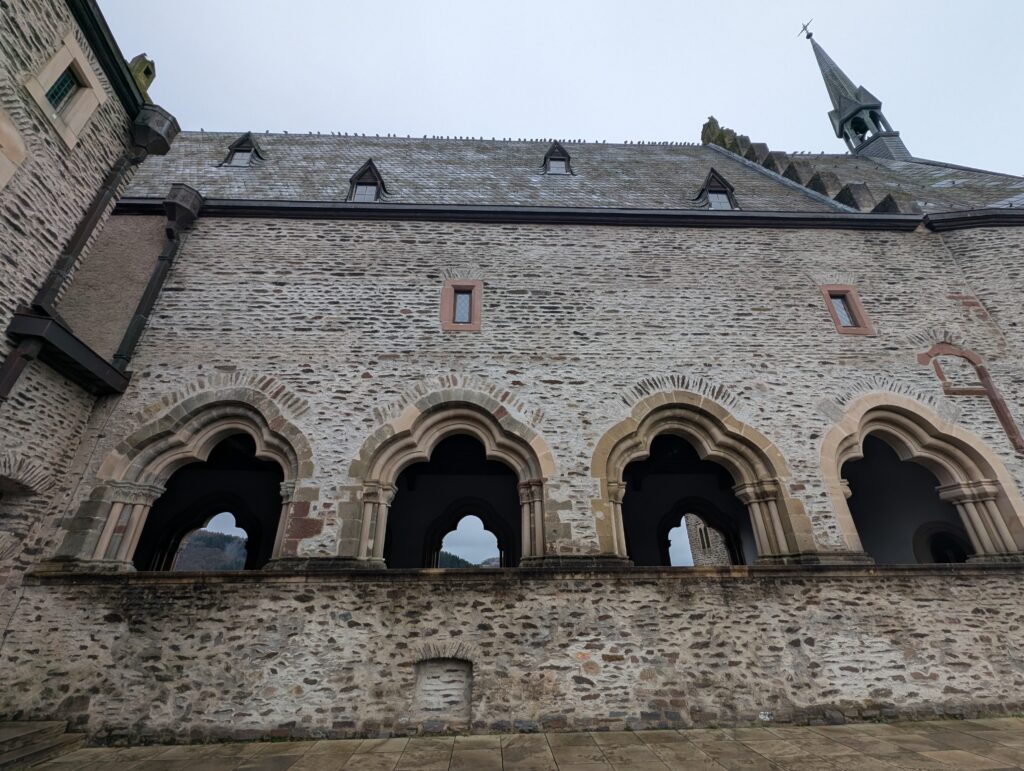
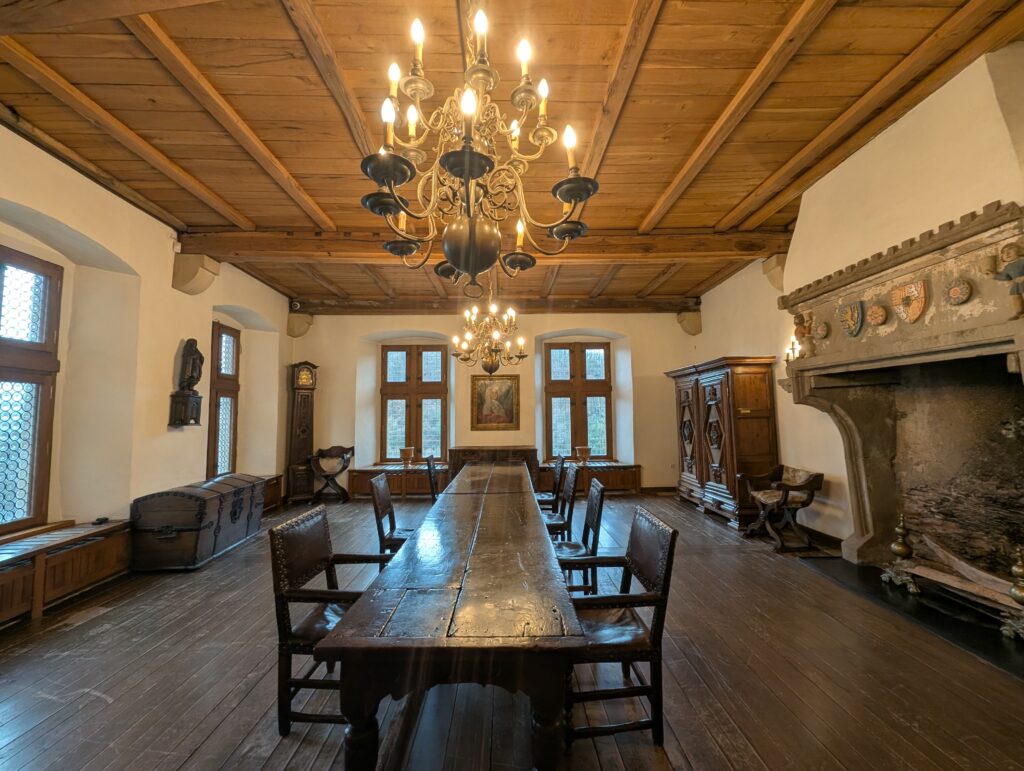
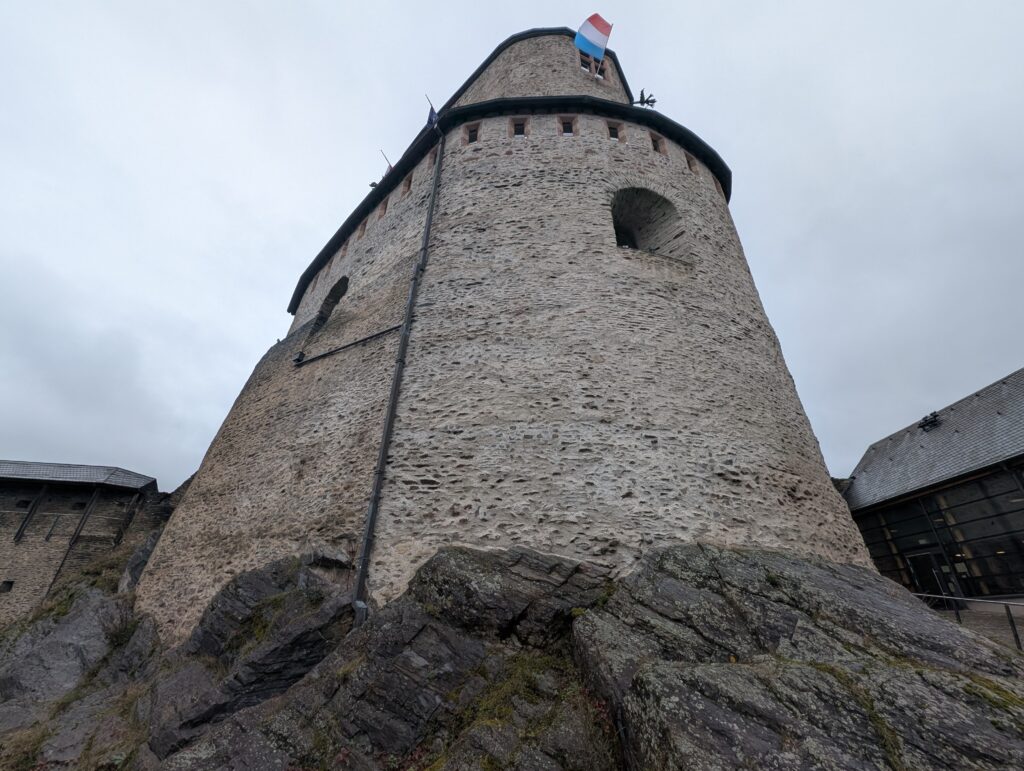
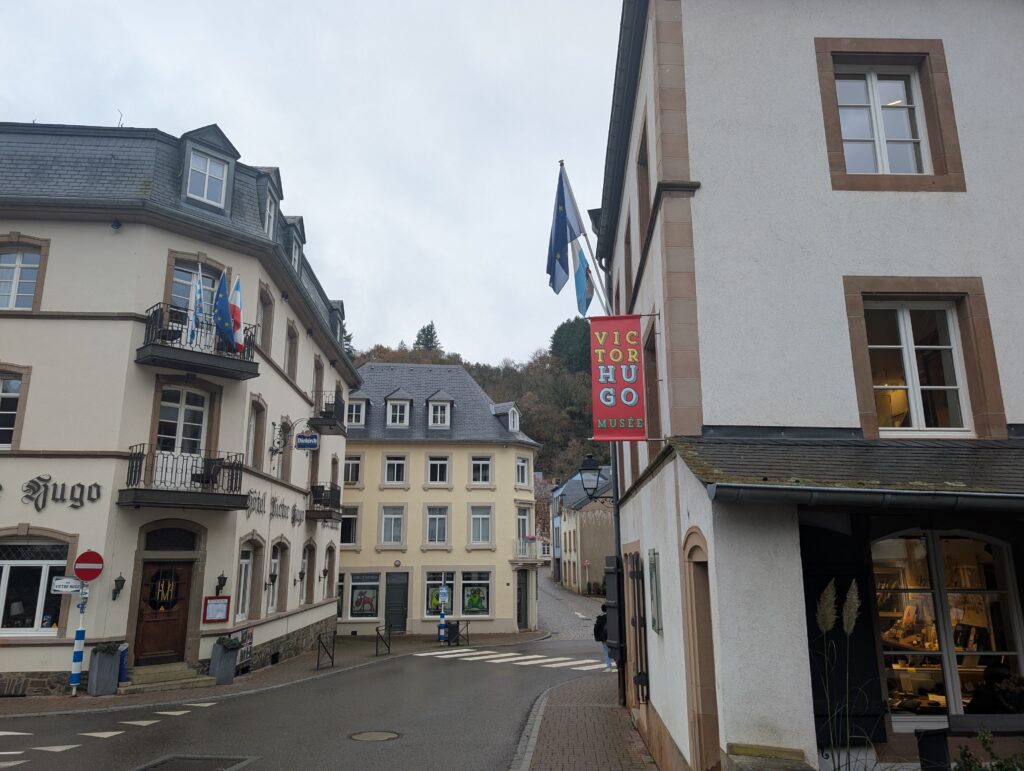
I decided to travel to Vianden to look at their most famous castle, which is of the Gothic style popular in medieval times. Arriving in Vianden, you can see the castle and it is quite impressive. It appears to be rising out of the rocks of the mountain.
The site was originally occupied by a small Roman castellum in the 4th century.
10th century – First medieval fortifications built by the Counts of Vianden.
Major Romanesque expansions, including residential buildings and defensive walls in the 11th and 12th centuries. In the 13th century it became a feudal residence when the House of Orange added Gothic elements. The entry gate was changed to the other side so that you had to enter through two gates. This made a more impressive entrance and created a bottleneck in case of attack.
Gradual decline in importance of the castle occurred in the 15th to 17th centuries. The town only grew modestly with tradesman and crafters.
In 1820, William I of the Netherlands sells the castle piece by piece; roofs, stones, and timber stripped. The castle then falls into ruin.
Limited restoration efforts begin in the late 19th century as the castle gains public interest. In the 20th century the ruins are visited by many. Ownership was transferred to the State of Luxembourg in 1977, and major restoration occurs until 1990’s.
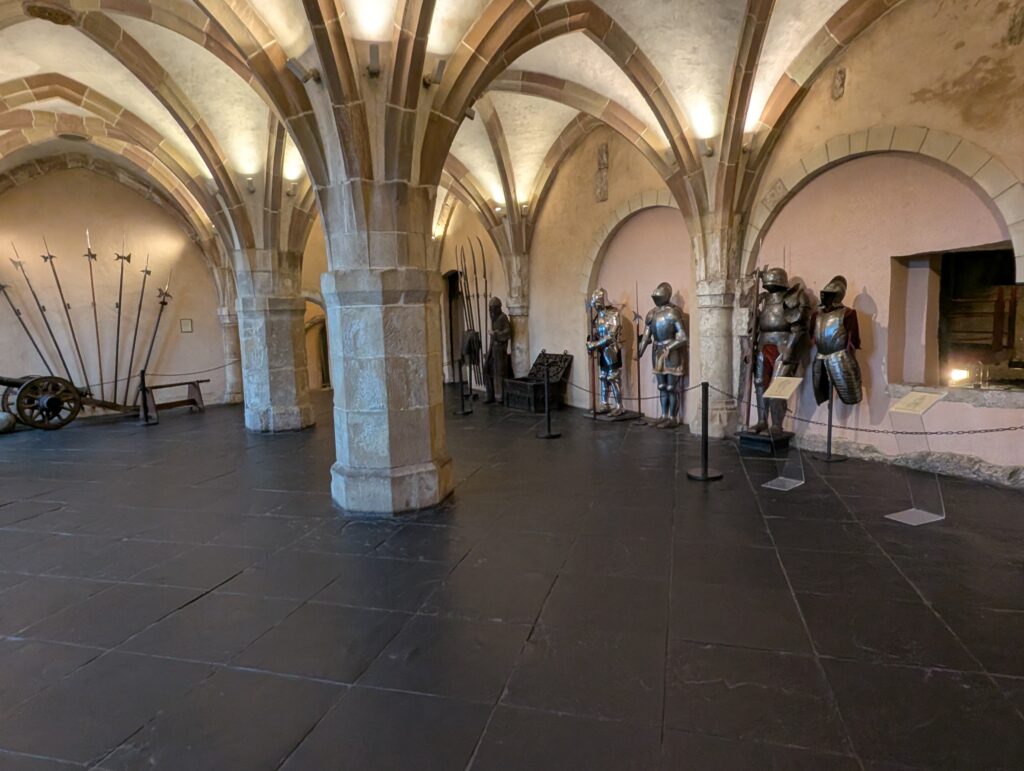
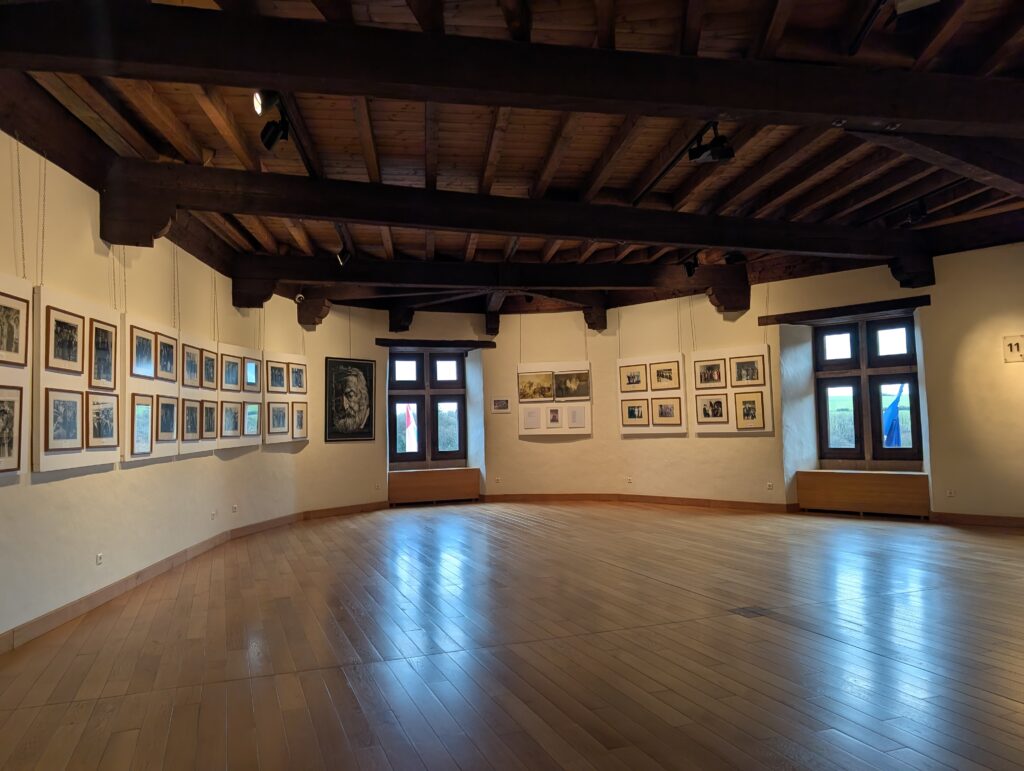
Pictures from the inside:
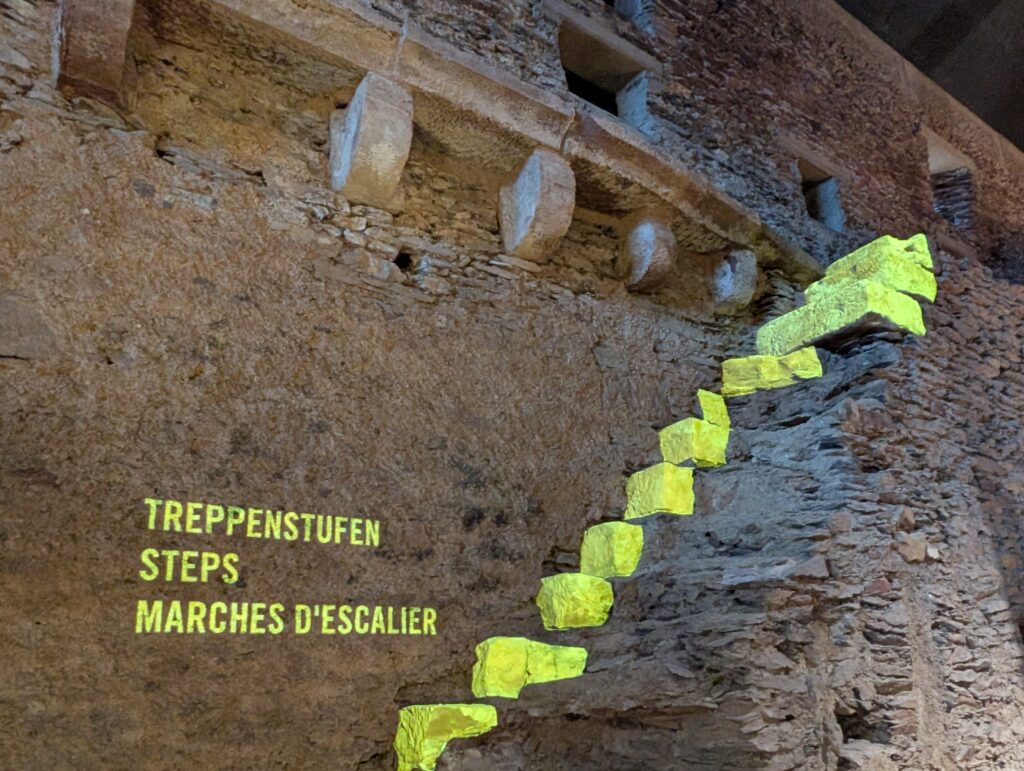
Steps along the inside of the walls before expansion of the castle.
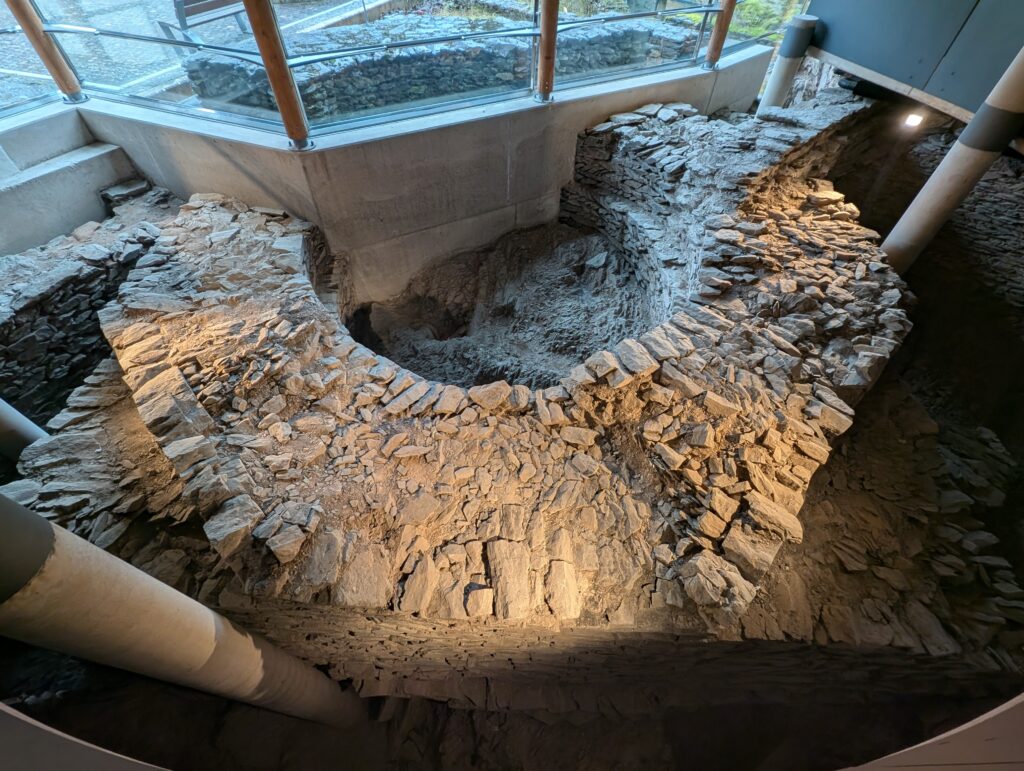
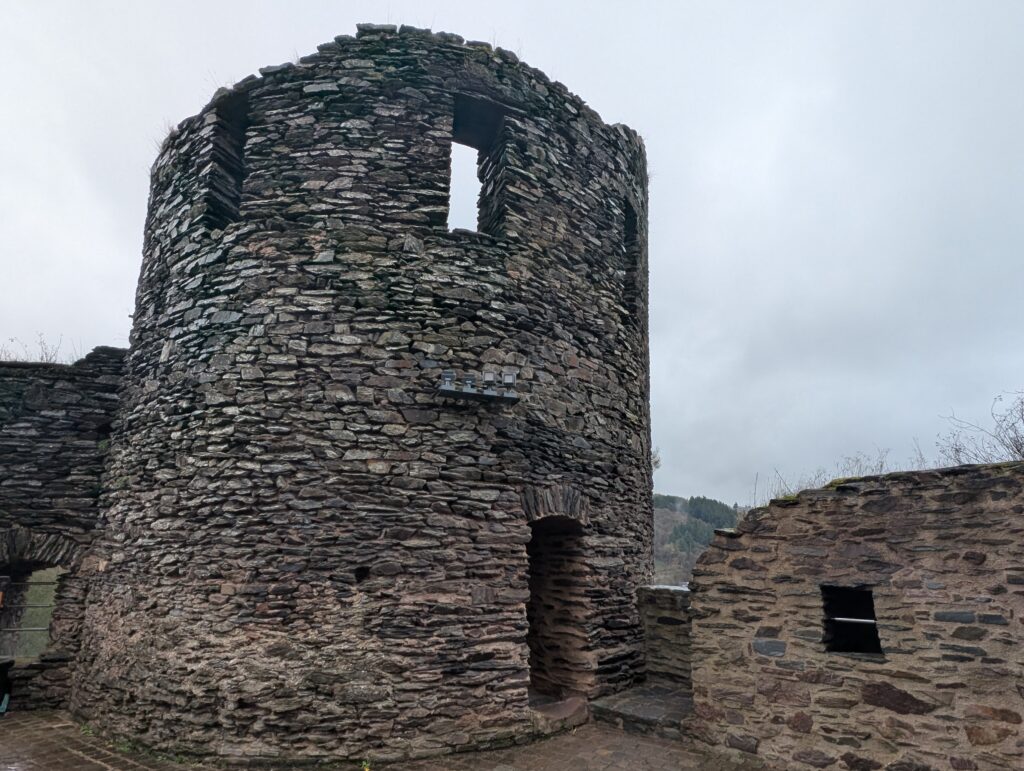
Evidence of octagonal towers (outer wall) with circular inner wall.
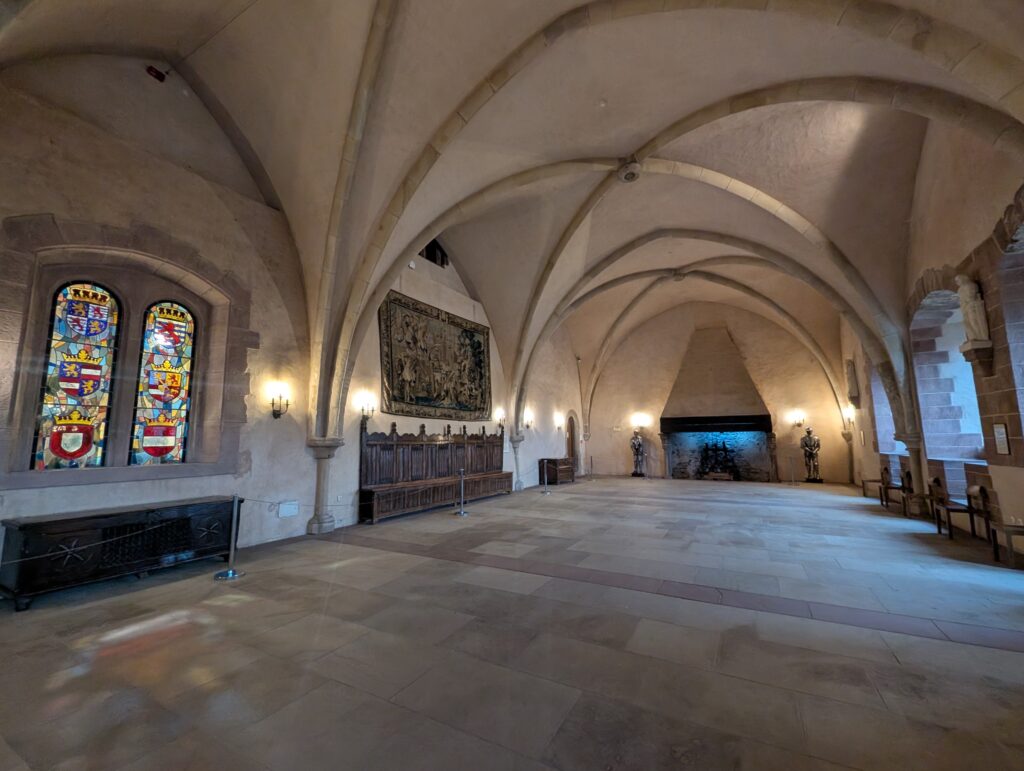
The Romanic gallery is in the Byzantine style and allowed the counts to get fresh air without much sun.
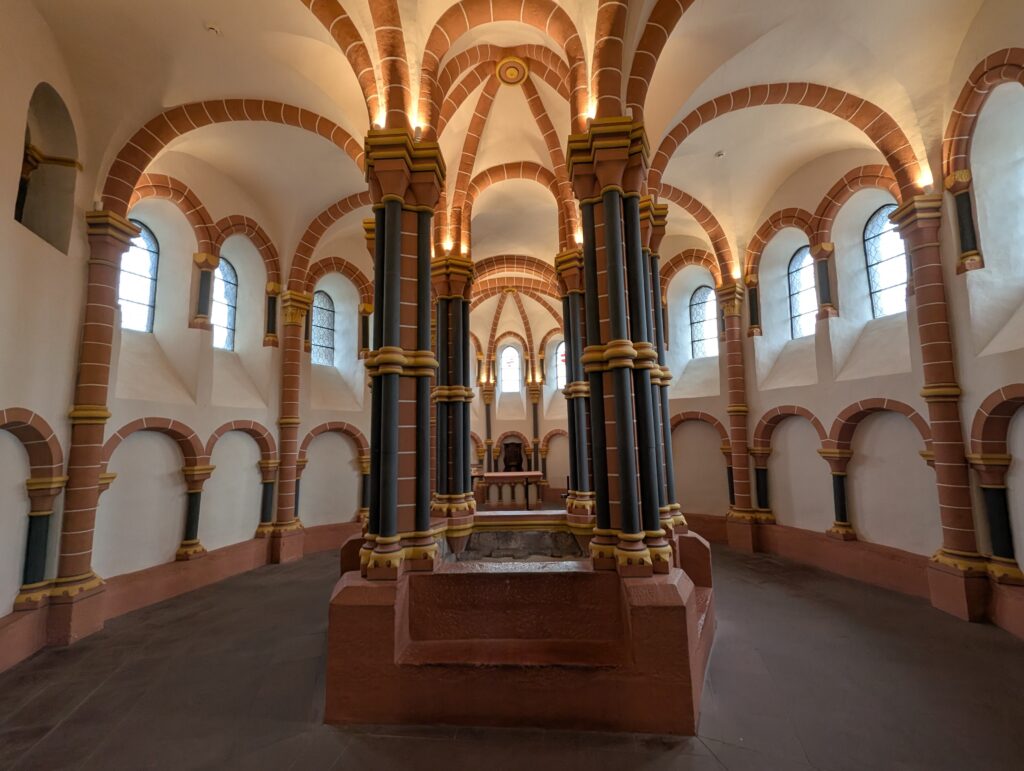
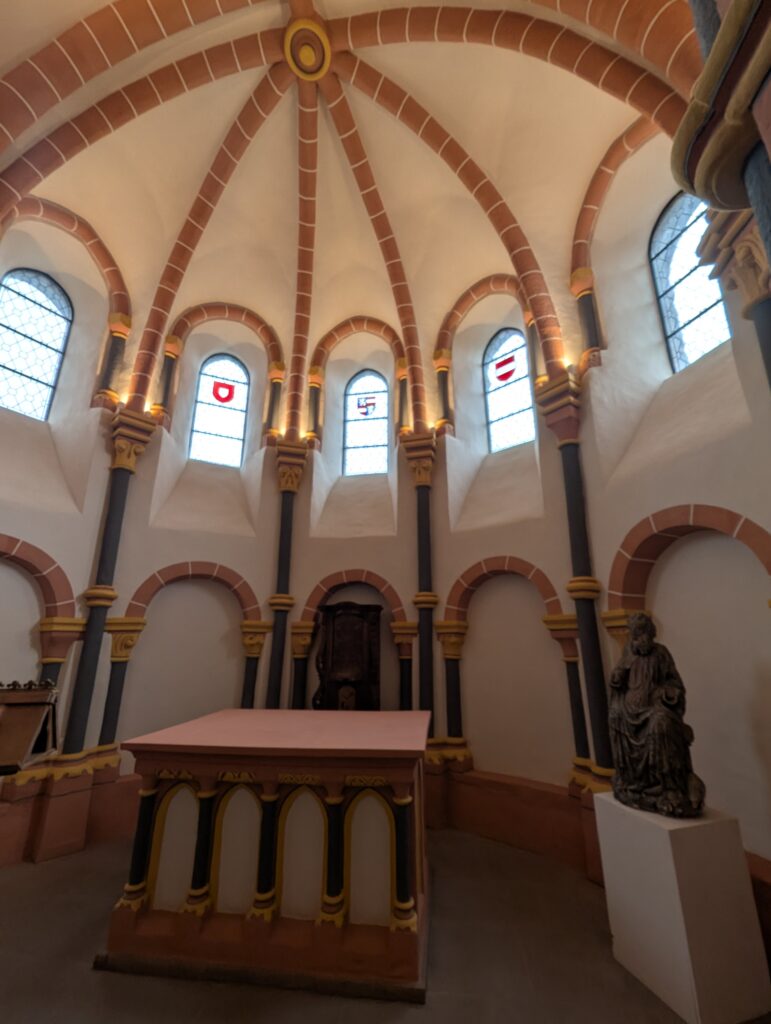
The top part of the chapel. From the center structure you can look down into the lower chapel.
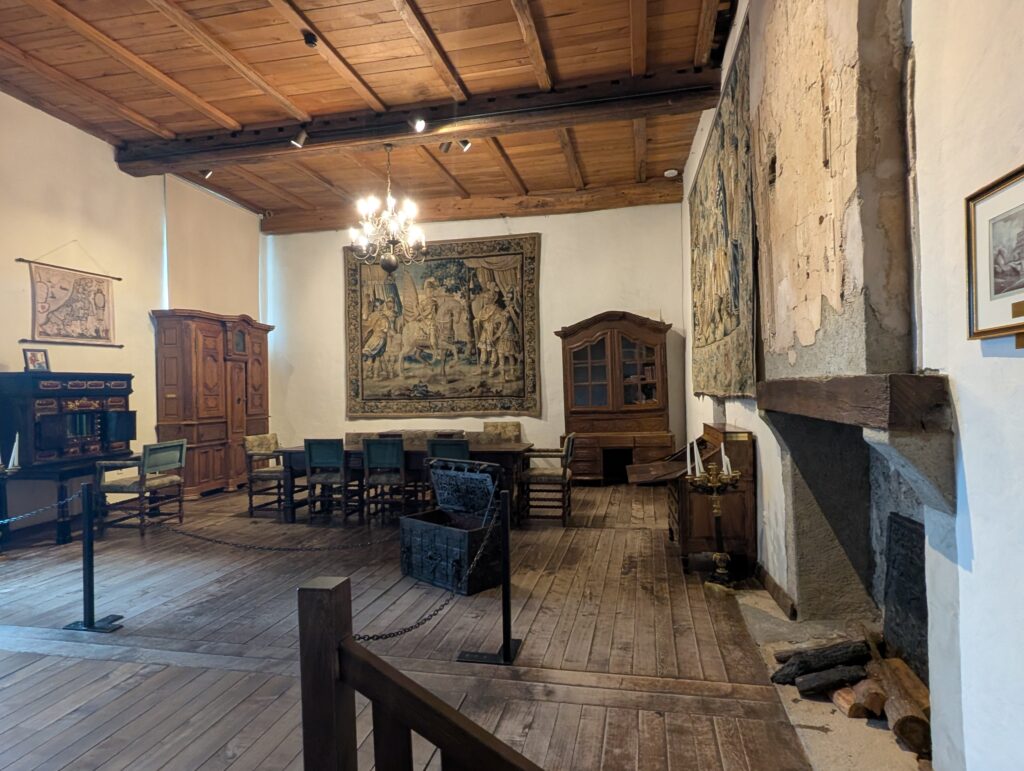
The Prince’s study.
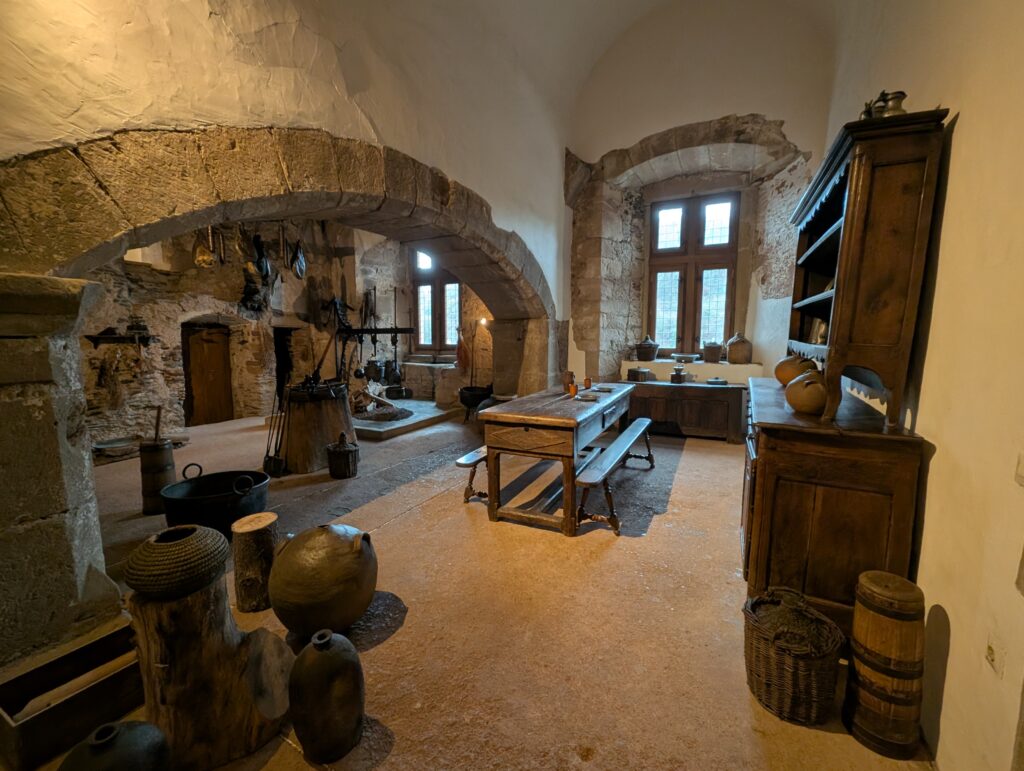
Kitchen
Chef’s quarters next to the kitchen.
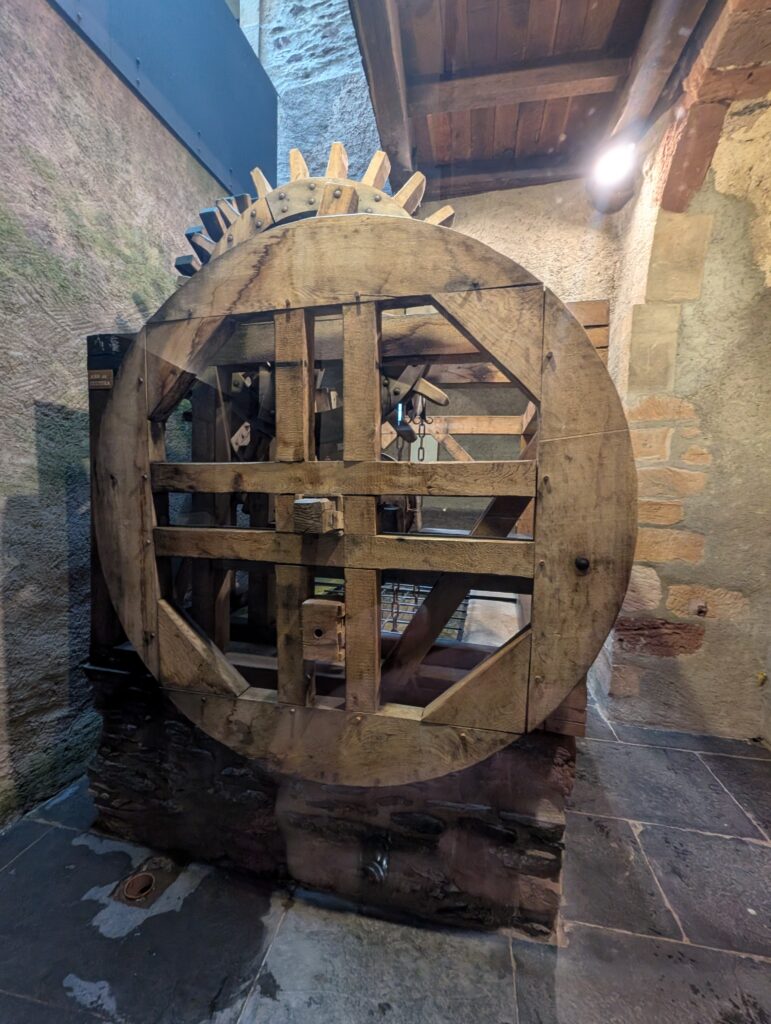
The water well.
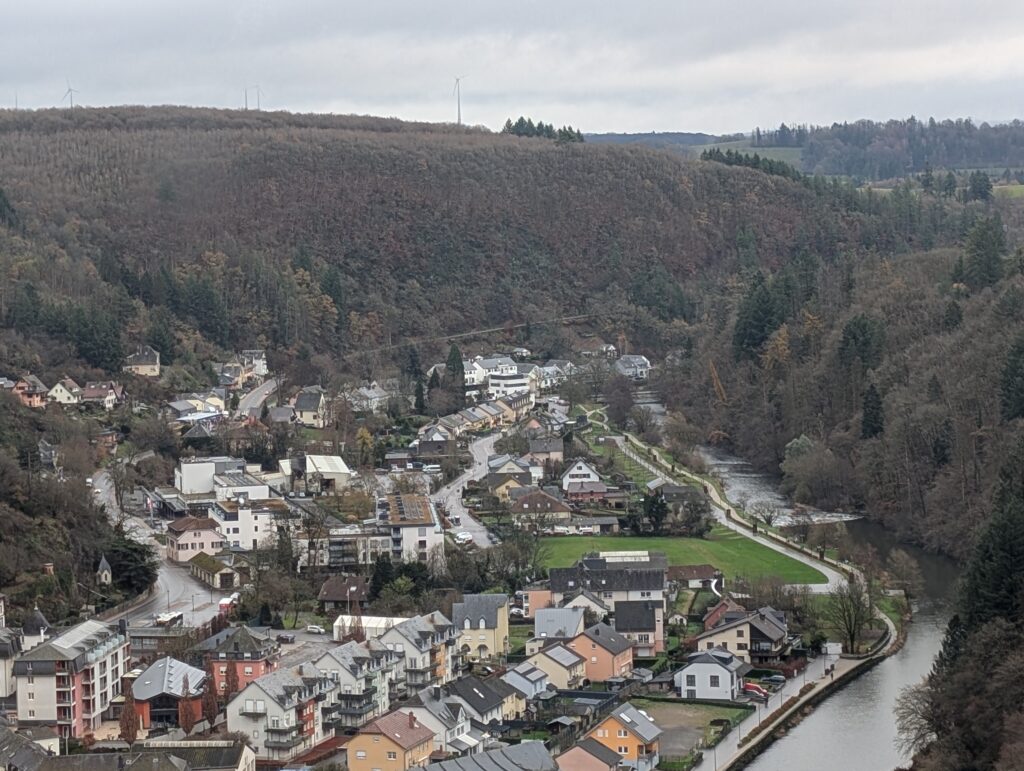
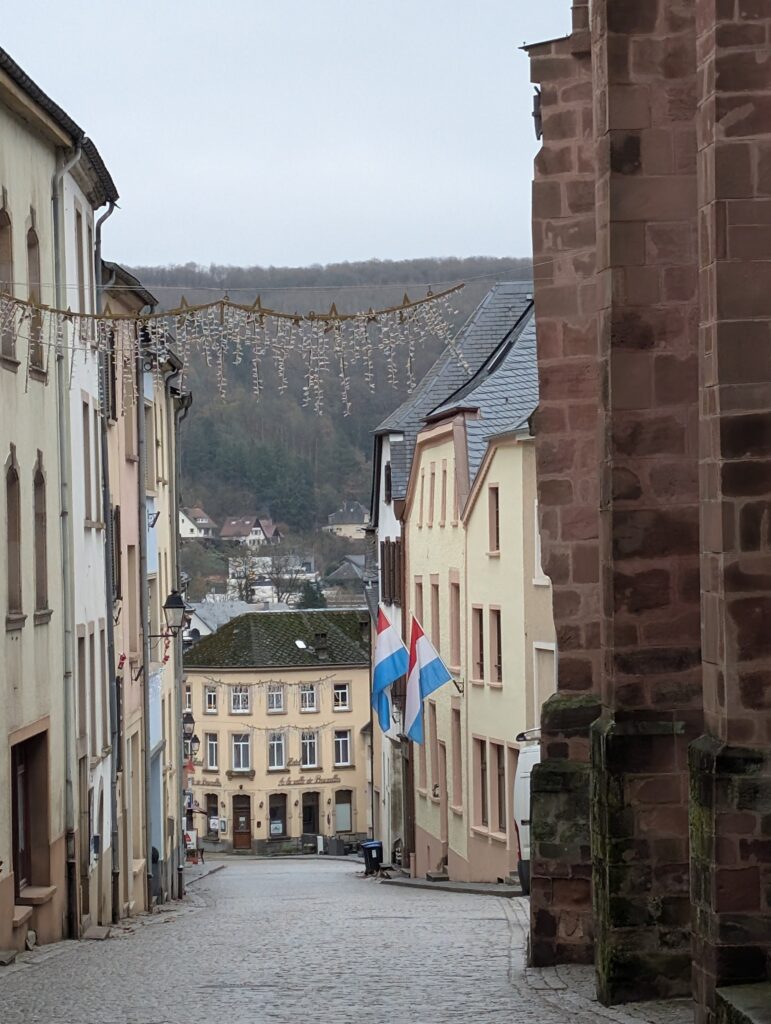
Afterwards I walked down into the town to grab a bite to eat and find a bus back!
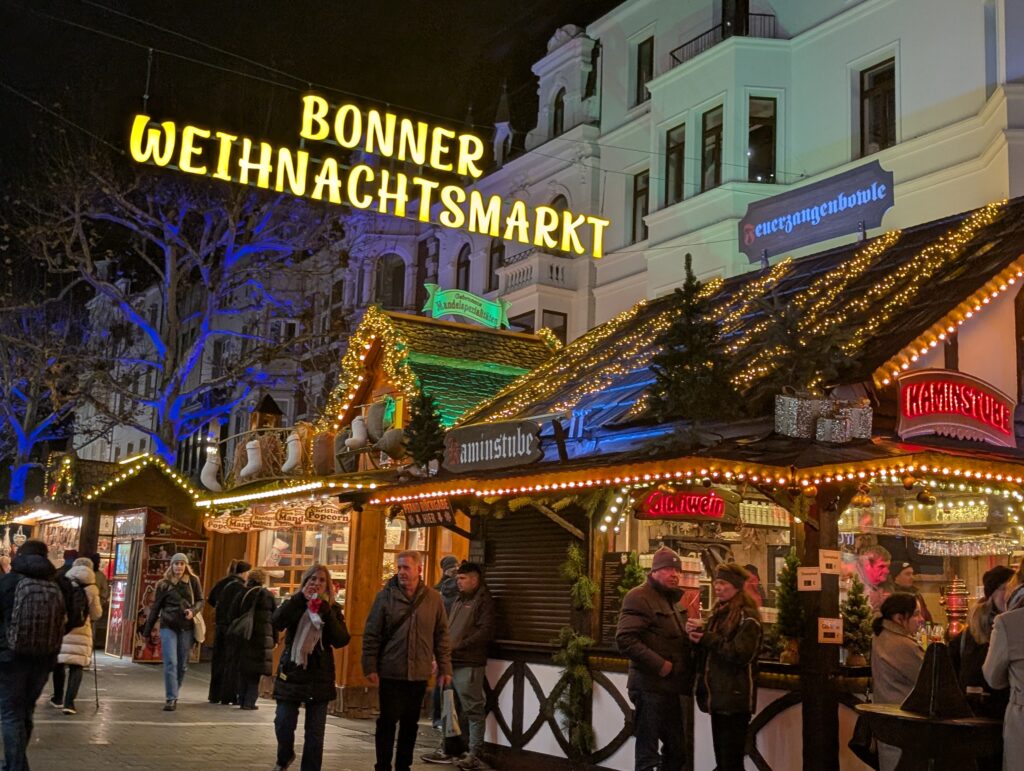
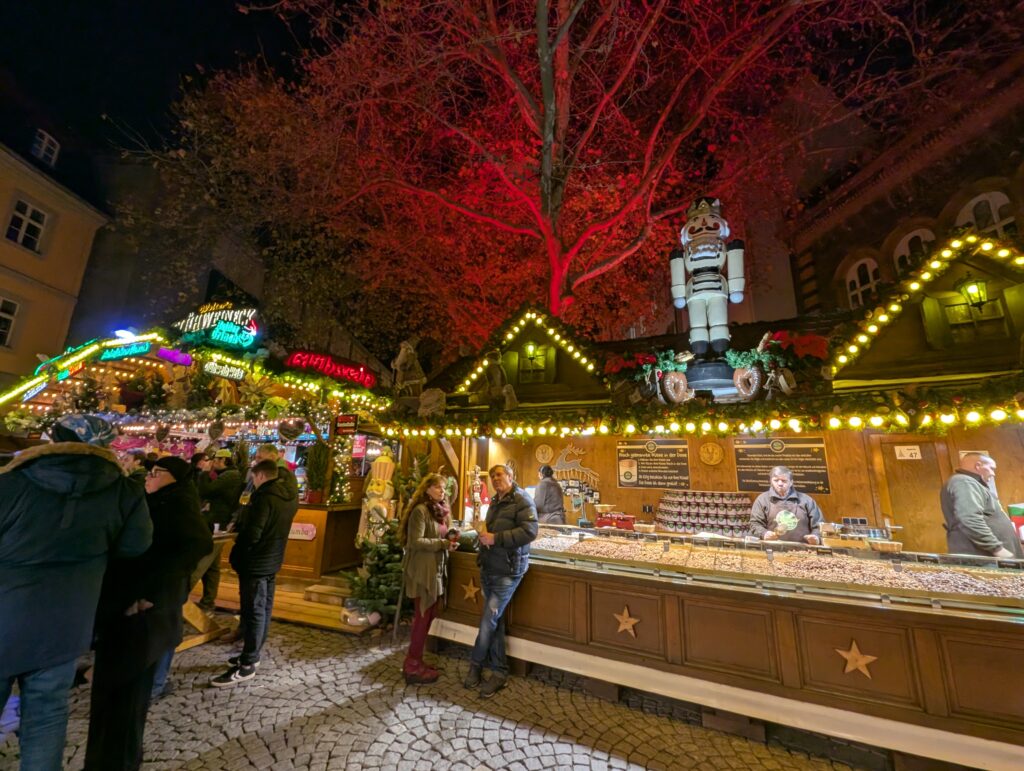
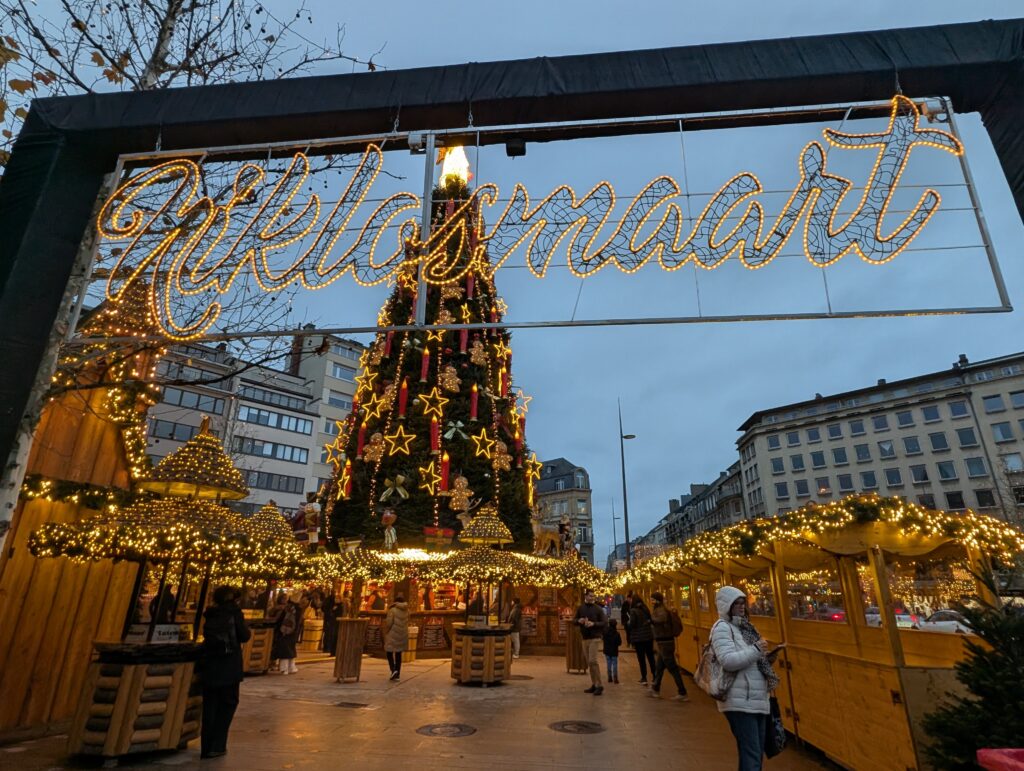
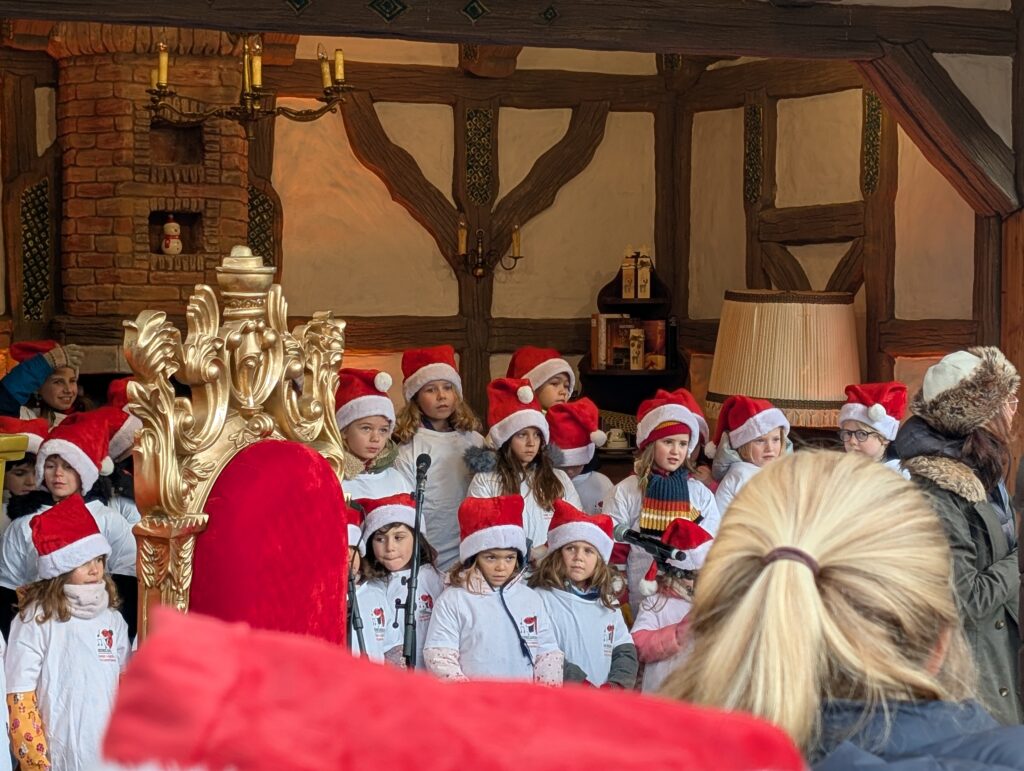
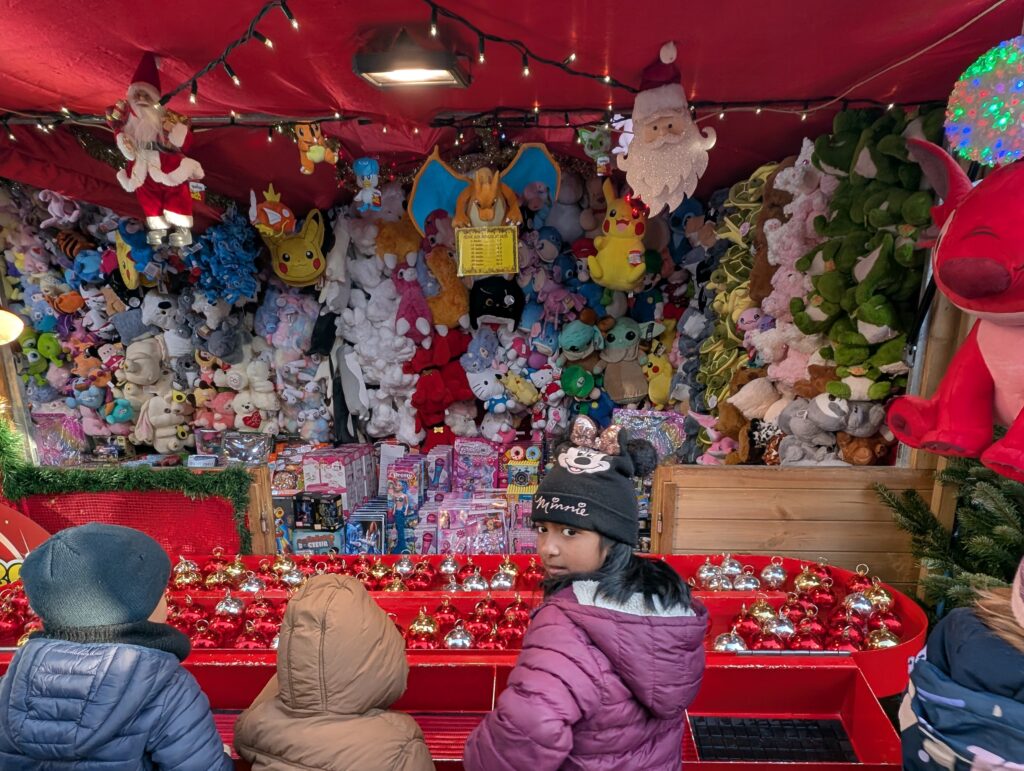
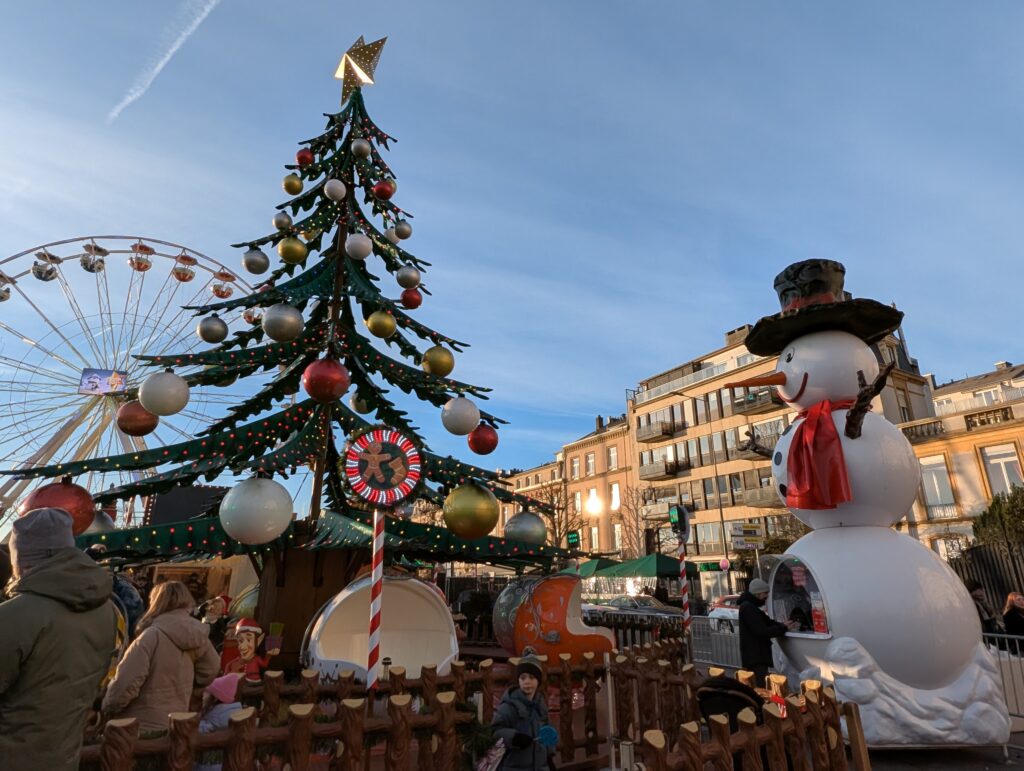
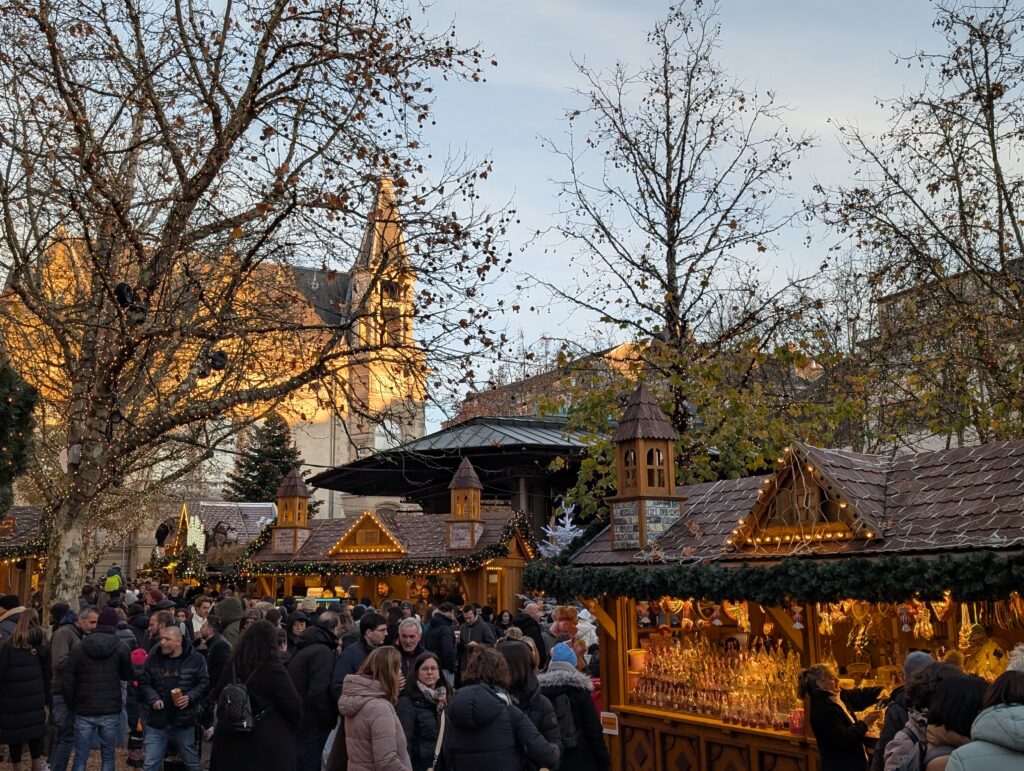
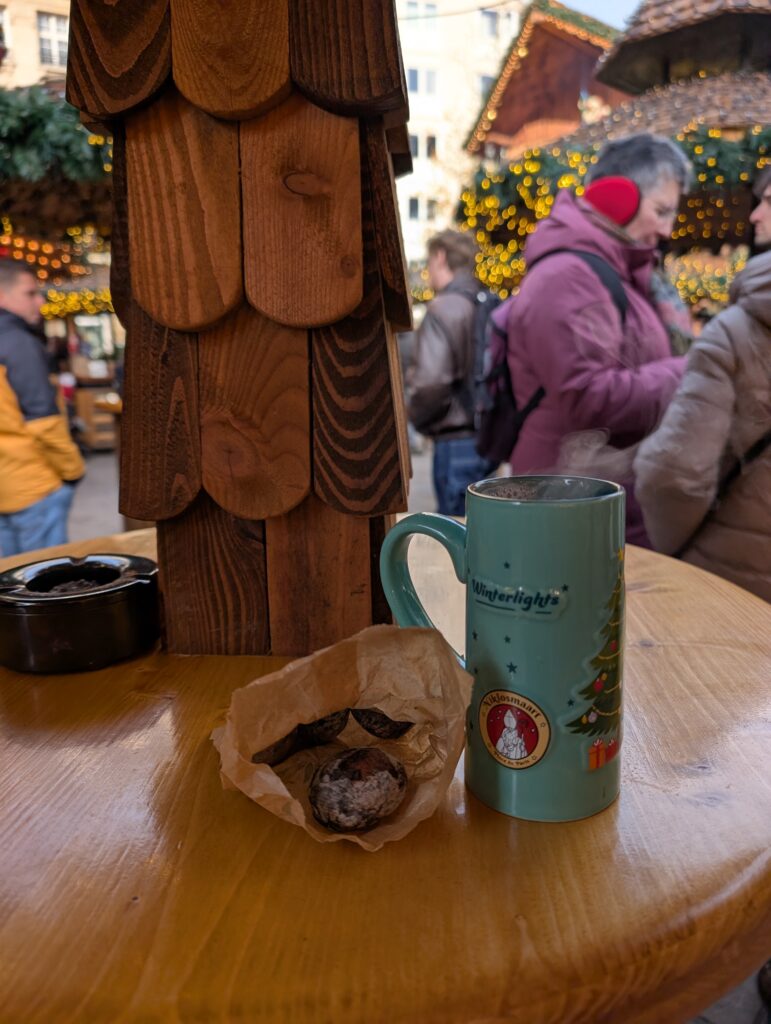
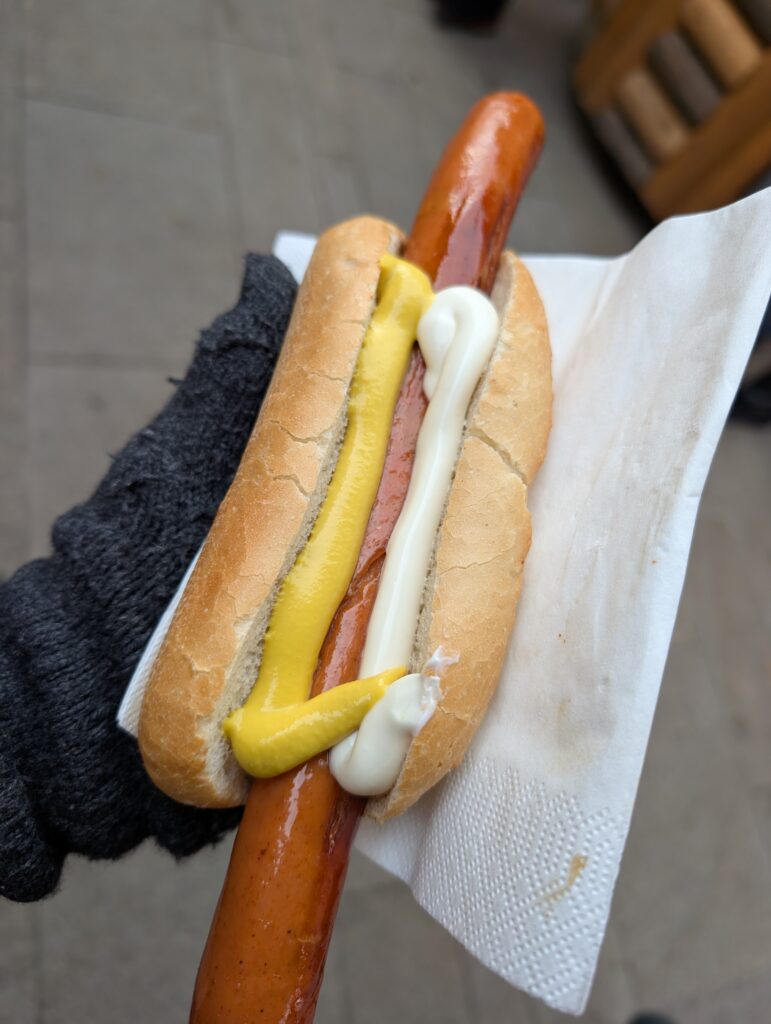
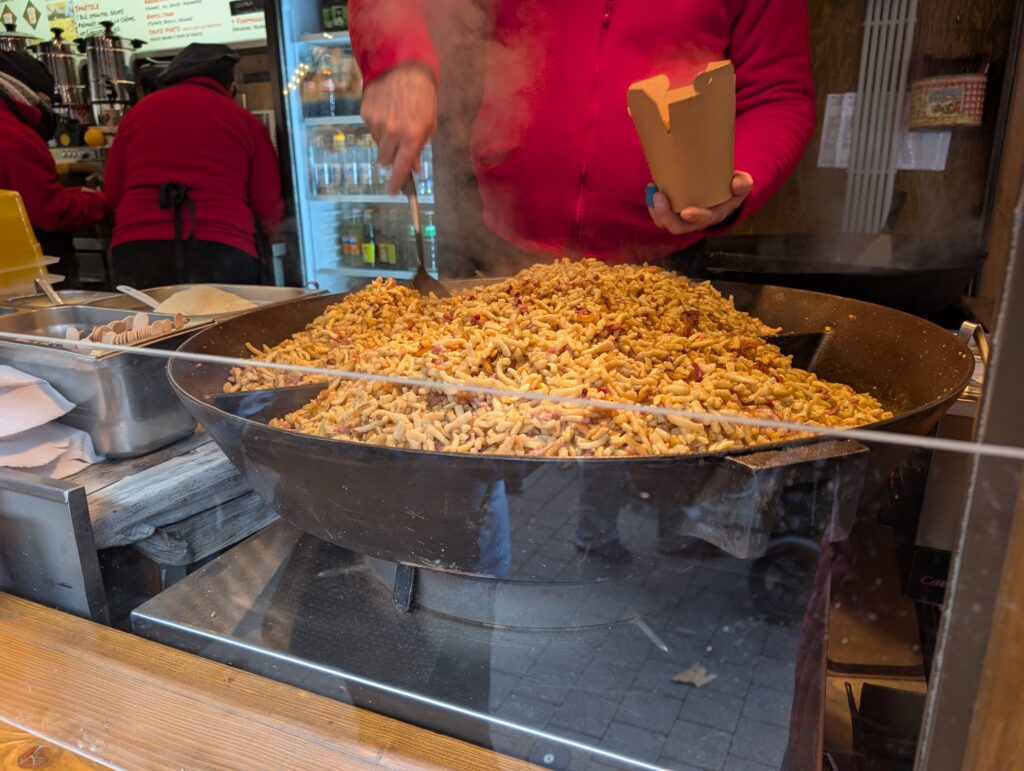
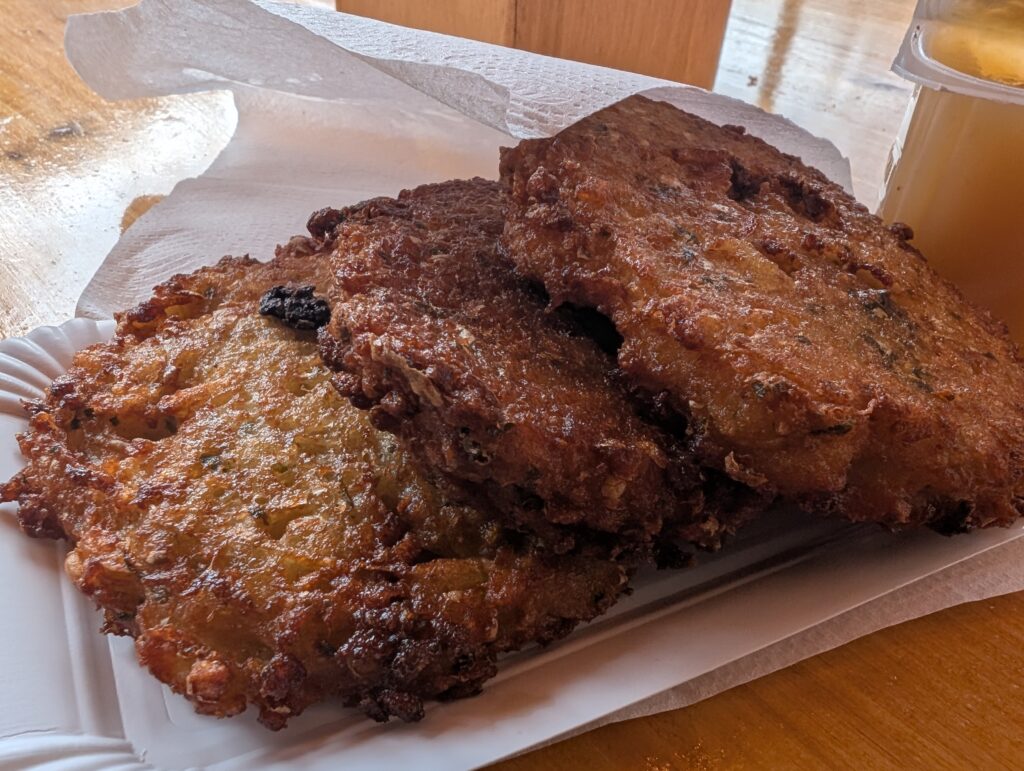
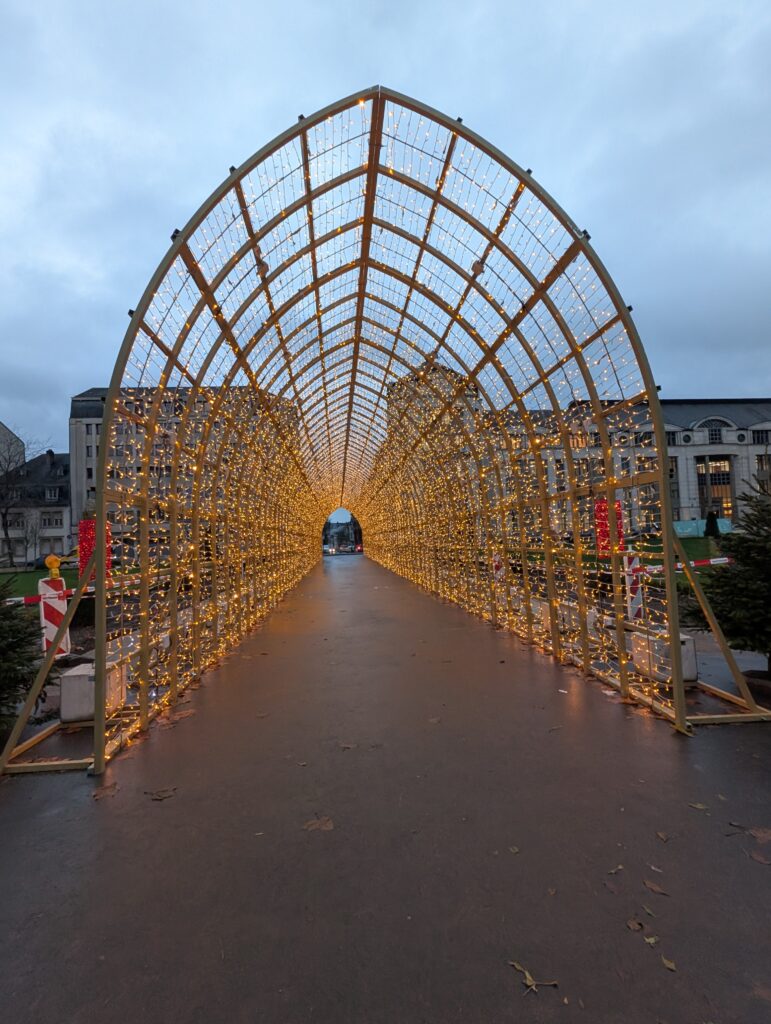
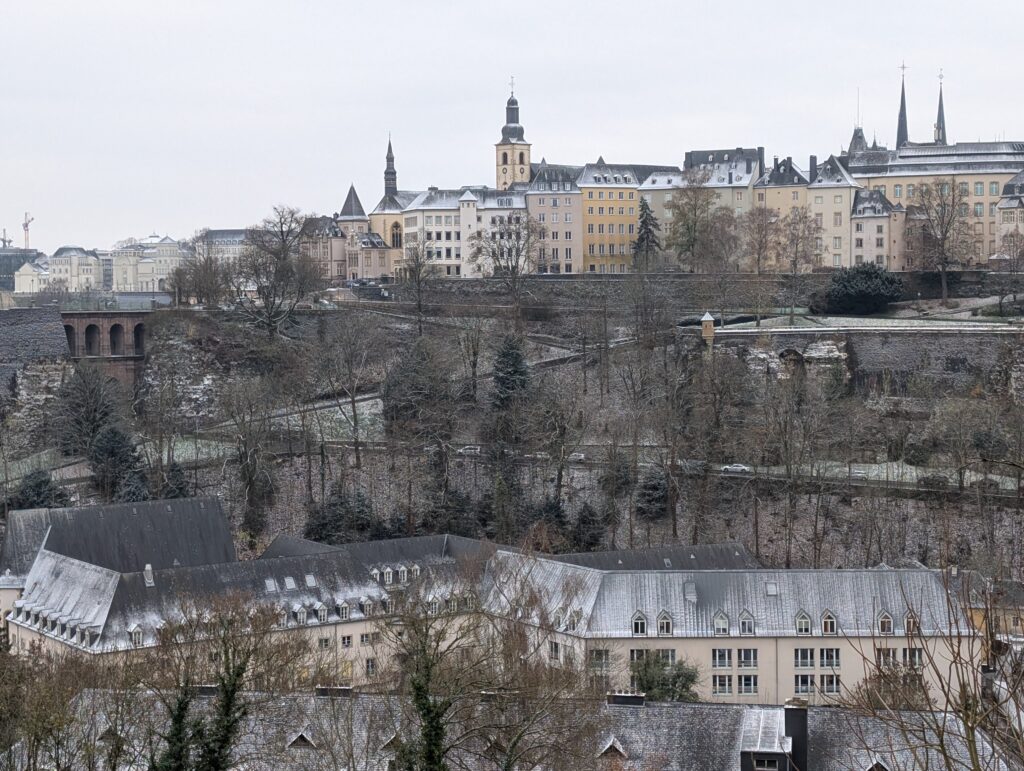
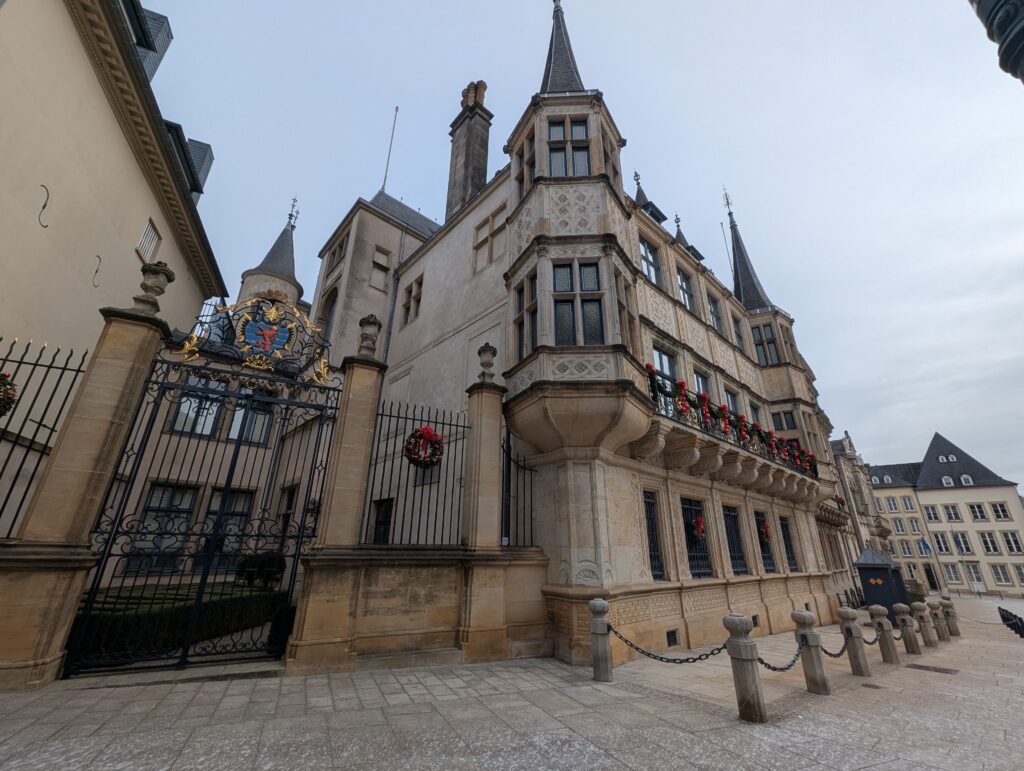
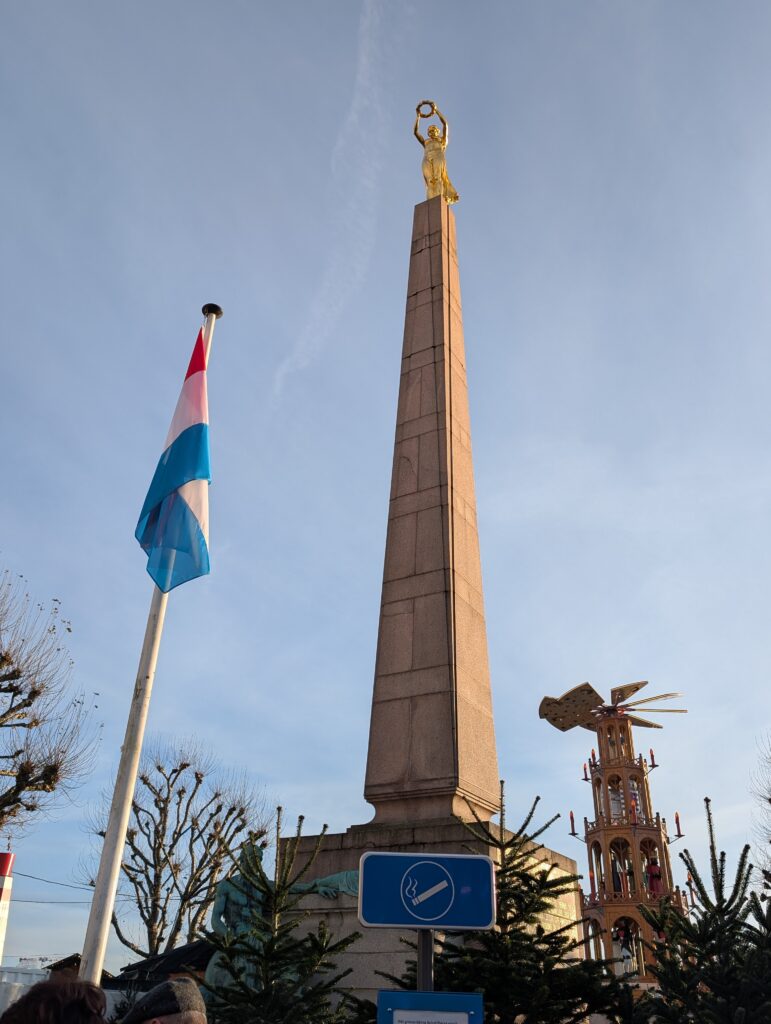
It is so hard to not eat everything. In my walking around Luxembourg city, I perused every Christmas market to determine what I wanted to eat over the next few days. Since Christmas is my favorite holiday, I was even more excited about the Christmas music playing throughout the city, the twinkling lights, and the different activities for families in each market.
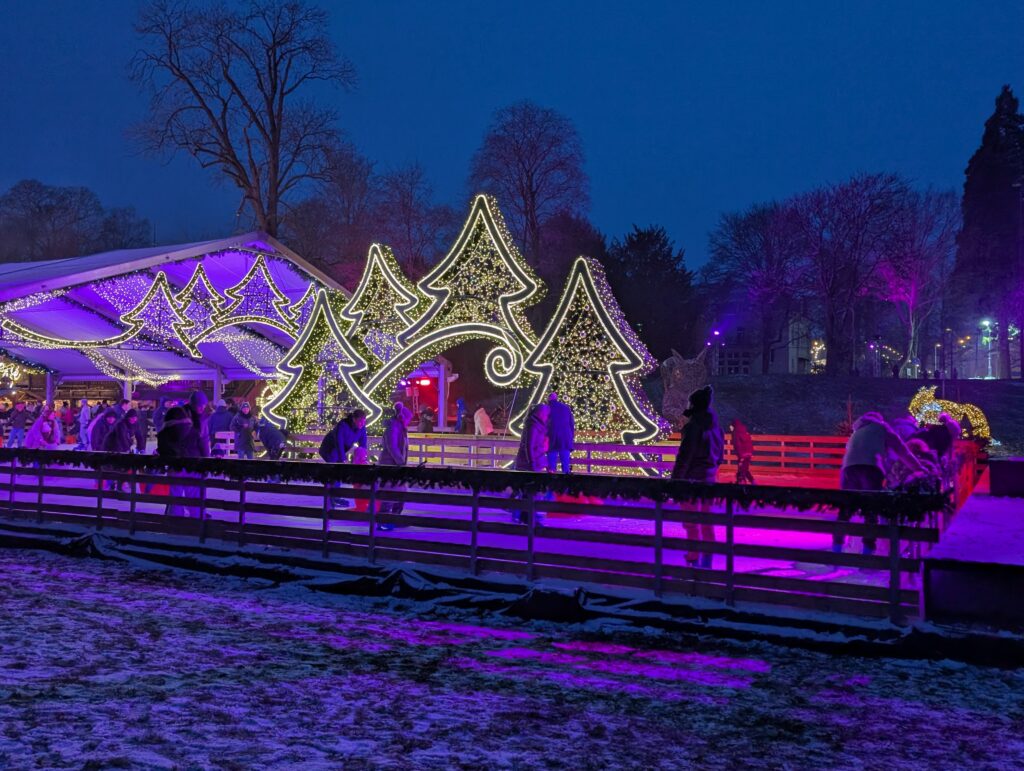
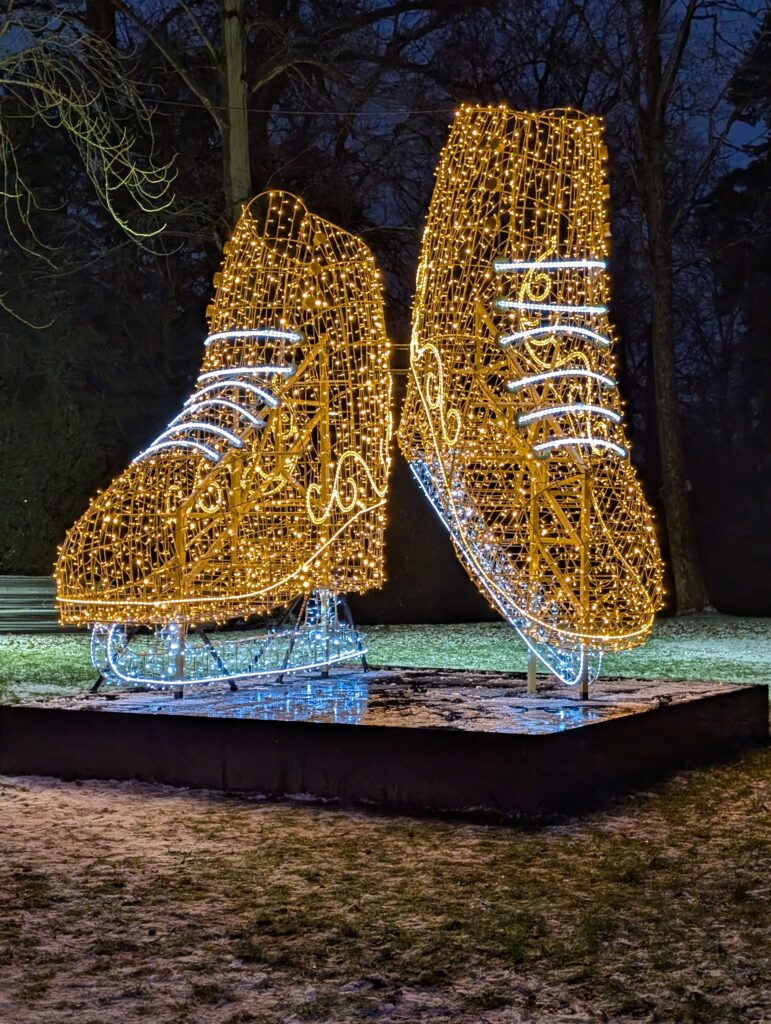
Ice skating!
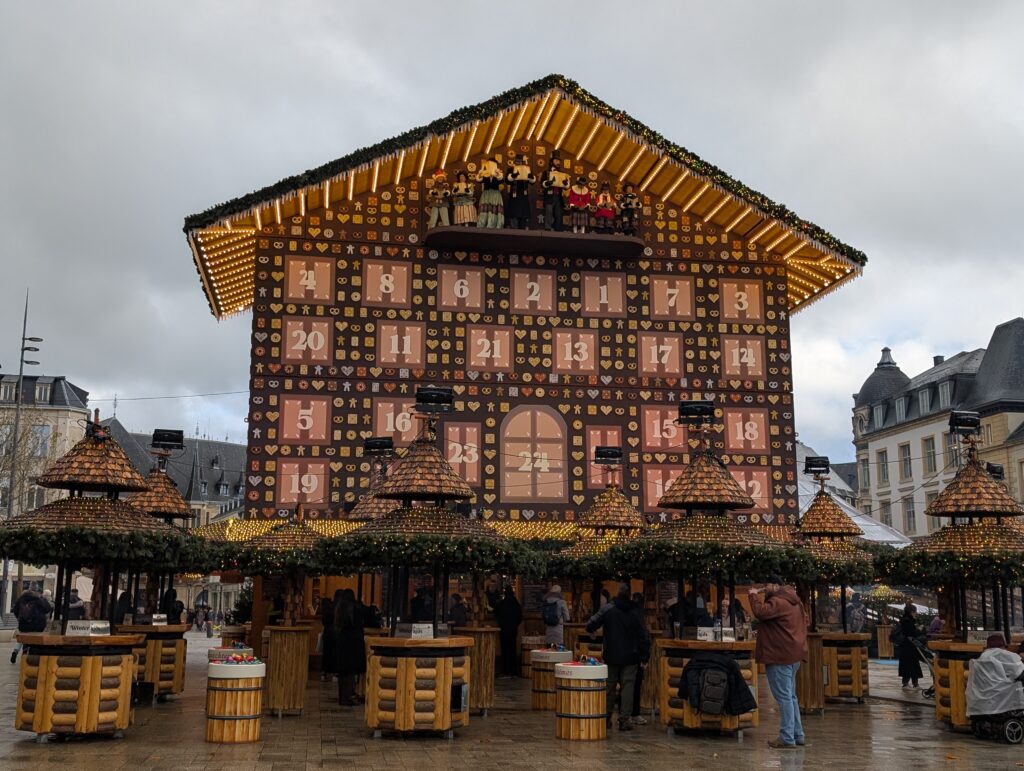
A giant advent calendar. I would love to see what it shows everyday of December.
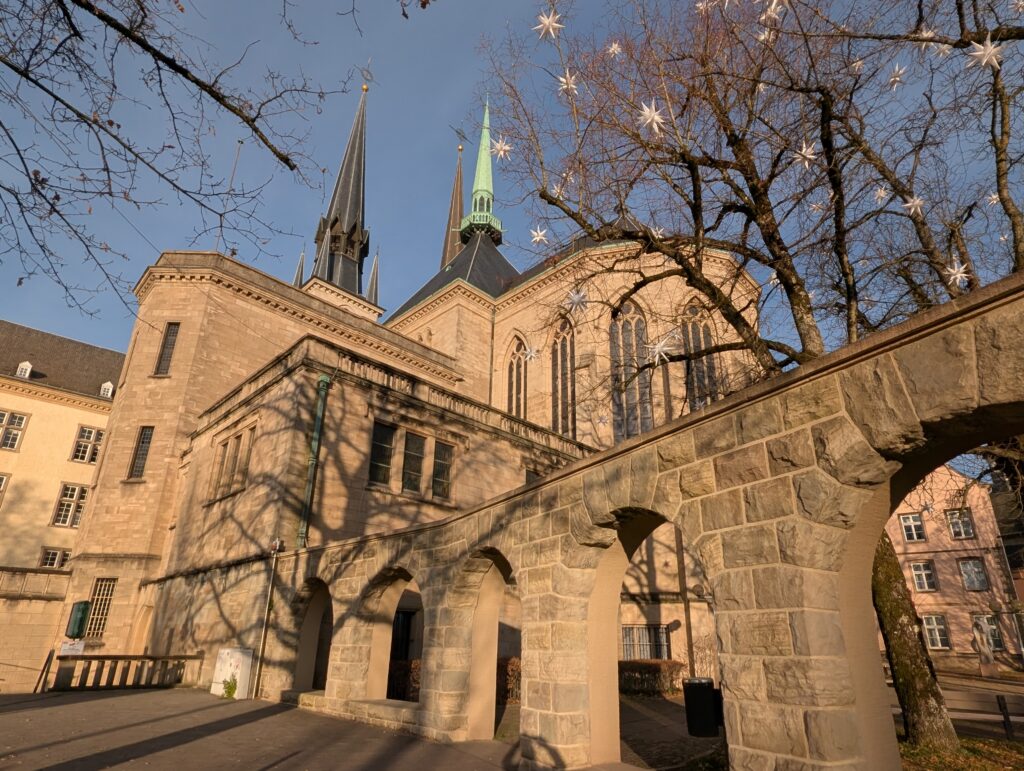
I found some incredible places to tour in Luxembourg from ancient fortress remains and city museums.
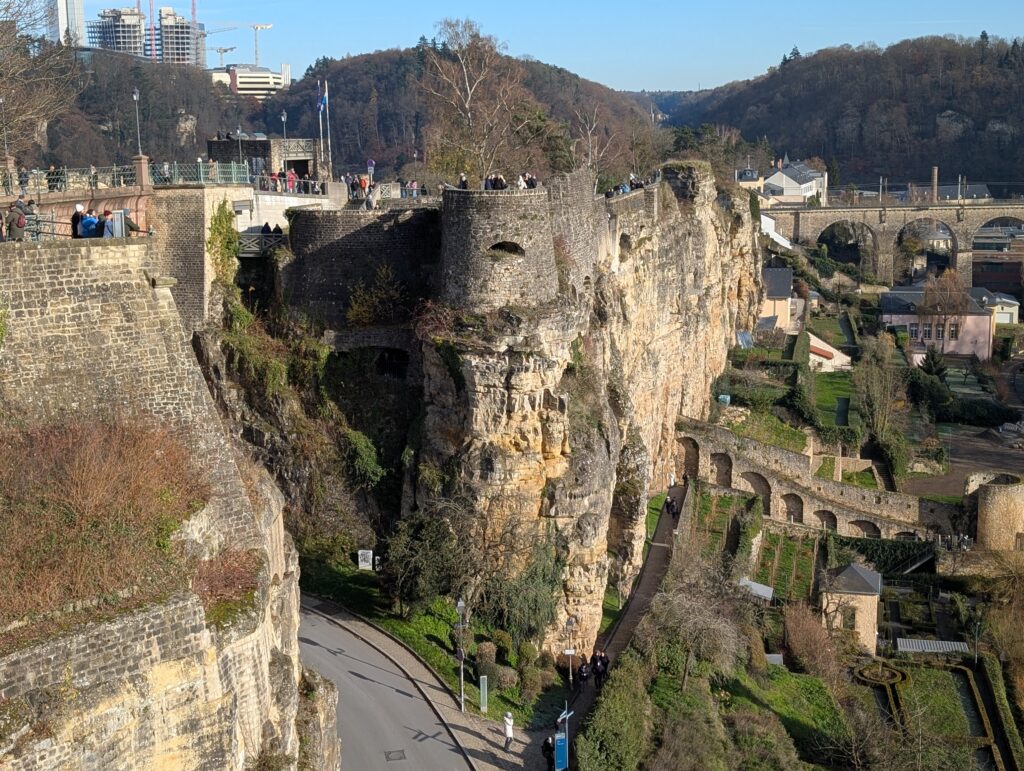
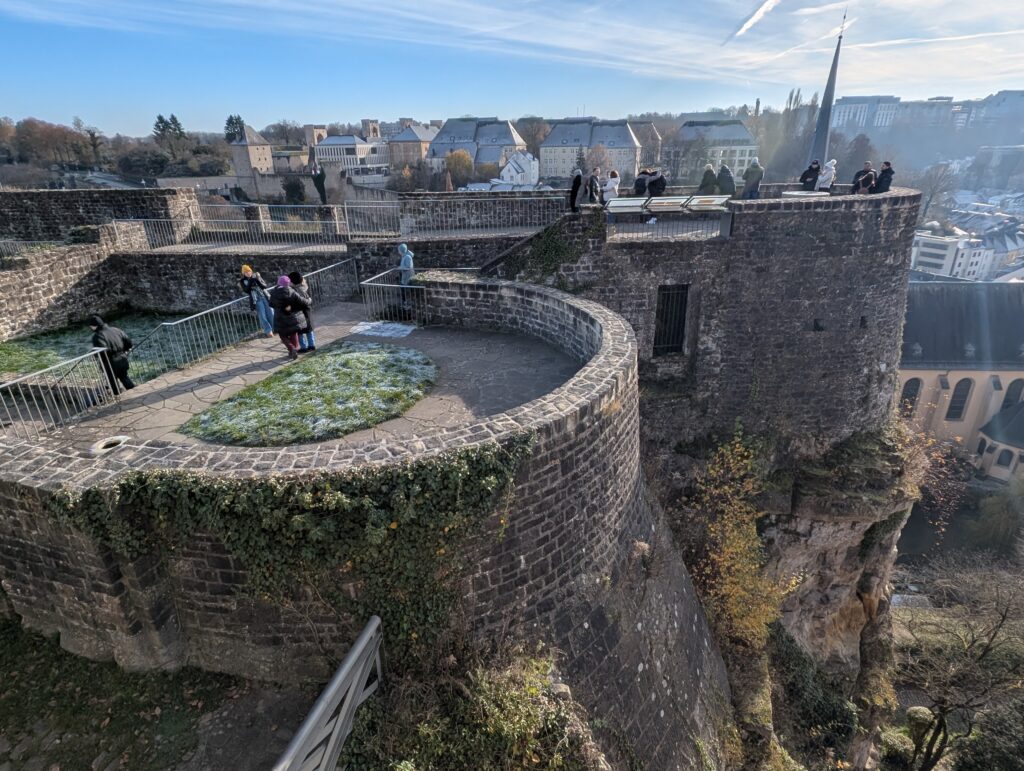
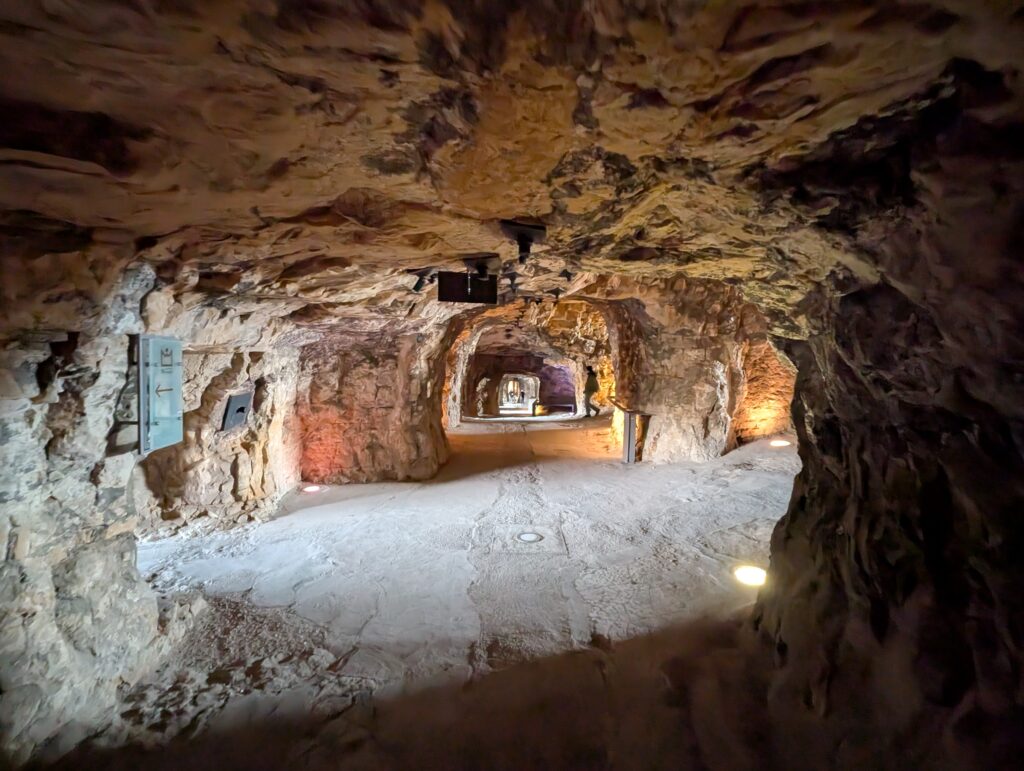
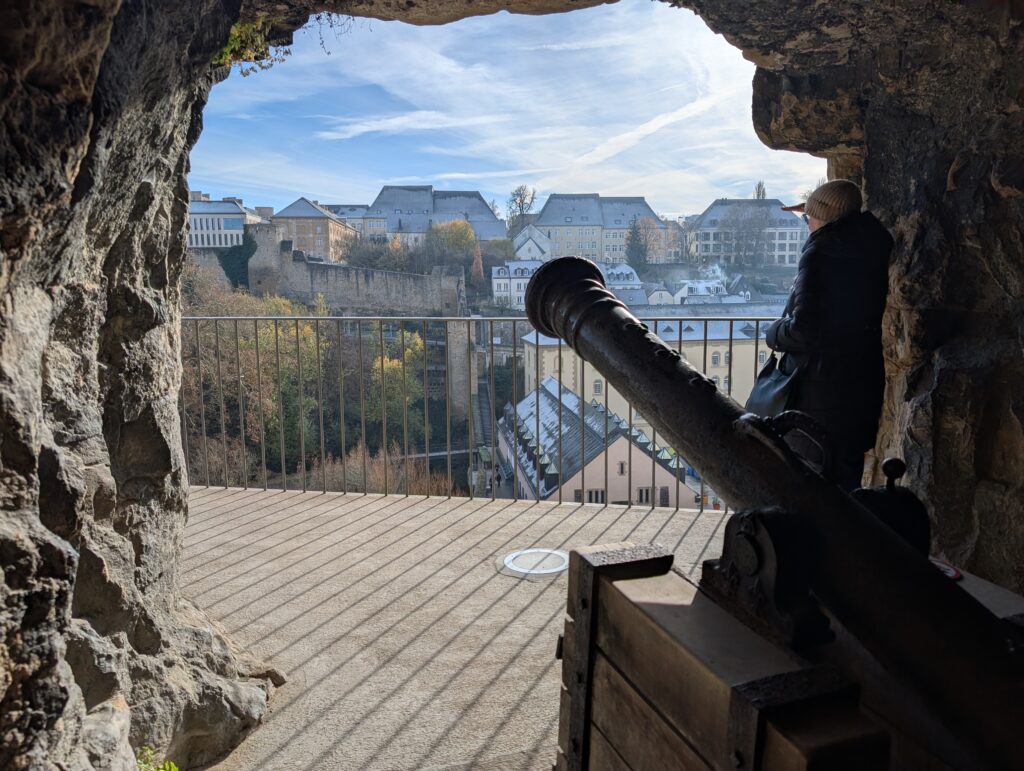
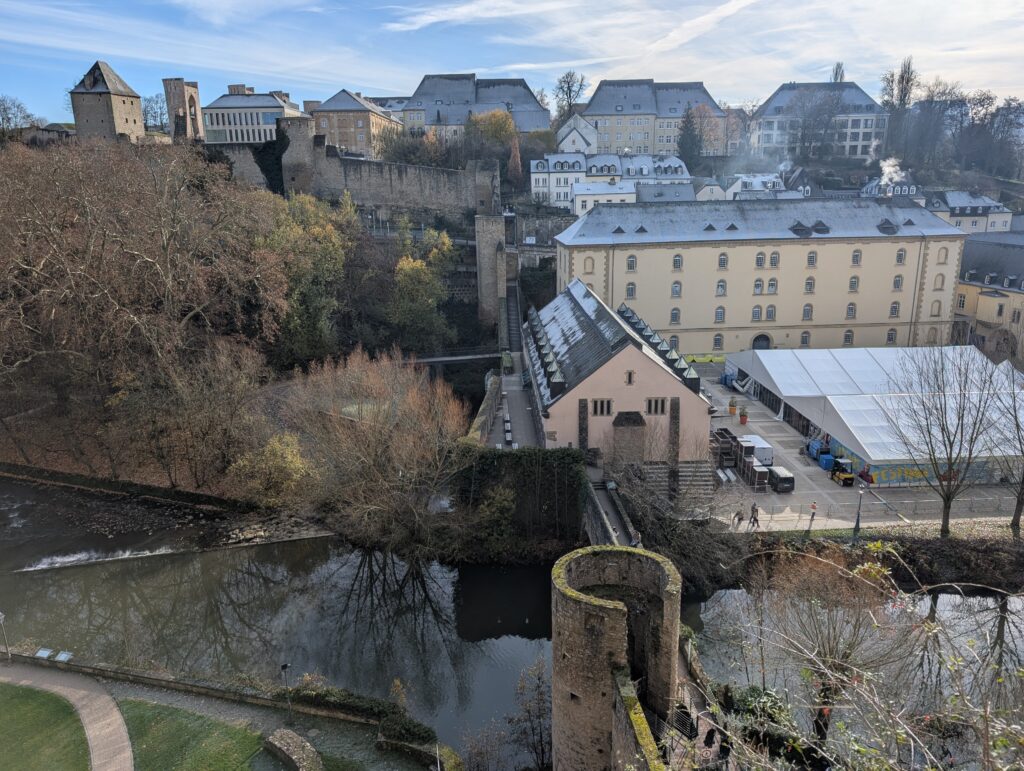
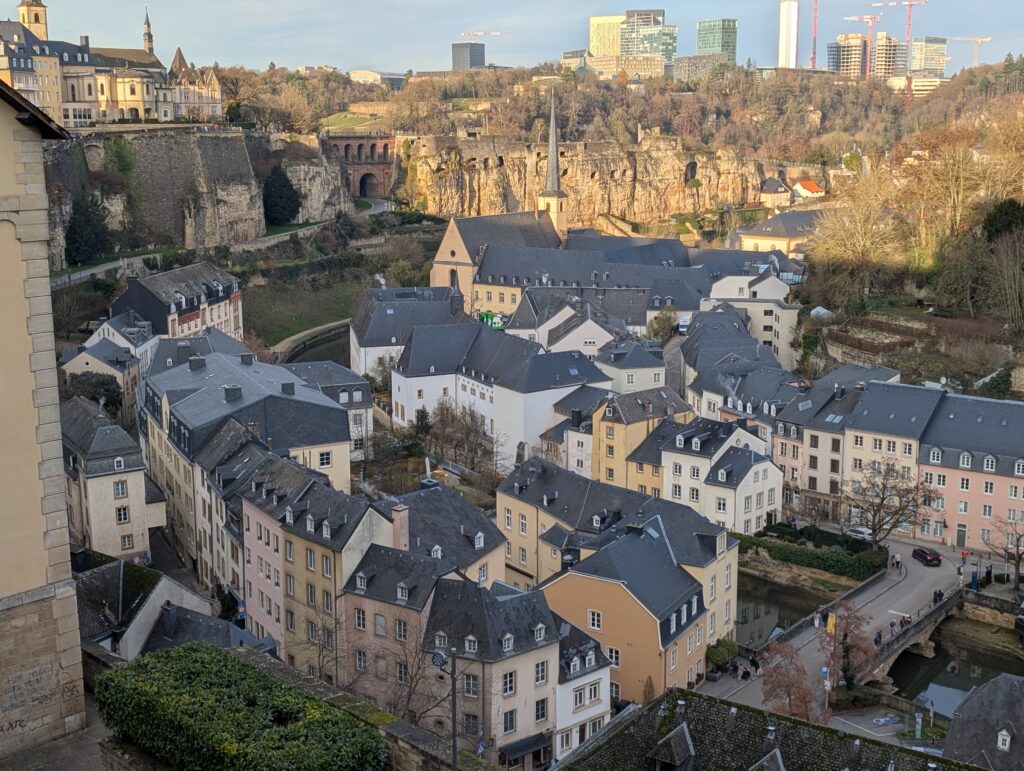
I first walked the Chemin de Corniche, the old walkway through the city among the old city walls and at one end to the remains of the fortress that used to exist. The underground portions and a few of it in the rocks above still remain. it is called the Bock Casemates.
Poor Luxembourg. In the middle of large powerful countries and with its rocky terrain, it was a perfect place for a fortress and was also under siege numerous times in its history.
The Bock Casemates is over 23 km (about 14 miles) of tunnels, galleries, and chambers that was used to shelter thousands of soldiers, horses, workshops, bakeries, and ammunition stores. It is known as the “Gibraltar of the North” since the fortress was nearly impossible to conquer. After it was dismantled, 17 km still remain as it was interesting grated into the rock below.
Founded in 963 by Count Siegfried with the purchase of the “Bock” rock and castle.
Expanded into a fortified city controlled at different times by Burgundians, Spanish, French, Austrians, and Prussians.
Gained full independence in 1867 and neutrality was guaranteed along with the dismantling of the fortress.
Joined the EU’s founding members and became a major financial and administrative center.
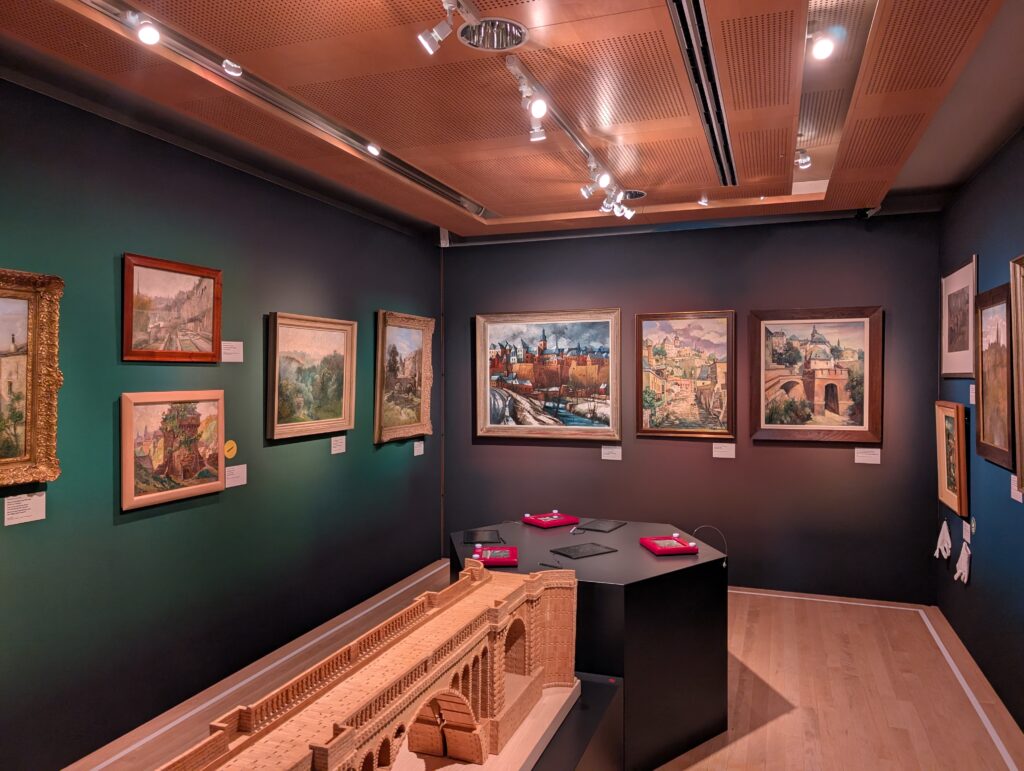
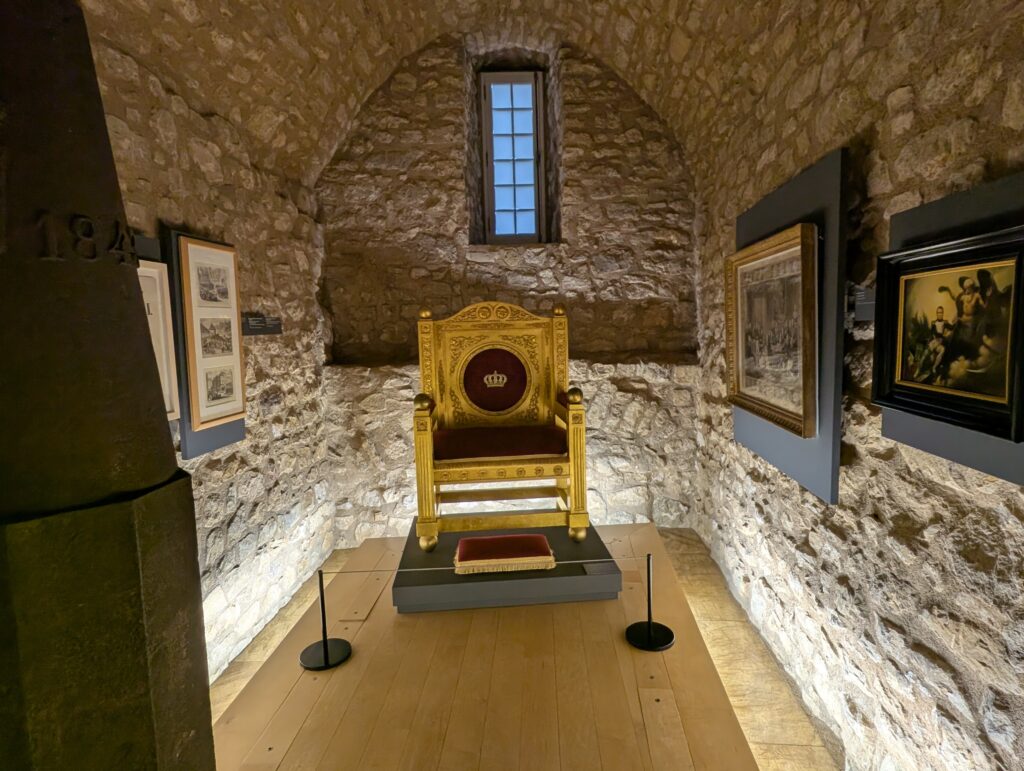
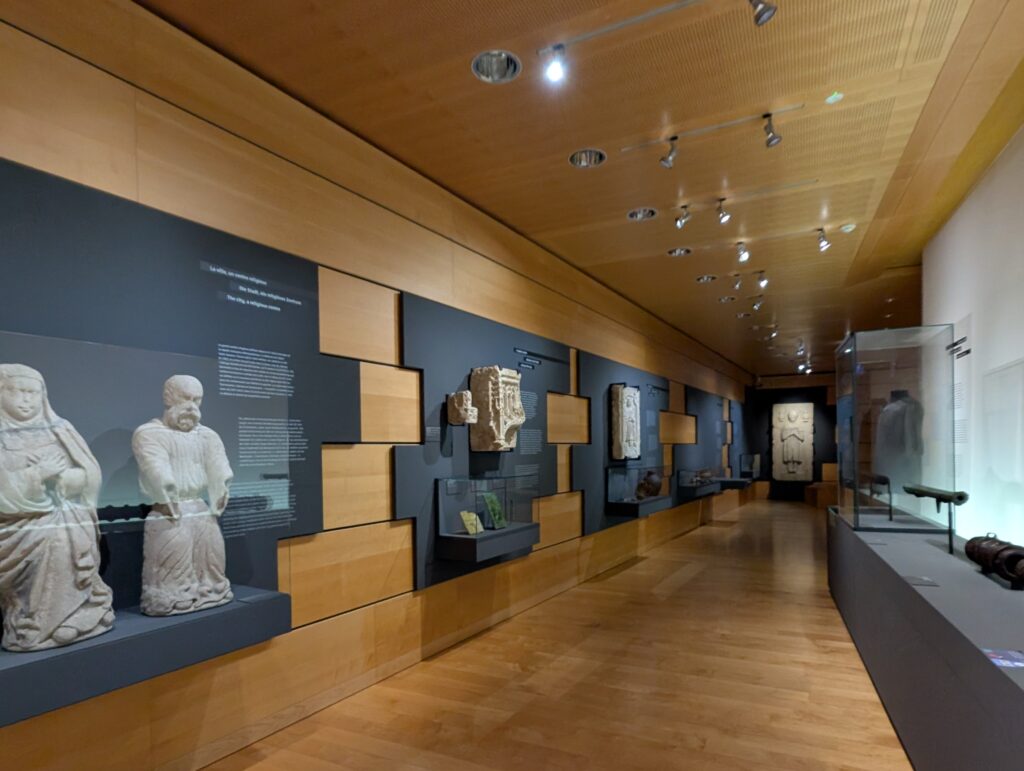
Letzebuerg City Musem
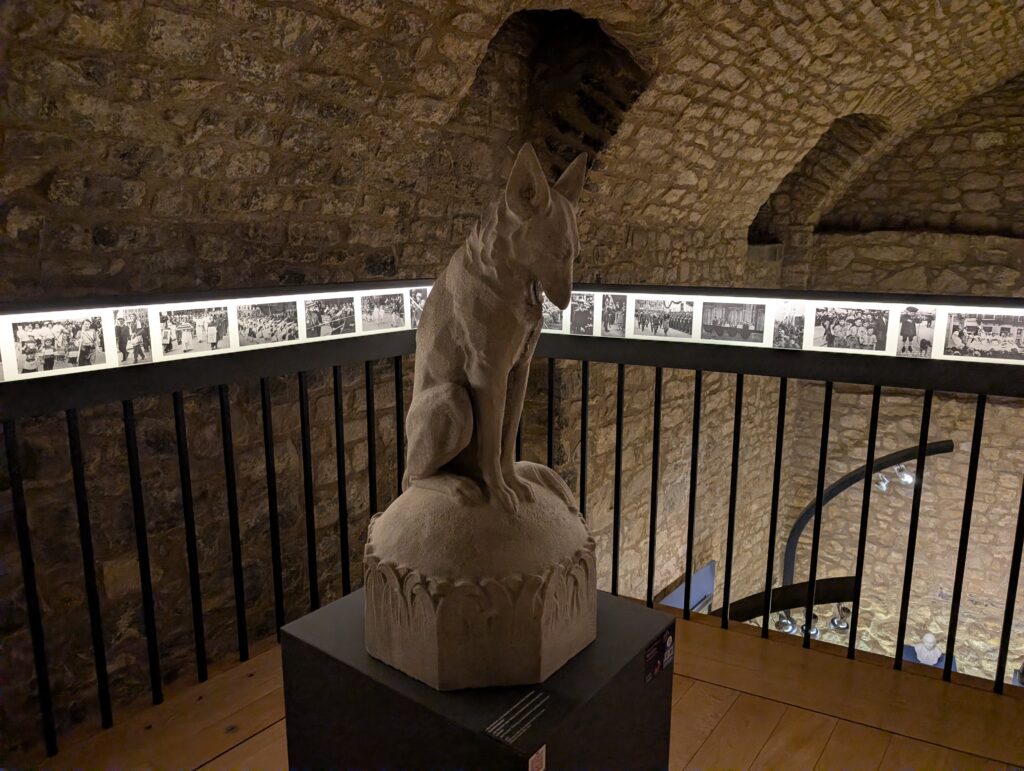
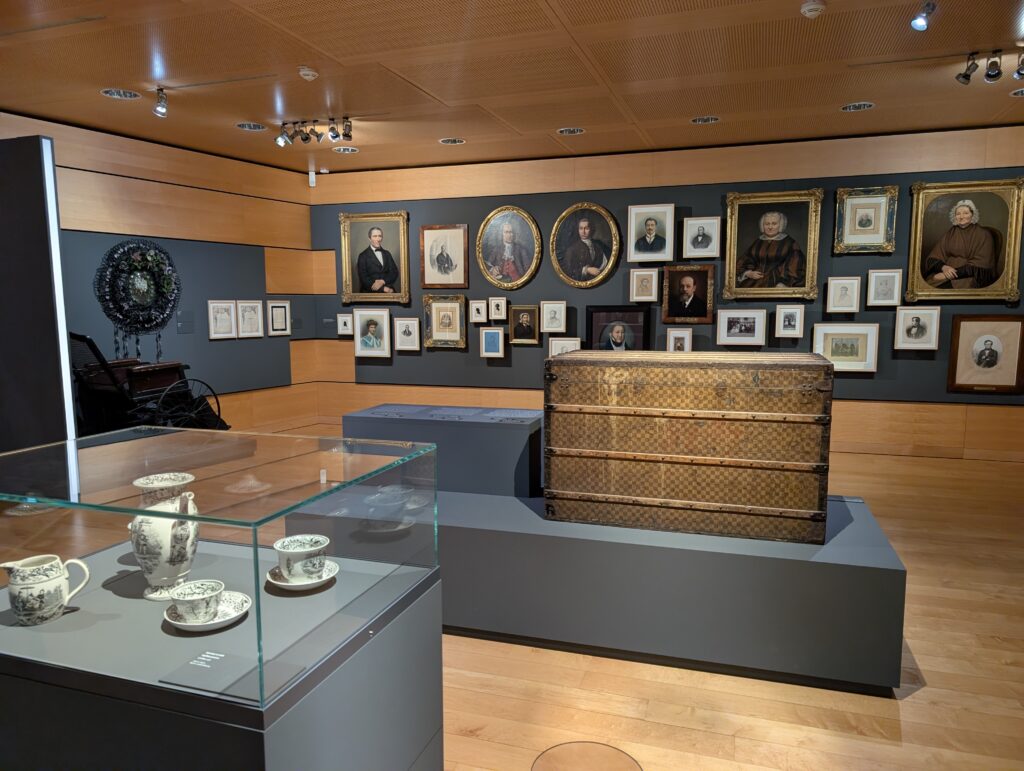
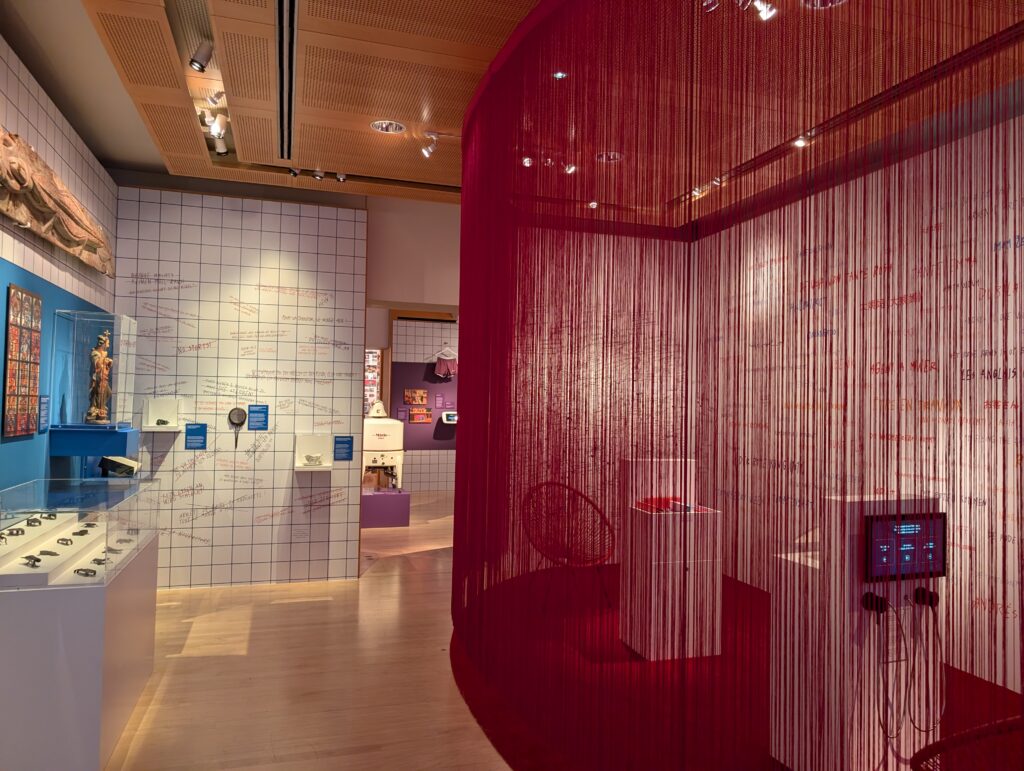
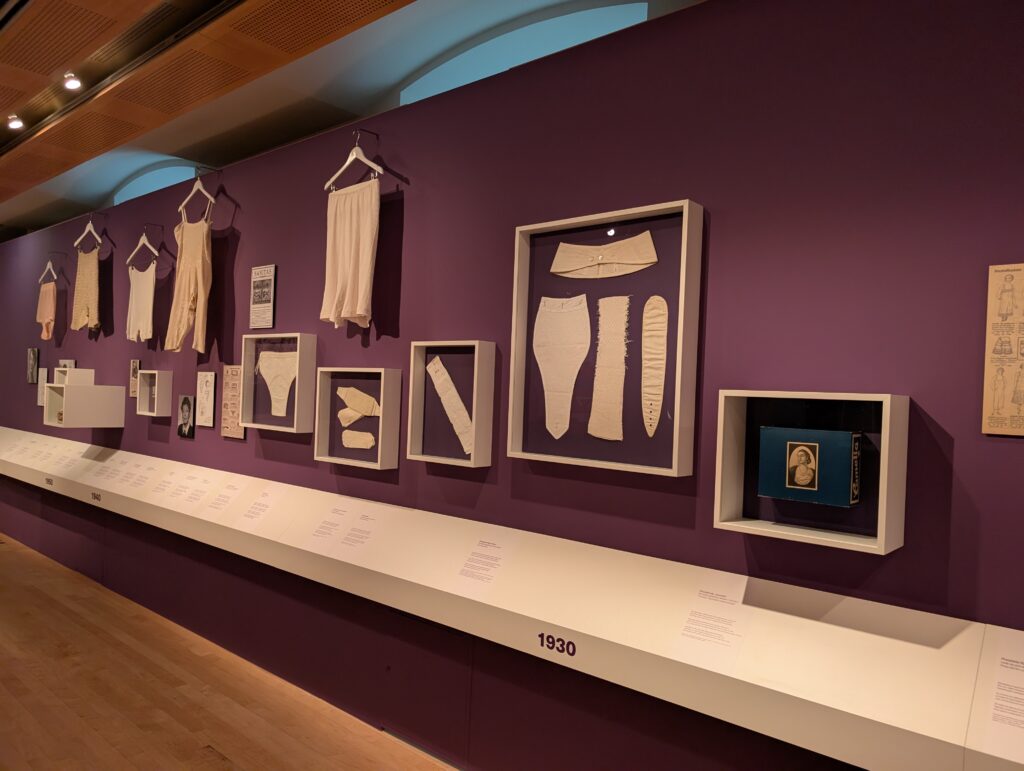
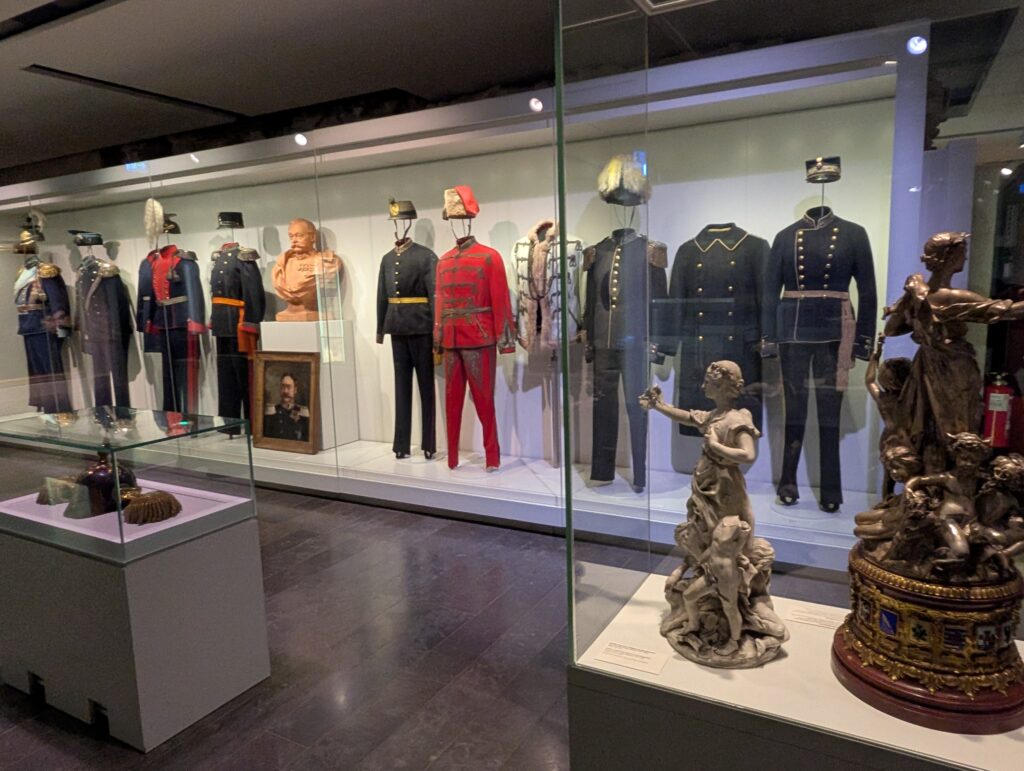
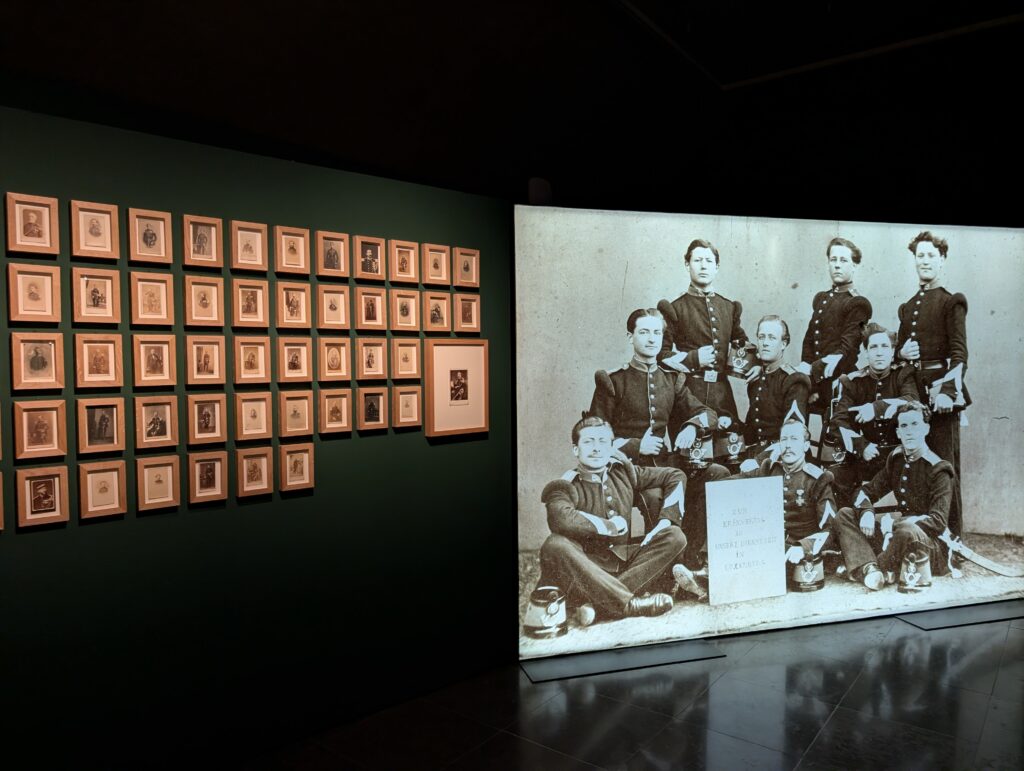
This museum was pretty cool. starting in the lower floors is the history of Luxembourg and information about the various wars and occupations here. The top floors showed many different ways that the city has been portrayed artistically throughout the centuries. There was one floor devoted entirely to a special issue which was Menstruation. It was really well thought out and covered history, biology, and of course social issues. The discussion of women in the work place (did you know that is was thought that milk curdled, food decayed, and seeds would not grow if a woman in menses was around?). It included interviews of women who have been discriminated and women fighting for more understanding of the reality and many problems that exist. A media room with many clips from shows looped as a video. I actually spent a lot of time here as there was so much to see.
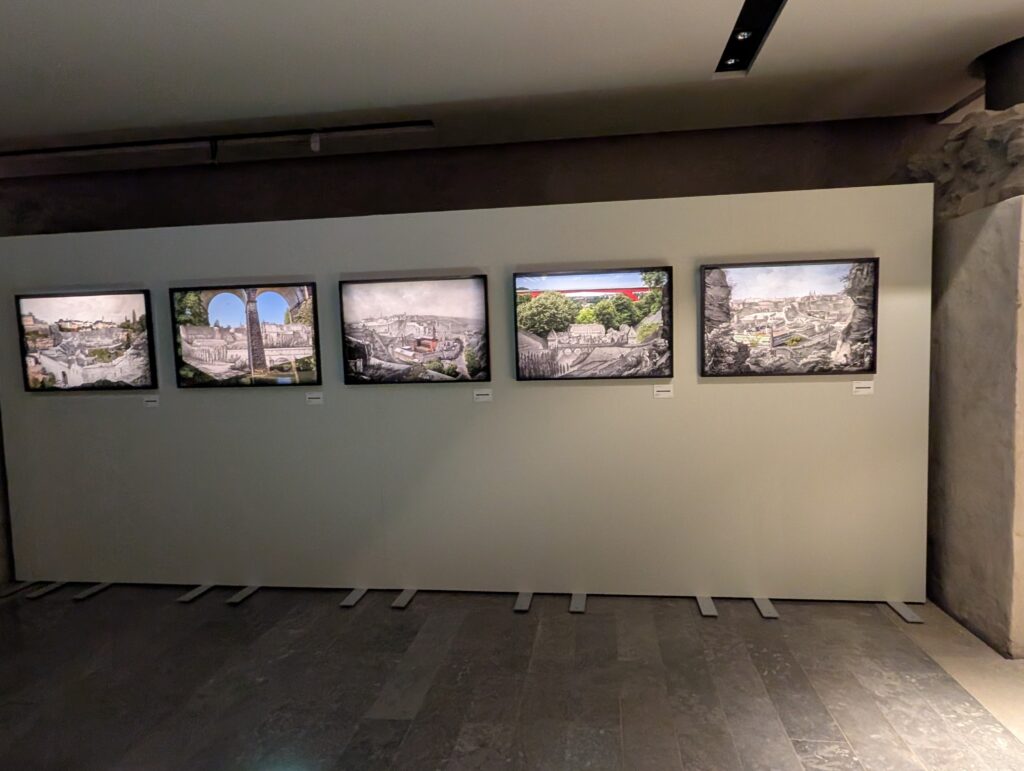
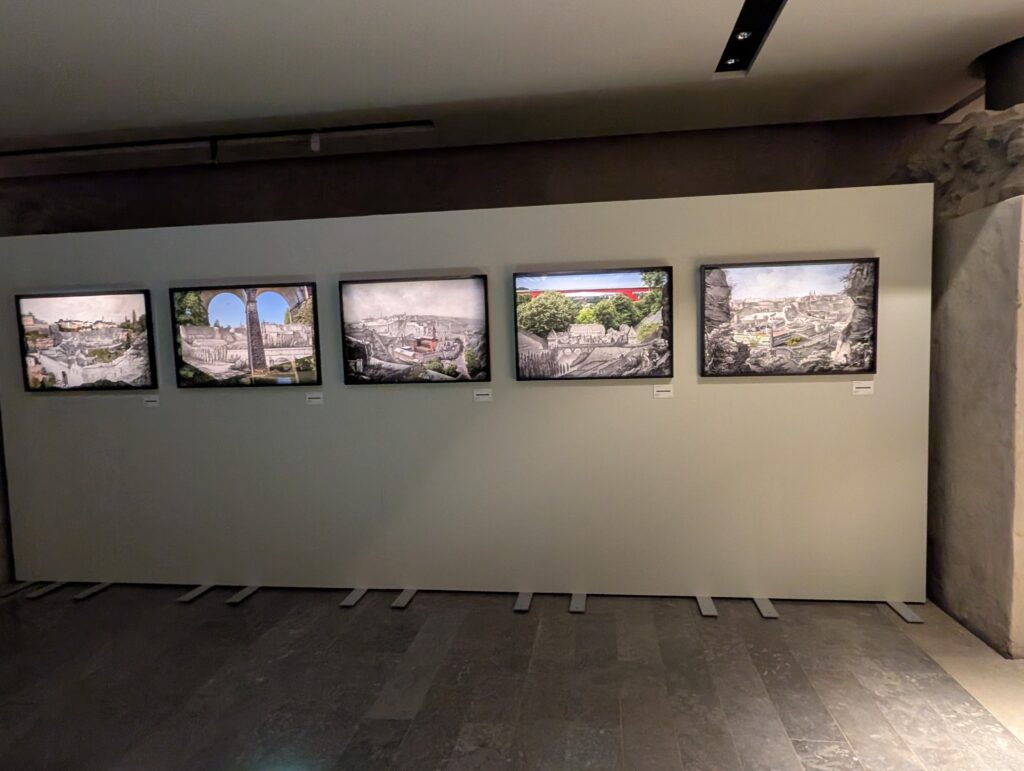
A panorama painted by Antoine Fontaine.
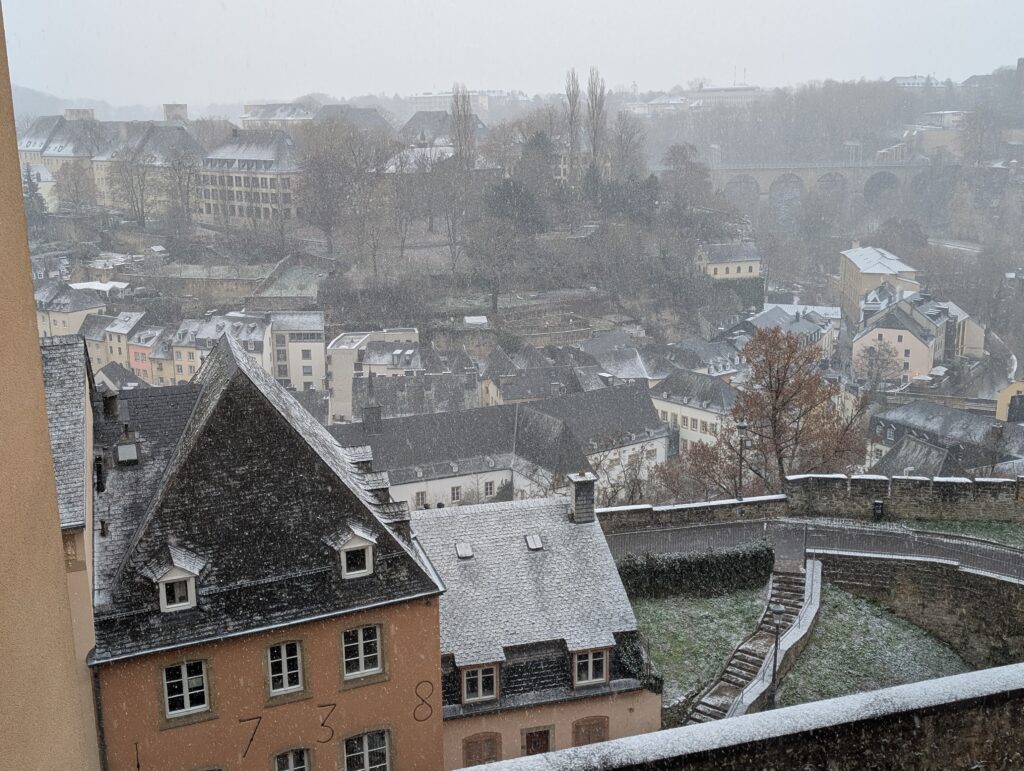
While I was there, it started snowing!
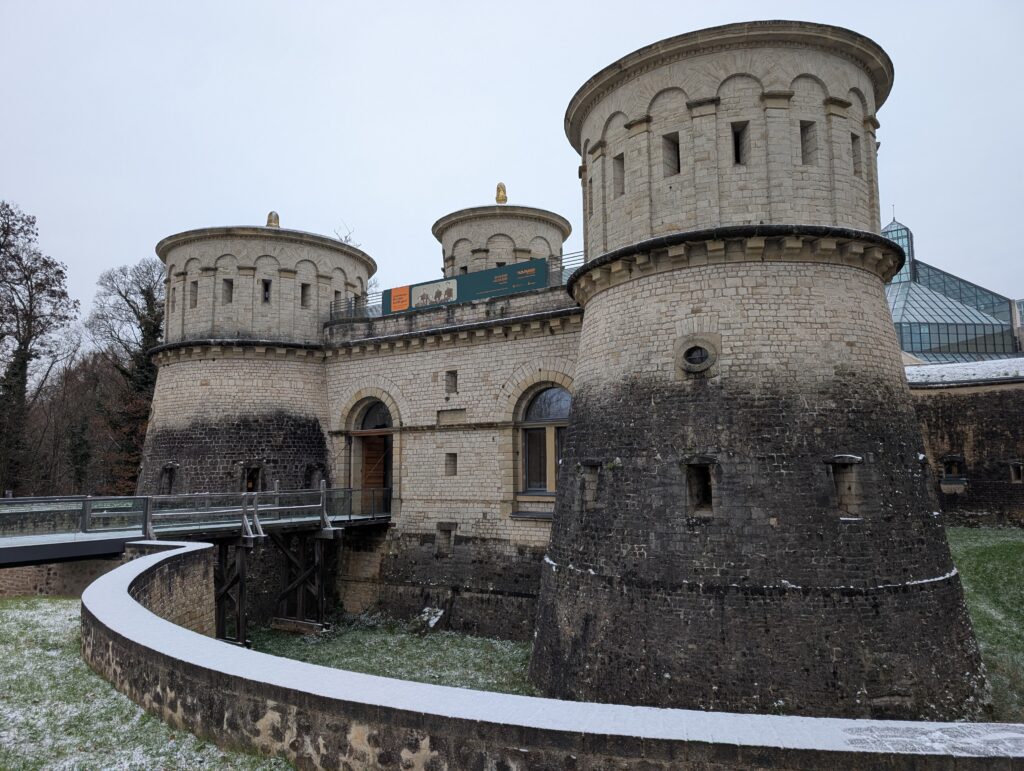
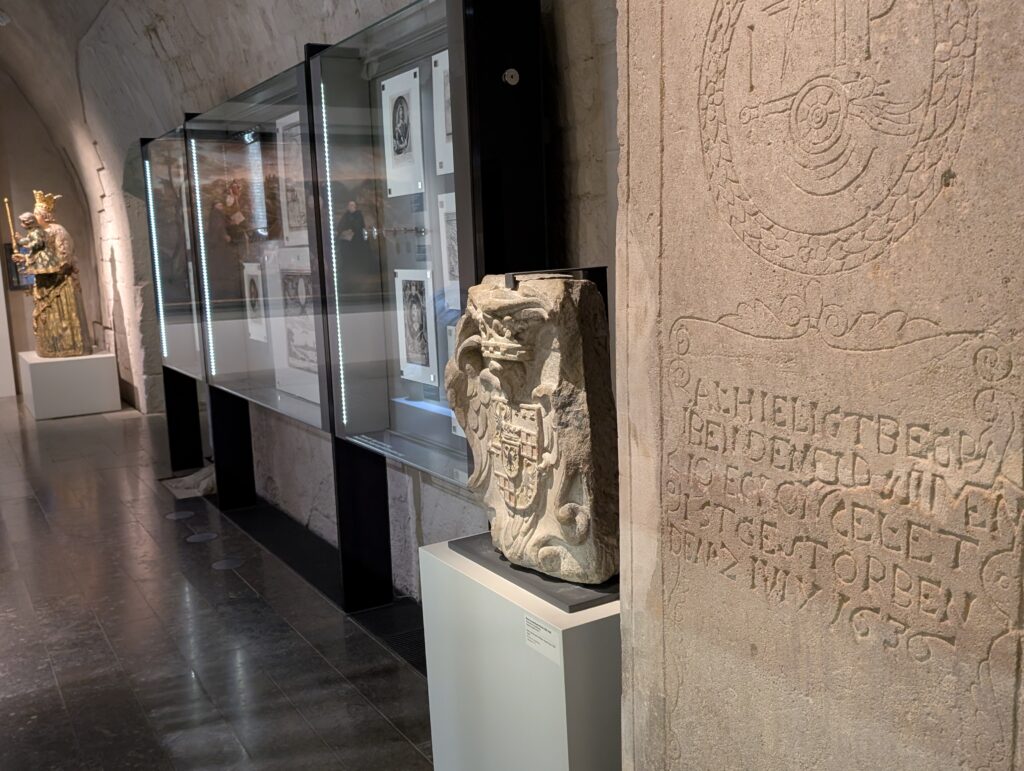
Fort Thüngen and the Dräi Eechelen museum. This fortress was created by the Habsbergs during their occupation and after dismantling during the independence, only three towers remained which are called the three acorns. The museum has some great artifacts and history from the many conflicts the country has endured over the centuries.
I took a train ride to Edinburgh and the Castle Rock hostel. it is by far the best hostel I have been in. Many large relaxing lounges, a large bedroom area, and the shower facilities were great.
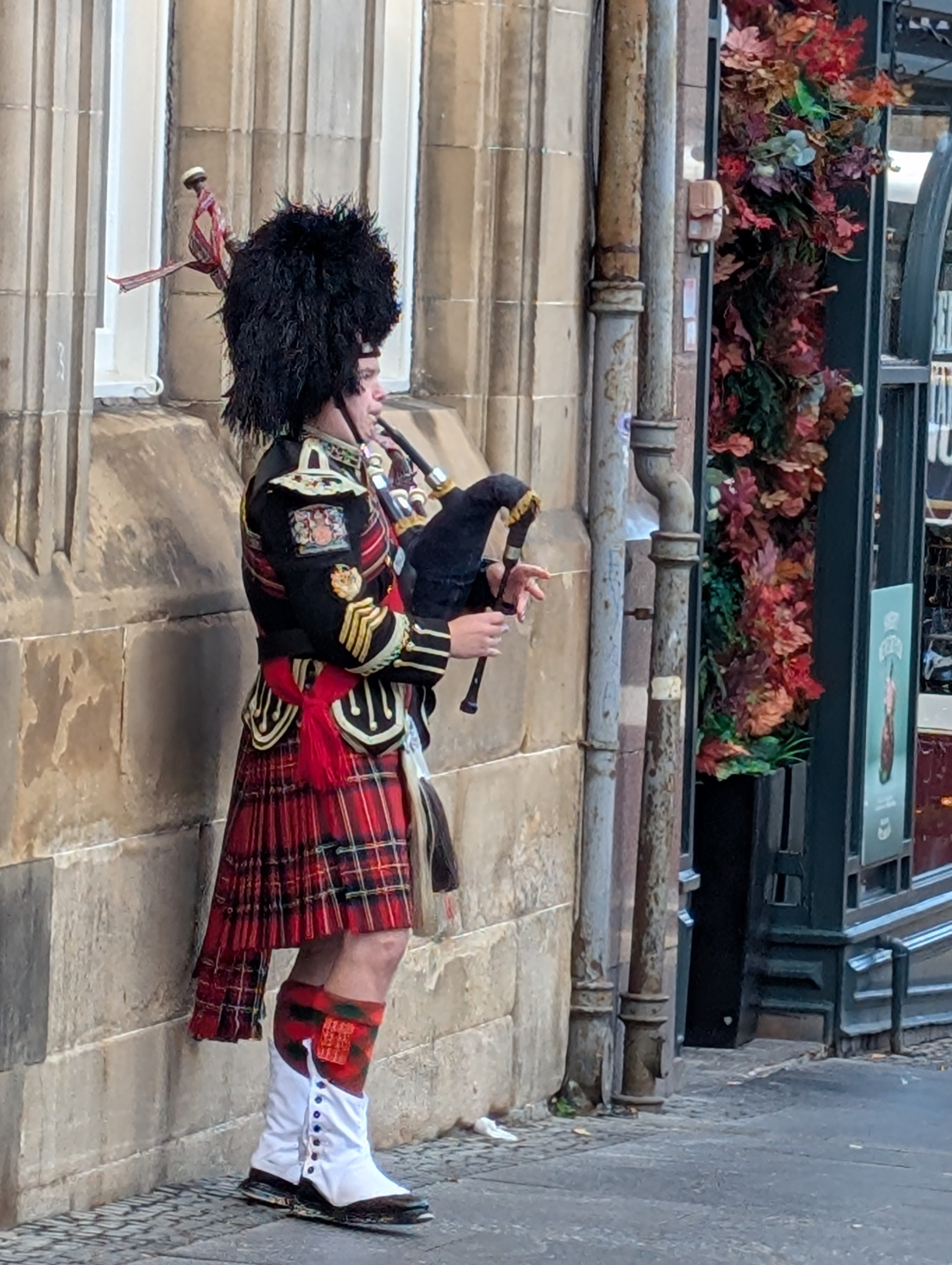
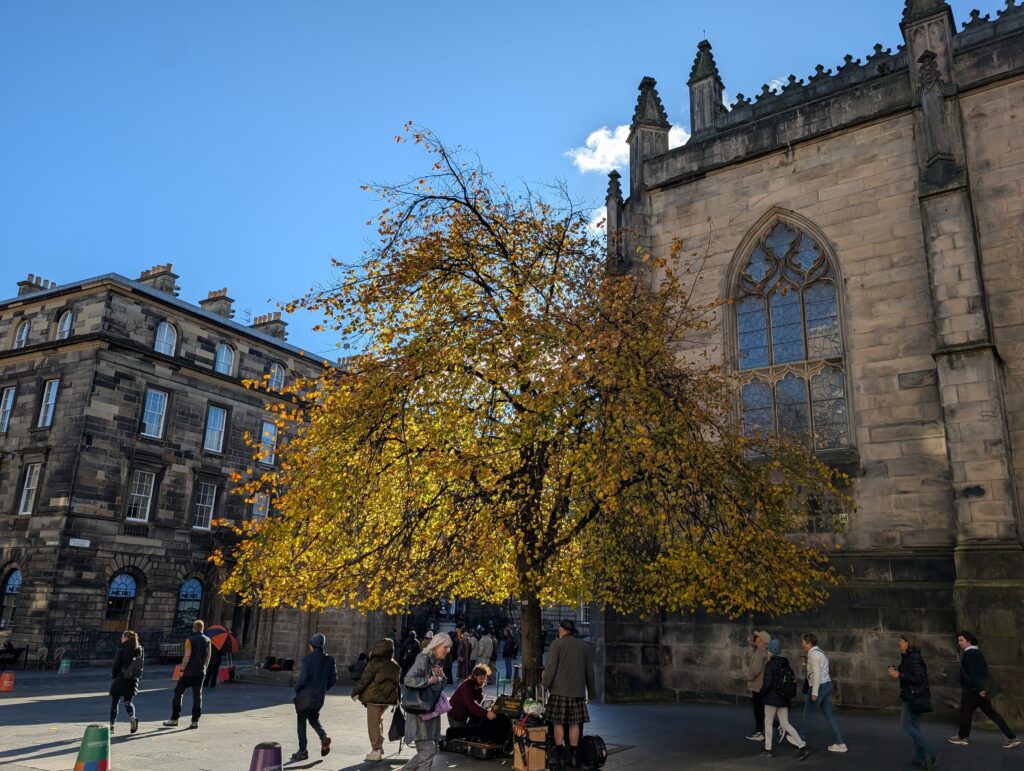
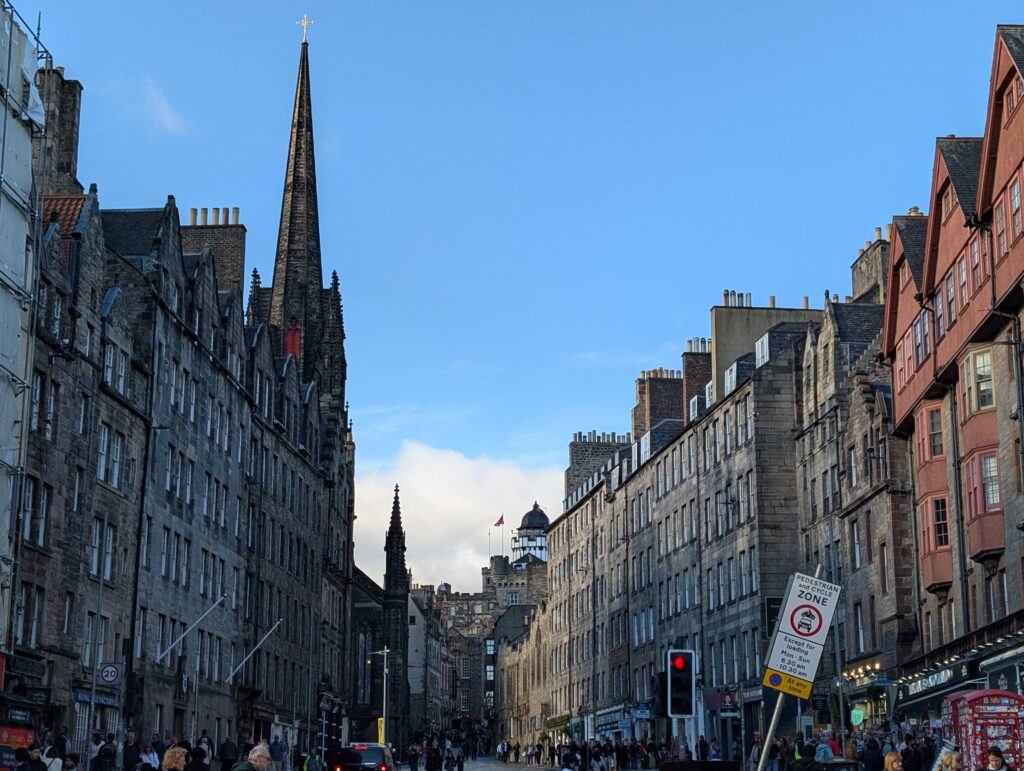
Immediately I liked the vibe in Edinburgh even though it is touristy. I participated in a pub crawl which is something I normally don’t do. It was pretty fun with competitions between groups and I met some great people.
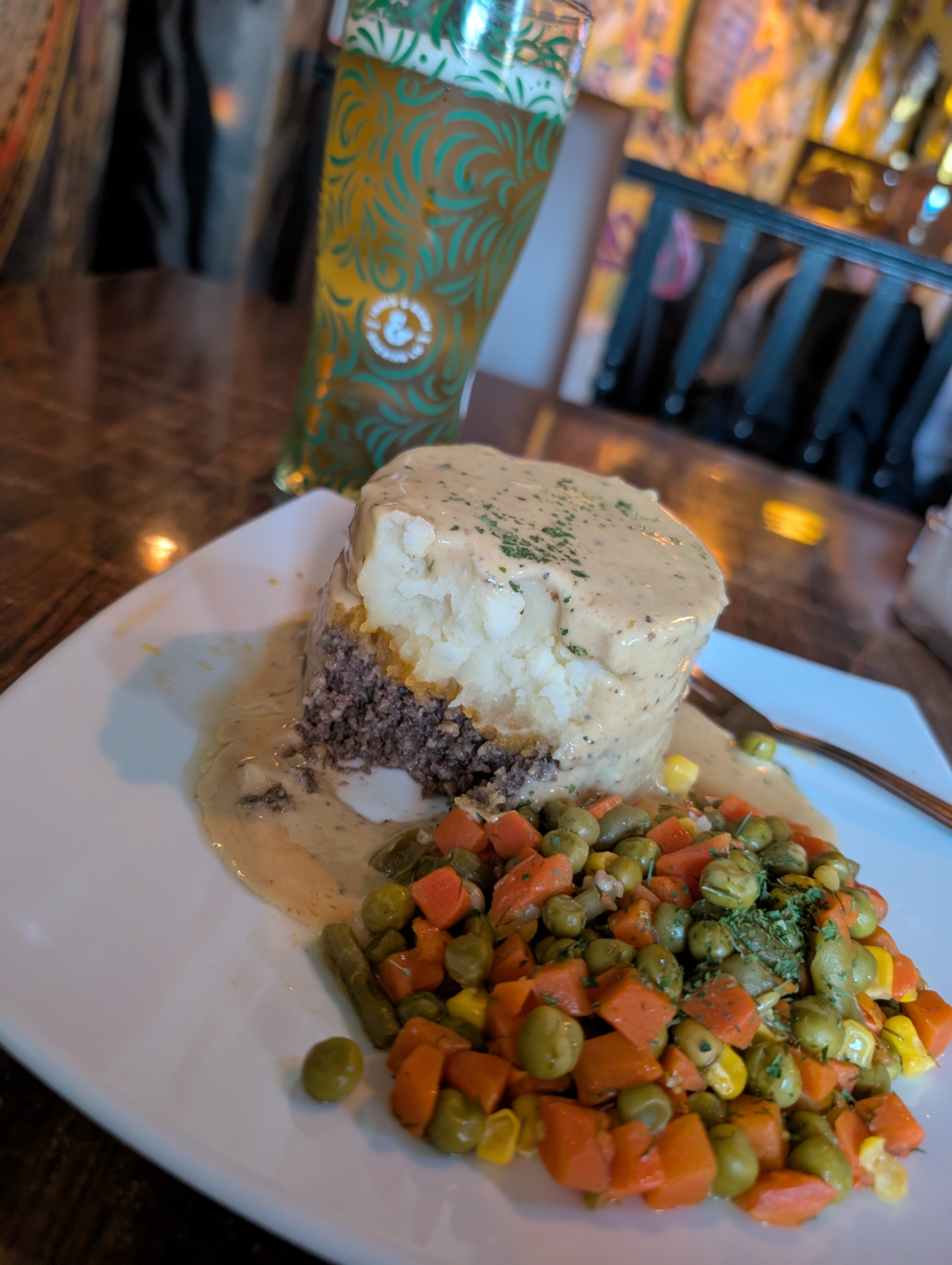
I also ordered Haggis, neeps, and tatties which is traditional Scottish food. So what is it?
Haggis: A savory pudding made from a sheep’s heart, liver, and lungs (often referred to as “pluck”), minced with onion, oatmeal, suet, and spices. it looks a bit like ground beef but has a really good taste and is spiced well. Traditionally, it was boiled in a sheep’s stomach, but today it is usually cooked in an artificial casing.
Neeps: The Scottish term for mashed rutabaga or swede, a root vegetable similar to a turnip. It is typically boiled and mashed with butter, pepper, and sometimes nutmeg.
Tatties: The Scottish term for mashed potatoes. They are also prepared with butter and seasoned for serving.
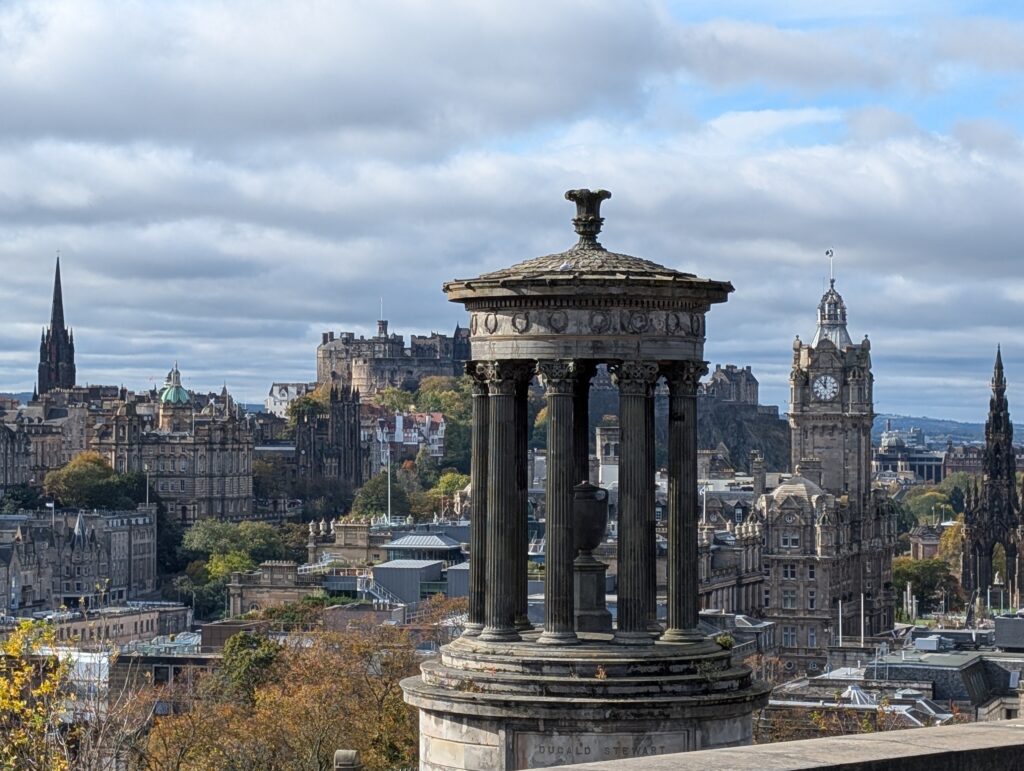
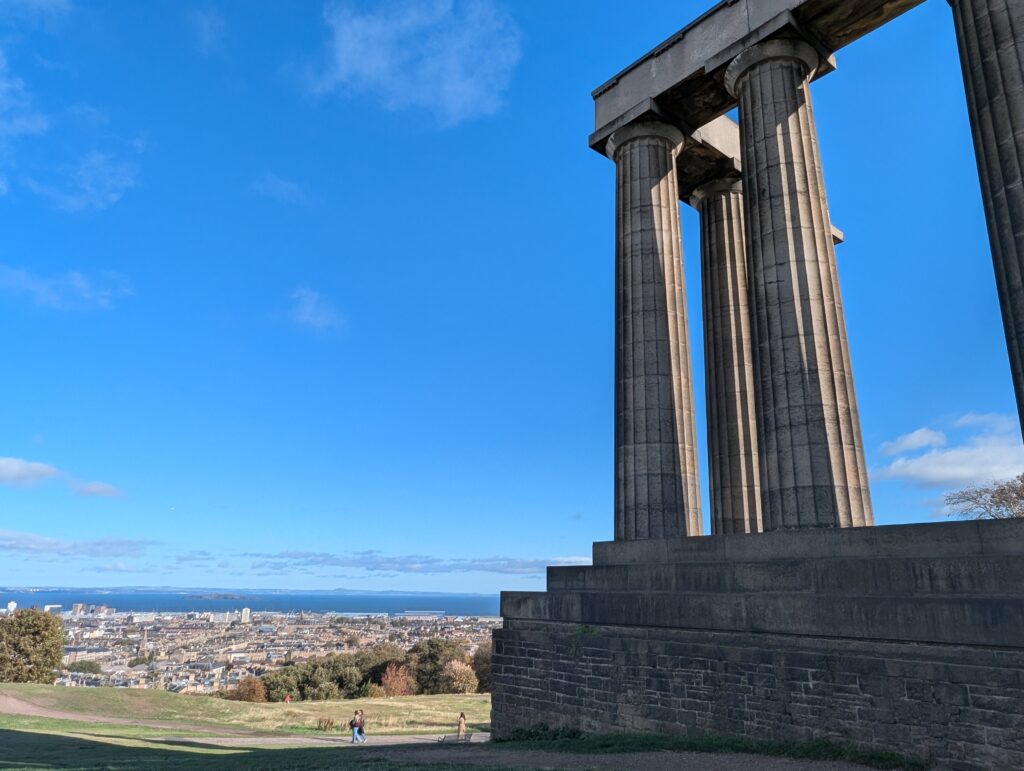
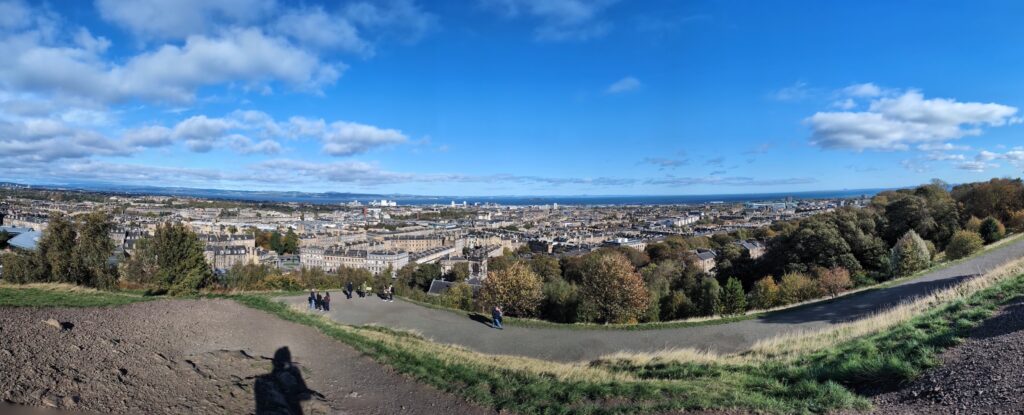
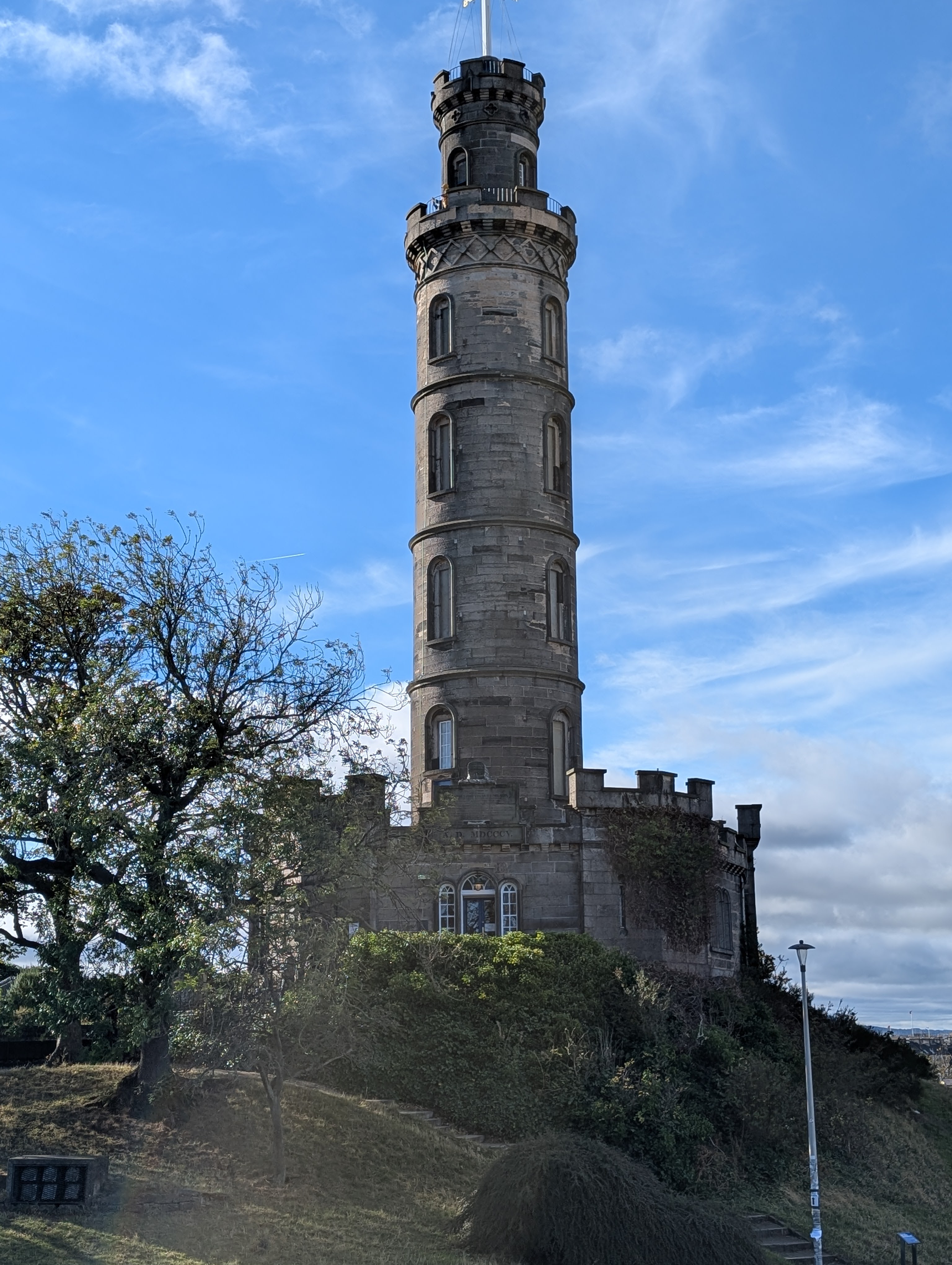
I also walked to Calton Hill to see the views of the city and look at some of the art installations in the buildings there.
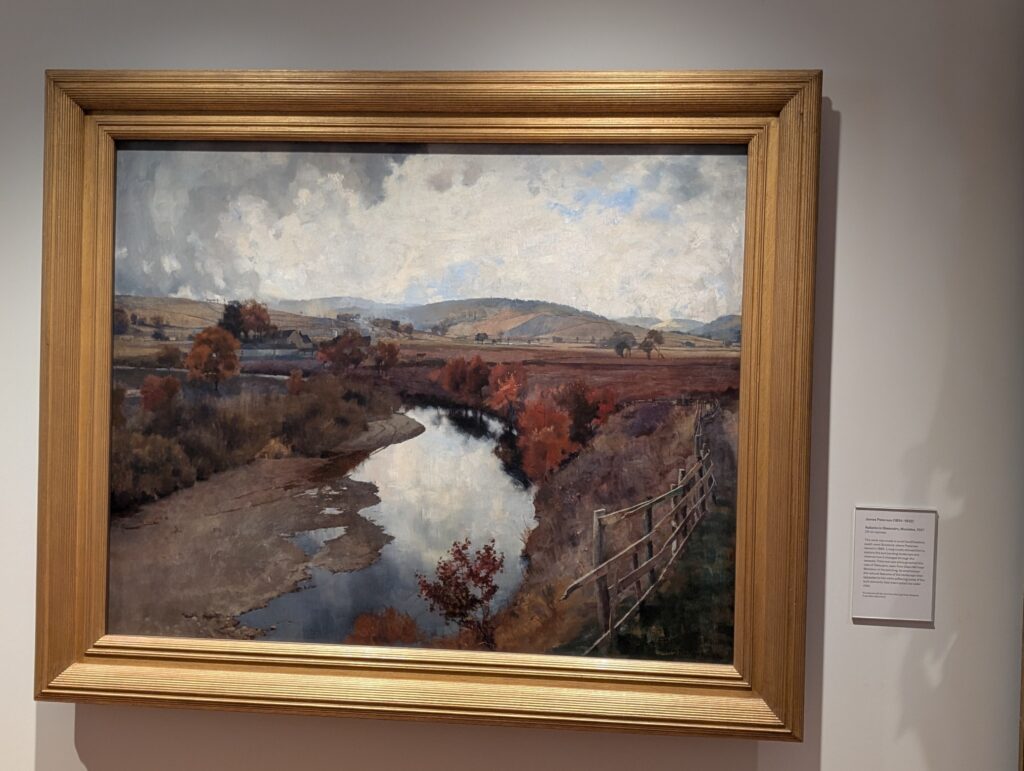
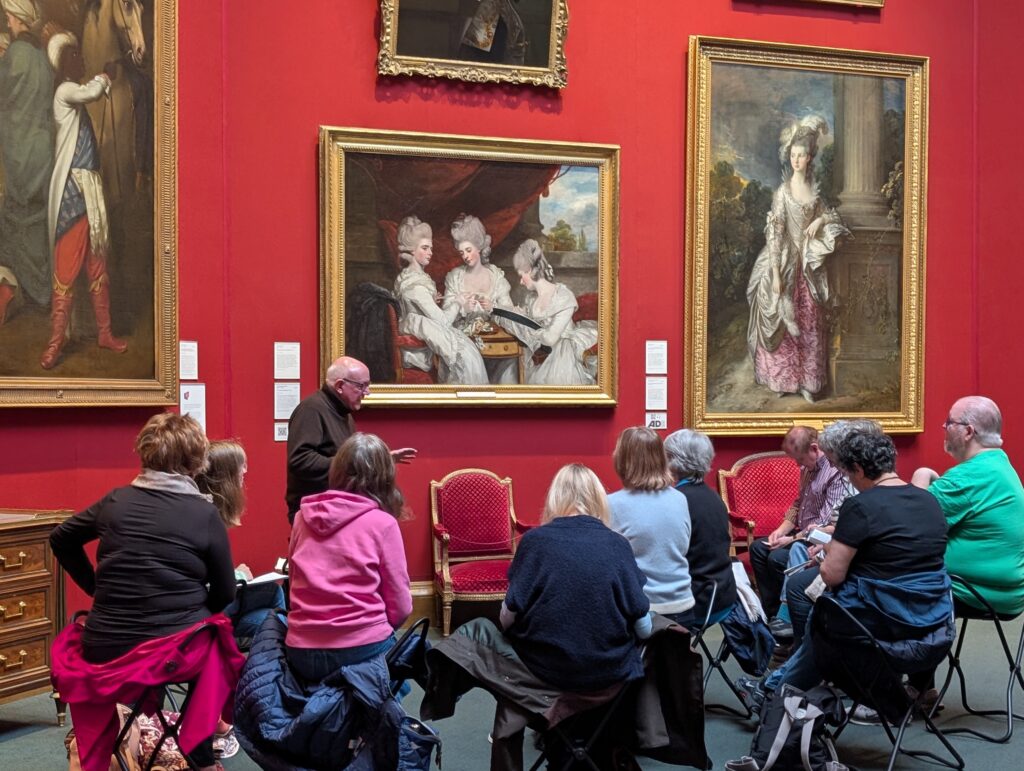
After the Isle of Skye tour, I came back to Edinburgh for a few more days. The National gallery and the National museum are free. The National Gallery has some amazing art from Scottish painters and others from around the world including many French impressionists artists. There was a person leading a discussion on the meanings of parts of the painting.
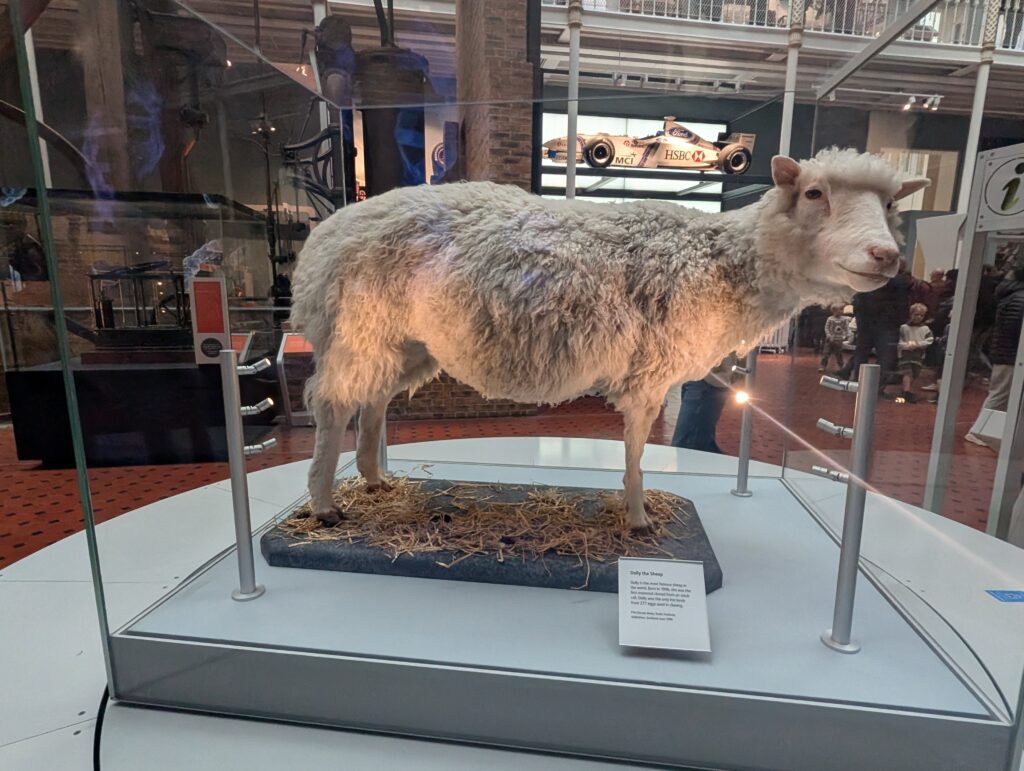
The National museum had many exhibits from all over the world. The most interesting was the body of Dolly, the cloned sheep. She had been preserved and was on display.
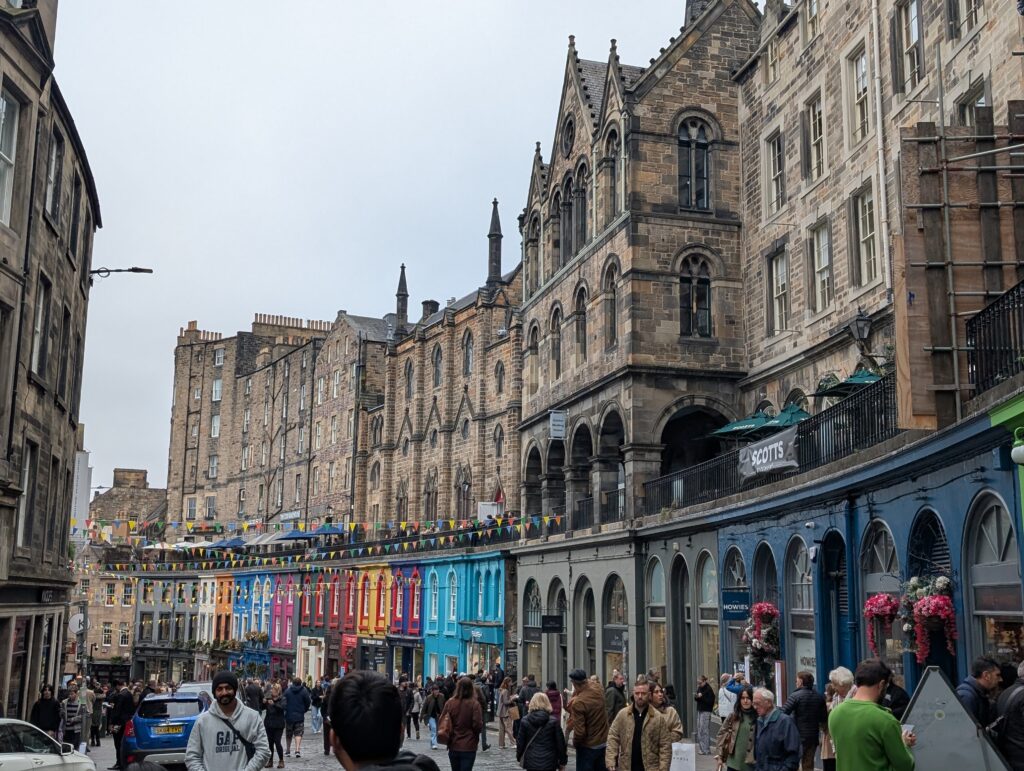
I walked along Victoria Street with all the amazing colorful stores.
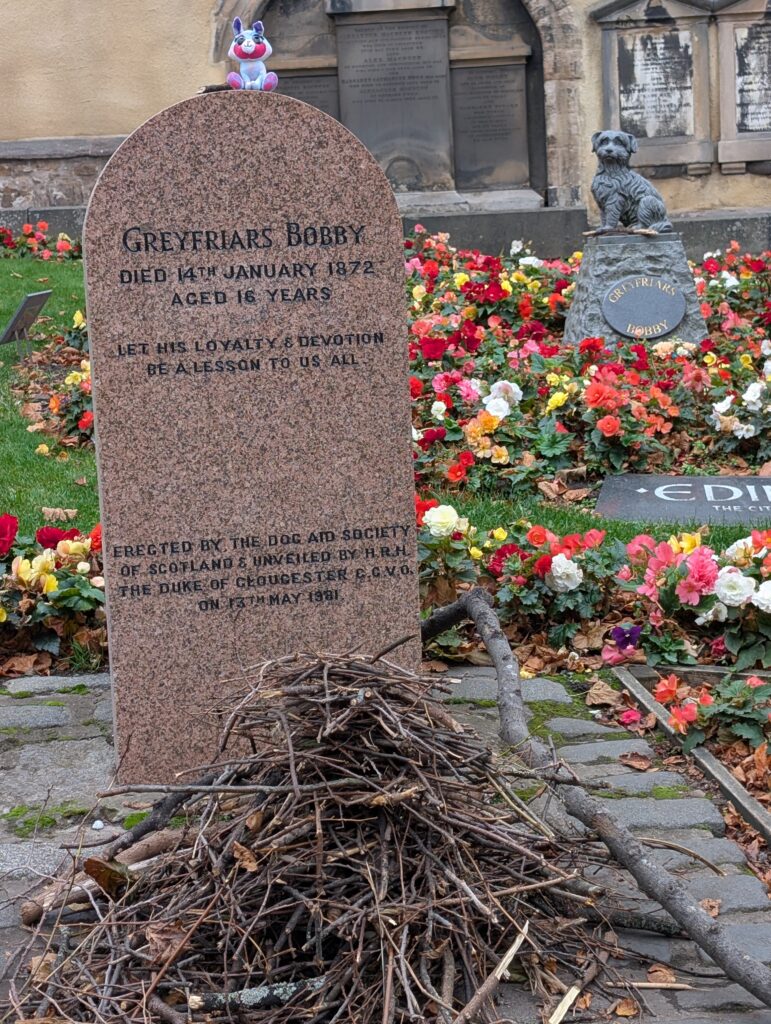
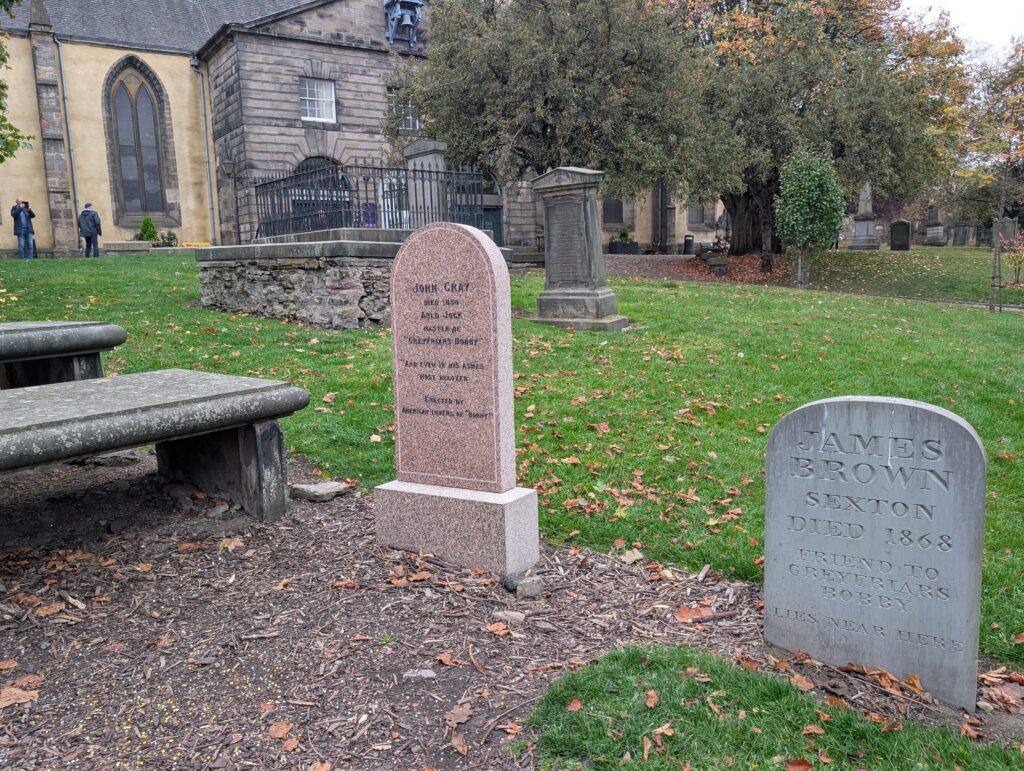
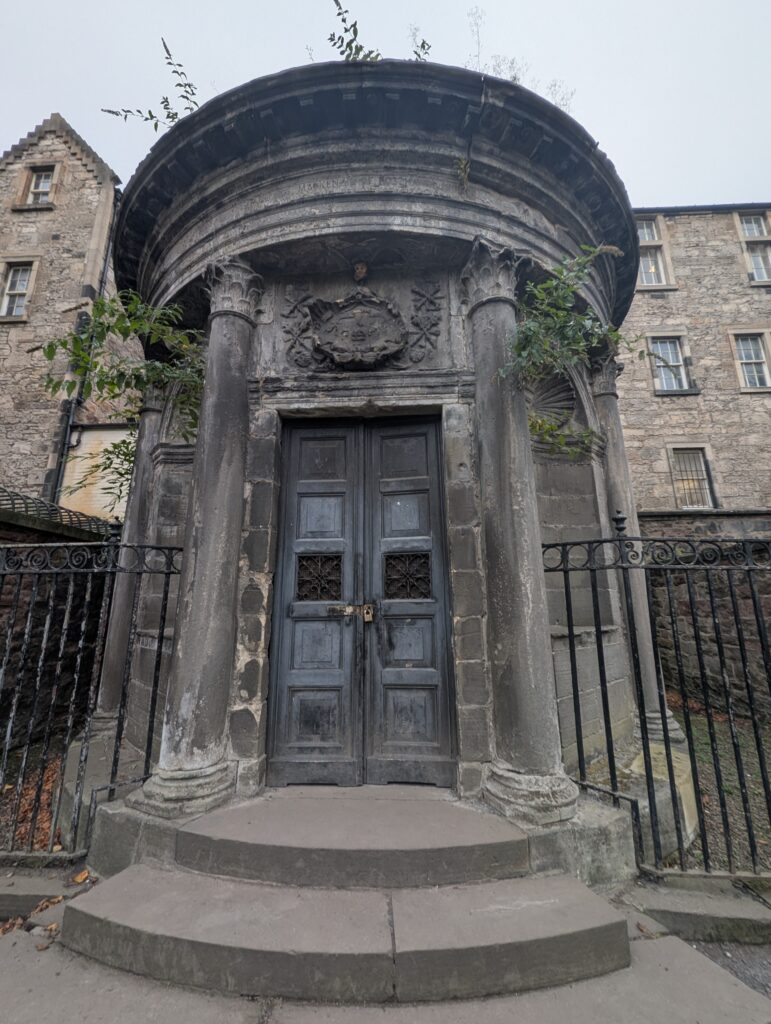
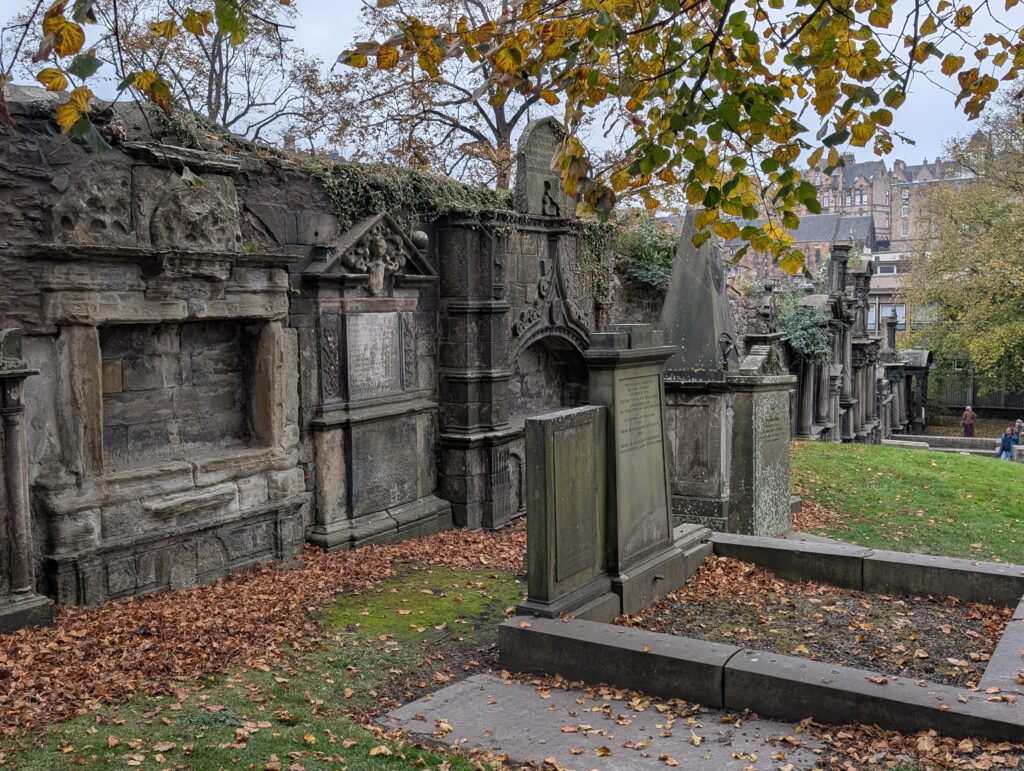
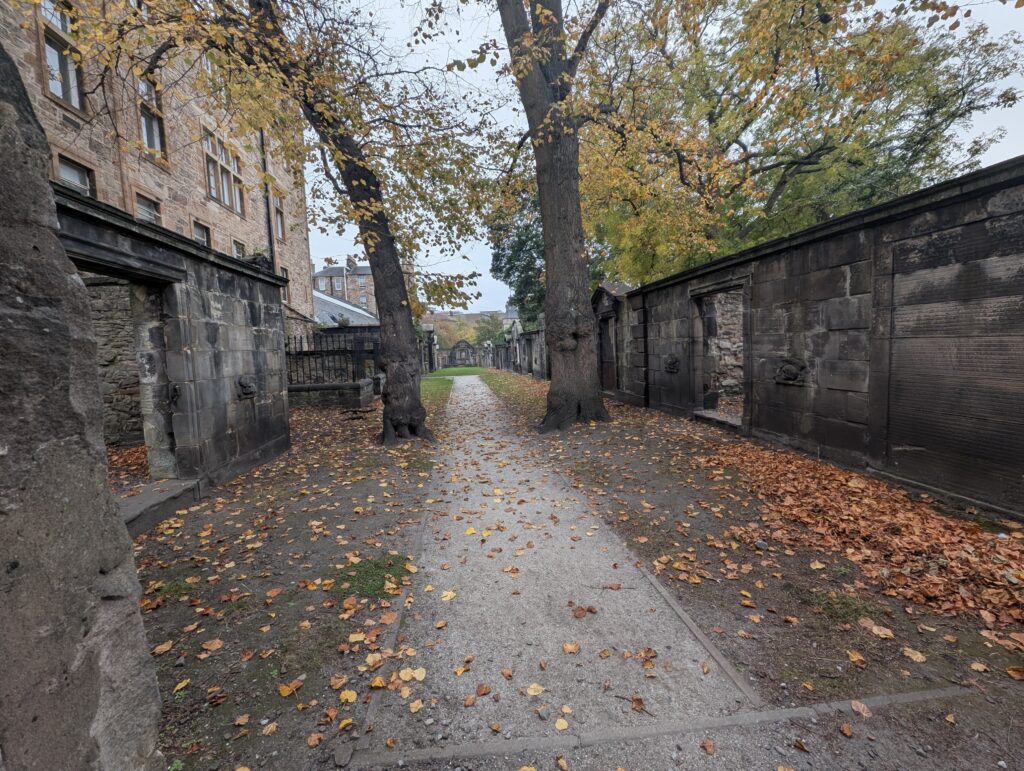
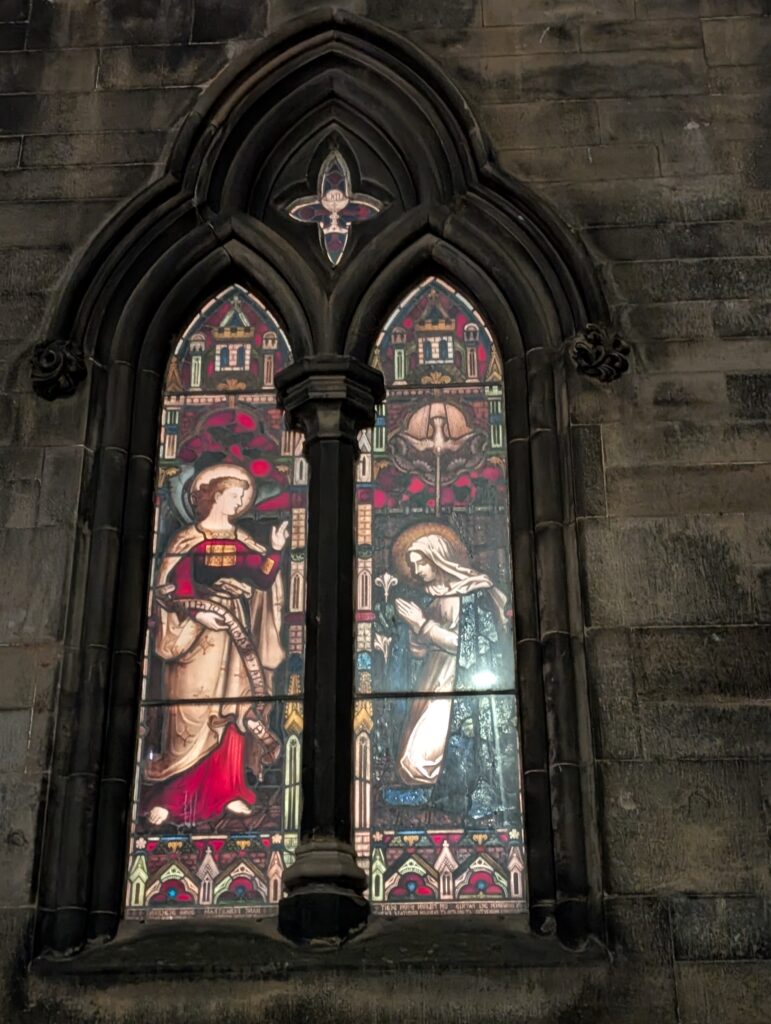
I then visited Greyfriars cemetery which is said to be haunted. The first thing you see is Greyfriars Bobby. He was the Skye terrier of John Gray, a philosopher and writer. When he died, his dog guarded his grave for 14 years. The owner of the local pub right outside the cemetery gate, made him a house and bed and made sur he was fed until he died. He is. It buried with his master because of cemetery rules but is nearby.
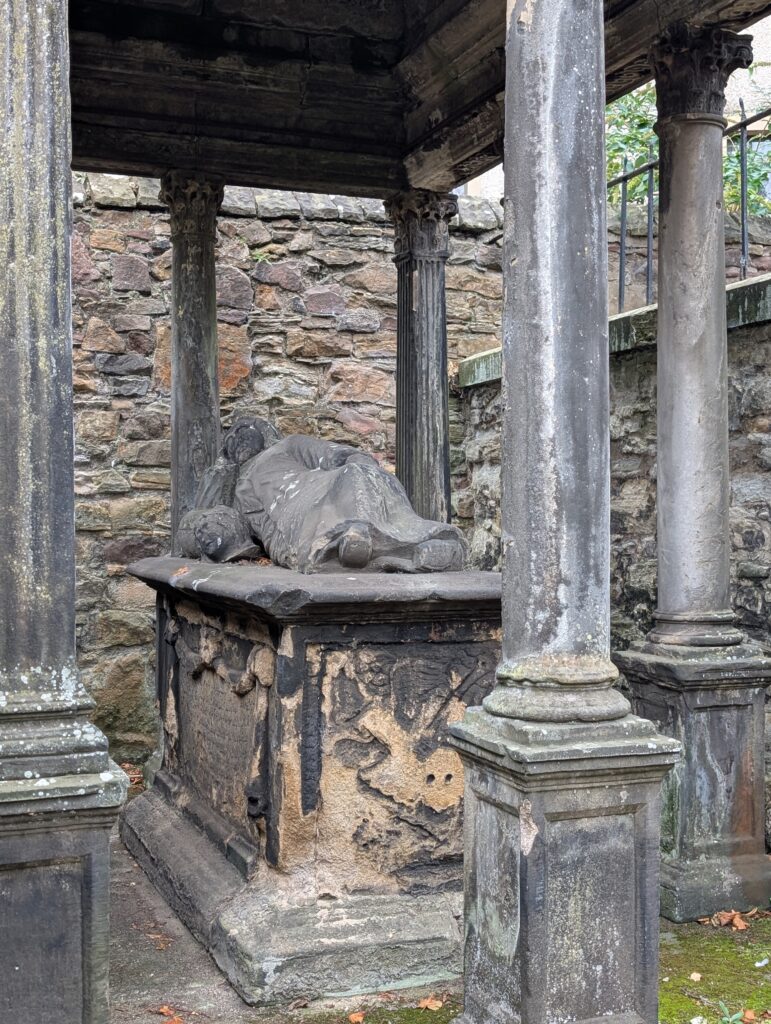
other graves to note is this one that is said to be haunted by a poltergeist.
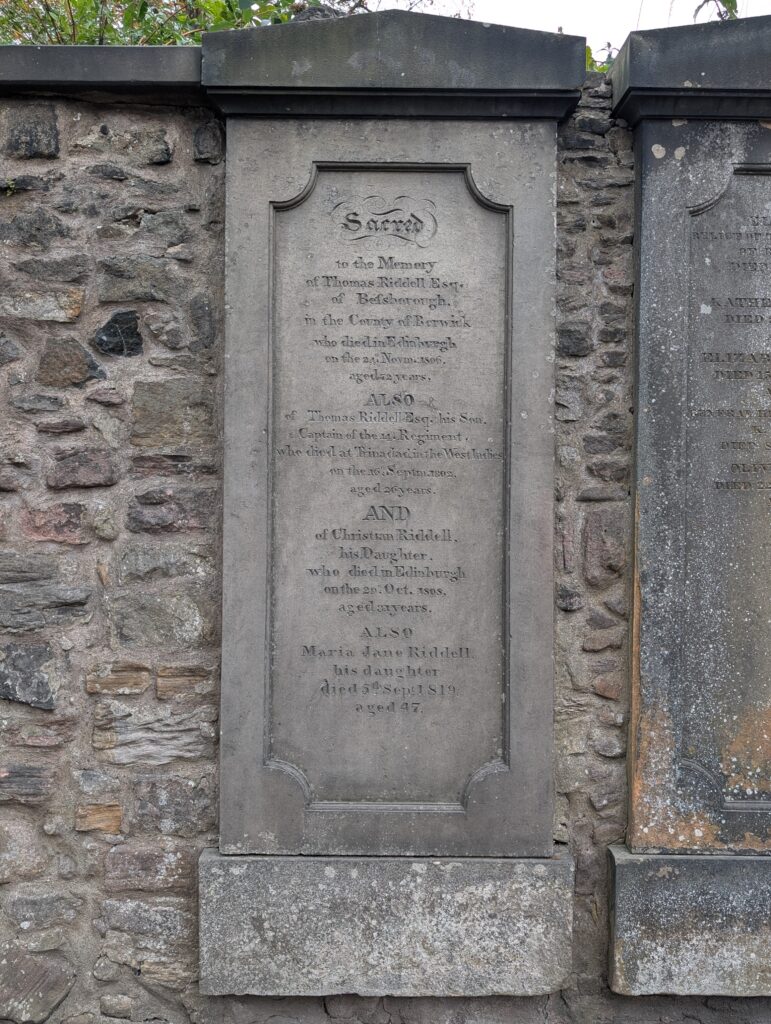
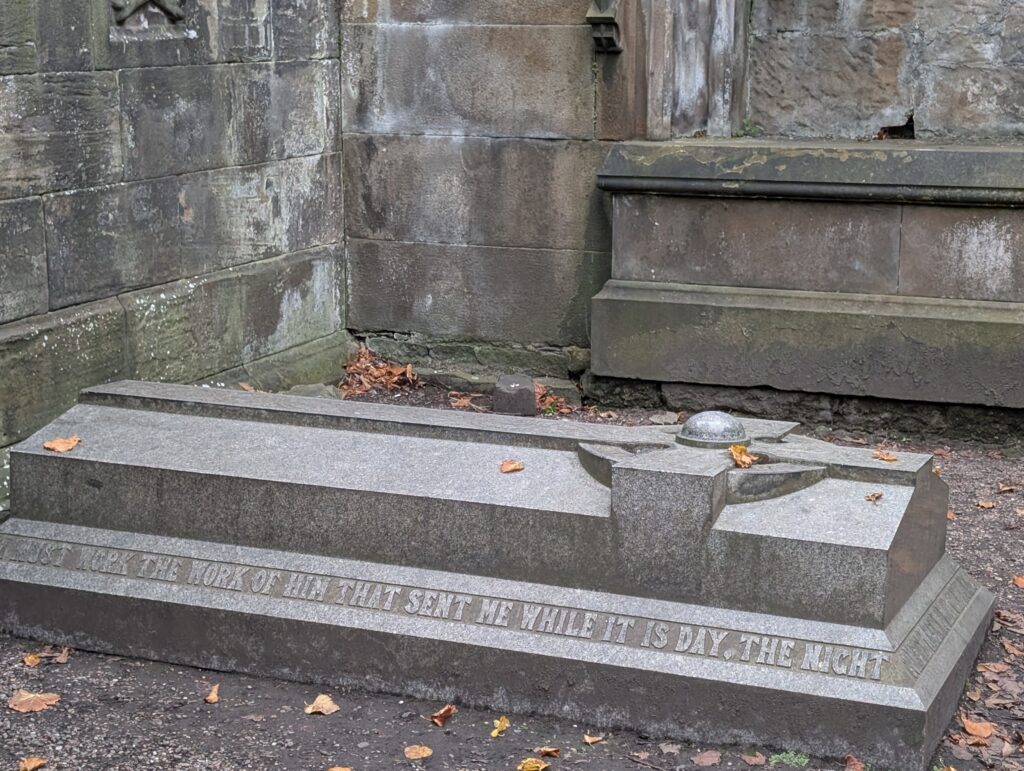
This is the grave of Thomas Riddle. I did not research about him, but all I could think of was Harry Potter. Some other pictures I took.
The Covenanter prison was located here. They were held in horrible conditions until they all died and were buried here.
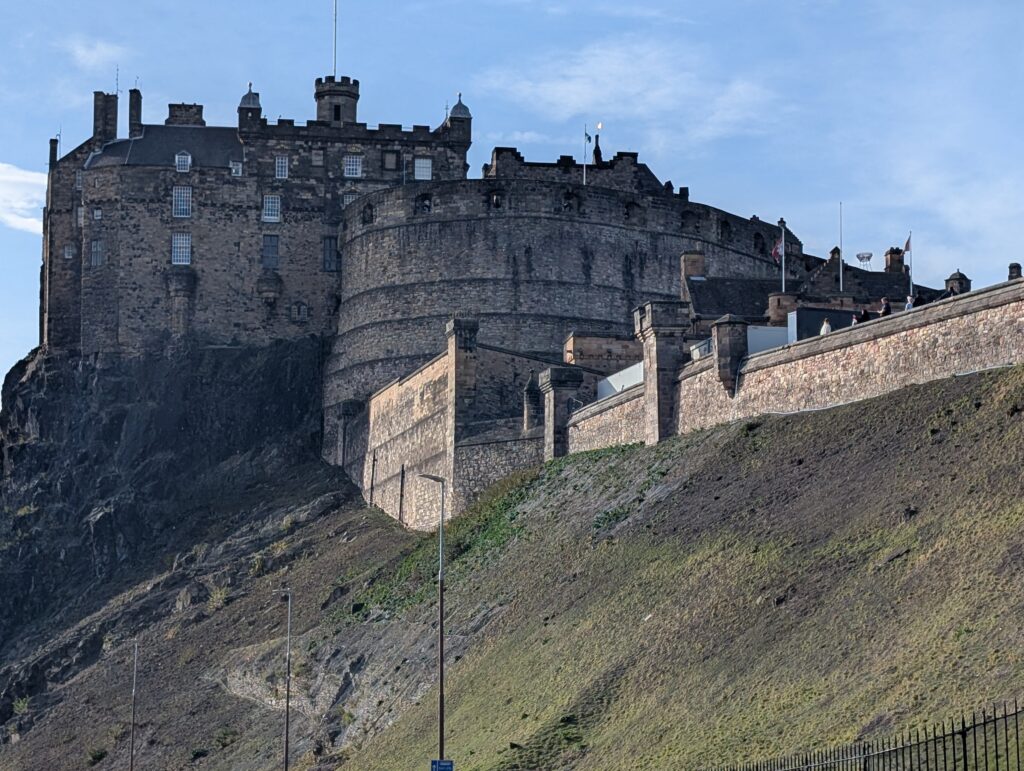
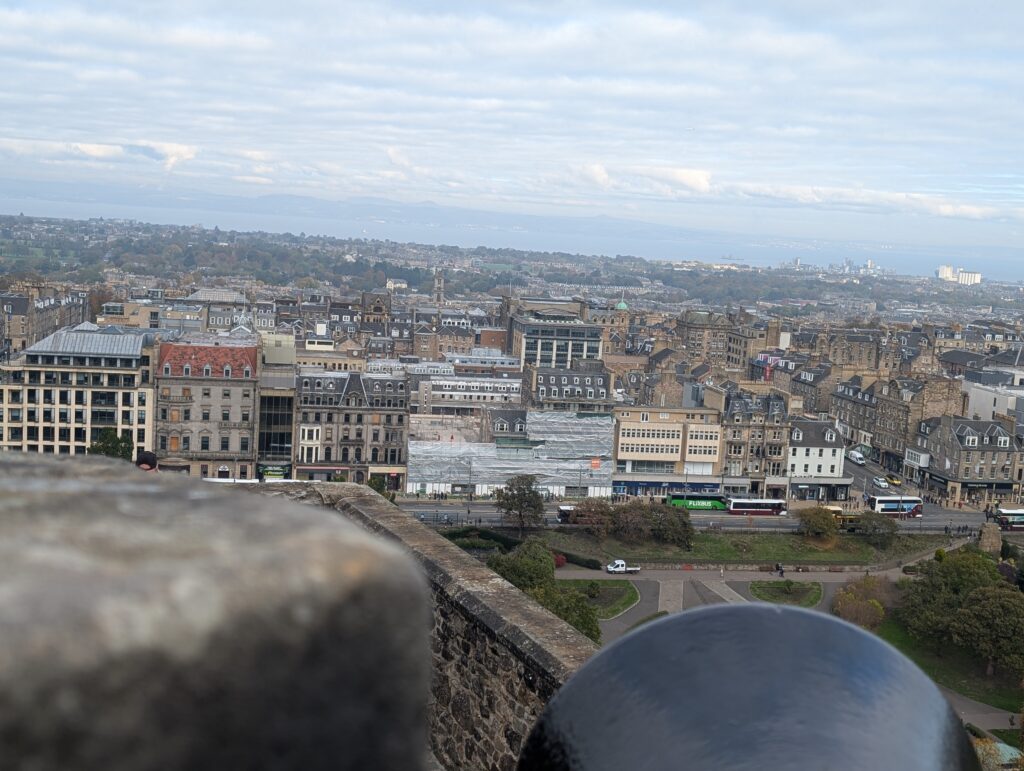
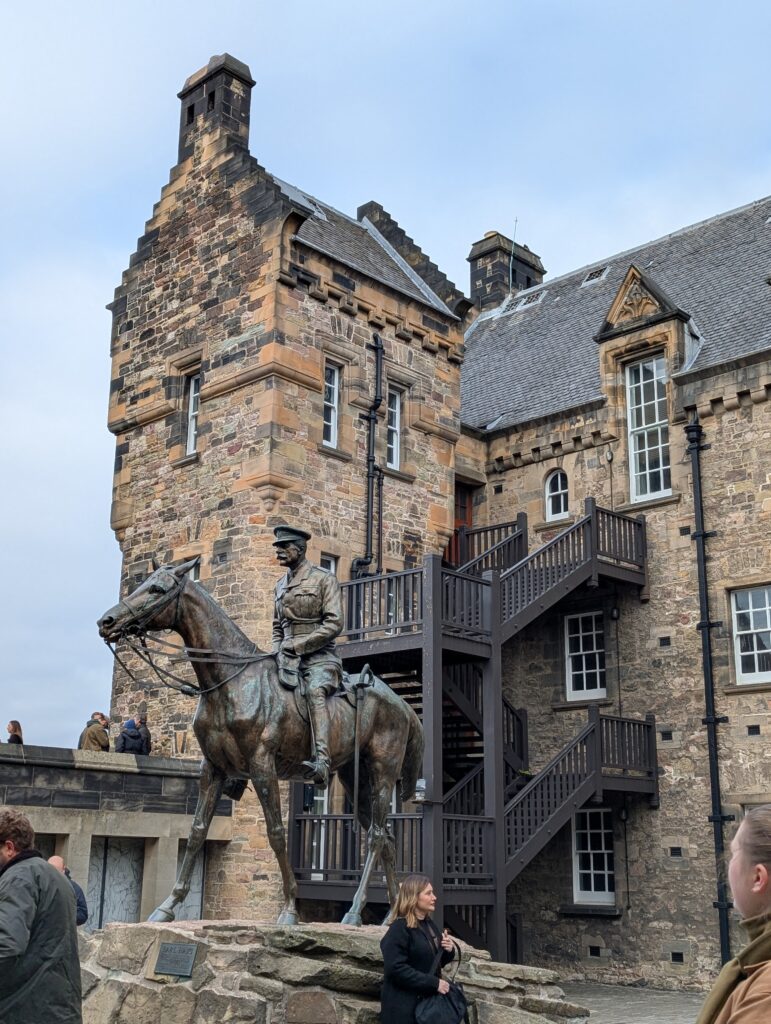
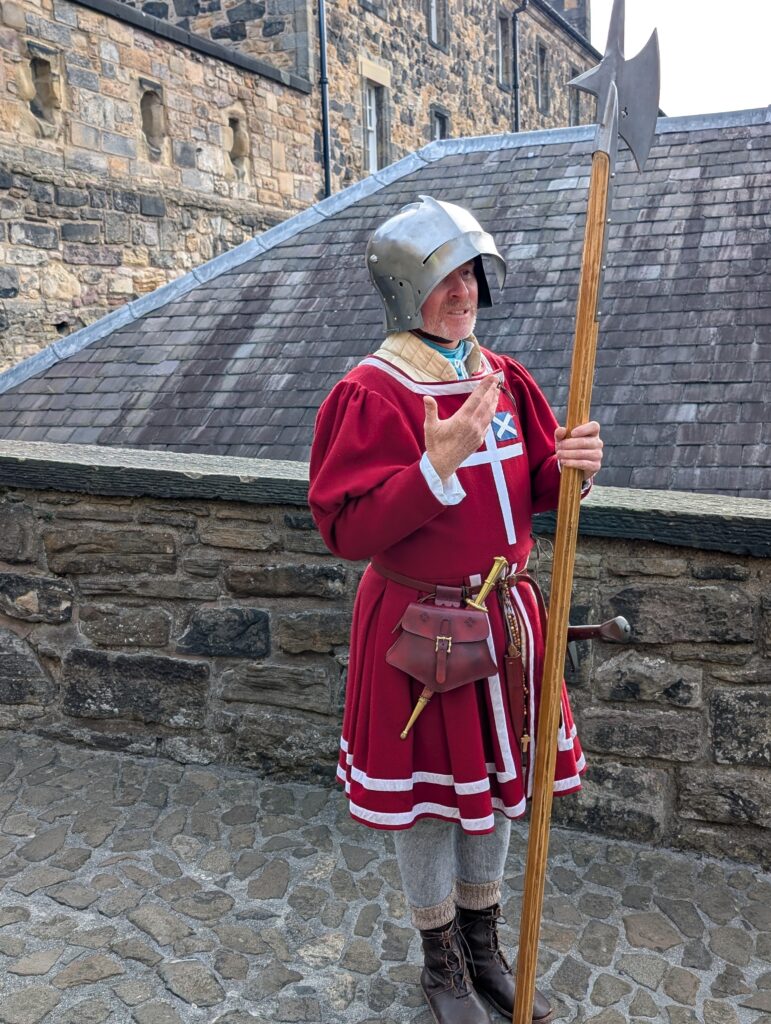
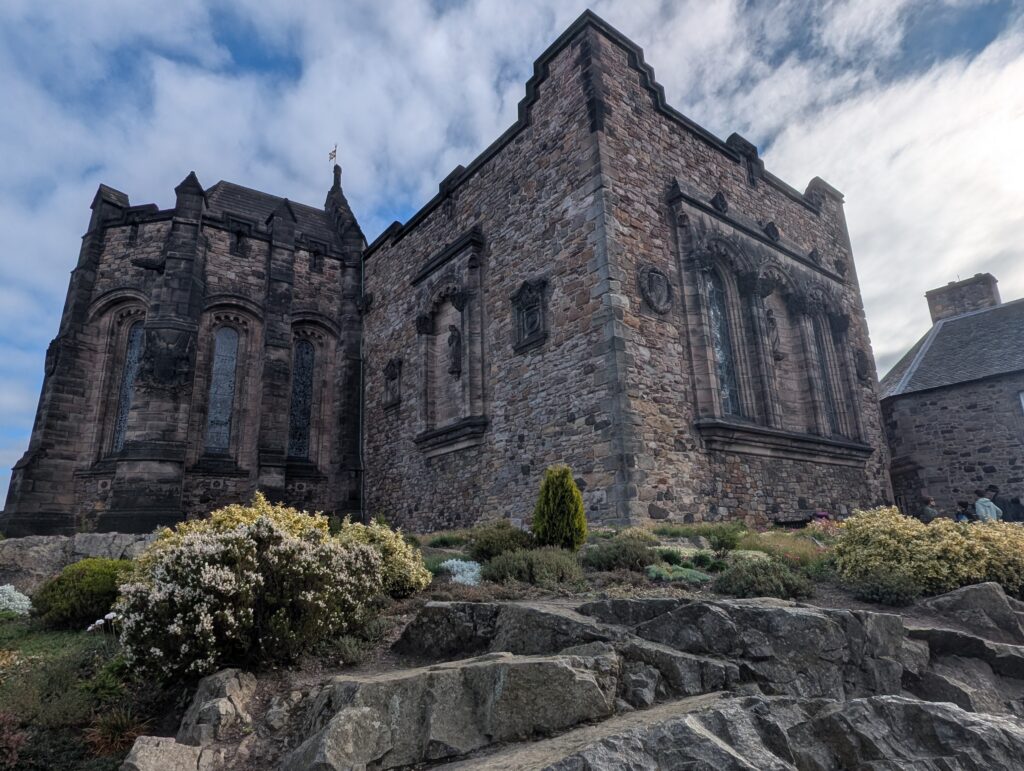
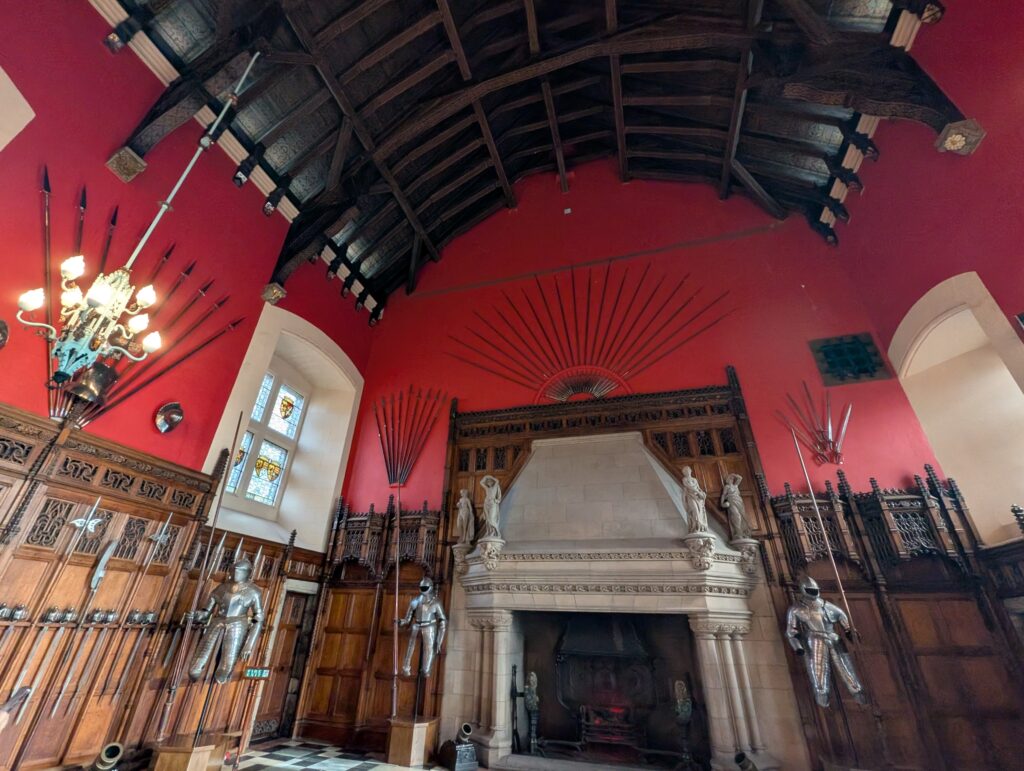
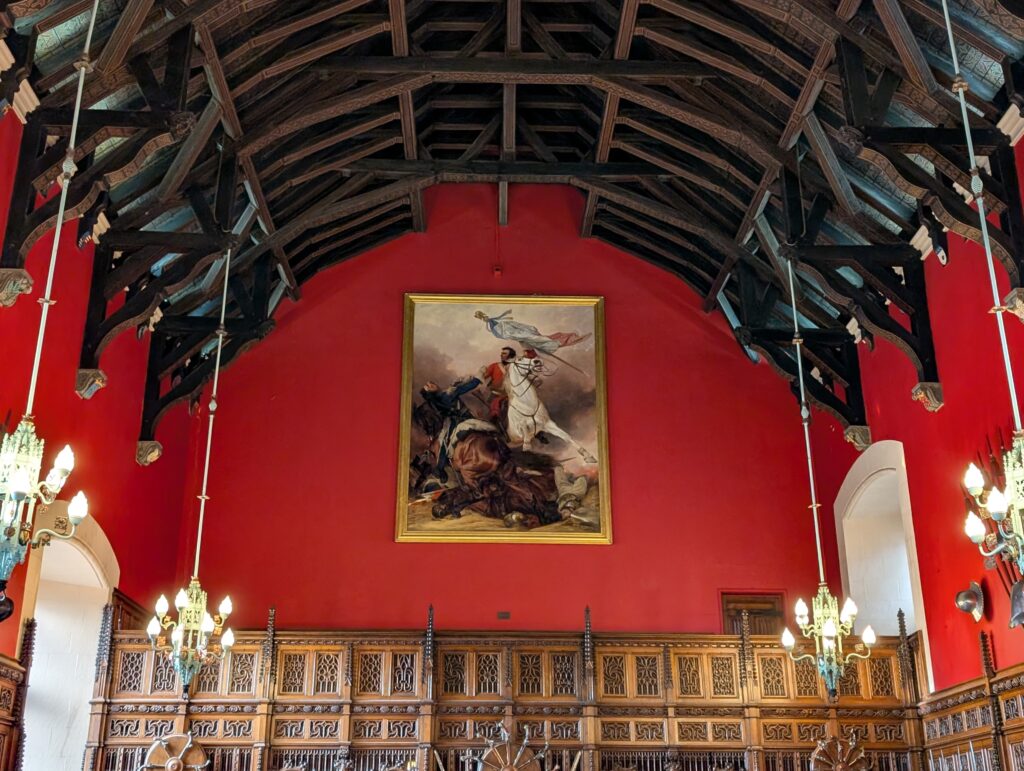
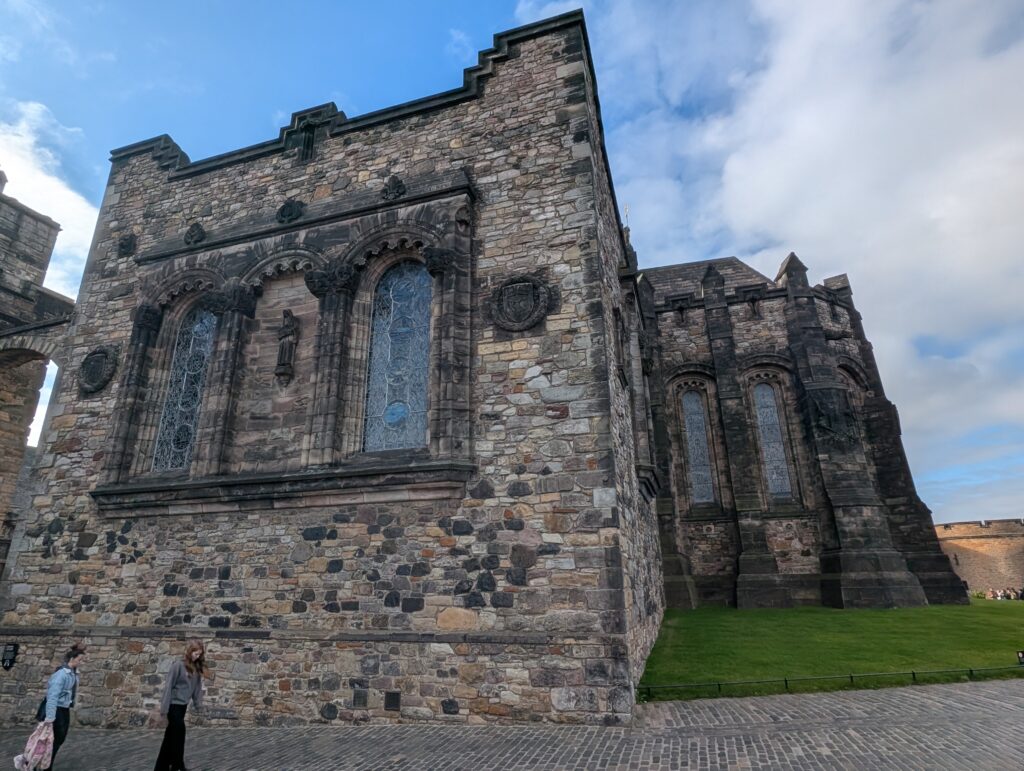
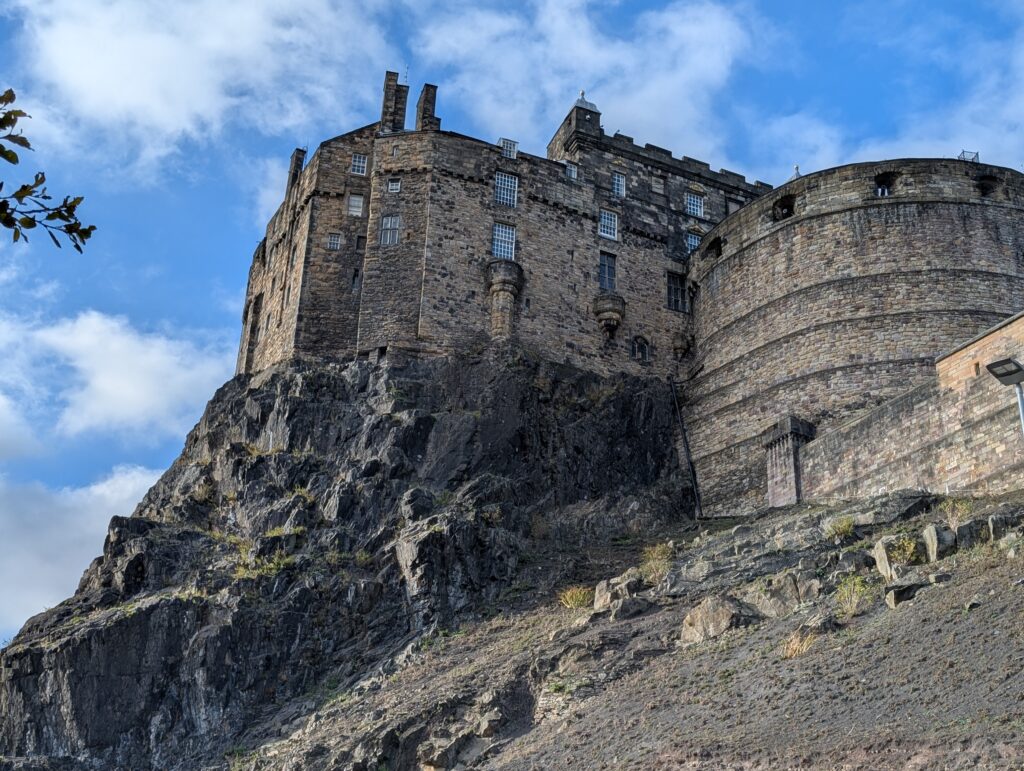
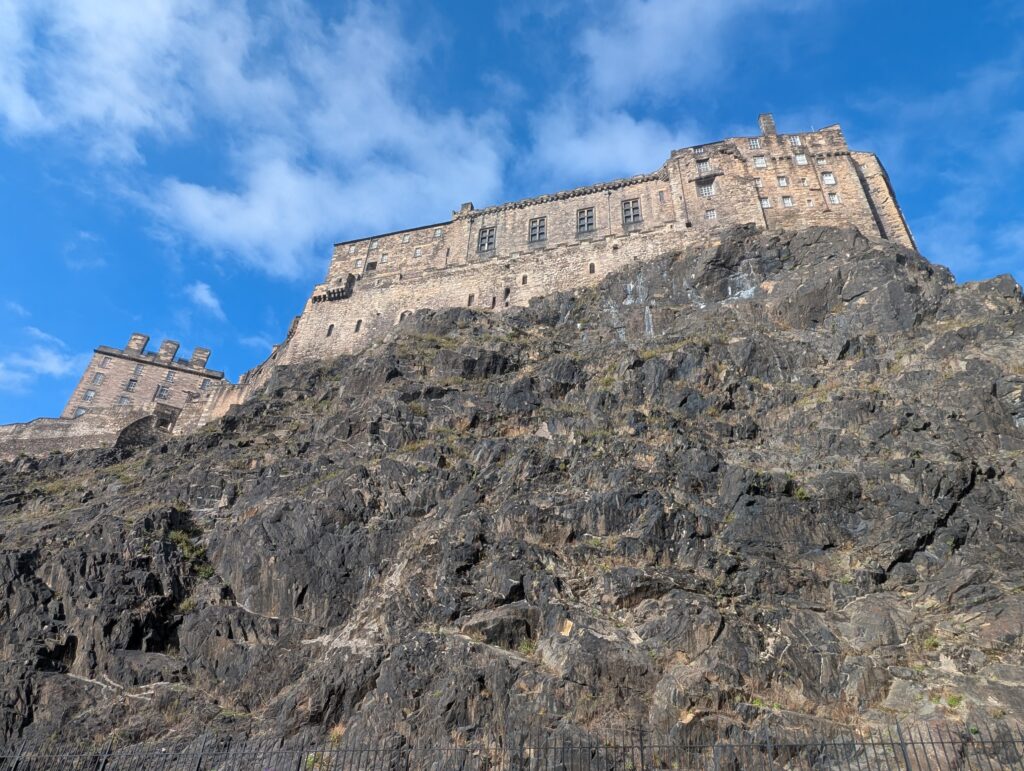
Edinburgh castle was pretty good to tour though they do not show you all the parts of the castle or take pictures. They showed the crown jewels though no photos were allowed. I learned about the history and how they dealt with prisoners.
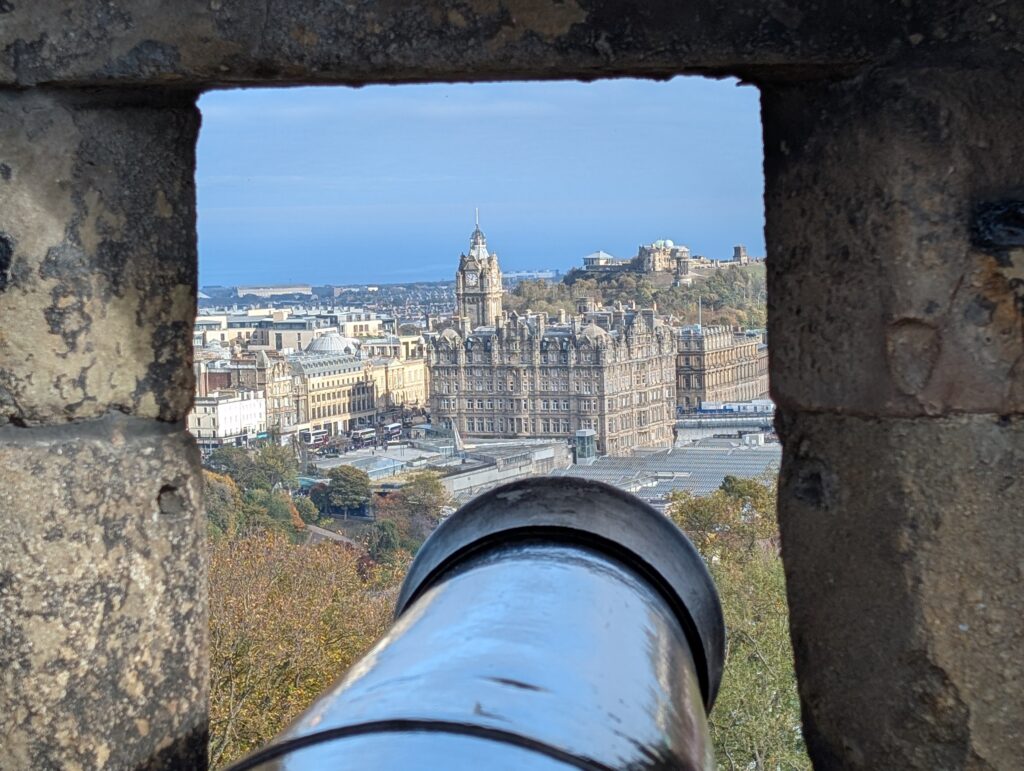
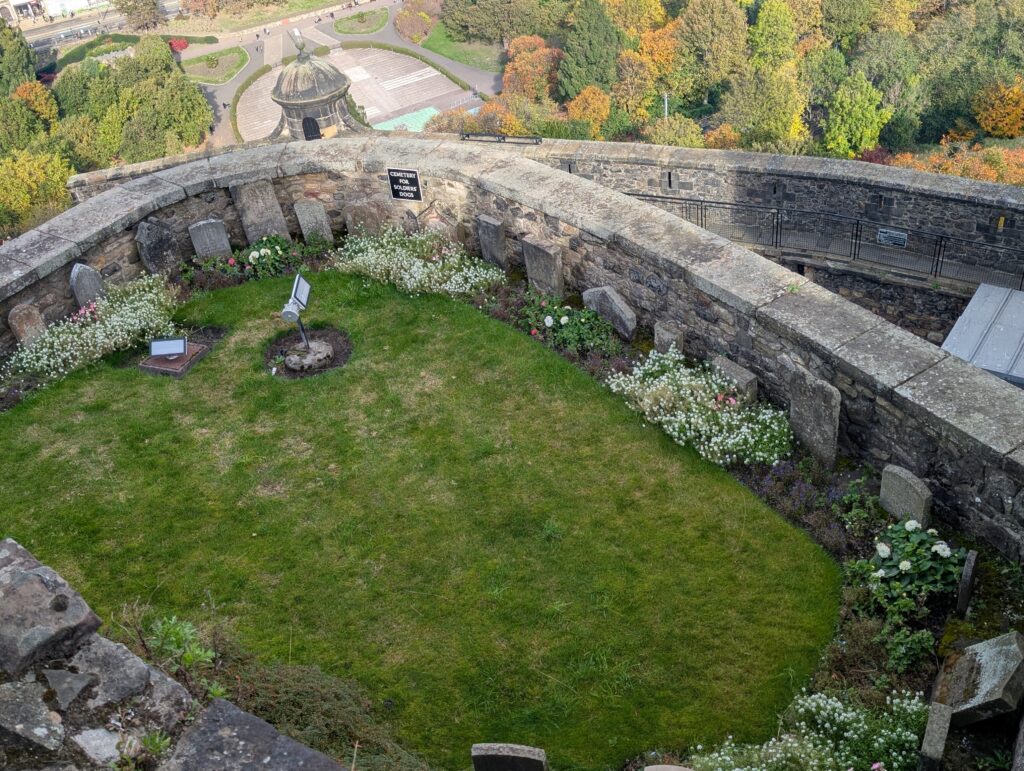
The views from the cannon holes are impressive.
As the house of the Stewart’s and pretty fierce Scottish fighters, this castle seeming to rise straight out of volcanic rock is truly formidable.
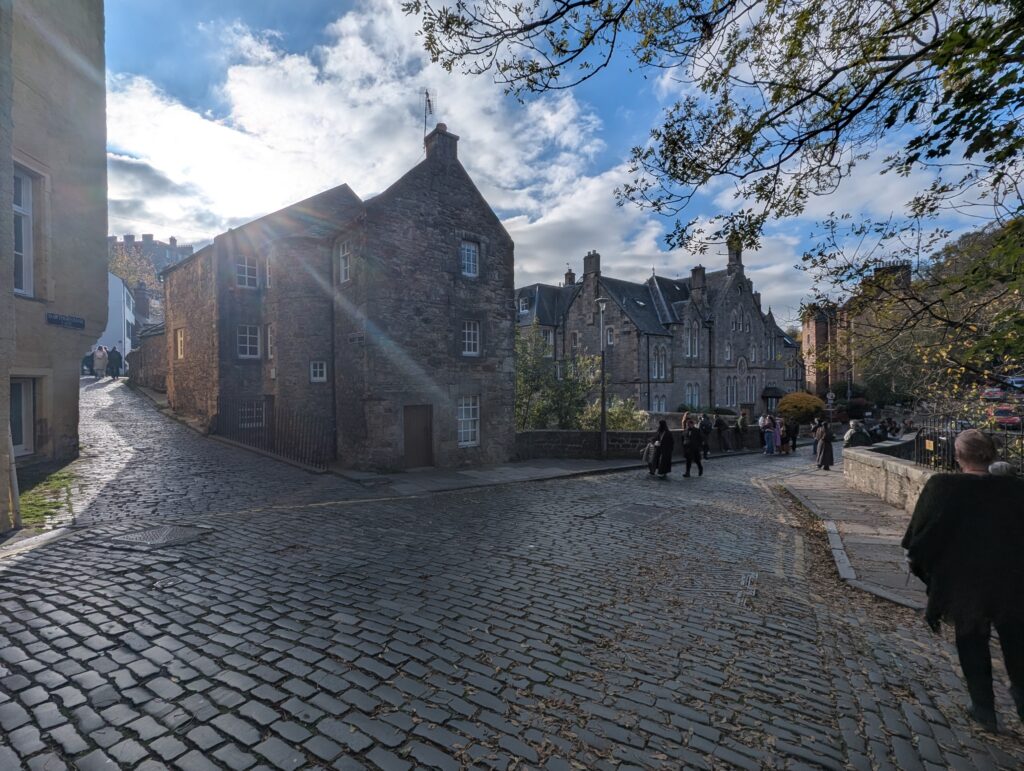
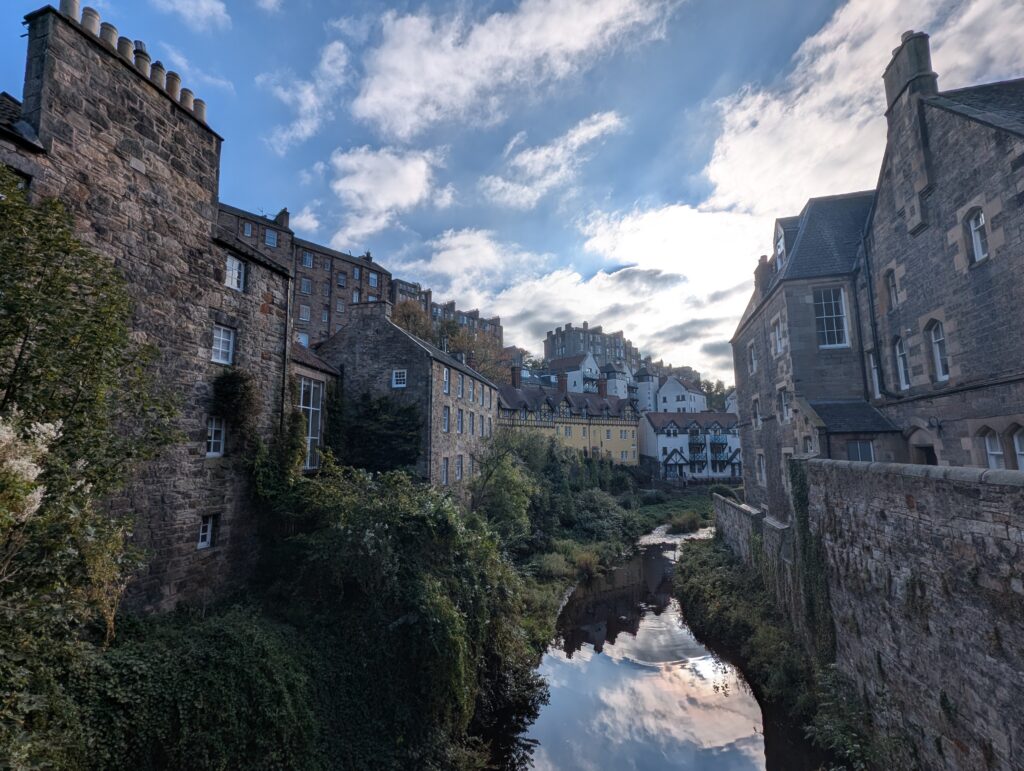
I also walked to one of the waterway paths. It was a beautiful walk. Edinburgh is an incredible city.
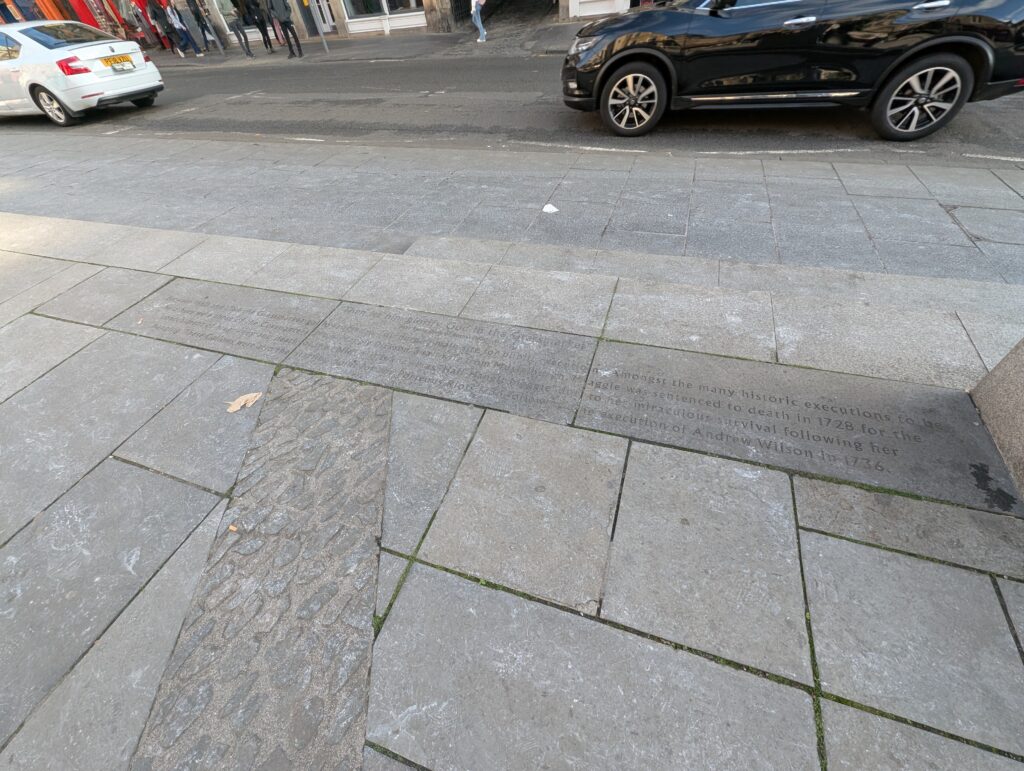
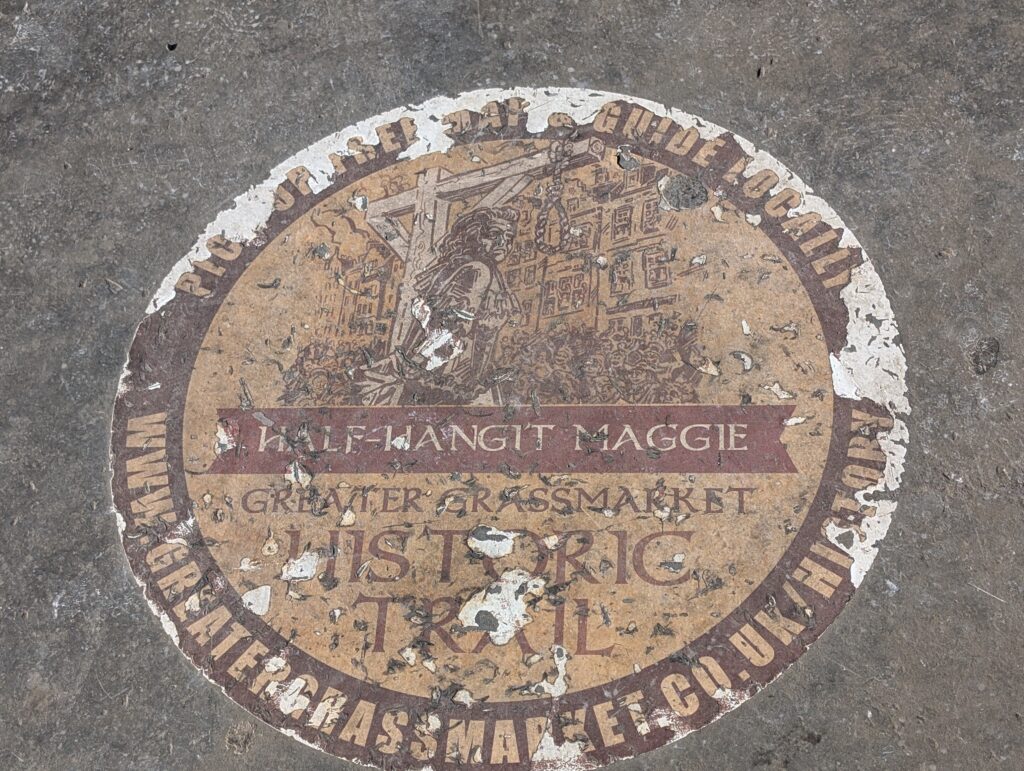
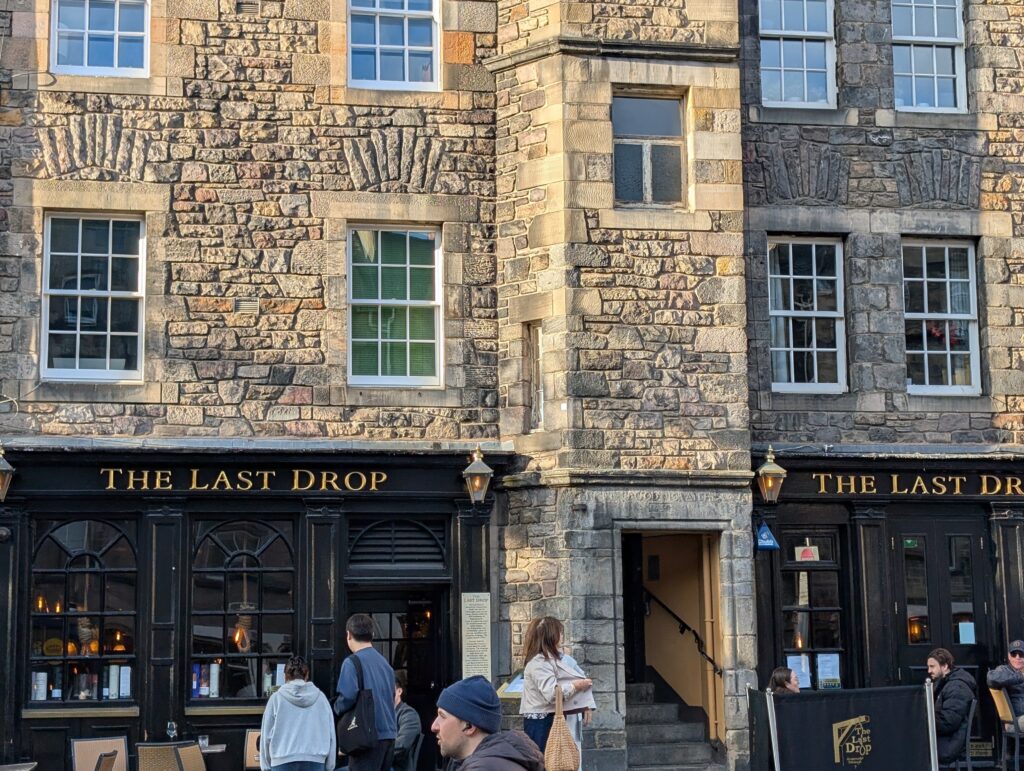
Gallows existed in the city on this spot and hangings continued until 1760. One woman, Maggie, convicted of hiding a pregnancy and killing a child was hanged but survived. They decided not to try it again and she was thought to be a witch. The condemned were taken to The Last Drop bar for a drink before being hanged.
i left Edinburgh on a 3 days Isle of Skye tour with Highland Experience tours. There were wonderful people on the tour as well as the tour guide.
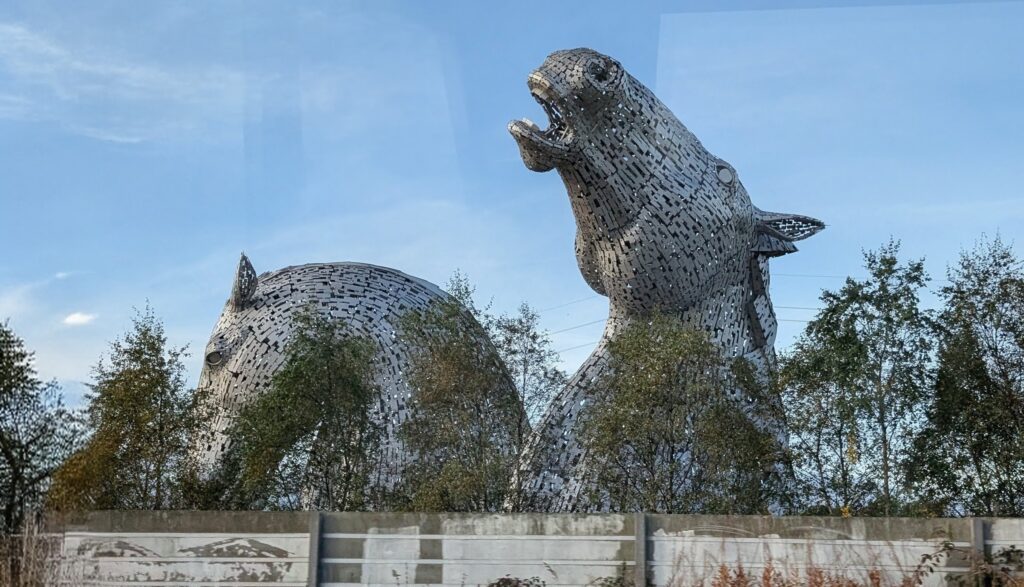
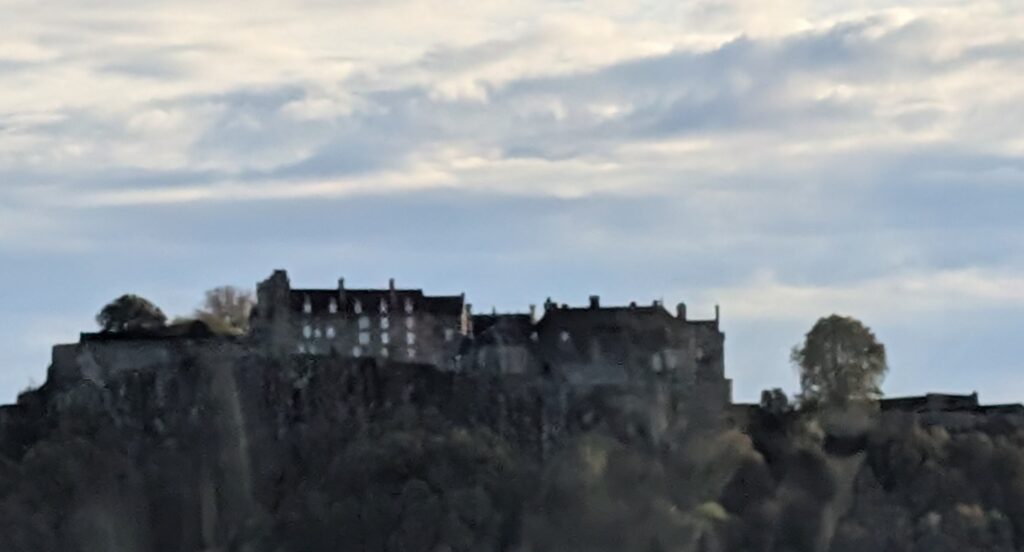
On the way we saw the Jellies and Stirling Castle in the distance.
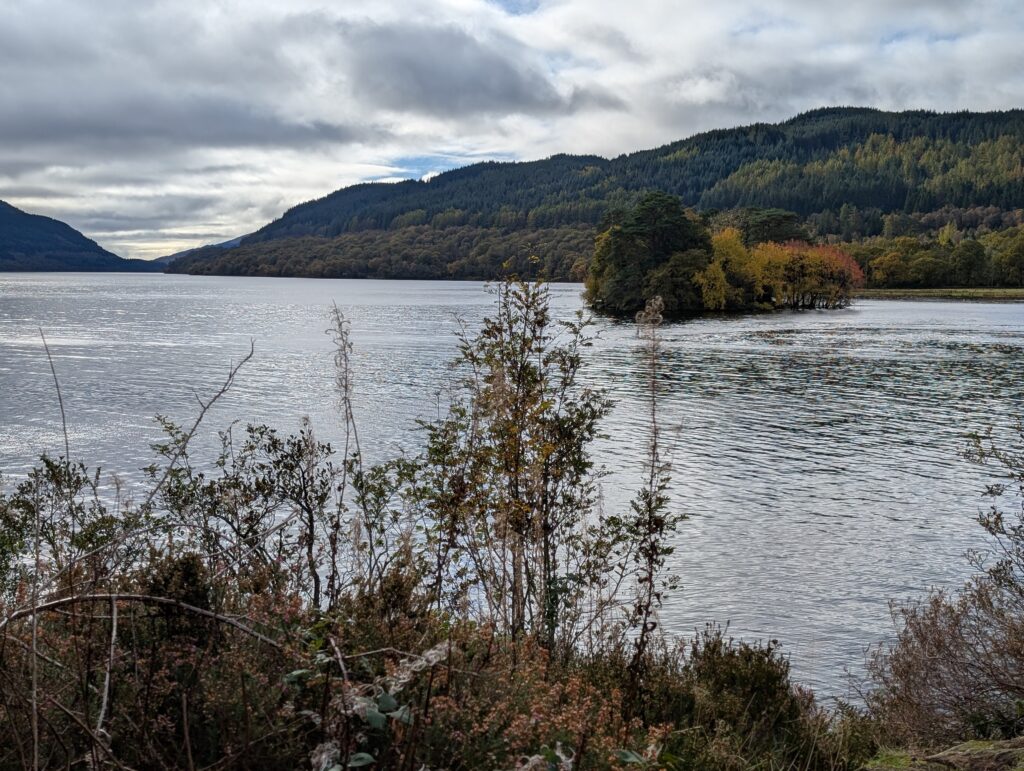
We then stopped at Loch Lomond which is referenced in the song You’ll take the high road and I’ll take the low road. It is a song about captured brothers where one must die and the other can go back to Scotland. It is a beautiful melody.
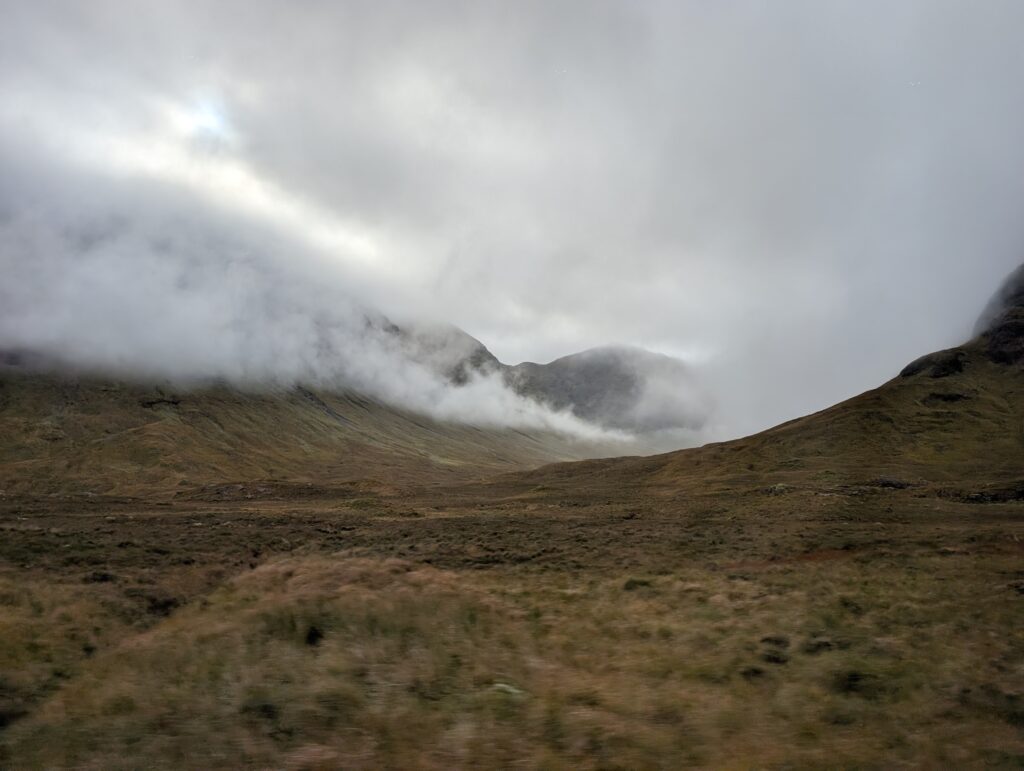
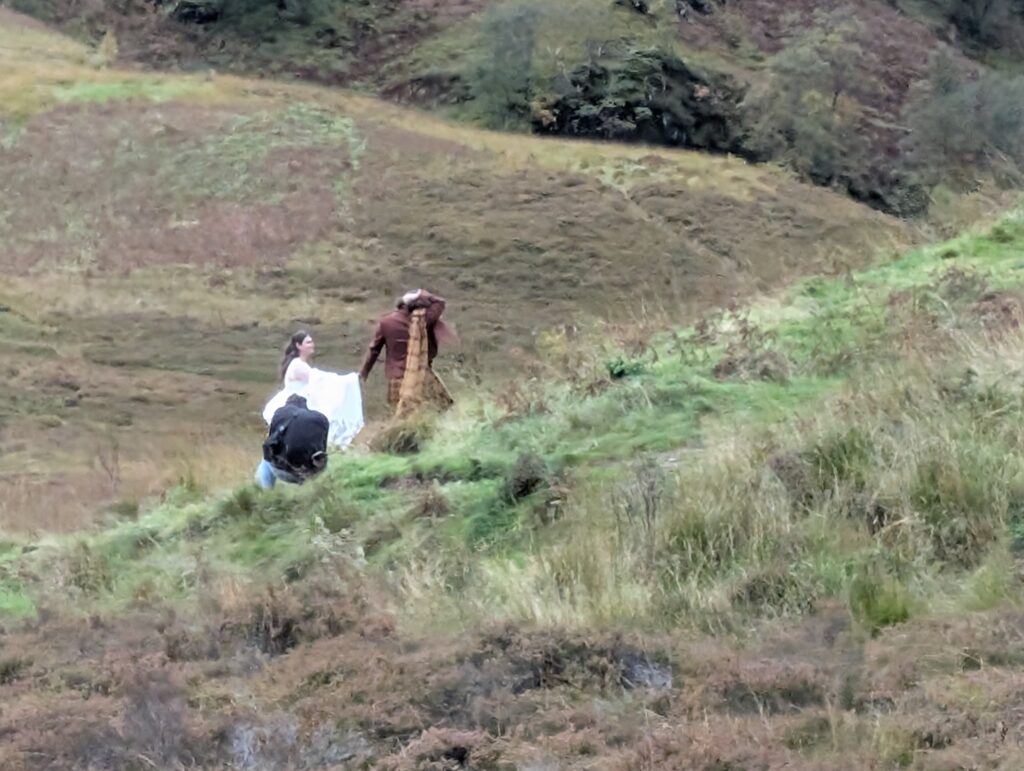
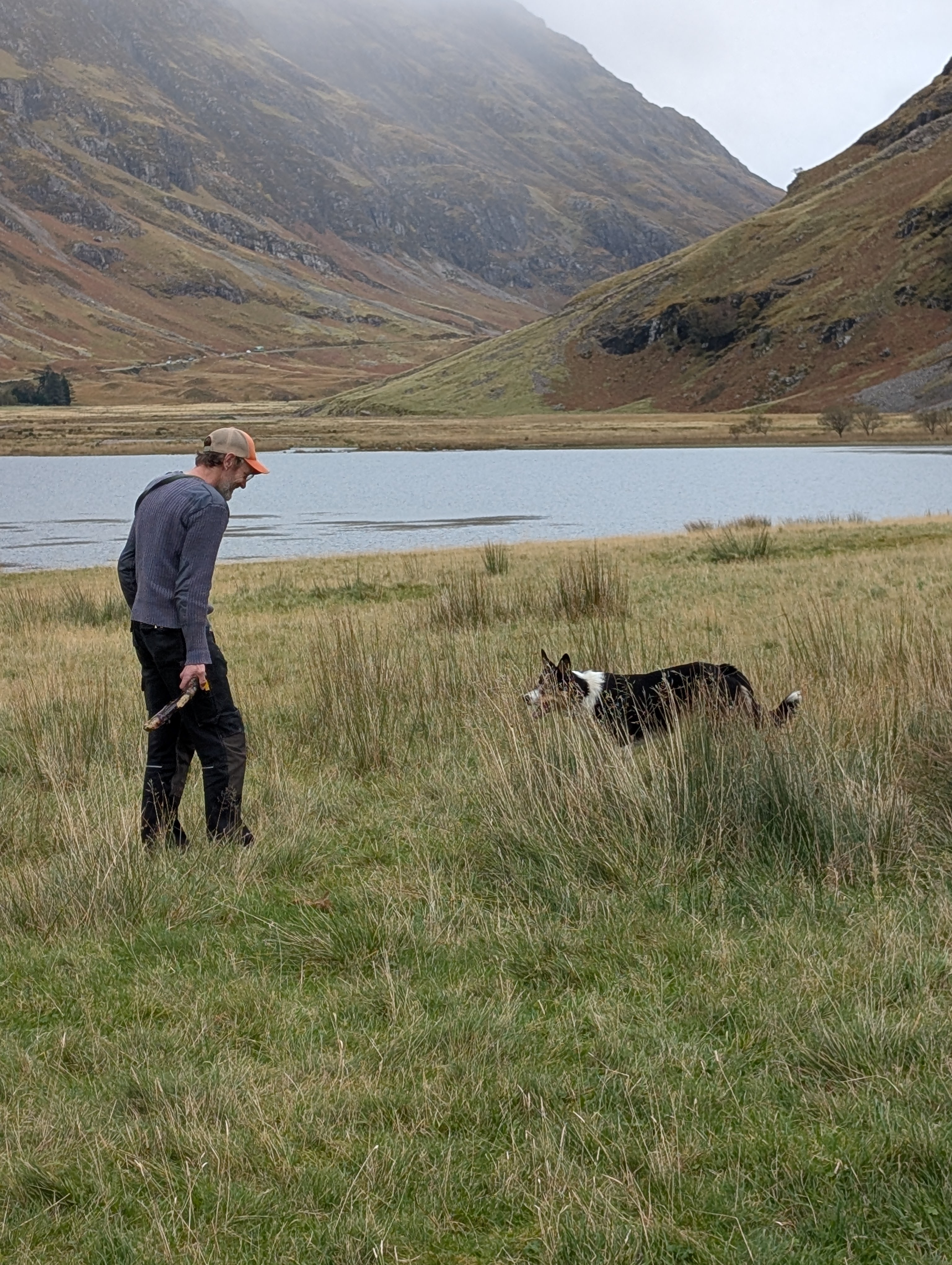
we stopped to take pictures at the sites most people seem to stop and do the same. No matter as the scenery is breathtaking and spectacular. These are along the way to Inverness.
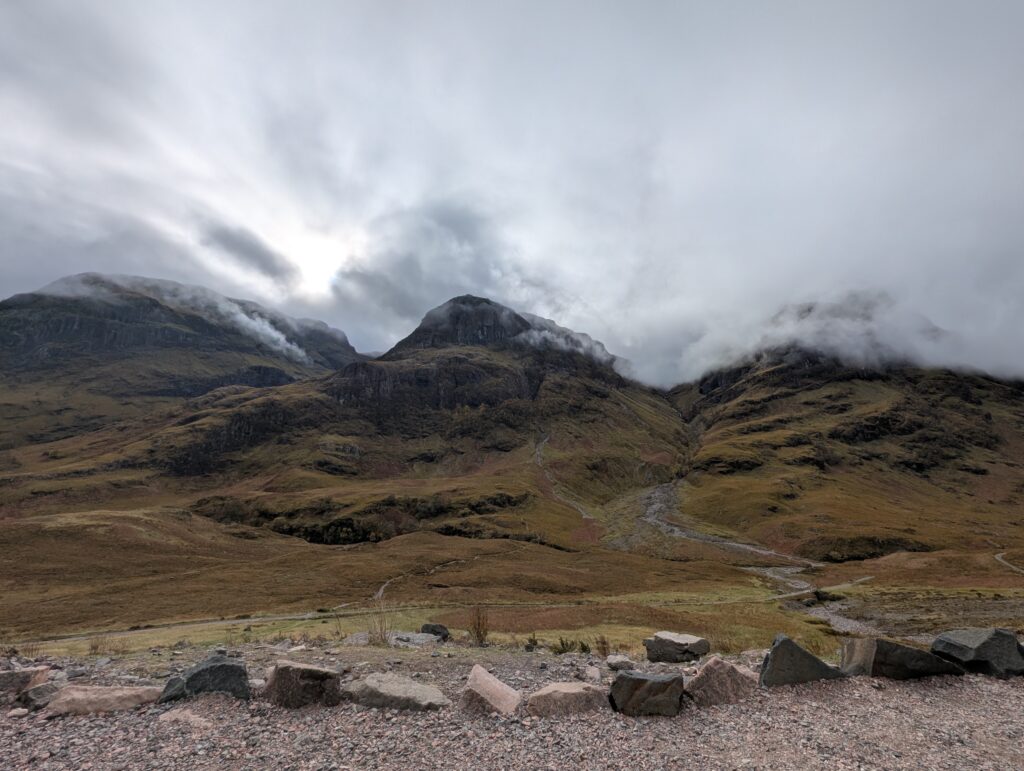
These mountains are called the three Sisters: Faith, Hope, and Charity.
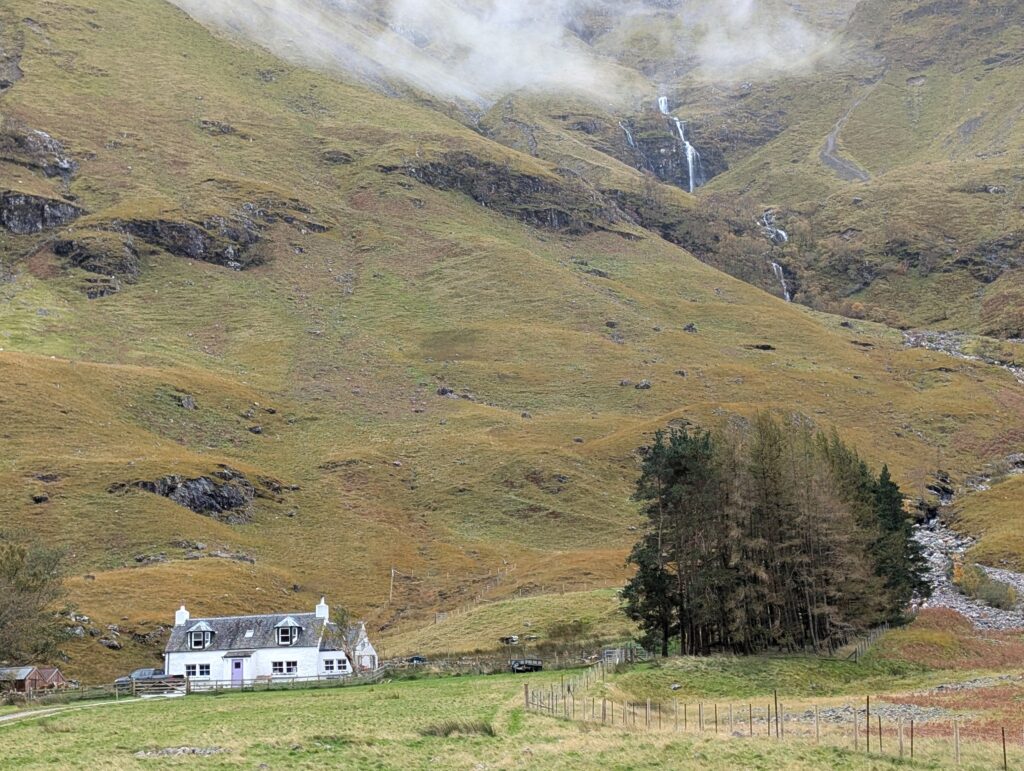
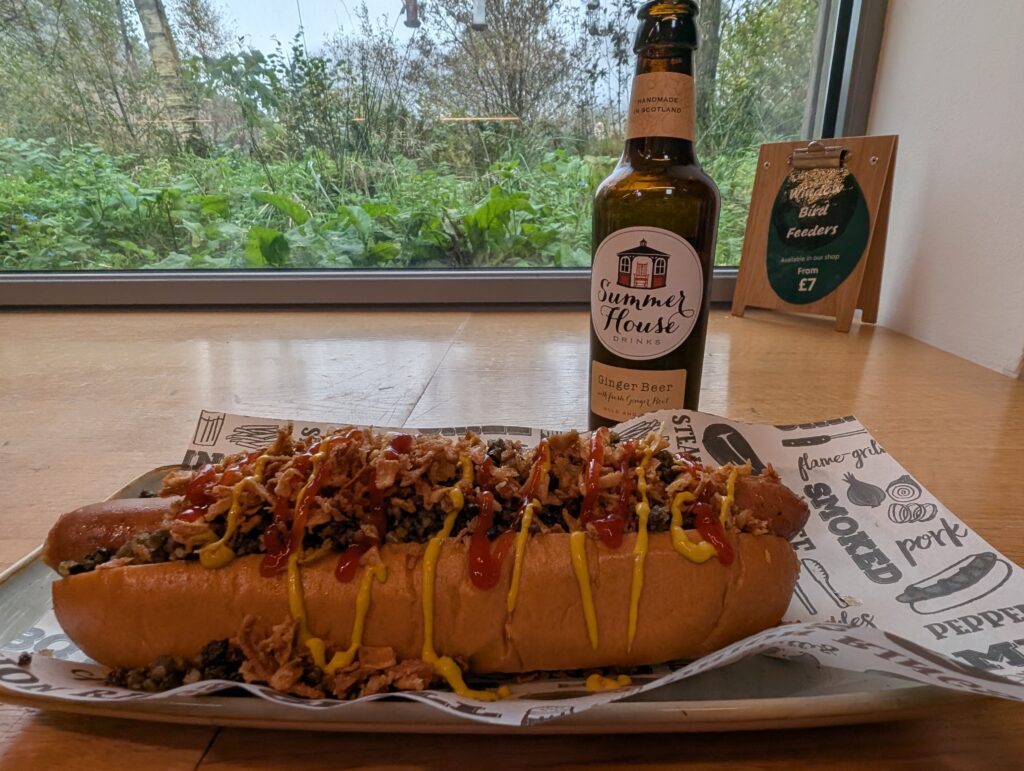
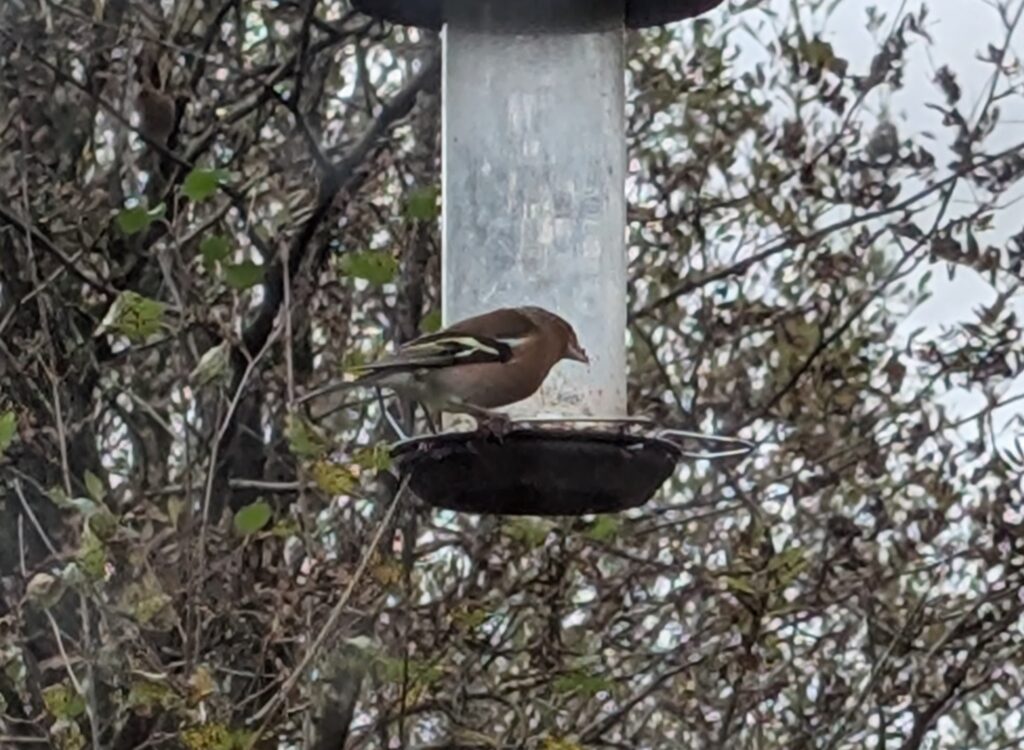
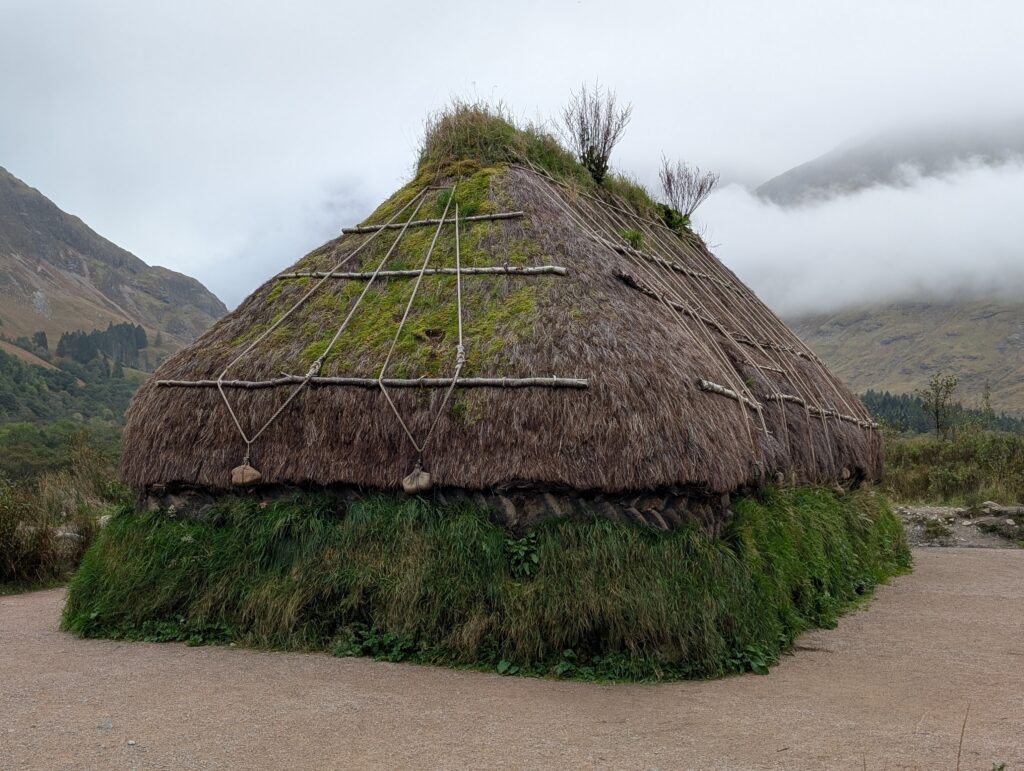
At the Glencoe visitor center we could see an original earth house that past Scots would build. All the materials were sourced within a mile of its location. I could also watch birds as I ate lunch. I ordered a hot dog with haggis on it. It was the best hot dog I have ever eaten and made in Scotland.
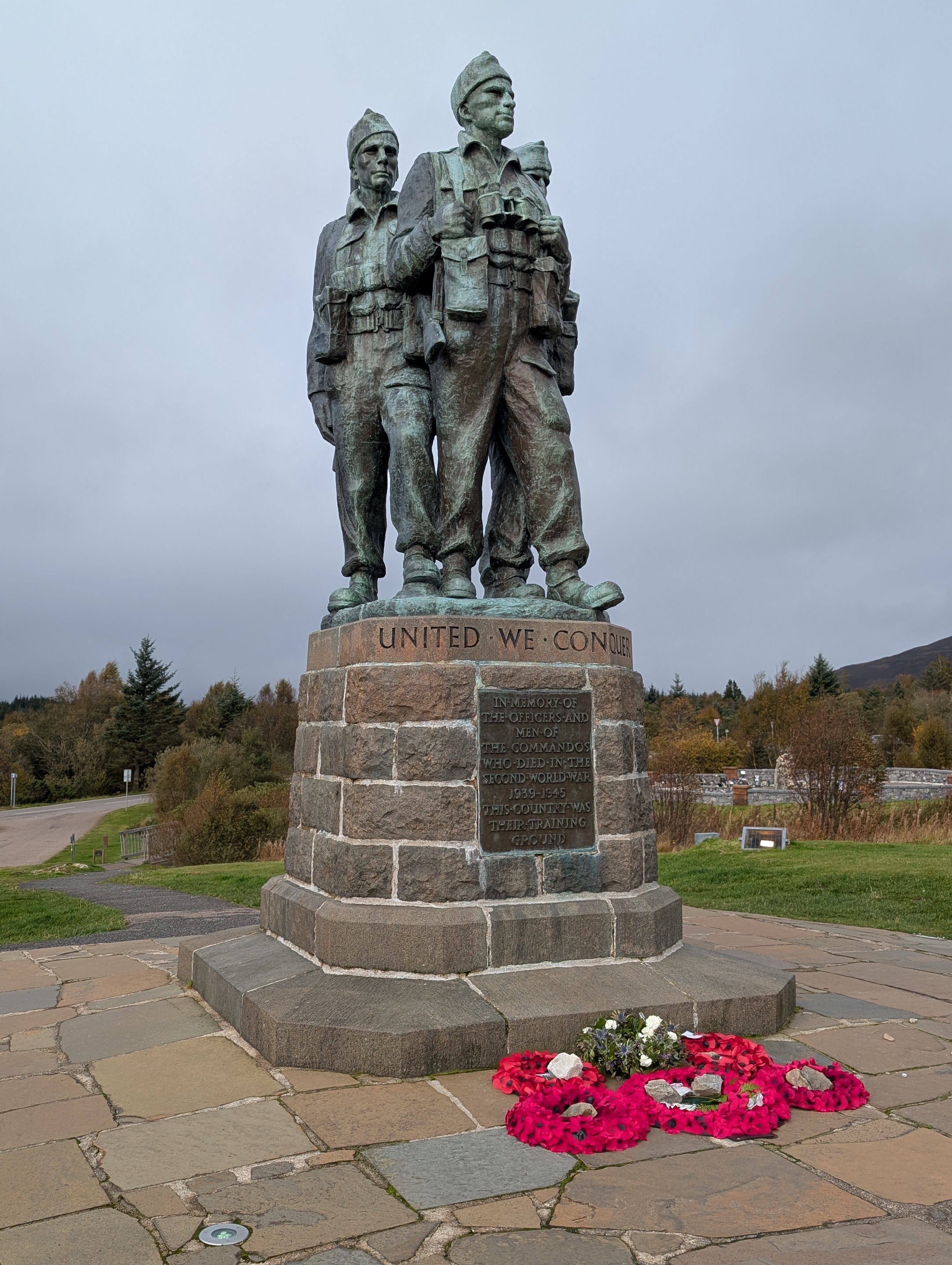
We stopped at the commando memorial. Commando training here in Scotland is pretty brutal.
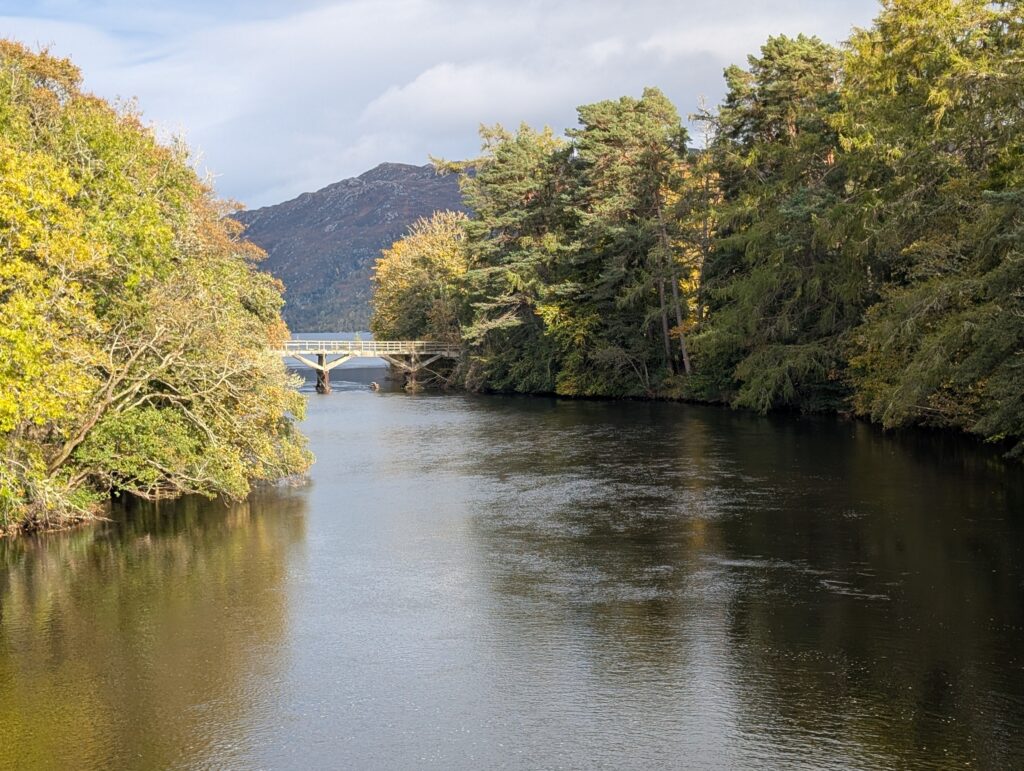
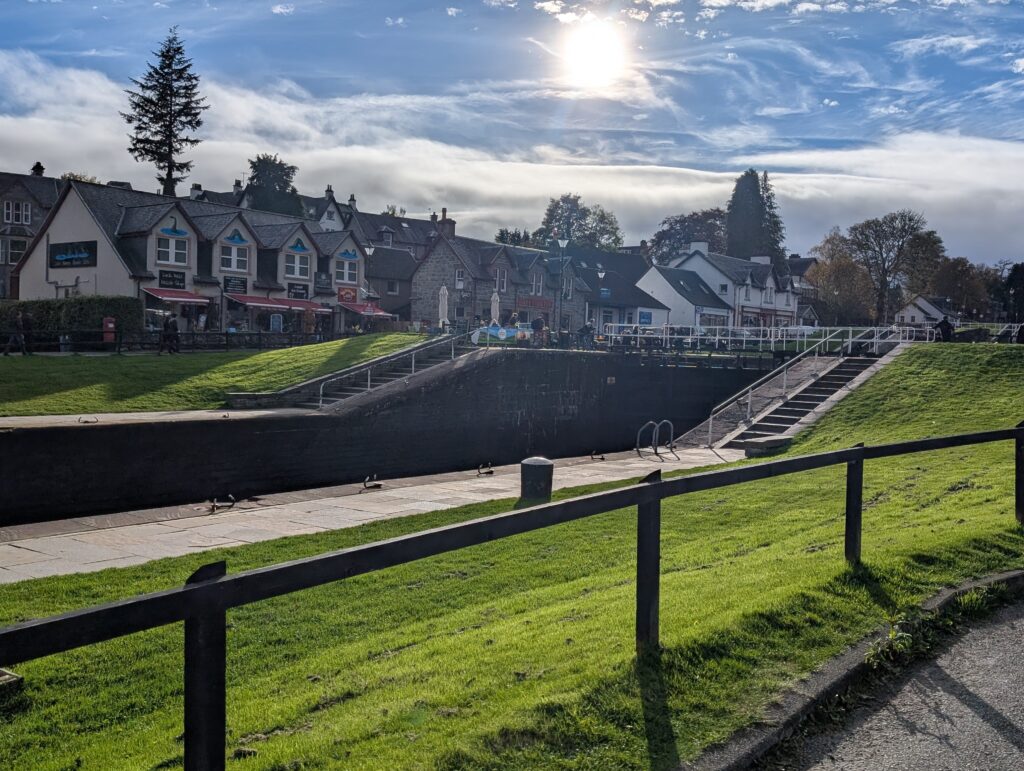
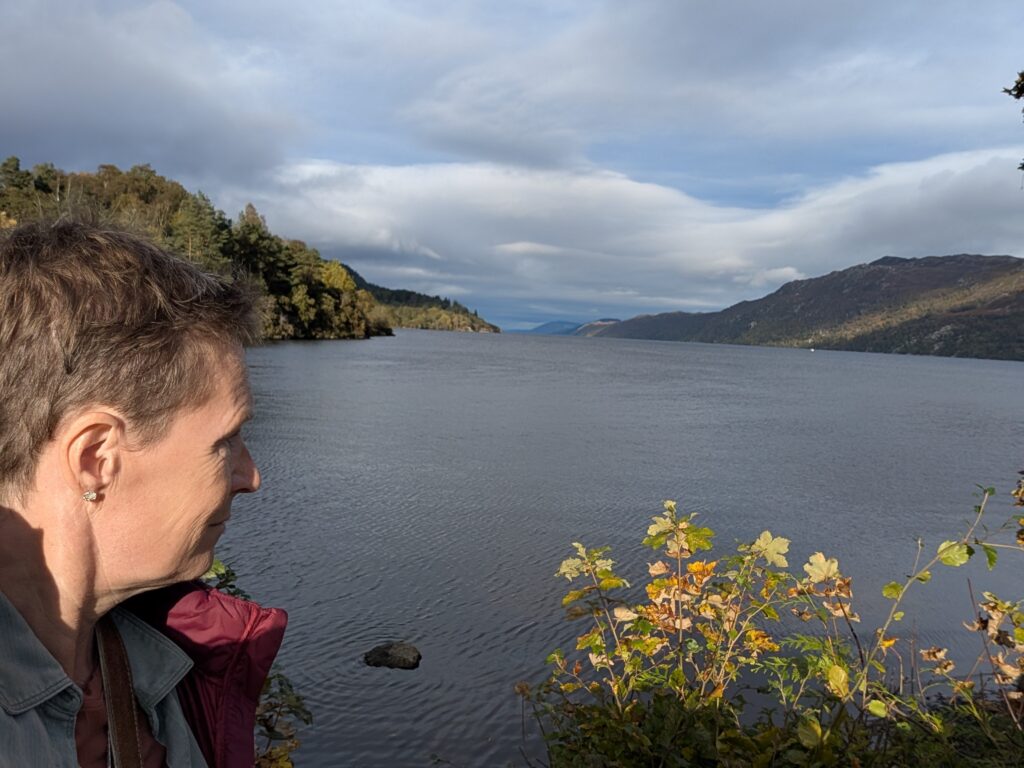
Next stop was Loch Ness. Along the way we were told many of the stories, sightings, and research into Nessie. Loch Ness is narrower than I thought but is really long. All the Lochs are connected with canals to let ships cross from one to the other.
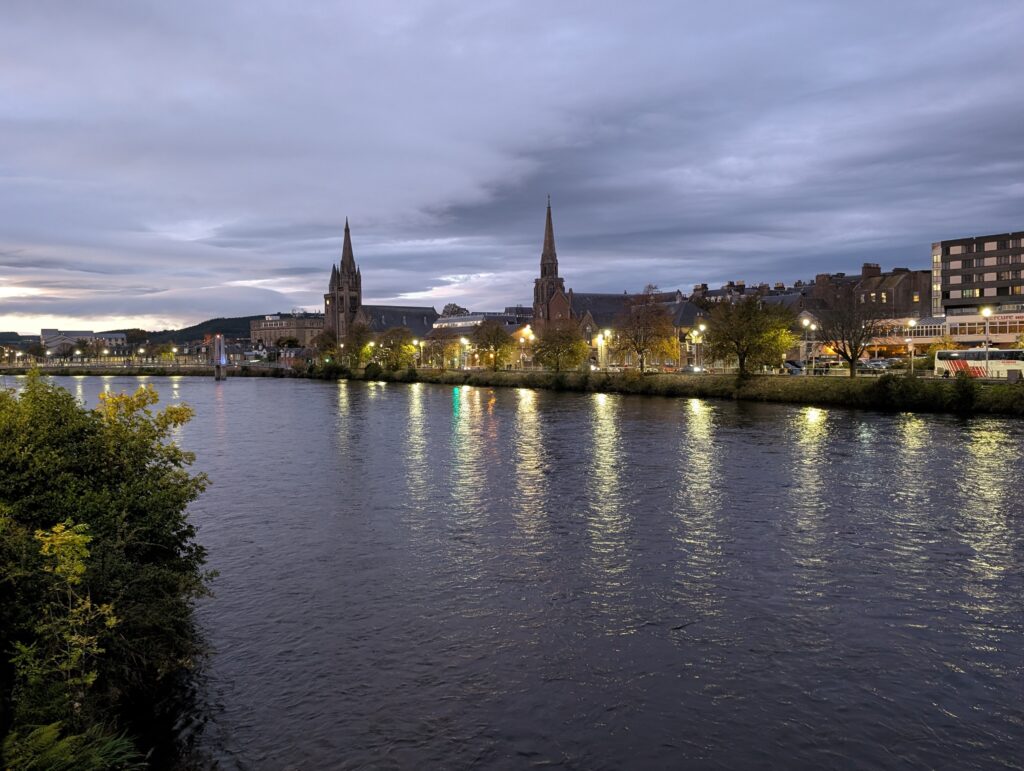
Finally we made it to Inverness, our home for two nights. I did not explore much, choosing instead to relax a bit.
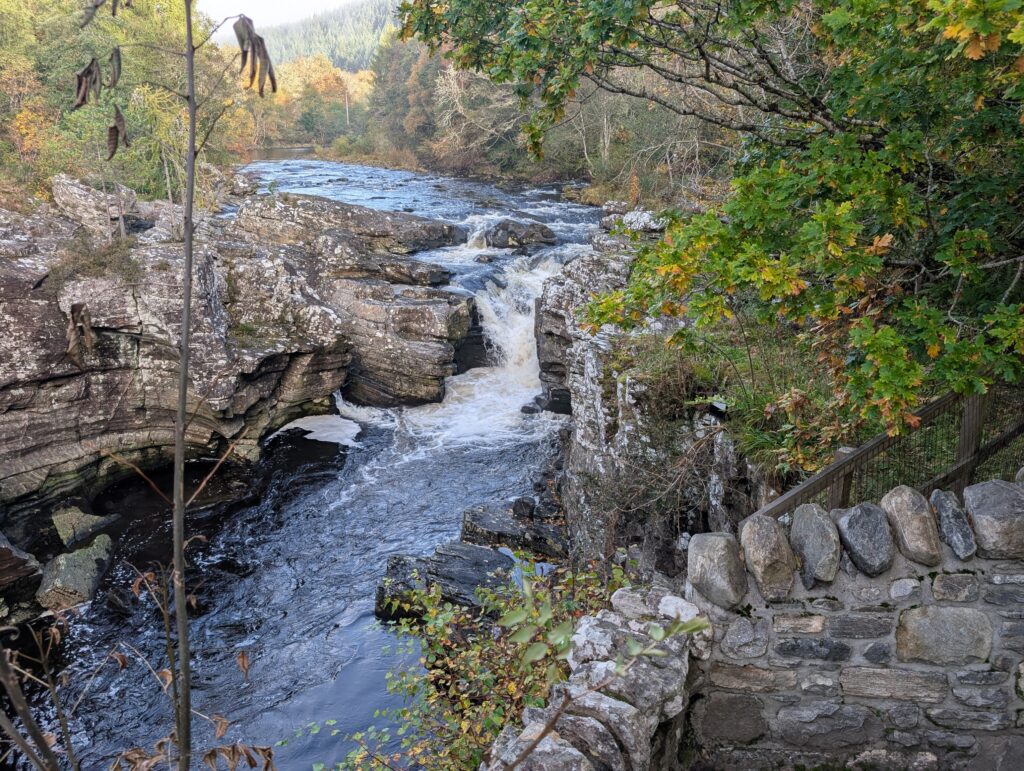
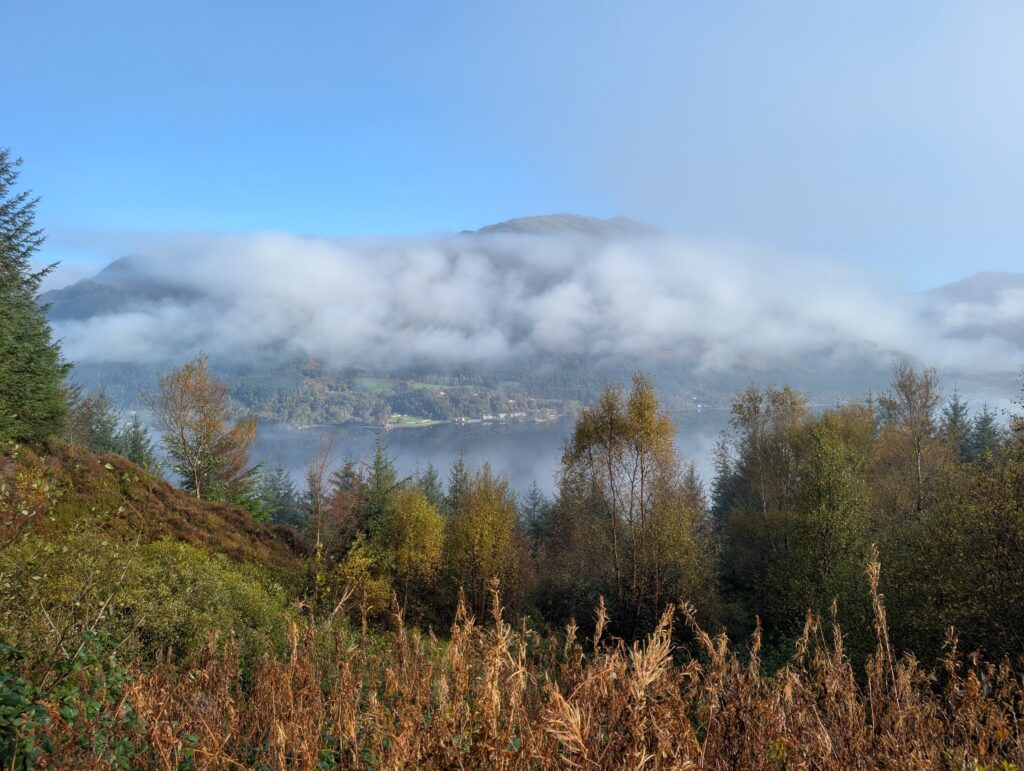
On the second day, we travelled to Isle of Skye. A lot of driving with not much opportunity to walk. But we saw some beautiful scenery.
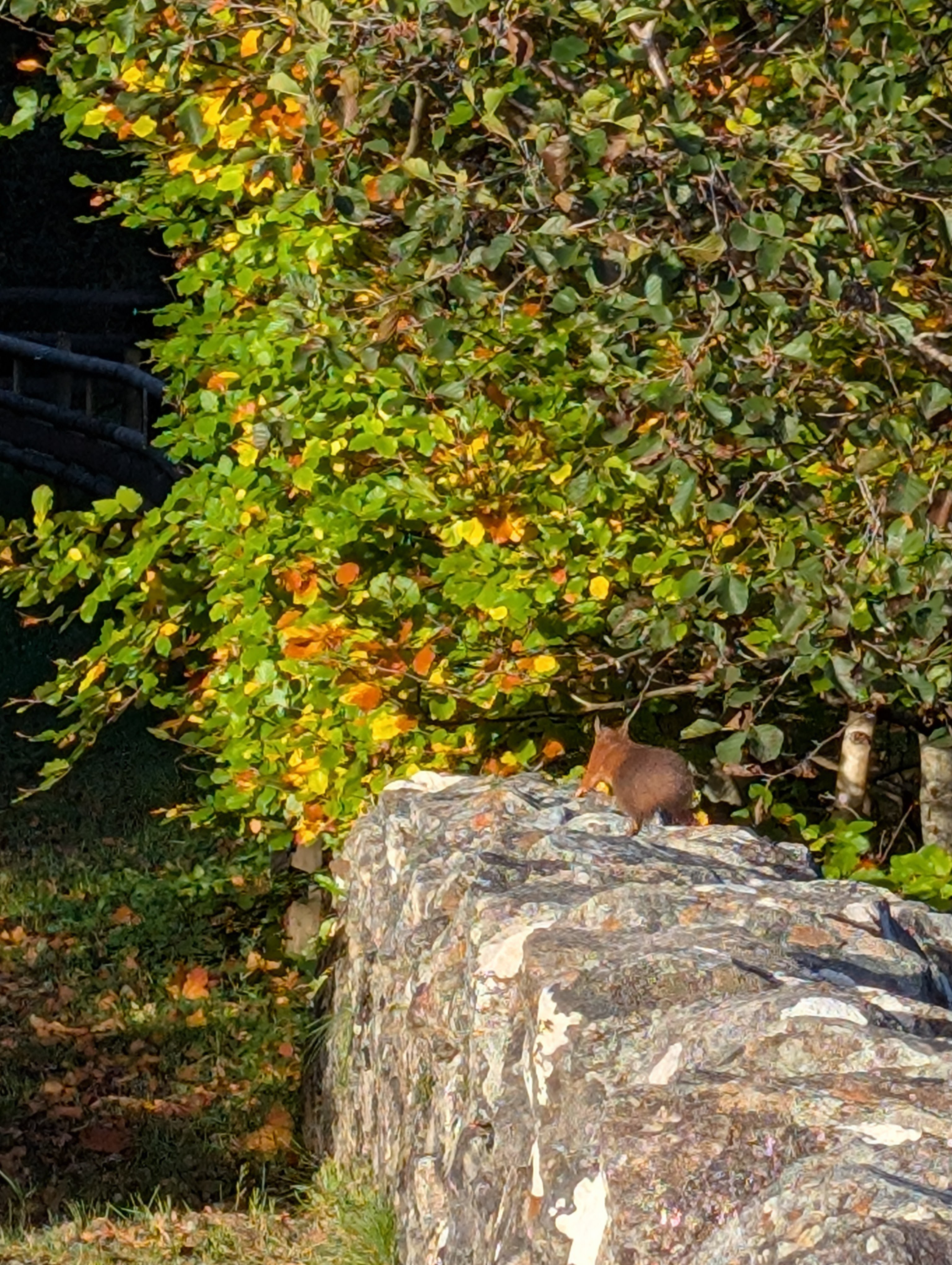
I tried to get a good picture of the red squirrel but caught him in retreat!
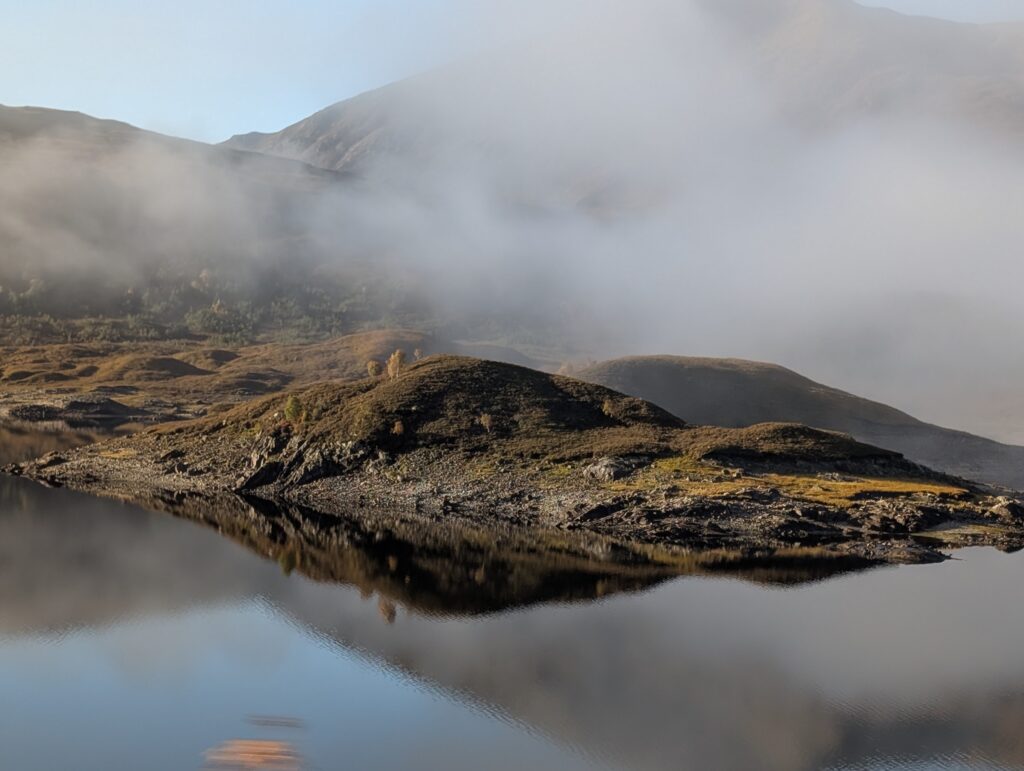
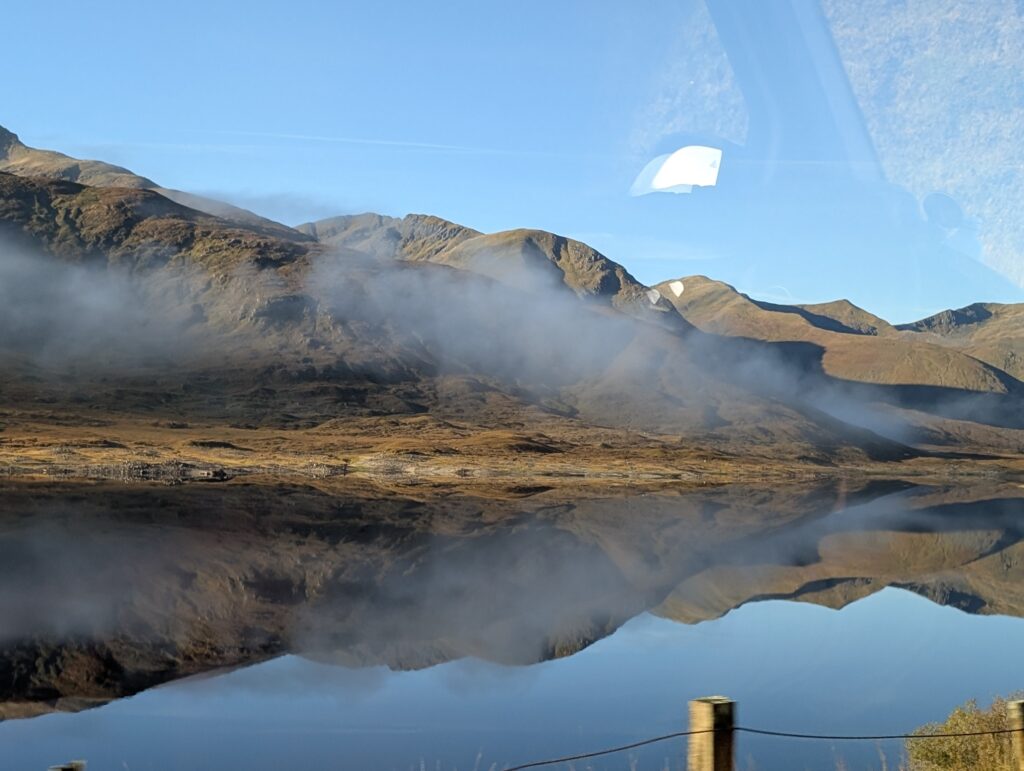
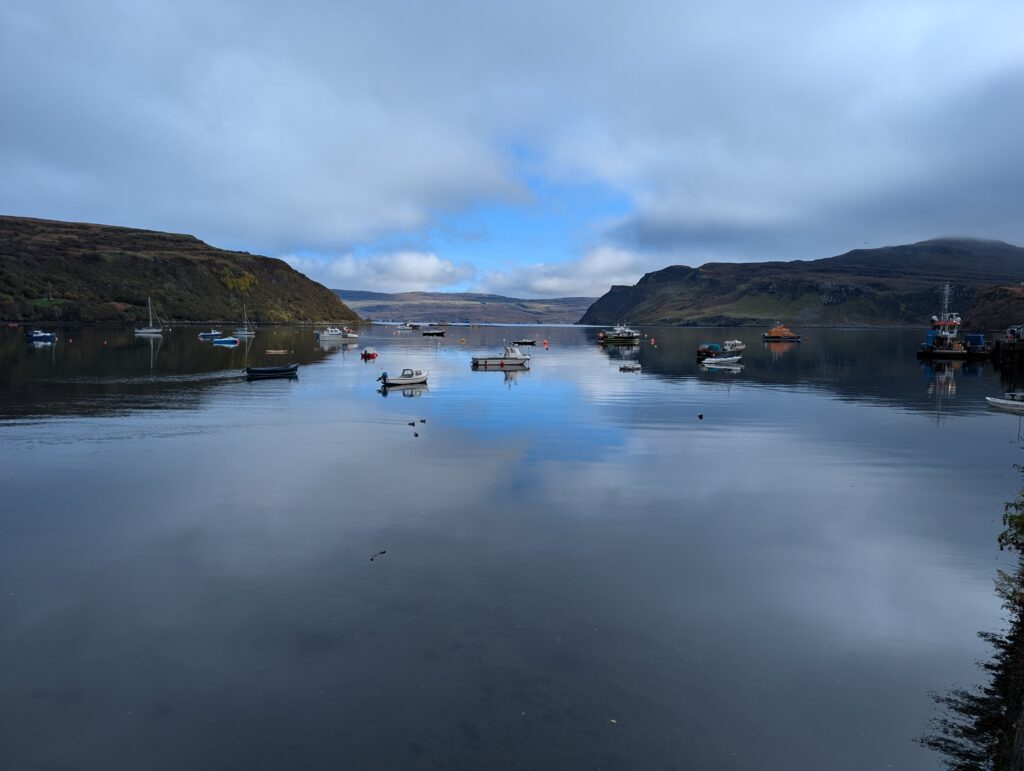
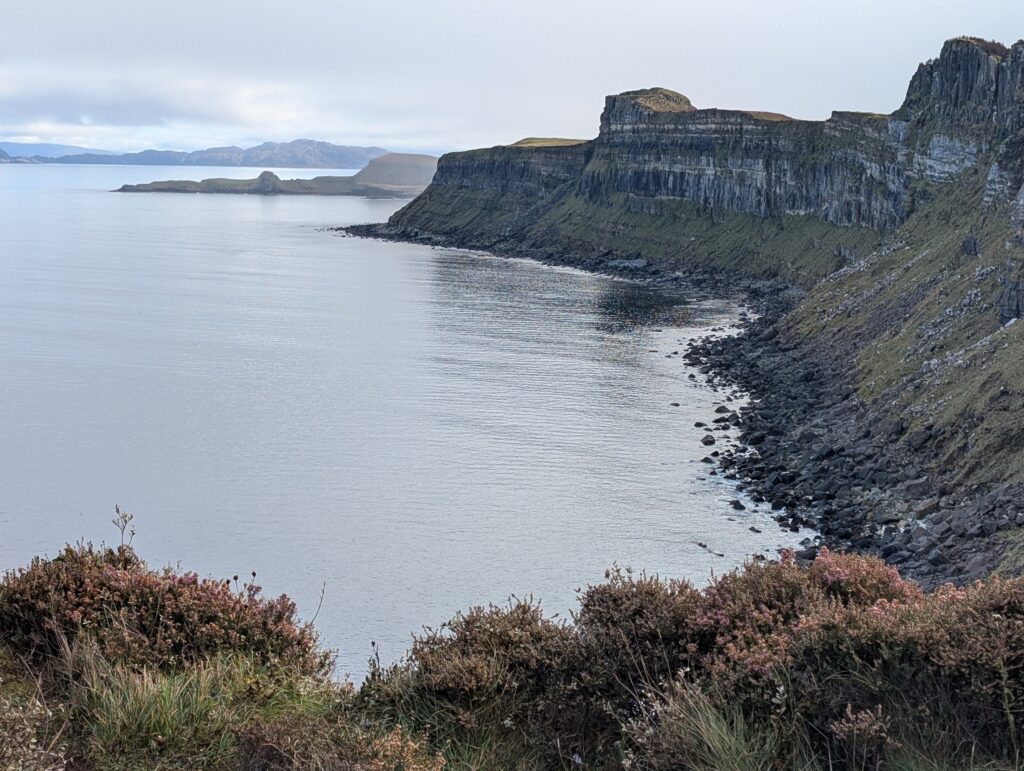
The weather was so calm that the water was like glass and gave great reflections.
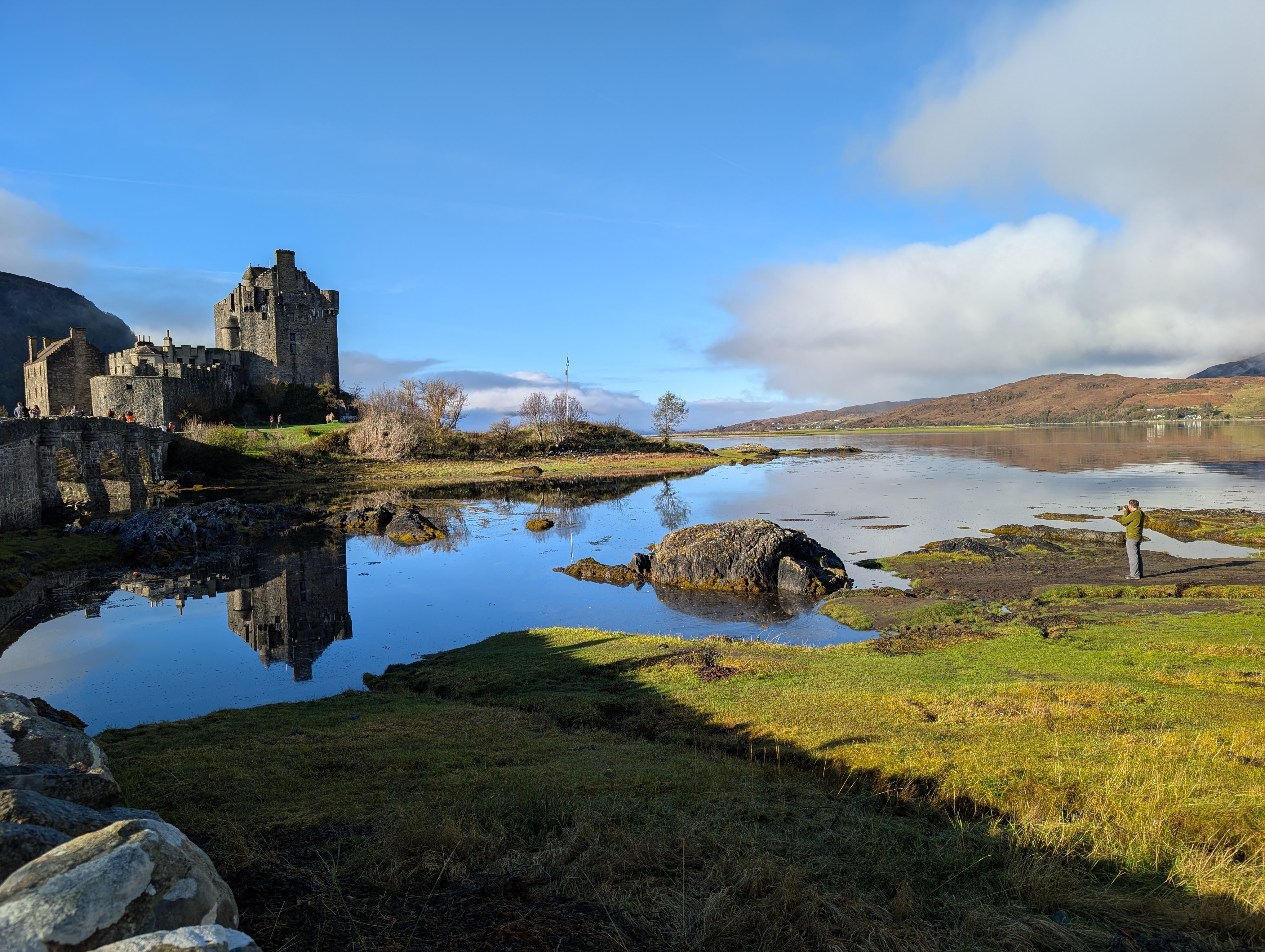
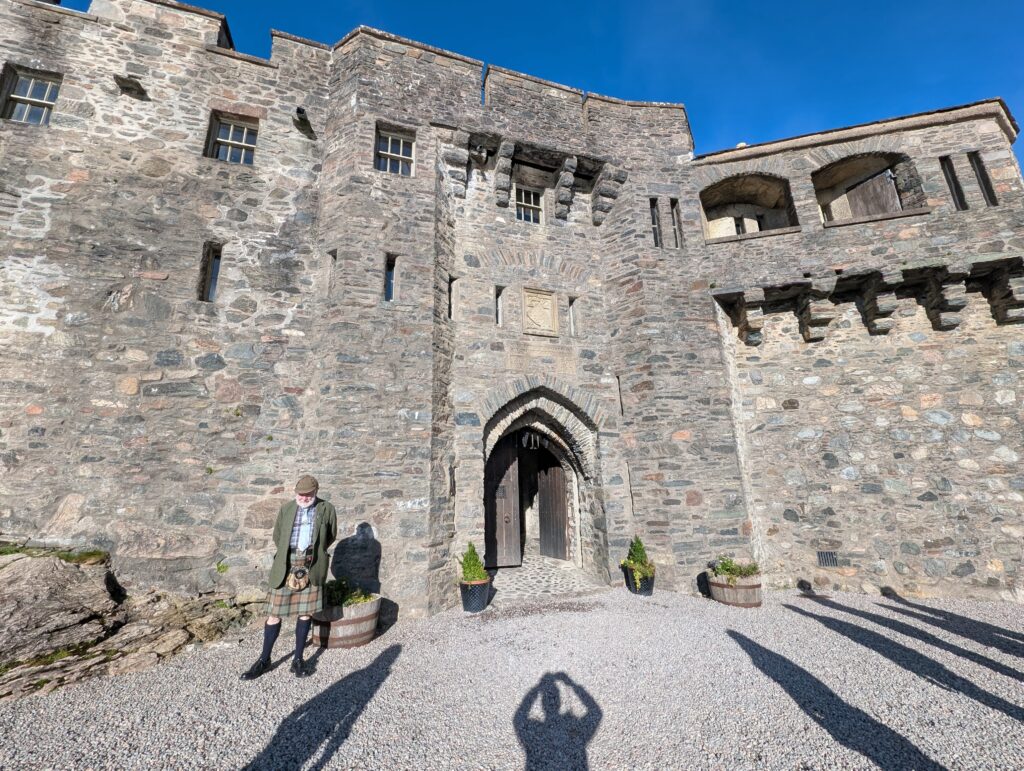
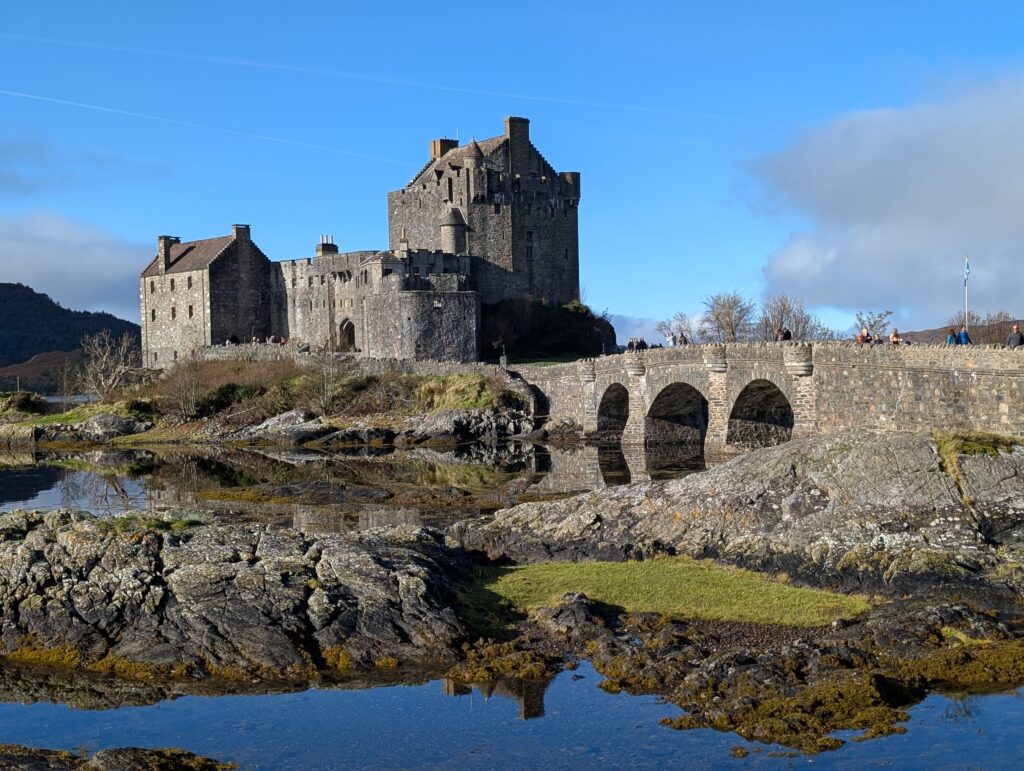
We stopped at Eilean Donan castle. It was the site of the Highlander series as well as other movies. It was built in the 13th century and housed the Mackenzie clan and allies. Now it is privately owned. I chose not to go inside the castle spending more time touring the grounds.
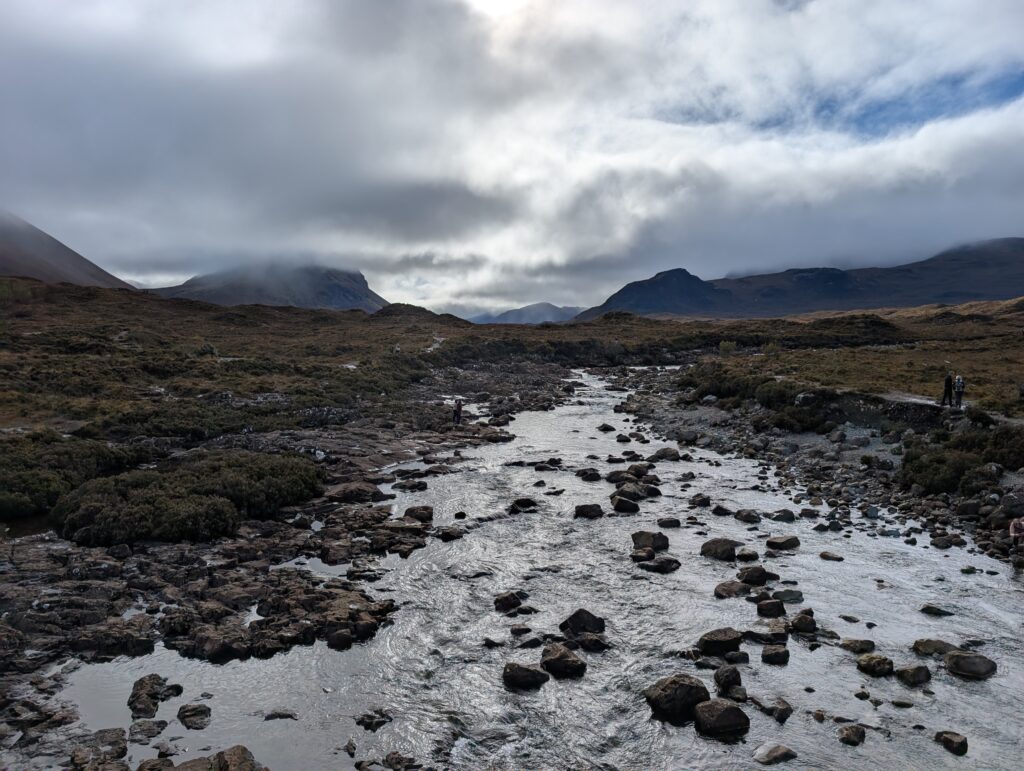
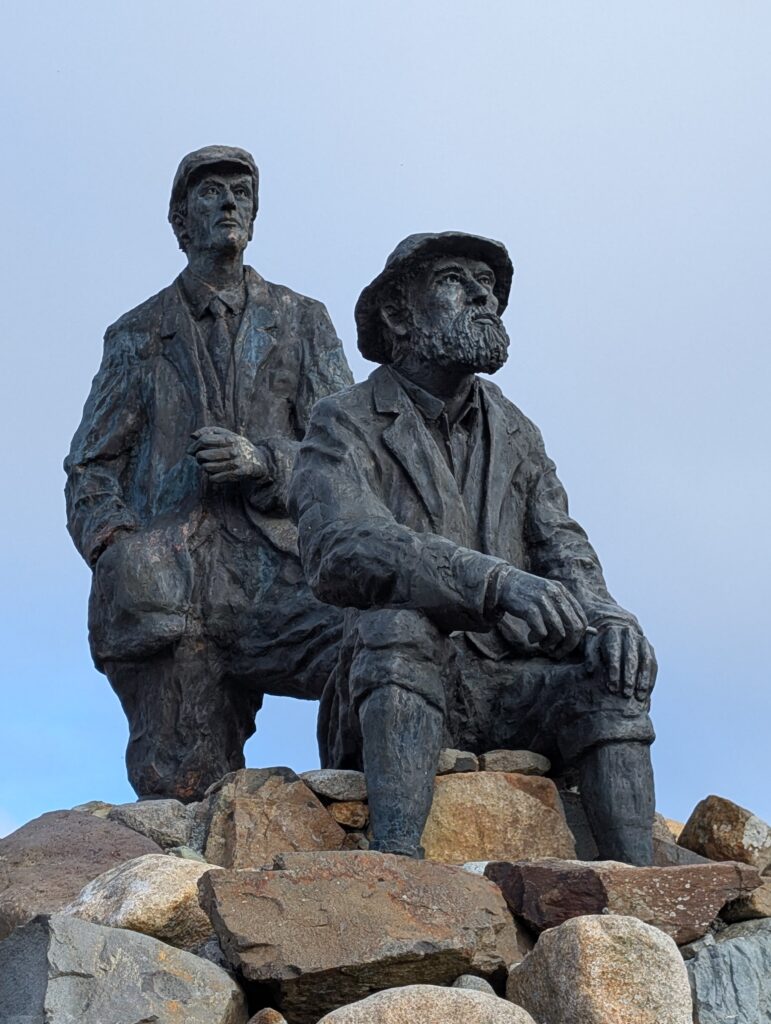
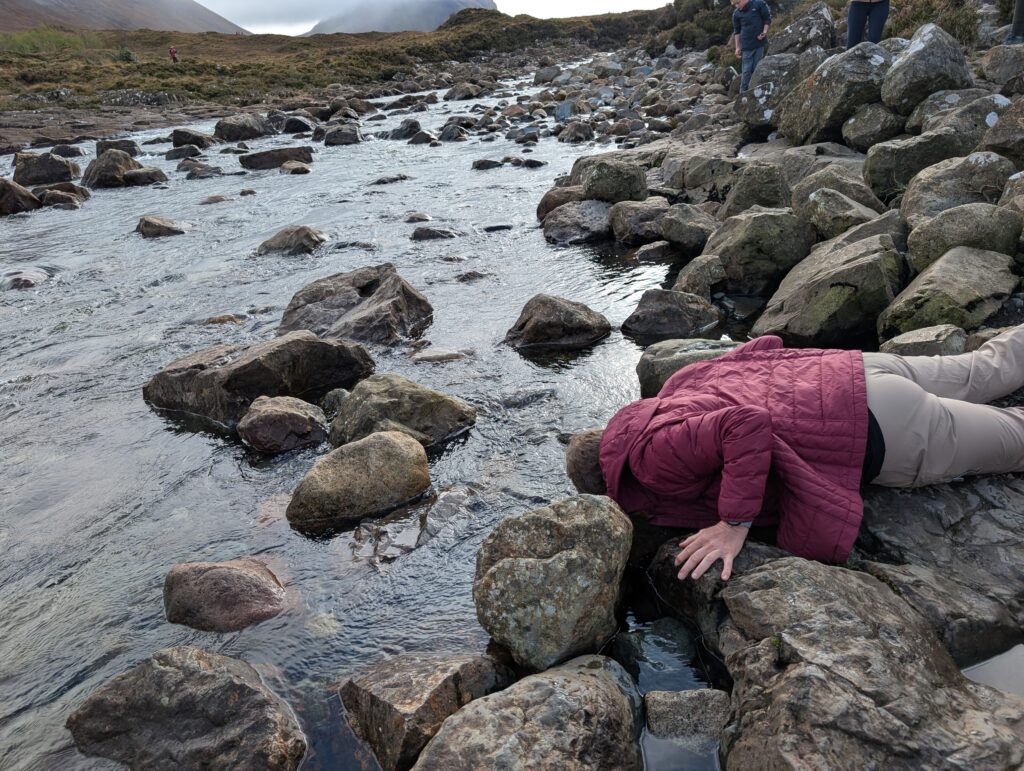
The pioneers that climbed the Cuillins were John Mackenzie and Norman Collie. Their statue faces the Cuillins. I joined in putting my face in the river as it is to bring good health and longevity.
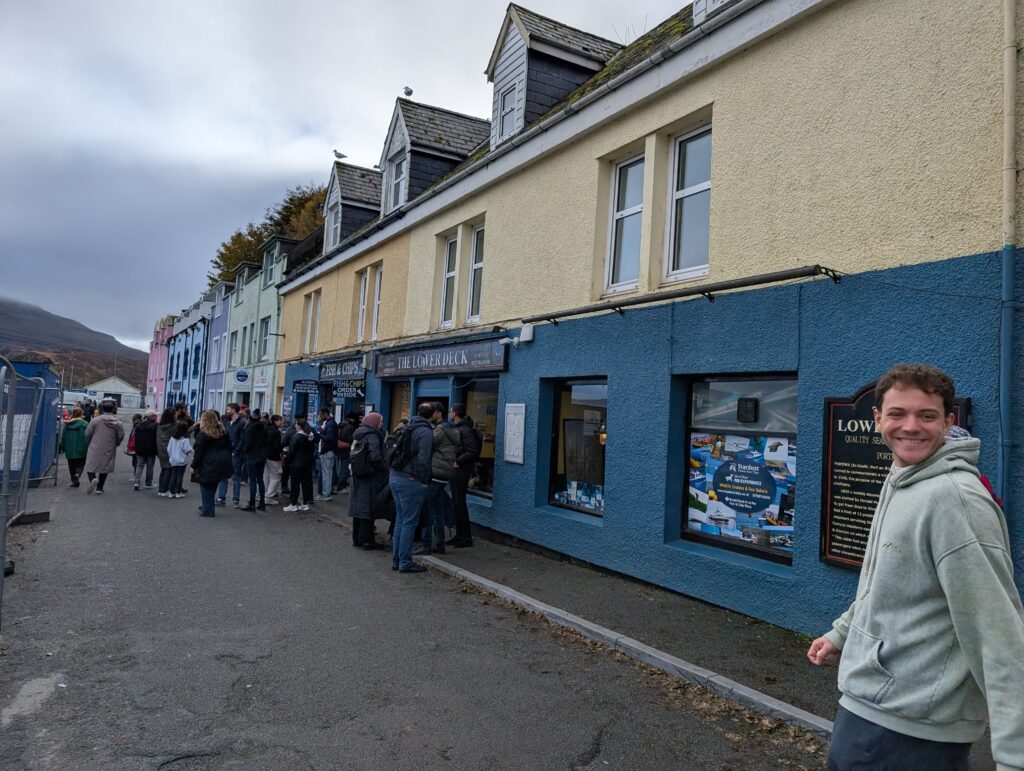
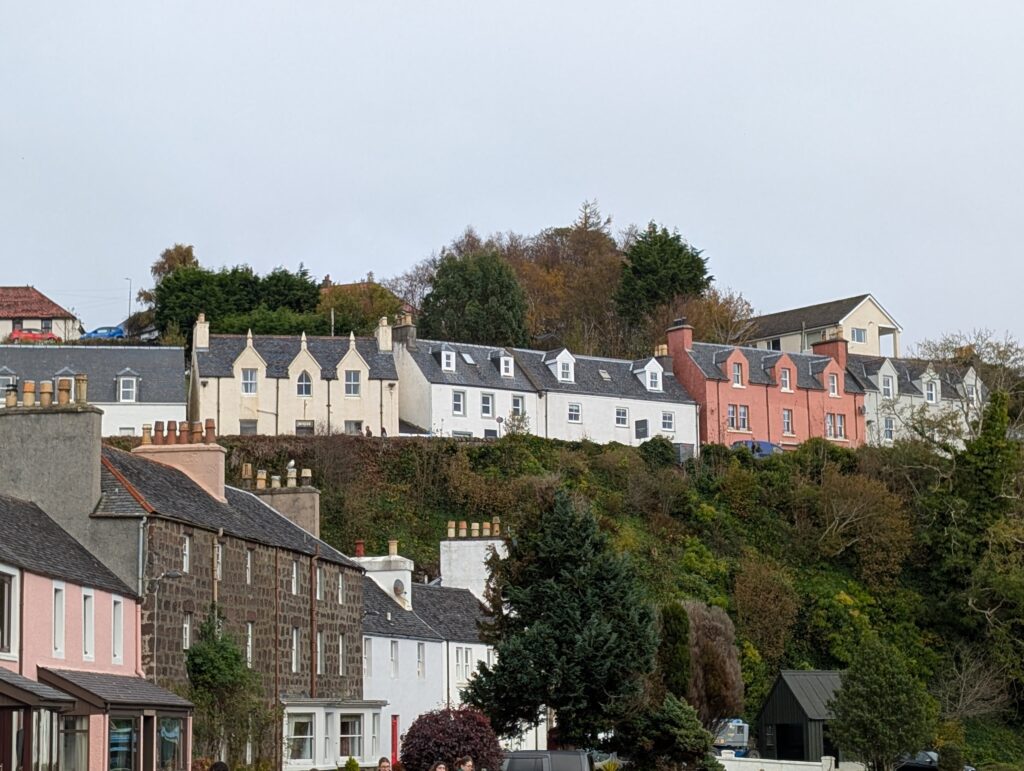
The next stop was Ported for some sightseeing and lunch.
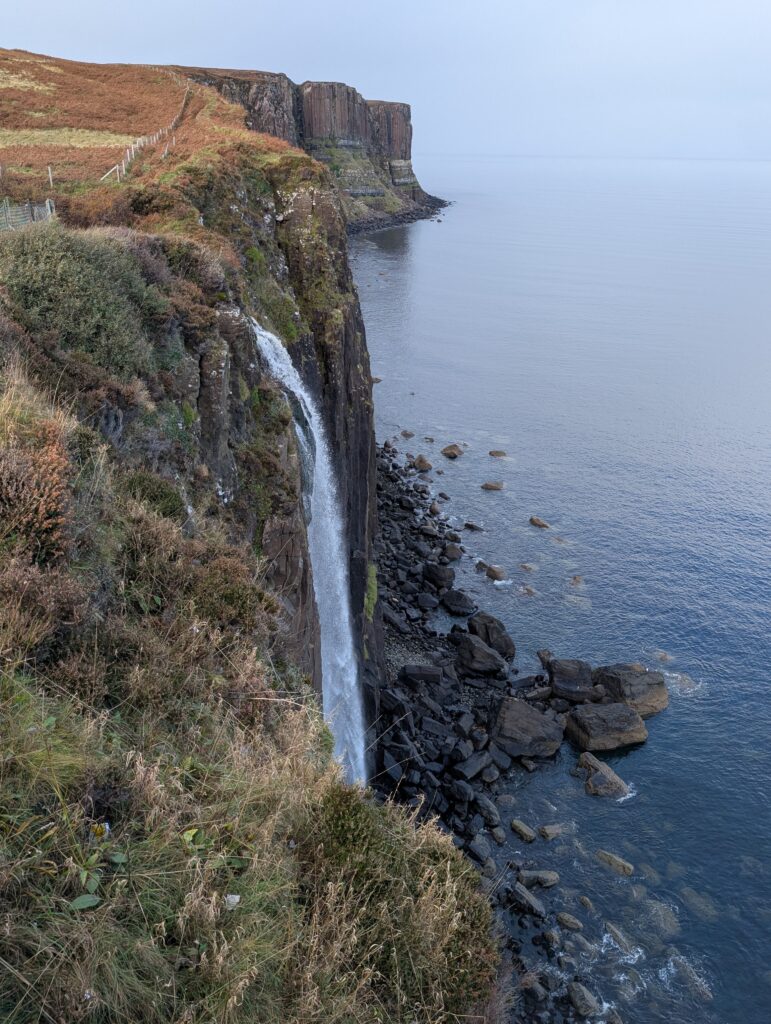
Kilt falls. We were also on the lookout for dolphins and seals as we were in the coastline.
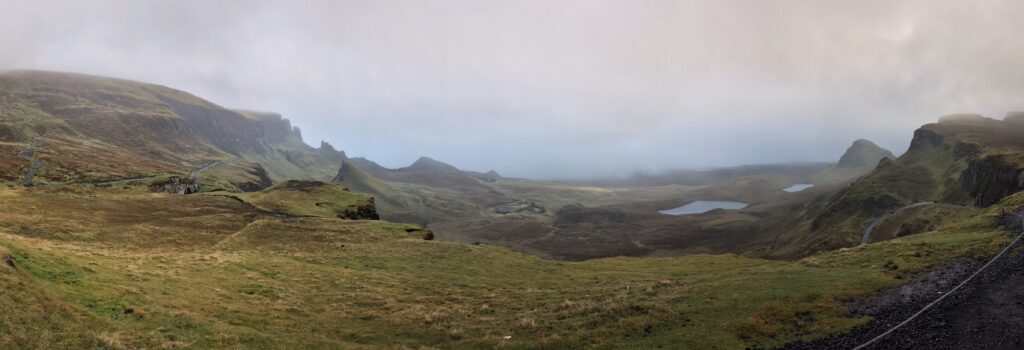
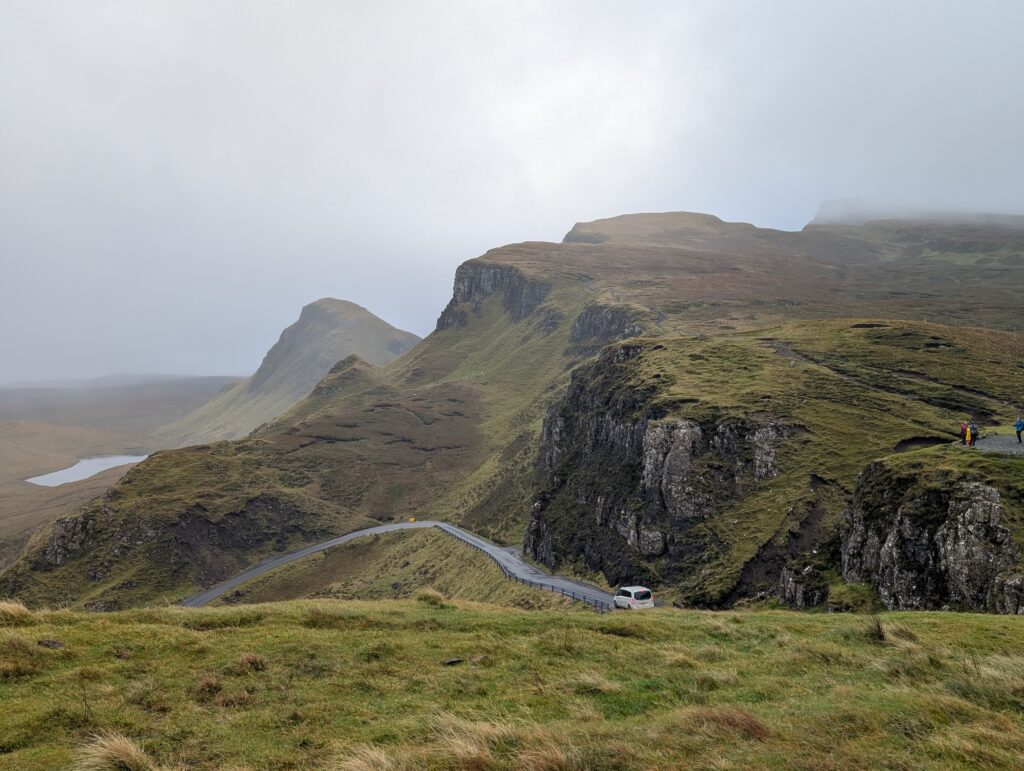
The Quirang was formed when basalt flows from volcanoes spread over the area in the peninsula and destabilized the weak sedimentary rock beneath causing landslides to occur until settling into the current placement. It is a very striking landscape.
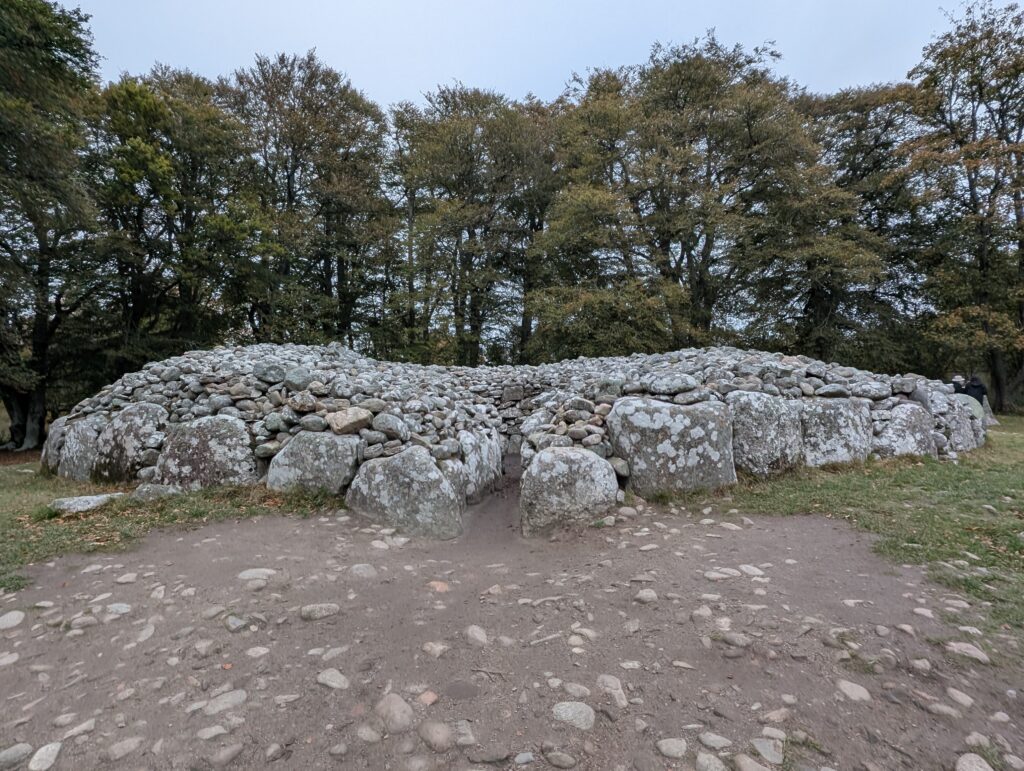
On the last day, we left Inverness and visited Clava Cairns. A cairn is an ancient burial ground and these are dated at over 4000 years old. This one has an entrance to the center and was found to have been reused centuries later (after the original dead were no longer in anyone’s memory!)
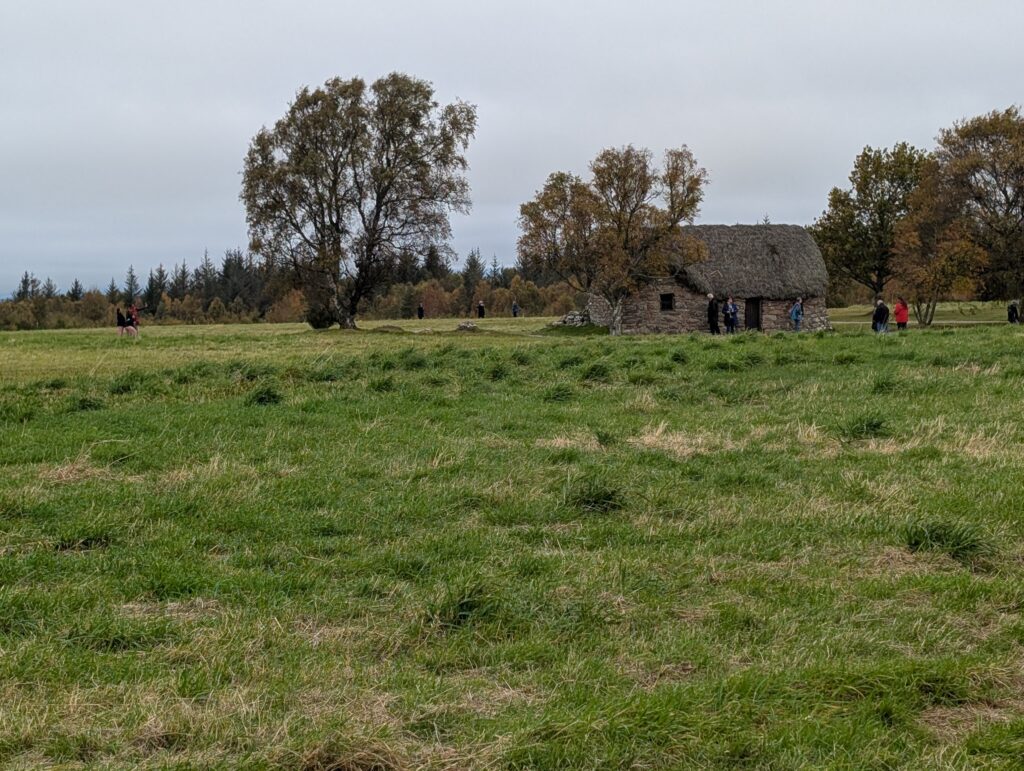
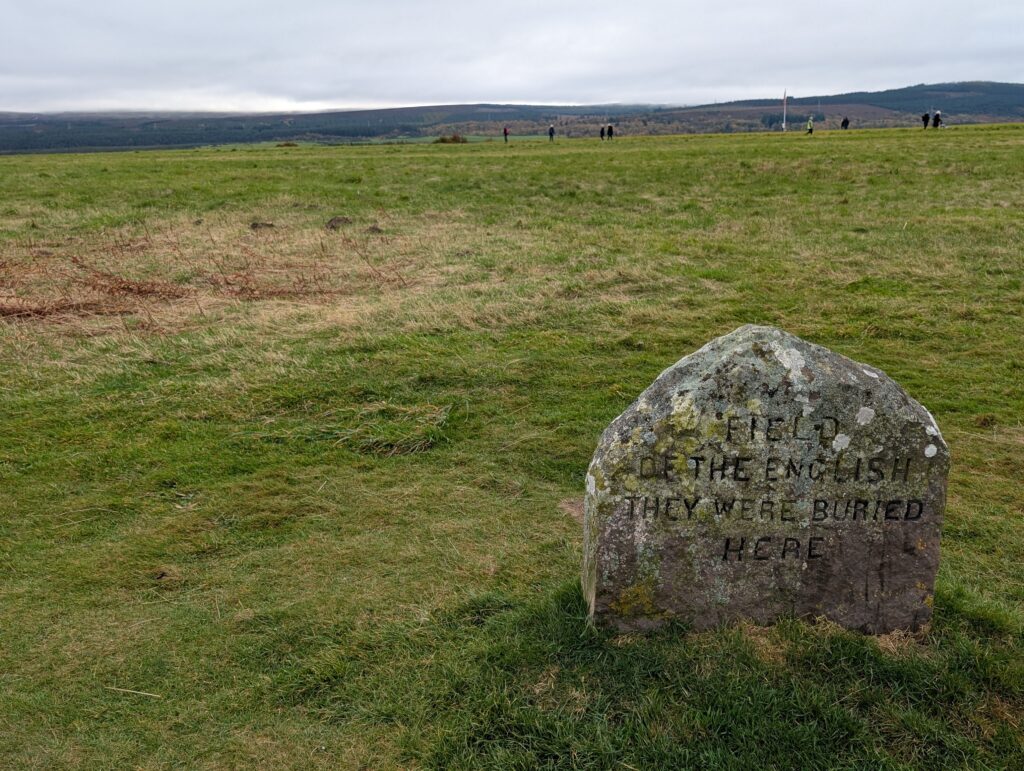
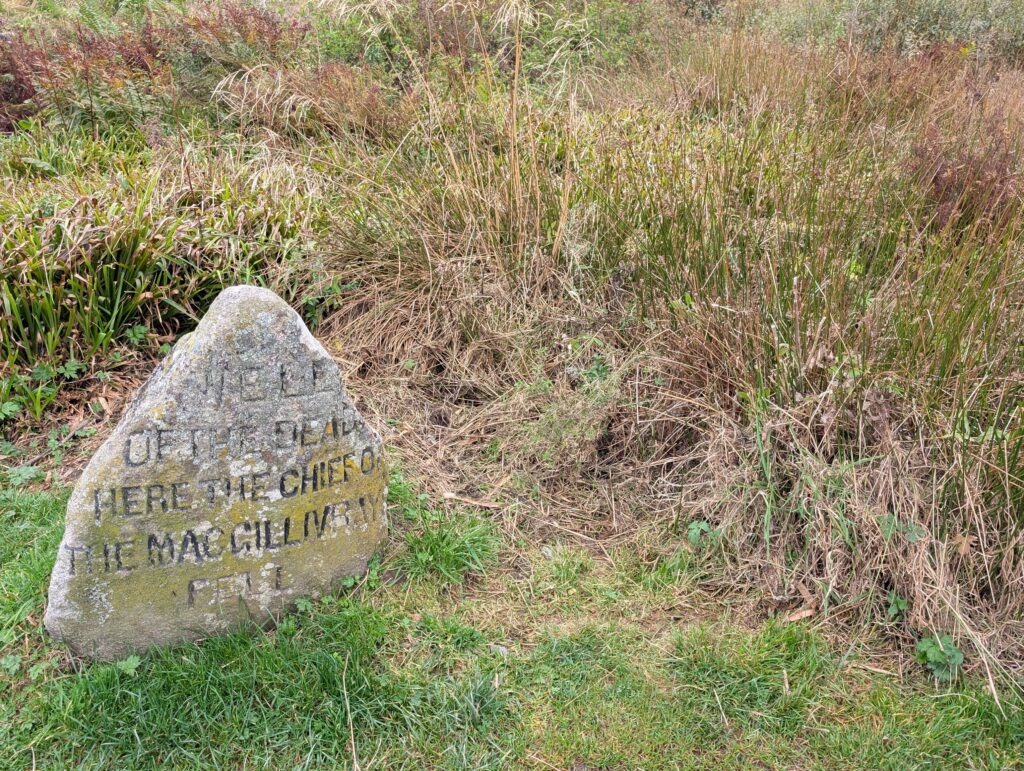
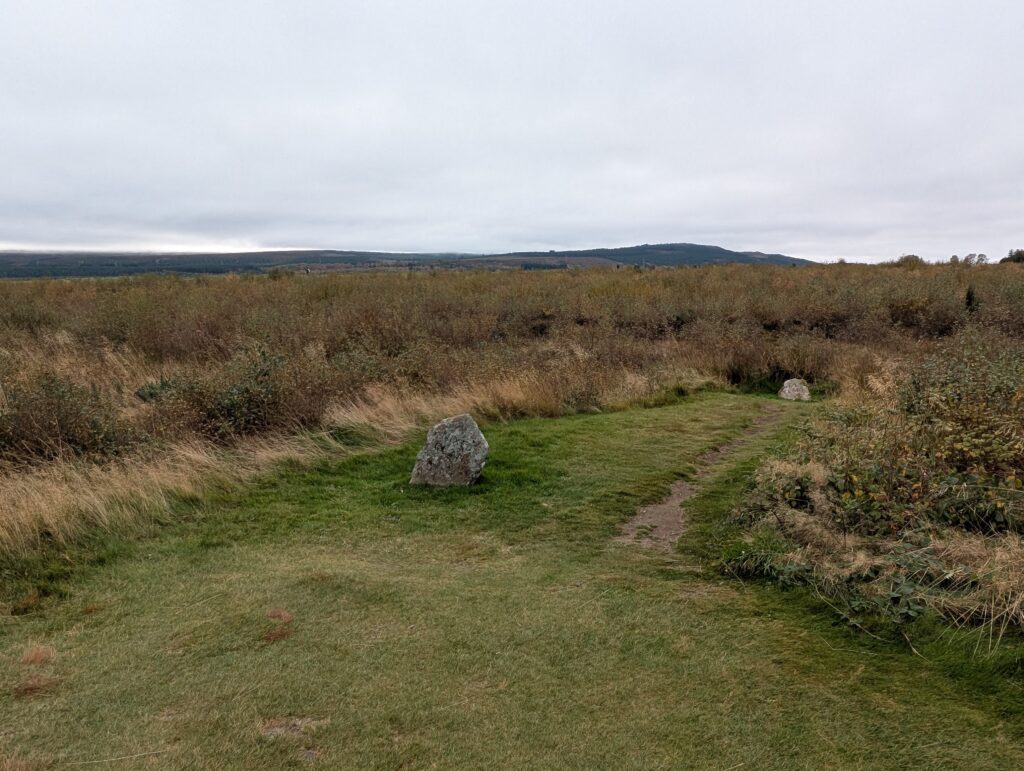
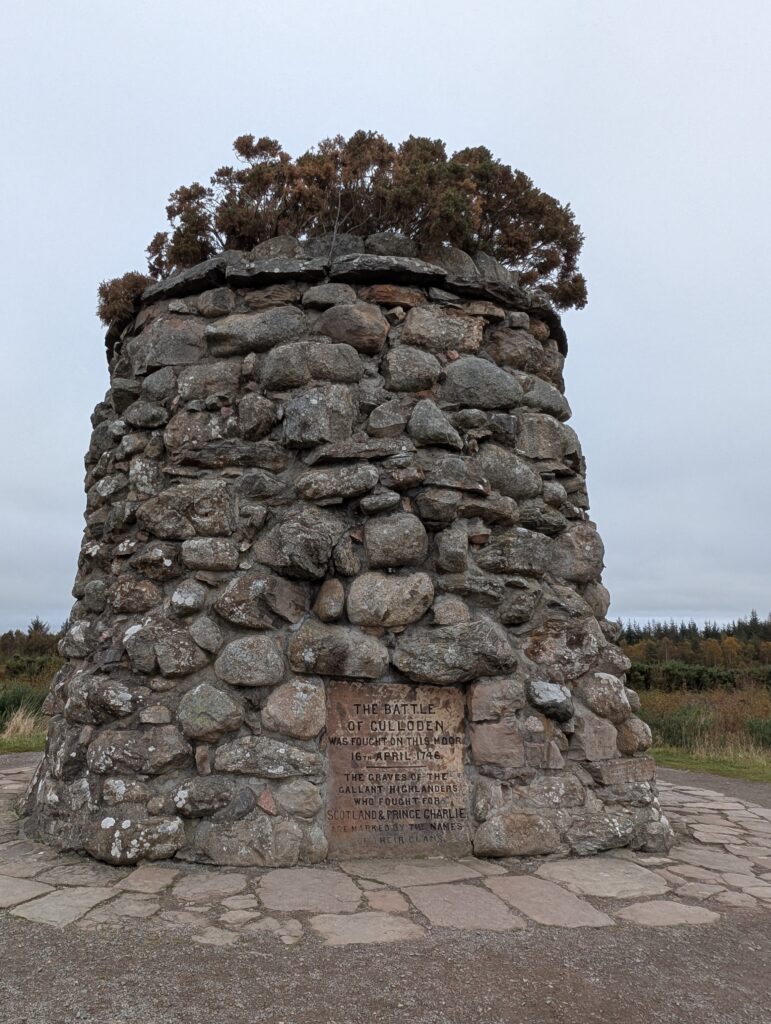
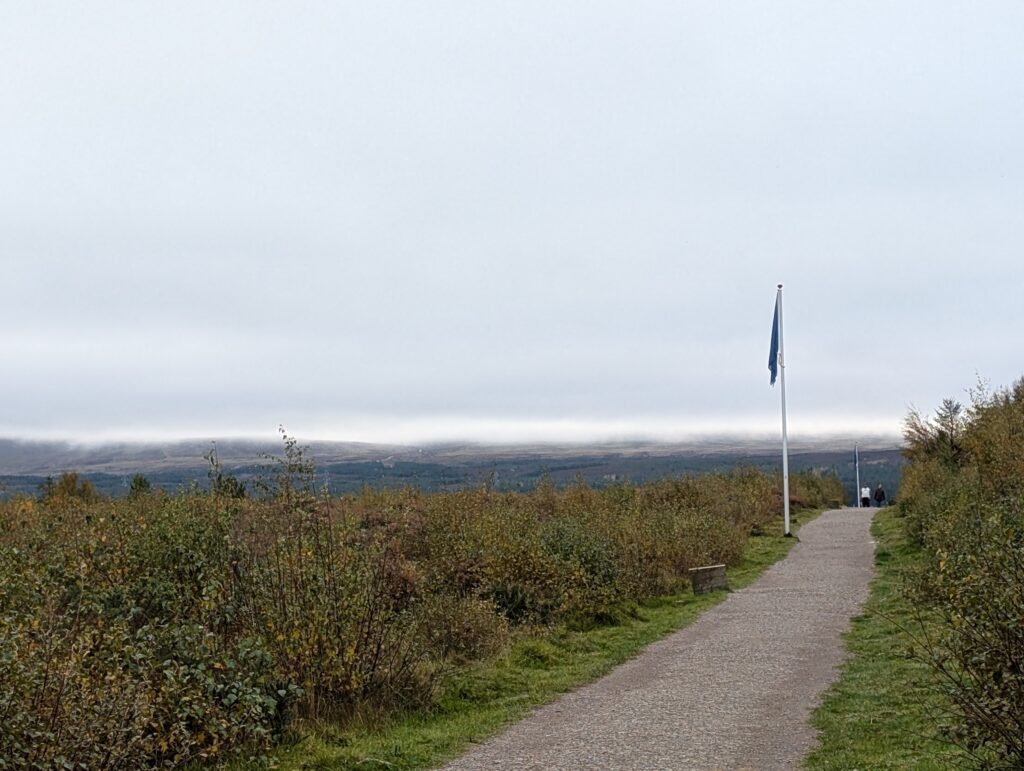
We also visited the Culloden battlefield. It is a great site to learn about Scottish history. For centuries the Stuarts in Scotland challenged the English throne to restore Catholic rule from the Protestants (I was always intrigued by Mary Queen of Scots and Elizabeth I). The bonny Prince joined the Jacobite clans with some aid from the French to try to take London. The final battle was here where a series of unfortunate mistakes led to their massacre. The history of both sides is laid out well in the museum before entering the battlefield. Red flags for UK and blue for Scotland are marked where the battle lines started. Rock markers for where the various clans fell and were buried in a mass grave can be seen. Some weathering makes a few difficult to read. There is also a memorial cairn on the site.
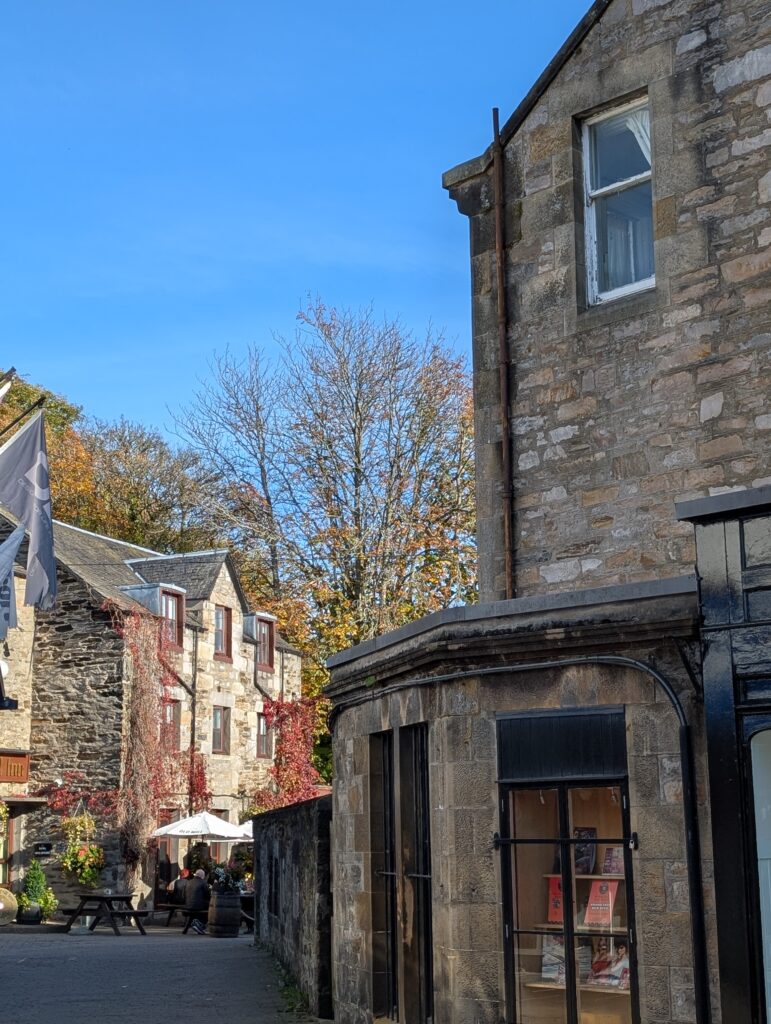
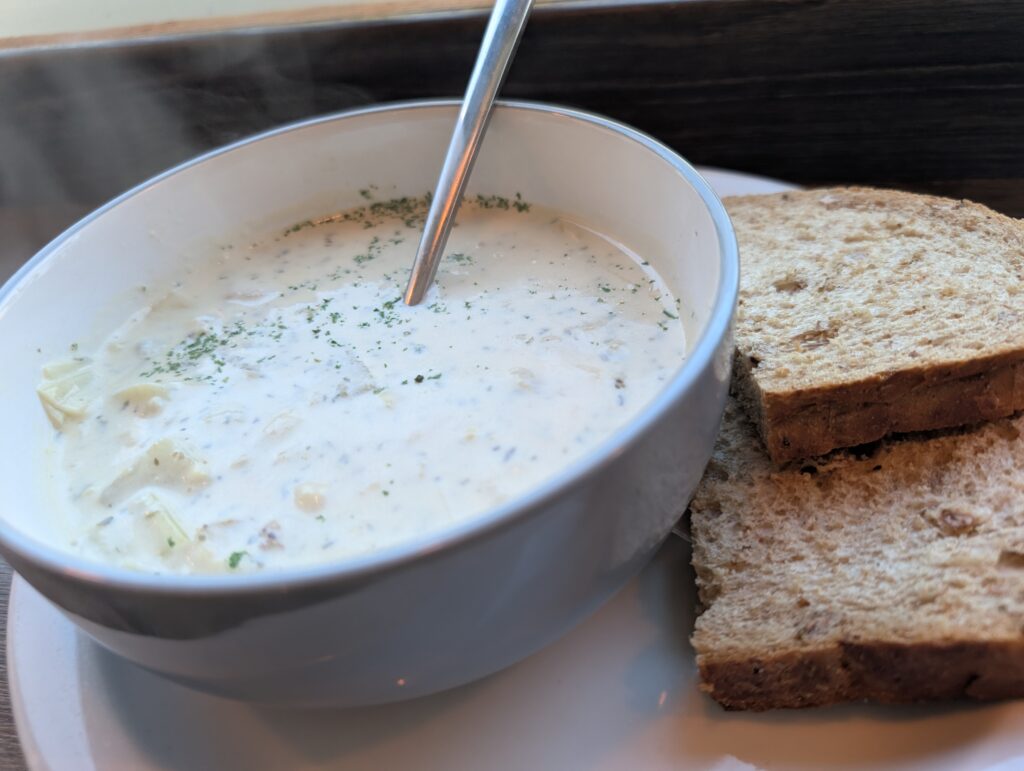
We stopped at Pitlochry for lunch. In earlier times, people from Edinburgh would come to this resort town to escape the city. I ate Cullen skunk which is a stew made of smoked haddock and potatoes.
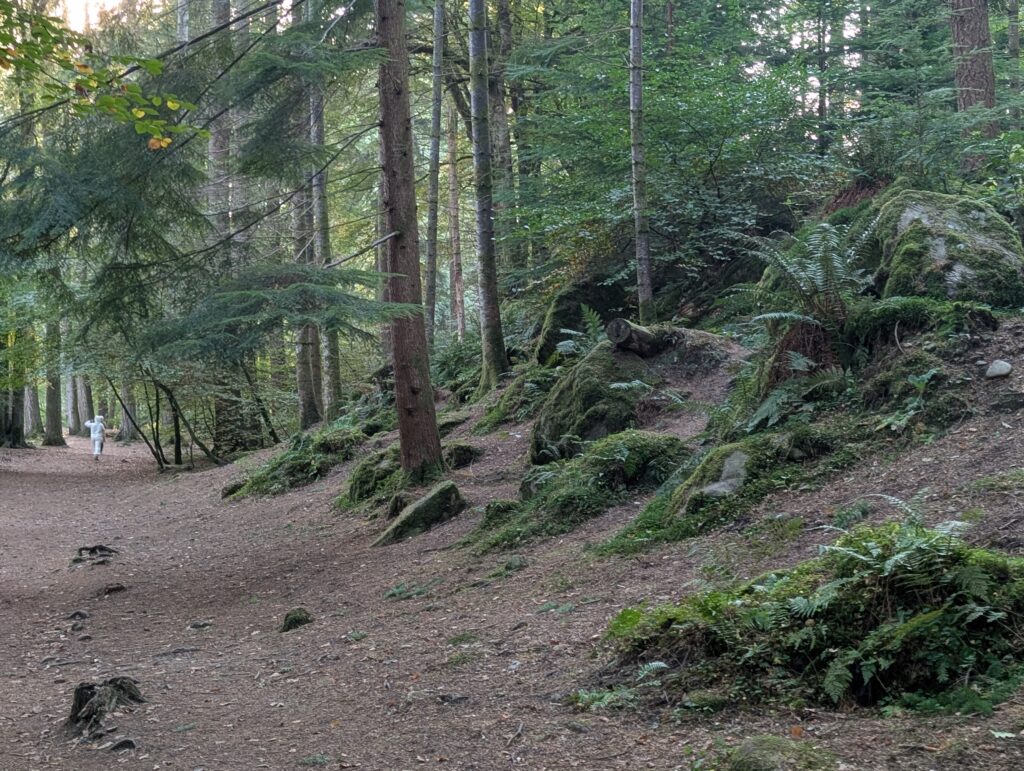
We then had a walkabout in Tay Forest Park where some of the tallest Jack pines are found. Really beautiful.
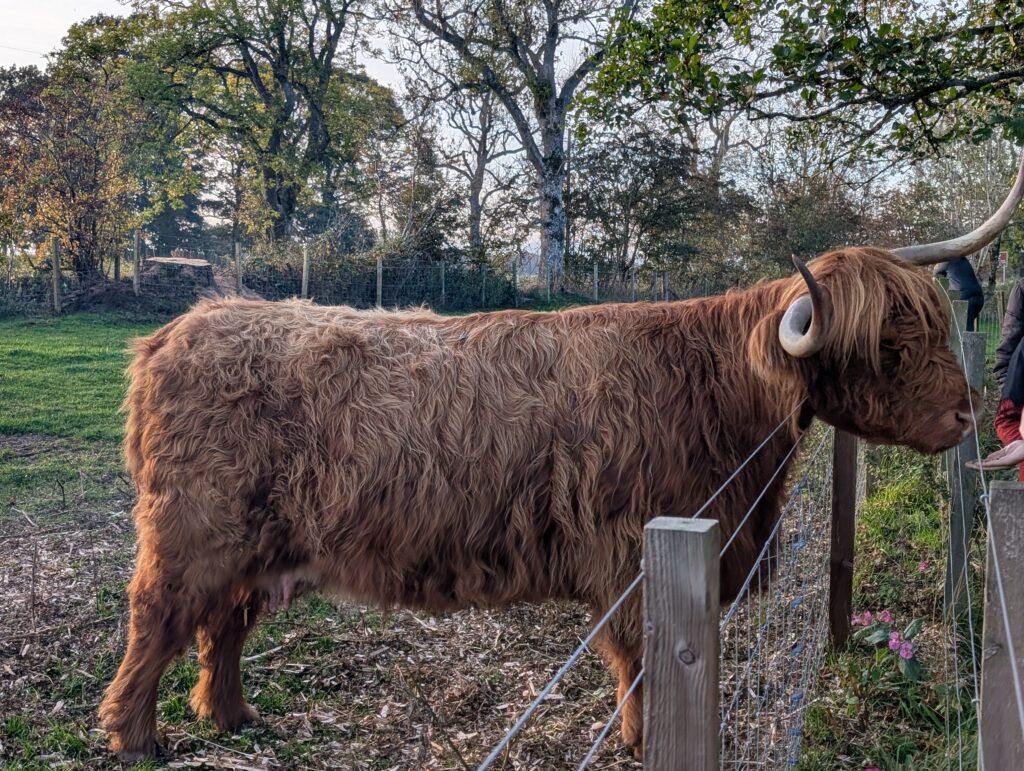
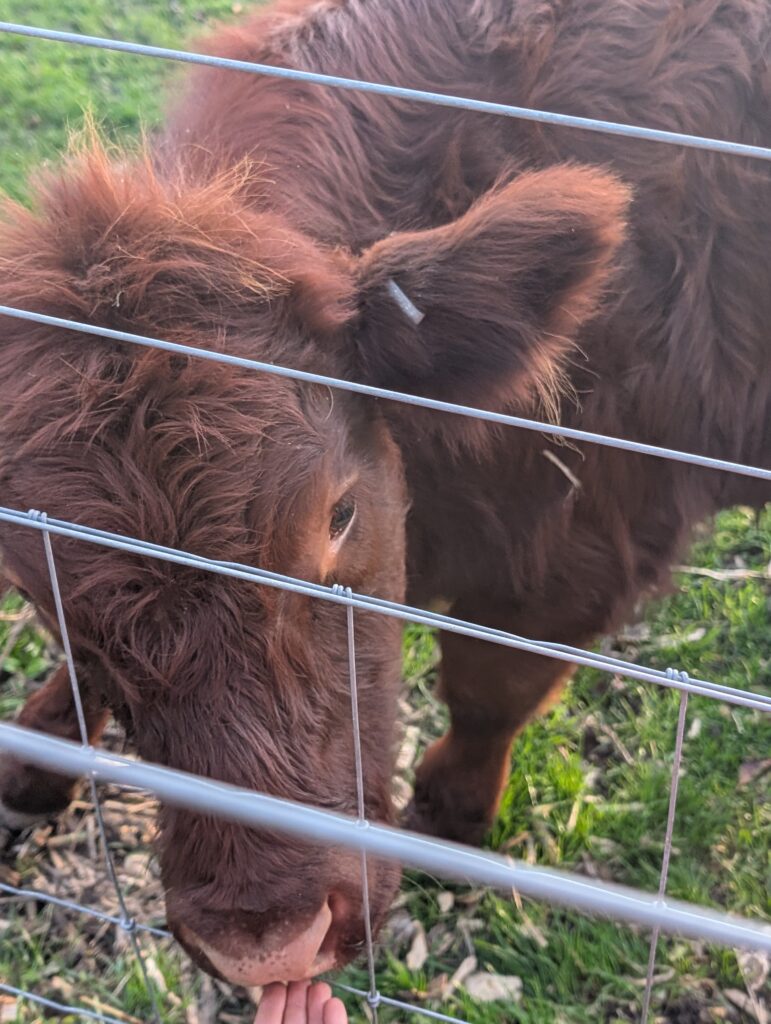
In Perth, we stopped at a family run farm and restaurant. The have highland coo (cows) you can pet and feed. These highland cows are able to walk better than cows in the boggy Moors and can feed on all vegetation there. Because of this, they use these highland cows to cross breed with regular cows. They also have super fatty milk which is excellent for cheese.
I thoroughly enjoyed my time in Isle of Skye. It would be beautiful when the heather is in bloom but fall was a great time to visit. I really miss those gorgeous colors.