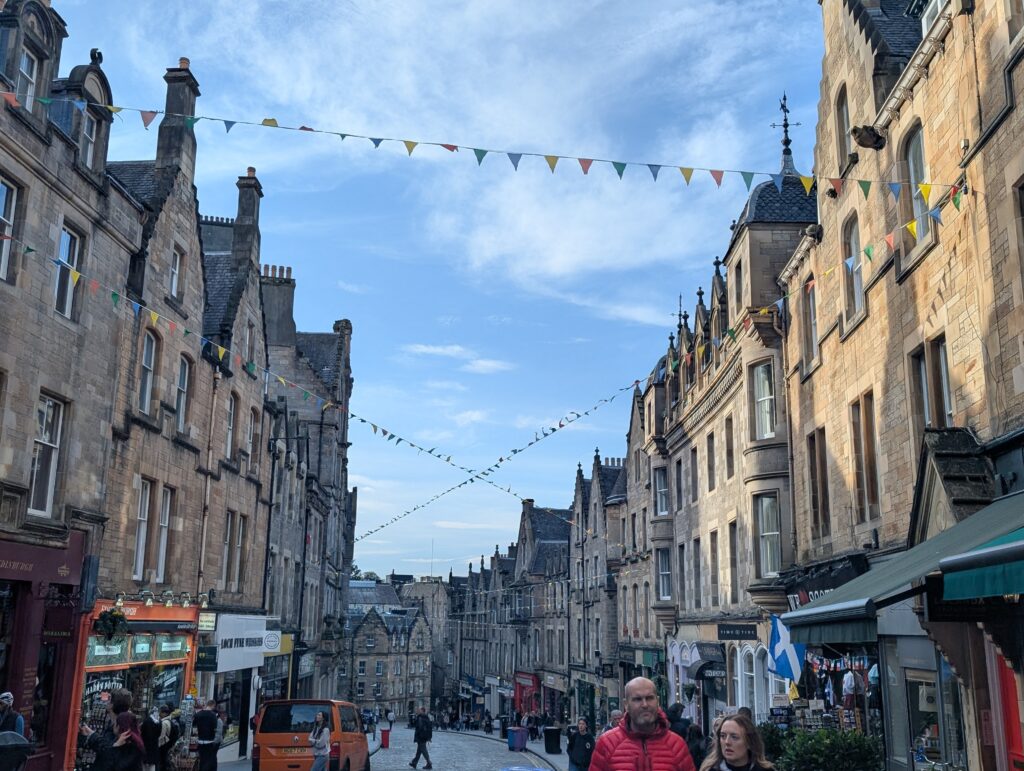
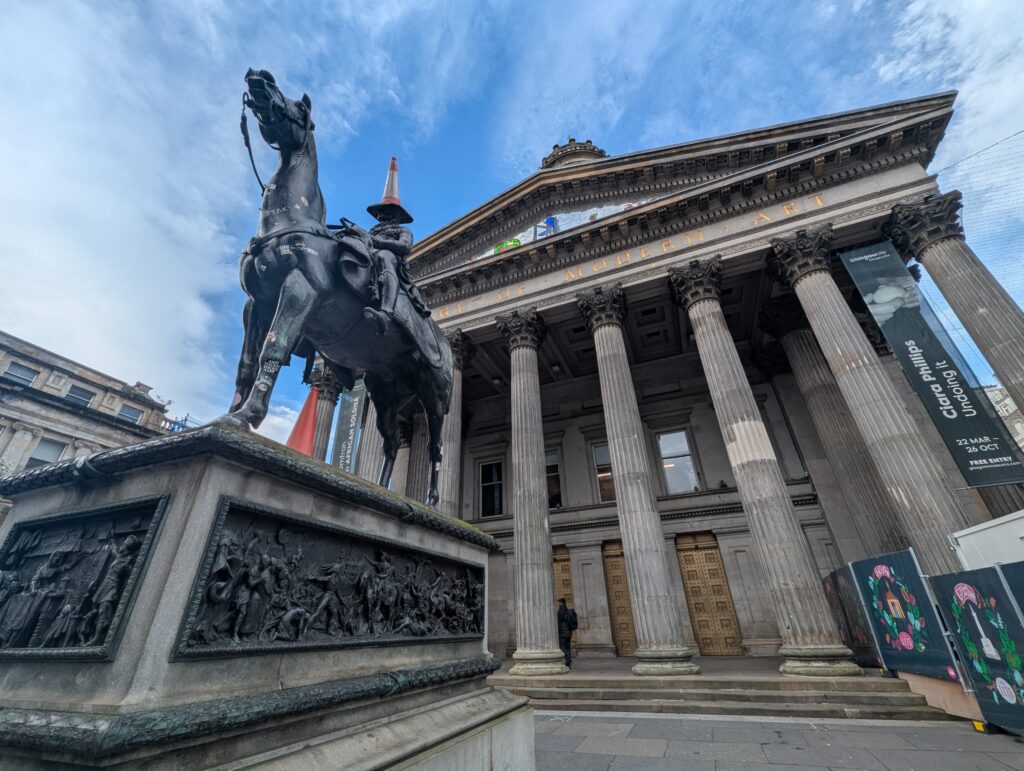
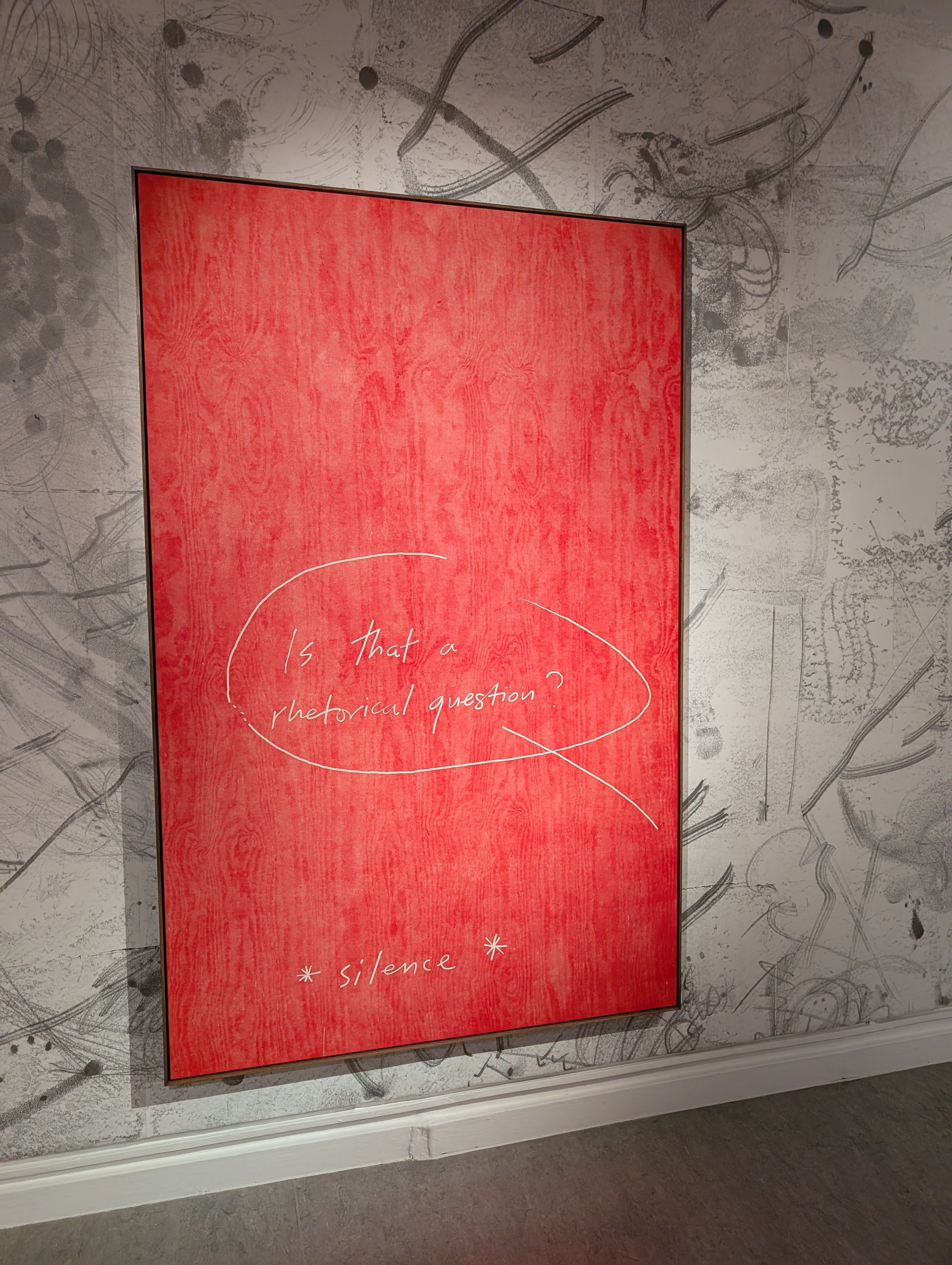
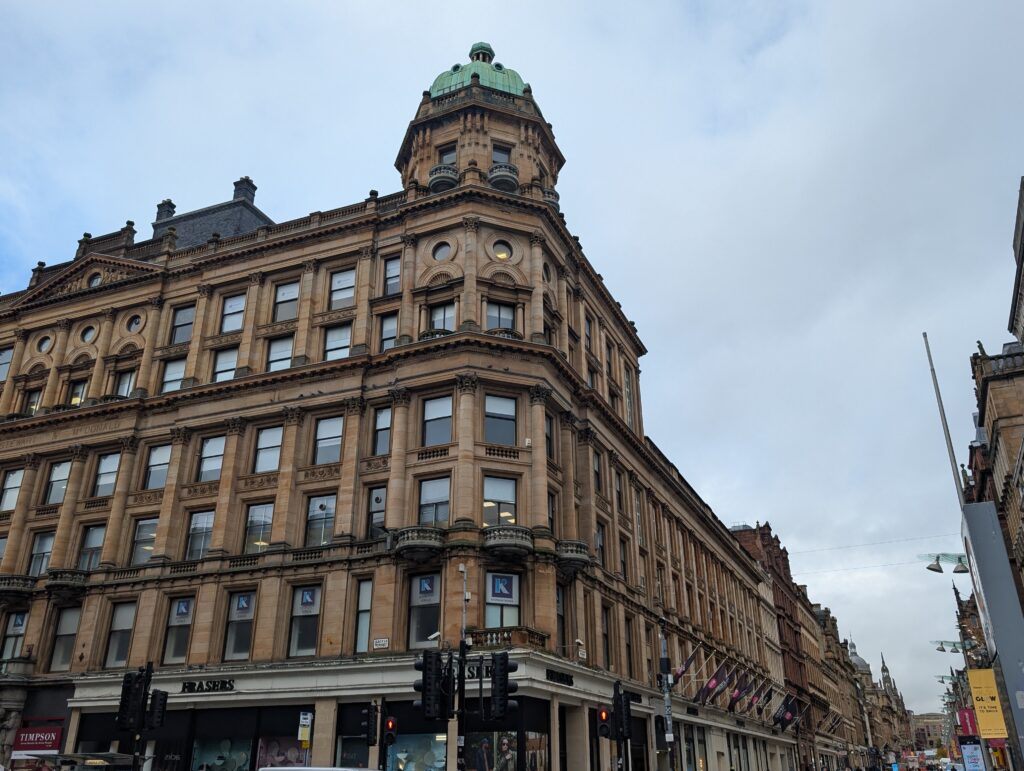
On to the next adventure: Scotland and the UK. I was only in Glasgow for a day due to a change in a tour to Isle of Skye. Several sites like the museum were closed for repair. I wandered around the commerce district and visited the museum of modern art. In front of that building is a statue of the Duke of Wellington. Yes, that is an emergency cone on his head. A taxi driver told me that police keep taking it off but another appears overnight!
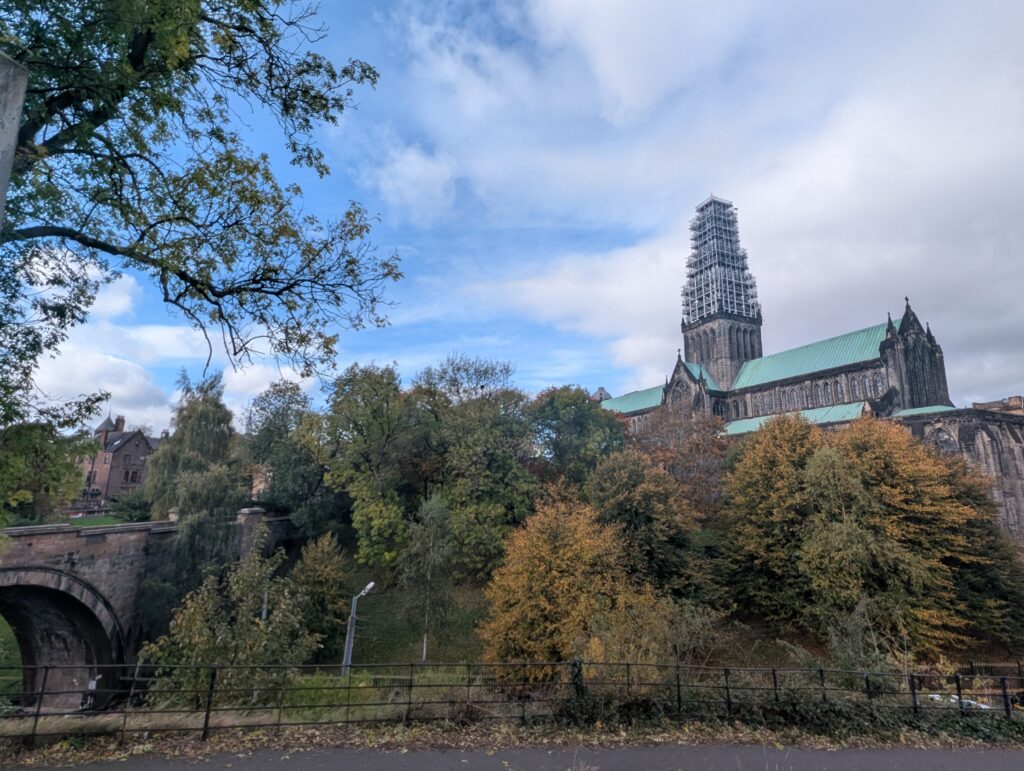
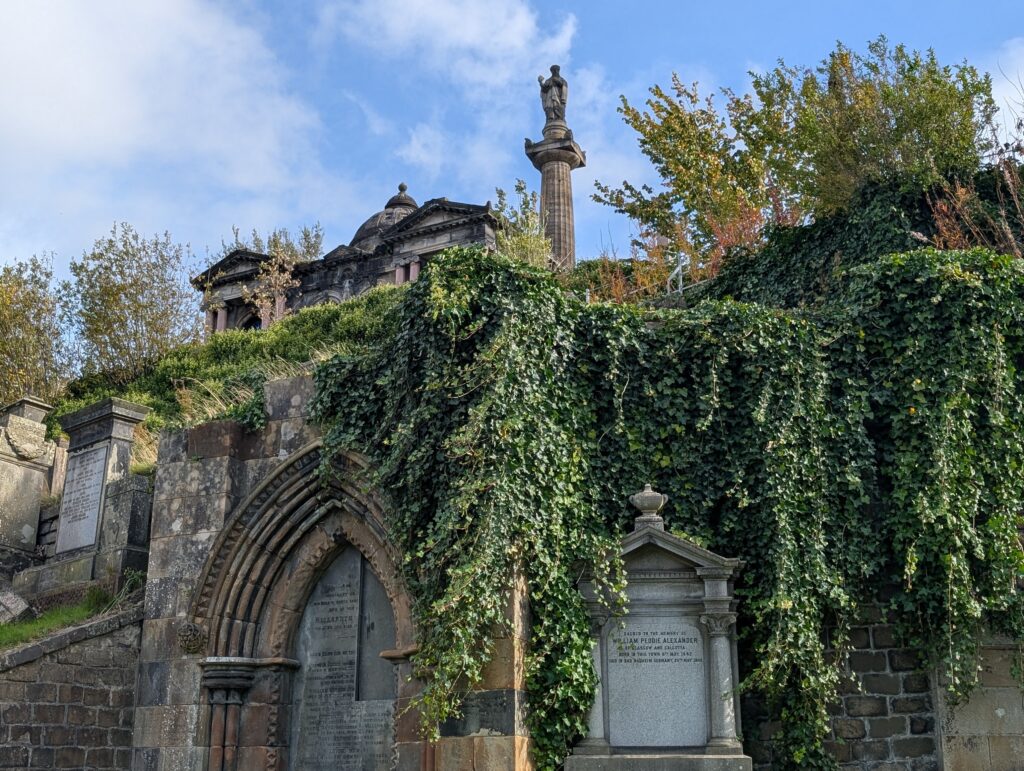
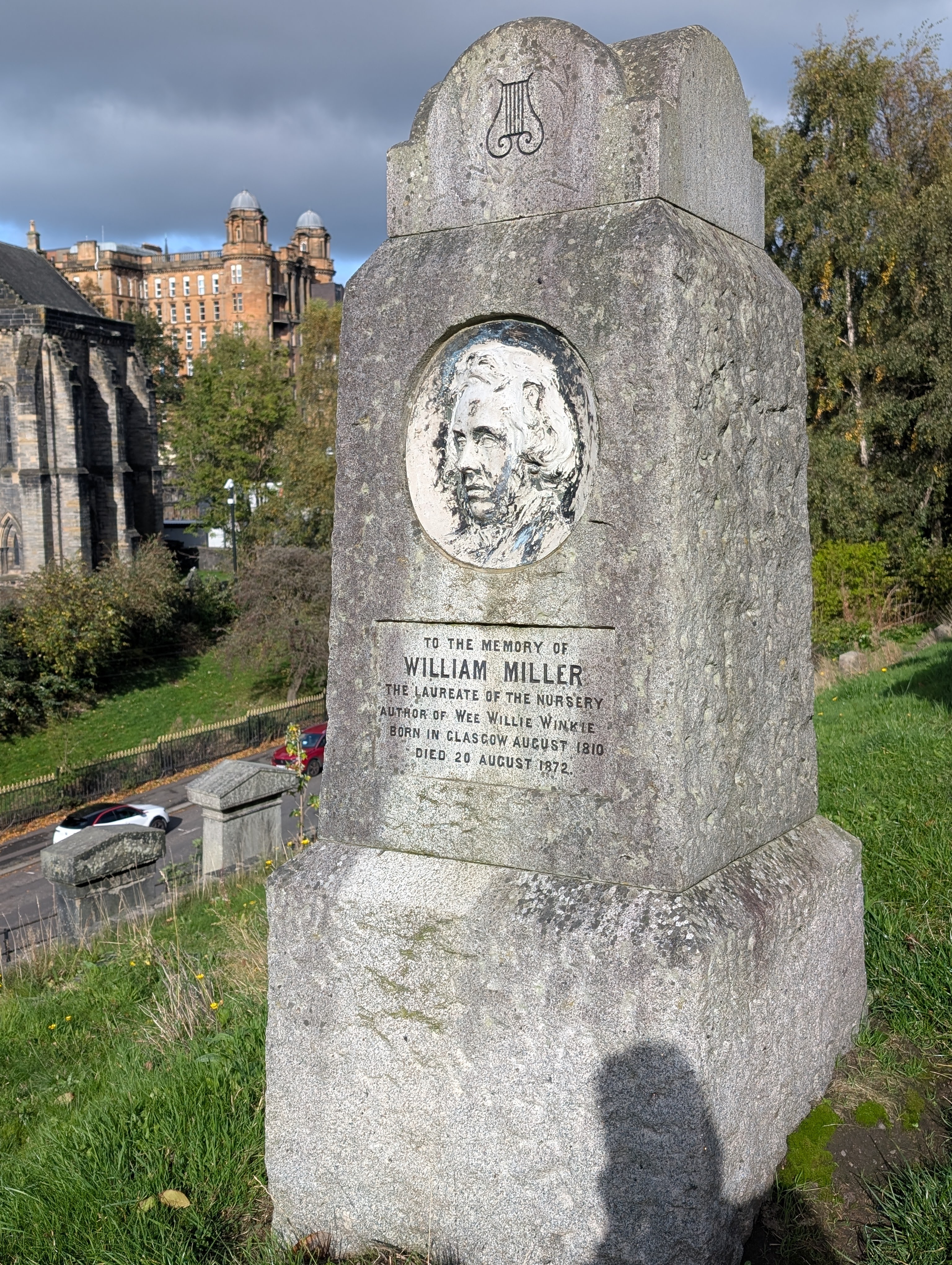
I also walked to the Necropolis. This picture is taken from the Necropolis and you can see the cathedral on the right. After funeral services, the body would be taken across the bridge into the Necropolis.
I did miss the grave of William Wallace who led Scotland towards independence.
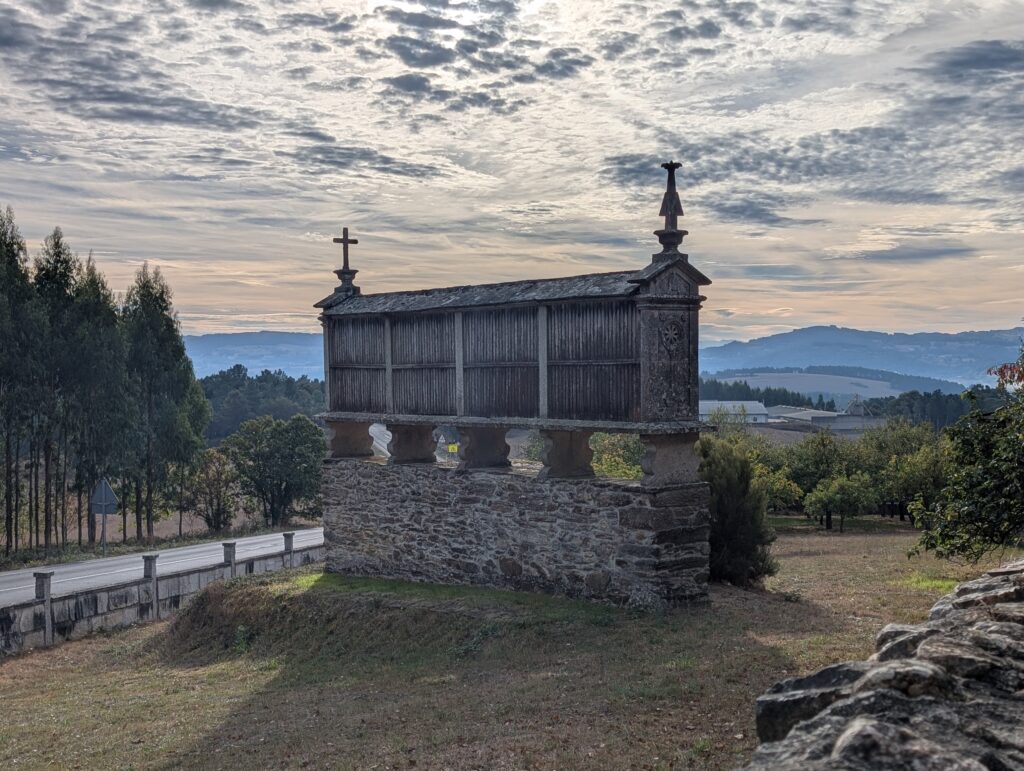
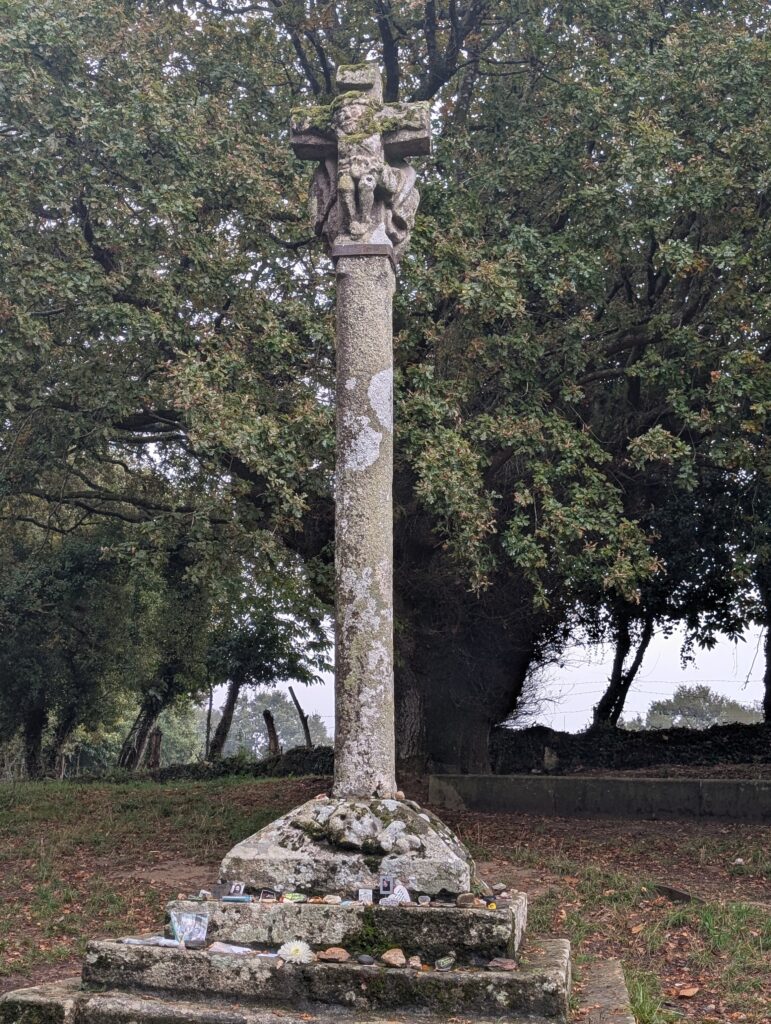
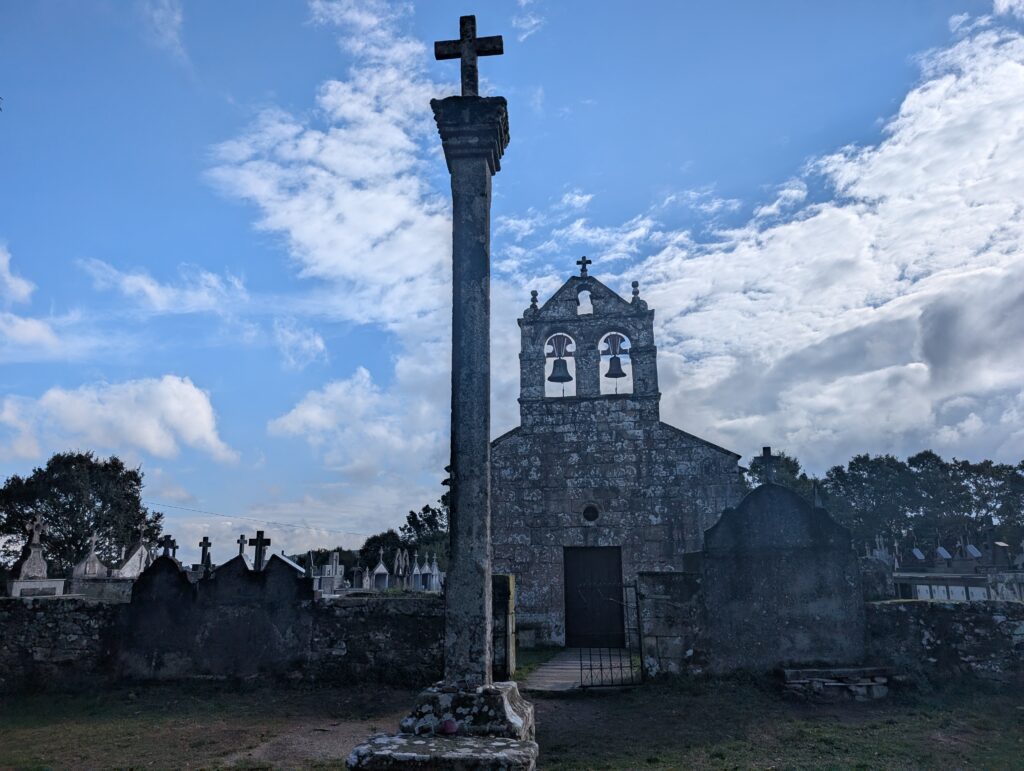
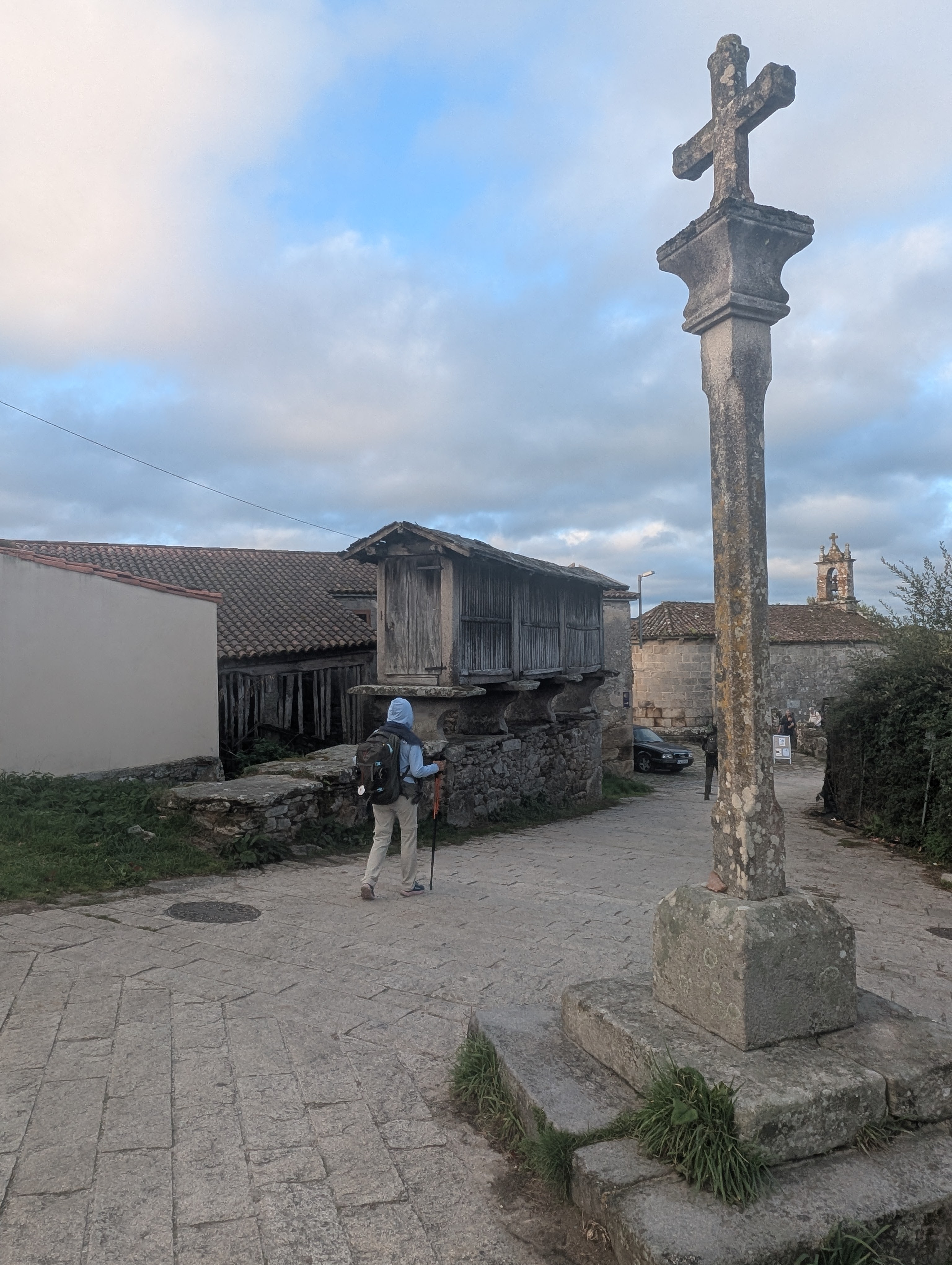
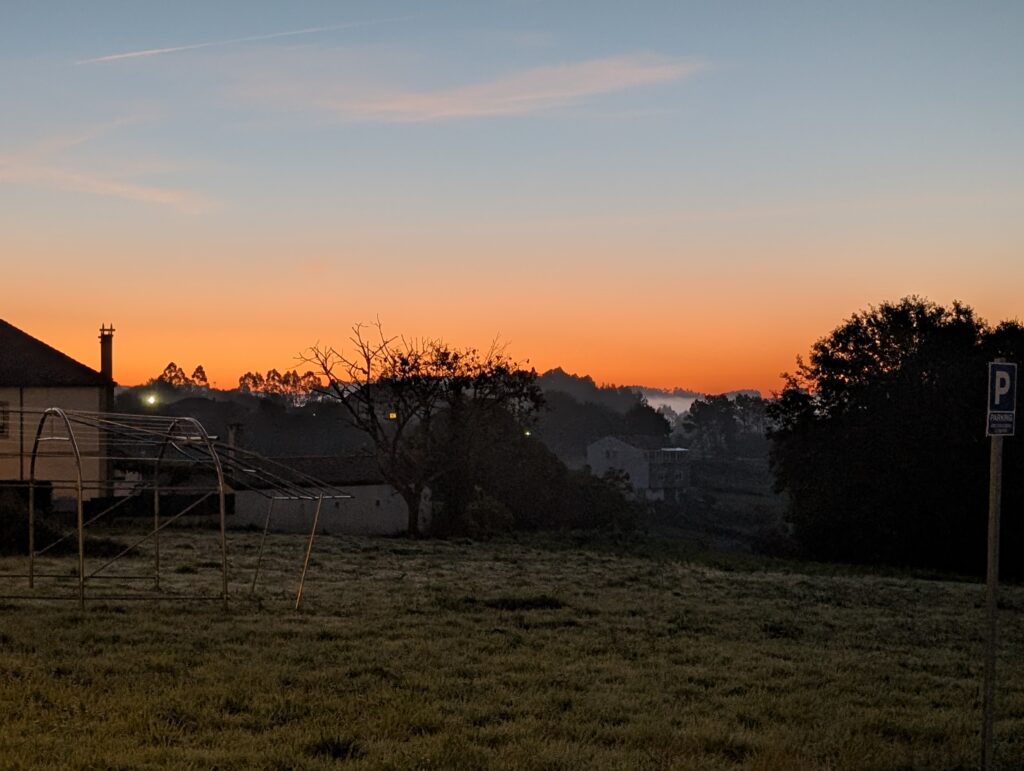
I arrived in Santiago de Compostela by train and met my friend, Maggie. Our intention: to complete the Camino de Santiago from Sarria. 115 km with a 7 kg pack. We left the rest of our belongings in Santiago for when we return.
Some background: James was one of the apostles who was a martyr and was beheaded. His head was buried in Jerusalem but his body was taken by boat guided by an angel to Santiago where it was buried. In the 9th century, his room mains were discovered and a church was ordered to be erected at the site. His remains are interred in the church. When news of the discovery of his remains spread far and wide, religious people made the pilgrimage to Santiago. Some of these routes may have already been trade routes, but the paths were followed by others over the centuries and are known as the Camino de Santiago. There are quite a few paths over many countries.
I thought the Camino Frances would be good as there are many stopping points and it was the original one I wanted to do. Initially I was going to do the complete Camino Frances, walking over the Pyrenees and across the top of Spain for a total of 780 km.
Recovery from the knee replacement is proceeding but I am limited in how many km I can walk in a day. We averaged about 10-15 km per day and it still was a test of mental, physical, and spiritual strength.
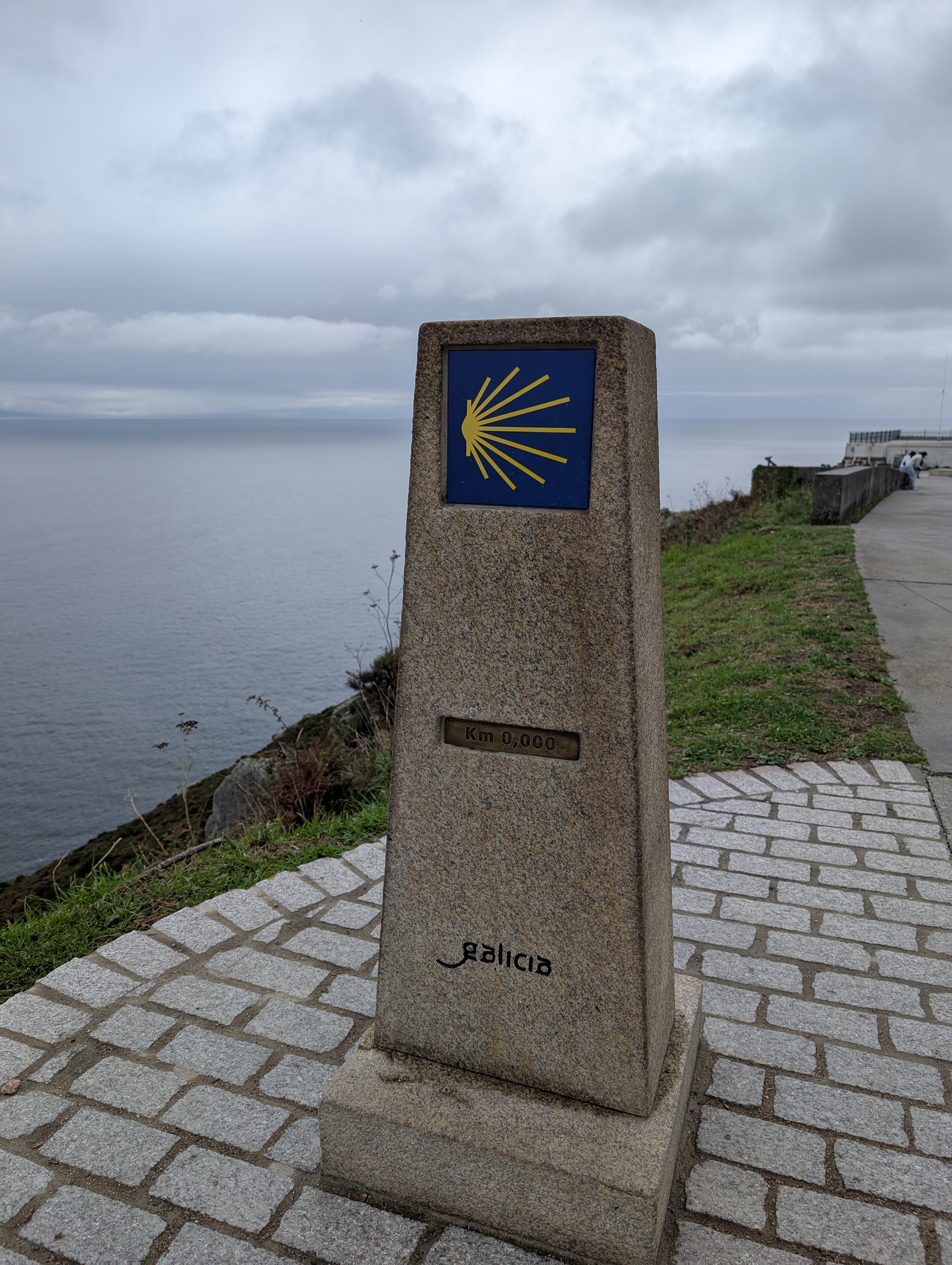
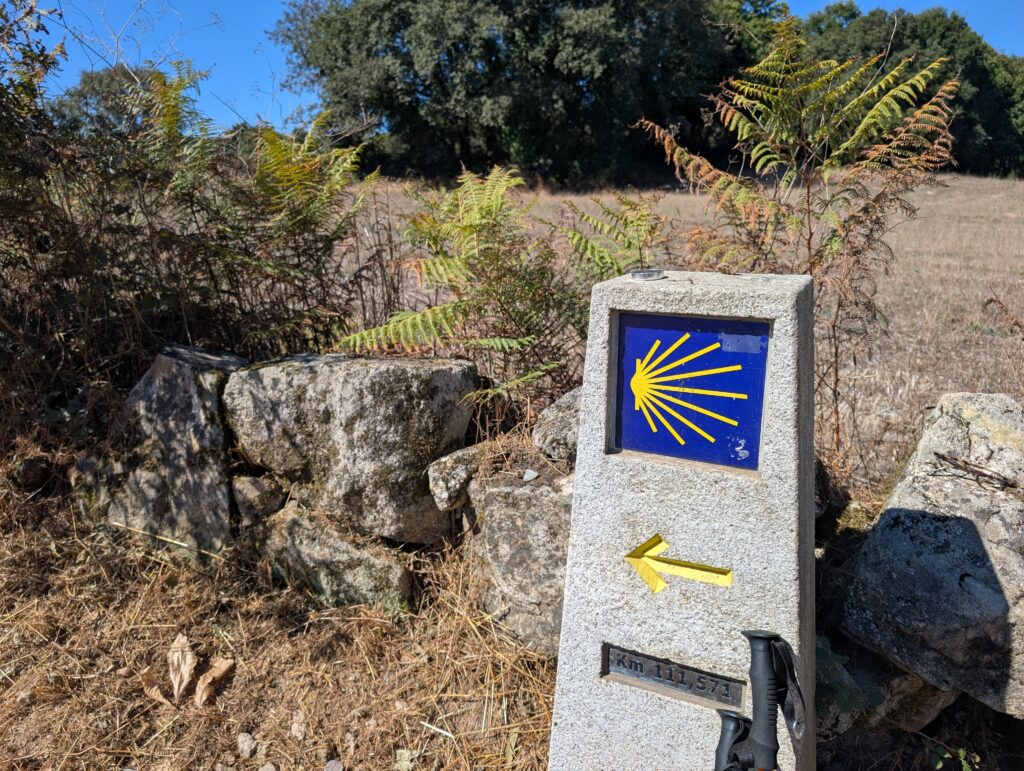
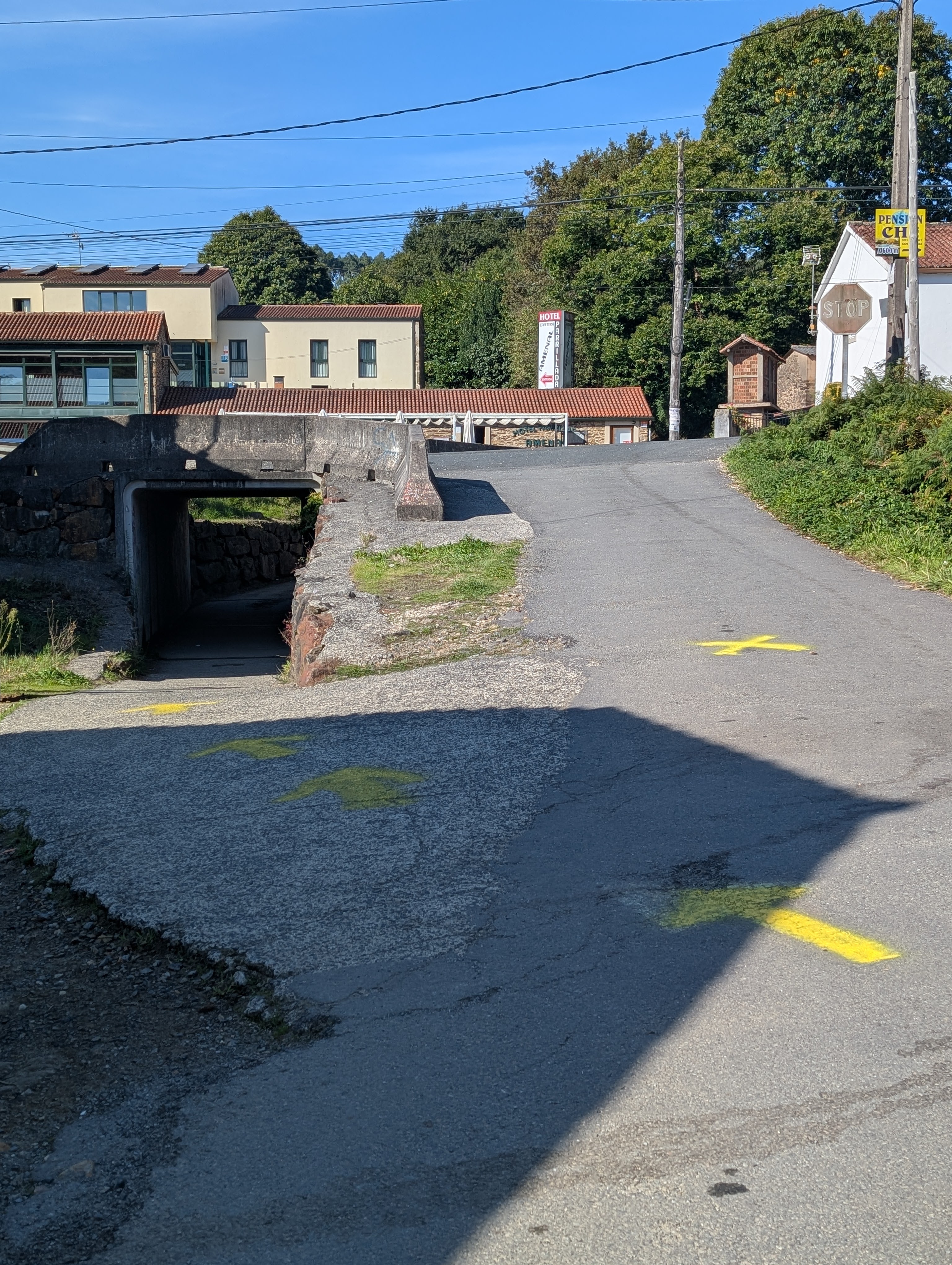
Along the way were markers that counted down the km and had a yellow arrow to show the way.
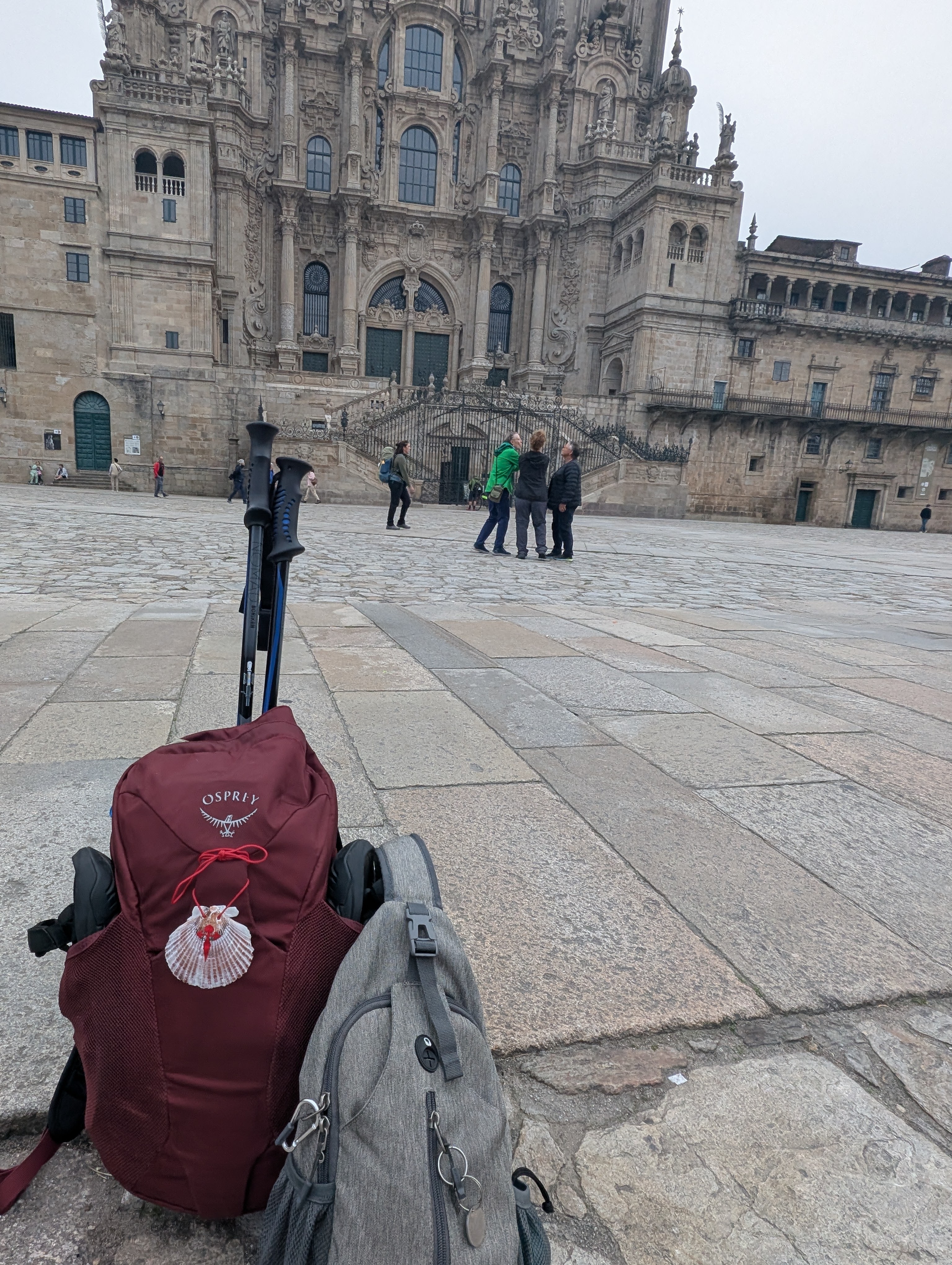
Some people use a carry service for their backpacks. In life, you are responsible for yourself and what you carry. It is the same on the Camino and people often pack too much and leave something along the way to lighten the load. Quite a good life metaphor, right?
The shell is a symbol of having been changed as part of the experience. While walking, many things did not seem as important as they used to and you are reminded that you are only able to change things that are within your control. Not a new lesson, but a constant daily reminder.
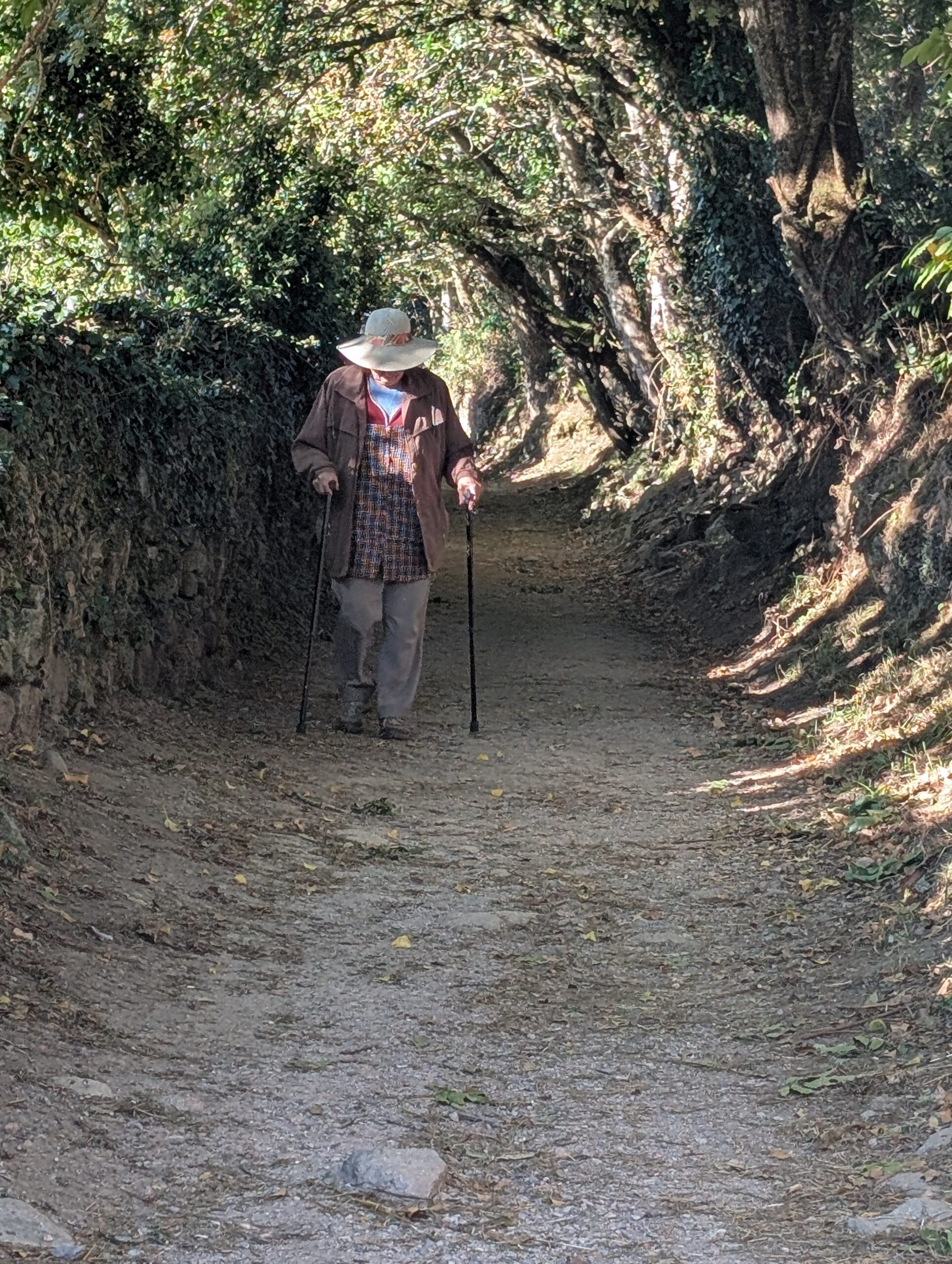
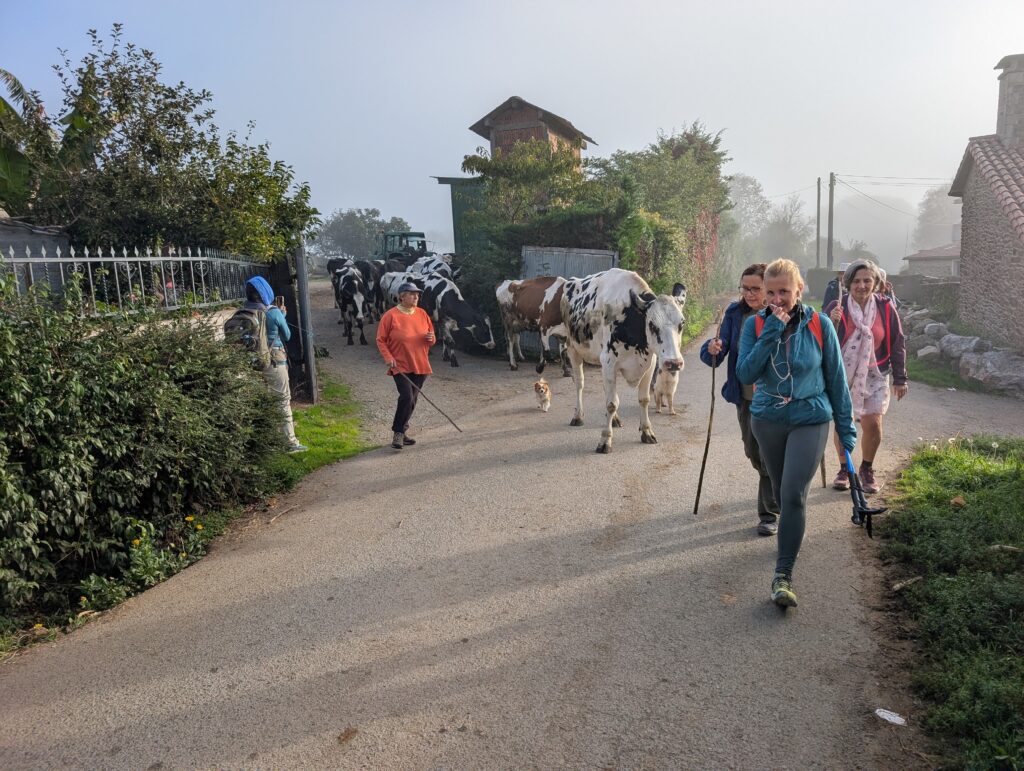
I did a lot of research in preventing blisters, using Vaseline on my feet before adding socks, wearing two lighter socks, etc. I also used hiking poles to help reduce the weight on my knees and feet. It also helps you with better posture when walking with a pack. All the people that we met on the camino were encouraging for us and we to them as well. No one truly walks alone.
We stayed at albergues each night. Bunk beds in mixed dorm rooms and the price was quite cheap (15-20 euros per night). It was quite fine as everyone was tired. Pretty much everyone was asleep by 9 pm and people started leaving around 6 am. We generally left when it was light out just after 8. Some places had family dinners which were quite fun with the stories and personalities from people all over the world.
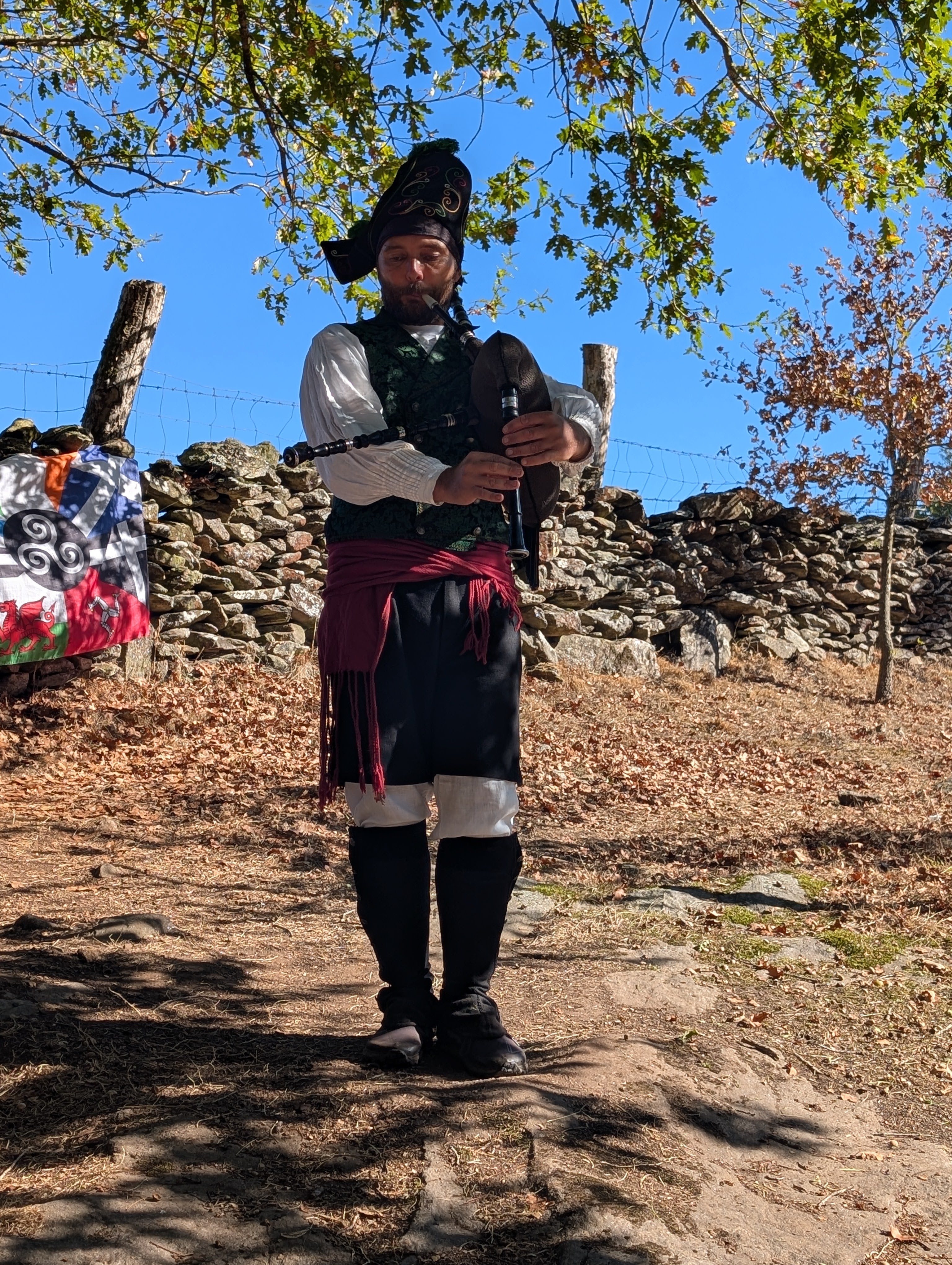
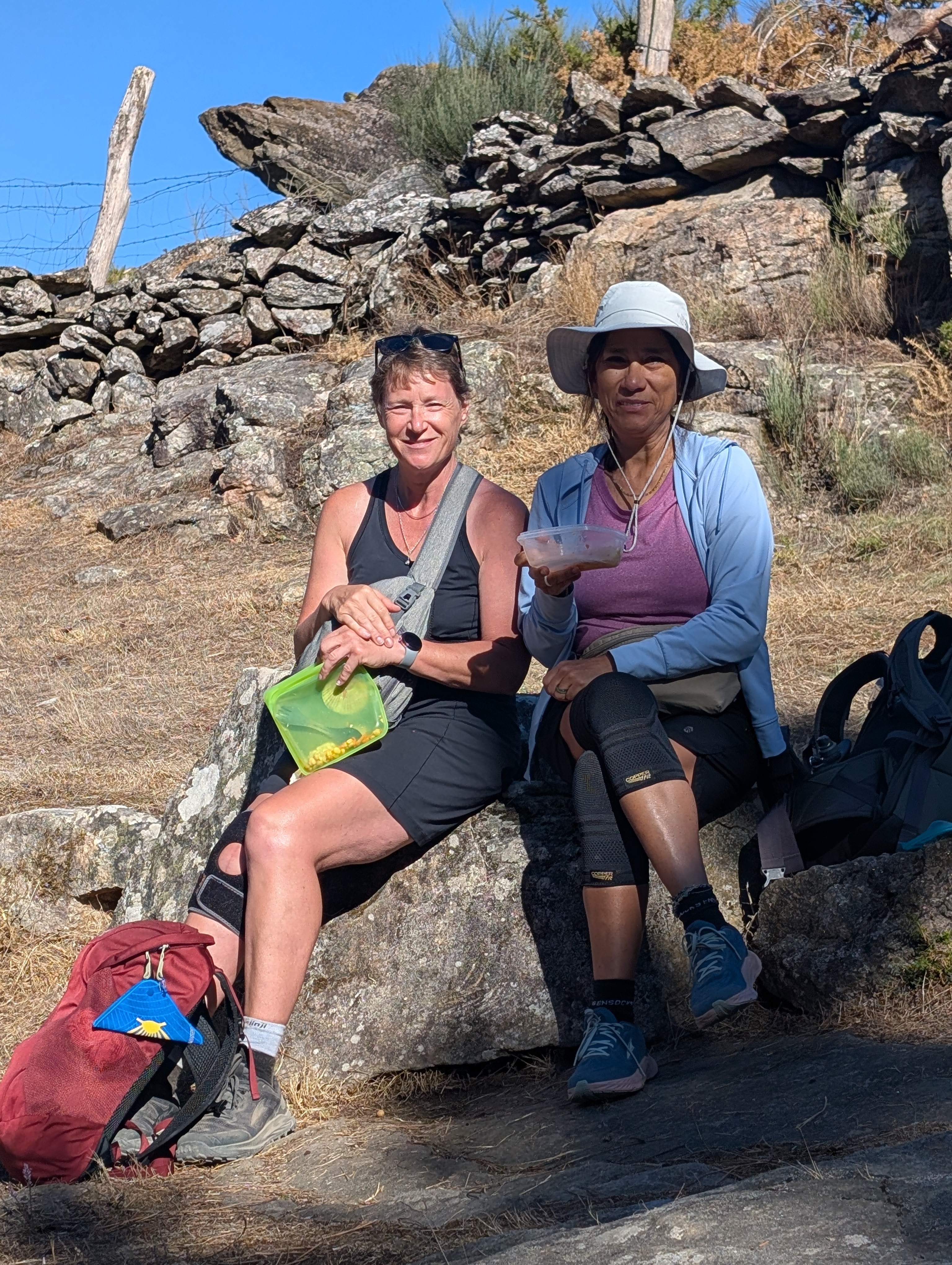
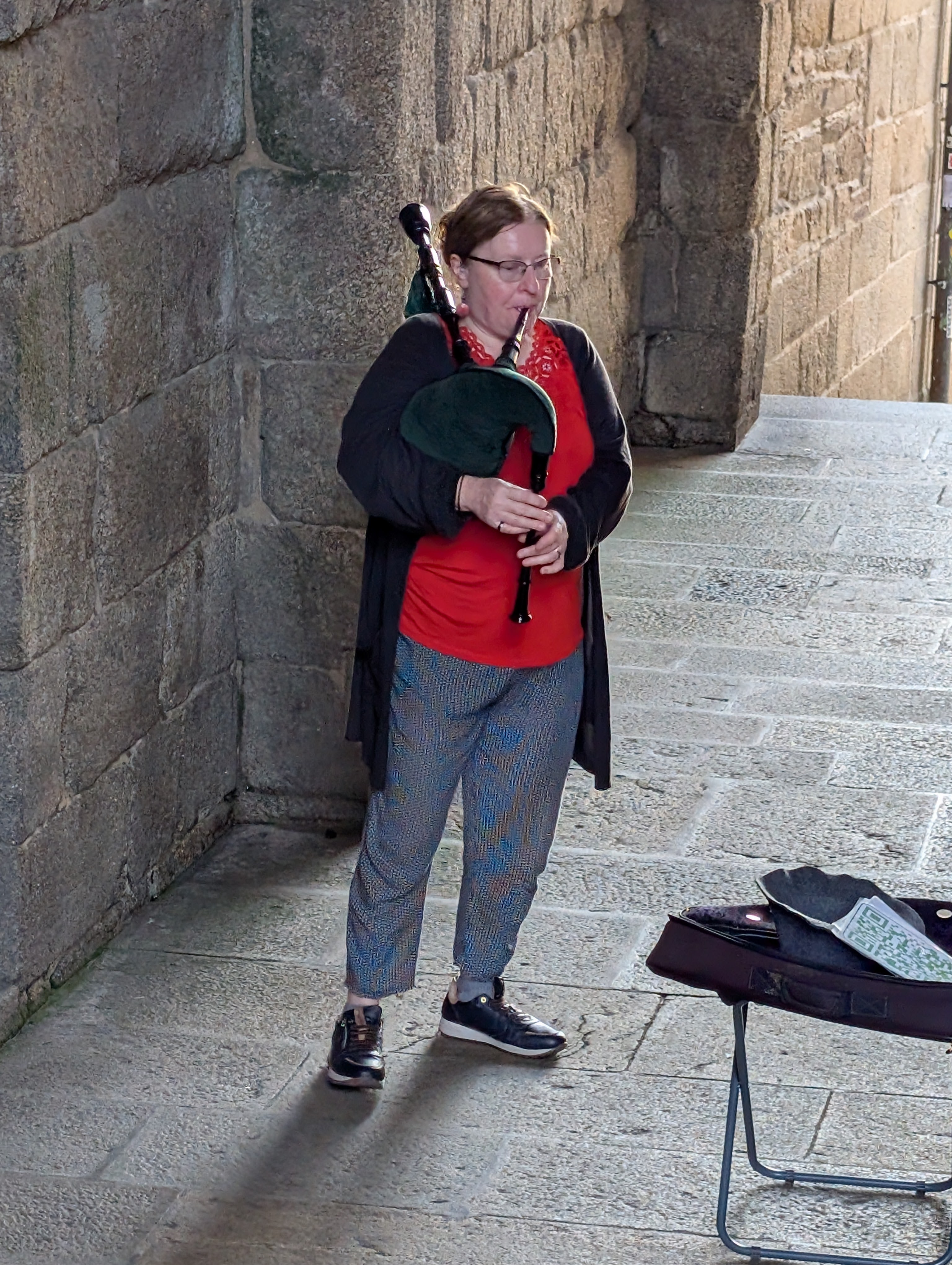
The Celtic influence is large in Galicia and bagpipes can be heard as pilgrims enter the square. The man offered a special stamp with a donation. We ate lunch while listening to him. You must collect 2 stamps a day to get the official certificate (Compostela) at the end.
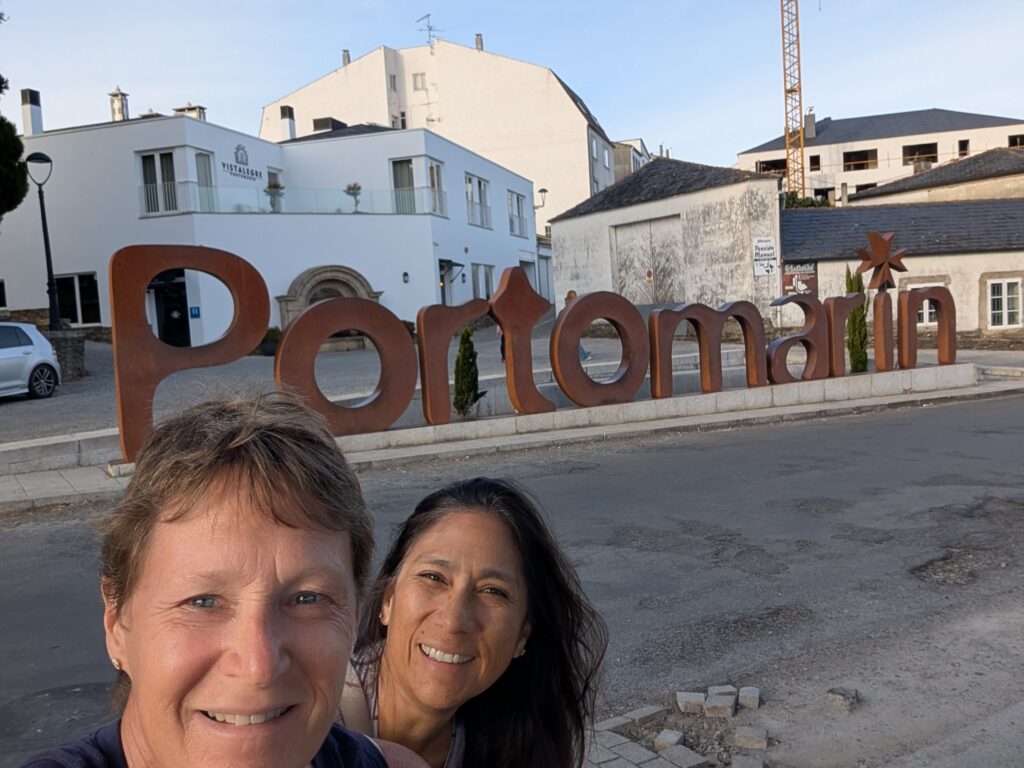
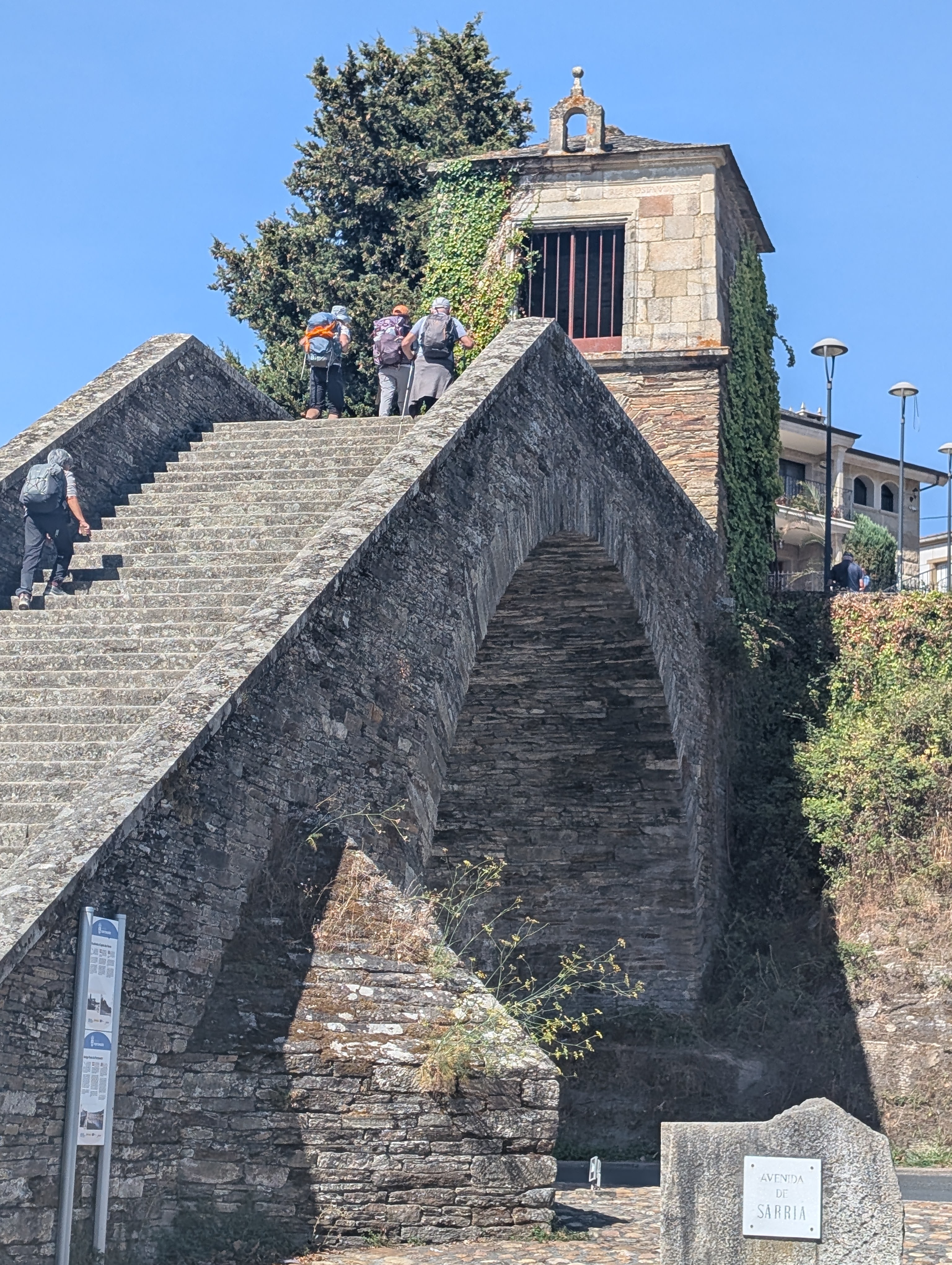
In Portomarin, we had already walked 18 km and were greeted by these stairs….
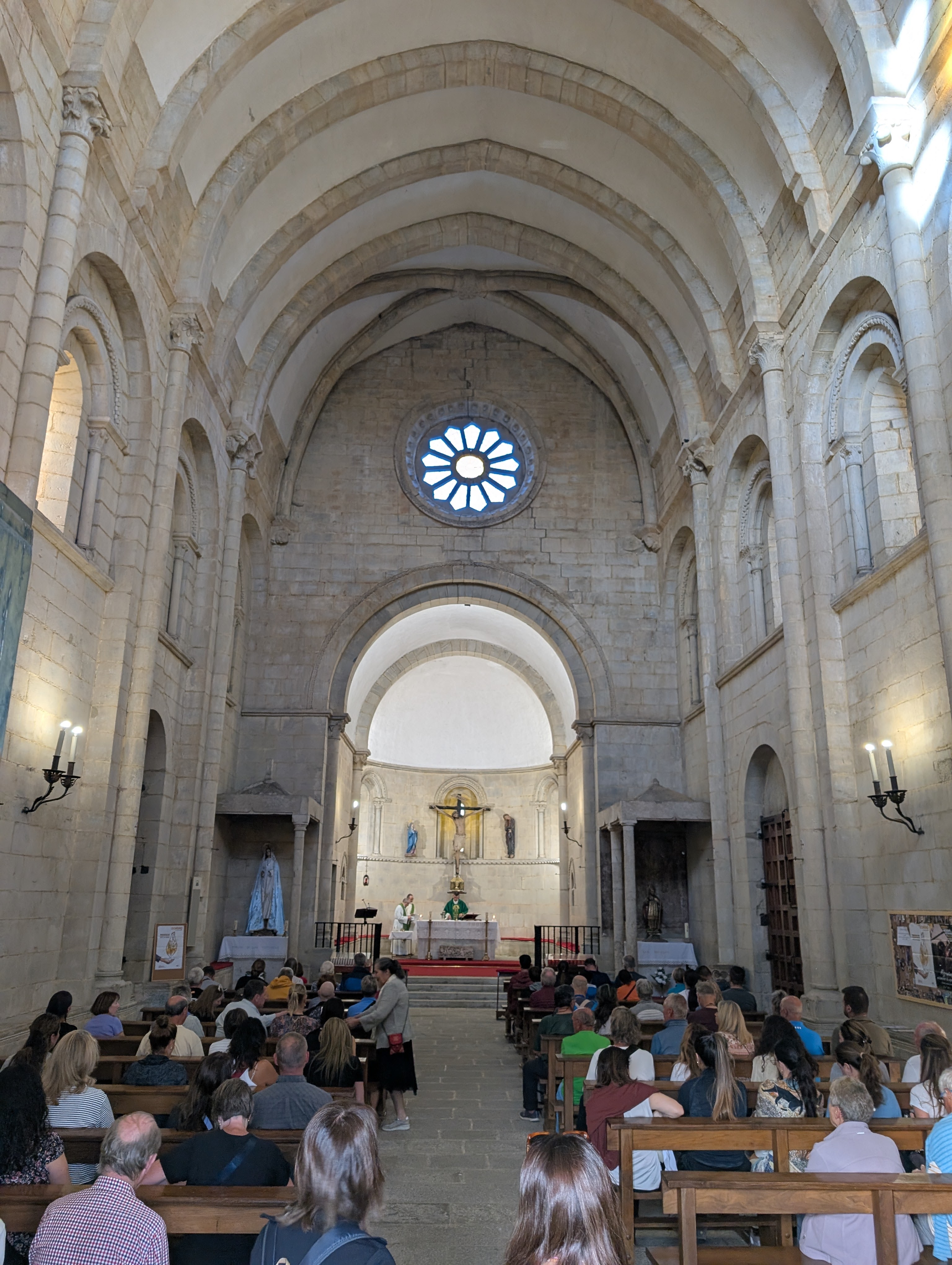
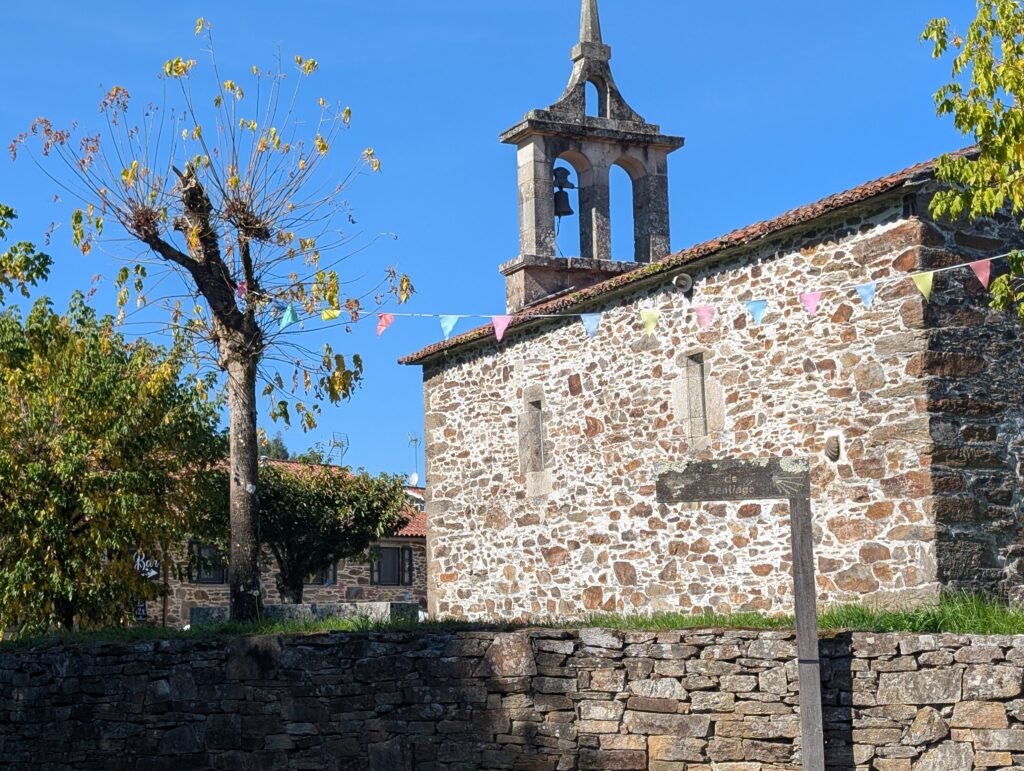
We attended a pilgrims mass at one of the towns.
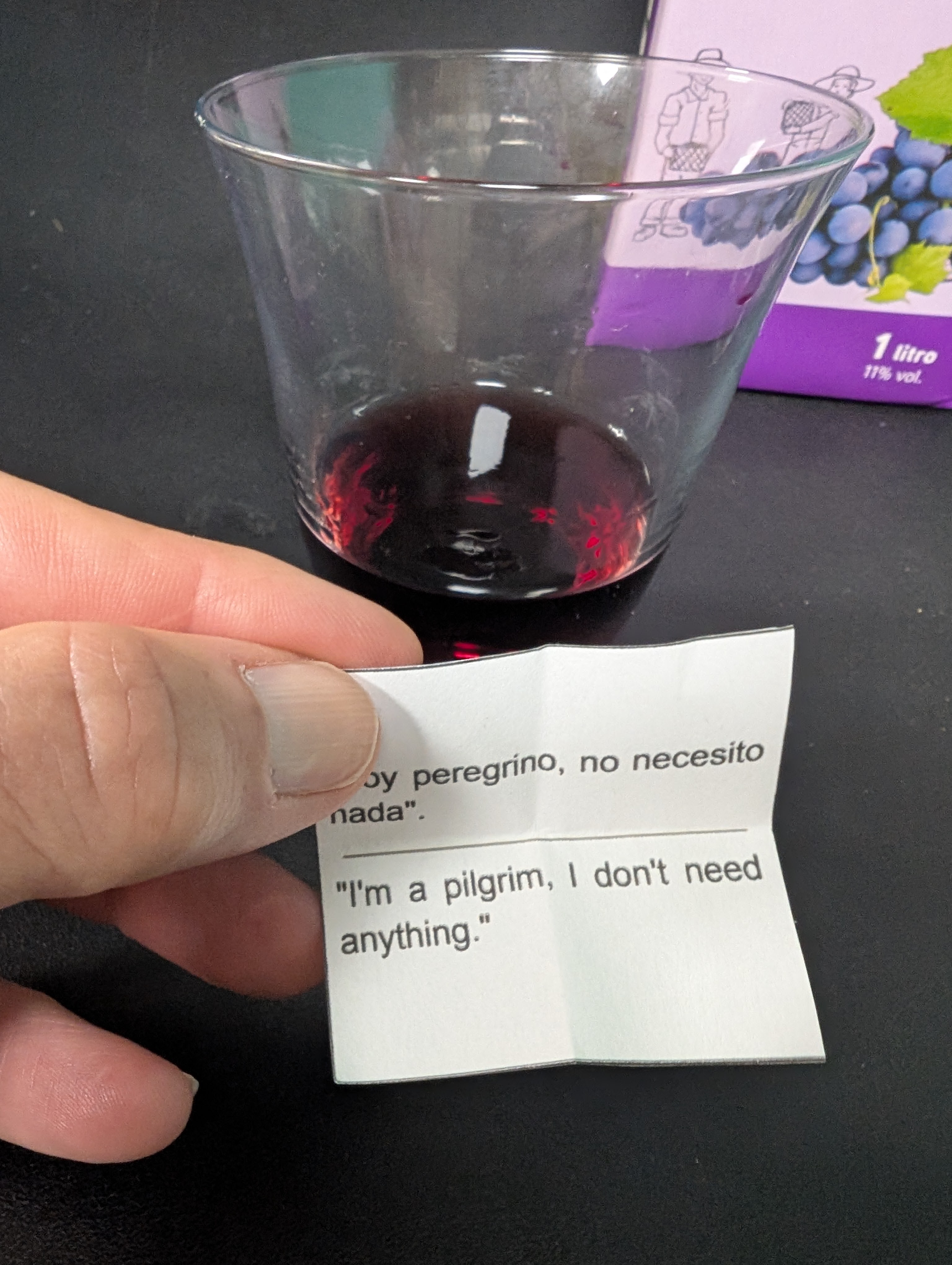
In Arzua, the albergue had a basket of statements you could randomly choose. This was mine….
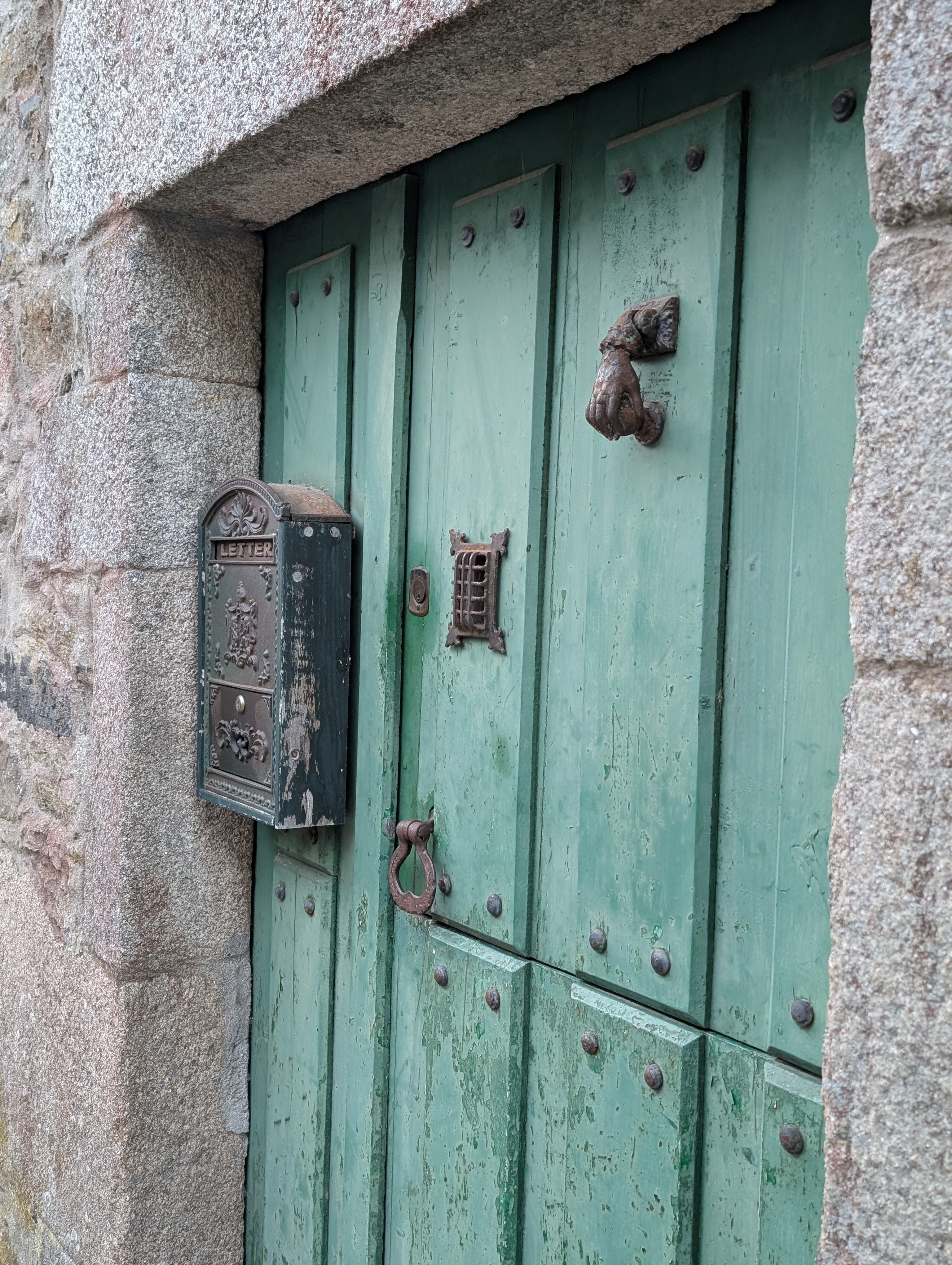
We loved the little hand door knocker…
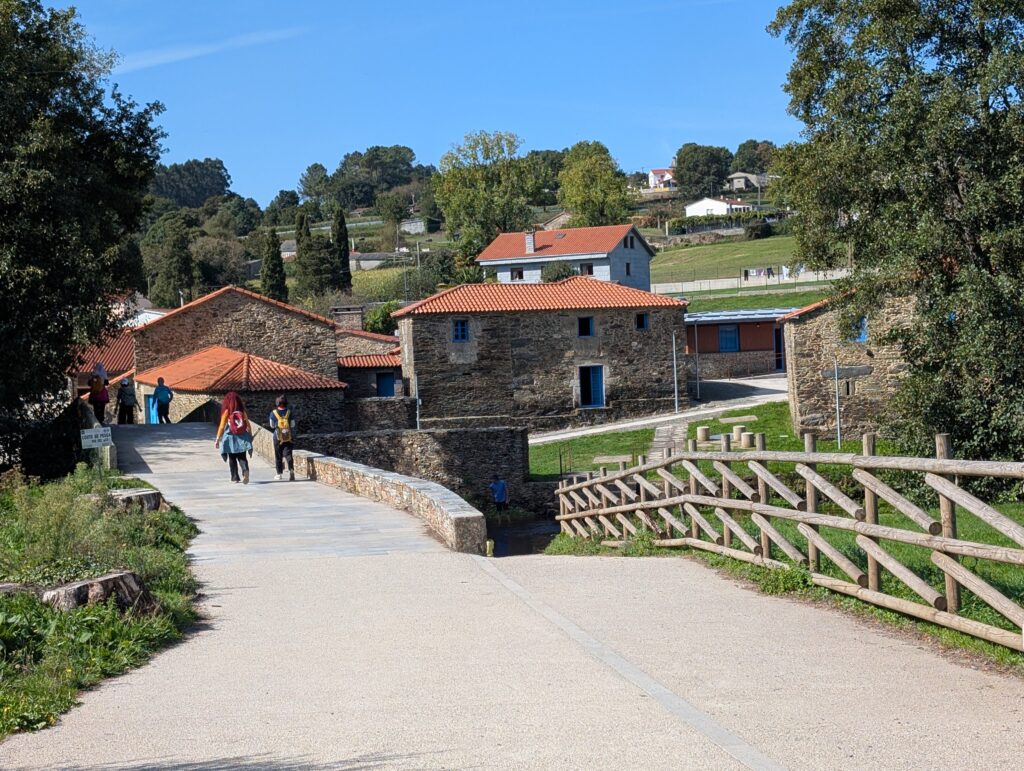
In this little town, we took the path to the right where you could put your feet into the cold water. Heavenly after walking for some time.
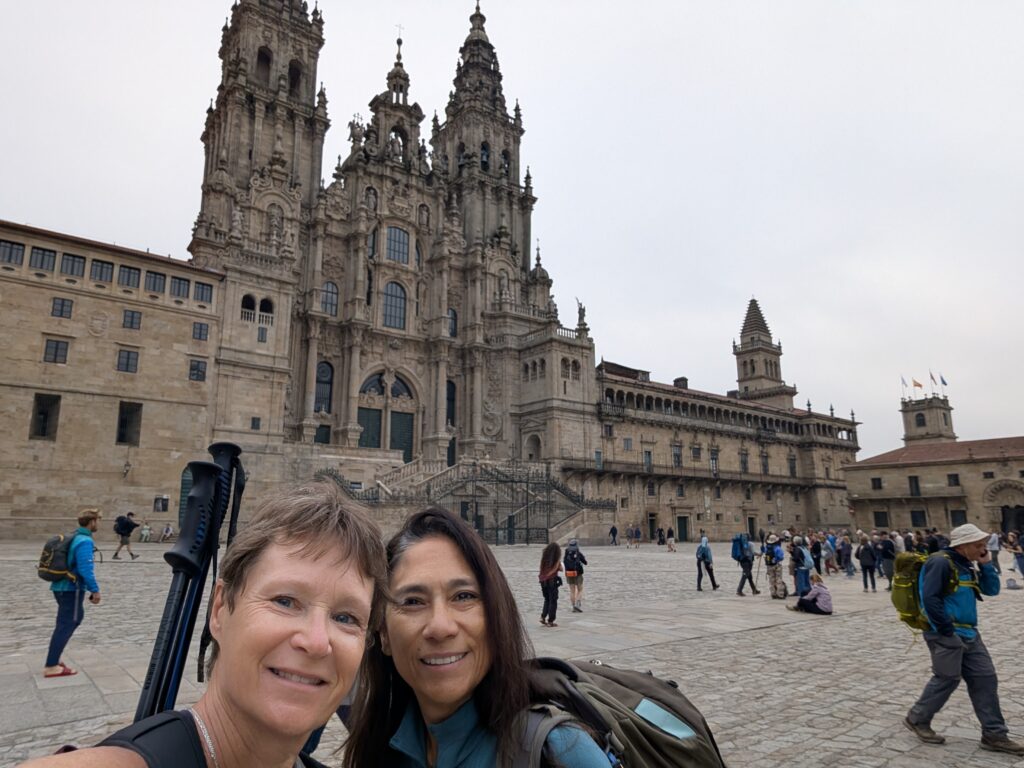
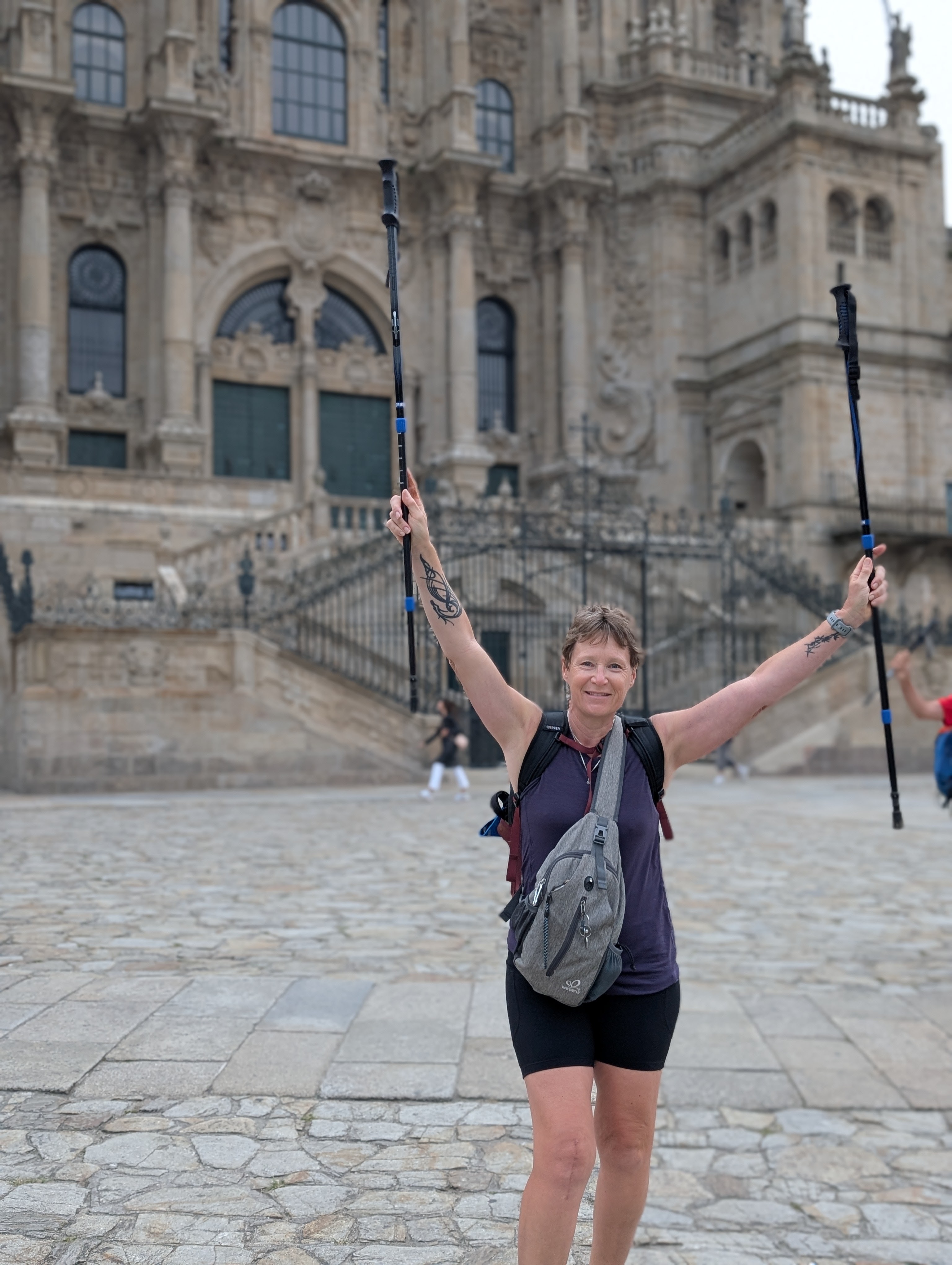
And finally, we were done….
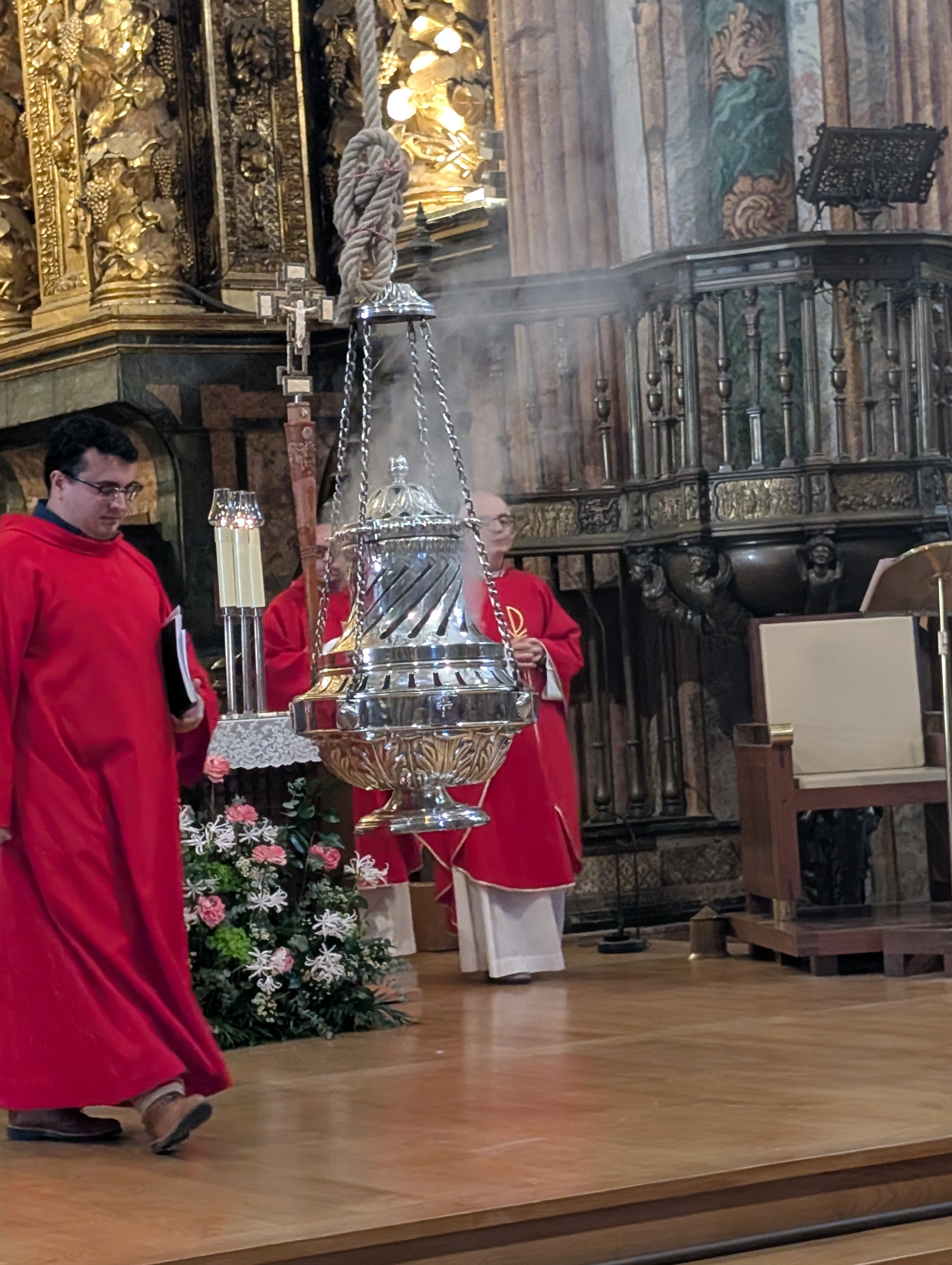
We also attended the pilgrims mass in the cathedral.
The Botafumeiro has been used since the Middle Ages to help remove smells from the cathedral (not much bathing back then). Today it is a tradition in Santiago and we were privileged to see it.
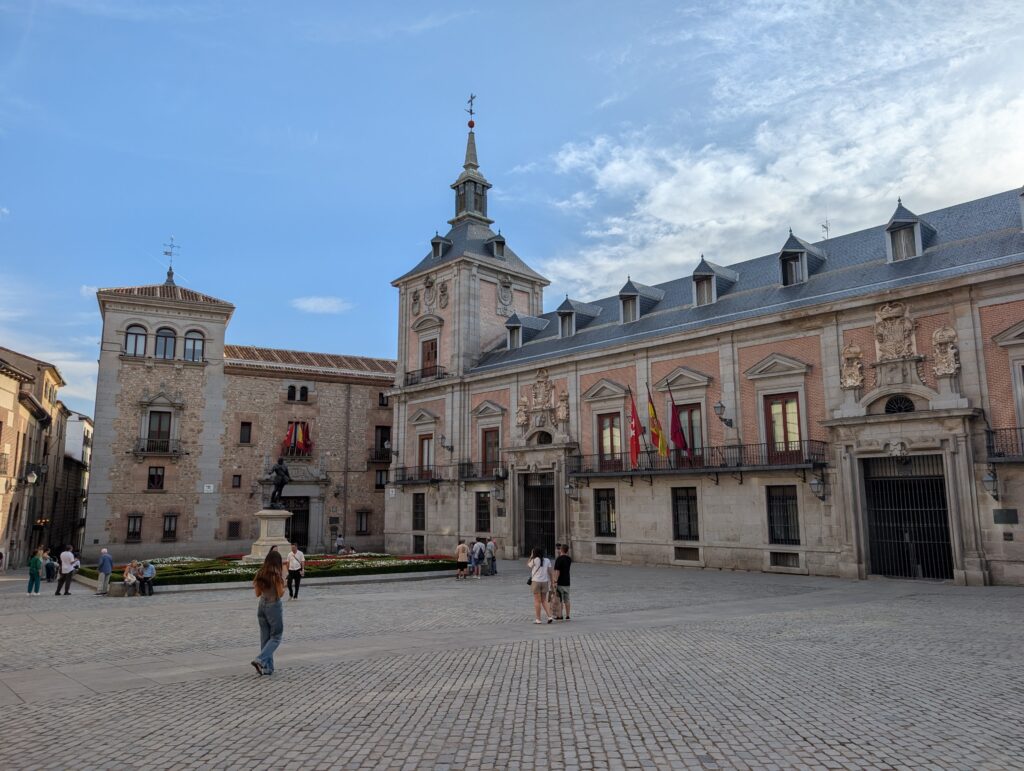
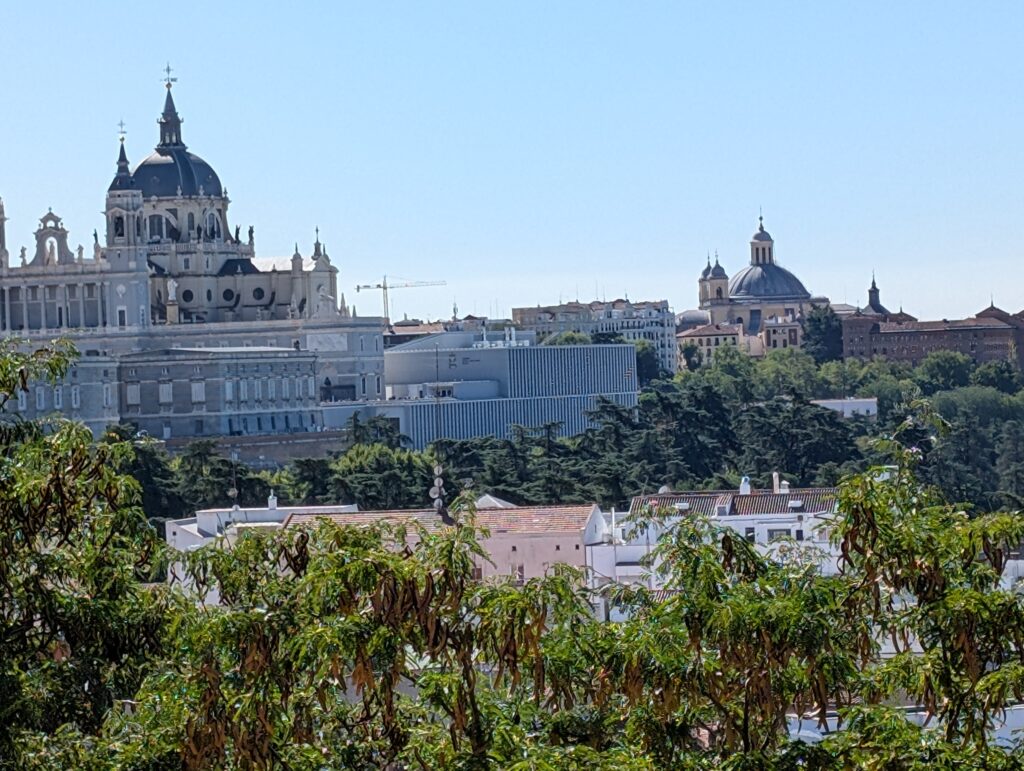
As I have traveled around Spain, each move led me to a larger city. As it is the capital, it is the largest. I am pretty cautious with my knee especially with the varying types of cobblestones in the city. Also, standing for long periods is really tiring on the knee. As a result, I decided to avoid museums, cathedrals, and other places where waiting in line and crowds within ar a problem.
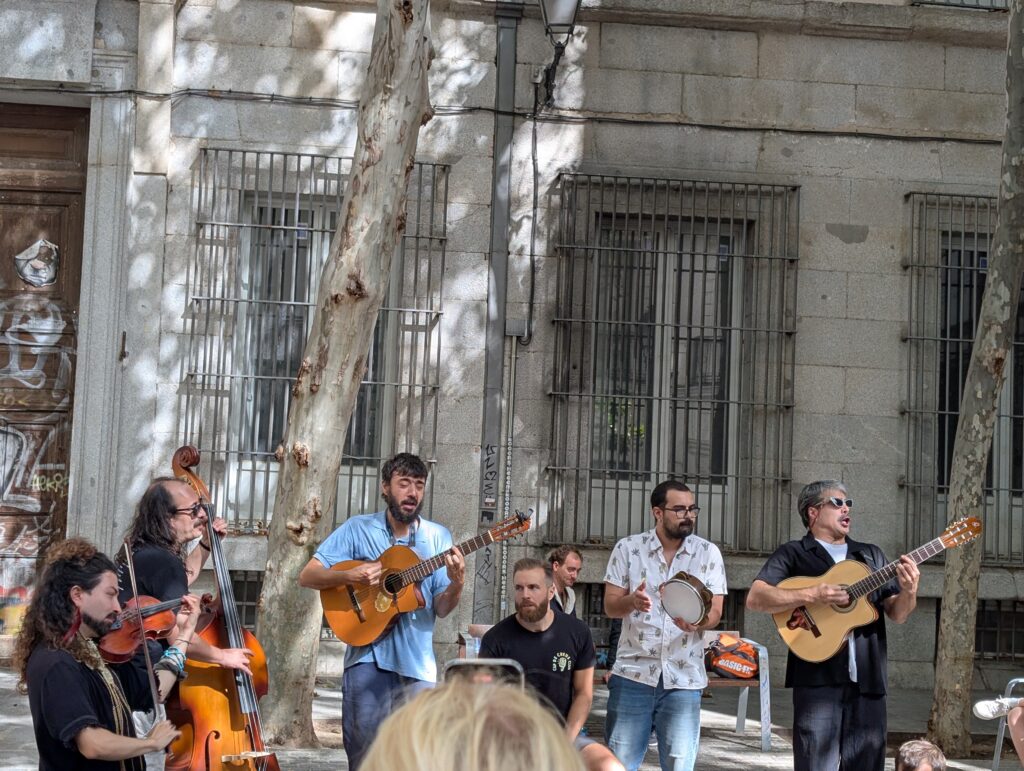
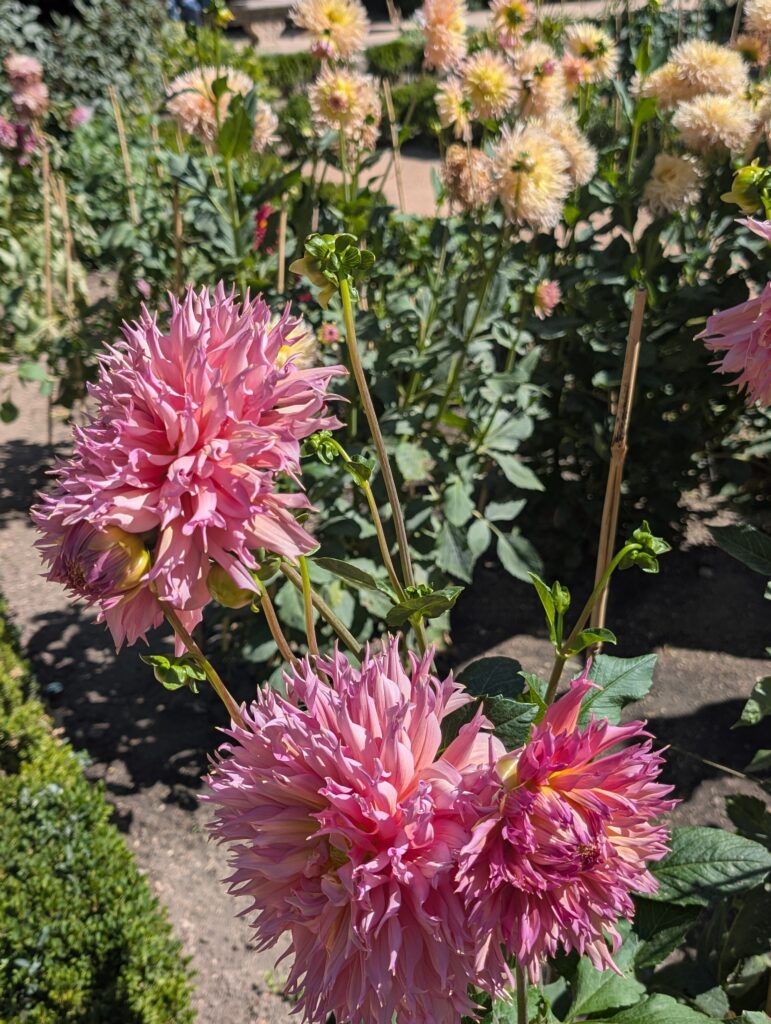
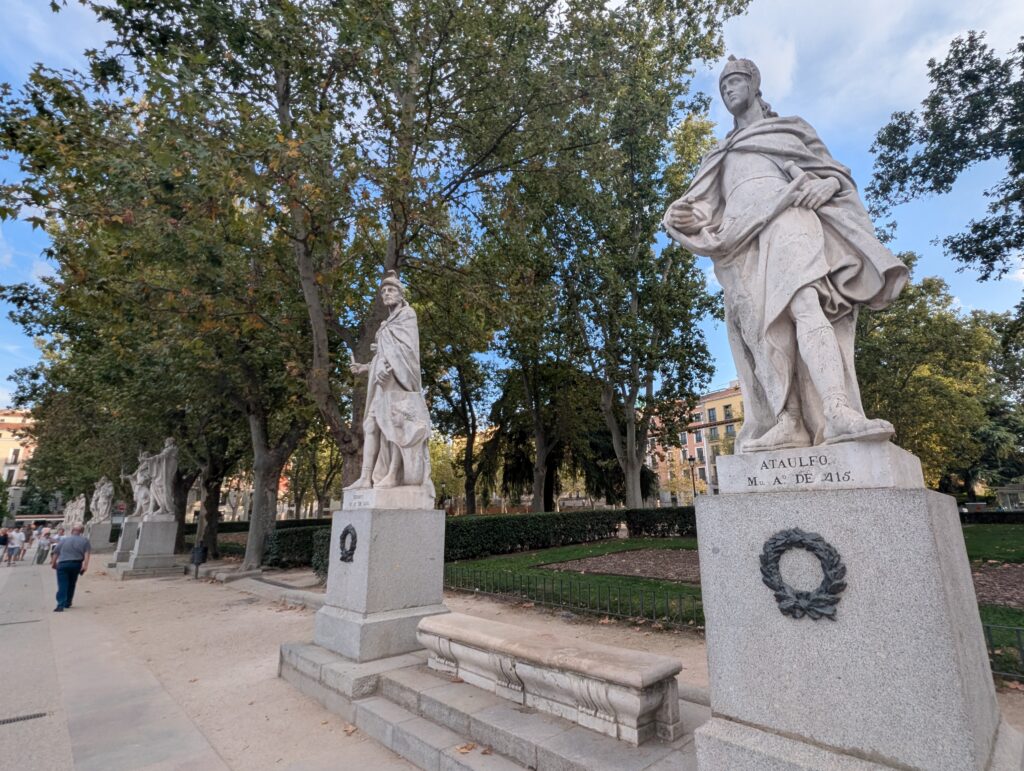
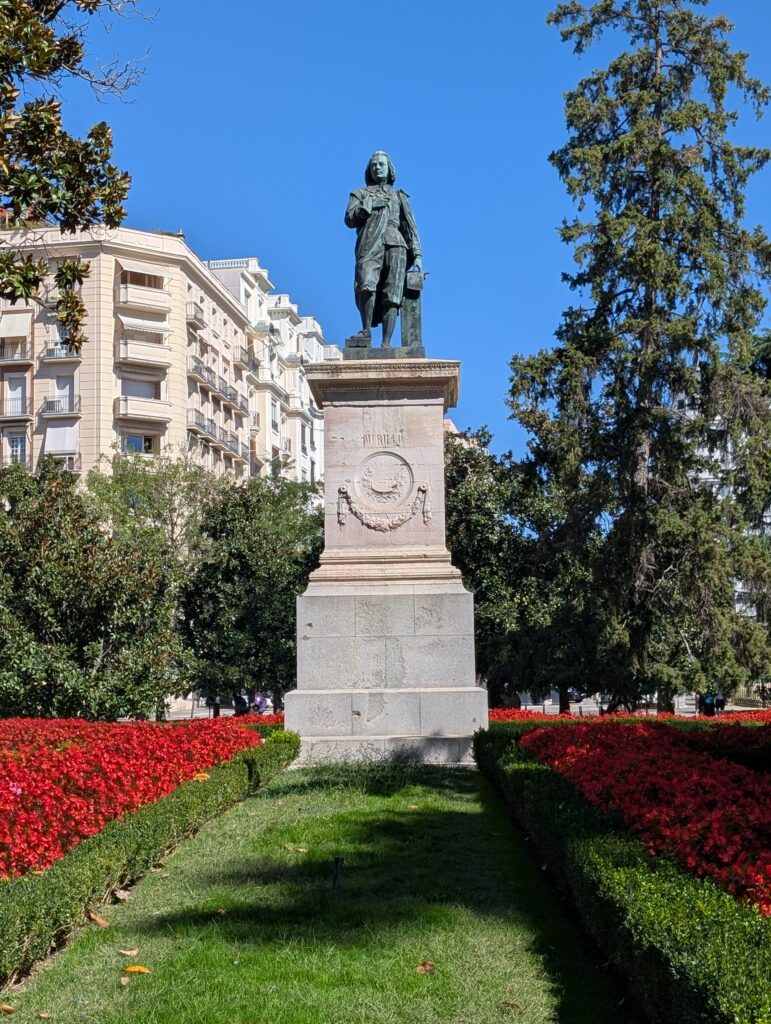
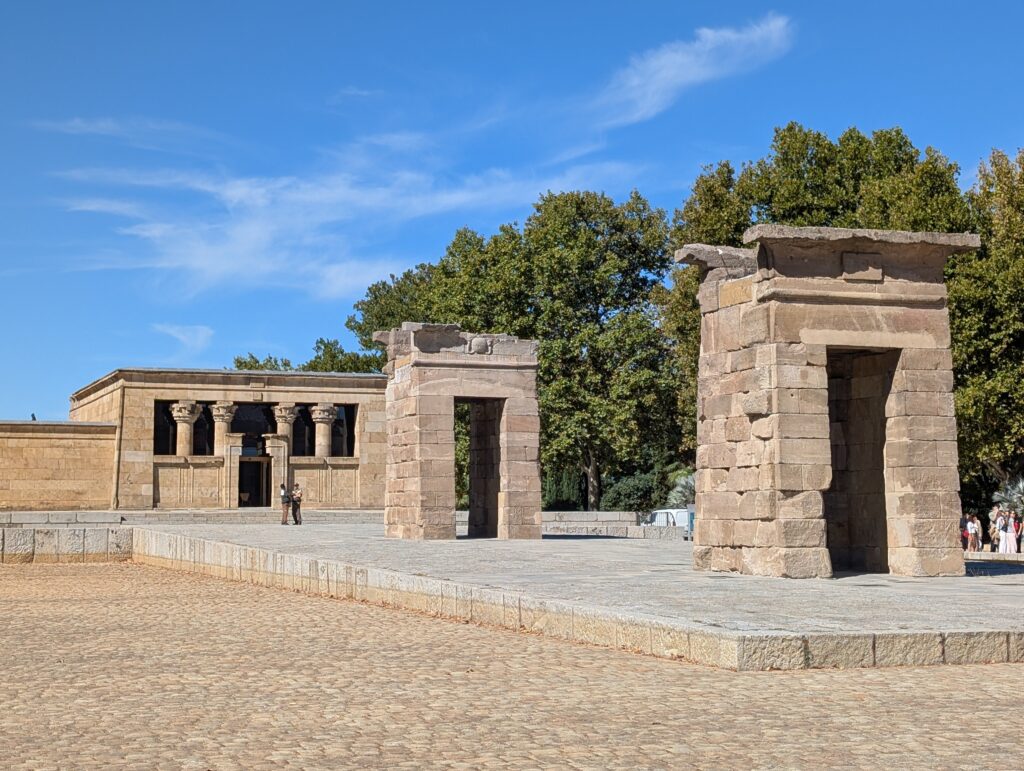
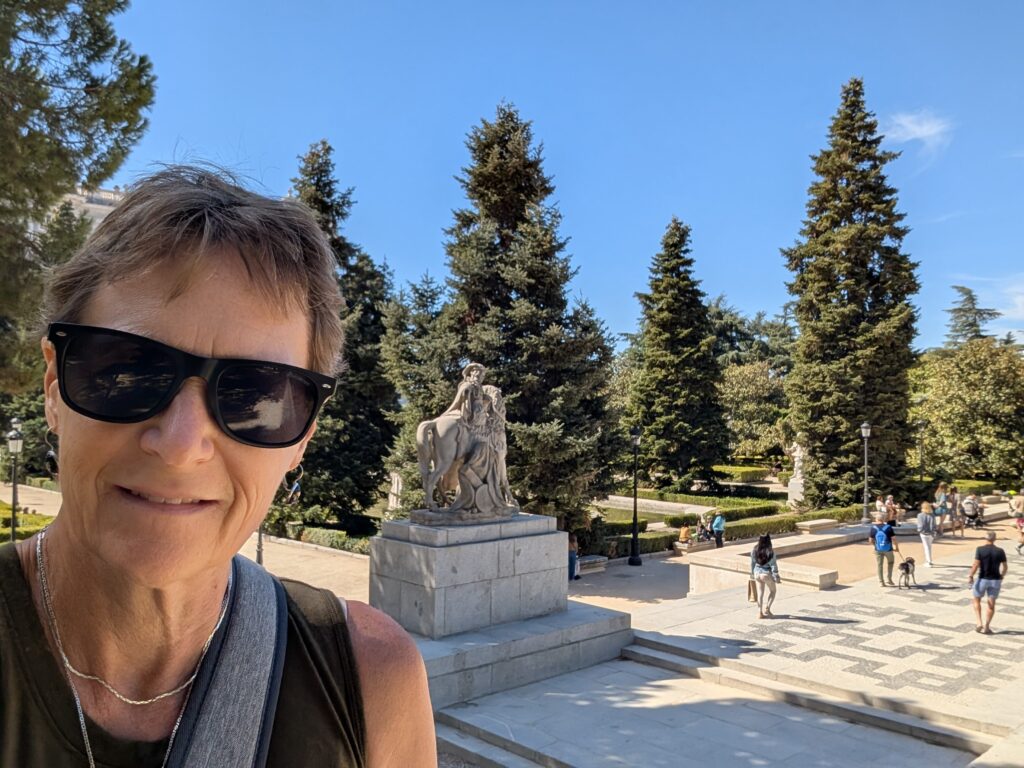
Instead, I thoroughly enjoyed people watching, visiting parks and the botanical garden. There is always something going on in this city.
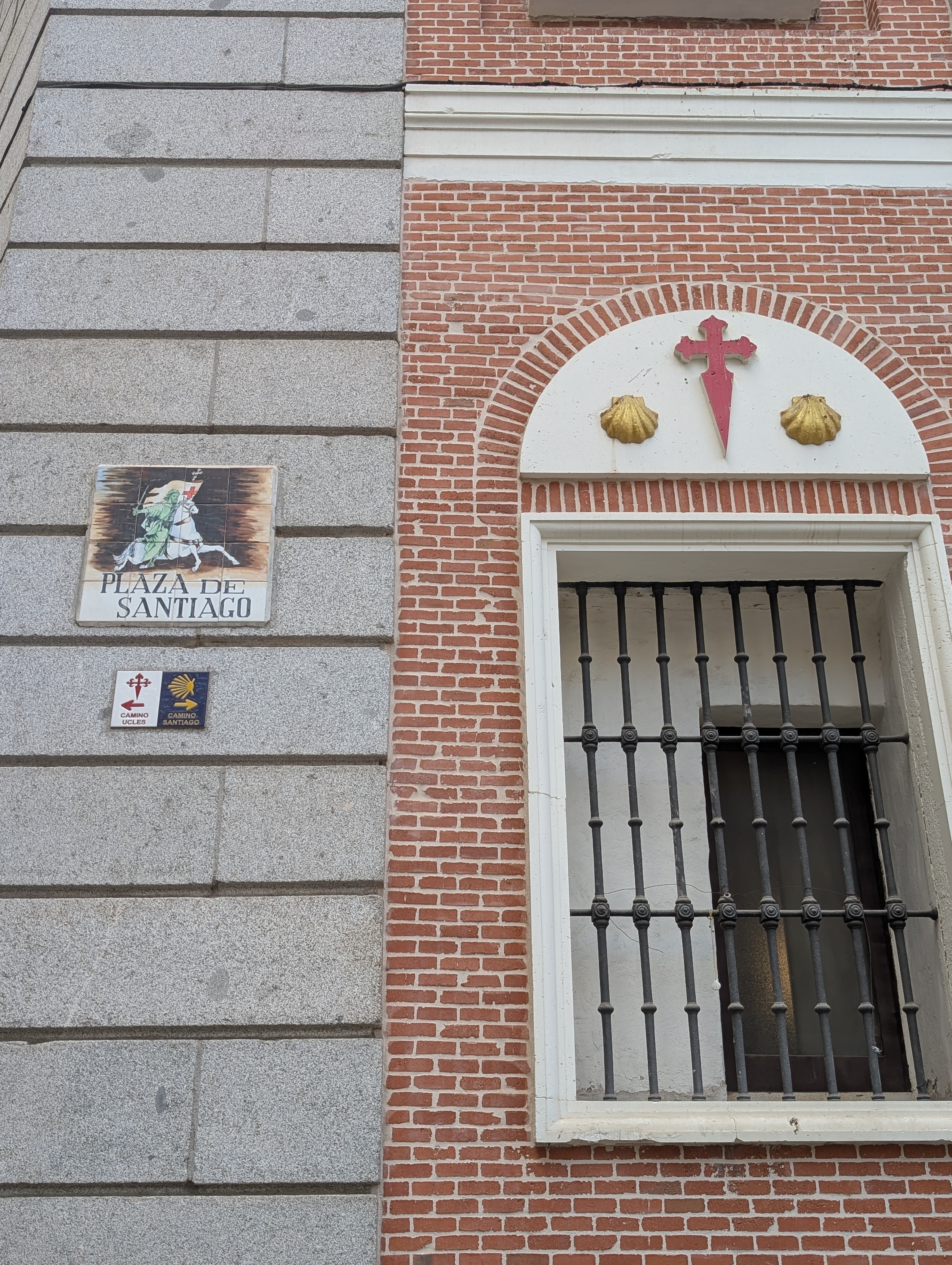
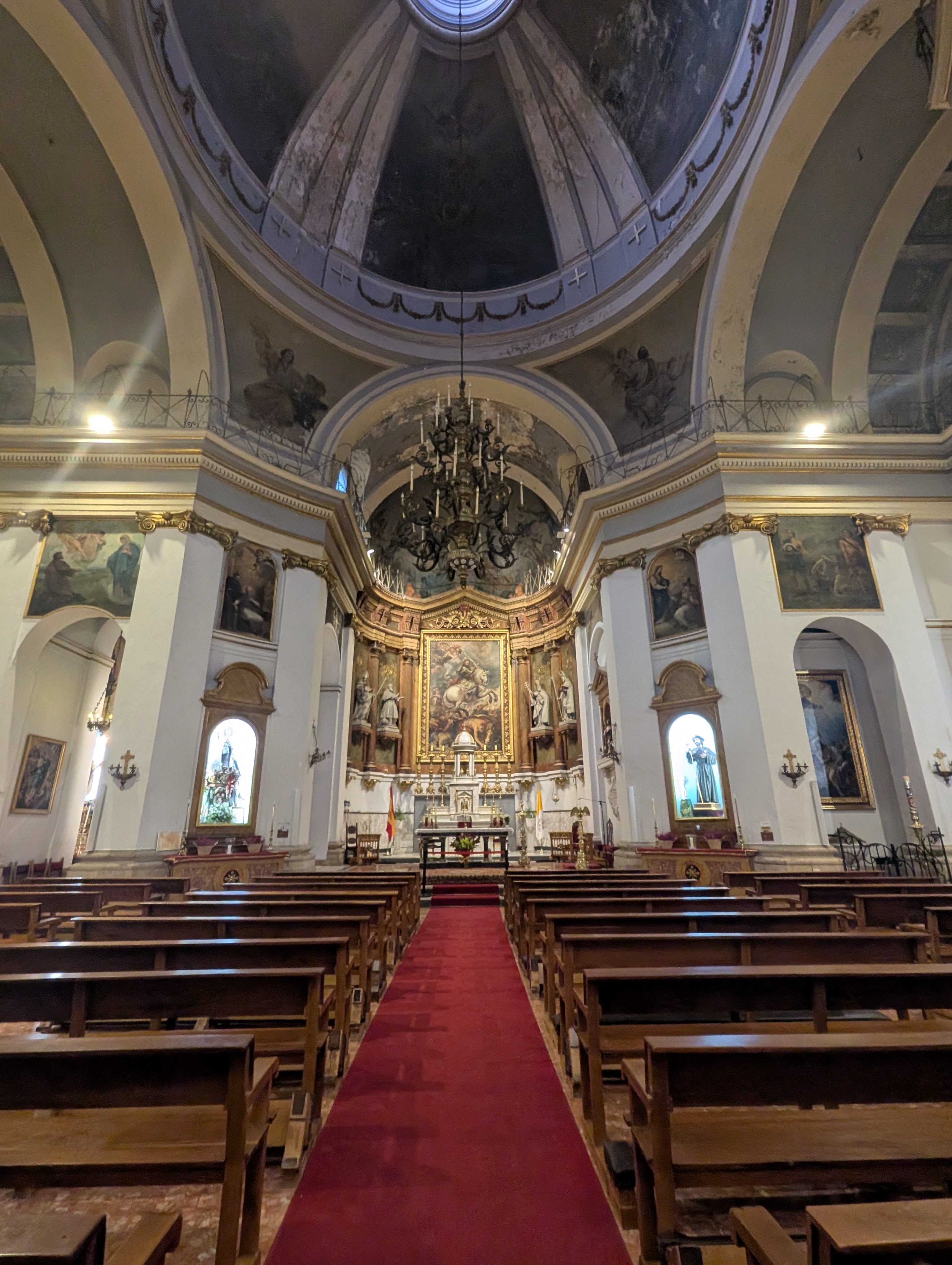
I found the church dedicated d to Saint Santiago and the start of one of the Camino. Routes.
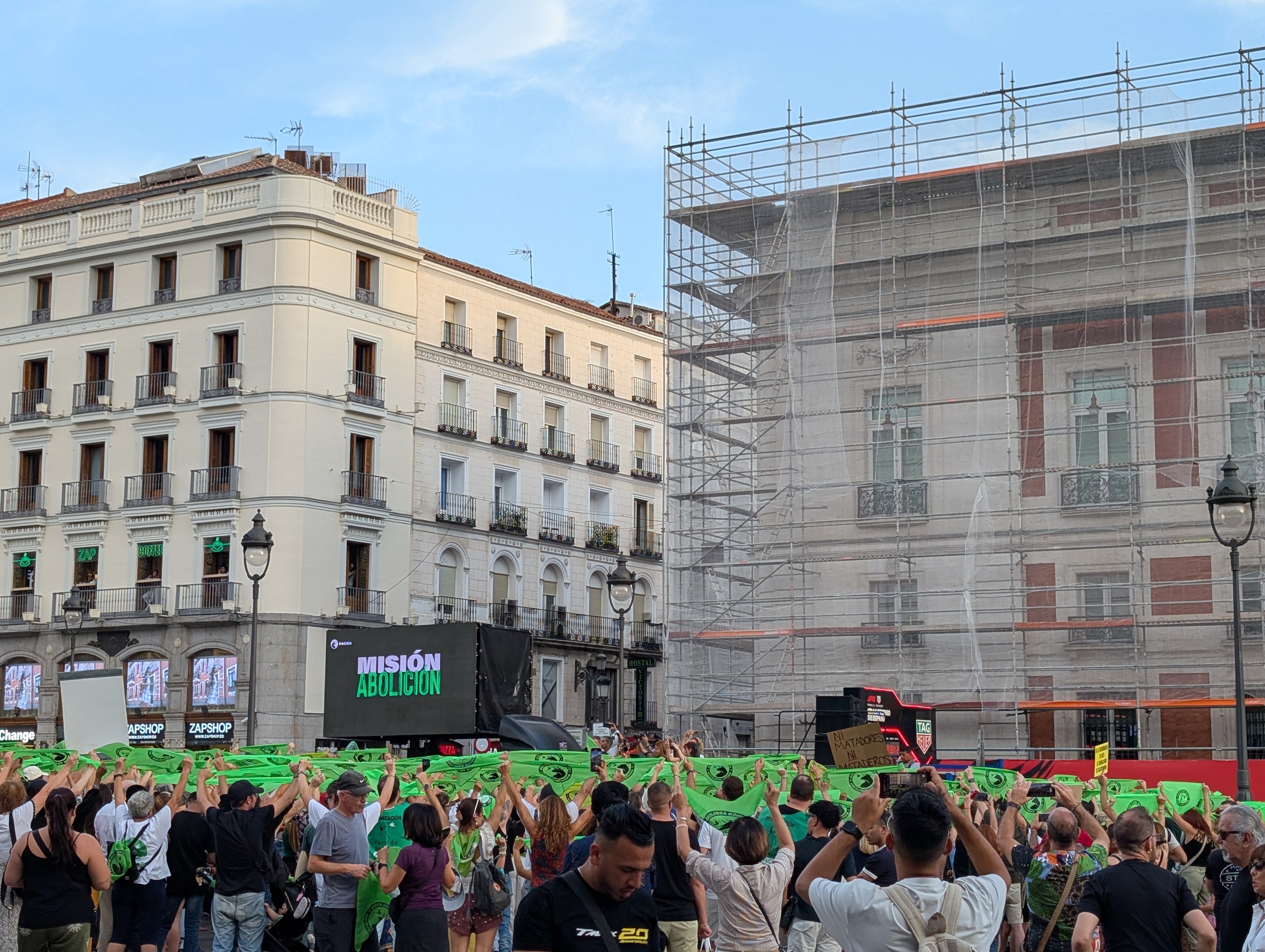
Plazas always have something going on. The Plaza del Sol had a demonstration against bullfighting.
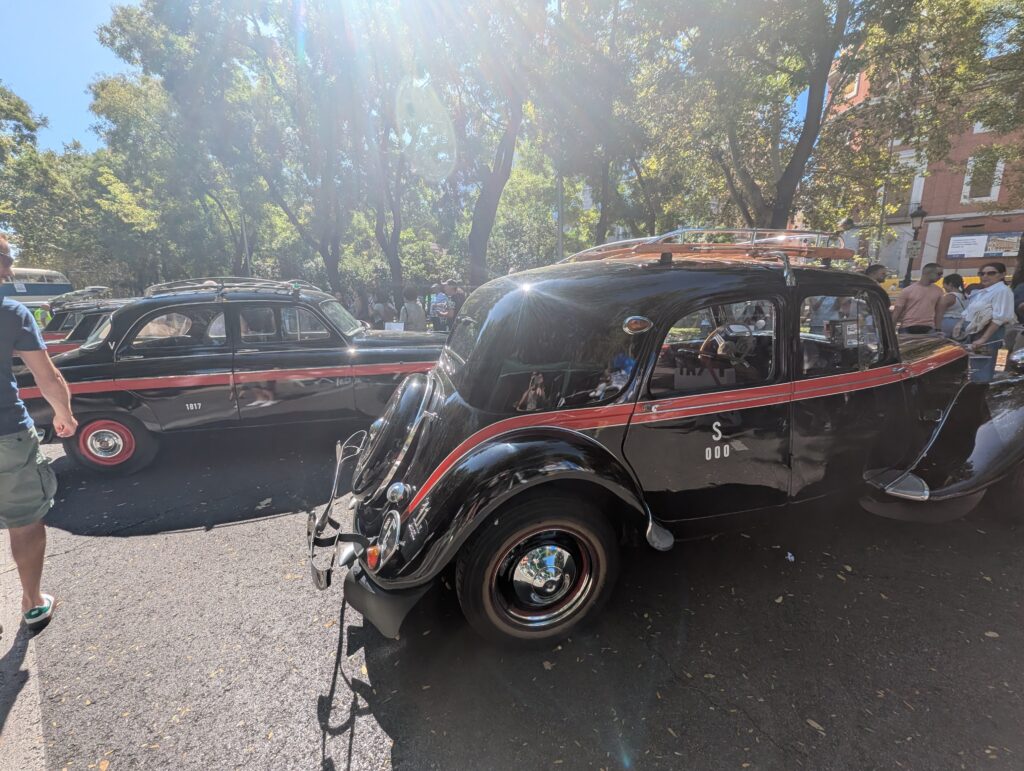
Other plazas were used for children’s activities with police, taxi drivers, and others creating a obstacle courses for little ones to bike and scooter through. Everyone was having a good time and they even had vintage taxi to look at.
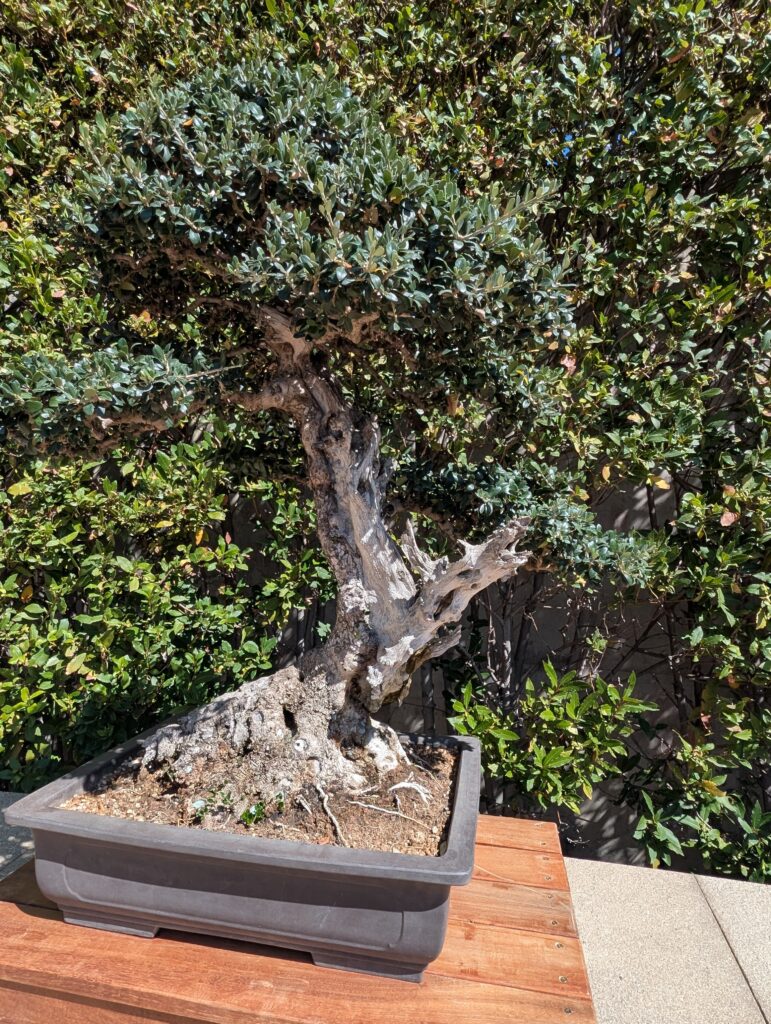
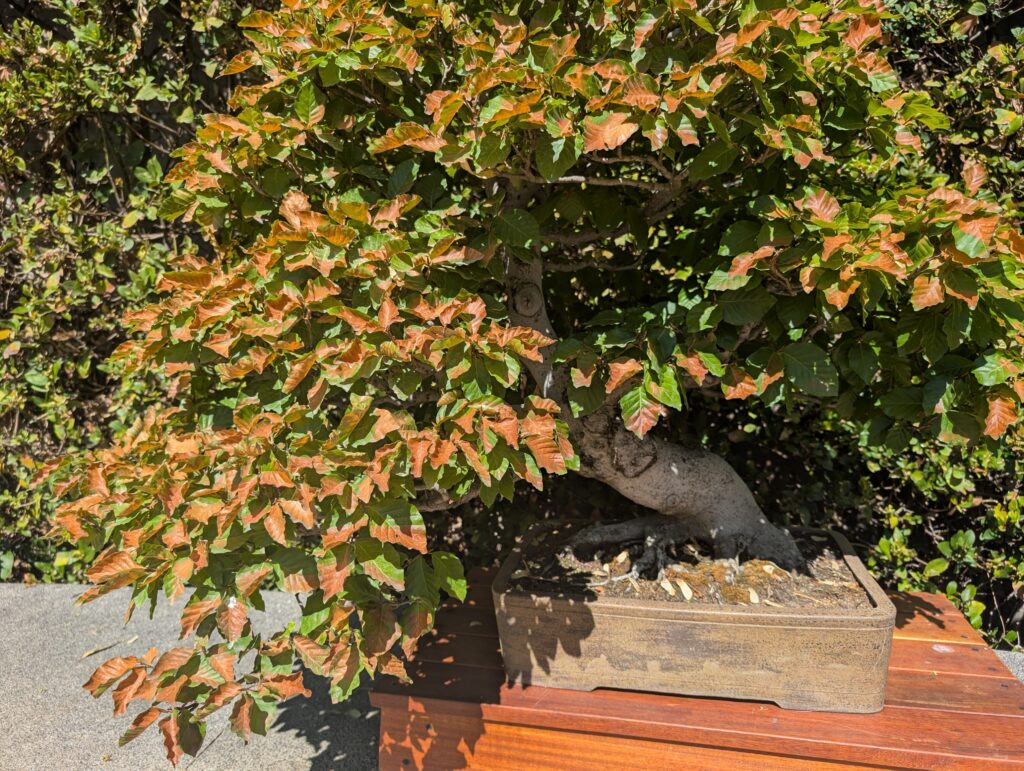
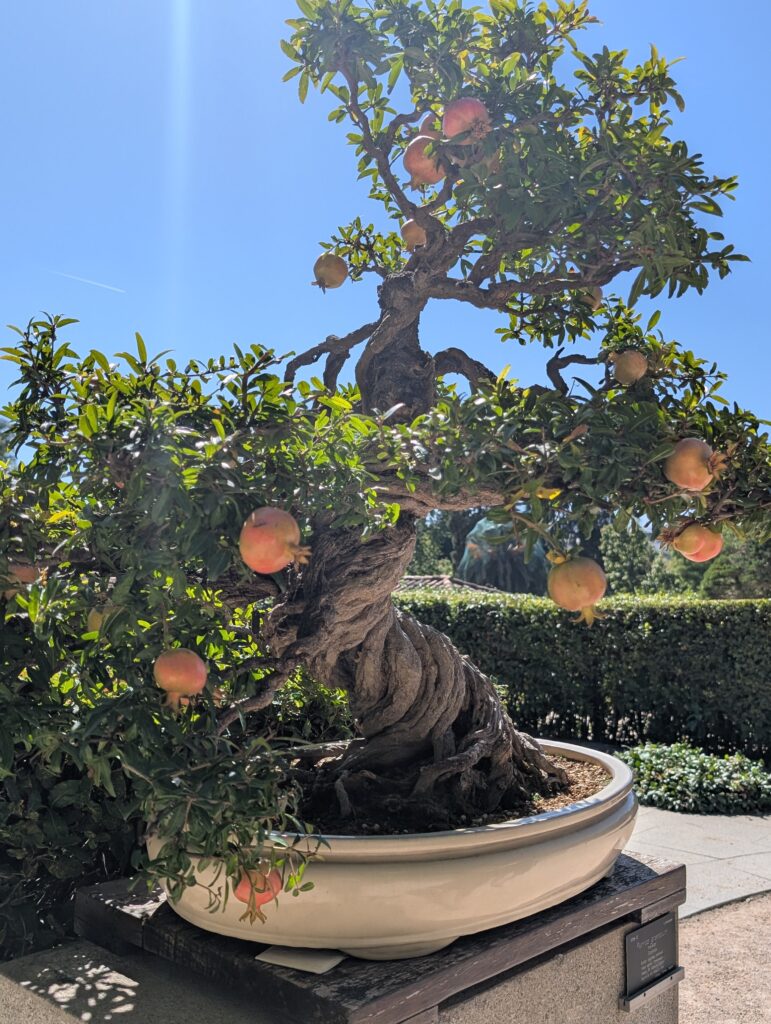
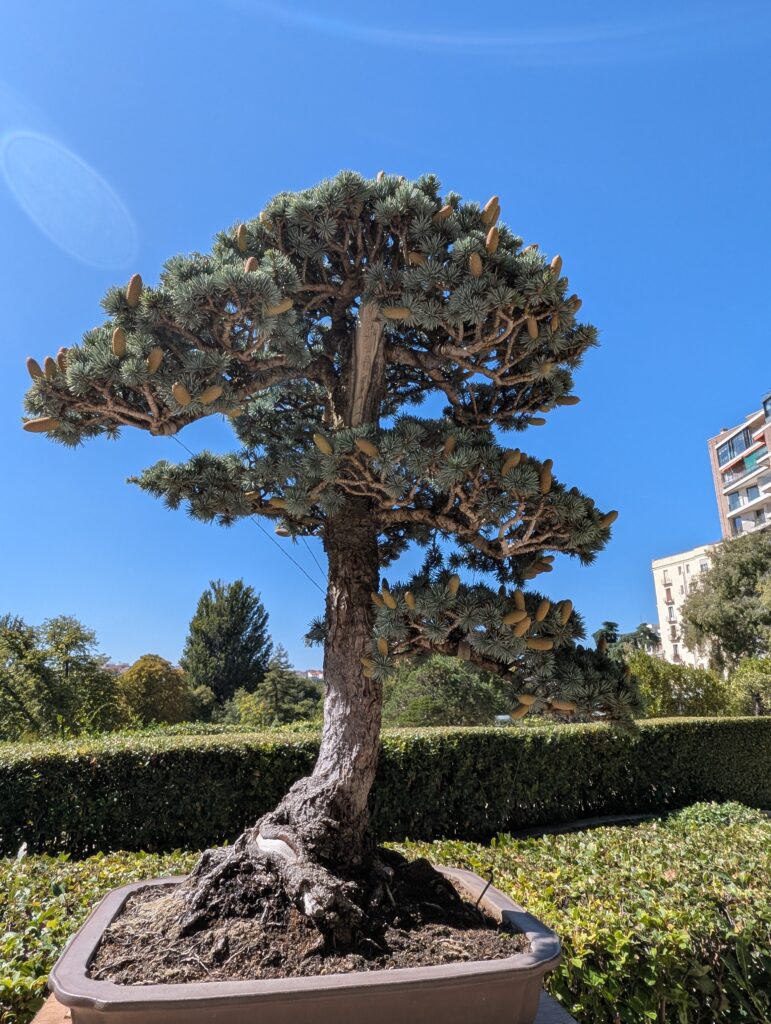
The botanic garden was great, especially the bonsai exhibit. Most of them ar 60-90 years old and made out of trees like elm, fig, pine, and olive trees.
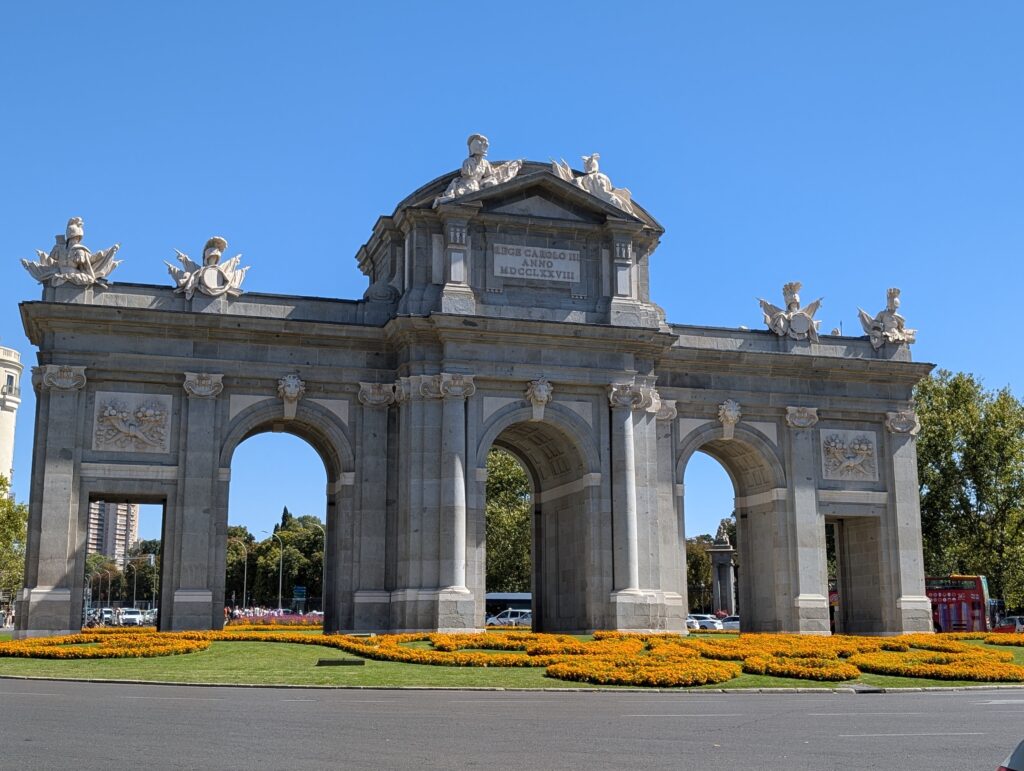
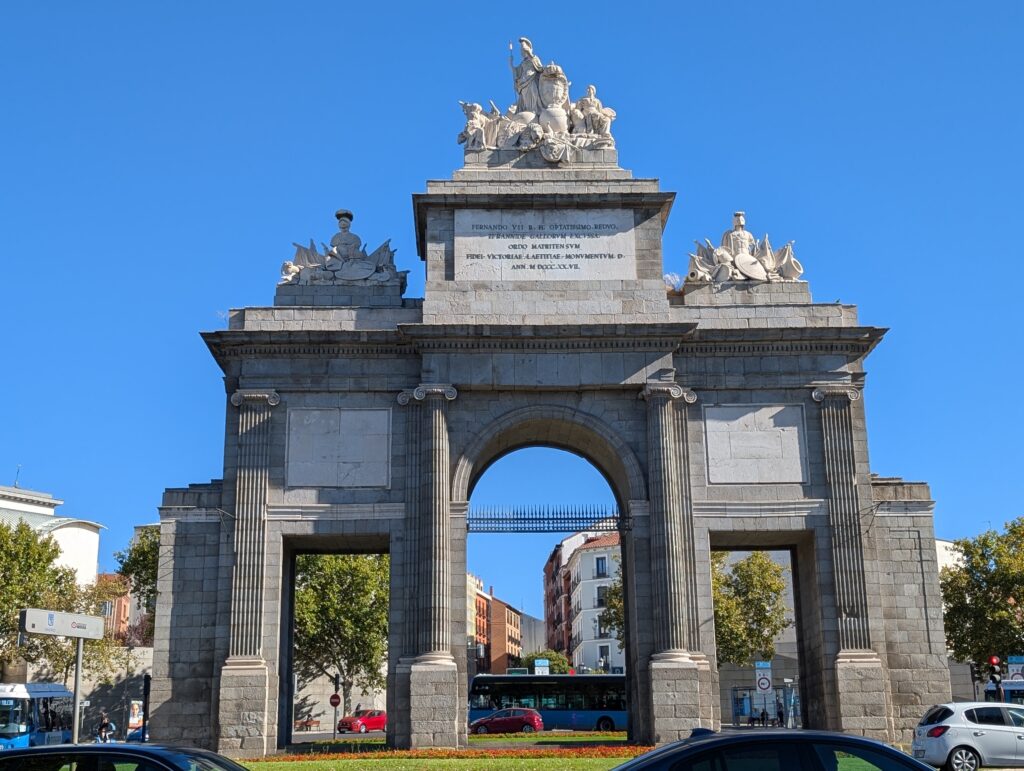
Puertas which are city gates were built in the 16th to 18th century as entry to the city as it was a walled city.
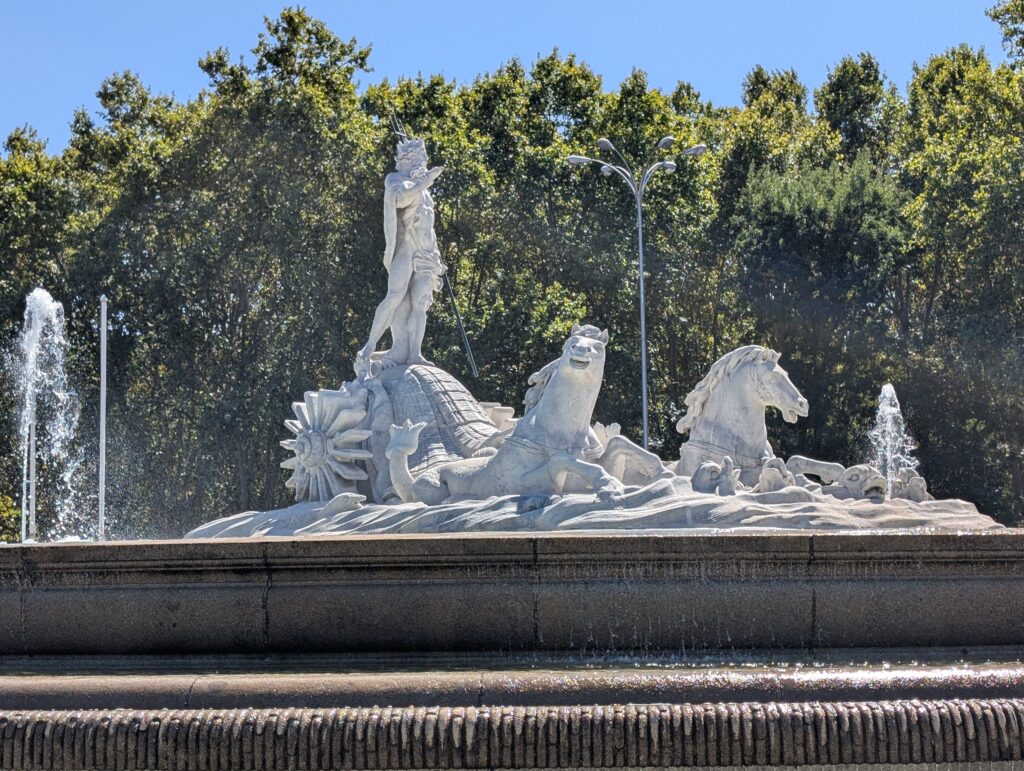
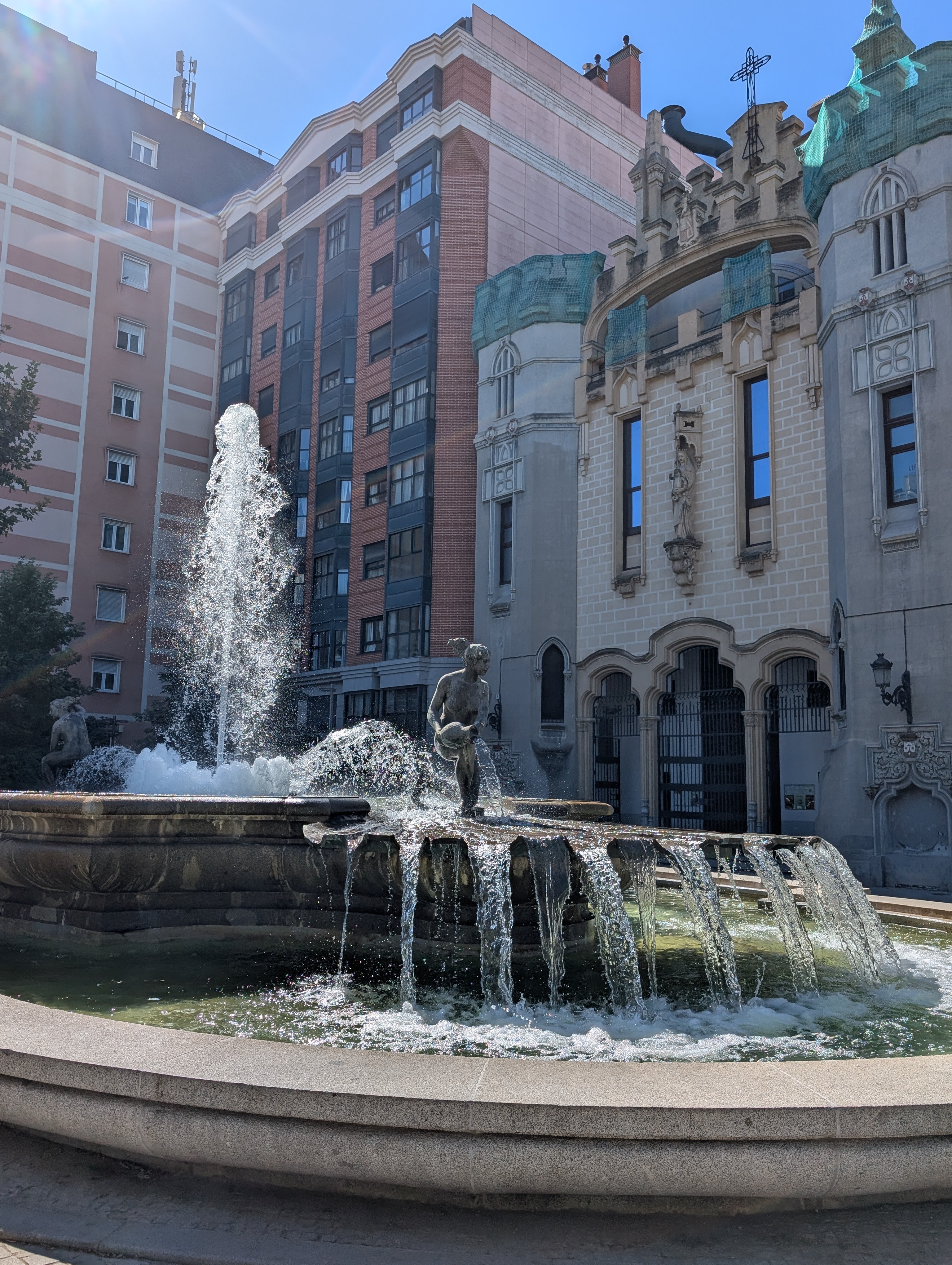
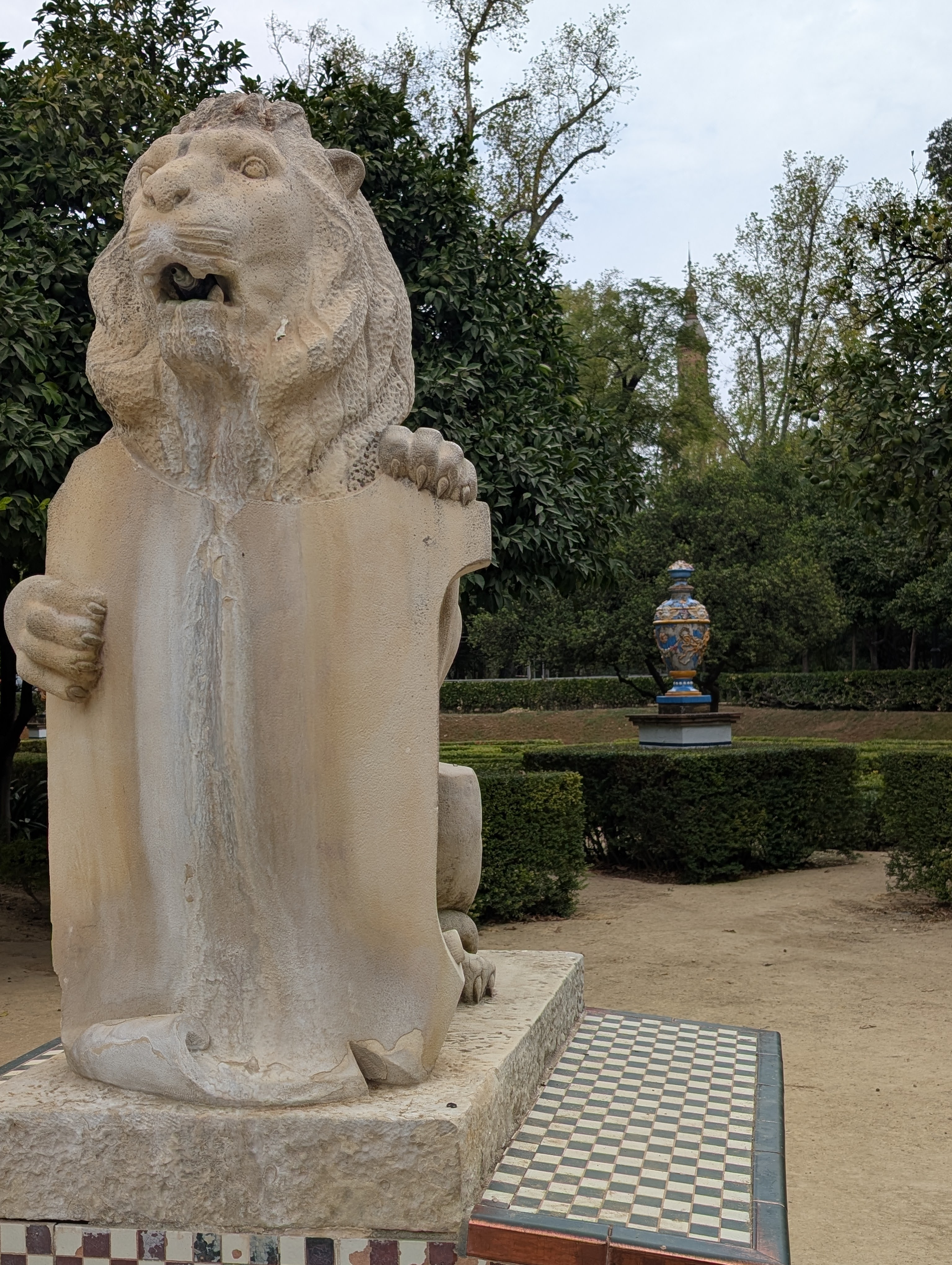
Fountains and other images
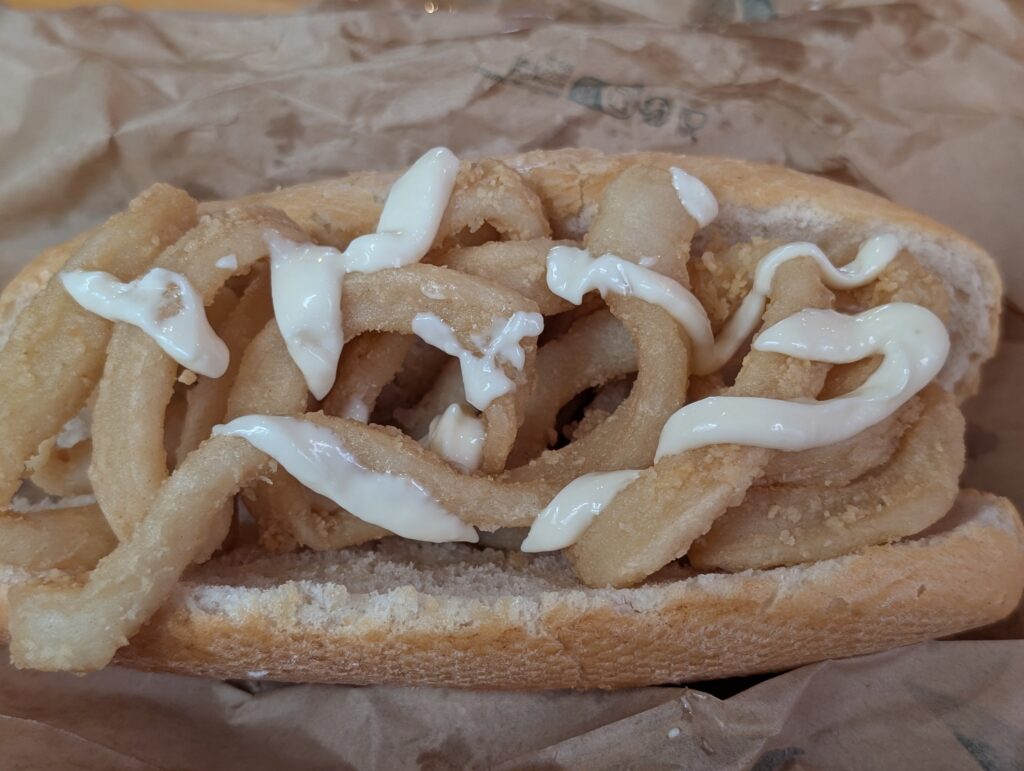
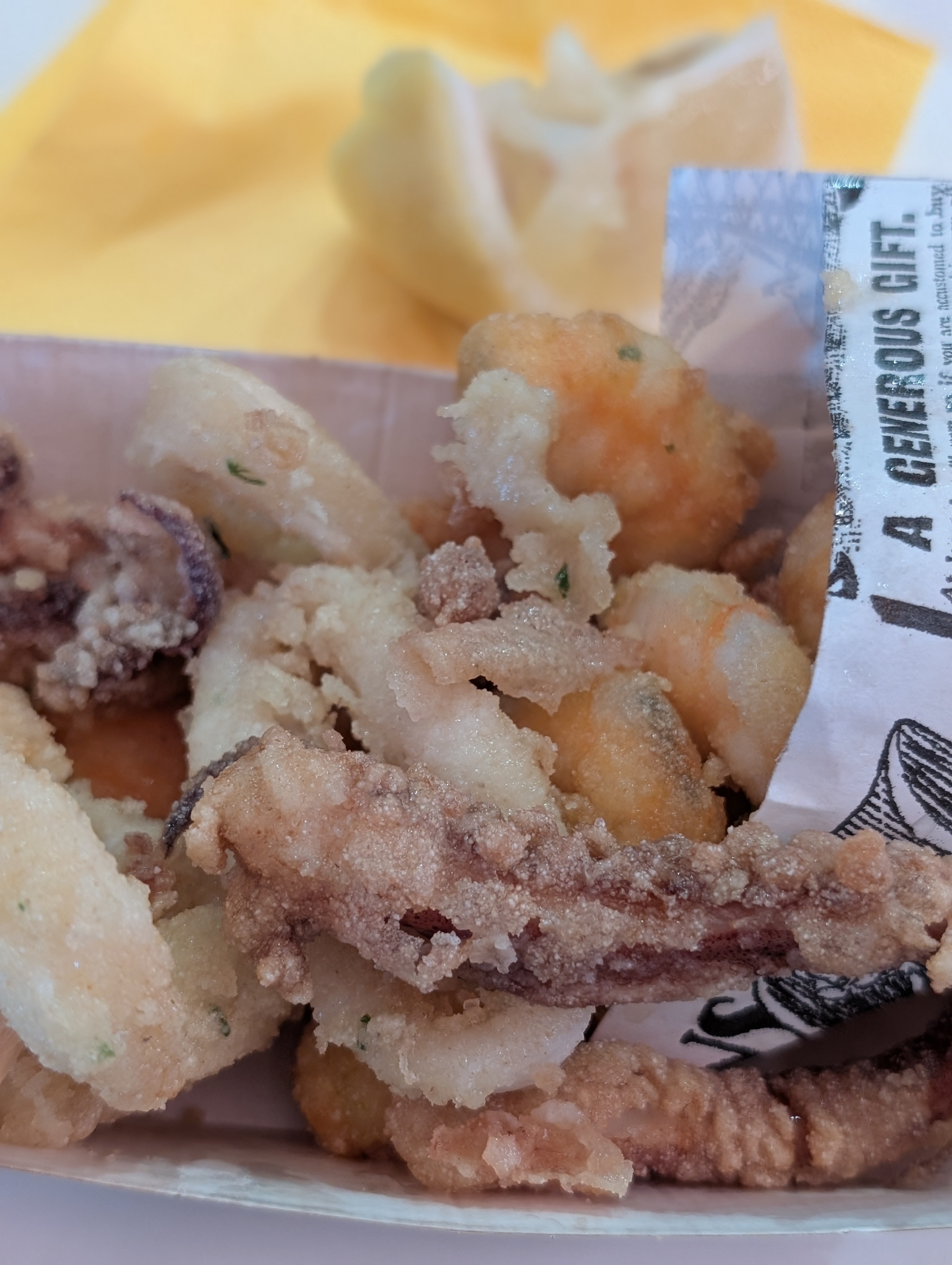
Last, but not least, the food here is similar to many large cities. All is possible. The specialty here is sandwiches with lightly fried calamari rings in it (with garlic mayo). It was good but the fried calamari and shrimp that I had the next day was better.
I was pretty excited about Seville even though it is a much larger city than the others I have visited. I was starting to think a UTI that I had at the end of August had returned. After checking in, I asked the person at the front desk of the hostel about options. I chose a private hospital instead of the public one and once there it was confirmed I did have a UTI. I do have global health insurance with a pretty high deductible. My Spanish is intermediate enough to be able to comunicate and understand.
Needless to say, I tried to take it a little easier here and did not do long day trips that I had been thinking about.
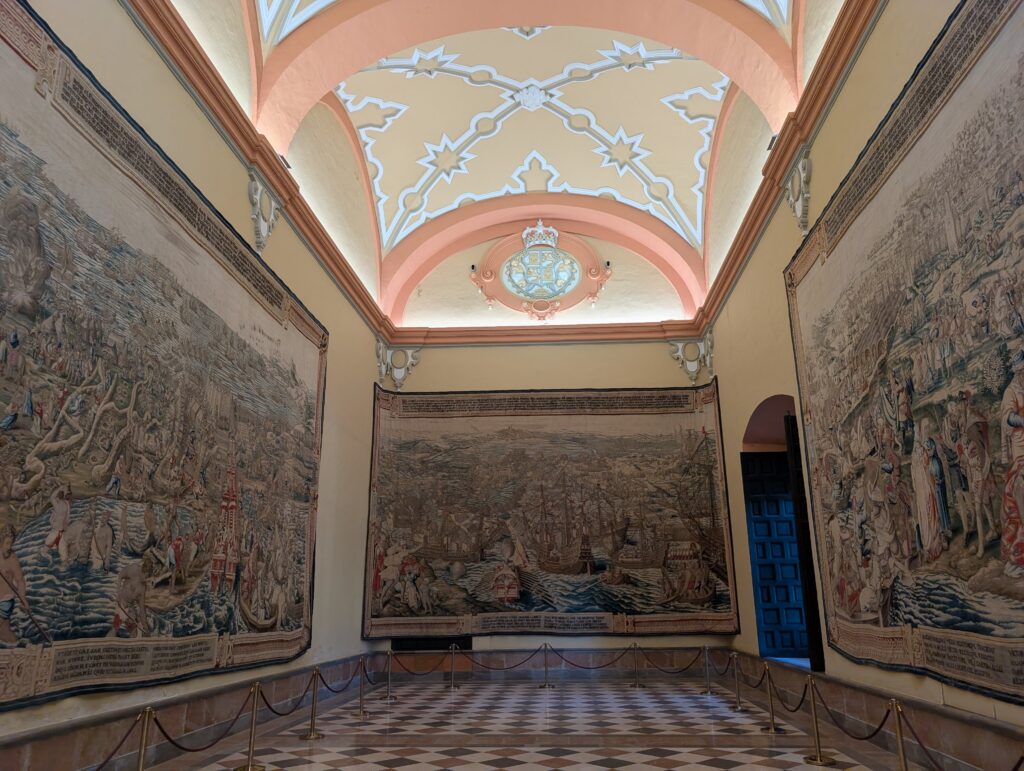
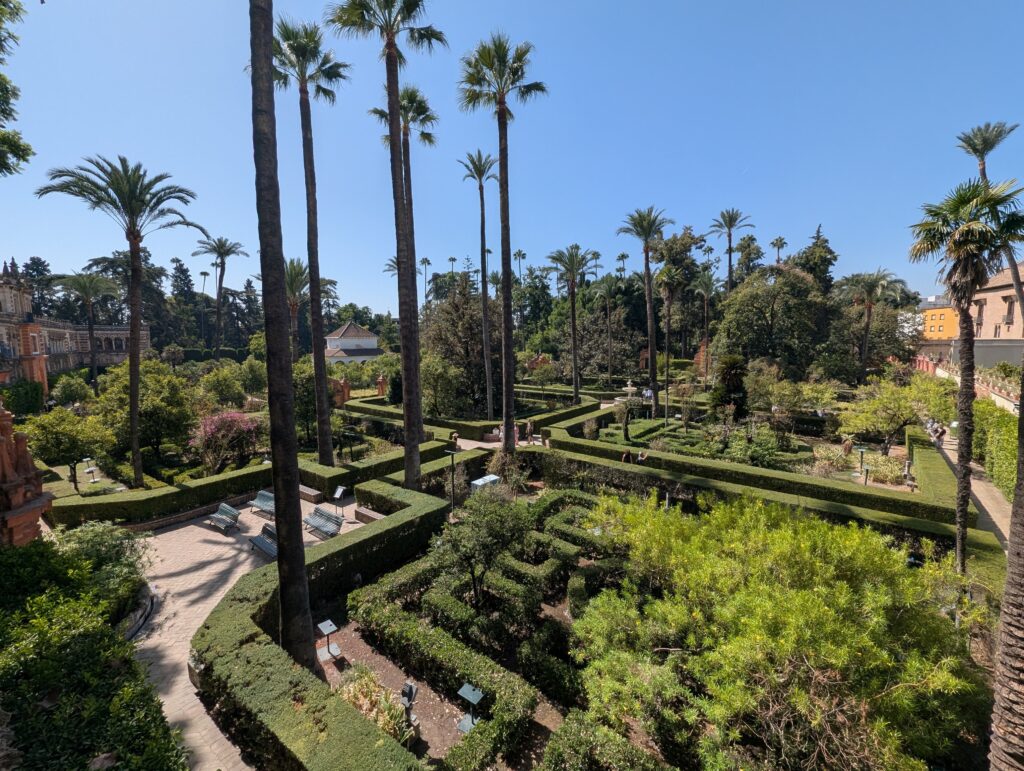
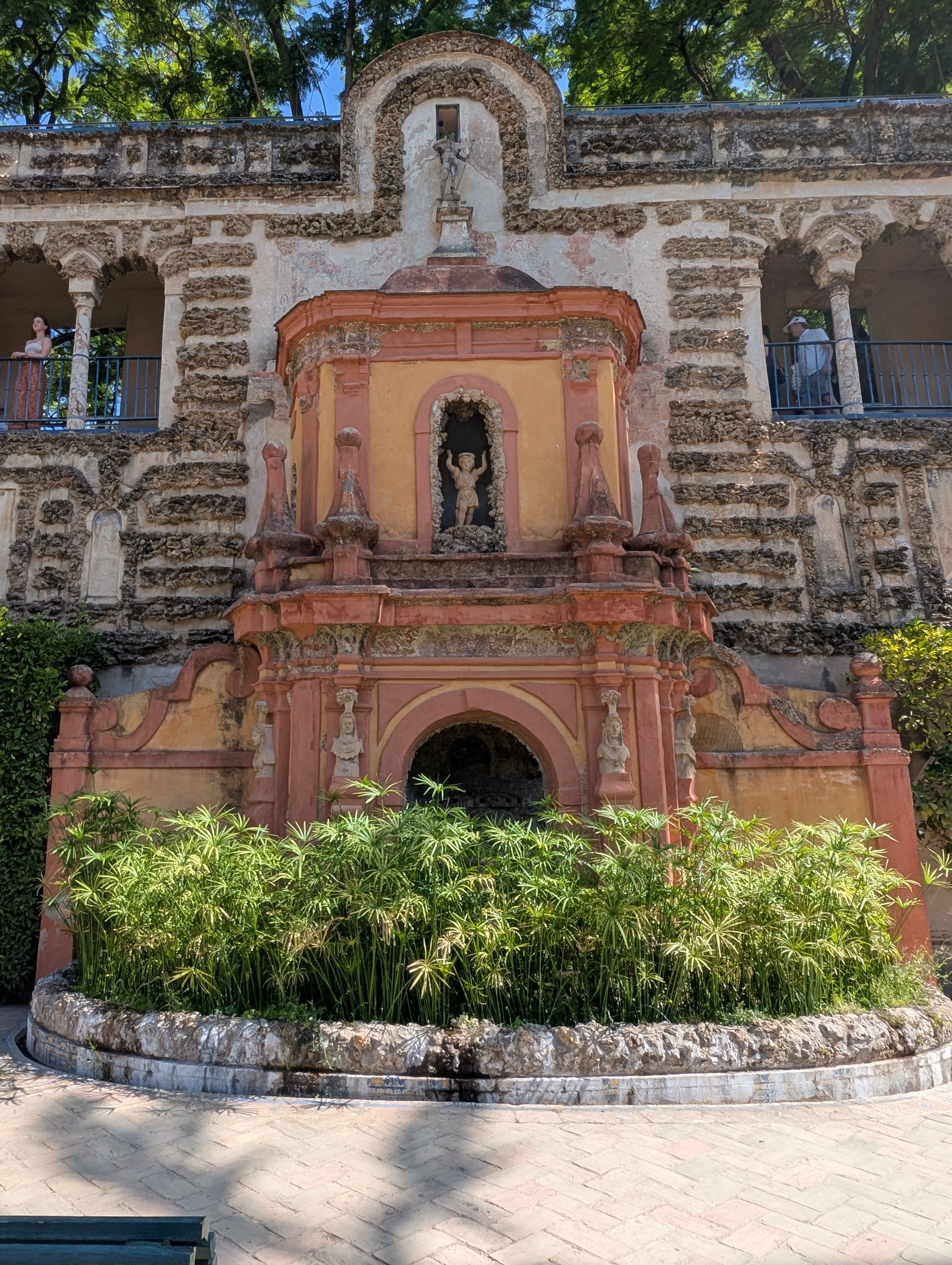
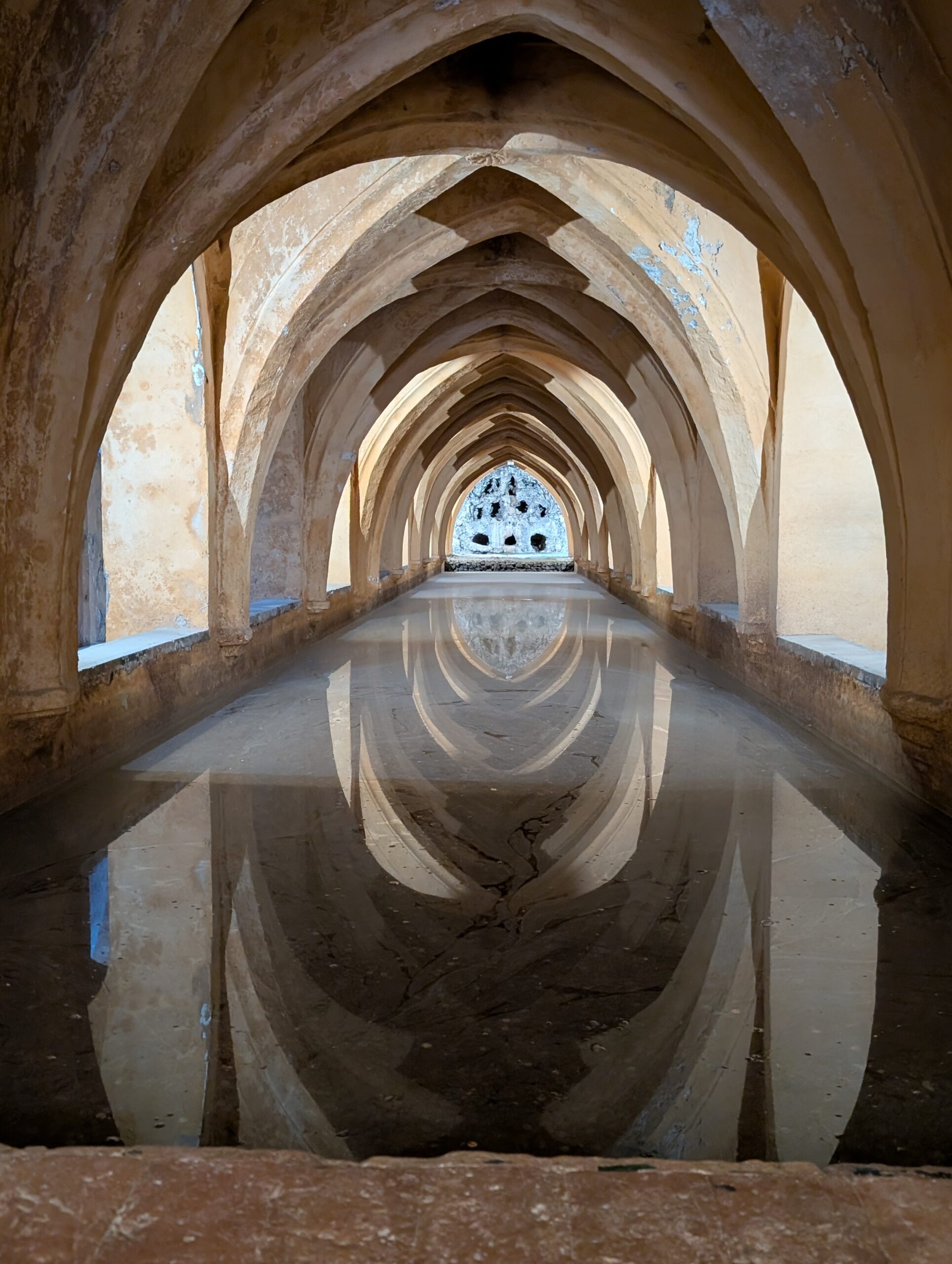
Royal Alcazar of Seville. It originated in the 10th century as an Islamic citadel and was expanded by the Moors and again in 1248 by Christian monarchs. It is the oldest royal palaces in continual use in Europe. Currently the Spanish royal family resides there. It has architecture from all past influences.
The best part is the gardens which is immense and features fountains, formal gardens, and a wooded section. There is even a water organ, that played tunes as water flowed through.
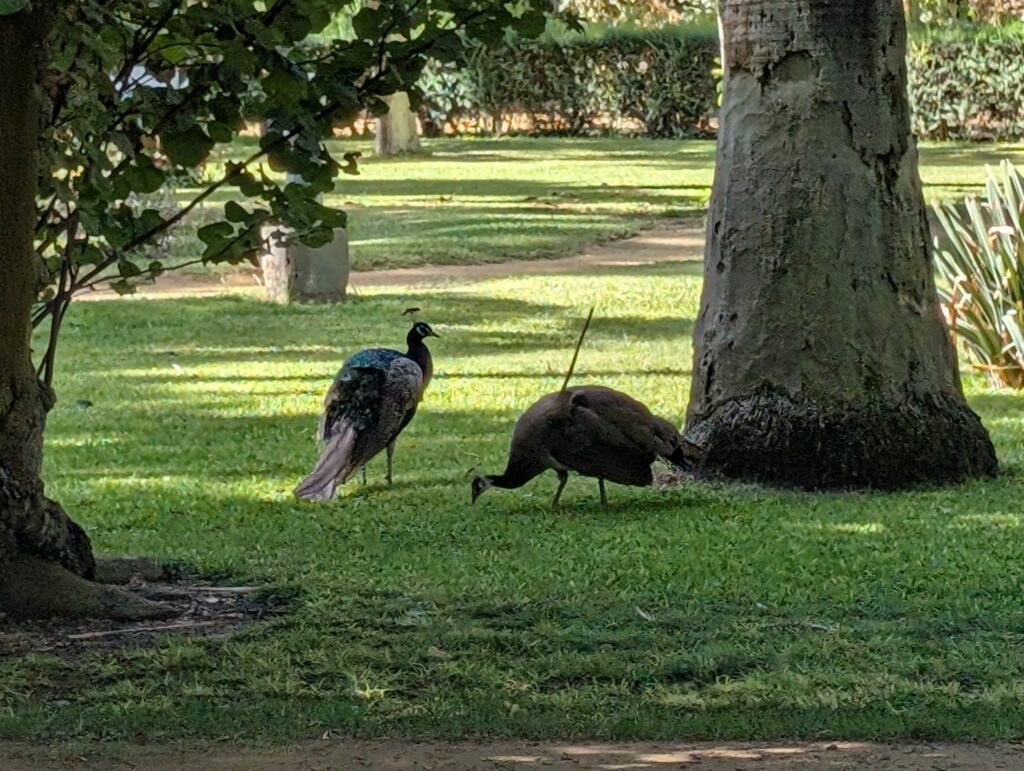
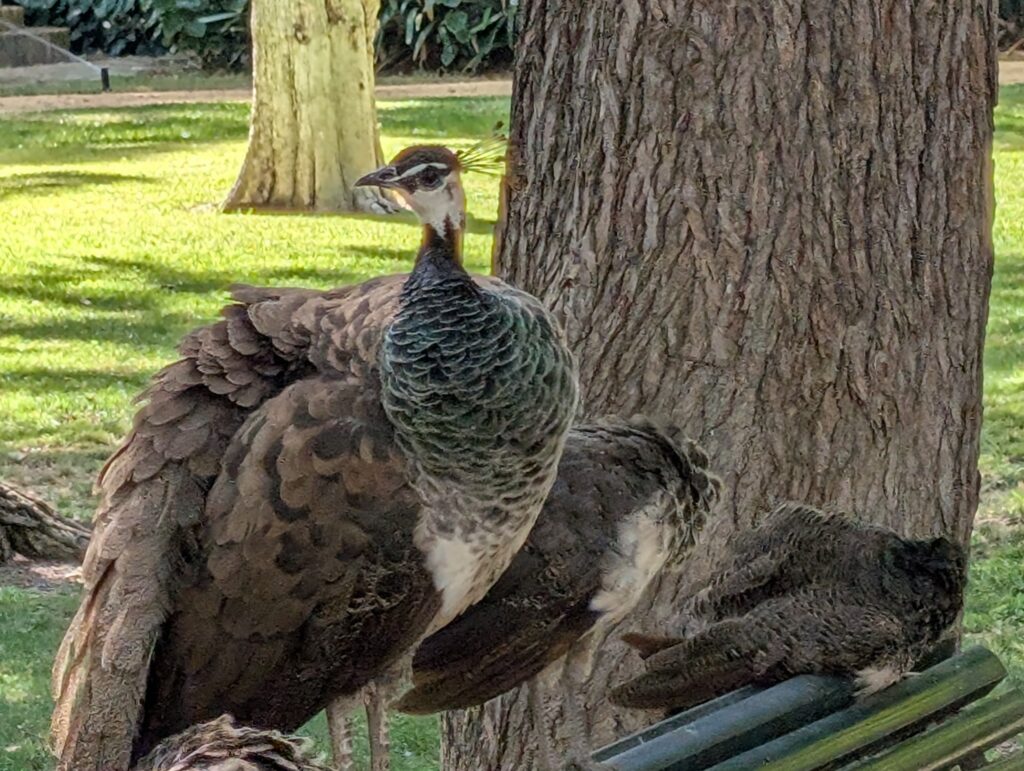
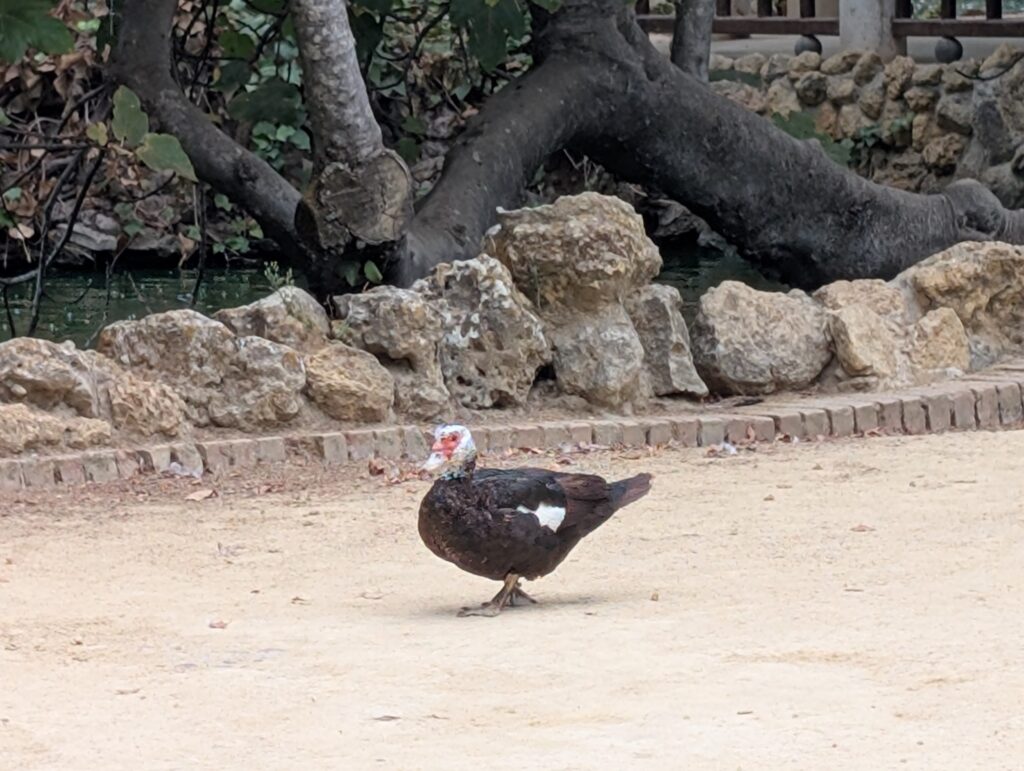
And there were peacocks. Not sure why it looks like a stick is coming out of the back of one of them.
Down in the basement was tunnels that led to the burial catacombs.
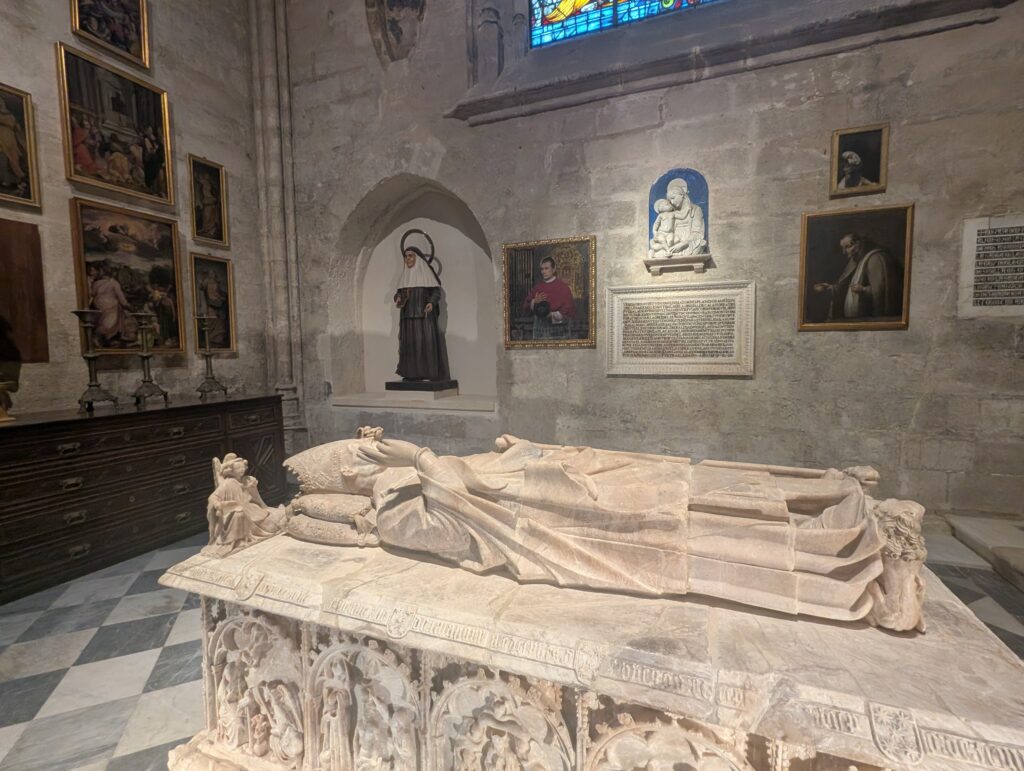
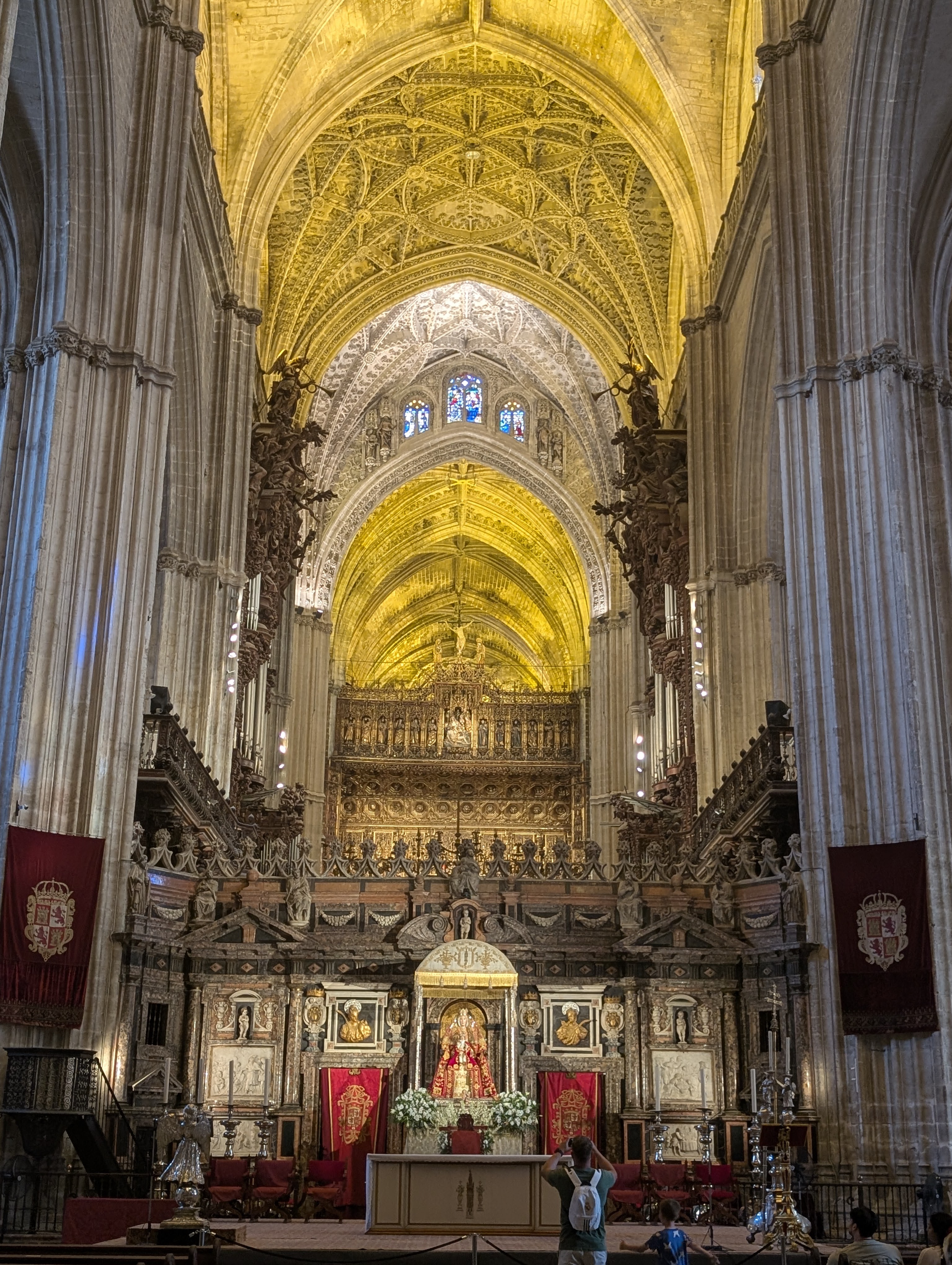
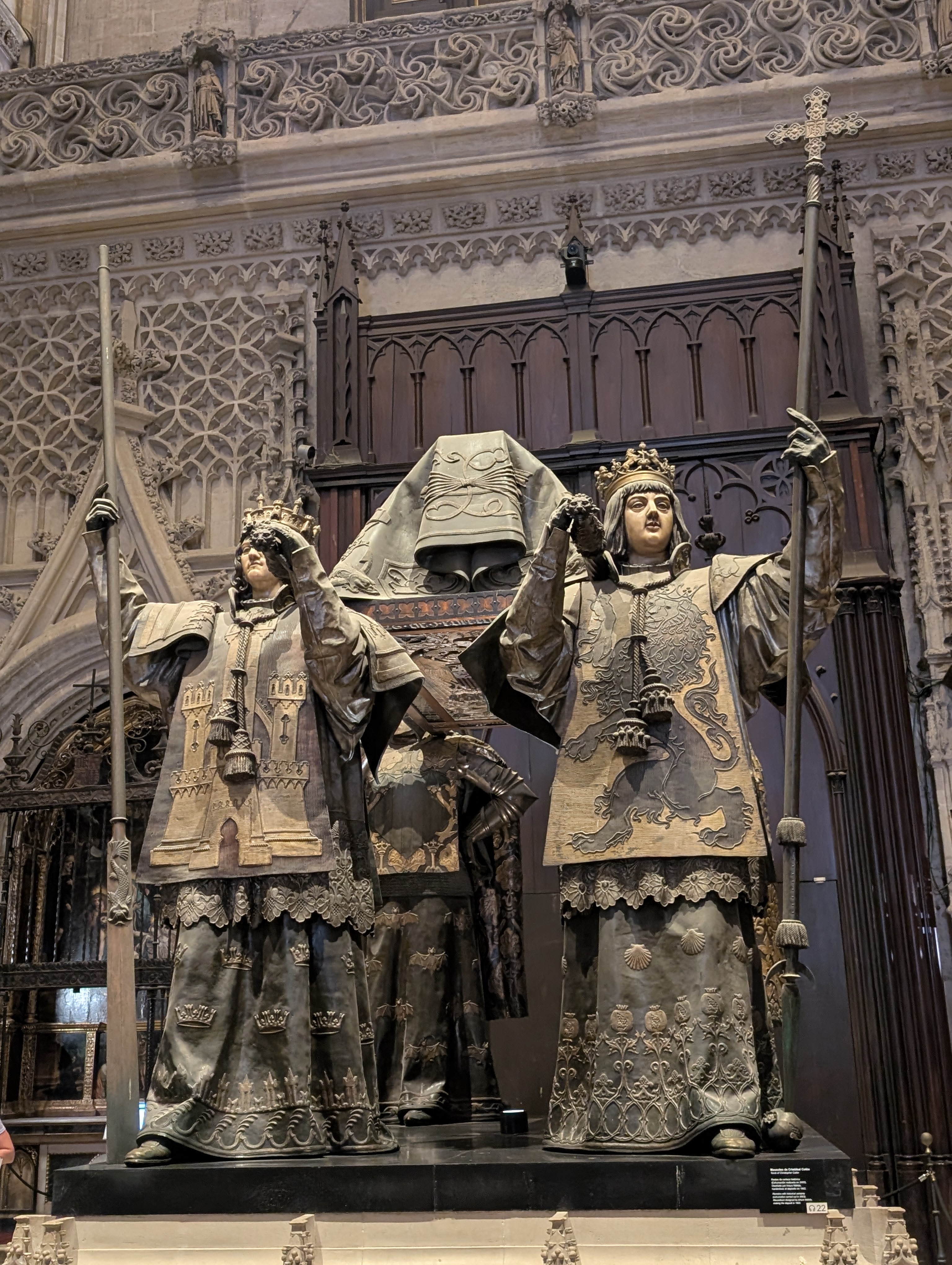
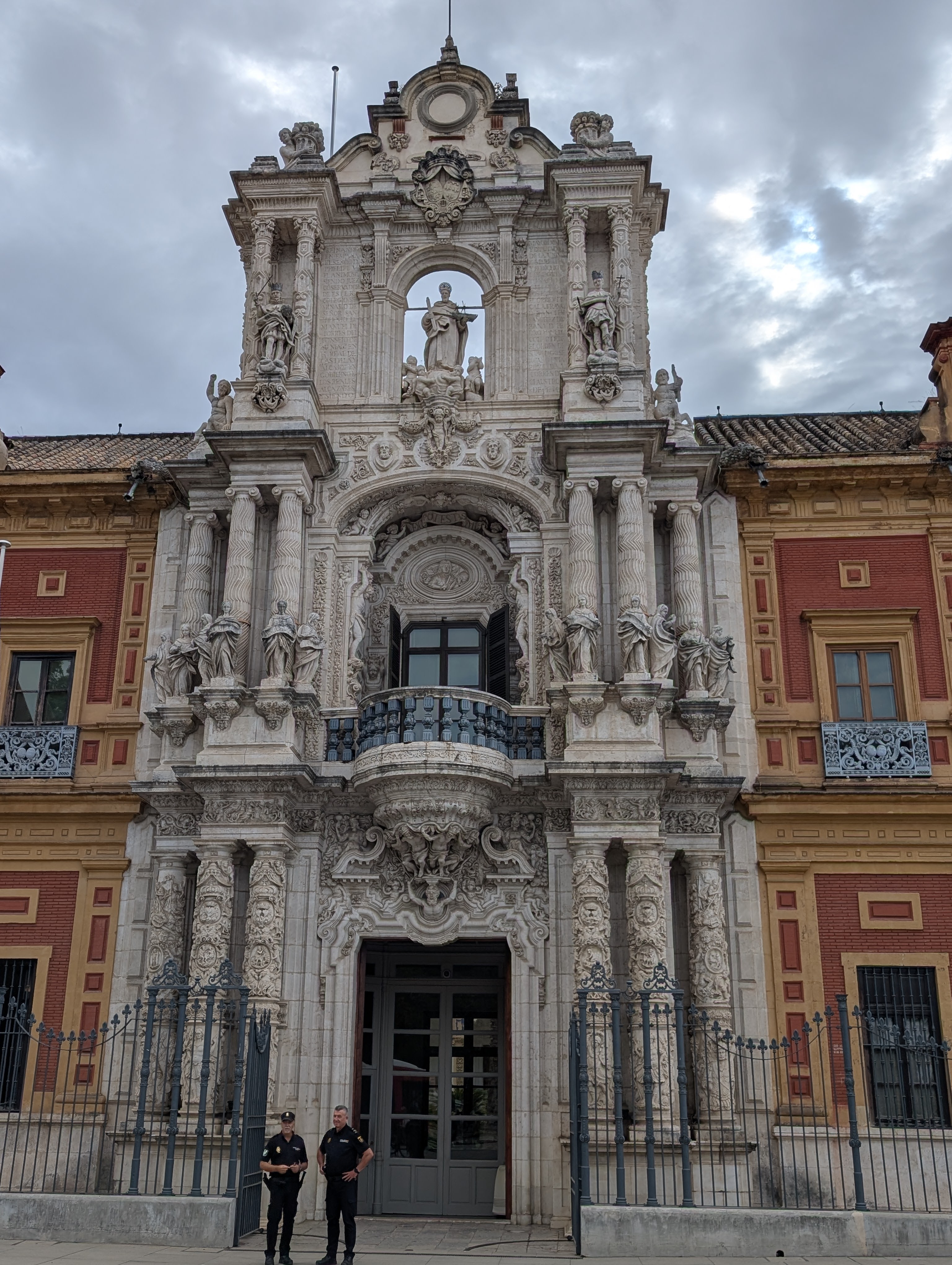
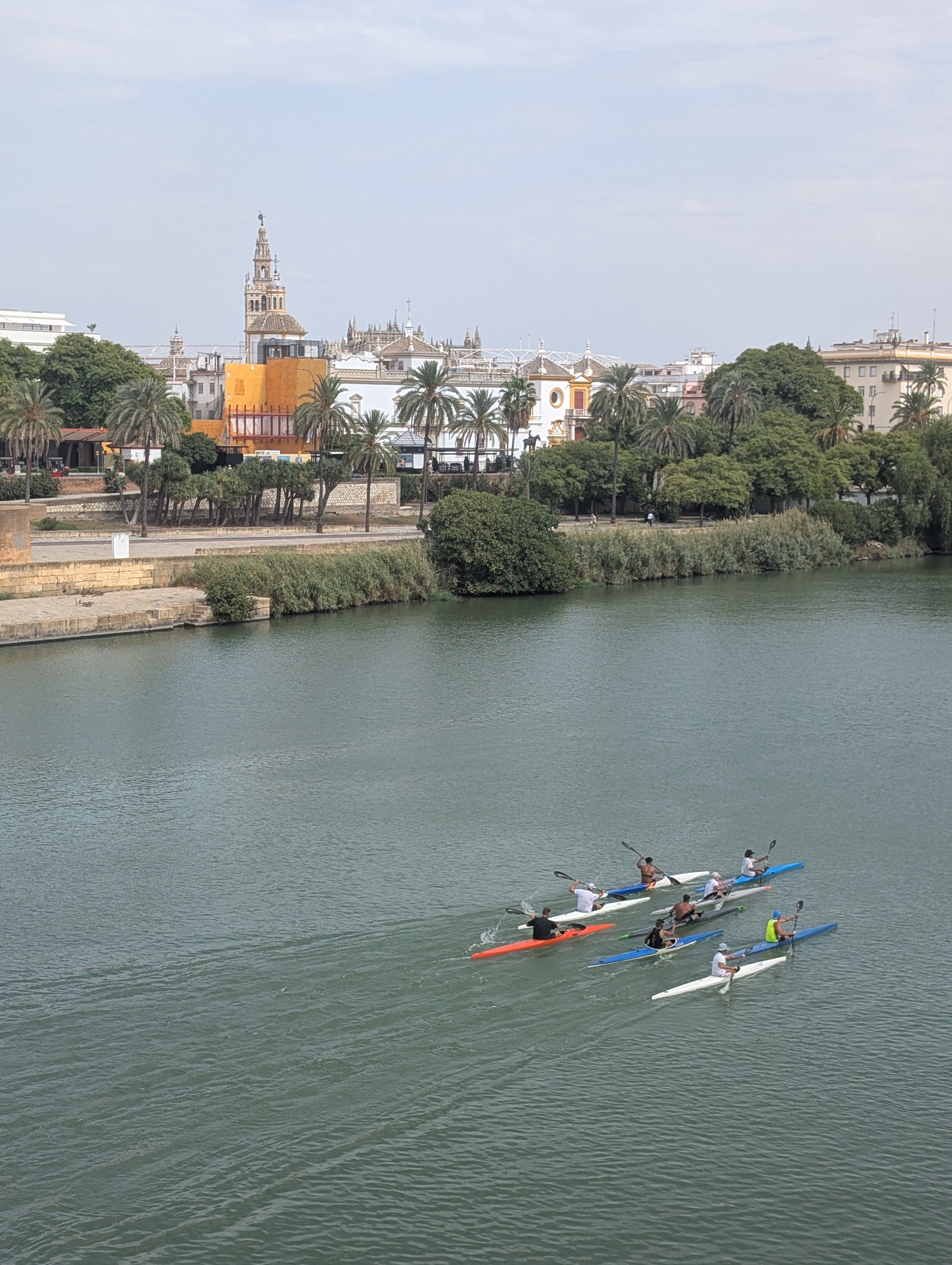
The cathedral was originally built where a mosque used to stand. In fact, La Giralda is a tower that used to be a minarete of the mosque.
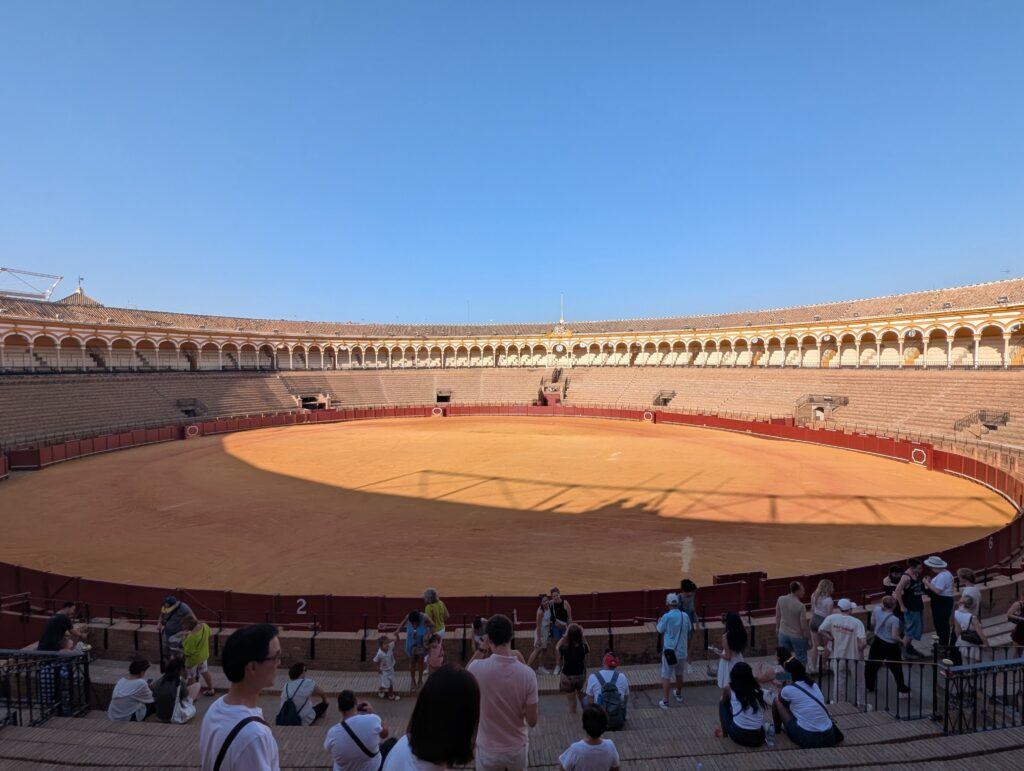
I stayed at the Black Swan Hostel. It was fabulous and they have many free events like family dinners, a flamenco show, and a tour of the bull ring. (I also took a cooking class to make paella).
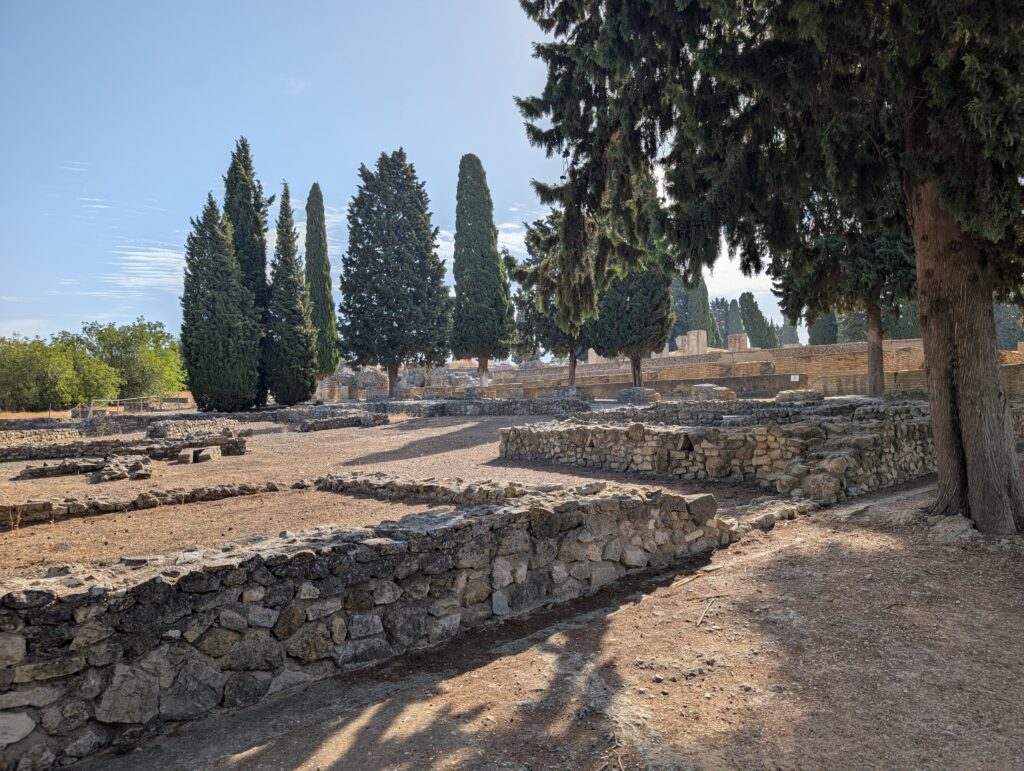
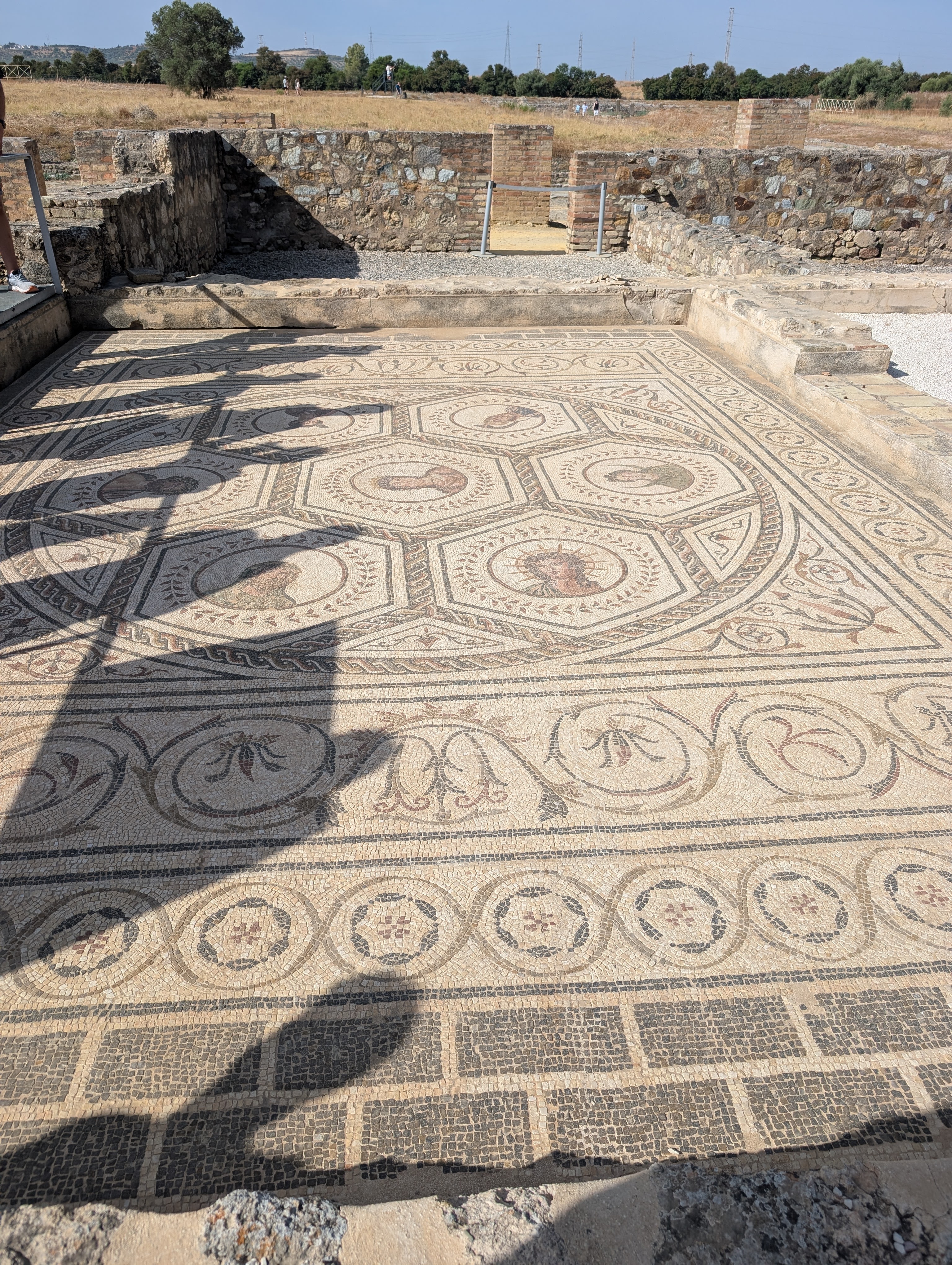
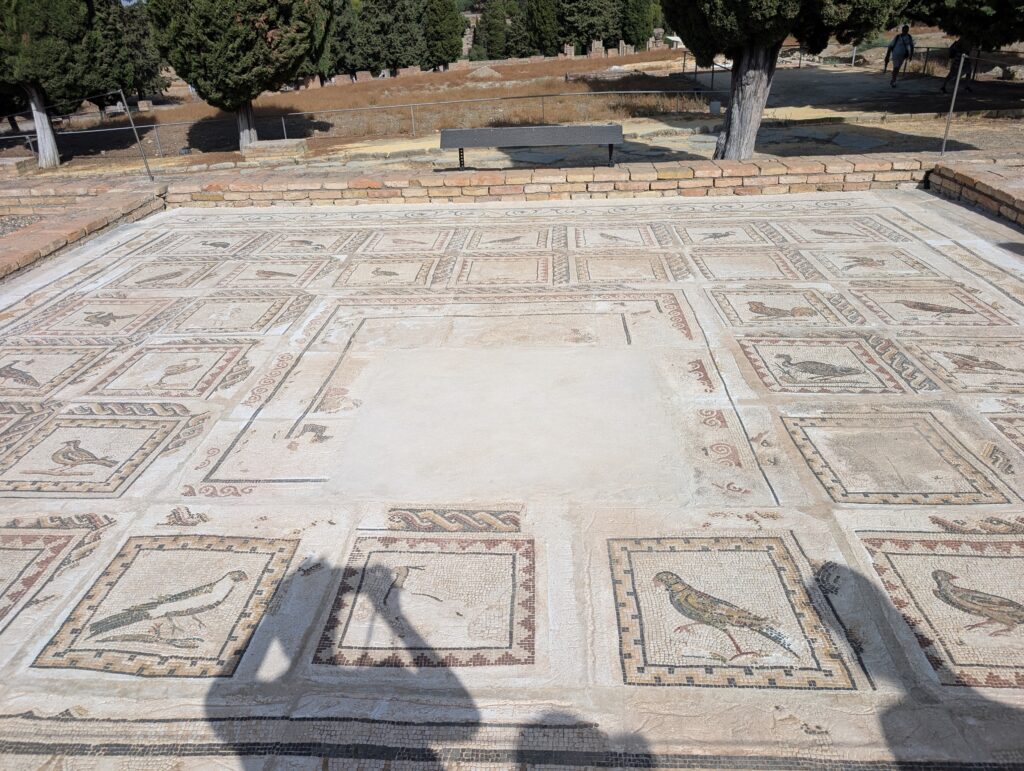
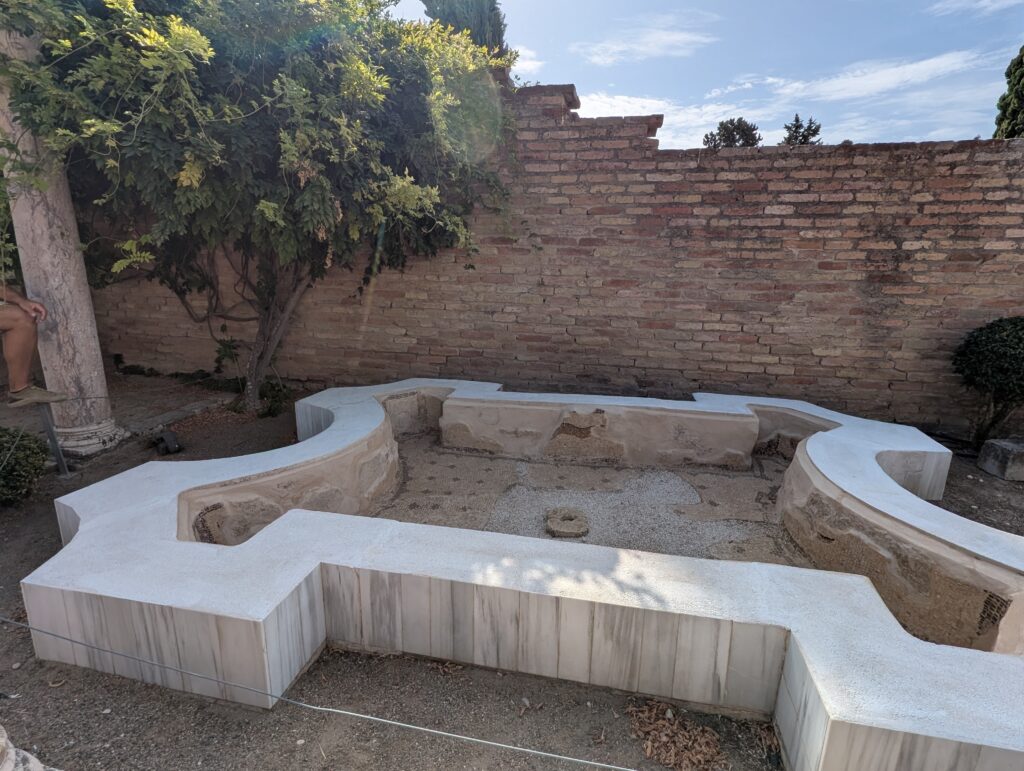
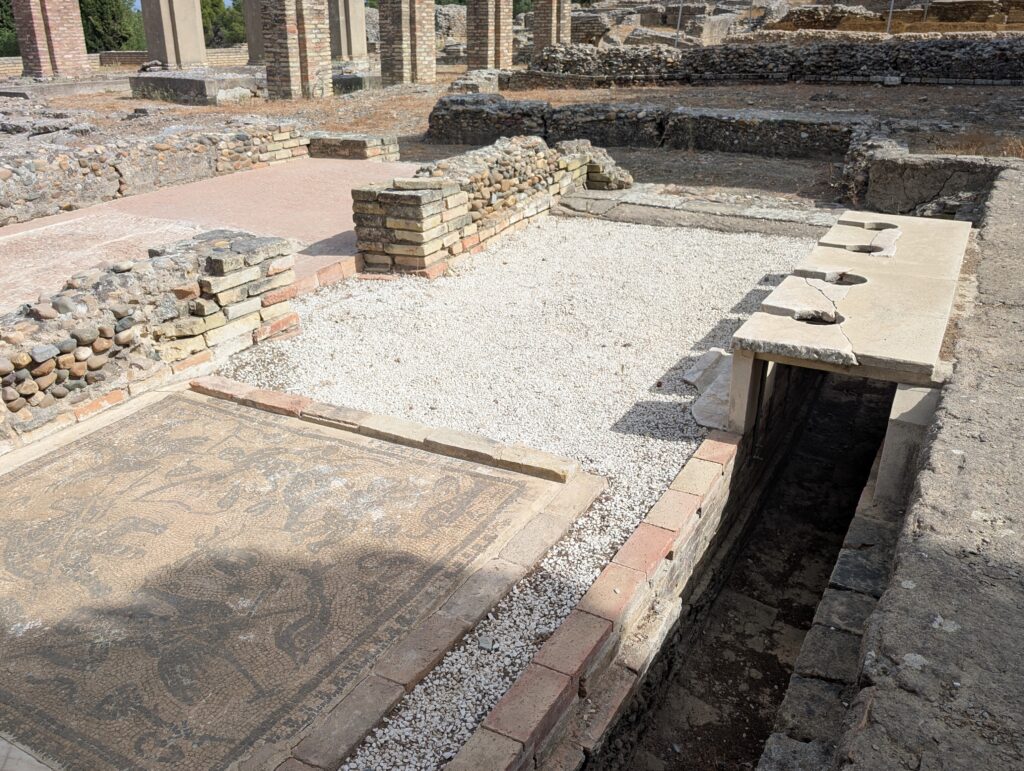
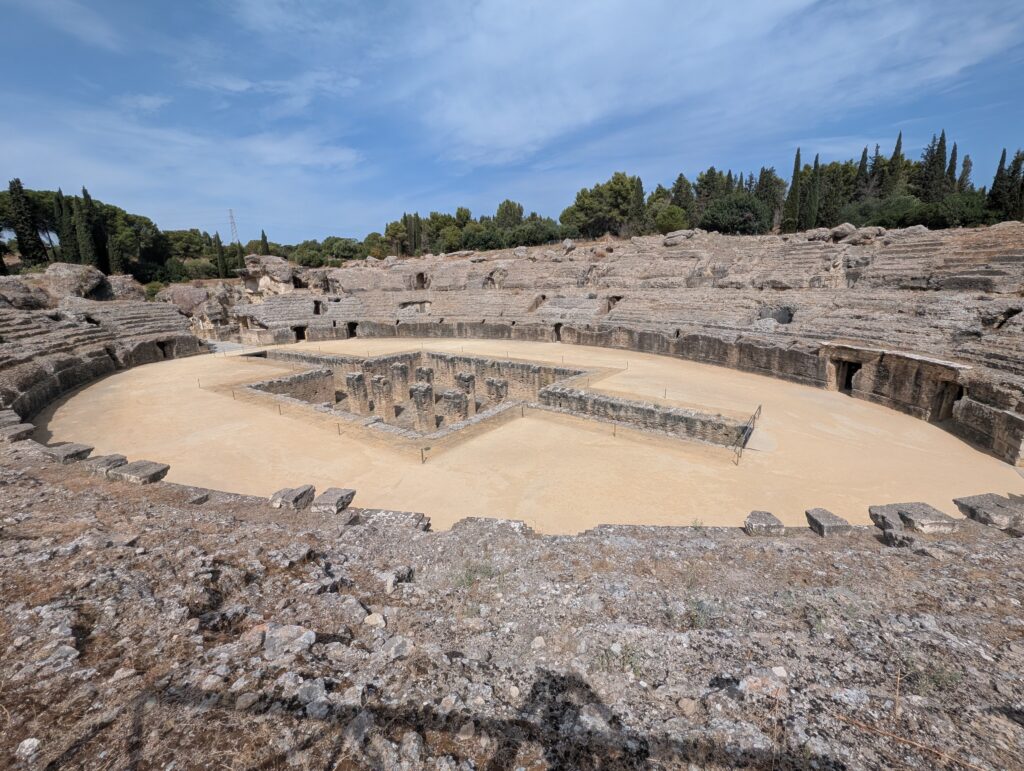
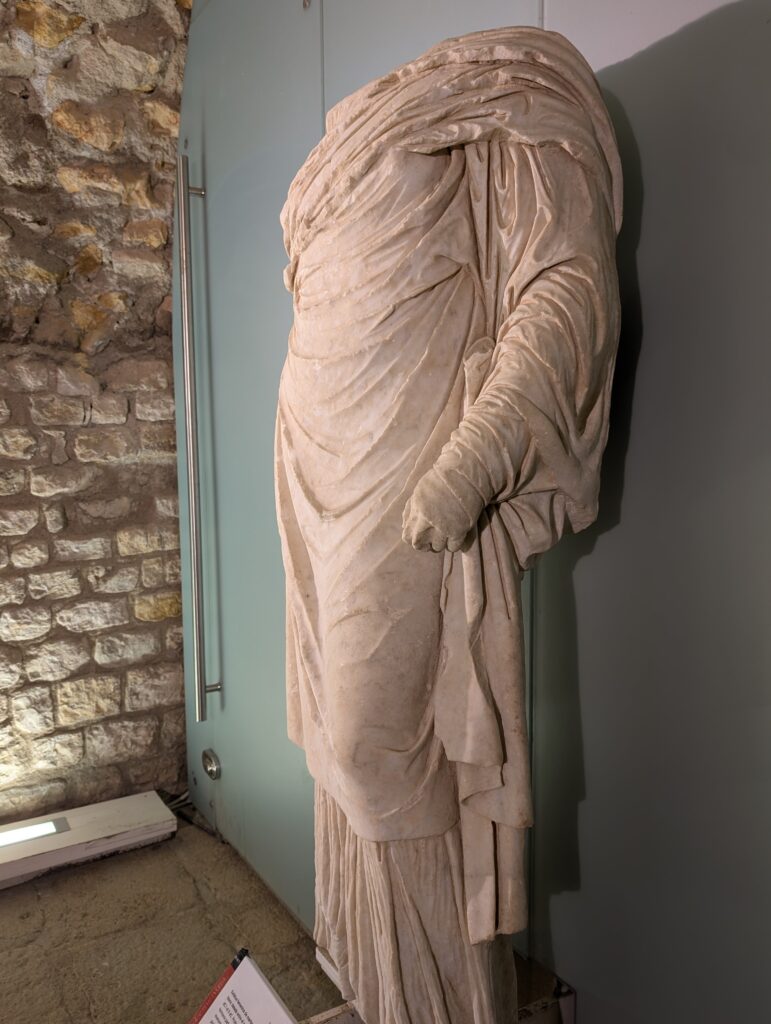
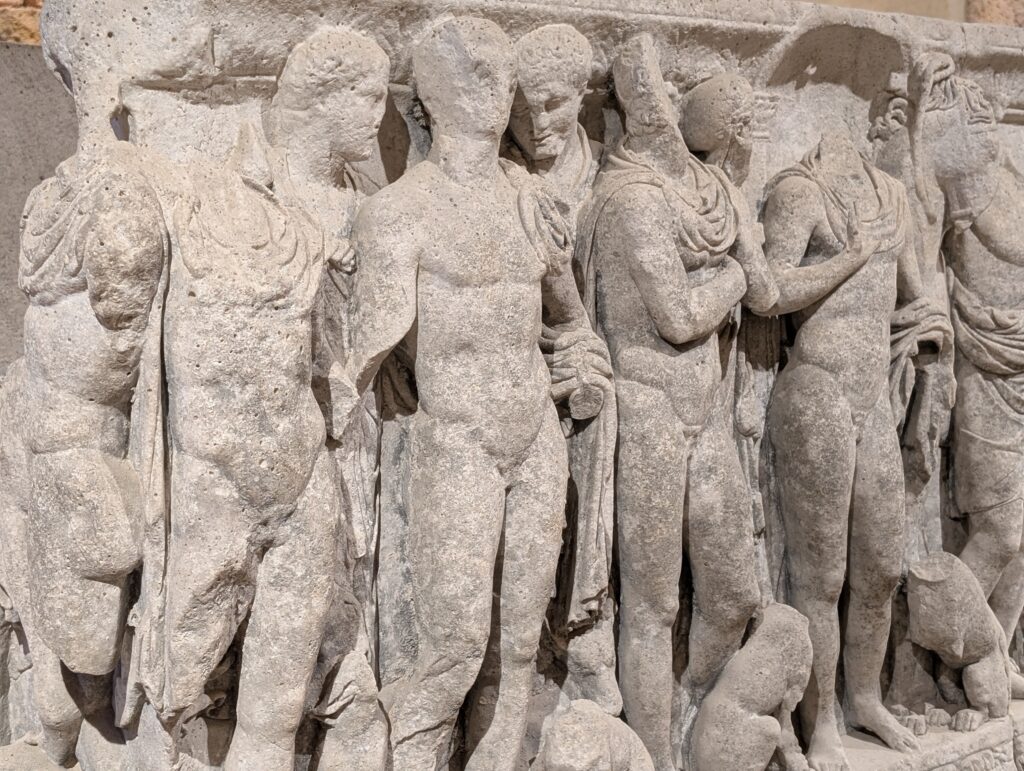
I did a tour of Itálica which is a little further than the city center. This is an archaeological site of a Roman town and an amphitheater. After the town was abandoned for many centuries, much of the rock and structures were used to build Seville. After digging, they found statues, Roman columns, and beautiful mosaic floor work.
A marble fountain
This is part of a school for the rich residents. Note the toilets.
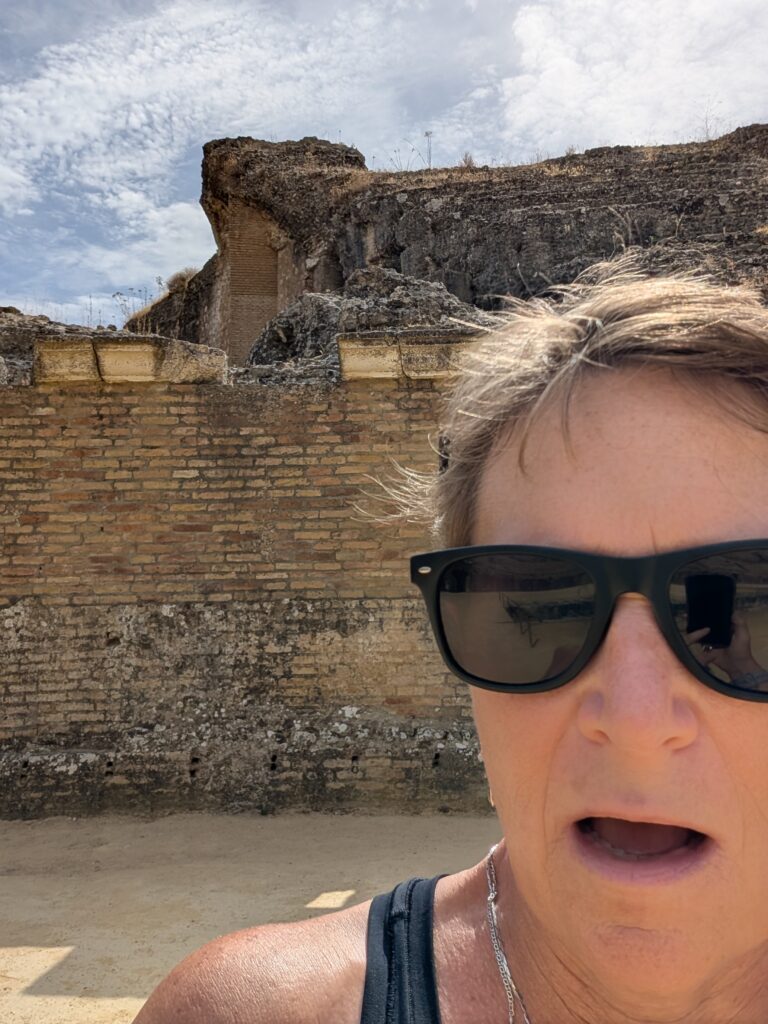
We then visited the amphitheater where several episodes of Game of Thrones was filmed including when Danaerus flew in on her dragon. That is me thinking the CGI dragon landed behind me.
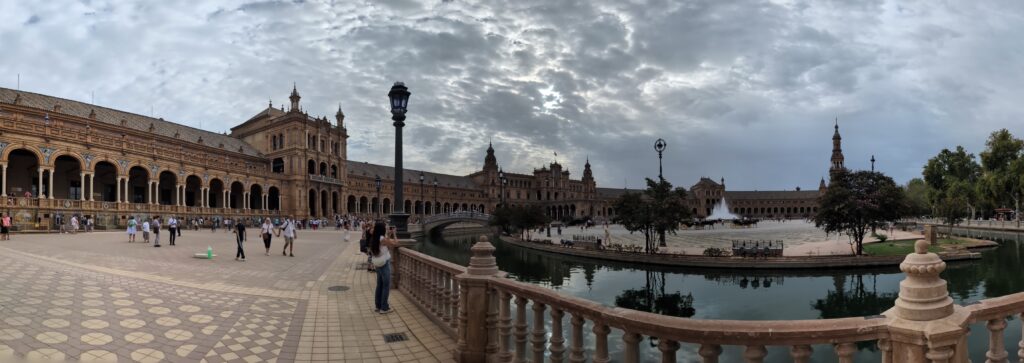
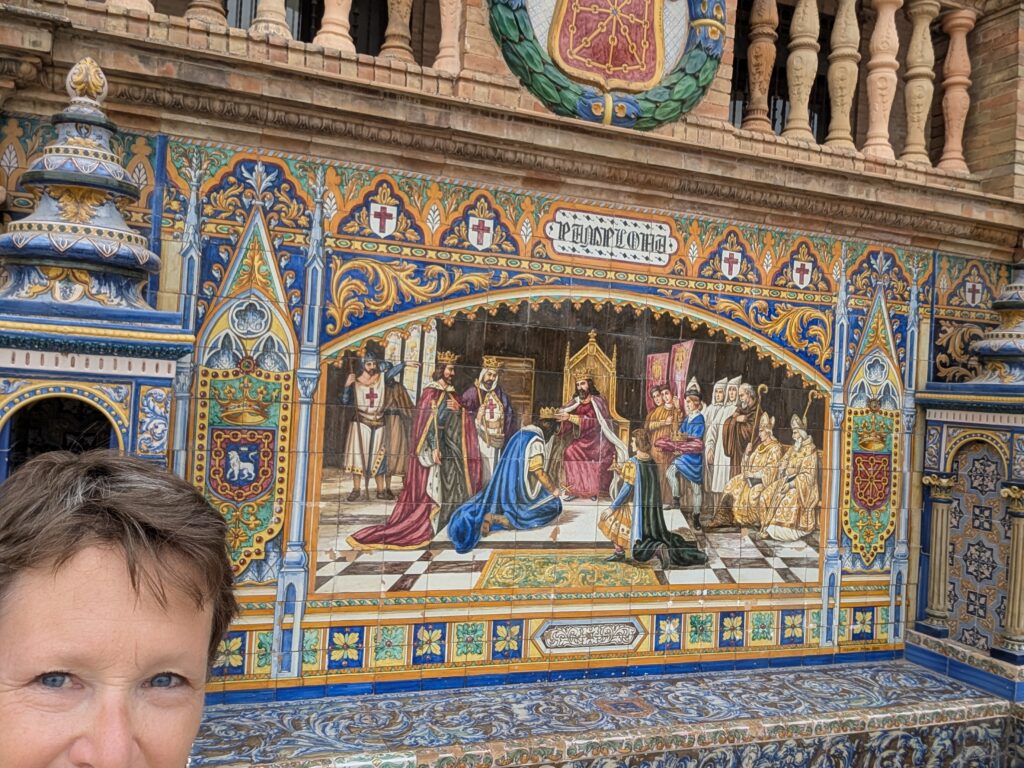
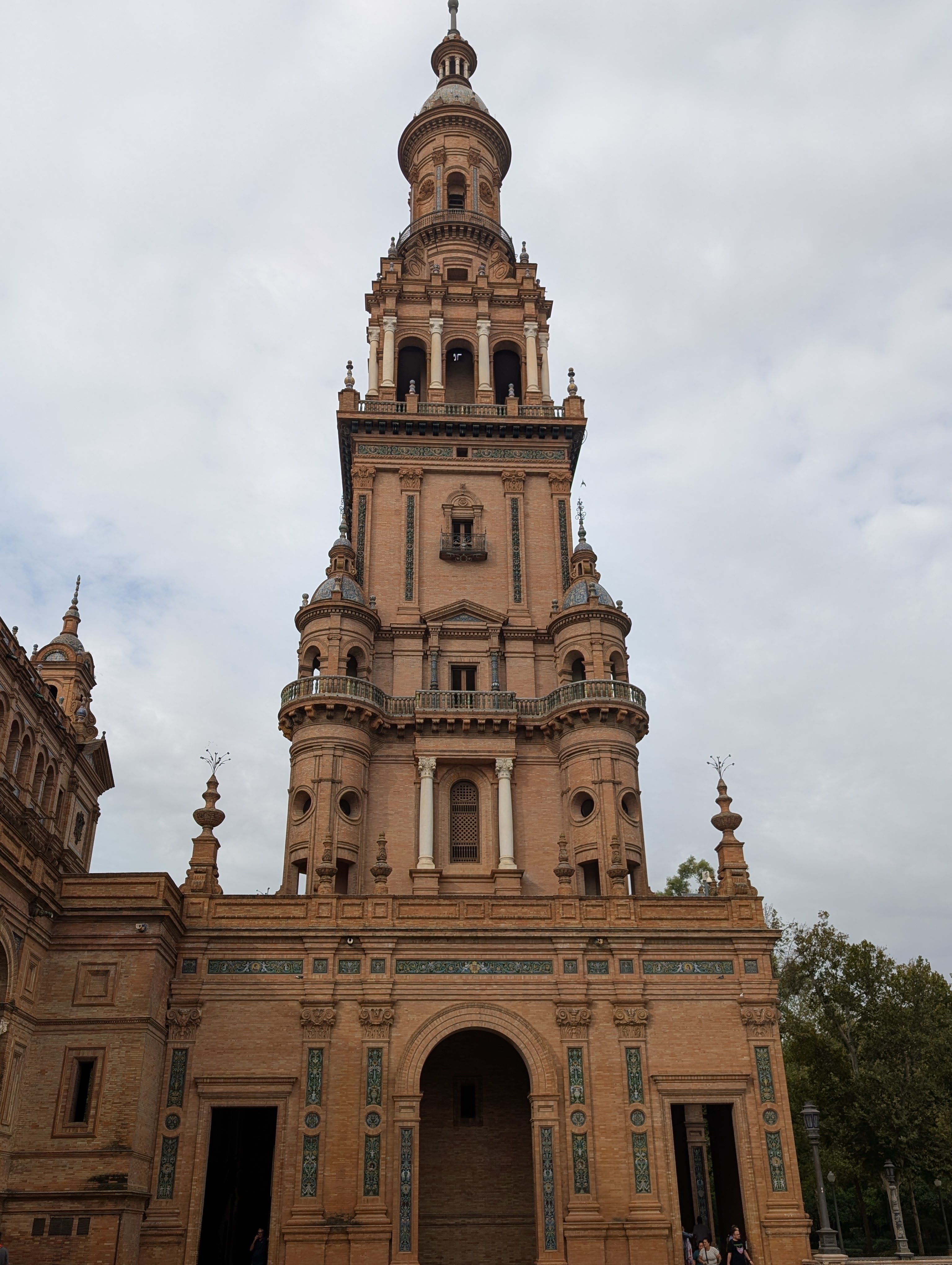
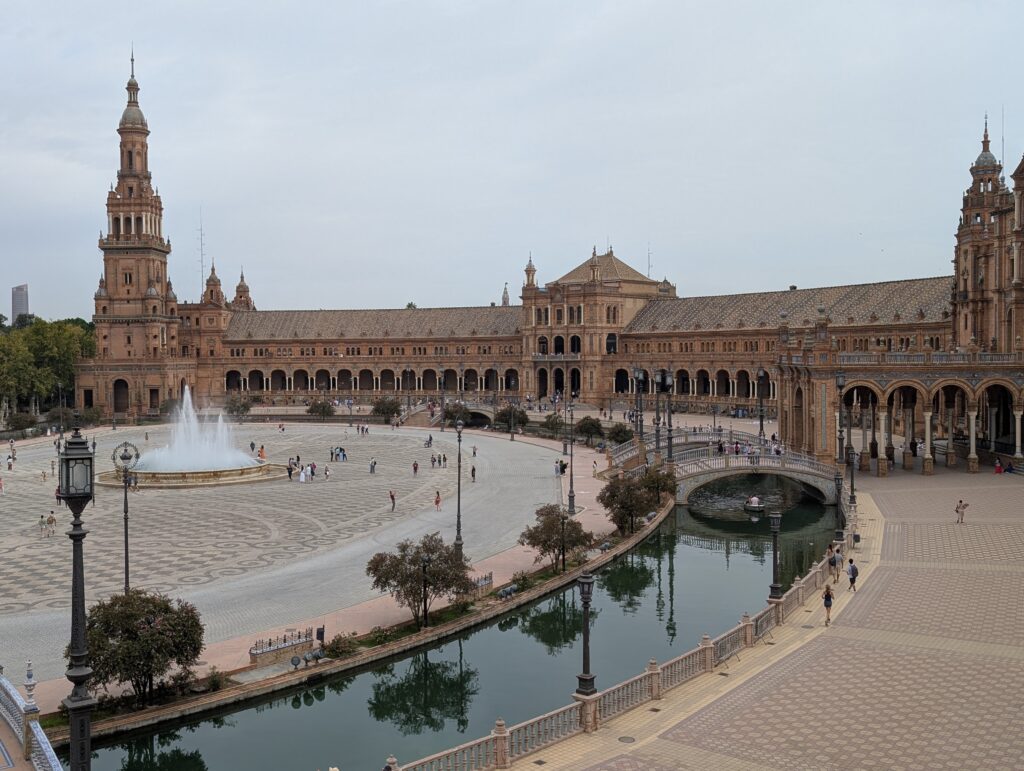
Plaza de España was built for the Ibero-American Exposition of 1929. The was designed to strengthen ties between Spain and Latin America. Along the base of the building are beautifully tiled alcoves representing each of Spain’s provinces. The mosaics are gorgeous. This structure was used in Star Wars episode 2 as the planet Naboo.
A stroll around the gardens and other parts of Seville.
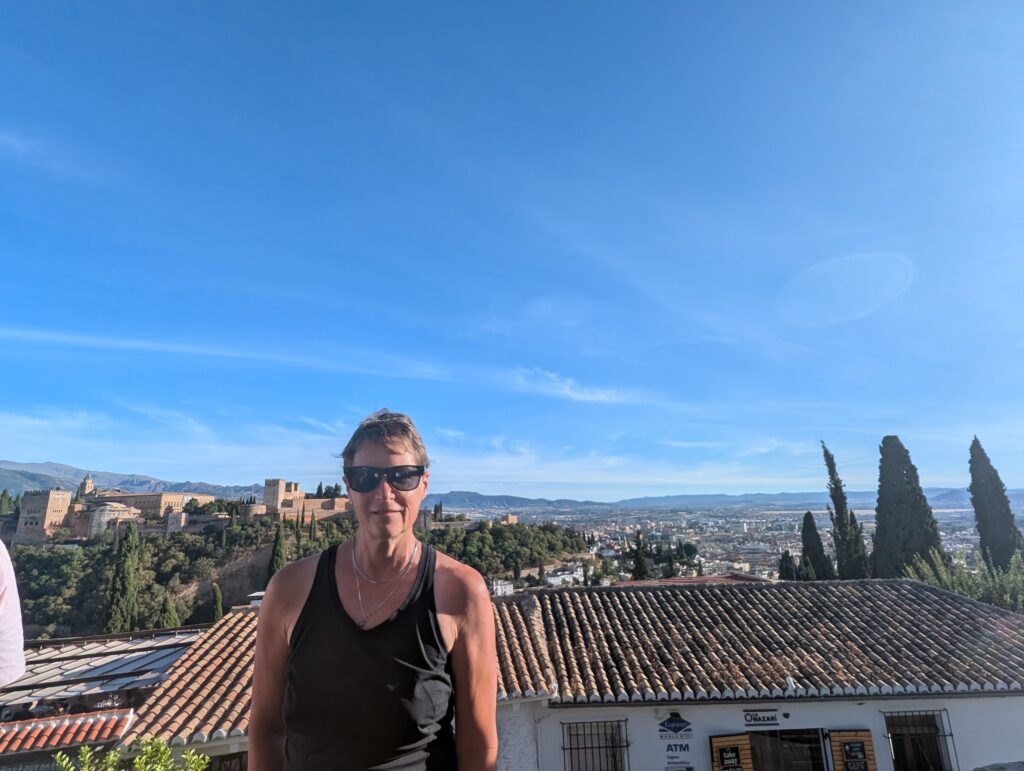
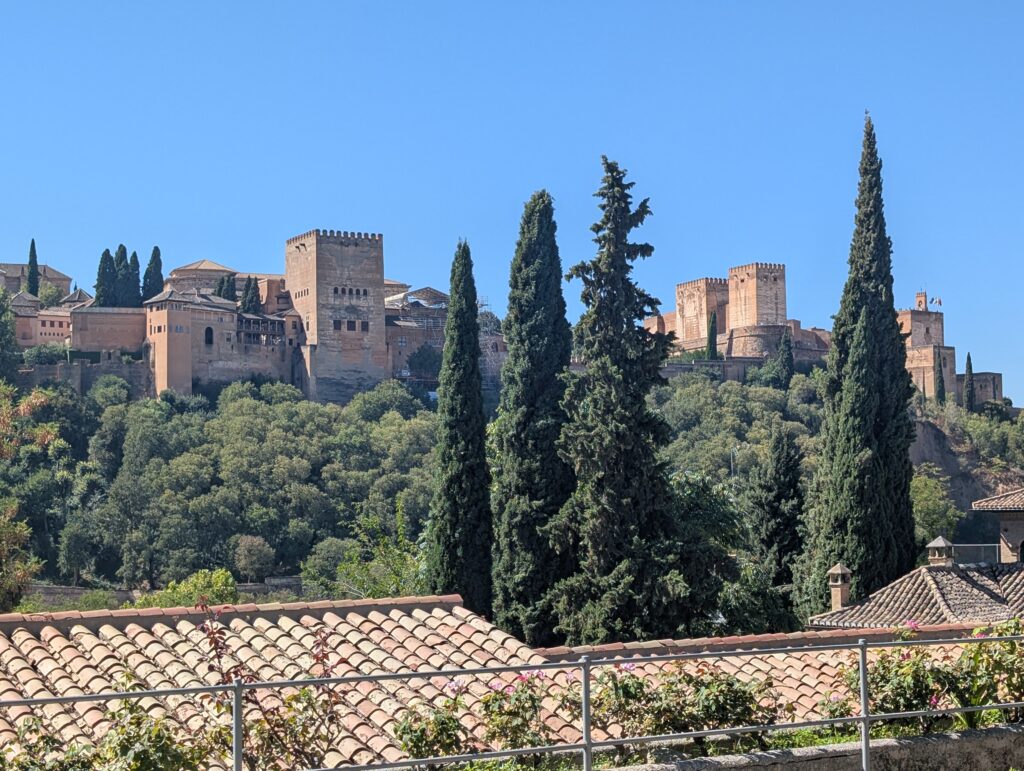
i walked to one of the high points to see the city and also the Alhambra .
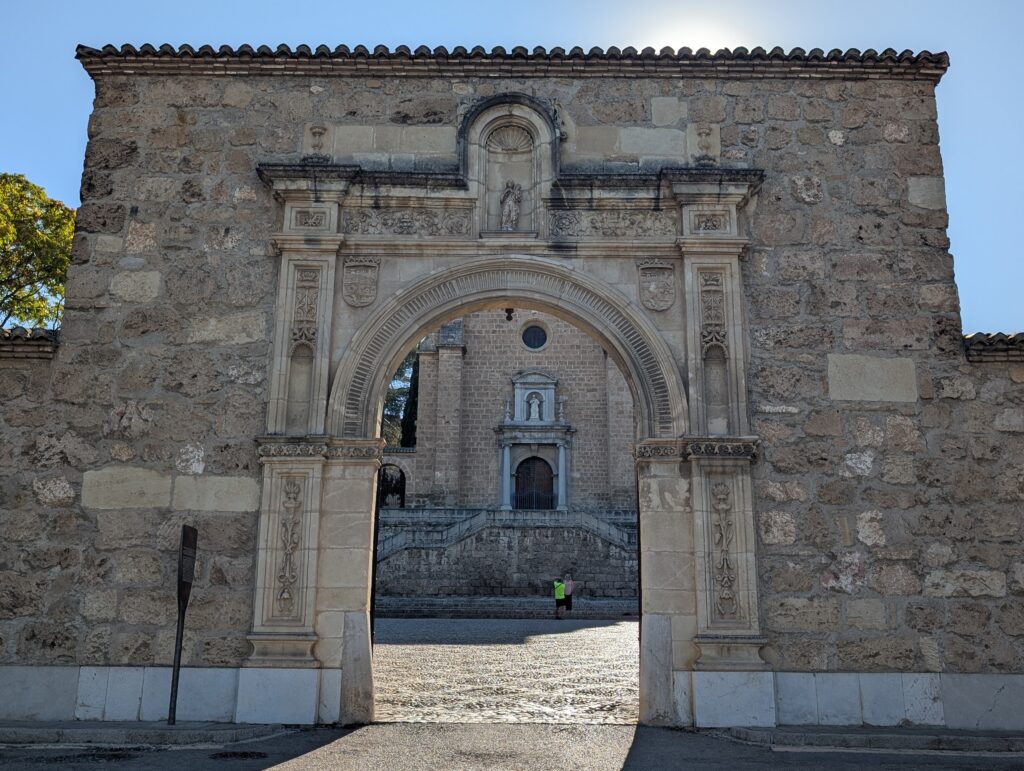
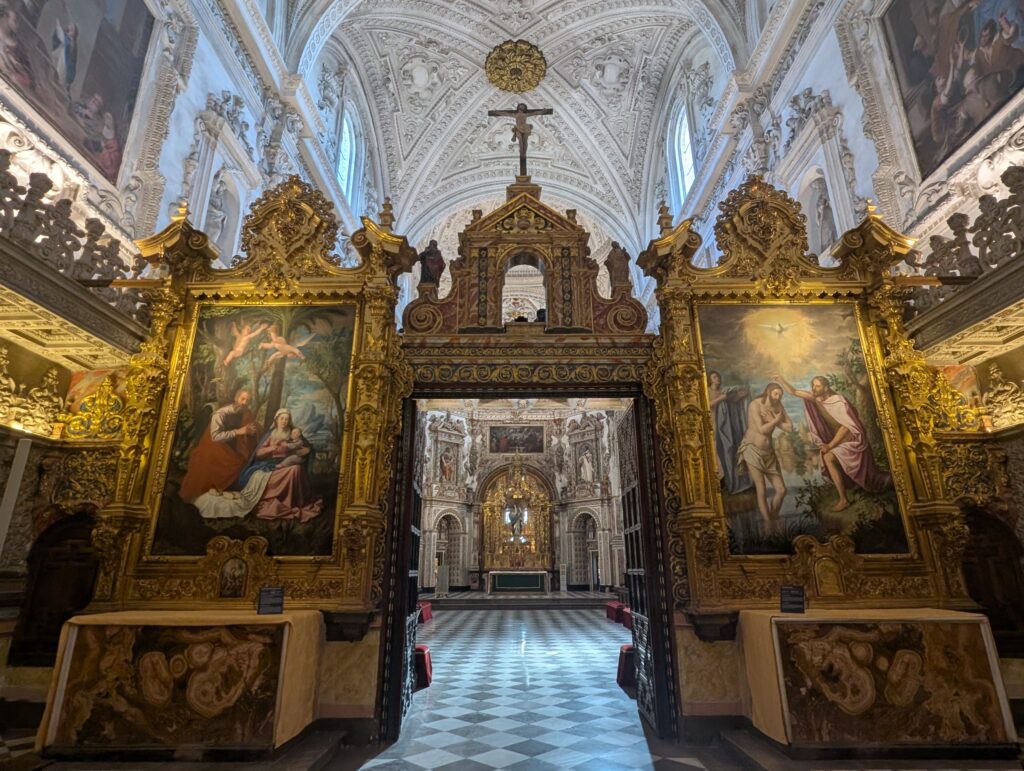
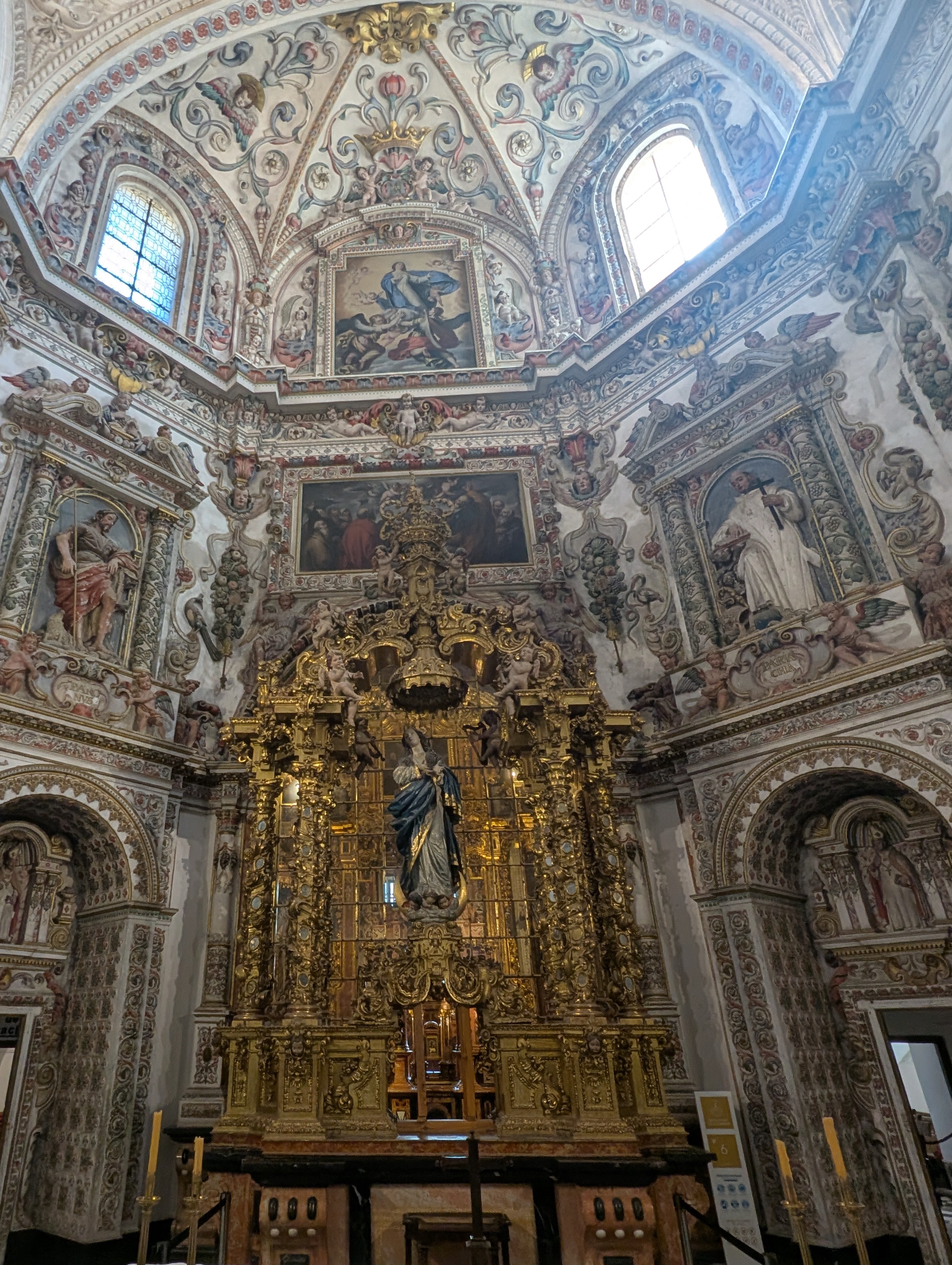
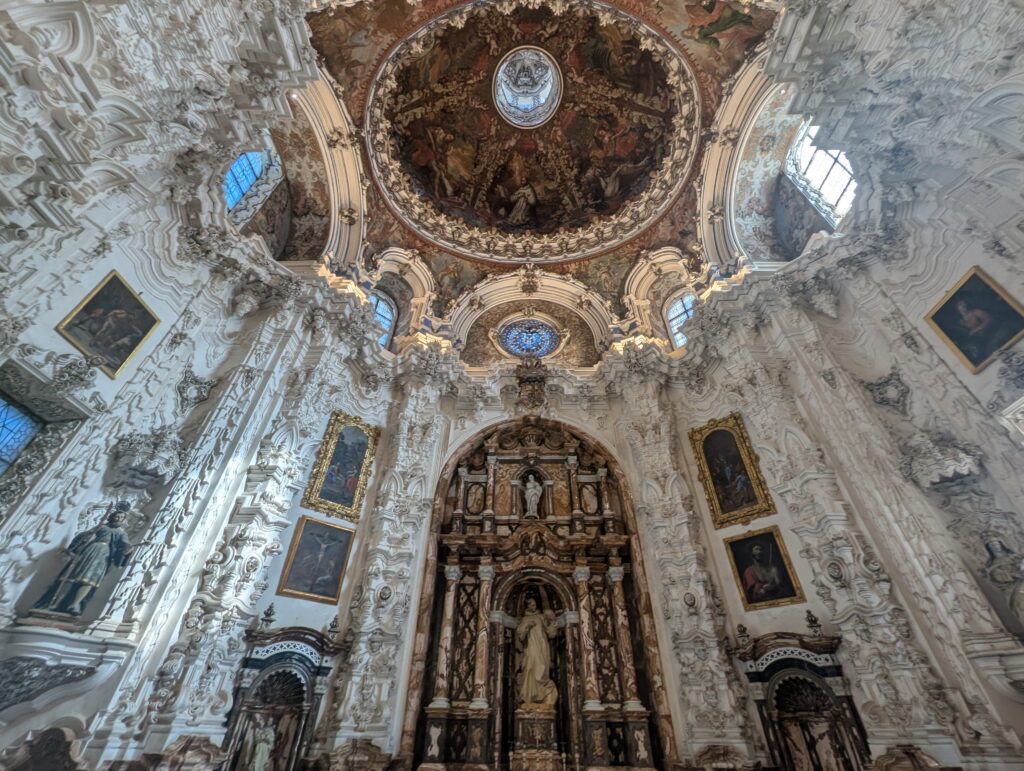
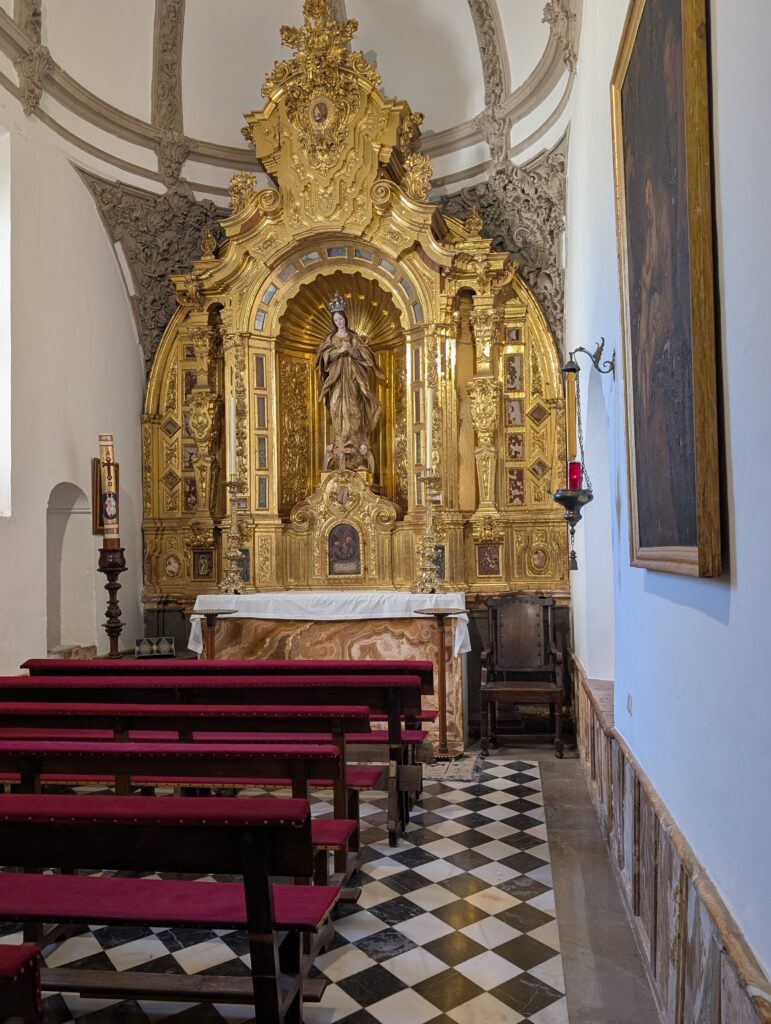
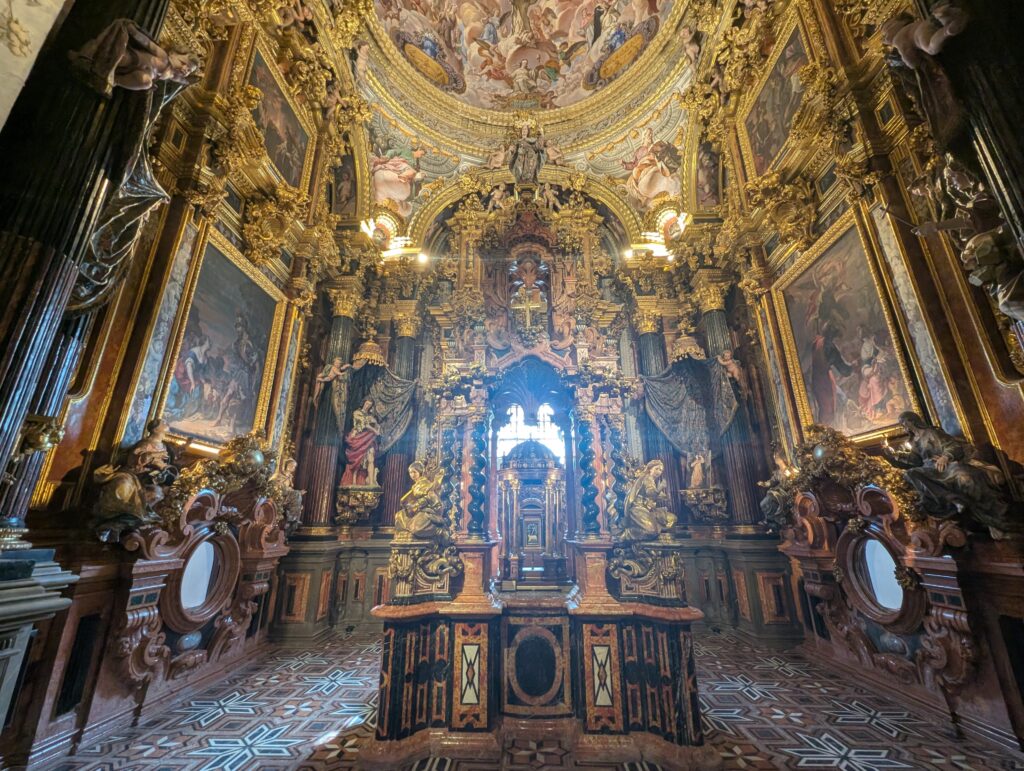
I also walked to the Monastery as it is one of the best examples of Baroque design and using good in the design.
As it was Sunday, many museums and houses were free (not the Monastery). At the Casa del Chapis, they had beautiful gardens and also a great view of the Alhambra.
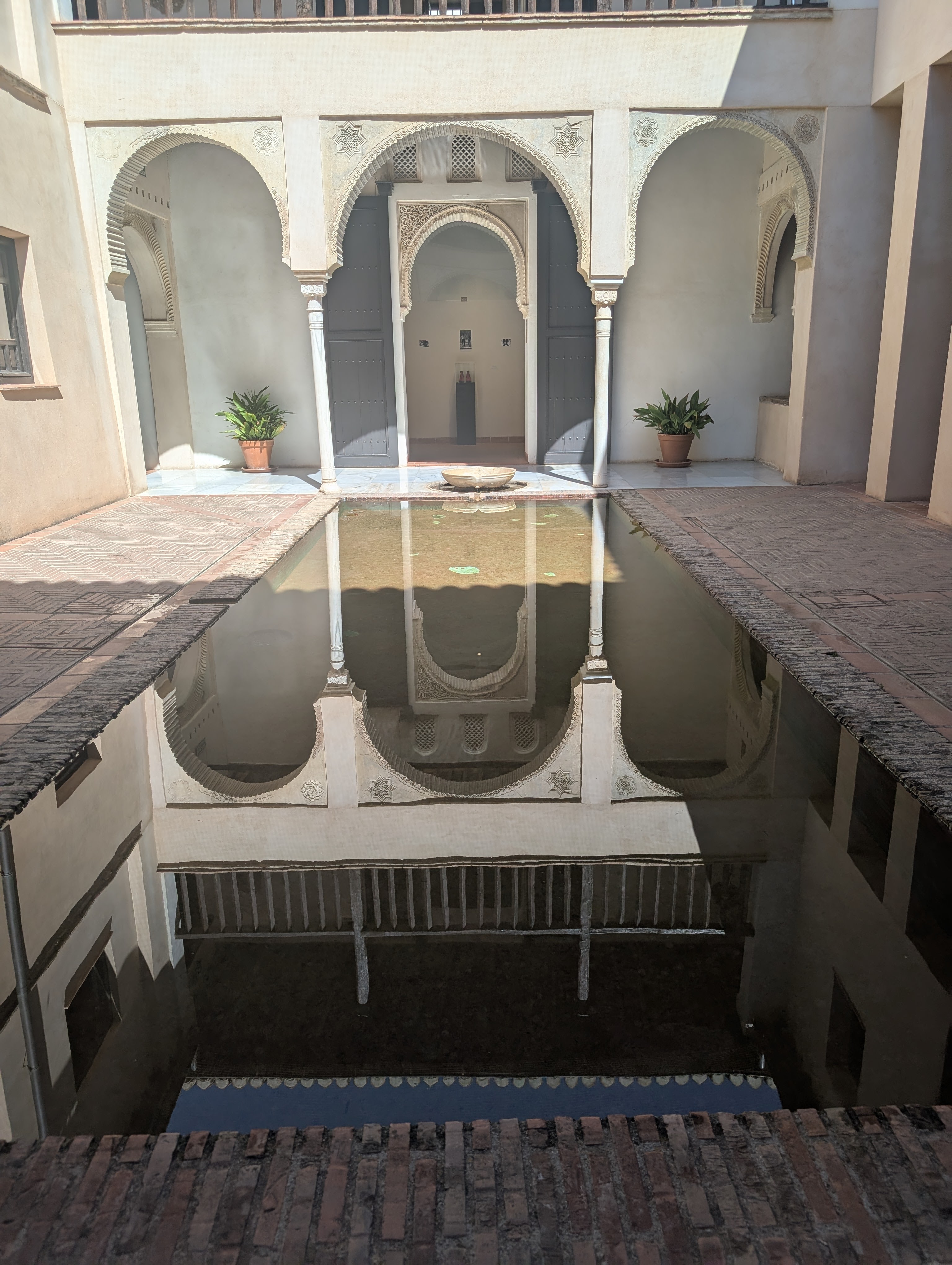
Casa de Zafra
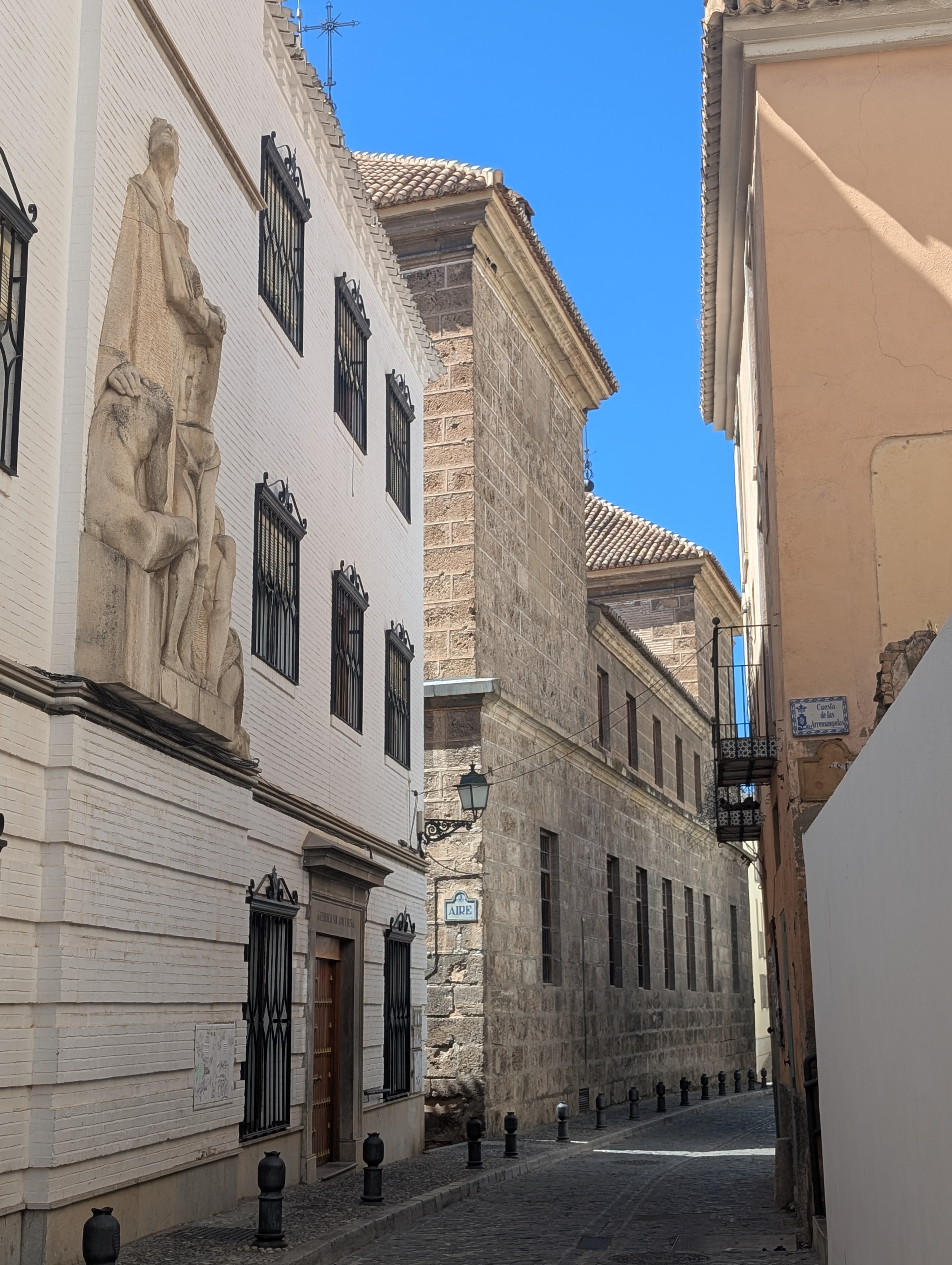
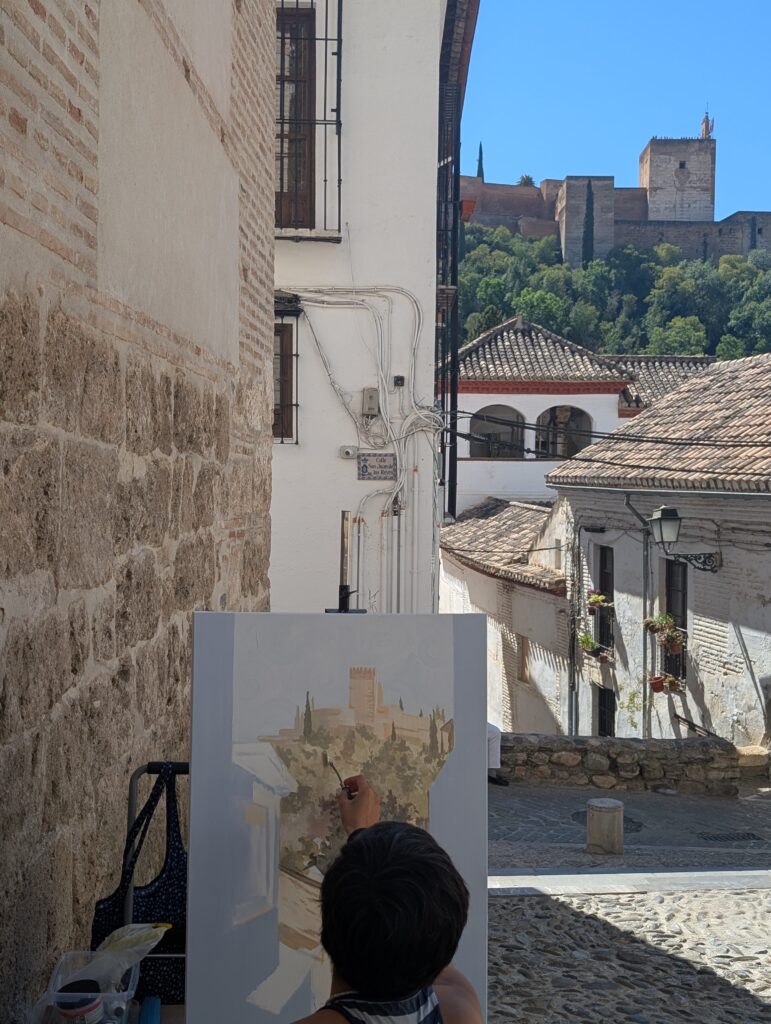
Other things I took pics of include some of the streets as they are narrow with cobblestones and lead to many turns and dead end which lead to some wonderful plazas.
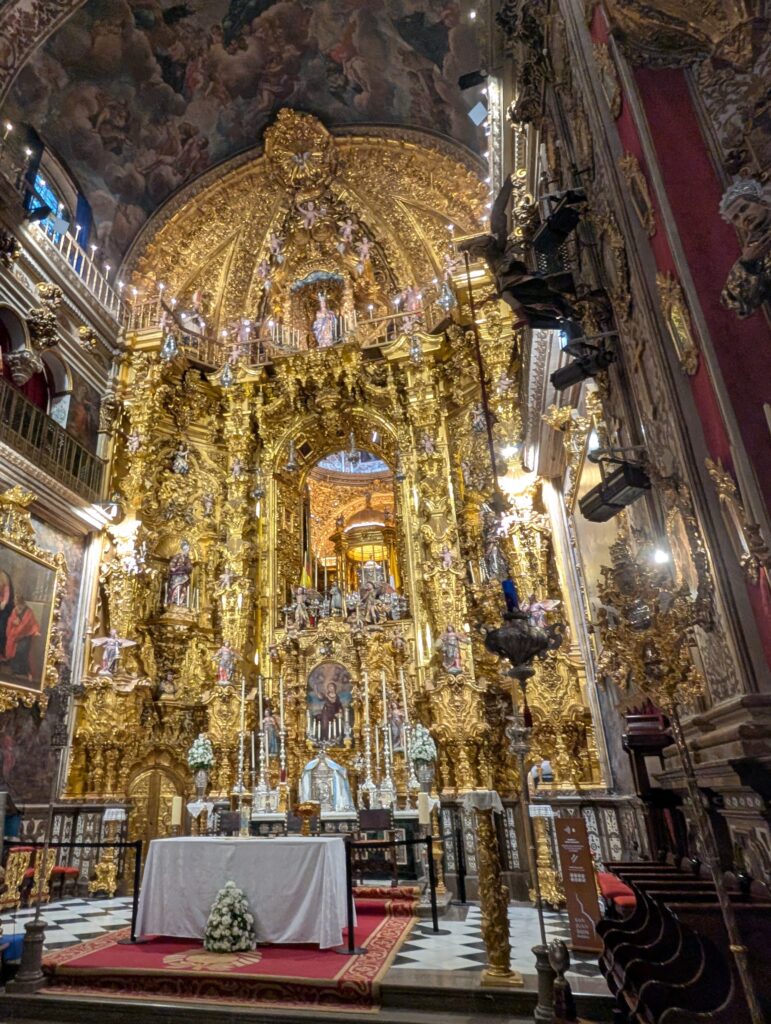
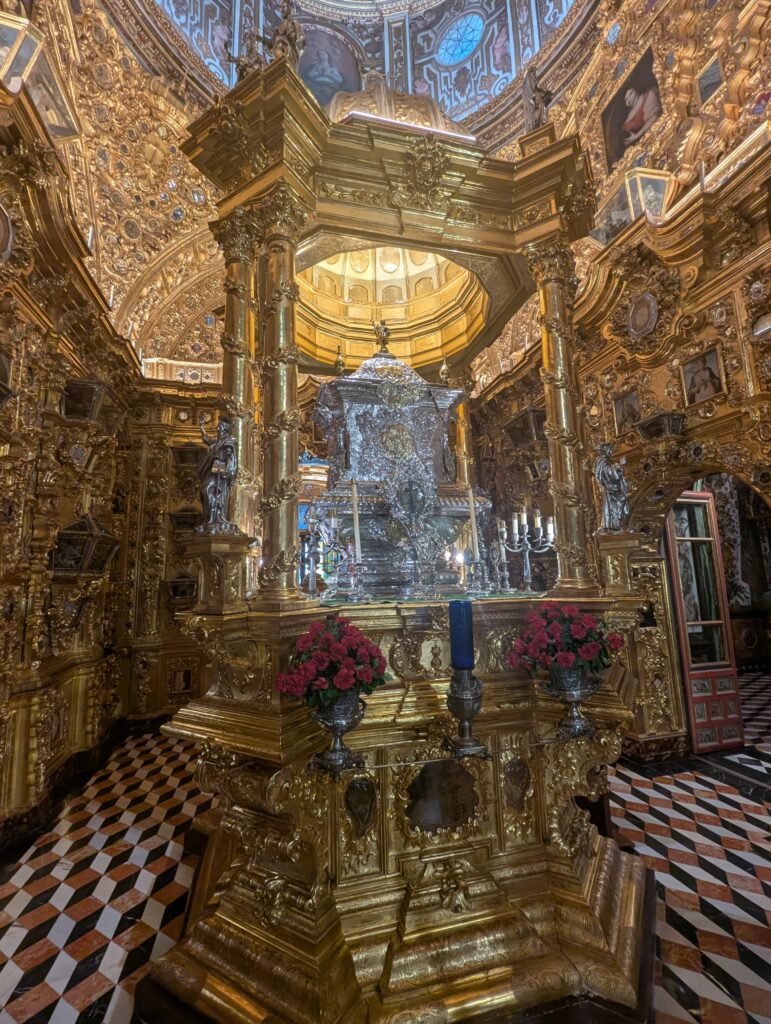
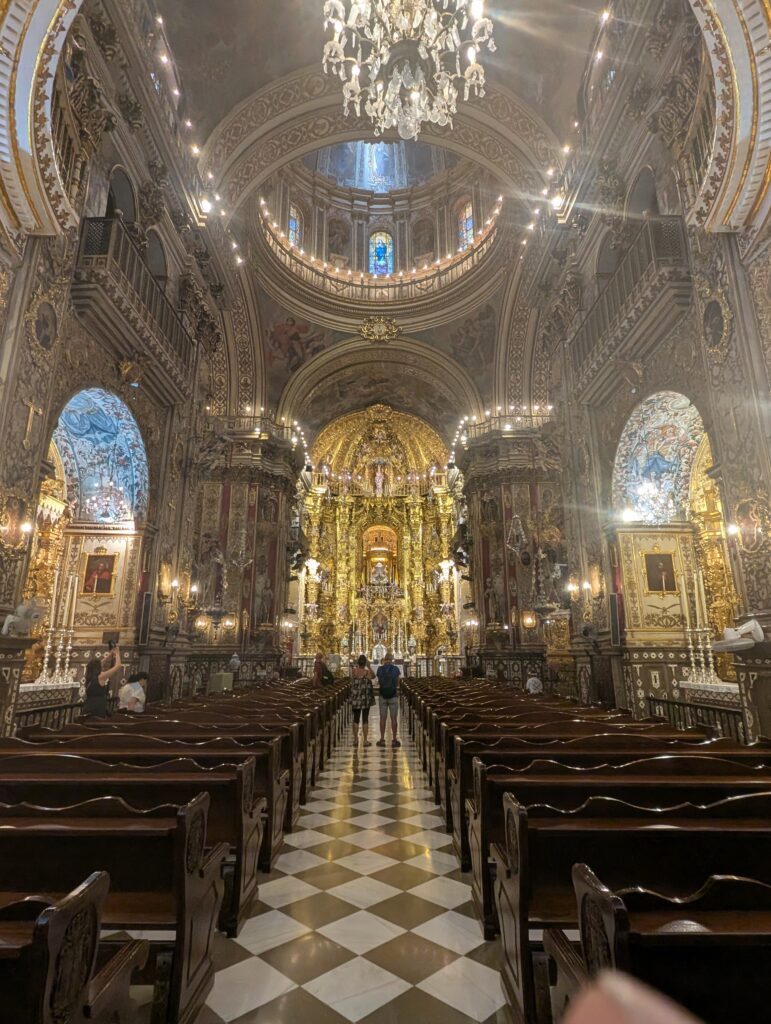
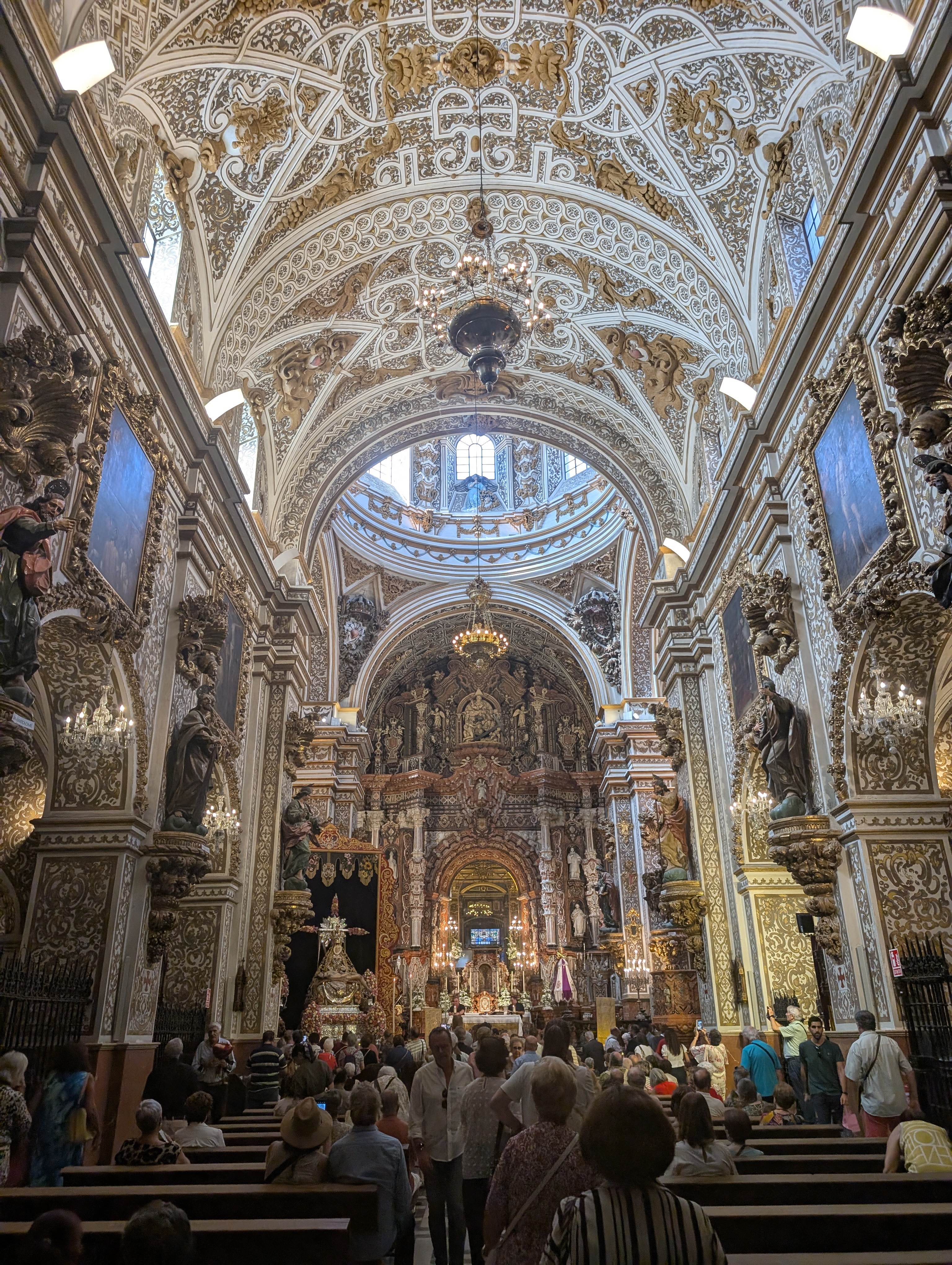
The basilica in Granada was built for Saint John of God whose remains are interred here. It has a classic Baroque style.
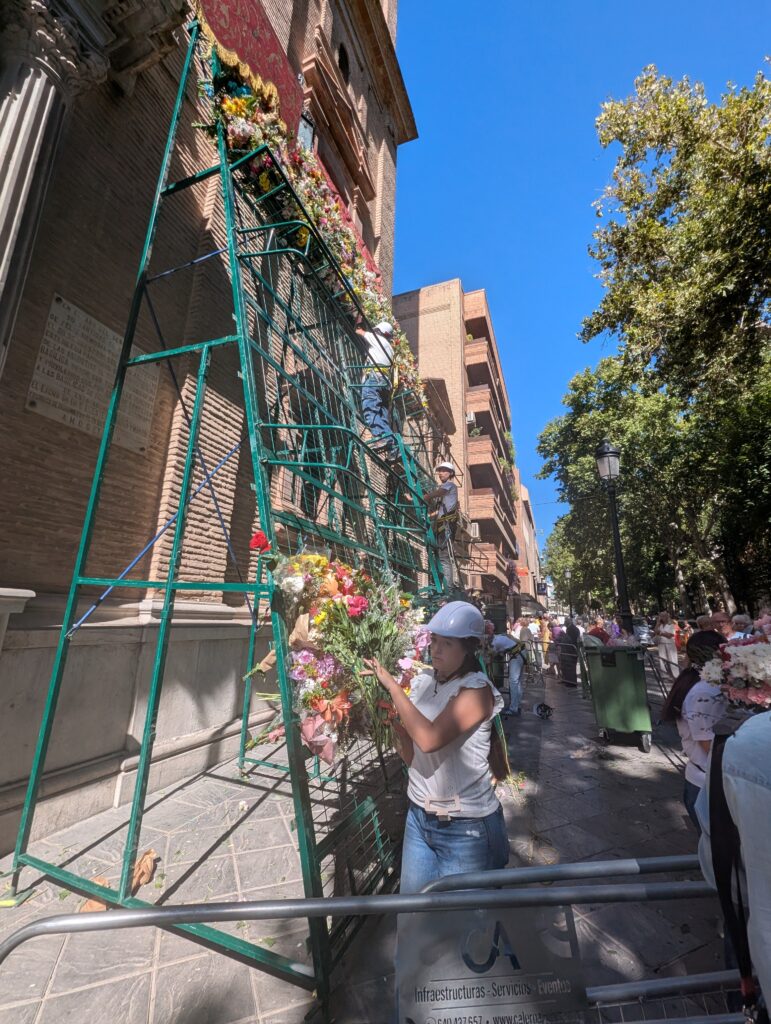
September 15th commemorates the beginning of festivities for Virgen de las Angustias which if the patron saint of the city. Today was the day of the Floral offerings where people buy flowers and offer to the church. These flowers are placed in a scaffold to display in front of the church.
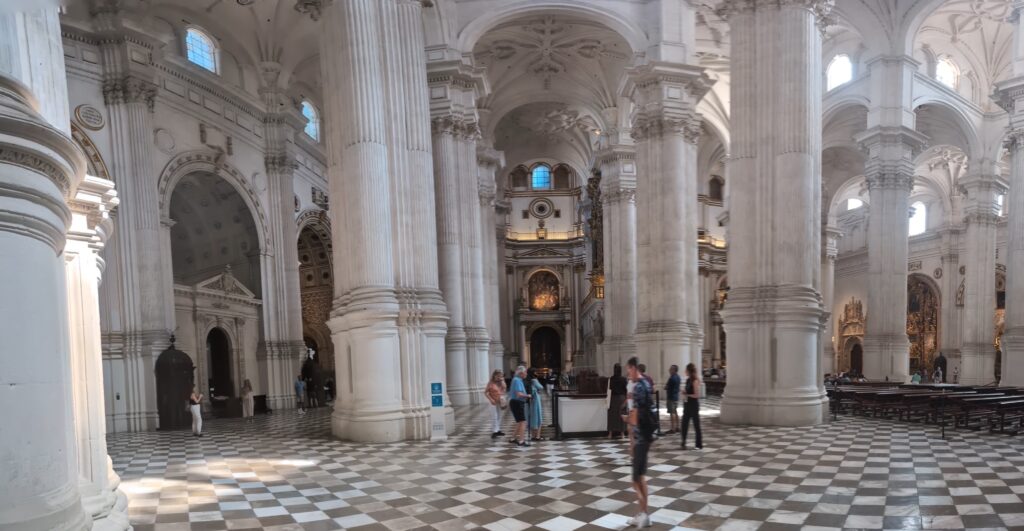
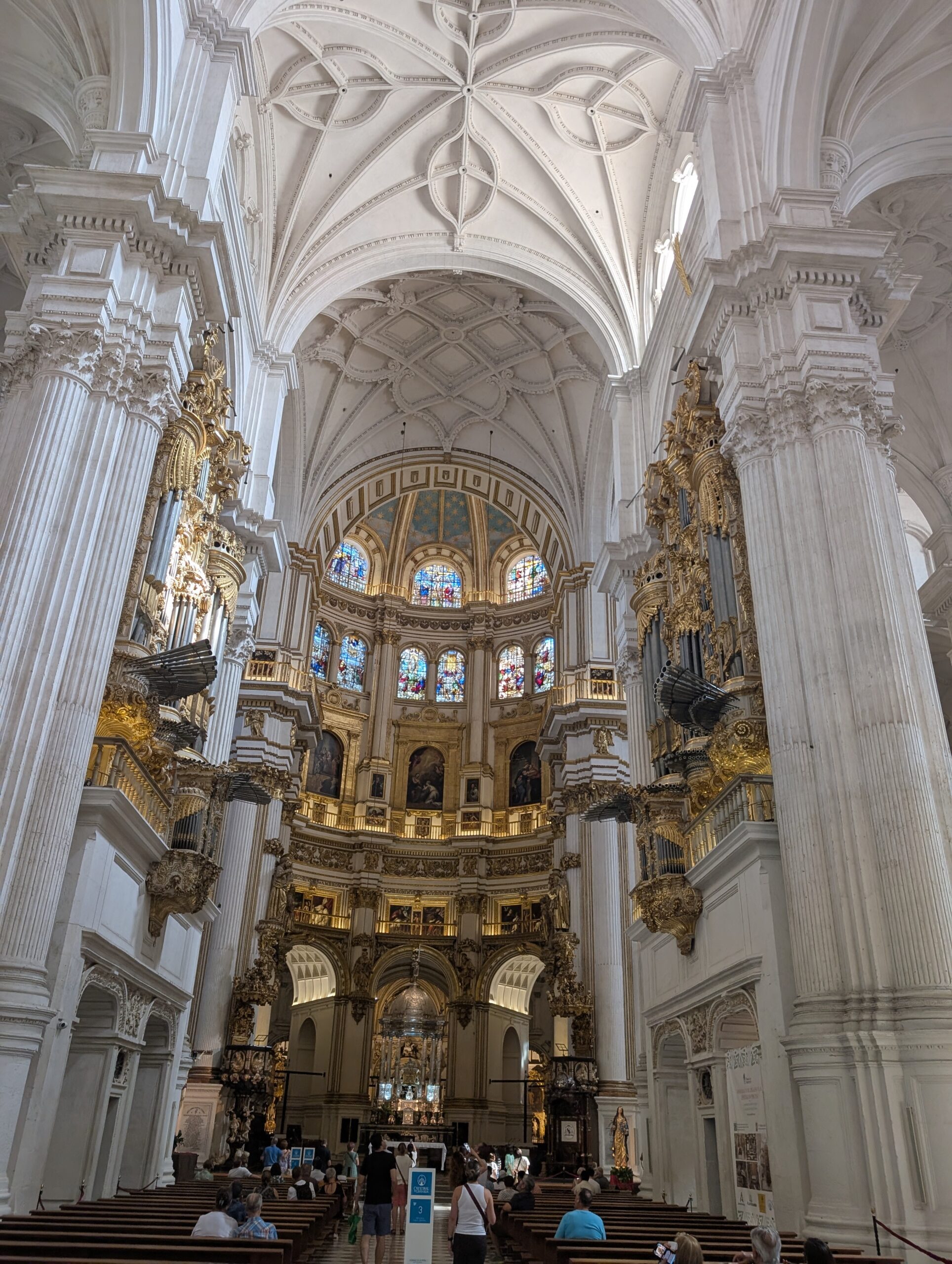
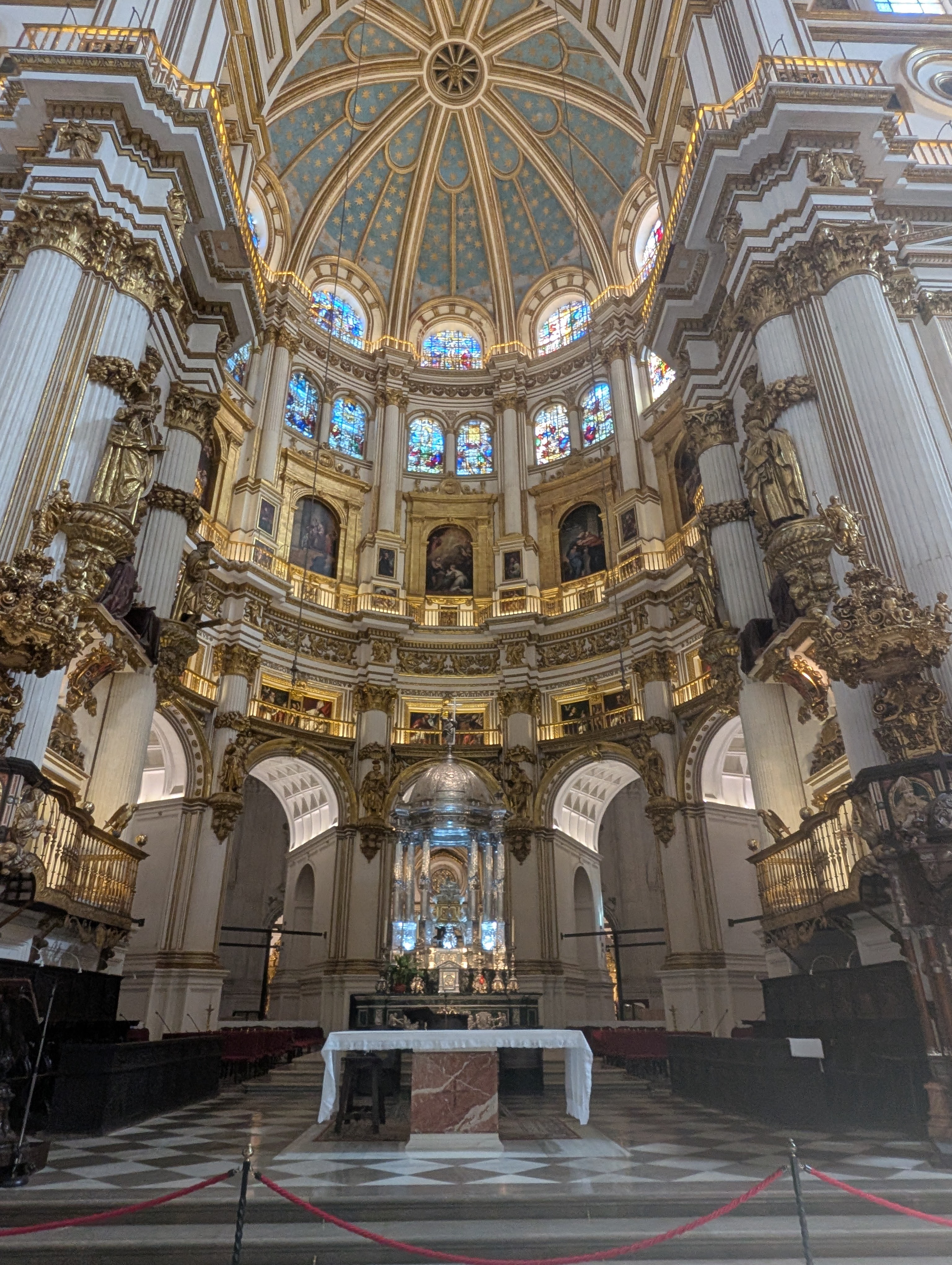
I also visited the Cathedral of Granada.
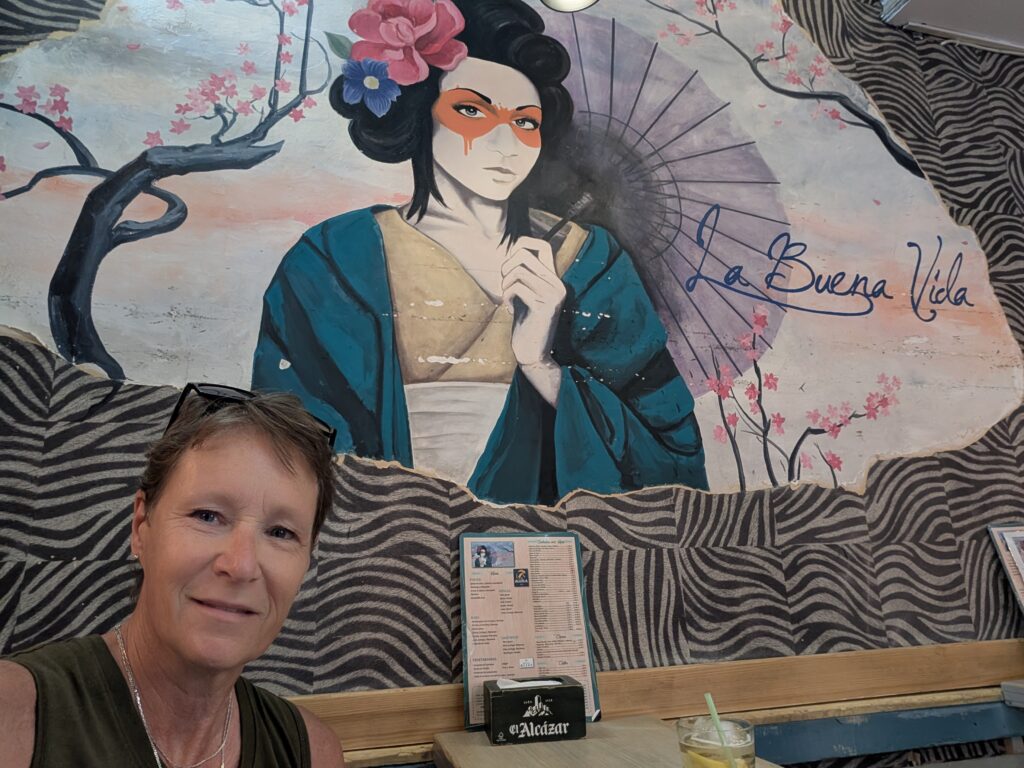
I ended my last full day going to a tapas bar. When you order a drink they also bring you a snack for free. After that, I went to a hammam to soak Ian warm and cold baths as well as a massage. Very relaxing.
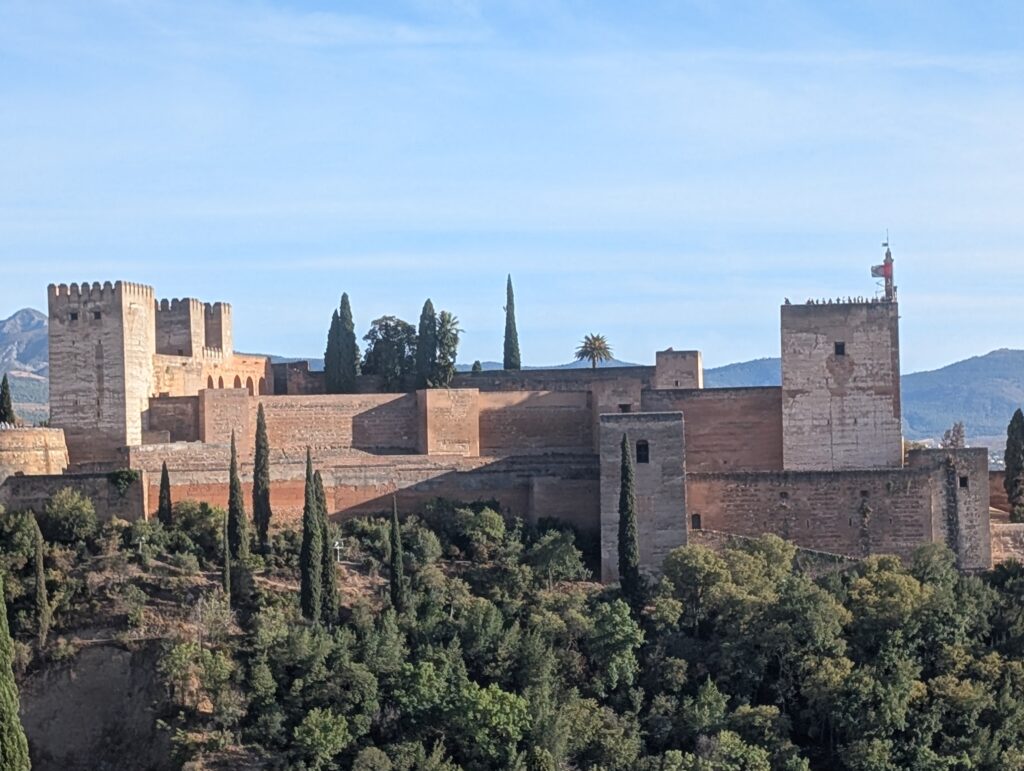
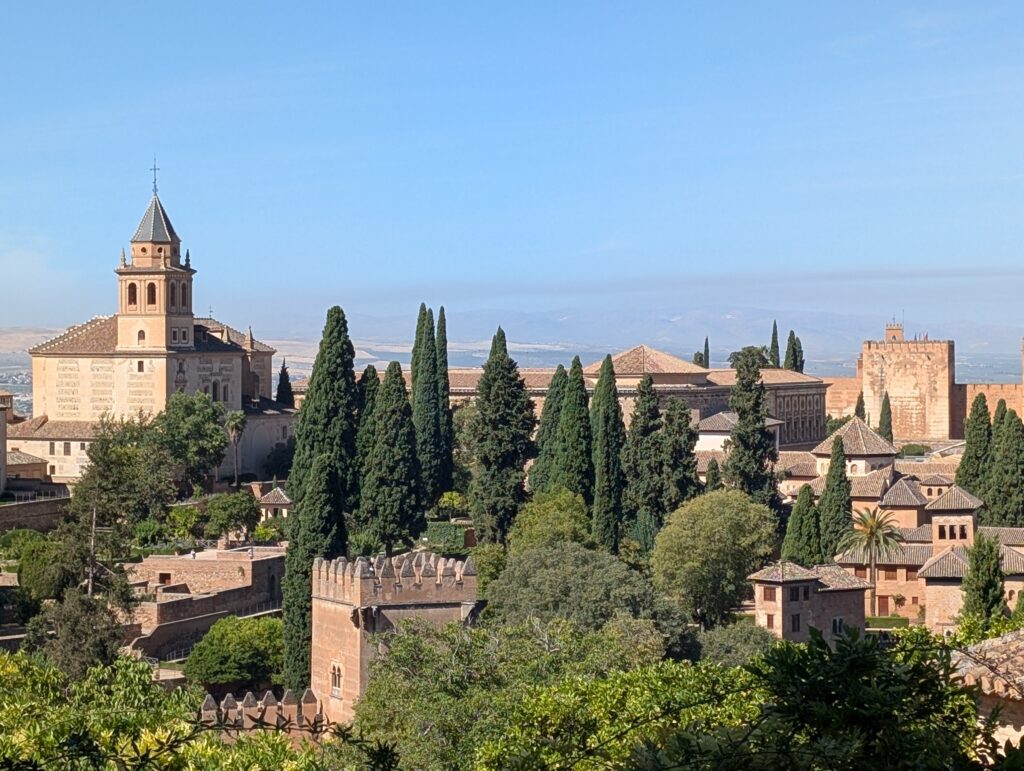
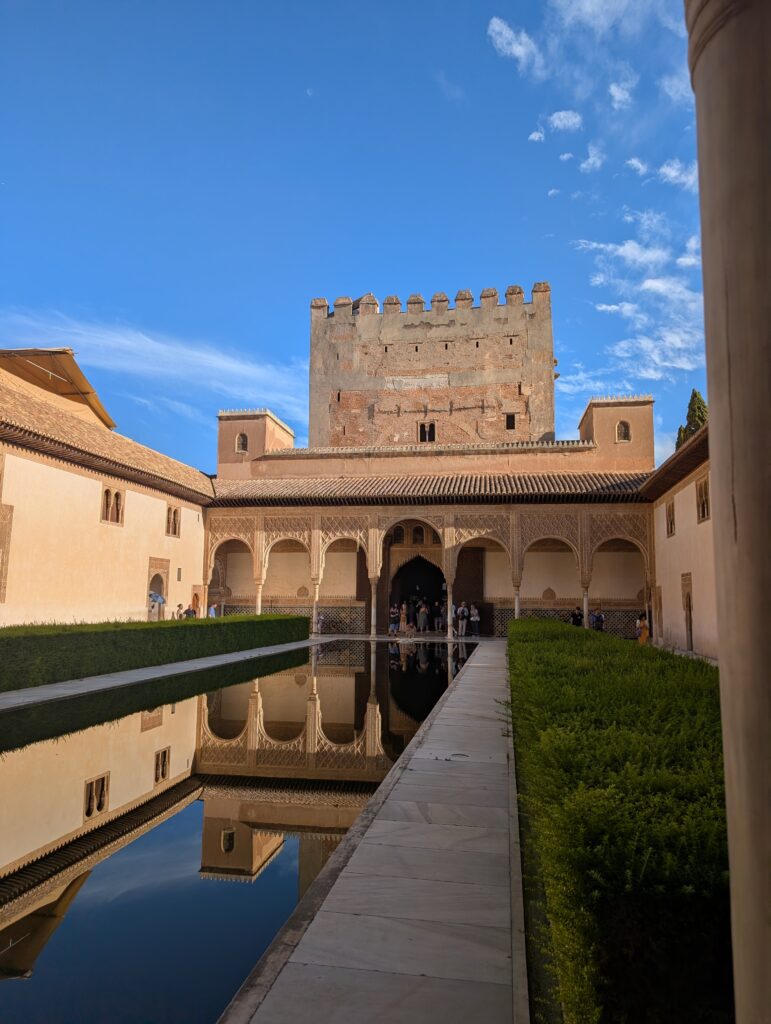
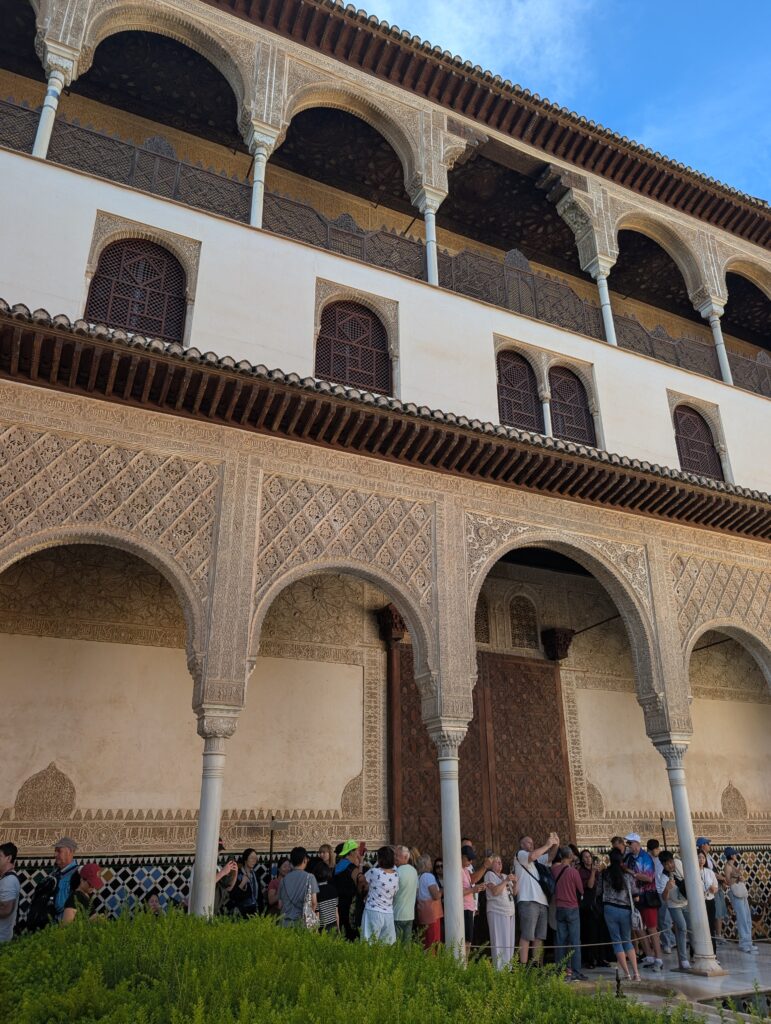
The Alhambra is a historic palace and fortress here in Granada. It was built in the mid-13th century by the Nasrid dynasty who were the last Muslim rulers in Spain. It was a royal palace to the Nasrids with 5 palaces being built during the dynasty. 3 of them are still standing as during the Napoleonic war, the French destroyed palaces and the houses outside the palace where nobility lived. It also was a military stronghold, and a symbol of Islamic architecture and culture in medieval Spain.
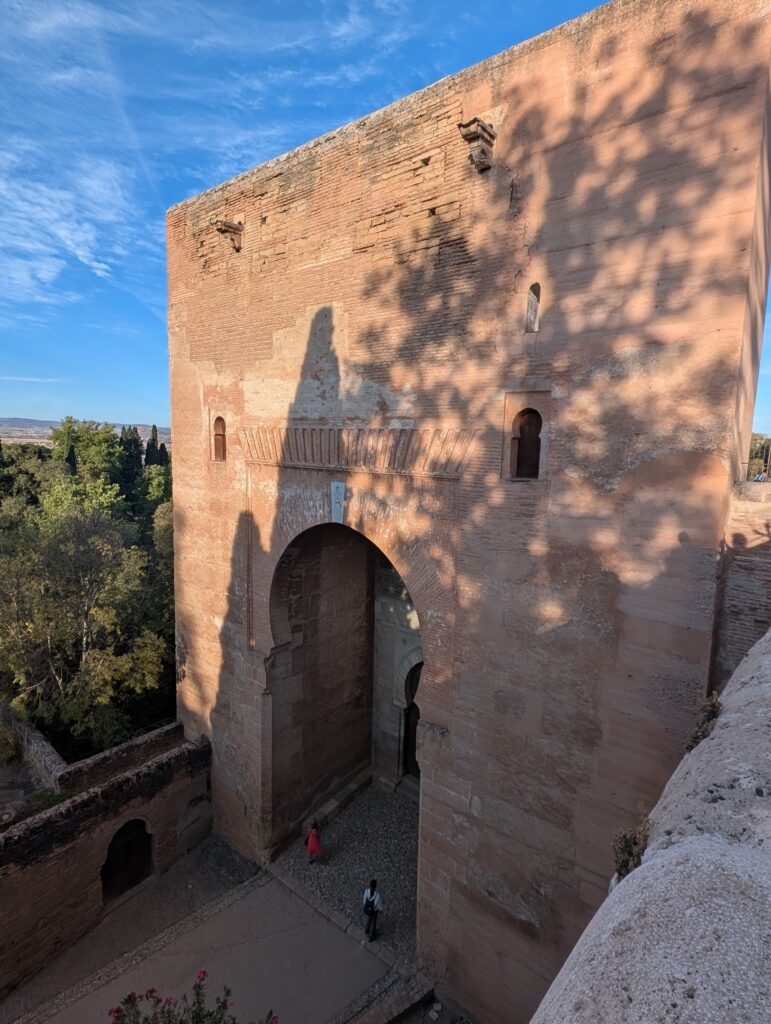
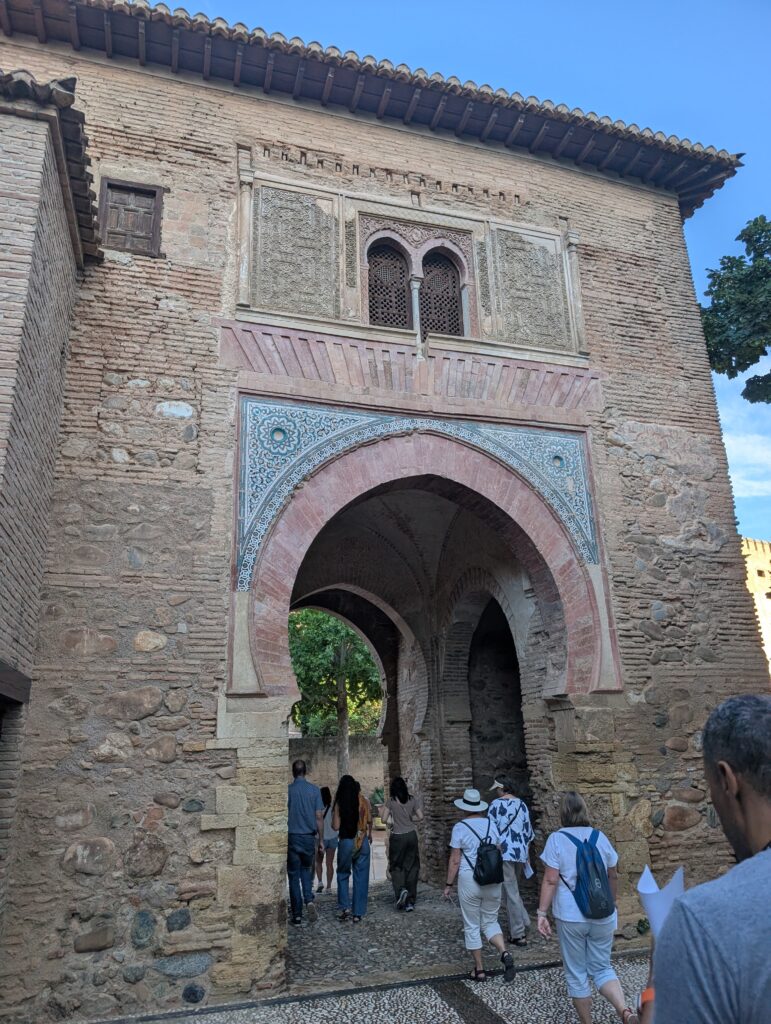
There are beautiful entrances into the Alhambra.
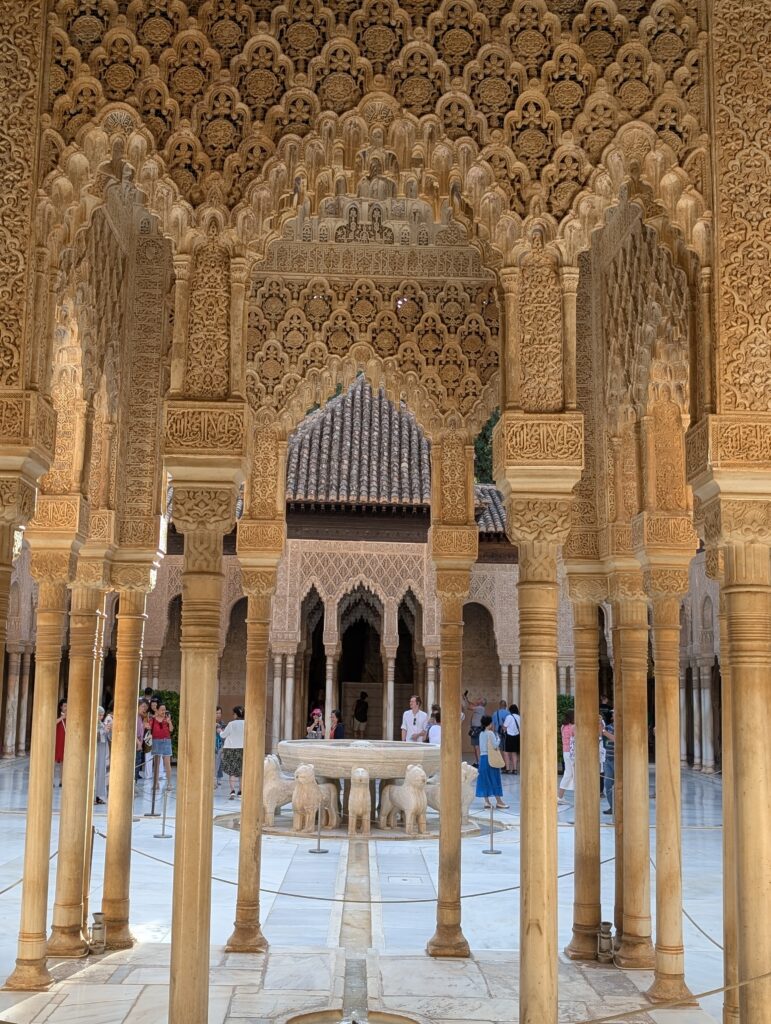
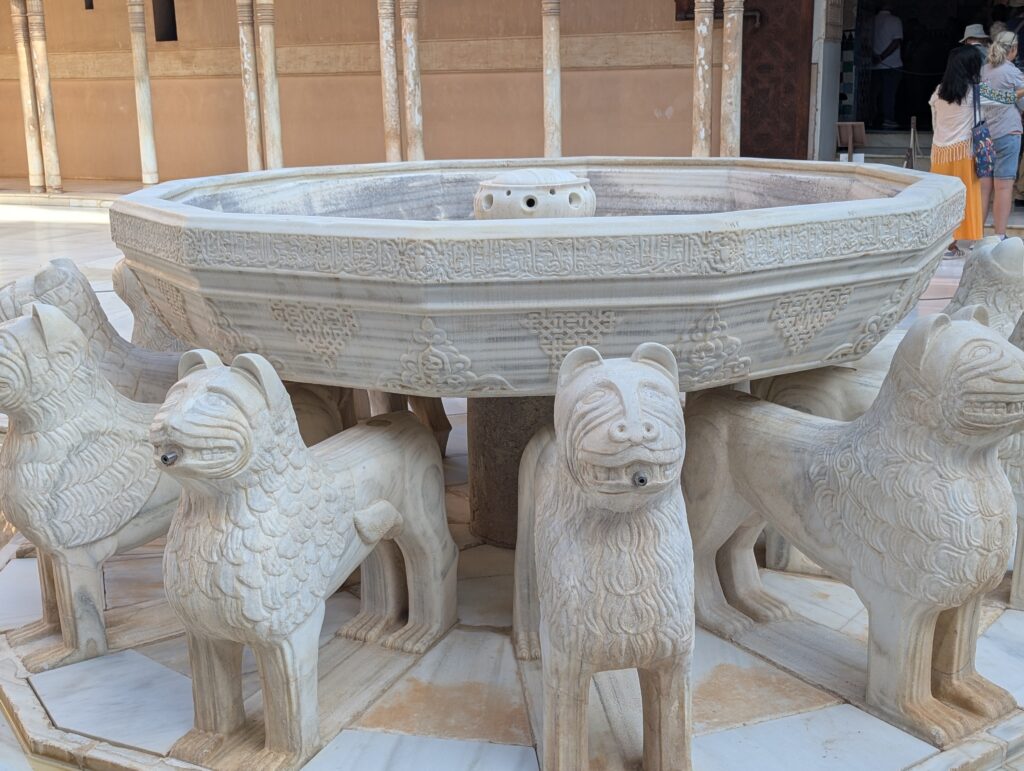
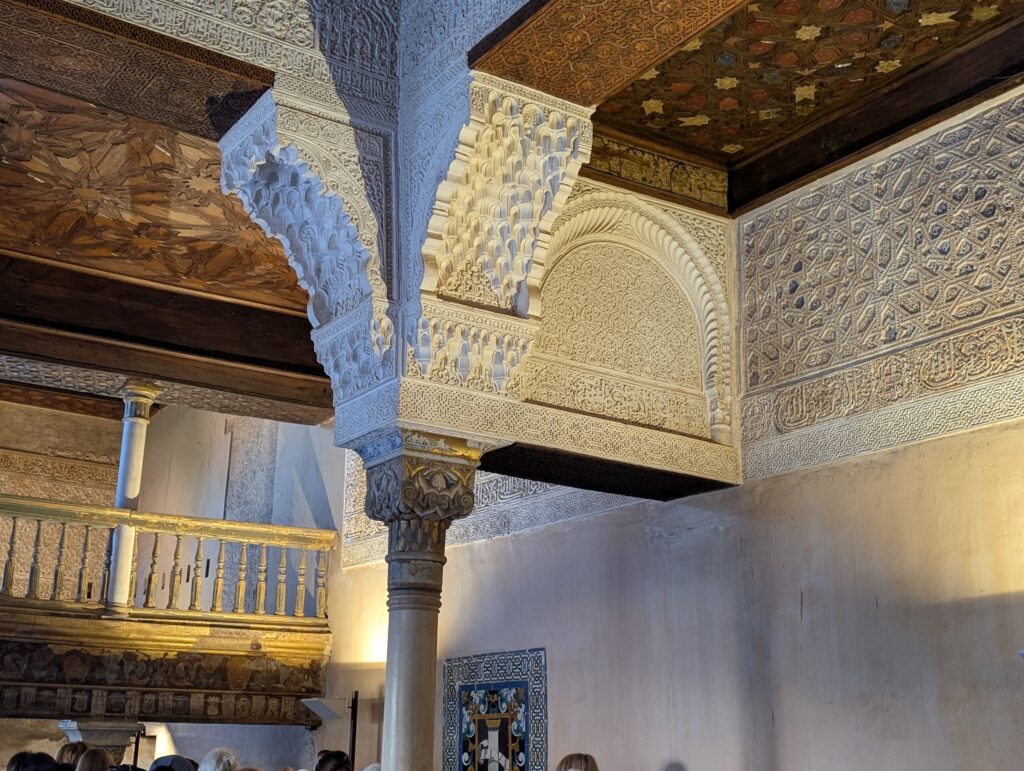
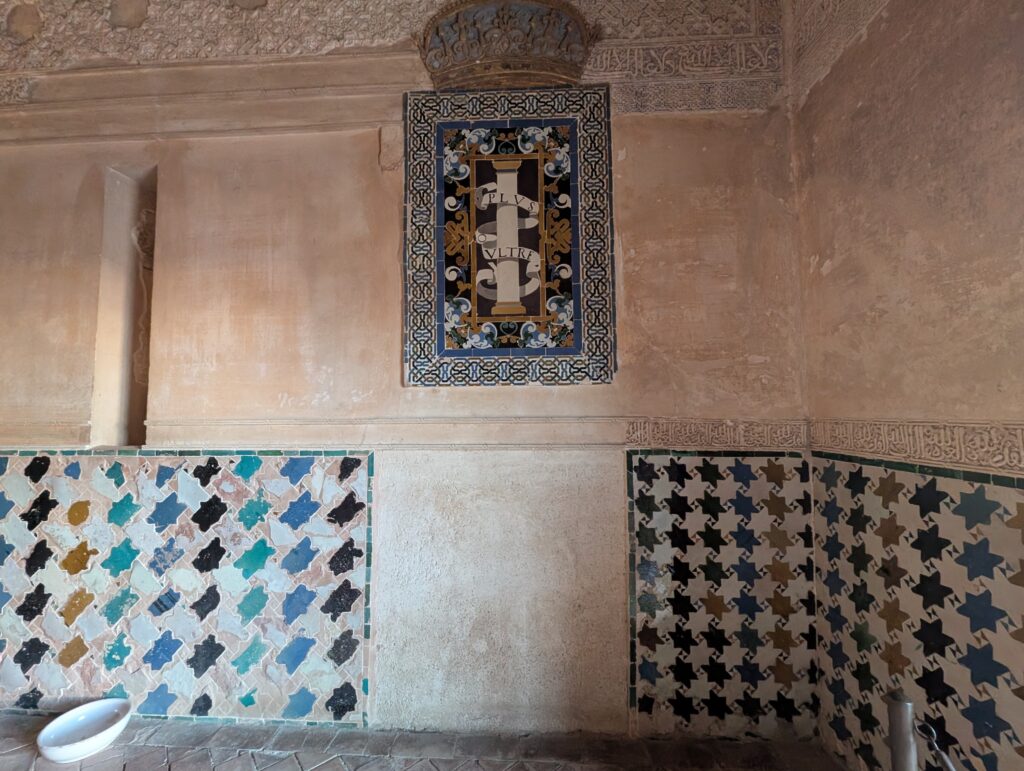
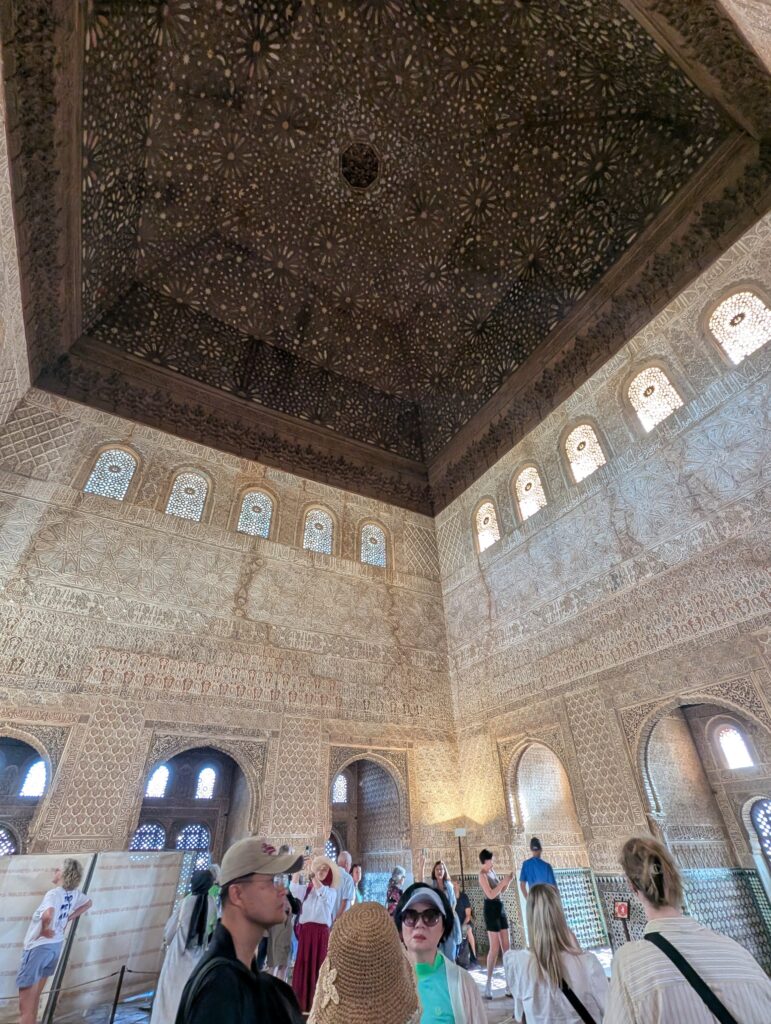
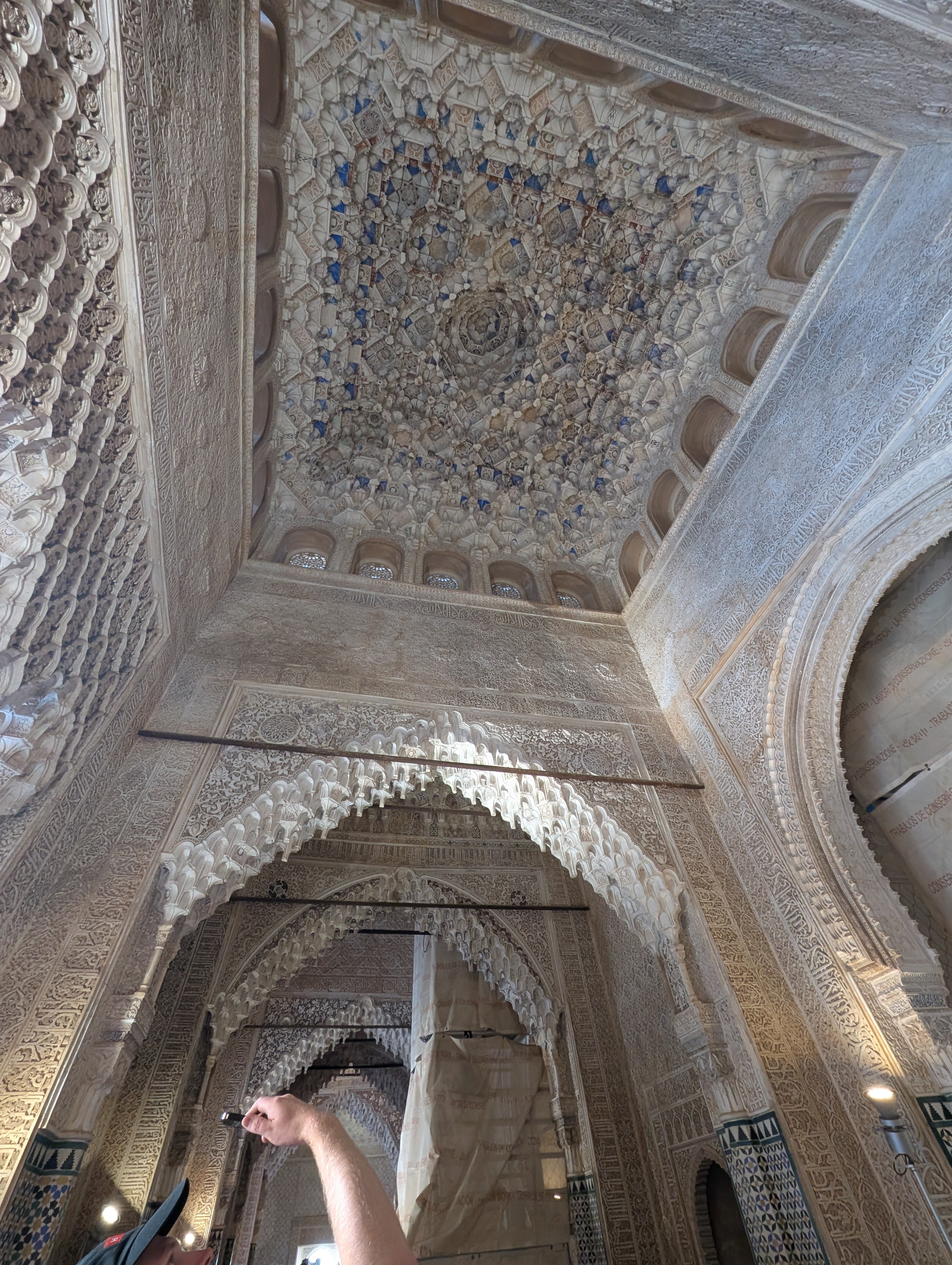
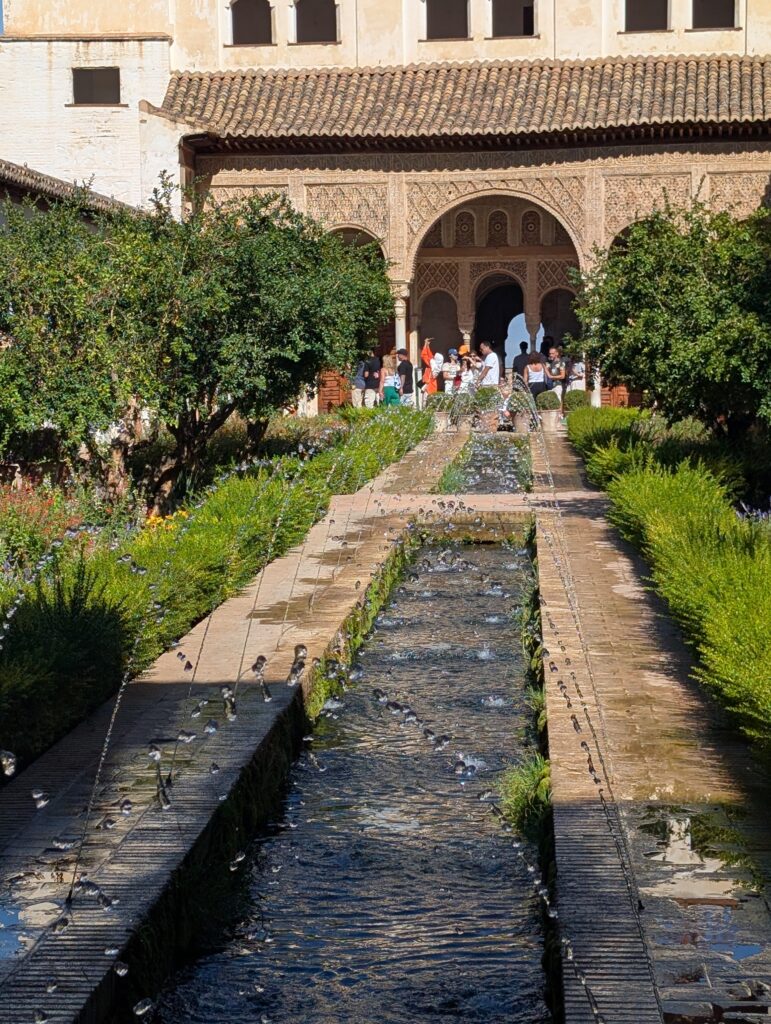
The name “Alhambra” means “The Red One” in Arabic, because of the reddish color of its walls. What is amazing is the intricate Islamic art, including beautiful tile work, calligraphy, carved stucco, and serene courtyards like the Court of the Lions. The use of red and blue colors as well as the placement of water for cooling and to move water through the complex was amazing. The whole of the Alhambra is like a poetry book with the inscriptions throughout providing a lesson.
The court of the lions.
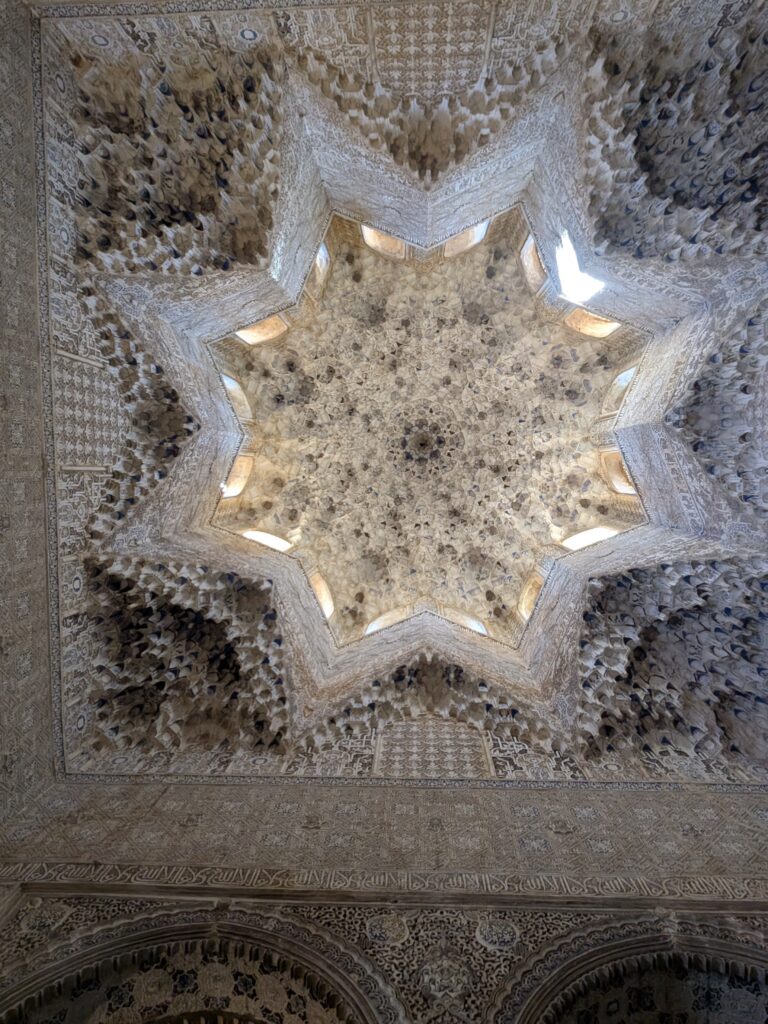
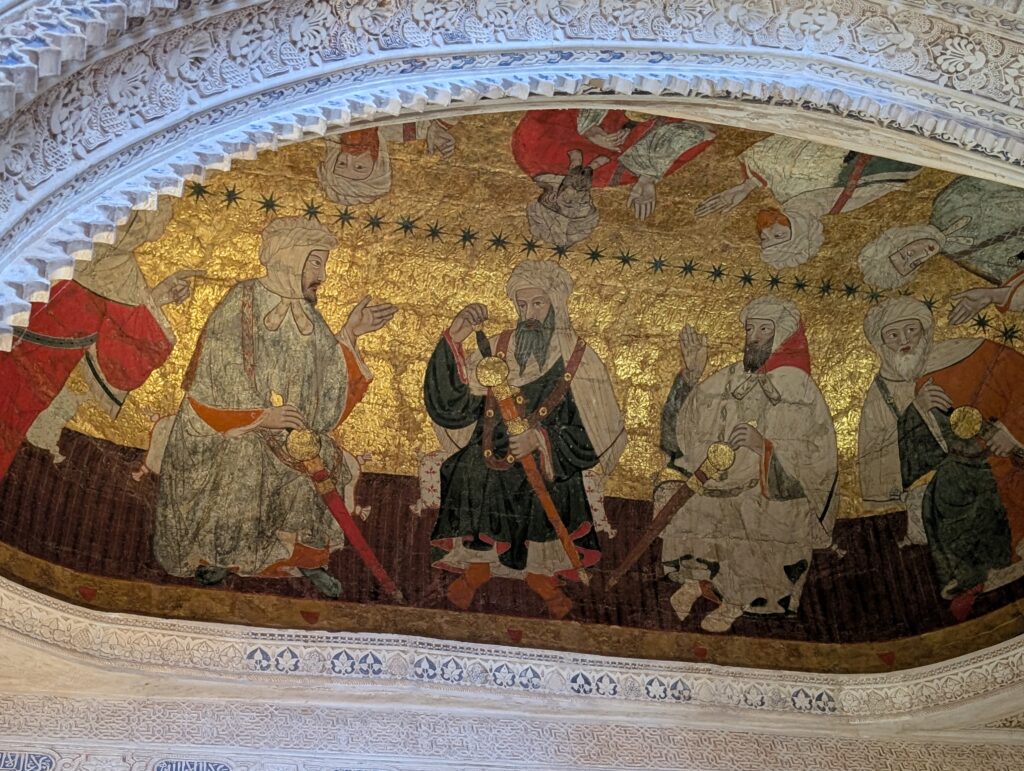
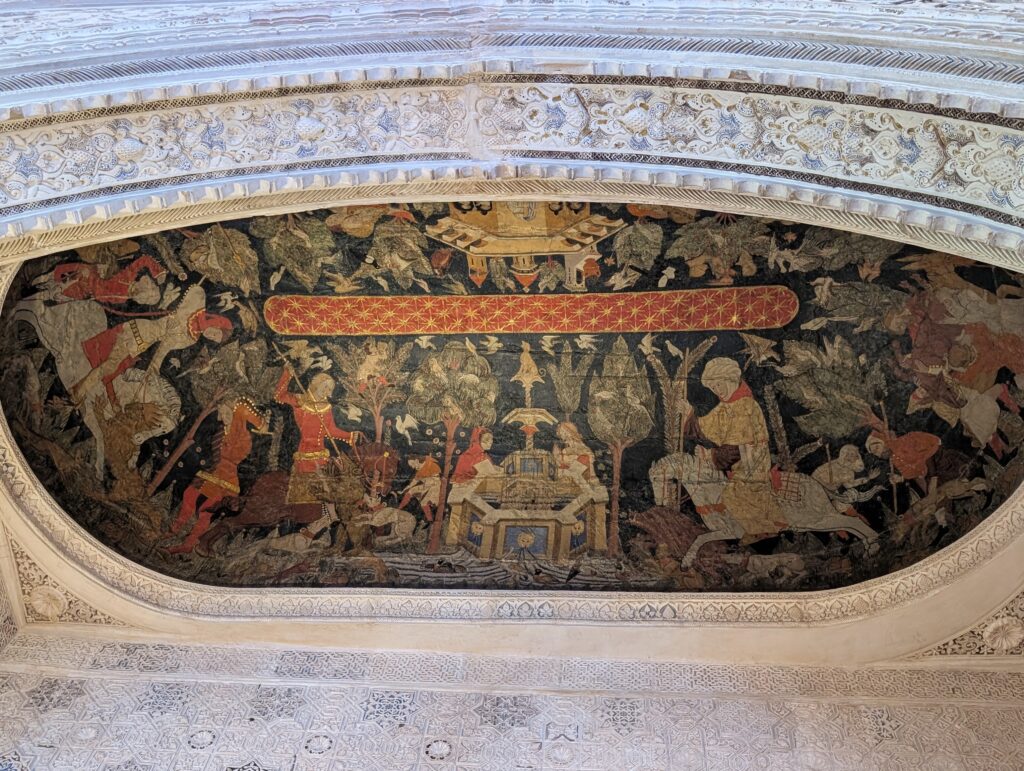
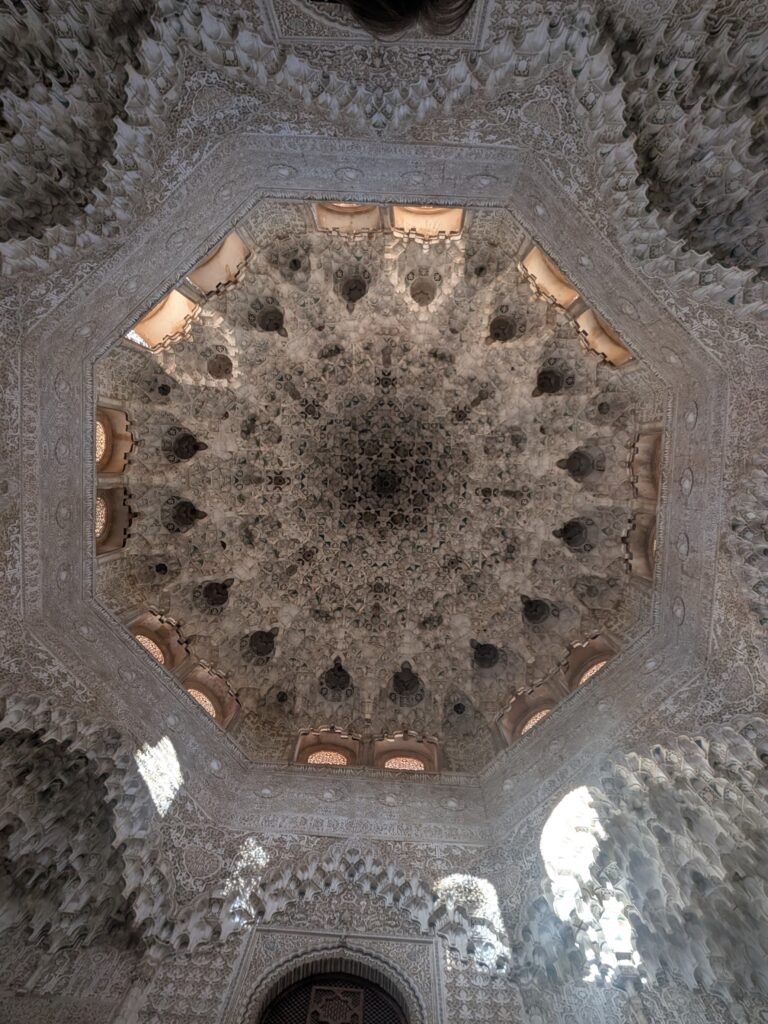
Here are some pictures of the tiles and the artwork of the ceilings which are crafted to utilize the light throughout the day and to create the illusion of the stars.
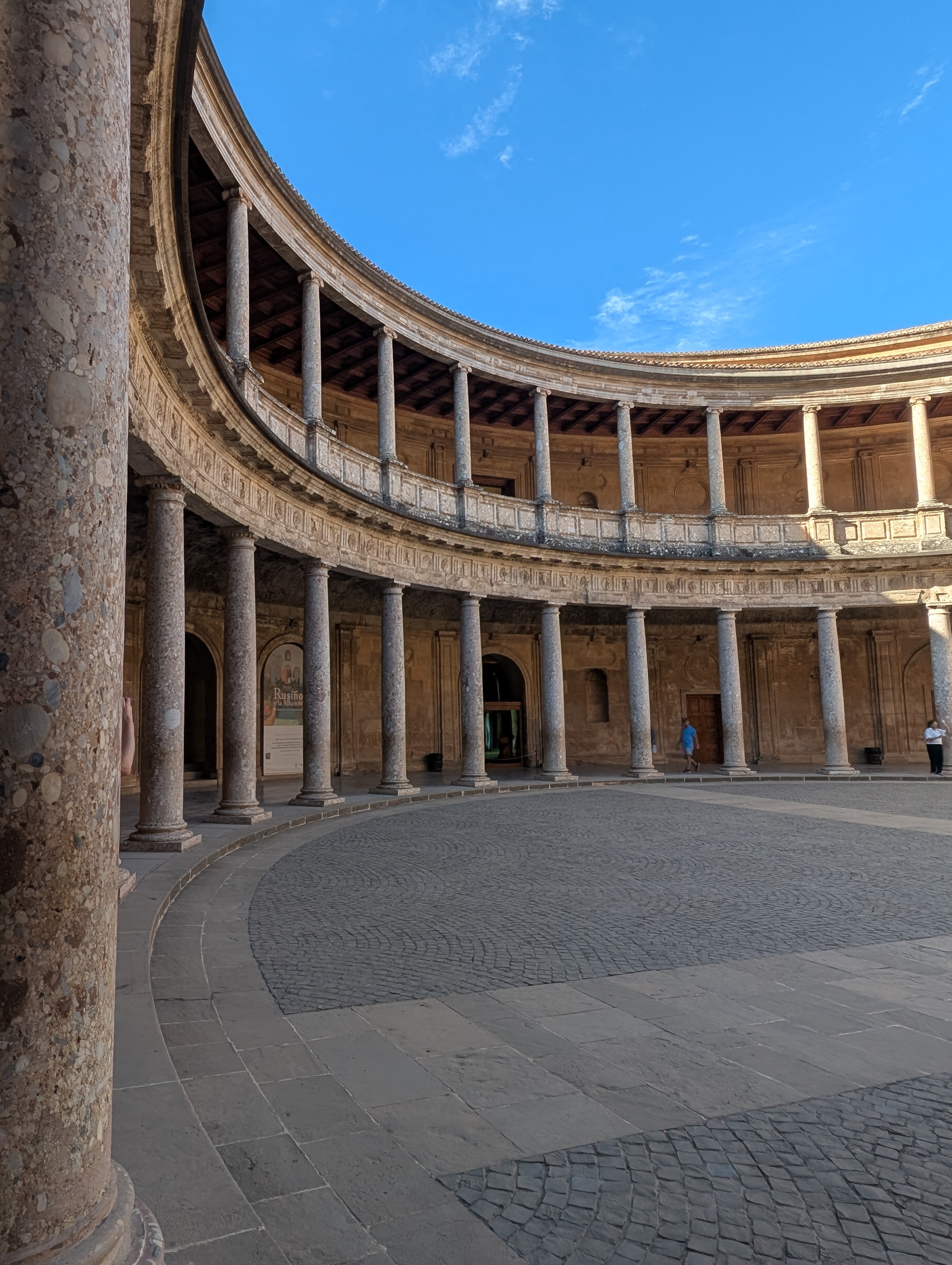
After the Christian conquest in 1492, the Alhambra was taken over by the Catholic Monarchs and later altered by various rulers, including Charles V, who added a Renaissance-style palace which was never finished (and paid for by local tradesmen, which did not go over very well.)
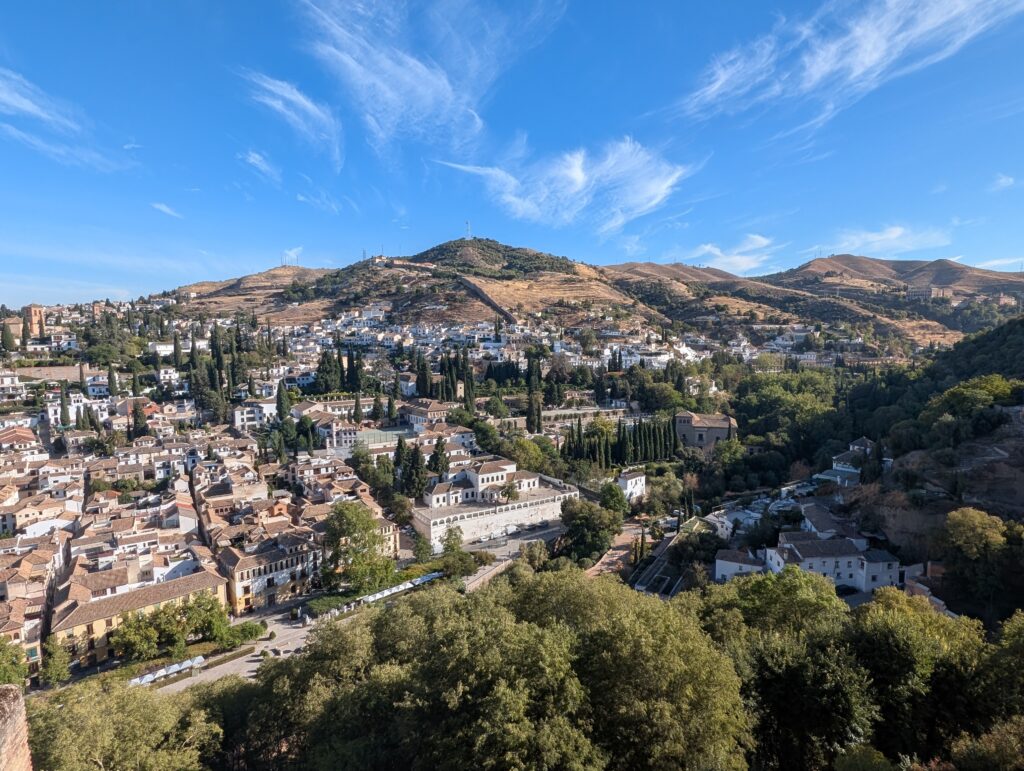
The views from the Alhambra are amazing.
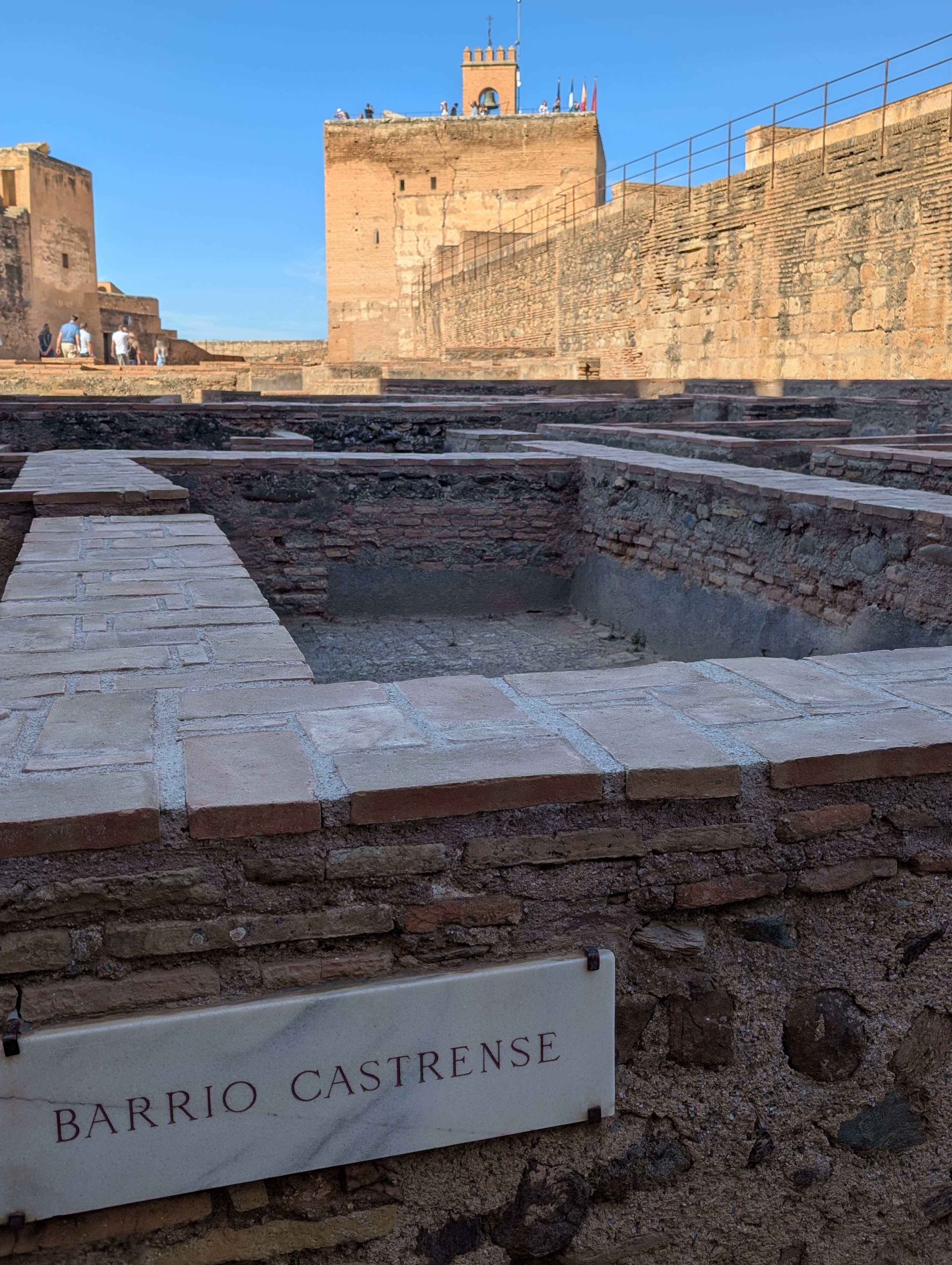
These would be soldier houses in the Kasbah.
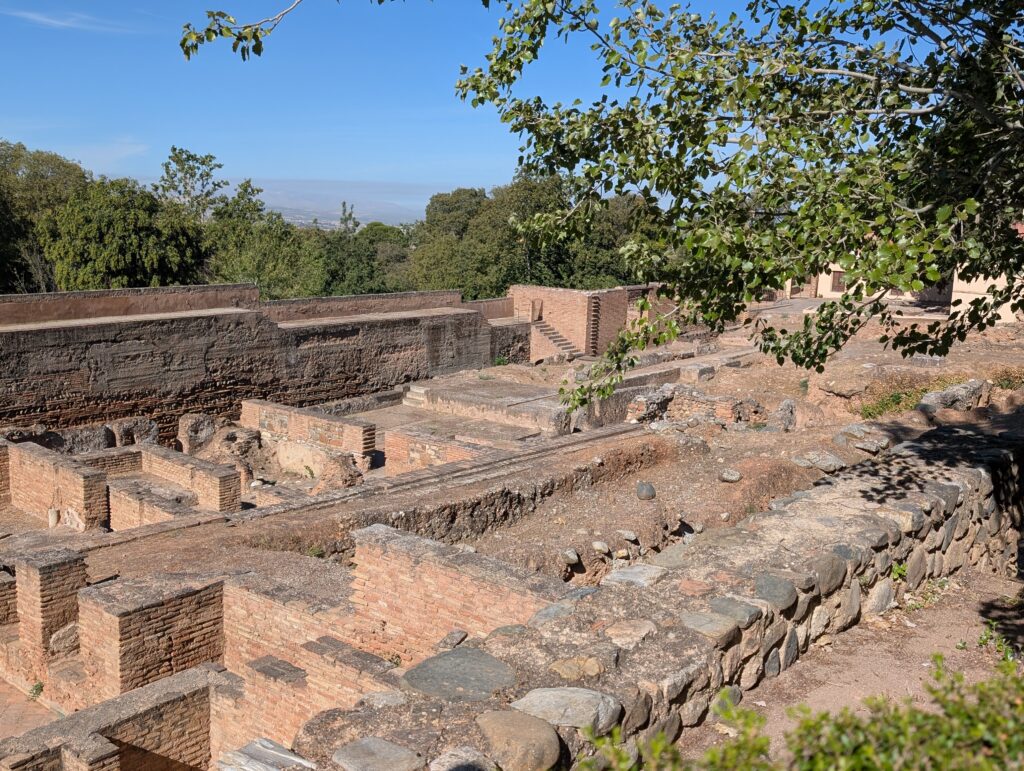
Ruins of one of the palaces.
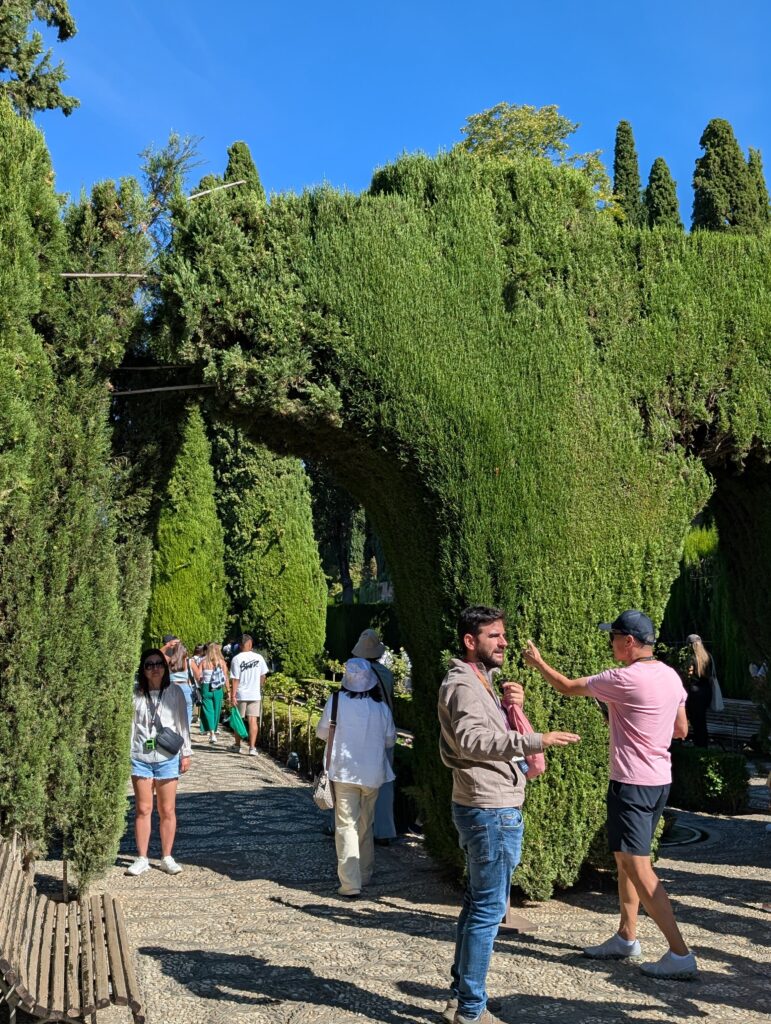
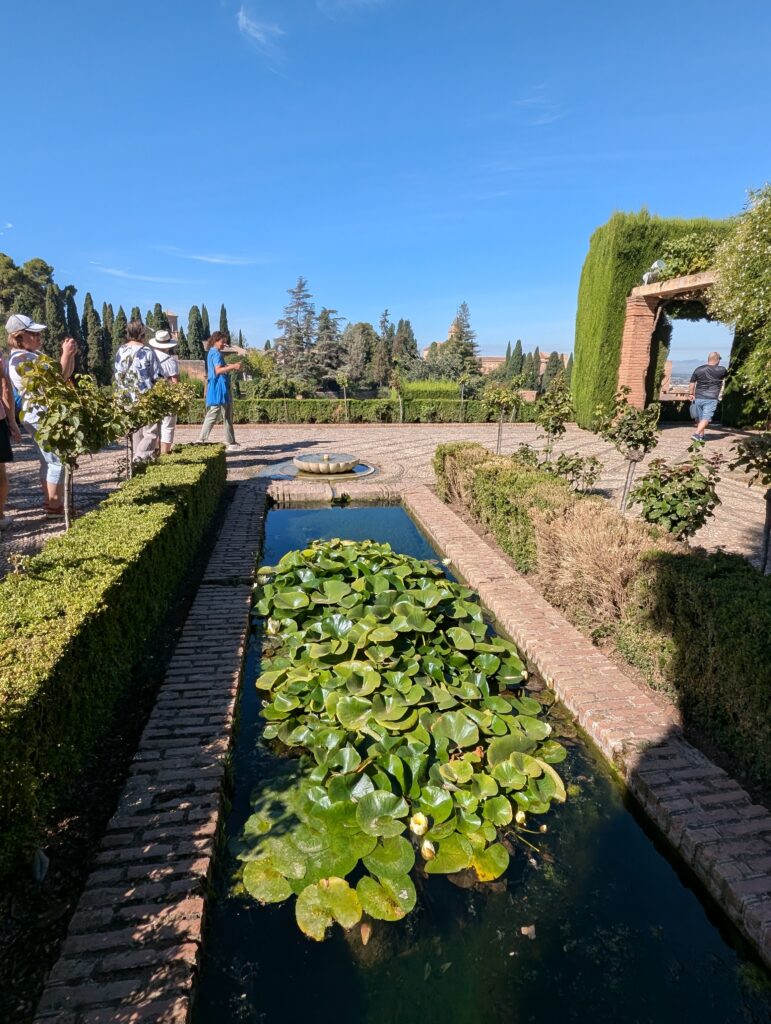
There were also extensive gardens to provide not only beauty, but also to provide food for those living in the Alhambra. The water features help to bring the water up for irrigation.
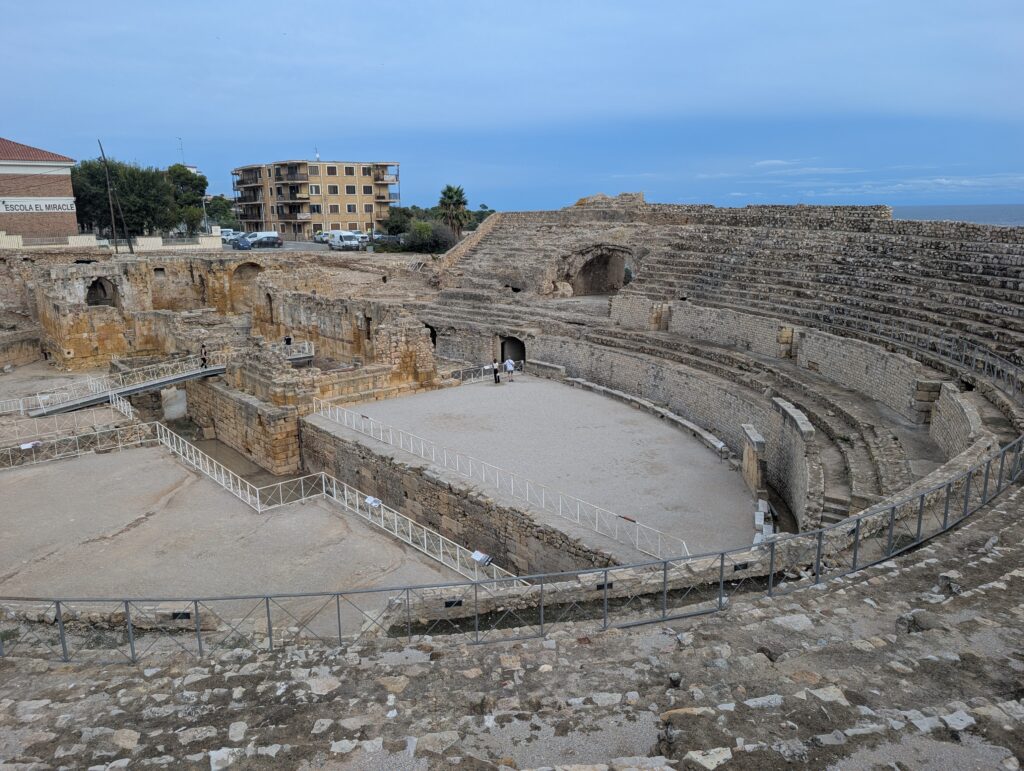
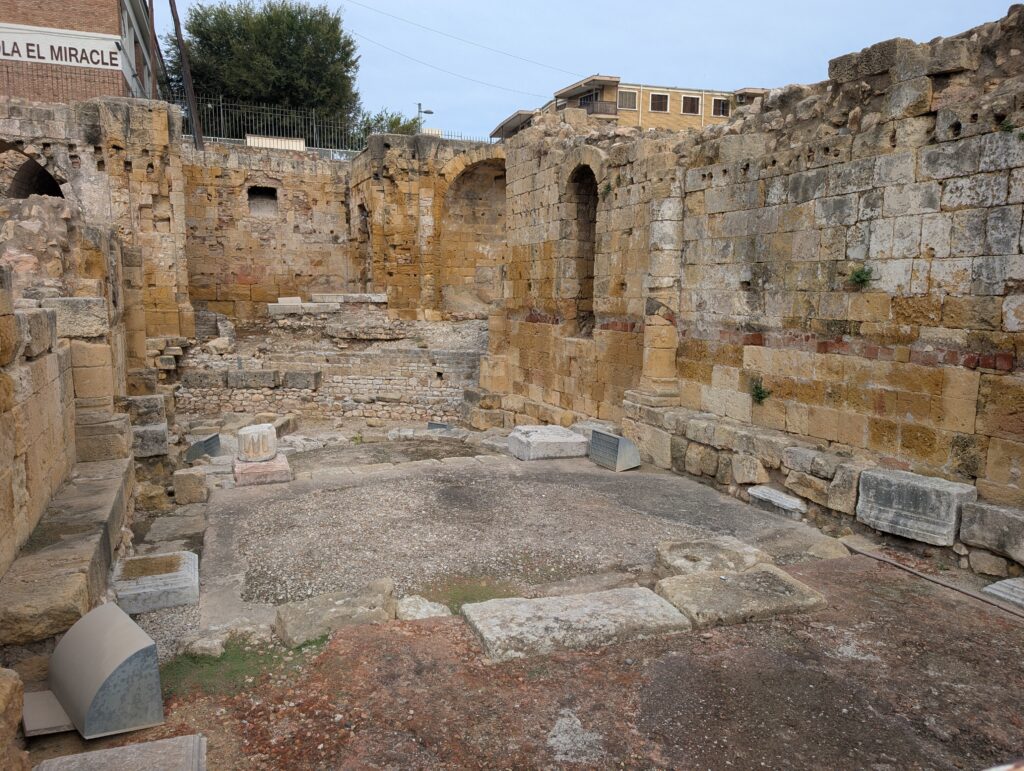
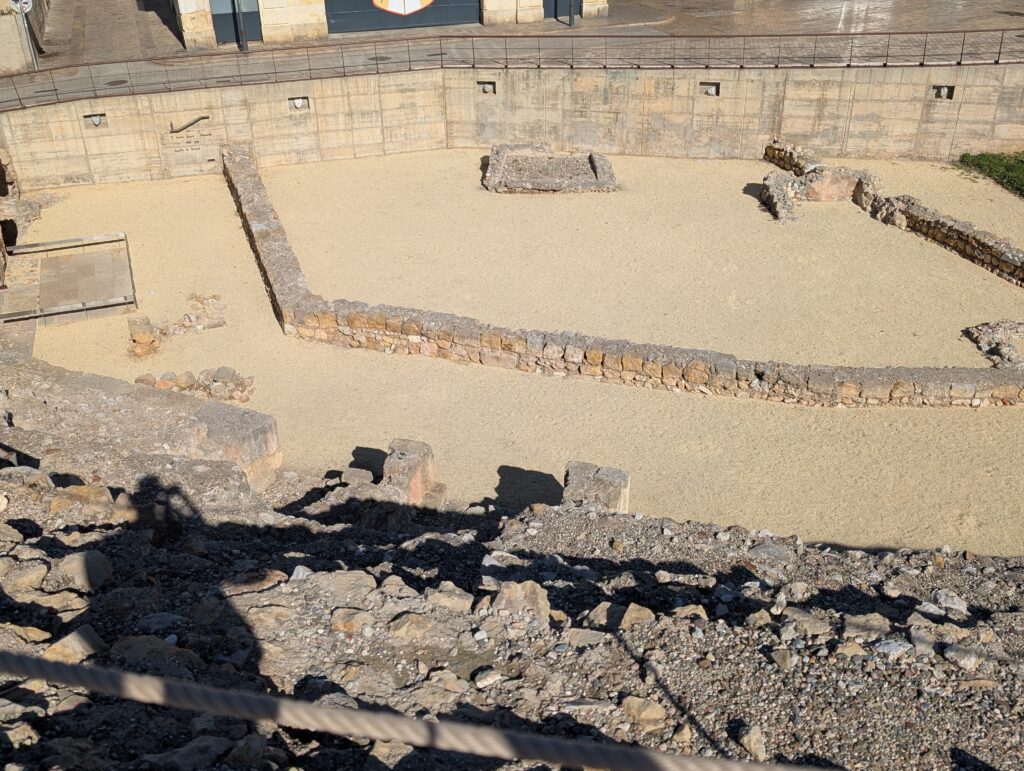
Around 218 BCE the Romans established a military base called Tarraco.It became a key Roman city, eventually the capital of the largest provinces in the Roman Empire. Emperor Augustus even stayed in Tarraco, and the city became a political, economic, and cultural hub.Many Roman remains still stand, including an amphitheatre, circus, aqueduct, and walls and is an UNESCO World Heritage Site.
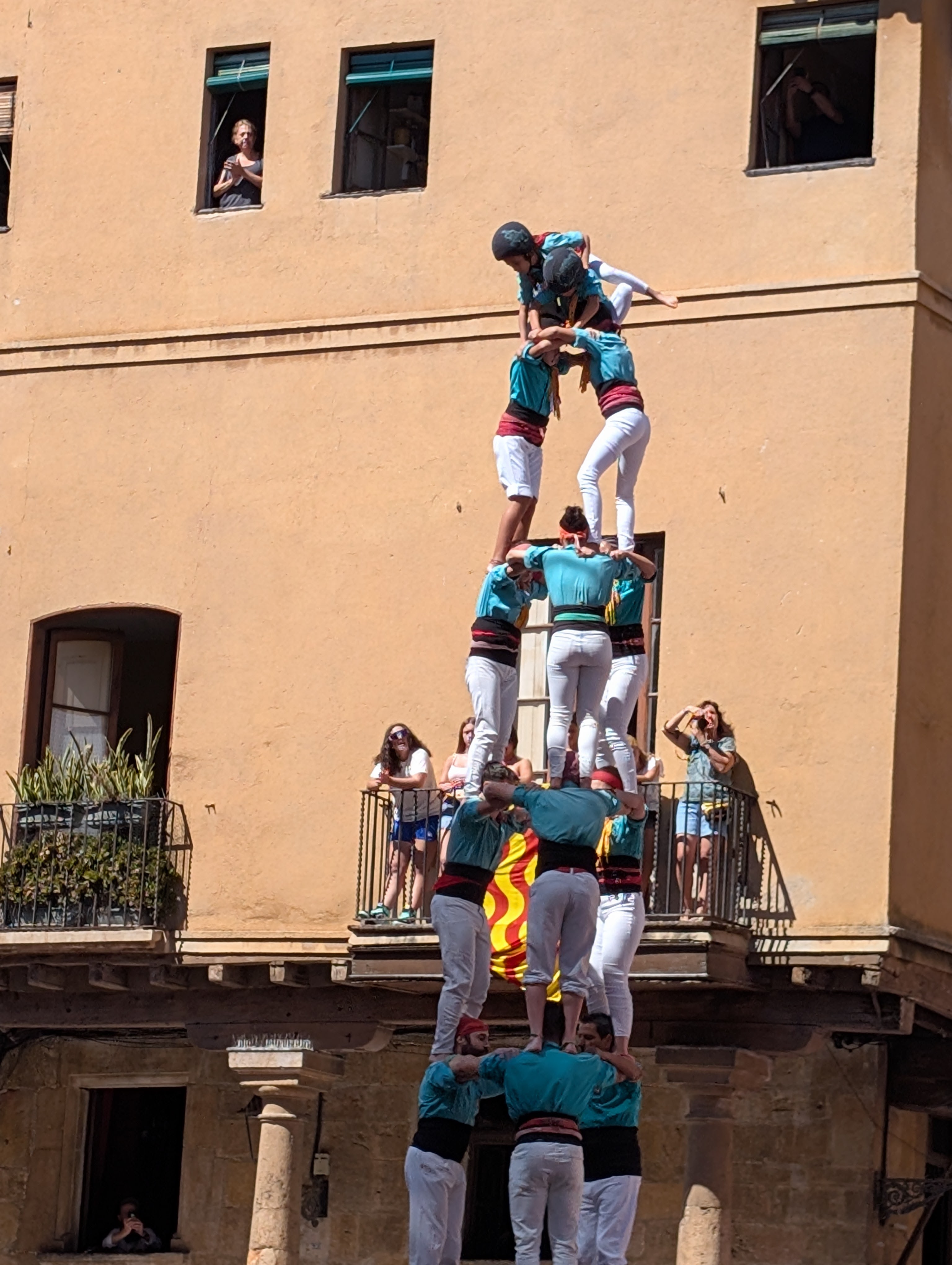
It was a great place to stay as it has beaches along the Mediterranean and Catalán culture including creating Castells or human towers. I was lucky to be here on one of their holidays to see them. The top is higher than the second floor.
The amphitheater was used for sport (humans against lions)… You can see the seats arranged around. Holes can be seen in the rock where netting was applied to stop the lions from getting in the stands.
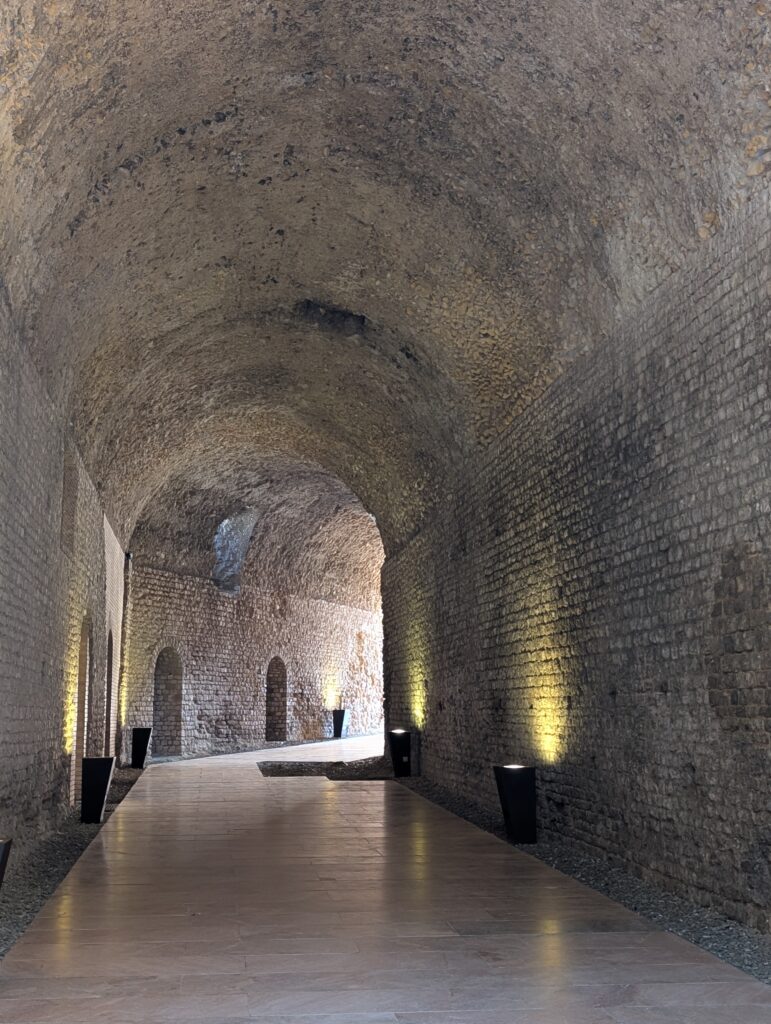
Roman circo. This was for chariot races and the vaults/tunnels underneath for bringing the chariots in was well preserved.
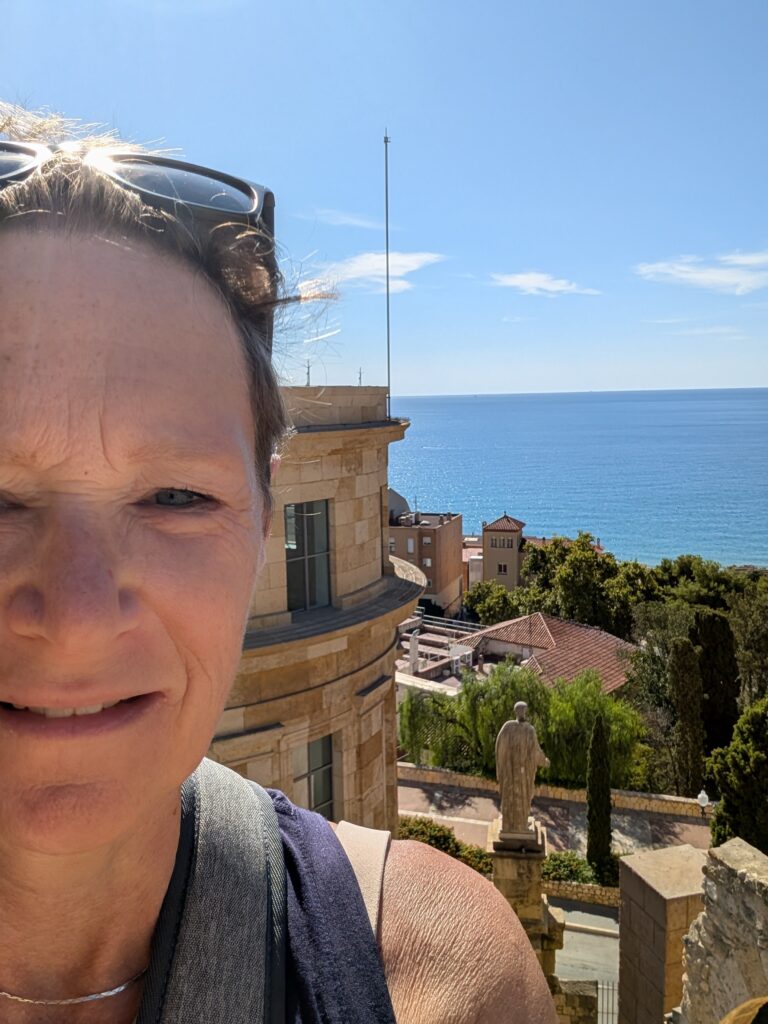
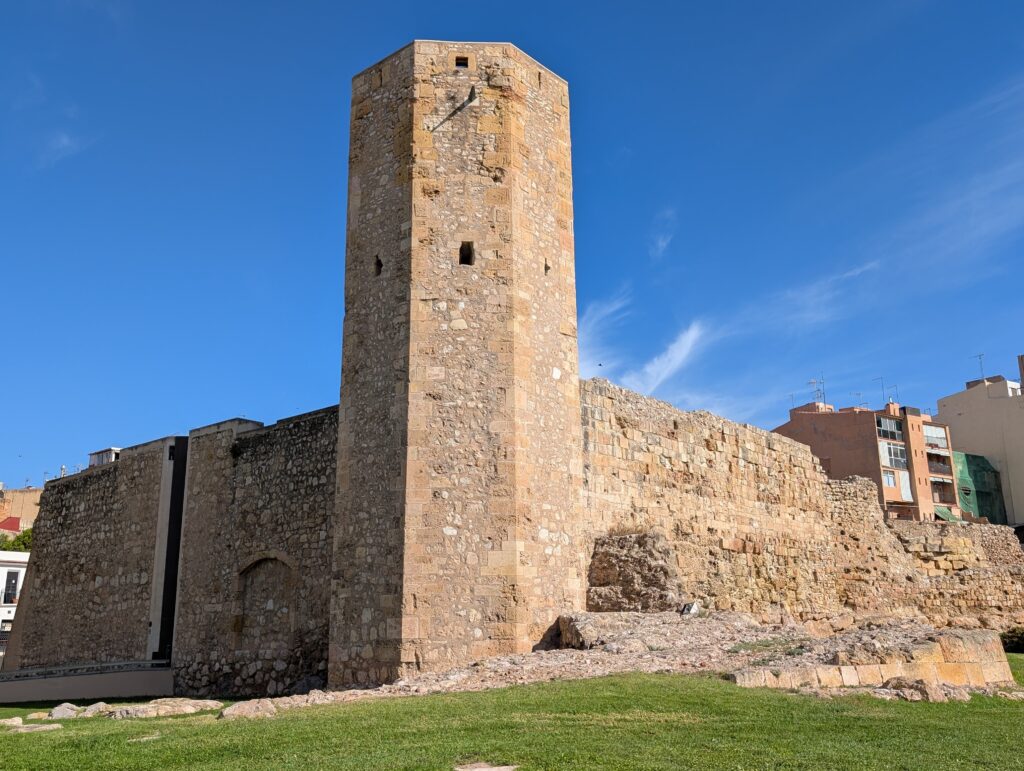
The tower was used for defense and also for political prisoners by the Romans, the French, and by Franco during the civil war, among others. This picture was taken at the top of the tower.
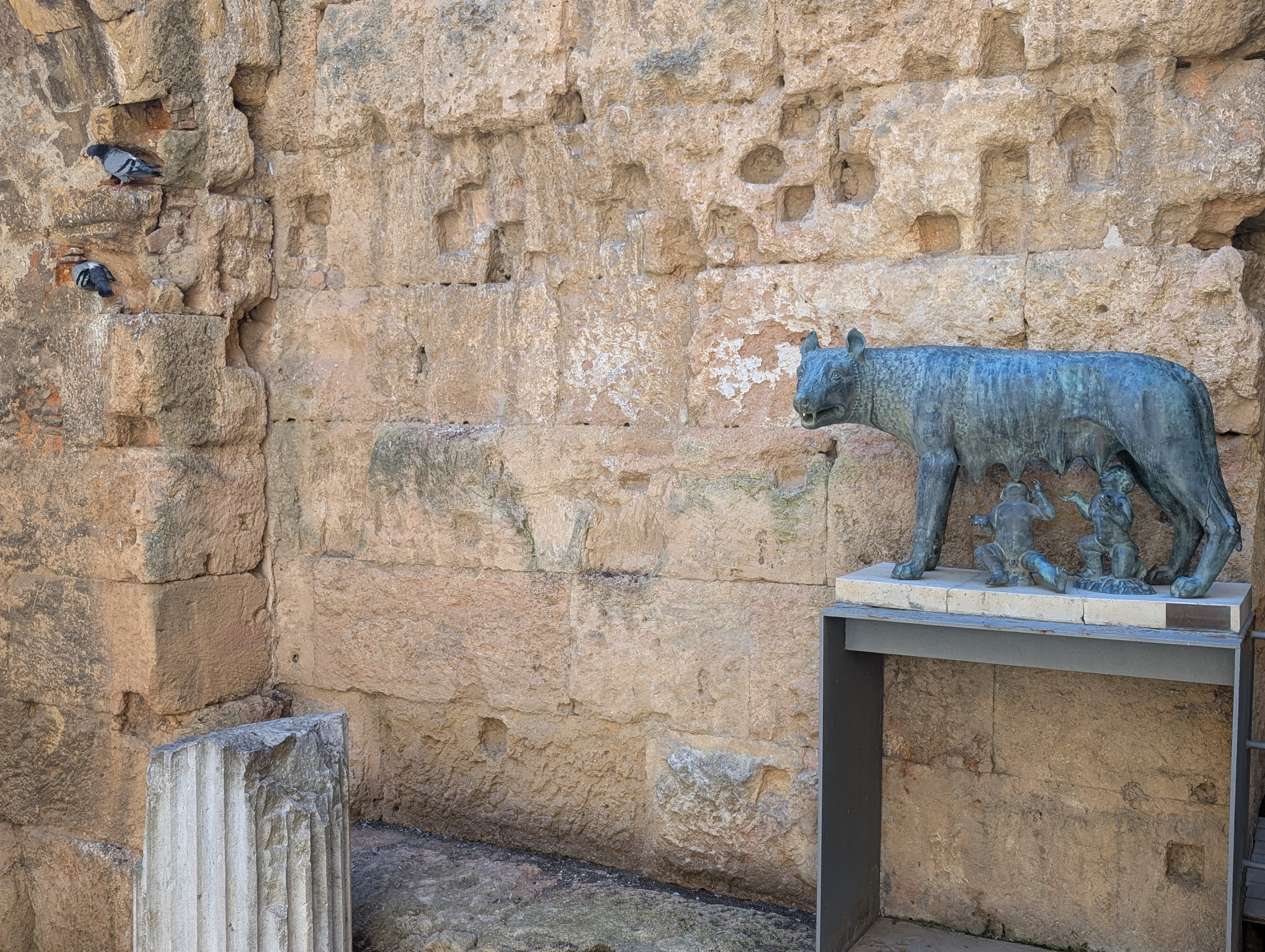
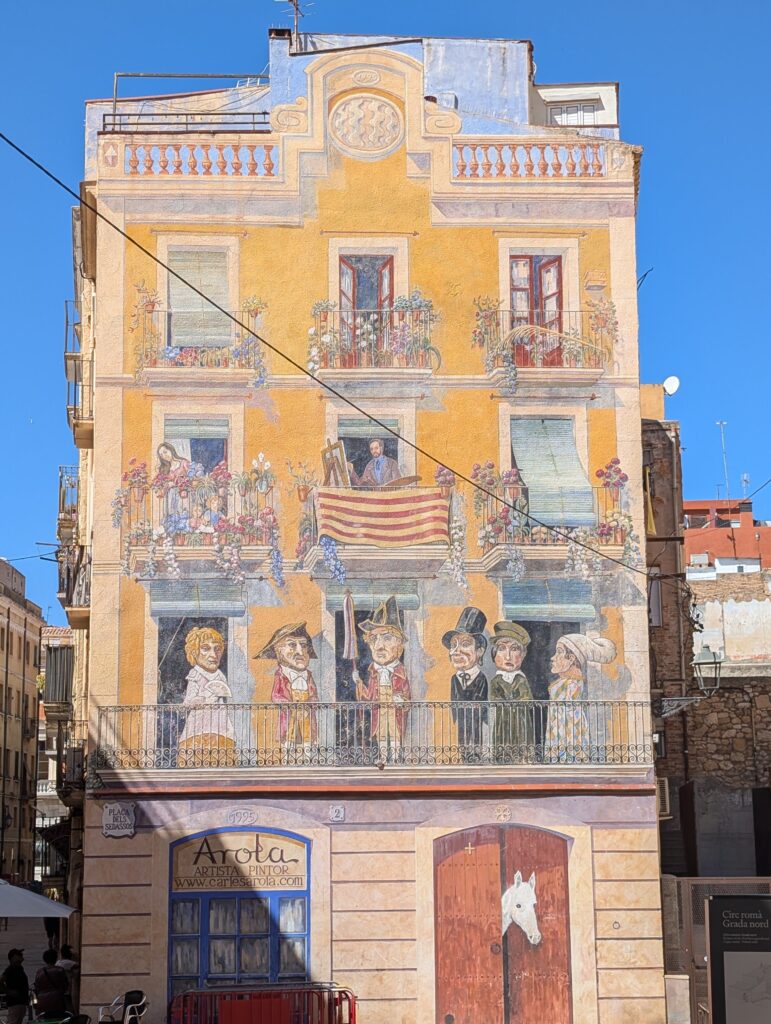
In walking around I saw this statue of Romulus and Remus.
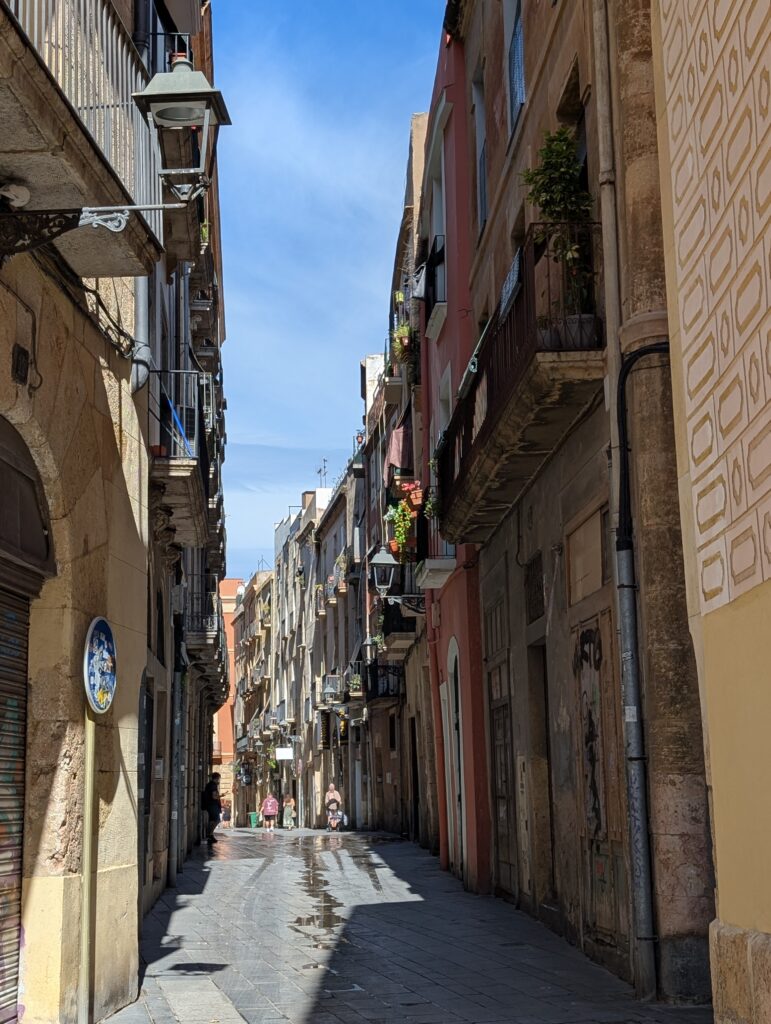
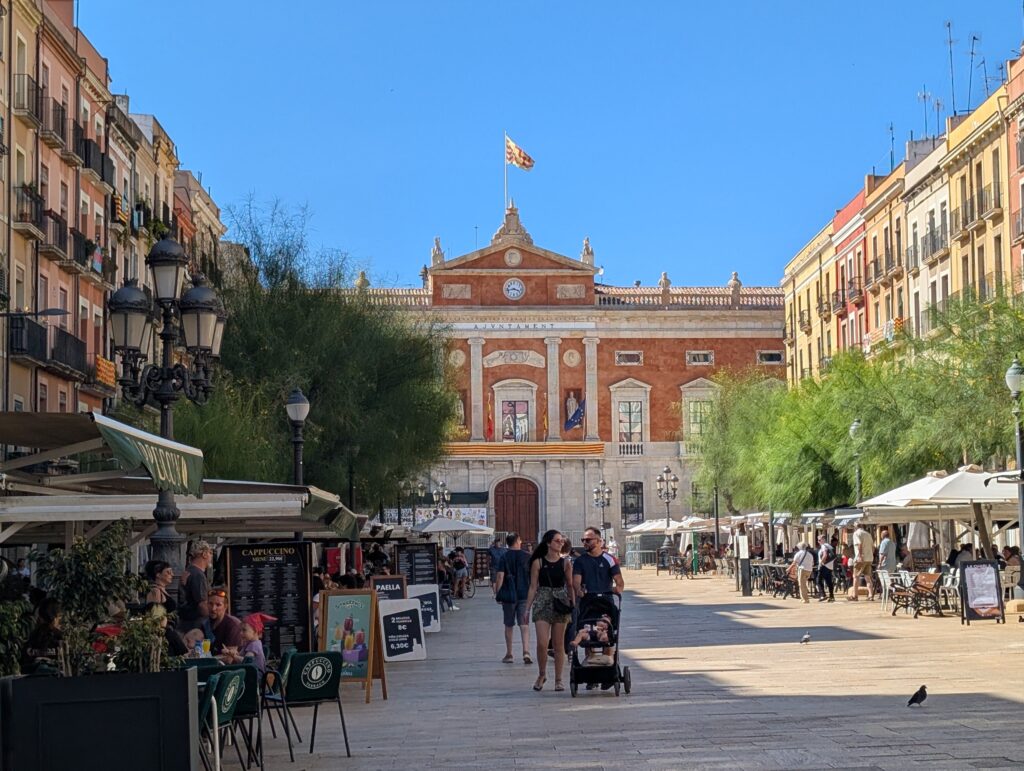
Views of Tarragona while walking around the old city.
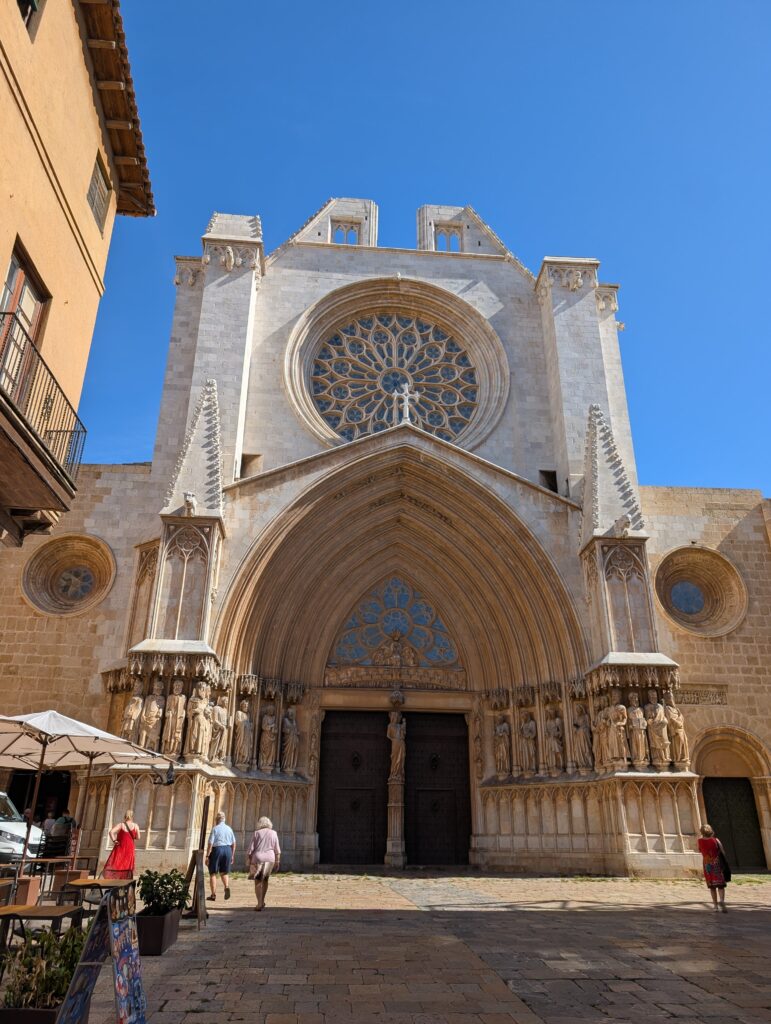
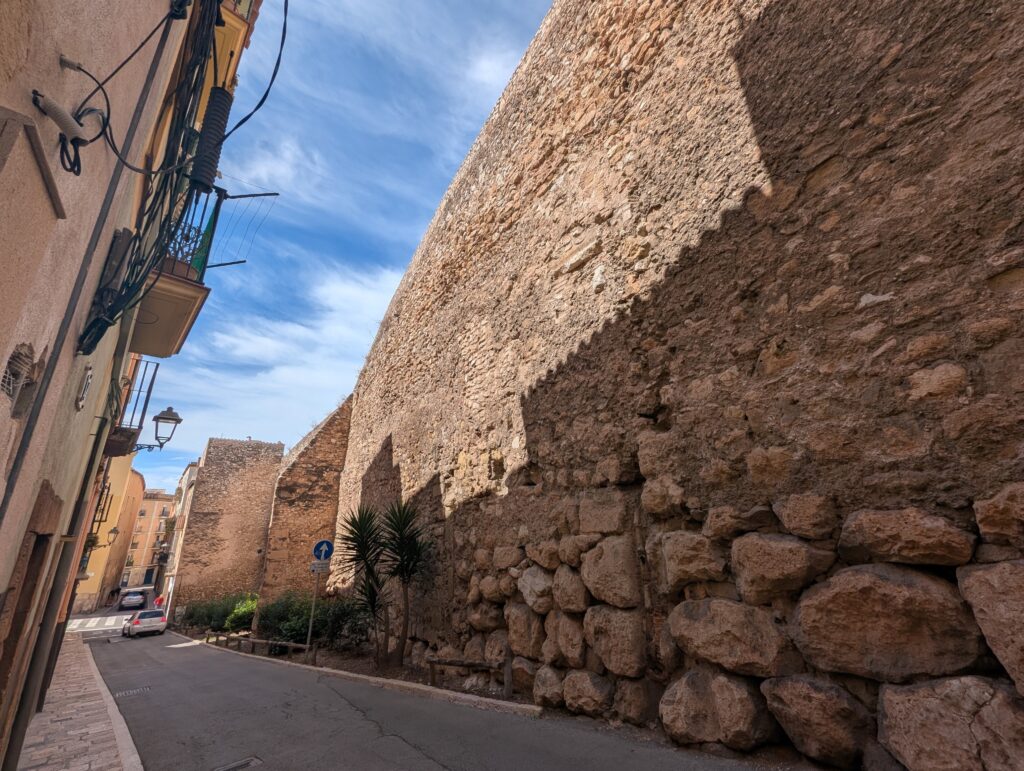
Above is the Cathedral and below is remains of the Roman city wall which is extensive in the city.
Tarragona is definitely a place to go and more laid back than some other cities. The Mediterranean was great for swimming and looking at all the little fish swimming by.
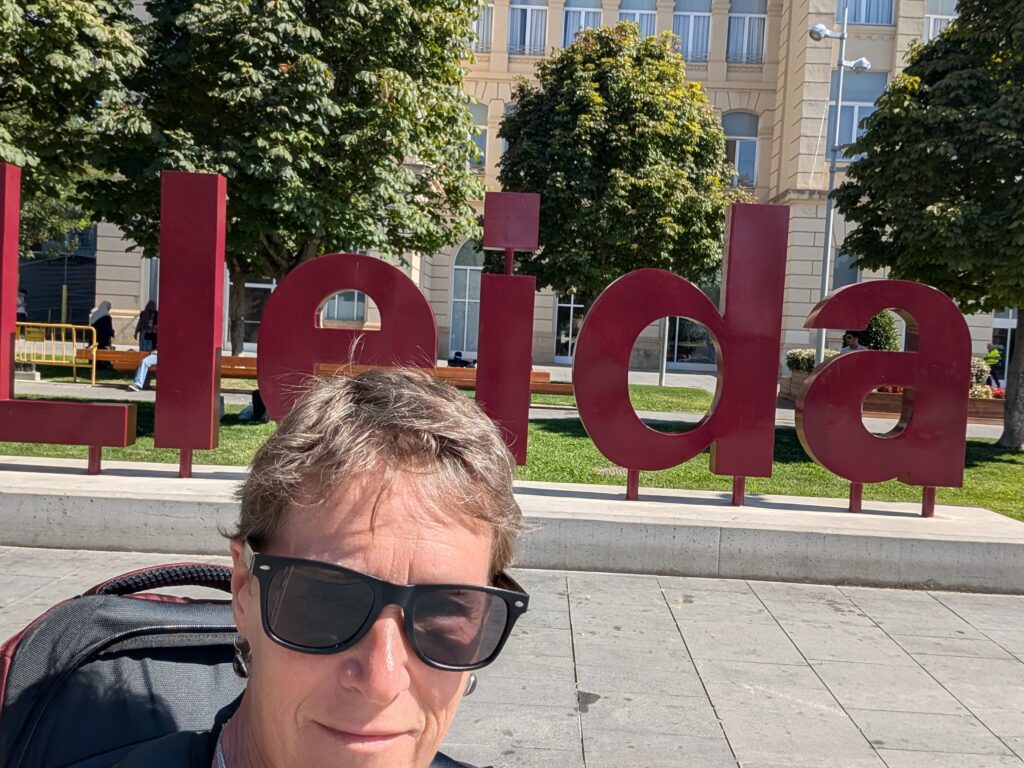
To get to Andorra, I took a train from Pamplona to Lleida and then a bus to Andorra. This is me carrying my backpack from the train to the bus station. It was a bit hot that day.
Andorra la Vella is the capital of Andorra. It’s history dates back over a thousand years beginning in the middle ages around the 9th century. Andorra la Vella means “Andorra the Old” in Catalan. It was traditionally under joint sovereignty of the Count of Foix (France) and the Bishop of Urgell (Spain). Andorra remained neutral and luckily isolated through much of European history, avoiding many of the wars on the continent. Maybe being surrounded by the Pyrenees helped?
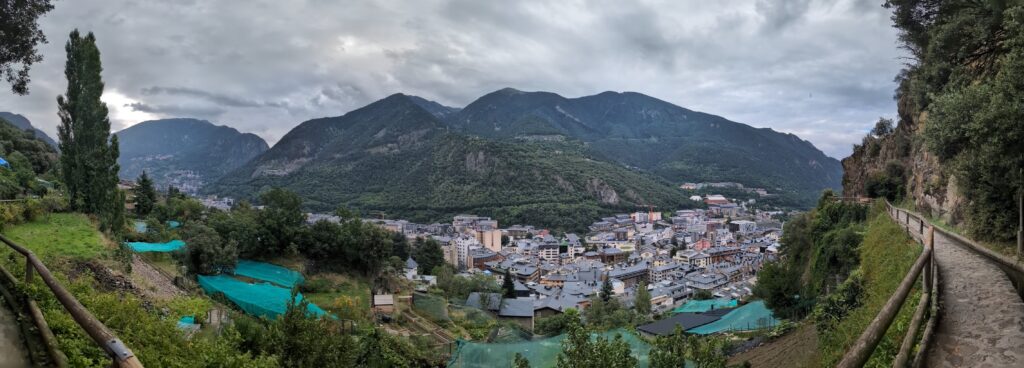
The 1993 Andorran Constitution established the country as a parliamentary democracy, while maintaining its co-princes (the French President and the Bishop of Urgell).Now it is a tourist destination, especially known for duty-free shopping, skiing, and natural beauty. There are so many high end shops here. I might be one of the few who really is not even drawn to browsing as I seriously hate shopping.It is the highest capital city in Europe, and sits at an elevation of 1,023 meters (3,356 feet). Much less than Quito, but this truly a beautiful place. It is like a tiny valley nestled in among the Pyrenees.
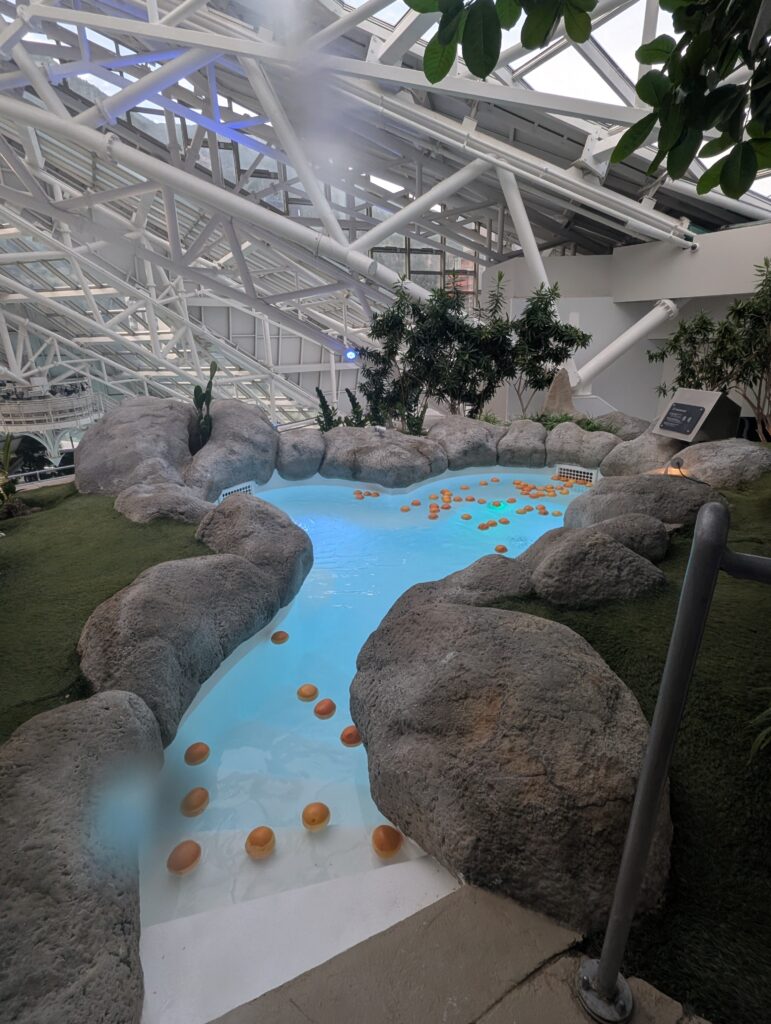
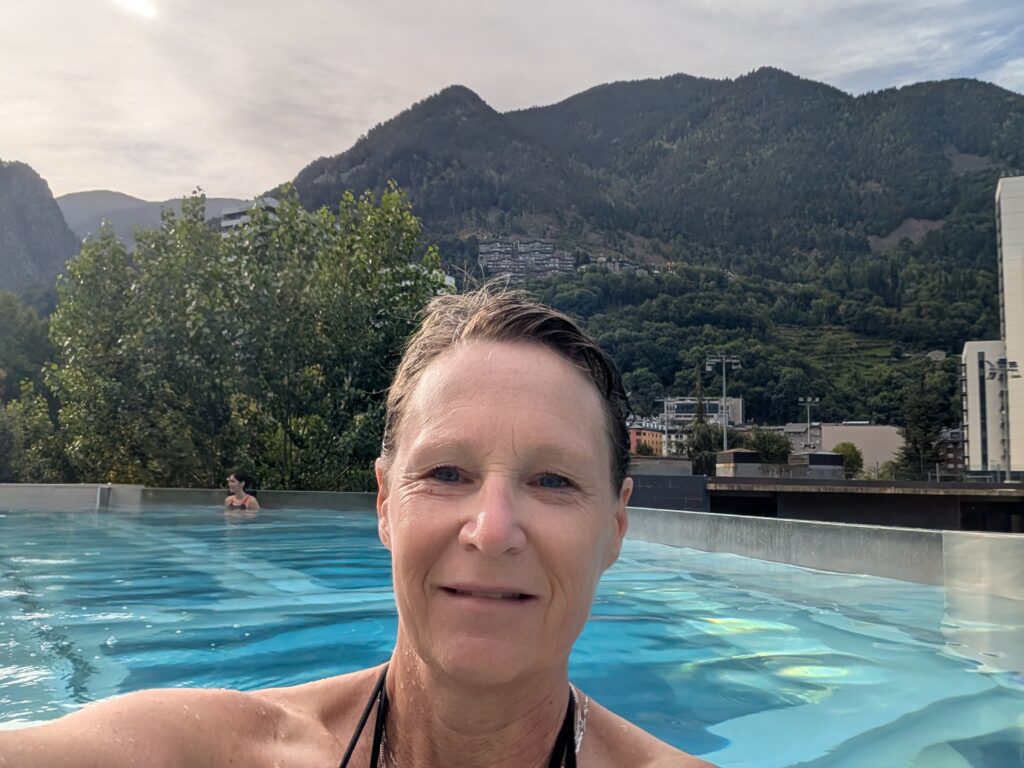
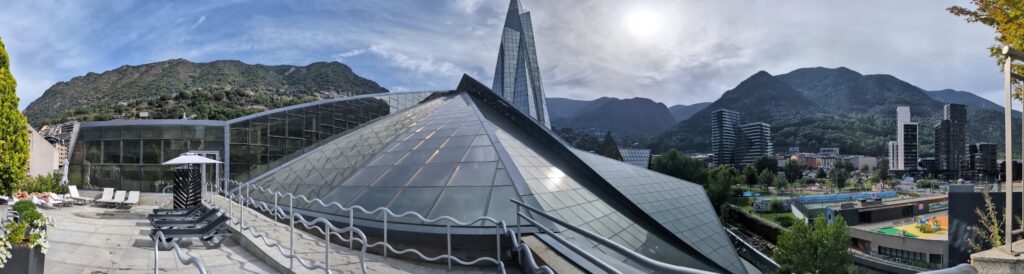
The one relaxing thing I did was to spend 3 hours in the spa. Caldea spa is impressive. The views from the external pools was amazing. My favorite pool is the one with the oranges. Just a bunch of oranges in warm water. The smell was heavenly. I also appreciated the hammam, which is a moist steam room. Really good for the breathing.
After lunch I walked to old town. It is a quaint little town with great views.
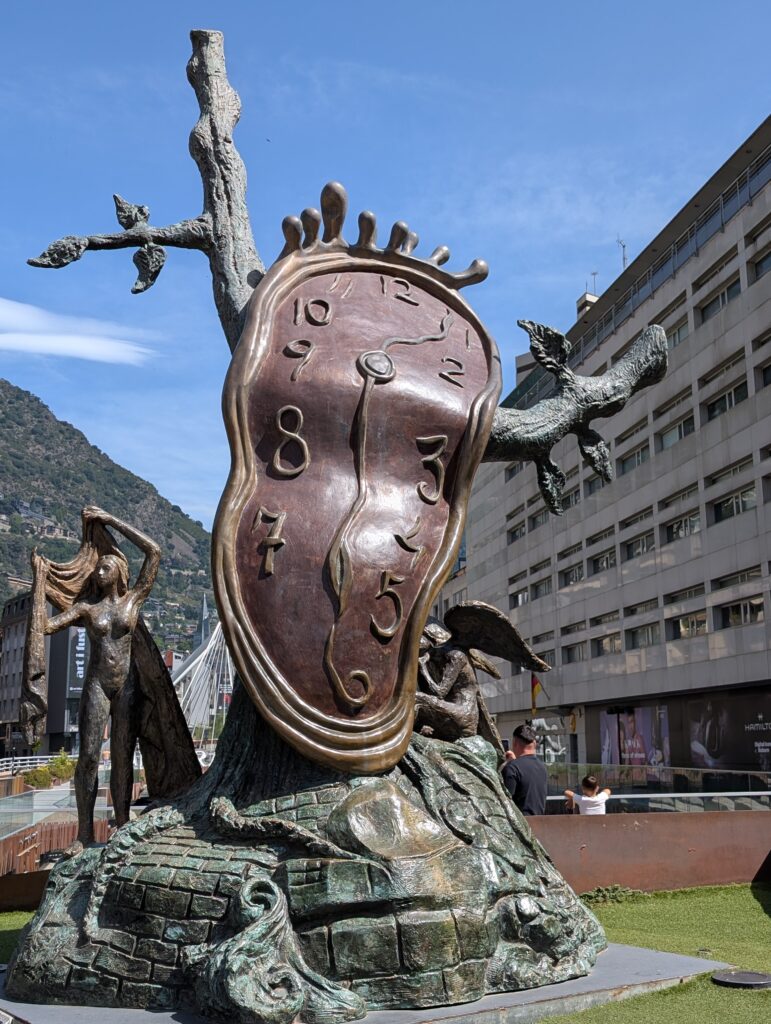
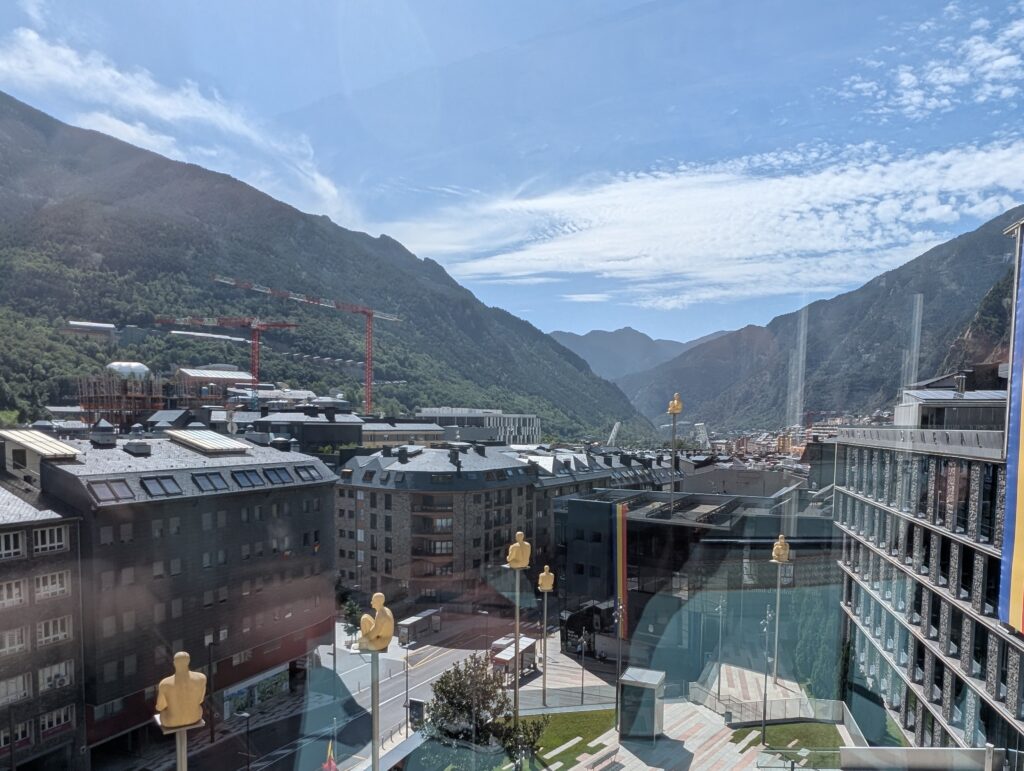
The Noblesse du Temps, a statue by Salvadore Dali .
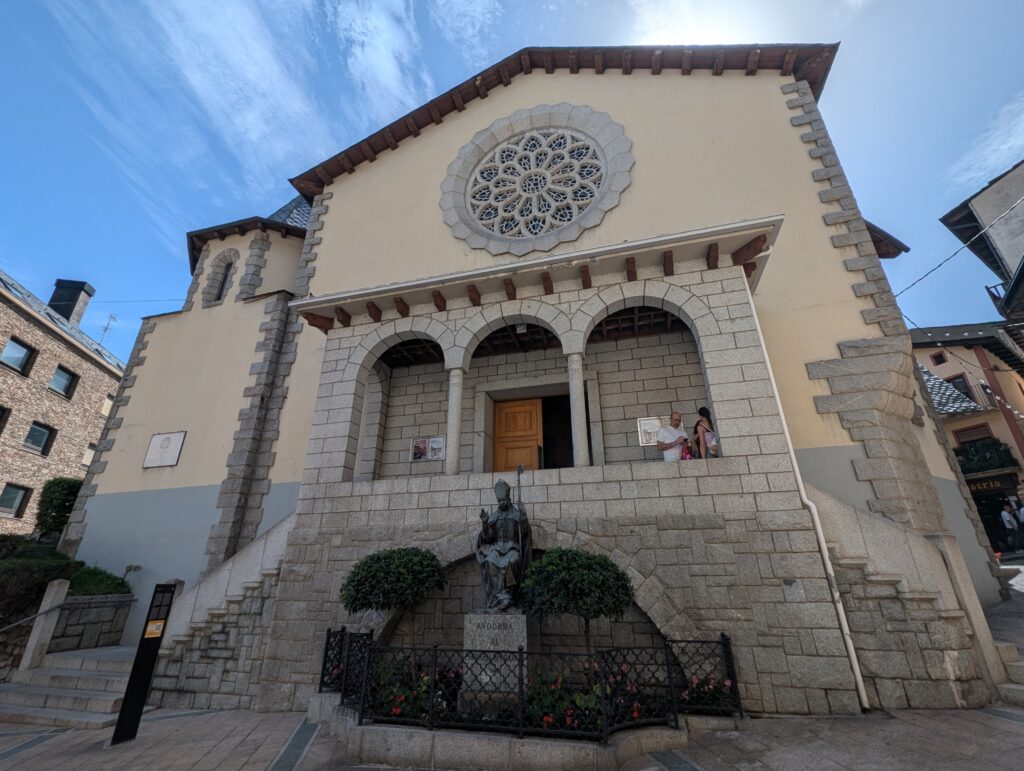
Saint Esteve d’Andorra church.
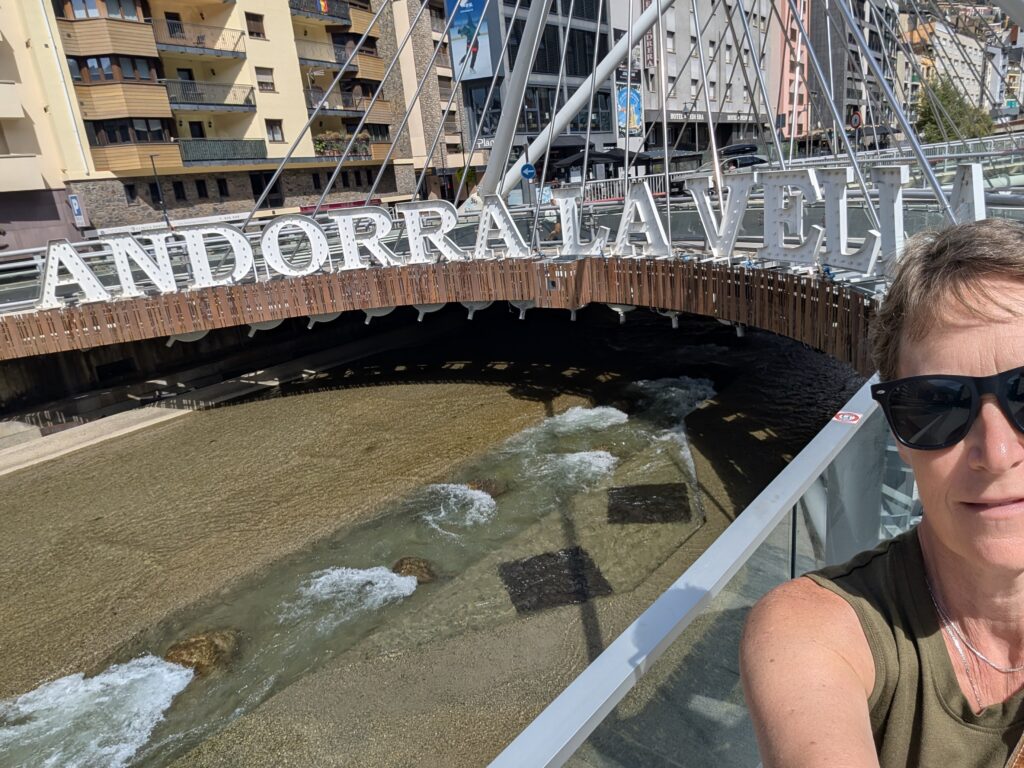
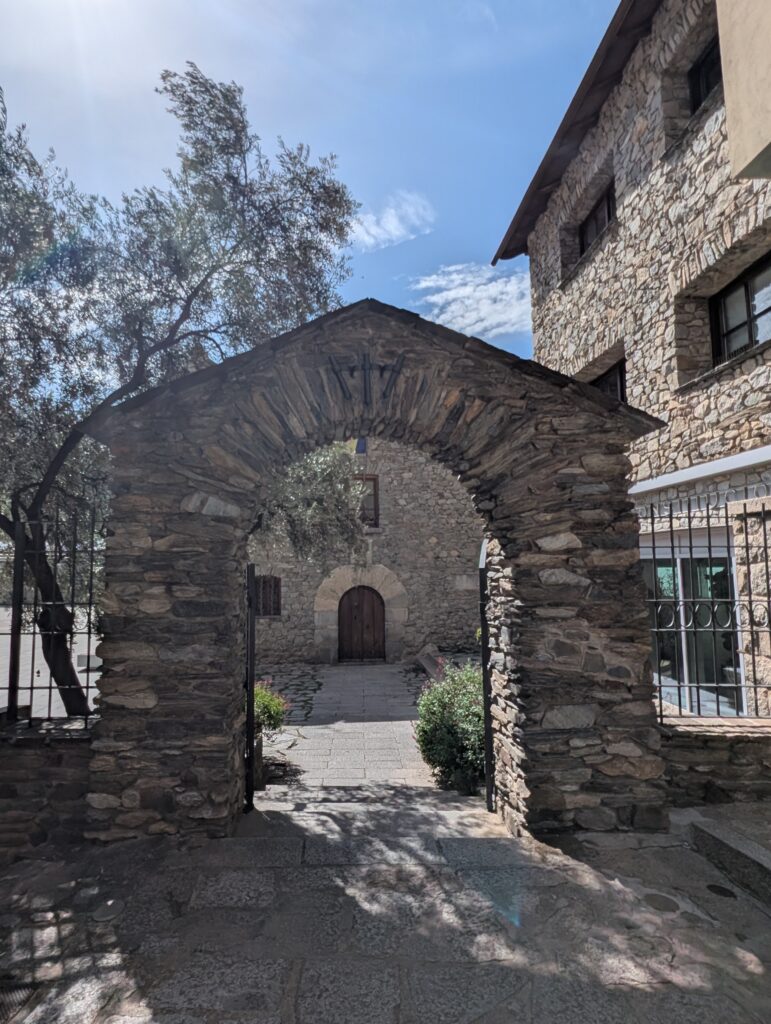
Casa de la Valle, the historic parliament house.
My last day I walked along the Rec del Solá trail. After a 600 m climb, the relatively flat trail followed along the mountain and an irrigation canal designed to control the flow of water and which was also used by farms just on the other side of the path. It is a great system and a beautiful walk!
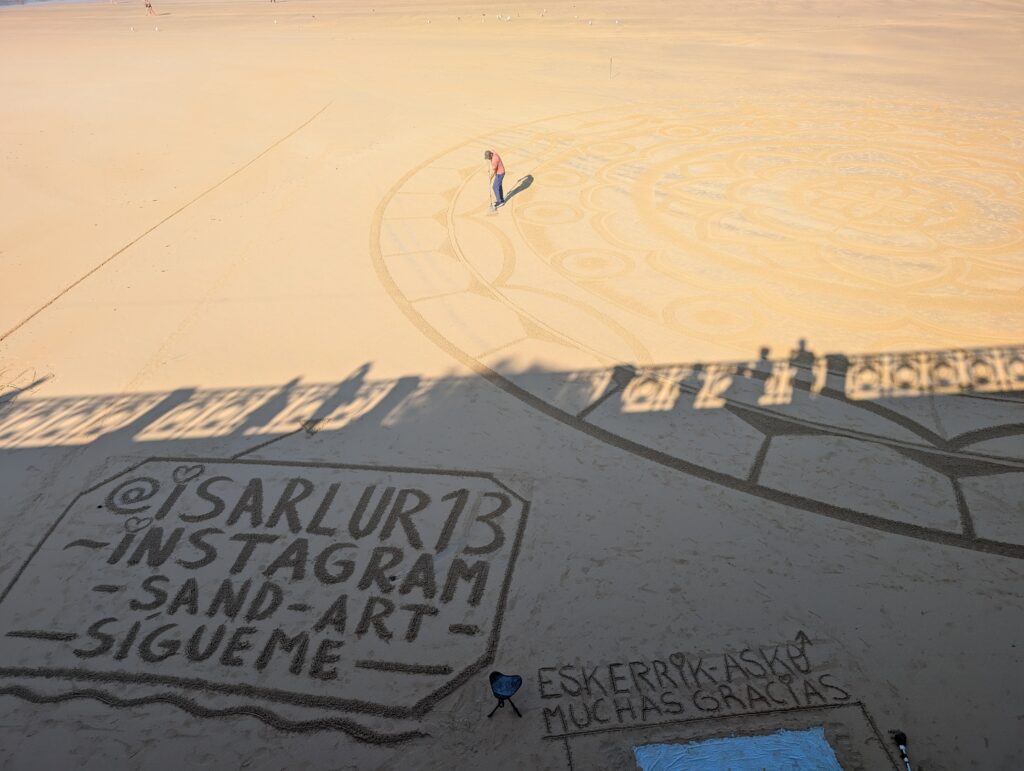
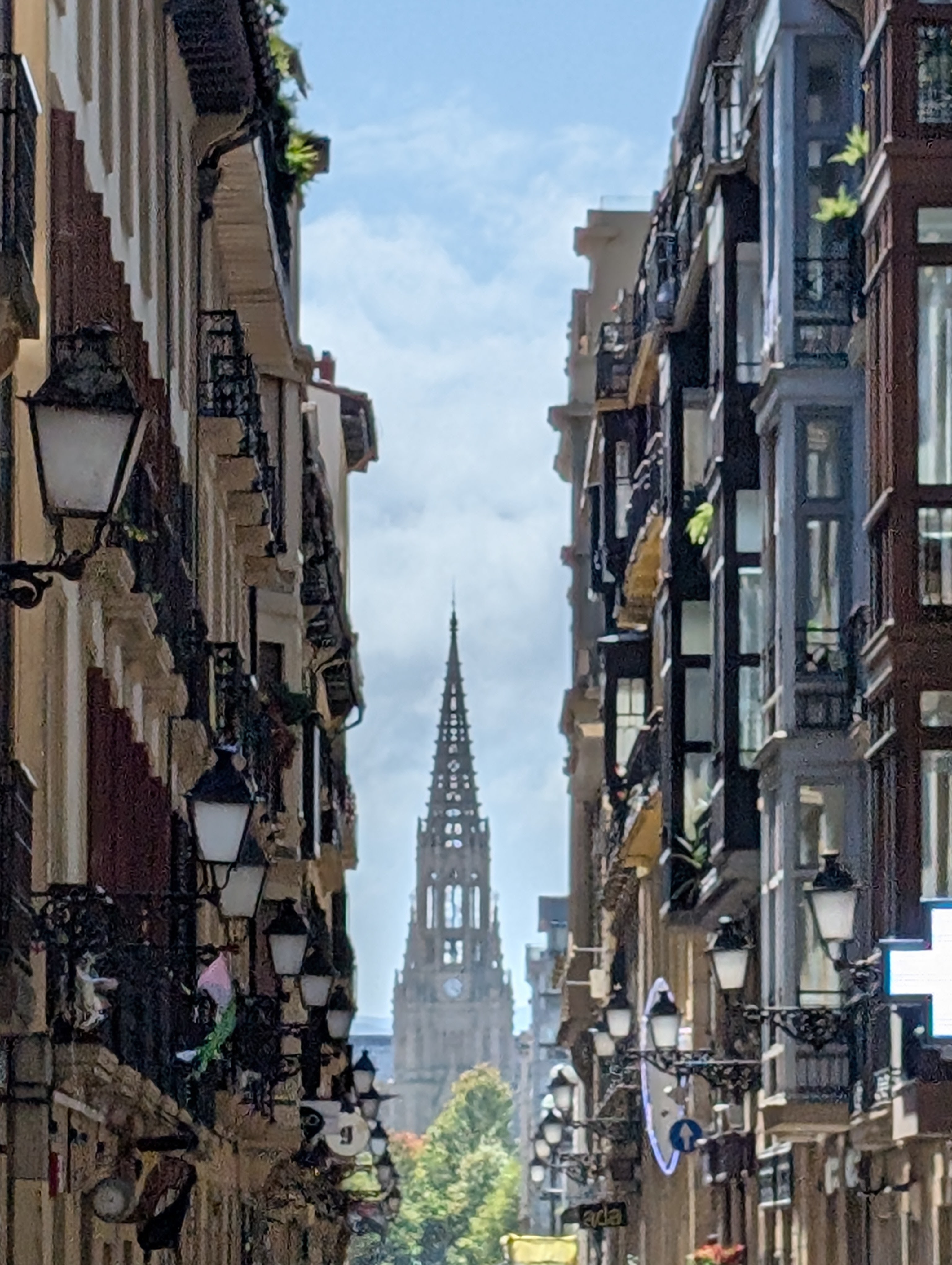
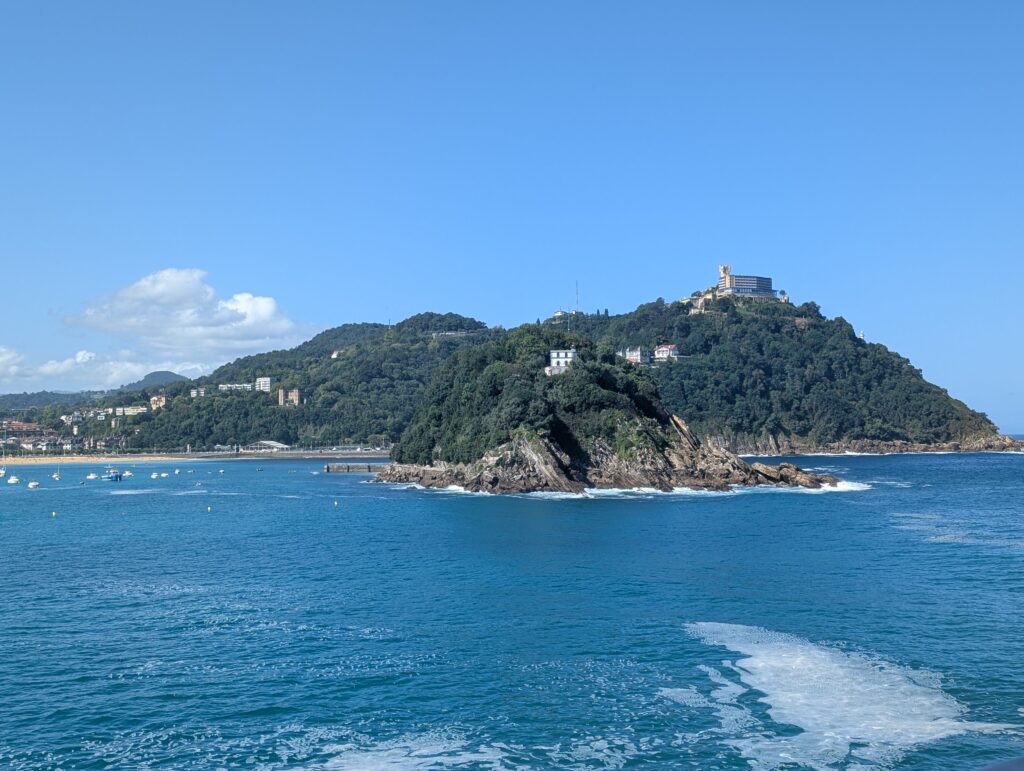
I took a bus to the city on the coast about 1.5 hours away. What a beautiful city and day!
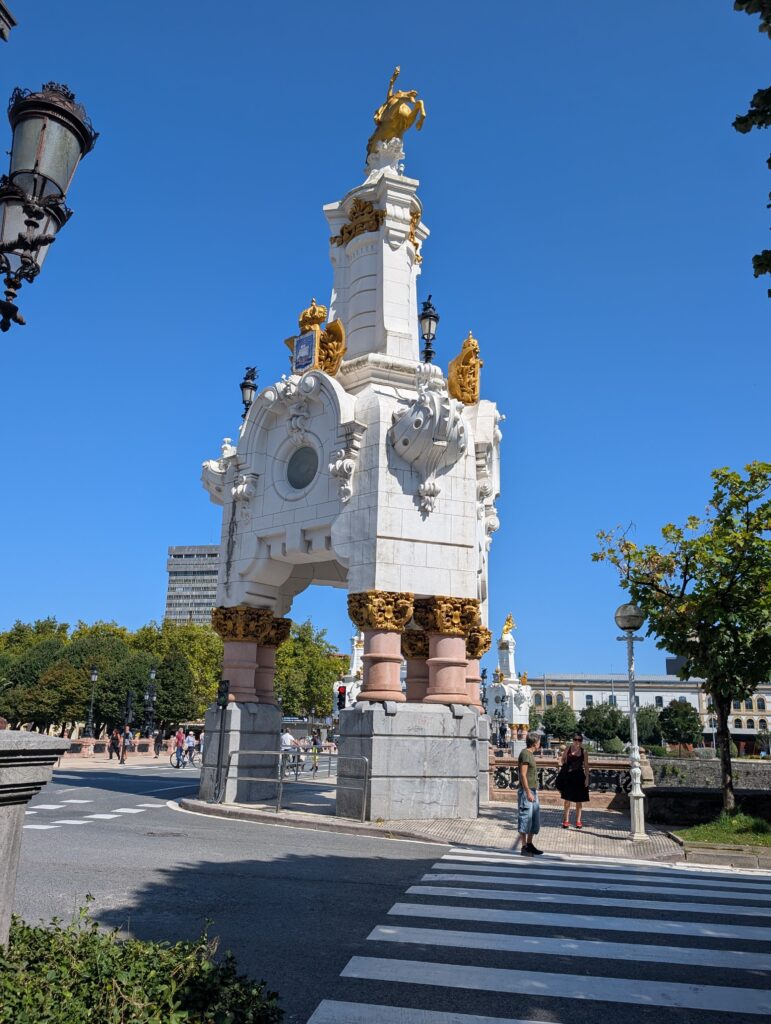
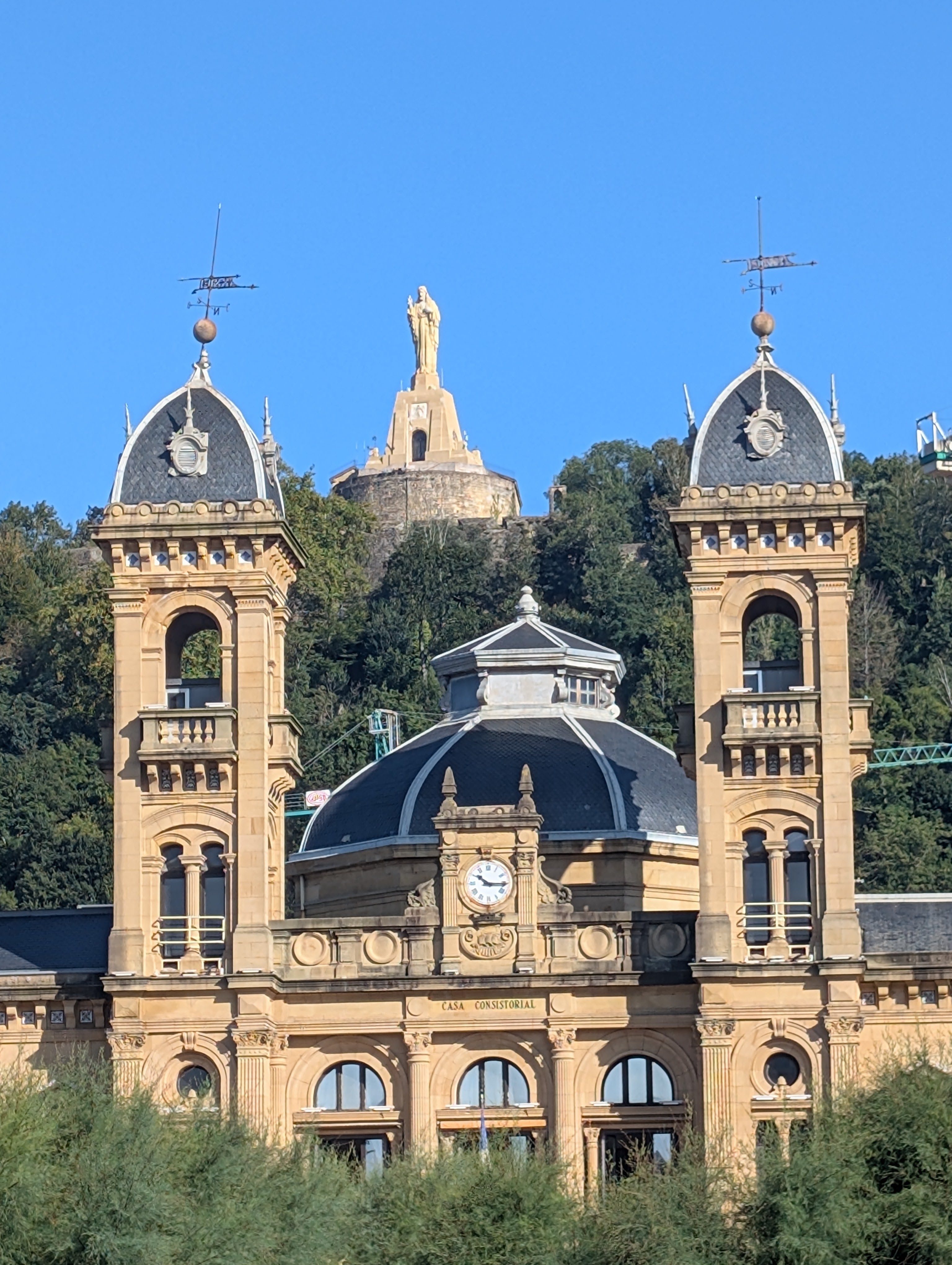
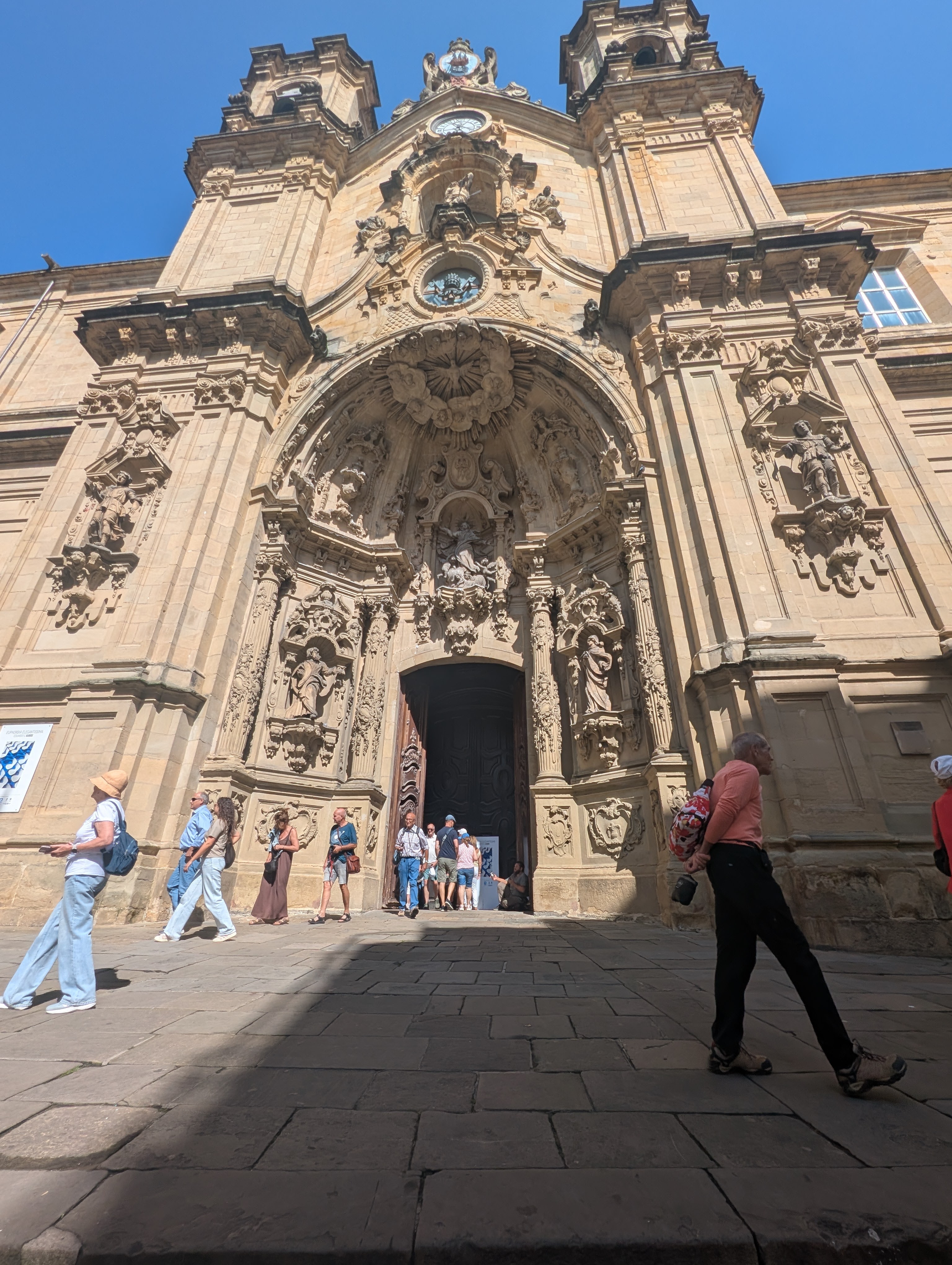
It originated as a fishing port and became a military stronghold. It was the last of the Basque area to be freed from French rule.
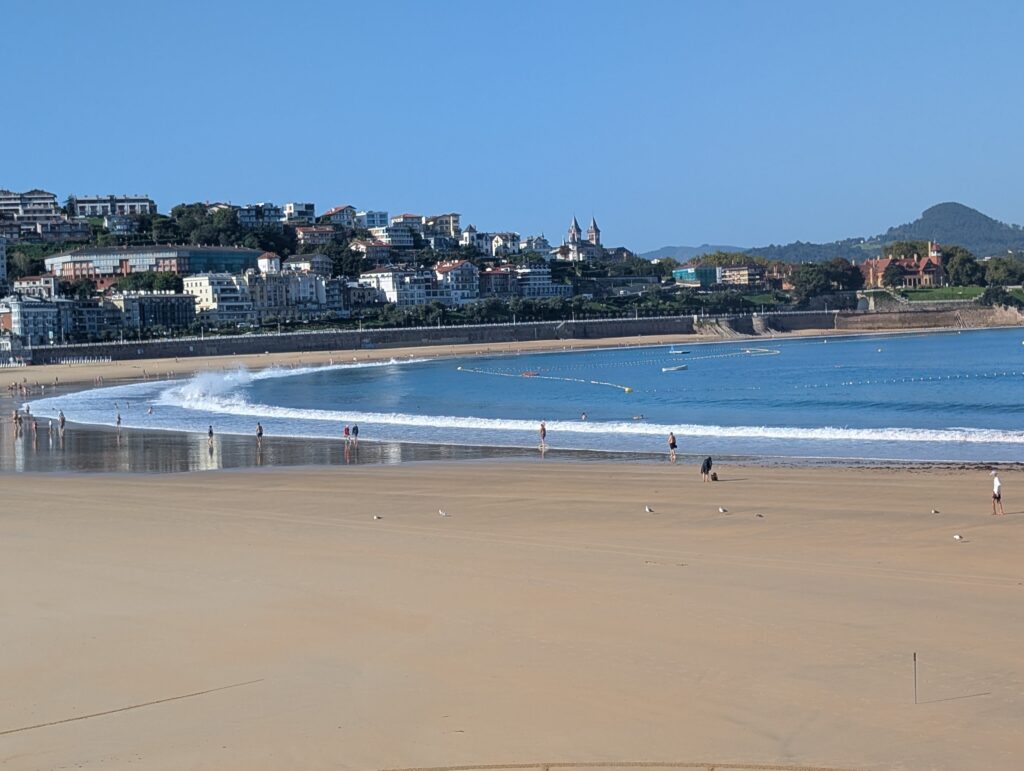
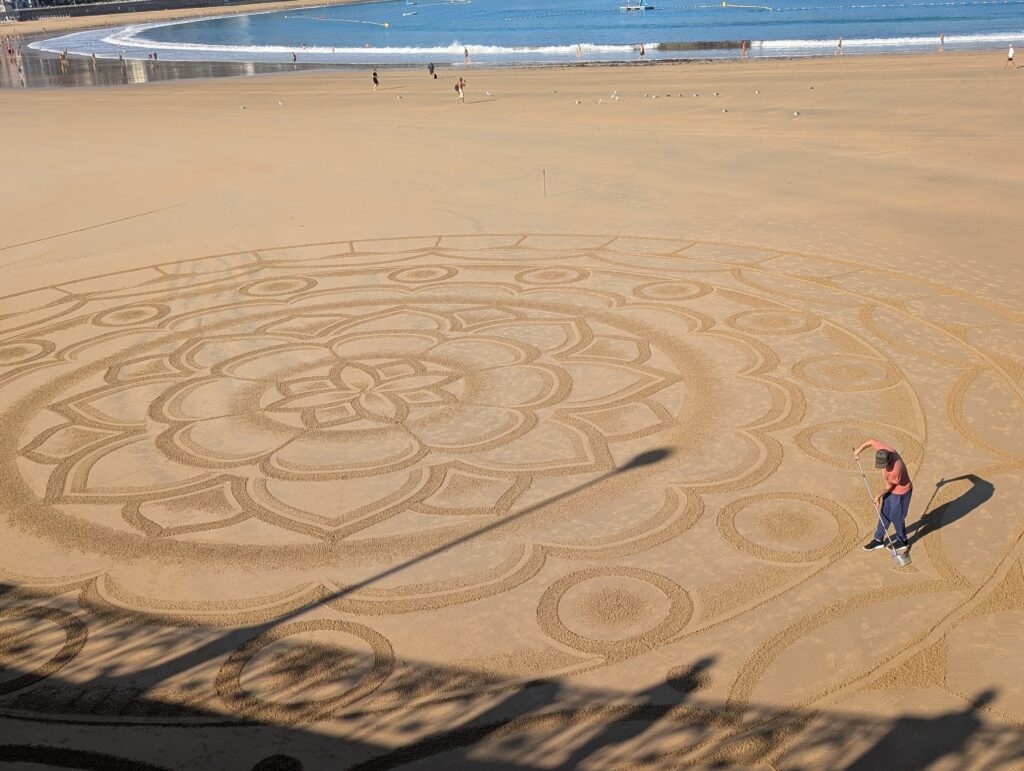
La Concha beach. Before I left I was able to sit in the water which was good as I walked a bit too much this day.
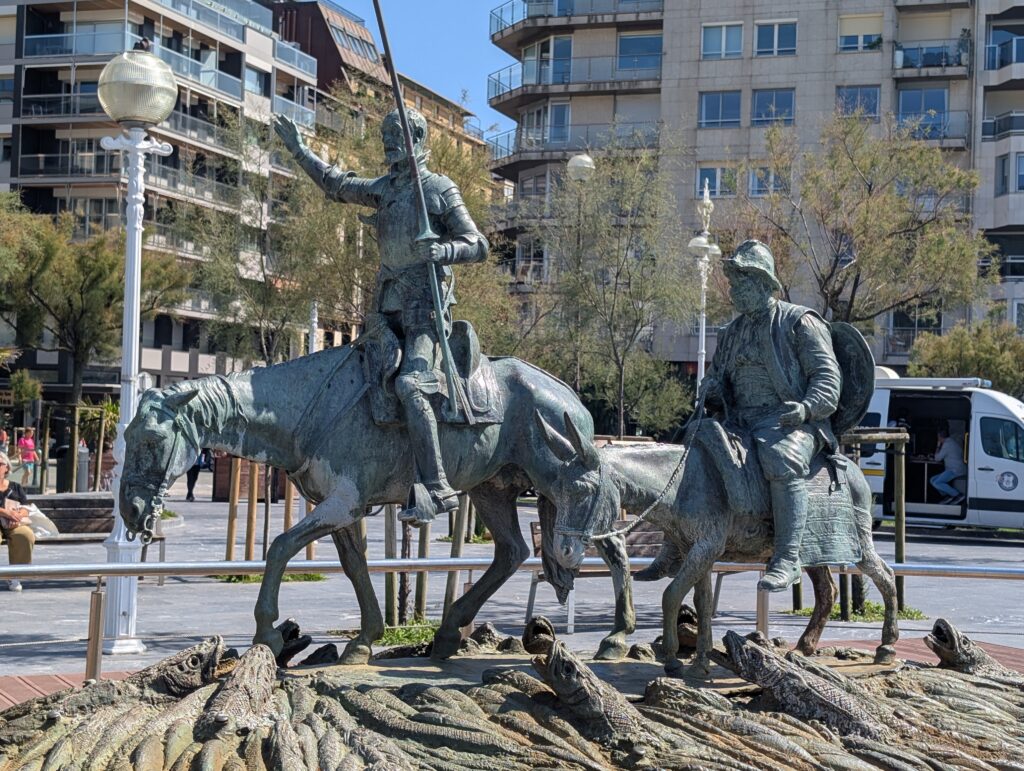
statue of Don Quixote and Cervantes.
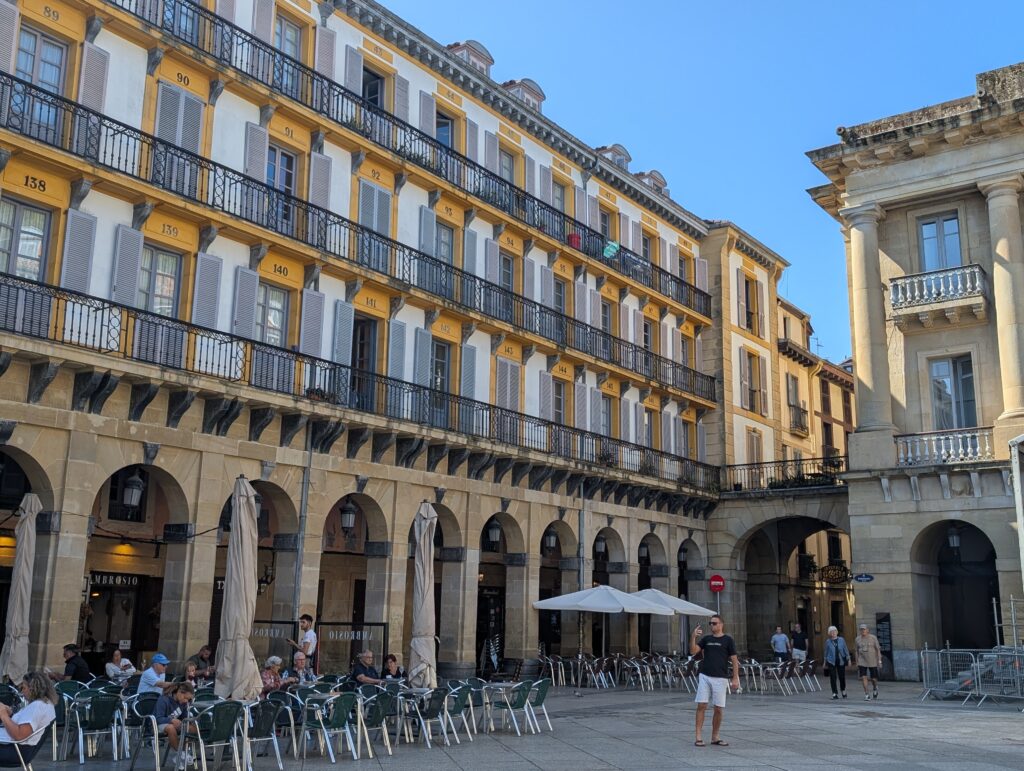
In the past, to rebuild the city after a devastating fire, they sold space in these apartments to watch events. Namely, bull fighting and executions by guillotine (when the French still ruled).
The walking tour through the old town was amazing! Great places to try Pintxos.