Galway

From Cork, I went to Galway. At this point, I wasn’t completely excited. For the first time in my travels I was sick and it was taking awhile to get over. Just a bad cold but enough to make me go to bed early and feel pretty crappy in the afternoon.

But on to Galway I went. It rained almost ethe while time and the kind of rain that comes in sideways and gets you completely soaked even if you have a long raincoat. But it was beautiful, especially with countryside. And Irish people are one of the most friendly around.
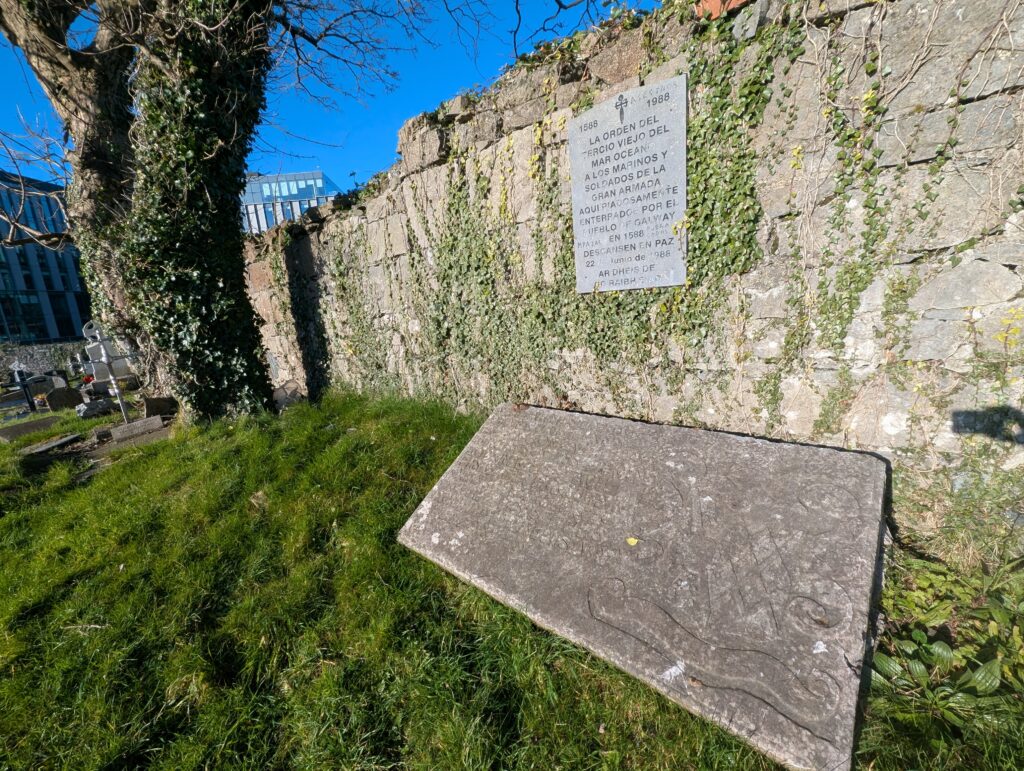
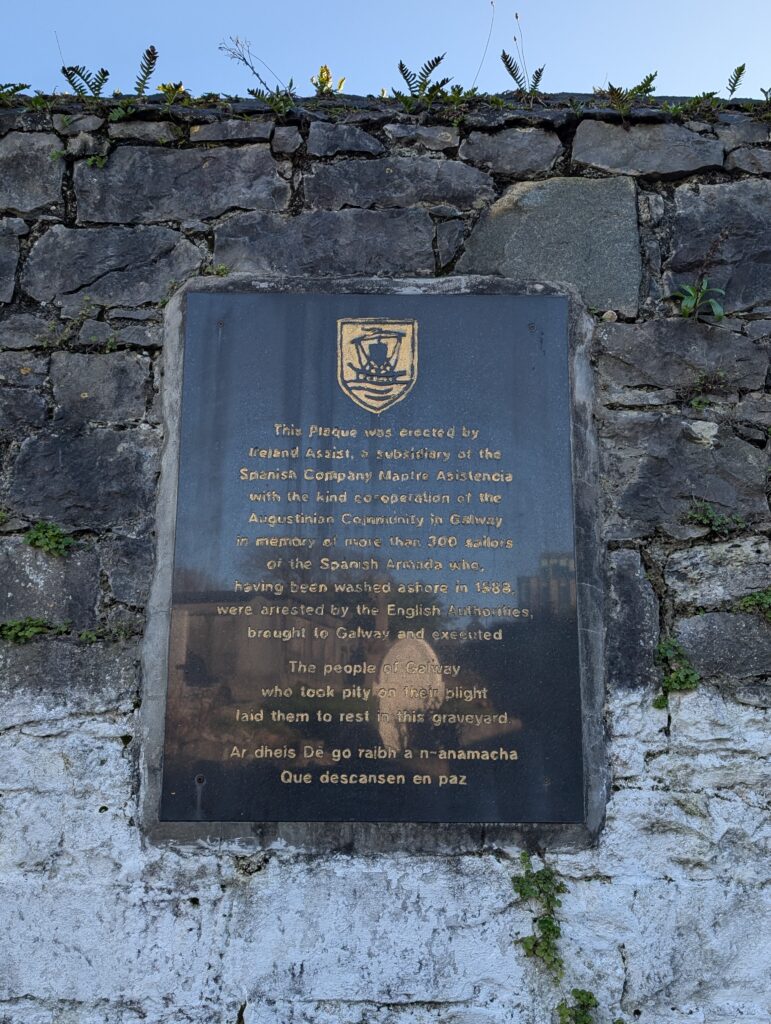
Plaque to the soldiers of the Spanish Armada in Fort Hill graveyard. The Spanish ship wrecked off the coast of Ireland in 1588. It had failed to invade England. When the survivors washed ashore, they were captured by the English authorities and executed when no good or riches were with them. Irish citizens buried them in the cemetery. The plaque reads: May their souls be at God’s right hand.
At the end of the Long Walk near the Claddagh where fisherman used to bring in their catch.
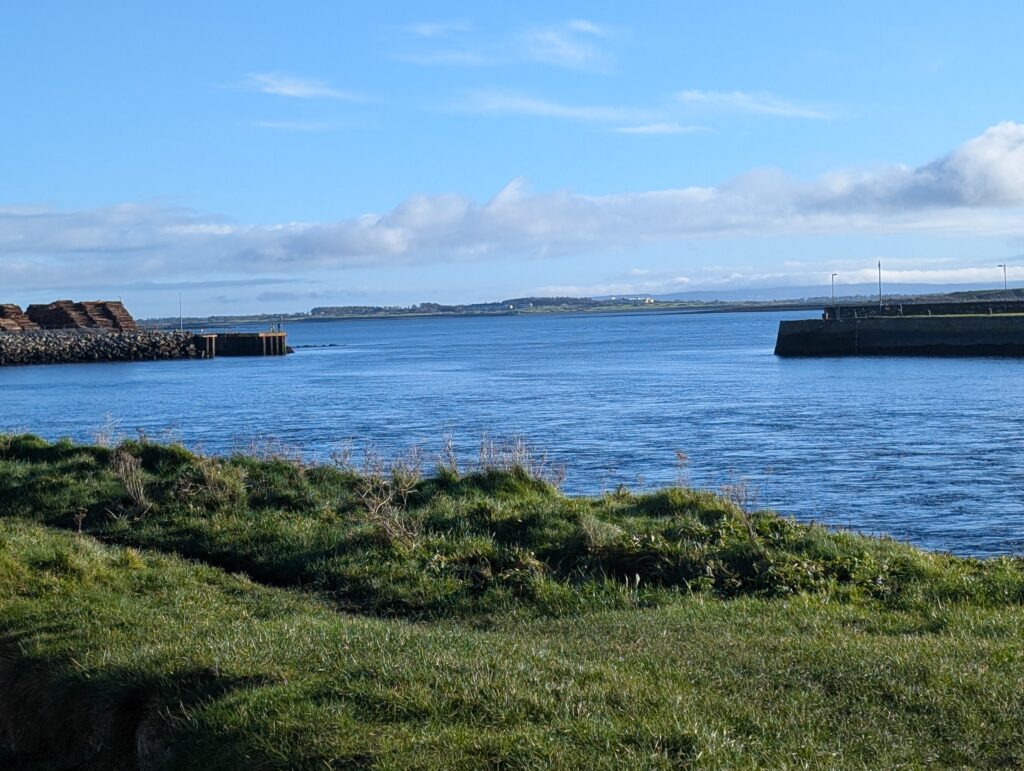
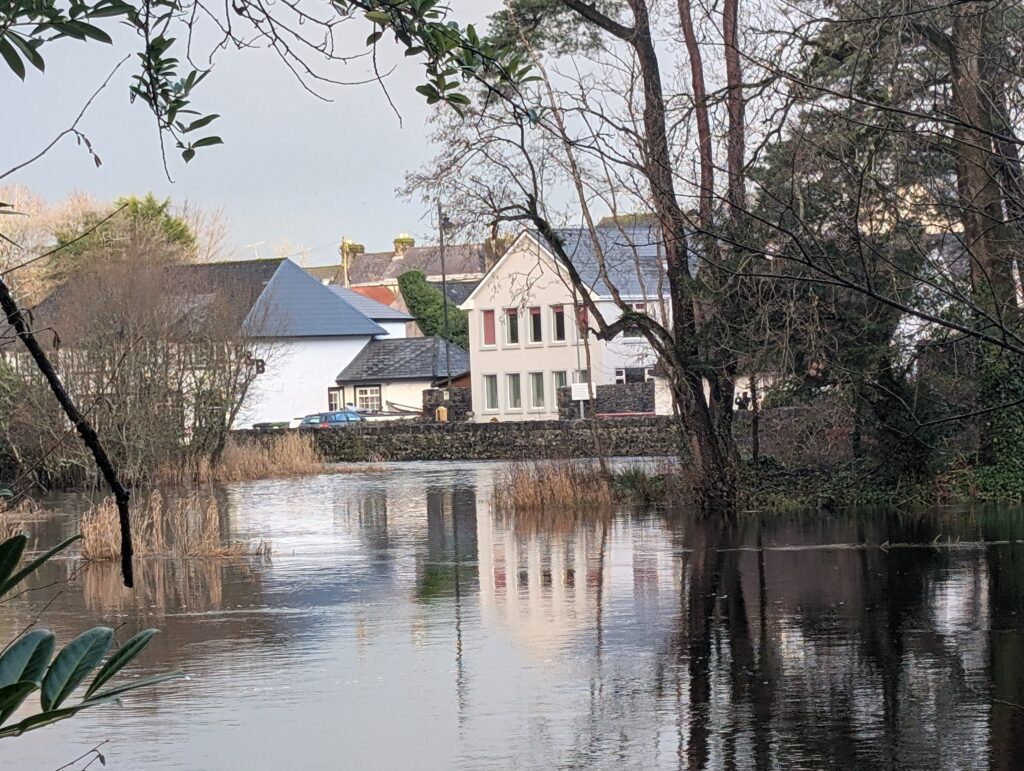
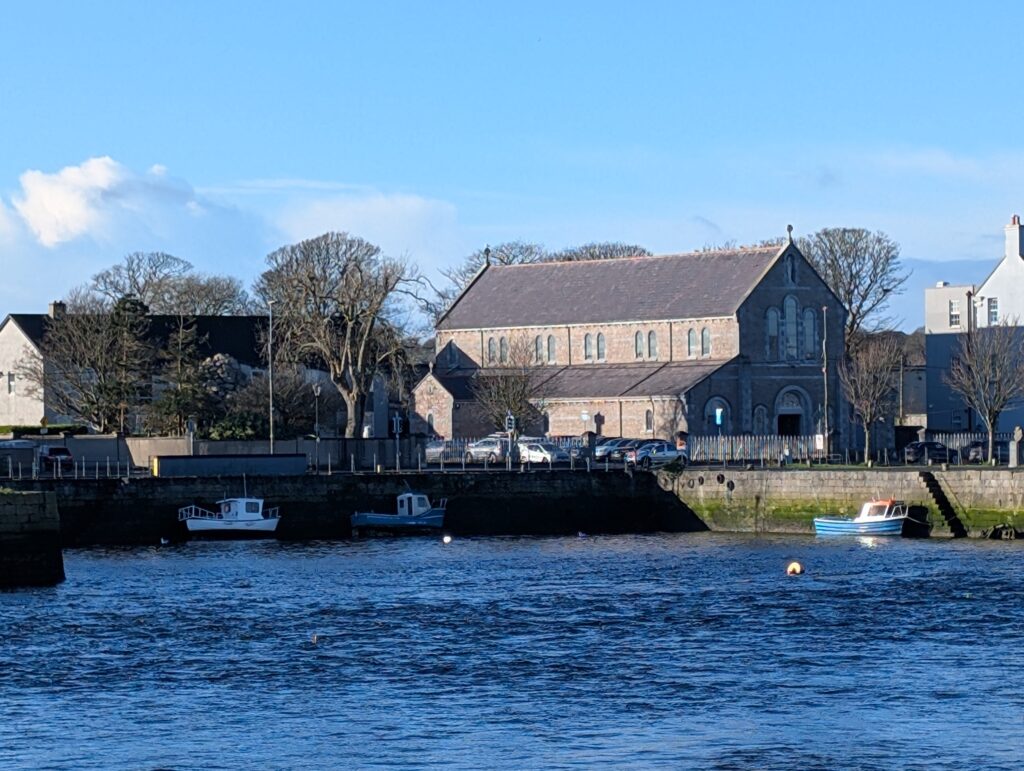
Looking at the Claddagh across the river Corrib. It is the fastest flowing river in Europe.
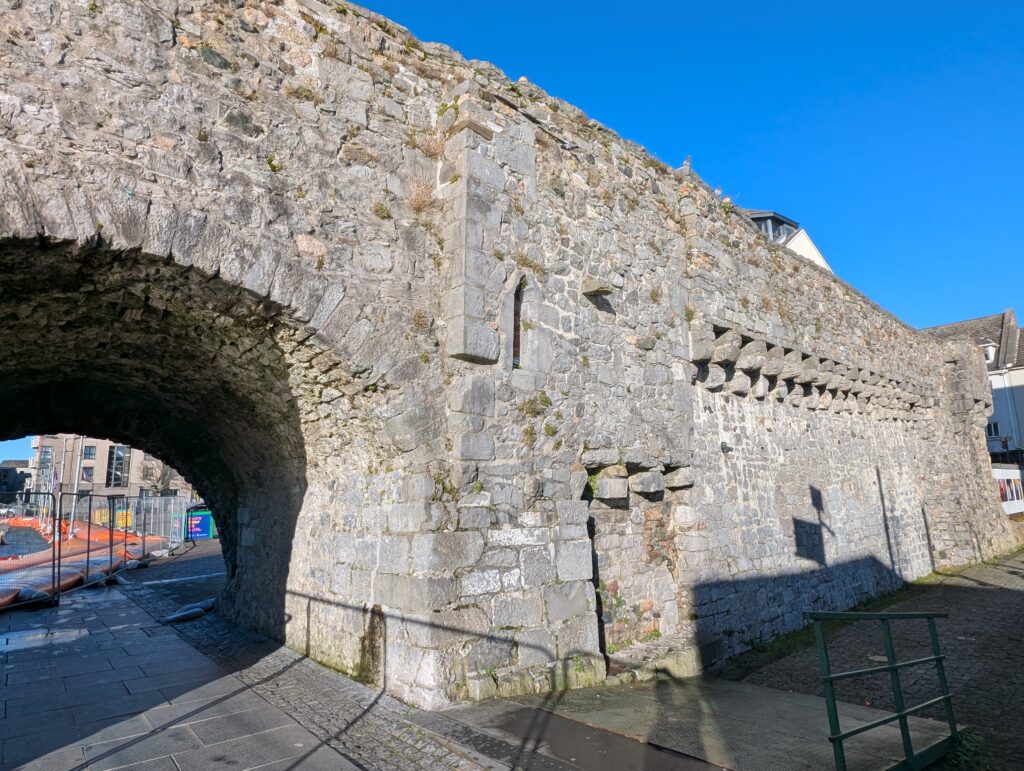
The Spanish arch.
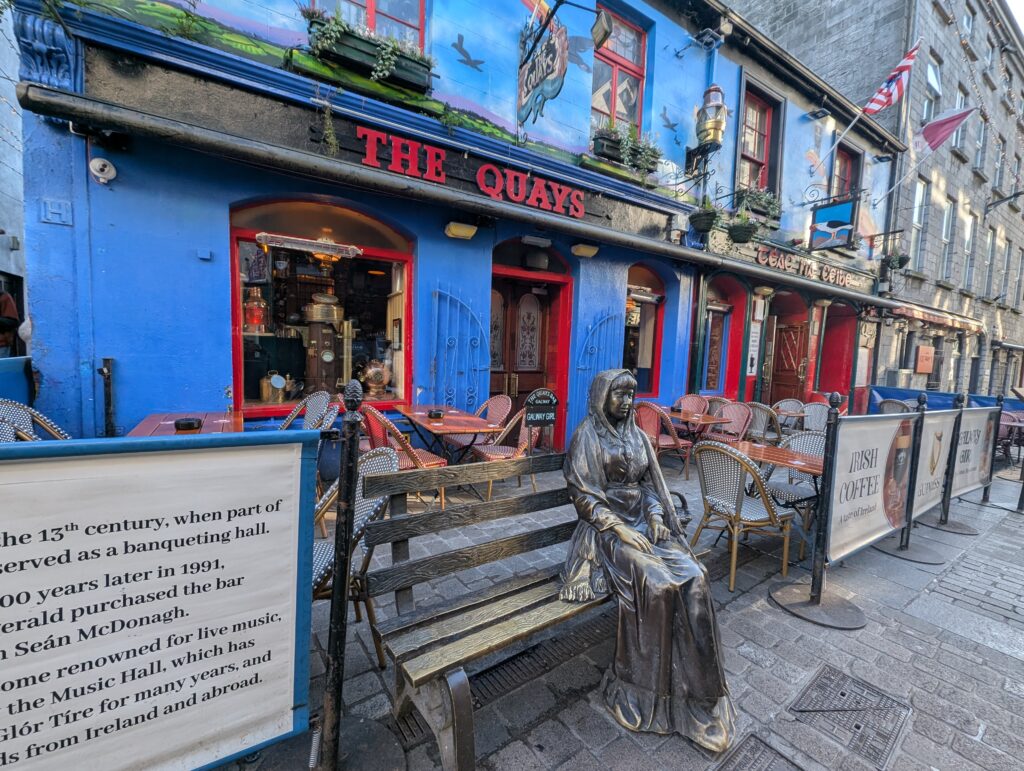
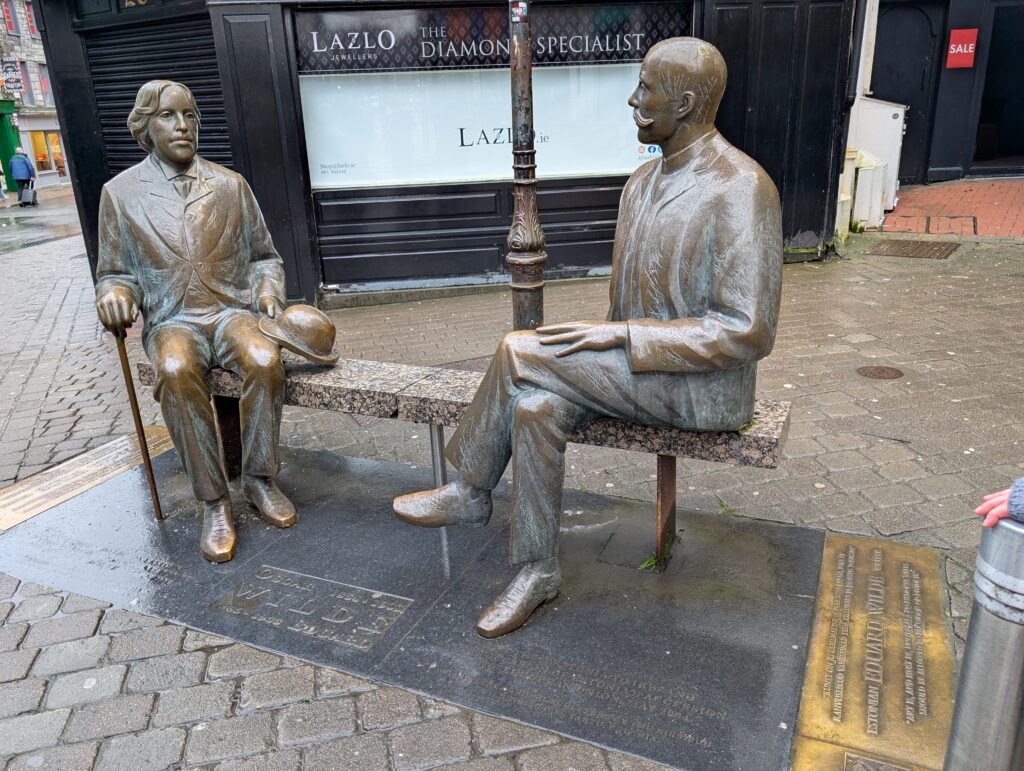
Statue of Oscar Wilde.
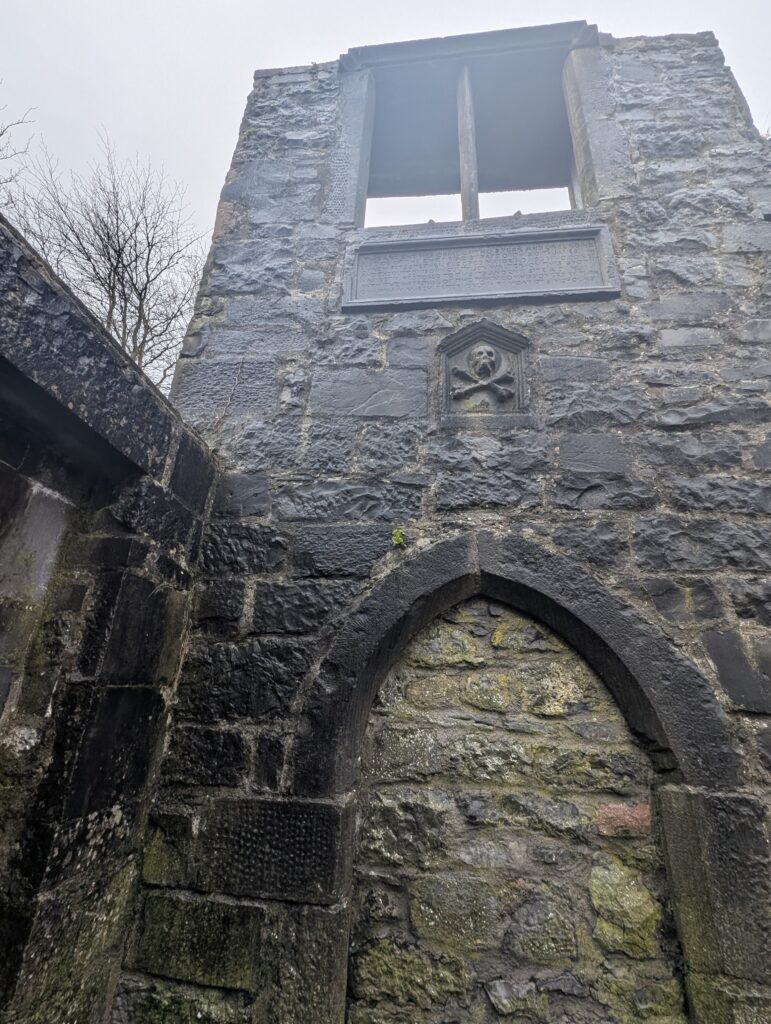
Remnant of a wall where a father hung his own son for breaking a law. it seems that this story has been told in different places at different times… The wall was actually moved a few times.
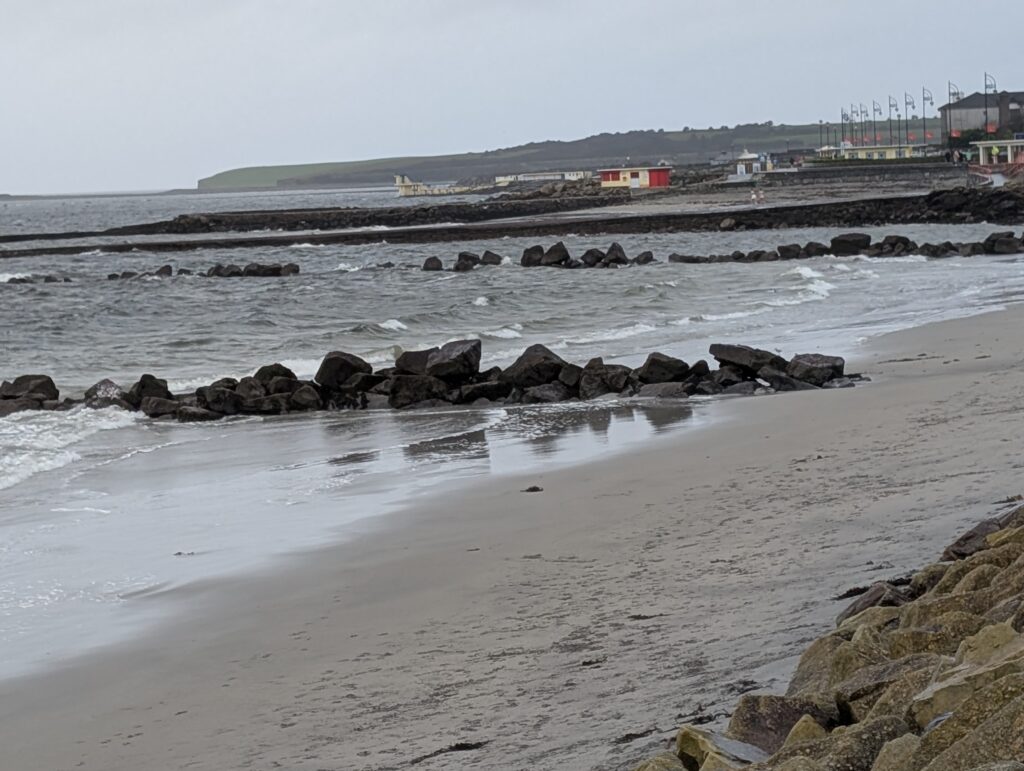
One day I decided to walk to salt hill with some chance of rain. Of course there was a lot. It is the west coast of Ireland.
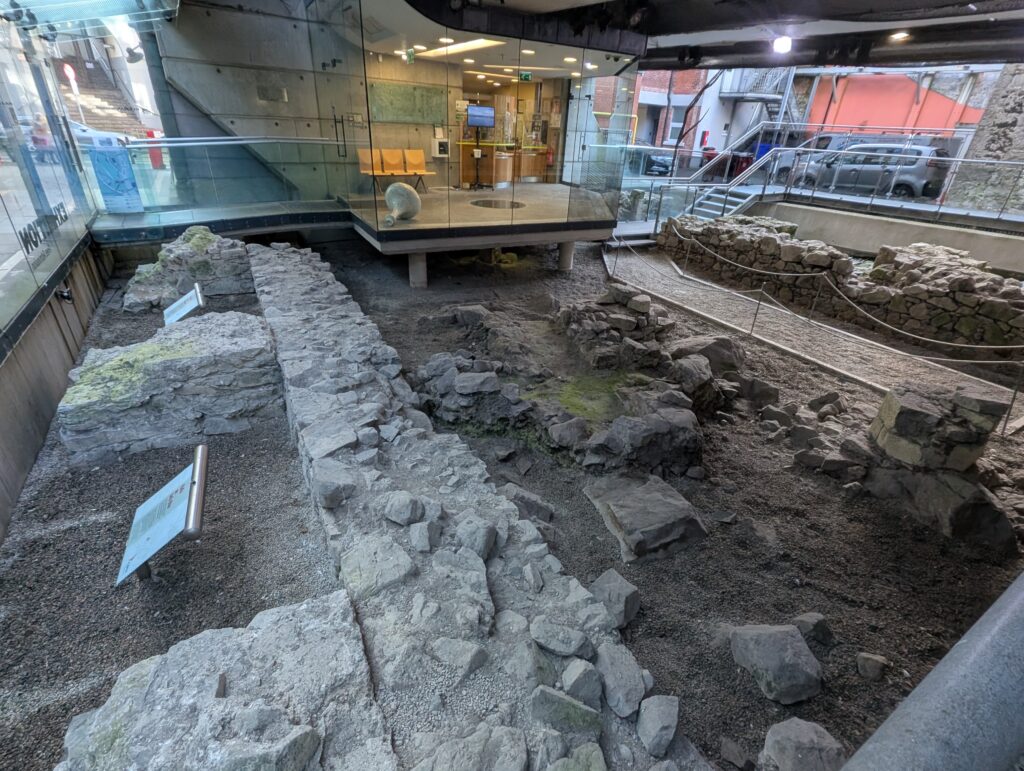
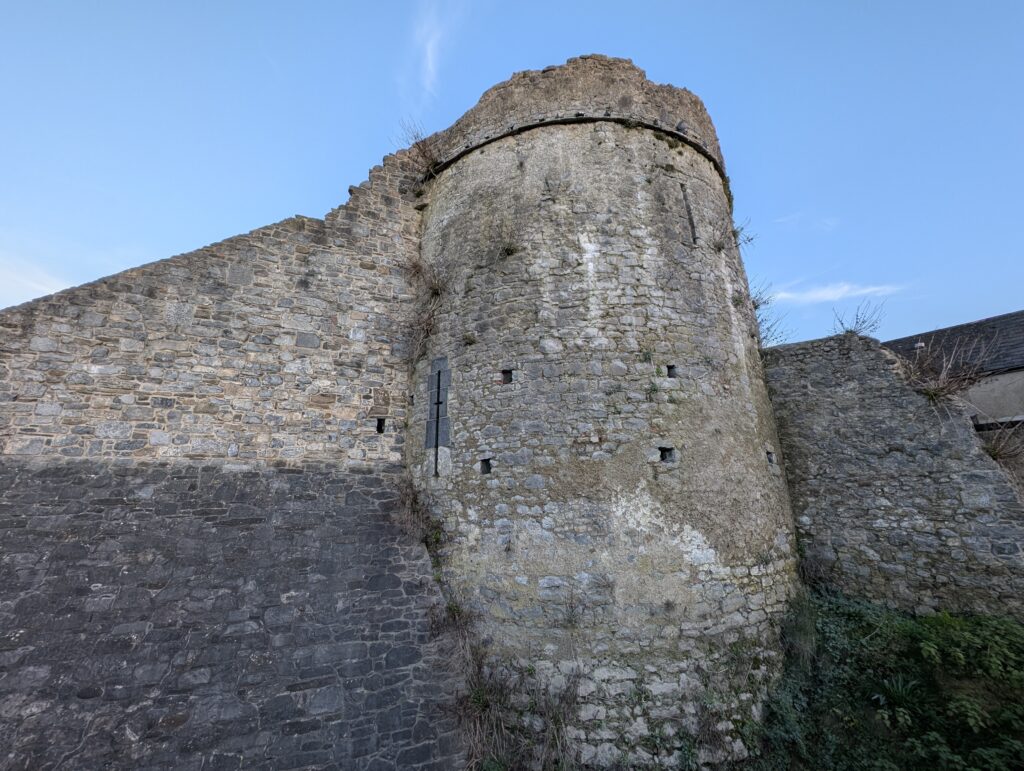
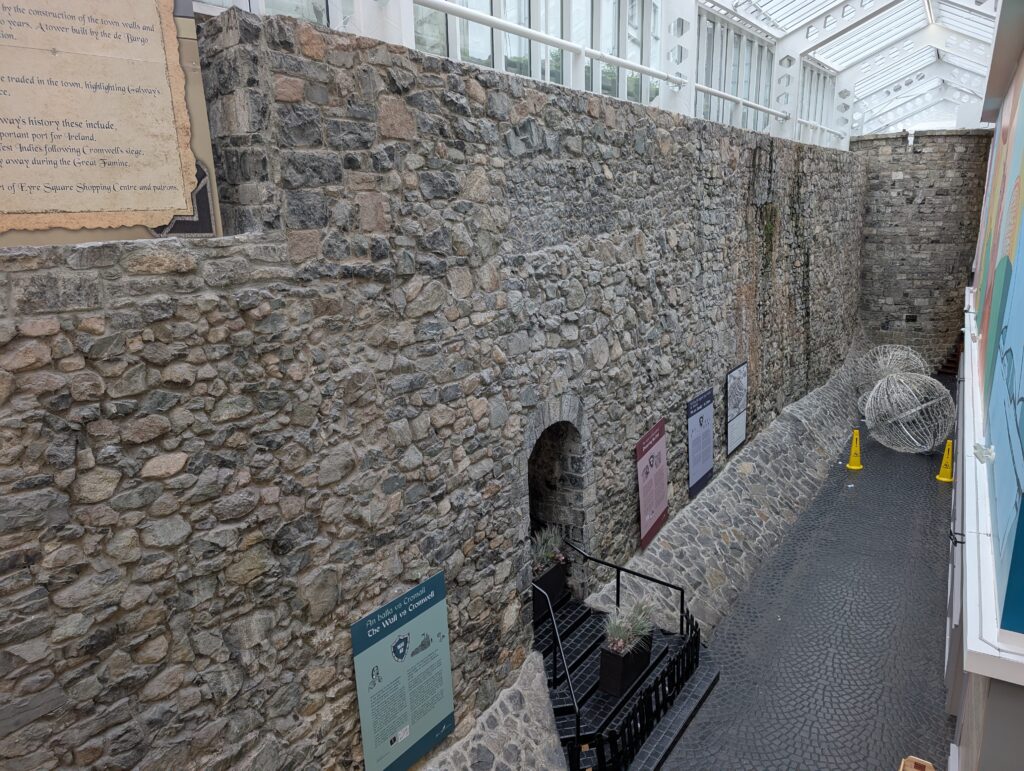
I learned that the old city wall really mains intact and they built a mall around it. I am standing on the second story of the mall.
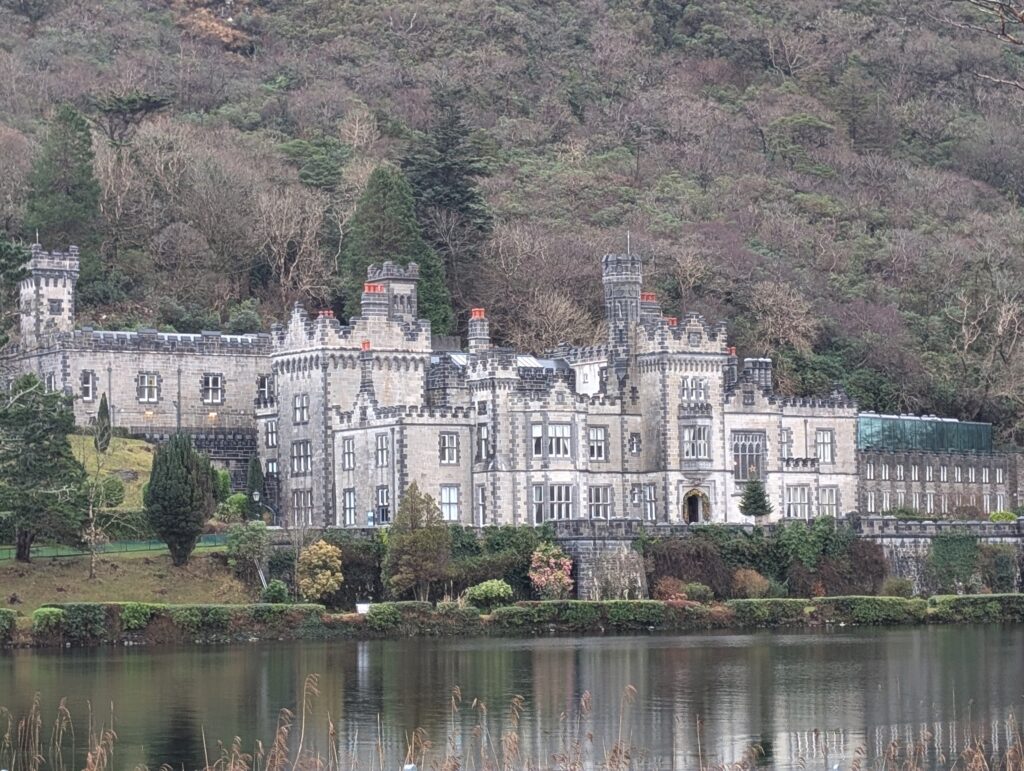
Kylemore abby and Cong

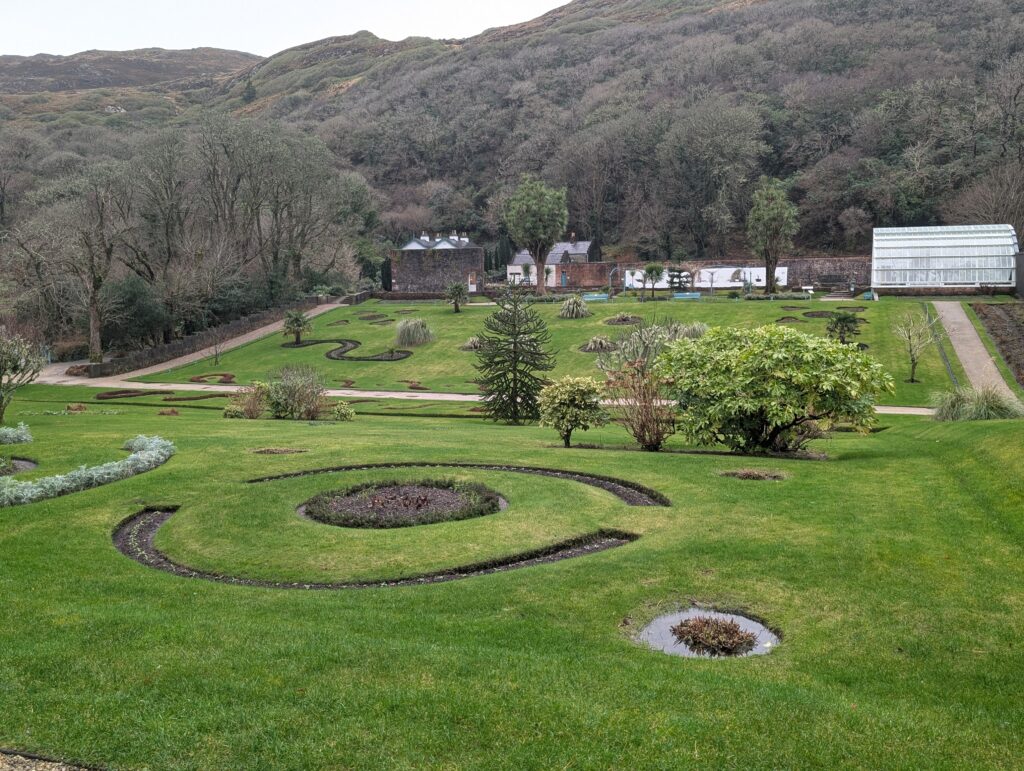
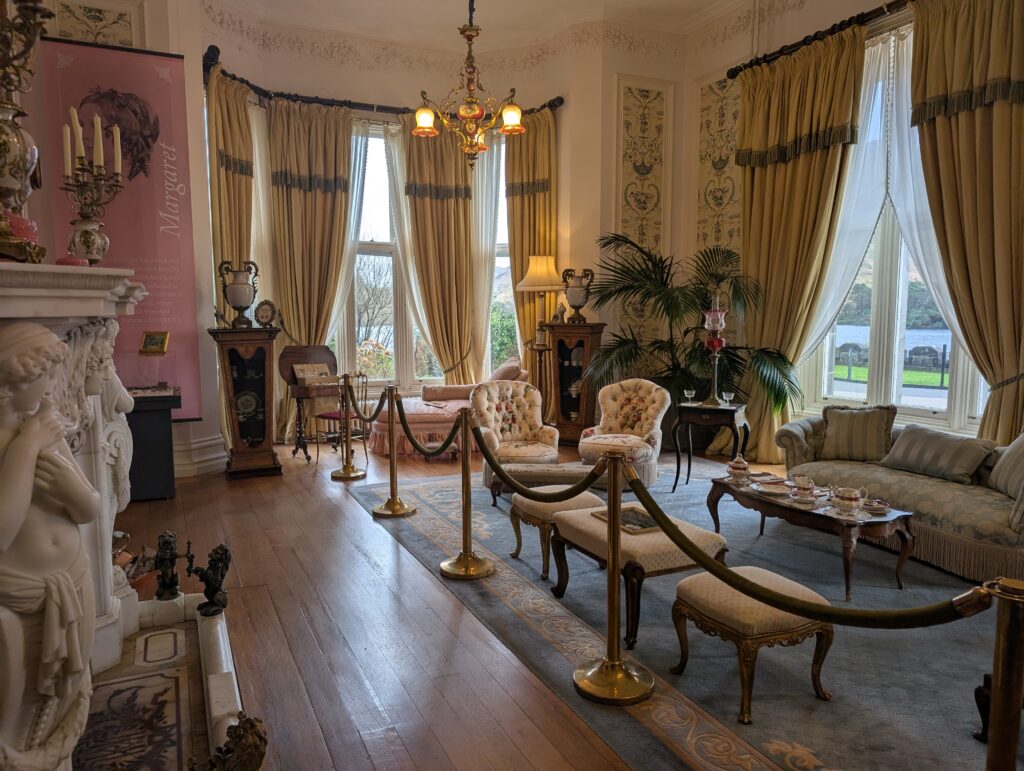
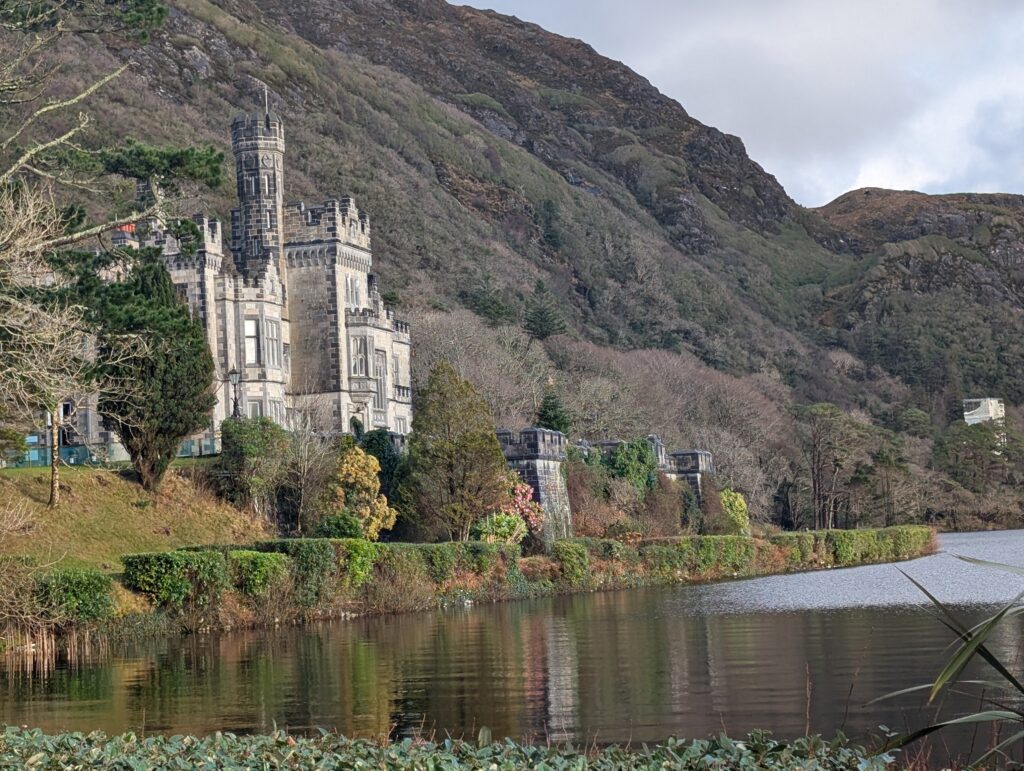
Constructed in 1867 for the Henry’s, they had a castle like mansion, a greenhouse warmed from the heat from the house and water that even grew bananas. They were beloved by the people in the community.

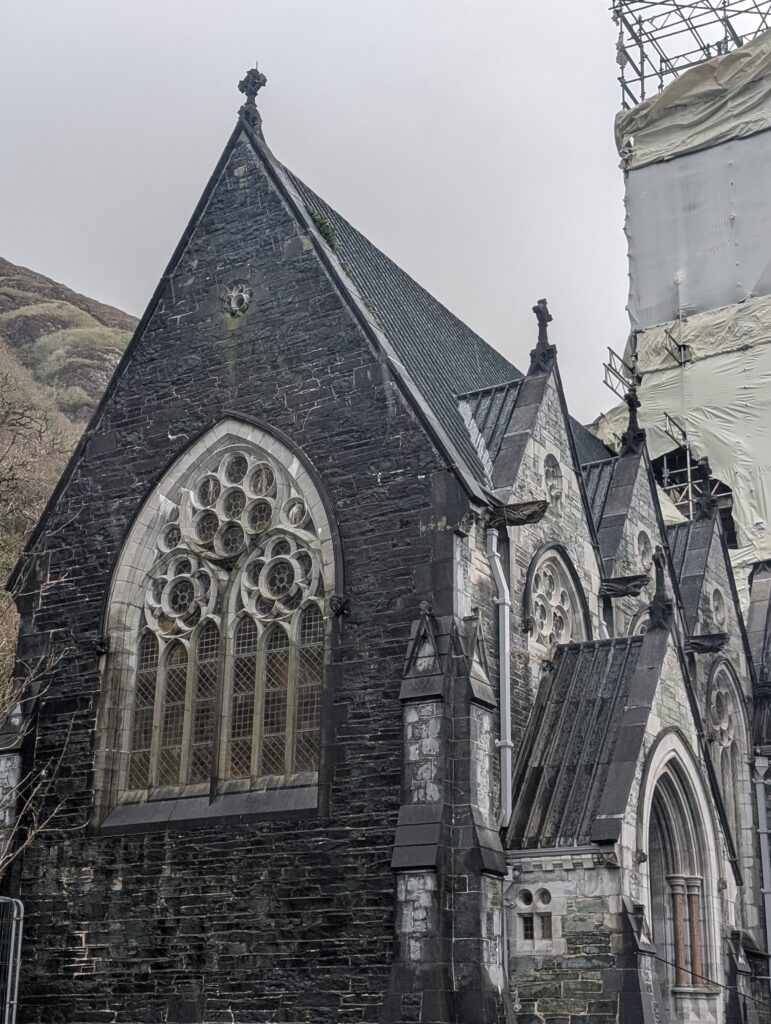
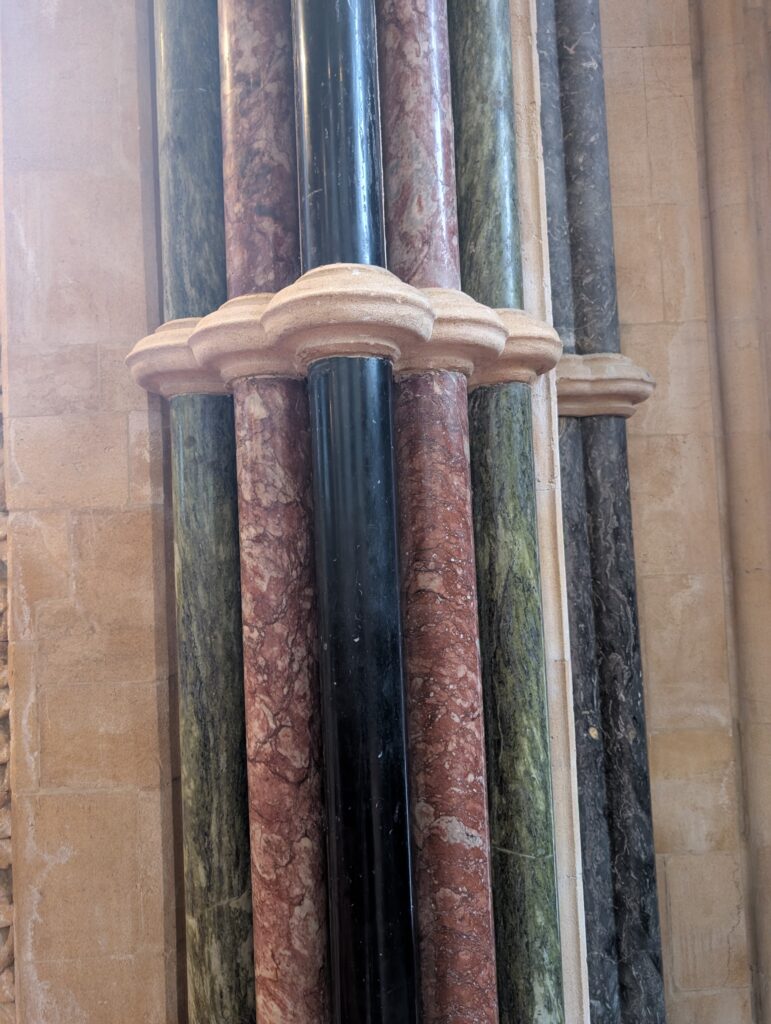
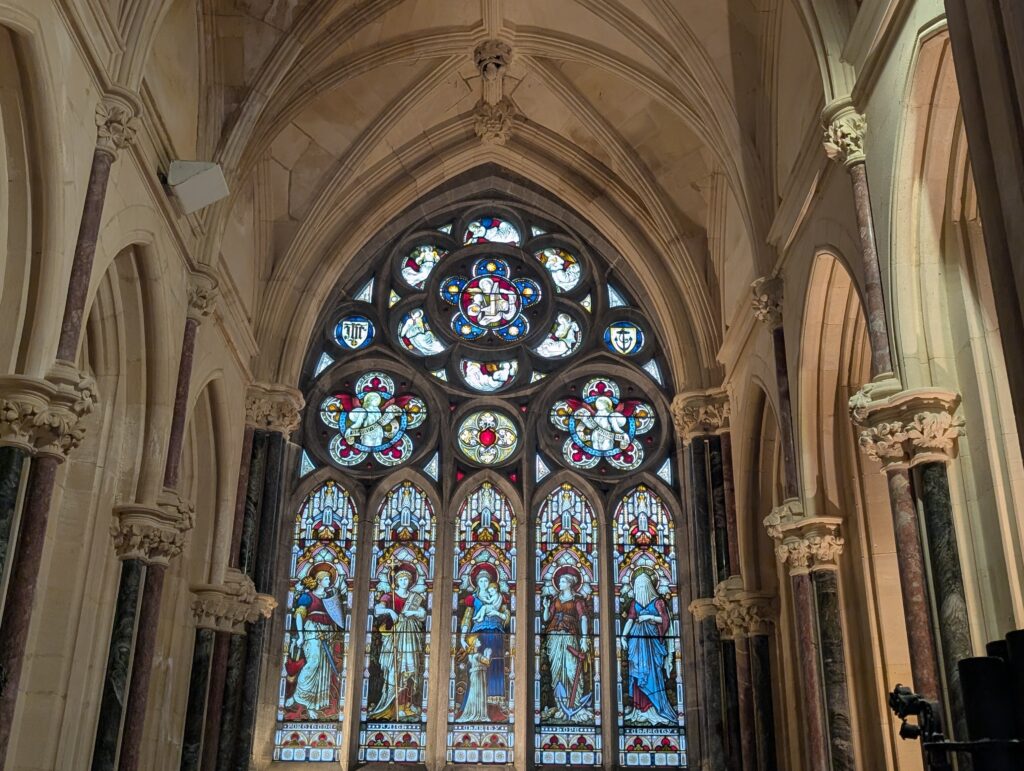
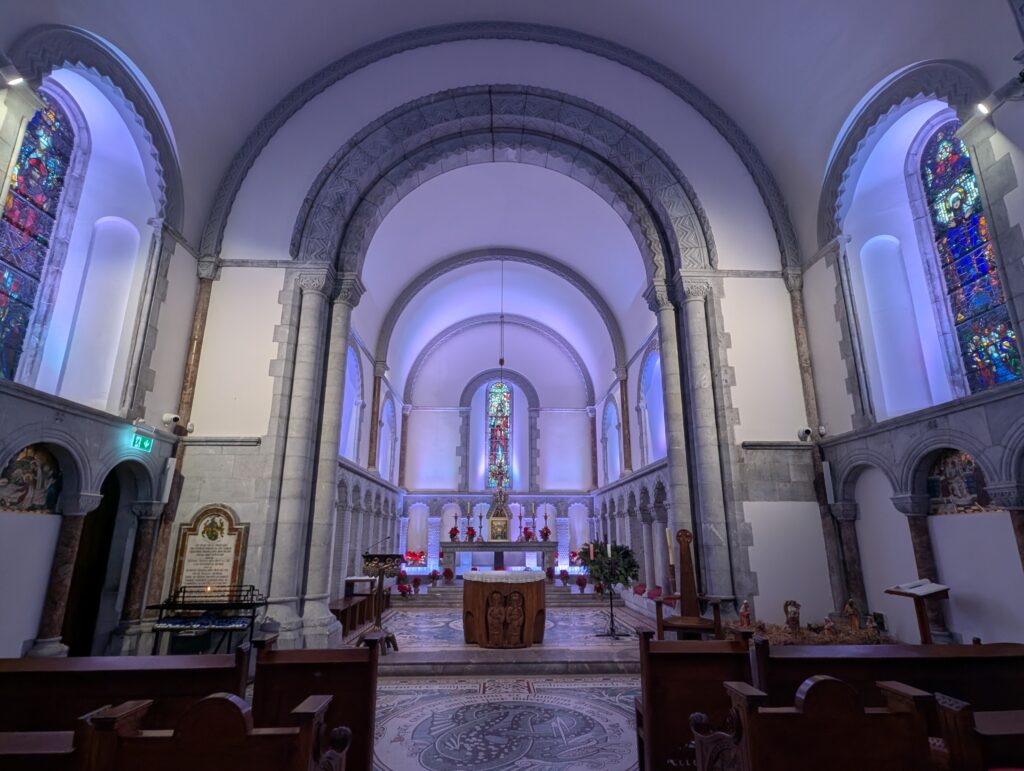
His wife Margaret died unexpectedly while in Africa with the family. Before returning with her remains, a Gothic chapel with mausoleum was constructed. It contains marble columns from all 4 parts of Ireland.

After passing through another family’s hands, it was acquired by Irish Benedictine monks who were displaced during WWI. Now there is still a monastery and a girl’s school.

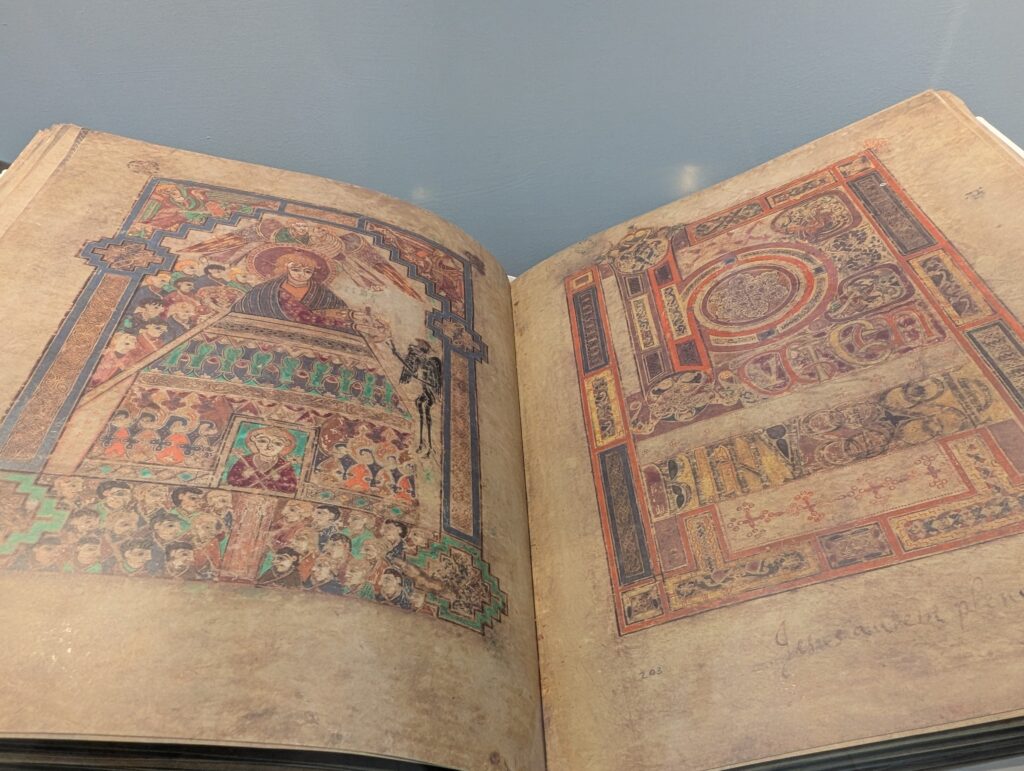
A copy of the Book of Kells, amazing artistry.

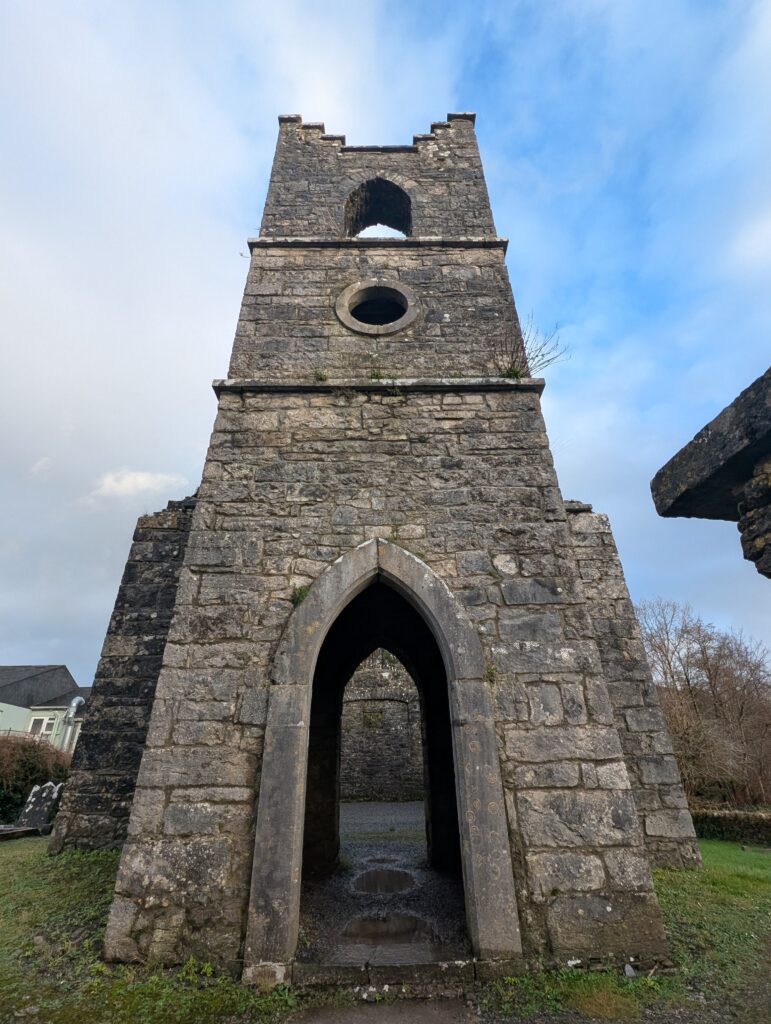
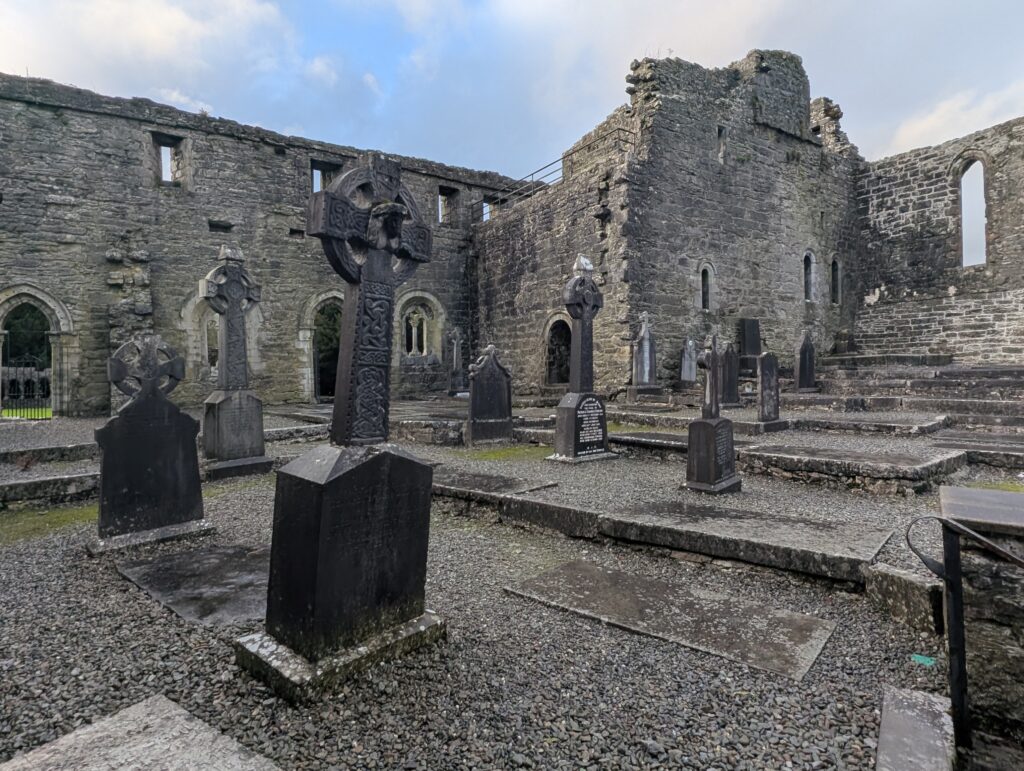
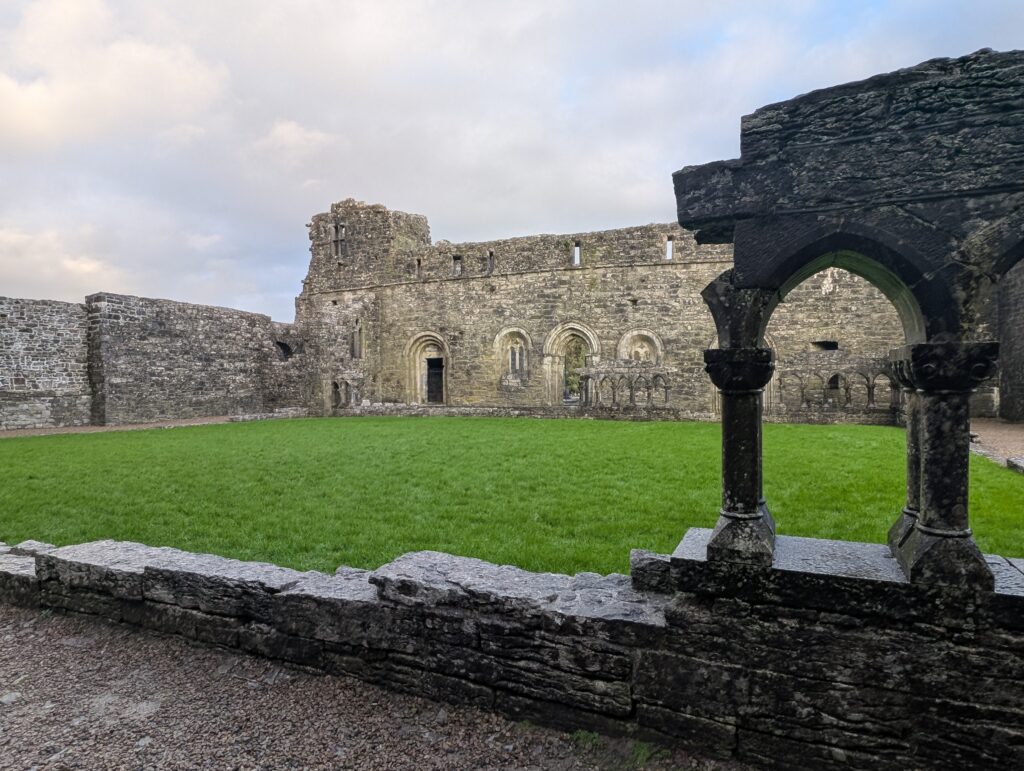
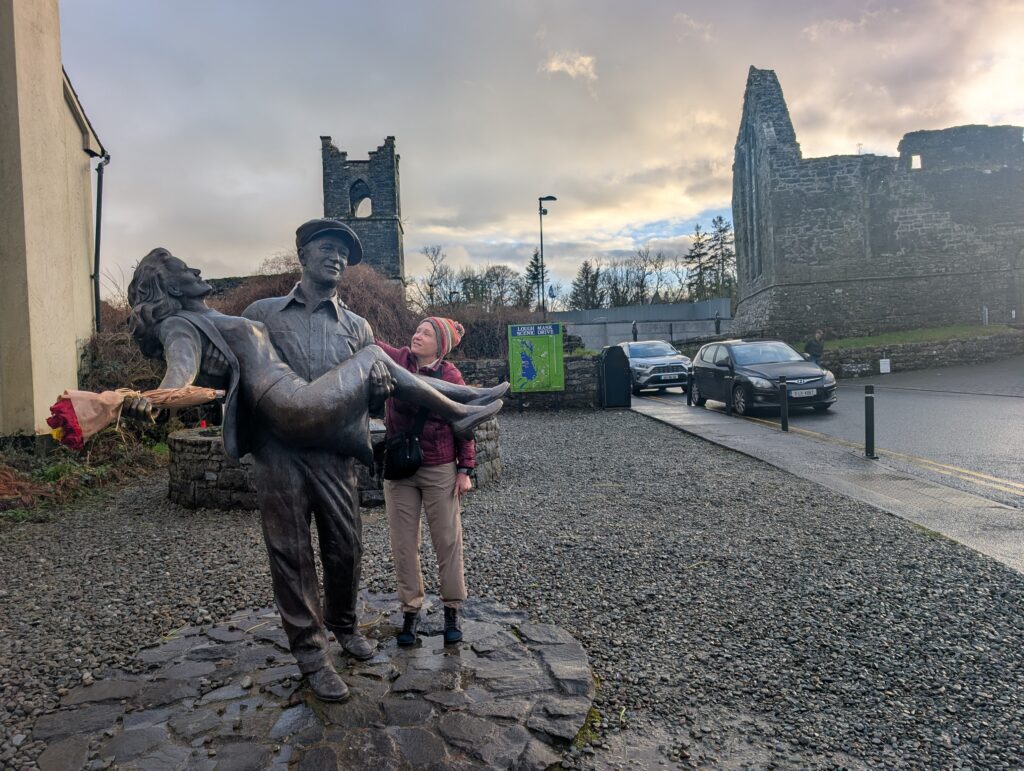
Cong Abbey was built in 1120. It was a major religious center in the area. The town gained international attention with John Wayne’s film “The Quiet Man”.

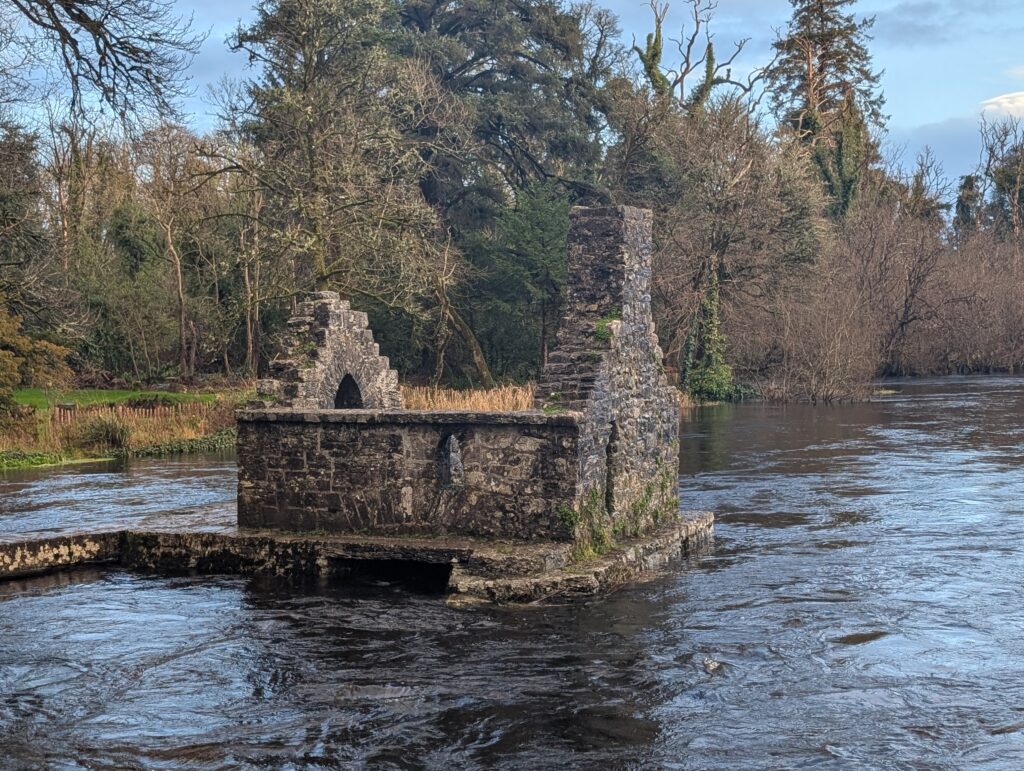
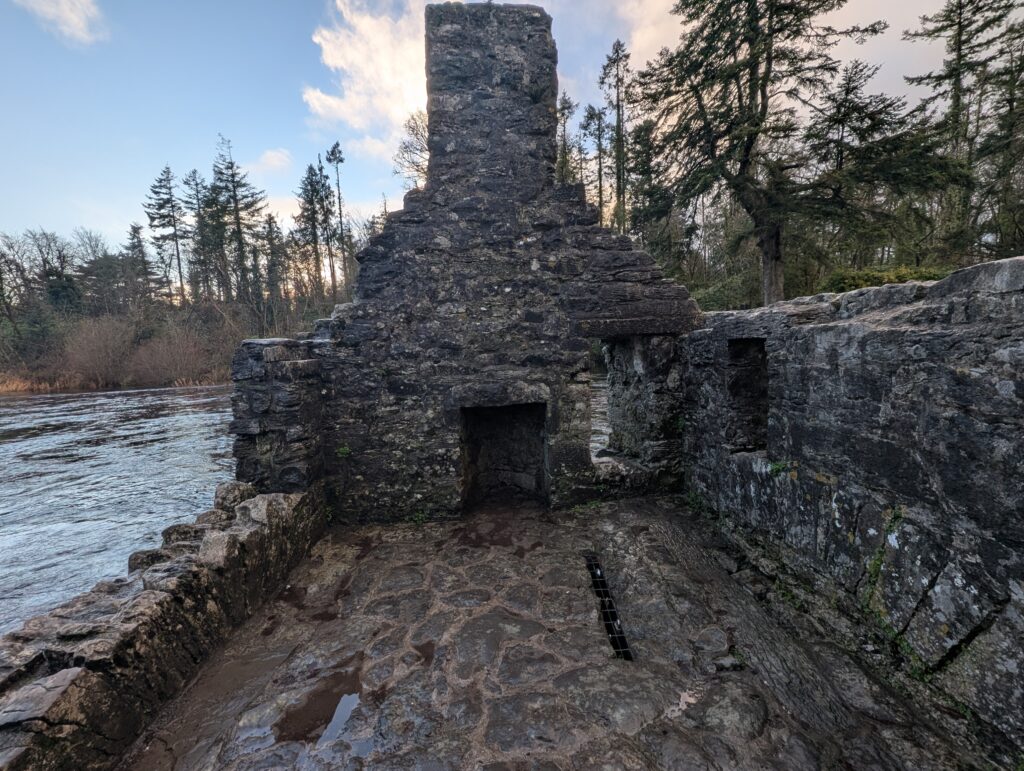
This is the monks fishing house which had a slit in the floor for fishing, a fireplace, and even a bell connected to the abbey to alert there will be fish for dinner!

Congs woods

The Quiet Man with John Wayne has made this a popular tourist spot.

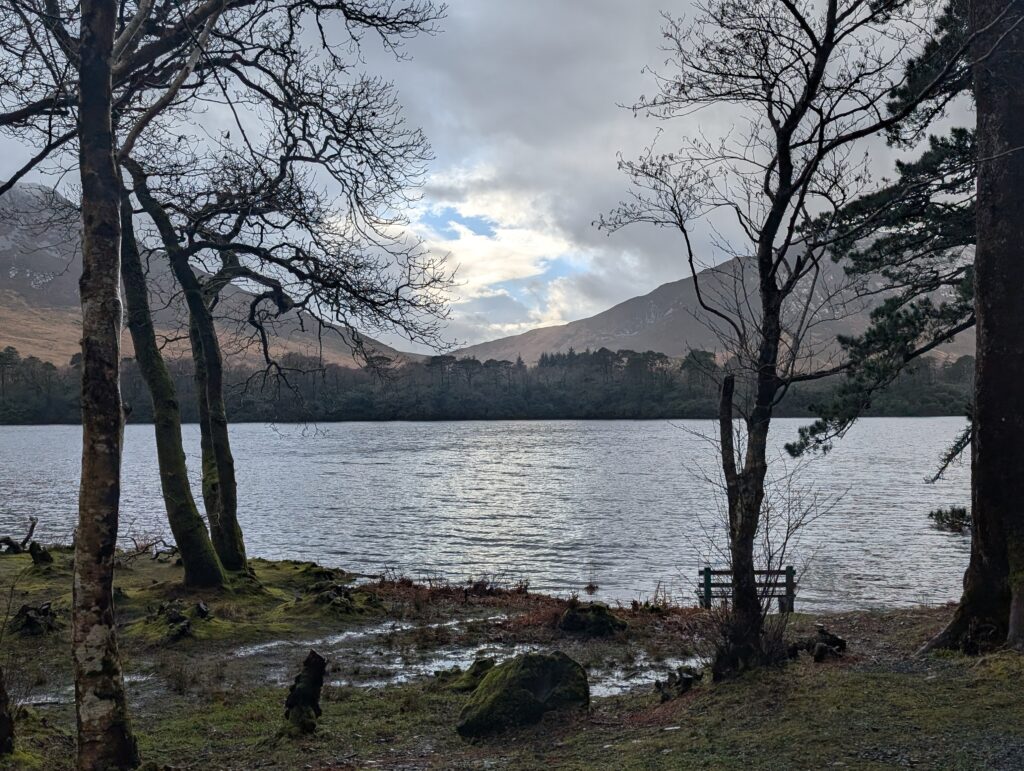
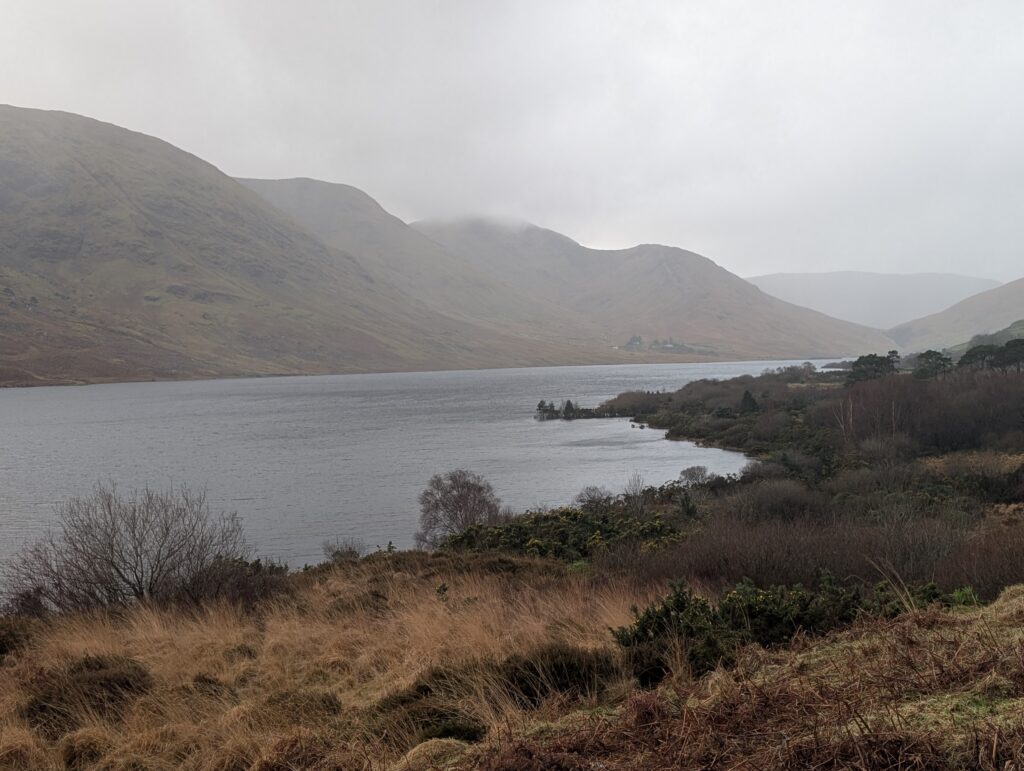
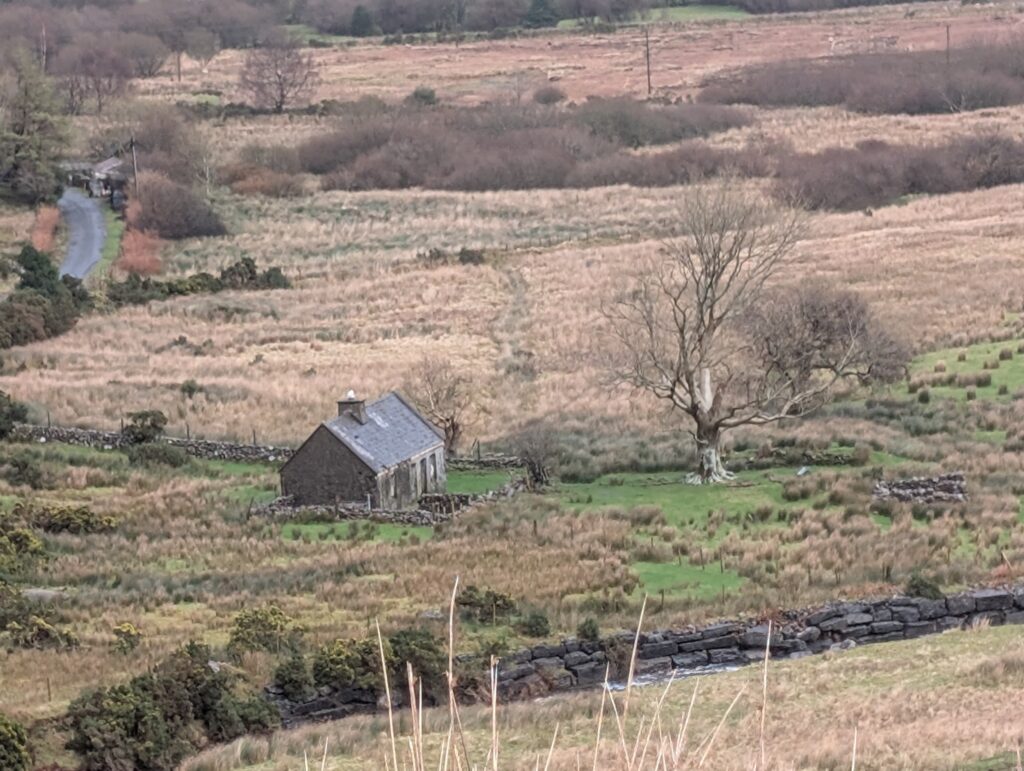
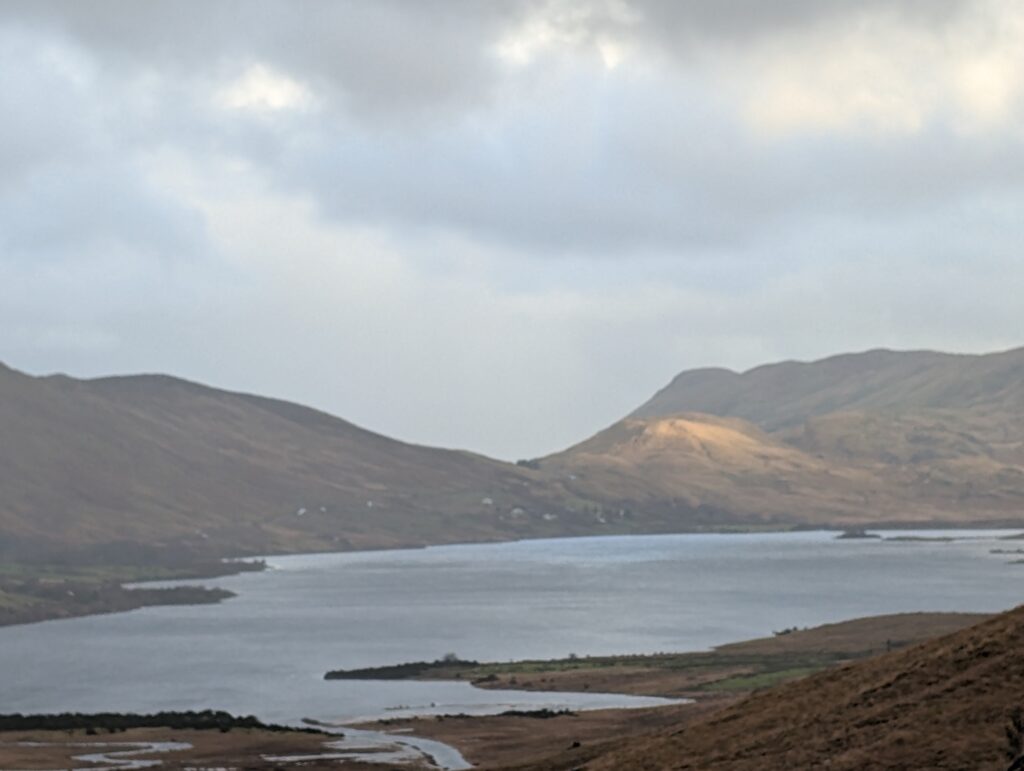
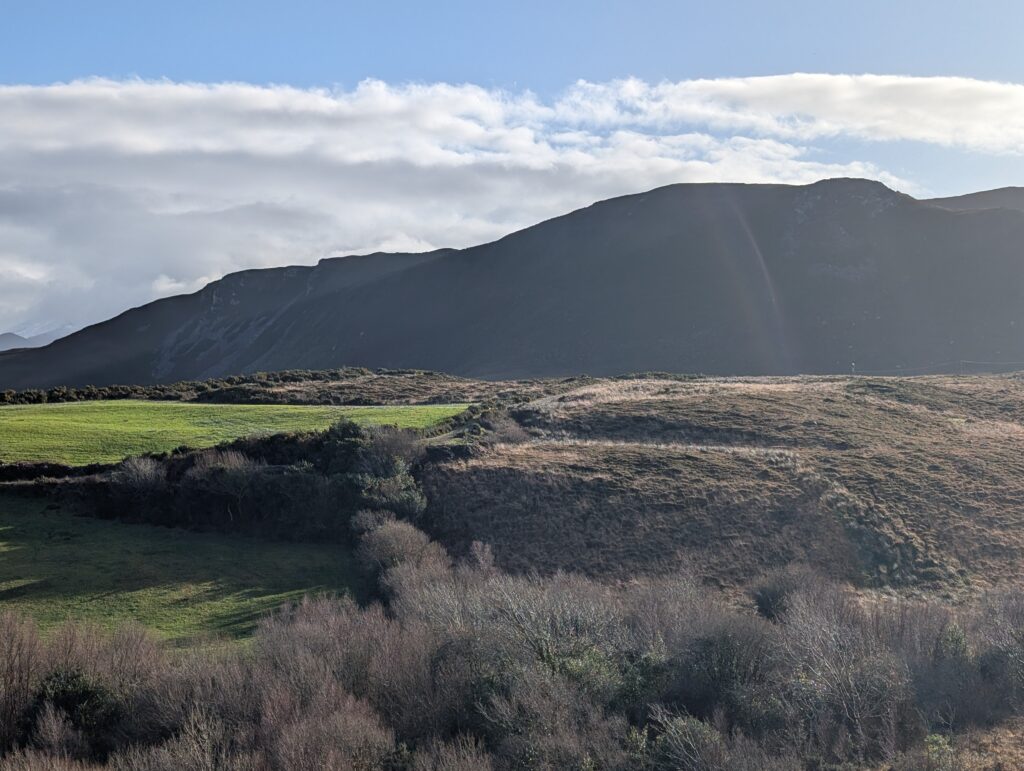
Sights of the countryside on the way to our destinations.

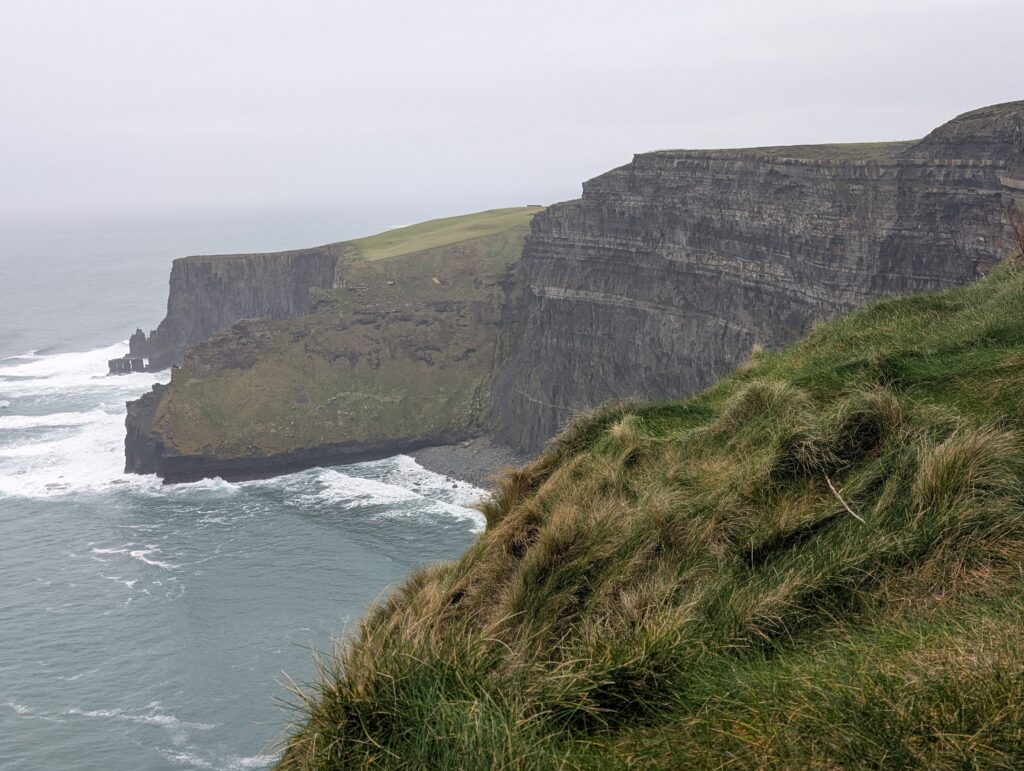
Cliffs of Moher

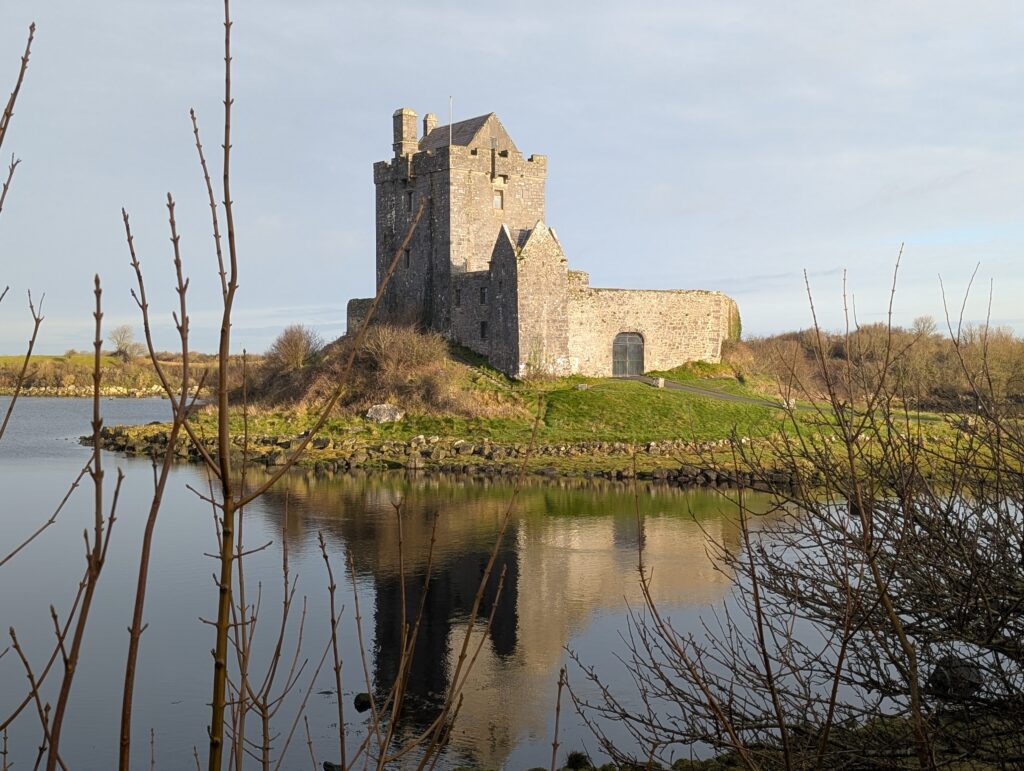
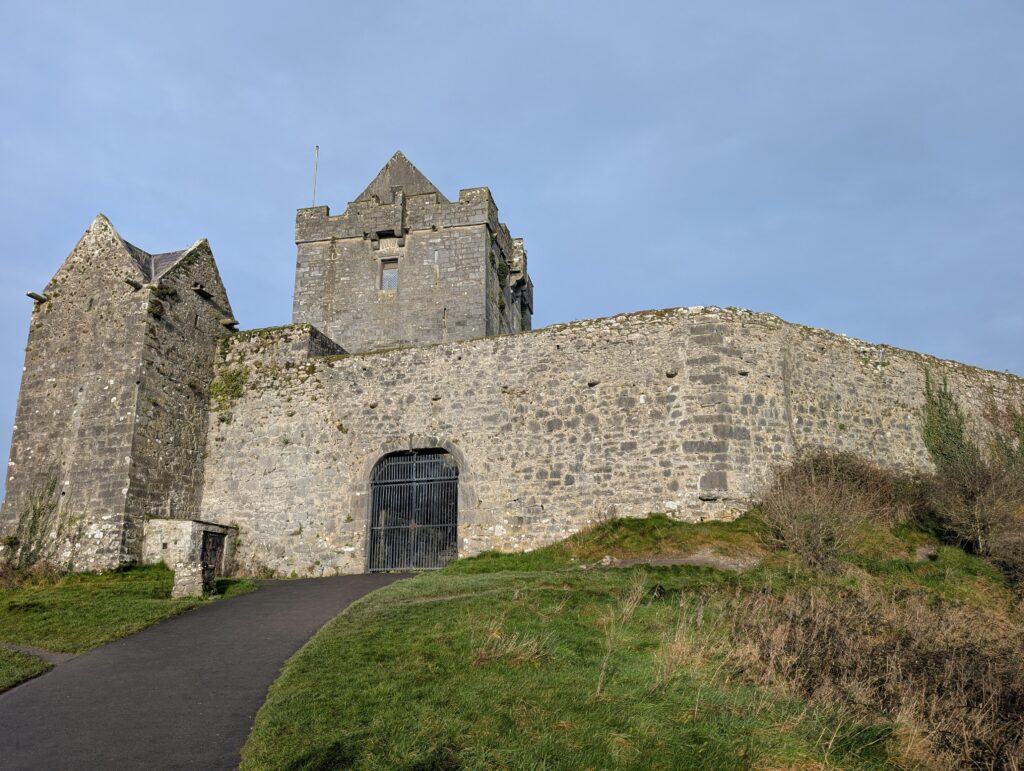
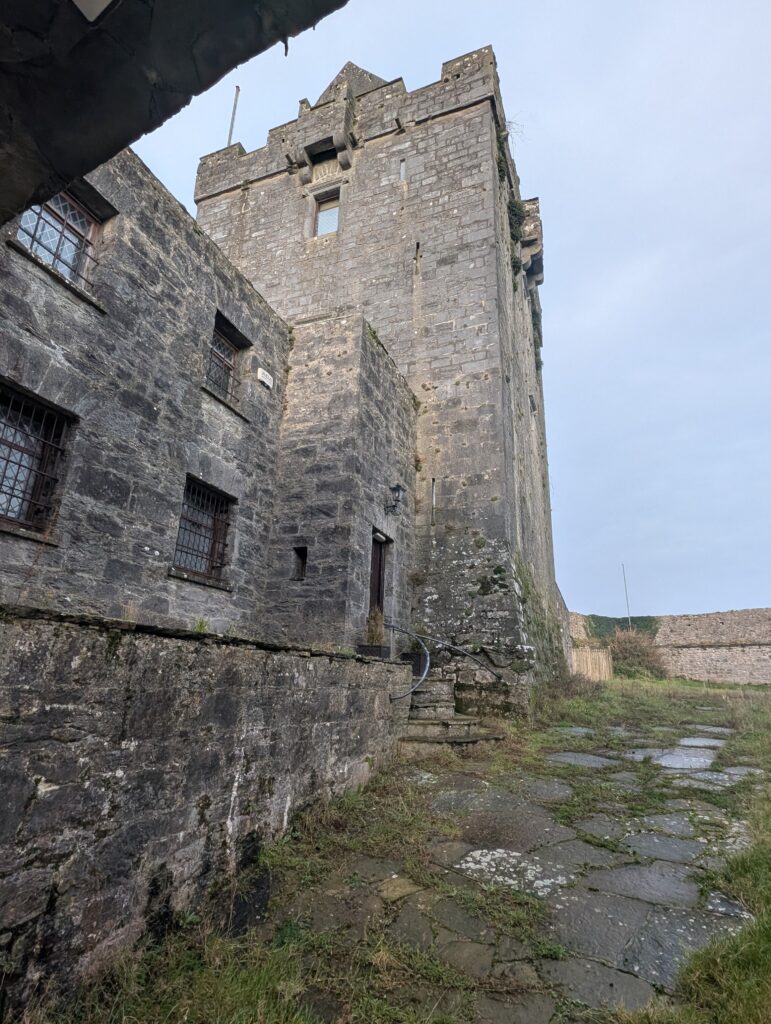
From Galway I took a tour to Cliffs of Moher and the Burren. On the way there, we stopped at Dunguaire Castle in Kinvara. Built in the 16th century, it consists of a tall rectangular keep, defensive walls, and corner turrets. Its design is mostly for local power and defense.

It fell into disrepair and was revitalized in the early 20th century. Folklore gives many stories of ghostly banquets being held there. Other folklore tells of King Guaire the Generous that lived before the castle was ever constructed. He would give to everyone who asked and also ruled judiciously. His son was convicted of a serious crime and he still ruled he be beheaded even if it was his son.

Inside the walls of the castle.

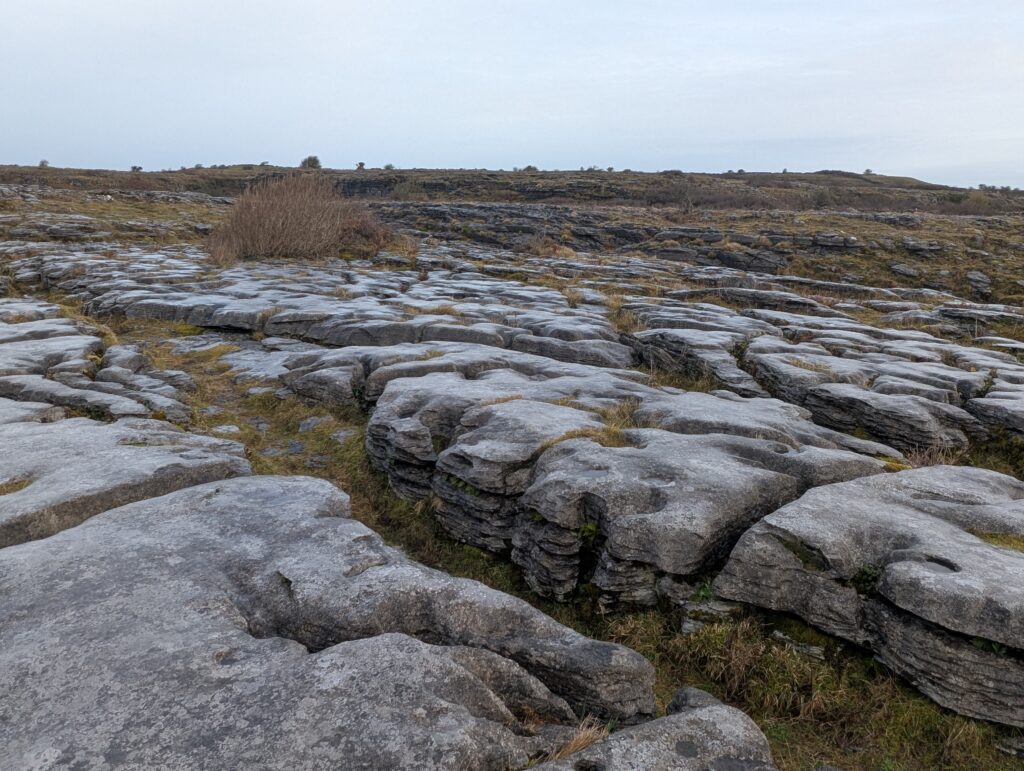
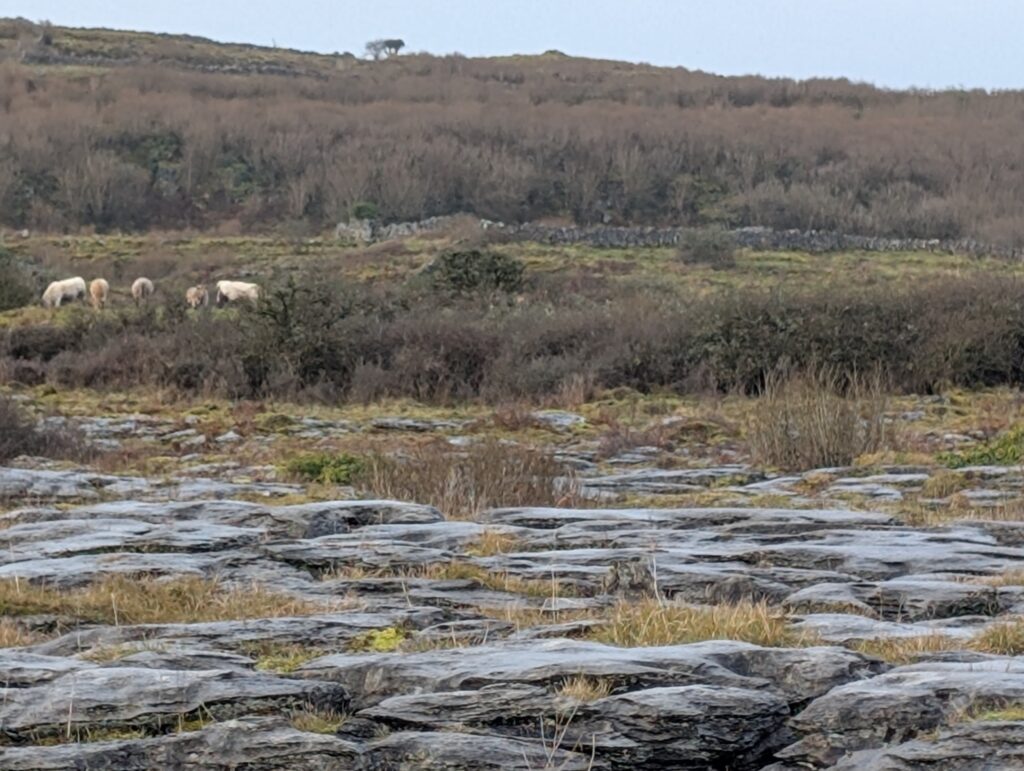
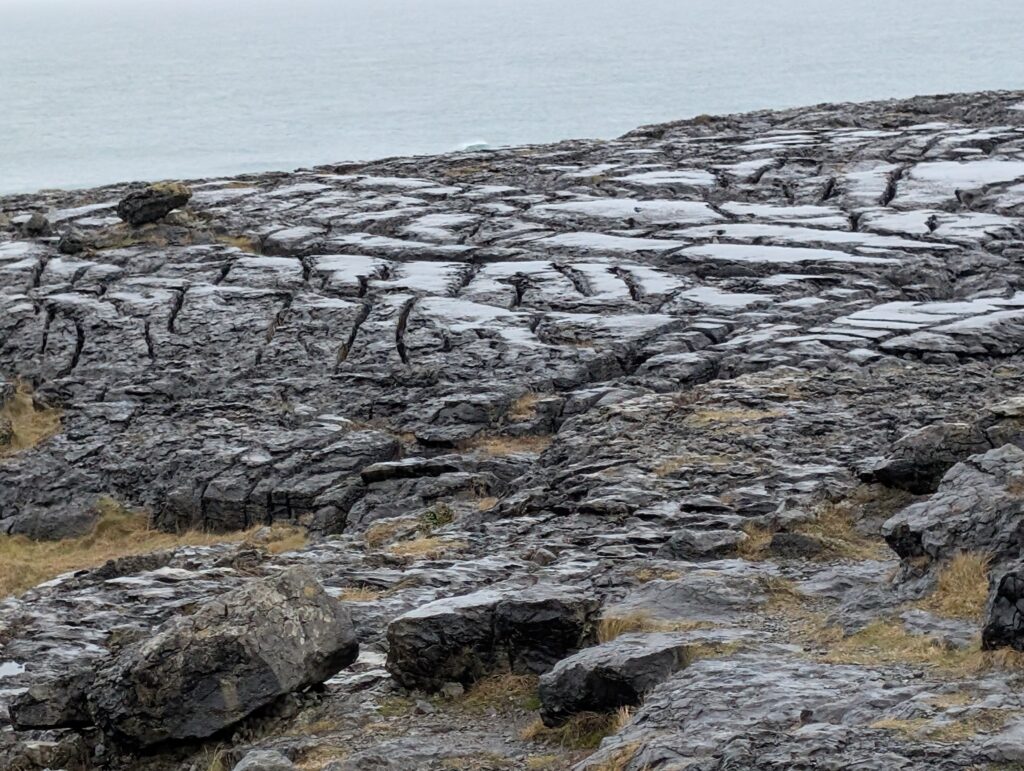
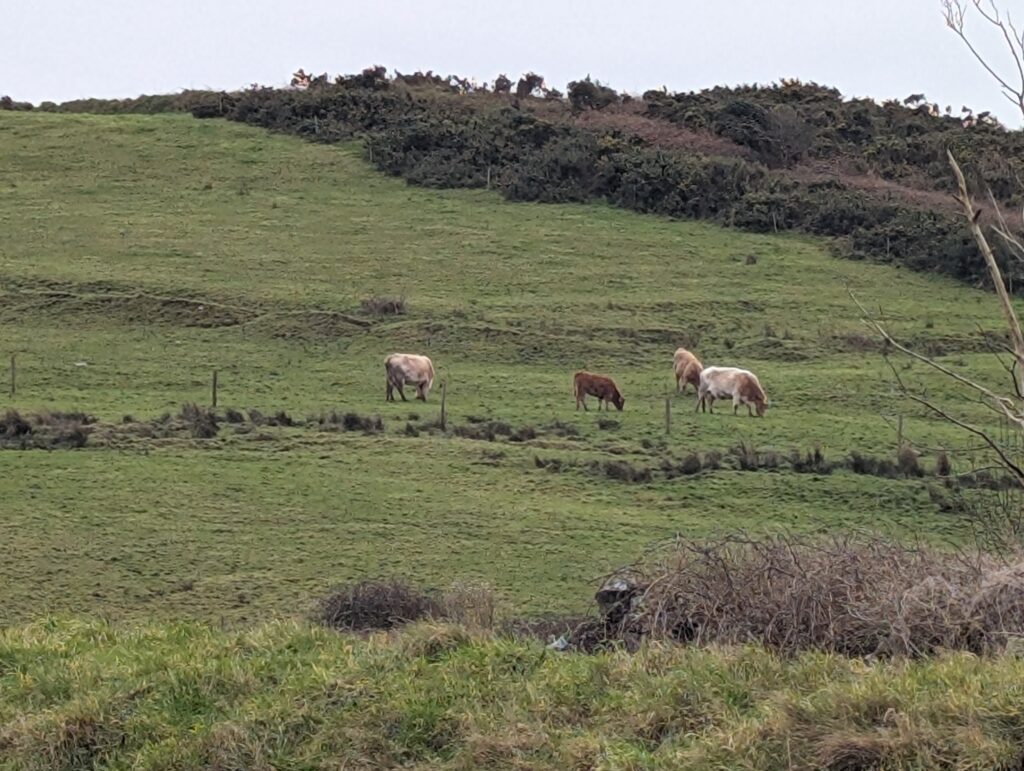
We then drove through the Burren. 330 million years ago when Ireland was near the equator there were many marine organisms that formed limestone seabeds over time. During tectonic uplift, the beds were lifted and cooled at the surface, cracking in areas. Grikes are the deep vertical fissures and clints are the flat limestone blocks. Water mixing with carbon dioxide creates a weak acid which dissolved some of the limestone . The karst formations created underground streams and caves, deep fissures, etc. 2 million years ago the glaciers moved across the area removing the top layer soil, bringing some soil into the cracks and debris like rocks. The limestone was exposed. Plants grew in the cracks, and the area looks like a lunar landscape. Arctic alpine plants coexist beside Mediterranean plants. Grazing animals in winter help to stop shrubs from growing.

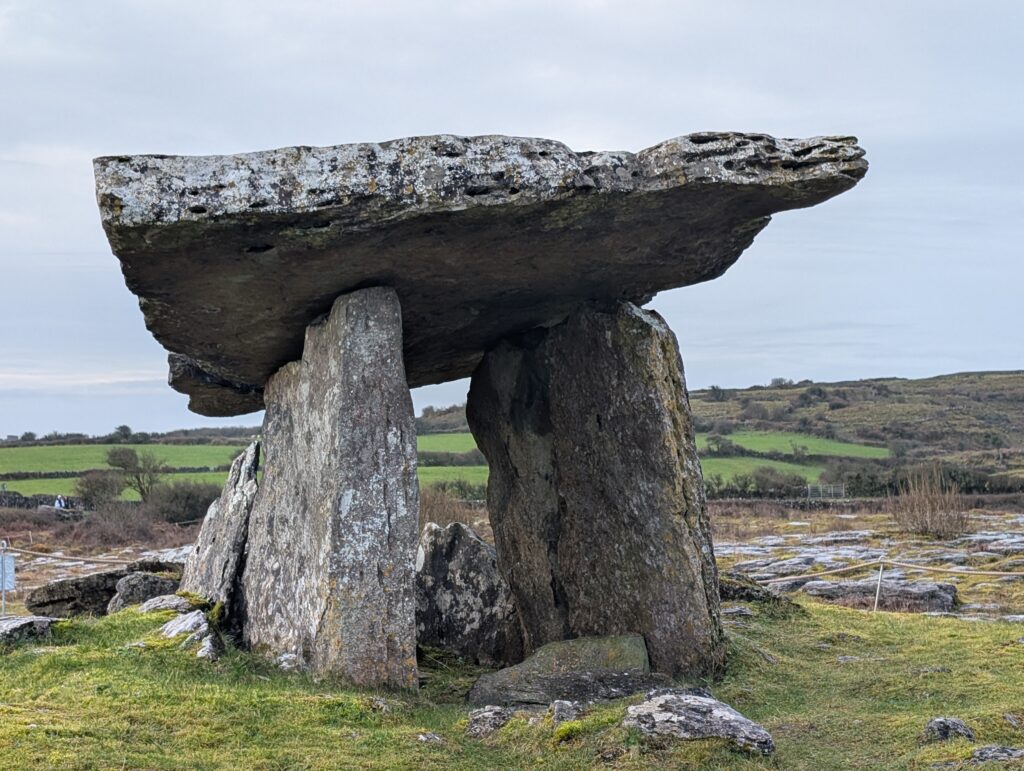
The Poulnabrone Dolman are 5000 year old burial structures. It is a burial monument. This one held the remains of 33 individuals with artifacts like jewelry. The well preserved bones give a good idea of what their life was like.

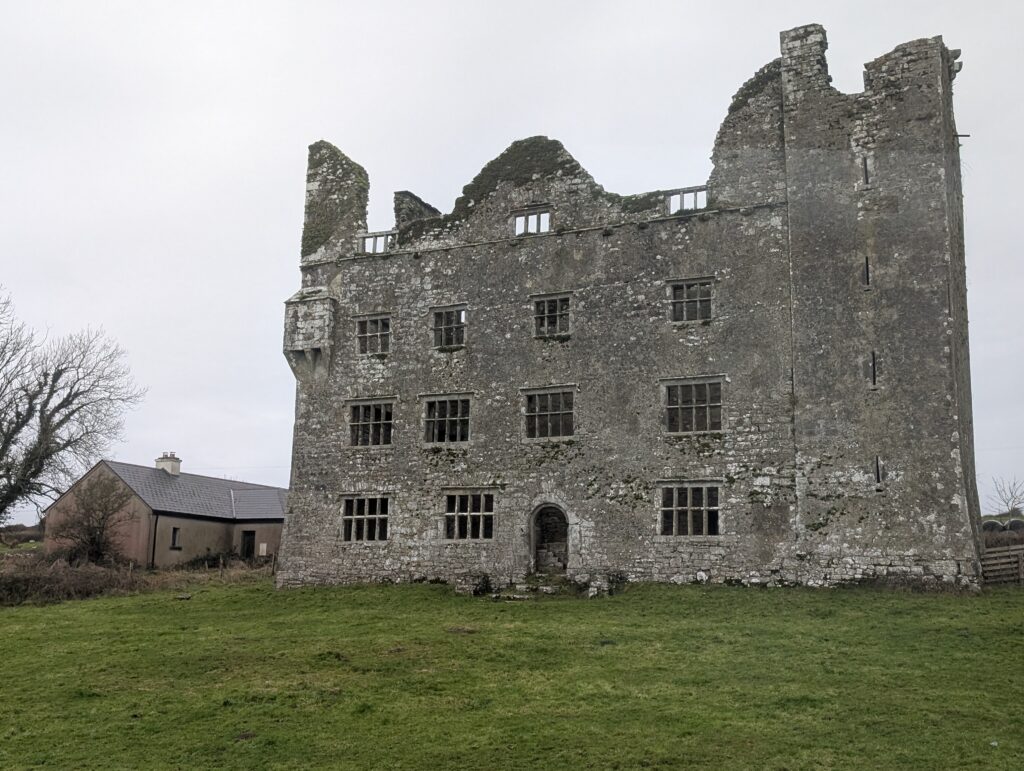
On the way to Doolin village, we saw this castle. Leamaneh castle was first built in 1480 for defense. It was added to in 1648 to create more of a manor house. “Red Mary” was the lady of the house, rode horses like a man. And even had people hung from the top of her house. When her beloved husband died, she had to marry another for protection from people taking over the house. It is said she killed at least one of her husbands that way. She was a powerful landholder in a very turbulent time in Ireland.

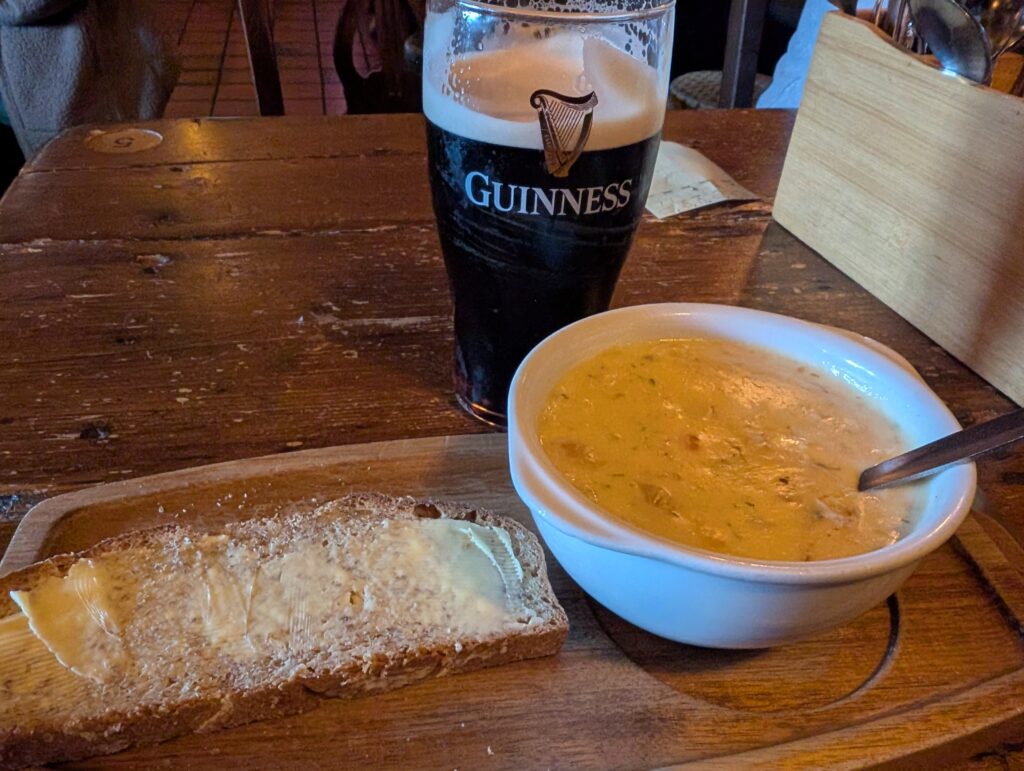
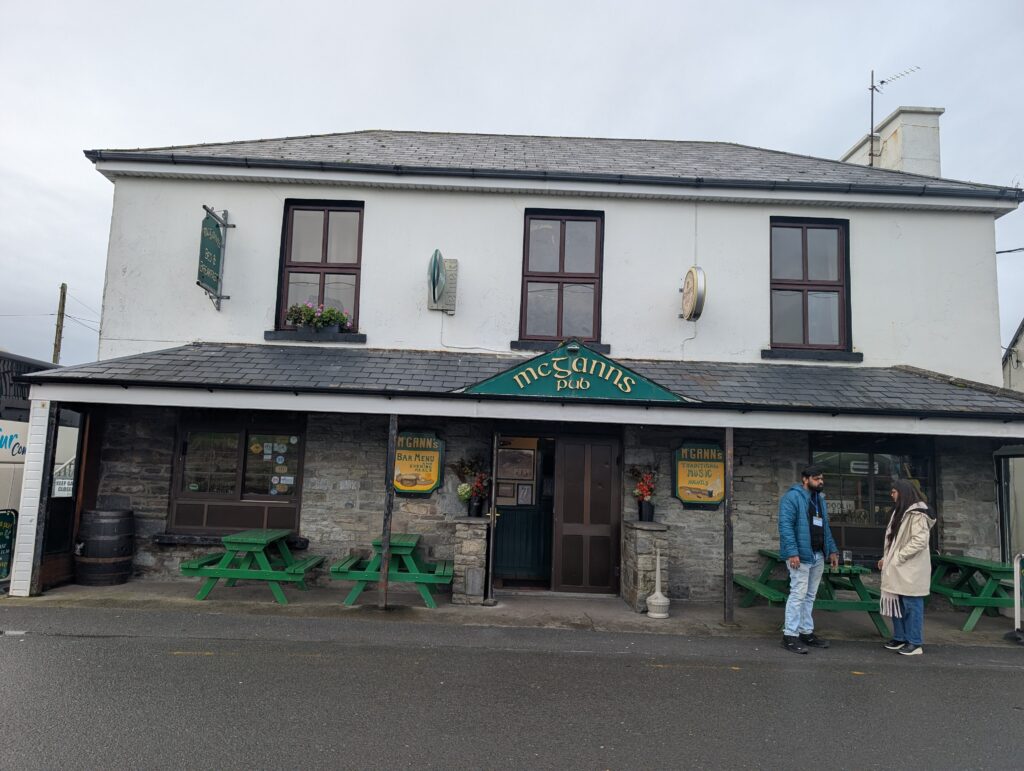
In Doolin Village we stopped at pub for lunch. I had seafood chowder at McGanns.

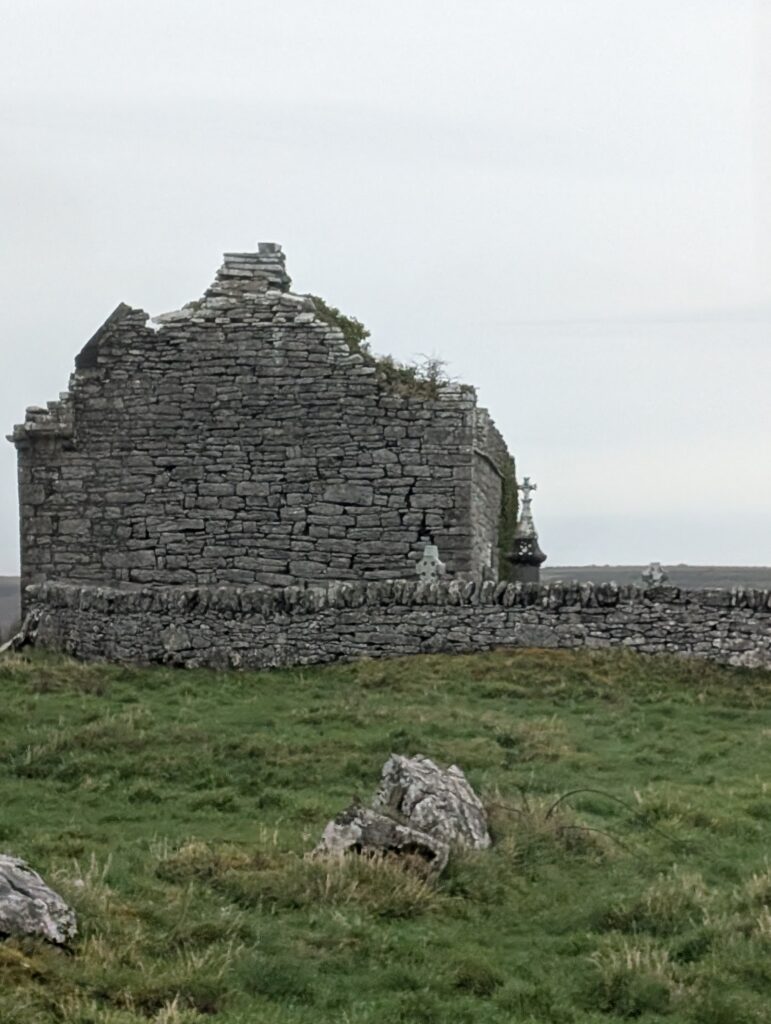
A parish house that has fallen into disarray over the centuries.

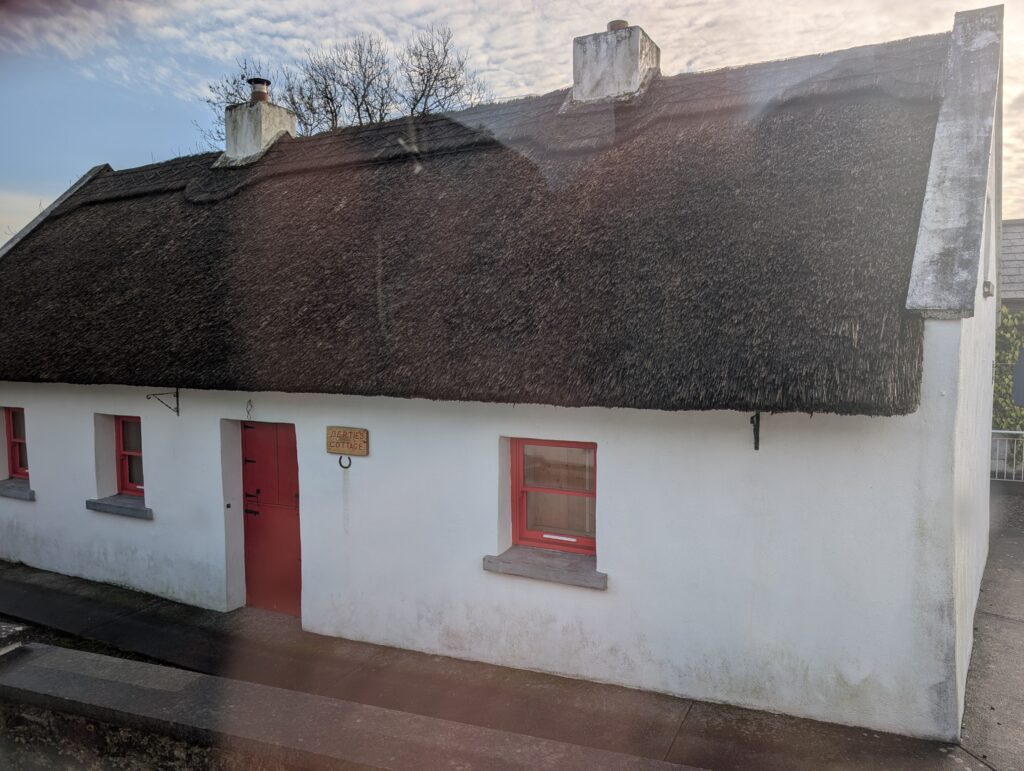
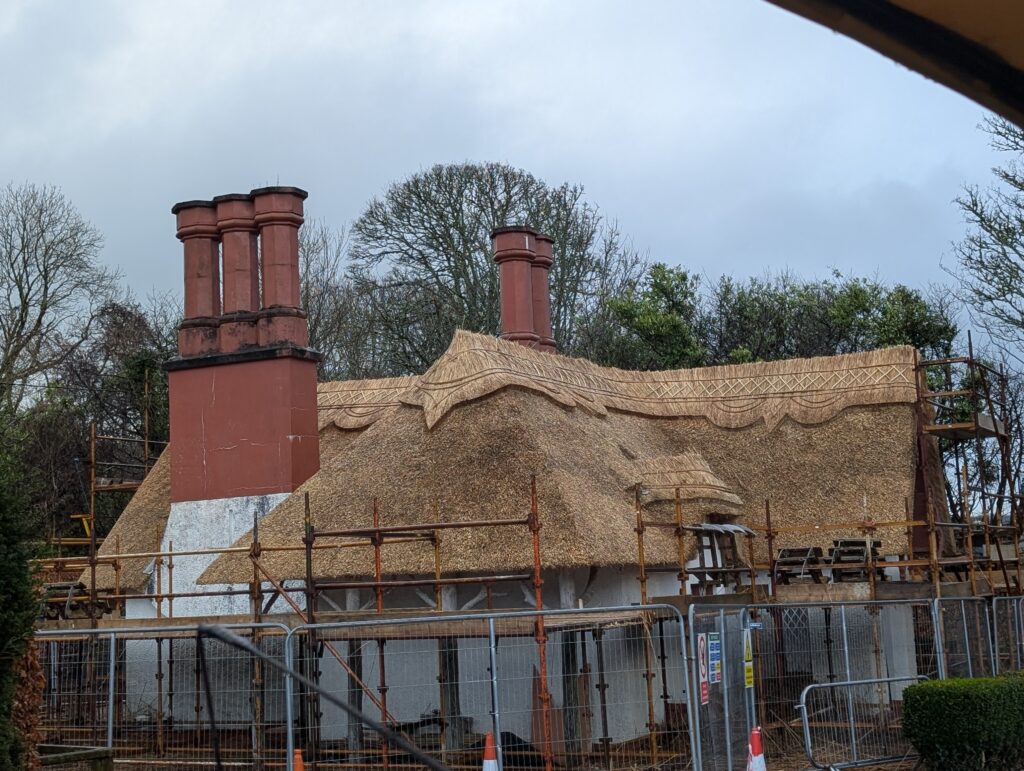
Thatched roof house.

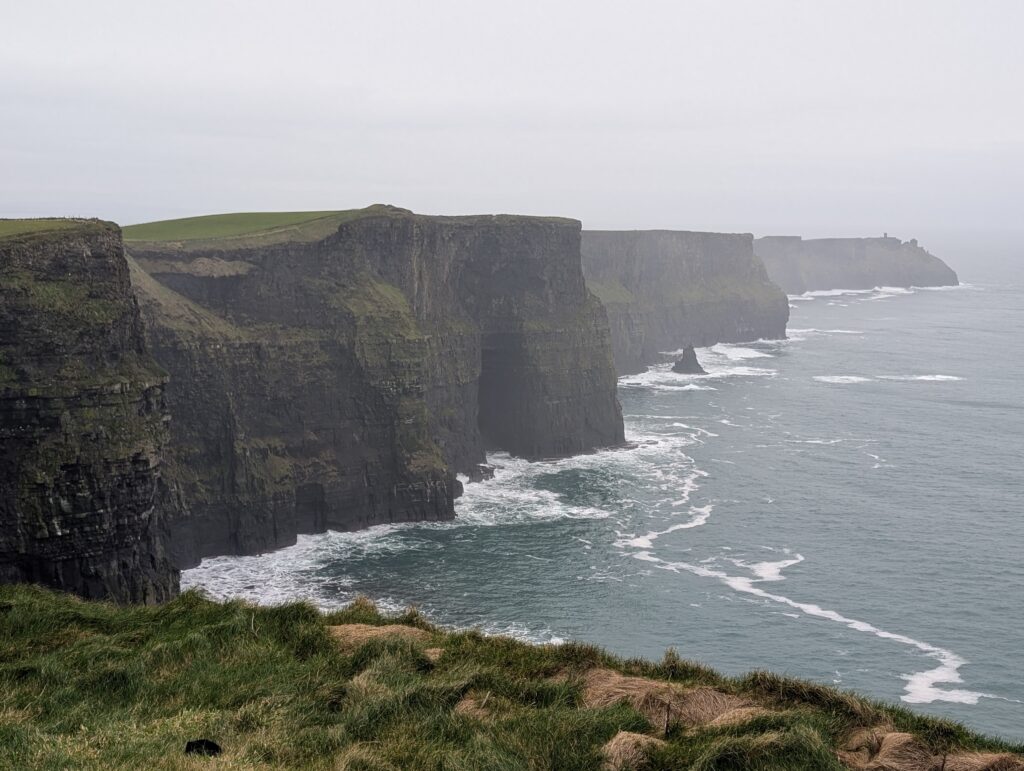
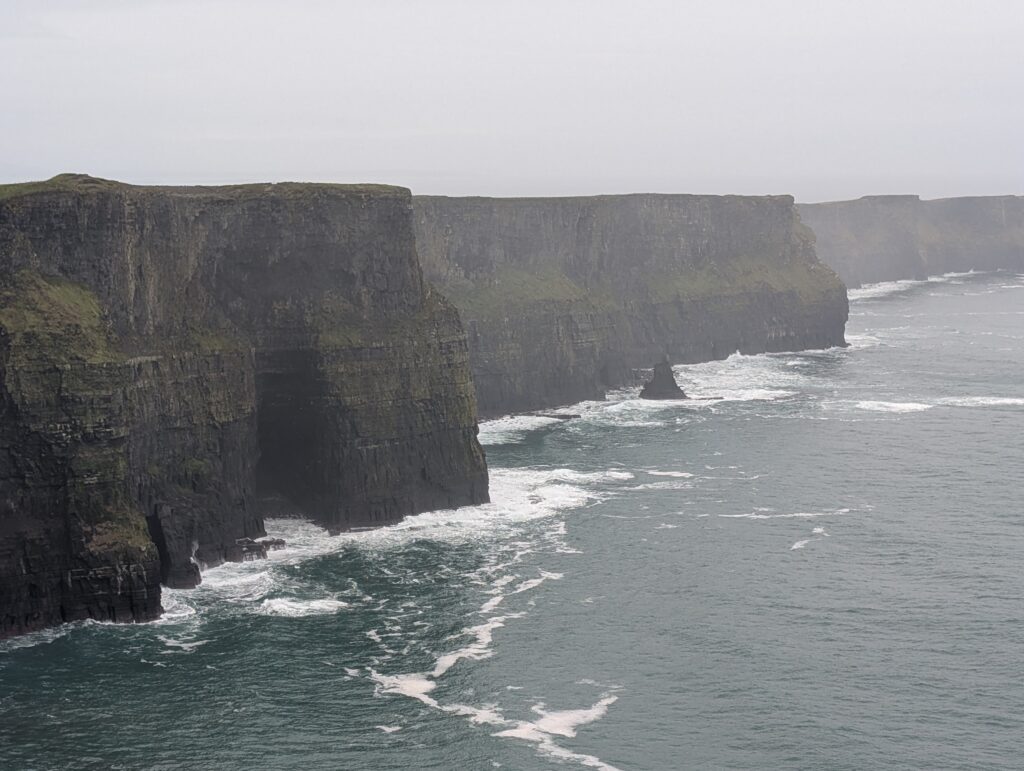
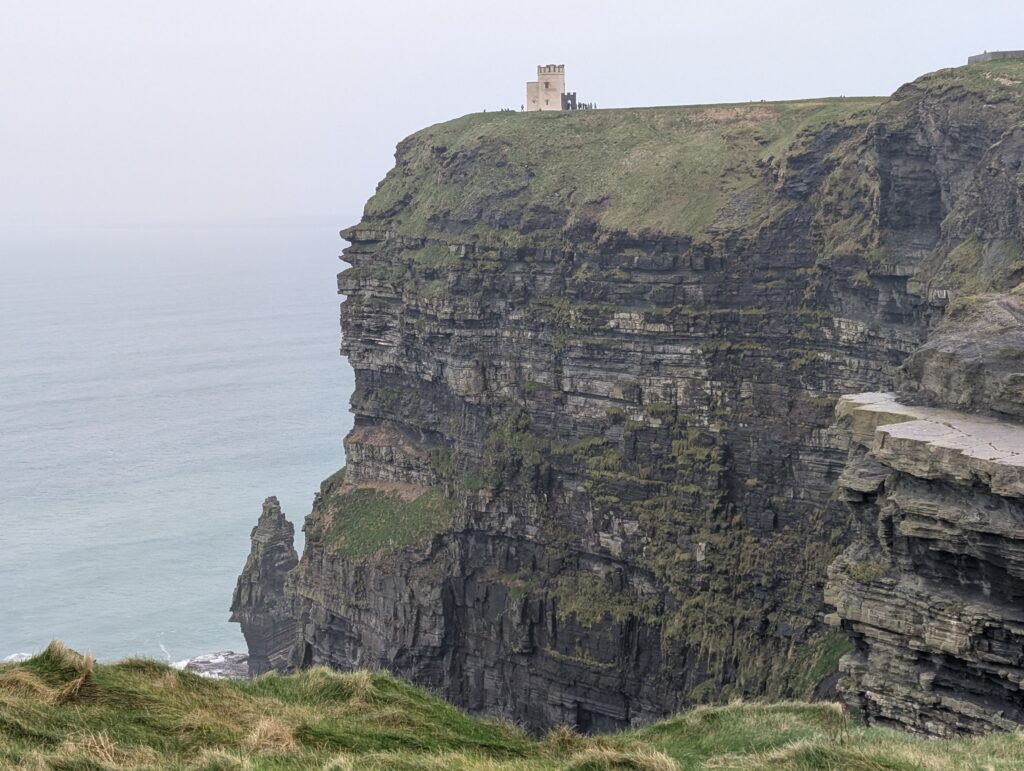
The Cliffs of Moher are sandstone and shale cliffs that are eroded by waves and landslides.

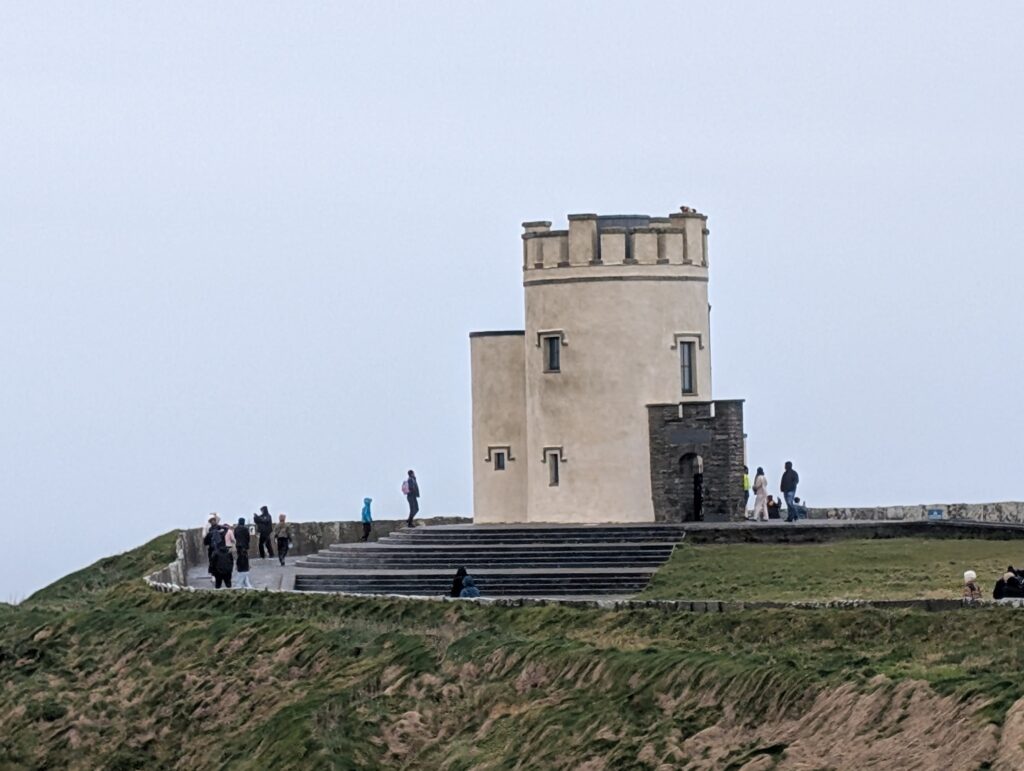
O’Brien’s tower.

Aling the Atlantic way back to Galway.

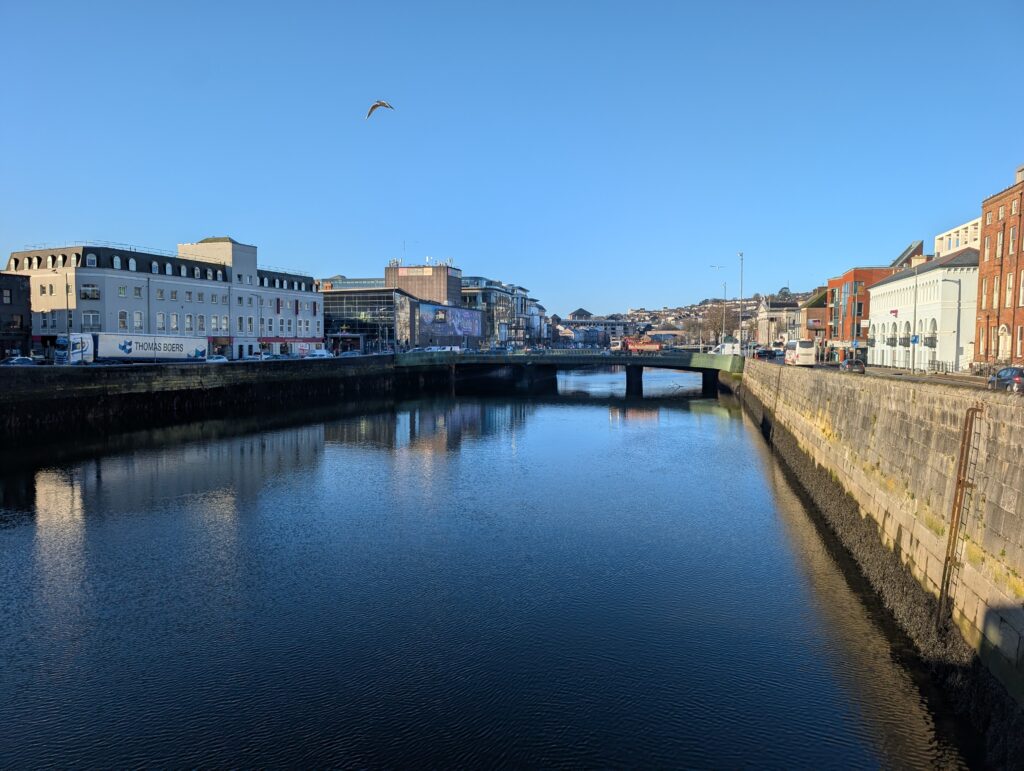
Around Cork

Cork has much of the same history as Cobh and was a frequent target in the Irish rebellion as it was often aligned with the British crown.

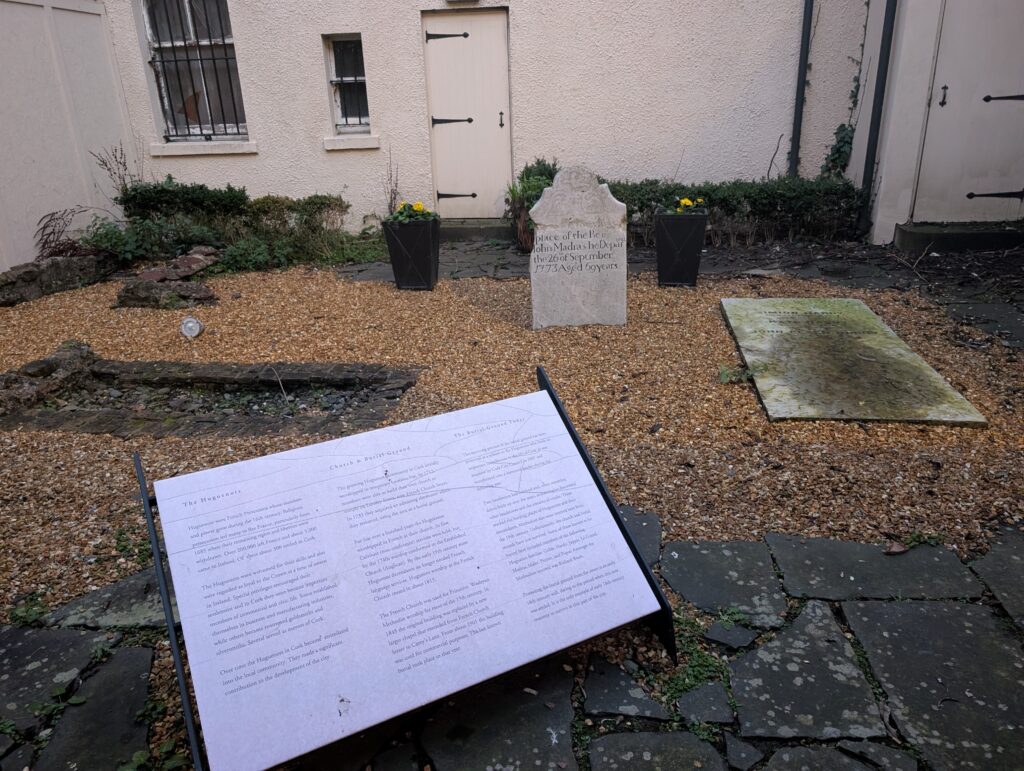
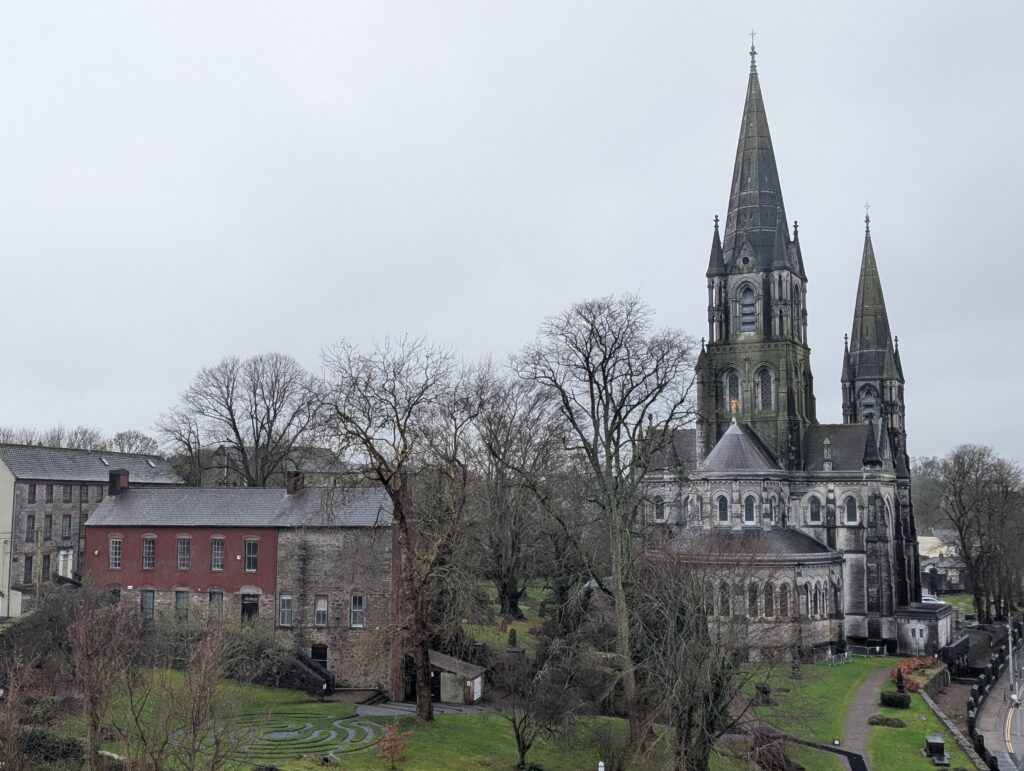
The Huguenot burial ground created in 1733 and preserved by the city to honor the French Protestants and their contributions.

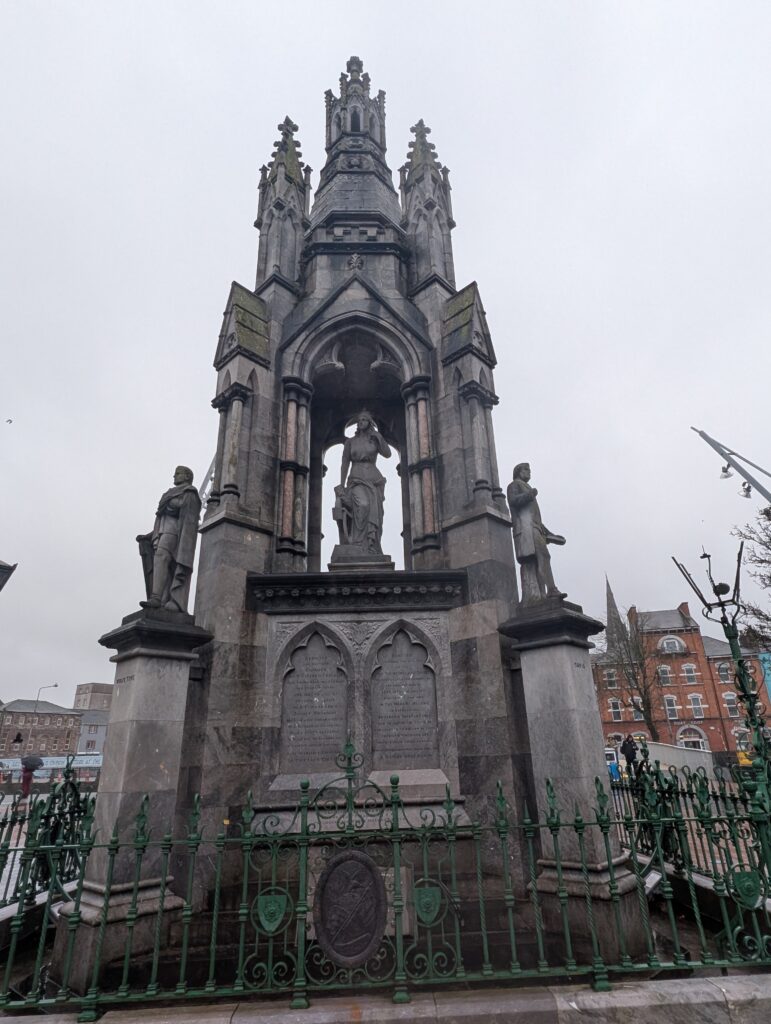
The National monument celebrates those who fought and died in Irish rebellions for Irish Independence.

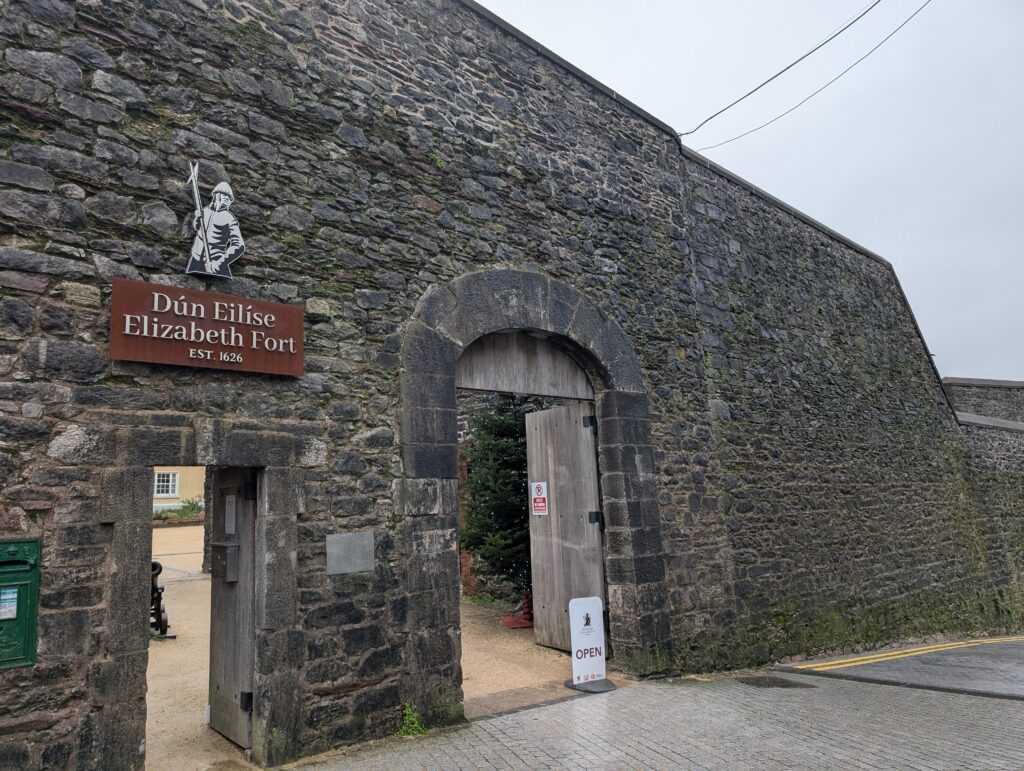
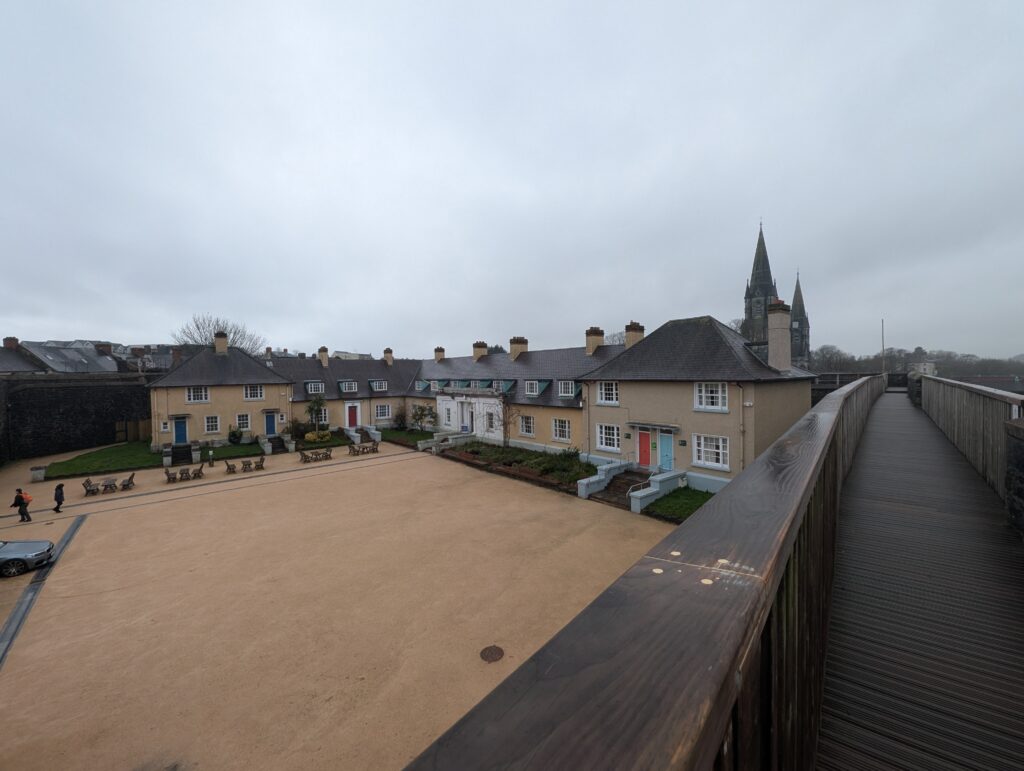
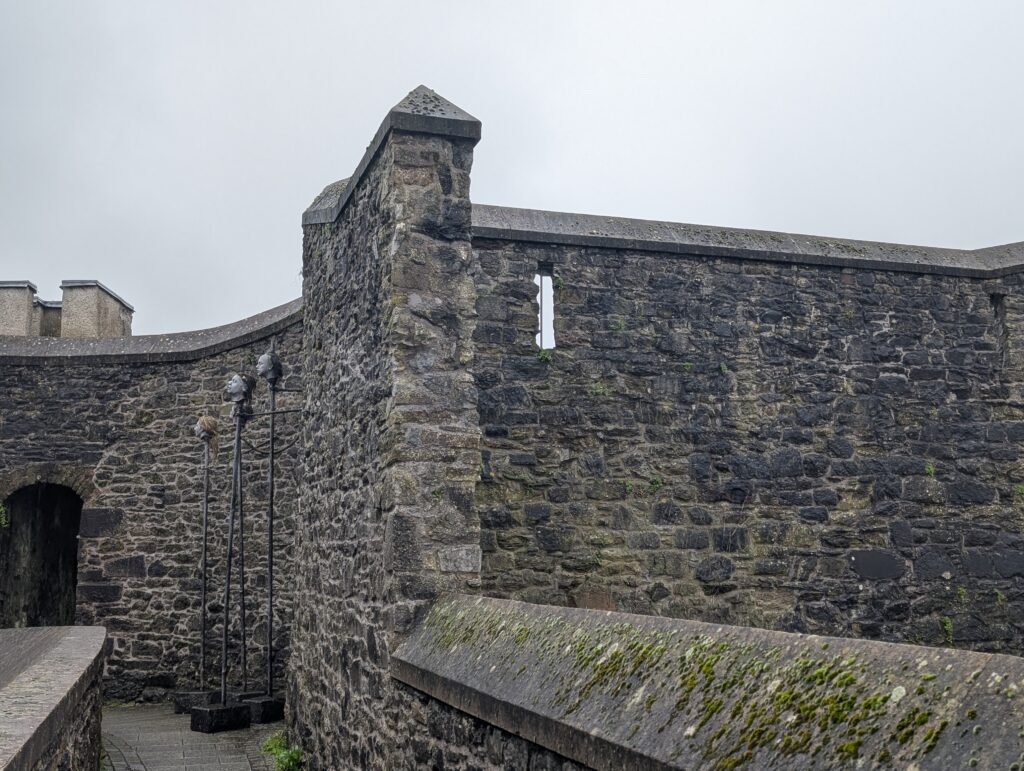
The Elizabeth fort was named after Queen Elizabeth I and built in 1601. it was reinforced by Oliver Cromwell after attacks by Irish citizens. It is a star shaped fortification and was used as a military barracks, convict depot for women (some of which were reported to Tasmania), and police station.

The heads on poles there is a nice touch…

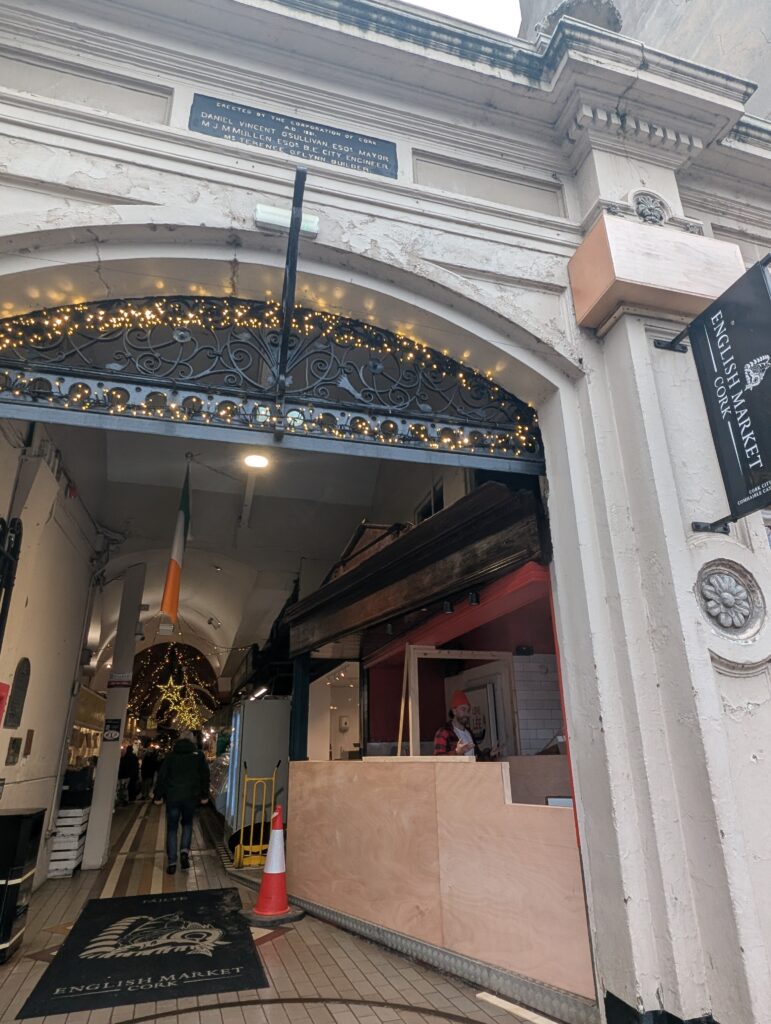
The English market was pretty cool.You could sample some of the things being sold and watch people shopping of buying food to eat.

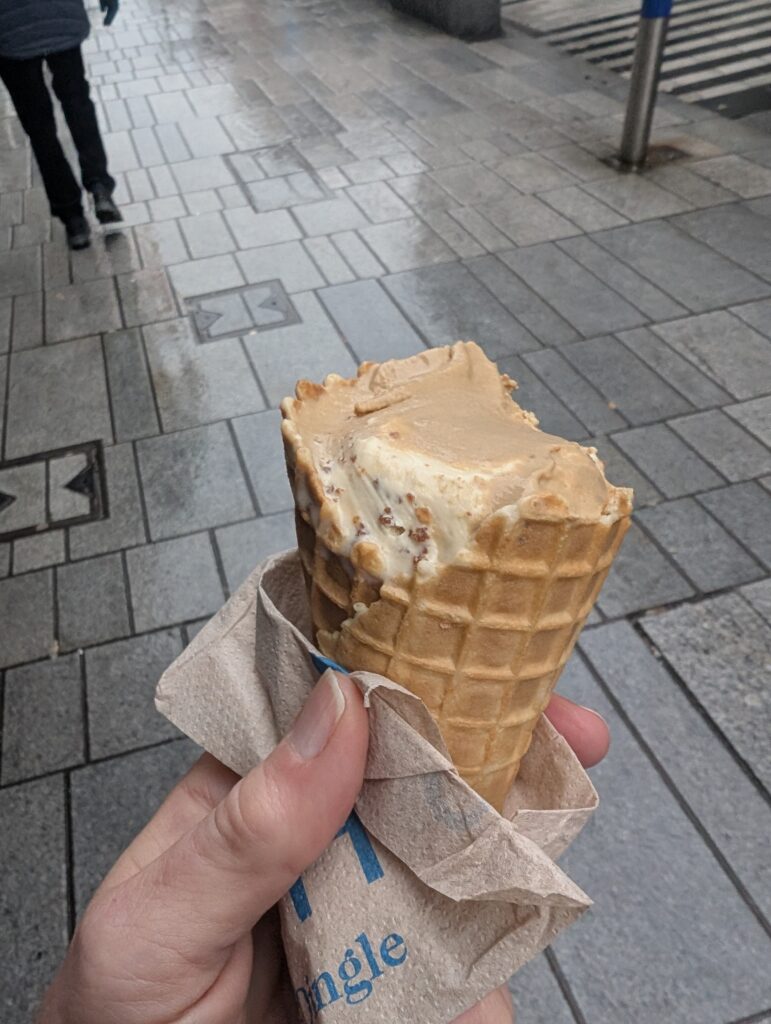
Of course, I had to try the Murphy’s ice cream that was recommended. I tried the espresso martini (on top before I had started eating it) and Brown bread underneath. the brown br ad was toasted so it was crunchy in the ice cream.

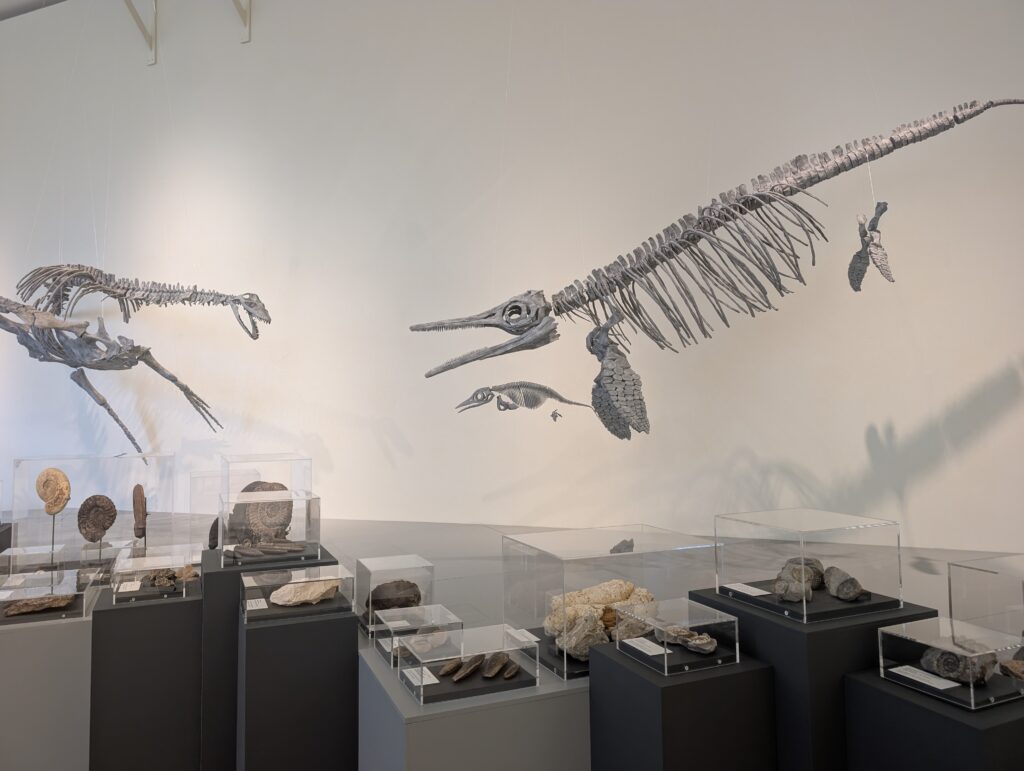
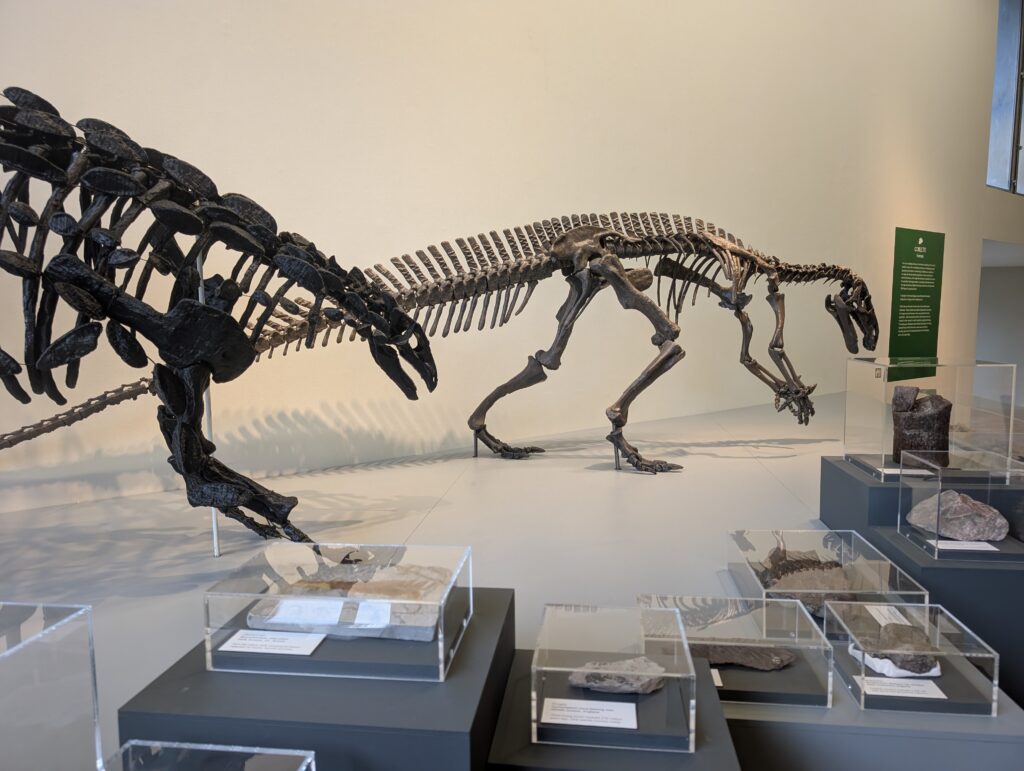
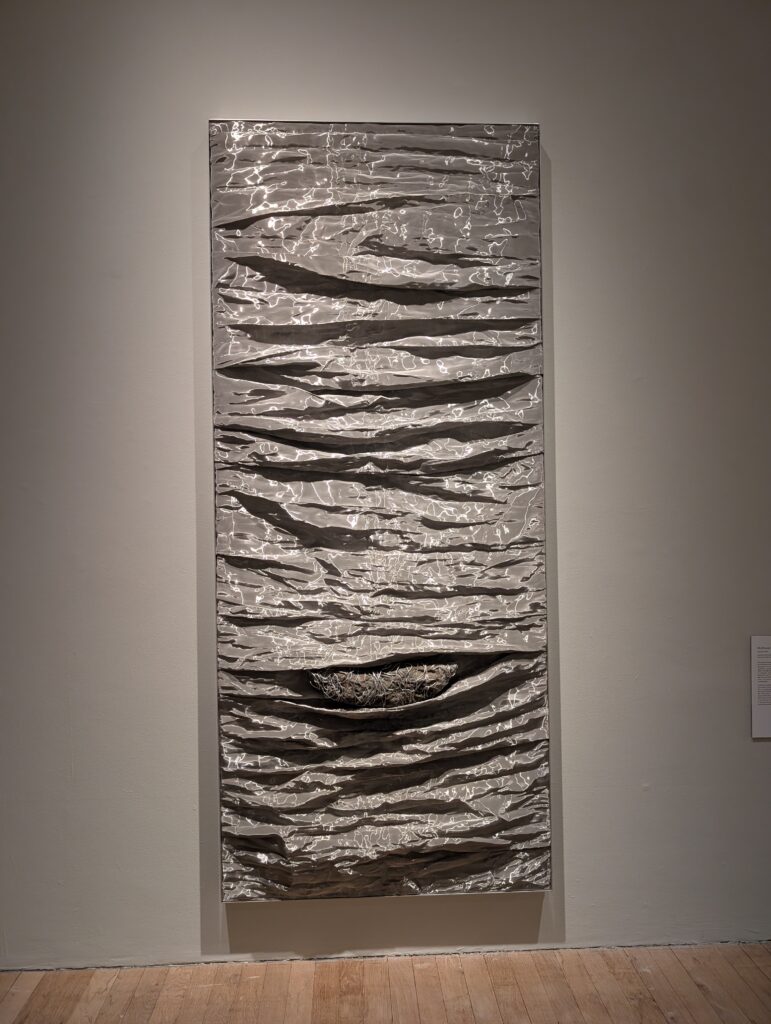
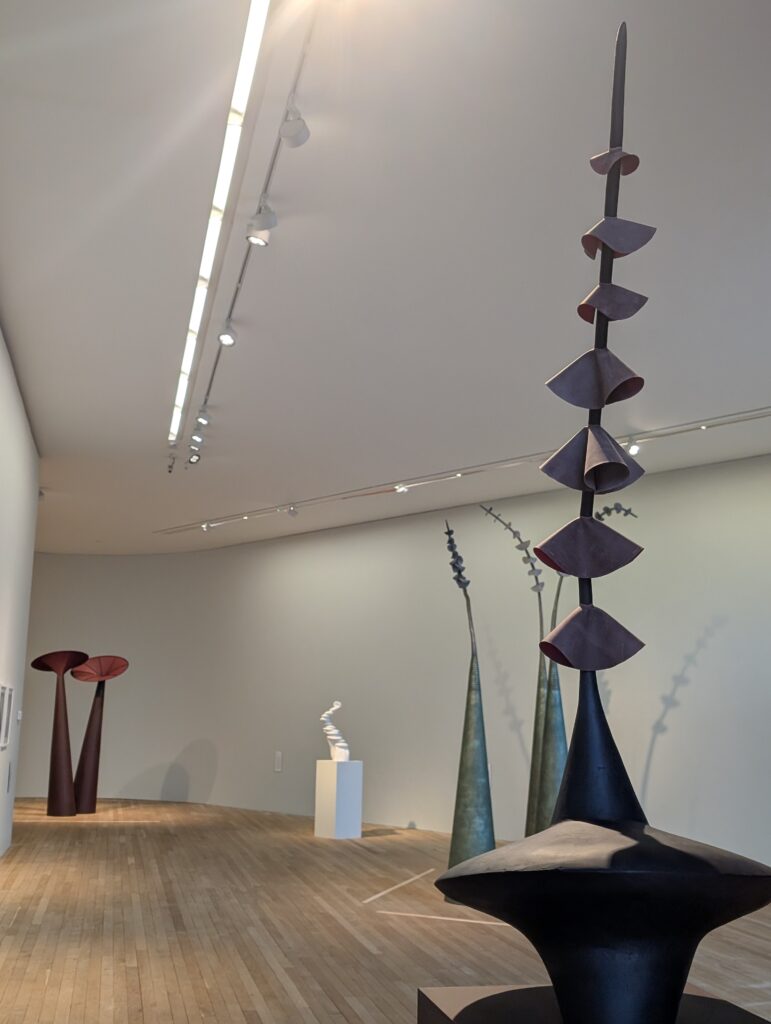
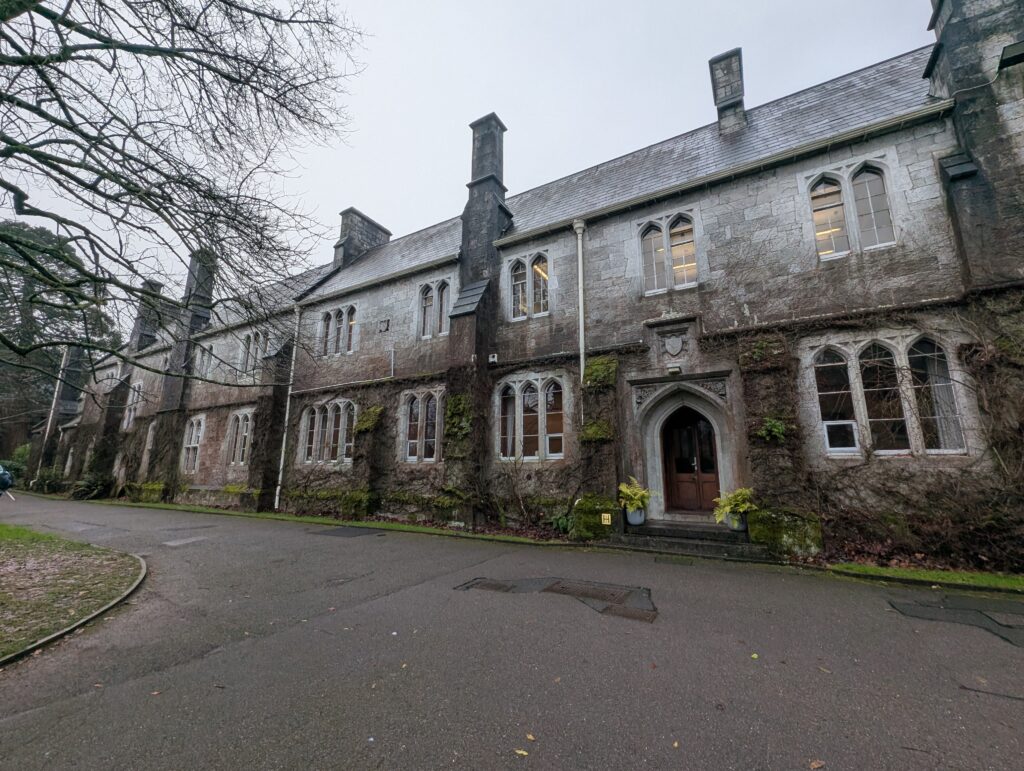
The university of Cork is also beautiful and has a free art gallery. On the first floor is natural history of Ireland. The other floors were displays of a local sculptor.

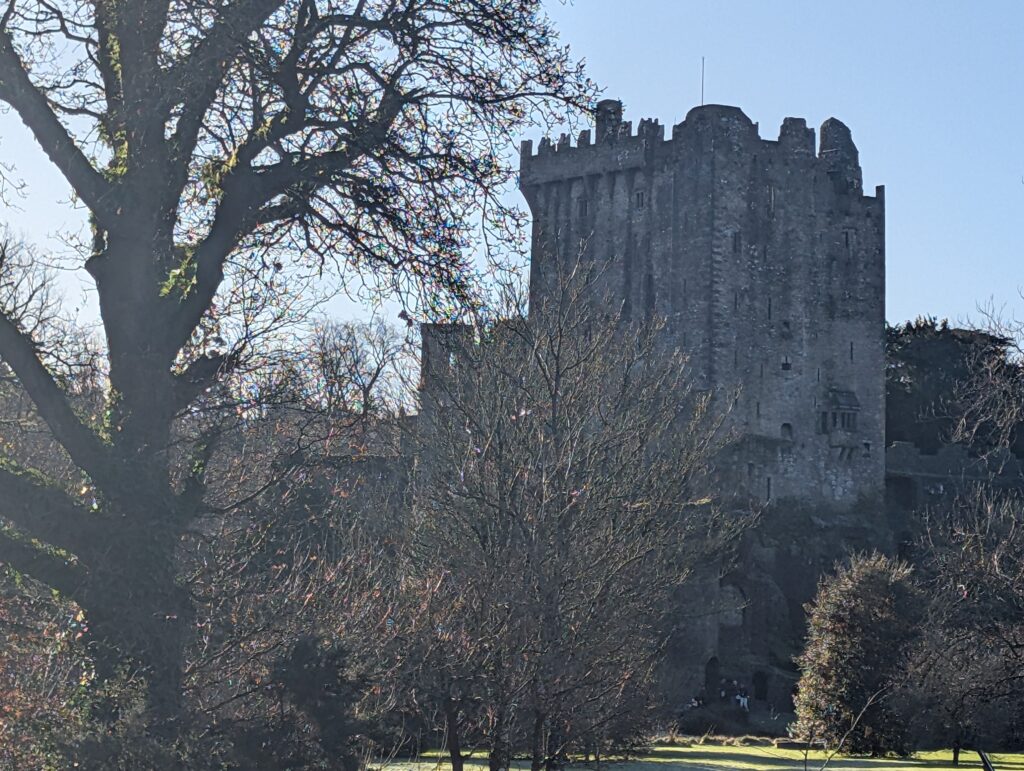
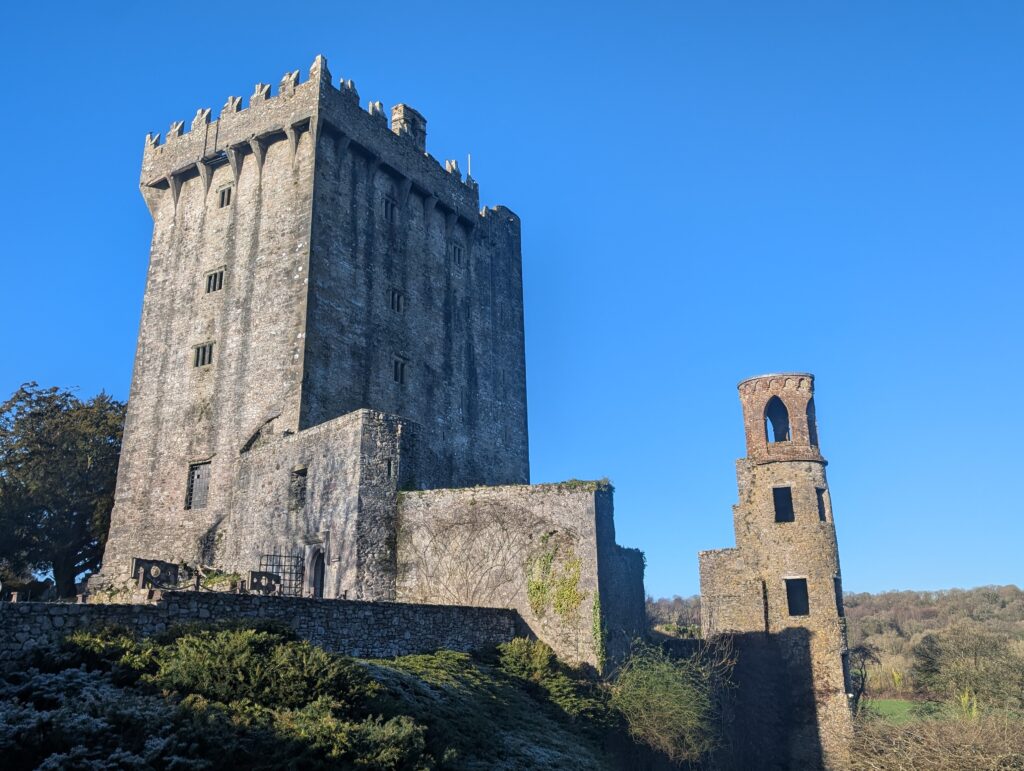
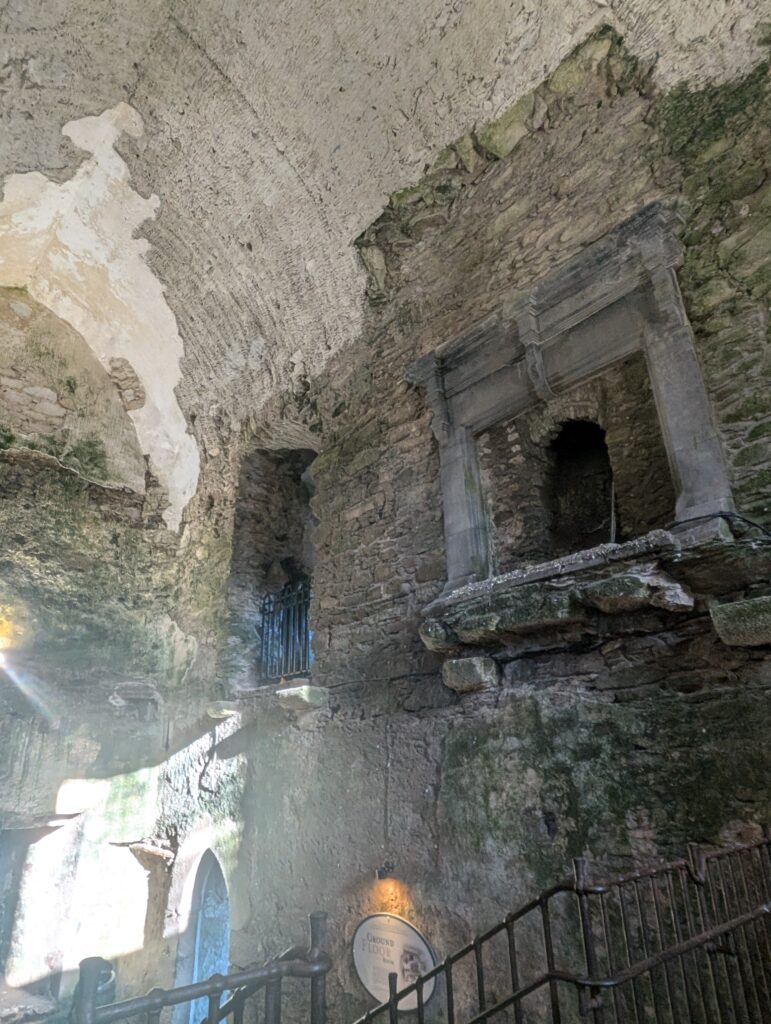
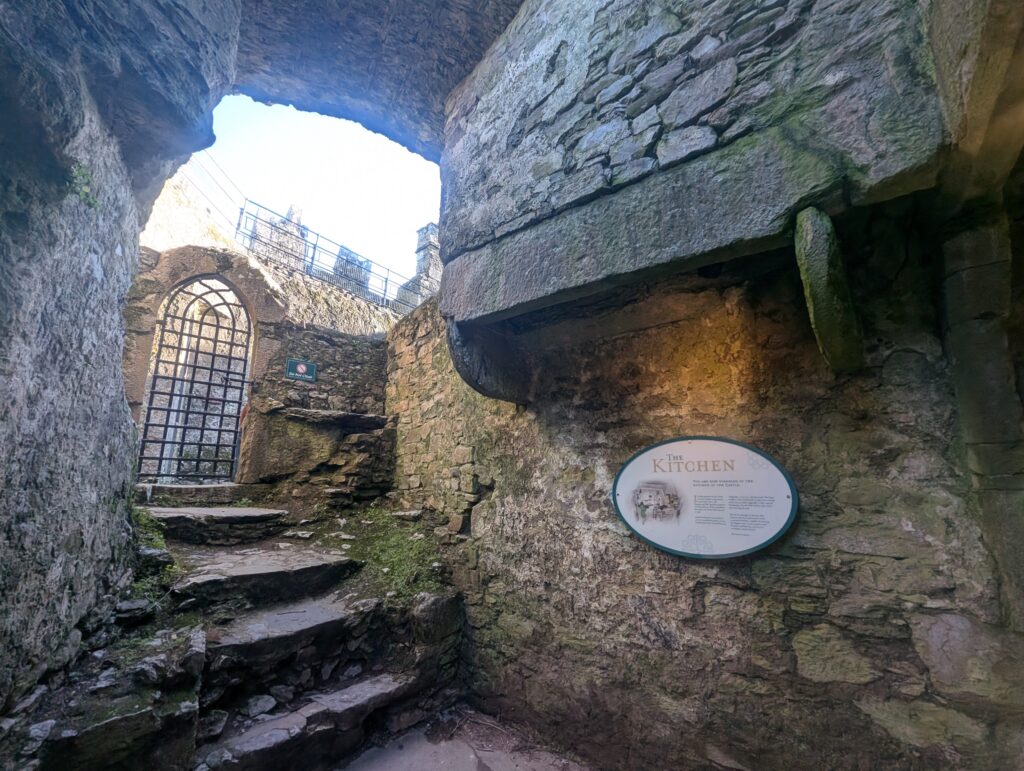
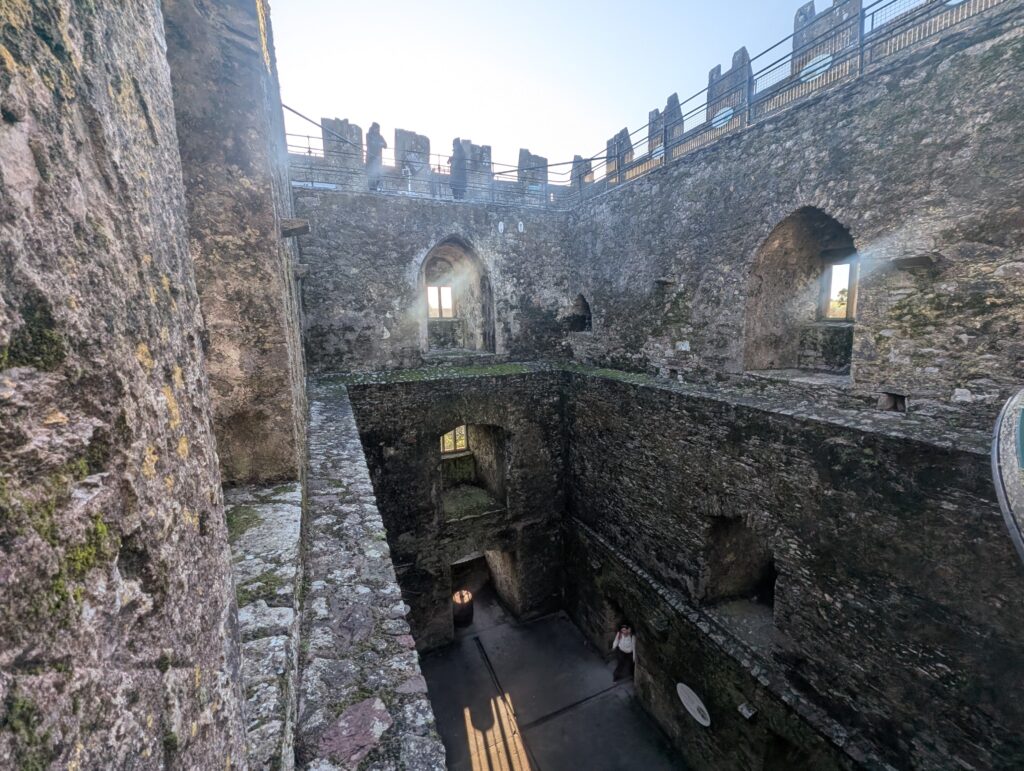
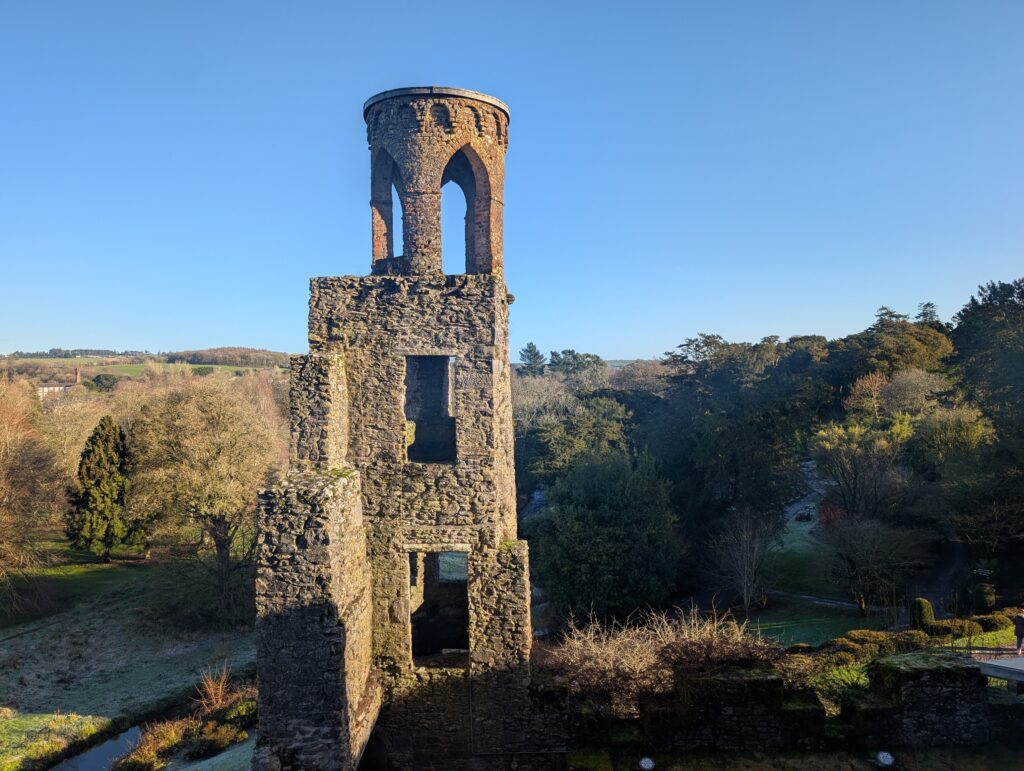
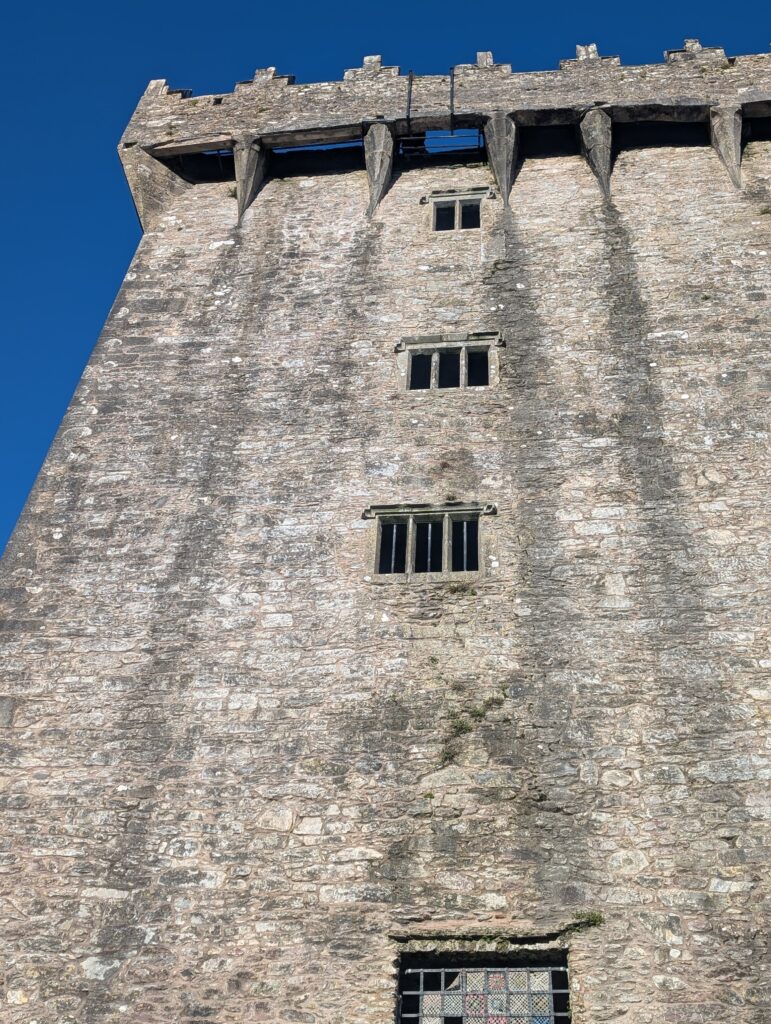
Blarney castle dates back to the 1200’s as a residence and fortification. The current structure was built in 1446 and later added more stories. The blarney stone is said to give the person who kisses it the gift of the gab or more eloquent speaking.

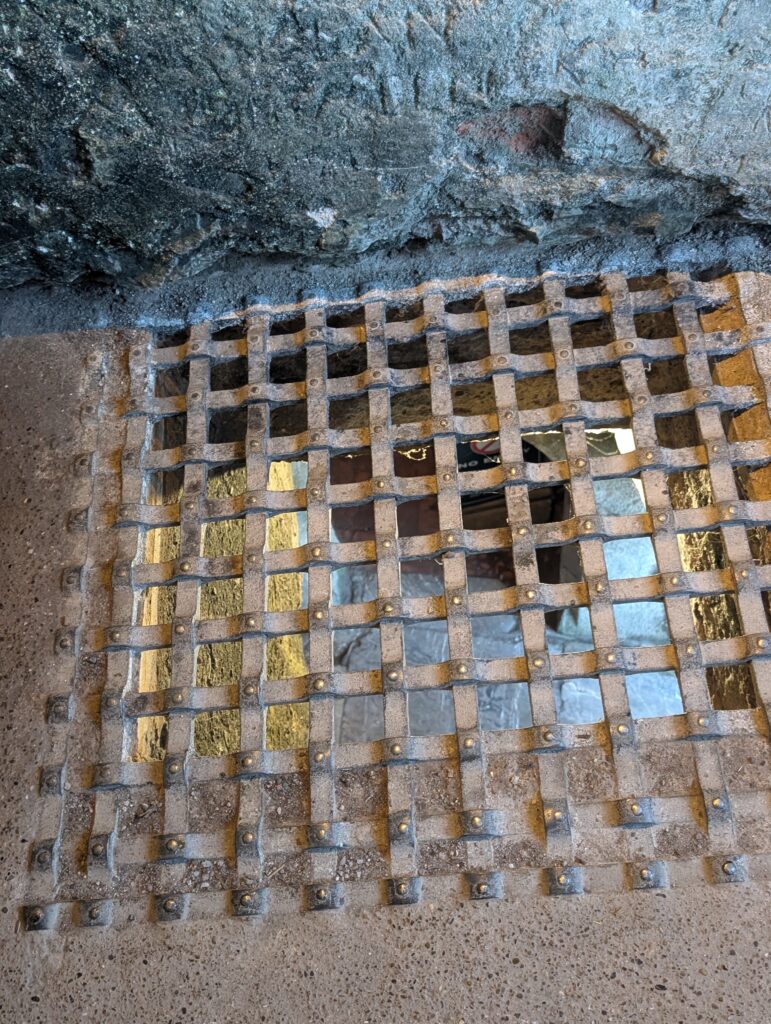
The murder hole was a way for defenders to drop objects like arrows, boiling substances, heavy rocks on invaders entering the castle. It was a defensive point if the entrance had just been breached.

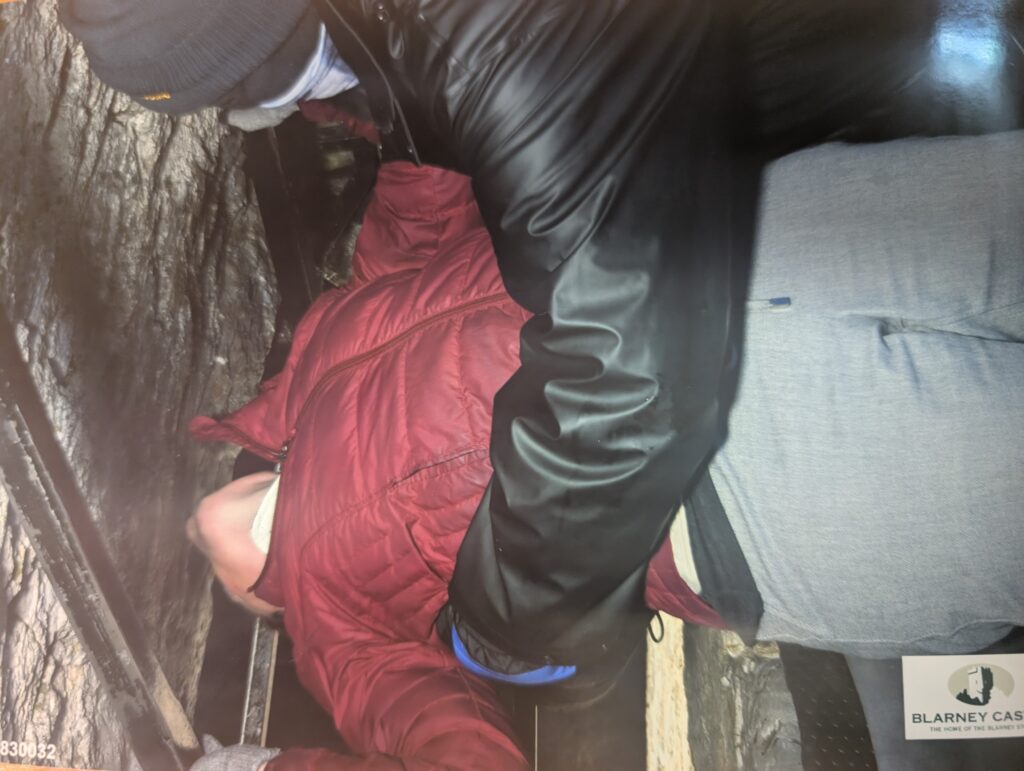
The Blarney stone is above the top window at the bottom of the hole.

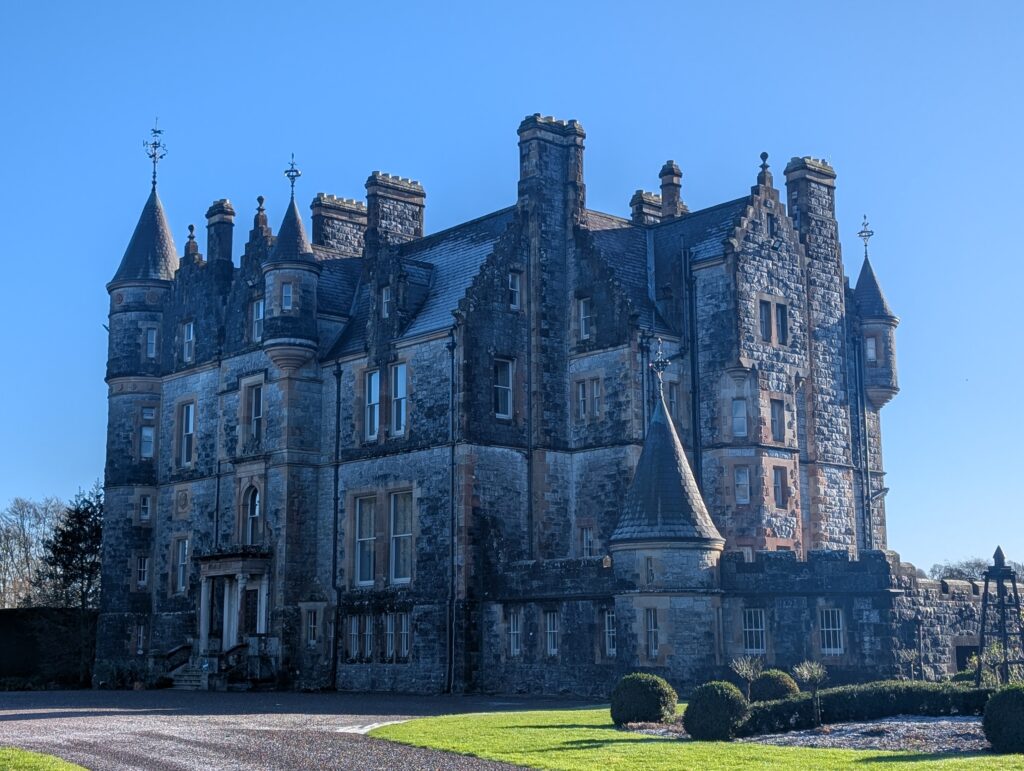
The blarney house was built in the 1870’s by those that acquired the castle and surroundings.

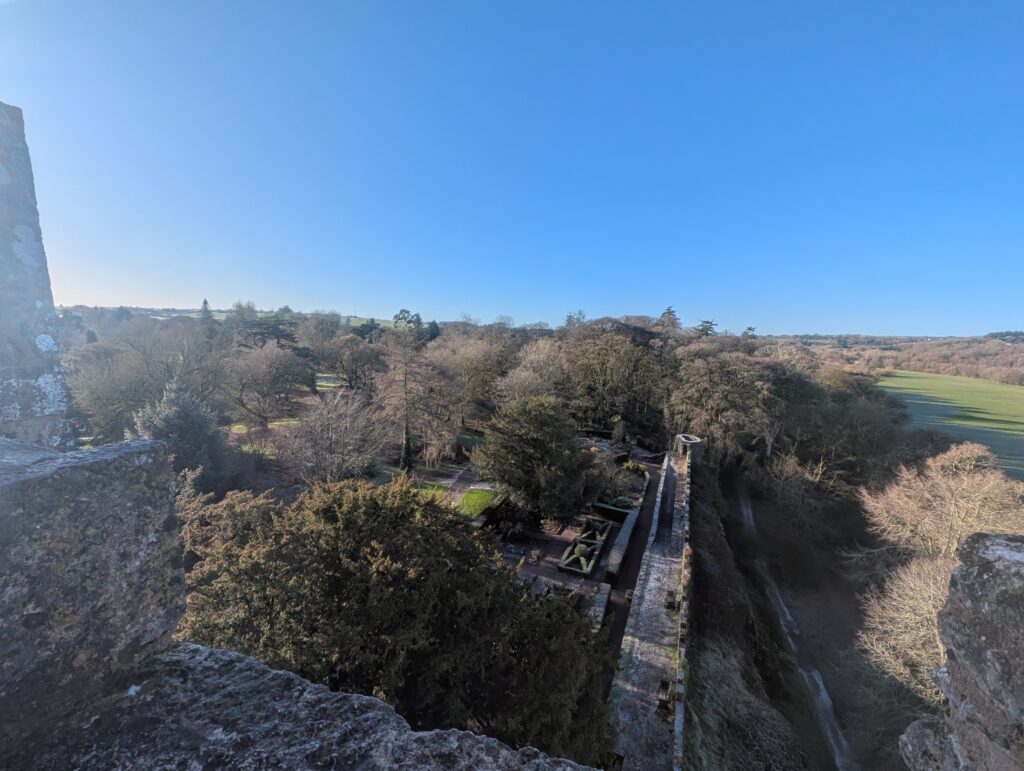
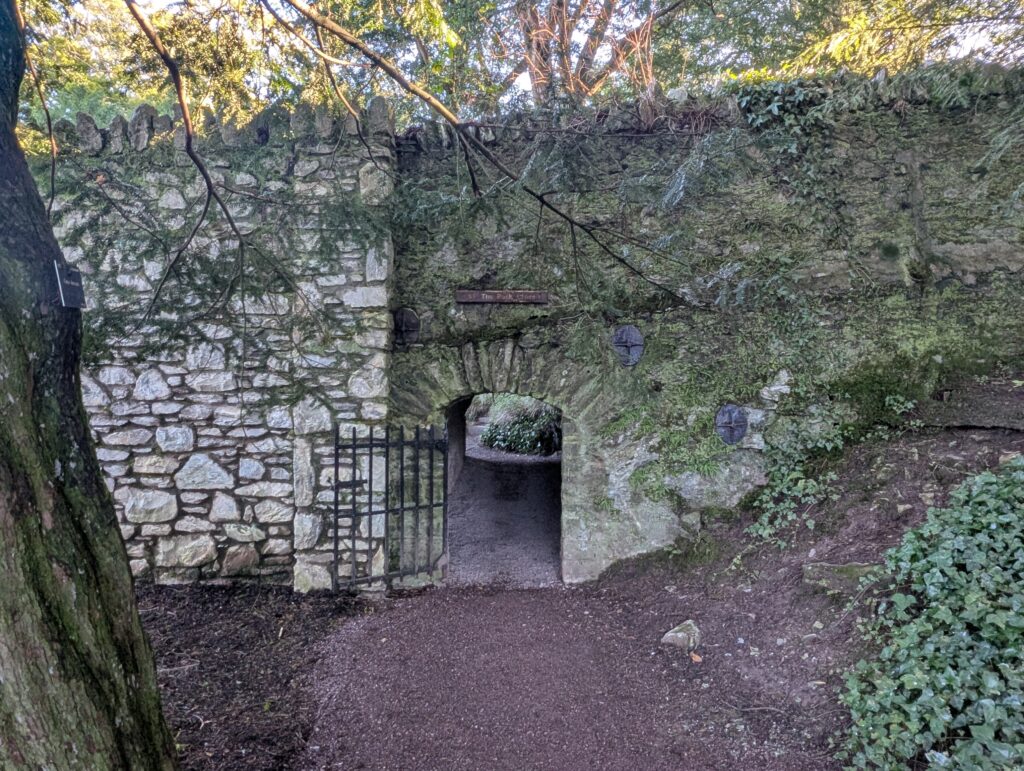
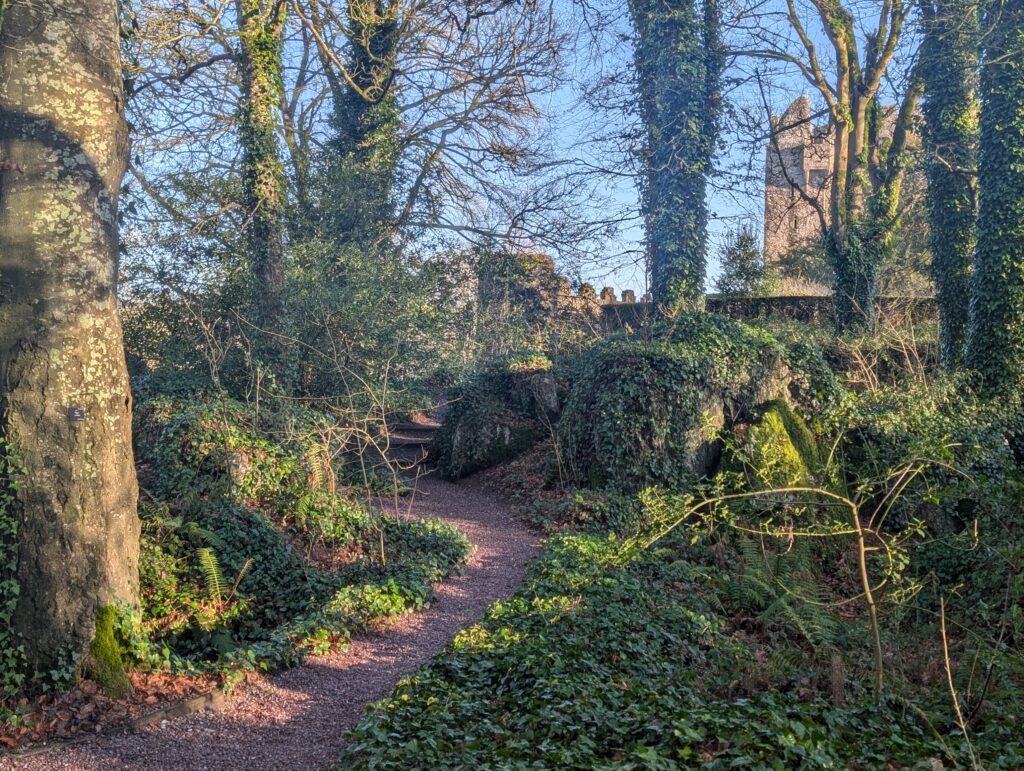
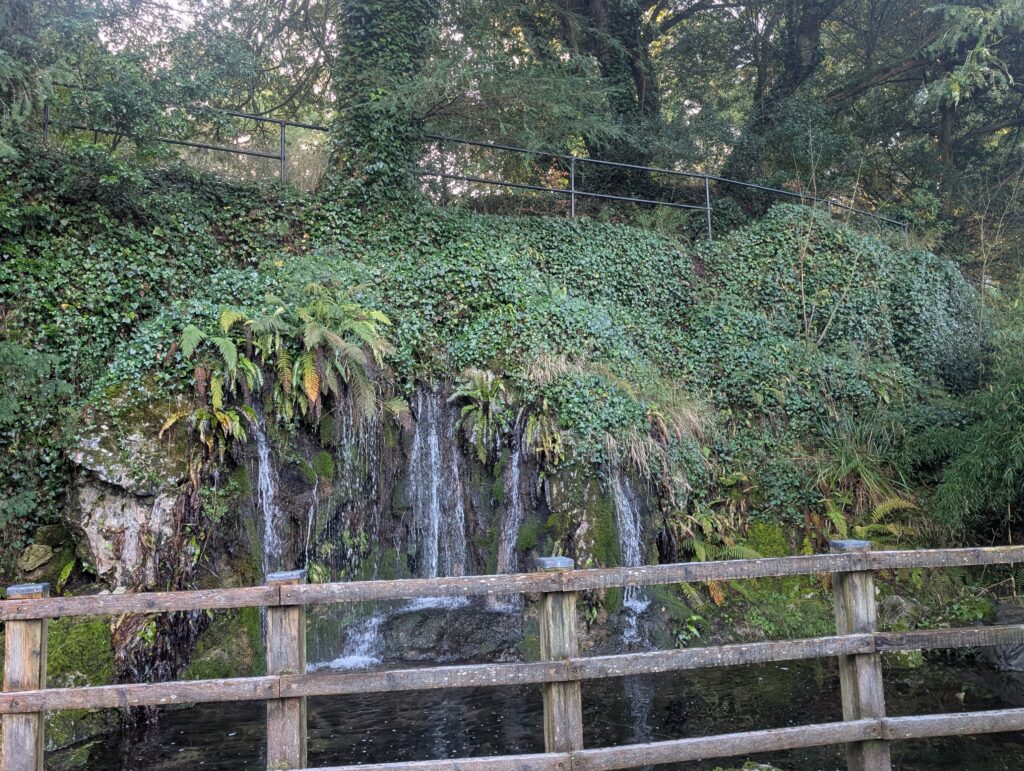
The Blarney gardens.

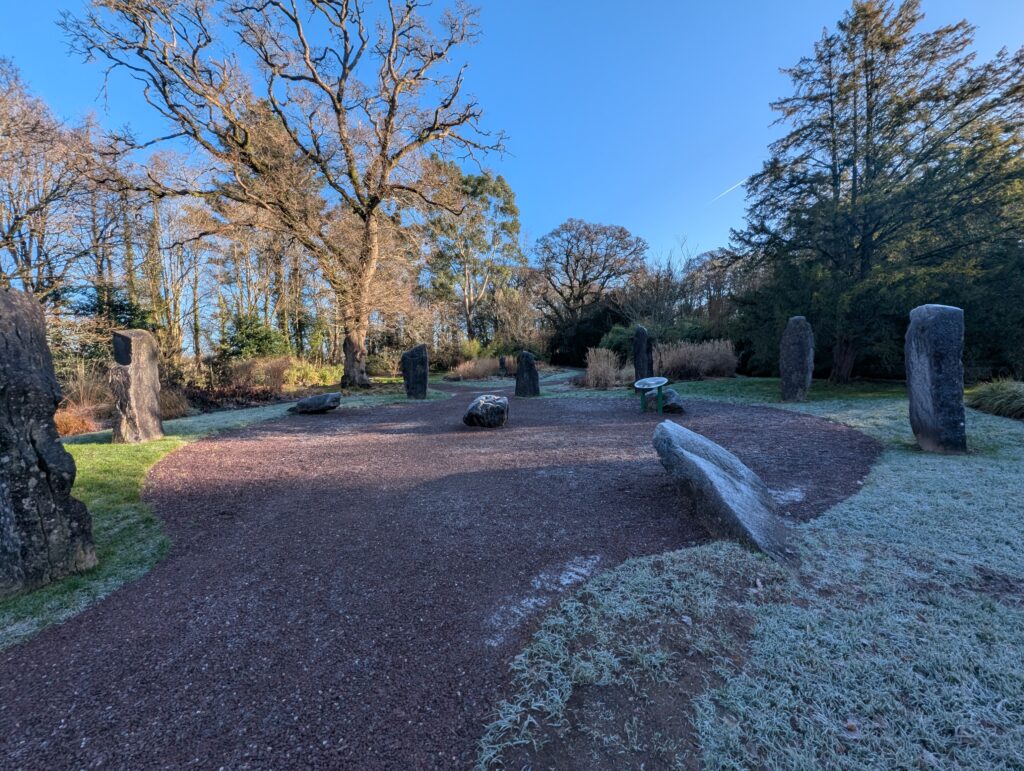
The seven sisters are prehistoric stones that are 3000 years old. There are several stories connected to it. One is that there were seven sisters that conducted rituals and were turned to stone. The one the castle tells is that a king had daughters and sons and these druid stones that had been there representing his offspring. In a battle, the two sons were killed and the king had two of them pushed over to honor his fallen sons.

Ring of Kerry

The Ring of Kerry is a circular driving route that is 179 km around the Iveragh peninsula. It weaves through many different landscapes and seaside towns. There are some awesome mountains and valleys carved out from glacial activity with filling of some of these areas to form inlets and bays. I took a bus tour from Cork.

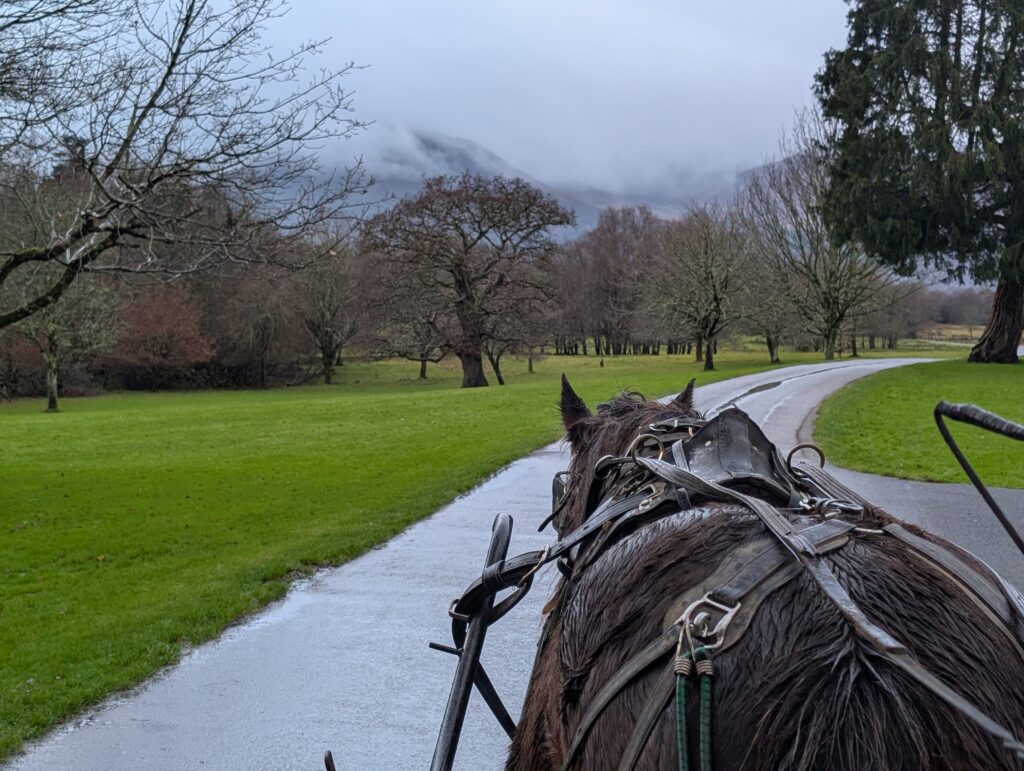
Killarney National Park we used a horse drawn carriage as it was raining at the time.

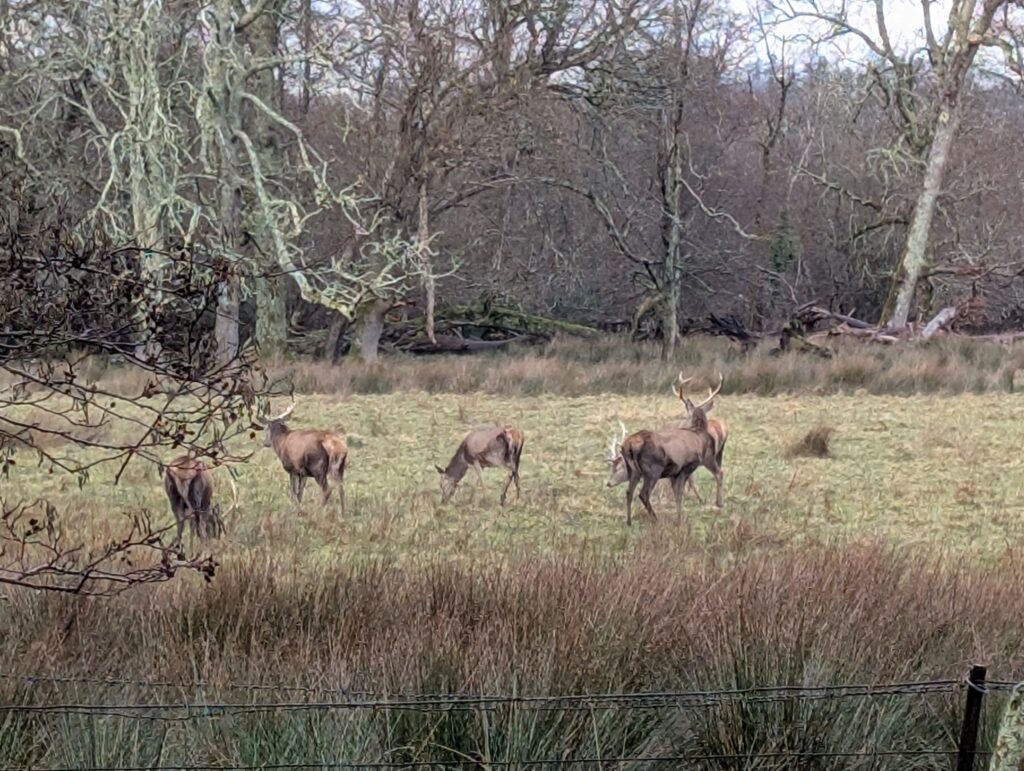
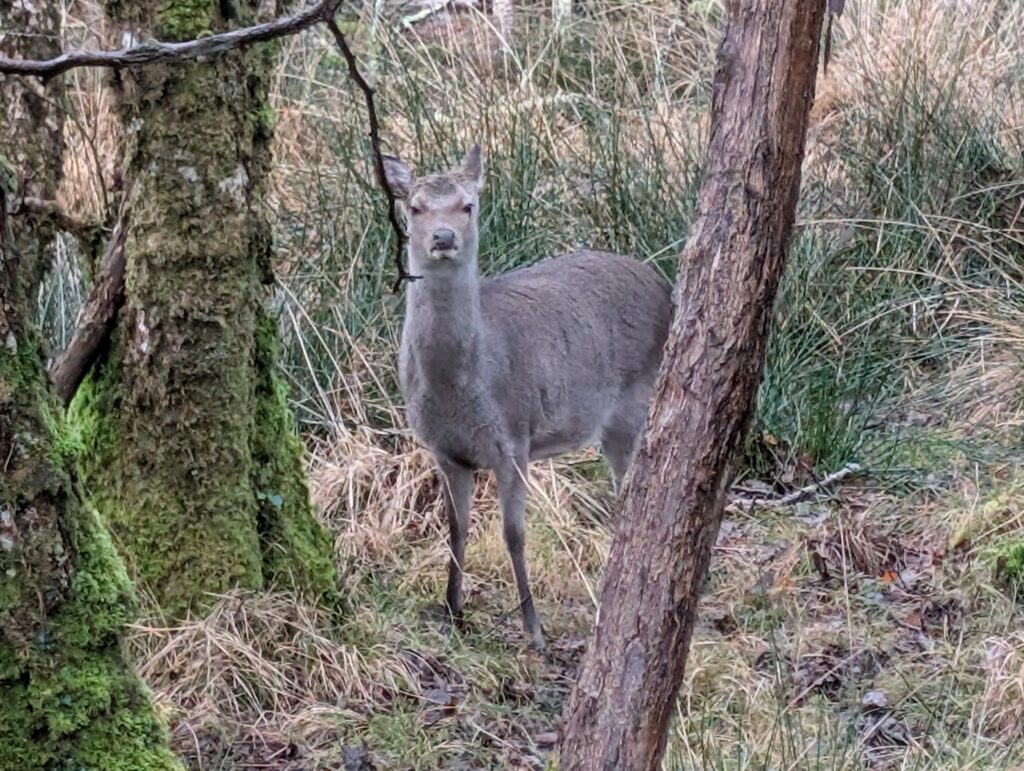
Red deer.

Japanese Sika deer were brought to Killarney for hunting and for a new breed in the park.

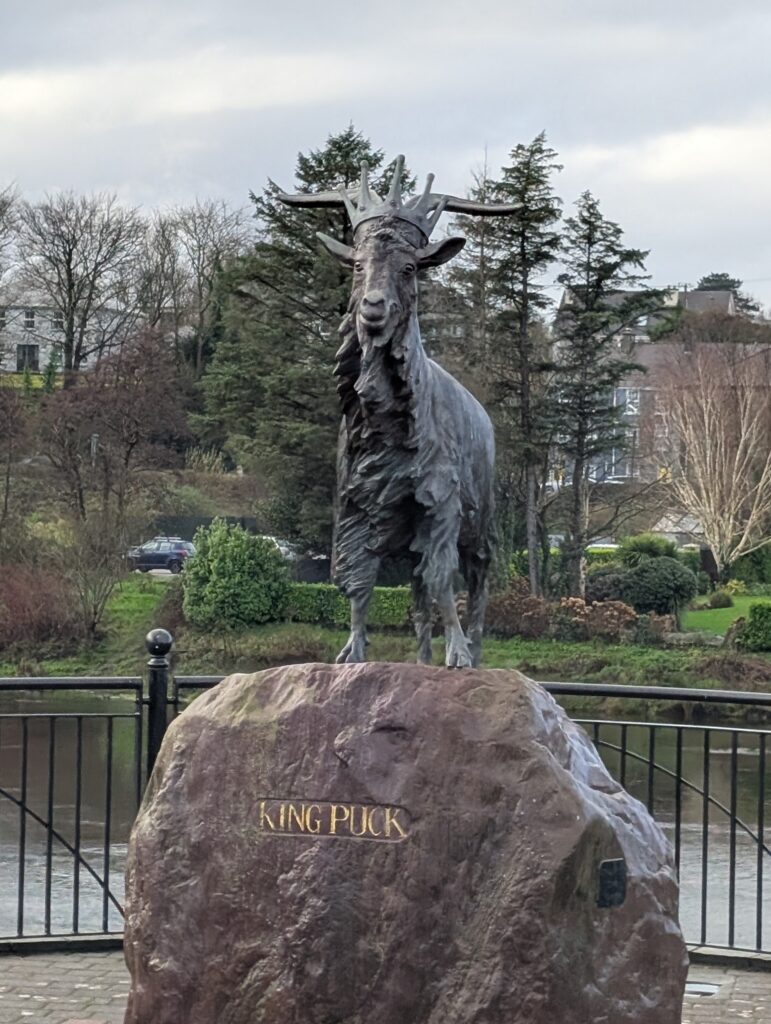
In Killorglin, a wild male goat is captured in the mountains and held on a raised platform to reign over the the Puck Fair that is held in August. This festival is one of the oldest in Europe and has been occurring since the 4th century.

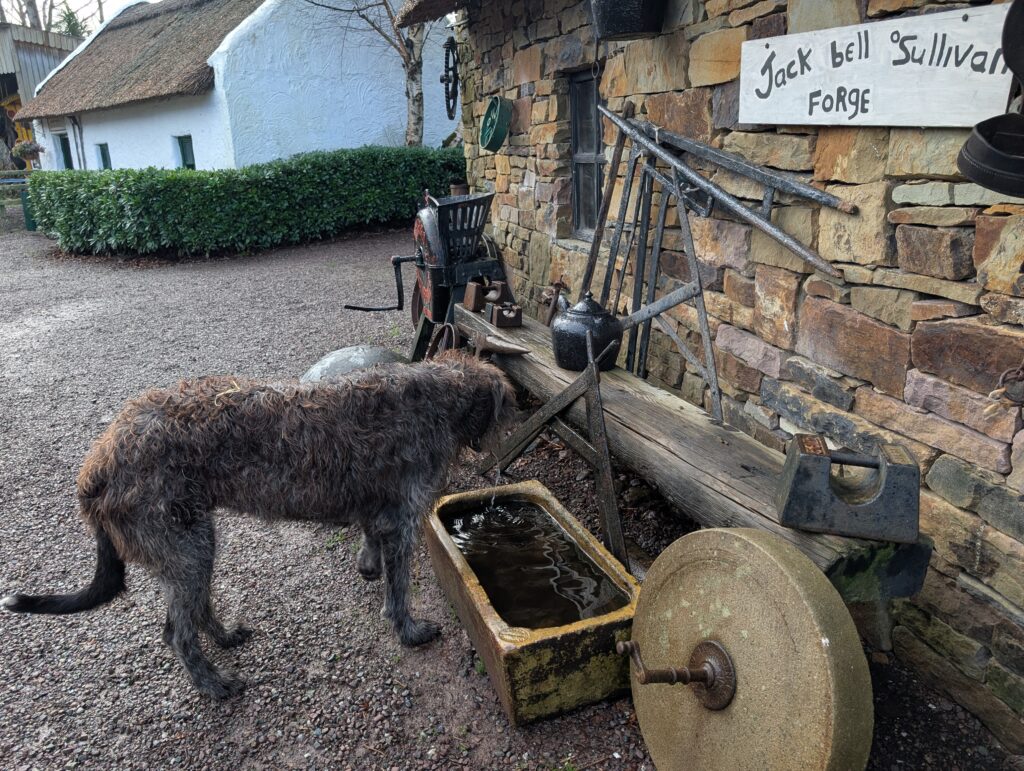
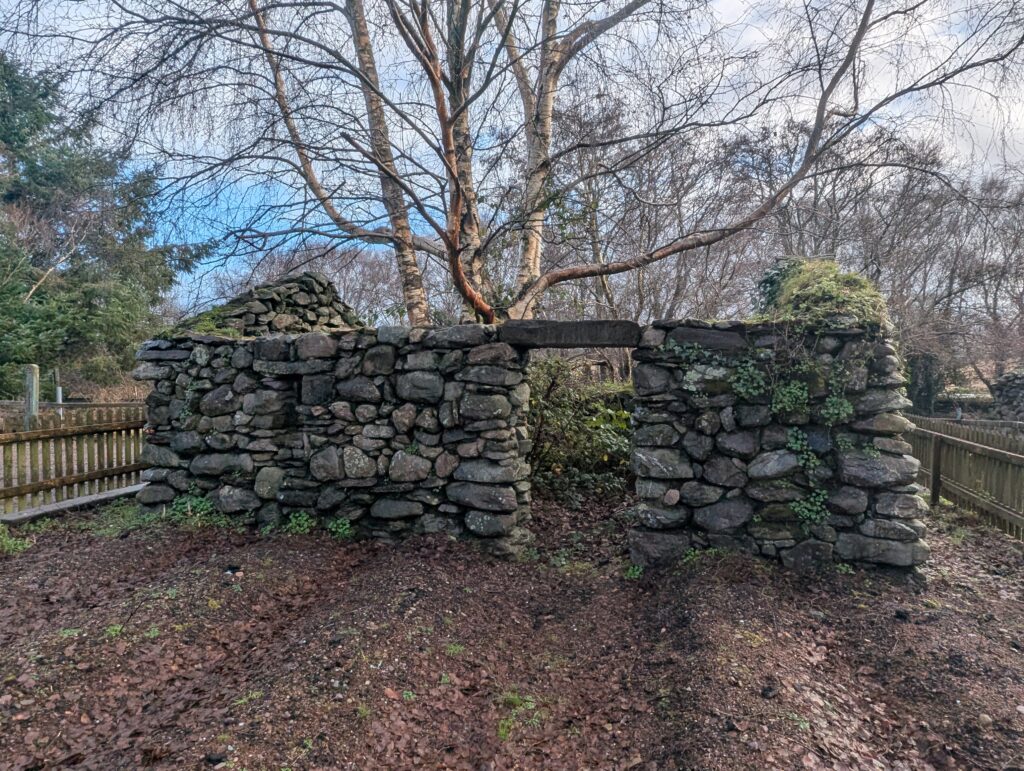
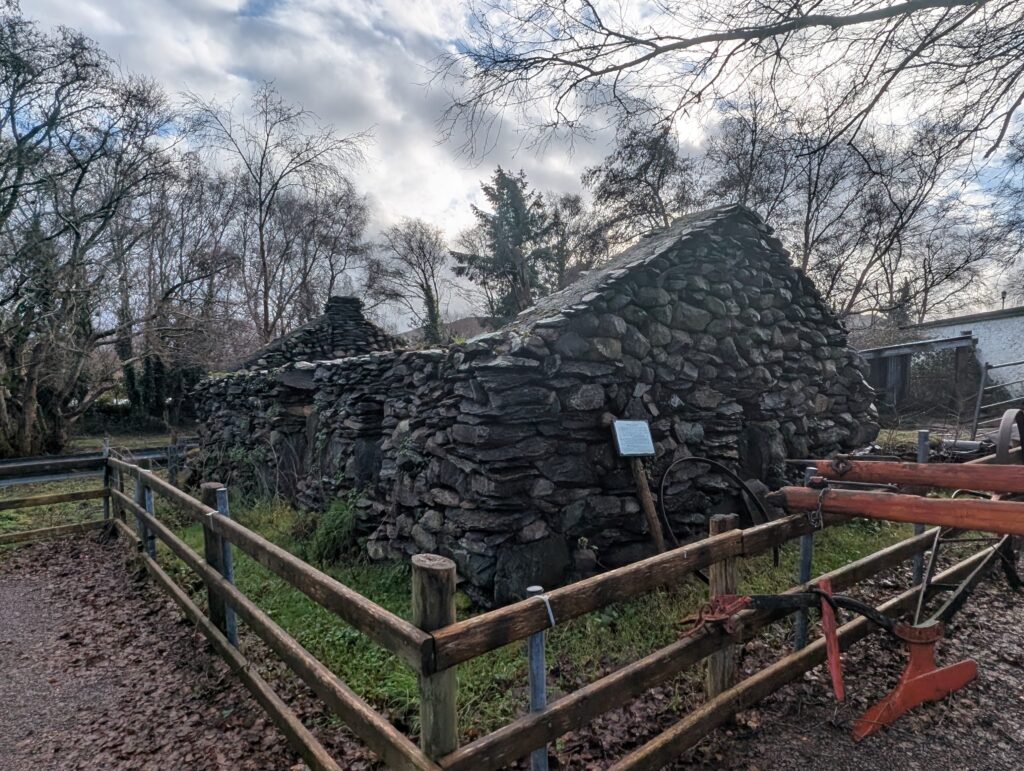
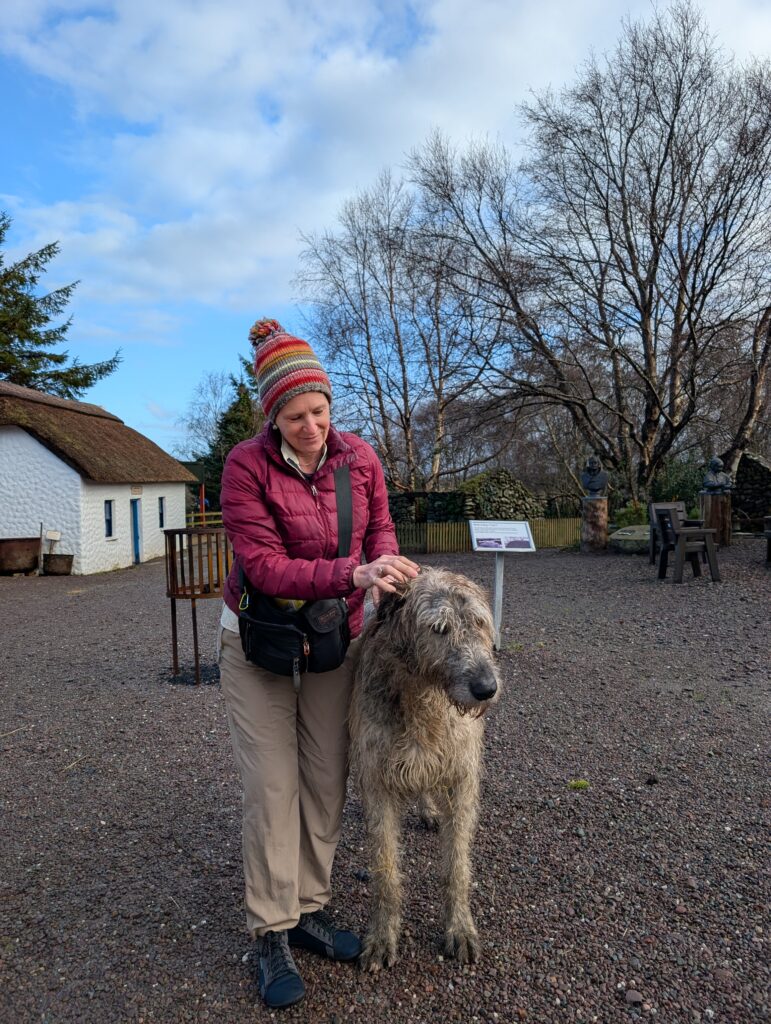
The Kerry Big Village is a little place that has ancient remnants from old Ireland (18th/19th century). It reconstructed the ways people lived and what they did to survive. There are remnants of old houses, and many antiques and (my highlight) the Irish wolfhounds they let run around with us.

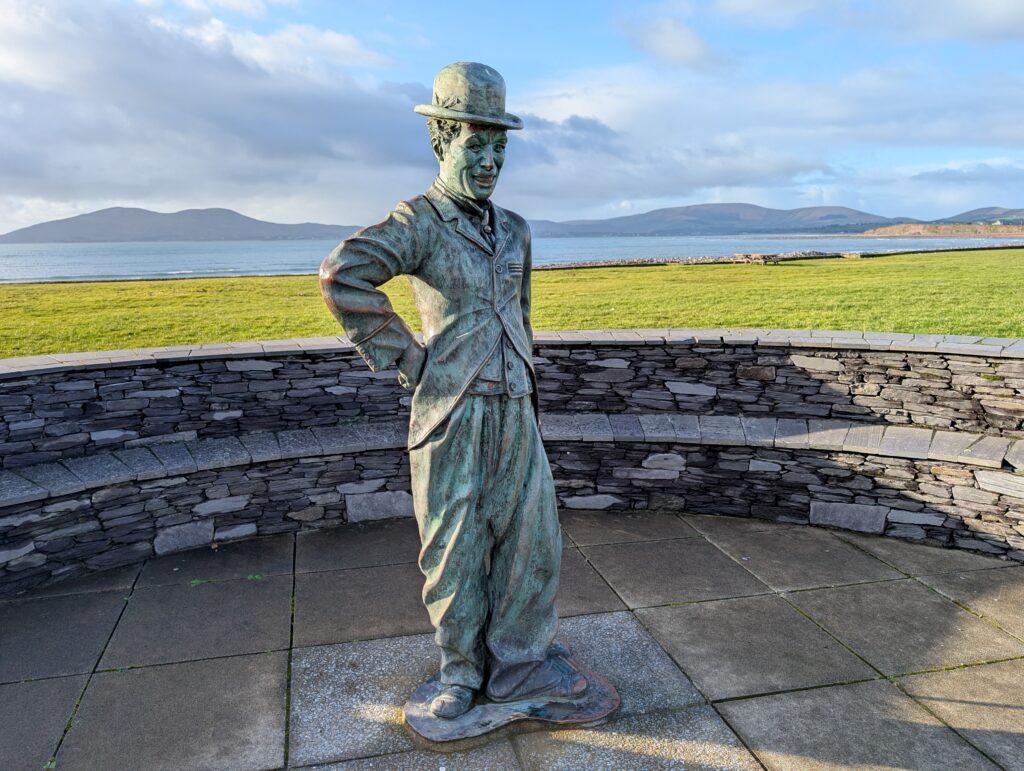
Charlie Chaplin sculpture. He lived here for some time and some of his relatives are still here in Waterville.

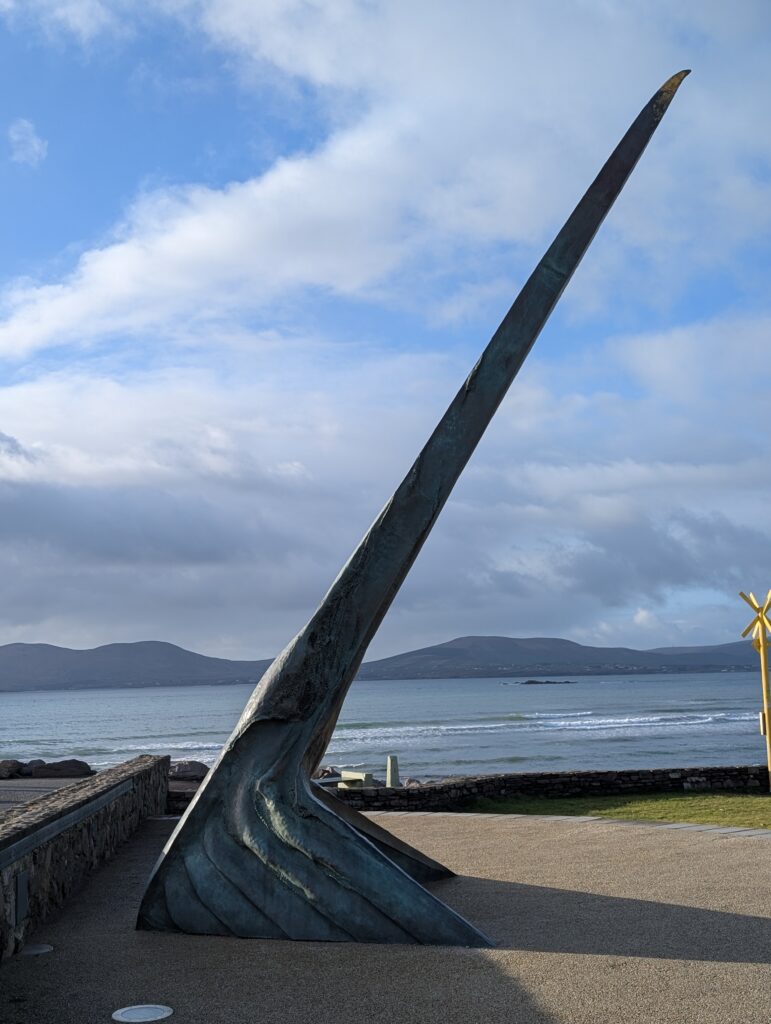
Monument era dyed to explorers and travelers. It is a large sundial.

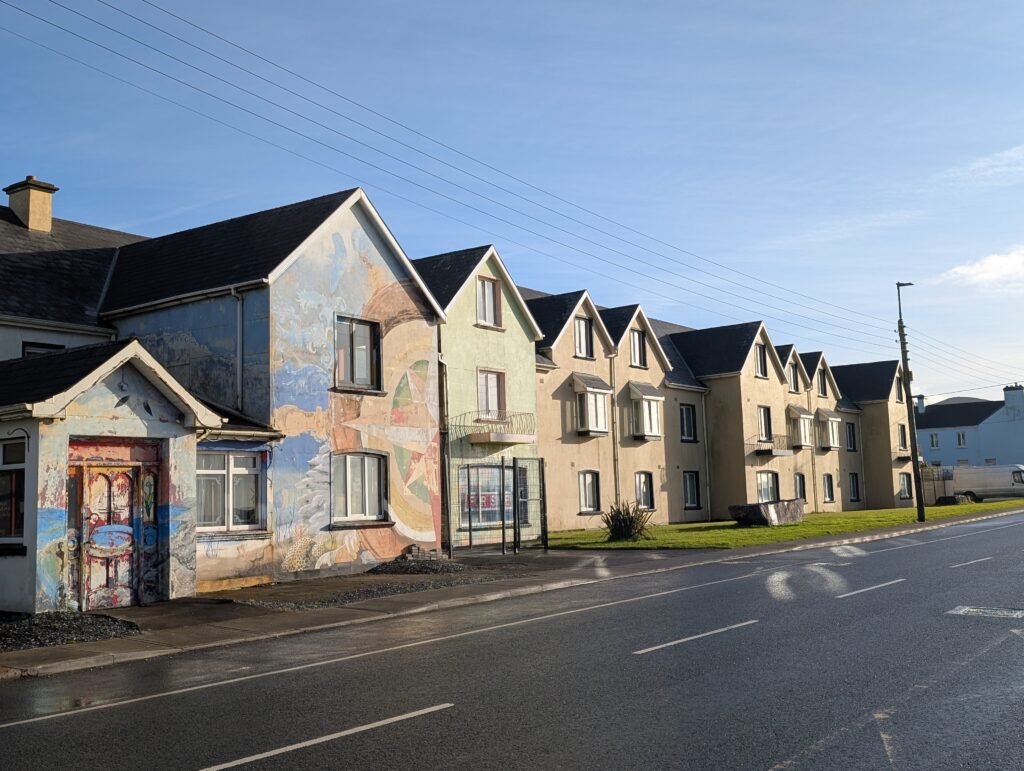
Traveling through Beenarourke.

Sneem. Unfortunately a lot of places are closed for the winter but the beauty of the off season is there are not a lot of people!

Sculptures created for a best town competition.

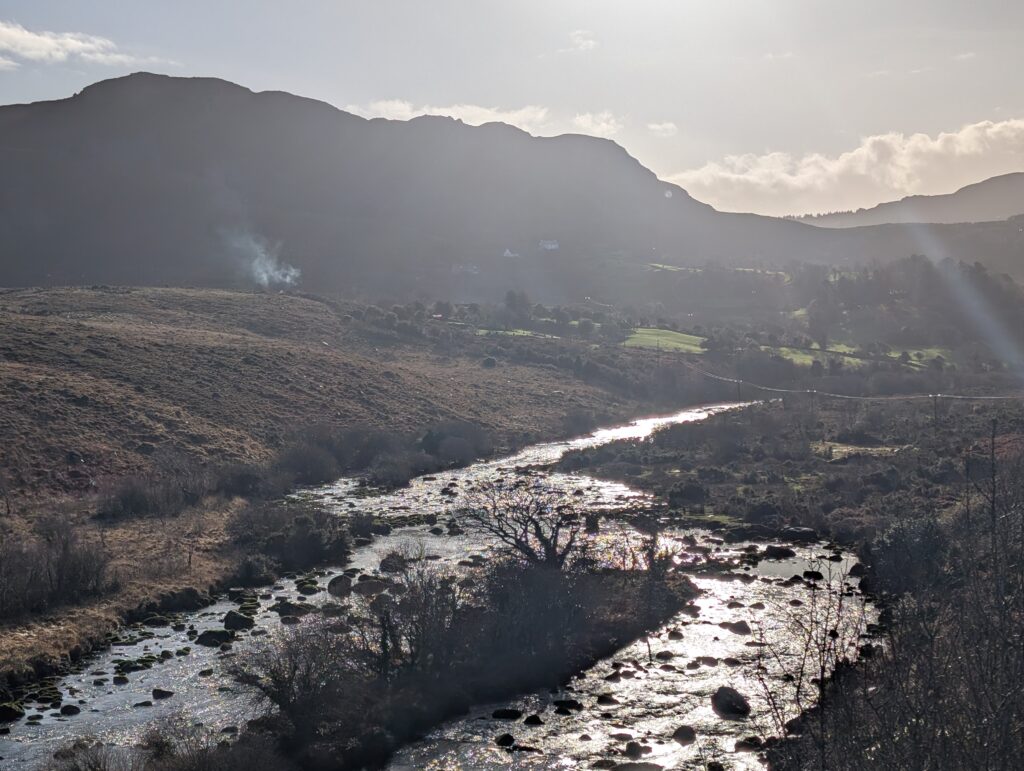
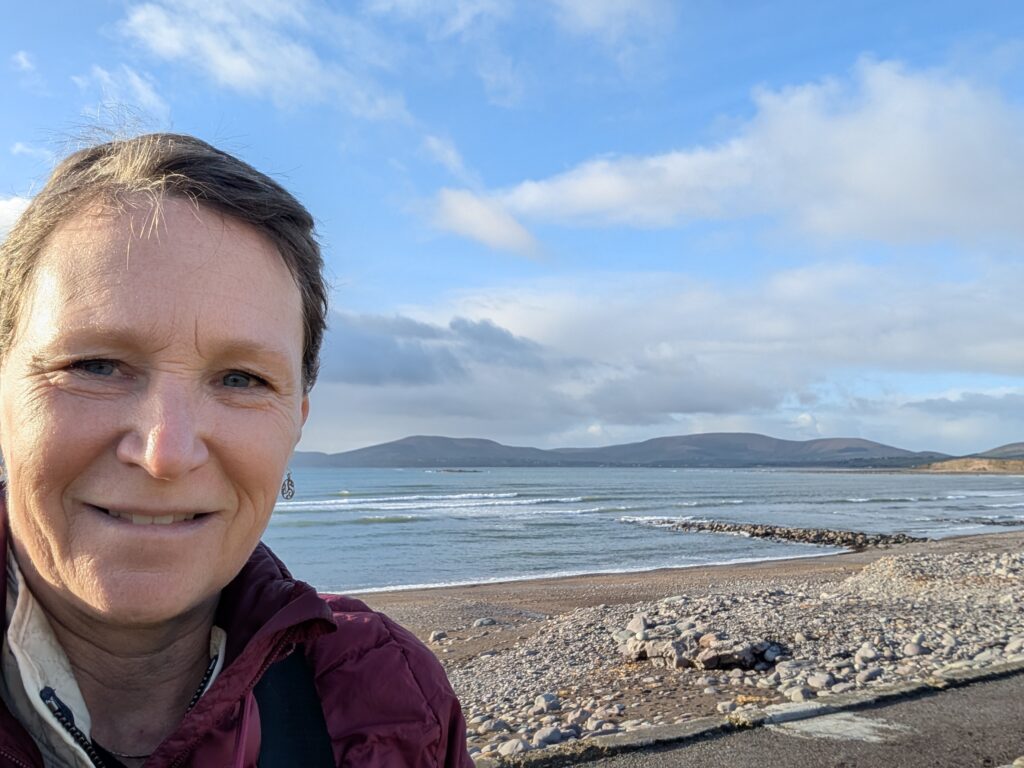
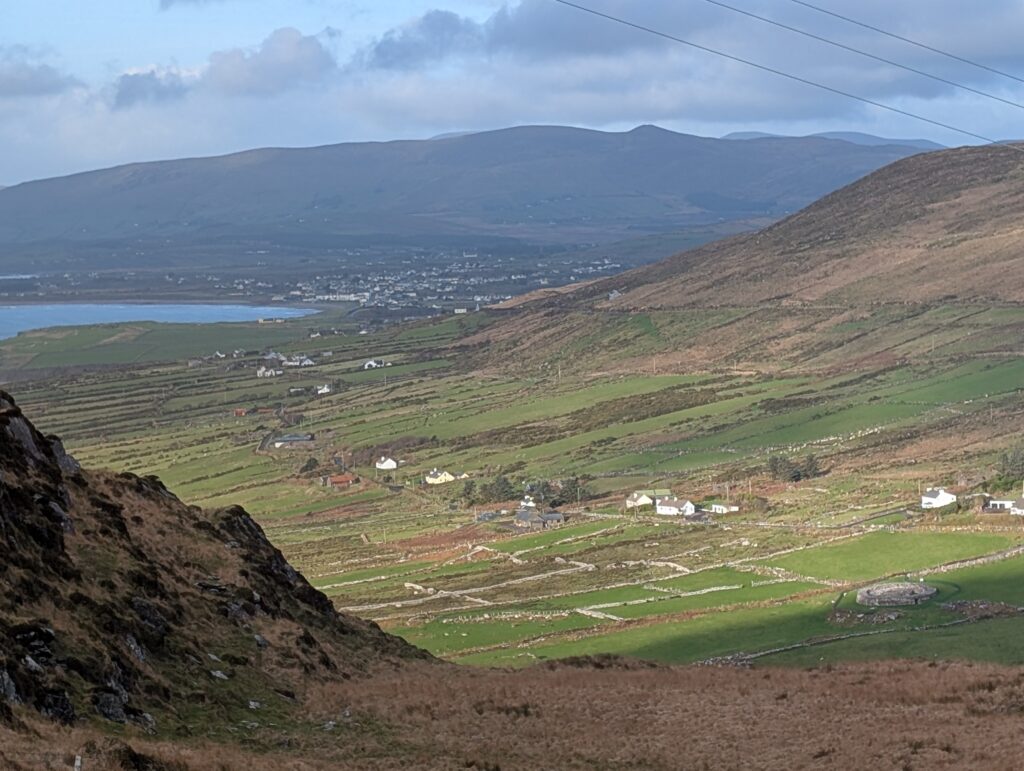
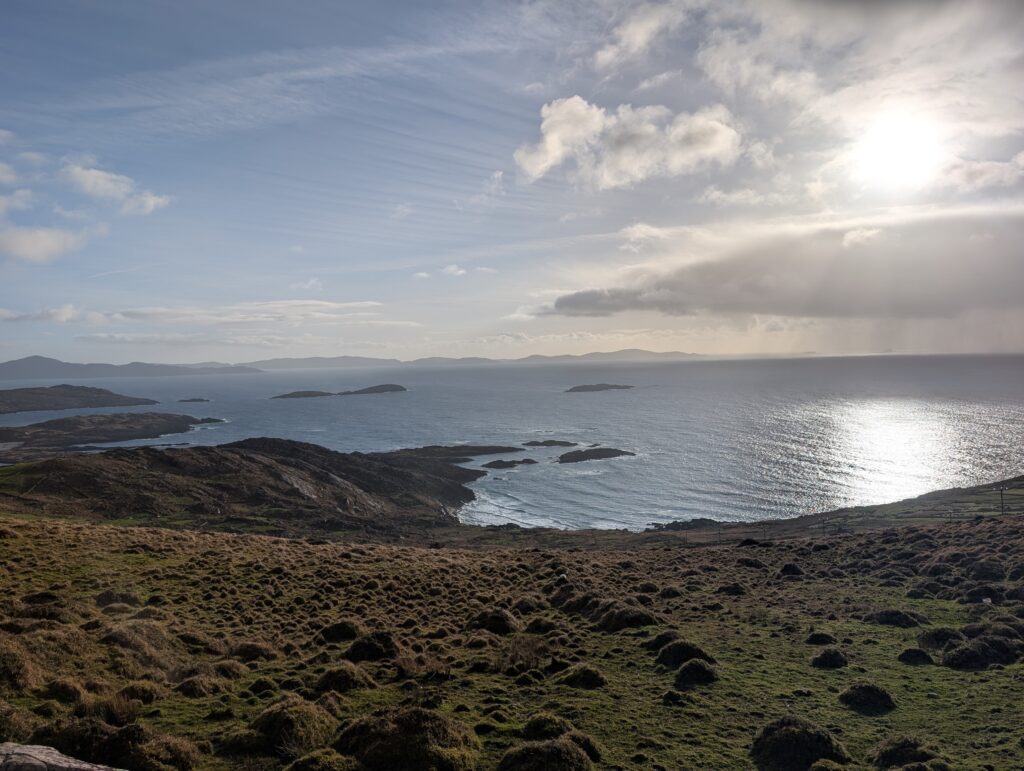
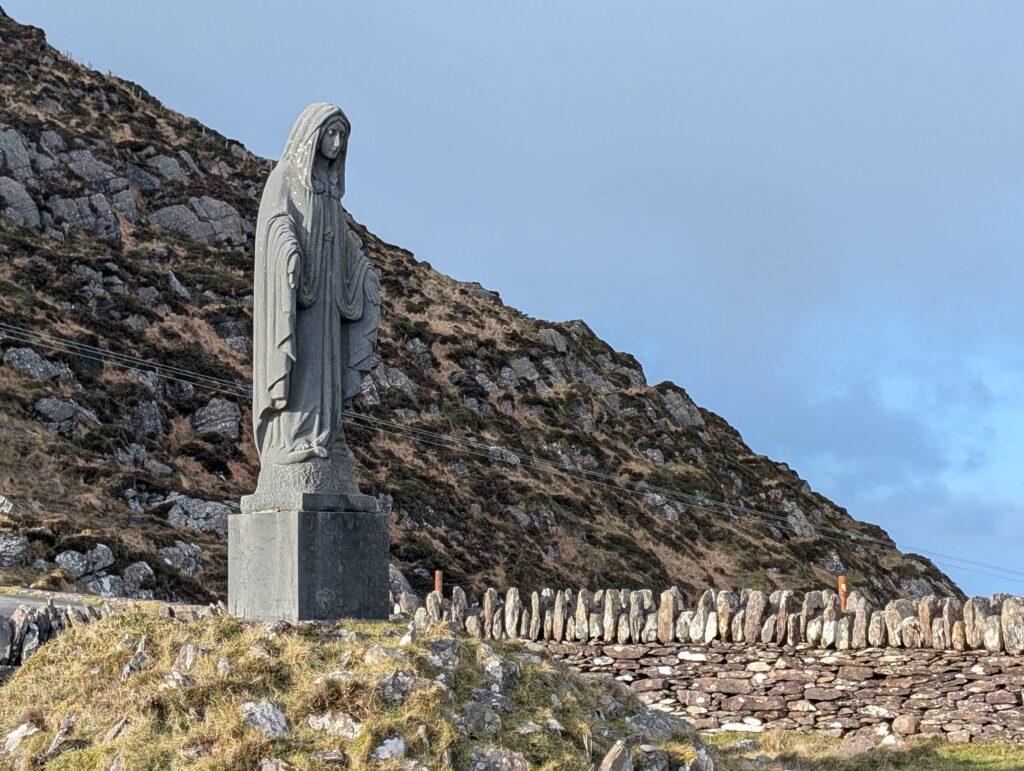
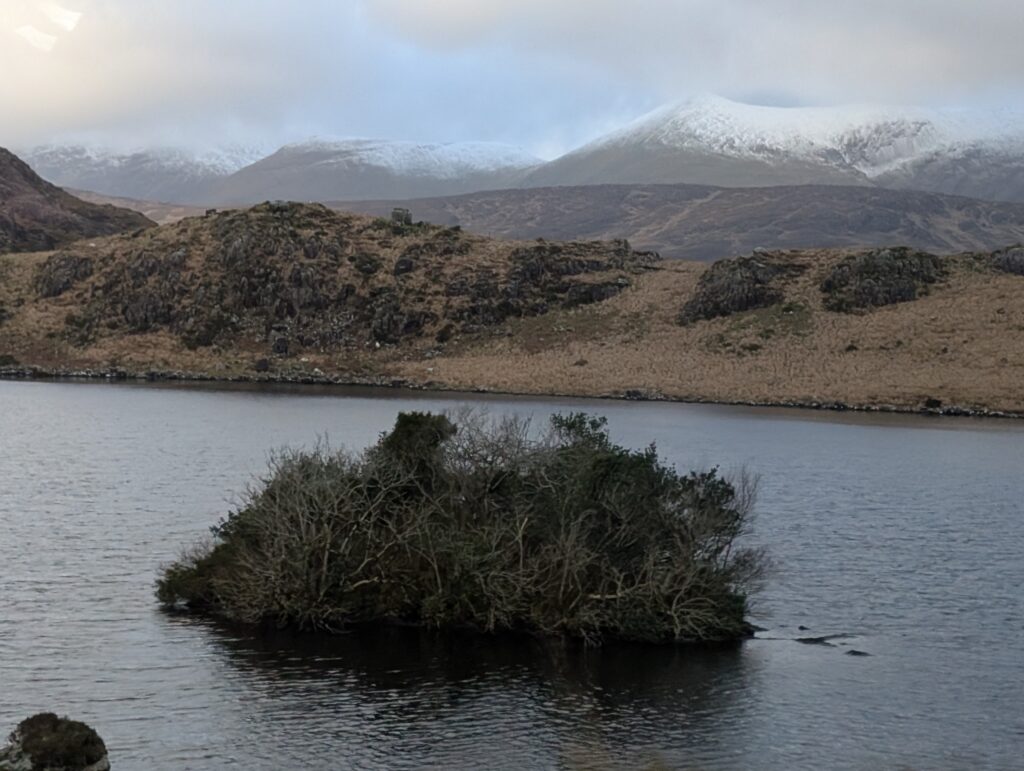
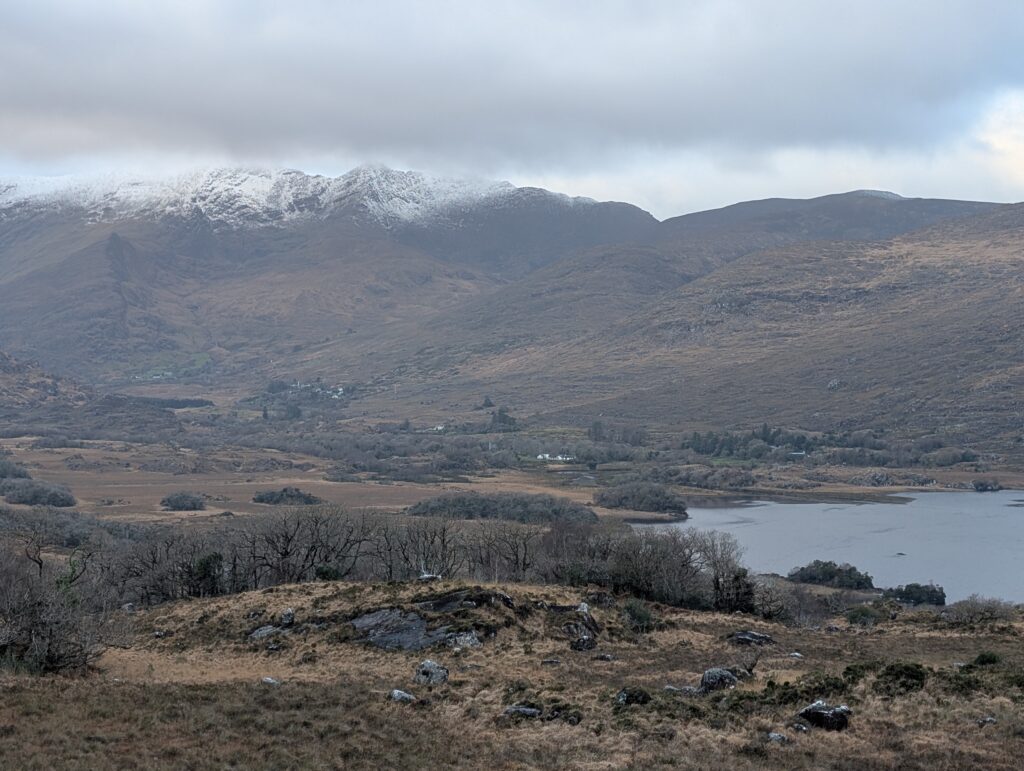
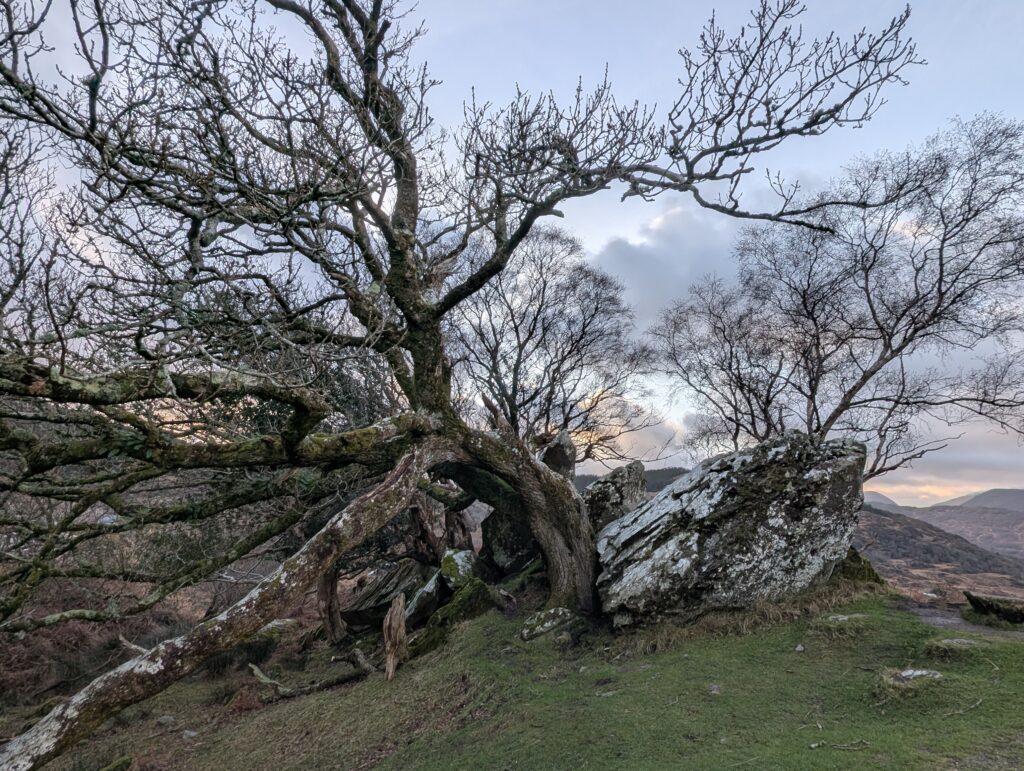
Pictures while stopping along the ring of Kerry.

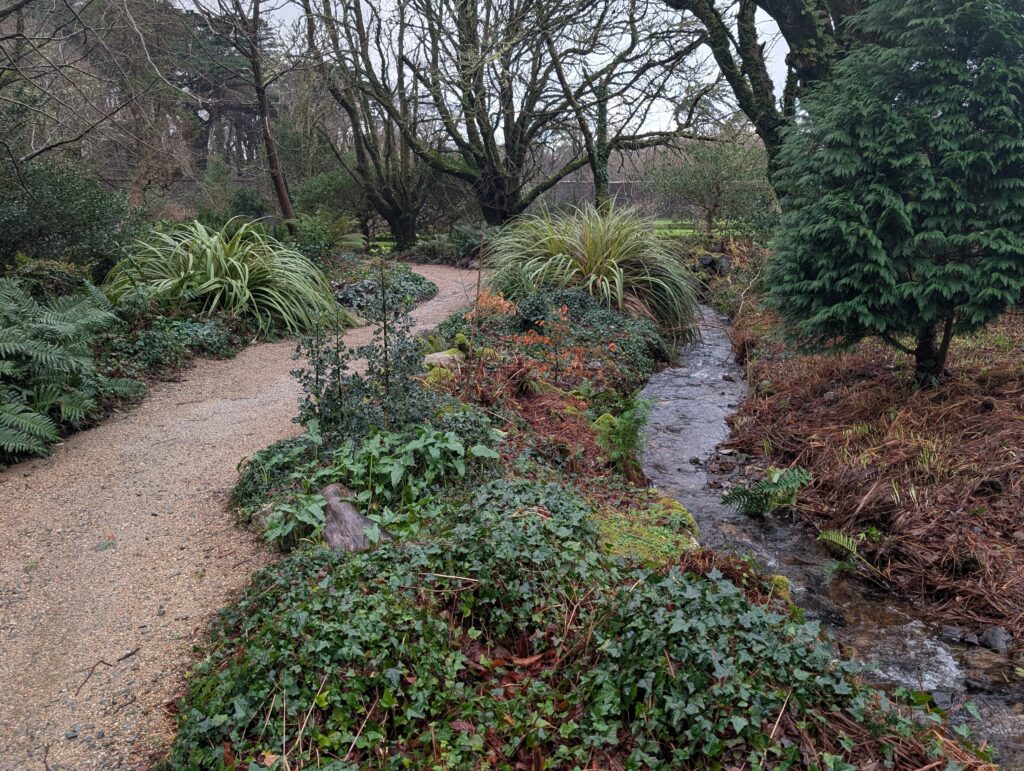
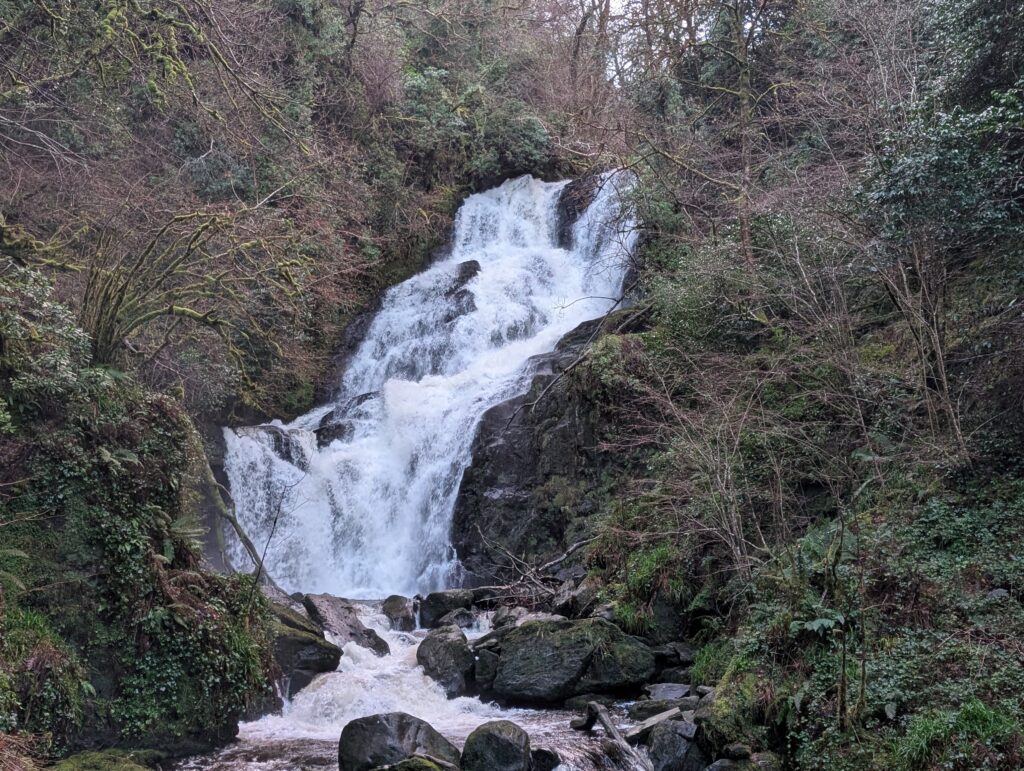
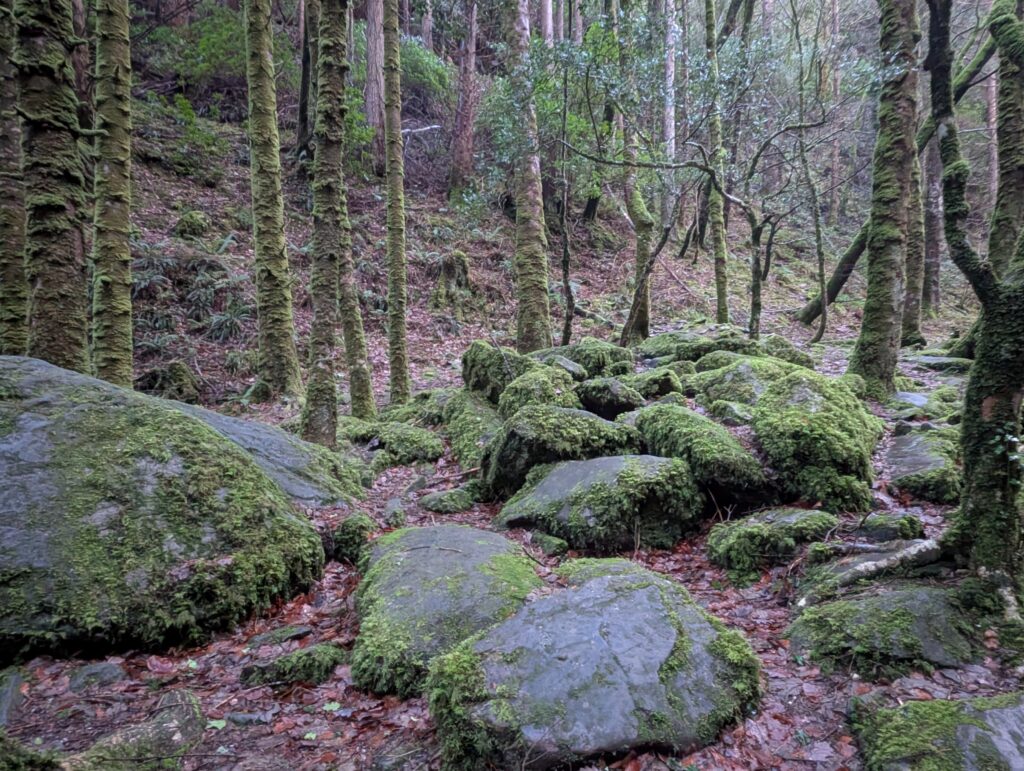
The Torc waterfall. I love how everyone r where we went the moss covered the rocks and trees making it very fairy-like.
Cobh

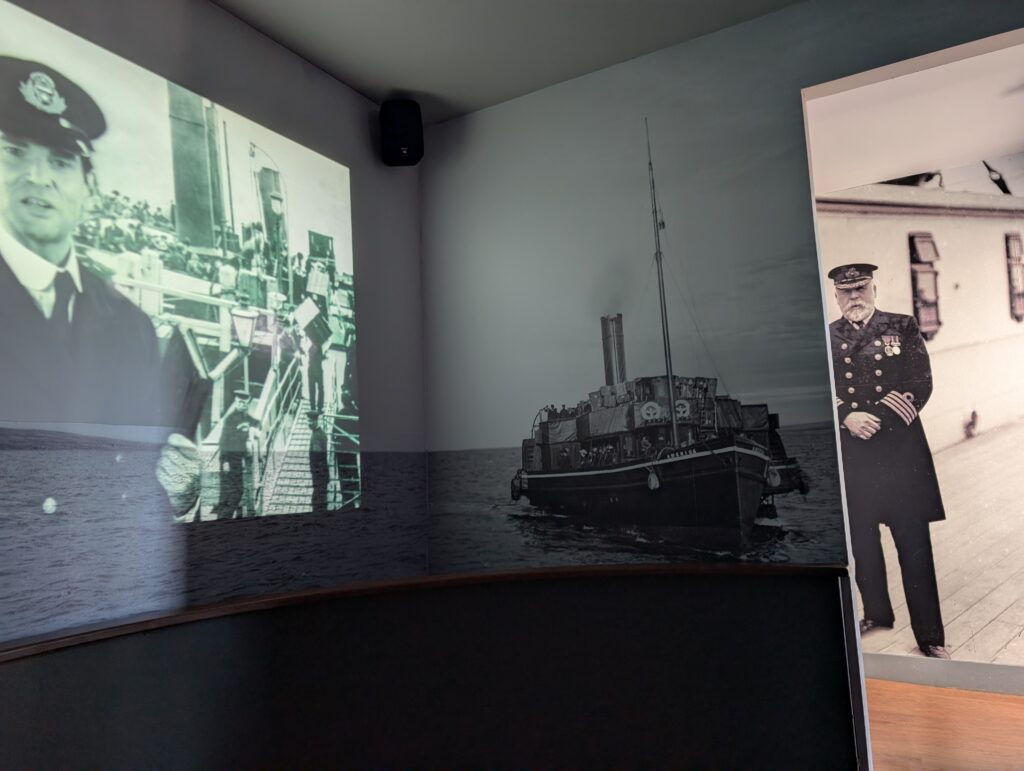
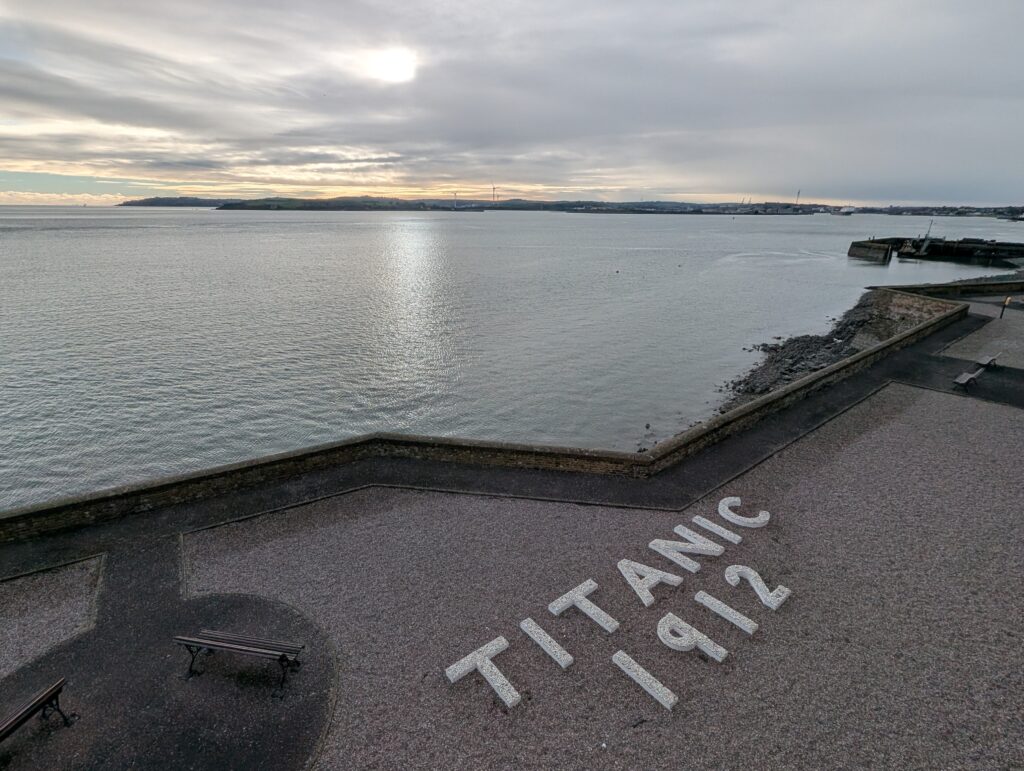
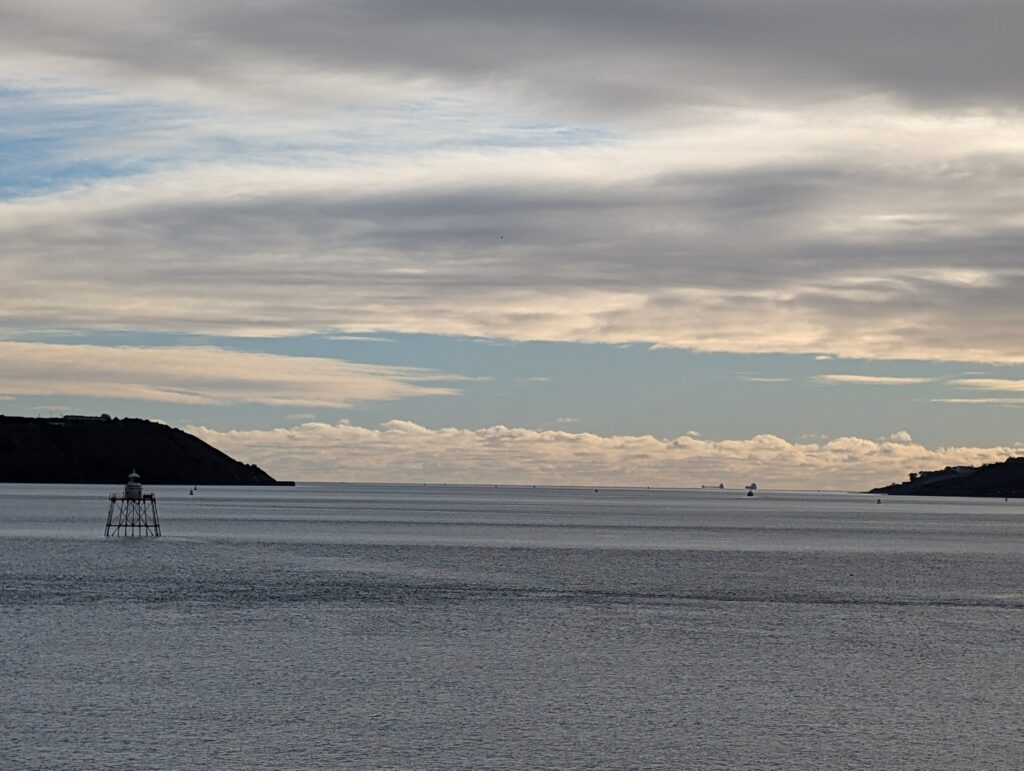
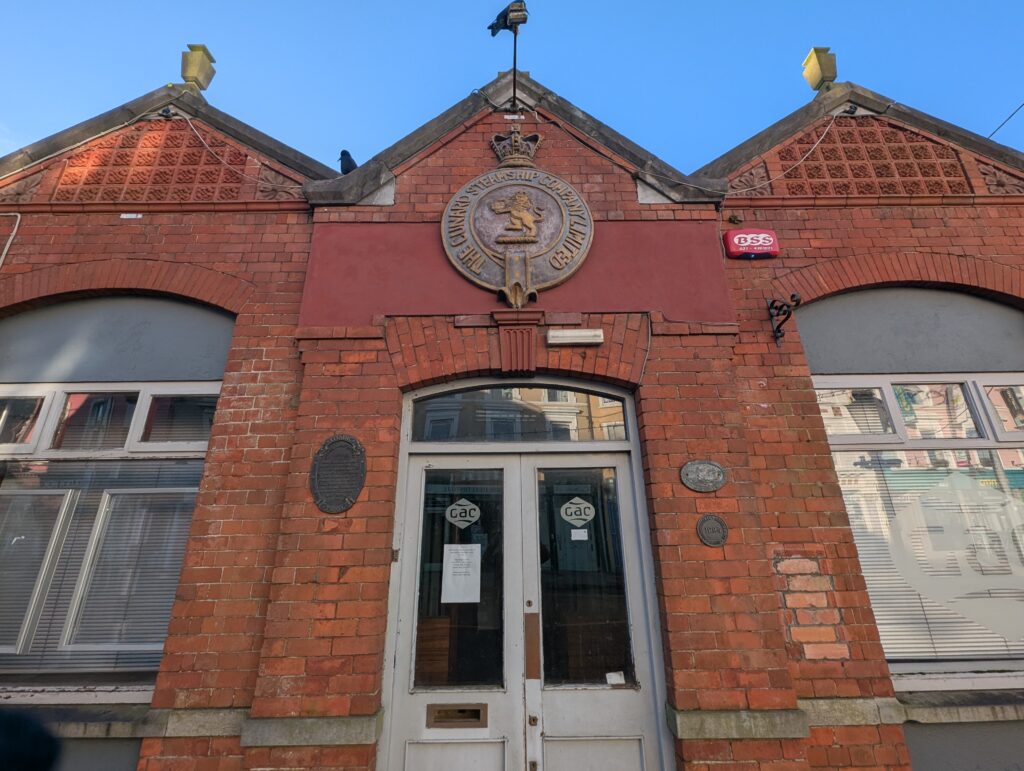
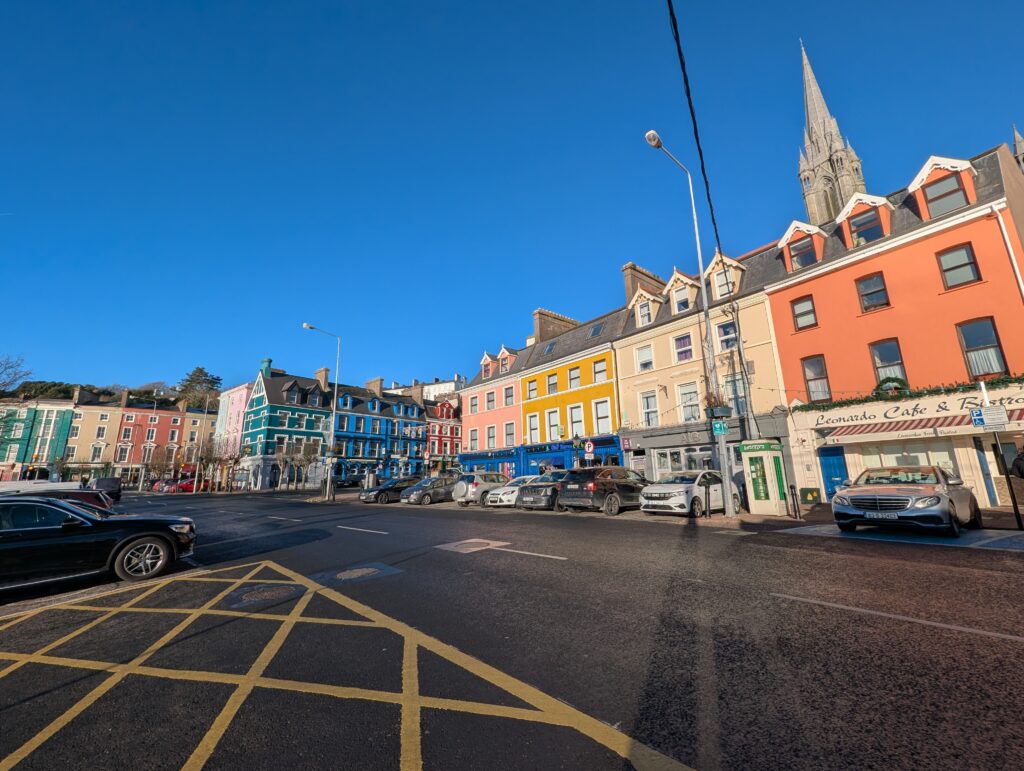
I took a day trip to Cobh, who after Queen Victoria visited and loved so much, renamed it to Queenstown in 1849. Later, the town changed the name back in 1923. Cork harbour, which is located there, is one of the largest and safest natural harbours in the world. It is a naturally deep harbour so large ships can enter. The Vikings used it in the 9th century as well as the Normans later. From the 17th century, it was a strategic port for the British empire. Fortifications where created in the barrier islands. One of them was Spike Island, which coincidentally is where the Titanic was moored and passengers where refried from the harbour to the ship. This cut down on sailing time later (bur perhaps that might have changed the course of events.) In the 20th century it was no longer a military port and is known for tourism and transport.

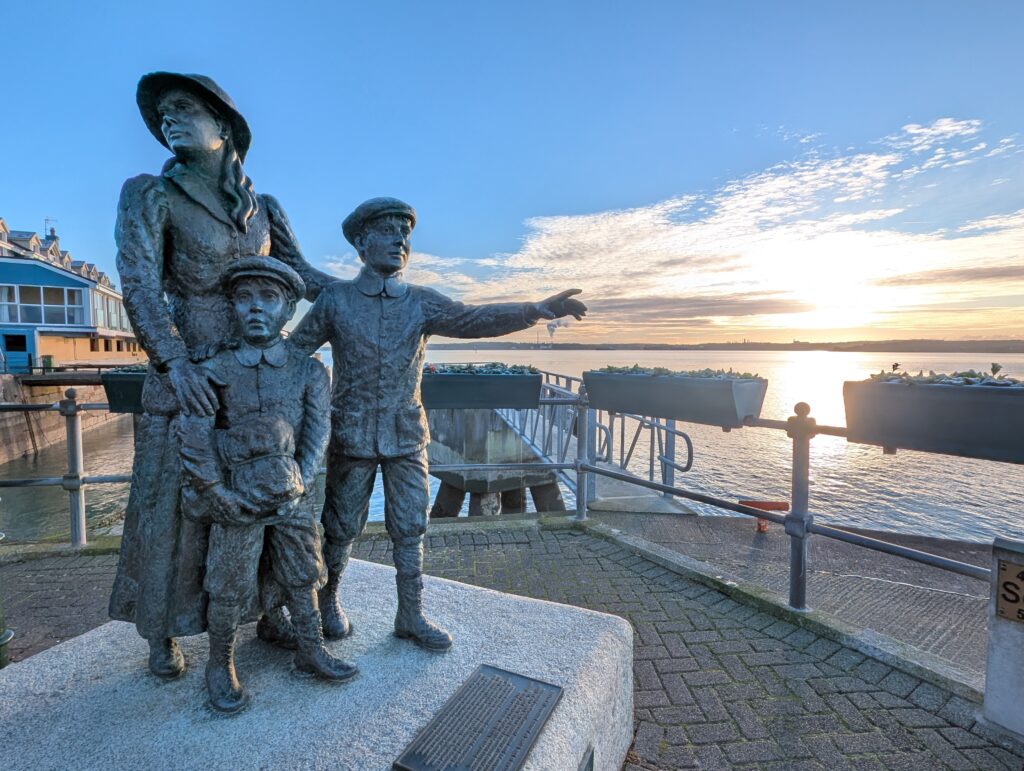
The harbour was a major port of emigration for people headed to America, especially after the great famine. The first person processed at Ellis Island left from this port. Her name was Annie Moore.

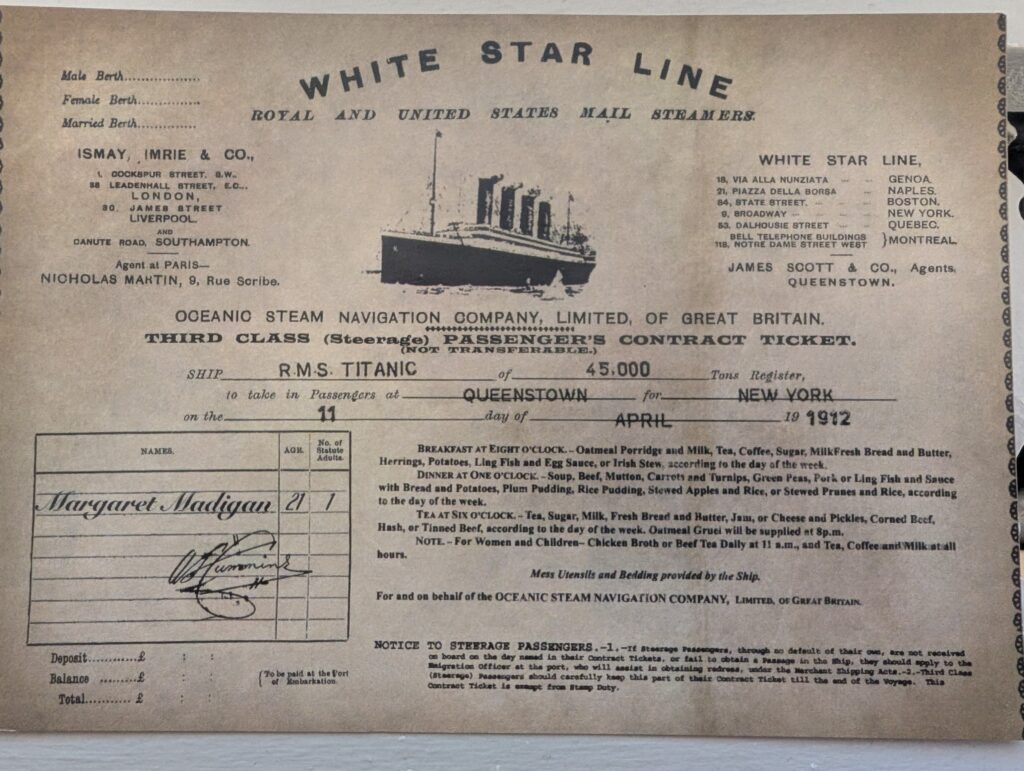
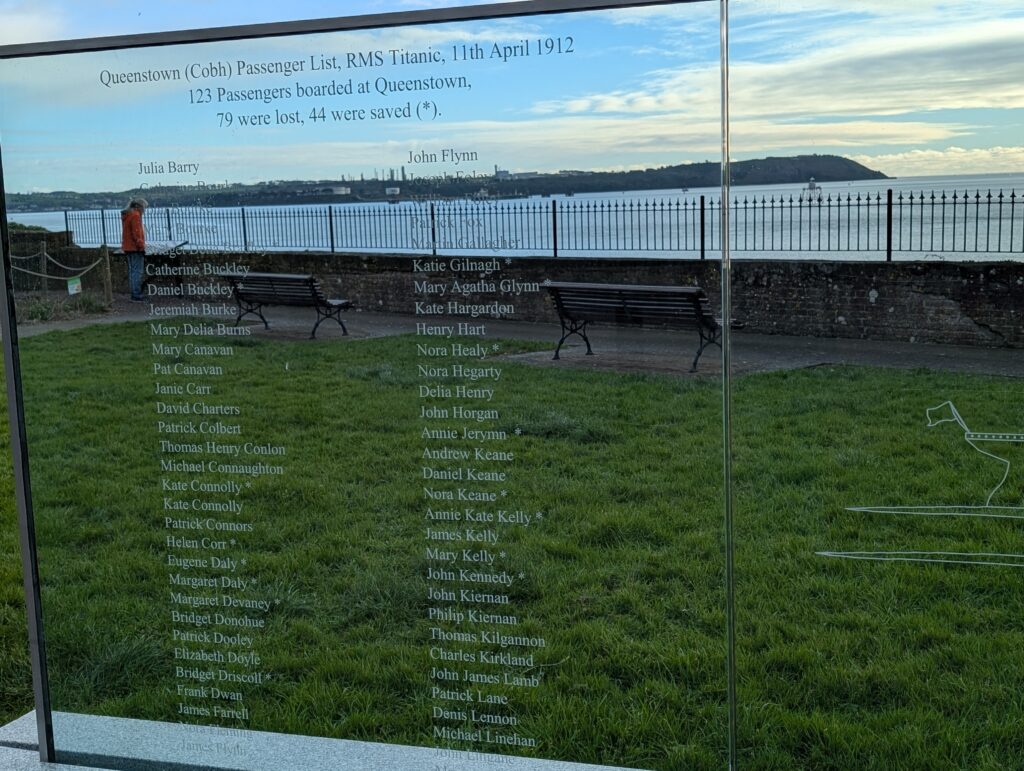
Queenstown was the last port of call for the RMS Titanic in 1912.

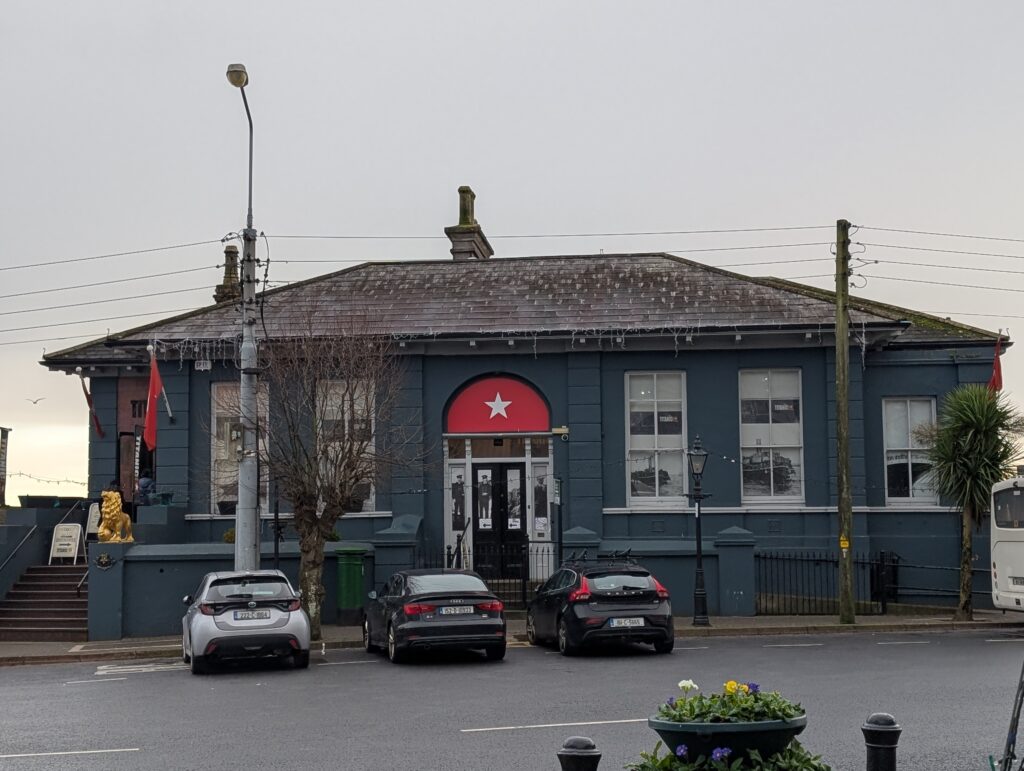
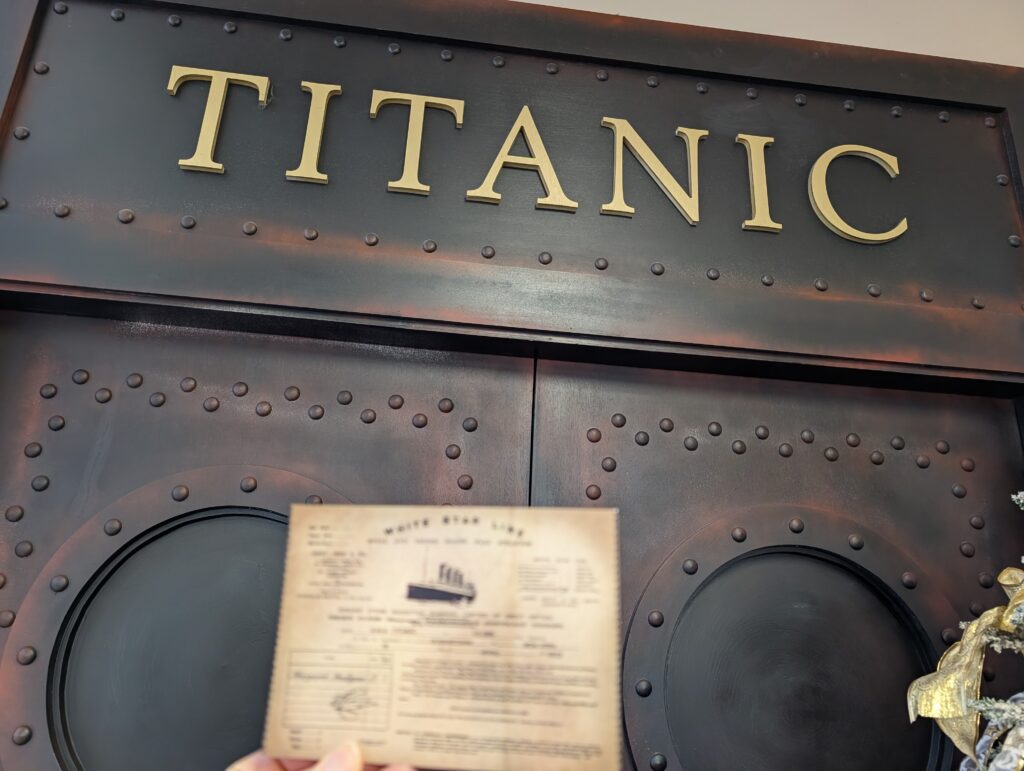
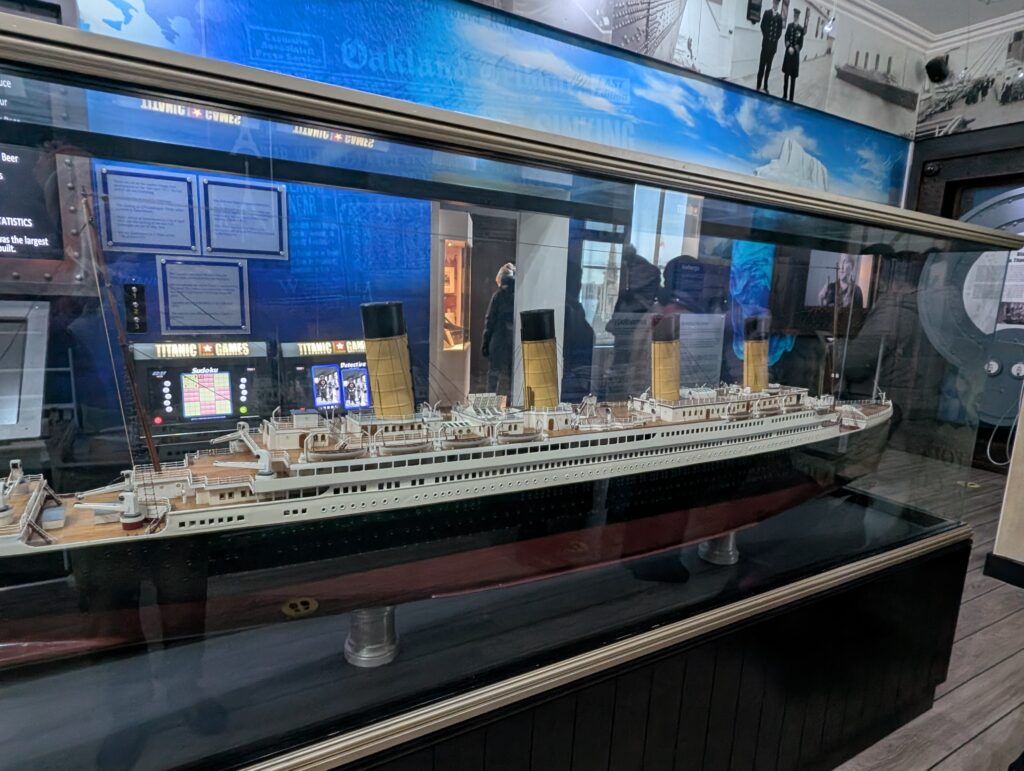
I booked a tour at the Titanic Experience. When you enter you are given a card with the name of a person who was on the Titanic. You learn whether the person traveled 1st, 2nd, or 3rd class, and in the end whether the person loved or died in the sinking.

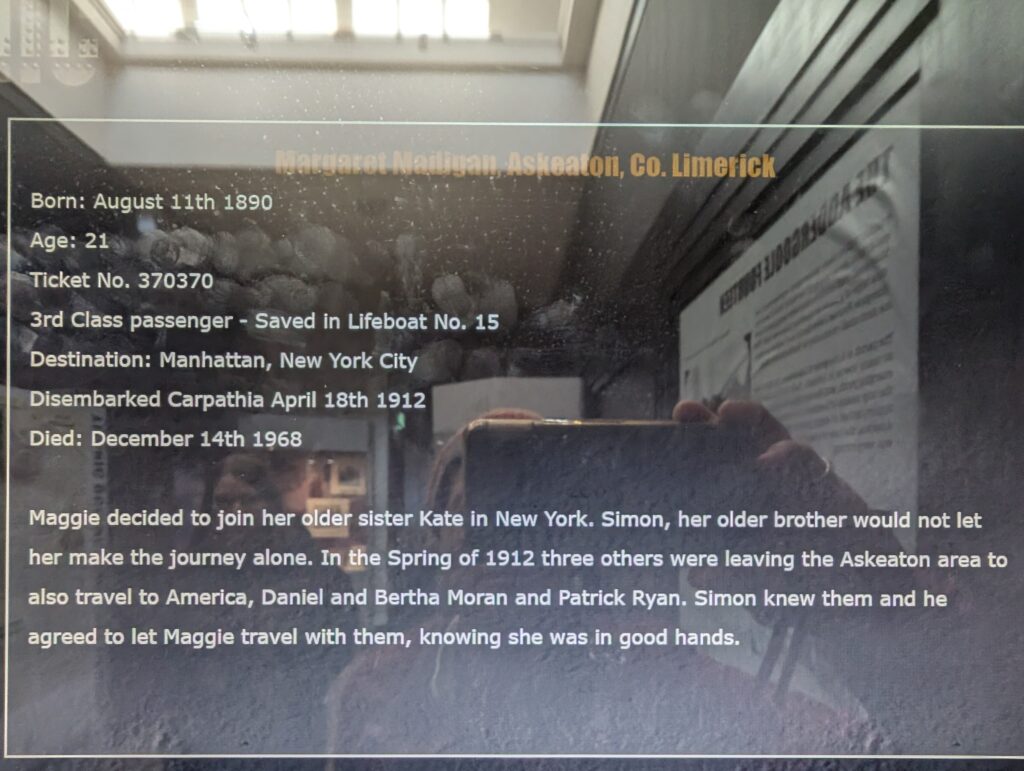
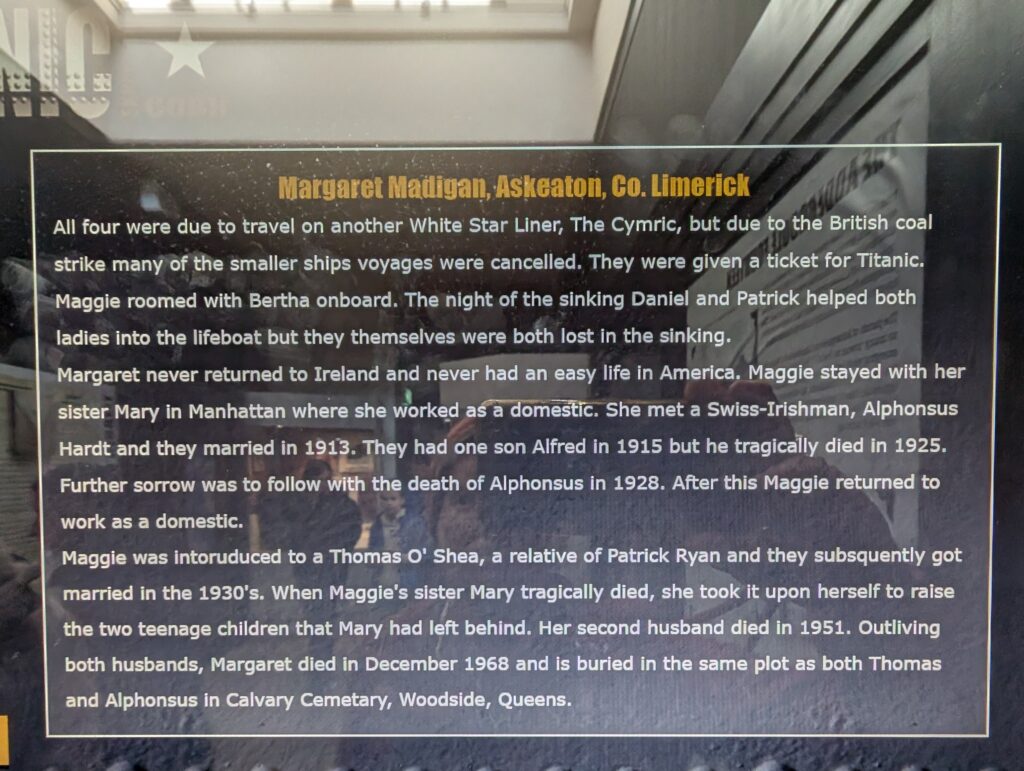
Spoiler alert: my person survived but even with hard times in the new world, died in 1968.

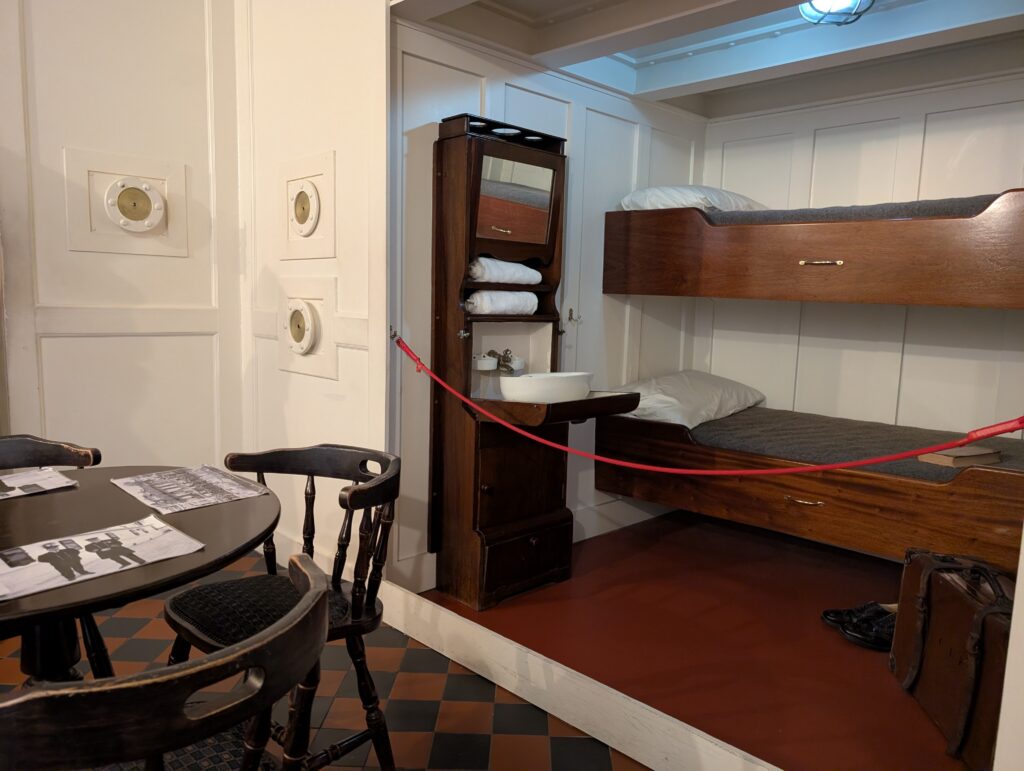
We were able to see the difference in the types of accomodations and what people would be taking the Titanic and whether they were emigrating or going on business.

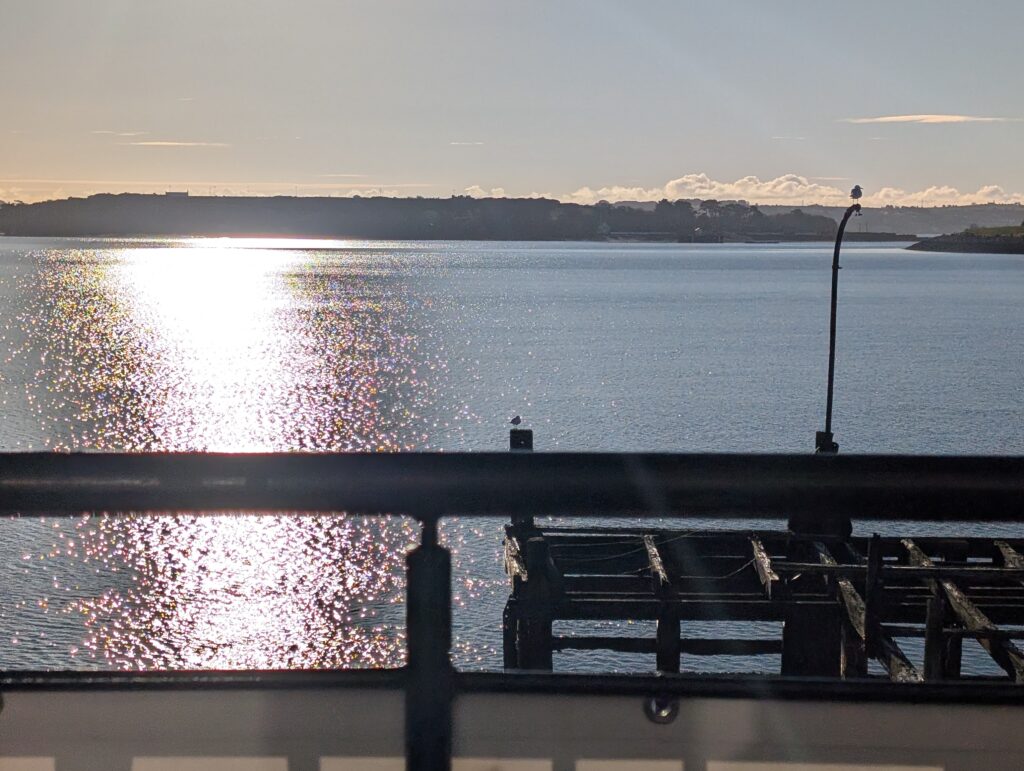
The dock and in the distance where the Titanic was anchored waiting for ferried passengers.

3rd class accomodations and meeting/eating room.

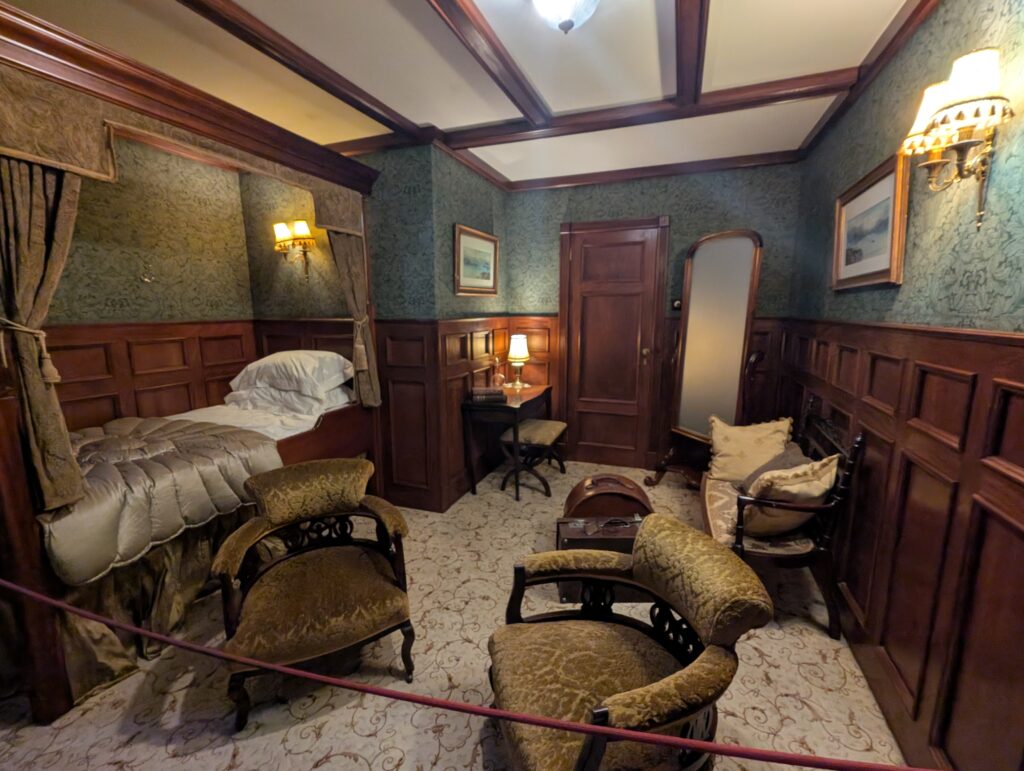
2nd class accomodations. 1st class would be a suite that included a bathroom and veranda.

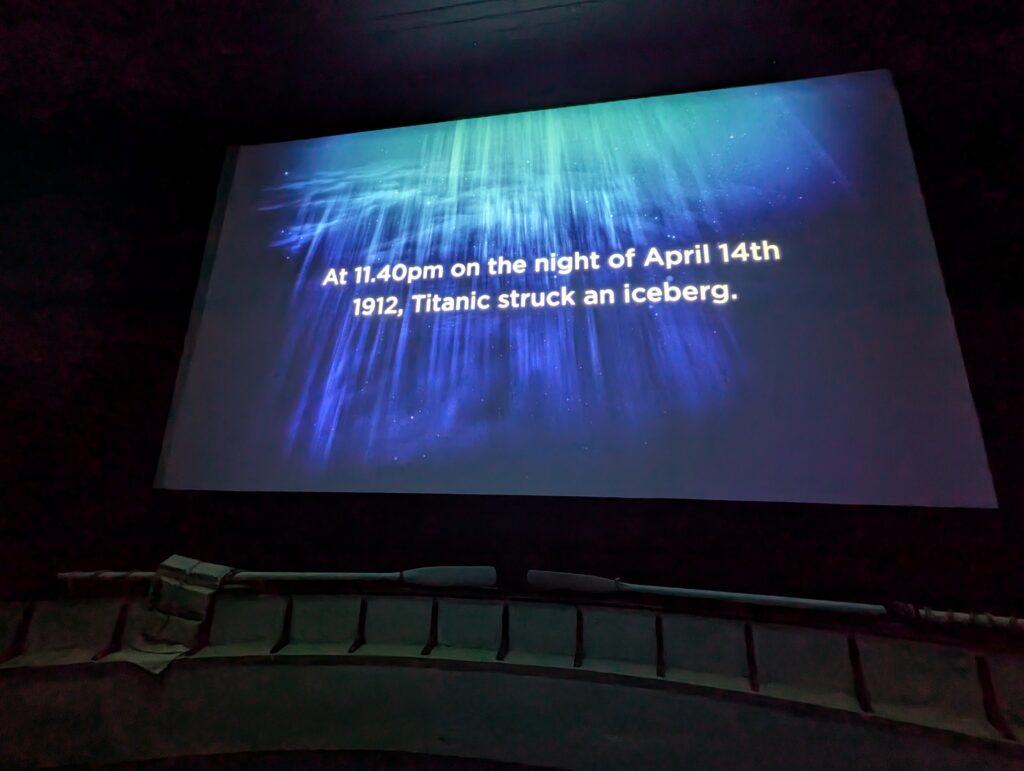
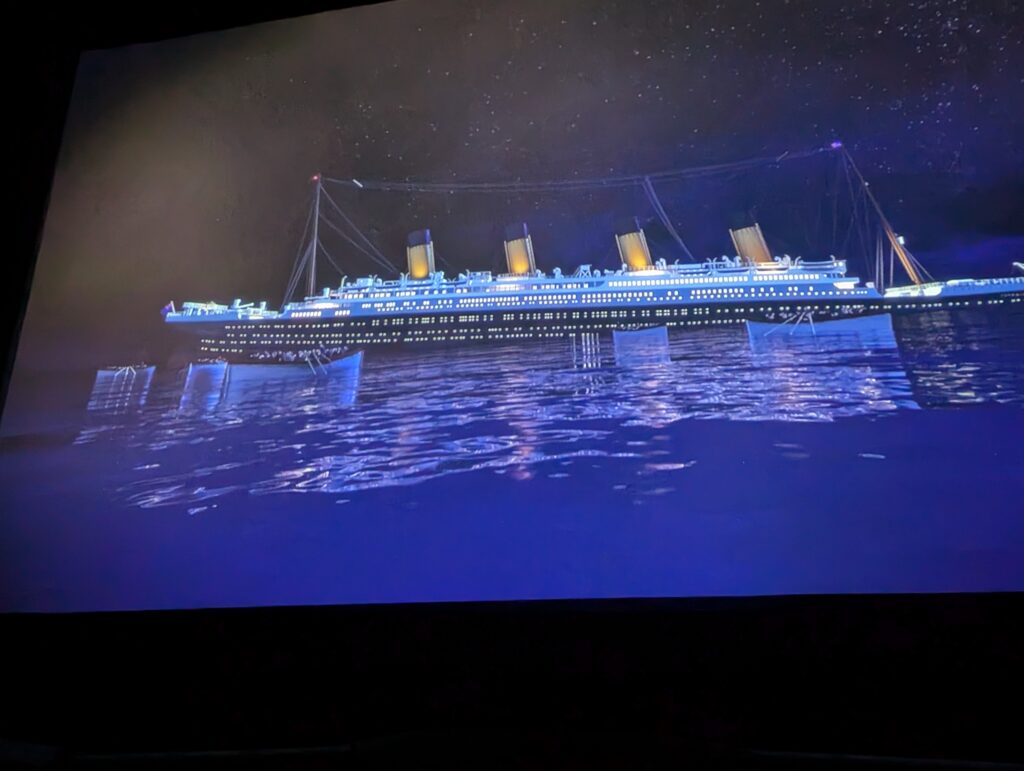
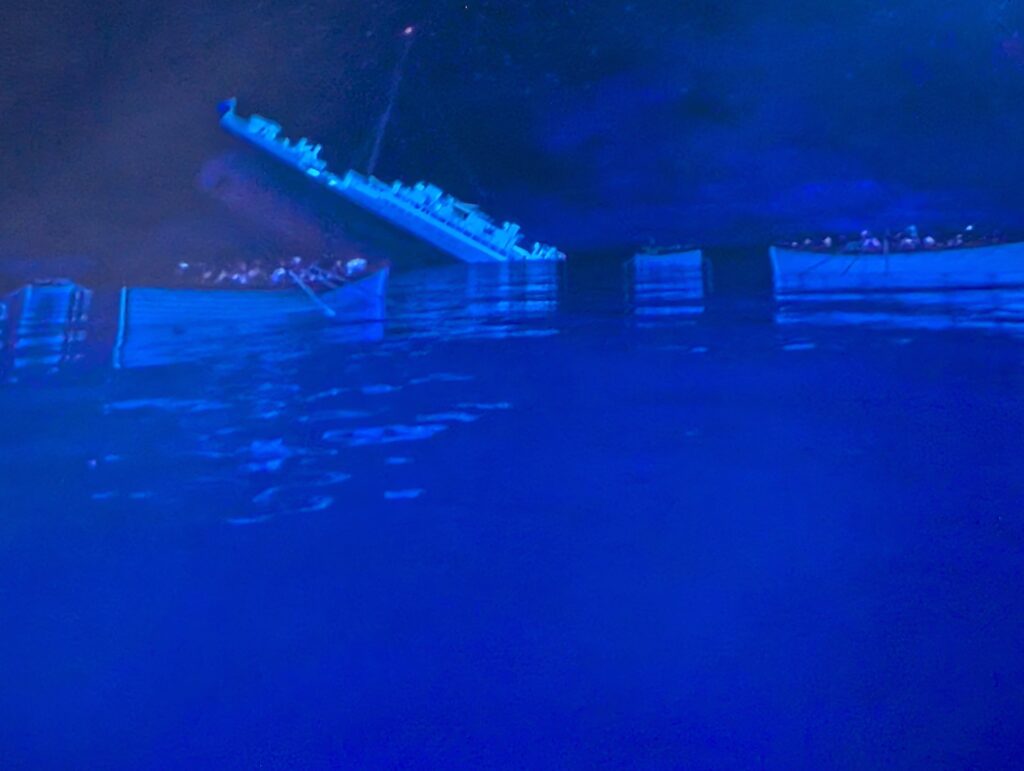
The sinking of the Titanic was outlined by the minute and included the actions of the owners of the White Star line and the crew.

The museum at the end had facts about the boats, icebergs, the effects of hypothermia, and stories from people aboard and those that eventually could dive and find the wreckage.

This is the information about my person and then what happened to her after she reached America.

I walked around the town. Very quiet as most of the places where closed.

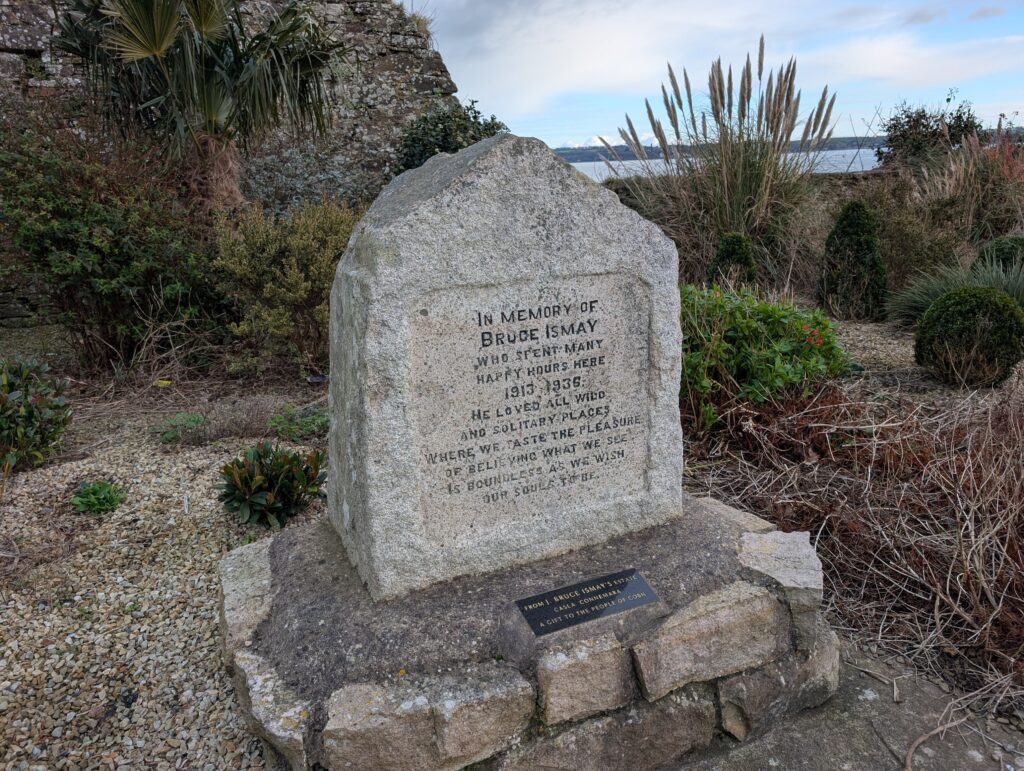
The Titanic Memorial Garden.

Memorial of the owner of the White Star line who jumped into a lifeboat ahead of the women and children. He was fired and even his wife left him.

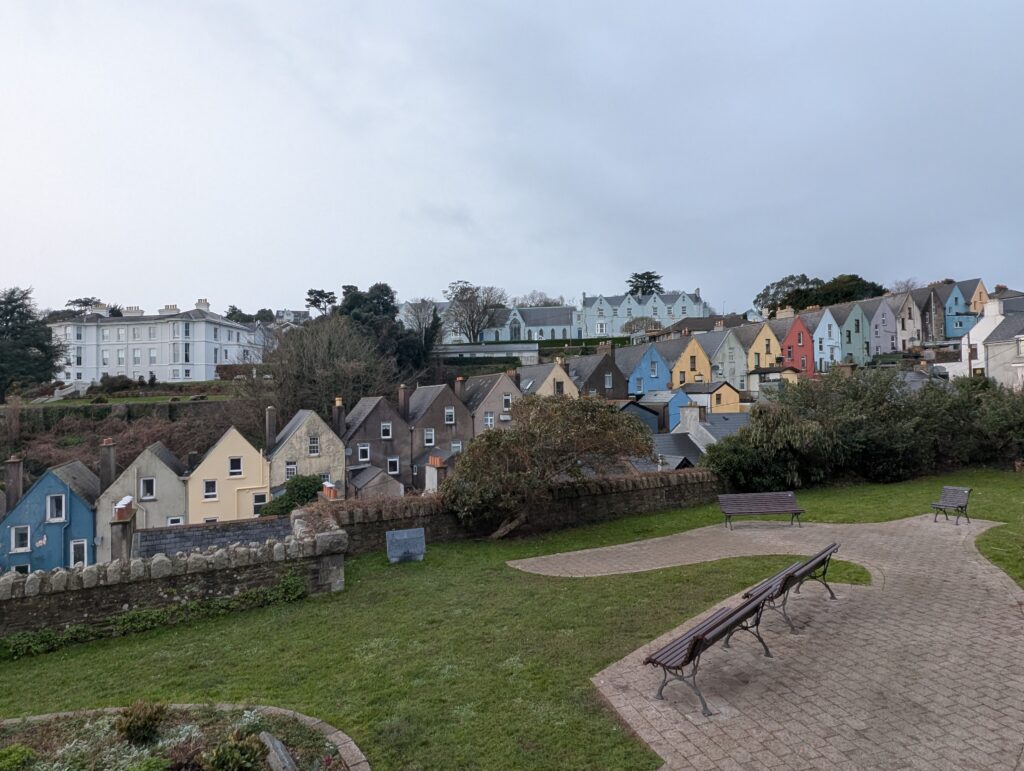
Deck of cards houses.

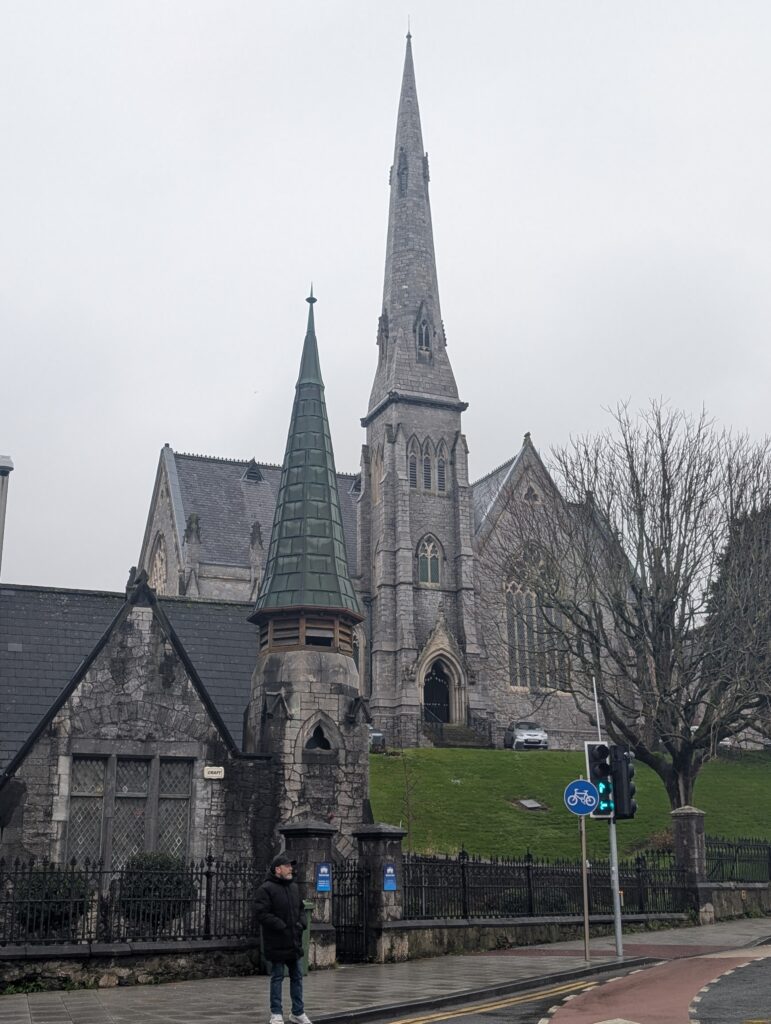
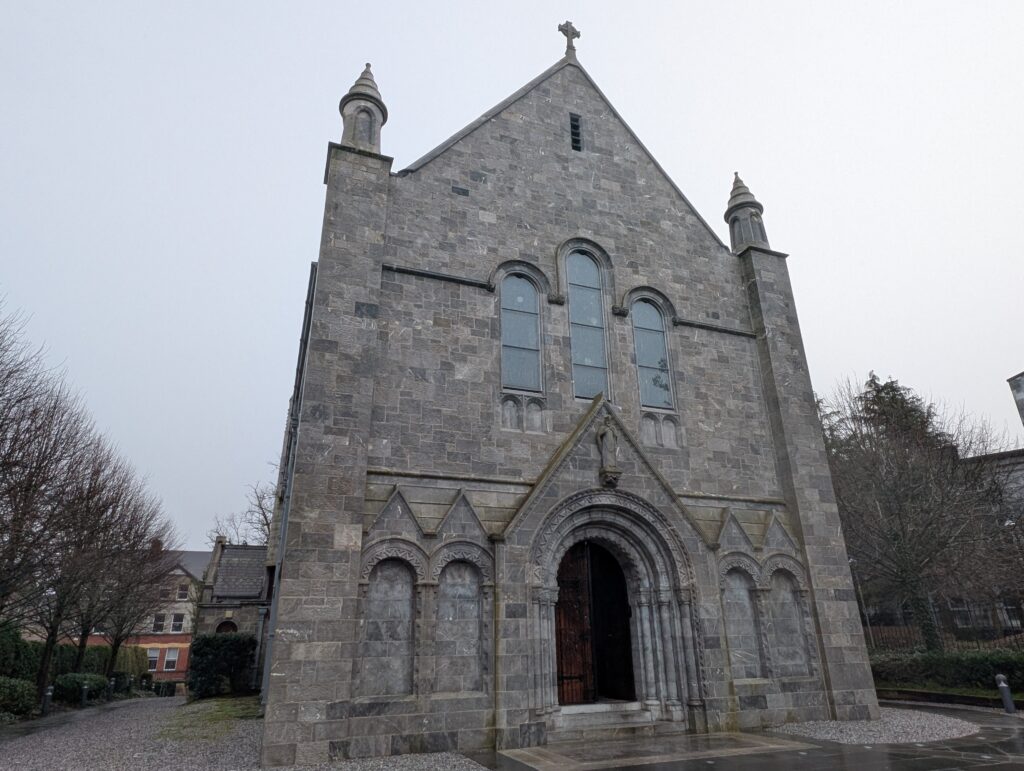
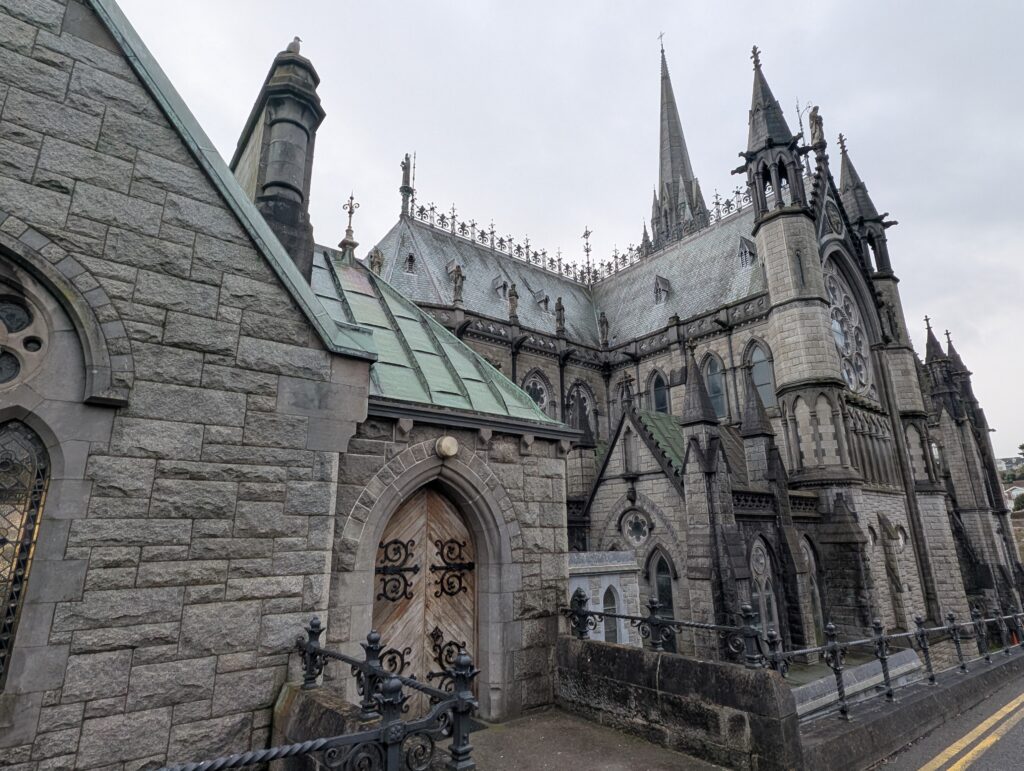
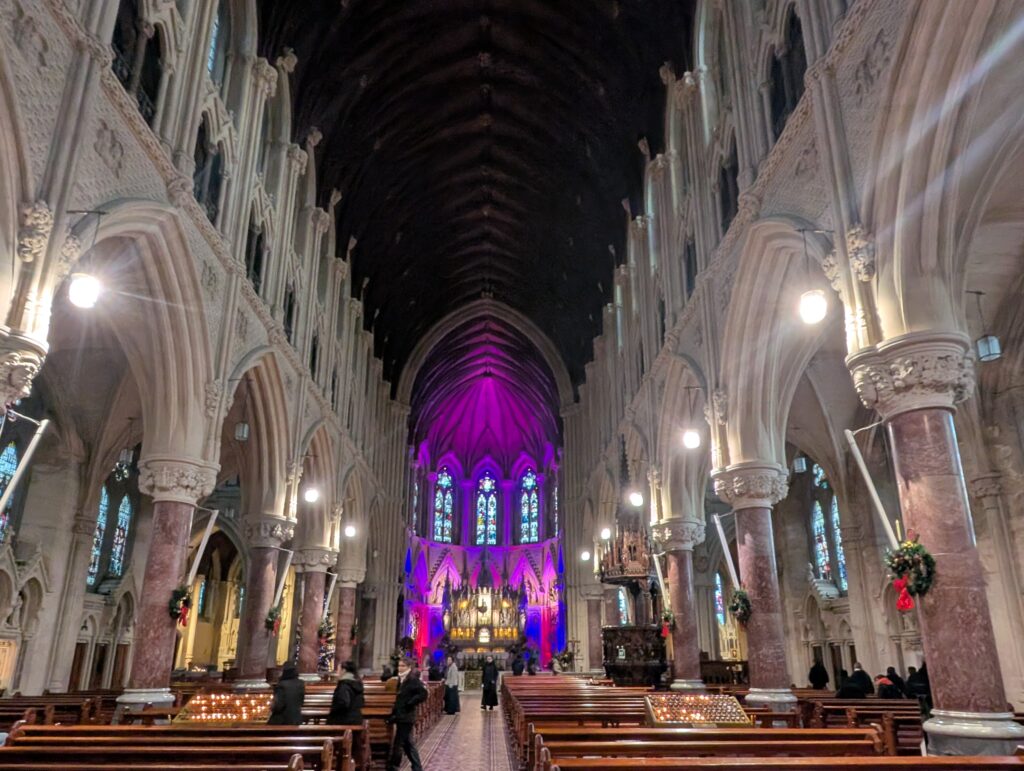
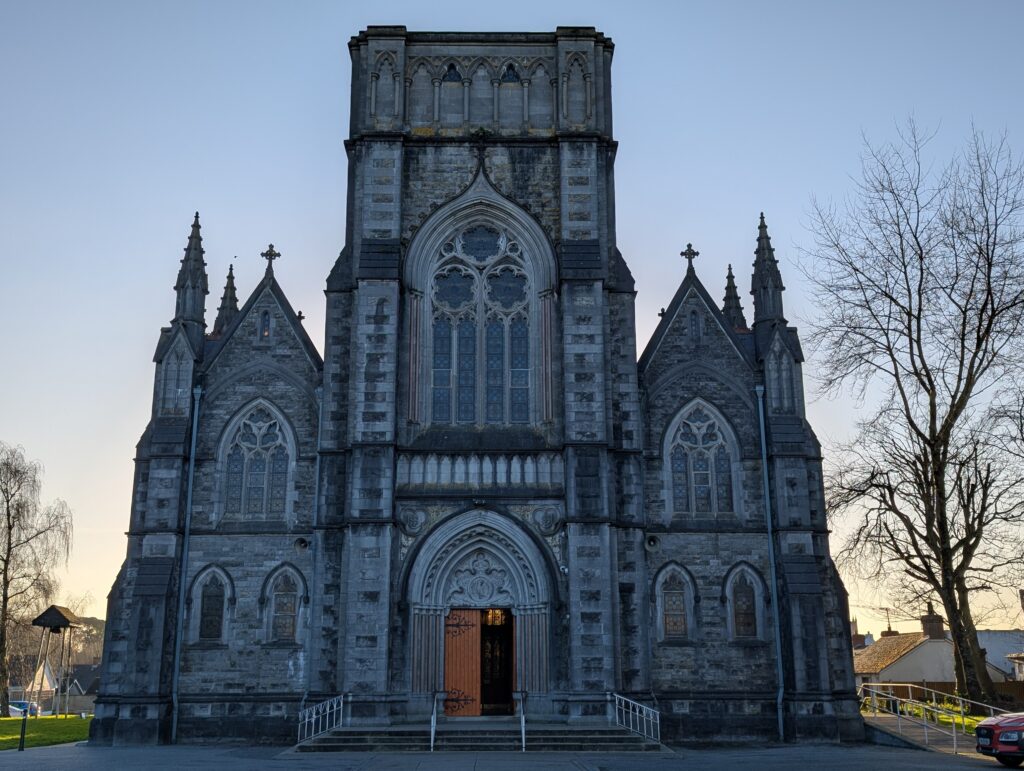
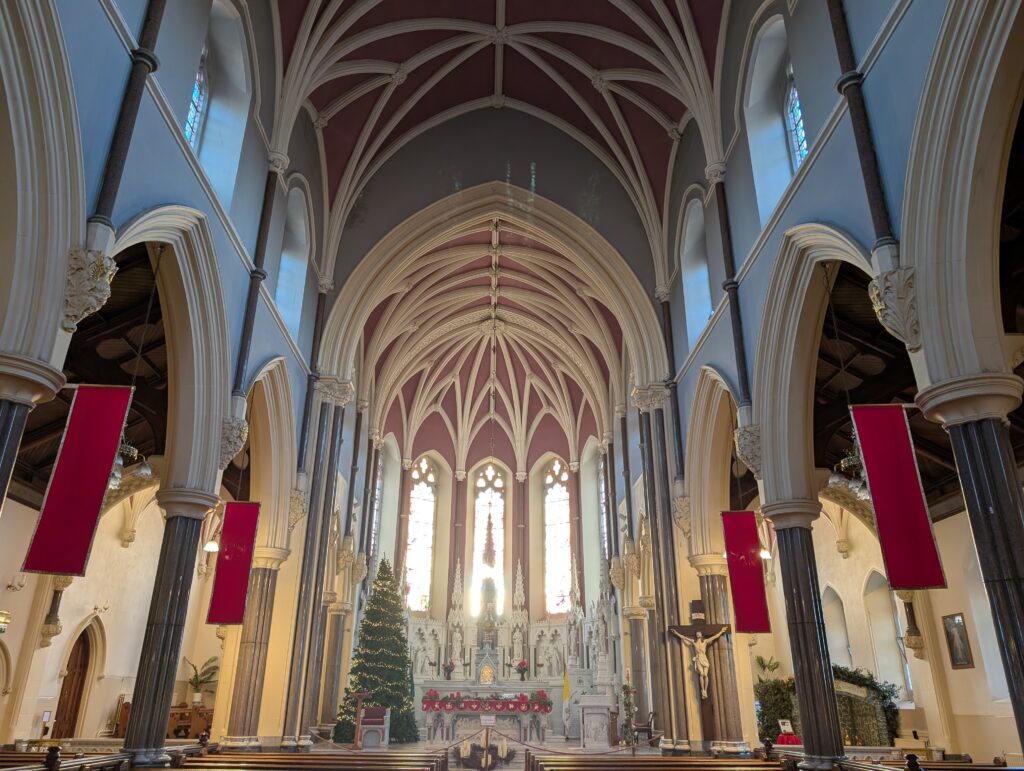
St. Colman’s cathedral.
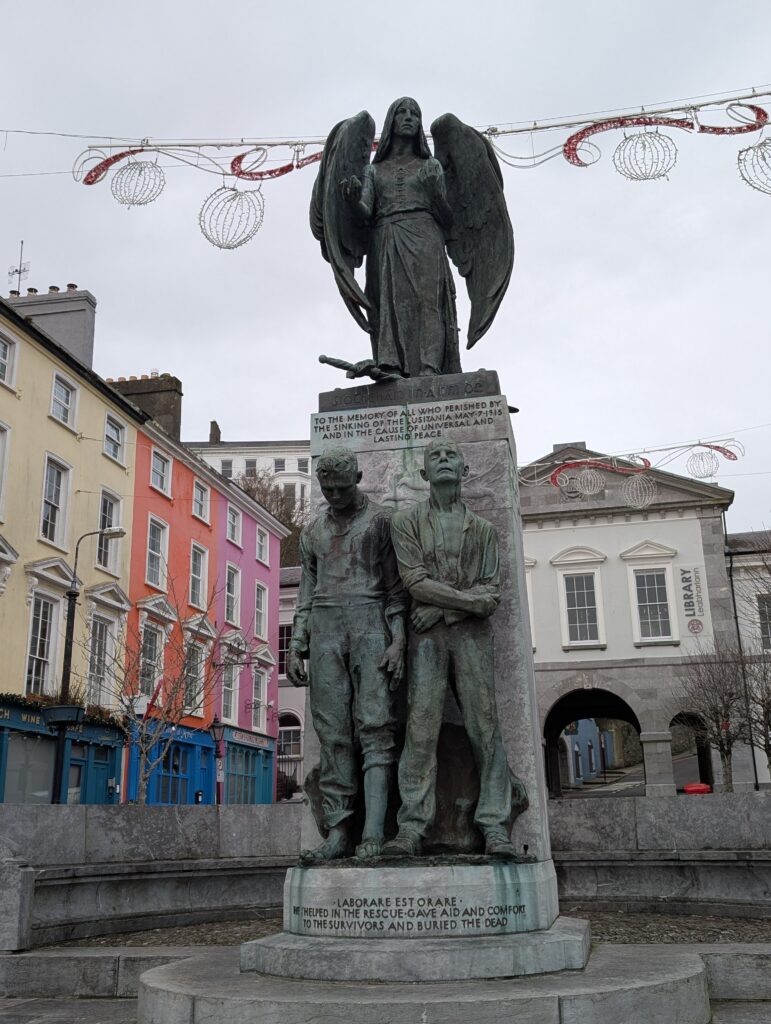
The Lusitania memorial which sunk off the coast in the first world war.
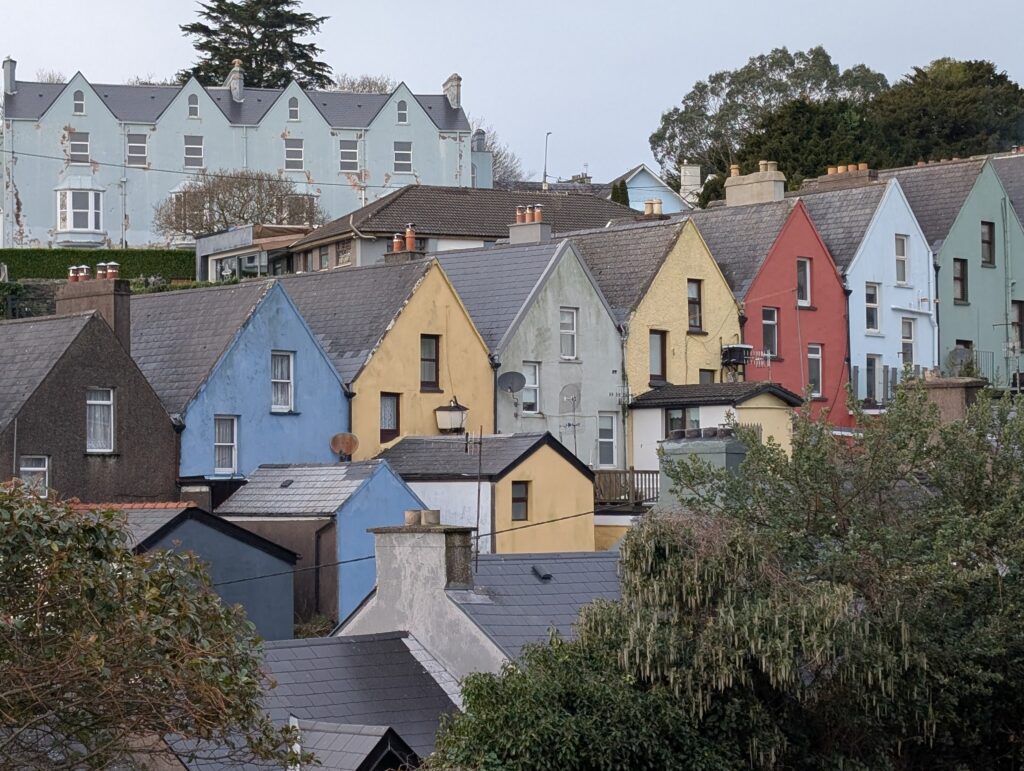
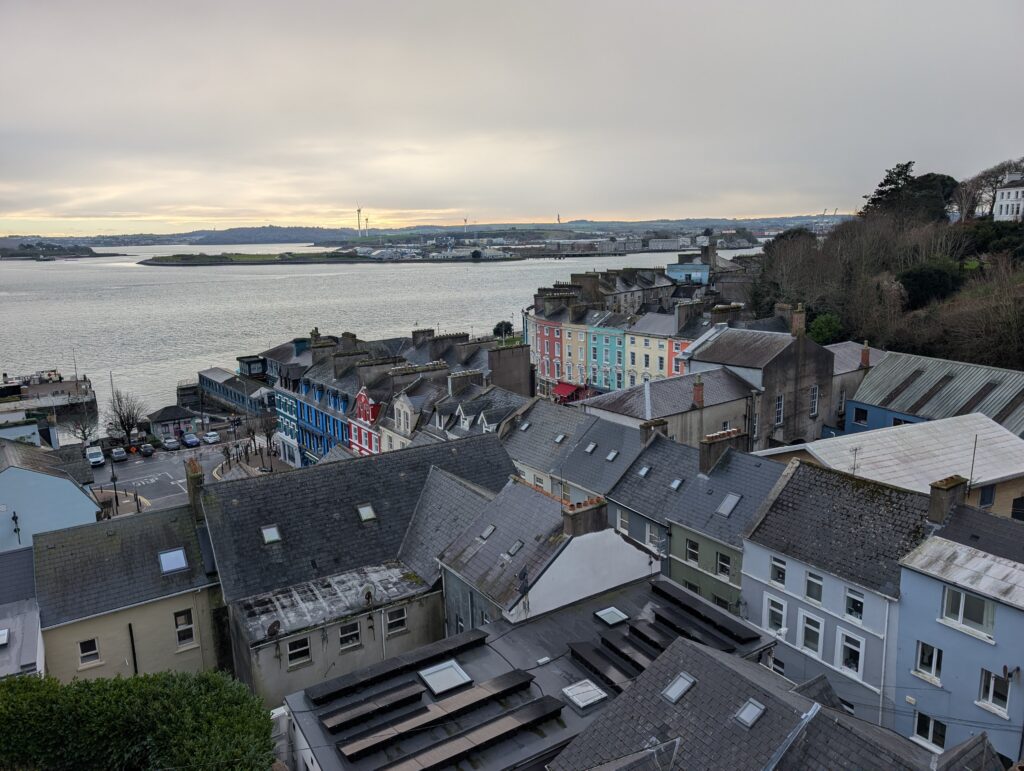
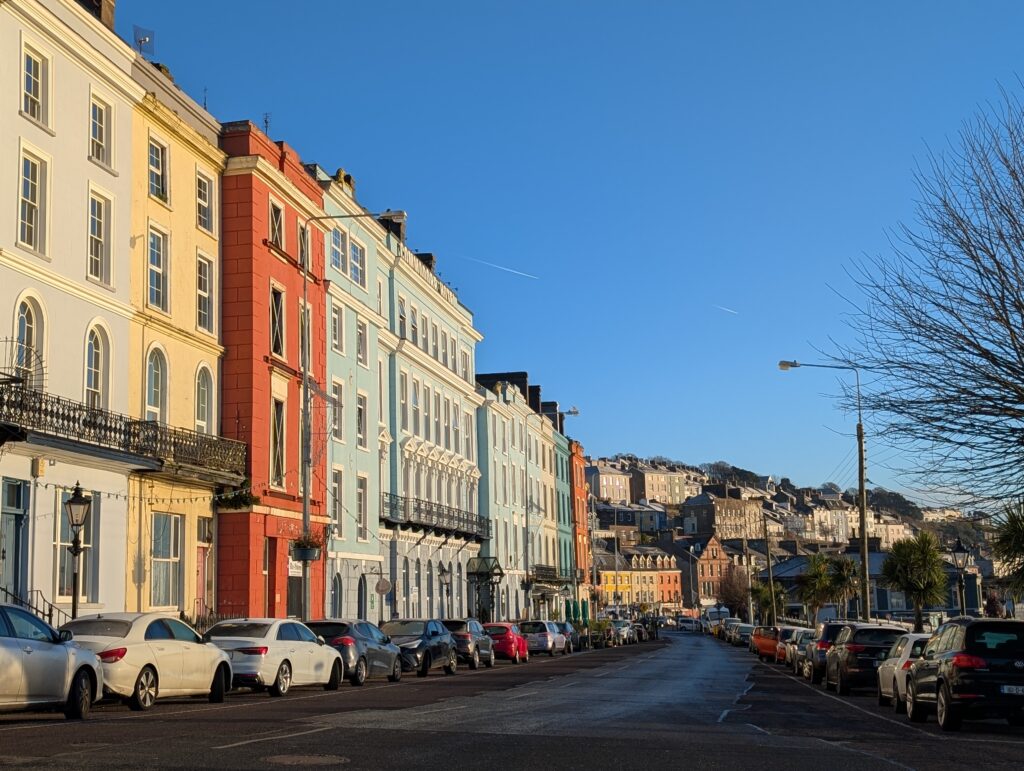
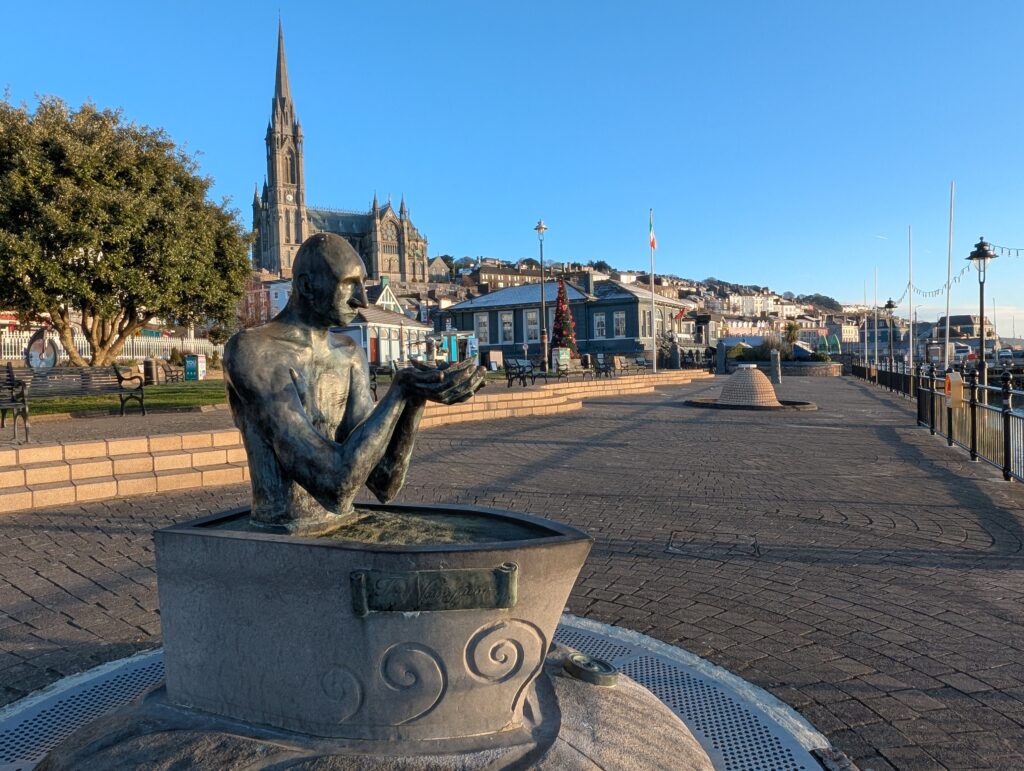
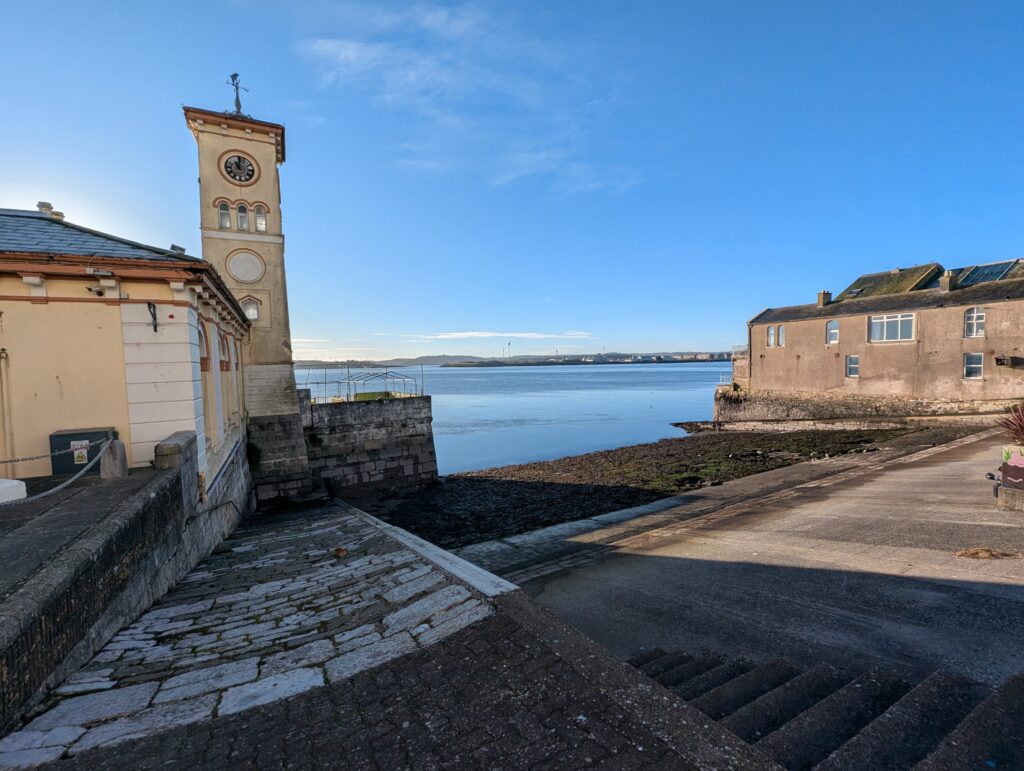
Views from around town.

On the way back, pure Irish weather happened. Cold, rainy….. Made some food at the hostel and warmed up!

Kilkenny

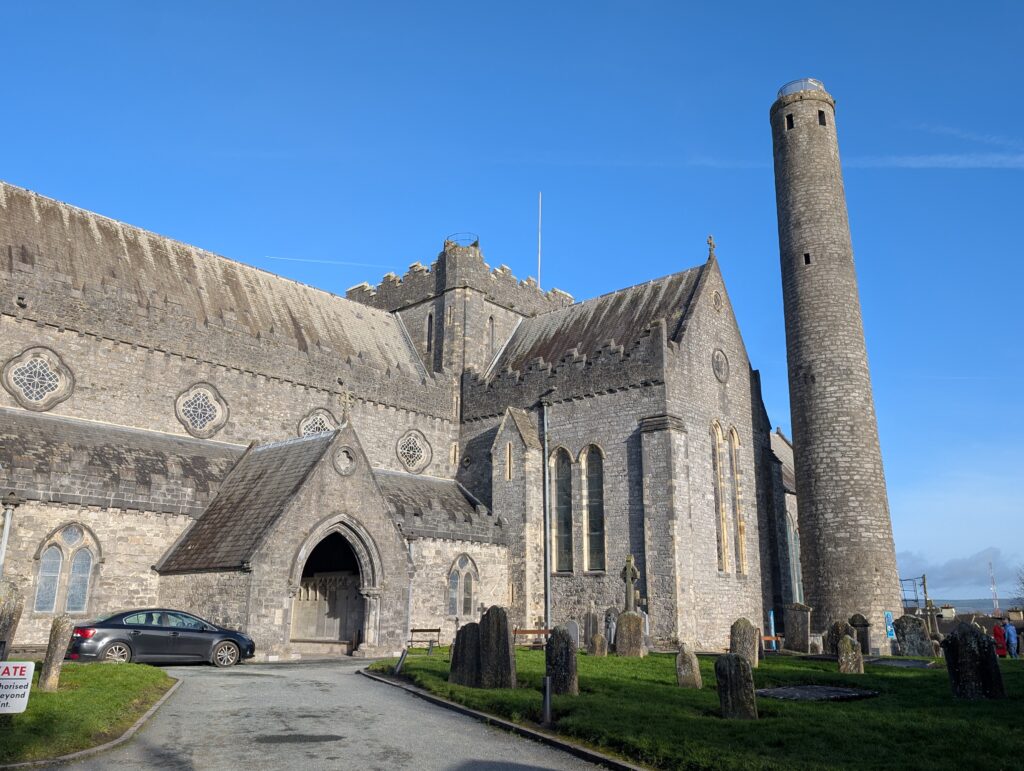
The towns name came from the Irish word meaning church of St. Candice which was a monastery originally built in the 6th century. The town was loyal to British rule throughout but is also a major religious Catholic center. It is known for its breweries which date back to the monks at that time (water was not safe to drink back then but light fermentation killed all of the bad bacteria).

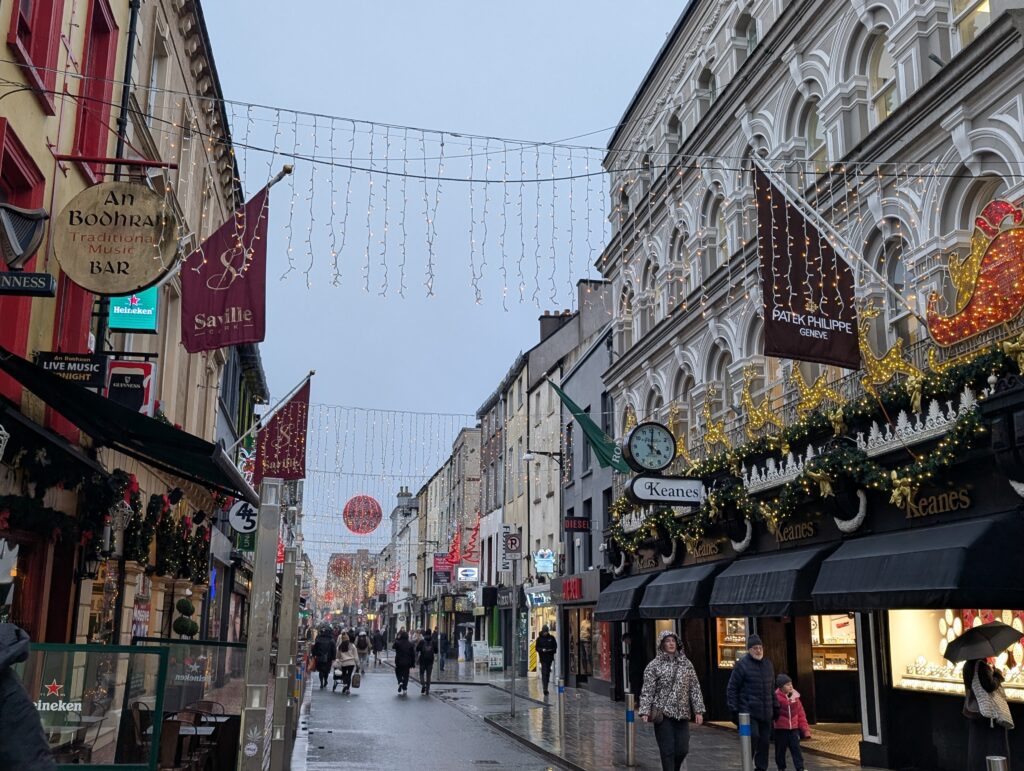
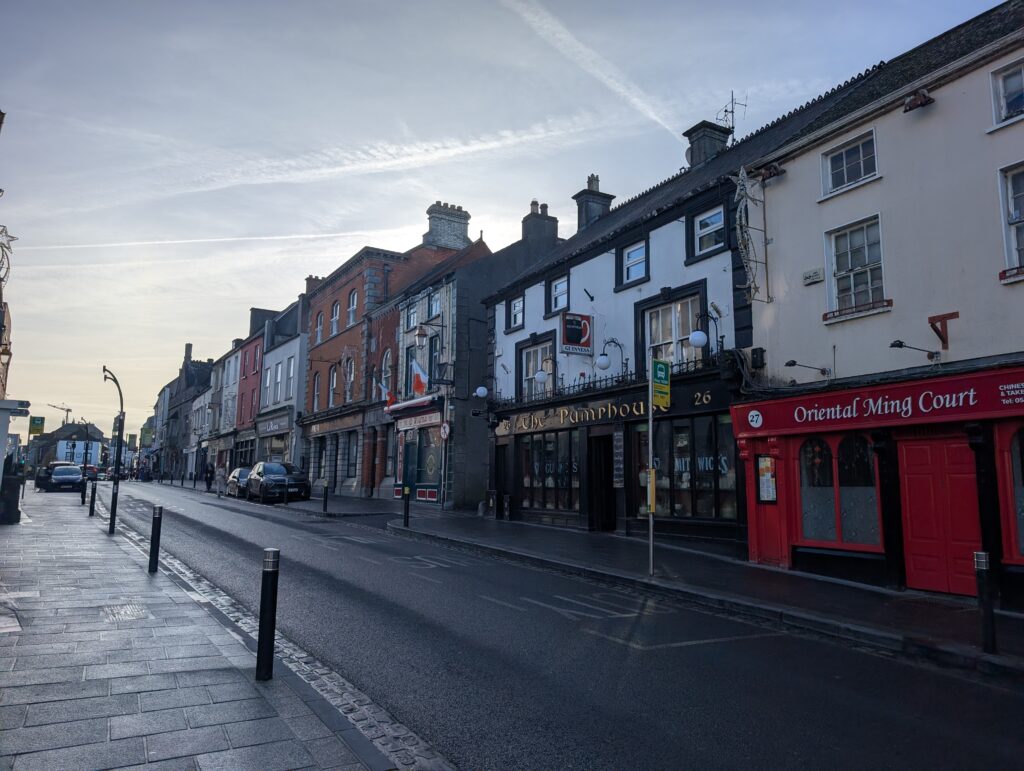
I went for New Year’s Eve and stayed for a few days. What lovely small city. It seems to be a destination from people from all over. I met people from Greece that night. They were a bunch of fun! I was staying above the Pumphouse bar, so very convenient.

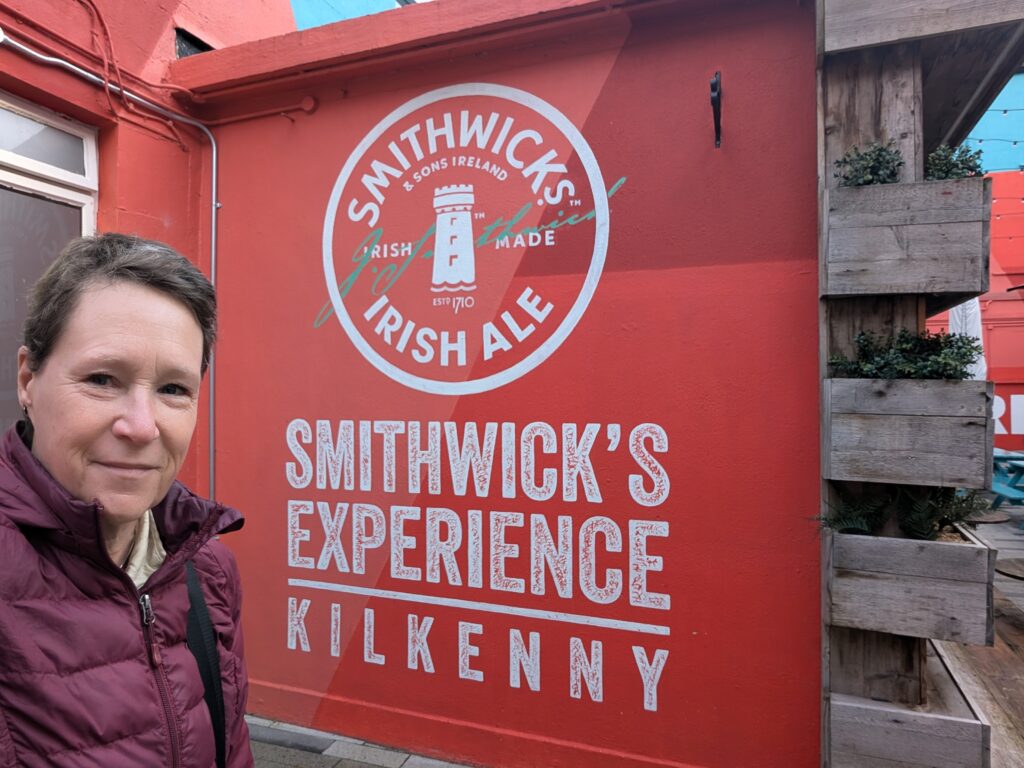
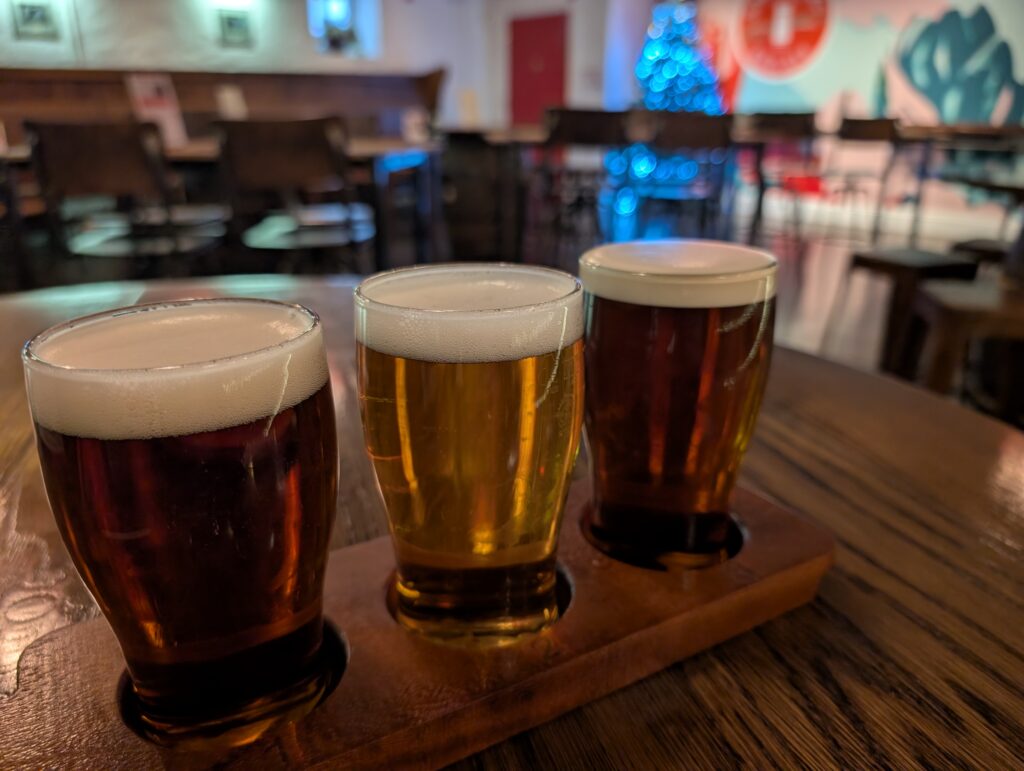
The next morning I was surprised that the local brewery, Smithwicks, was open. I love their red ale and went on a tour.

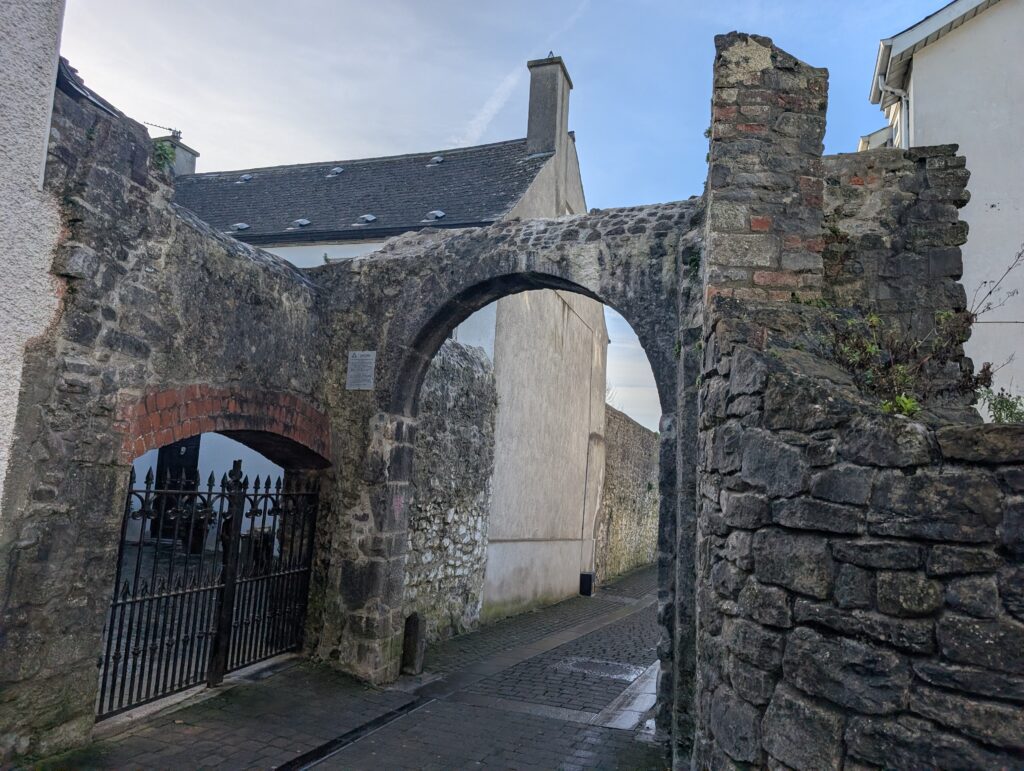
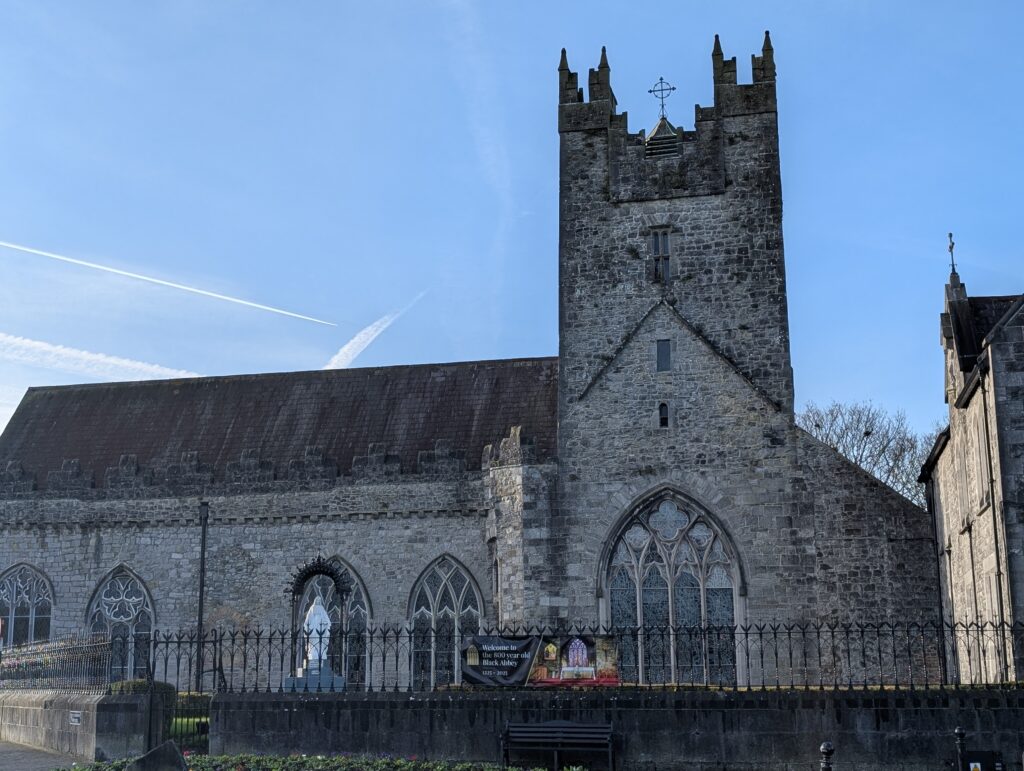
The black friars gate and black Abbey was built in the 13th century. The friars had the key to the gate and charged taxes for entrance. The tower was for defense and was part of the city wall at that time.

This is St. Canices cathedral.
The black tower which was closed on New Year’s.
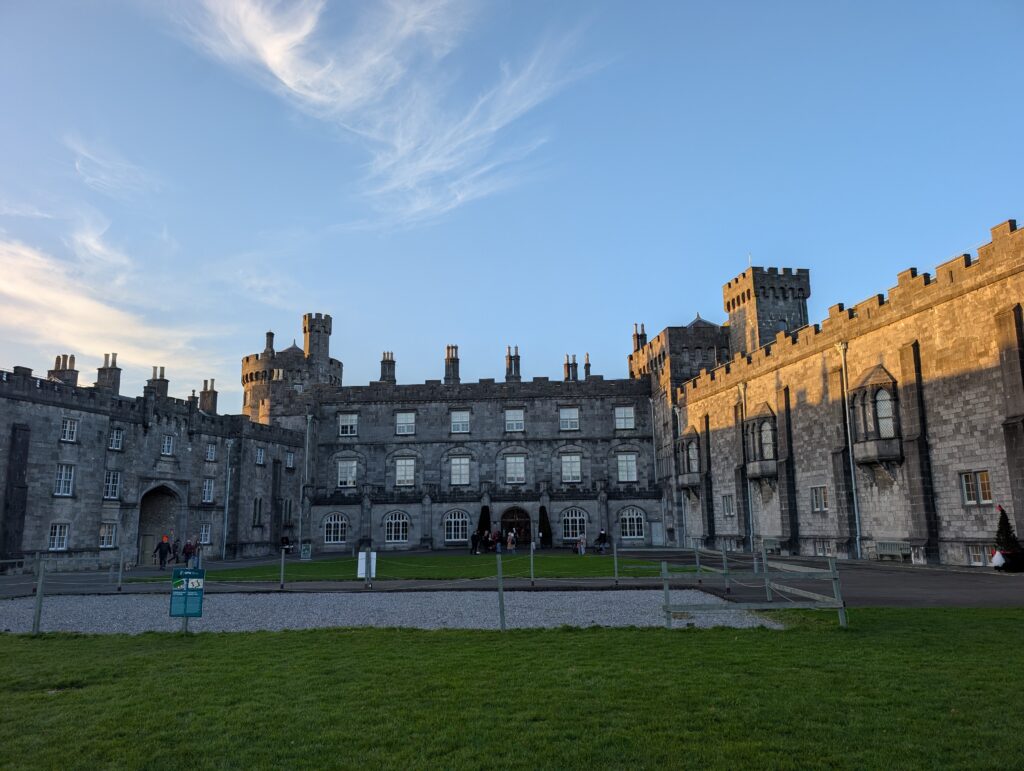
I also went to the Kilkenny castle. It was built in 1195 as a fortress but became a mansion in the 16th century. The Butler family owned it for 500 years until it was sold to Ireland in 1967 and preserved since.

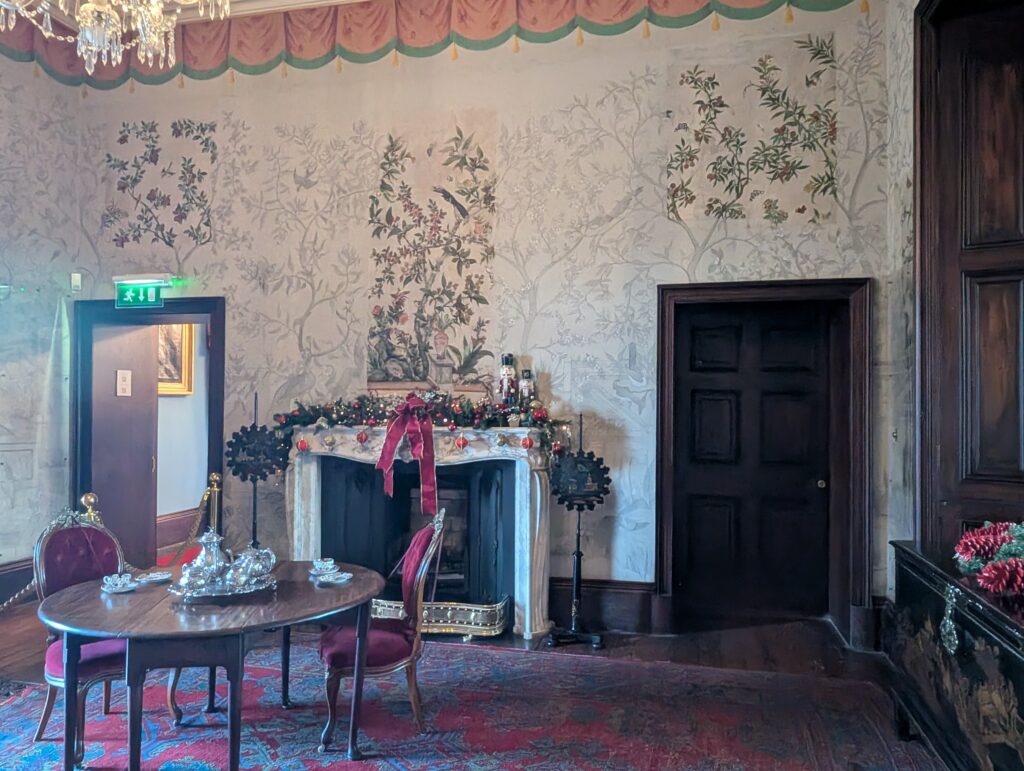
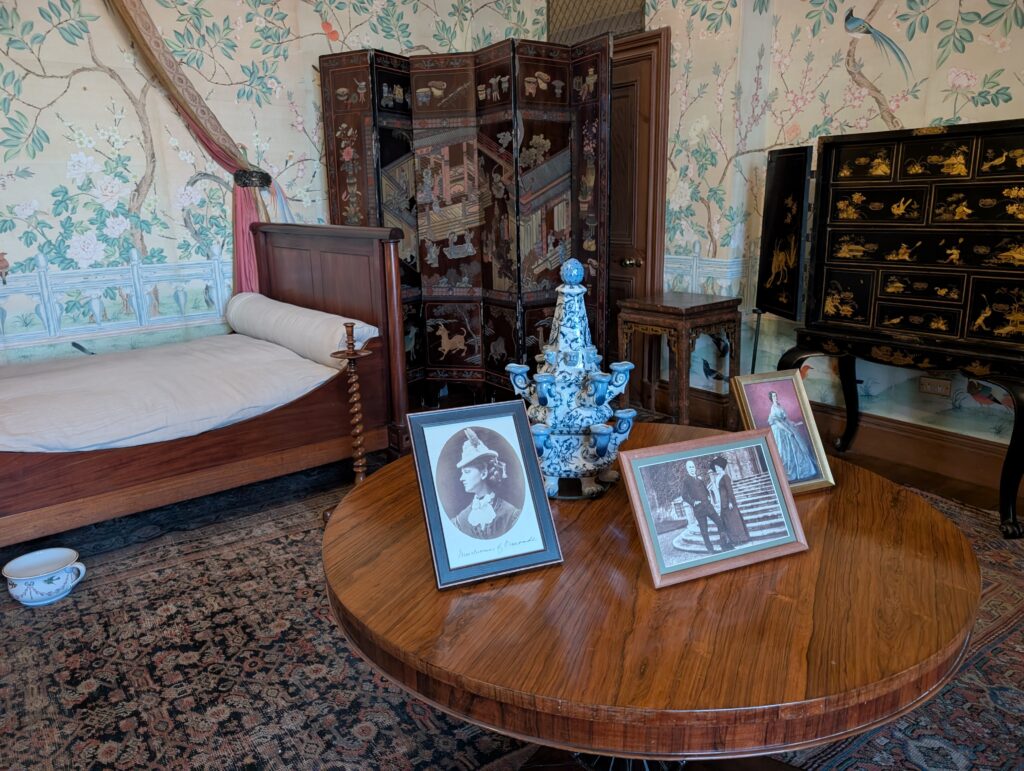
The Chinese withdrawing room where ladies went after dinner.

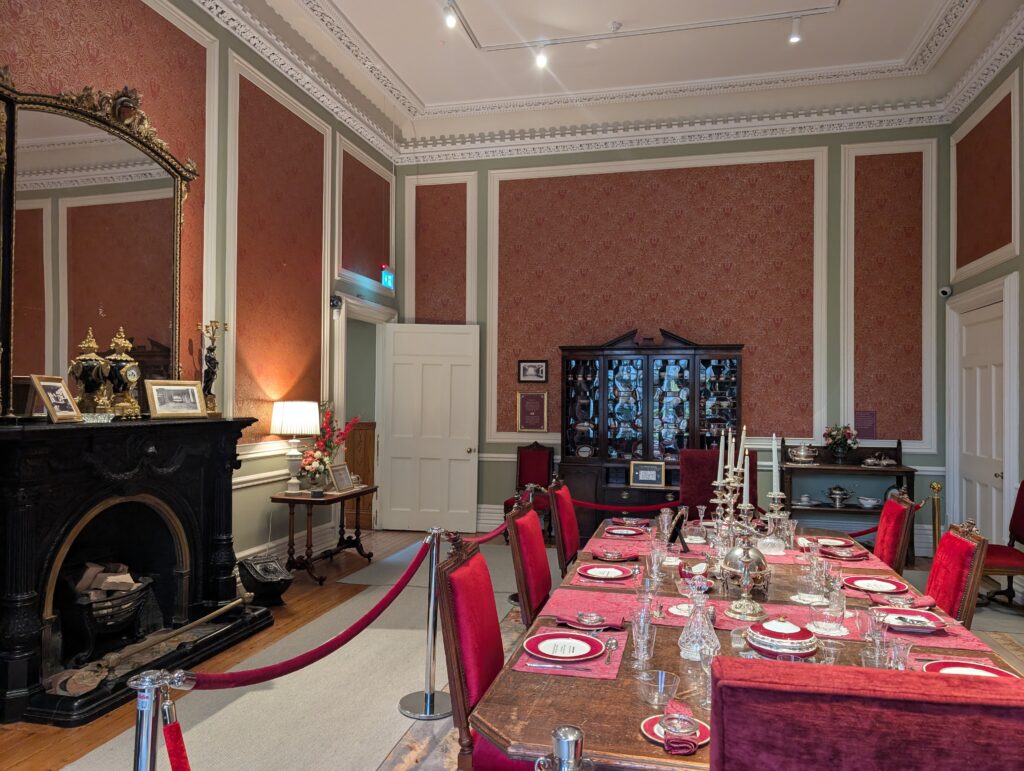
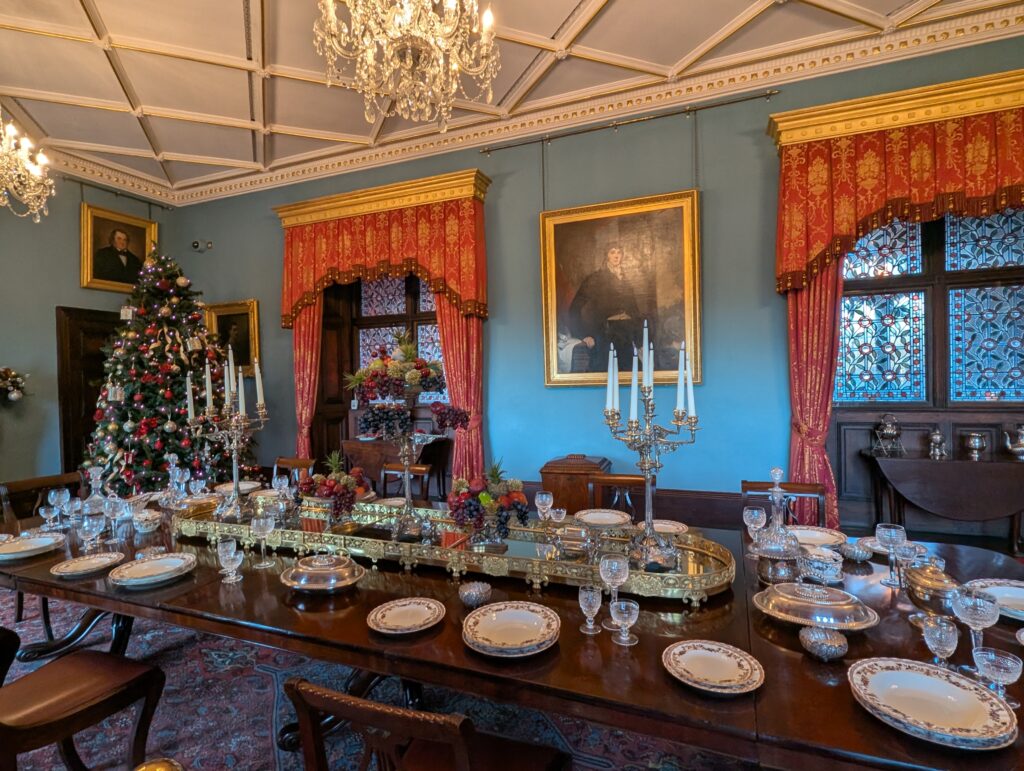
The state dining room was used for formal occasions.

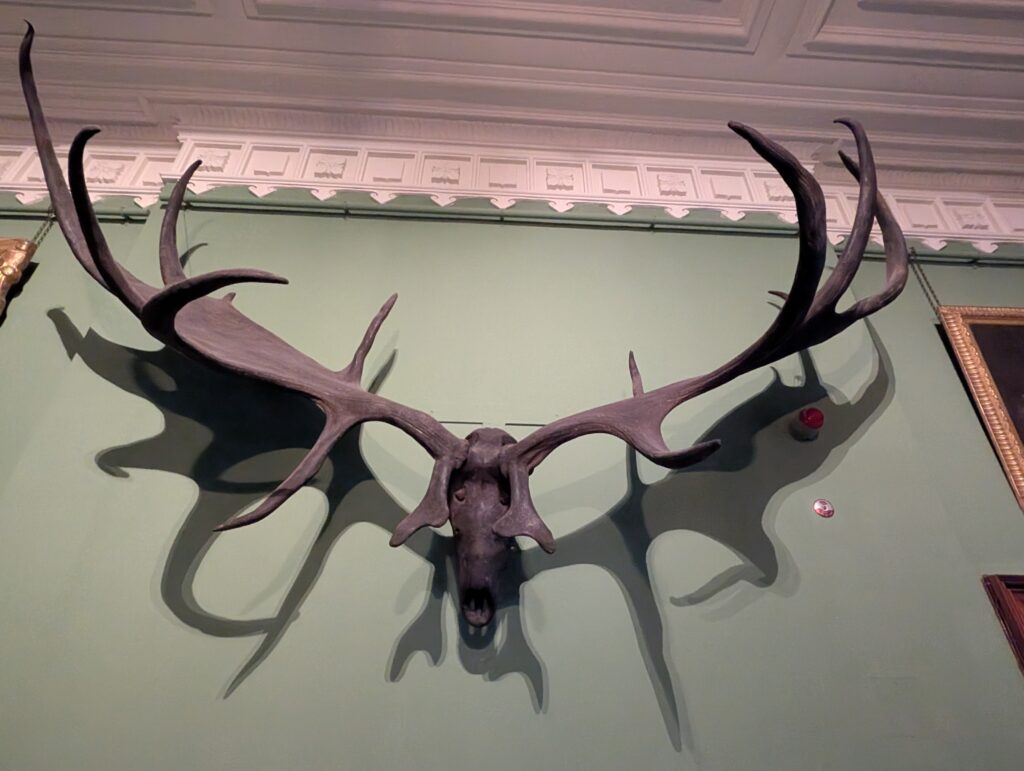
These are the antlers of the Irish deer, which are a prehistoric giant deer that has been extinct. These antlers were found in a bog.

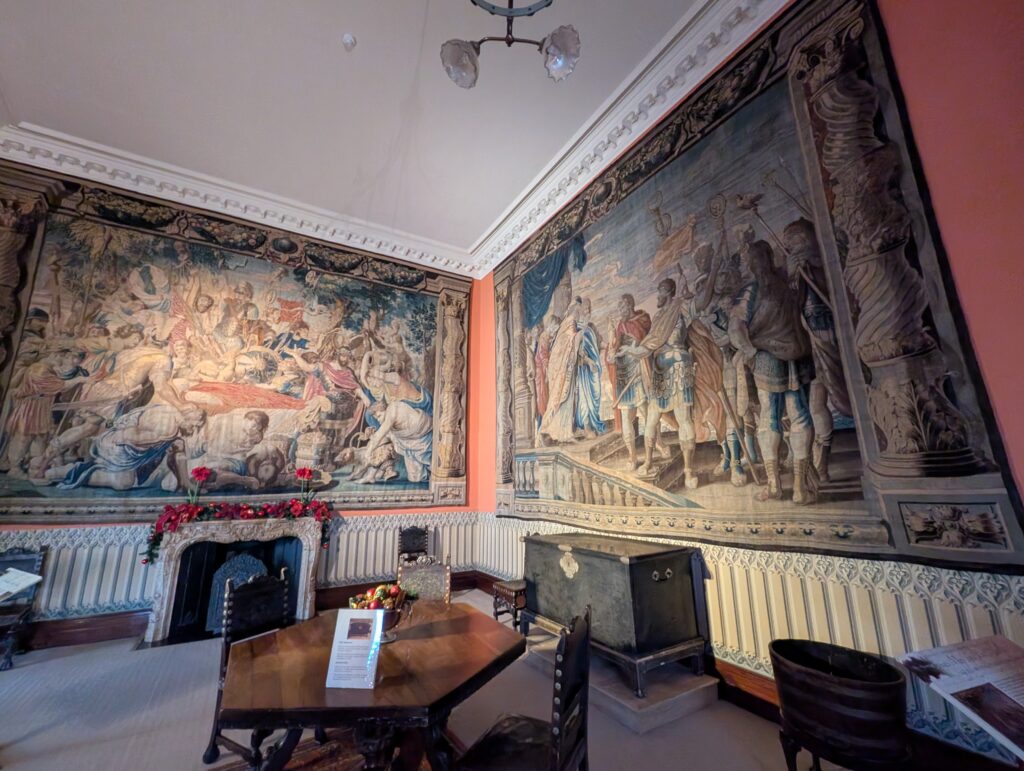
The tapestry room which contain tapestries of the story of Decius Mus sacrificing himself to win a war. They were woven in the 1600’s.

The library. The wild wall coverings were able to be recreated from a scrap hiding behind furniture.

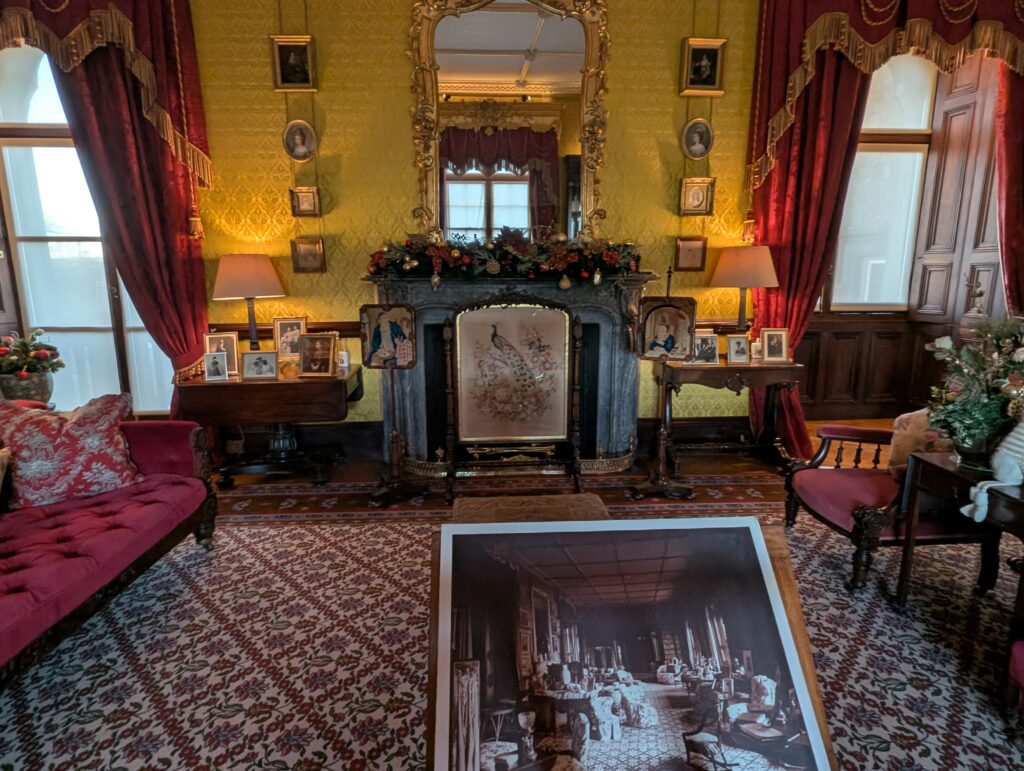
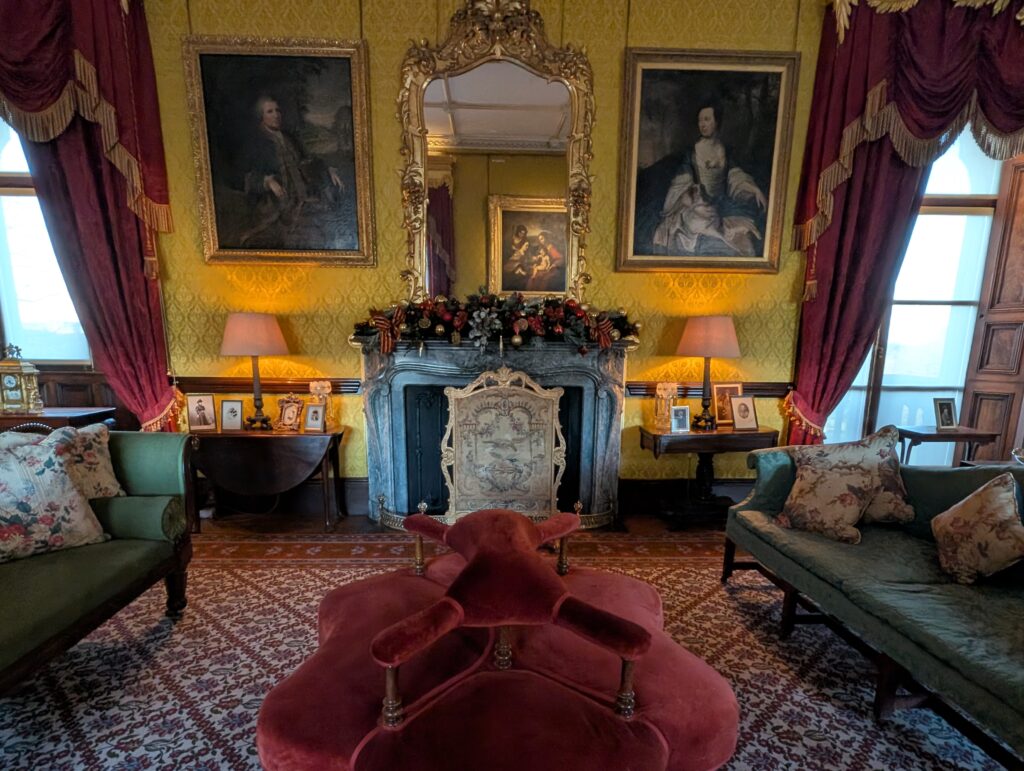
The drawing room.

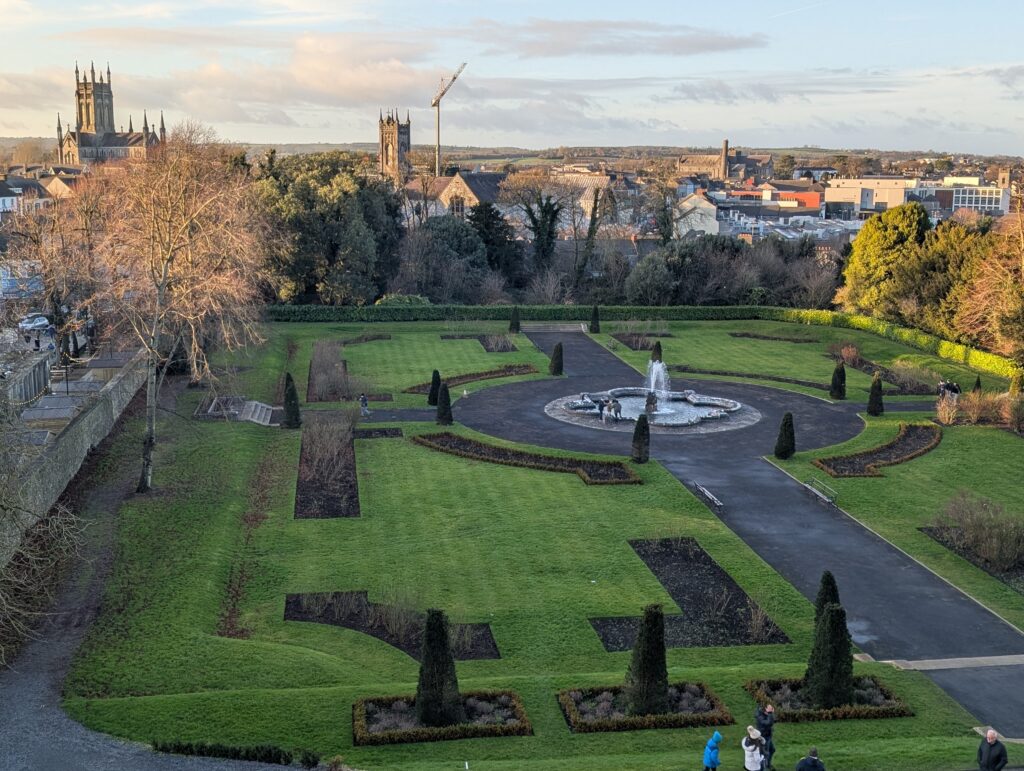
View of the gardens from an upper window.

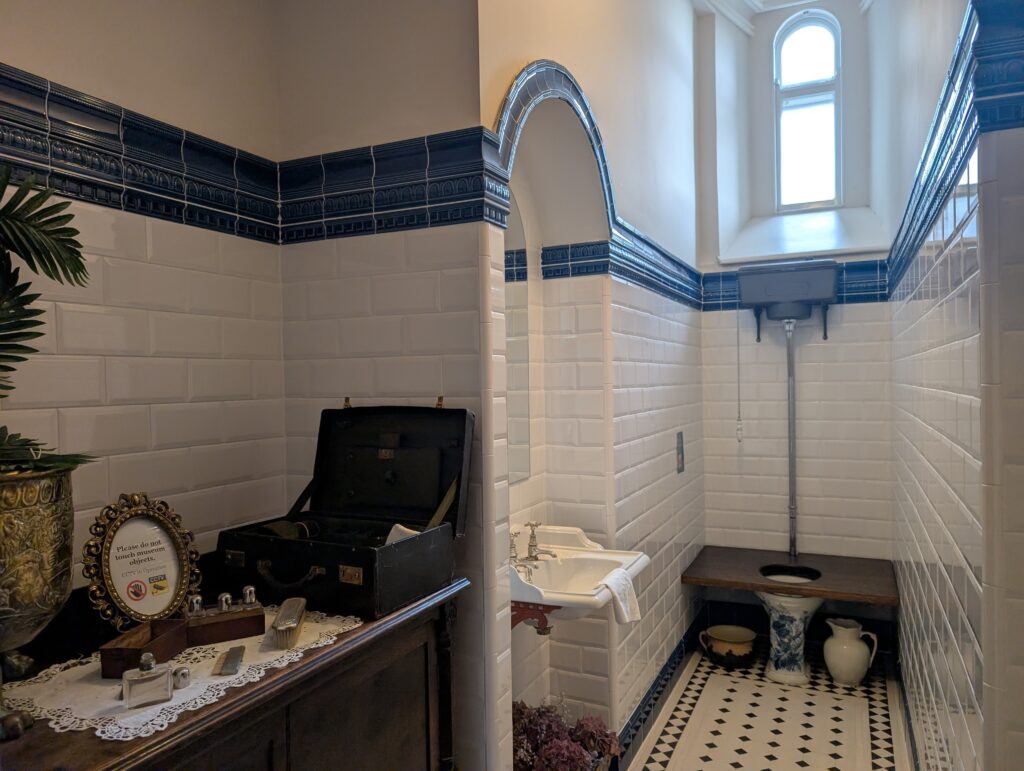
Chinese bedroom

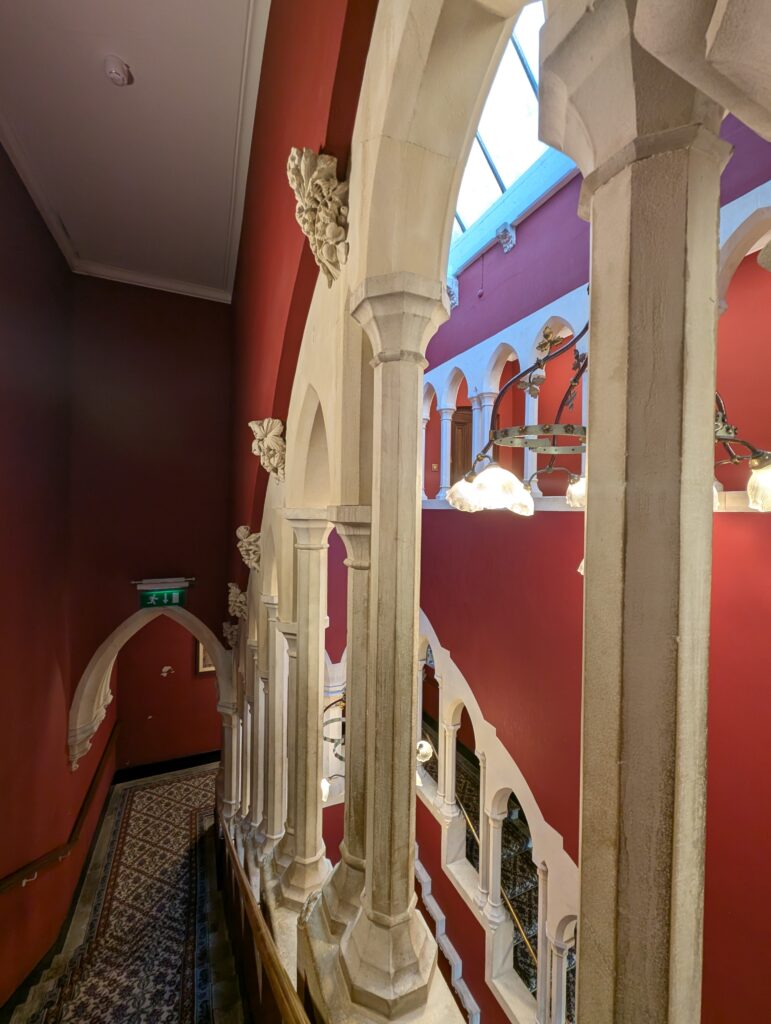
The Moorish staircase is carved with animals and foliage and the design is used to create a stairwell in an awkwardly shaped space.

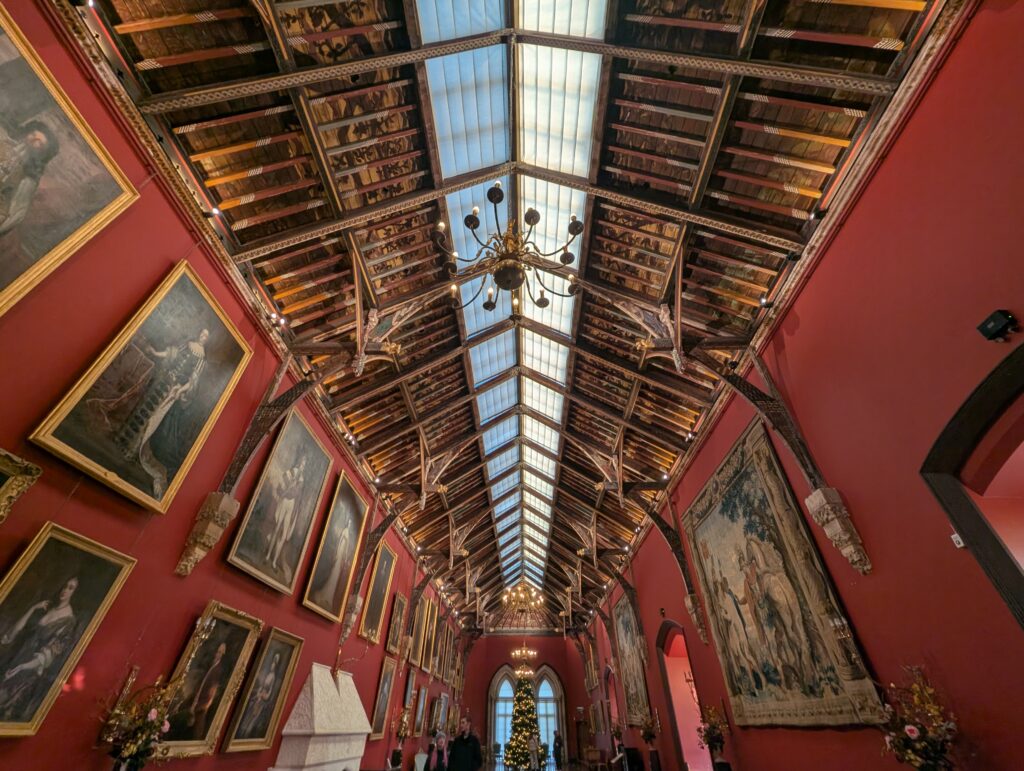
The picture gallery wing built on top of earlier foundations. It used to have a flat room that had problems and a new one was constructed that has some amazing details.

Talbots tower was built in the 13th century as part of th walls and was named after an affluent Norman family. It was a major defense point as the river nearby provided fortification at a weak point in the river crossing.

The old St. Mary’s Cathedral built in the 13th century in the Gothic style. It was damaged in the wars in the 17th century, fell into ruin, and was not repaired. It now houses a museum.

This St. Mary’s Cathedral is the newer cathedral in Kilkenny.

St. John’s Church which was a priory was also built in the 13th century.

I also went to a lot of stores for window shopping and also great places to eat and drink. One evening, I decided to open Tinder back up again and one gentleman, Paddy,drove an hour to come meet me for lunch. He was lovely to talk to.

Dublin and road trip to Northern Ireland

I can’t believe that this four and a half month trip is winding down. I am in my last country, Ireland.

Dublin was founded by the Vikings in the 9th century and was under British rule until gaining independence. The winds are a bit cool here but overall is a few degrees warmer than Germany.

I spent the first day just walking around and sightseeing. I did not pay to go into any attractions. The large tours that I have planned are not cheap and more interesting than other things I could pay for. I instead walked around the local landmarks and visited the few historic pubs for food and drink. I was also reminded by my knee that it was enough walking for the day.

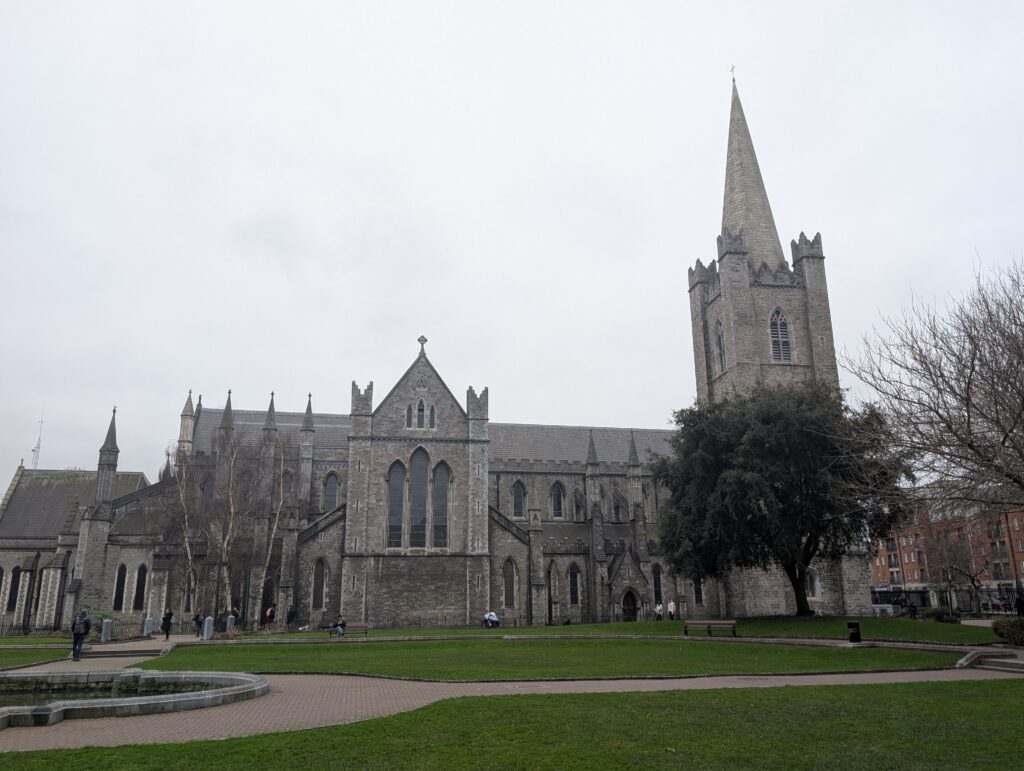
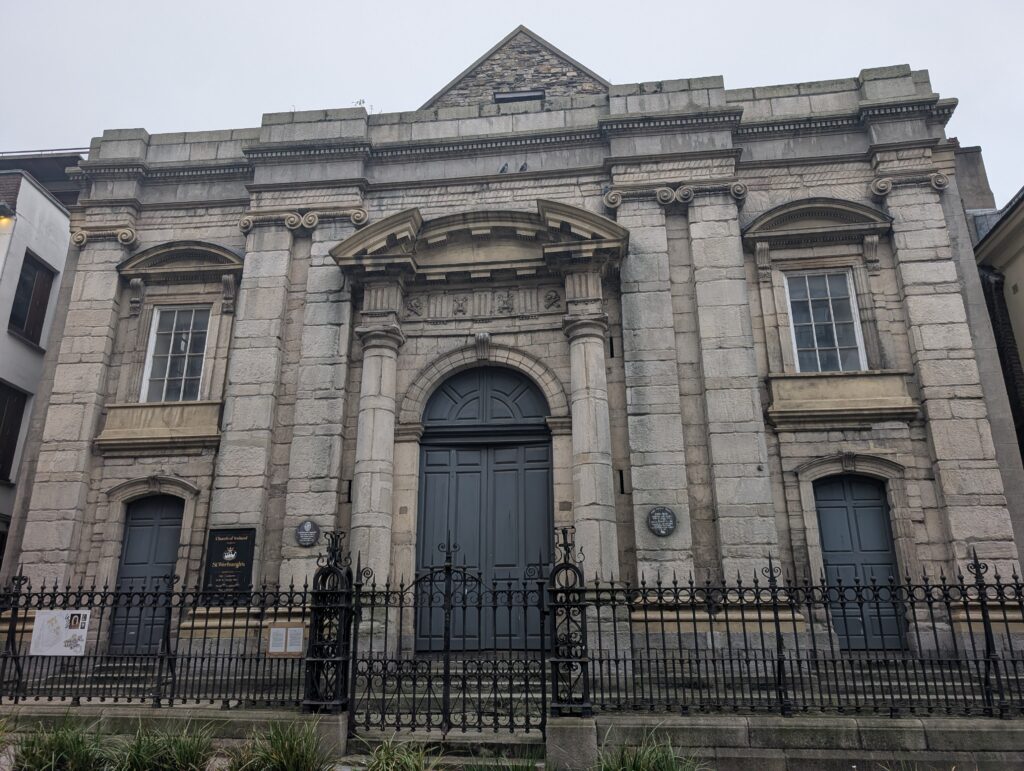
St. Patrick’s cathedral.

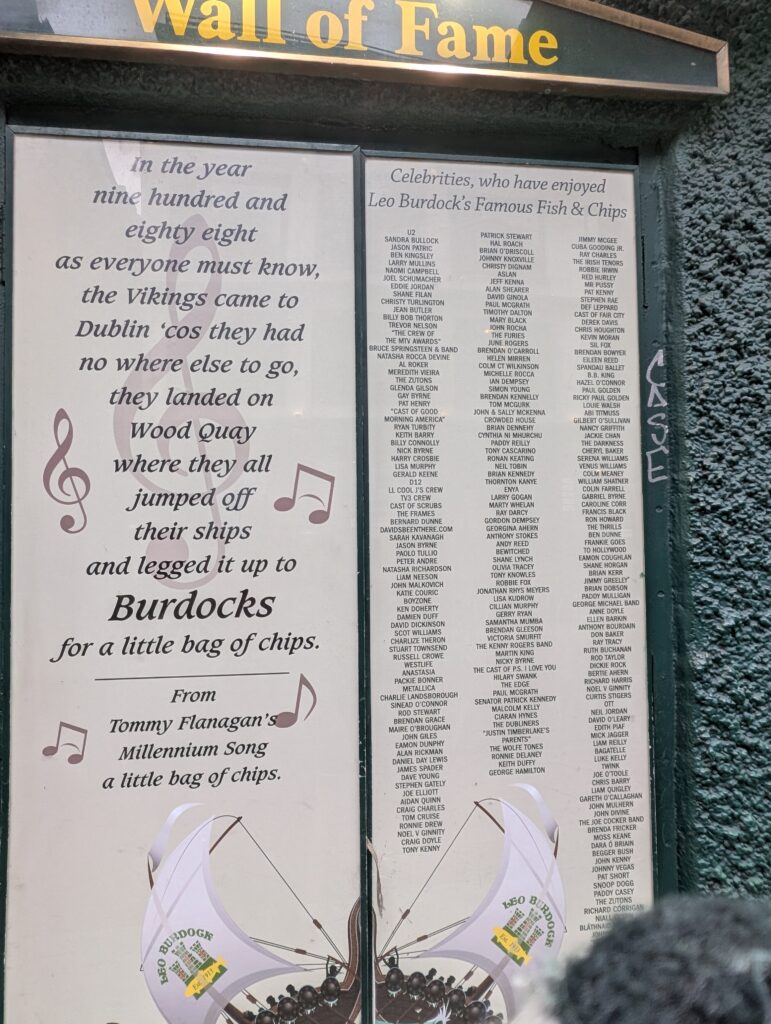
A famous place for fish and chips. I may have to come back here before I leave Ireland. But I am going to the south and west where I also hear the seafood is great.

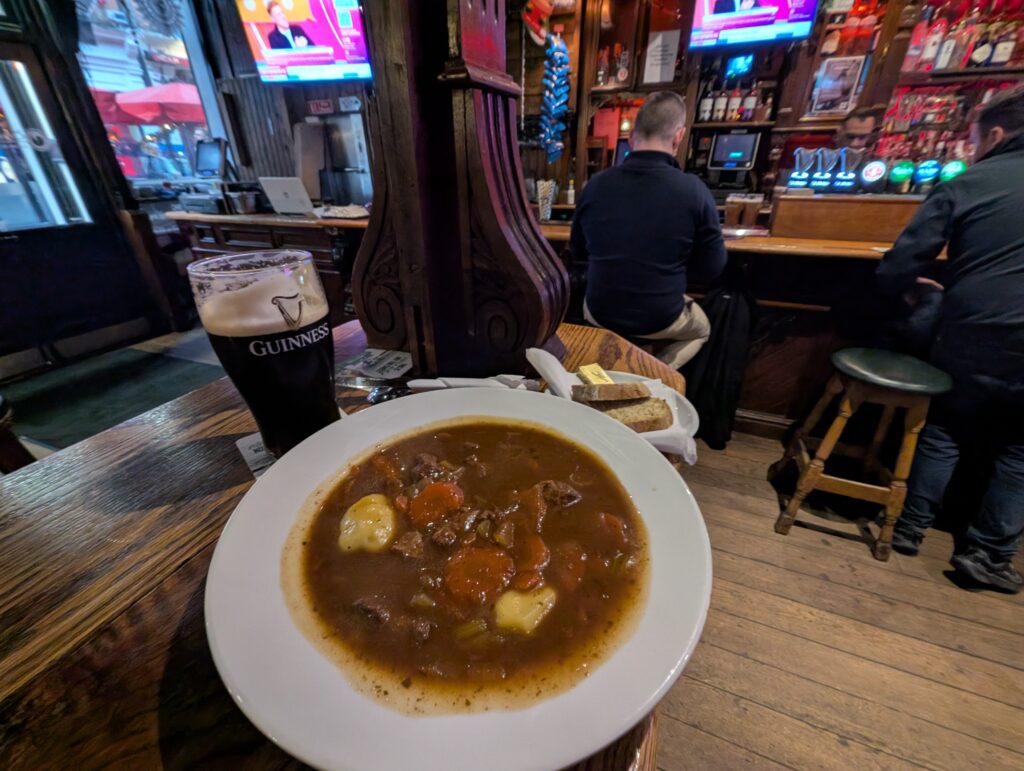
I did want to go to a pub that had great time reviews for Irish stew! O’Donoghue’s was pretty good!

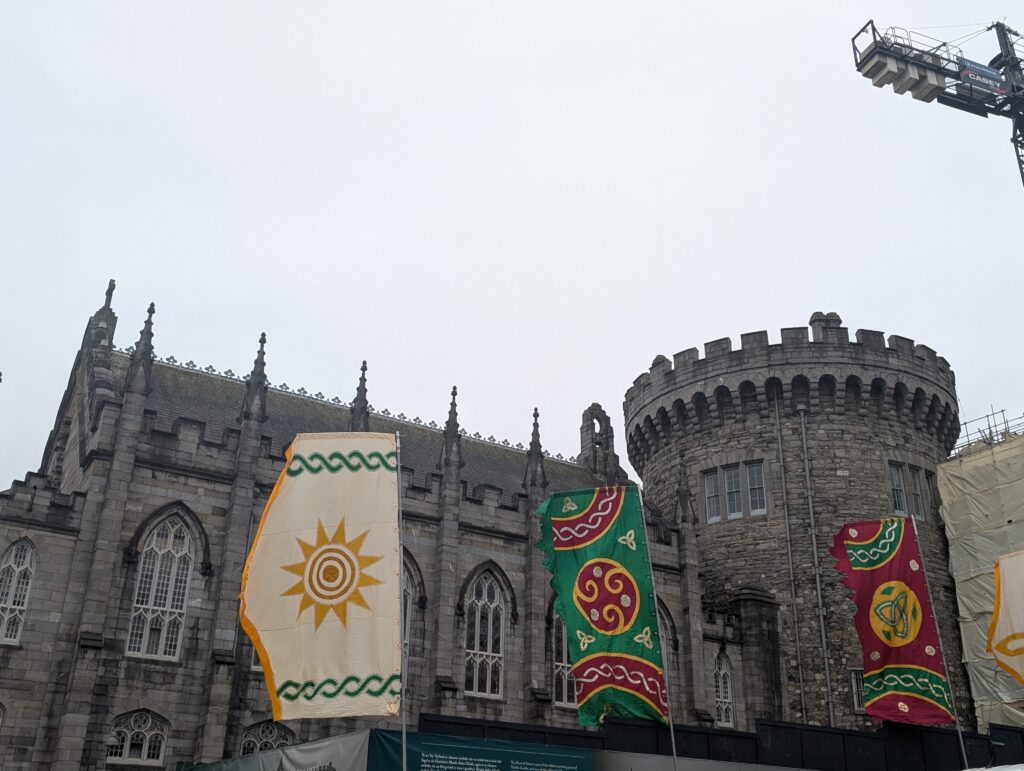
Dublin castle. It was built in 1204 on top of a former Viking settlement and was the seat of the UK government until independence. It was rebuilt in 1684 after a fire destroyed all but one tower.

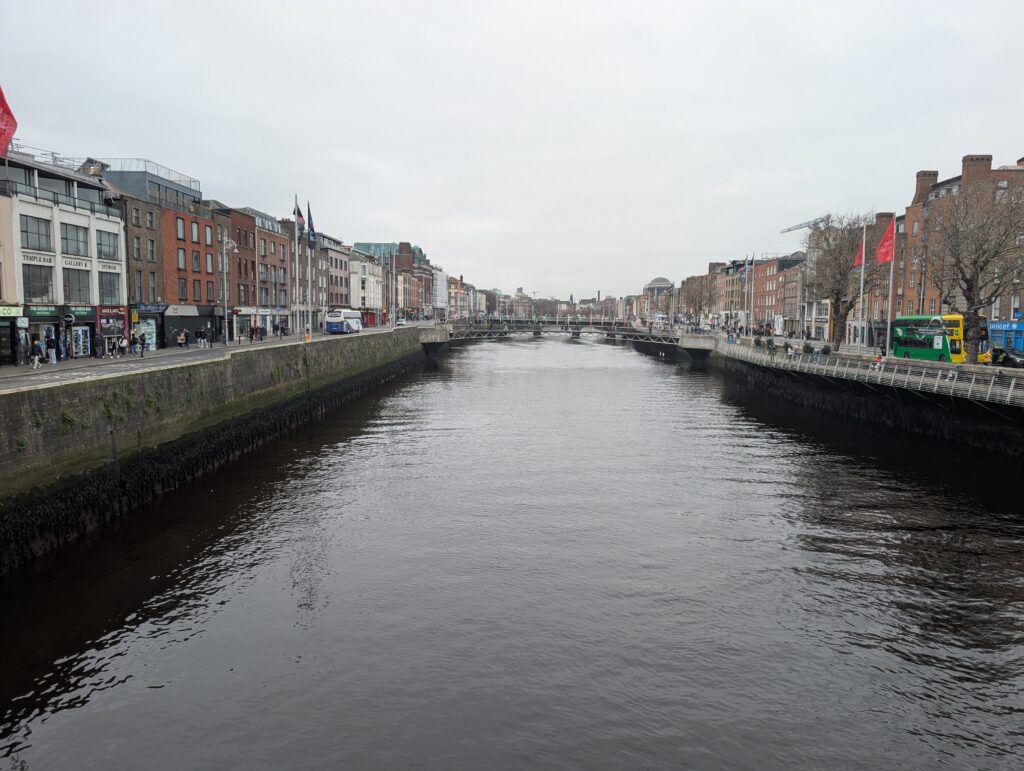
The River Liffy.

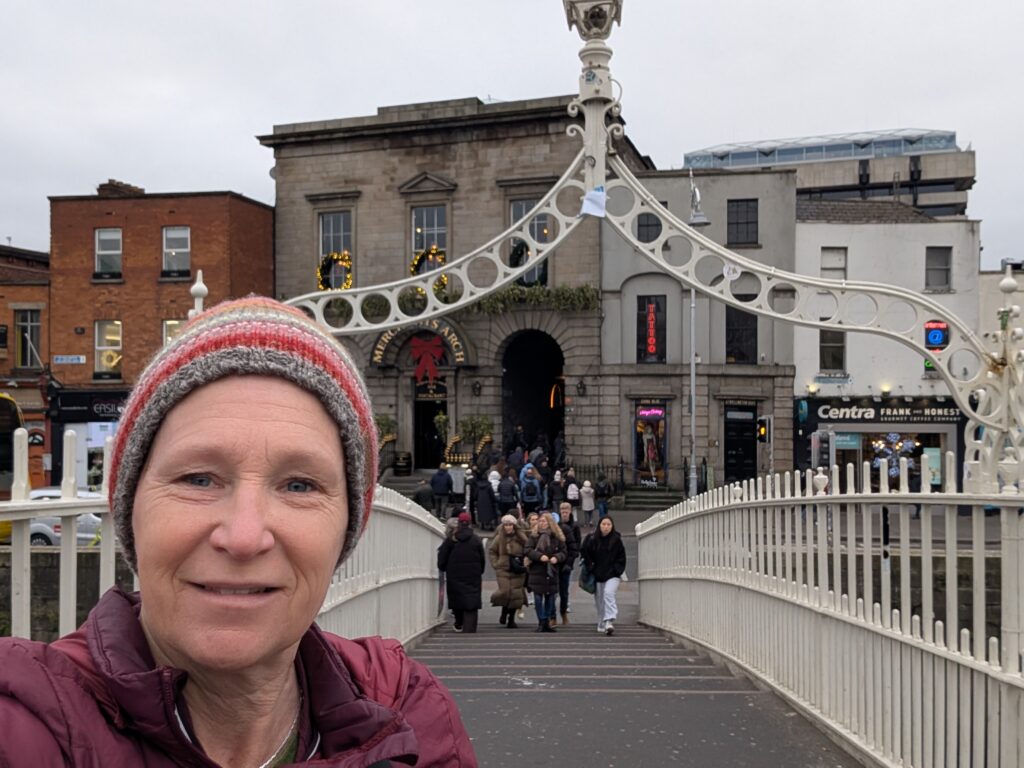
On the Ha’penny bridge which used to cost a half penny to cross.

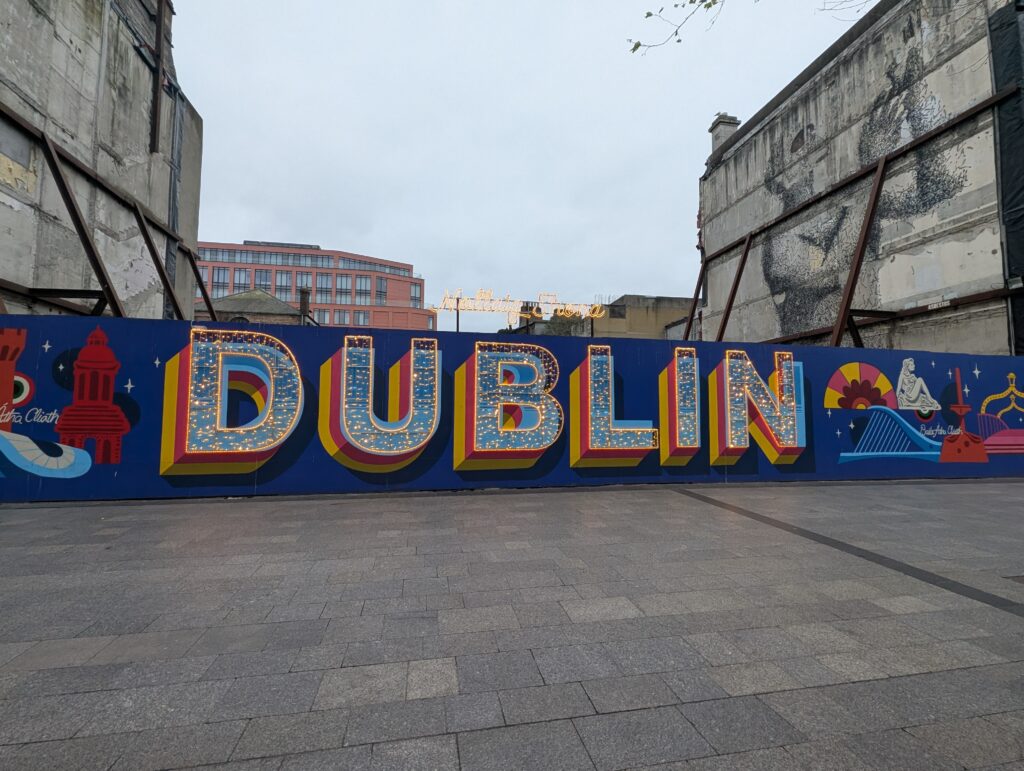
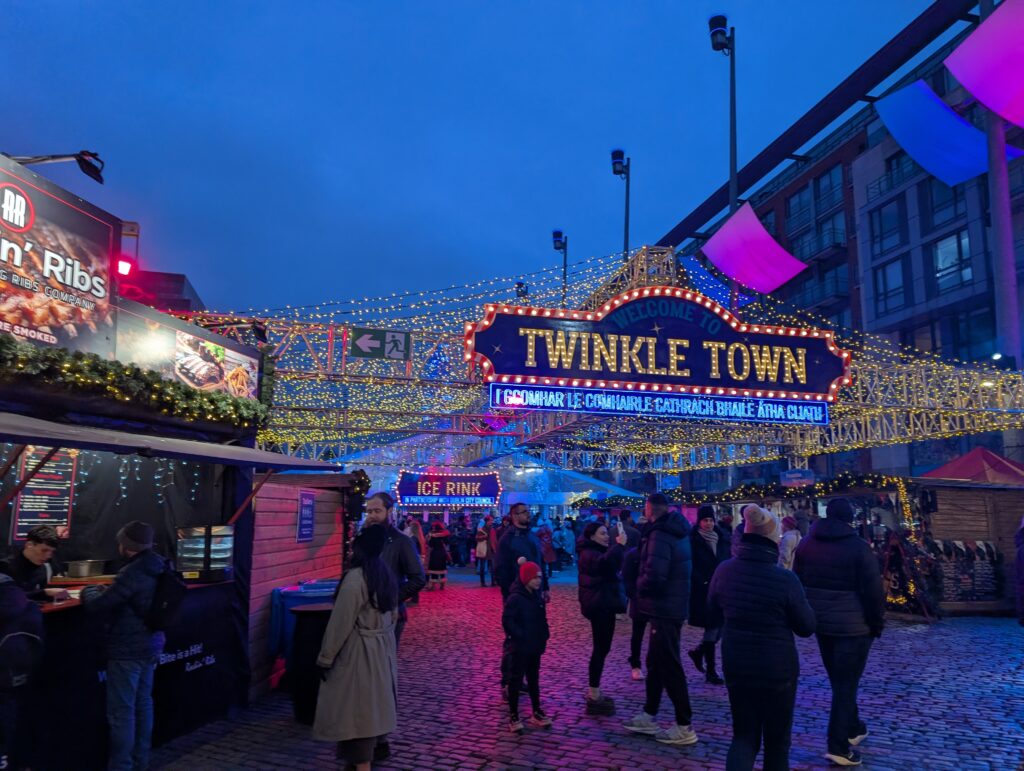
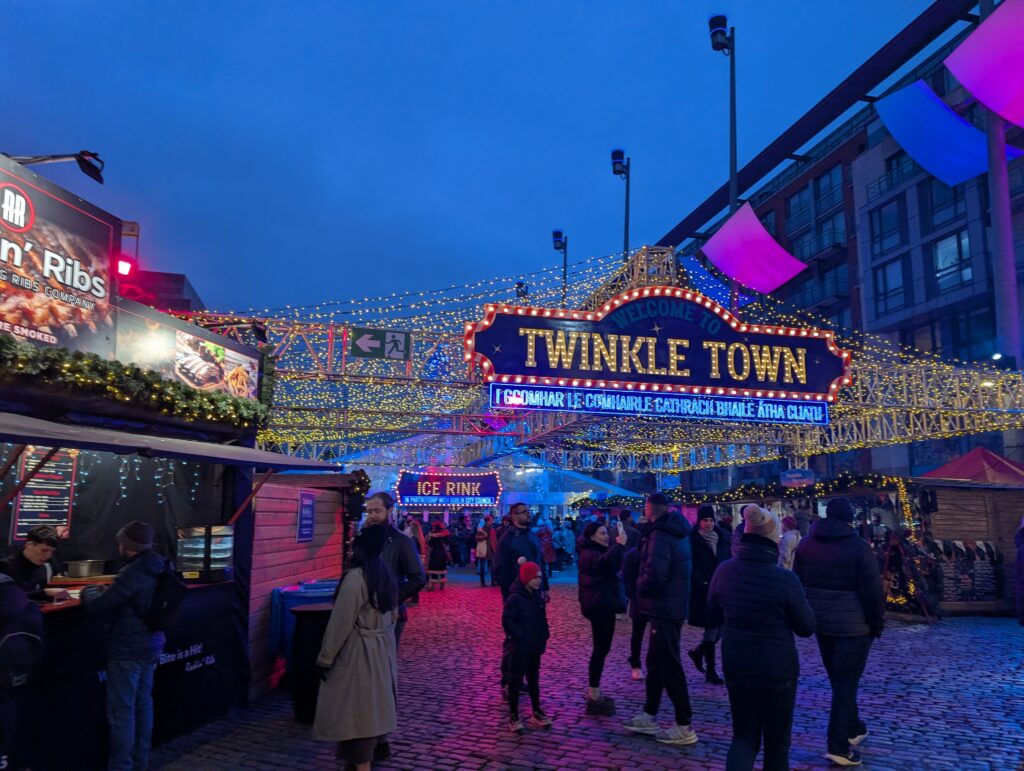
A Christmas festival still going on in the city center.

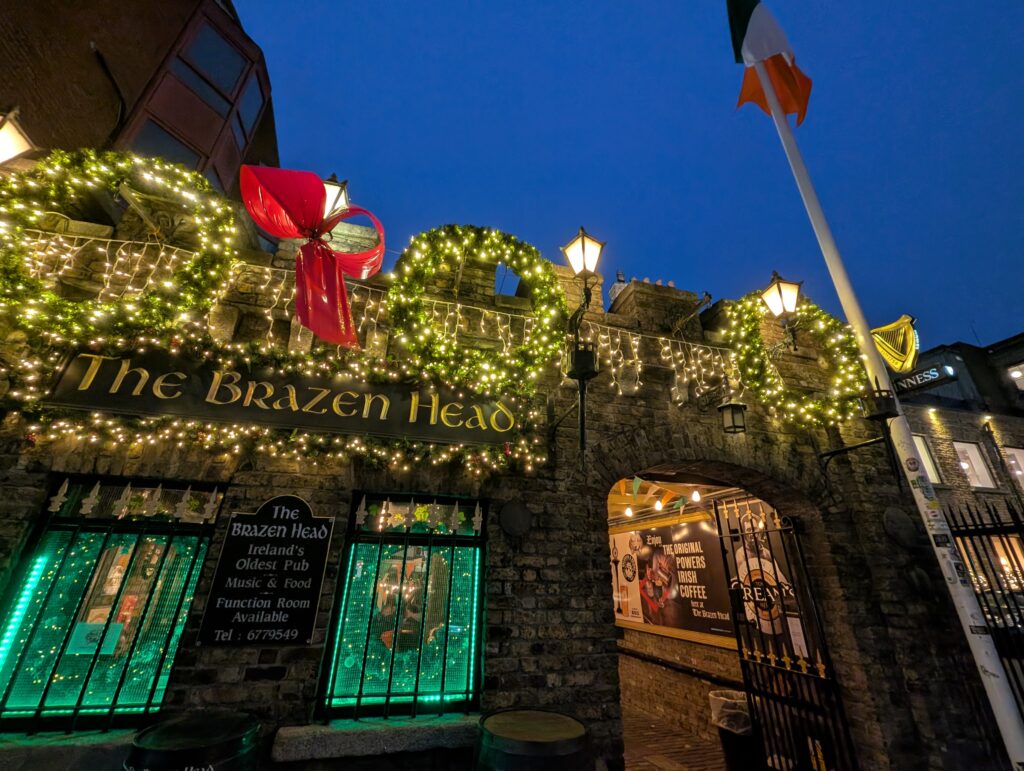
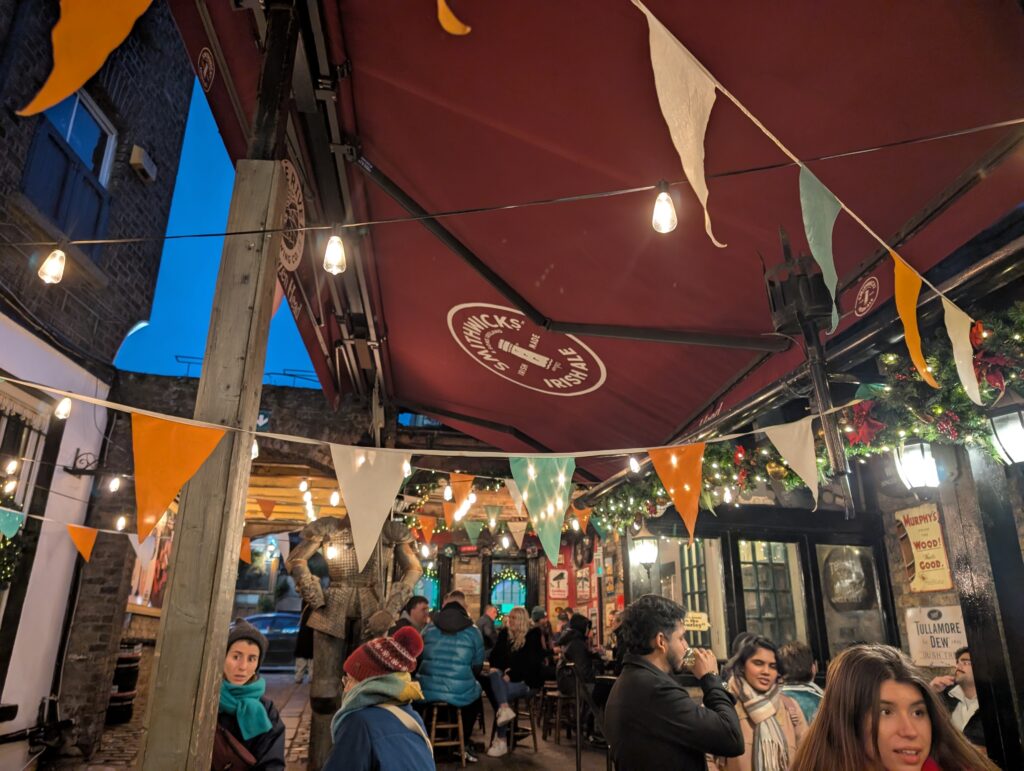
One of the oldest bars in Dublin, the Brazen Head. I stopped at the Cobblestone first but decided to leave for this one instead. The beer price was actually cheaper.

The cue from my knee had me going back to the hostel to relax. I have an early morning the next day for a tour to Northern Ireland. It was a long bus ride to get to the northern part of Northern Ireland.

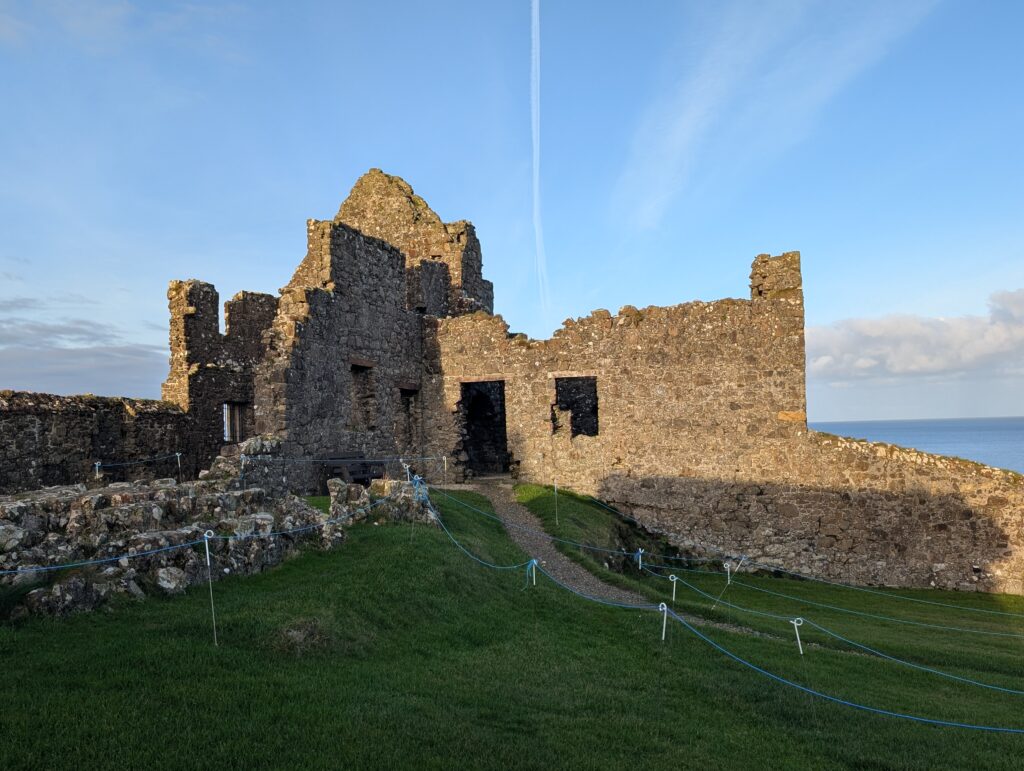
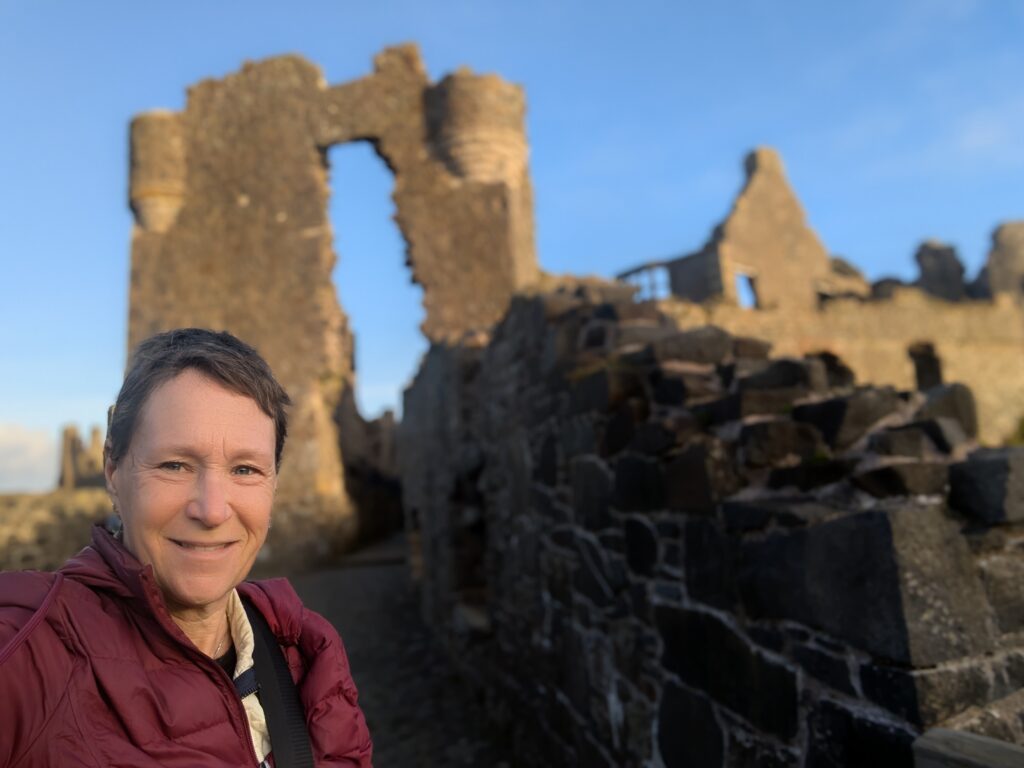
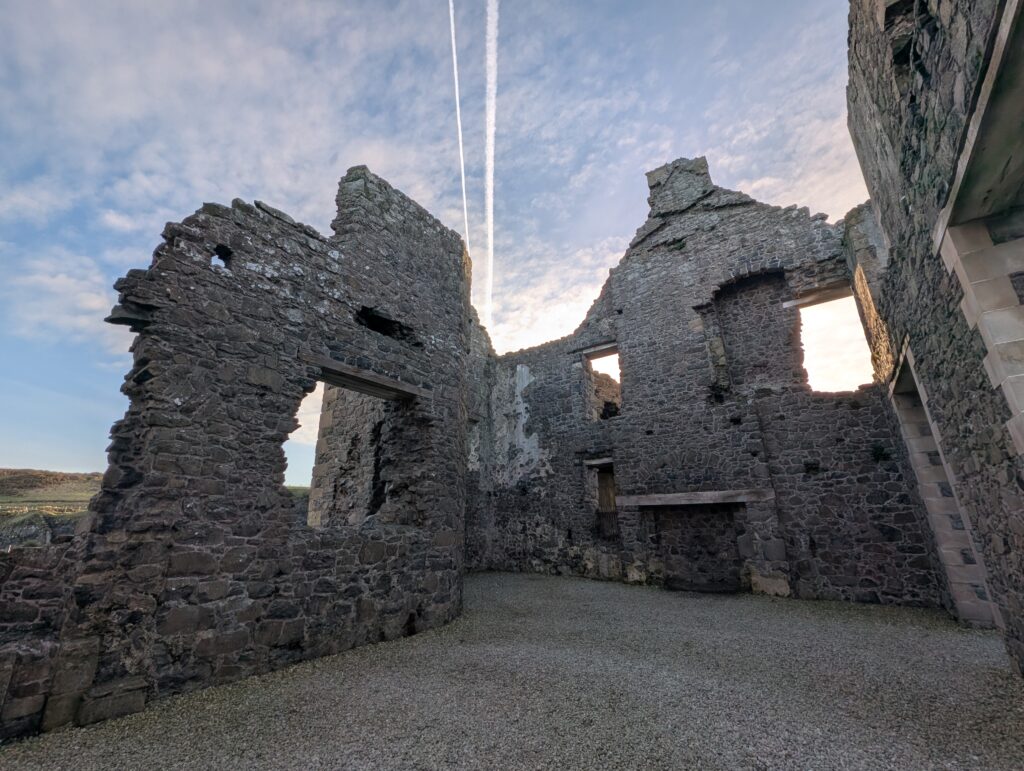
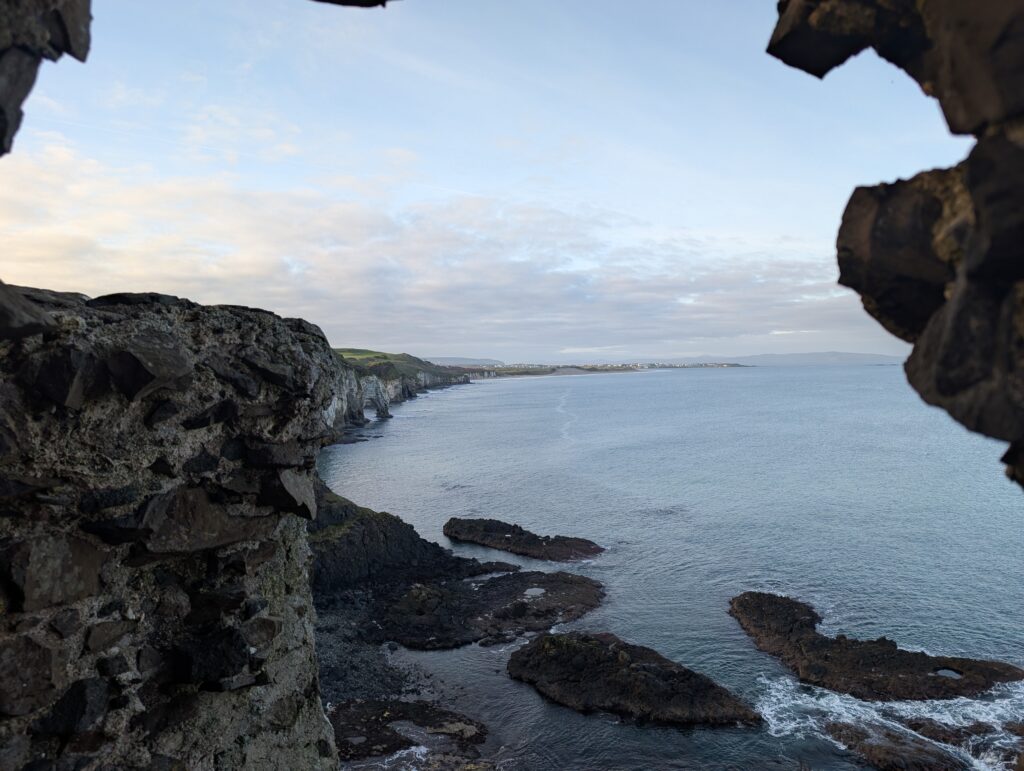
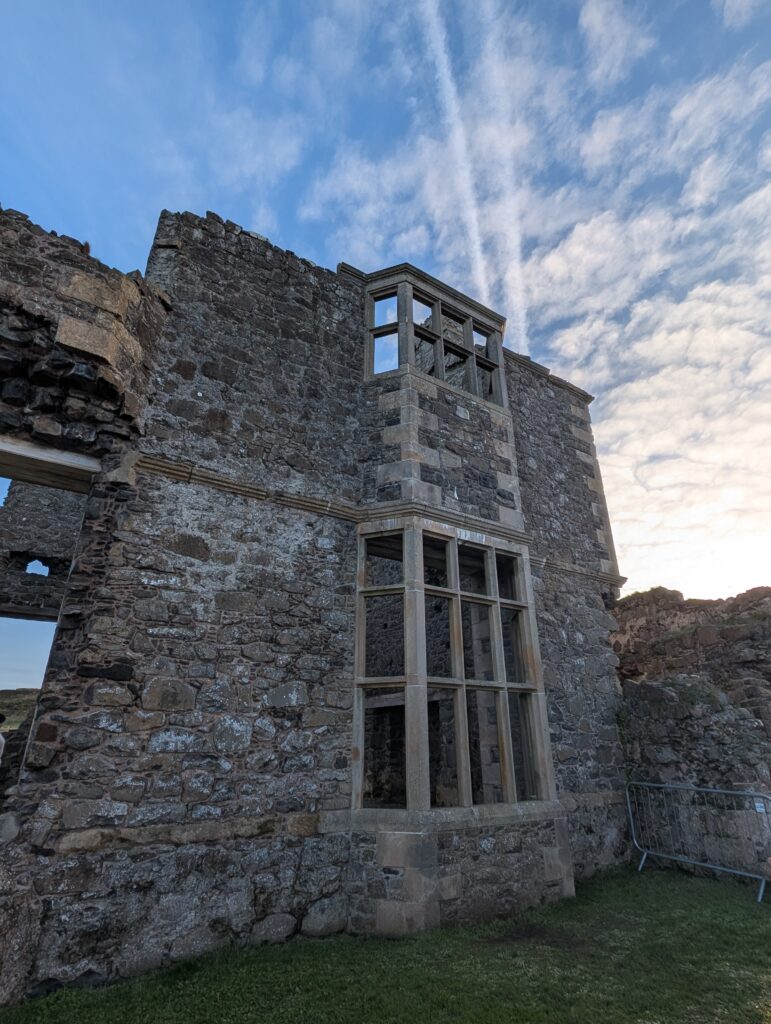
We stopped at Dunluce castle ruins which was built on top of a basalt outcrop in the late 1200’s. It is along the North Atlantic. Because of its position it was easy to defend but difficult to live in. It became the stronghold of the MacDonnell clan. Because of the harsh weather, it was a difficult place and part of the castle fell into the ocean in the 1600’s eventually being abandoned in 1690. It is magnificent with even greater scenery around it.

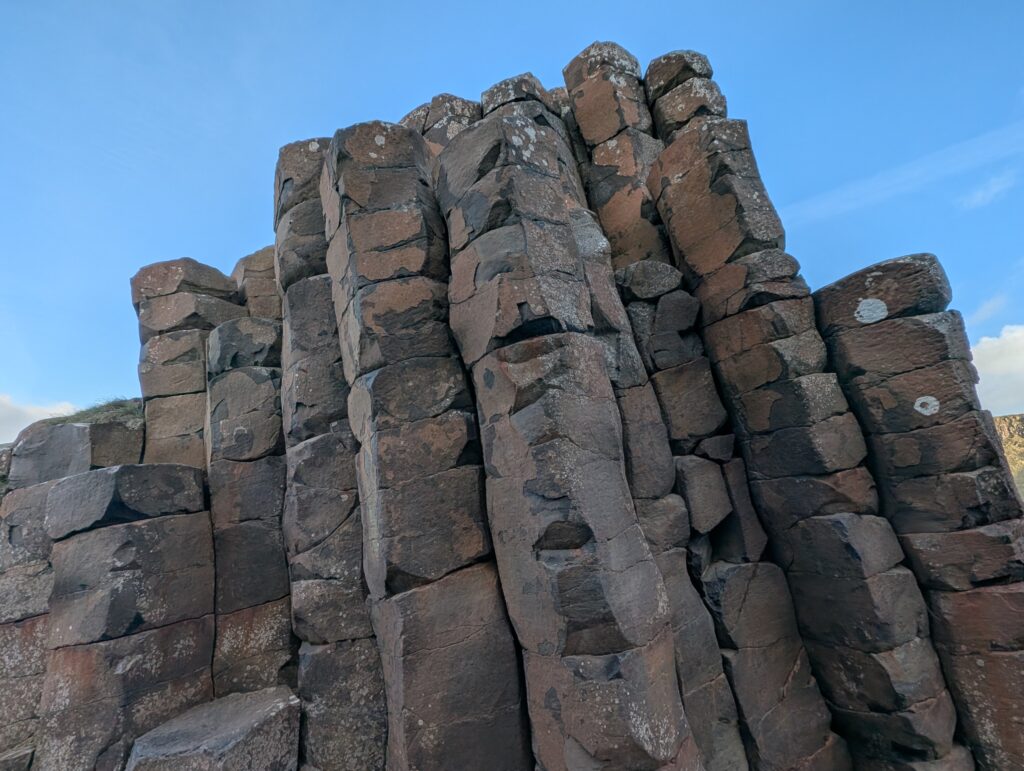
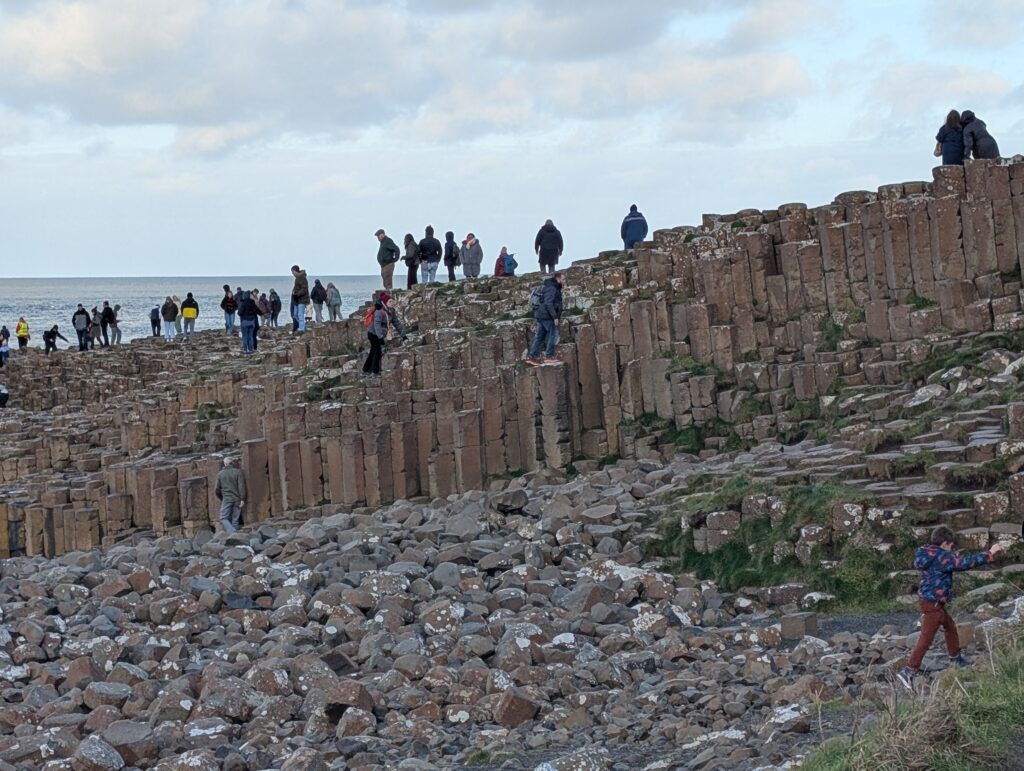
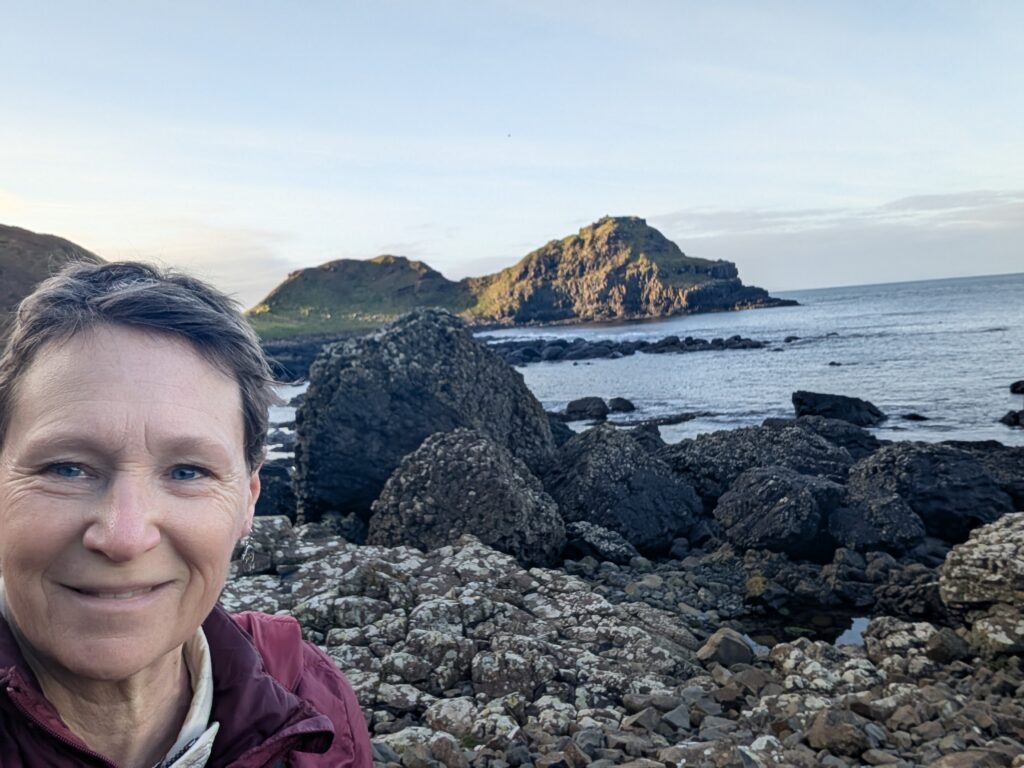
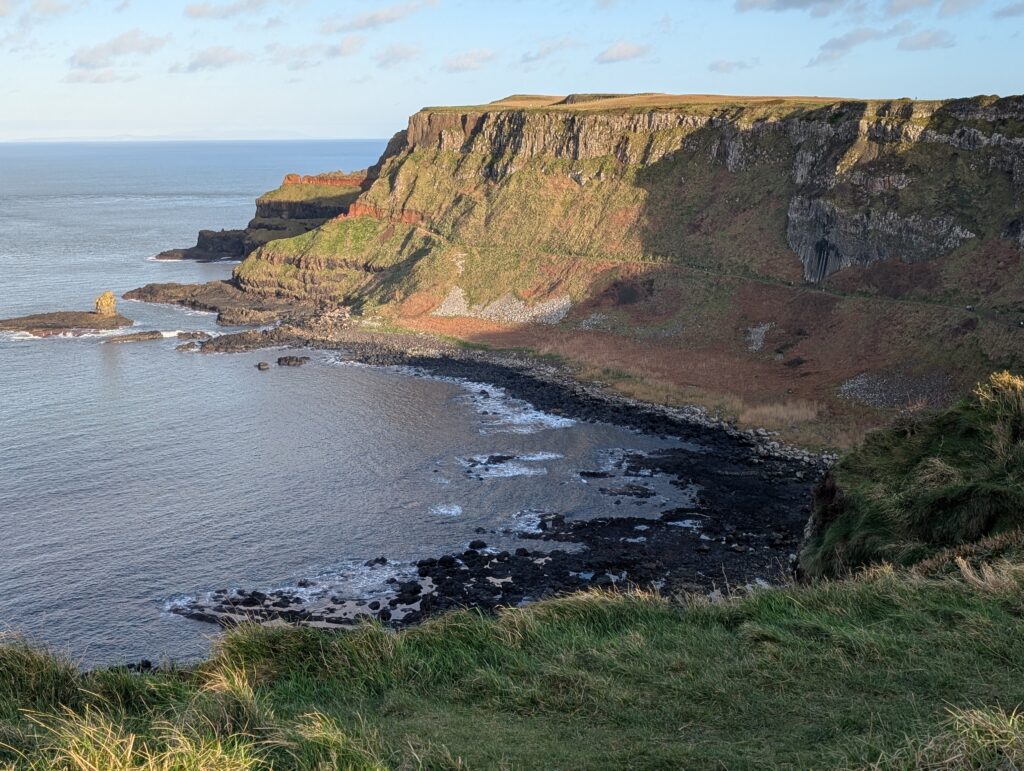
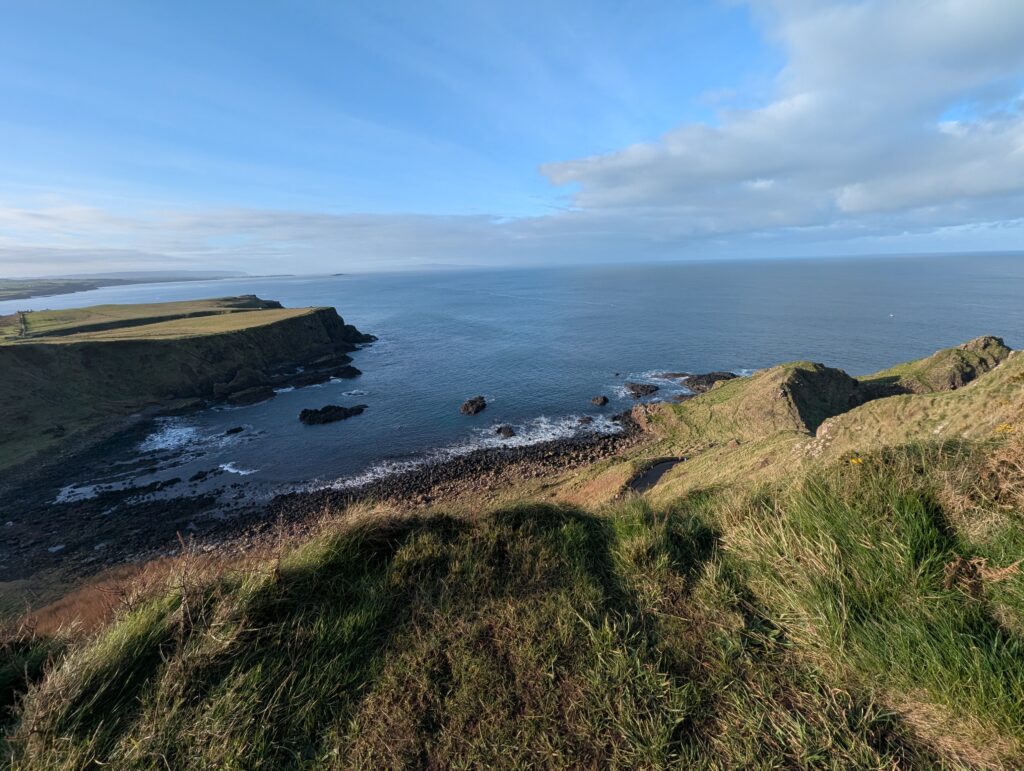
From there we went to the nearby Giant’s Causeway. It was formed 60 million years ago from volcanic activity. There is a out 40,000 basalt columns that are shaped like hexagons. The shape occurred when the lava came to the surface and then shrank during cooling.

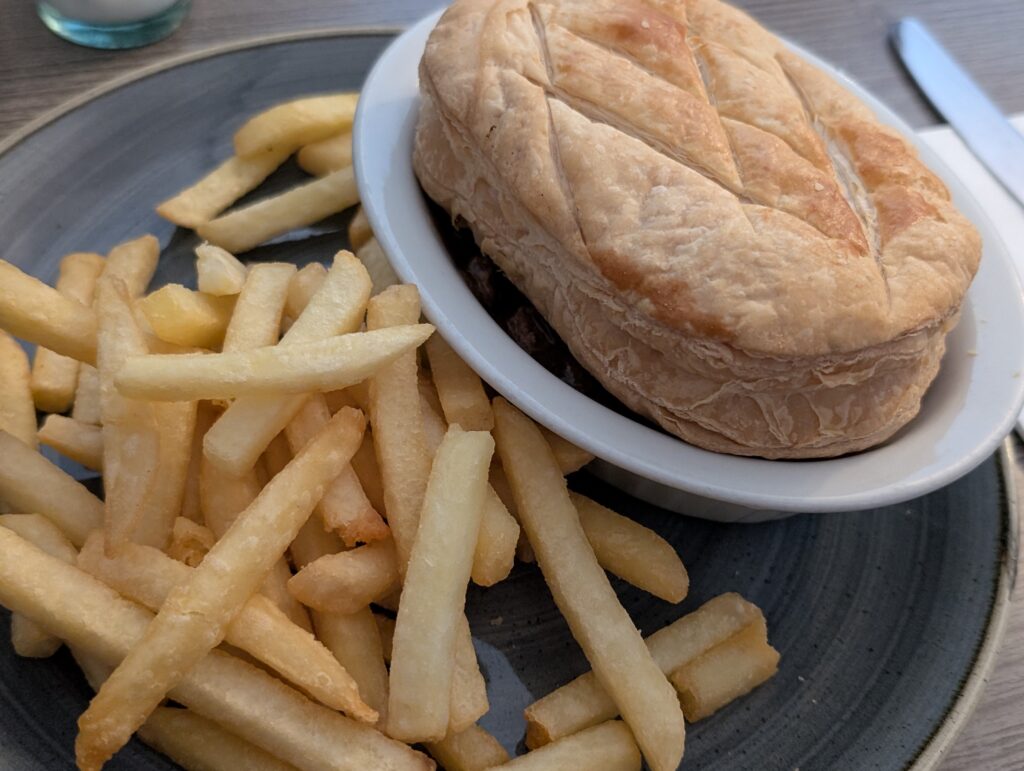
For lunch we went to a place nearby, the Fullerton Arms. THeir steak pie was delicious.

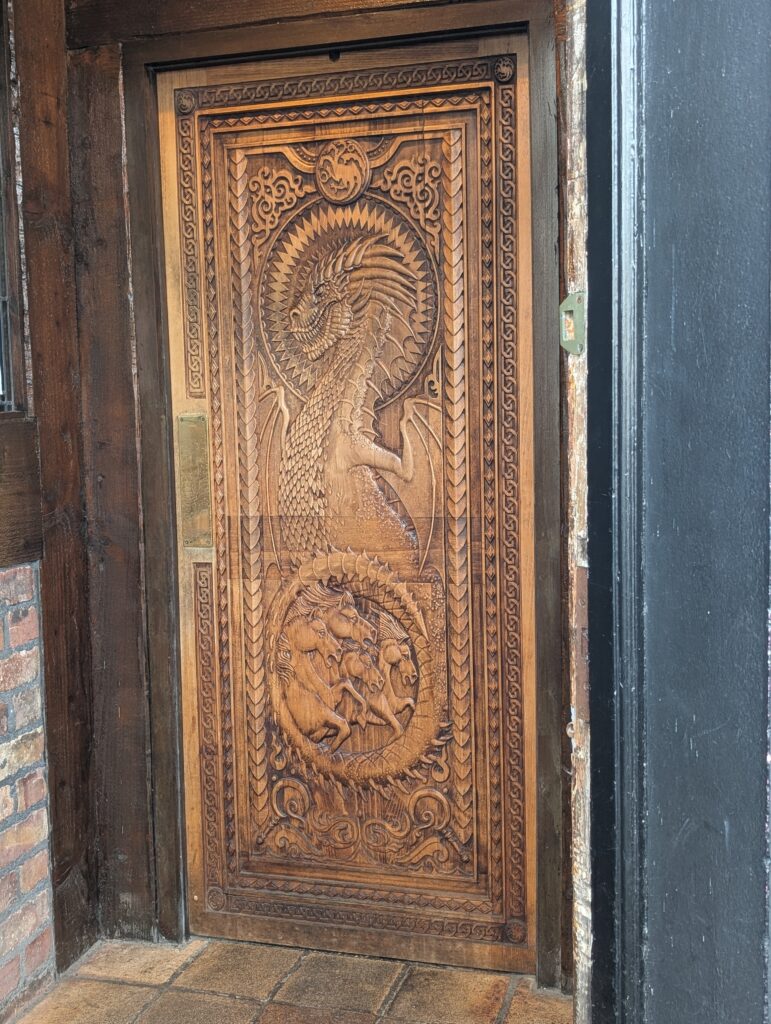
They also had a door carved like the Game of Thrones insignia.

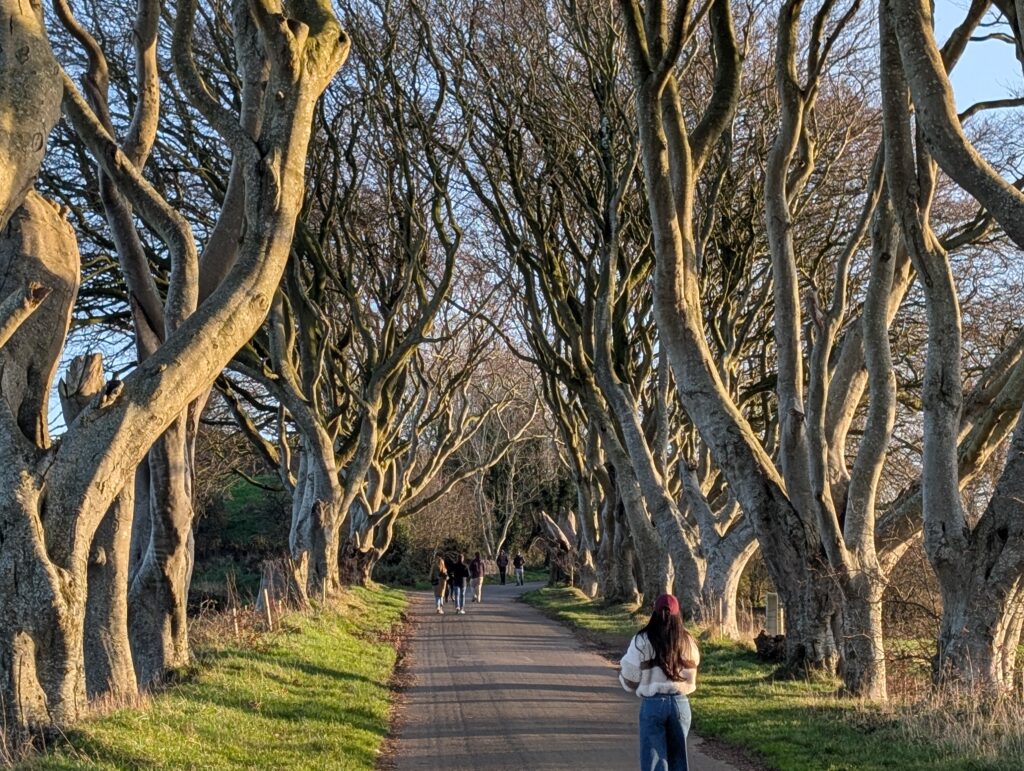
The next stop was Dark Hedges, a large number of beech trees planted in the 1700’s to create a dramatic entry to a manor. The trees have intertwined to create an arch. It was used in the series, Game of Thrones as the kings road. Sadly, many trees are falling and need to be replanted.

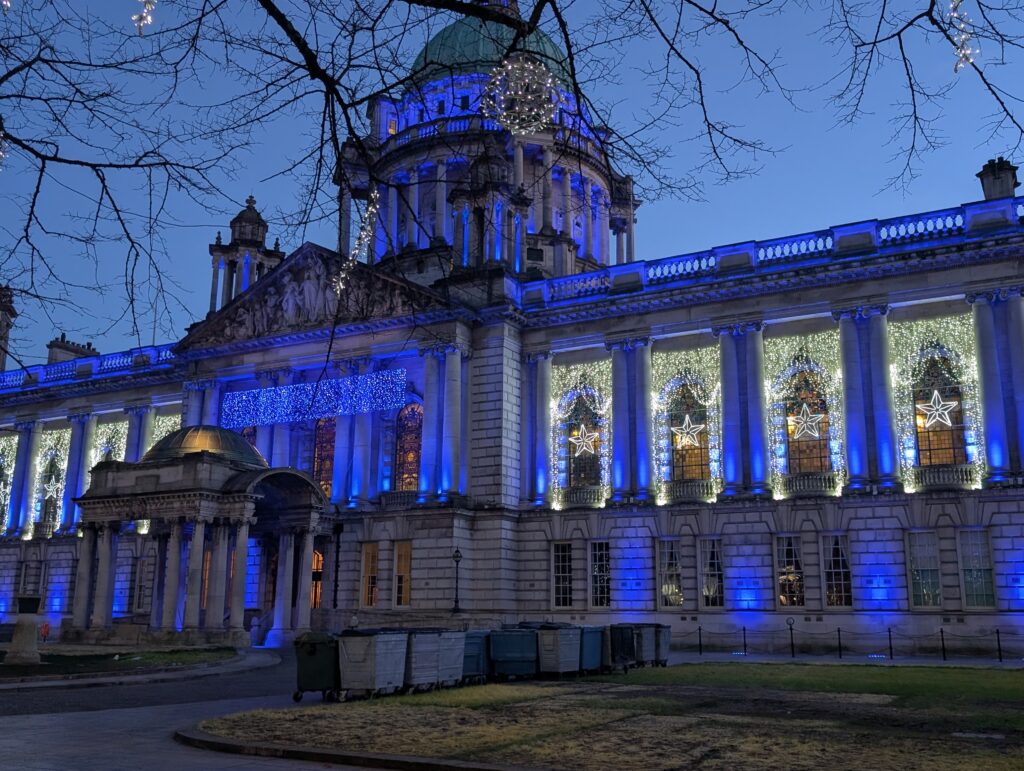
The final stop is an hour in Belfast to look around and walk before the final drive back to Dublin. A really long day in a bus but easier when you are short on time.