Aachen (vía Stommeln)

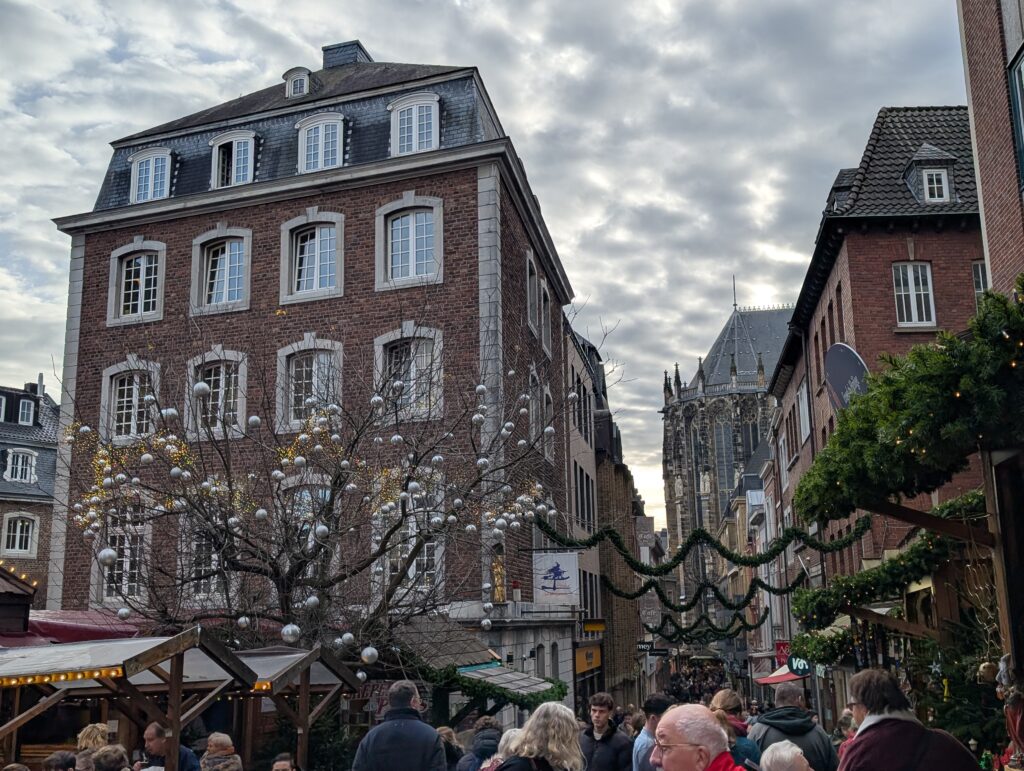
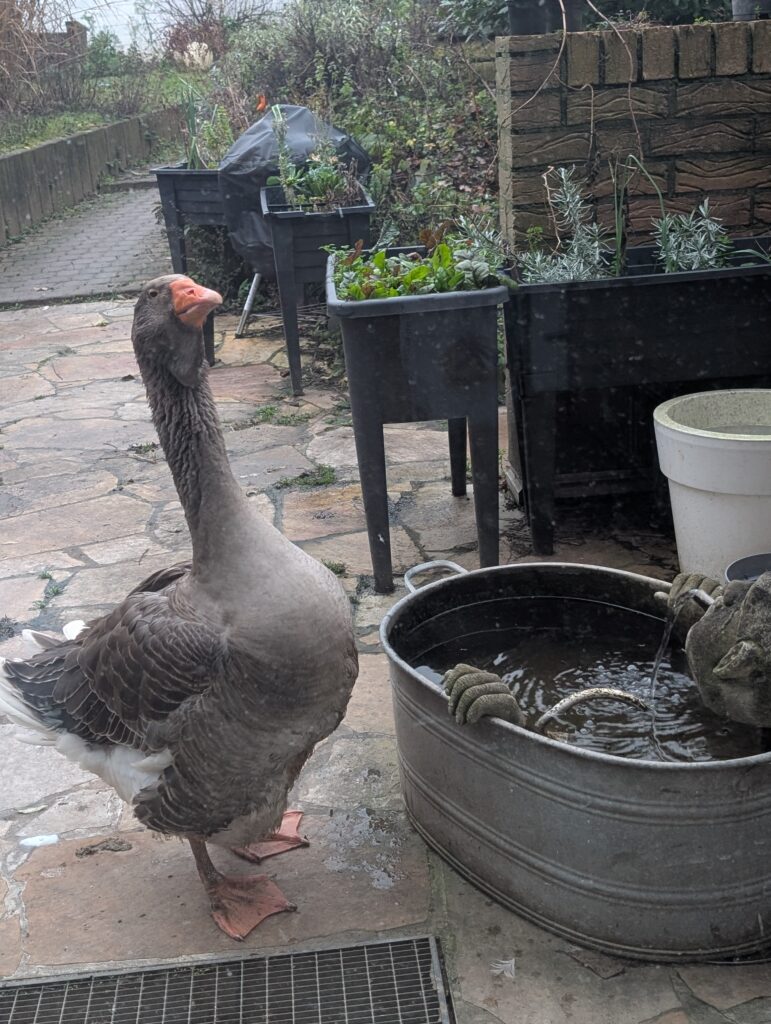
I have been pet sitting in Stommeln, taking care of two adorable cats and a whole bunch of poultry: chickens, ducks, and geese. In some ways I have missed having a farm (but not being unable to vacation often). It was a also a good time to relax, get back into an exercise routine, and catch up with shows and emails, etc. There was a small Christmas market over the weekend.
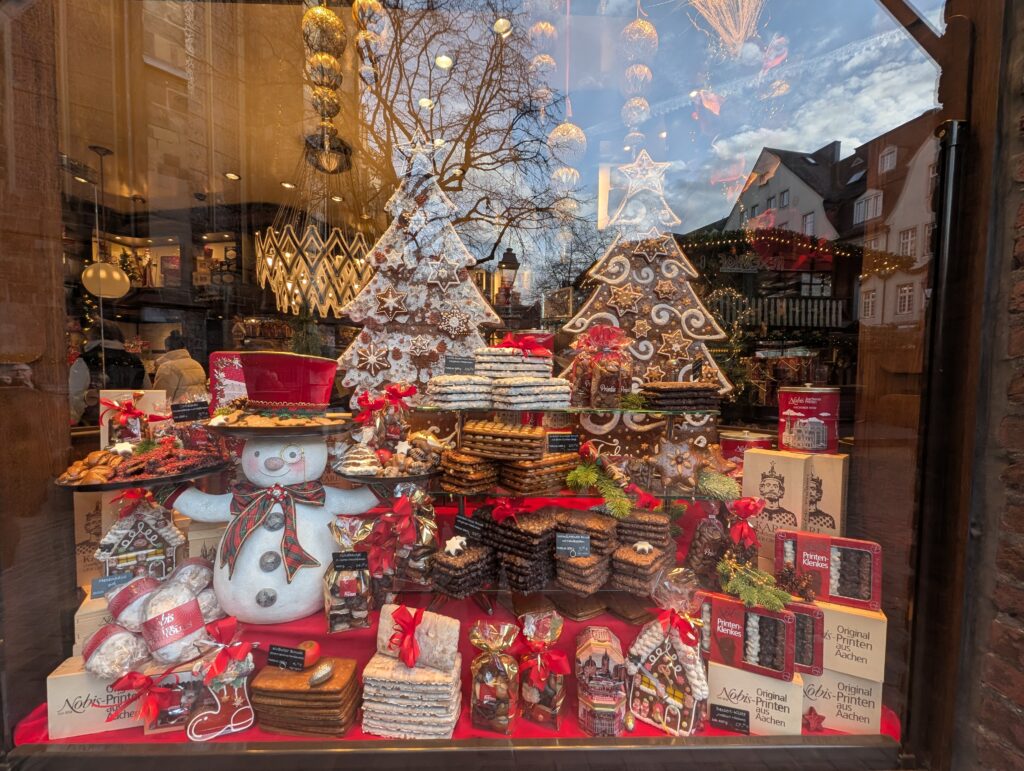
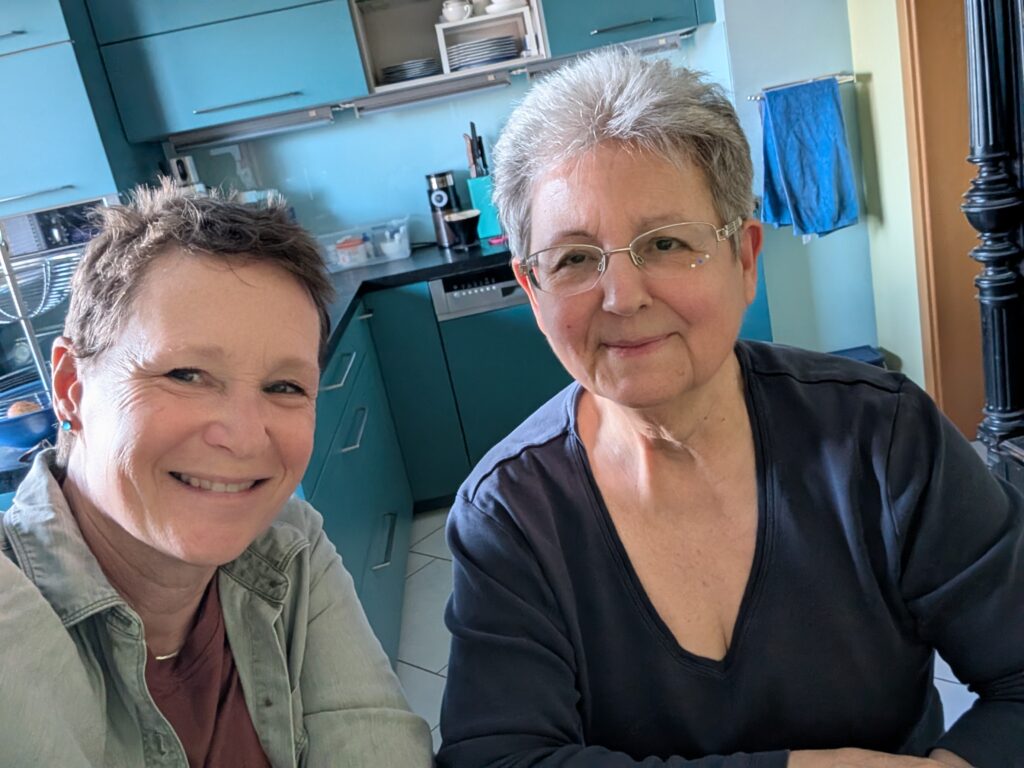
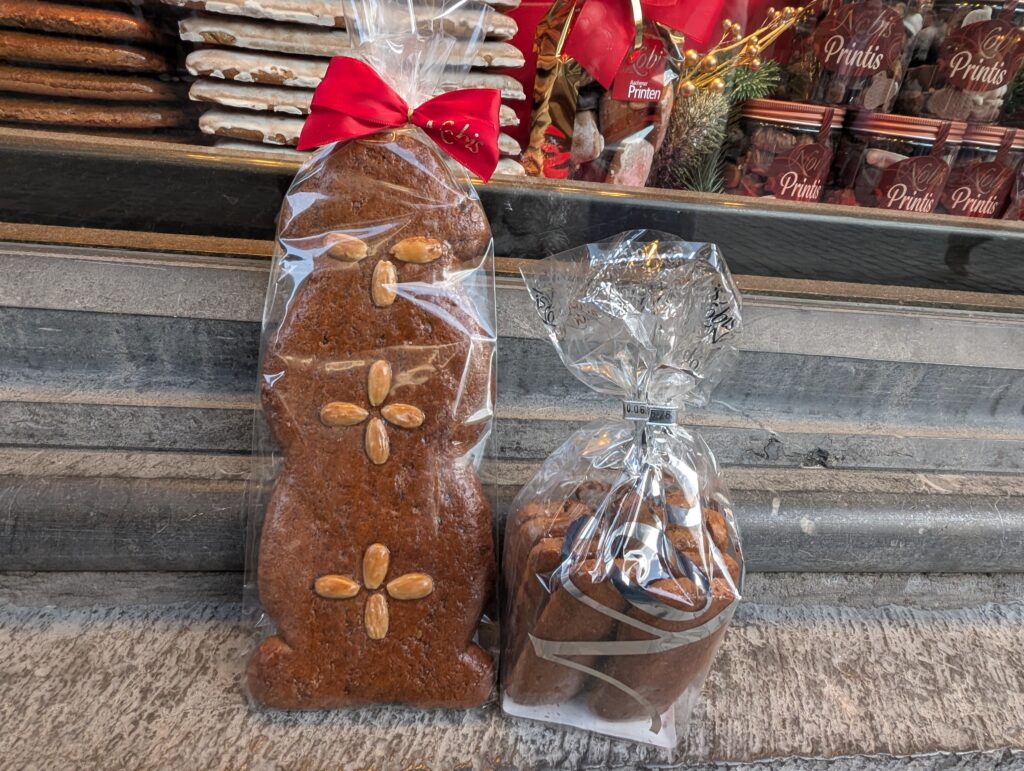
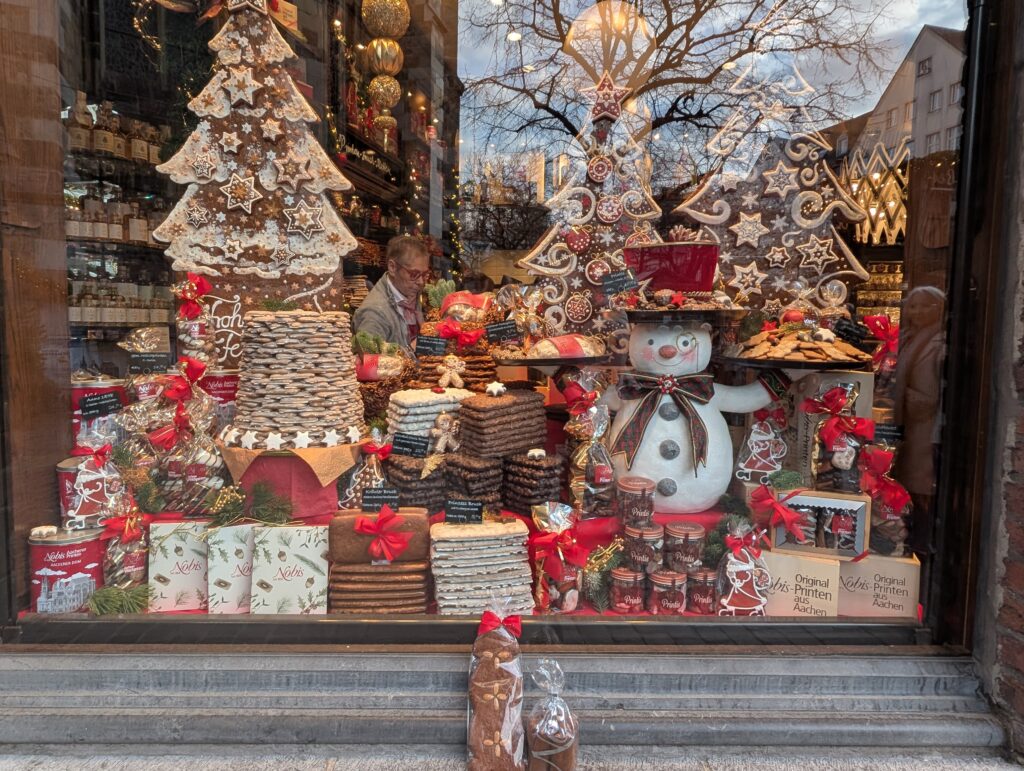
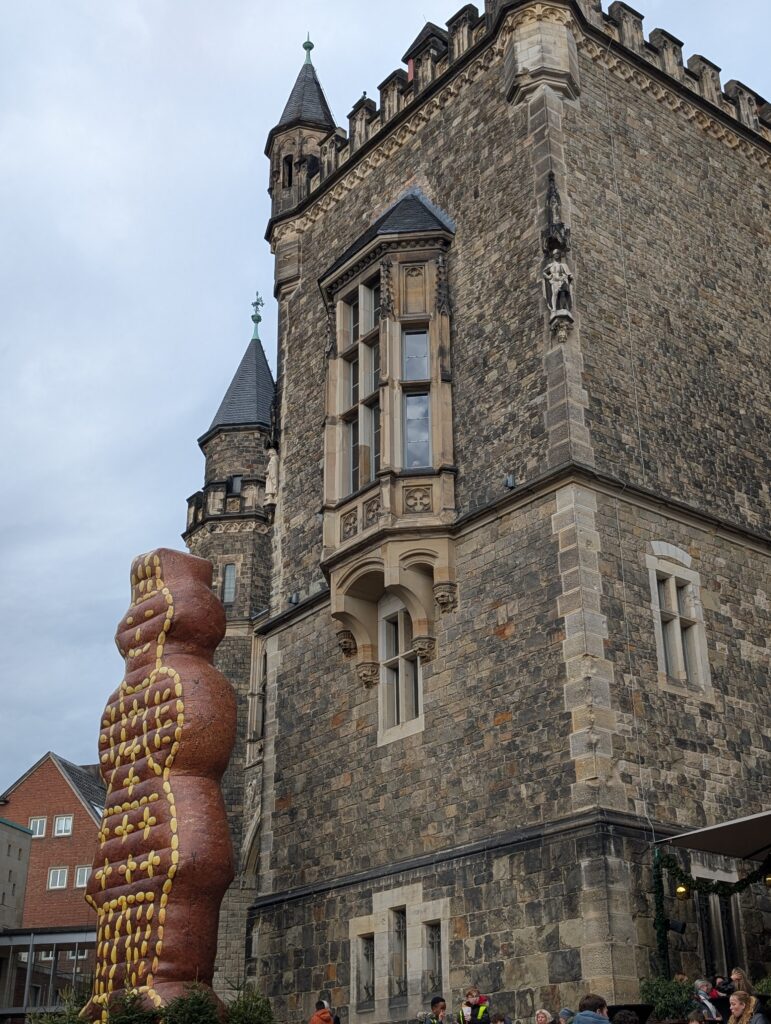
Sylvia and Thorsten were wonderful and even had me stay an extra day to visit Aachen which is a town close to the Belgium border and the opposite direction action if where I would be traveling next. When I learned that Aachen is known for its gingerbread called printen. It is not like American gingerbread, with less spices and orange zest in the cookie. It was delicious.
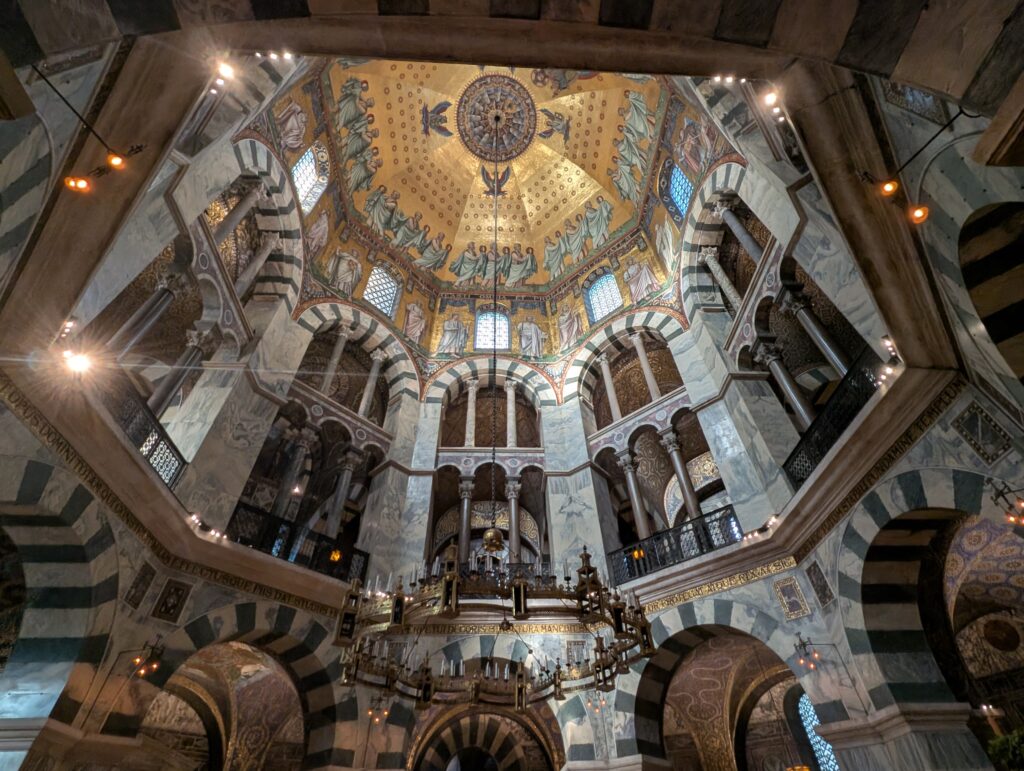
Aachen is one of Germany’s oldest cities having been founded by the Romans (it was called Aquae Granni) as there were natural thermal spring waters here. Roman baths were constructed. In 742, Charlemagne made it his primary residence and the center of the Frankish Empire. in 800, he built the Palantine temple. He was buried in the walls after his death and the present day Cathedral expanded upon those walls.
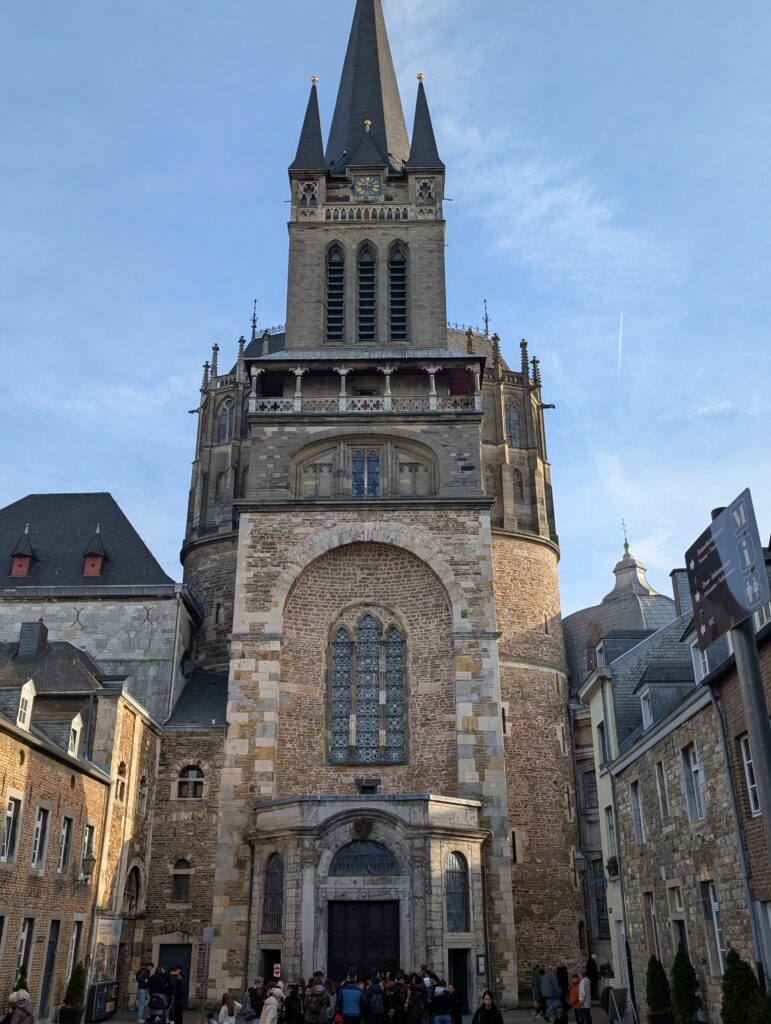
From the 10th through the 16th centuries, German kings were coronated in the cathedral. Because of the history and the relics here, it is also a major site of pilgrimage. It fell into decline after the 16th century, was under the rule of Napoleon and Prussia, and heavily damaged in WWII.

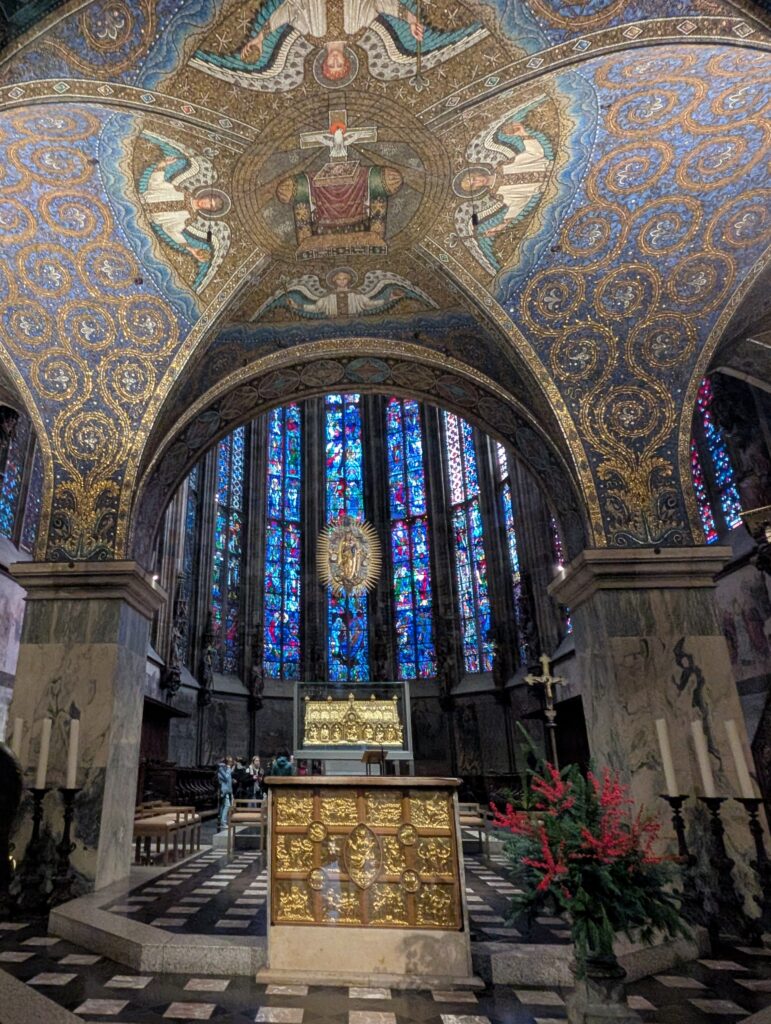
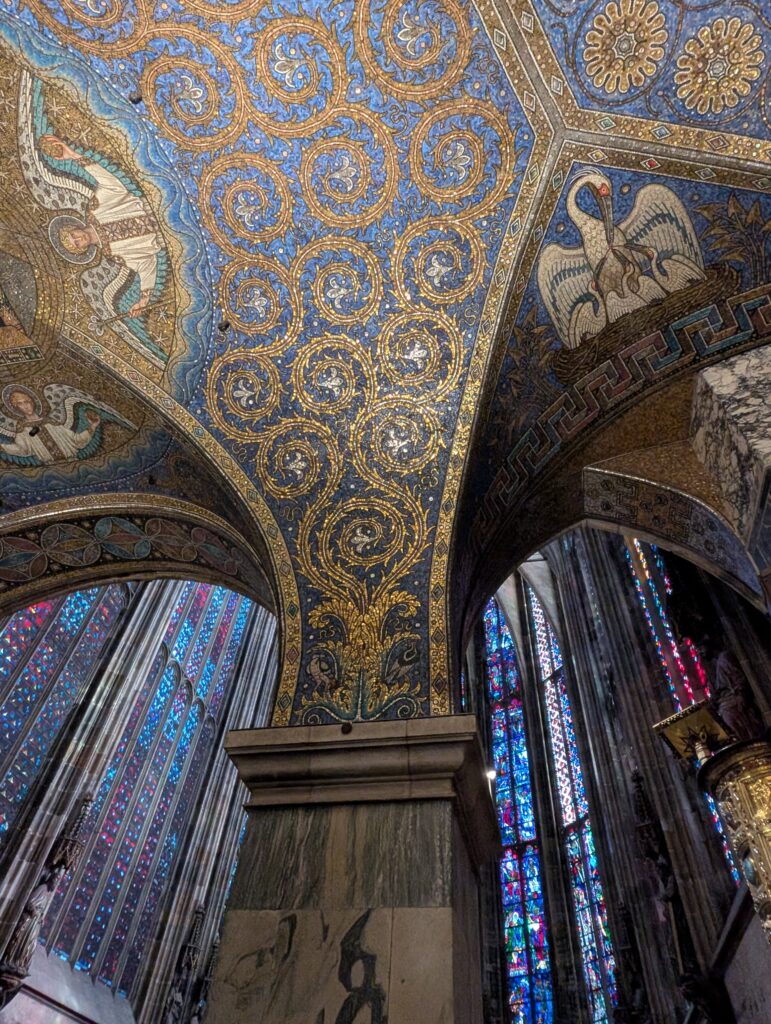
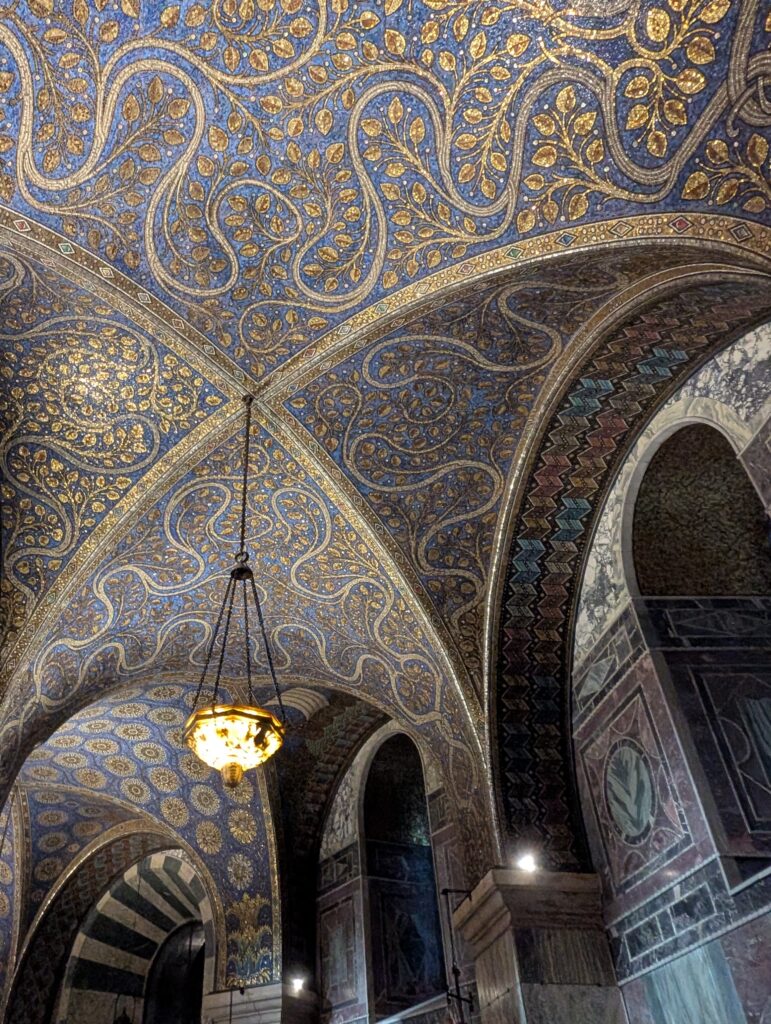
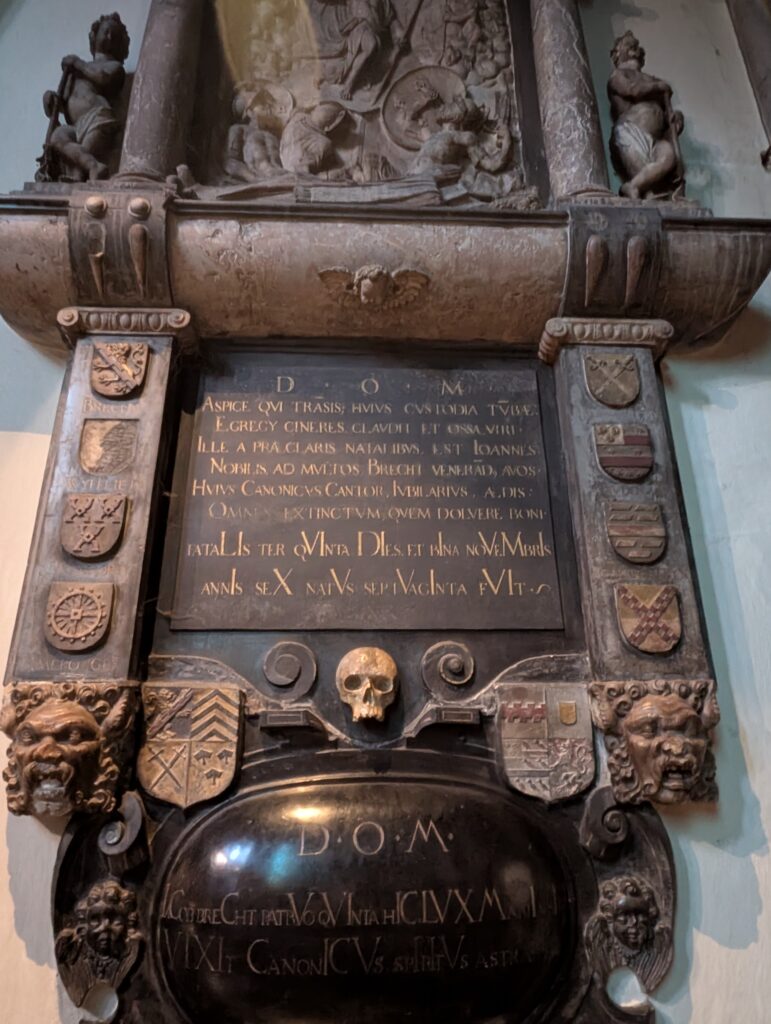
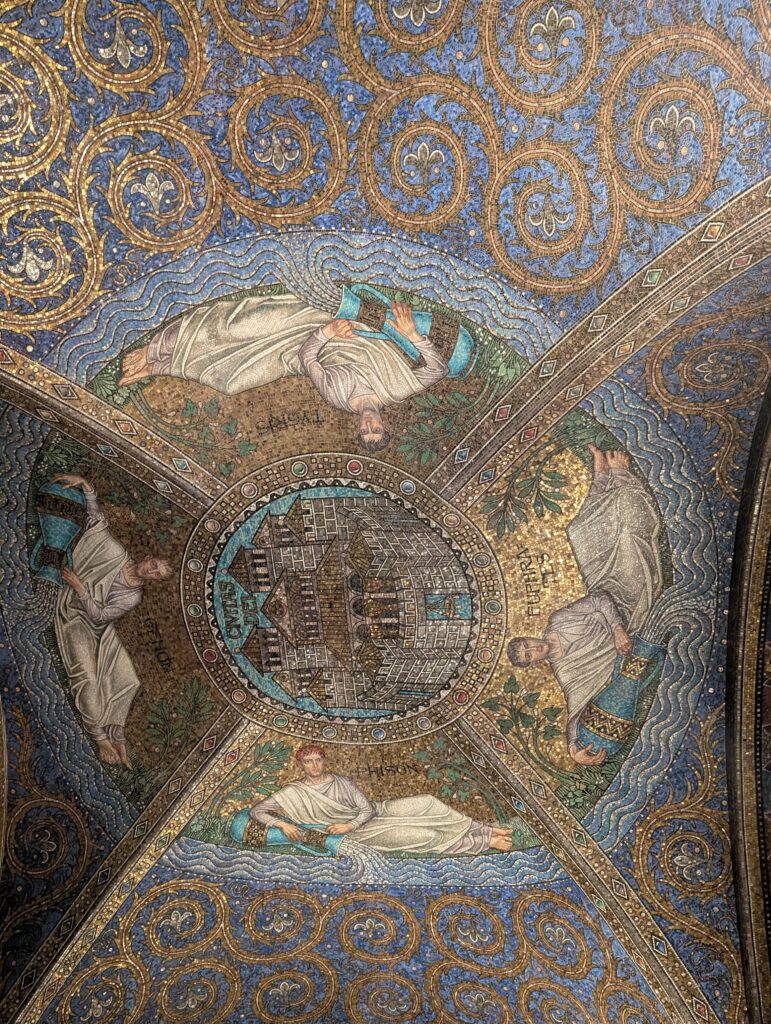
The inside of the cathedral:
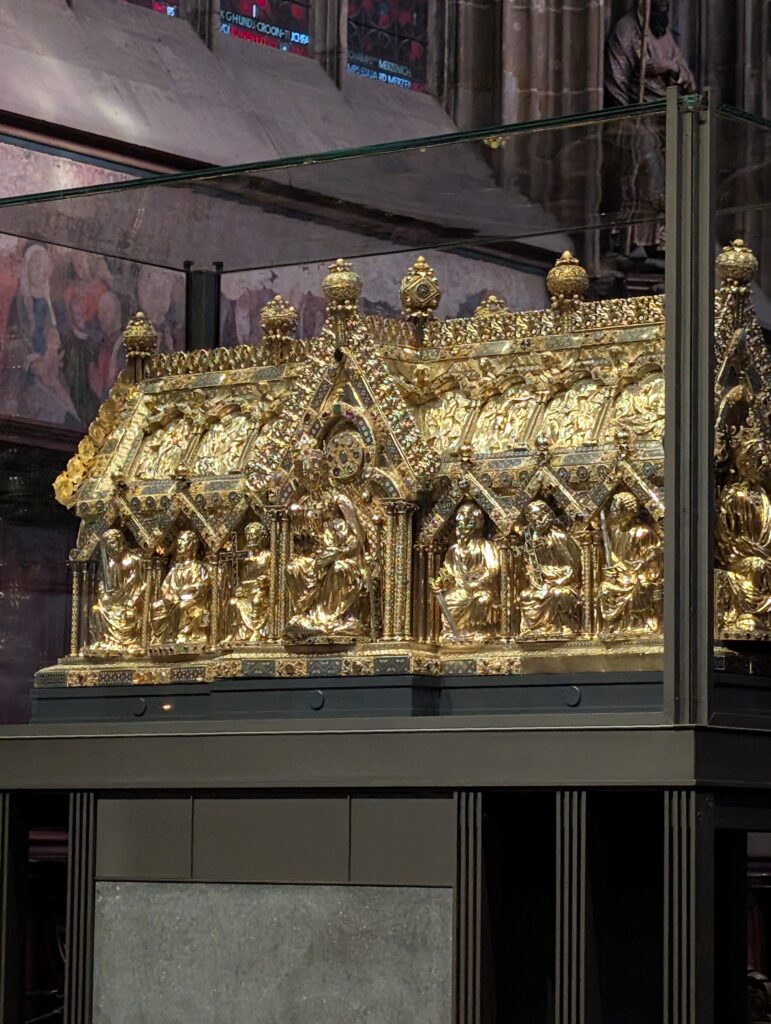
The sarcophagus continuing the remains of Charlemagne.
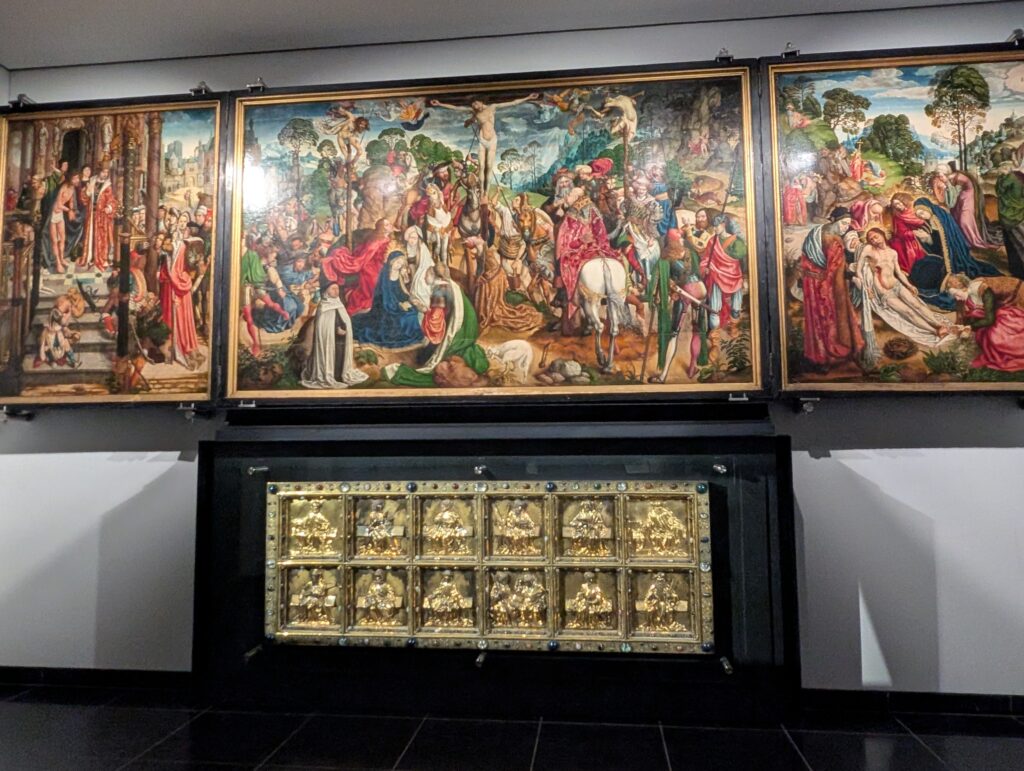
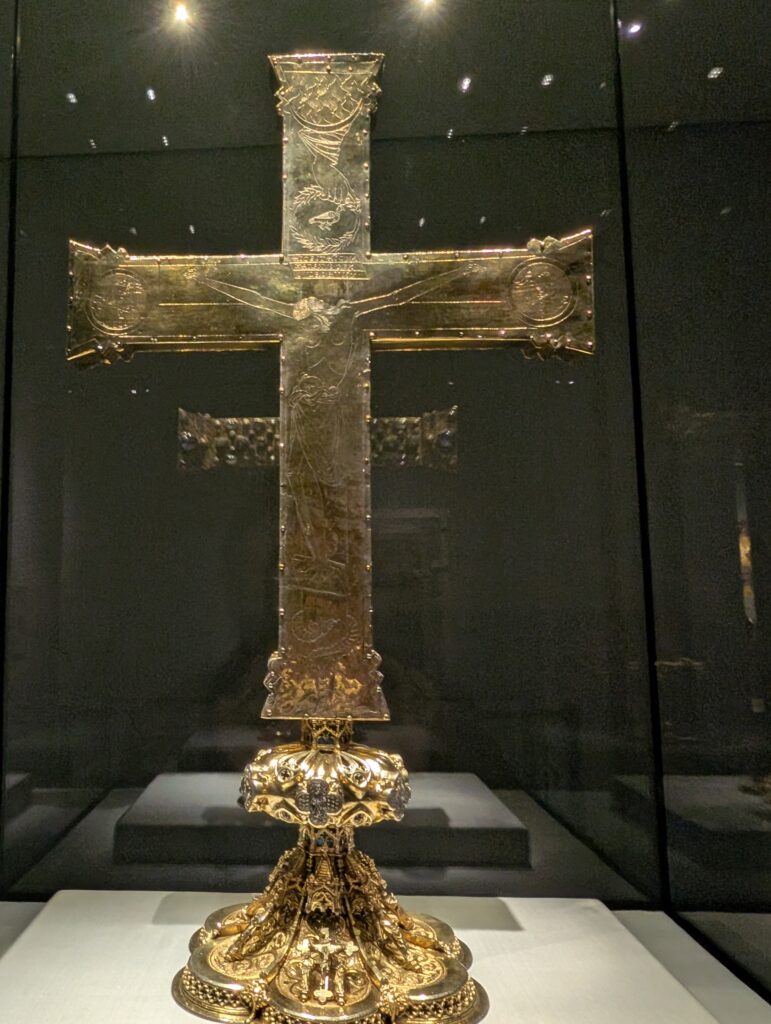
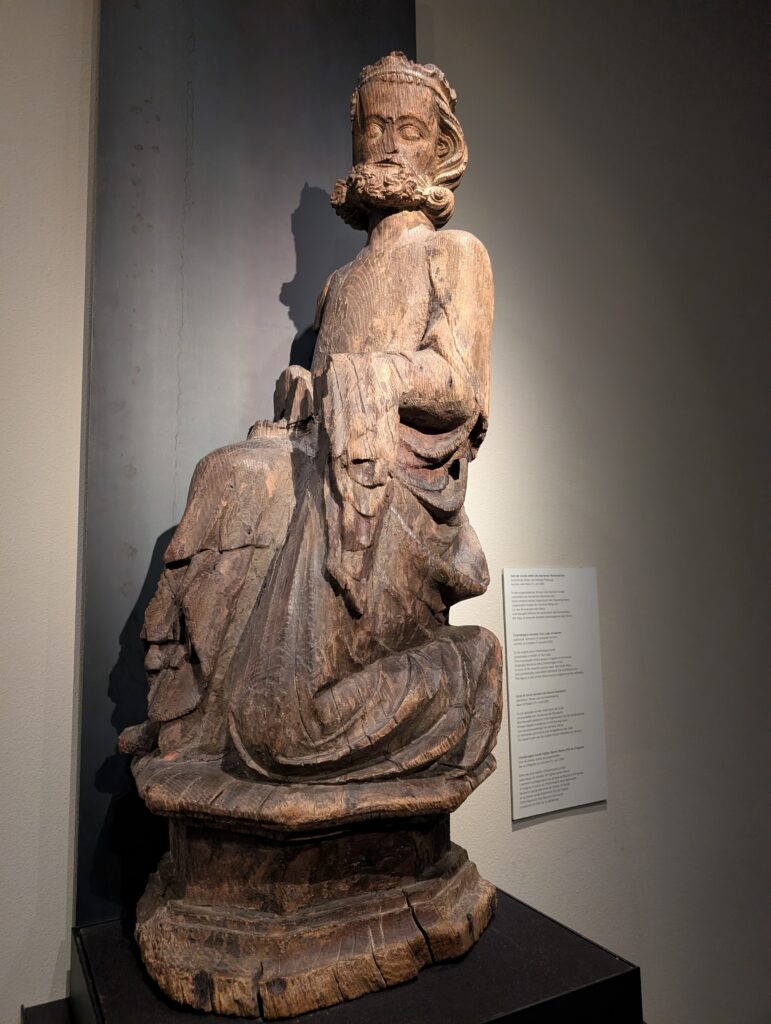
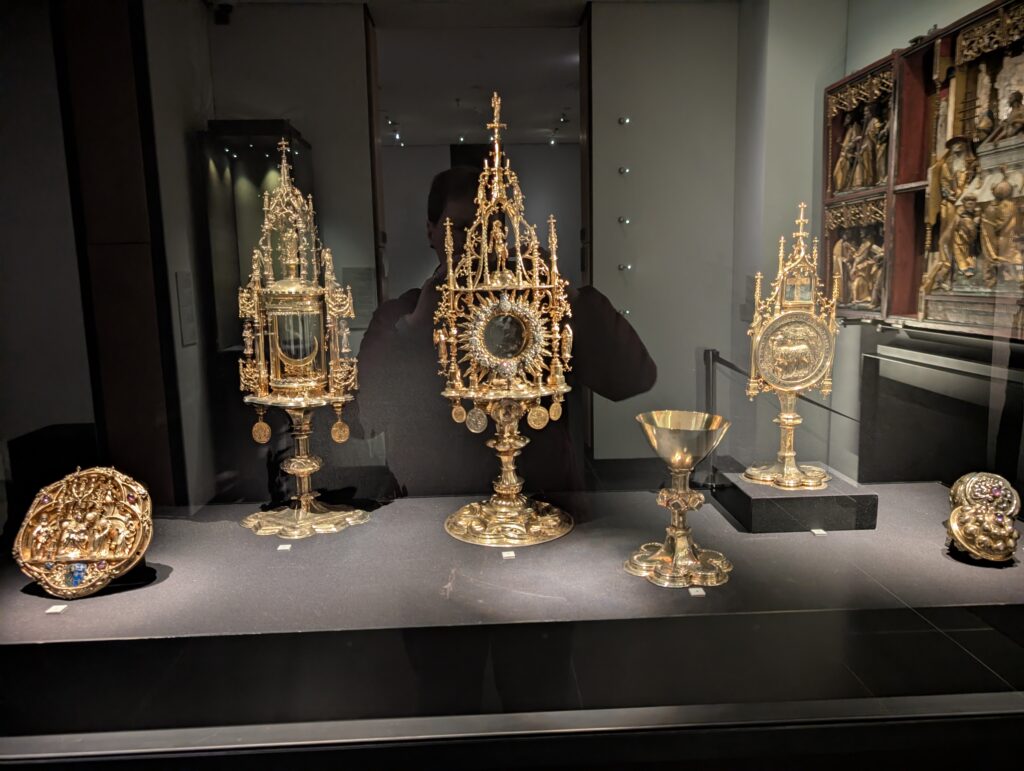
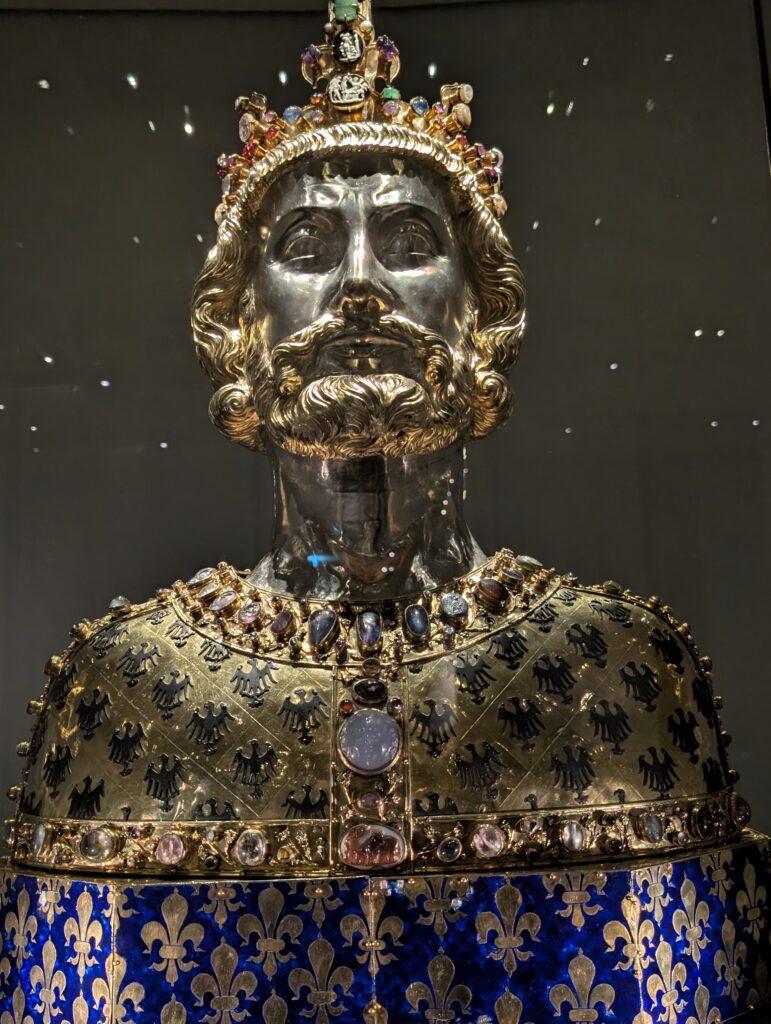
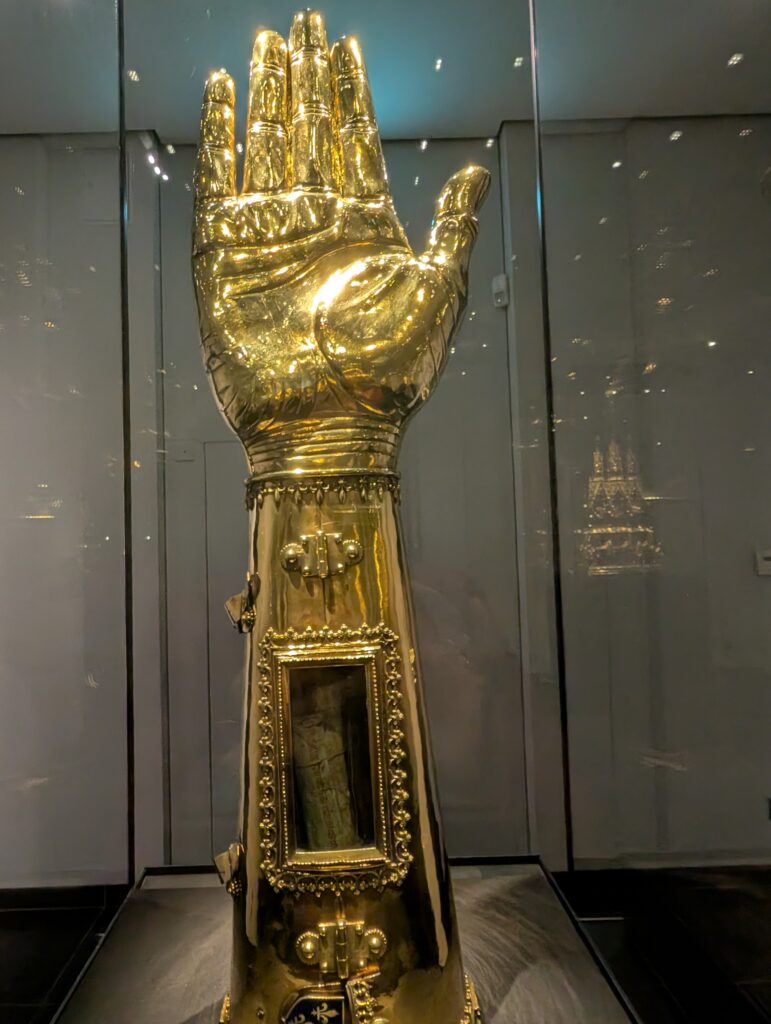
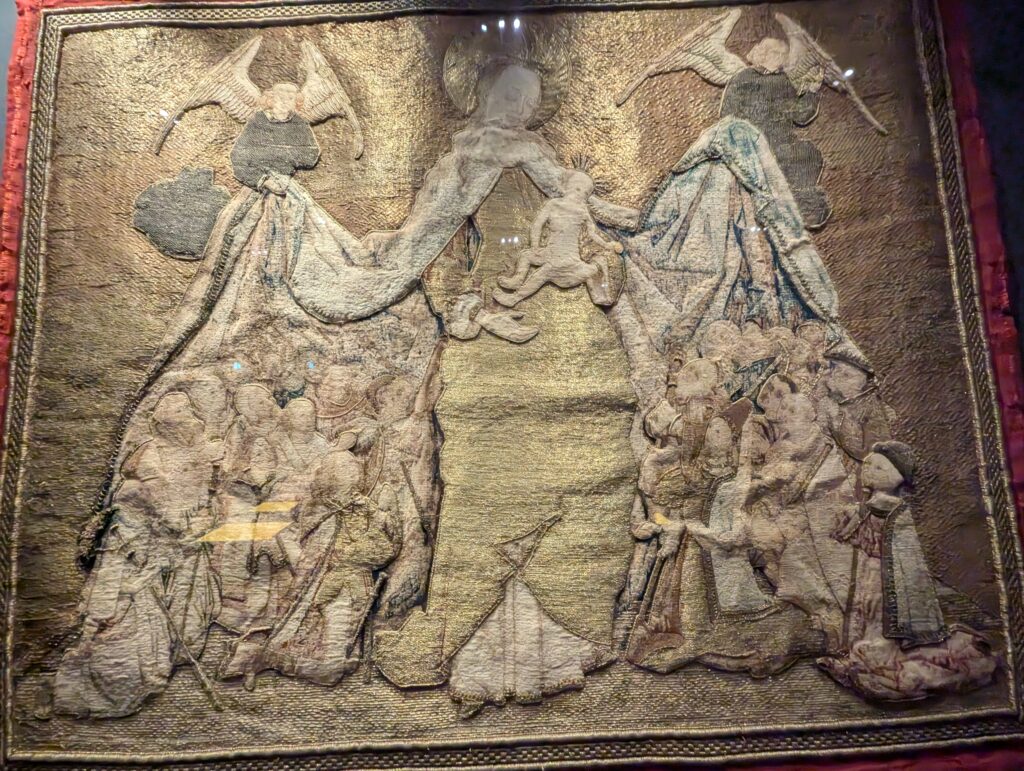
The Aachener Domschatz is the location of the relics from before and the early years of the cathedral built in 1215.
The skullcap of Charlemagne.
The gilded arm that belonged to Charlemagne actually contains a radius and ulna bones that have been analyzed and believed to be that of Charlemagne.
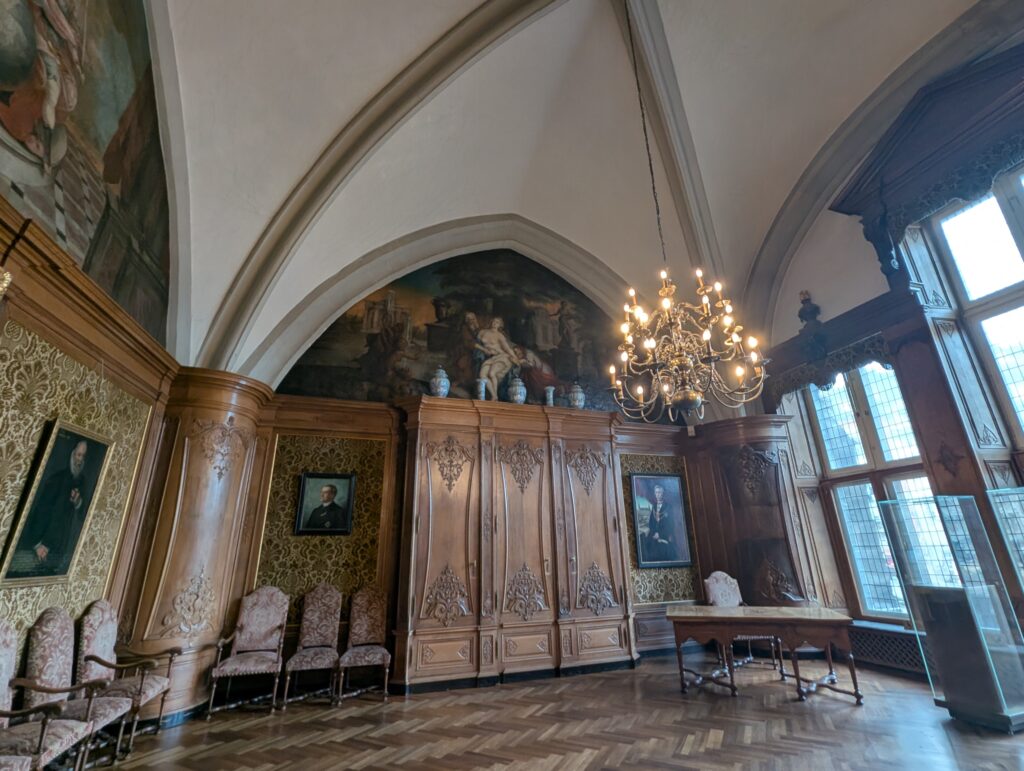
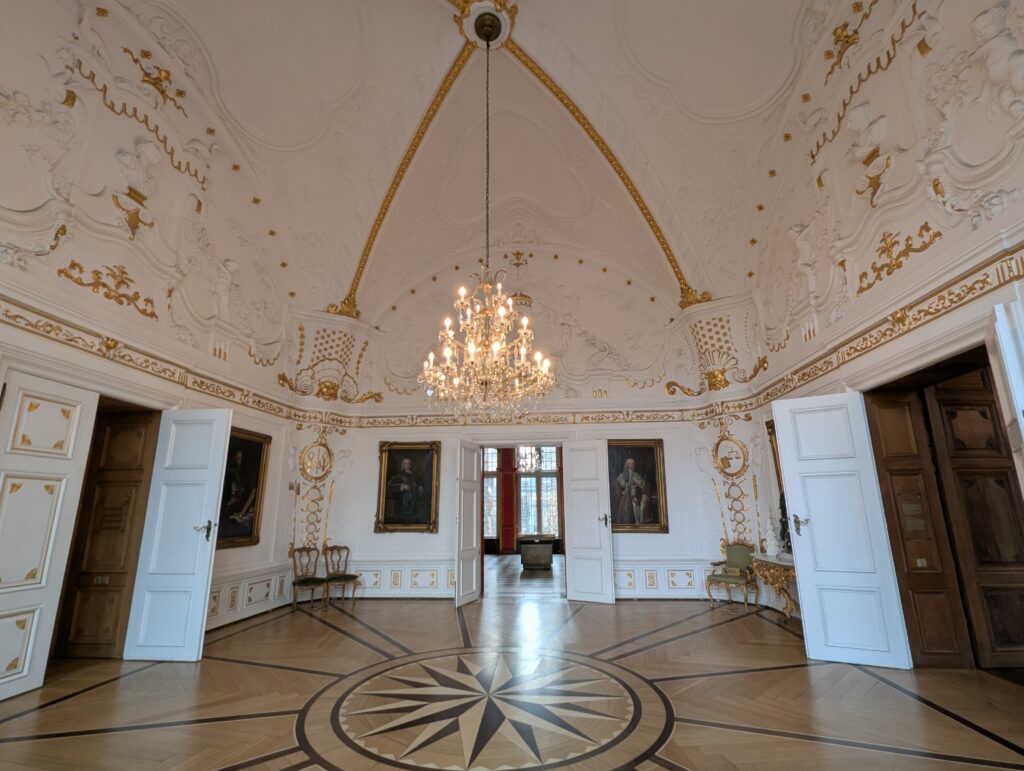
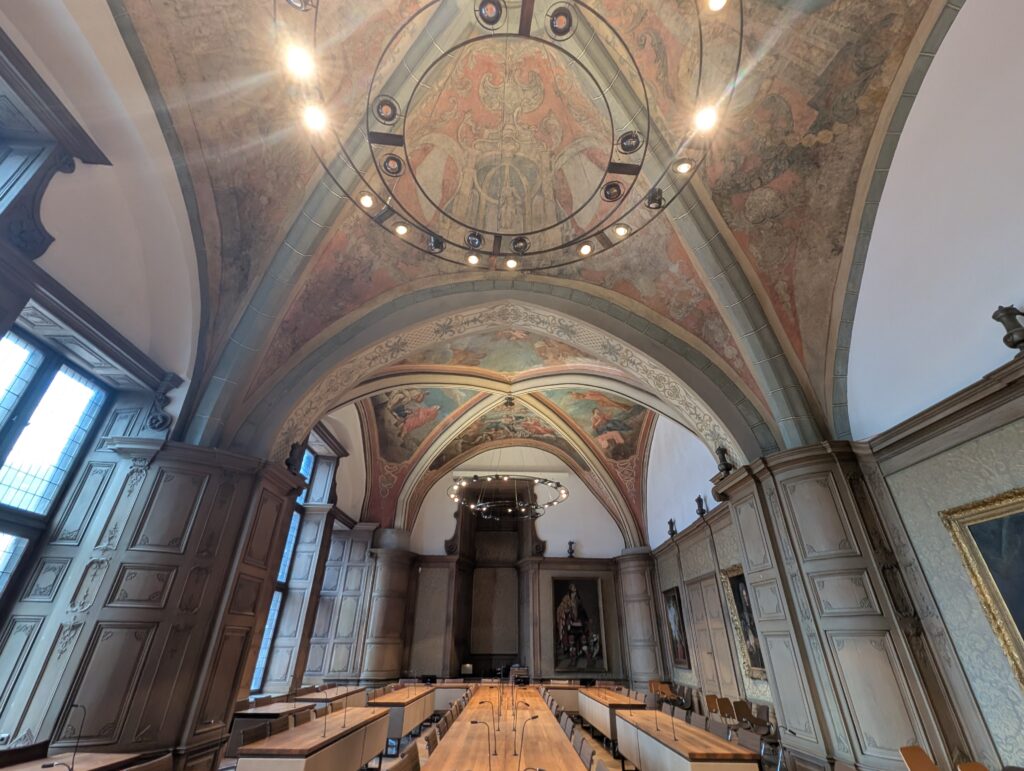
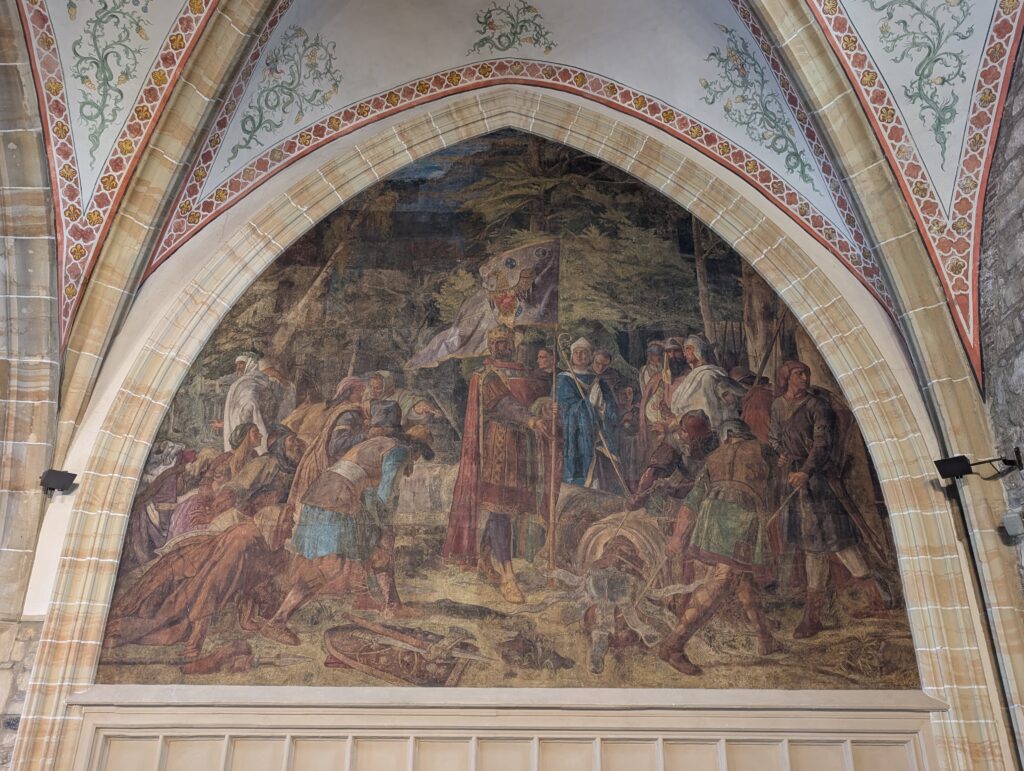
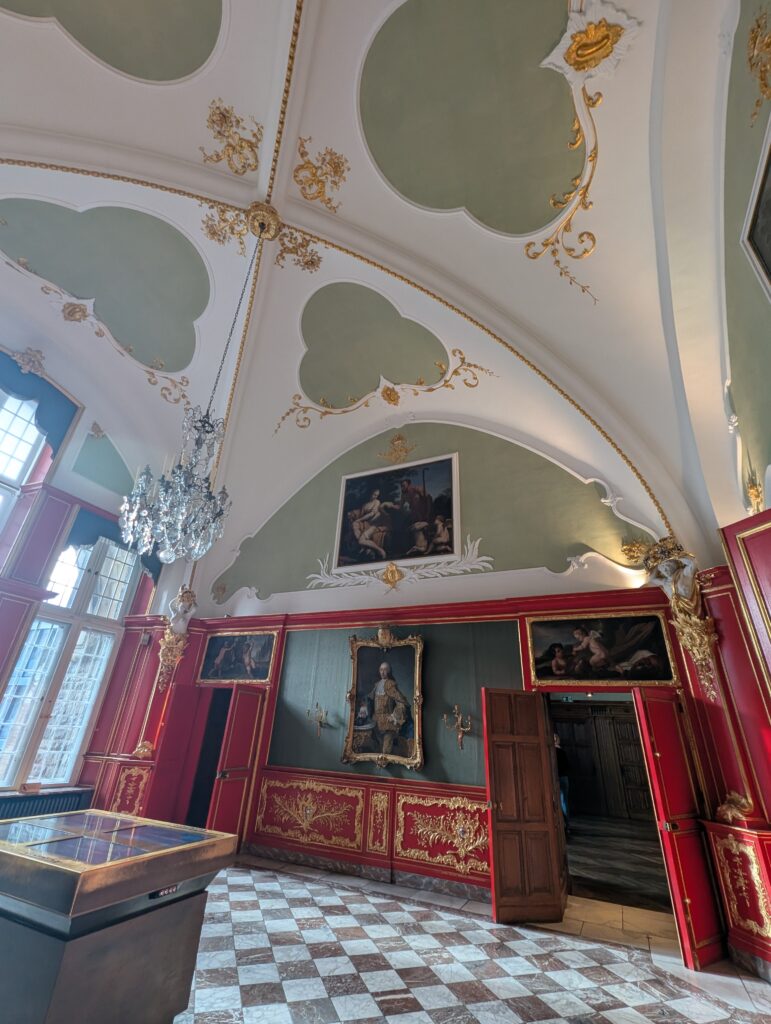
The Rathaus is the town hall and was built on the foundation of the palace of Charlemagne.
In the upstairs, it has an impressive view of the cathedral and the square where the palace stood. Of course, there is a Christmas market there!
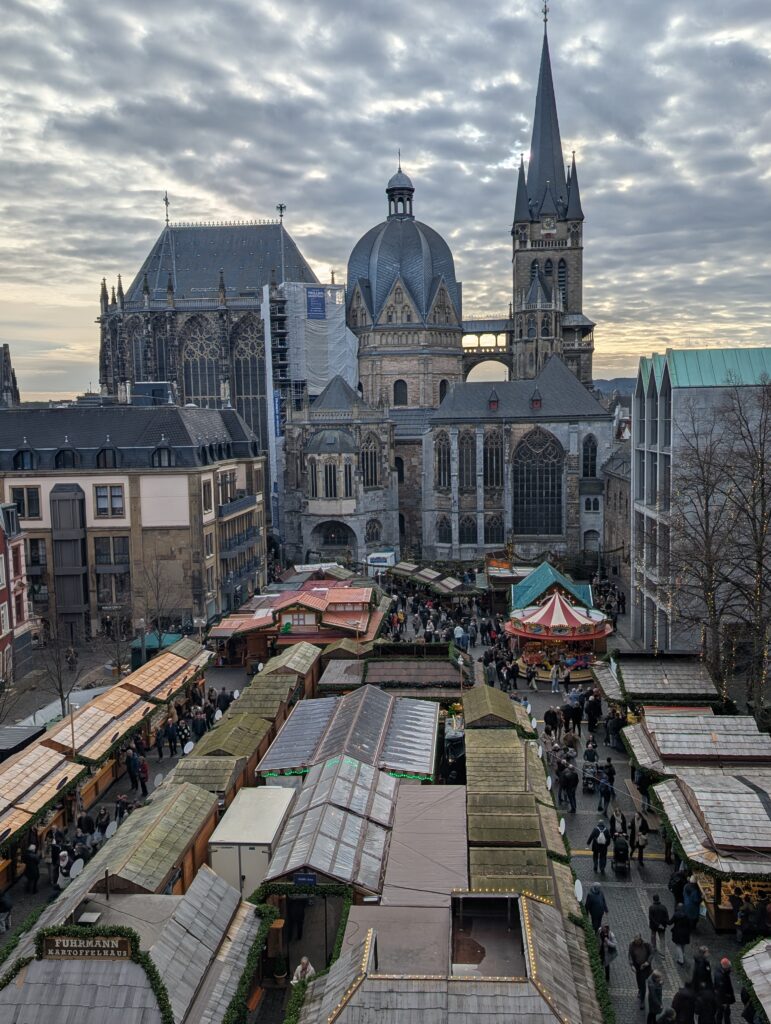
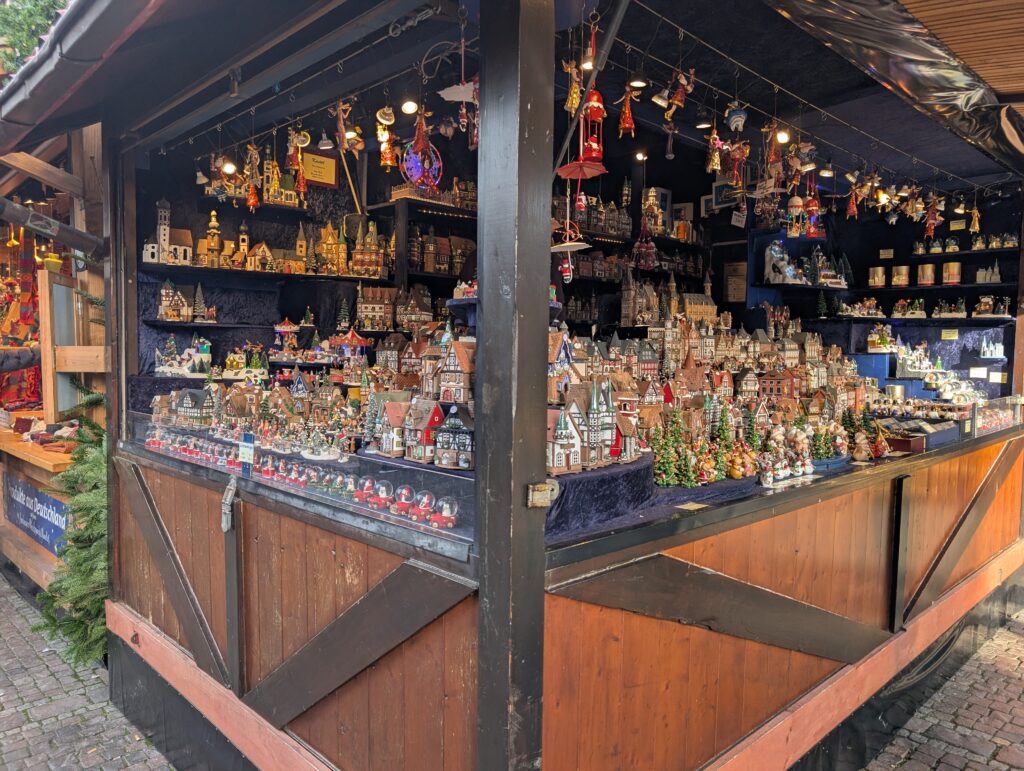
It is still known as a highly regarded spa town with the Caroluus thermen spa. Yes, I went to the spa and enjoyed some great relaxing thermal waters. In
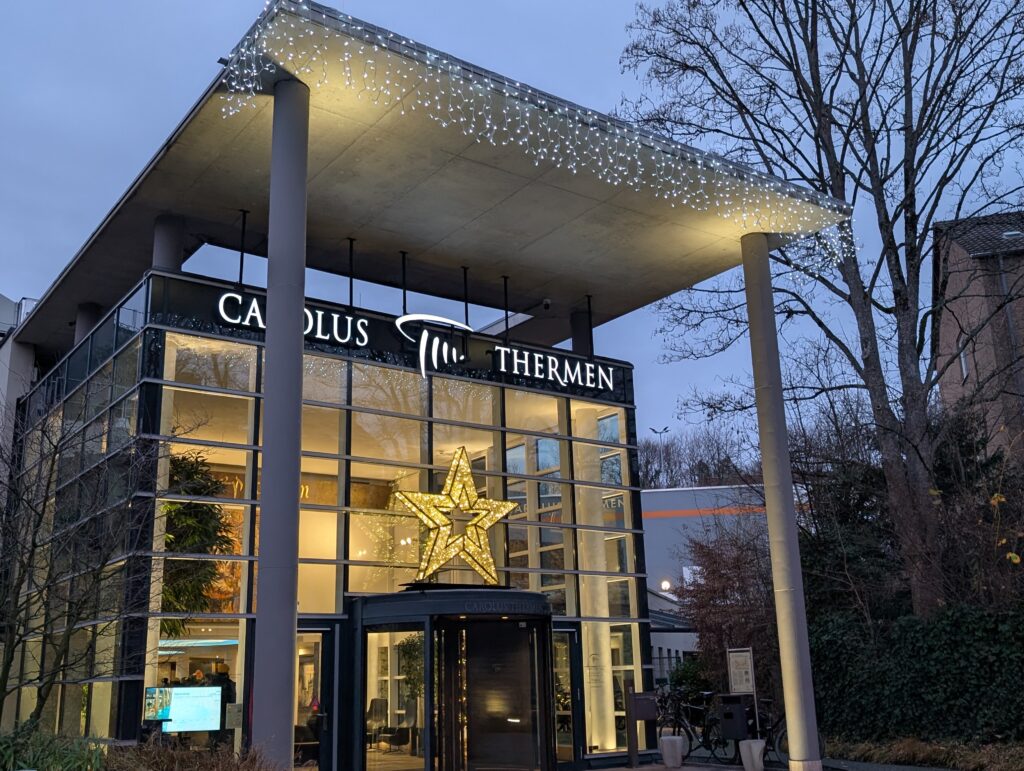
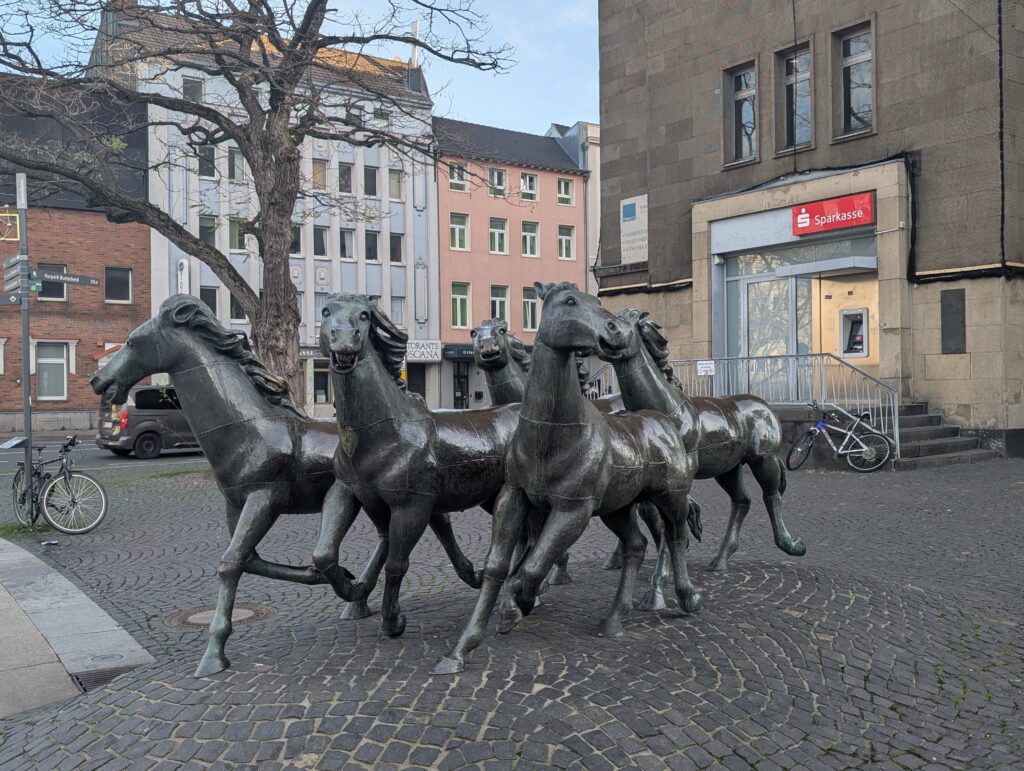
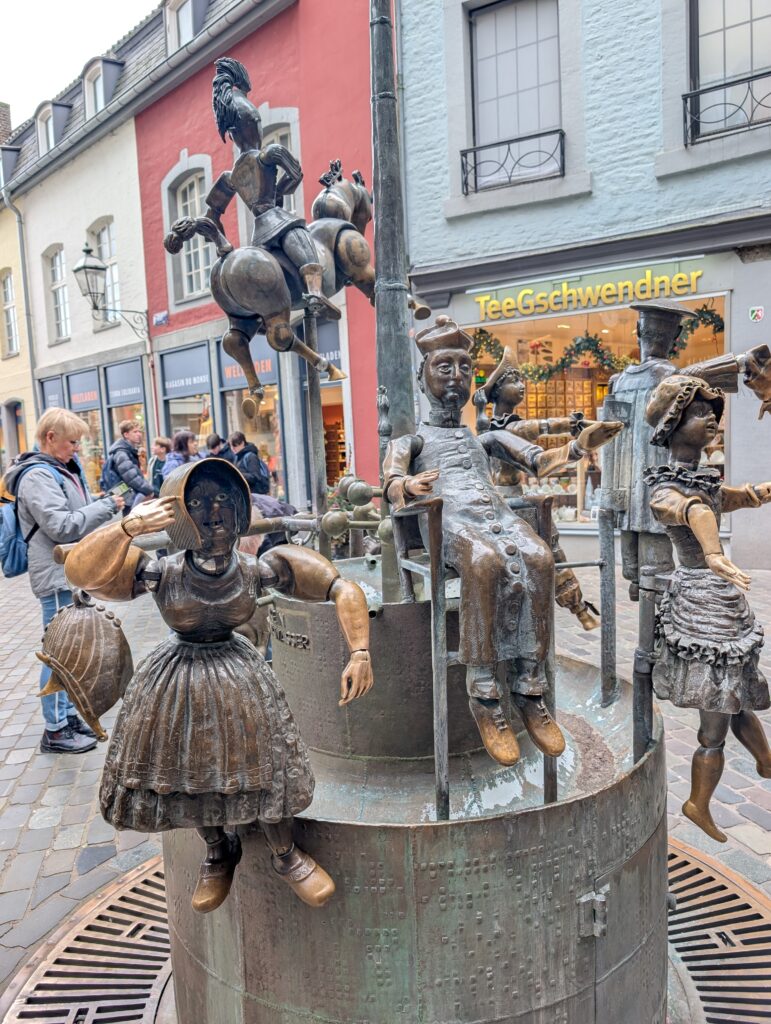
Other photos from Aachen.
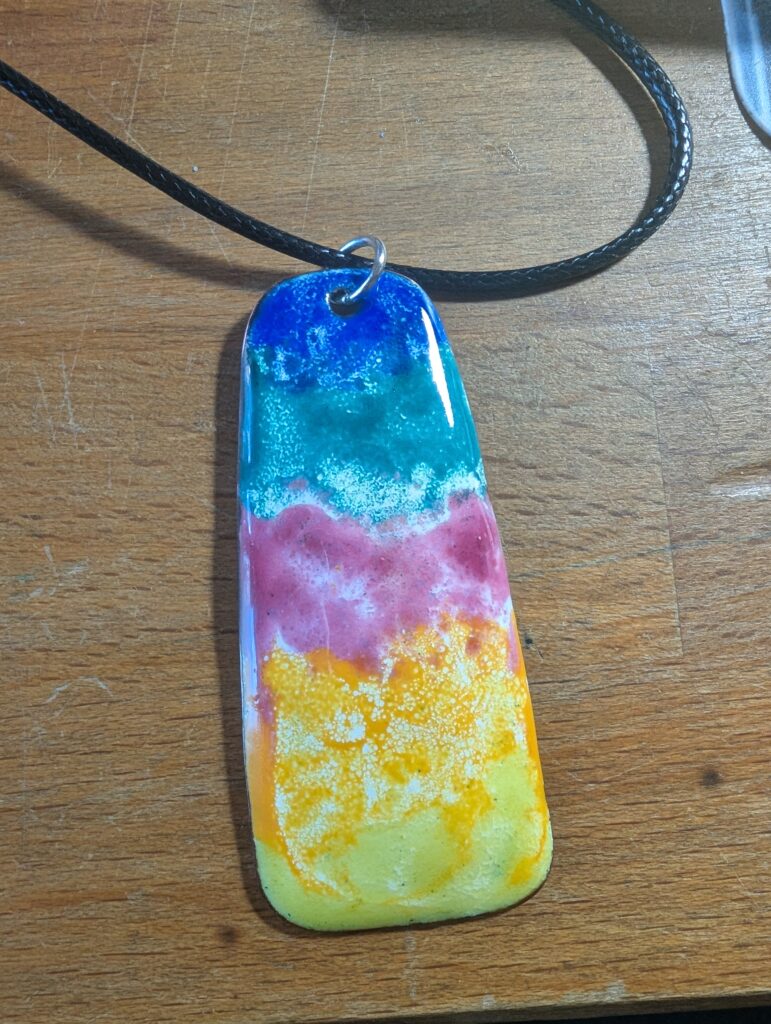
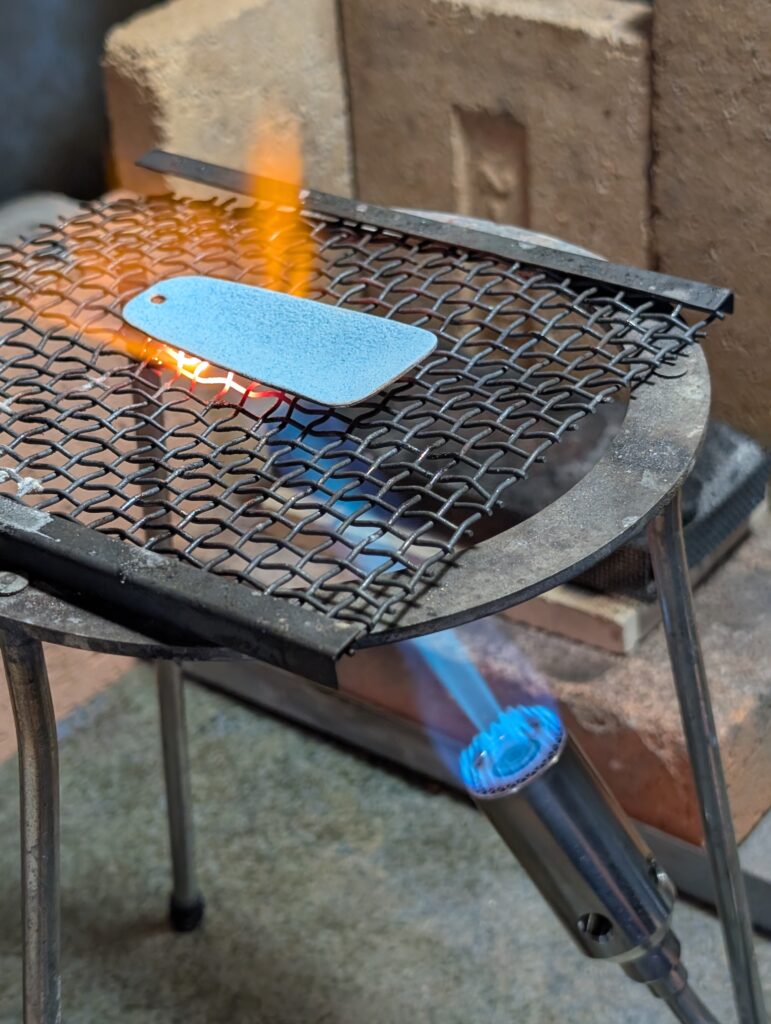
I also met with a friend of Sylvia’s to help her practice her English. She is an artist using metals and enamel. She wanted to show me how to make a necklace and gifted it to me which was so nice.
Petsitting in Coldstream, Scotland

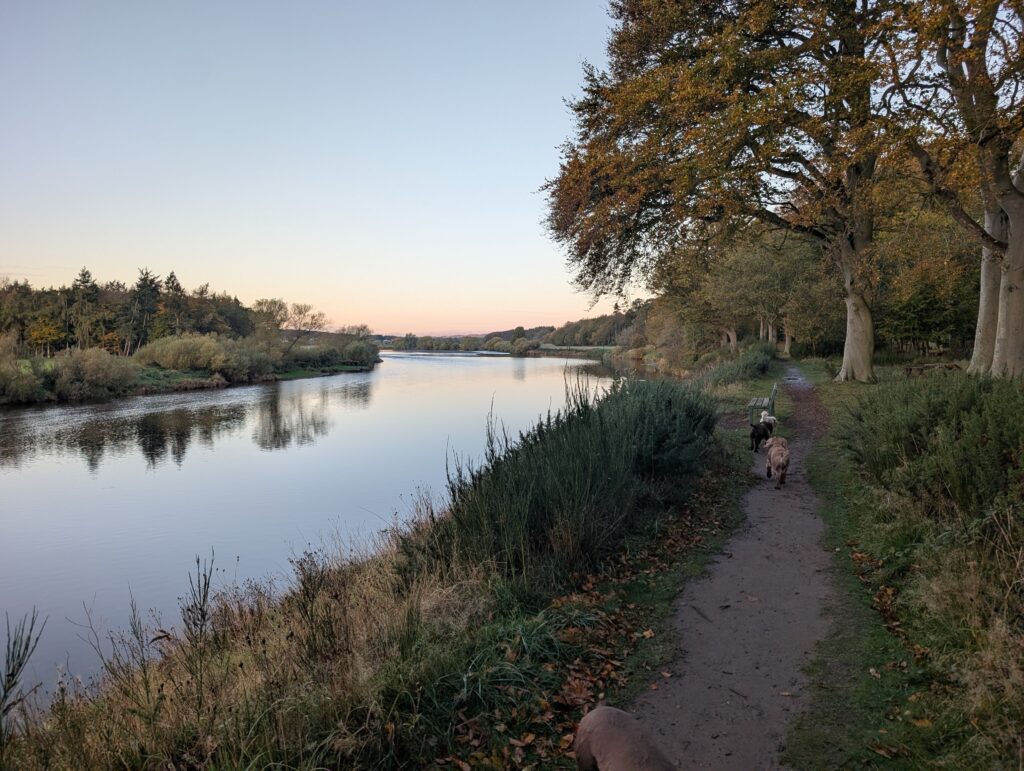
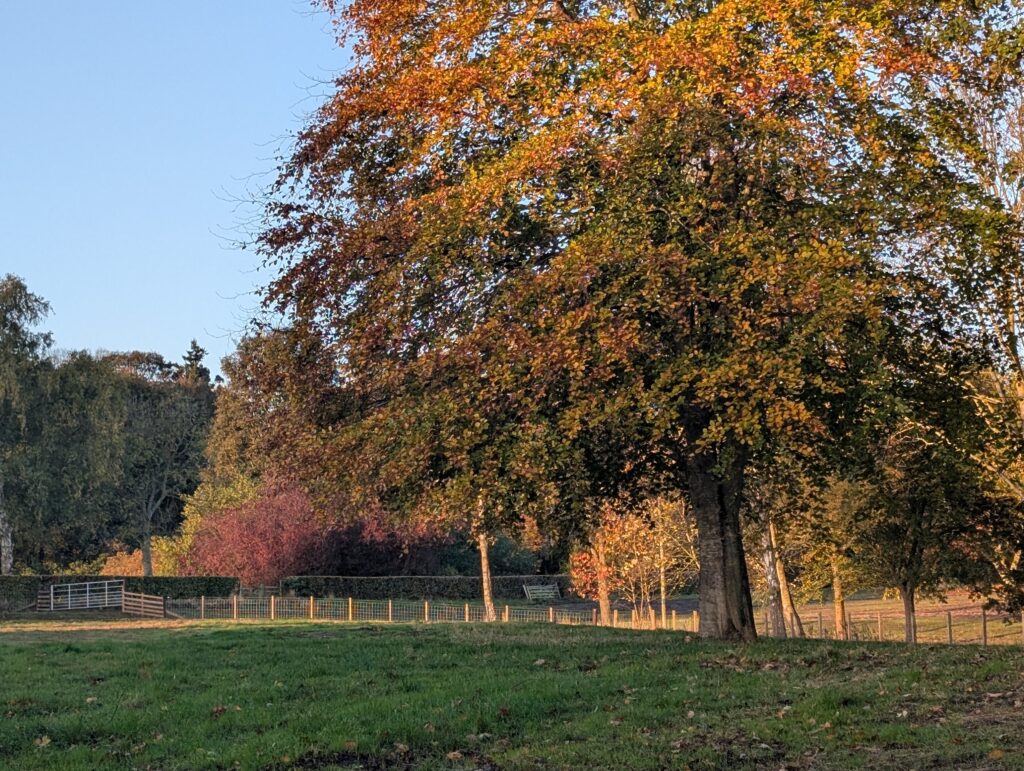
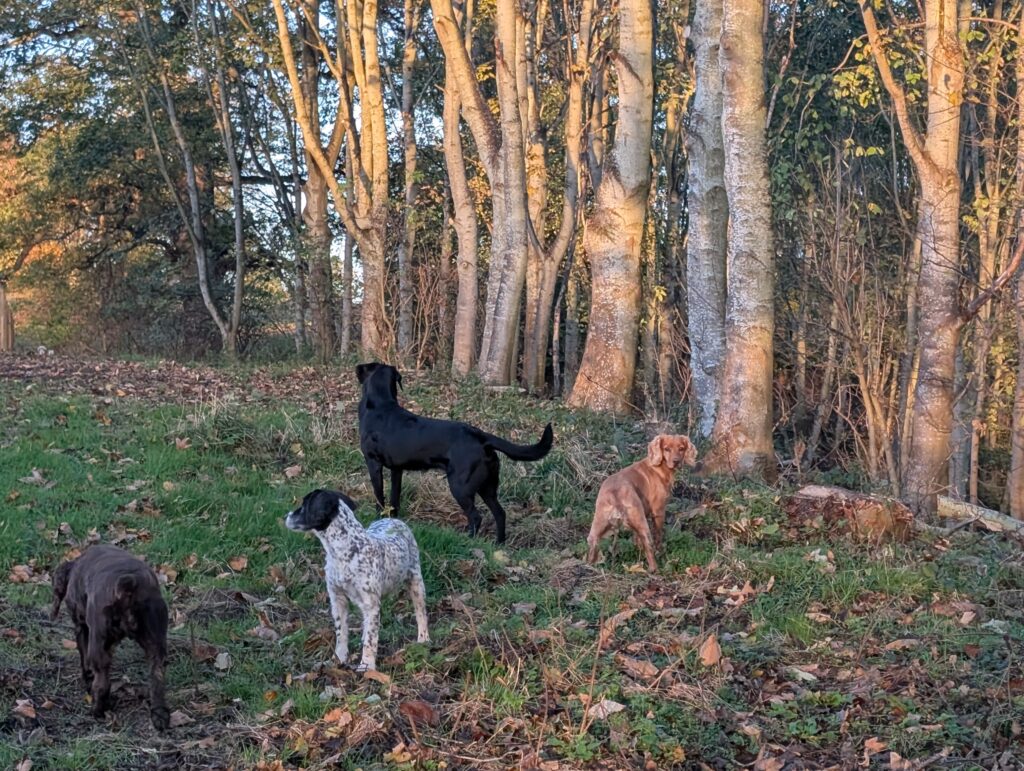
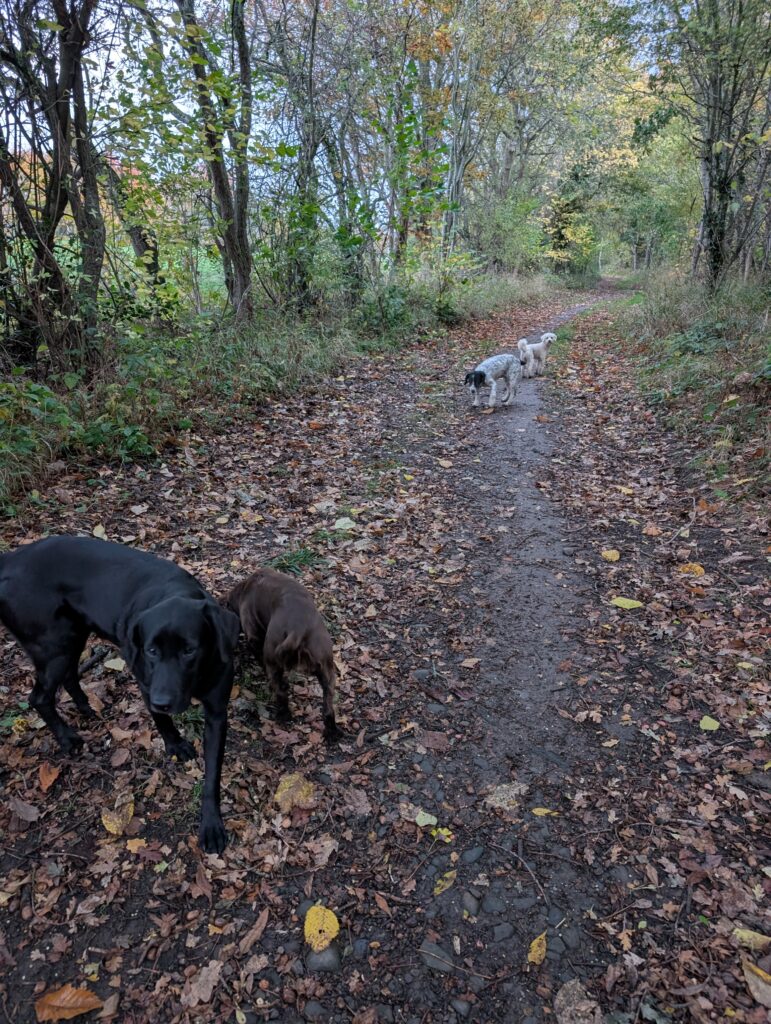
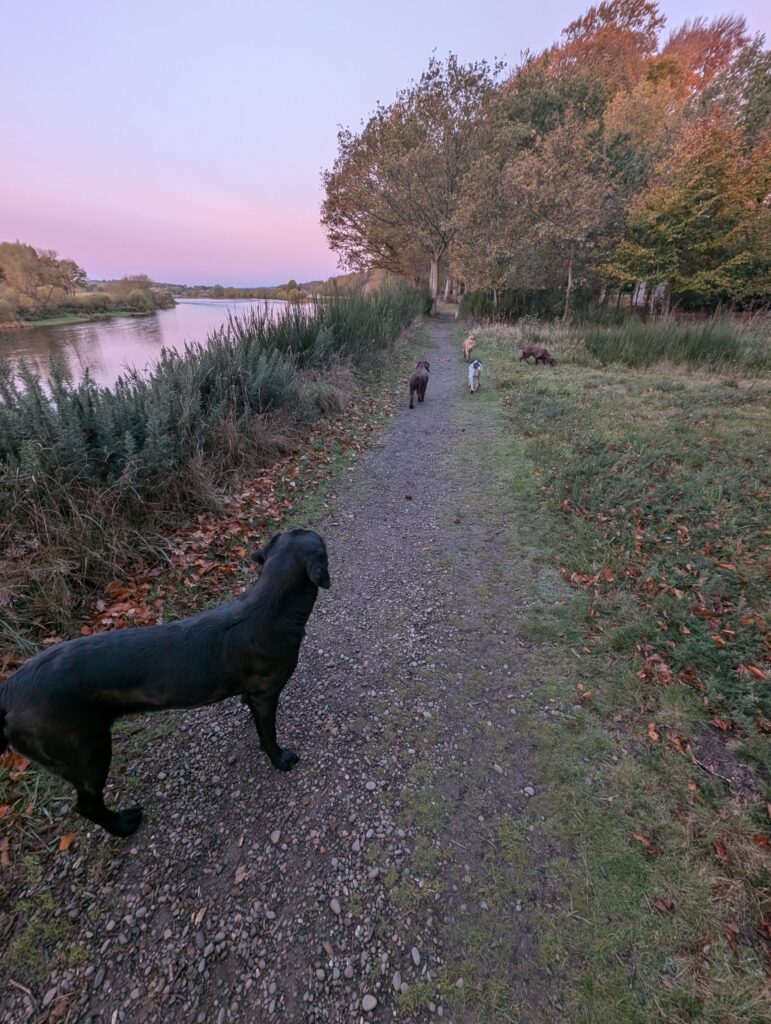
I thoroughly enjoyed walking through the woods and remembering times from before in PA. I did miss the fall, the beauty, and the crisp air. Watching the dogs run around was very entertaining. I also forgot the kind of peace you have just being around the house and gardens. It was relaxing.

One thing I wanted to do was go to the thrift store, give away some of my clothes I was tired of wearing and get some longer sleeve shirts for layering. I was also in desperate need of a warmer hat. I also gave away my sling bag in exchange for a 1/2 price Rockland shoulder bag.

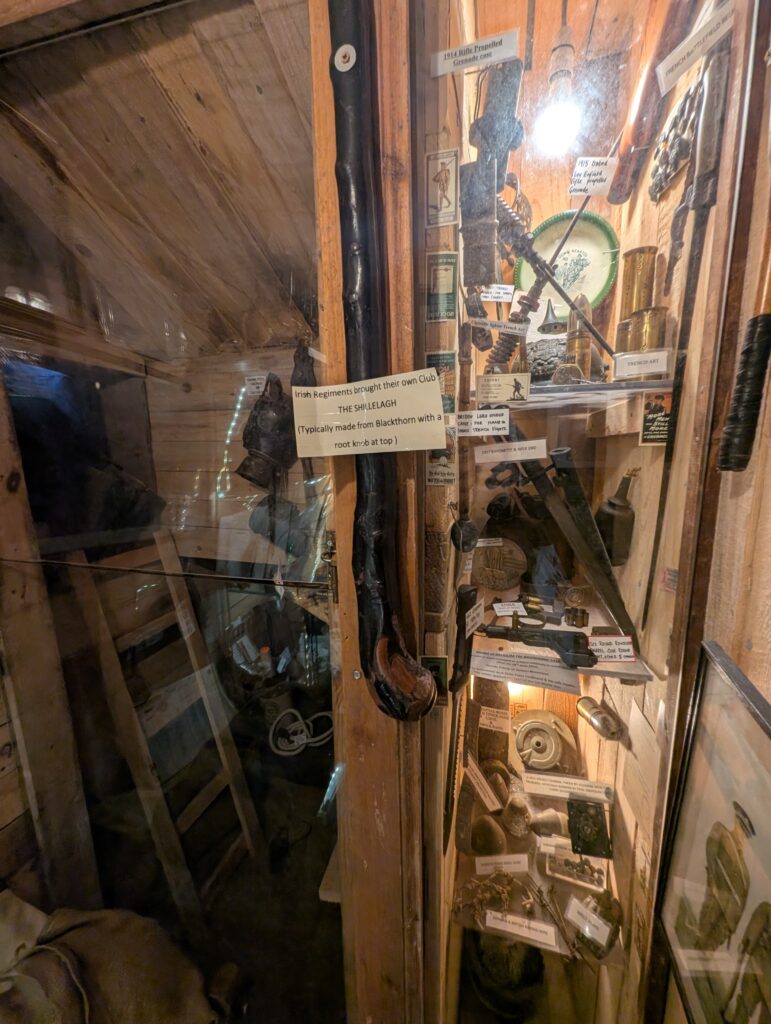
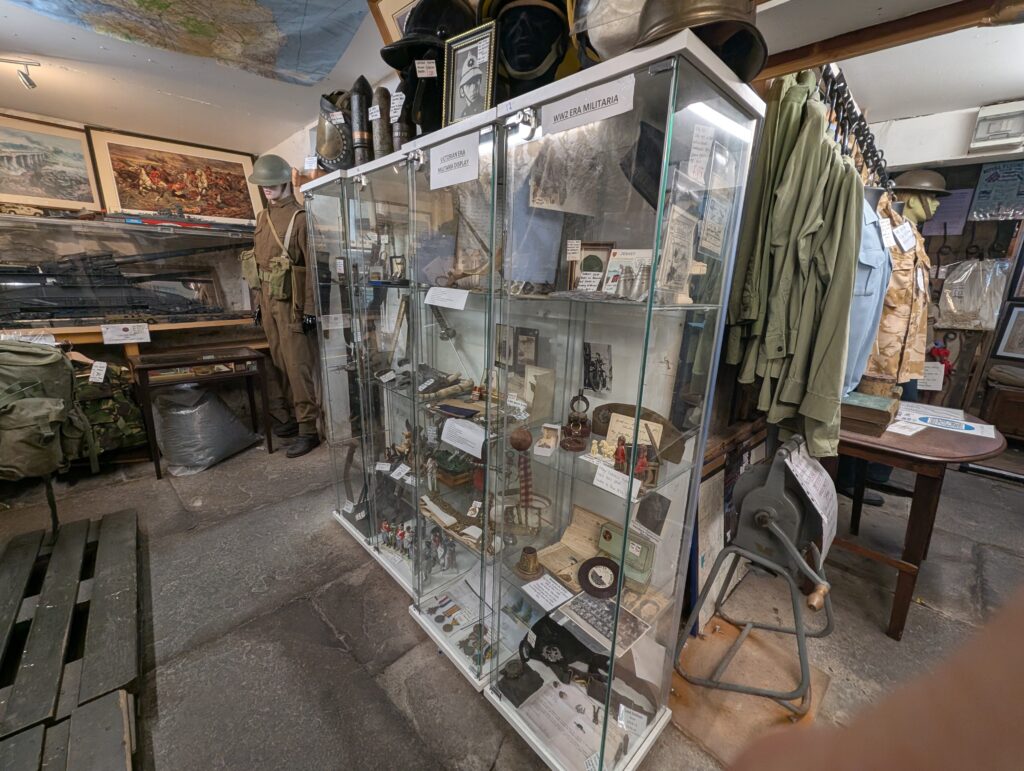
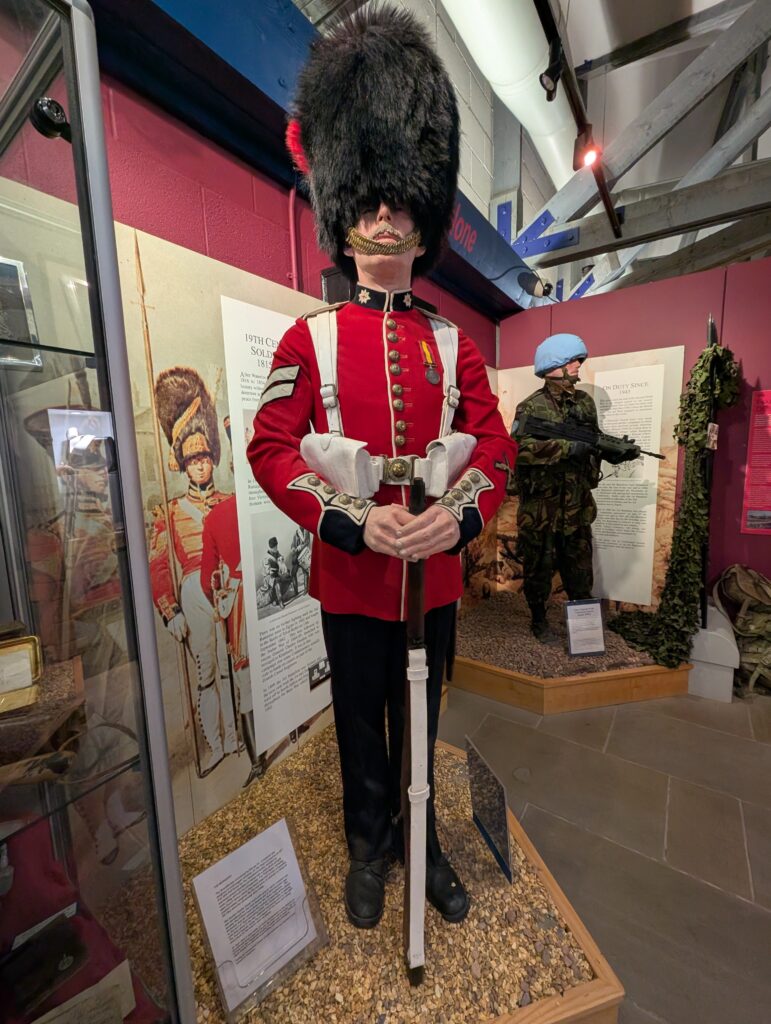
I learned that the army surplus store across the street has a museum in the basement. I enjoyed it as it was not just memorabilia from soldiers but also from home. He even had an air raid siren which I was allowed to try. It it to the right of the glass case in the second picture.
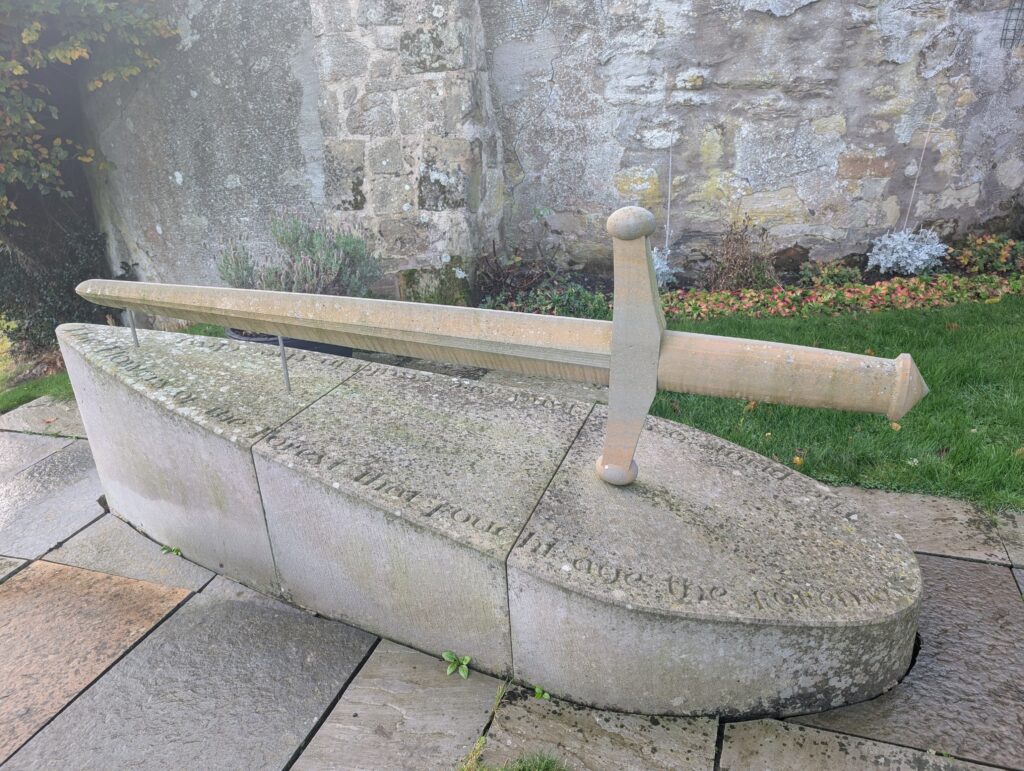
The Coldstream museum was small but had history of the conflicts between England and Scotland.

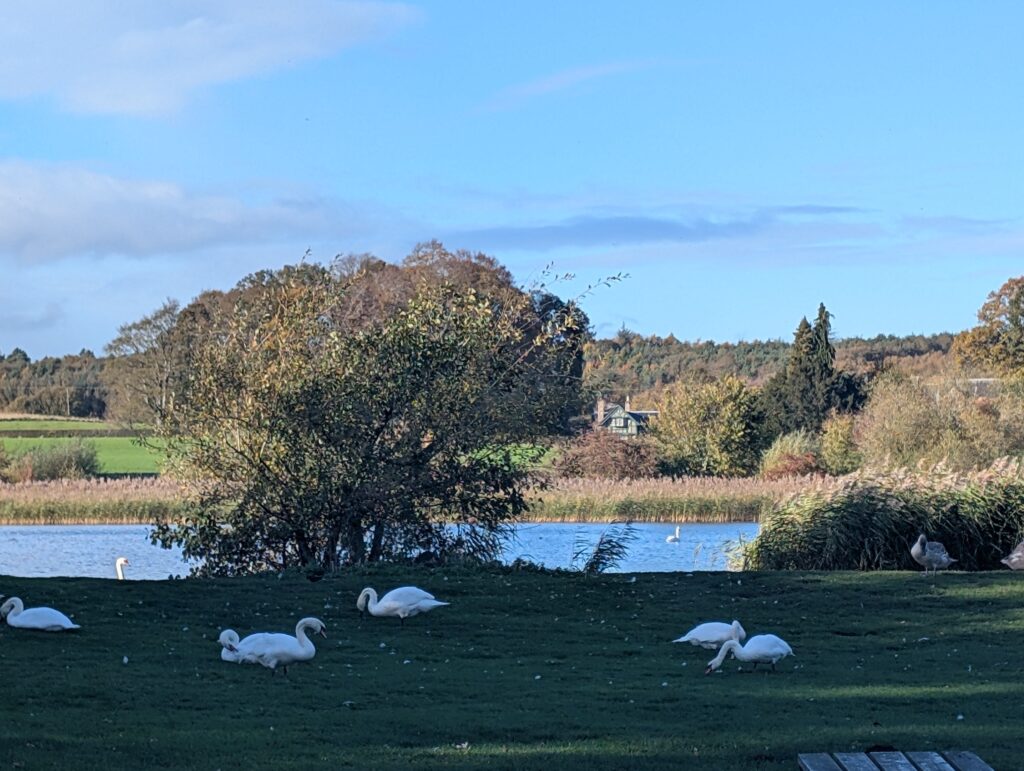
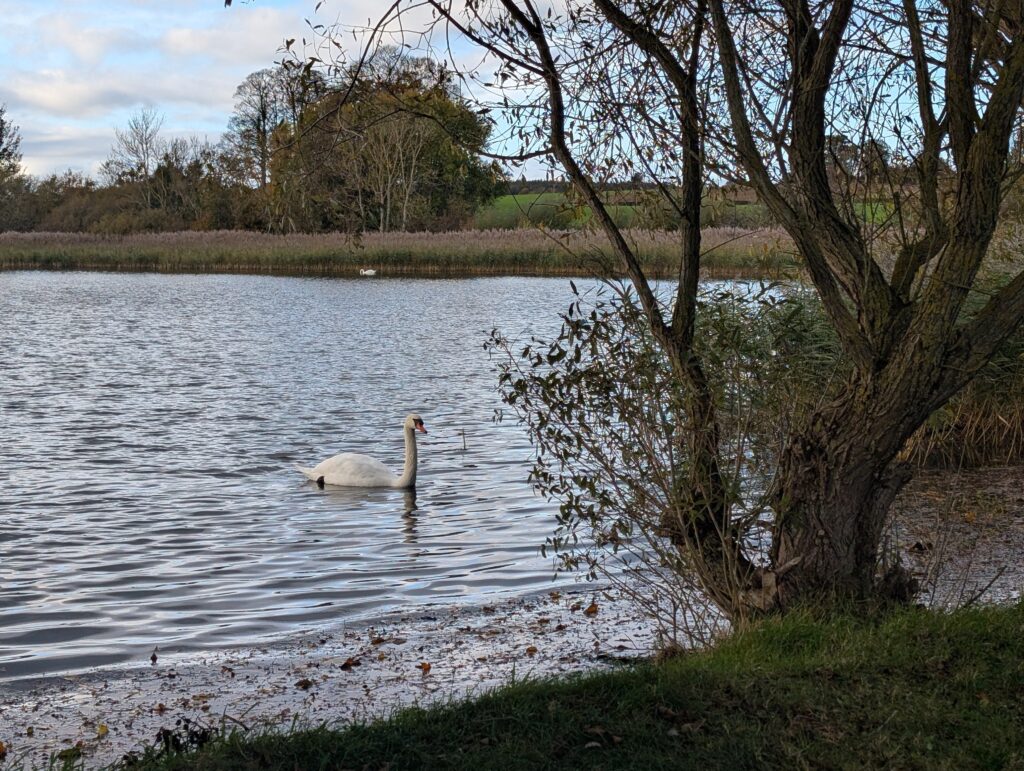
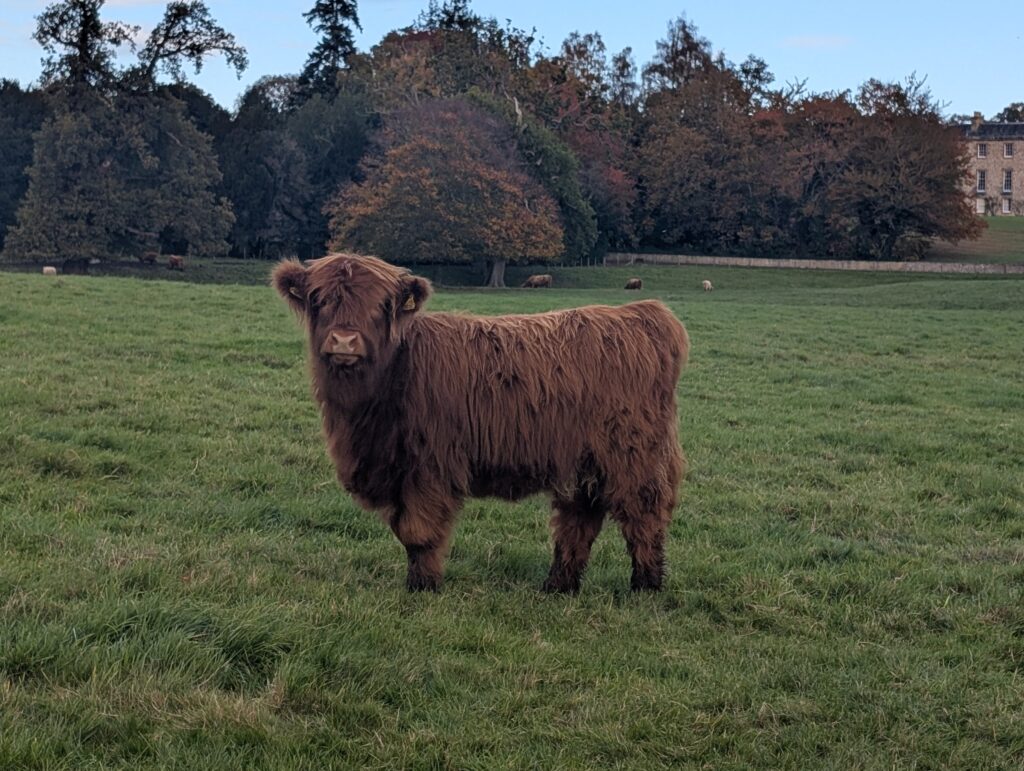
I also visited the Hirsel estate where there is a cafe and artisans with a variety of crafts such as pottery and glass making. They had informative displays about early life here. I took the poodle on a walk there to enjoy the swans, highland cows, and buy a souvenir (glass post earrings.)

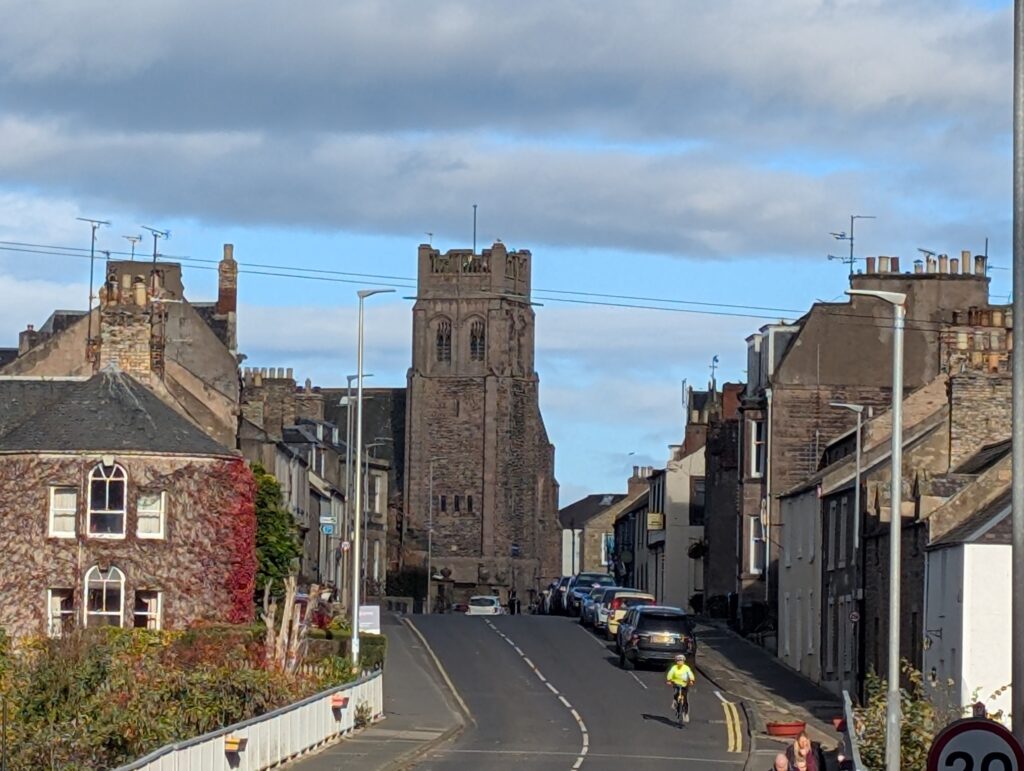
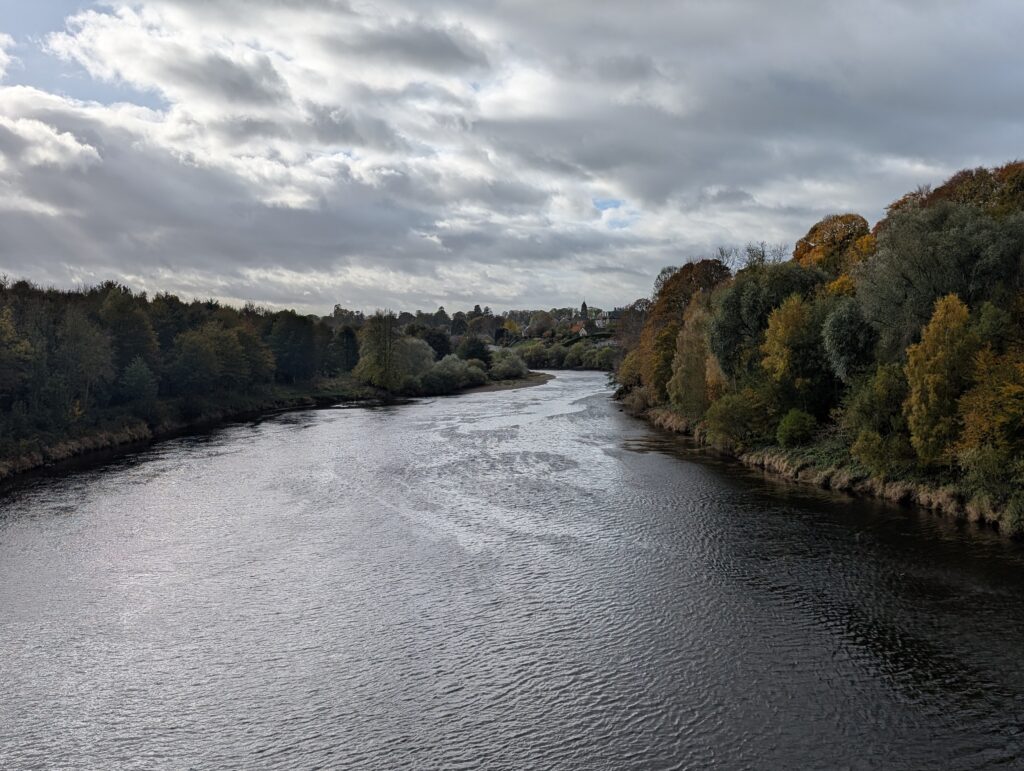
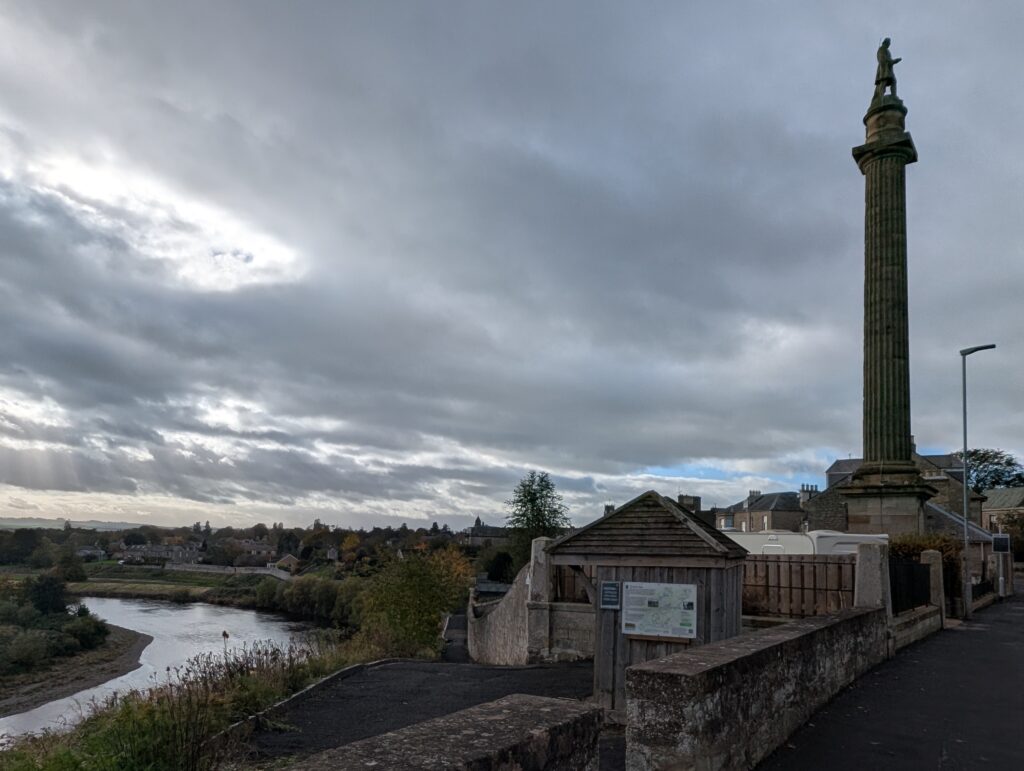
Here are some views around Coldstream. Despite being a small town they have several restaurants and bars, and an Indian and Chinese restaurant .

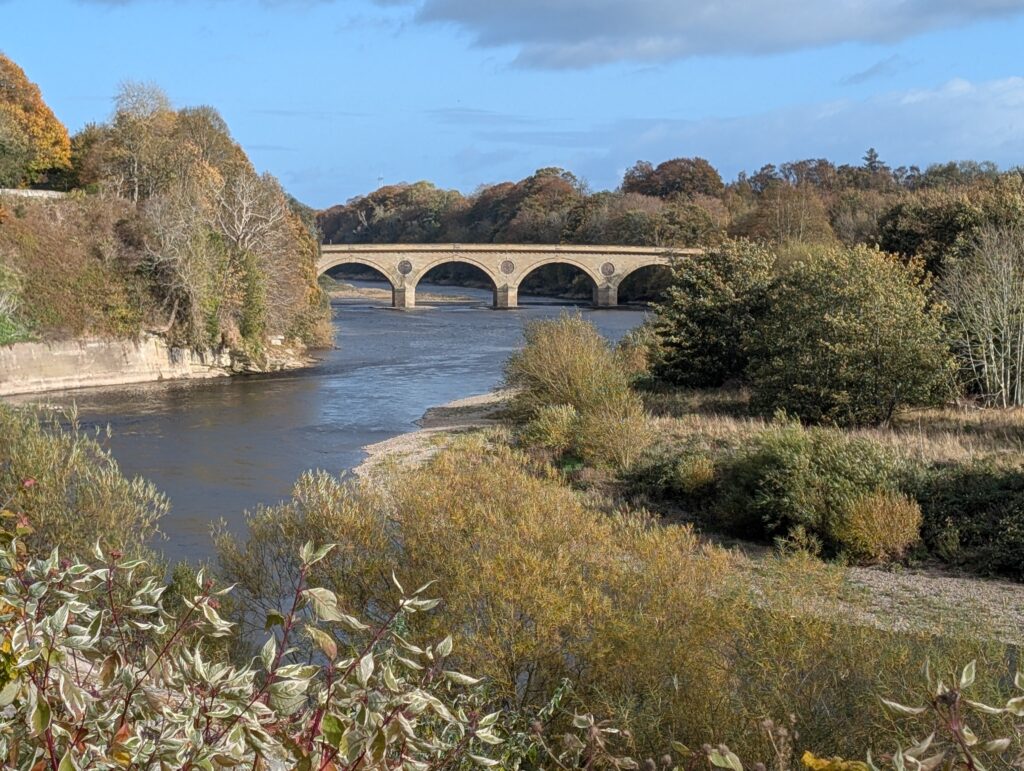
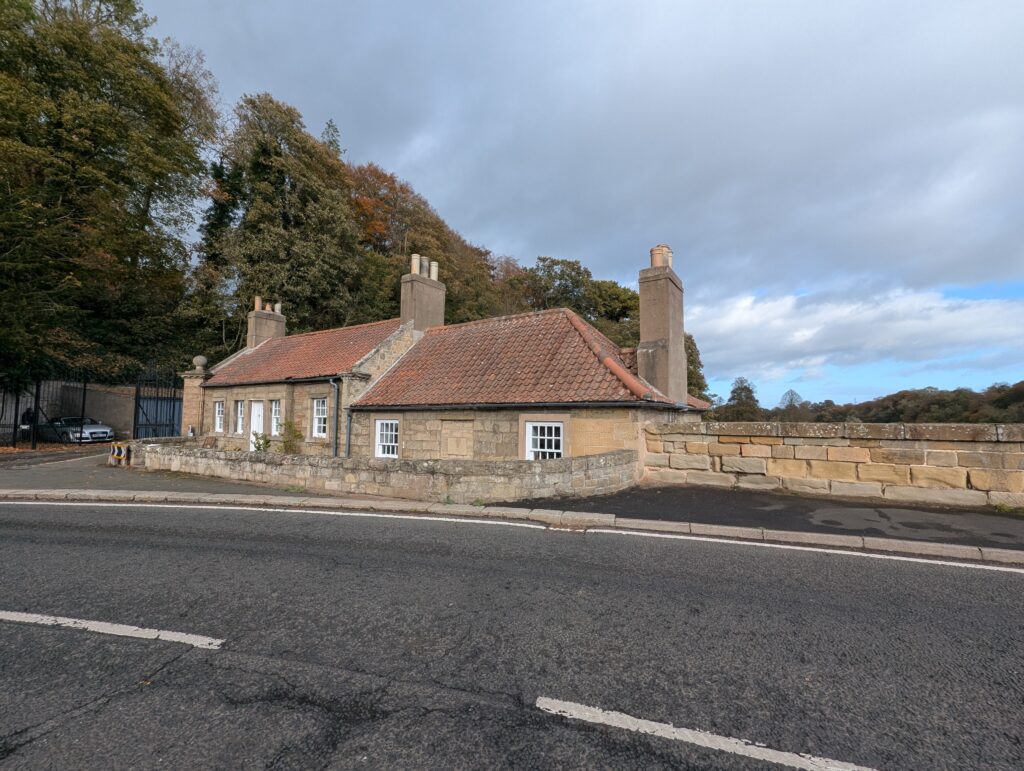
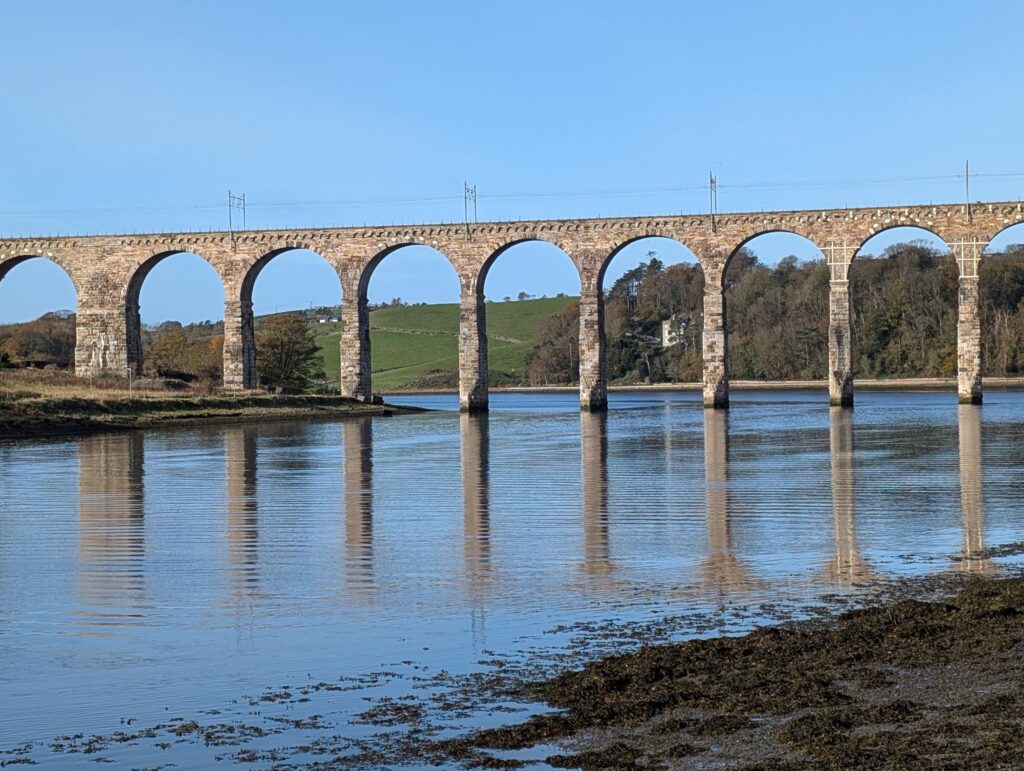
The river Tweed flows between Scotland and England. The bridge is beautiful and to the left (Scottish side) is a house that the contractor of the bridge built with bridge funds. It caused quite an uproar but the governor declared that he was not paid enough to build the bridge and it was legal. The house was a toll house to collect monies for passage over the bridge. Later it became a marriage house as the waiting period in Scotland was much shorter than England. So couples would travel to this house to get married.

Standing on the border of England and Scotland over the river Tweed.

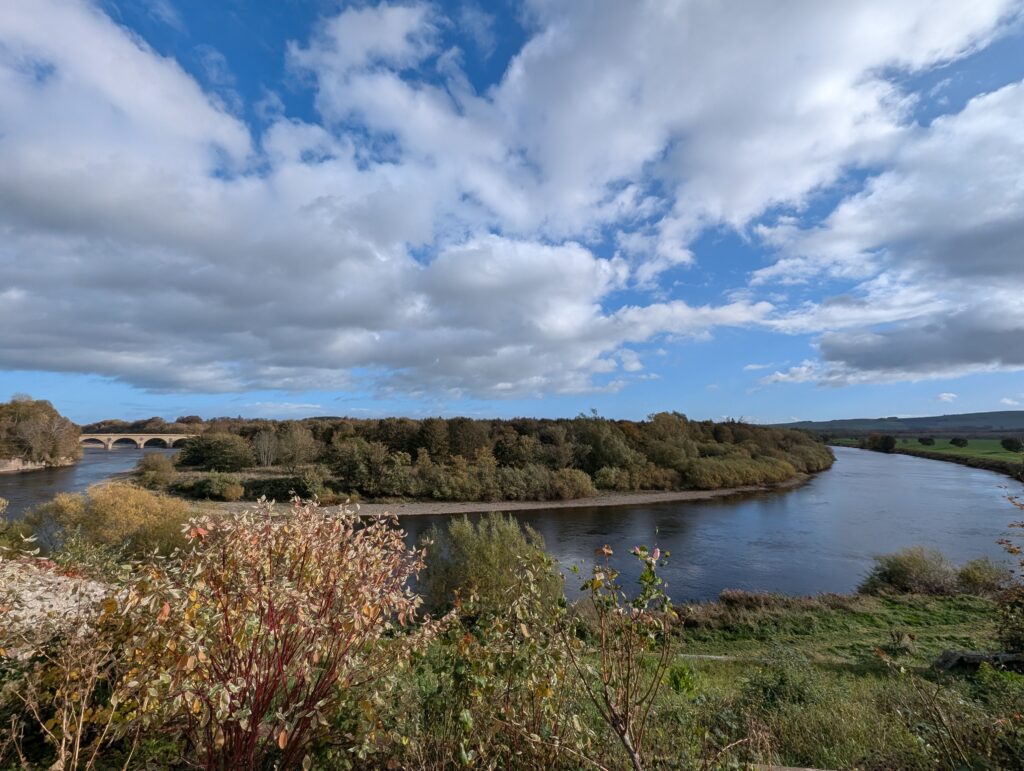
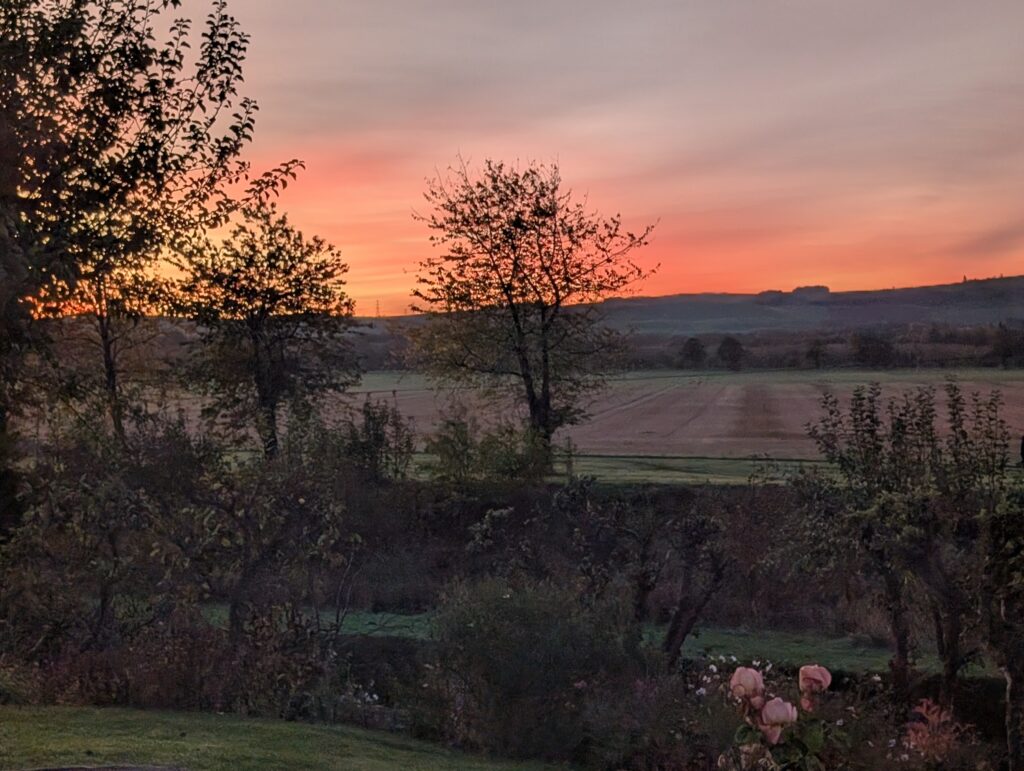
Landscape views around Coldstream.

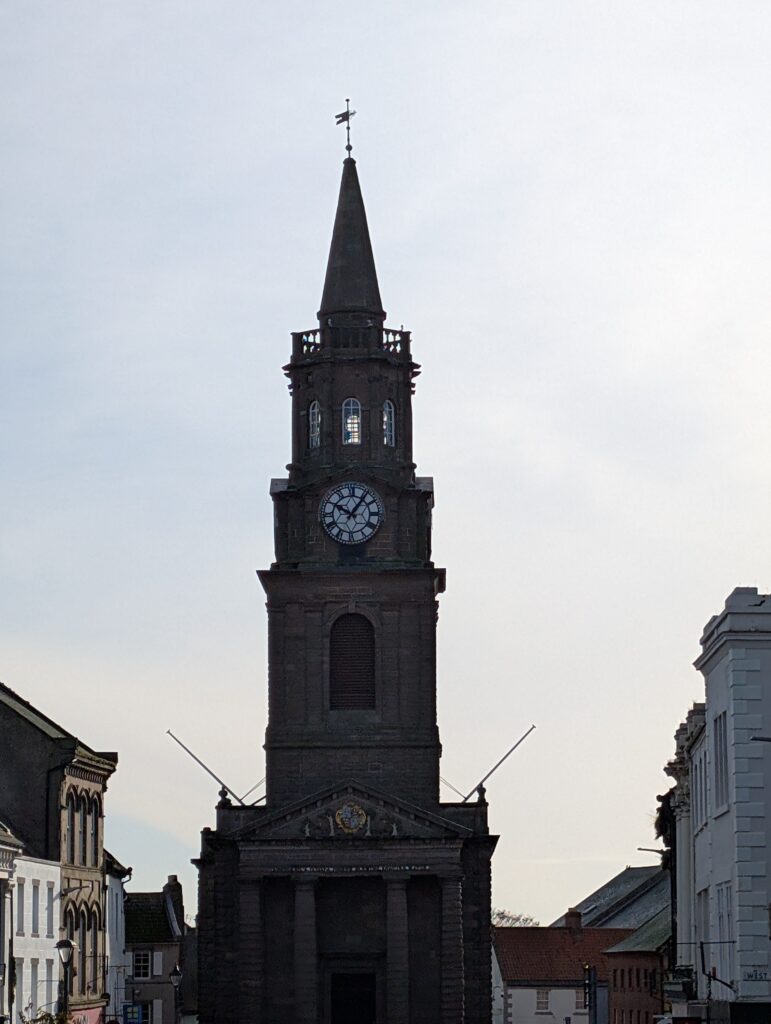
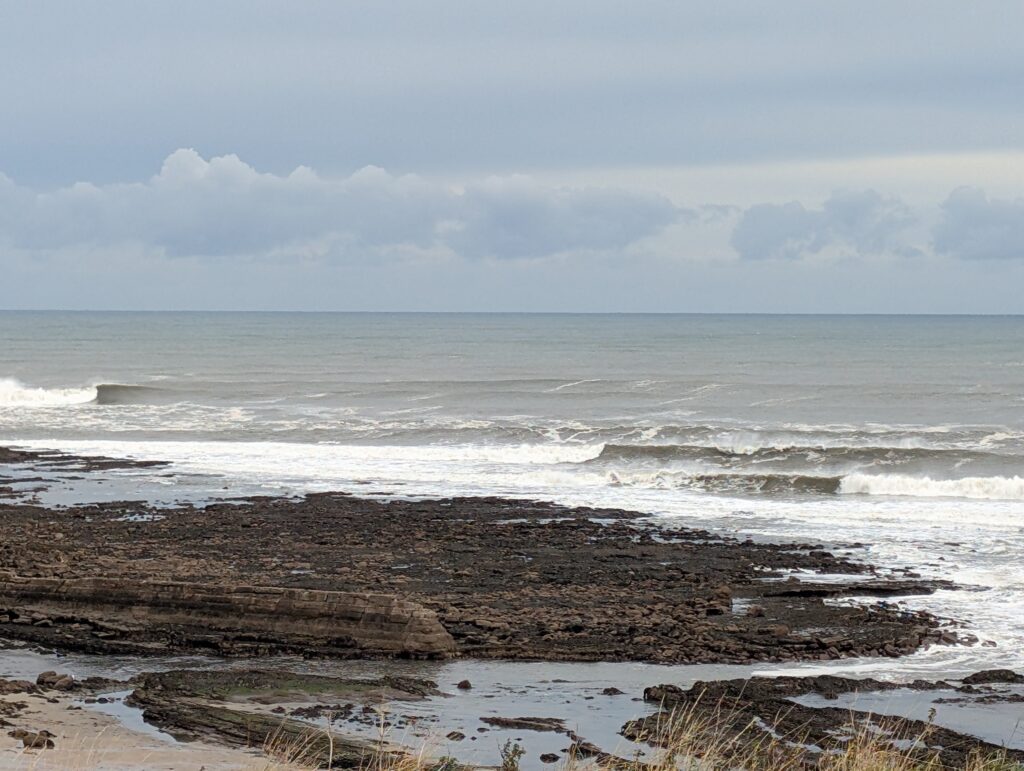
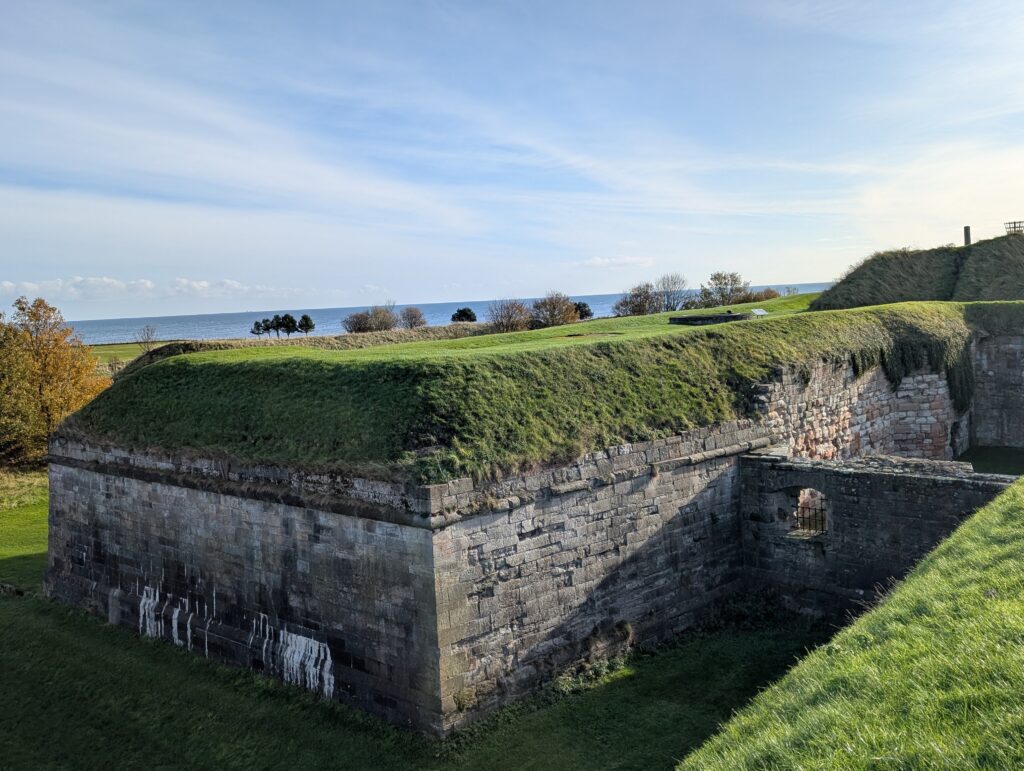
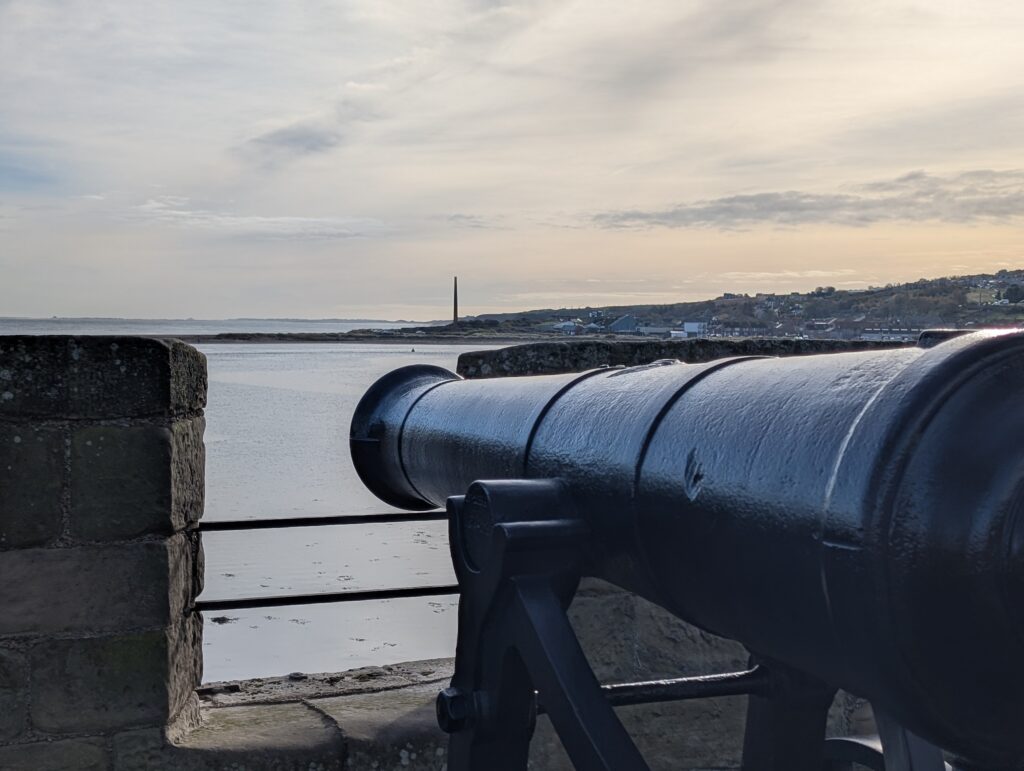
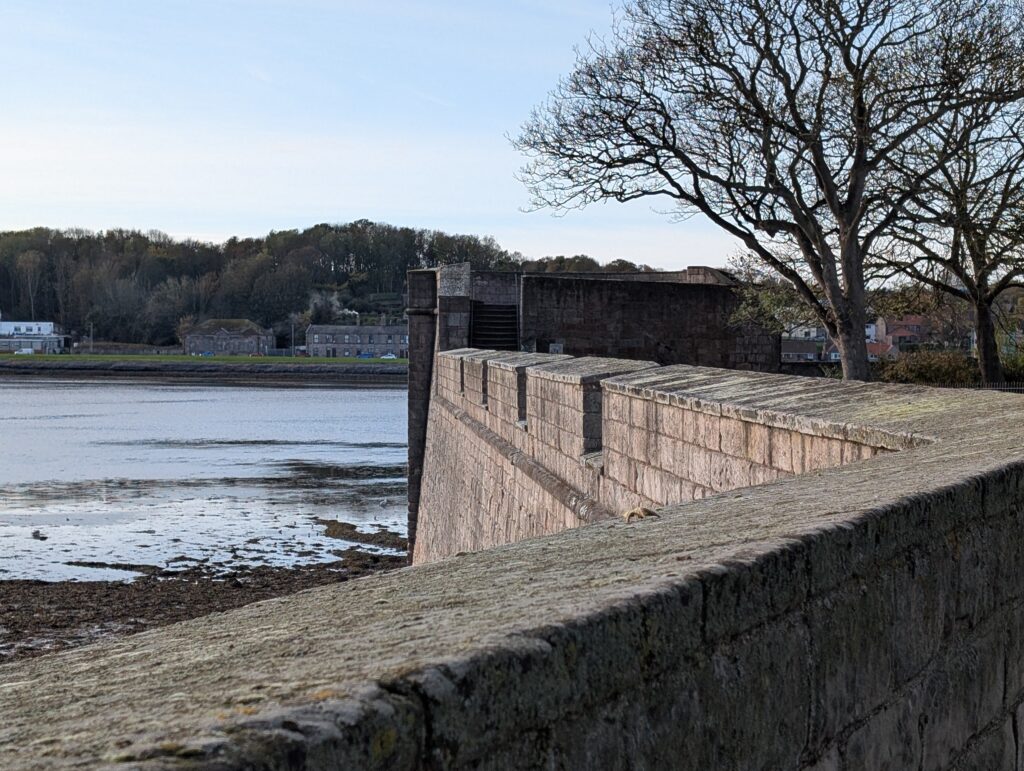
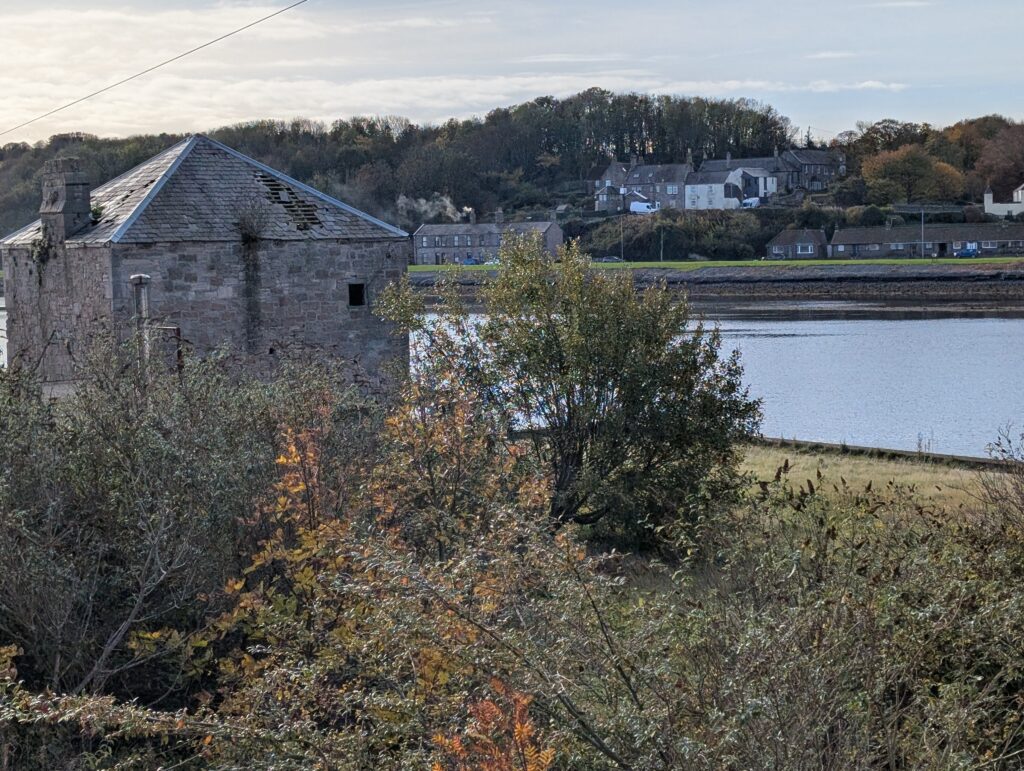
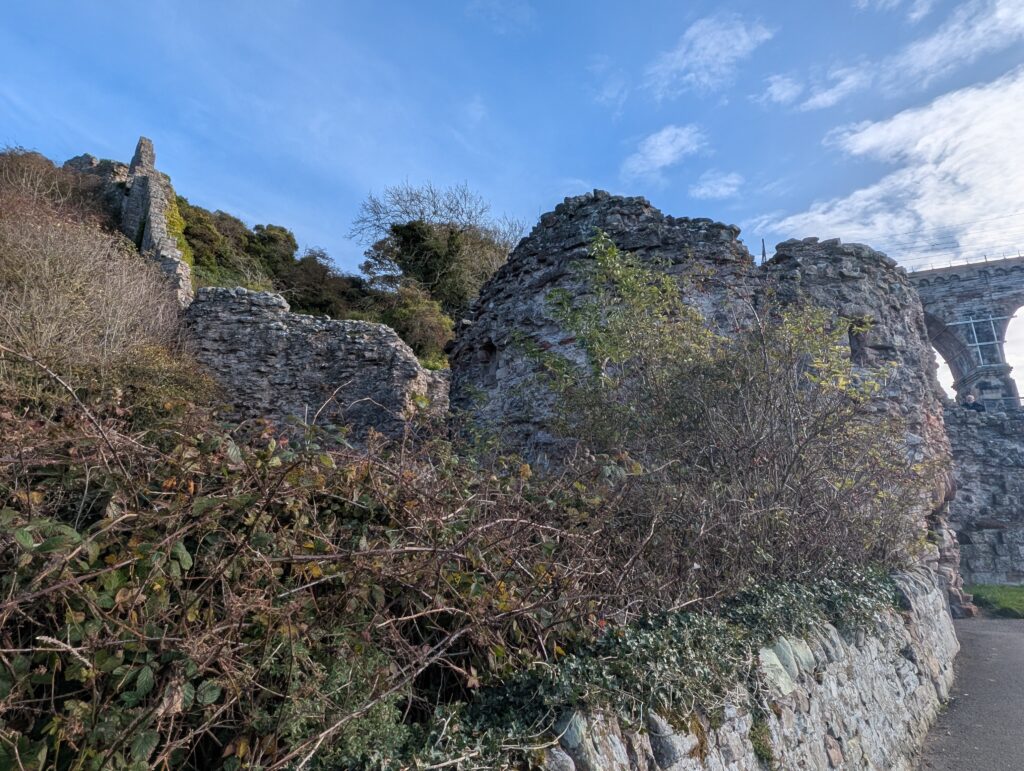
One day I went into Berwick upon tweed for the day by bus.It is right along the North sea and walking the city walls was beautiful.

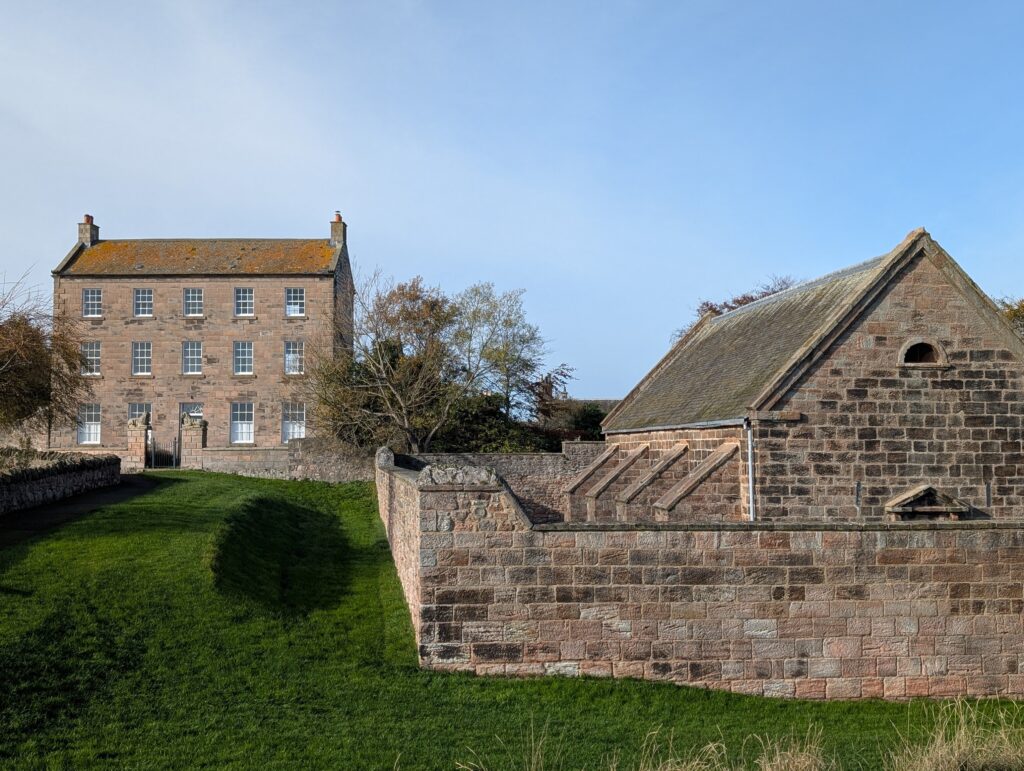
The building on the right was where ammunition and explosives were kept. It has reinforced walls in the building.

The border bridge.

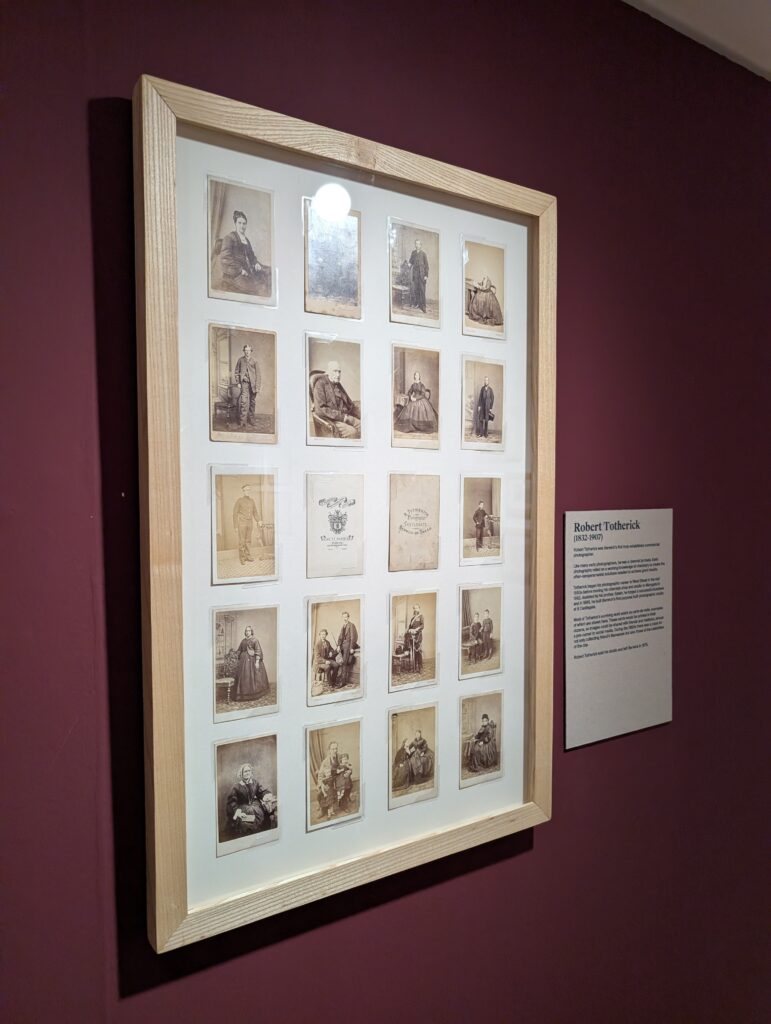
I found a museum to photography. Some great pictures with history on photography and the area.

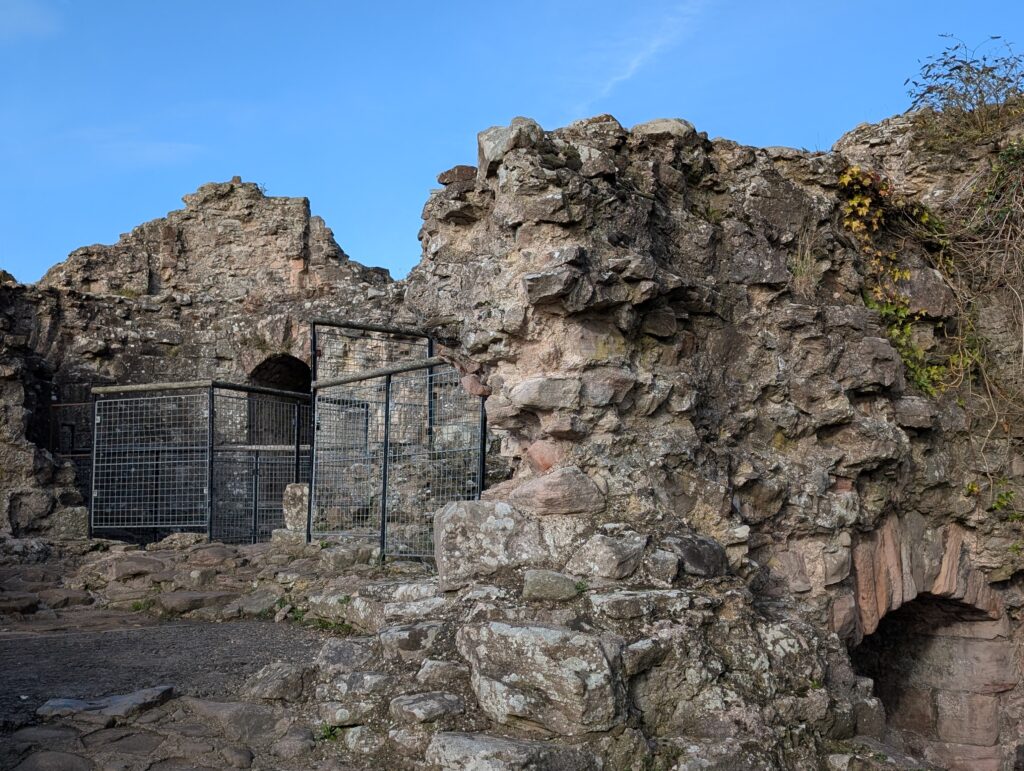
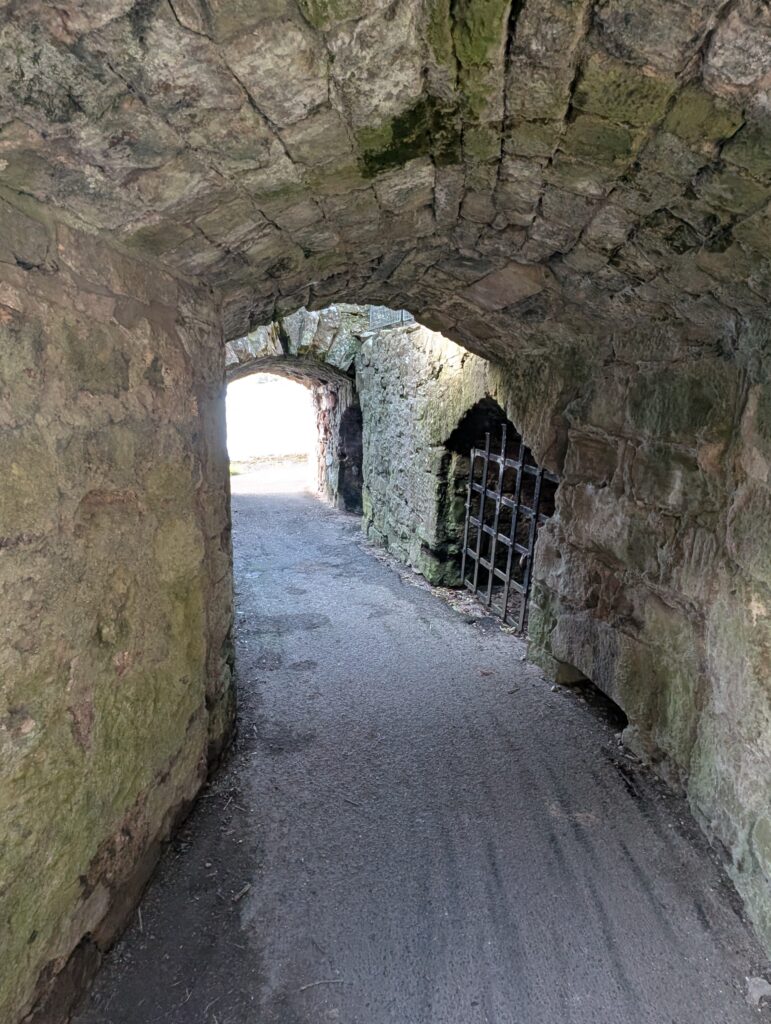
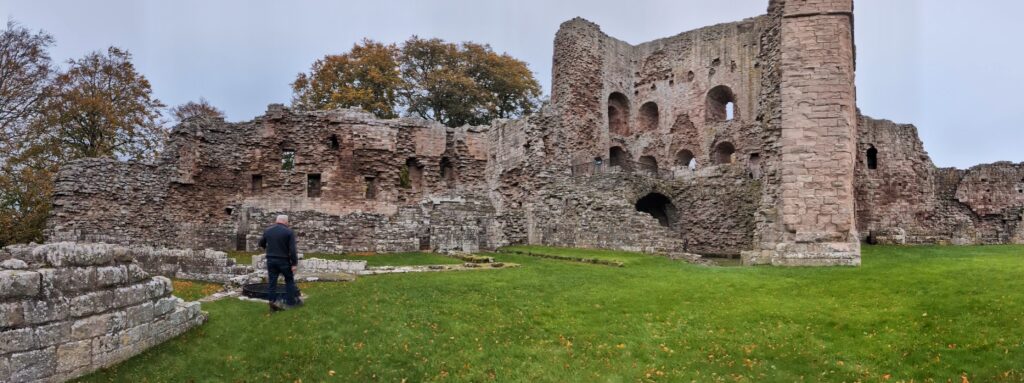
The castle ruins. These are the outbuildings and places for guards with a wall running up the hill towards the castle.

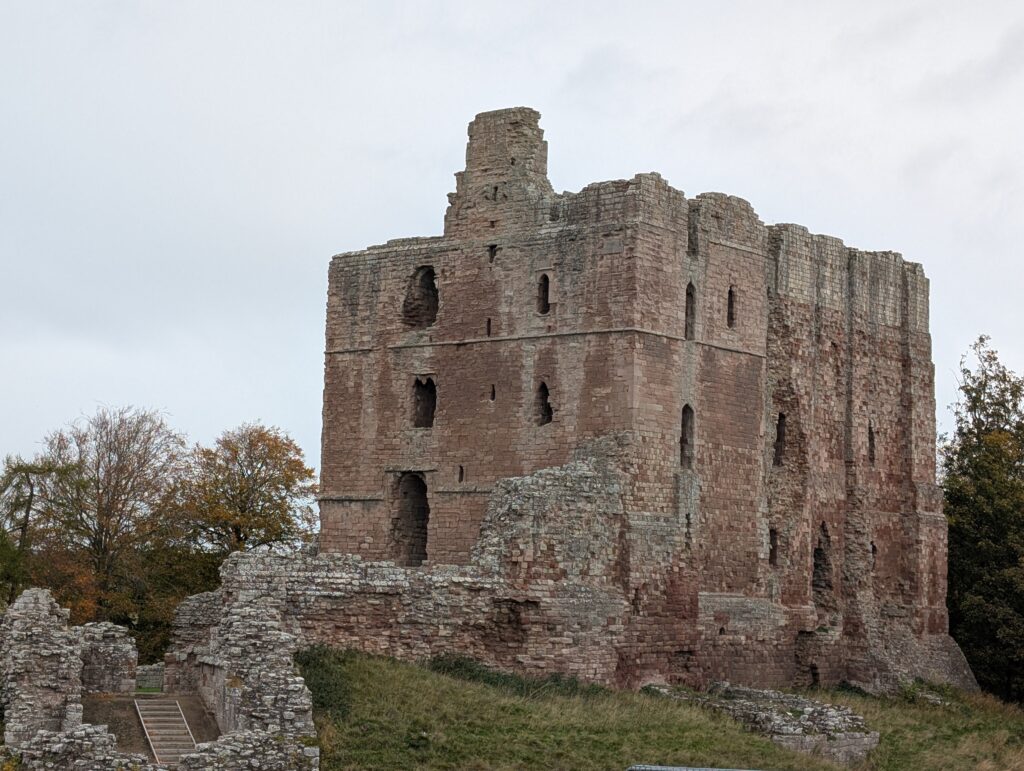
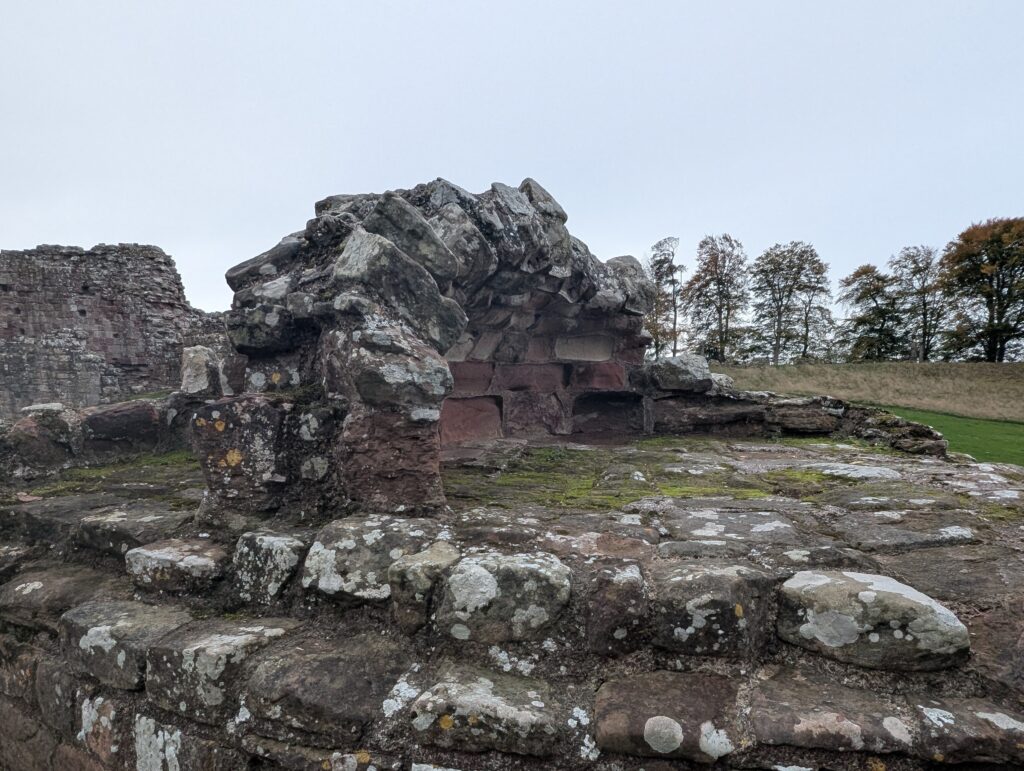
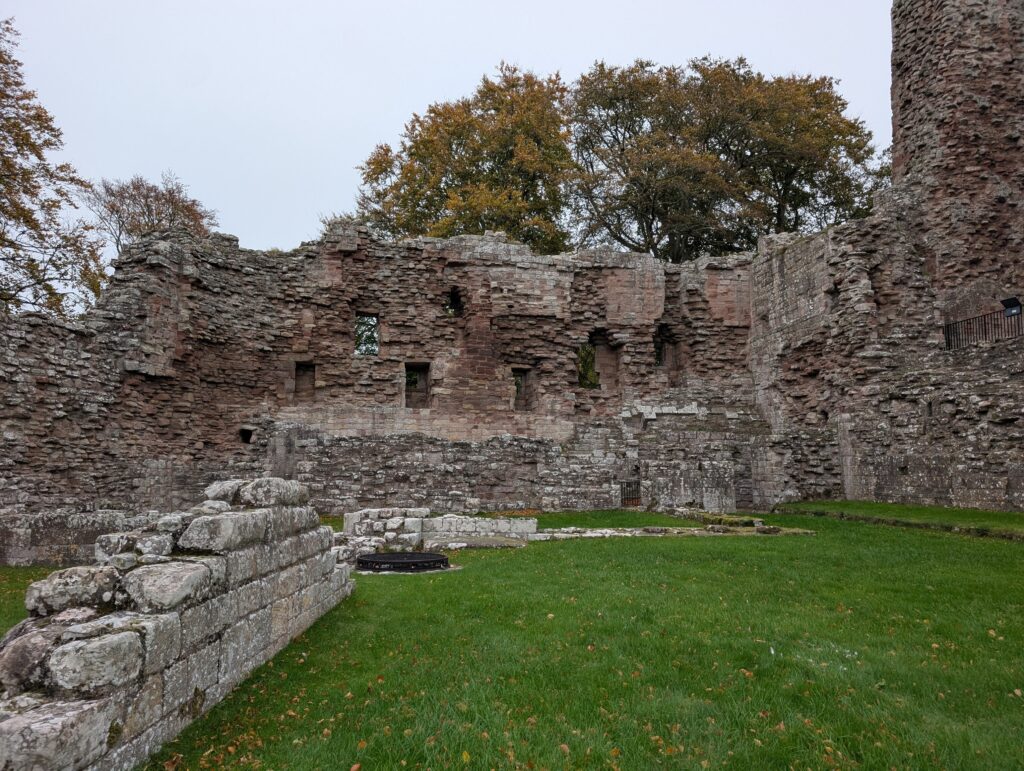
Before the sit, David (the home owner) took me around the area to show me things of interest. We stopped at Norham castle which is a 12th century fortress on the English side to protect against Scottish attacks. It was besieged 13 times and rebuilt in the 16th century to withstand artillery attack.

This area is where they kept the cannonballs which now adorn the outdoors of many houses.

Such a great quiet place to spend a week. I would definitely come back here and will miss the dogs!

Pet sitting near Newcastle

My first official pet sit was outside of Newcastle in Annitsford. The three dogs were fun and it was nice just to relax for a bit for four days. I used the time to plan out some of the last months of my trip, scouring places in Germany and Ireland.

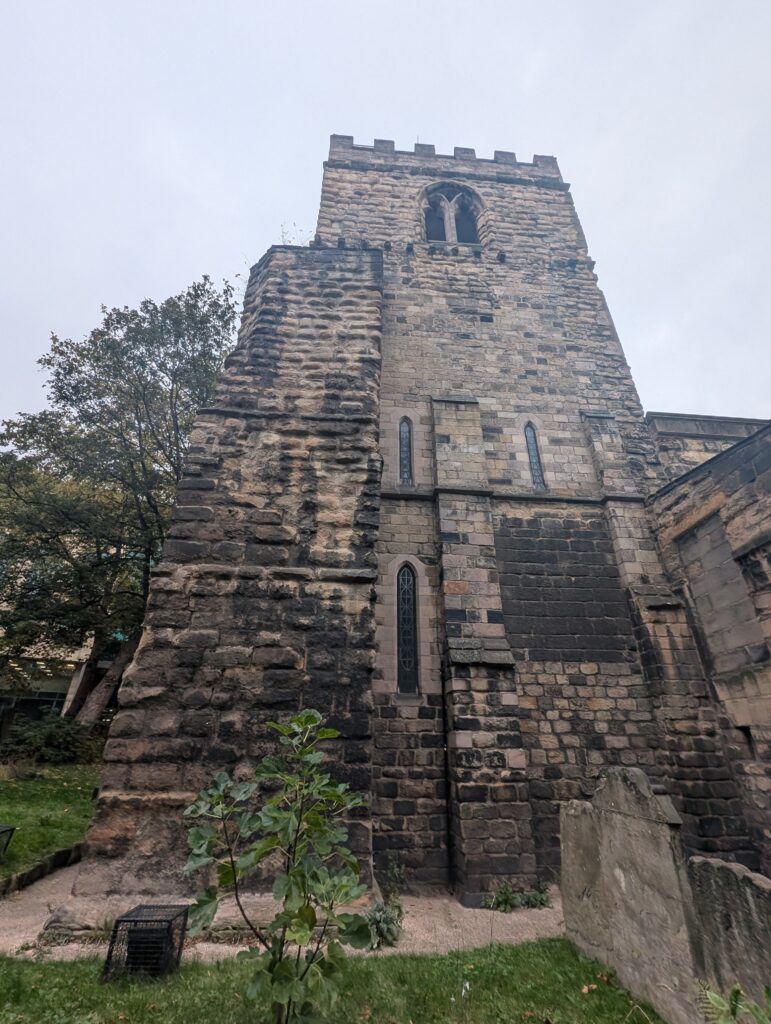
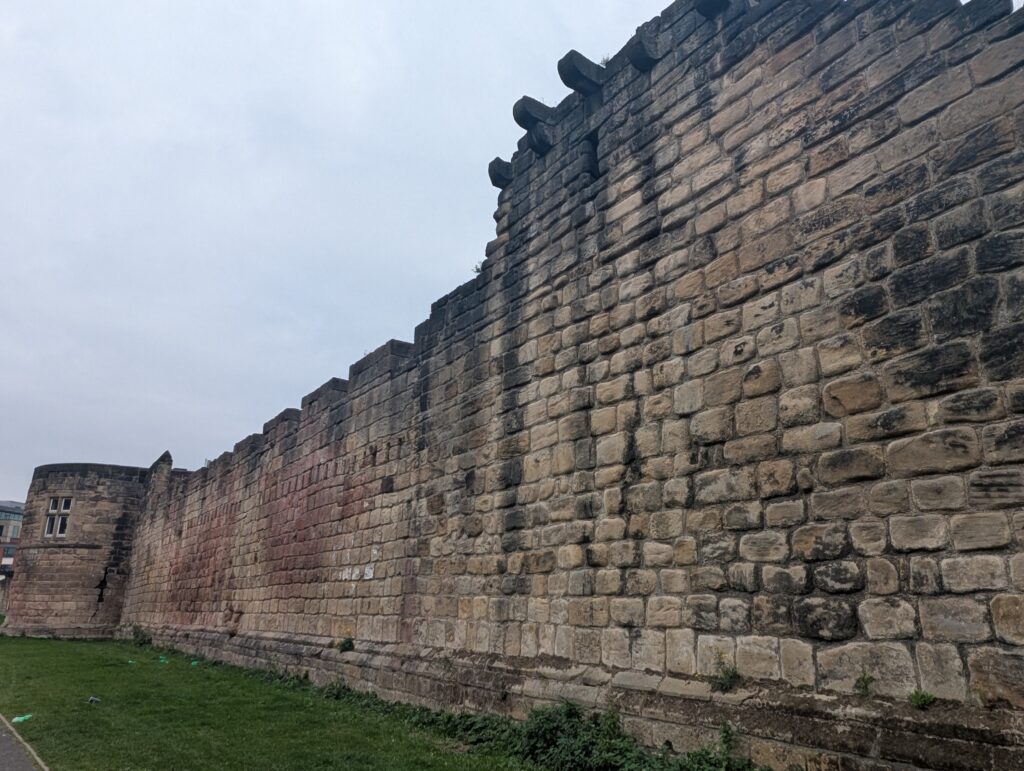
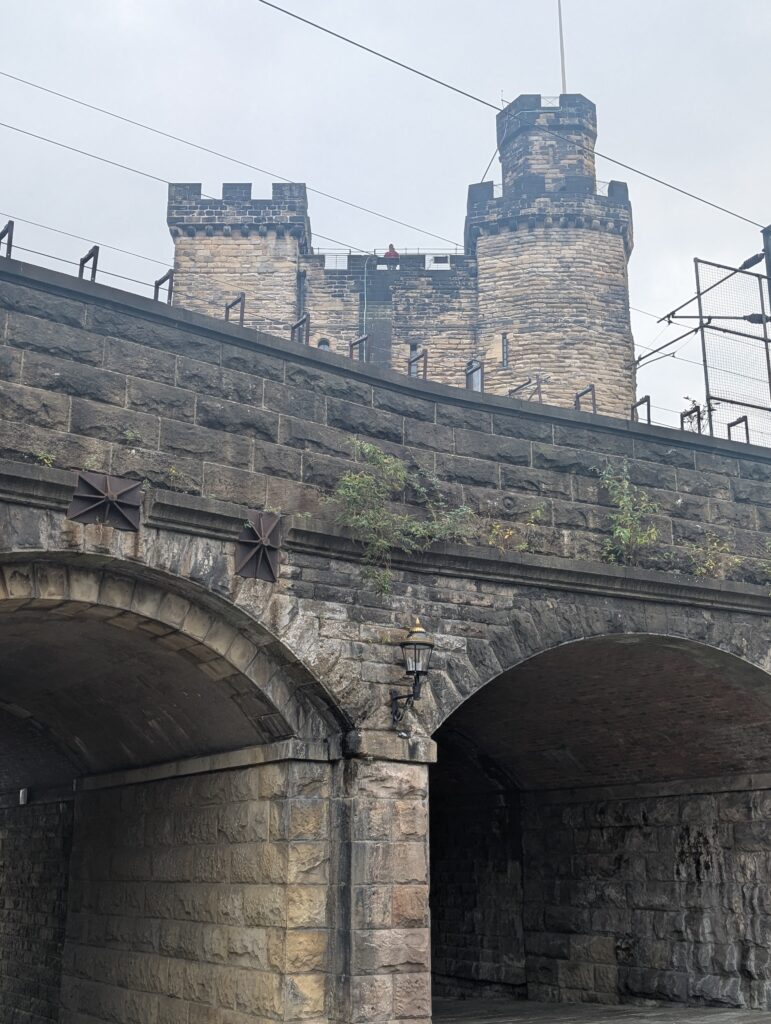
One day I took a guided tour around Newcastle Castle. Interesting history of when it was and wasn’t part of Scotland. We started at the church that was created from stones taken from Hadrian’s wall, the furthest advance of the Roman empire. This was built in Roman style as the walls of the tower have a square base.

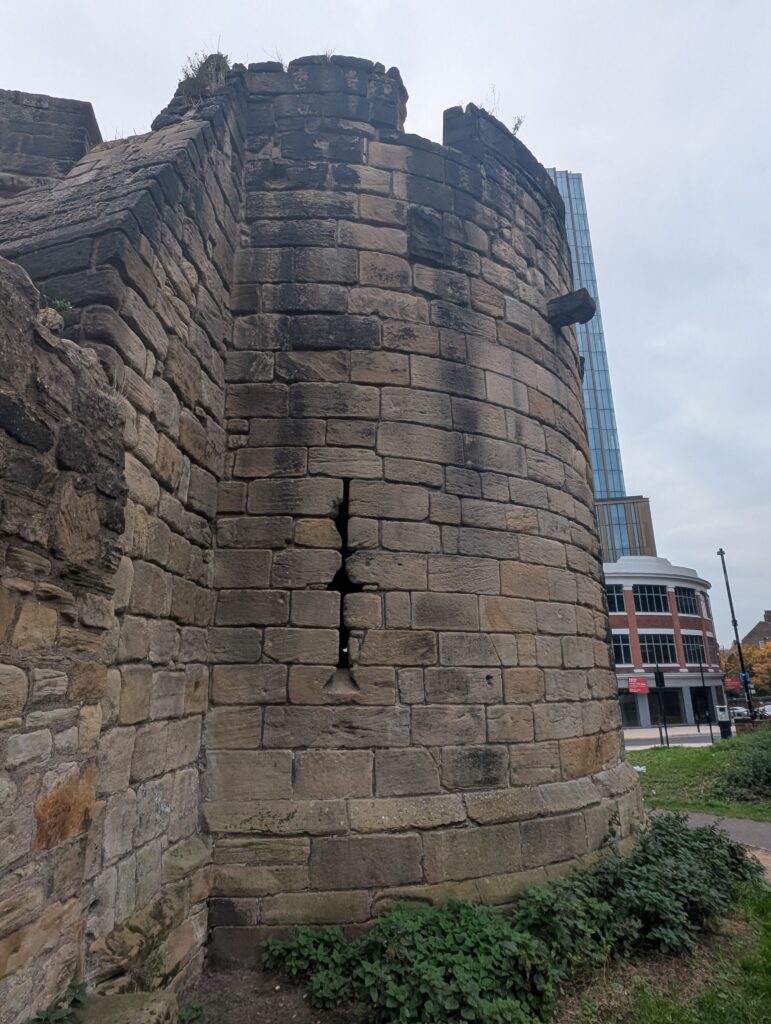
This is in contrast to Victorian construction that started using round towers for better structural engineering. It doesn’t collapse as easy. Also, there are arrow slit windows for the archers.

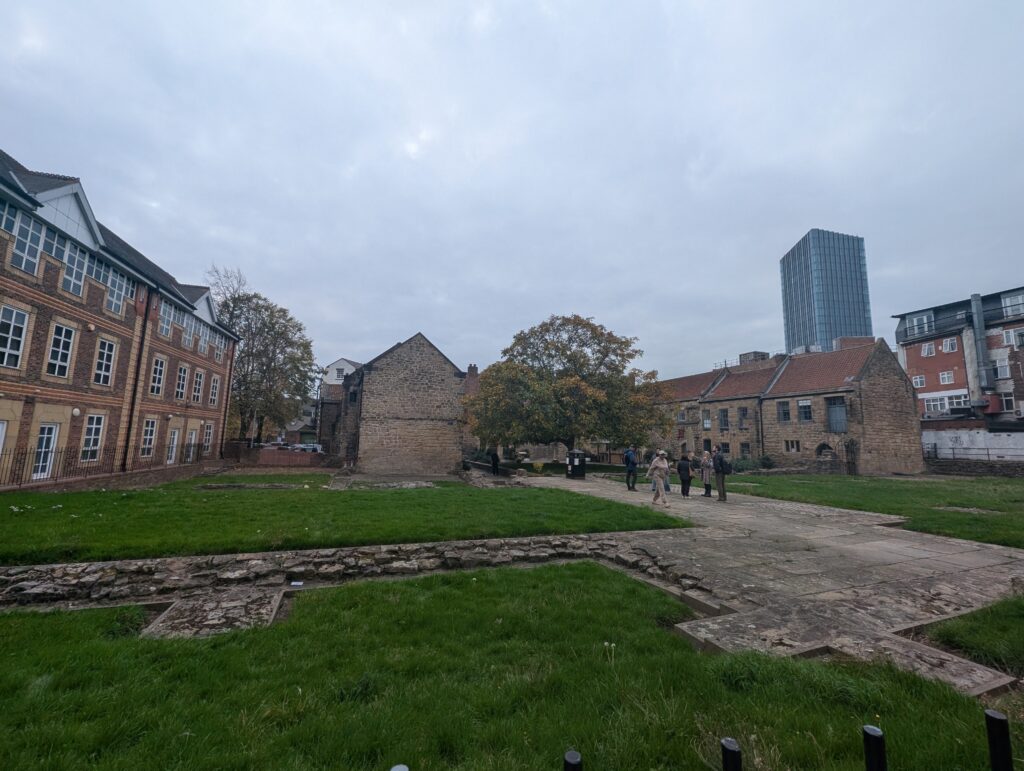
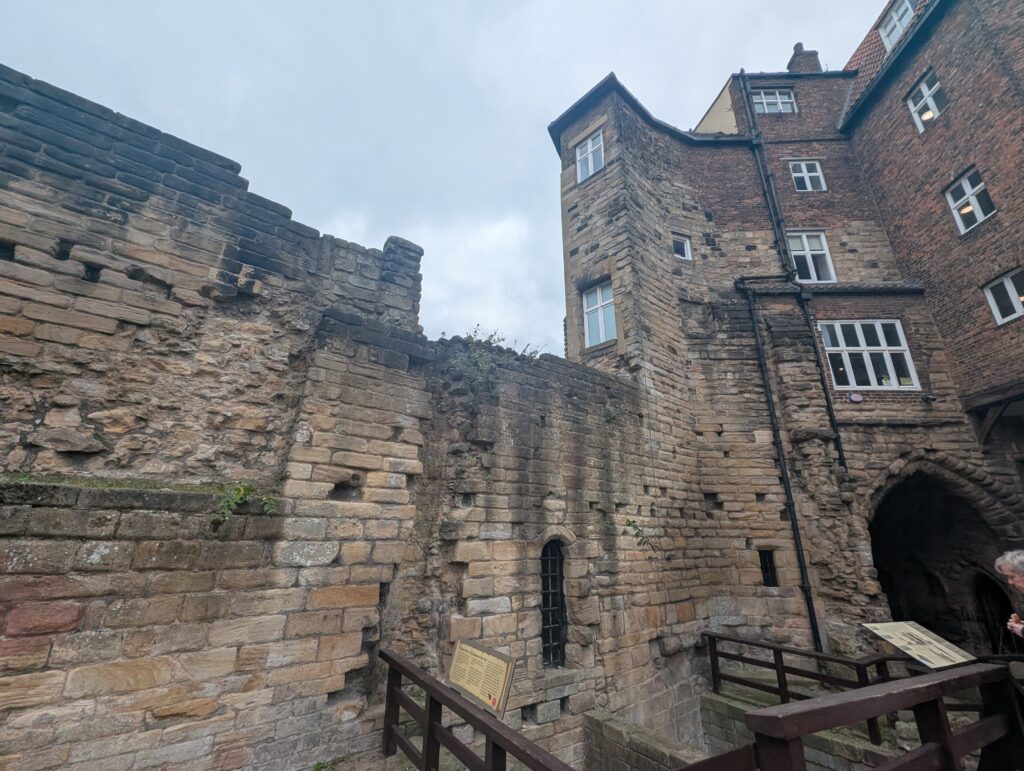
We visited an old Black friars Monastery where ale was brewed.

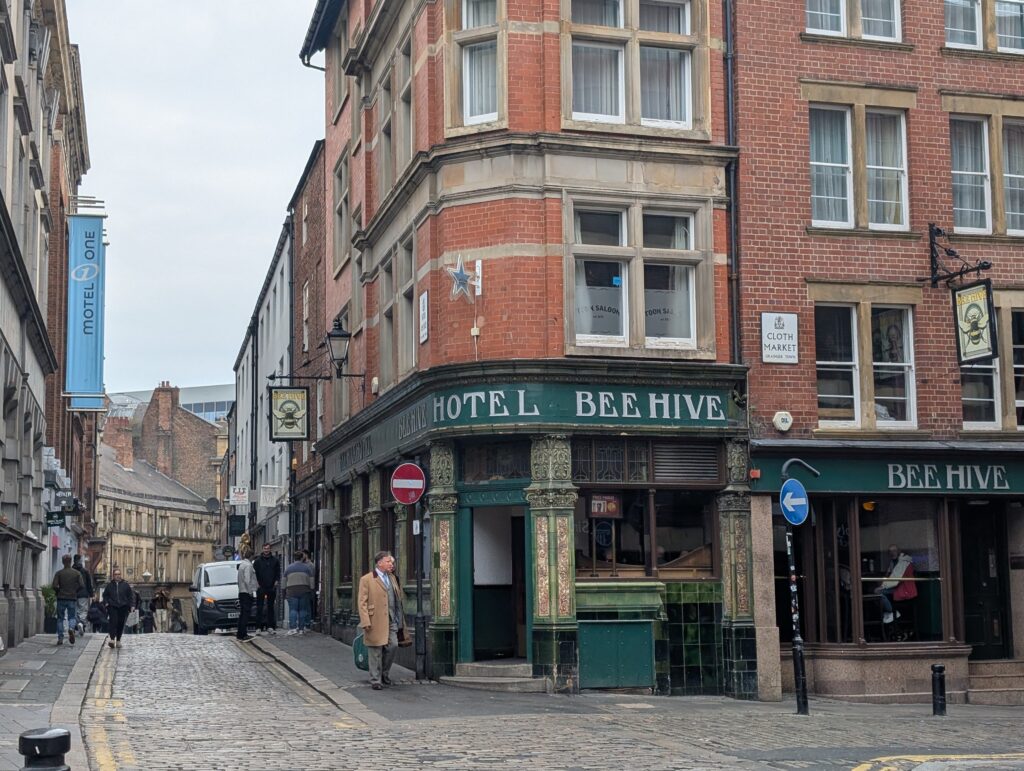
In the center of town we learned about medieval life and trade.

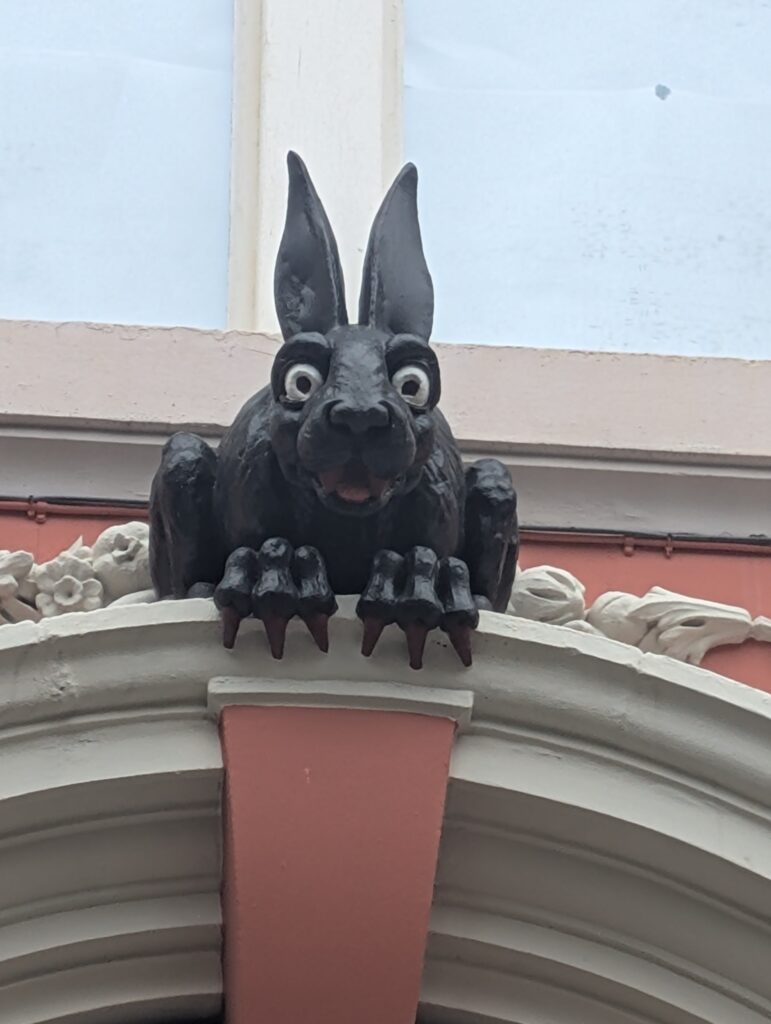
The vampire hare is above the rear entrance of the cathedral building and was added in 1901 to deter grave robbers.

We ended at the castle which was used as a Garrison to house troops and they was also used as a prison.

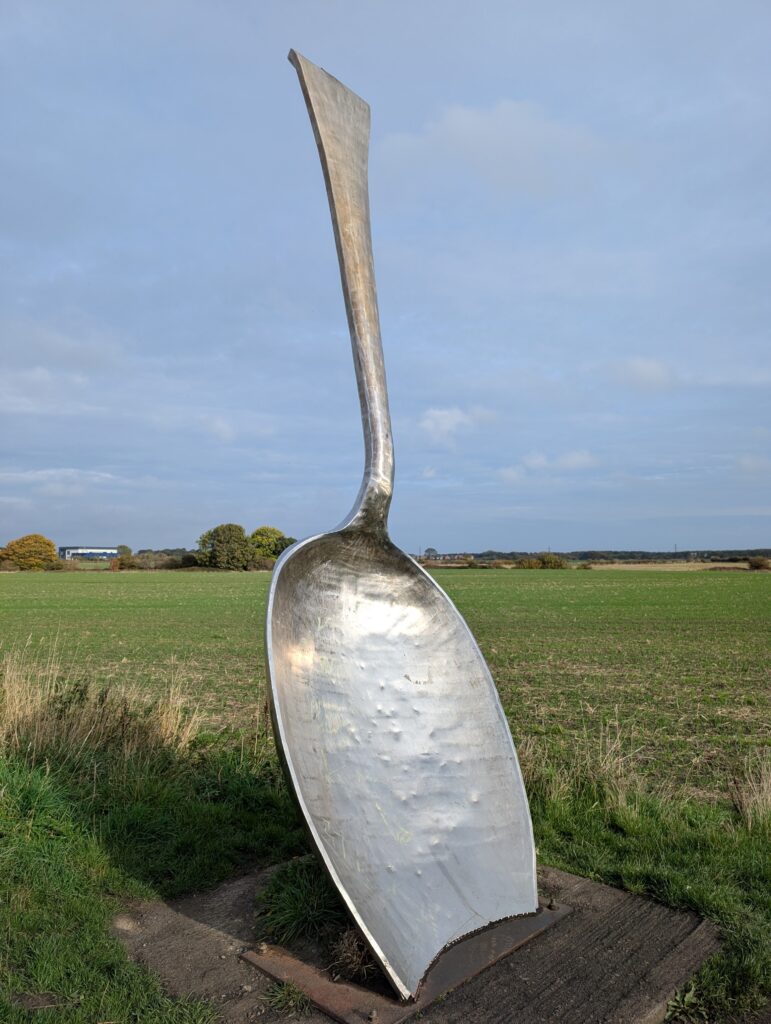
On a different day I set out for a long walk in Annitsford and Cramlington. I noticed there was a sculpture in the field, called Eat for England. It is part of a national art trail. The artist felt a field that produces grain was the best place for the 15 foot spoon.