Madrid

As I have traveled around Spain, each move led me to a larger city. As it is the capital, it is the largest. I am pretty cautious with my knee especially with the varying types of cobblestones in the city. Also, standing for long periods is really tiring on the knee. As a result, I decided to avoid museums, cathedrals, and other places where waiting in line and crowds within ar a problem.

Instead, I thoroughly enjoyed people watching, visiting parks and the botanical garden. There is always something going on in this city.

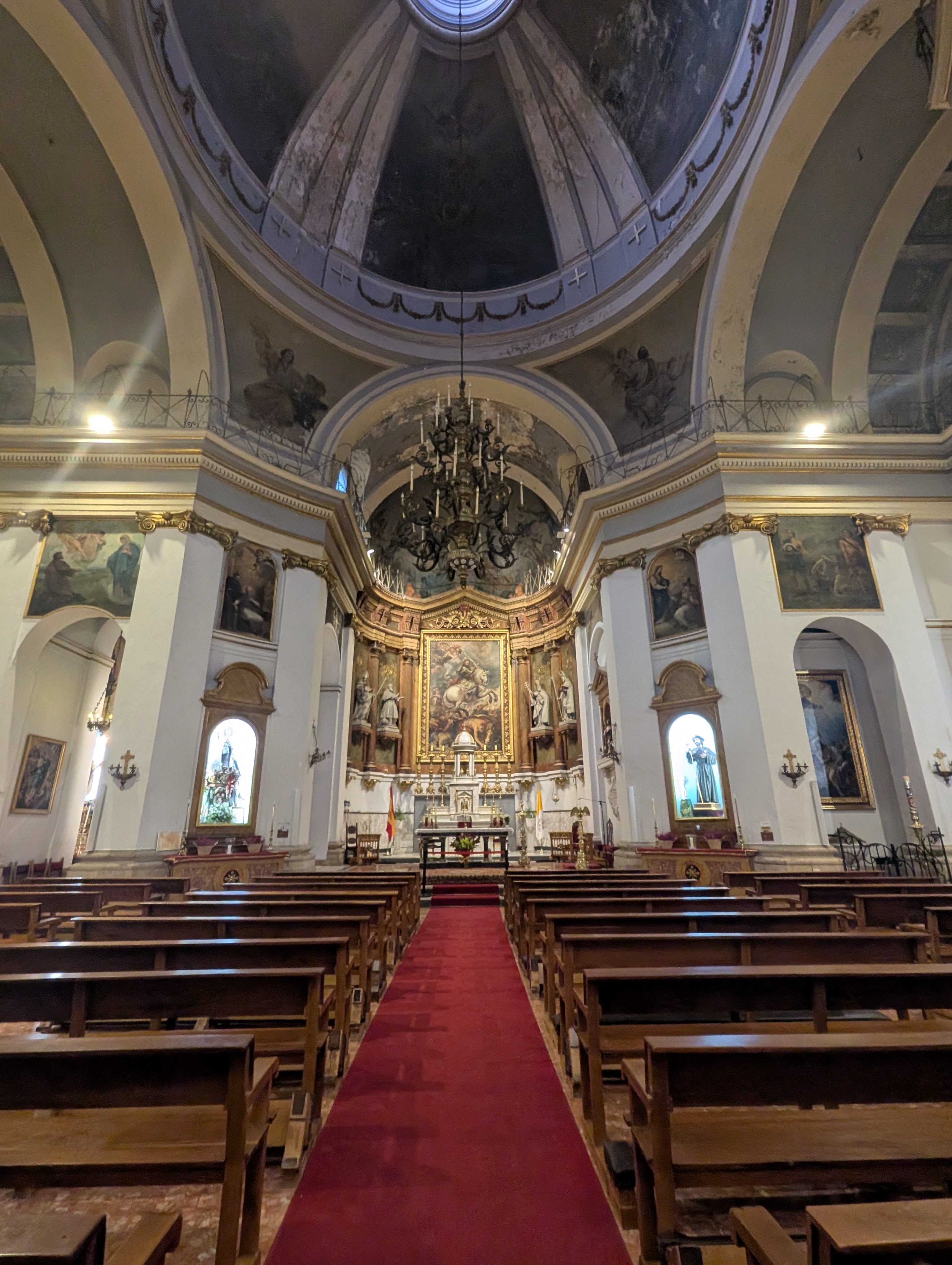
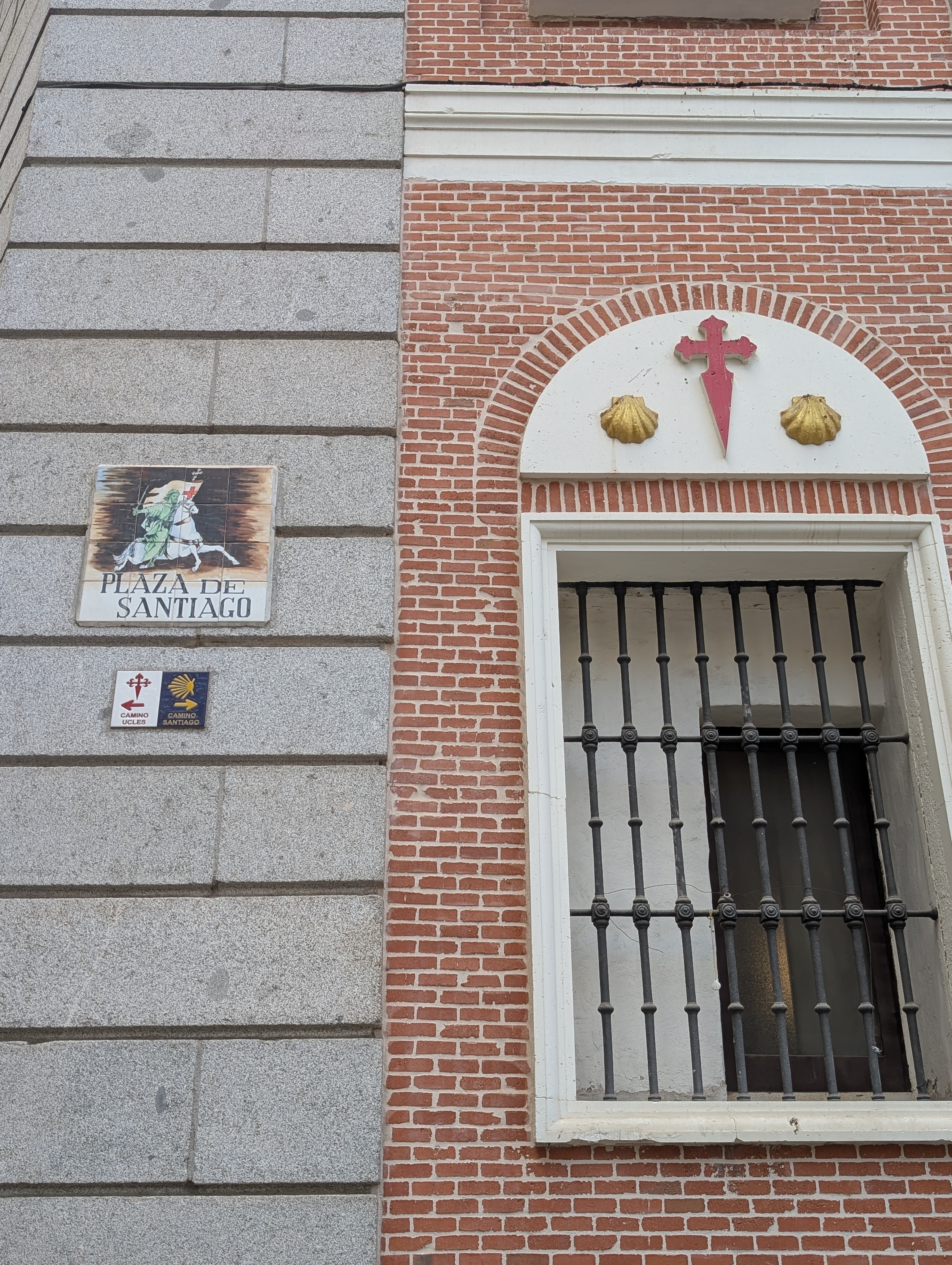
I found the church dedicated d to Saint Santiago and the start of one of the Camino. Routes.
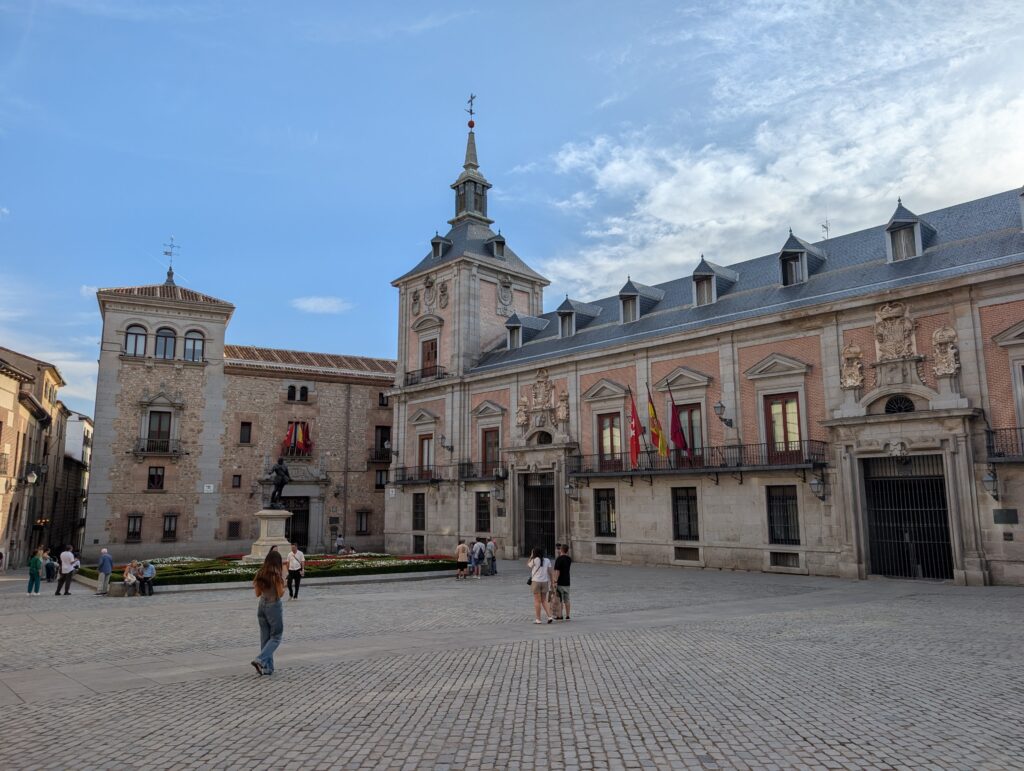
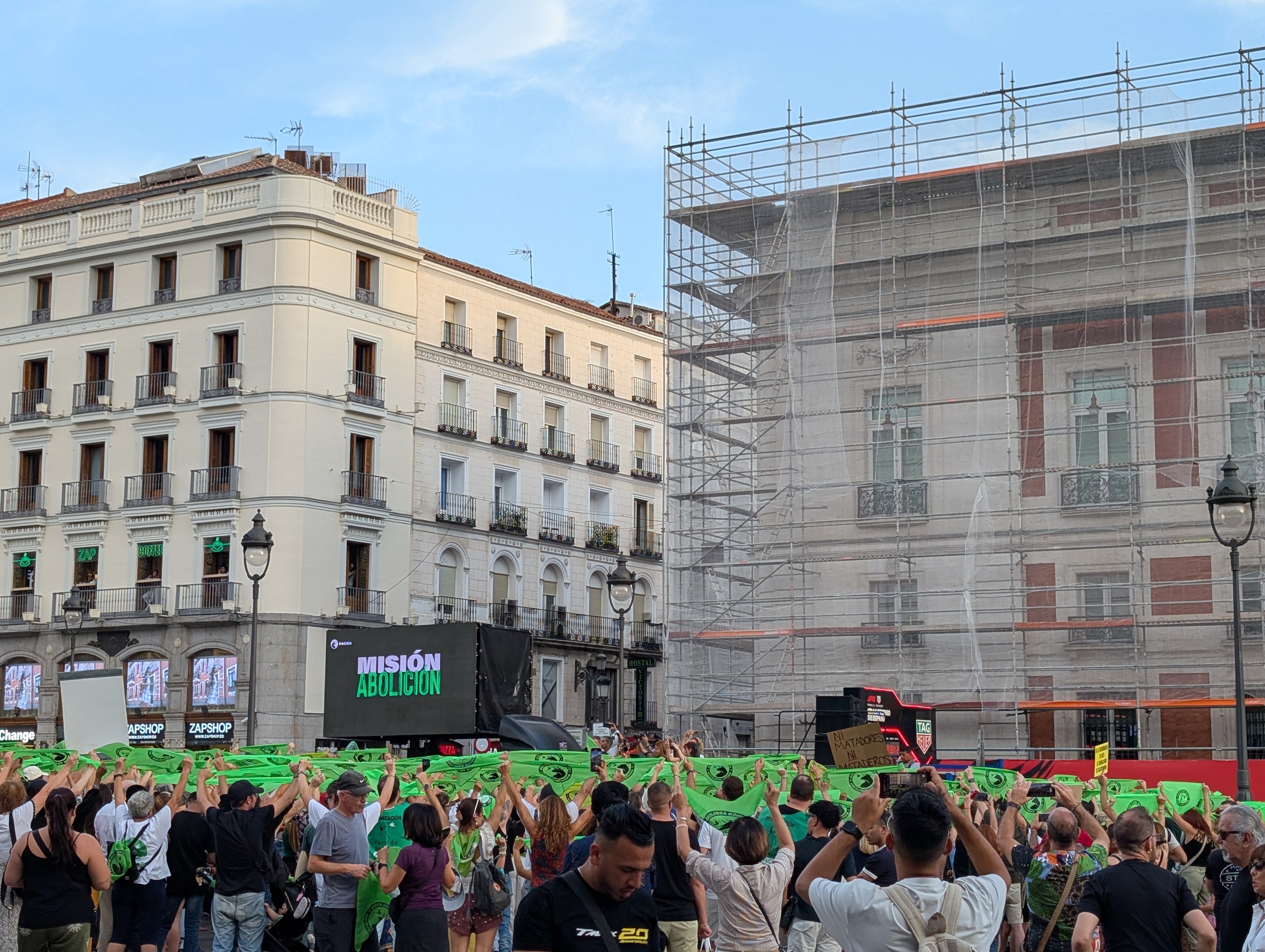
Plazas always have something going on. The Plaza del Sol had a demonstration against bullfighting.
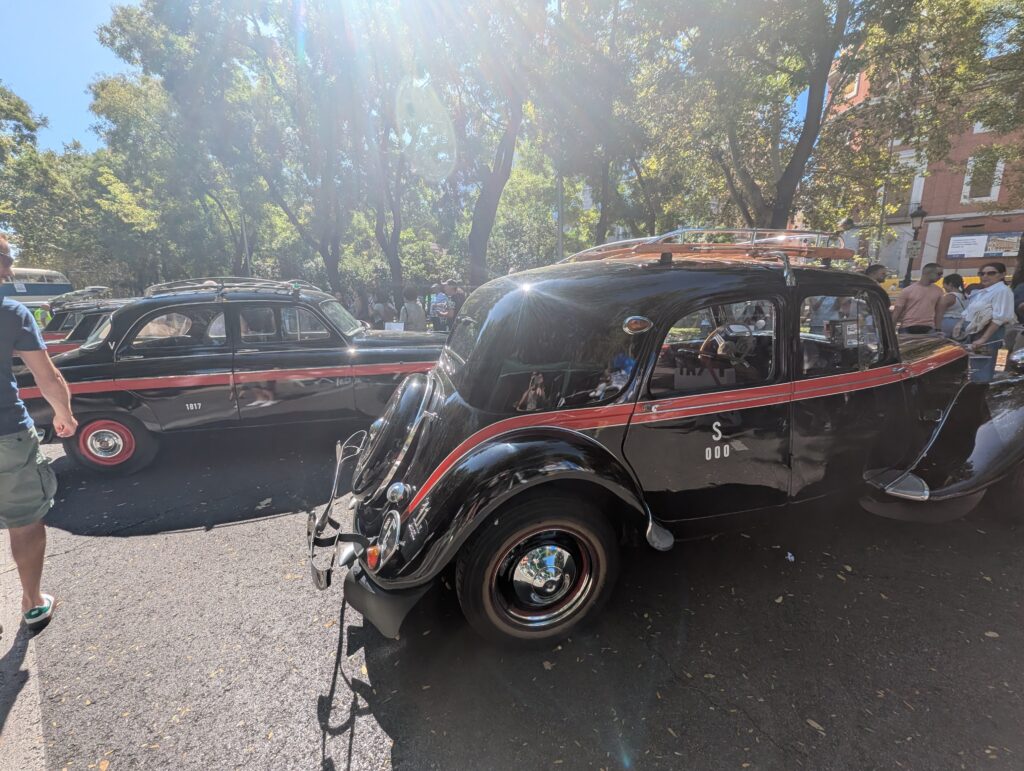
Other plazas were used for children’s activities with police, taxi drivers, and others creating a obstacle courses for little ones to bike and scooter through. Everyone was having a good time and they even had vintage taxi to look at.
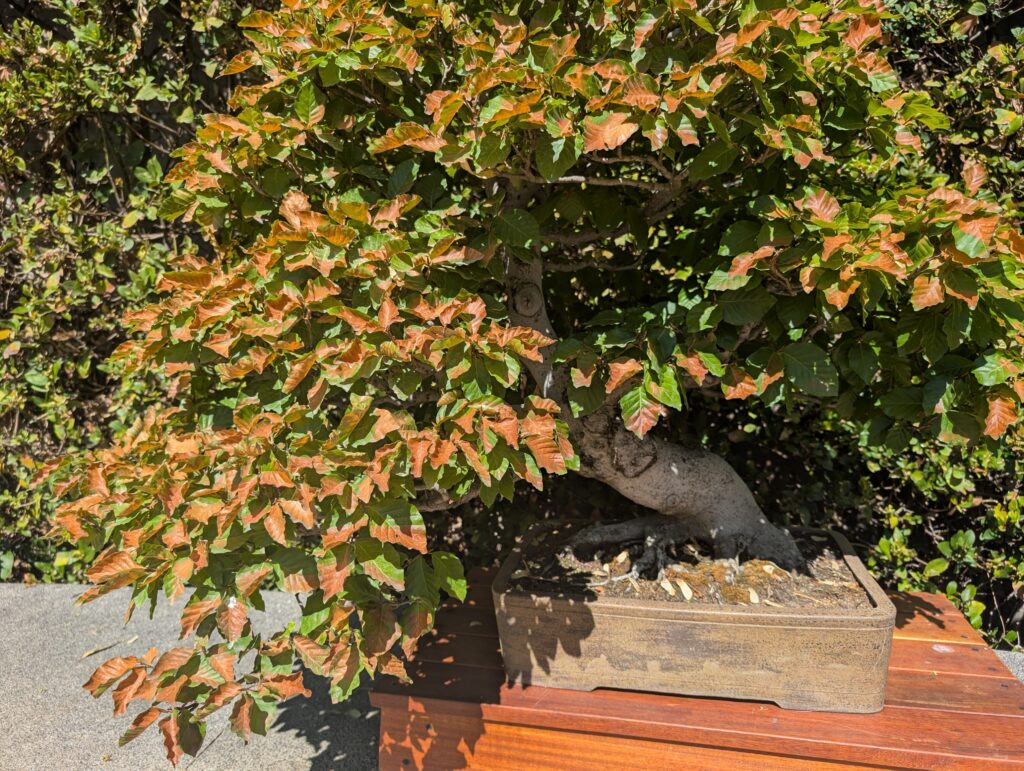
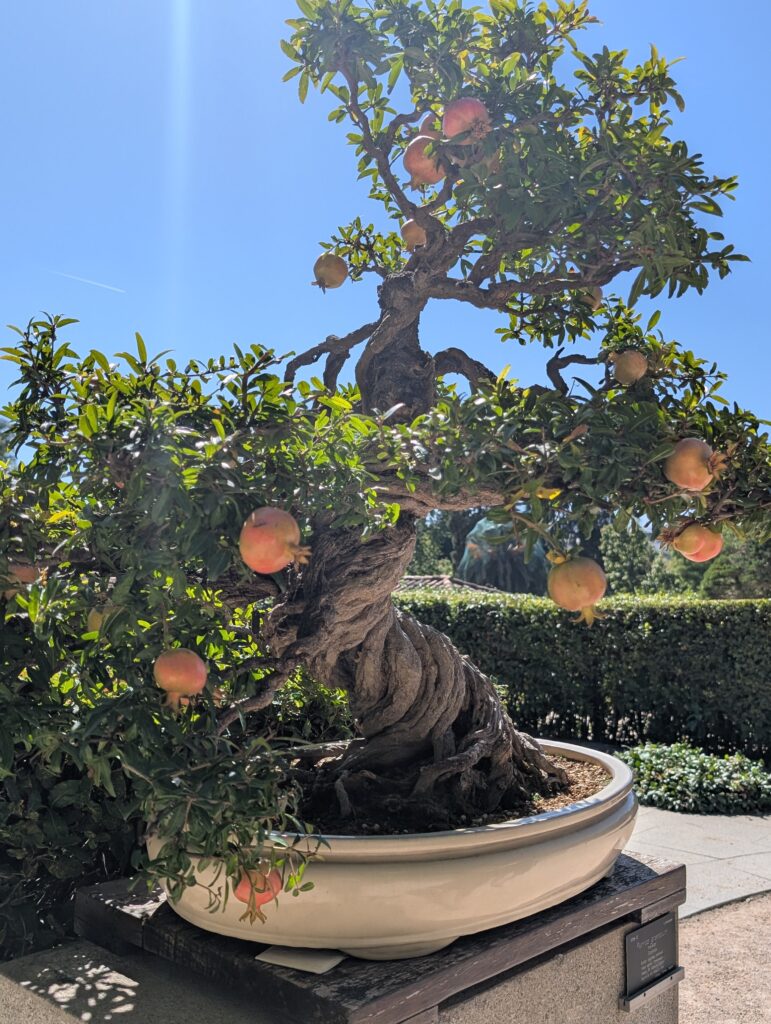
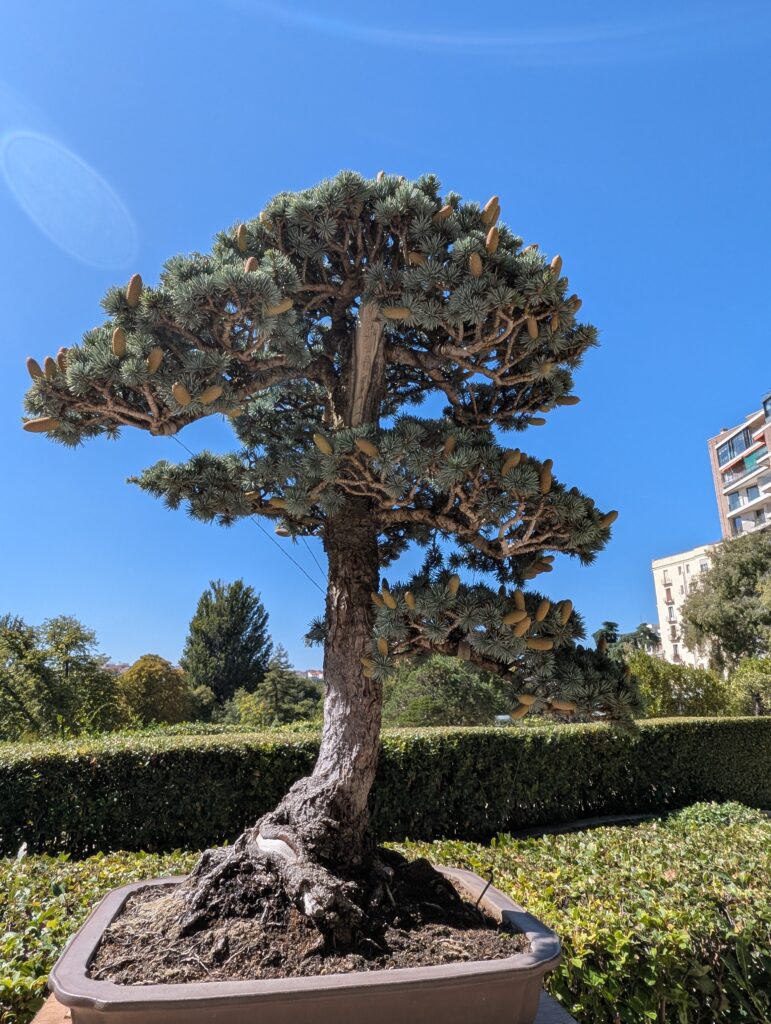
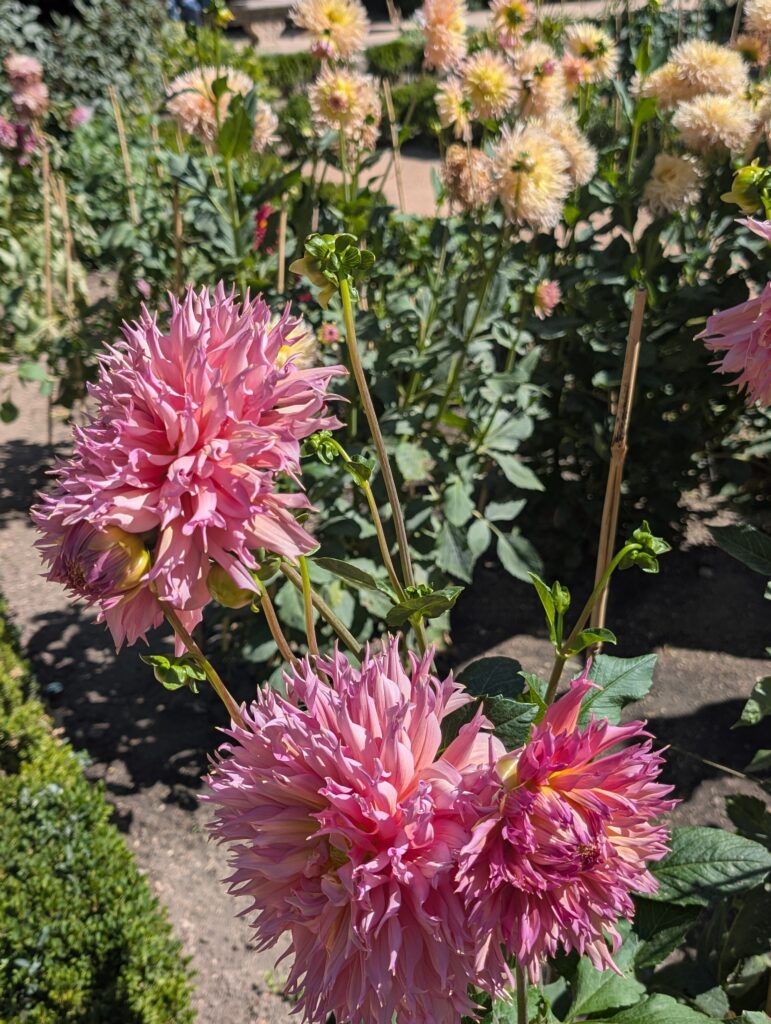
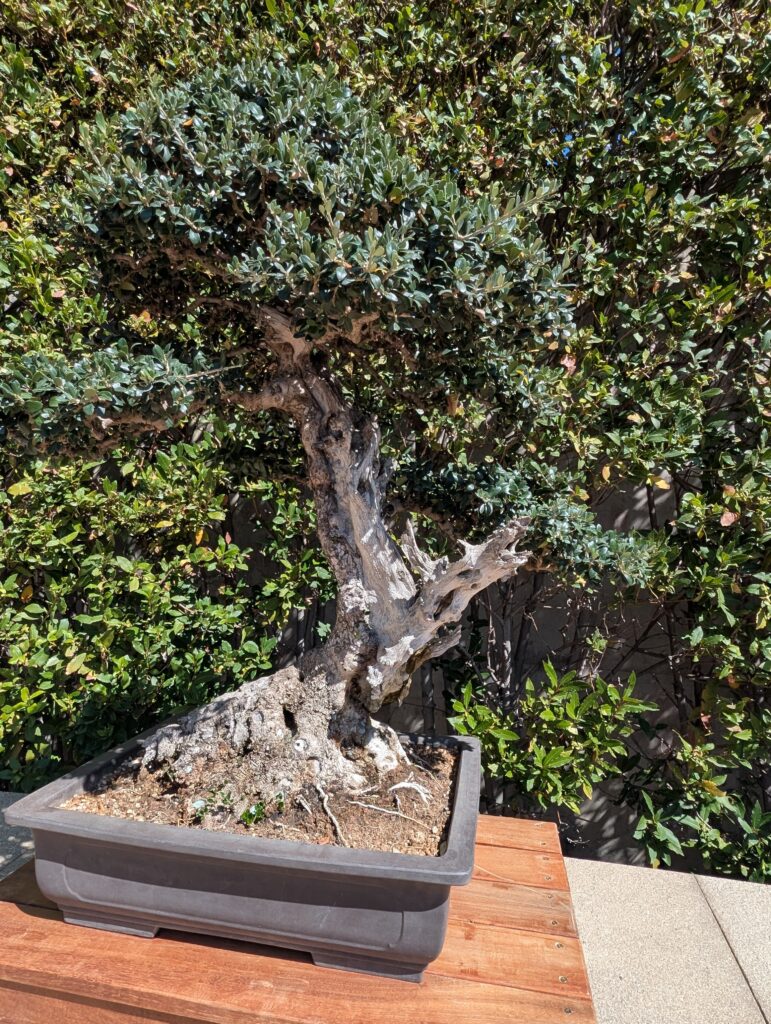
The botanic garden was great, especially the bonsai exhibit. Most of them ar 60-90 years old and made out of trees like elm, fig, pine, and olive trees.
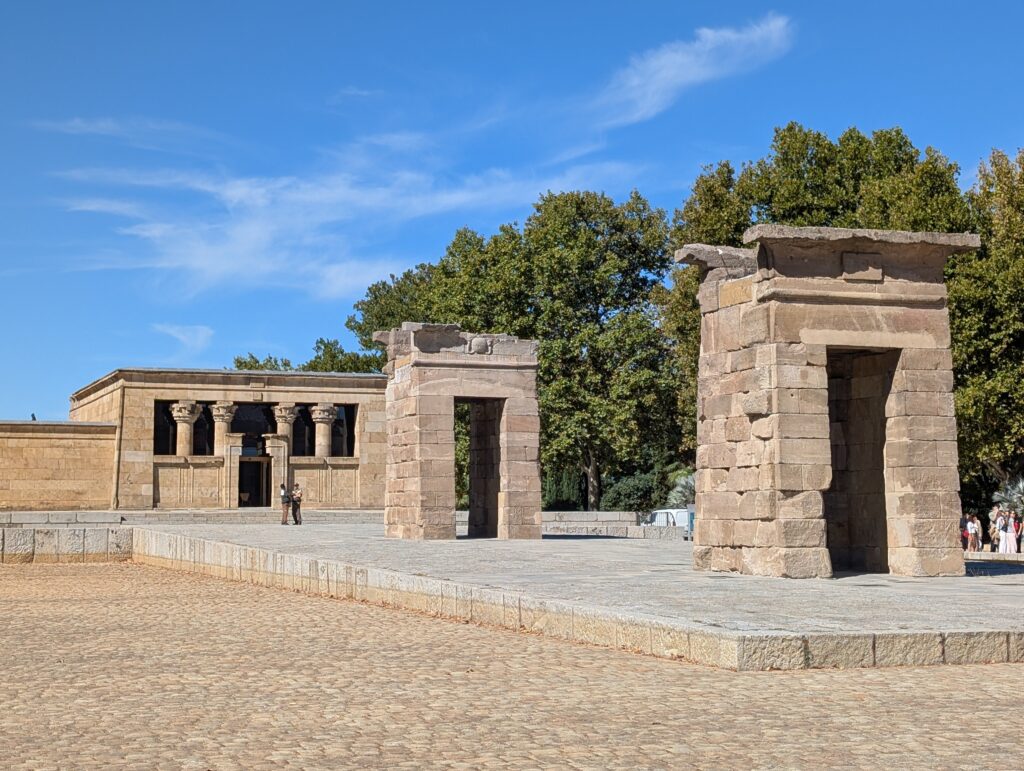
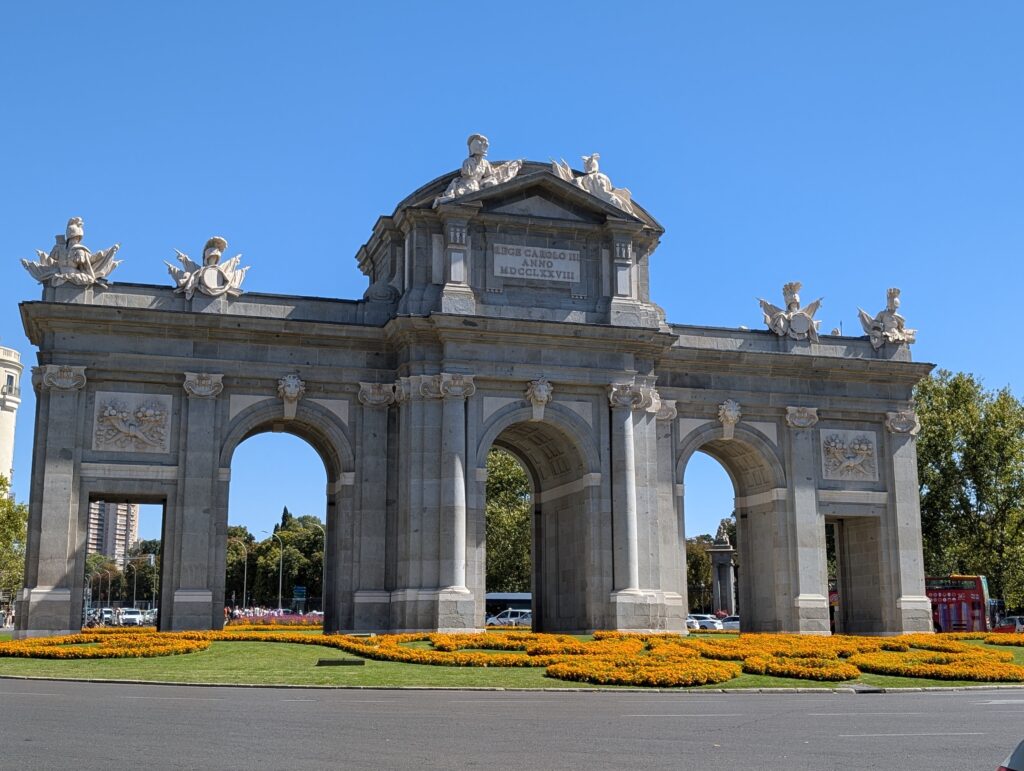
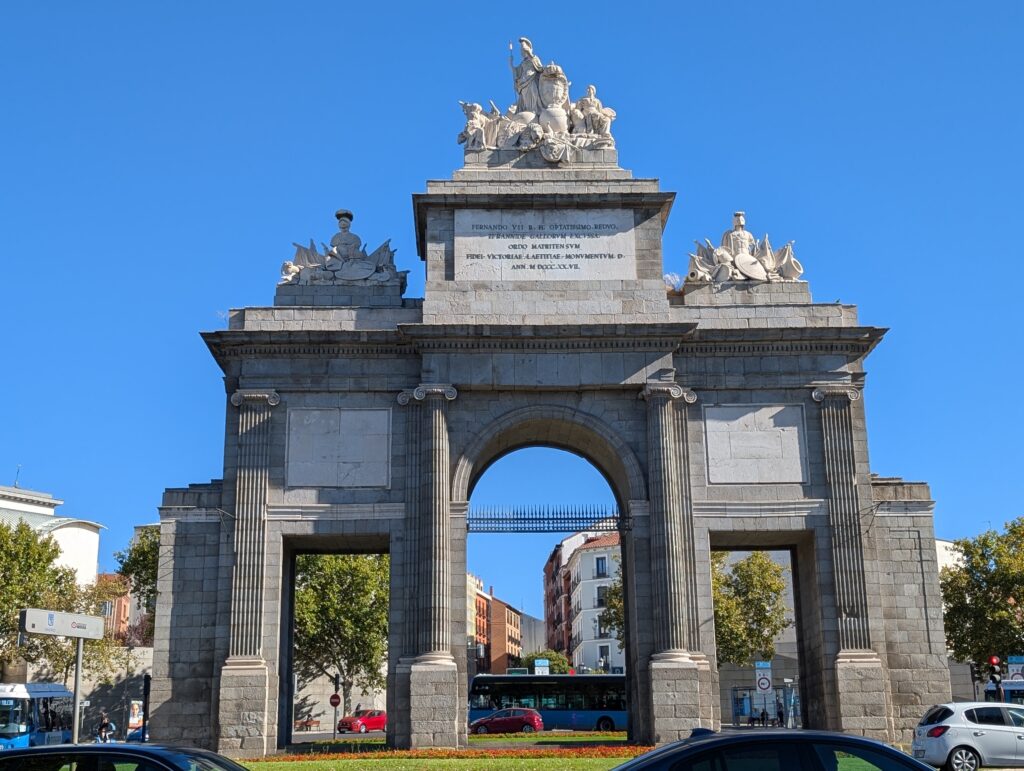
Puertas which are city gates were built in the 16th to 18th century as entry to the city as it was a walled city.
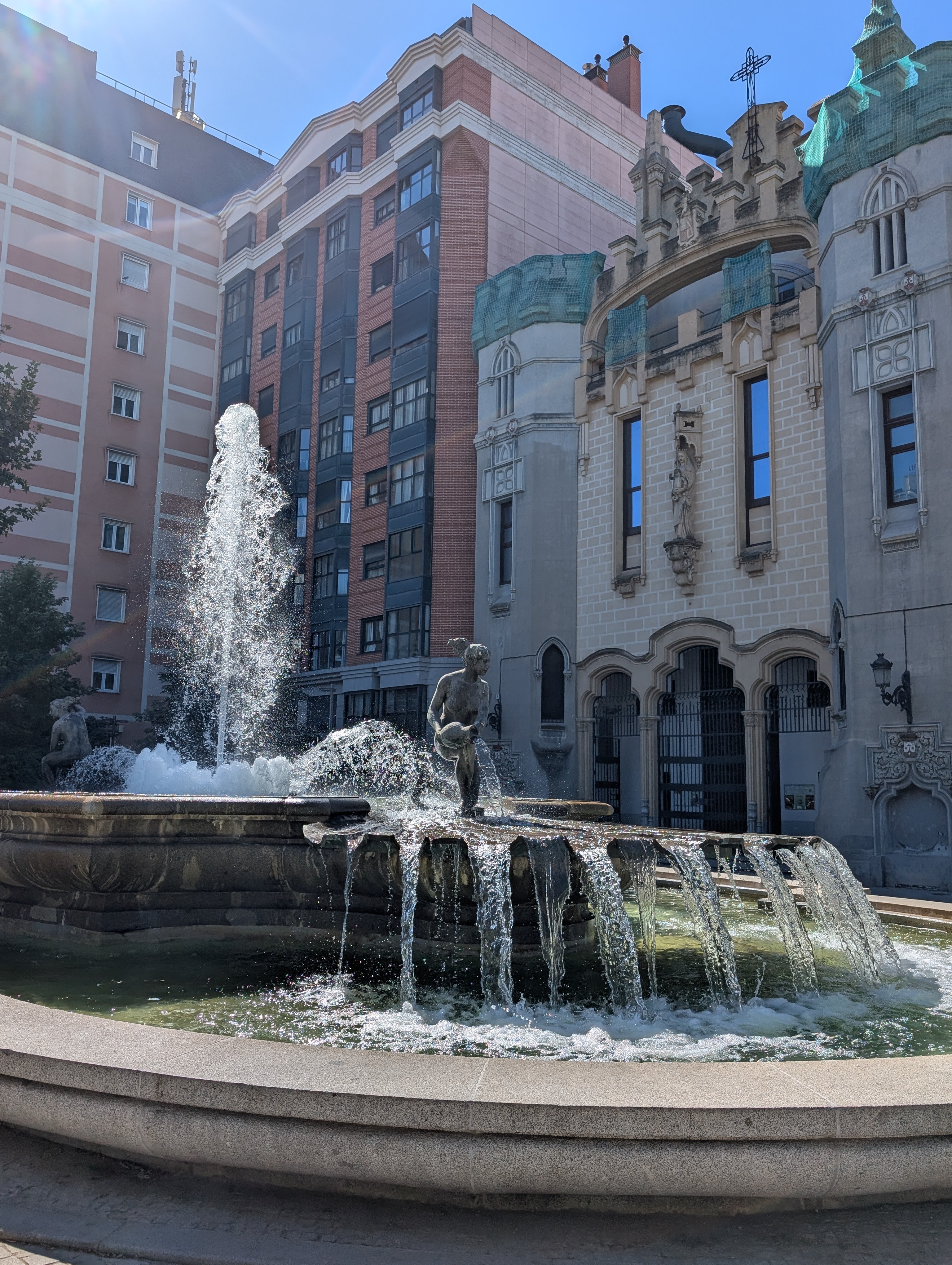
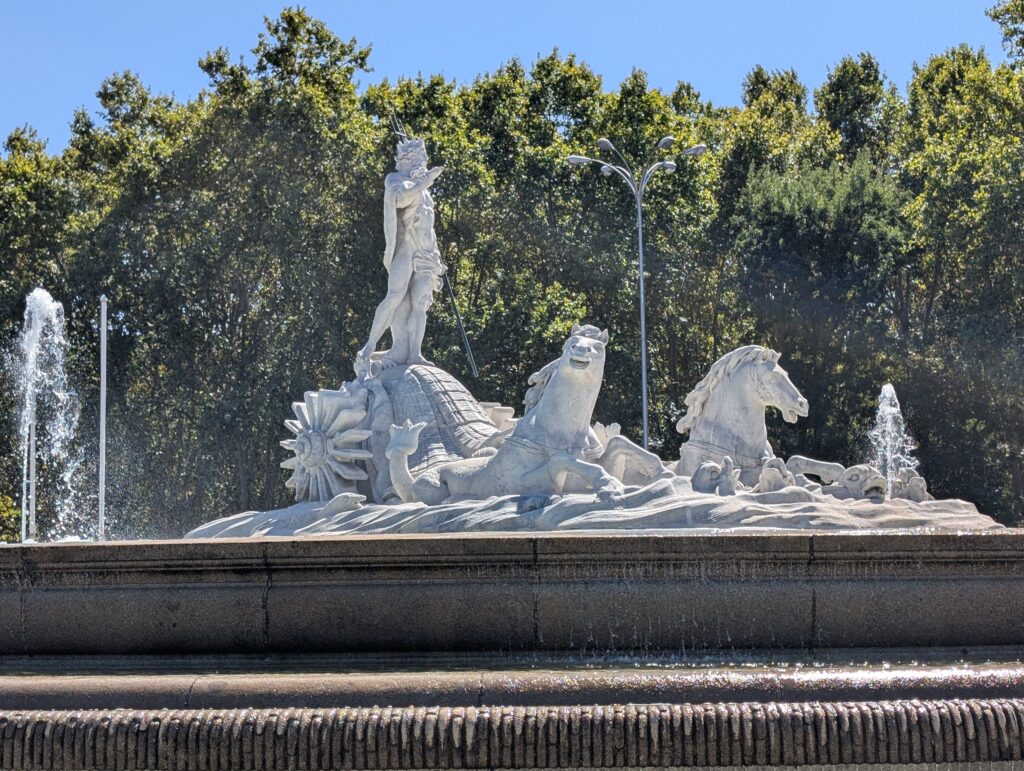
Fountains and other images
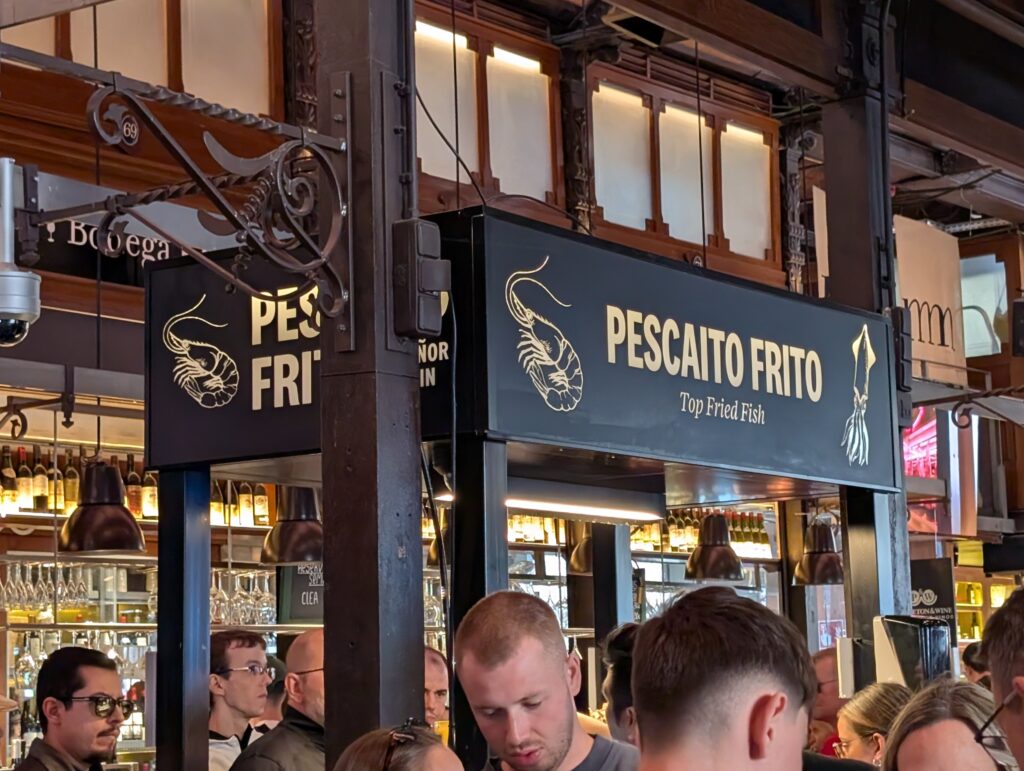
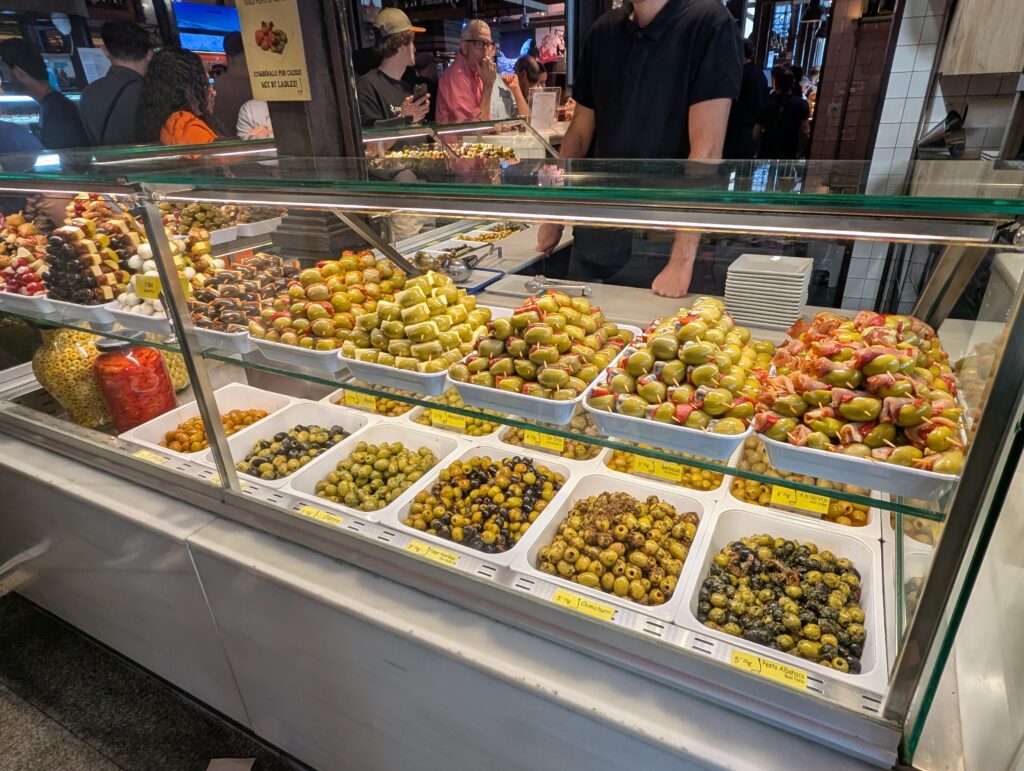
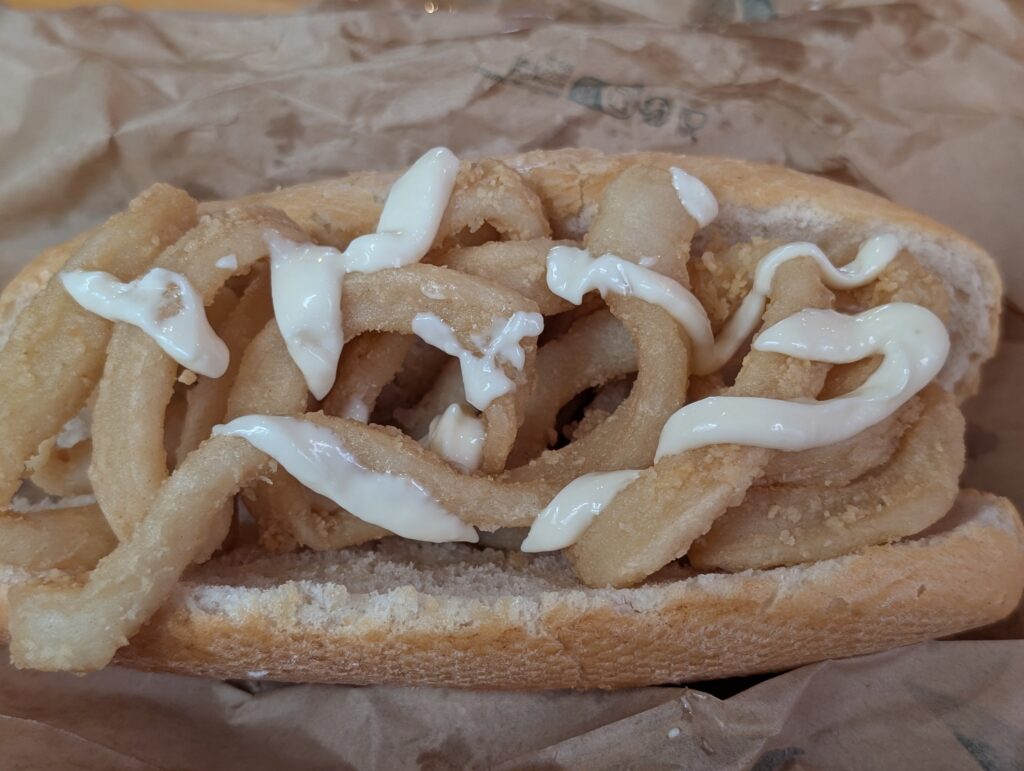
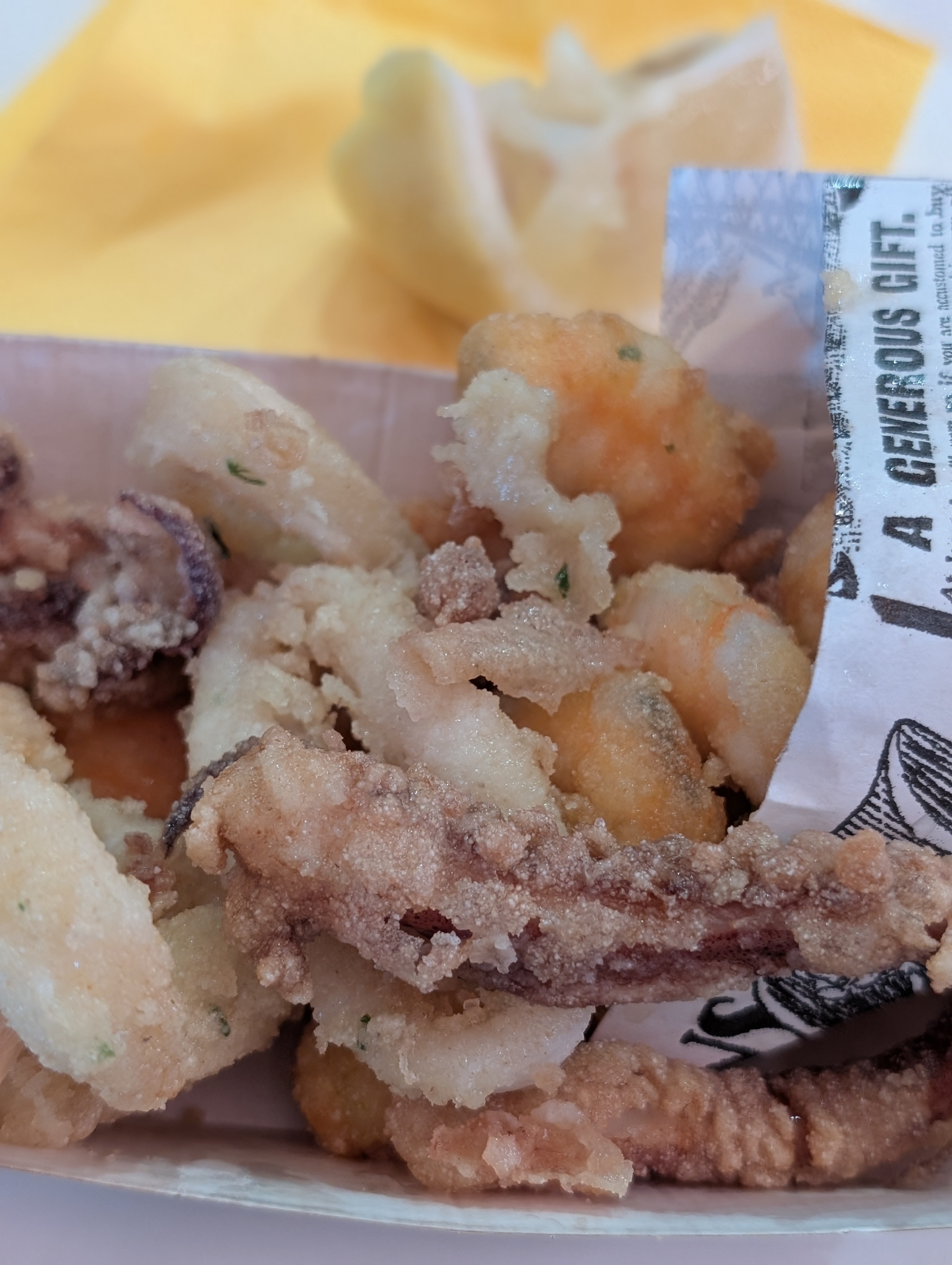
Last, but not least, the food here is similar to many large cities. All is possible. The specialty here is sandwiches with lightly fried calamari rings in it (with garlic mayo). It was good but the fried calamari and shrimp that I had the next day was better.
Seville

I was pretty excited about Seville even though it is a much larger city than the others I have visited. I was starting to think a UTI that I had at the end of August had returned. After checking in, I asked the person at the front desk of the hostel about options. I chose a private hospital instead of the public one and once there it was confirmed I did have a UTI. I do have global health insurance with a pretty high deductible. My Spanish is intermediate enough to be able to comunicate and understand.

Needless to say, I tried to take it a little easier here and did not do long day trips that I had been thinking about.

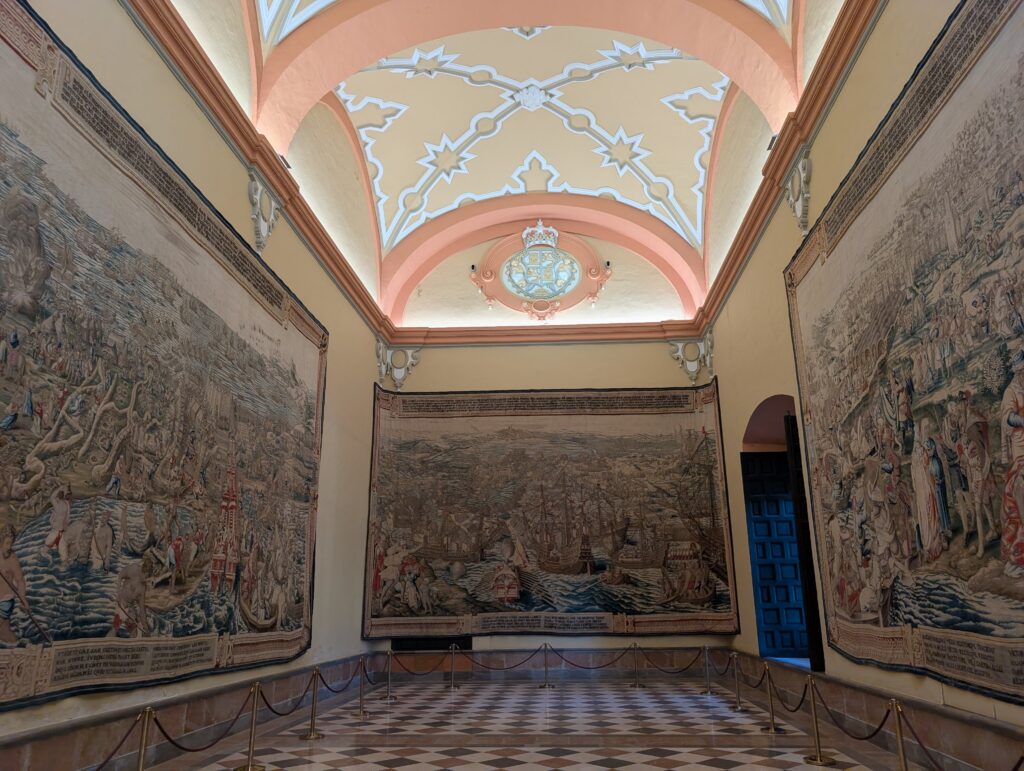
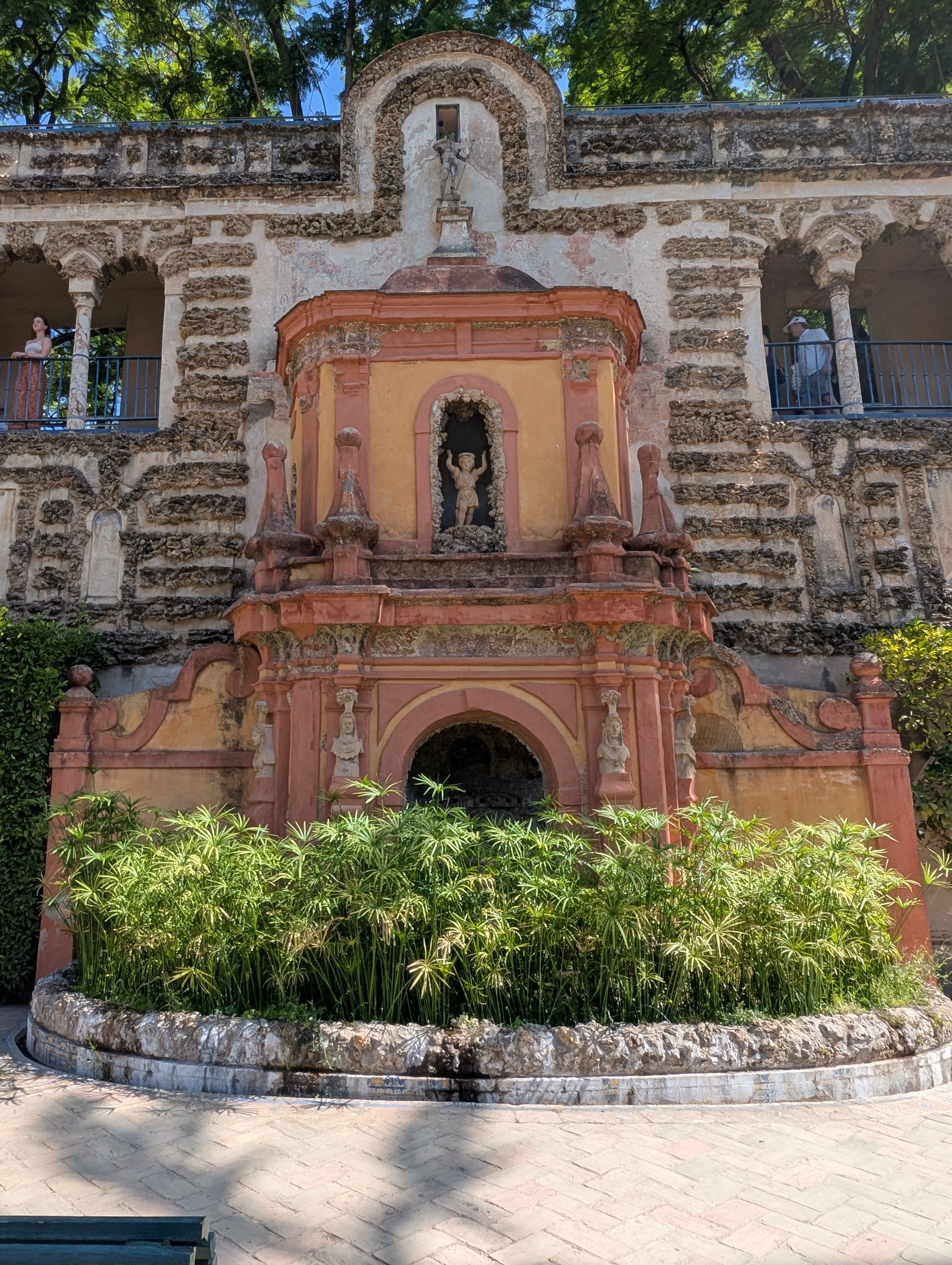
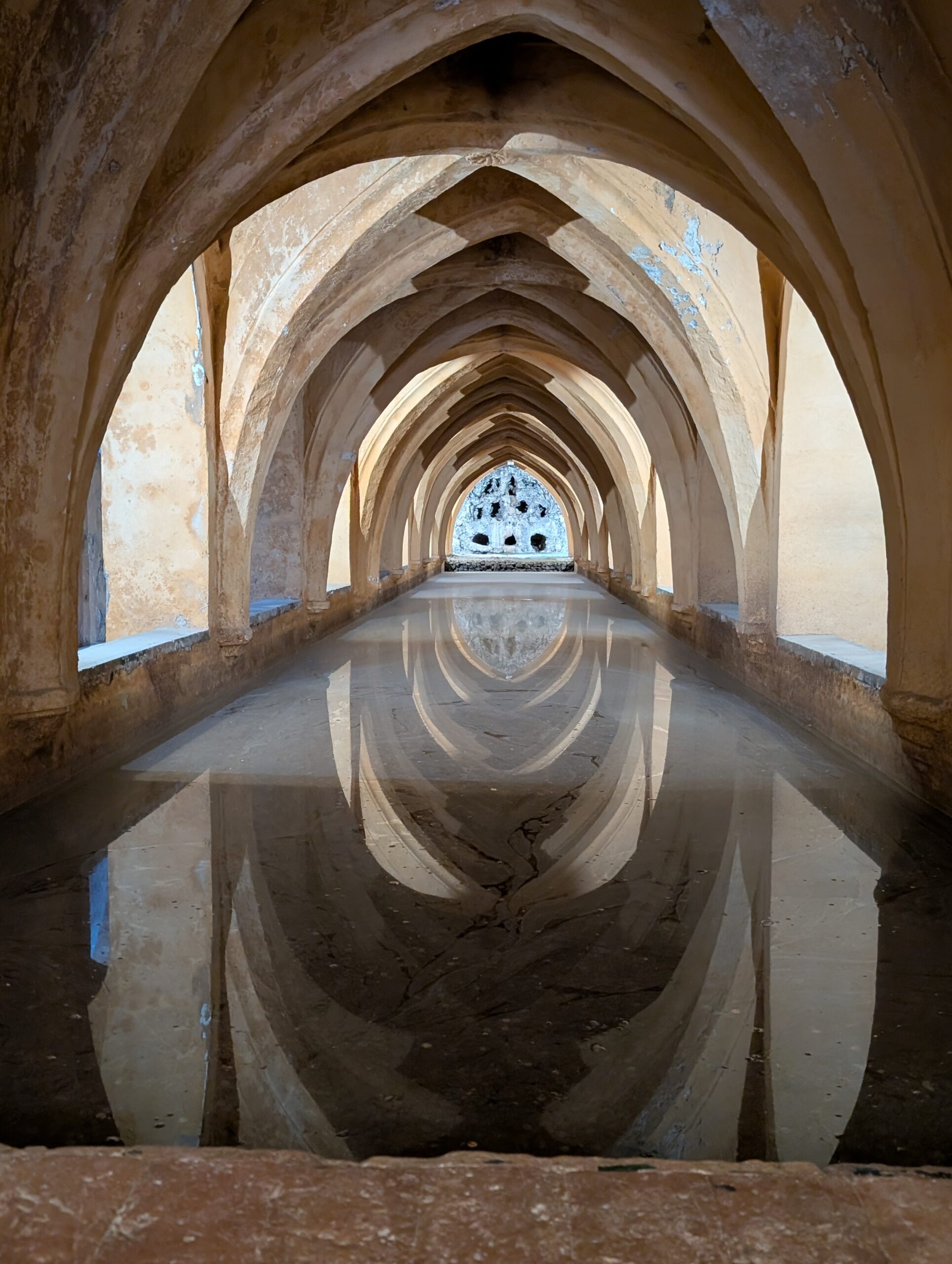
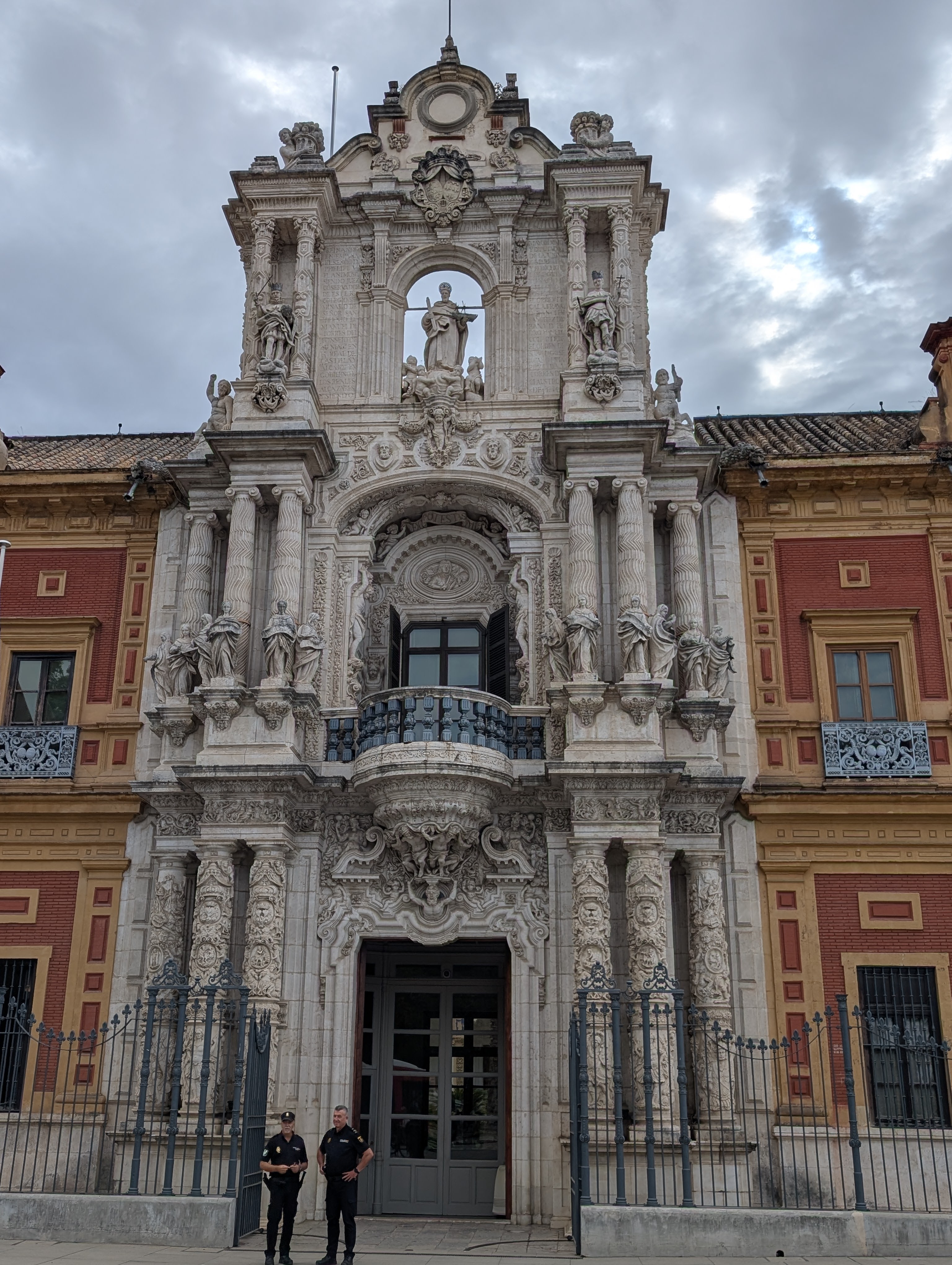
Royal Alcazar of Seville. It originated in the 10th century as an Islamic citadel and was expanded by the Moors and again in 1248 by Christian monarchs. It is the oldest royal palaces in continual use in Europe. Currently the Spanish royal family resides there. It has architecture from all past influences.

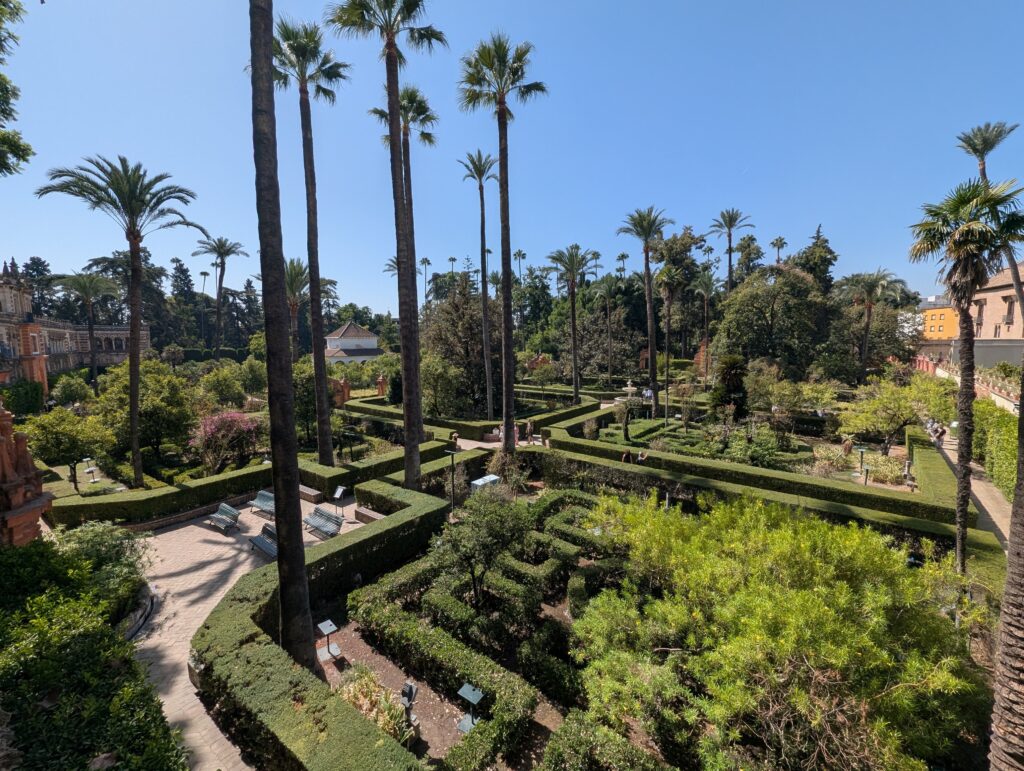
The best part is the gardens which is immense and features fountains, formal gardens, and a wooded section. There is even a water organ, that played tunes as water flowed through.

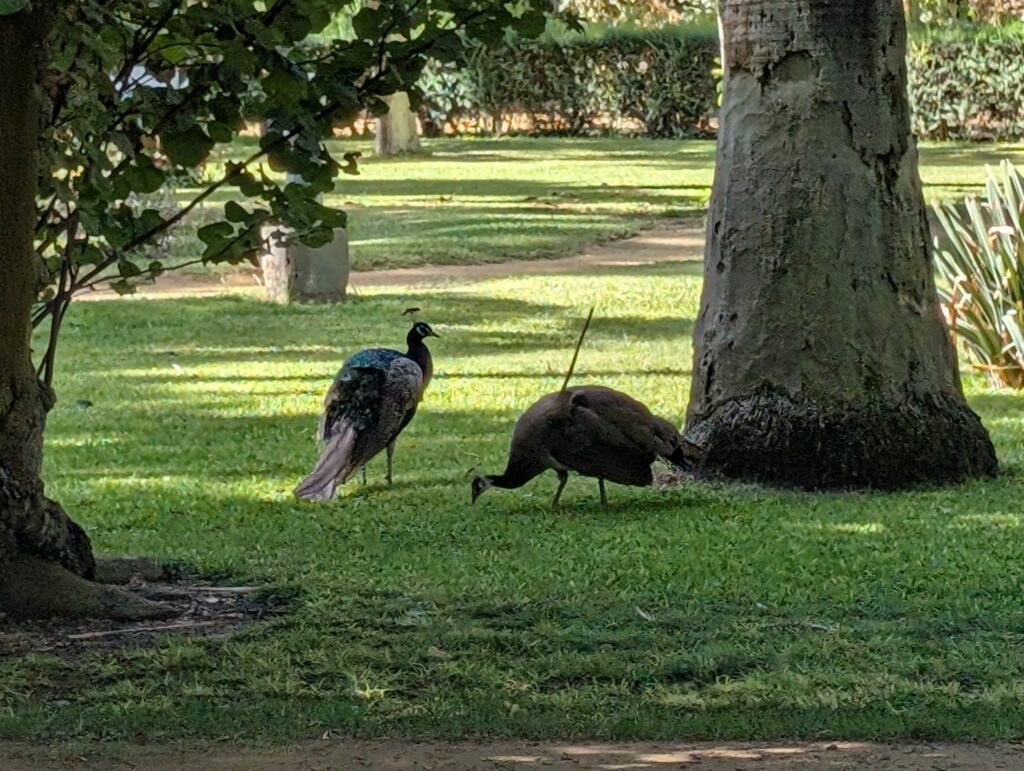
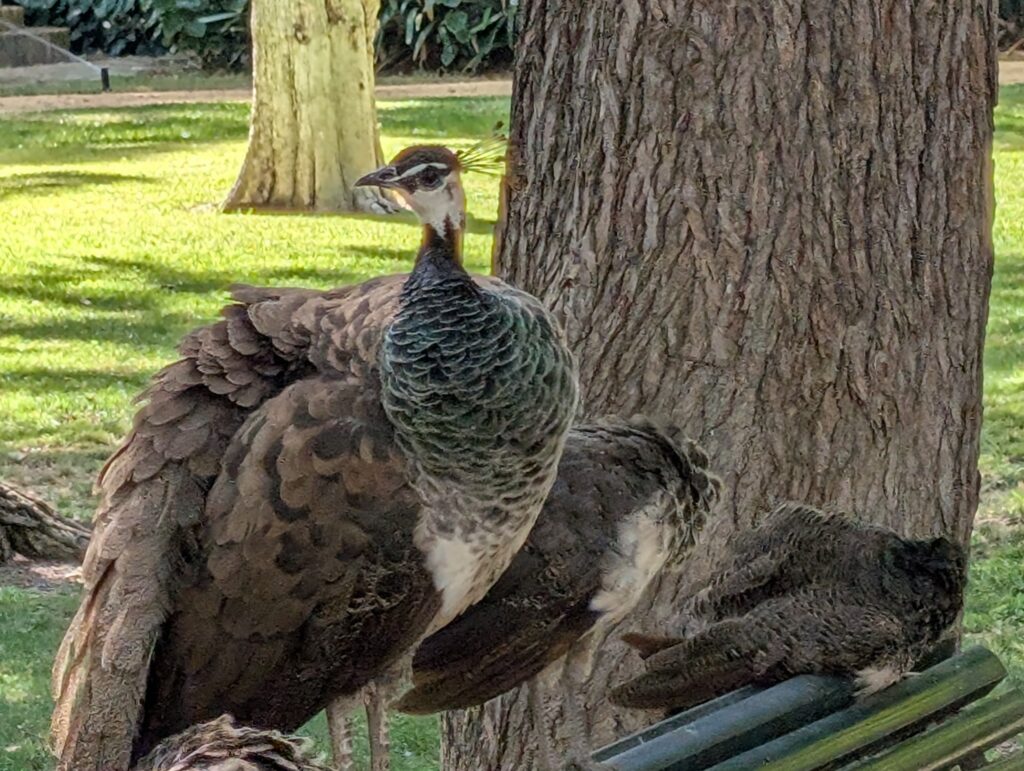
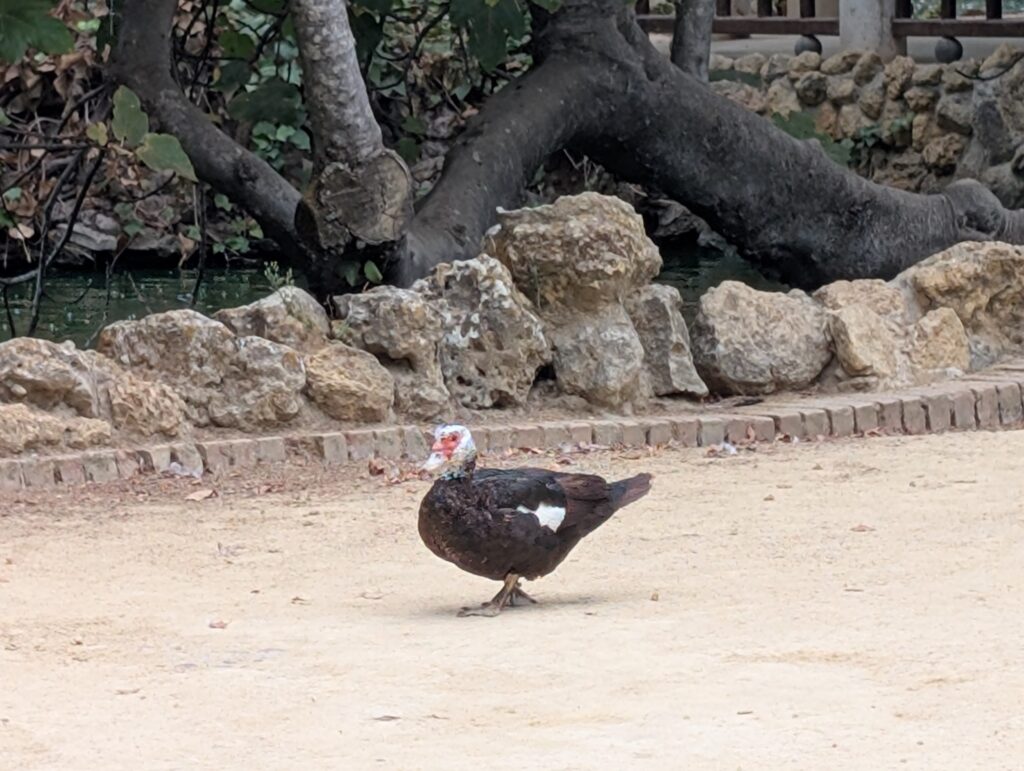
And there were peacocks. Not sure why it looks like a stick is coming out of the back of one of them.

Down in the basement was tunnels that led to the burial catacombs.

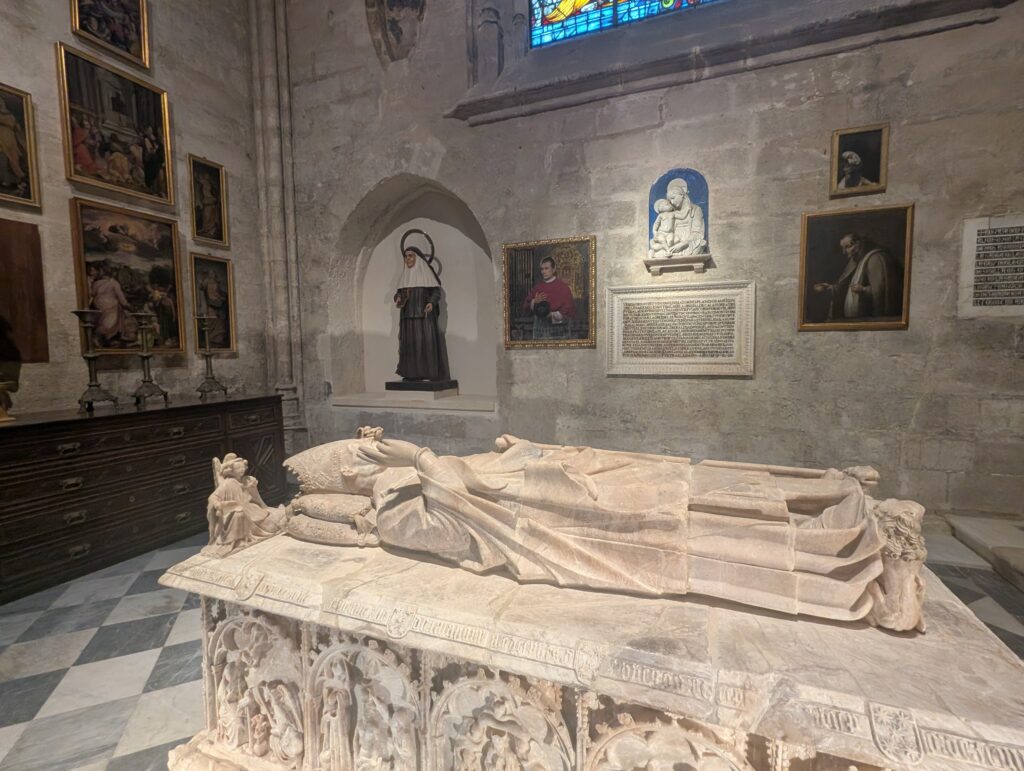
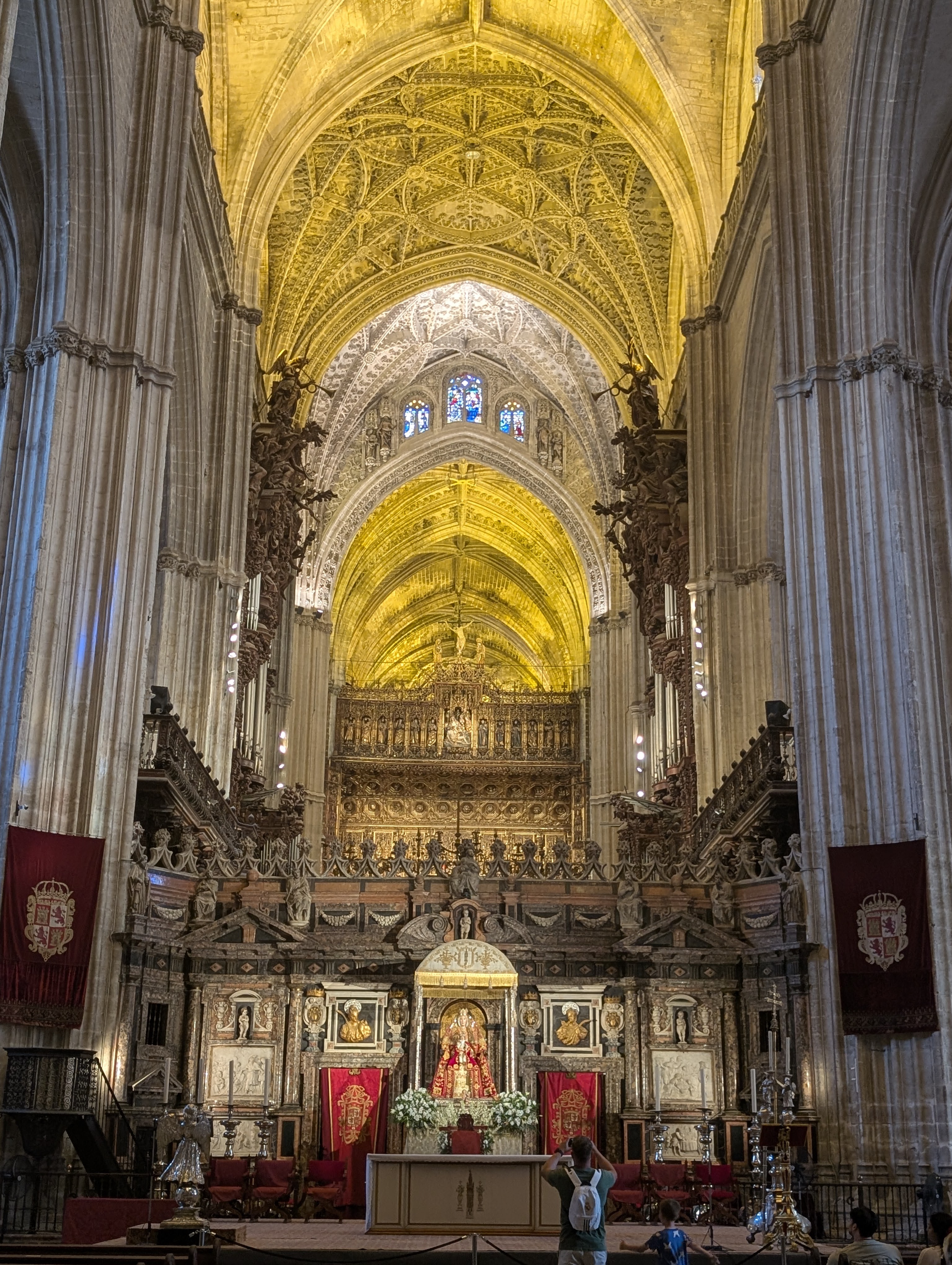
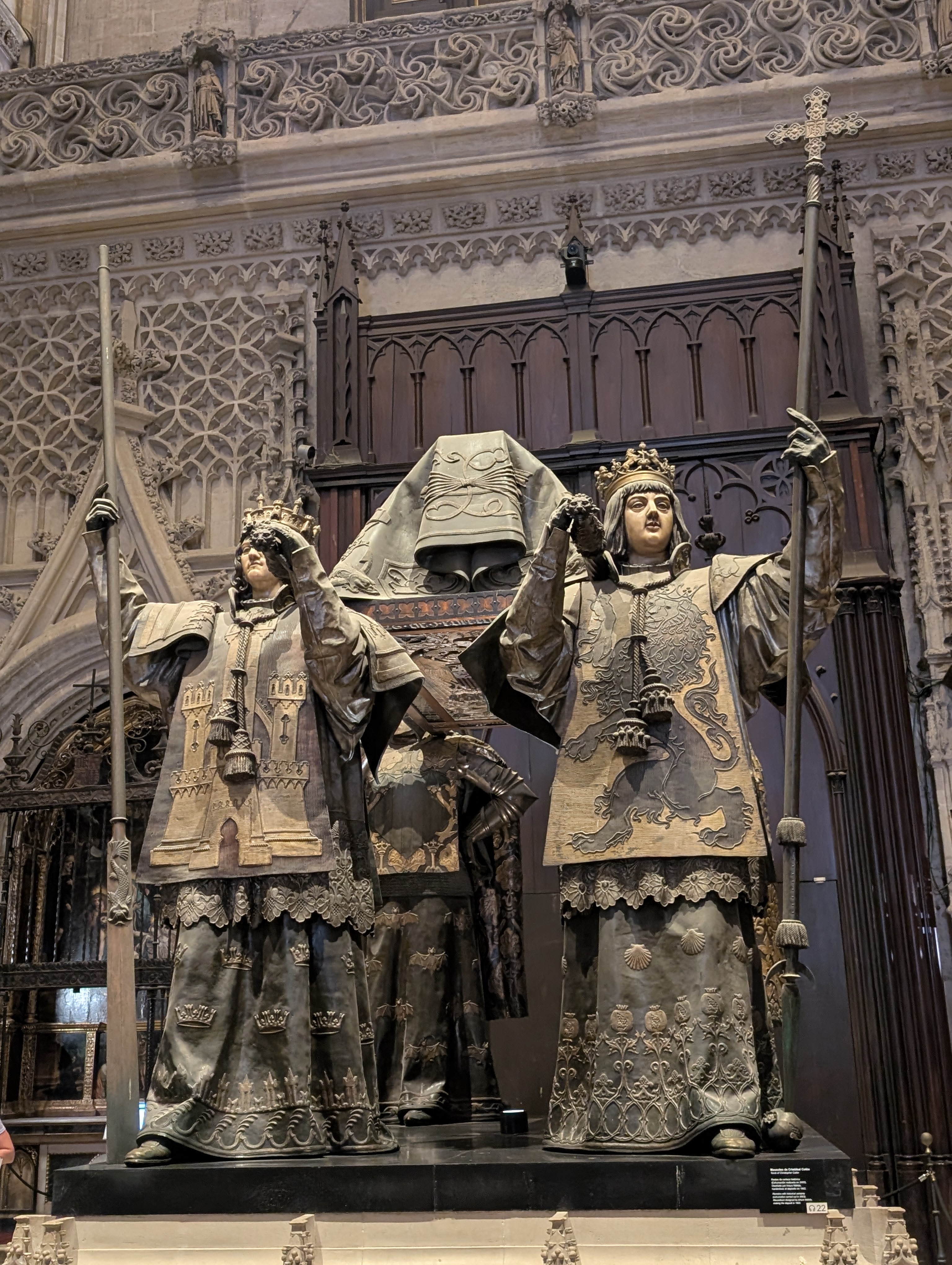
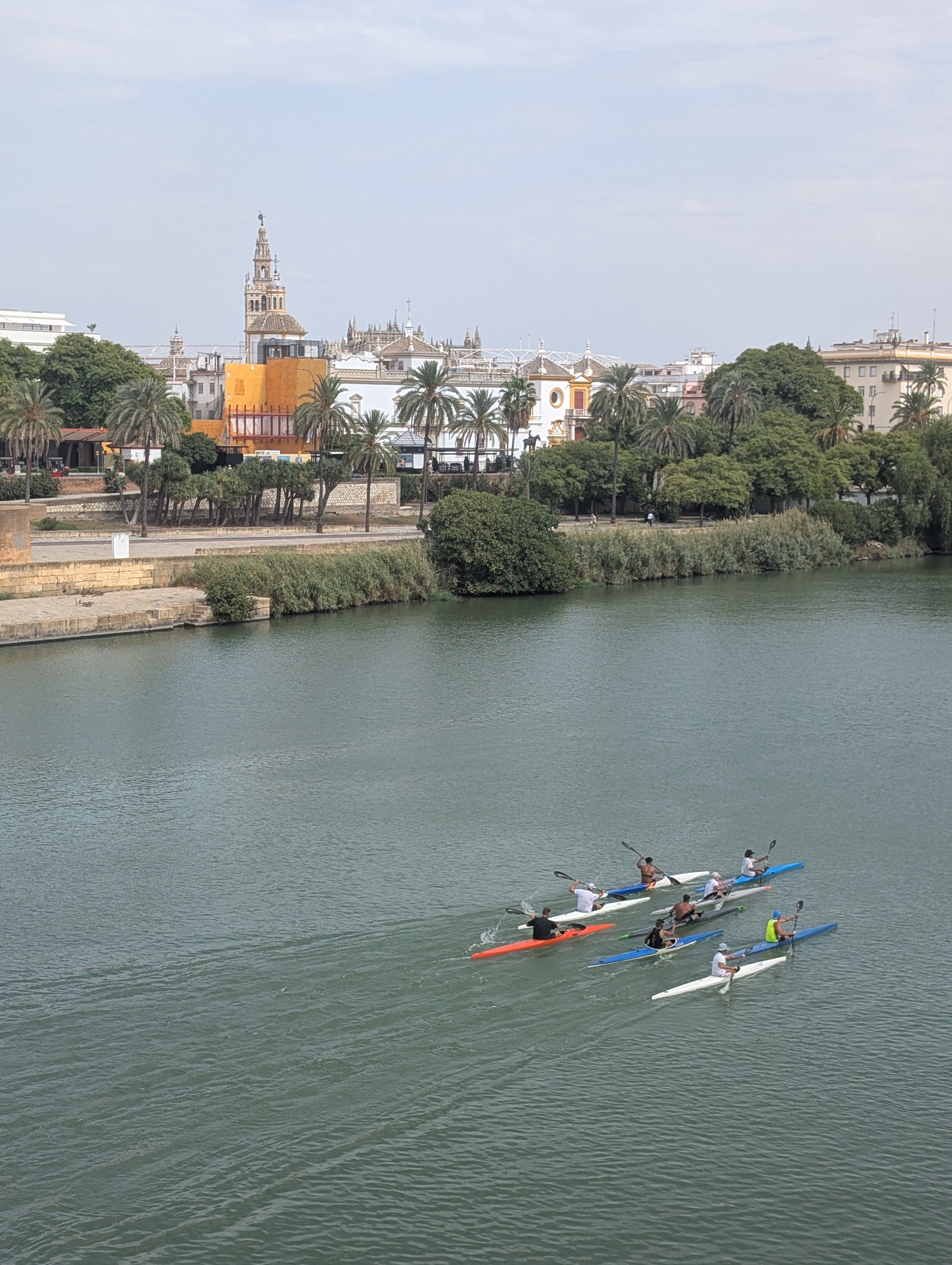
The cathedral was originally built where a mosque used to stand. In fact, La Giralda is a tower that used to be a minarete of the mosque.

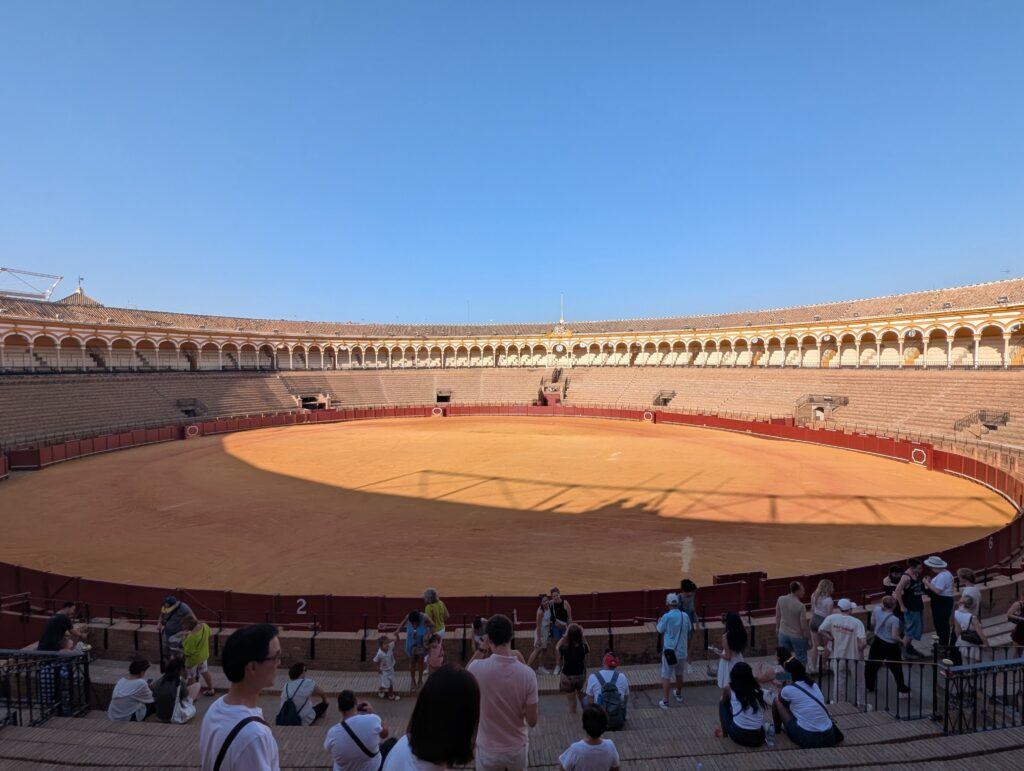
I stayed at the Black Swan Hostel. It was fabulous and they have many free events like family dinners, a flamenco show, and a tour of the bull ring. (I also took a cooking class to make paella).

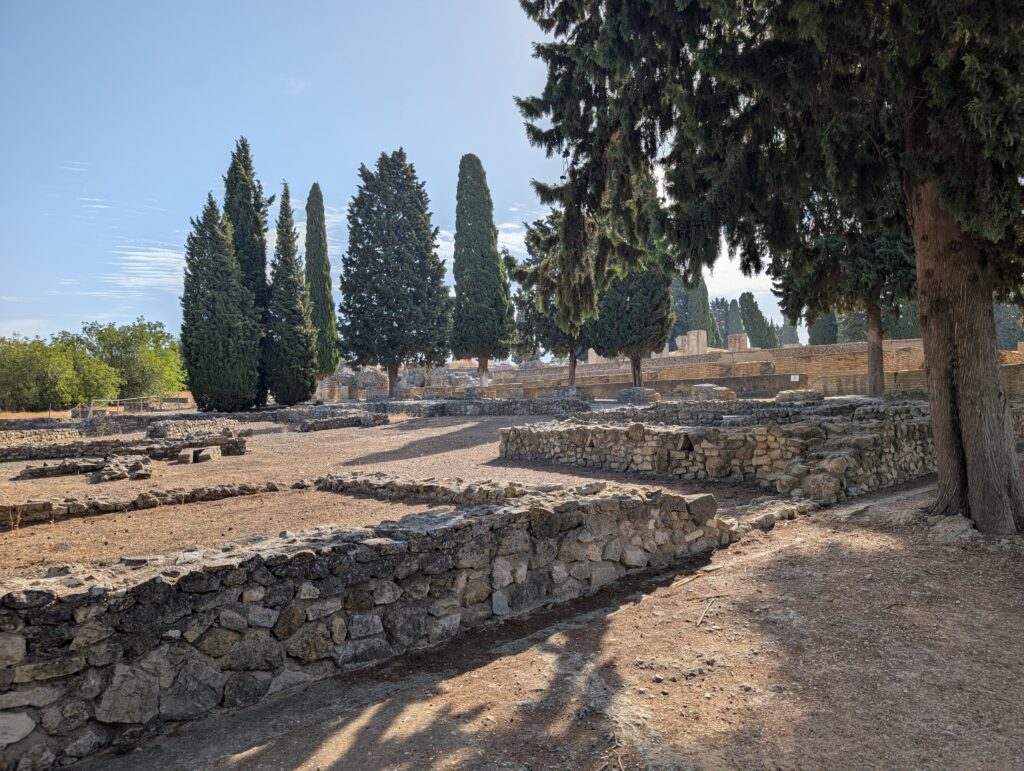
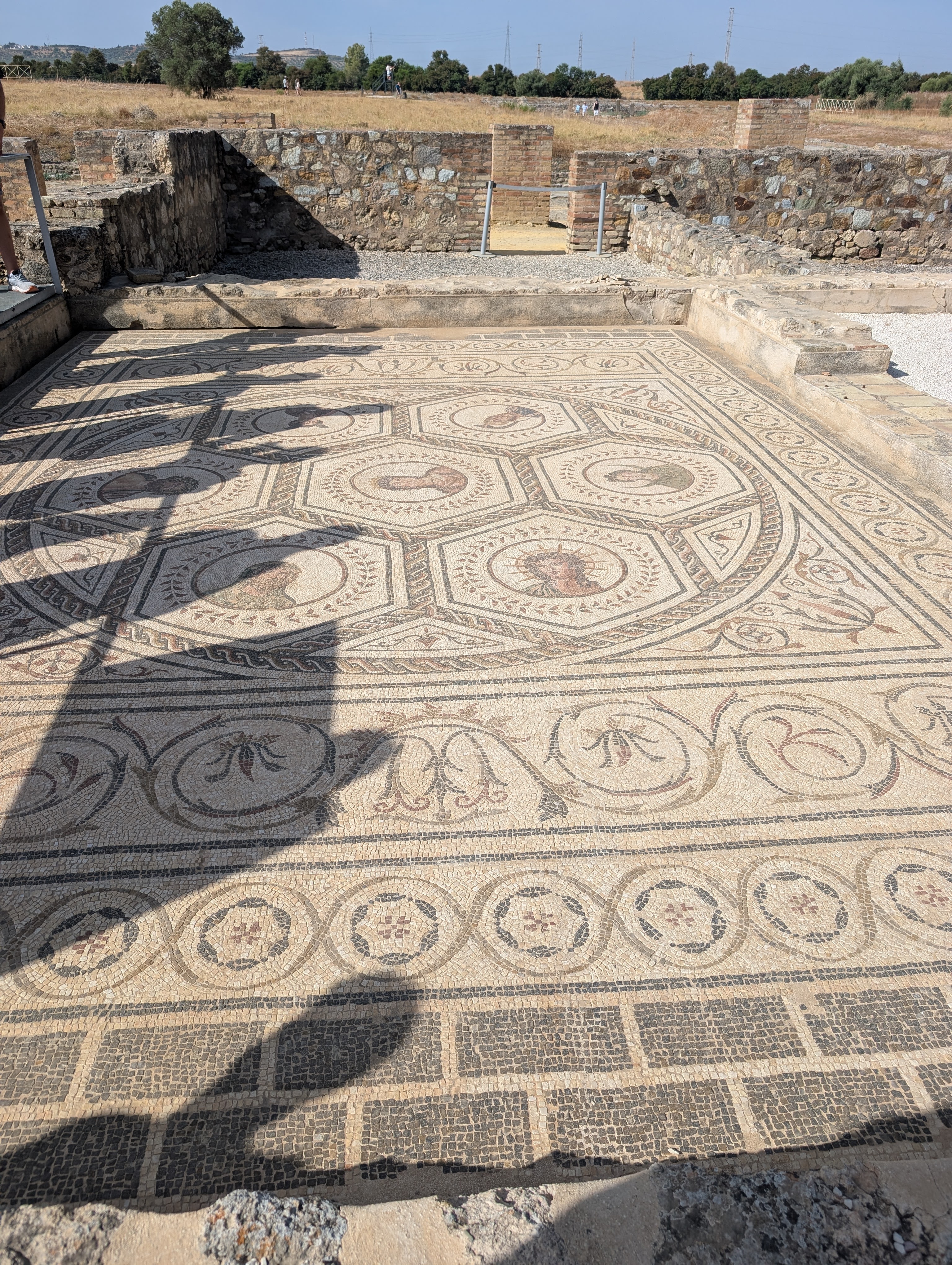
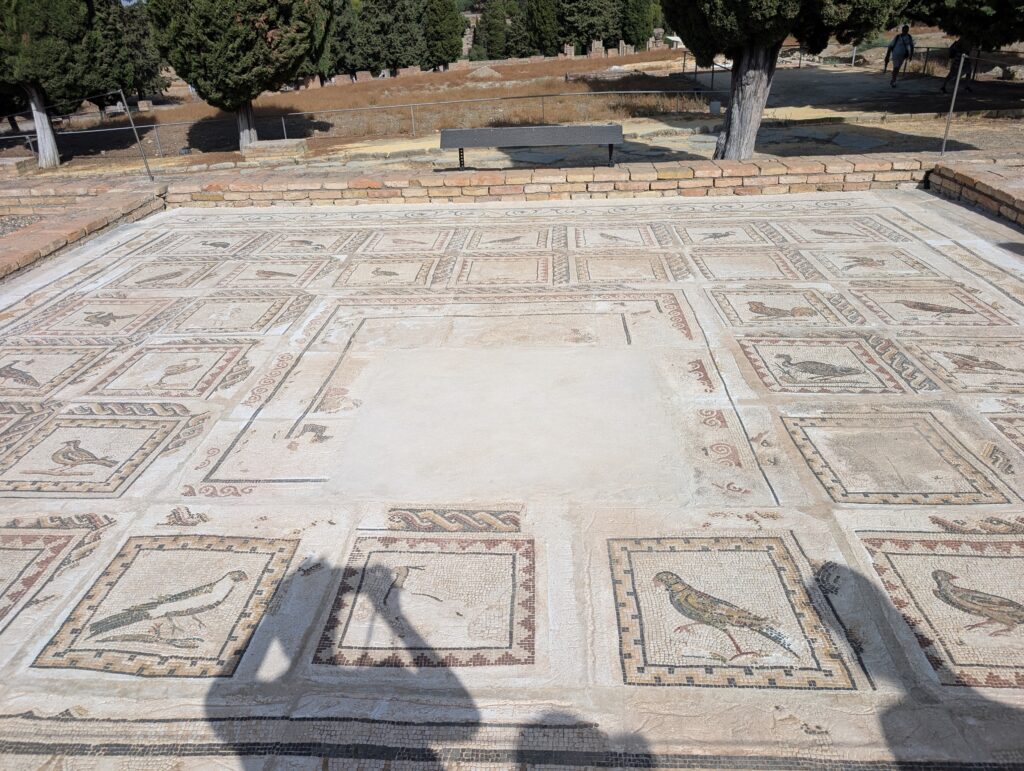
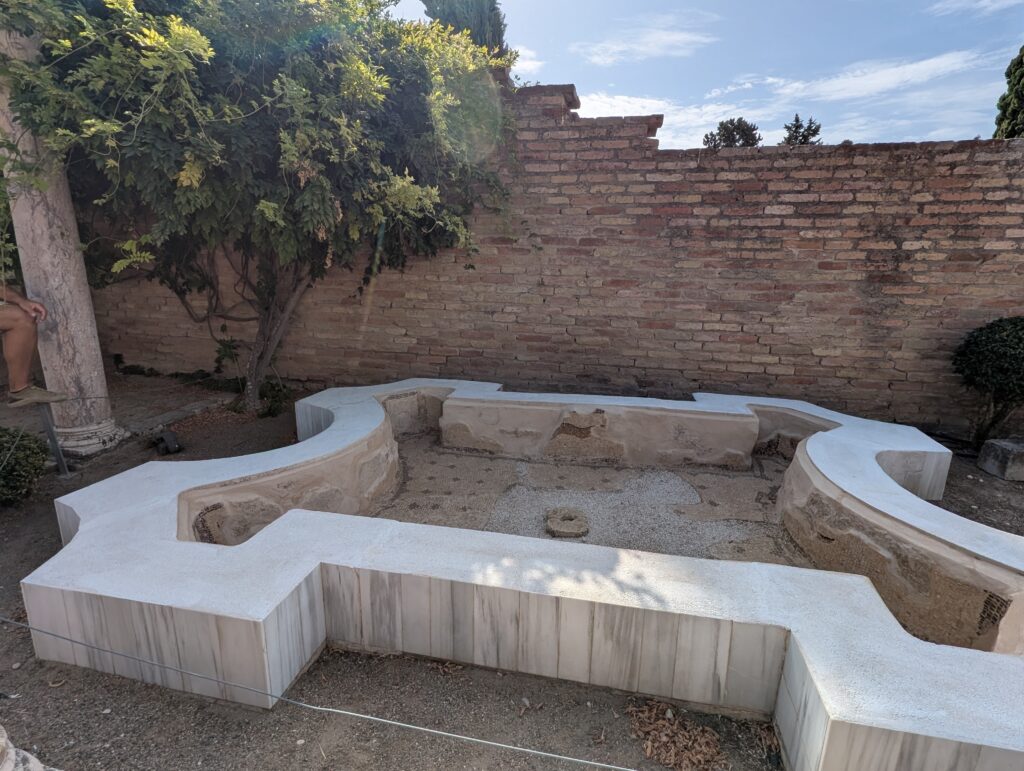
I did a tour of Itálica which is a little further than the city center. This is an archaeological site of a Roman town and an amphitheater. After the town was abandoned for many centuries, much of the rock and structures were used to build Seville. After digging, they found statues, Roman columns, and beautiful mosaic floor work.
A marble fountain

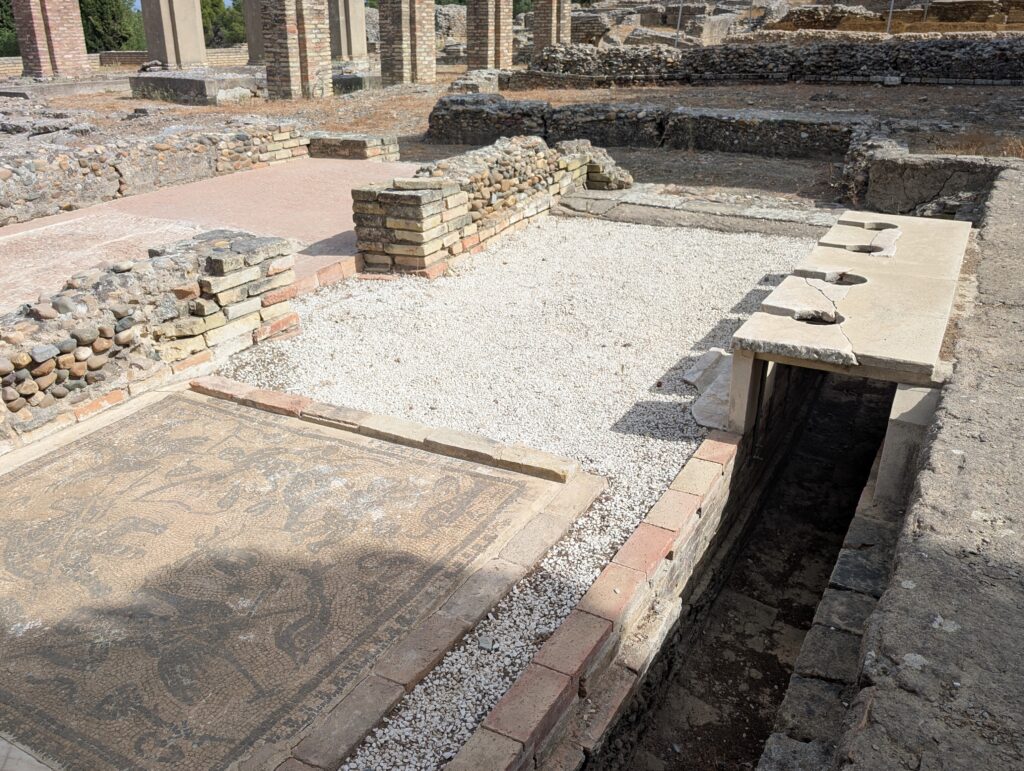
This is part of a school for the rich residents. Note the toilets.

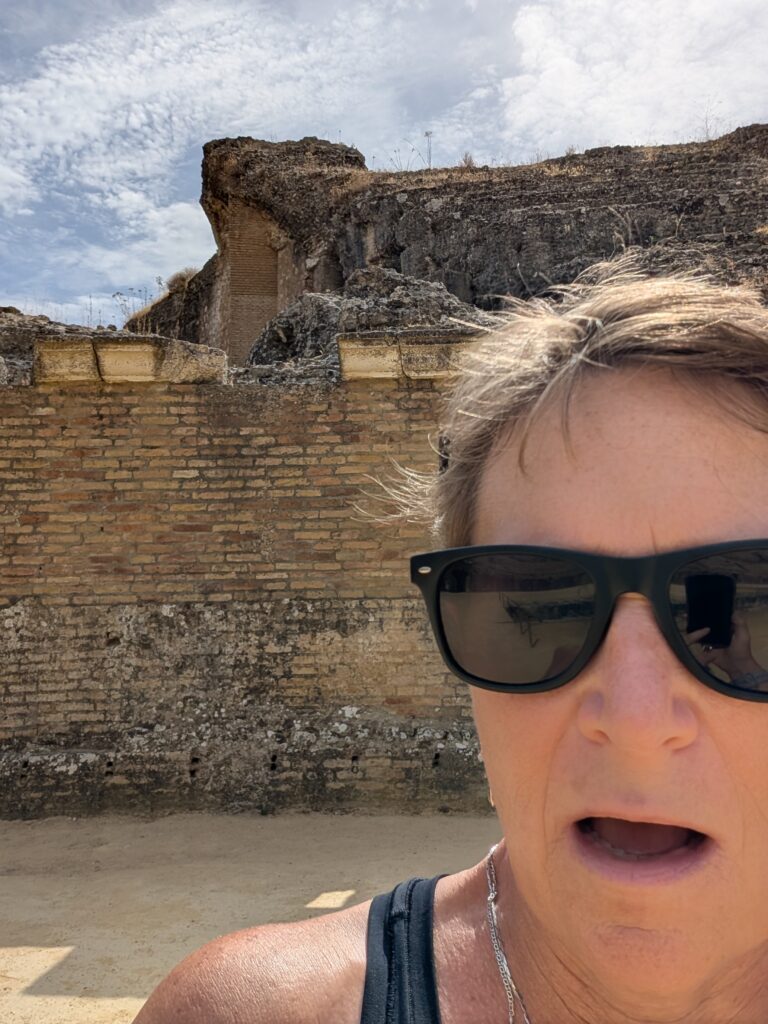
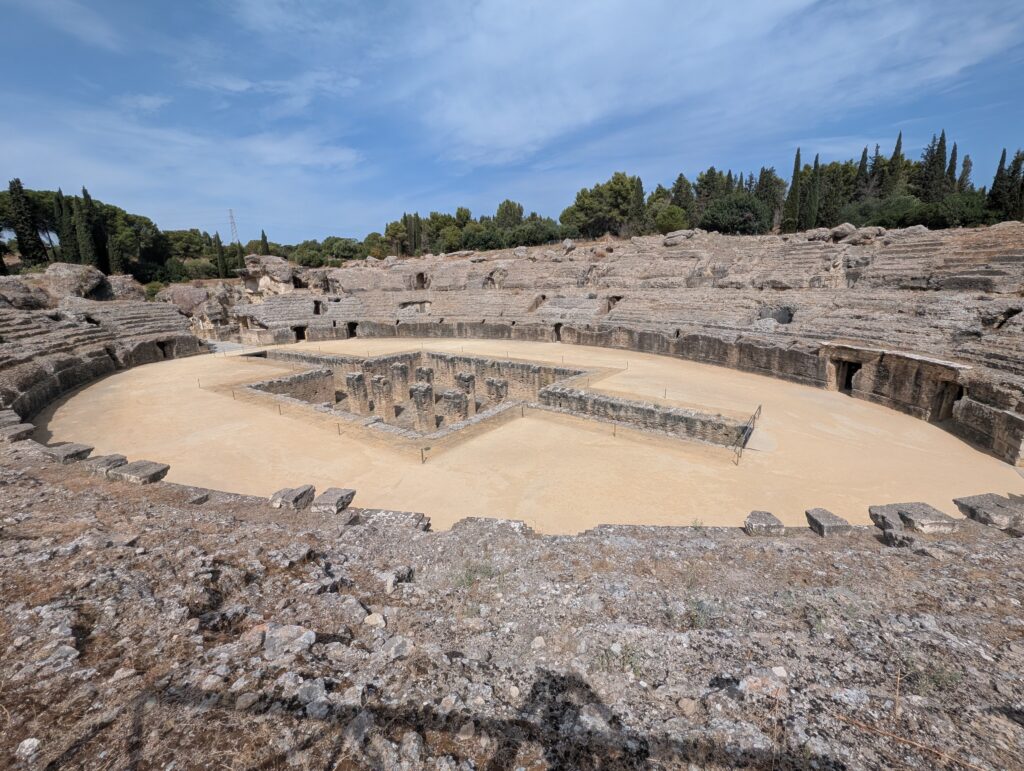
We then visited the amphitheater where several episodes of Game of Thrones was filmed including when Danaerus flew in on her dragon. That is me thinking the CGI dragon landed behind me.

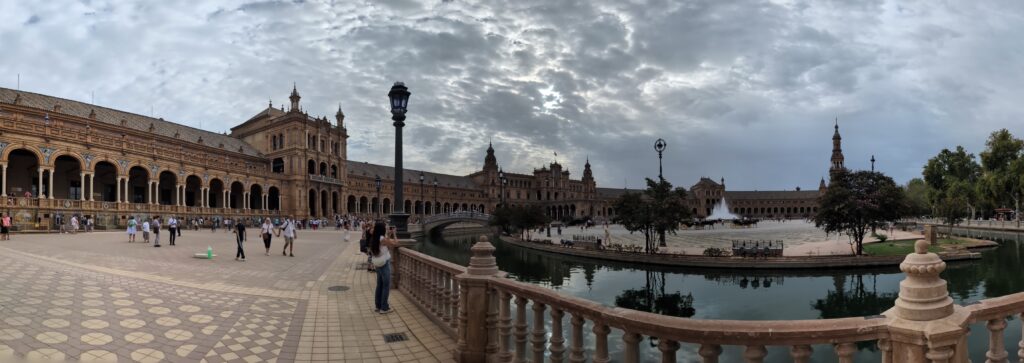
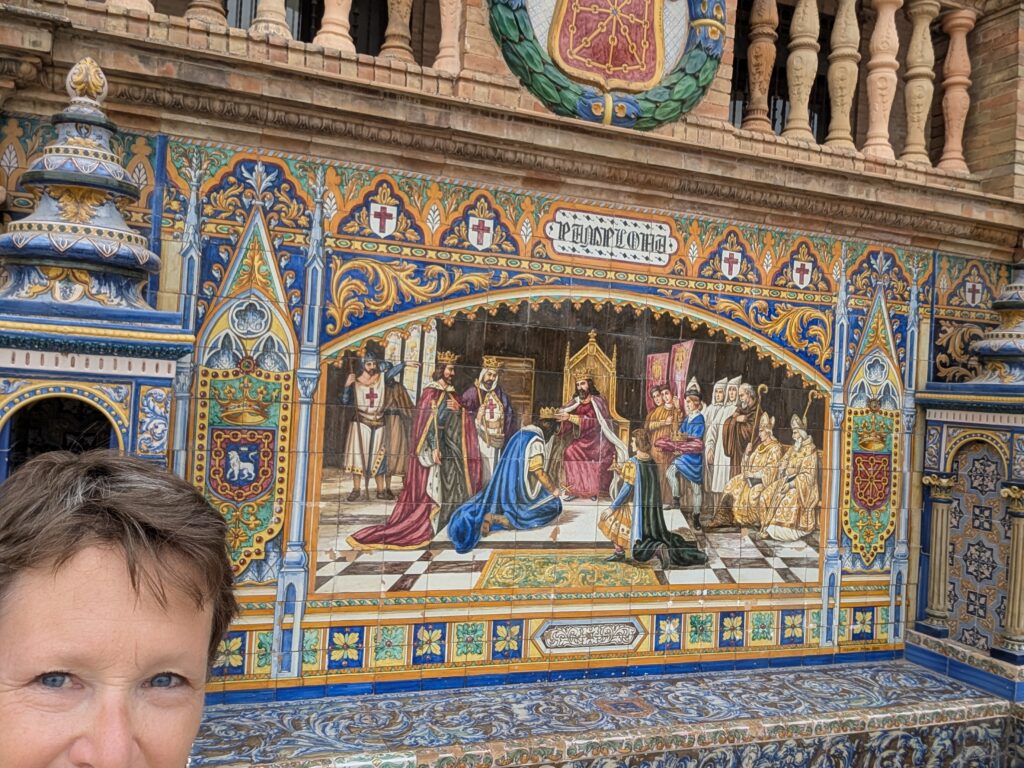
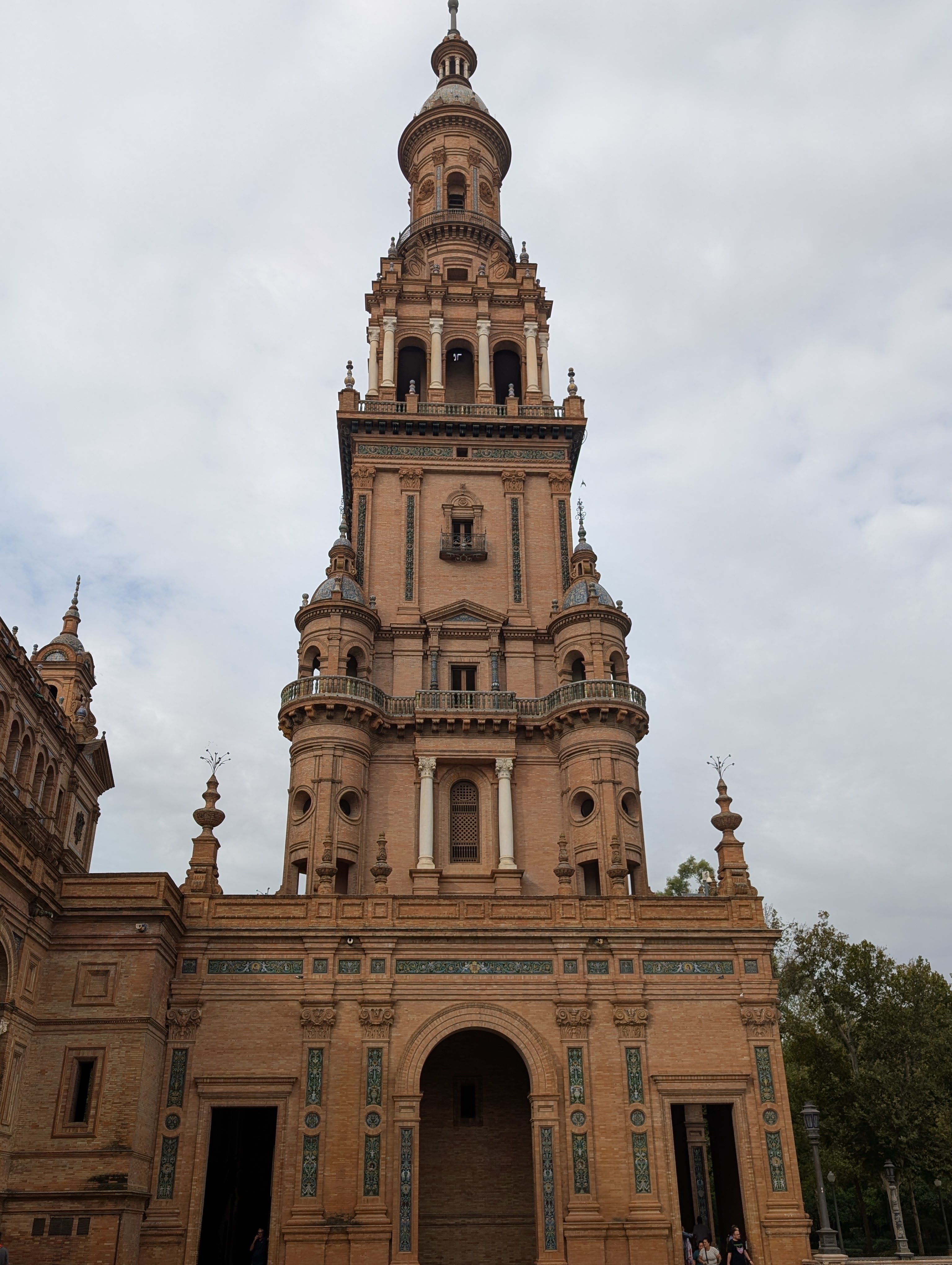
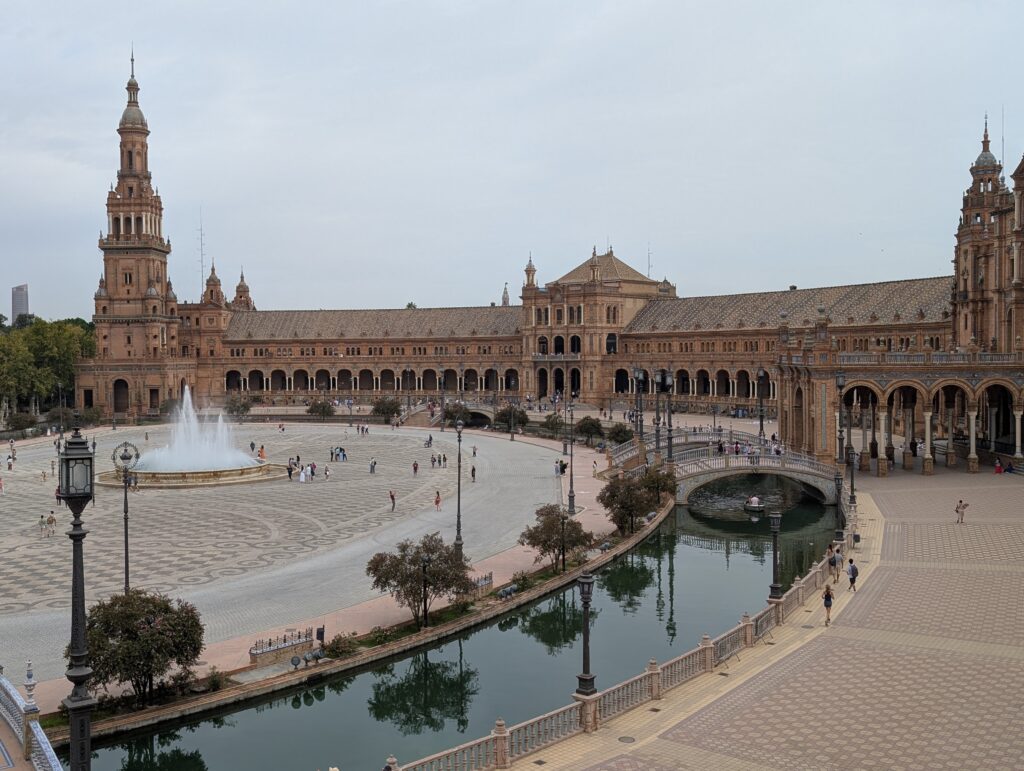
Plaza de España was built for the Ibero-American Exposition of 1929. The was designed to strengthen ties between Spain and Latin America. Along the base of the building are beautifully tiled alcoves representing each of Spain’s provinces. The mosaics are gorgeous. This structure was used in Star Wars episode 2 as the planet Naboo.

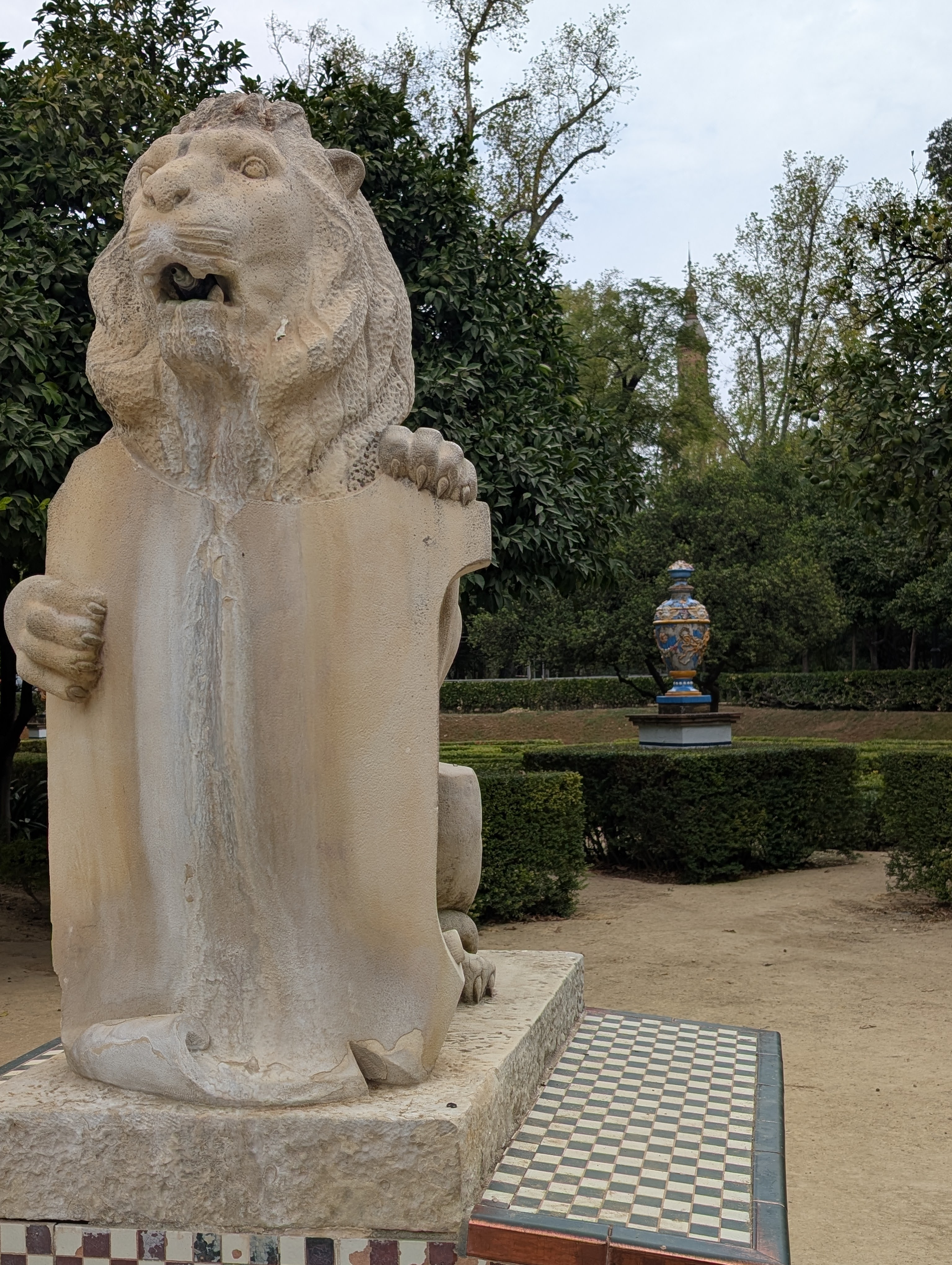
A stroll around the gardens and other parts of Seville.

More Granada

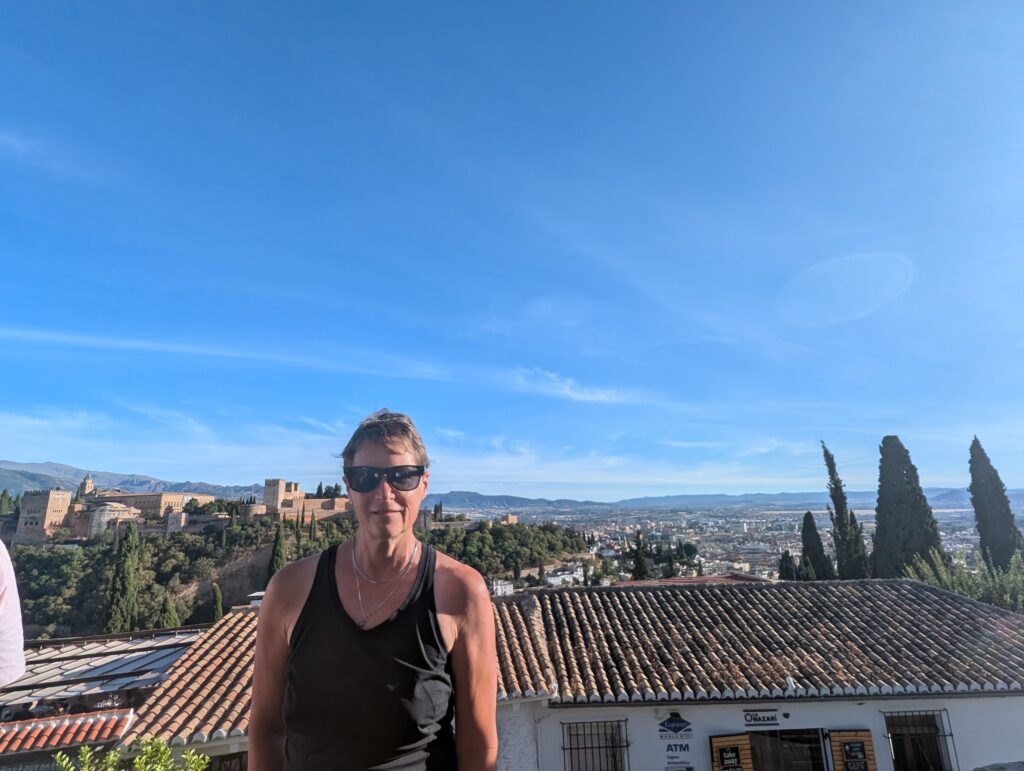
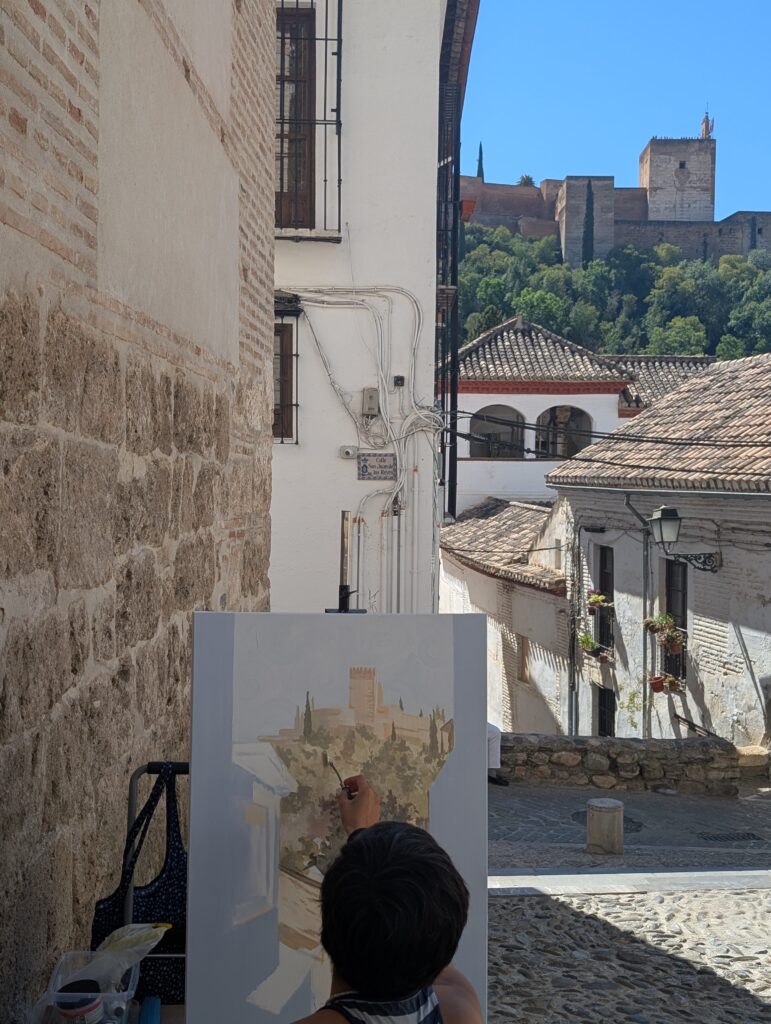
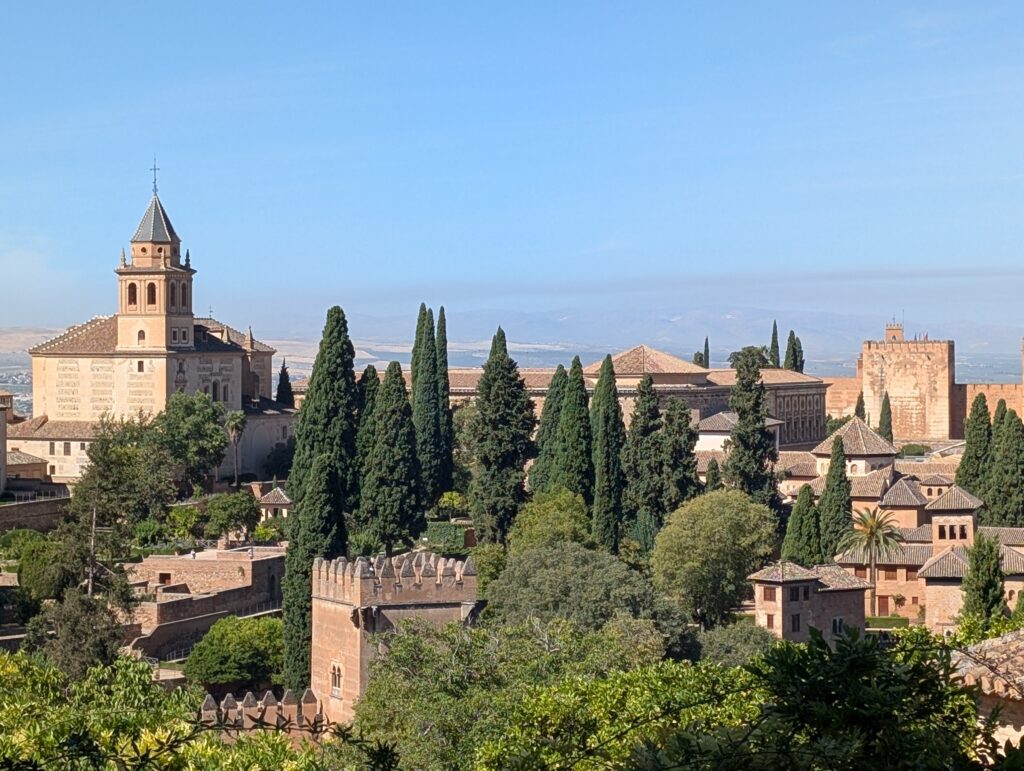
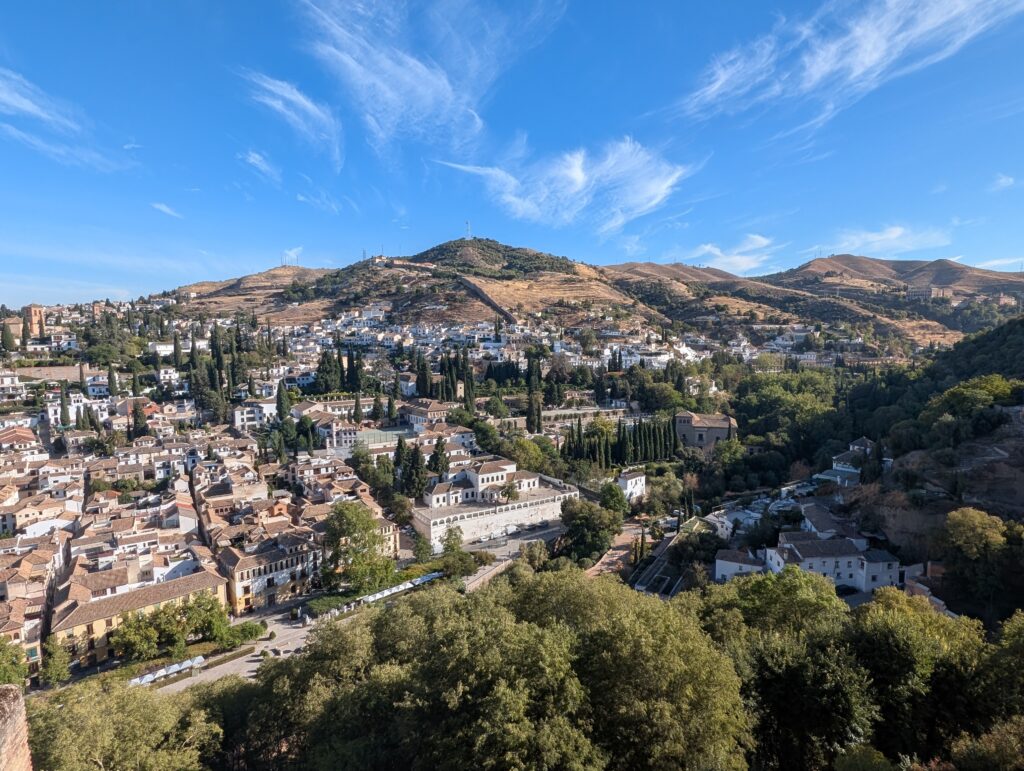
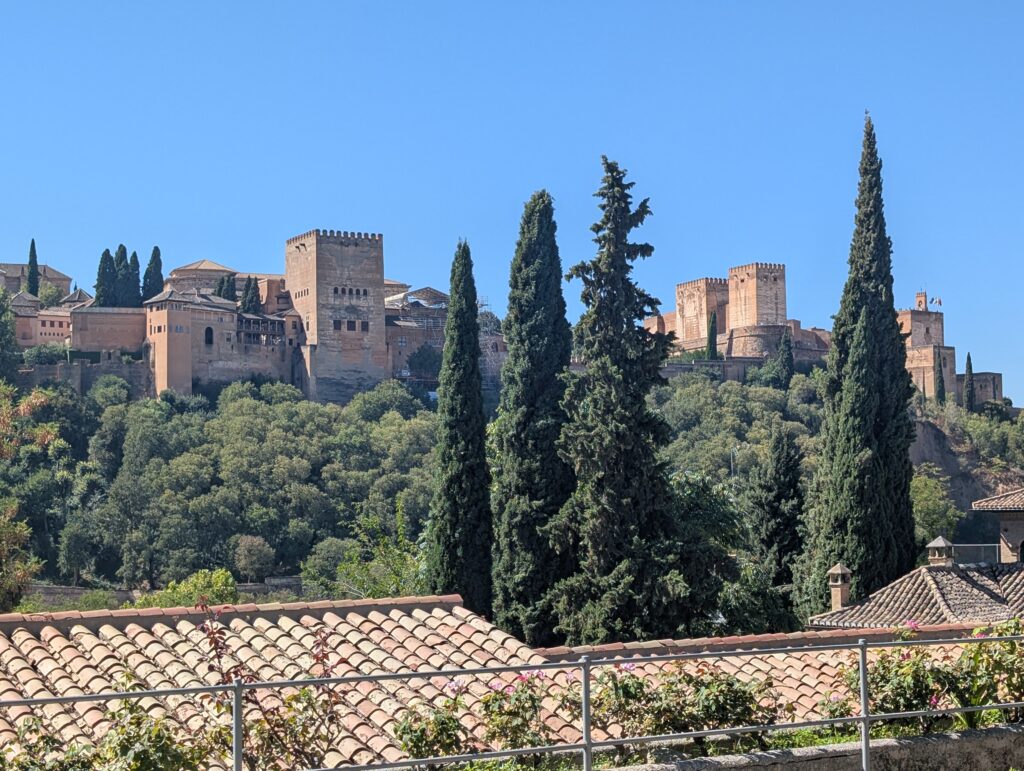
i walked to one of the high points to see the city and also the Alhambra .

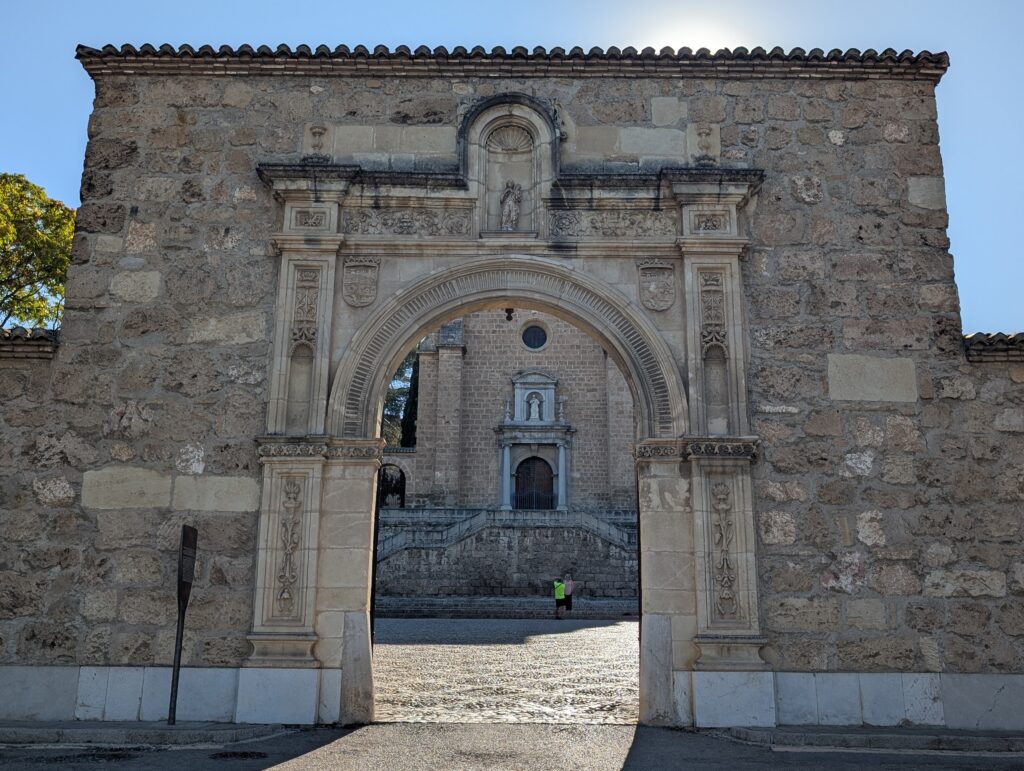
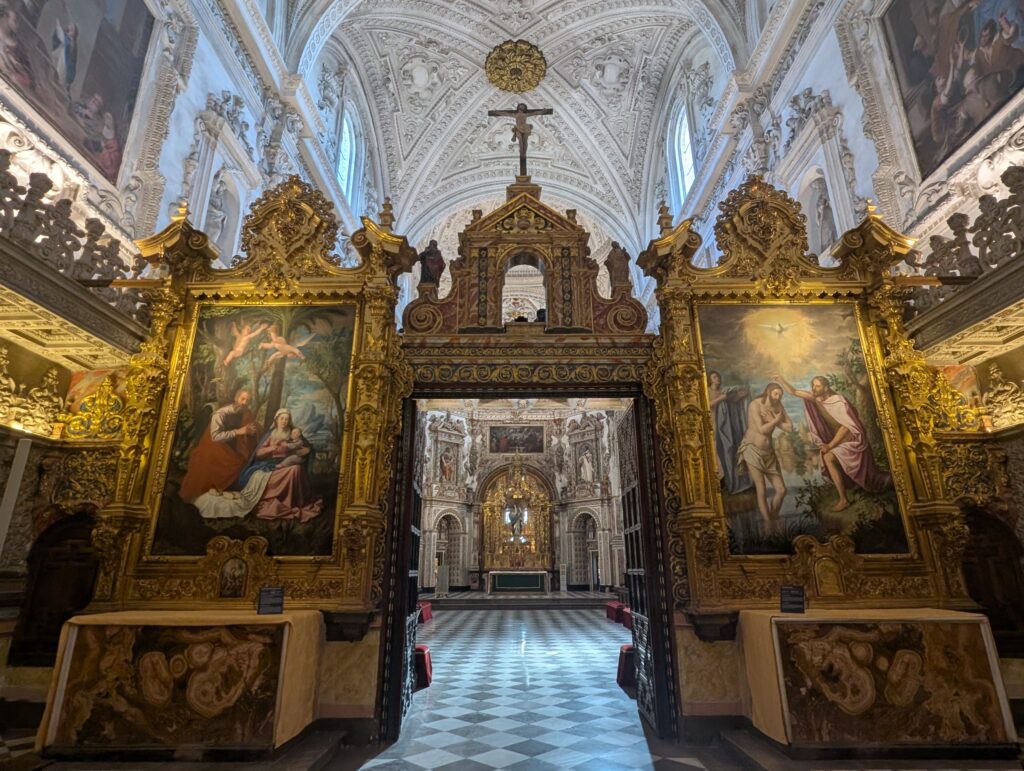
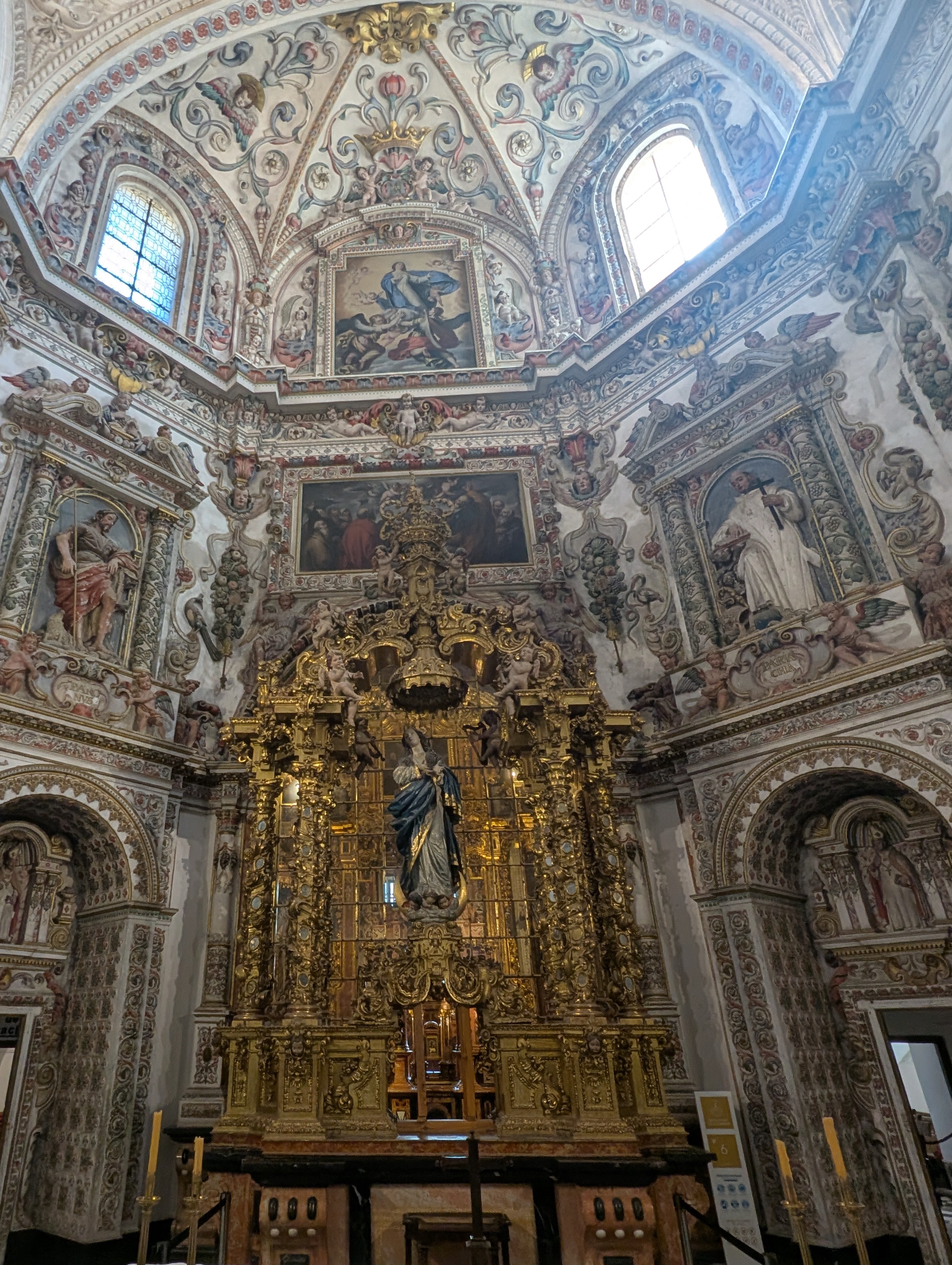
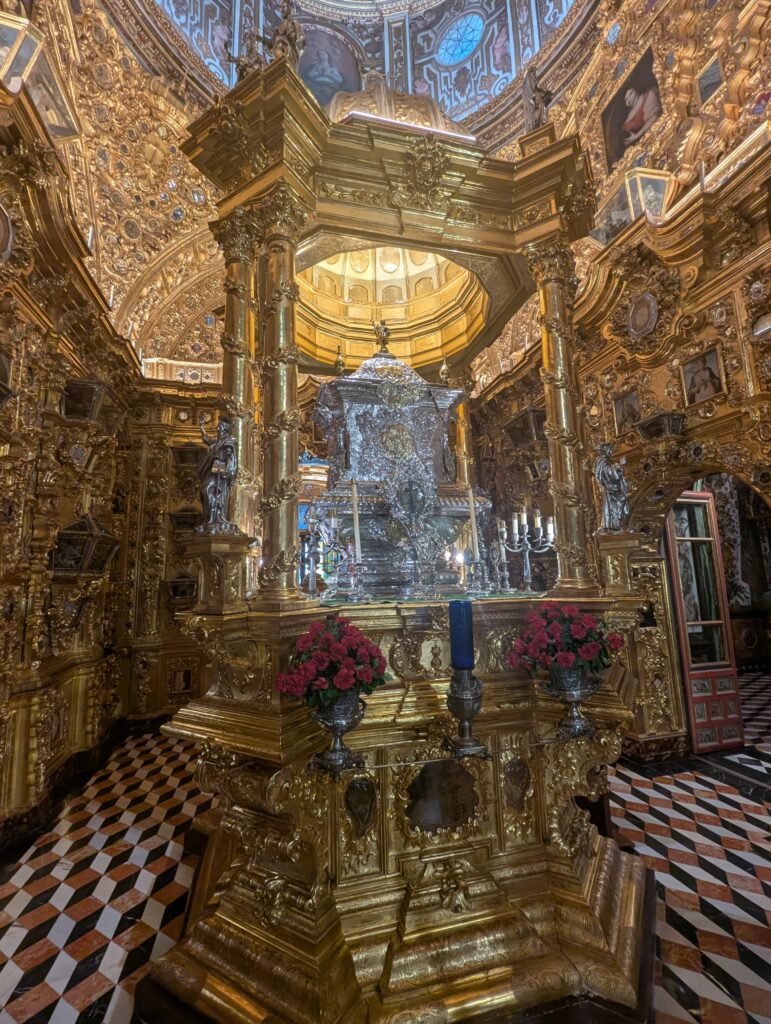
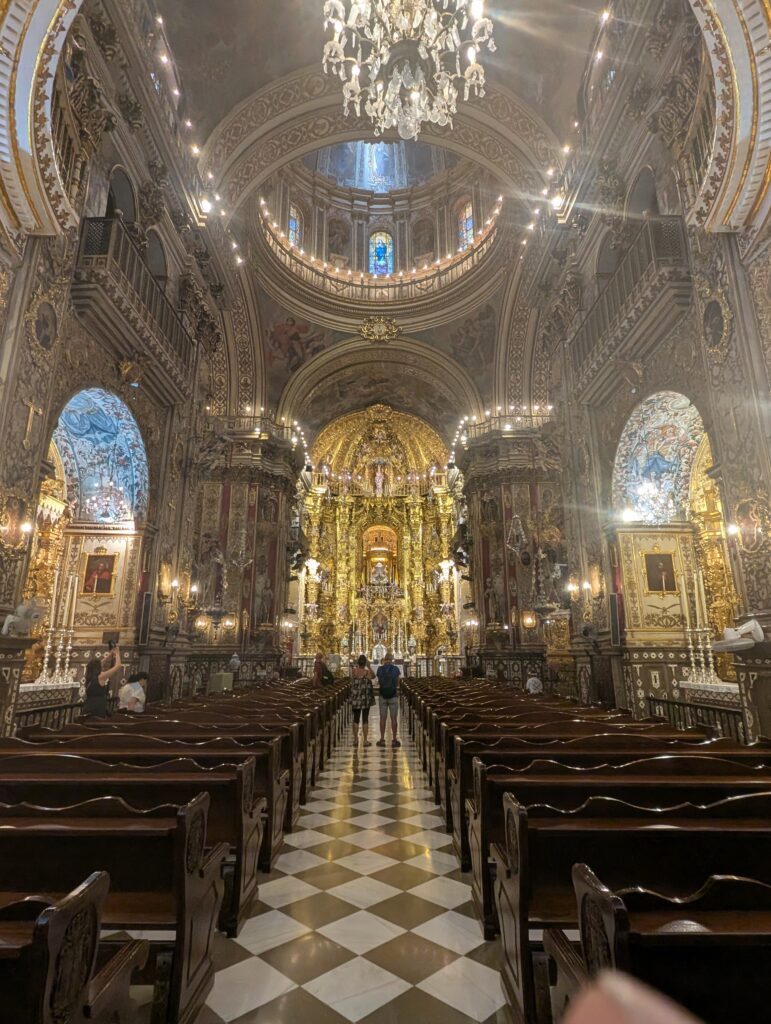
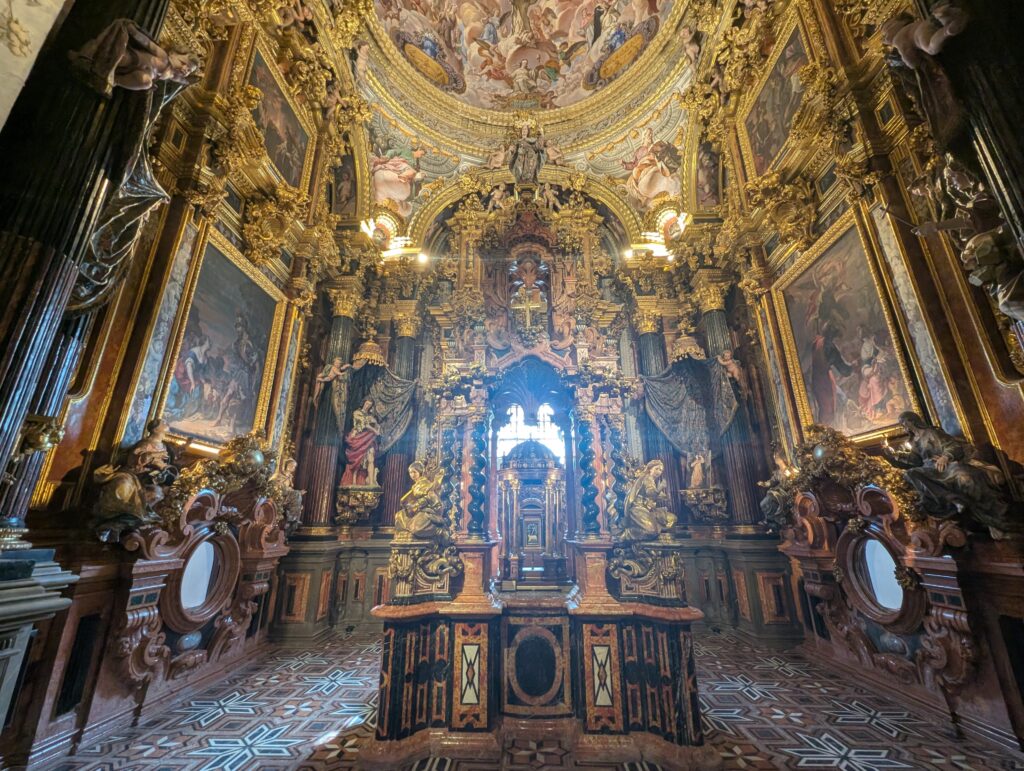
I also walked to the Monastery as it is one of the best examples of Baroque design and using good in the design.

As it was Sunday, many museums and houses were free (not the Monastery). At the Casa del Chapis, they had beautiful gardens and also a great view of the Alhambra.

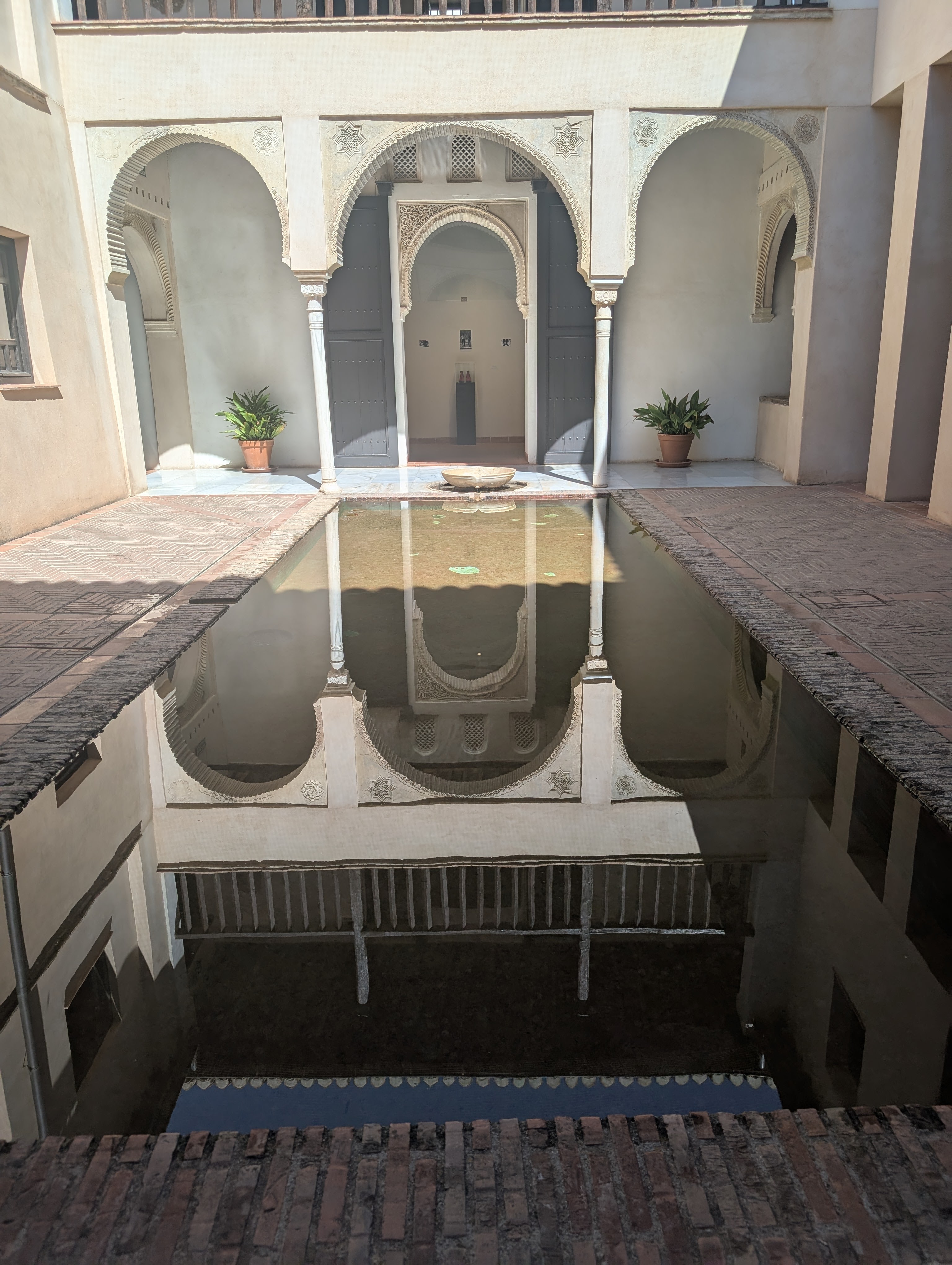
Casa de Zafra

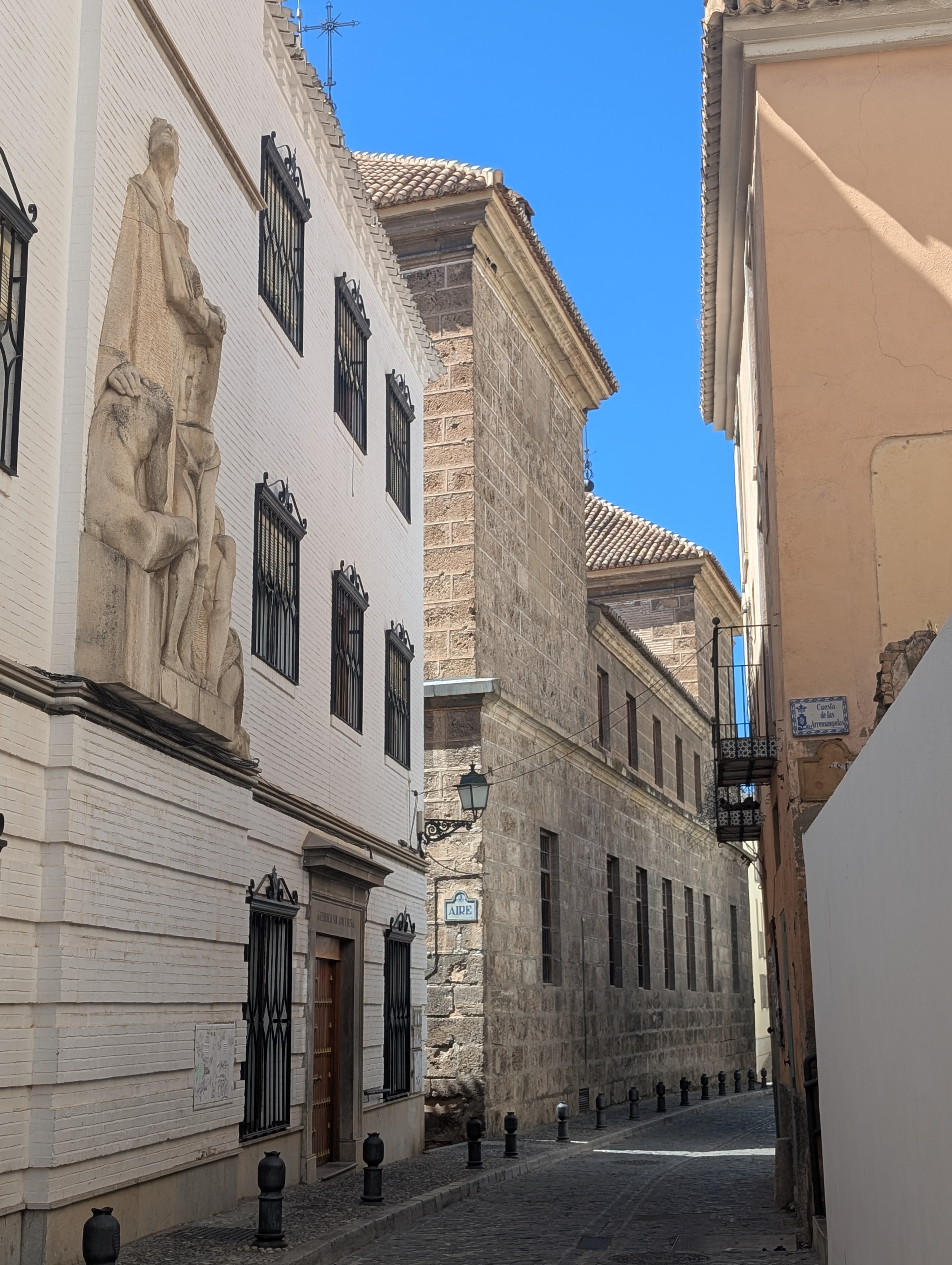
Other things I took pics of include some of the streets as they are narrow with cobblestones and lead to many turns and dead end which lead to some wonderful plazas.

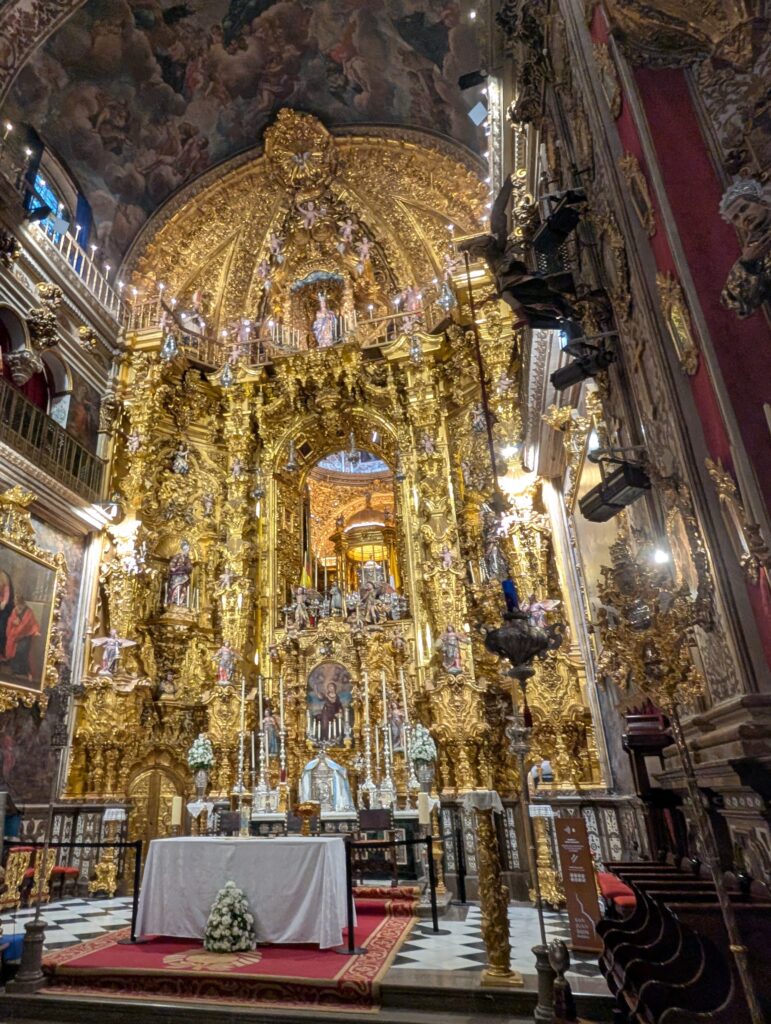
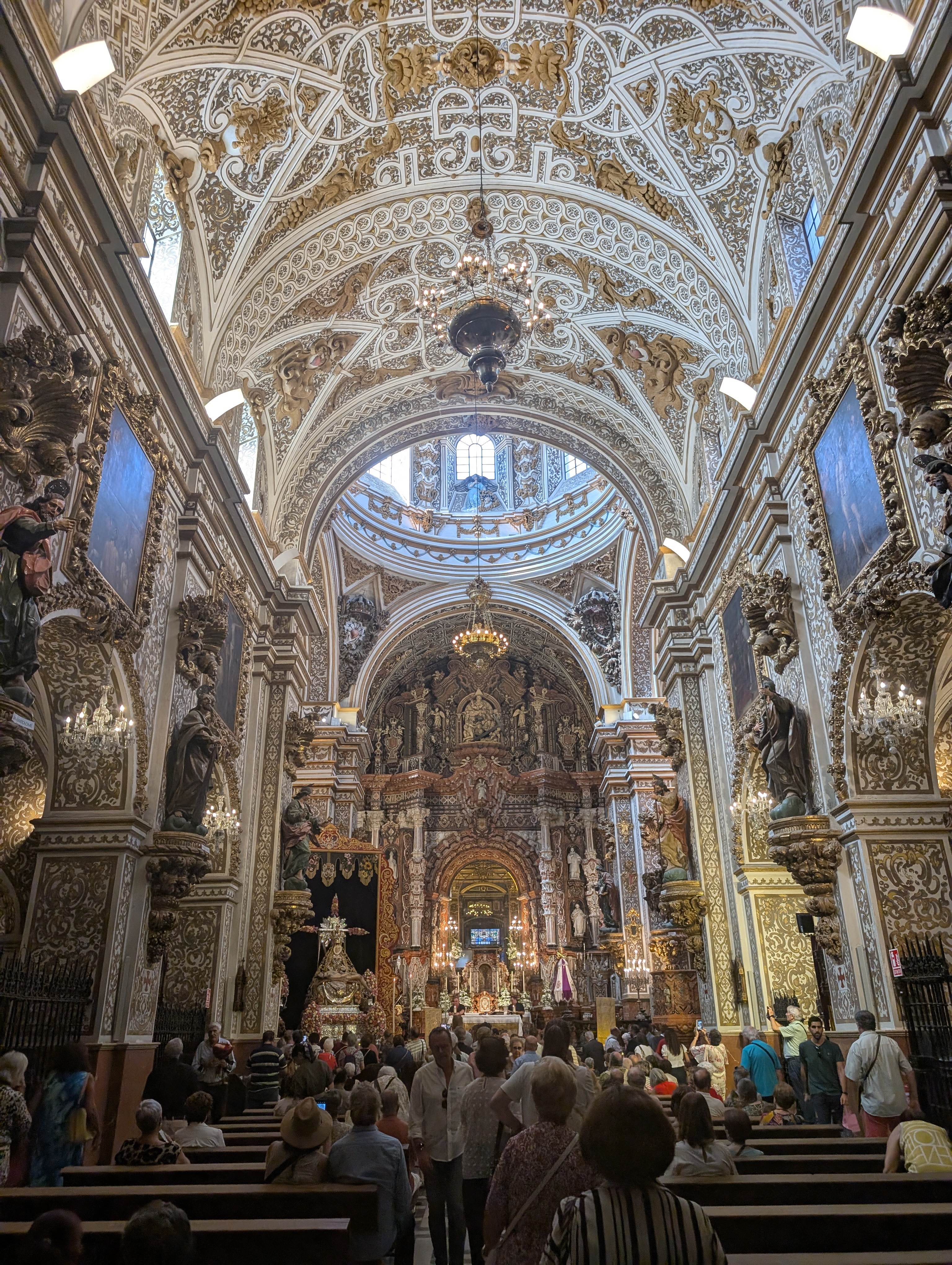
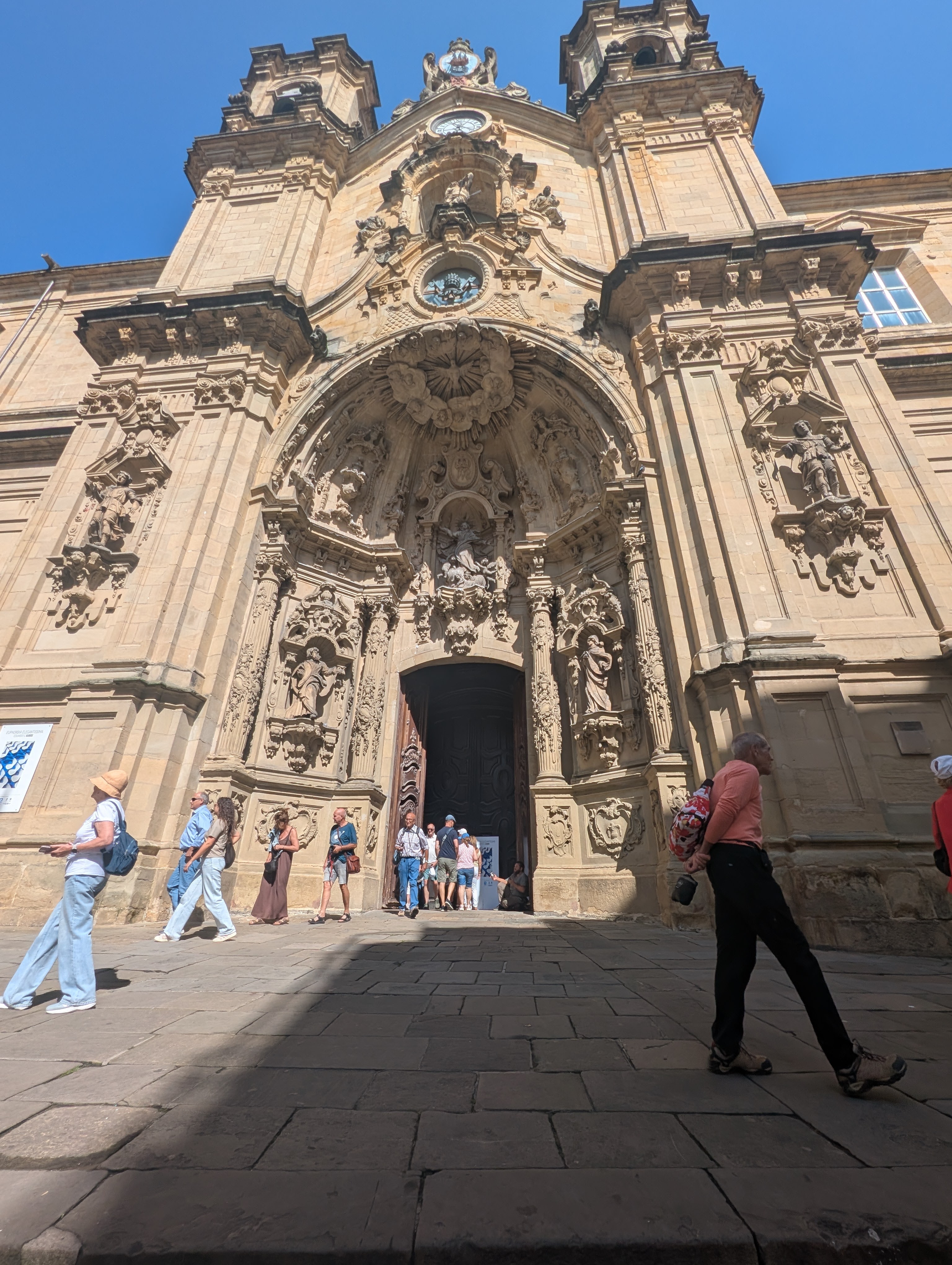
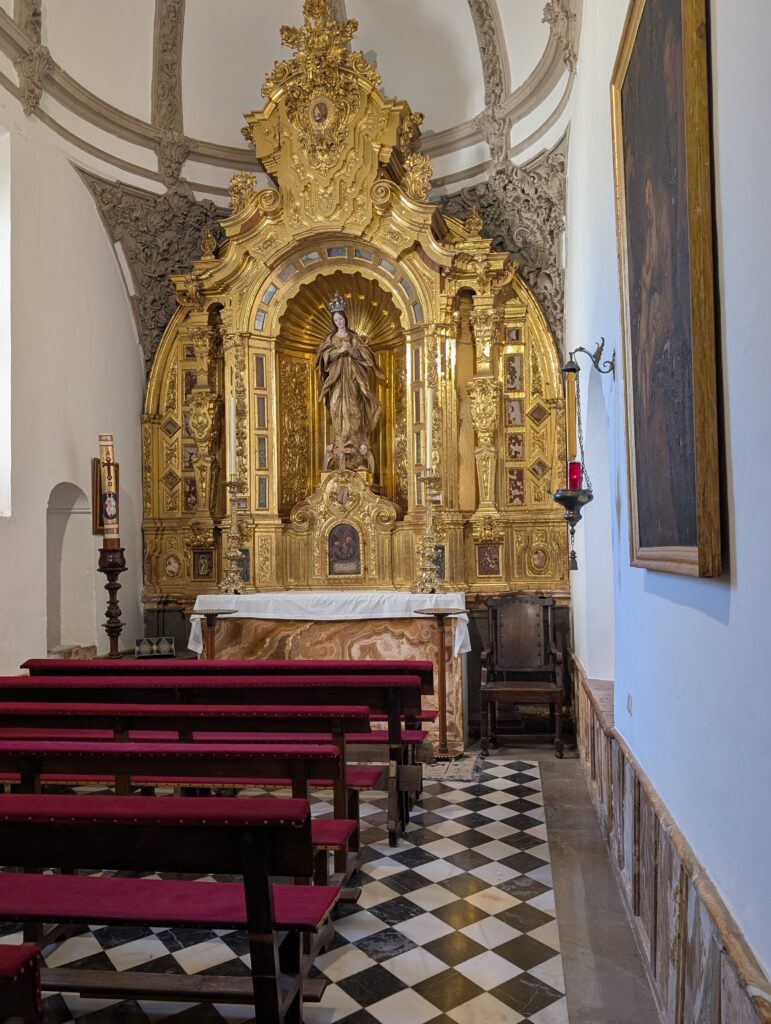
The basilica in Granada was built for Saint John of God whose remains are interred here. It has a classic Baroque style.

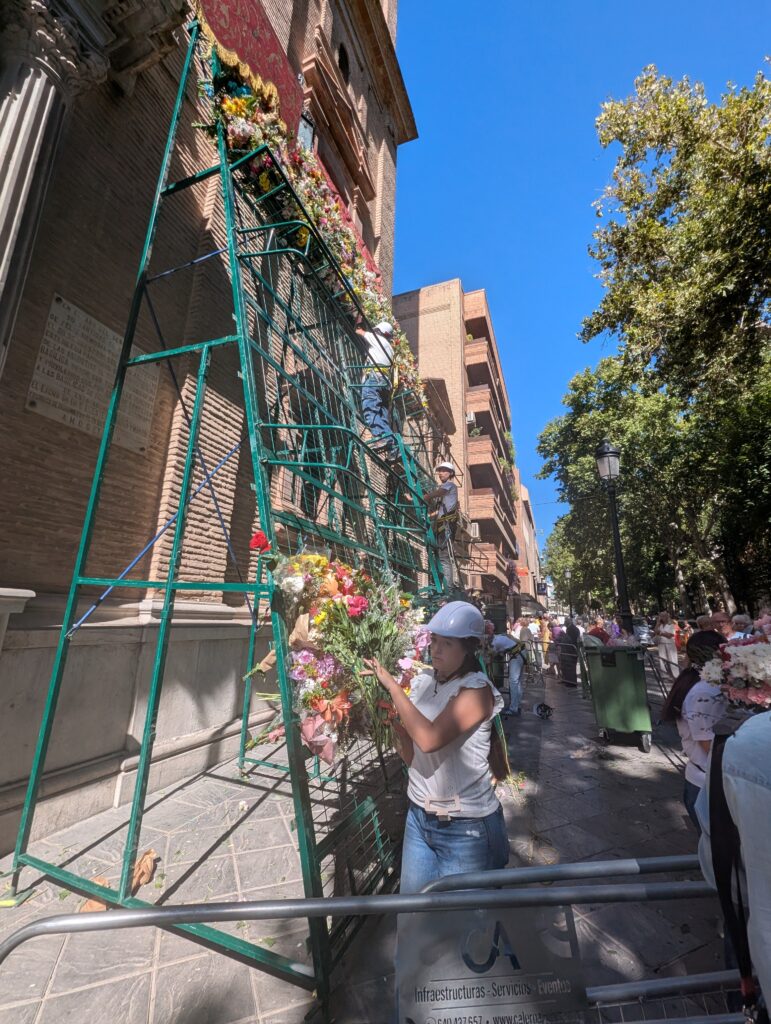
September 15th commemorates the beginning of festivities for Virgen de las Angustias which if the patron saint of the city. Today was the day of the Floral offerings where people buy flowers and offer to the church. These flowers are placed in a scaffold to display in front of the church.

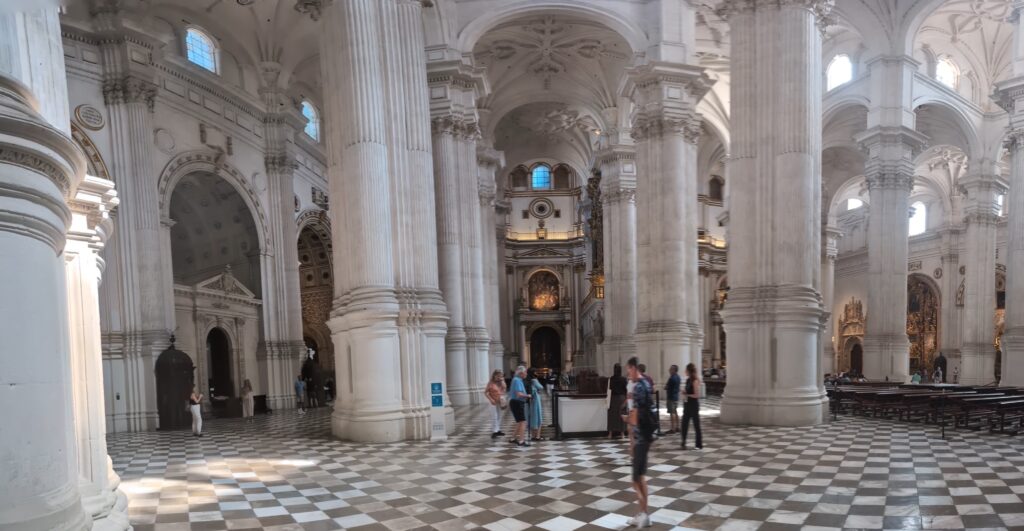
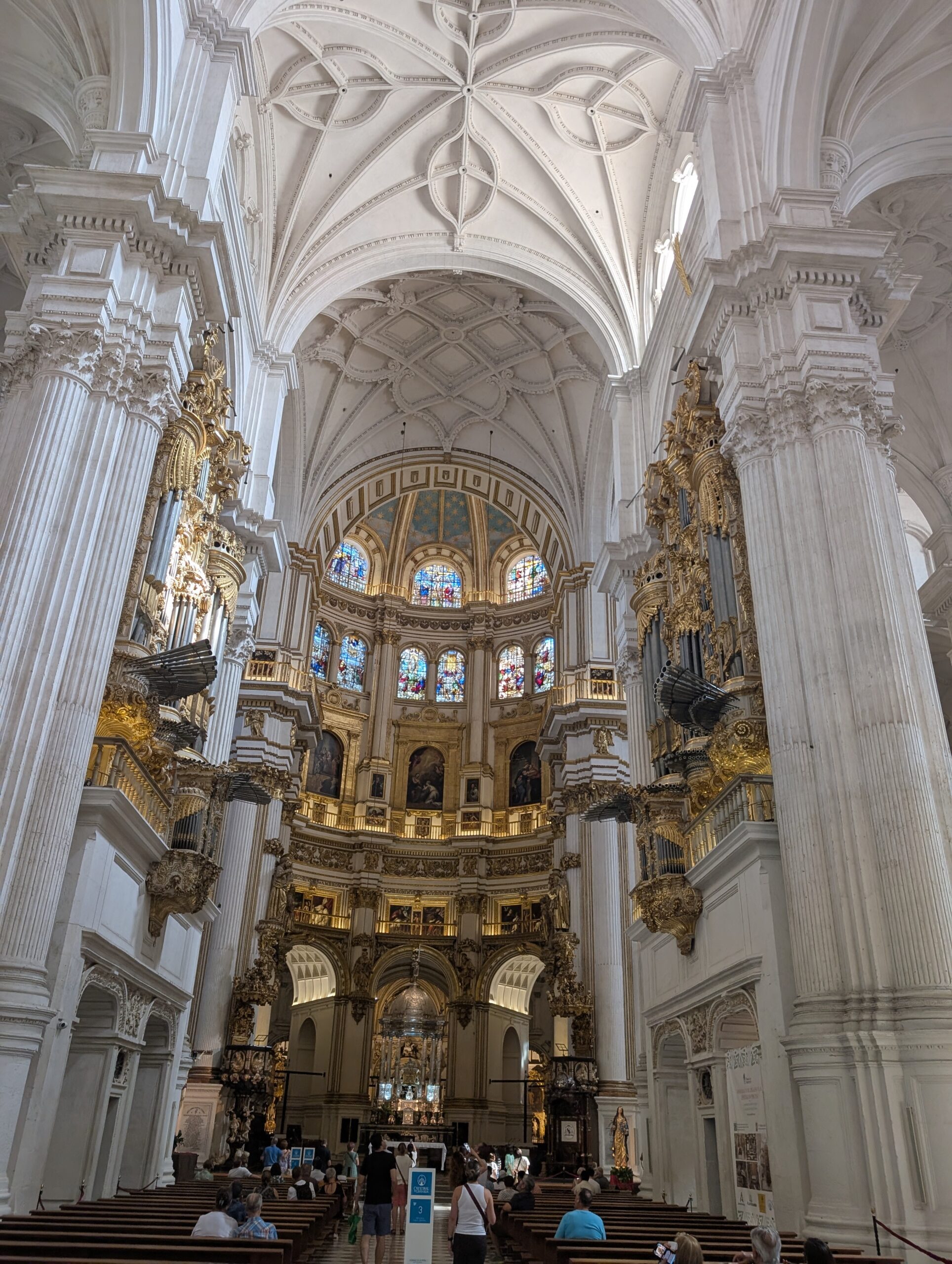
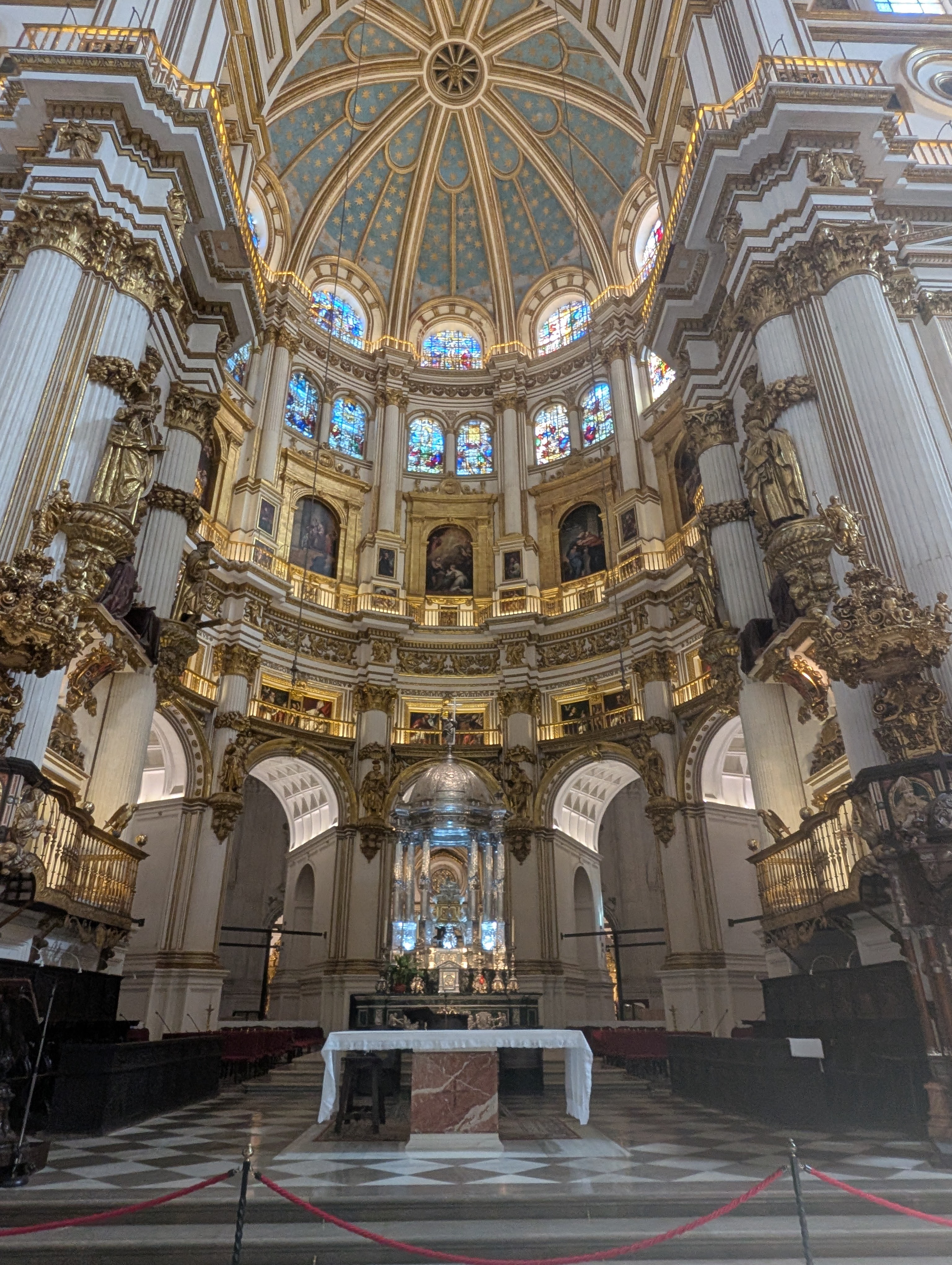
I also visited the Cathedral of Granada.

I ended my last full day going to a tapas bar. When you order a drink they also bring you a snack for free. After that, I went to a hammam to soak Ian warm and cold baths as well as a massage. Very relaxing.
La Alhambra

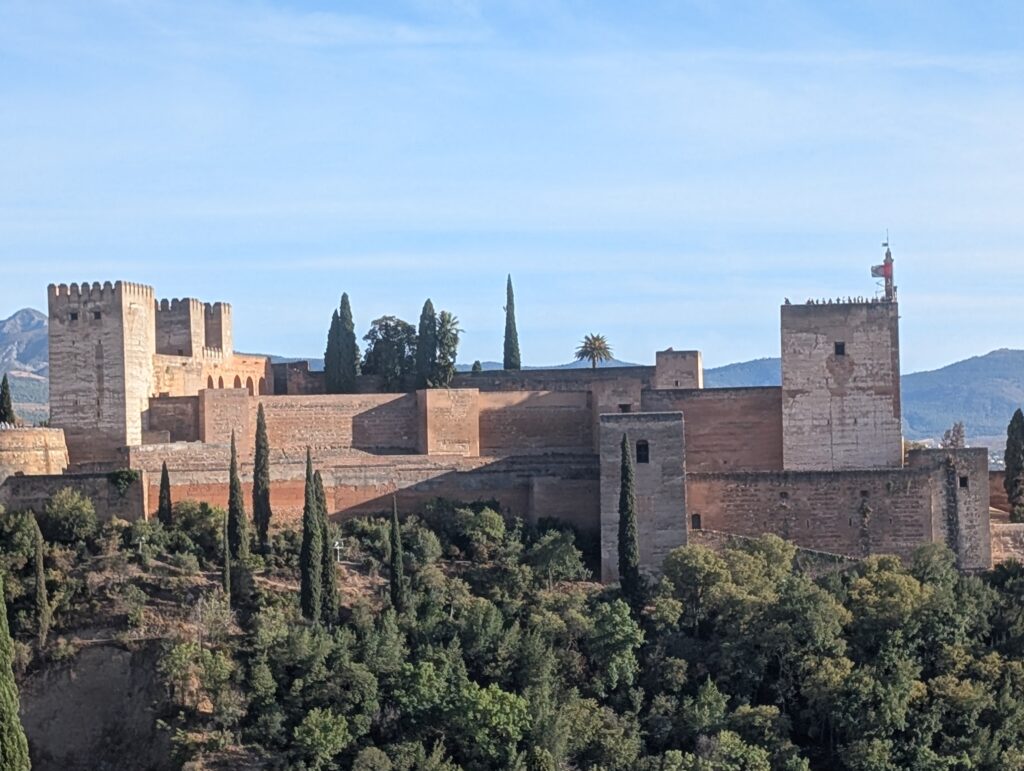
The Alhambra is a historic palace and fortress here in Granada. It was built in the mid-13th century by the Nasrid dynasty who were the last Muslim rulers in Spain. It was a royal palace to the Nasrids with 5 palaces being built during the dynasty. 3 of them are still standing as during the Napoleonic war, the French destroyed palaces and the houses outside the palace where nobility lived. It also was a military stronghold, and a symbol of Islamic architecture and culture in medieval Spain.

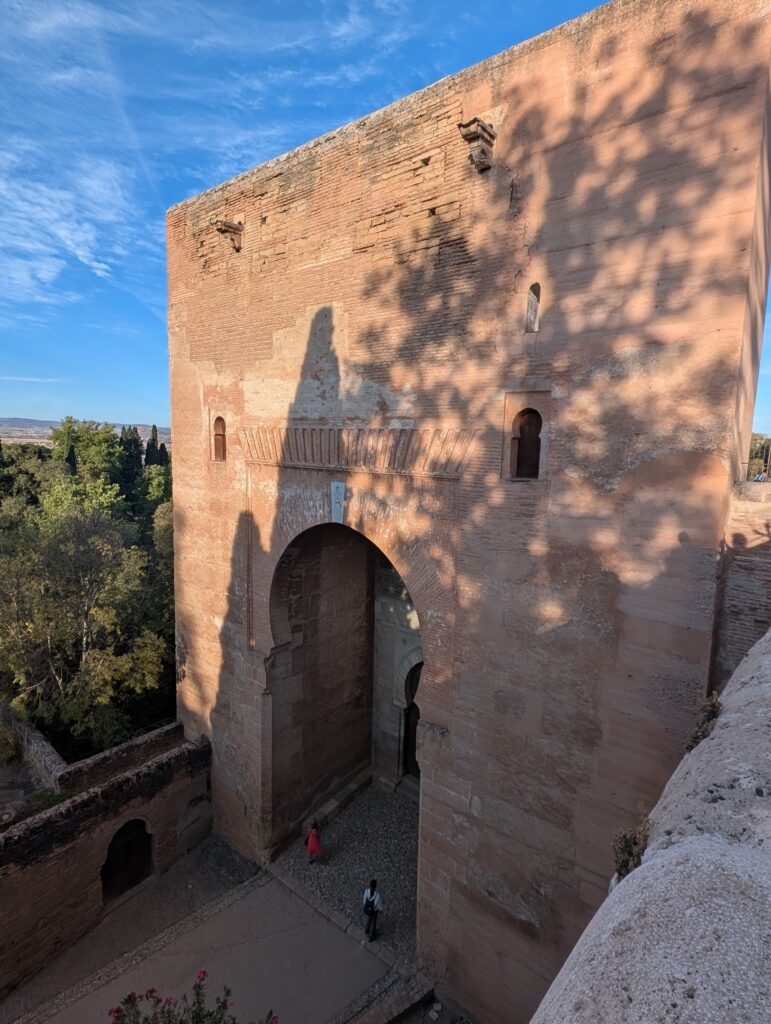
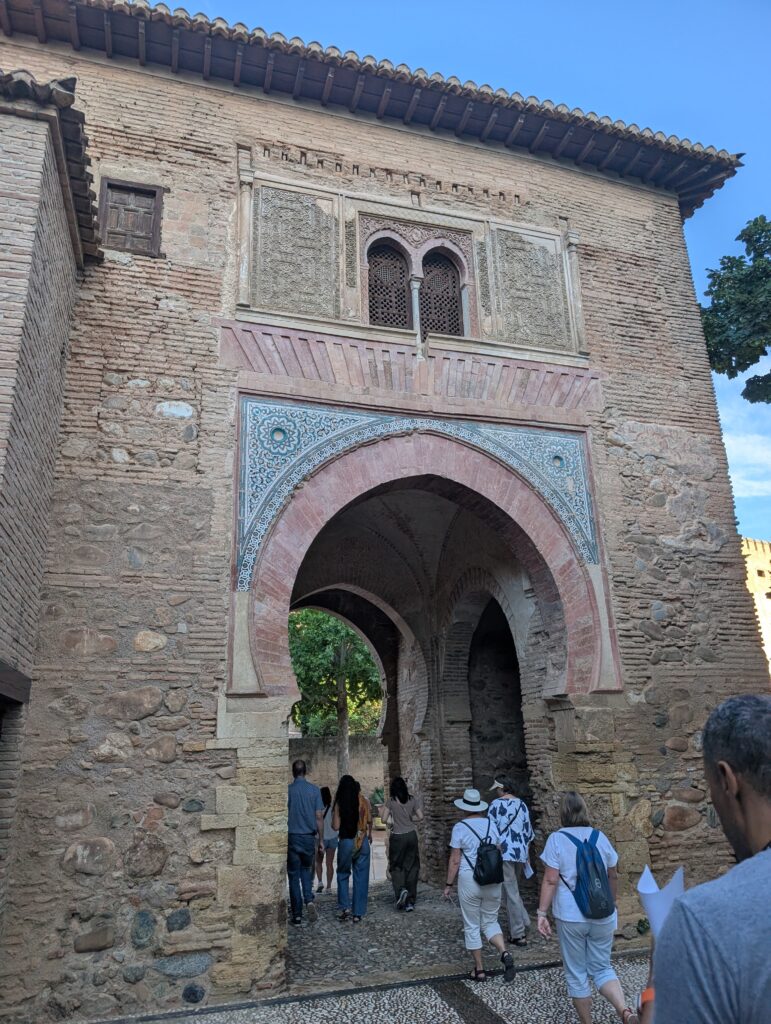
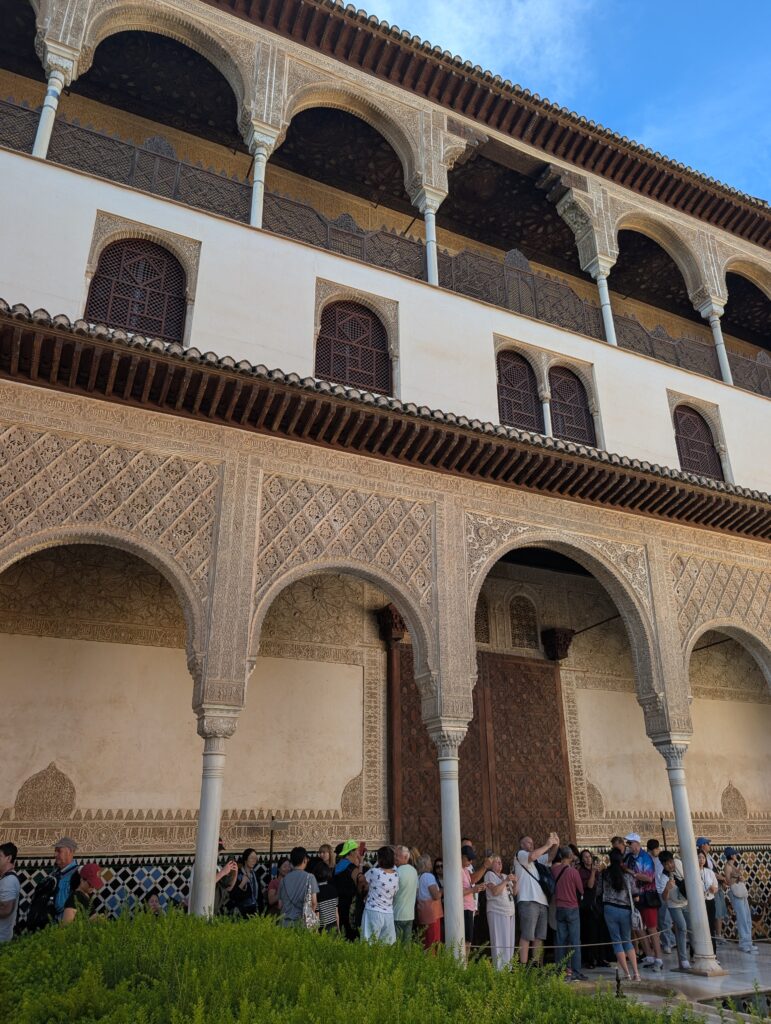
There are beautiful entrances into the Alhambra.

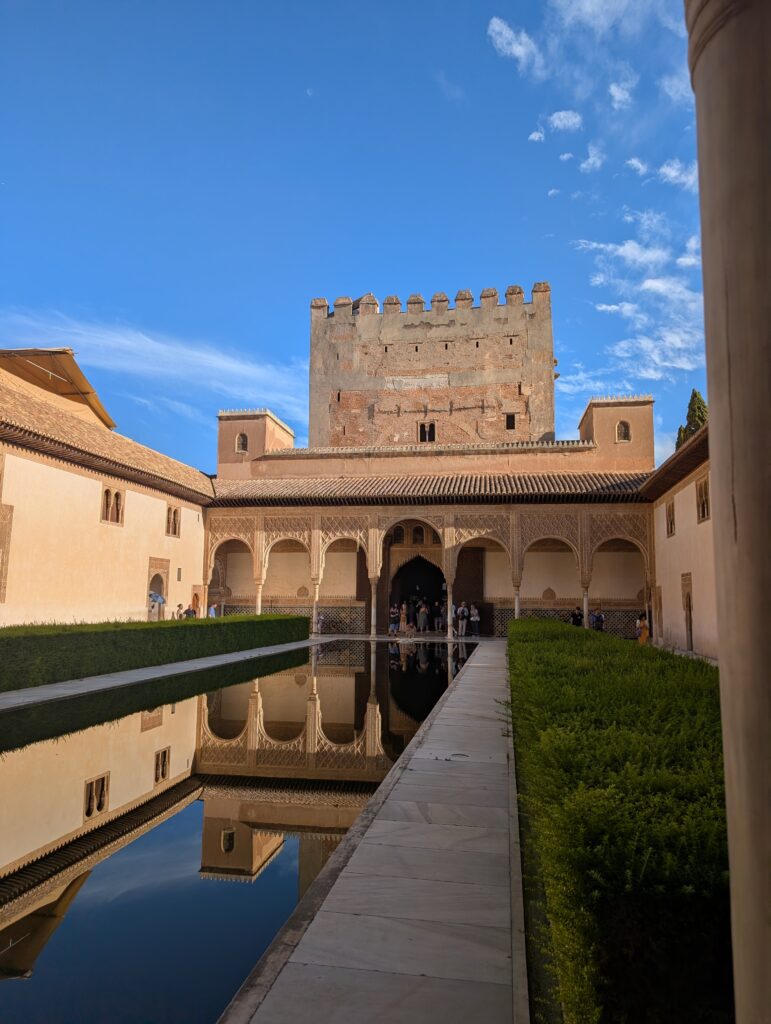
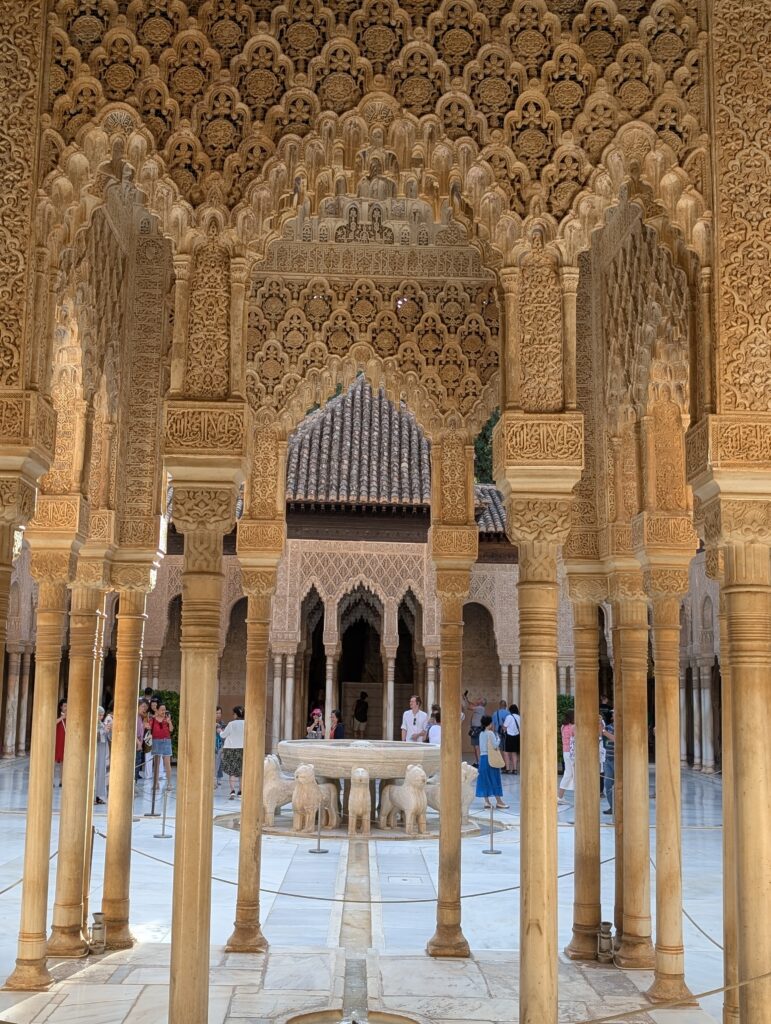
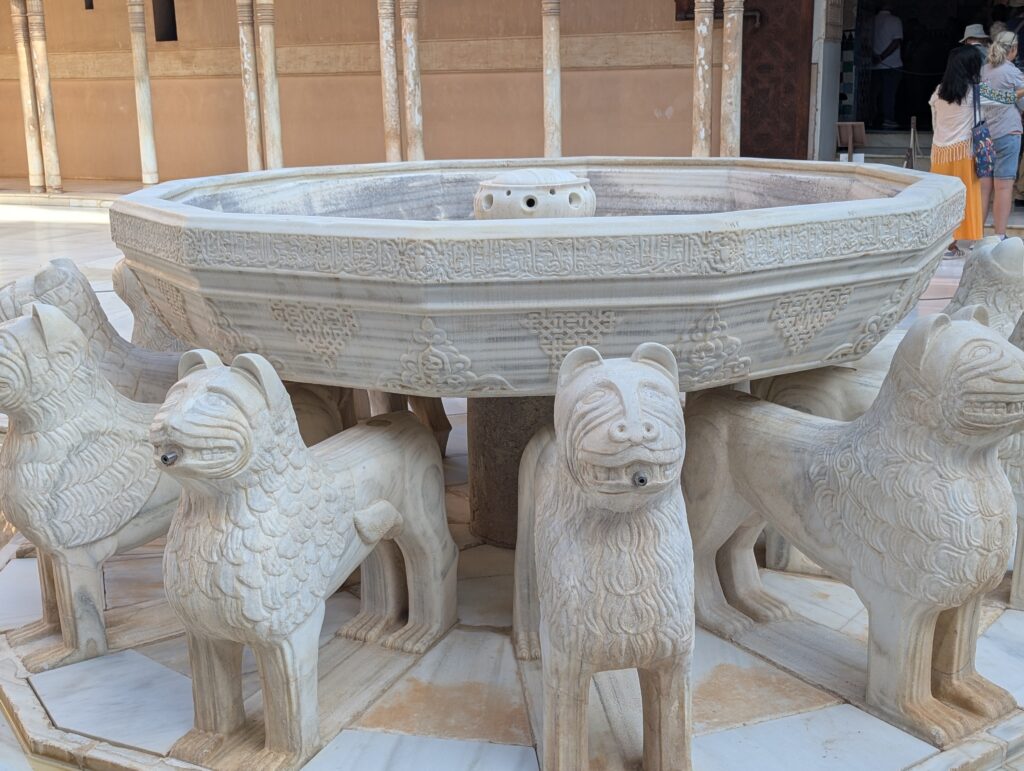
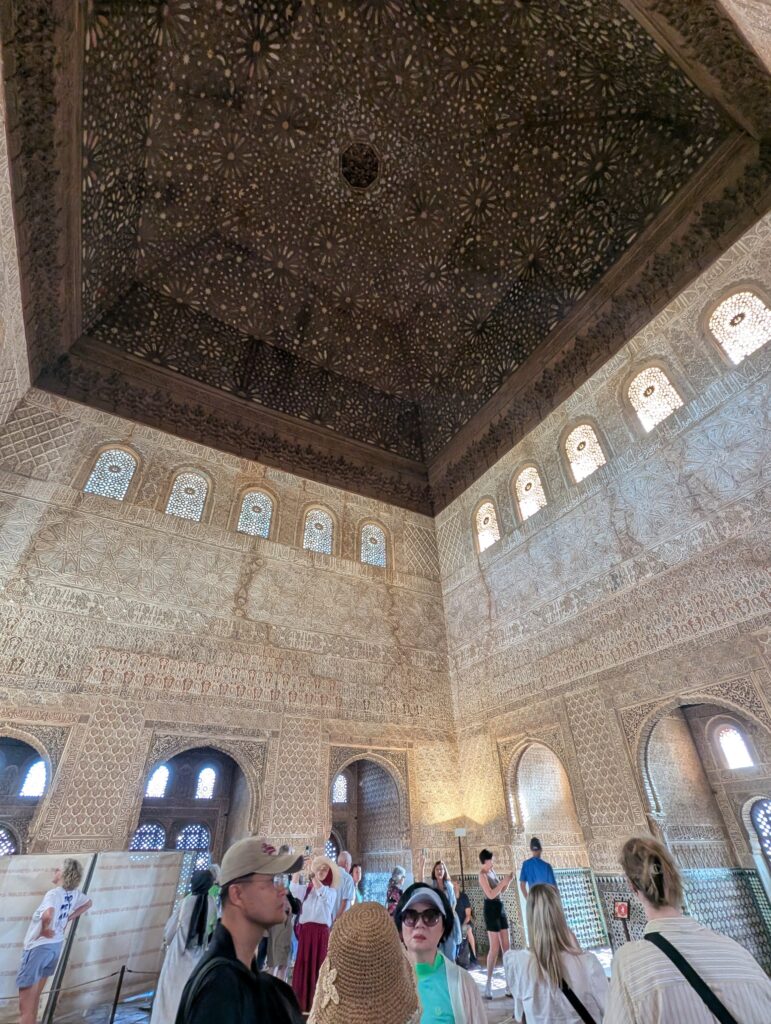
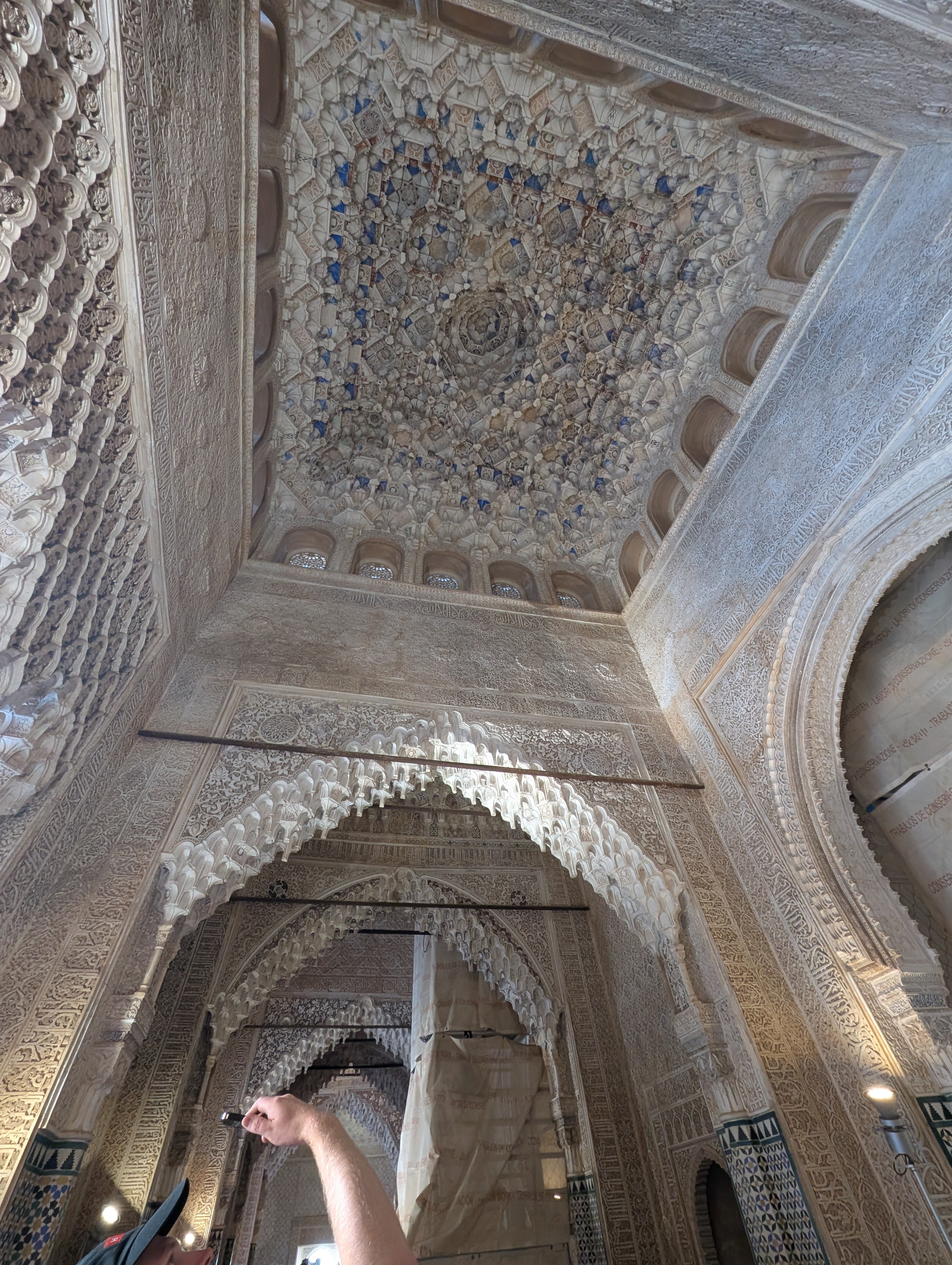
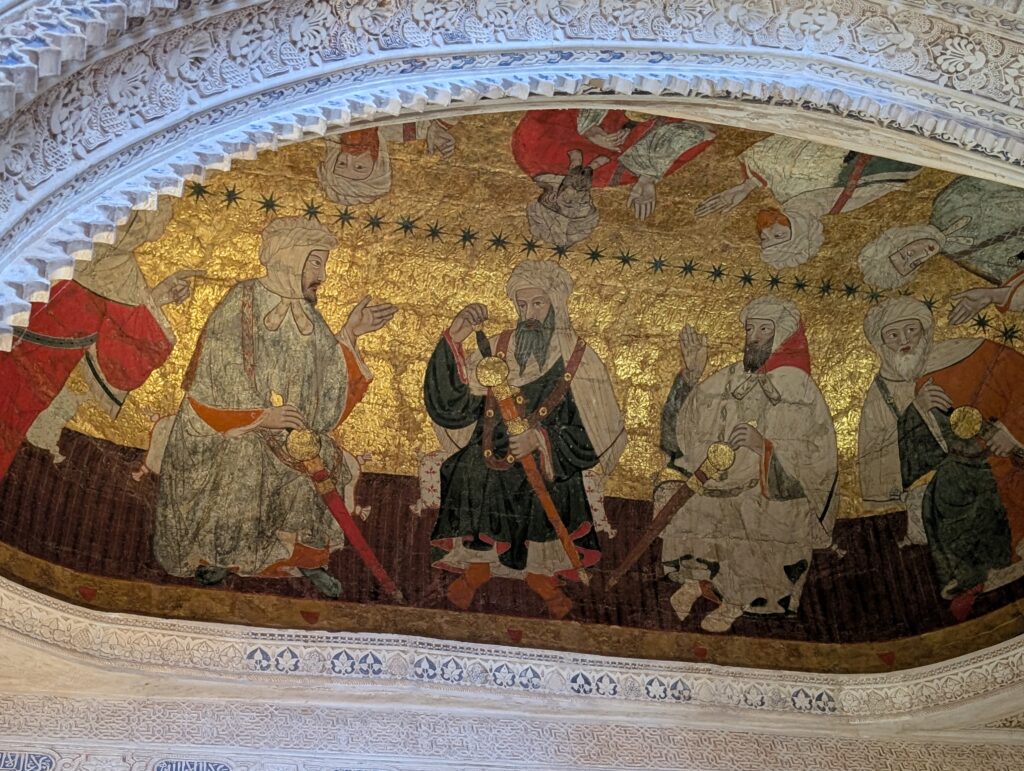
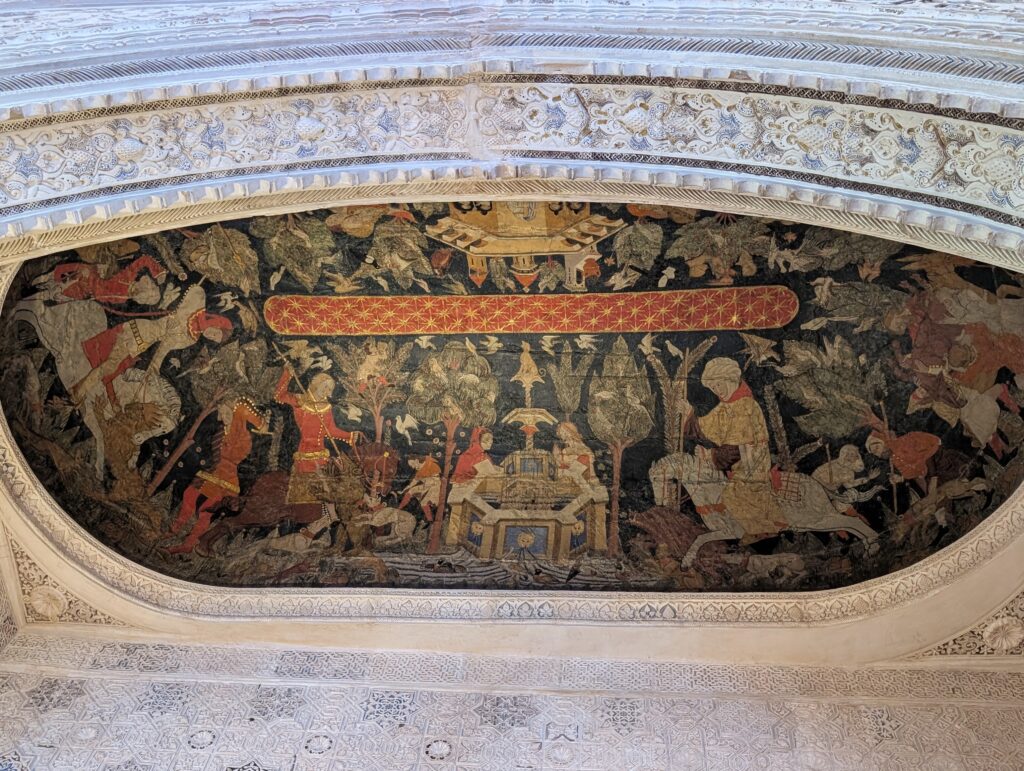
The name “Alhambra” means “The Red One” in Arabic, because of the reddish color of its walls. What is amazing is the intricate Islamic art, including beautiful tile work, calligraphy, carved stucco, and serene courtyards like the Court of the Lions. The use of red and blue colors as well as the placement of water for cooling and to move water through the complex was amazing. The whole of the Alhambra is like a poetry book with the inscriptions throughout providing a lesson.

The court of the lions.

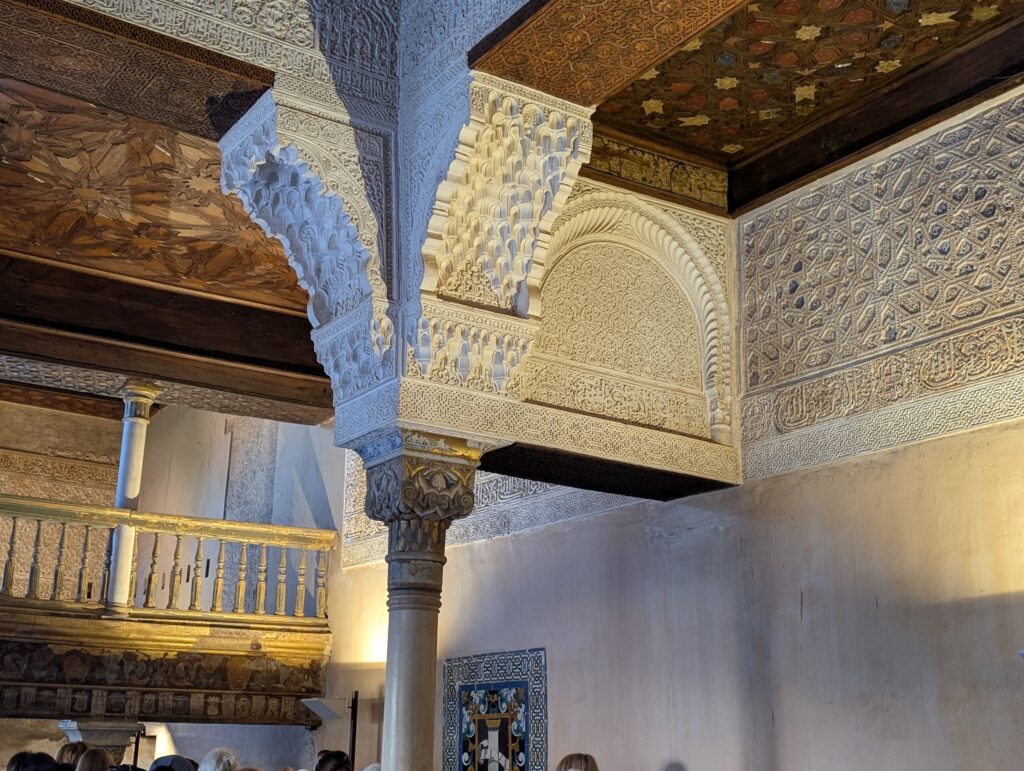
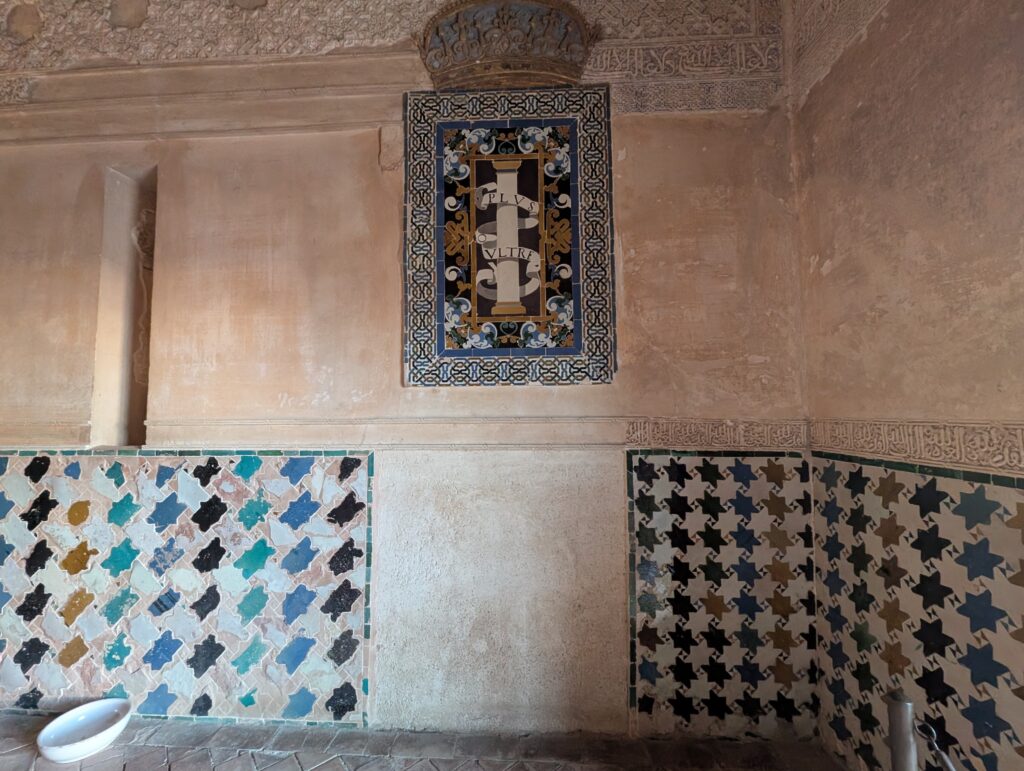
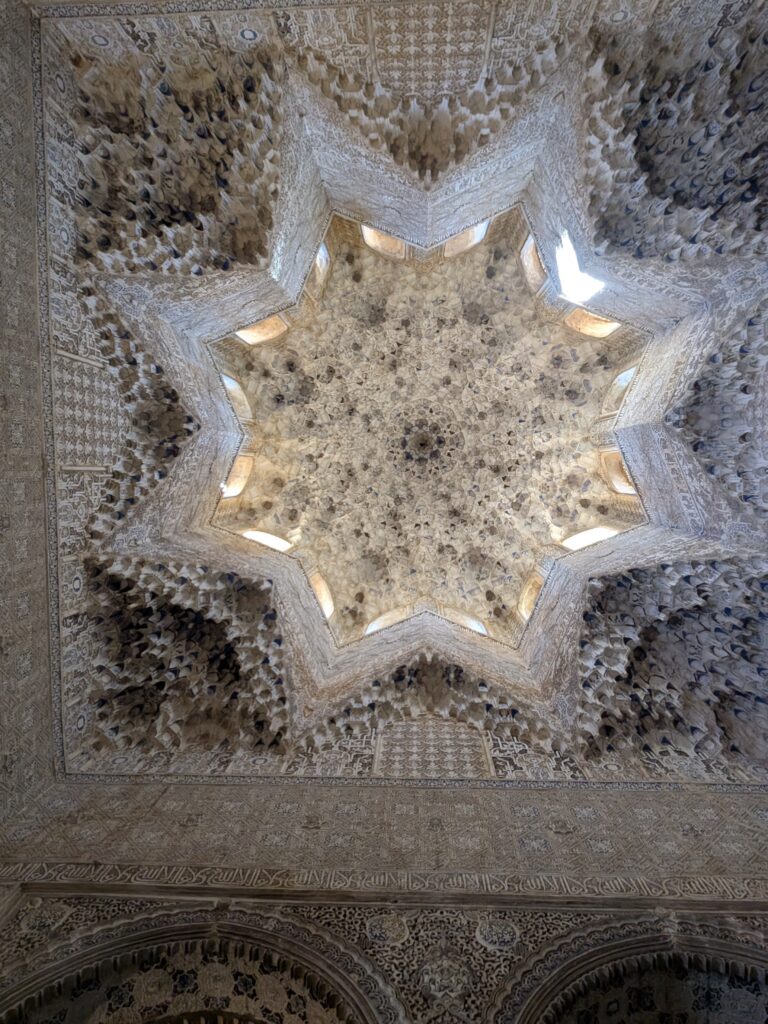
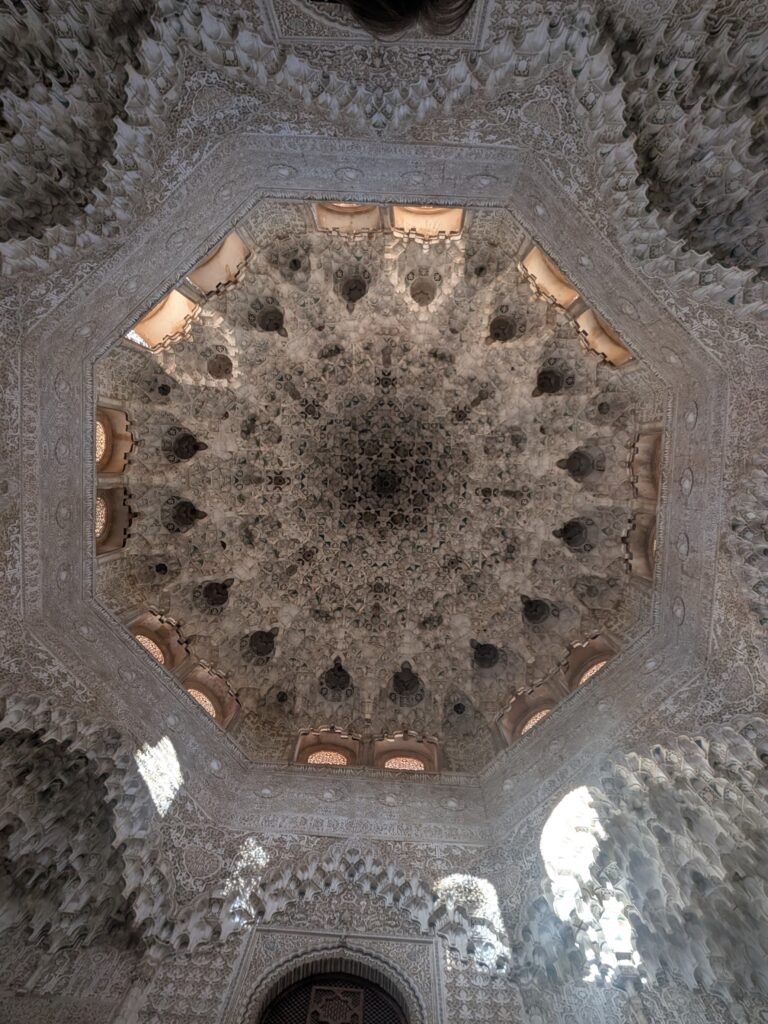
Here are some pictures of the tiles and the artwork of the ceilings which are crafted to utilize the light throughout the day and to create the illusion of the stars.

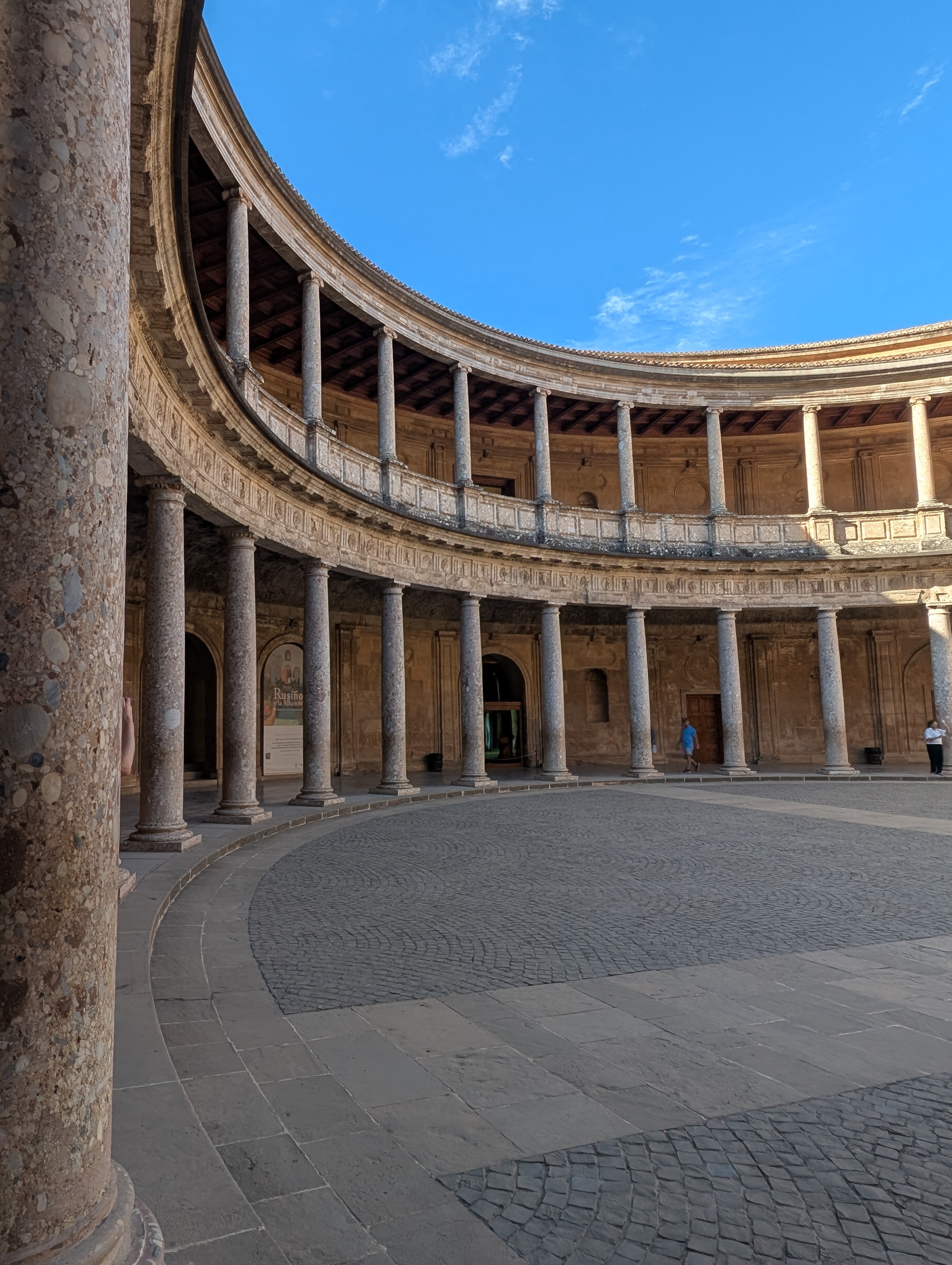
After the Christian conquest in 1492, the Alhambra was taken over by the Catholic Monarchs and later altered by various rulers, including Charles V, who added a Renaissance-style palace which was never finished (and paid for by local tradesmen, which did not go over very well.)

The views from the Alhambra are amazing.

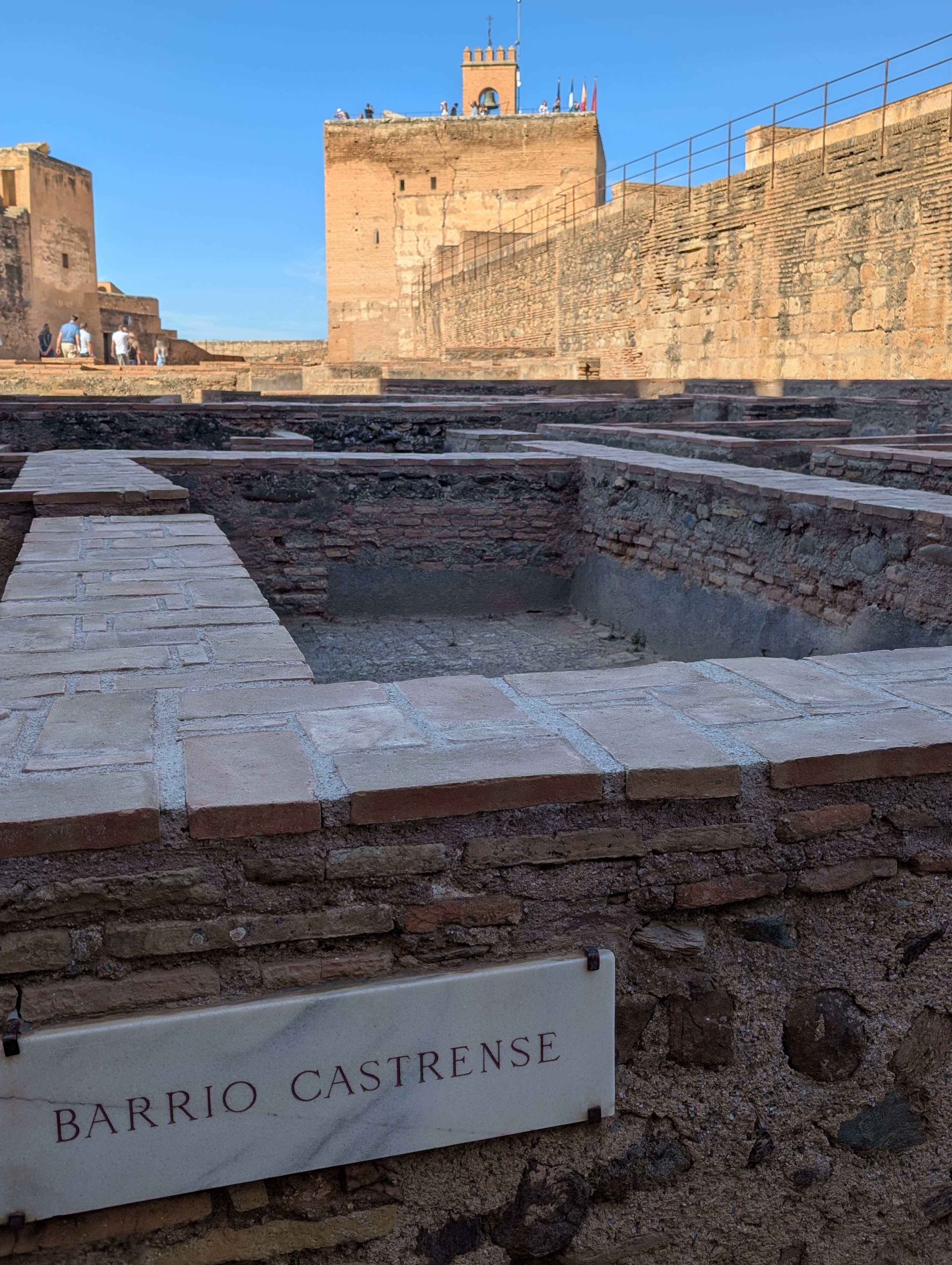
These would be soldier houses in the Kasbah.

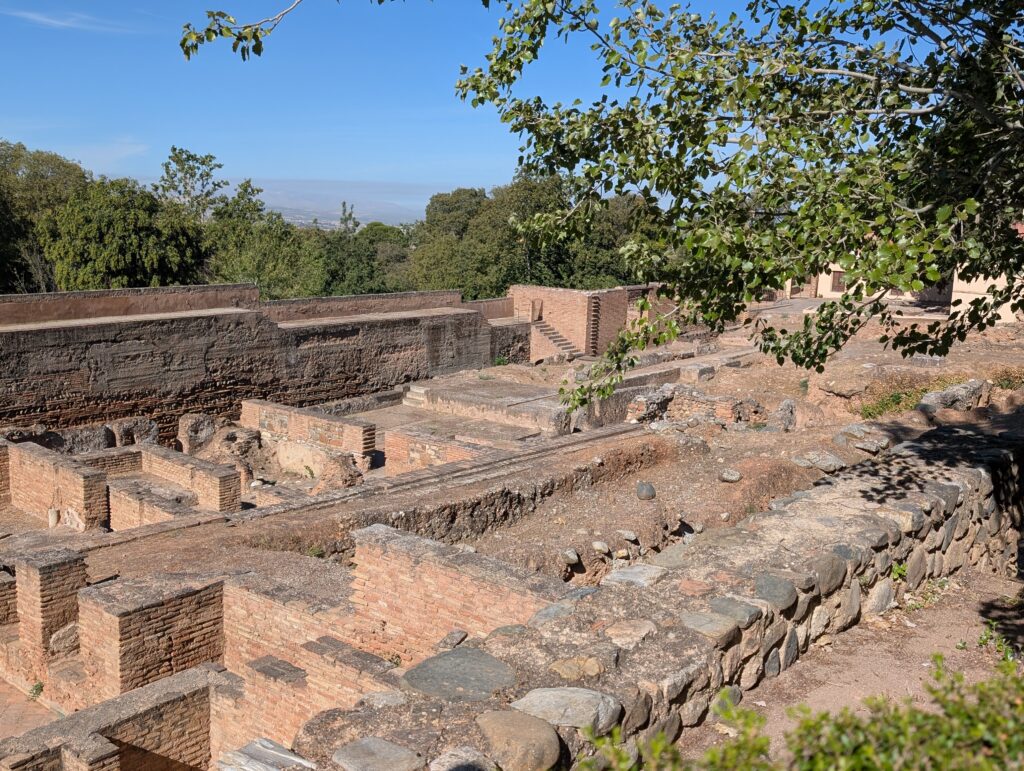
Ruins of one of the palaces.

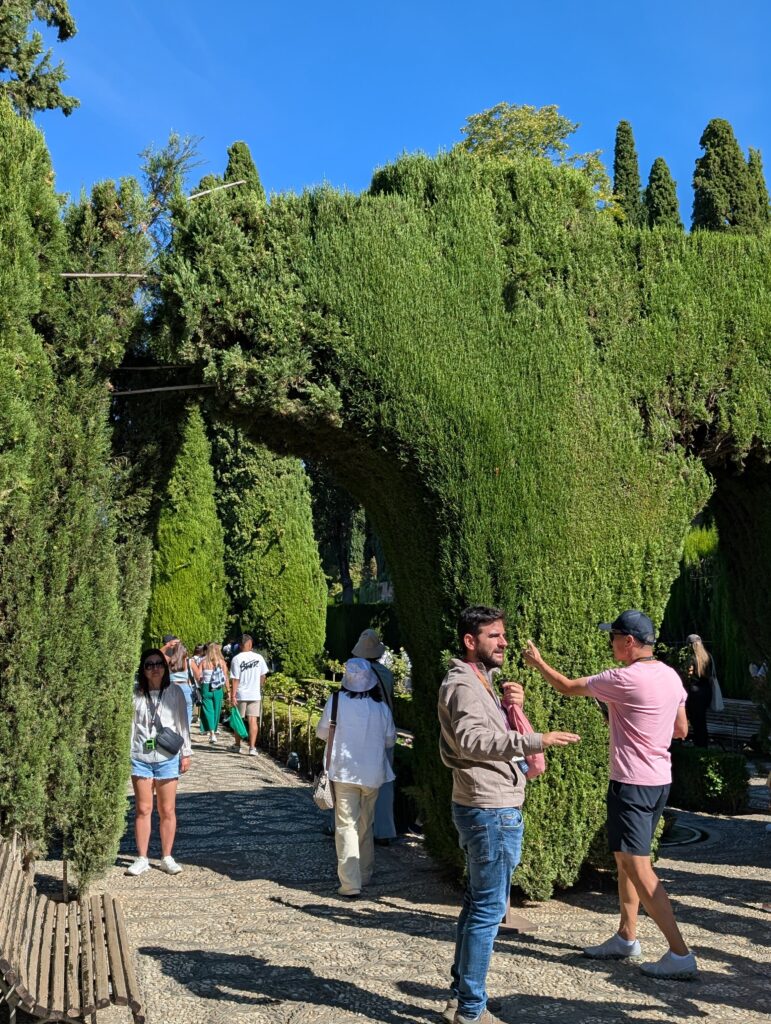
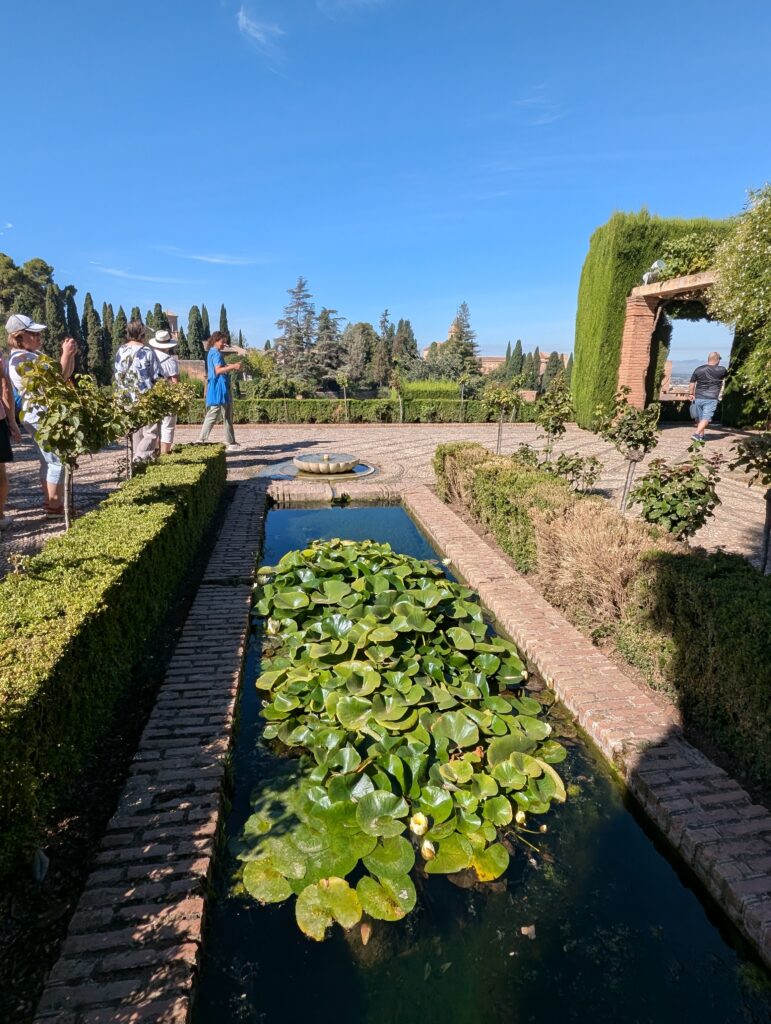
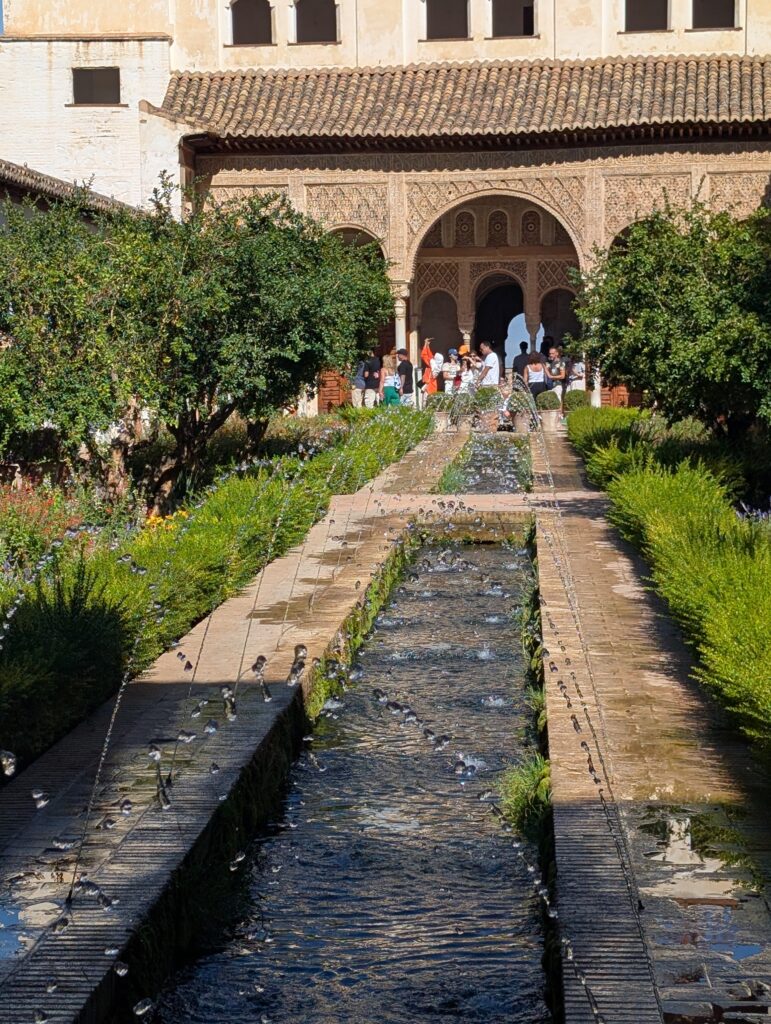
There were also extensive gardens to provide not only beauty, but also to provide food for those living in the Alhambra. The water features help to bring the water up for irrigation.

Tarragona

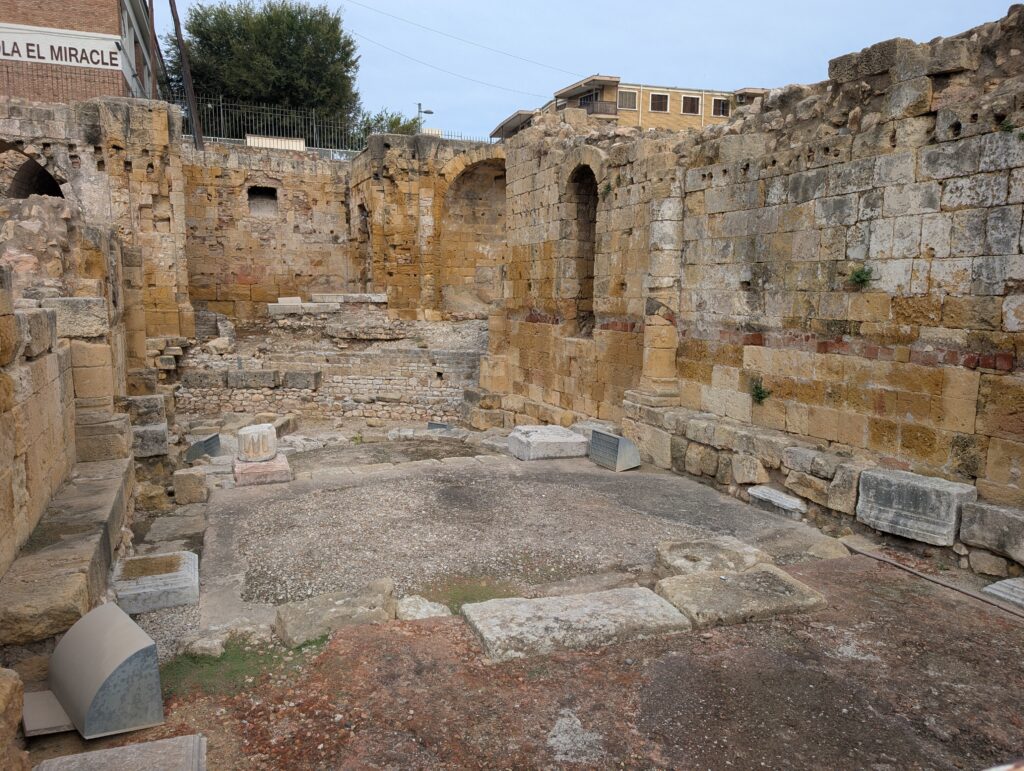
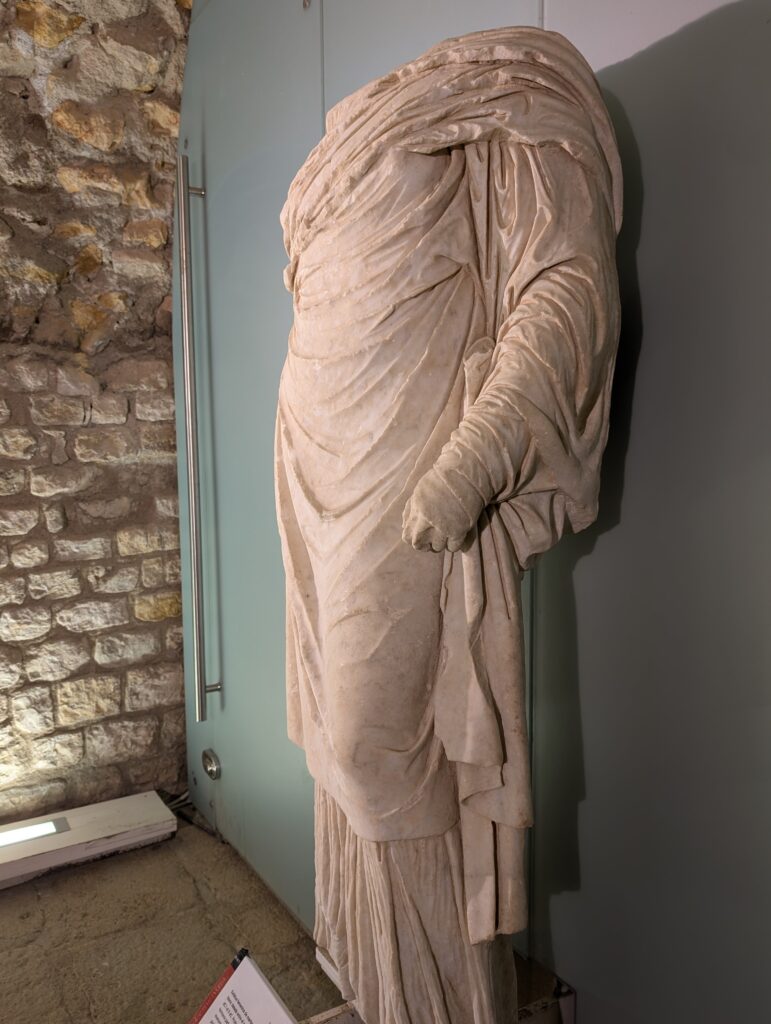
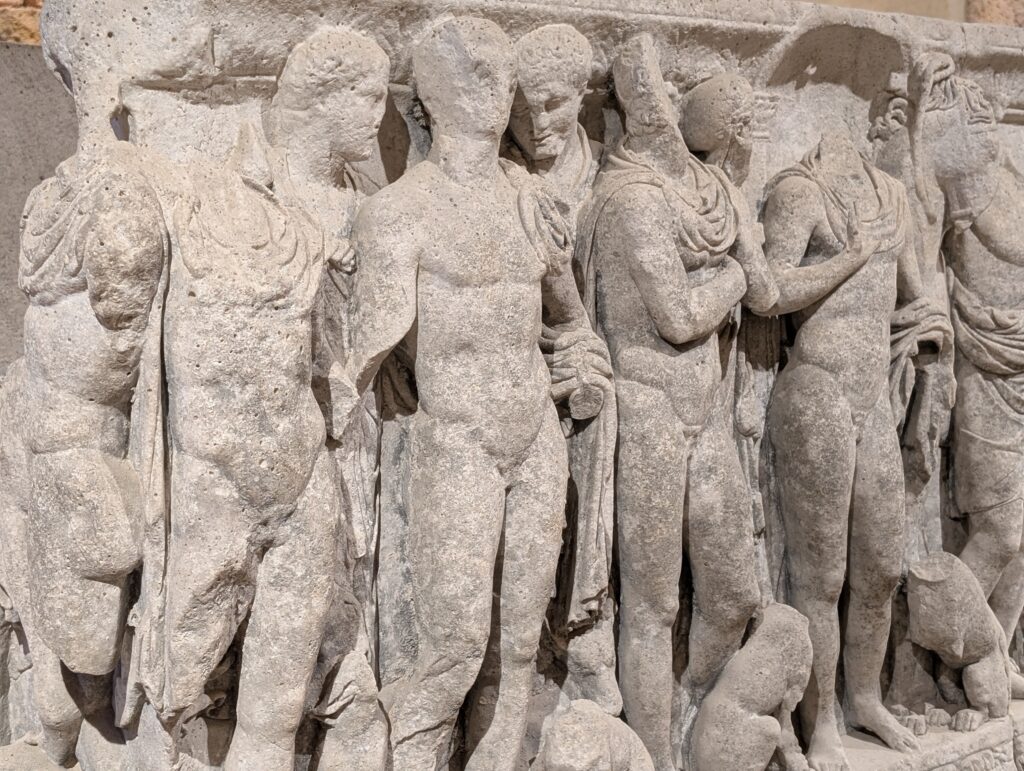
Around 218 BCE the Romans established a military base called Tarraco.It became a key Roman city, eventually the capital of the largest provinces in the Roman Empire. Emperor Augustus even stayed in Tarraco, and the city became a political, economic, and cultural hub.Many Roman remains still stand, including an amphitheatre, circus, aqueduct, and walls and is an UNESCO World Heritage Site.

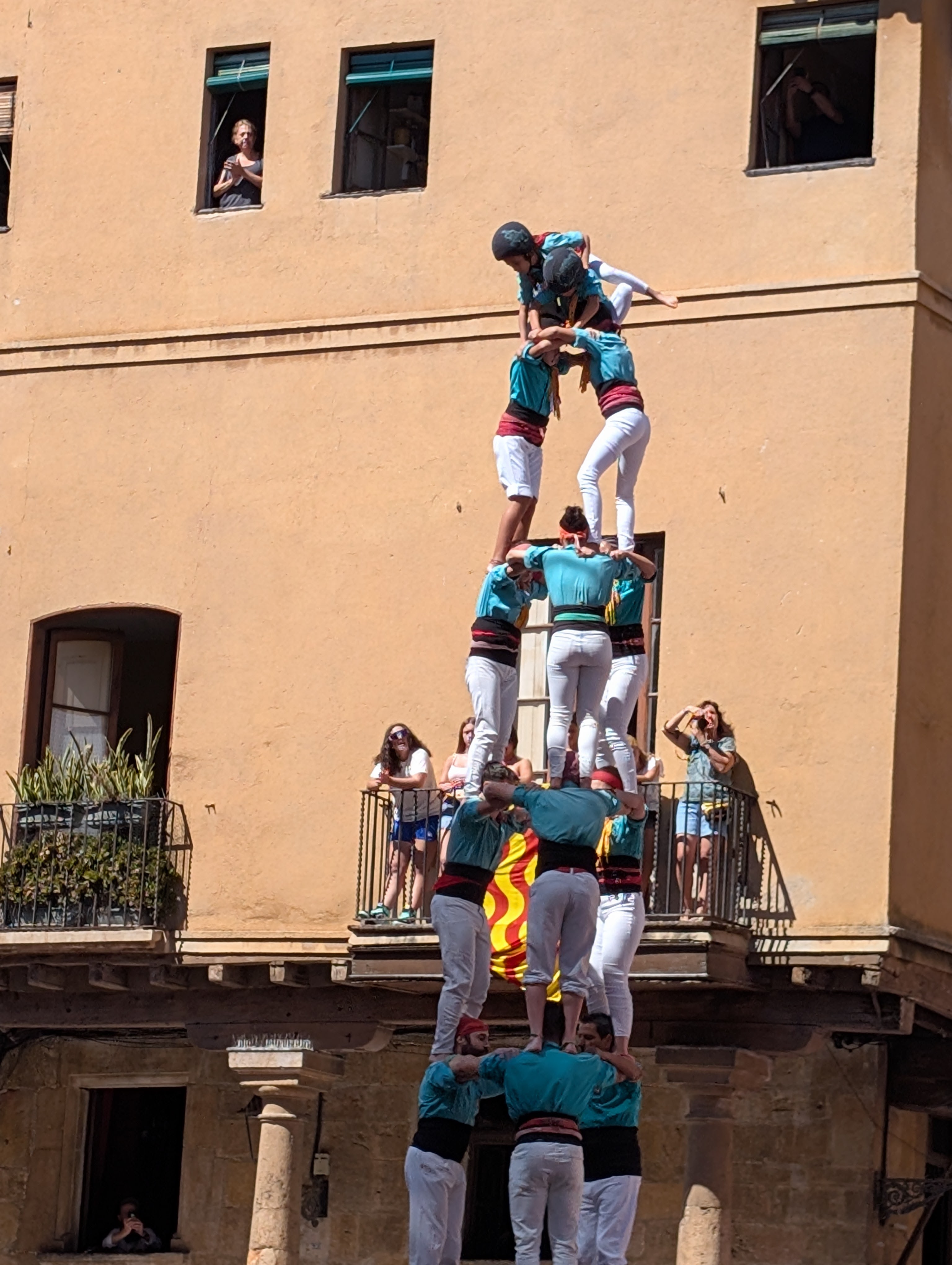
It was a great place to stay as it has beaches along the Mediterranean and Catalán culture including creating Castells or human towers. I was lucky to be here on one of their holidays to see them. The top is higher than the second floor.

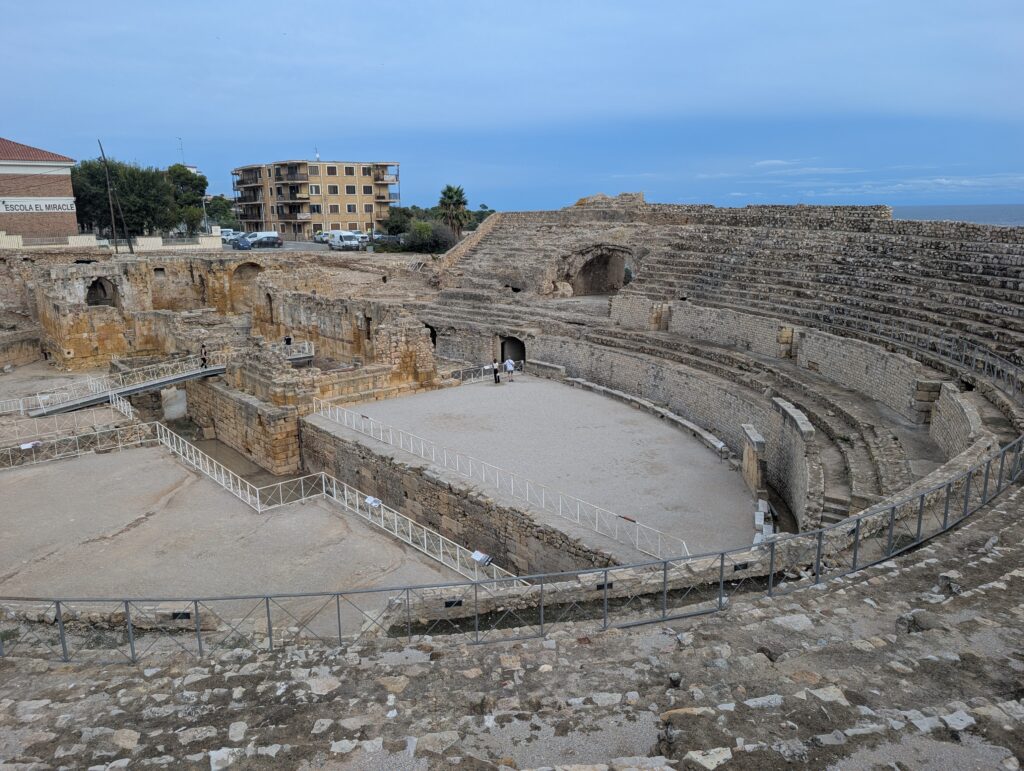
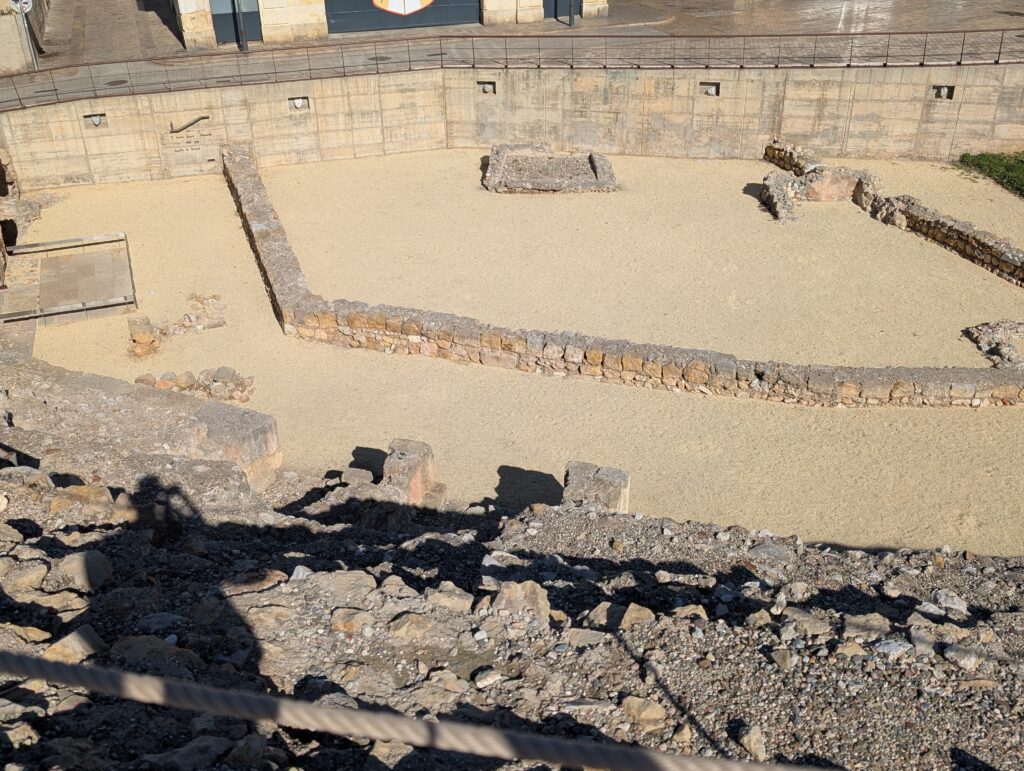
The amphitheater was used for sport (humans against lions)… You can see the seats arranged around. Holes can be seen in the rock where netting was applied to stop the lions from getting in the stands.

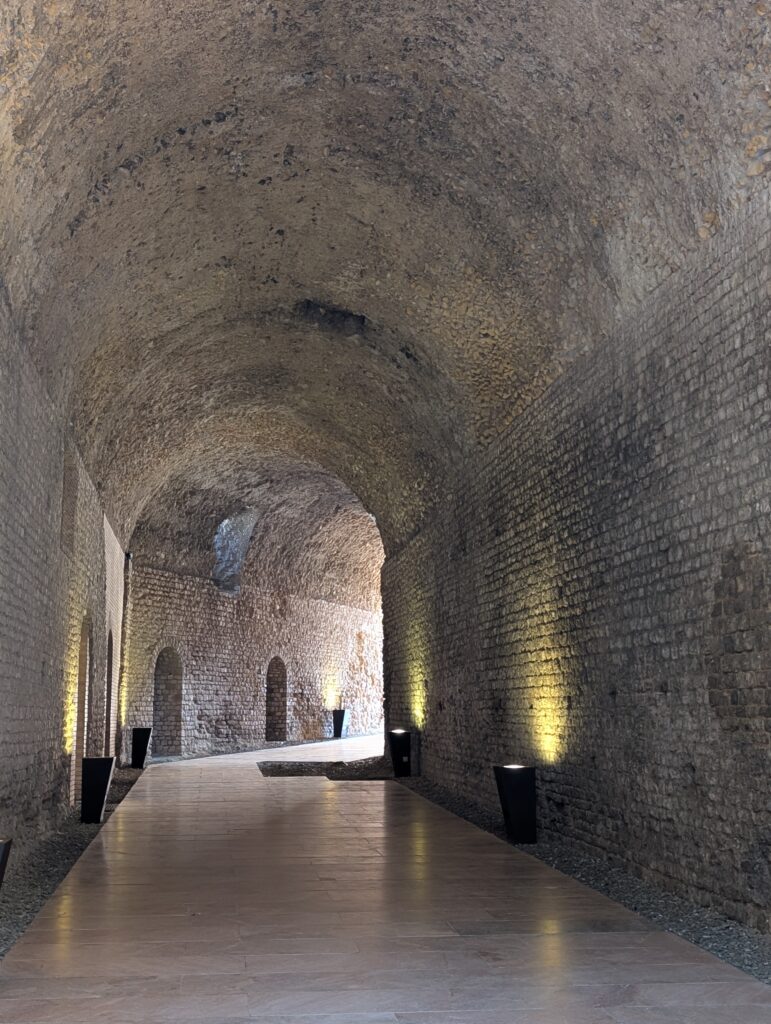
Roman circo. This was for chariot races and the vaults/tunnels underneath for bringing the chariots in was well preserved.

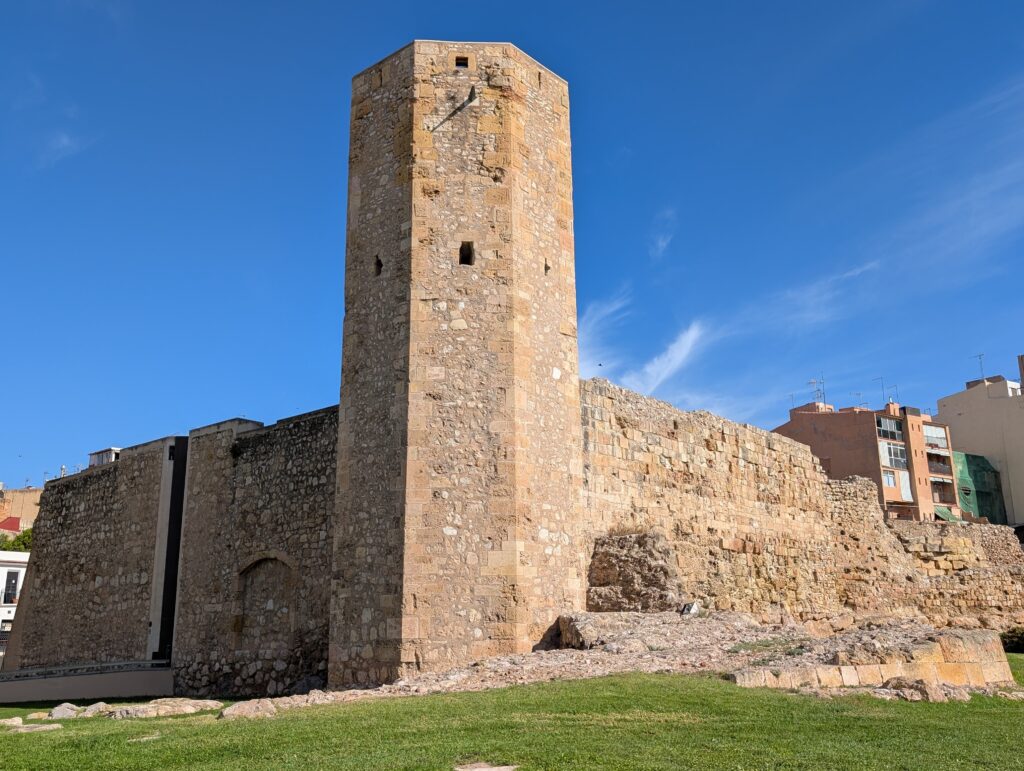
The tower was used for defense and also for political prisoners by the Romans, the French, and by Franco during the civil war, among others. This picture was taken at the top of the tower.
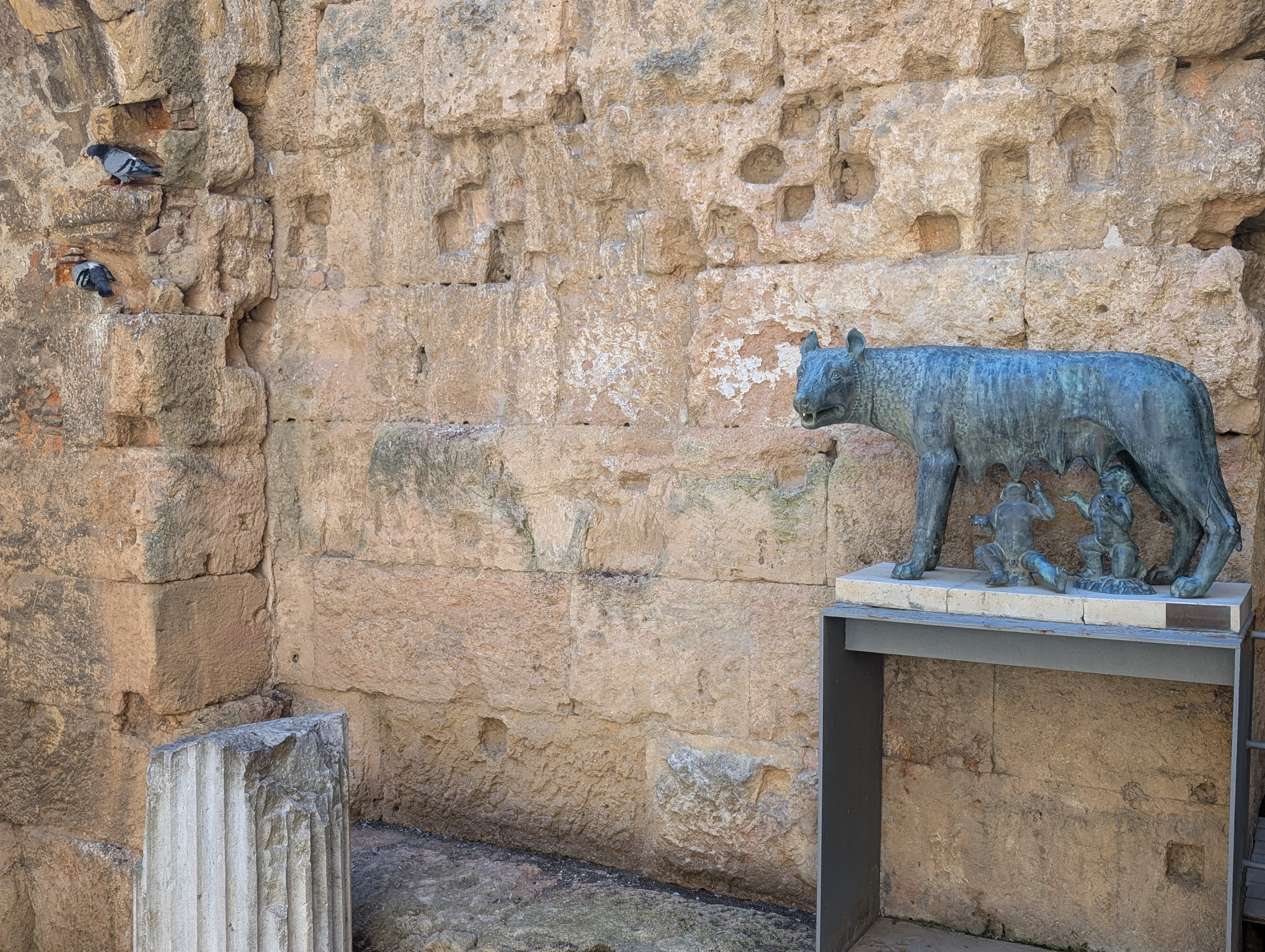
In walking around I saw this statue of Romulus and Remus.

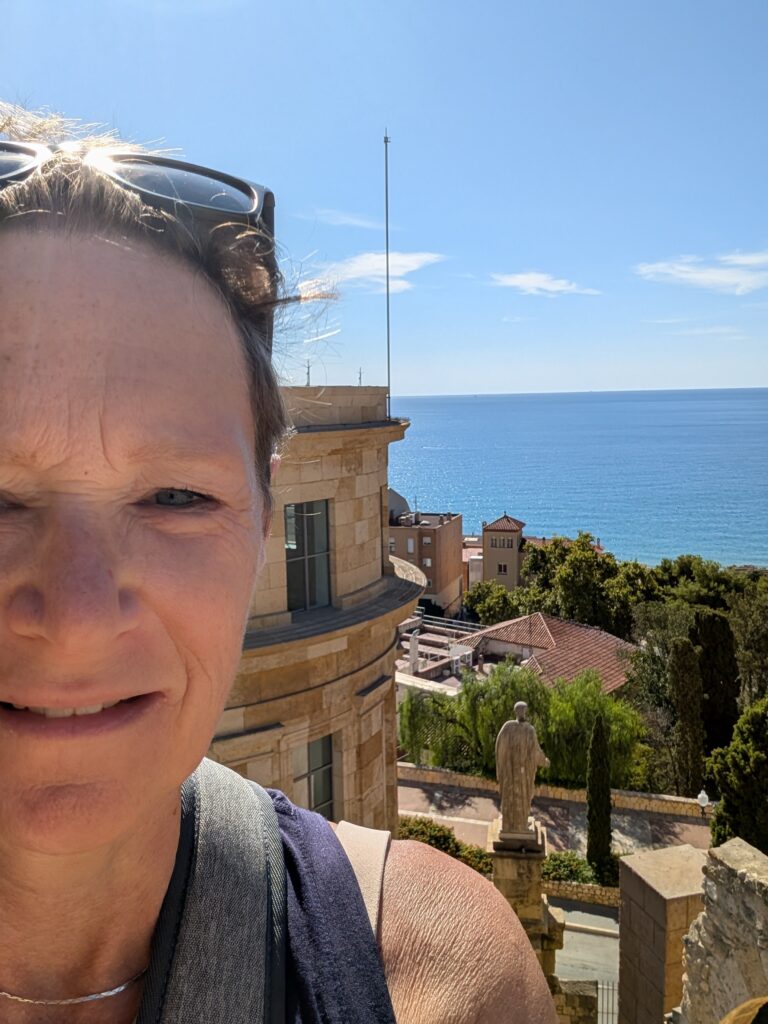
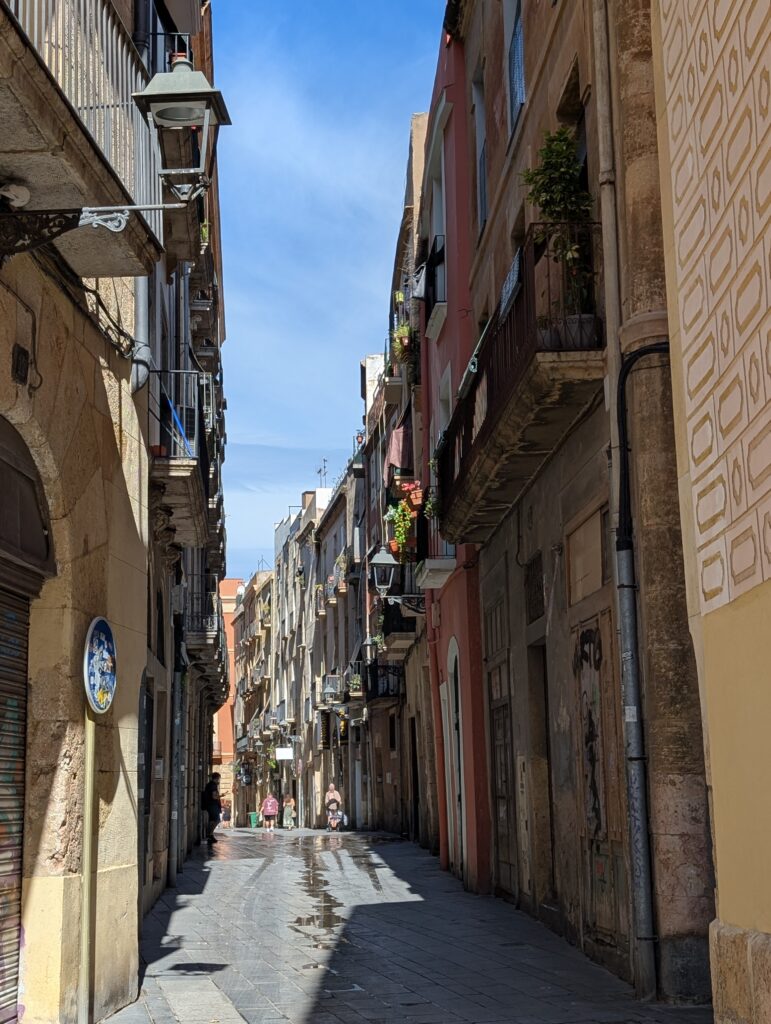
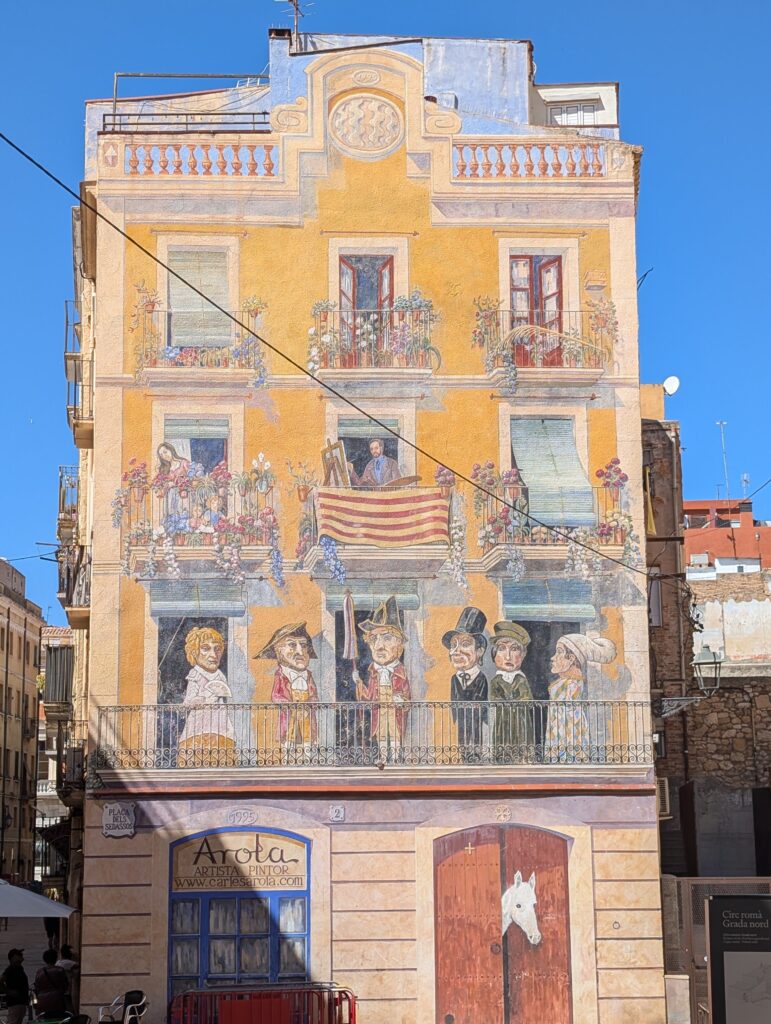
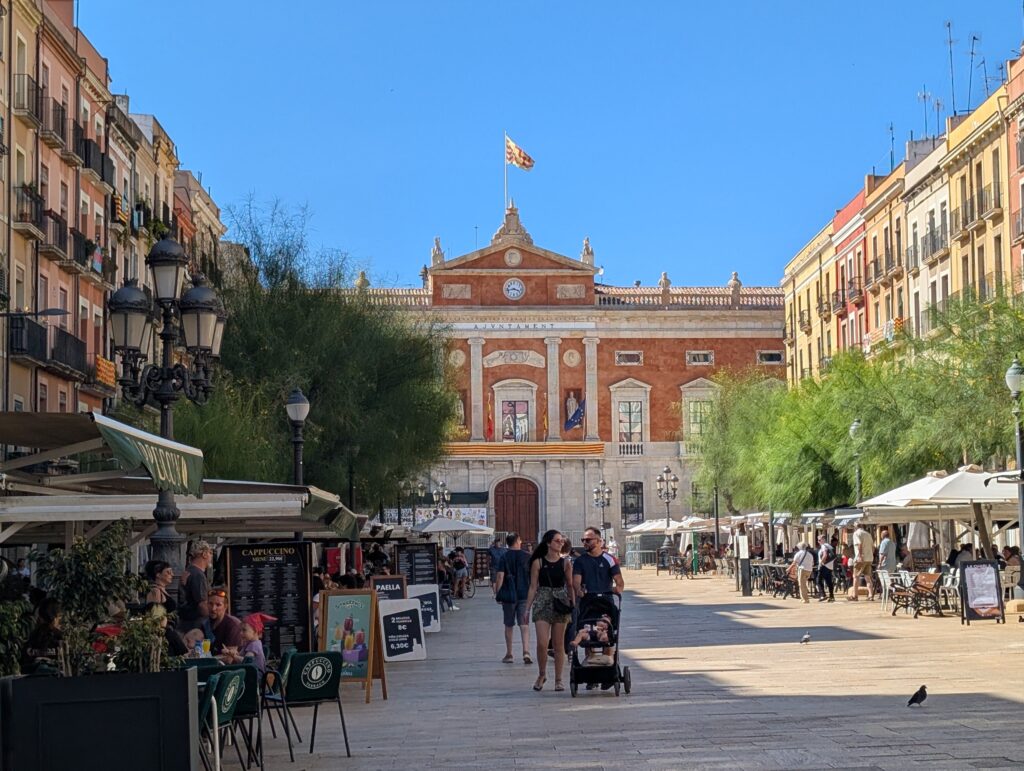
Views of Tarragona while walking around the old city.

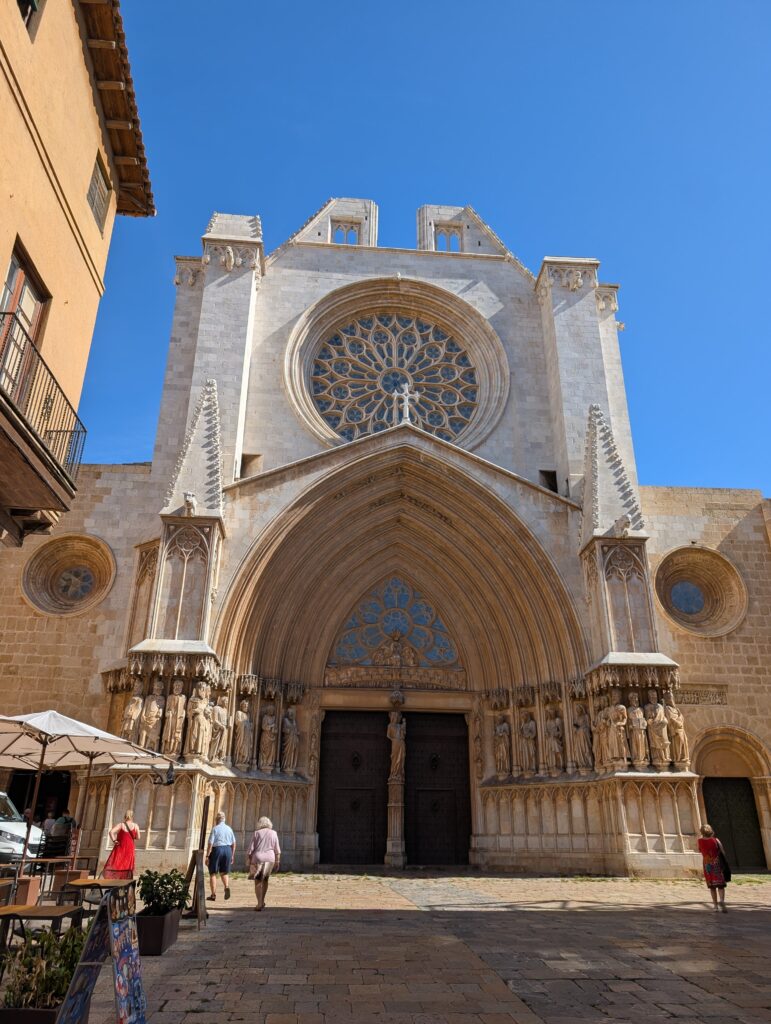
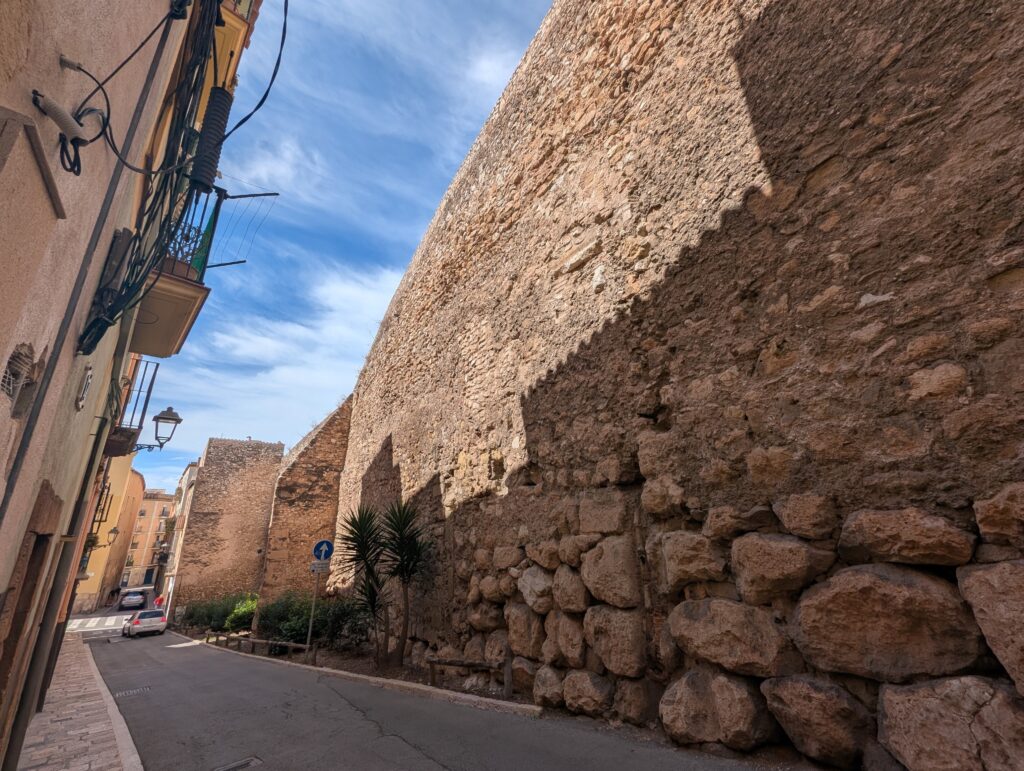
Above is the Cathedral and below is remains of the Roman city wall which is extensive in the city.

Tarragona is definitely a place to go and more laid back than some other cities. The Mediterranean was great for swimming and looking at all the little fish swimming by.

San Sebastian

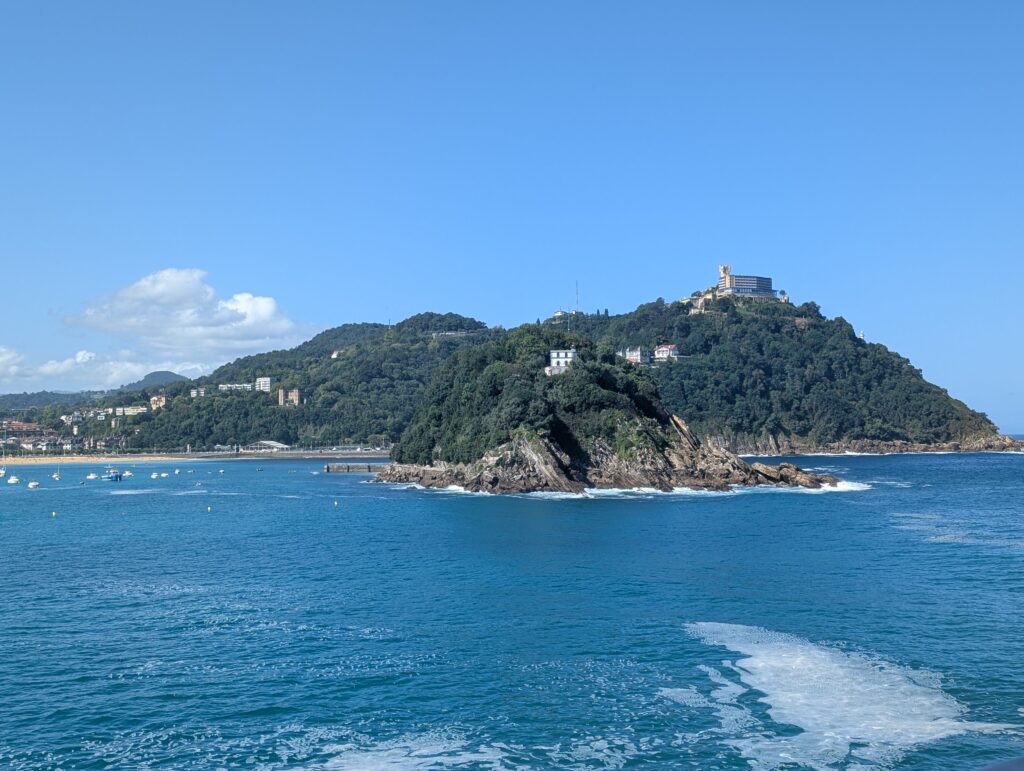
I took a bus to the city on the coast about 1.5 hours away. What a beautiful city and day!

It originated as a fishing port and became a military stronghold. It was the last of the Basque area to be freed from French rule.

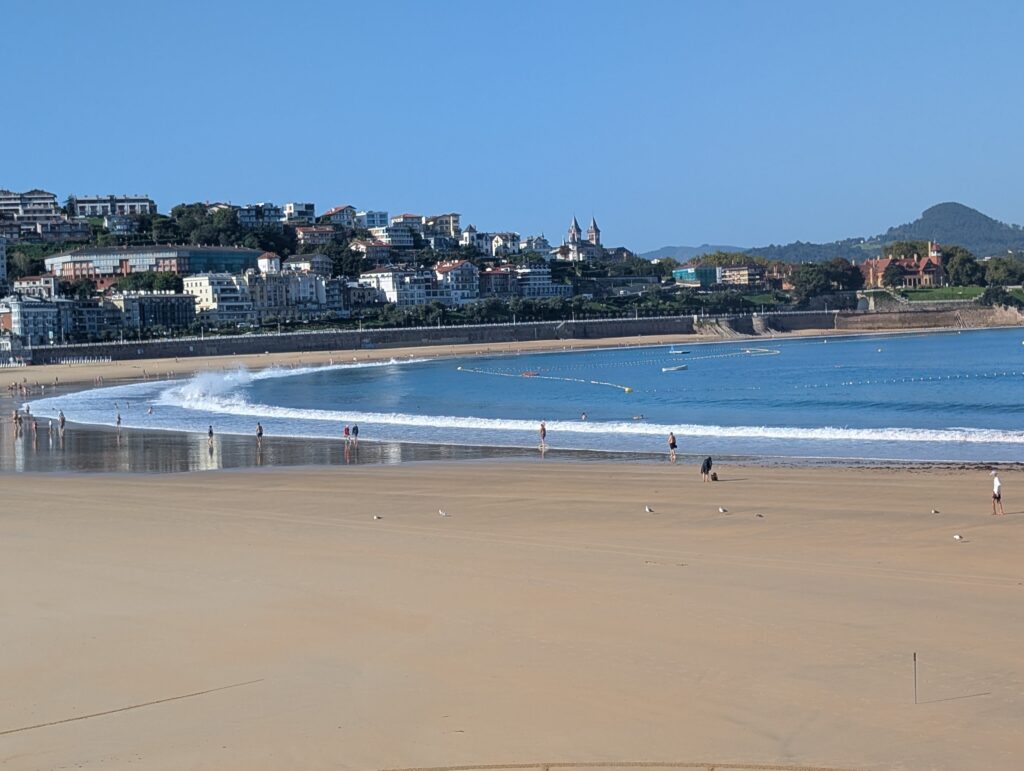
La Concha beach. Before I left I was able to sit in the water which was good as I walked a bit too much this day.

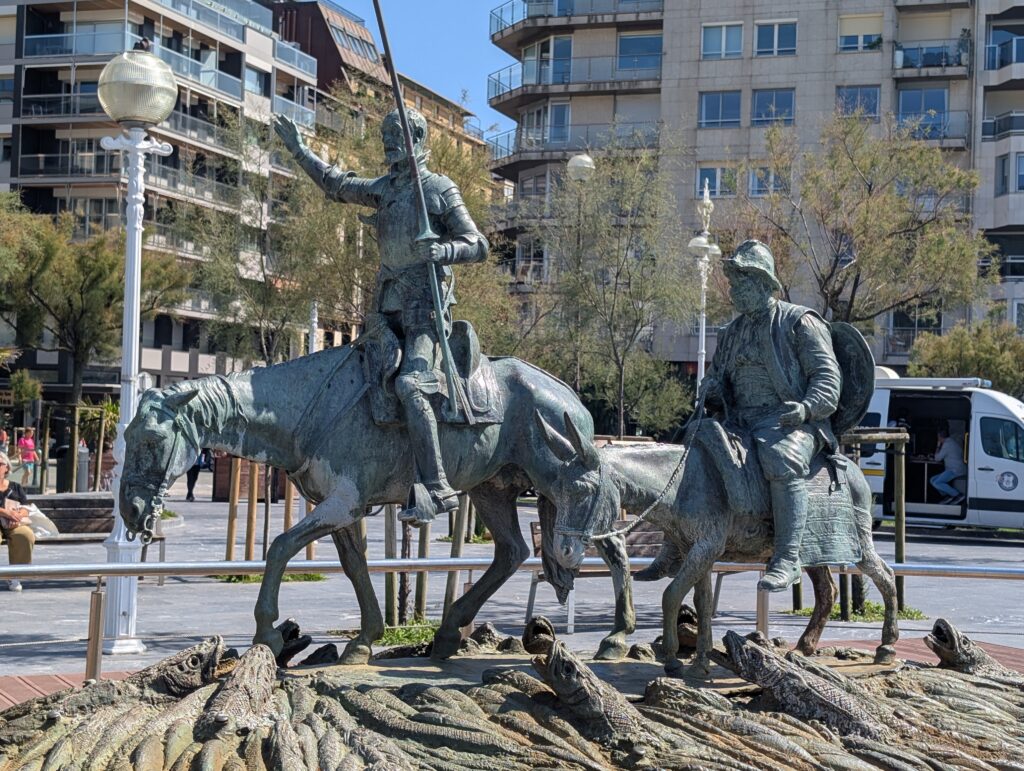
statue of Don Quixote and Cervantes.

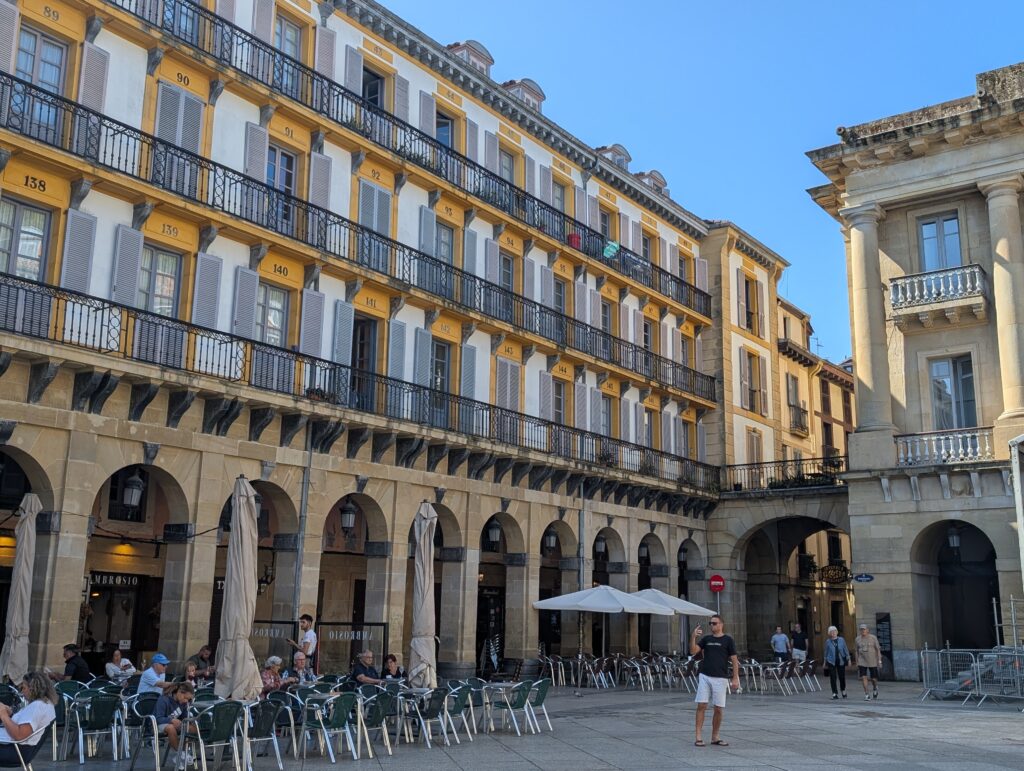
In the past, to rebuild the city after a devastating fire, they sold space in these apartments to watch events. Namely, bull fighting and executions by guillotine (when the French still ruled).

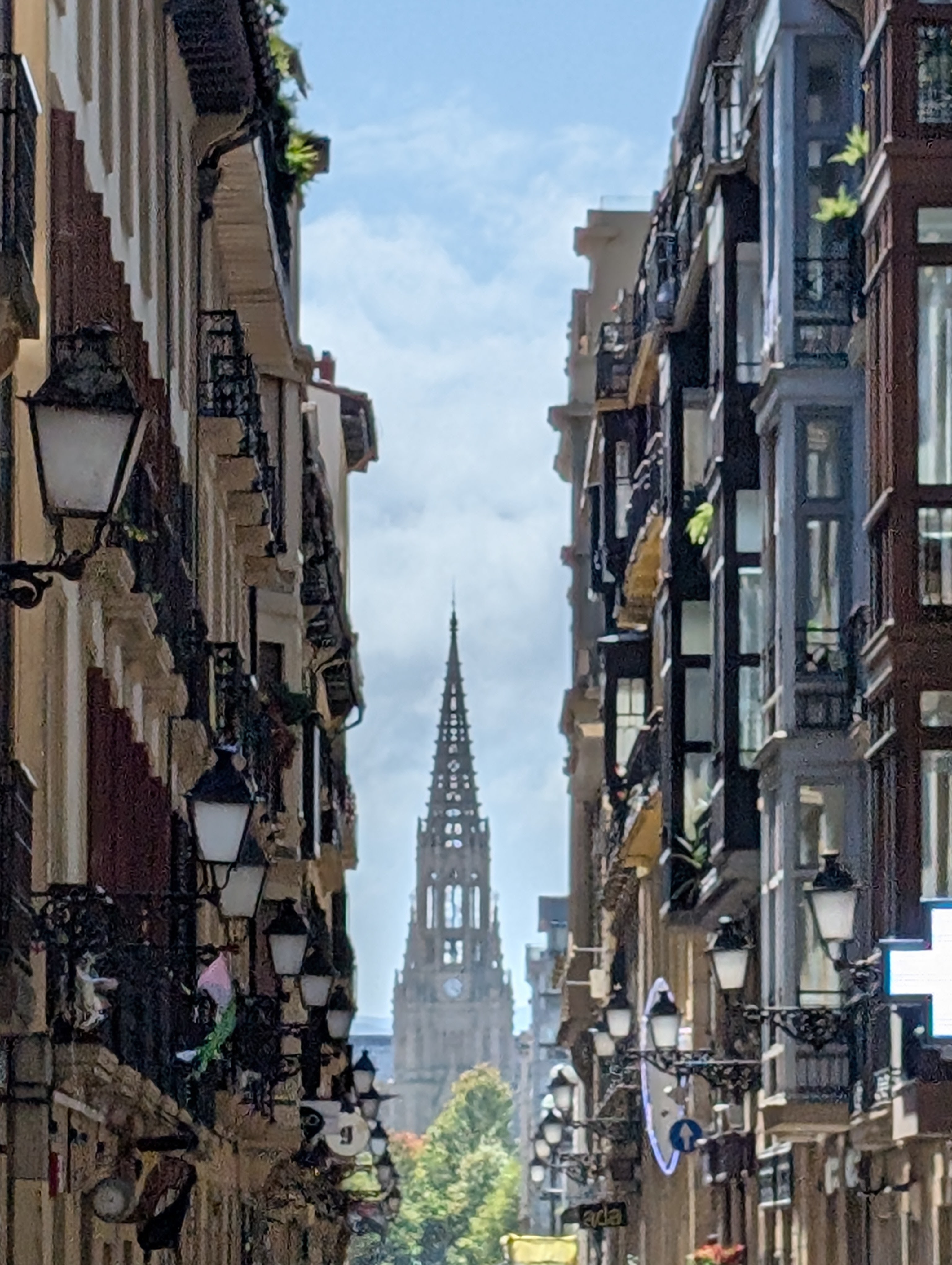
The walking tour through the old town was amazing! Great places to try Pintxos.

Pamplona walking tour

I saw a few more sights the next day on a walking tour.
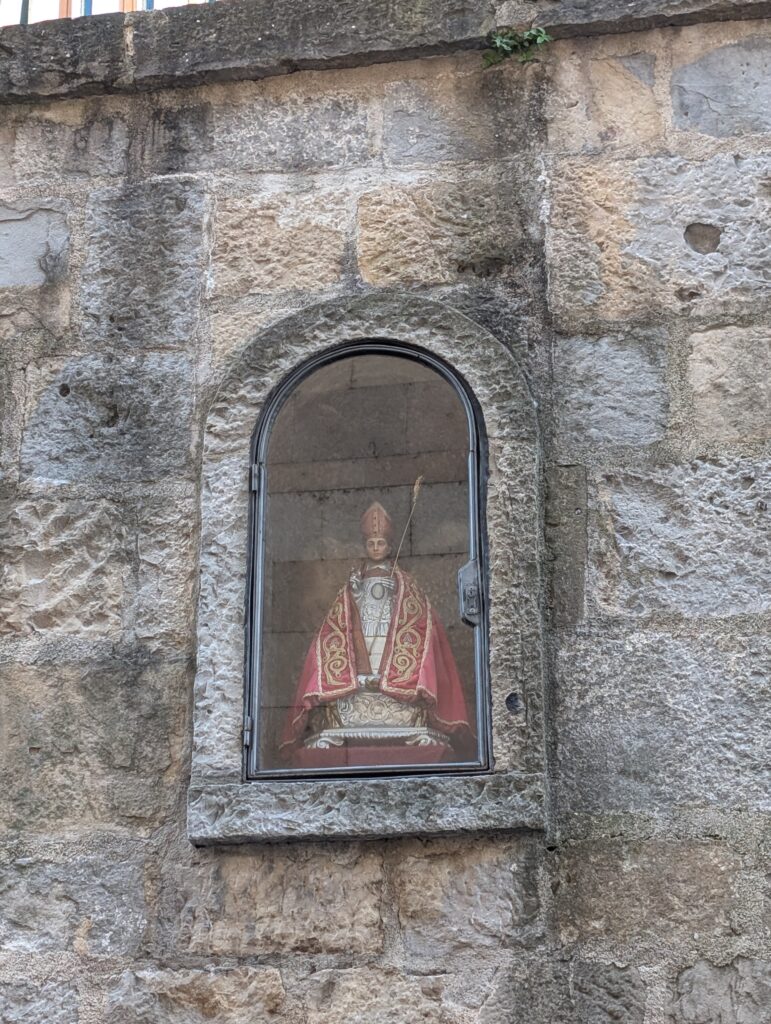
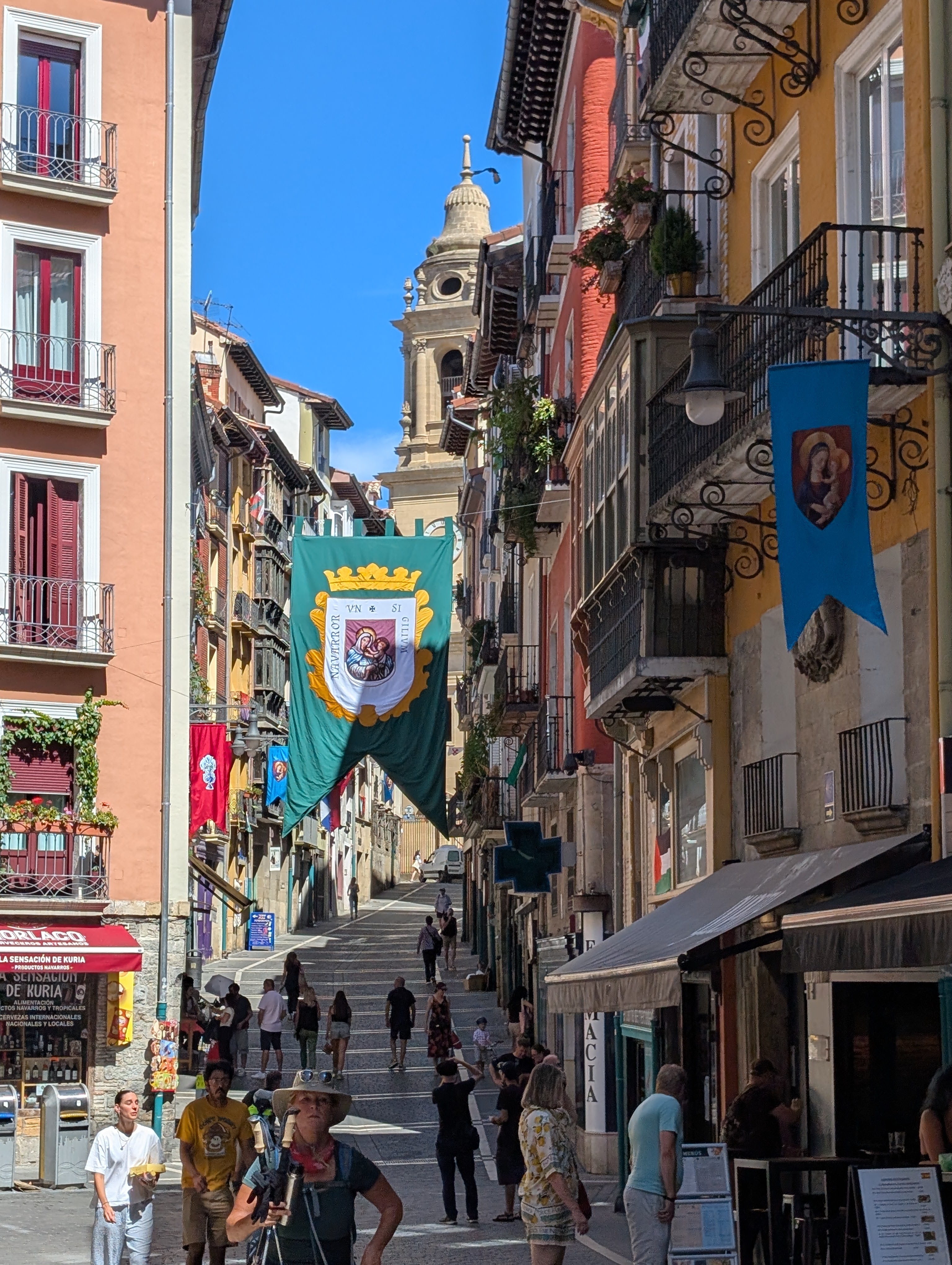
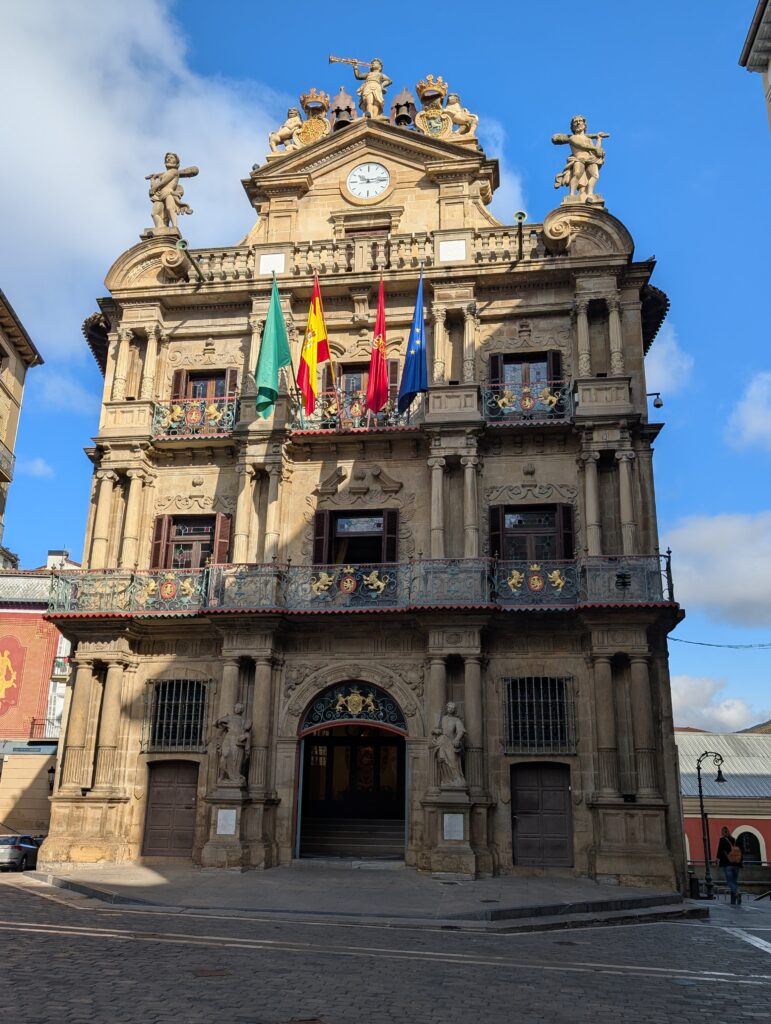
Above is the old city hall. In this square there are many festivities. Below is a statue of San Fermín. This is the actual street the running of the bulls occurs. It is a short section and the actual running of the bulls is for this small section wait is impossible to maintain the speed of the bulls (or rather, faster than the bulls!)
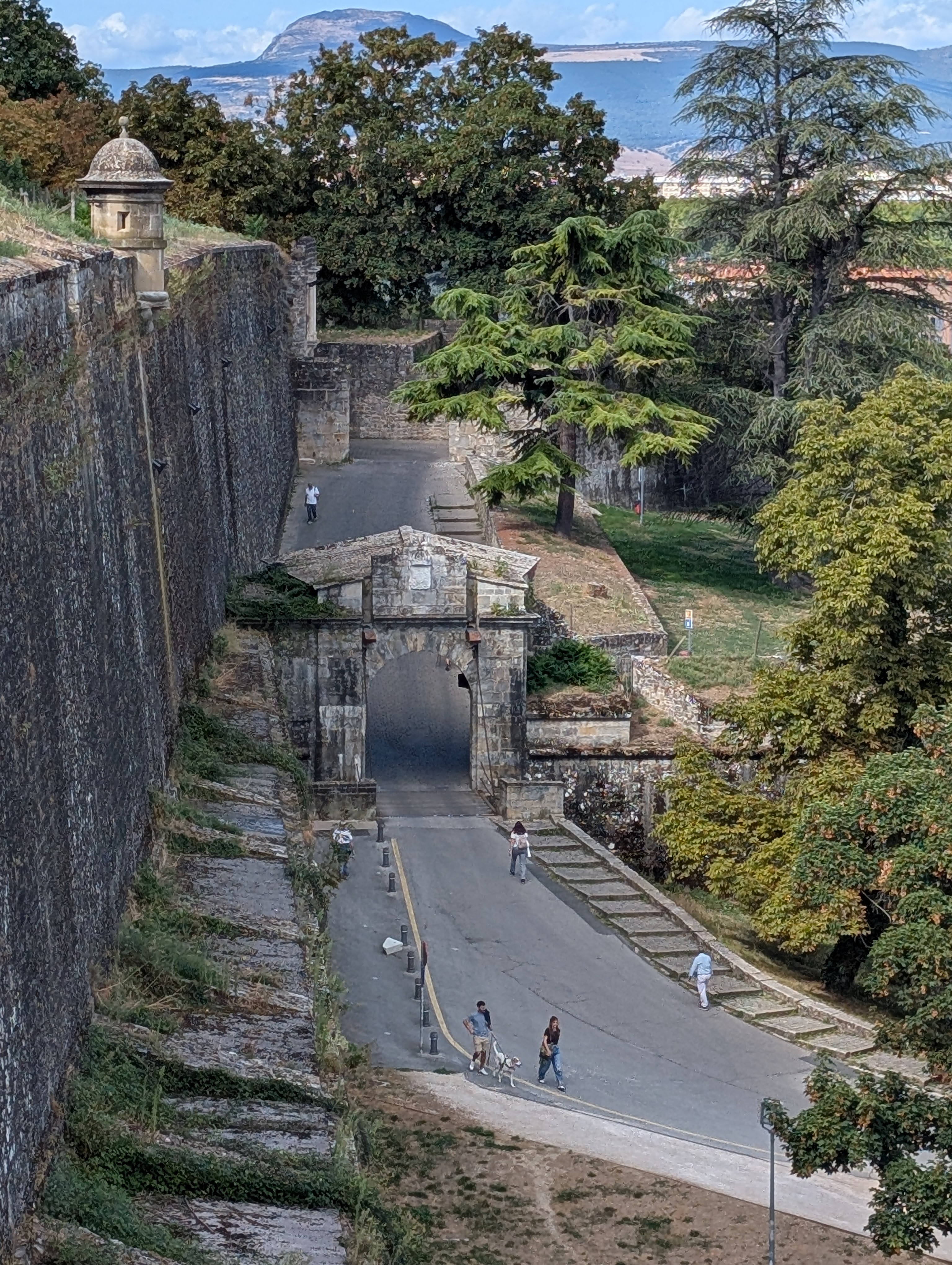
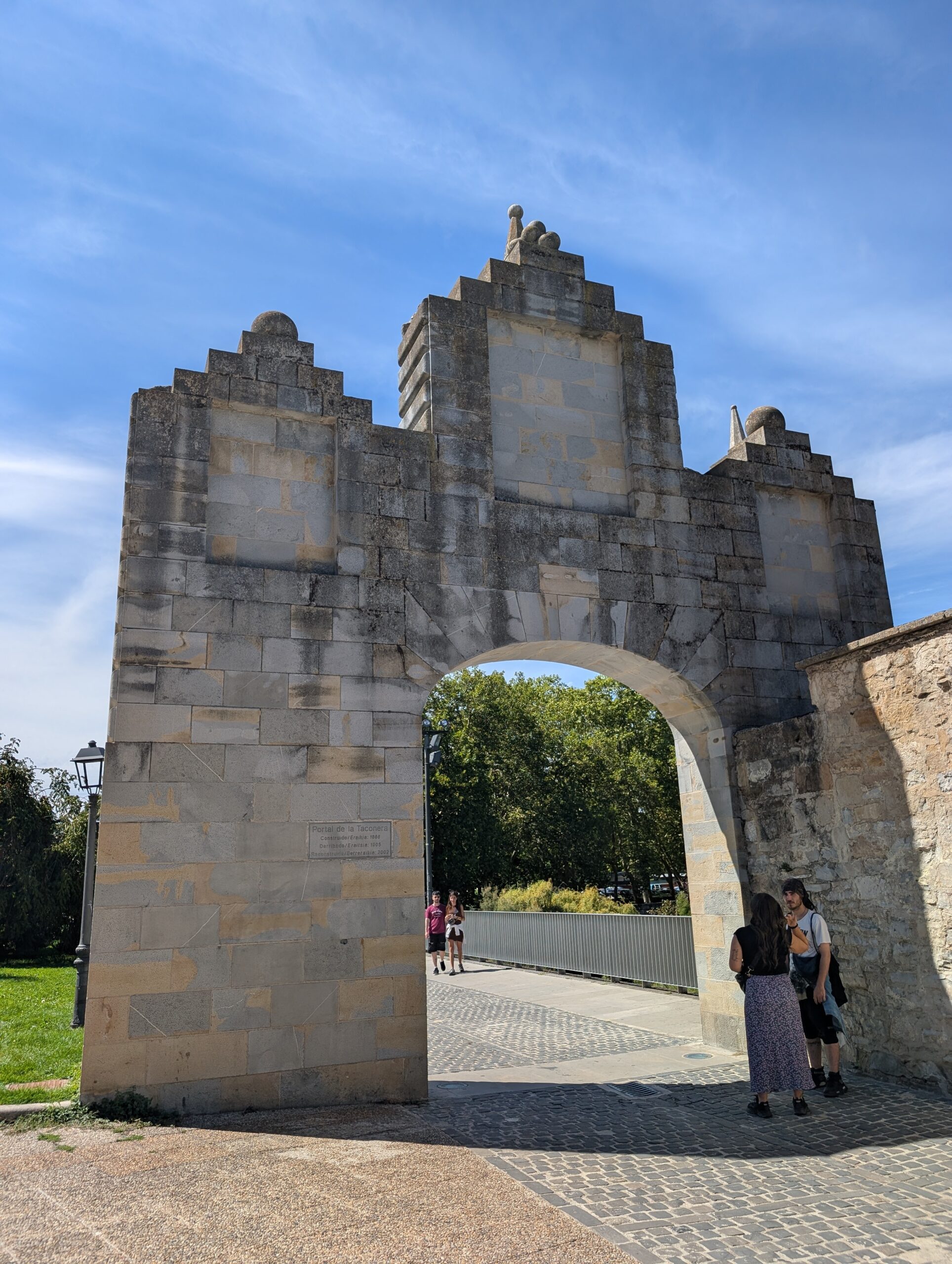
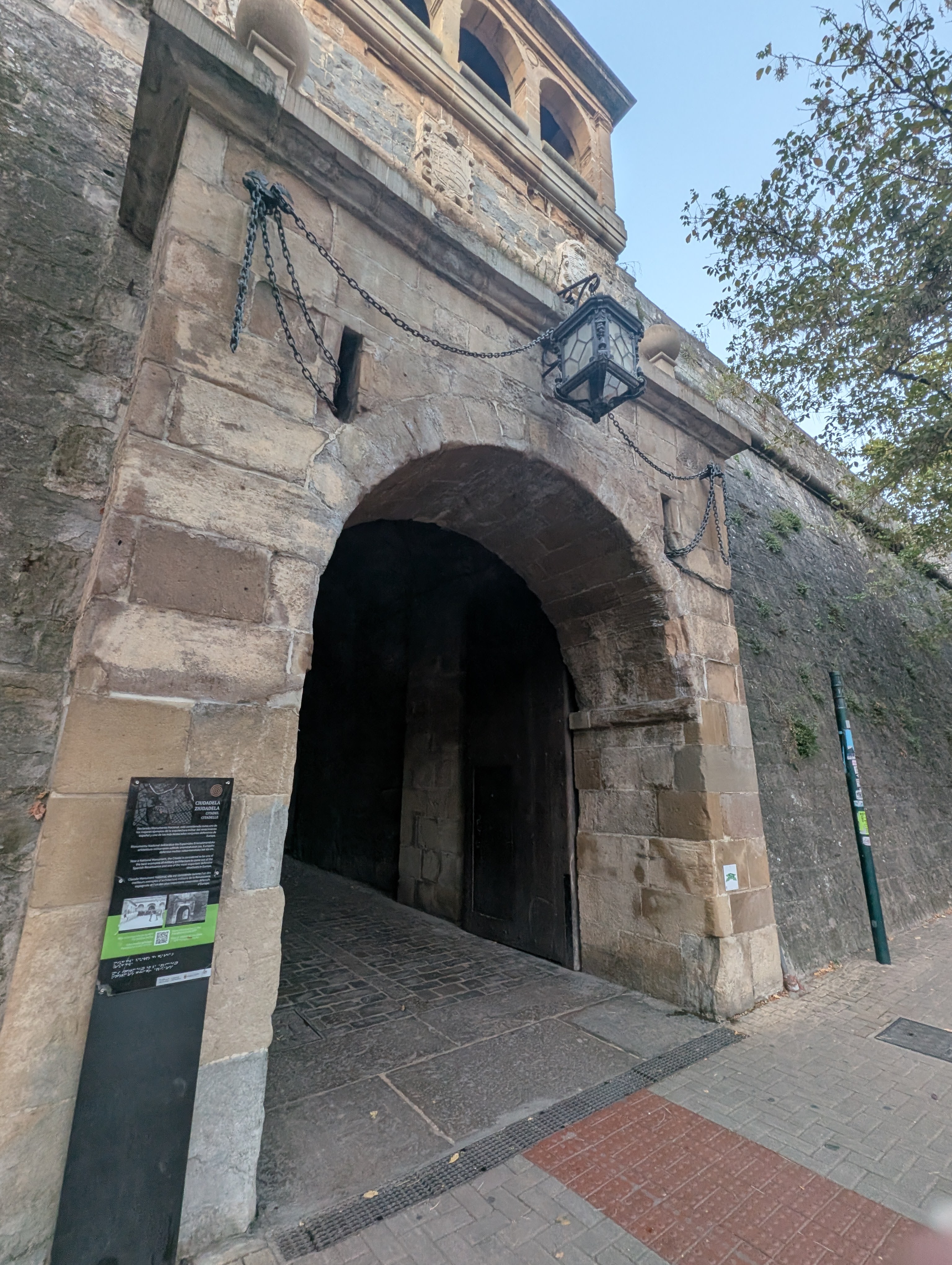
We walked around the old city and towards the gate leading in from the Camino de Santiago over the Pyrenees.

Pamplona

I finally made it to Pamplona, 3 flights and 14 hours of travel. With a 6 hour time difference, I was tired and my knee was really stiff. Luckily my room was ready early and I was able to stretch and take a nap. The rest of the day I walked to a beautiful Japanese garden and a supermarket. It was an early night.

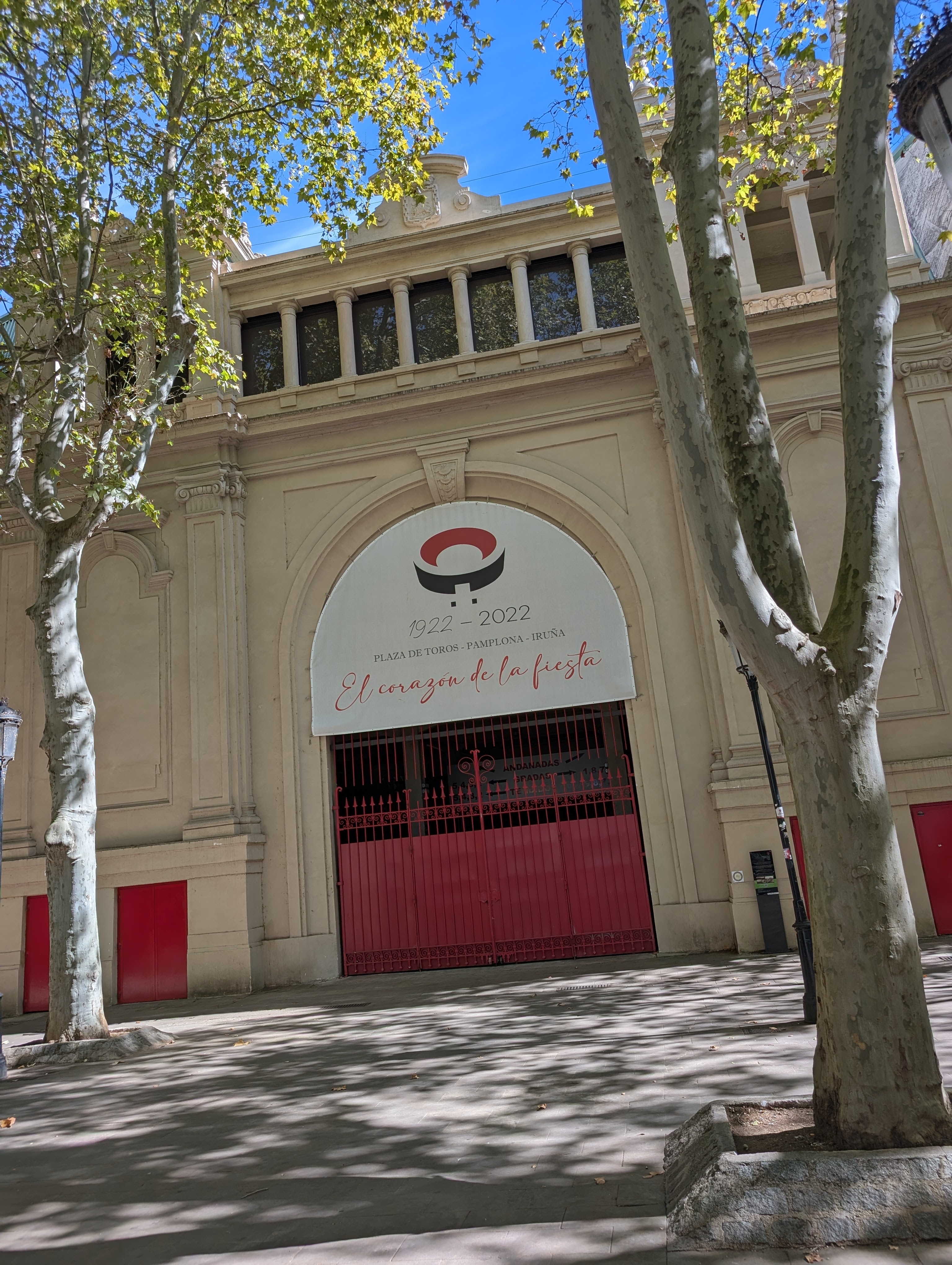
The next day I walked to the Plaza de Torres where bullfighting occurs.

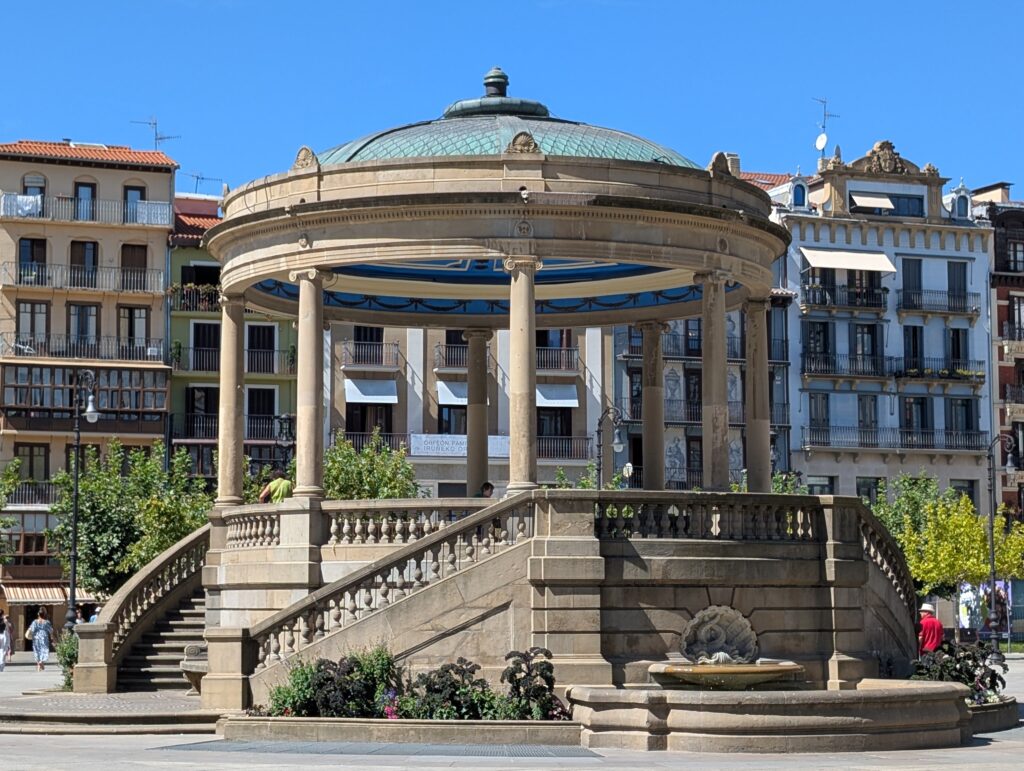
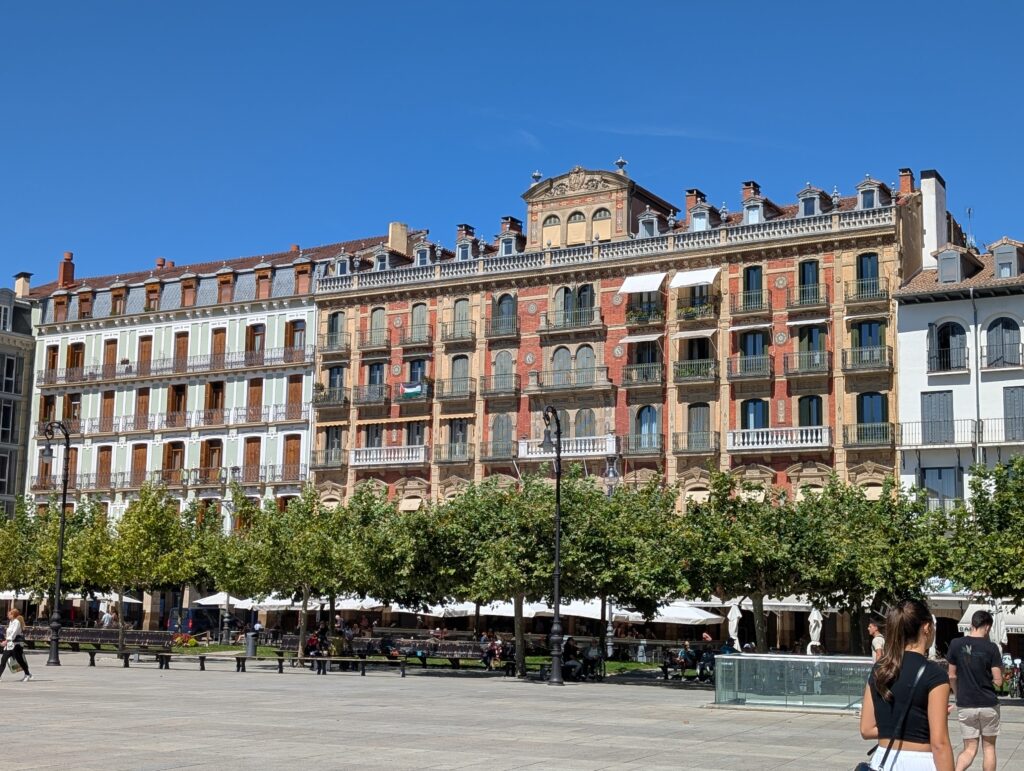
From there I walked to the Plaza del Castillo. On this site twice there were castles surrounded by city walls and was even used for bullfighting.

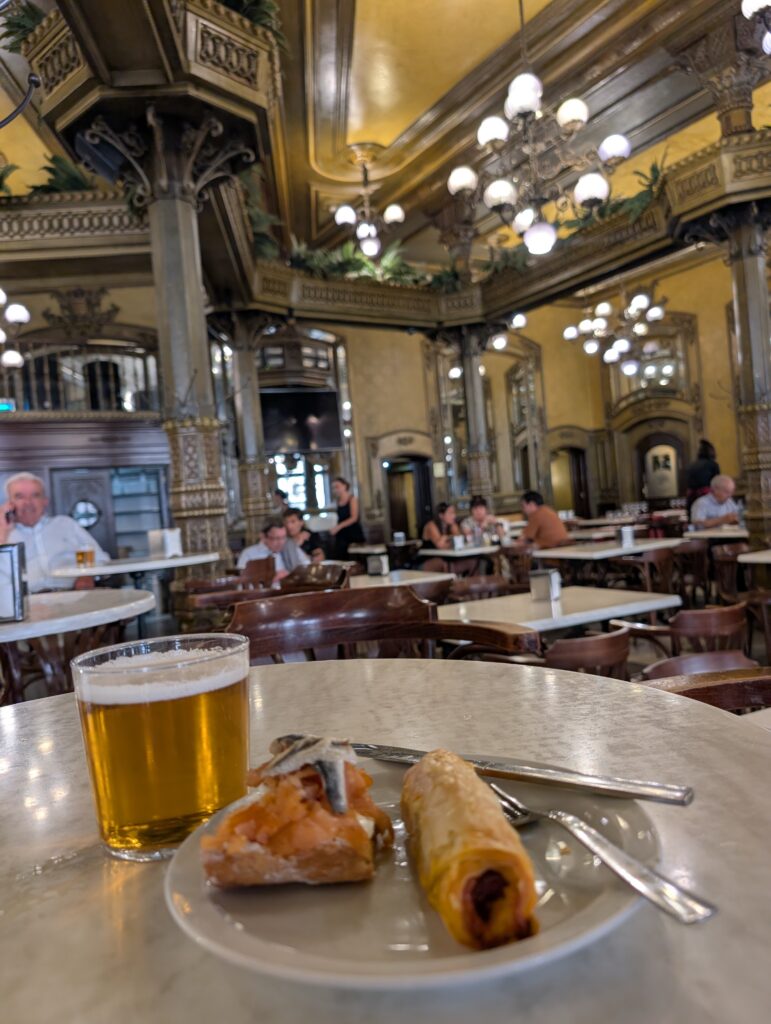
On the Northside of the plaza is the Cafe Iruña. It is the place where Hemingway wrote multiple books including the Old Man and the Sea. Here I had a small glass of beer and two pintos, which are Basque tapas. Quite tasty. The rolled one has sausage and cheese inside. The inside of the cafe has remained unchanged.

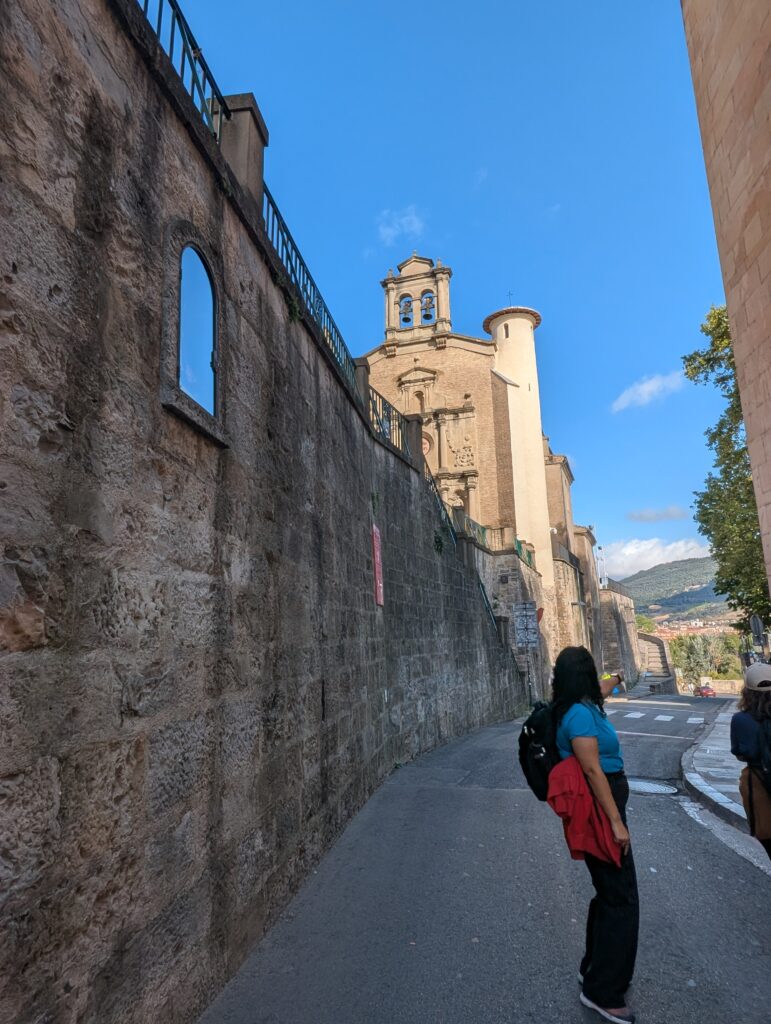
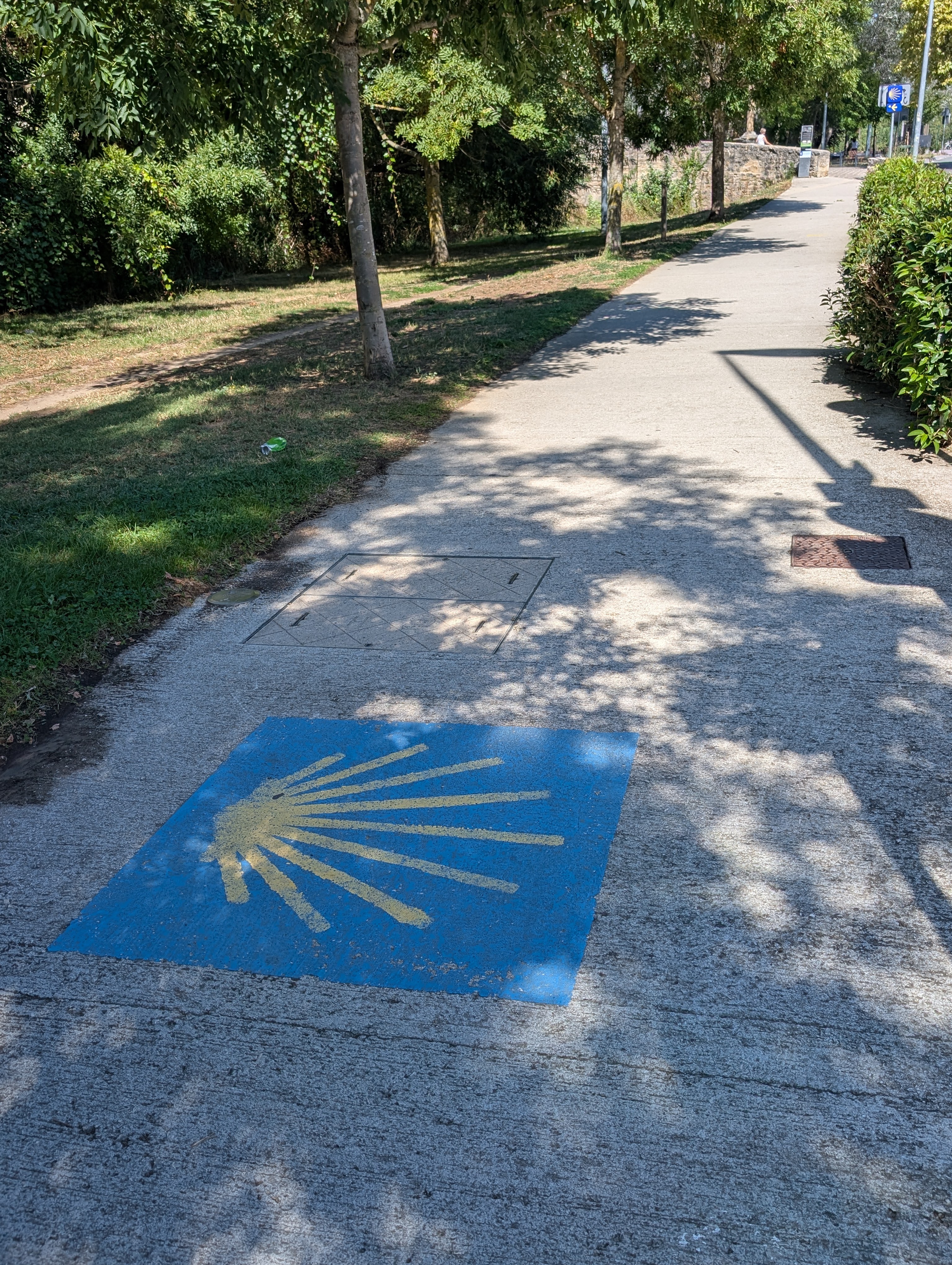
From there I walked to the Basilica. Along the way I noticed the Camino de Santiago signs pointing the peregrinos on the path through Pamplona. Still a little bummed that I am unable to do that journey due to my knee replacement but it was great to see the joy and determination on the faces of the hikers.

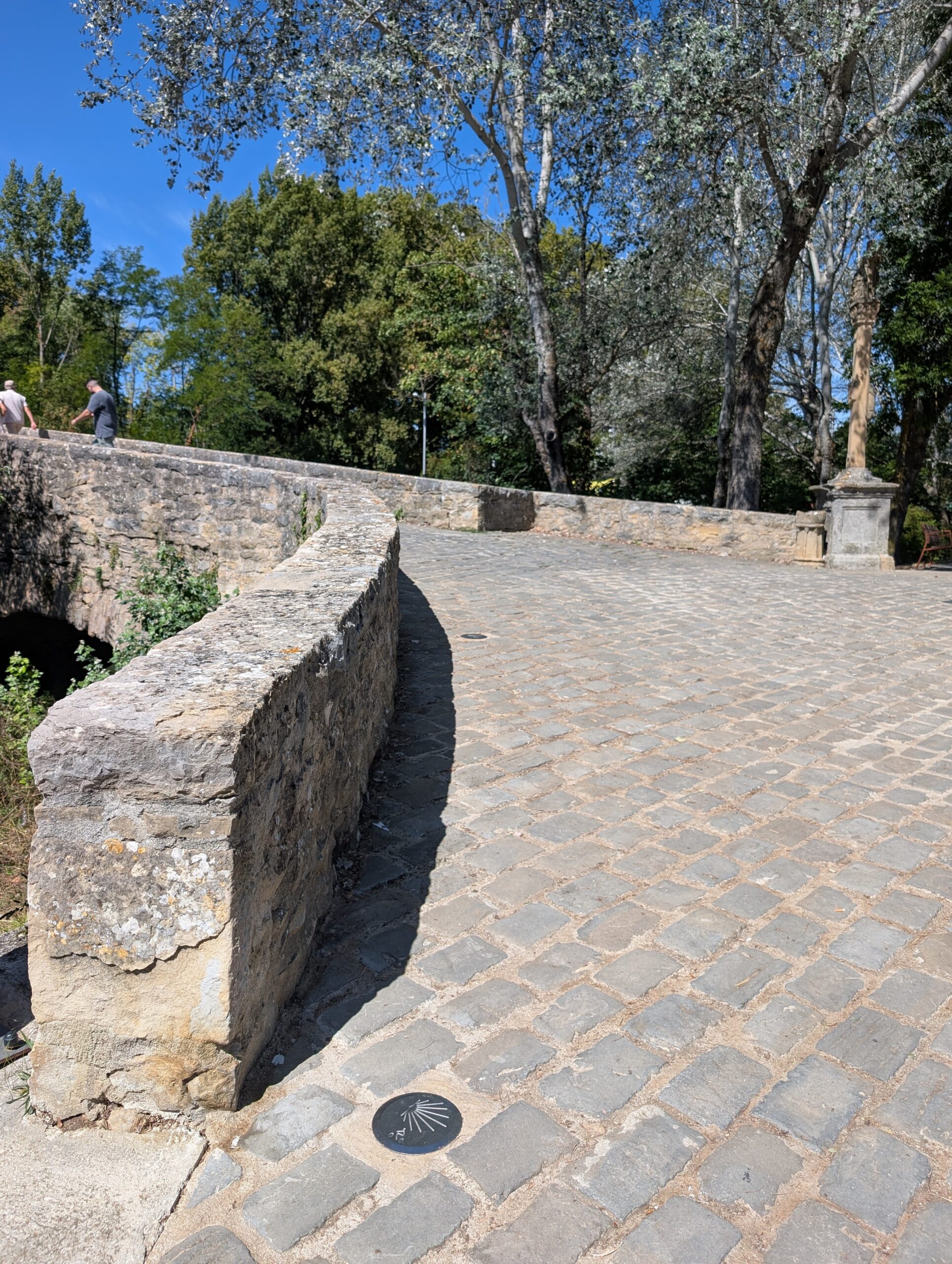
This bridge (Puente de la Magdalena) is one of four medieval bridges still standing here.

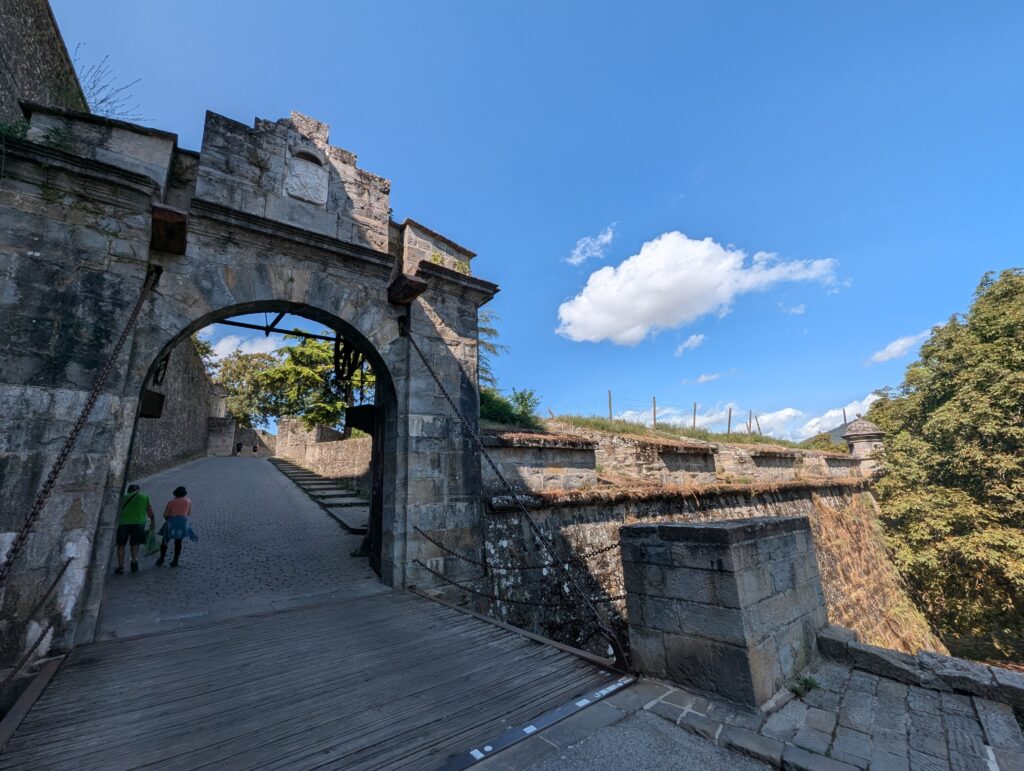
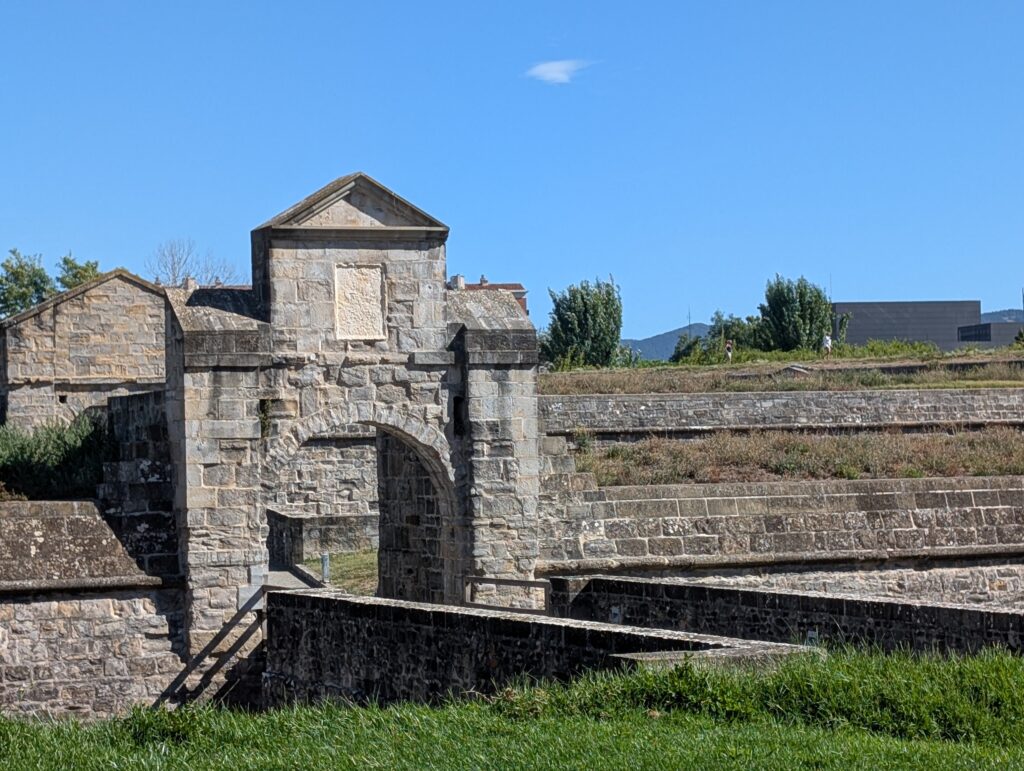
The entrance to the old city from the Camino de Santiago. This is an actual working drawbridge.

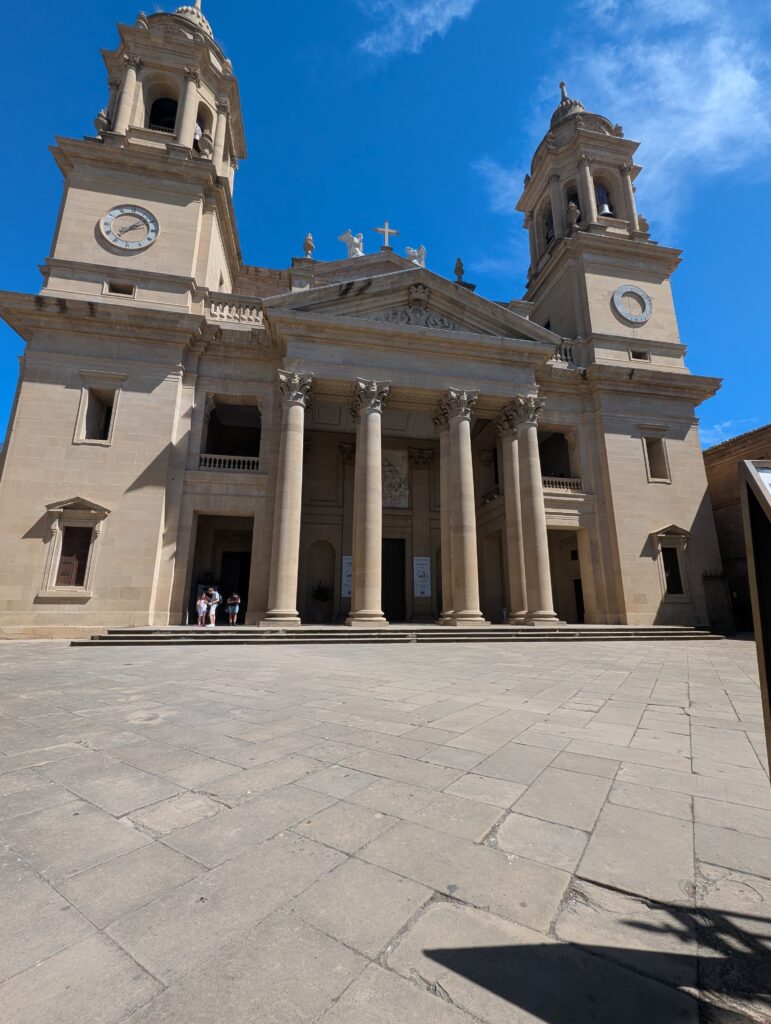
The basilica.

I walked a total of 10 km which I finally achieved 4 months after knee replacement. Some of the other things I saw along the way:

The citadel is a military complex that has the best architecture in the world. It is possible to walk through at many points to cross the city and is now an amazing park.

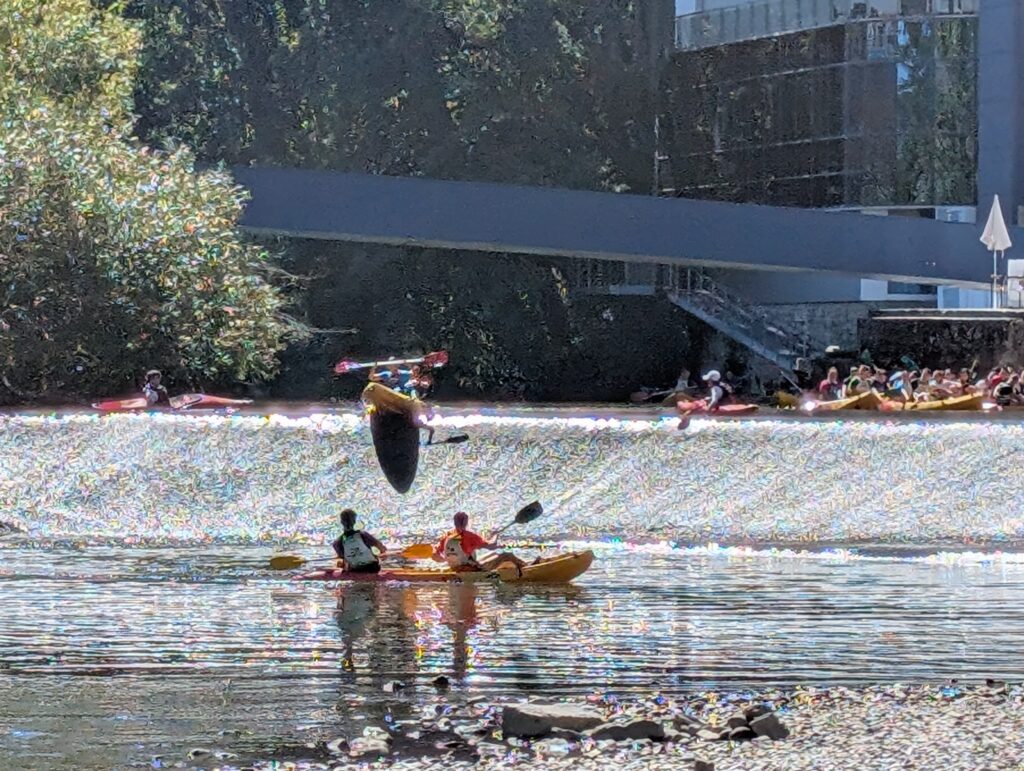
At the nautical club, they were taking turns paddling the kayaks down the spillway. The kayak made it!

Tomorrow I will take a walking tour to learn more about Pamplona.