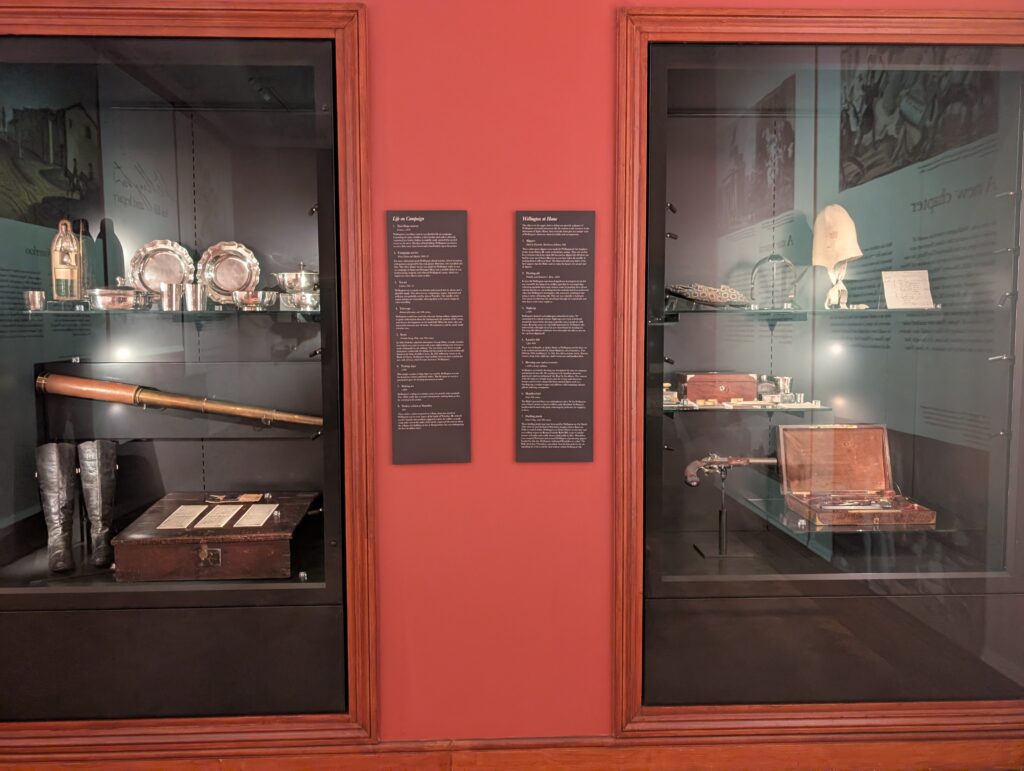
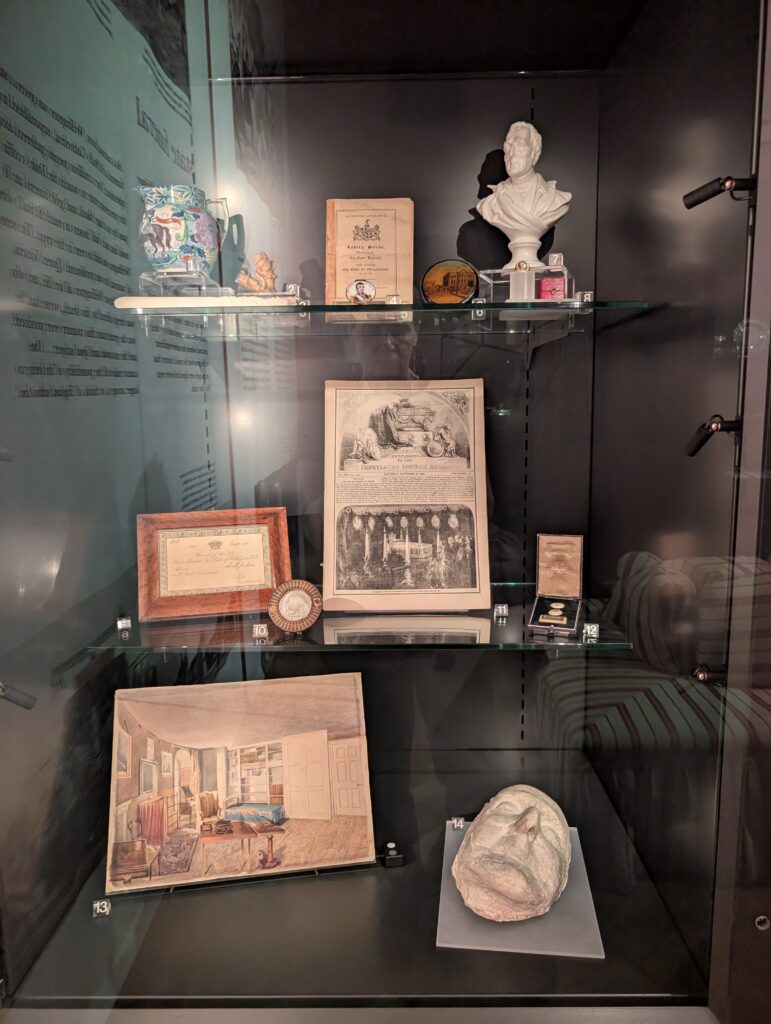
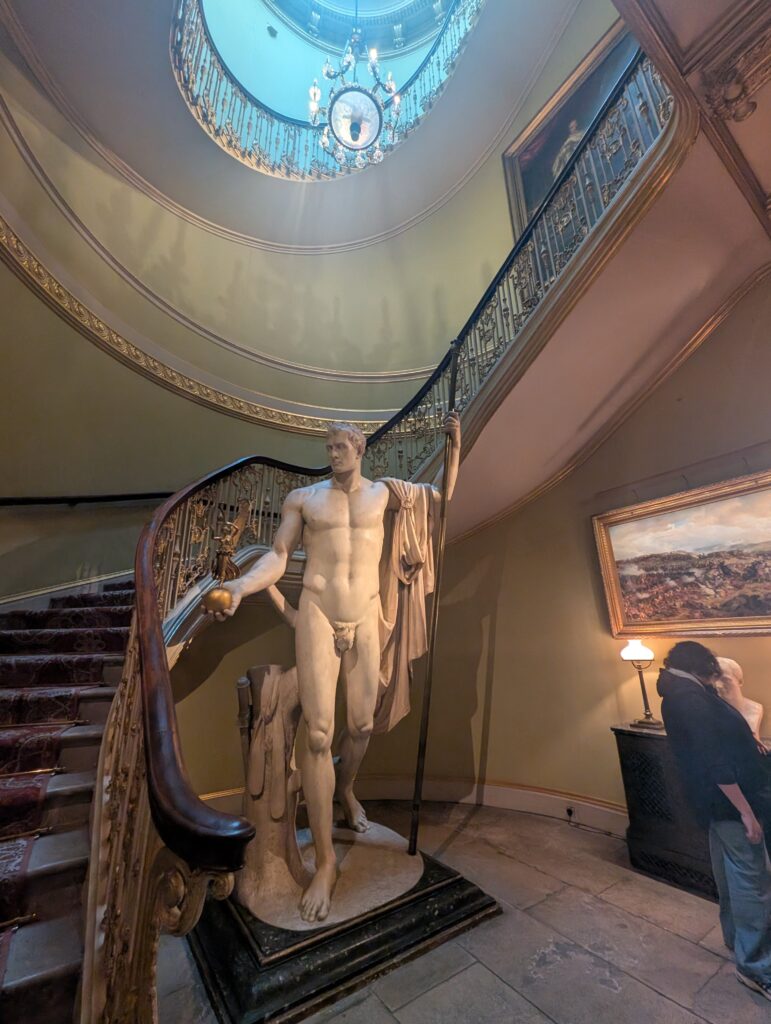
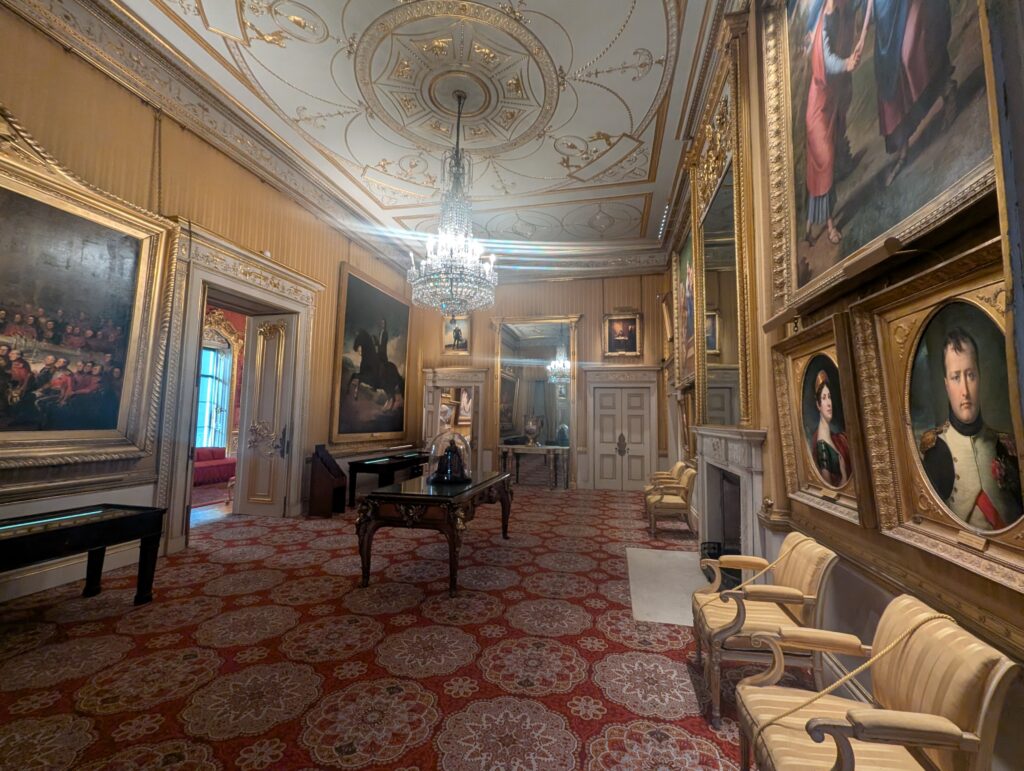
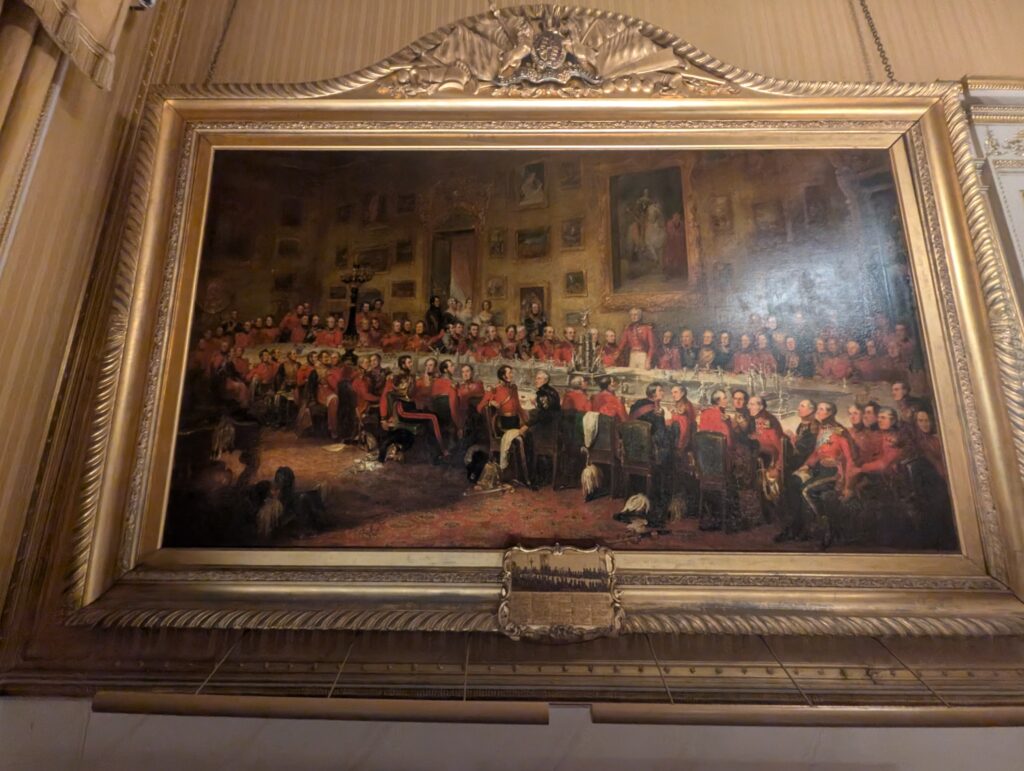
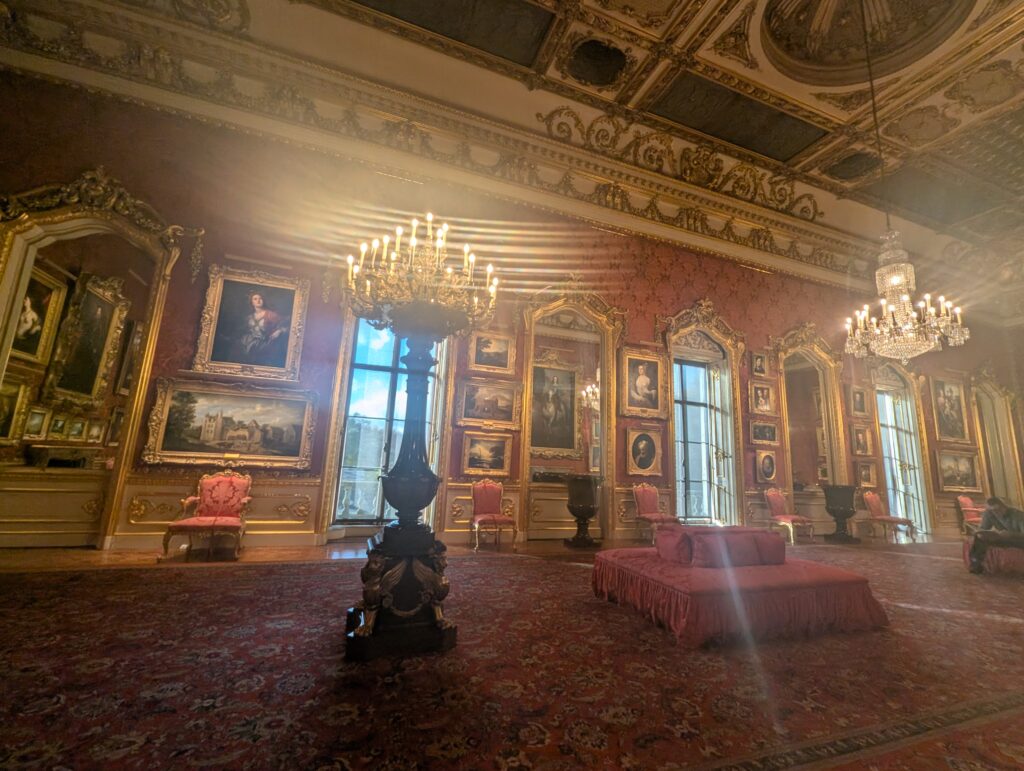
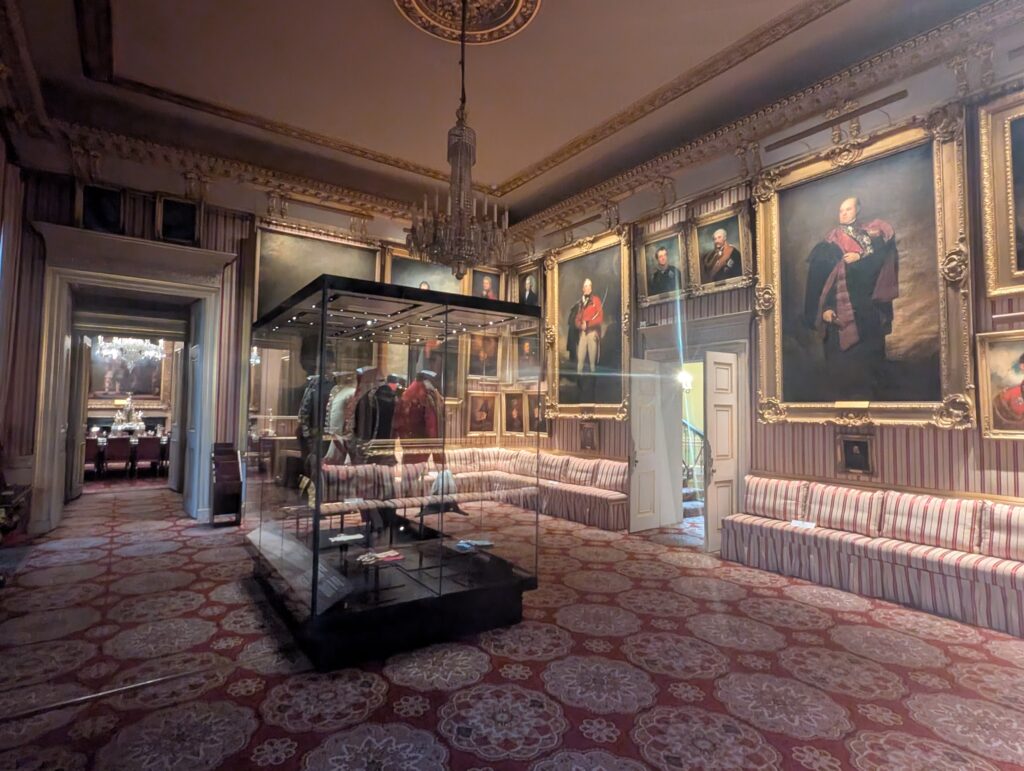
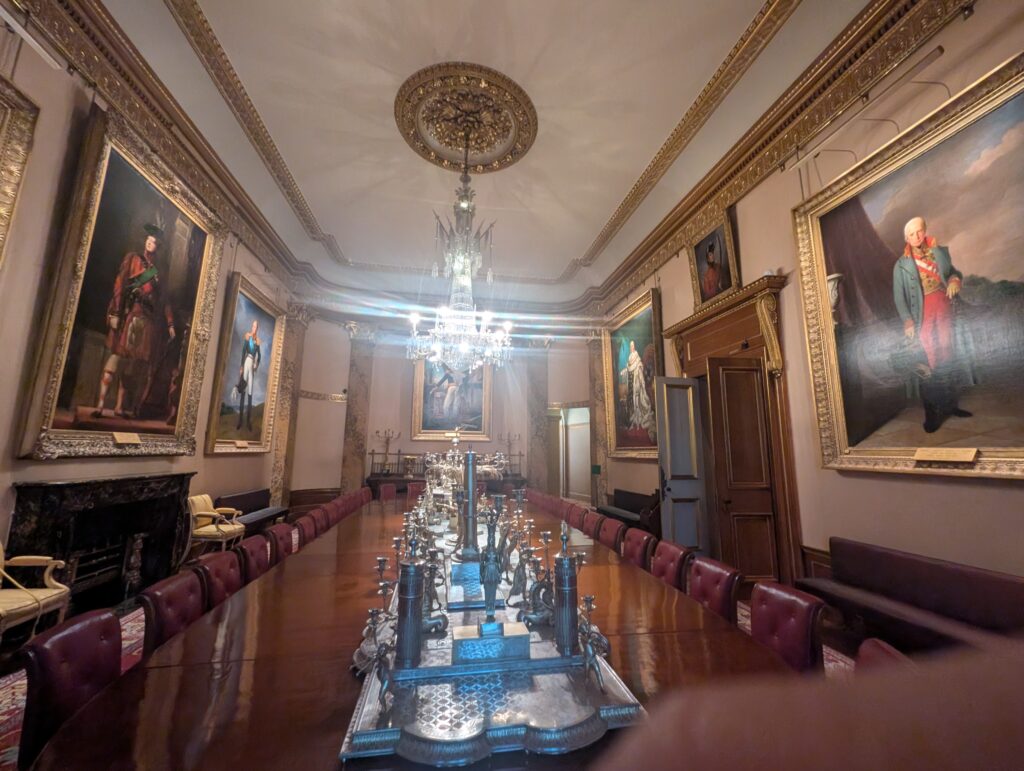
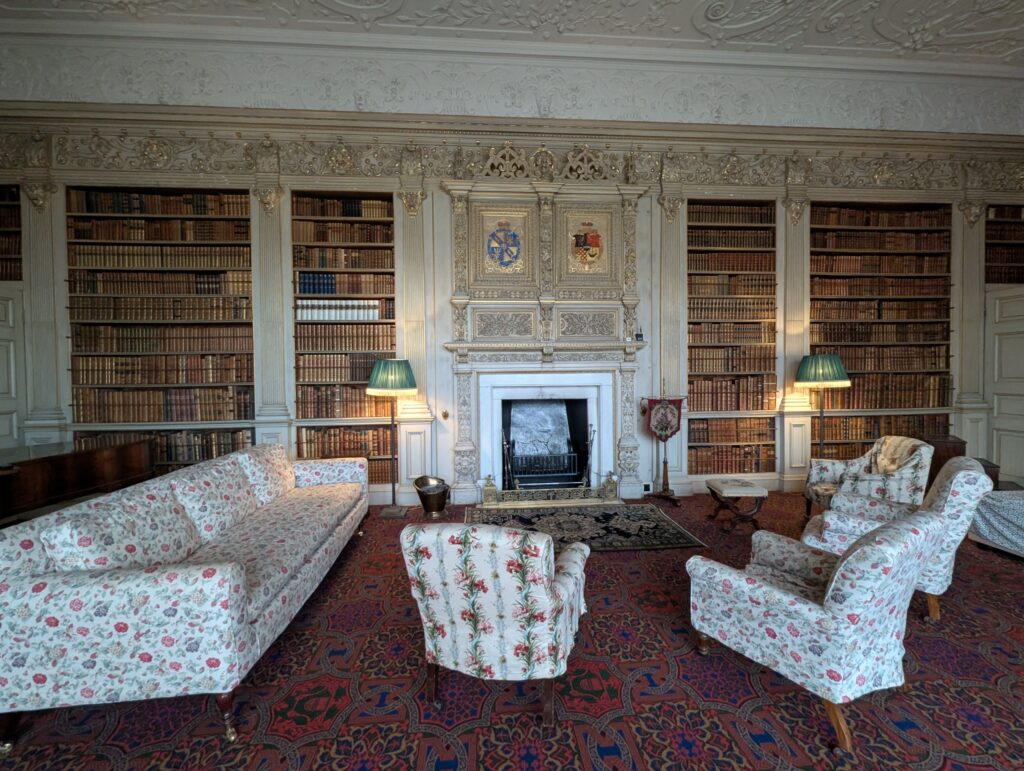
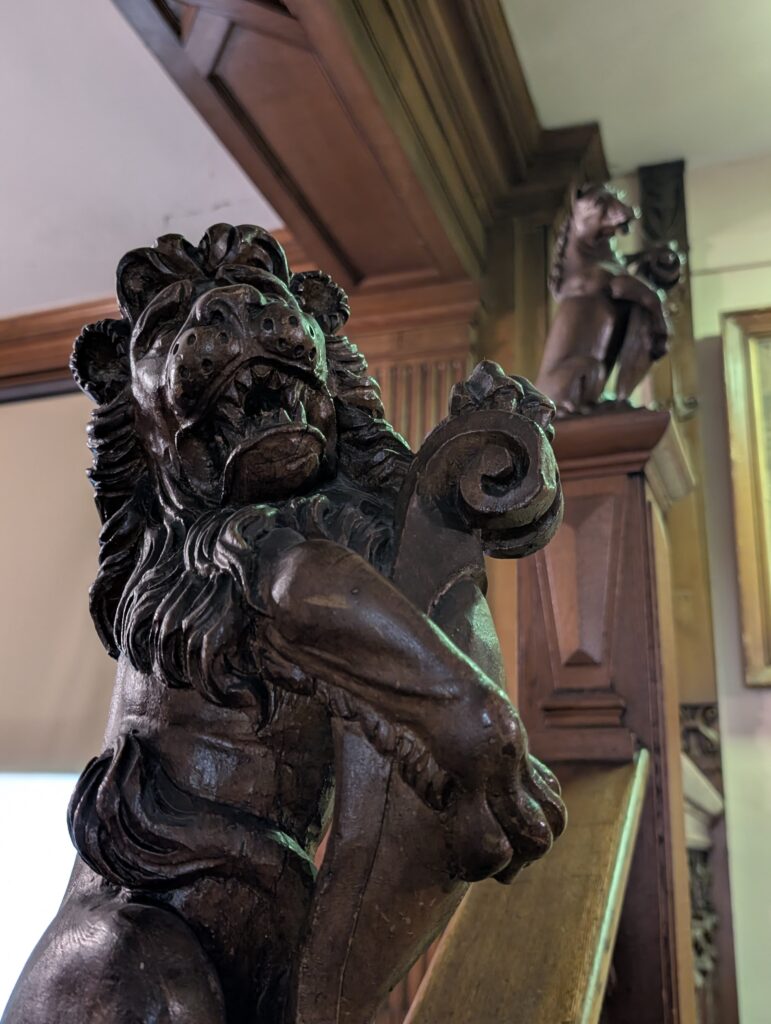
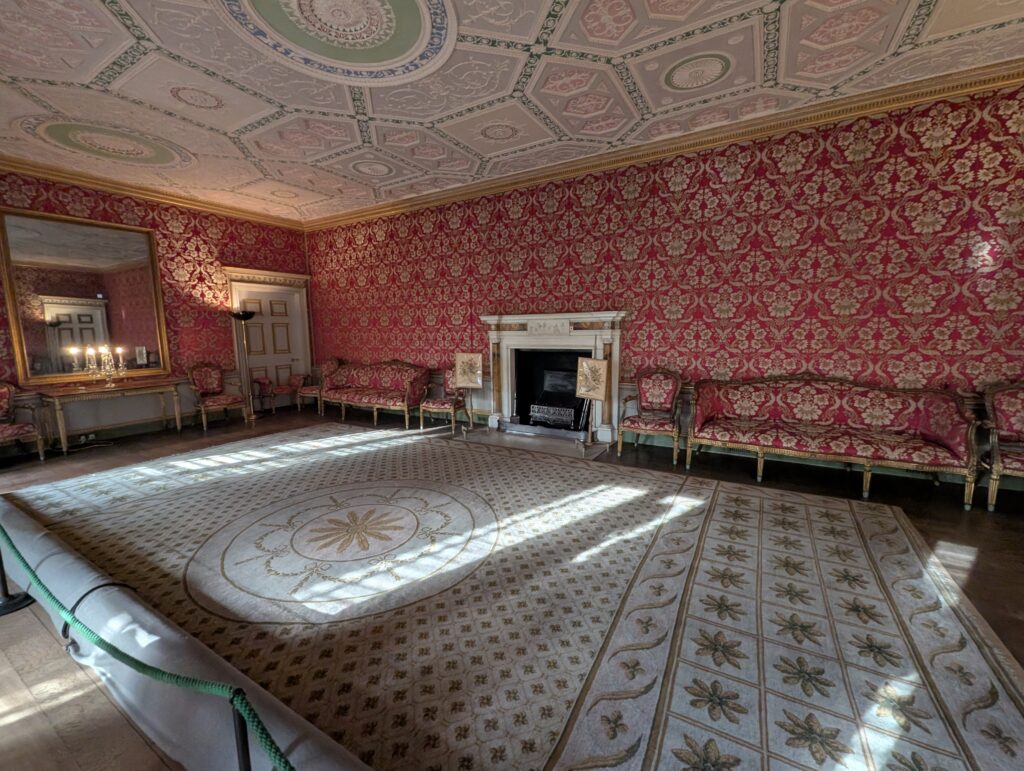
Apsley House is an amazing place to visit and was built in the 1770s for Lord Apsley. It is also nicknamed as “Number 1, London”, because it was the first house seen by visitors arriving in the city from the west. Arthur Wellesley bought it in 1817. He was the 1st Duke of Wellington and a war hero defeating Napoleon at Waterloo. He added a grand State Dining Room which was used every year to celebrate the defeat of Napoleon with other commanders. He also added the Waterloo Gallery which houses major paintings from 1500 to 1800 and include many Dutch paintings. One is a painting he commissioned of one of his Waterloo celebration dinners. The house is home to the Wellington Collection, a world-class assortment of art, silver, porcelain, and sculpture most notably a colossal statue of Napoleon by Antonio Canova (Napoleón as Mars the Peacemaker). After Wellington’s death, the house was opened as a museum though part of the house is still used as a residence by the Wellington family.
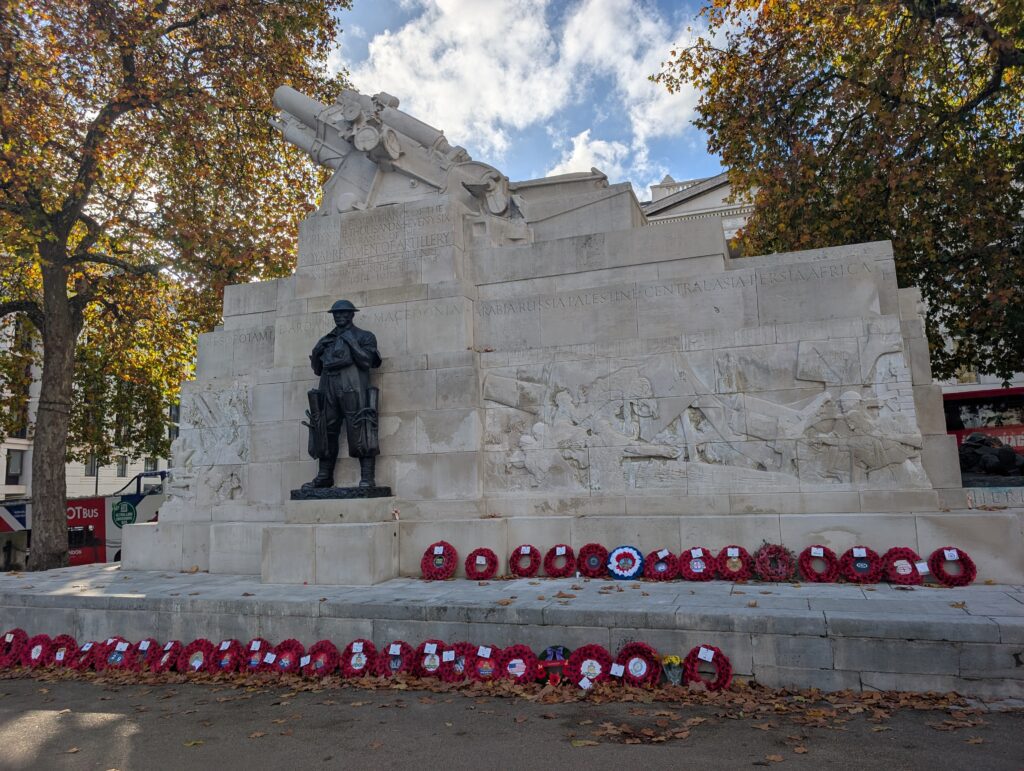
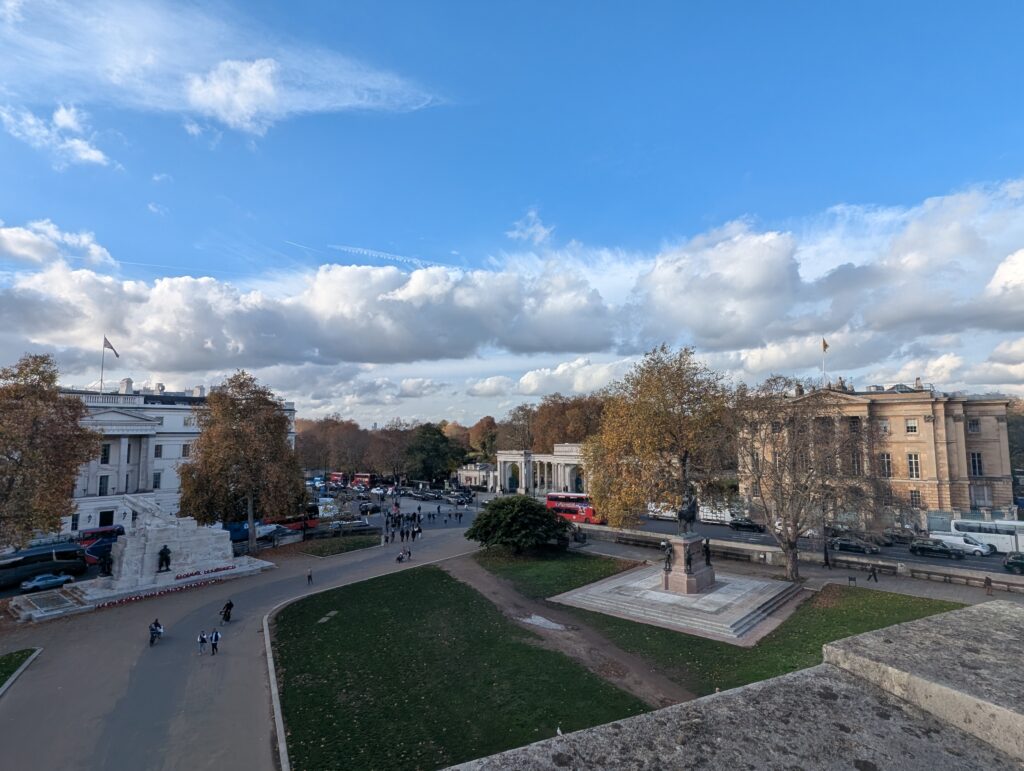
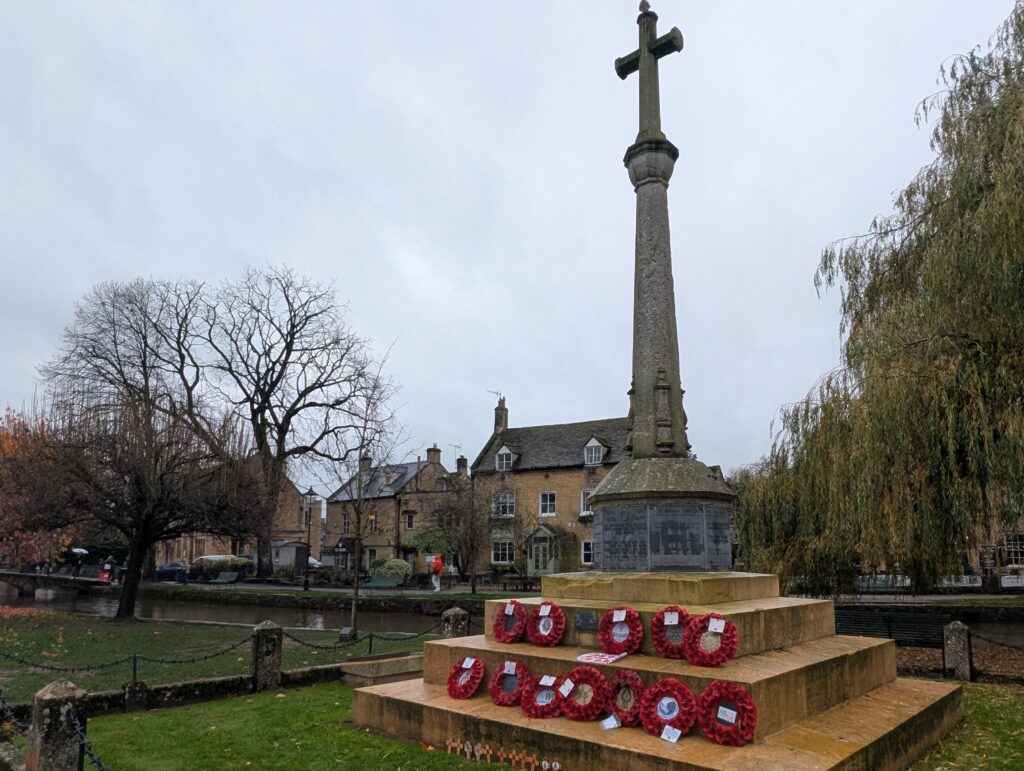
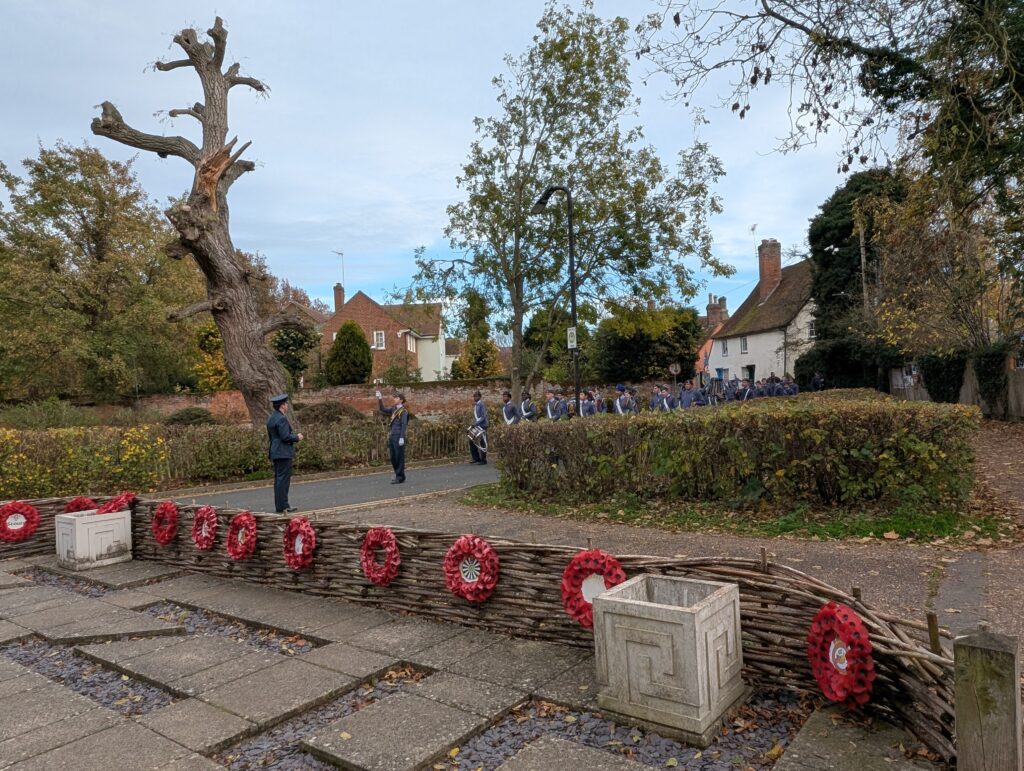
World War I memorial.
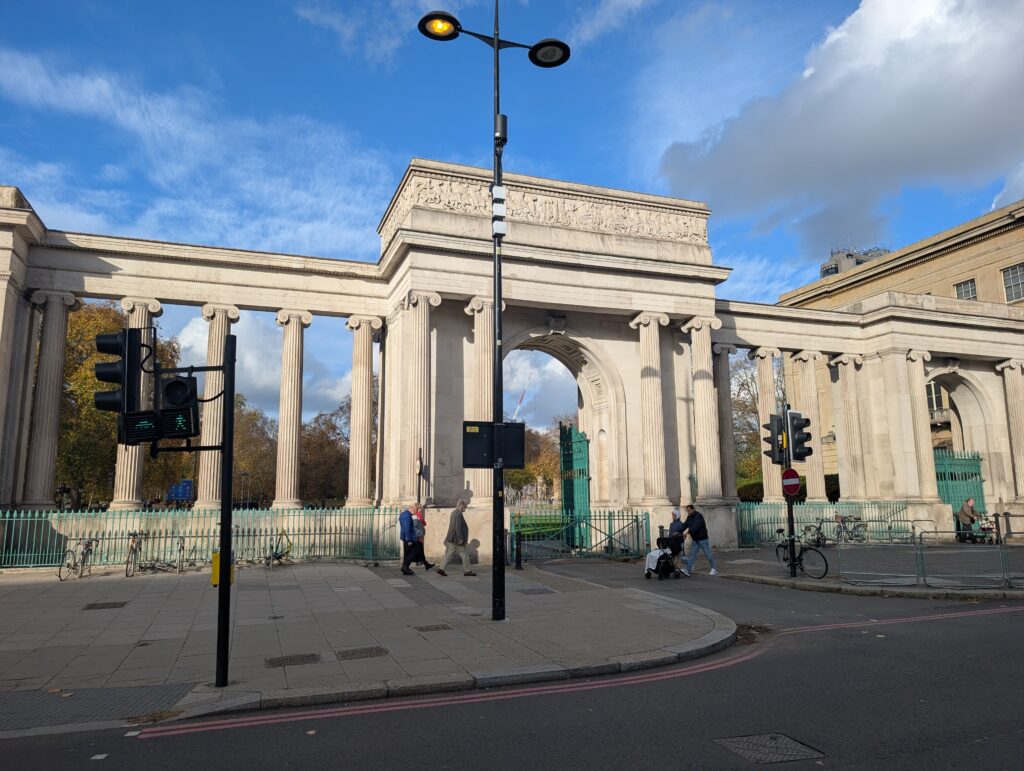
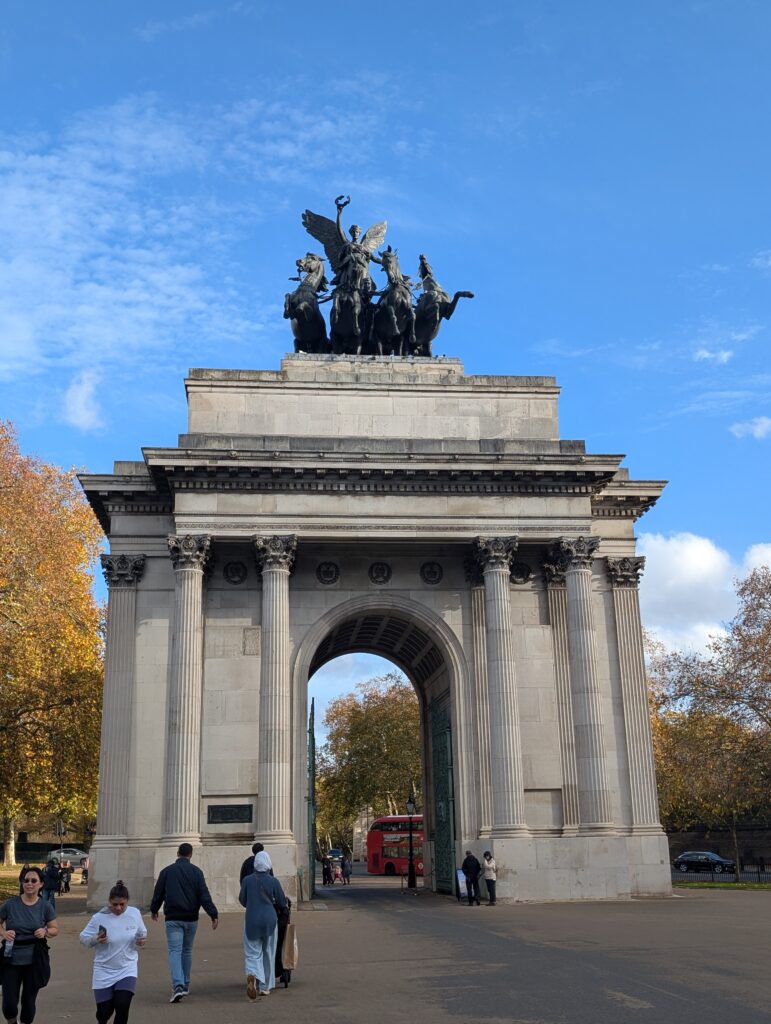
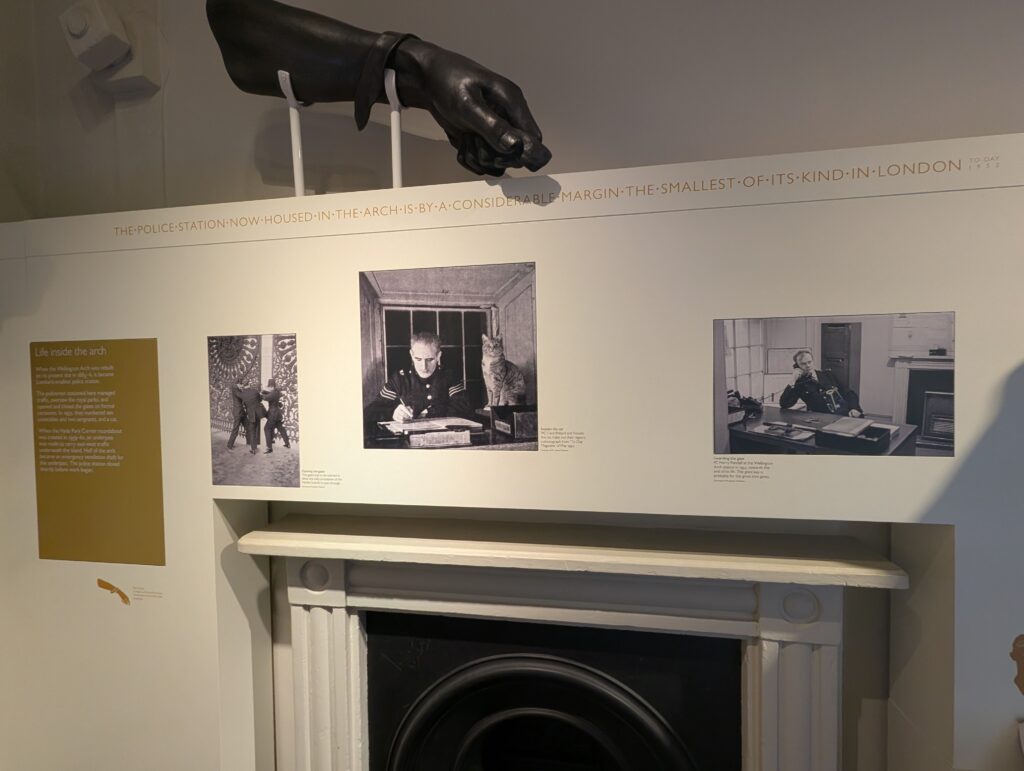
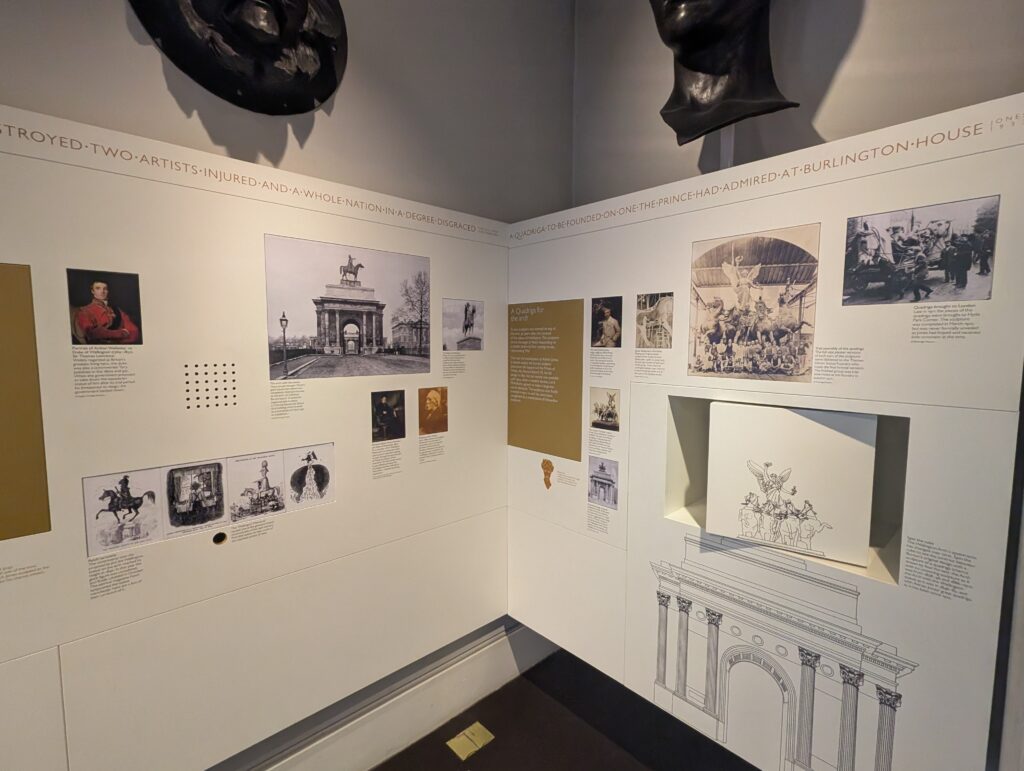
Wellington arch used to be a police station and has 4 narrow floors. It was interesting to look at all of the pictures. They even had a resident cat at the station.
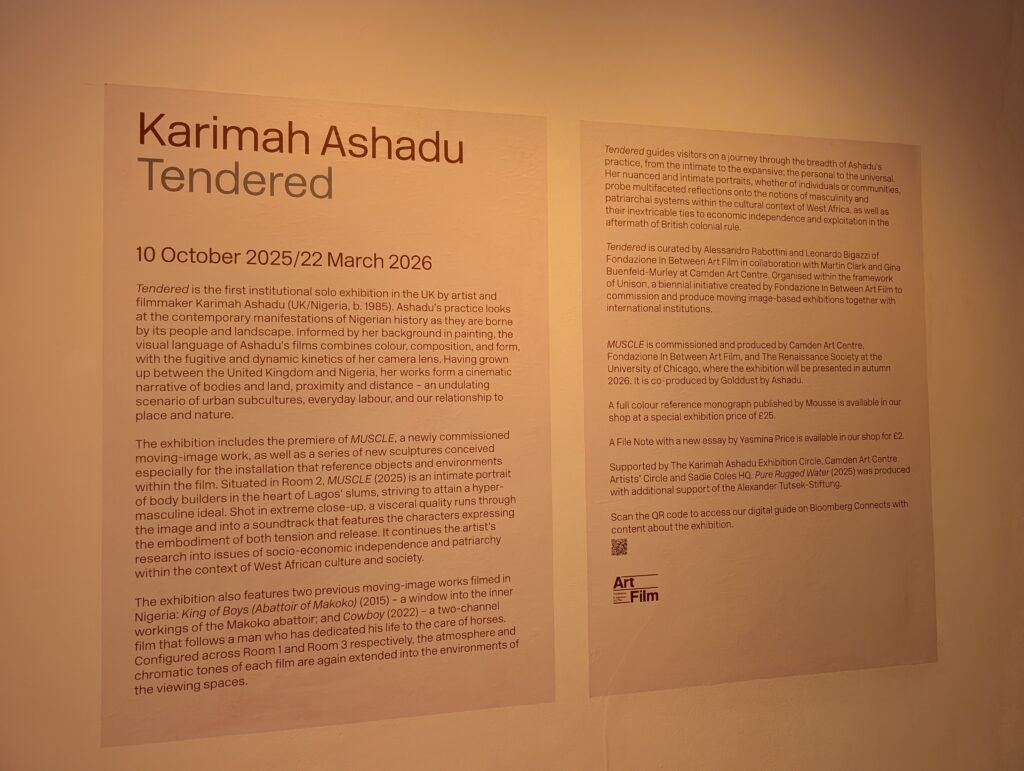
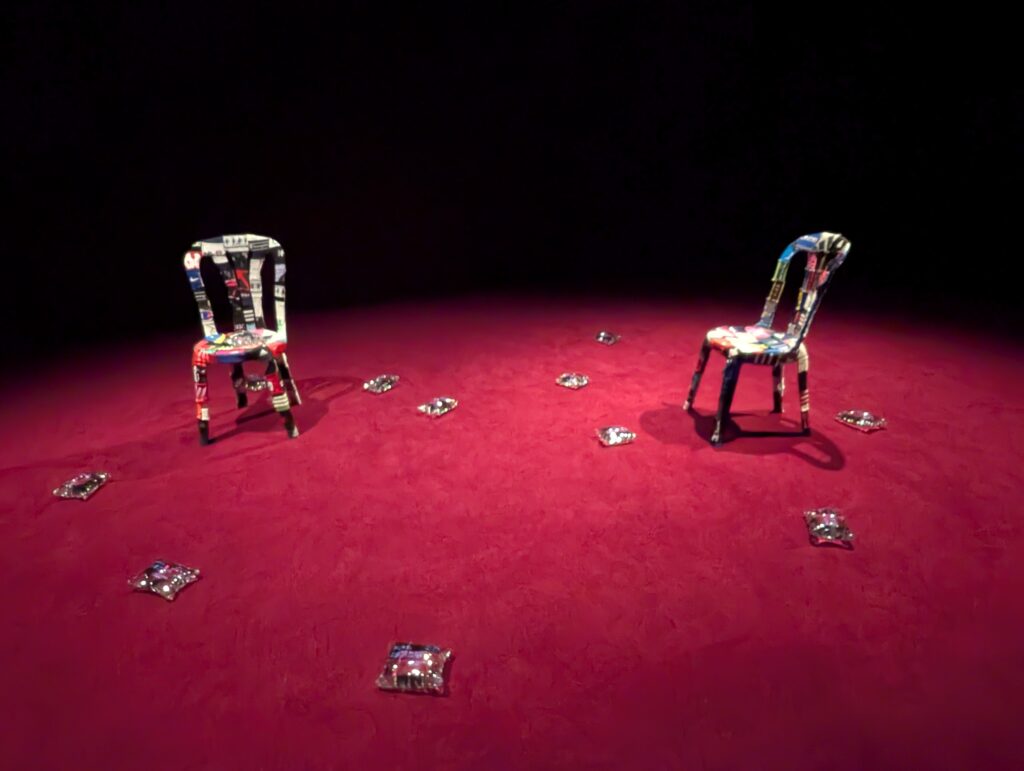
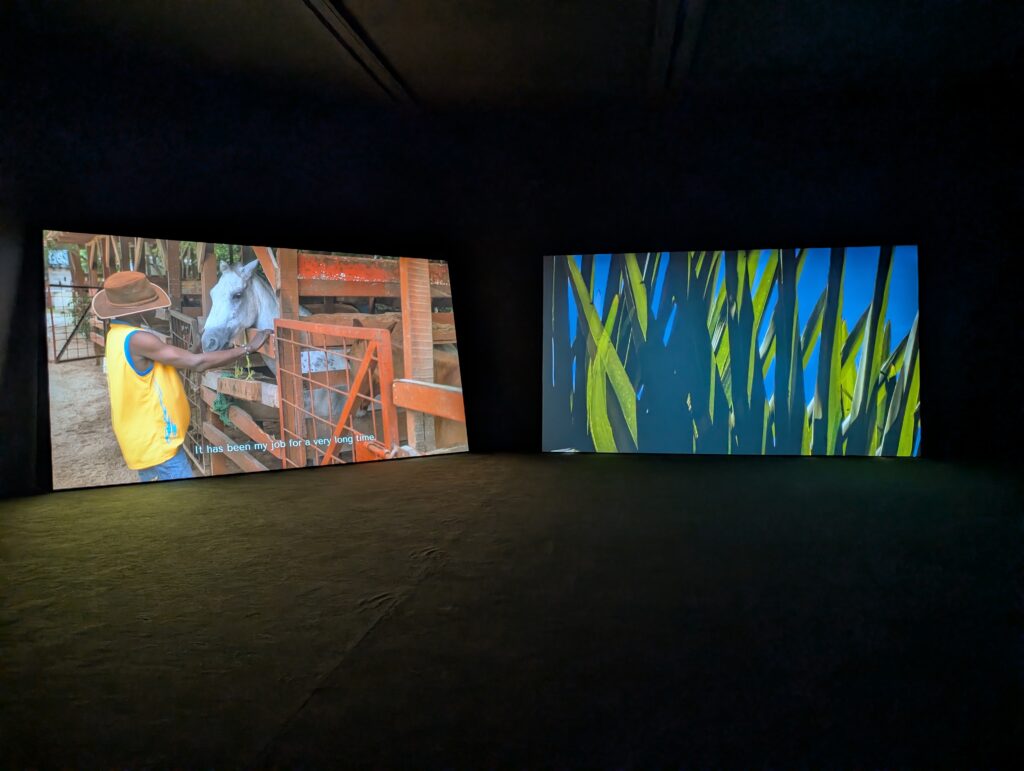
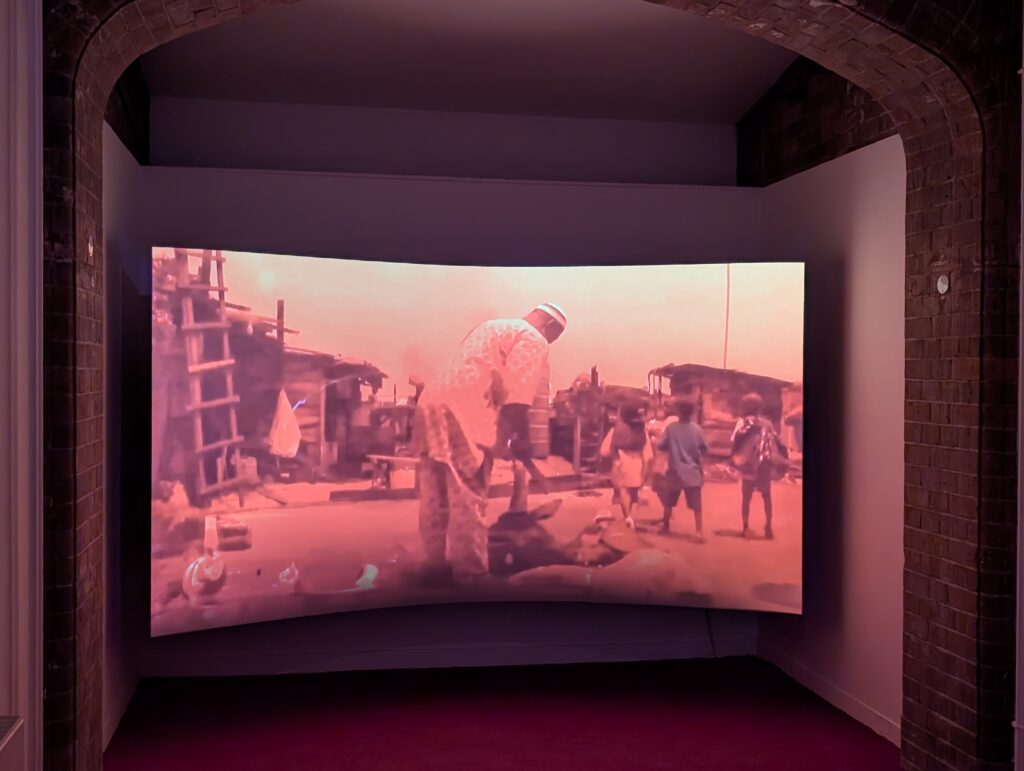
This was all about life in Lagos, Nigeria and the life of men who workout to be formidable and the life of those in the butcher markets.
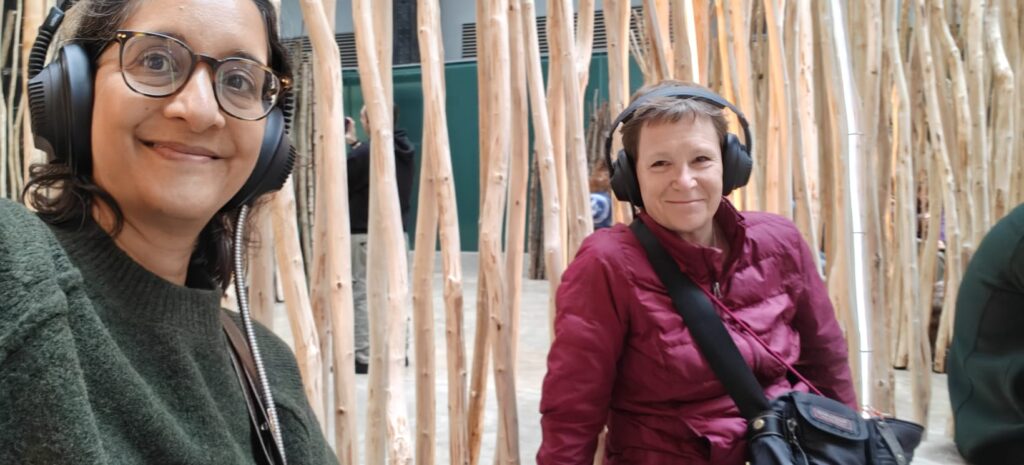
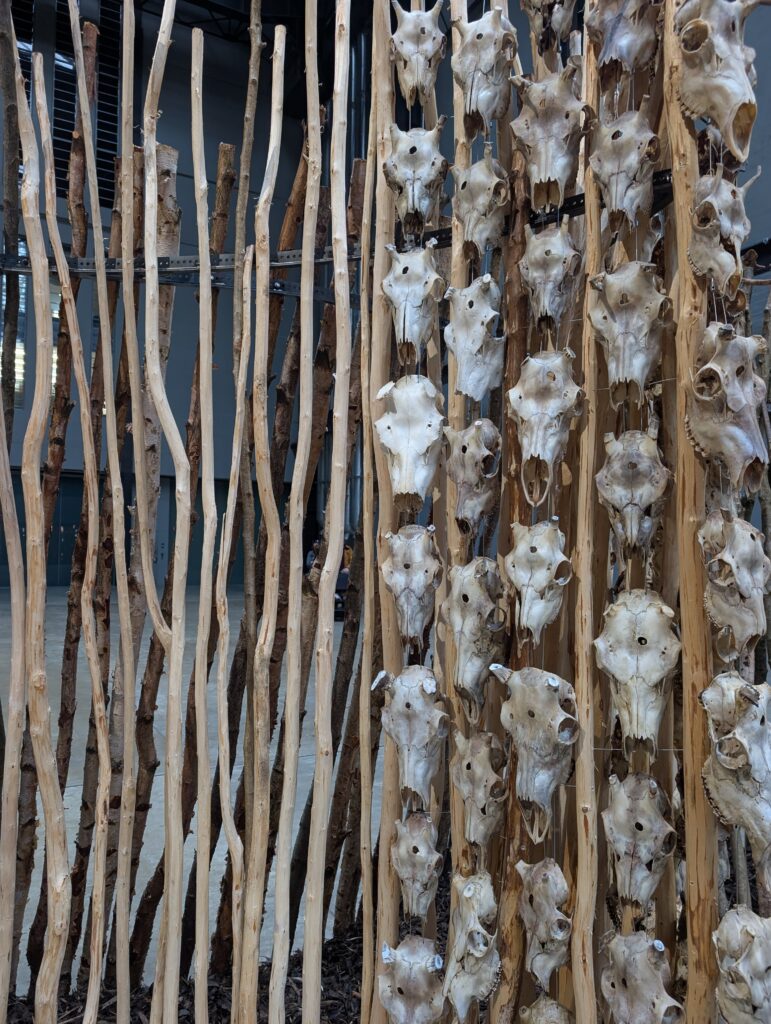
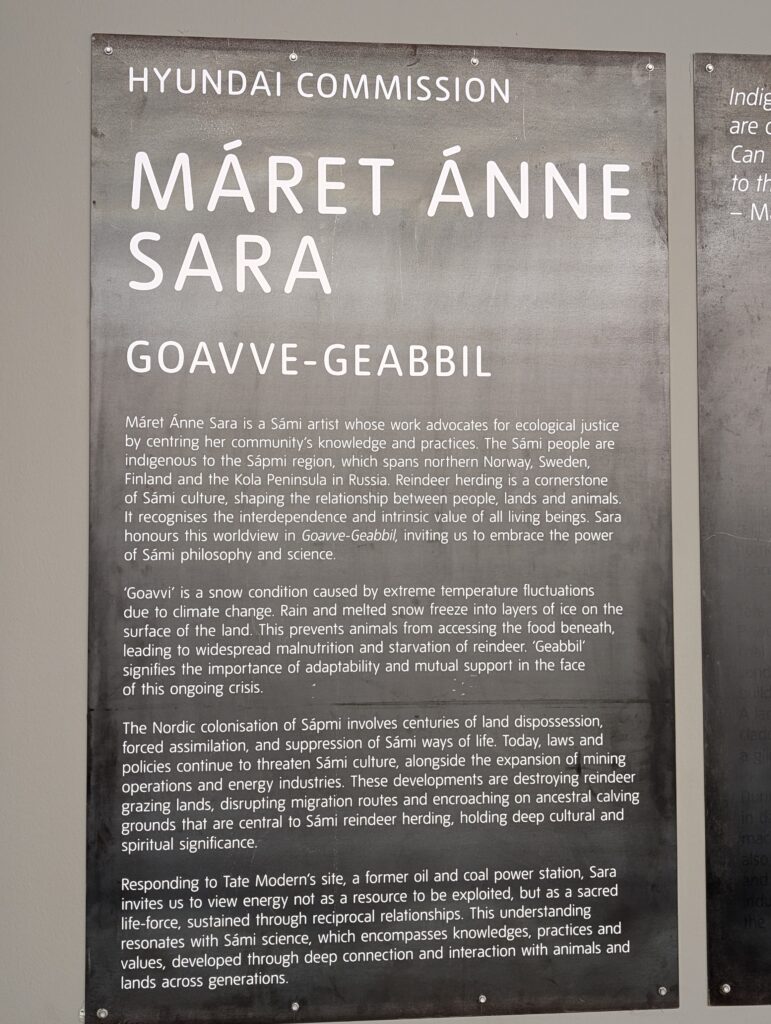
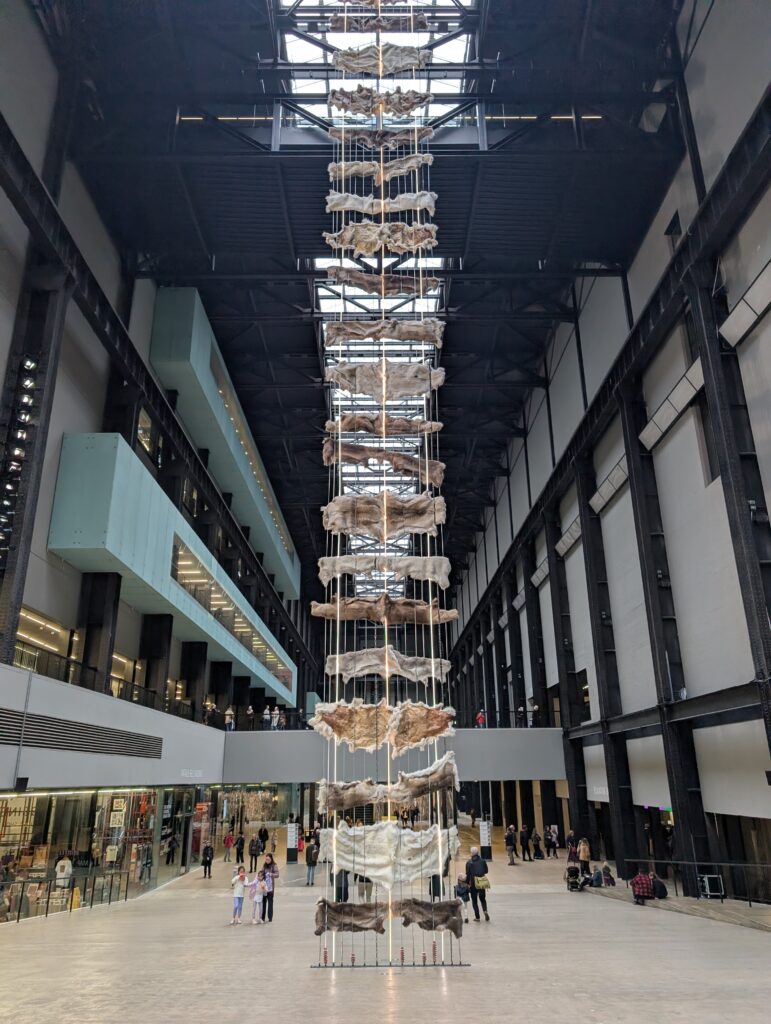
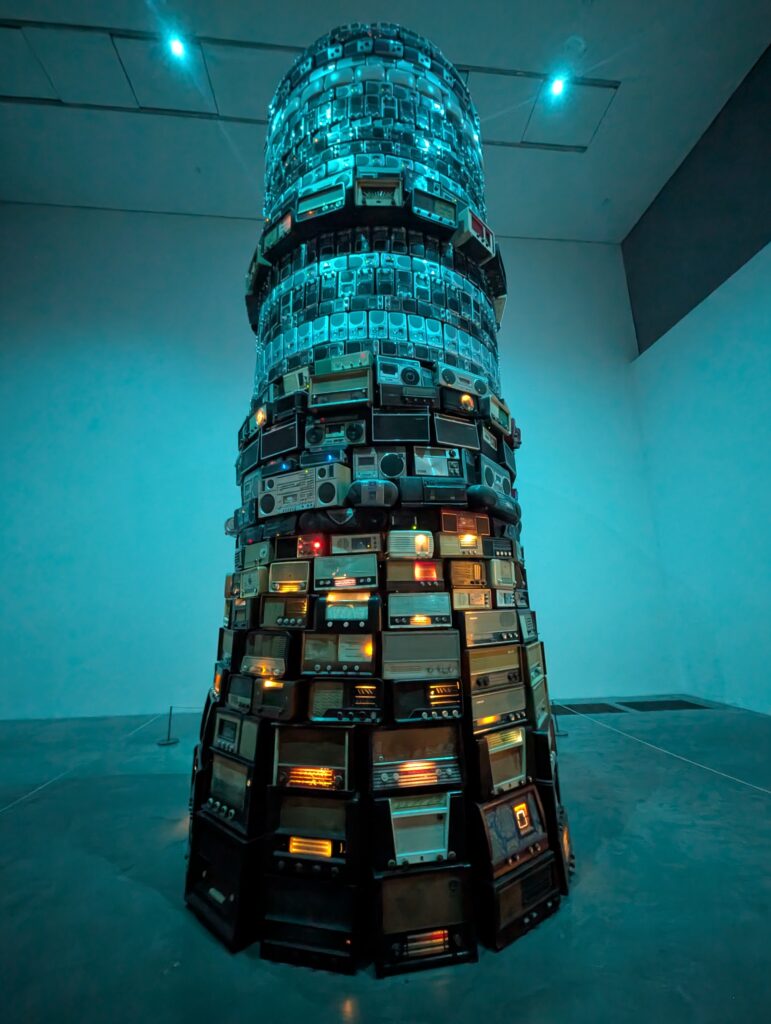
The Tate Modern. There was a great exhibit about the Indigenous people near the Arctic and loss of the reindeer due to global warming. It was heart wrenching and very interactive and immersive as you sat on the reindeer hides and listened to the stories.
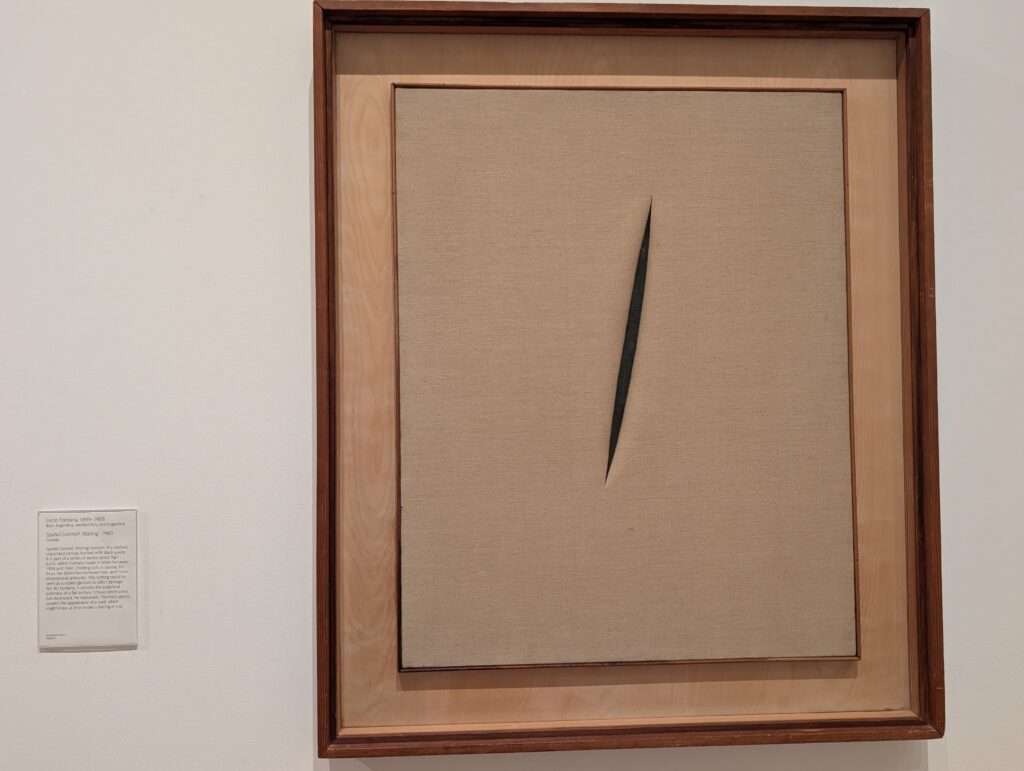
Other displays at the Tate Modern.
This next display generated noise and it obviously changed depending upon where you stand.
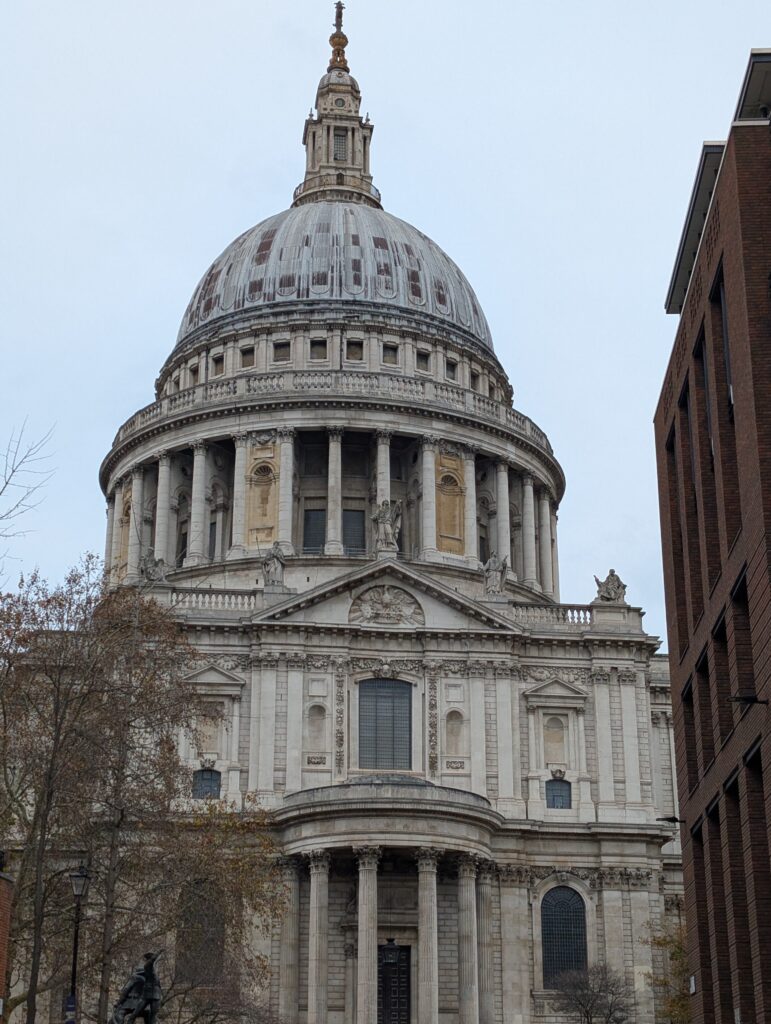
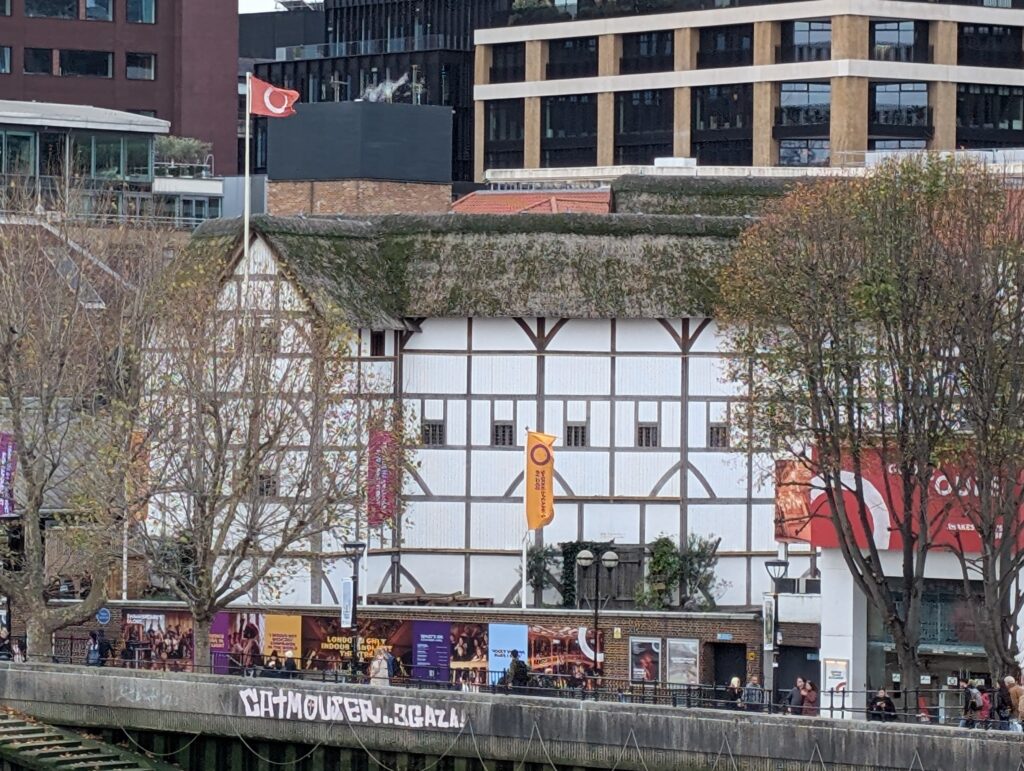
After we walked towards St. Paul’s across the bridge and saw Shakespeare’s Globe.
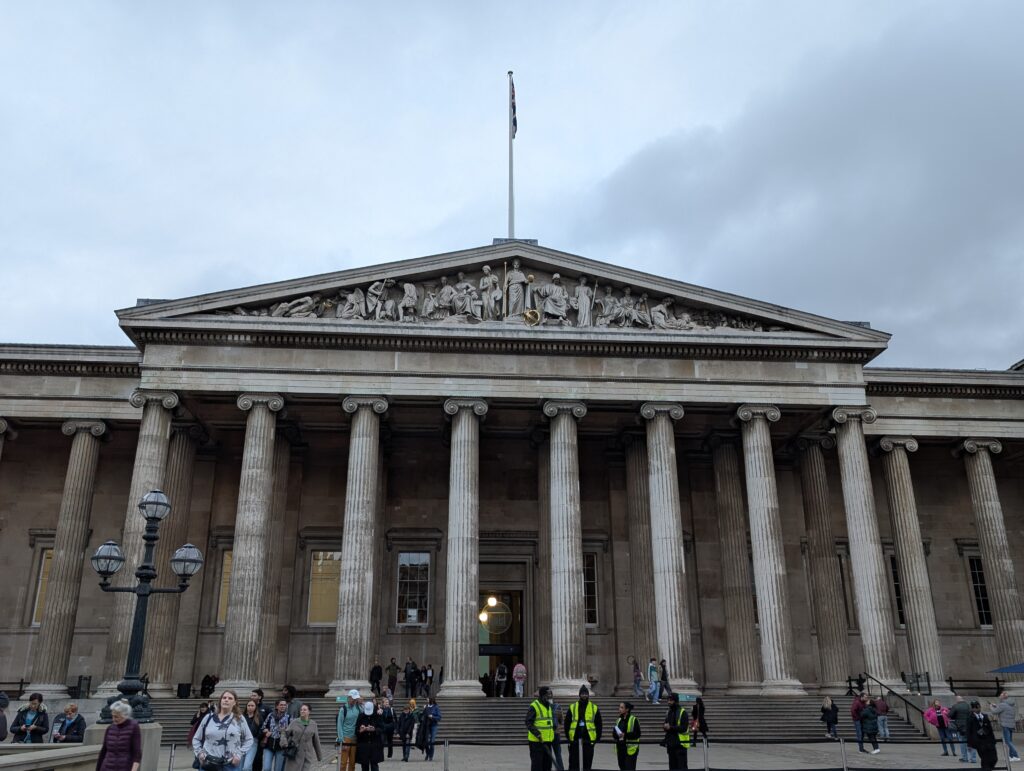
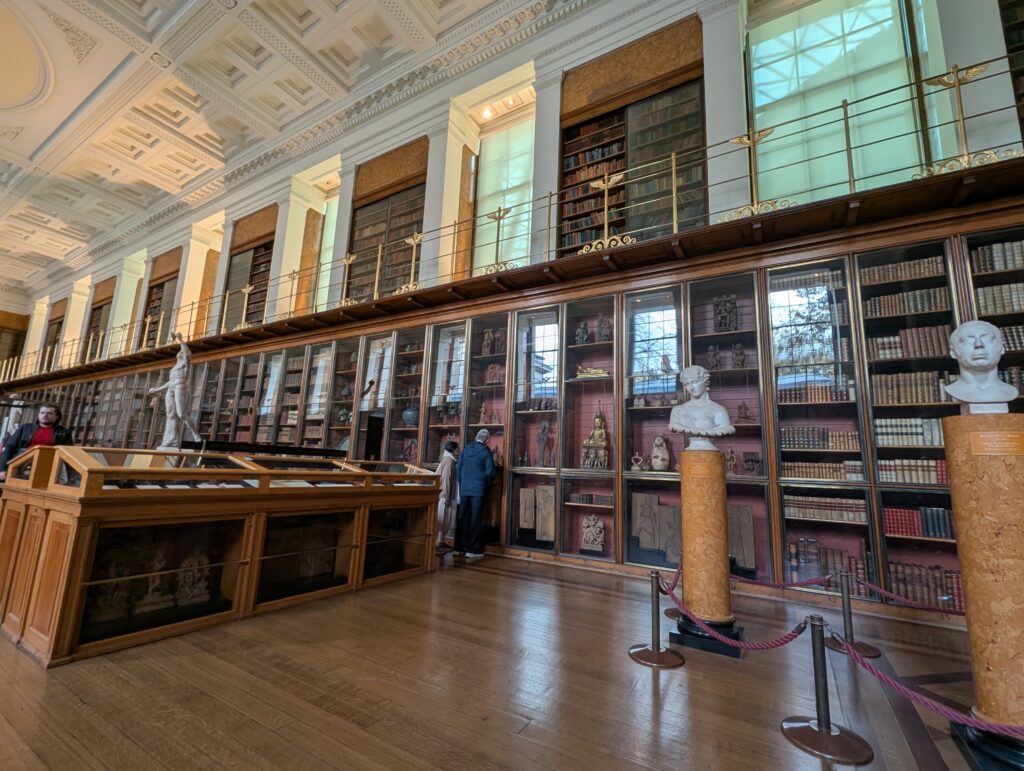
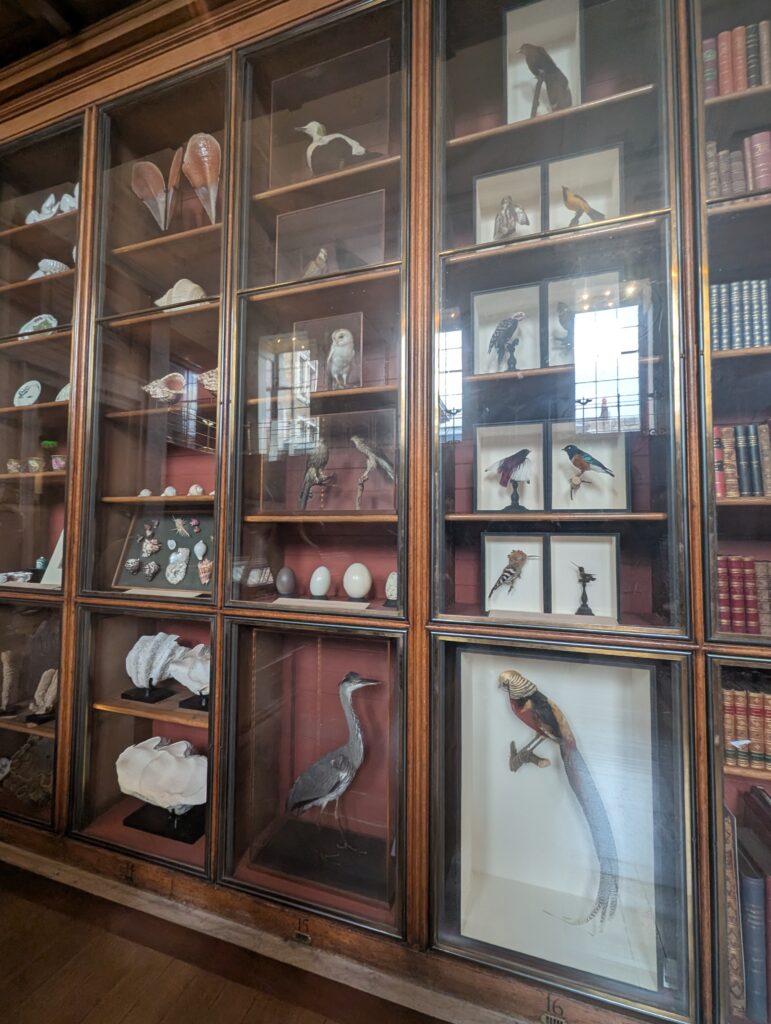
I was definitely conflicted about going to the museum knowing that the majority of the items were taken from countries illegally. Nevertheless, it is one time to see a large amount of different not treasures from around the world.
I actually spent two days (about 4-5 hours each here) before being on brain overload.
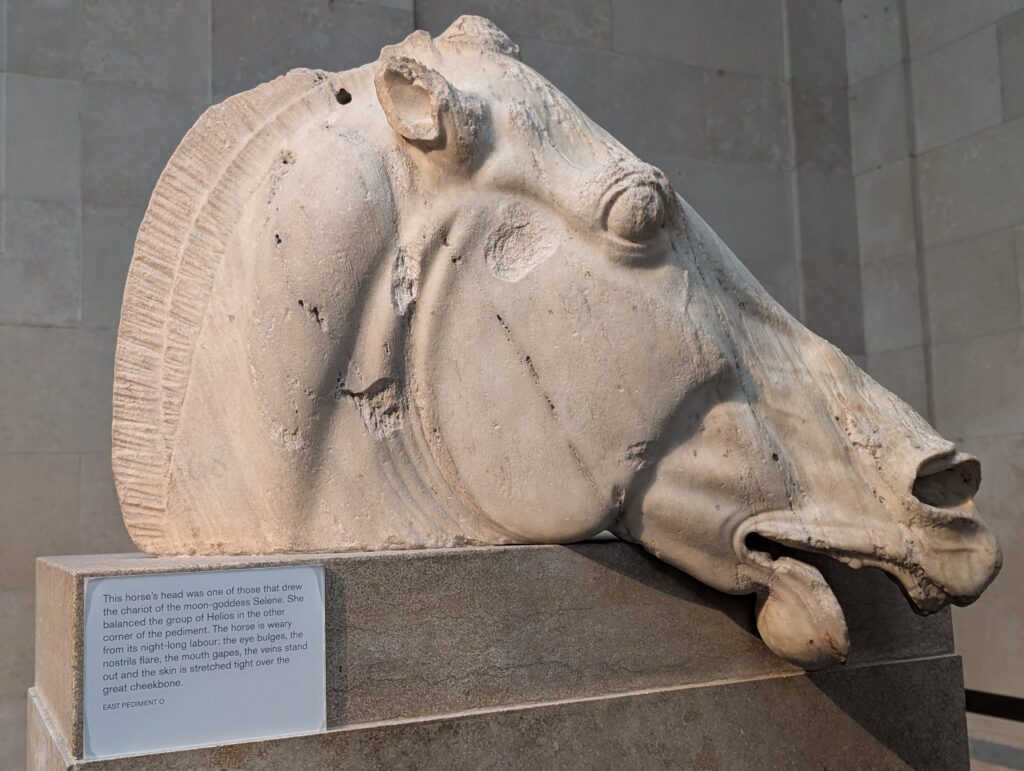
Ancient Greece.
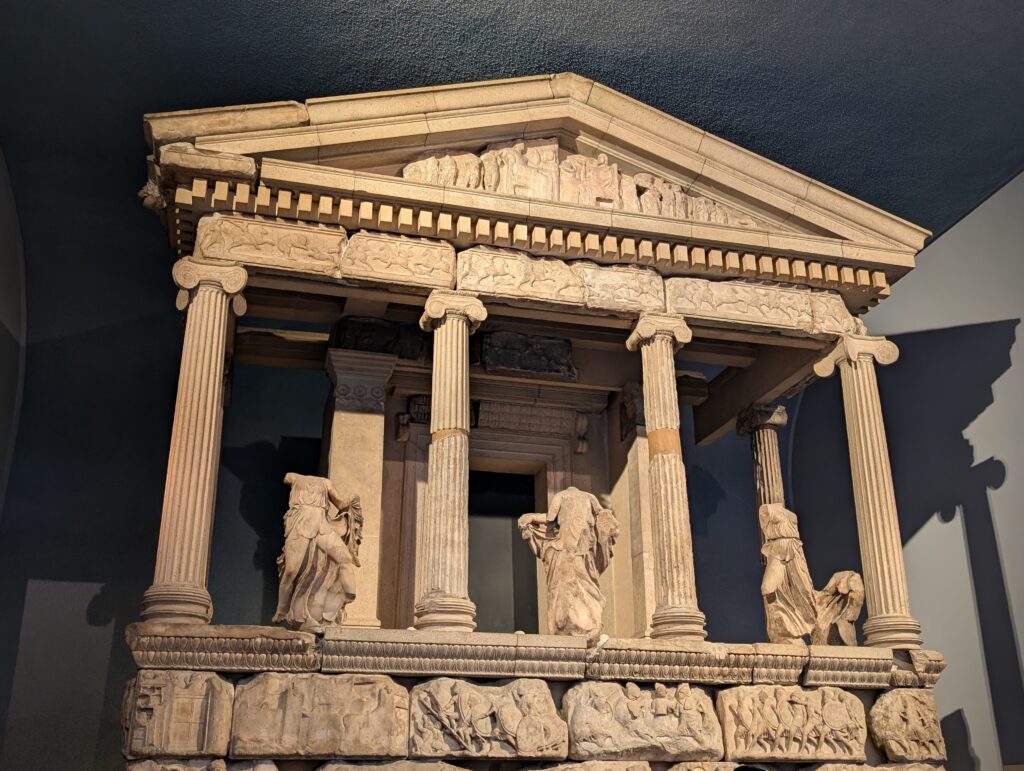
The Nereid monument
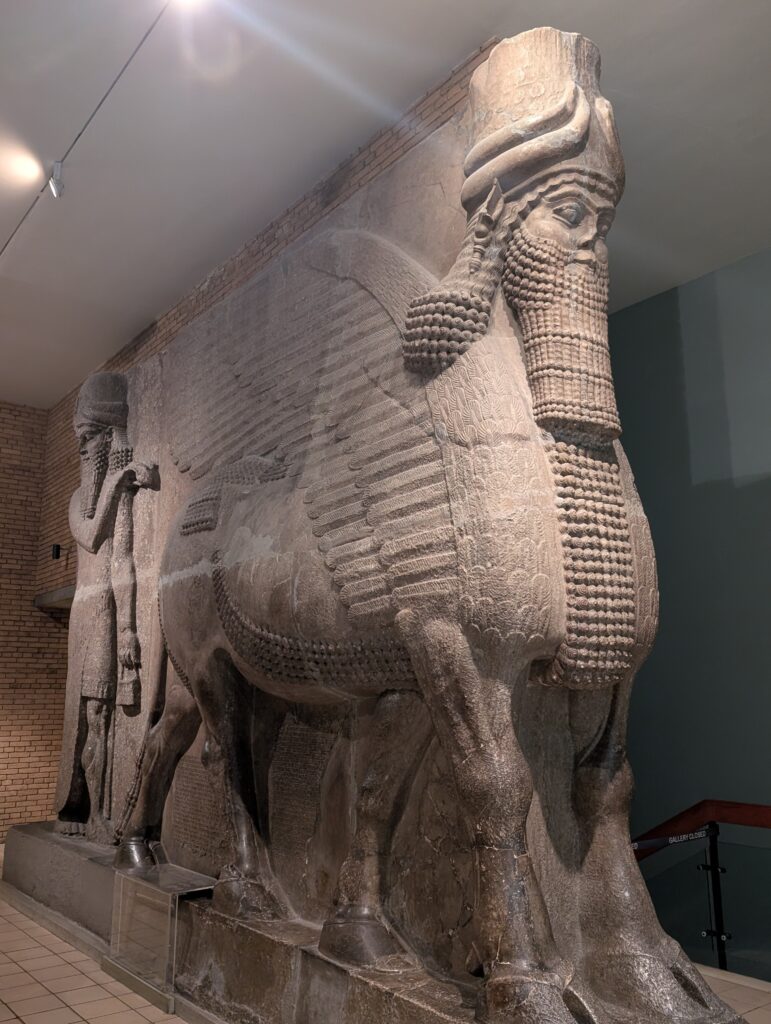
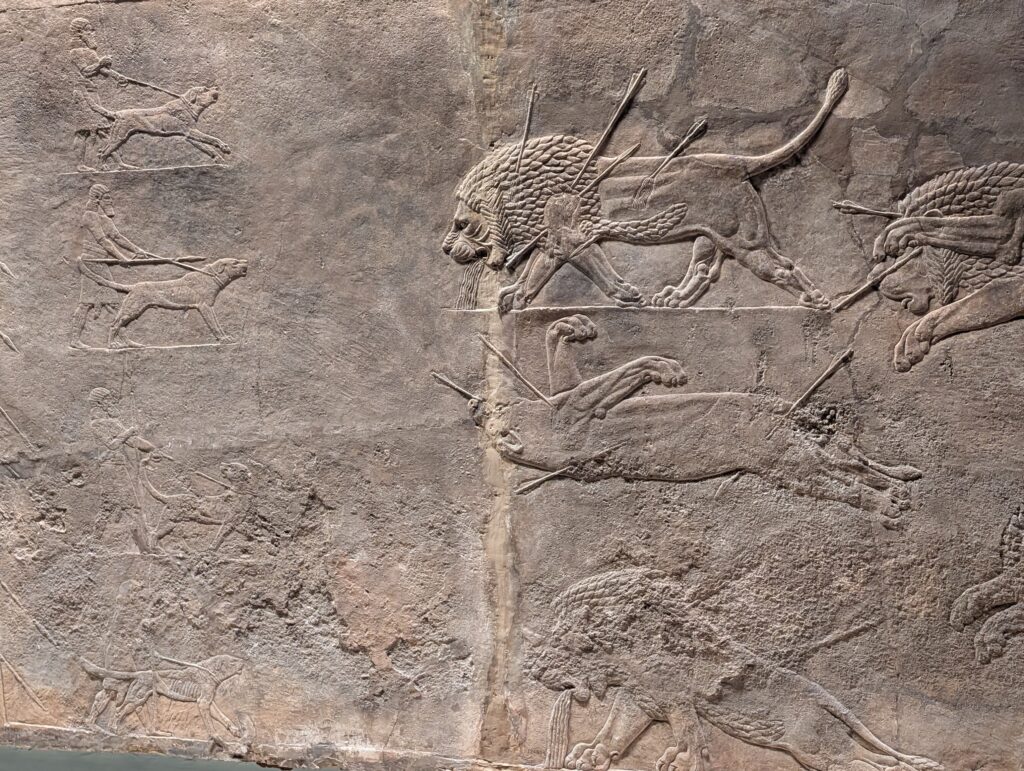
Assyria and the lion hunts
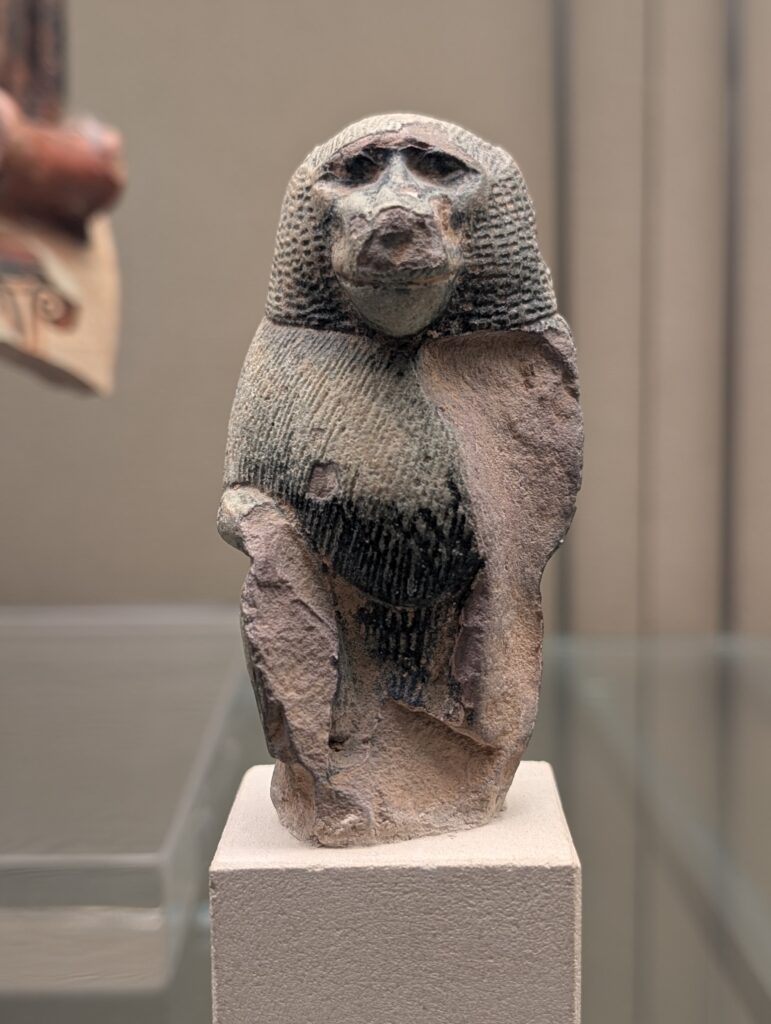
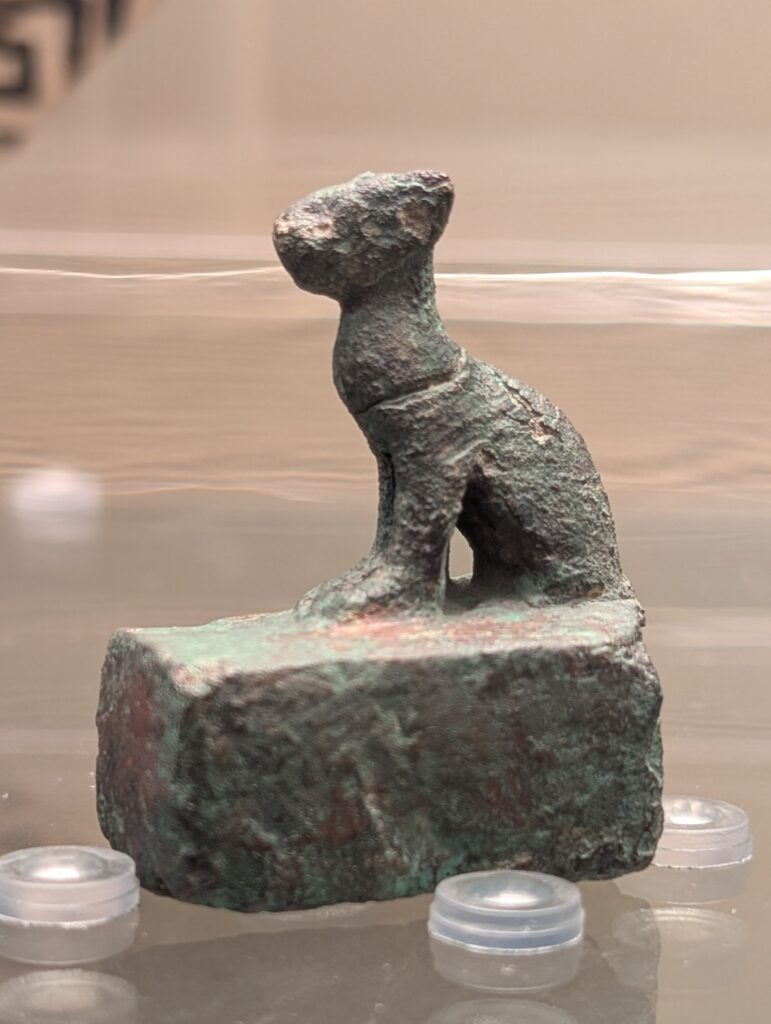
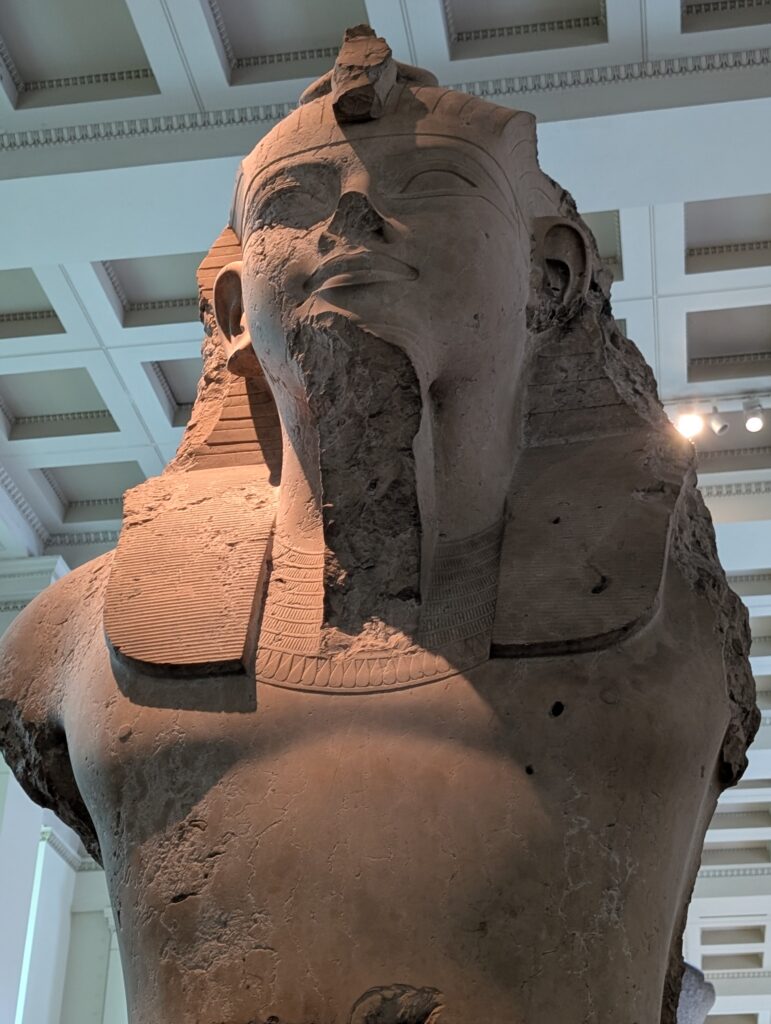
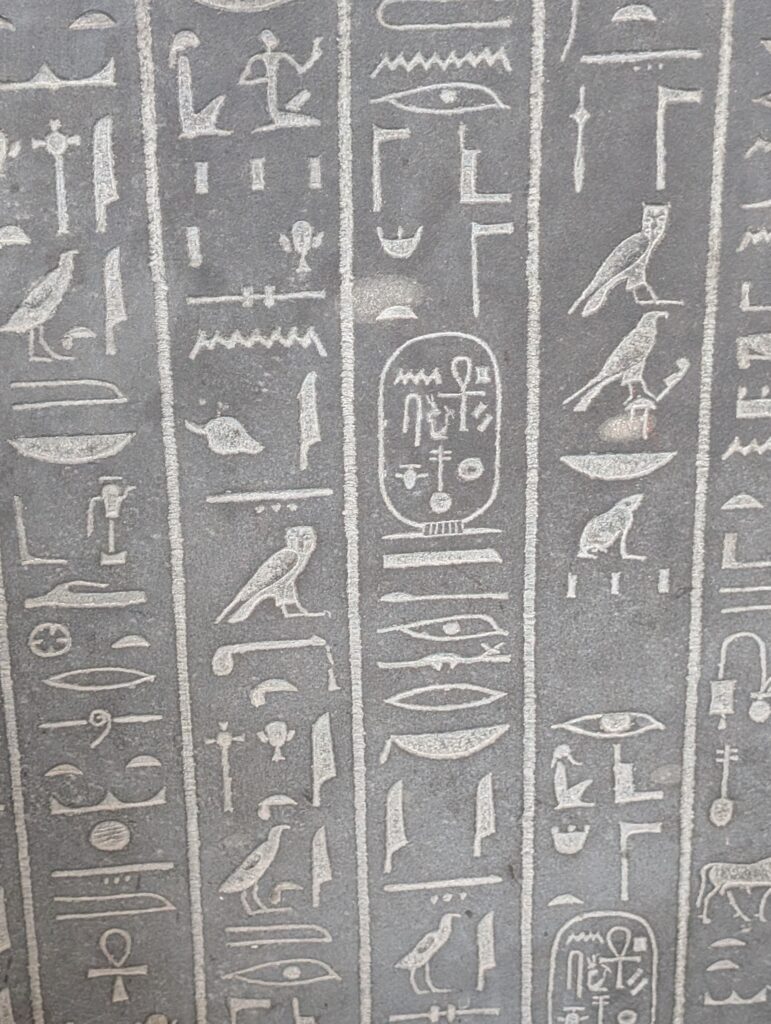
Egypt.
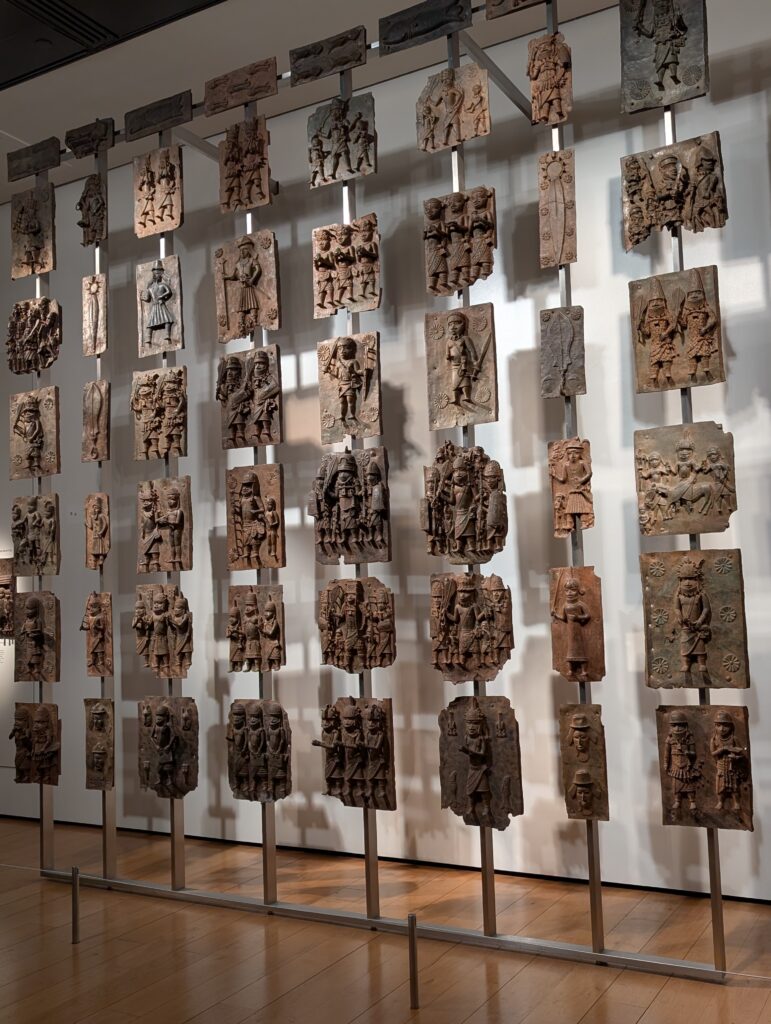
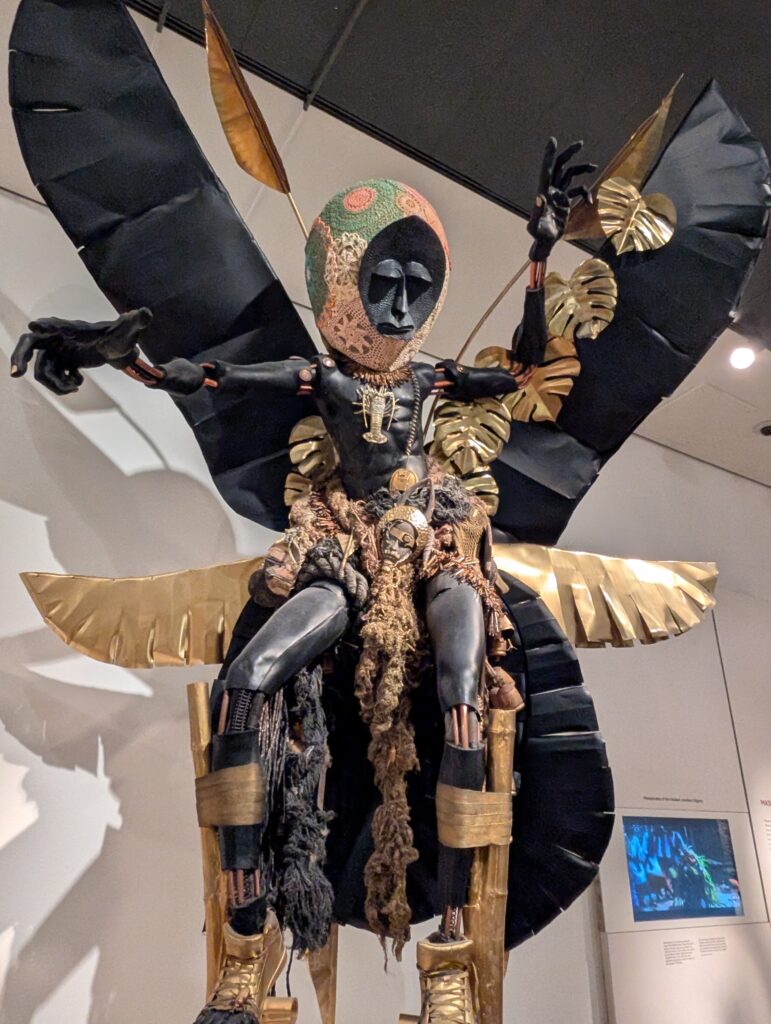
Africa.
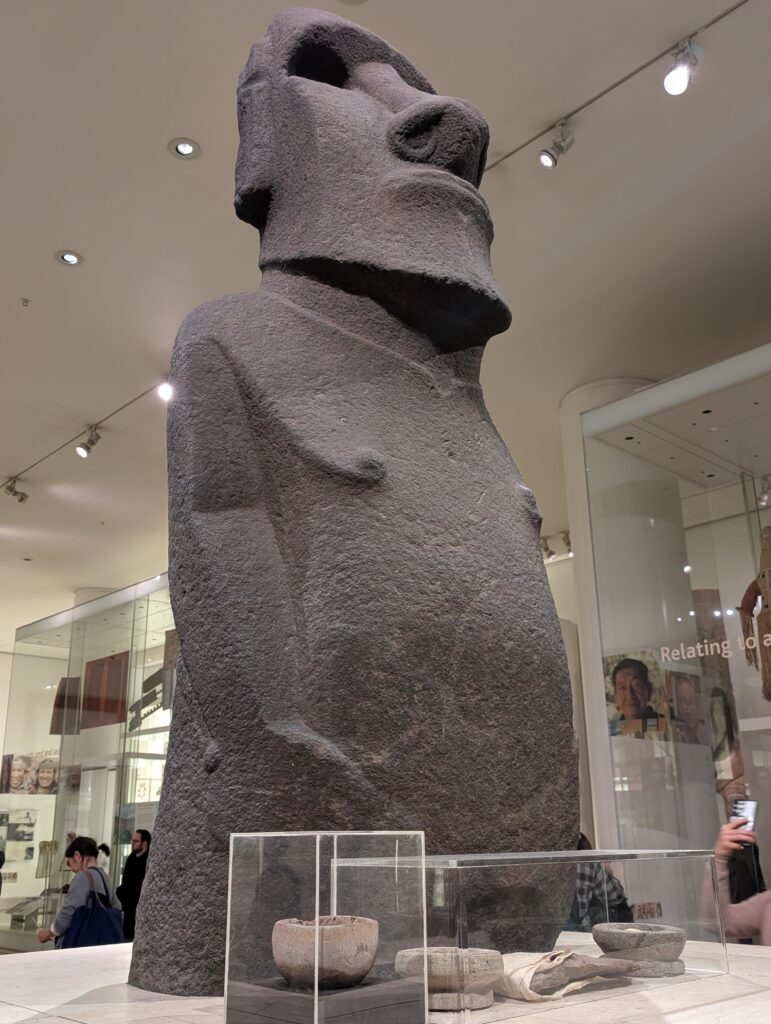
Rapa Nui. This moai is very different from what is left on the island and I was surprised that the place card stated that they were currently talking about that issue.
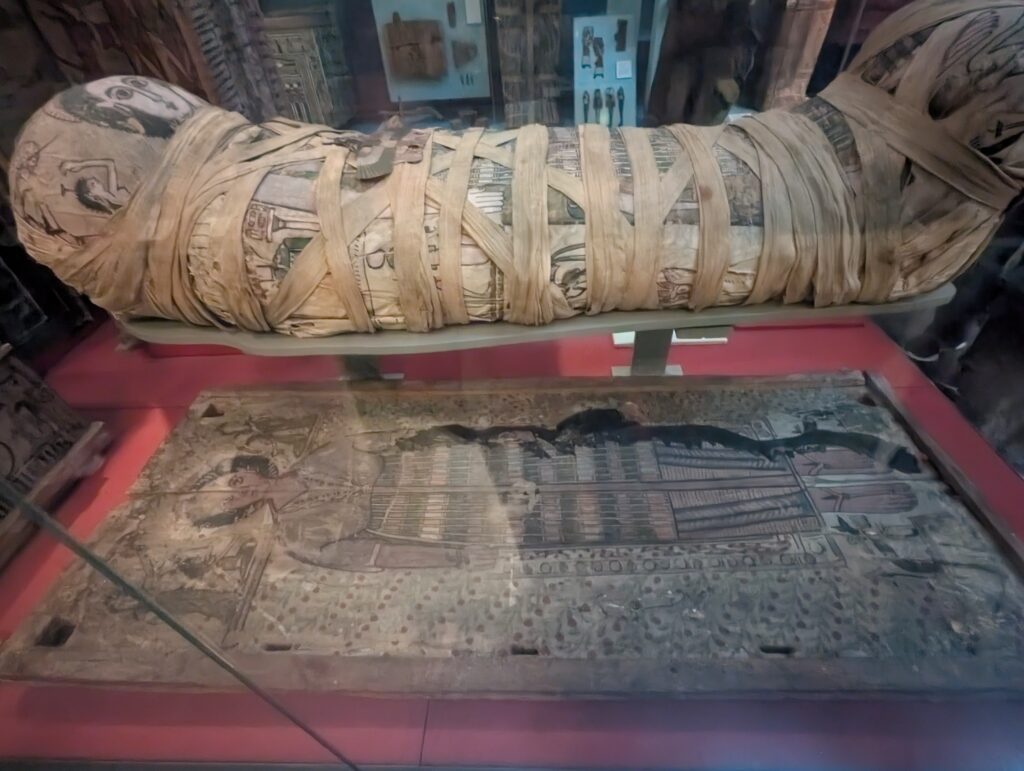
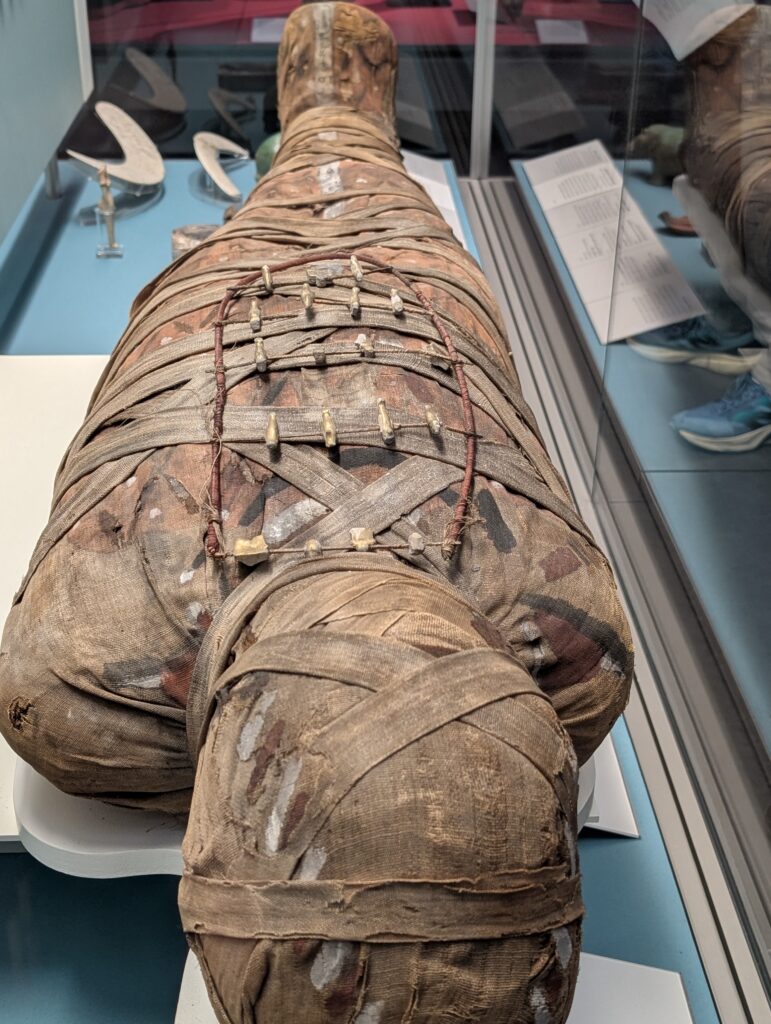
There was an exhibit of mummies and how scans were able to show what was inside the wraps of the mummy including jewelry and other artifacts.
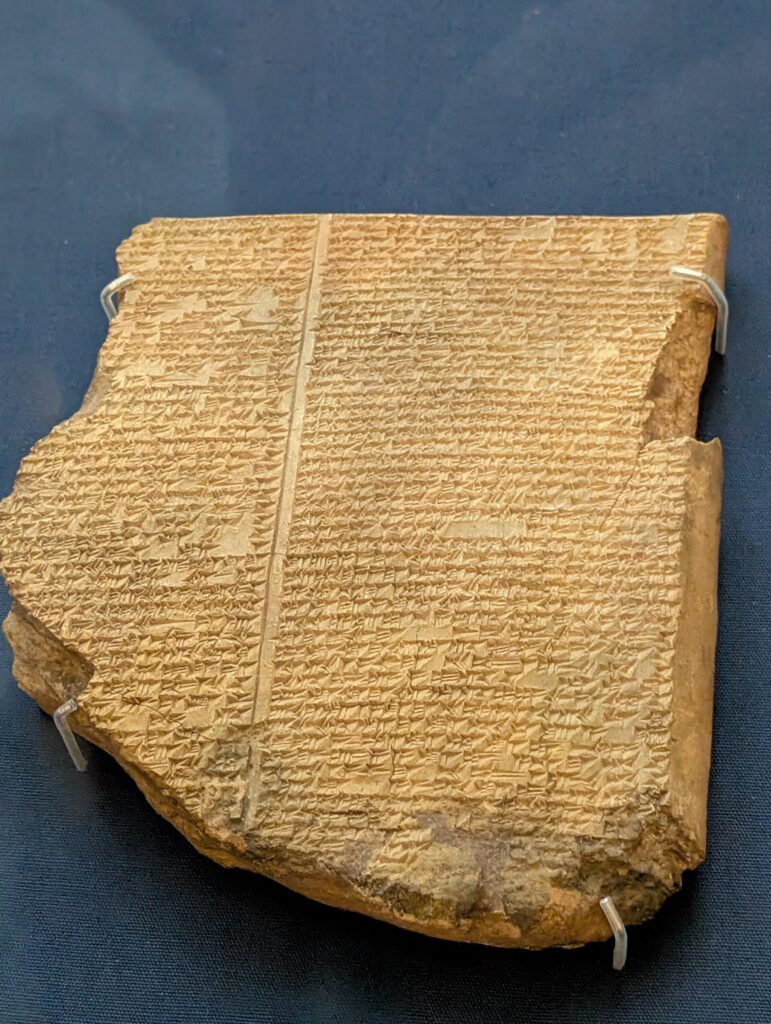
The flood tablet found in Mesopotamia 1000 years before the Bible story telling the exact same story as that in the Bible.
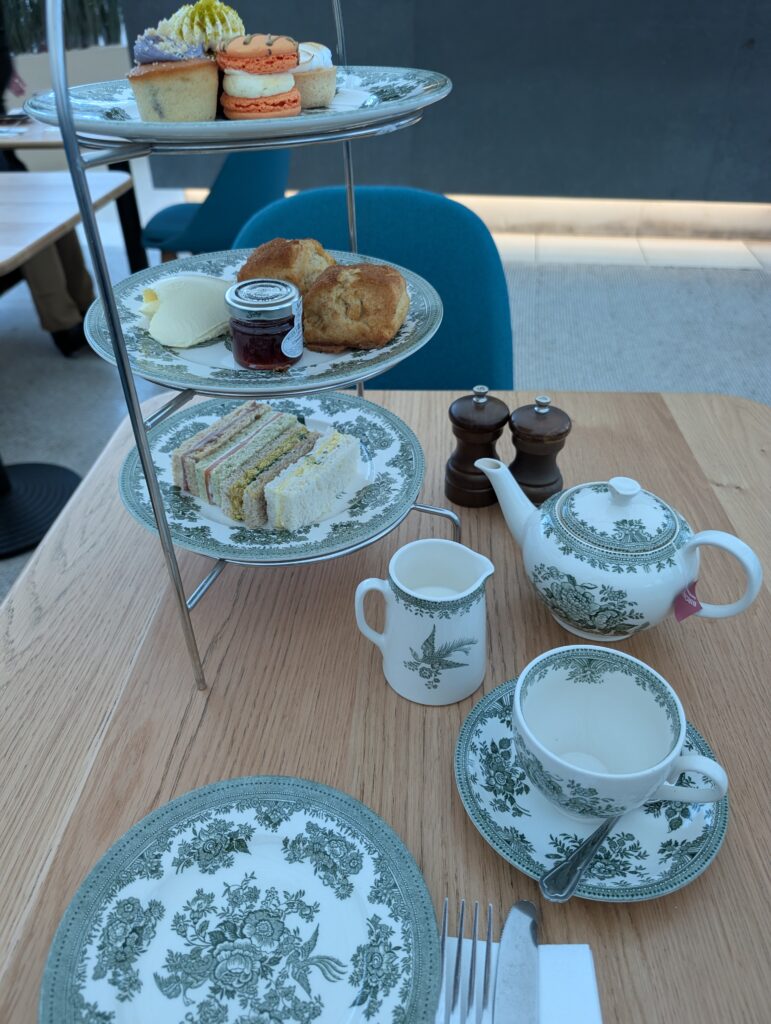
The second day I came, I started out with a traditional British tea. It was delicious but very carb heavy. A lot of energy for the rest of the day.
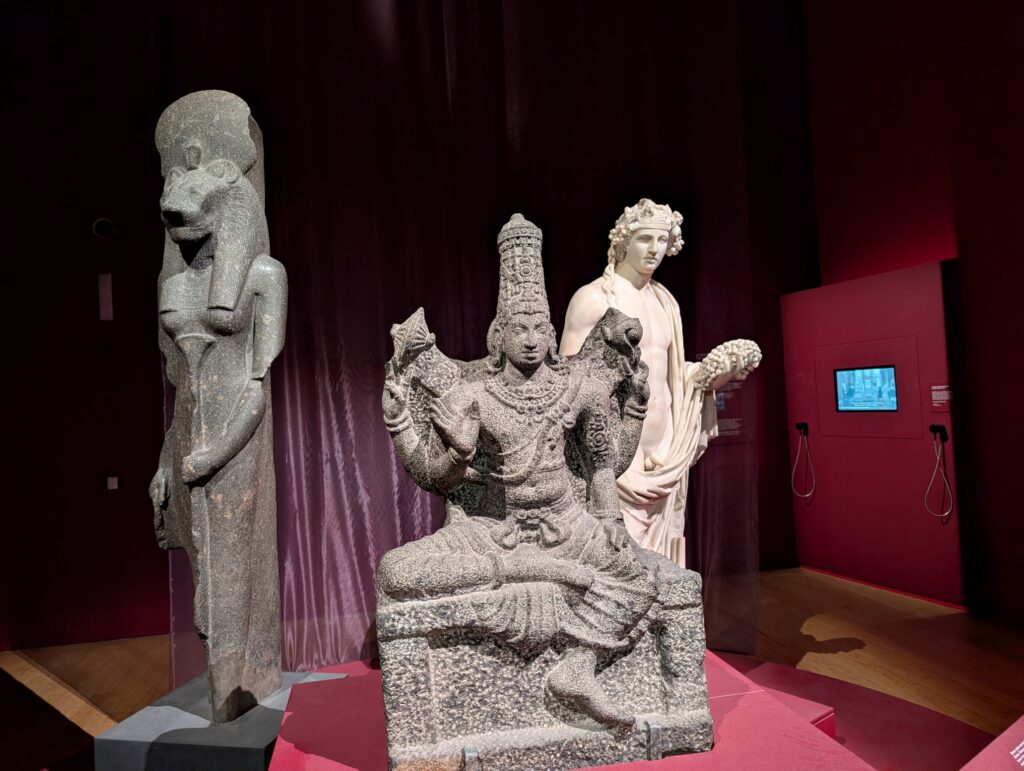
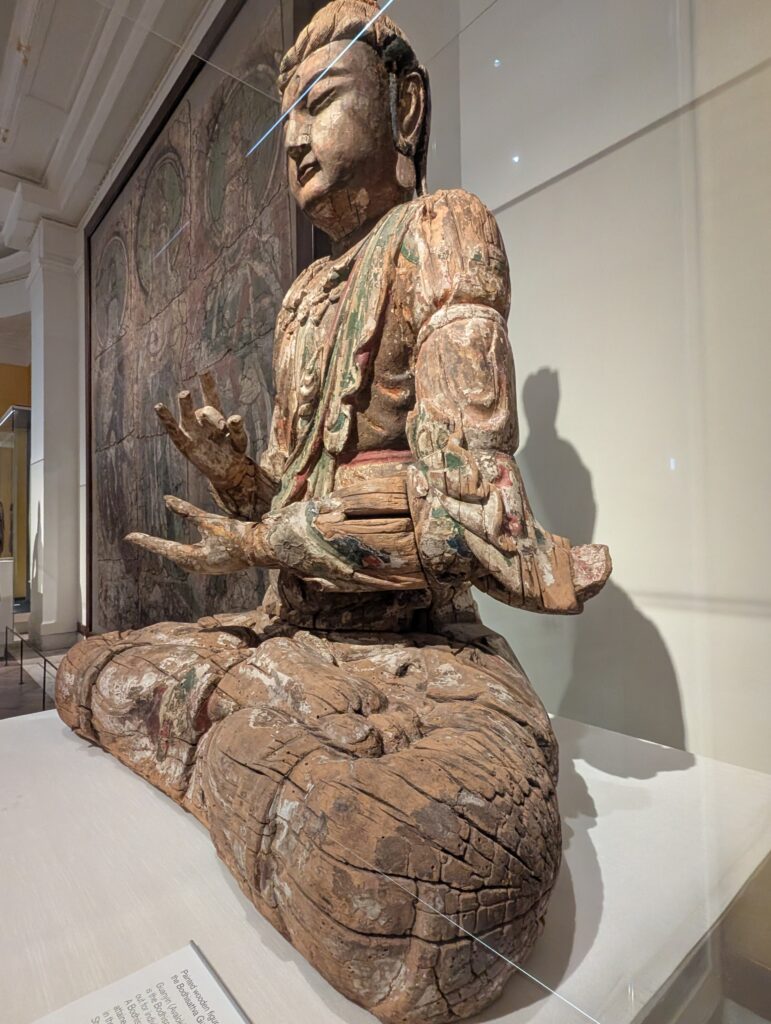
Sekmet, Vishnu, and Dionysus in a display about religion.
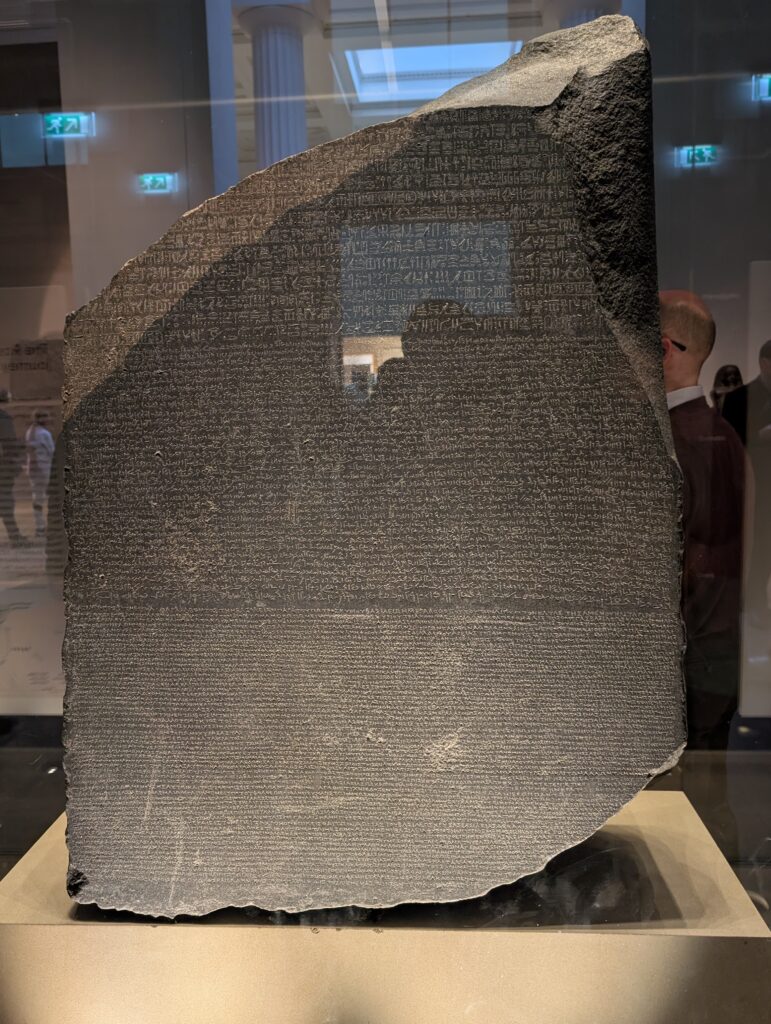
The Rosetta Stone
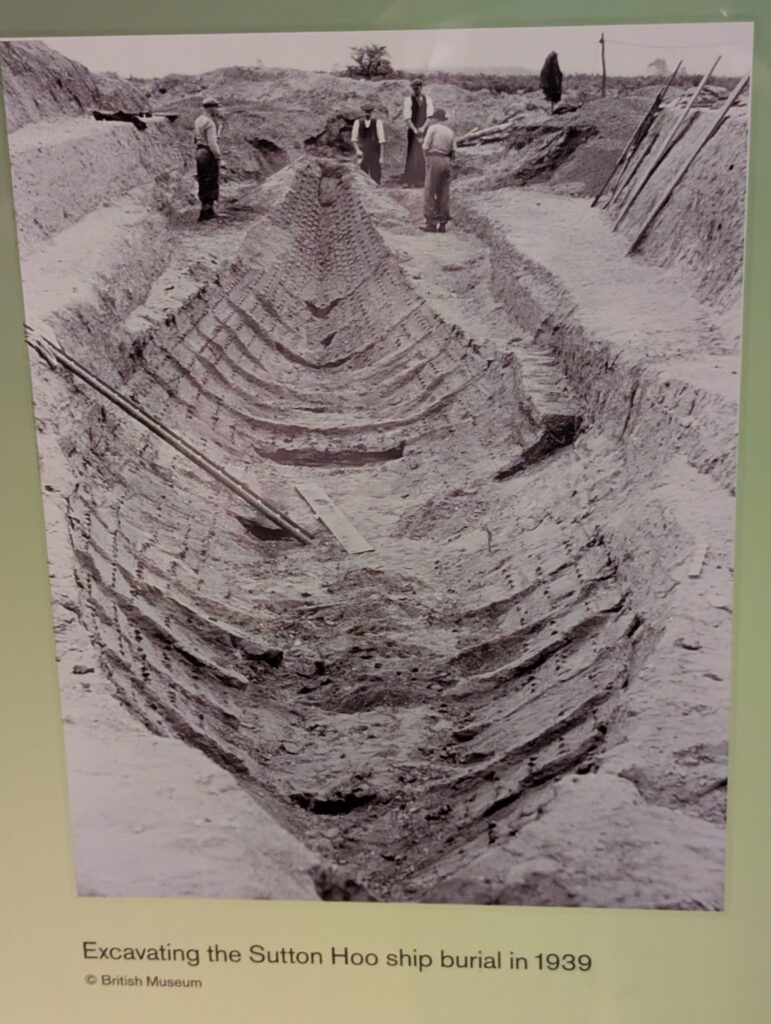
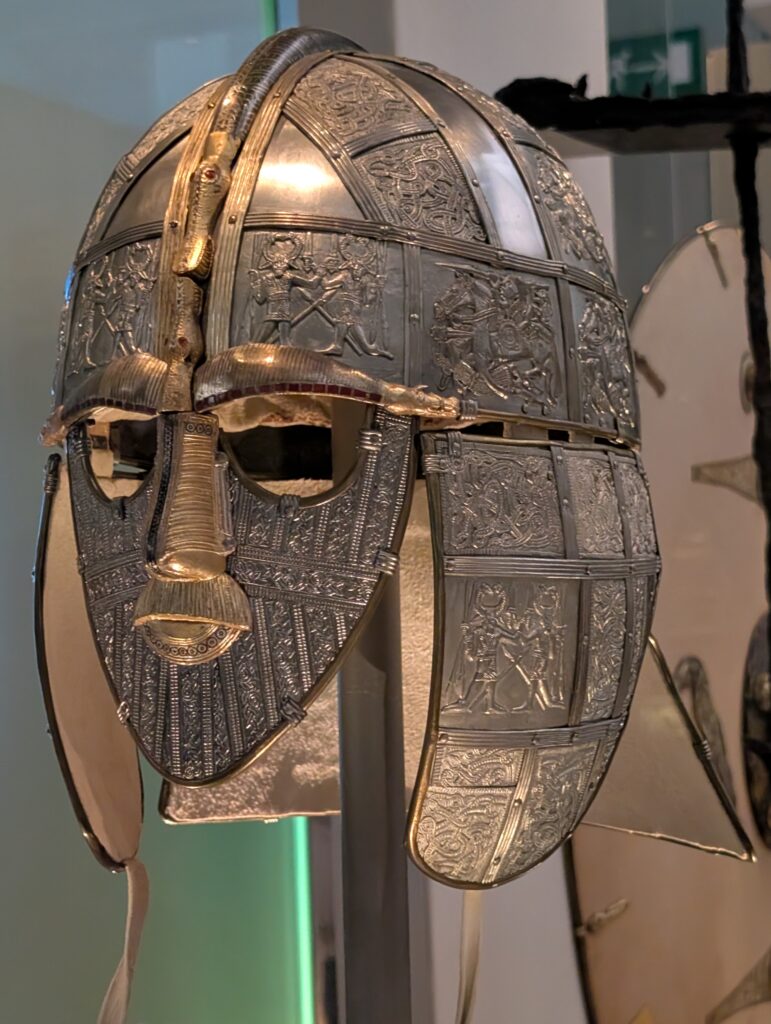
Sutton Hoo was an area where the ground had settled and it looked like that of a ship. It was a burial mound with the original deceased decomposed as well as the wood of the ship which left impressions. What also was left were the artifacts buried with the person.
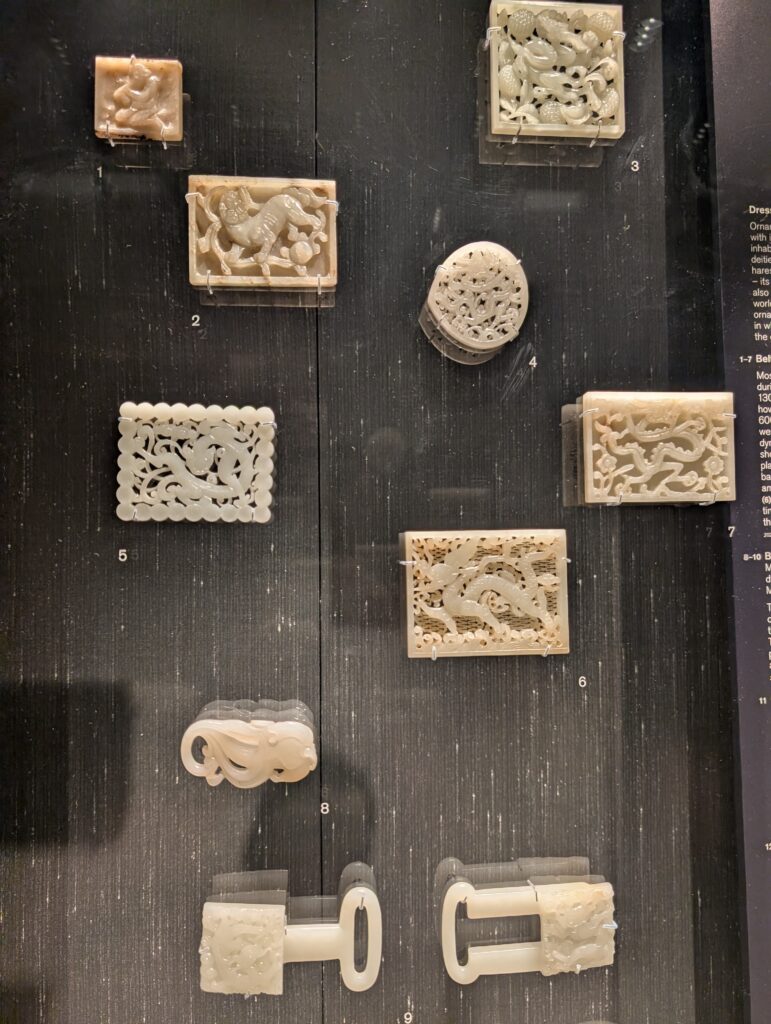
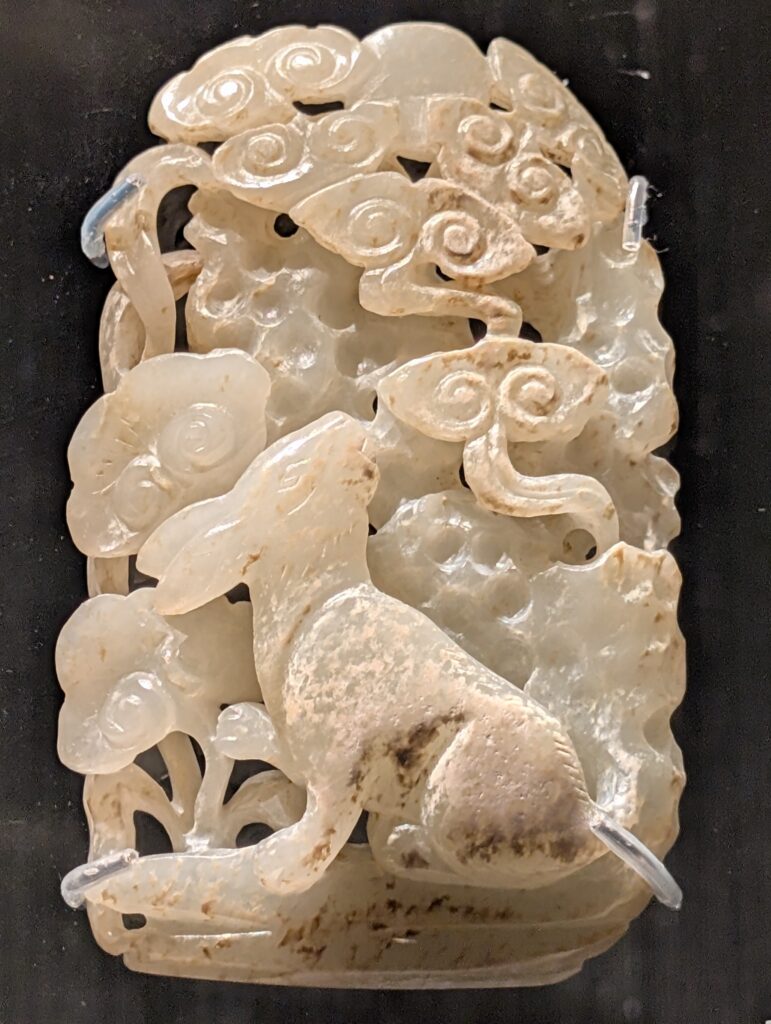
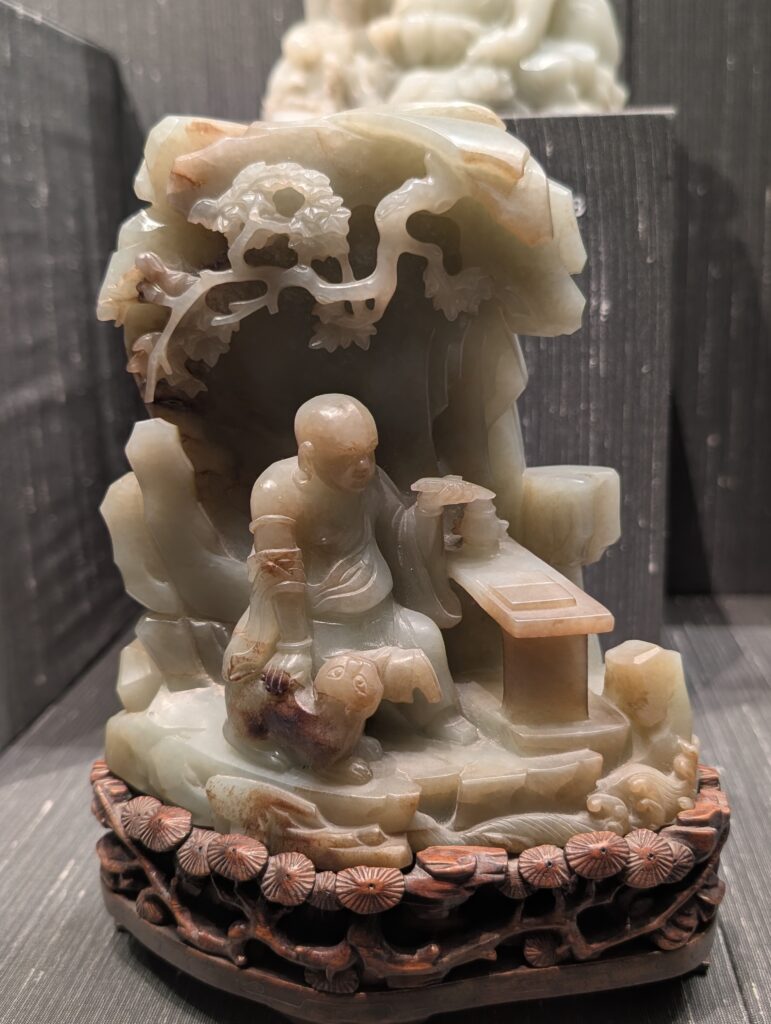
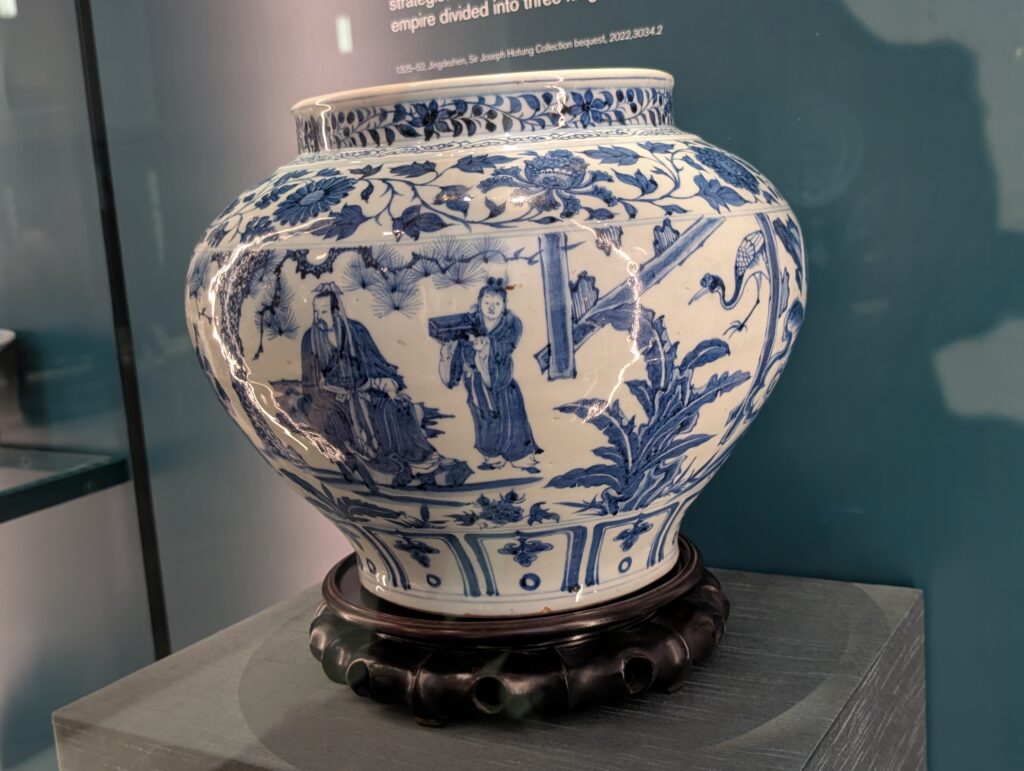
Jade. My favorite pieces were from the Yuan dynasty.
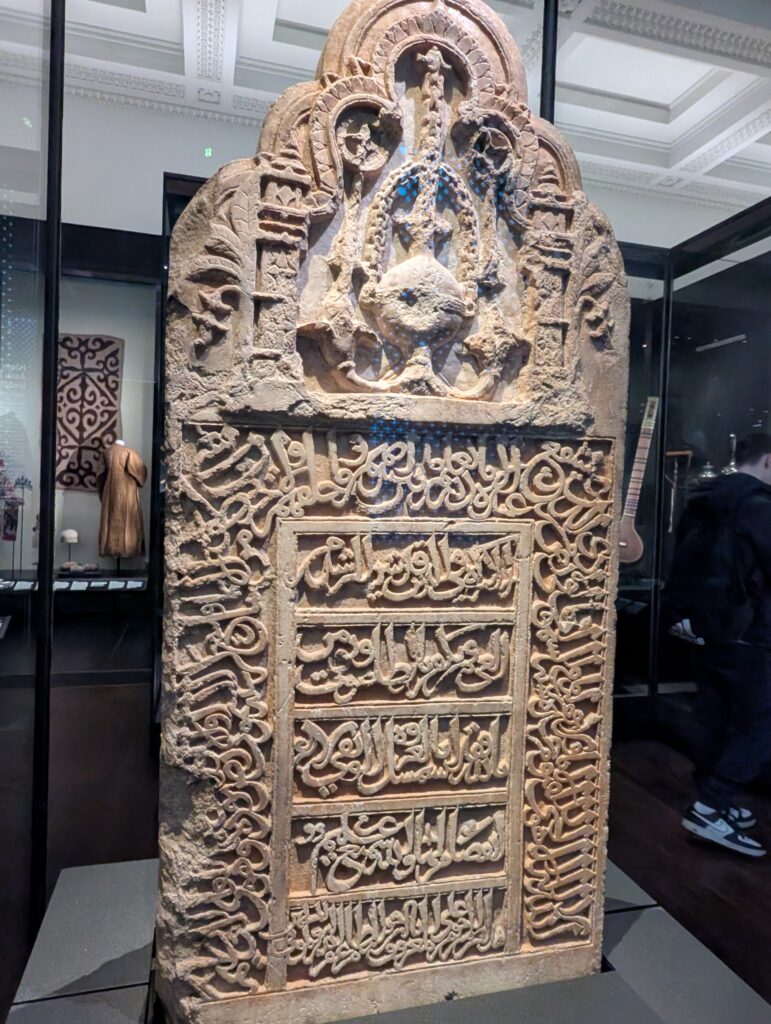
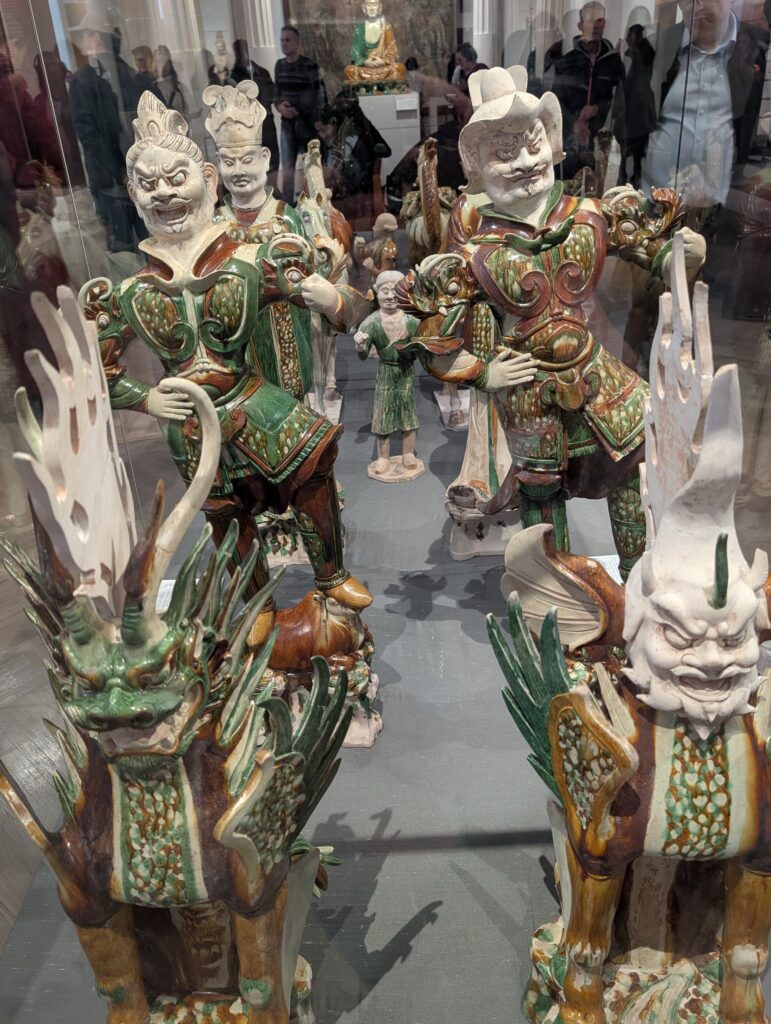
These prices below are from an ancient burial ground.
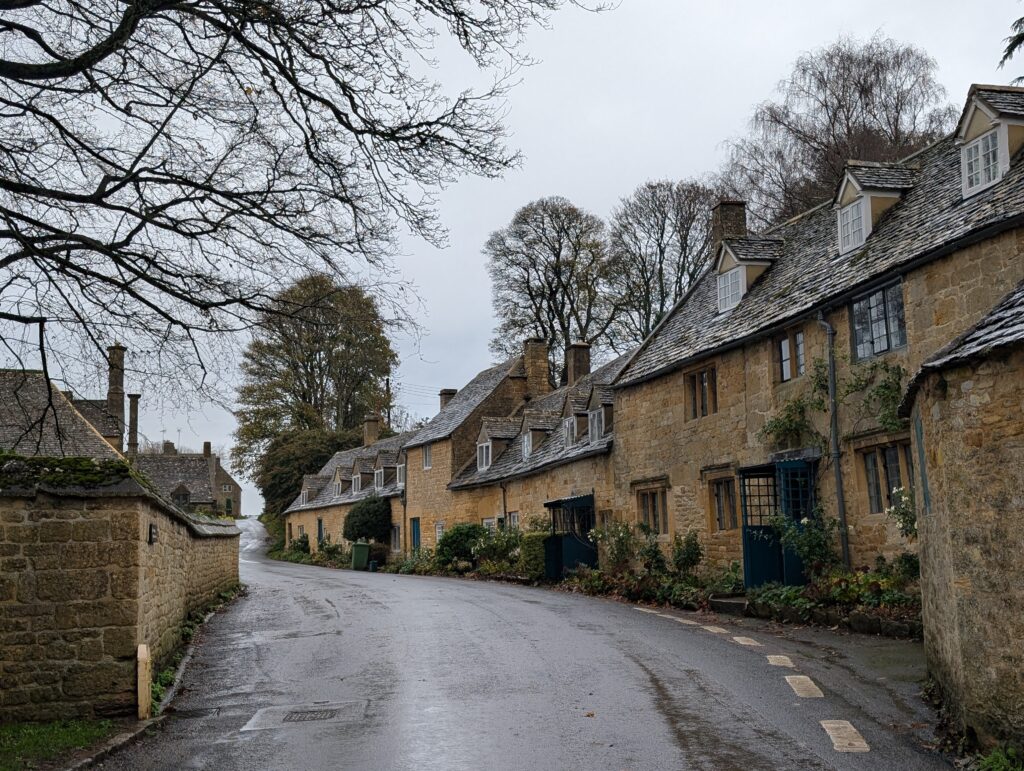
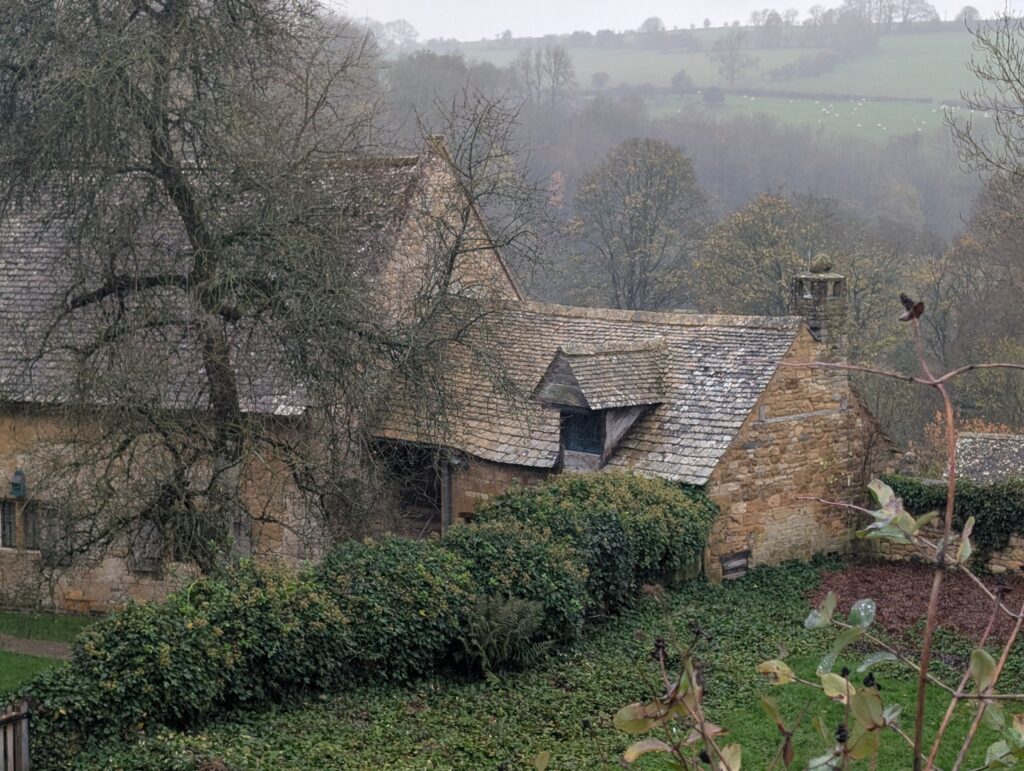
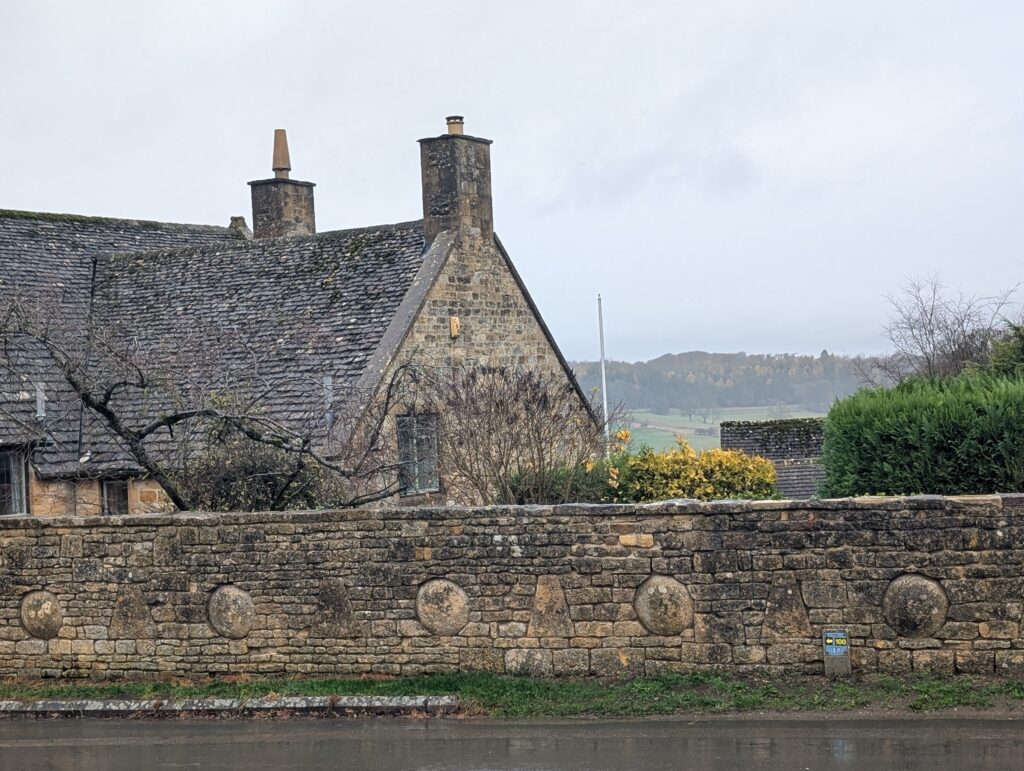
I took a tour from London to the Cotswolds to visit several locations. The Cotswolds are an area in England where the limestone is close to the surface and therefore changes land use. The land is good for grazing and not crop farming. This opened up the area for woolen markets. The stone was used to build houses in the iconic light brown color. Later, when markets changed and the area remained relatively unchanged, it became a tourist generation due to the quaint towns.
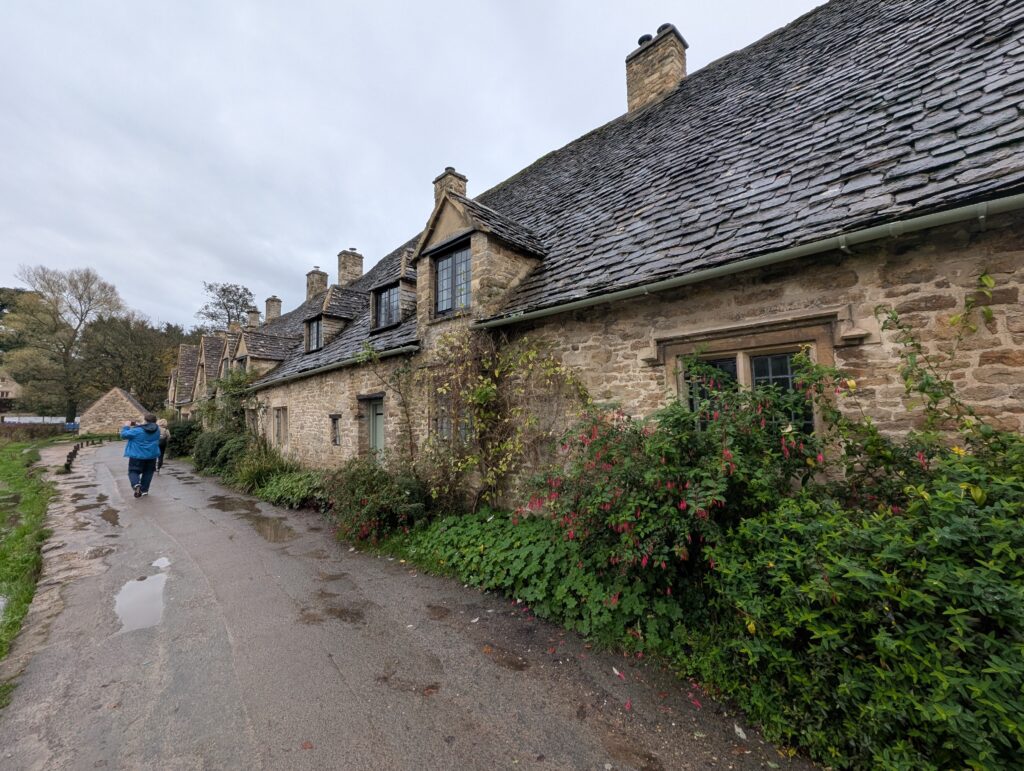
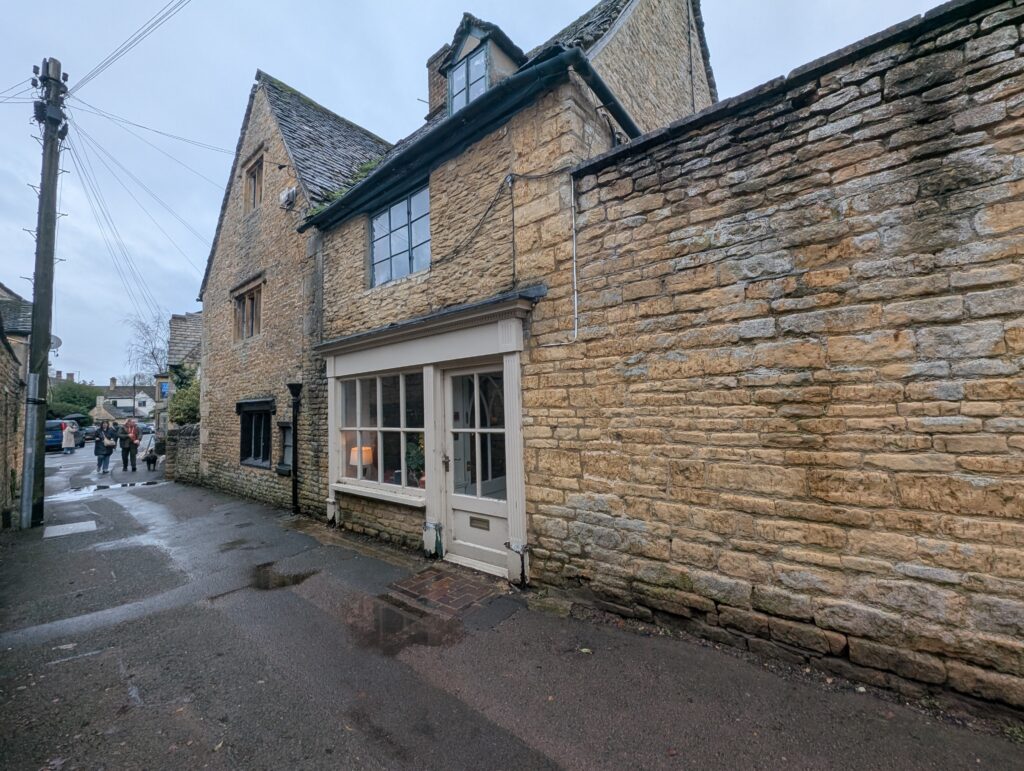
The first town was Bilbury.
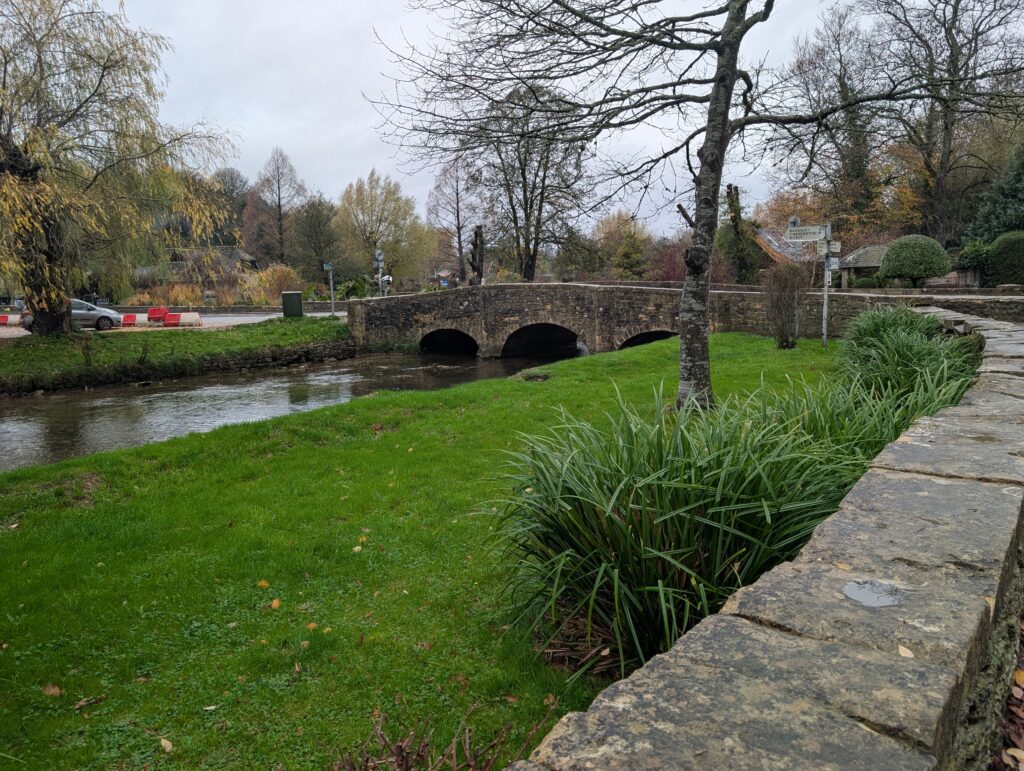
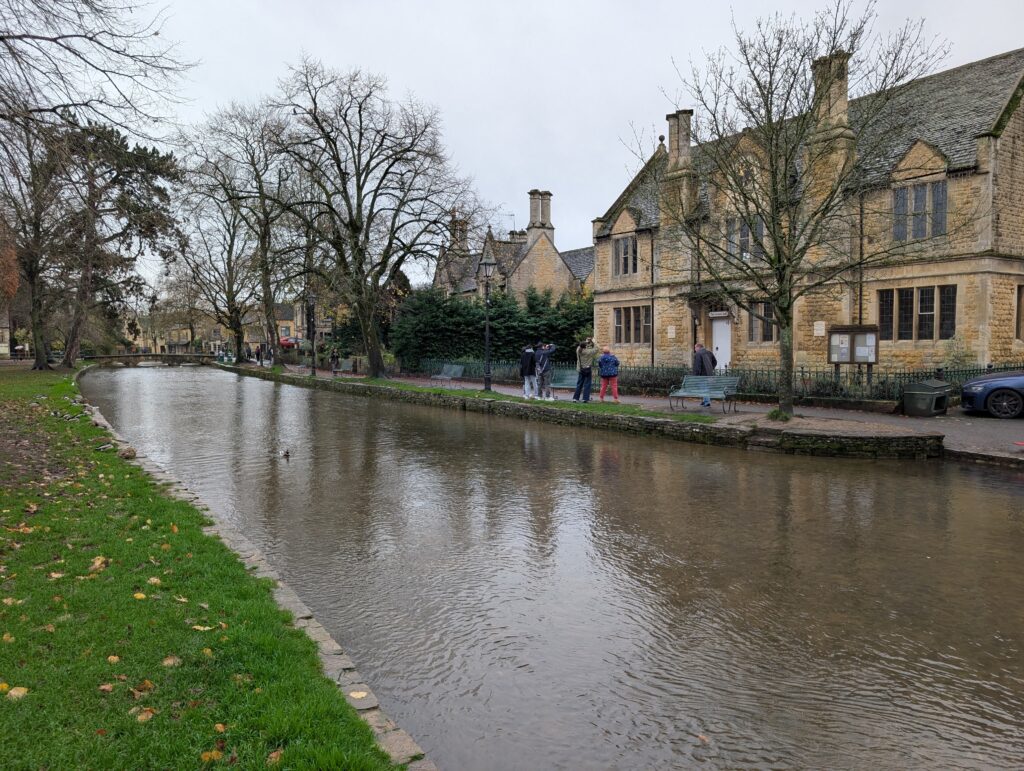
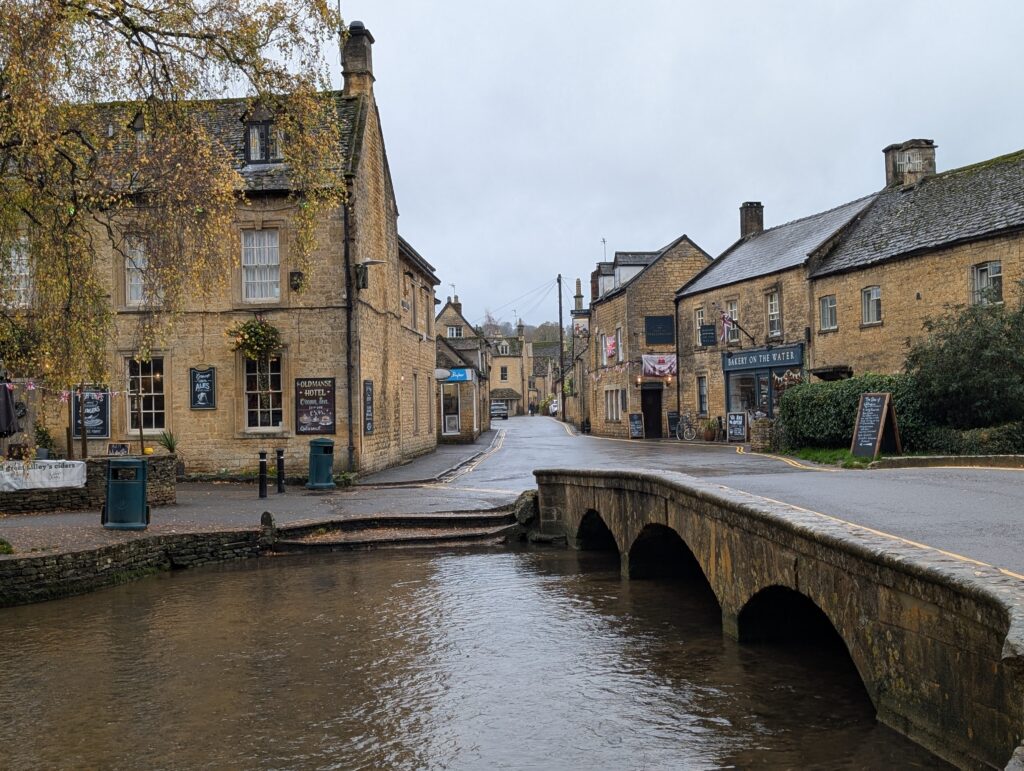
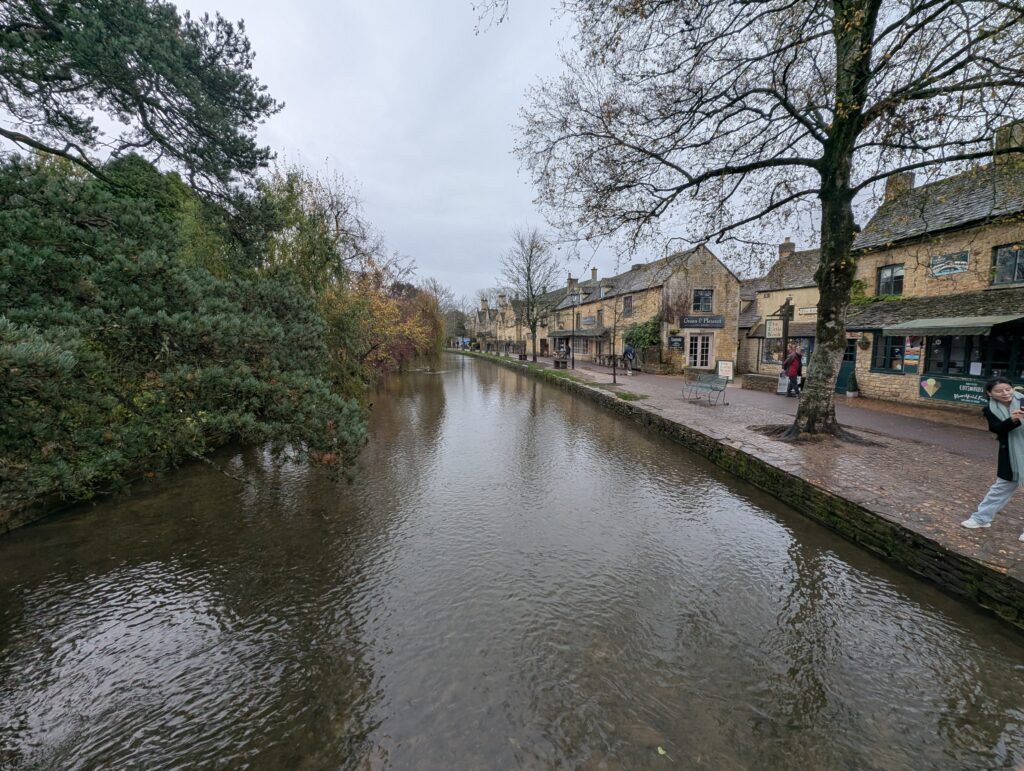
Bourton on the Water
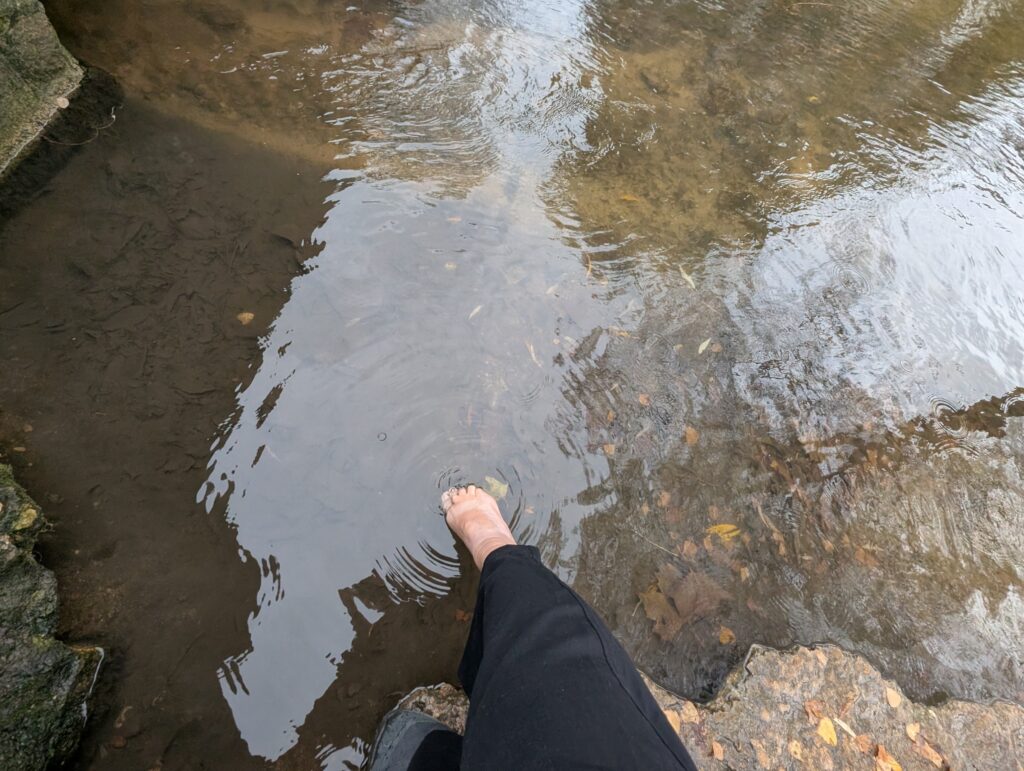
It is said that if you dip your toe in the river you will have a year of good luck. Of course I did.
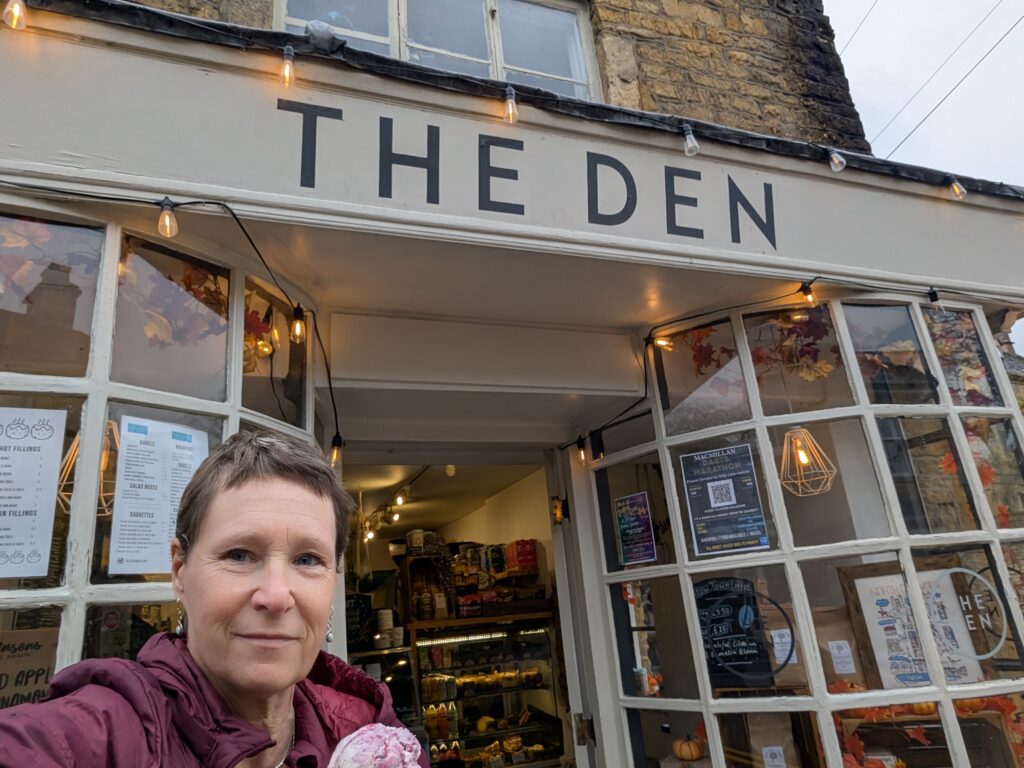
I stopped to get ice cream from one shop. The flavor was cherry and clotted cream. Delicious.
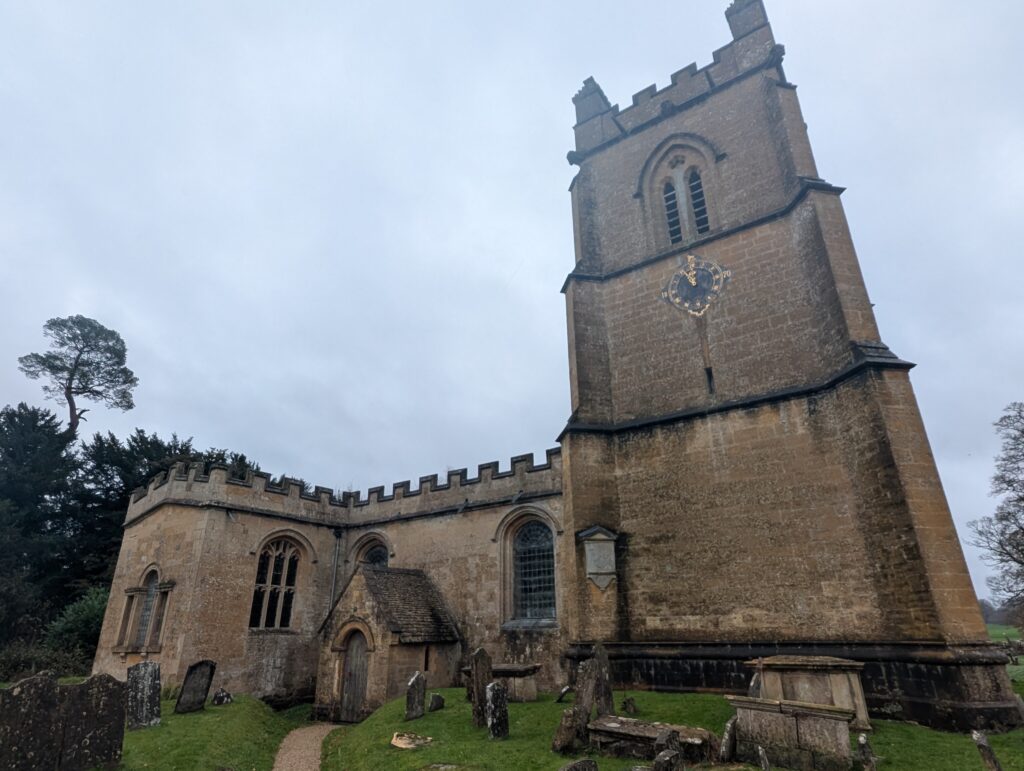
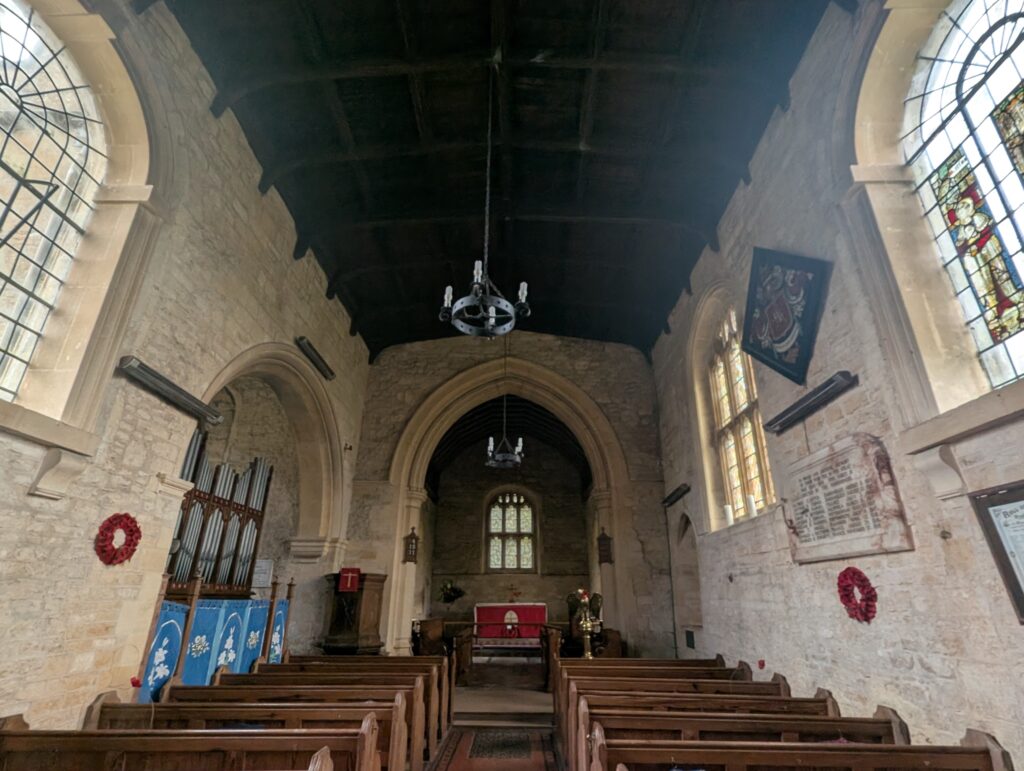
Temple Guiting is a knights Templar church. Very different looking than the other churches and especially with a small door in the back that is permanently sealed. It is called the devil’s door and where he cannot enter as it is locked…
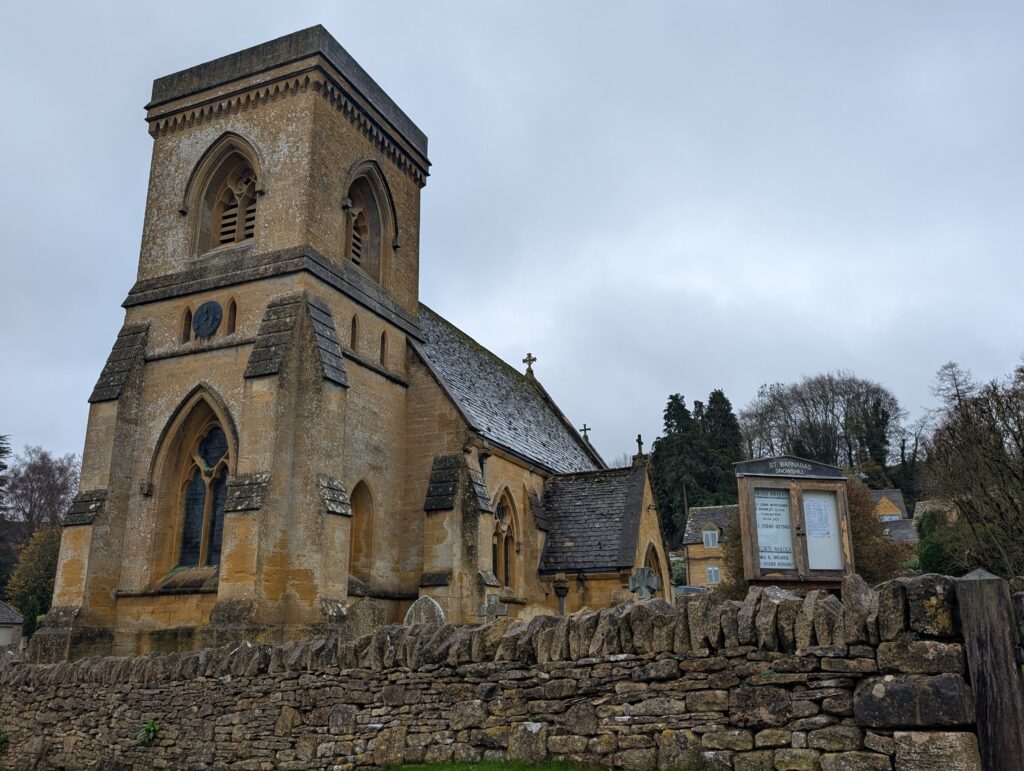
Snowshill is the location for shooting parts of the Bridget Jones diary films.
This is the Bridget Jones house.
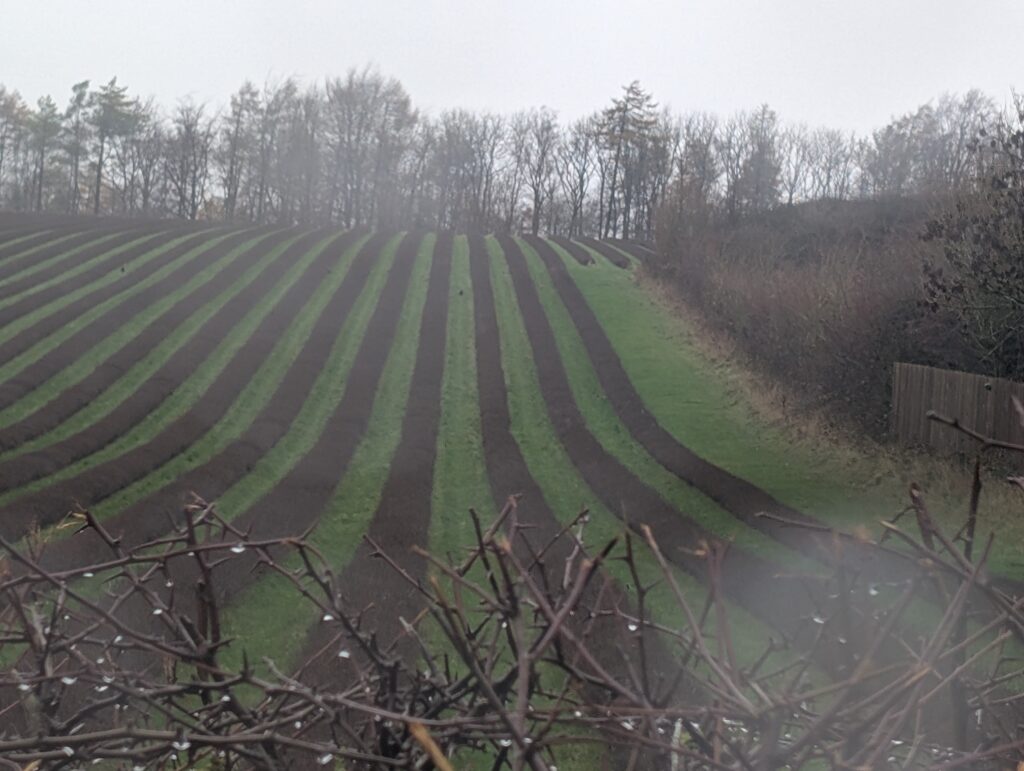
On the way out we went by a lavender farm (not the right season) that was created when a woman learned her family would need to sell the failing farm. She now employs many local people and they bought land for planting for their international business. (Cotswold Lavender)
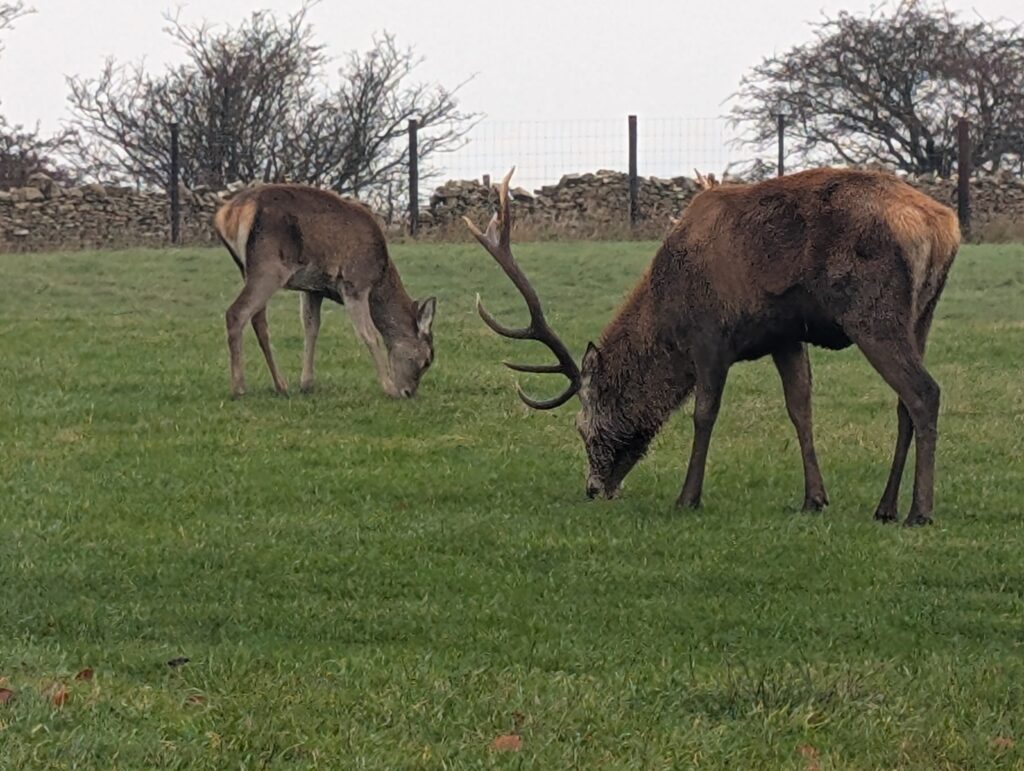
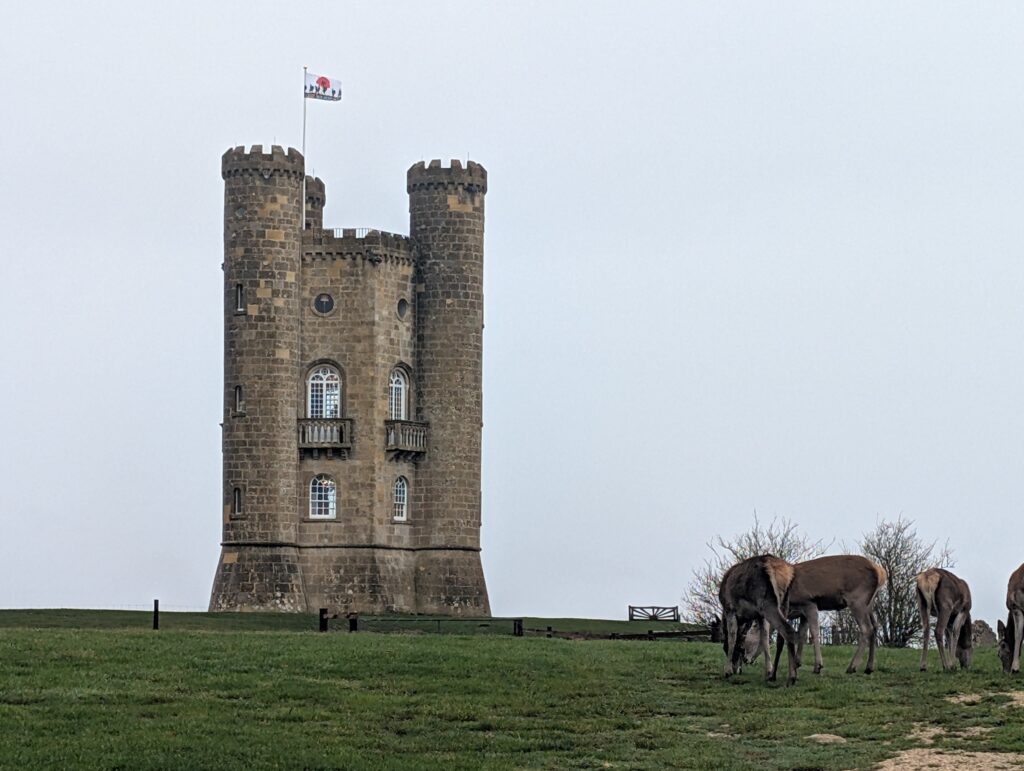
A little further away there was a gentleman who had a fair bit of land and wanted to marry the woman he loved. Her response was that he did not have a castle so instead he made a tower for her. On the grounds are red deer.
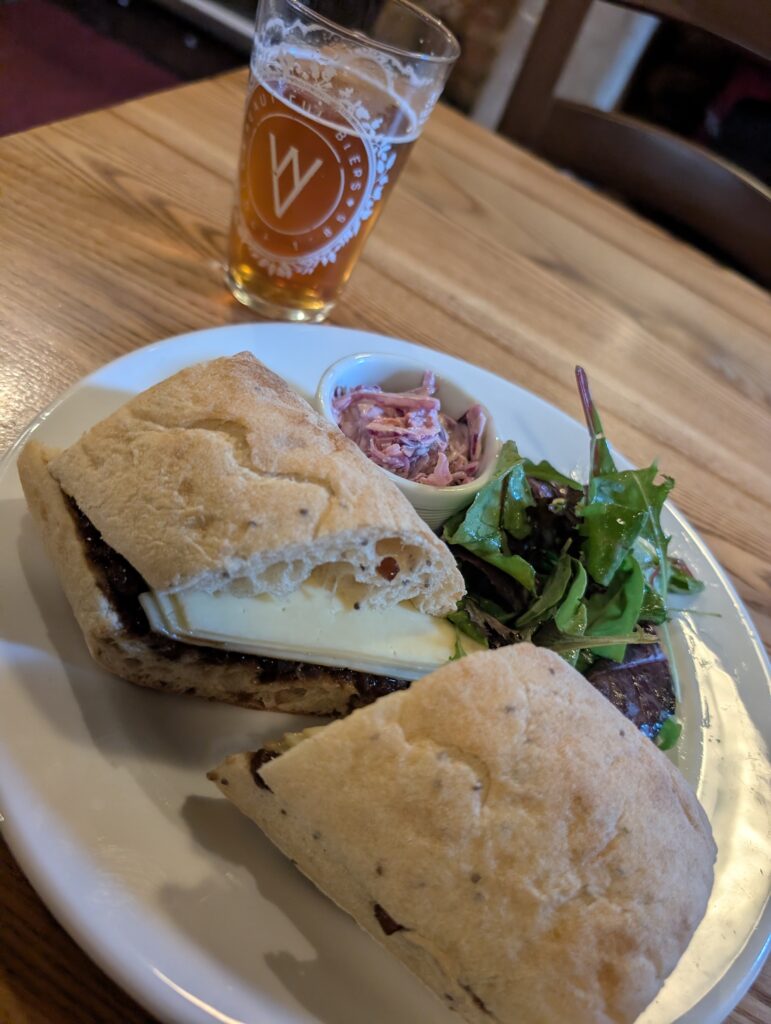
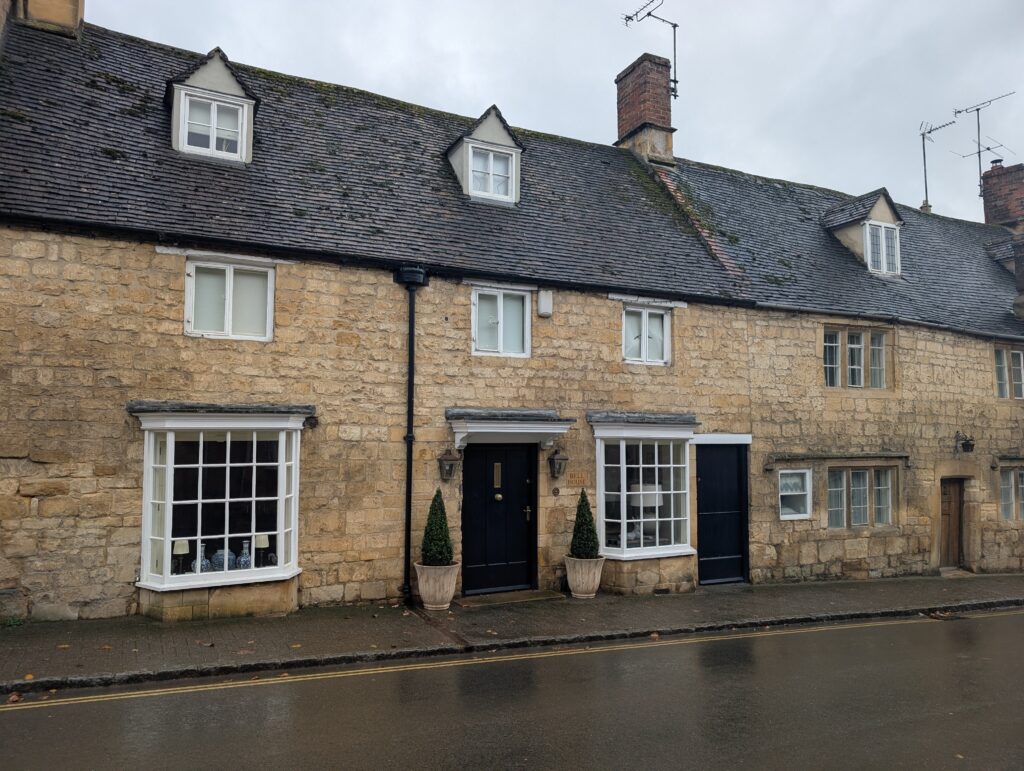
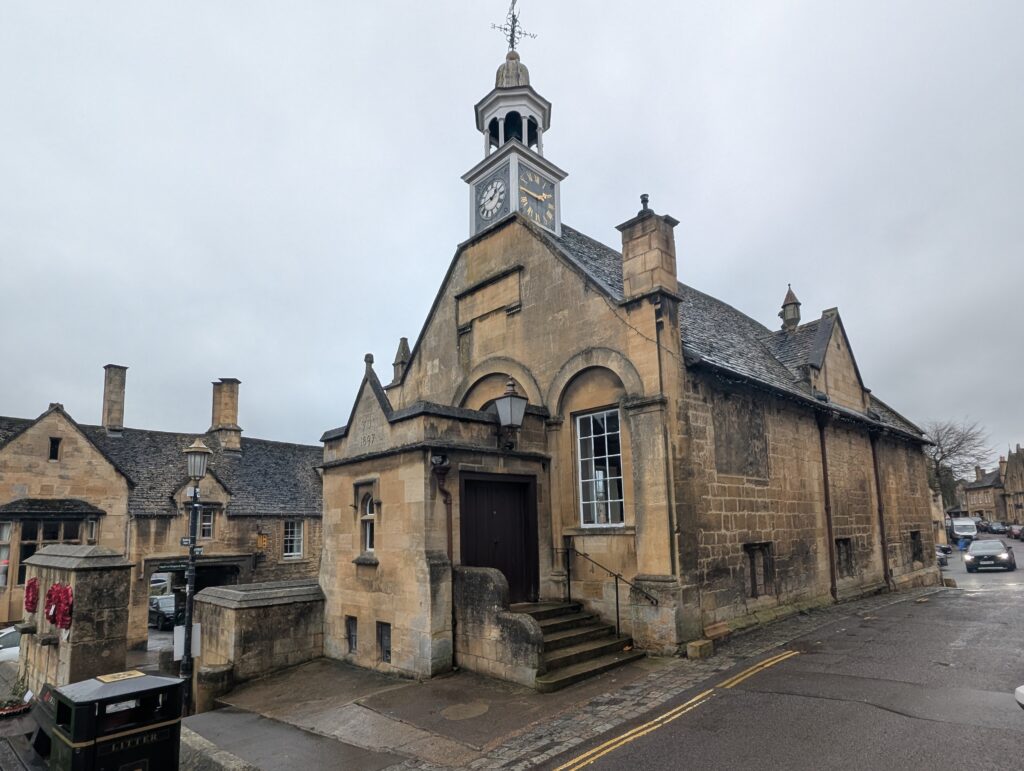
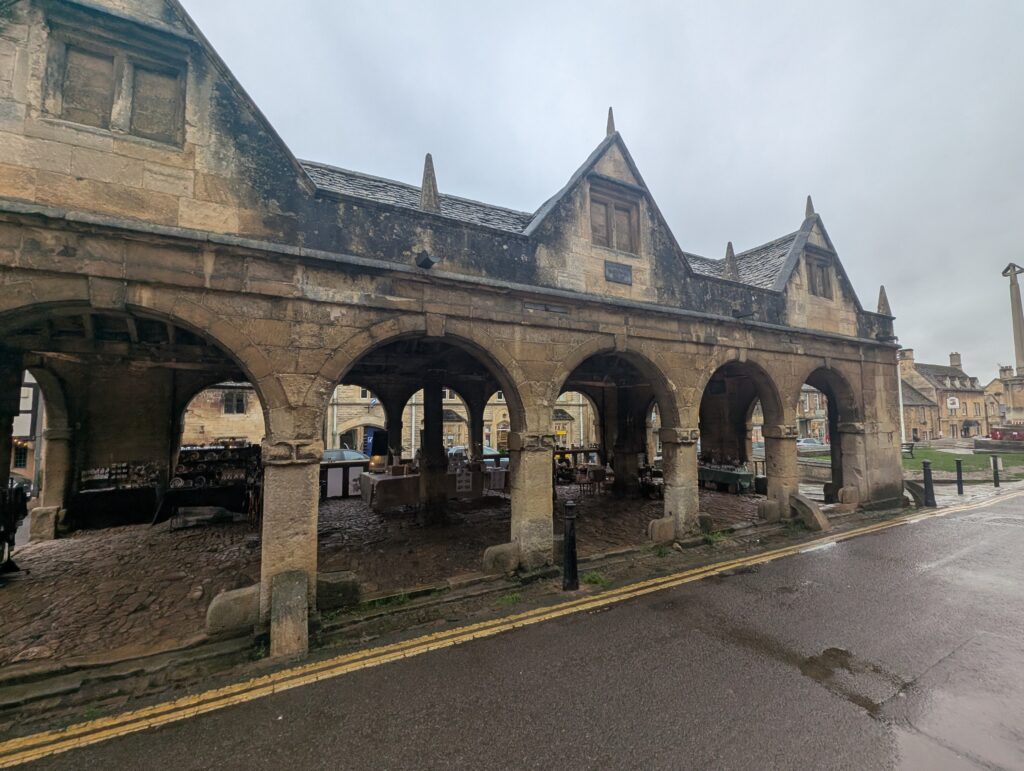
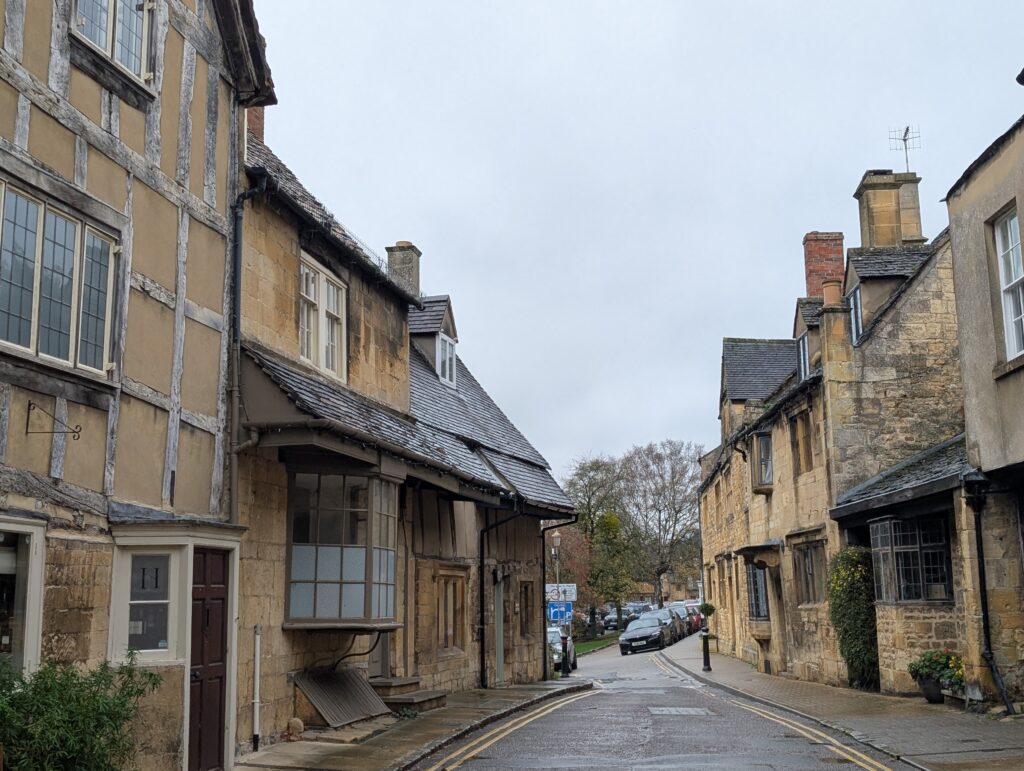
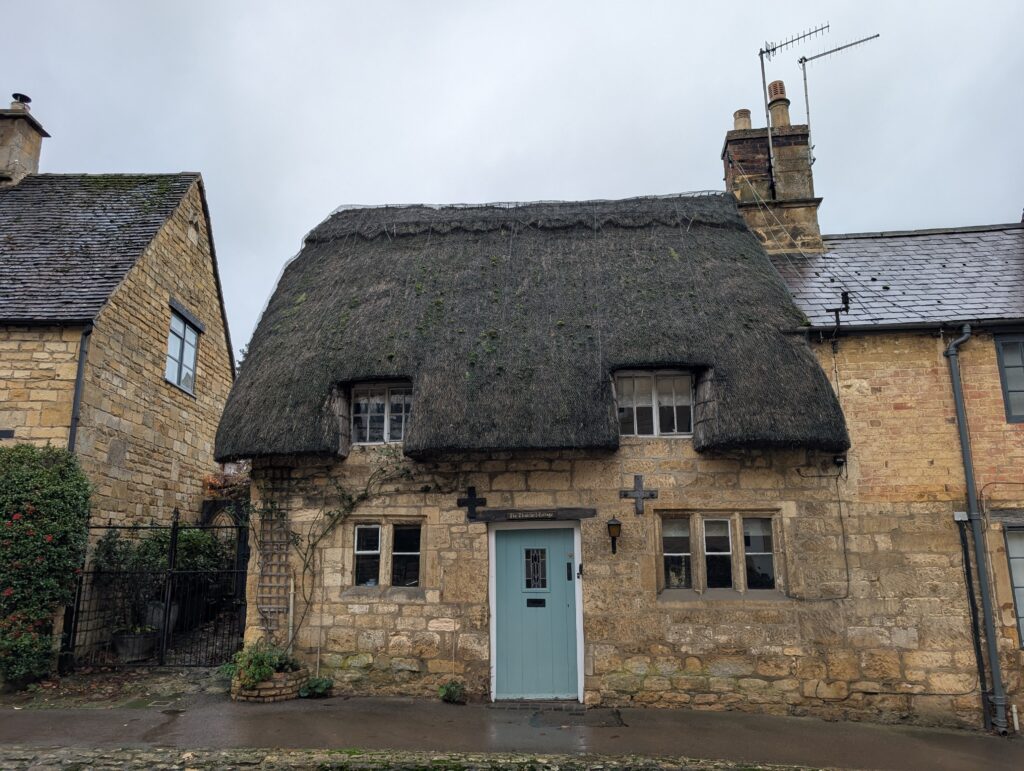
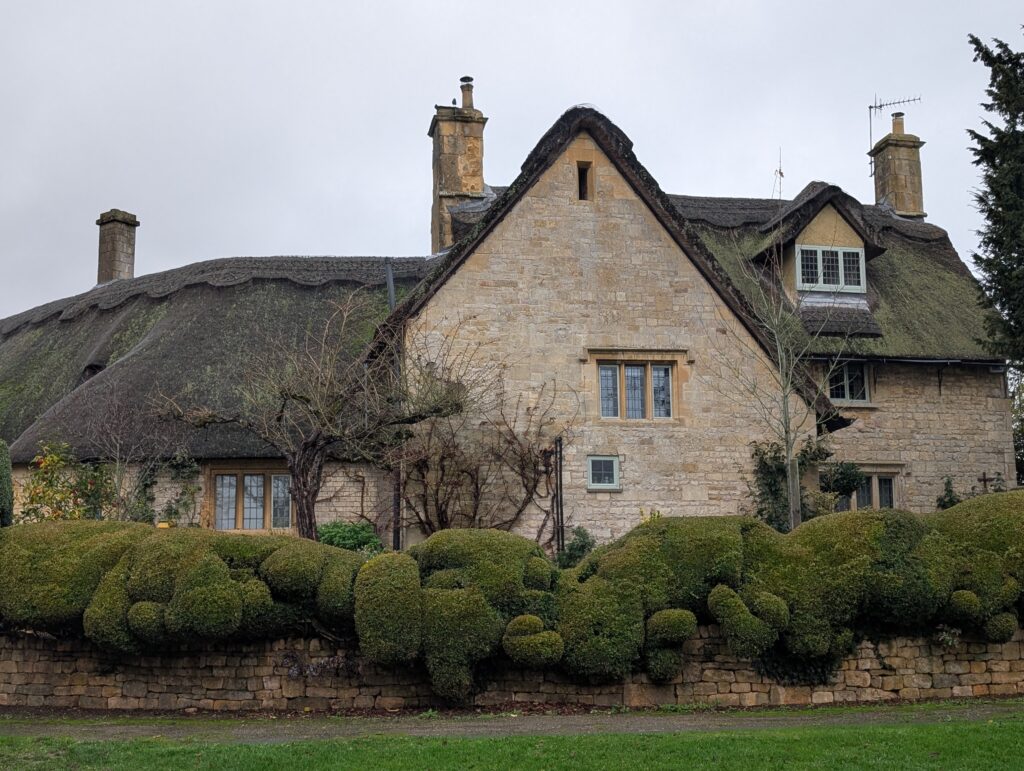
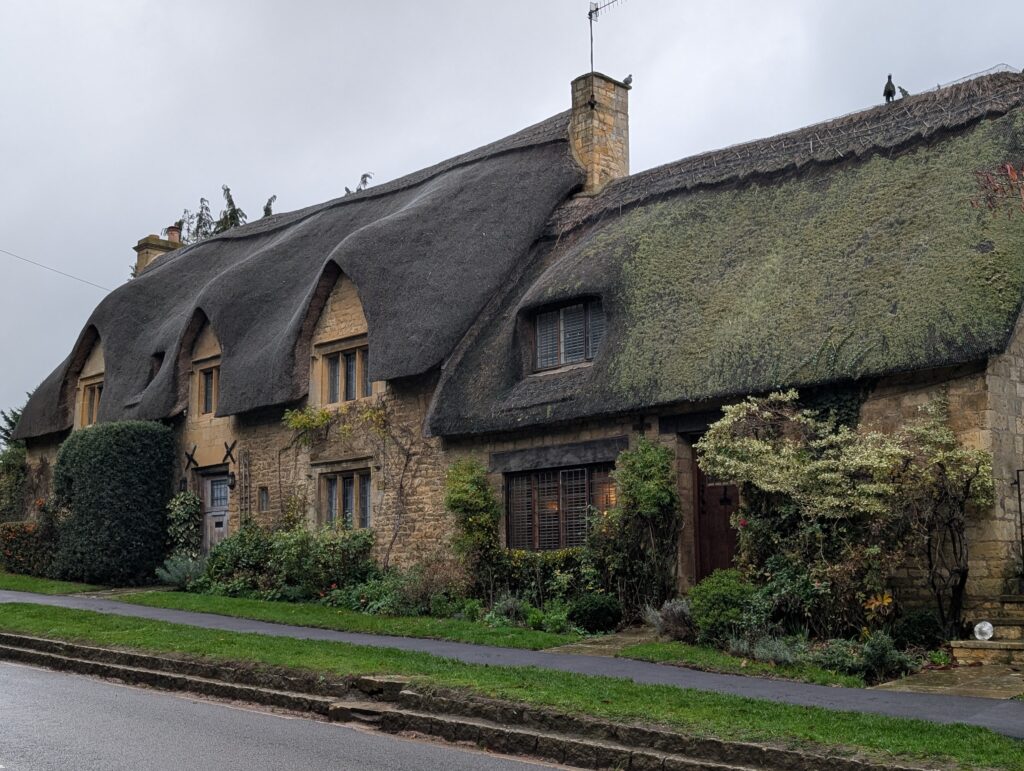
Chipping Campden. We stopped here for lunch and to view the only a stone houses in the area with peat roofs.
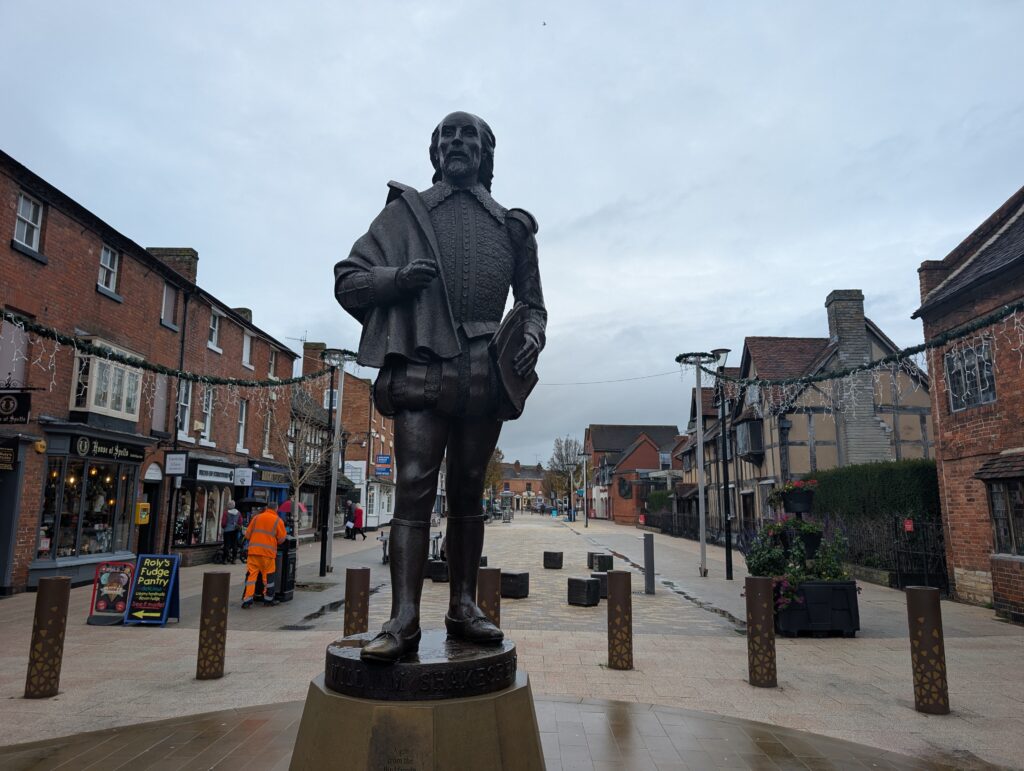
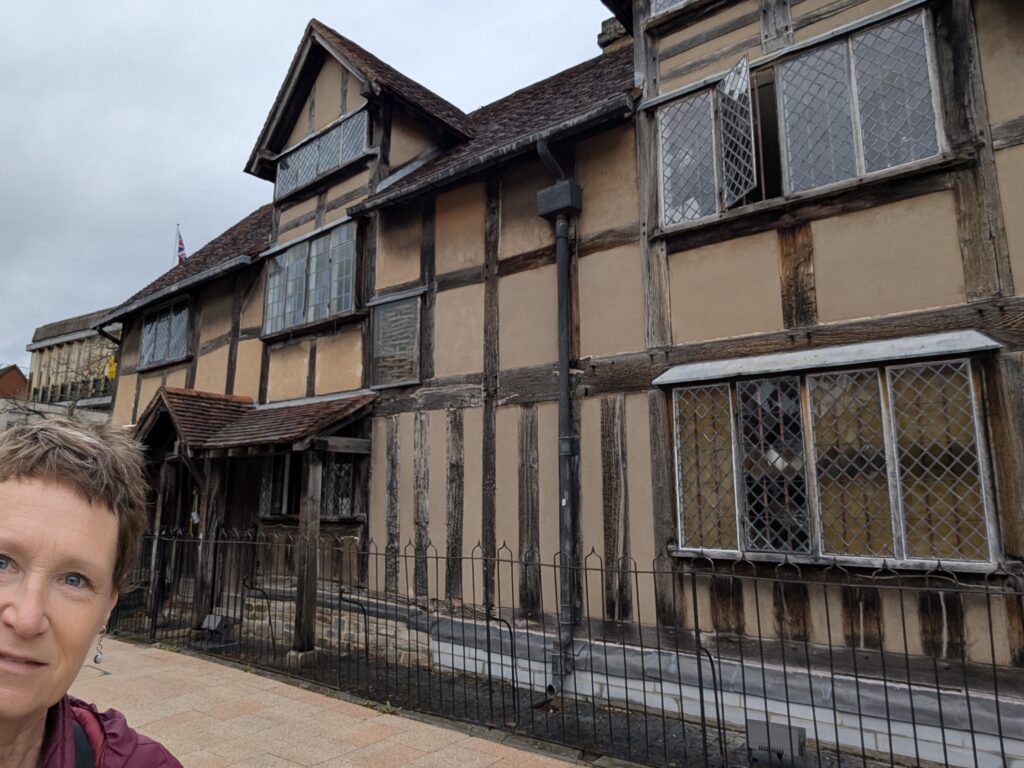
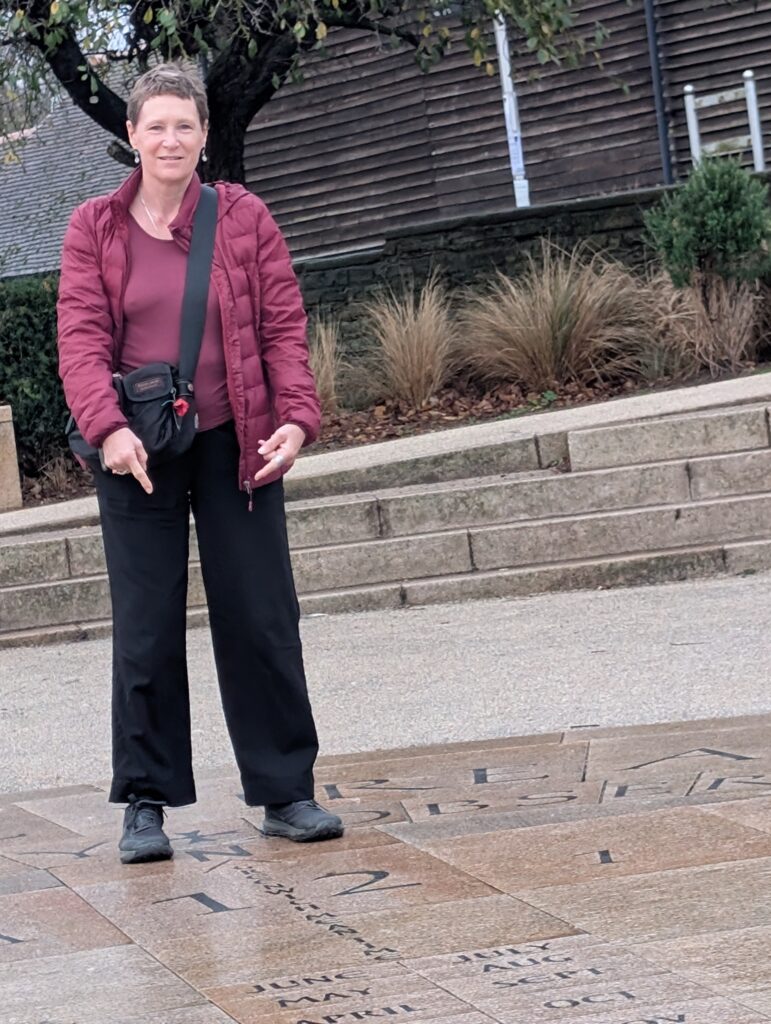
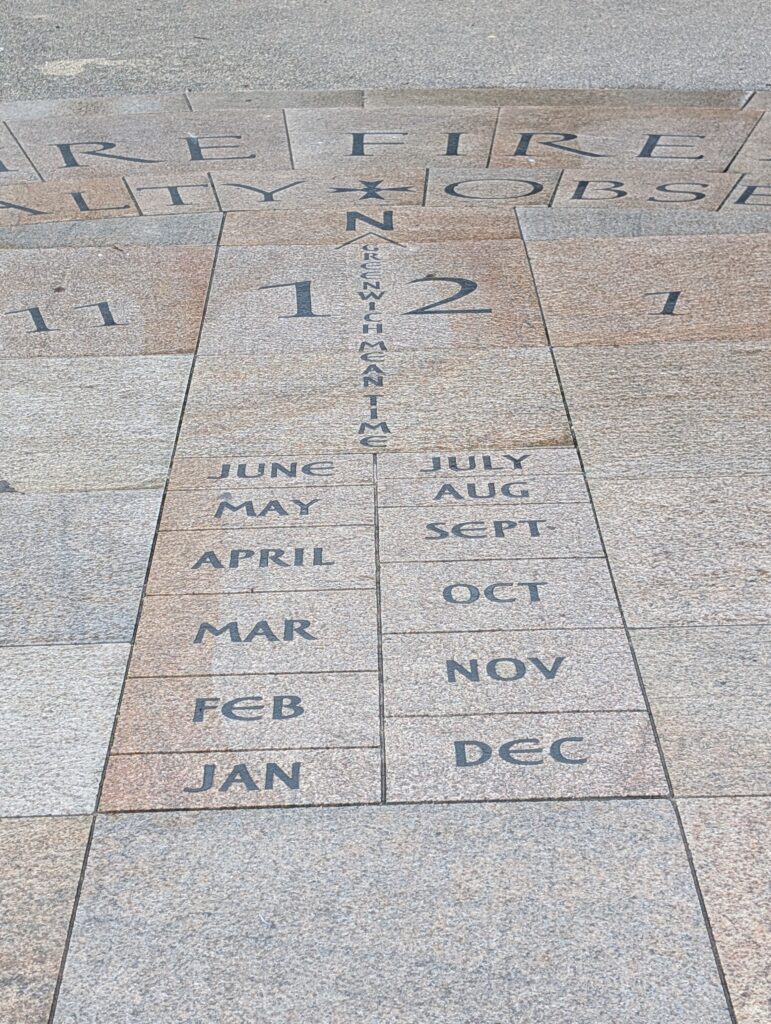
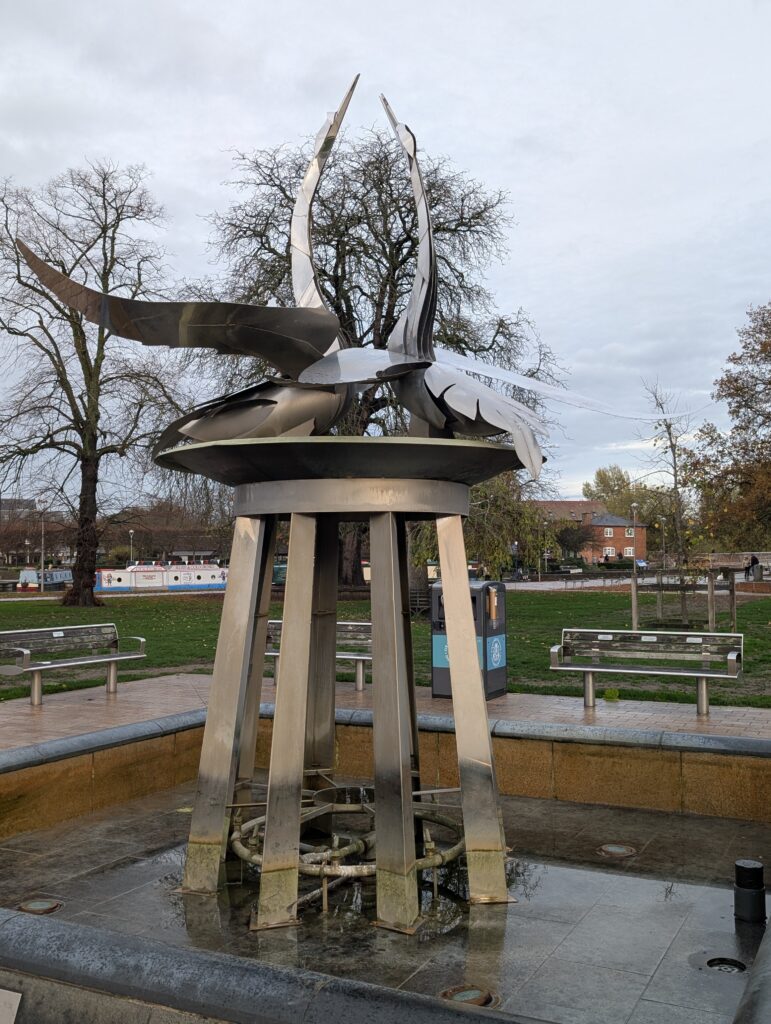
Stratford upon Avon. The statue and home of William Shakespeare. They also have a marker for Greenwich mean time.
A really long day with lots to see. Beautiful country worth seeing.
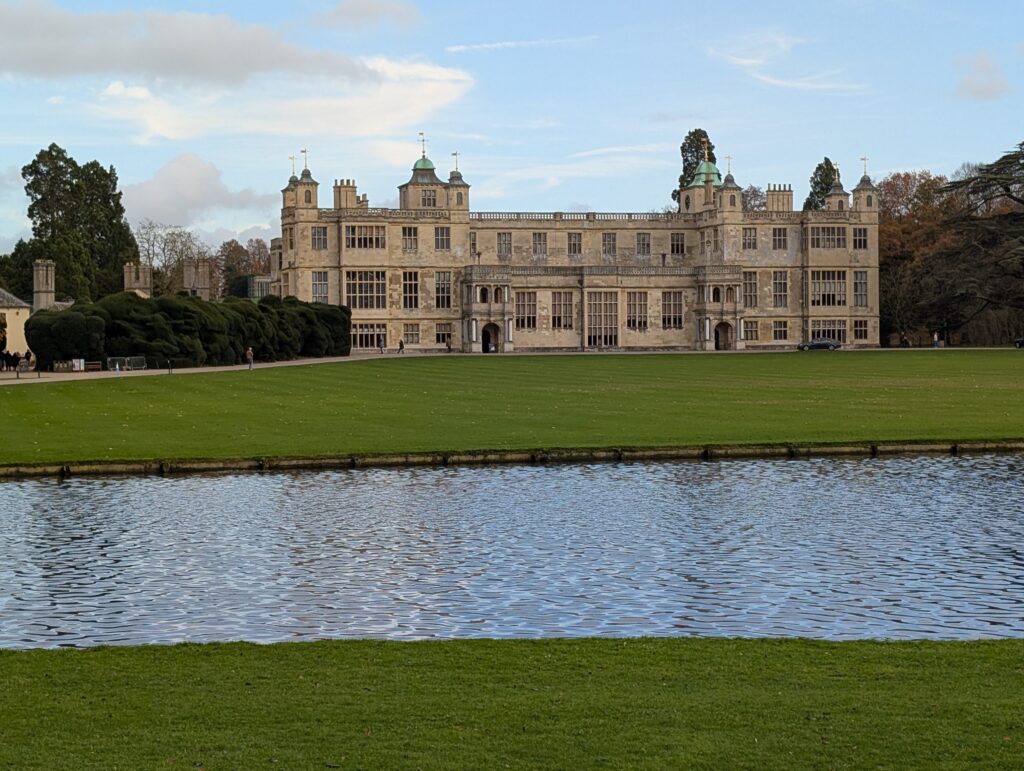
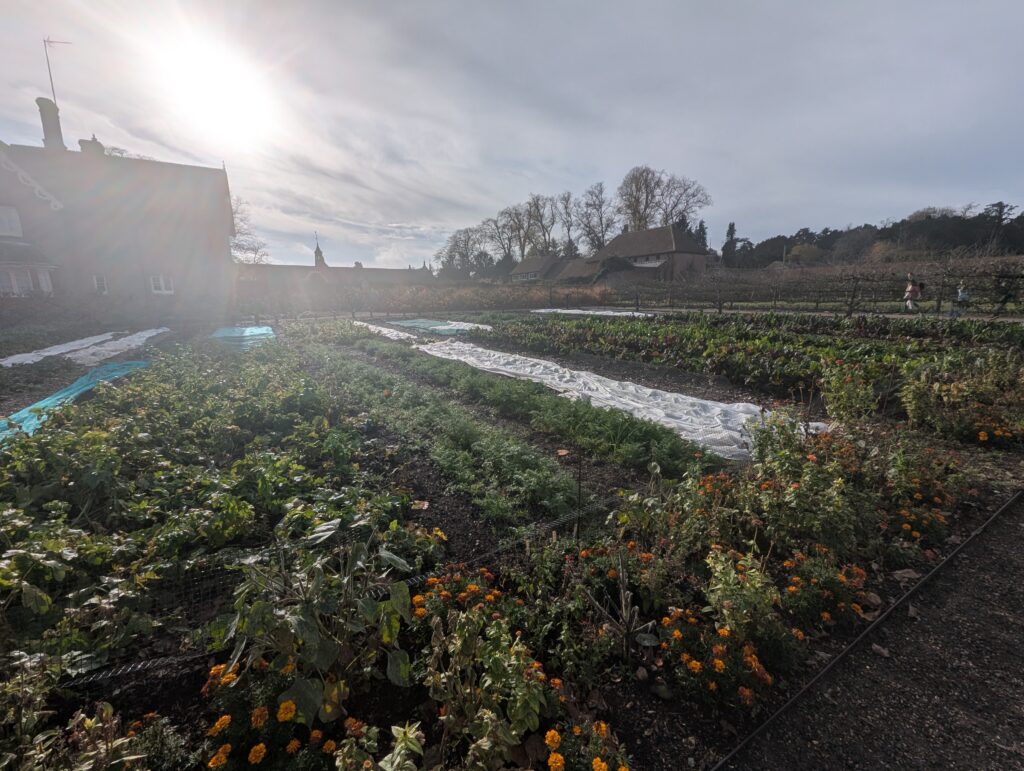
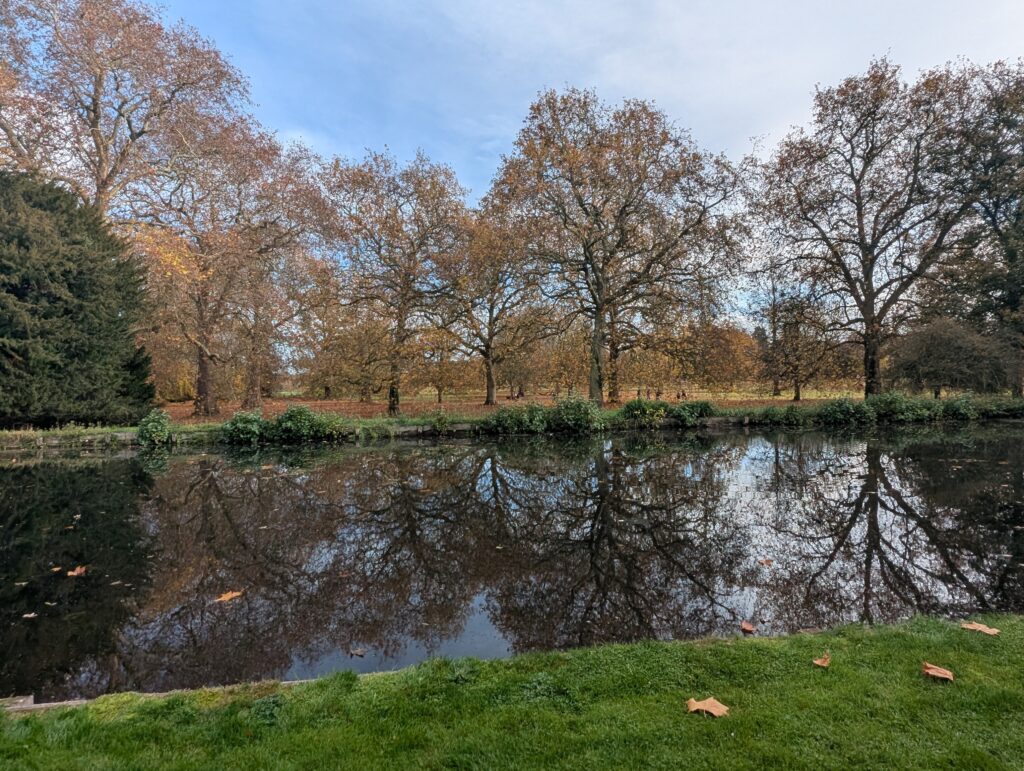
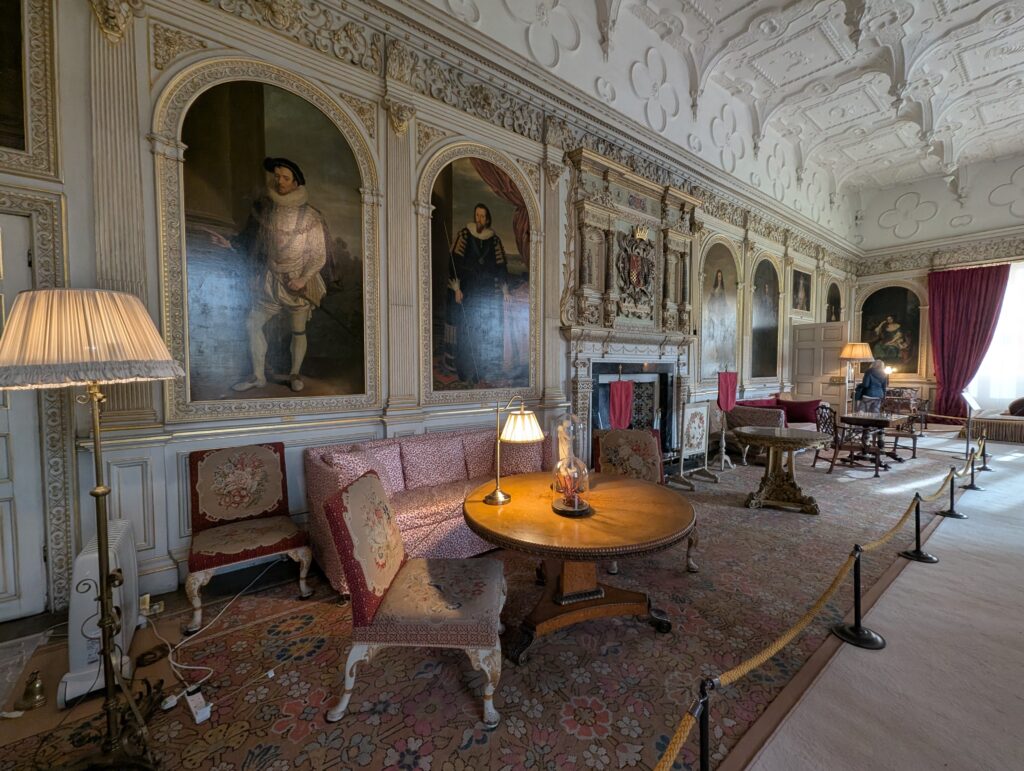
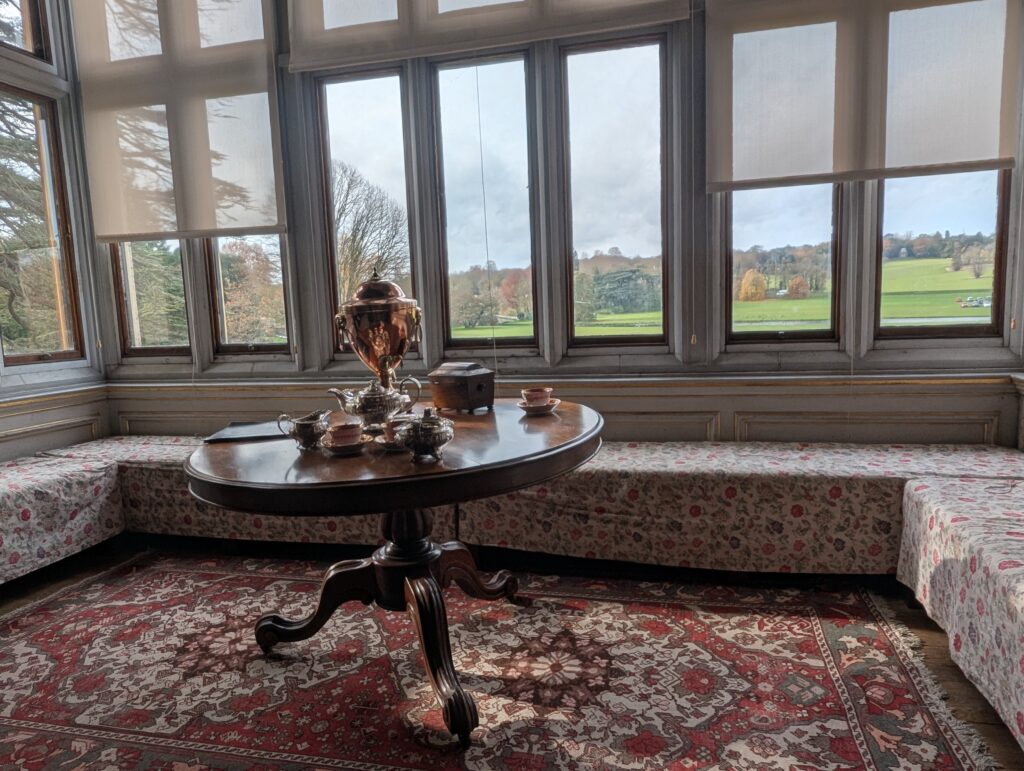
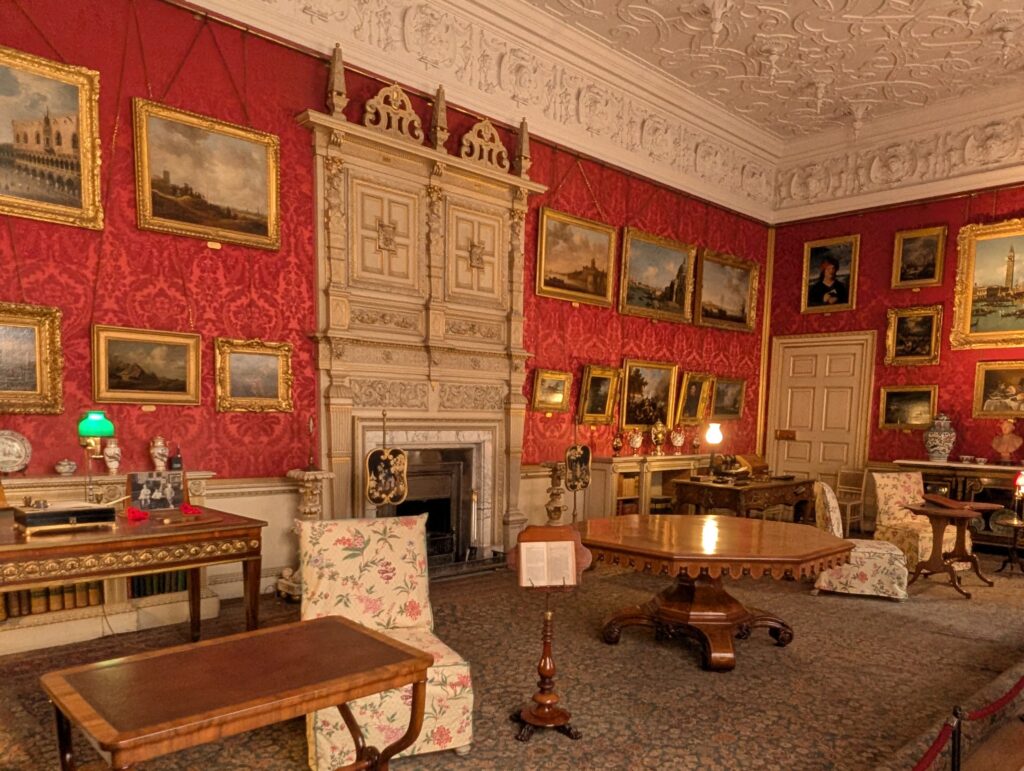
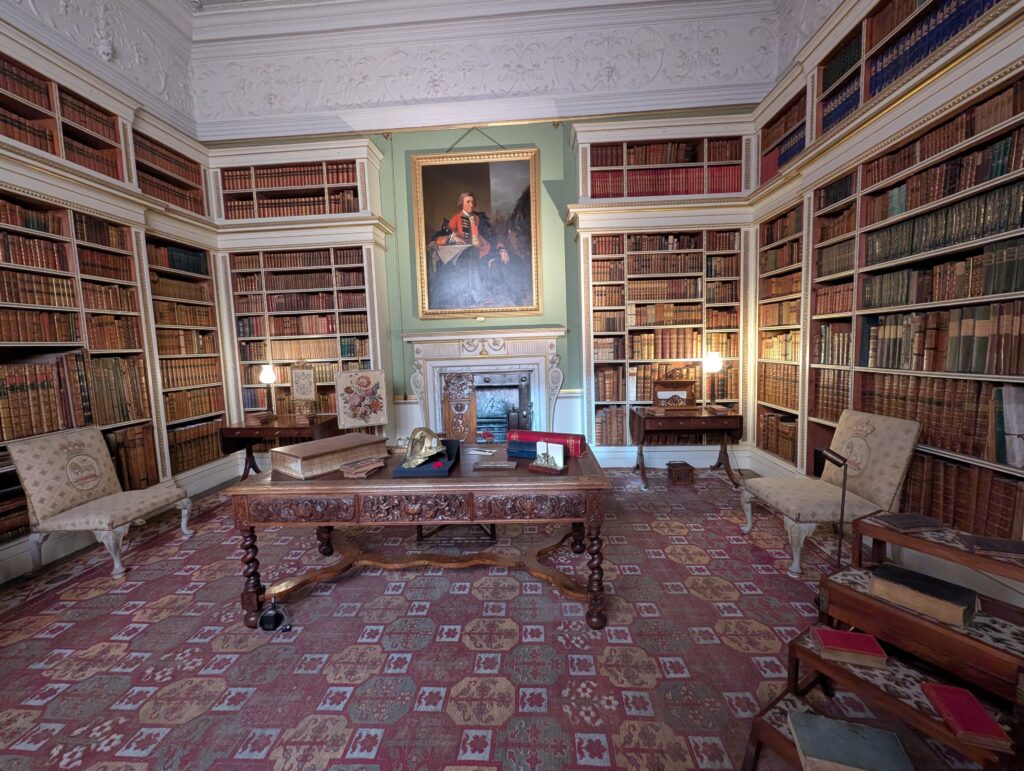
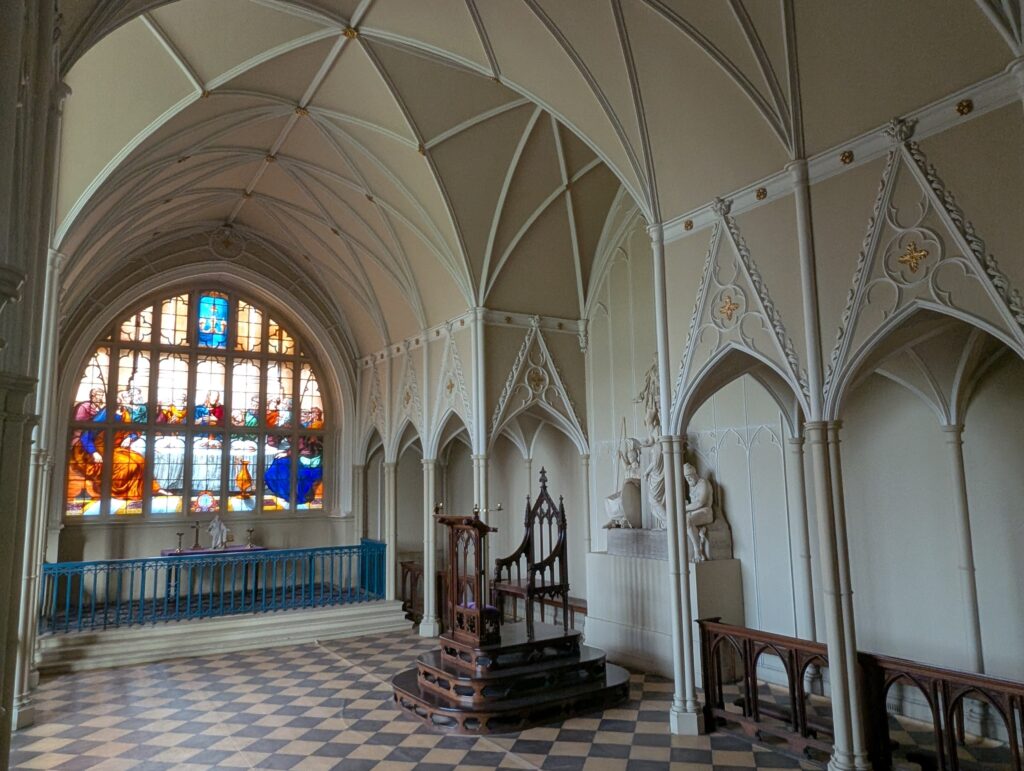
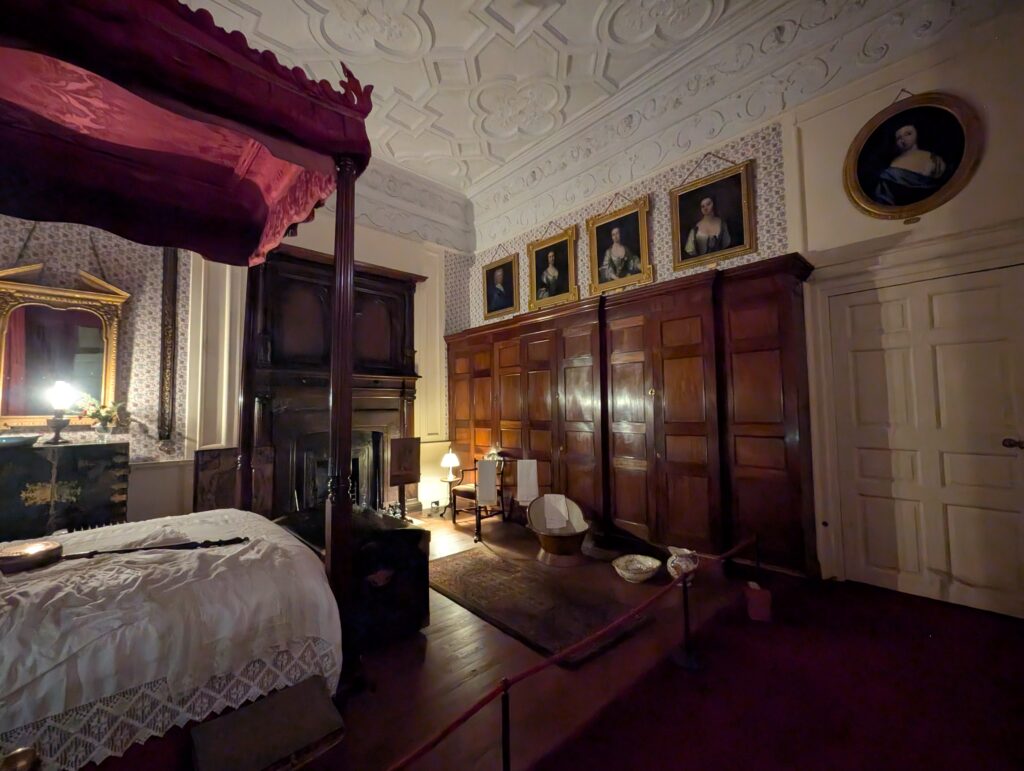
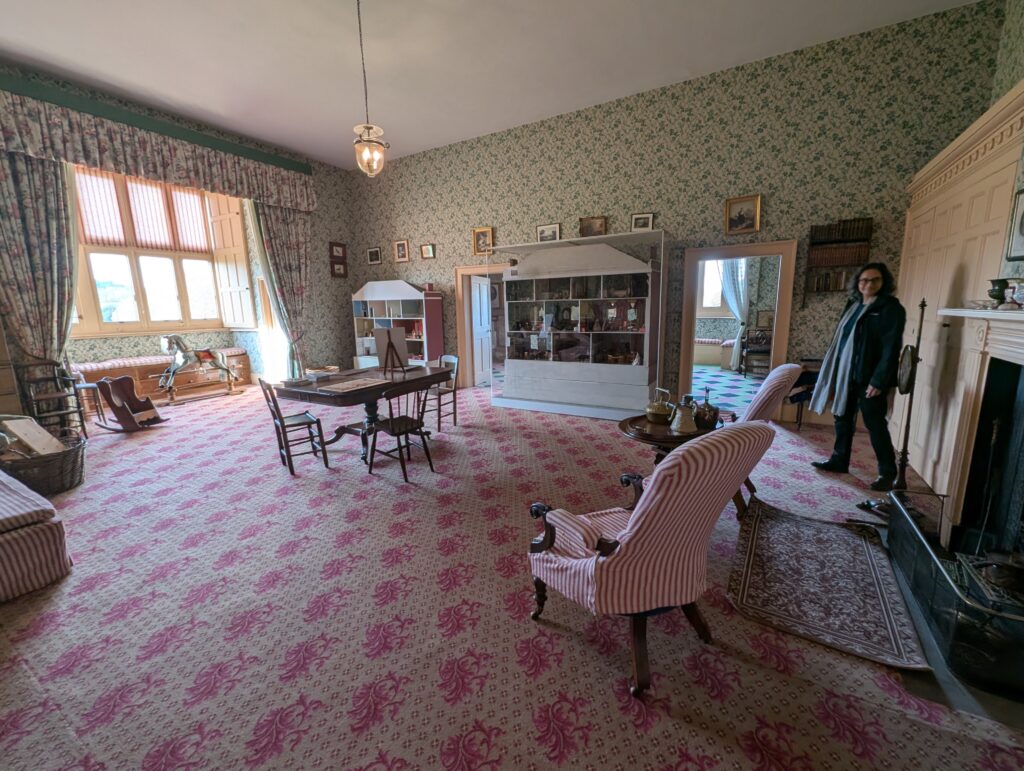
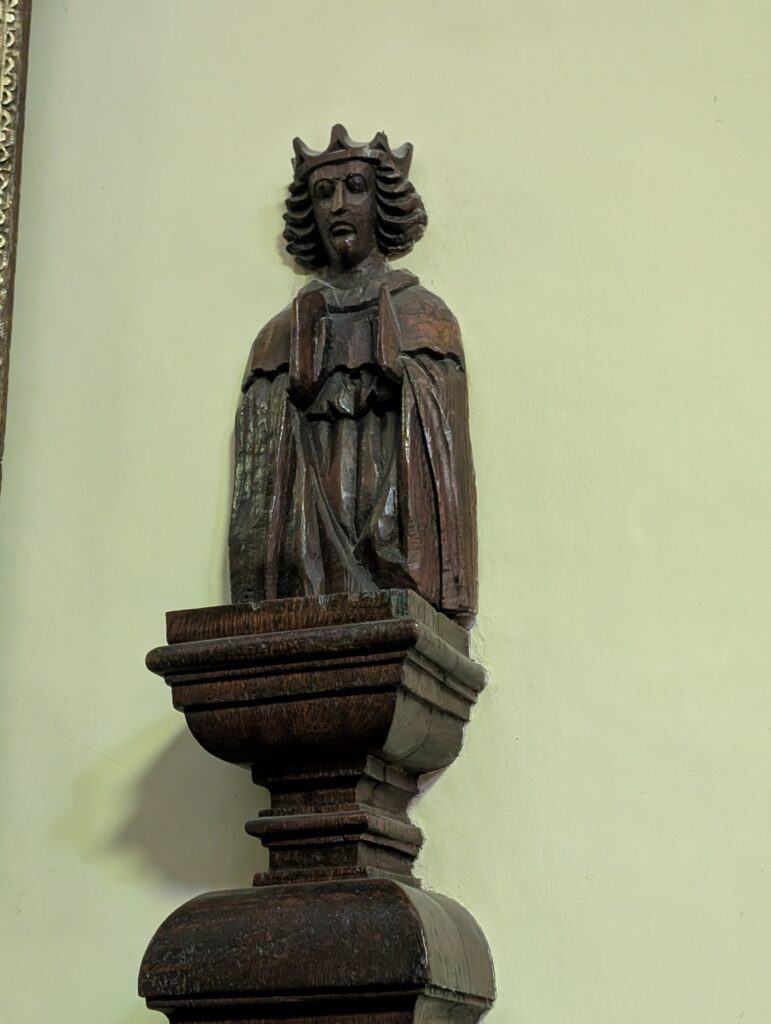
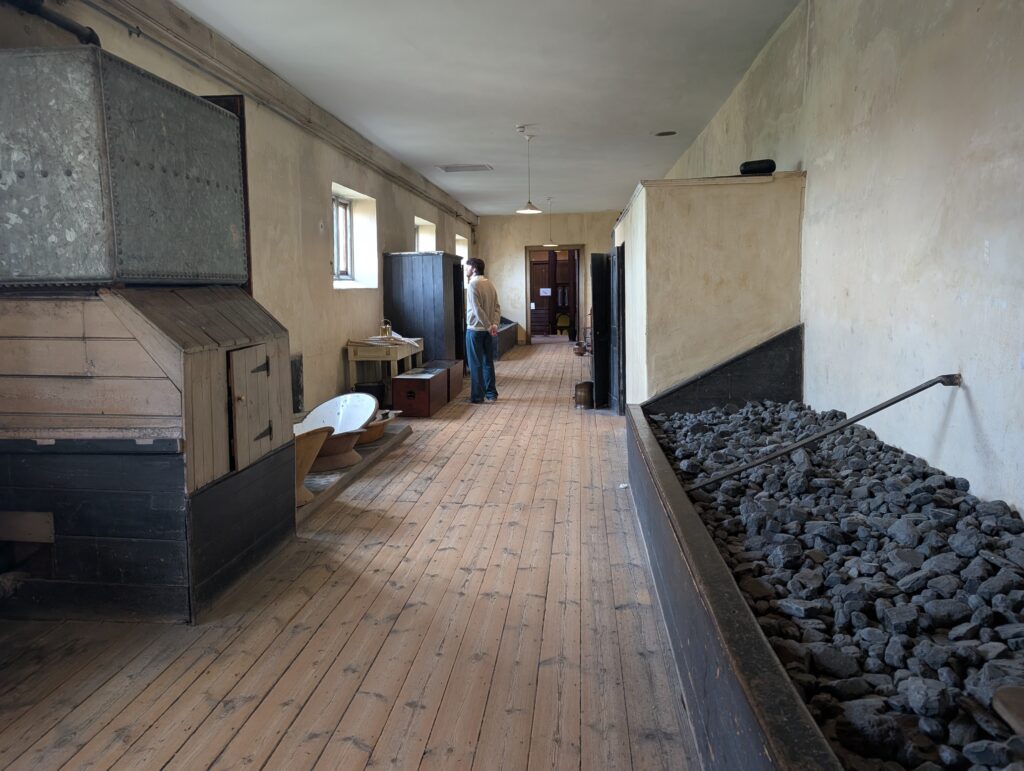
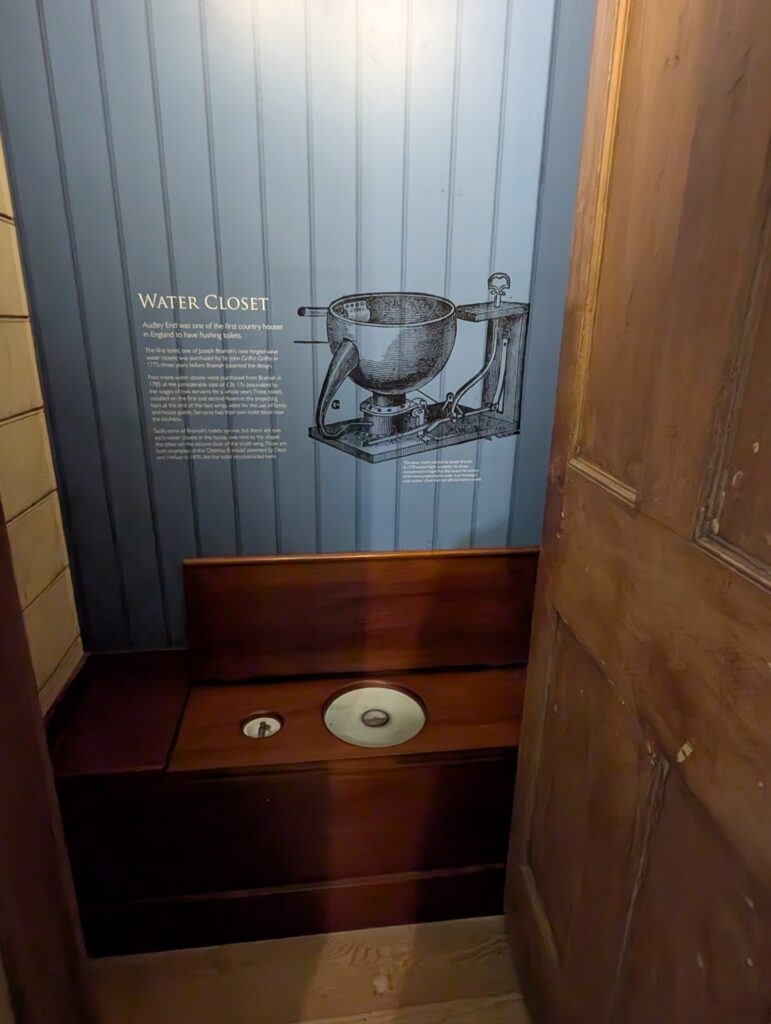
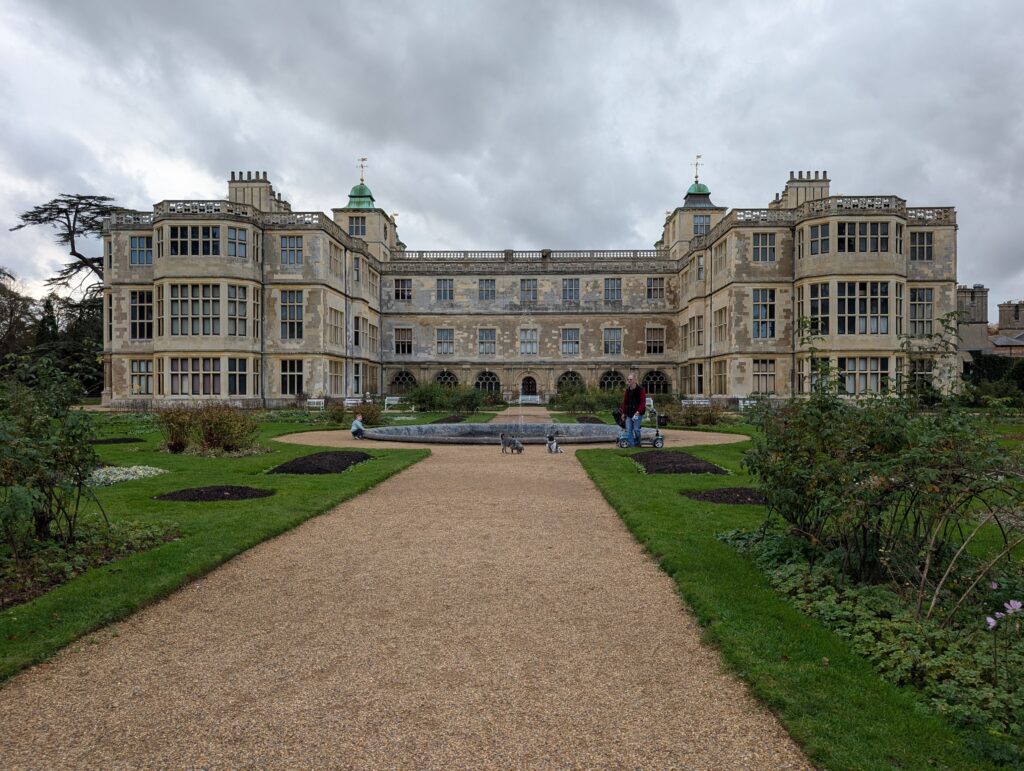
Audley End House and Saffron Walden was a great escape in the countryside of Essex. The Audley End House is a frozen glimpse into England’s grand past. It is one of the largest and most opulent homes from Jacobean England. The stunning architecture showcased beautifully restored state rooms. I loved the gardens. I was happy to have my friend Tricia spend the day with me.
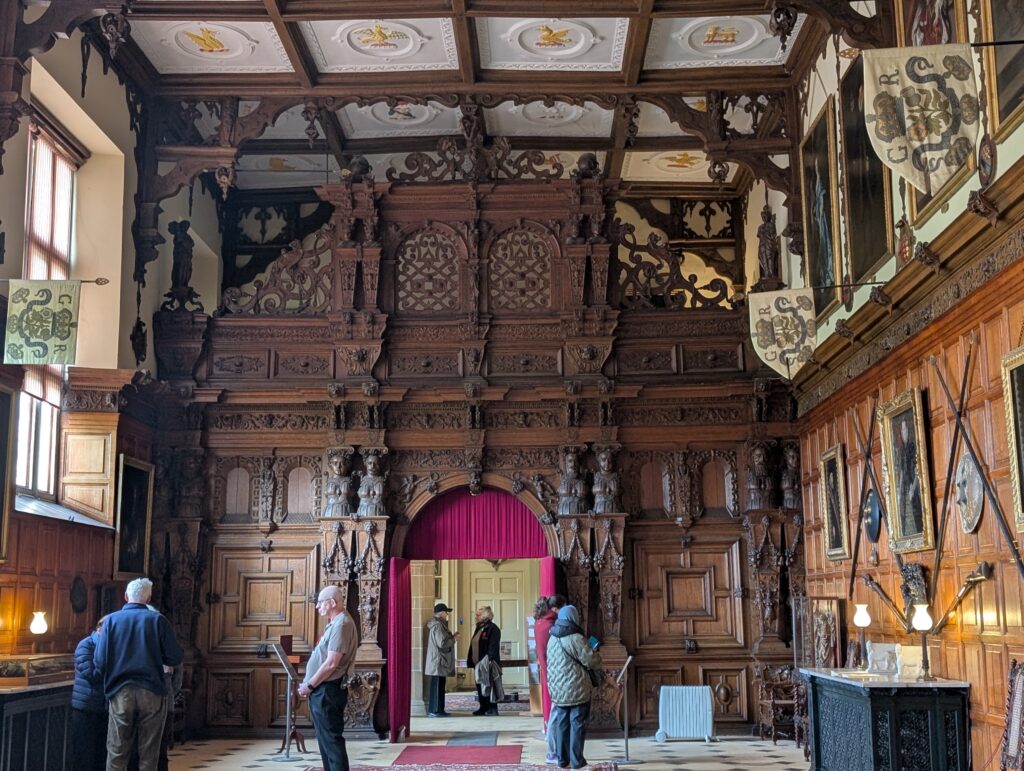
Behind the wood paneling at the top is an alcove where the minstrals played but could not be seen from the people below.
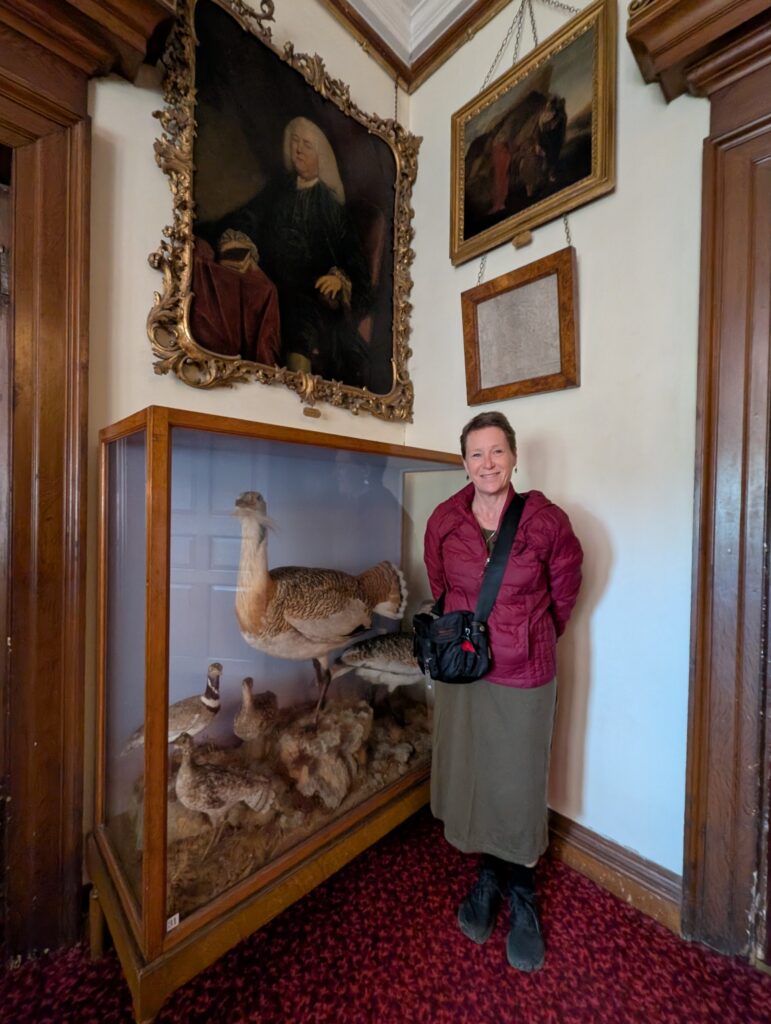
There were many stuffed birds and animals in the great hall including this one which is the largest flighted bird, the Great Bustard, which was hunted to extinction in England and threatened in other areas.
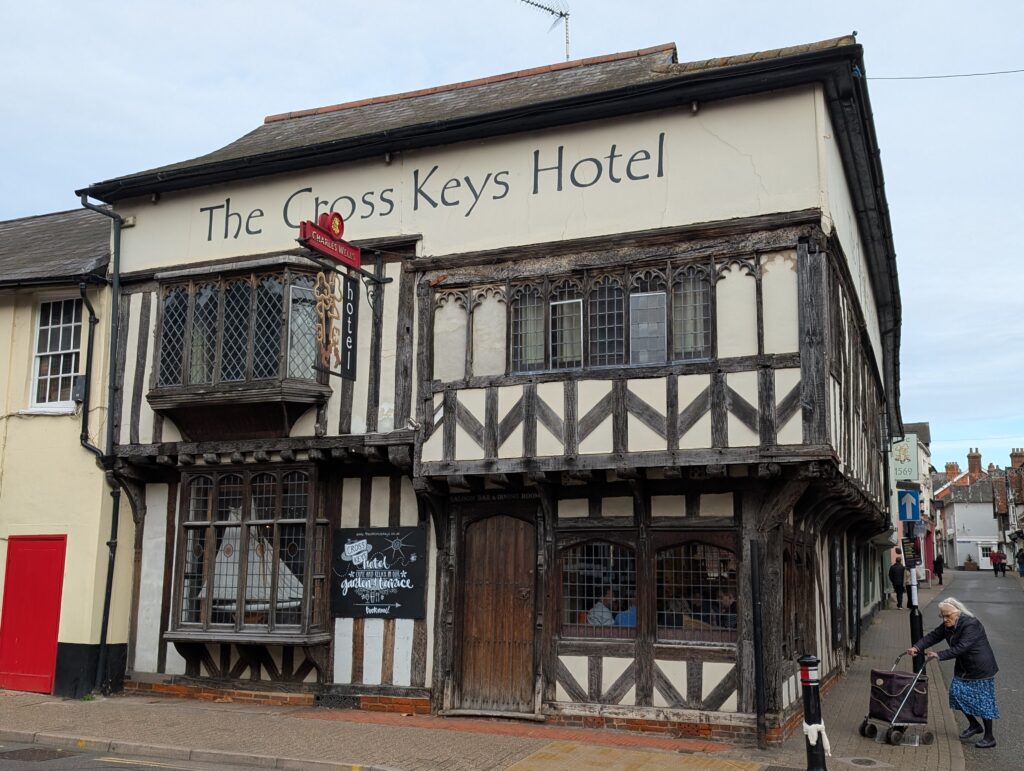
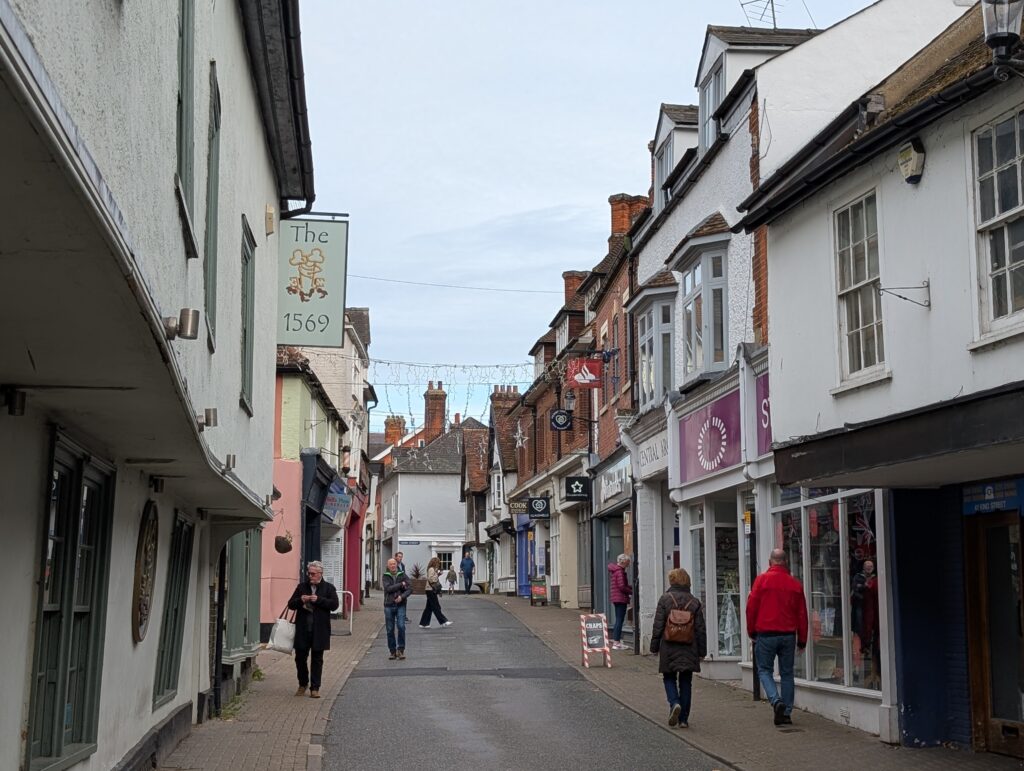
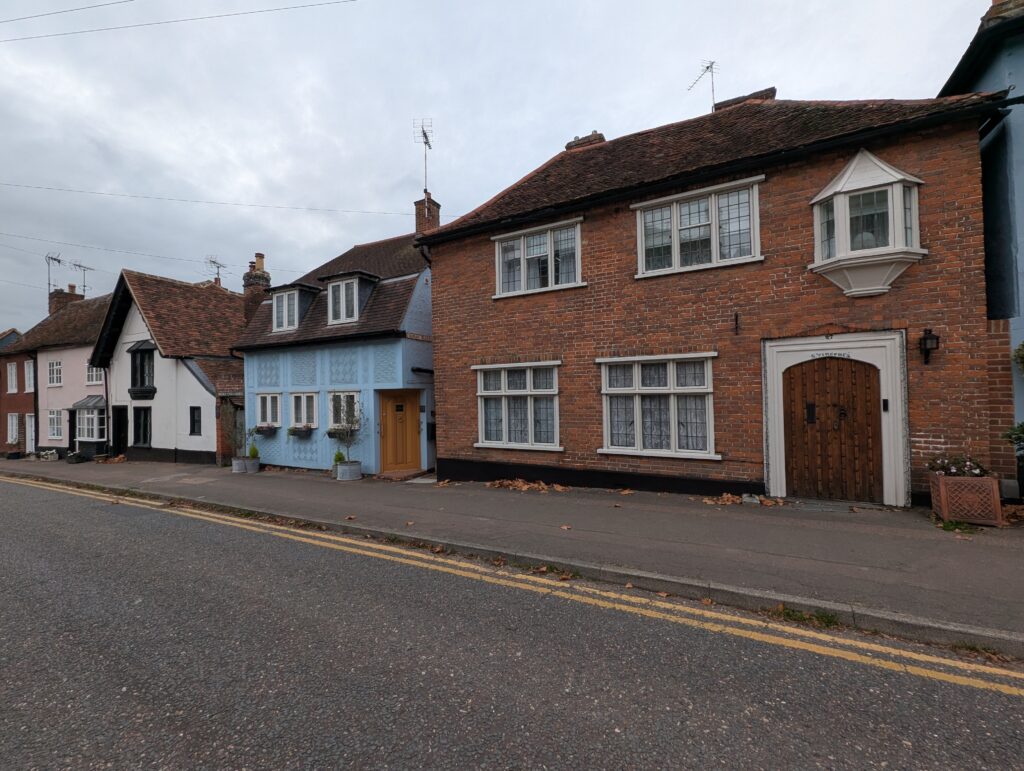
The village of Saffron Walden enchants has medieval streets with a market square.
After walking around the town, we met at the 8 bells pub for dinner. Of course, fish and chips were great as well as the sticky toffee pudding.
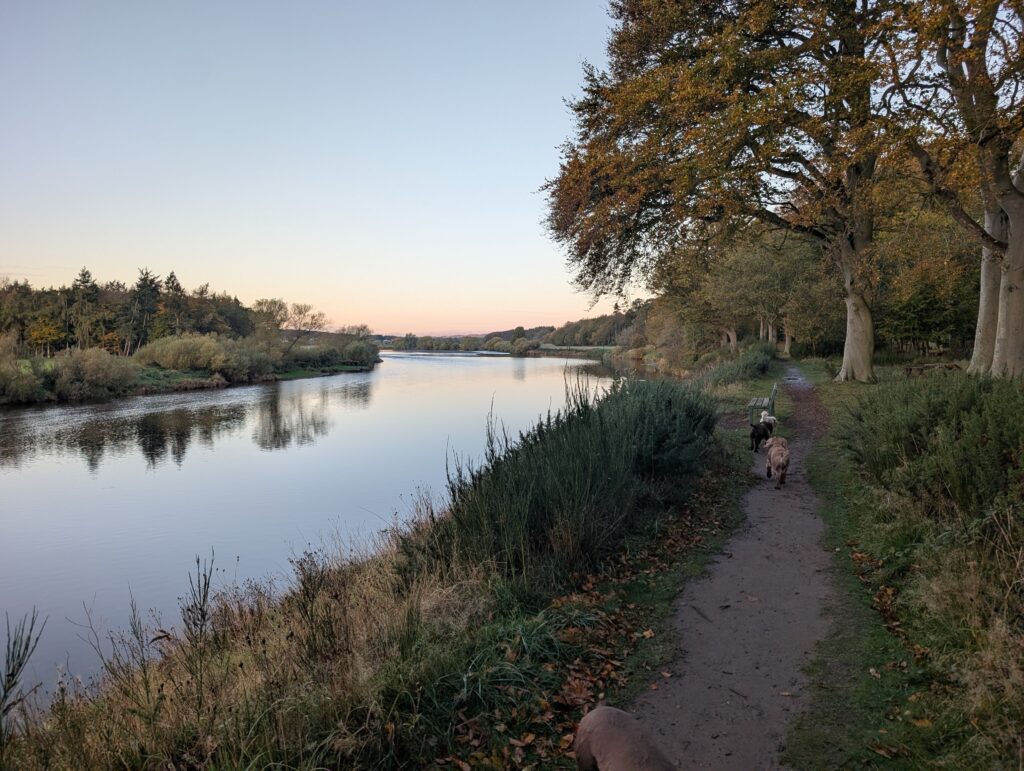
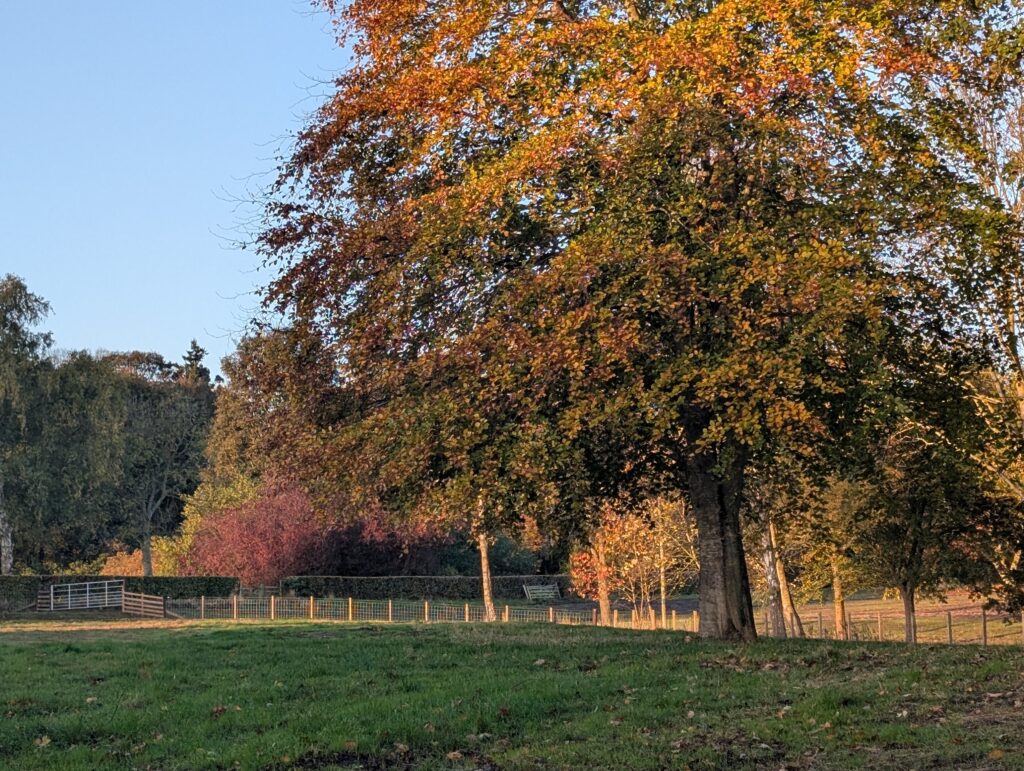
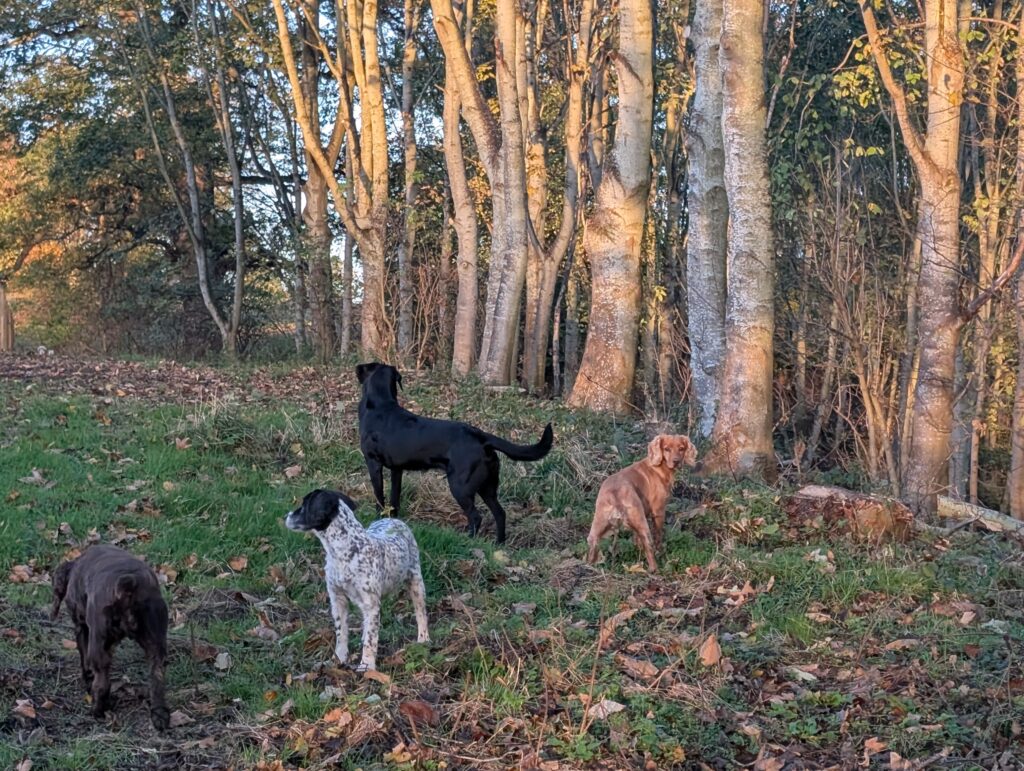
I thoroughly enjoyed walking through the woods and remembering times from before in PA. I did miss the fall, the beauty, and the crisp air. Watching the dogs run around was very entertaining. I also forgot the kind of peace you have just being around the house and gardens. It was relaxing.
One thing I wanted to do was go to the thrift store, give away some of my clothes I was tired of wearing and get some longer sleeve shirts for layering. I was also in desperate need of a warmer hat. I also gave away my sling bag in exchange for a 1/2 price Rockland shoulder bag.
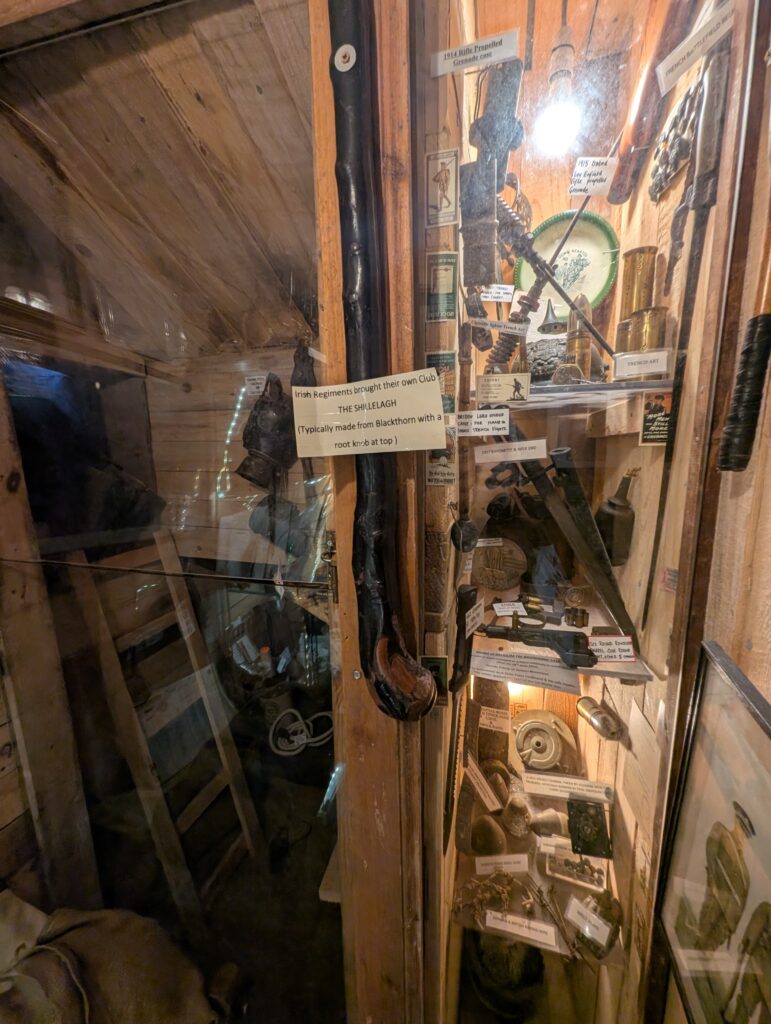
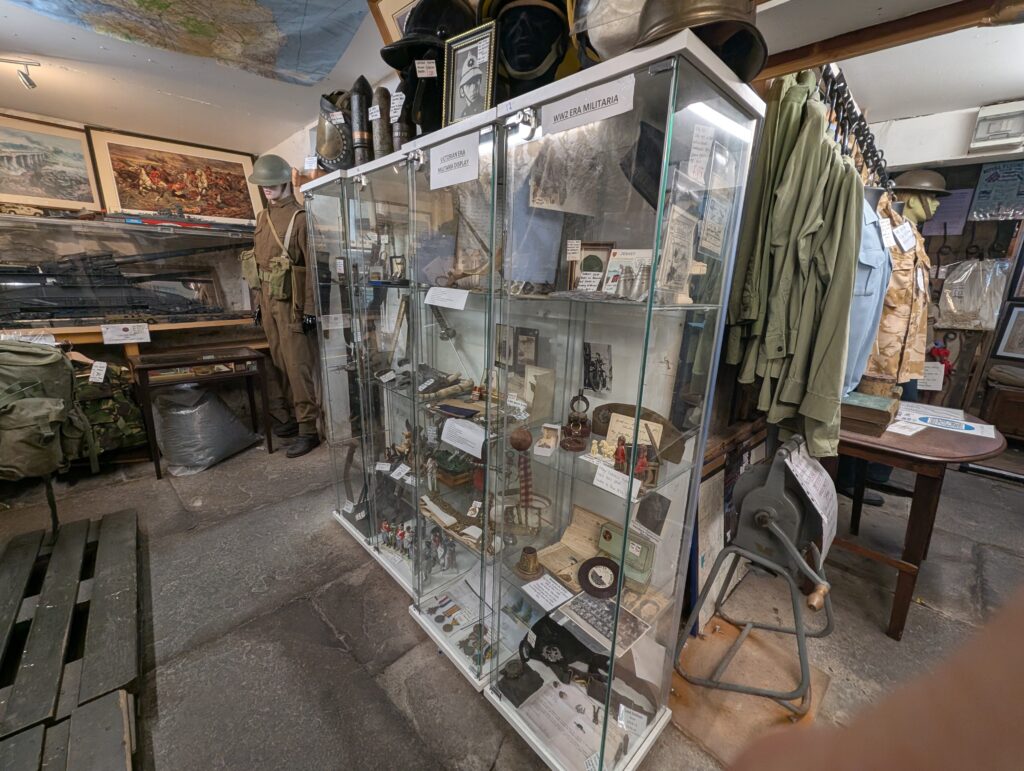
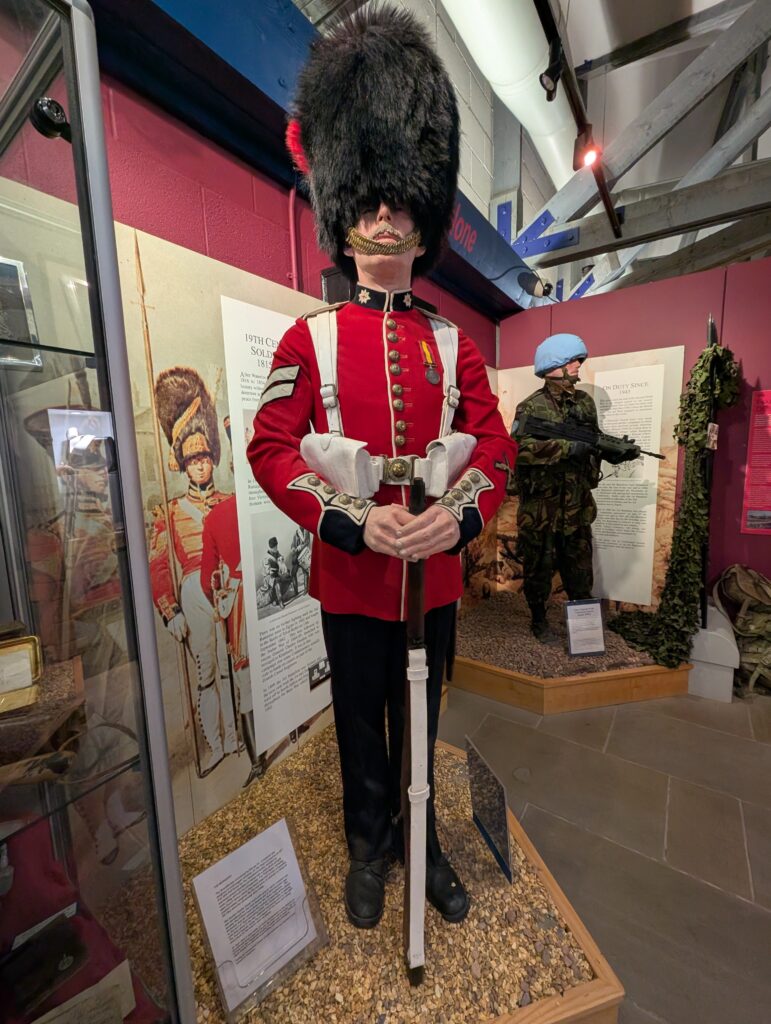
I learned that the army surplus store across the street has a museum in the basement. I enjoyed it as it was not just memorabilia from soldiers but also from home. He even had an air raid siren which I was allowed to try. It it to the right of the glass case in the second picture.
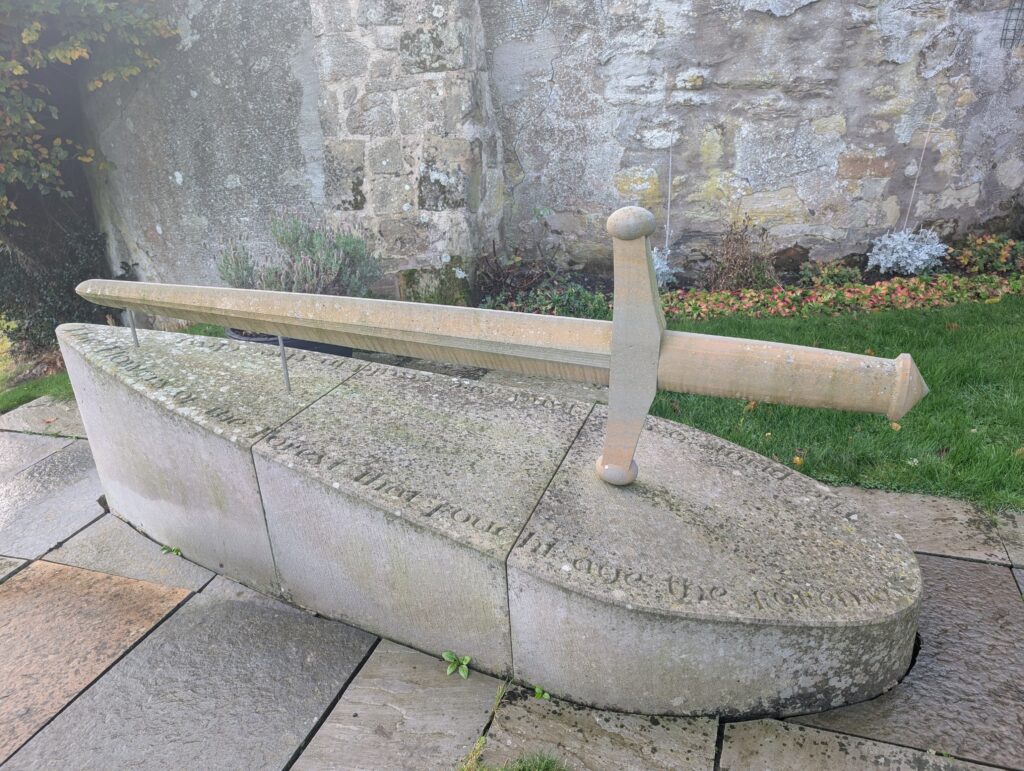
The Coldstream museum was small but had history of the conflicts between England and Scotland.
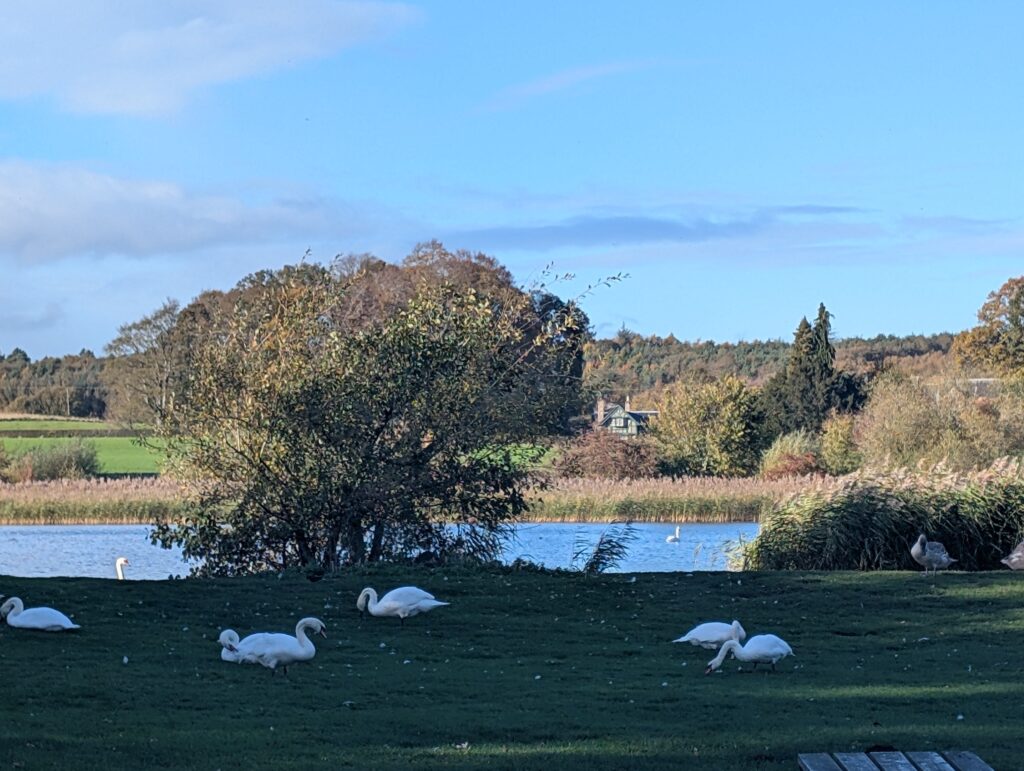
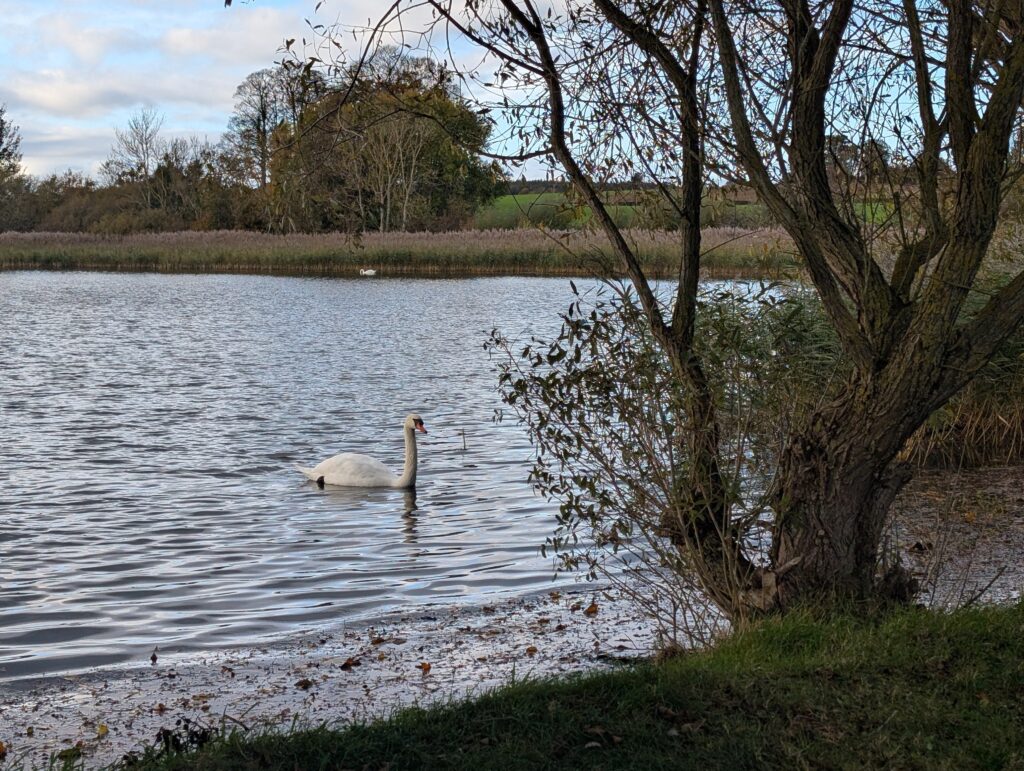
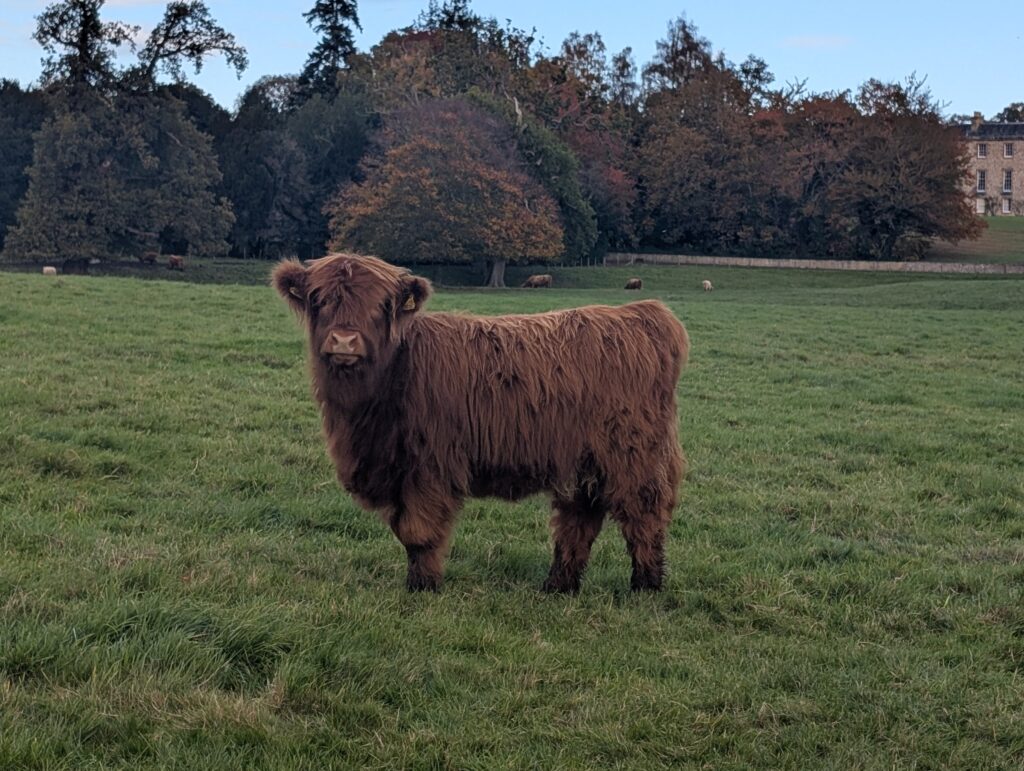
I also visited the Hirsel estate where there is a cafe and artisans with a variety of crafts such as pottery and glass making. They had informative displays about early life here. I took the poodle on a walk there to enjoy the swans, highland cows, and buy a souvenir (glass post earrings.)
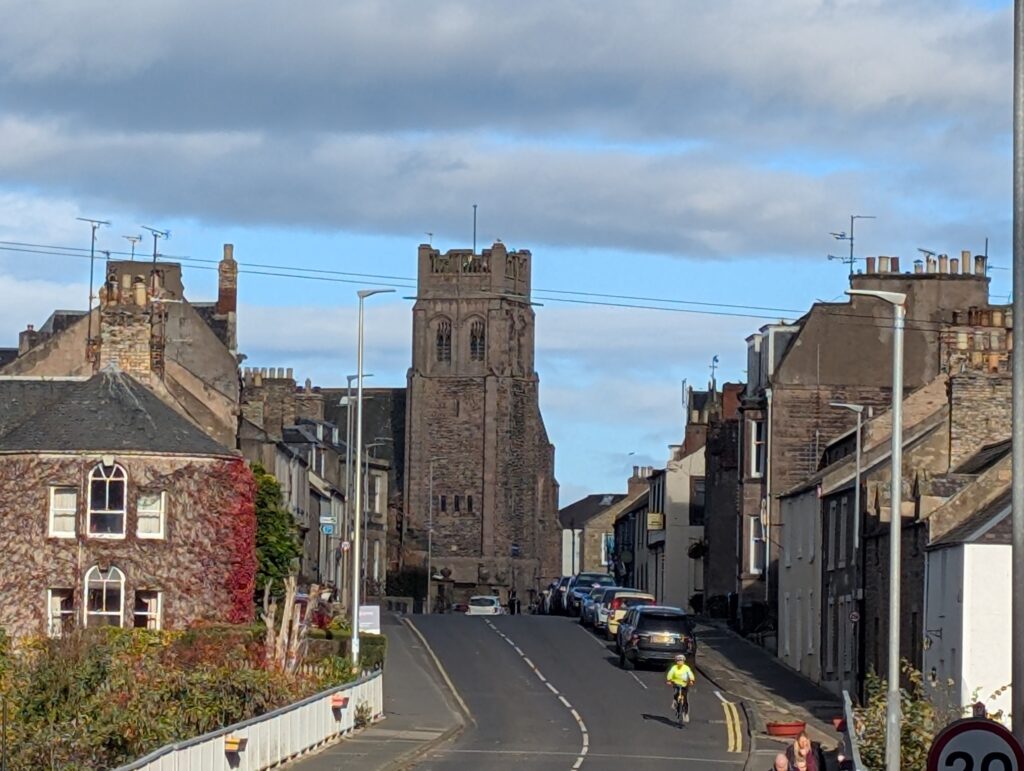
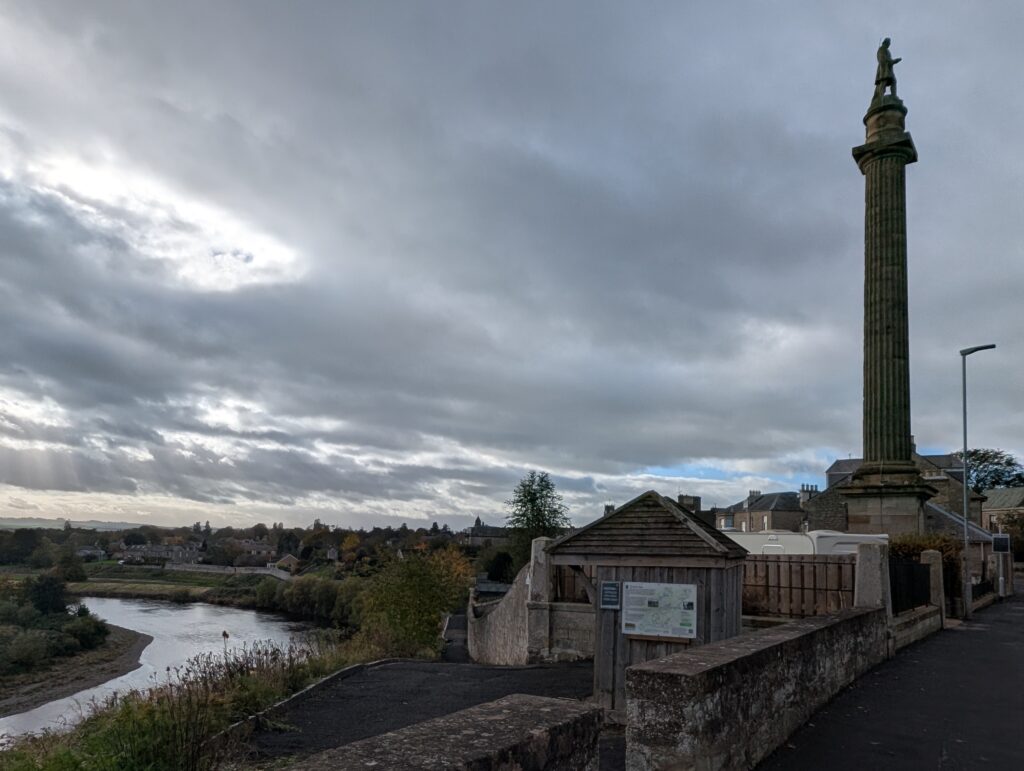
Here are some views around Coldstream. Despite being a small town they have several restaurants and bars, and an Indian and Chinese restaurant .
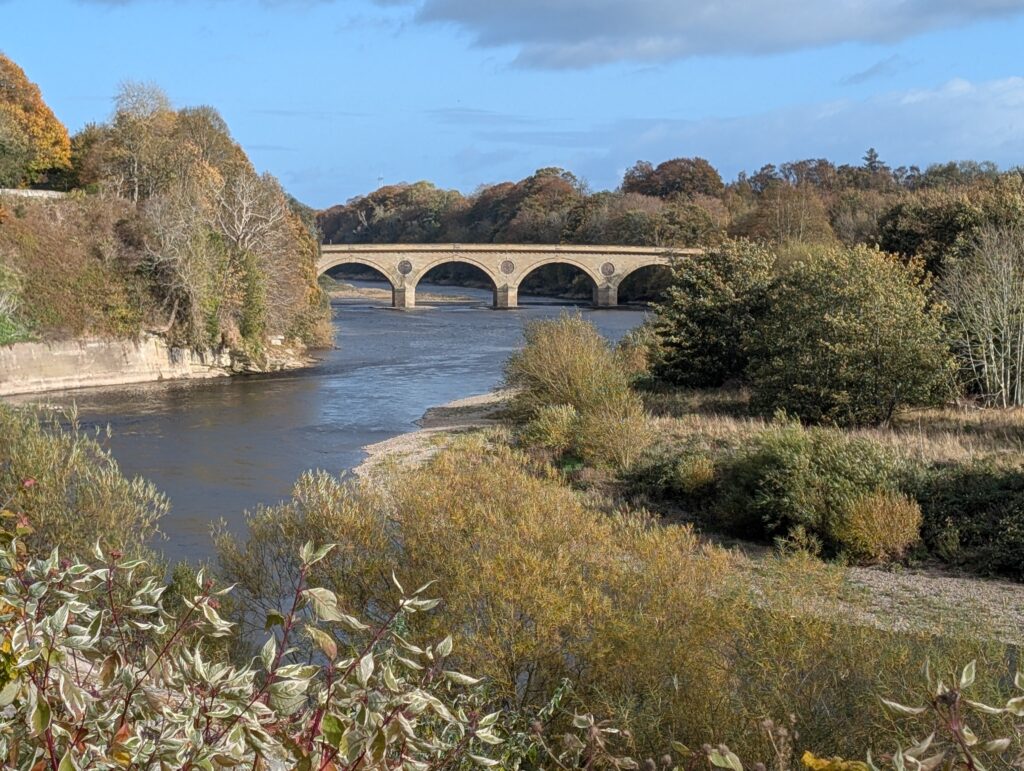
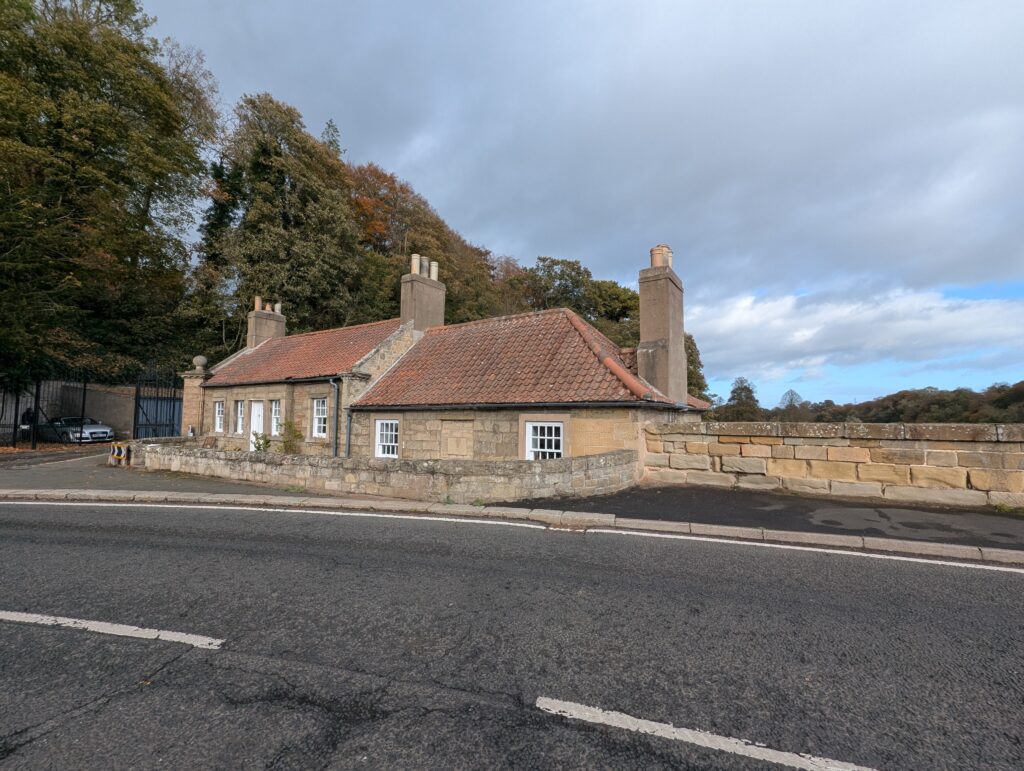
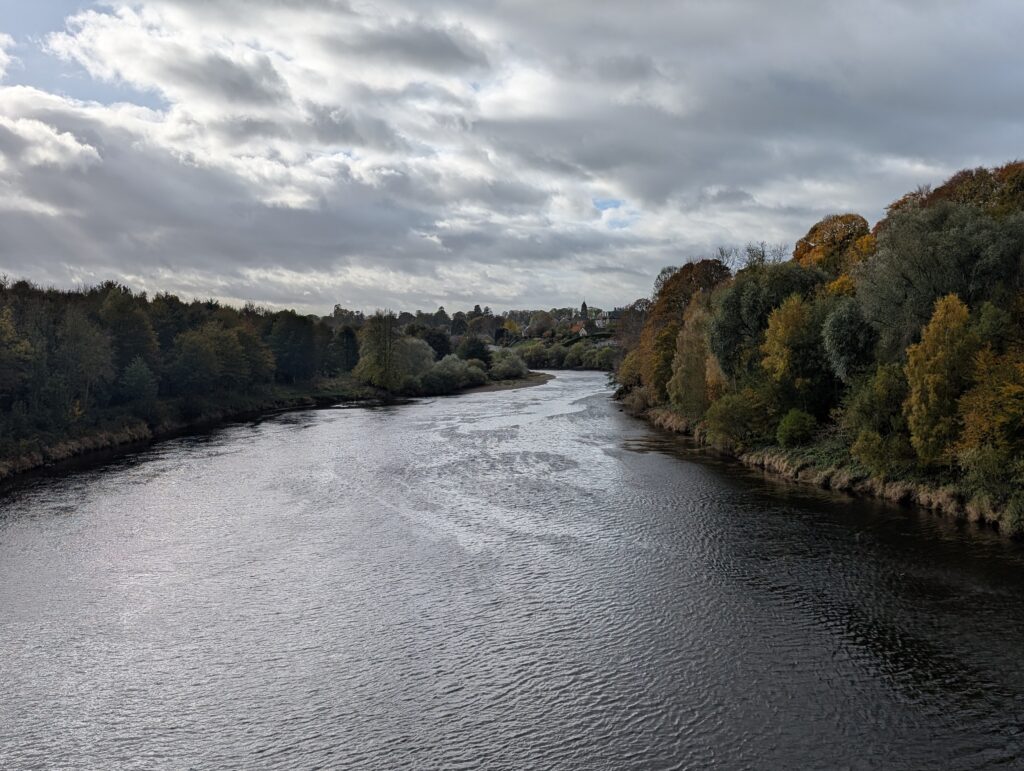
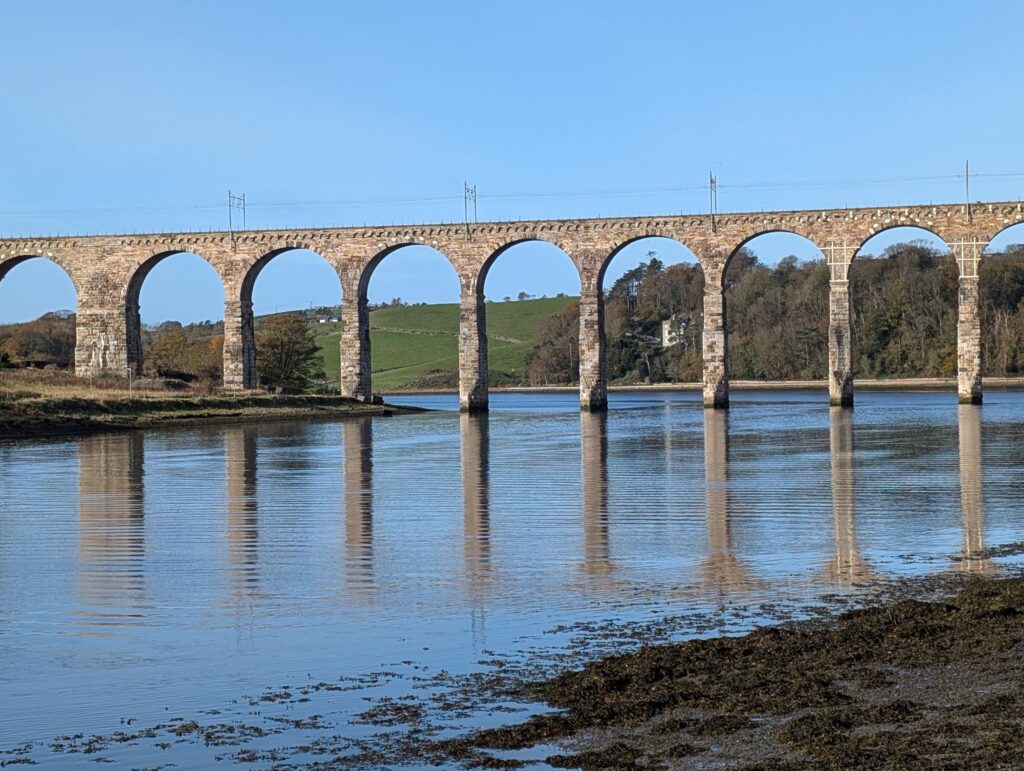
The river Tweed flows between Scotland and England. The bridge is beautiful and to the left (Scottish side) is a house that the contractor of the bridge built with bridge funds. It caused quite an uproar but the governor declared that he was not paid enough to build the bridge and it was legal. The house was a toll house to collect monies for passage over the bridge. Later it became a marriage house as the waiting period in Scotland was much shorter than England. So couples would travel to this house to get married.
Standing on the border of England and Scotland over the river Tweed.
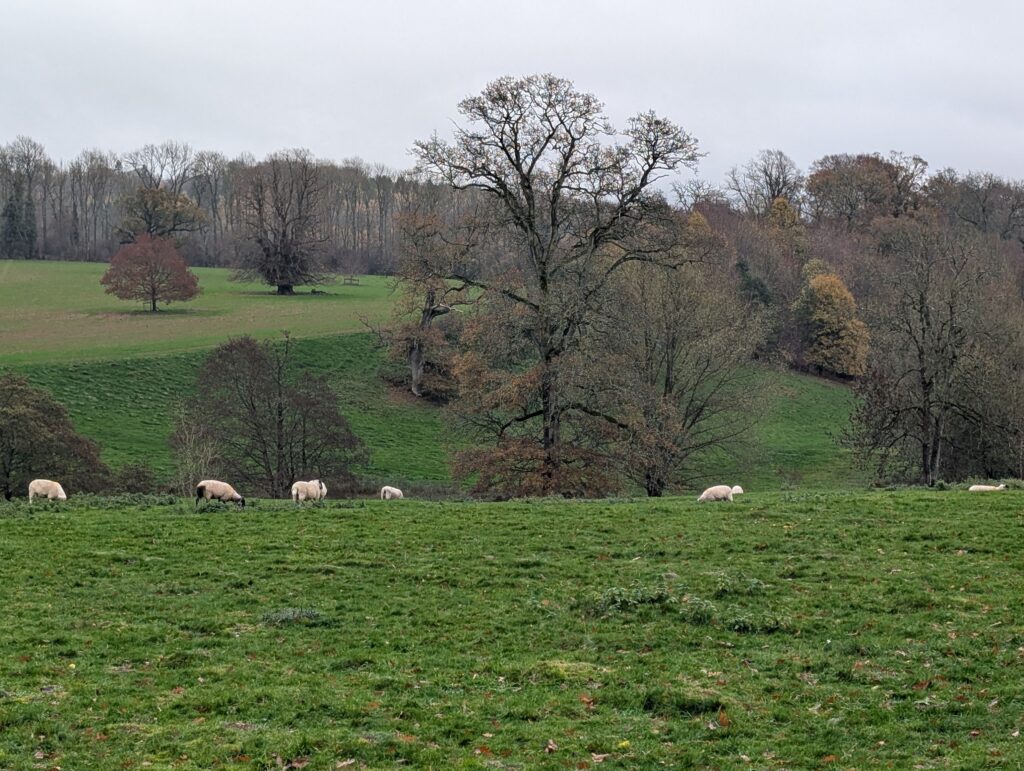
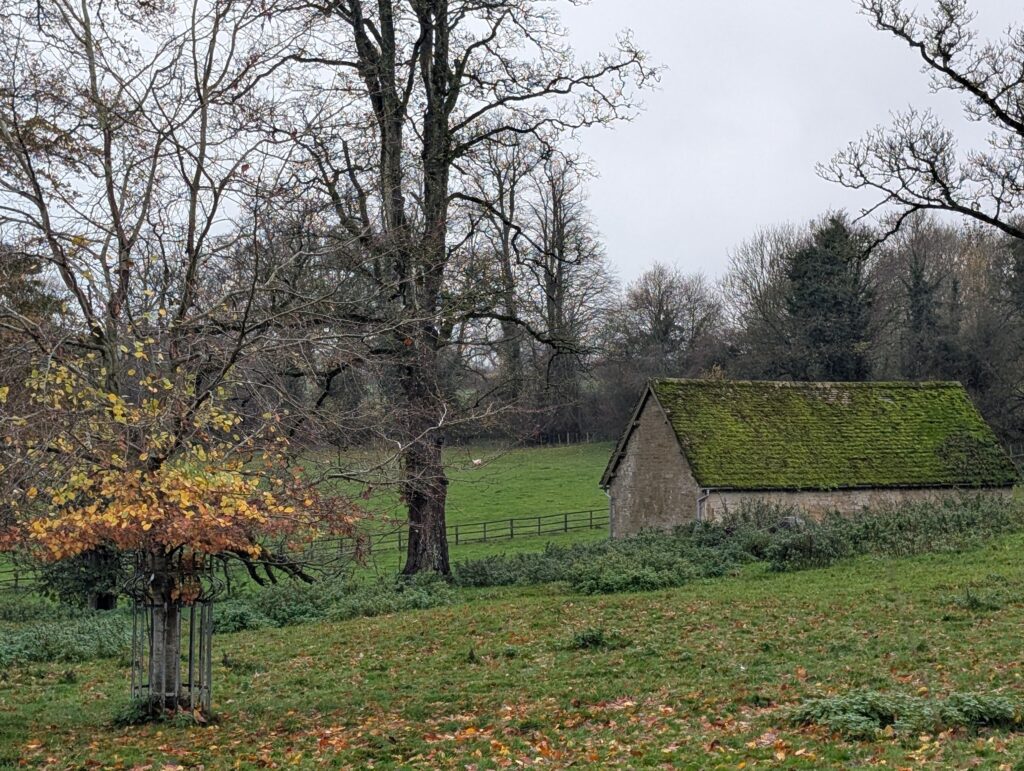
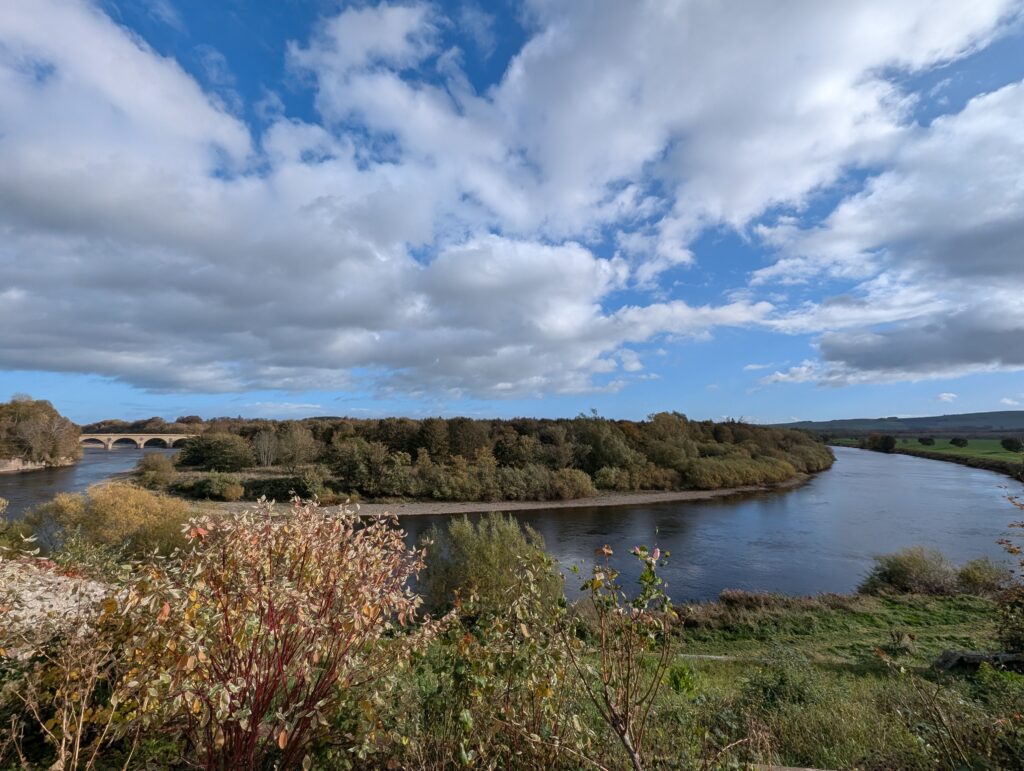
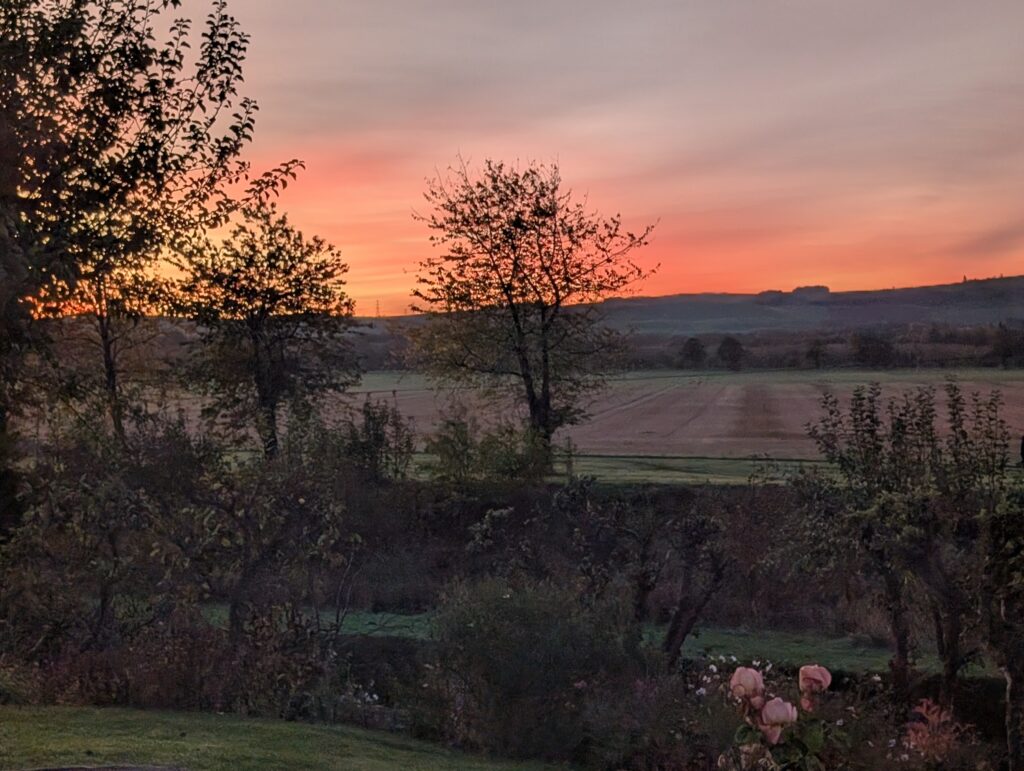
Landscape views around Coldstream.
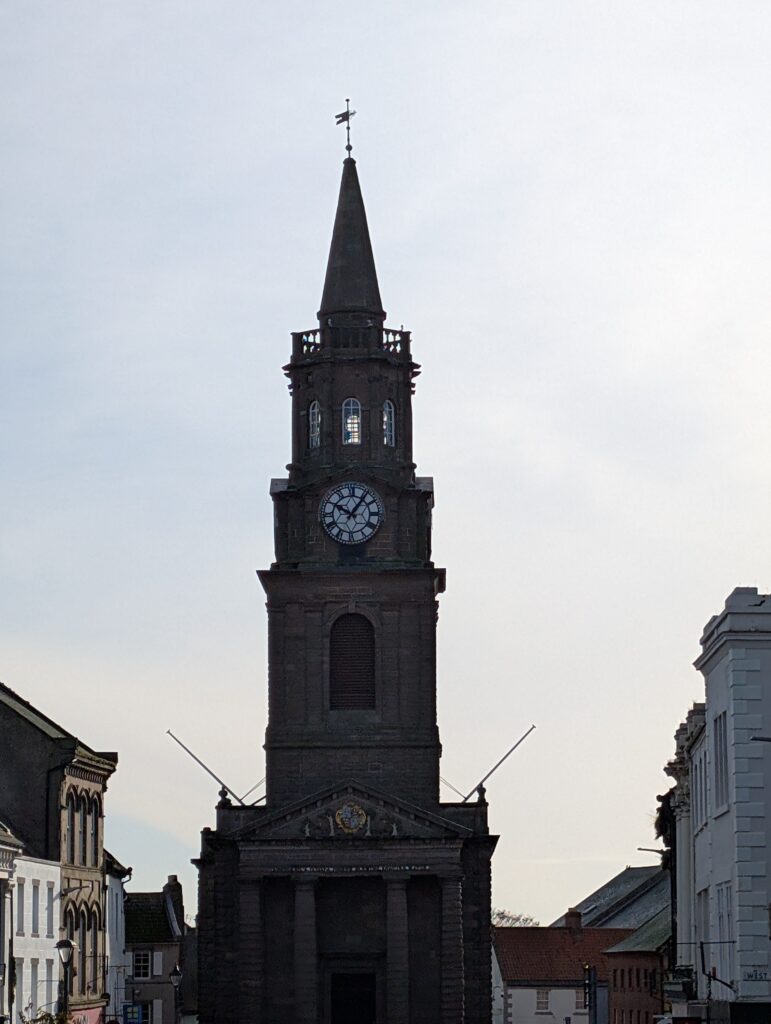
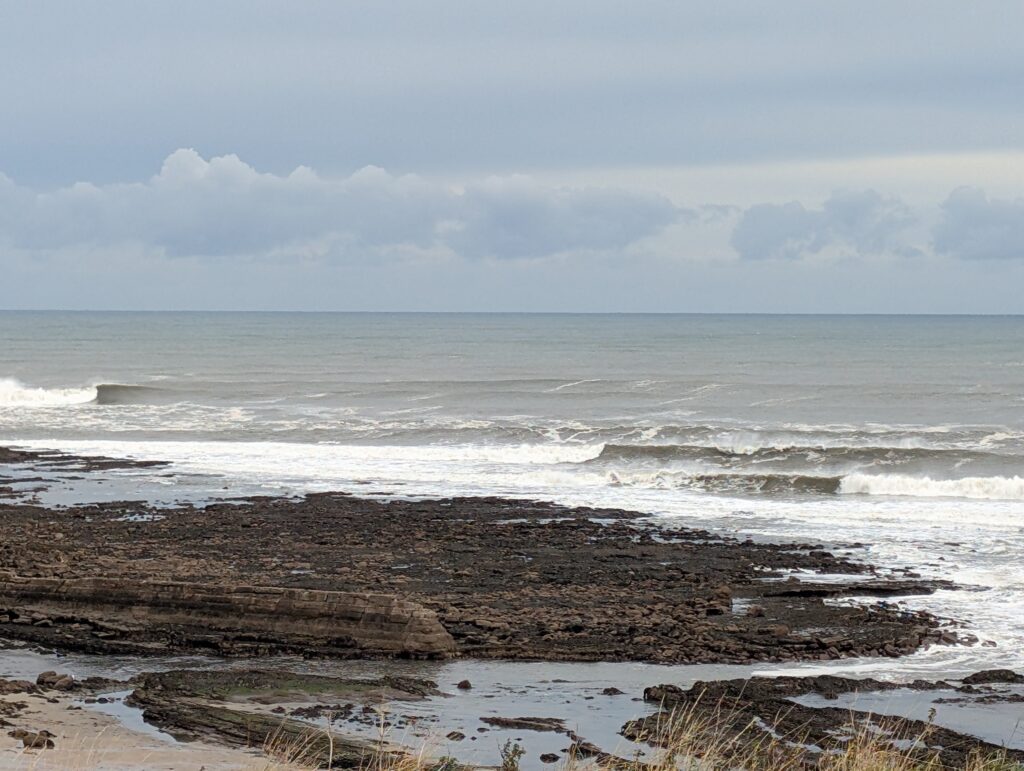
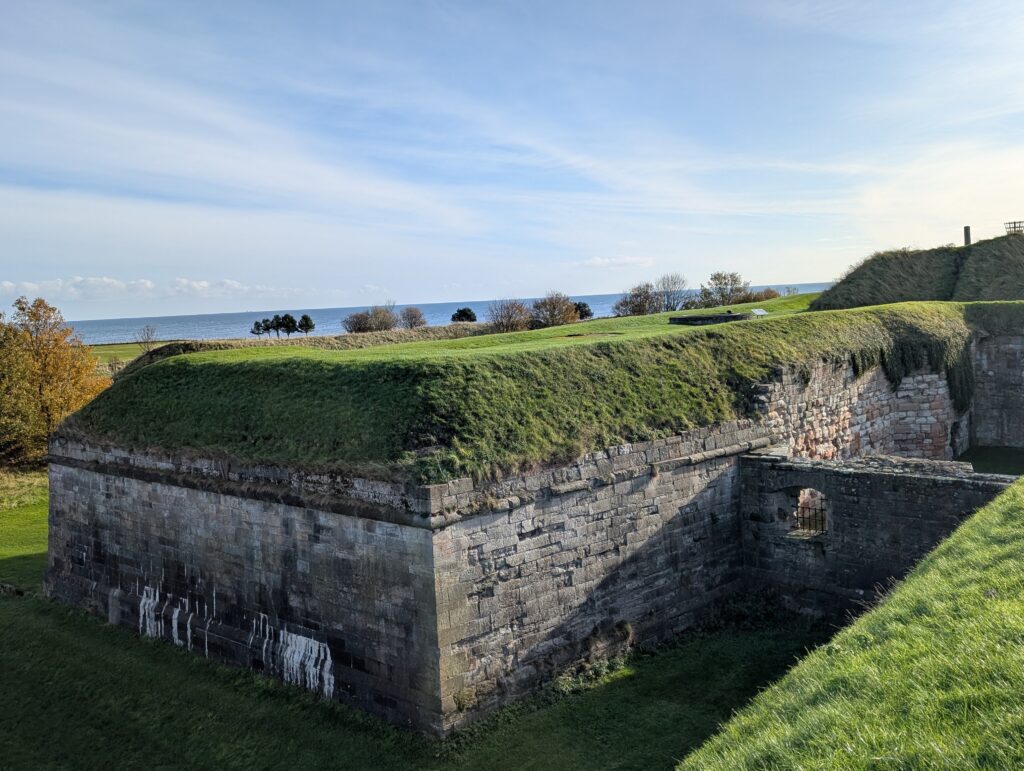
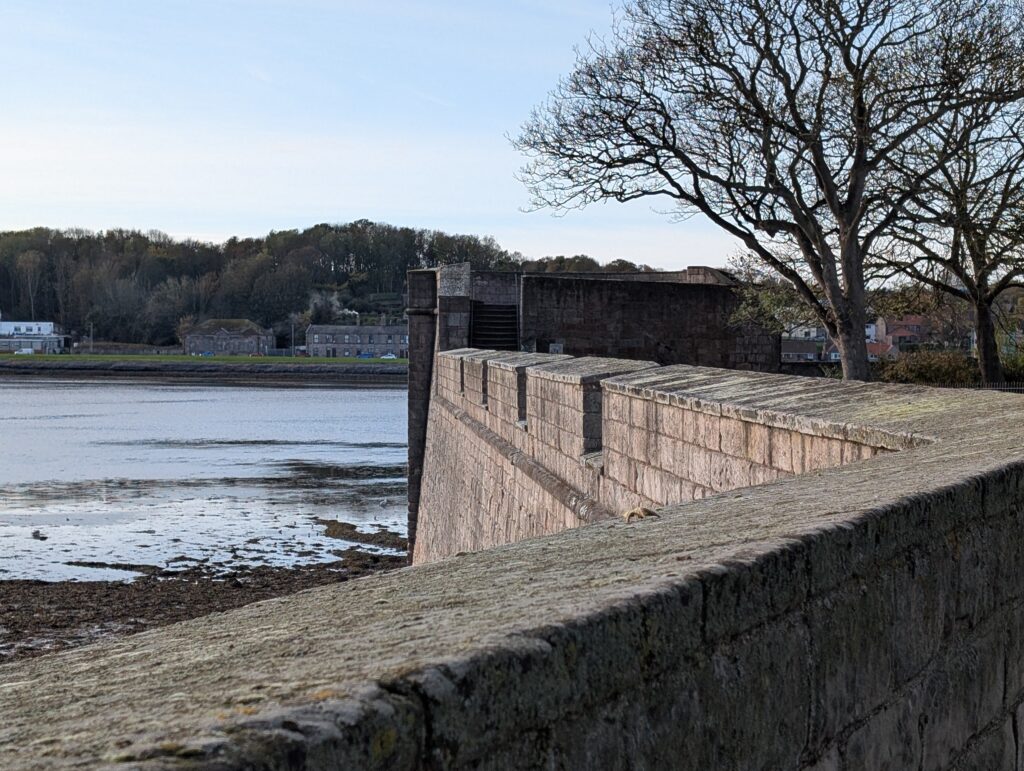
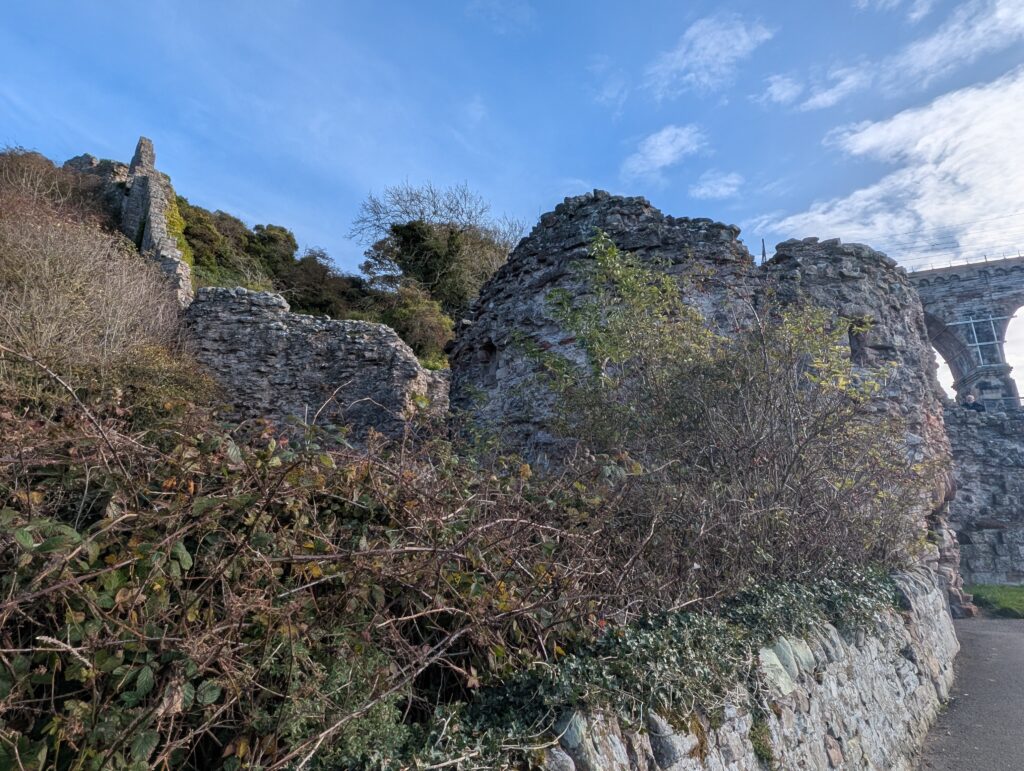
One day I went into Berwick upon tweed for the day by bus.It is right along the North sea and walking the city walls was beautiful.
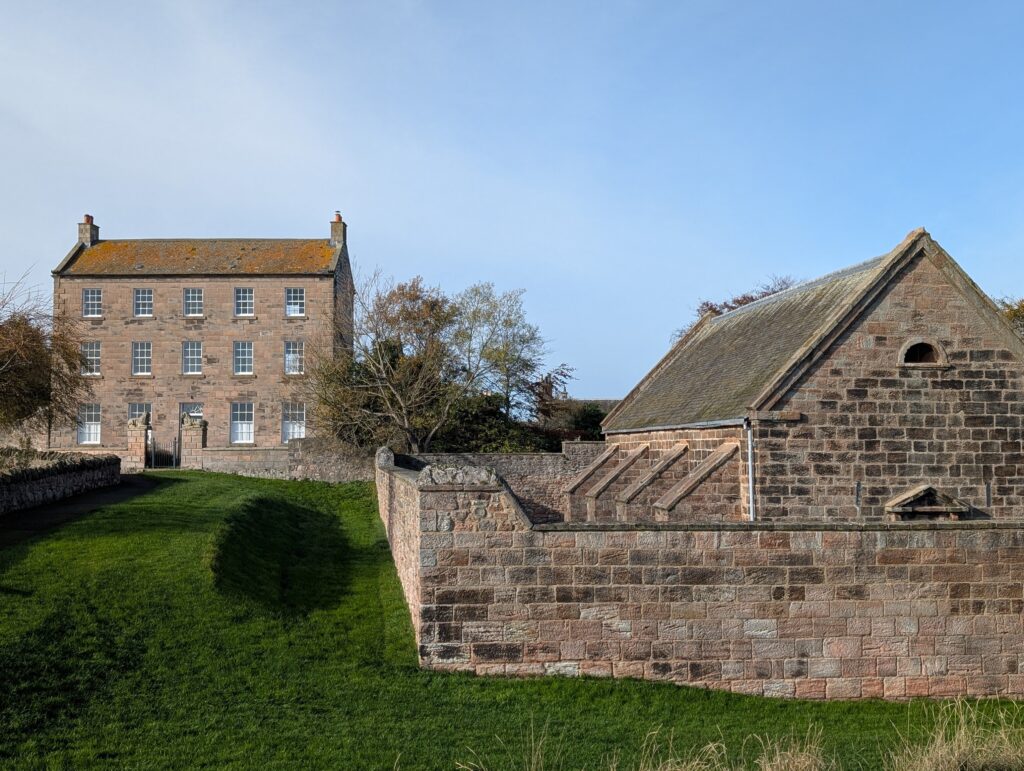
The building on the right was where ammunition and explosives were kept. It has reinforced walls in the building.
The border bridge.
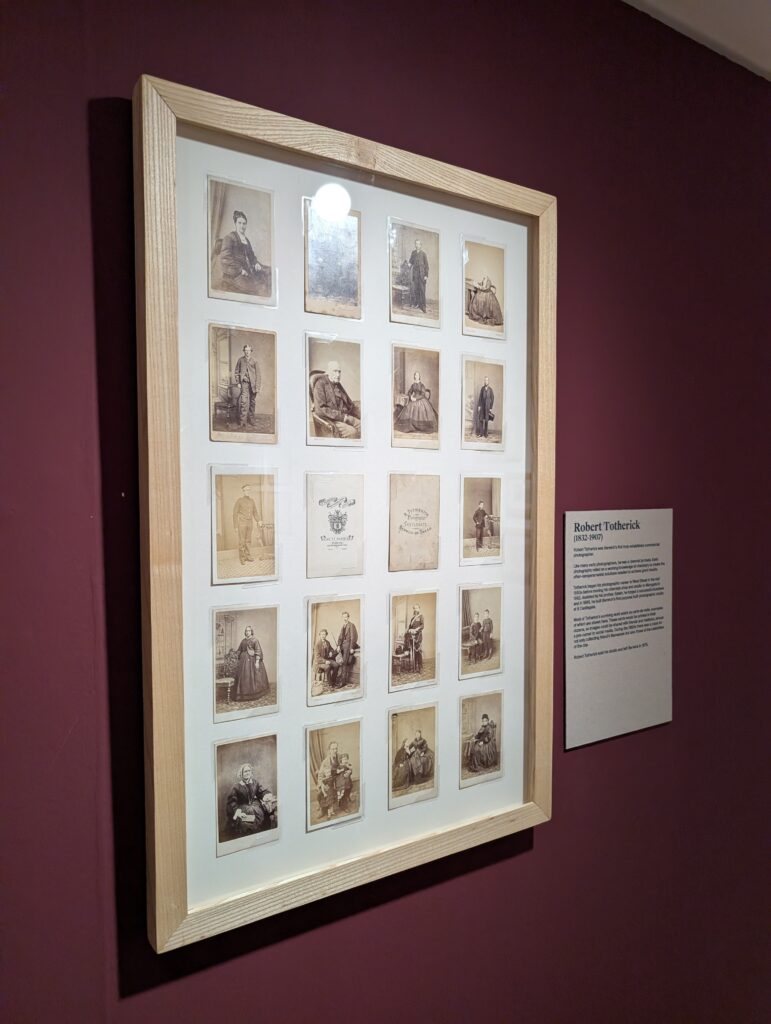
I found a museum to photography. Some great pictures with history on photography and the area.
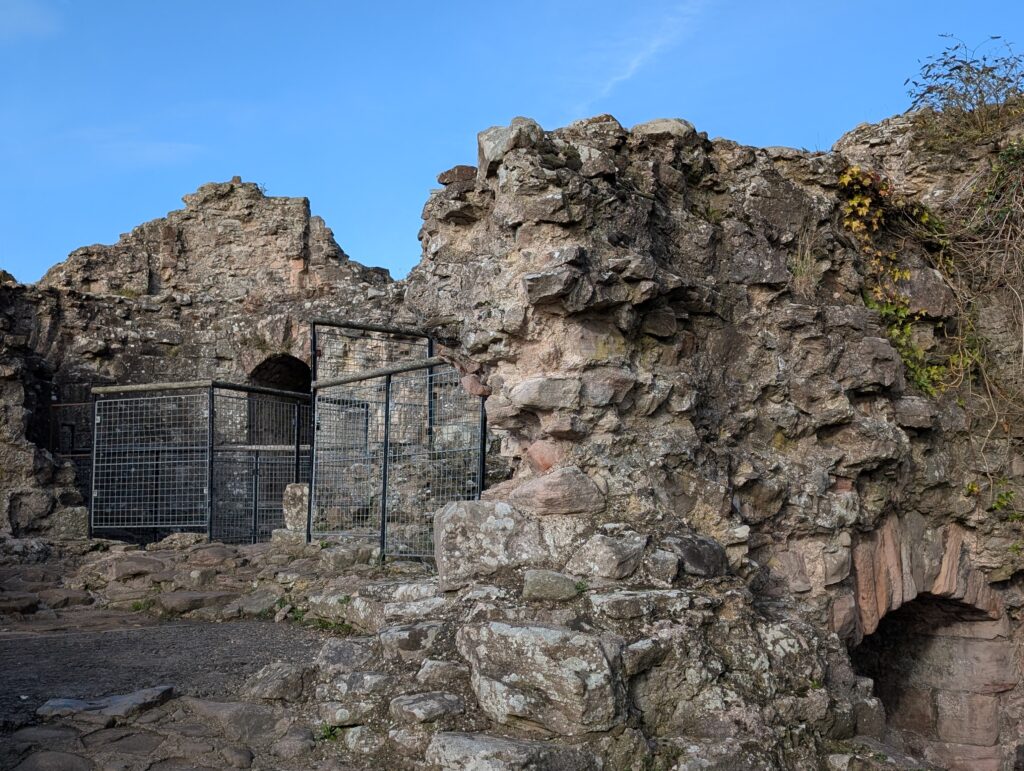
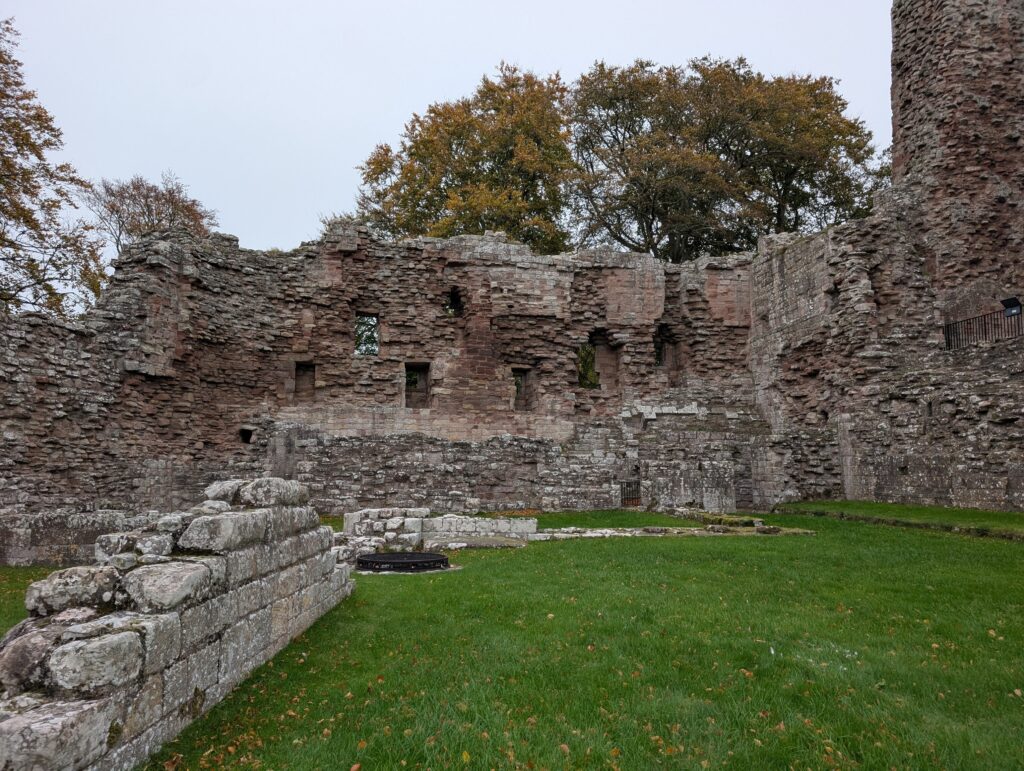
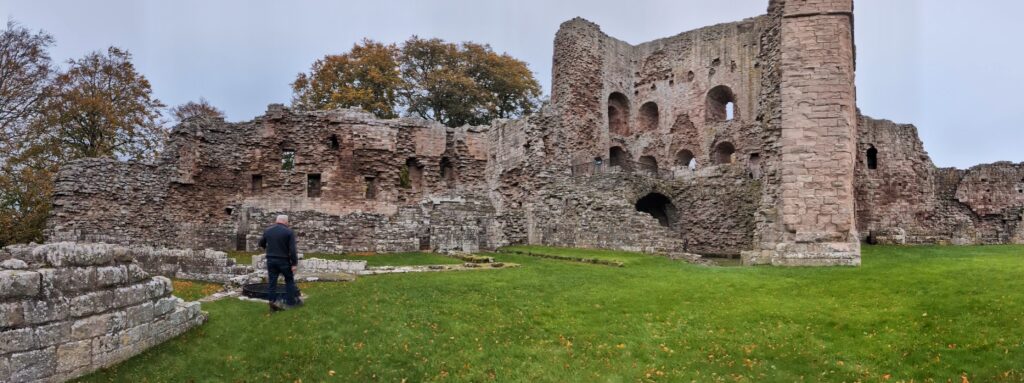
The castle ruins. These are the outbuildings and places for guards with a wall running up the hill towards the castle.
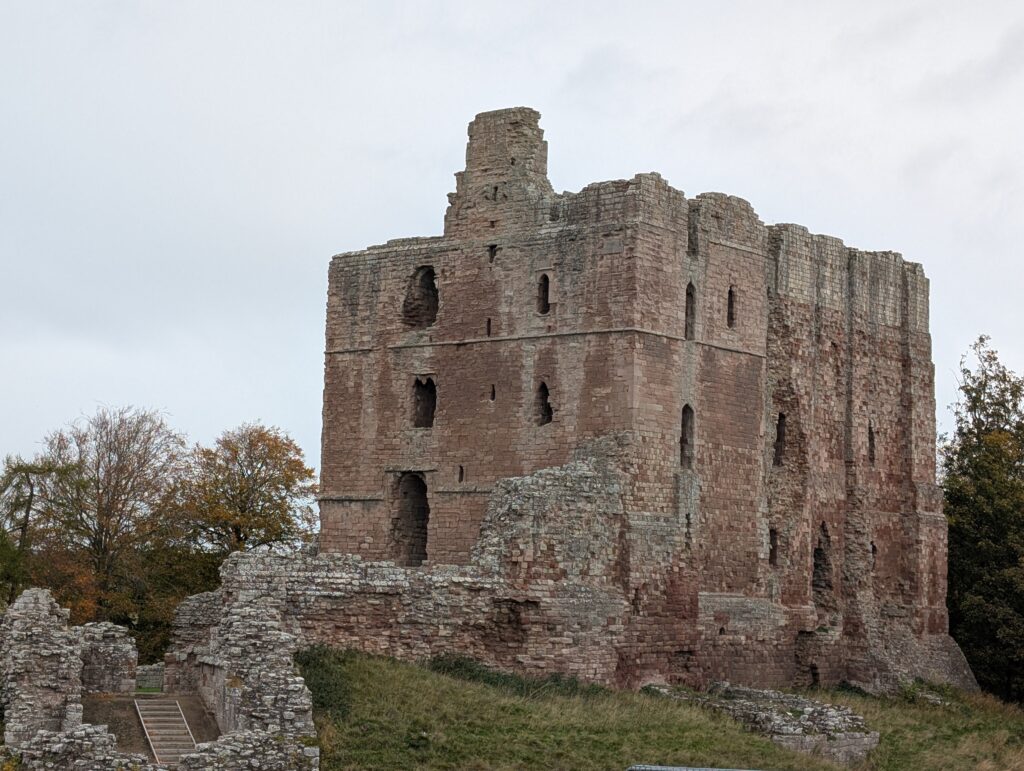
Before the sit, David (the home owner) took me around the area to show me things of interest. We stopped at Norham castle which is a 12th century fortress on the English side to protect against Scottish attacks. It was besieged 13 times and rebuilt in the 16th century to withstand artillery attack.
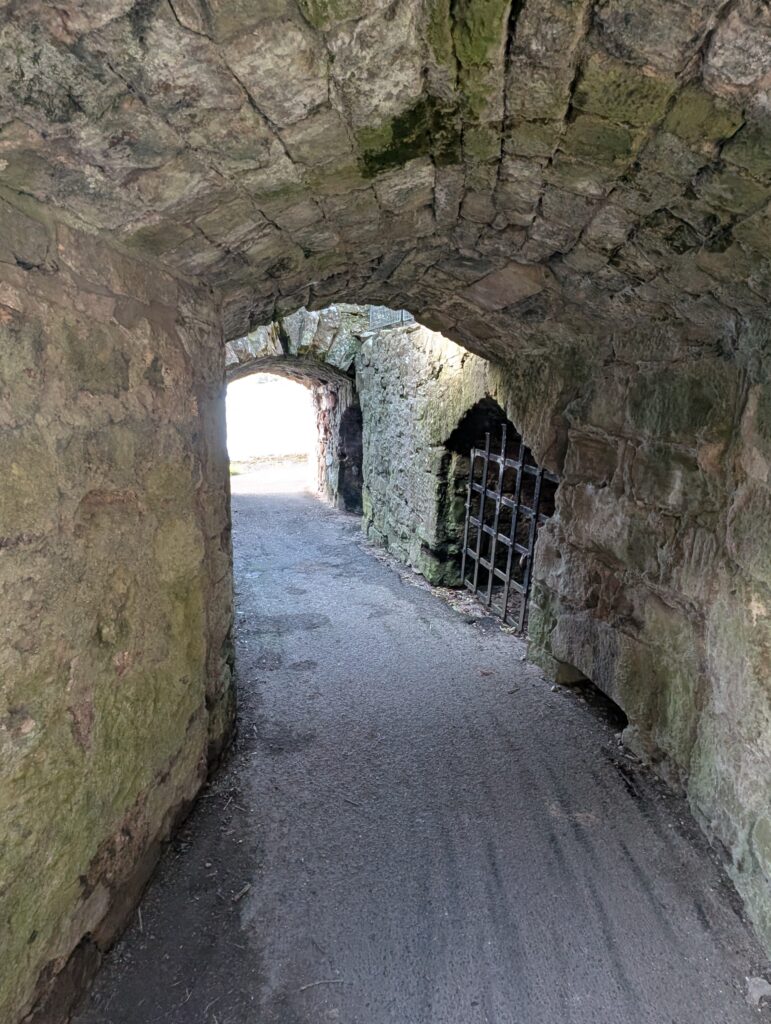
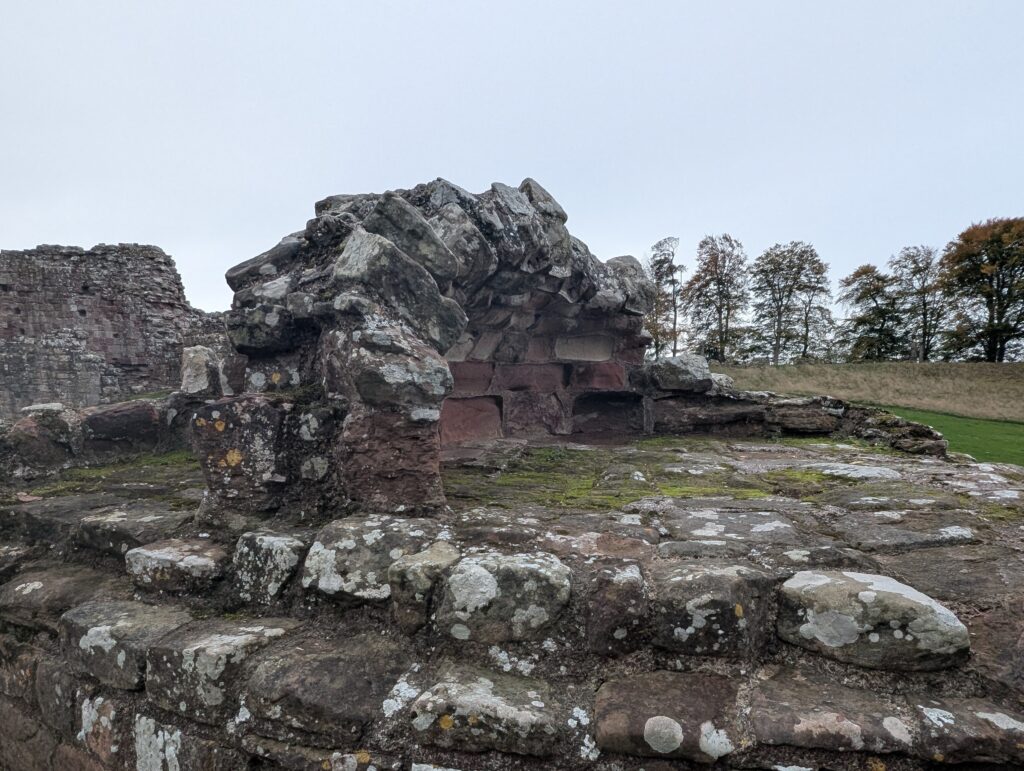
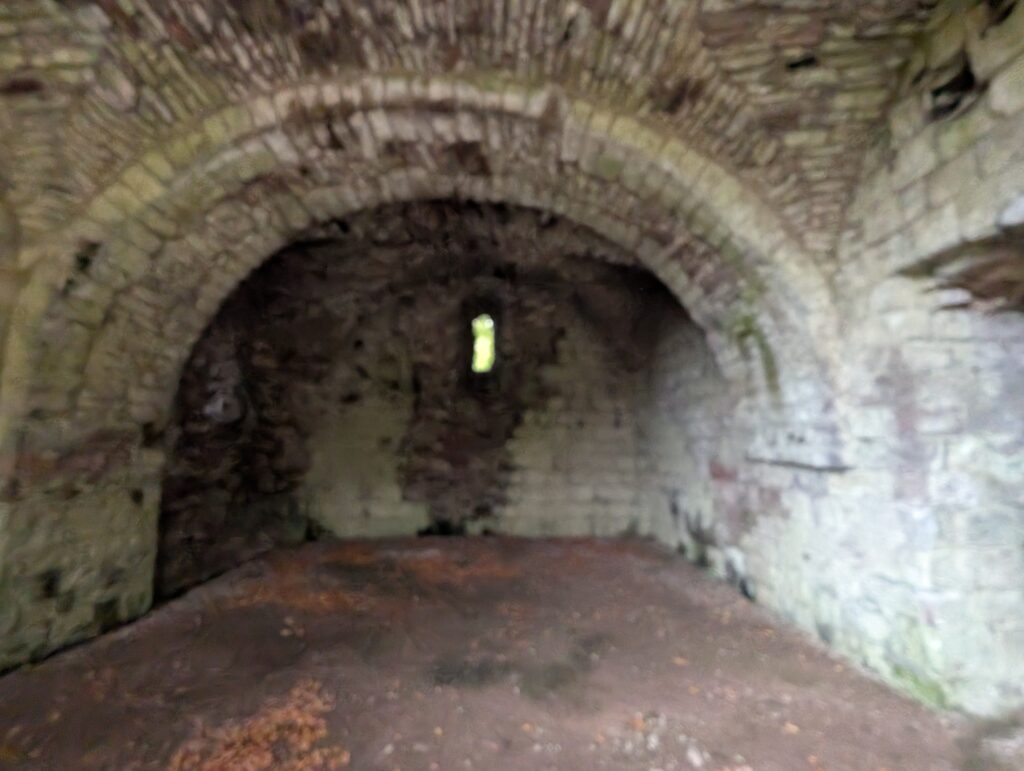
This area is where they kept the cannonballs which now adorn the outdoors of many houses.
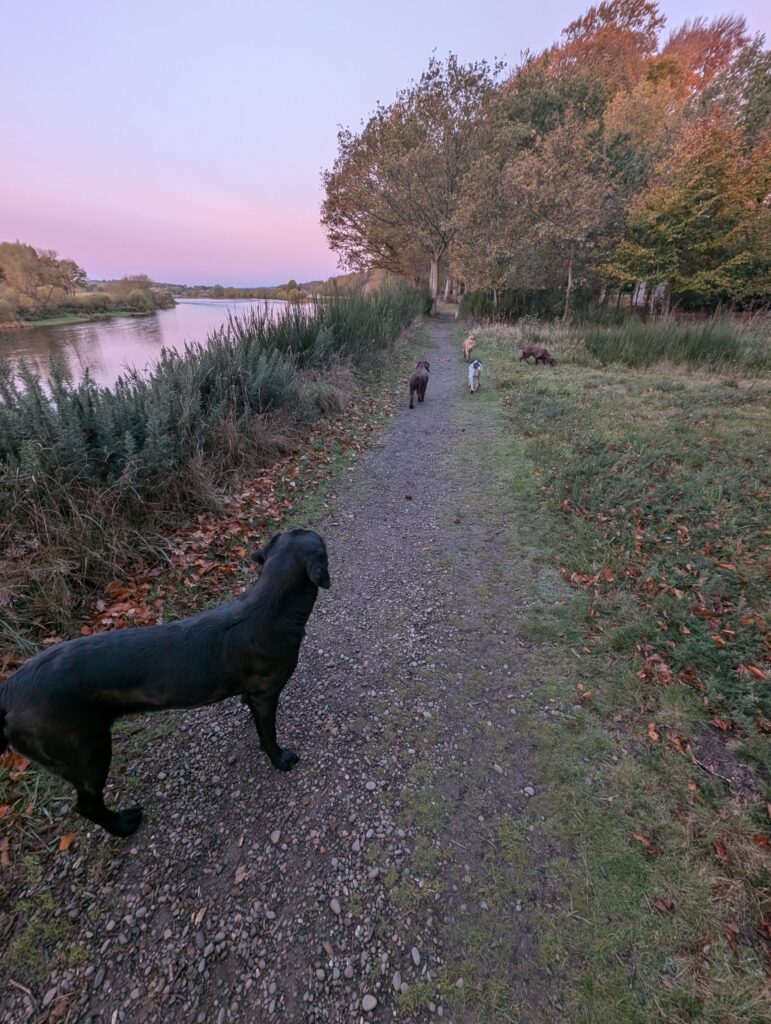
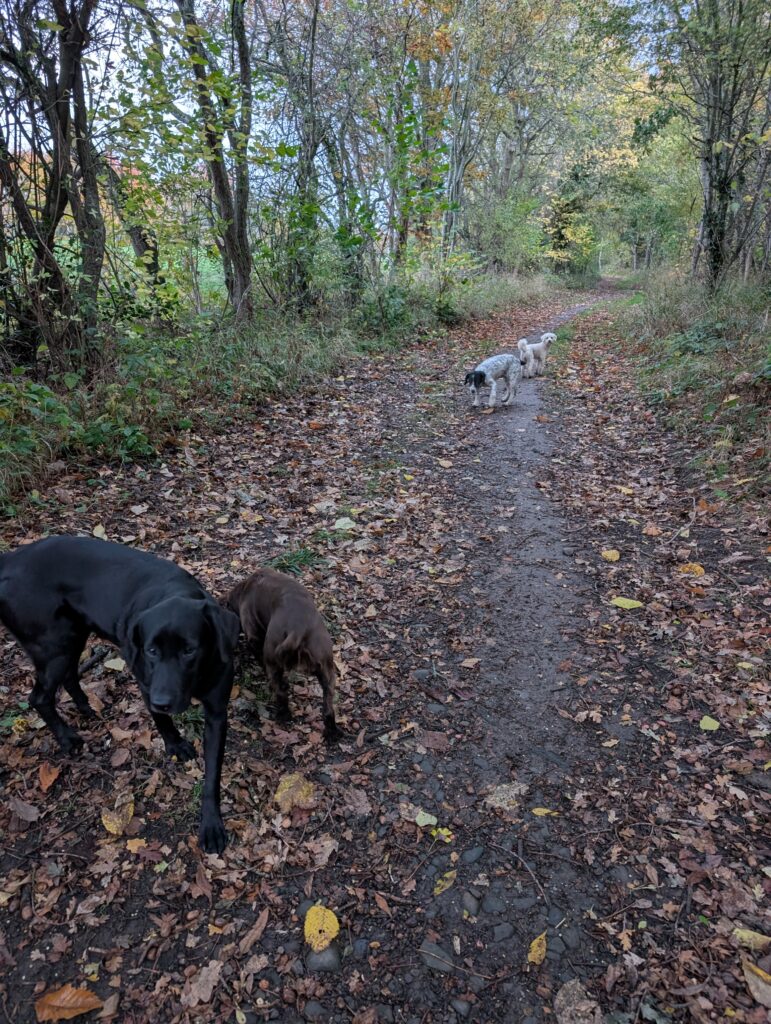
Such a great quiet place to spend a week. I would definitely come back here and will miss the dogs!
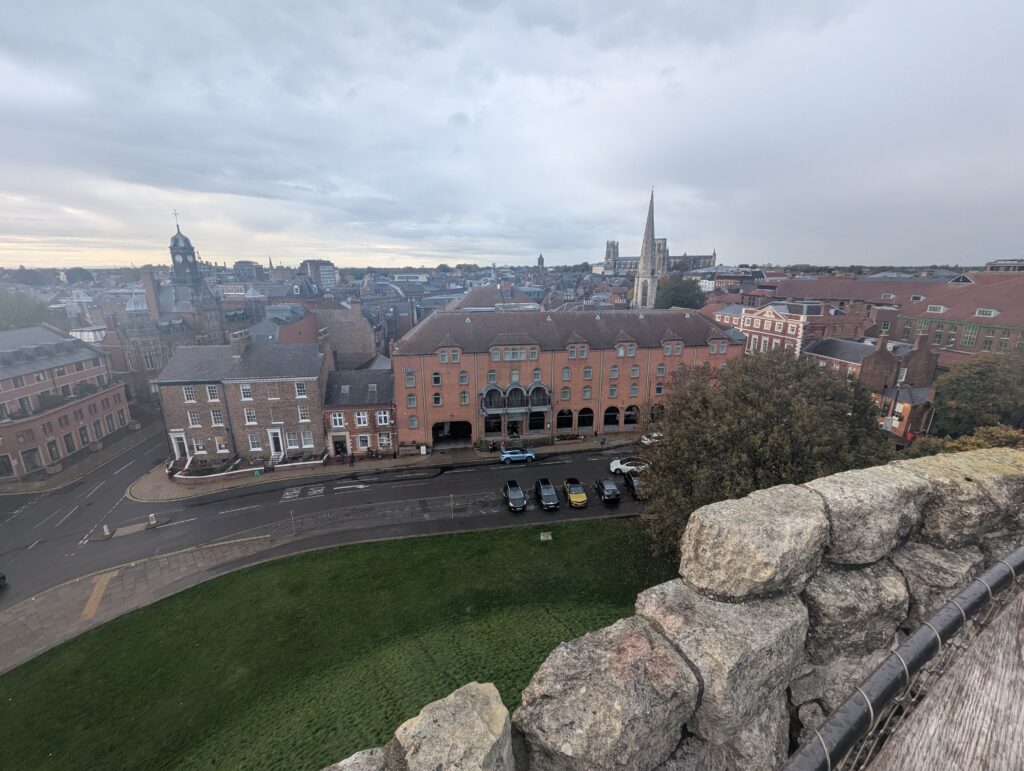
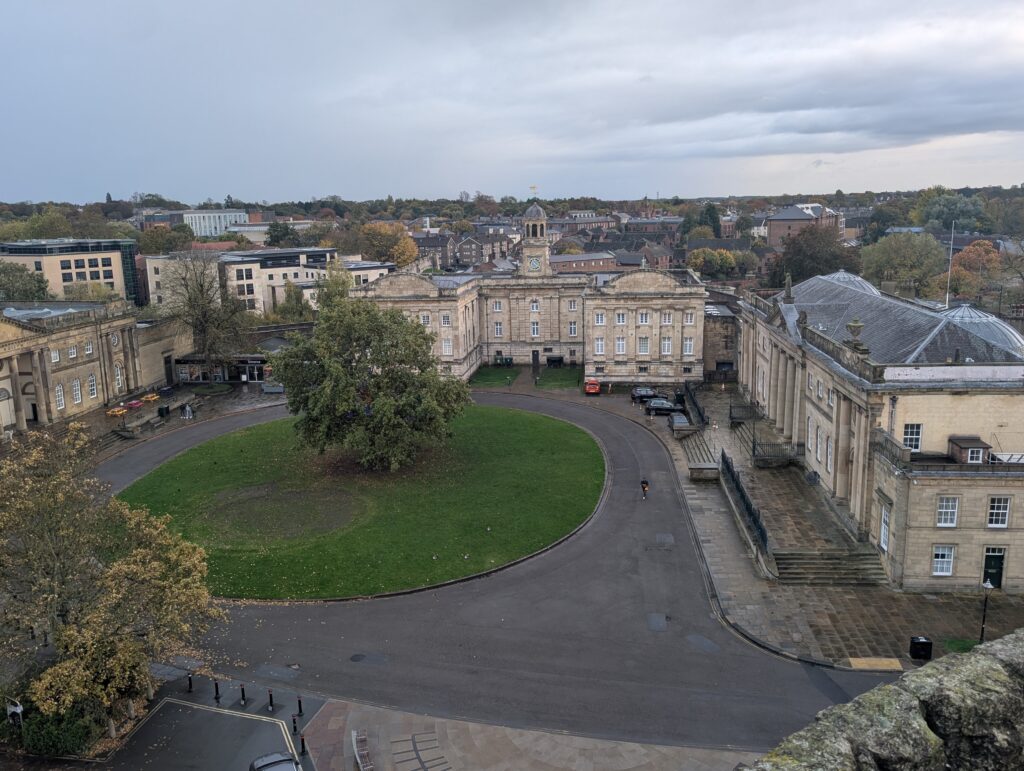
I still had time between the two pet sitting and the second home owner suggested York. What a great city. It has Roman and Viking roots with many intact medieval streets.
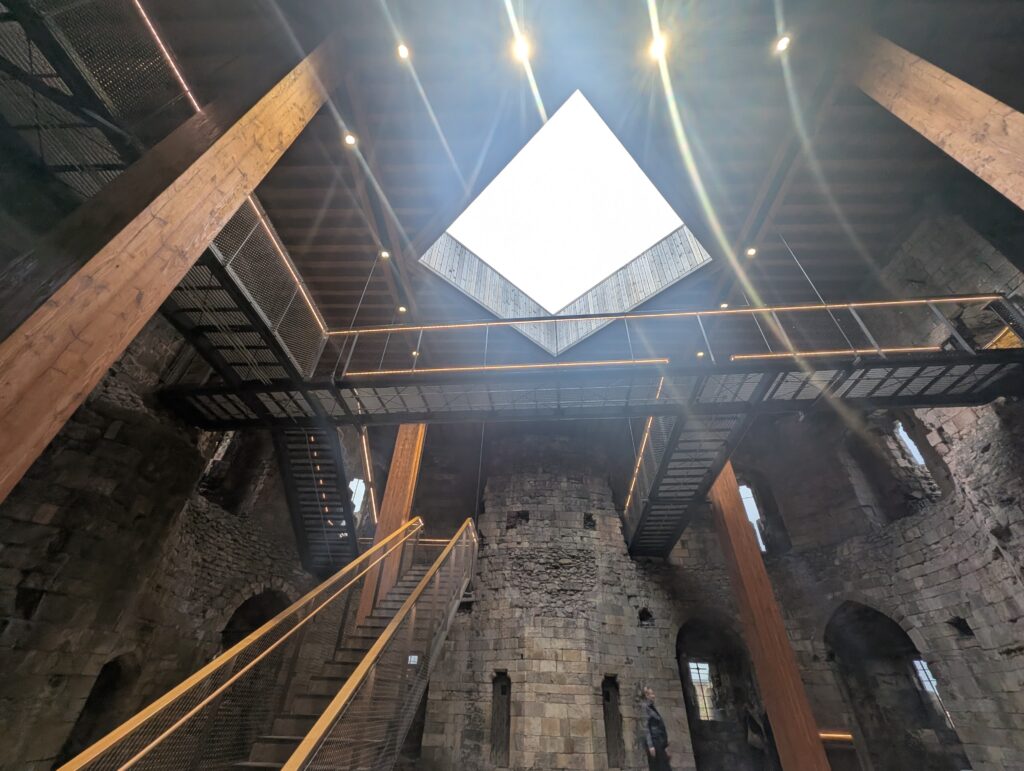
I first went to Clifford tower which was first built by William the Conqueror in the 11th century and in 1190 was the site of a Jewish massacre by mobs (many killed themselves rather than convert). Many who were not Jewish were also massacred. It was destroyed and rebuilt in the 13th century. Many people were hanged here as well and is close to the prisons.
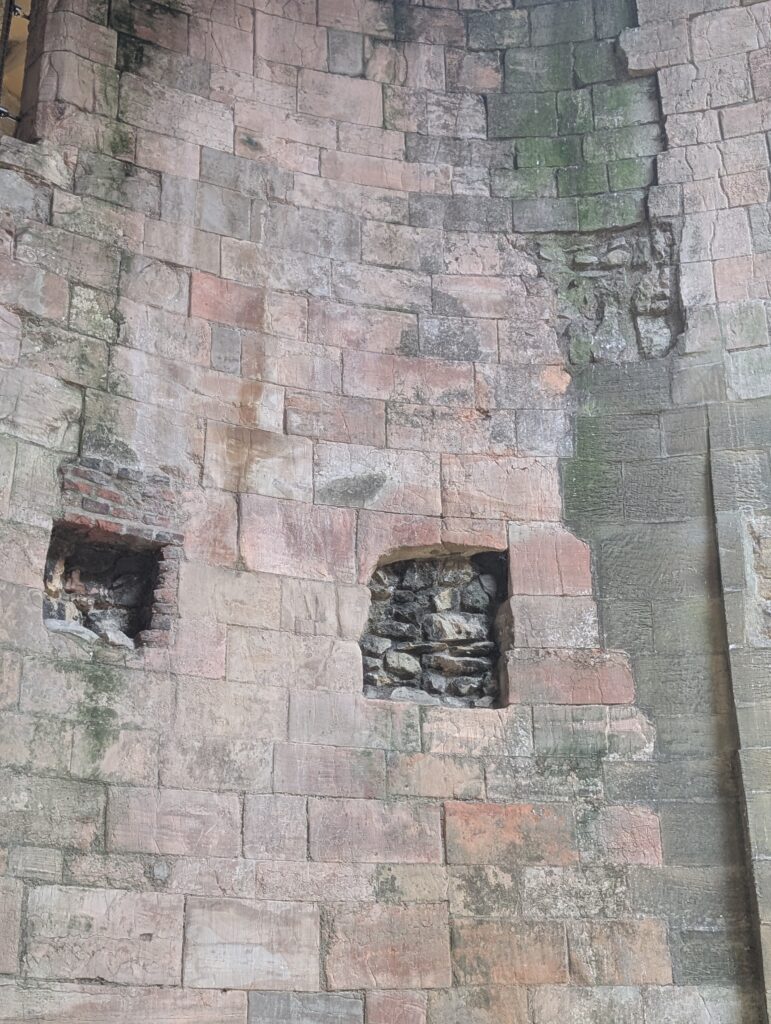
The red stones are where there was a fire and changed color after being scorched.
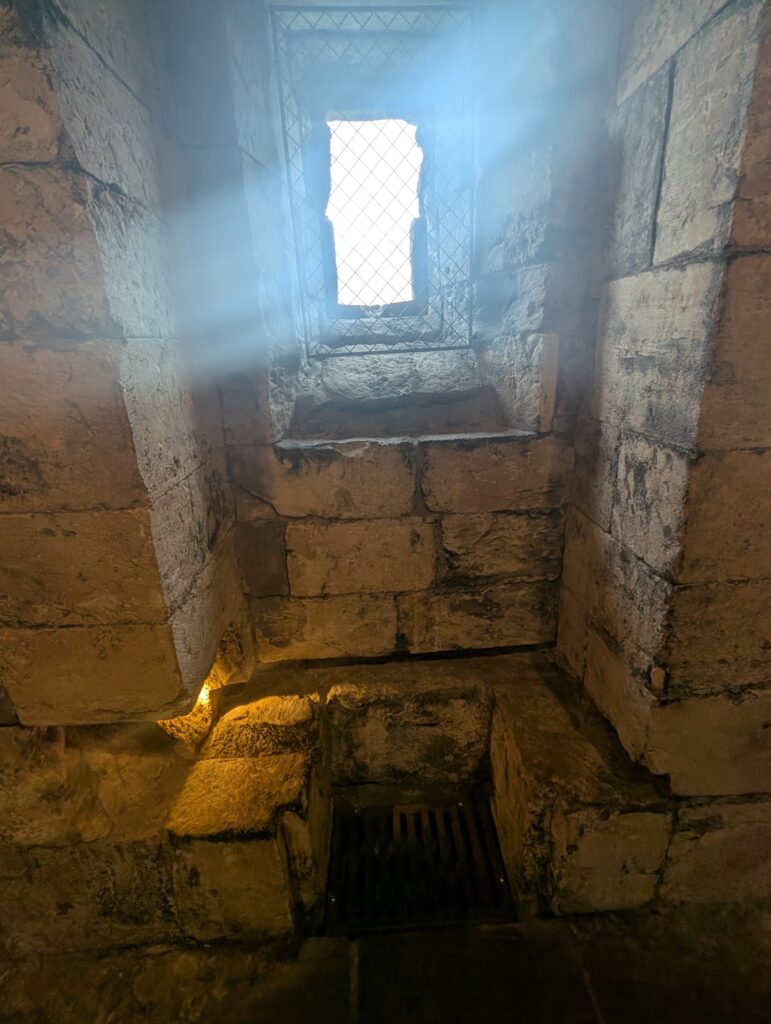
This was the kings latrine.
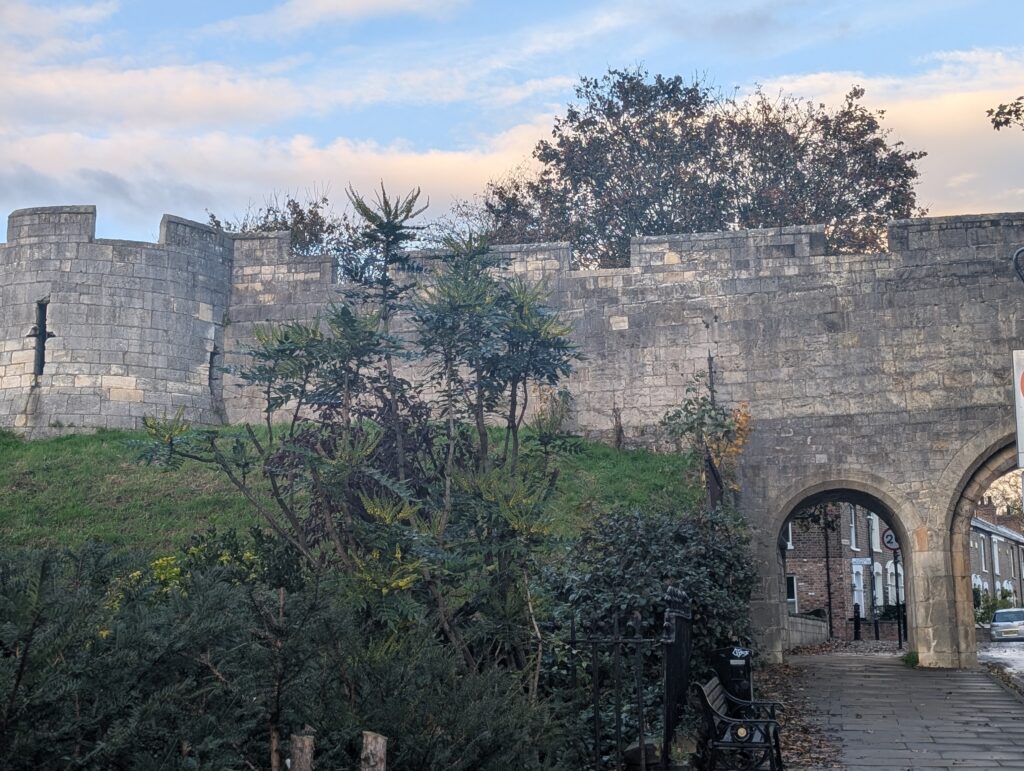
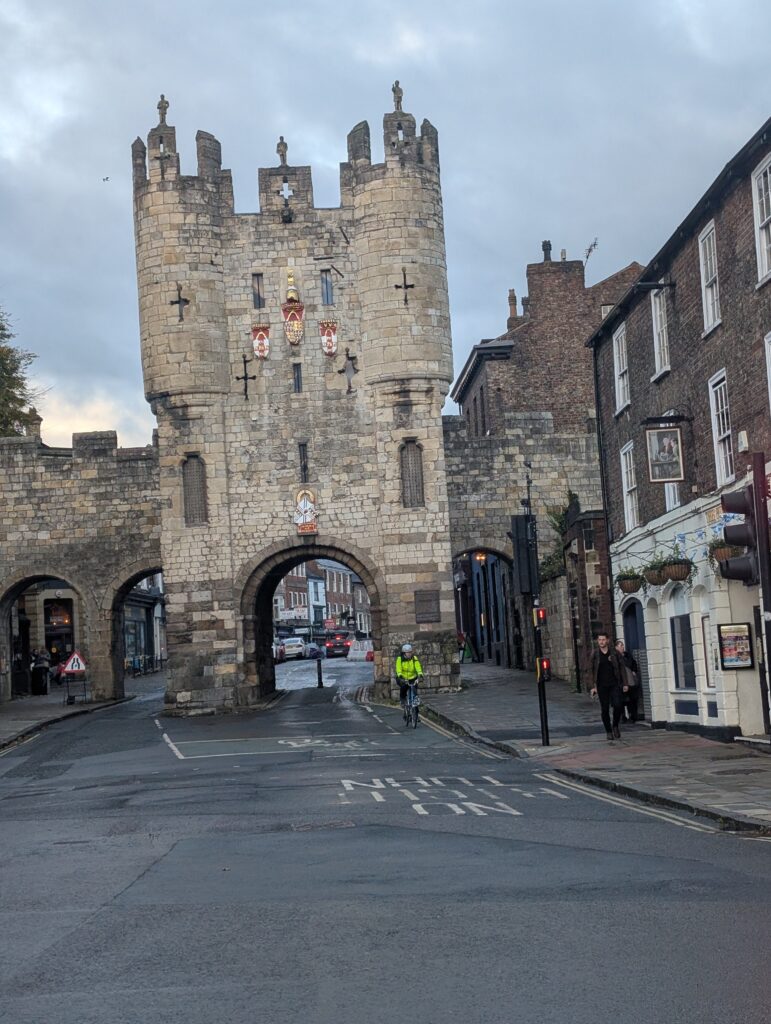
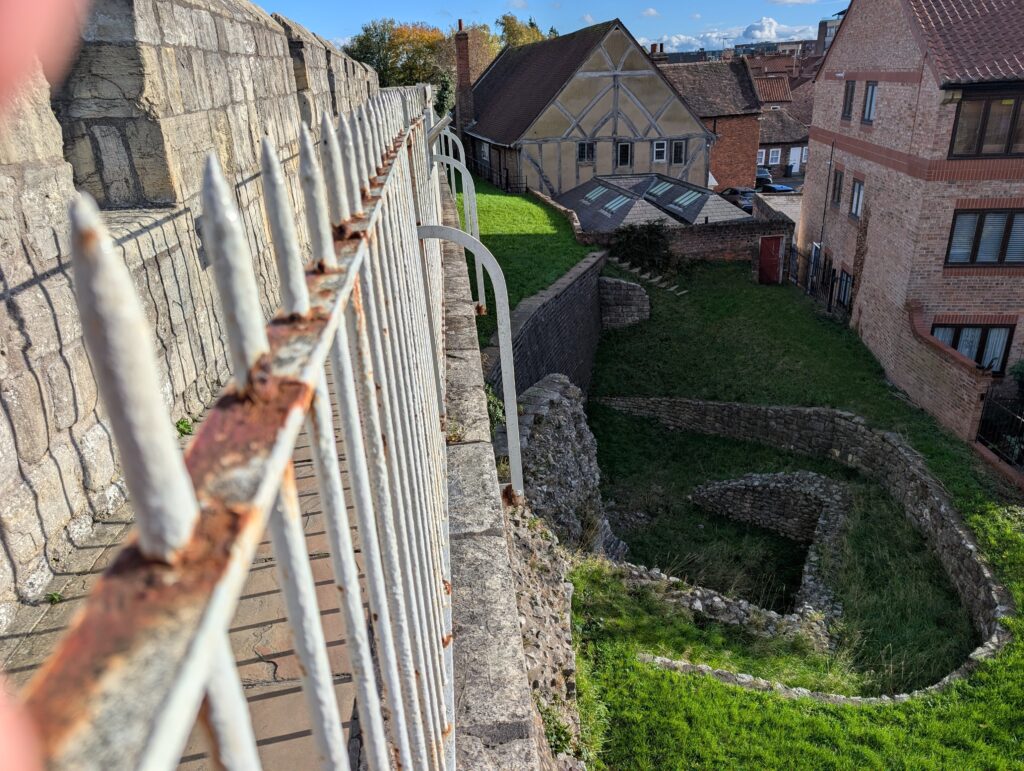
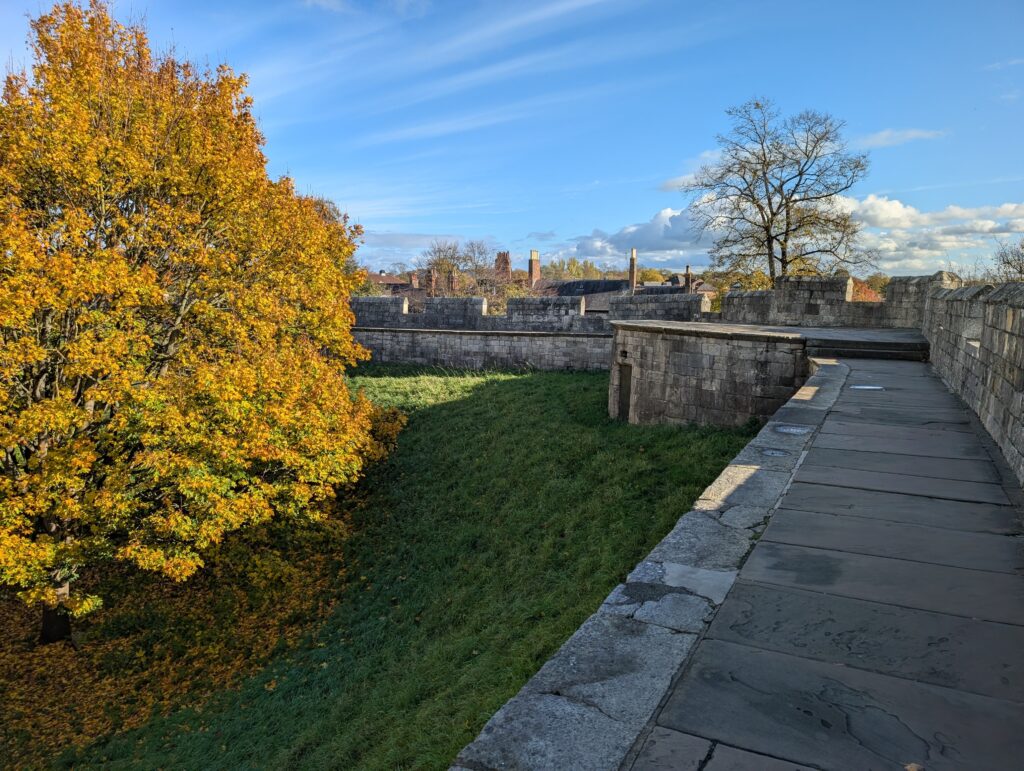
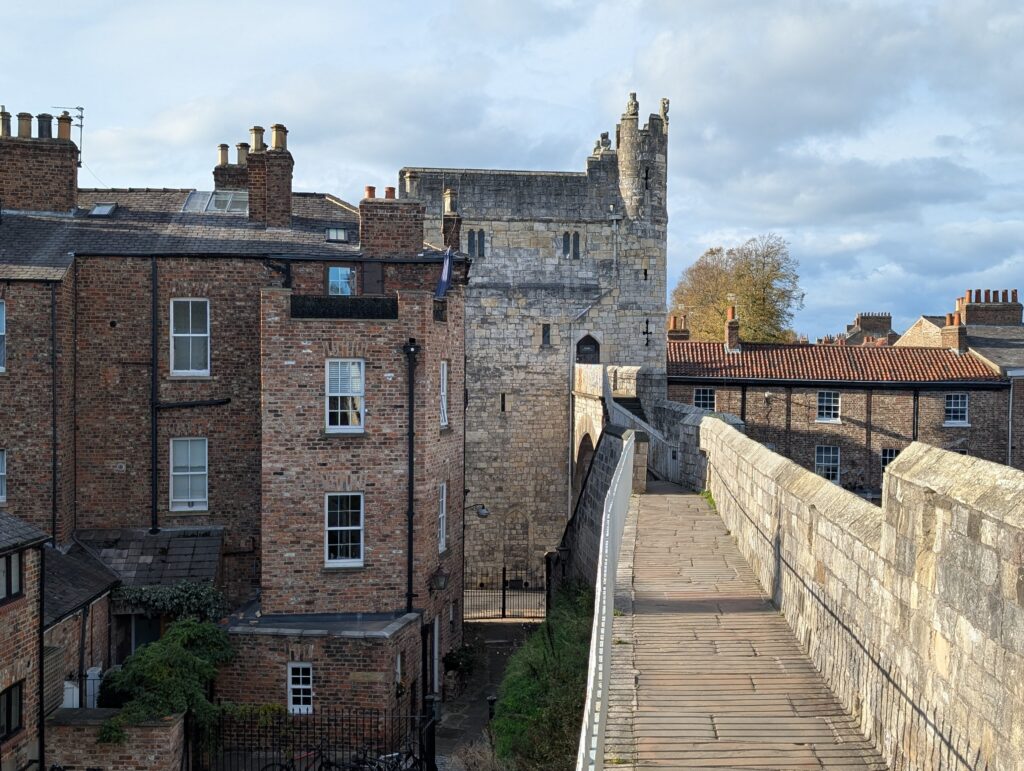
I also walked the city walls twice, once with a new friend that I met in Hexham and agreed to meet again here. The city walls were erected on top of part of the Roman walls. In the 1800’s it was almost torn down but public pressure changed that. It still is a popular place to walk.
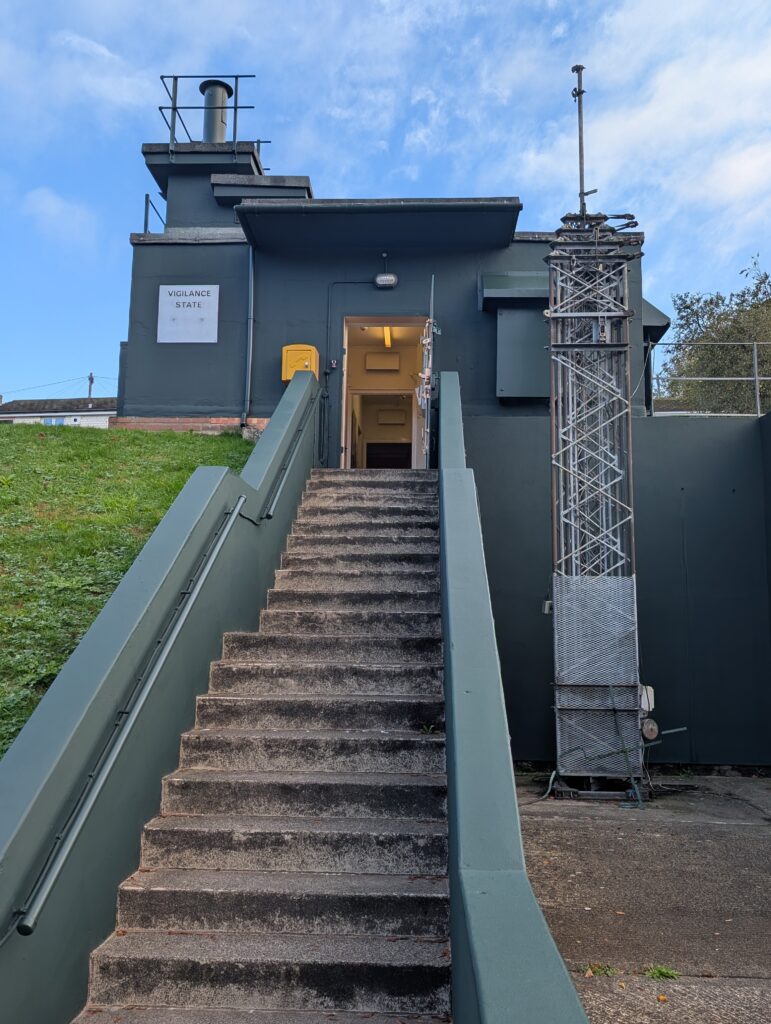
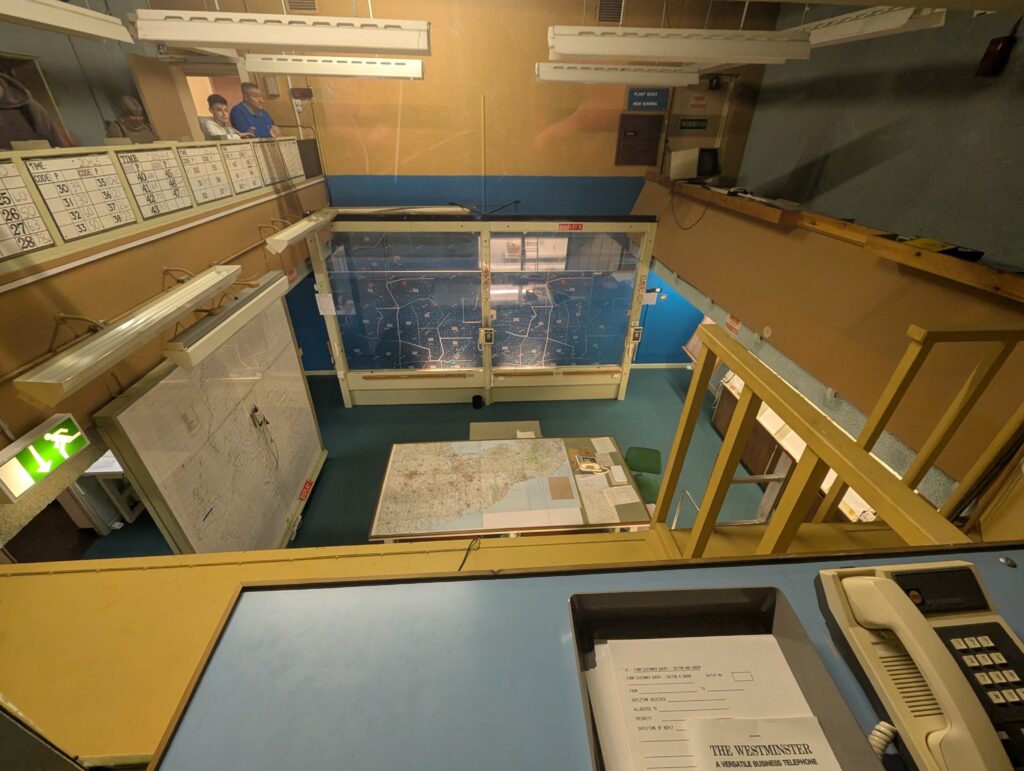
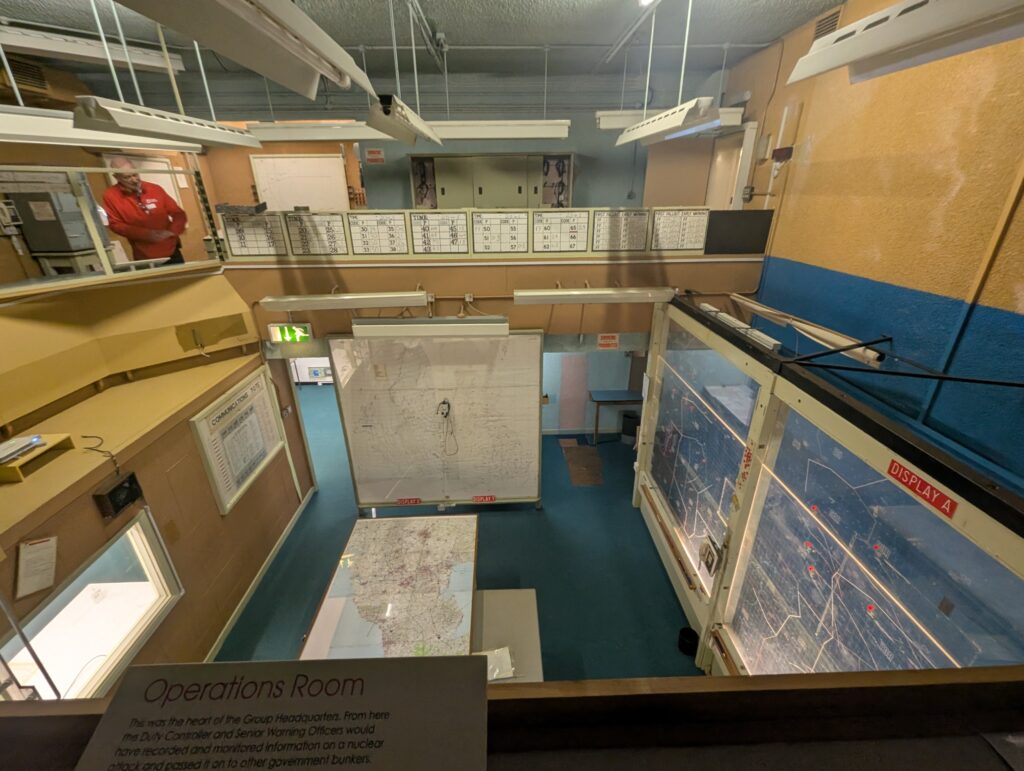
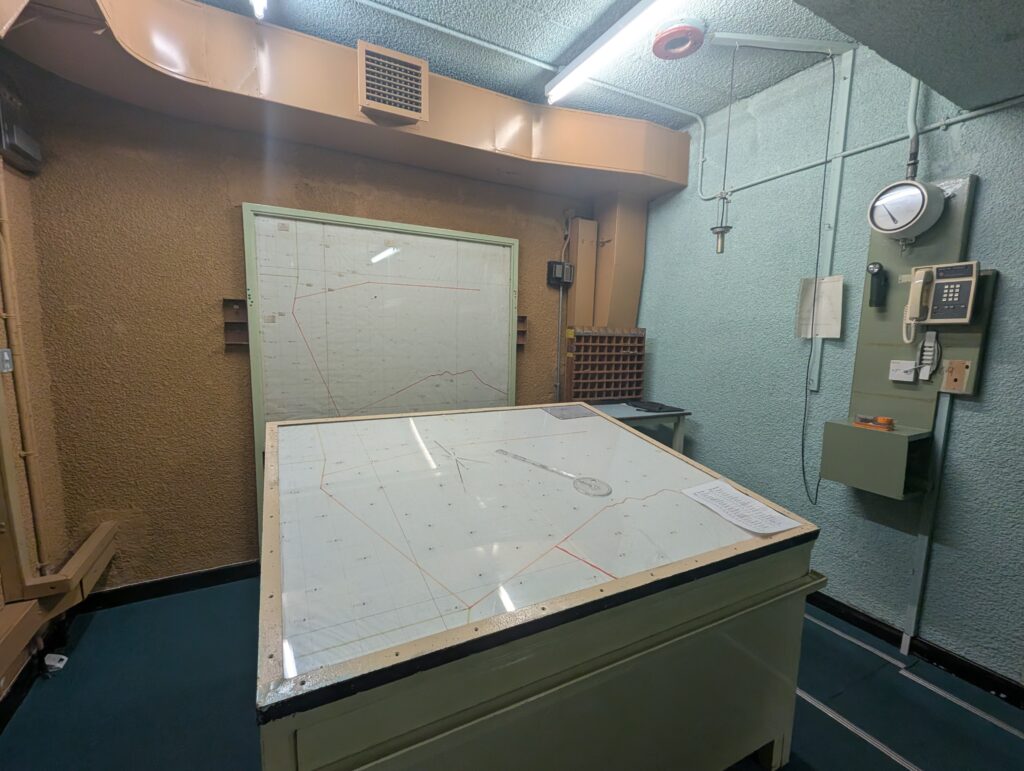
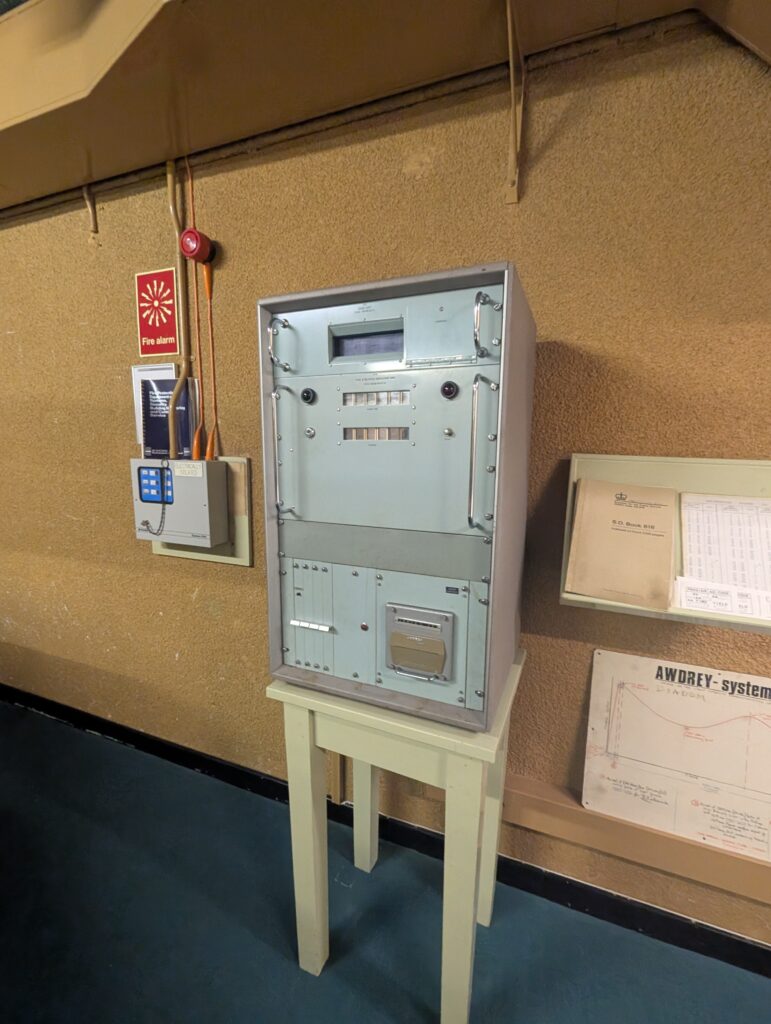
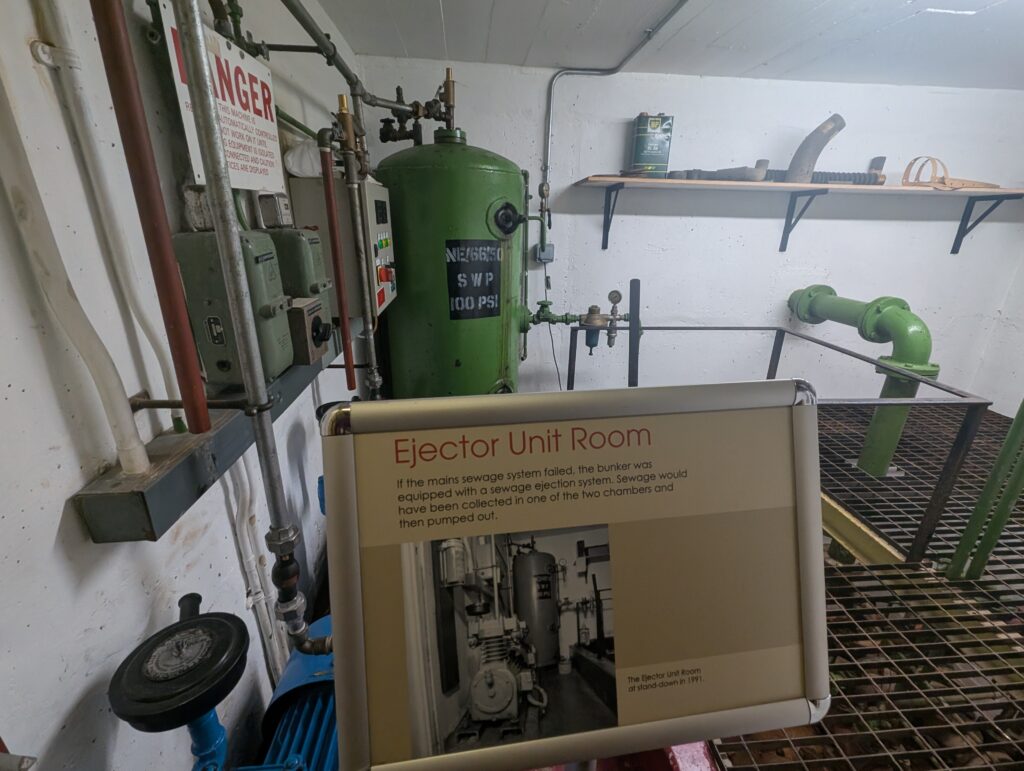
i also looked at doing some different things from what I have been doing as I traveled. I learned there was a Cold War Bunker nearby that was used between 1961 and 1991. It’s purpose was to monito any explosions using information gathered to determine radioactivity levels, etc. There were 20 stations around England that relayed information between the others. It was pretty cool. When they left in 1991, it w as sealed as is.
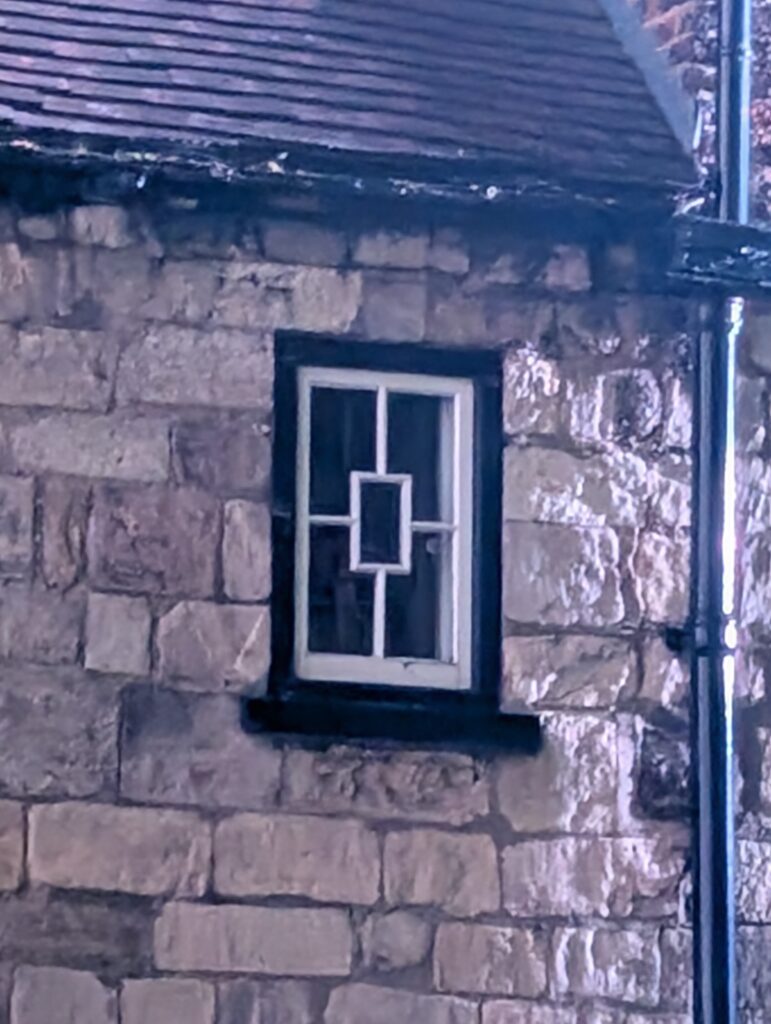
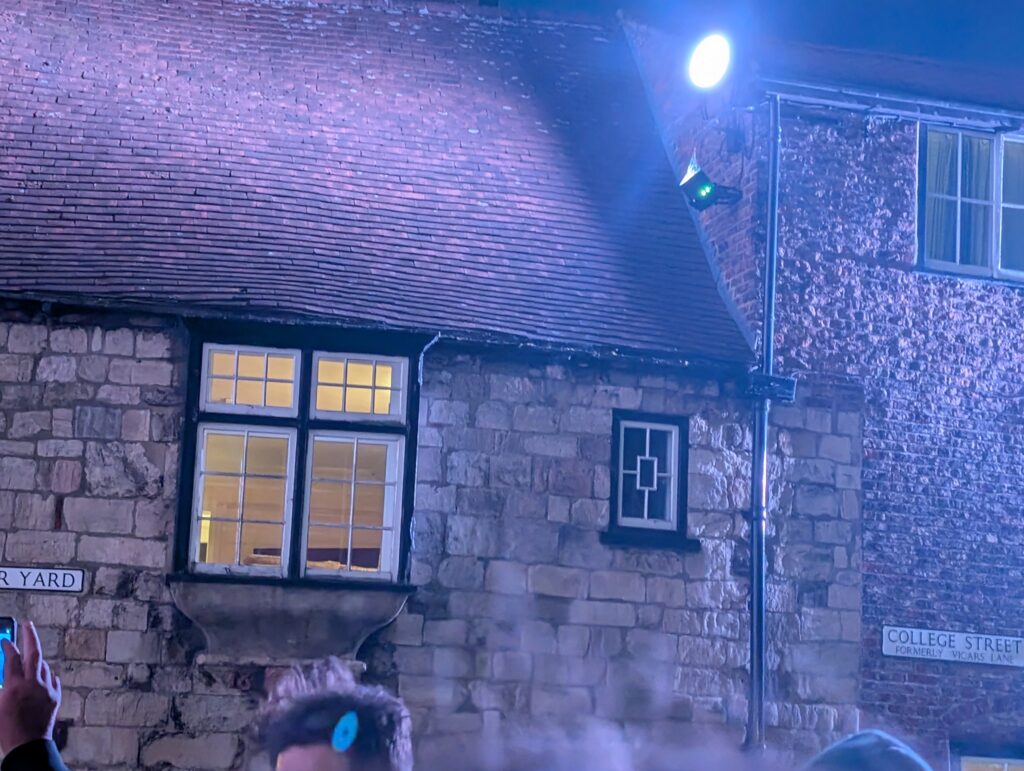
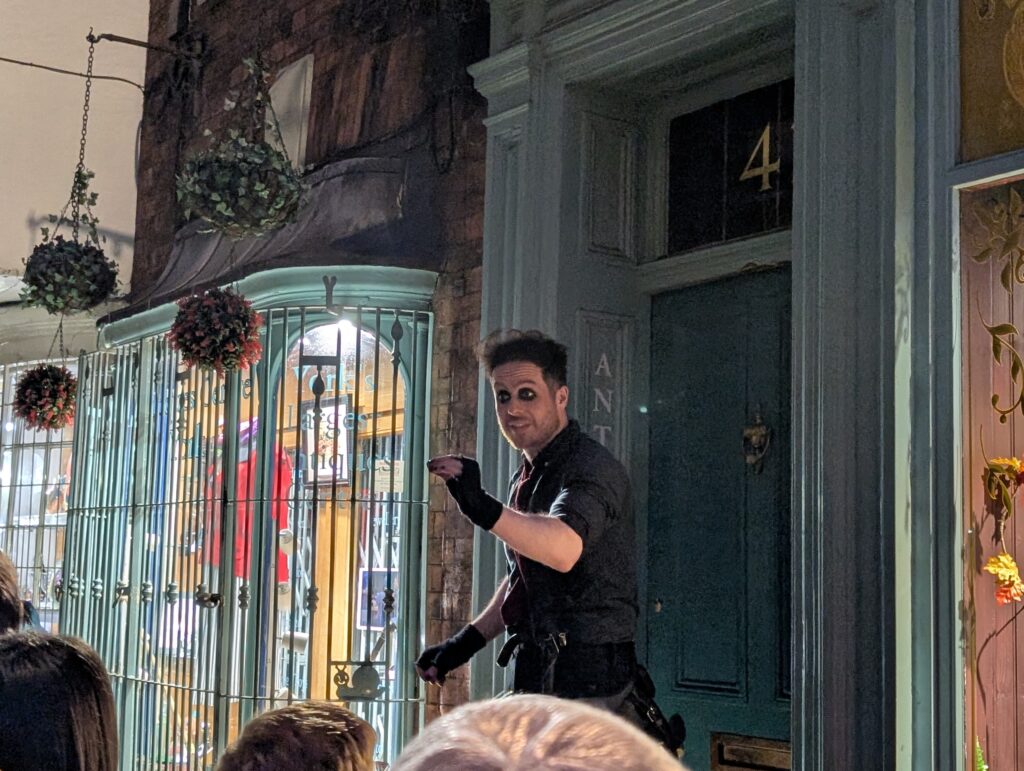
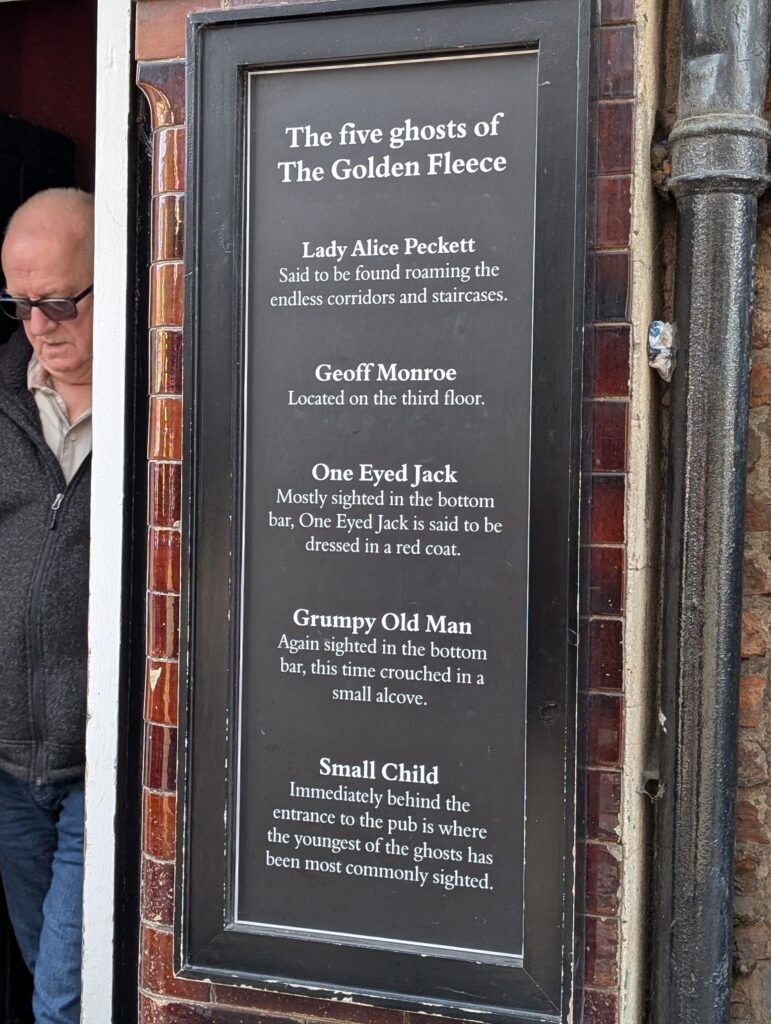
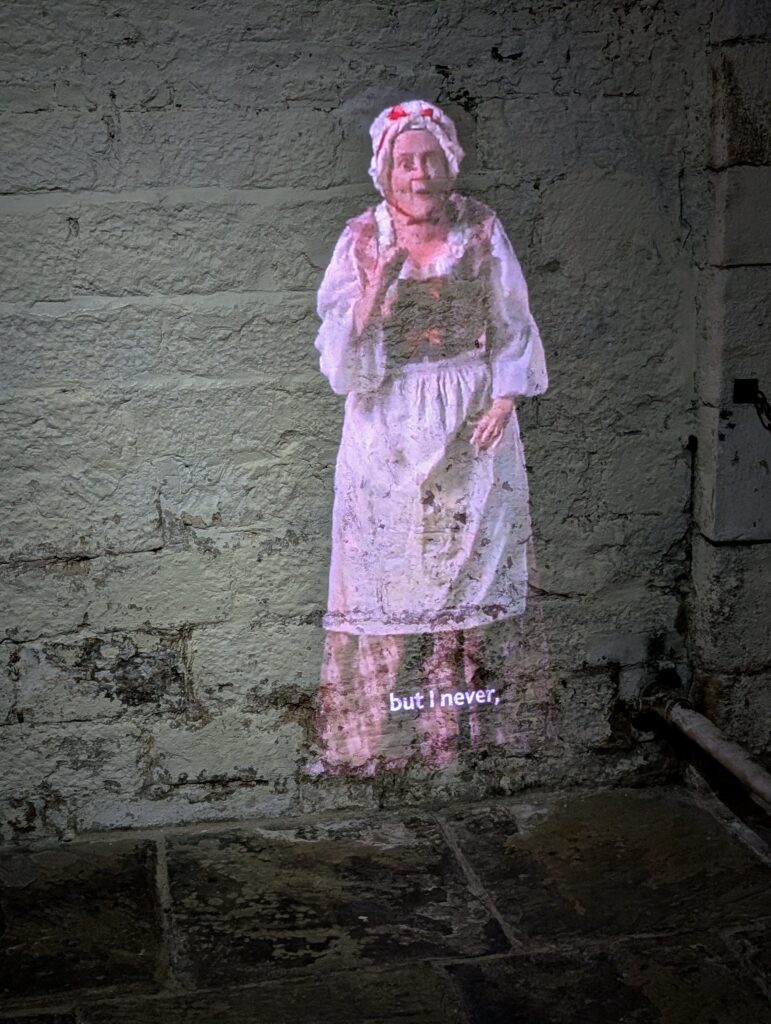
I also went on a ghost walk tour. There were some incredible stories of ghosts and poltergeists including one of a 7 year old who was the sole survivor of the plague in her house. They thought she was a witch and locked her in to die. It is said she can be seen in this window.
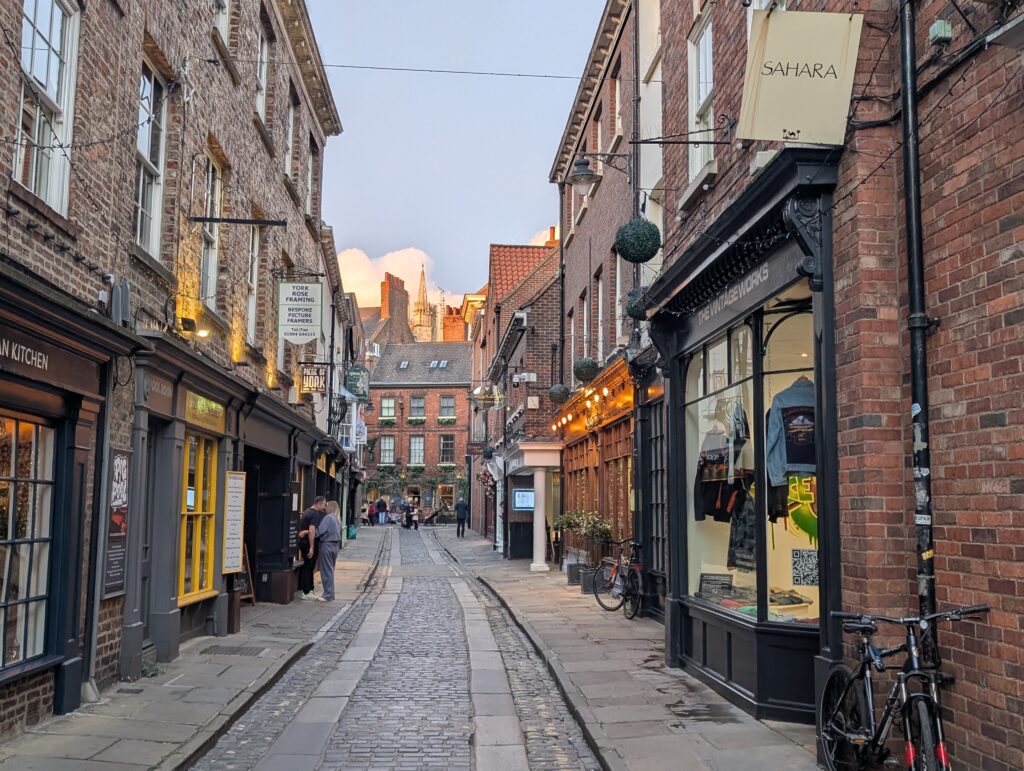
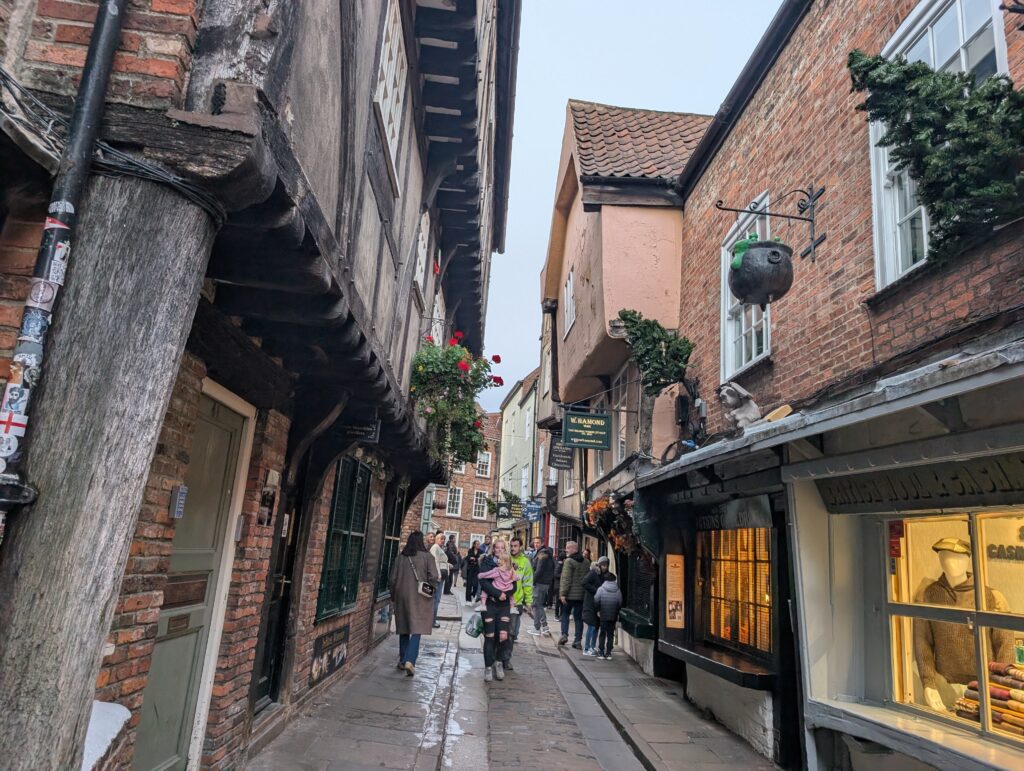
I also walked through the Shambles, the area that is still authentically medieval.
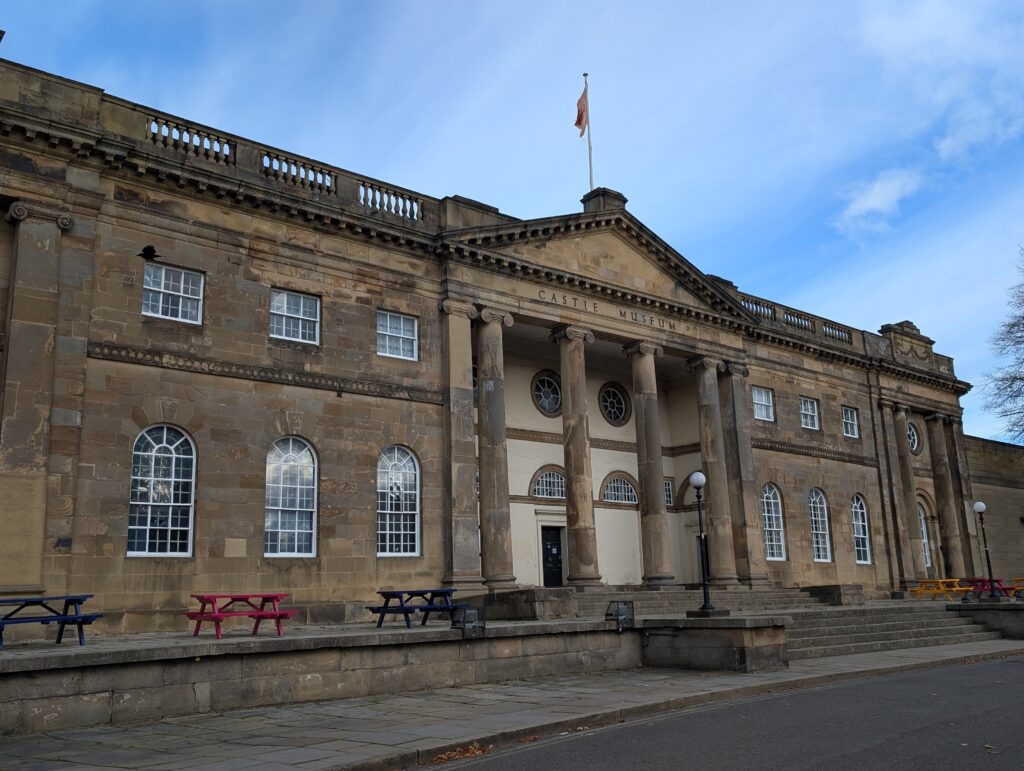
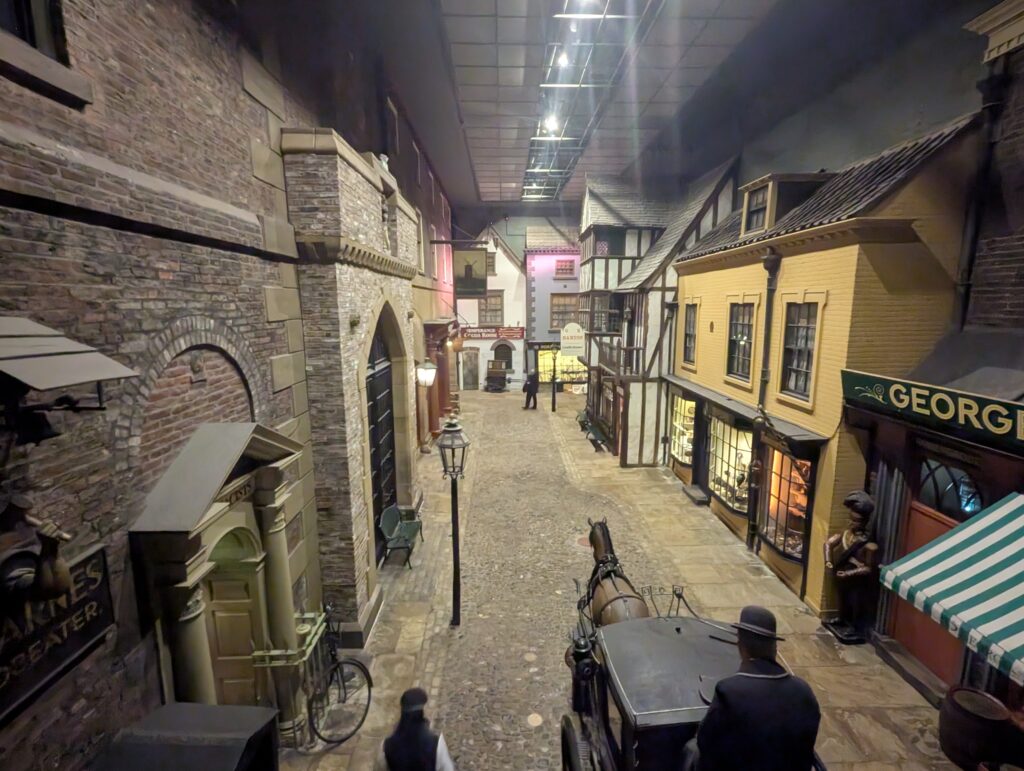
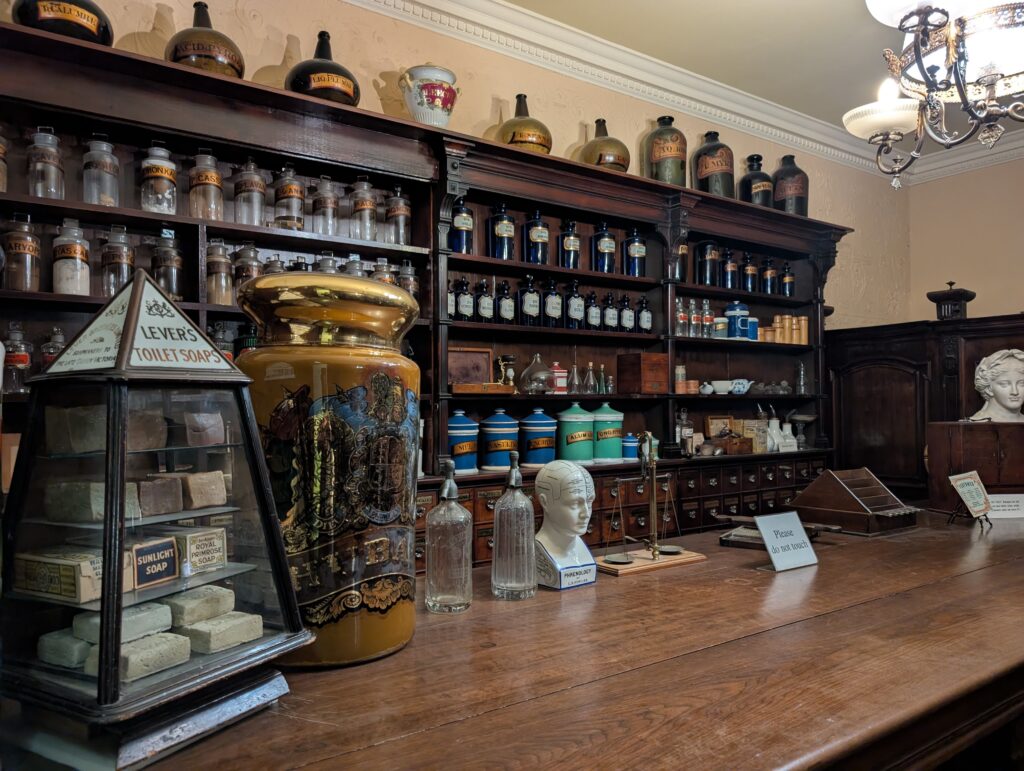
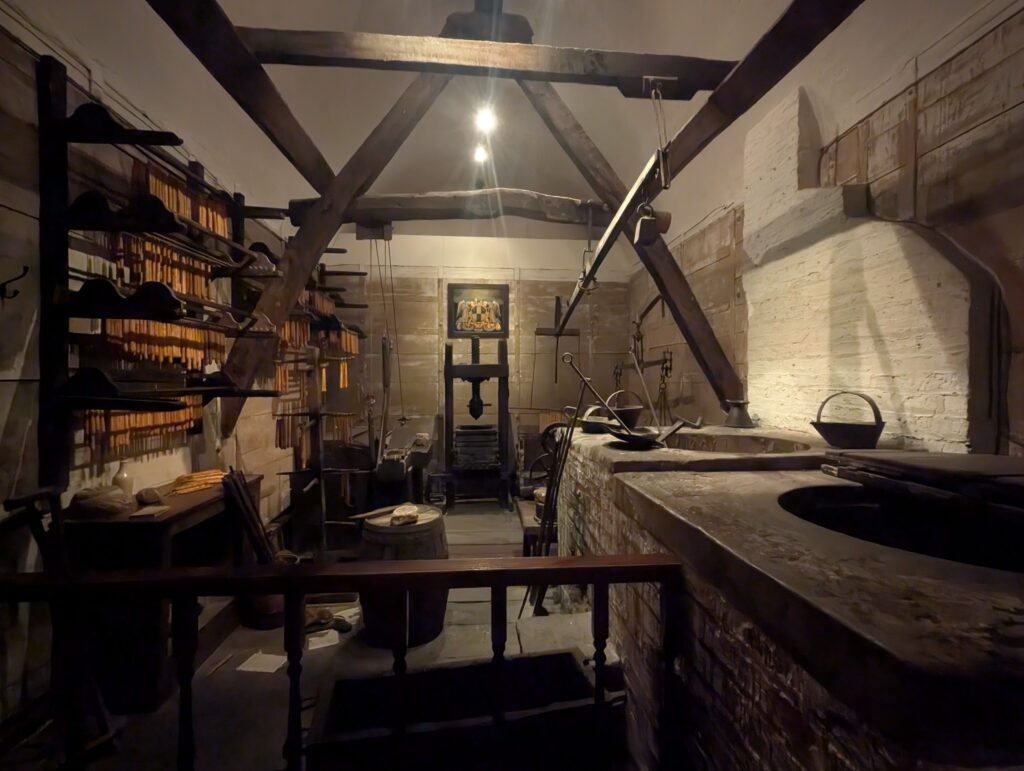
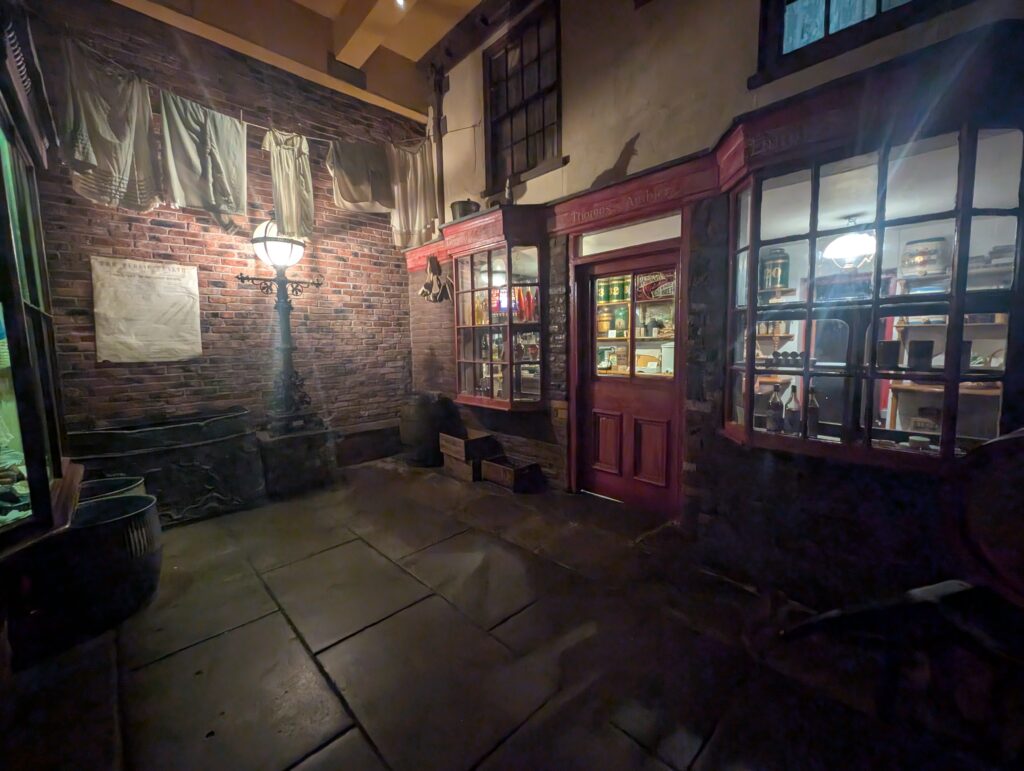
I also visited the Castle museum which was more about life in medieval time including a full Victorian street created from actual artifacts. You could walk down the street and take alleys to see inside some of the buildings. They even had sounds as if you were actually there, leaving you feel a little uncomfortable in the poorest back alleys.
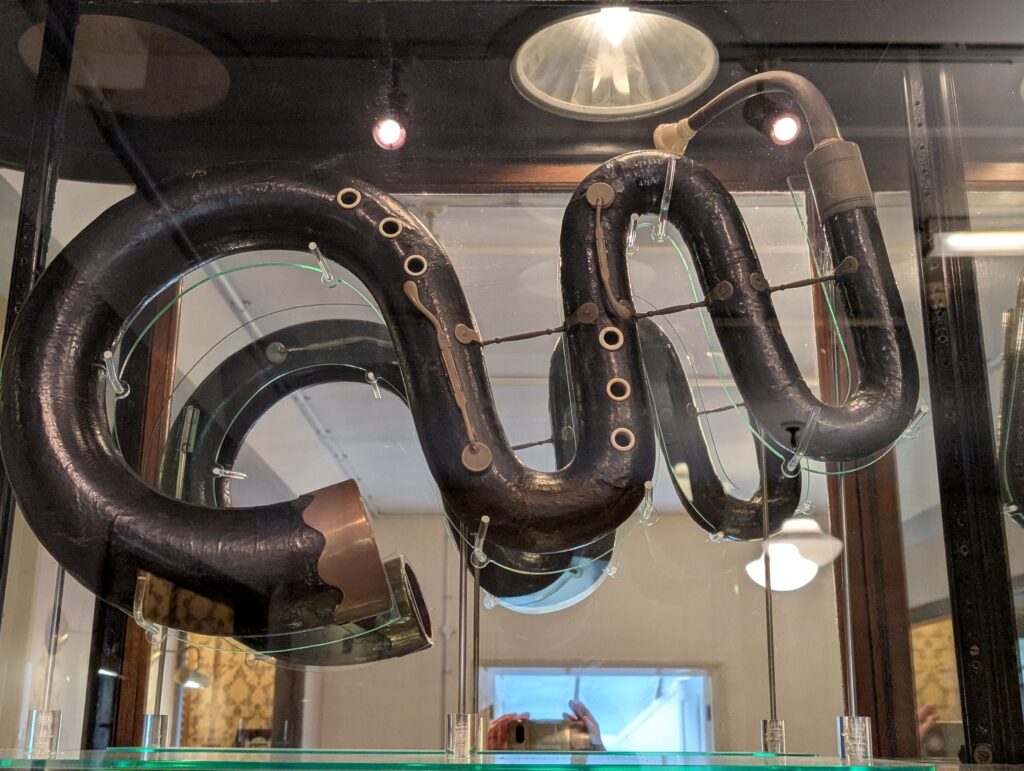
Many of the artifacts came from a local physician who acquired them when residents could not pay for services.
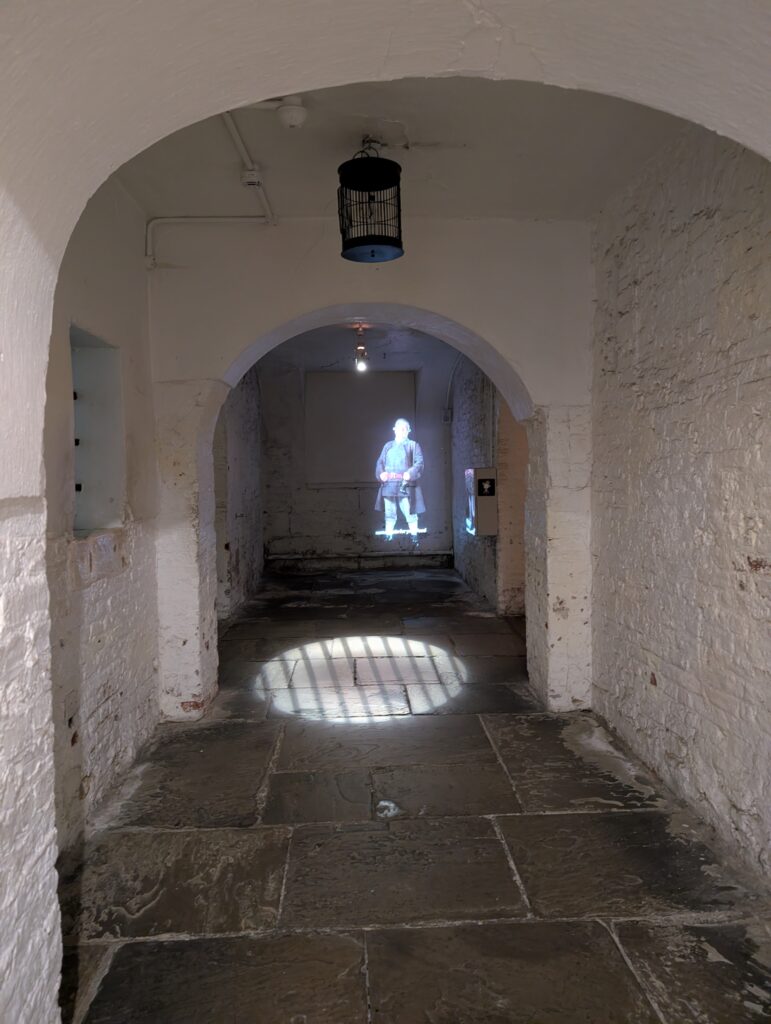
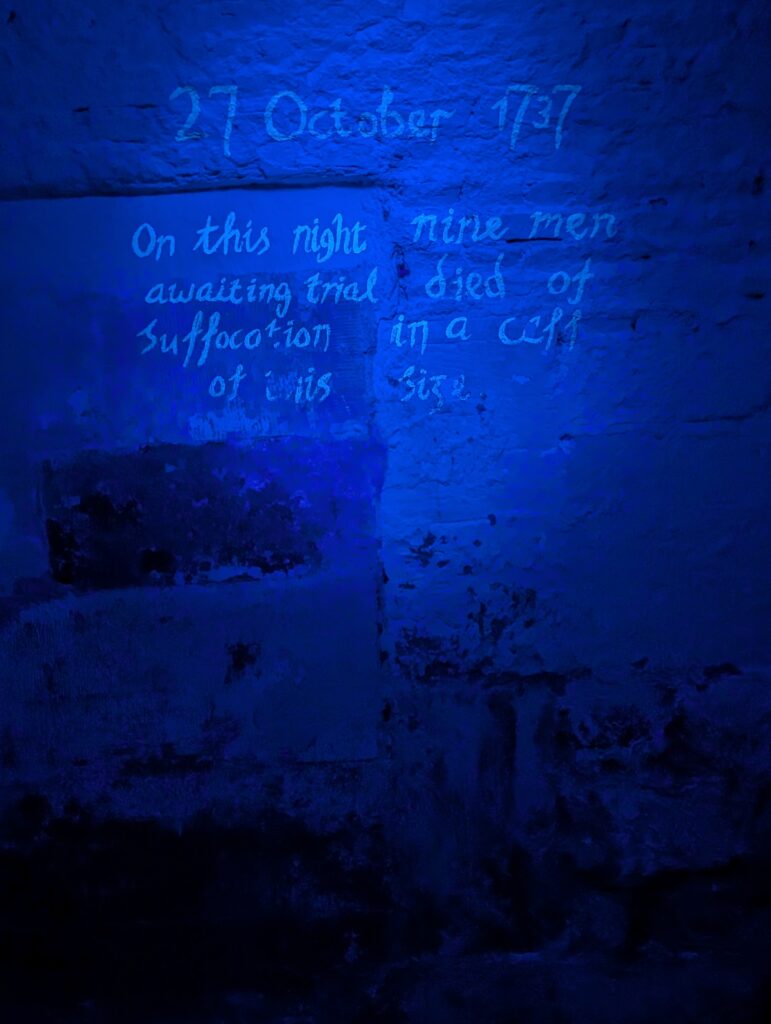
The visit through the prisons was crazy learning about how they were cared for and finding out through walking along what happened to 5 prisoners. Images and sounds made it interactive.
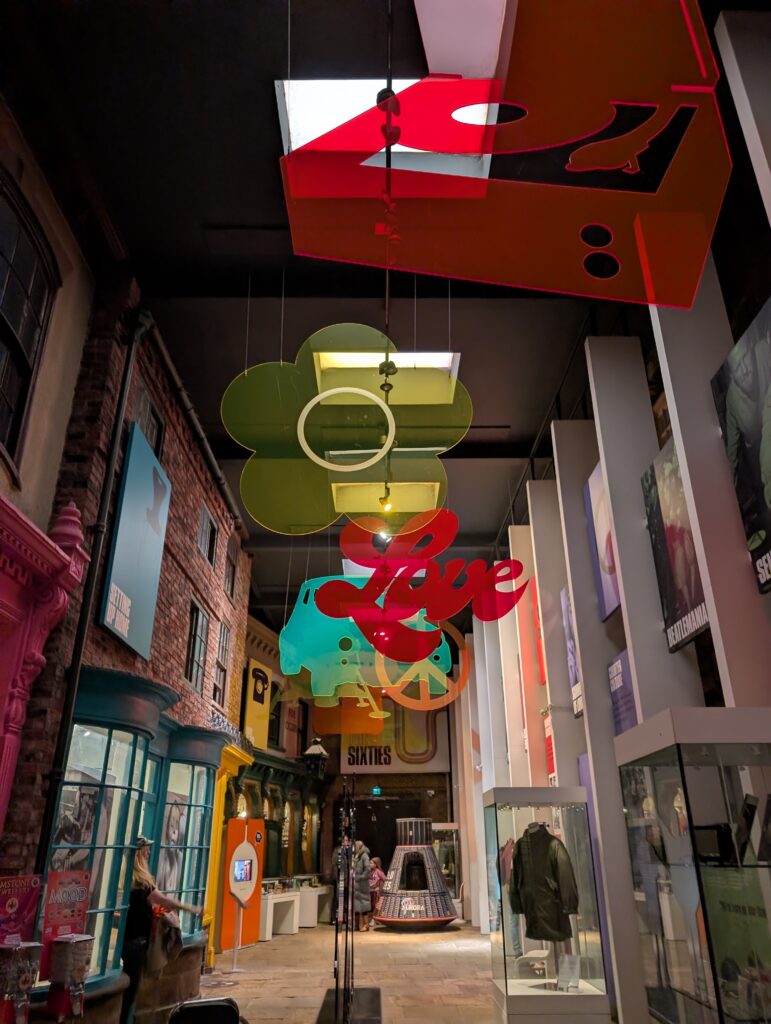
There was a section on World War I which was incredible and was followed by a walk through the 60’s.
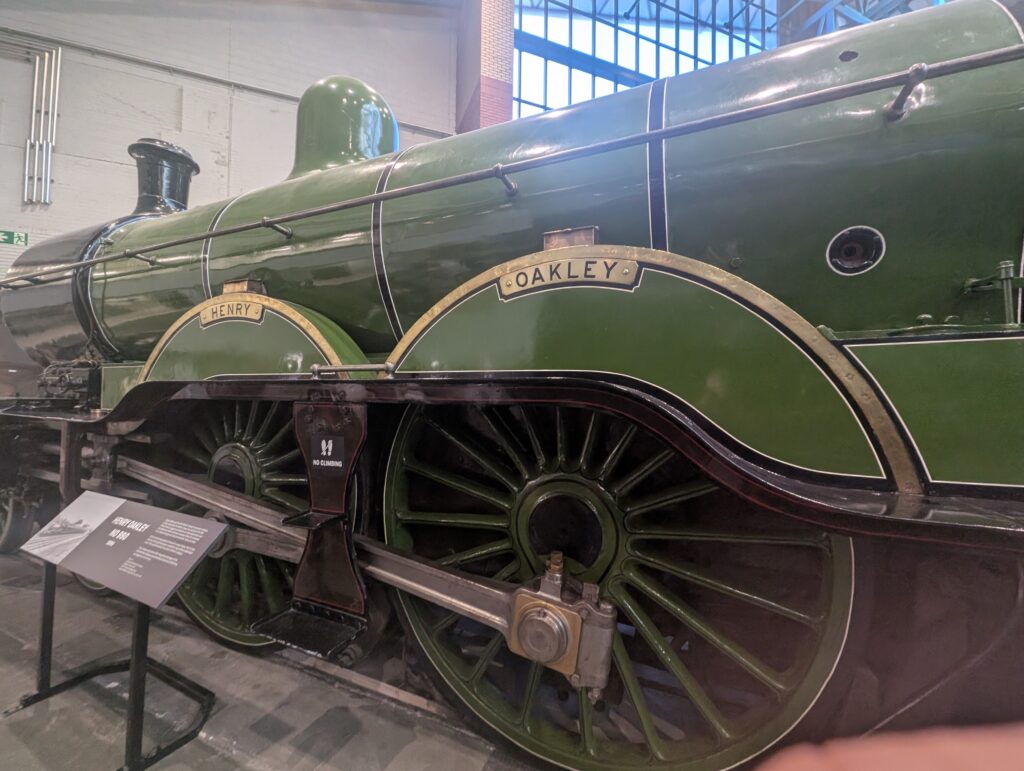
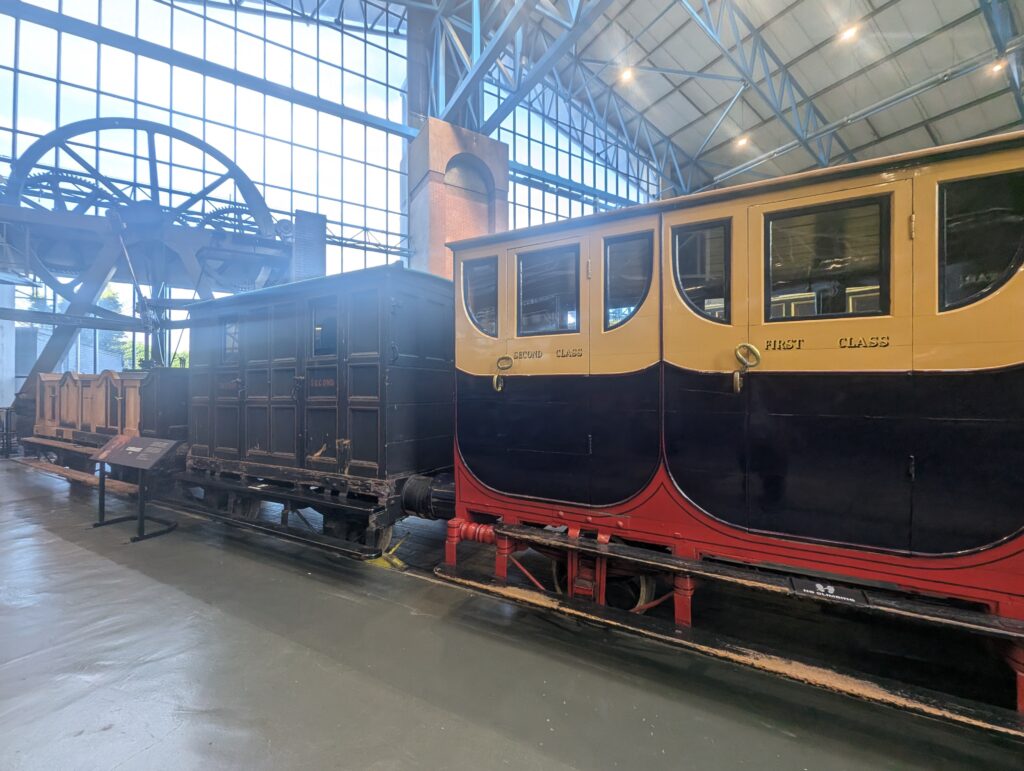
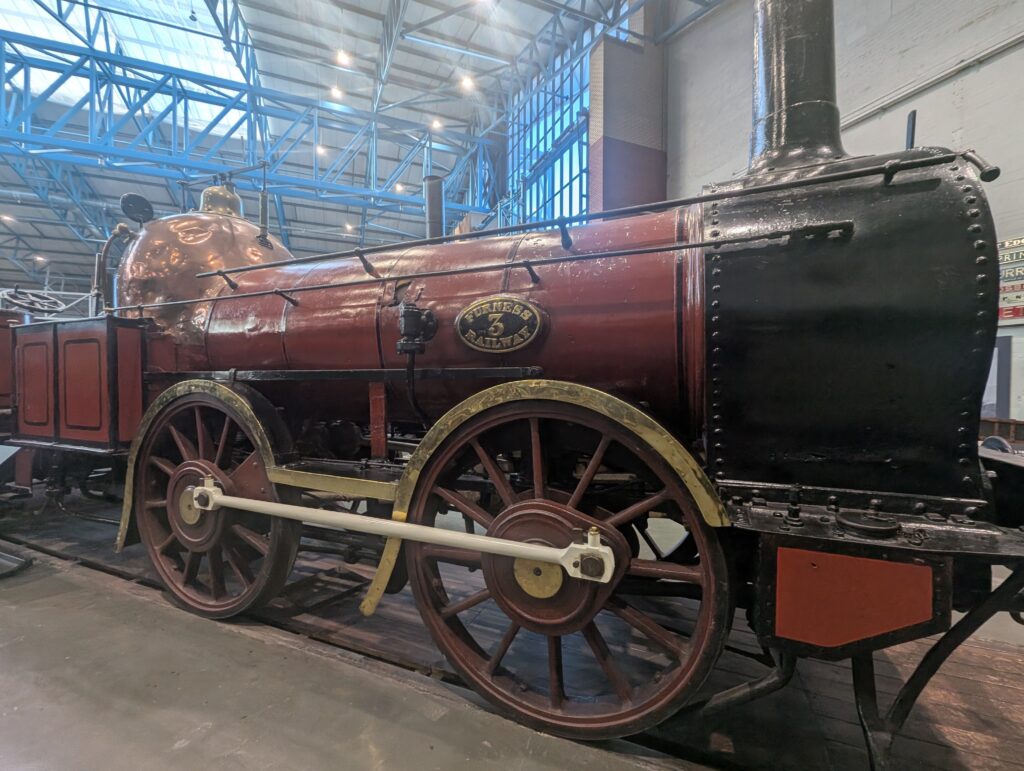
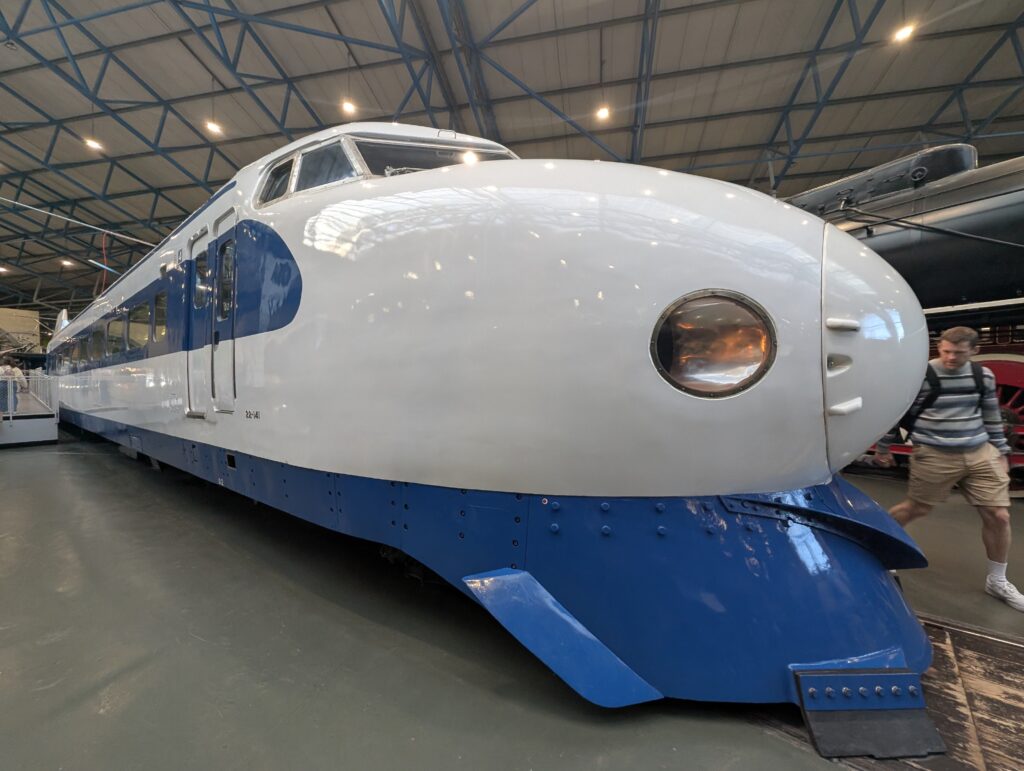
The last place I toured was the train museum. The trains were impressive and showed all the changes from the 1800’s to today including the Japanese bullet train.
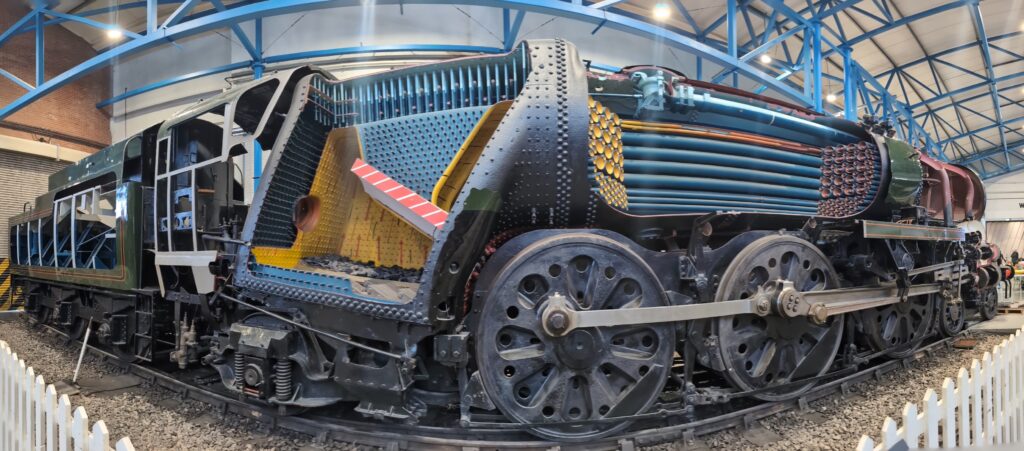
They even had a train that was cut in half to see all the parts down the length of the train!
There are many other incredible things to see in York!
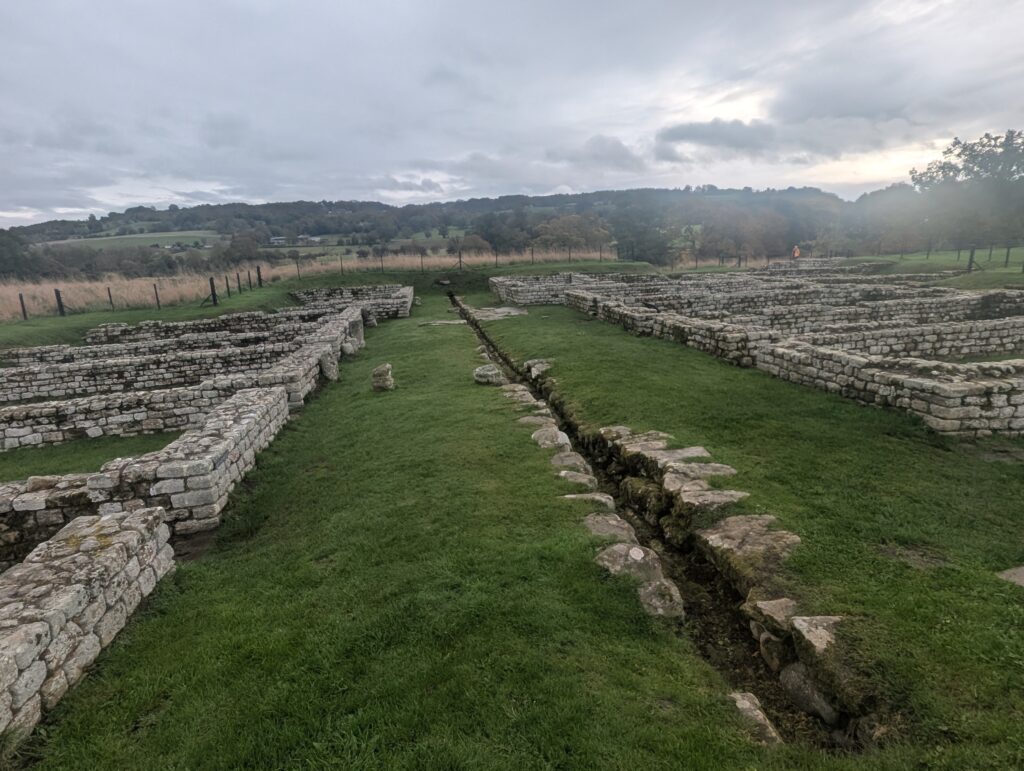
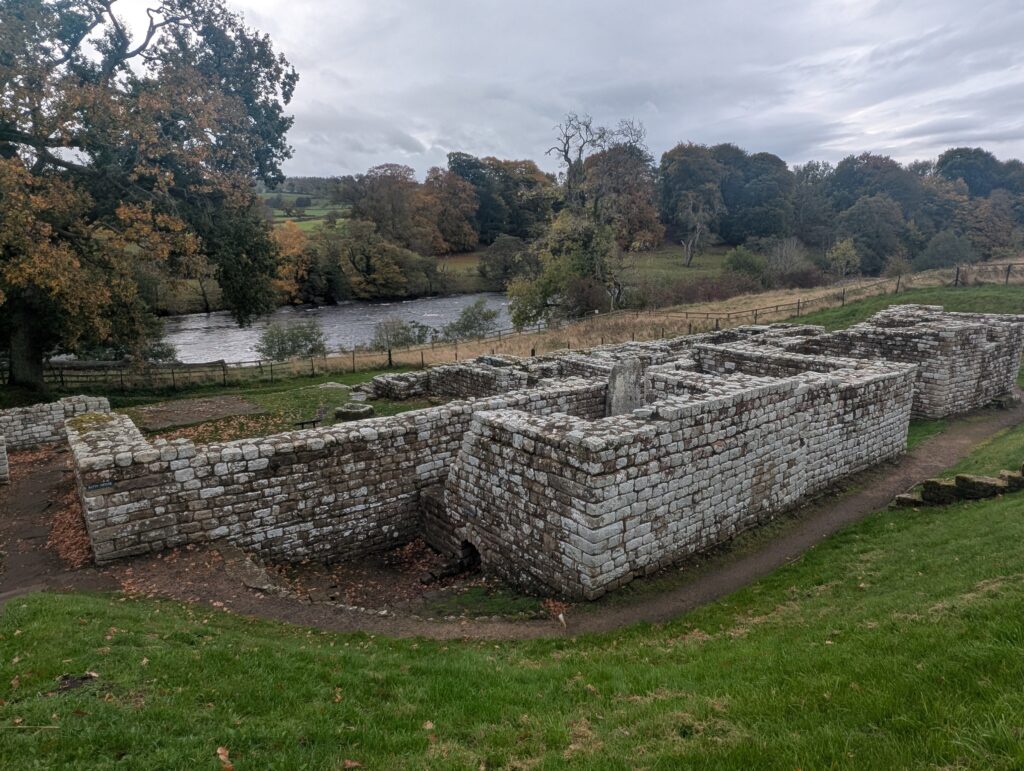
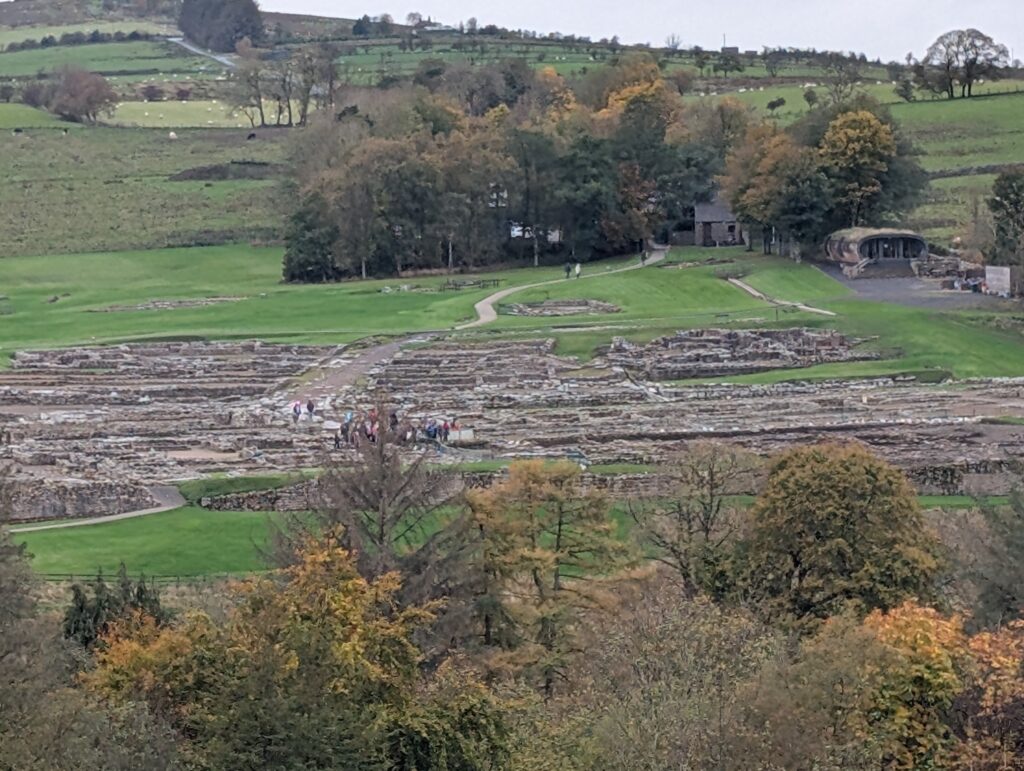
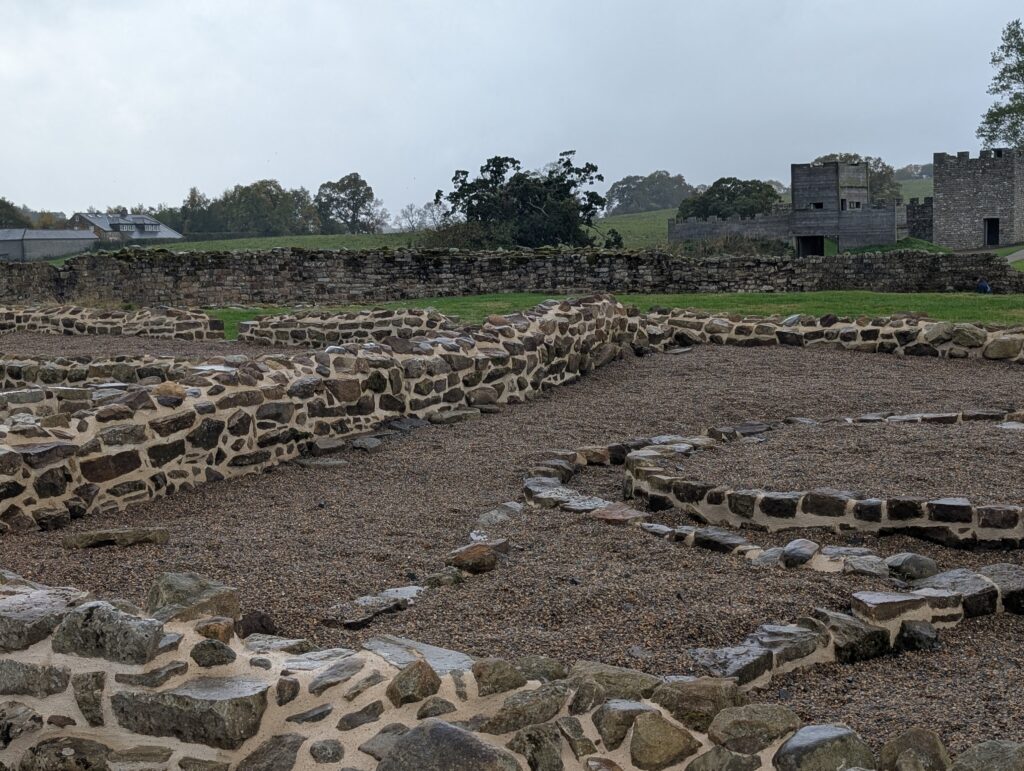
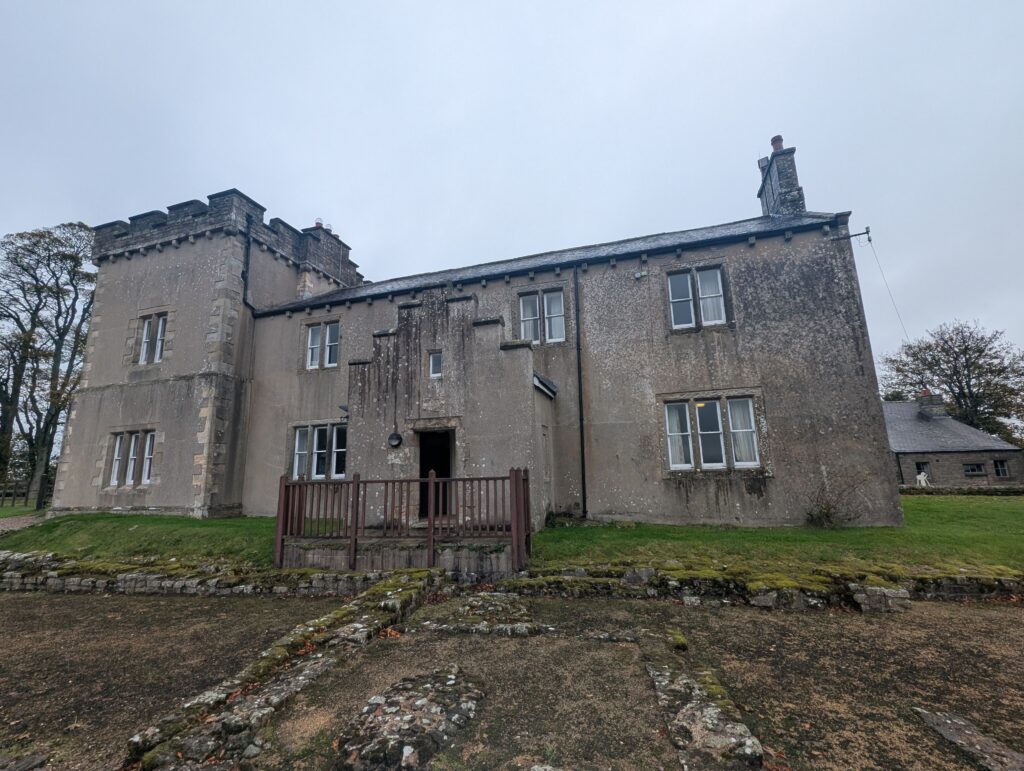
I rented a car for a day to try to see as many points along the wall as I could. I stopped first at Chester’s Roman fort. It is named for a gentleman who inherited a house and land and noticed the rock structures partially buried in the ground. As people talked about a high wall that those in the 17th century would walk in, he believed these to be part of a Roman wall that defined the outer reaches of the Roman empire in 150 AD.
On each side here are garrisons for troops. In each room, the men stayed with their horses as they were rented by the soldiers.
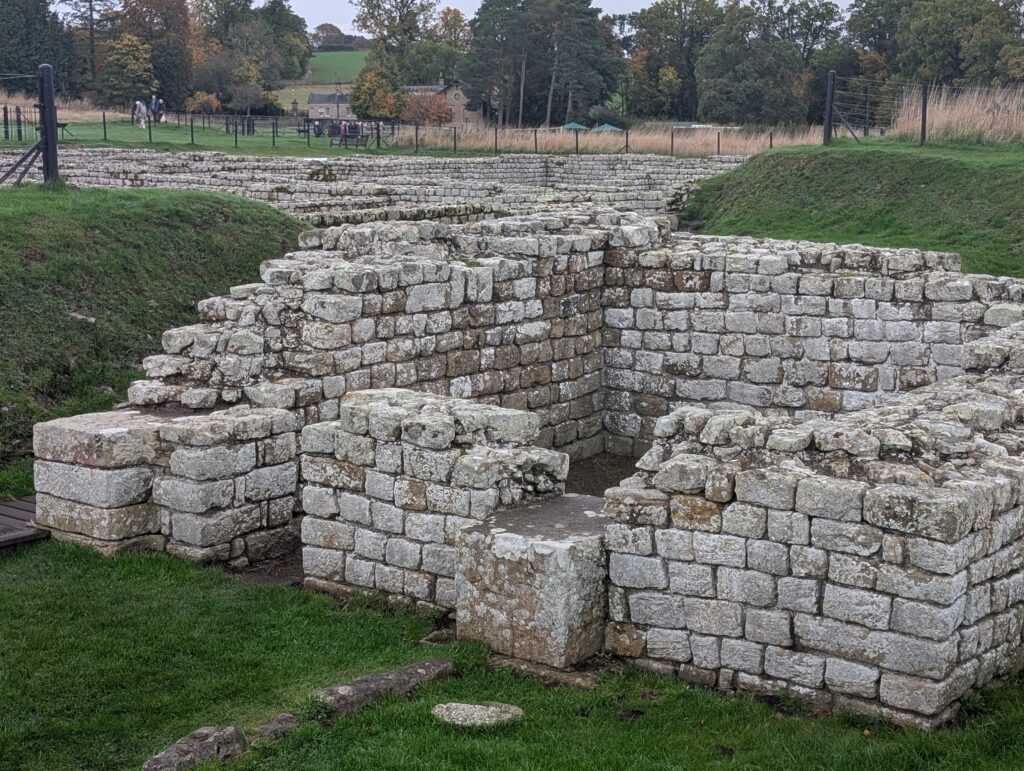
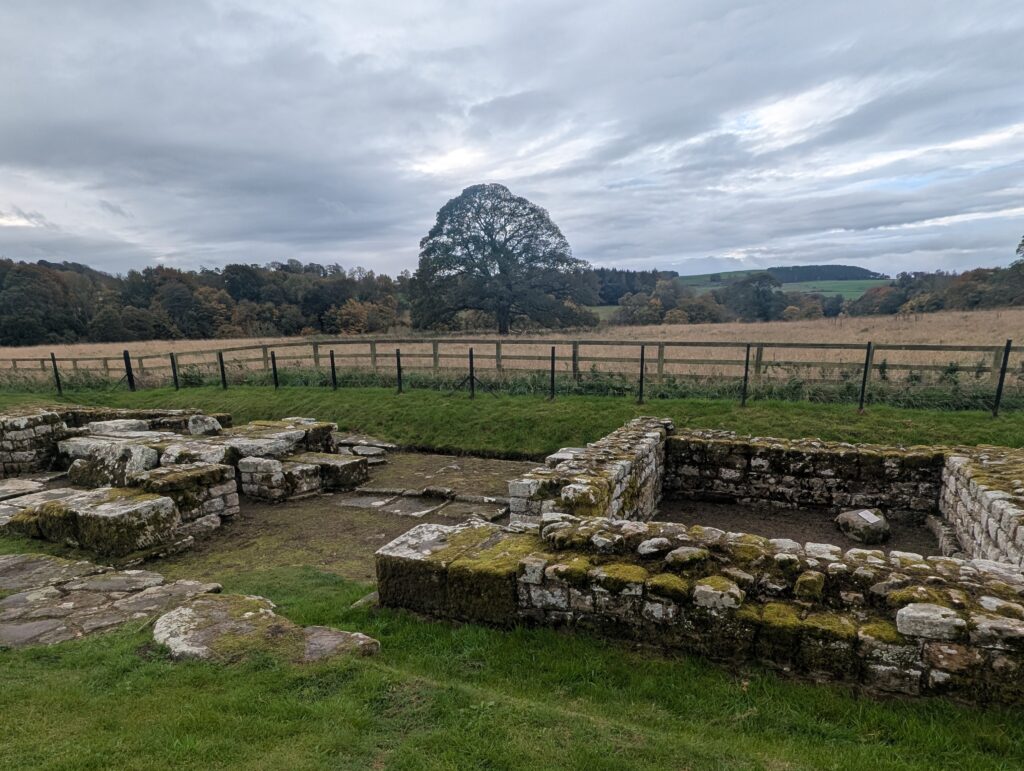
A base of one of the watch towers.
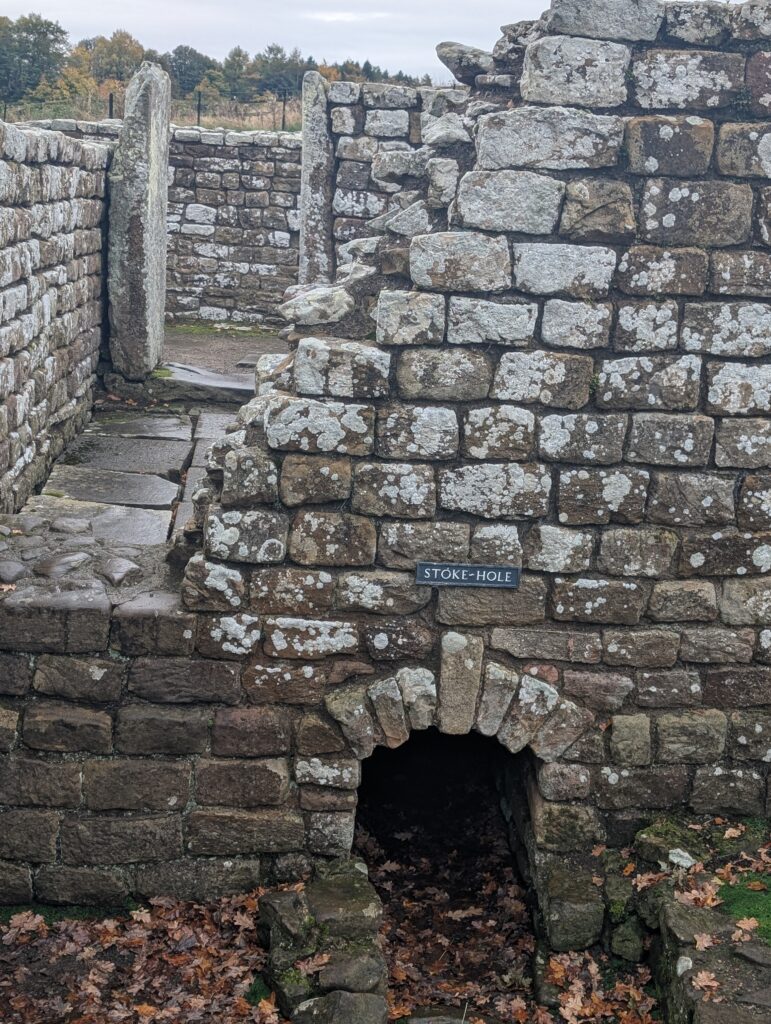
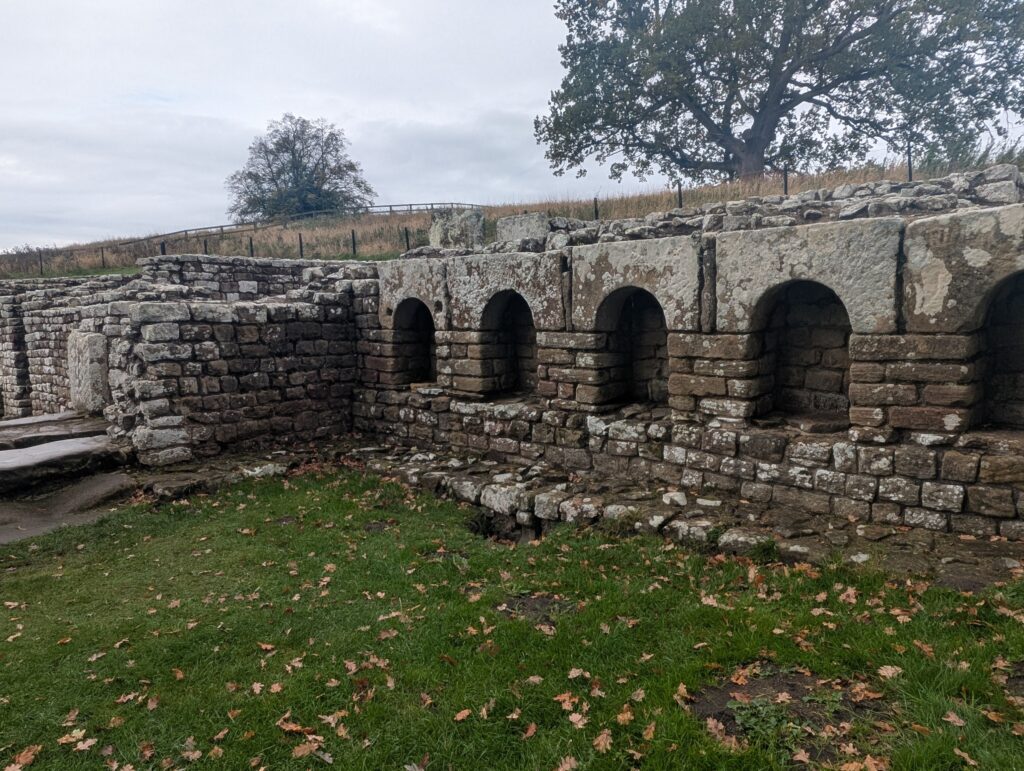
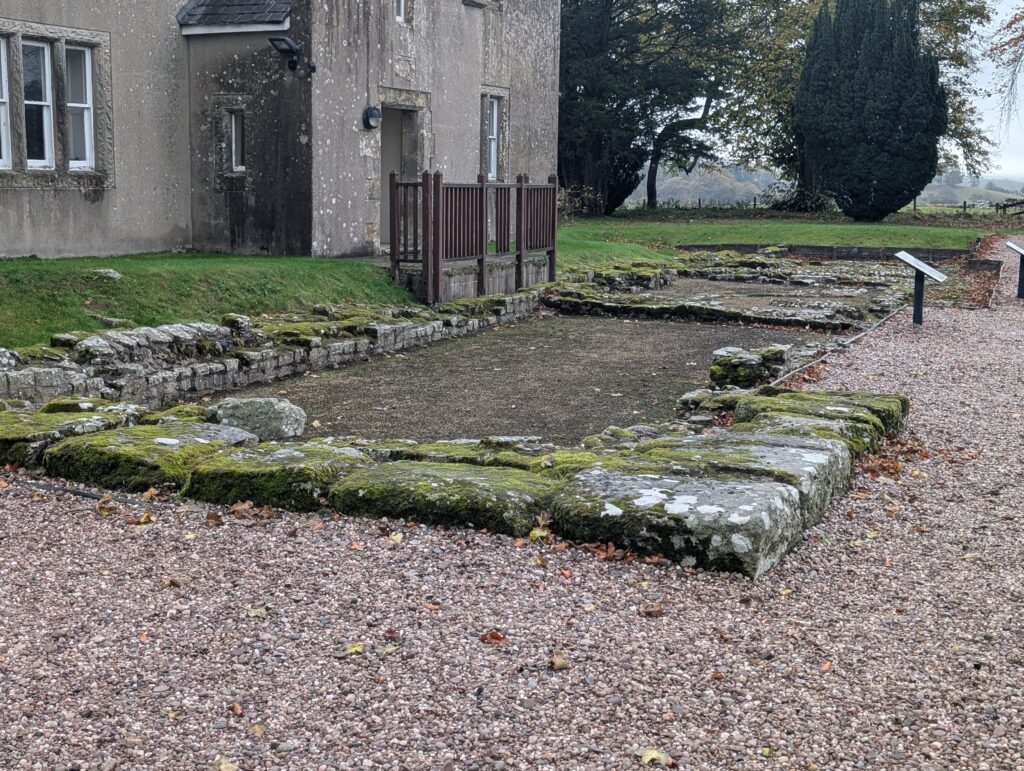
This part is near the river Tyne and is a bath house. Water was heated for steam rooms and warm baths with the lower areas being cold baths.
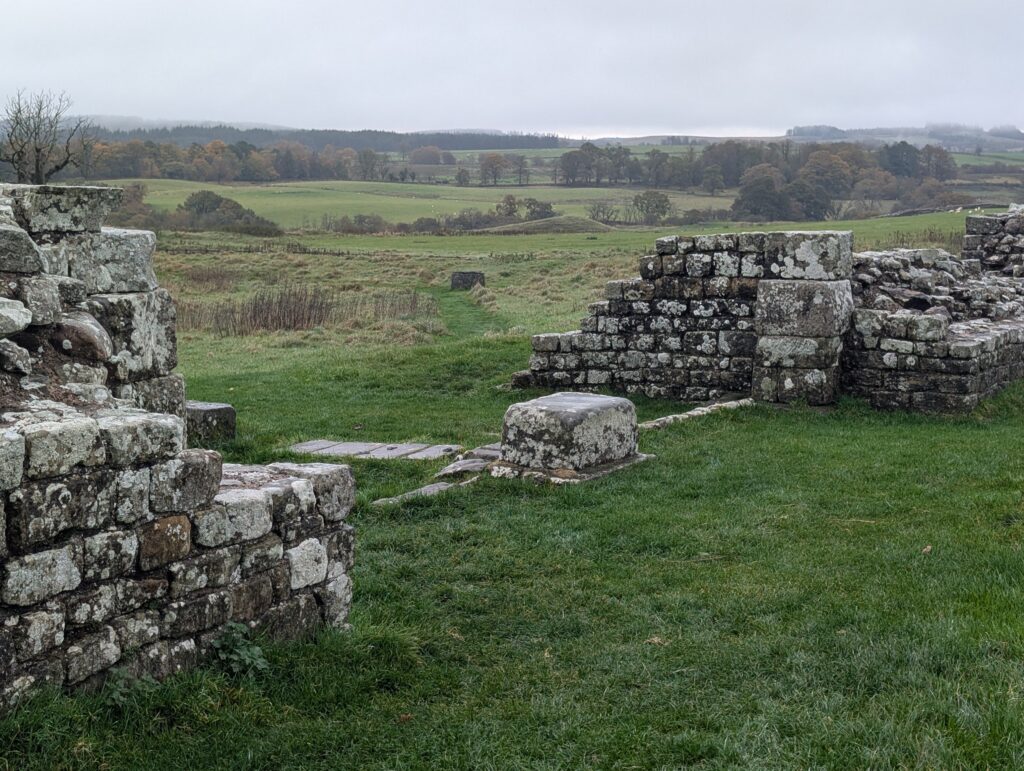
The west gate has two towers and gates that closed in the middle.
The commanders quarters which were much grander.
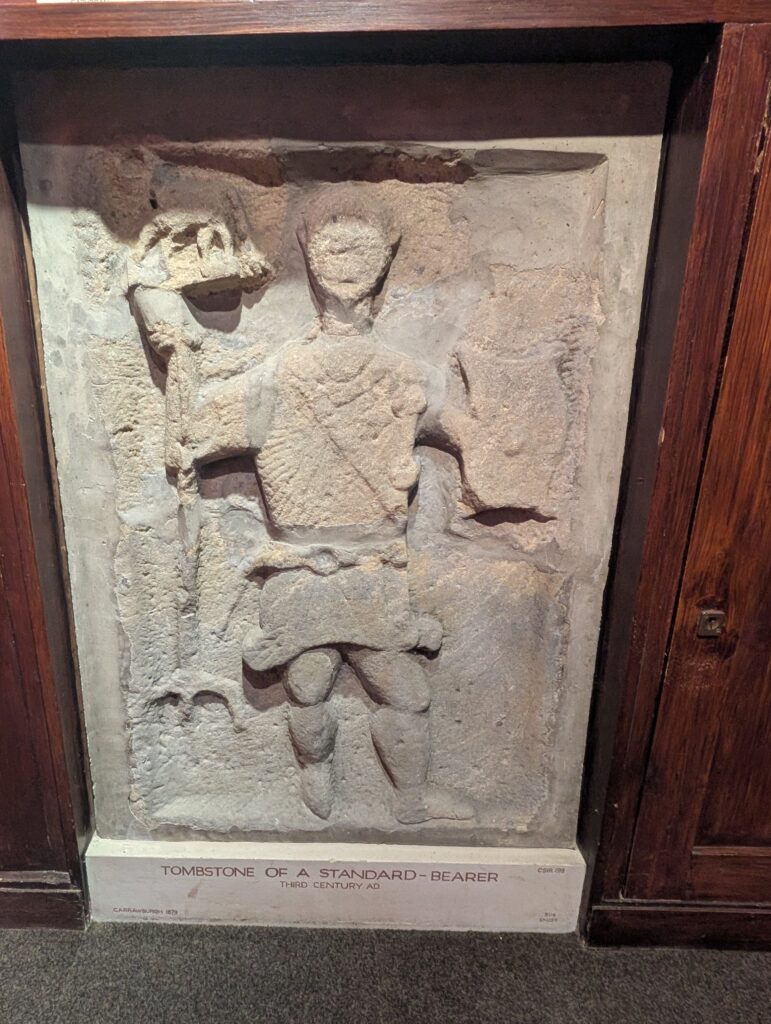
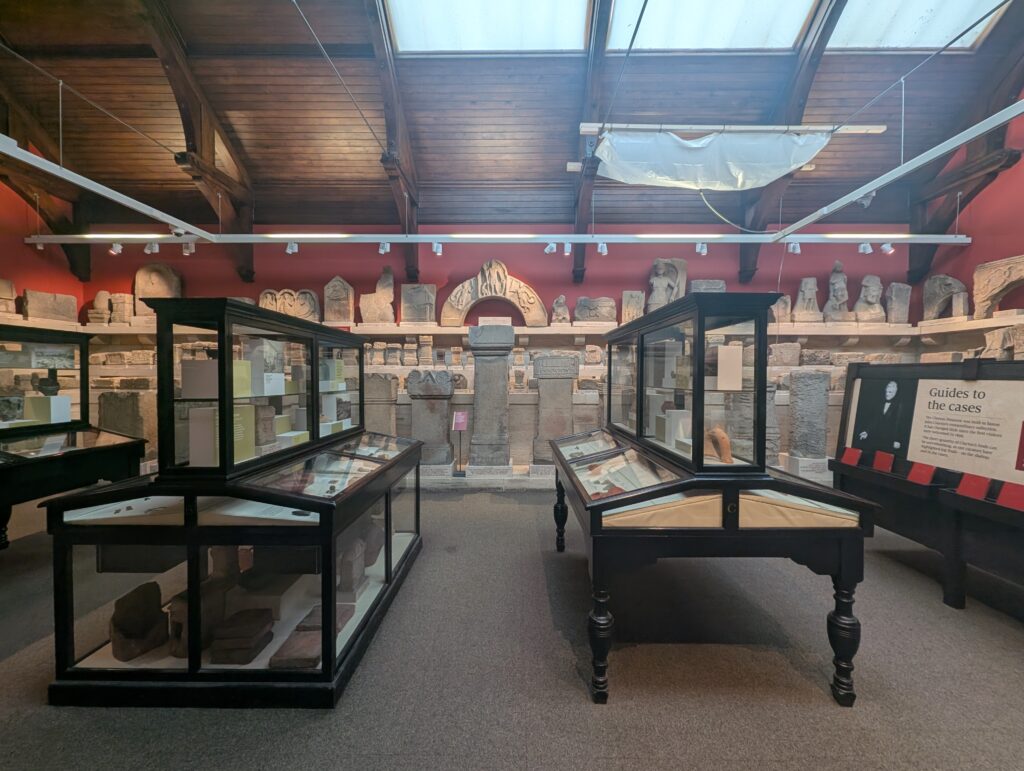
The artifacts taken from the area were placed in a museum on site.
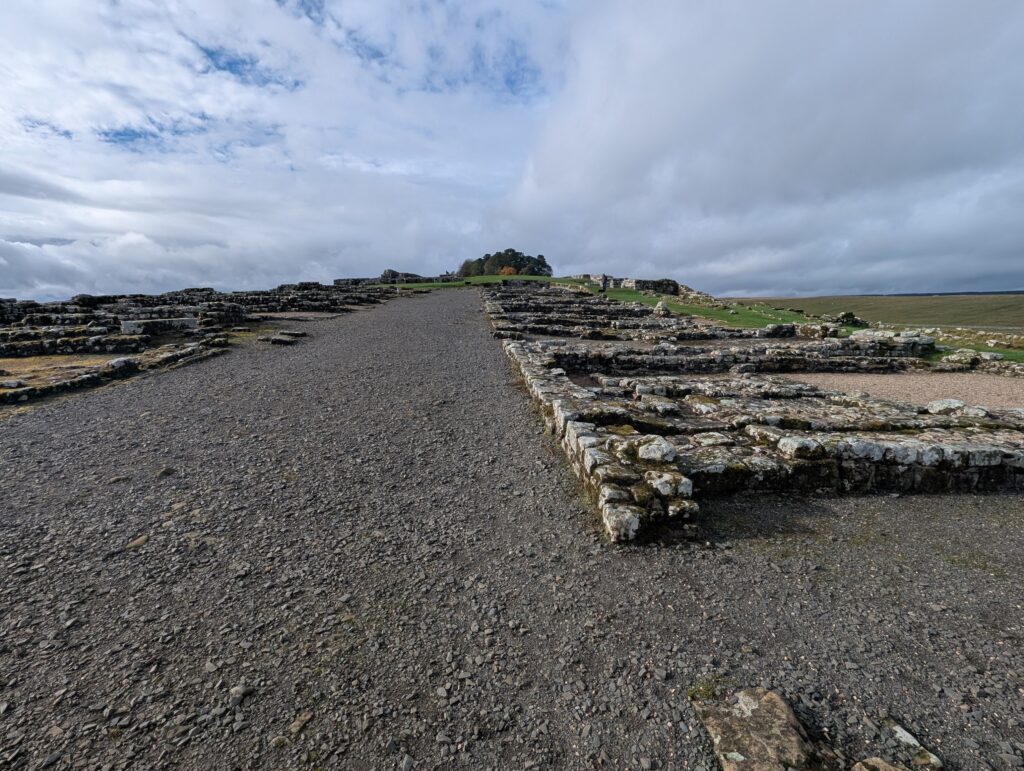
Next I went to Carrawburgh Roman fort.
This would be the road that runs through the fort.
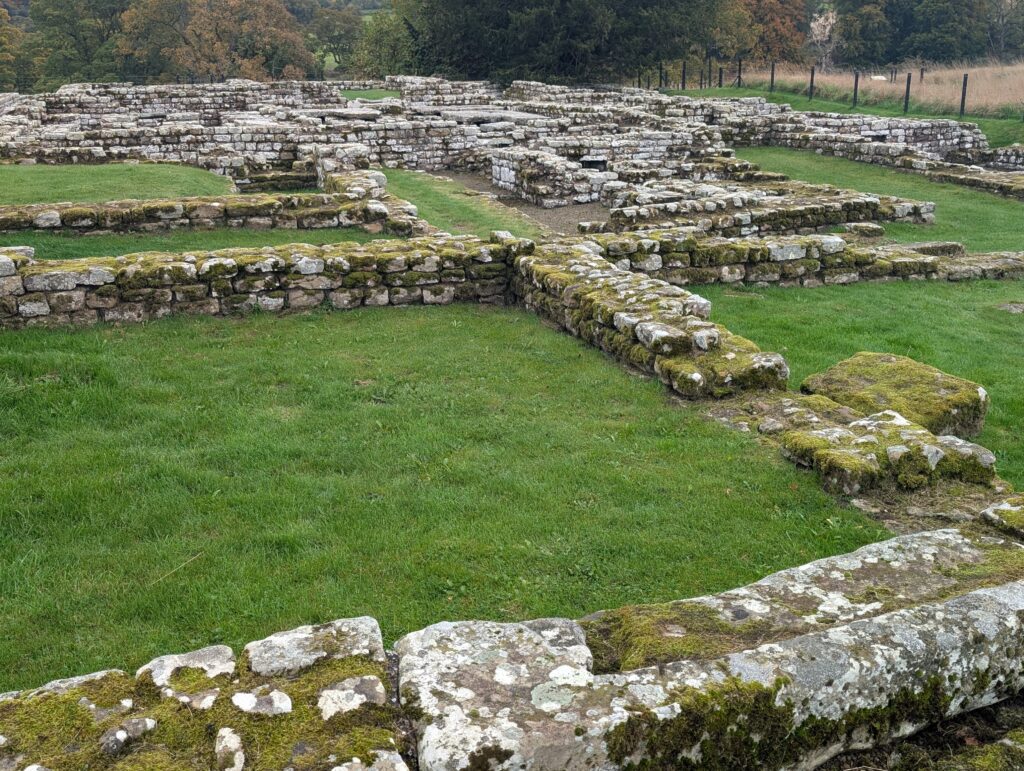
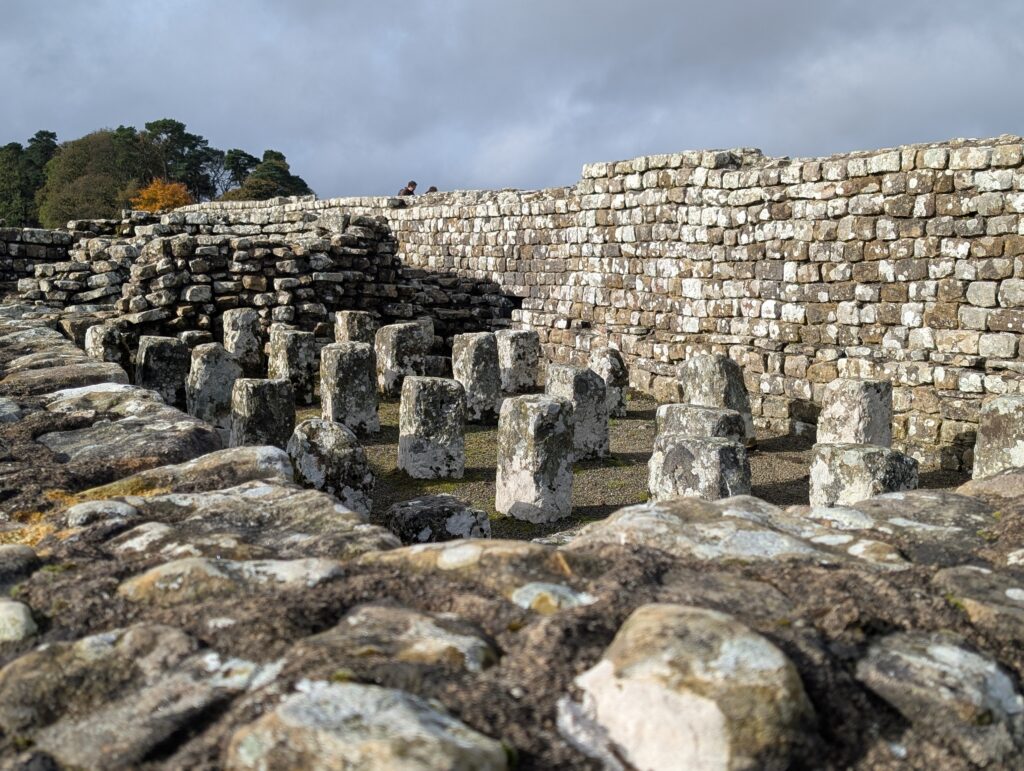
This would be the posts that would hold the sub floor of the granary. It would be elevated to keep pests out and had air vents for circulation.
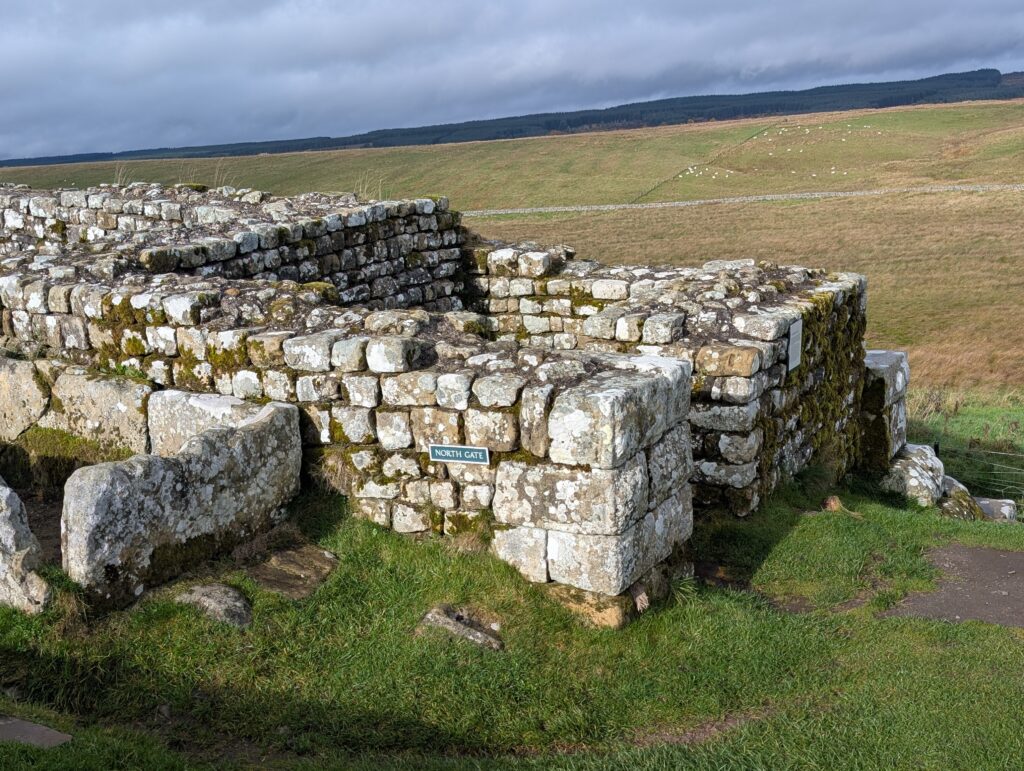
The North gate. Outside the gates would be village houses of those that would have places for visitors to stay and merchants that sold food and other items.
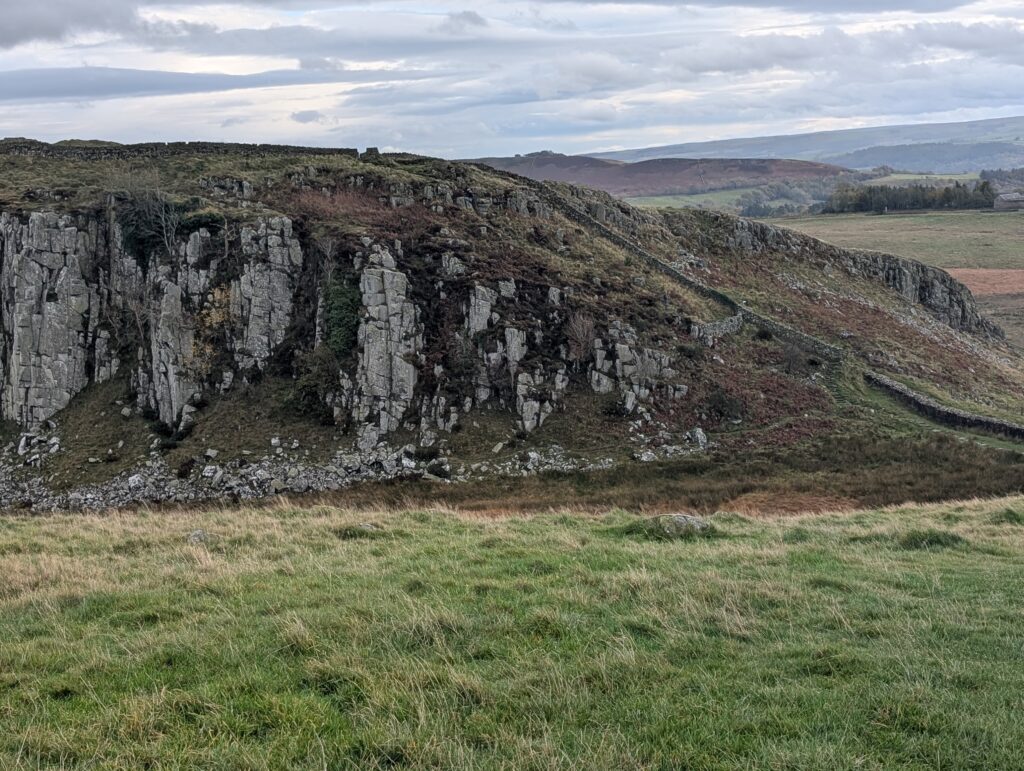
I then drove to Steel Rigg which did not have a fort but was a section of the wall that went over a large hill. As it started raining and the stones were slippery, I only went up half way.
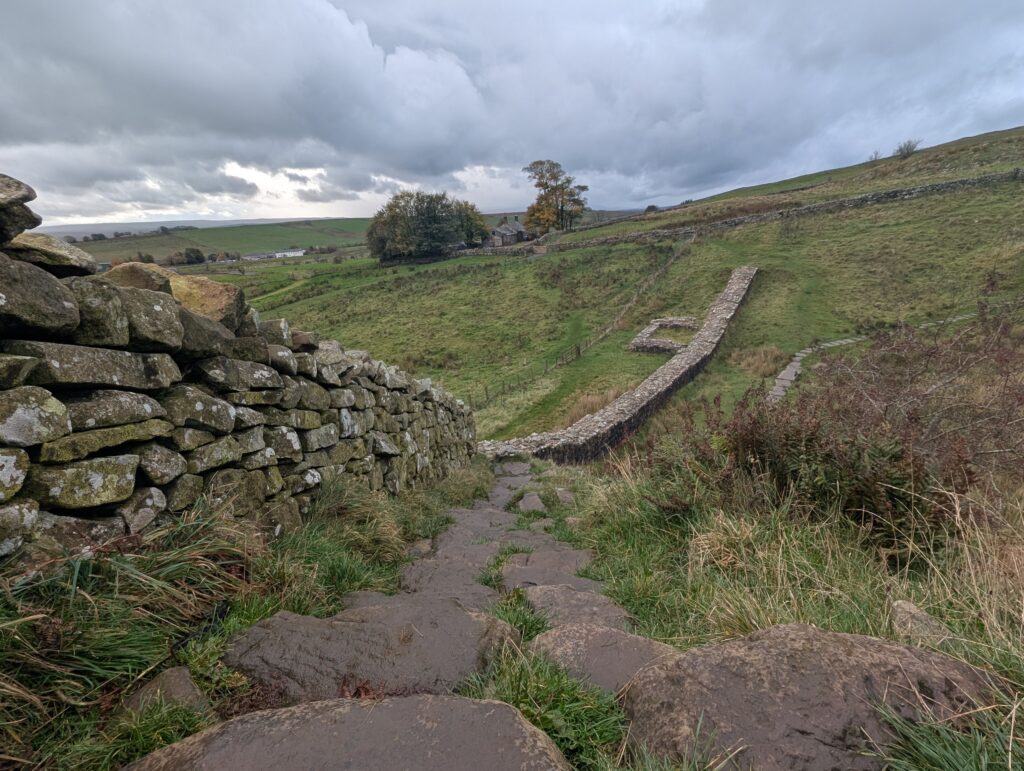
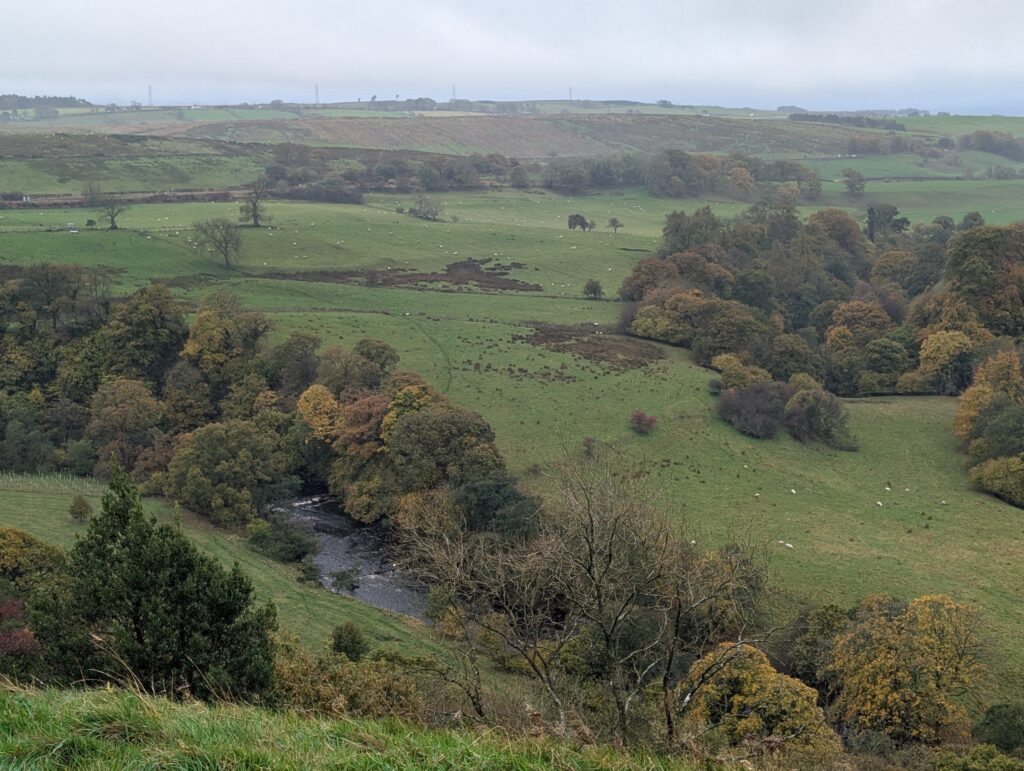
At many points along my tour you can see where the walls seemed to end as they were covered over in earth and no excavated. The walls themselves were 4.5 meters high. What is left is not as high. As I drove around, I could not help but wonder which farmers stone fence and stone buildings were made from rocks taken from Hadrian’s wall.
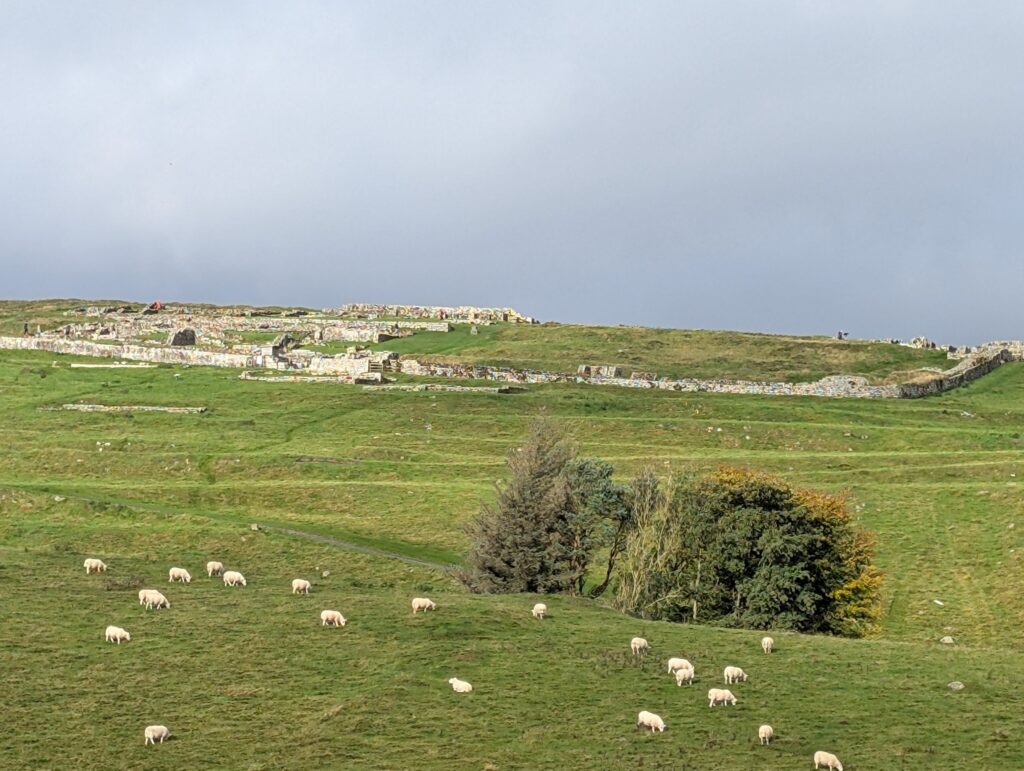
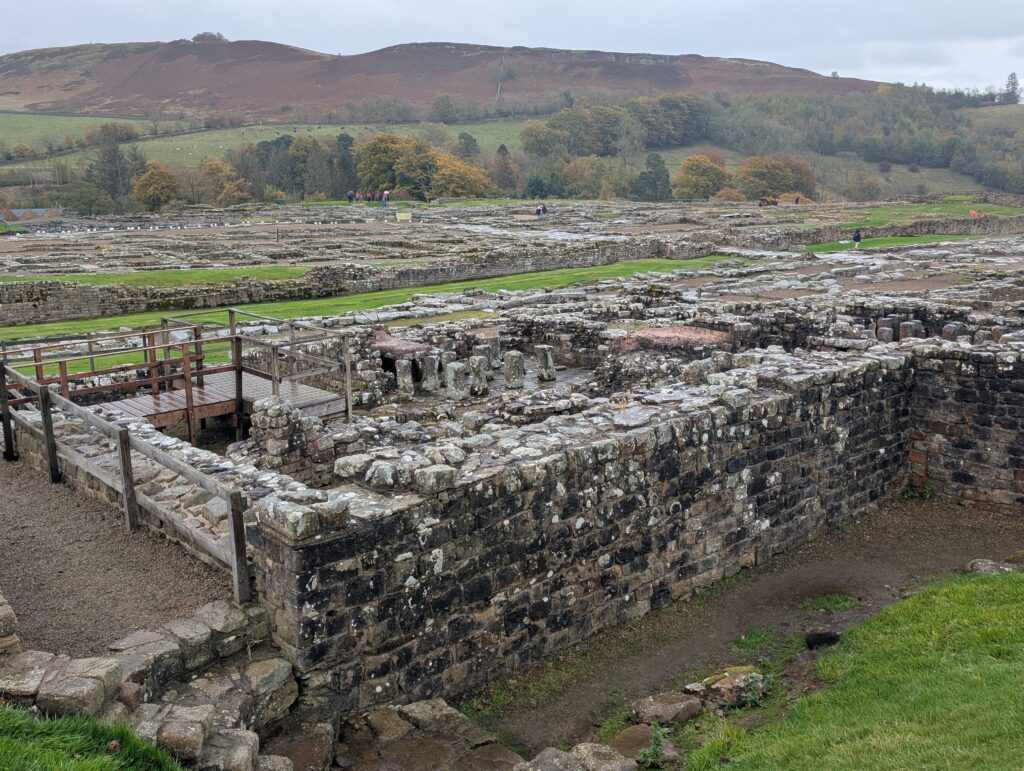
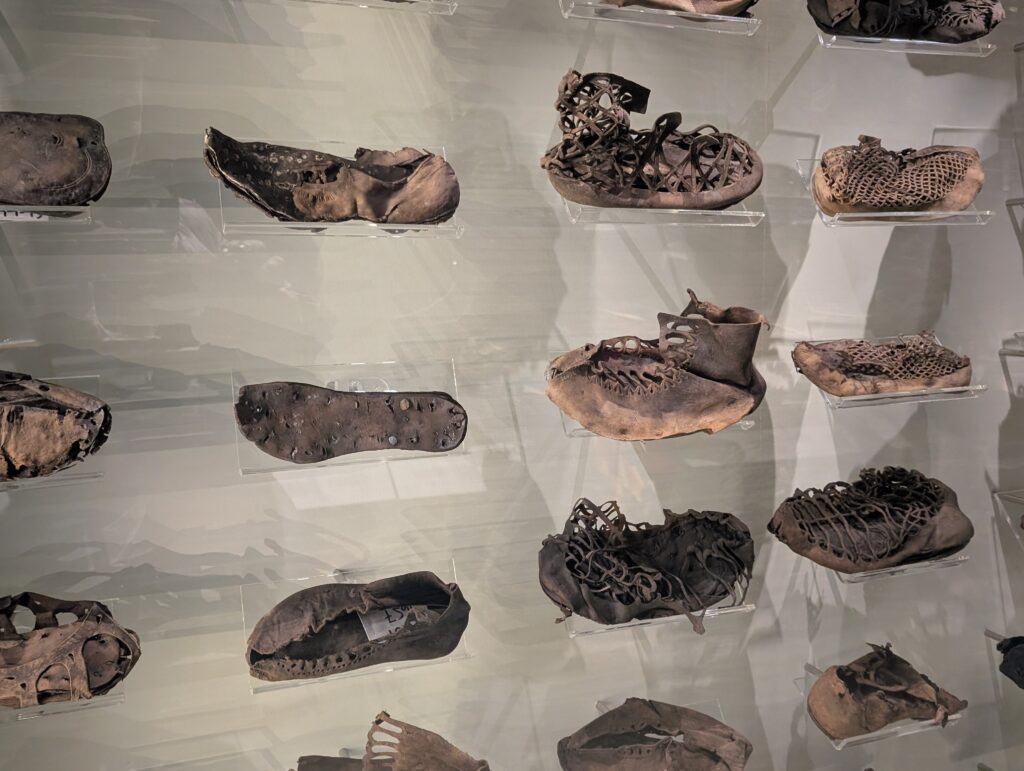
In Vindolanda I saw much of the same things. There was more remnants of the village houses outside the walls of the fort. There also was a large cache of discarded footwear discovered that surprisingly did not deteriorate. Driving to these places was beautiful and quite fun with the narrow English country roads.
Next was Birdoswalds. It had a later created house that protected the village from raiders. Living space was on the upper floor and ladders could be pulled up so that people could not get to the people or their property.
This is the one archaeological site that has a drill and exercise hall based upon the artifacts recovered.
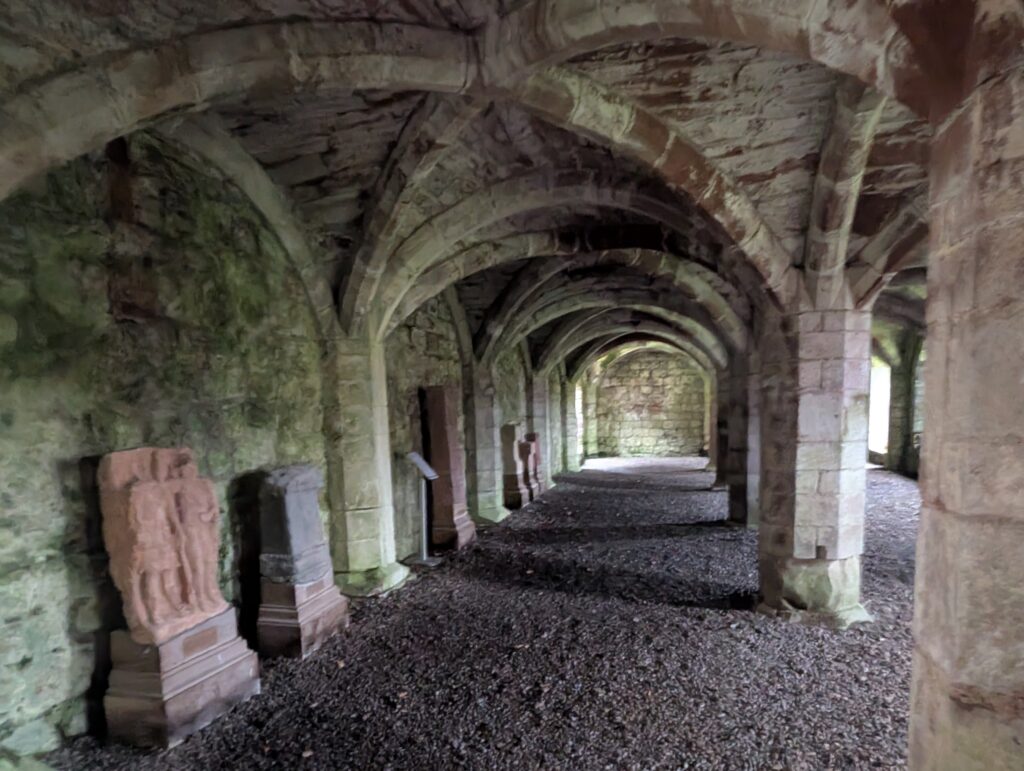
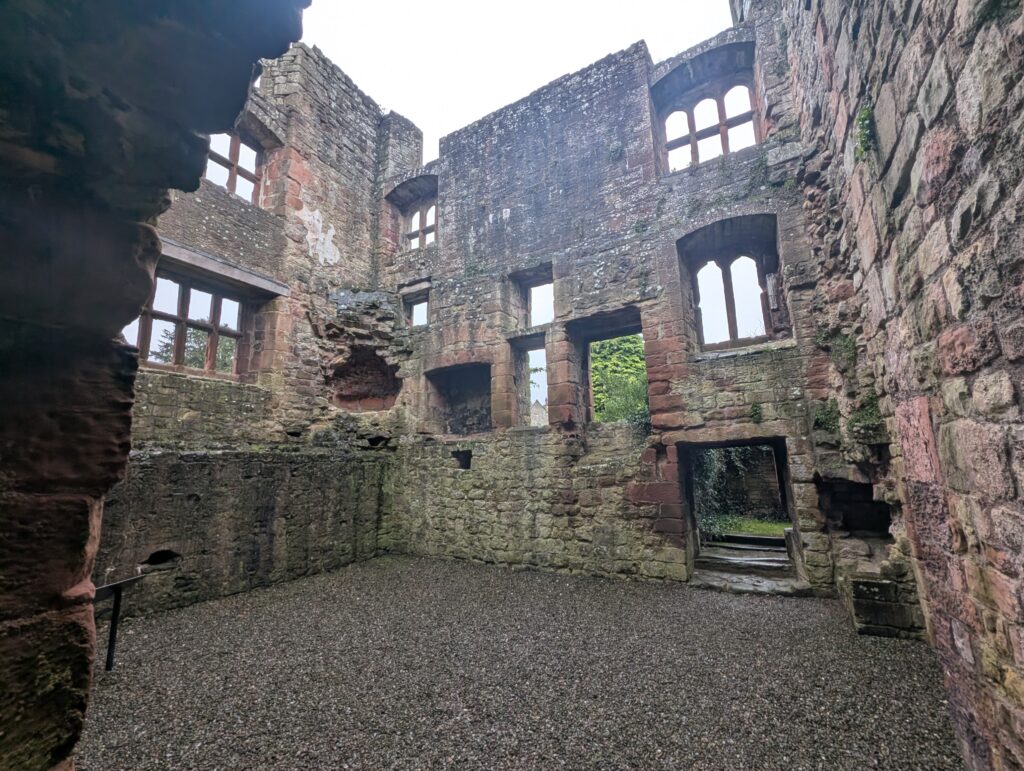
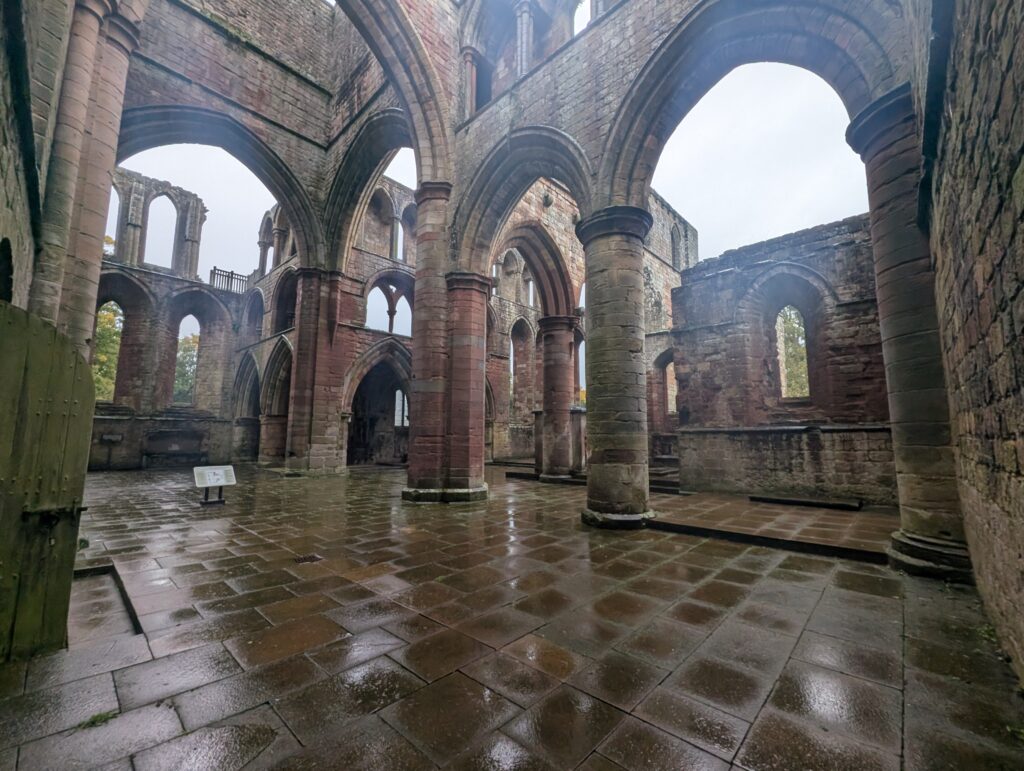
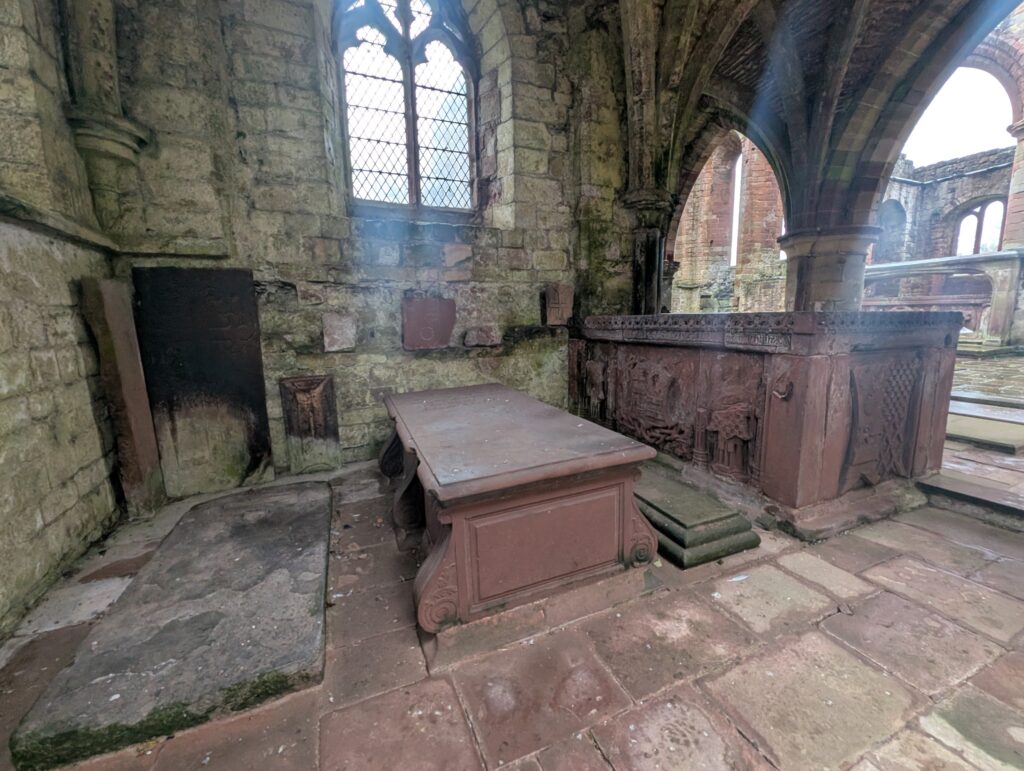
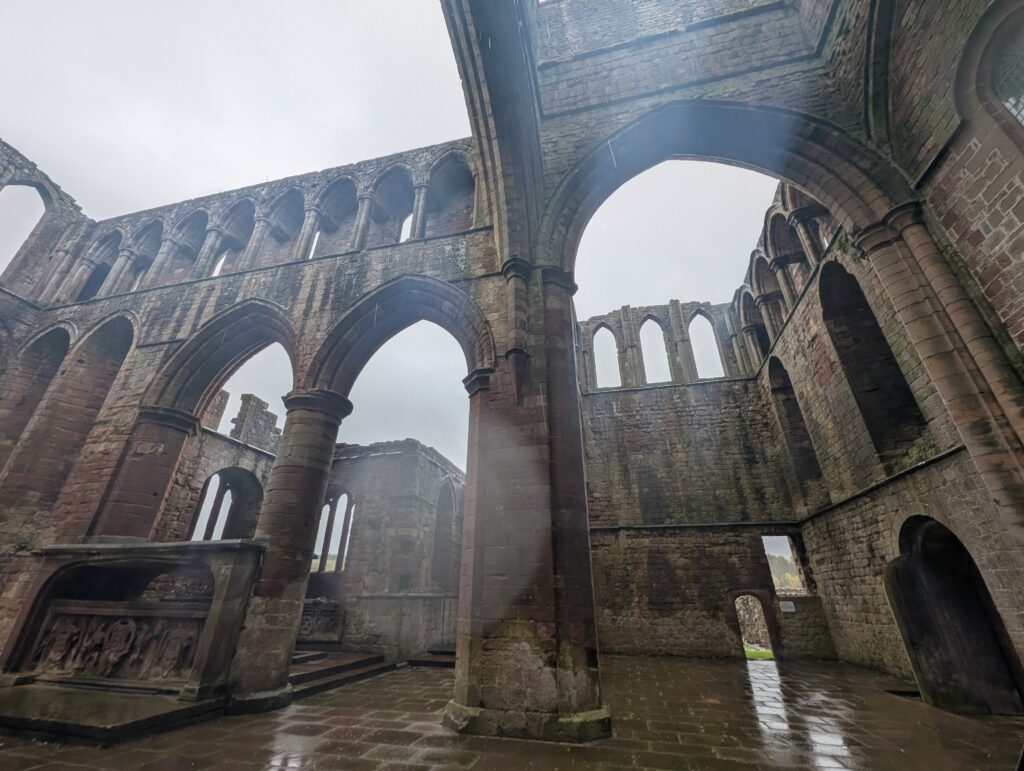
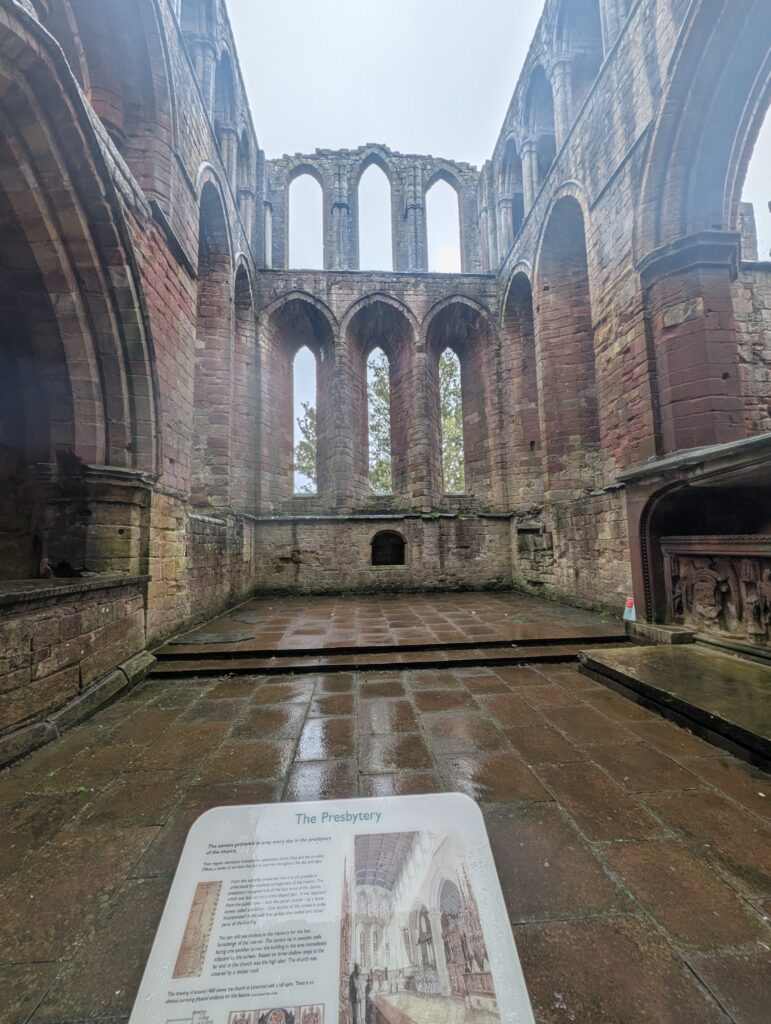
Close by was the Lanercost priory. It was created in 1165. Since it is close to the England and Scottish border, it was in the middle of many disputes and offered refuge to people and pilgrims.
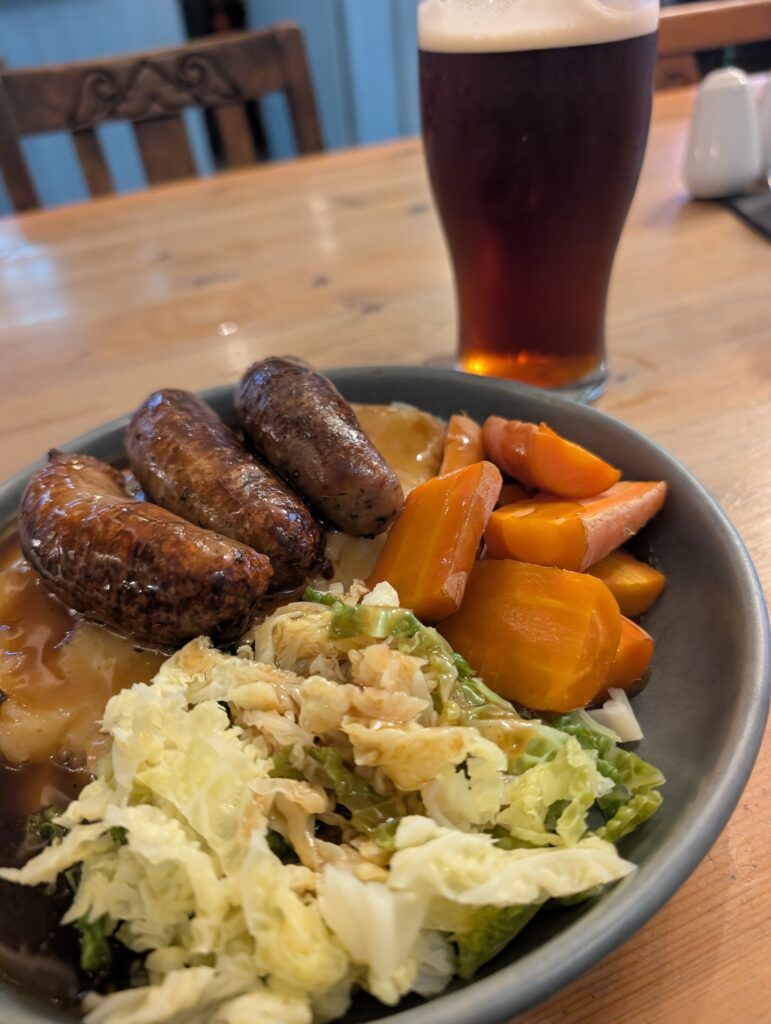
At this point my shoes and jacket were wet from rain and there was no more time to gain entry into another historical place. I drove back to Hexham and returned the car. I also did not stop for lunch and was hungry. I looked at places along the way and saw this tavern that had Bangers and mash. Very warm and filling after a long day.
I took a train ride to Edinburgh and the Castle Rock hostel. it is by far the best hostel I have been in. Many large relaxing lounges, a large bedroom area, and the shower facilities were great.
Immediately I liked the vibe in Edinburgh even though it is touristy. I participated in a pub crawl which is something I normally don’t do. It was pretty fun with competitions between groups and I met some great people.
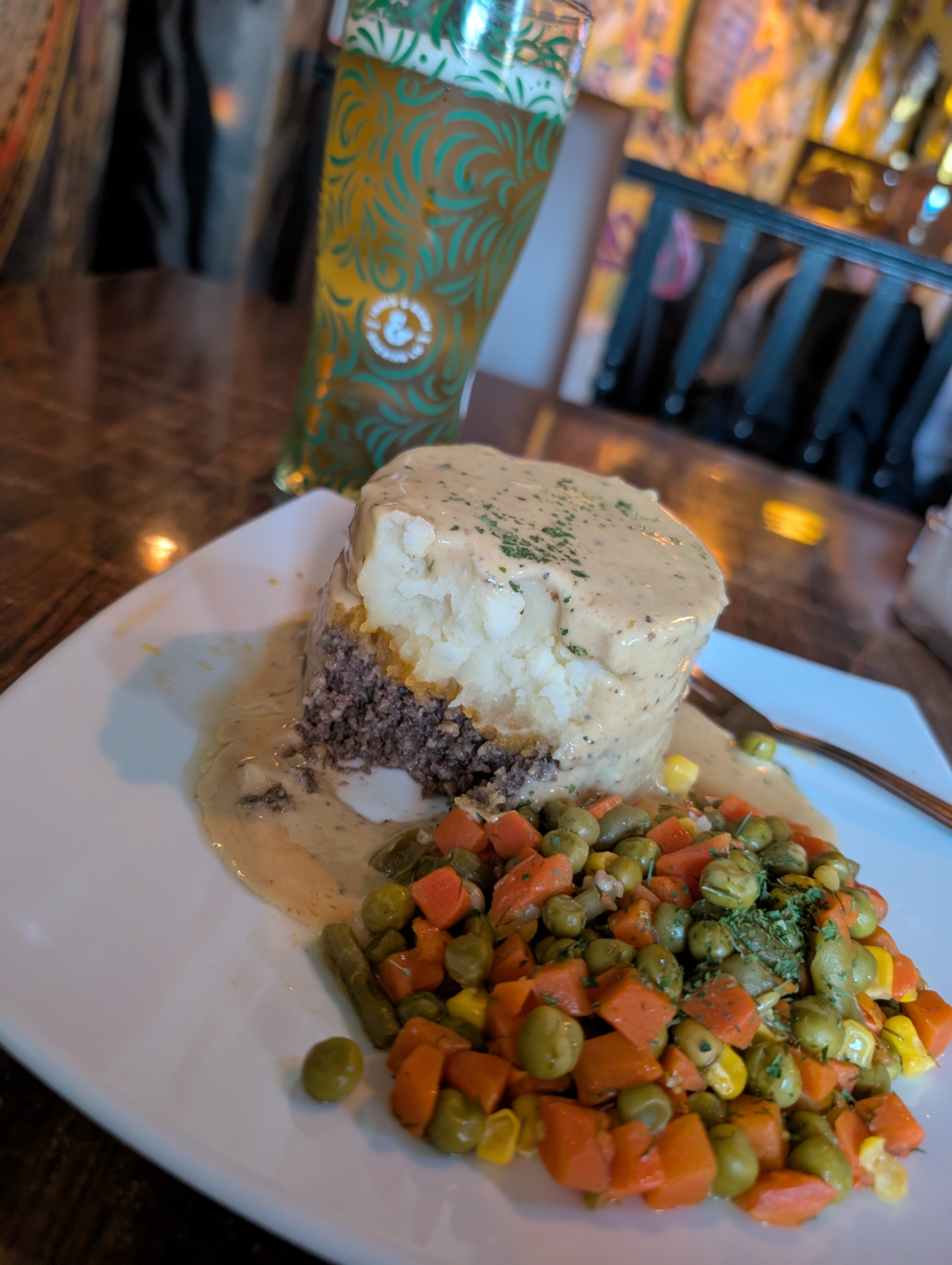
I also ordered Haggis, neeps, and tatties which is traditional Scottish food. So what is it?
Haggis: A savory pudding made from a sheep’s heart, liver, and lungs (often referred to as “pluck”), minced with onion, oatmeal, suet, and spices. it looks a bit like ground beef but has a really good taste and is spiced well. Traditionally, it was boiled in a sheep’s stomach, but today it is usually cooked in an artificial casing.
Neeps: The Scottish term for mashed rutabaga or swede, a root vegetable similar to a turnip. It is typically boiled and mashed with butter, pepper, and sometimes nutmeg.
Tatties: The Scottish term for mashed potatoes. They are also prepared with butter and seasoned for serving.
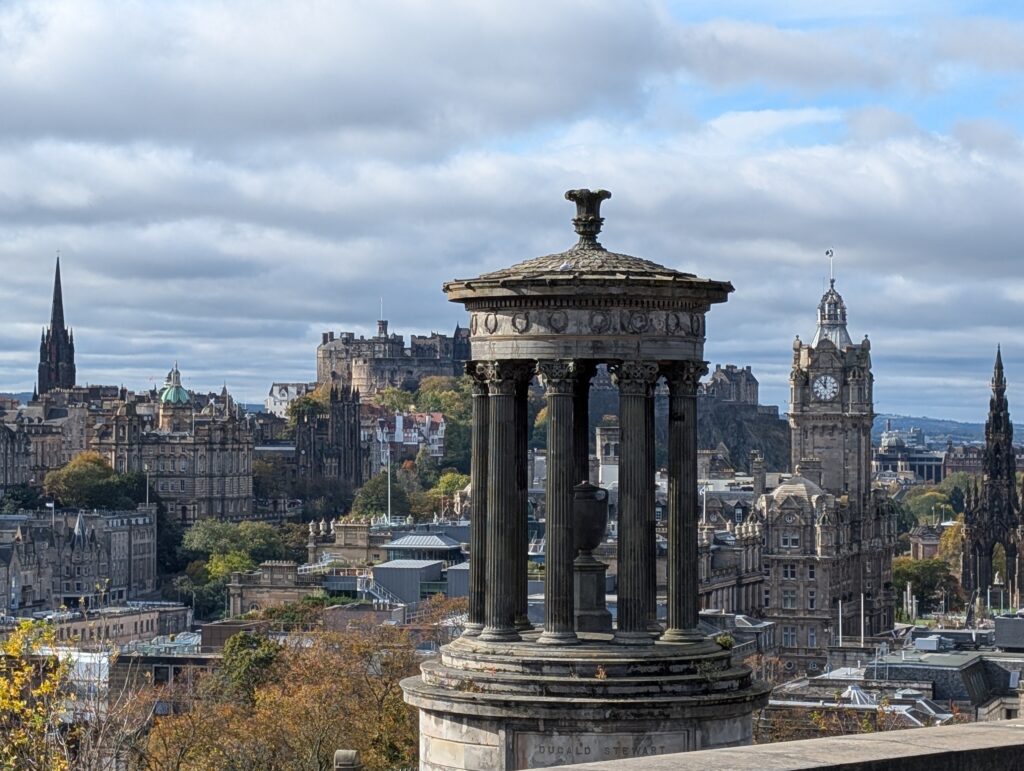
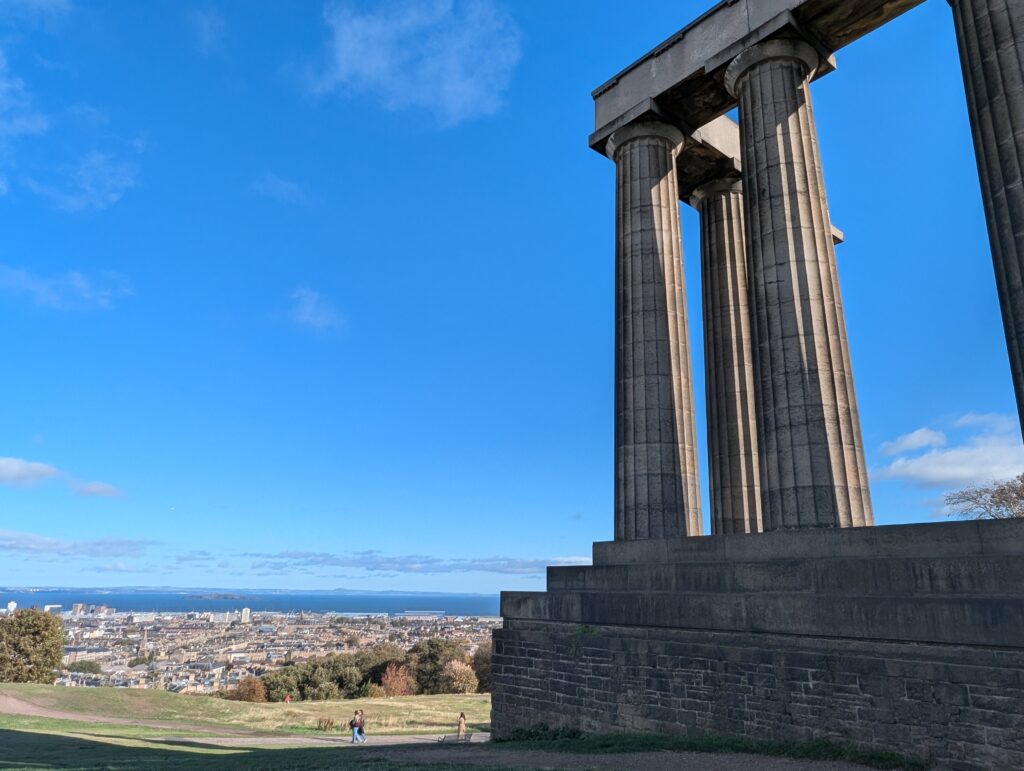
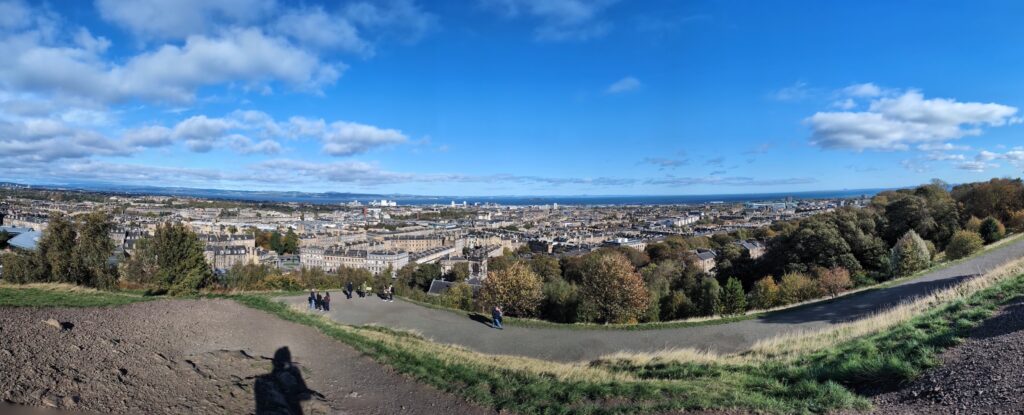
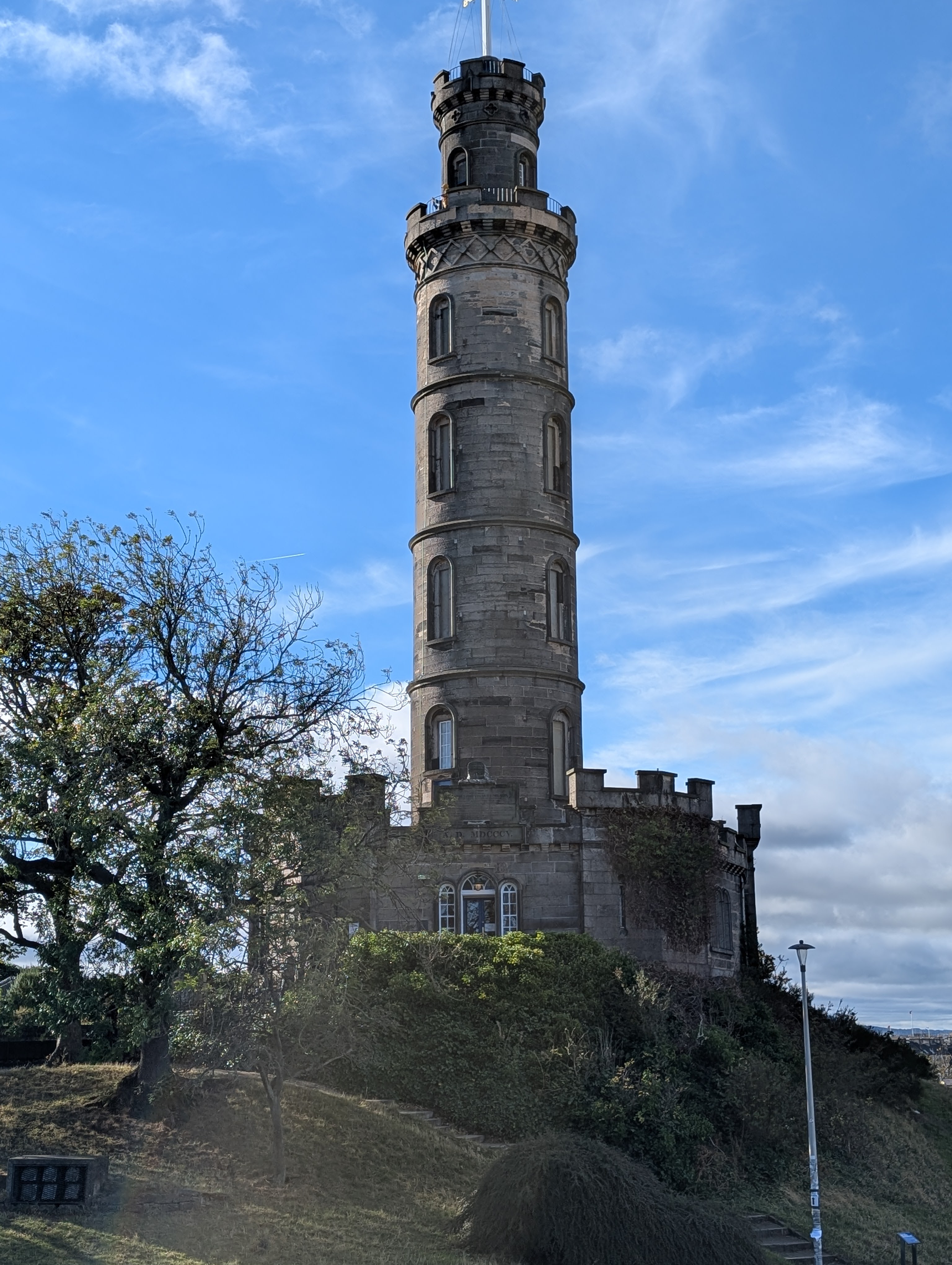
I also walked to Calton Hill to see the views of the city and look at some of the art installations in the buildings there.
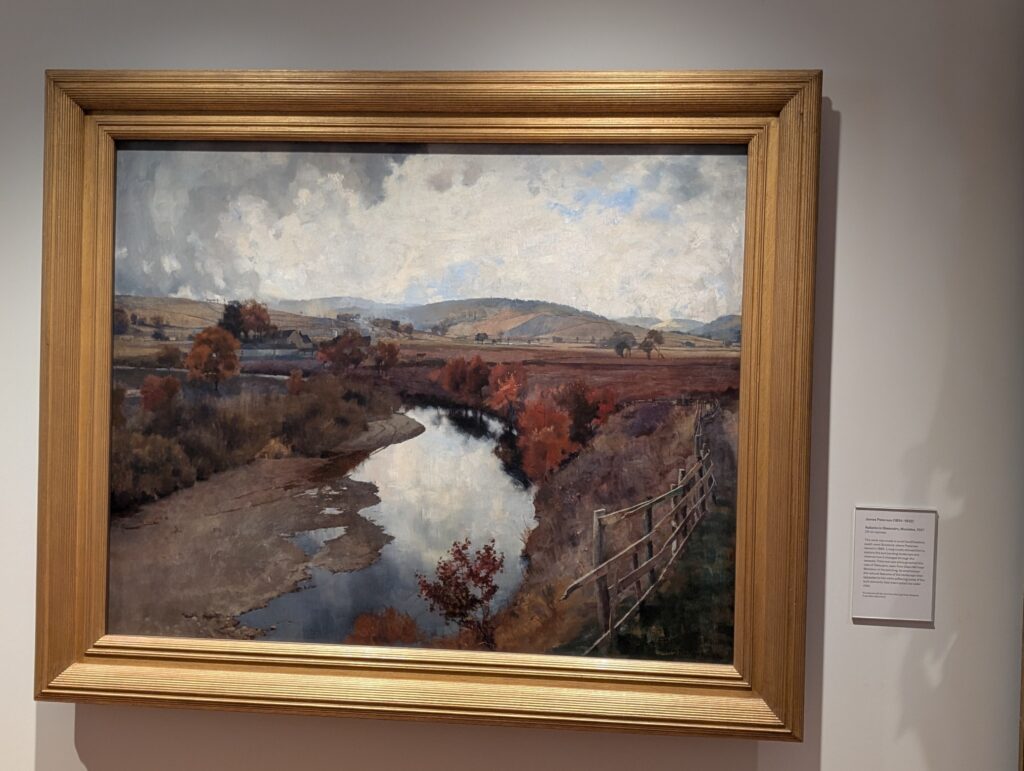
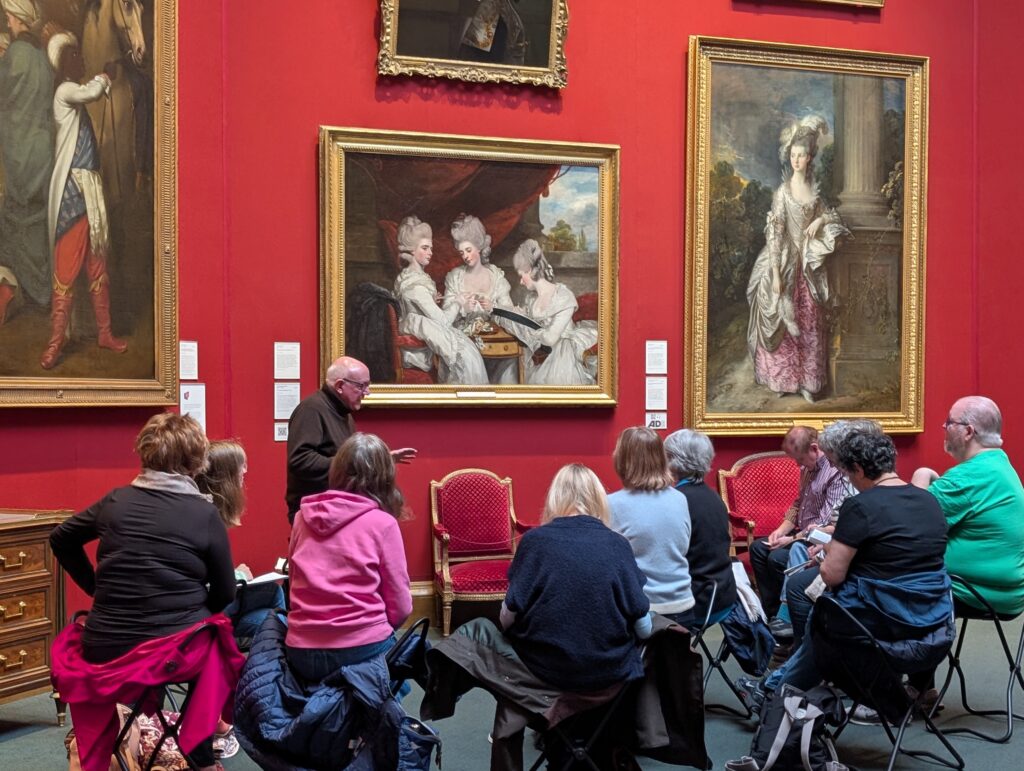
After the Isle of Skye tour, I came back to Edinburgh for a few more days. The National gallery and the National museum are free. The National Gallery has some amazing art from Scottish painters and others from around the world including many French impressionists artists. There was a person leading a discussion on the meanings of parts of the painting.
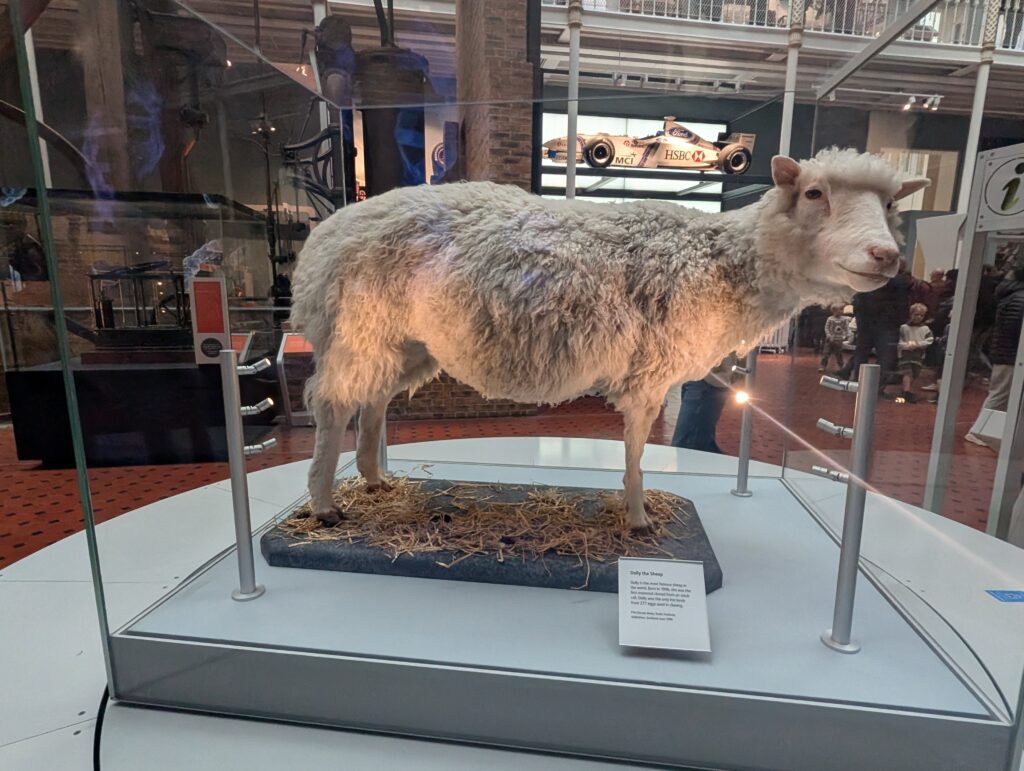
The National museum had many exhibits from all over the world. The most interesting was the body of Dolly, the cloned sheep. She had been preserved and was on display.
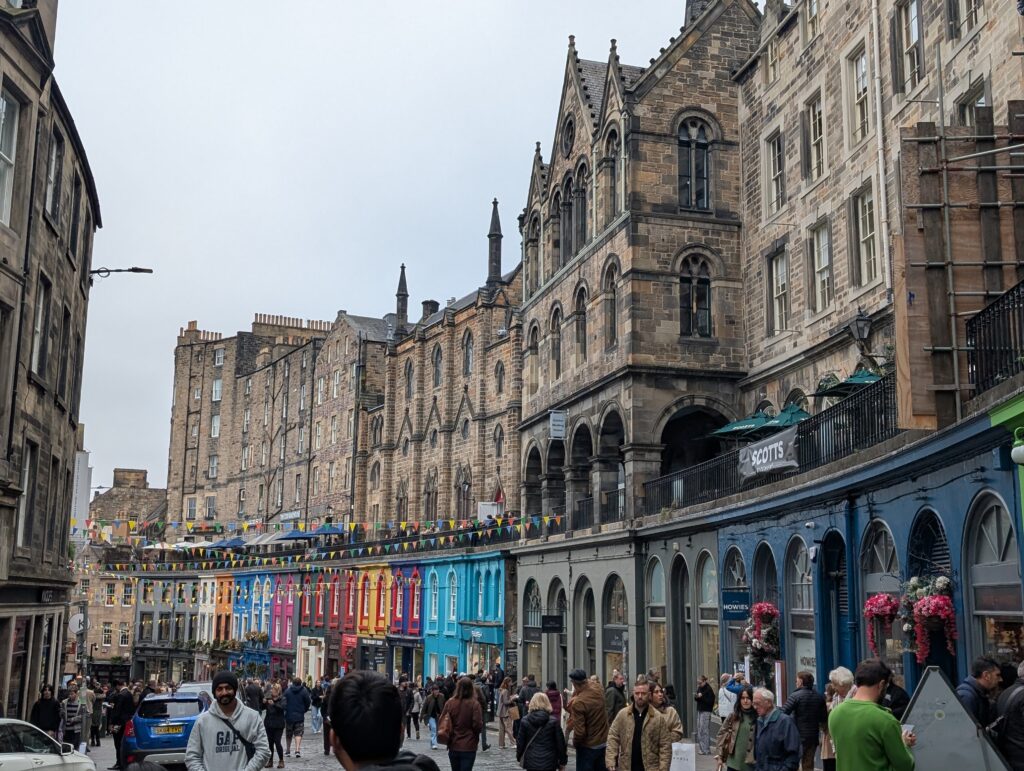
I walked along Victoria Street with all the amazing colorful stores.
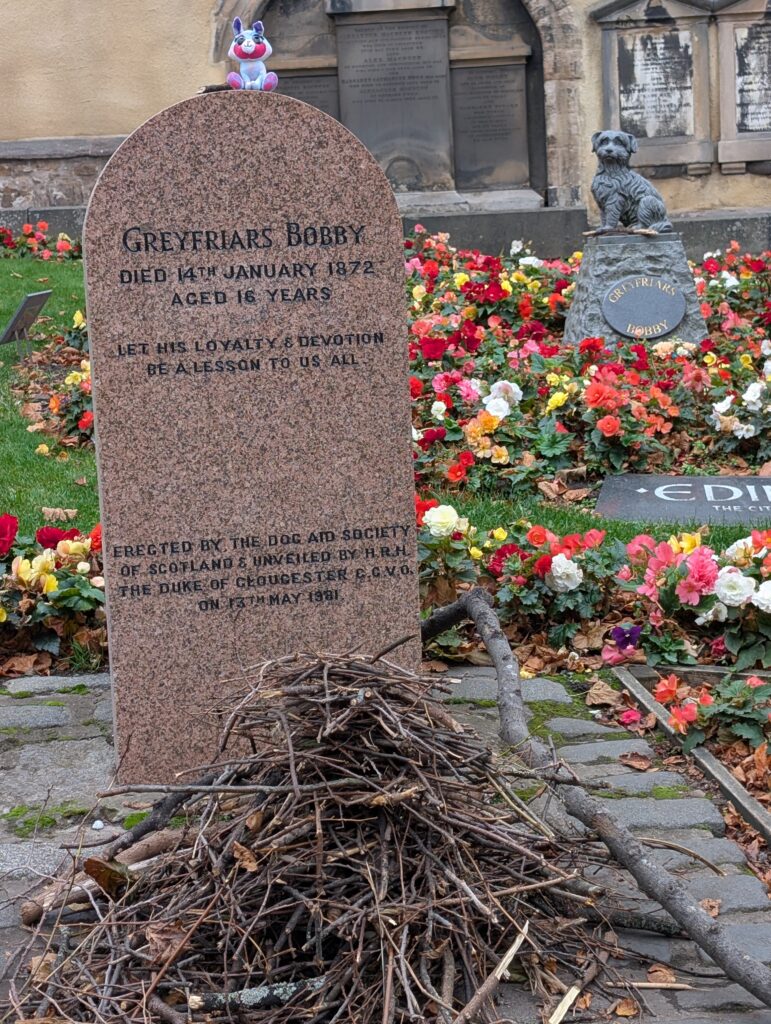
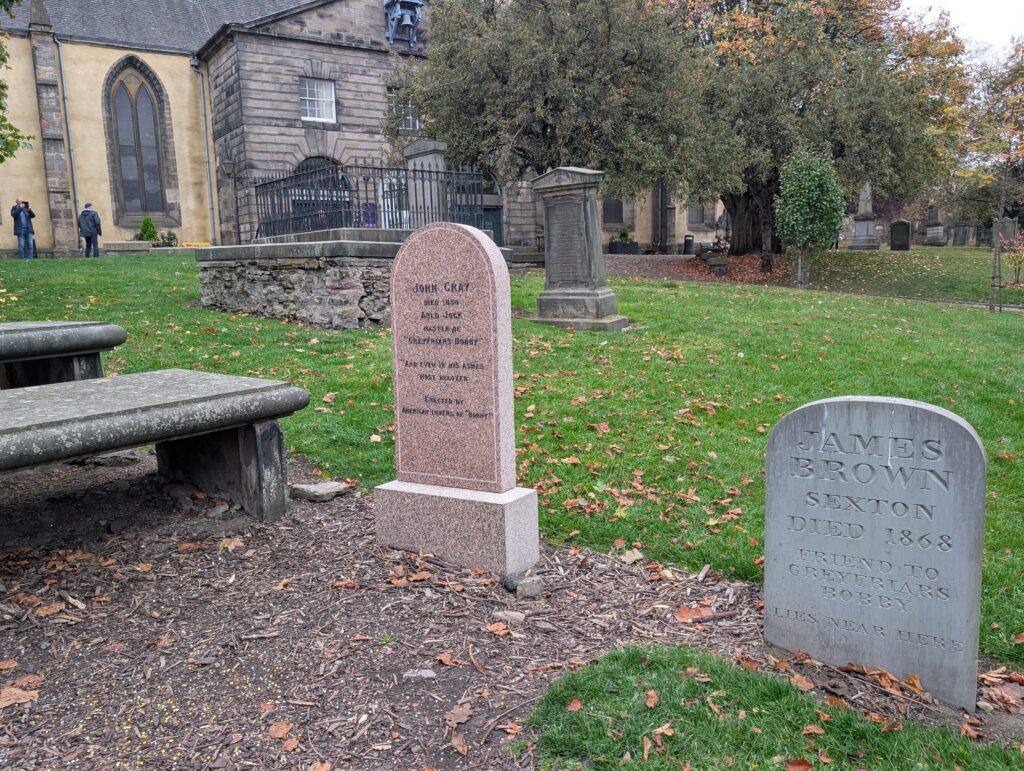
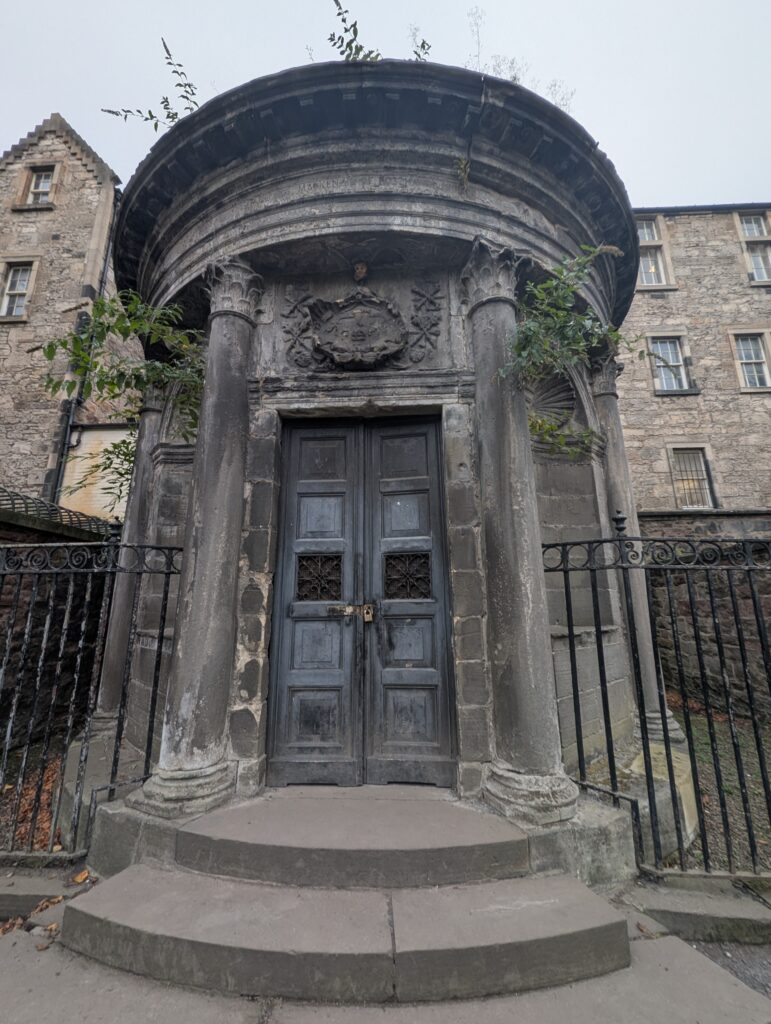
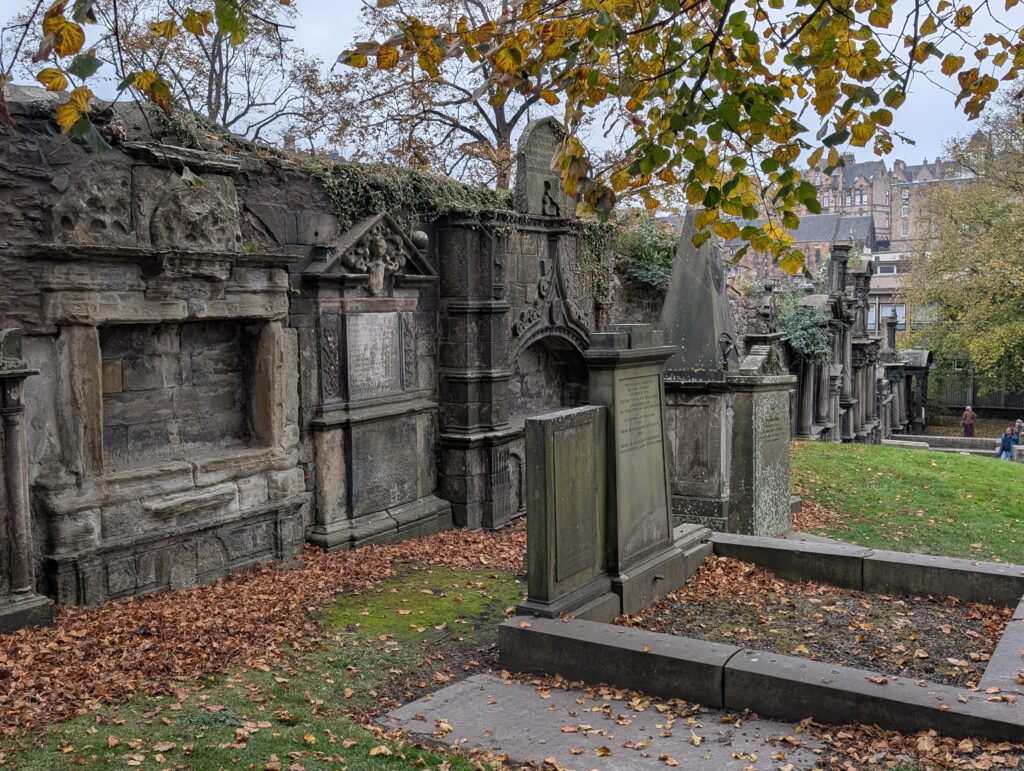
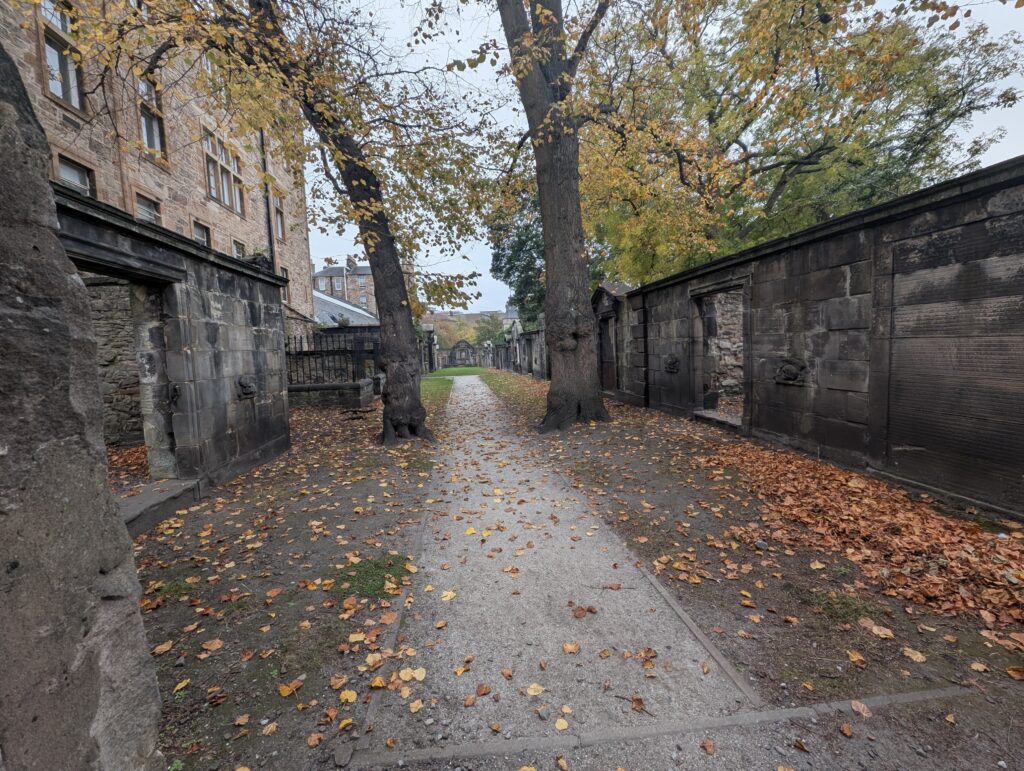
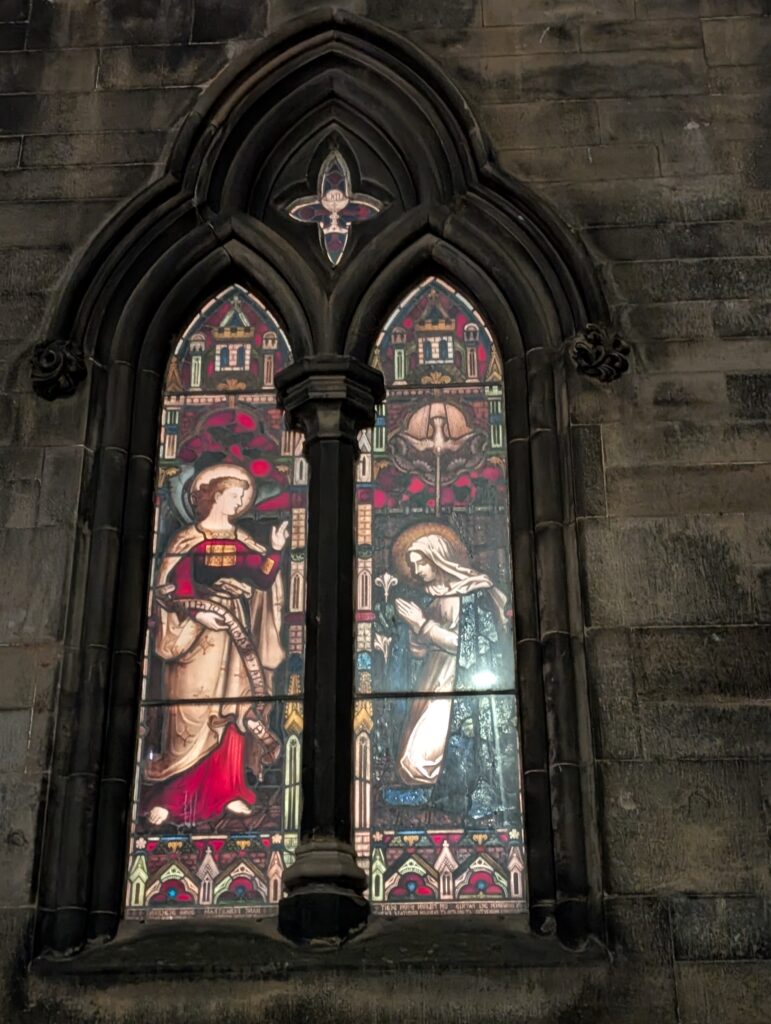
I then visited Greyfriars cemetery which is said to be haunted. The first thing you see is Greyfriars Bobby. He was the Skye terrier of John Gray, a philosopher and writer. When he died, his dog guarded his grave for 14 years. The owner of the local pub right outside the cemetery gate, made him a house and bed and made sur he was fed until he died. He is. It buried with his master because of cemetery rules but is nearby.
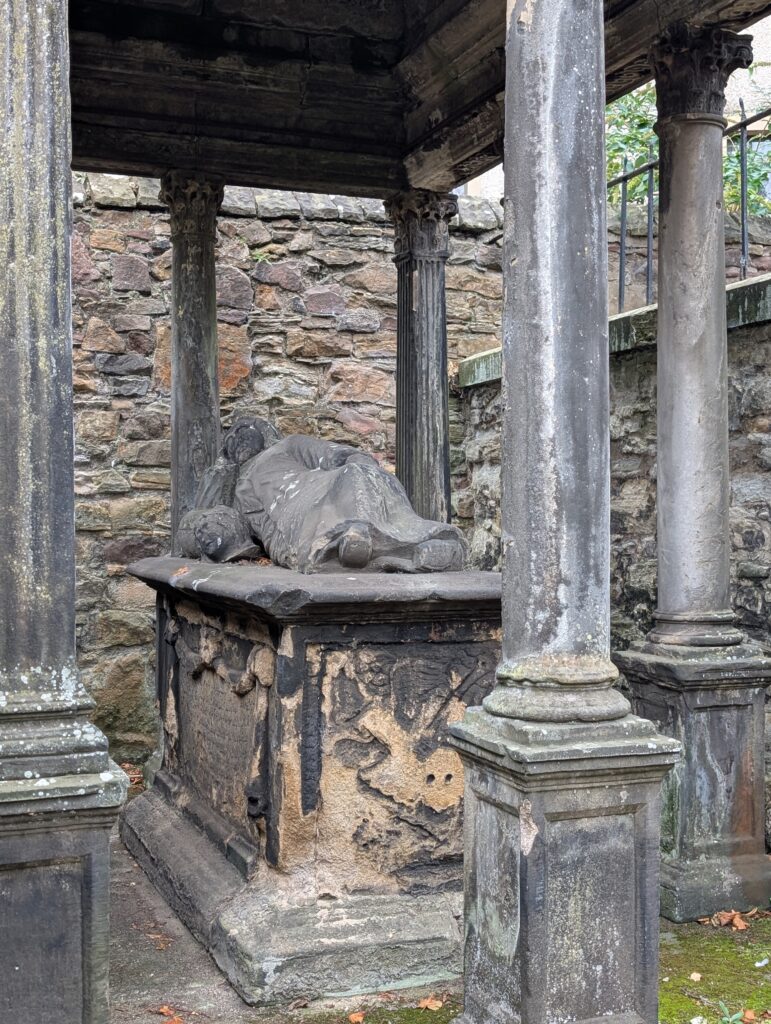
other graves to note is this one that is said to be haunted by a poltergeist.
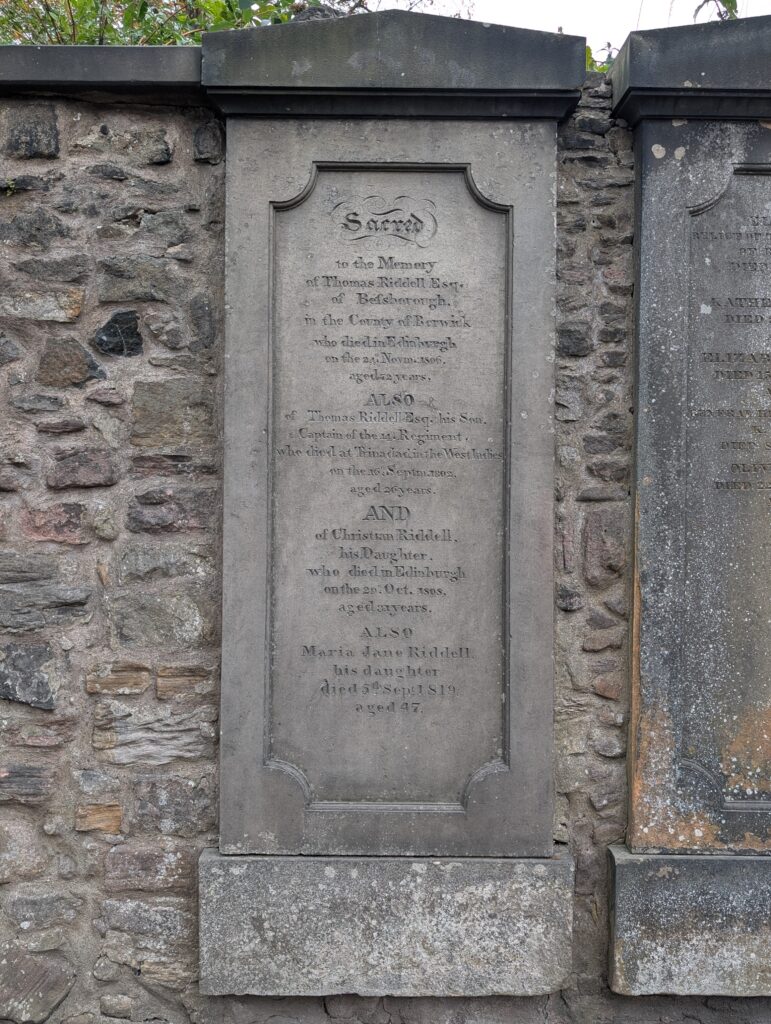
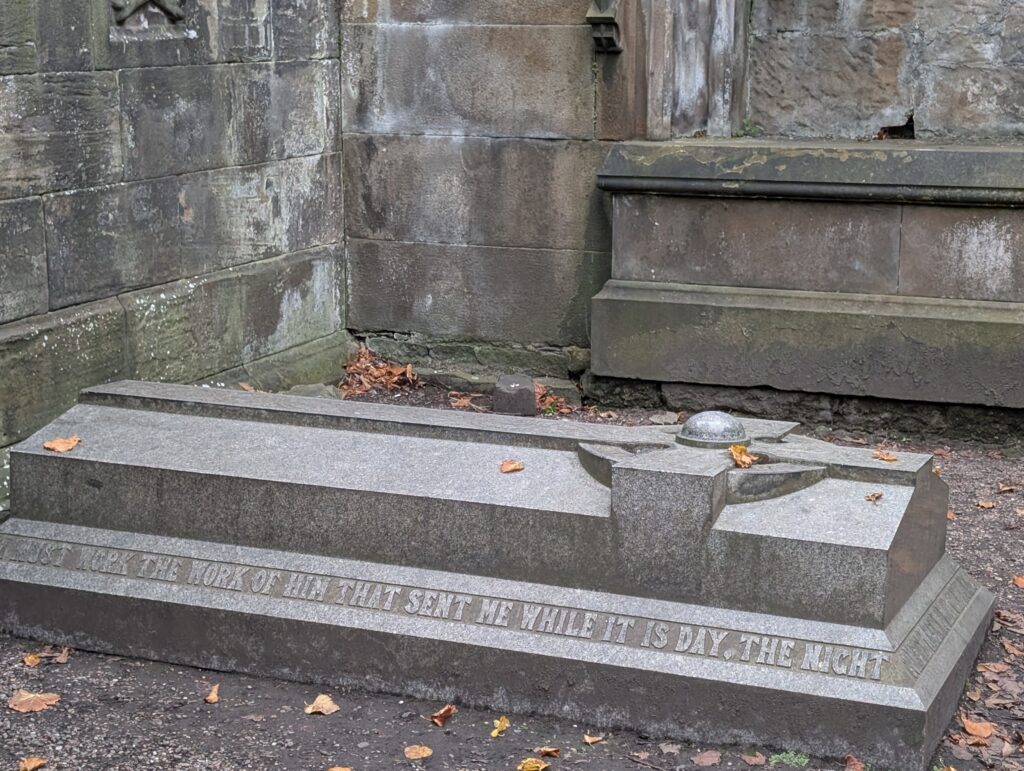
This is the grave of Thomas Riddle. I did not research about him, but all I could think of was Harry Potter. Some other pictures I took.
The Covenanter prison was located here. They were held in horrible conditions until they all died and were buried here.
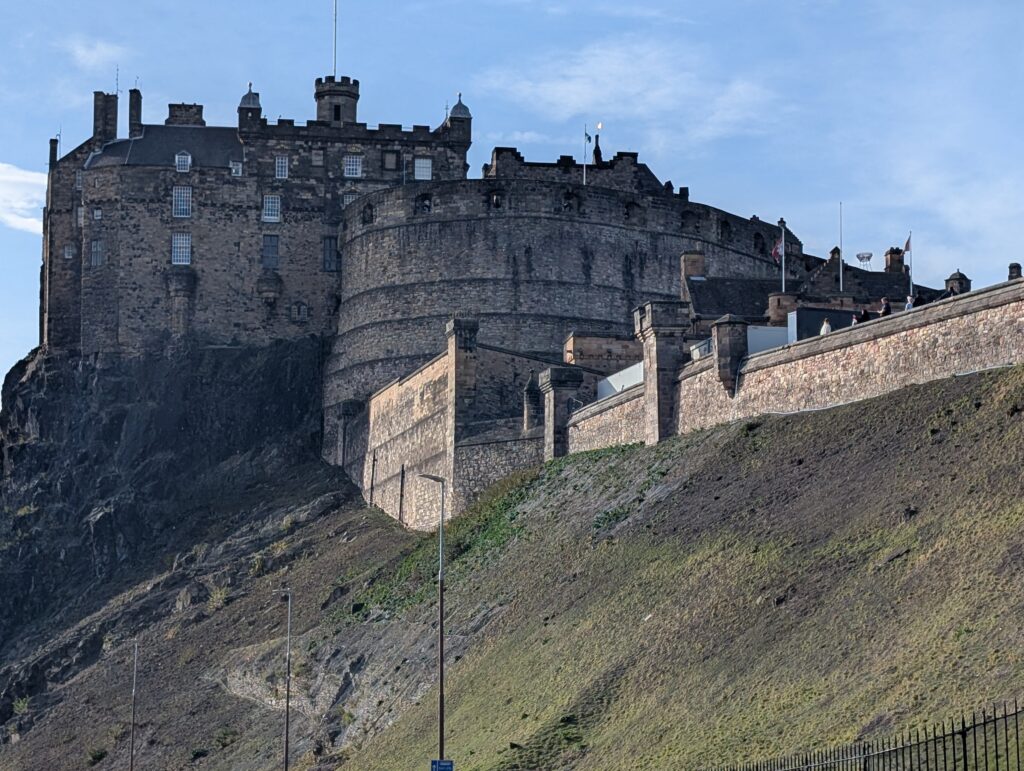
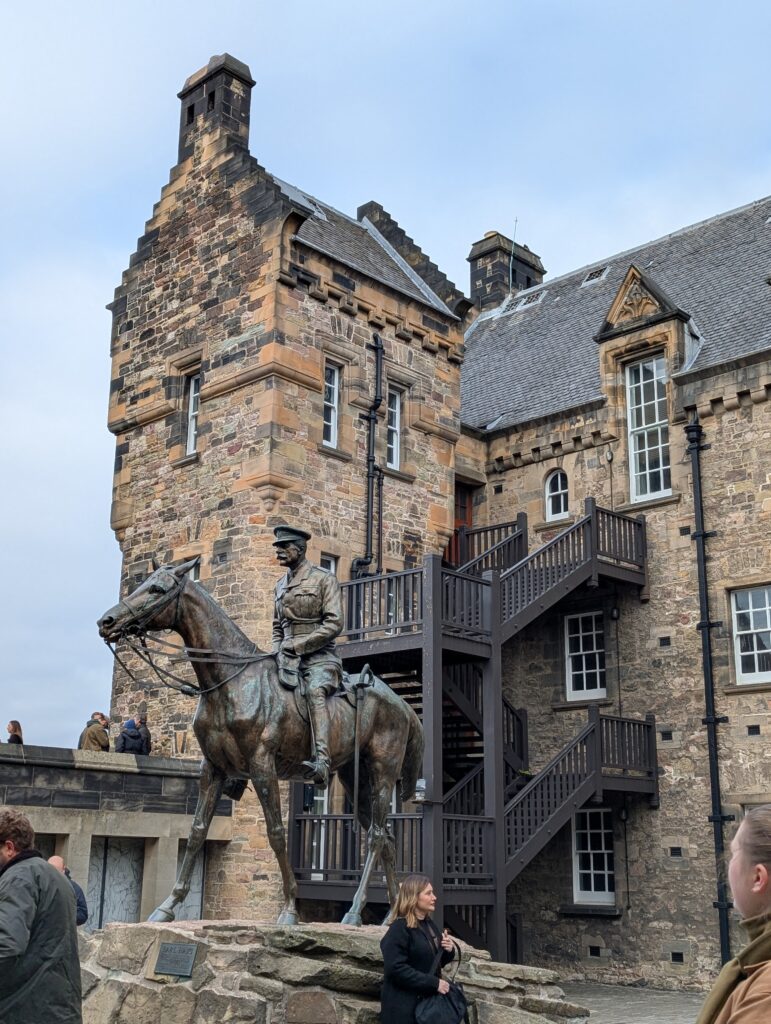
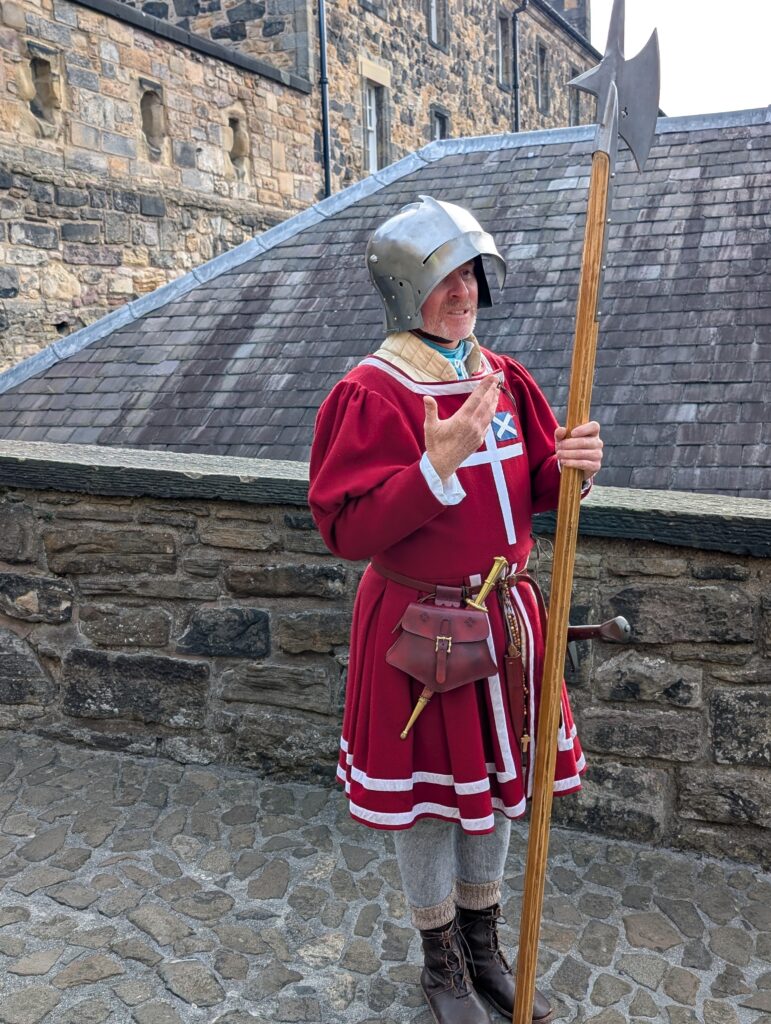
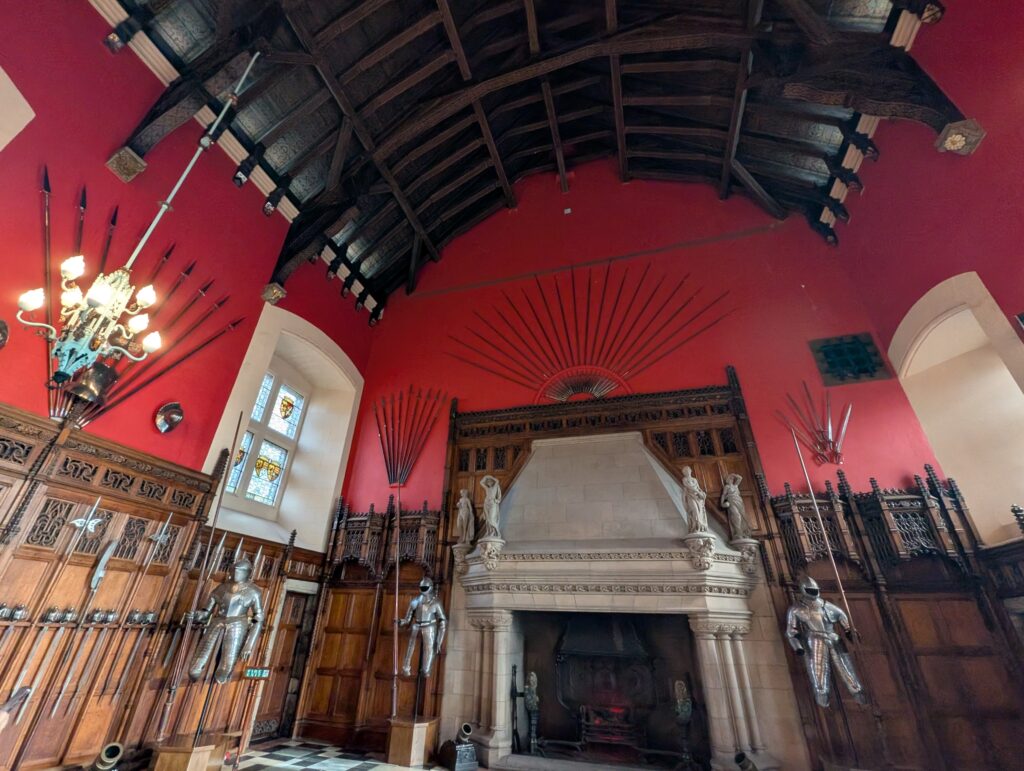
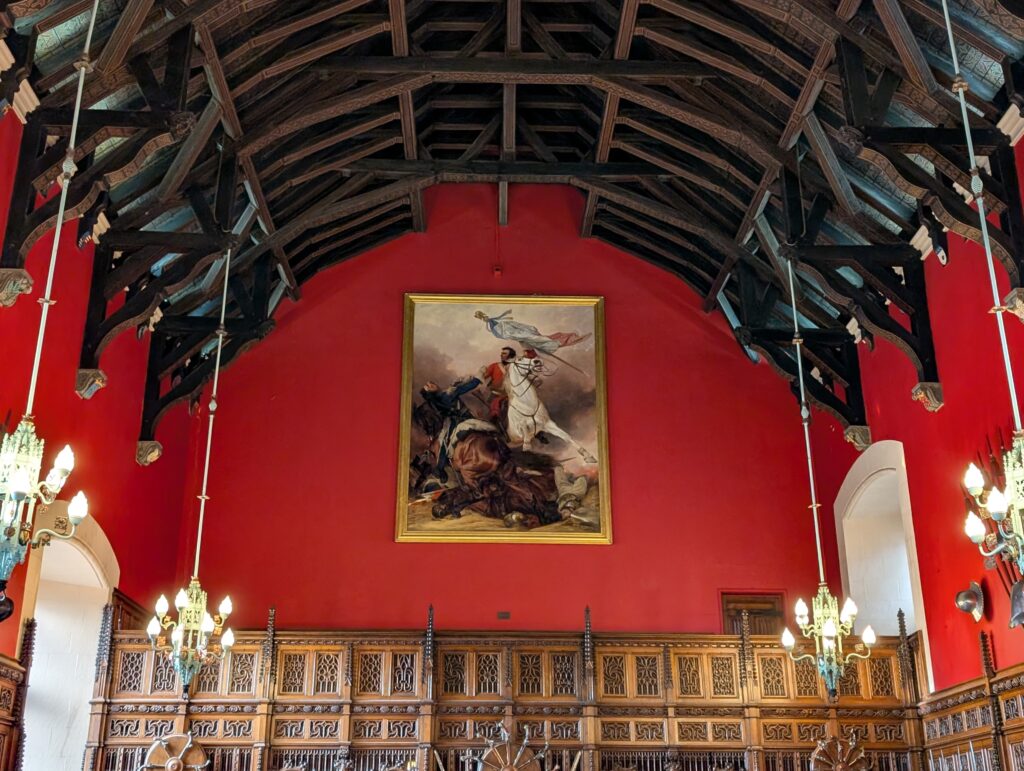
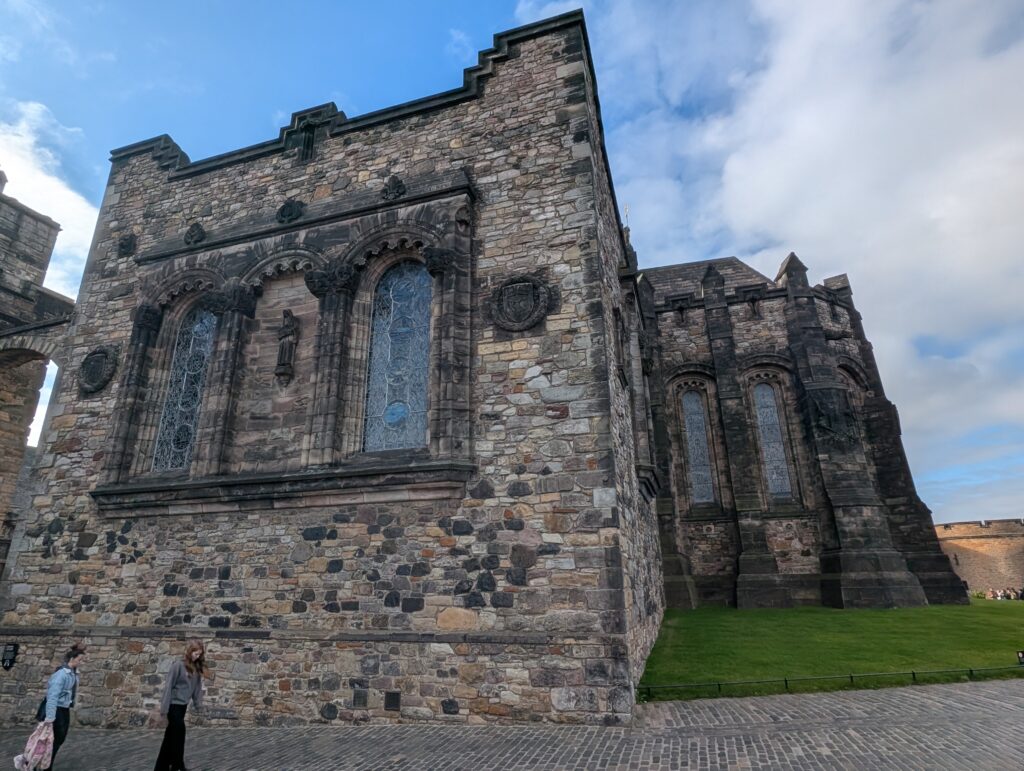
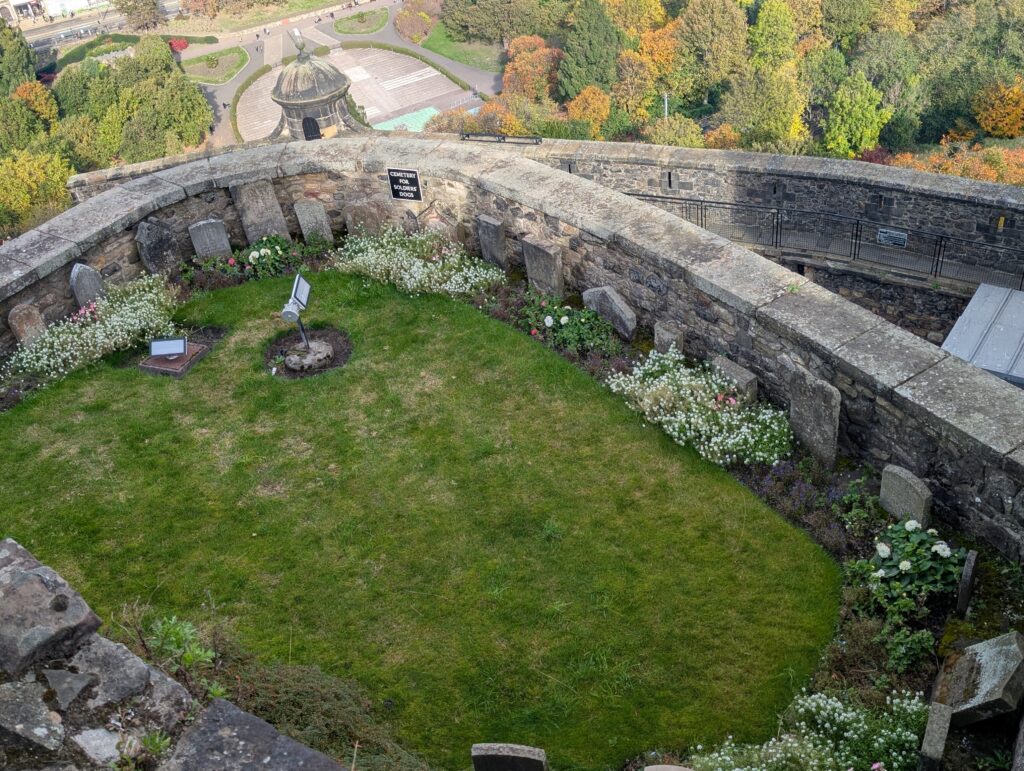
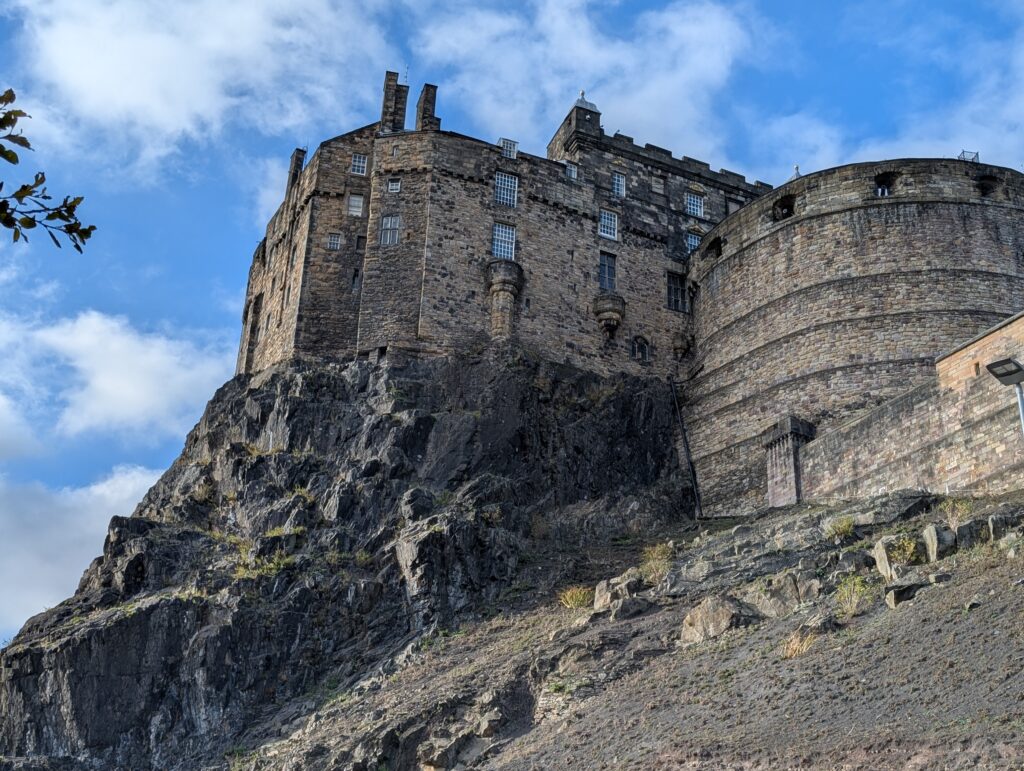
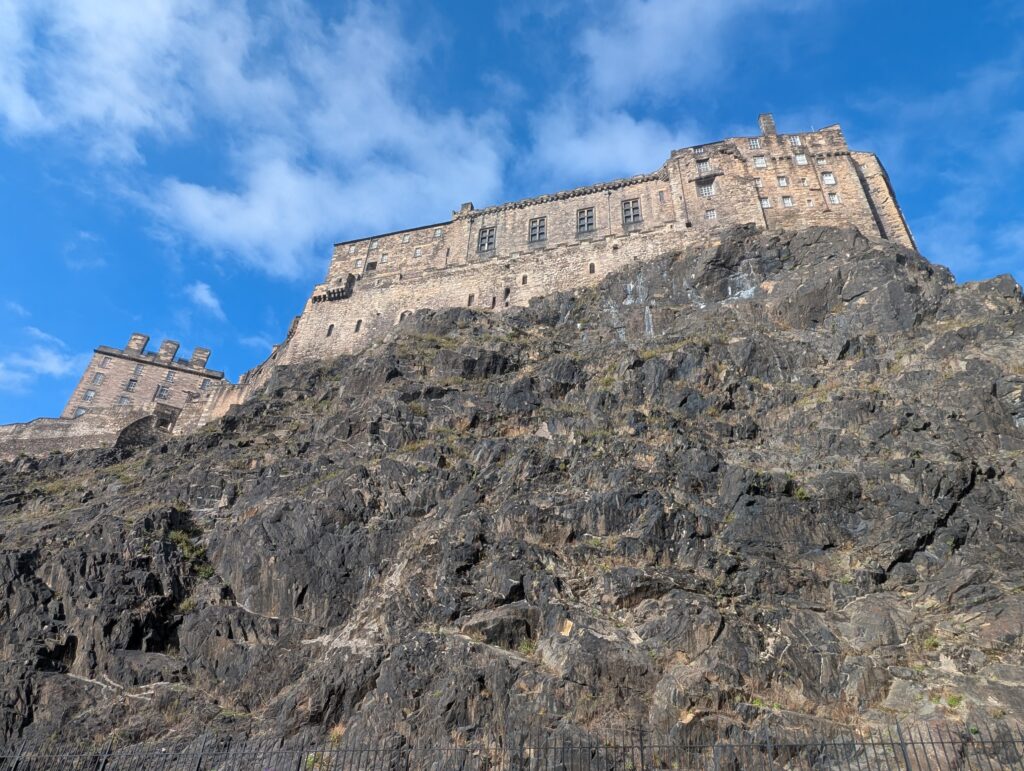
Edinburgh castle was pretty good to tour though they do not show you all the parts of the castle or take pictures. They showed the crown jewels though no photos were allowed. I learned about the history and how they dealt with prisoners.
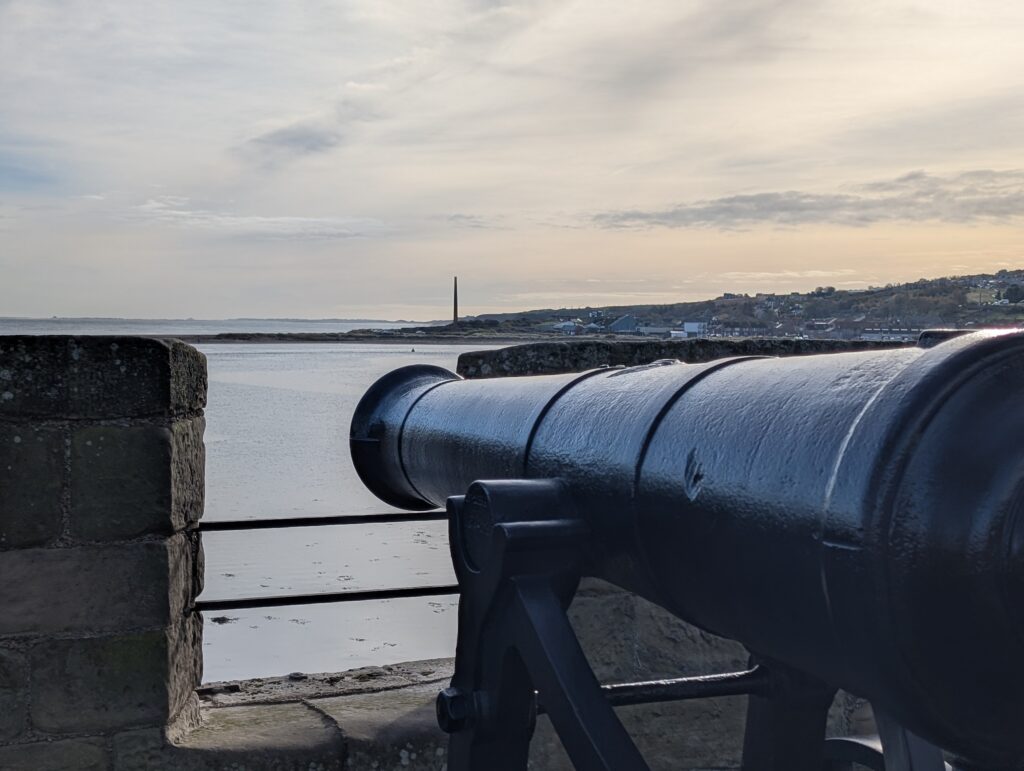
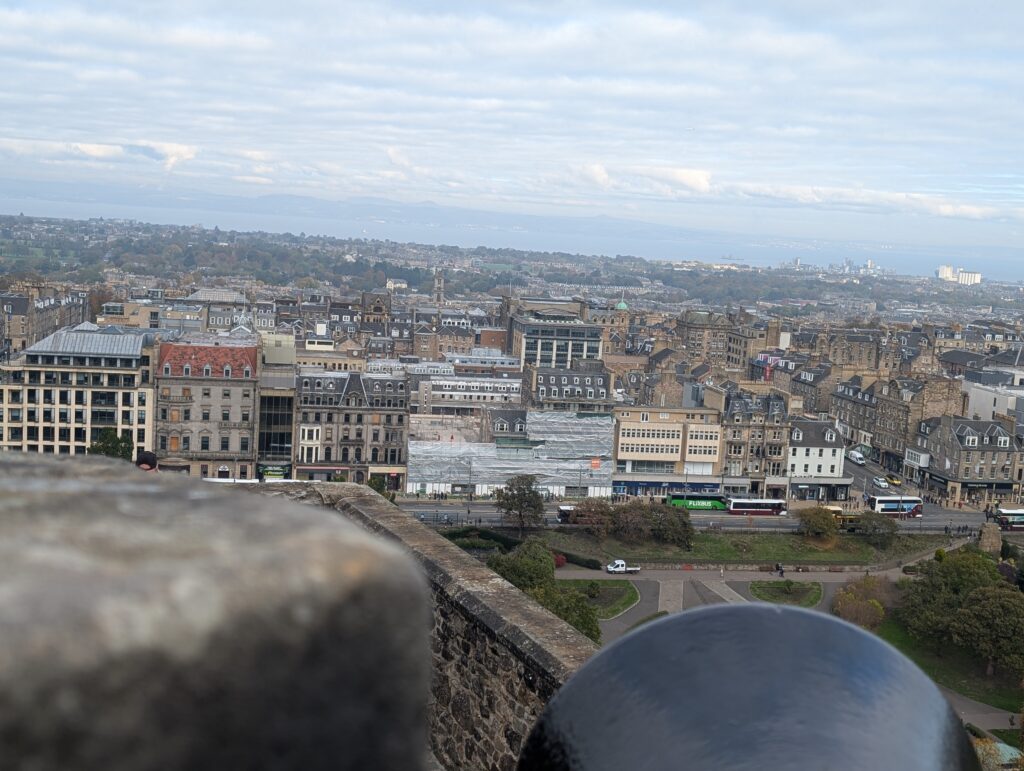
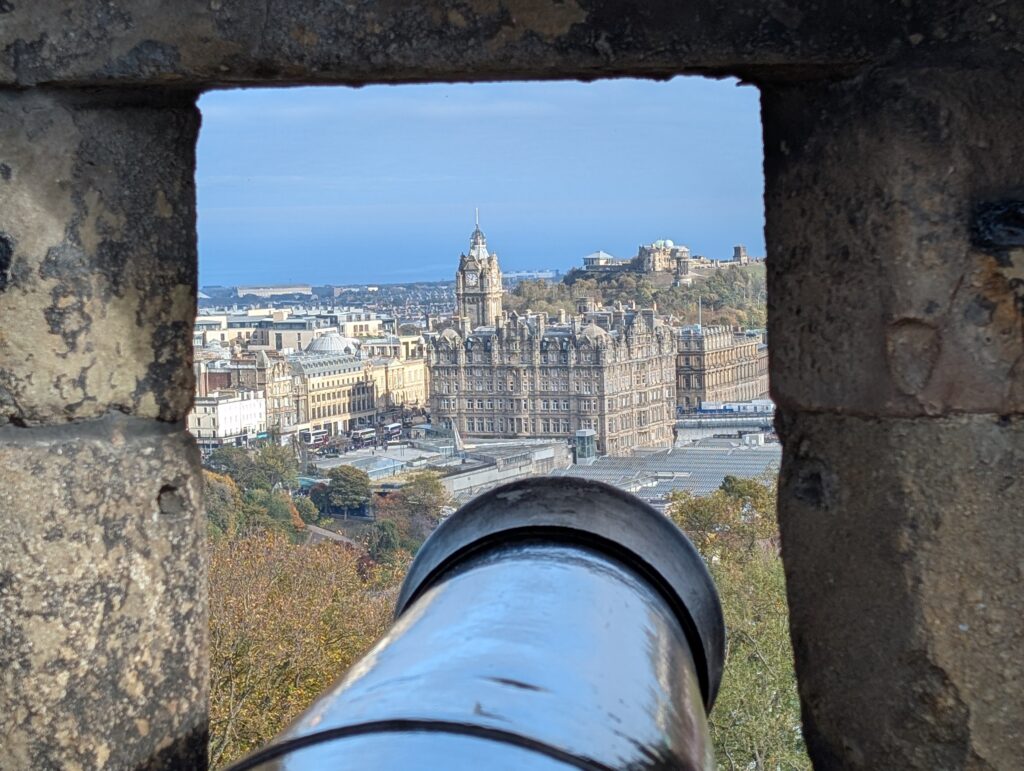
The views from the cannon holes are impressive.
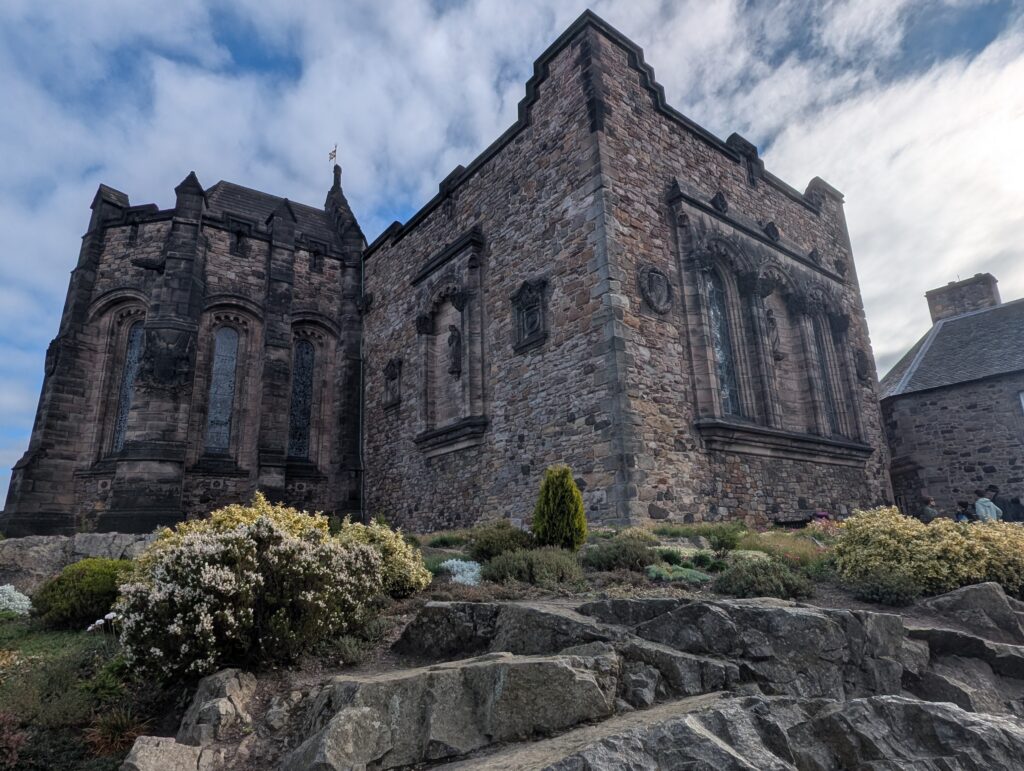
As the house of the Stewart’s and pretty fierce Scottish fighters, this castle seeming to rise straight out of volcanic rock is truly formidable.
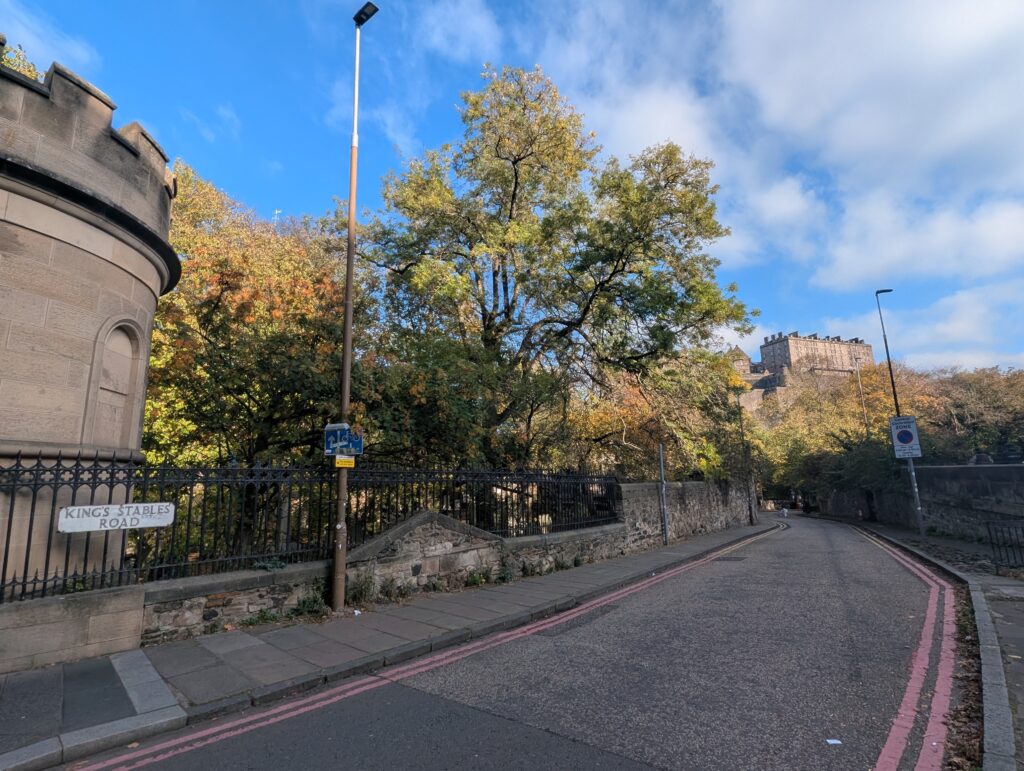
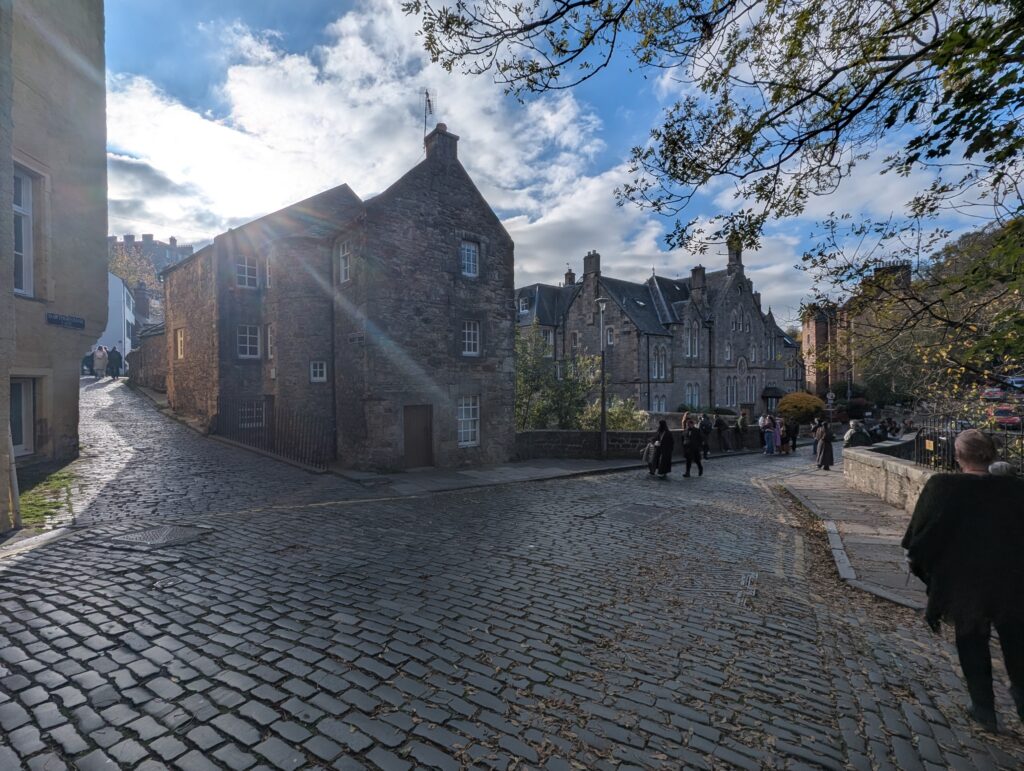
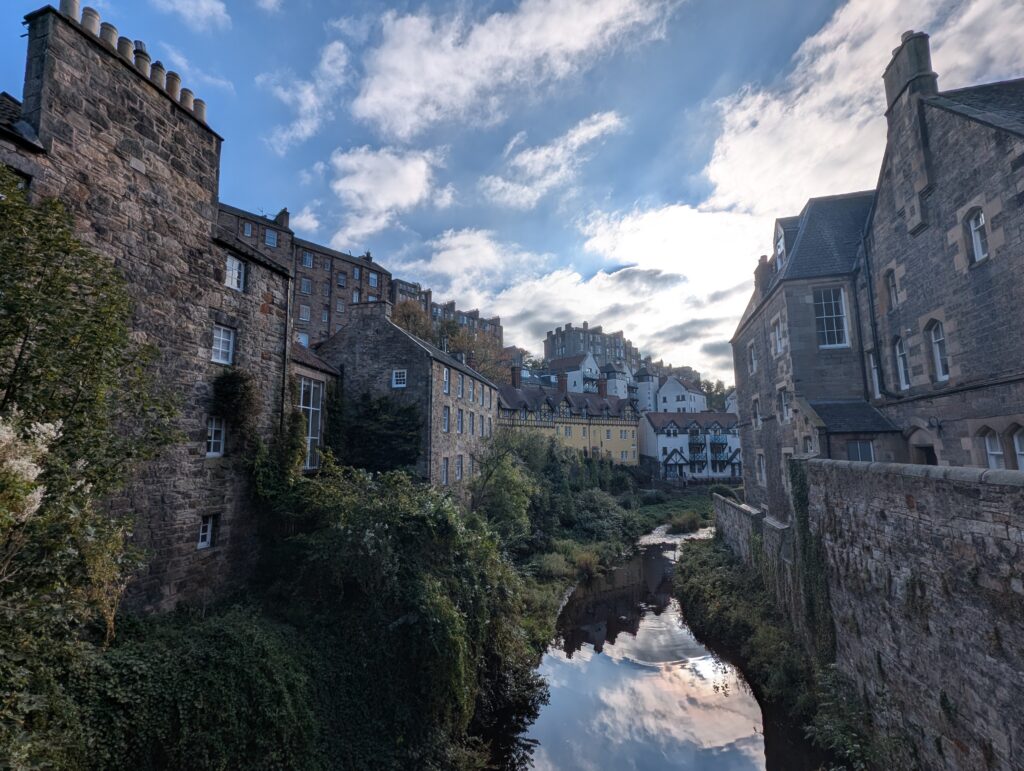
I also walked to one of the waterway paths. It was a beautiful walk. Edinburgh is an incredible city.
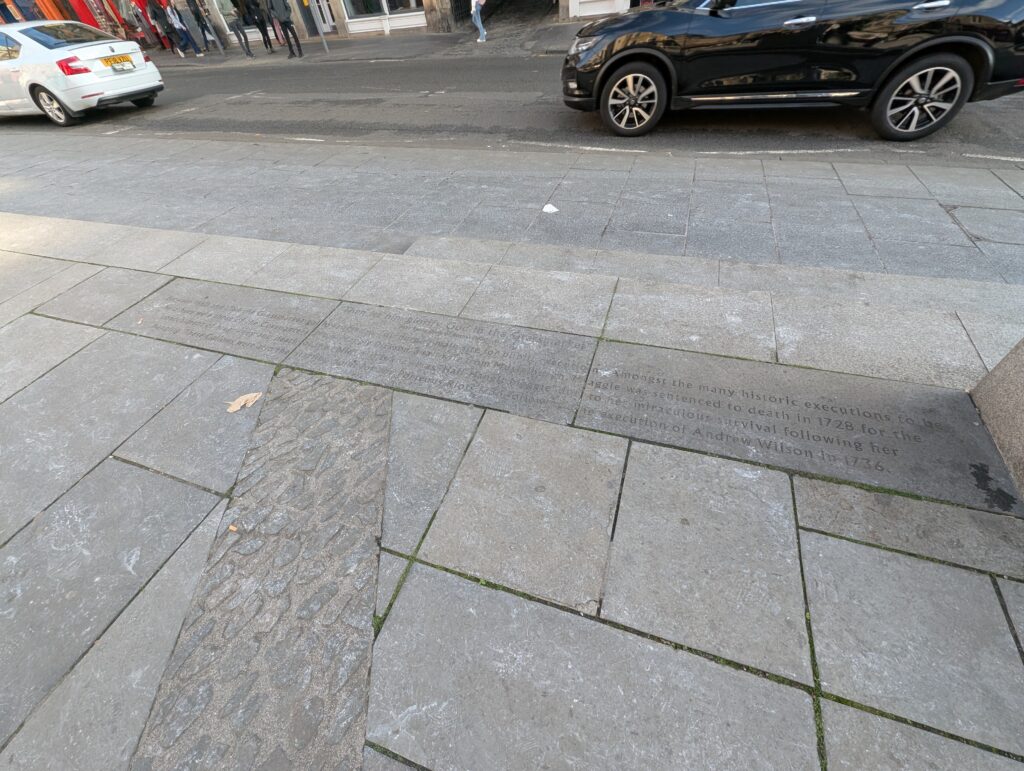
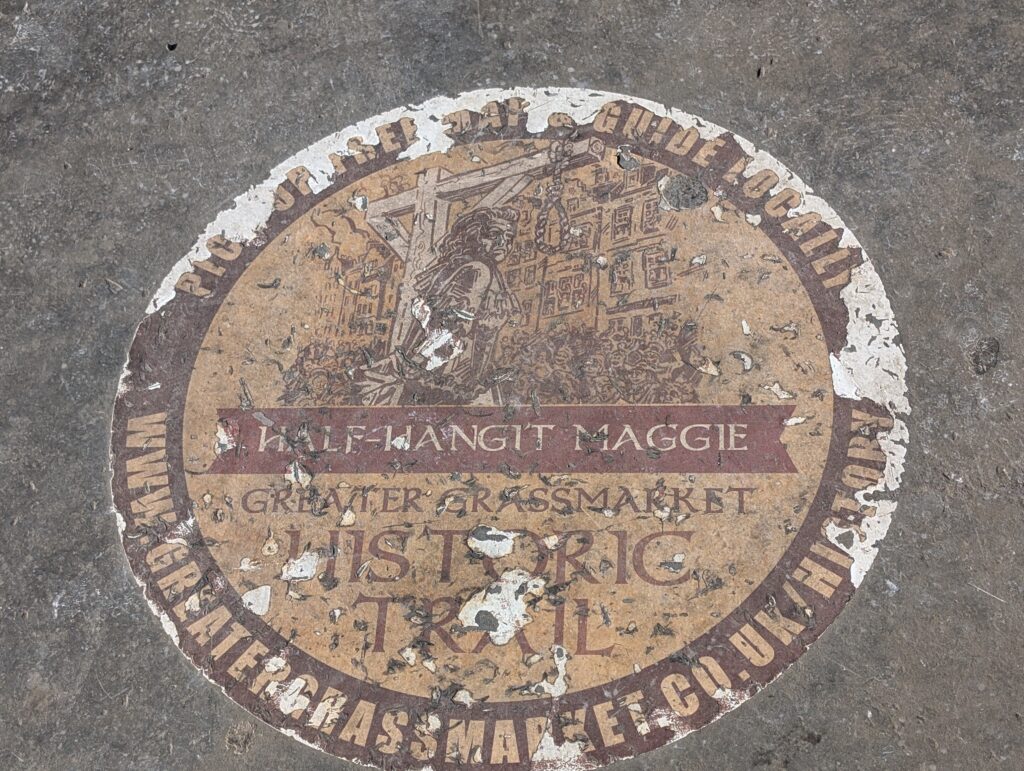
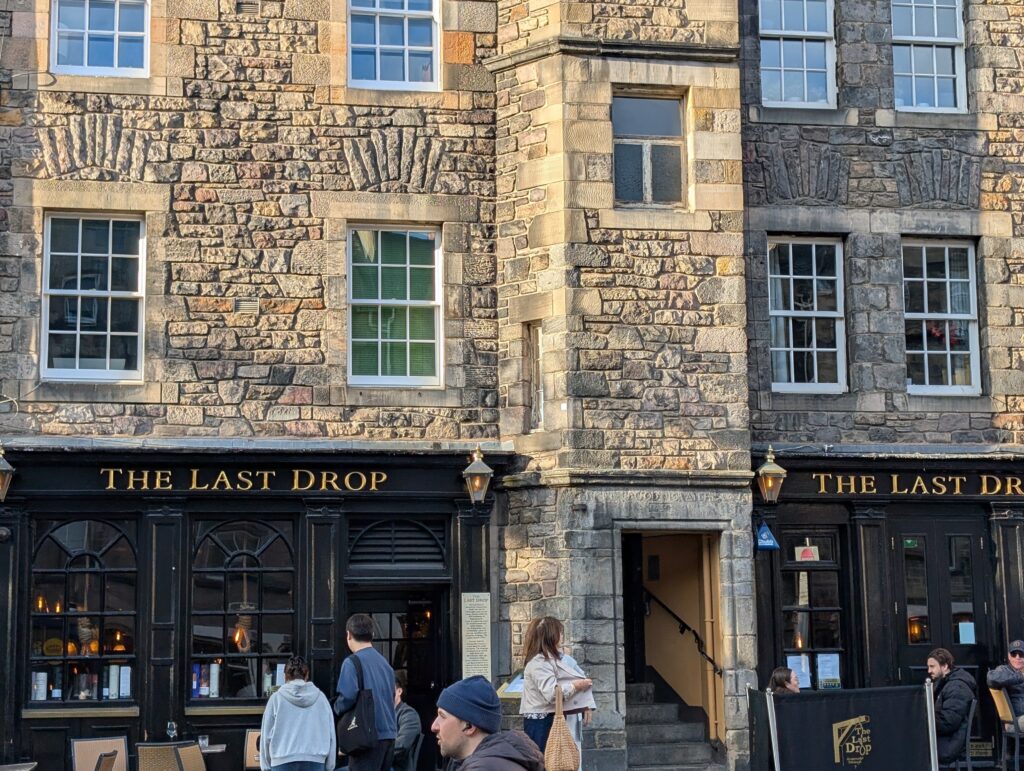
Gallows existed in the city on this spot and hangings continued until 1760. One woman, Maggie, convicted of hiding a pregnancy and killing a child was hanged but survived. They decided not to try it again and she was thought to be a witch. The condemned were taken to The Last Drop bar for a drink before being hanged.
I arrived in Santiago de Compostela by train and met my friend, Maggie. Our intention: to complete the Camino de Santiago from Sarria. 115 km with a 7 kg pack. We left the rest of our belongings in Santiago for when we return.
Some background: James was one of the apostles who was a martyr and was beheaded. His head was buried in Jerusalem but his body was taken by boat guided by an angel to Santiago where it was buried. In the 9th century, his room mains were discovered and a church was ordered to be erected at the site. His remains are interred in the church. When news of the discovery of his remains spread far and wide, religious people made the pilgrimage to Santiago. Some of these routes may have already been trade routes, but the paths were followed by others over the centuries and are known as the Camino de Santiago. There are quite a few paths over many countries.
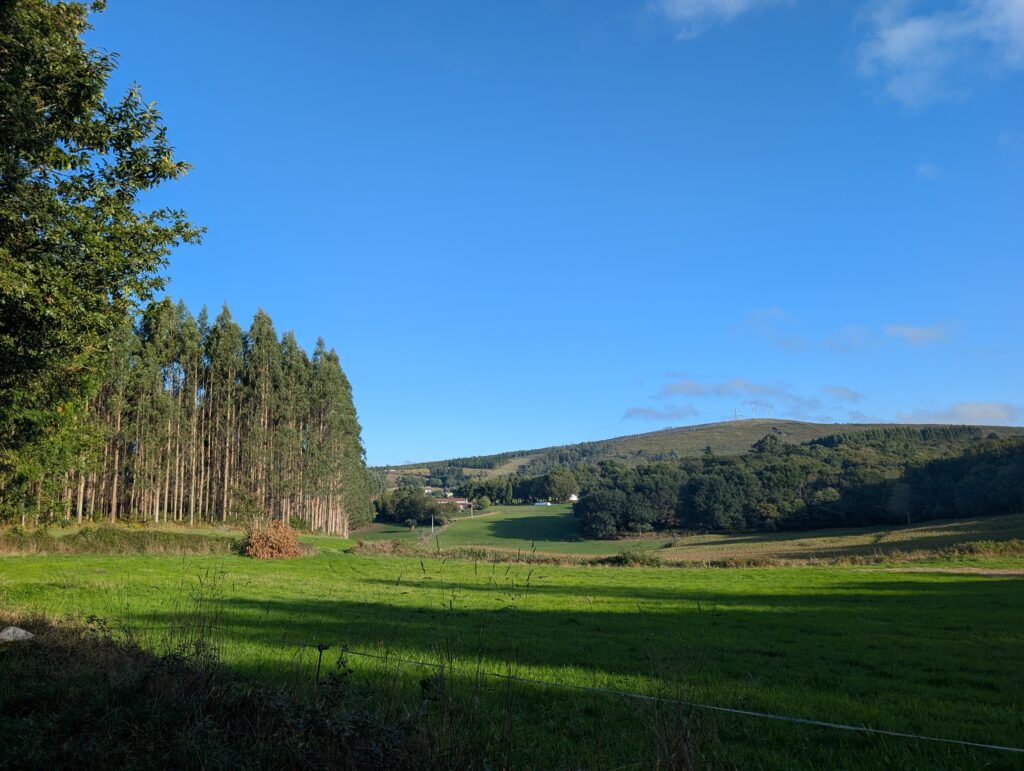
I thought the Camino Frances would be good as there are many stopping points and it was the original one I wanted to do. Initially I was going to do the complete Camino Frances, walking over the Pyrenees and across the top of Spain for a total of 780 km.
Recovery from the knee replacement is proceeding but I am limited in how many km I can walk in a day. We averaged about 10-15 km per day and it still was a test of mental, physical, and spiritual strength.
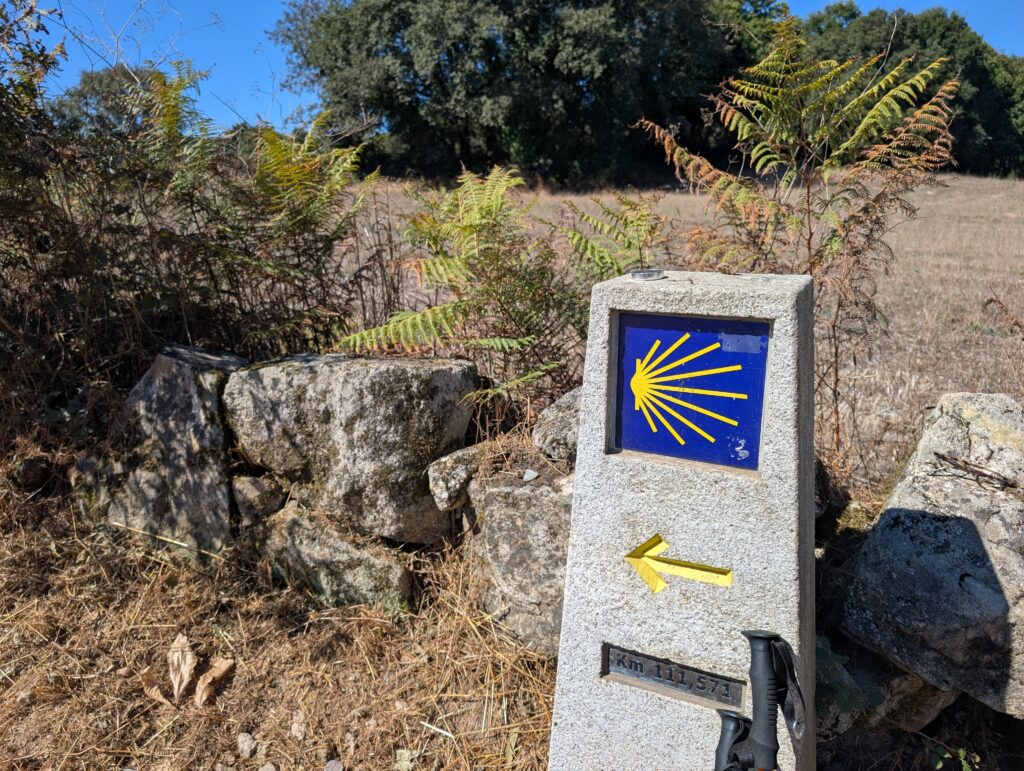
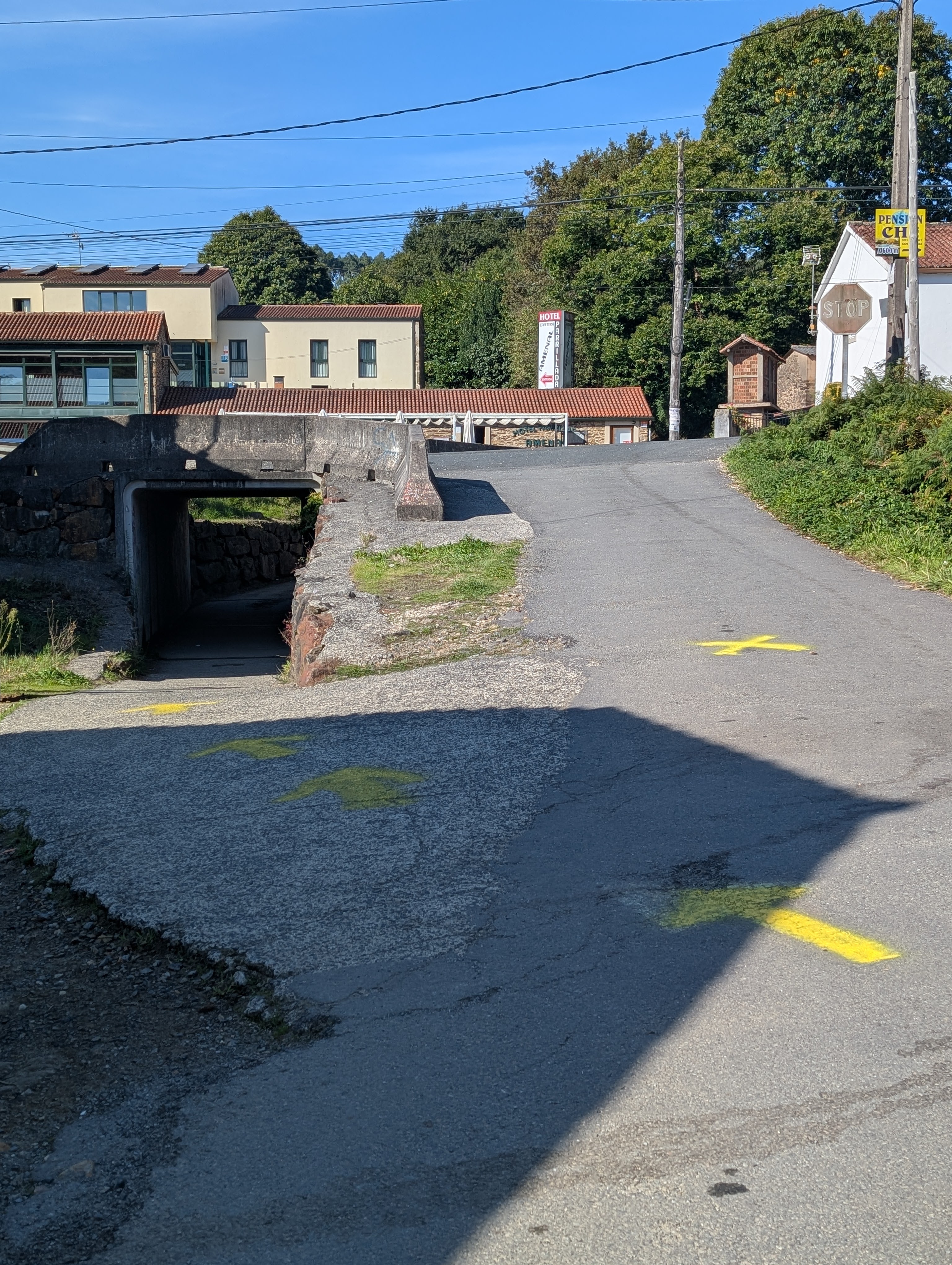
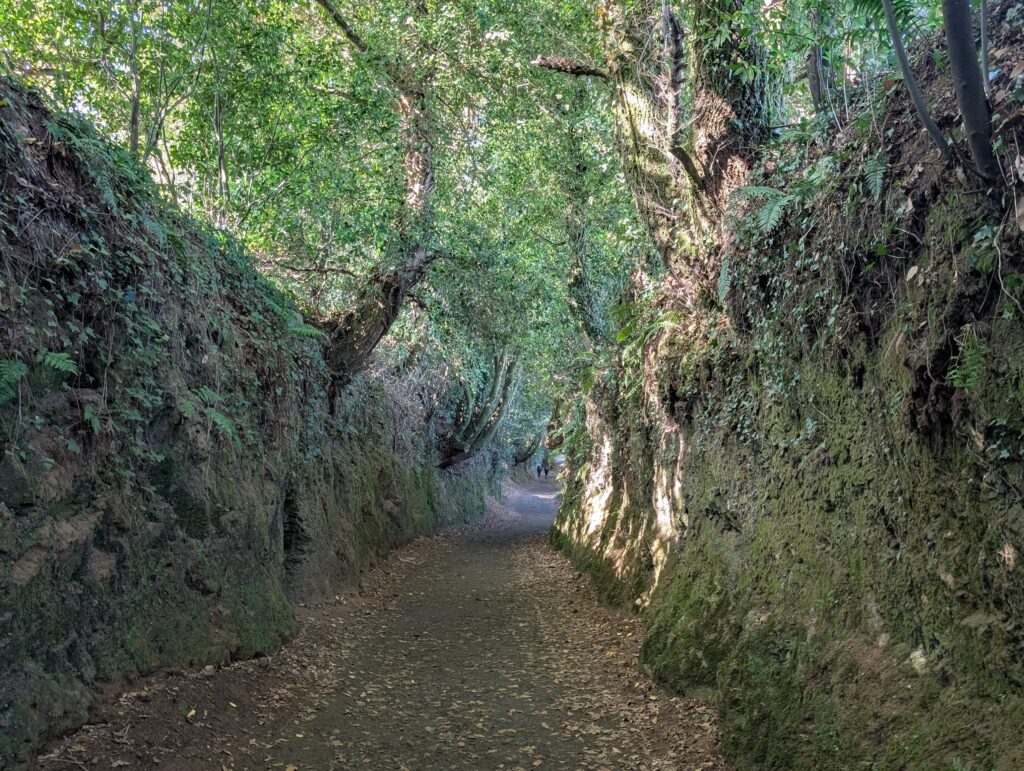
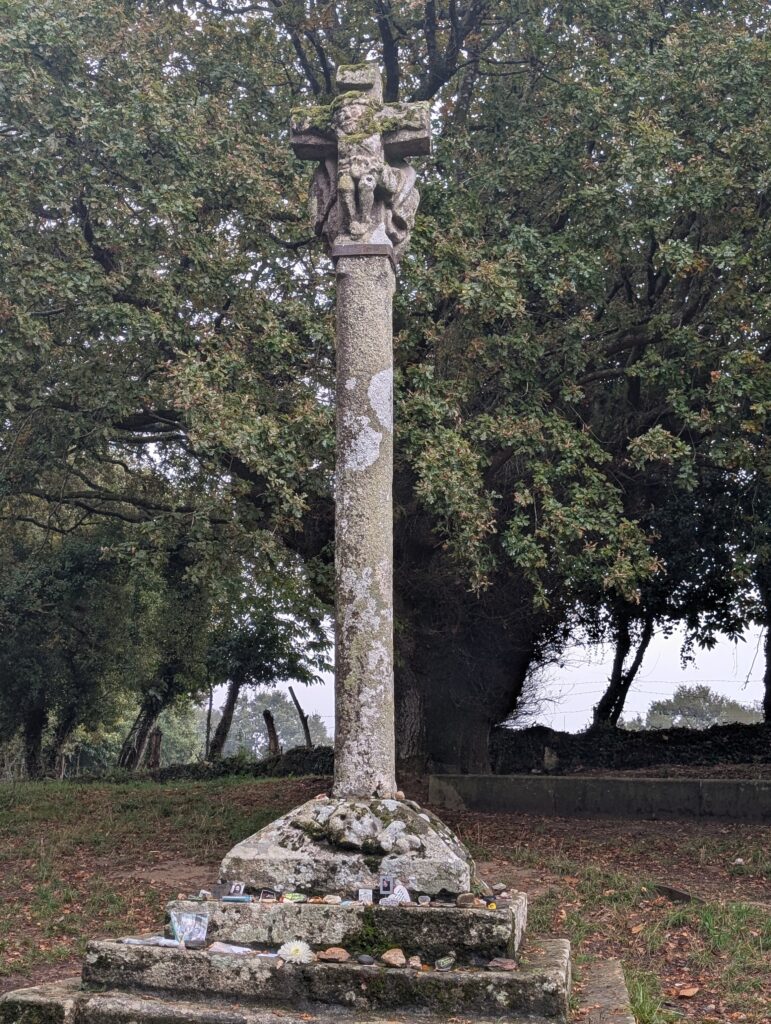
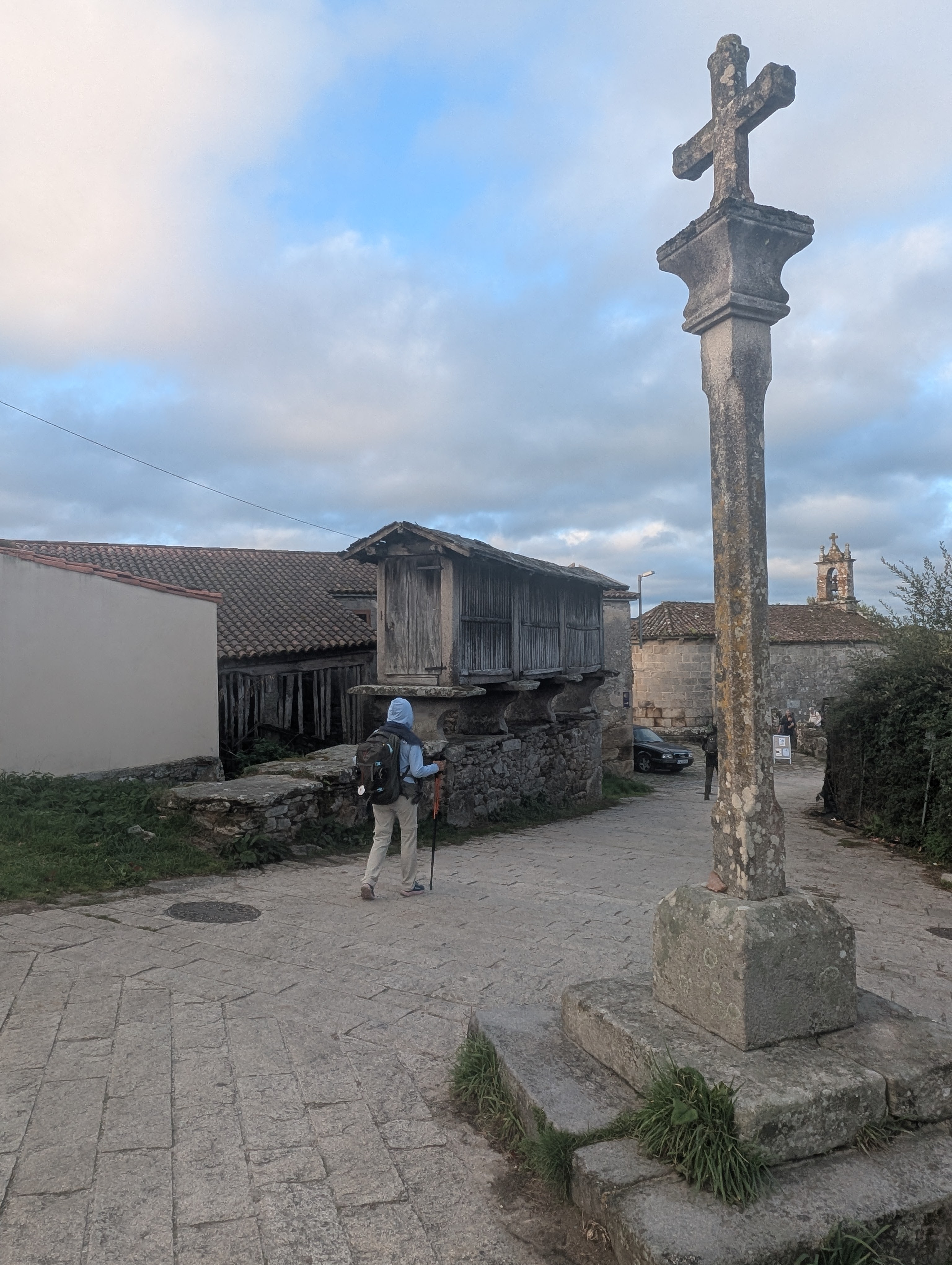
Along the way were markers that counted down the km and had a yellow arrow to show the way.
Some people use a carry service for their backpacks. In life, you are responsible for yourself and what you carry. It is the same on the Camino and people often pack too much and leave something along the way to lighten the load. Quite a good life metaphor, right?
The shell is a symbol of having been changed as part of the experience. While walking, many things did not seem as important as they used to and you are reminded that you are only able to change things that are within your control. Not a new lesson, but a constant daily reminder.
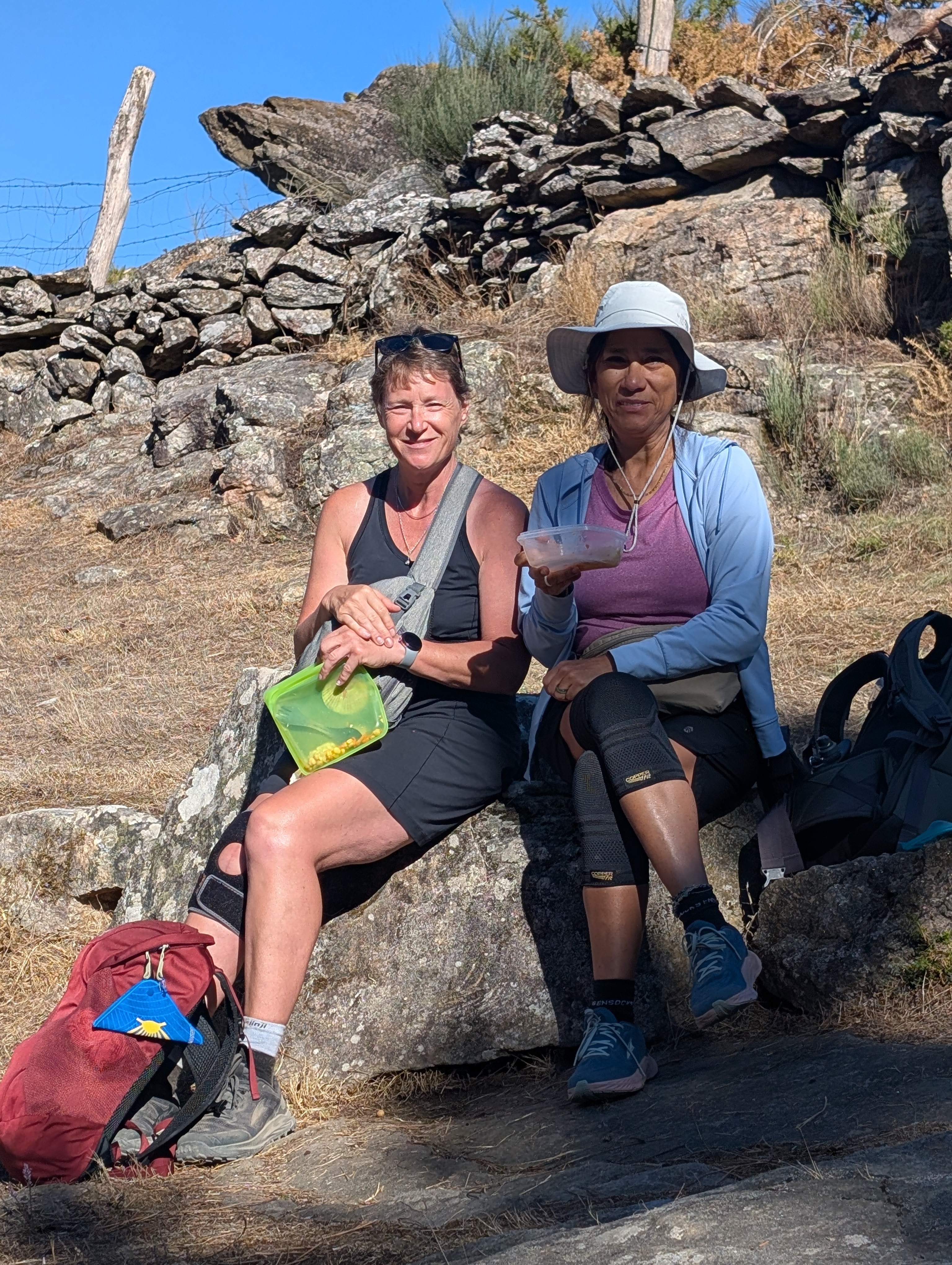
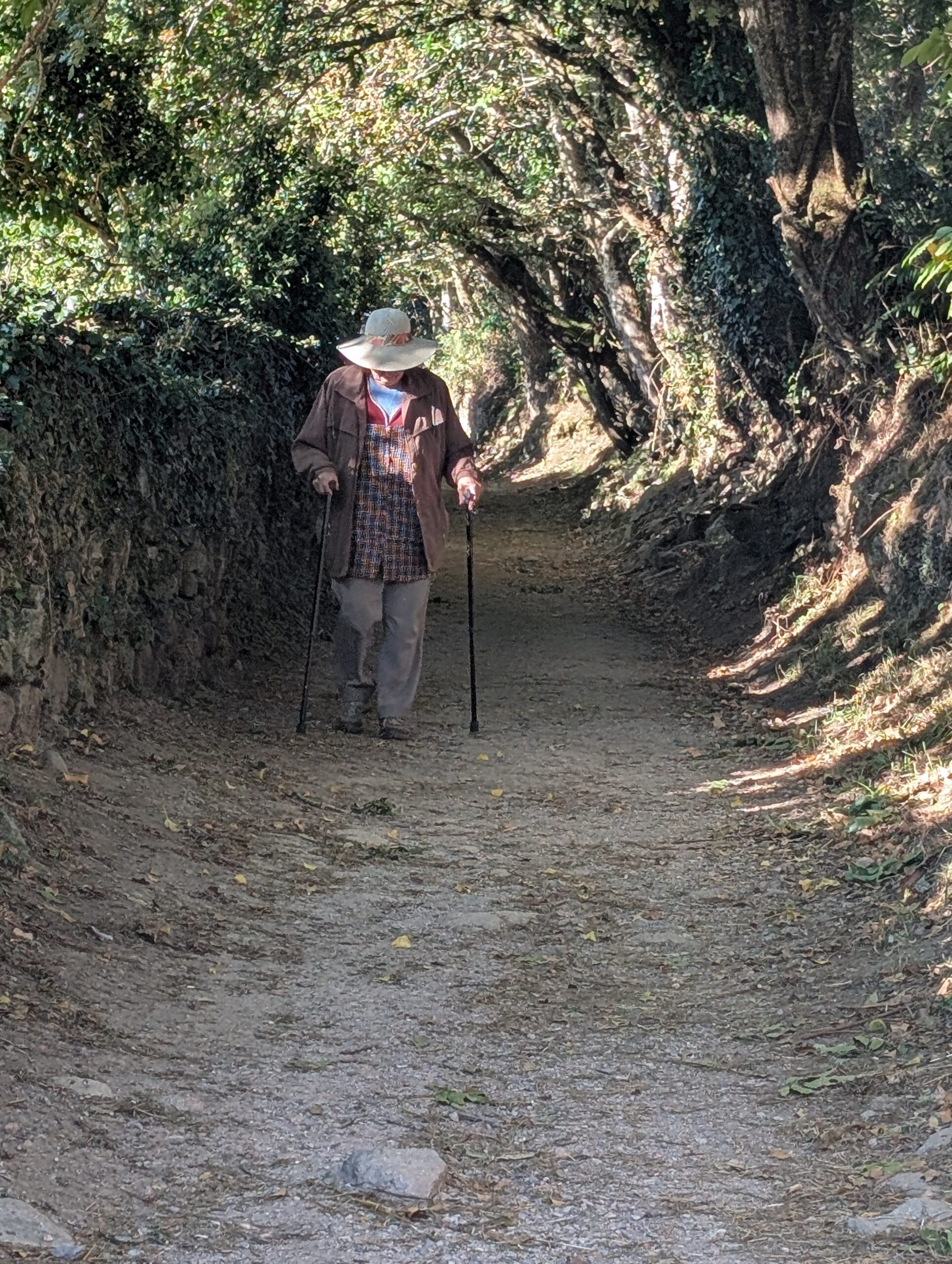
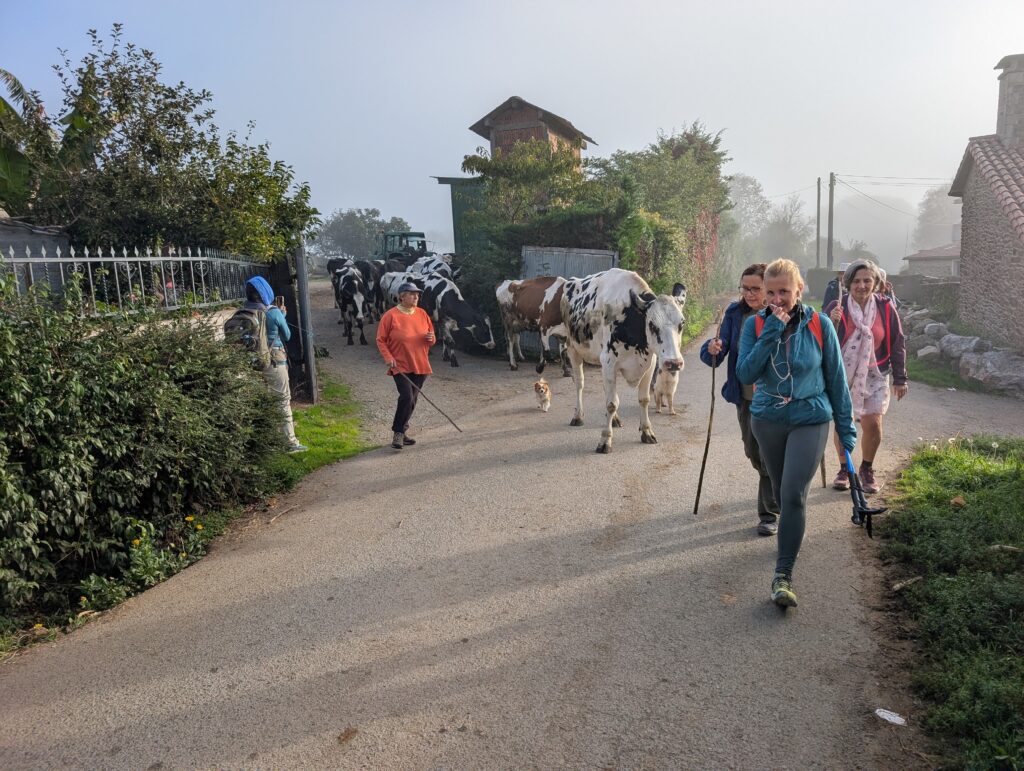
I did a lot of research in preventing blisters, using Vaseline on my feet before adding socks, wearing two lighter socks, etc. I also used hiking poles to help reduce the weight on my knees and feet. It also helps you with better posture when walking with a pack. All the people that we met on the camino were encouraging for us and we to them as well. No one truly walks alone.
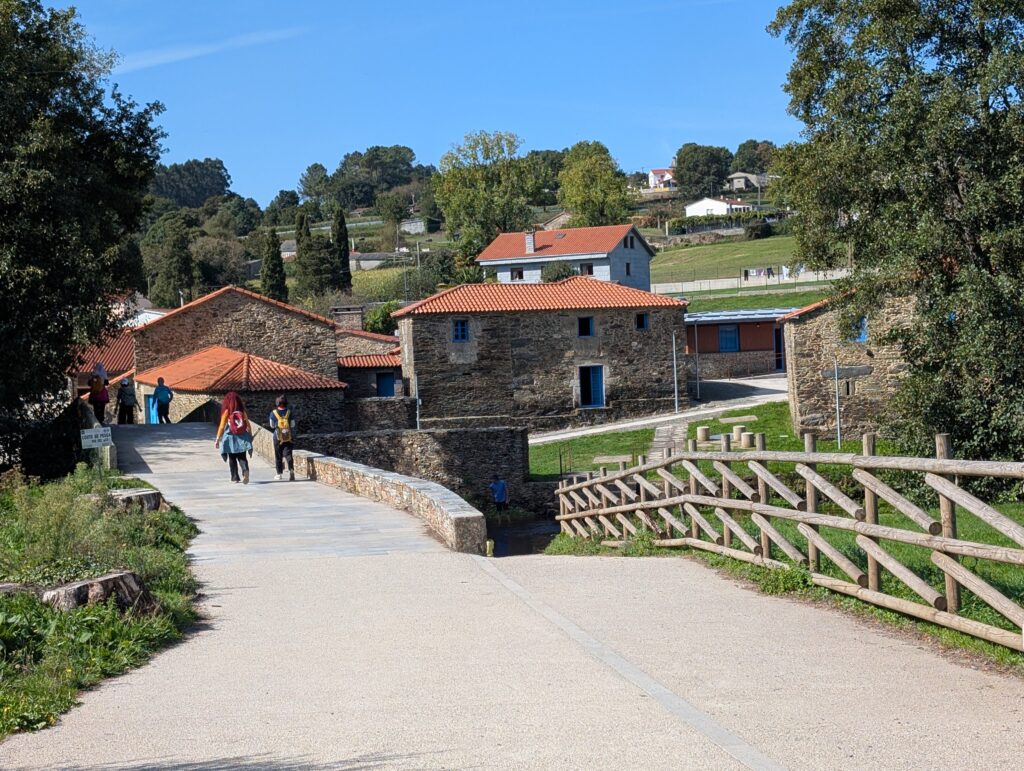
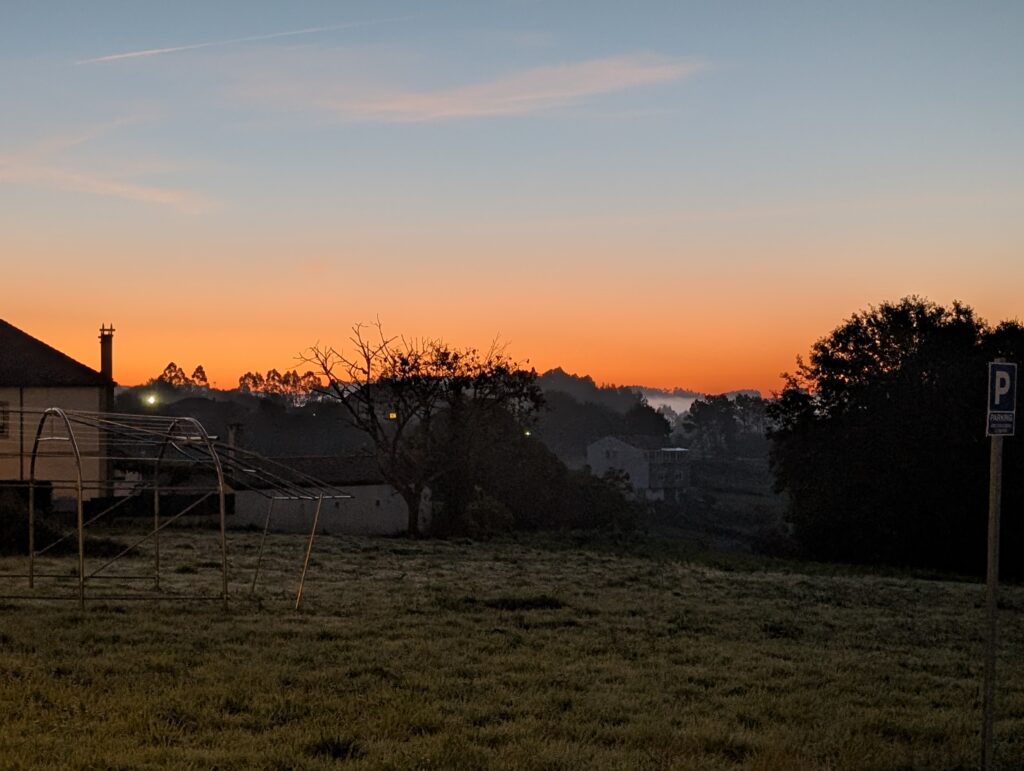
We stayed at albergues each night. Bunk beds in mixed dorm rooms and the price was quite cheap (15-20 euros per night). It was quite fine as everyone was tired. Pretty much everyone was asleep by 9 pm and people started leaving around 6 am. We generally left when it was light out just after 8. Some places had family dinners which were quite fun with the stories and personalities from people all over the world.
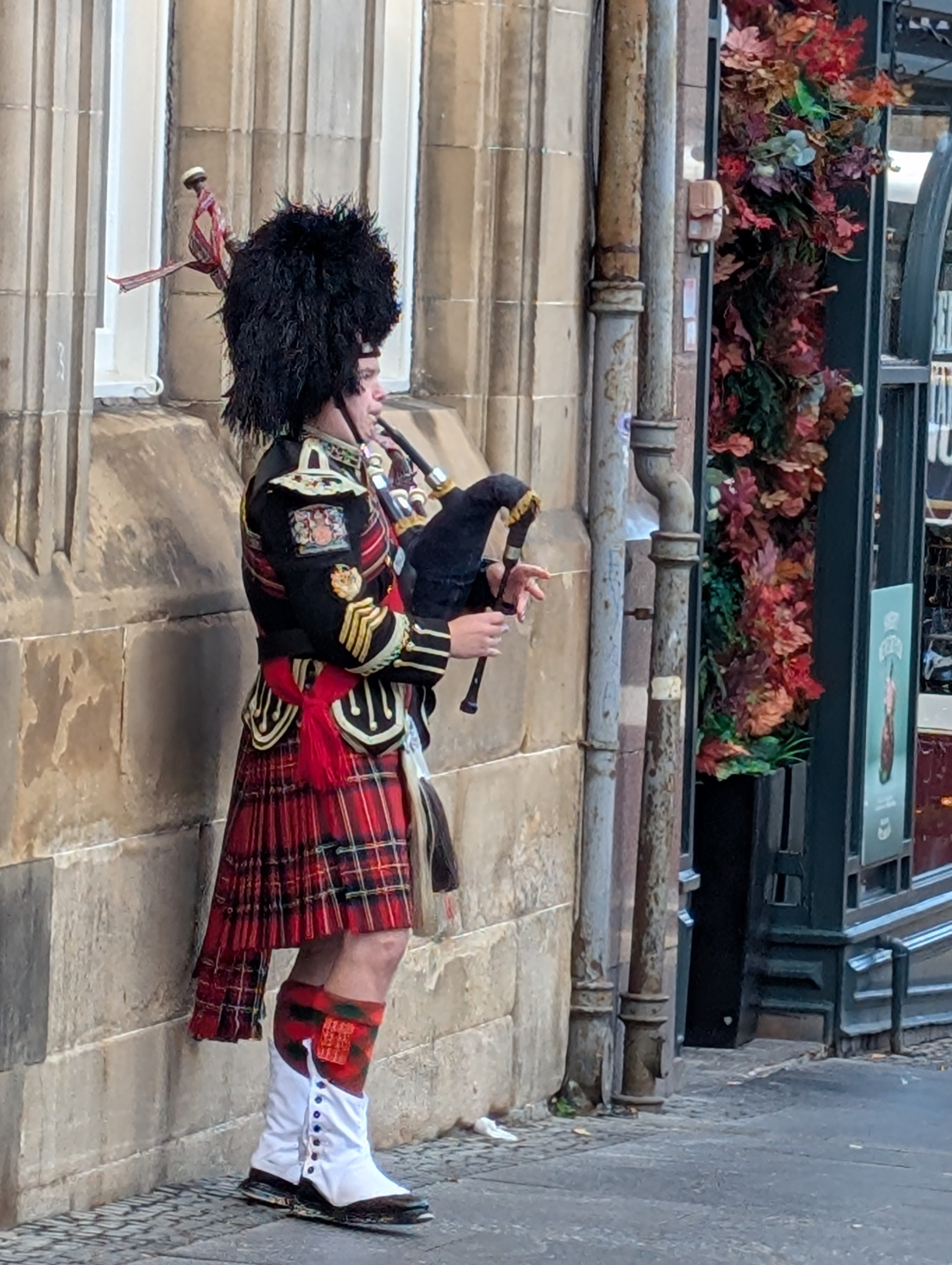
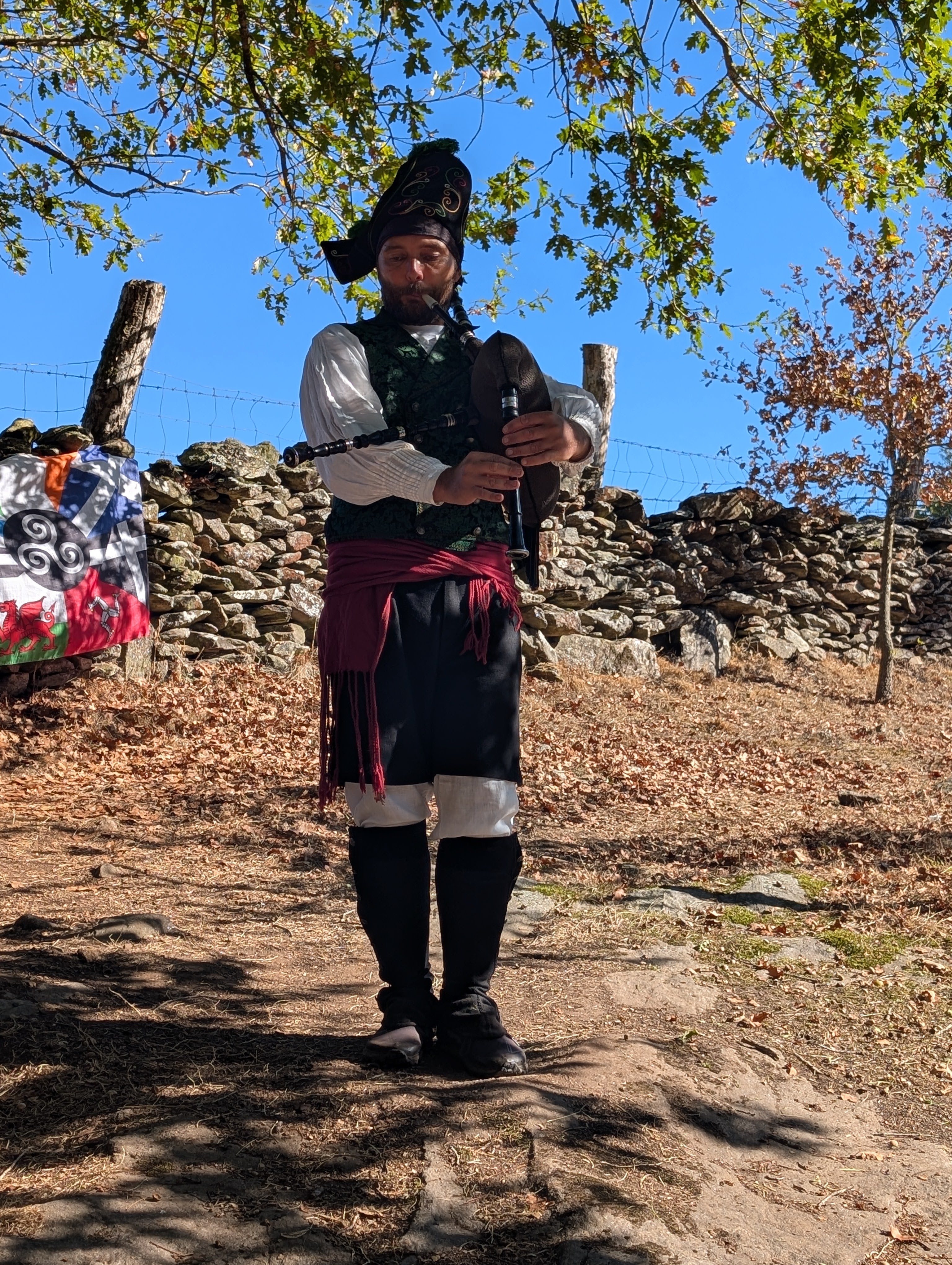
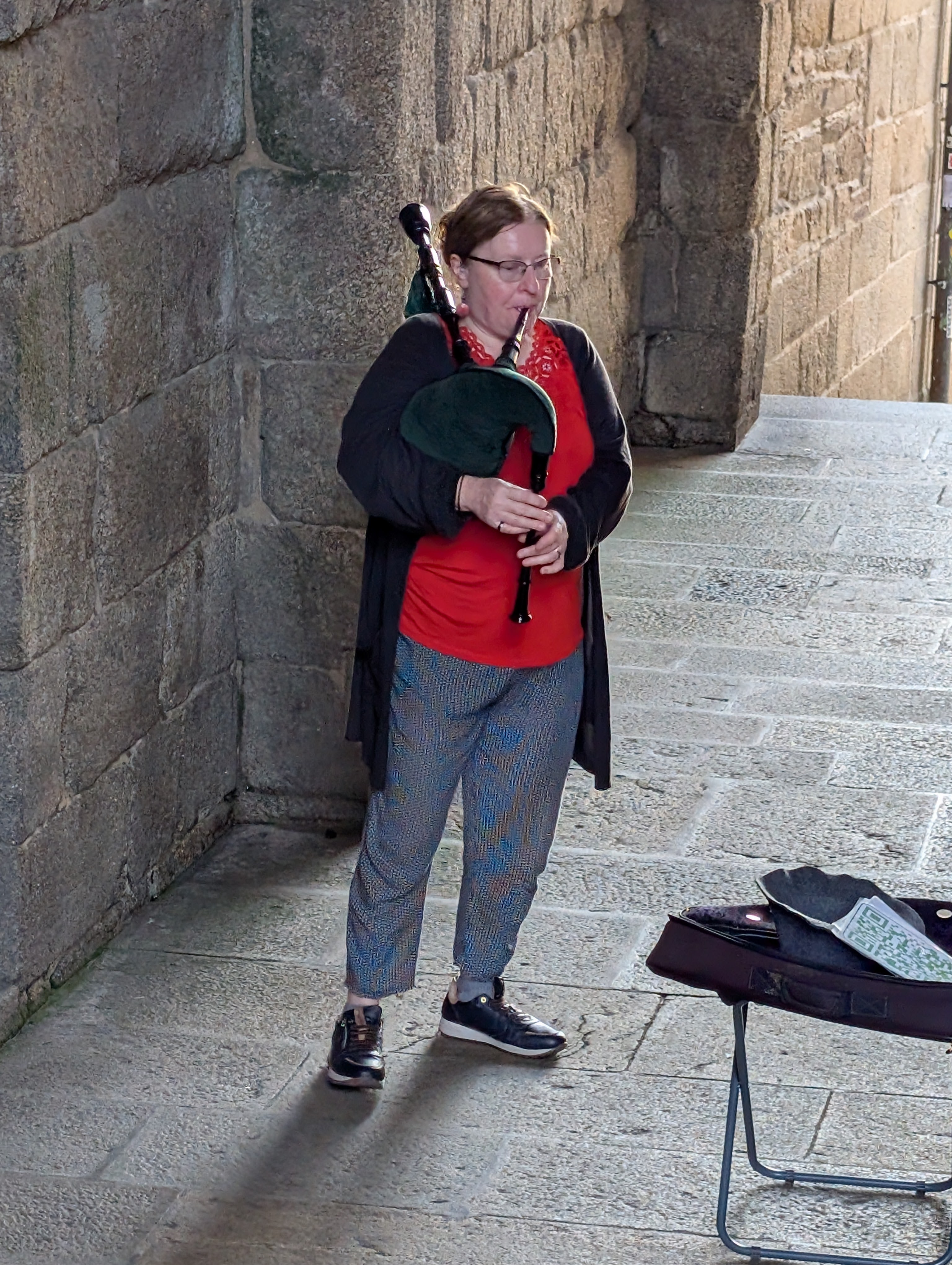
The Celtic influence is large in Galicia and bagpipes can be heard as pilgrims enter the square. The man offered a special stamp with a donation. We ate lunch while listening to him. You must collect 2 stamps a day to get the official certificate (Compostela) at the end.
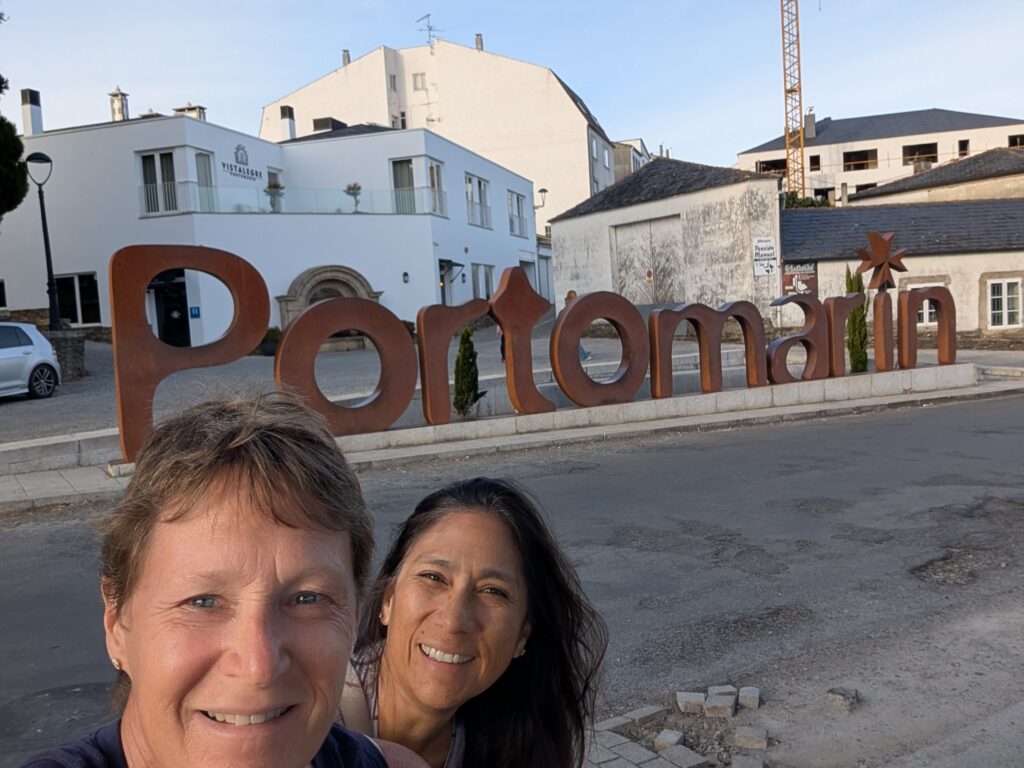
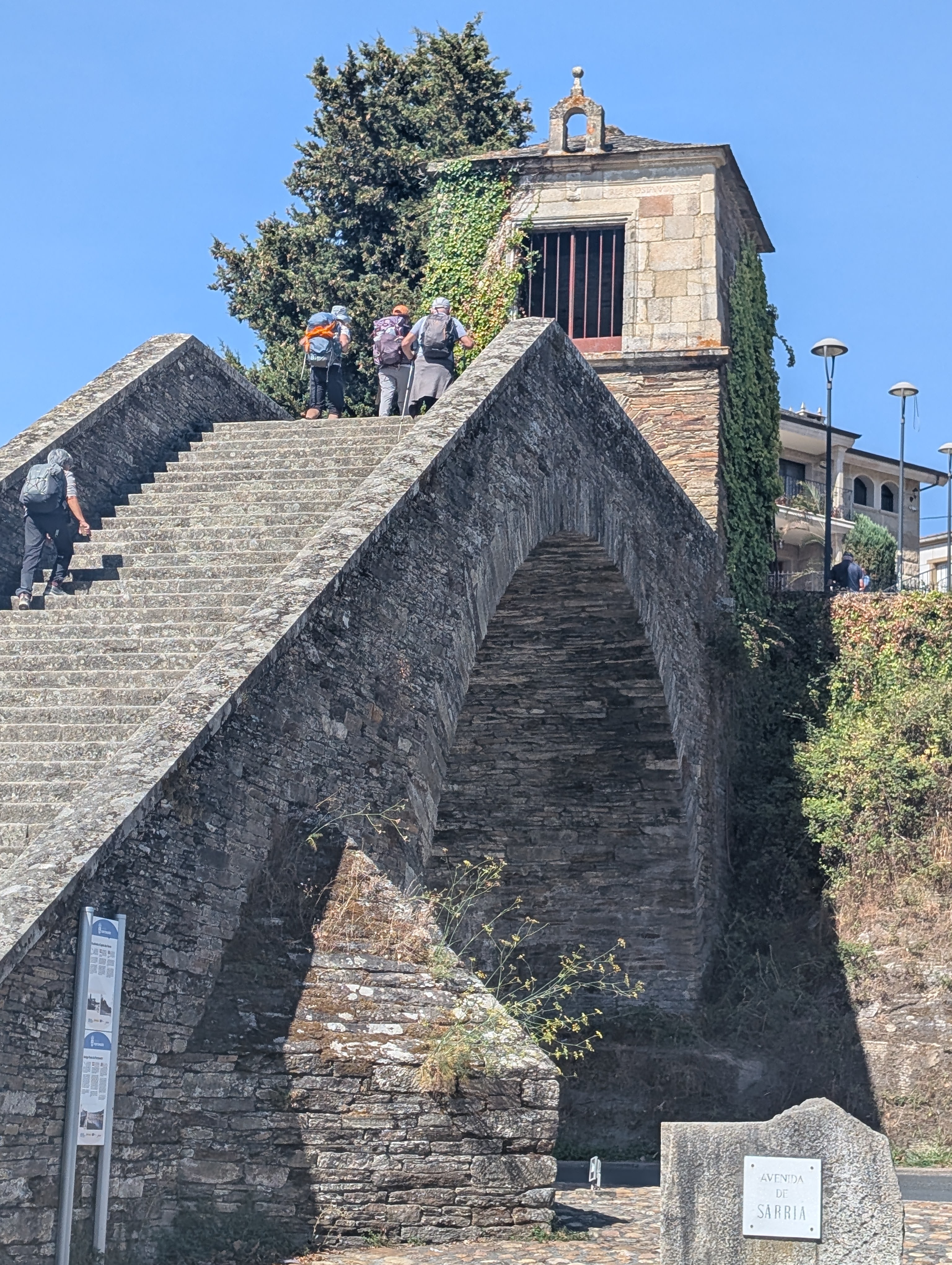
In Portomarin, we had already walked 18 km and were greeted by these stairs….
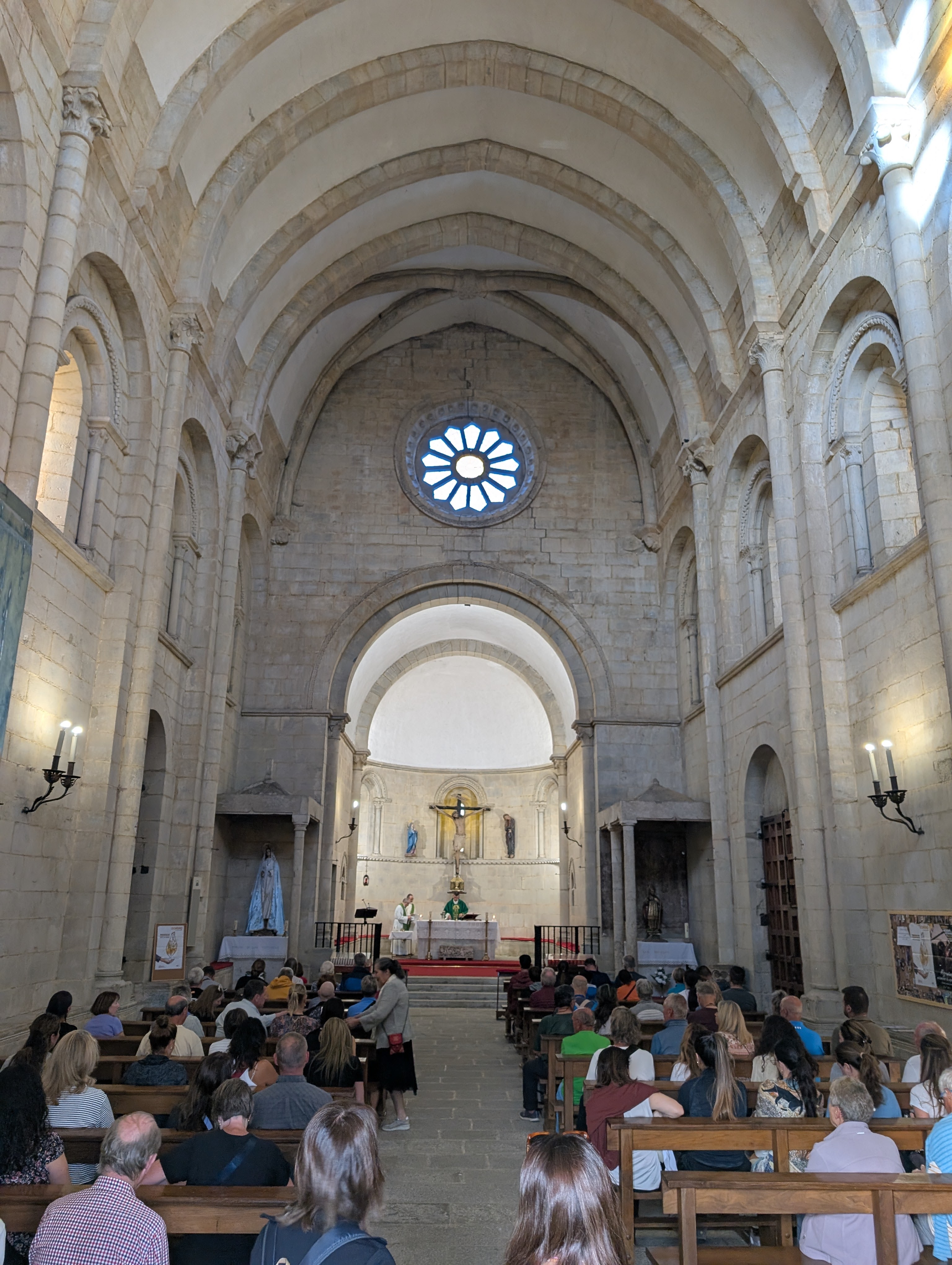
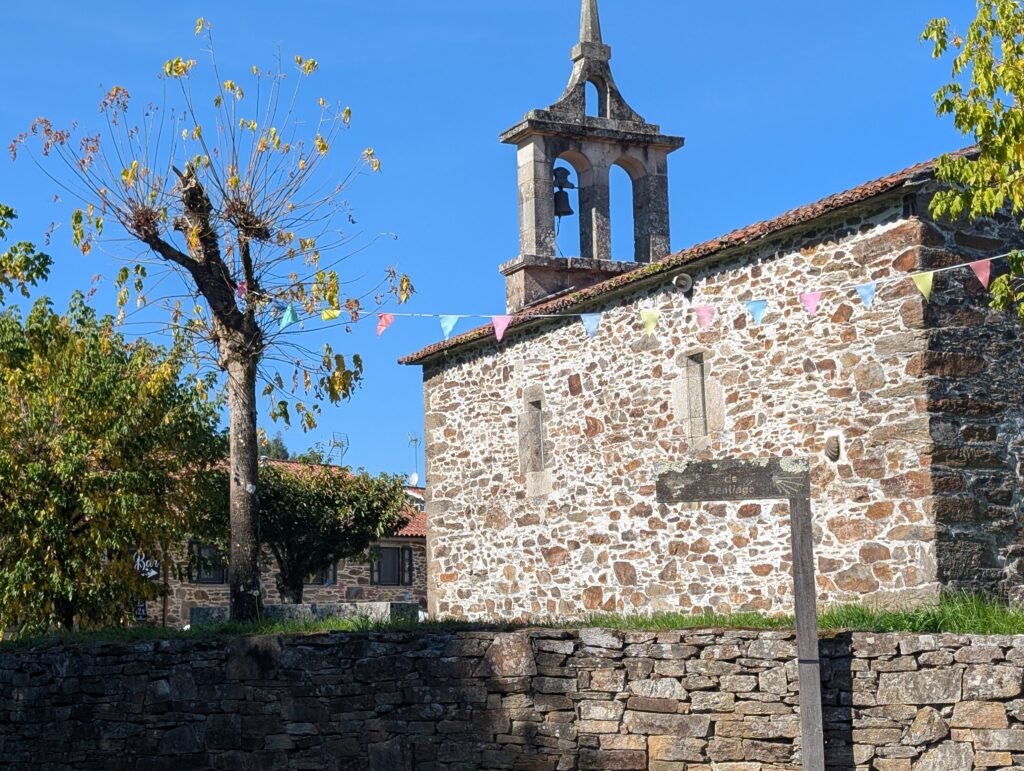
We attended a pilgrims mass at one of the towns.
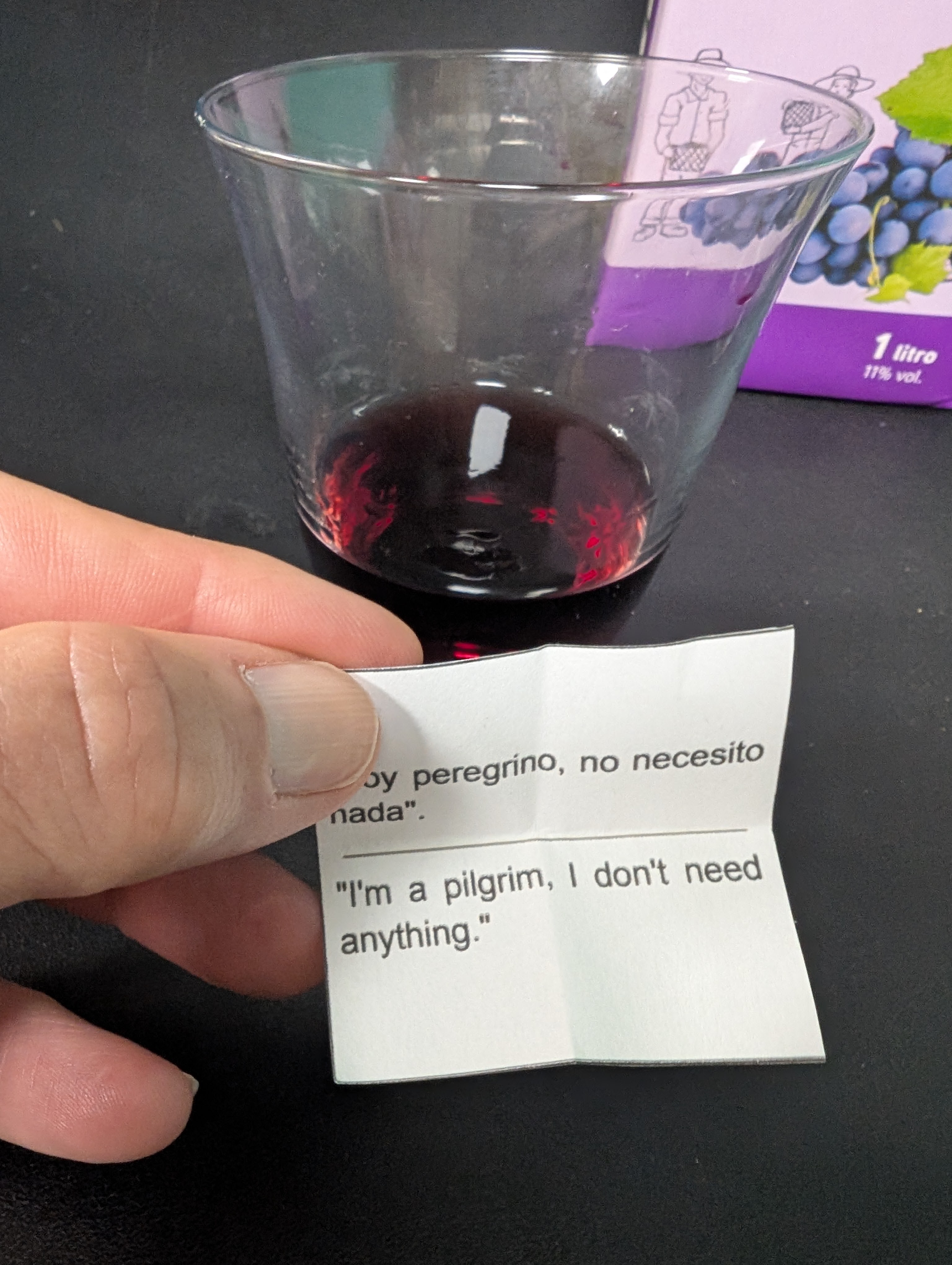
In Arzua, the albergue had a basket of statements you could randomly choose. This was mine….
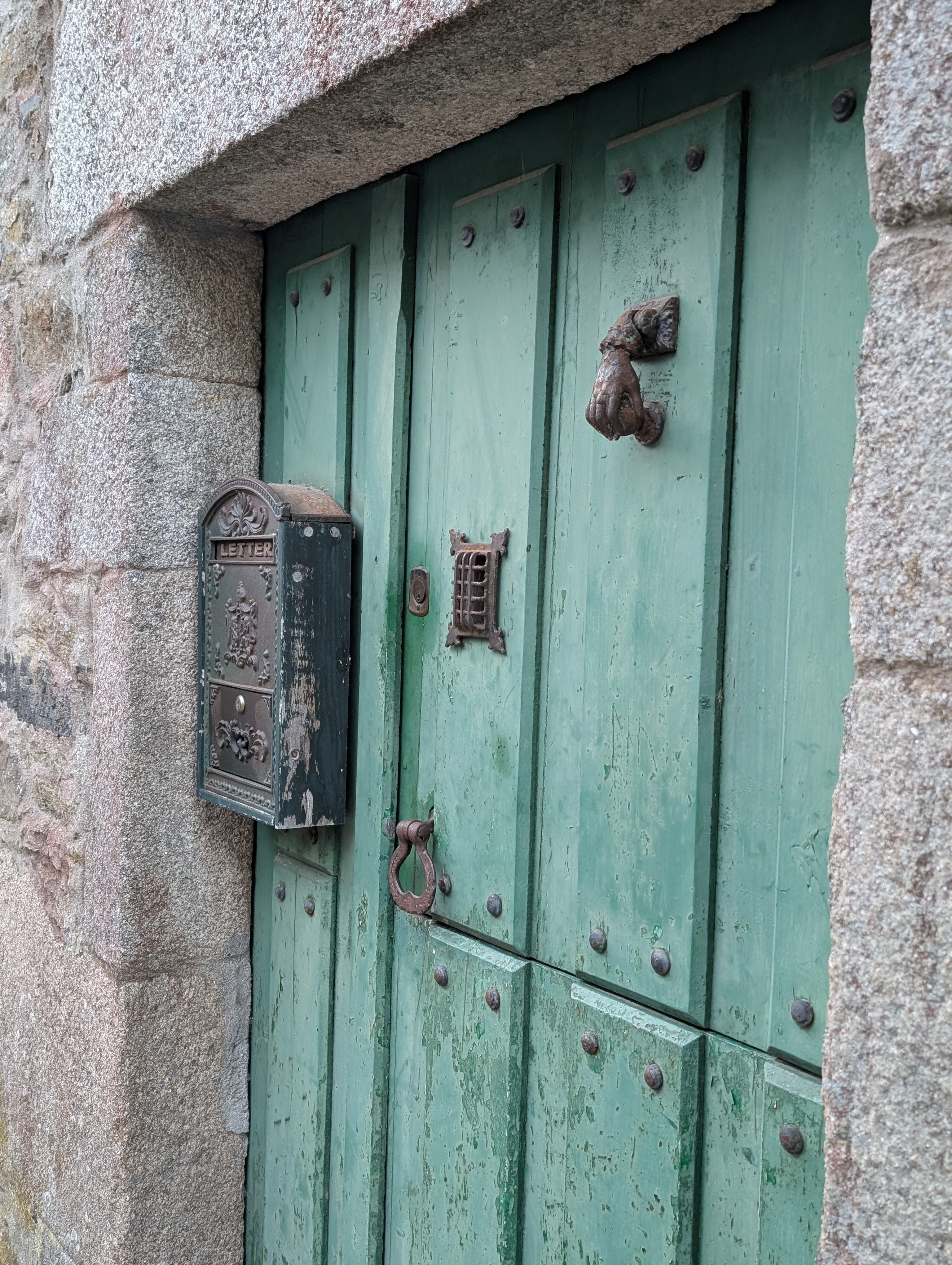
We loved the little hand door knocker…
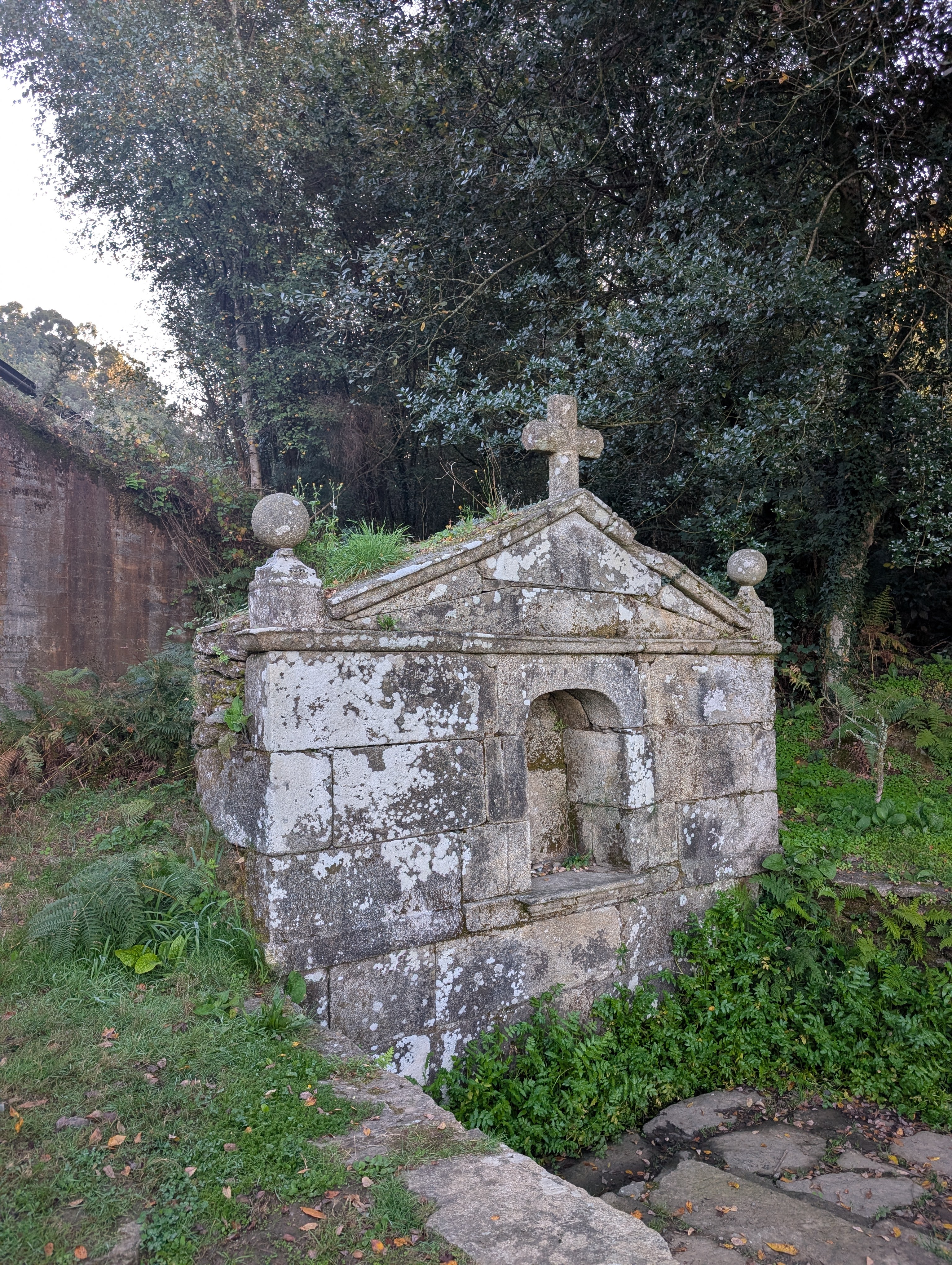
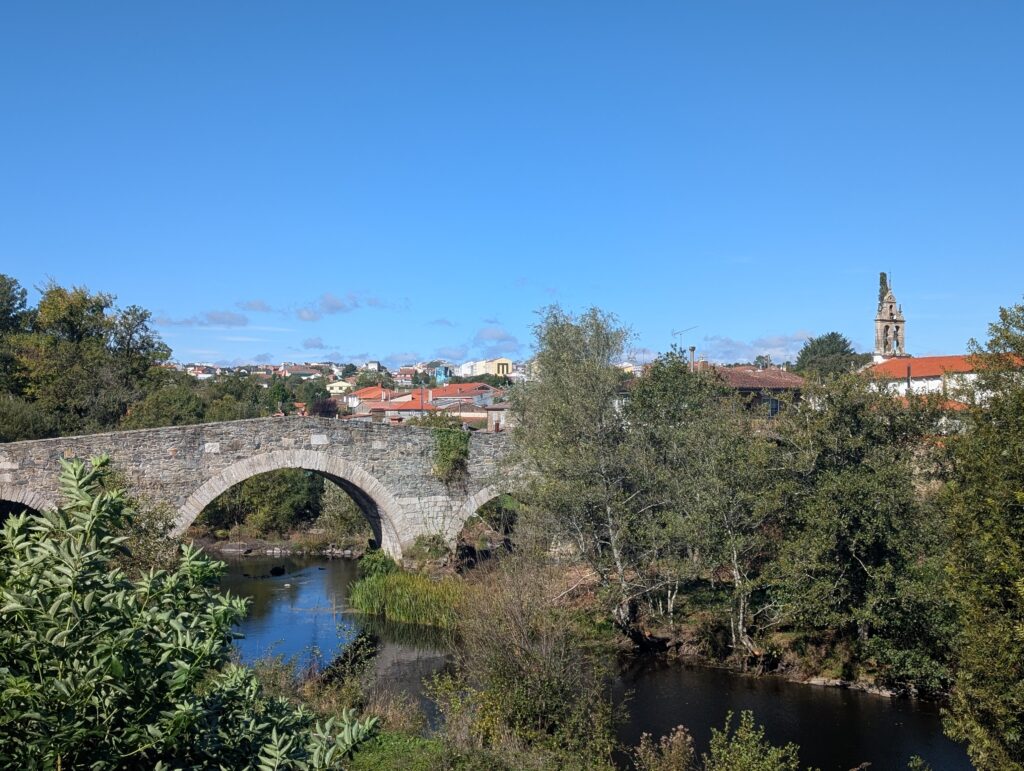
In this little town, we took the path to the right where you could put your feet into the cold water. Heavenly after walking for some time.
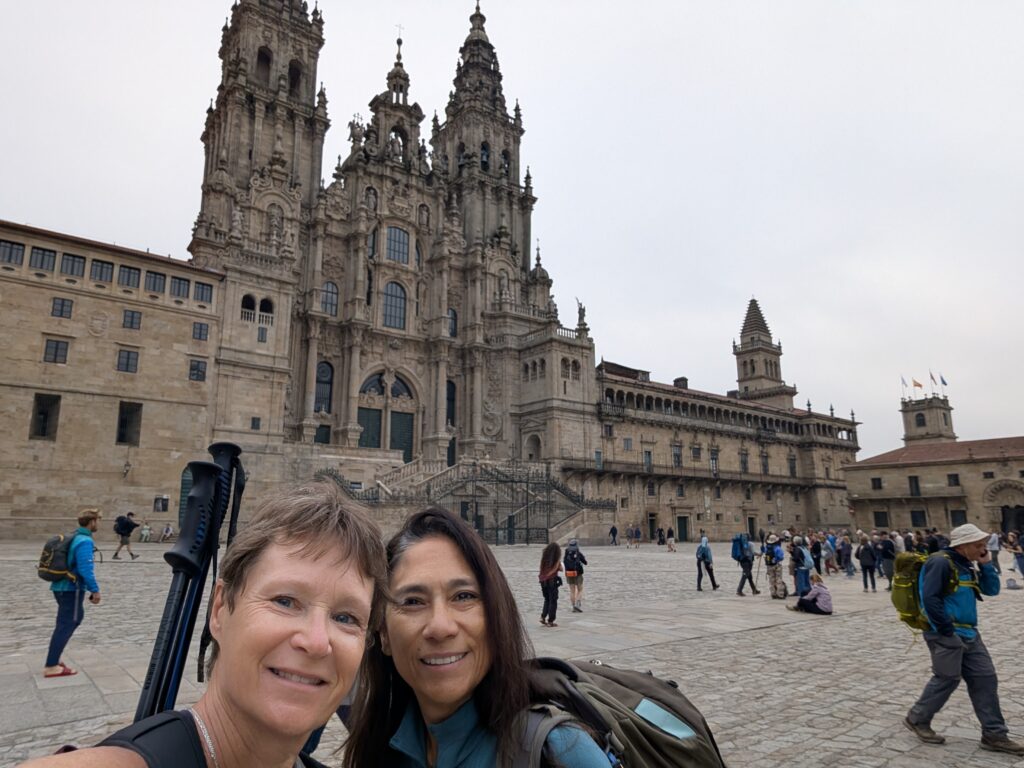
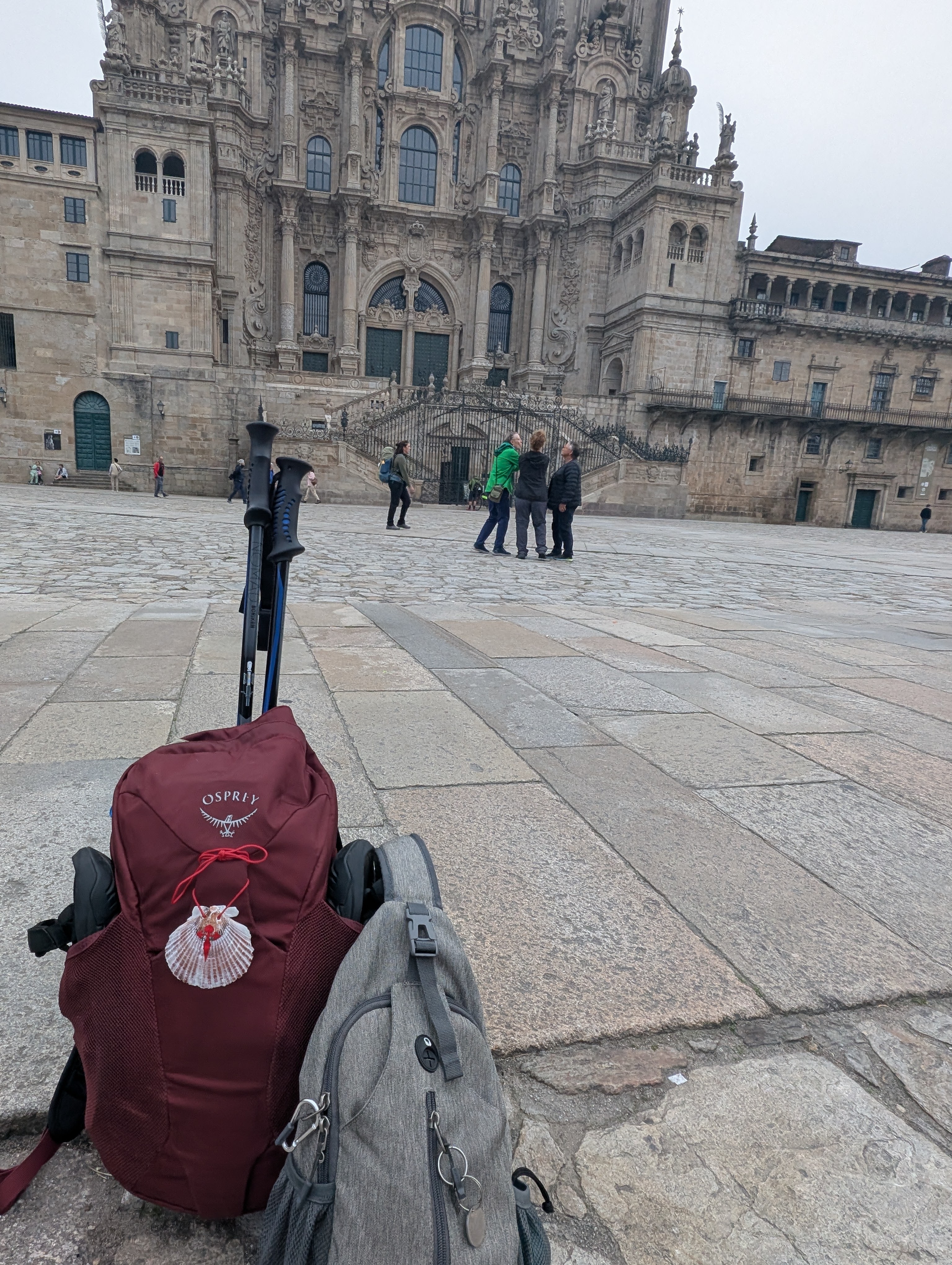
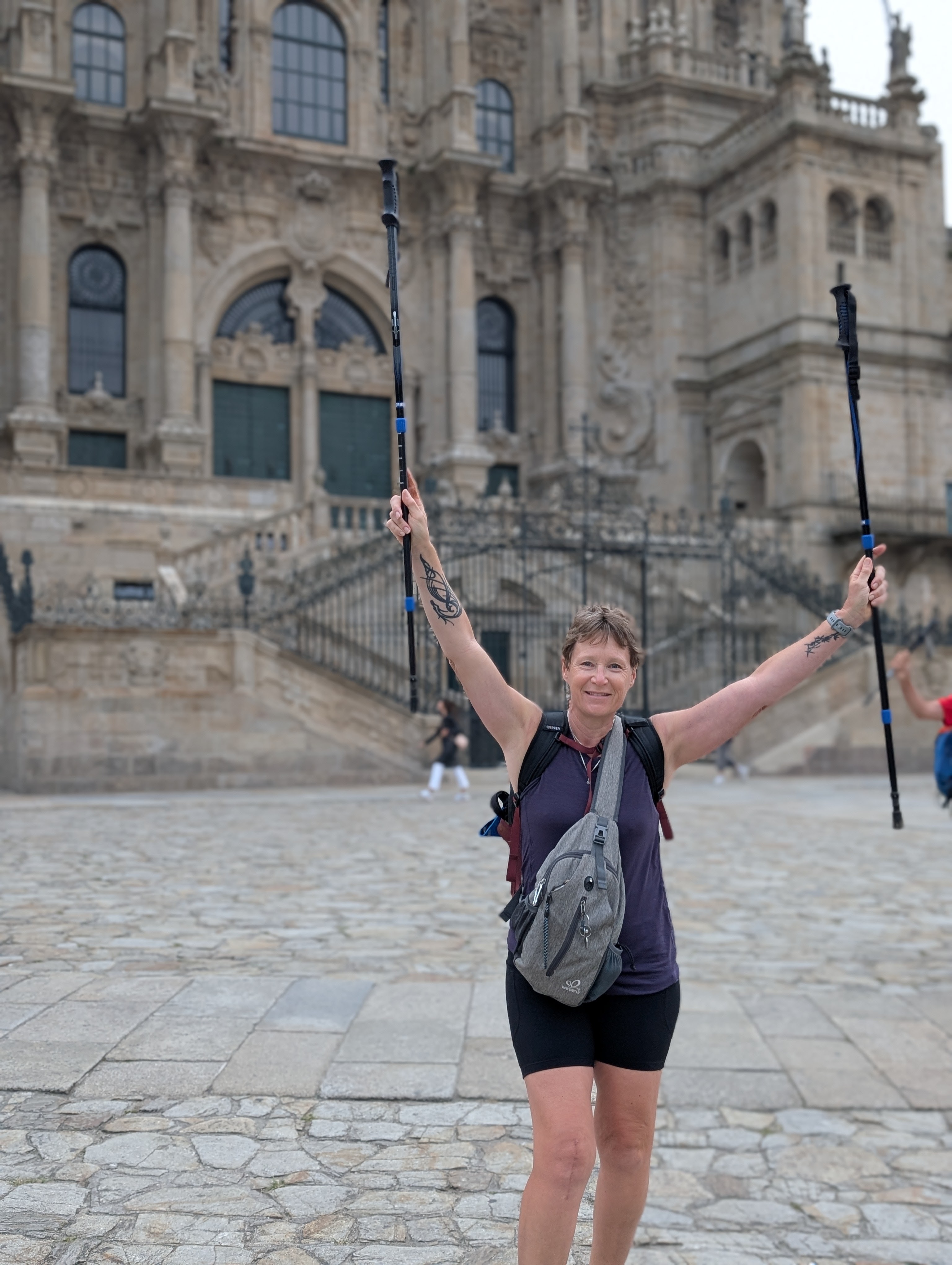
And finally, we were done….
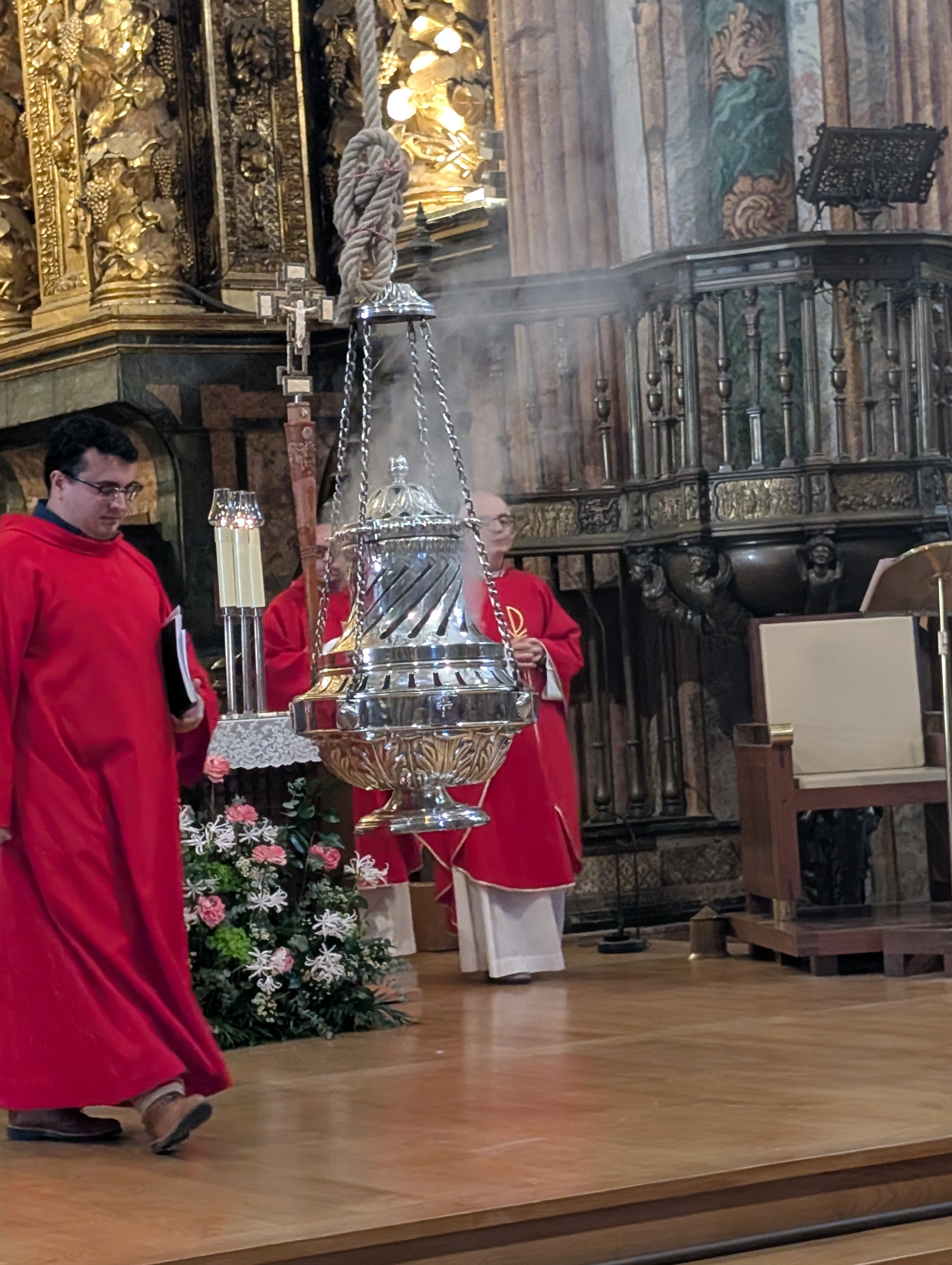
We also attended the pilgrims mass in the cathedral.
The Botafumeiro has been used since the Middle Ages to help remove smells from the cathedral (not much bathing back then). Today it is a tradition in Santiago and we were privileged to see it.