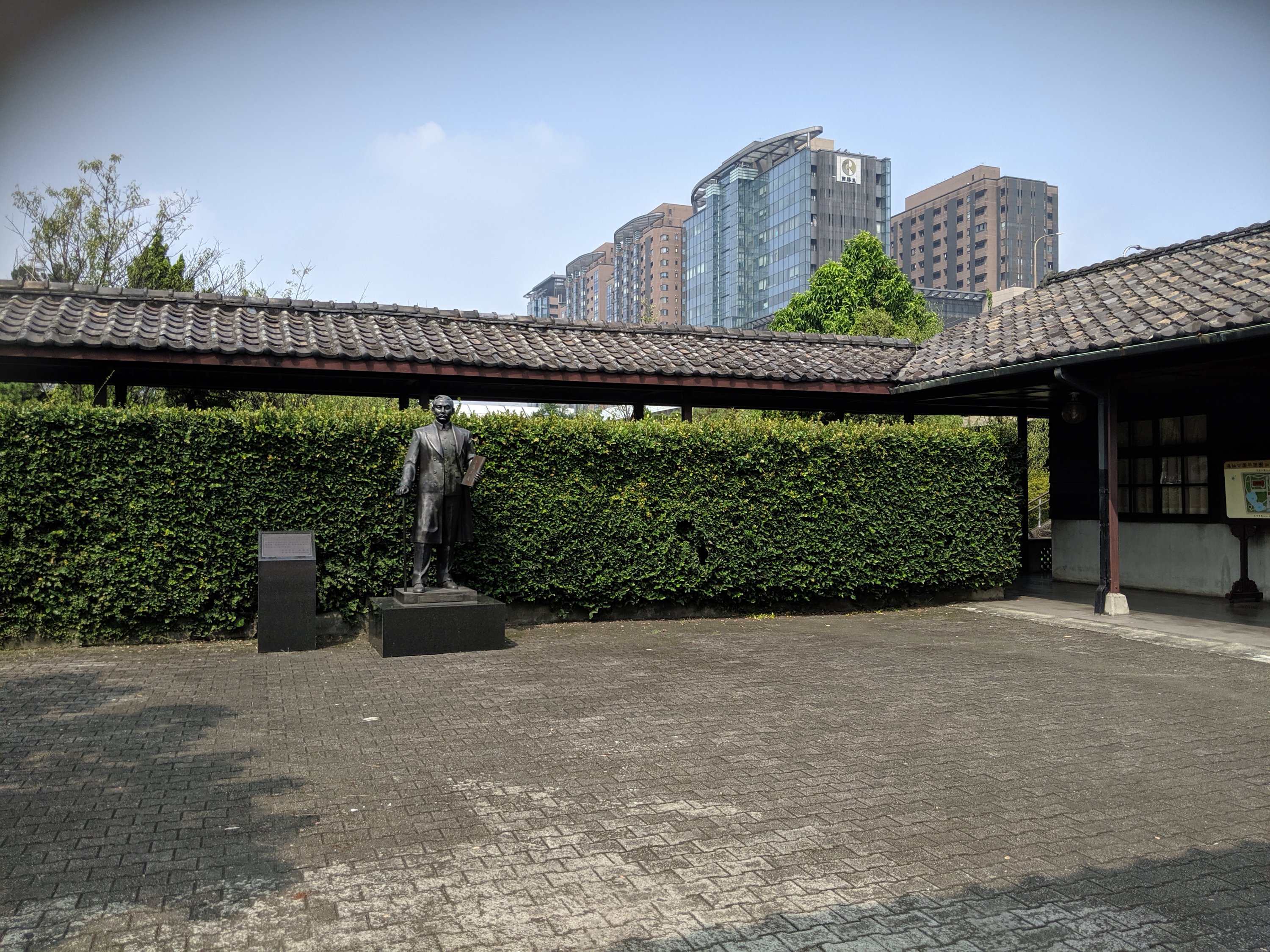
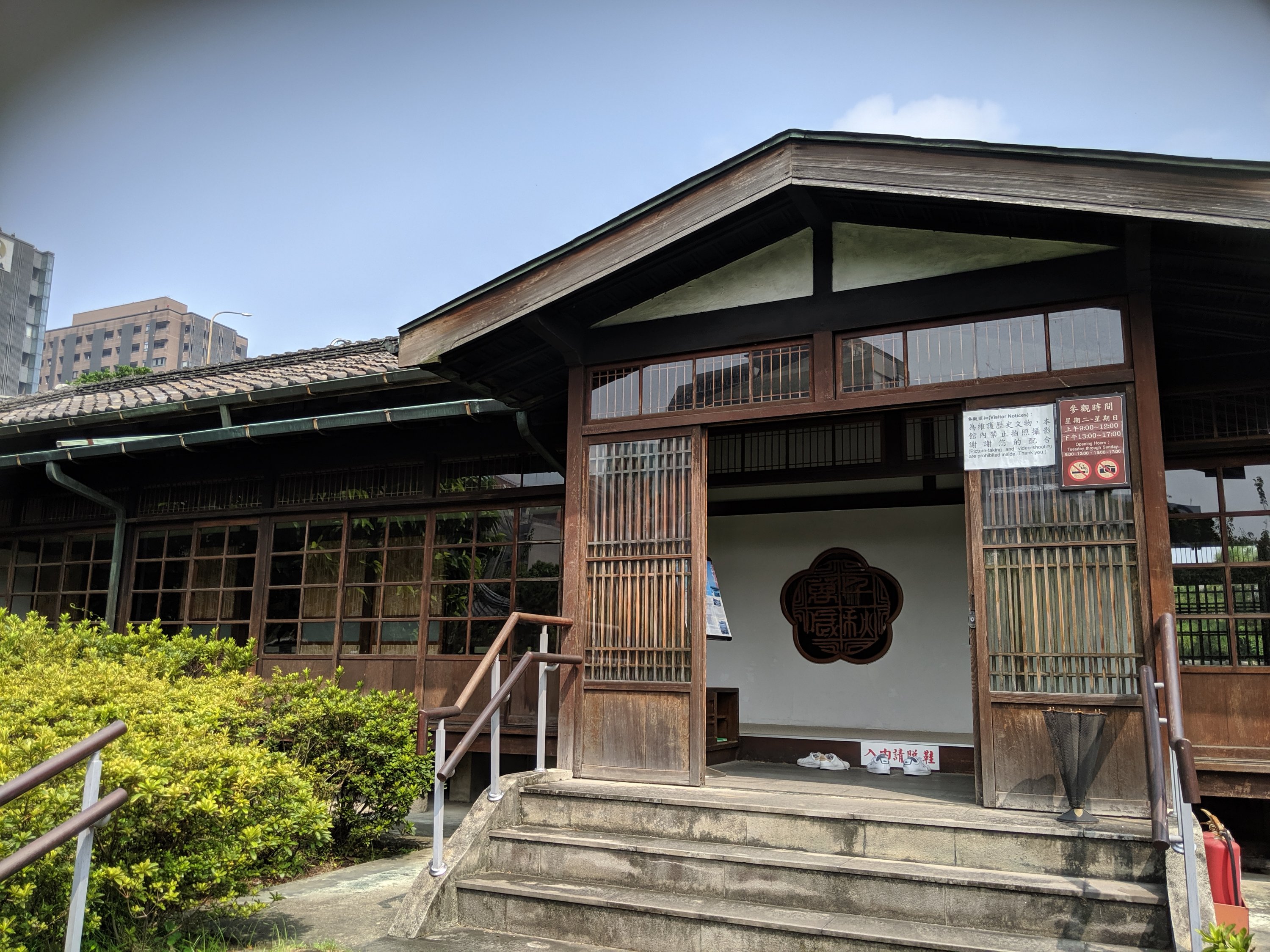
Walking around waiting for the art museum to open, we found the memorial house of Sun Yat Sen.
Sun Yat Sen
Sun Yat-sen was a Chinese politician, physician and philosopher who served as the first president of the Republic of China and the first leader of the Kuomintang, the Nationalist party. He is widely revered in China and Taiwan as being the Father of the Nation and in the overthrowing of the Qing Dynasty.
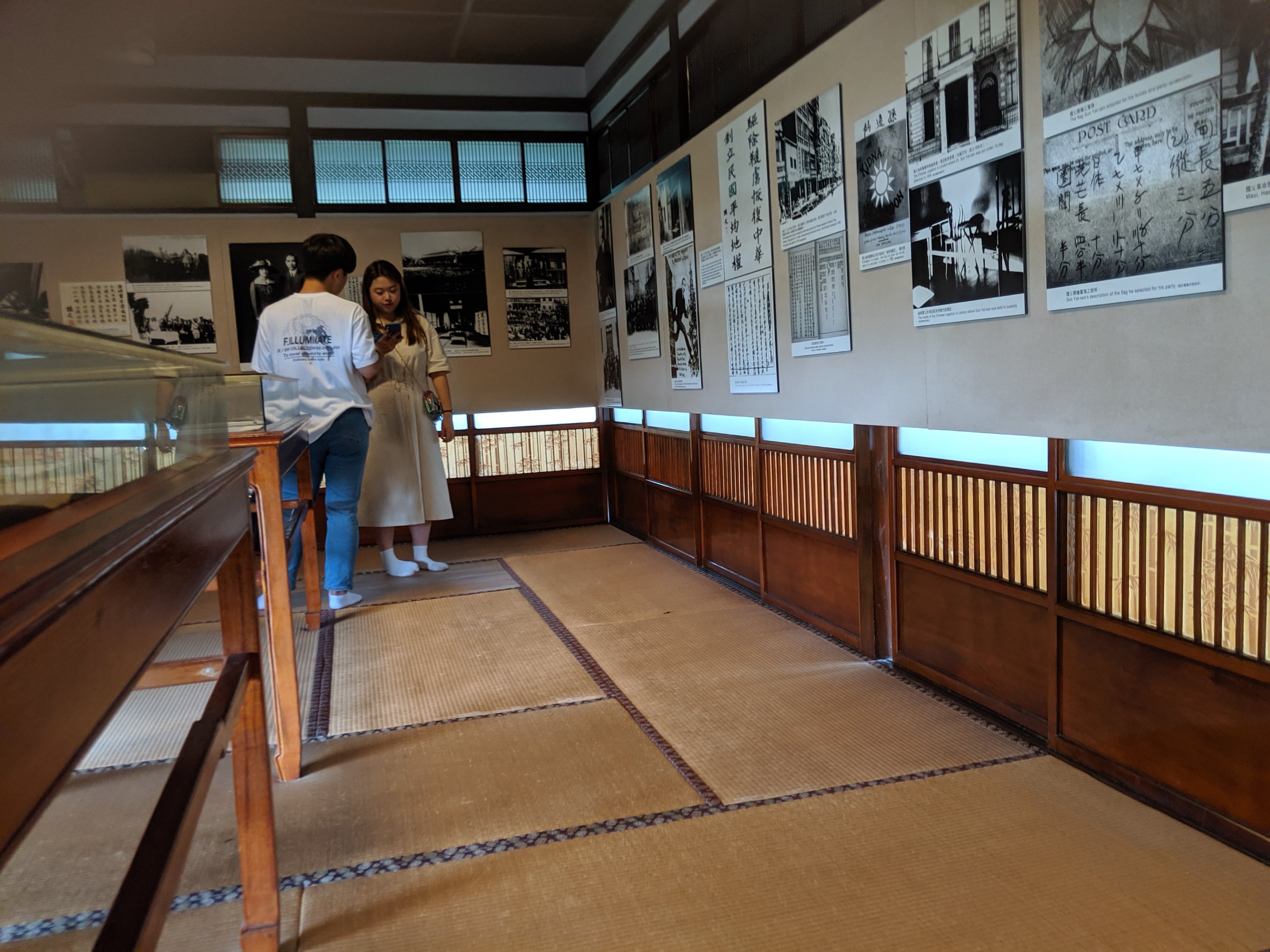
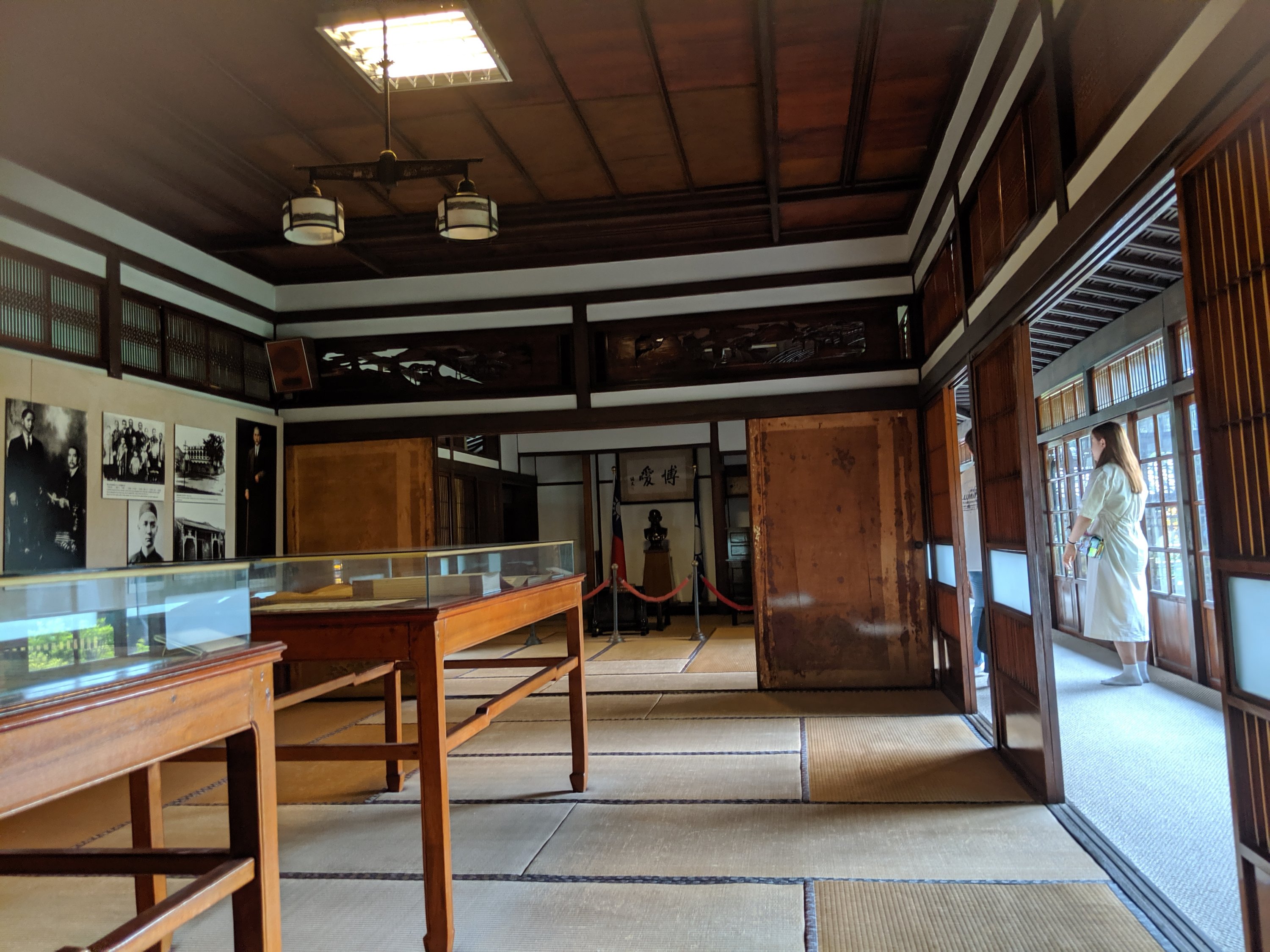
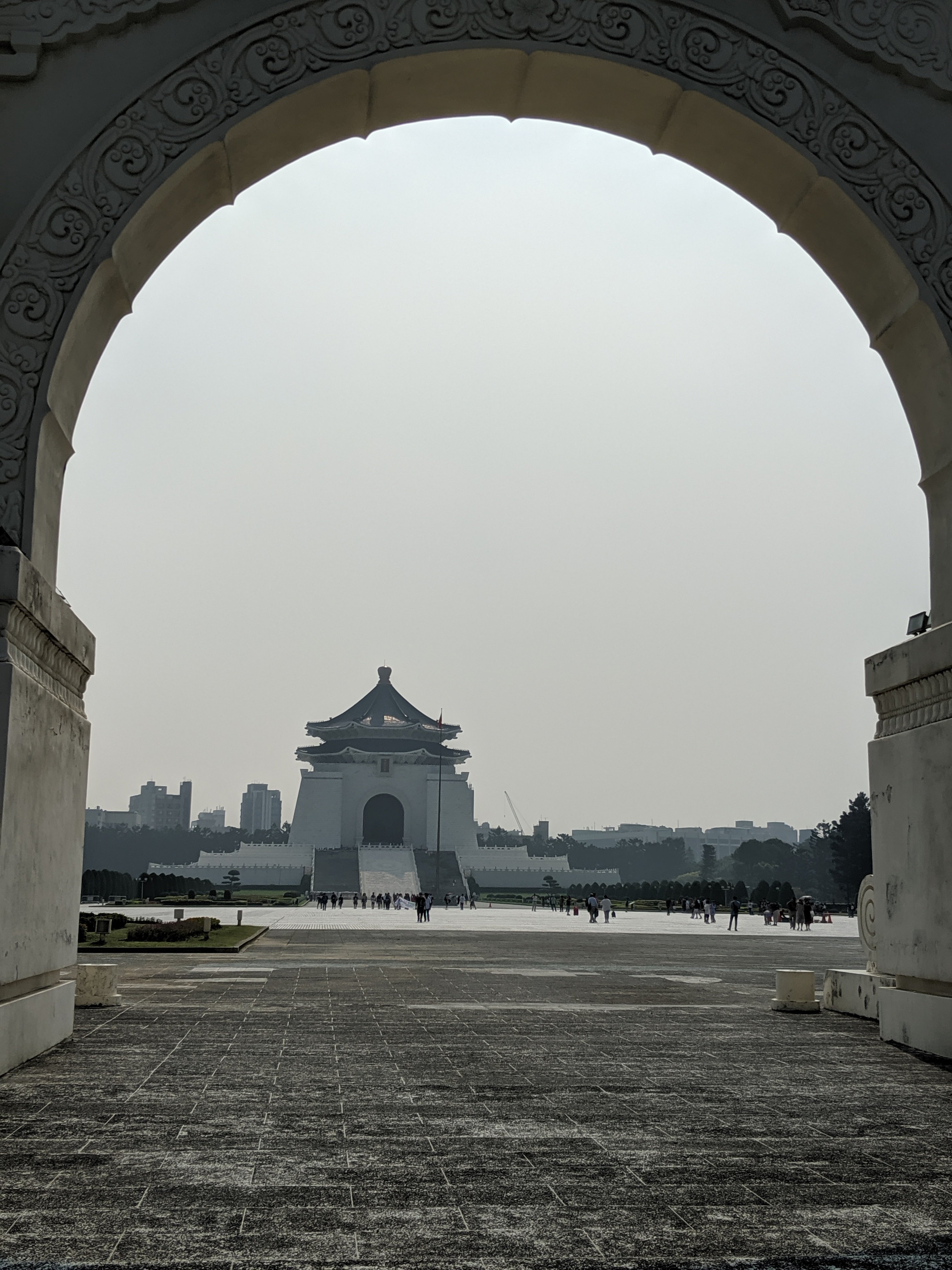
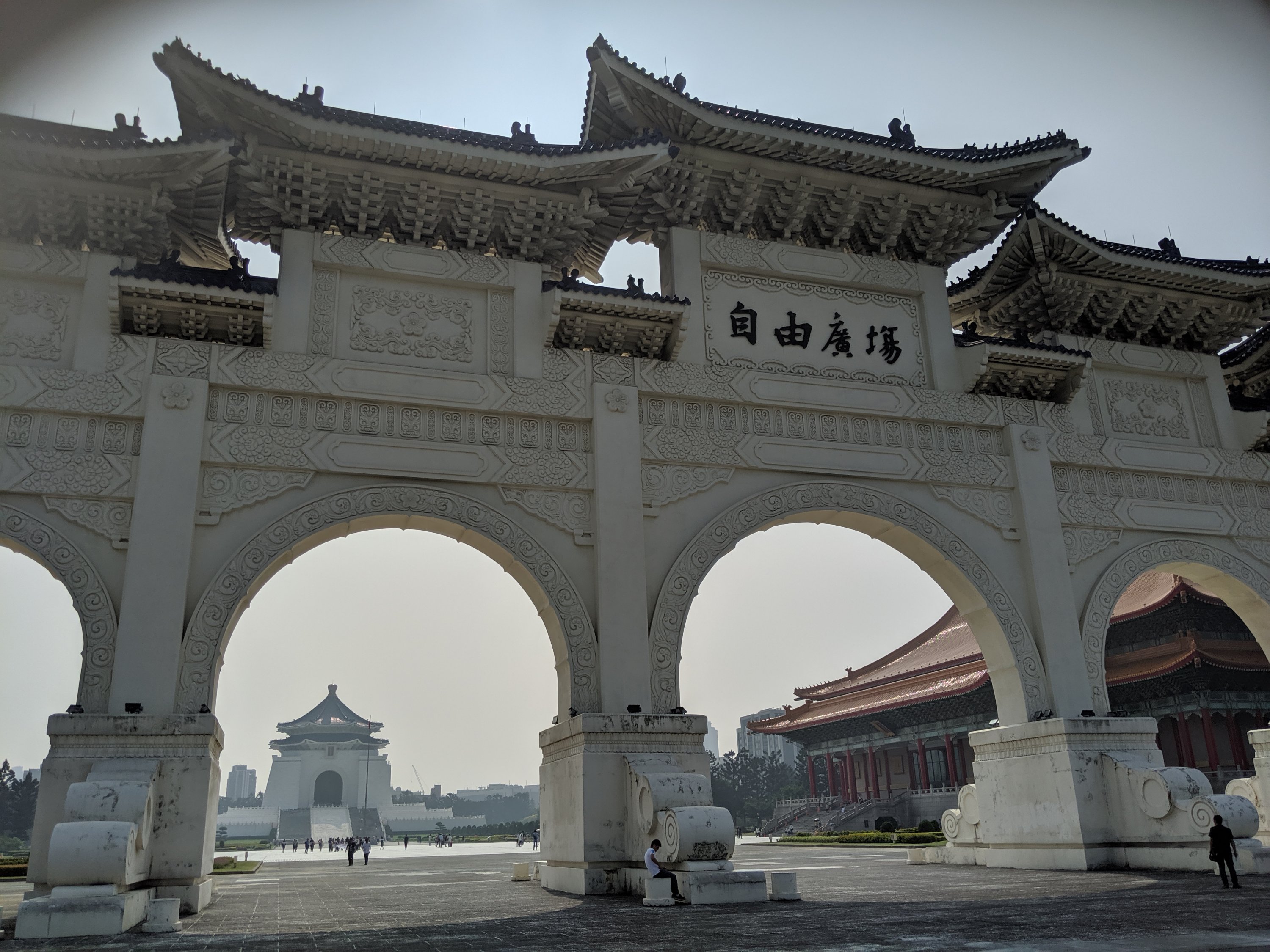
In Guangzhou there is a Sun Yat Sen hospital and I had not realized the background of this famous person.Chiang Kai ShekWe also went to Chiang Kai Shek memorial hall. It is impressive. The white building is in the shape of an octagon. The number eight is traditionally associated with fortune and wealth in China.
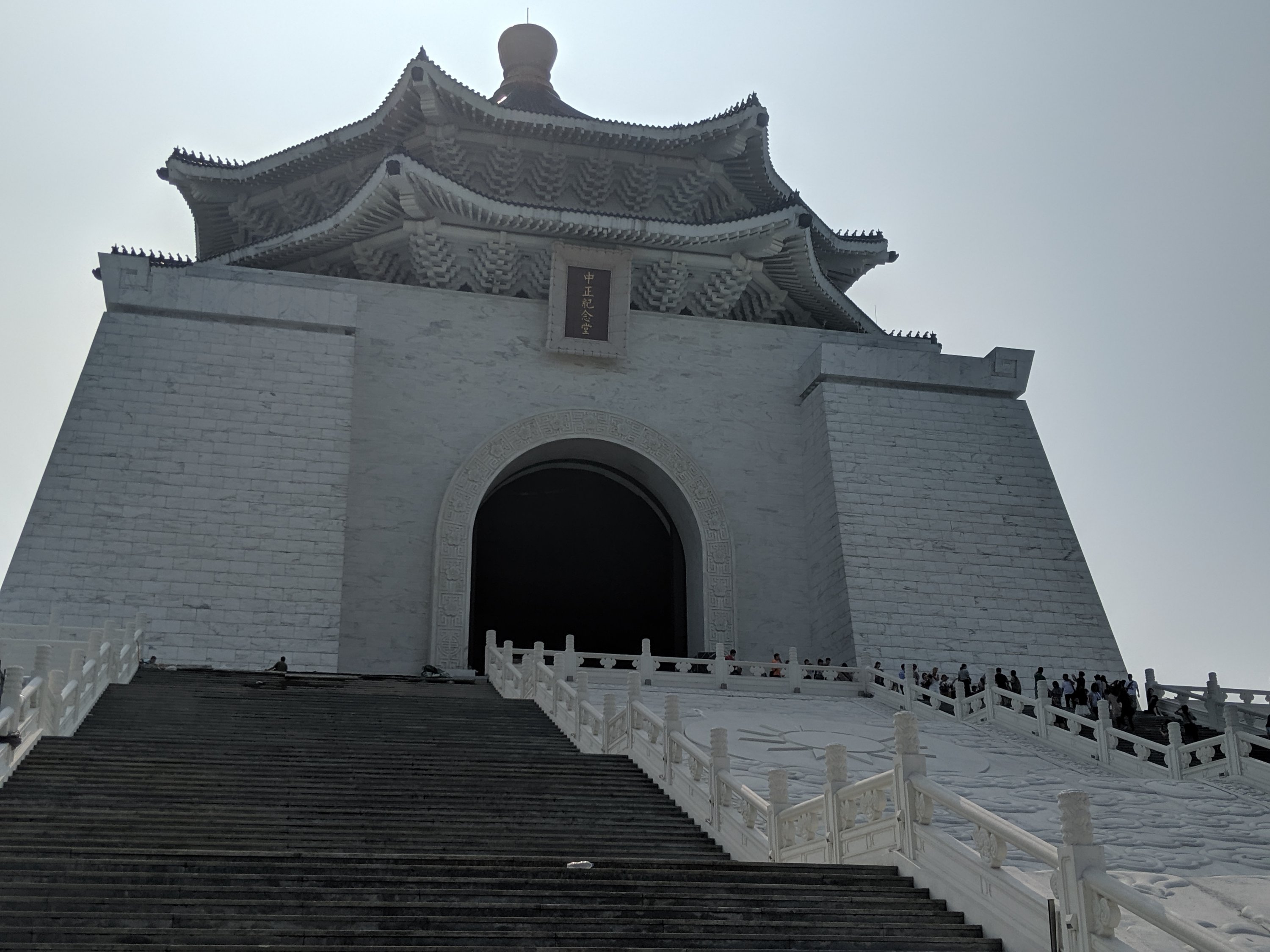
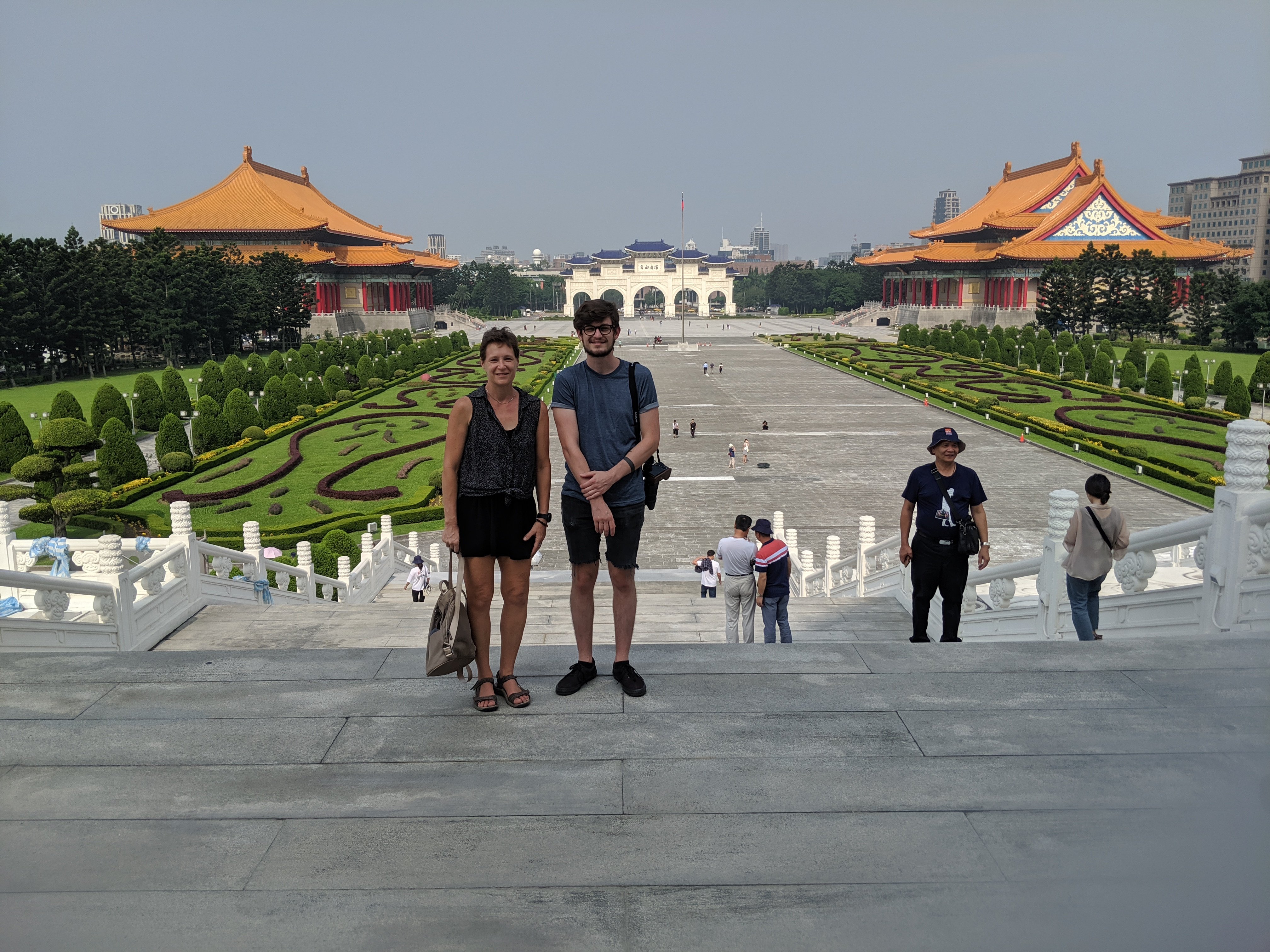
The blue and red accents, are the colours of the Republic of China. The stairs lead up to the main hall where a large bronze statue of Chiang sits.
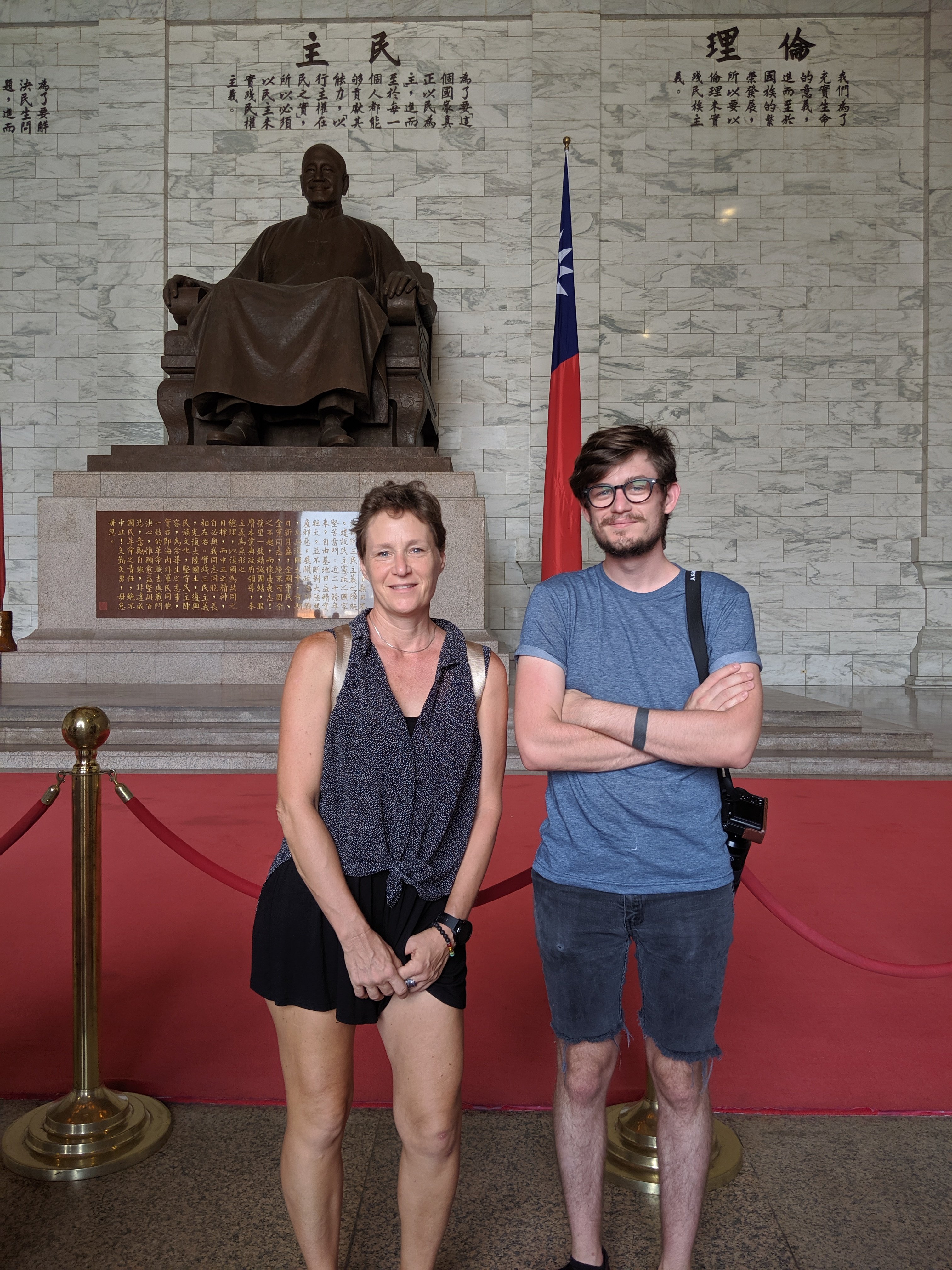
The characters behind Chiang’s statue read “Ethics”, “Democracy”, and “Science”, and the inscriptions on the side read “The purpose of life is to improve the general life of humanity” and “The meaning of life is to create and sustain subsequent lives in the universe”.
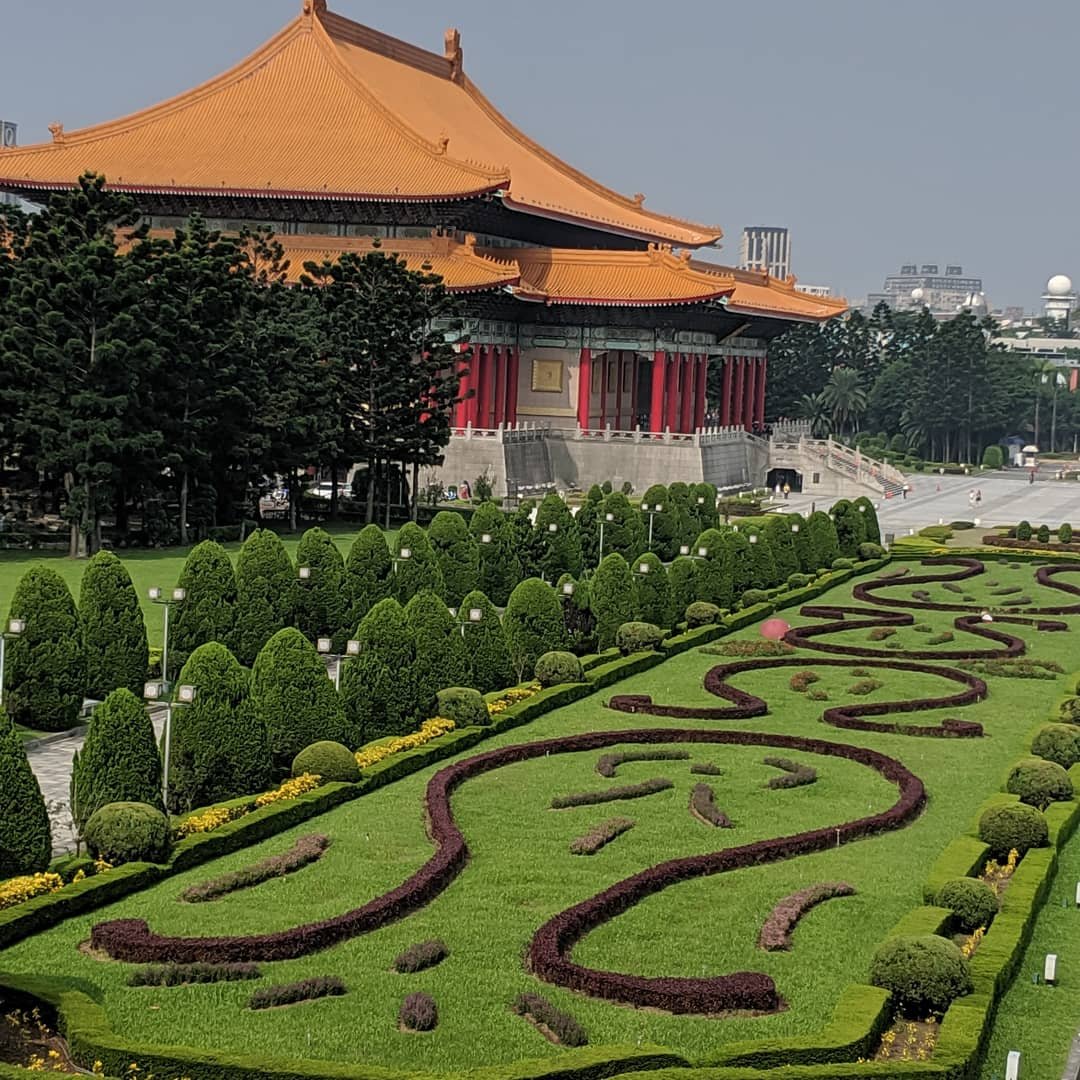
Chiang is regarded as a controversial figure. He brought China and then Taiwan into the modern age. He, along with Sun Yat Sen, had a major part in unifying the nation and leading the Chinese resistance against Japan. He was known as a dictator at the front of an authoritarian regime who suppressed opponents.

When Chiang Kai Shek was fighting the Japanese, they moved many of the Chinese artifacts from the forbidden city to Shanghai and Nanjing. During the civil war that immediately followed they were moved to Taiwan. Here they were protected from destruction, a tactic used to overthrow regimes and rewrite history.
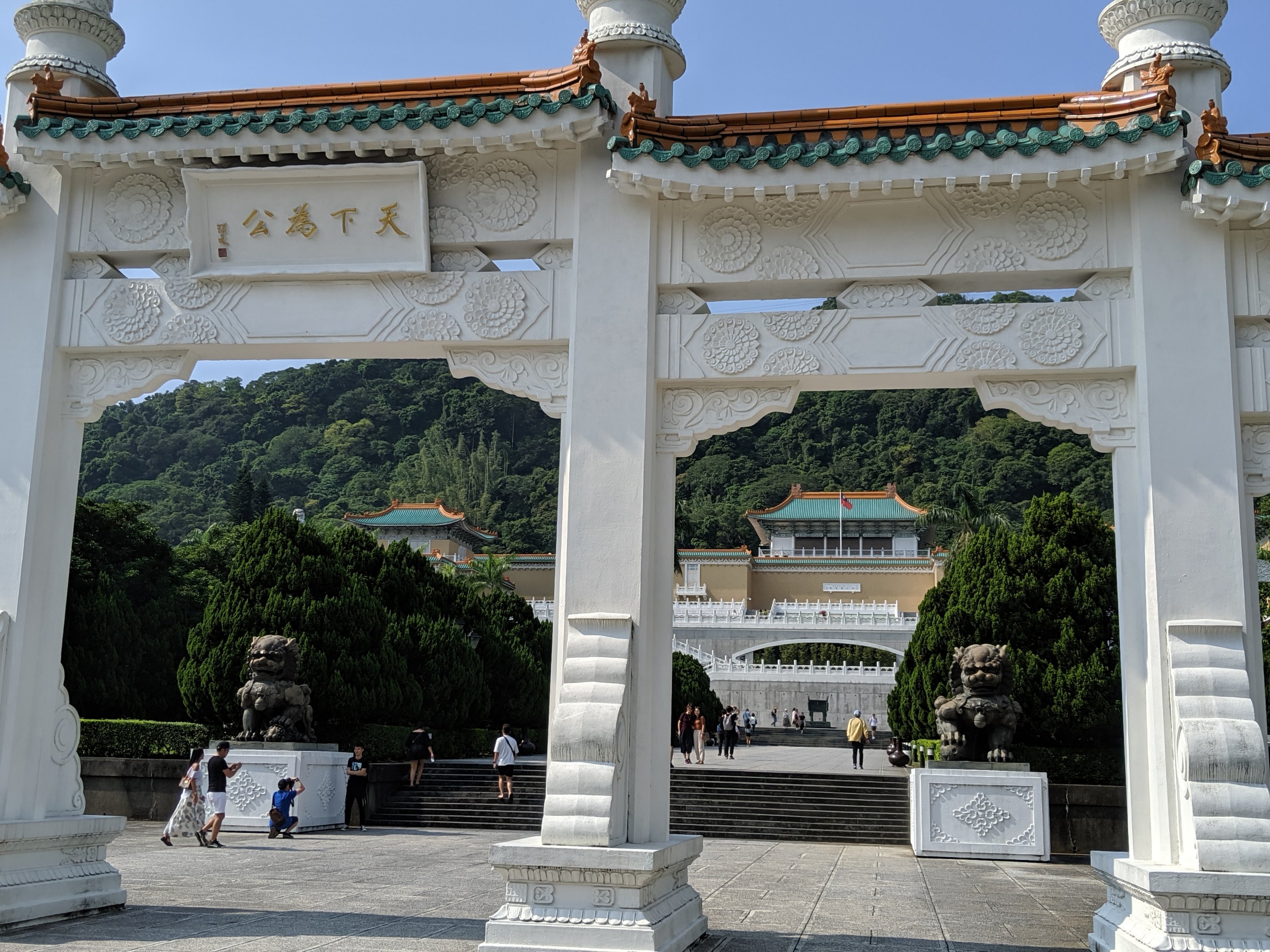
National Palace Museum
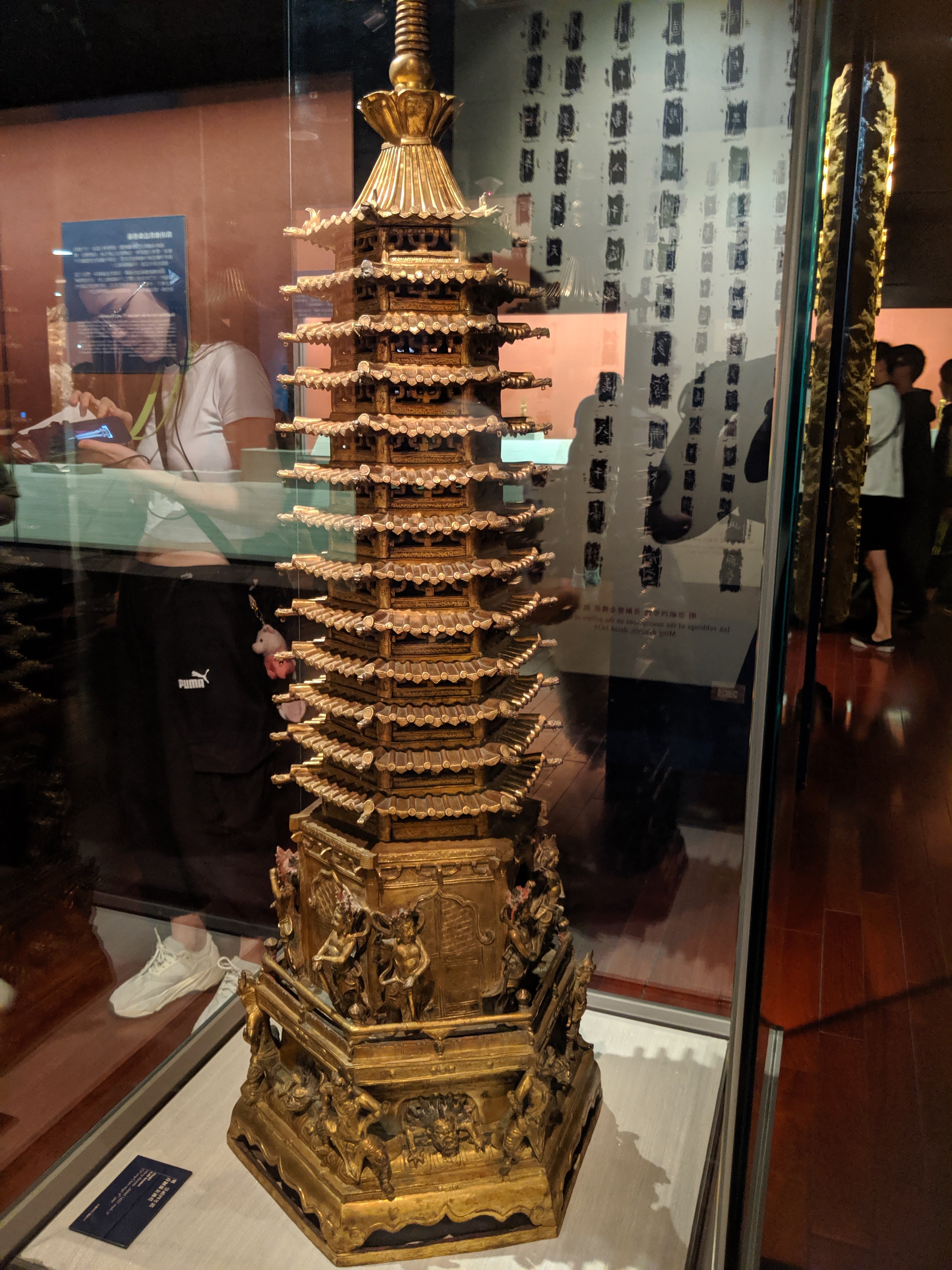
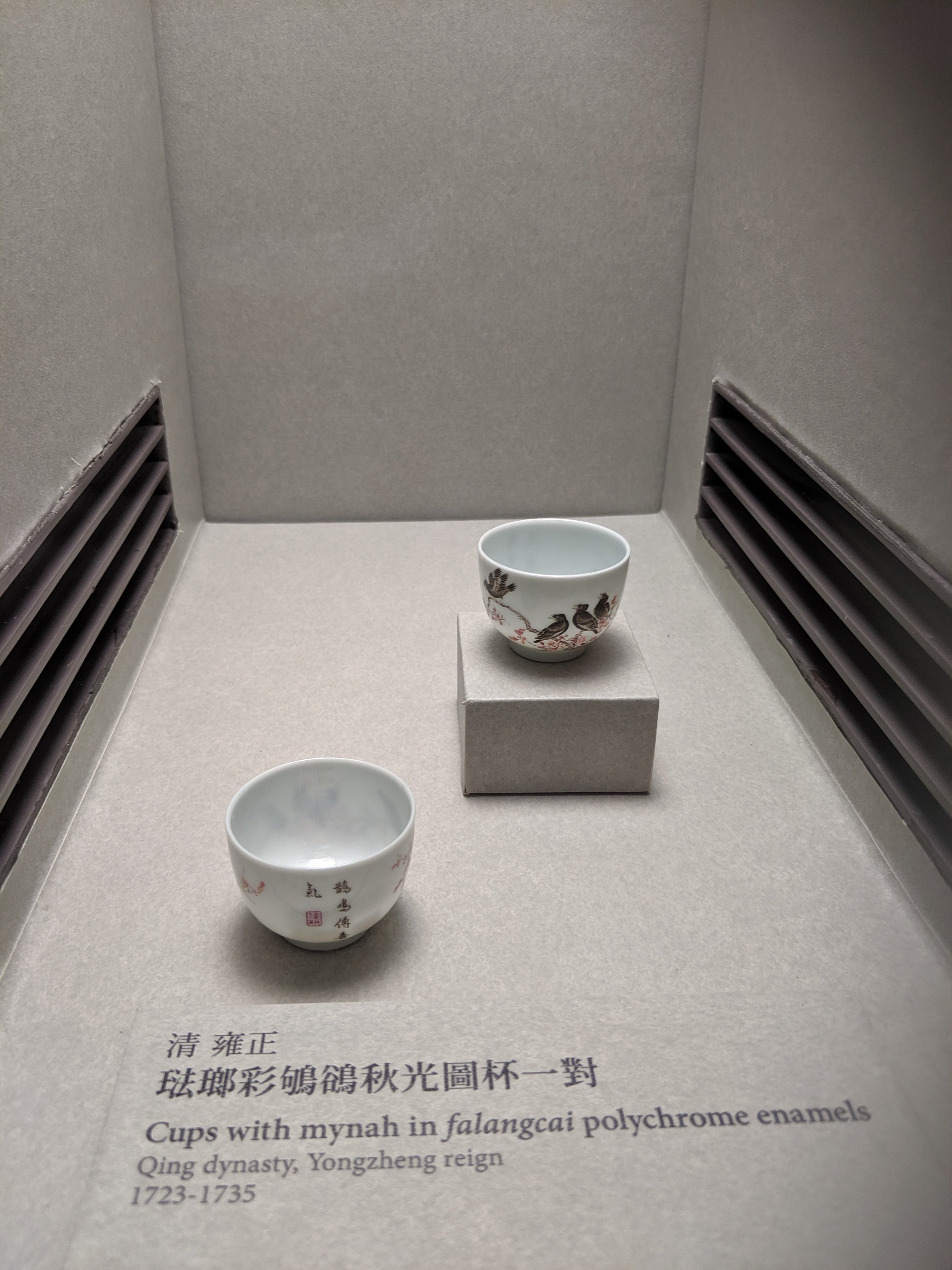
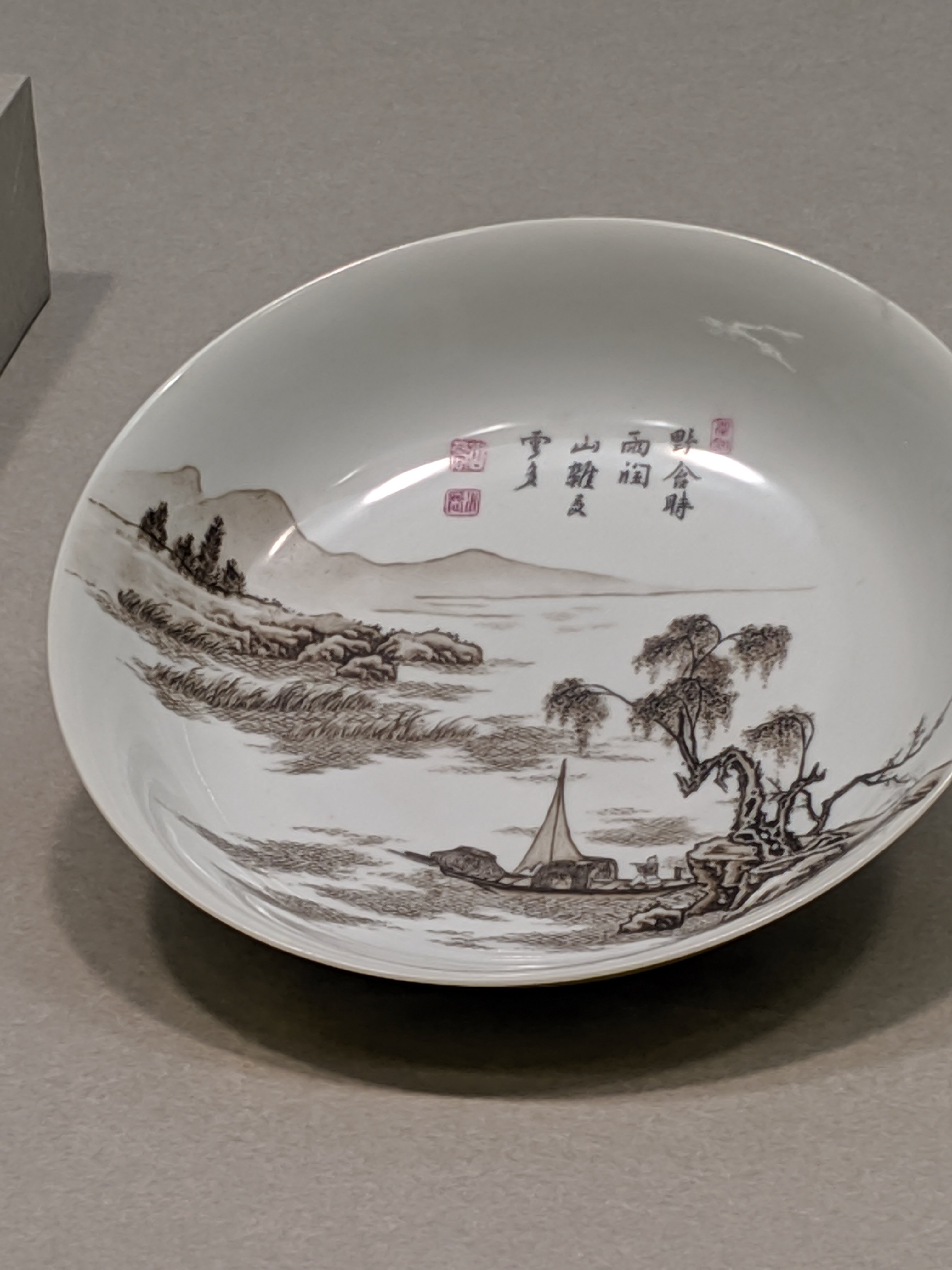
The National Palace museum was created to house these artifacts which is the largest collection of Chinese heritage.
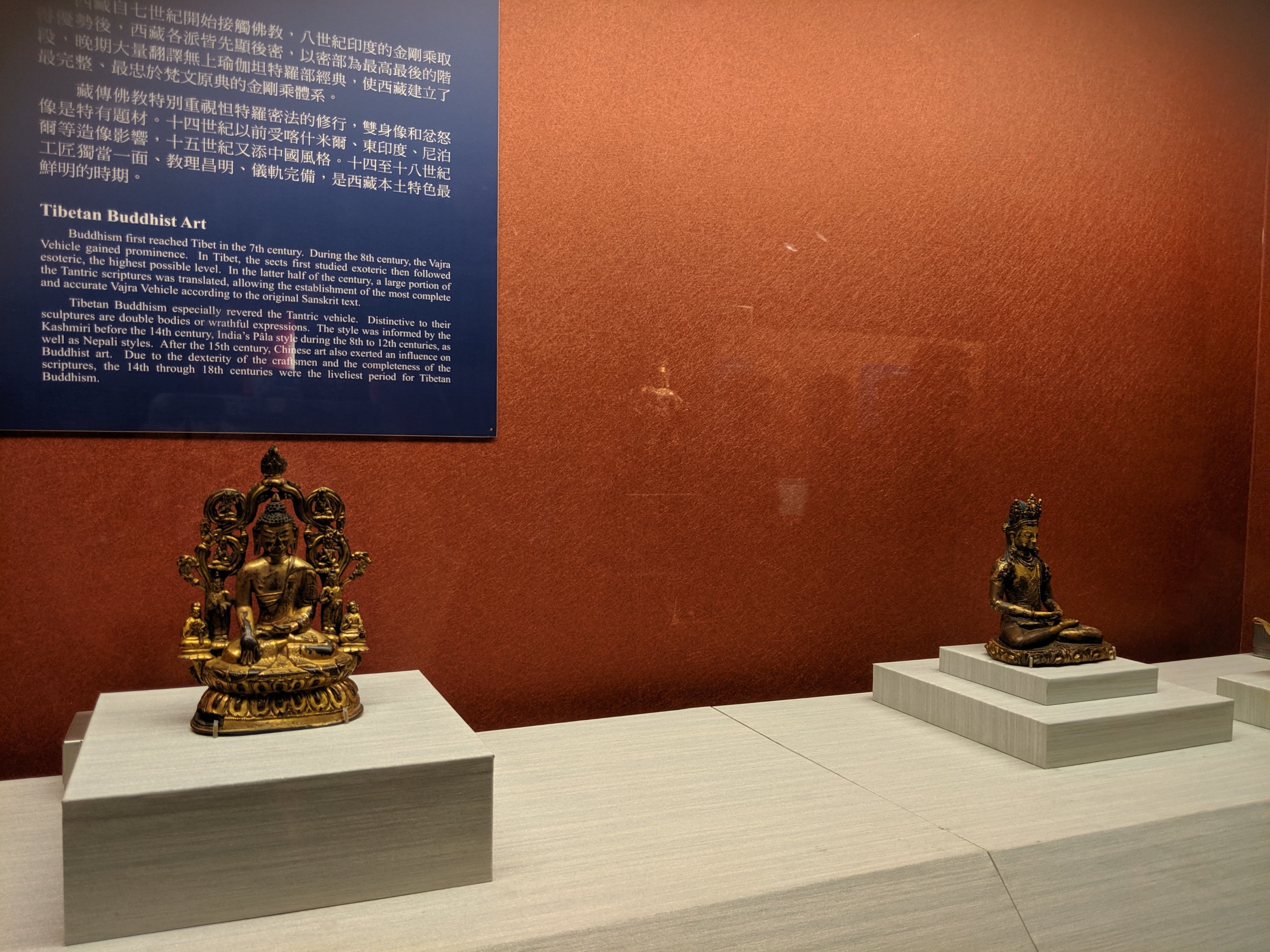
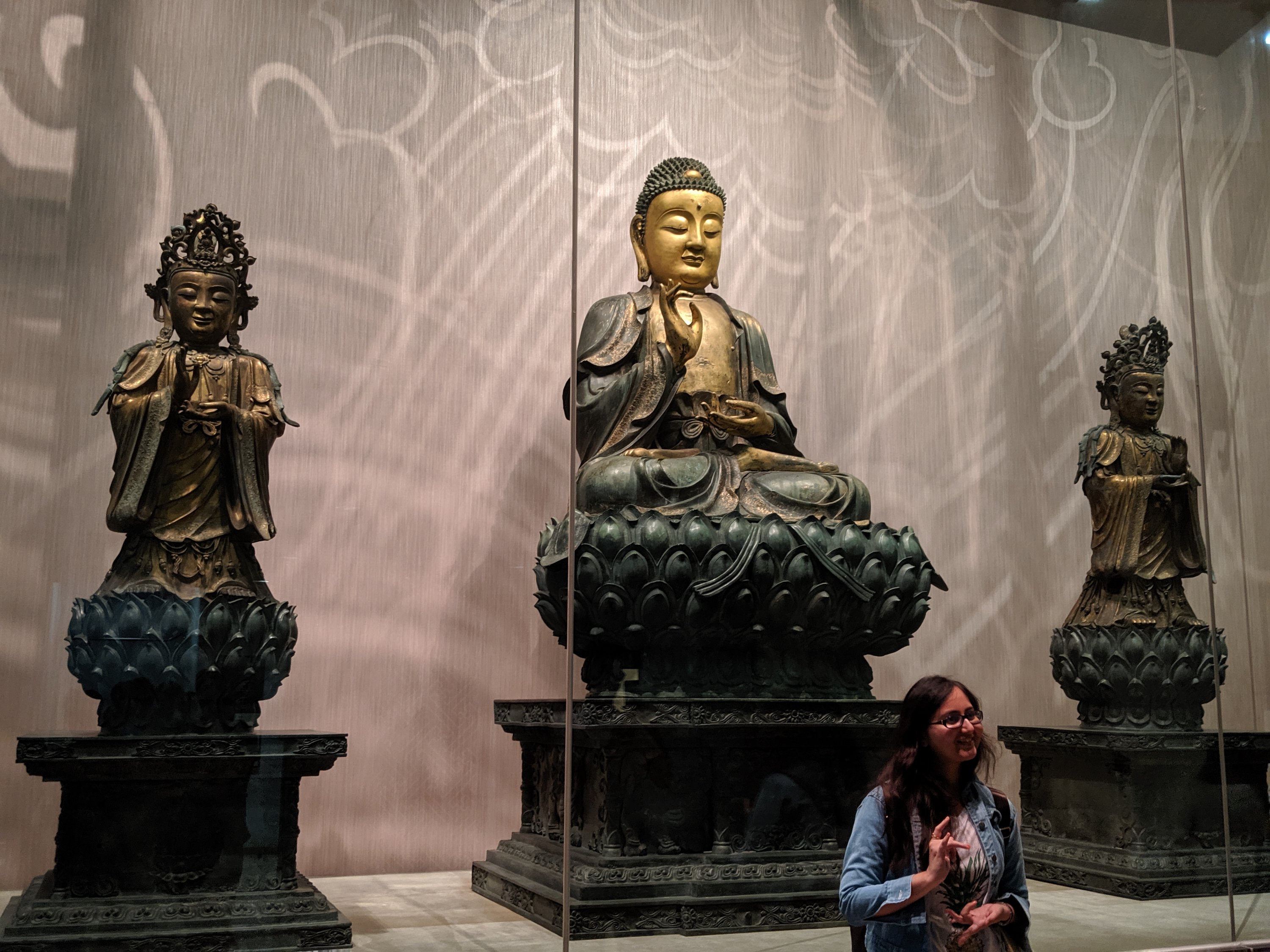
Buddhas
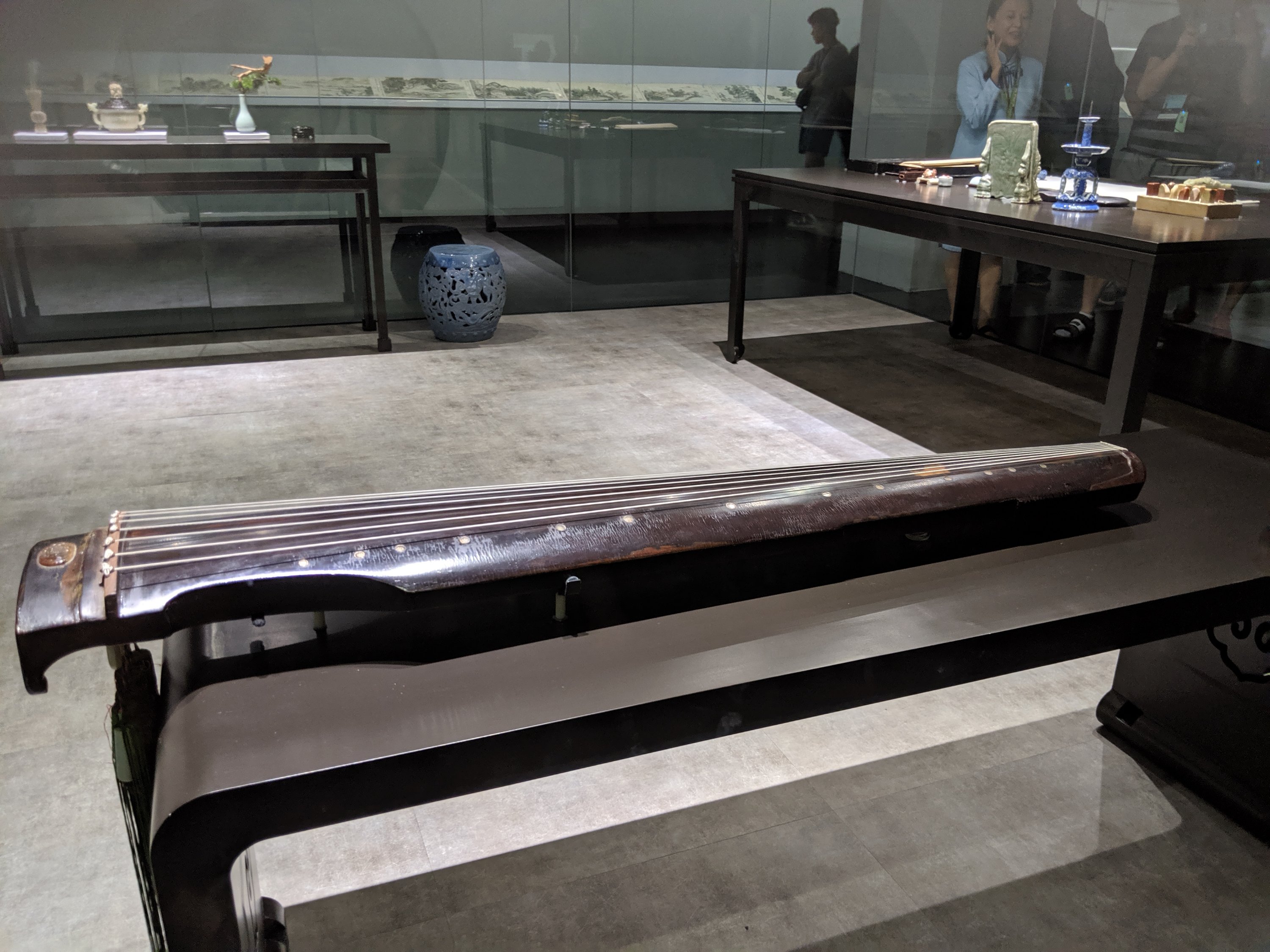
A zither, stringed instrument.
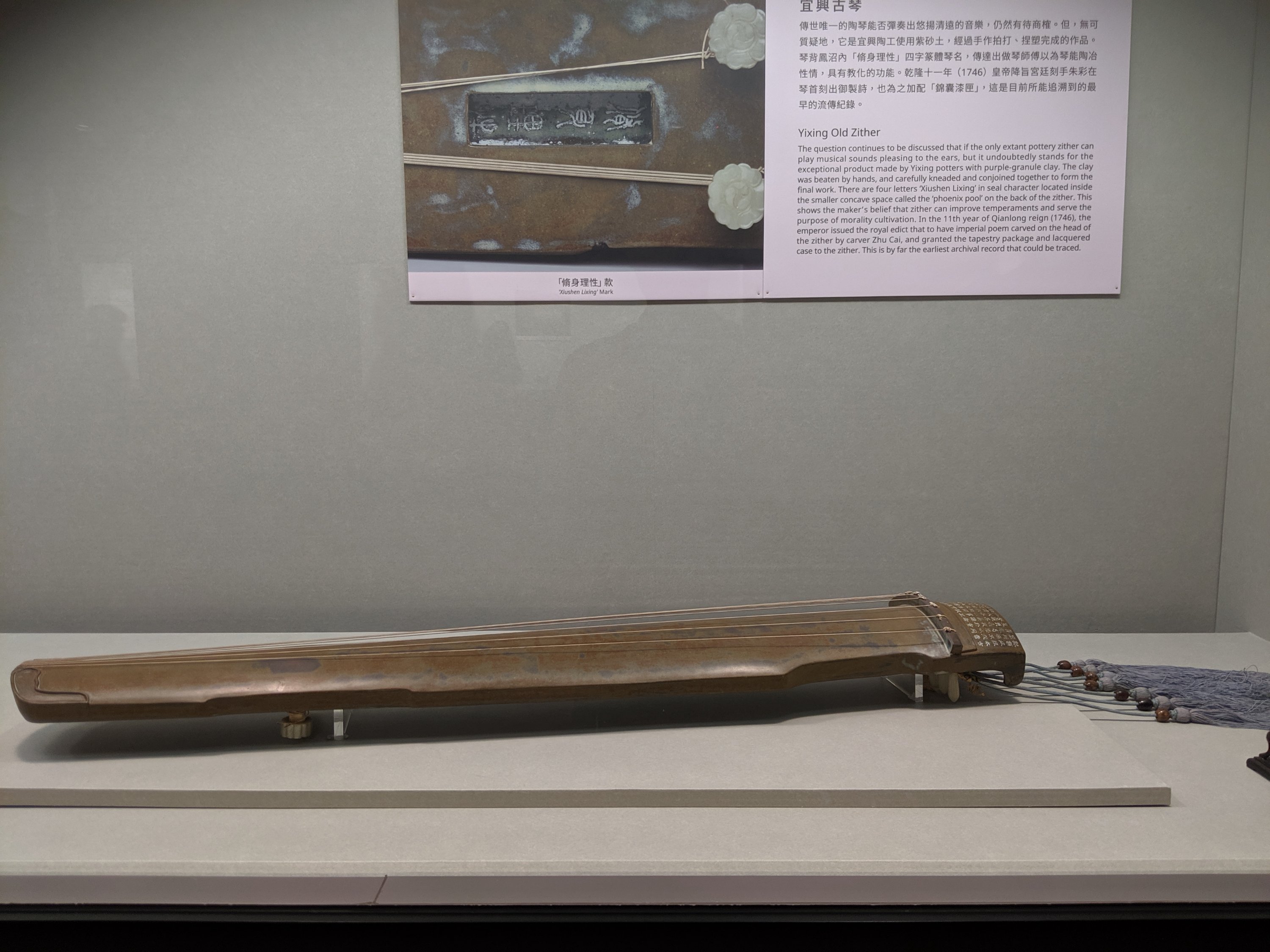
A zither made of pottery. It actually can play music.
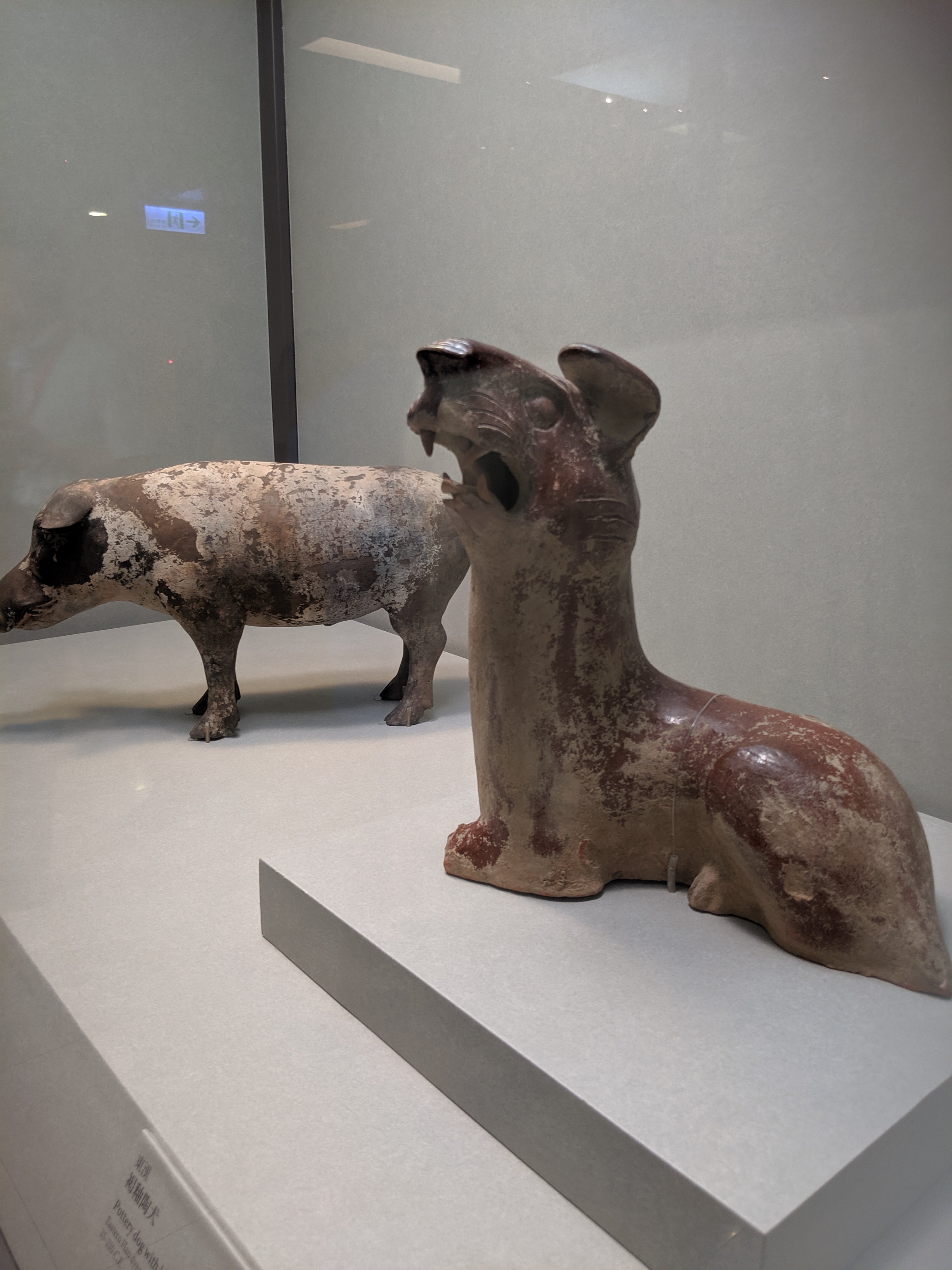
Pottery.
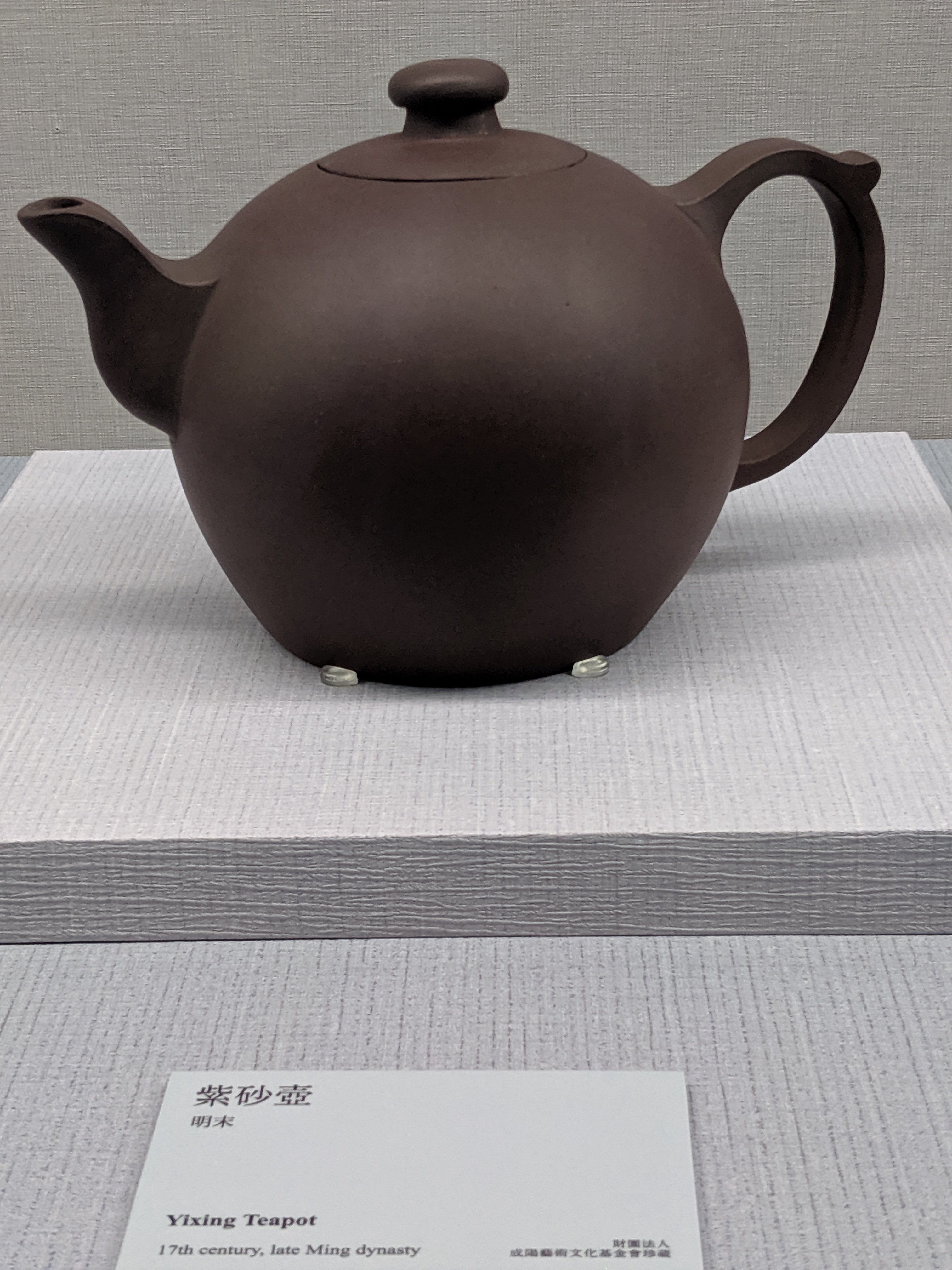
Pottery from early history during the warring states period.
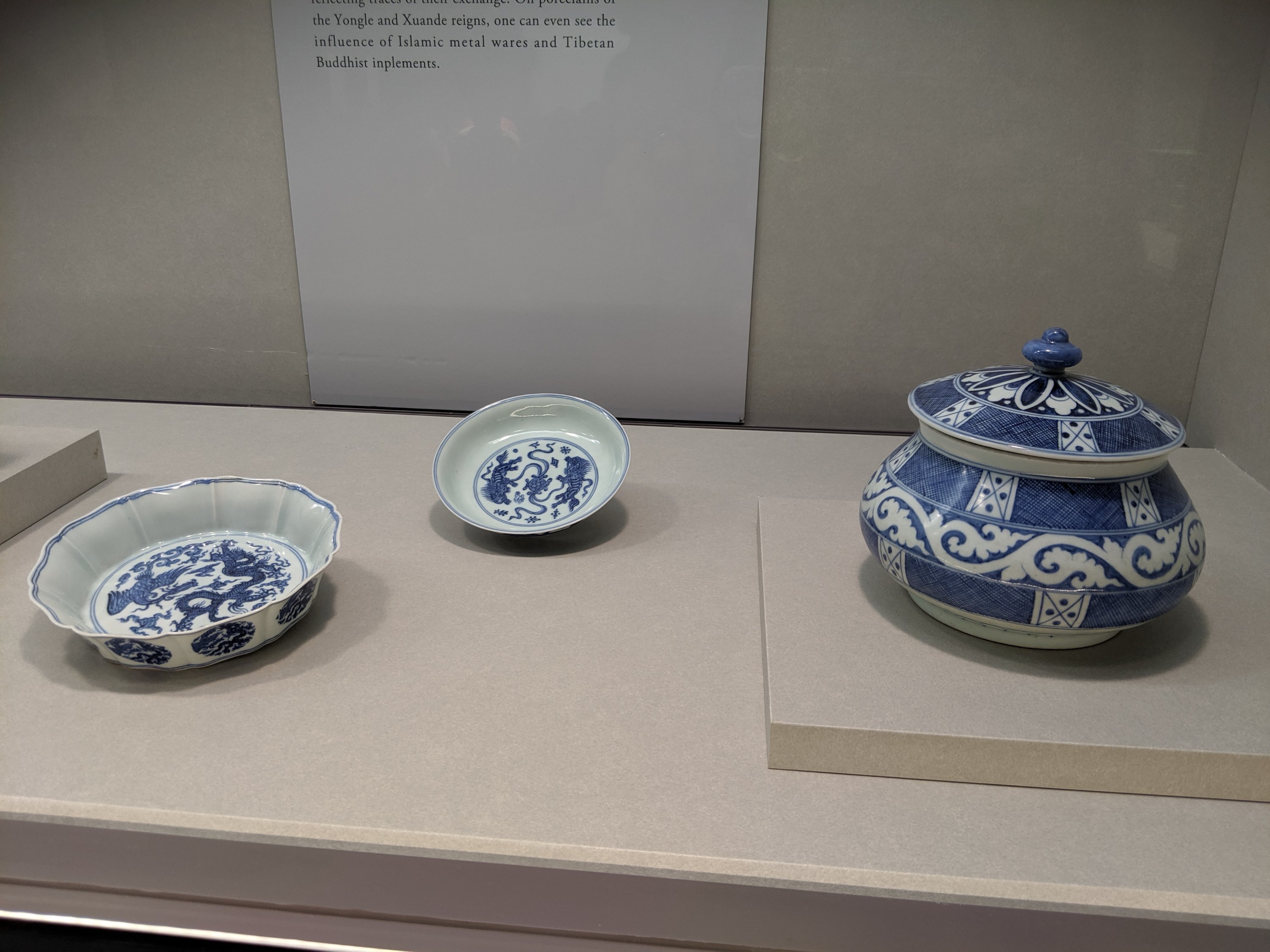
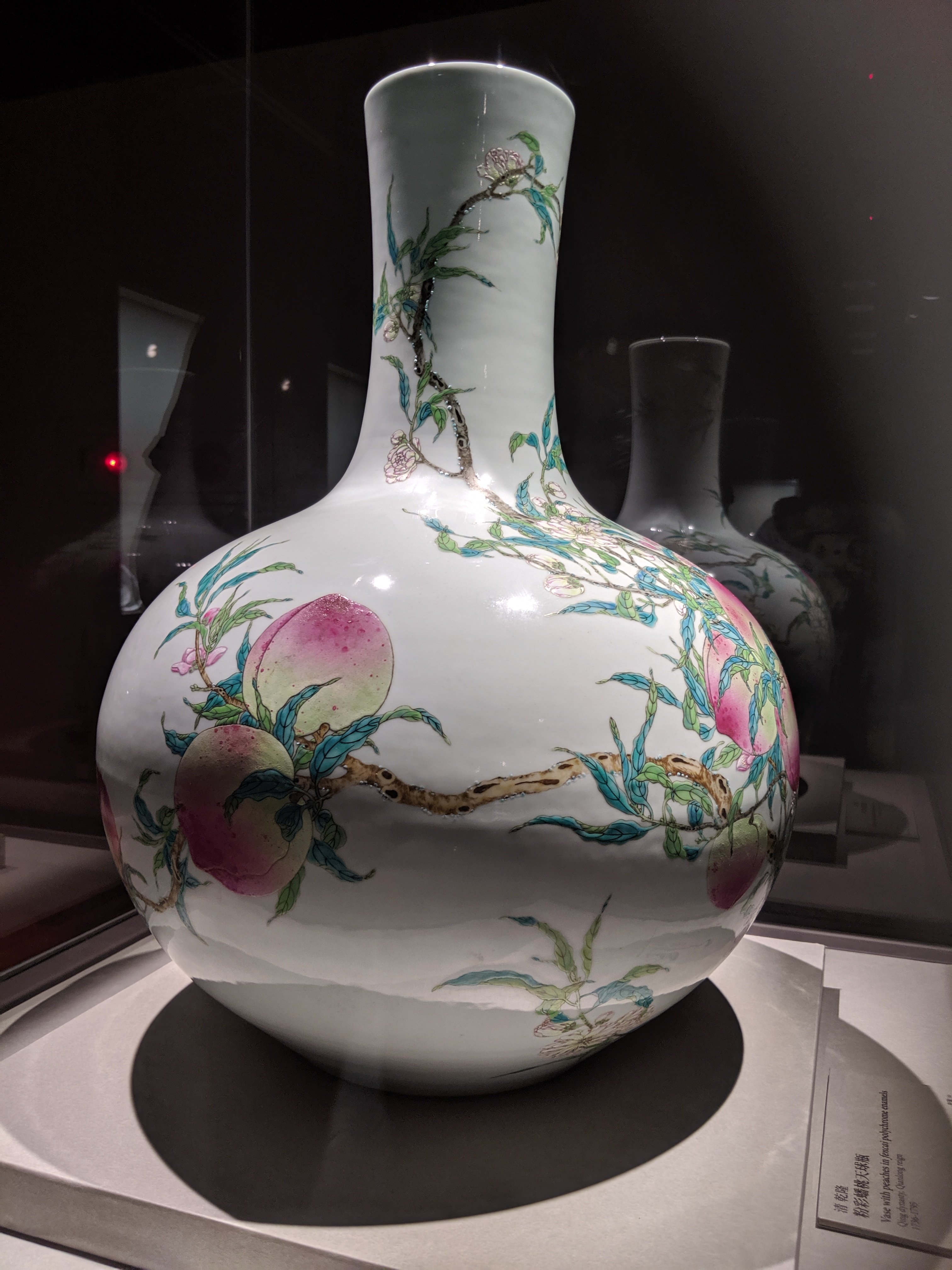
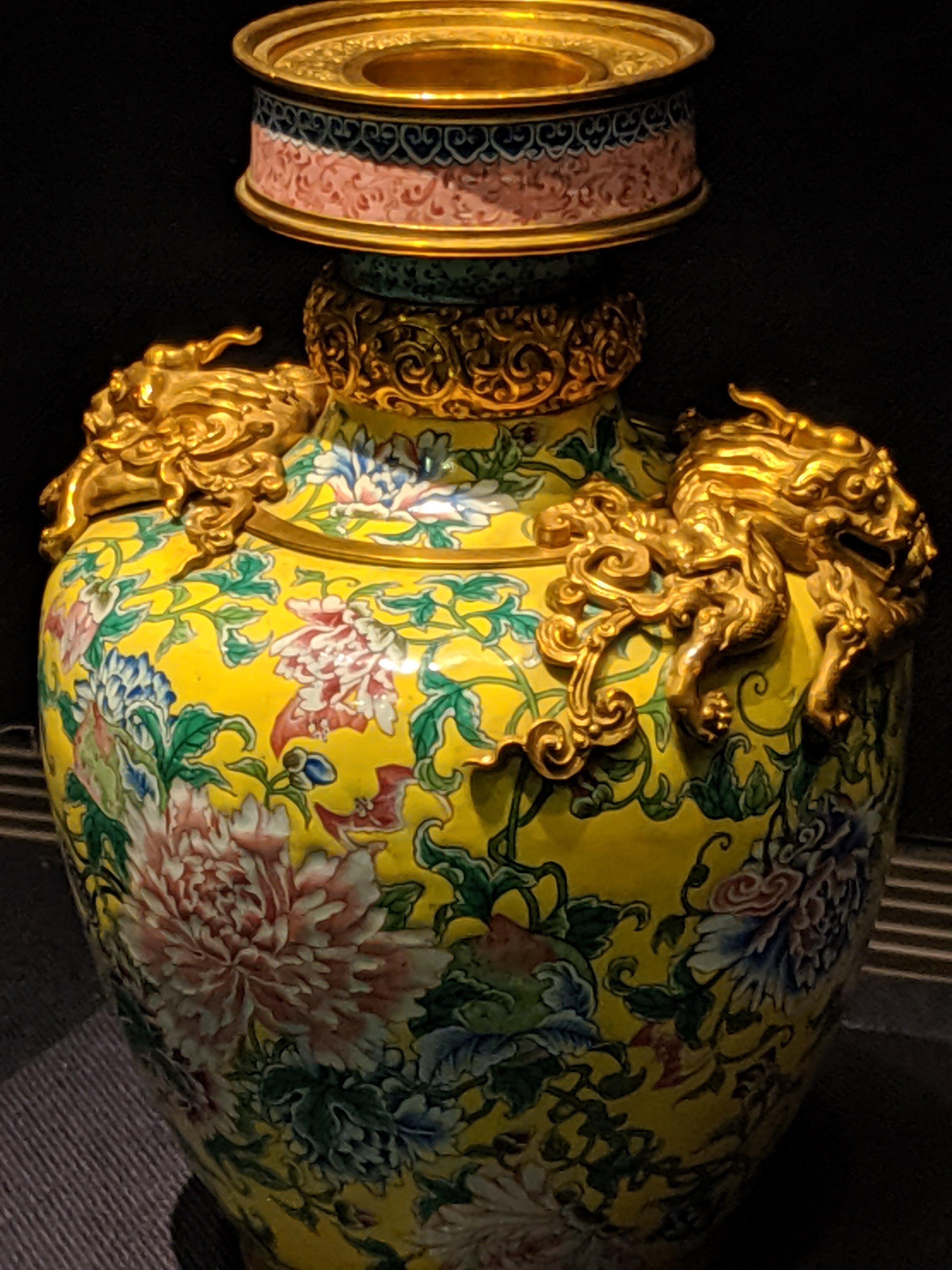
My favourite. Cloisonne with dragons.
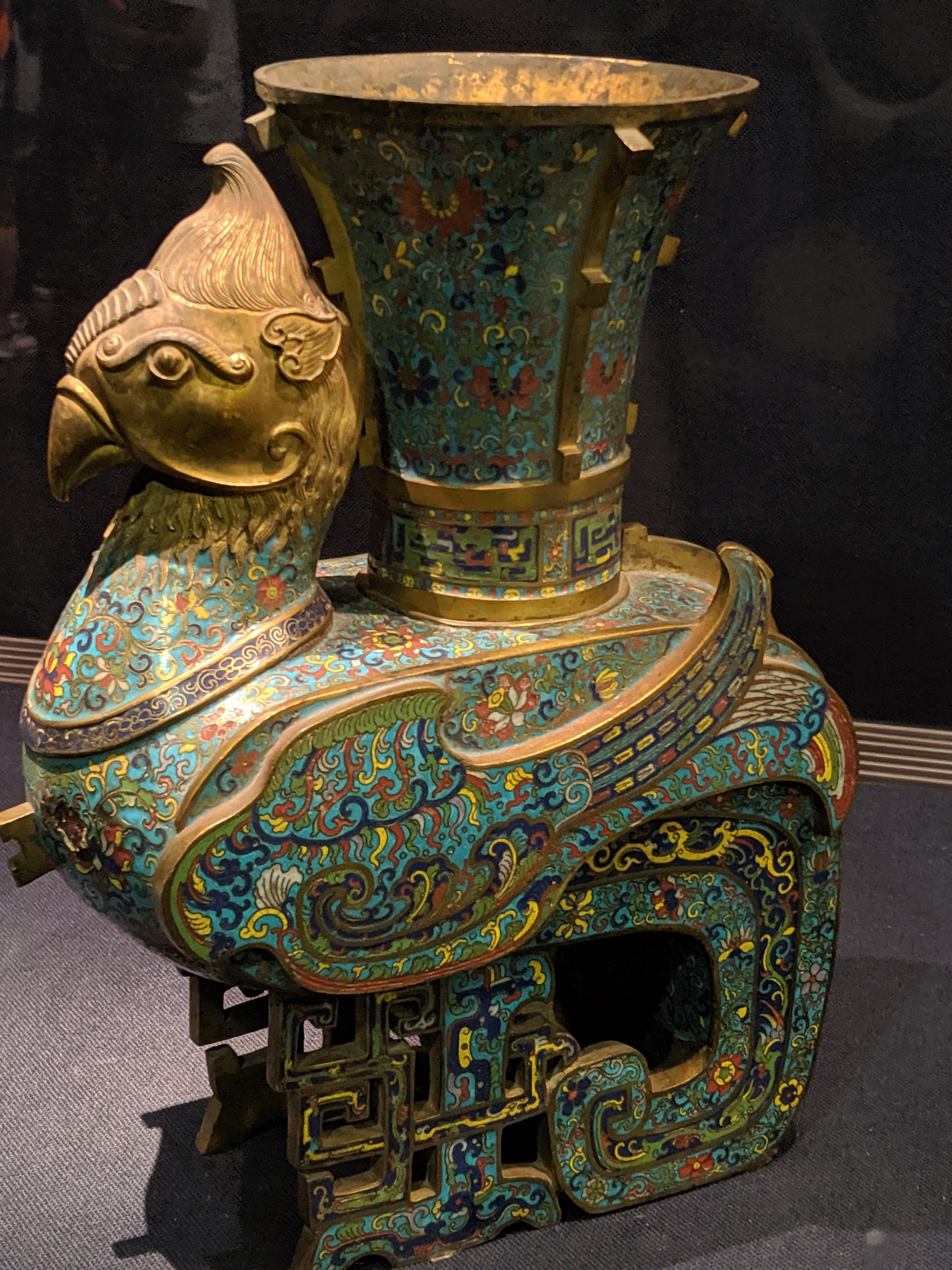
Cloussone zun vessel in the shape of a bird from the Qing dynasty.
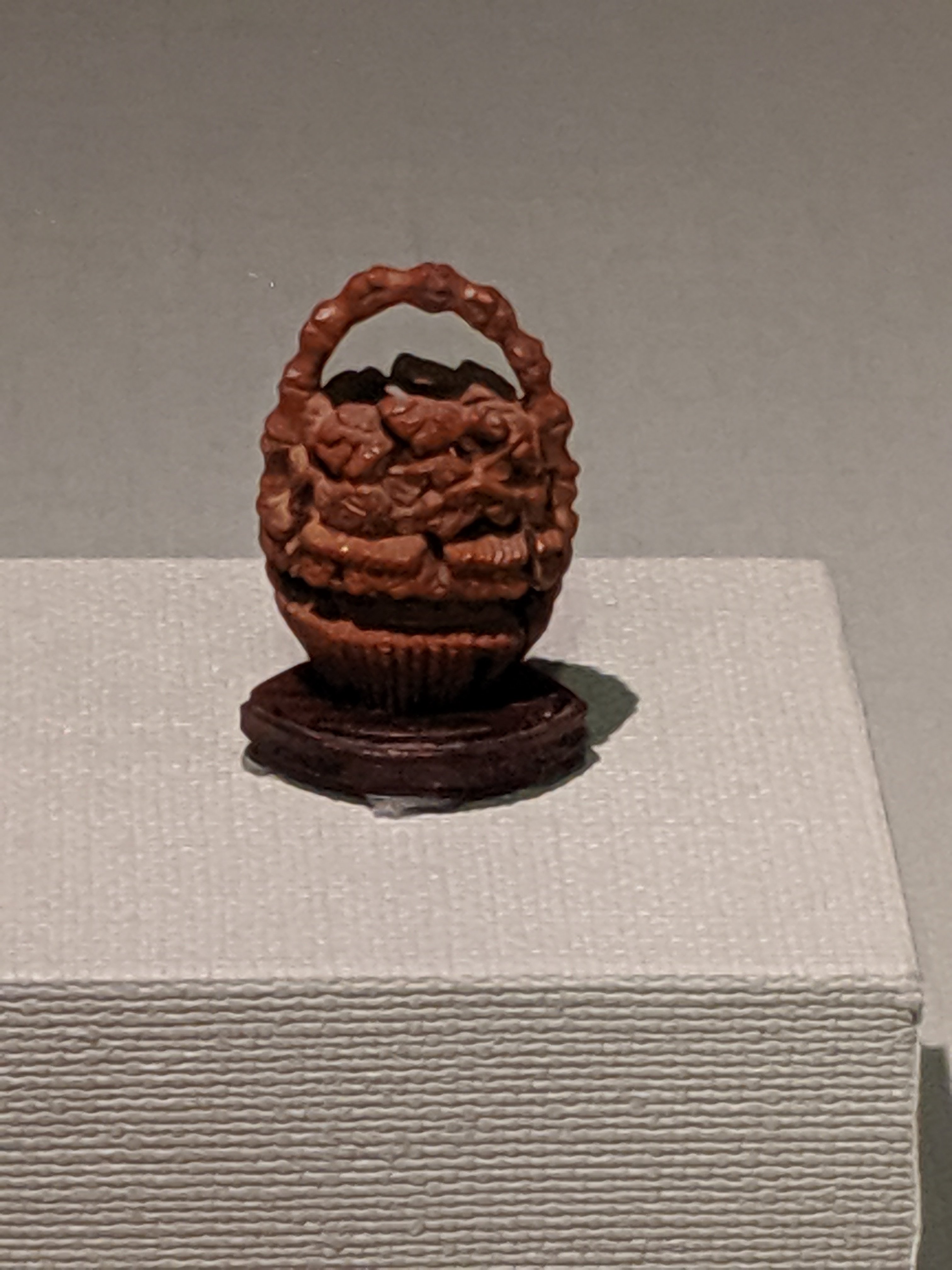
This flower basket is actually carved from a peach pit!
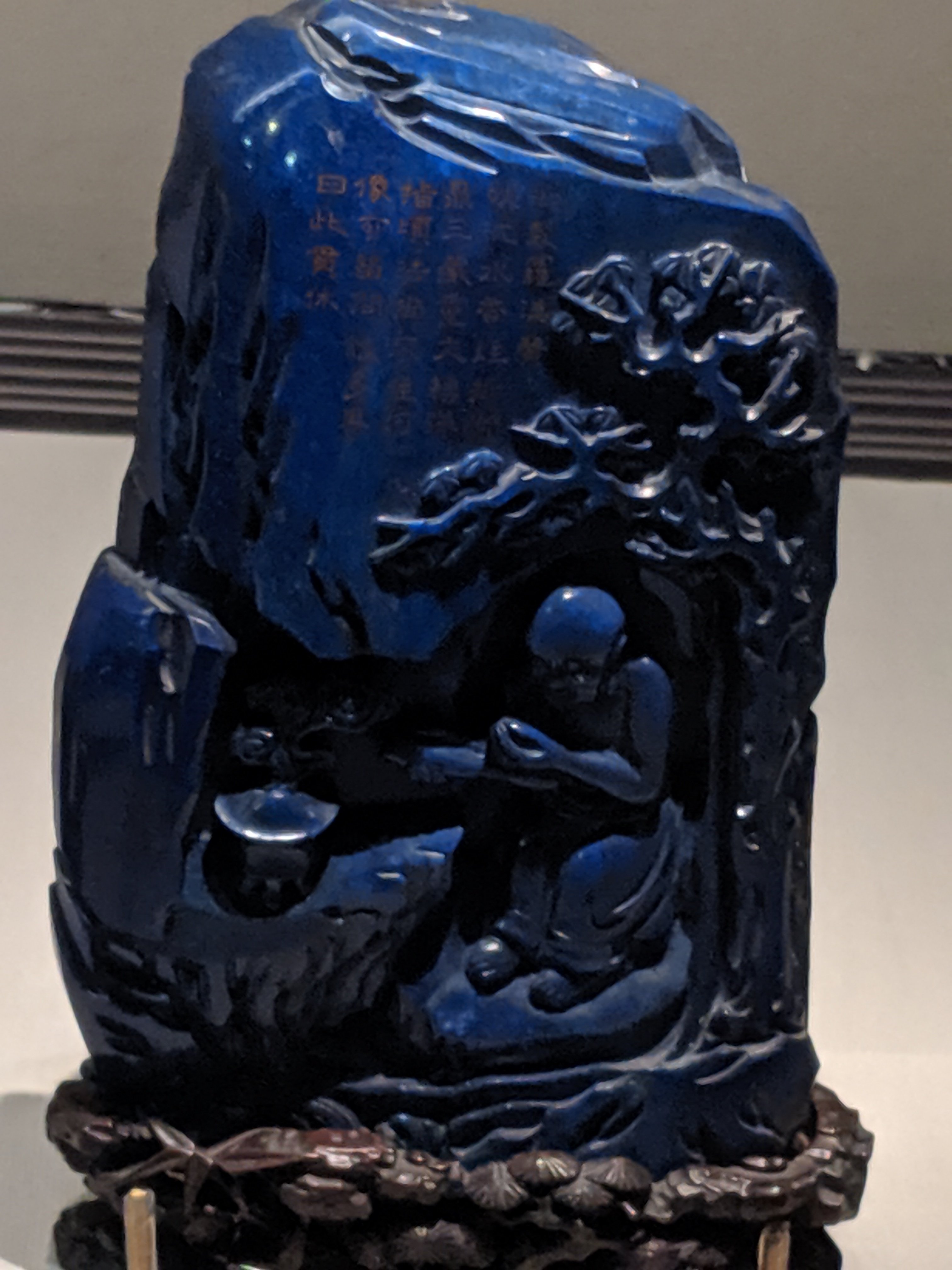
Lapis lazuli carved into a mountain.
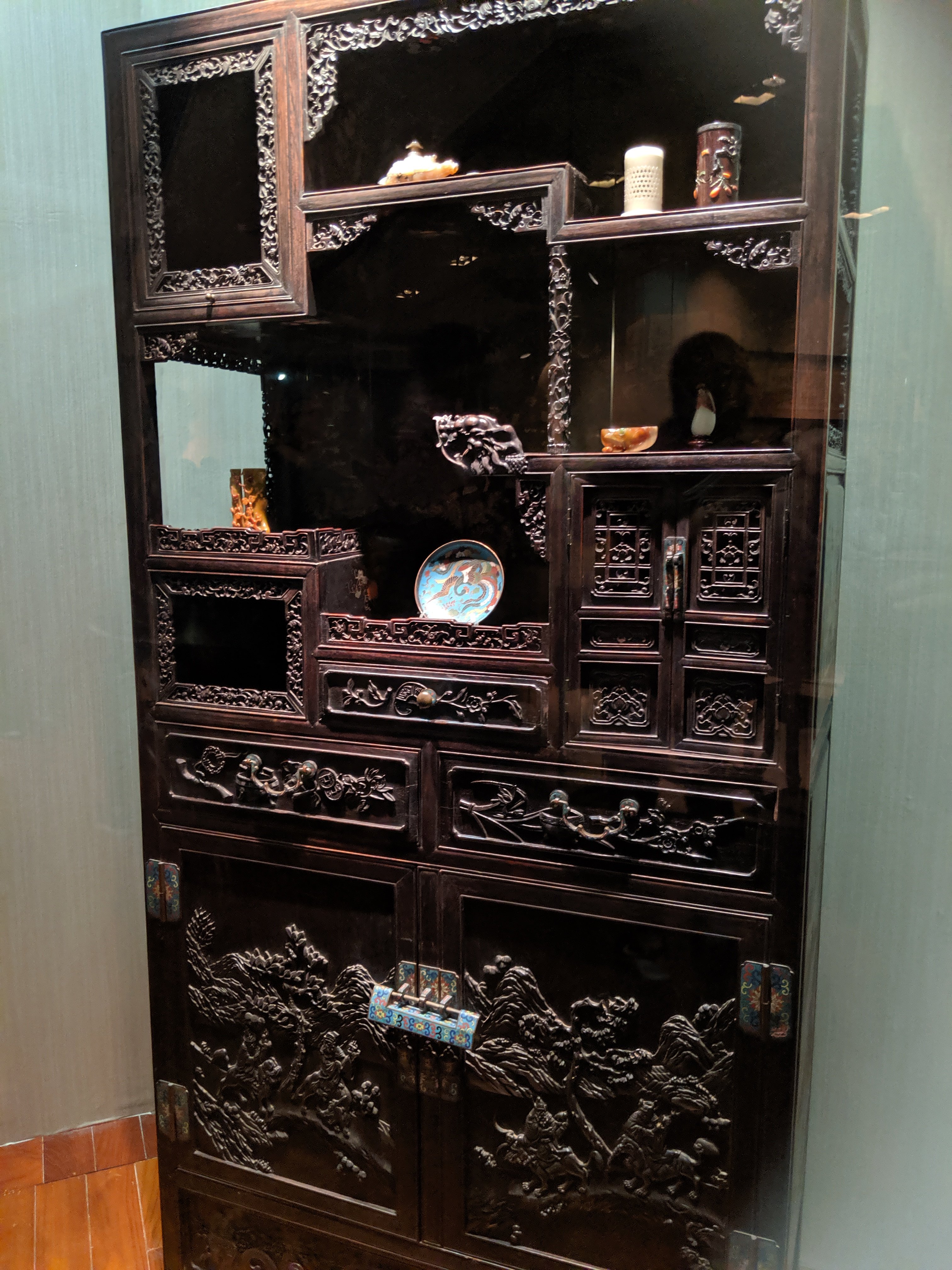
Furniture.
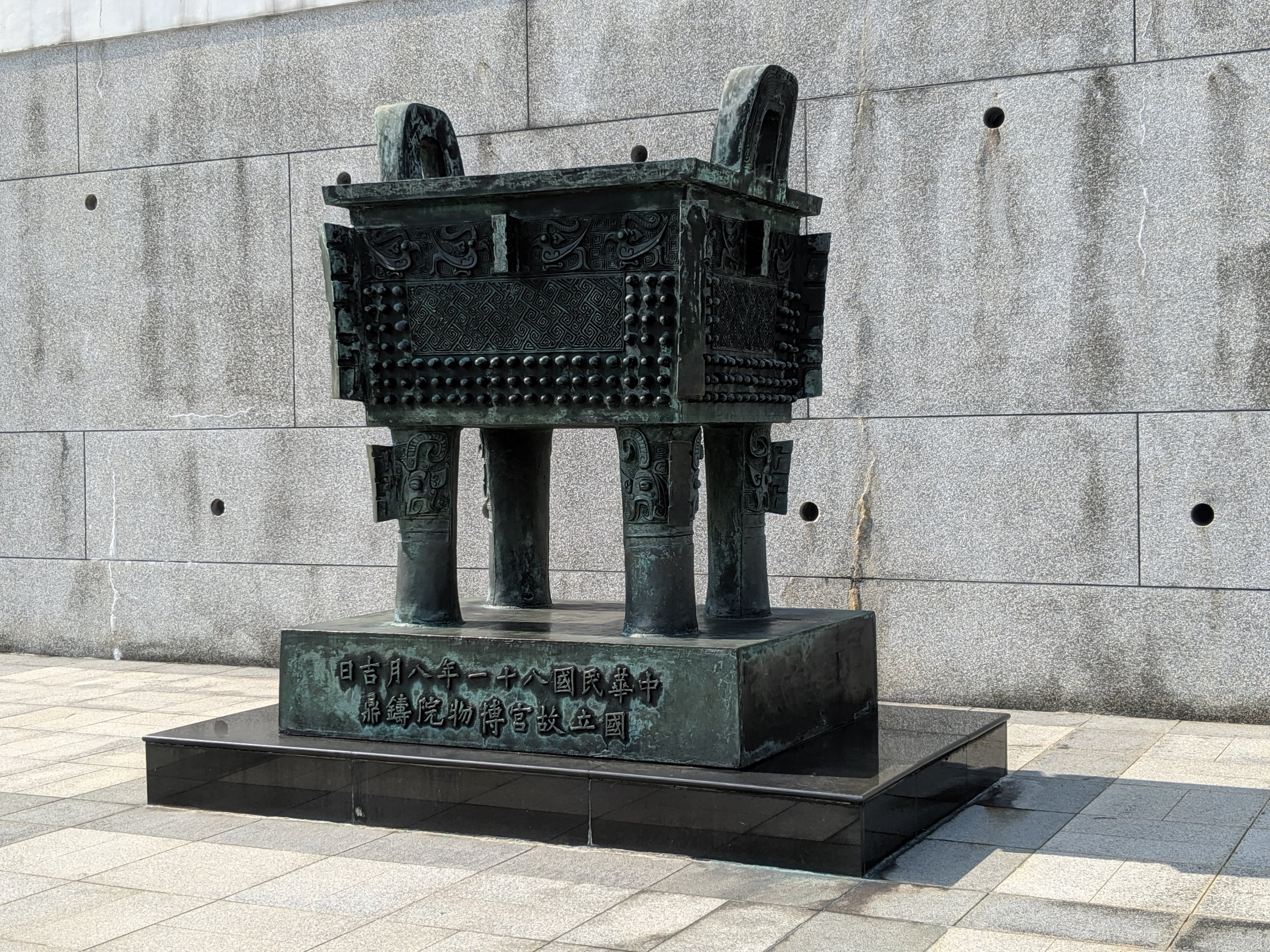
Bronze metals.
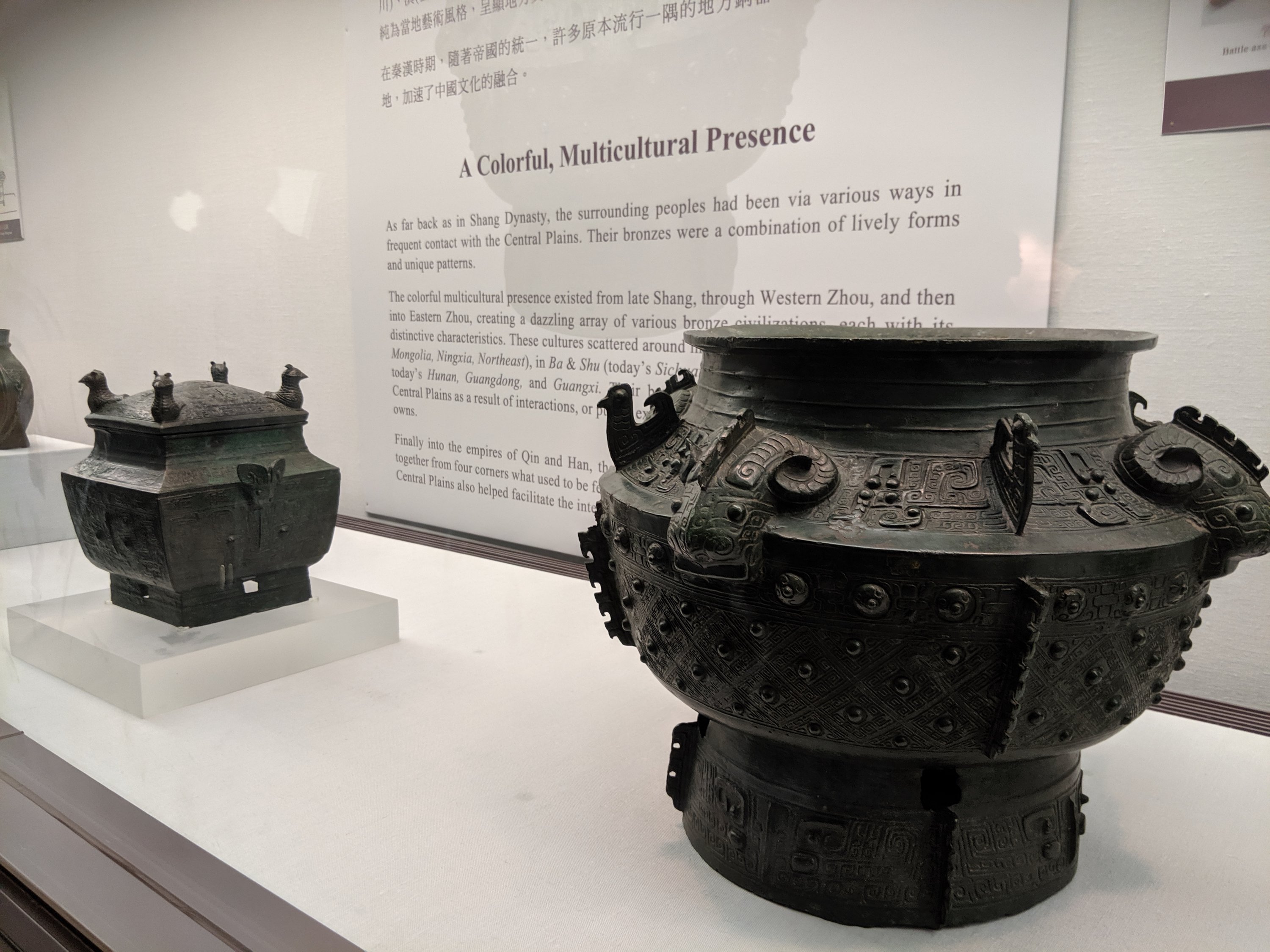
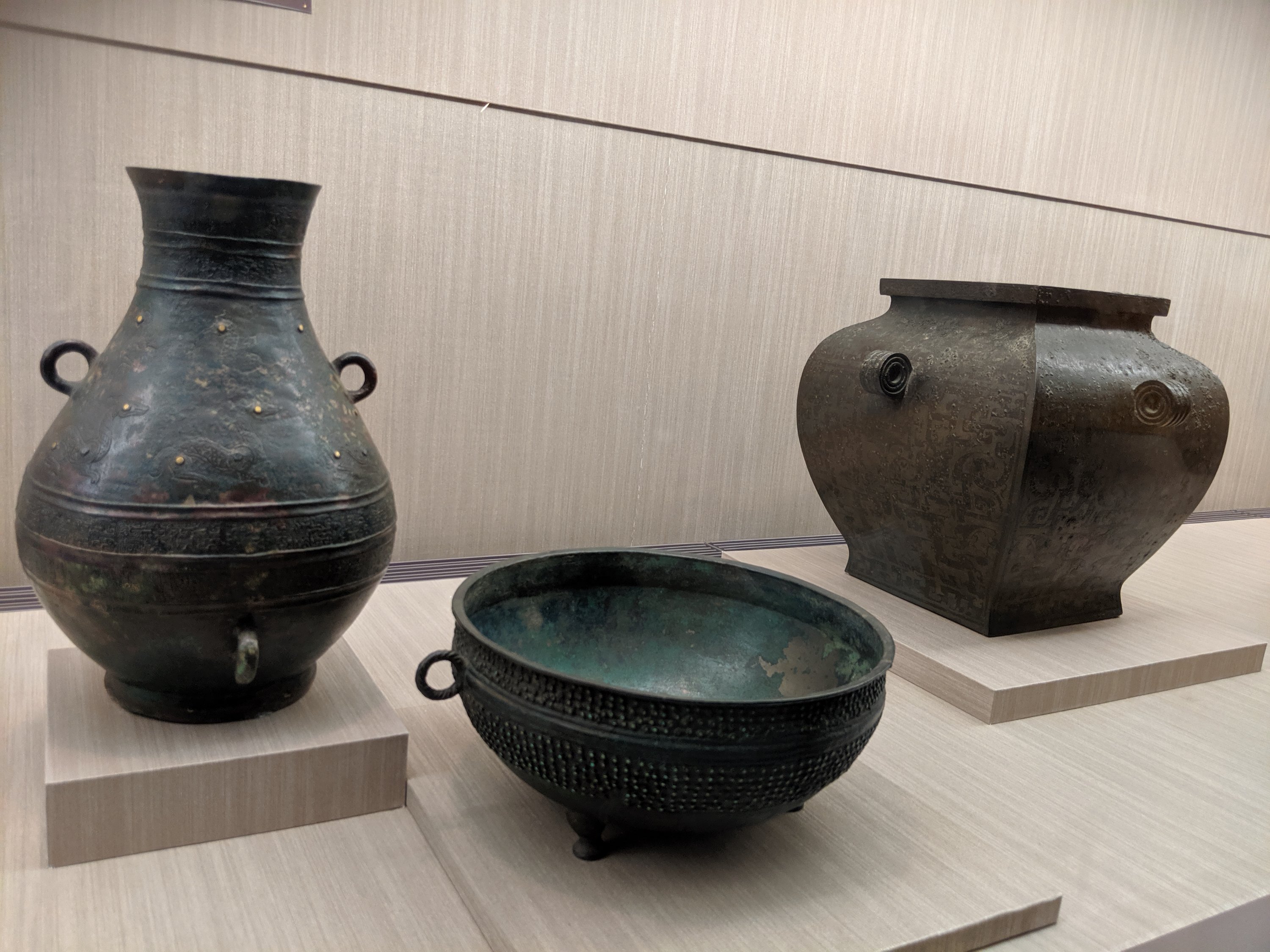
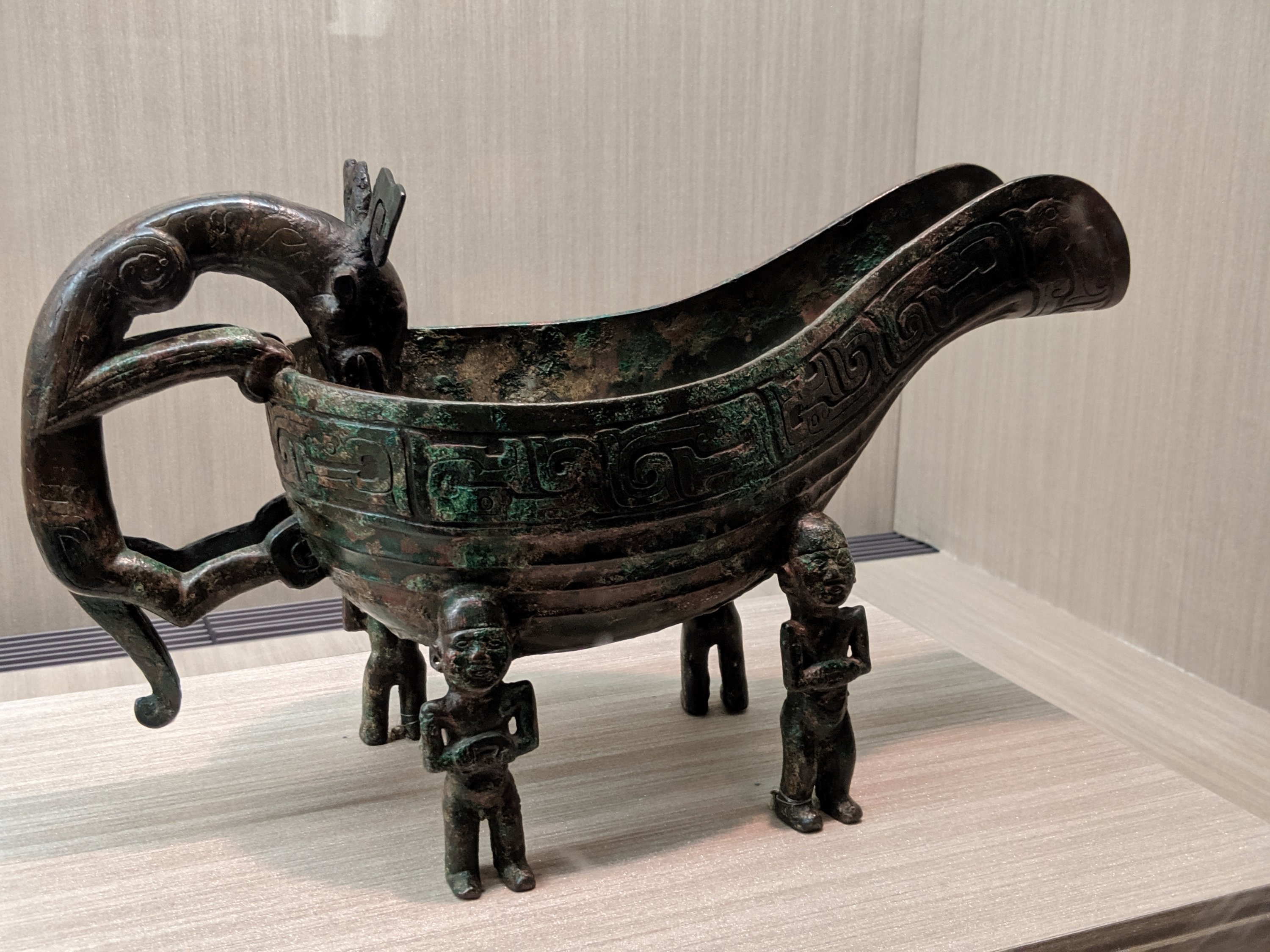
Look at this one. It is a To water vessel with an animal handle and humans as feet. It is from the Zhou Dynasty.
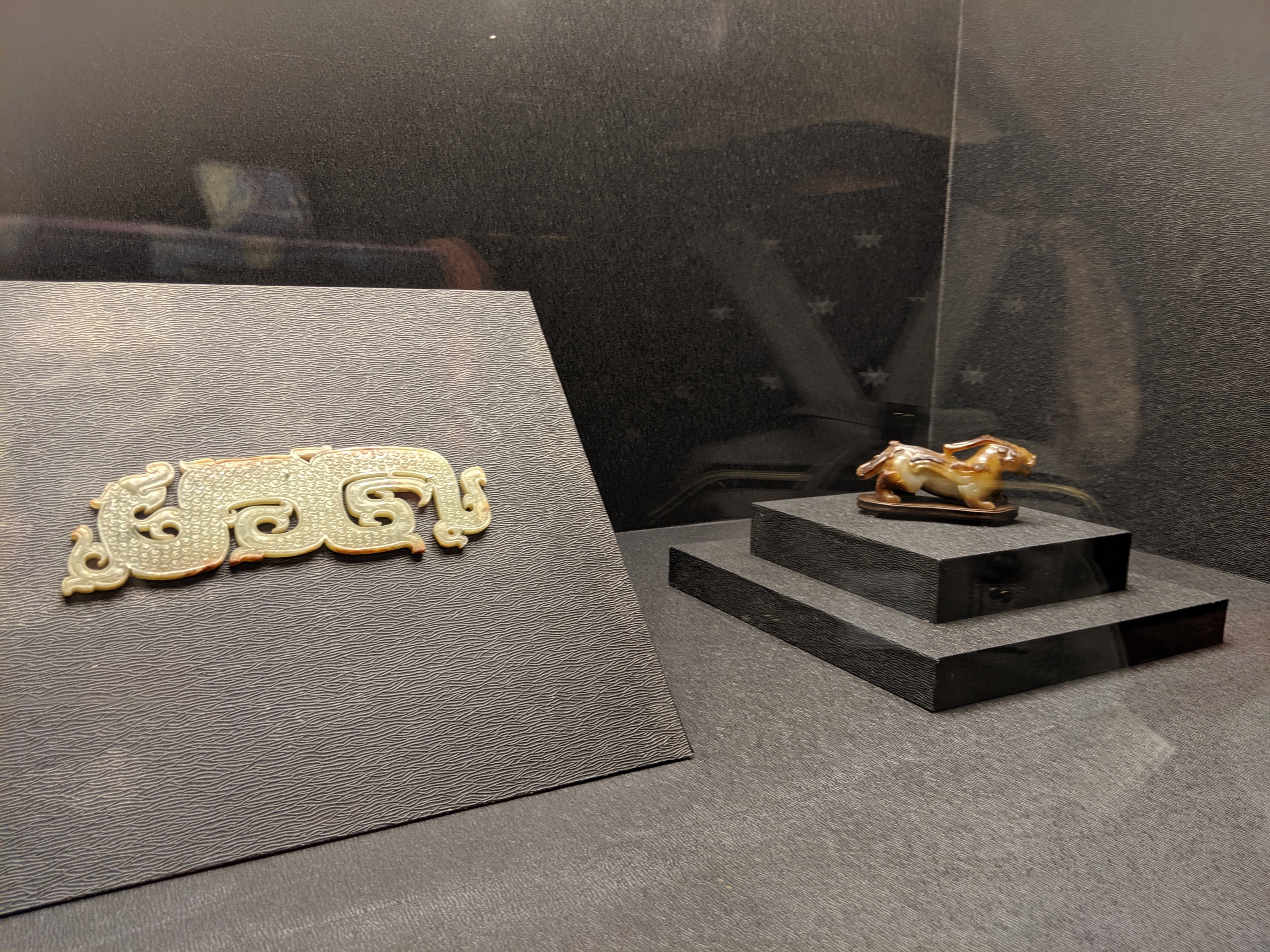
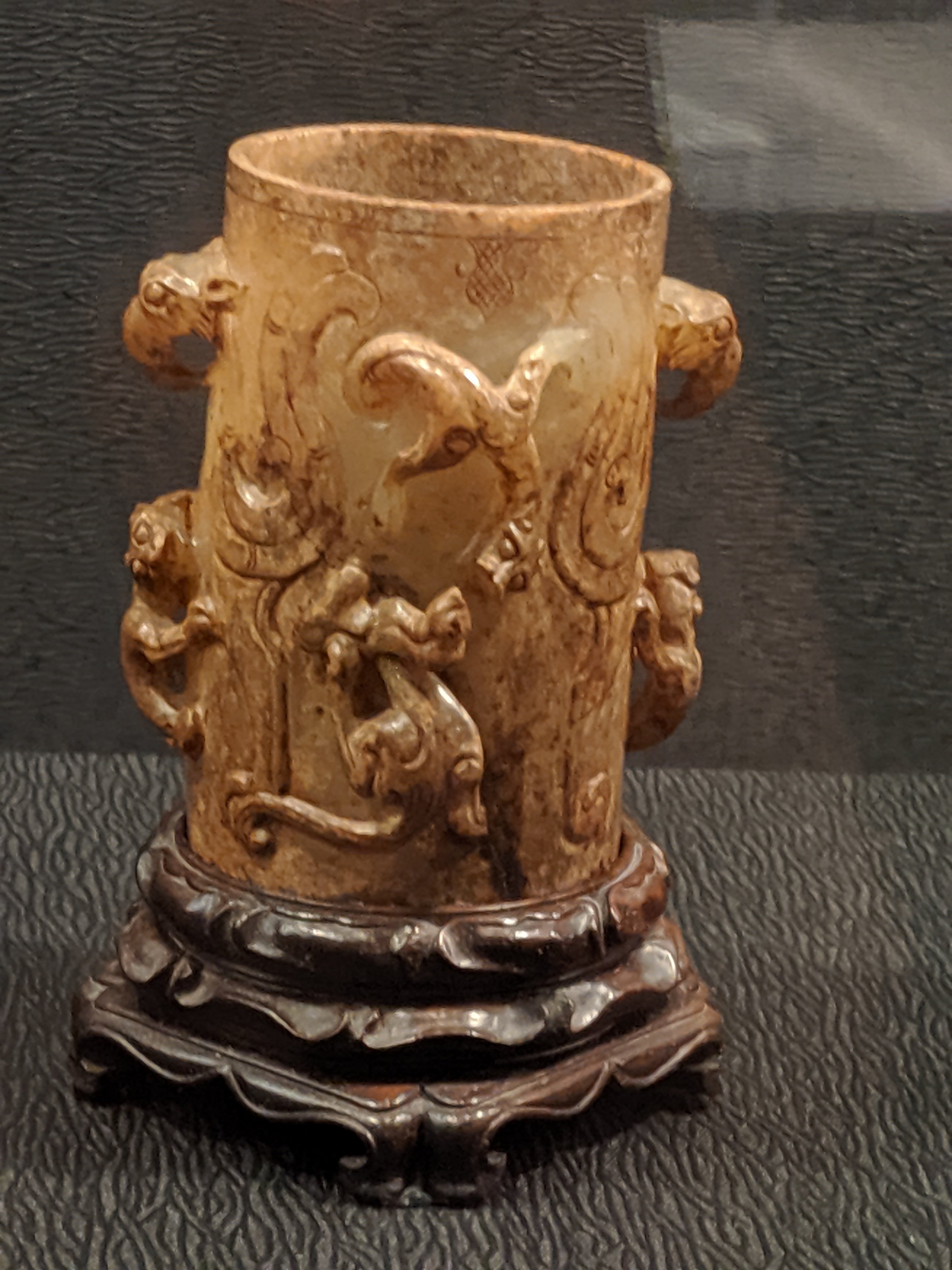
They had a special collection of jade. It showed how jade can be carved in different ways to show tension, movement, etc.
This is a Zhi cup carved with birds and animals from the Han Dynasty.
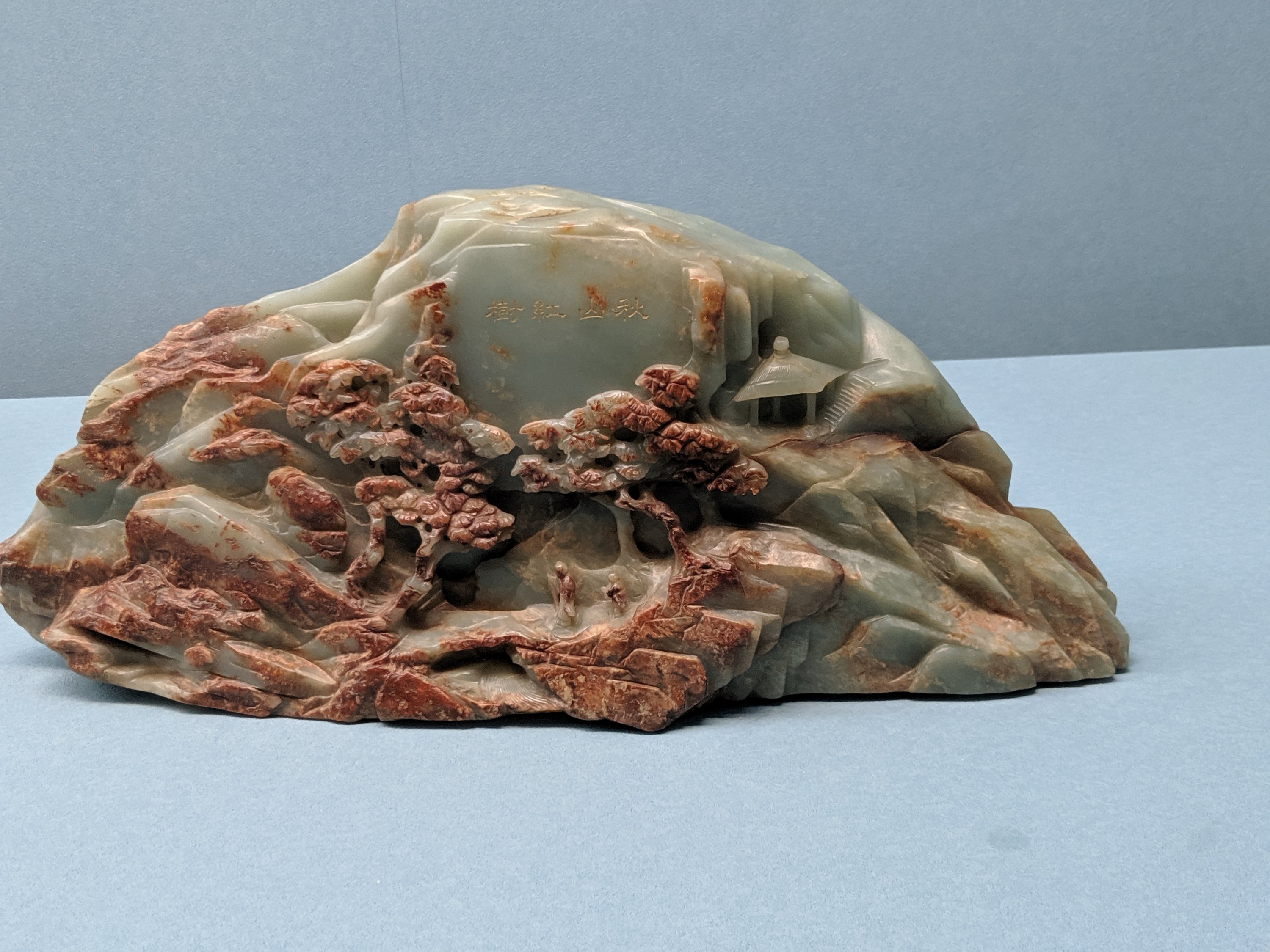
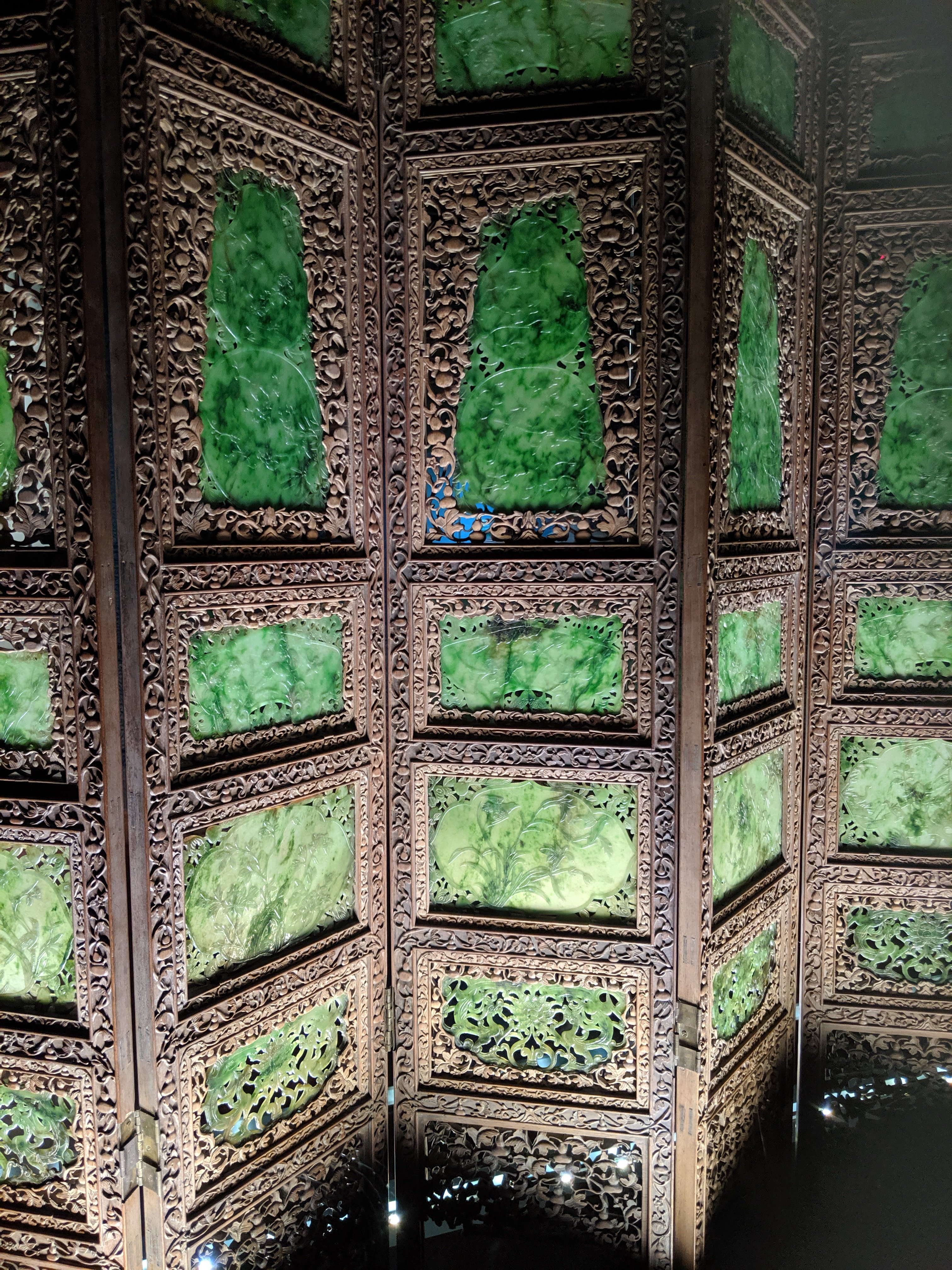
A jade screen from the 1940’s that was originally not thought to be made of jade but instead a similar looking mineral. However it is all jade.
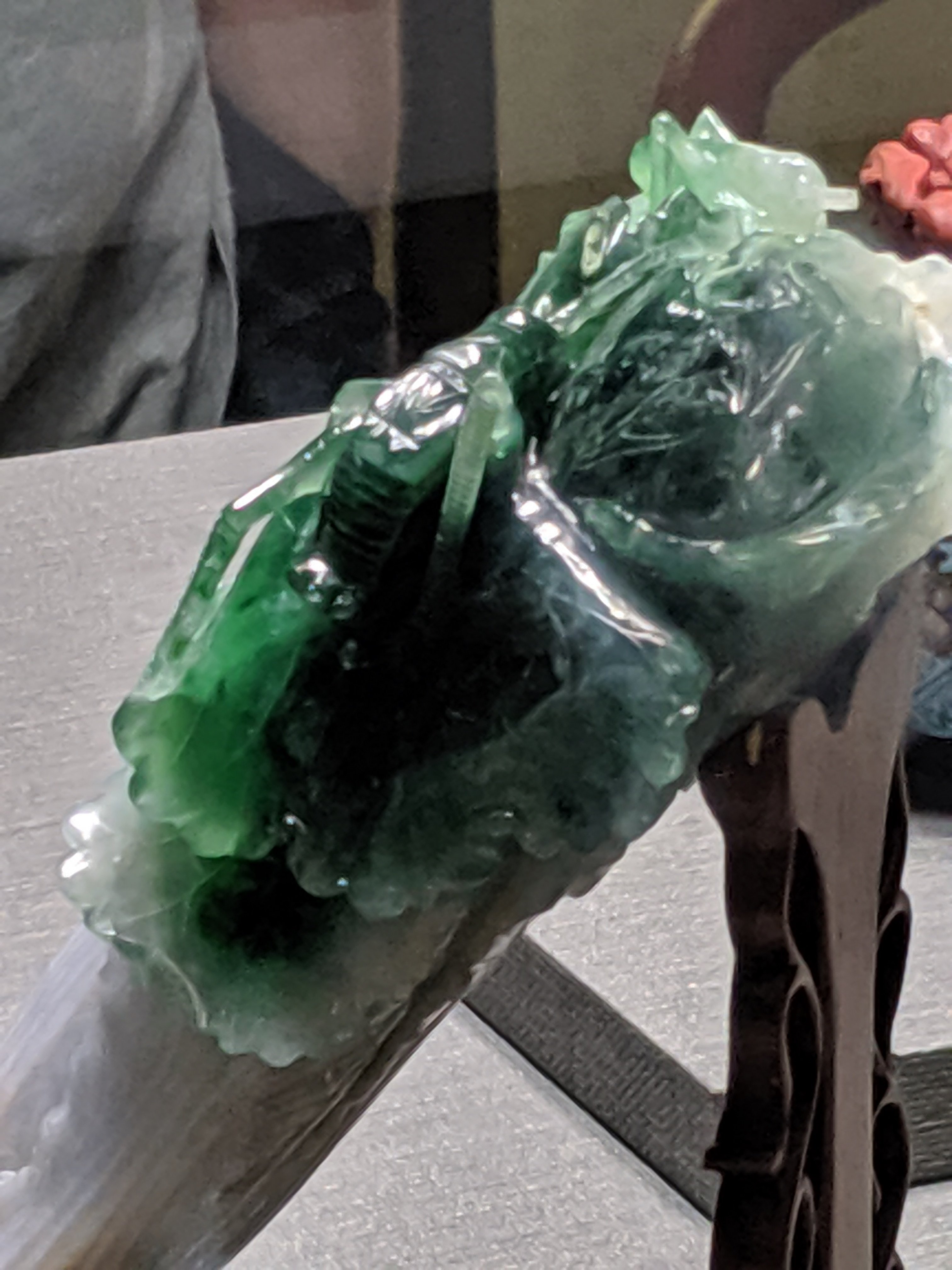
Jade had irregularities in colour week died to mimicking something in life. This is a carving of a vegetable. The colours are amazing.
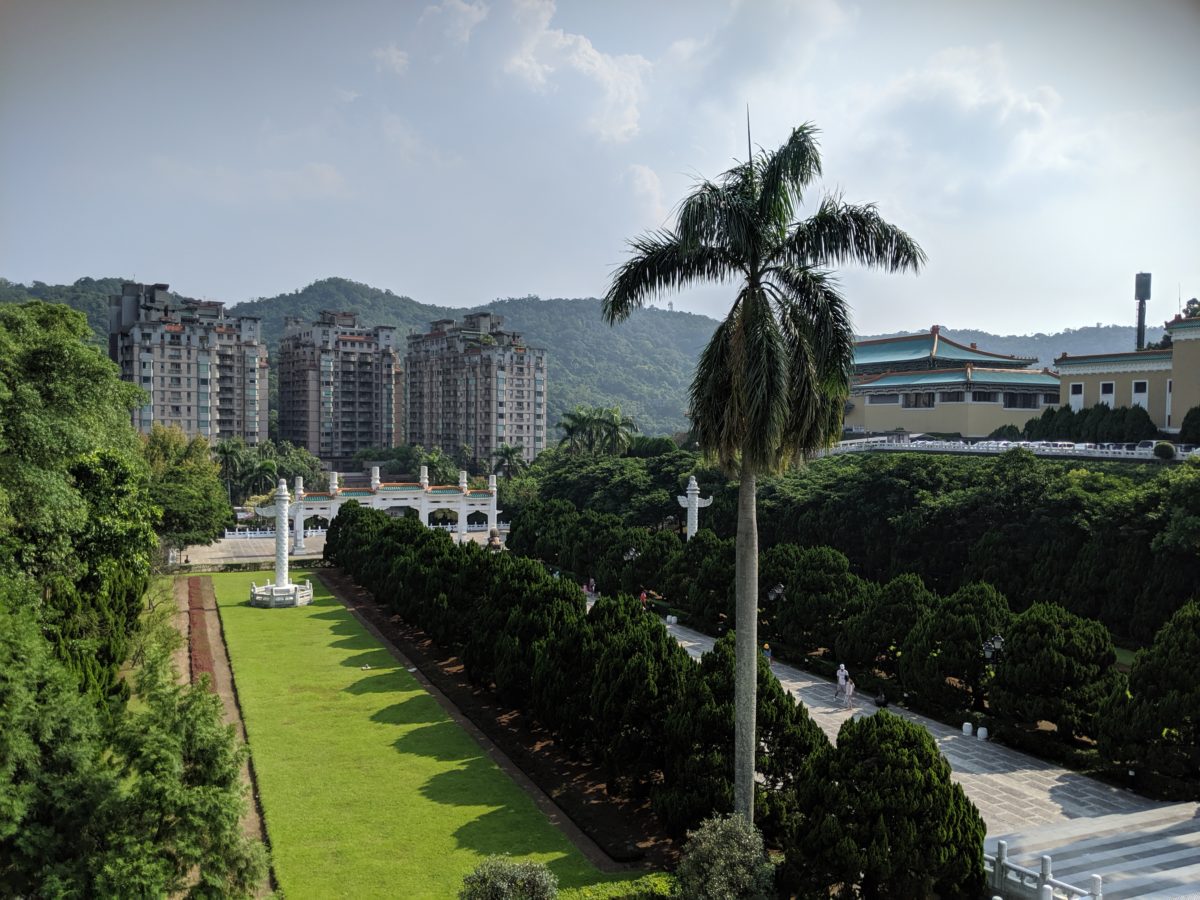
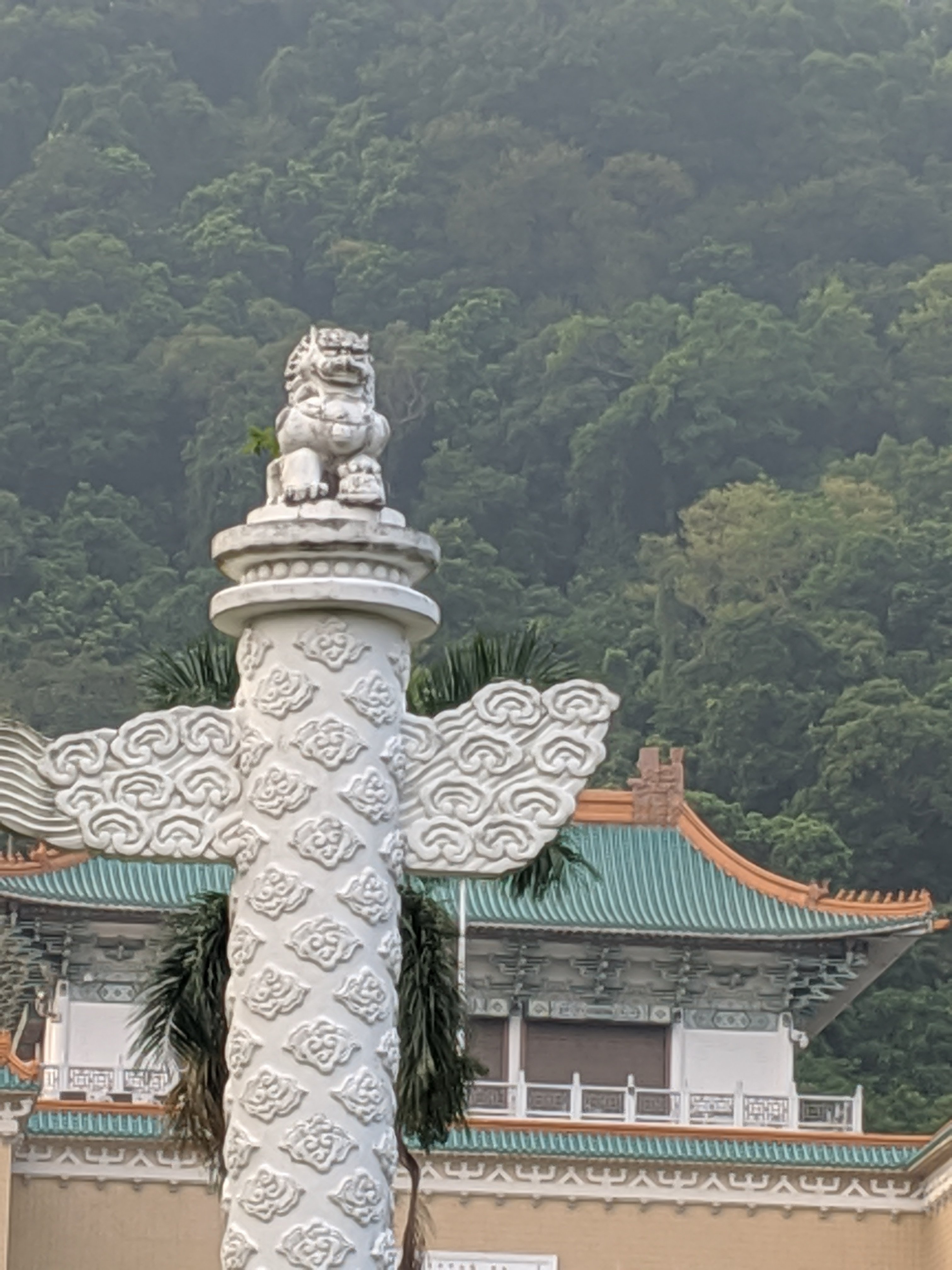
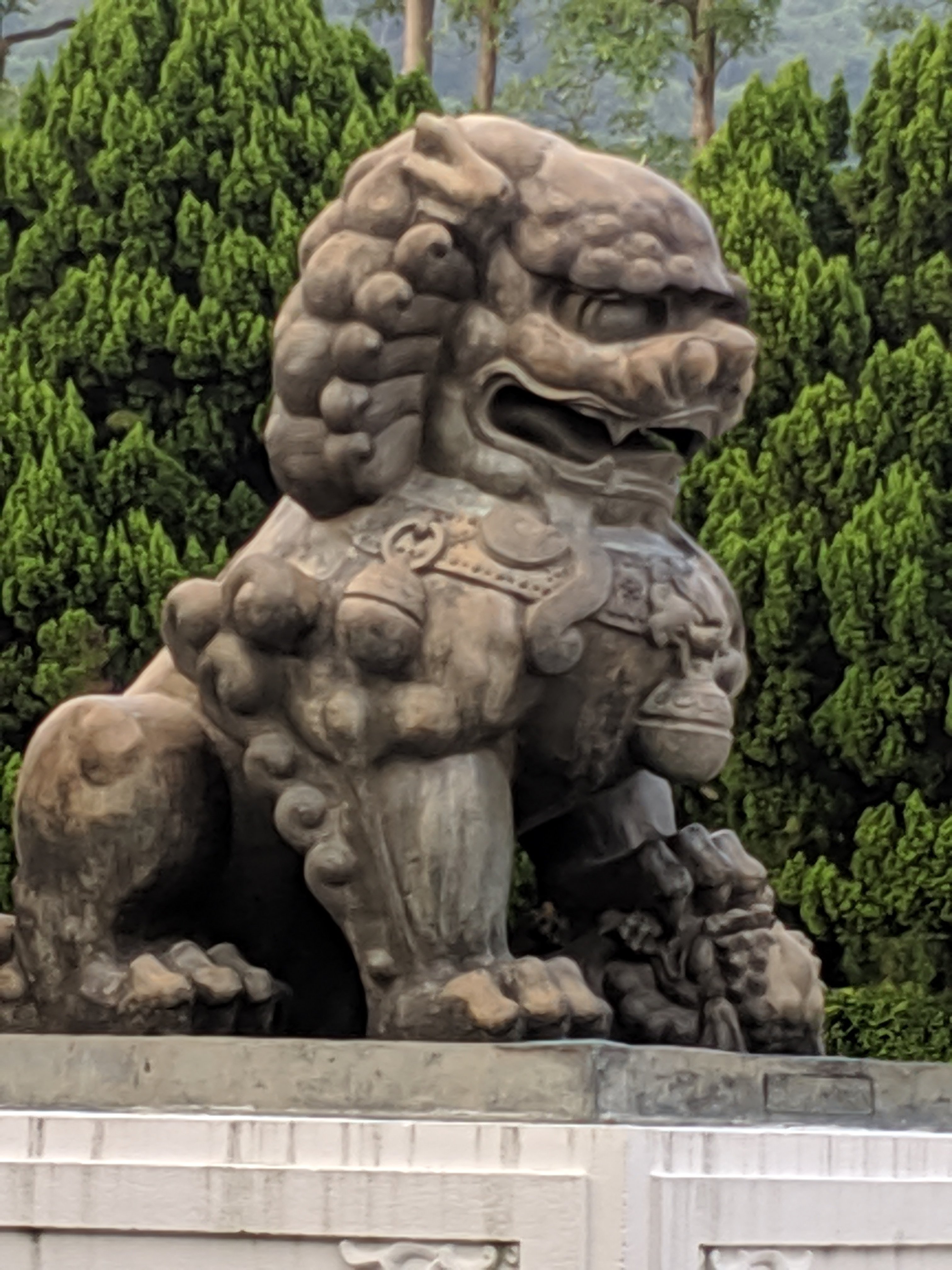
The architecture of the museum itself is a piece of art.
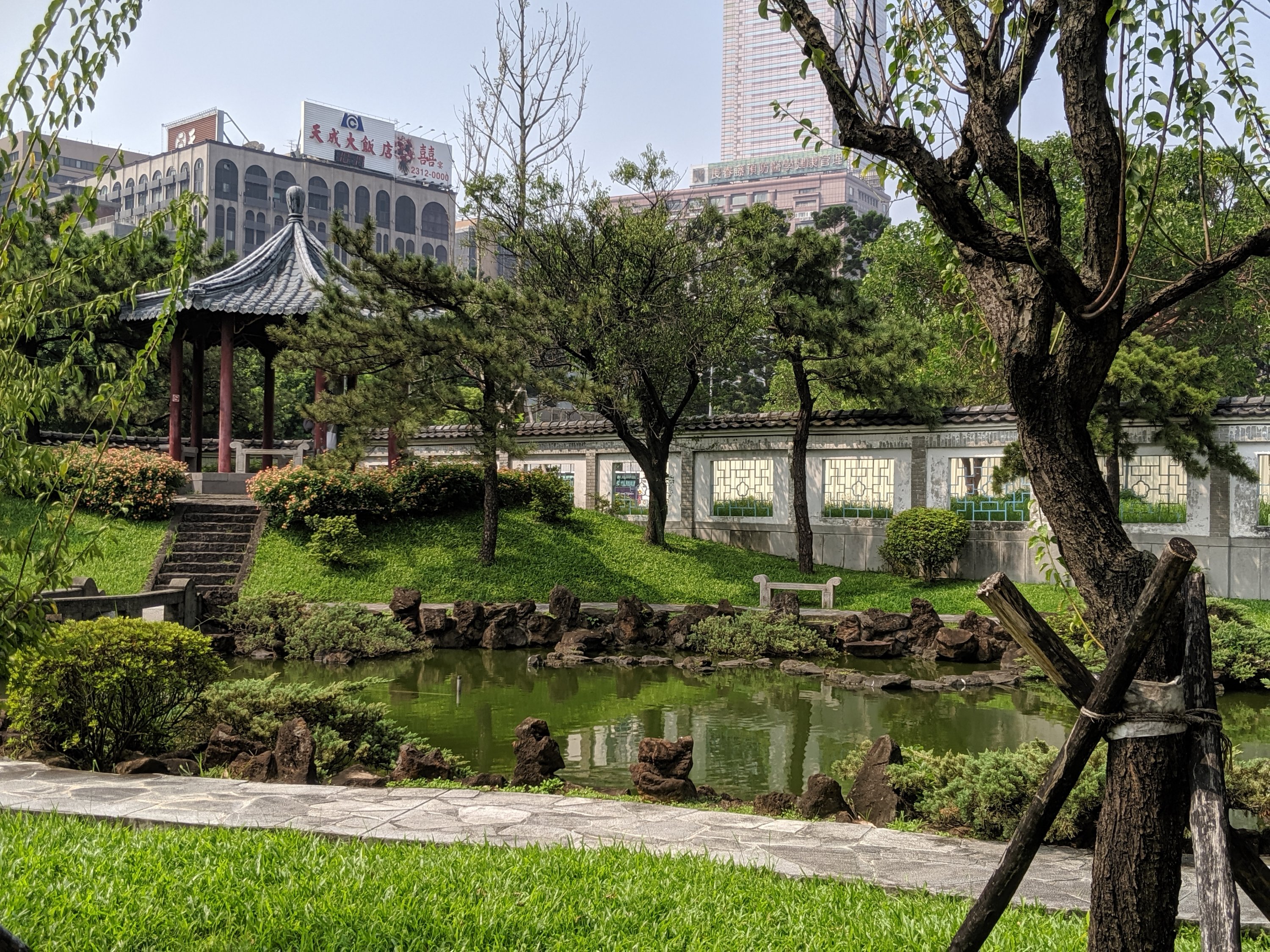
Adjacent to the museum is a cute park. The next post will be about parks and the art museum…
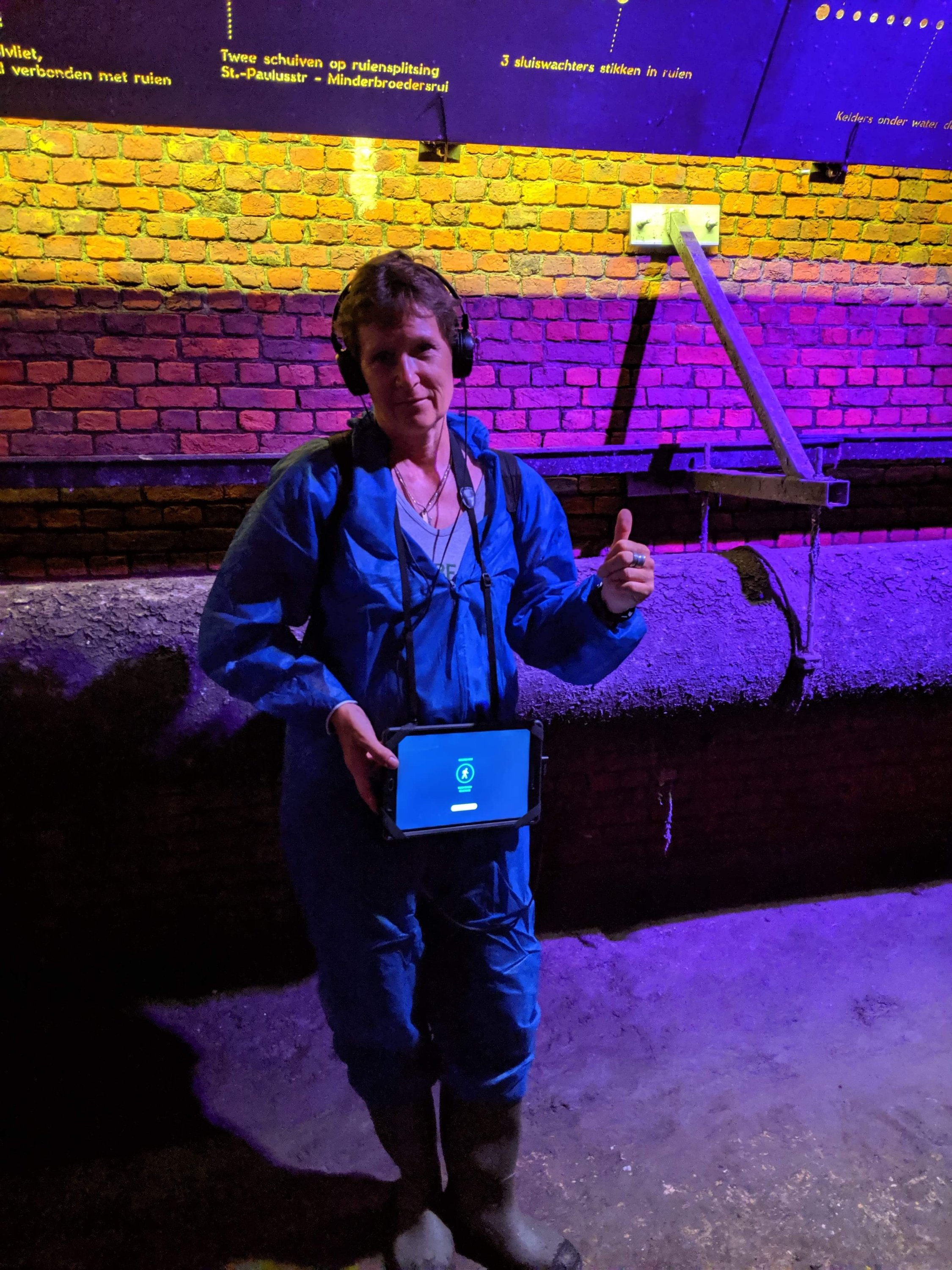
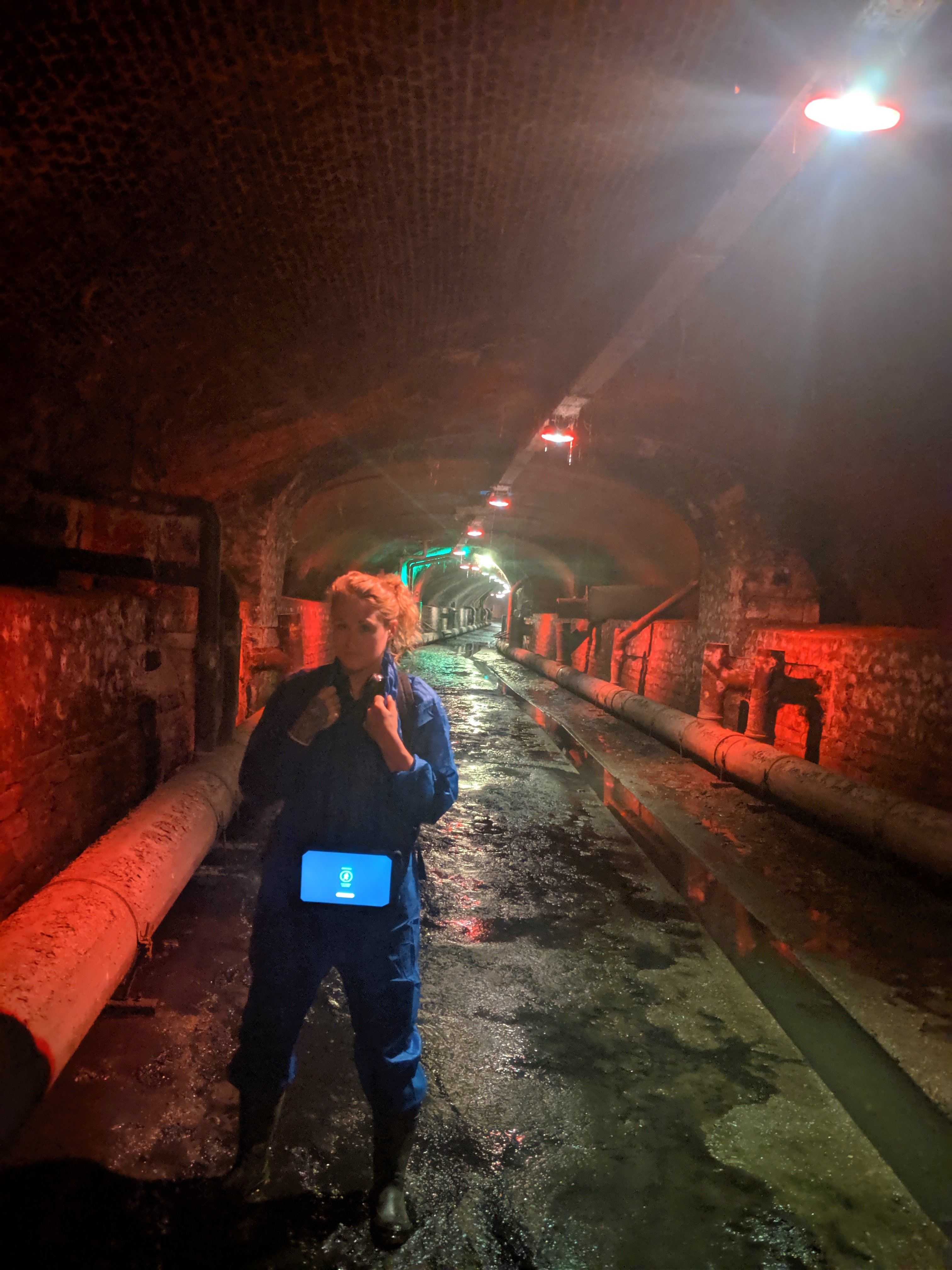
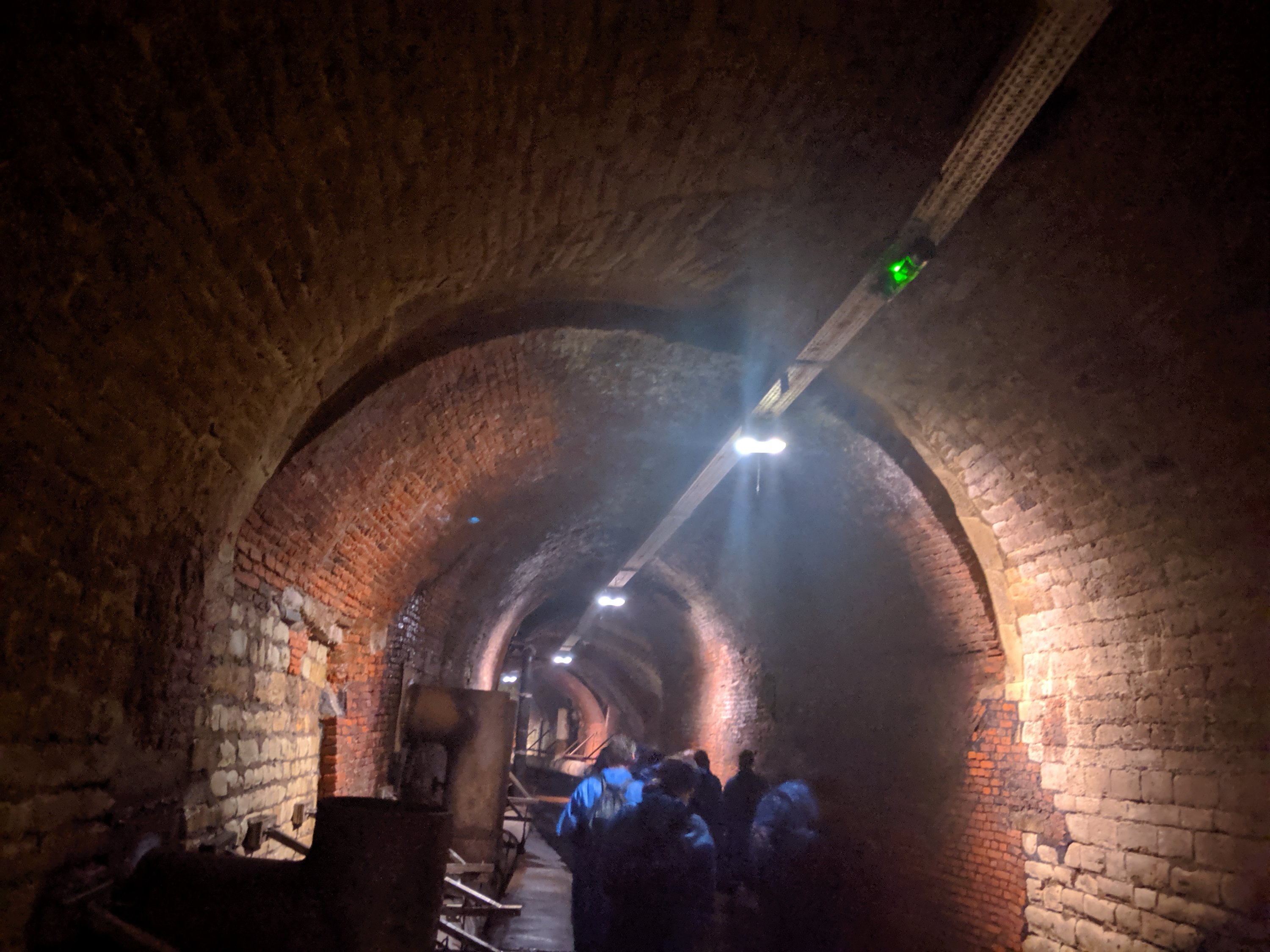
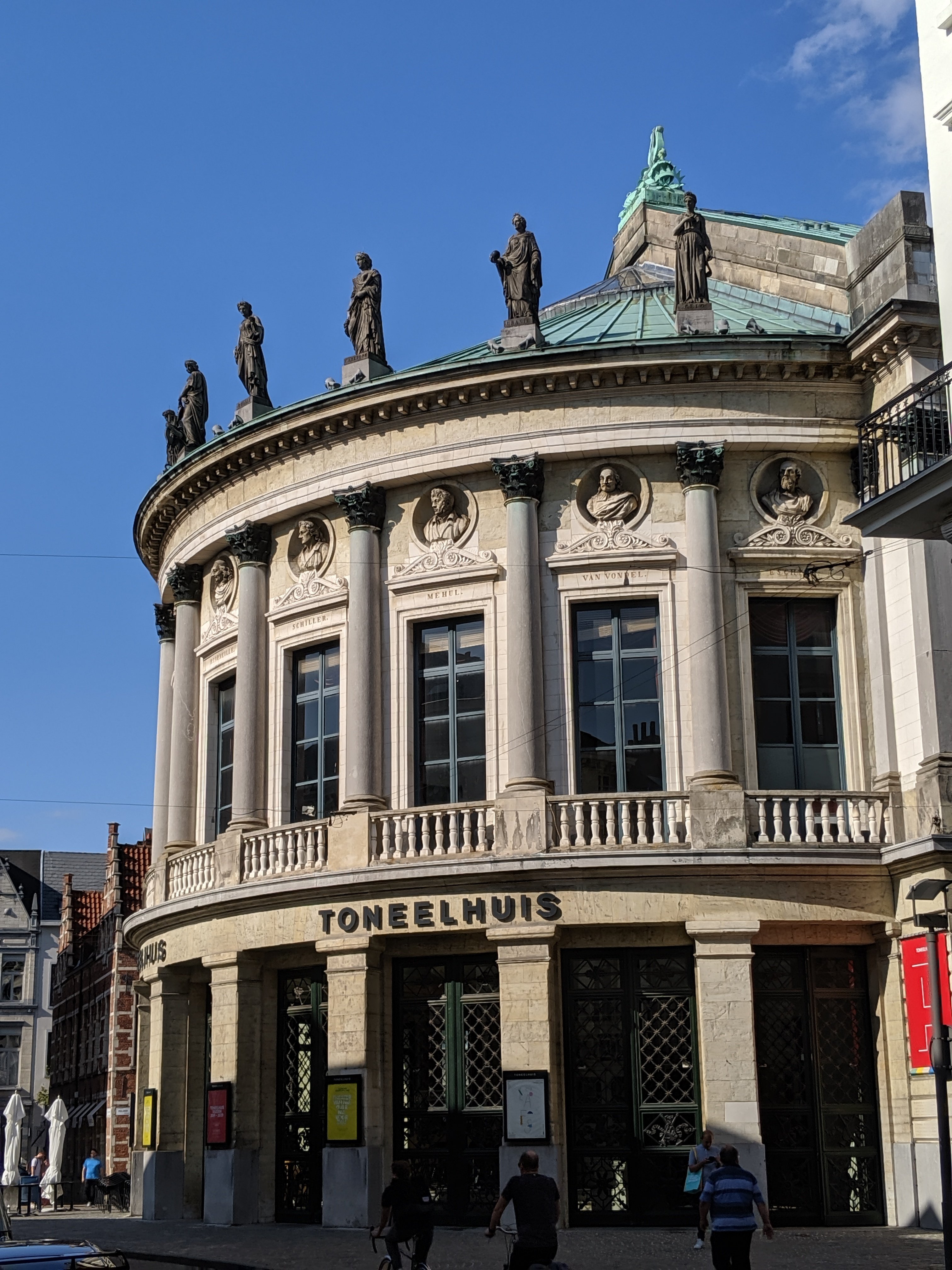
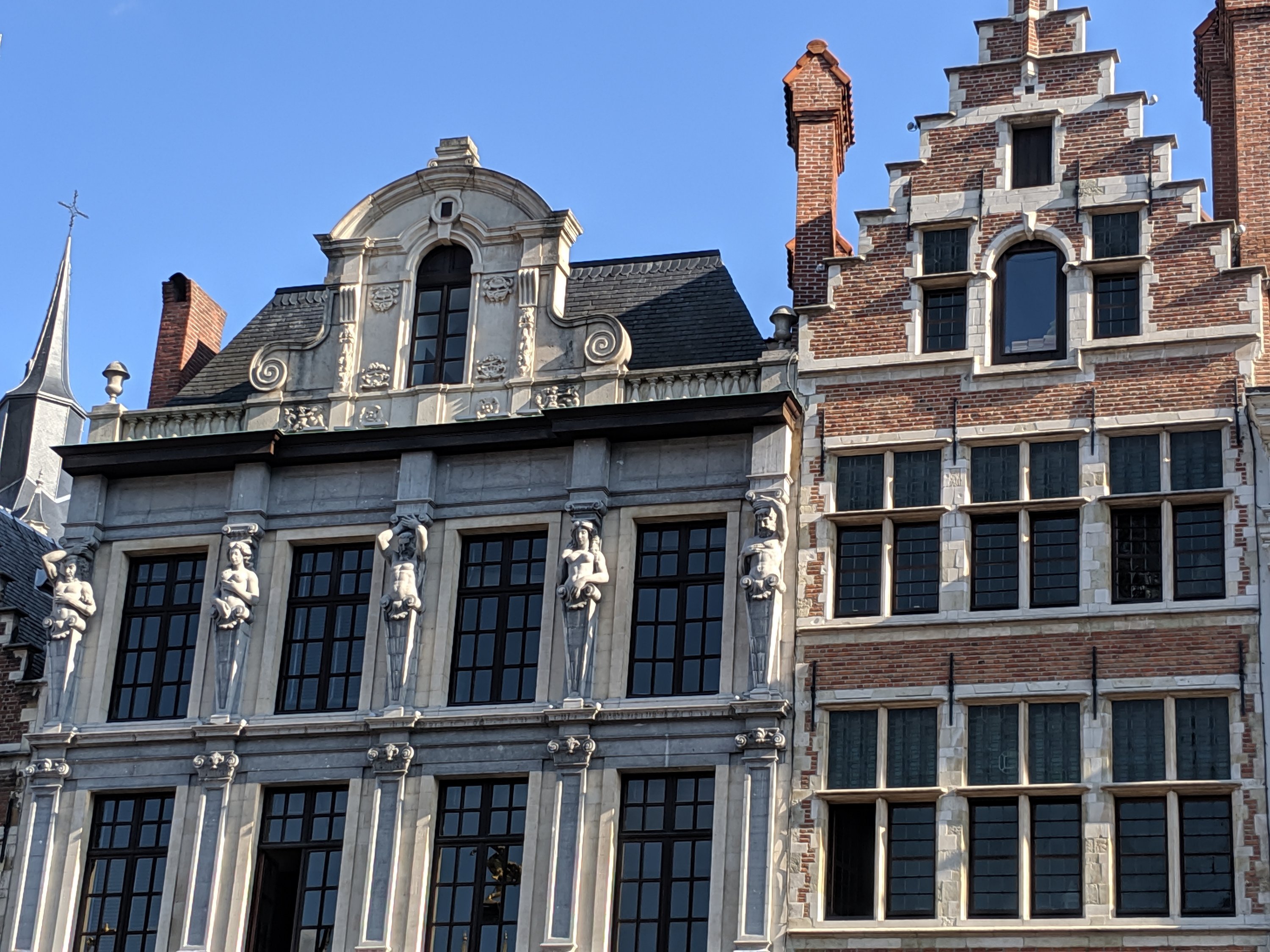
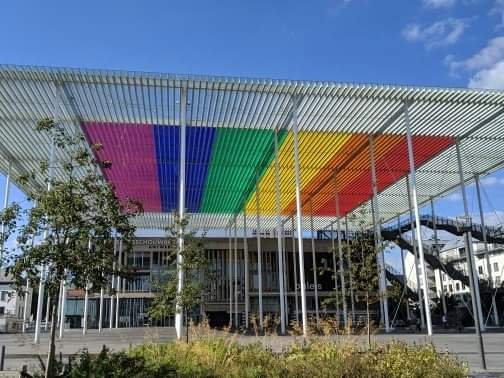
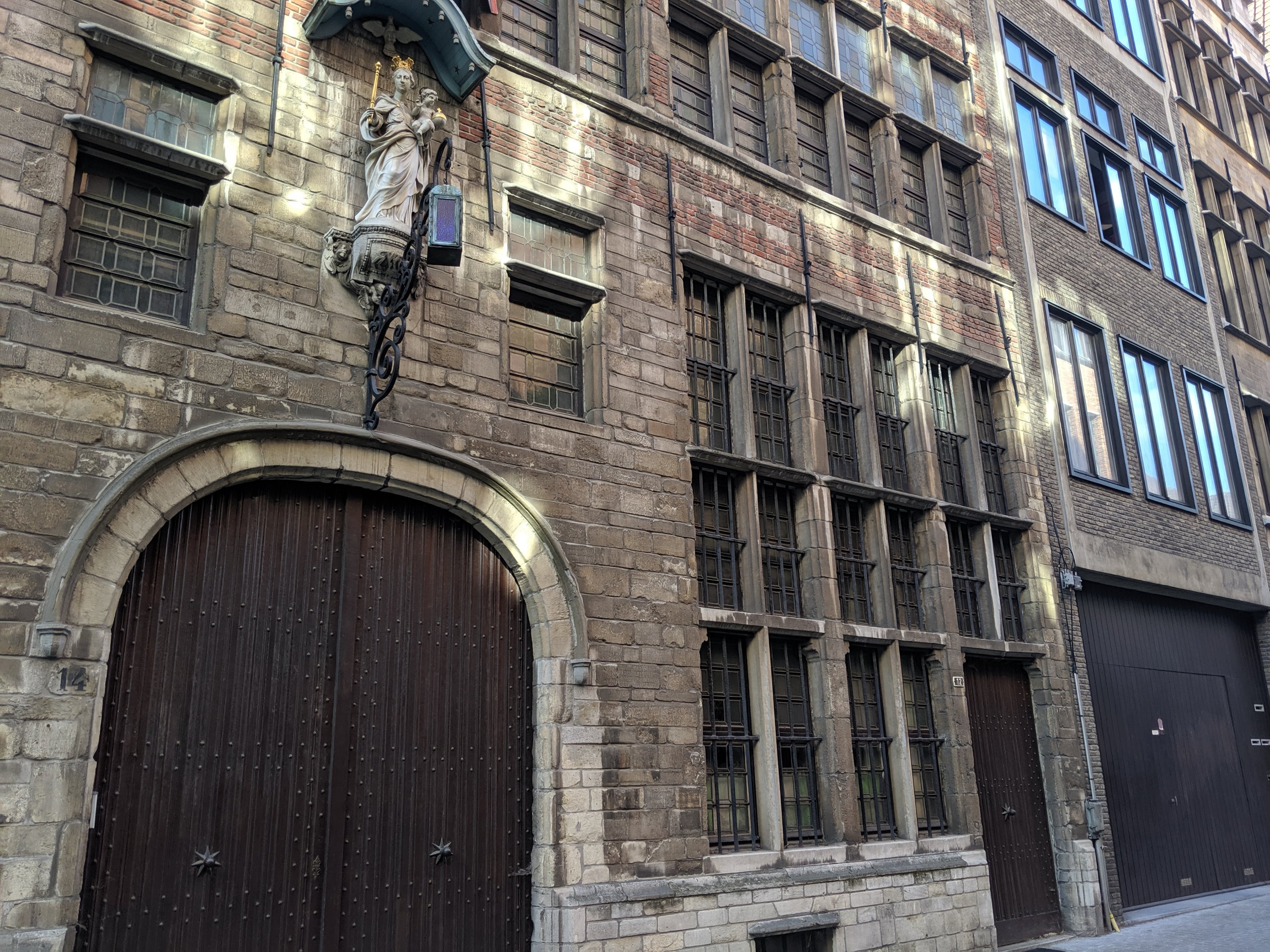
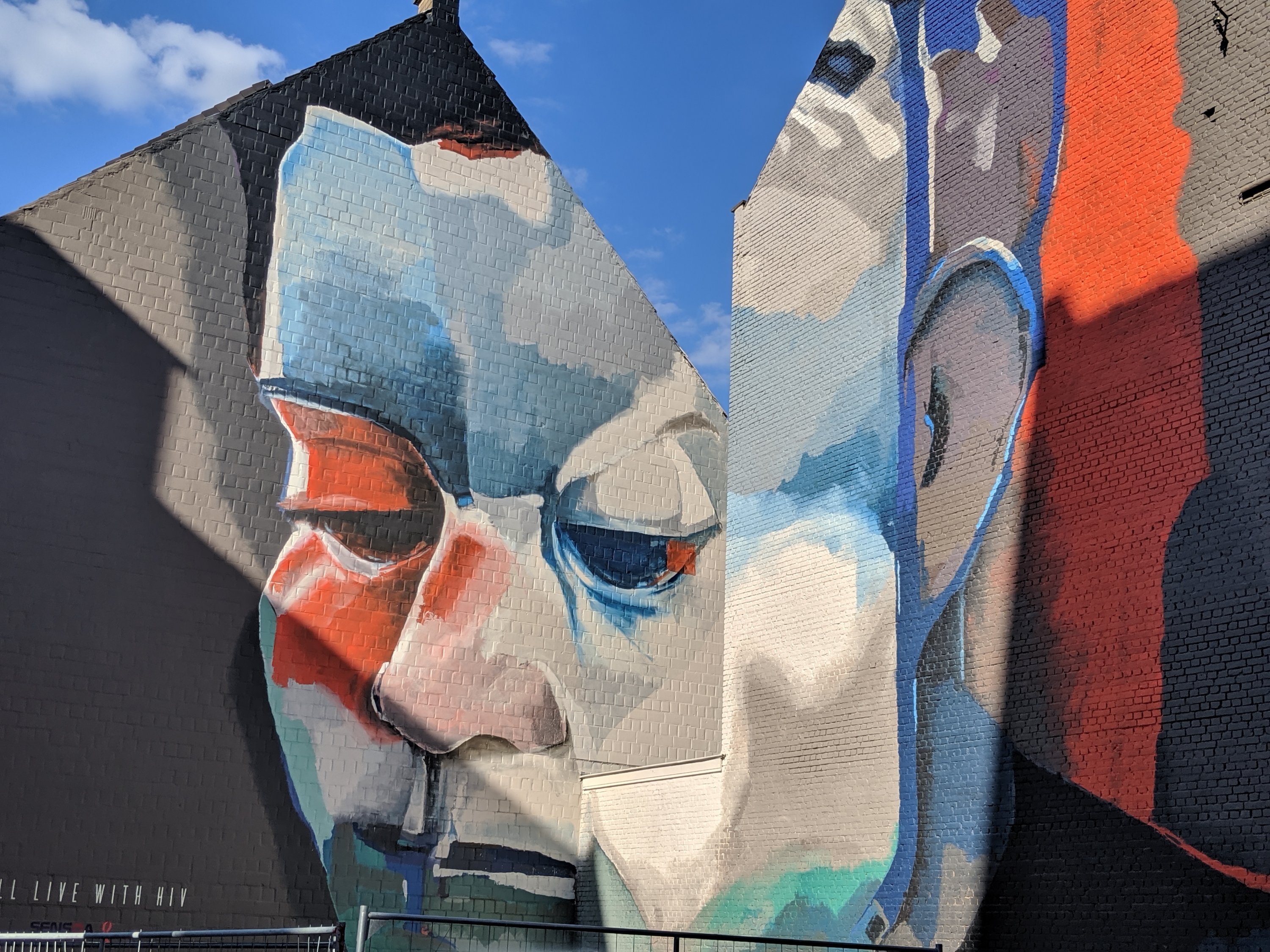
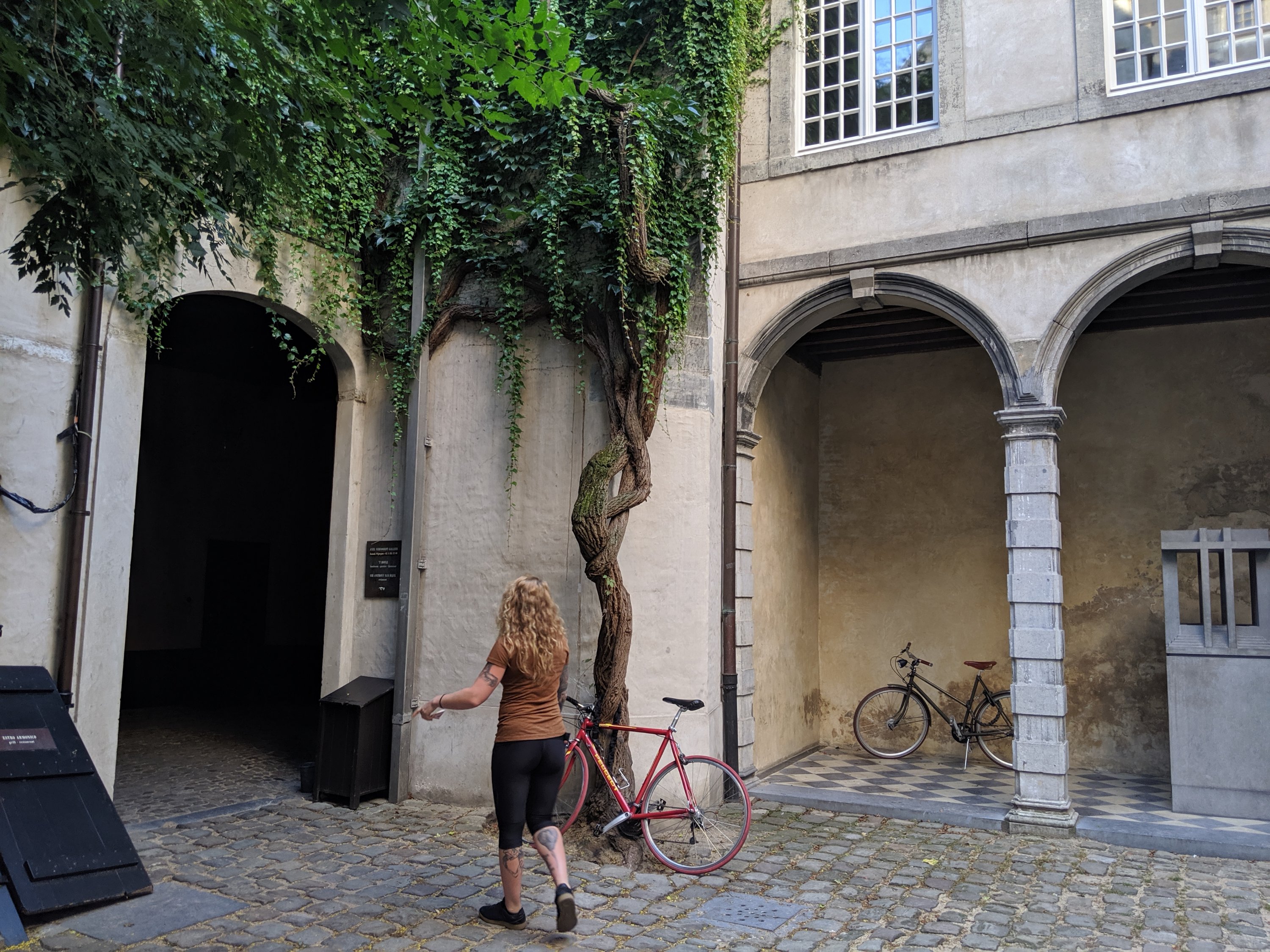
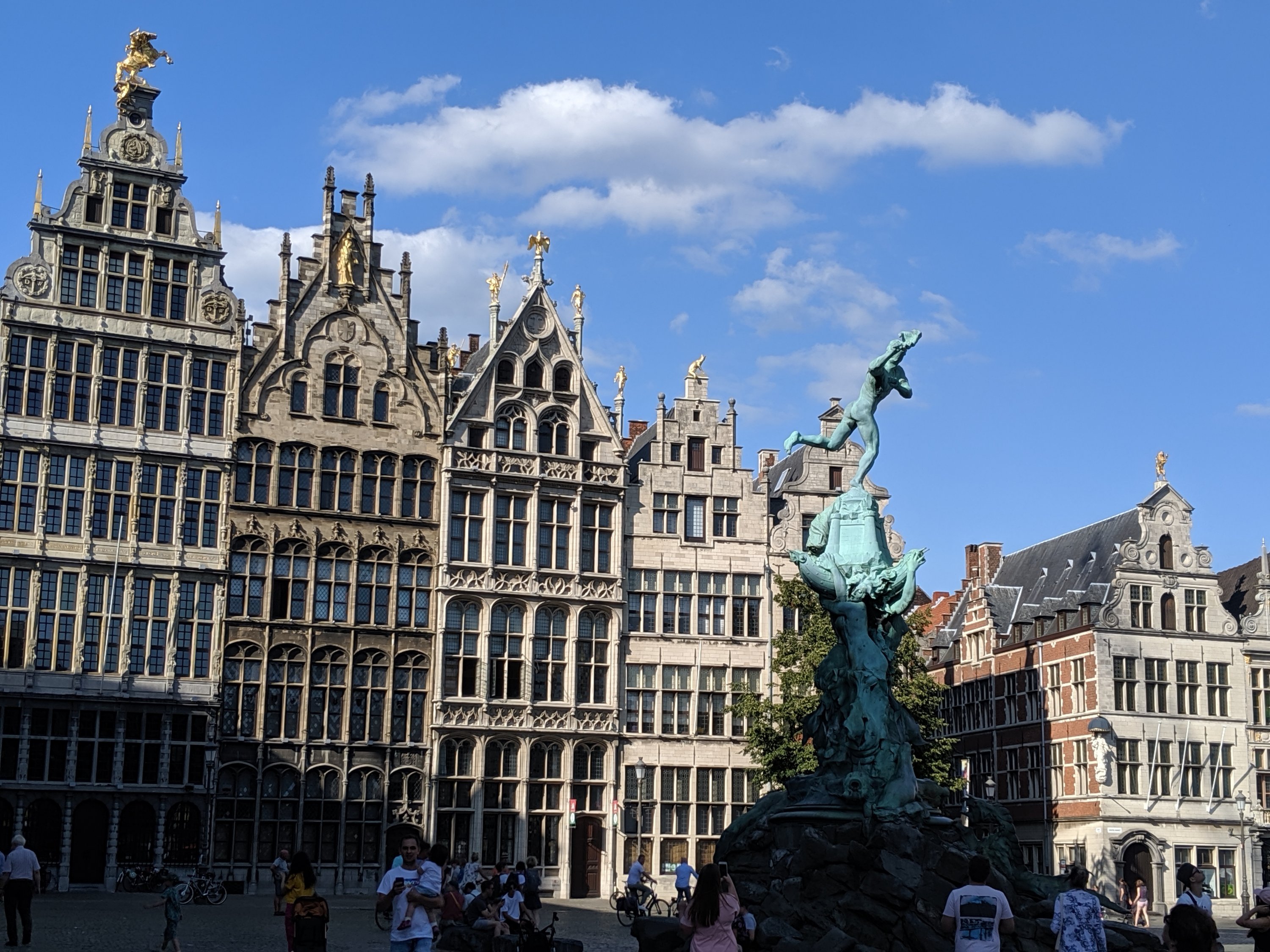
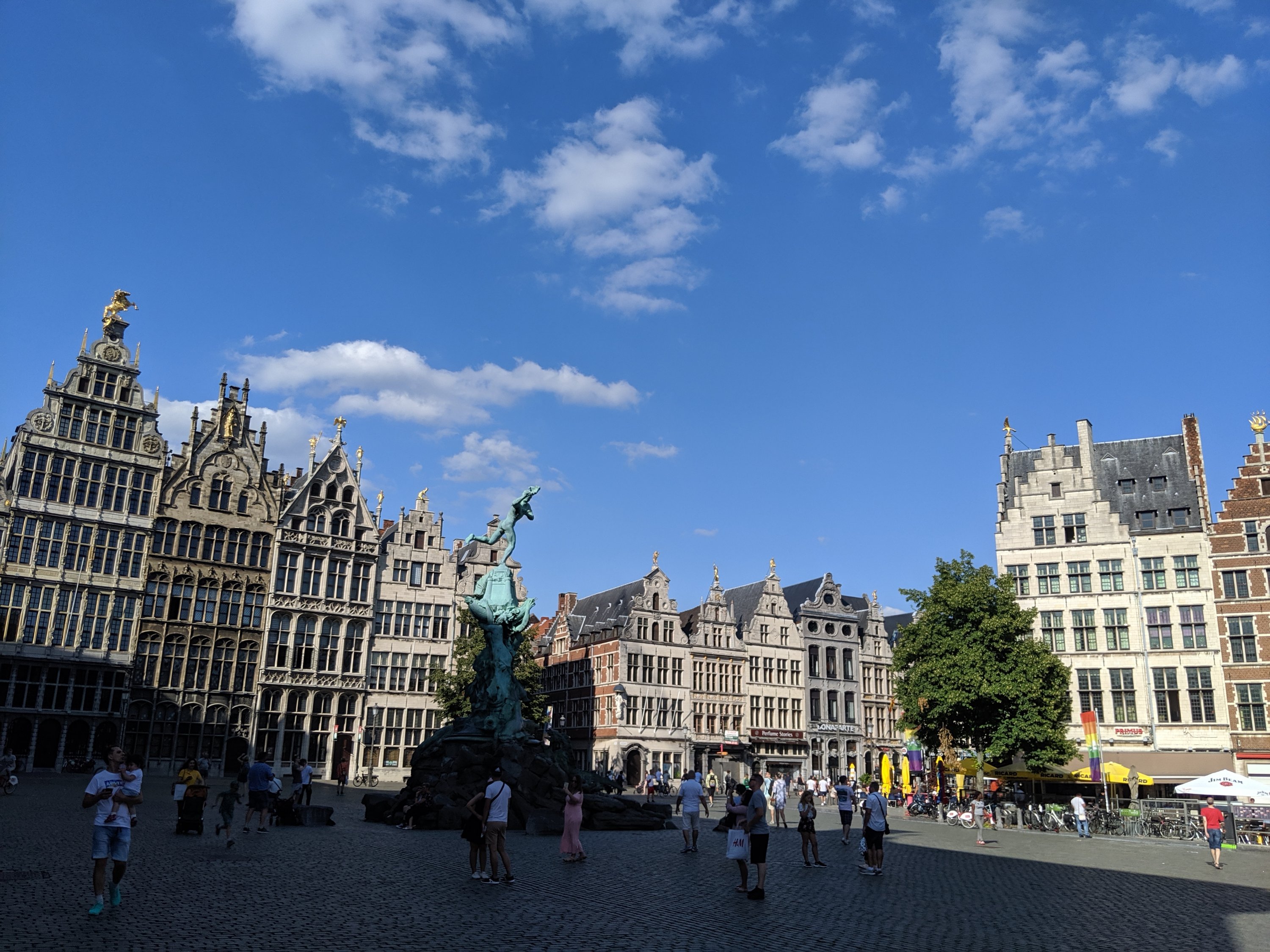
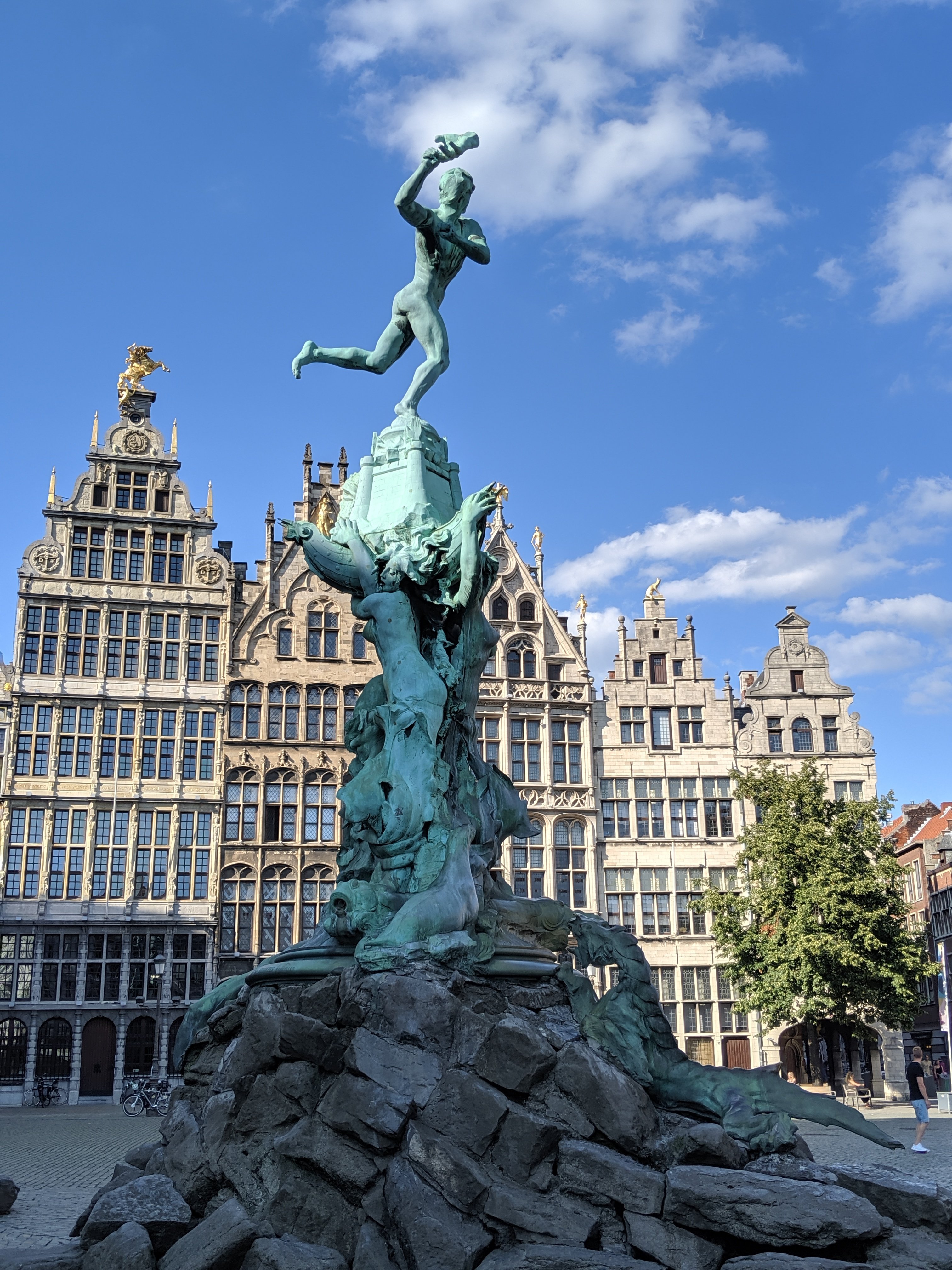


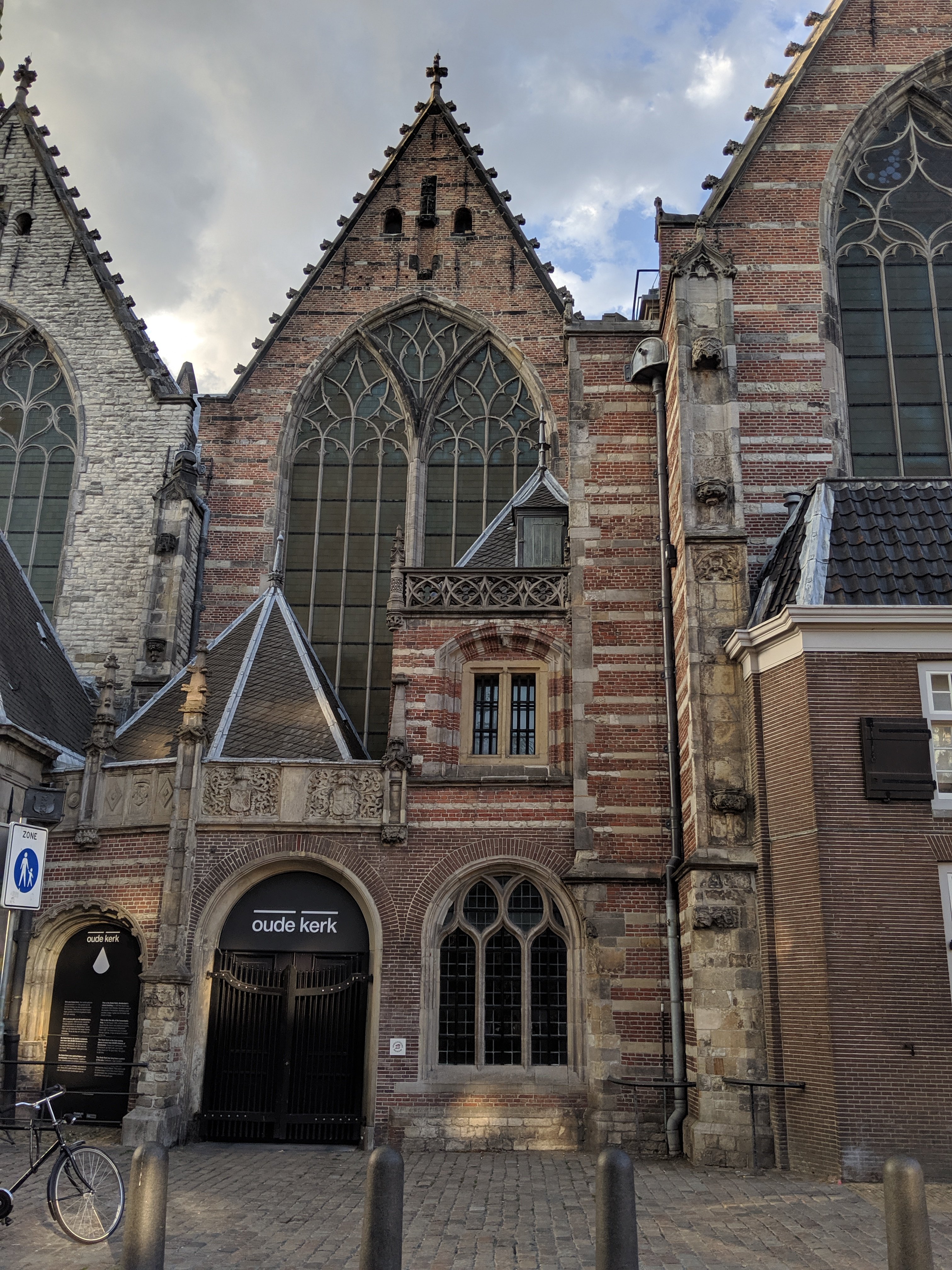
 The Amsterdam pass is worth it. We saw so much and paid less than half price with all that we saw and did.Here is the oldest building in Amsterdam, dated in the early 1500’s.
 First on the agenda was the hop on hop off boat tour. We didn’t hop off anywhere but took the whole route around. Afterwards Becca went to the pride parade and I went on an open boat canal tour. Some sights were the same but the stories were different.These stones in the buildings would be how you identified where people lived before there were addresses. They would have symbols of their profession.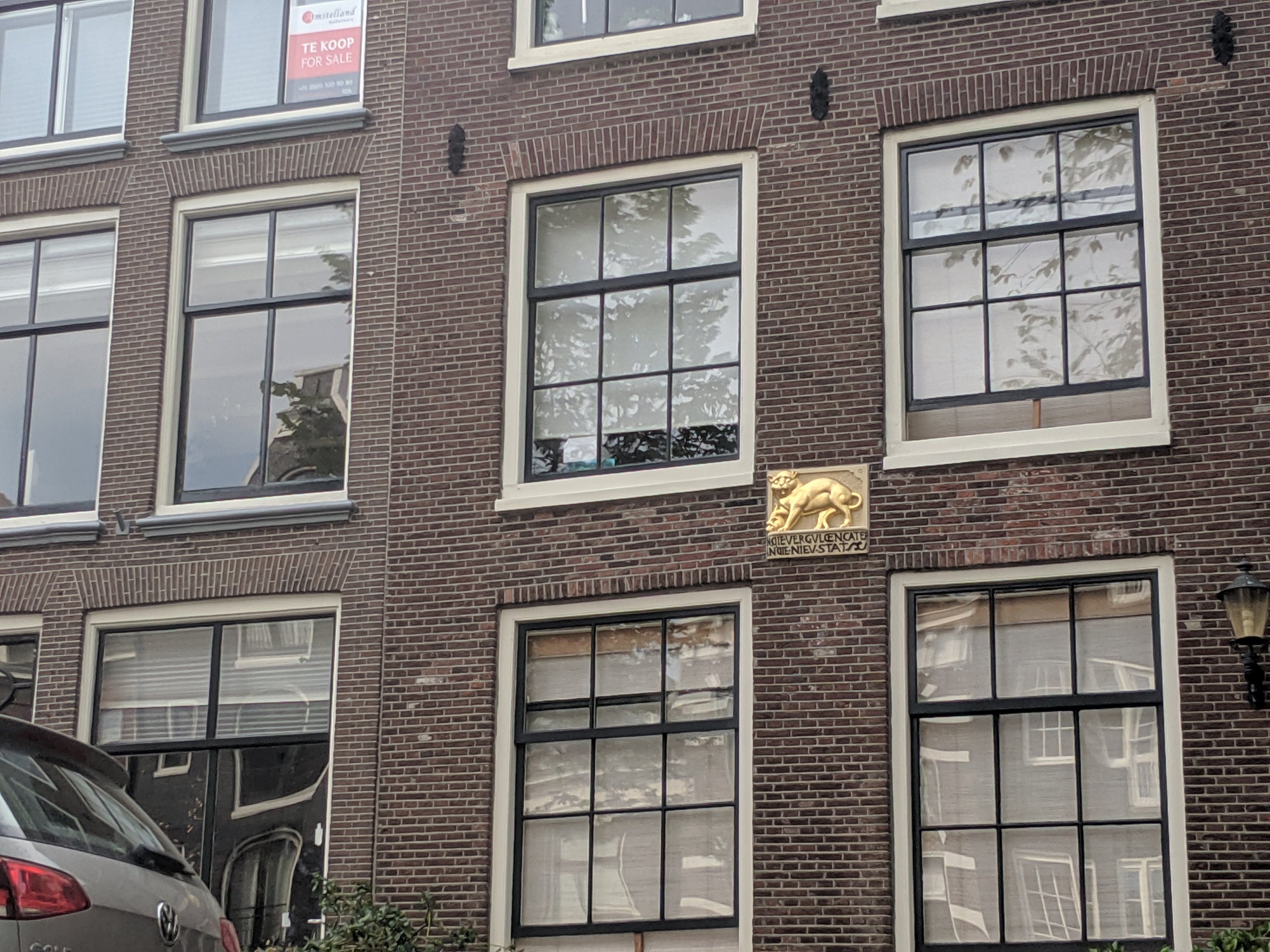
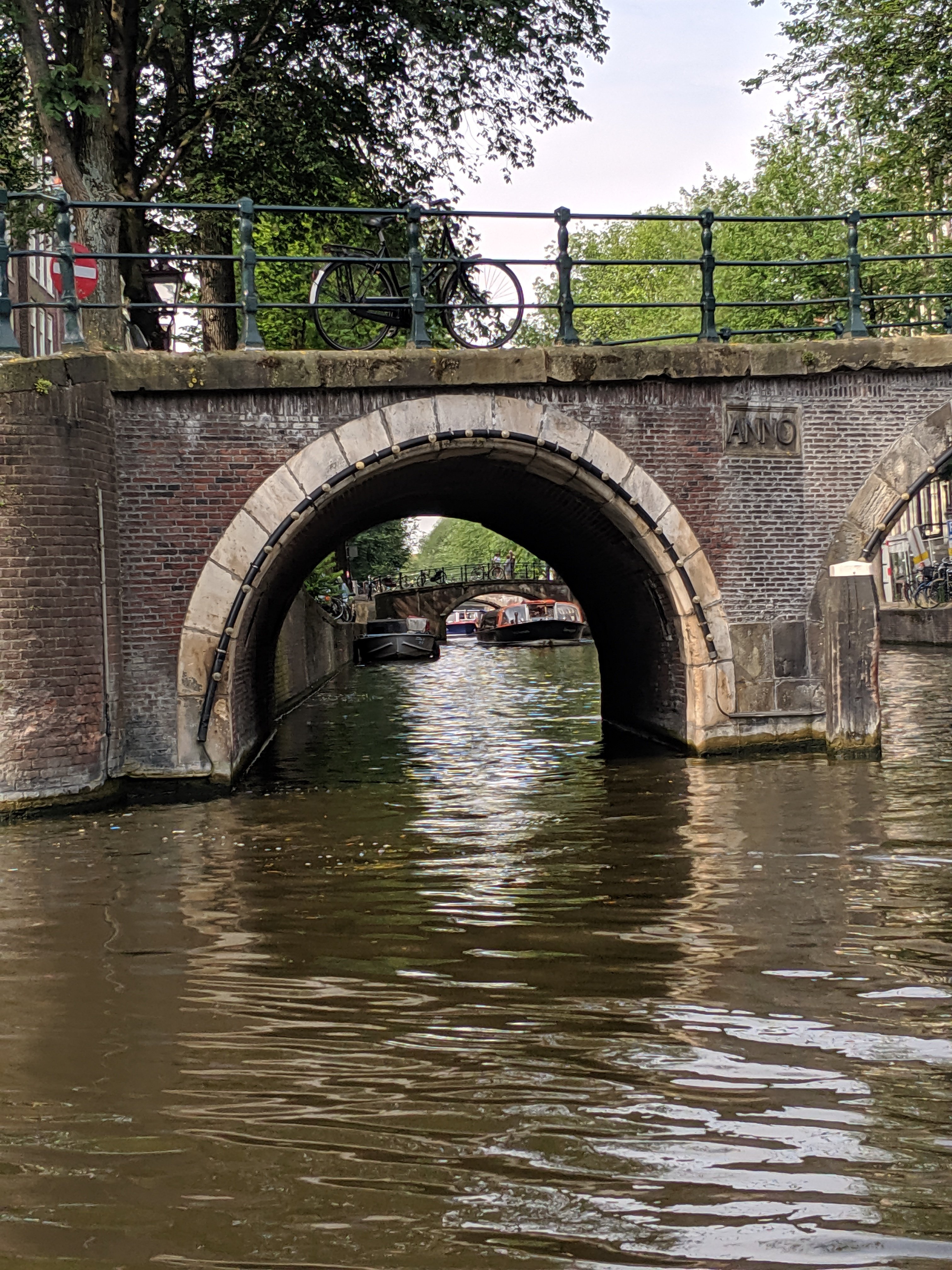 Many buildings are not straight but what do you expect from houses that are many centuries old and built on land that used to be under water.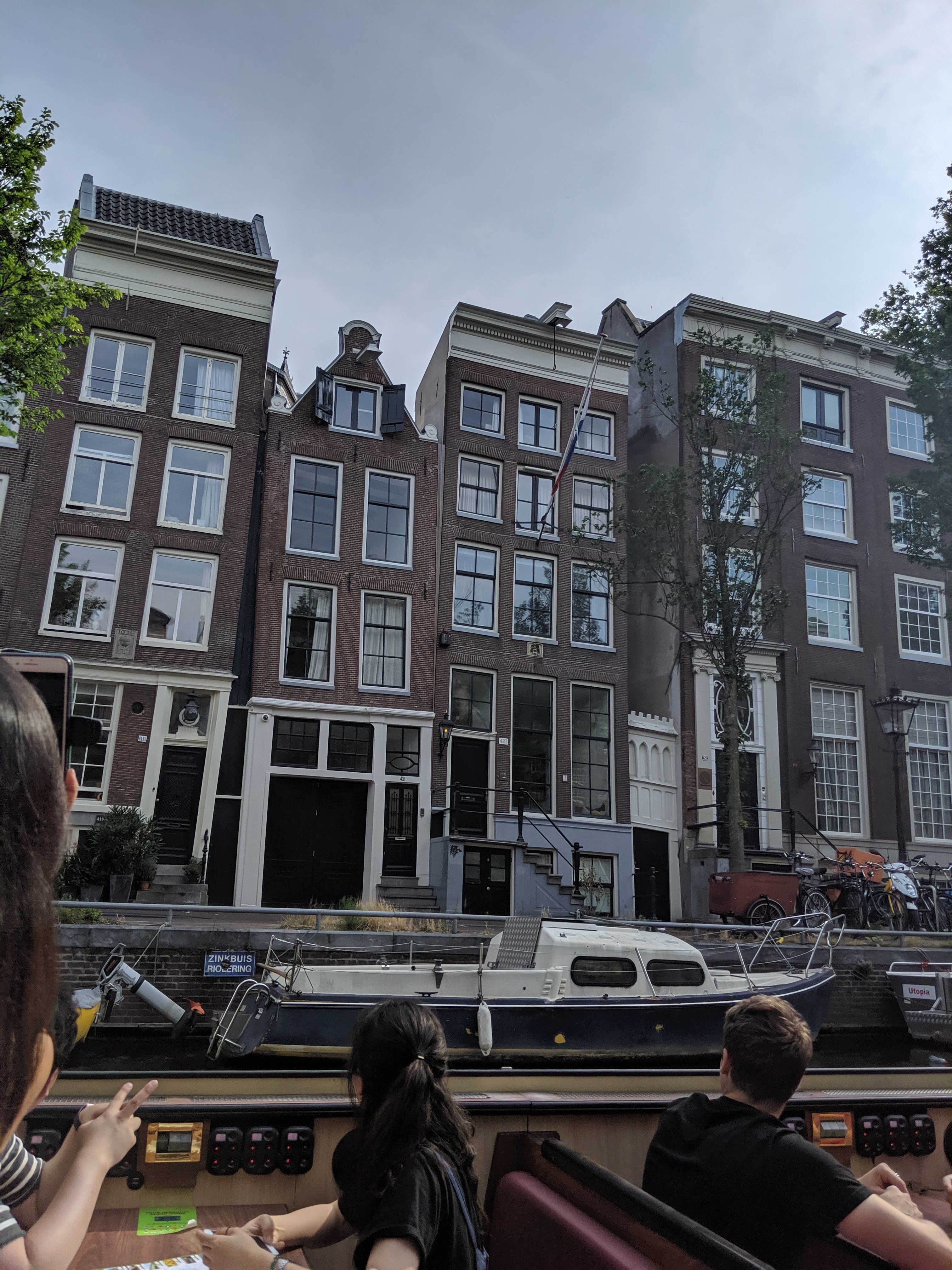
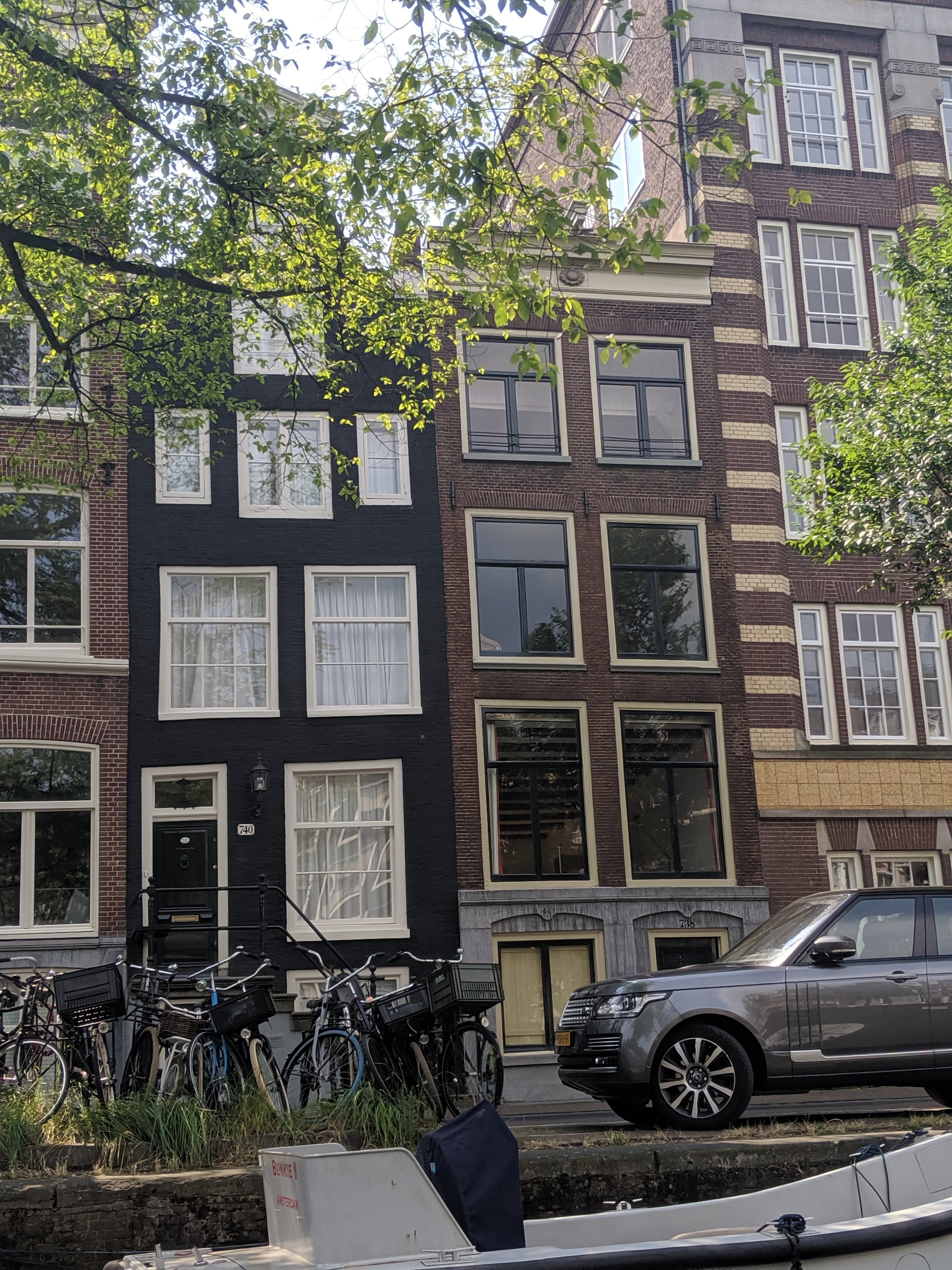 I also liked looking at all the different gables on the buildings.
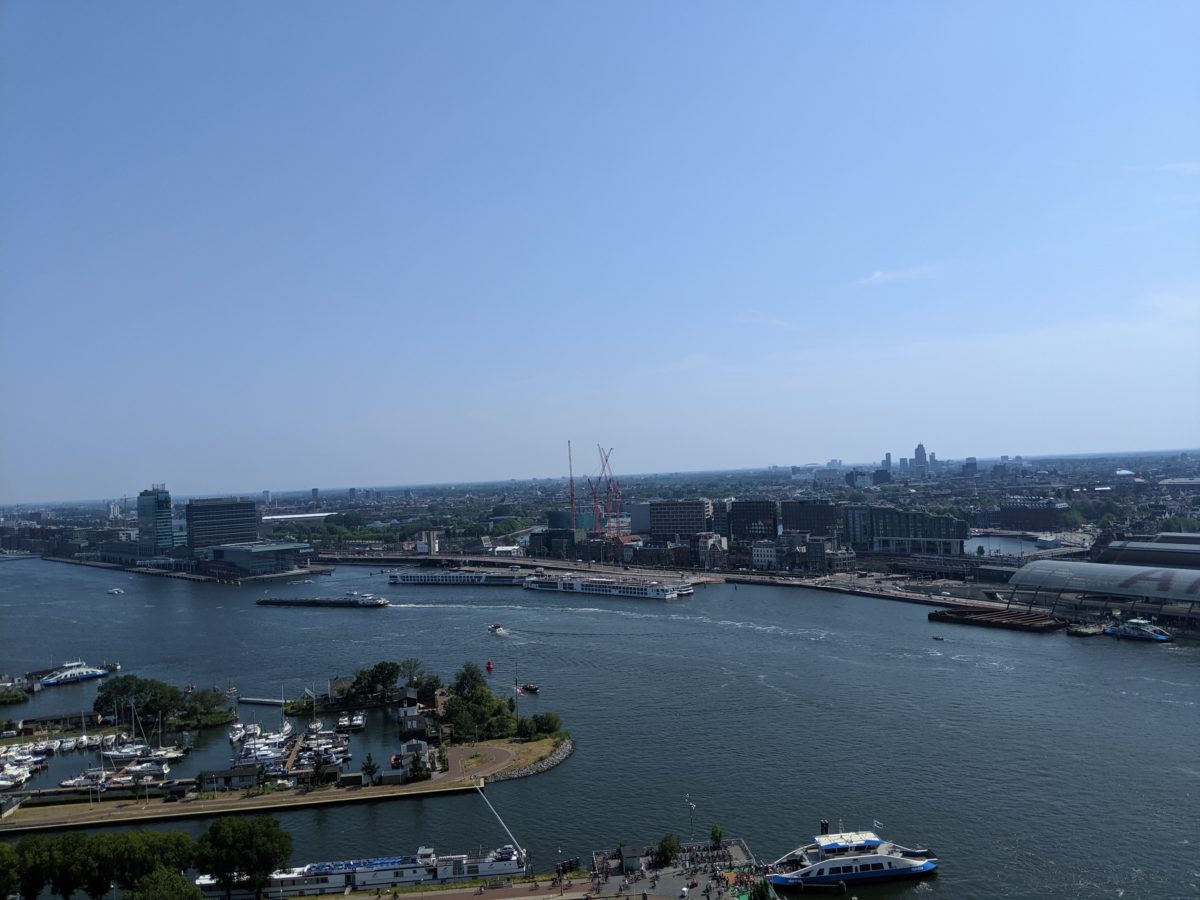
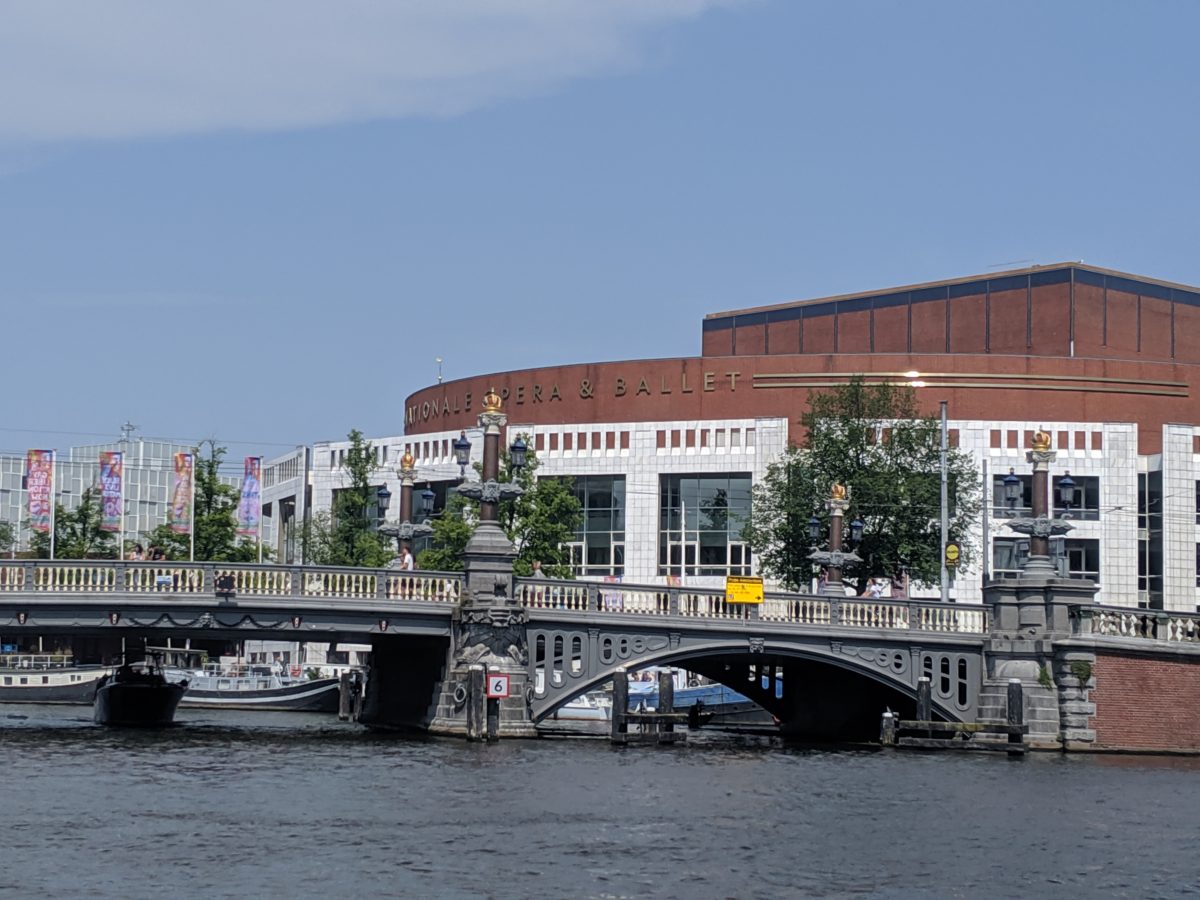
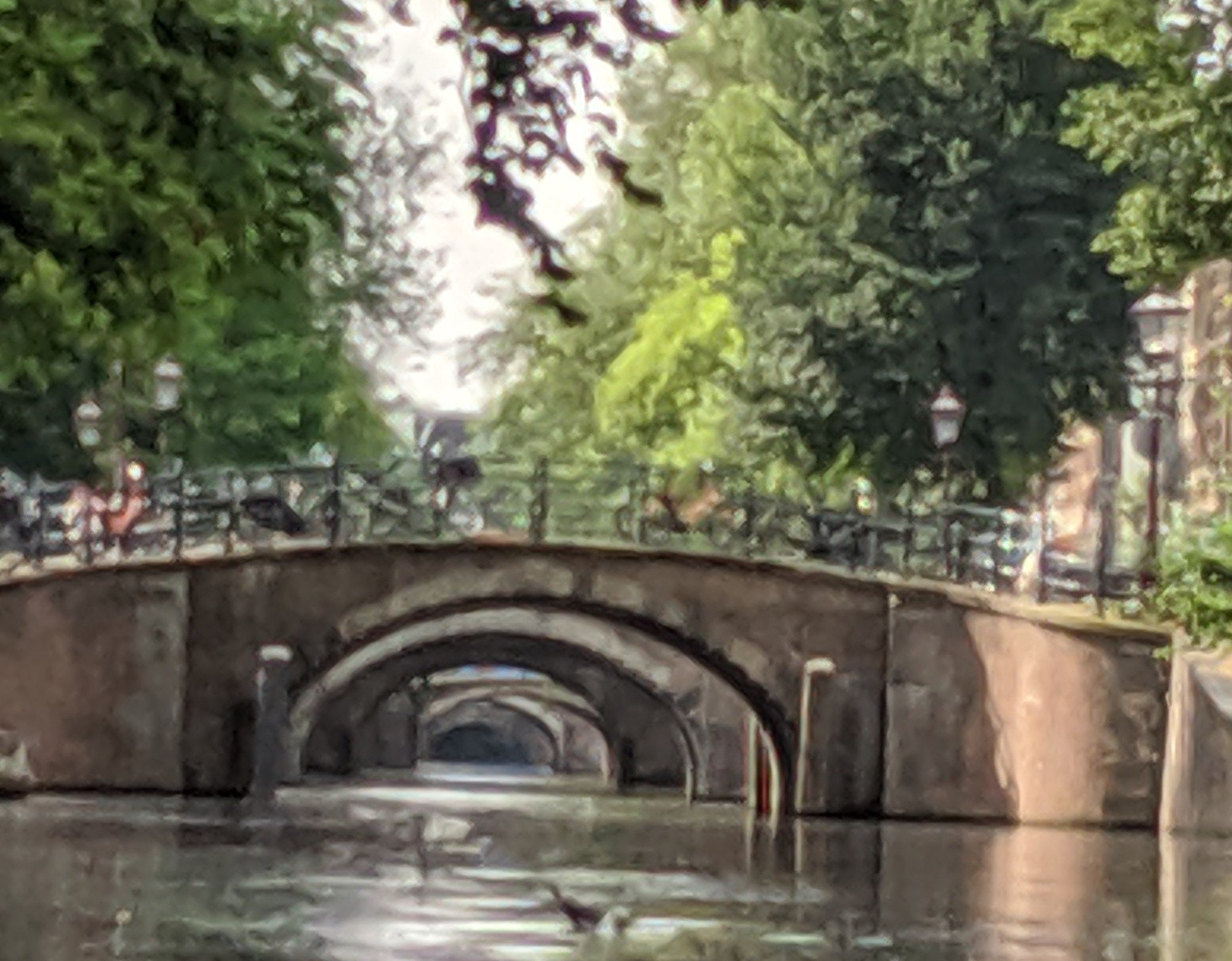
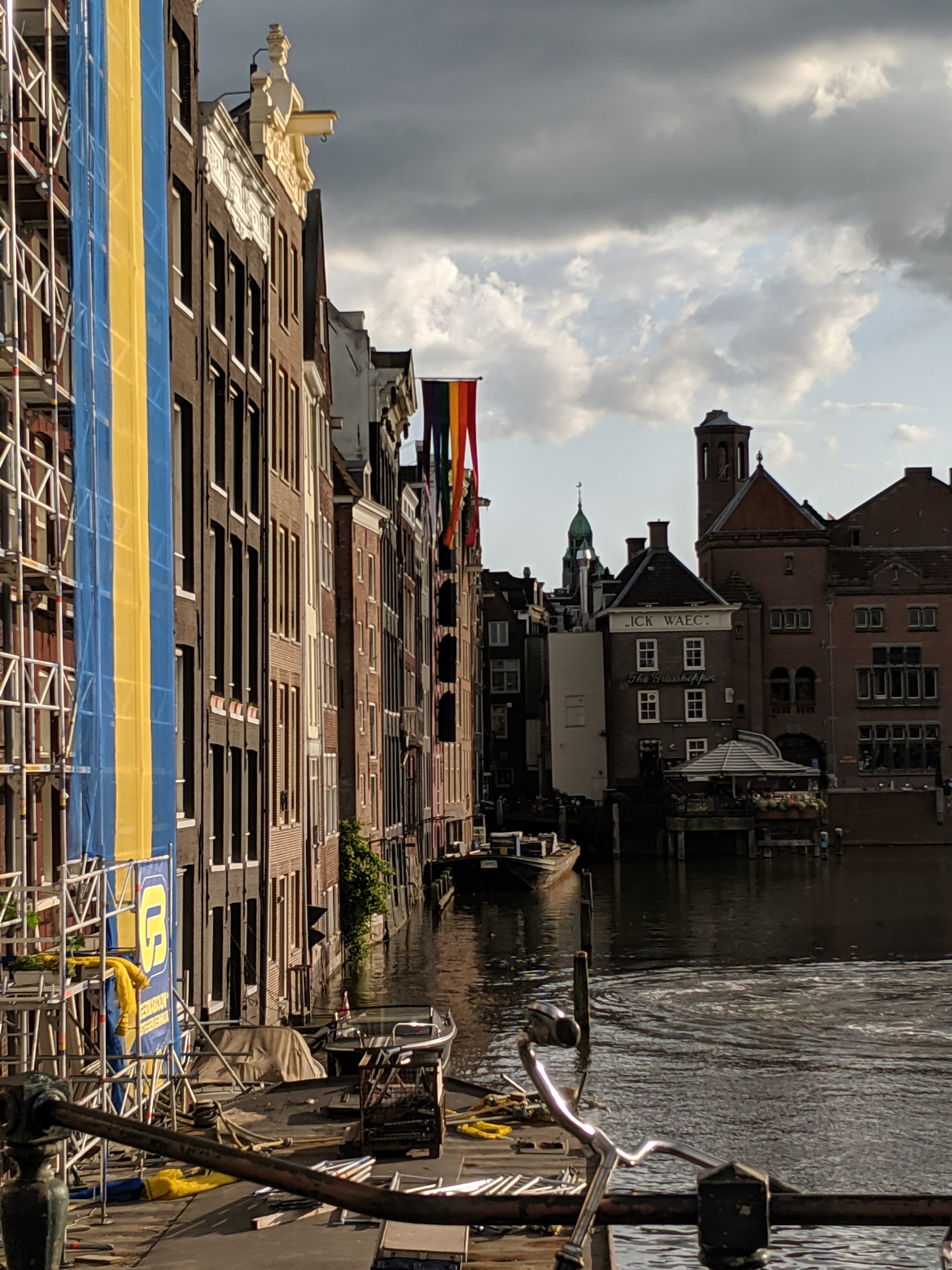
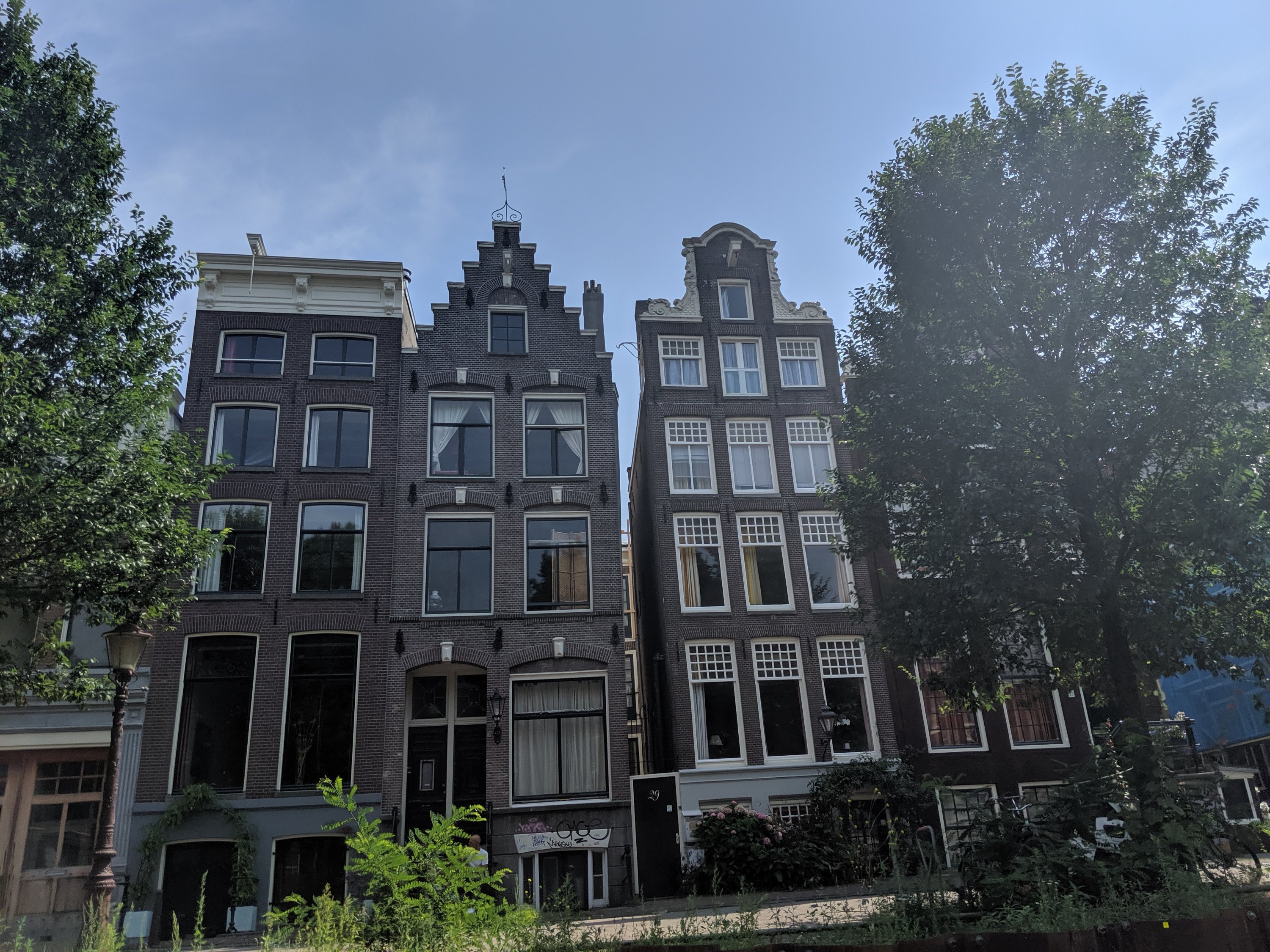 From this point of view you can see multiple bridges. There are actually 7 in a row.
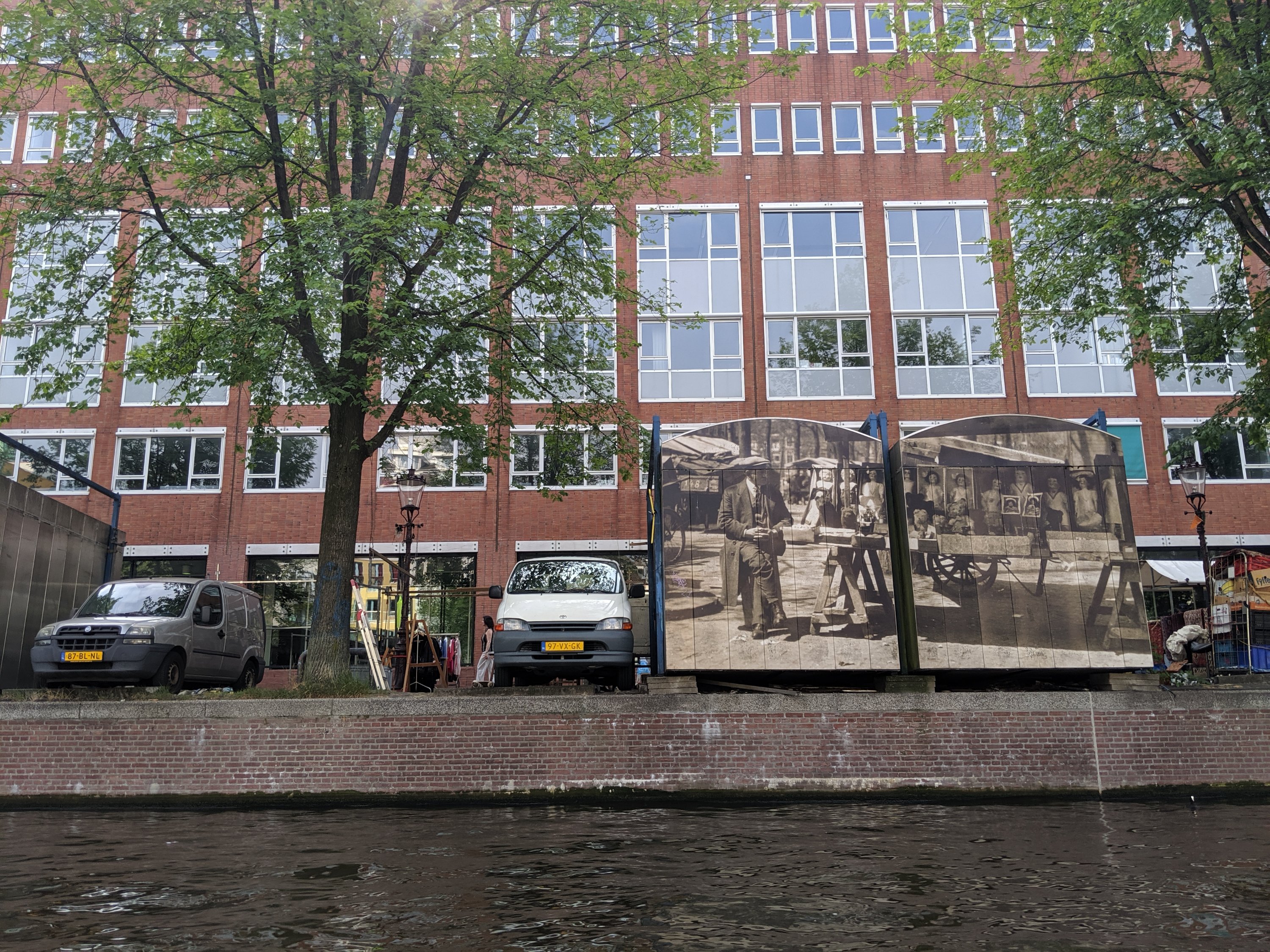
 In this area is where flea markets still occur and have been going on for over two centuries. This is near city hall.
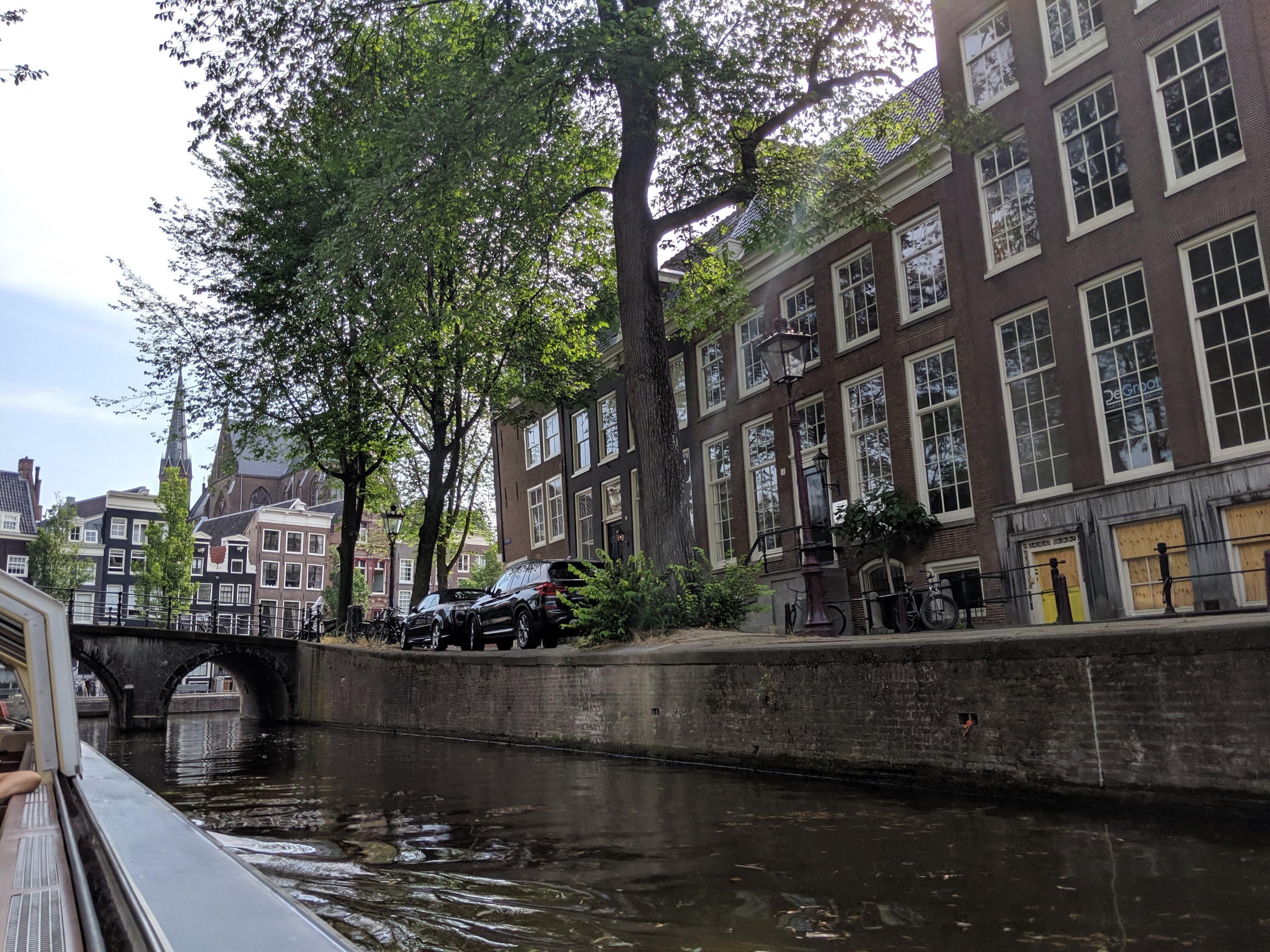
 In many of the canals there are iron rails to stop cars from going over into the canal. However, there are some that do not have the rails and cars drive over often. Unfortunately so do bikes but mostly from mischief. Approx. 15 people a year die in the canal, usually men, usually after drinking and trying to urinate in the canal. It is very difficult to climb out of the canal.
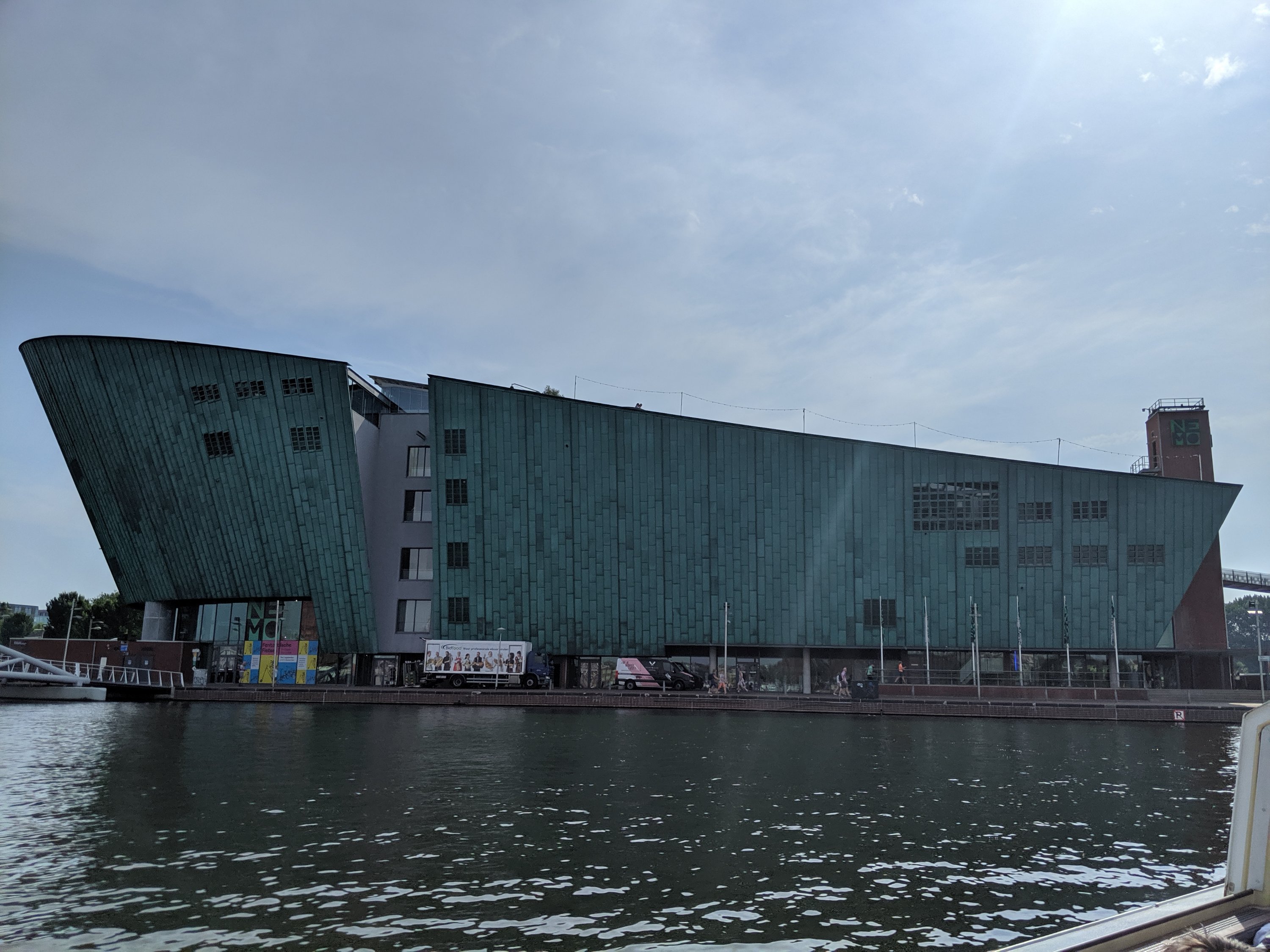
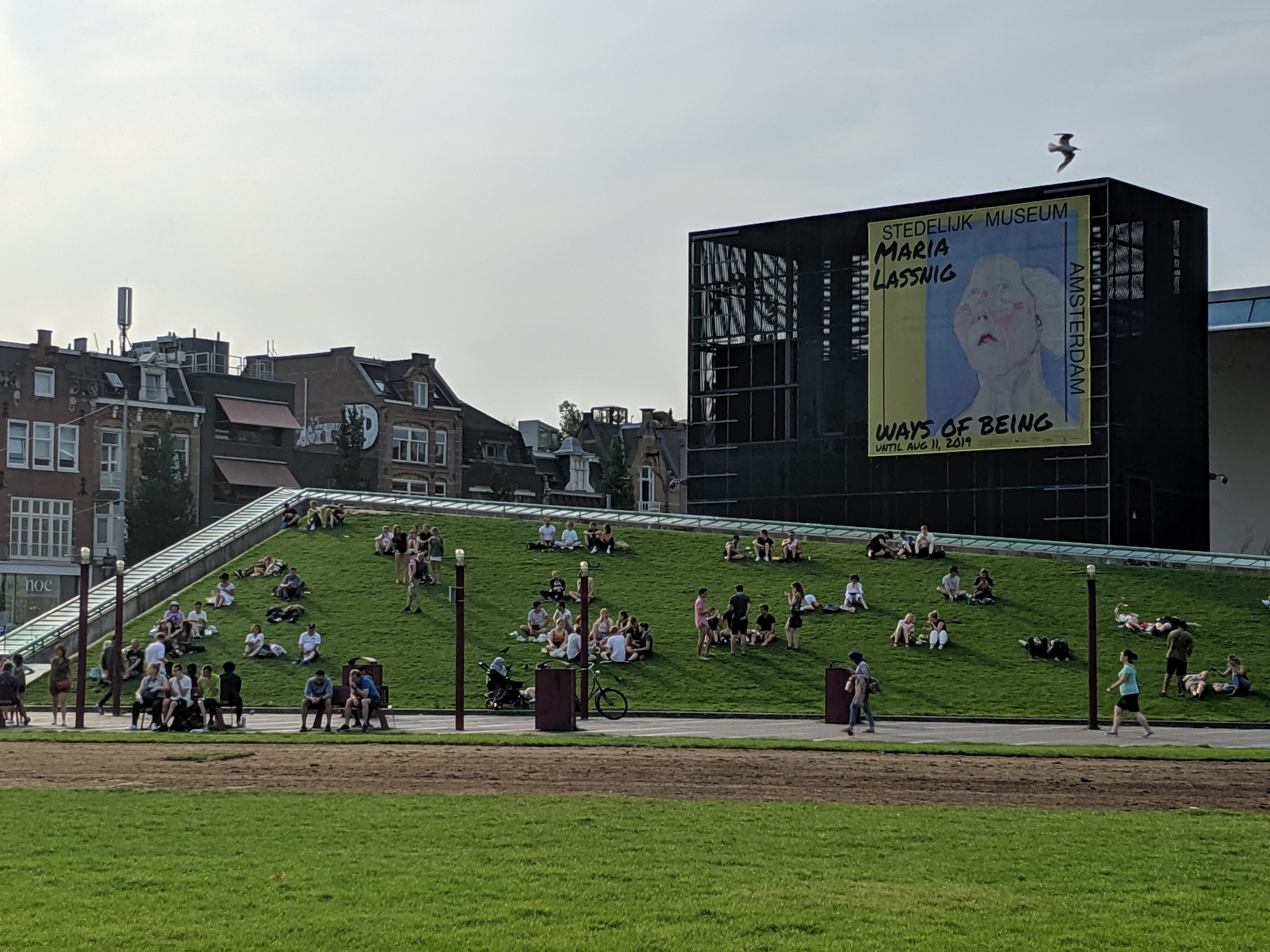
 Below is Nemo, the children’s museum and science center. There is a sand lot on the top for people to hang out on nice days.
 There is parking lots for bikes. Thousands of bikes. Some people have two bikes as they may not remember where they parked one!
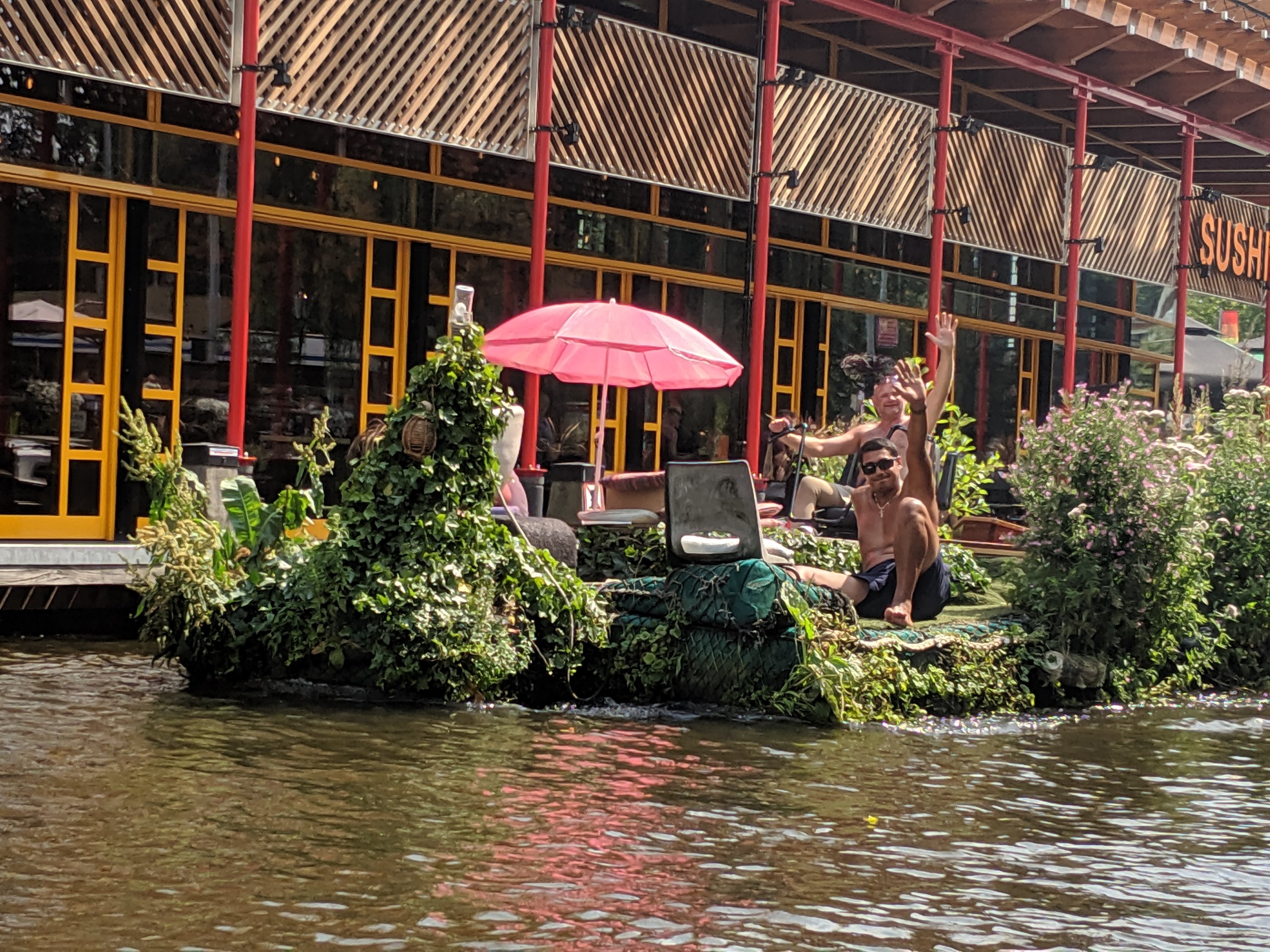
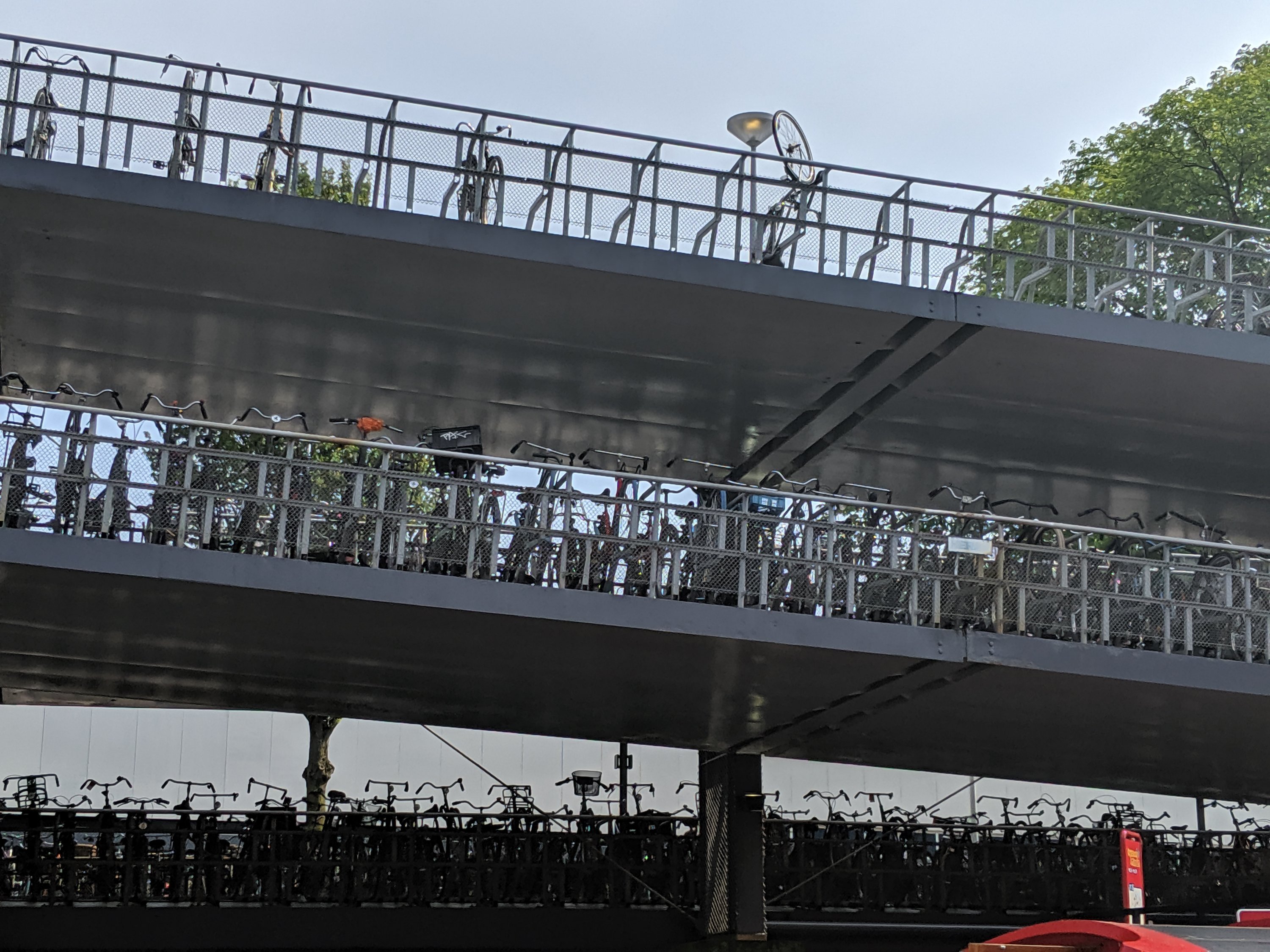 Speaking of bikes, there are more bikes than cars and dedicated bike lanes on every road.This boat passed us and is a literal garden on the canal. Yes, that is actually a boat.
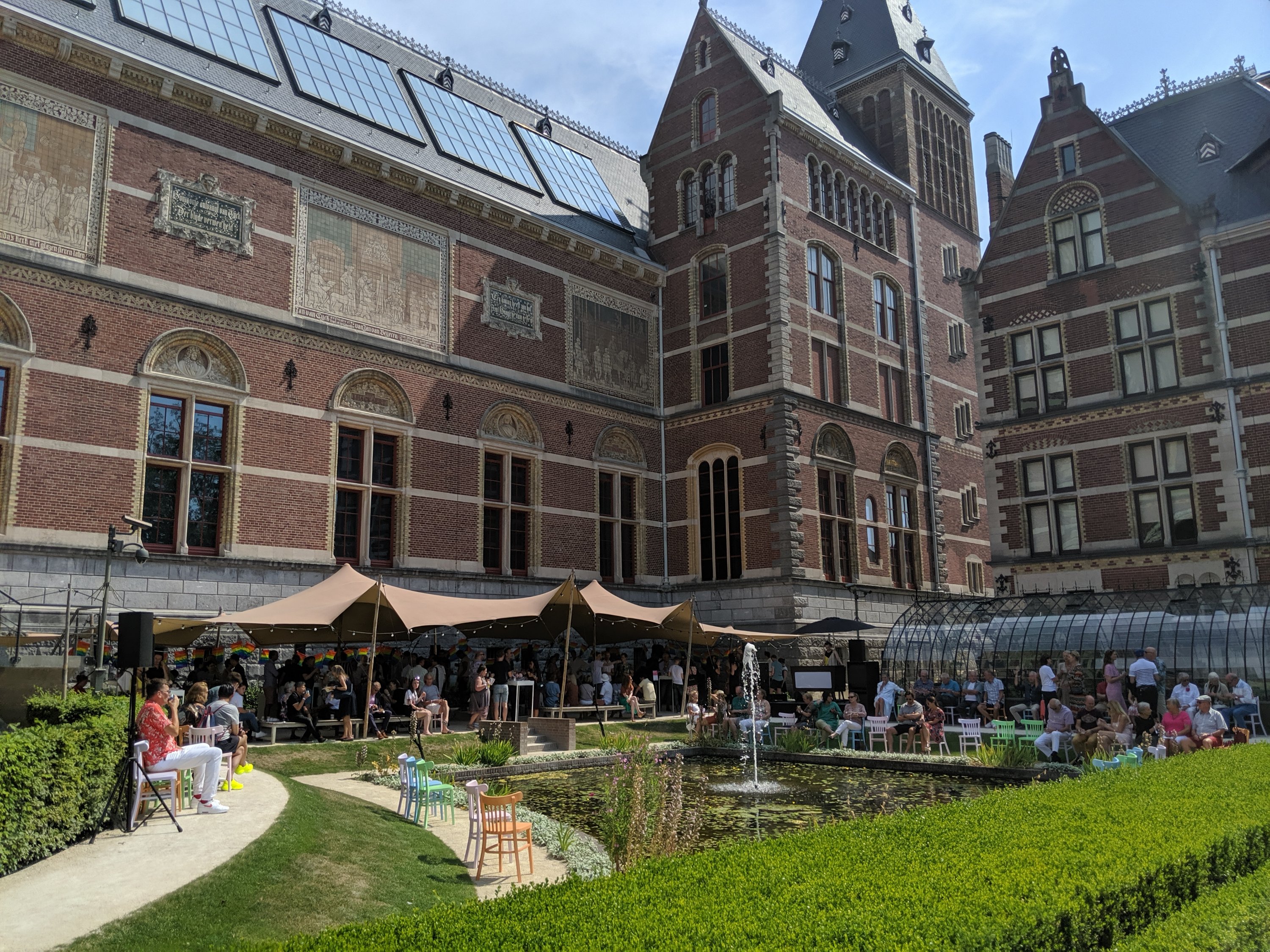
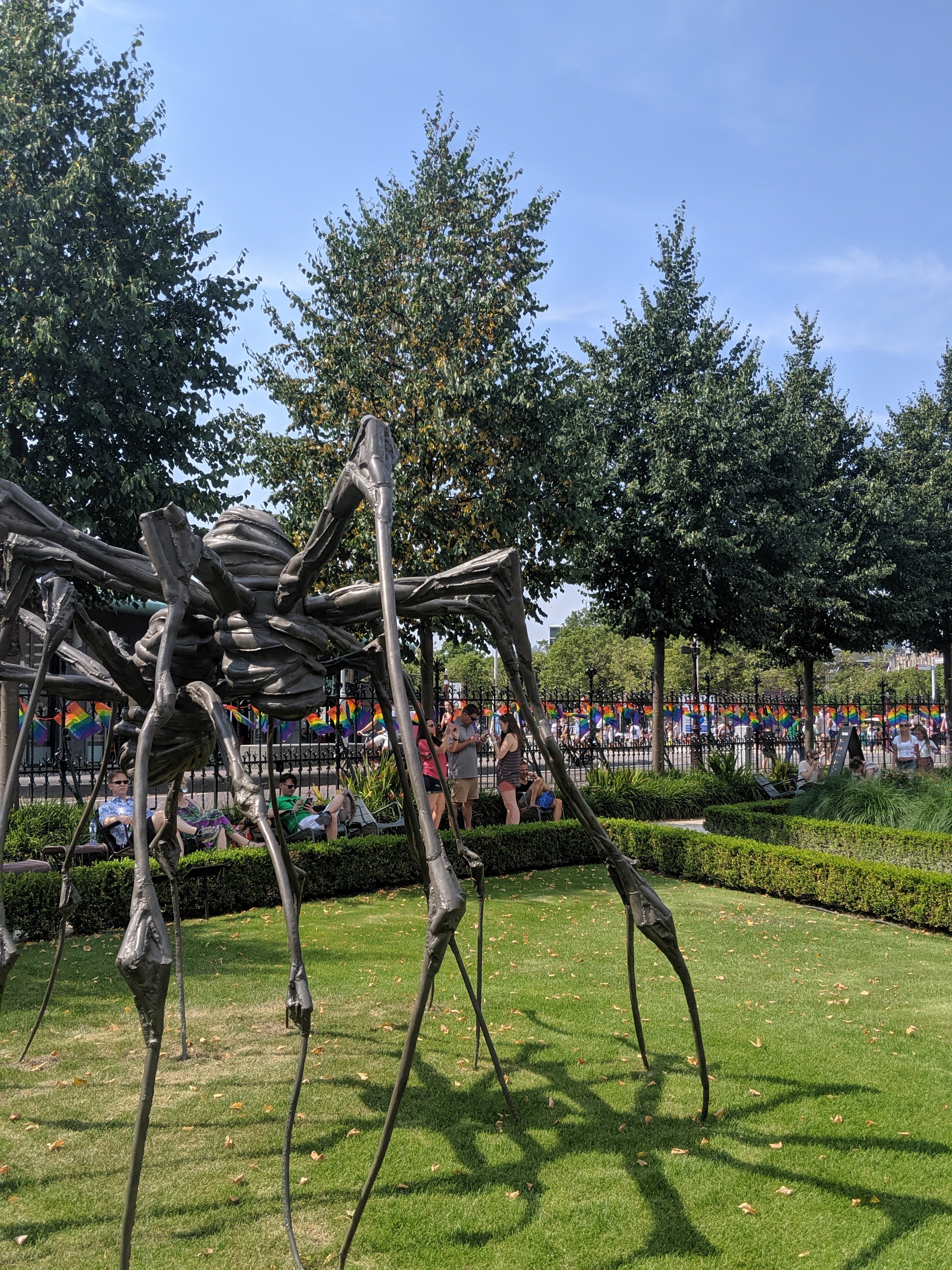
 After the tours I walked back to the Rijksmuseum where there were pride celebrations already beginning.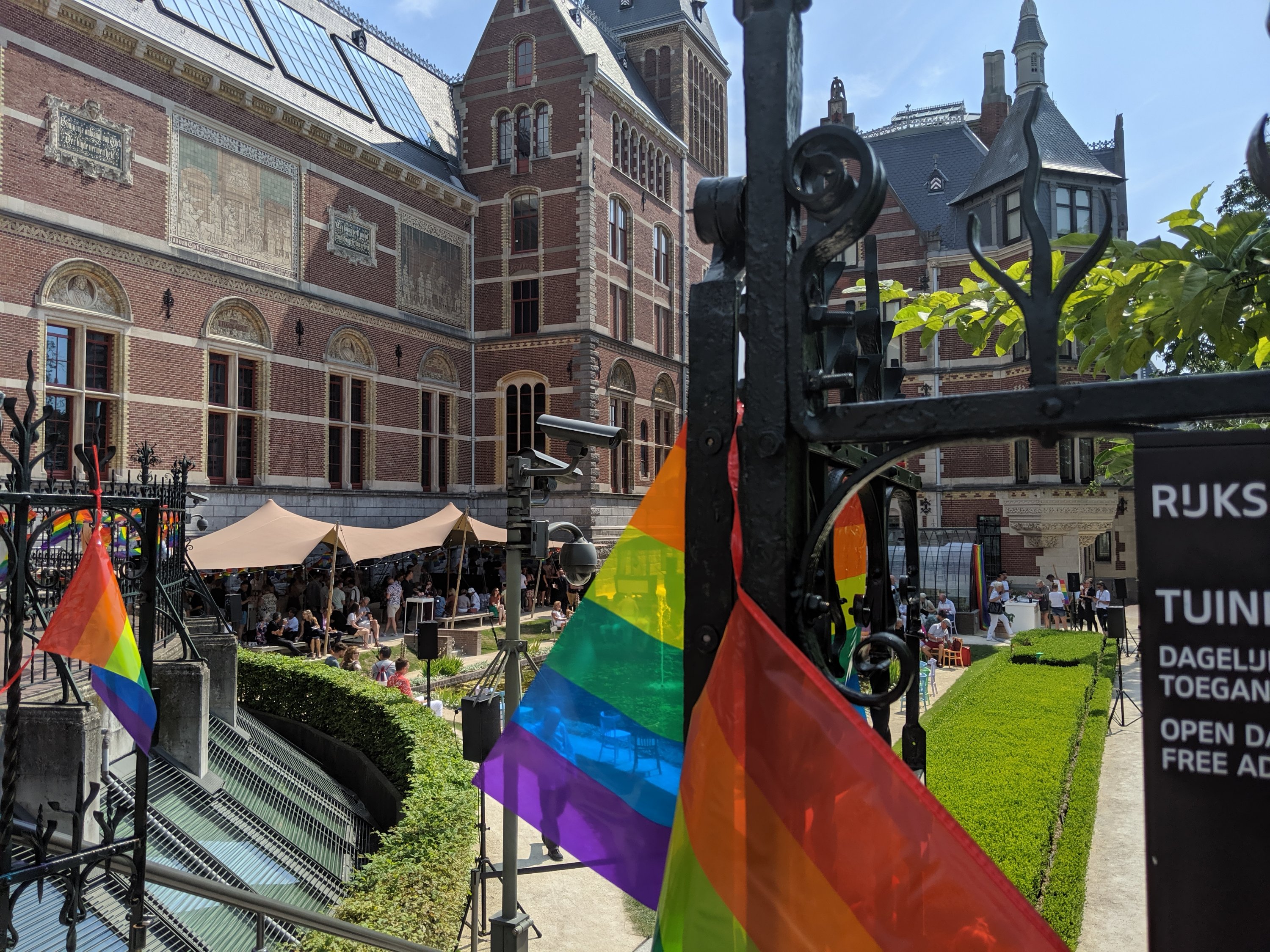
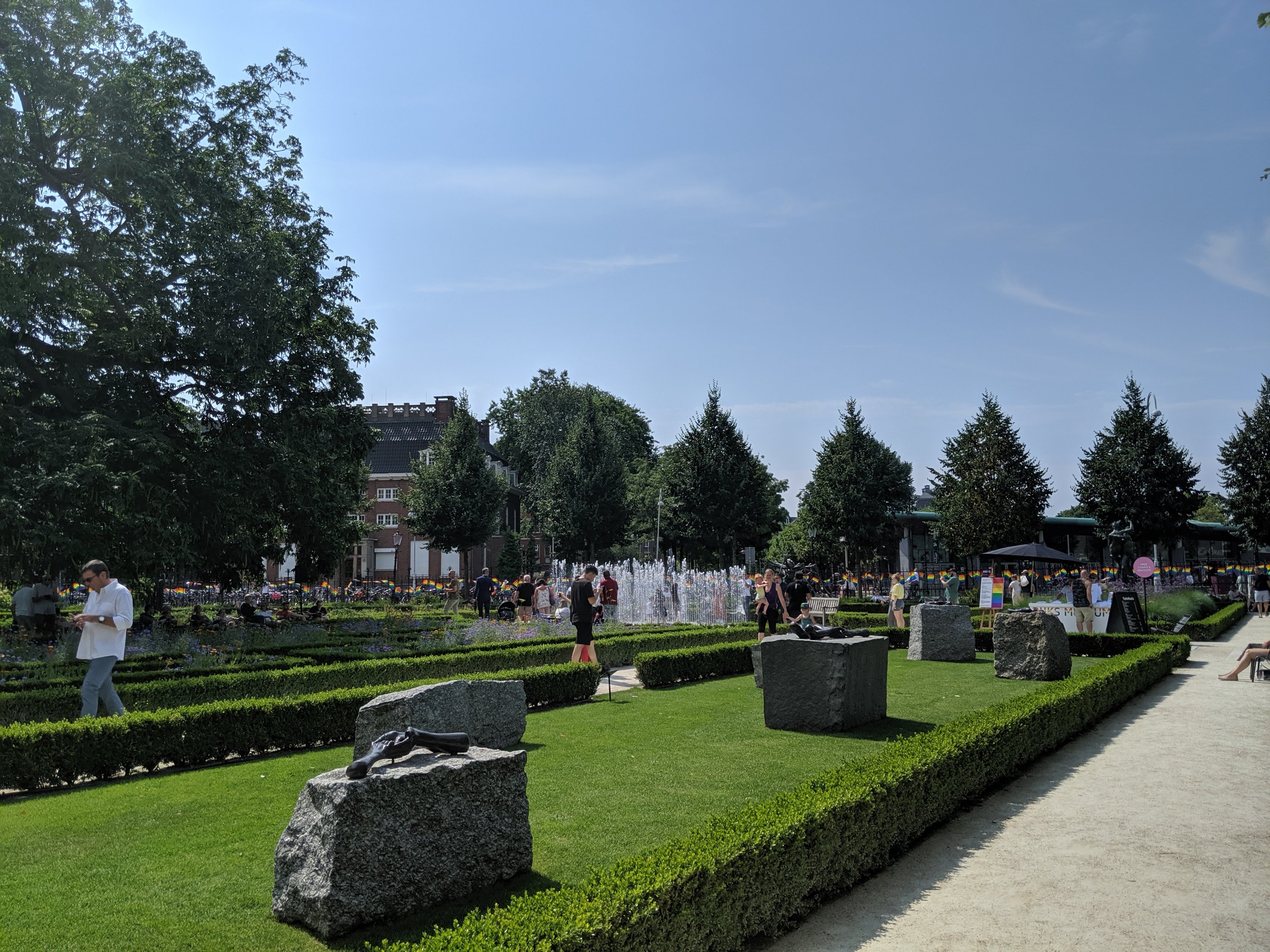
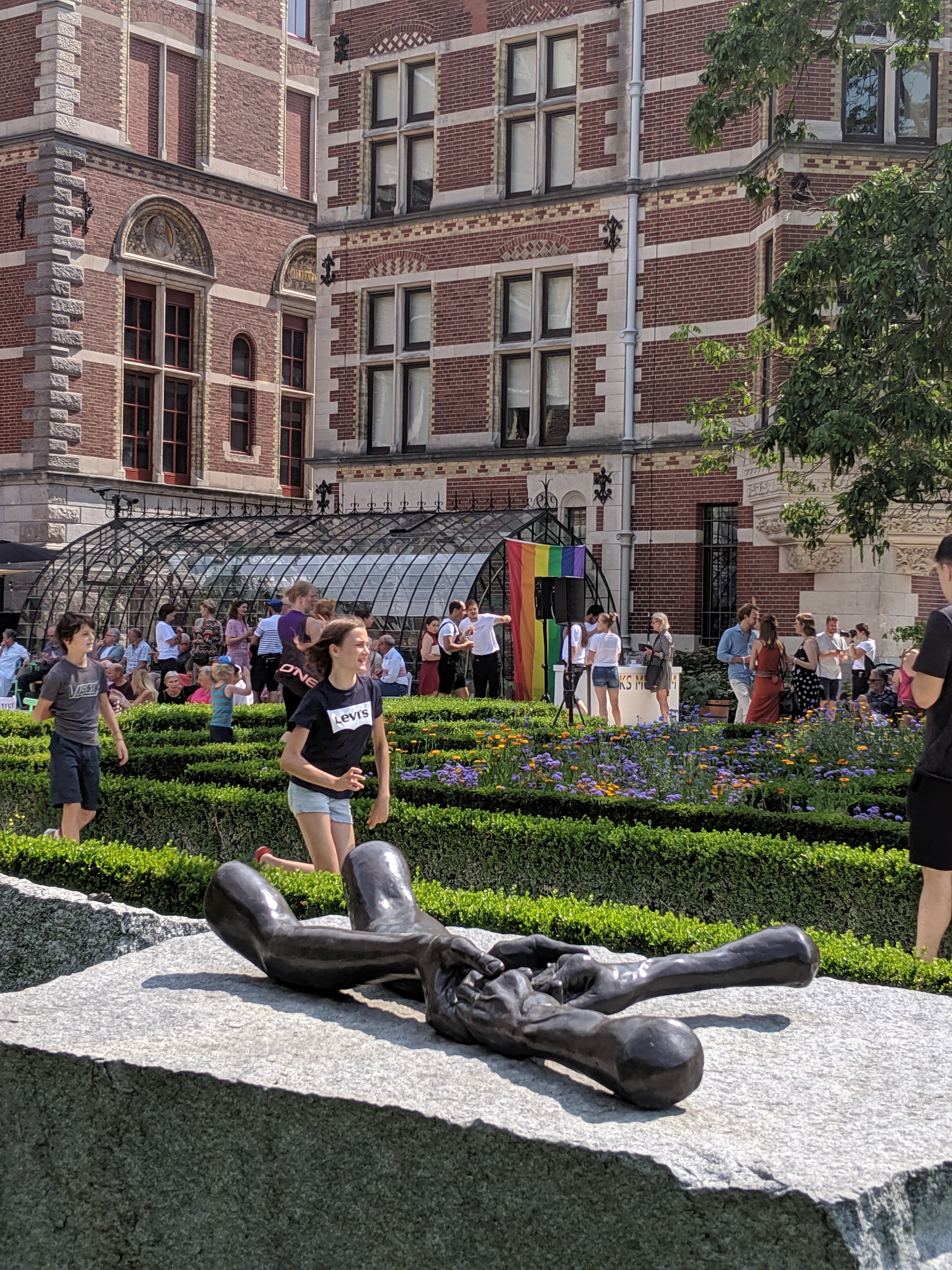
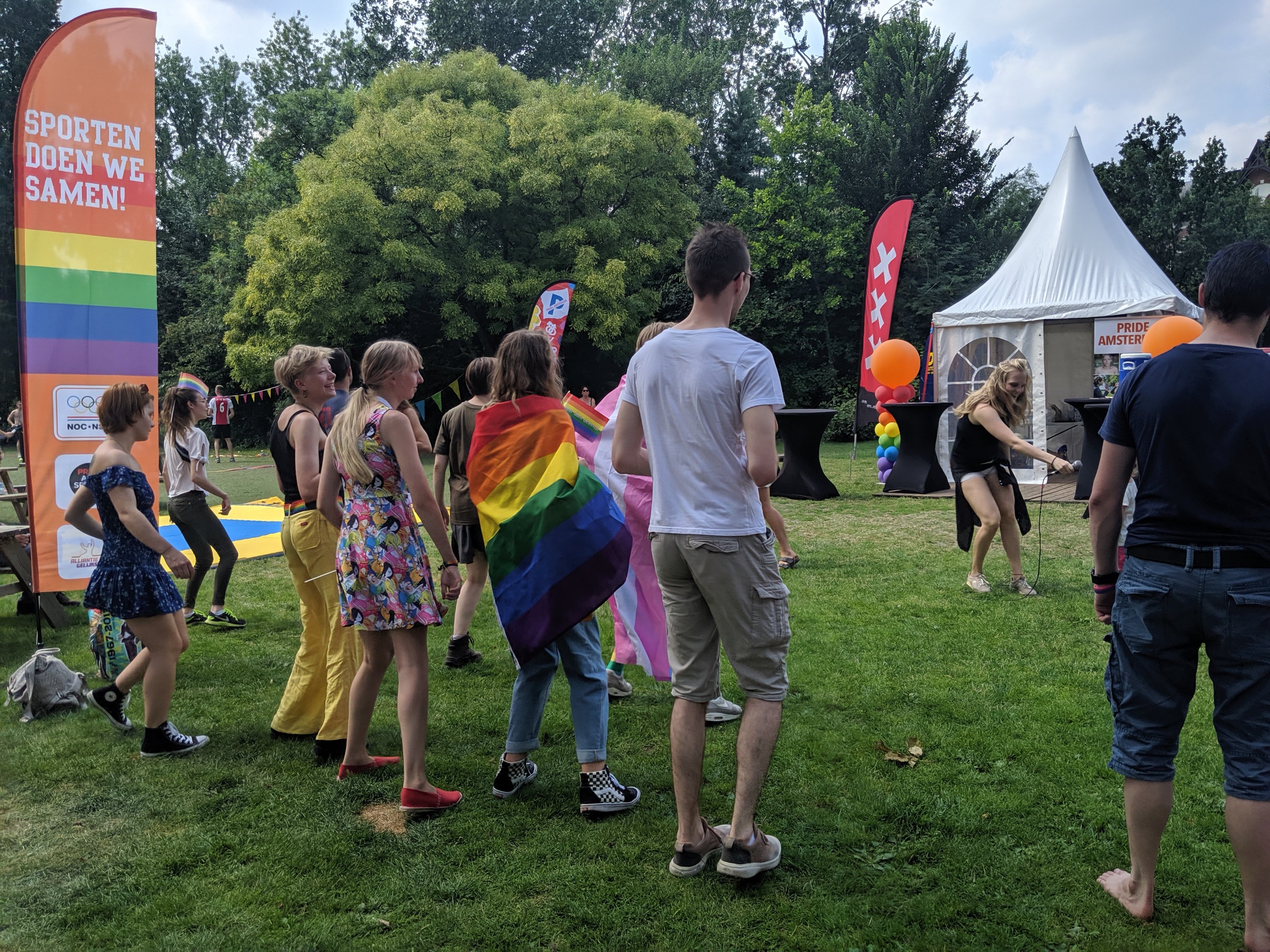
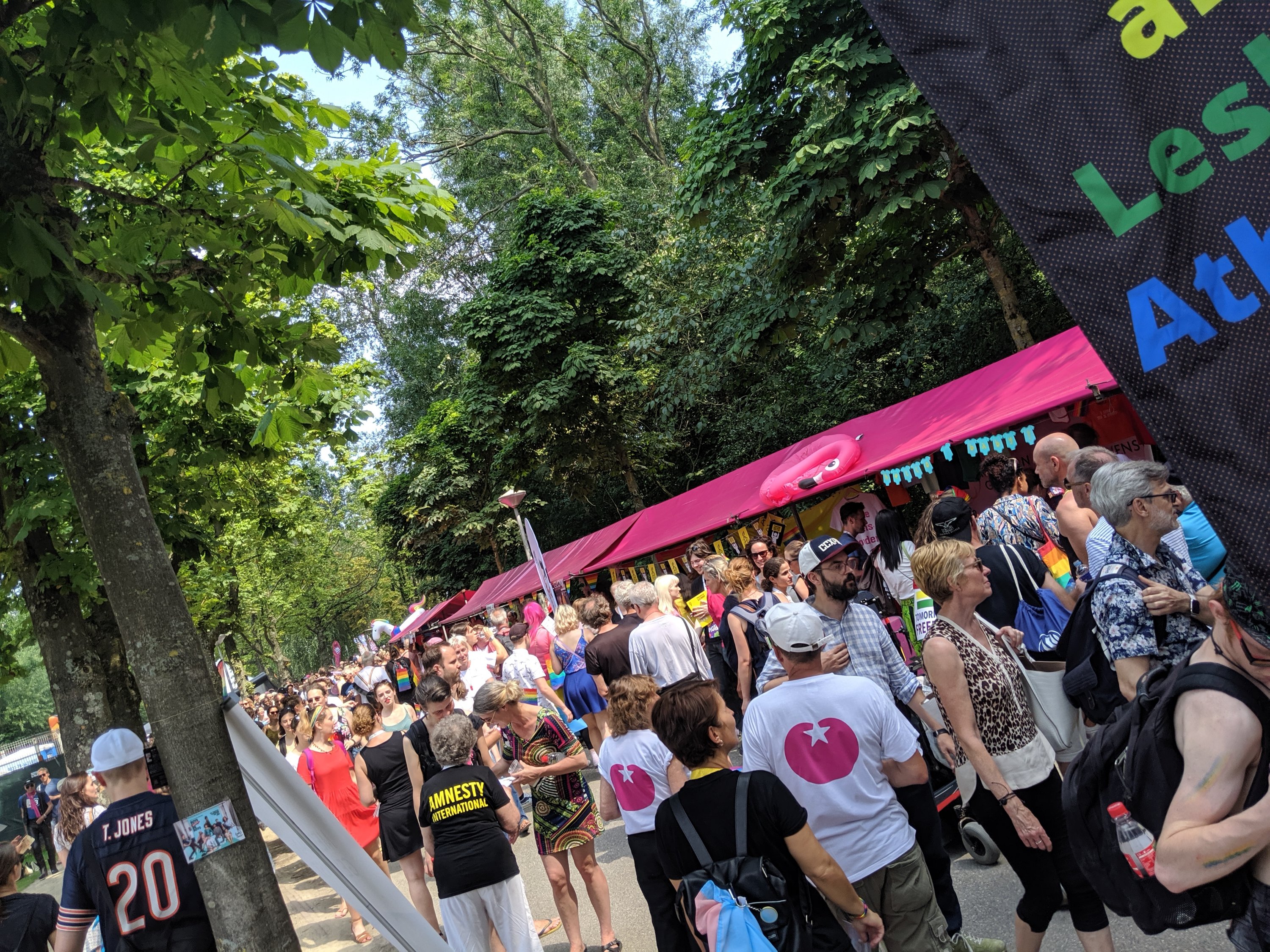
 I walked to Vondel park, the most popular park in Amsterdam. As I walked through I realized the end of the pride parade was here. They had great family games, dancing, information, and empowering everyone. It was fun and peaceful.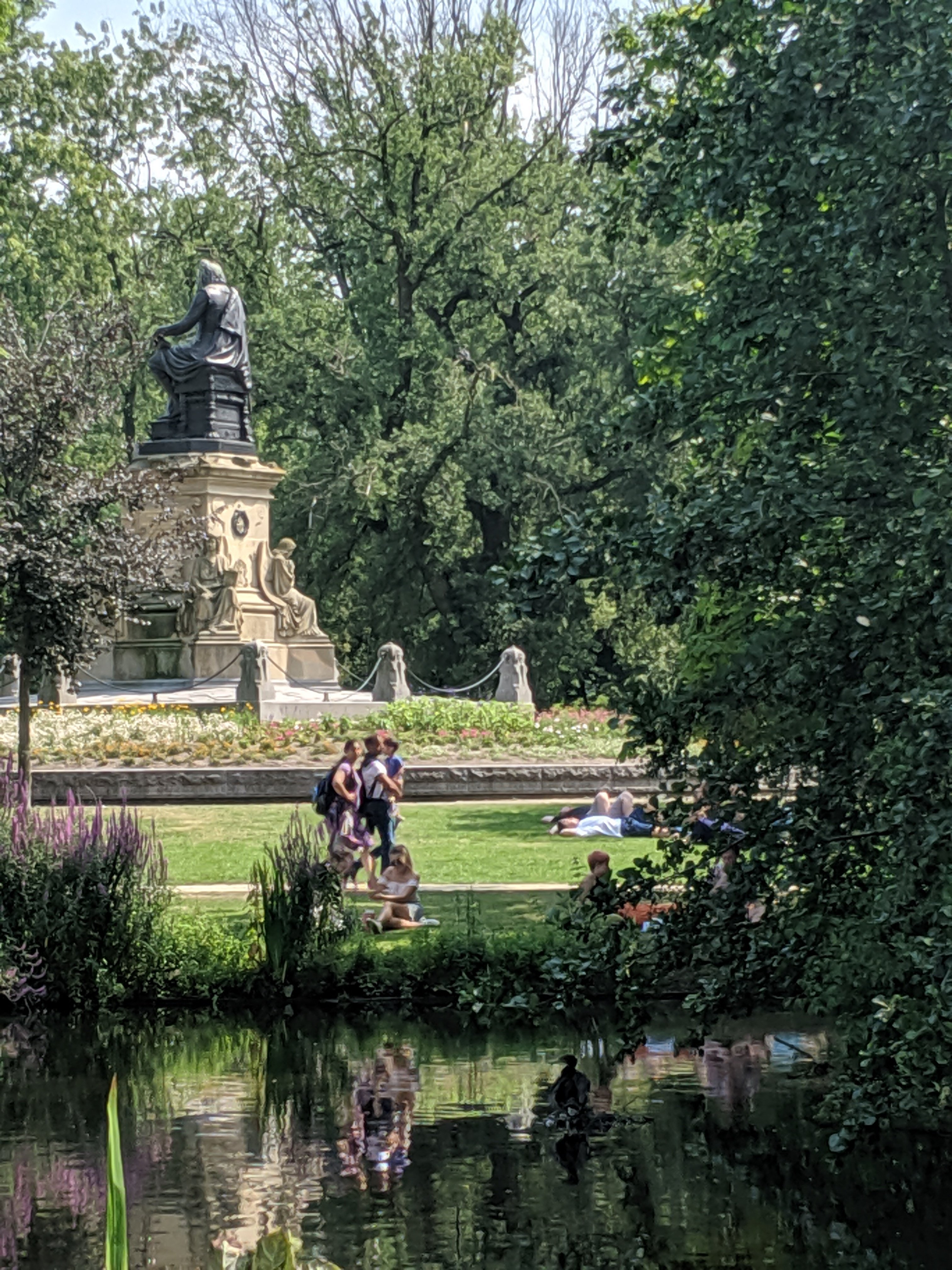
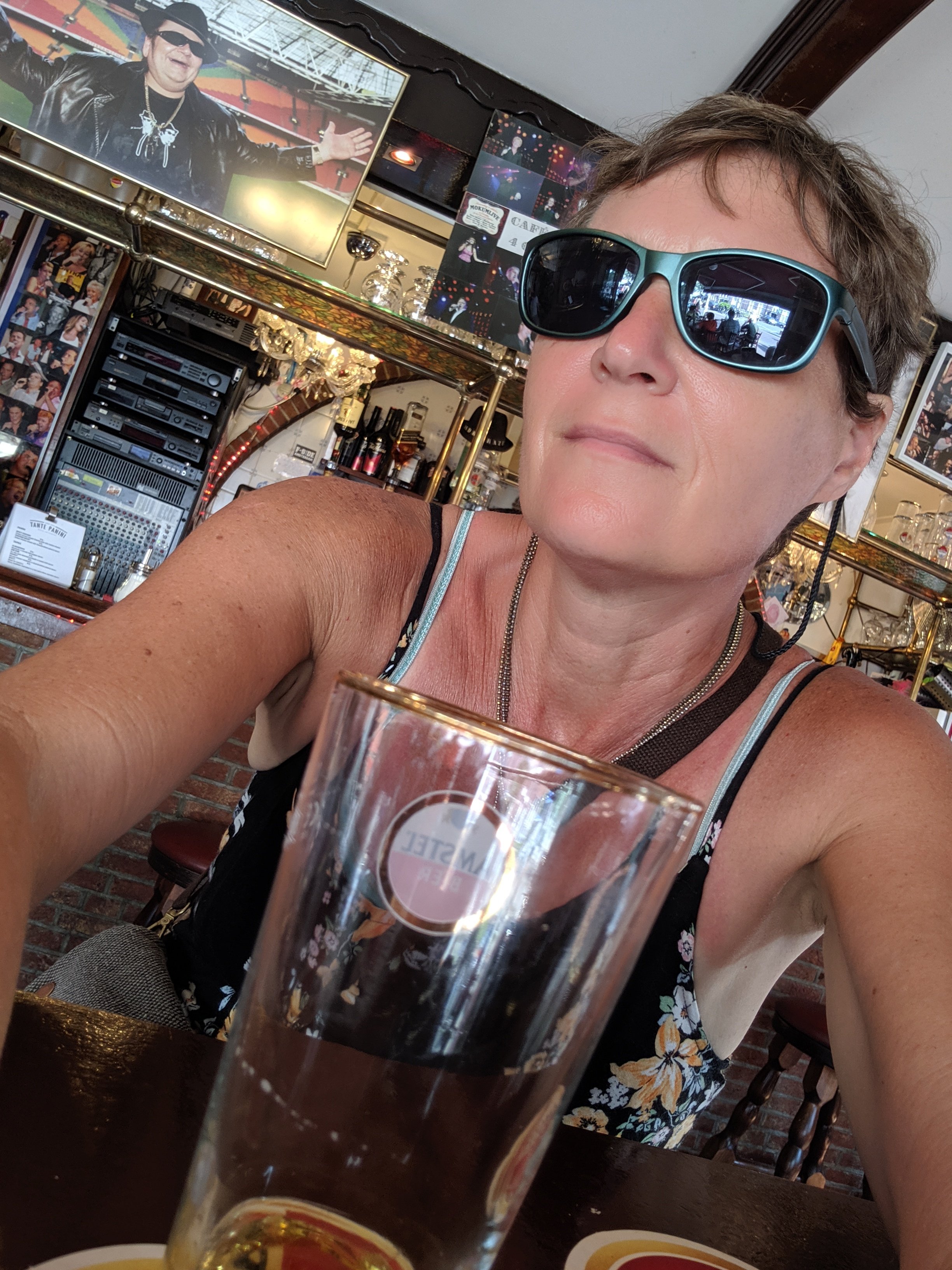
 I walked to the Jordaan area and window shopped. This is the best place to see unique boutique shops. I stopped at Cafe Jordaan for an Amstel.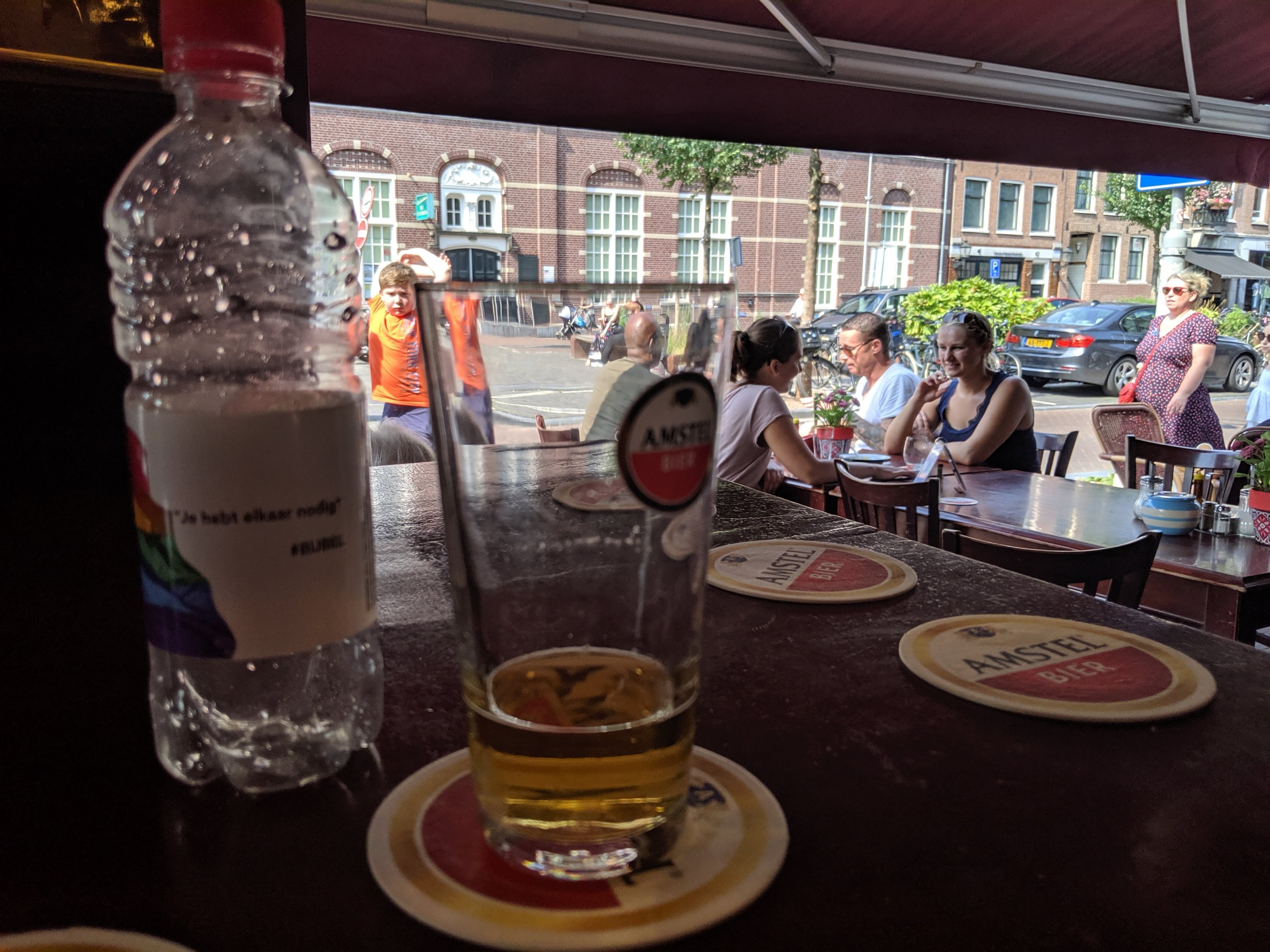
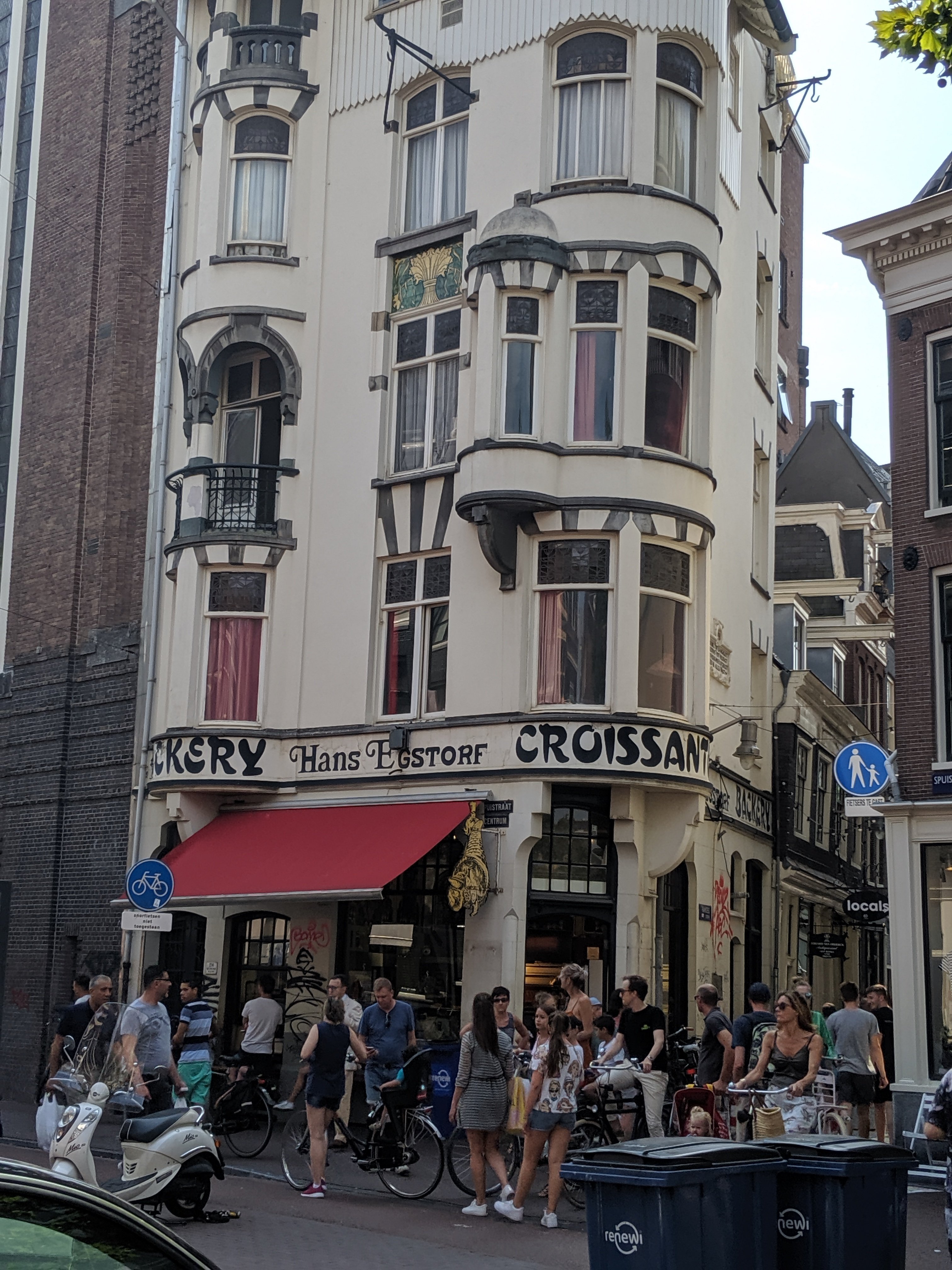
 While I was walking, I overheard a your guide say that this shop had the best stroopwaffels. I decided to try it and he was right. It was amazing. They make a thin waffle and split it in half making a sandwich with caramel.
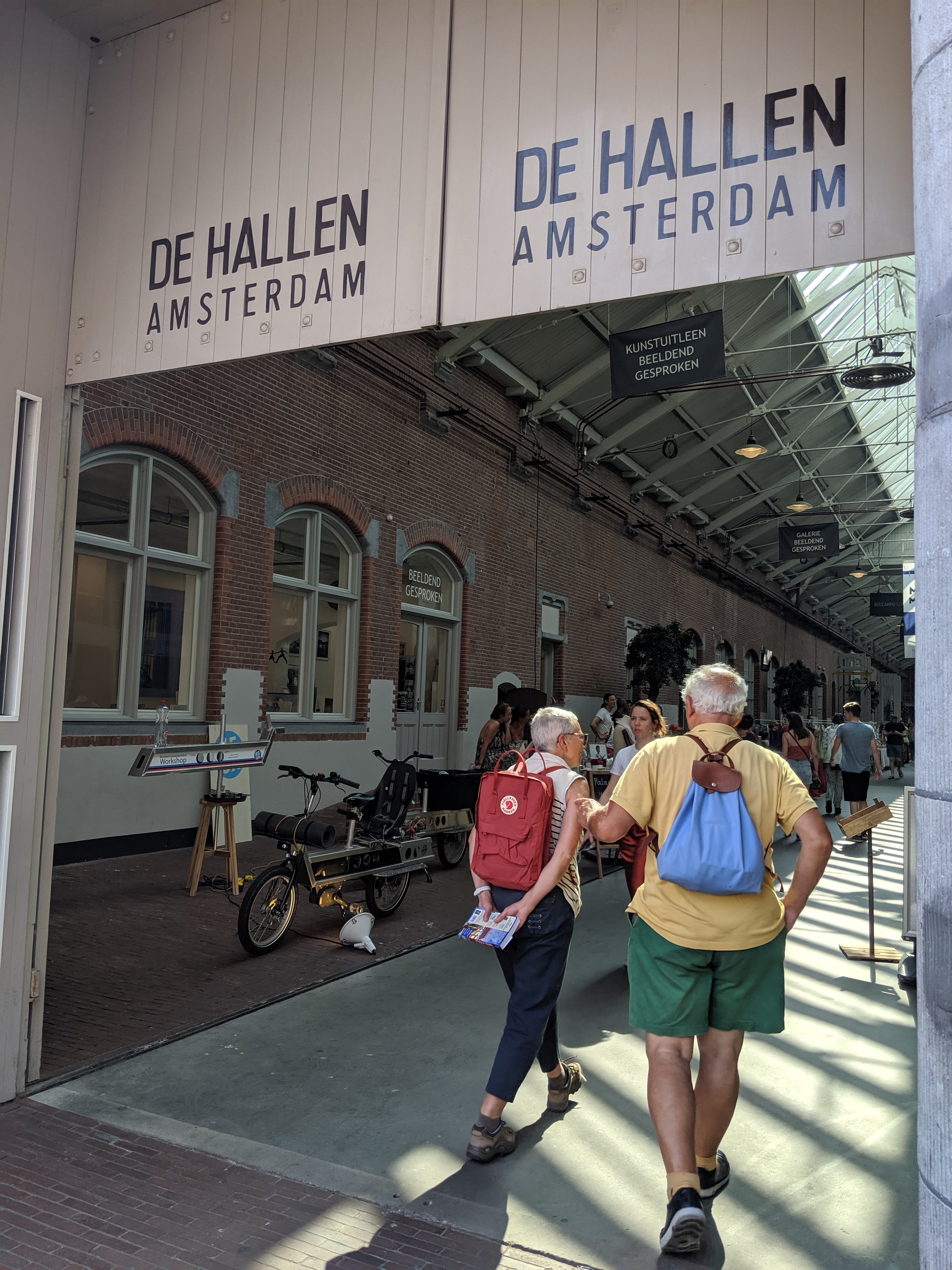
 Here is how it is made:https://youtu.be/PenYHmMK6gkI stopped for food at foodhallen. It is in De hallen where there are also vendors for crafts.
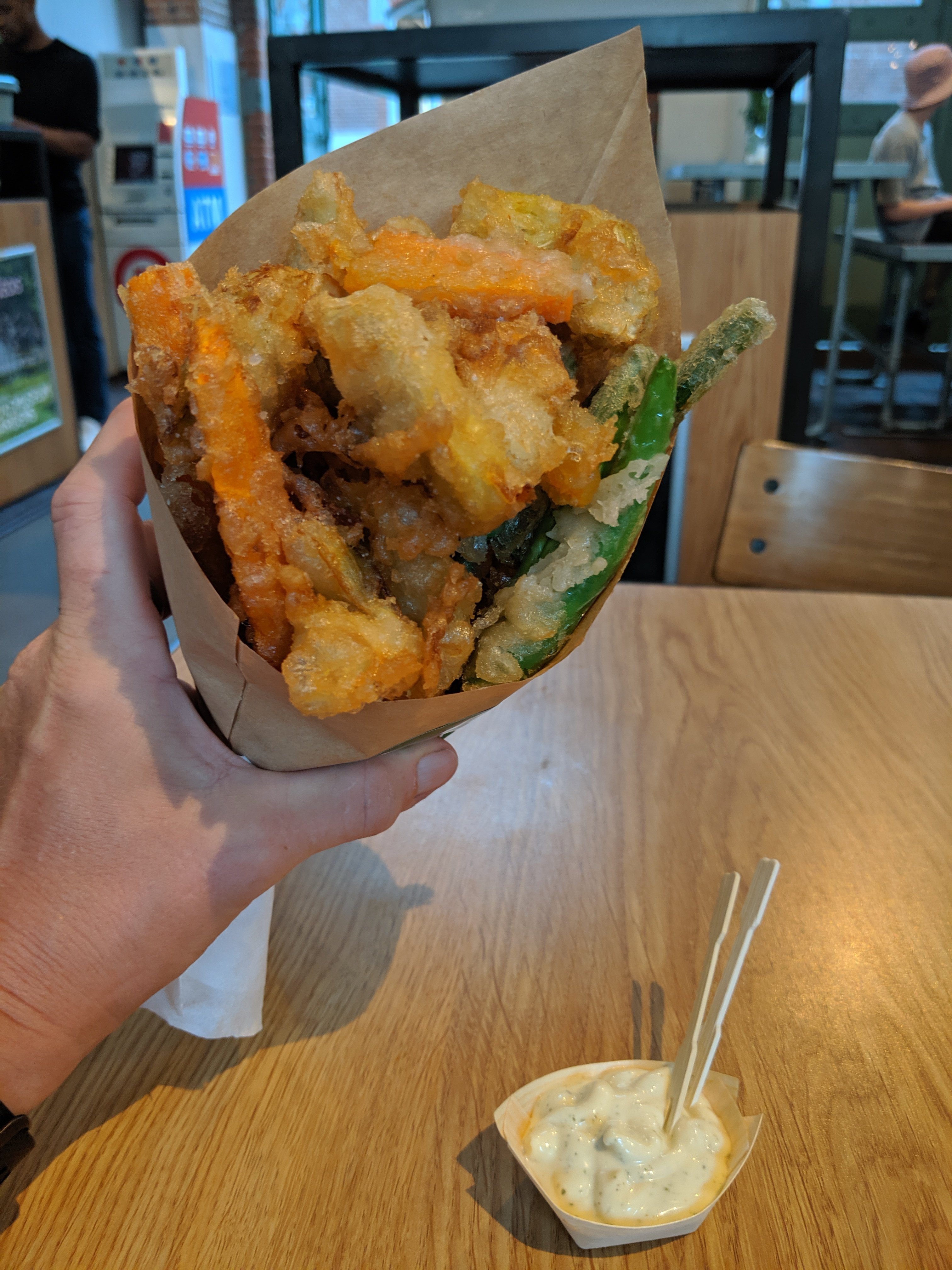
 I bought fried vegetables. Green beans, carrots, and artichokes are lightly battered and fried. Very good.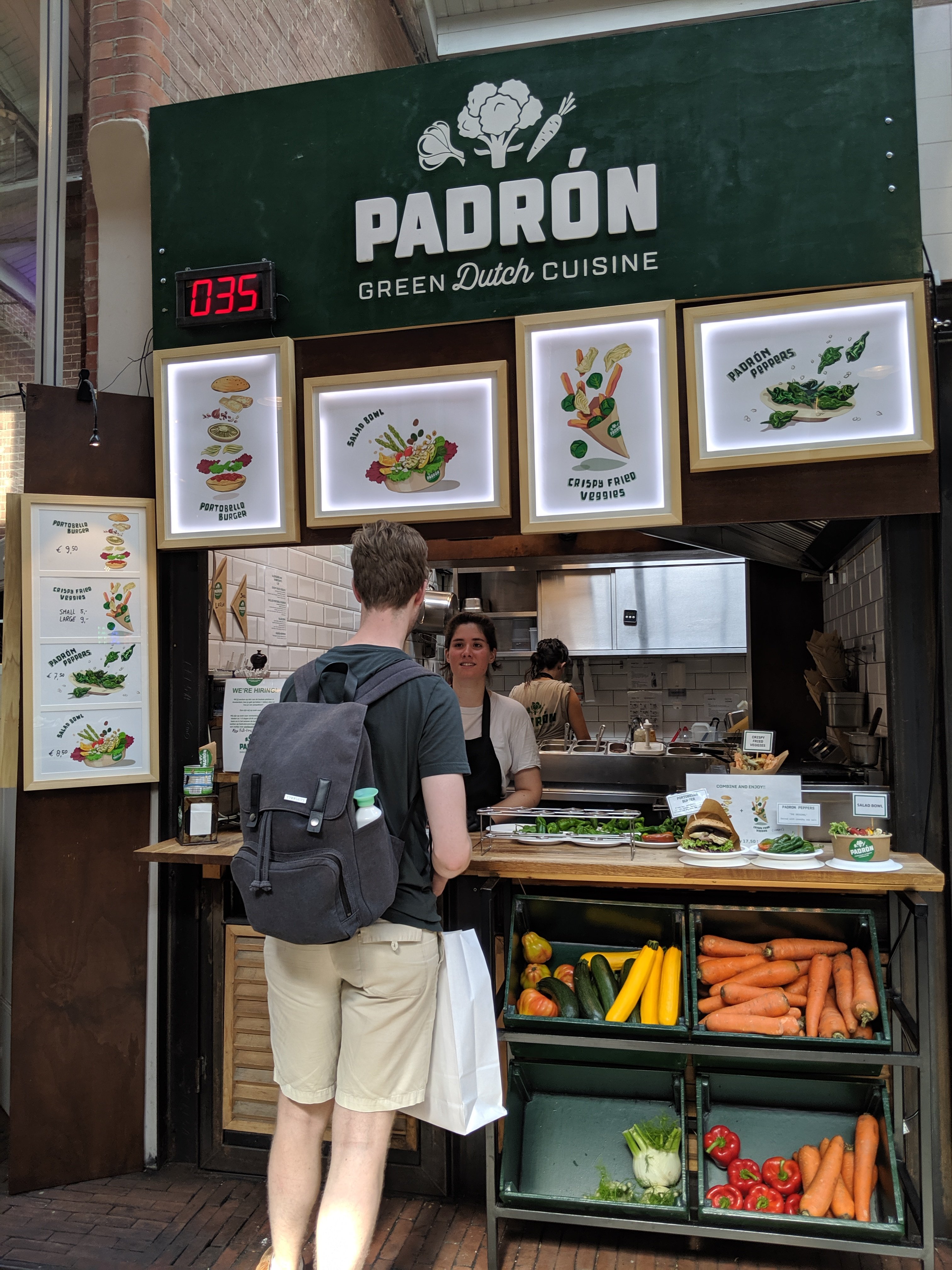
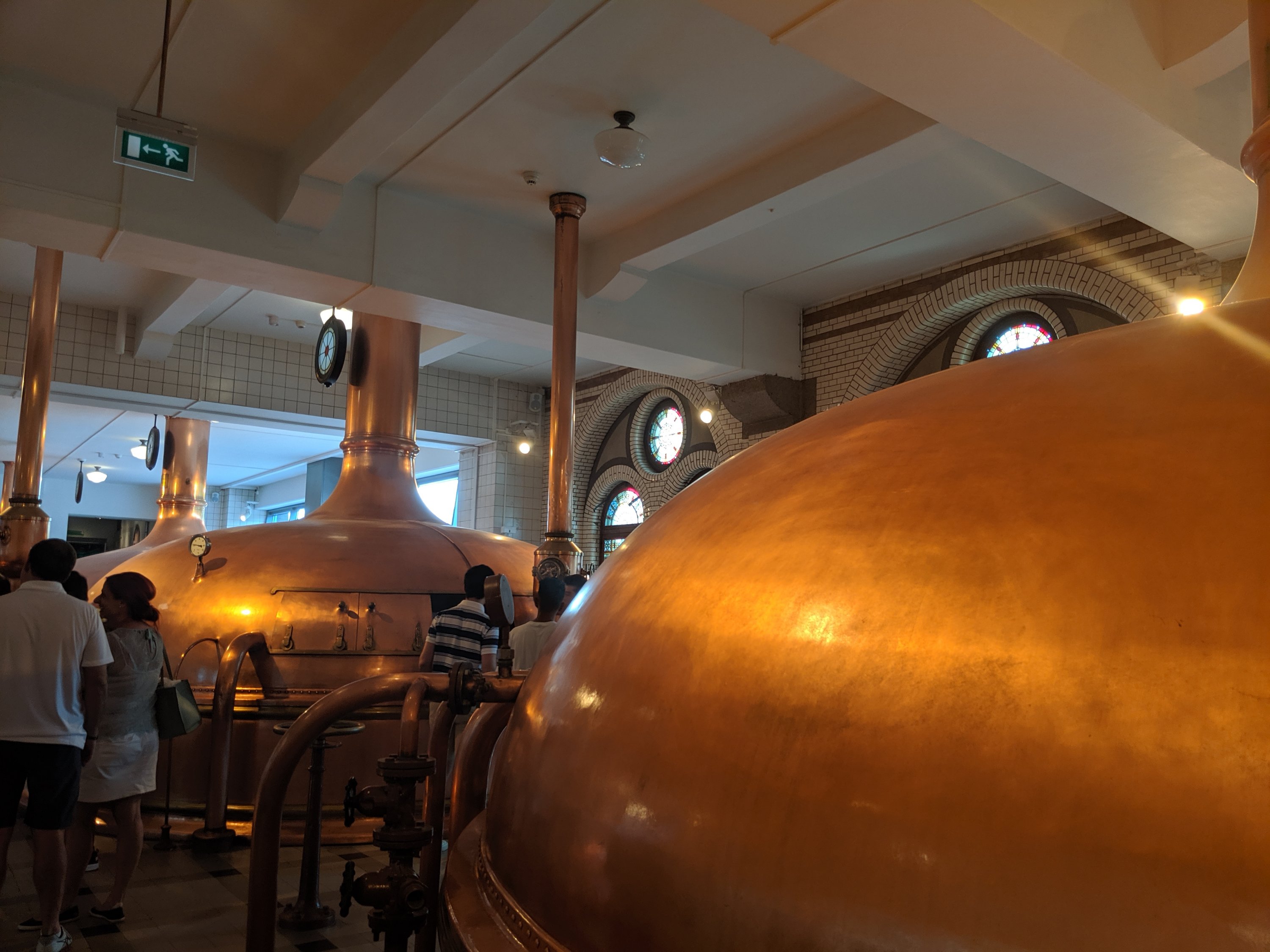
 Last for the day is the Heineken experience. It walked through how beer is brewed. The original chemist that found the yeast to give the beer it’s unique taste studied under Pasteur.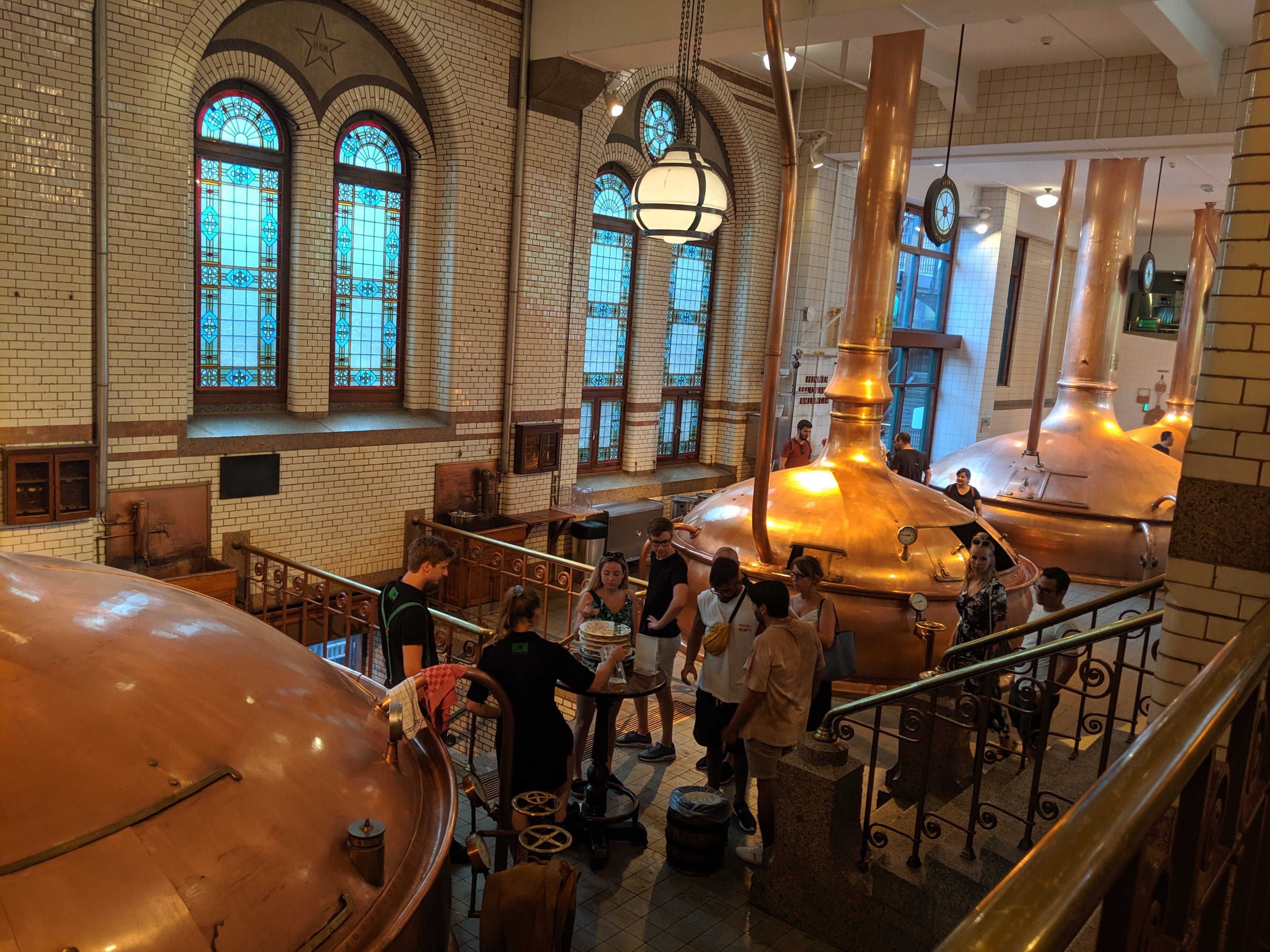
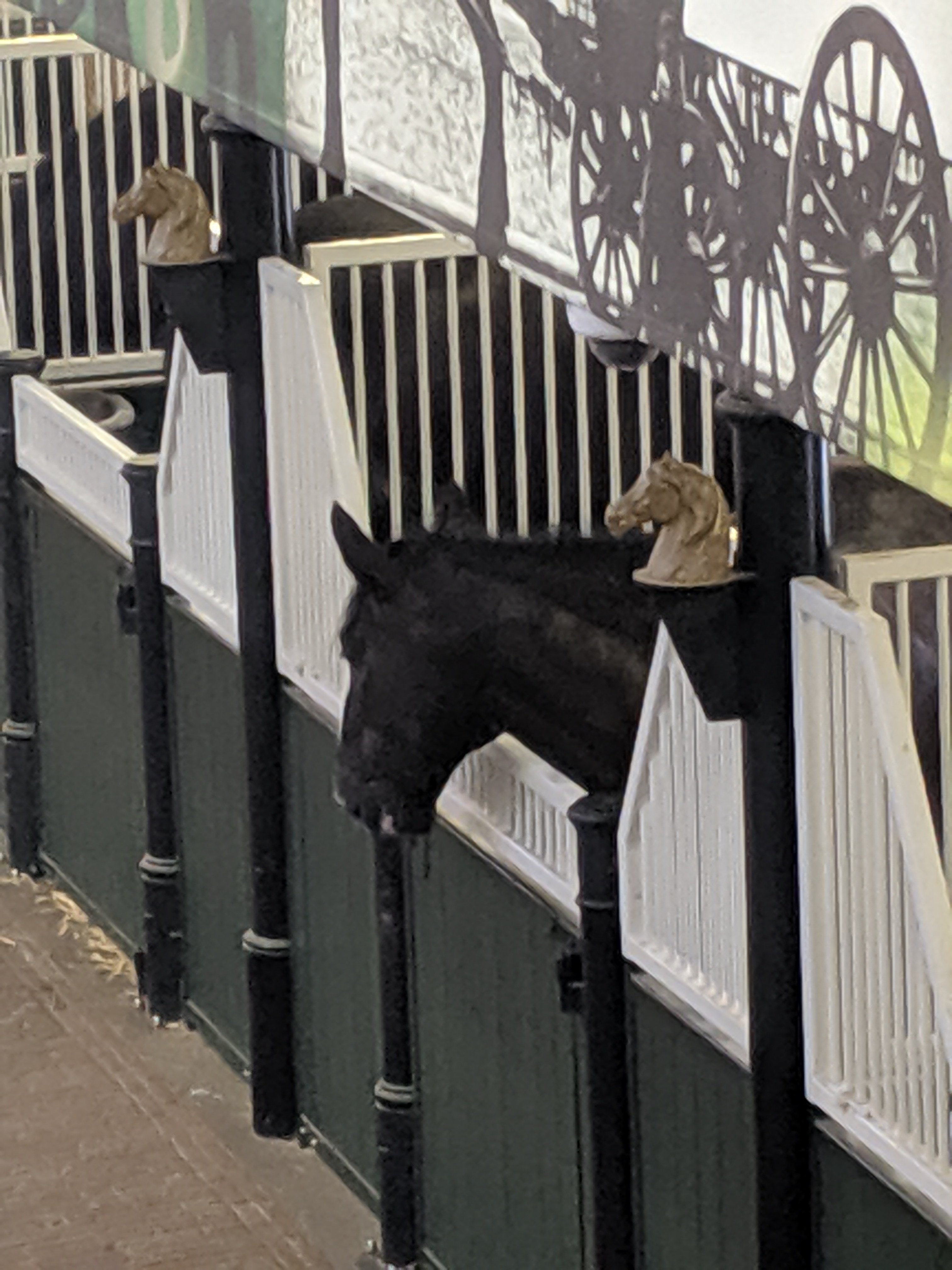
 They have their own horses too. I really miss the smell of a farm.
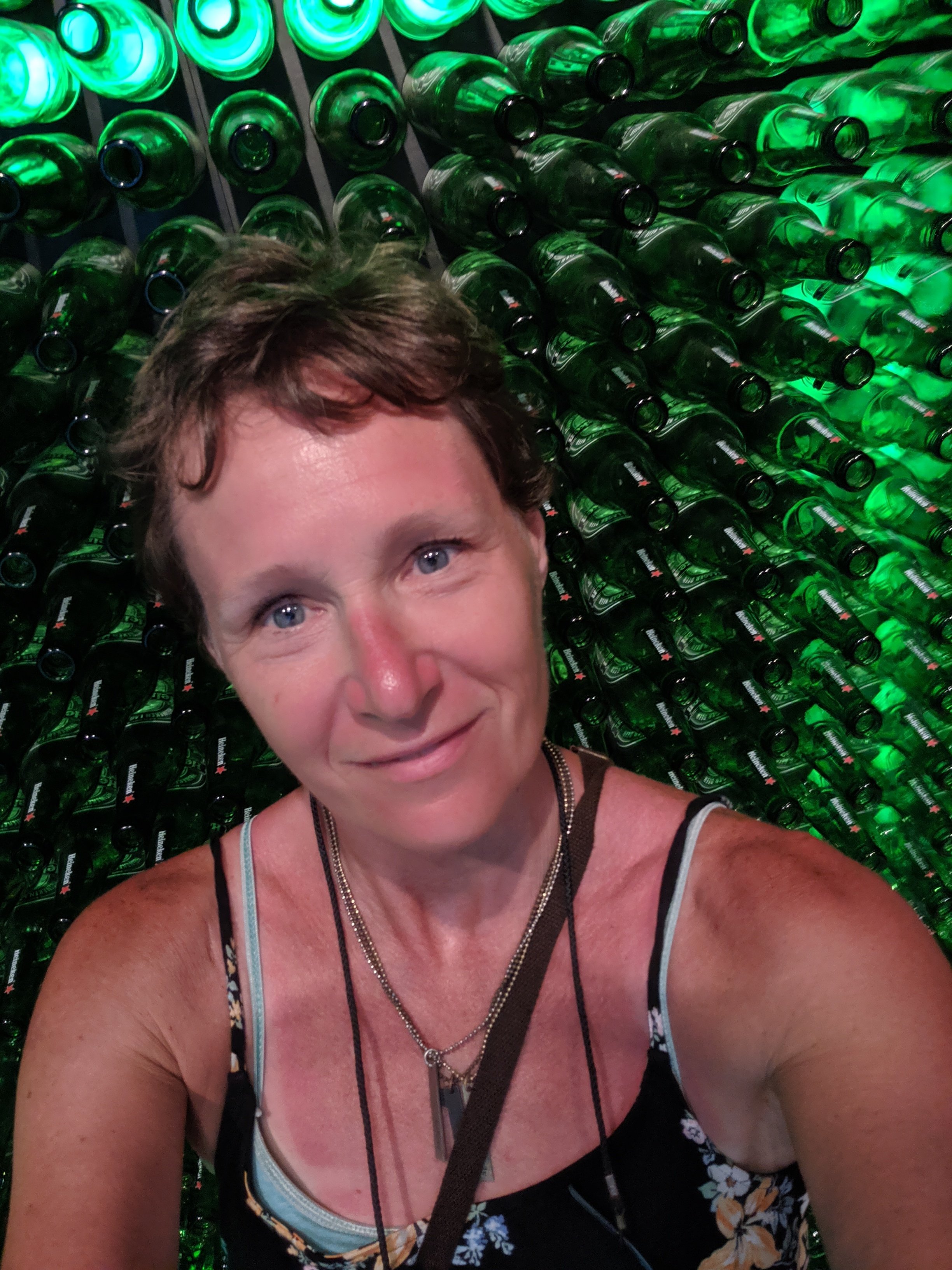
 They had fun activities along the way learning how the beer is brewed and bottled, and fun and games at the end. We toasted “Proost” with freshly brewed beer and at the end were allowed to have to more glasses of beer. You can also bottle your own beer and have it ready for you at the end.
 On the way back to the hotel I snapped a few more pictures. A shot of houses along the canal (this would be their back door).
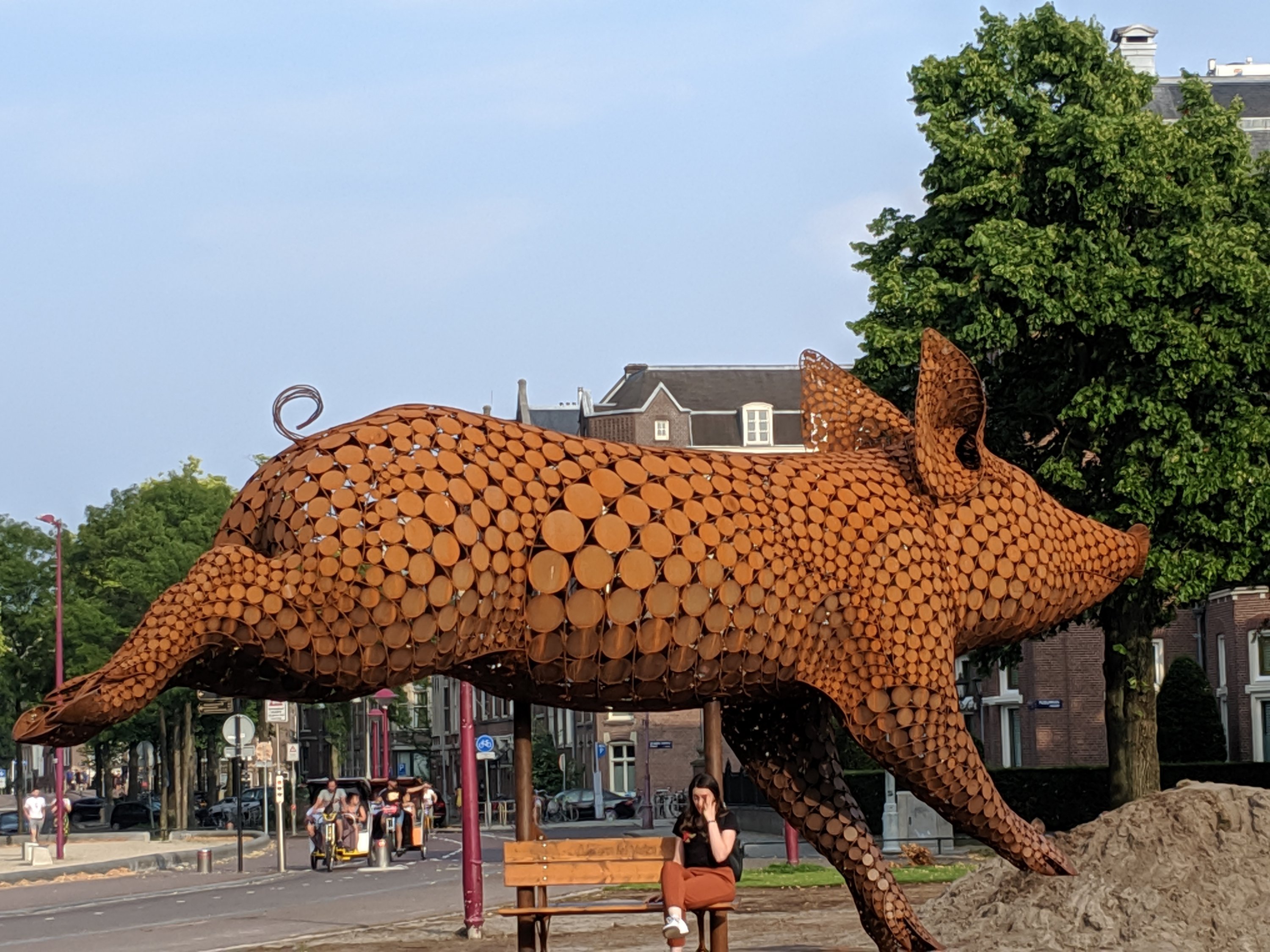
 This pic is in the museumplein.
 I never noticed the top of this building as a great hangout for people.
 Tomorrow we are off to Brussels, Belgium. But before we go, another Dutch pancake at Pancakes Amsterdam.