Tarragona

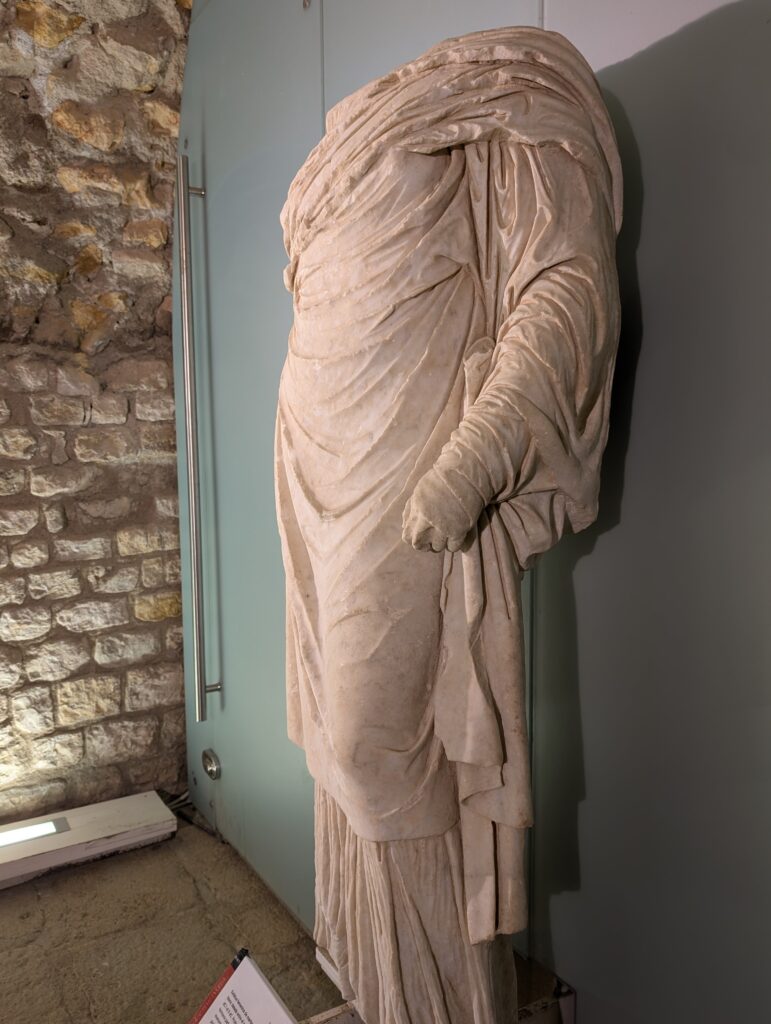
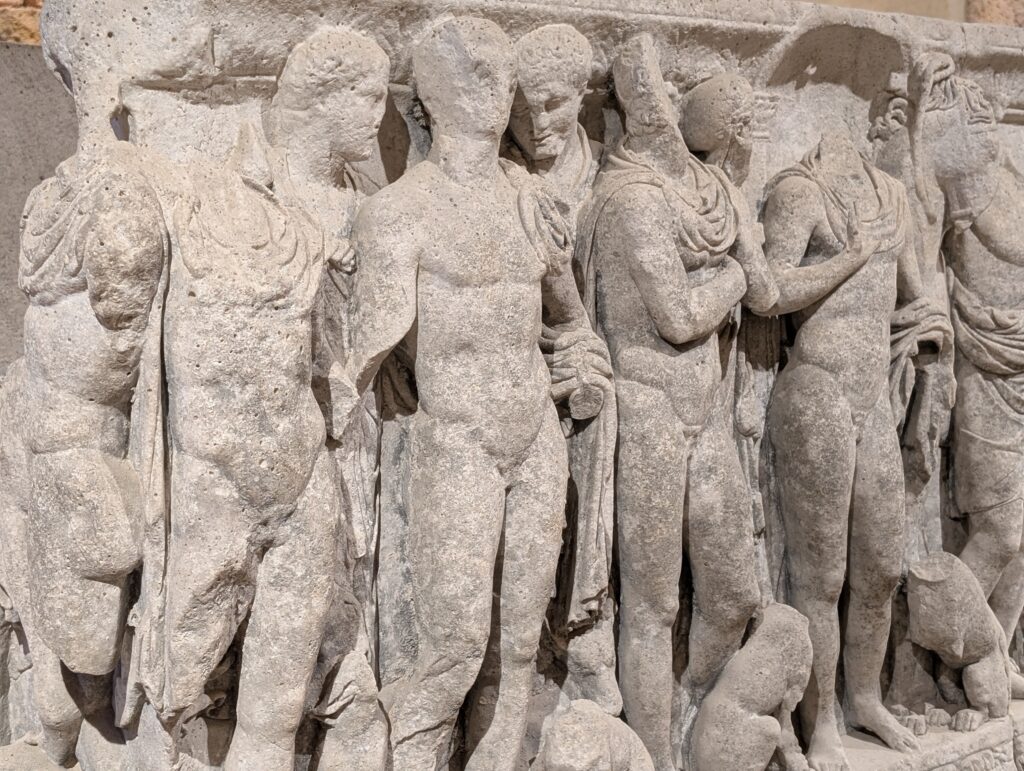
Around 218 BCE the Romans established a military base called Tarraco.It became a key Roman city, eventually the capital of the largest provinces in the Roman Empire. Emperor Augustus even stayed in Tarraco, and the city became a political, economic, and cultural hub.Many Roman remains still stand, including an amphitheatre, circus, aqueduct, and walls and is an UNESCO World Heritage Site.

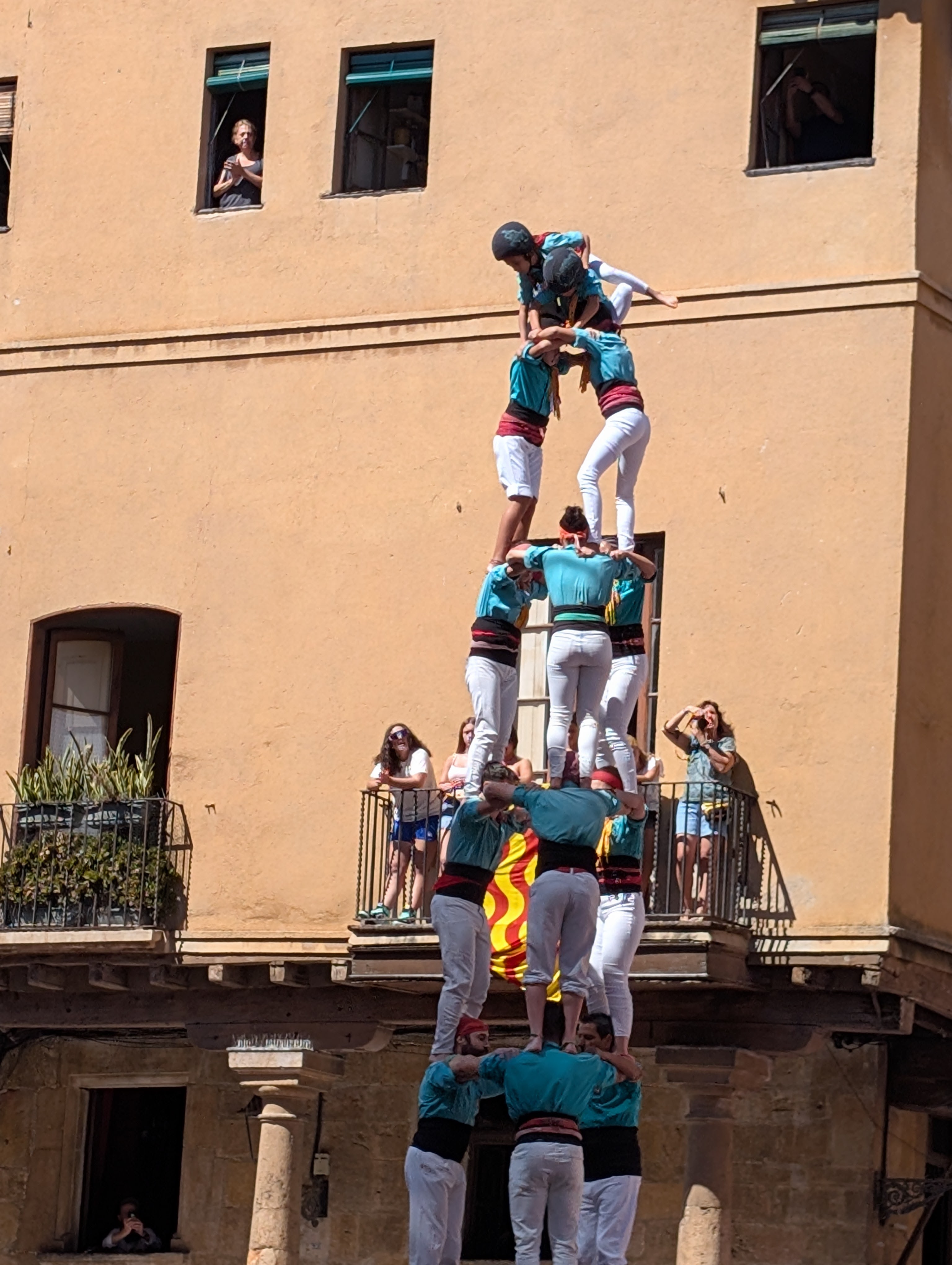
It was a great place to stay as it has beaches along the Mediterranean and Catalán culture including creating Castells or human towers. I was lucky to be here on one of their holidays to see them. The top is higher than the second floor.
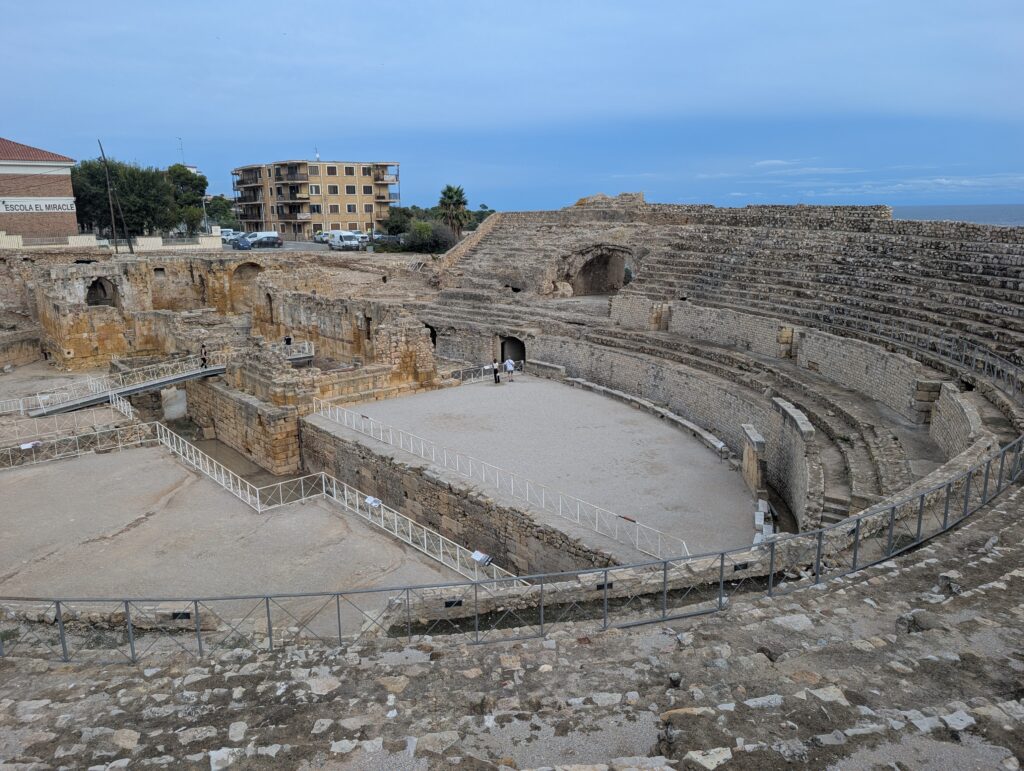
The amphitheater was used for sport (humans against lions)… You can see the seats arranged around. Holes can be seen in the rock where netting was applied to stop the lions from getting in the stands.
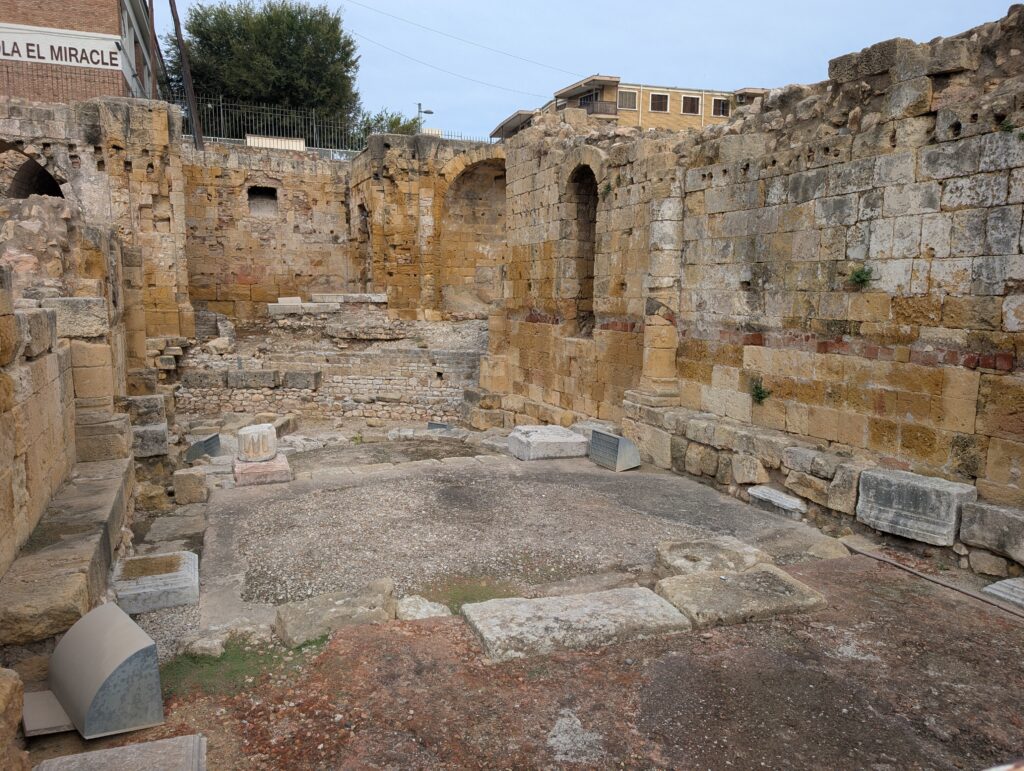
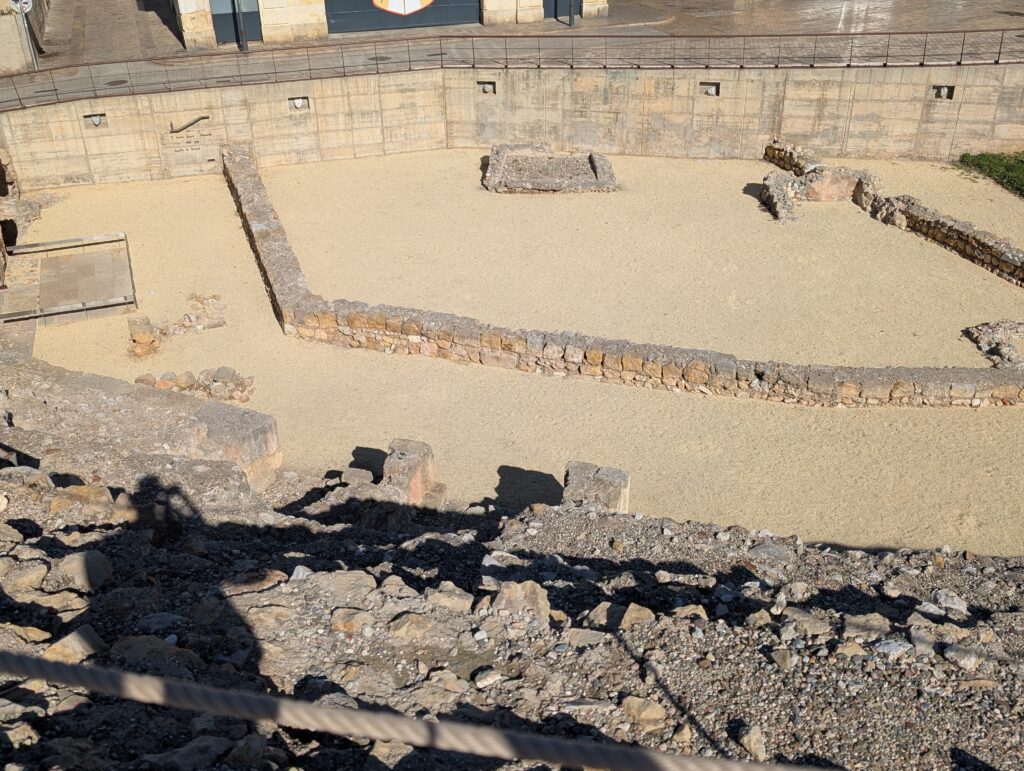
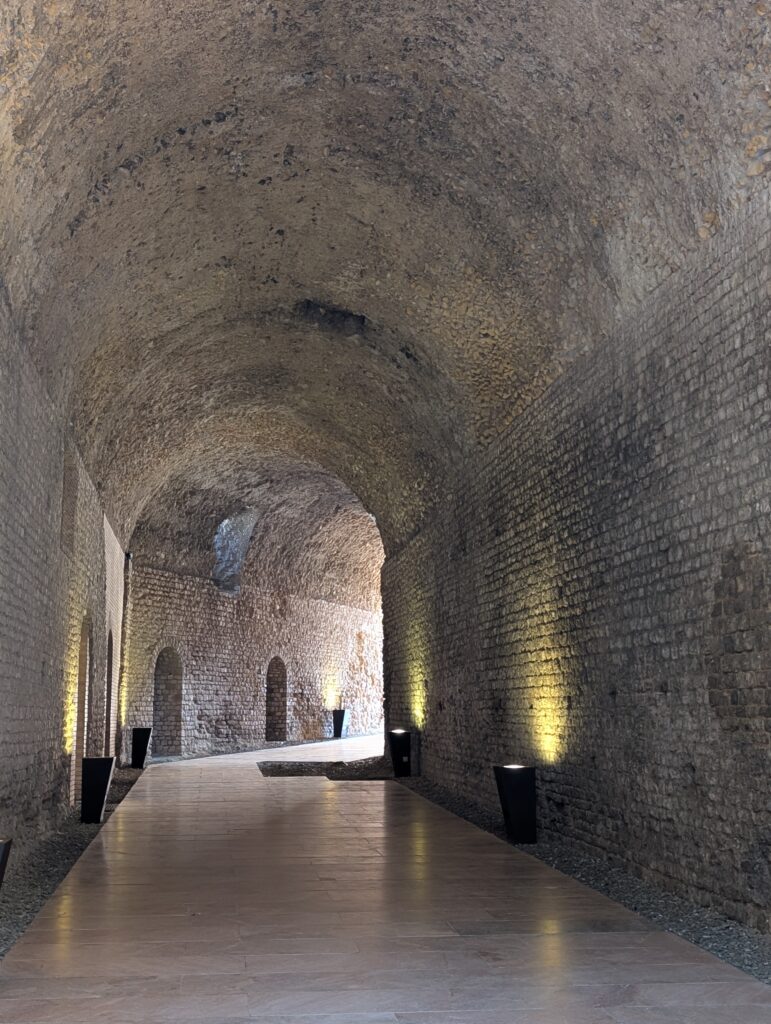
Roman circo. This was for chariot races and the vaults/tunnels underneath for bringing the chariots in was well preserved.
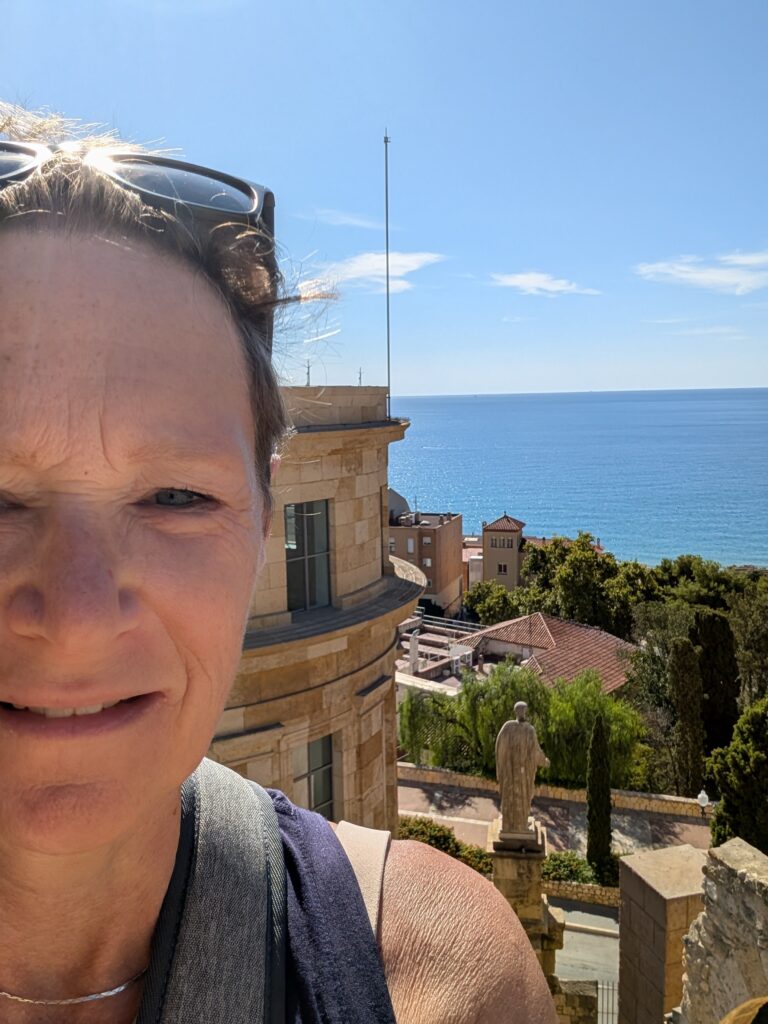
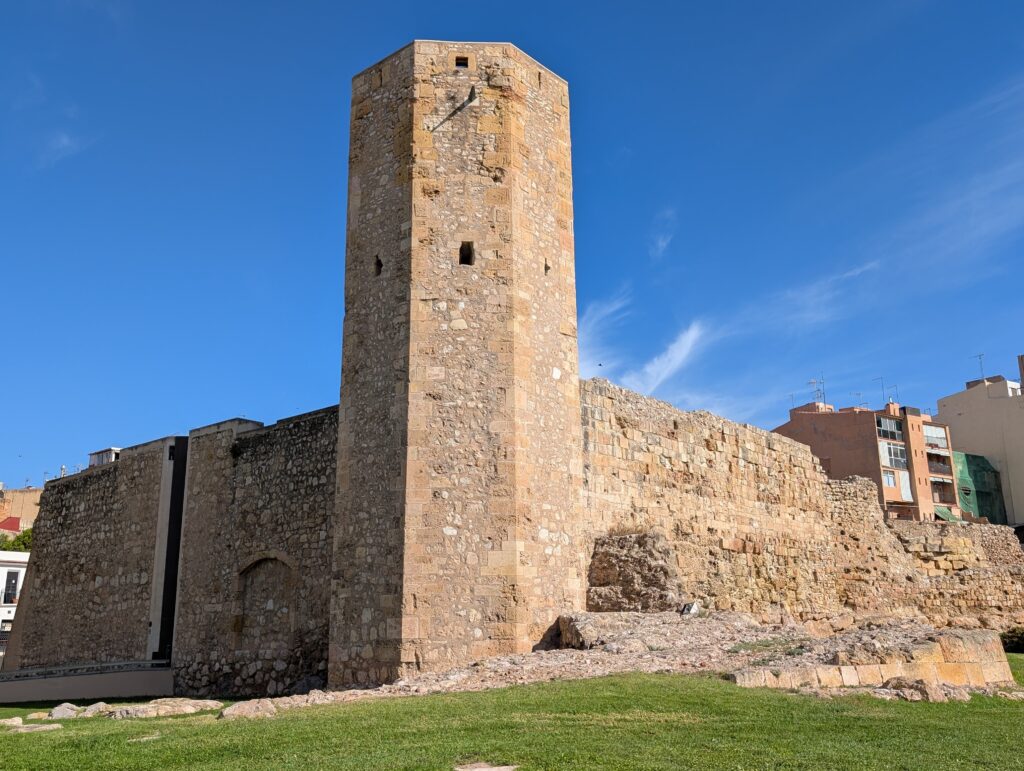
The tower was used for defense and also for political prisoners by the Romans, the French, and by Franco during the civil war, among others. This picture was taken at the top of the tower.
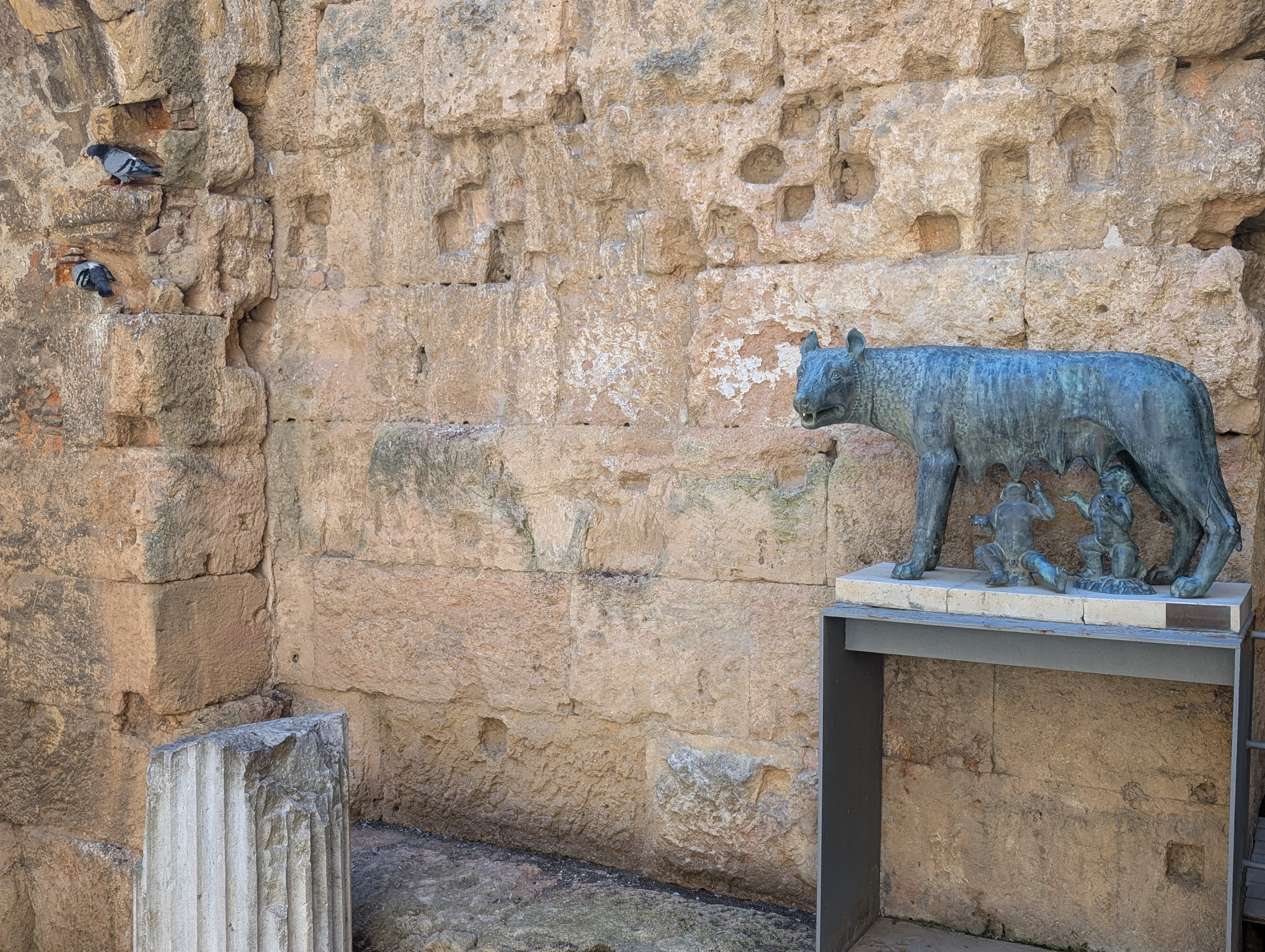
In walking around I saw this statue of Romulus and Remus.
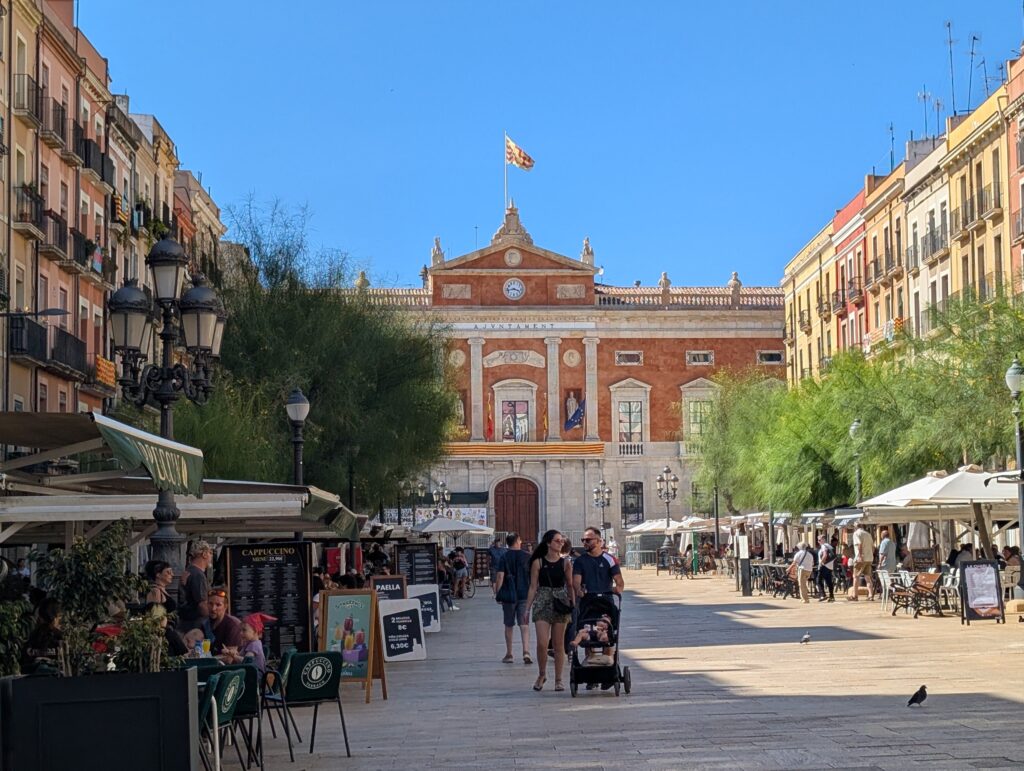
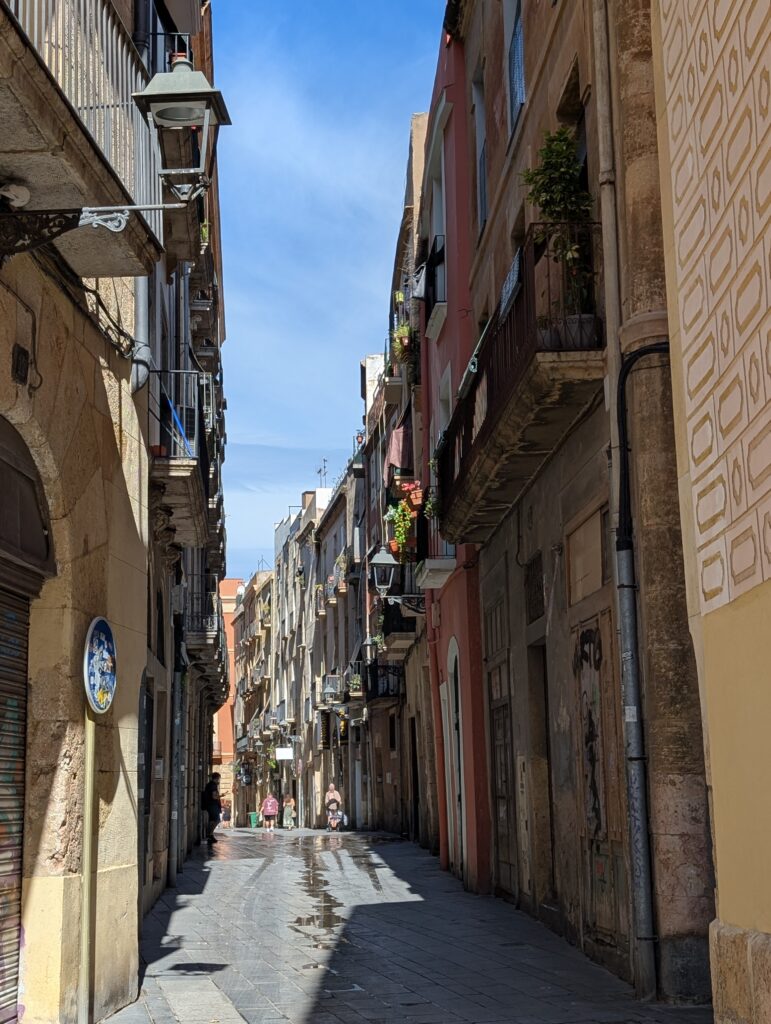
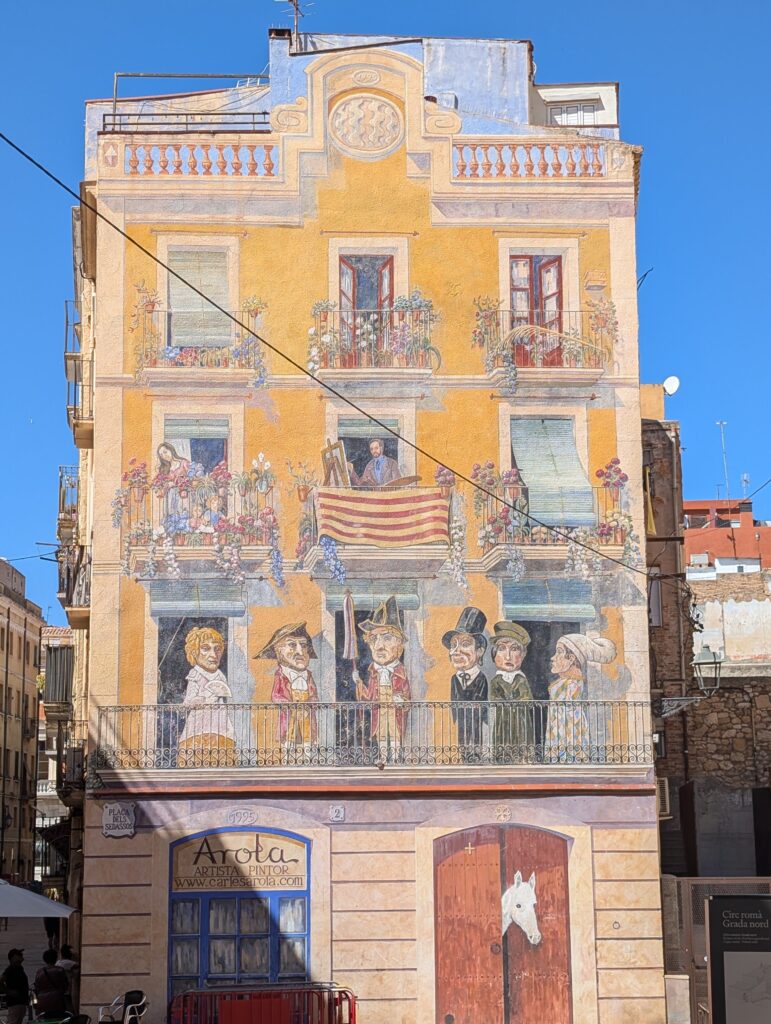
Views of Tarragona while walking around the old city.
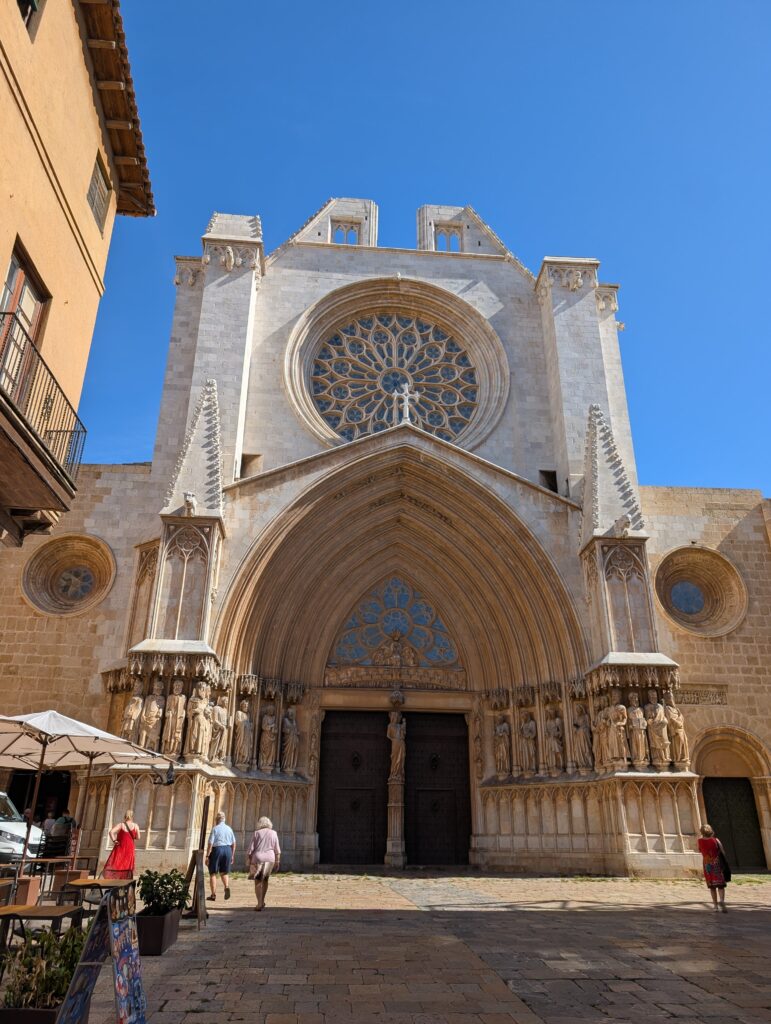
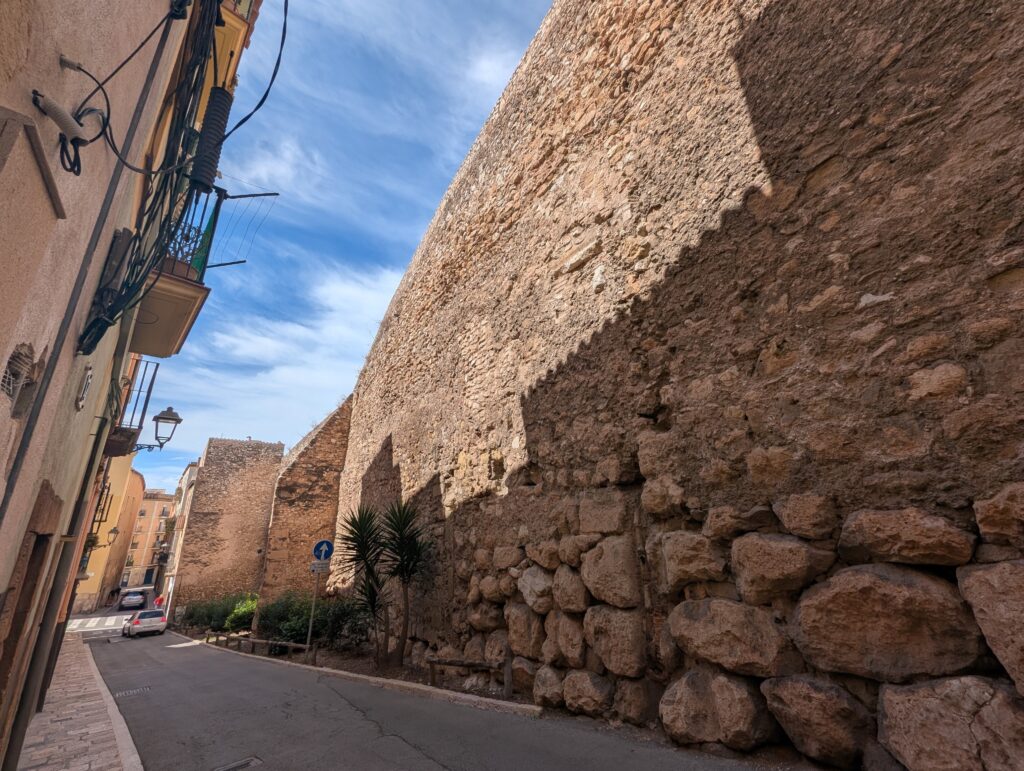
Above is the Cathedral and below is remains of the Roman city wall which is extensive in the city.
Tarragona is definitely a place to go and more laid back than some other cities. The Mediterranean was great for swimming and looking at all the little fish swimming by.
Andorra La Vella

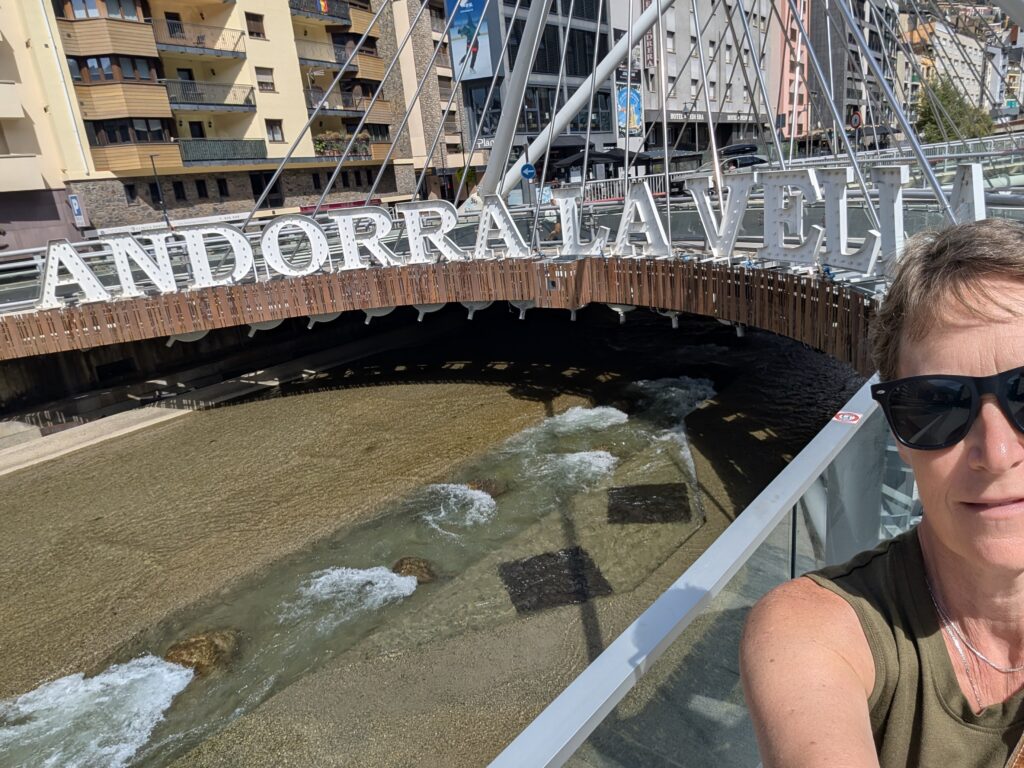
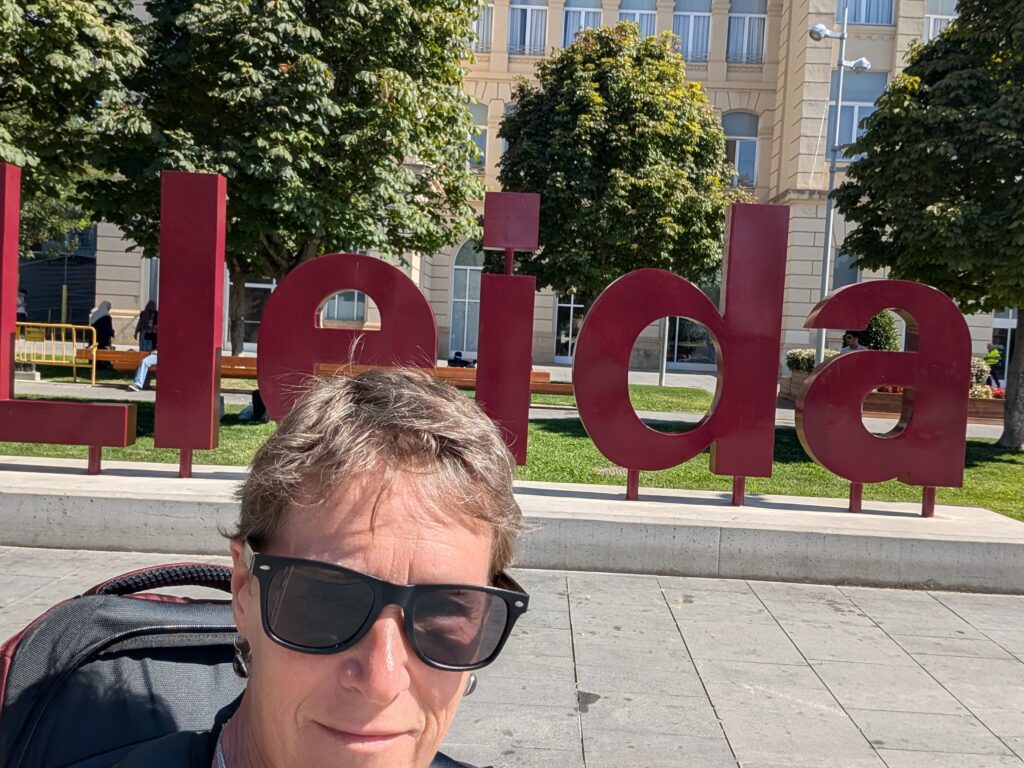
To get to Andorra, I took a train from Pamplona to Lleida and then a bus to Andorra. This is me carrying my backpack from the train to the bus station. It was a bit hot that day.
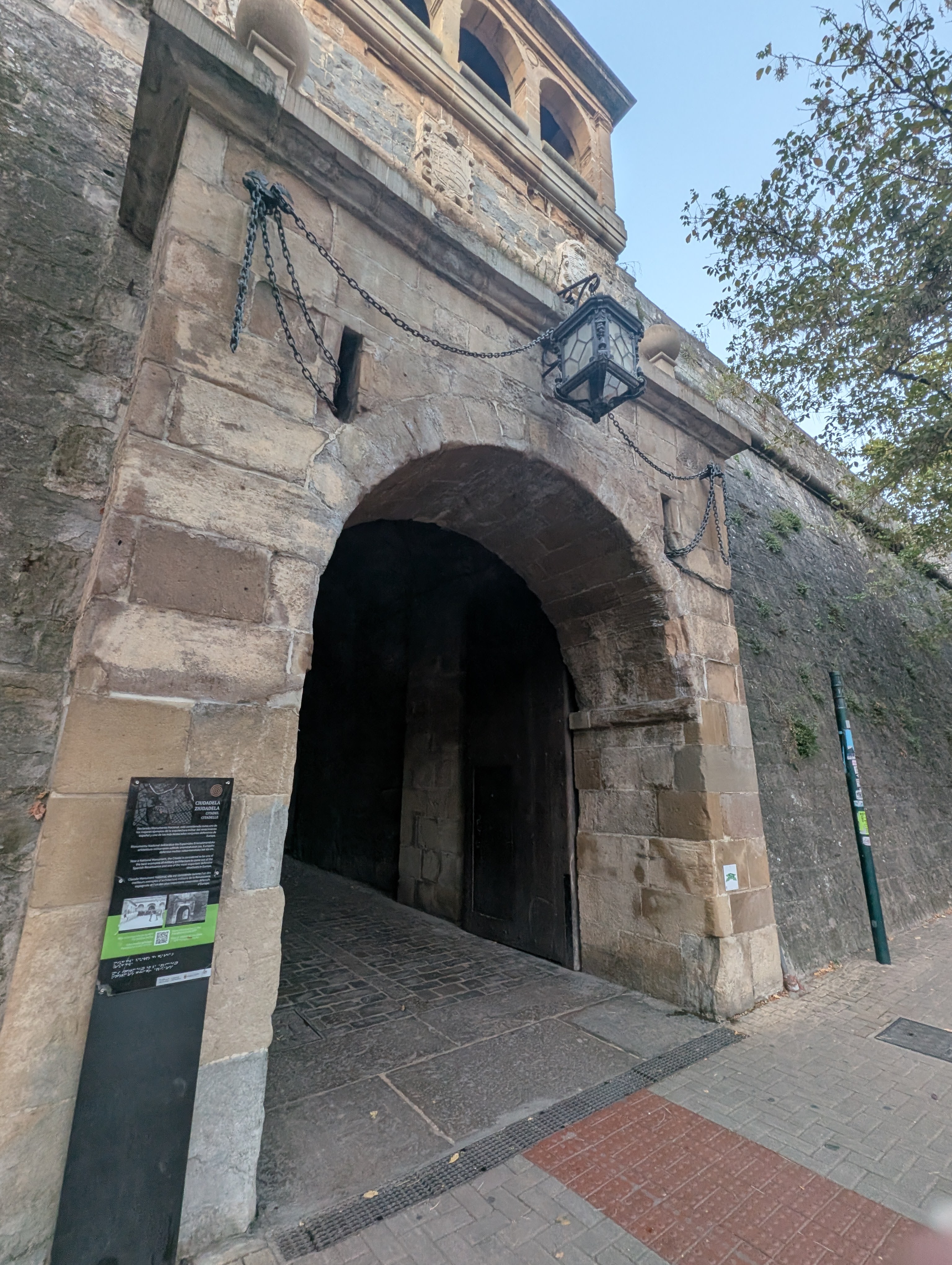
Andorra la Vella is the capital of Andorra. It’s history dates back over a thousand years beginning in the middle ages around the 9th century. Andorra la Vella means “Andorra the Old” in Catalan. It was traditionally under joint sovereignty of the Count of Foix (France) and the Bishop of Urgell (Spain). Andorra remained neutral and luckily isolated through much of European history, avoiding many of the wars on the continent. Maybe being surrounded by the Pyrenees helped?
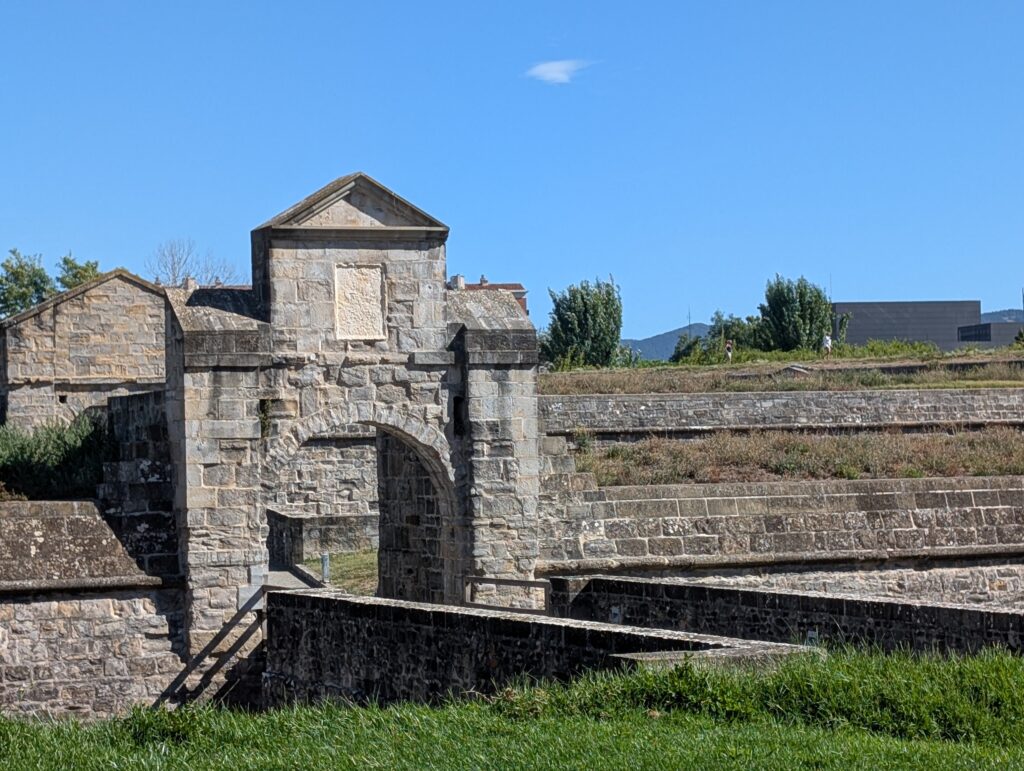
The 1993 Andorran Constitution established the country as a parliamentary democracy, while maintaining its co-princes (the French President and the Bishop of Urgell).Now it is a tourist destination, especially known for duty-free shopping, skiing, and natural beauty. There are so many high end shops here. I might be one of the few who really is not even drawn to browsing as I seriously hate shopping.It is the highest capital city in Europe, and sits at an elevation of 1,023 meters (3,356 feet). Much less than Quito, but this truly a beautiful place. It is like a tiny valley nestled in among the Pyrenees.

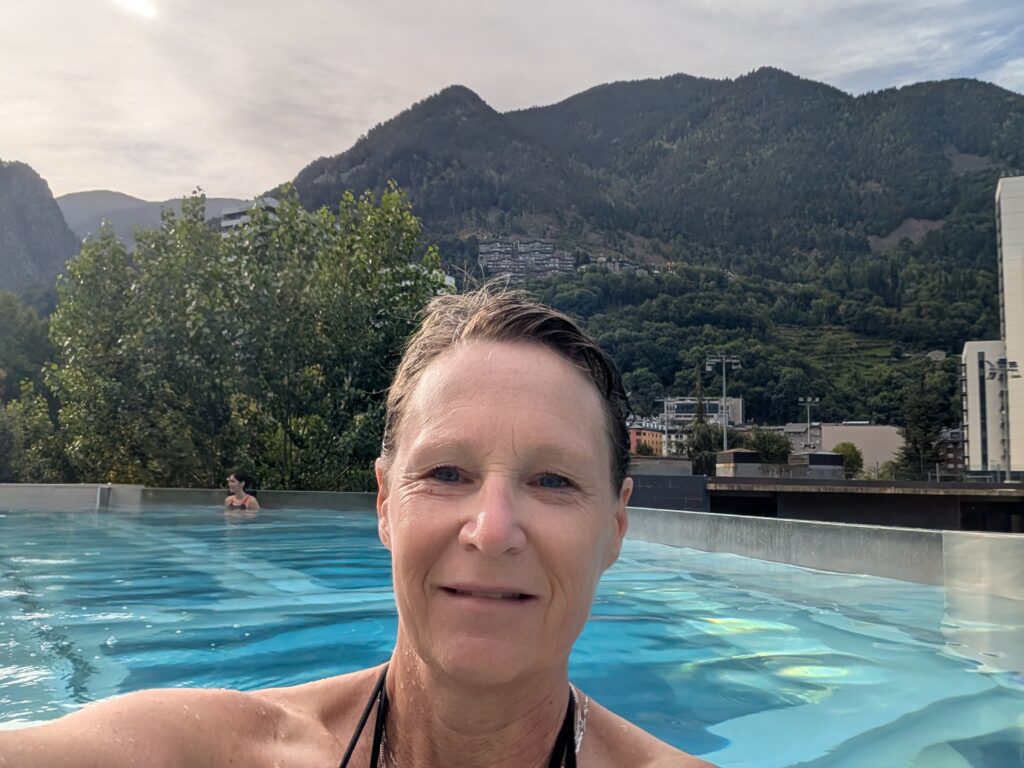
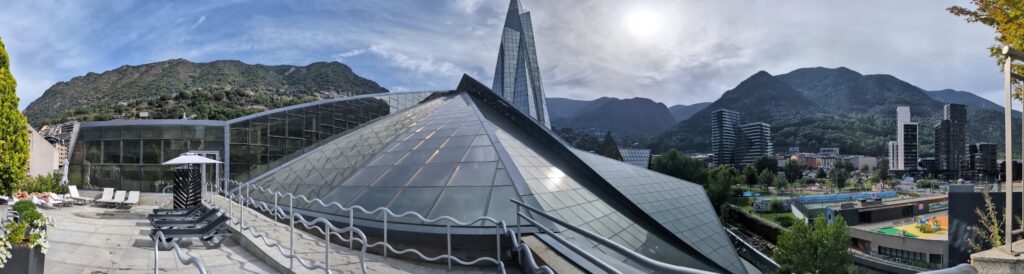
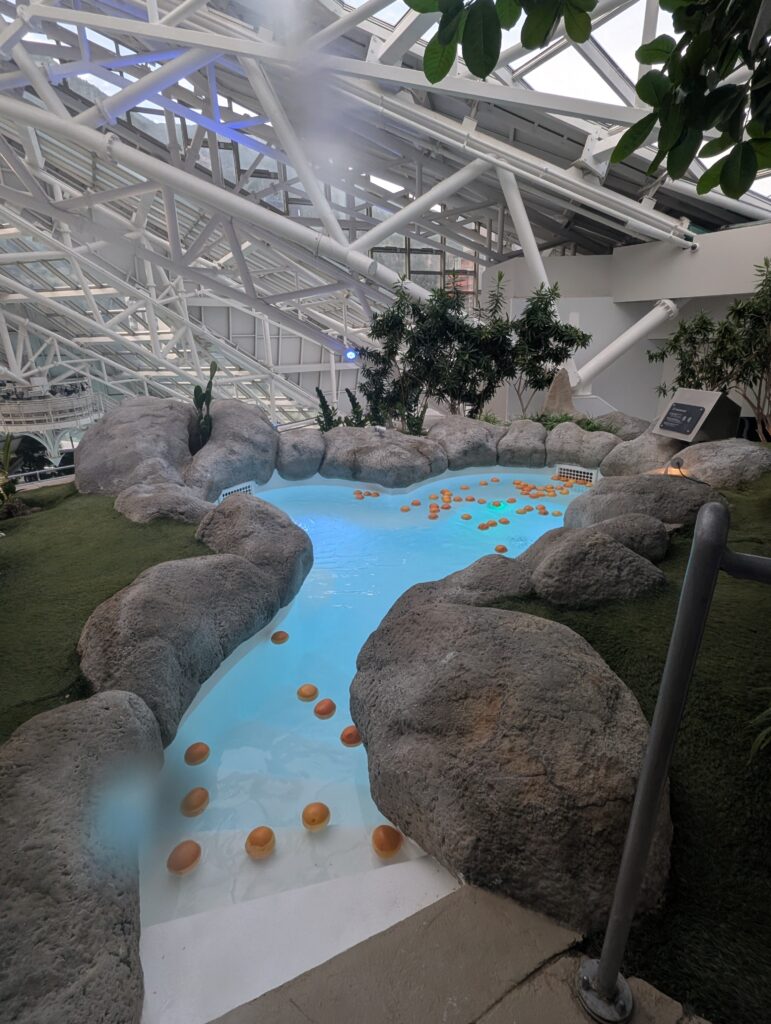
The one relaxing thing I did was to spend 3 hours in the spa. Caldea spa is impressive. The views from the external pools was amazing. My favorite pool is the one with the oranges. Just a bunch of oranges in warm water. The smell was heavenly. I also appreciated the hammam, which is a moist steam room. Really good for the breathing.

After lunch I walked to old town. It is a quaint little town with great views.

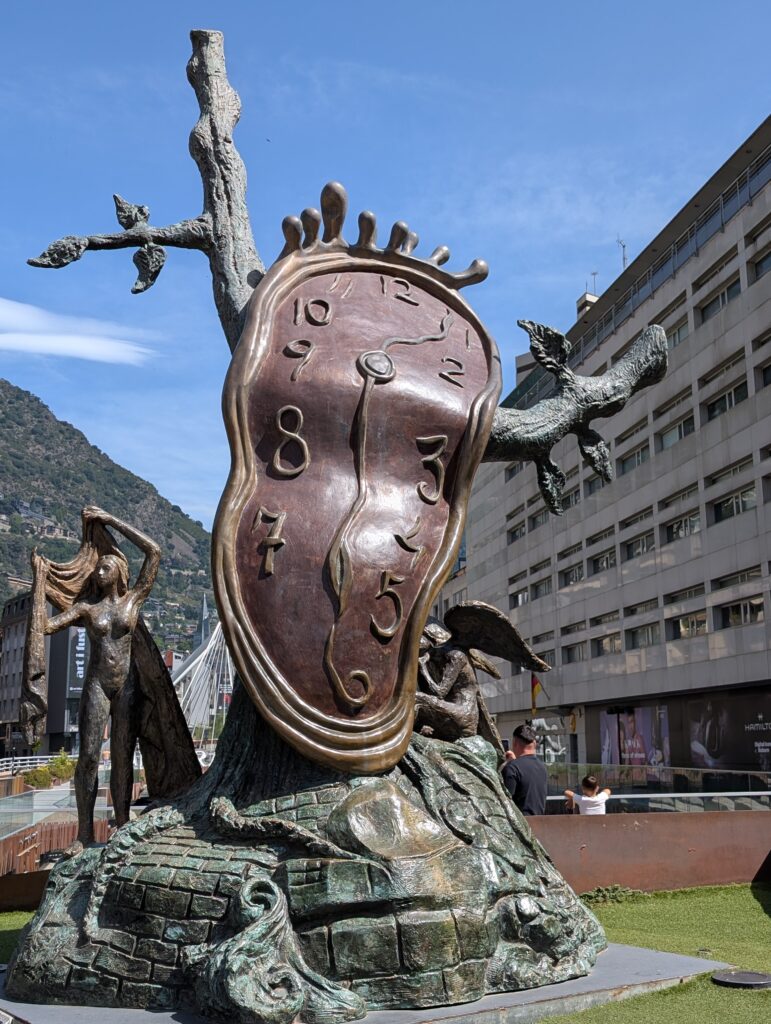
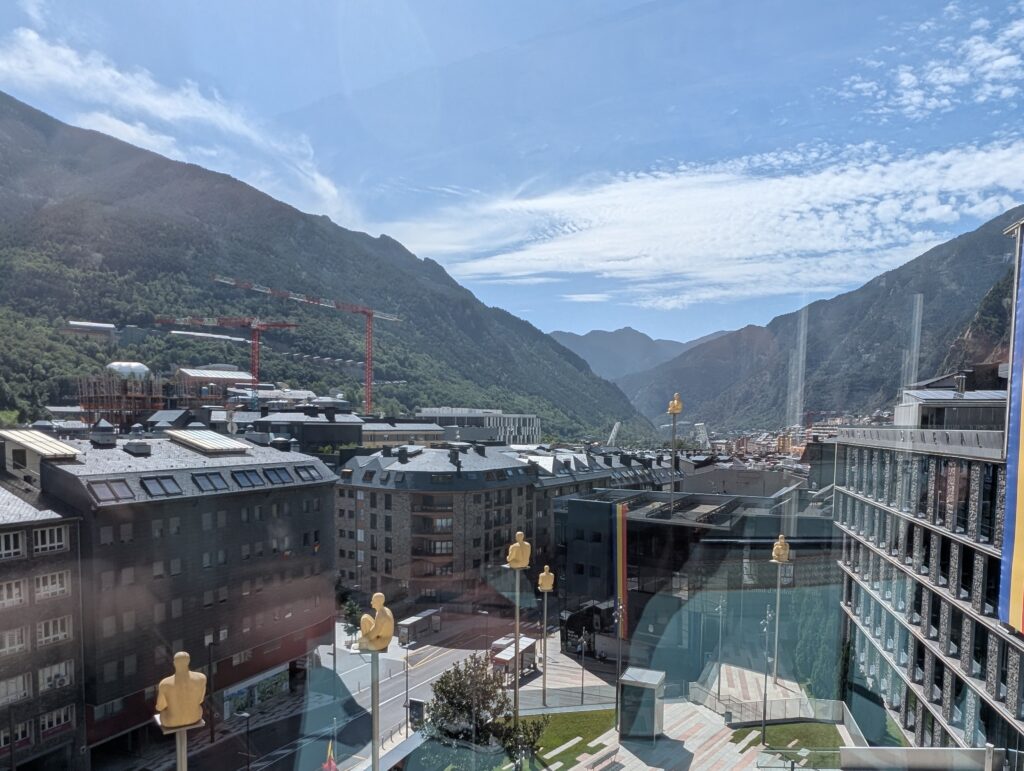
The Noblesse du Temps, a statue by Salvadore Dali .

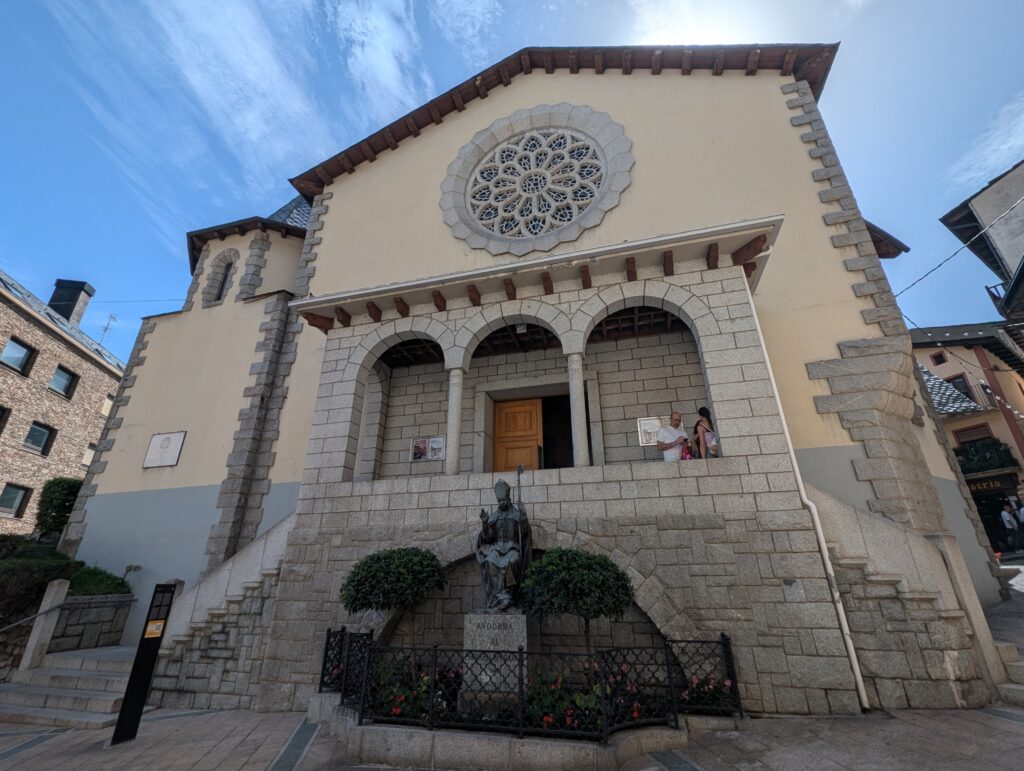
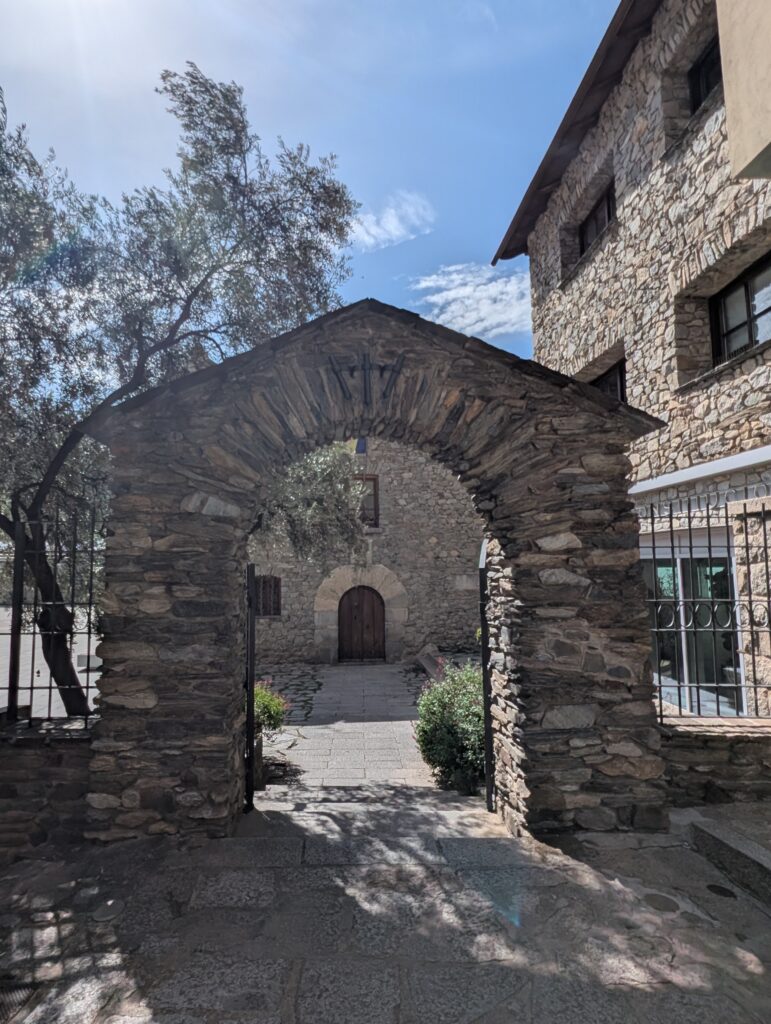
Saint Esteve d’Andorra church.

Casa de la Valle, the historic parliament house.

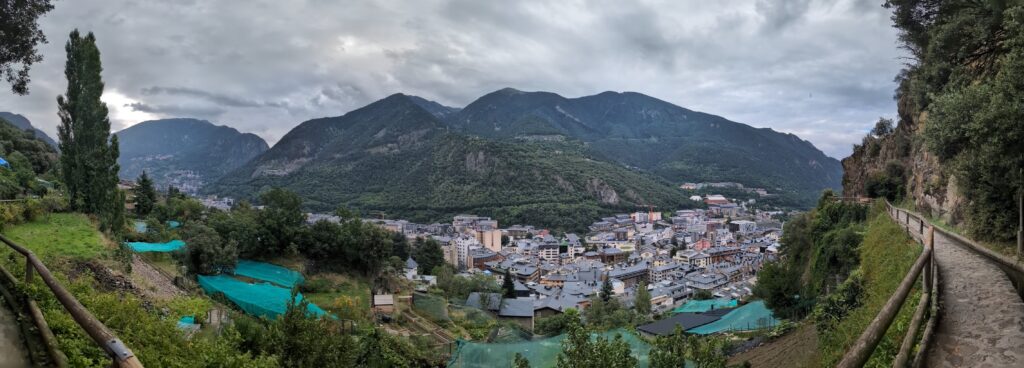
My last day I walked along the Rec del Solá trail. After a 600 m climb, the relatively flat trail followed along the mountain and an irrigation canal designed to control the flow of water and which was also used by farms just on the other side of the path. It is a great system and a beautiful walk!

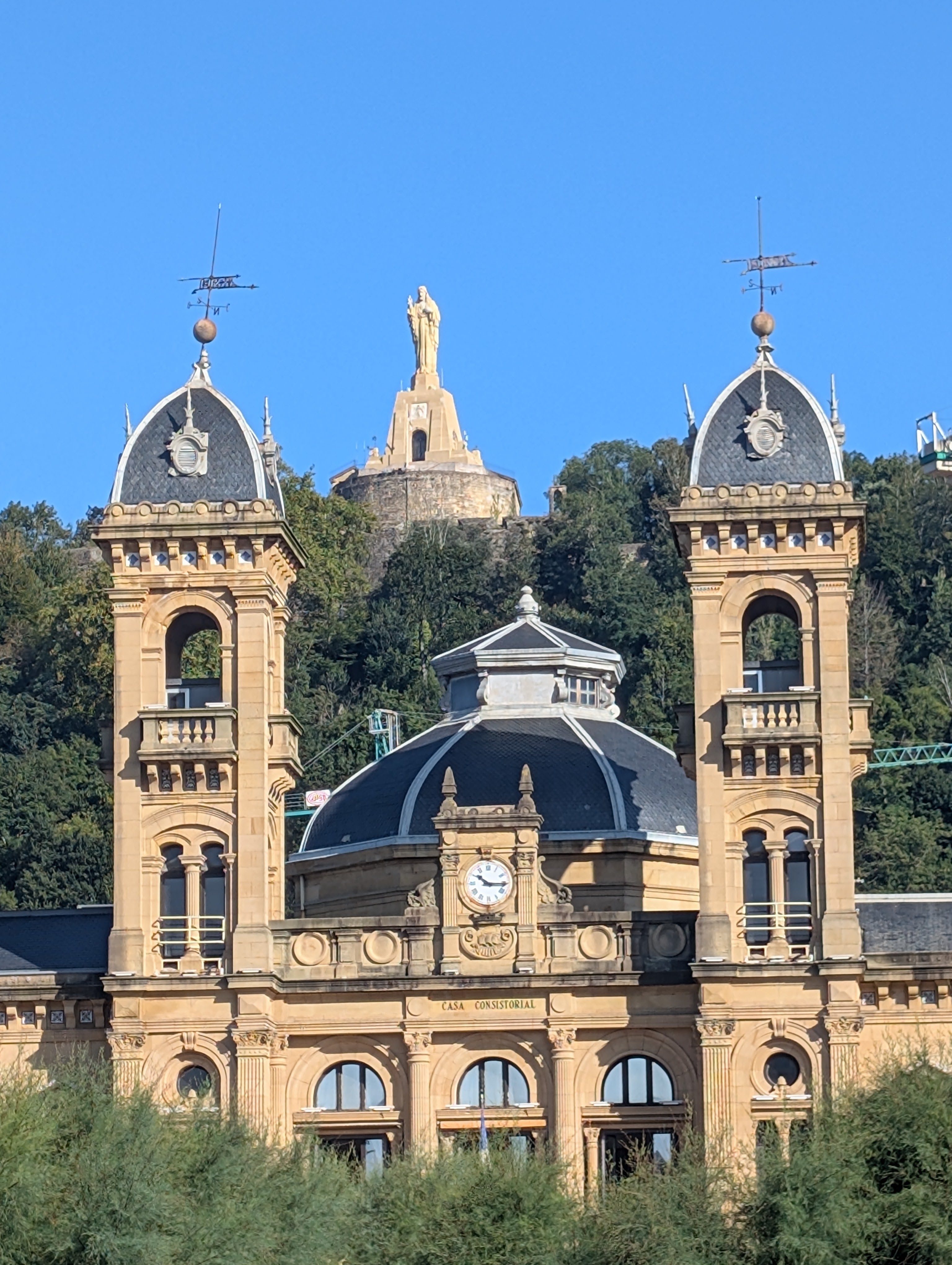
San Sebastian

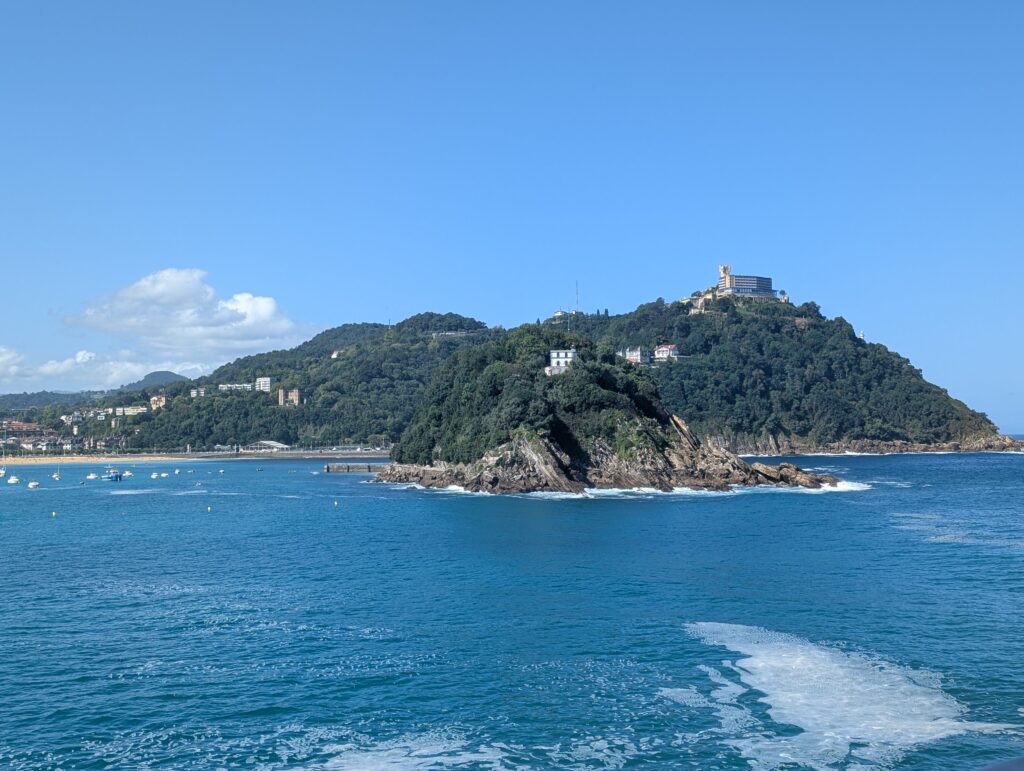
I took a bus to the city on the coast about 1.5 hours away. What a beautiful city and day!

It originated as a fishing port and became a military stronghold. It was the last of the Basque area to be freed from French rule.

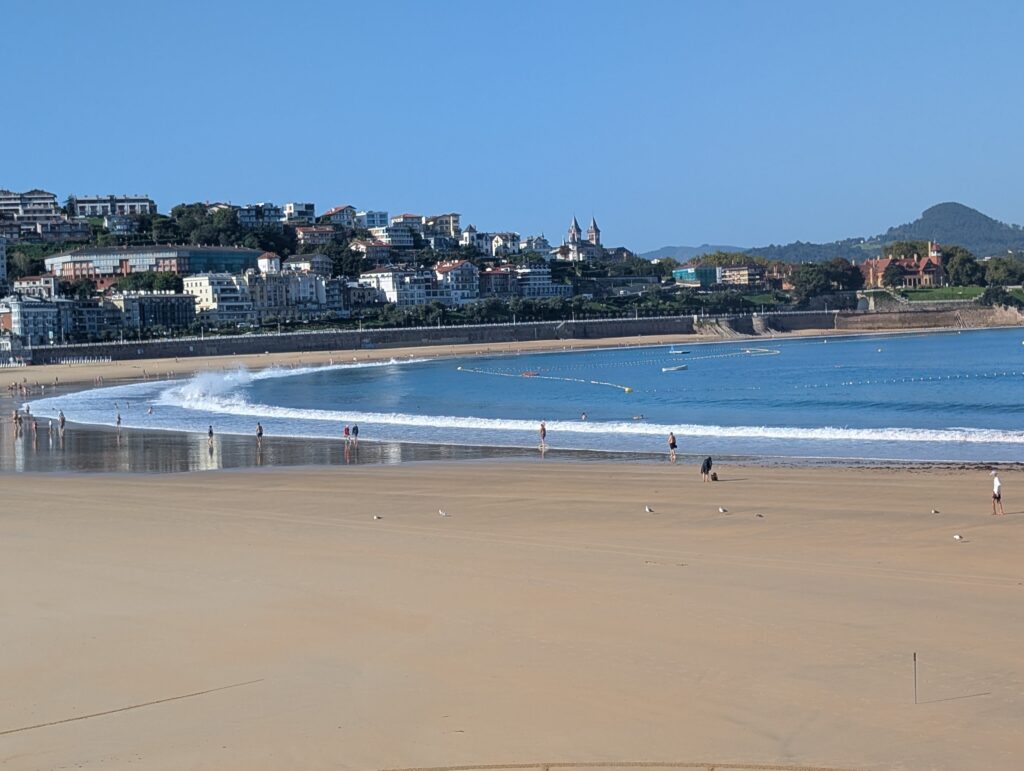
La Concha beach. Before I left I was able to sit in the water which was good as I walked a bit too much this day.

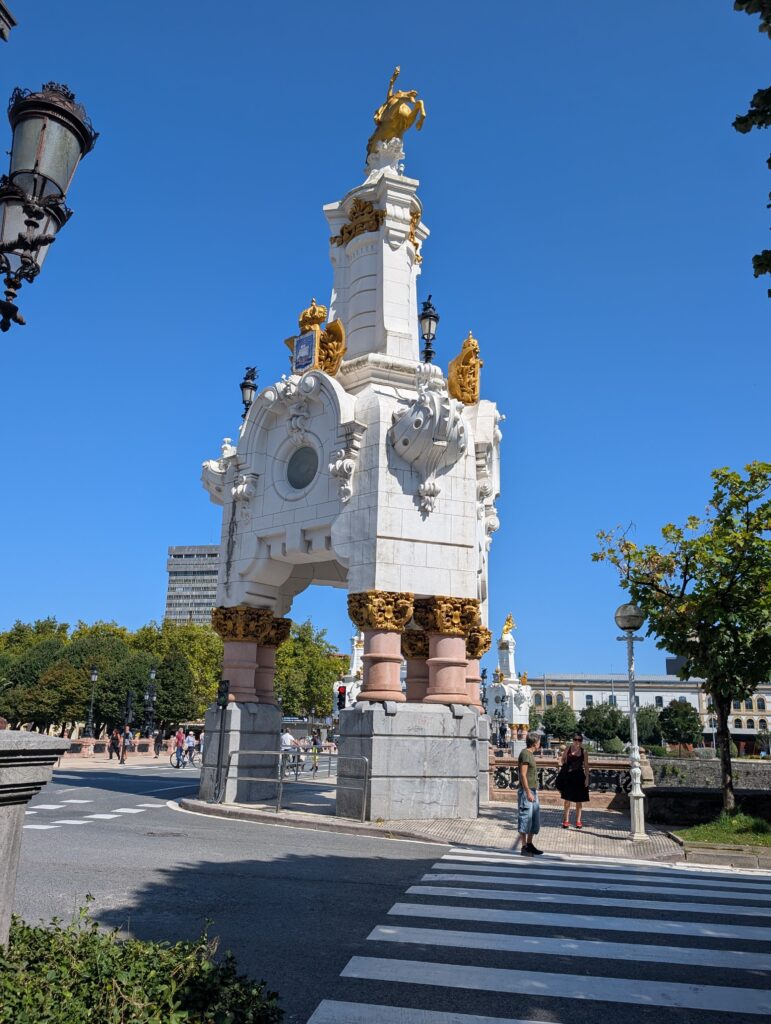
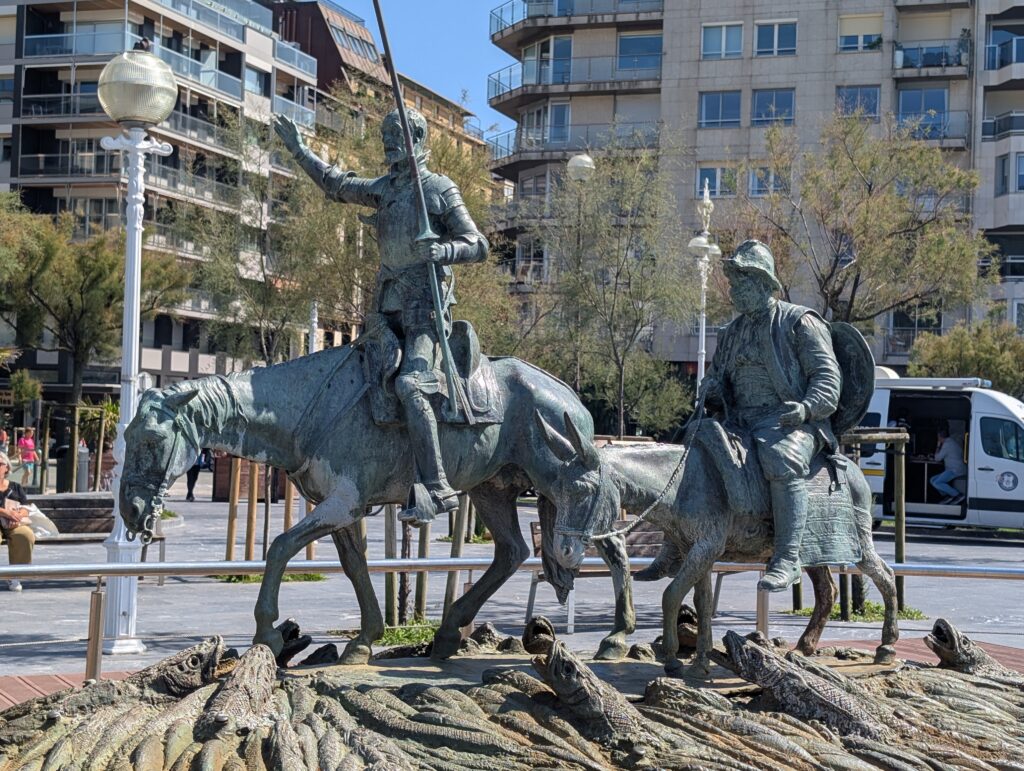
statue of Don Quixote and Cervantes.

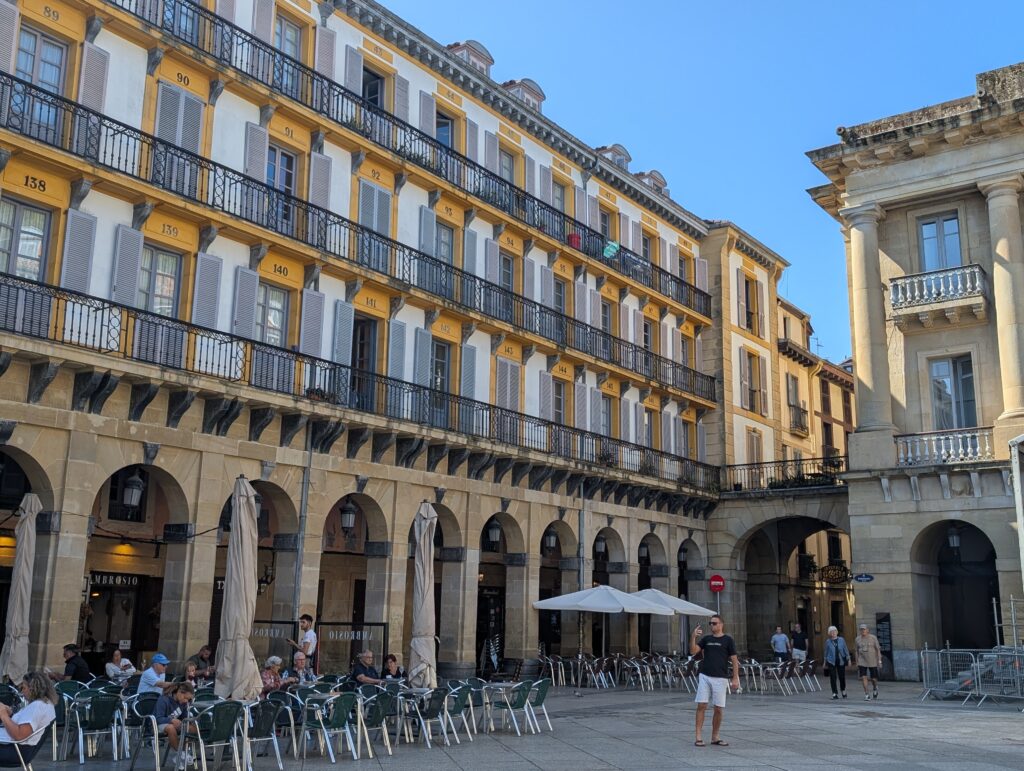
In the past, to rebuild the city after a devastating fire, they sold space in these apartments to watch events. Namely, bull fighting and executions by guillotine (when the French still ruled).

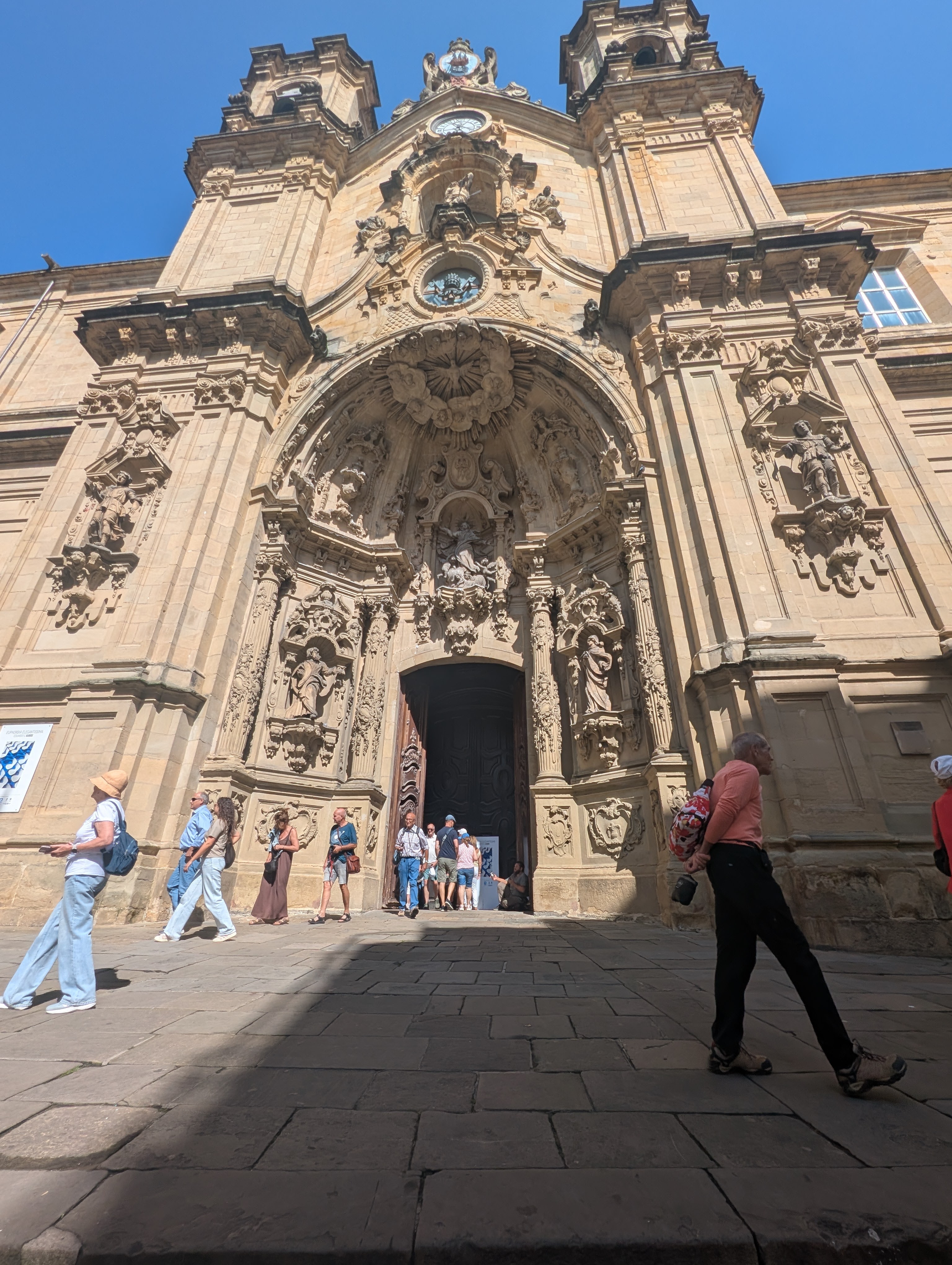
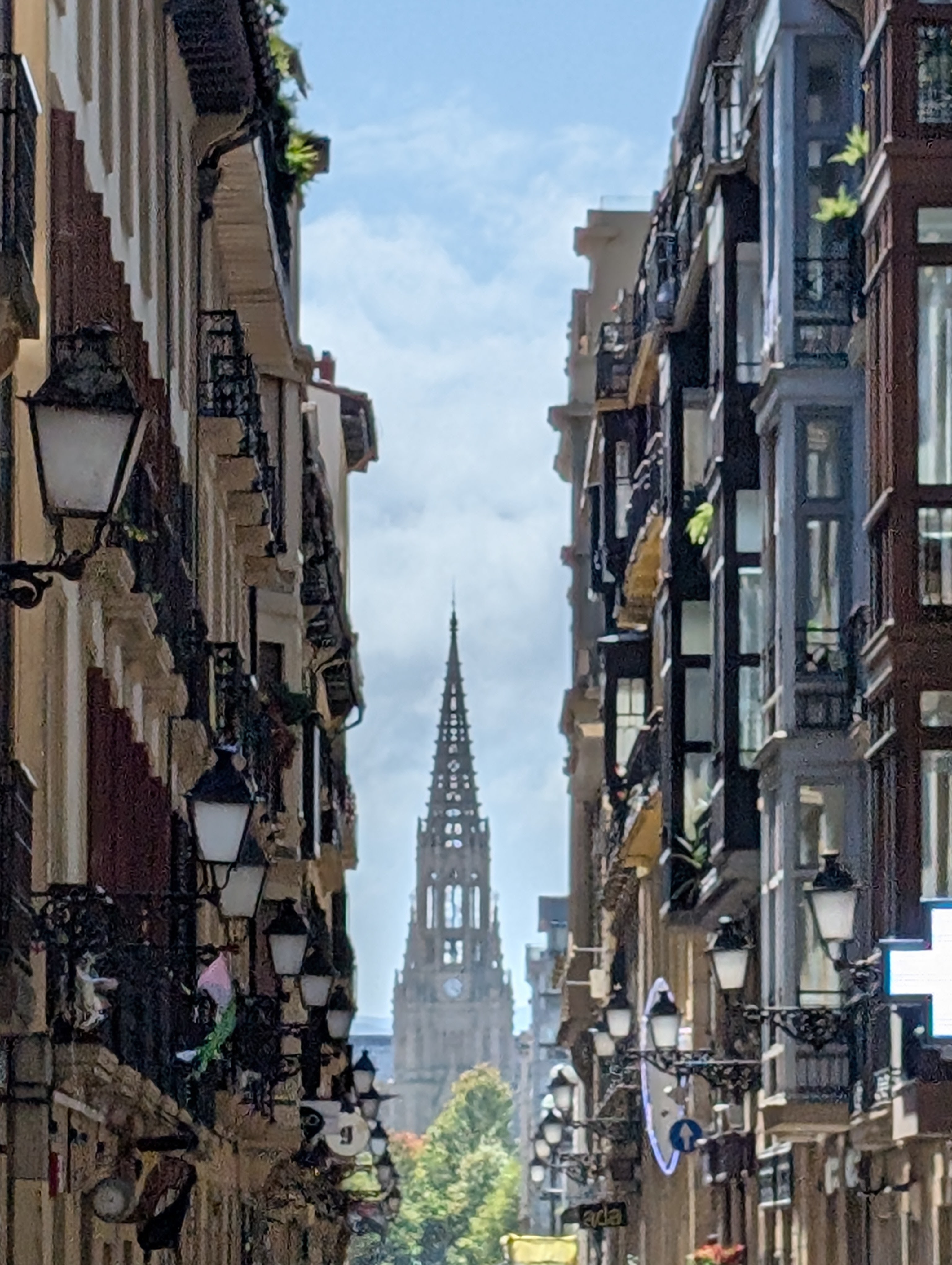
The walking tour through the old town was amazing! Great places to try Pintxos.

Pamplona walking tour

I saw a few more sights the next day on a walking tour.

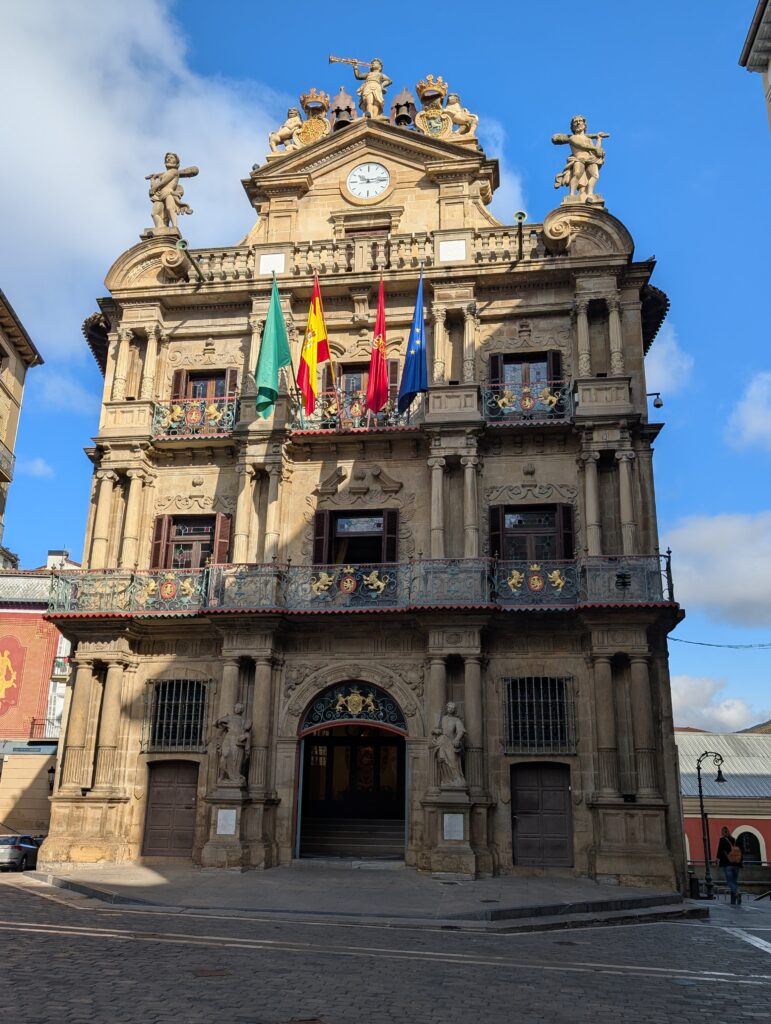
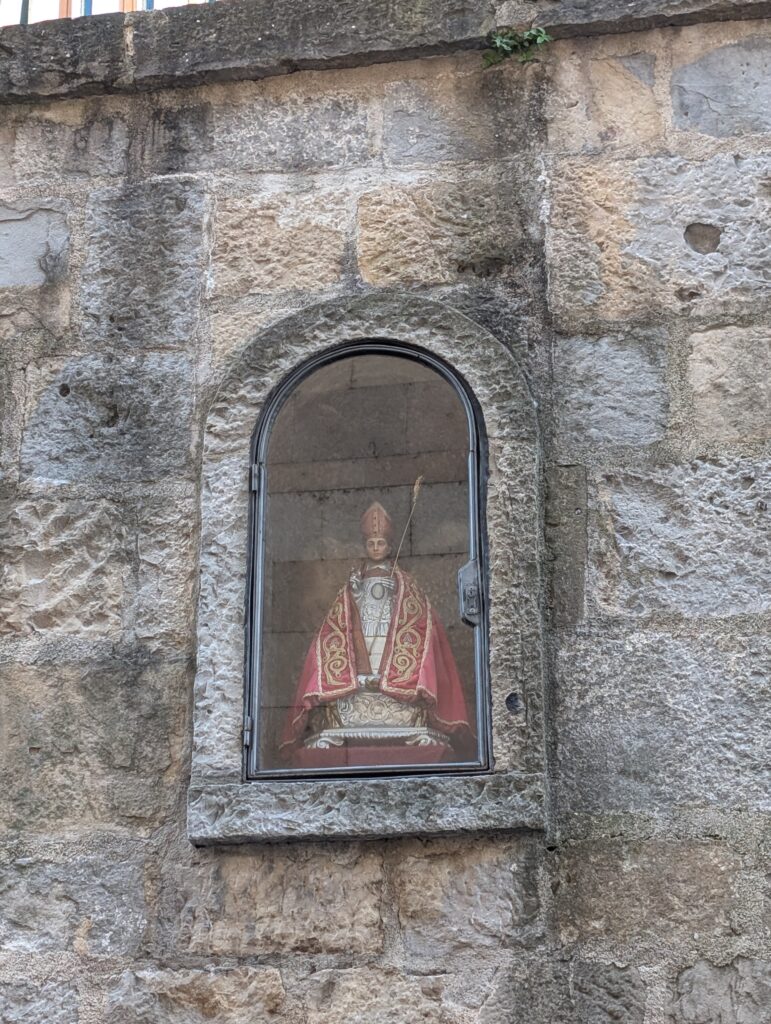
Above is the old city hall. In this square there are many festivities. Below is a statue of San Fermín. This is the actual street the running of the bulls occurs. It is a short section and the actual running of the bulls is for this small section wait is impossible to maintain the speed of the bulls (or rather, faster than the bulls!)

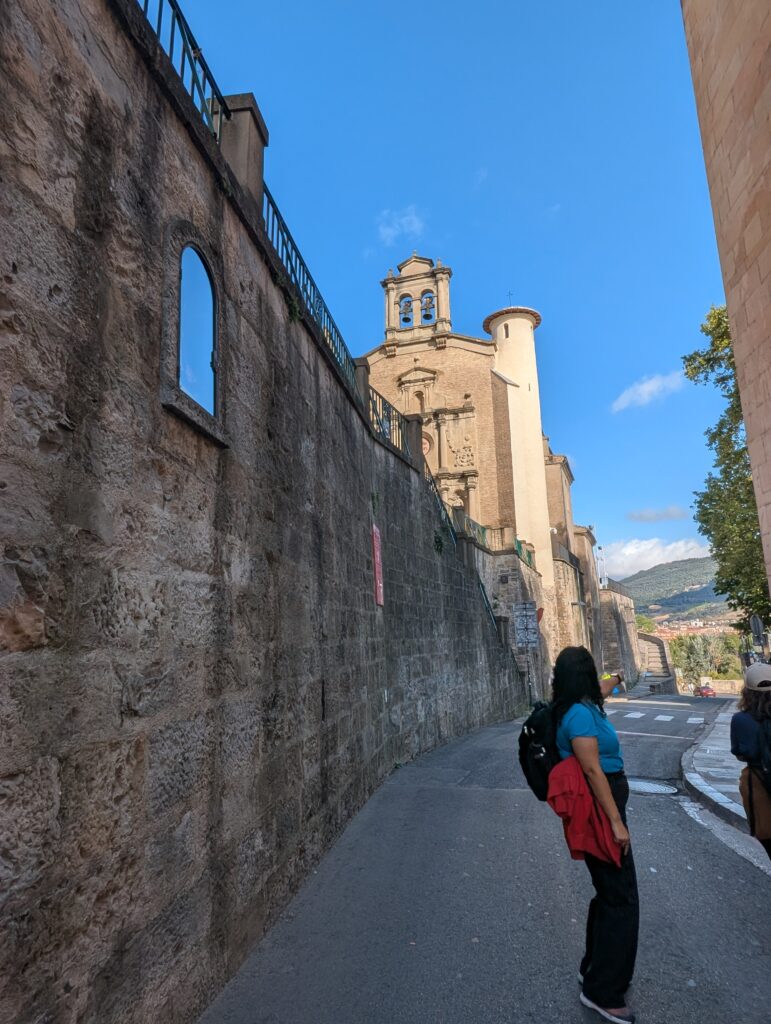
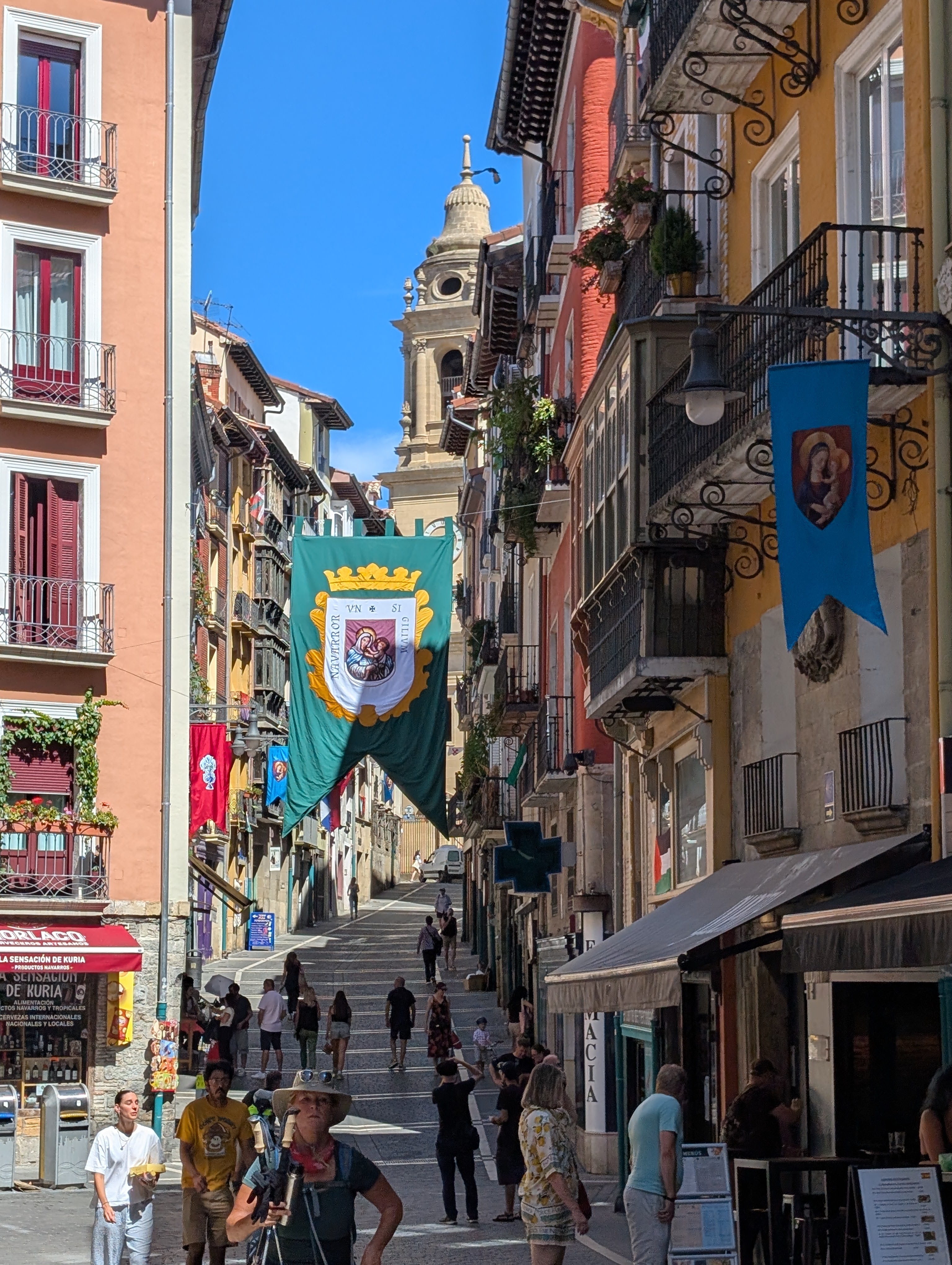
We walked around the old city and towards the gate leading in from the Camino de Santiago over the Pyrenees.

Pamplona

I finally made it to Pamplona, 3 flights and 14 hours of travel. With a 6 hour time difference, I was tired and my knee was really stiff. Luckily my room was ready early and I was able to stretch and take a nap. The rest of the day I walked to a beautiful Japanese garden and a supermarket. It was an early night.

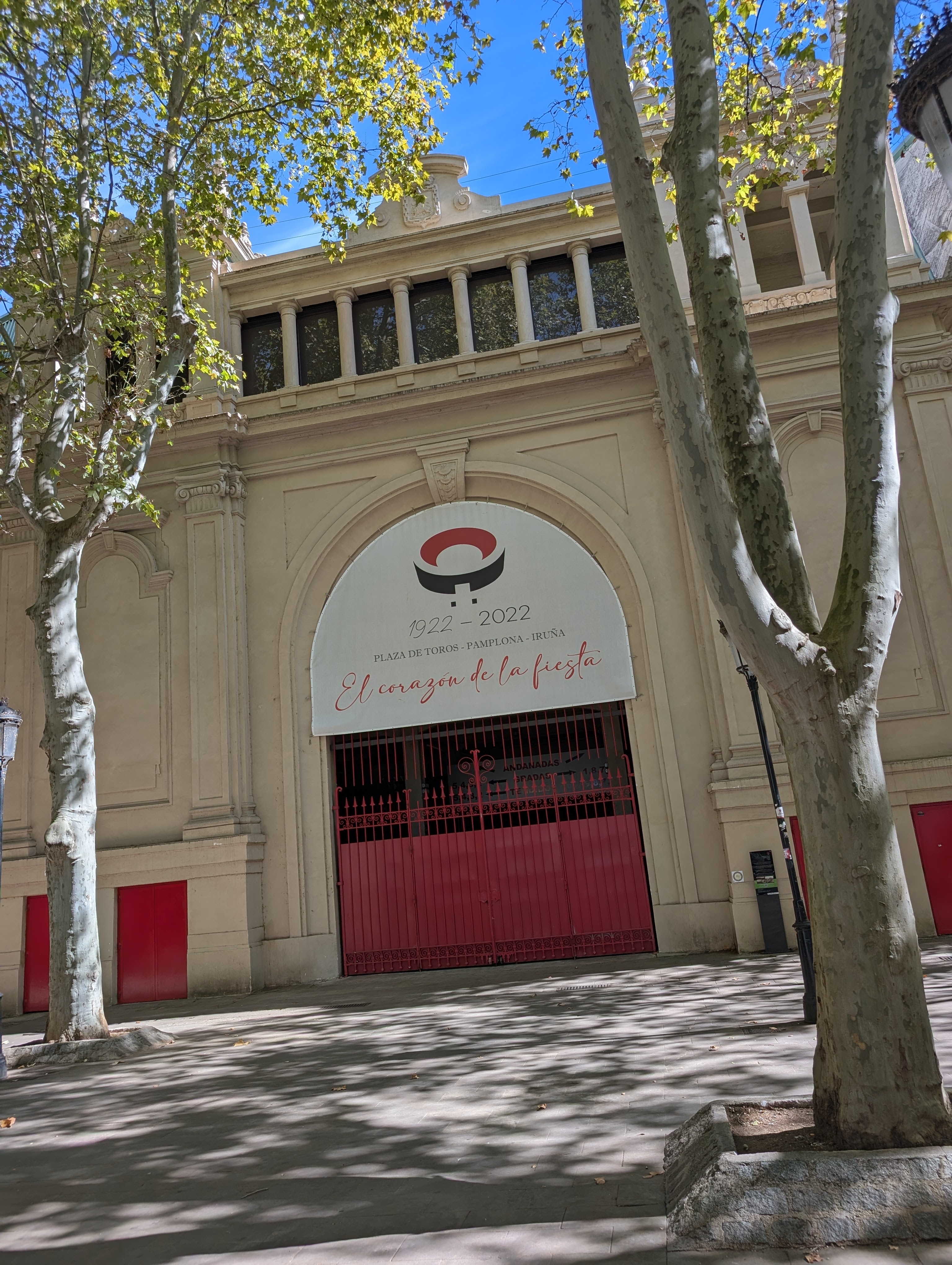
The next day I walked to the Plaza de Torres where bullfighting occurs.

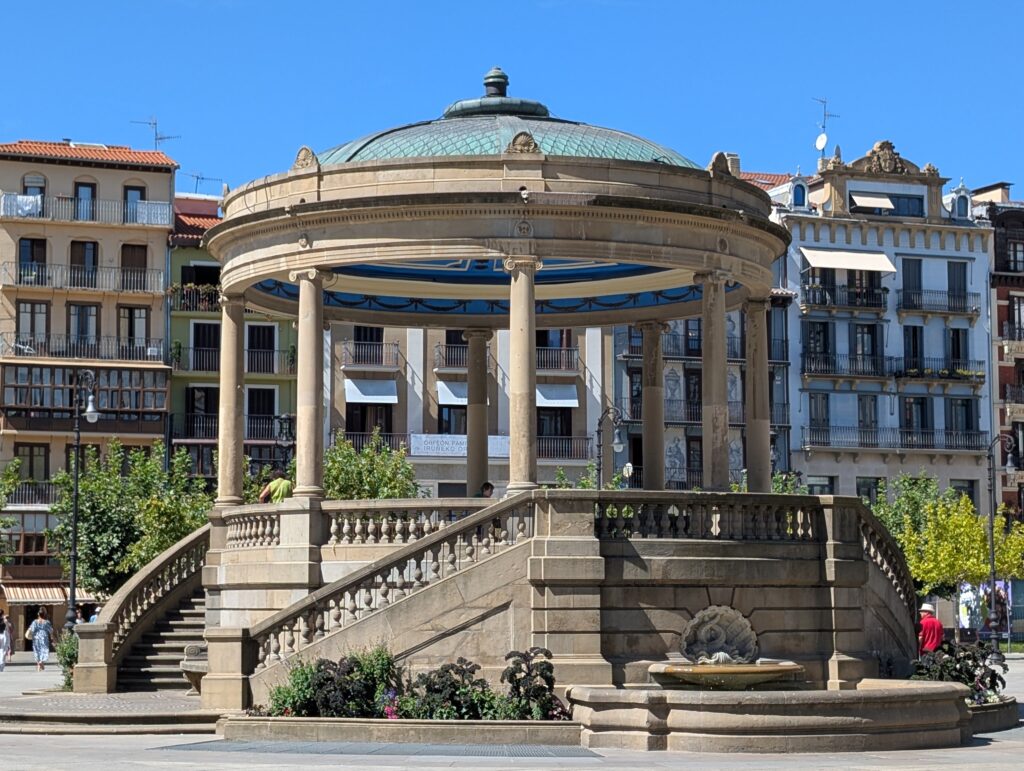
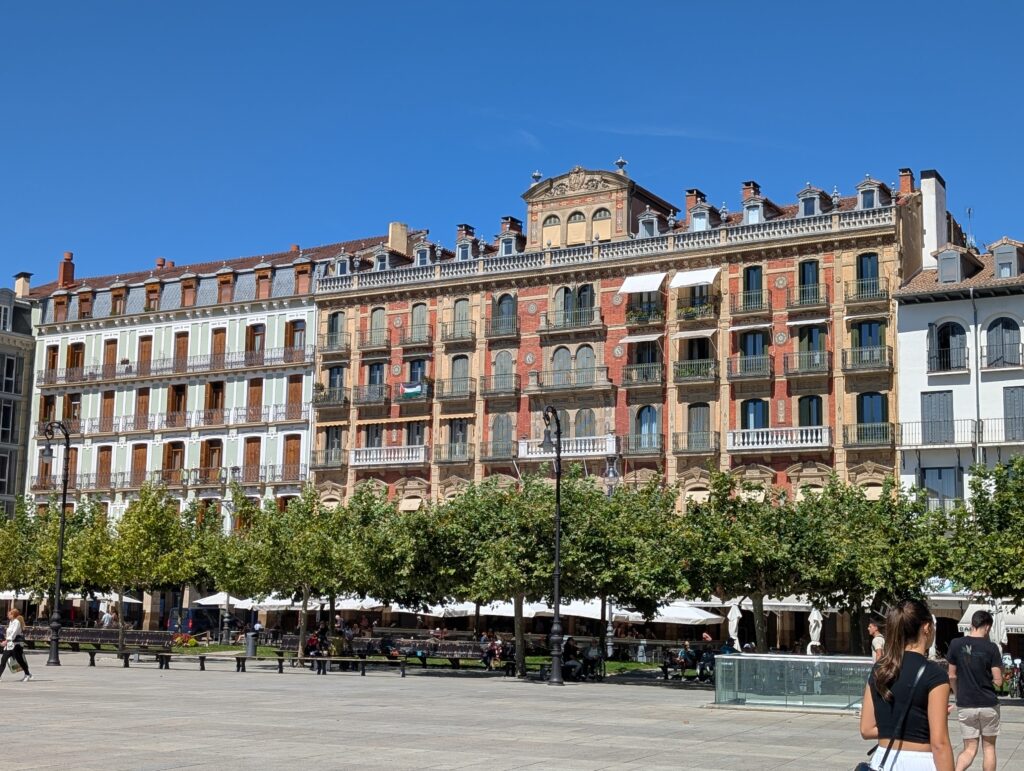
From there I walked to the Plaza del Castillo. On this site twice there were castles surrounded by city walls and was even used for bullfighting.

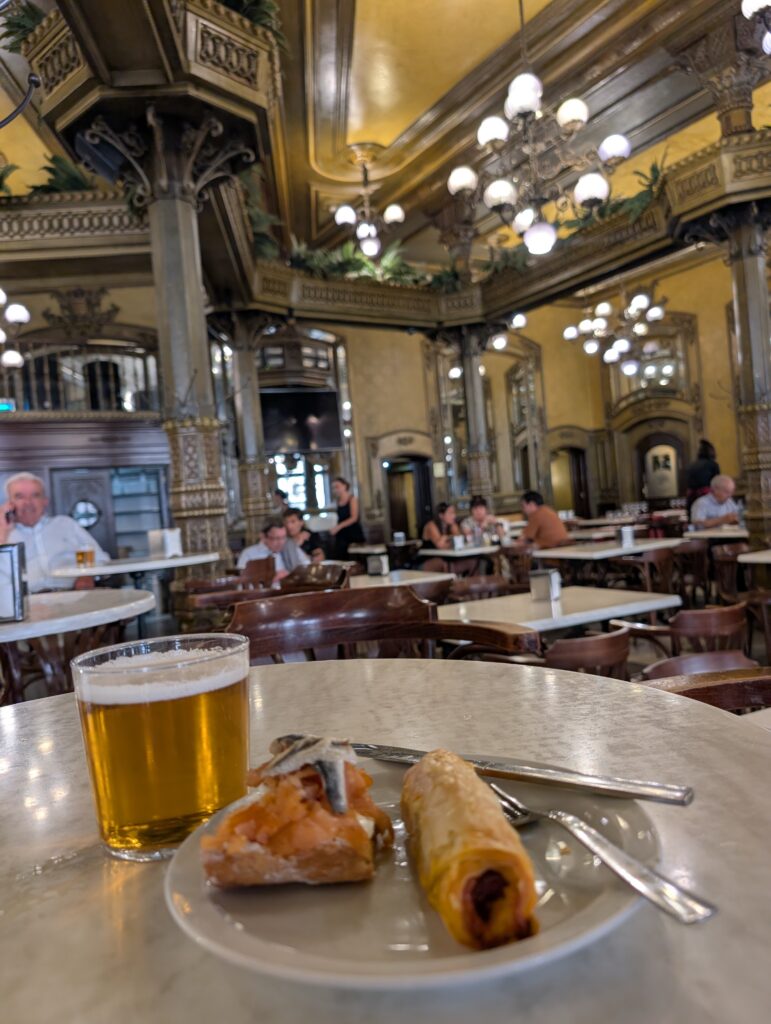
On the Northside of the plaza is the Cafe Iruña. It is the place where Hemingway wrote multiple books including the Old Man and the Sea. Here I had a small glass of beer and two pintos, which are Basque tapas. Quite tasty. The rolled one has sausage and cheese inside. The inside of the cafe has remained unchanged.

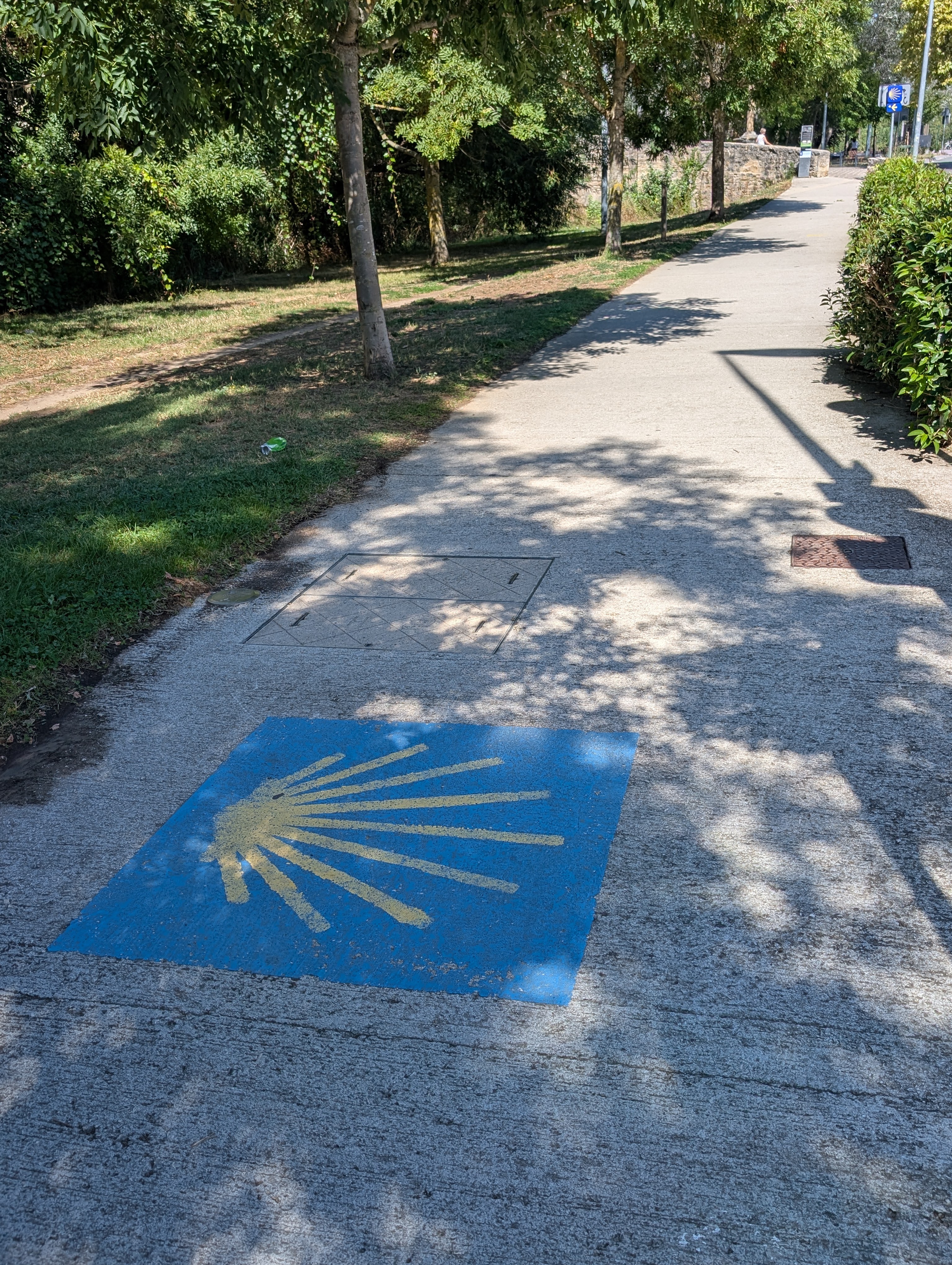
From there I walked to the Basilica. Along the way I noticed the Camino de Santiago signs pointing the peregrinos on the path through Pamplona. Still a little bummed that I am unable to do that journey due to my knee replacement but it was great to see the joy and determination on the faces of the hikers.

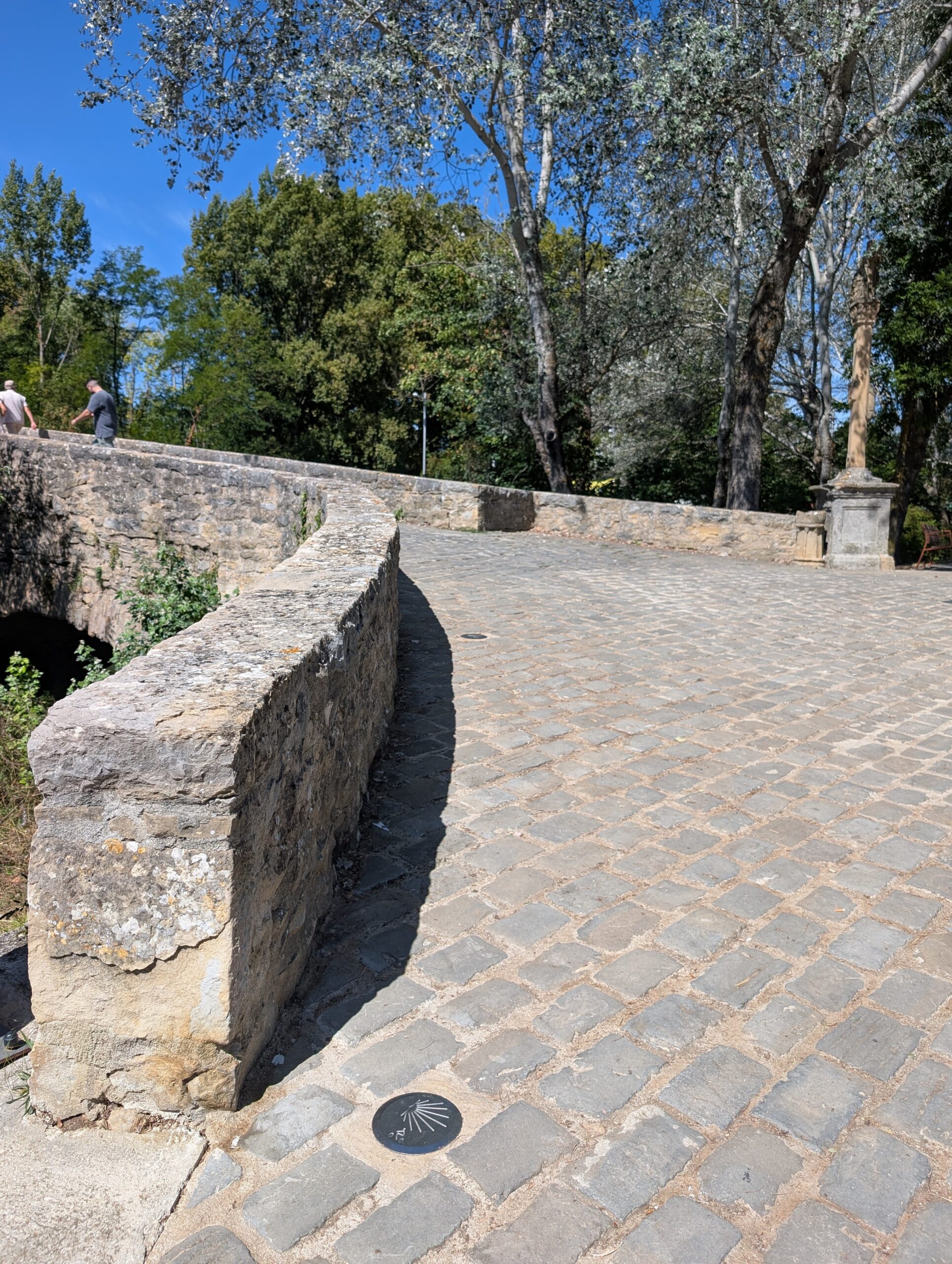
This bridge (Puente de la Magdalena) is one of four medieval bridges still standing here.

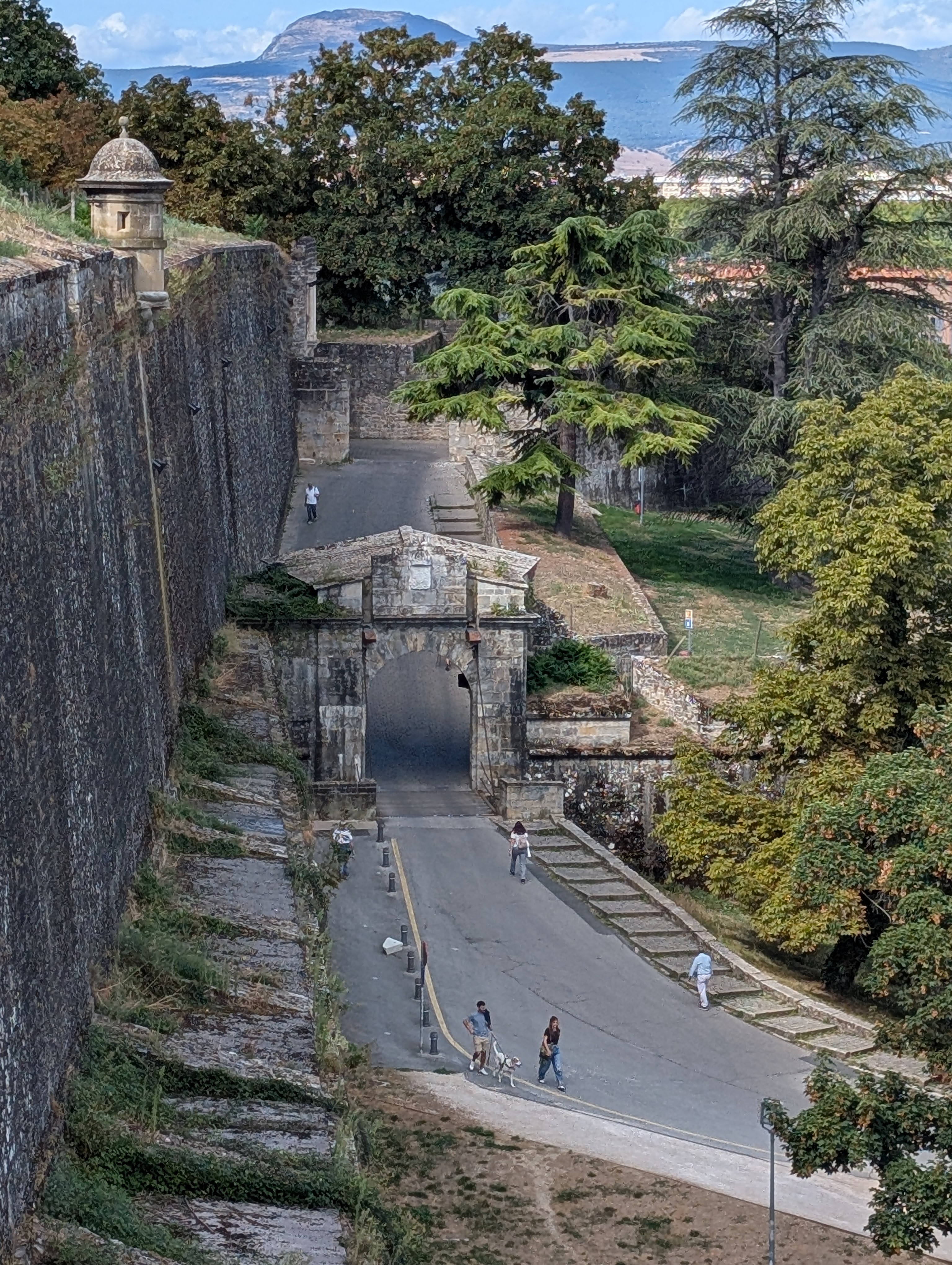
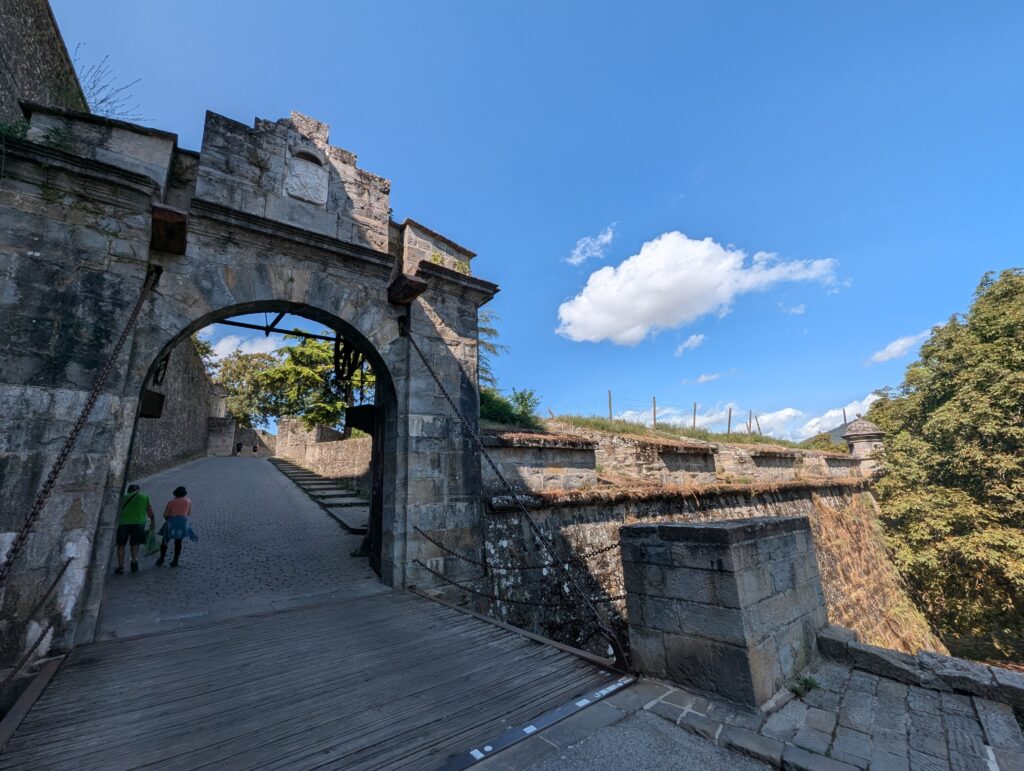
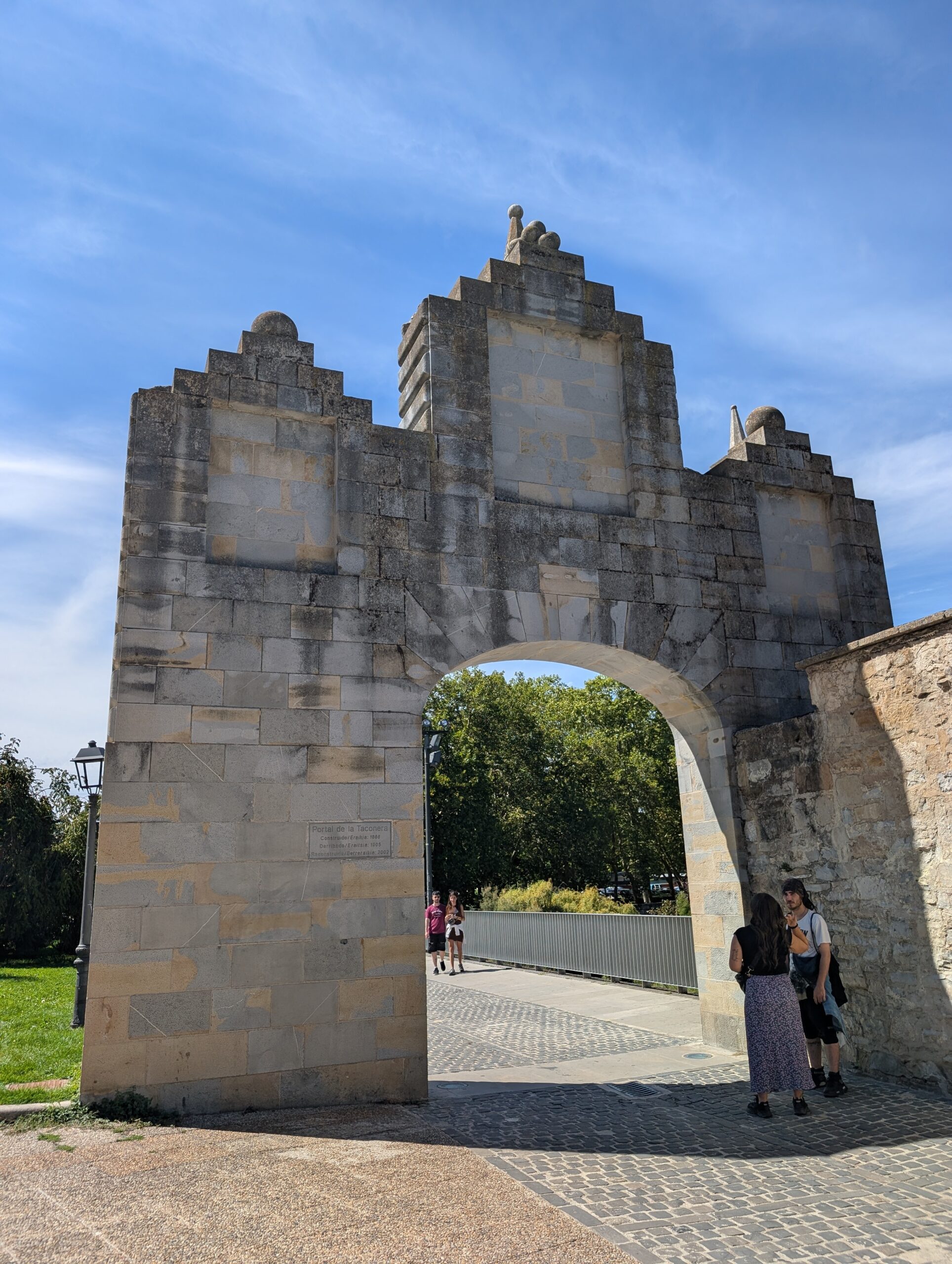
The entrance to the old city from the Camino de Santiago. This is an actual working drawbridge.

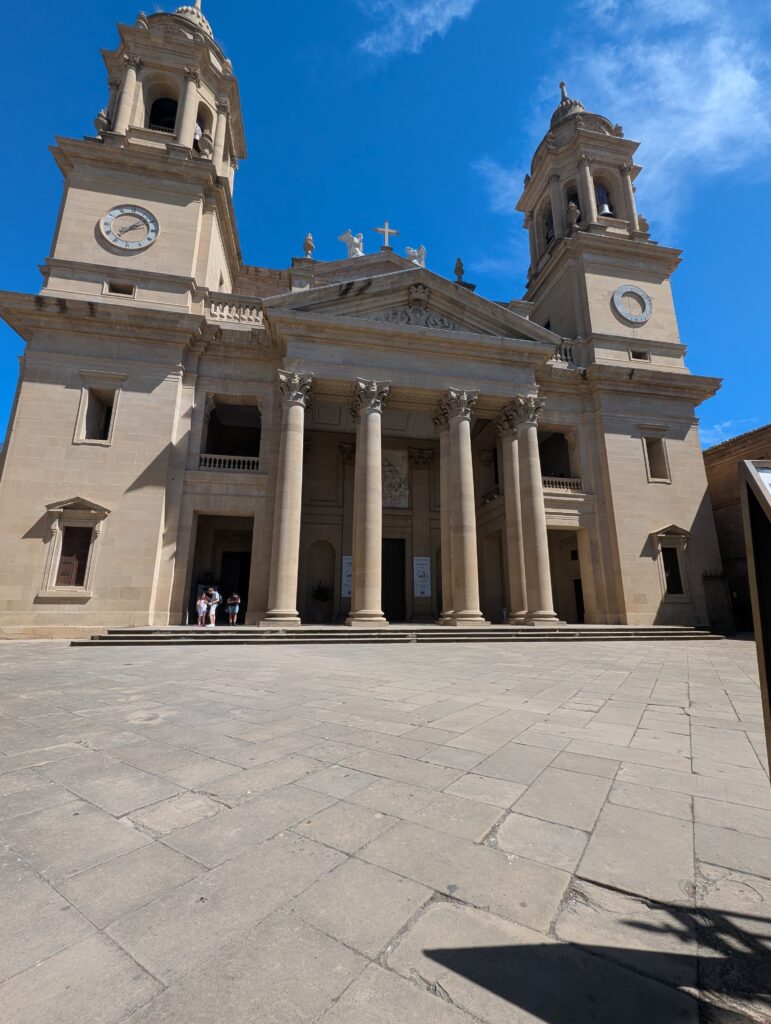
The basilica.

I walked a total of 10 km which I finally achieved 4 months after knee replacement. Some of the other things I saw along the way:

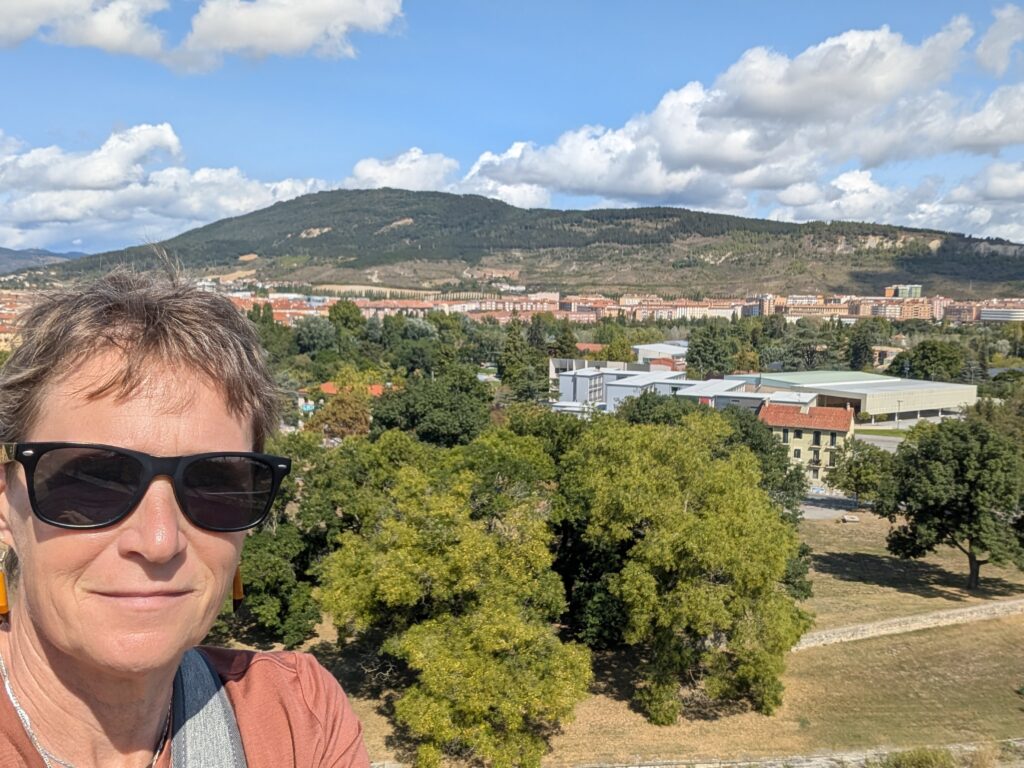
The citadel is a military complex that has the best architecture in the world. It is possible to walk through at many points to cross the city and is now an amazing park.

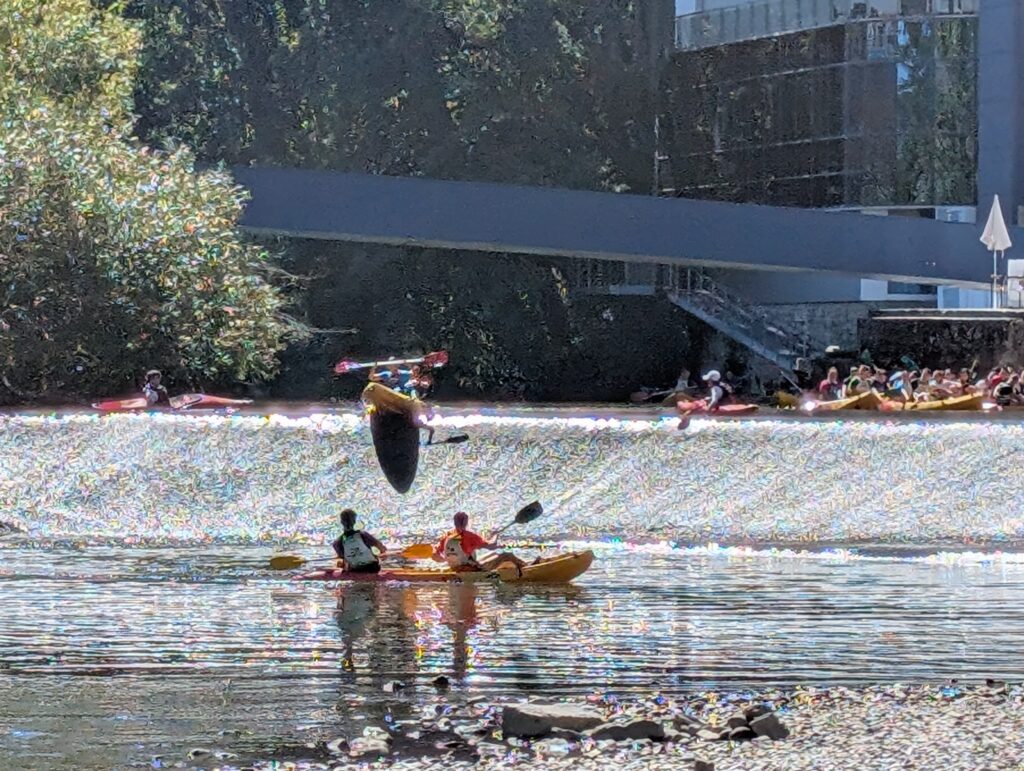
At the nautical club, they were taking turns paddling the kayaks down the spillway. The kayak made it!

Tomorrow I will take a walking tour to learn more about Pamplona.

Back in the US

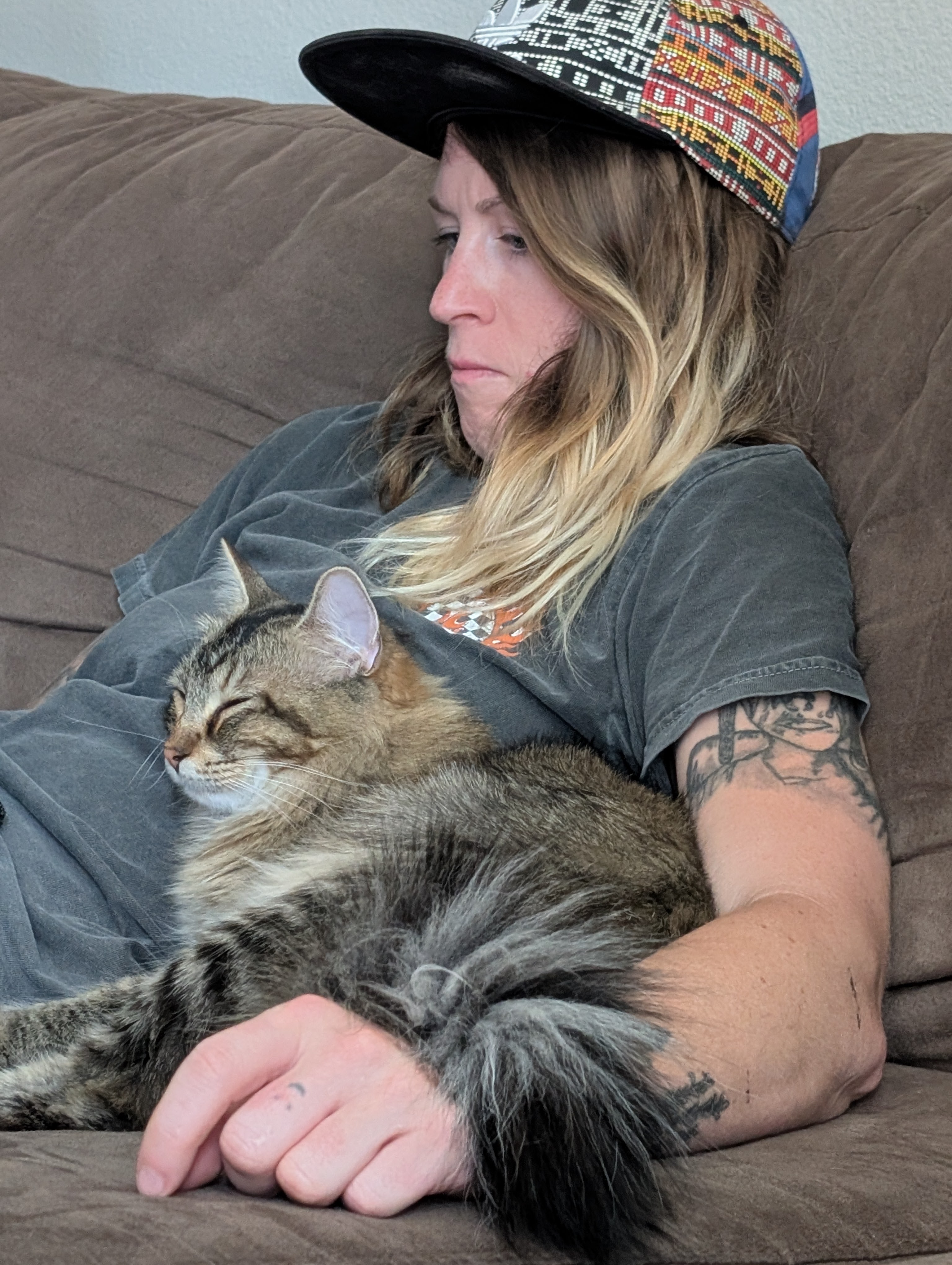
At 8 weeks post total knee replacement, the first part of the summer was just chilling with Ken and Sunni, physical therapy and daily knee exercises. Of course seeing Nina and all the cute kitties made the days go by quickly as well as lunches with friends and spending some time with my brother and sister-in-law.

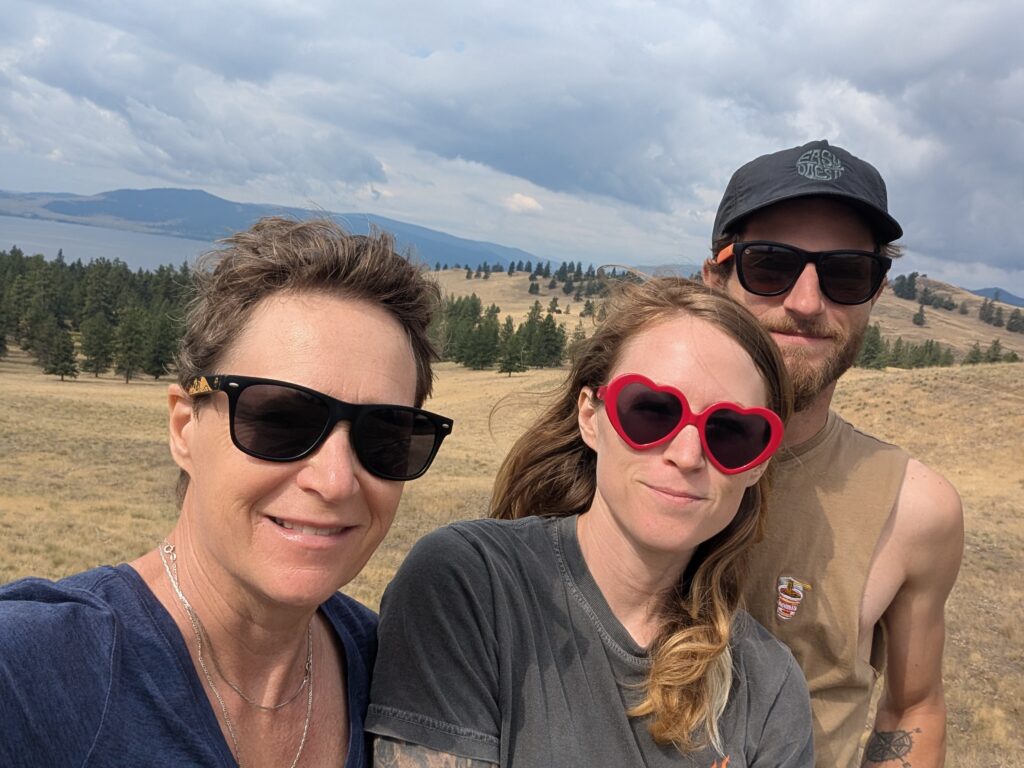
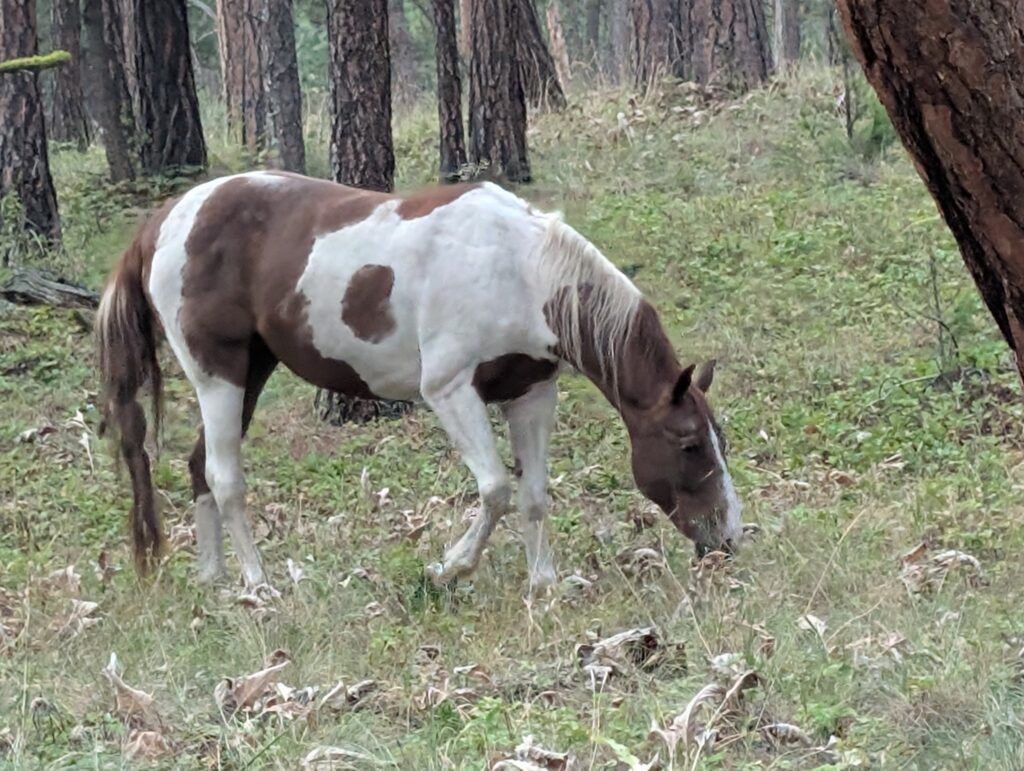
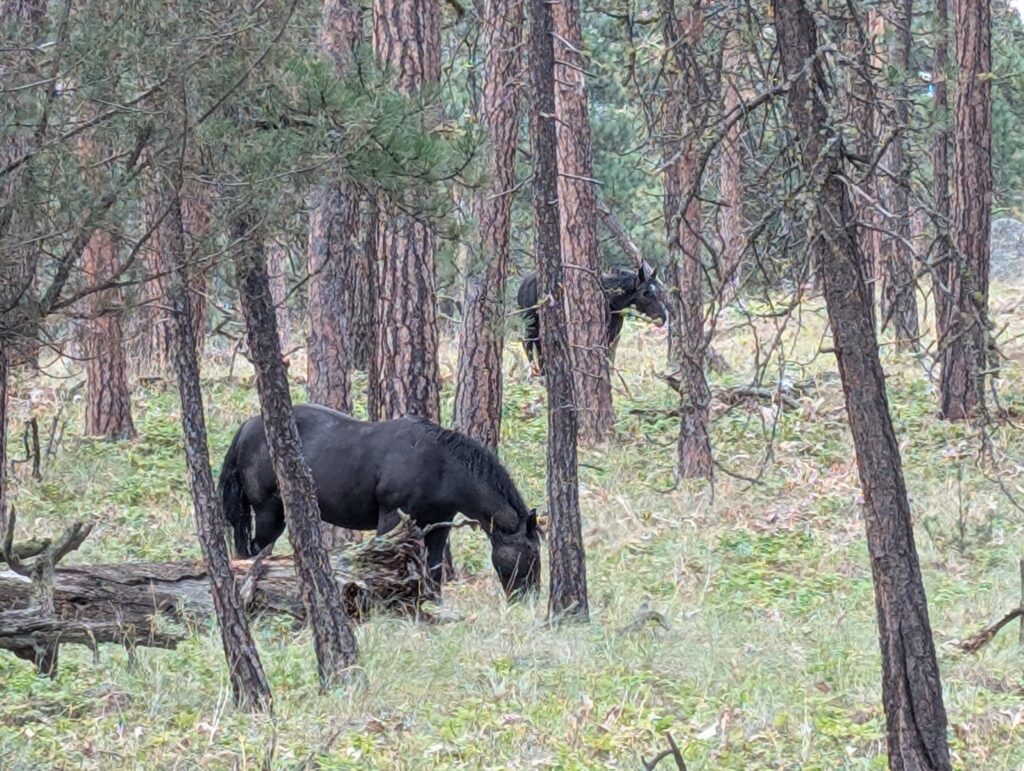
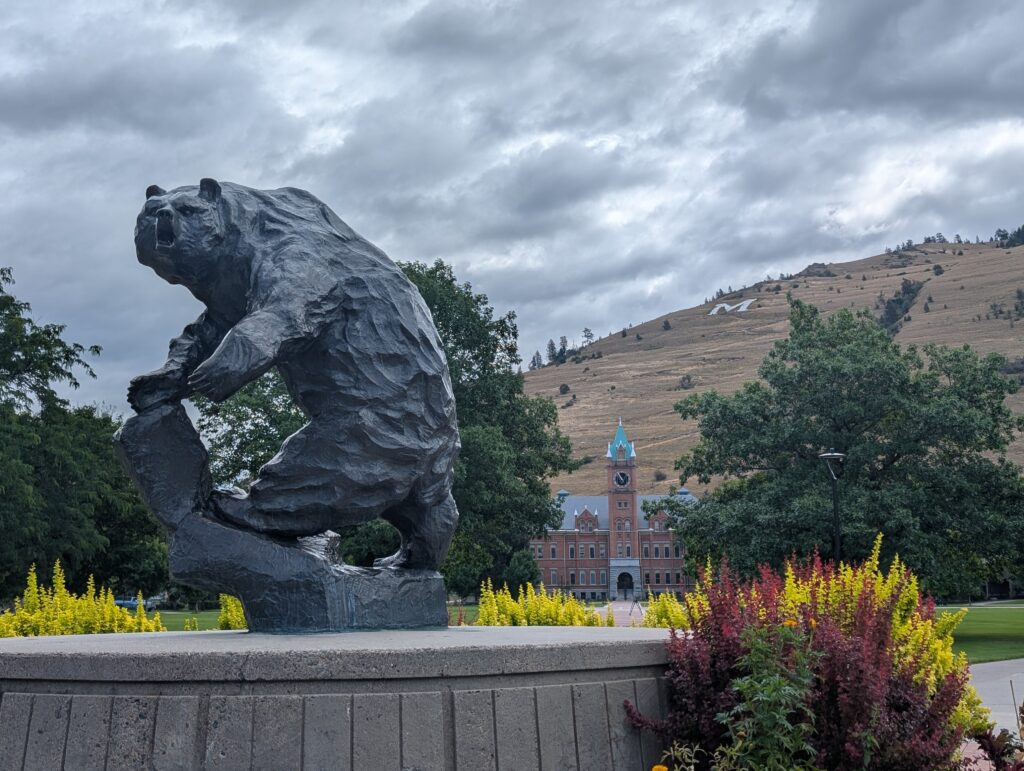
In August I flew to Montana to see Becca and her husband Ryan. We went to wild horse Island by boat to walk around. Very peaceful and a beautiful day.

We also went to see the Fair one evening. It was fun to see the dirt bike riders and also see all the animals exhibited at the fair.

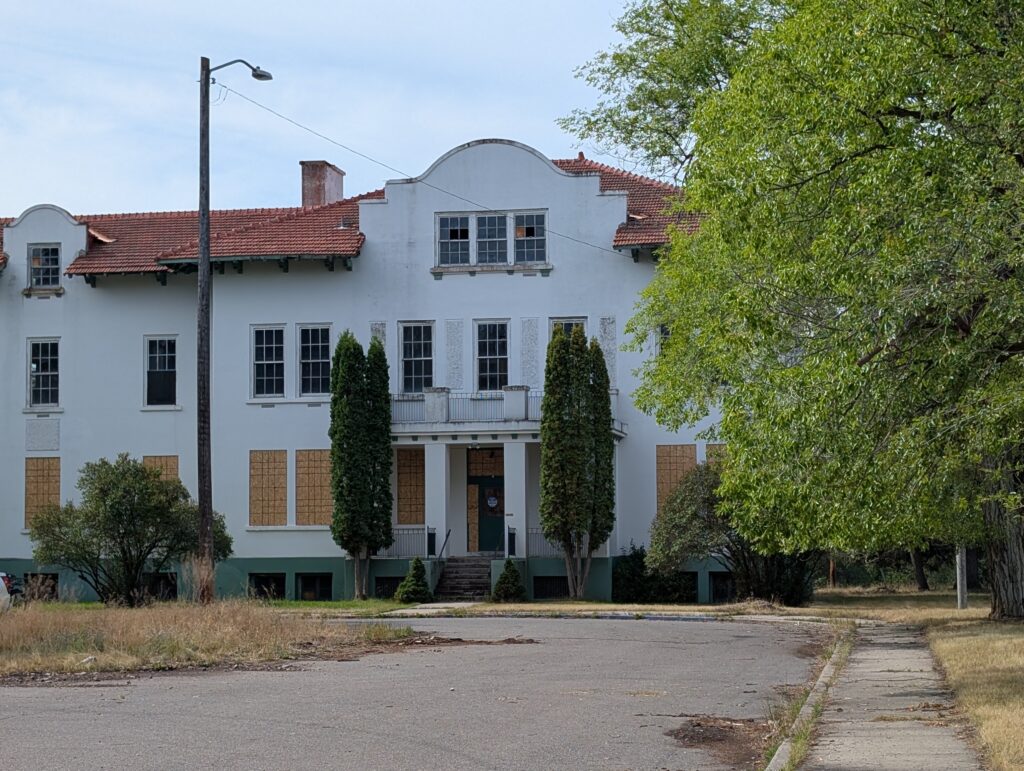
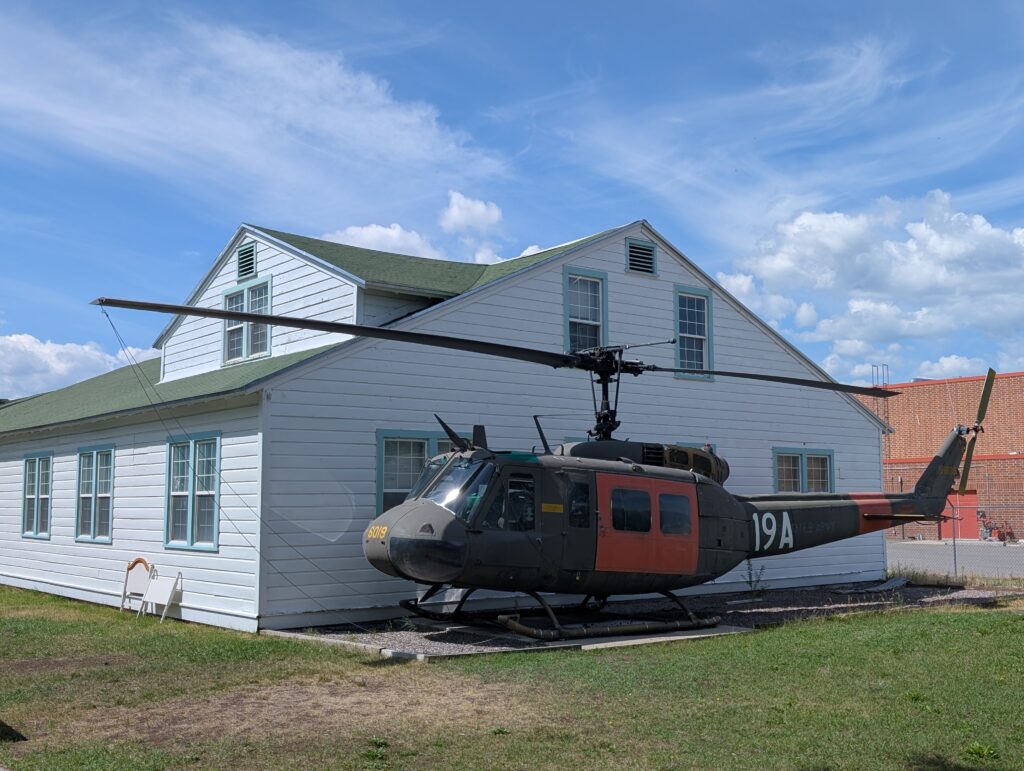
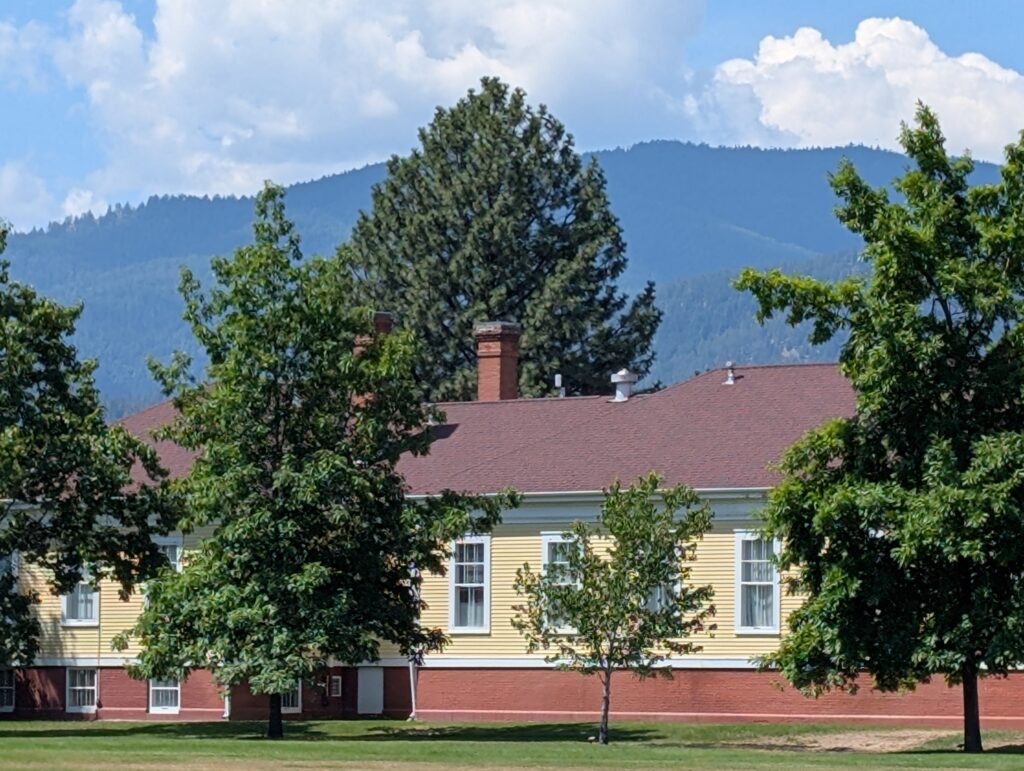
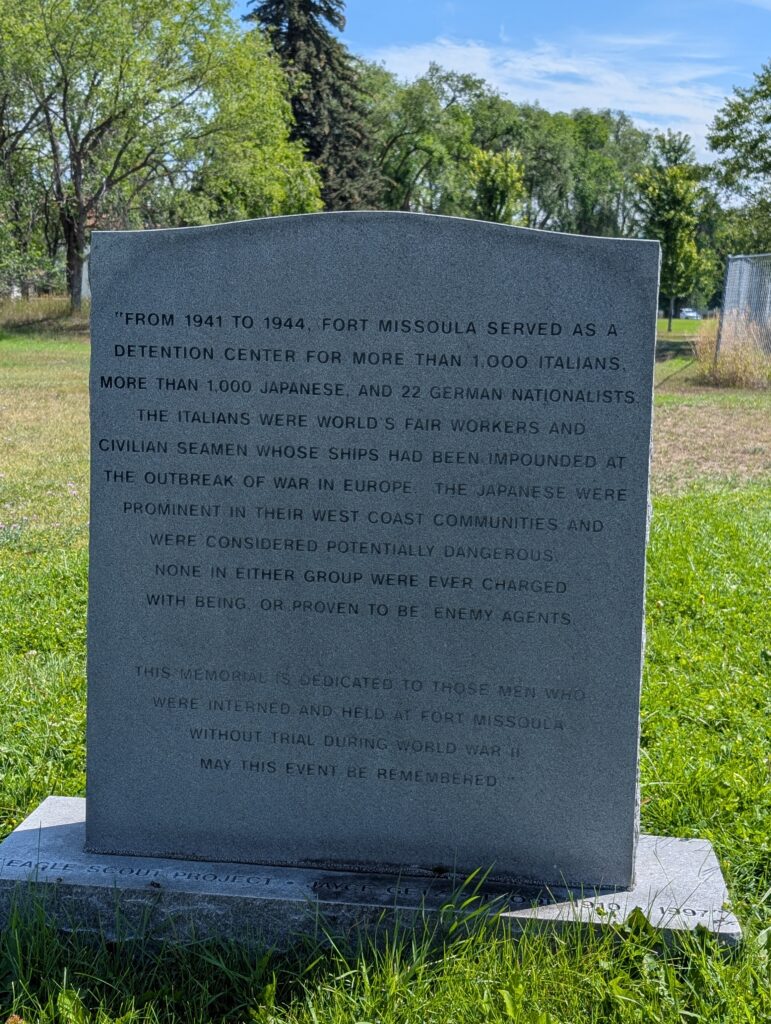
I explored Fort Missoula to look at the historic buildings. The fort was used for internment of Japanese and Italians during World War I.

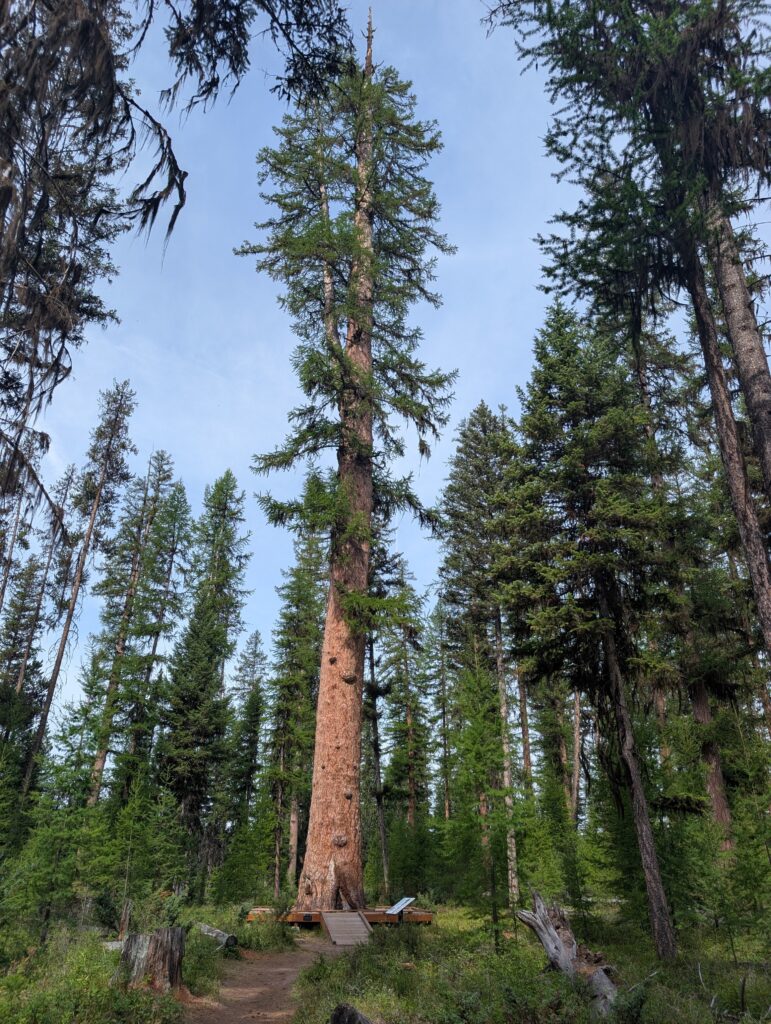
We also traveled to see Gus, a 1000 year old tree. Pretty cool to be able to walk around it and compare to the other trees.

But the best part was just spending time with Becca.

Medellin

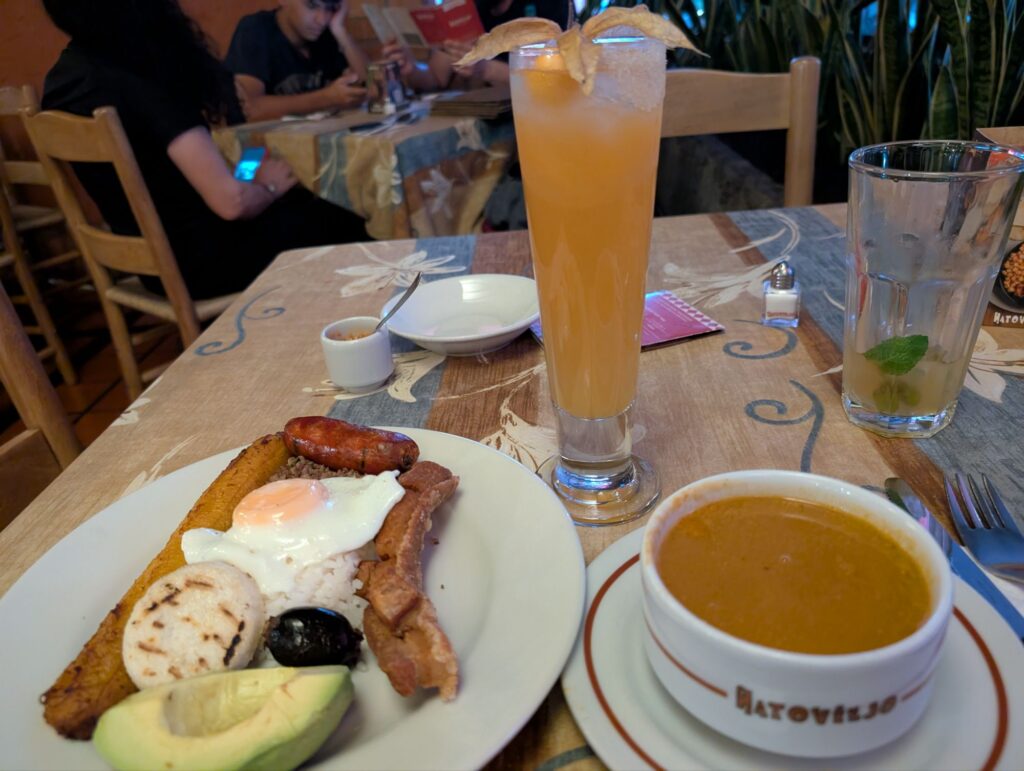
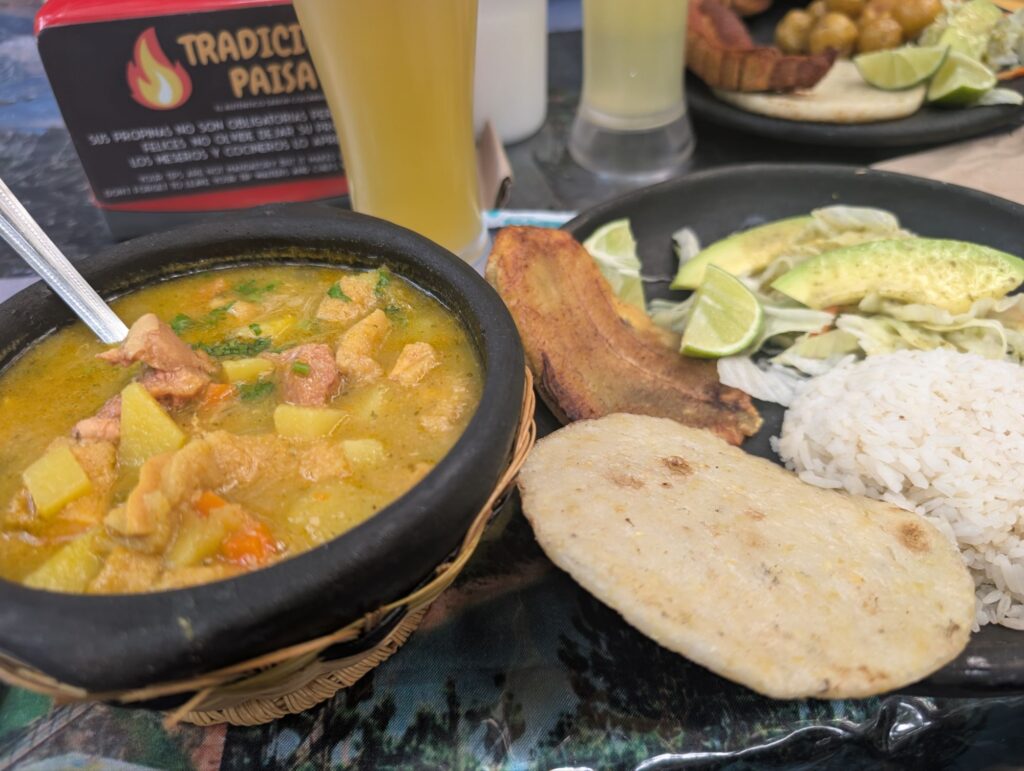
I have been a vegetarian for about 25 years. Because lately I have been very hungry and having trouble with my sugar numbers, I decided to increase meat in my diet (beans have a lot of carbs in them). Well Colombia is a place to try meat. Their beef is amazing, lean, and very flavorful. Their chicharrón is also pretty amazing. This is a typical dish here with a cocktail made of aguardiente which is a licorice flavor alcohol.

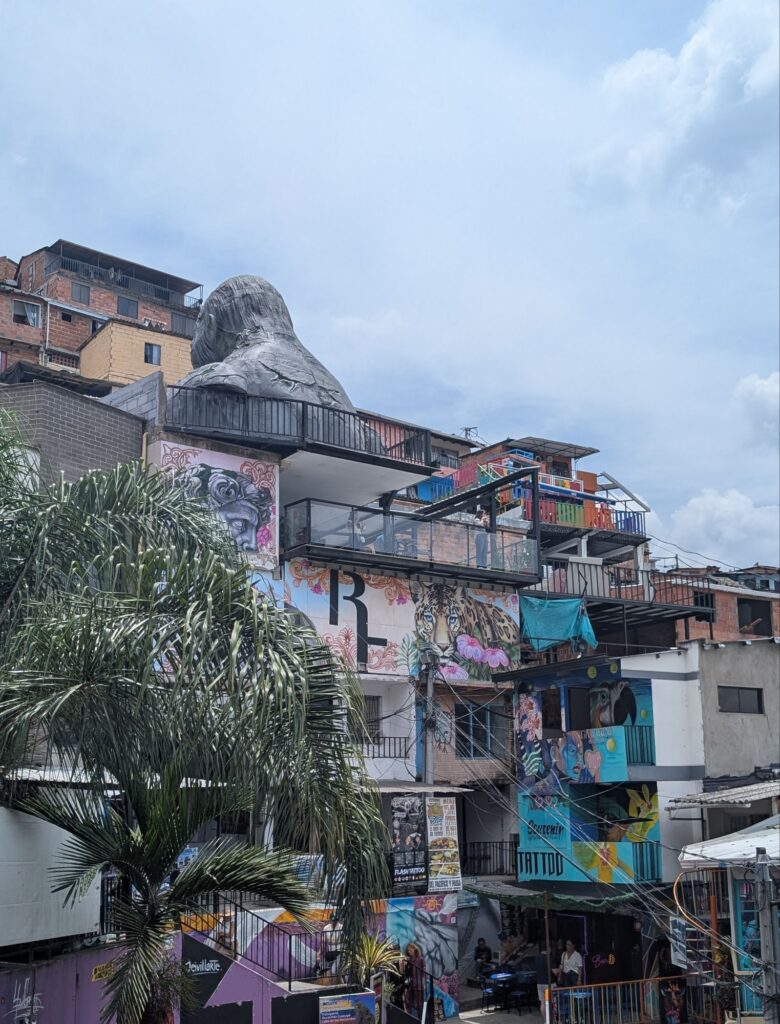
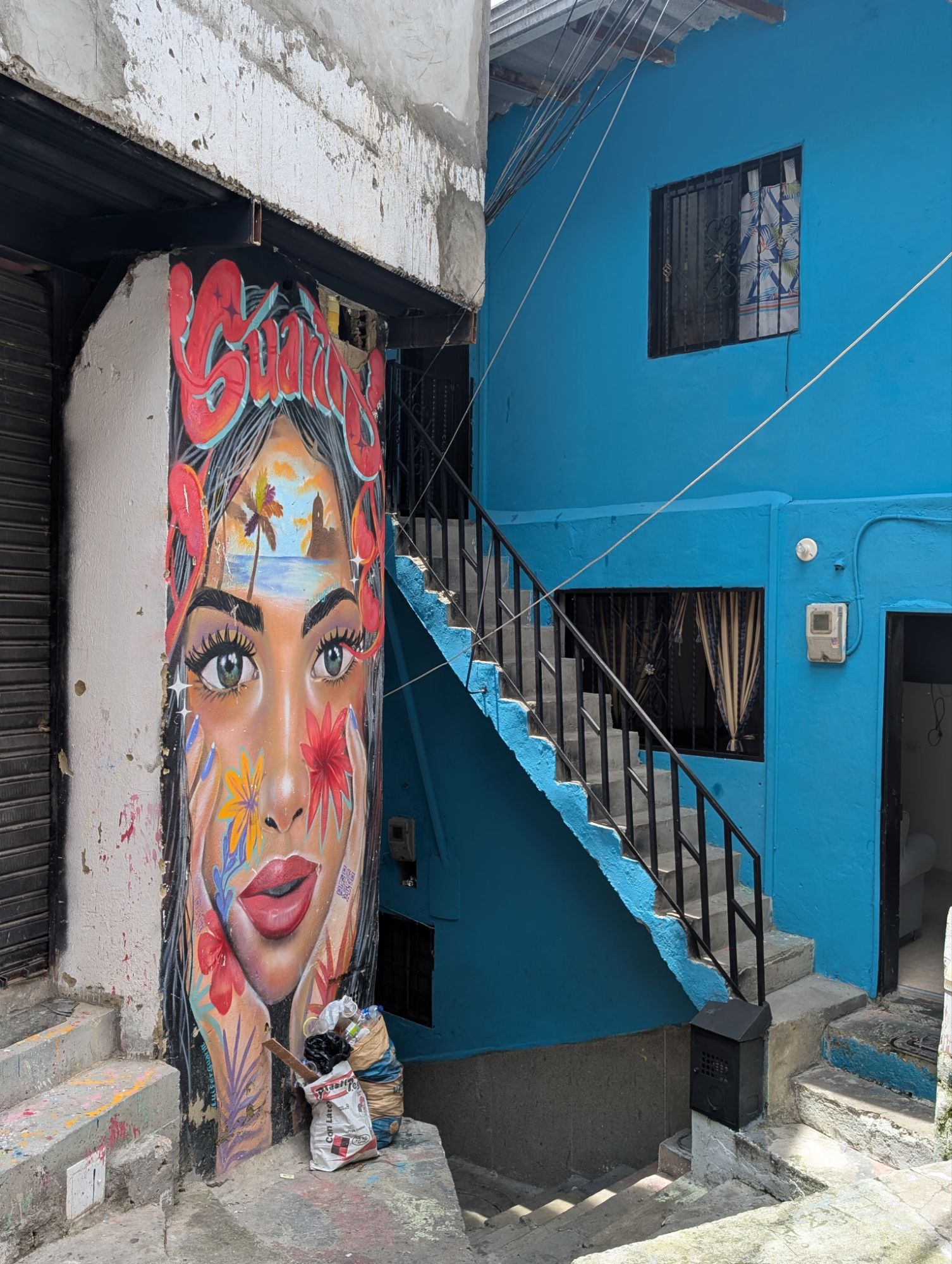
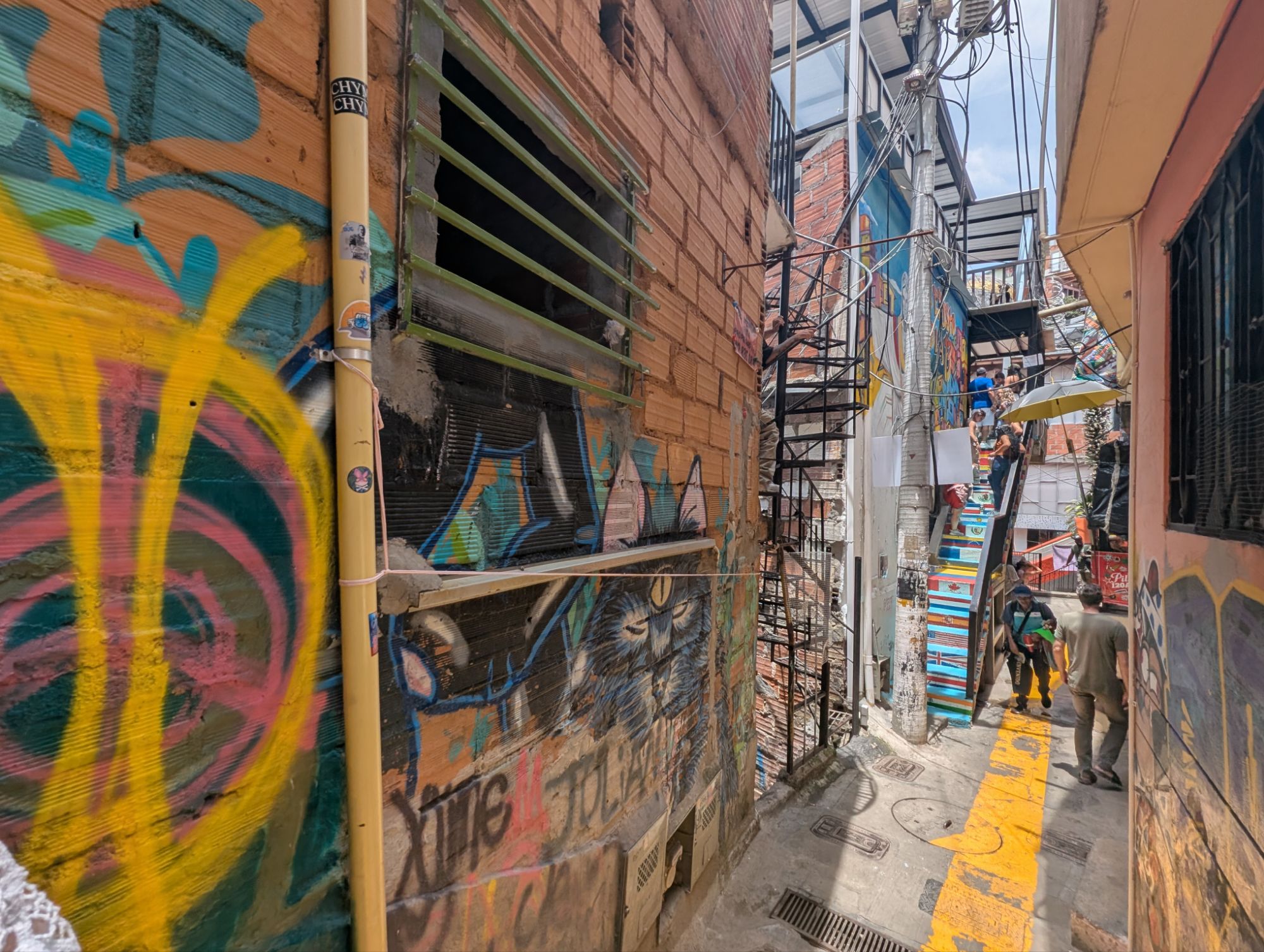
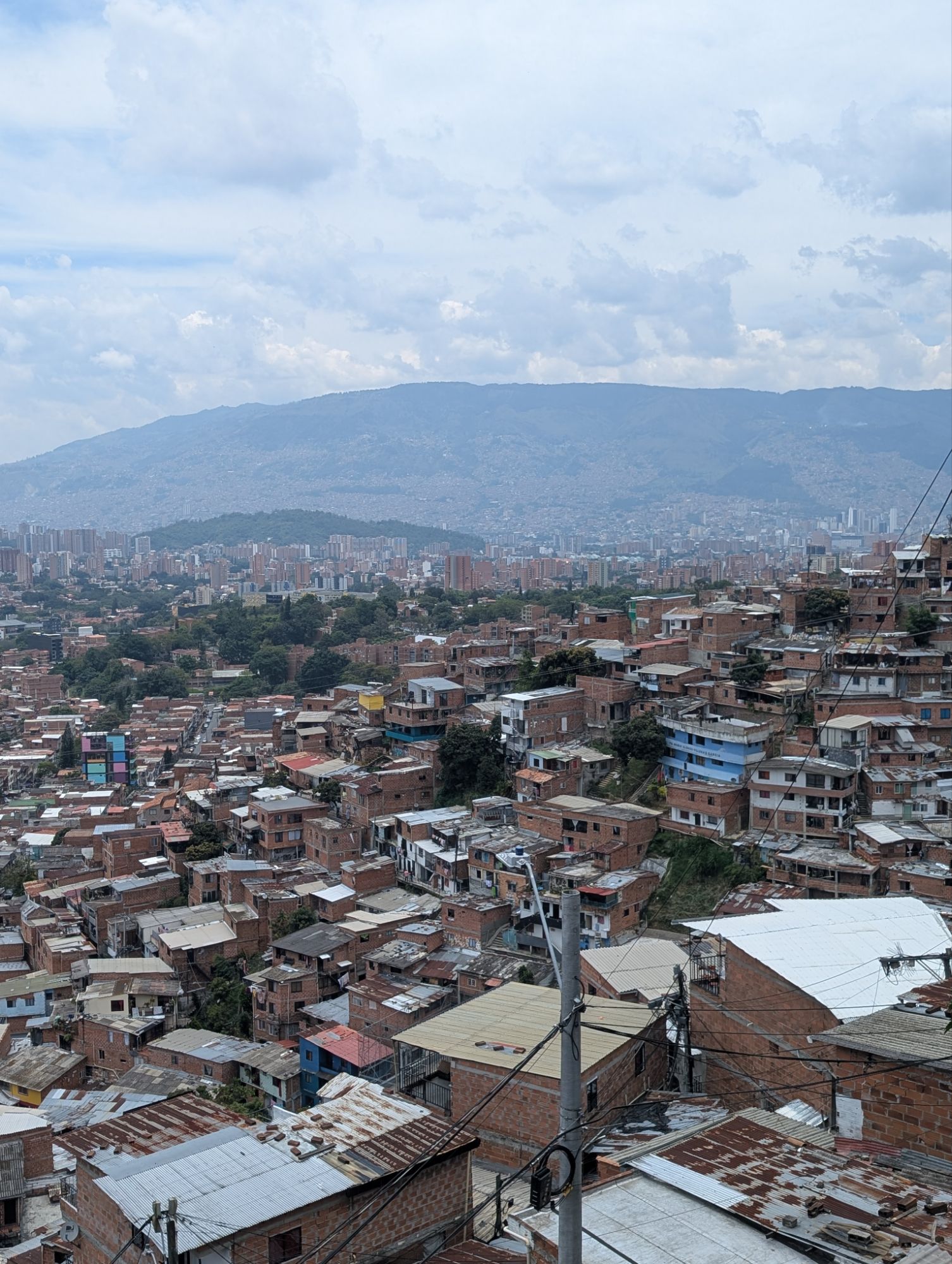
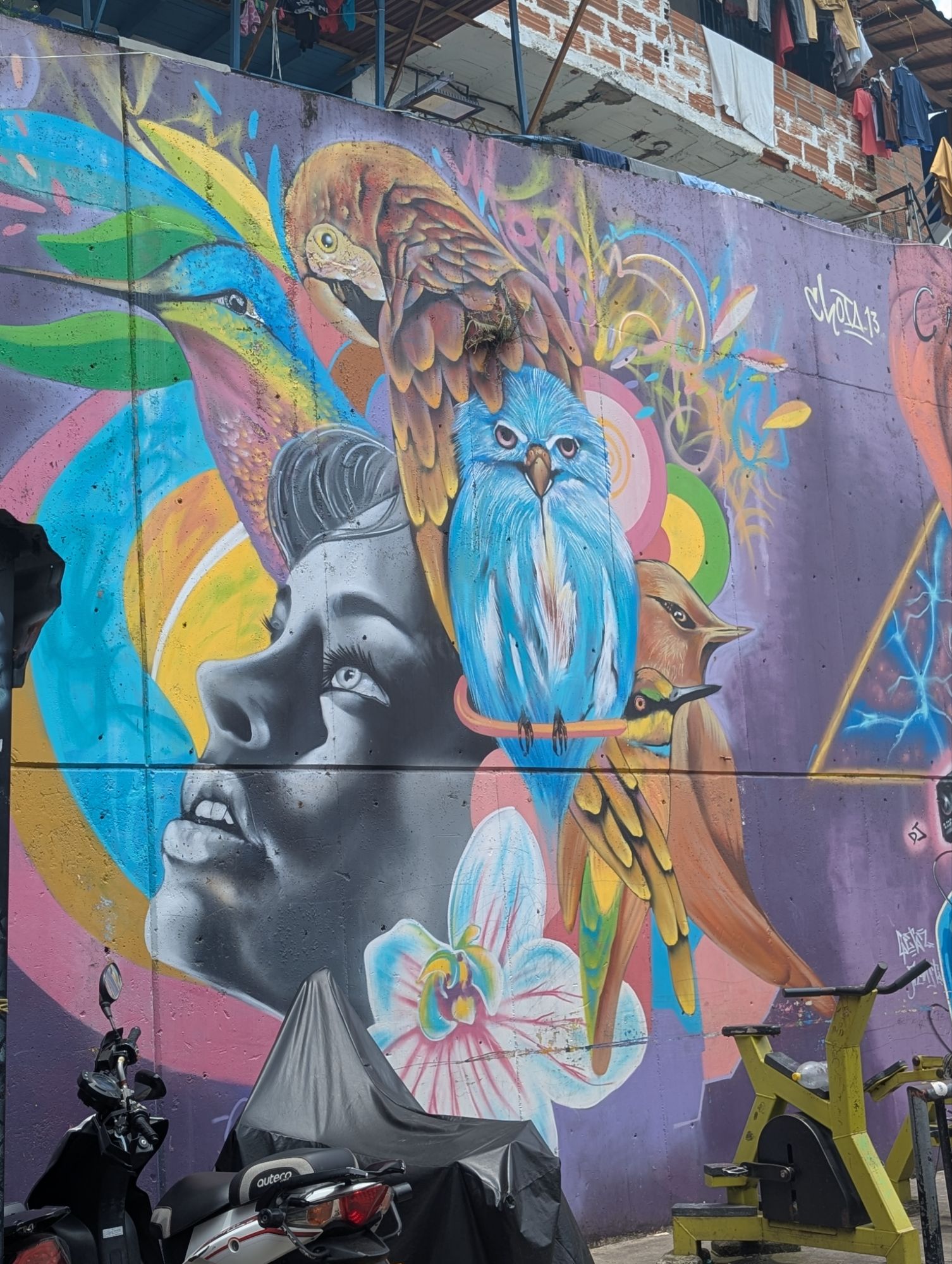
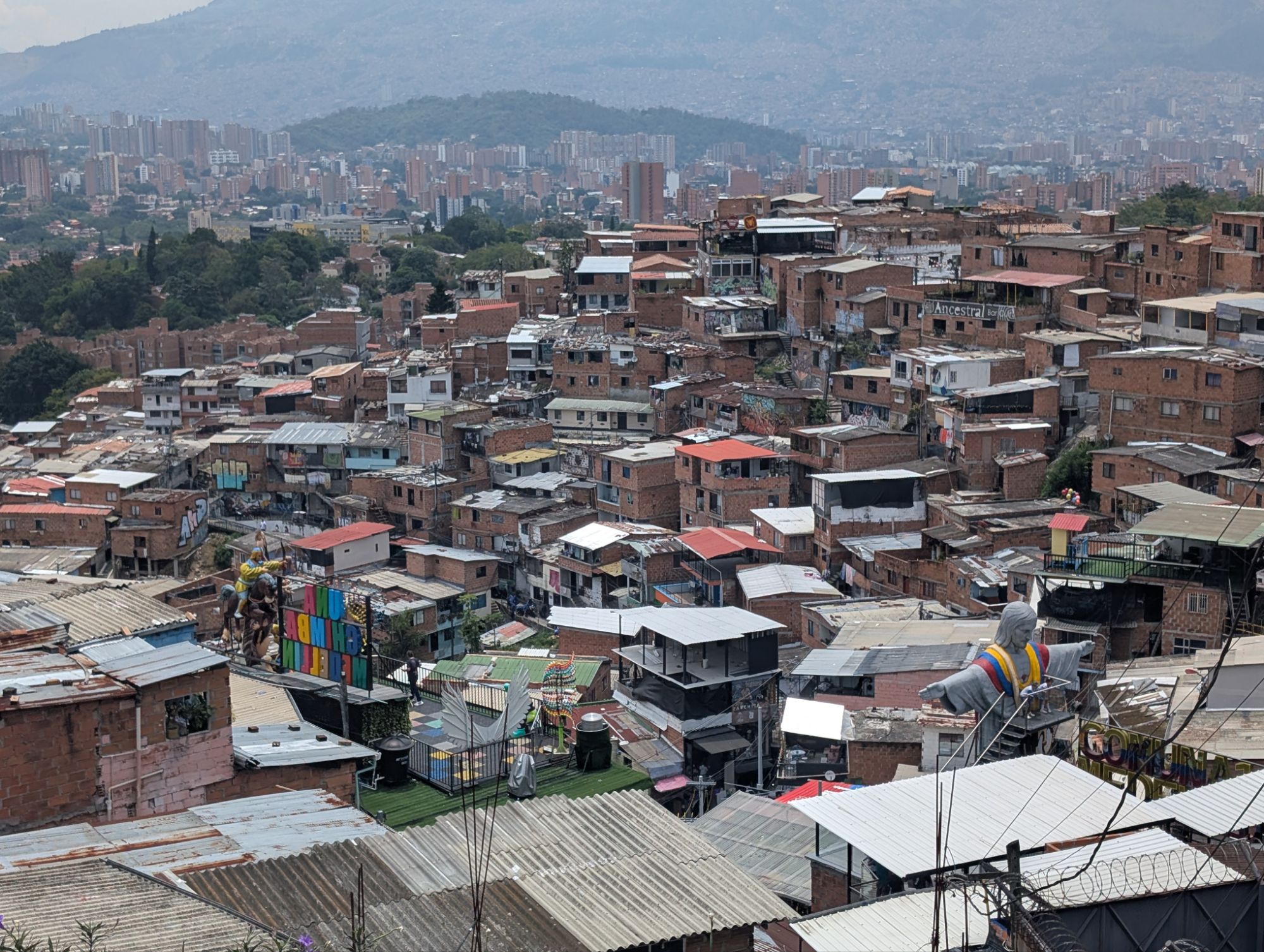
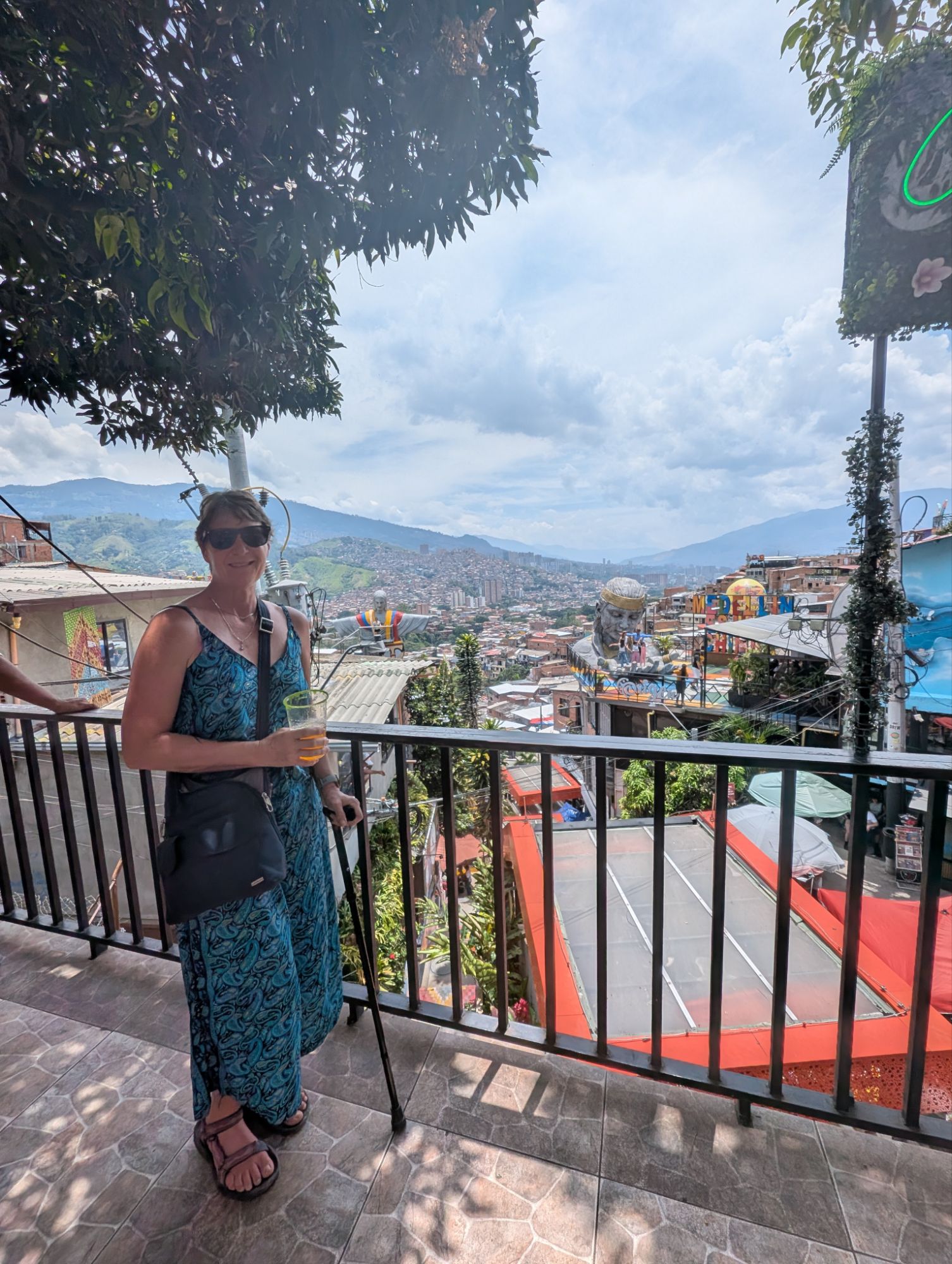
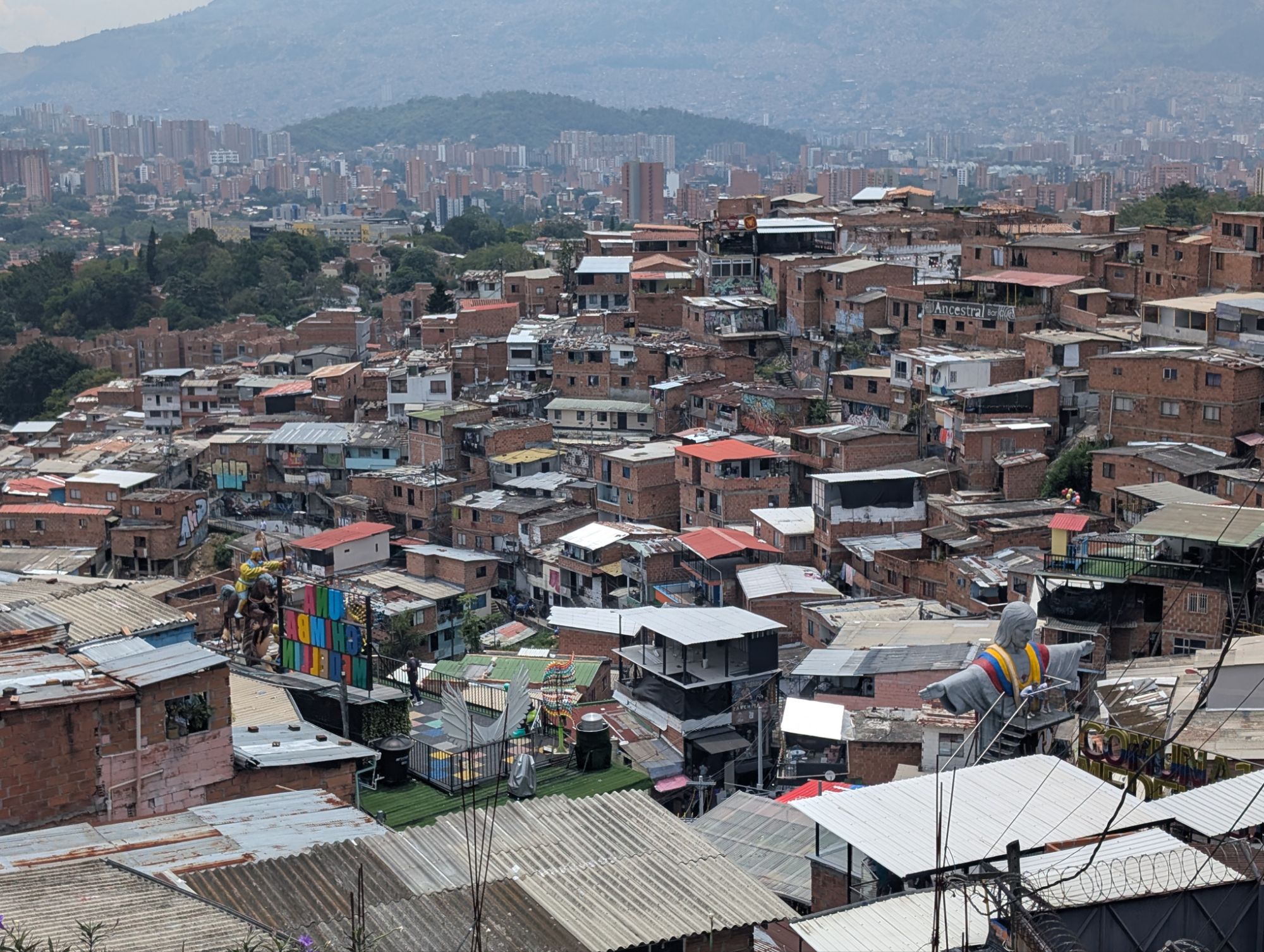
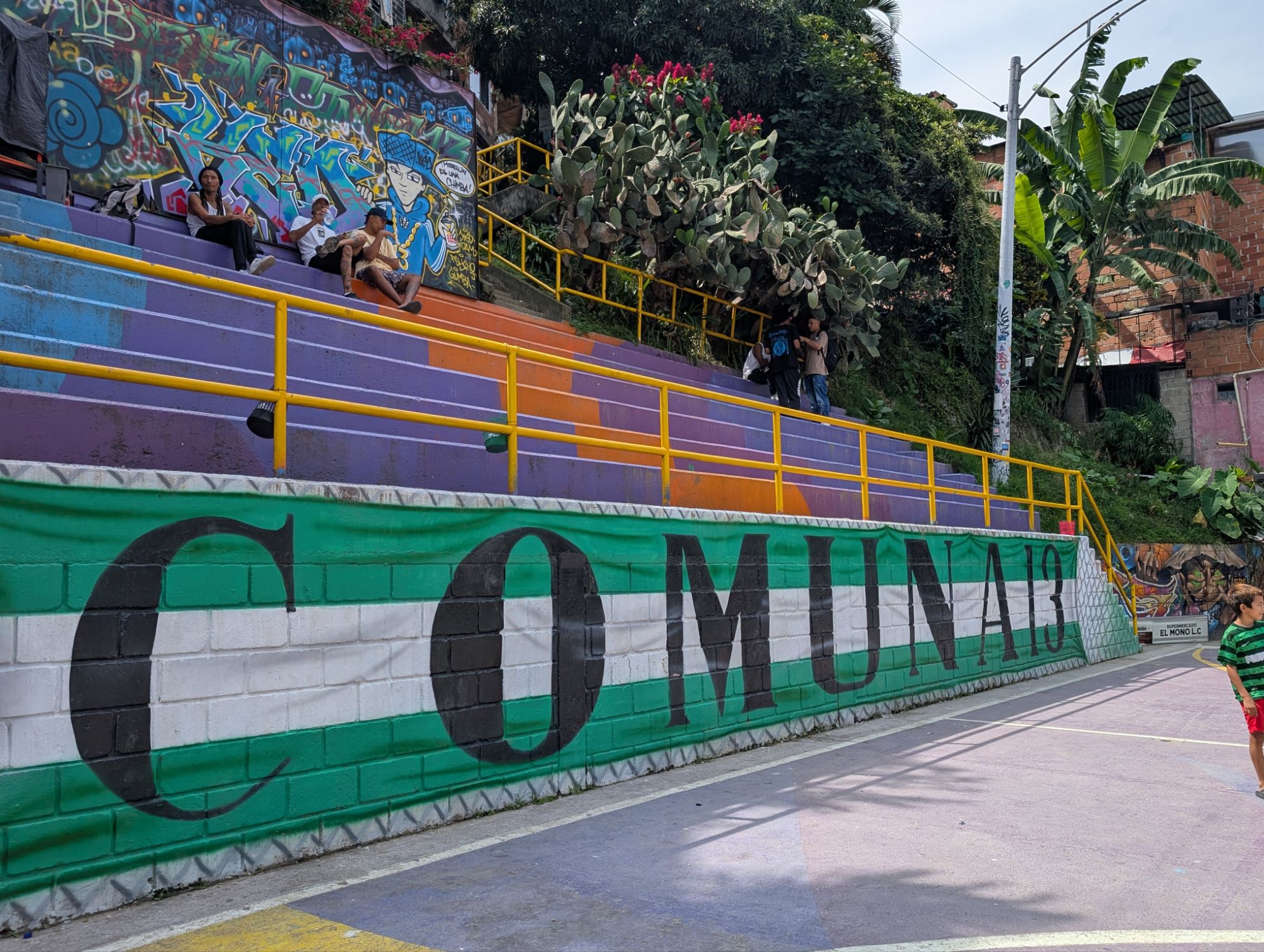
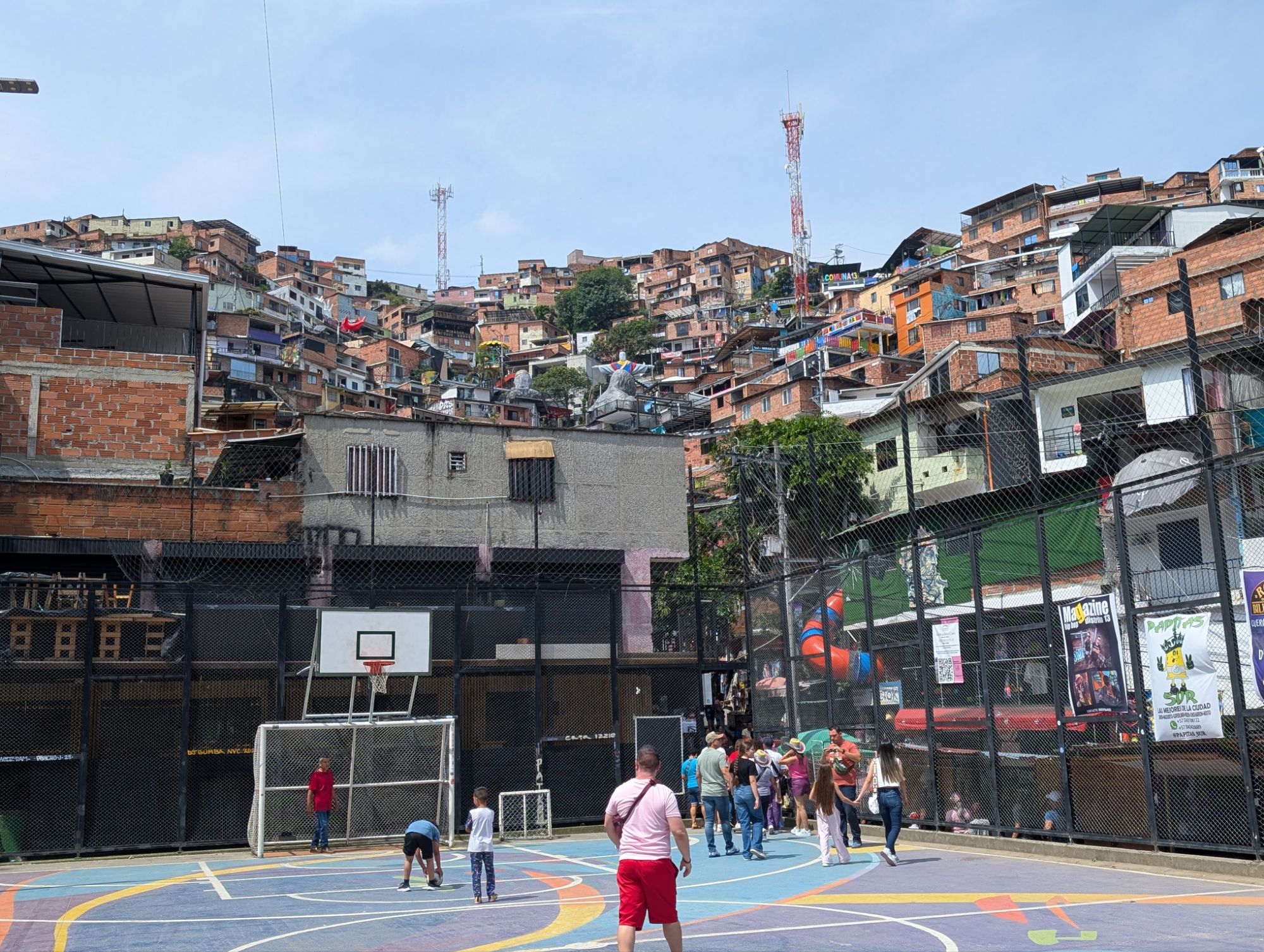
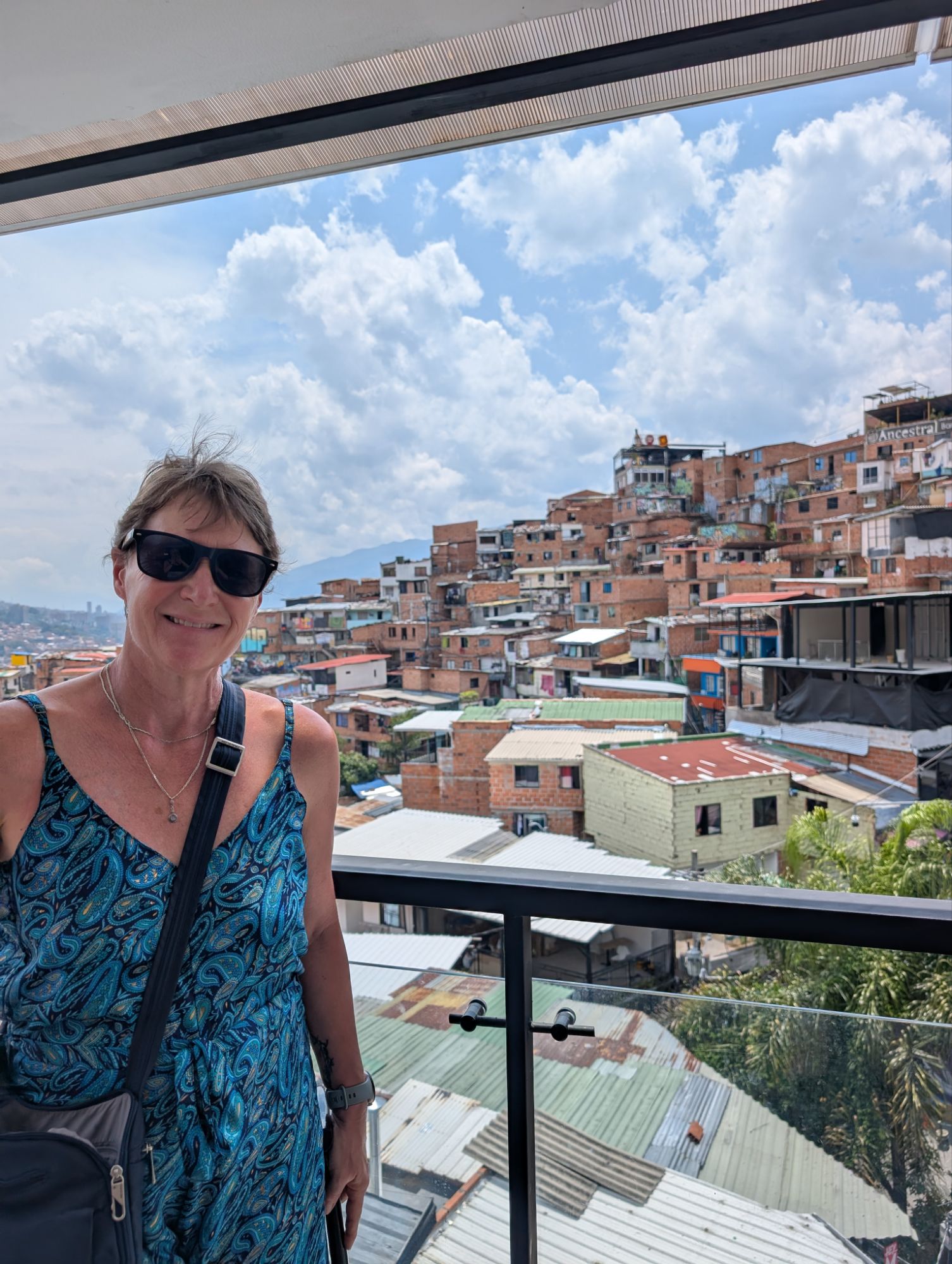
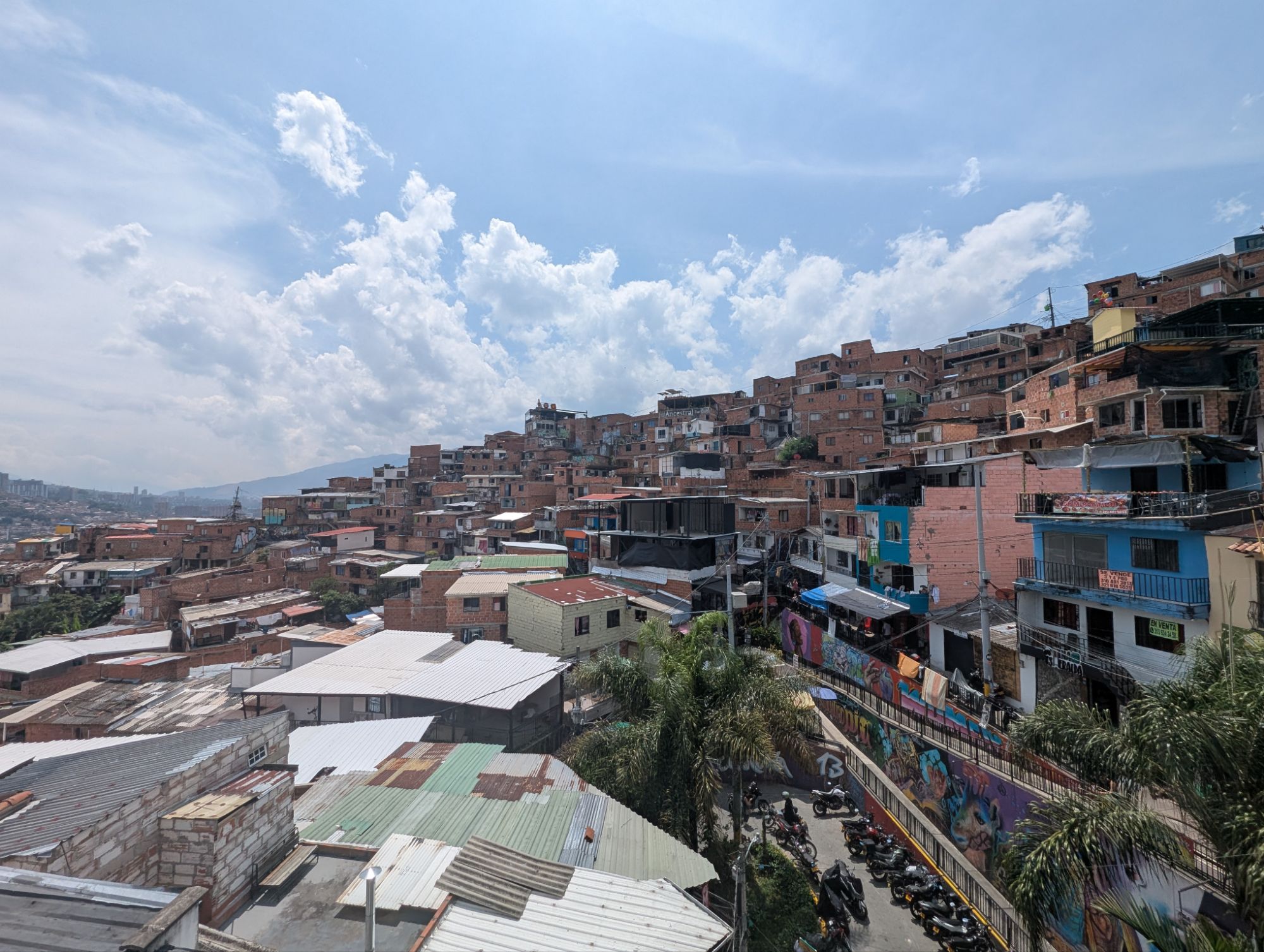
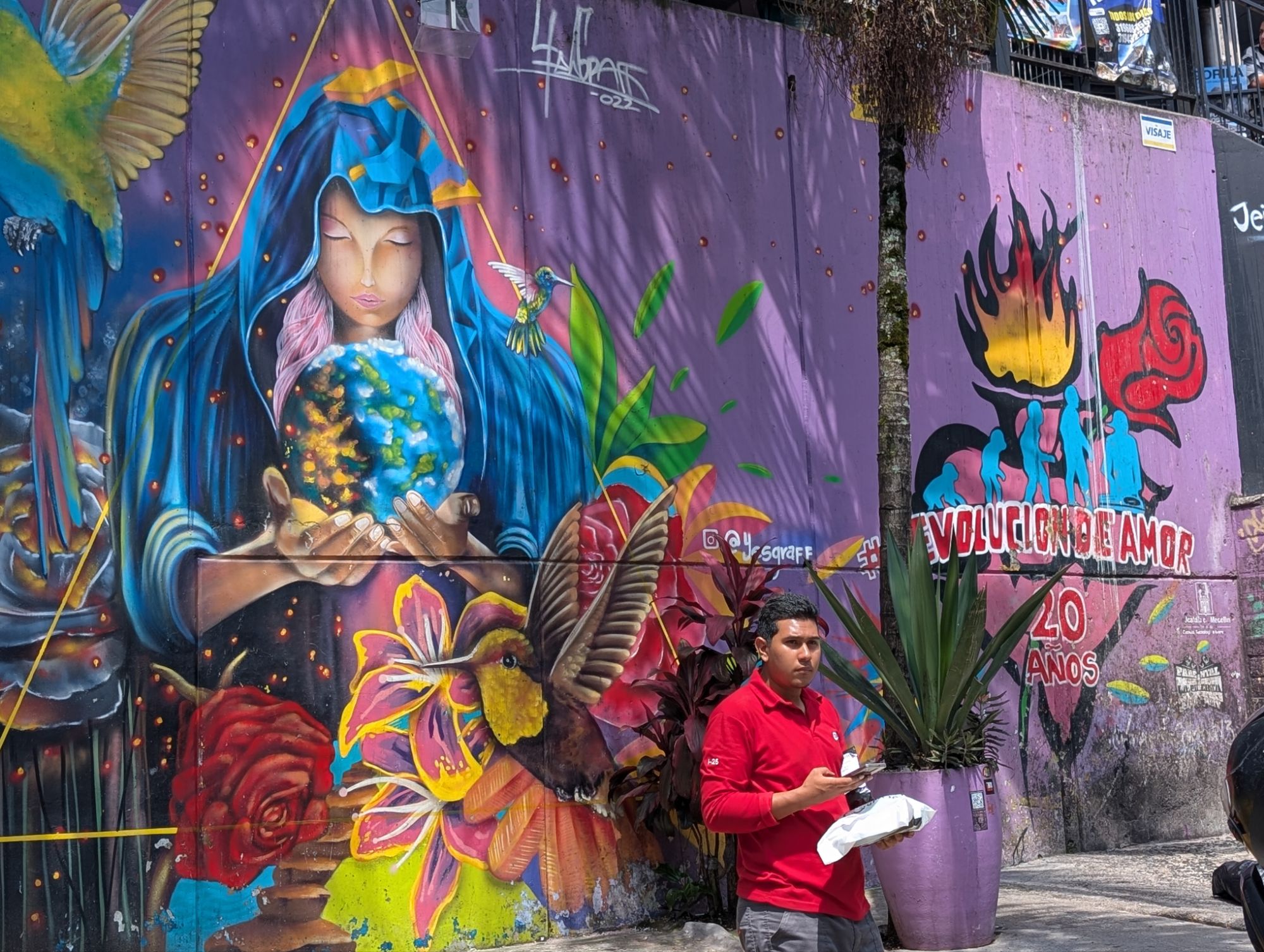
I also took a tour of Común 13. It is a vibrant neighborhood known for its dramatic transformation from one of the most dangerous areas in the city to one of cultural revival. There would be different gang sections here that would be at war with each other with mass killings for years. I loved the colorful murals, the different levels of buildings that can be accessed by stairs and escalators, and the street performances. Now it is a safe place to live and for people to visit.

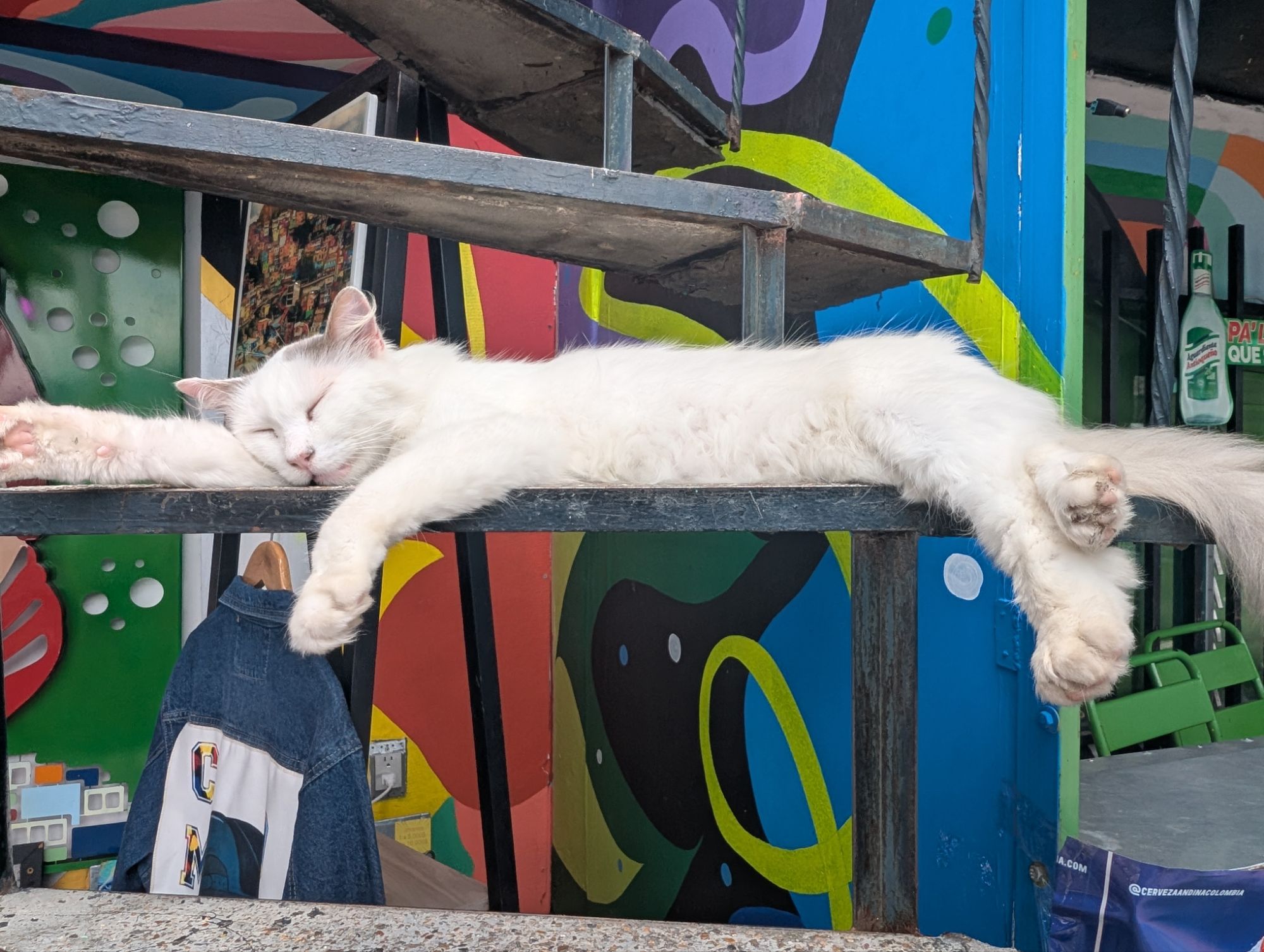
This cat had his own collection box and let people play with his paws
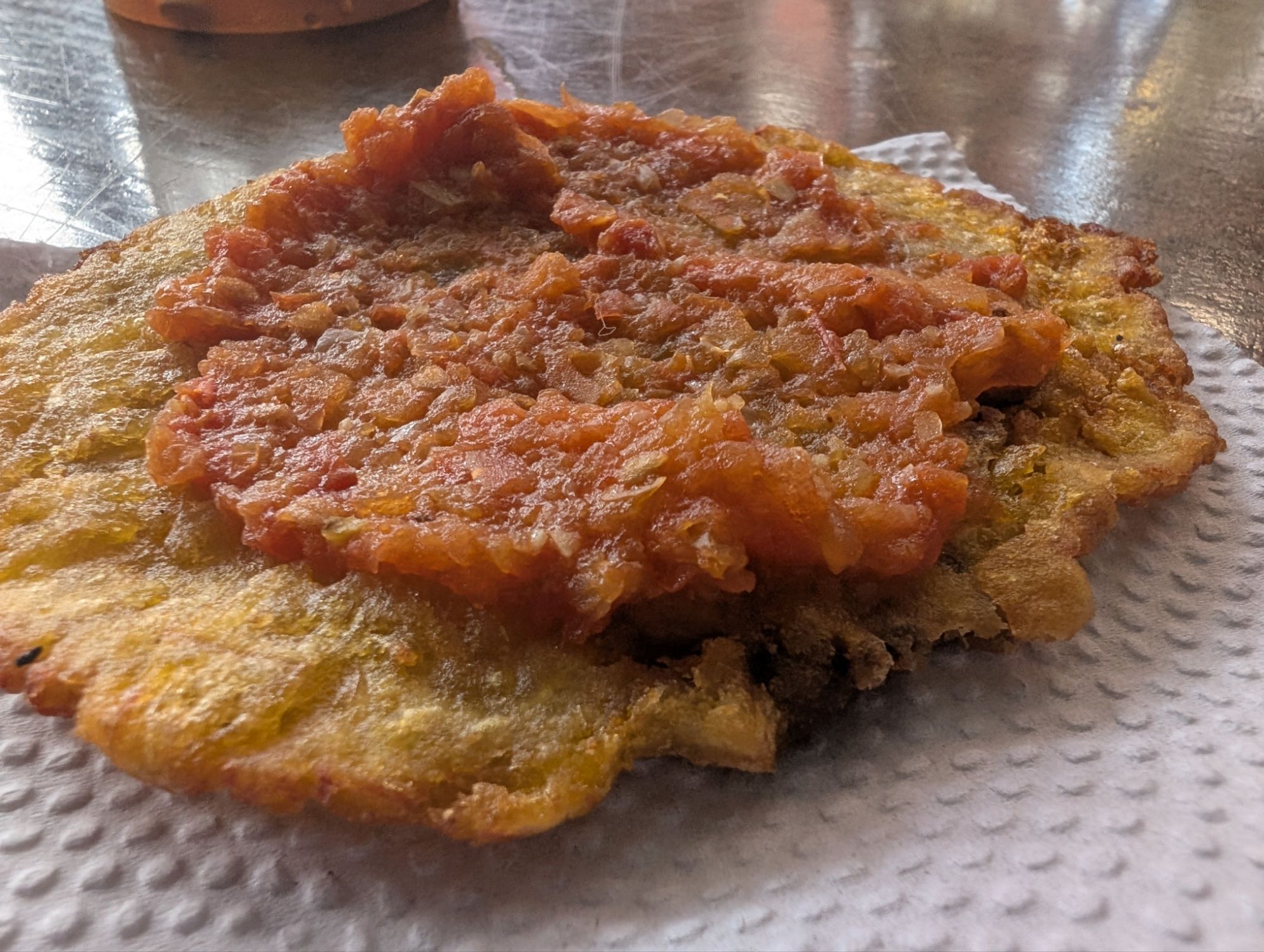
The bottom is made out of plantain and covered with a tomato sauce.
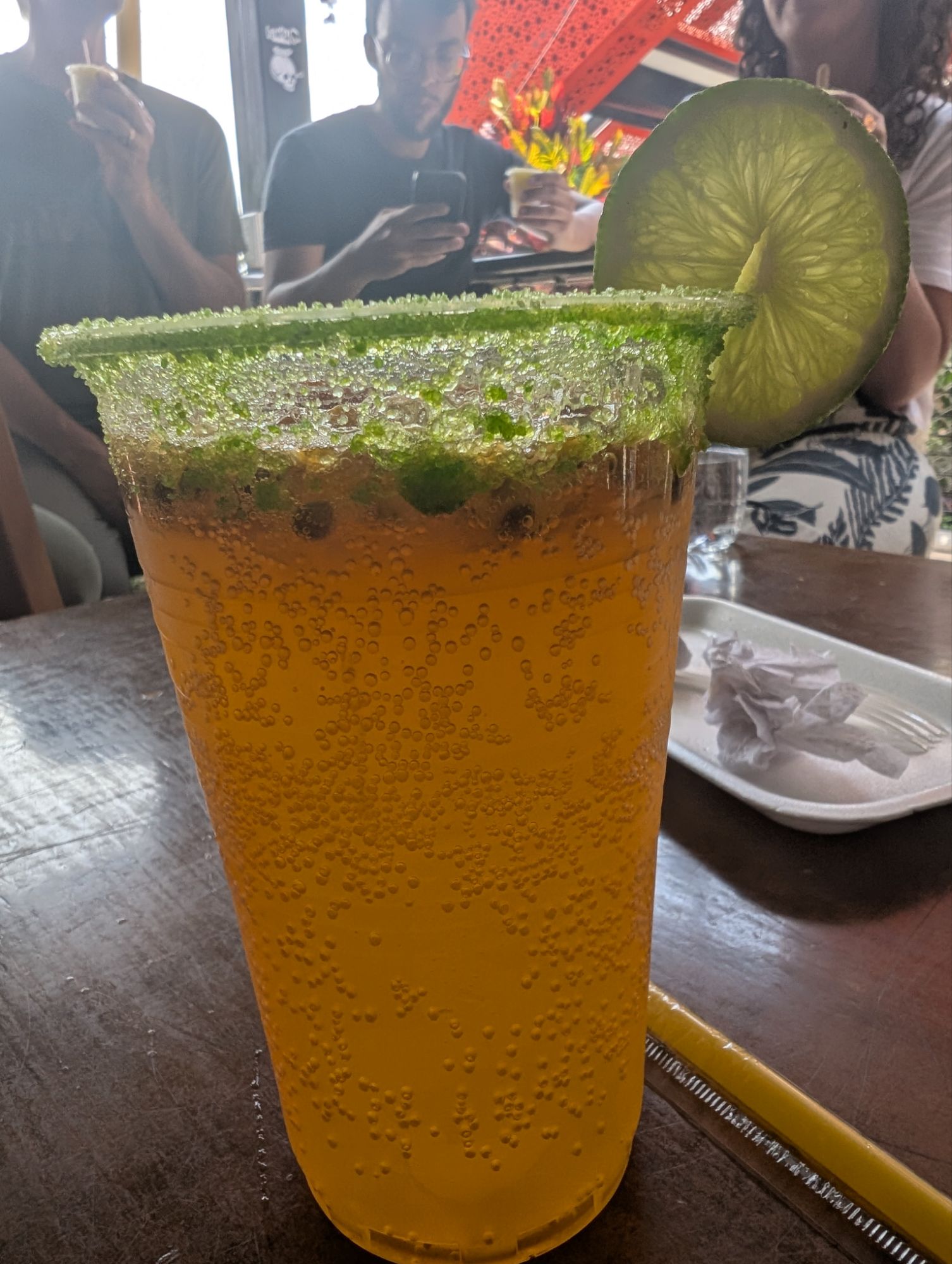
A michelada frutela. Delicious. I also had a cold coffee drink with bubbly water. Pretty refreshing.
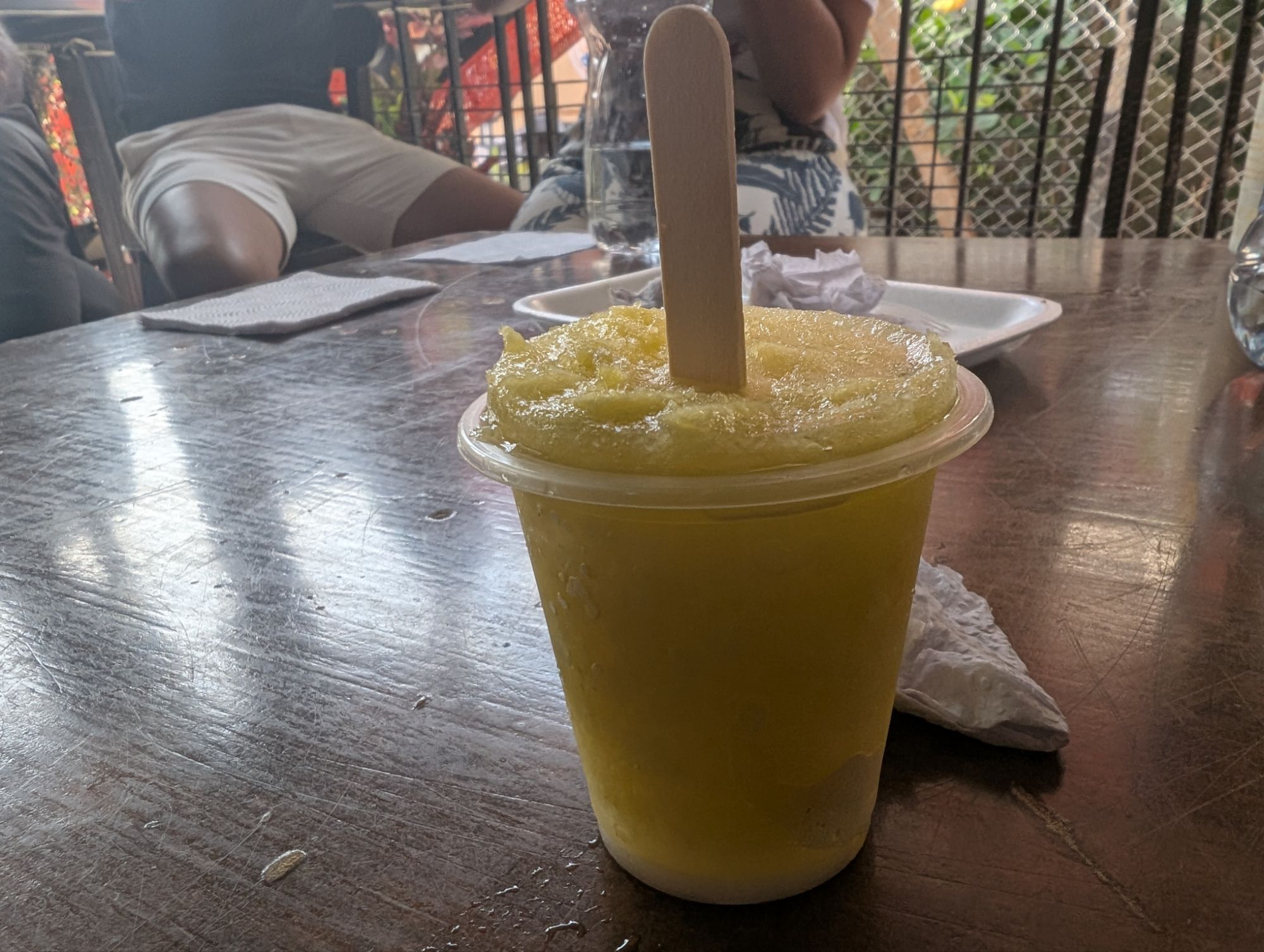
Mango niche. Green mango popsicle with lime juice and salt added to the bottom

After the swim a few of us from the tour went to a local hawker area that was recommended by the guide. I had madongo. It is a soup made of tripe. It was absolutely delicious

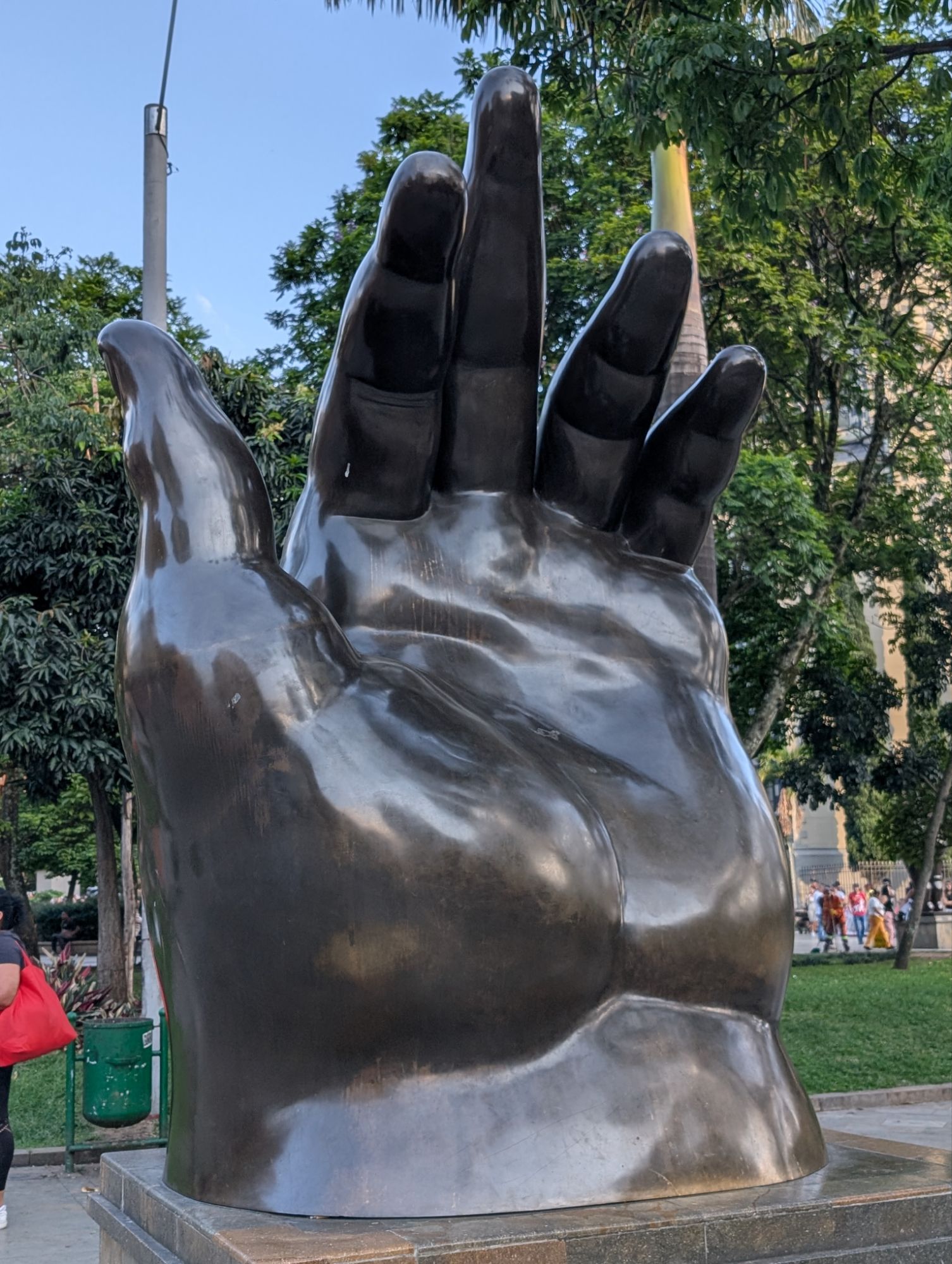
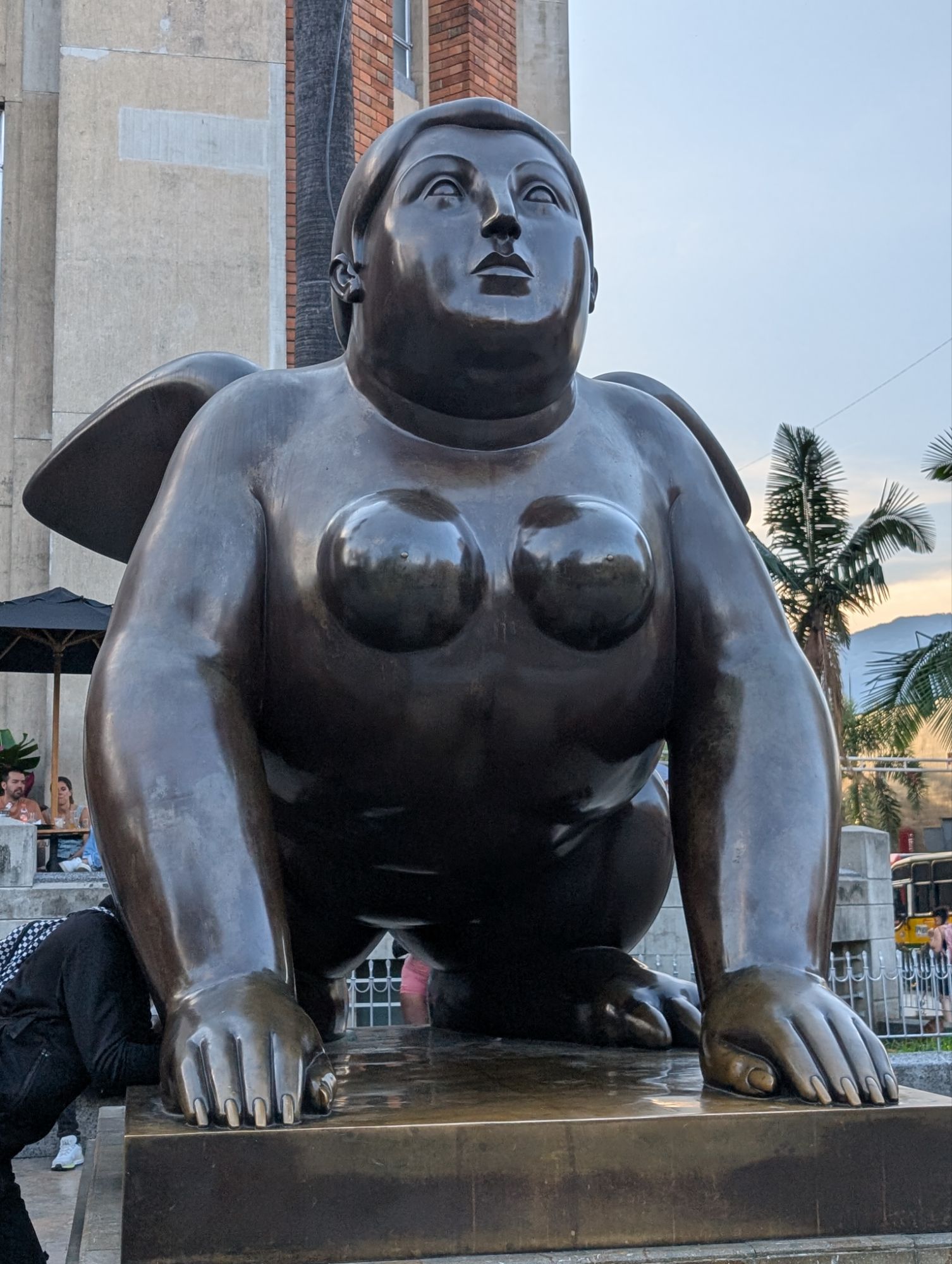
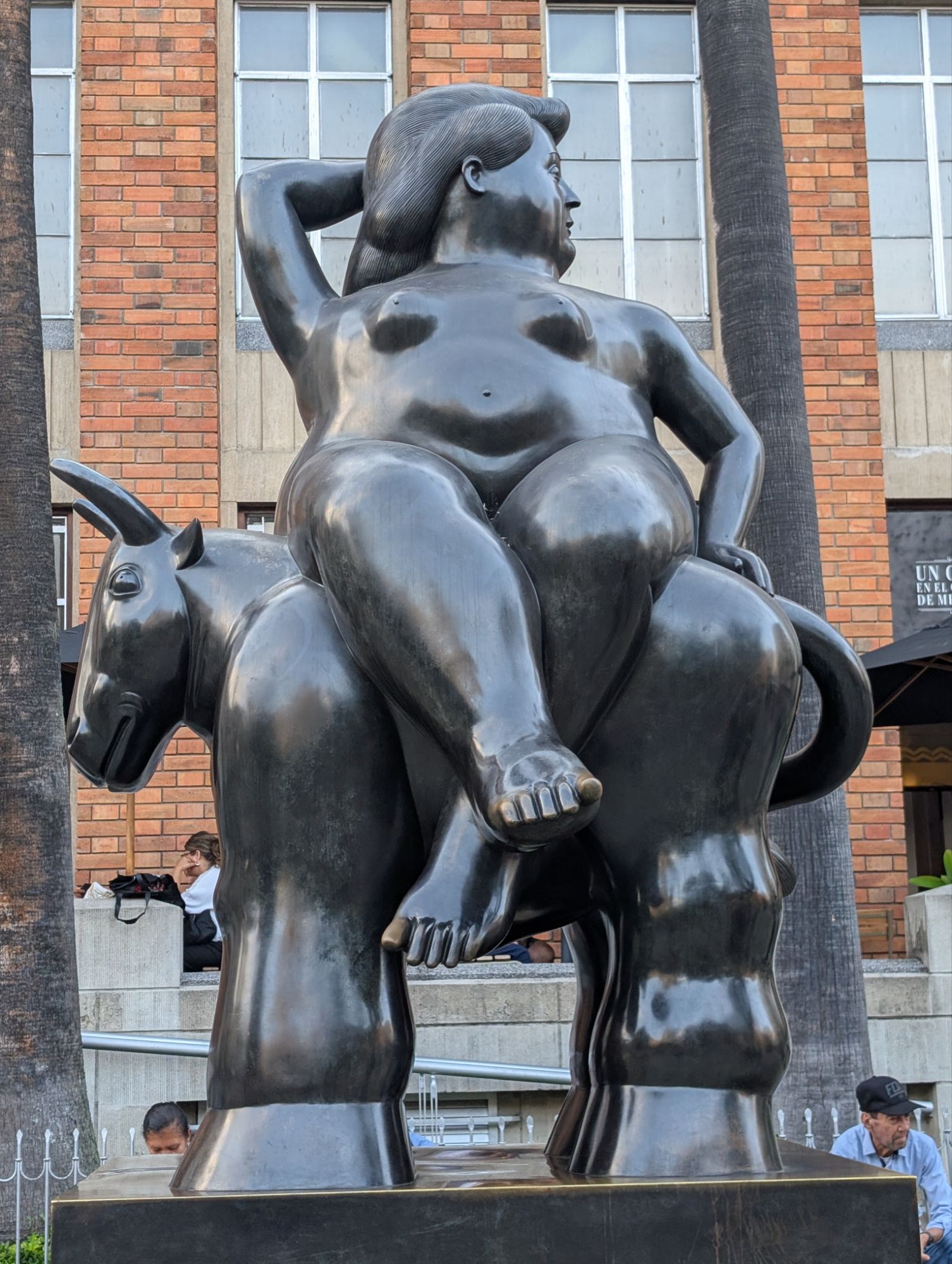
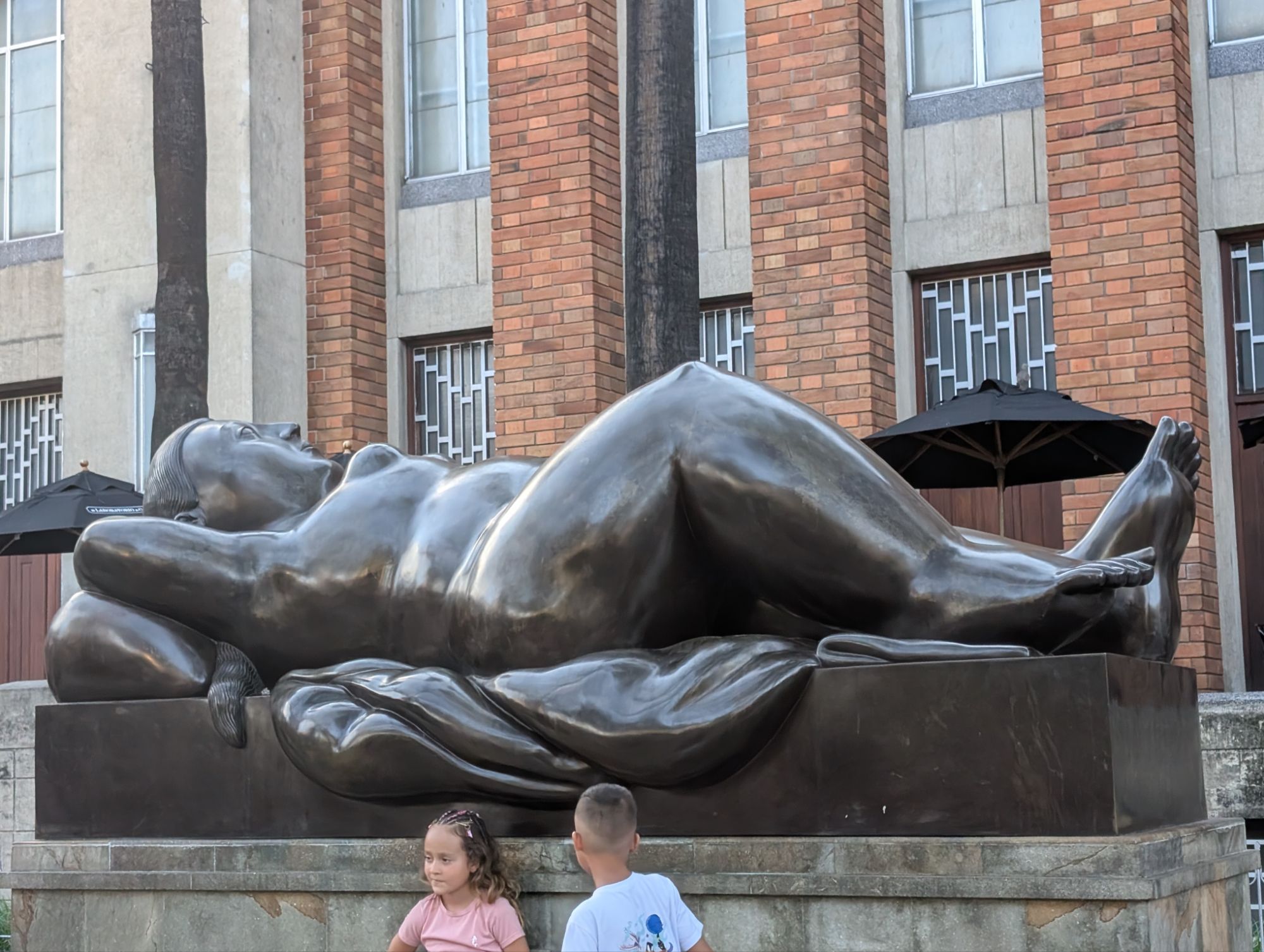
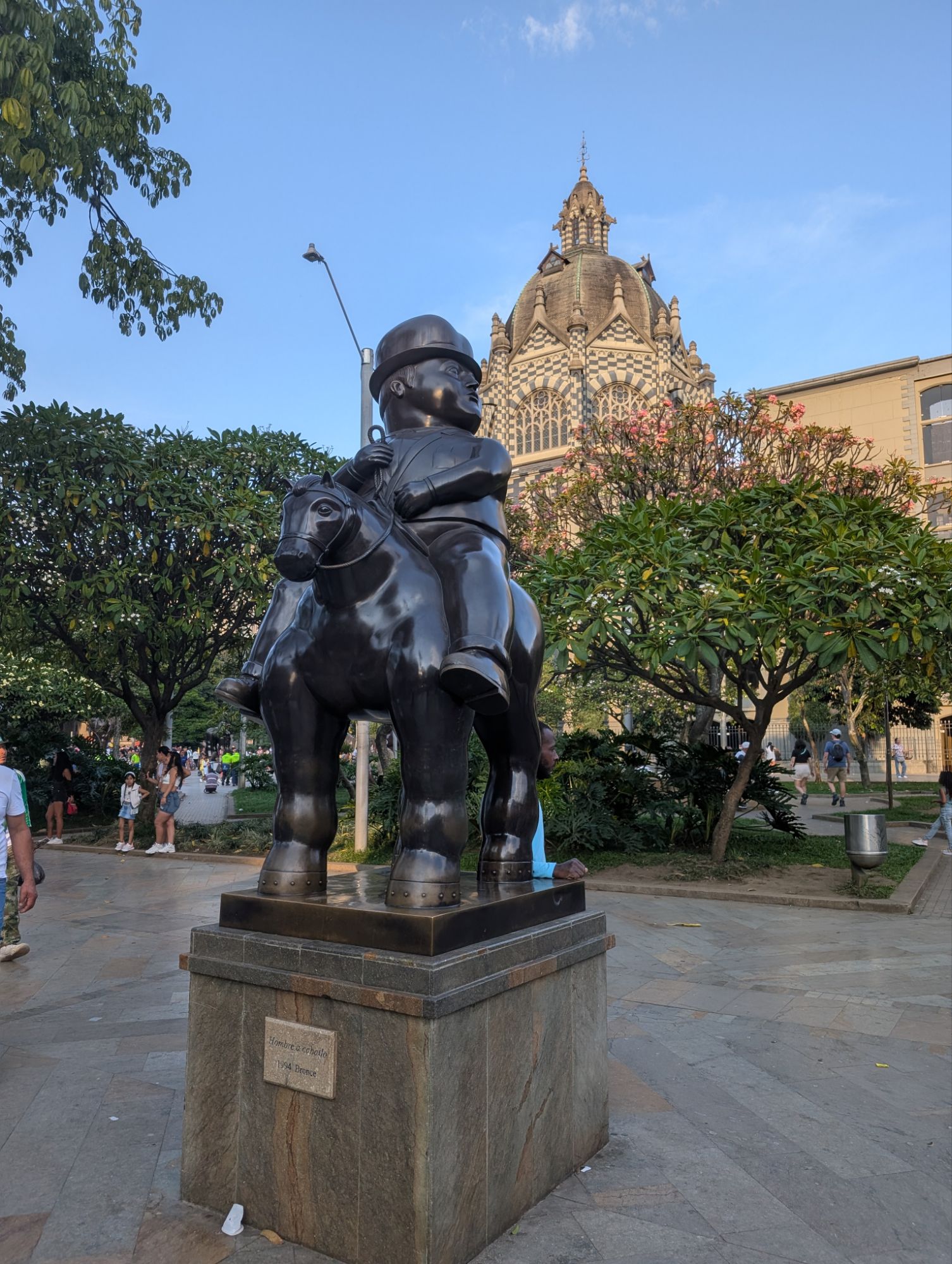
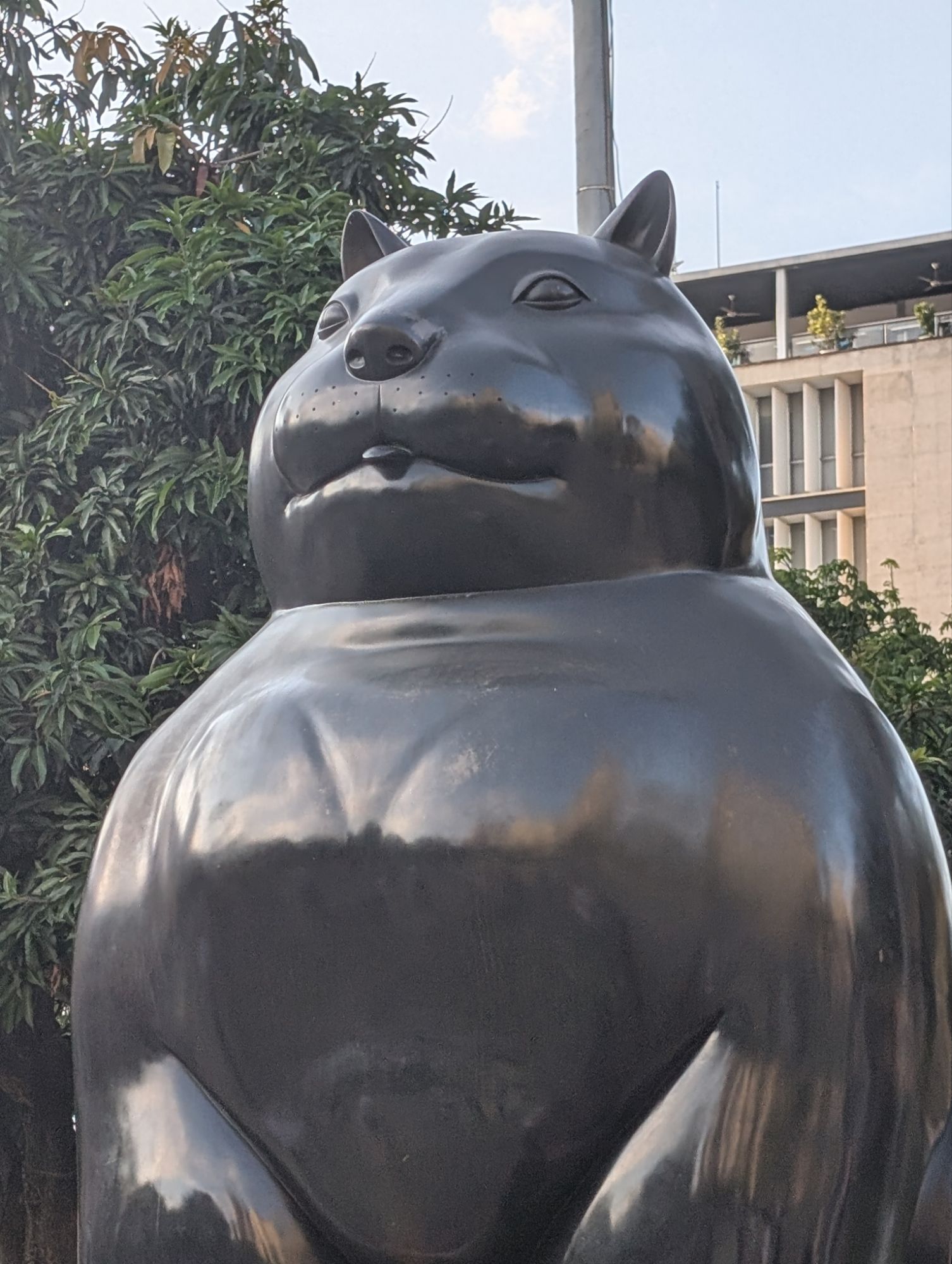
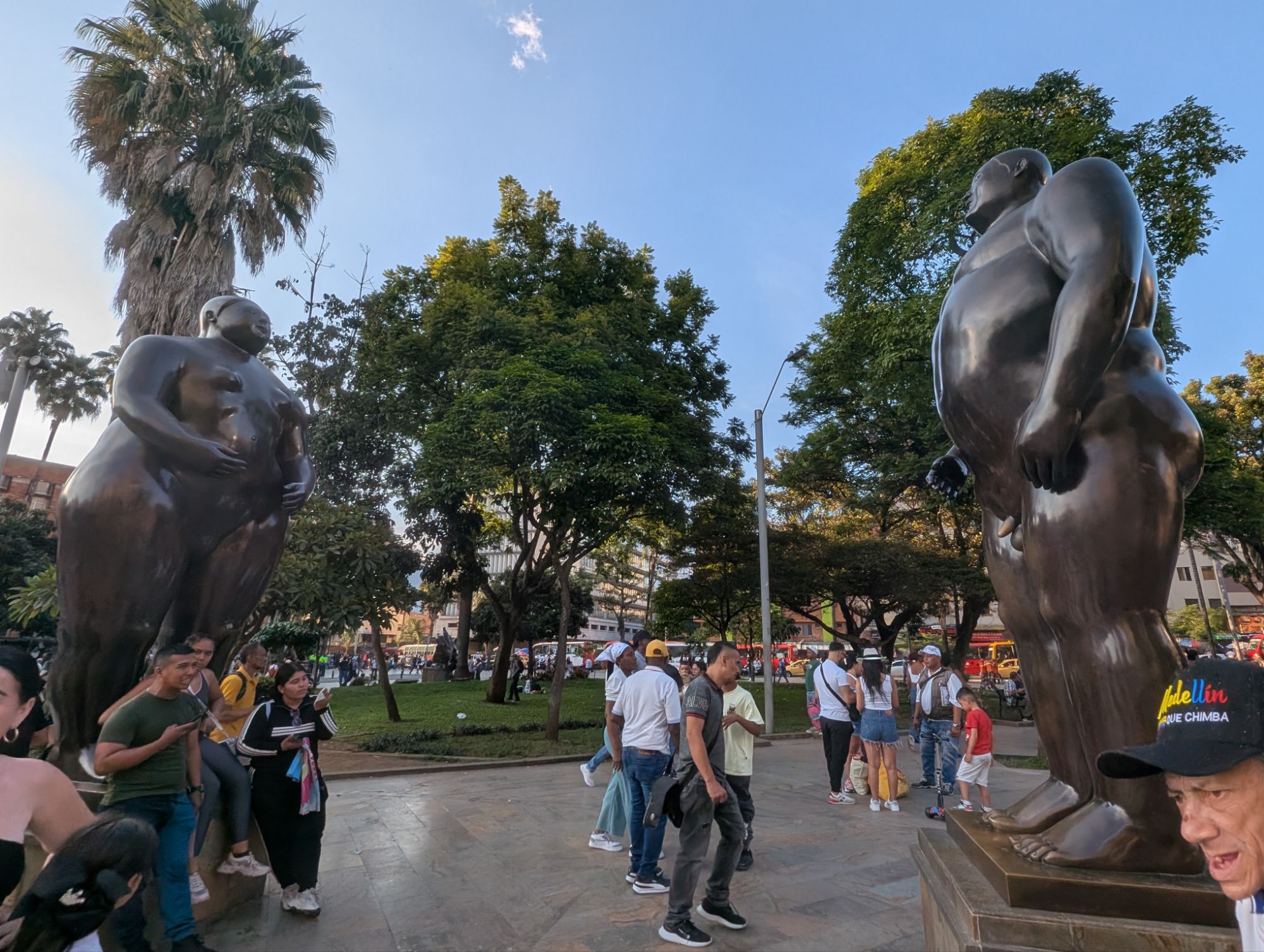
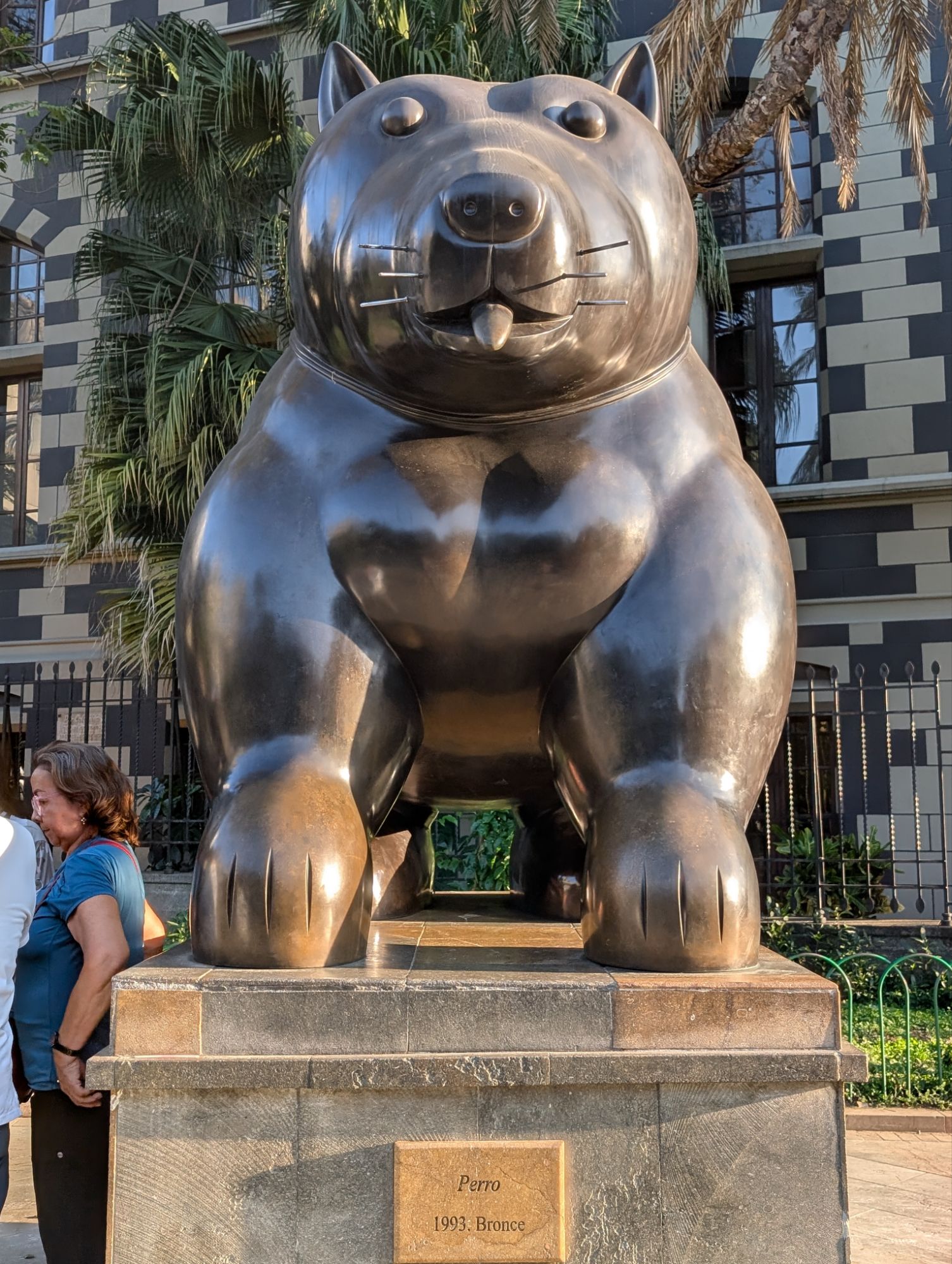
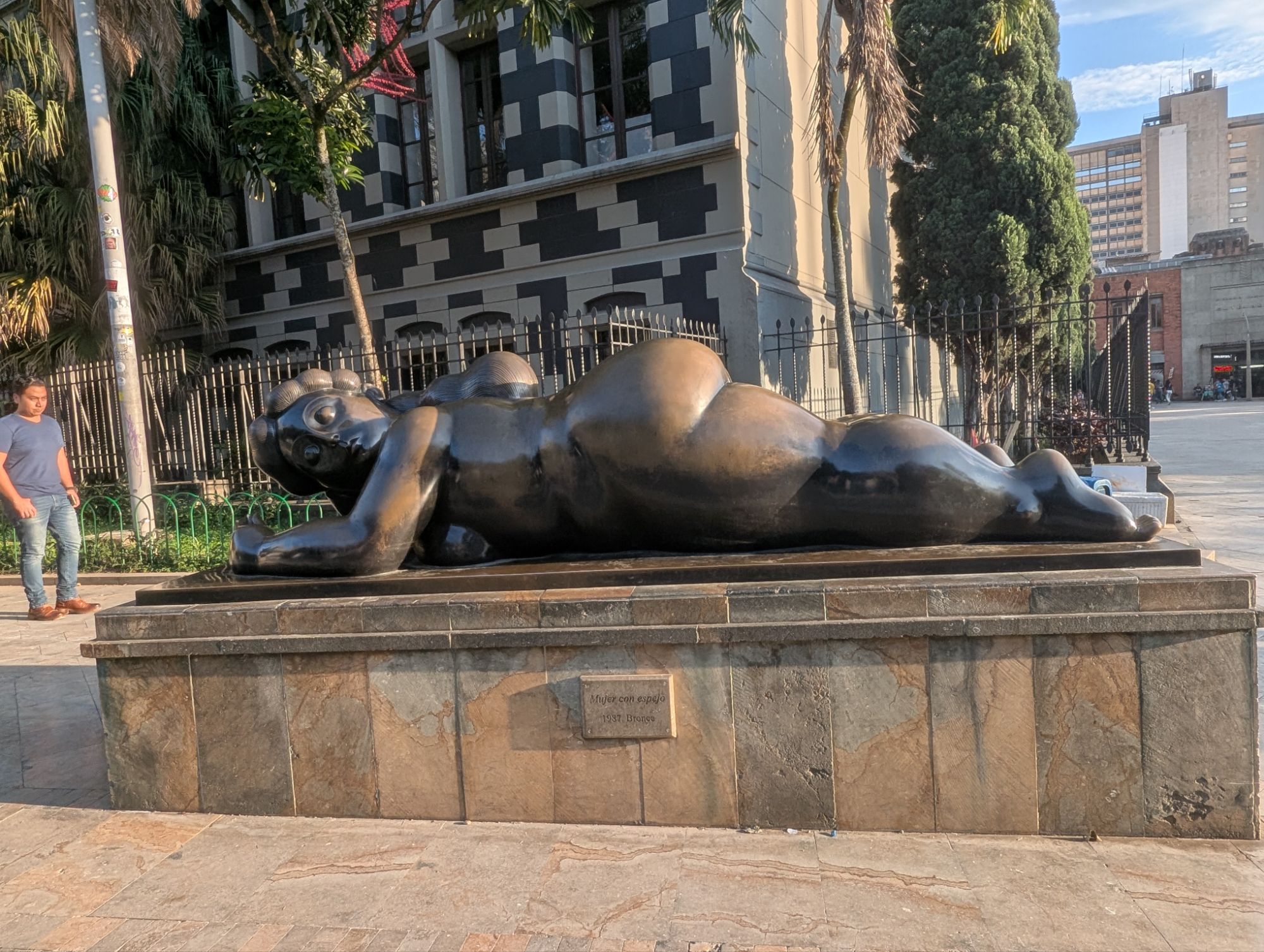
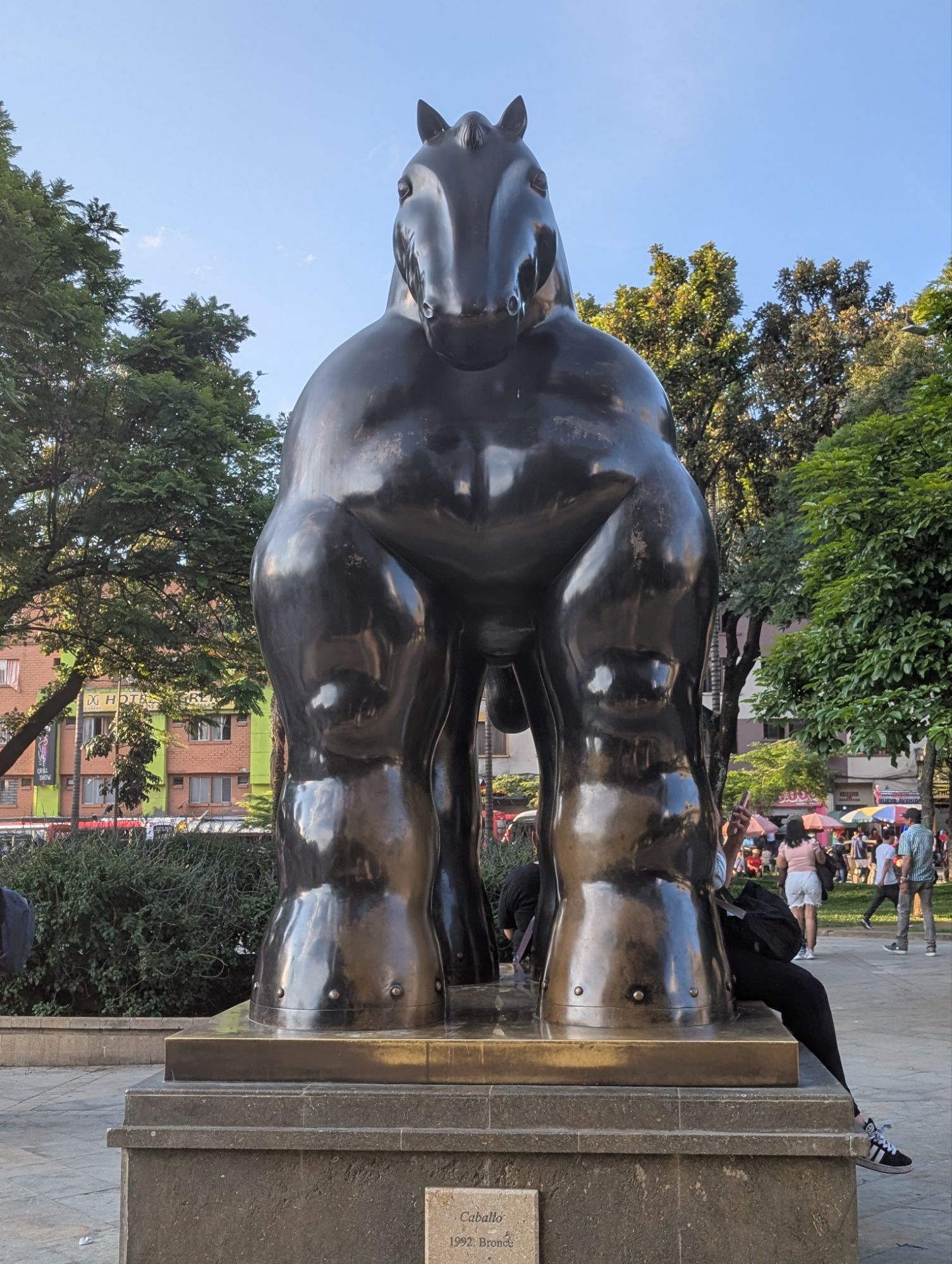
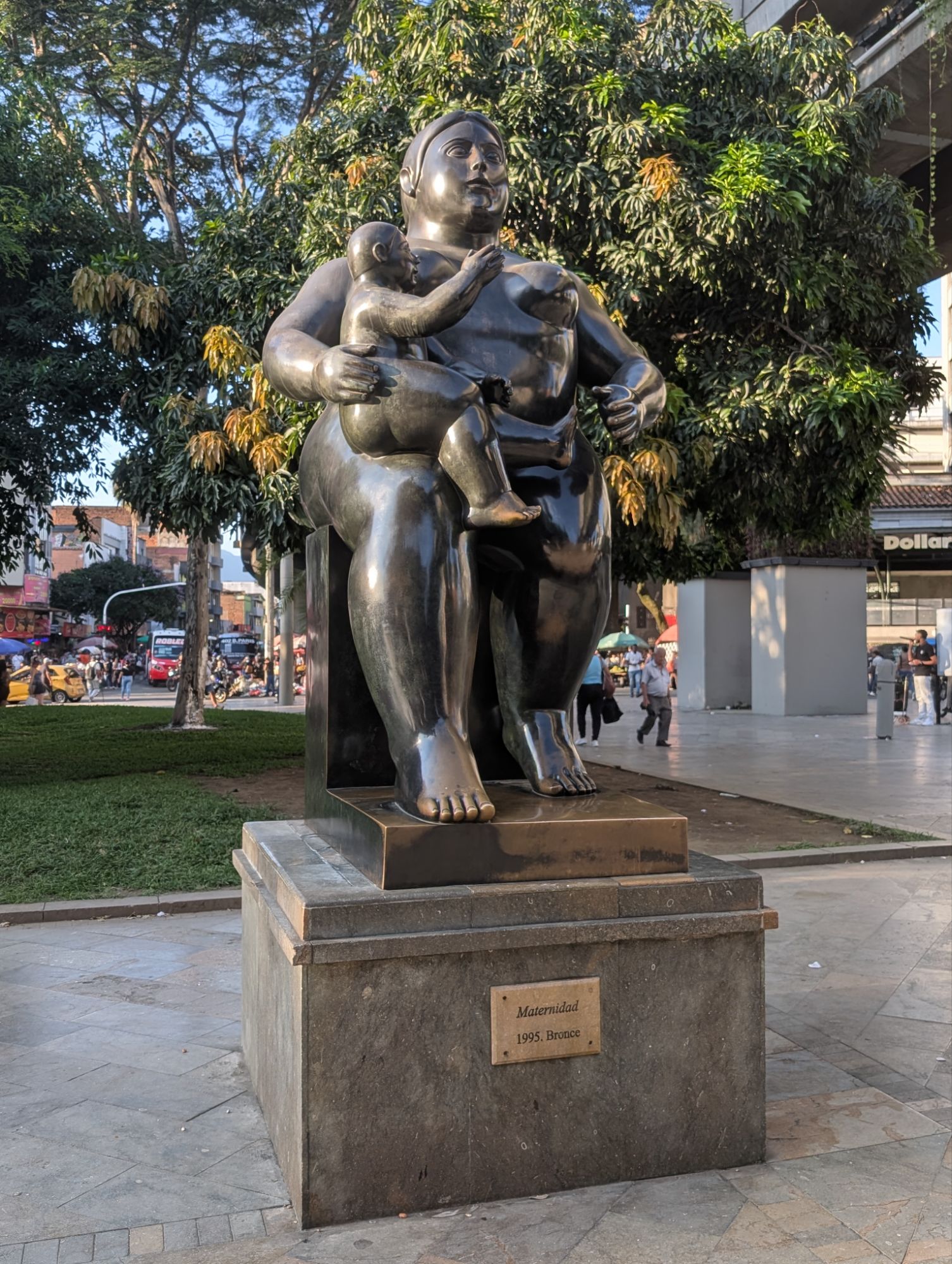
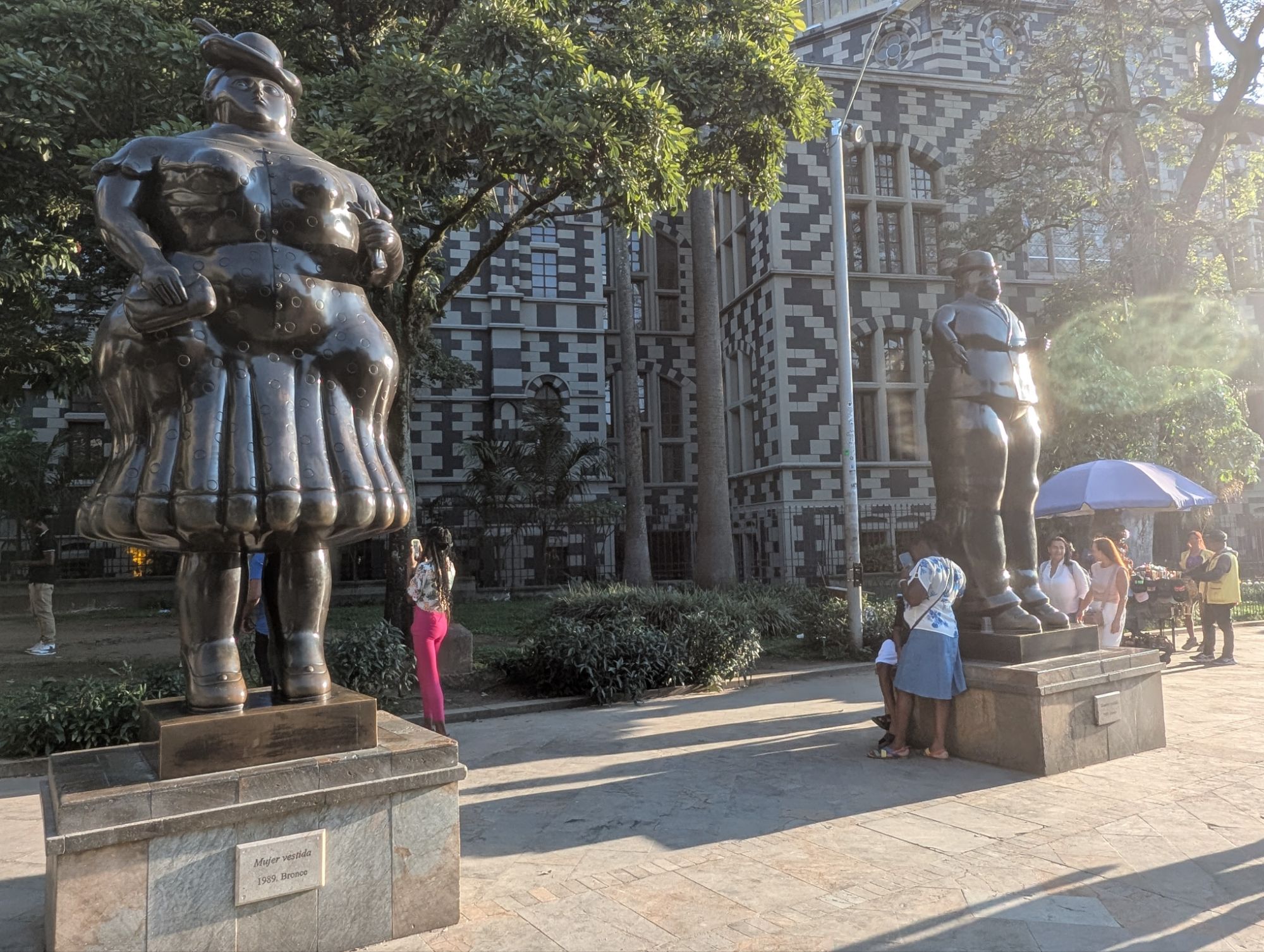
After a swim to cool down I took a walk to parque Botero. There are bronze statues created by the artist Botero. It is interesting to see how the streets on opposite sides of the park are different. One side is a literal red light district and the other side is not quite so seedy.

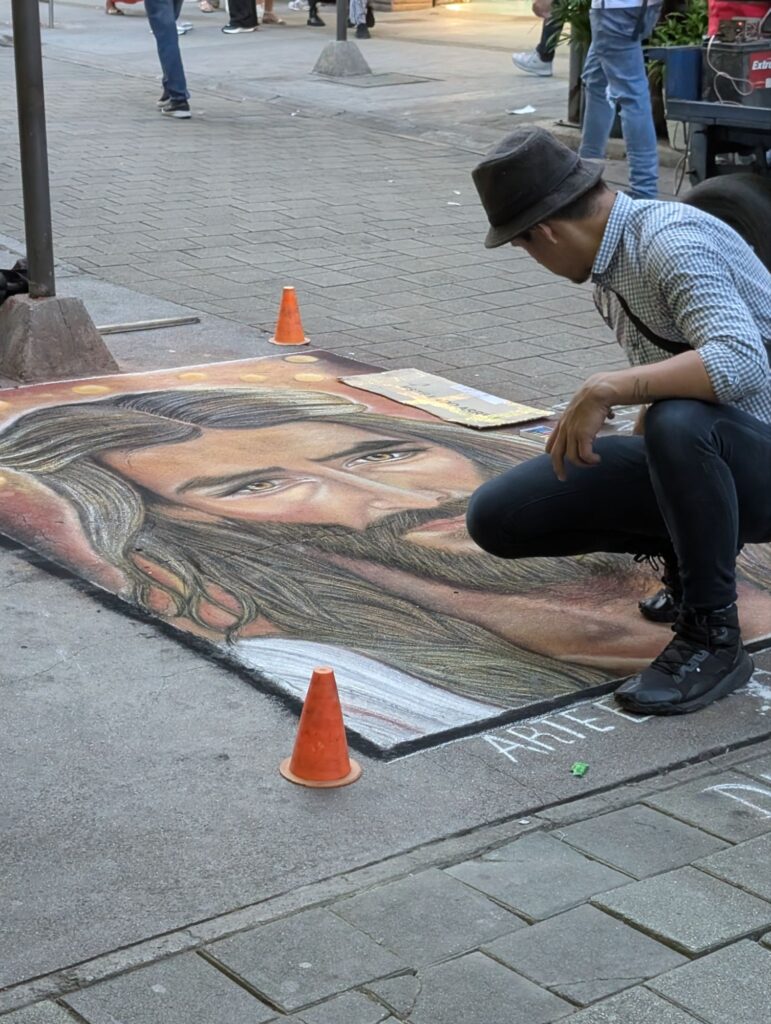
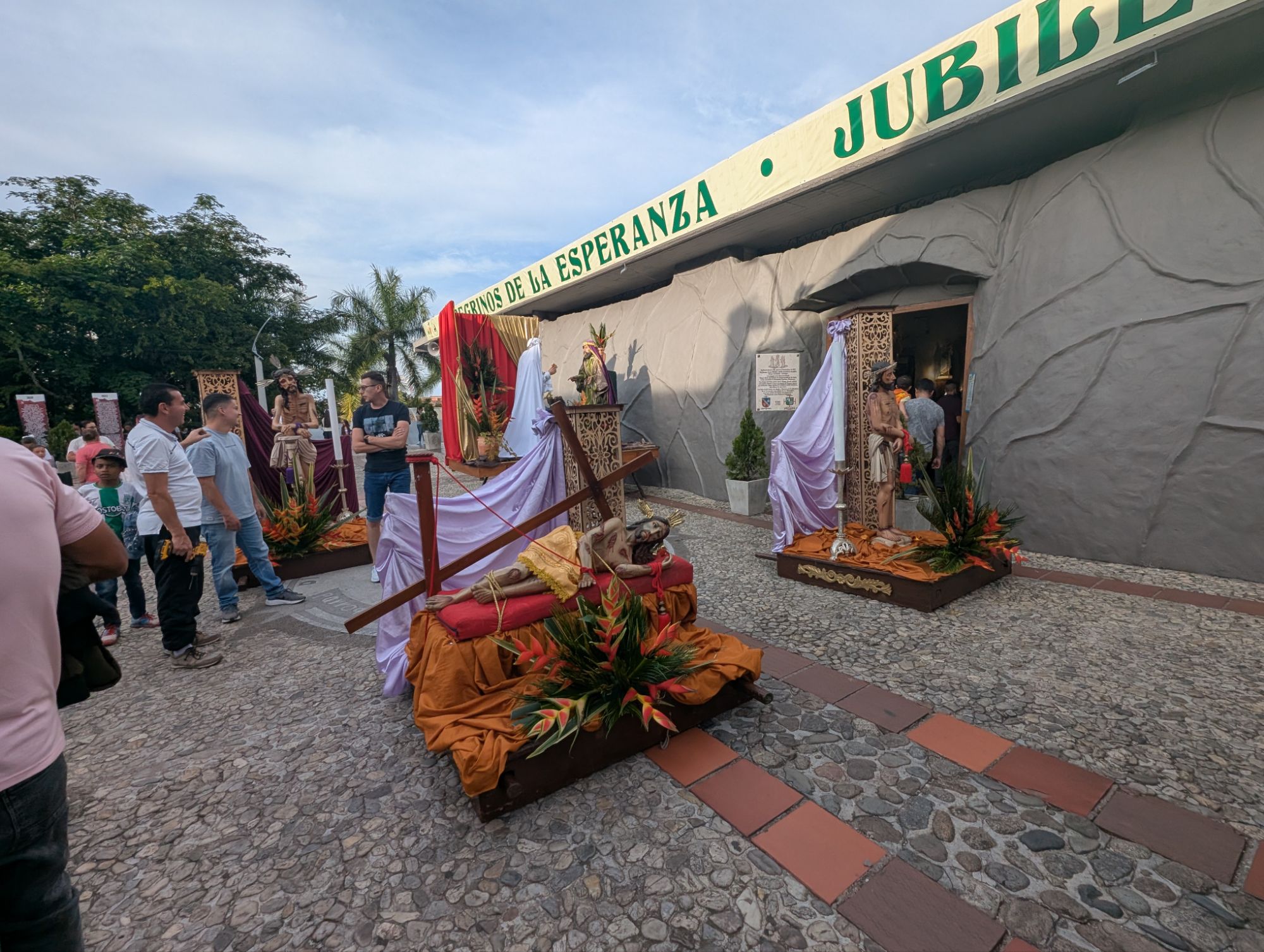
It is almost Easter and lots of street art can be seen.

Guatapé

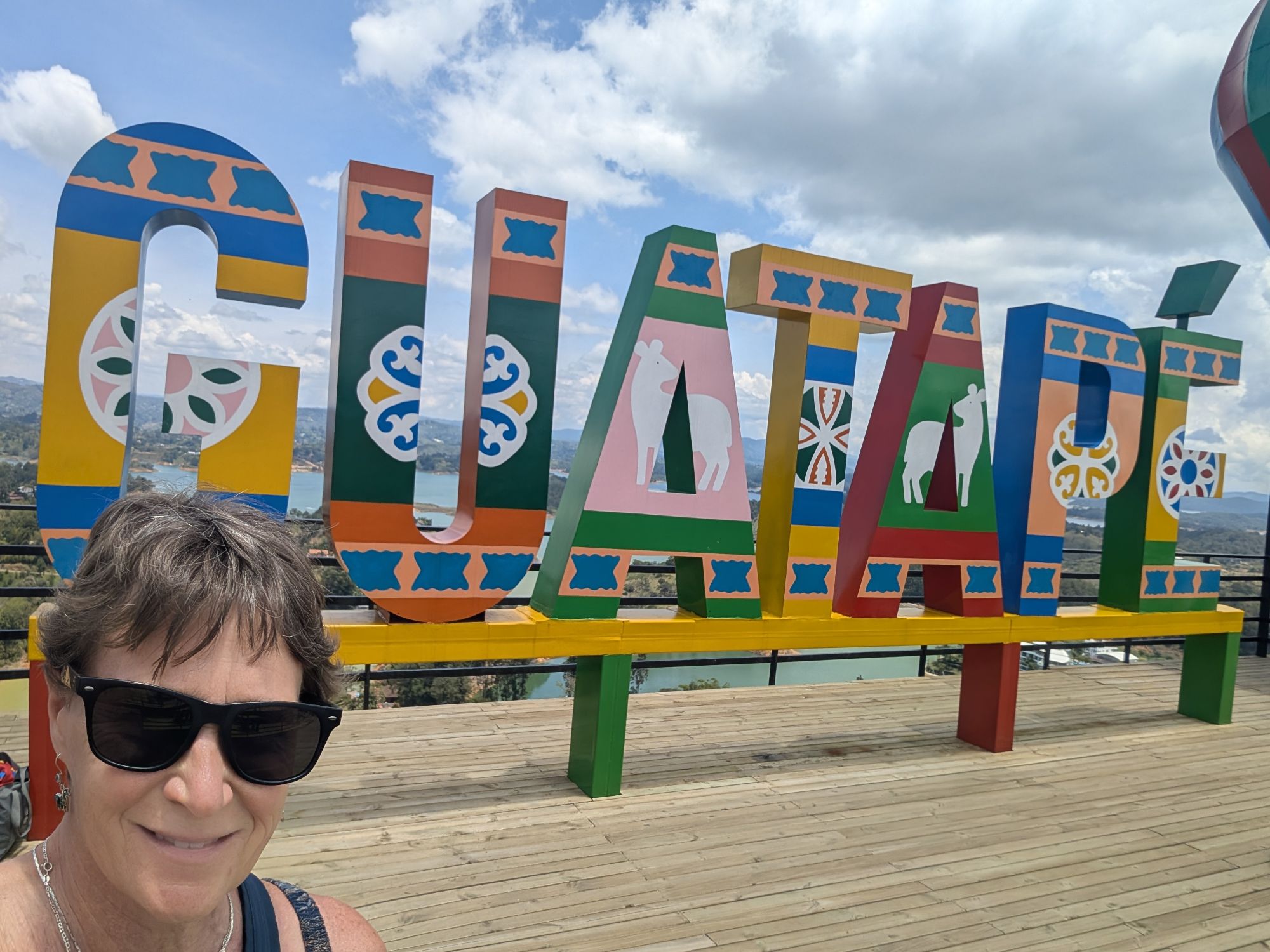
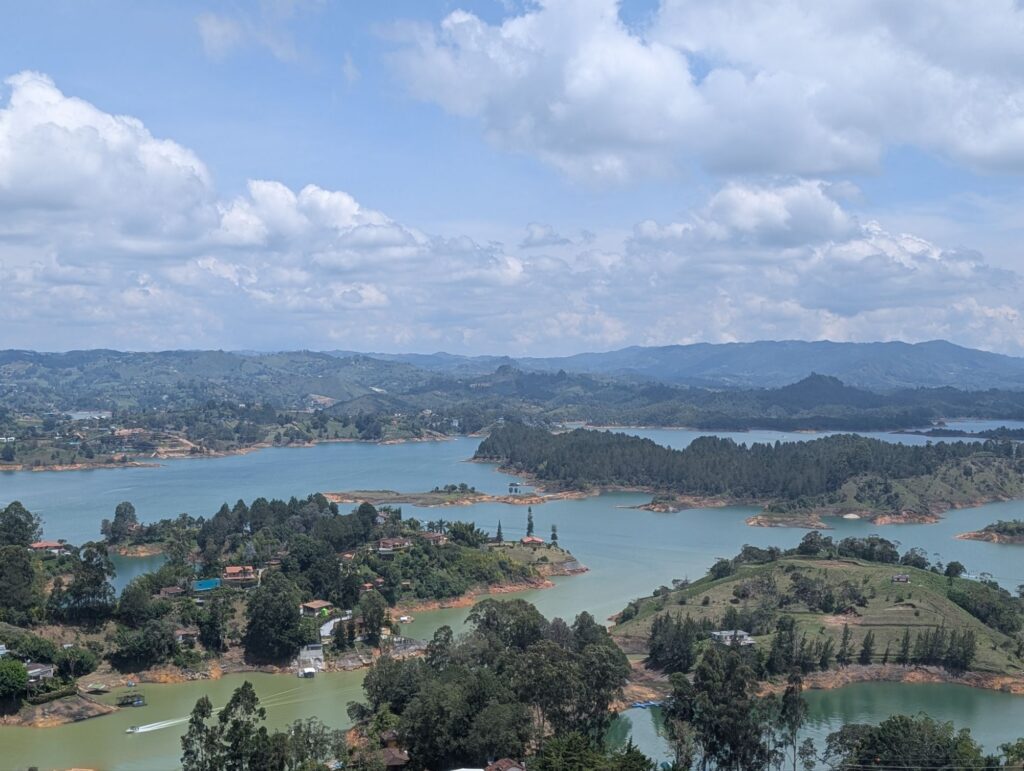
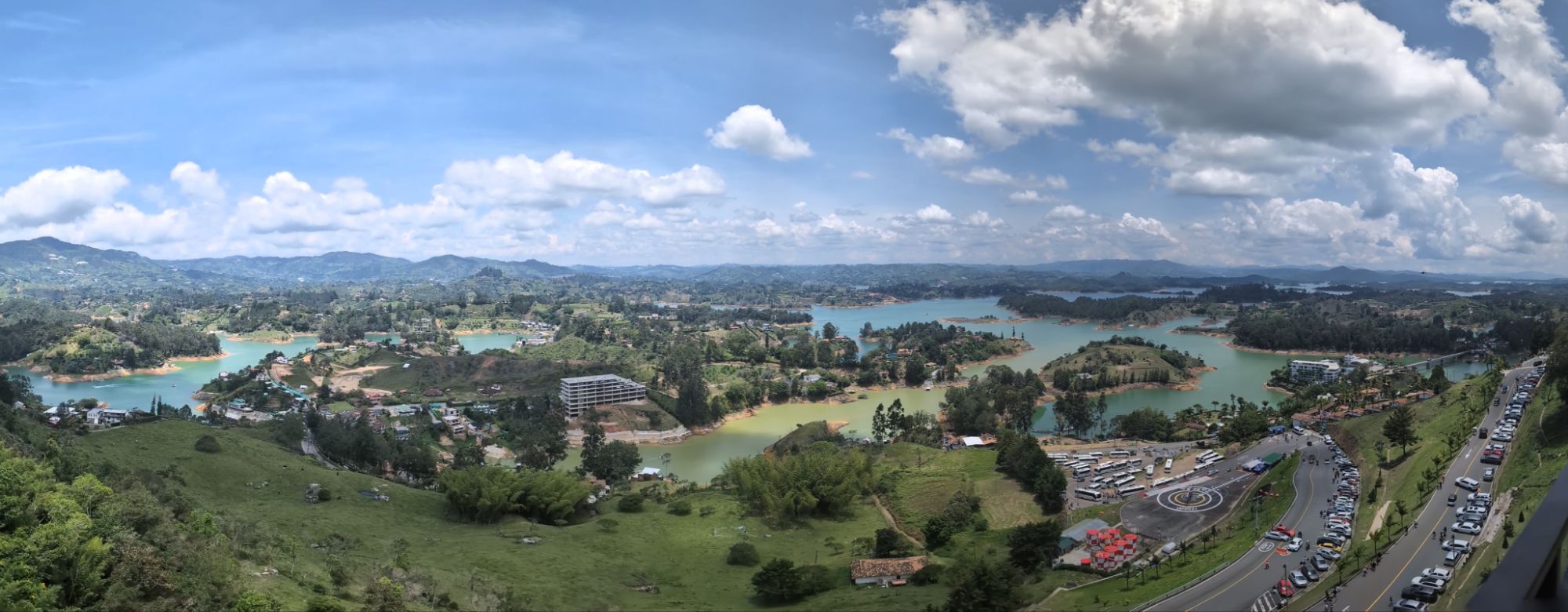
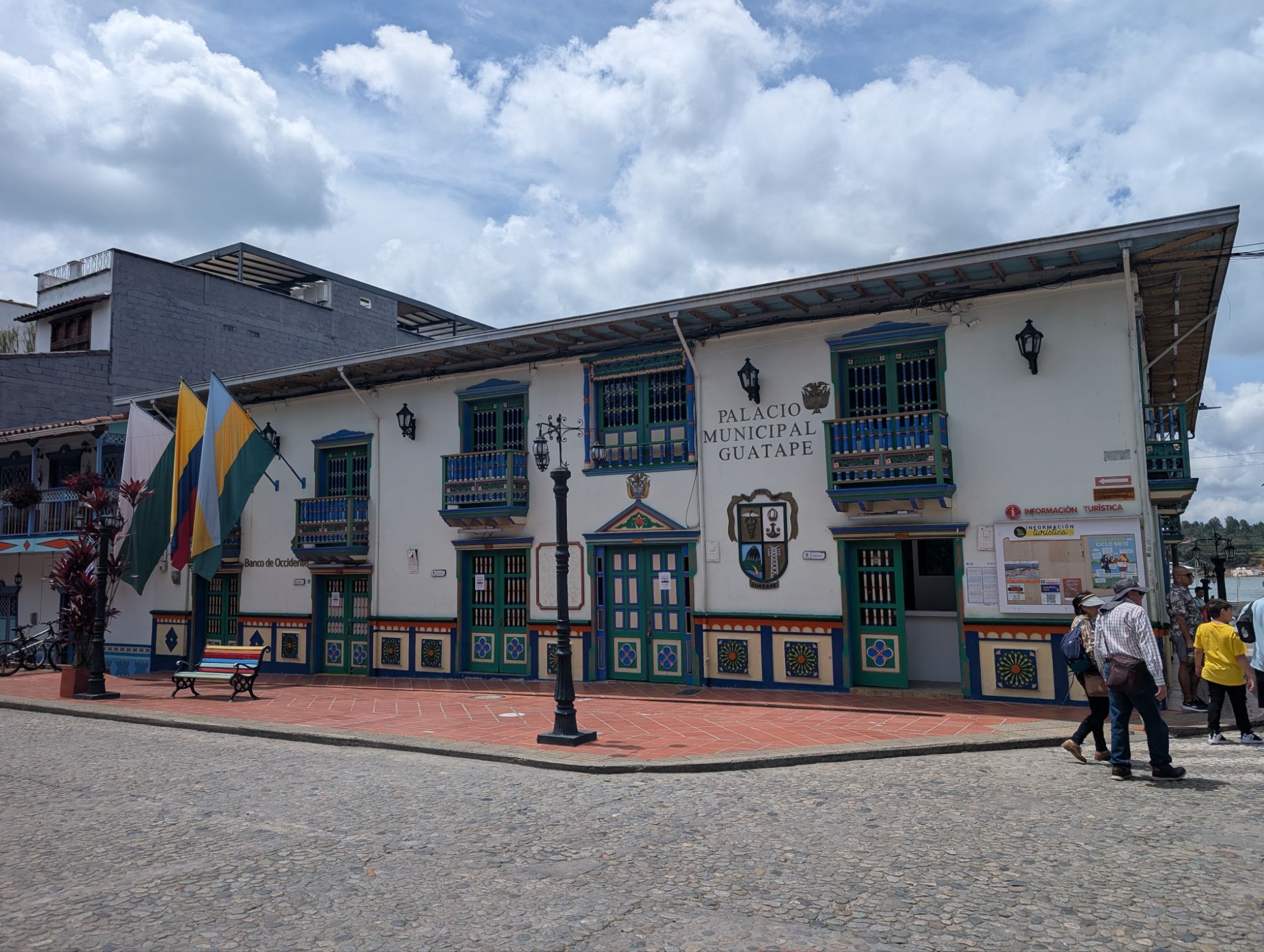
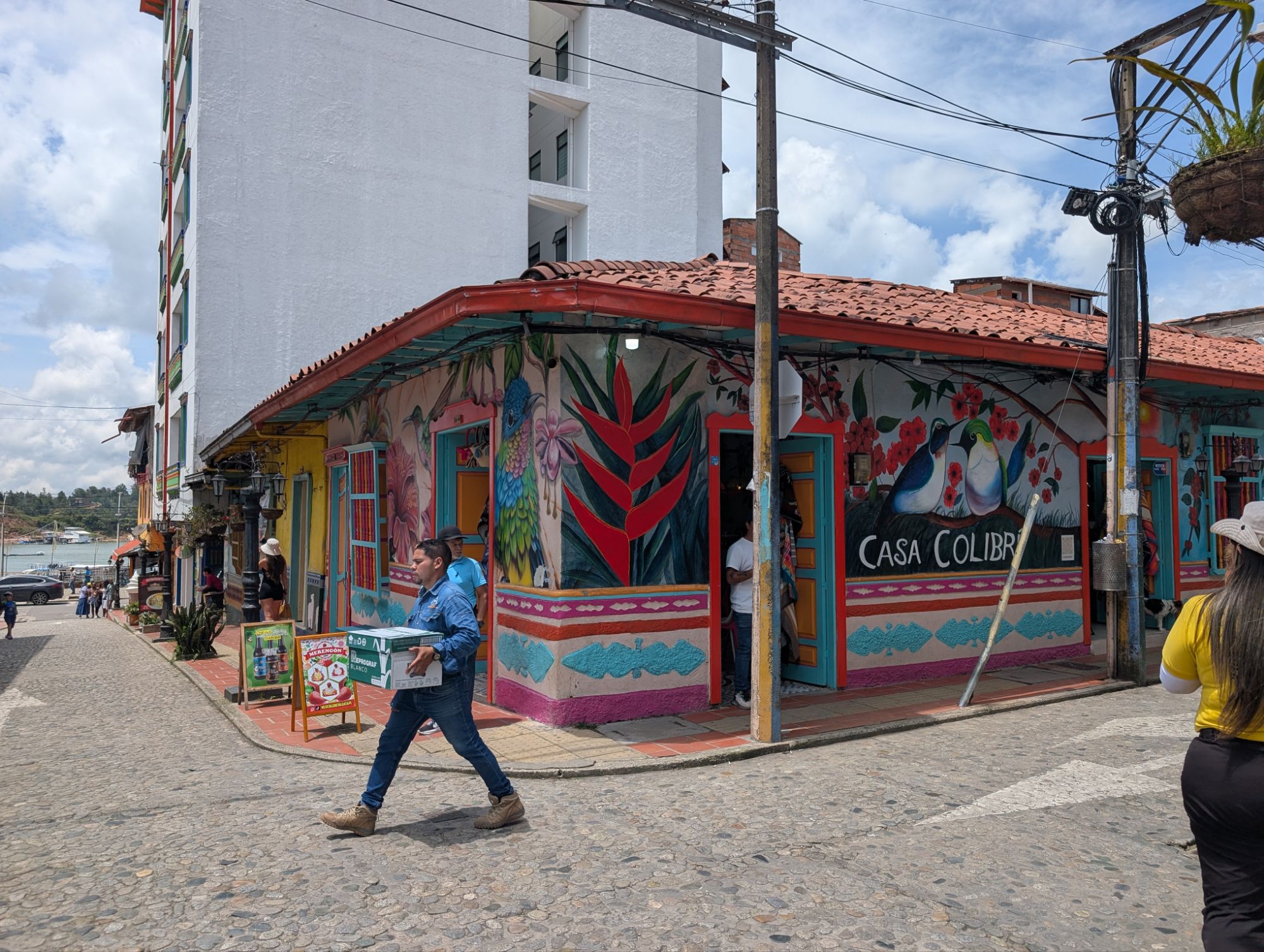
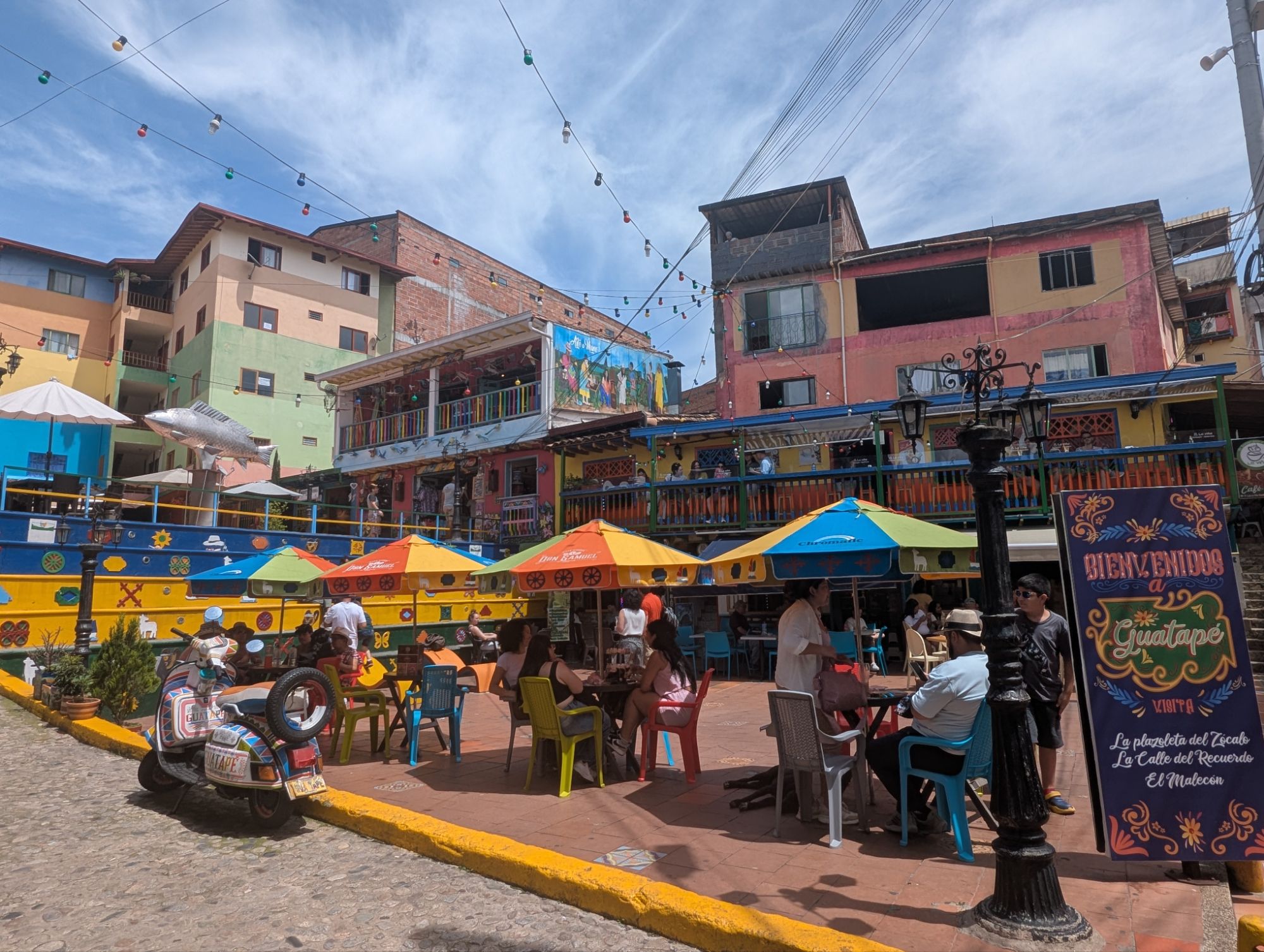
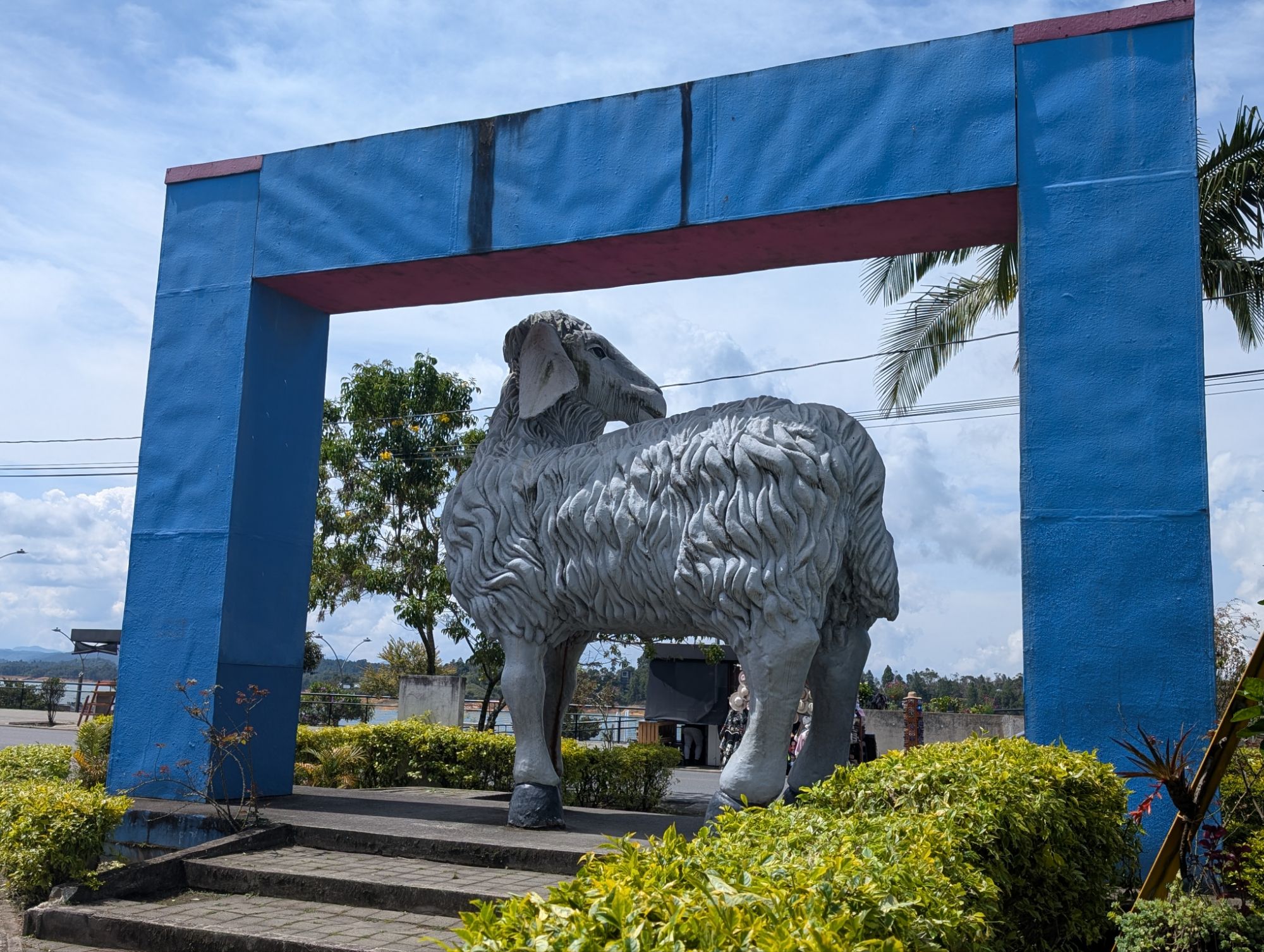
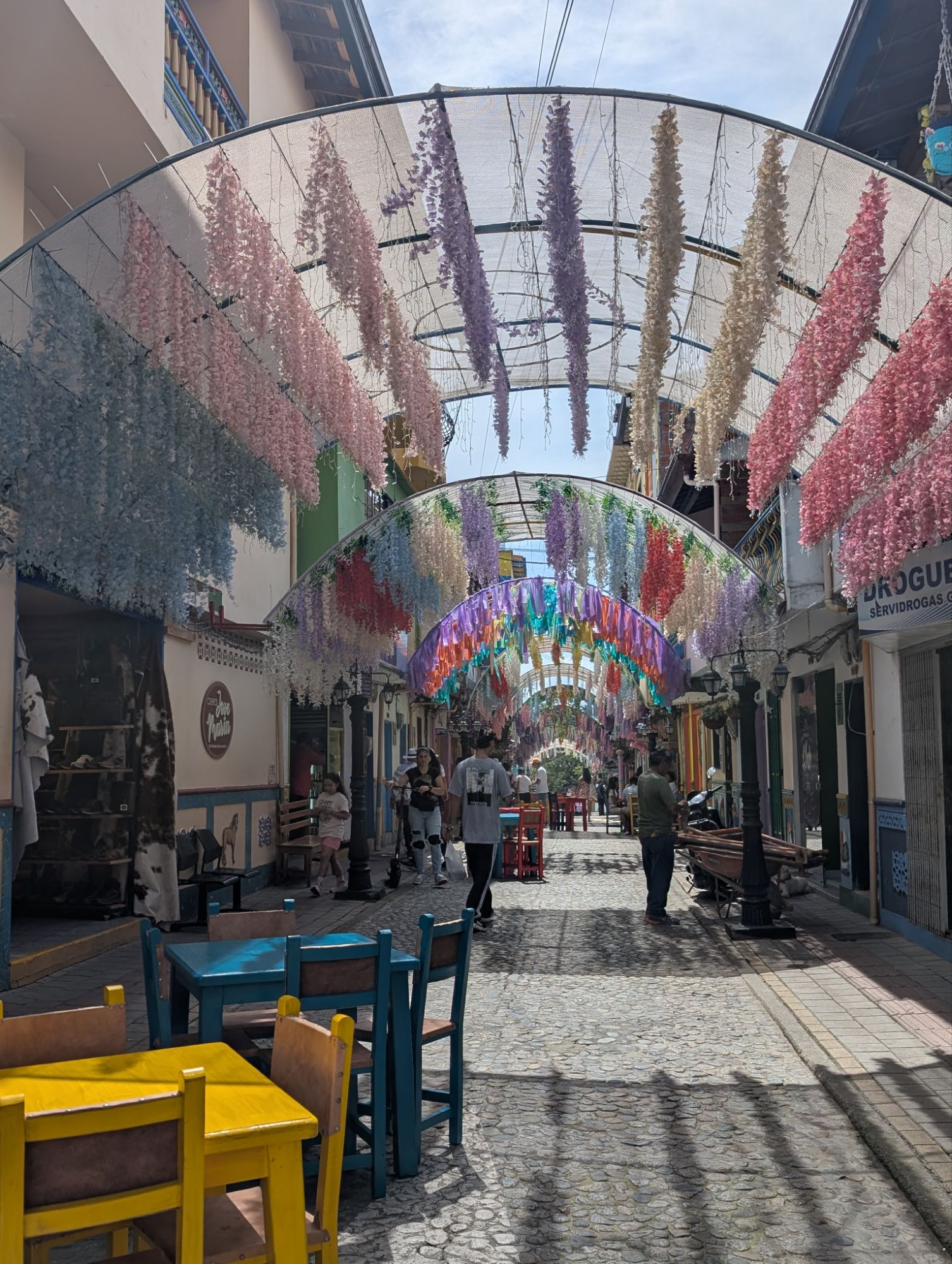
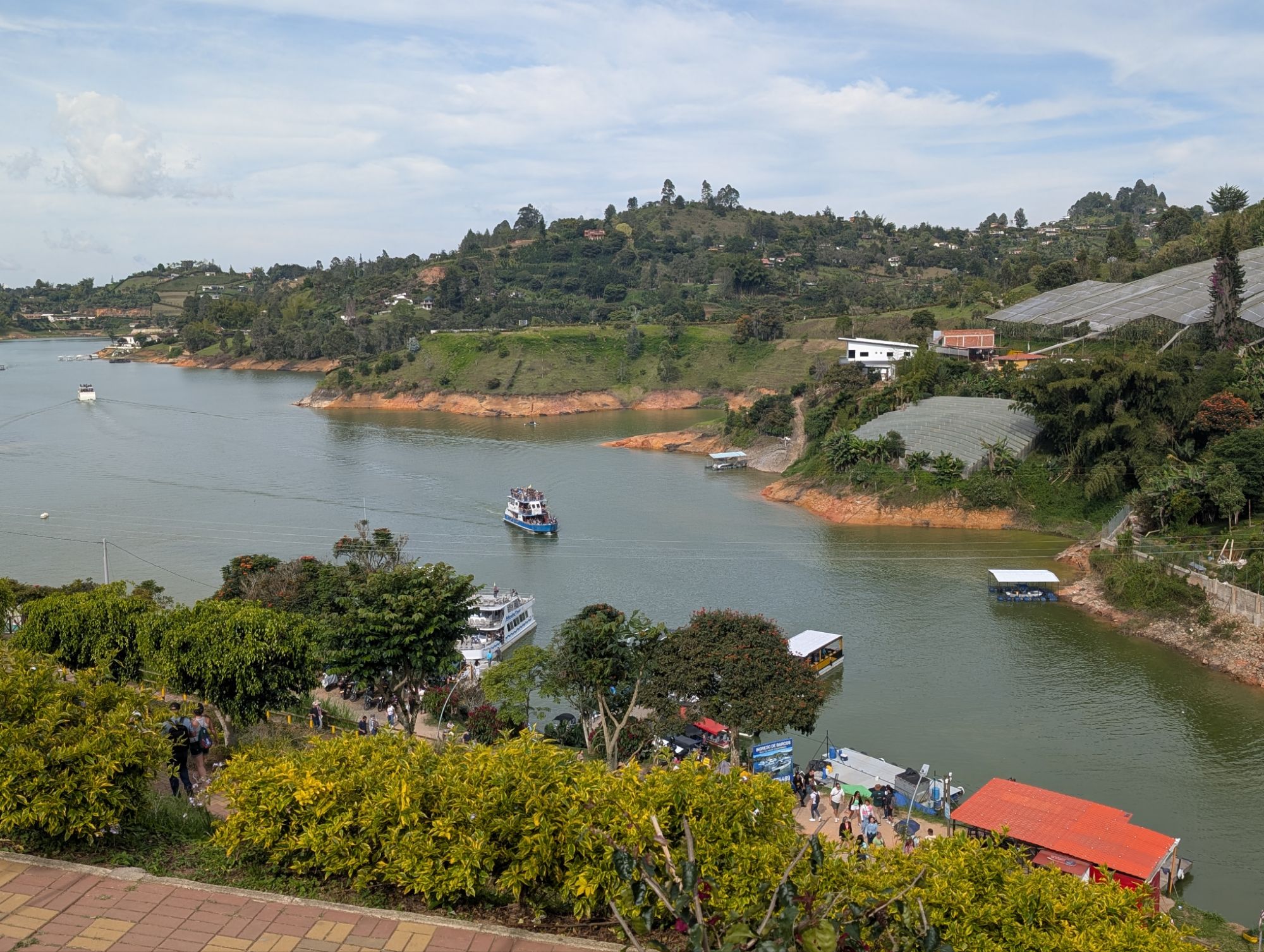
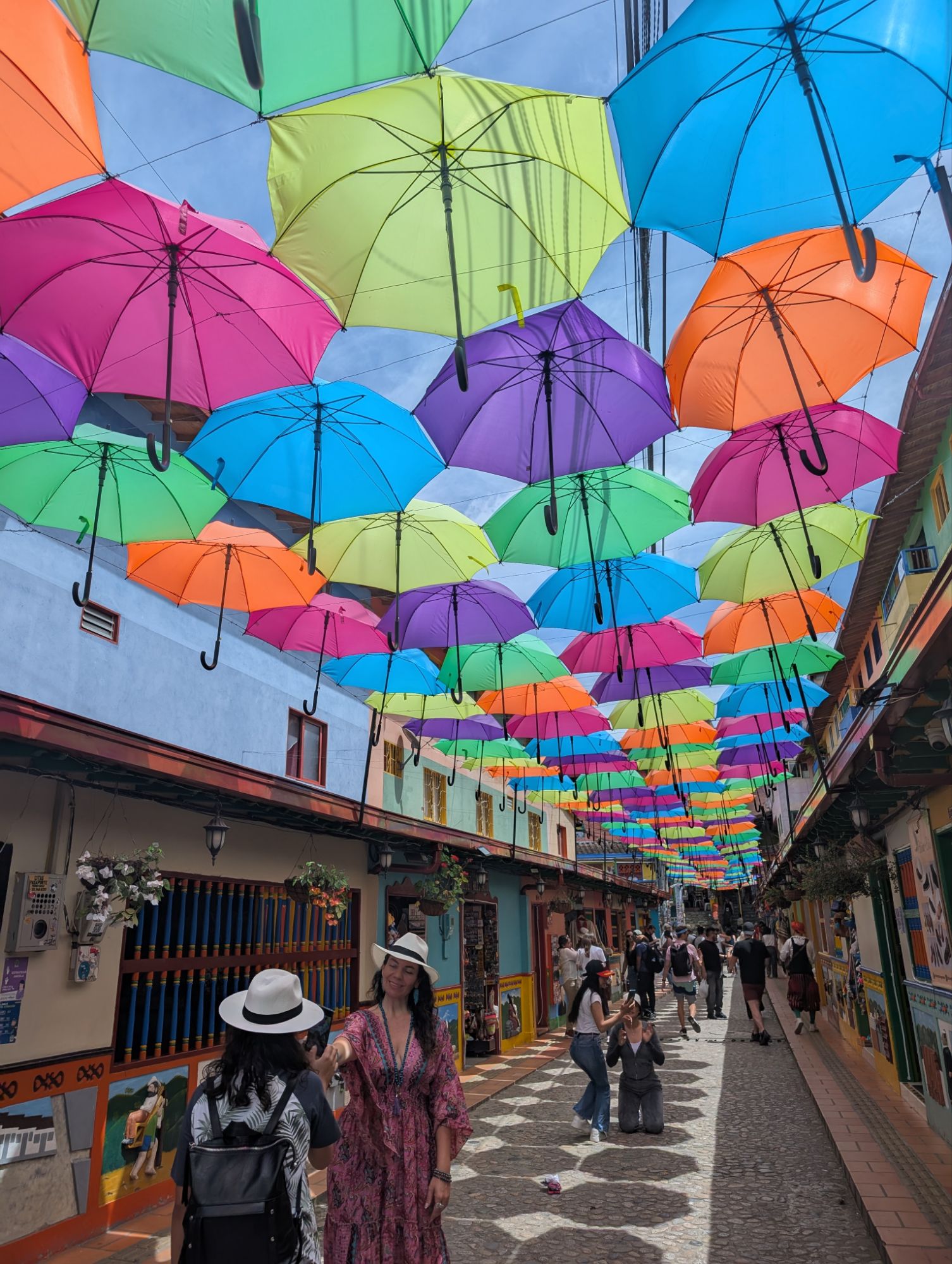
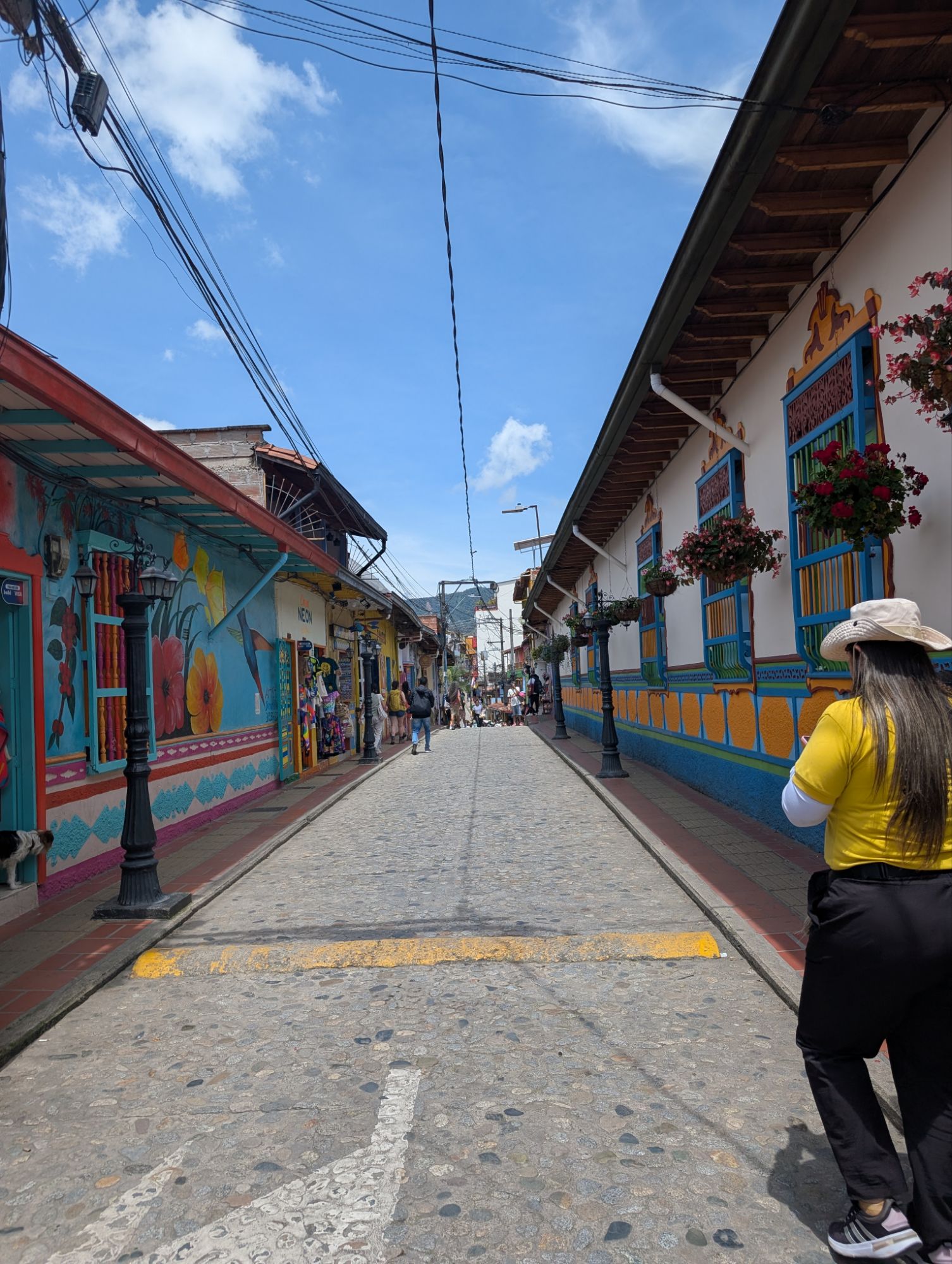
Guatapé is a small town outside of Medellin that is known for its charming atmosphere, great way to spend a day away, and plenty of things to do. I joined a totally Spanish tour bus which gave me a lot of practice.

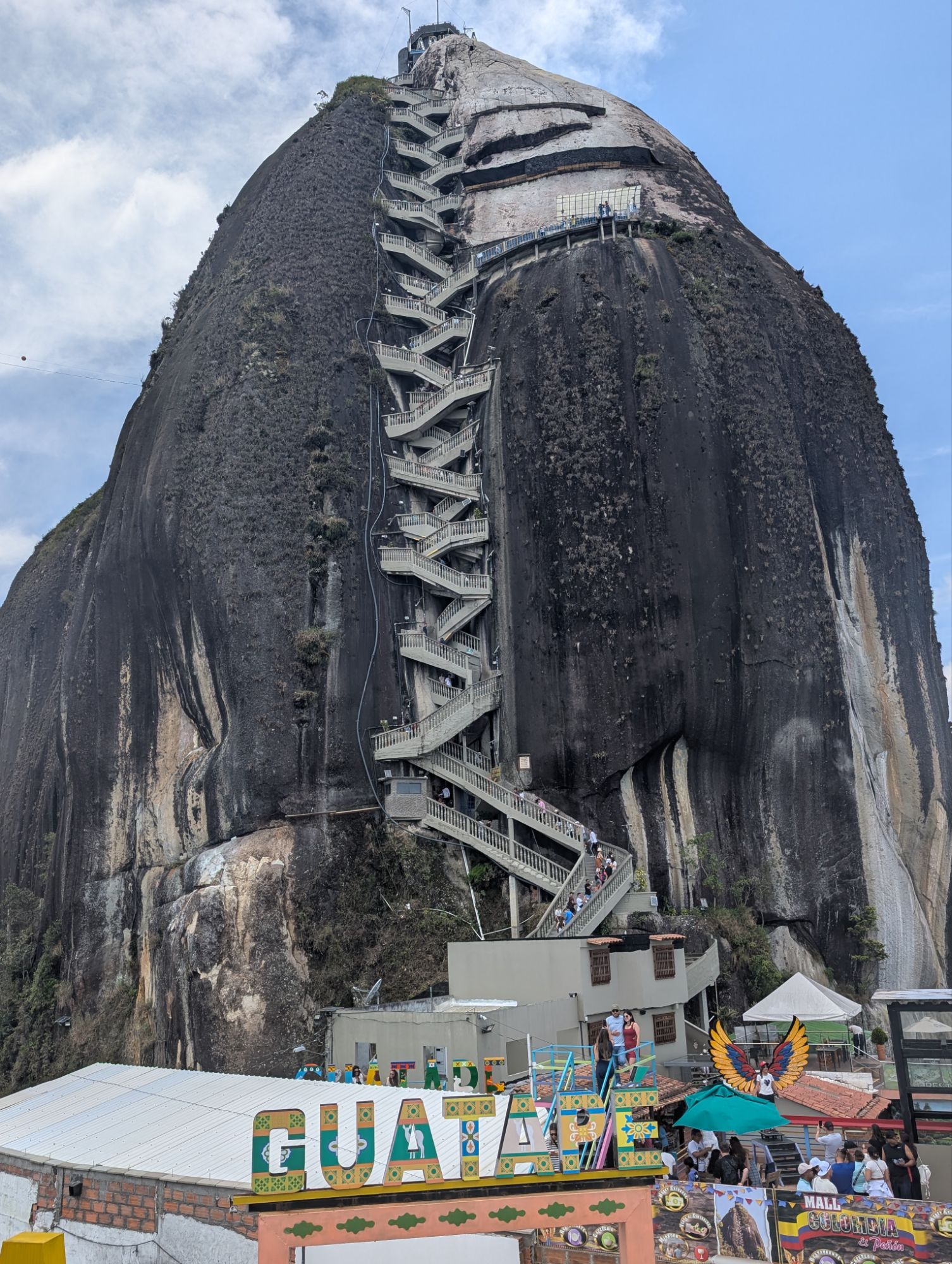
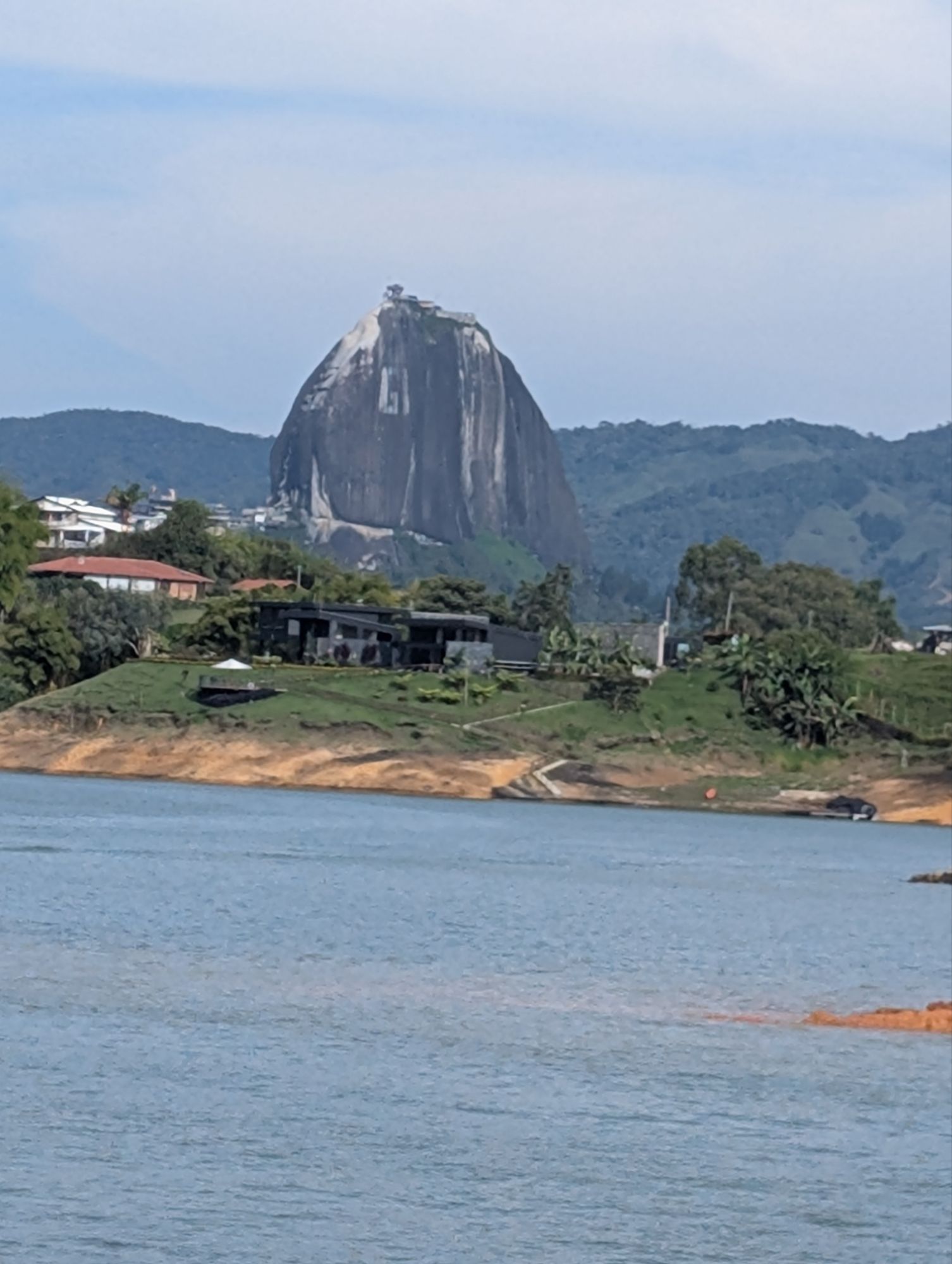
El peñol, a granite mountain you can climb (climb 740 stairs that is)
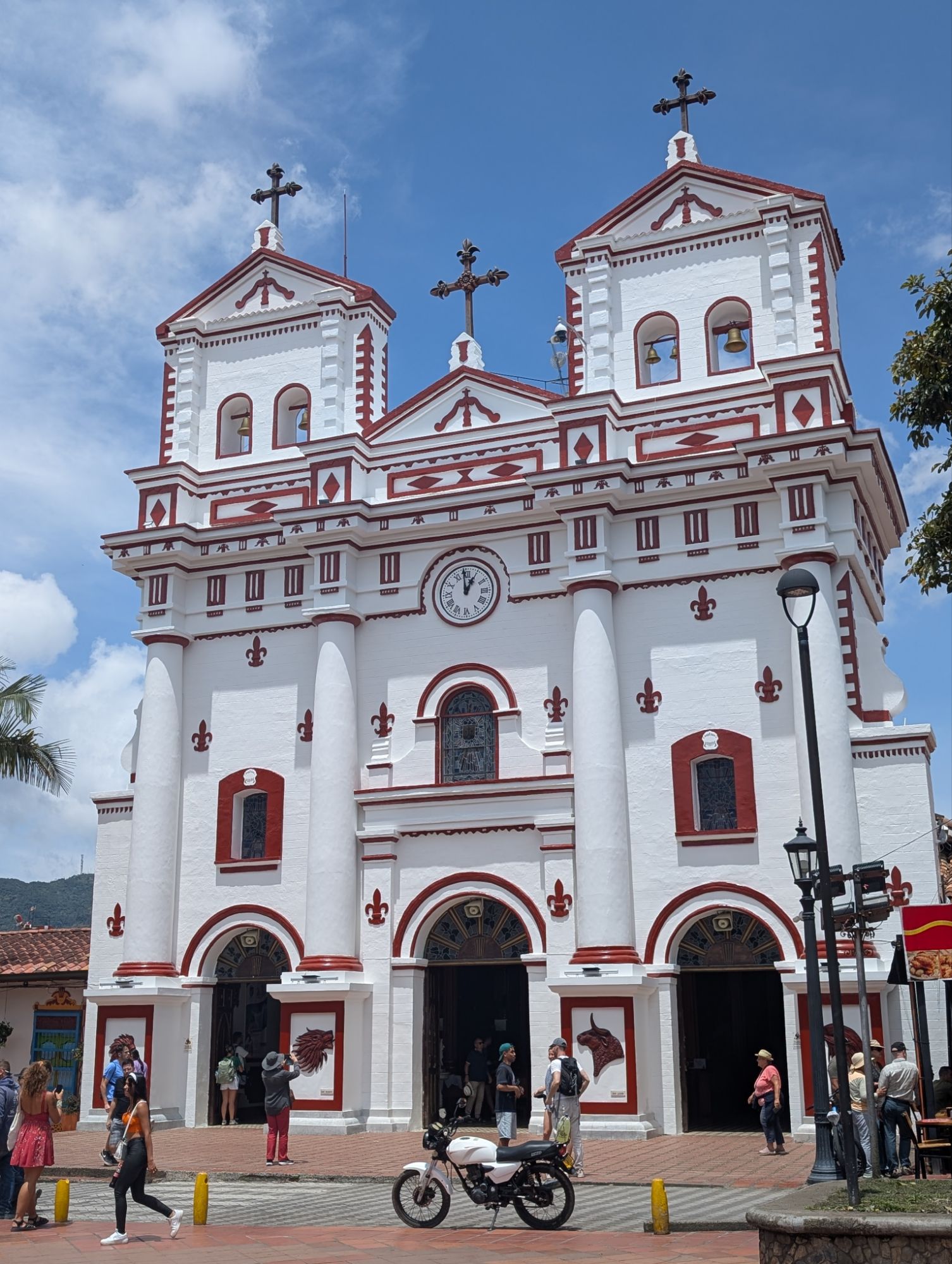
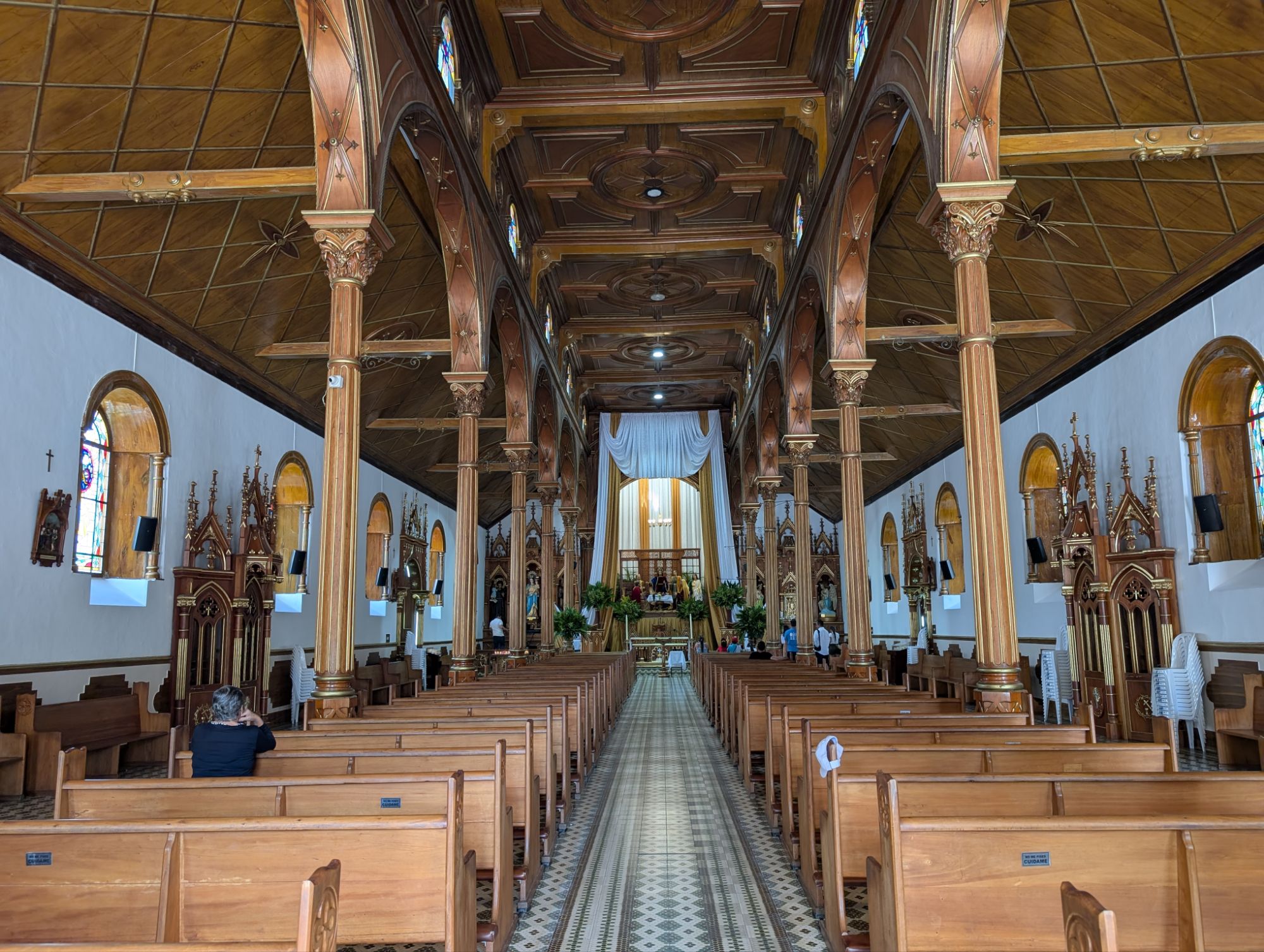
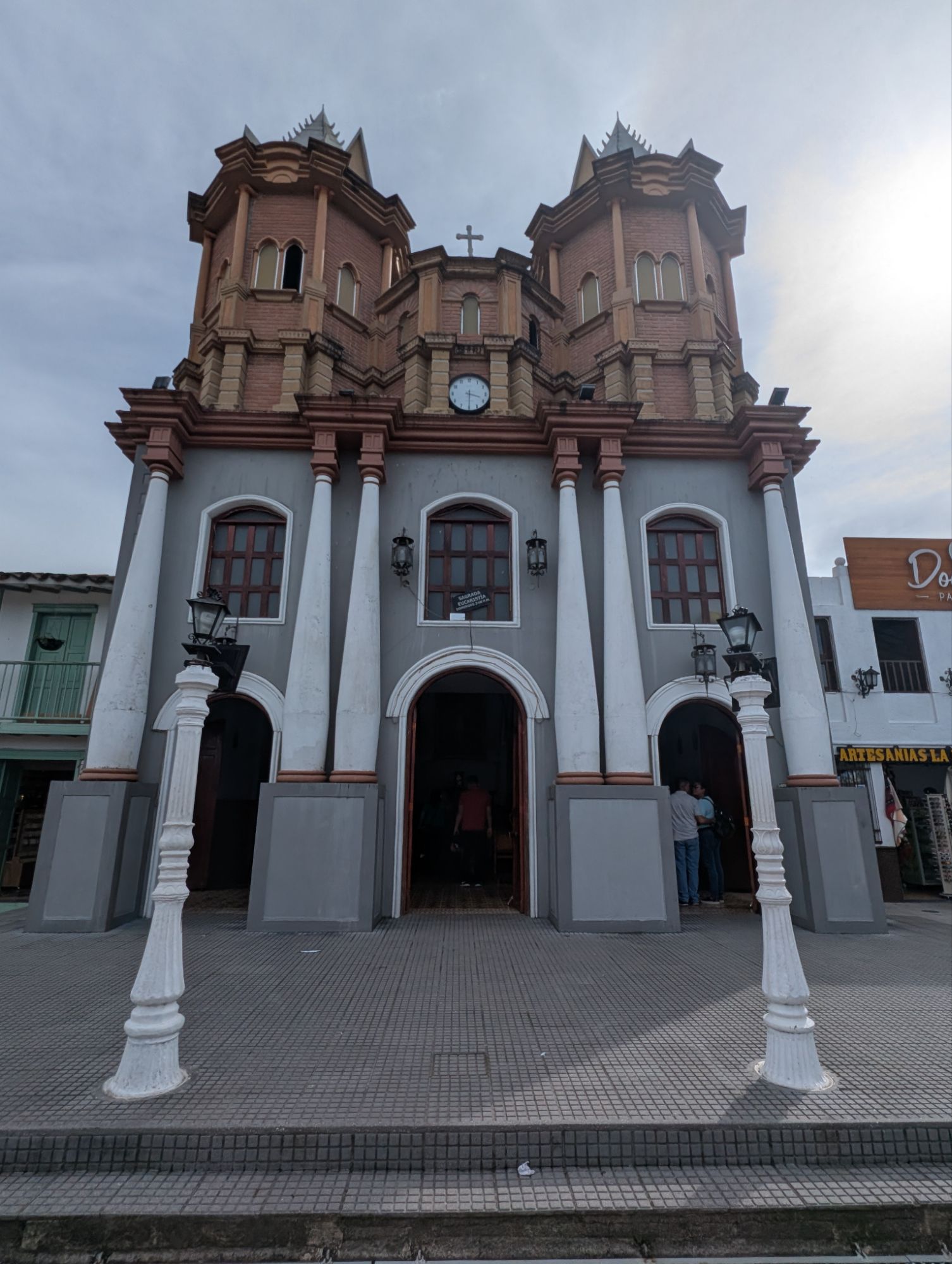
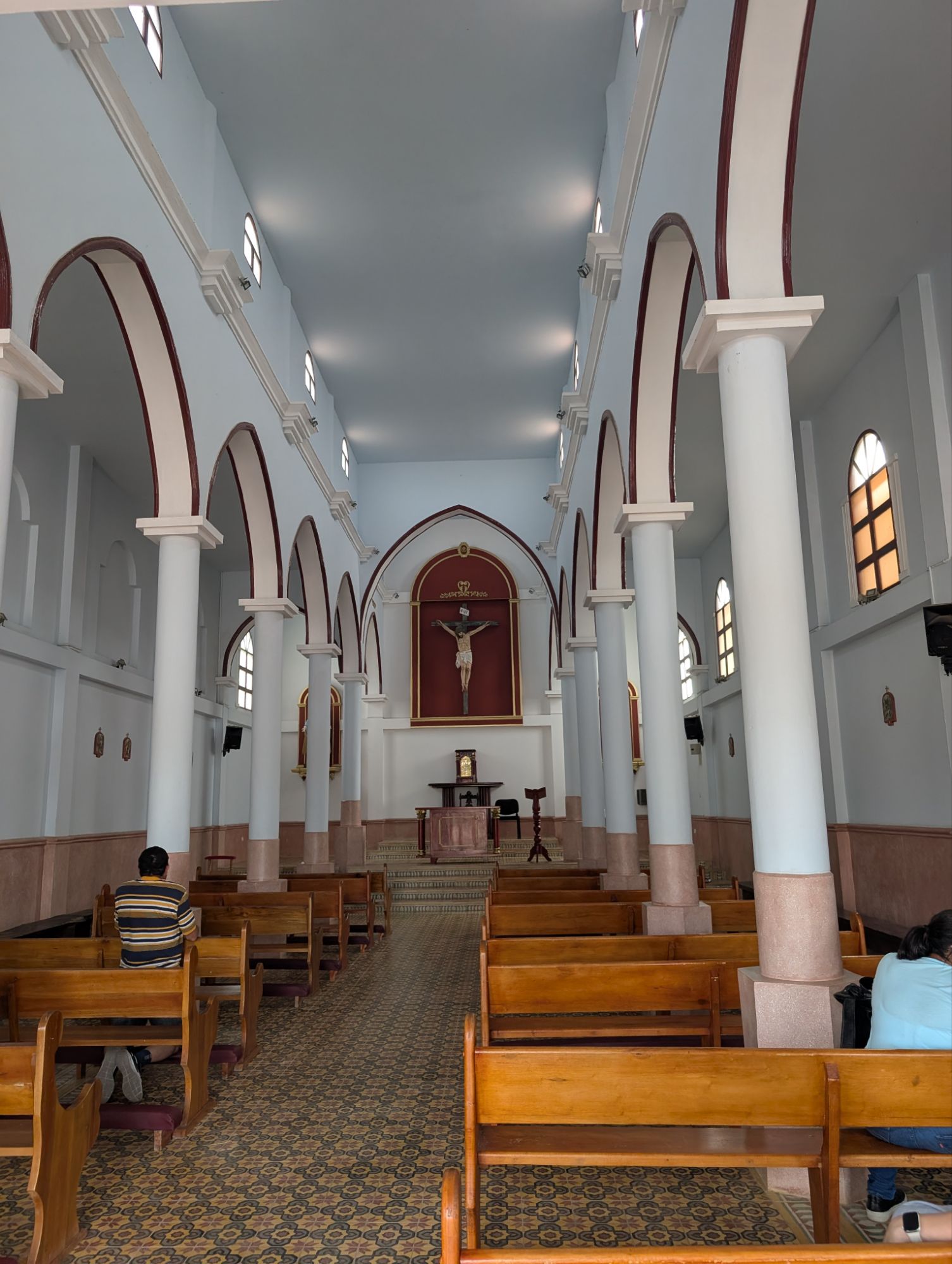
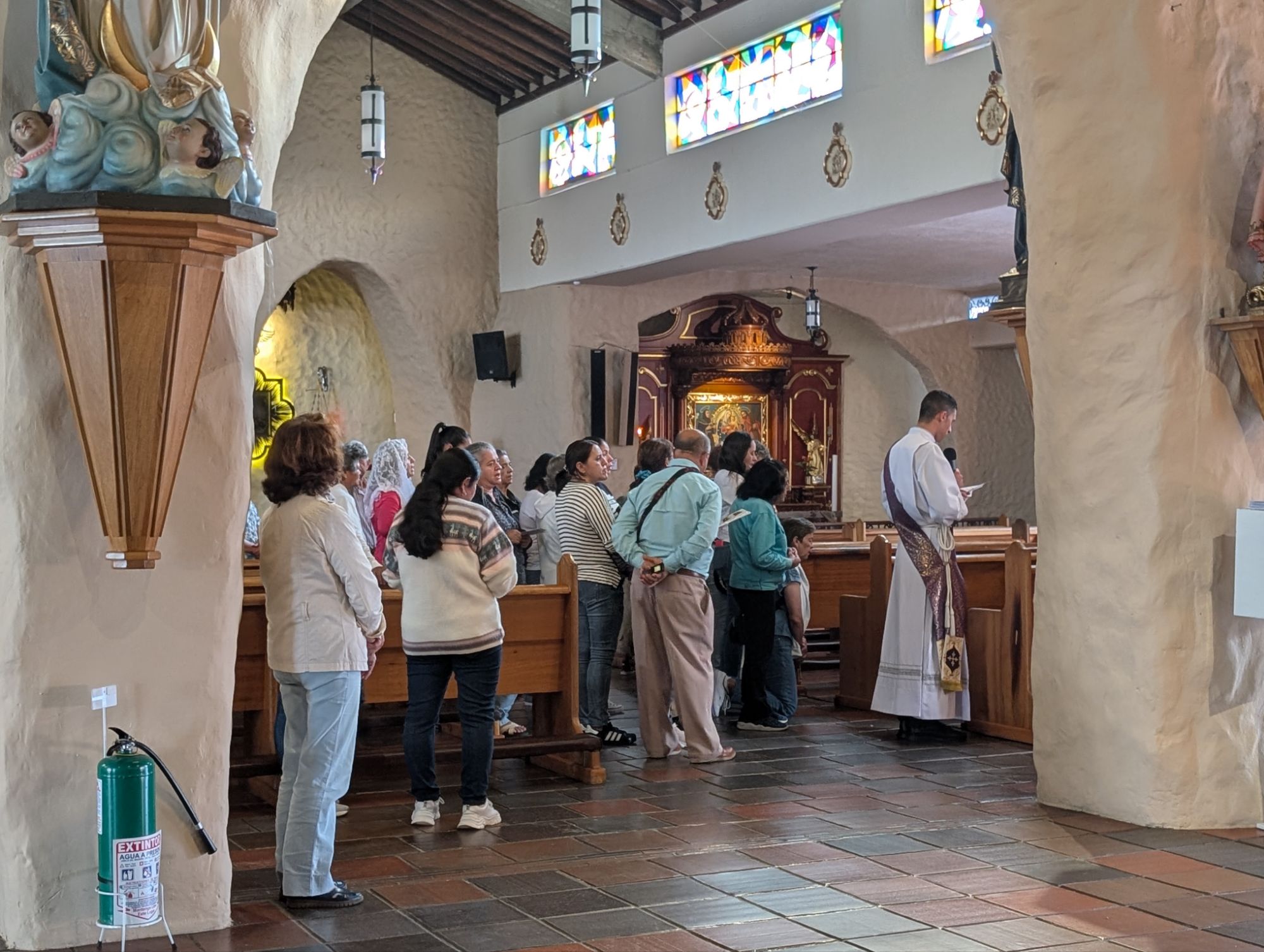
Church of our Lady of Carmen
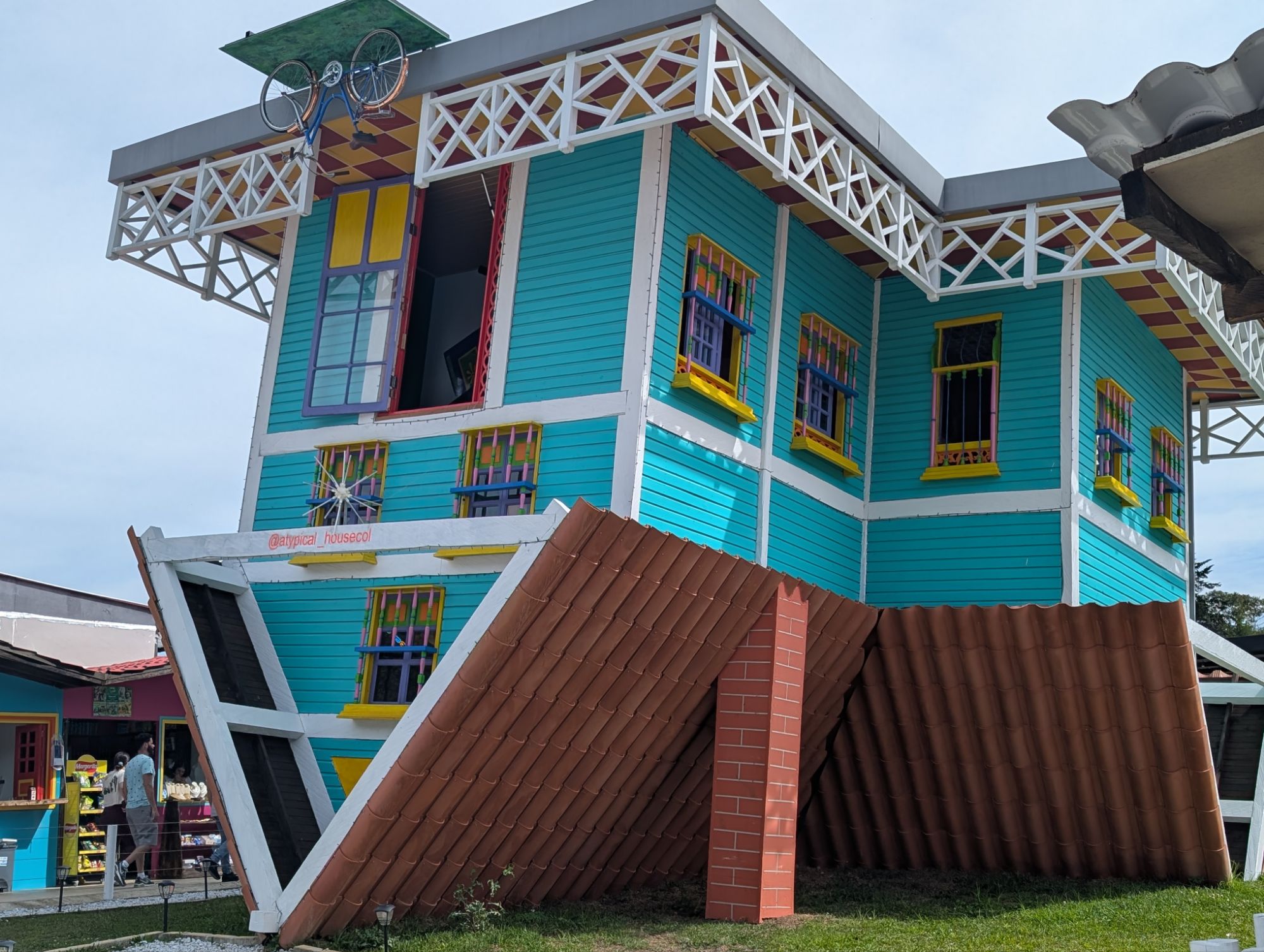
The Atypical house. You can pay to tour inside but we only had enough time to take a quick pic.
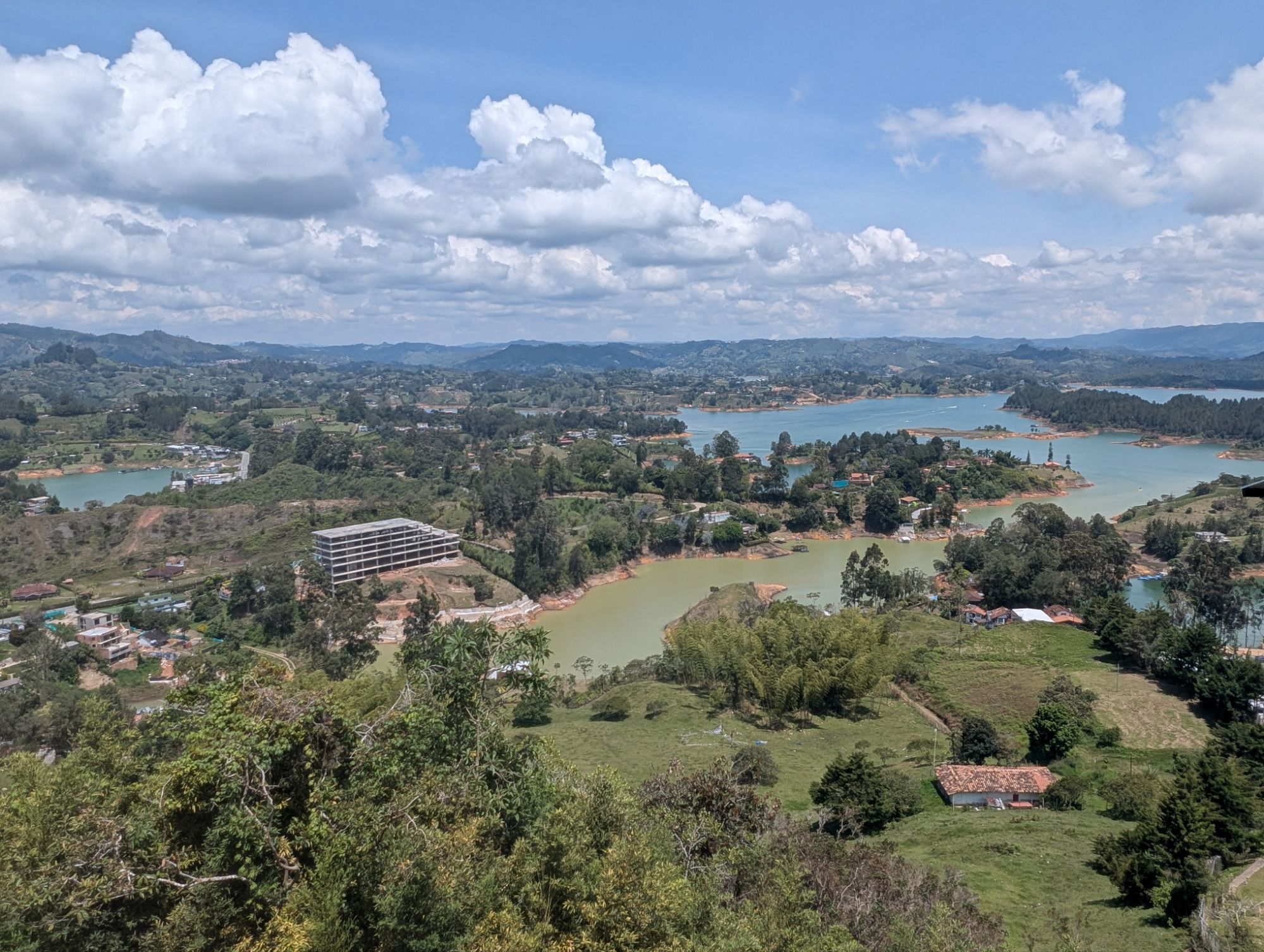
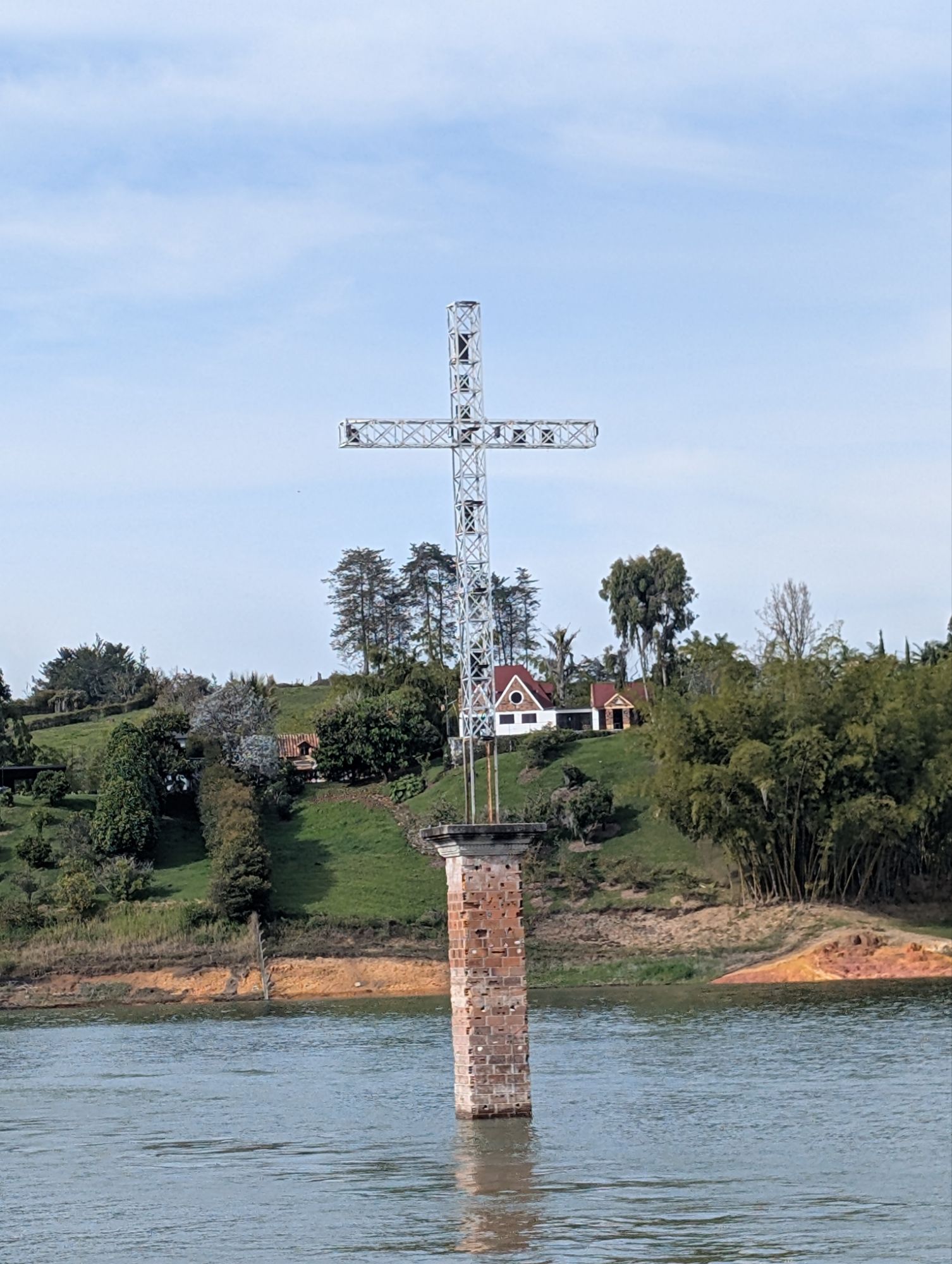
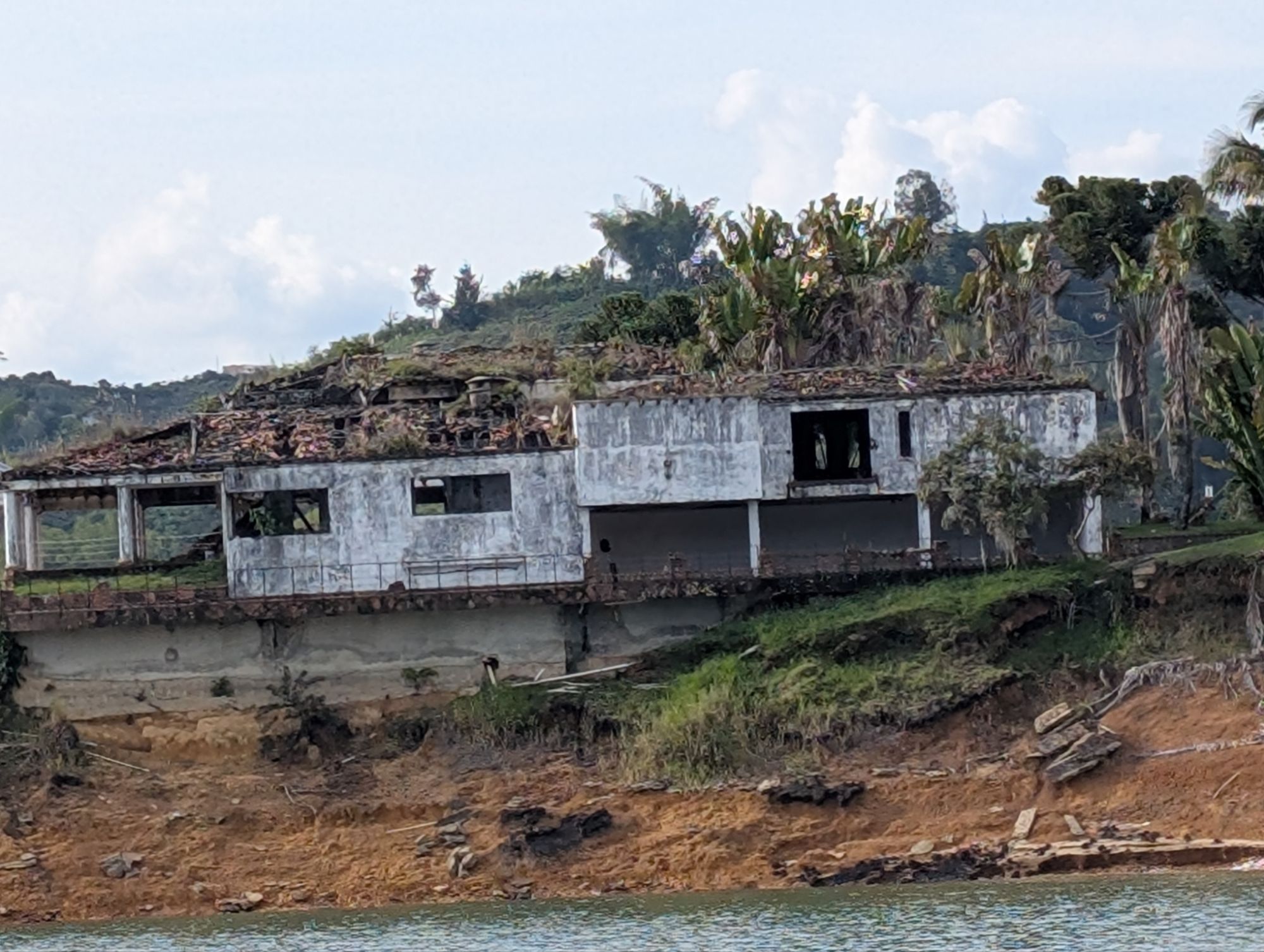
This lake is man made and there used to be a church where there is now water.

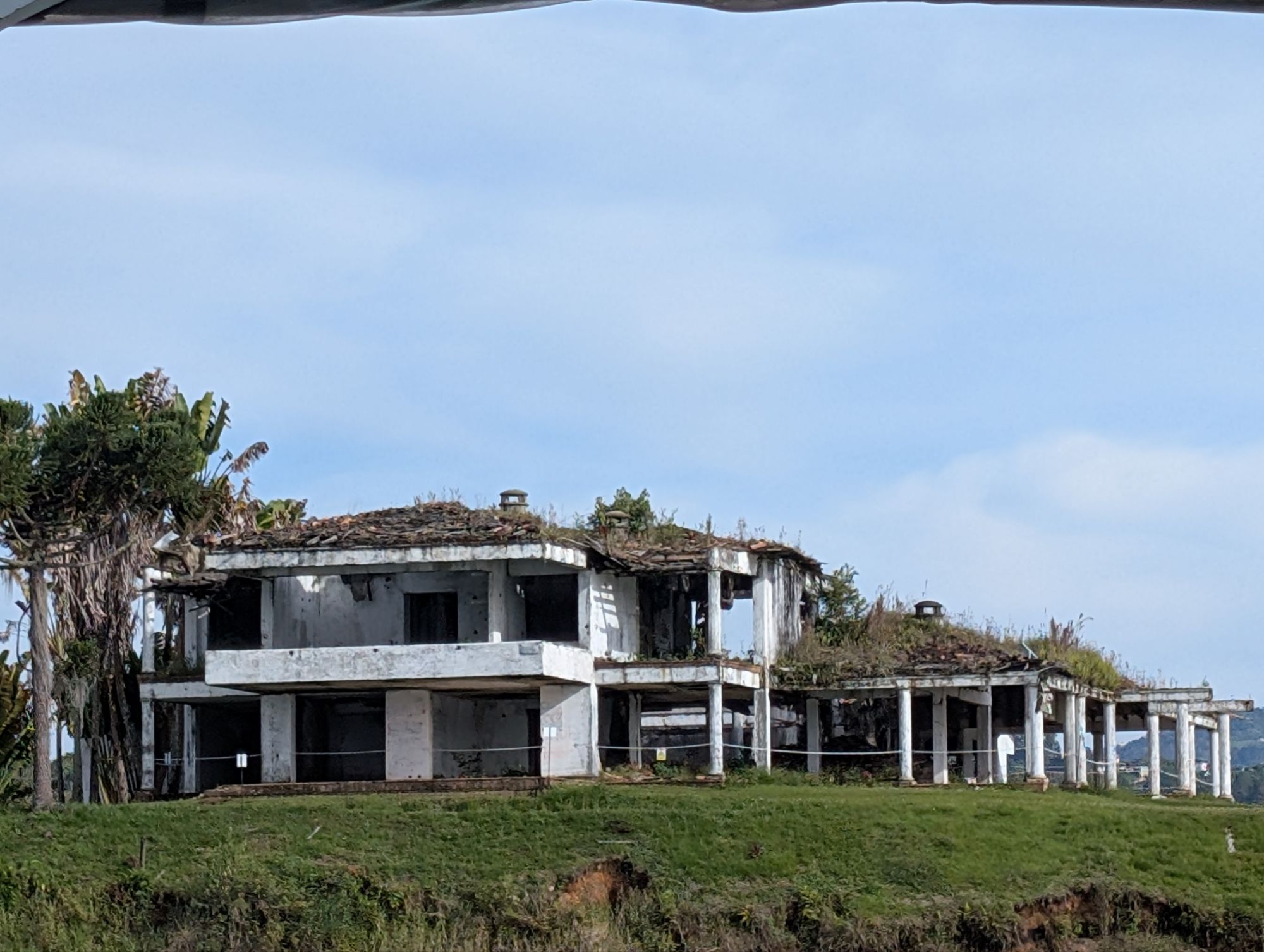
From the water you can see the house of Pablo Escobar, notorious drug lord. He was one of the most powerful and feared criminals in history. He founded the Medellín Cartel, which dominated the global cocaine trade in the 1980s and early 1990s. His wealth and influence allowed him to bribe officials and fund social programs. On one hand,  he was feared and at the same time admired depending what part of society you are from. However, thousands of deaths were caused by him. He was killed by police in Medellín in 1993.

El peñol from further away
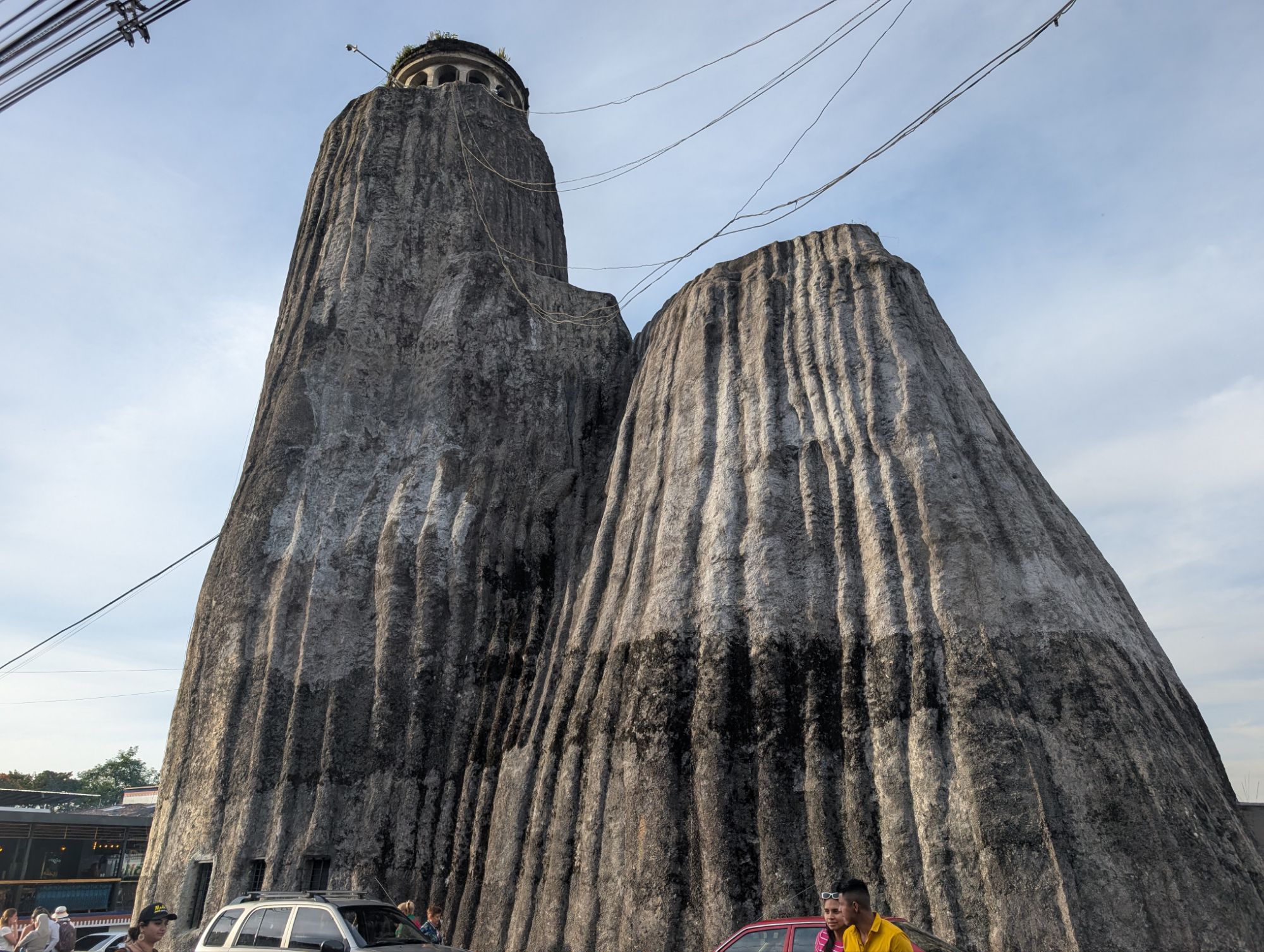
This rock houses another church which is accessed from the other side.

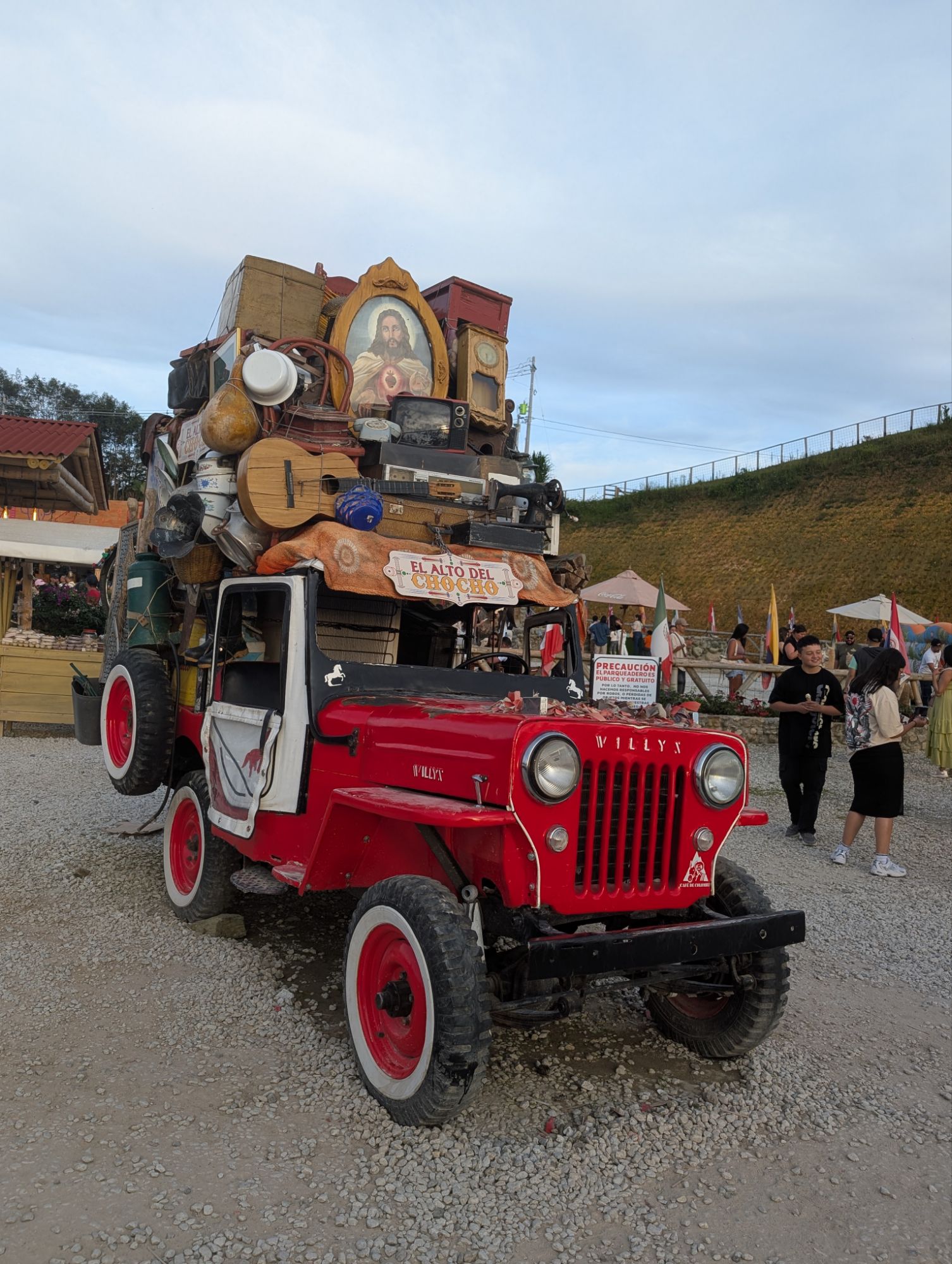
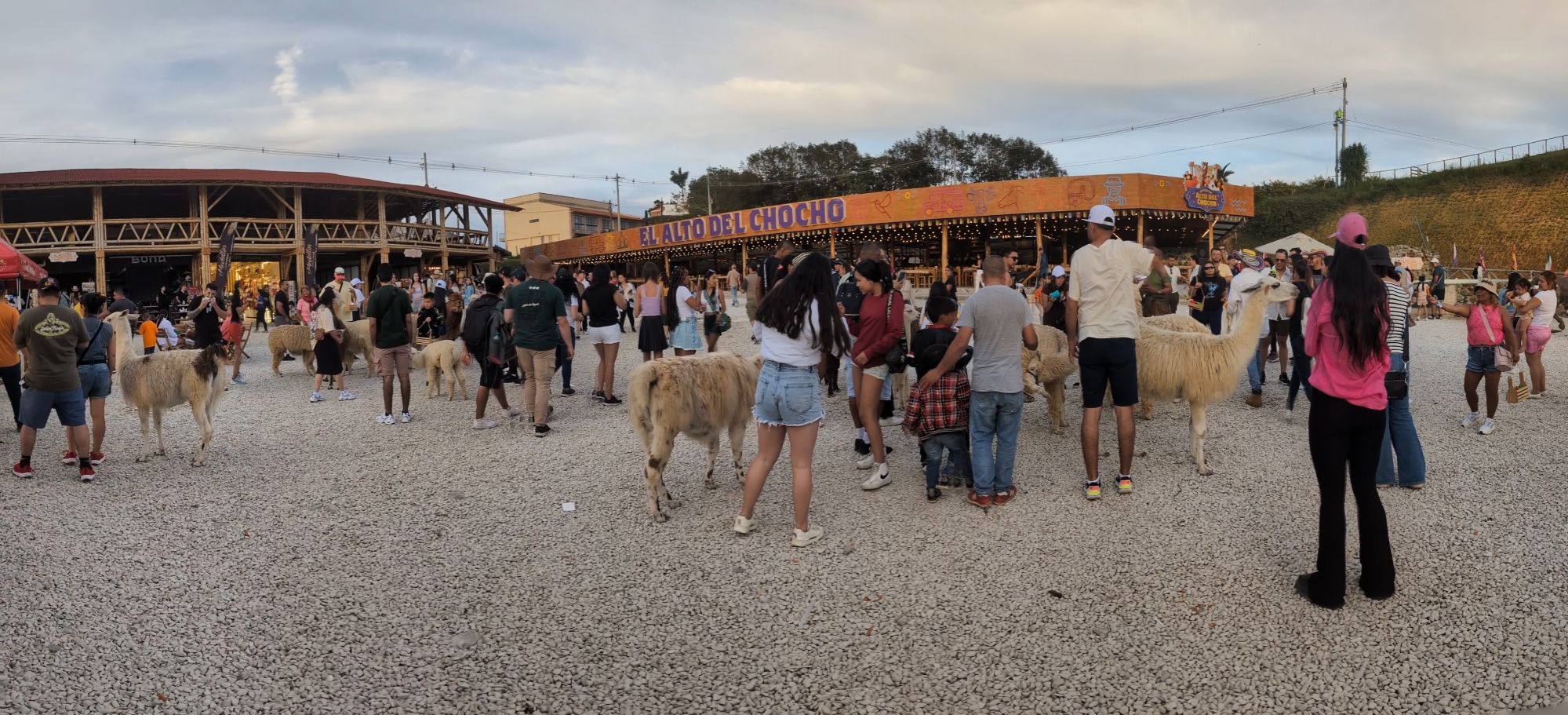
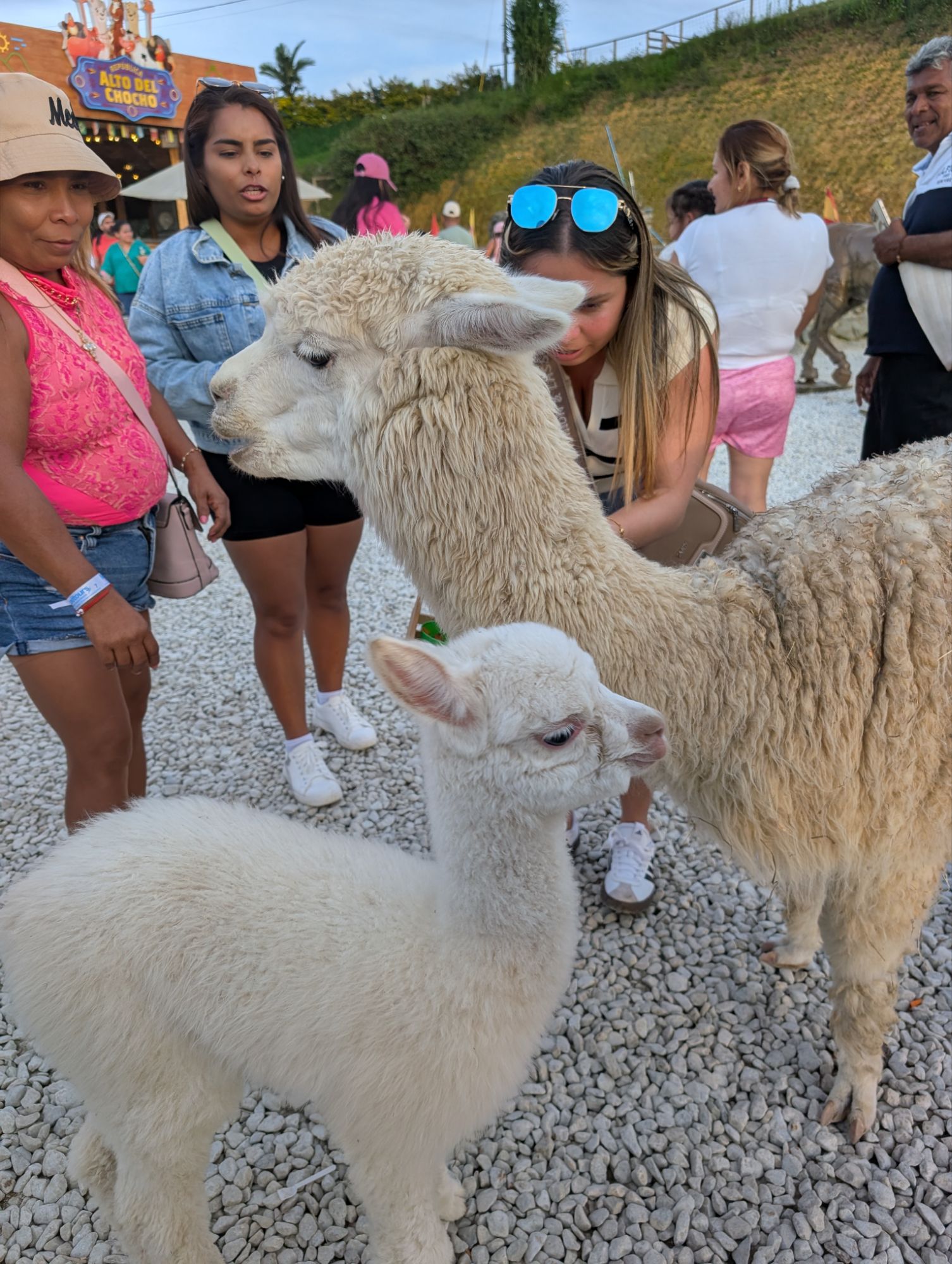
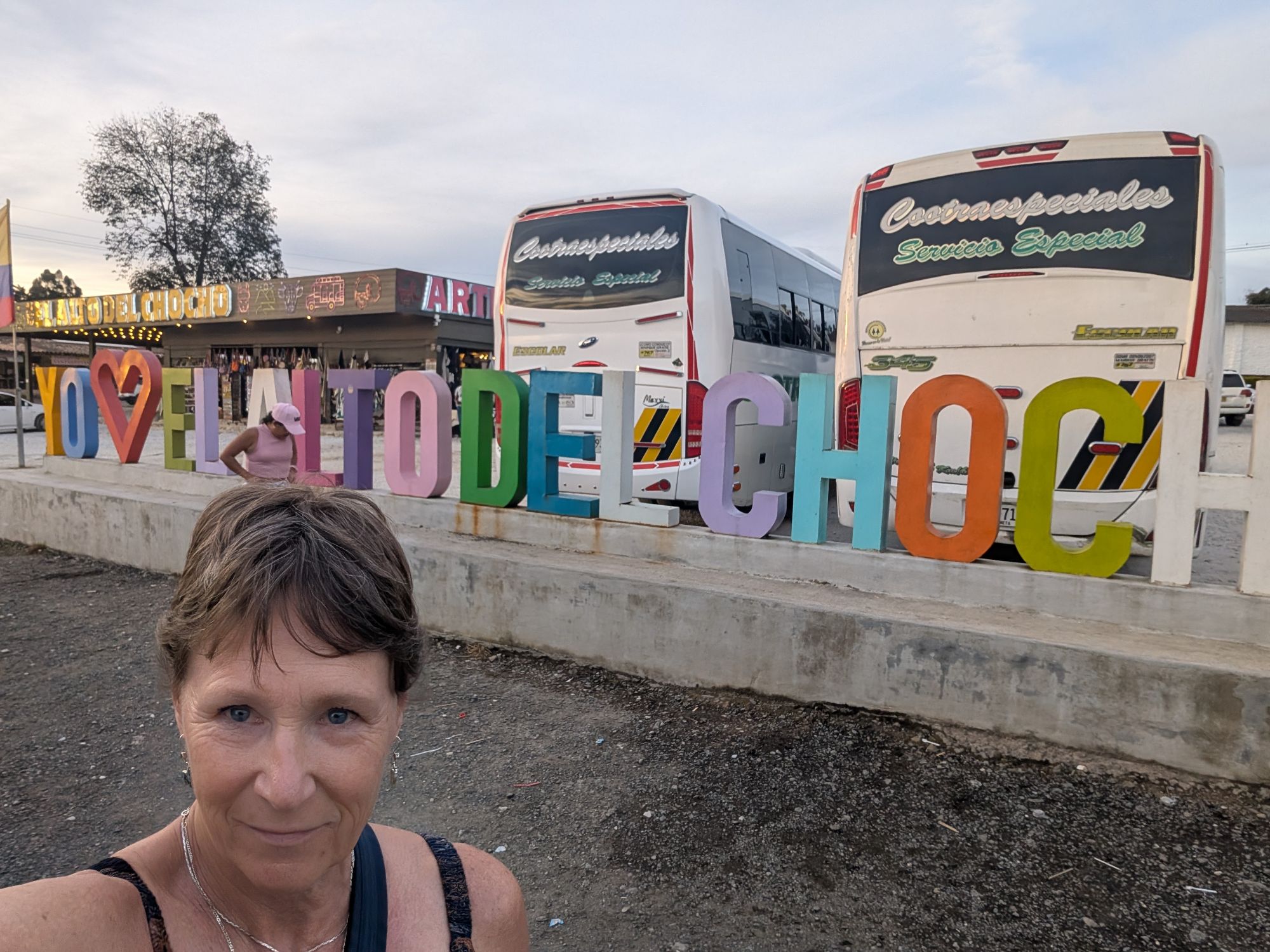
We also stopped at a little farm (Republica Alto De Ho Ho)

From there we went back to Medellin. A pretty long day.

Cali for Monica and Paul’s wedding…

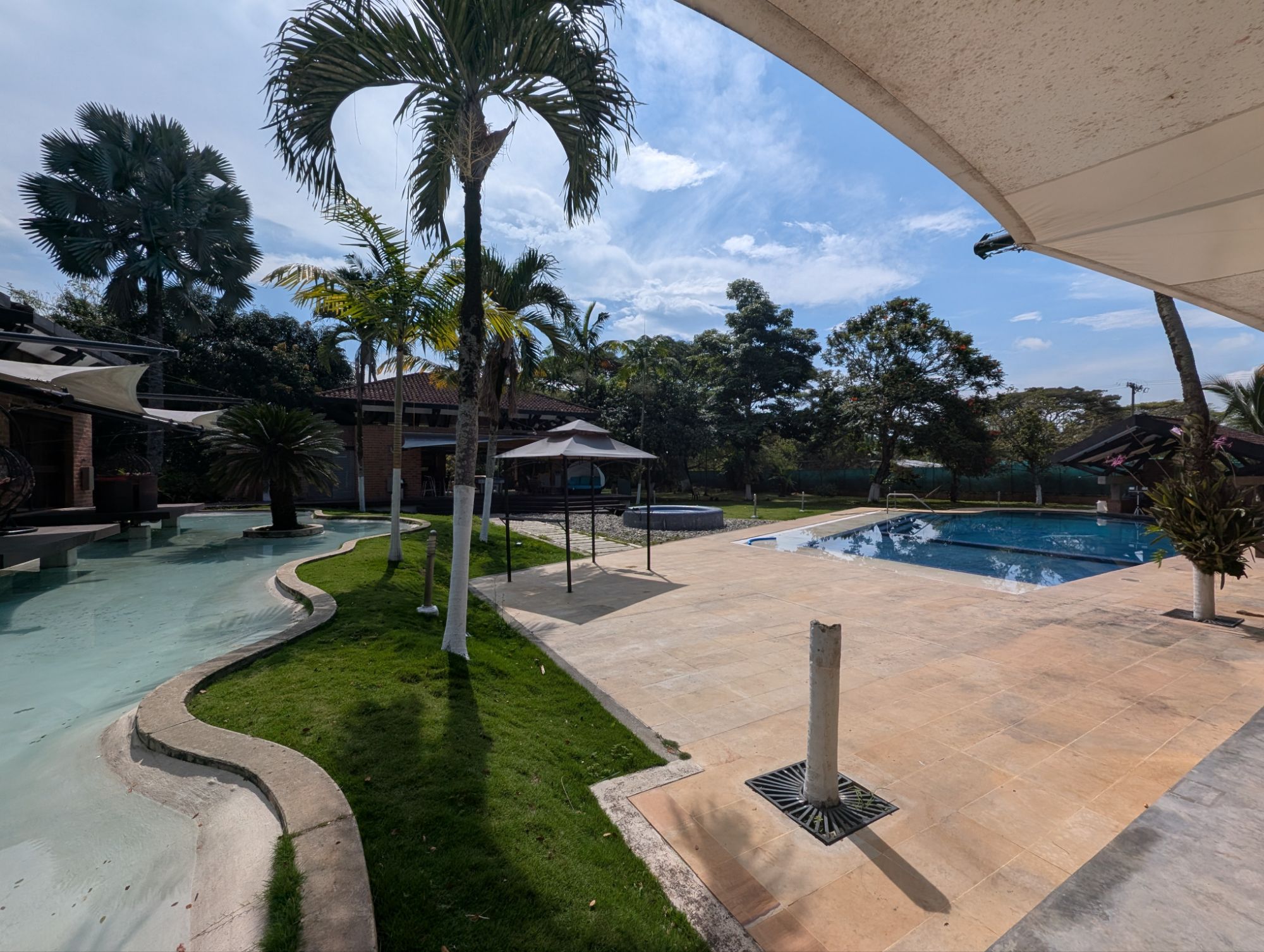
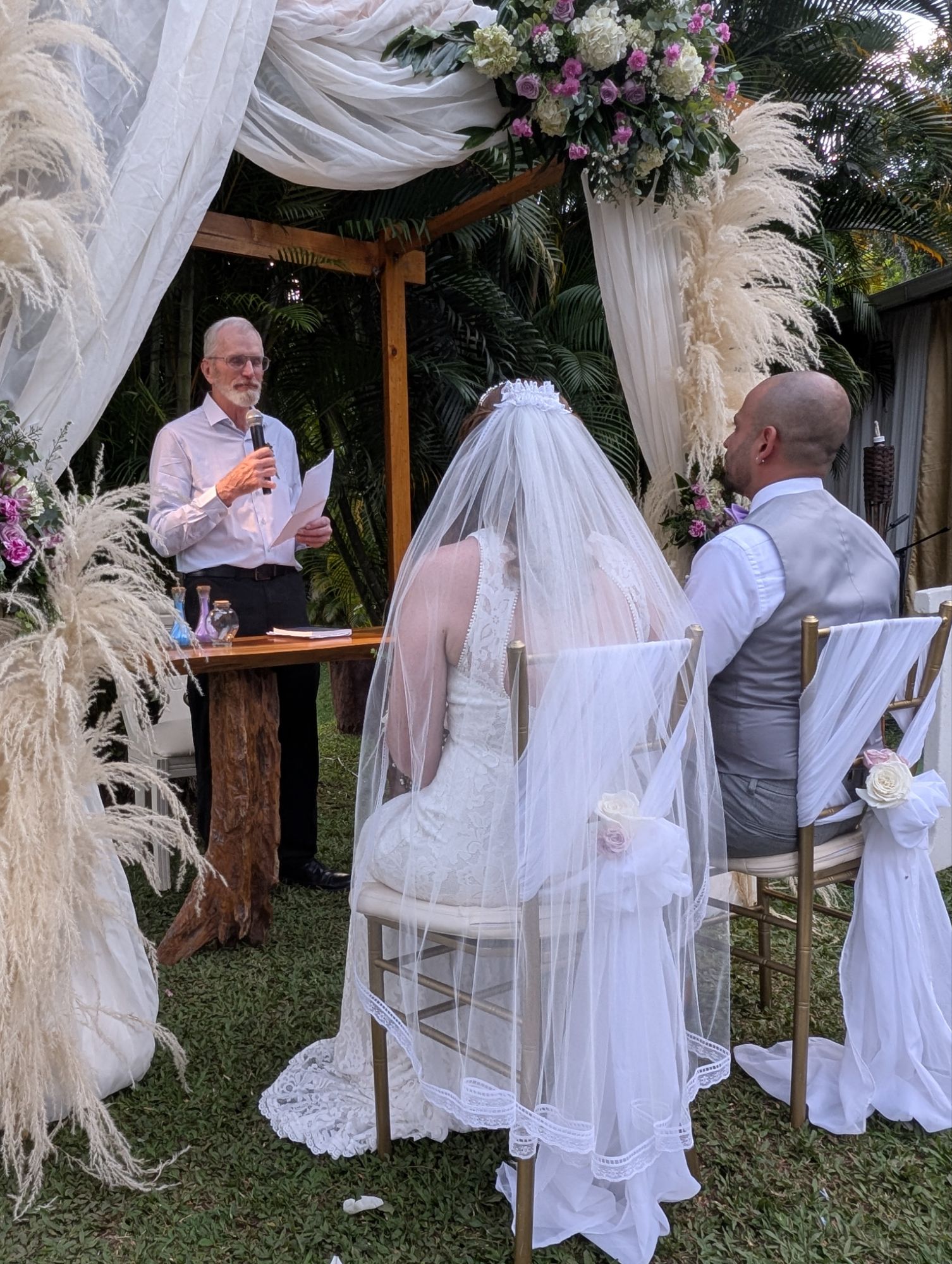
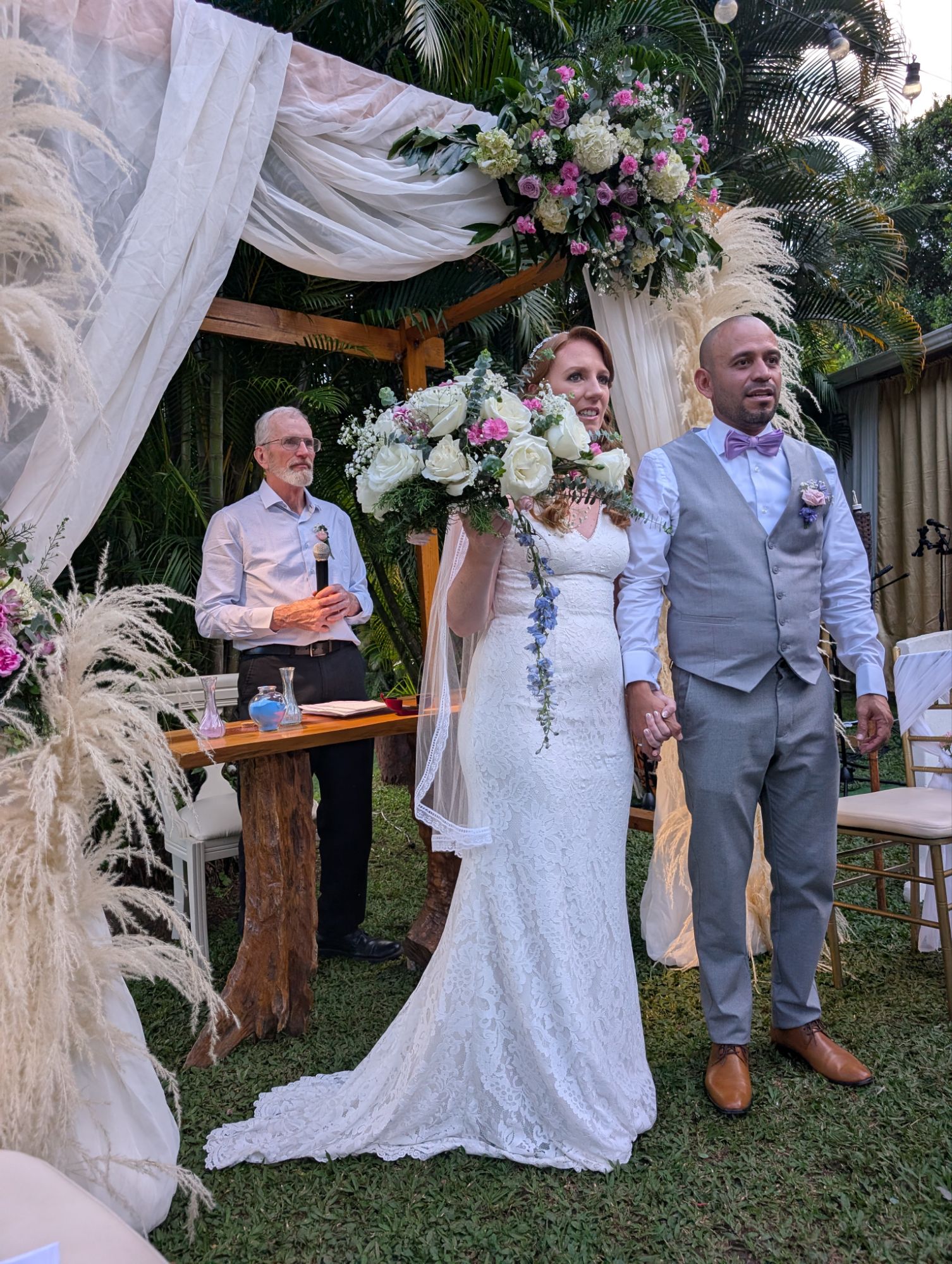
I was honored to be invited to my dear friends’ wedding in Cali. We stayed at an Airbnb mansion and I was so blessed to be welcomed so graciously by her family. We had such a great time. Everyone’s family and the place was amazing.

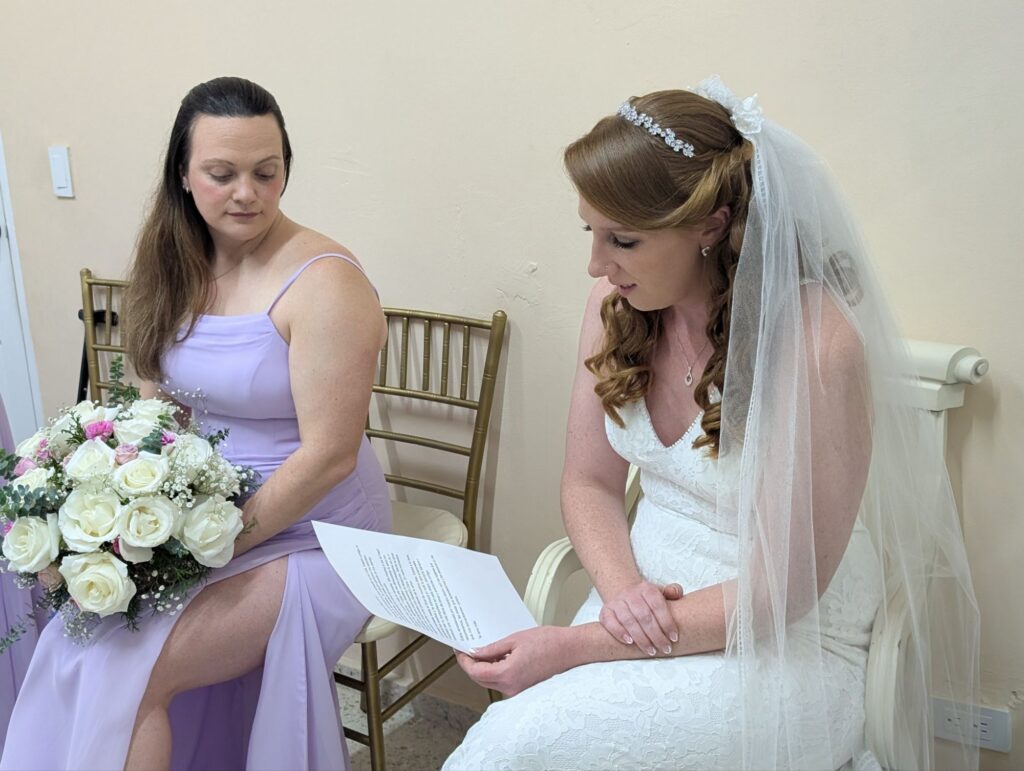
Practicing her vows
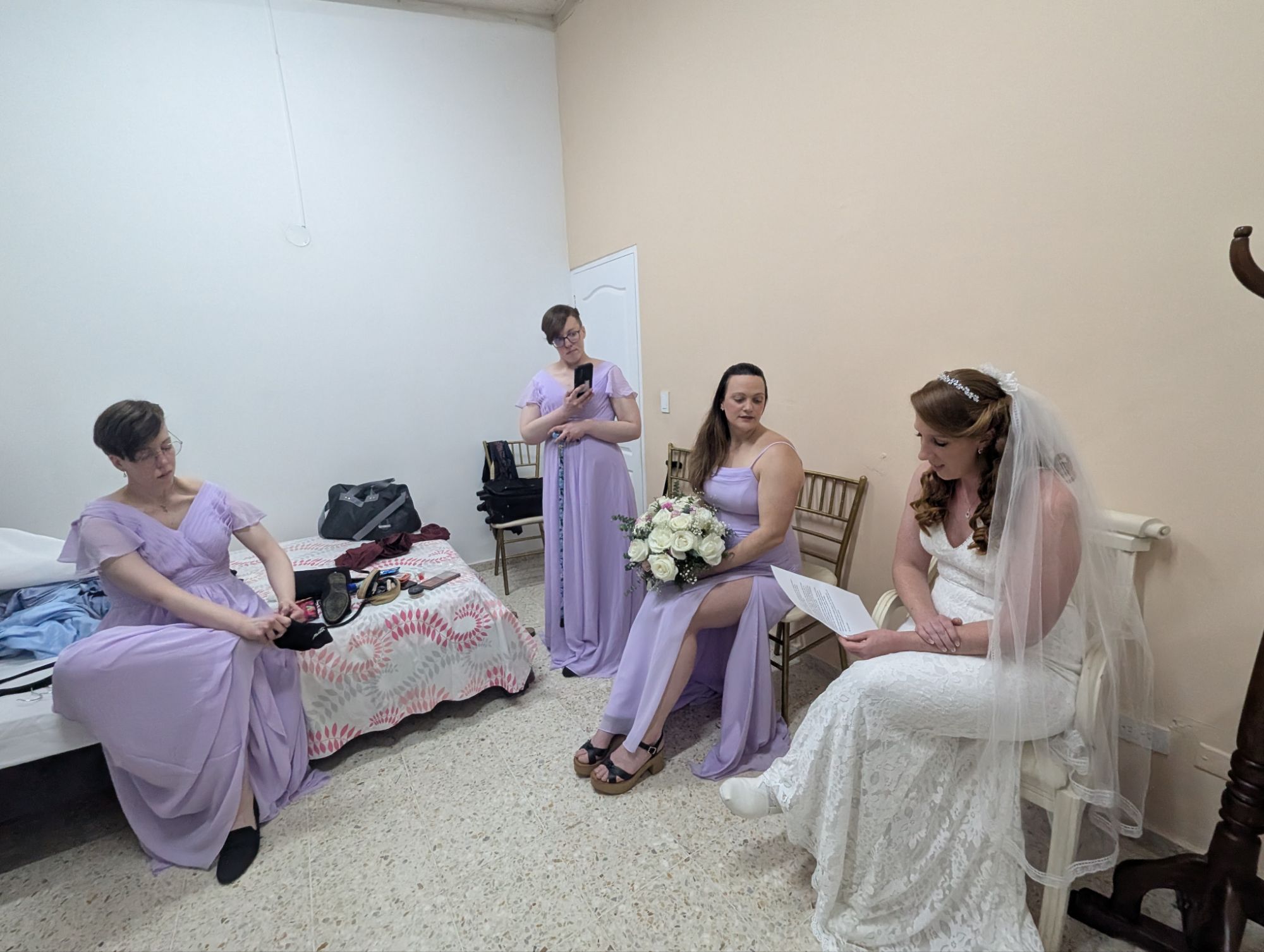
Monica with Niki and her sisters Emily and Erica
Her father officiated.

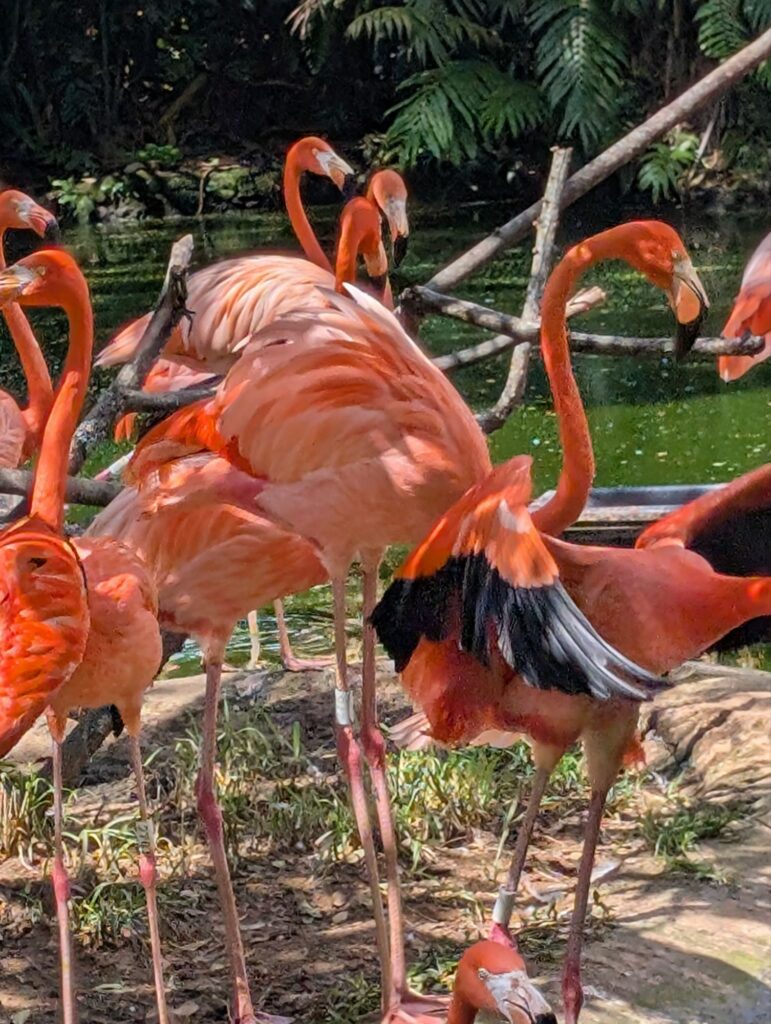
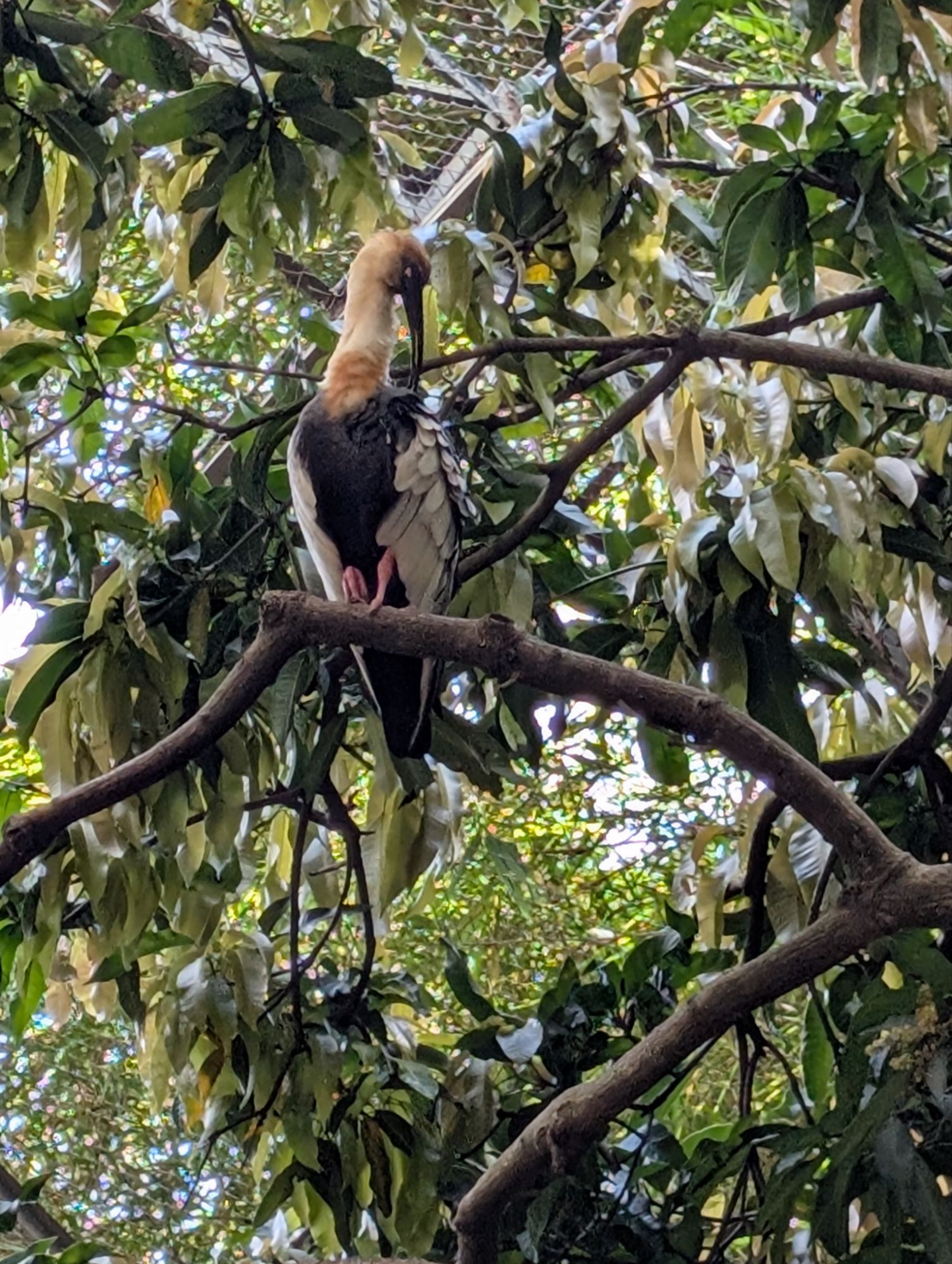
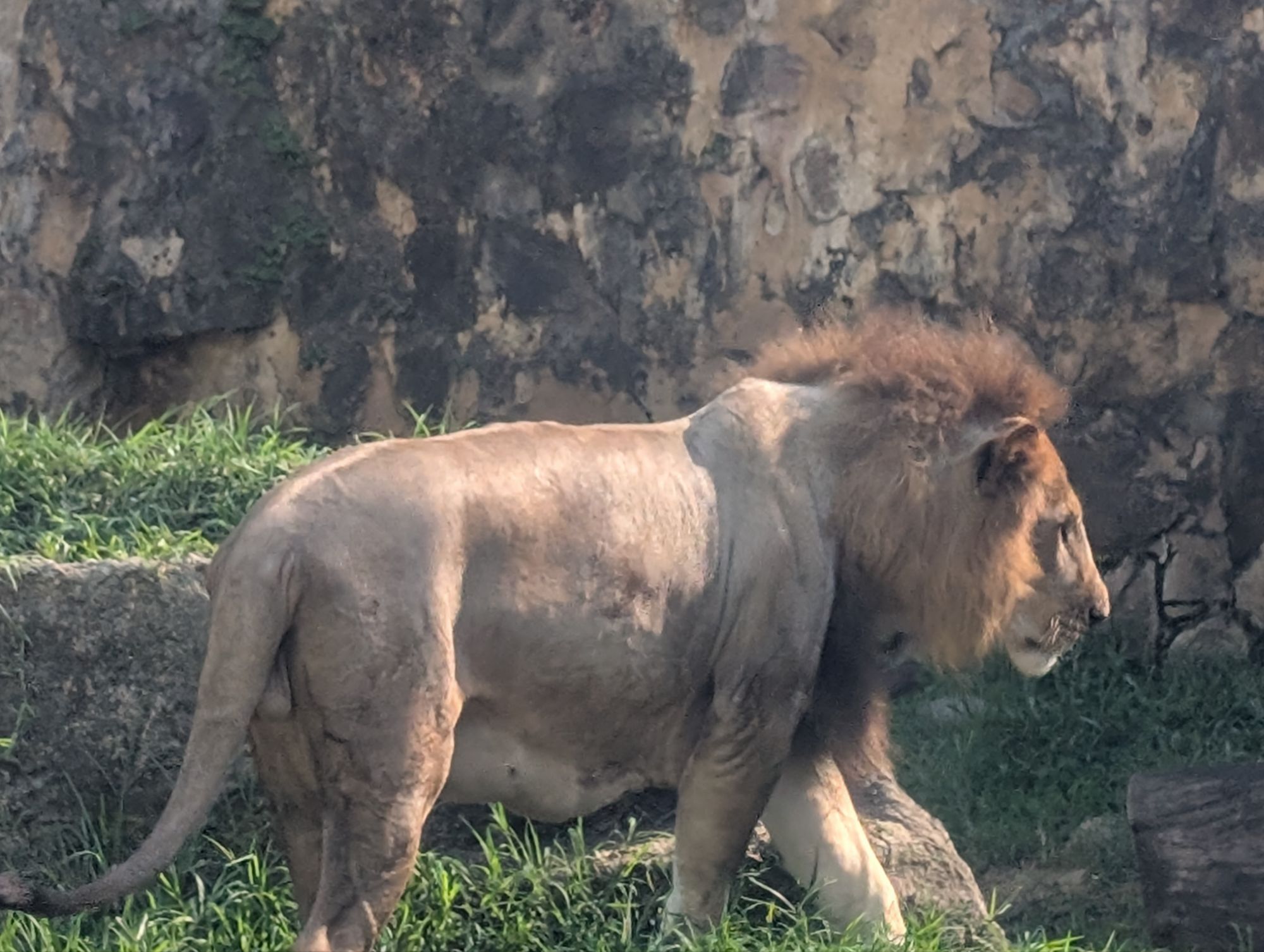
After the wedding was a very fun reception. It went pretty late (sorry I had to nap on a couch at times…). The next day we went to the Cali zoo. It is a magnificent zoo and I had such a great time with her family.

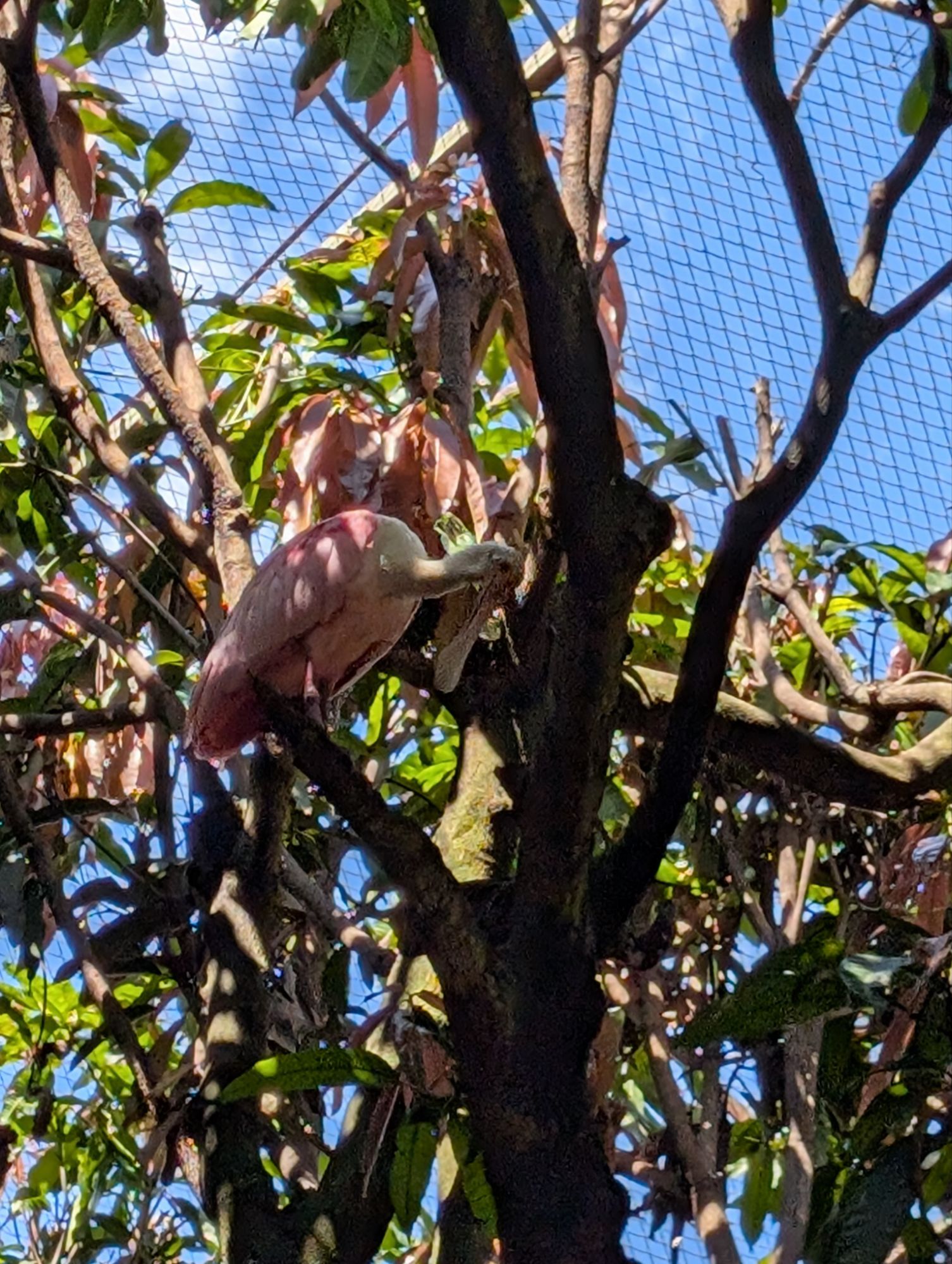
A spoonbill. I waited forever for it to raise its head!
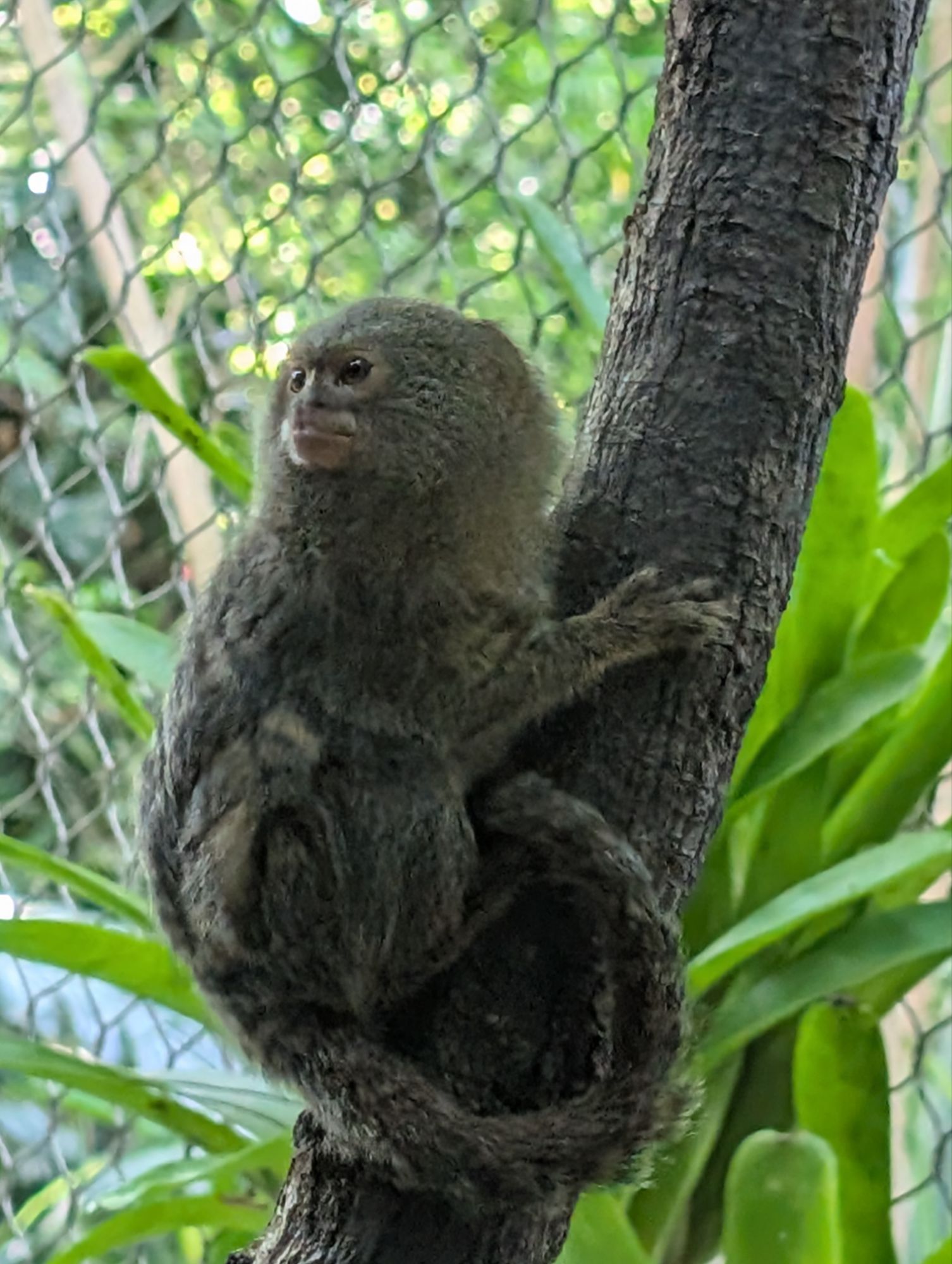
This little monkey was no larger than my hand. So cute!
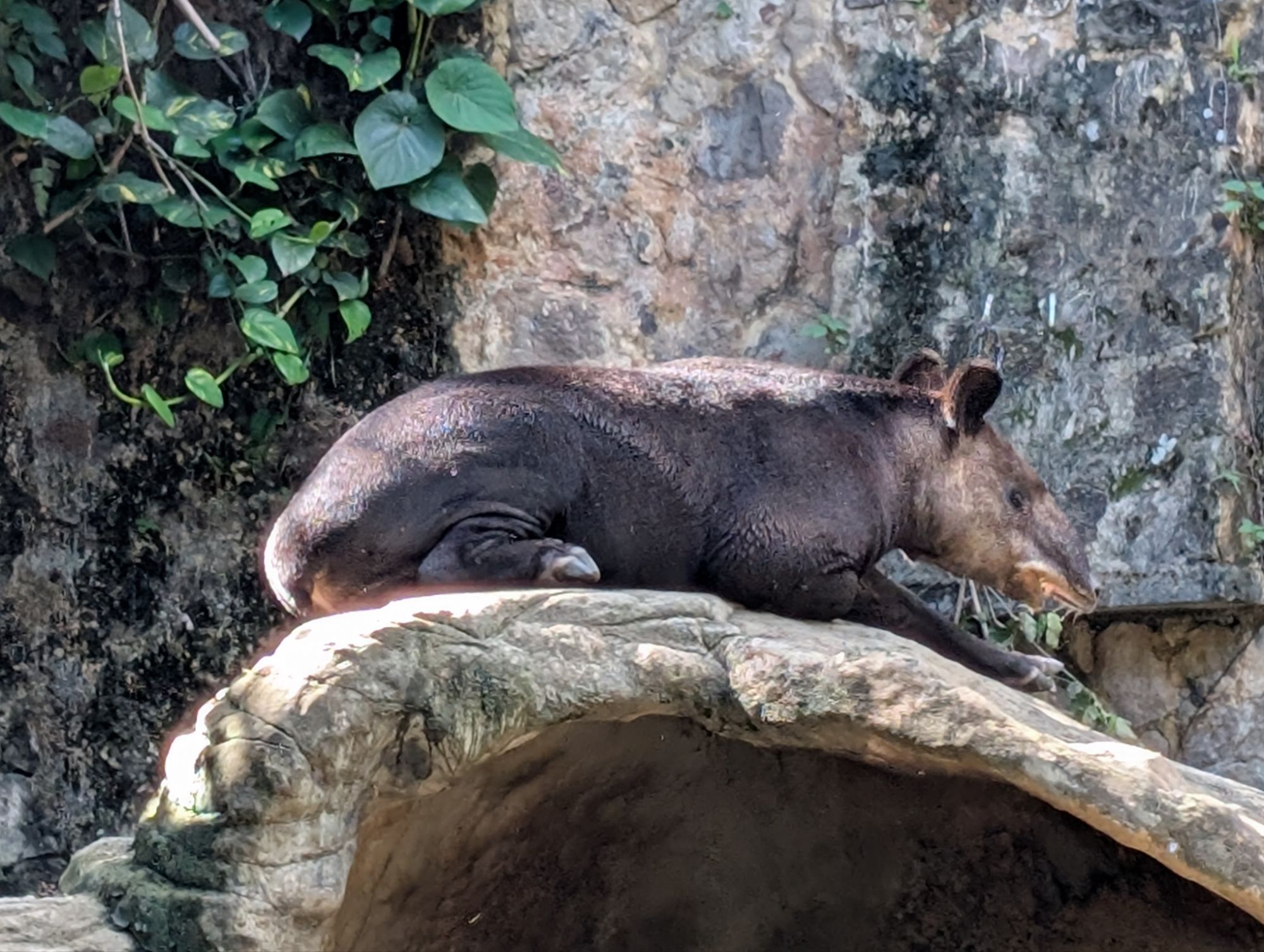
A tapir.
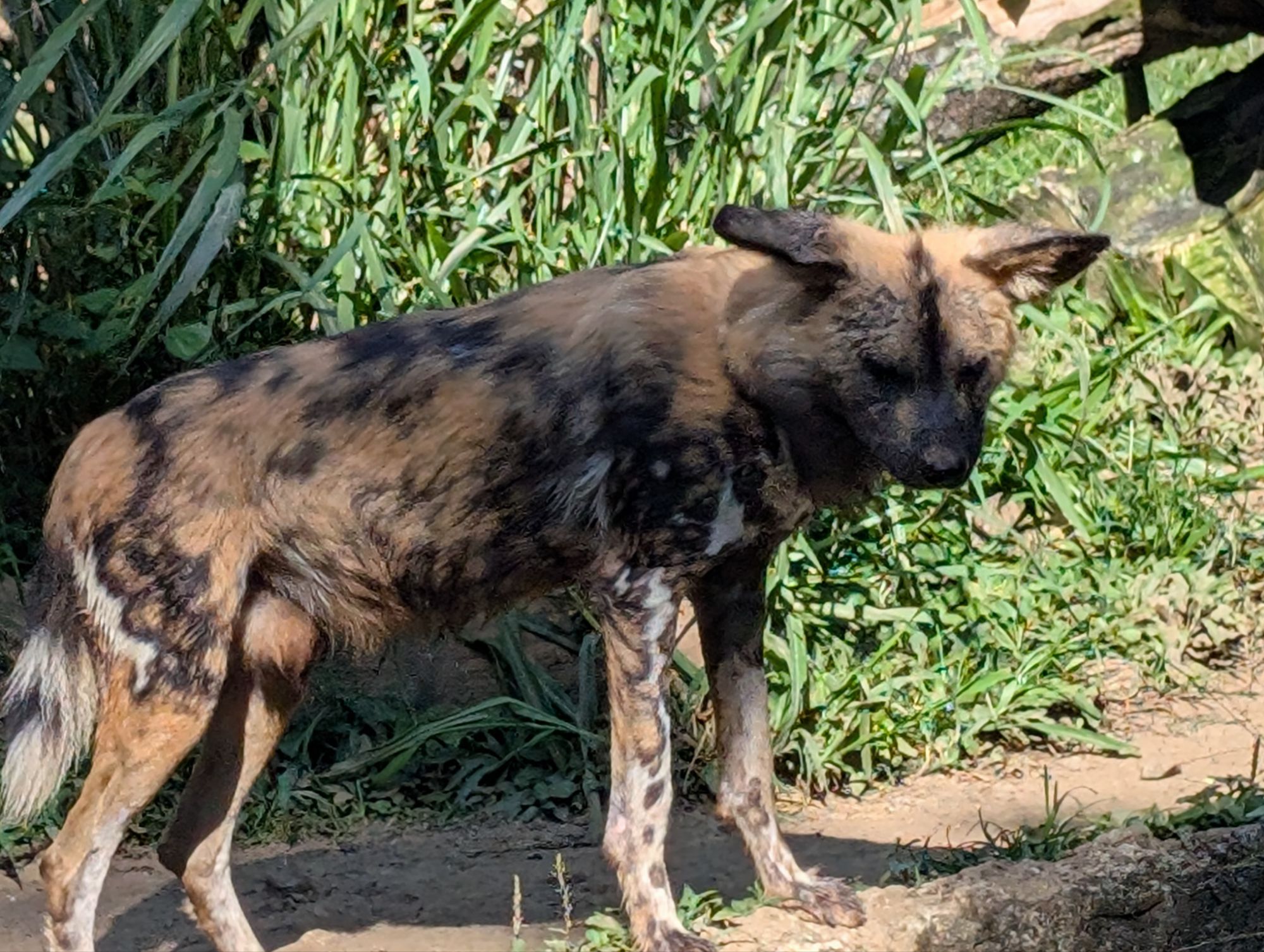
Hyena
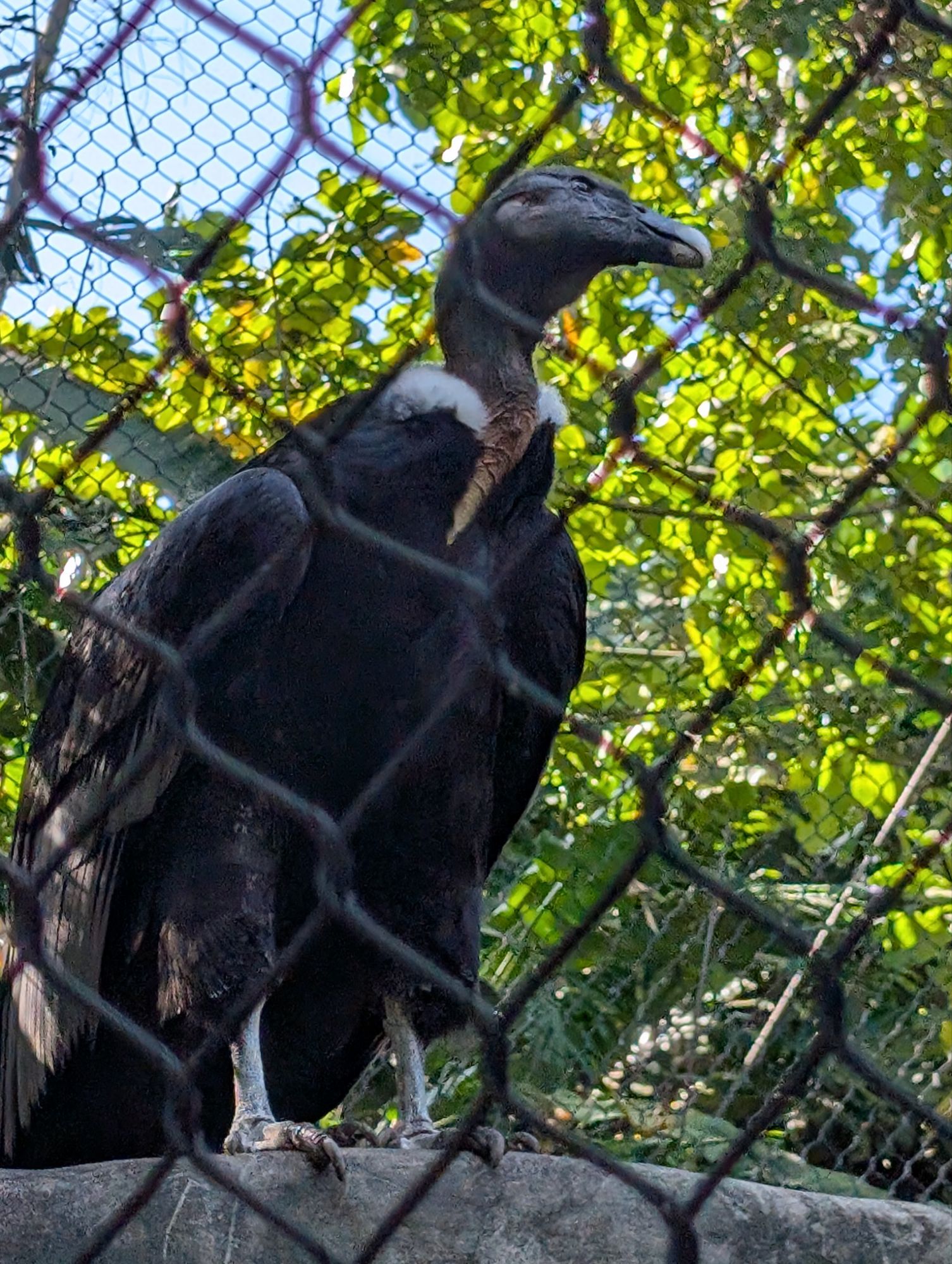
Condor
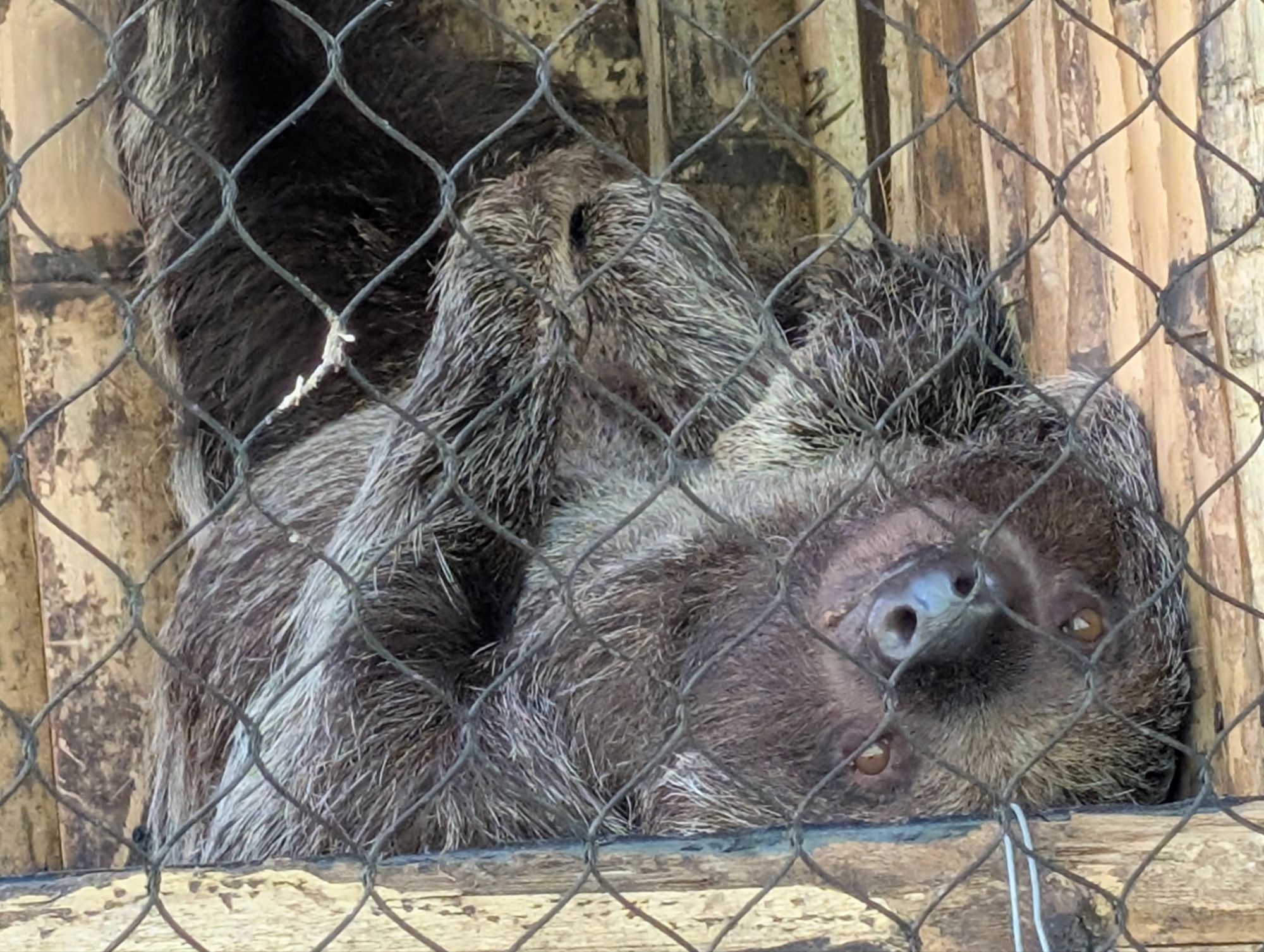
A very sleepy sloth.
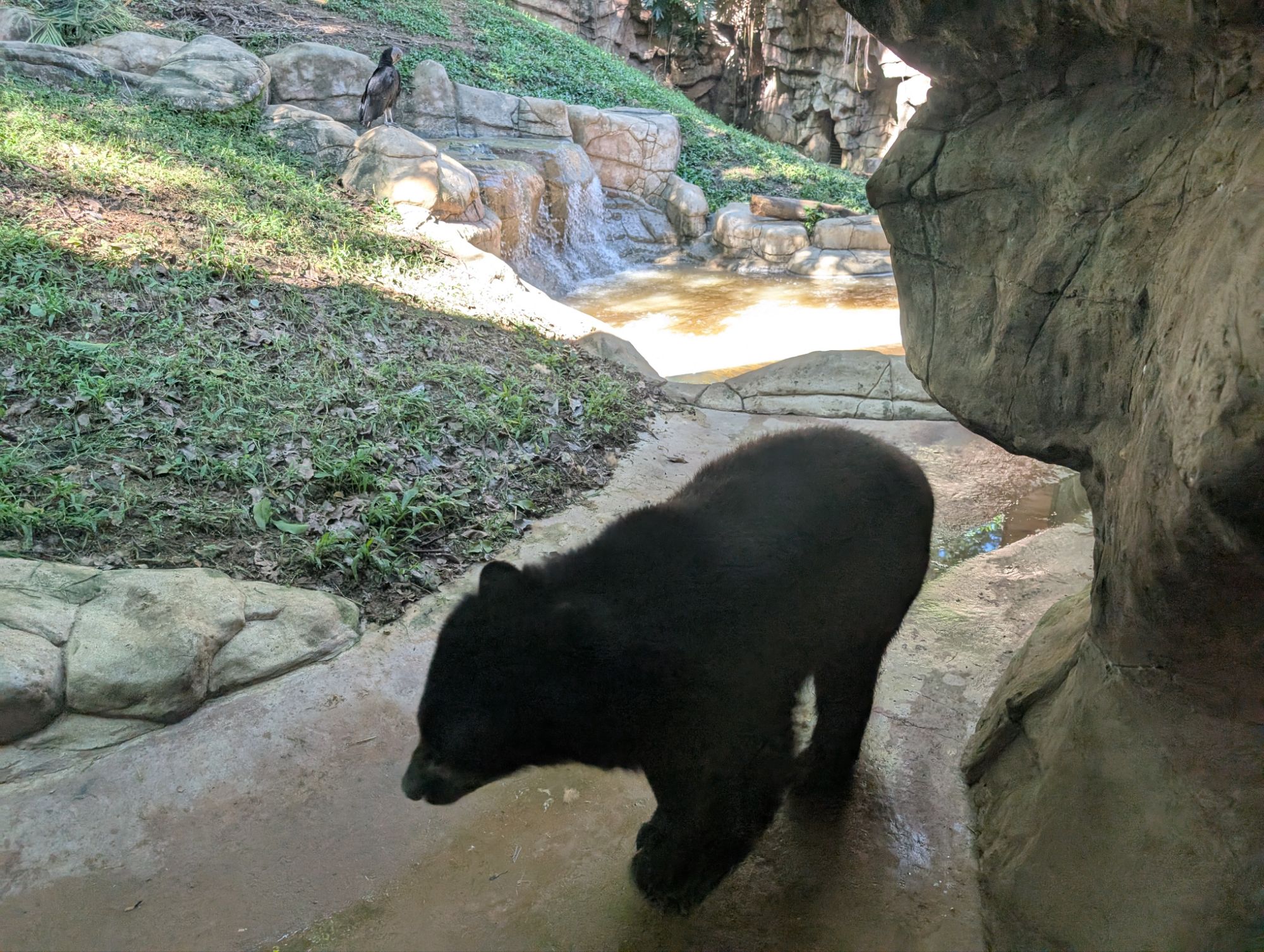
Speckled bear which is common in the Andes but hard to actually find
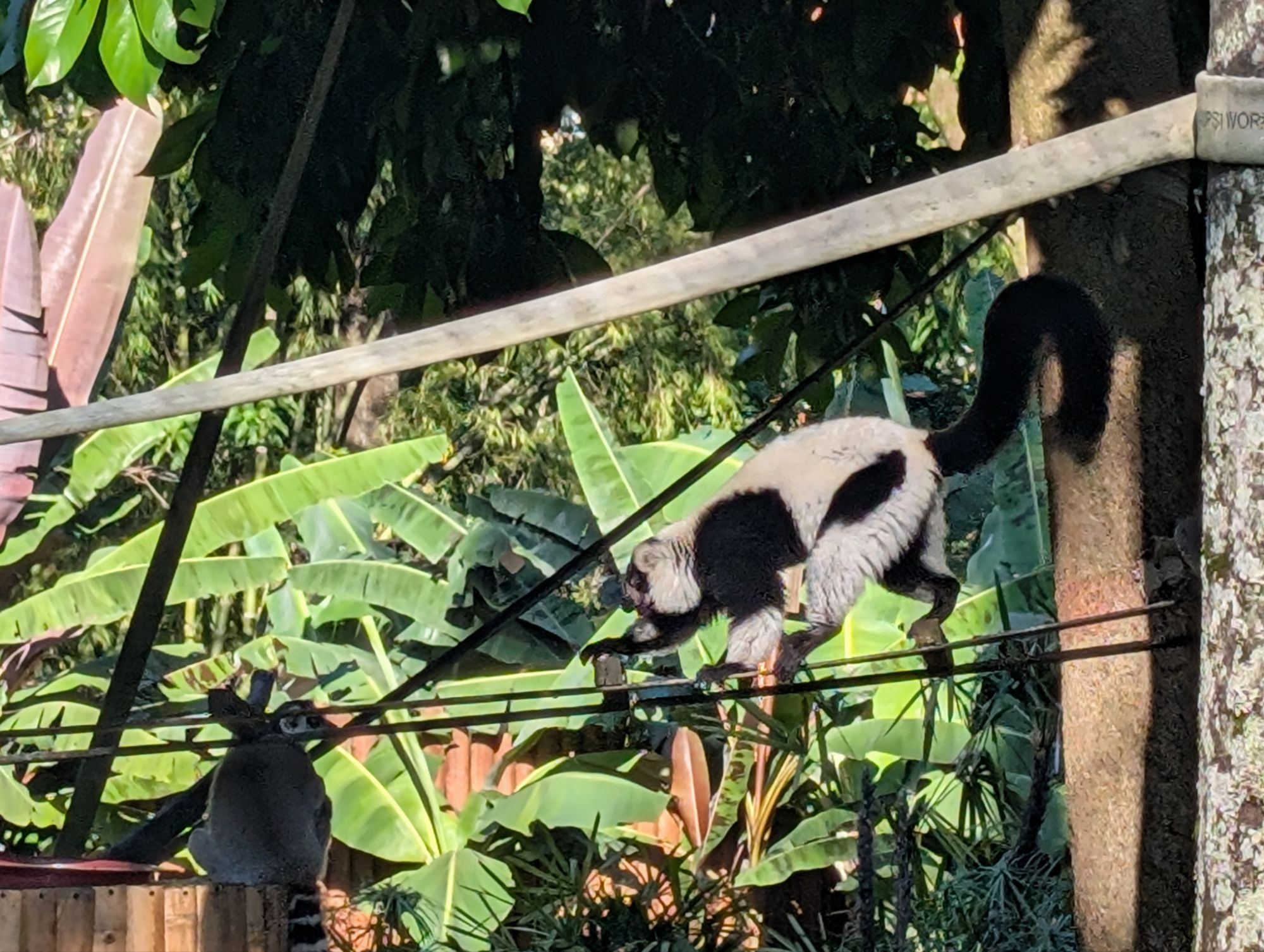
Lemur
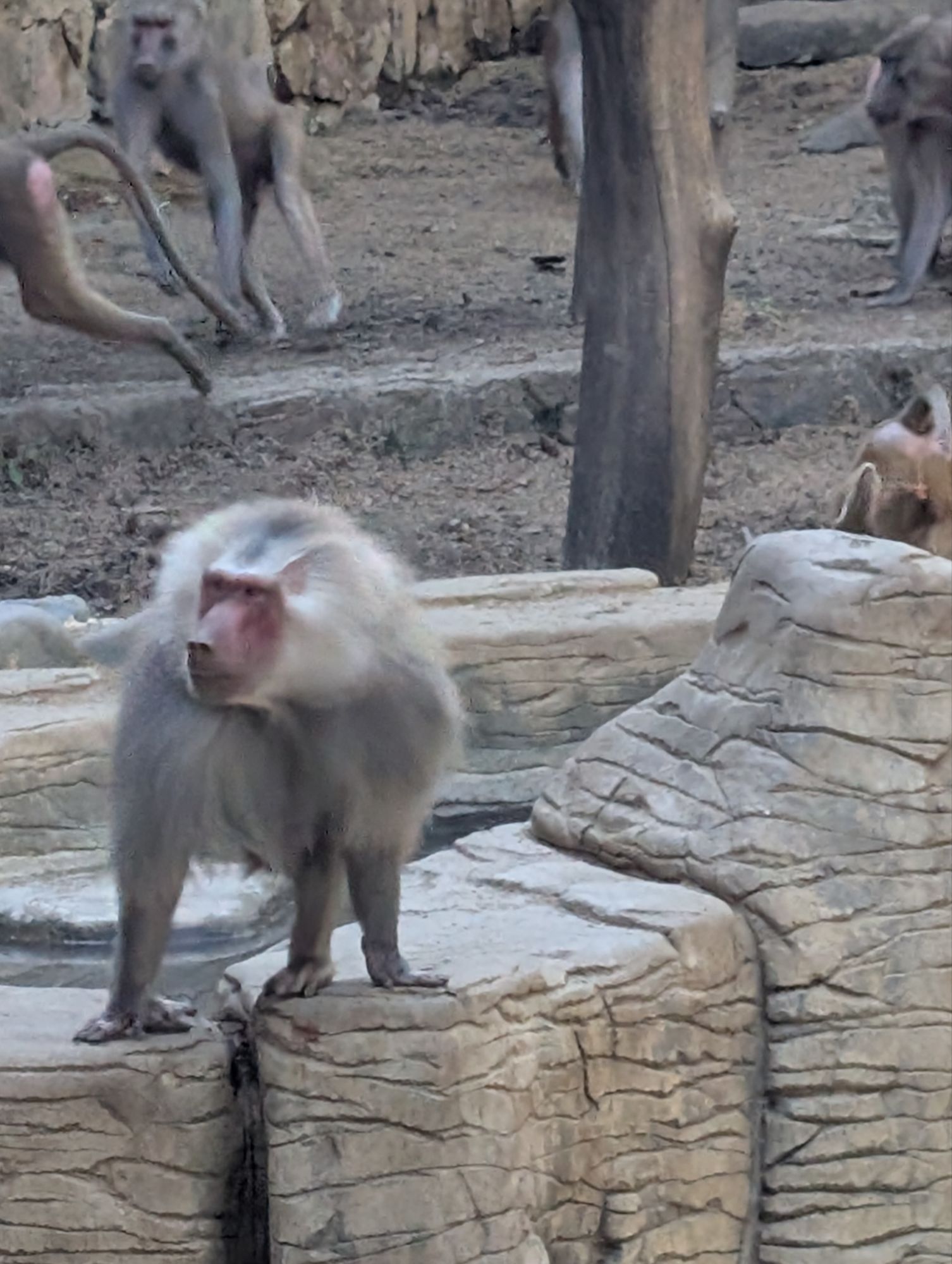
The next oldest babboon
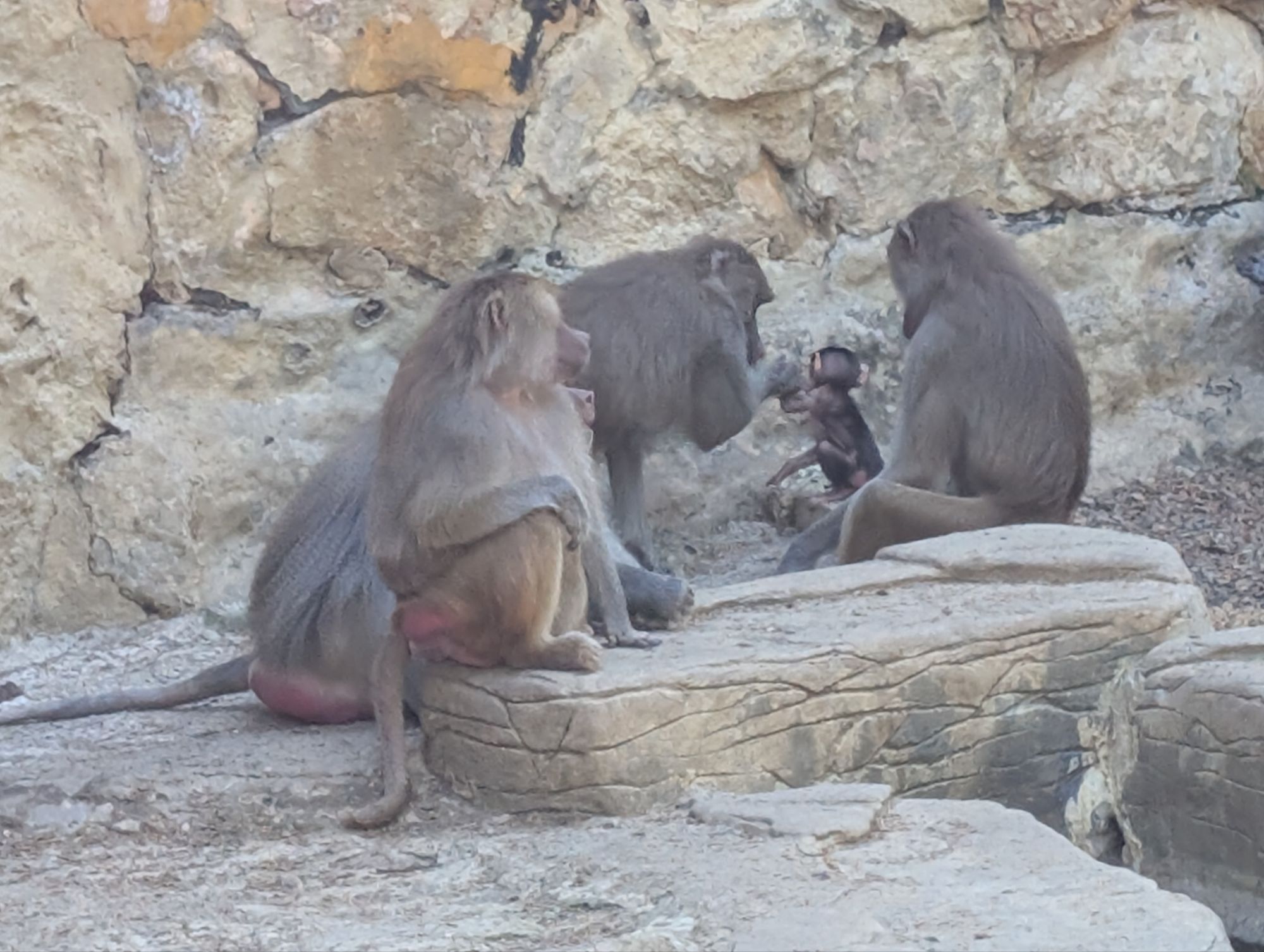
And the youngest
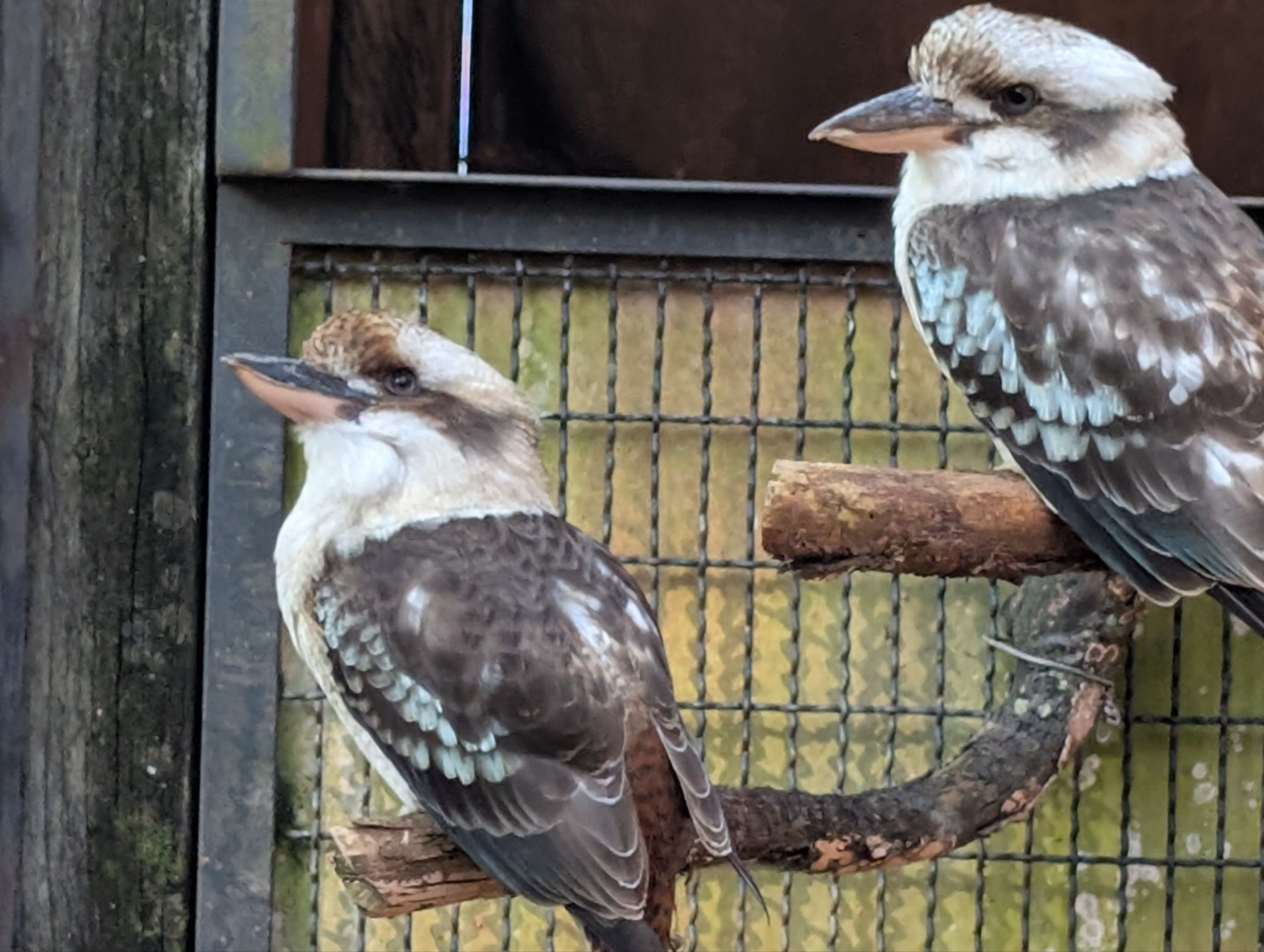
Kookaburra

As luck would have it, my knee swelled up training for the Camino de Santiago for September. Now I need to have a right knee replacement which has limited a lot of what I wanted to do (used a cane and also wheelchairs in airports…). From here I go to Medellin but will cut the rest of my trip short.